
The 2020 Porsche Macan Turbo is here. And as you can see it’s been revised, rather than revamped, in line with its range which we drove earlier this year.
Punters will pay $142,000 for the Turbo when it arrives in October, a significant step above the previous model’s $133,500, but you’ll score more power, efficiency, kit and style for the cash.
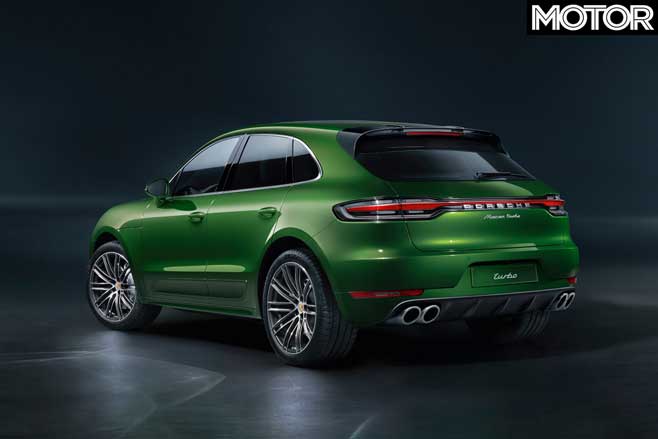
Headlining the update is a new 2.9-litre twin-turbo V6 that replaces the old 3.6-litre unit. Like the Cayenne and Panamera S models, as well as Audi’s RS4 and RS5, with which it shares the engine, its turbochargers are nestled with the vee.
Torque remains pegged at 550Nm but power increases from 294kW to 324kW. And when combined with all-wheel drive and a seven-speed PDK transmission, along with an optional Sport Chrono package, the new Turbo should hit 100km/h from rest in 4.3 seconds.
That’s three tenths faster than before while its top speed, too, has bumped from 266km/h to 270km/h.
Engineers have had a good look at its air suspension package, focusing on the pistons and damper hydraulics, and introduced a new tungsten carbide coating on the brake discs. Porsche claims faster brake response, less wear and a huge reduction in dust.
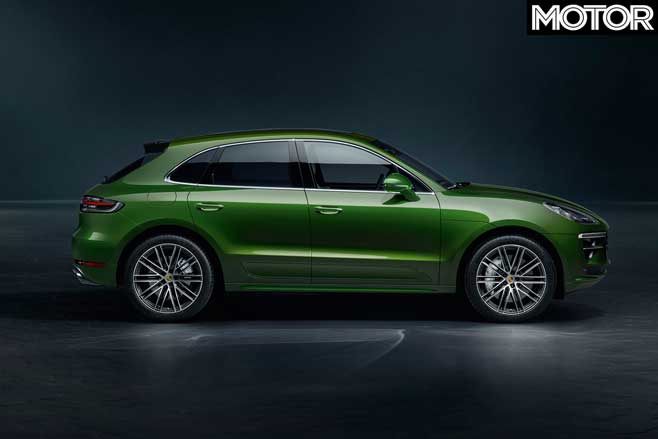
Visually, the new Turbo asserts itself within the revised Macan range with unique 21-inch wheels, a front chin apron matched to its body colour and a special double-wing rear spoiler hung off its rear window.
Inside you’ll be welcomed by 18-way adjustable leather seats, placing you front row behind its larger 10.9-inch infotainment system loaded with Porsche Communication Management software.
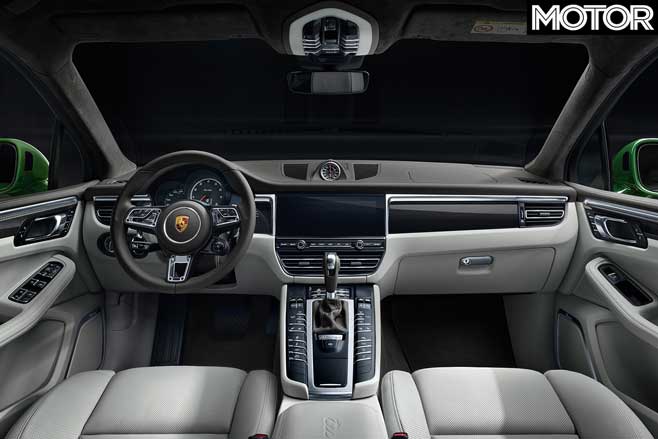
There’s also a 14-speaker Bose Surround Sound system rated at 665 watts, while Apple Carplay and front seat heating re also standard. Adaptive cruise control, meanwhile, is optional.
Sound like your bag? Porsche says the new Macan Turbo is available to order now and that its $142,000 tag excludes on-road charges.
What is it?
In our mission to bring you every facet of the new car market, context is everything. While Australians predominantly buy small hatchbacks, SUVs and one-tonne utes, it is still vitally important to know exactly what’s out there.
By examining every corner of the marketplace it’s possible to get a better understanding of value and choice when it comes to selecting a new car. So here’s one from just about the highest end of the market – a Rolls-Royce.
You don’t have to regard yourself as a car person to recognise the Rolls-Royce brand. Nor do you need to be awarded petrolhead status to understand what someone means when they describe something as the Rolls-Royce of lawnmowers, food processors, or double divan beds. They mean it is the very finest.
But does the iconic British car-maker still deserve that reputation as the authority in luxury and quality after 115 years in existence, and when some other more recent brands claim to do it as well if not better?
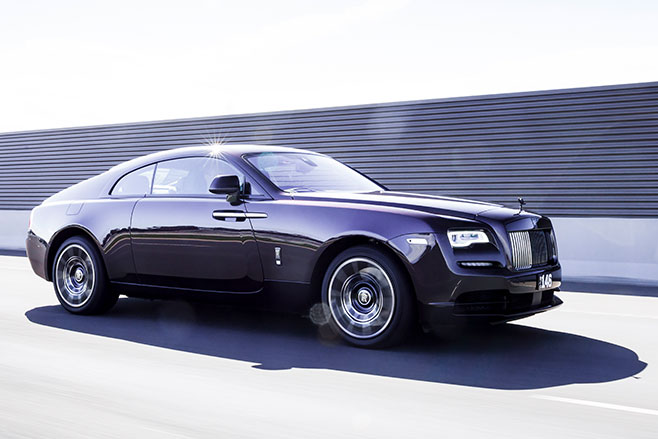
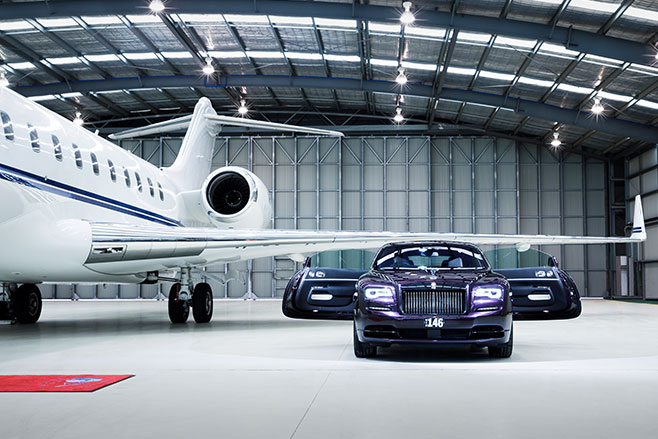
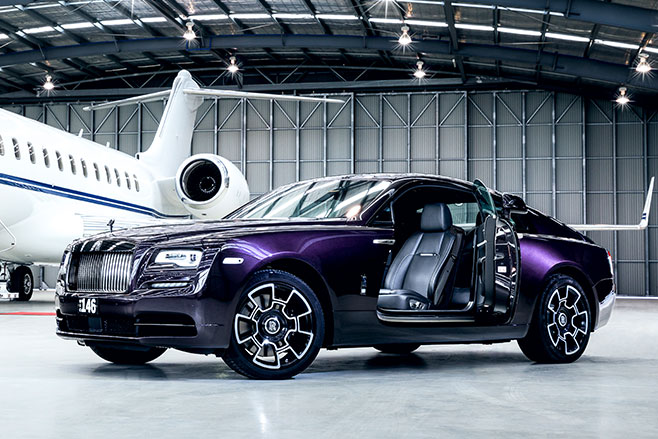
This is the Wraith – the company’s coupe and the car it says focusses most on the enjoyment of driving. It’s also the model that pulls a greater share of the younger and female audience.
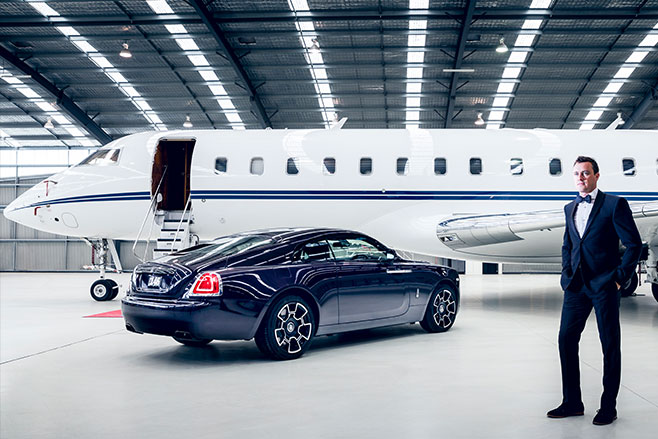
An entry-level Wraith will cost you $645,000 but the more exclusive Black Badge version adds another $90,000 to that starting price. Also, bear in mind that Rolls-Royce has hardly ever sold an ‘off-the-shelf’ version of anything with many of its customers tucking into the extensive – perhaps endless – list of customisation options.
Our car had a couple of extras thrown in, which took the retail figure up to $850,000 while taxes and delivery fees inflate that figure well into the $900k realm.
Compared with the ‘standard’ Wraith, the Black Badge gets a different exhaust, 21-inch carbon-composite wheels, and otherwise chrome exterior trims – including the famous Flying Lady bonnet statue – are turned dark with a special physical vapour deposition (PVD) technique.
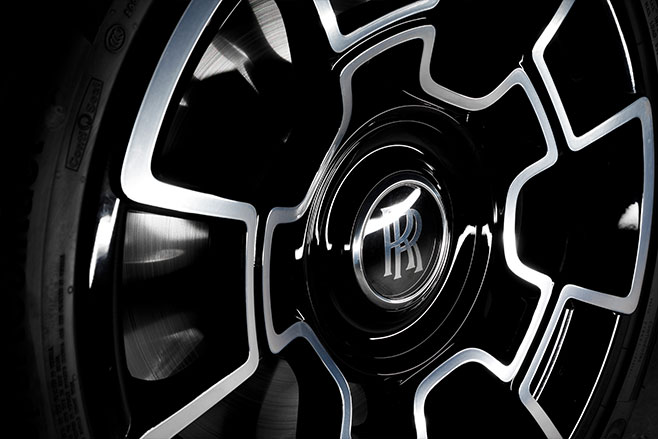
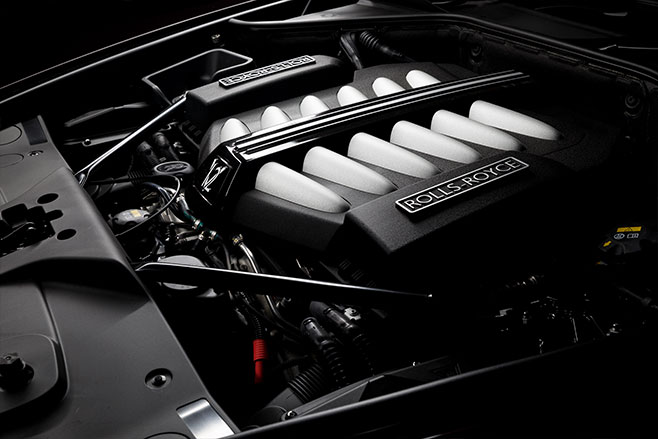
The model’s driver-focused attributes have also been fettled too with a more ‘dynamic’ suspension setting and 70Nm extra taking peak output from the 6.6-litre turbo V12 to a massive 465kW/870Nm.
Here’s what it’s like to spend some time with a car that nudges a million dollars.
What’s it like to drive?
In a word, special – something you realise from the second you behold the Wraith’s giant but elegant proportions, pop the ‘suicide’ door and hop into its opulent cabin. Some luxury car interiors appear to be embellished versions of more affordable variants (or sometimes lesser models in a mainstream brand line-up) – often because that’s exactly what they are.
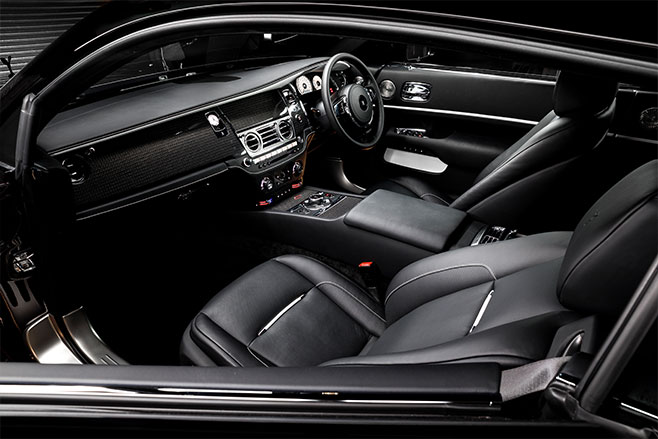
Not the Wraith though. There’s no such thing as a boggo Rolls and you can instantly tell that the inside of this brand’s cars is done differently. Some may interpret the purity of simple gloss black switches as underwhelming, or the typeface used to label them a little plain, but a different approach would rapidly escalate into ostentatious bling.
Indeed, with a little customisation, you can have your Wraith decked out with extra fancy Juglans Regia walnut and gilded everything to mimic an Emirates first-class pod, but the Black Badge treatment is wonderfully restrained and understated without losing the sense of occasion.
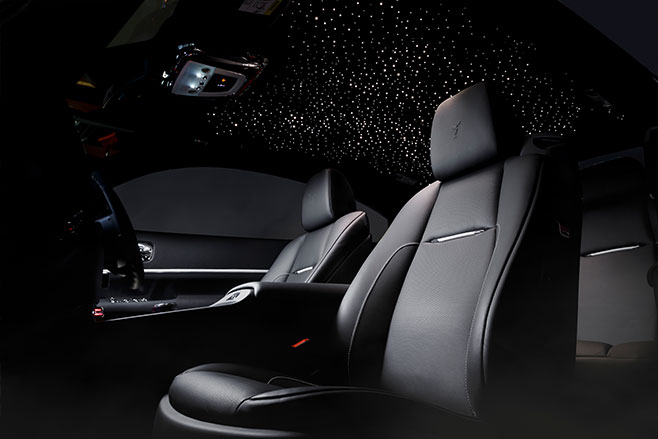
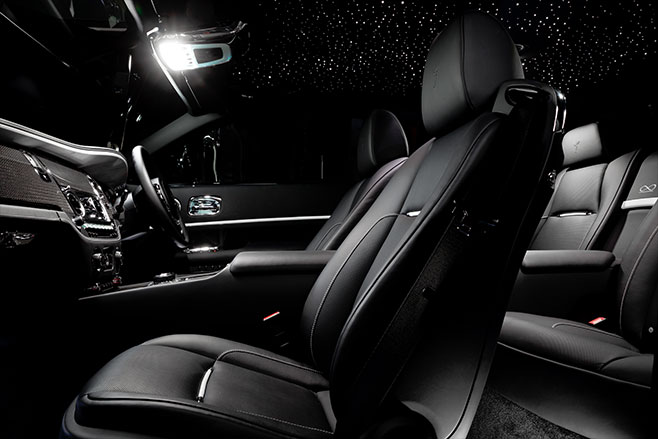
Instead, there’s carbon composite (excuse me – ‘technical fibre’) in a weave-pattern we’ve never seen before, interwoven with a fine aluminium wire, black leather that’s as supple as a surgical glove, and a frankly stunning starlight headliner, which decorates the ceiling of the car with pinpricks of white LED light. Okay, it’ll add about another $25k to the bottom line, but you won’t be able to resist once you’ve experienced its incredible glow at night.
But let’s not forget that this is the model and variant Rolls-Royce says is it’s most driver-focused.
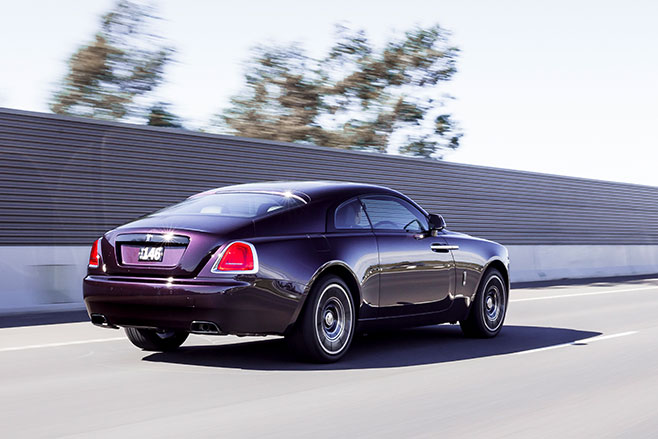
At cruising speeds, the Wraith’s suspension is among the most astonishing we’ve ever experienced. Air springs appear to eliminate significant road imperfections completely, along with traffic control furniture at lower speeds. It also wears Continental ContiSilent tyres specially developed for Rolls-Royce to complement the spookily smooth suspension and the resulting ambience is as eerie as its name. The term magic-carpet is frequently misused to describe ride comfort, but it’s spot-on in this case.
Equally sophisticated active anti-roll bars maintain an almost completely flat body through corners – commendable, but it doesn’t pair well with the exceptionally light and low-ratio steering. Through fast corners the Wraith appears to have lots of grip but offers minimal communication through the steering to let you know how much is left in reserve.
Rather than carving up hairpins, this monstrous method of transport is far better gliding at high speed and along straighter roads, where you can appreciate its prodigious power that is delivered with incredible manners – 870Nm and 465kW has never been despatched with such little stress.
Oh and as if that wasn’t British enough, there’s no tachometer to tell you how fast the engine is spinning – simply a ‘power reserve’ gauge that politely informs you how many horsepower you can still call upon.
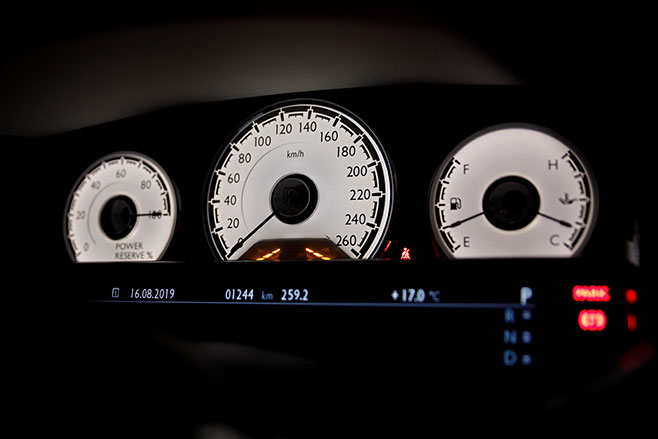
Pressing the Wraith Black Badge through more enthusiastic roads is still fun, but wrestling this 2.5-tonne cyclopean coupe around corners feels a little disrespectful somehow.
Far better, therefore, to let the Wraith combine its ghostly presence with smouldering performance potential and attract the significant attention it garners everywhere it glides, along with the presidential-class accommodation. The result is a car that makes you feel unbelievably special.
What’s it like to live with?
Unlike many similarly priced supercars that constantly remind you of their value with shrieking engines and neurotic driving characteristics, the Wraith is more like a comforting hand on your shoulder. Its profoundly relaxing nature makes it a very easy car to enjoy. There are some occasional reminders of its exceptional status though.
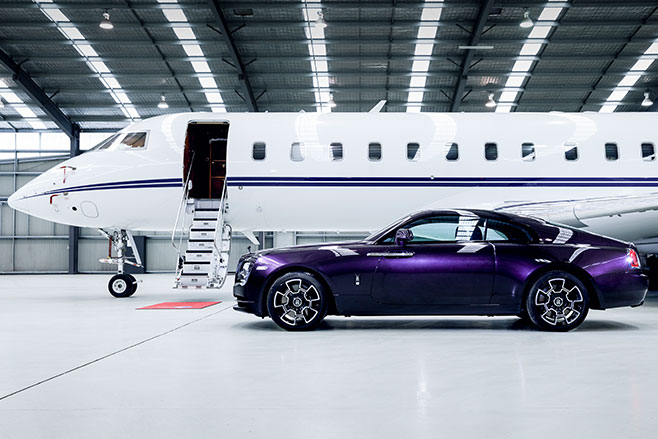
Rolls-Royce may tell you that this is its smallest model, but that’s like saying Everest’s warmest month is July. The Wraith measures in at 5.3 metres long and nearly 2.0 metres wide and that could make it a handful in tighter driving situations, while the length results in a huge 12.7-metre turning circle.
It’s massive engine also has quite a thirst for 98 RON petrol. While a majority of our driving was in suburban and stop-start conditions, the Wraith used an entire tank (about 80 litres) in about 350km. Its maker says about town consumption is rated at 22.2L/100km, which is about correct. Hit the freeway and that’ll drop to about 10.0L/100km.
Unlike the Rolls-Royce Ghost and Phantom sedans, the Wraith has just two doors and that invariably impacts the brand’s reputation for looking after occupants in the second row. That’s not to say the rear seats are exactly cattle class, however.
On the contrary, the massive doors make access easier than you might expect and, once aboard, the accommodation is roomy and complemented with more luxury touches. Hop out on a rainy day and the colour-coordinated brollies will pop from the door slam panel, deep-pile lamb’s wool mats keep your feet cosy, and even the white leather-lined side pockets have motion sensors to illuminate the storage area when a hand gets close.
Honestly, though, you’ll want front-row seats in this performance.
With BMW ownership, Rolls-Royce has the German carmaker’s technology and electronics to call on for the parts you can’t see, and if you had to pick one supplier in the world you could do a lot worse than the Munich giant.
As a result, the information and entertainment systems are as intuitive as you will find in many other high-end manufacturers, albeit a little dated by the previous-generation 7 Series that many electronics appear to have been donated by.
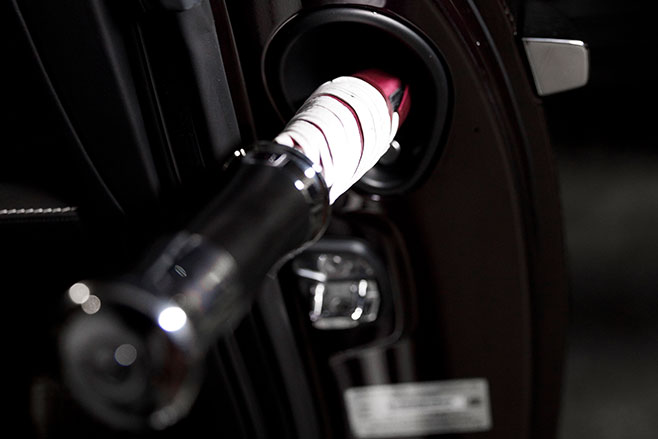
But as is the case with any new vehicle, it is not just the leather, metal and glass of a car that dictates your ownership experience, often your satisfaction comes down to the aftersales care each respective brand offers its customers.
Write out a cheque for one of Goodwood’s finest and you’ll join an impossibly exclusive club that prides itself on the way its members feel about their decision to put a Rolls-Royce on their driveway.
Is it worth the money?
This is perhaps the hardest question to answer, but let’s try to put it into perspective with an analogy.
For $20 you can buy a half-decent bottle of wine – let’s say it represents the $20,000 entry-level Hyundai i30 Go – a very respectable budget option. Increase your wine budget to $40, though, and suddenly you are drinking the wheeled equivalent of a $40,000 BMW 1 Series.
It’s fair to say that most red drinkers could quickly identify the key differences between a budget bottle of plonk and a red that costs double, in exactly the same way that an average driver can tell an affordable hatchback apart from a German premium brand entry-point.
But everything changes when you apply the same logic to the luxury end of the car market. BMW (which conveniently owns Rolls-Royce) will sell you it’s very fast, very comfortable and quite beautiful M850i Coupe for $272,900 – now that’s a serious bottle of red.
Or, for almost four times that amount, you could have the Wraith we tested. Both get to 100km/h from zero in the same time, it’s highly unlikely you will see both on the road during the same day, and both are beautifully put together. And yet, one is disproportionally more expensive.
If you think a $1000 bottle of Grange (the Rolls-Royce of Australian wine) is worth the extra cash over a $270 drop and, more to the point, can appreciate the difference, then the Wraith Black Badge is, quite possibly something you might consider.
But like the world’s finest wines, it’s hard to quantify luxury goods when they stride so far into the realm of aspirational purchases. If you’ve always wanted to stock your cellar with Chateau Lafite, wear a Patek Philippe on your wrist and drive a Rolls-Royce, then it’s likely nothing else will do.
Pros: Incredible ride quality; silent cabin; unique touches; monstrous but smooth power; sheer presence Cons: Eye-watering price; numb steering; fuel consumption Rating: 5/5
If you drink and drive, you’re a bloody idiot. But if you take meth and drive, what does that make you? Well, it might make you about 40 times more likely to have a car crash. And there’s potentially almost as many people doing that as drink driving.
This information comes in as Victoria’s road toll continues to grow higher than the same time last year, Victoria Police revealing that drug driving offences are almost on parity with drink driving charges in the Southern State.
Triple J’s Hack reports that statistics supplied by Vicpol show the number of people charged with driving on drugs is nearly equal with those caught drink driving.
In 2018, 4634 people in Victoria were charged with drug driving, while 5164 were charged with drink driving. The numbers represent that drug driving charges account for 47 percent of all driving under the influence charges. But it gets worse.
The shocking statistic highlights a growing problem that is particularly prevalent among young drivers, with 29 percent of all drug driving charges committed by drivers between the ages of 18 to 25 years old.
Statistics supplied by the Transport Accident Commission (TAC) Victoria show that police tested 140,956 drivers for drugs in the 12 months to March 2019, an increase of 37 percent on the same period the year before. By comparison, police booze bus tested an incredible 1.35 million drivers for drink driving, making the hit rate for drug testing alarmingly high.
Roadside drug testing involves a swab test that is analysed on the spot in three minutes and can detect the presence of THC (Delta-9 tetrahydrocannabinol), the active component in cannabis; methamphetamine, which is found in drugs such as ’speed’, ’base’, ‘ice’, and ‘crystal meth,’ and; MDMA, which is known as ecstasy.
Testing positive to the swab test results in a sample being sent to a laboratory for further analysis and confirmation, which forms the basis of charges brought against the driver.
Speaking to Hack, Road Policing Command Assistant Commissioner Stephen Leane said that drivers with meth in their system are up to 200 times more likely to crash.
“If you’ve got methylamphetamine in your system, you’re 18 to 200 times more likely to have a collision.
“When you think about drinking and driving, if you’re over 0.5 [blood alcohol content] but under 1.0, you’re five to seven times more likely to be in a collision,” said Leane.
“Just don’t get on the road after you’ve taken these substances.”
Problem is, Leane sees drug driving to become endemic.
“I think drugs and driving will be the big challenge for our community for the next decade.
“Just like we did with alcohol and driving in the 1970s, if we don’t get on top of this then too many people will lose their lives from this on the roads.
“Don’t drive to the festival, or don’t drive home from the dance party. Because if you’ve taken drugs that night, there’s more than likely going to be a presence in your system and that means you could have a collision and kill somebody. The police may catch you and you could lose your license.”
The inevitable AMG-badged version of Mercedes’ new SUV has been confirmed, with the Affalterbach brand revealing the 2020 Mercedes-AMG GLB35 to fill the mid-small-sized or small-mid-sized gap in its range.
Larger than the GLA, but smaller than the GLC, the GLB badge is expected to rival the BMW X3 M40i and Audi SQ3. Here, in AMG ‘35’ guise, it’ll pack a punch rivalling the likes of BMW’s newish X2 M35i, with 225kW matching like for like with the Bavarian.
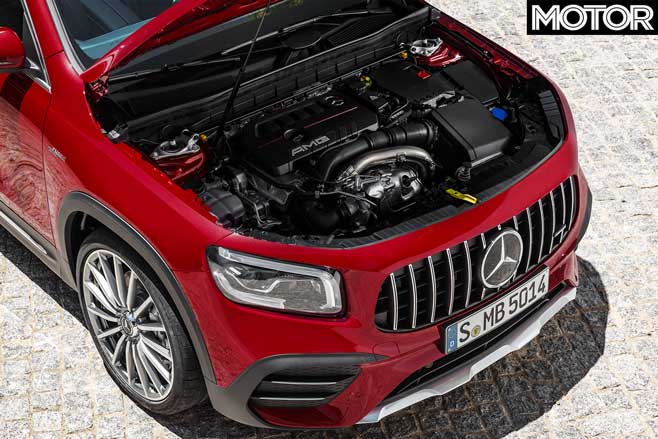
Borrowing its powertrain from the AMG A35, a turbo 2.0-litre four and AMG’s 4Matic all-wheel-drive, the GLB35 hits 100km/h in 5.2 seconds according to AMG. Its 400Nm helps in this department.
But it’s the seating arrangement inside which provides its biggest point of difference from its smaller GLA sibling – the GLB will be a seven-seater, the first of its kind on its platform.
AMG boss Tobias Moers says the seven-seat aspect of the GLB, combined with its style, is its strongest selling point.
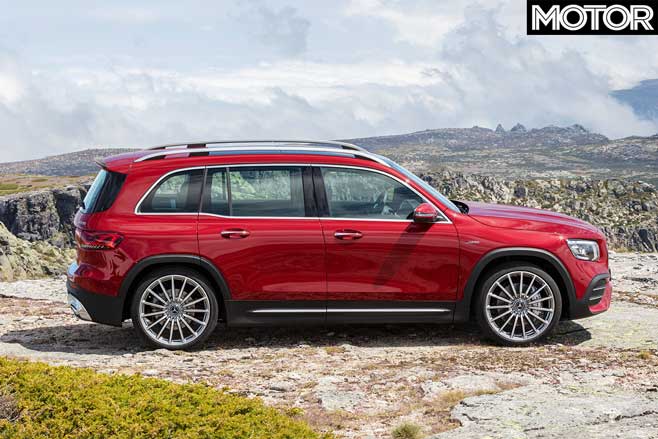
“With the new GLB35 4MATIC we are extending our product portfolio by adding a highly attractive model for an active target group that attaches special importance to versatility,” says Moers.
“This also includes the optional seven-seater capability of our new compact SUV, though without having to sacrifice the genes typical of an AMG.
“Because in its segment, our GLB 35 likewise fulfils our brand promise of Driving Performance.”
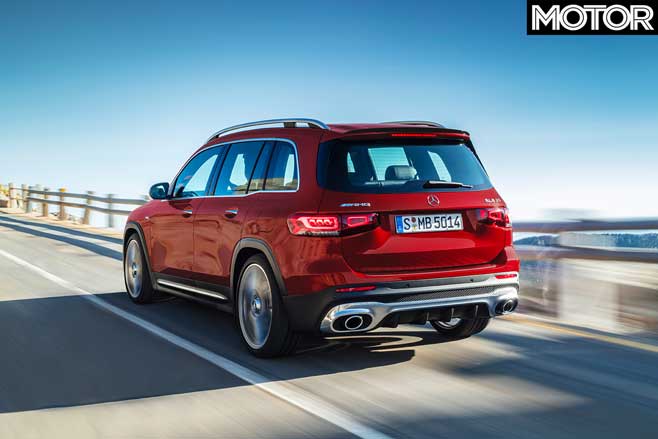
Mercedes-Benz Australia says the GLB35 is confirmed for local availability, though its pricing and specification is yet to be announced, with details expected closer to its launch sometime before mid-2020.
Toyota reckons it can make a better van than the Europeans, and the new Hiace gives the company reason to be confident.
What is it?
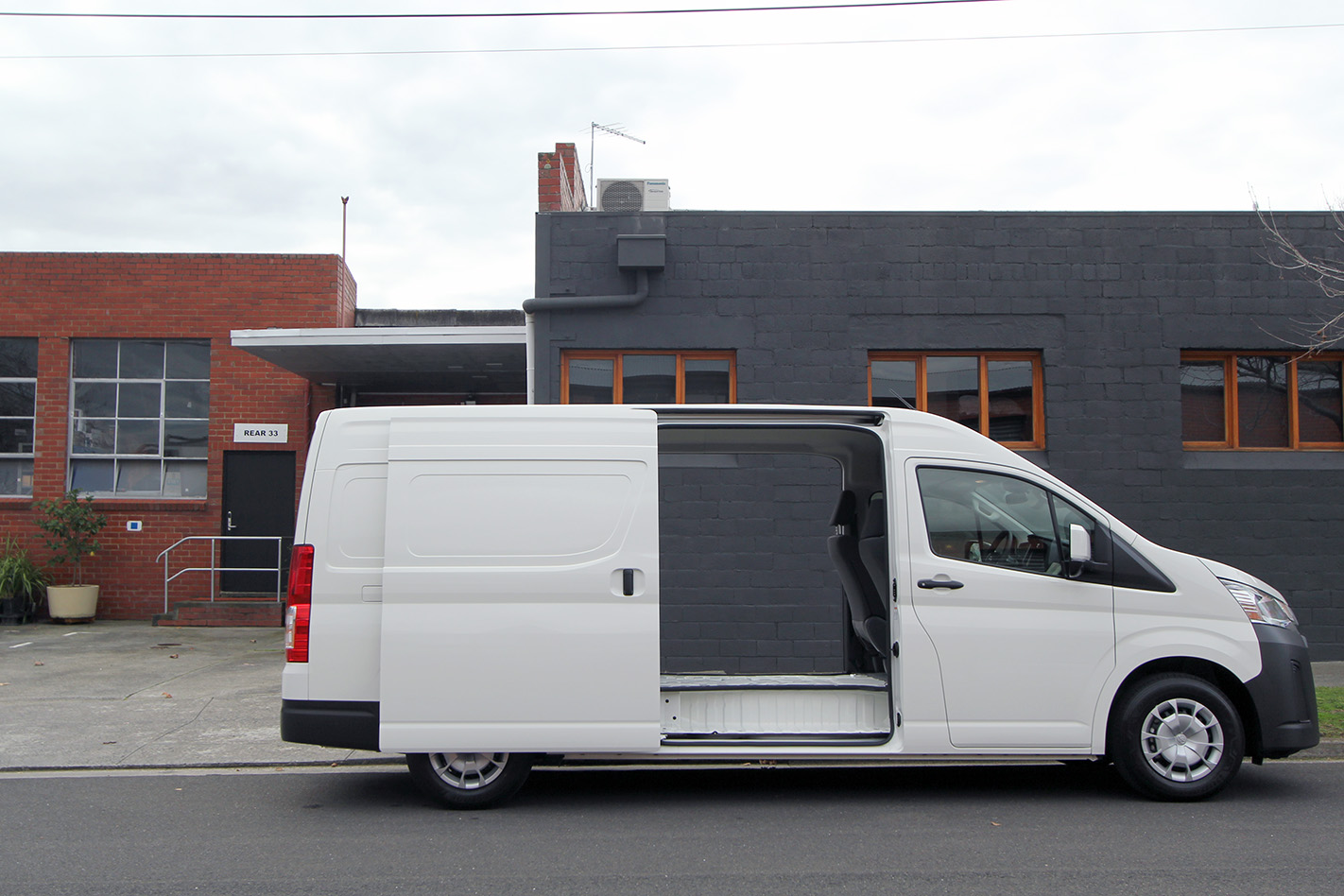
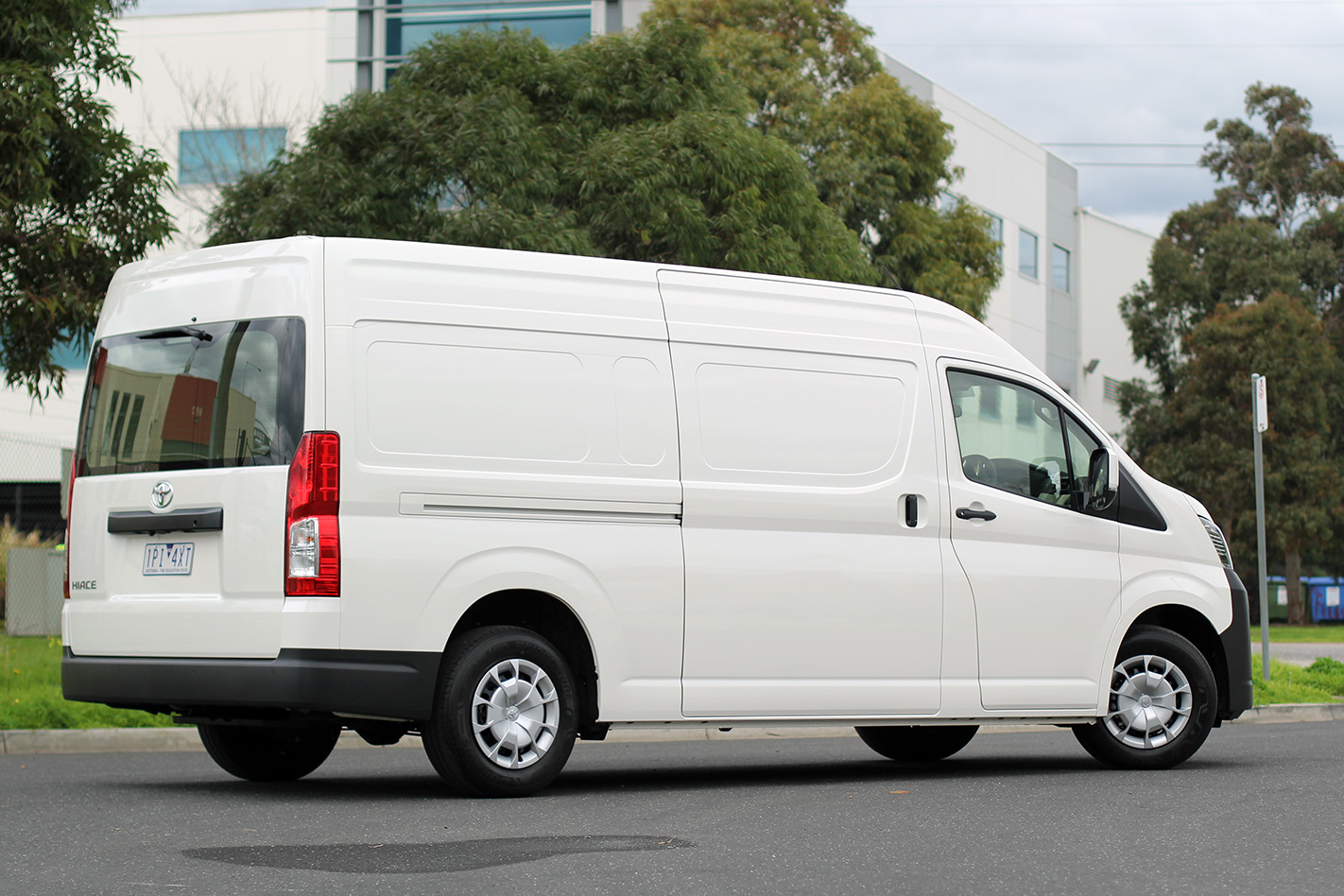
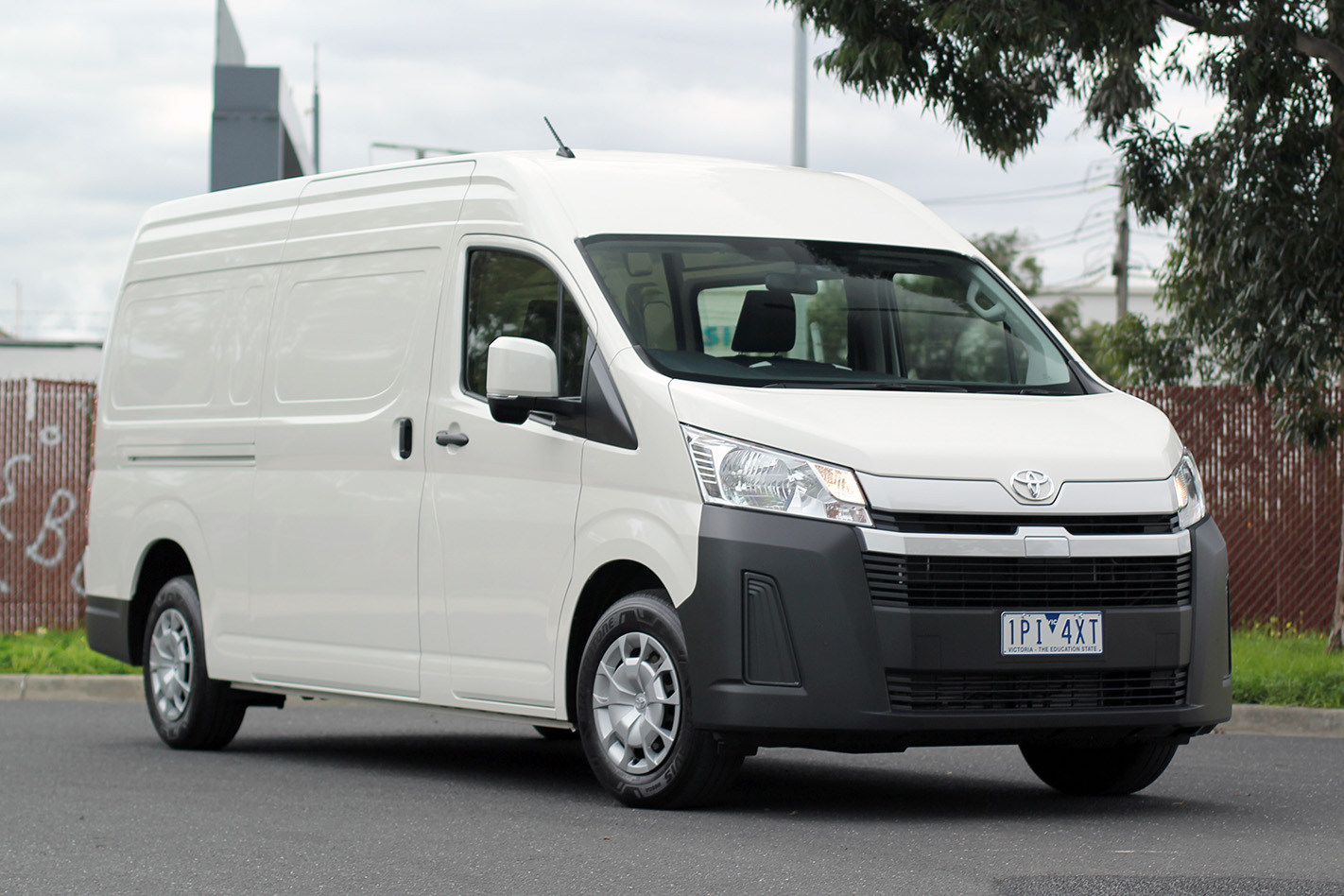
This isn’t just the first all-new Hiace in 15 years, but the specific van you see before you, the high-roofed, super-long-wheelbase two-seater, is the biggest version you can buy.
Not content with sitting by and watching European mid-size vans like the Ford Transit Custom, Volkswagen Transporter, Peugeot Expert and Renault Trafic eat into its market share, Toyota has engineered its sixth-generation Hiace from the ground up to be more comfortable and more practical, as well as better to drive, better equipped and safer.
Glancing at the spec sheet, Toyota has succeeded on the last two counts. For one, autonomous emergency braking and active cruise control are standard, along with blind-spot monitoring and a reversing camera – both critical for a van.
Sat-nav is also standard, as is a quite modern infotainment touchscreen that should mean drivers will never need to fiddle with their phones to make calls or find their way to their next drop-off.
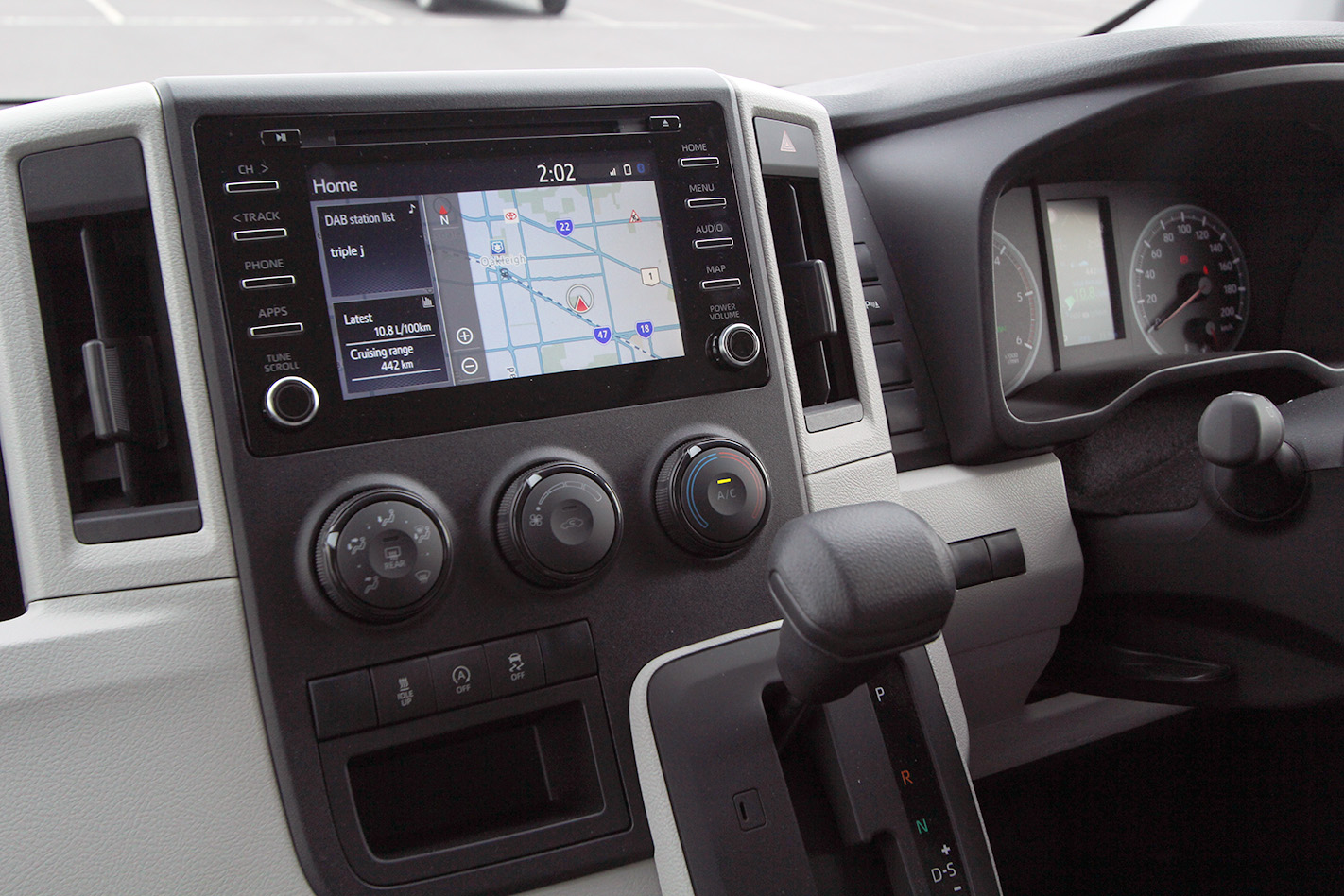
A much bigger change concerns the Hiace’s move to a Euro-style semi-bonneted bodystyle, rather than the cab-over design of the previous model that had the driver and front passengers sitting on top of the engine.
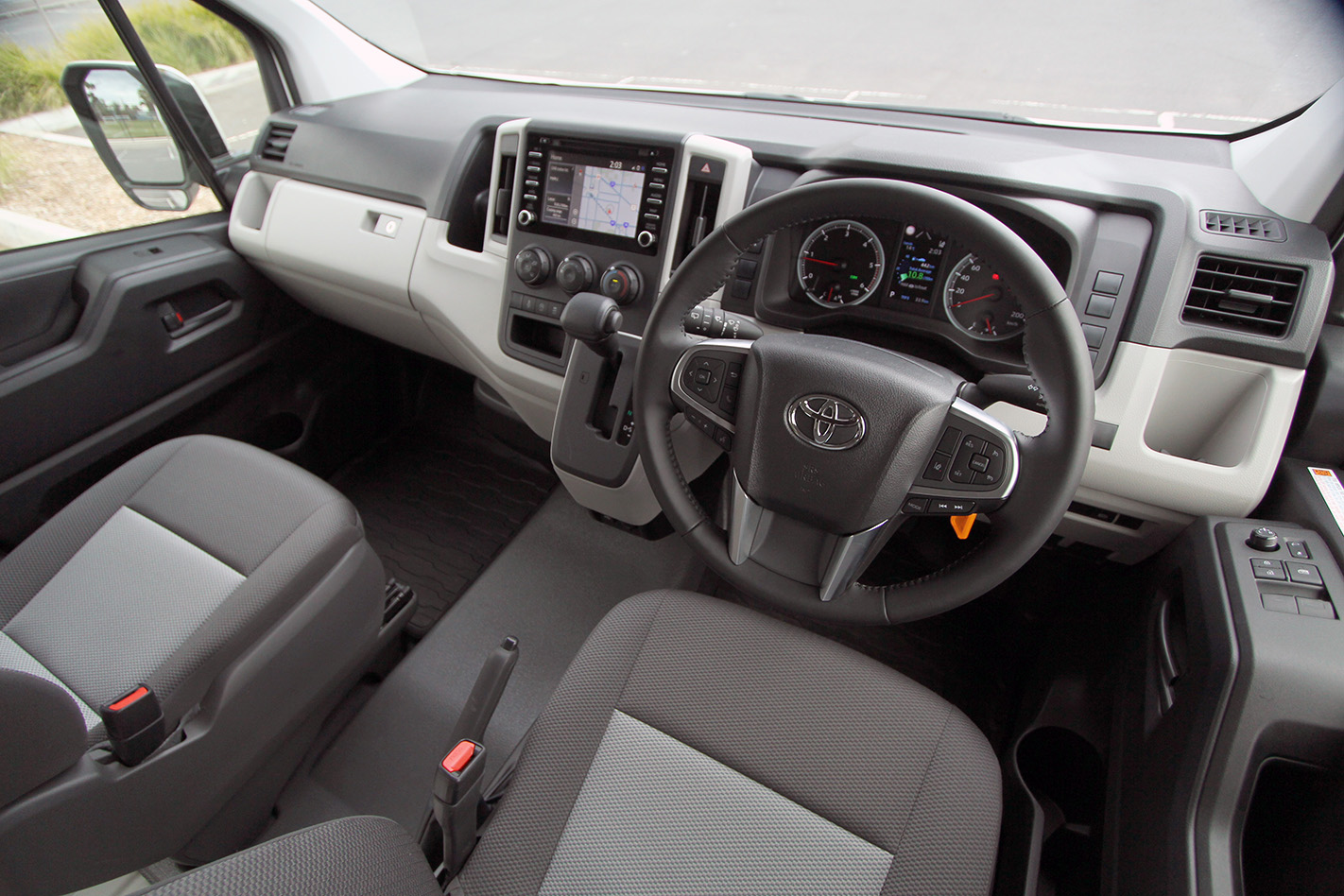
With the engine now in front of the seats and out of the way, there’s now more space in the front of the cab, better ergonomics, the ability to walk from the front seats into the cargo area unhindered, less noise and improved crash safety. There’s also no fewer than seven airbags – a segment leading number.
That change does introduce a sizable compromise, however. With a capacity of 9.3 cubic metres, the Hiace SLWB we’re testing here has 0.5 cubic metres less cargo space than the van it supersedes. Does that impinge on its utility as a work vehicle? Is its hefty $52,140 retail price too much? Read on.
What’s it like to drive?
Coming from the very utlilitarian and generally unpleasant-to-drive fifth-gen Hiace, the sixth-generation of Toyota’s commercial van immediately impresses with its civility. For one, driver ergonomics are significantly improved thanks to a more spacious footwell, greater seat adjustment range and a steering column that can adjust for both reach and rake.
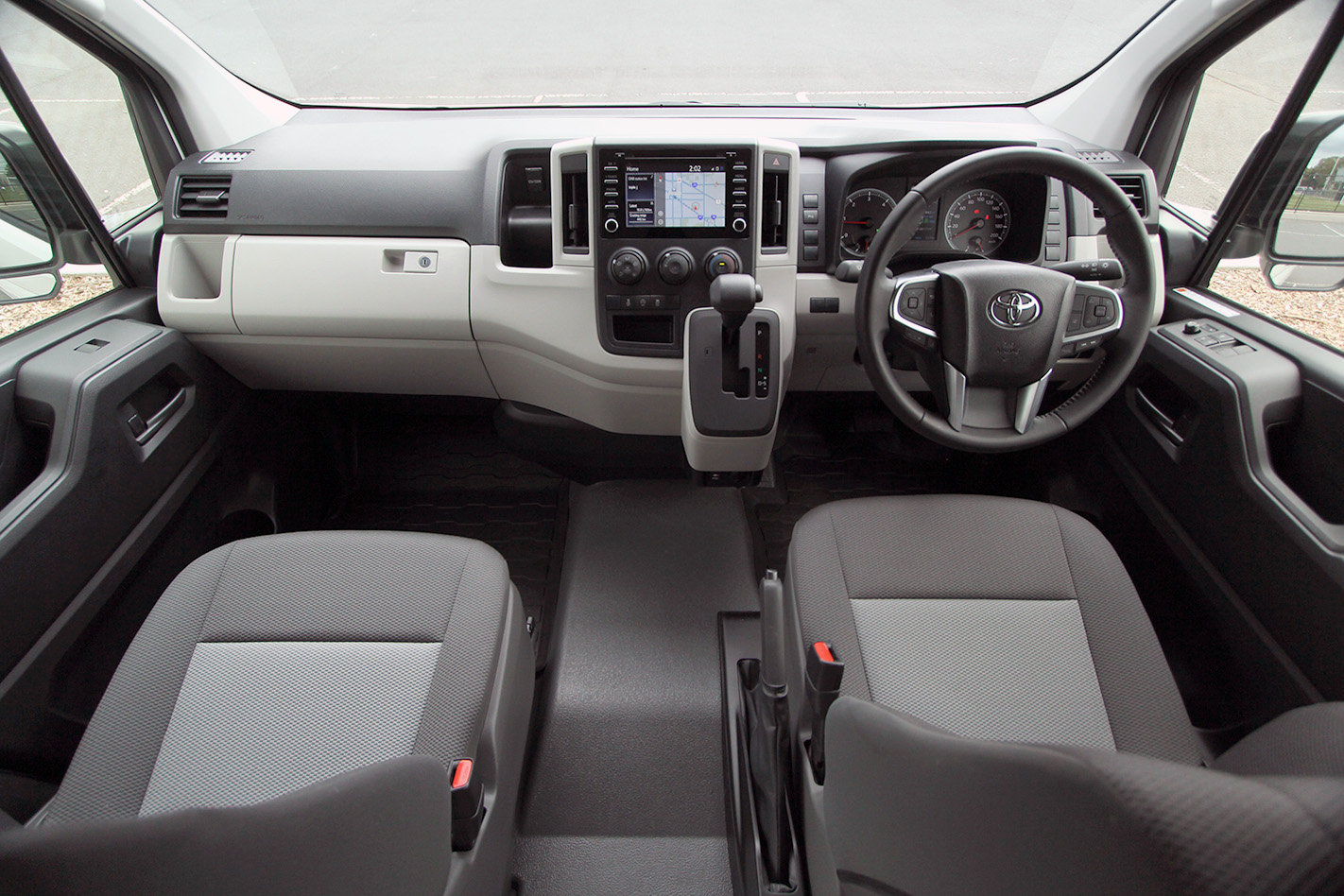
Bigger drivers may find their left knee rubbing against the dash plastics, but generally speaking this is a far more accommodating cabin than before, and as a result a far more pleasant thing to drive for long periods of time.
The SLWB van can be had with either diesel or petrol engines, but it’s the diesel we’re testing here that impresses the most. Sure, the 3.5 litre petrol V6 option has a huge 207kW/351Nm output, but it’s the diesel’s 450Nm torque maximum that actually motivates the 2.26-tonne Hiace the best. Connected to a six-speed automatic by default and driving the rear wheels – there’s no manual option in the SLWB range – this engine is surprisingly quiet and smooth, and our fuel consumption over a week of mostly-unladen driving came within half a litre of Toyota’s claim of 8.4 L/100km.
Part of that comes down to the more modern 2.8-litre diesel (the same as that used by the Toyota Hilux, Fortuner and Prado) and the fact the auto option now has six gears rather than the outgoing model’s four, but there’s also an engine start-stop function as standard – a critical fuel-saving feature that will no doubt appeal to any cost-conscious business operator.
Loaded up with a couple of hundred kilos, the Hiace still feels perky and willing to move. Having some weight also softens the leaf-sprung rear suspension to an agreeable level too, though even without any weight over the rear wheels it still handles fine and delivers decent ride comfort.
Couple that with a great view of the road ahead, big side mirrors with ancillary convex mirrors for kerb-watching, a bevy of driver-assist features and a superb cabin comfort, and the new Hiace is easily one of the better vans to spend the better part of a workday in.
What’s it like to live with?
The Hiace experience isn’t just good from a driving point of view. As a mobile workspace, it’s miles ahead of the van it replaces.
For one, the aforementioned improvements to refinement mean drivers won’t get worn down and fatigued just from driving from site to site or delivery to delivery, while the more spacious cabin, better driving position and aids like blind spot monitoring, active cruise control and integrated sat nav should make driving such a huge van in traffic a much less stressful experience.
And it is indeed huge.
Just shy of six metres in length, the Hiace SLWB occupies a much larger footprint on the road than its predecessor. Some of that growth goes into making the front seats more accommodating (though you don’t get a centre seat in the Hiace Van anymore), but the cabin area is actually 500 litres smaller relative to the old Hiace SLWB.
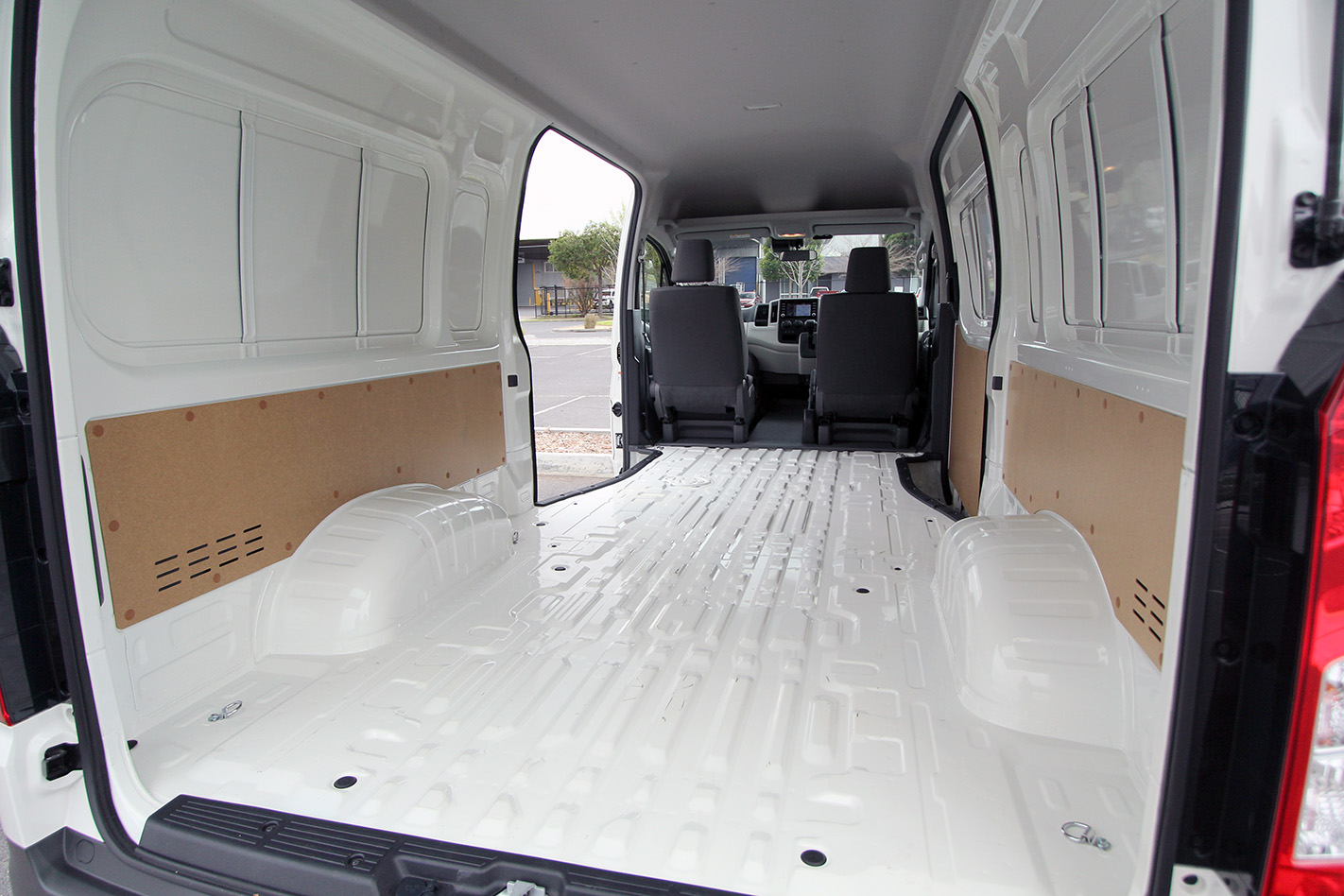
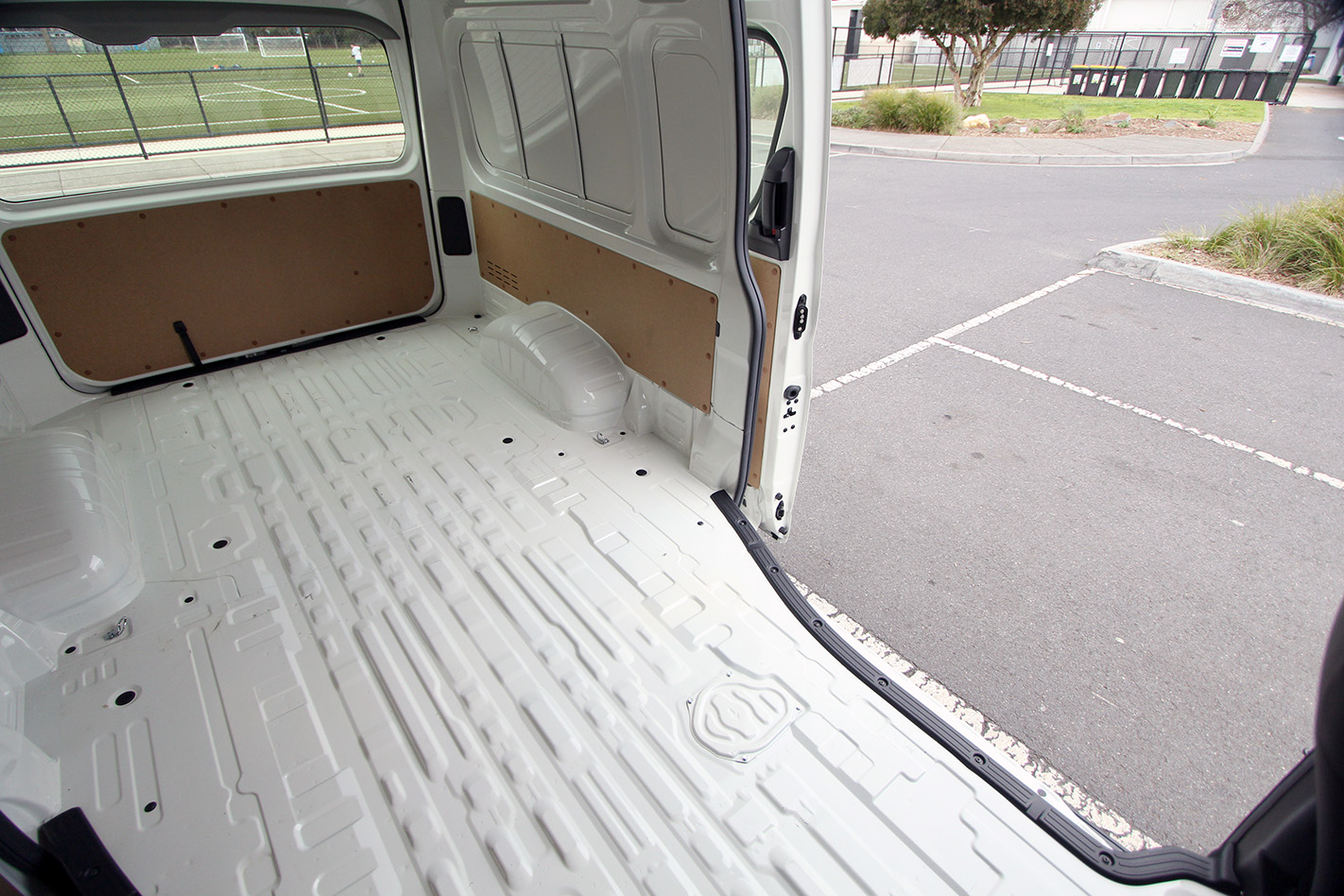
Will you miss that? Not really, given the new Hiace SLWB just feels so massive thanks to its huge overall length and standard high roof. There are also six tie-down points to help secure your load, though a floor covering for the cargo area is an optional extra.
Something you might miss is a physical barrier to separate occupants from cargo. While that makes it easy to duck into the back directly from the driver’s seat, it also means the cabin takes a while to heat up or cool down and there’s nothing to quell noises from the back. Thankfully, Toyota has a couple of dealer-fit options to help separate driver from cargo, but they’ll cost you extra.
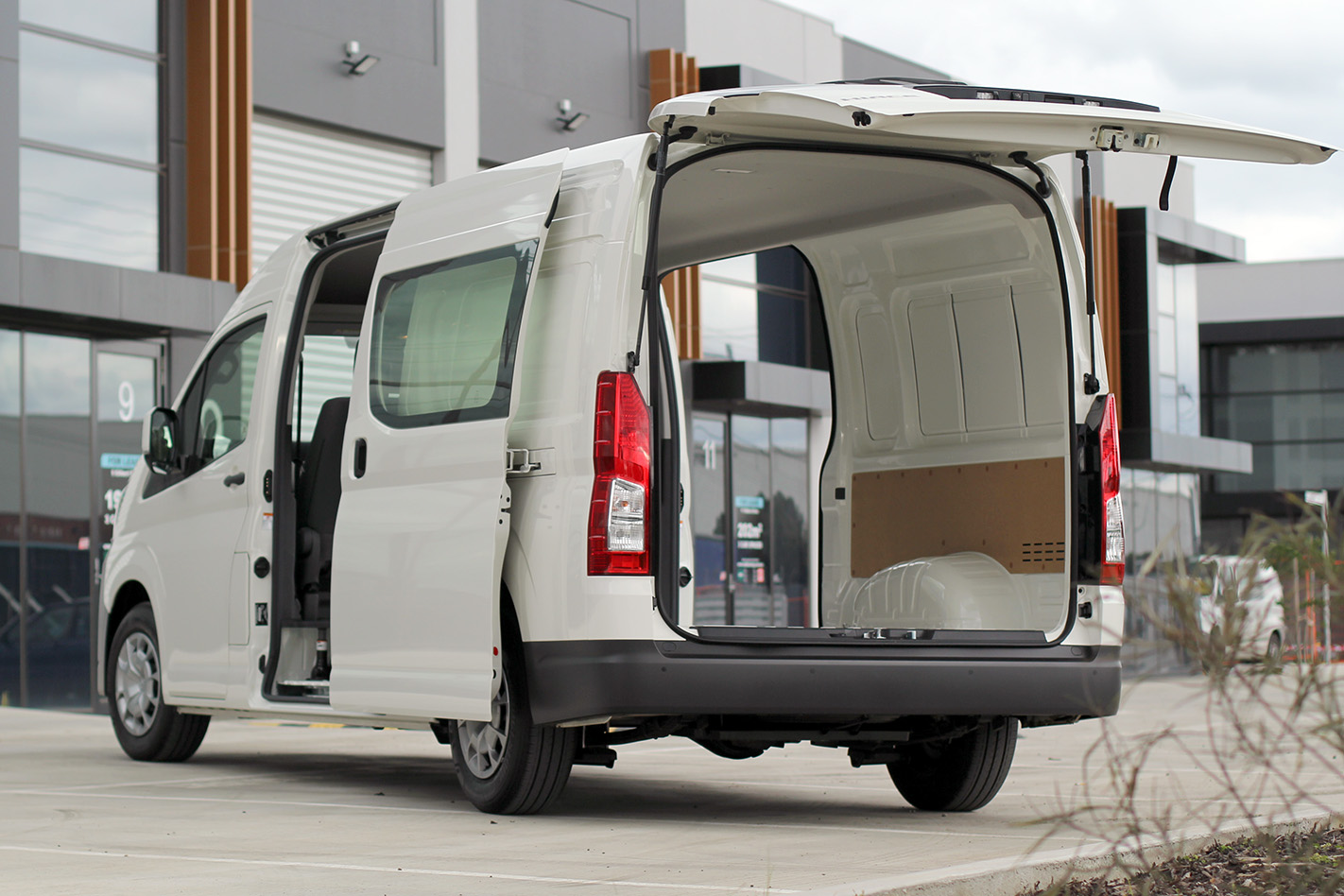
What won’t cost you extra is a sliding door on the driver’s side. All Hiace vans get two side sliding doors, something that’s rare in the commercial van segment and a genuine boon for usability. Unfortunately it’s not all wins: no Hiace variant comes with barn doors at the back, just a top-hinged liftgate that means you can’t load in pallets with a forklift from the rear.
It’s possible to fork load a pallet from the side doors, but note that it’s only possible on the SLWB. The standard wheelbase Hiace doesn’t have a big enough side door aperture for a pallet to be slid in. The Hiace SLWB’s towing capacity of 1500kg on a braked trailer is also on the low side for the segment, being roughly half a tonne behind many competitors.
Is it worth the money?
Absolutely. Toyota has gone out to prove that it can beat the Euro van crowd at its own game, and succeeded. Prices are up thanks to the generous levels of standard equipment (the diesel SLWB is over $2K more expensive than its predecessor, for example), but most operators will recognise that they’re getting a significantly better van for their money.
You do pay more for the Hiace than other similarly-sized competitors, but that’s balanced by strong resale, a strong five-year warranty and standard service pricing that’s locked to $240 per 6 months/10,000km. Also, it’s worth noting that while the Hiace SLWB does sit on the wrong side of the $50K barrier to most of its direct competitors, it also offers significantly more cargo volume. You really do get a lot of metal for your money with this one.
Pros: Refinement, strong diesel, huge cargo area, heaps of standard features, safety credentials
Cons: Tailgate only, no cabin bulkhead, small towing capacity.
Rating: 5/5
Hot hatches can provide some of the biggest thrills of any performance car. Find the right road and they’re also devastatingly quick, something the two contenders here can attest.
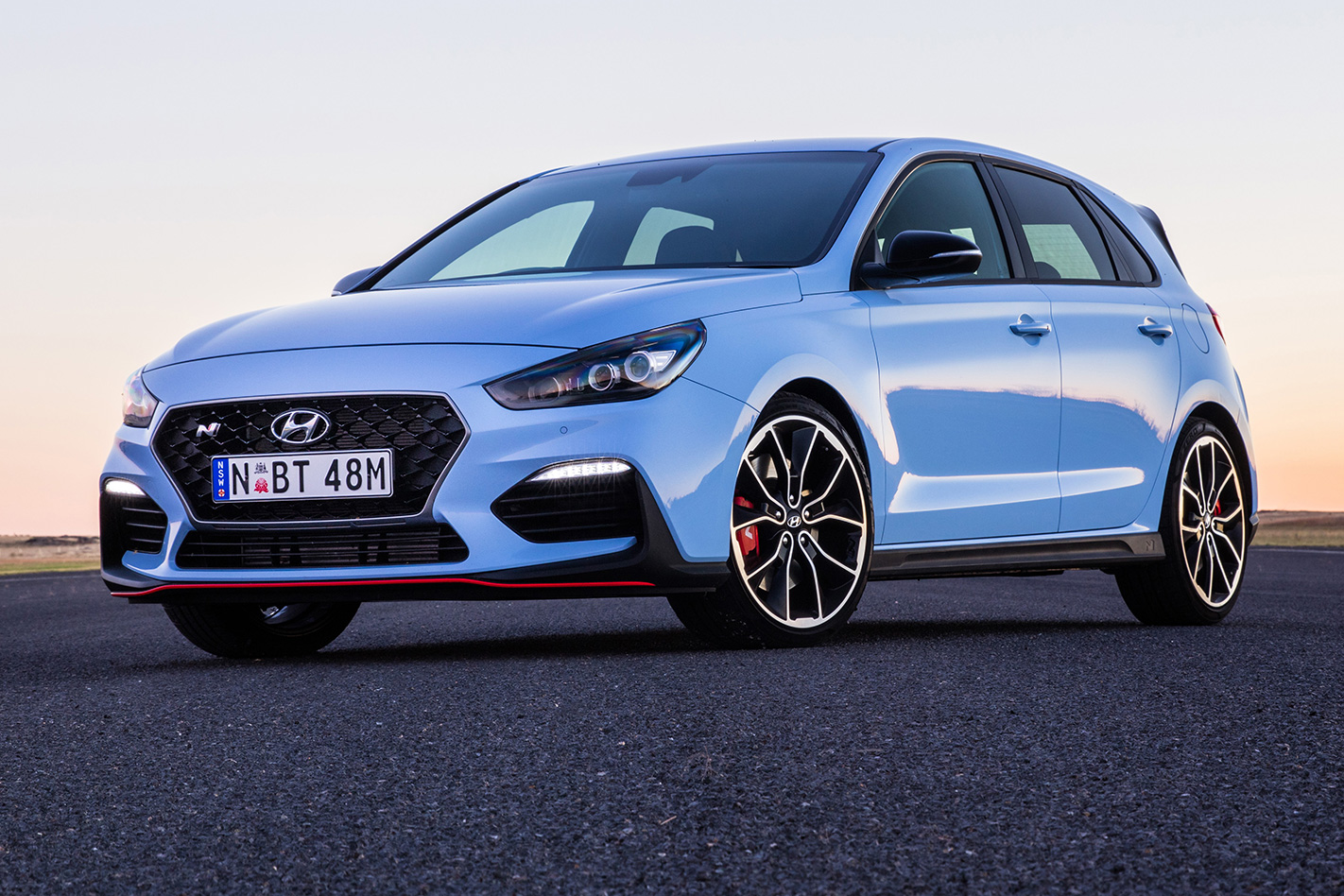
Hyundai’s first foray into the world of hot hatches came as a bit of a surprise – and not solely because of its South Korean badge. It’s more the fact that the i30 N is such a sorted product for something that’s considered genesis for the fledgling sporty N brand.
Flip the conversation to Ford, and it’s no shock that the Focus RS is an astonishing jigger. The Blue Oval has form and pedigree with this genre. But with both available at around $40K new (i30 N) and used (Focus RS), which would you have?
HYUNDAI i30 N
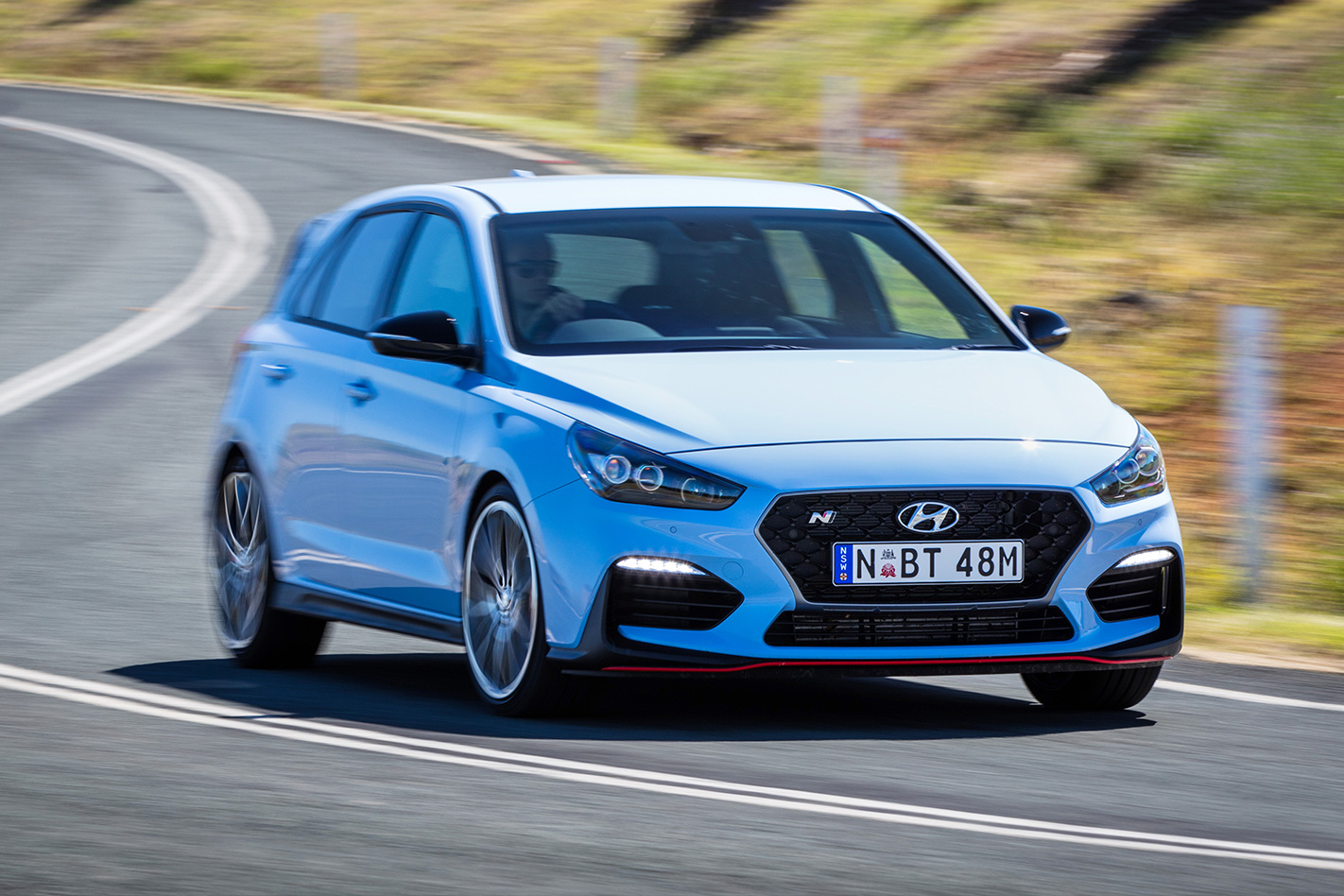
At $39,990 you’re getting a whole heap of bang for your bucks. And from the exhaust, sometimes there are literally bangs from the rally car-esque overrun. The i30 N certainly is theatrical in its raciest N mode. Hyundai’s hot hatch is one of those cheeky cars that gets under your skin in all the right ways.
It’s no slouch, either, with the Theta-II 2.0-litre four-pot pumping out 202kW (6000rpm) and 353Nm (1450-4700rpm), or 378Nm on overboost (1750-4200rpm). The twin-scroll turbo offers meaningful punch throughout the rev range, but there’s little benefit taking the i30 N right to redline. You’re better off enjoying the meaty mid-range. Drive is sent to the front wheels only, the tricky E-LSD deals with wheel spin (shod with Pirelli P-Zero HN tyres) and torque steer well, while the six-speed manual is pleasing to use.
In terms of fun factor and dynamic competency, the 1429kg i30 N impresses. Thanks to adaptive dampers (and the adoption of the Fastback N’s suspension set-up) the i30 is comfortable in its softer settings. However, N mode should definitely be reserved for smooth roads or racetracks. Speaking of, it’s also worth noting that the i30 N has a five year track warranty – which could come in handy if you’re partial to pitting your hot hatch against the stopwatch.
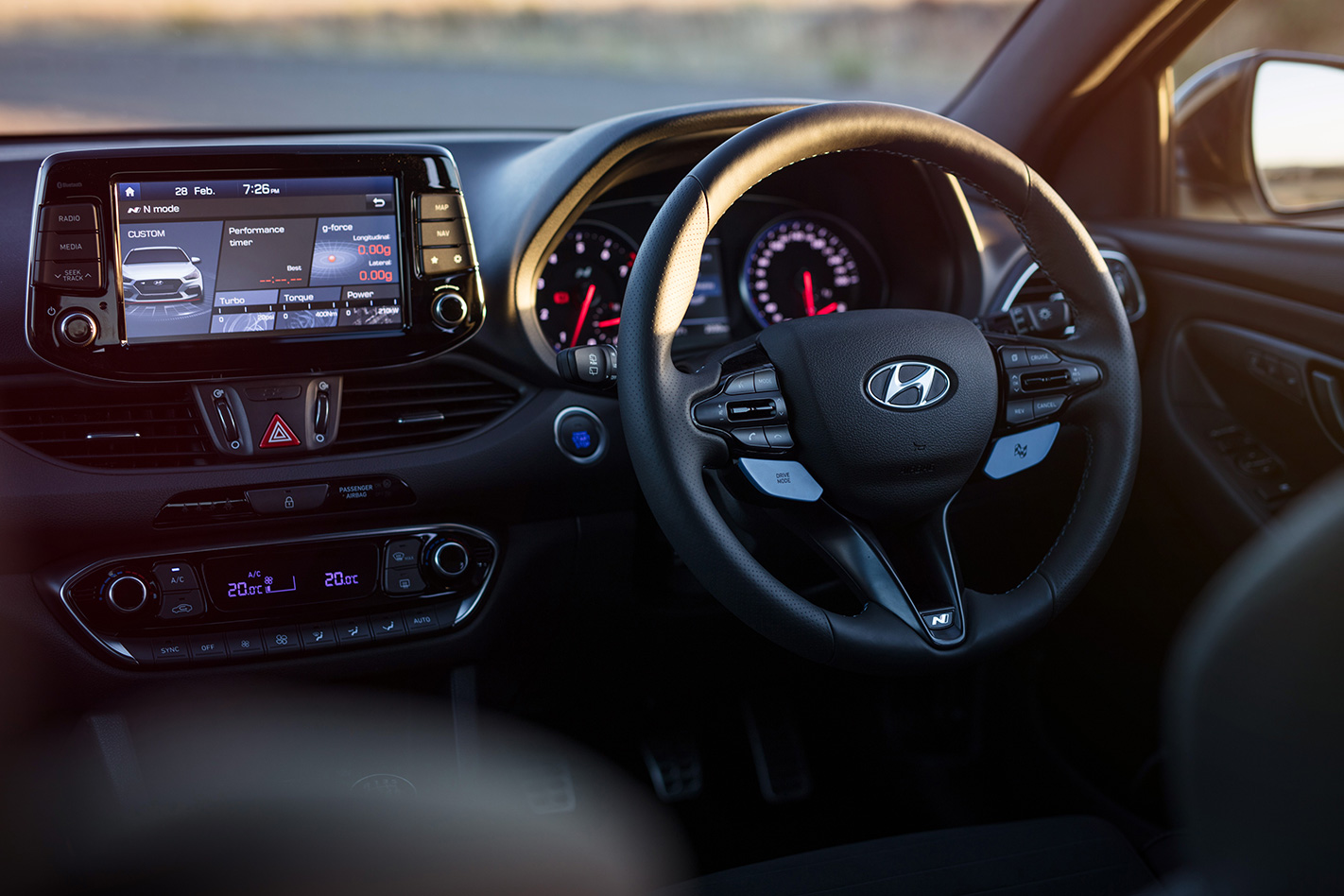
Inside the N is much like garden-variety i30s. Money has been spent on upgrading the tactile steering wheel, gear shifter and well-bolstered seats. There are also N motifs dotted around the cabin to remind you you’re in something a bit special. The infotainment system supports Apple CarPlay and Android Auto, while also allowing you to flick through myriad driving mode parameters, including full customisation of the settings. Overall it’s a truly impressive bit of kit.
FORD FOCUS RS
Lots of power, lots of grip and a Drift mode… it’s a recipe for success. The Ford Focus RS scores a 257kW (6000rpm) and 440Nm (2000-4000rpm) 2.3-litre four-cylinder turbo, sticky Michelin Sport Cup 2 rubber, a sophisticated all-wheel-drive system and a slick six-speed manual. The four-pot certainly is a gutsy and linear unit, and you get an extra 30Nm to play with on overboost. While the Hyundai sounds like a rally car on steroids, the RS plays the forest-fighting card with slightly more discerning pops that sound a little more authentic.
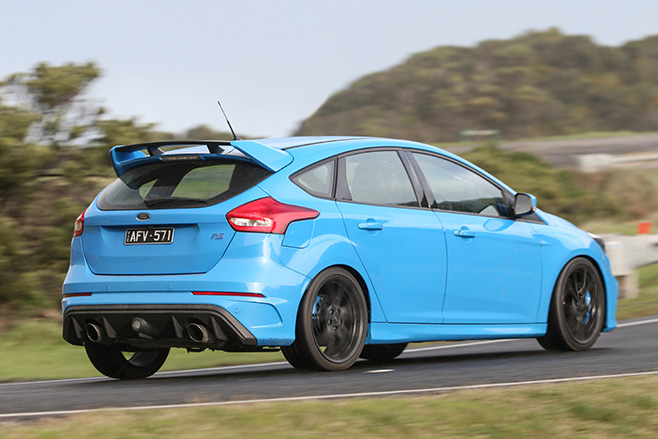
Interestingly, Ford’s third-generation RS switched from front- to all-wheel-drive. Up to 70 percent of the RS’s grunt can be sent rearwards to the wheel with the most grip, so purposeful movement at the back can be achieved. Or just flick it into the infamous Drift mode for even more slip angle. The front-end hangs on vehemently and also offers savage traction on corner exit to slingshot you out of apexes. Its downfall, though, is a ride quality that verges on tooth-rattling over really gruff tarmac, easing to something mildly agreeable in its softest setting.
The Focus-based cabin is one of the RS’s few flaws. You don’t really get many frills for the price tag. Although, like the i30 N, the money has been spent in the right areas – namely the optional Recaro bucket seats. However, if you’re tall, you might want to consider aftermarket options to lower the driver’s pew as it’s positioned far too high. Like the Hyundai, rear headroom is spacious and the five-door hatch body style ticks pragmatic boxes.
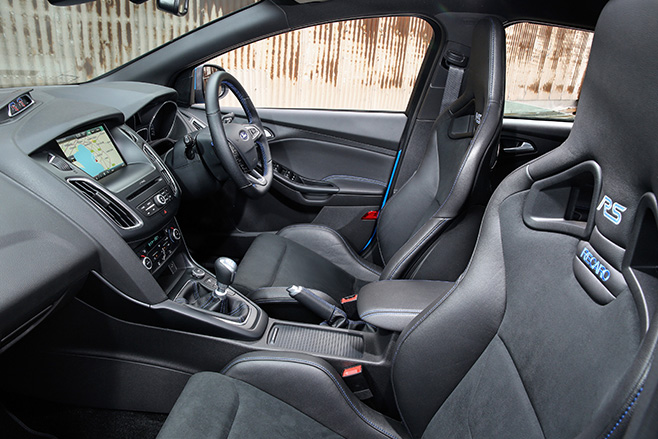
Specs comparison
| u00a0 | HYUNDAI i30 N | FORD FOCUS RS |
| Price (new) | $39,990 | $50,990 |
| Engine | 1998cc 4cyl, dohc, 16v, turbo | 2261cc 4cyl, dohc, 16v, turbo |
| Output | 202kW/353Nm | 257kW/440Nm |
| Transmission | 6-speed manual | 6-speed manual |
| 0-100km/h | 6.2sec | 4.7sec |
| Efficiency (combined) | 8.0L/100km (claimed) | 7.7L/100km |
| Drivetrain | FWD | AWD |
| Doors | 5 | 5 |
| Seats | 5 | 5 |
| Wheel size | 19-inch | 19-inch |
| Country of origin | South Korea | Germany |
Wheels staff picks

Trent Giunco
Staff Journalist
I once covered 1100km in 18 hours behind the wheel of a Ford Focus RS Limited Edition. It was epic and tiring in equal measures – especially when you factor in the terrain, which included Victoria’s glorious Alpine region. The Focus RS isn’t perfect, the body-hugging Recaro seats sit far too high and the ride quality is, ahem, harsh at best, but damn it’s talented. The chassis and rear-biased all-wheel drive-system is playful despite the monumental amount of grip available. To get one for i30 N money you’re going to be playing outside Ford’s three-year warranty, but for me it’s the one I’d choose.

Alex Rae
Online Editor
Dynamically – where these two cars are designed to excel – the i30 N is not as talented and quick as the Ford, which sways me toward the Blue Oval. But below ultimate grip level, the N is hugely fun to drive, and more engaging at normal speed limits. Add in its overt exhaust sound and relatively mammoth five-year track-approved warranty and my head is swayed toward the Korean. Also, I prefer the i30’s racey blue paint… so the Hyundai it is for me.

Cameron Kirby
Staff Journalist
It’s no great secret that I adore the Hyundai i30 N. I think it is one of the best affordable performance cars available right now. But the Focus RS is an absolute riot, and at just under $40K for a clean used example, a bit of a bargain (compared to the price when new). My only reservation in choosing the all-paw uber hatch is the well-covered head gasket issues that plagued the car. If I could secure one that had Ford’s fix completed that’d seal the deal for me, otherwise I’ll be content with my Hyundai with its rally car sounds and five-year track warranty.
Reckon we’ve got it right? Or are we way off the money (literally)? Find your best and let us know in the comments what you’d buy.
Holden showrooms will have a new performance benchmark by 2022 if GM’s Corvette team have anything to do about it.
The new performance hero will be the C8 Corvette Z06, which is the Corvette’s second-in-command in the power wars behind the track-focussed ZR1.
While the Z06 hasn’t been officially confirmed by GM, its production is as inevitable as a GT3 variant for the Porsche 992 911. With the C8 Corvette being produced in right-hand drive from the factory, and being sold in Australia from late-2020, there is a high chance that the Z06 will arrive in Australia – even if it is in extremely limited numbers.
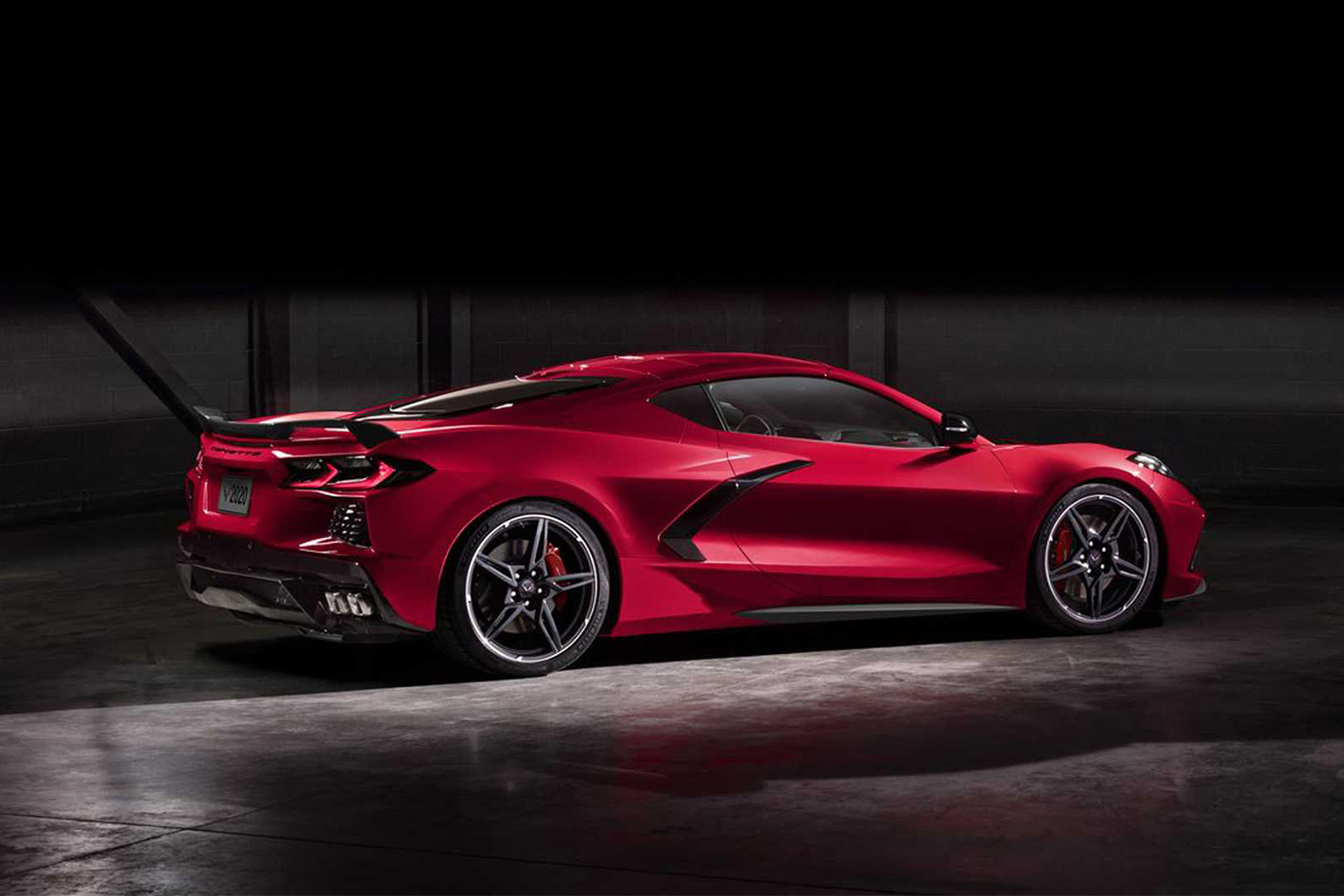
Power remains speculative for the Z06 at the moment, but the rumour mill is throwing out 600kW and 950Nm as ballpark figures.
Even if those are a drastic overestimation, it would make the Z06 the most powerful thing to ever sit in a Holden showroom
Currently, the HSV converted Chevrolet Camaro ZL1 is top dog in Holden showrooms, with a 6.2-litre supercharged LT4 V8 producing 477kW and 881Nm. This is the same engine found in the C7 Z06 Corvette.
The most powerful Commodore-based product was the HSV GTSR W1, which coincidentally was powered by the dry-sumped LS9 engine from the C6 RZ1 Corvette, rated to 474kW/815Nm.
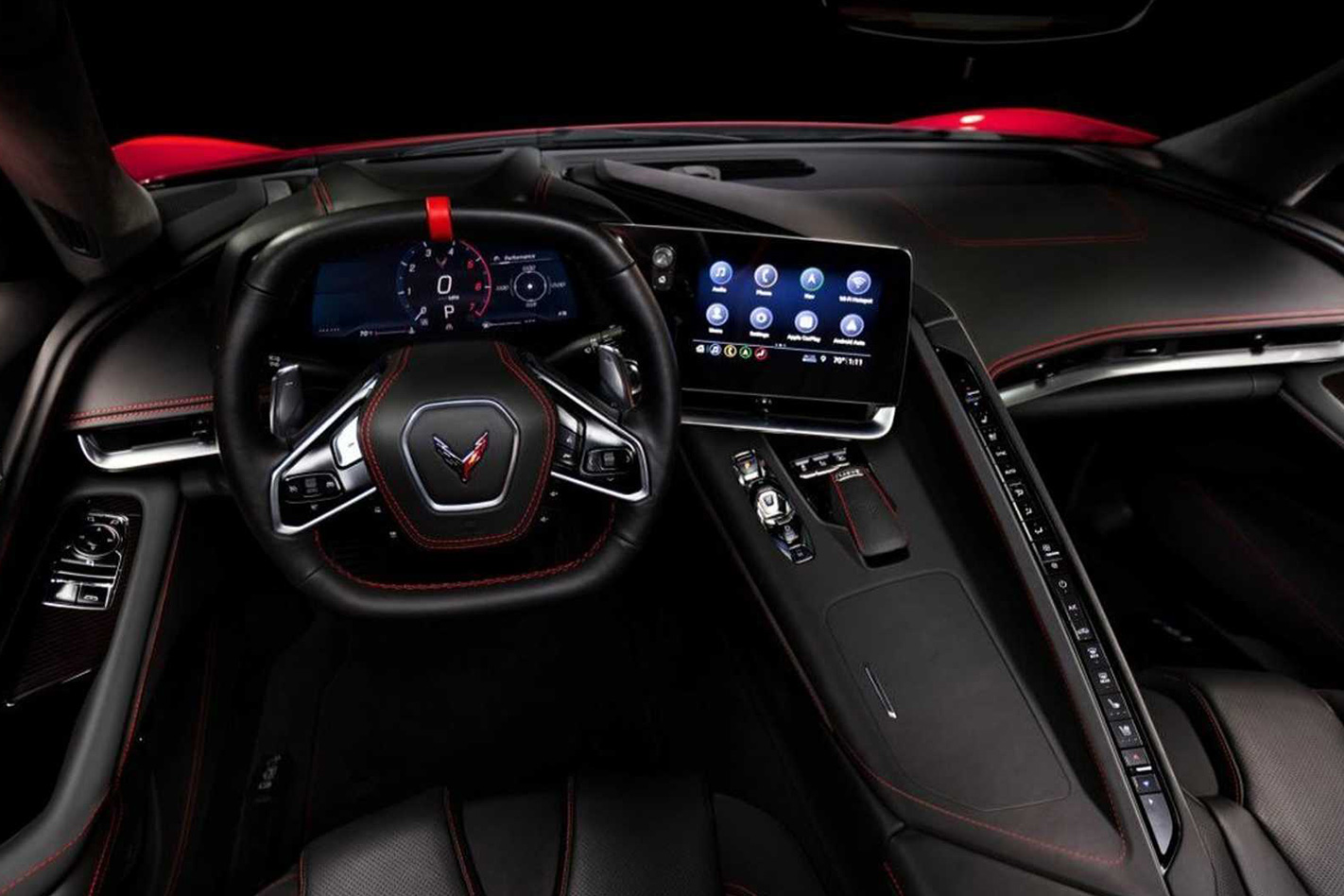
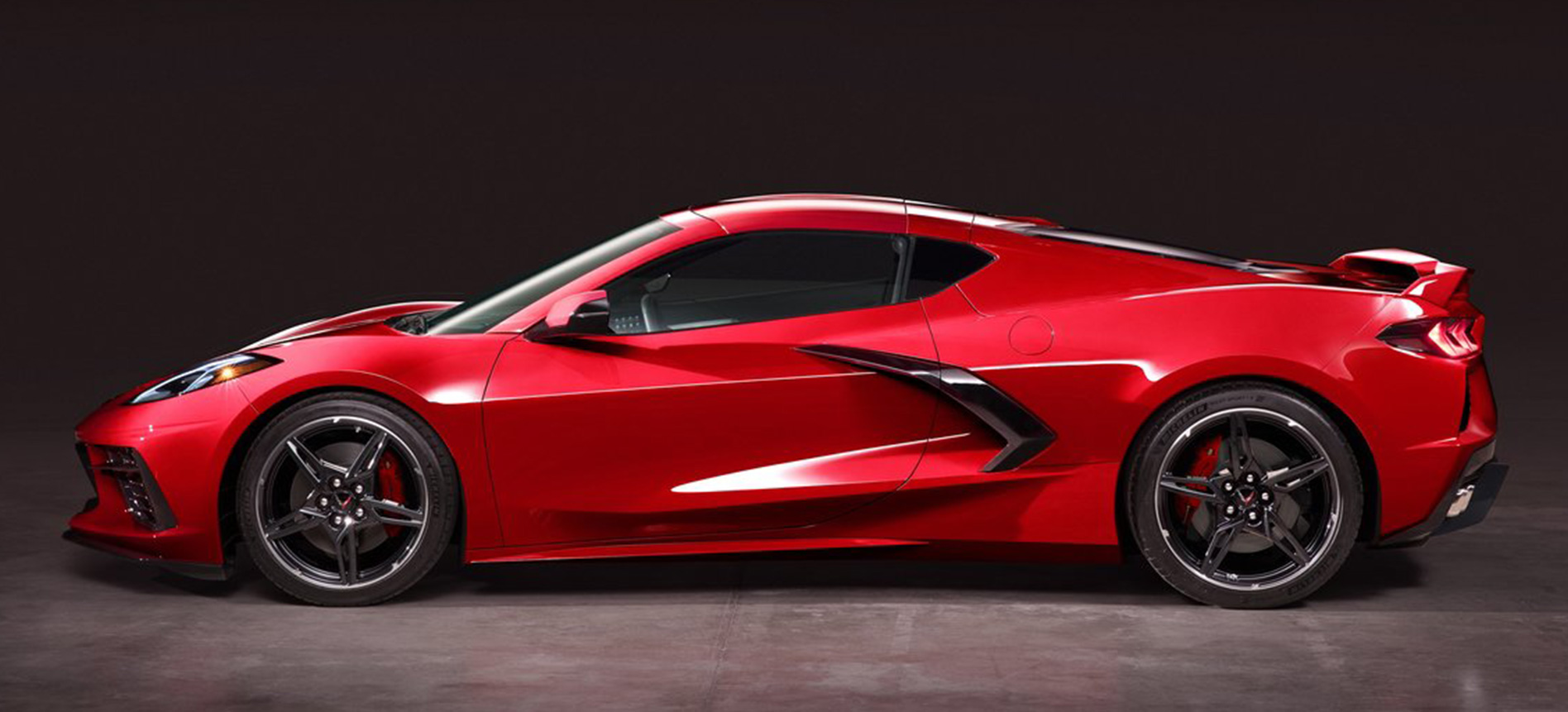
The ‘regular’ C8 Corvette Stingray will be rated to 369kW and 637Nm, thanks to its naturally-aspirated 6.2-litre LT2 pushrod V8.
A number of reports have been released in the past week which have given us some pretty significant hints at how the Z06 will produce those staggering figures that would put it amongst the most powerful cars available in Australia outright.
Expected to be codenamed LT7, the engine will be shared with the C8.R race car which will compete in GTE, and it’s here where the details are emerging from.
This is because the C8.R and Z06 will share the same heart, in order to meet GTE regulations. To give the race car the strongest mill possible, the road car will benefit from a pair of turbos and a flat plane crank, according to Motor Trend. Pushrods and superchargers who?
The move to turbos for the C8 is to take full advantage of the ‘Balance of Performance’ regulations that dictate power for GTE, which favours turbocharged engines like those found in the Ferrari 488 and Ford GT.
Motor Trend’s source, which they claim is ‘deep’ within the Corvette’s development team, also drops a nice little hint about the capacity of the engine.
“Everyone thinks it will be a small block, but it won’t be,” the source is reported as saying. “Listen to the race car.”
That would indicate the engine will be larger than the 4.2-litre ‘Blackwing’ that will power Cadillac’s performance flagships.
Cadillac’s twin-turbo DOHC V8 engine is being built at the Corvette’s engine plant in Bowling Green, Kentucky, and is an all-aluminium unit rated to 410kW and 850Nm
However, GM can’t use the Blackwingit in the C8, as it is exclusive to Cadillac. Cadillac President Steve Carlisle told Motor Trend that Corvette engineers would only get access to the engine “over my dead body”.
The Blackwing is a hot-vee design, with the turbos nestled between the cylinder banks, while leaked CAD drawings of the C8 engine show a more traditional set-up with the snails hanging off either side of the engine. Also, the Cadillac unit will have a traditional crossplane crank.
But, that’s not to say that the Cadillac and Corvette engines won’t be heavily related. It’s likely the duo will share the core block, though the C8 will have a changed bore, as the Blackwing is an under-square design, with a longer stroke than the diameter of the cylinders.
While this is good for reliability and torque, it’s not preferred for higher-RPM applications, like say, a race car, which is the whole reason Corvette is going to a twin-turbo layout.
Solid confirmation of what engine will be fitted to the Z06 will happen when the C8.R is officially revealed later this year.
We’ll need to wait a little longer to know how much power the road car will produce though, as GTE regulations often see kilowatts reduced in the name of BoP.
IT’S LIKE whack-a-mole. Close one emissions loophole and some ‘enterprising’ car manufacturers do their darnedest to open another. Last year the European Union claimed that car makers were submitting inflated figures for their vehicles’ carbon dioxide emissions.
Why? In order to make it easier to achieve future targets for reducing the greenhouse gas. Bump your numbers up a few points now and the future targets will be commensurately easier to achieve.
This was made possible largely in the transfer from the old discredited NEDC economy and emissions tests to the new WLTP protocol. Officials saw “some evidence” manufacturers were configuring vehicles differently for the WLTP and NEDC tests, in effect sandbagging the new test for 2021 which would make the 2025 and 2030 targets weaker.
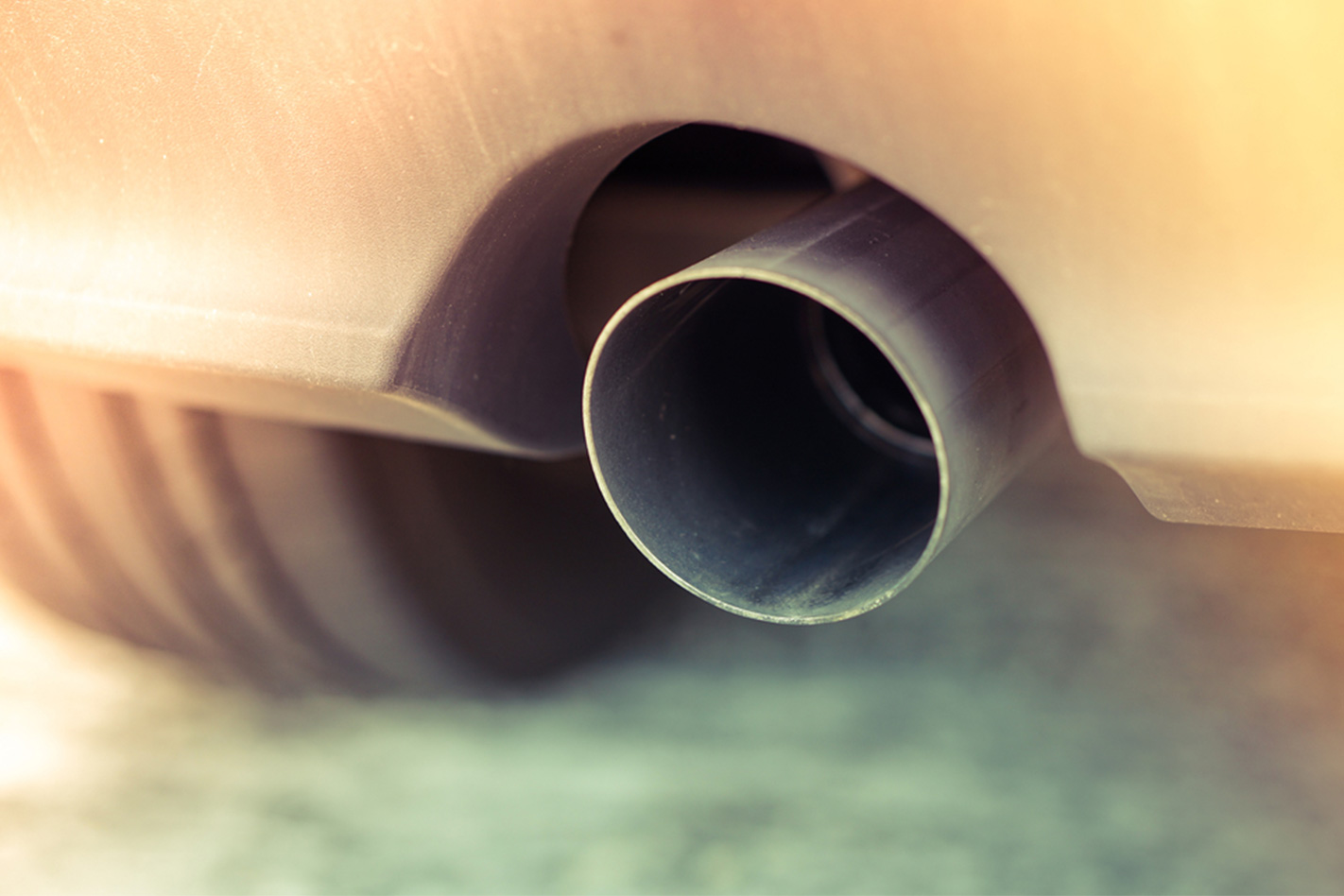
Without naming names, the European Commission has alleged that at least two manufacturers were gaming the system with the aim of gerrymandering the target of fleet CO2 average reductions of 15 percent for 2025 and 30 percent for 2030. It was alleged that declared emissions were, on average 4.5 percent higher than actual measured values, with some models claims being as much as 13 percent higher than measurements.
And therein lays the problem. WLTP was developed before the Dieselgate story broke. The European Union had long suspected that manufacturers were tweaking their cars to perform better in the lab than in the real world, but had little concrete evidence as to how, or the extent of the problem.
The European Federation for Transport and Environment has claimed that the gap between the test and real-world emissions of new cars soared from 9% in 2000 to 42% in 2016. This came chiefly via car manufacturers manipulating the laboratory test and also through fitting technology (such as idle-stop) to cars that deliver greater benefits in the lab than on the road.

In order to try to stop this, the European Union recently announced two key measures. The first was that the 2021 CO2 baseline isn’t going to rely on numbers declared by manufacturers but directly on measured values instead. Test parameters have been tightened to prevent manipulation of the results. Manufacturers must also report both measured and declared CO2 values to the European Commission.
The second is something of a departure to what has gone before. In order to monitor CO2 emissions under real-world driving conditions, from next year all new passenger cars, must “determine and store lifetime fuel-consumption and/or energy-consumption values”. From 2021, all new vehicles, not only new vehicle types, must be equipped with an on-board fuel and/or energy consumption monitoring device (OBFCM). In other words, your car is going to be constantly monitoring your fuel economy. There are problems with this that have yet to be addressed. How accurate is this non-standardised equipment? It’s calibrated during the WLTP lab test, but there will clearly be a temptation for car manufacturers to get the sensors to read as low as possible. How will the data it generates be communicated back to any verification body? At service? Over the air? Then there’s the issue of consent. It’s a minefield.
So, for the time being at least, it looks as if emissions testing will continue to be a murky business between poachers and gamekeepers. As ever, the end user pays. Here in Australia, we might view CO2 emissions with a certain detachment, but what happens in Europe tends to affect the cars we buy. A European Federation for Transport and Environment reports has claimed that widespread industry manipulation of fuel economy testing cost European drivers an extra €149.6 billion in additional fuel bills between 2000 and 2017. In 2017 alone, this accounted for €23.4 billion of their money – slightly more than what all Swedes spent on food that year. So next time you’re at the bowser and wondering when the digits are going to stop clicking over, remember that it’s probably doing the same for Aussies too.
THE SITUATION
As it stands, 2017 is the most recent year we have full average CO2 emission values for European cars. The figure stood at 119g/km. Under the EU regulations, CO2 targets for individual manufacturers are adjusted by the average vehicle weight of their fleet. So a manufacturer of big cars like Bentley gets a little more leeway than, for example, a Fiat. In addition, manufacturers are allowed to form pools with other manufacturers in order to jointly meet CO2 targets. This has seen FCA and GM purchase emissions certificates from cash-hungry EV manufacturer Tesla. Chrysler alone is rumoured to be set to divert hundreds of millions of Euros this year to Tesla in order to bring down its EU fleet average. The table below lists the most significant EU manufacturer groups, their average CO2 and mass value in 2017, and their 2015 and 2021 CO2 targets.

In what must rate as one of the worst pieces of acting since Nicole Kidman starred in Australia, a young man has been caught on dash cam in Adelaide attempting to fake his own demise.
The boy dramatically bumps into the front of a car, before rolling off and clutching his stomach as his mates hove into view.
Two problems; the car was equipped with a dash cam, and it was stationary. Double fail, buddy.
The car’s owner has told news services that he took the footage to local police, who allegedly dismissed the claim because no one had been injured.
While the footage itself is more amusing than troubling, it does highlight the fact that insurance scams are still alive and well, but the rise of the on-board dash cam is helping the everyday driver to protect themselves from being targeted.
According to data from the Insurance Council of Australia, around seven percent of drivers on our roads already have dash cams installed, and a further 13 percent plan to install them within the next 12 to 24 months.
“Dash cam footage has proven to be useful in uncovering fraudulent and exaggerated claims, and in some parts of the world and Australia where staged accidents are becoming quite common, those cameras are proving invaluable,” Campbell Fuller, head of communication at the Insurance Council of Australia, told WhichCar.
“There have been incidents captured in Australia where cars have been seen overtaking vehicles then ramming on their brakes to cause an accident, and there’s plenty of footage around of people on mopeds ramming cars and then rolling across the bonnet to fake a claim, and that’s where dash cams are certainly proving valuable.”
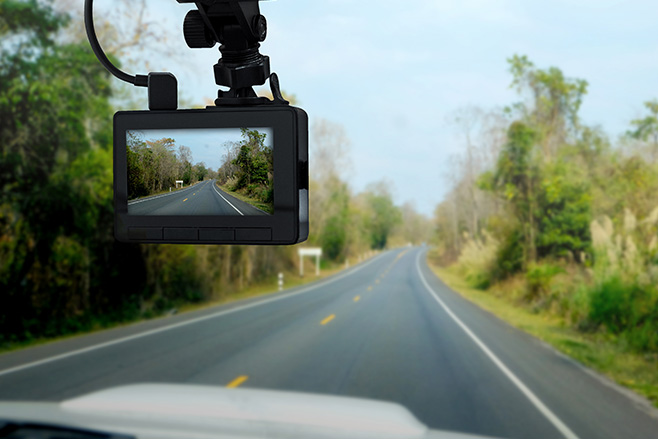
While it’s not common-place yet, a few car manufacturers are making provisions for dash cams in the design of new vehicles; Citroen’s C3 was the first car in Australia to be able to be optioned with a built-in dash cam.
Fuller said that the insurance industry doesn’t have a view on whether dash cams should become a standard addition to cars, but points to the fact that vision from cameras is increasingly being used as evidence.
“Of course that evidence can be used two ways,” he pointed out. “If you have a dash cam and you are at fault, then that evidence can be used by police, and insurers might also seek access to that footage.”
Insurance fraud is a worldwide problem, and Australia isn’t immune to the rise of increasingly more sophisticated ways of rorting the system. There are more than $2 billion in fraudulent and exaggerated claims across all insurances in Australia every year, and this figure doesn’t include compulsory third party (CTP) fraud.
“In states where you have at-fault schemes where compensation is paid to injured road users, does depend on who caused the accident, and fraud is rife,” said Fuller, who added that there are changes being made to stamp out this practice.
“In NSW, fraud has just about been driven out of the system with recent changes to CTP, and other jurisdictions including Queensland are also looking at how to drive fraud out of the system, because it’s had an incredible impact on the cost of premiums.”
The changes revolve around moving to a defined benefit system that’s focused on rehabilitation rather than a straight cash payment.
“Relatively minor injuries aren’t defined through a fault-based mechanism,” he said. “So there’s no incentive for fraud. Because it’s a defined benefit, to incentive to fake or exaggerate claims has been largely driven out of the market in NSW and other jurisdictions.”
In the example of old mate rolling over the bonnet, Fuller suggested that there could even be a more sinister motive behind the faking of an injury.“It could even be about blackmailing the driver,” he said. “They could come back directly to the driver seeking compensation, with all sorts of threats involved. Police will tell you, though, that this does occur.”
So, does a dash cam mean that your insurance premium will be lower? Sadly, no.
“In general terms, the advent of dash cams is assisting motorists to be able to apportion blame in the instance of a collision, and reduces the impact of making a claim on their own insurance premiums,” explained Fuller.
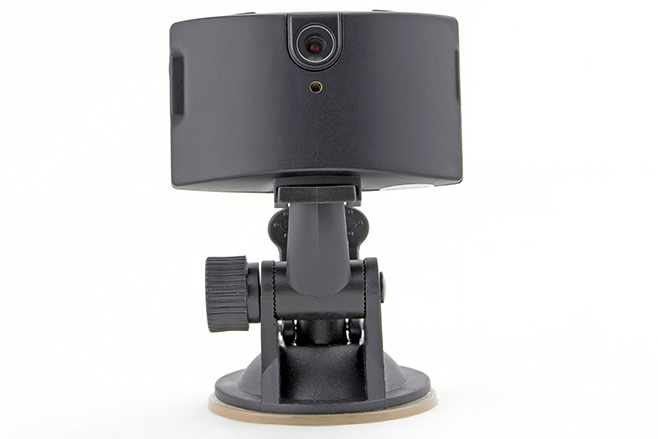
“Part of making a claim is being able to apportion blame and responsibility but it’s up to individual insurance providers as to whether the use of on-board camera footage can be used to support an insurance claim,” Fuller explained
“However, insurers don’t factor in dash cams into policy pricing, because actually having the dash cam doesn’t reduce the risk of something unexpected happening that can lead to a claim. Anything that lowers the risk of a claim is what goes into a policy; having a camera doesn’t lower the risk.”
There are upsides to more cameras being used across the streets of Australia, though.
“It reduces the inflationary pressures on motor vehicle insurance and it also offers people a little bit of peace of mind that if they are involved, and that they are a safe driver who have followed the rules and done the right thing, then being able to apportion blame is a good thing,” said Fuller.
“It’s not just about insurance – it’s about law enforcement. If someone is injured, police are required to attend and they will be looking at all available evidence to determine blame and to potentially lay charges. If you have that evidence, then in many cases you improve your chances of not facing court action or fines or prosecution following a collision.”
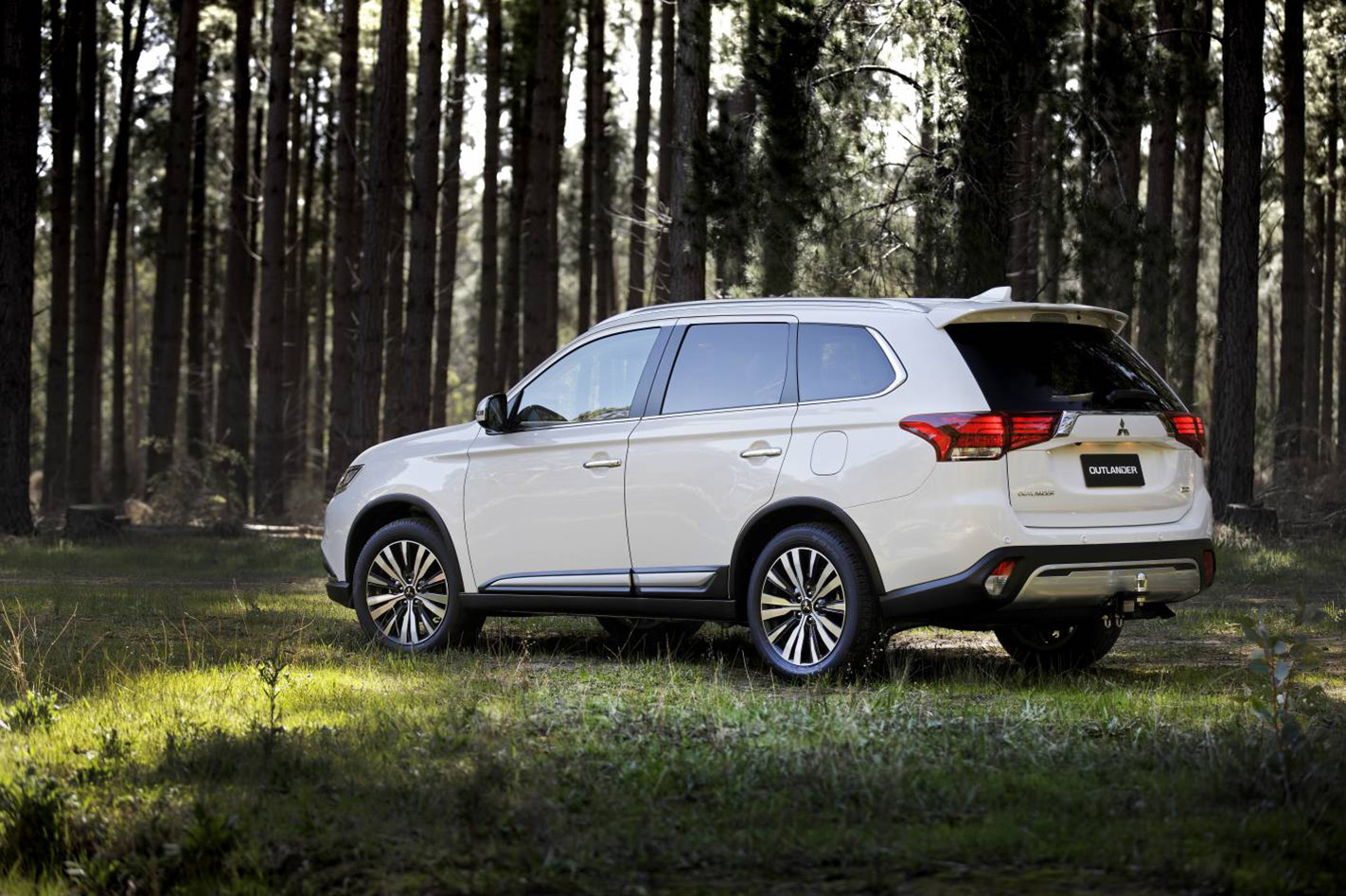
The Mitsubishi Outlander medium SUV range has received a minor update for the 2020 model-year that brings performance and comfort features to selected variants.
A few of the changes apply to the bottom of the range, with the ES 2WD seven-seater gaining auto-braking, which Mitsubishi calls Forward Collision Mitigation.
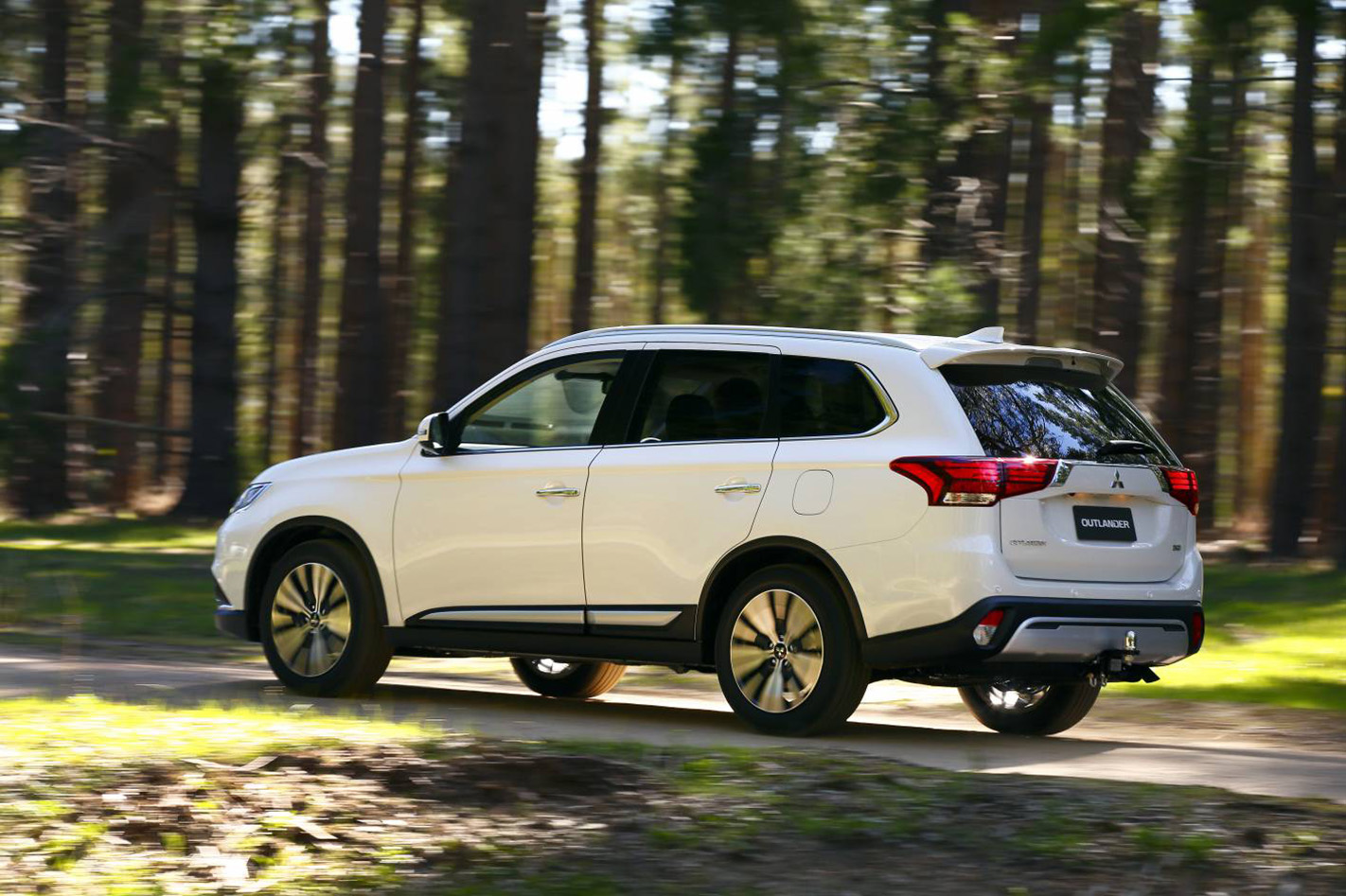
This makes auto-braking standard across all automatic Outlander variants, with the entry-level ES 2.0-litre manual still missing out.
Mitsubishi has also given all automatic ES versions handy rain-sensing windscreen wipers, dusk-sensing headlamps and an auto-dimming rearview mirror, plus new monotone 18-inch alloy wheels.
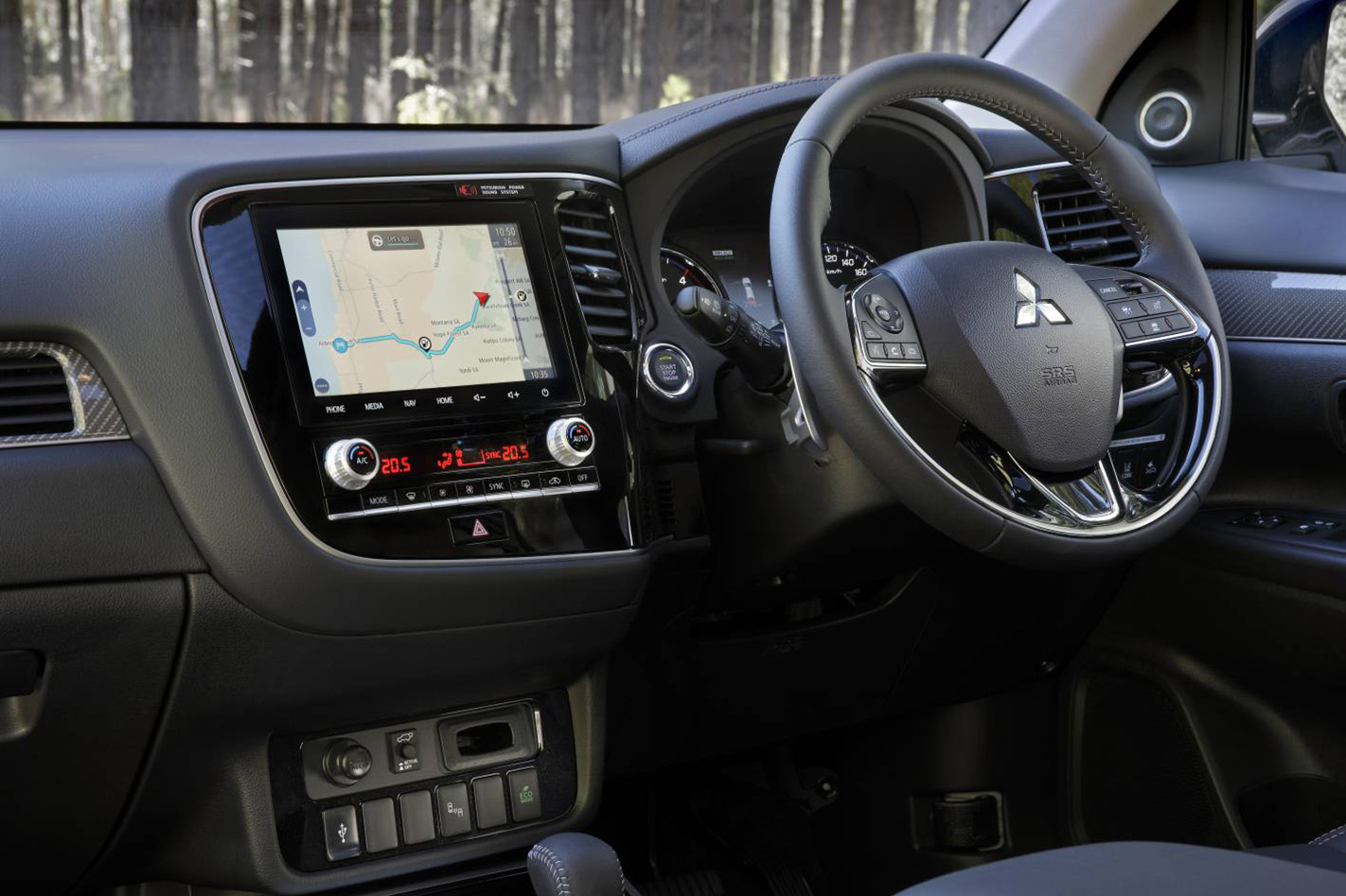
The pricier Outlander Exceed variants, meanwhile, score a bigger 8.0-inch touchscreen with inbuilt TomTom navigation that includes speed-limit information.
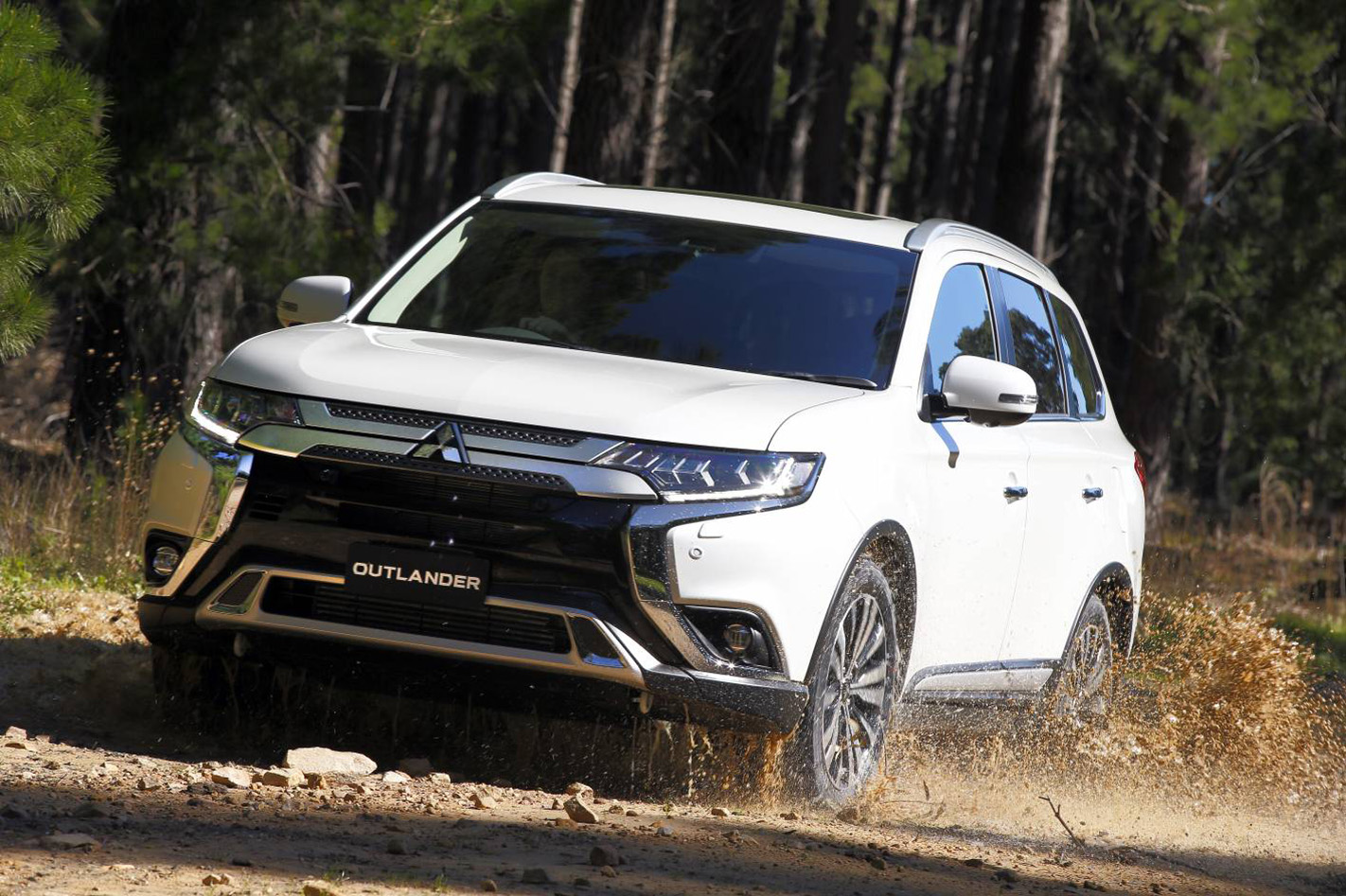
The Exceed is also now equipped with the latest generation of Mitsubishi’s Super All Wheel Control (S-AWC) system that adds Gravel setting to its AWC Eco, Normal and Snow driving modes.
Interior comfort has been enhanced across the range including the mid-spec LS variants, with the addition of power-adjusted driver’s seat lumbar support, and “improved cushioning” across the back seat, according to the company.
Rear-seat passengers also benefit from their own USB charging port and improved heating, ventilation and air-conditioning controls.
Up front, a new overhead console incorporates a seatbelt reminder and passenger airbag cut-off indicator, and in all but Exceed versions in with inbuilt sunroof, a sunglasses holder.
The upgrade does not apply to Outlander PHEV (plug-in hybrid) versions, which are treated as a separate model.
MY20 Mitsubishi Outlander pricing (excluding on-road costs)
- ES 2WD, 2.0L, manual, 5-seat – $29,490
- ES 2WD, 2.4L, auto, 7-seat – $31,790
- ES 2WD w/ADAS*, 2.4L, auto, 5-seat – $33,290
- ES AWD, 2.4L, auto, 7-seat – $34,290
- ES AWD, 2.4L w/ADAS, auto, 5-seat – $35.790
- LS 2WD, 2.4L, auto, 7-seat – $34,290
- LS AWD 2.4L, auto, 7-seat – $36.790
- LS AWD 2.2L diesel, auto, 7-seat – $40,290
- Exceed AWD 2.4L, auto, 7-seat – $43,290
- Exceed AWD 2.2L diesel, auto, 7-seat – $46,790
