
Environmental activists have likened car advertising to that of cigarettes in a new push to have vehicles banished from TV screens.
Greenpeace has joined in calls to have car advertising banned outright as a way to curb pollution.
“Time we treated the car industry as the health hazard it is,” the company posted in a tweet.
“Cigarette companies are banned from advertising, why not car companies too?”

The post was in response to an opinion piece that was published by The Independent, titled ‘Let’s suck the glamour from the car industry – and save our cities – by killing off its cretinous marketing’.
In the story, the author, Isabella Kaminski calls for a radical change in opinions toward vehicles, stating that “we need to make driving to the school gates as unacceptable as handing a baby a lit cigarette”.
Kaminski describes herself as a “freelance environmental journalist covering green issues on two feet, two wheels or in a boat.”
She has previously called for people to complain about car ads that “glamourise a dangerous and polluting activity.”
Twitter users responded to Greenpeace with ire, with one stating #BanGreenpeace, while another postured whether “we should ban Greenpeace for all their Co2 diesel ships?”
That would also include the dismantling of a diesel Greenpeace ship in Bangladesh on the beach, in what the organisation itself called “fundamentally unsafe, exploitative of workers and damaging to the marine environment.”
Last year a group of scientists published a paper calling Greenpeace to account for creating crises to alert the public and keep donations plump.
Locally, car advertising is under the spotlight, with Jaguar calling for ad regulations in Australia to become ‘one-size-fits-all’ and car manufacturers and other companies held to the same standard.
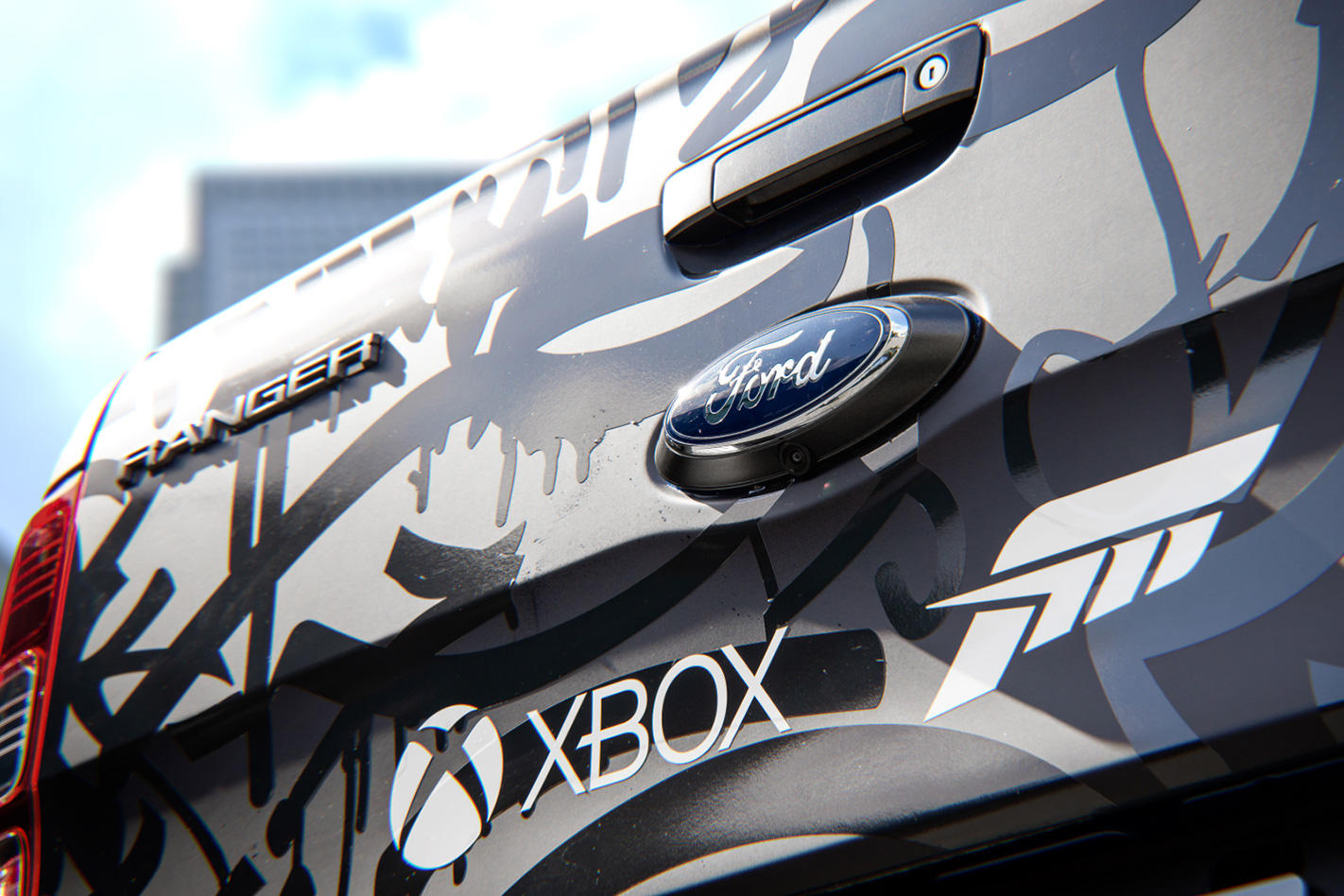
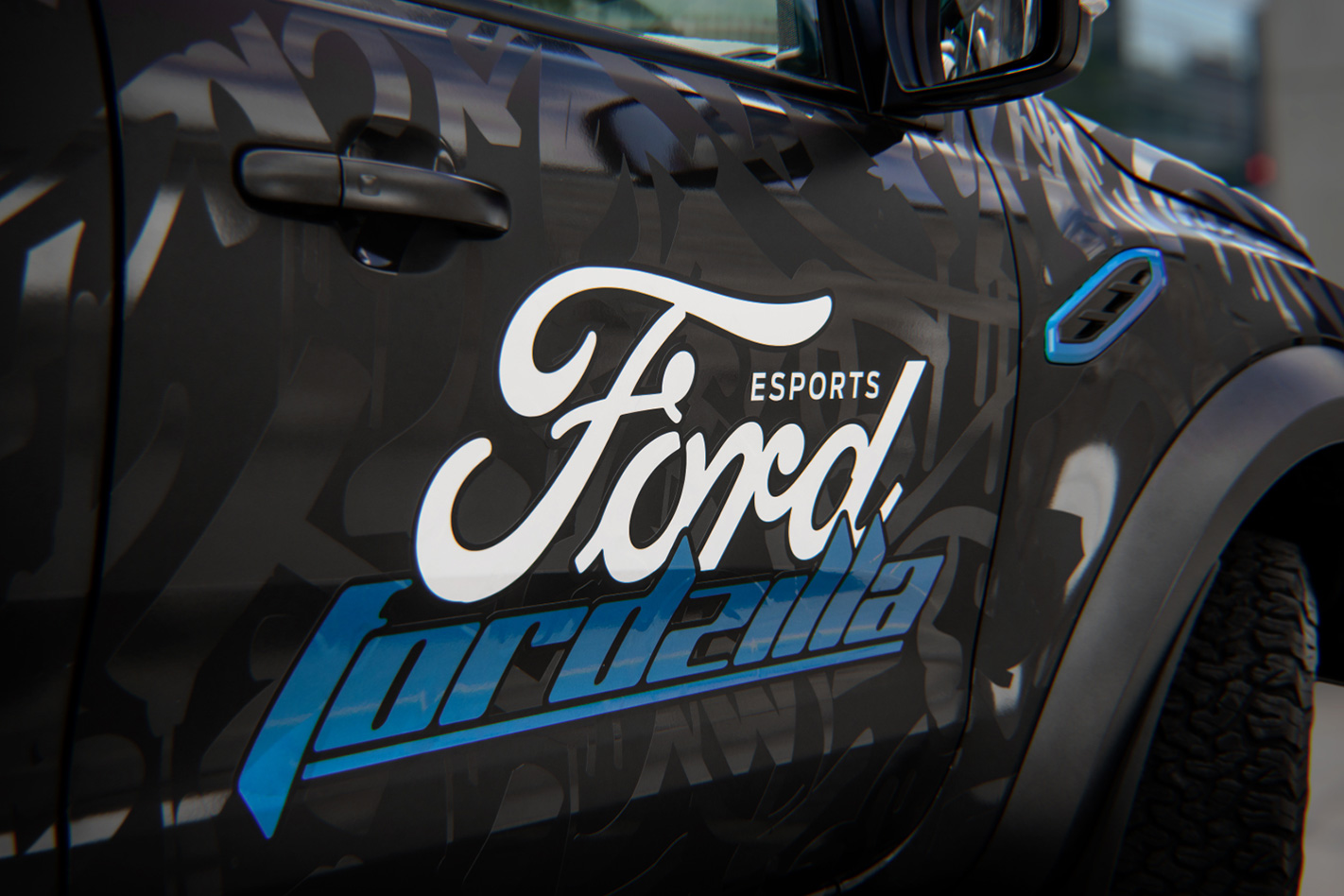
Ford is set to launch its first ever “factory-backed” virtual racing team, and seeks to build on its real-world racing pedigree with a competitive online-racing team named… Fordzilla.
Beginning at Gamescom, Europe’s biggest video game fair, Ford will be looking to recruit national Fordzilla teams representing France, Germany, Italy, Spain and the UK. Top prospects from each national team will be invited to be a part of a larger pan-European team.
Roelant de Waard, Ford of Europe’s vice president of marketing, stated: “We at Ford have a racing pedigree that others can only envy. Now is the time to take that know-how and apply it to the world of eSports”.
While the notion of a factory –backed virtual race team may seem surprising to some, the world of competitive eSports is quickly becoming a booming one.
The global eSports industry is predicted to generate $1.1 billion by the end of 2019, representing an increase of 26.7 percent against last year. The eSports audience is said to reach 453.8 million people globally with 201.2 million of that total being dedicated viewers and the remaining 252.6 million being casual viewers.
And while the common gamer stereotype is of a jobless teenager, the average gamer is more likely to be in their early 30s and with a sizable disposable income. Little surprise, then, that Ford is keen to tap into such a juicy demographic.
“The distinction between real and virtual worlds is blurring” said Amko Leenarts, Ford of Europe’s Director of Design.
“Gaming is now a part of mainstream culture. Top gamers challenge professional race drivers in real life and many of our day-to-day activities are ‘gamified’, from, using fitness apps to collecting loyalty points for a free coffee”.
“Harnessing the passion and expertise of the gaming community will help evolve our thinking around what future journeys will look like – something that we are all committed to and really excited about”.
Fordzilla teams will one day compete in a number of games, but has pegged Forza Motorsport to be the game of choice for big brand’s first forays into virtual racing. Published by Microsoft and developed by Turn 10 Studios, the Forza franchise is home to one of the largest virtual racing communities in the world, with millions of players logging on each month.
News of Ford’s first eSports team follows the storied Stuttgart brand, Porsche; who announced their partnership with the iRacing World Championship Series. Over 2019, 40 participants will take part in the 10-race series, all competing for a six figure prize pool.
There’s a curious noise inside the 2020 Nissan GT-R. Something other than the low-frequency throb spilling from the new titanium exhaust. It’s more a quiet hum. A transmission whine buried under sound deadening, buffered by active noise cancellation technology.
It’s a reminder that the R35 GT-R today is a different beast from the one that debuted in 2007. Godzilla is getting old, you see. So as it blows out the birthday candles on 50 years of the GT-R nameplate, it’s celebrating the model that’s been on sale for 12 of them with a special edition.
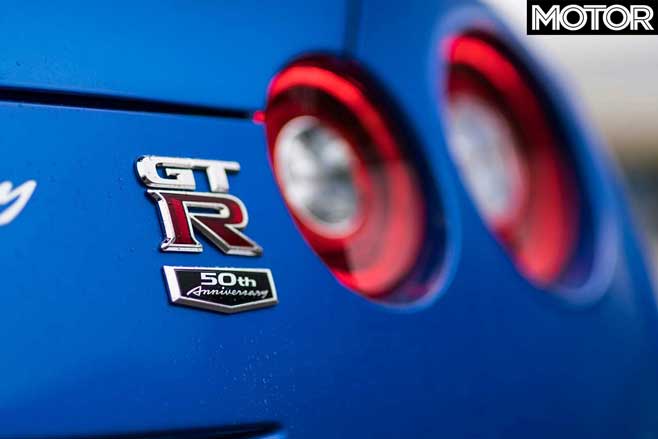
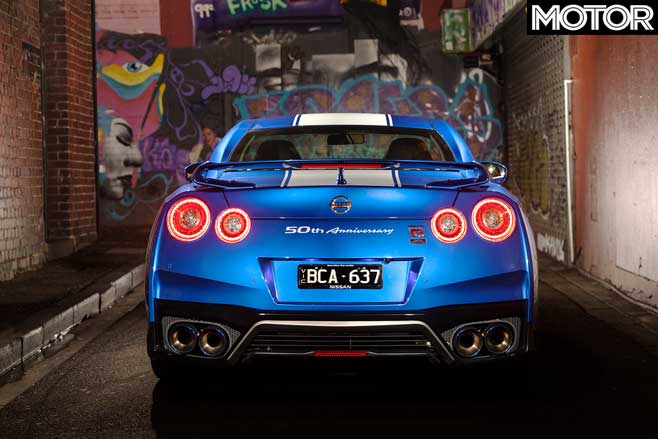
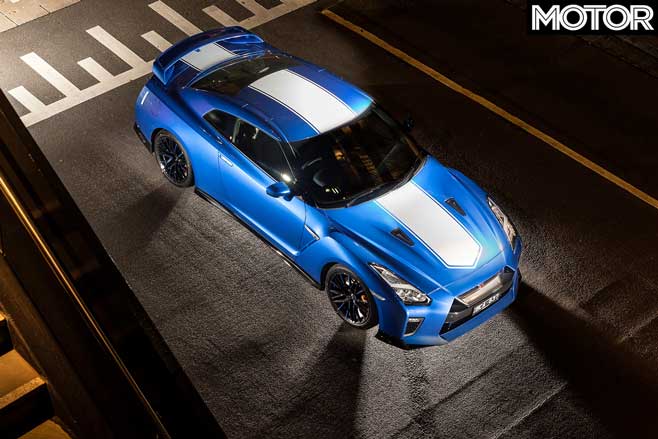
Fittingly, it’s called the 50th Anniversary. Ours is blue. And not just any blue, Bayside Wangan Blue. It’s a nod to the Tokyo freeway that street racers infamously make into their own Monza late at night.
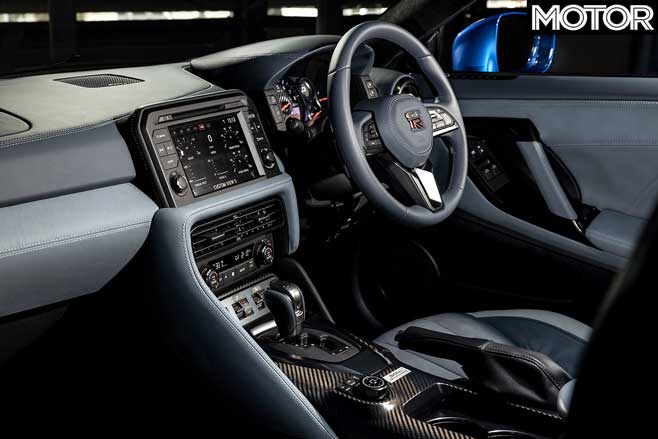
While you get some stripes, special badging and a unique interior colour called Twilight Grey, everything else that is new is shared with the standard MY20 GT-R. Even this Bayside Blue is available on all variants, bar the Nismo. So listen up.
On the face of it, not much has changed. Progress on performance has been fairly rapid throughout the R35’s life and rather than deliver another shot-in-the-arm with power and torque, engineers have slaved to develop the MY17 package into an even more matured and refined machine.
You could say Nissan’s hand has been forced by the limits of the current car. For instance, its 3.8-litre twin-turbo V6 has lifted outputs by only 2kW and 1Nm to avoid tempting its connecting rods and injectors into failure.
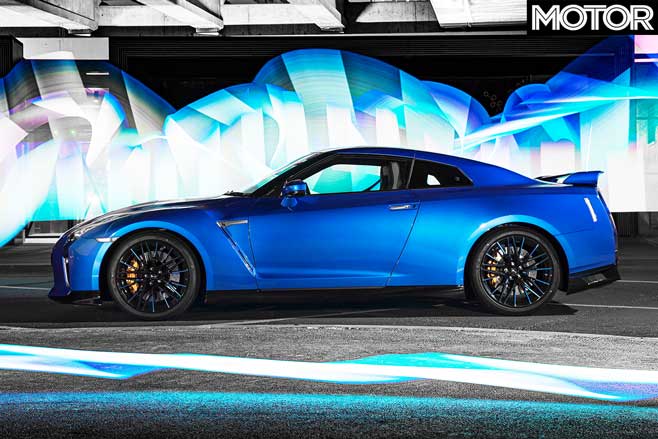
With a total of 421kW and 633Nm, whatever headroom is left in the engine has been saved for the incoming Nismo. Outputs go through the same six-speed dual-clutch transaxle that can blast half of available grunt to the front wheels. The automatic also scores revised mapping in R mode for brisker downshifts.
The bigger gain, perhaps, lies in the bark unleashed by the titanium exhaust that’s finally made its way onto the Aussie car’s standard spec list. It shaves around 5kg from the R35’s rump and settles kerb mass at 1765kg. And that’s not all Hiroshi Tamura, the GT-R’s chief product specialist, has kept up his sleeve.
He tells us they’ve lined abradable seals on the MY20’s turbocharger compressor housings, as with the MY14 Nismo, which open the intake tracts to improve flow and response. This sort of science belongs in an aircraft.
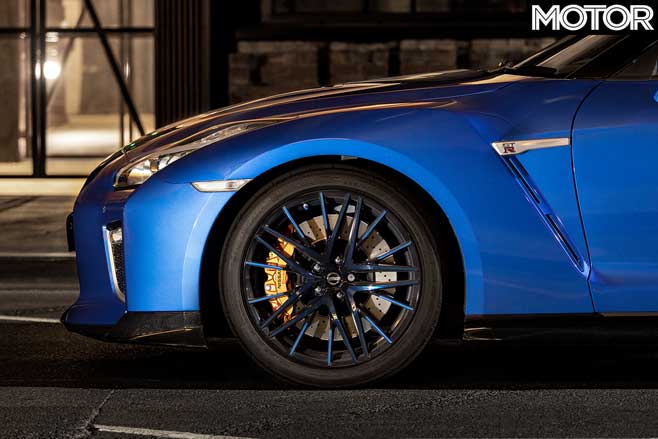
They’ve also shaved 140 grams from each wheel while improving their rigidity. A revised brake booster improves pedal stroke. Meanwhile it’s claimed the suspension delivers faster response and better comfort, while the retuned steering is more “linear and precise”.
We’ll have to shelve evaluating such claims for another time since circumstance out of our own, and Nissan’s, control pushed our drive program to the end of twilight. A 421kW super sports car is not something you want to uncork while kangaroos are waiting to cross the road.
That was fine, anyway, since you’d need to drive it on a racetrack to truly understand the MY20’s incremental gains in speed. And the Queensland roads that snake their way to Mount Mee let us focus on the package at a slightly slower pace.
First off, the steering still feels disconnected through its massive 255mm front Dunlops. They also can tramline on cambered roads. In Comfort mode its 20-inch tyres still transmit small frequency bumps but the newly tuned dampers cancel out the worst depressions and harsh thuds you’d otherwise feel over cattle grids.
It’s an easier car to drive on part throttle, with only a split-second of lag in the first few millimetres of tip-in. And those titanium pipes enhance the V6’s genuine growl when you want to hear it without any drone or boom when you don’t. Nice.
The transmission, too, feels more enthusiastic in R-mode, down changing with close-to-PDK levels of intuition when leading into a corner rather than waiting for you to stomp the gas on the way out.
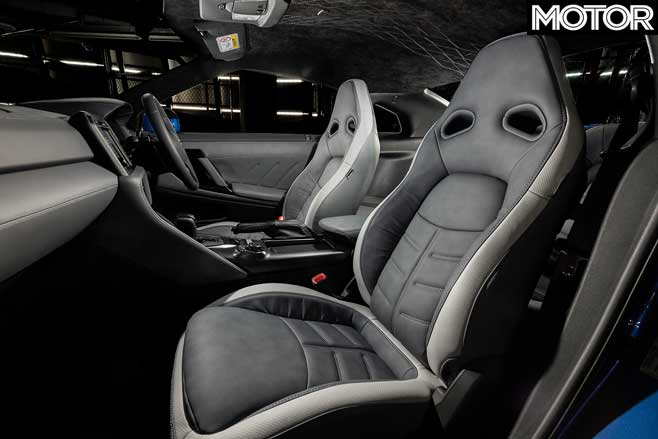
At lower speeds it’s smoother, engaging quietly when crawling along. But it also remains sluggish when you plant the throttle as it climbs down through its ratios one by one. Luckily, that V6’s fat torque curve doesn’t need a low gear to suck you in and spit you down the road at serious pace.
Entry into the MY20 range has risen about $4K on a MY17 spec GT-R with the base Premium variant kicking off at $193,800. Fancier leather inside the Luxury spec model steps that up to $199,800, while the 50th Anniversary tops out the current range at a built-to-order $209,300. Track Editions begin at $235K.
As pretty as the 50th Anniversary is with those stripes we’d find it hard to buy into its hype since it fails to feel special for a $9K premium. Which leaves us to focus on the MY20 GT-R.
Its improved ride and low-down response has polished the R35’s grand touring credentials while new gearbox software shrinks concerns that perhaps the GT-R’s performance is not worth the trouble. That exhaust adds character, too, without shouting about it.
Like always, the GT-R punches way above its price in performance. An updated infotainment system or dash design would freshen it against a suite of newly updated (or soon-to-be) rivals, but it remains unmatched in speed against anything this side of optioned Porsche 911 Carrera 4S.
Yep, it’s the same old story for the R35. But it’s one we still enjoy telling.
2020 NISSAN GT-R SPECS Engine: 3.8-litre twin-turbo V6, DOHC, 24v Power: 421kW @ 6800rpm Torque: 633Nm @ 3300-5800rpm Weight: 1765kg 0-100km/h: 3.2 seconds (estimated) Price: $193,800 – $209,300
Like: Comfier ride, ballistic speed, added refinement Dislike: Ageing interior technology, tardy gearbox, end-of-the-line engine performance
Rating: 4 out of 5 stars
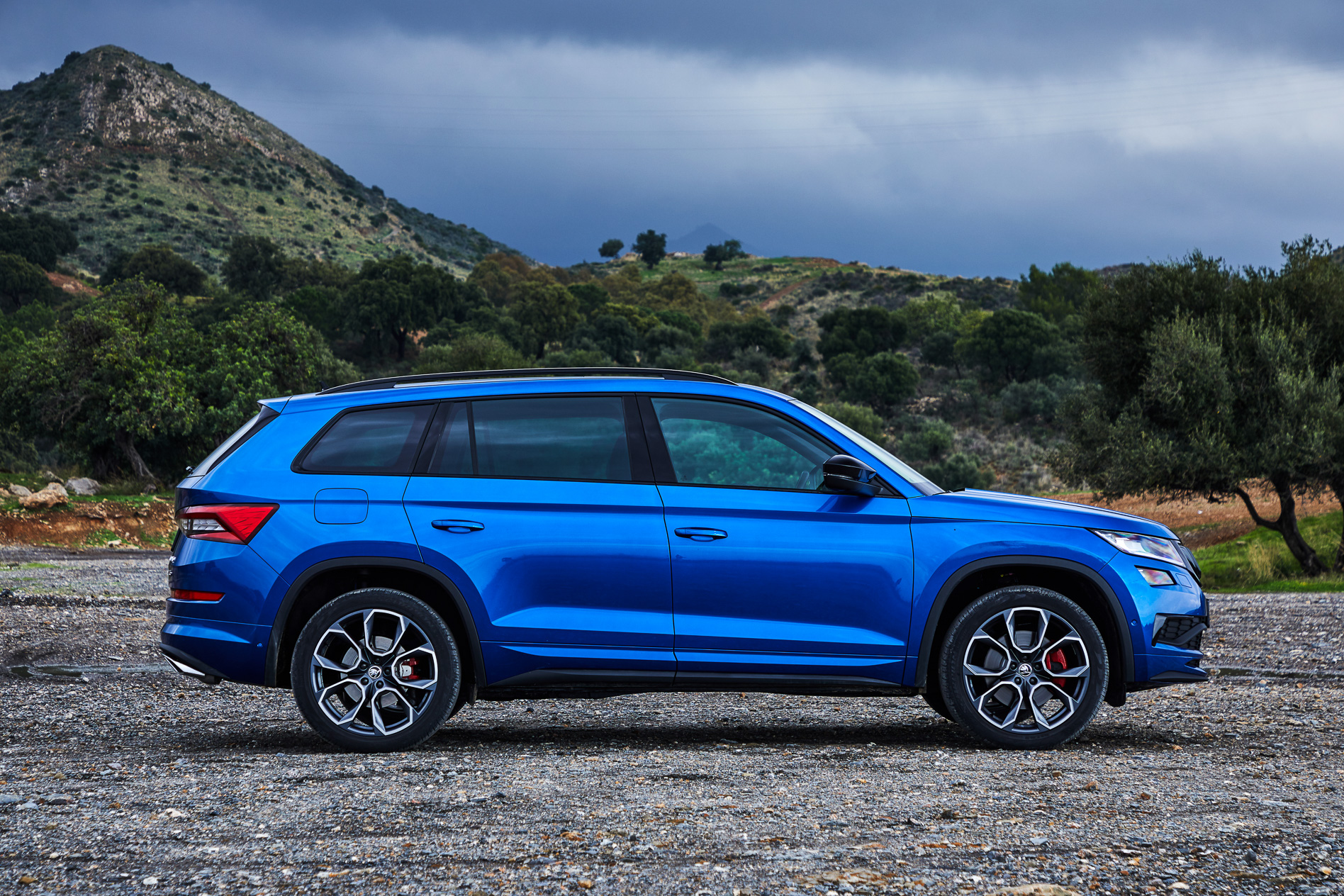
Skoda Australia has announced pricing and spec details for its new twin-turbo halo model – and the fastest three-row SUV ever at the Nurburgring – the Kodiaq RS.
Retailing at $65,990 and offered as a single, highly-specified variant, the five-door, seven-seat Kodiaq RS sits at the very top of the range with a sizable $14,500 gap between it and the previous Skoda Kodiaq flagship, the Kodiaq 132TSI Sportline.
Helping justify the extra outlay is a unique powertrain that elevates performance significantly, along with a bespoke suspension to help control that extra mechanical muscle.
The price puts it in amongst entry-level premium-brand medium SUVs like the Audi Q5 and BMW X3, but the Kodiaq is better equipped and more powerful.
Likewise, it’s more powerful than top-spec diesel competitors like the Mazda CX-5 Akera ($50,360).
The Kodiaq RS is powered by a 2.0-litre twin-turbocharged diesel four-cylinder, producing 170kW and 500Nm. With the two turbochargers operating in series, the RS boasts a torque band that’s much broader than typical diesel engines, while other tweaks to the cylinder head, block and combustion chamber aim to imbue it with a more athletic edge.
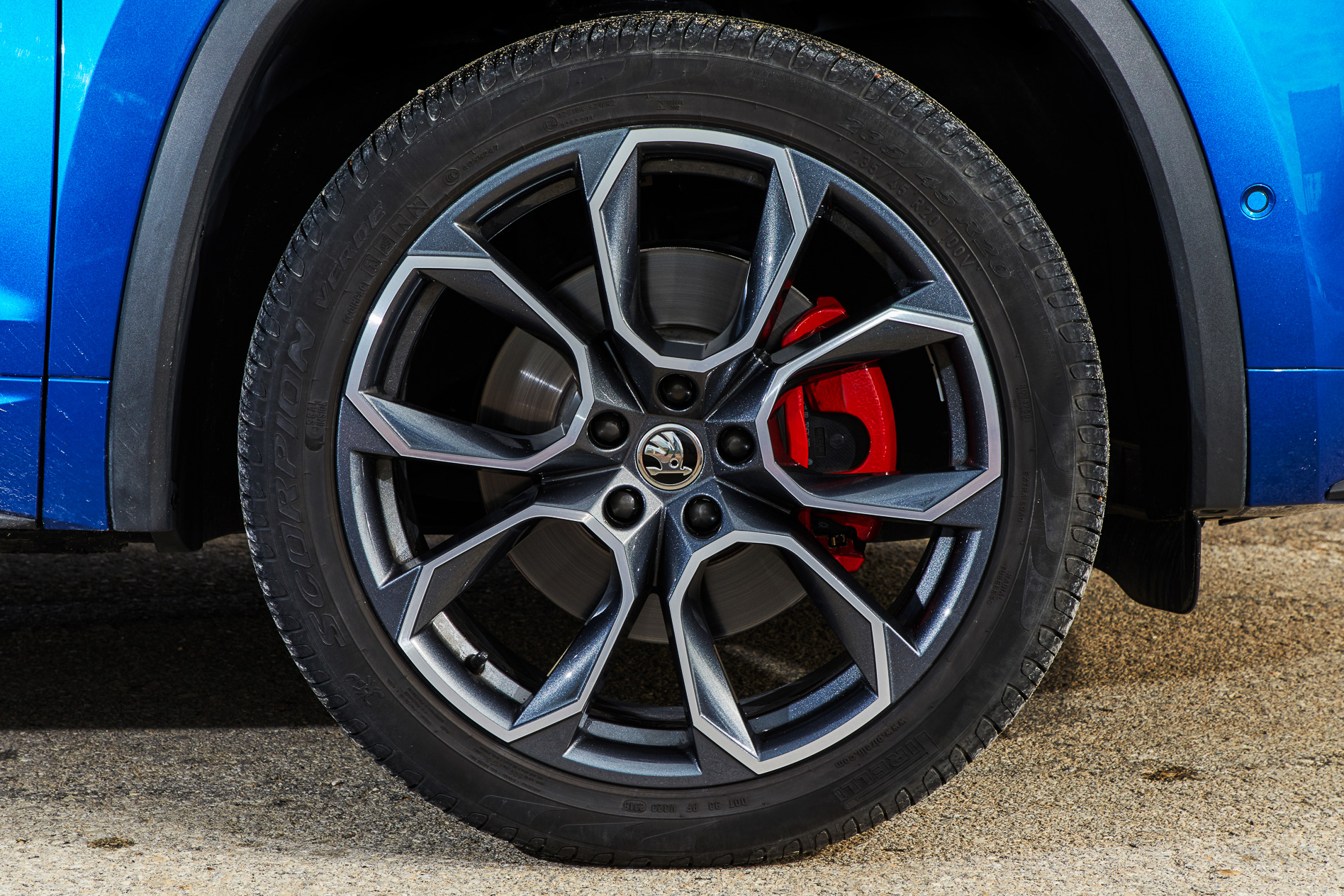
Power is sent to all four wheels through a seven-speed dual-clutch transmission, with the Kodiaq RS suspended on electronically adjustable dampers with a dedicated sport mode. Its braking hardware (above) is also beefed up to cope with the elevated performance.
Standard equipment levels are typical Skoda – generous by default. An electronic instrument panel is standard, as are leather/Alcantara-trimmed electronically adjusted sports seats, an RS-specific steering wheel, tri-zone climate control, active cruise control, sat-nav and smartphone mirroring.
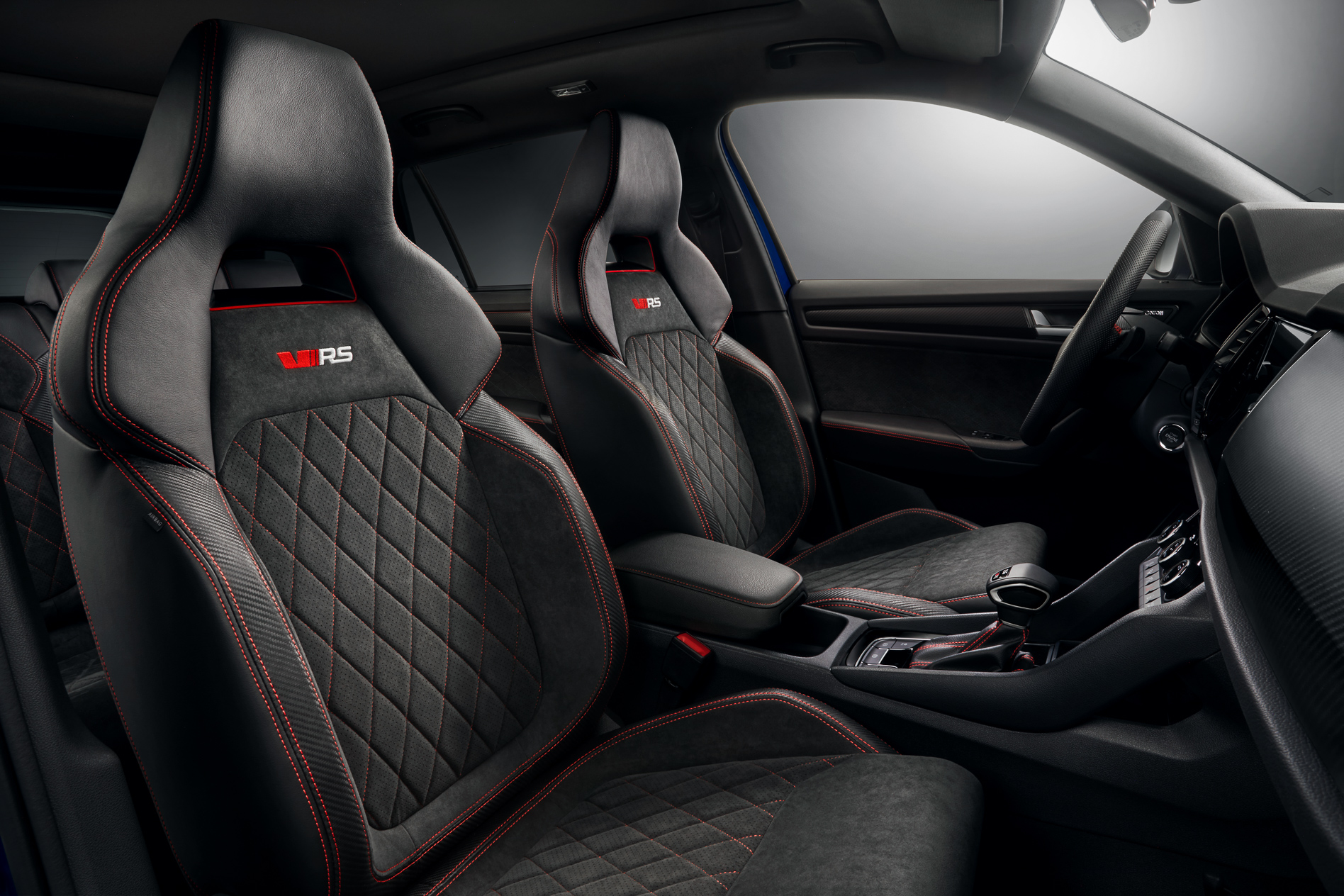
In fact, the only options available are the car’s colour, a panoramic glass sunroof, and metal side steps.
The Kodiaq RS is officially available for order, but with the car only just now made available for our market – something that only became possible due to Volkswagen Group’s reclassification of Australia to a cooler climate category – the first vehicles aren’t due to roll into showrooms until February next year.
PRICING
Skoda Kodiaq RS – $65,990
Metallic paint – $770
Panoramic roof – $1900
Side steps – $1300
We gathered Mark Skaife, Fred Gibson and former Nissan Oz product planning, design and Special Vehicles boss Paul Beranger to tell us about the Australian R32 GT-R race car program and how it produced a car beyond the original developed by Nissan.
The full interview with Mark Skaife, Fred Gibson, and Paul Beranger can be found in the September 2019 issue of MOTOR Magazine, on sale now.
“You have to remember that our touring car category in Australia was very competitive, and the thing is, a Japanese-spec race car wouldn’t win here,” Gibson says.
“It wouldn’t be quick enough against the Ford Sierras and Holden Commodores. So we had to homologate the parts on it that we wanted on the car with the FIA through CAMS to make the race car a better car, and that took a lot of work.”
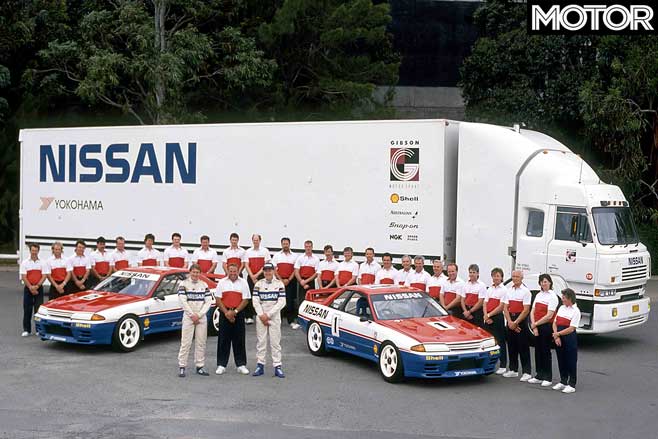
“Part of the problem was that in Japan they didn’t really have to develop the car because they controlled the formula. The more they developed, the more they had to spend, whereas we had to keep developing, and at every race the car changed. The Japanese were aware of that.”
The Aussie overhaul of the R32 racer was comprehensive, as Gibson explains: “Suspension, wheels, gearbox, clutch, engine… Like cylinder blocks, for example.
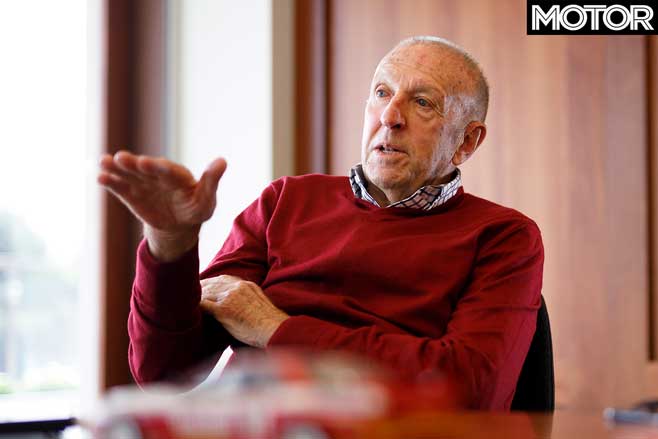
“We put an engine on the dyno and cracked the block because of the extra power we were trying to get out of it with a different engine management system. So they had to make special blocks for us. They were good at doing that, but it took time – and money. A lot of money.
“A part of going local was to save money because the Japanese parts were just silly money.
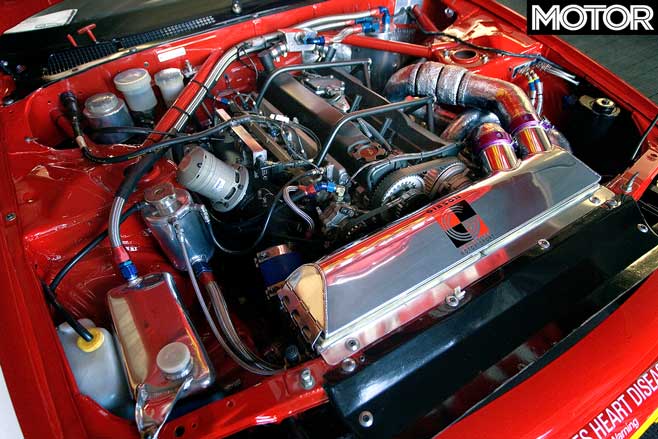
“A competition water pump from Japan was about $15,000 and all they did was change the impeller on it, which we could do here and use the normal water pump. A dog box gearbox was $60,000.
“Nismo were there to make money, whether we were Nissan or not. They still charged an arm and a leg. So we went away from using Nismo stuff.
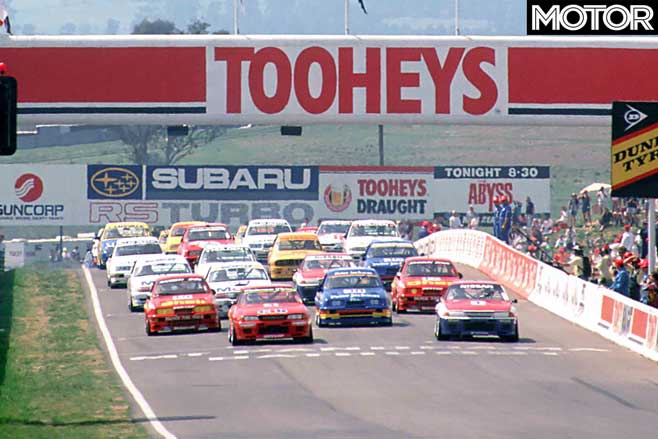
“The wheels, the suspension, the gearbox were all local. They made the cylinder blocks, but the Electromotive engine management system was done for us in America. We did it all ourselves, which was still very expensive, but not as expensive as getting all the bits from Japan.
“Our budget was huge. We were very fortunate to have good sponsors as well as Nissan Australia.”
Get the latest performance car news and reviews, subscribe to MOTOR’s newsletter
The venue that Audi bussed us to from downtown Munich – an abandoned train repair shed – was absolutely enormous. Think of the biggest space you’ve ever been in and multiply it by eighteen, and you’re getting close.
Scattered across one small corner of the venue was a selection of old and new Audi Sport products – some that we’re allowed to talk about now, and others you’ll have to wait for.
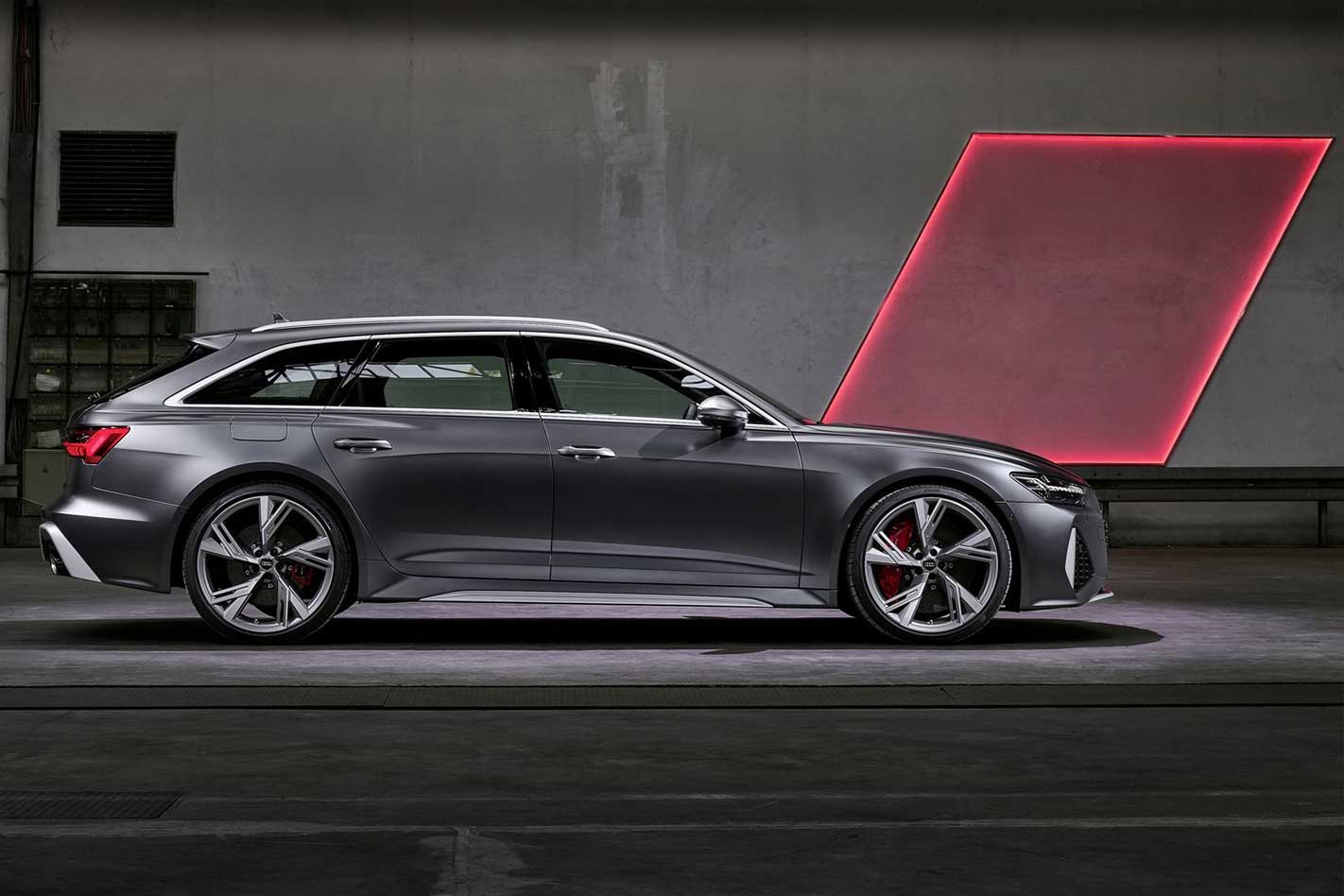
A line-up of every hot Audi wagon since the dawn of time, starting with the 25-year-old RS2 and finishing with the as-yet-unreleased fourth-generation RS6 Avant, though, holds my attention.
A B7 RS4 Avant is my dream ride, and the former PCOTY winner is in the house, alongside the V10-powered second-generation RS6 Avant. A Lambo-powered monster, in other words.
The team from Audi Sport walked us around the RS6, and I managed to grab a few slivers of info that are definitely worth sharing.
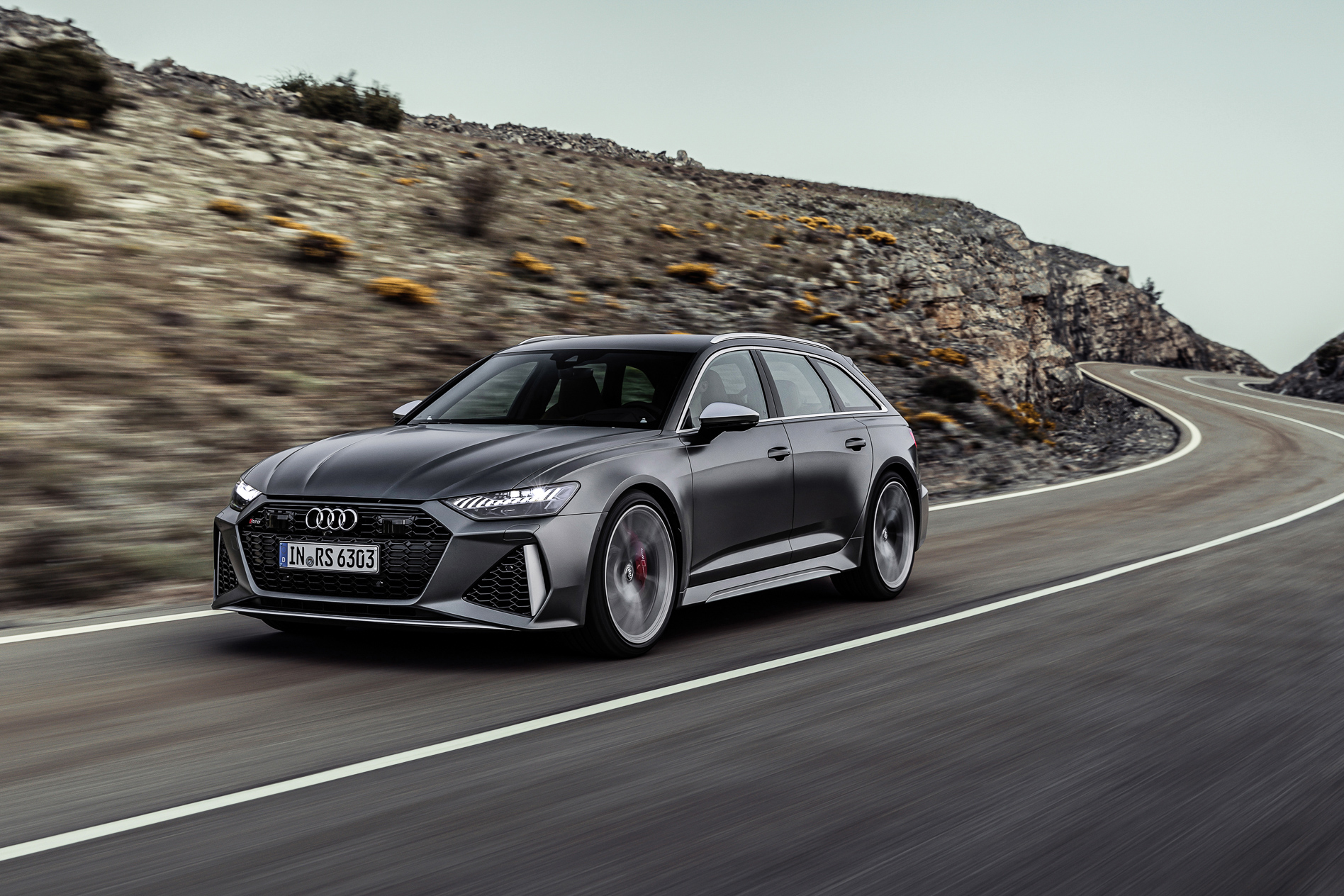
2020 Audi RS6 design details
– Exterior designer Tobias Hoss told us that there was a deliberate strategy to winds way back on the level of brightwork and garnish, to give the RS6 – and another one we can’t yet tell you about – a cleaner, more aggressive look.
– “Until today, the positioning of the RS6 has never changed,” said Michael Binder, the product manager of the RS7 and the Other One. “We’ve used a lot of iconic elements on this car, like the Daytona Grey paintjob, which was availabe from the first RS6 Avant. The interior colour is called Cognac, and we’ve decided to take that from the Audi Exclusive range and offer it on the RS6 and others as a standard colour.”
– The new RS6’s nose wears A7 LED lights, which won’t be seen on the A6 Avant (which won’t be coming to Australia anyway). The lamps are much thinner, and the nose is actually 15mm lower than the stock car. The RS6 will be the only 6 to offer Audi’s laser LED light tech, as well.
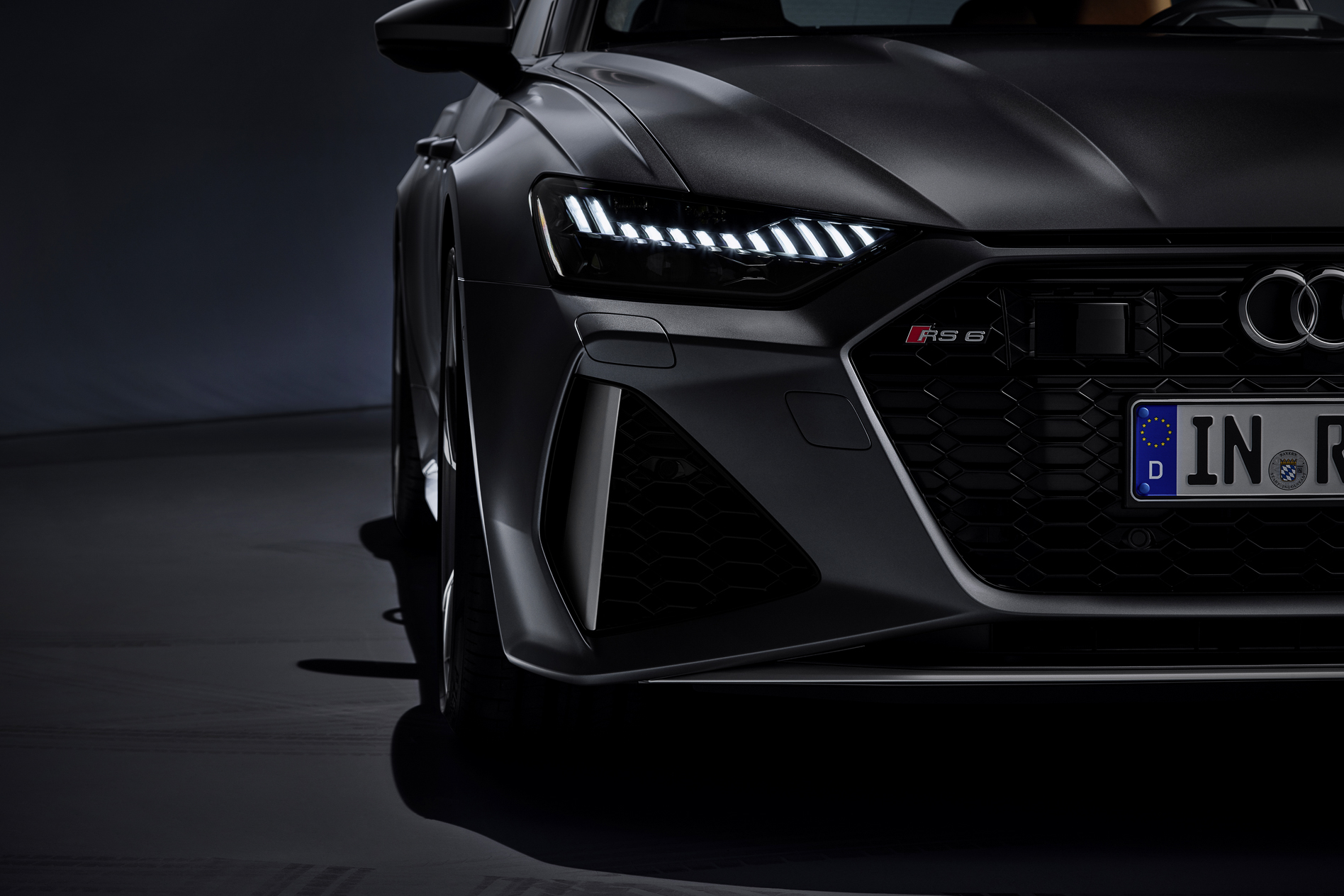
-The bonnet is new and unique to the RS6, with a powerdome. Only the roof, front doors and tailgate are shared with the regular A6. “These are the only metal pieces shared with the A6s,” said Tobias Hoff, the designer.
– The front and rear track is 1951mm, which is a massive 80mm wider than the stock car, and 20mm wider than the third-gen RS6.
– The rear guards have what Audi called ‘quattro blisters’, which are plucked from the design of the famous IMSA Audi quattro race car.
– The wheels are some of the most deeply dished rims available across the entire Audi range. They measure 22 by 10.5 inches!
-“The RS is easy to recognise just by its stance, and this one takes it to the next level,” says Tobias.
– There is a retractable wing and a very flat underfloor to help achieve downforce. “We had an issue with front axle lift, so we reshaped the spoilers to fix that. There are small spoilers in front of each wheel also.”
-The RS6 has been extensively tested in a wind tunnel, right from the conception of the first design models. “We have one of the best wind tunnel facilities in the industry,” says Michael. “We start with quarter-scale models, then move to full-size. We work with the design team to get good air flow around the wheels and down the sides of the car. We spent two to three days a month in the tunnel. Many people ask why does it take three years to design a car; we have to take our design and work it in loops with all parts of the car, like powertrain, aerodynamics and so on, then we go back and adjust it.”
2020 Audi RS6 driveline and software
– The RS6 has more grunt than the Panamera Turbo S, with which it shares a driveline.
– Instead of an individual drive mode, the RS6 now offers not one, but two RS mode buttons on the steering wheel. This means you can have it totally angry with minimal stability control, or marginally angry with more stability.
– It comes with launch control, lap timer and acceleration measurement, as well as the ability to turn the ESC all the way off with a three-second press of the button.
– The RS monitor displays gearbox, oil, water, diff and engine temps.
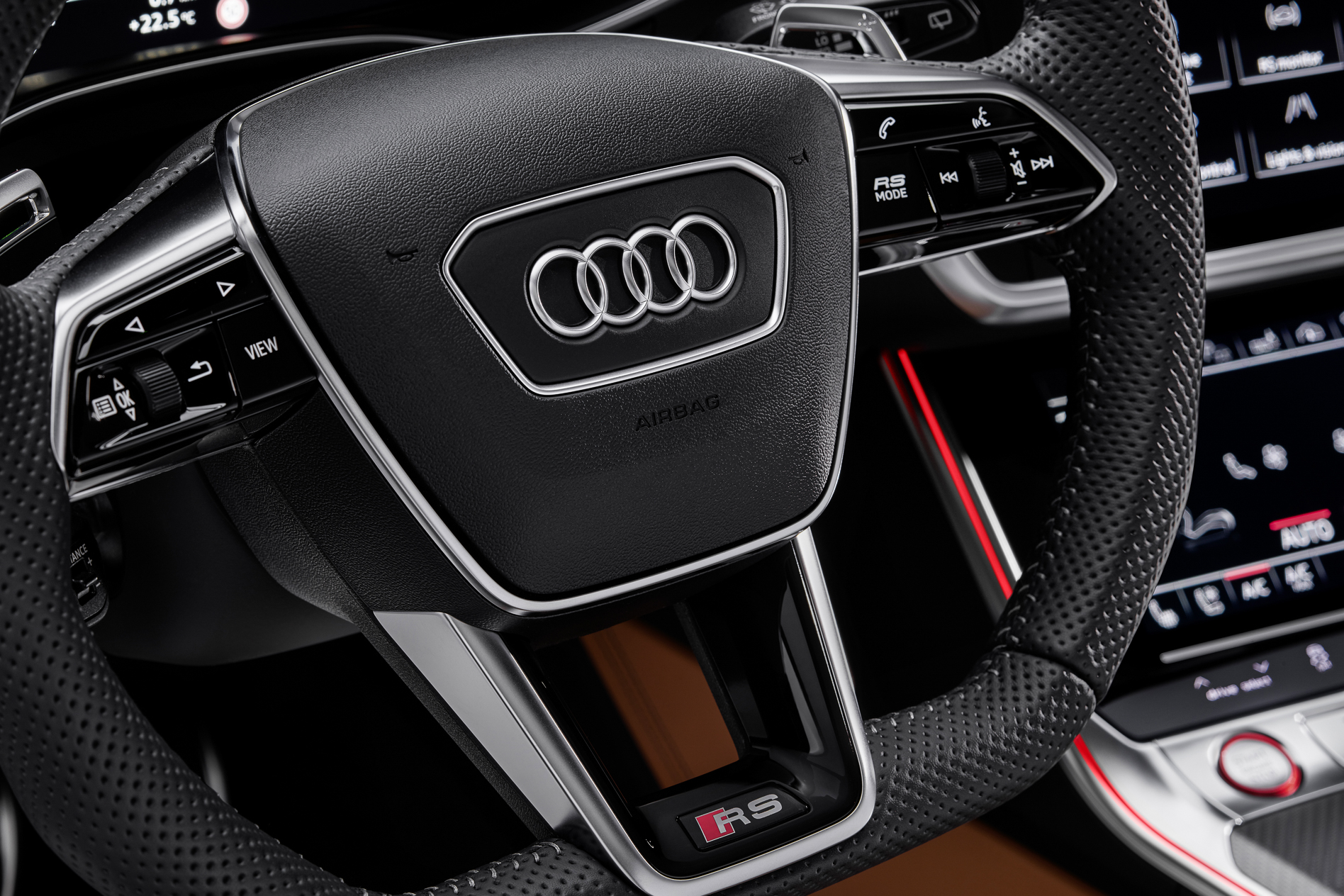
– The shifter paddles are brand new, and are made from milled alloy, rather than the formless plastic of the previous car
– The new multimedia touchscreen system will be rolled out across other cars, including the RS4.
– The engine has 3mm bigger turbo impellers, 0.2bar more boost as well as a new belt-driven starter generator to create 12kW of power to charge a 0.5kW battery to restart the engine after it goes into coasting mode. It doesn’t boost the engine, though.
– It’ll do 0-100km/h in 3.6sec, as opposed to 3.9sec of the previous car. The extra 50Nm more torque can be felt higher in the rev range, according to Andrei.
– The gearbox is a conventional eight-speed and has been completely made over for the new model.
2020 Audi RS6 suspension
– Rear-wheel steering is controlled via a central control unit to match with the variable-ratio front steering. 100km/h is the transition point between five-degree counter and two-degree complementary steering.
– Air springs are 50 per cent stiffer in spring rate, and there is new damper hardware at all four corners.
– “The car would even be faster than 305km/h, but the tyres are the limit,” says Michael
– A standard coil spring system with diagonally connected dampers can control roll and pitch. The RS6 doesn’t need the active anti-roll bars, because roll control is achieved via the connected dampers.
– 420mm steel rotors are standard, while optional 440m diameter carbon front and 370mm rear carbon rotors are available.
– When you opt for the Dynamic package, you get all-wheel steering, quattro sport differential, steel brakes and 280km/h top speed. Opt for the plus package and you get carbon rotors and raise the speed to 305km/h. On the previous RS6, the dynamic package was a standard fit to Aussie-spec cars.
This is a big one. Not just because the new September 2019 issue of MOTOR Magazine has a few more pages, but because it’s an homage to one of the most revered Japanese cars of all time. The Nissan Skyline GT-R.
From the 1969 Hakosuka GT-R to the brand new 2020 R35 GT-R, Nissan’s most famous badge has been through highs and lows, but it’s been a journey well worth celebrating.
And that’s what our new issue does.
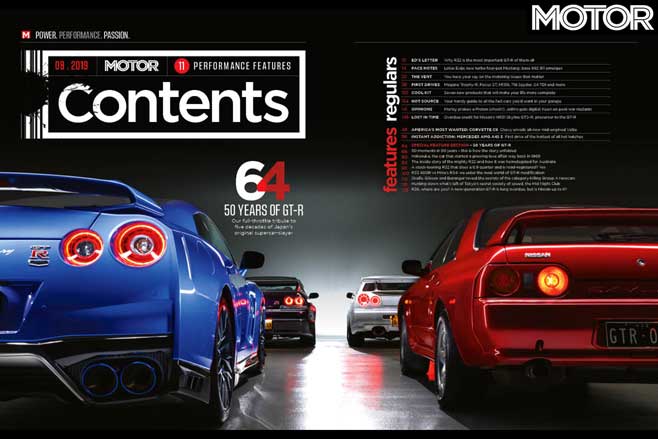
If the GT-R isn’t your thing, fear not. This issue of our mag still features other cars, news, reviews, and features that aren’t even Nissan-adjacent. Variety is the spice of life, after all.
You can find MOTOR at retailers around Australia. Or you can subscribe and save yourself some cash, there’s even a digital subscription.
Subscribers often receive their mags earlier, so you’ll get to see what MOTOR has to offer before anyone else.
Follow us on Facebook, Twitter, and Instagram to interact with us, give us feedback, and get a peek behind the scenes.
And this week, check out the #GTRweek tag on Instagram to see what we’ve been sharing!
GT-R: The Godzilla Story
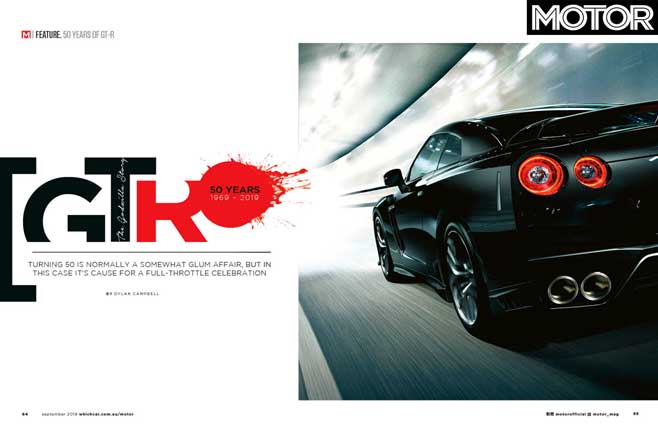
Turning 50 is normally a somewhat glum affair, but in this case it’s cause for a full-throttle celebration.
ZERO TO 50: Fifty moments of GT-R over fifty years
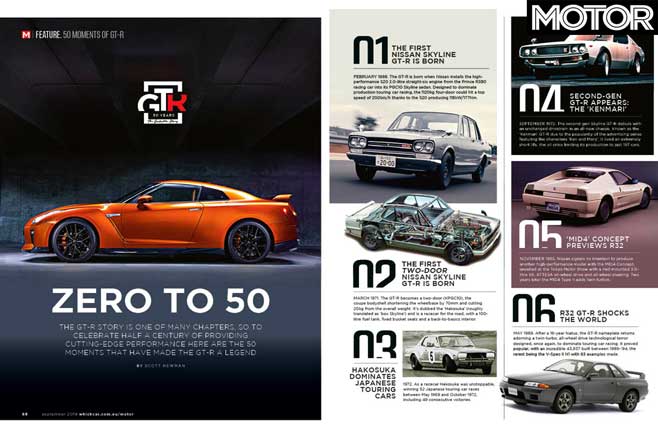
The GT-R story is one of many chapters, so we list the few dozen moments that have made Nissan’s hero a legend.
BOX FRESH: Nissan KPGC10 Skyline GT-R, a.k.a Hakosuka
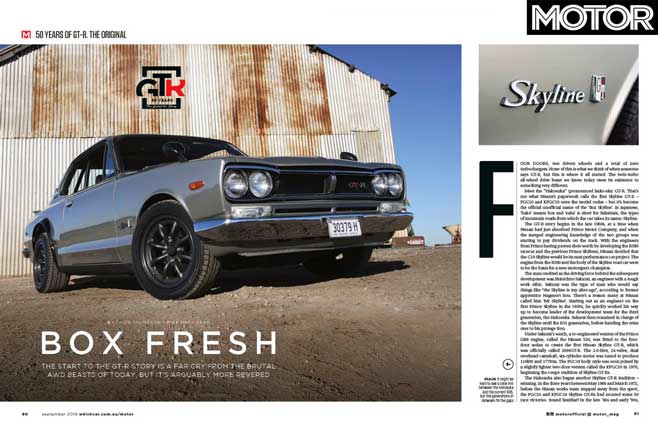
The start to the GT-R story is a far cry from the brutal AWD beasts of today, but it’s arguably more revered.
GOD COMPLEX: The Nissan R32 GT-R story retold
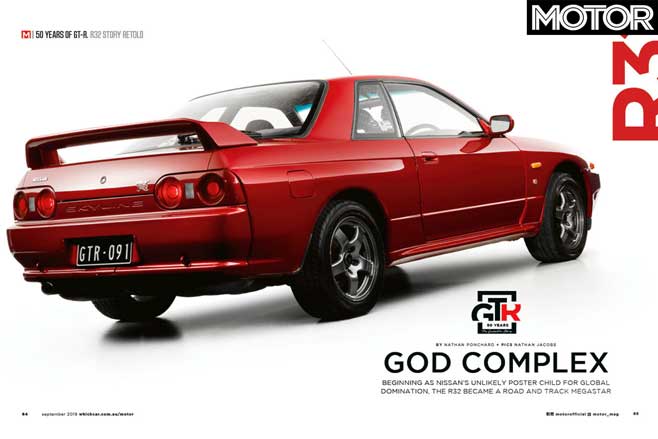
Beginning as Nissan’s unlikely poster child for global domination, the R32 became a road and track megastar.
SIX. POINT. NINE: JUN II R32 Skyline GT-R drag car
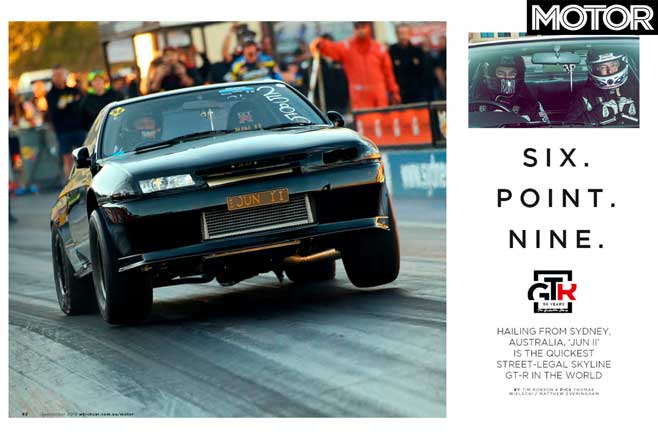
Hailing from Sydney, JUN II is the quickest street-legal, and registered, Nissan Skyline GT-R in the world.
SKY’S THE LIMIT: Nismo R33 Skyline 400R vs Mine’s R34 Skyline GT-R
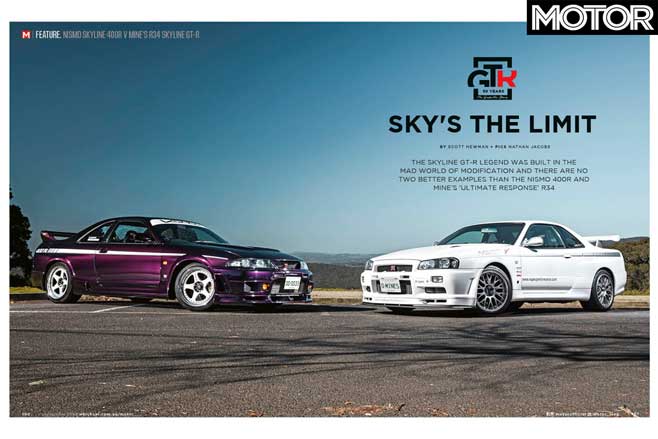
The Skyline GT-R legend was built in the mad world of modification and there are no two better examples than the Nismo 400R and Mine’s ‘ultimate response’ R34.
TOO FAST FOR THE RULES: The ATCC interview with Mark Skaife, Fred Gibson, and Paul Beranger
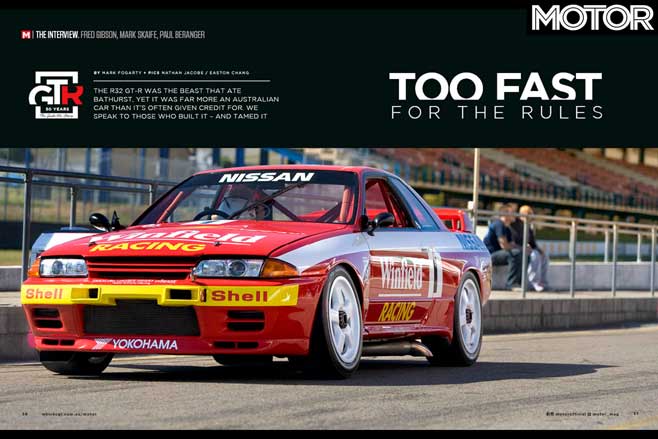
The R32 GT-R was the beast that ate Bathurst, yet it was far more Australian than it’s given credit for. We speak to those who built it and tamed it.
CHASING MIDNIGHT: Hunting Tokyo’s Mid Night Club
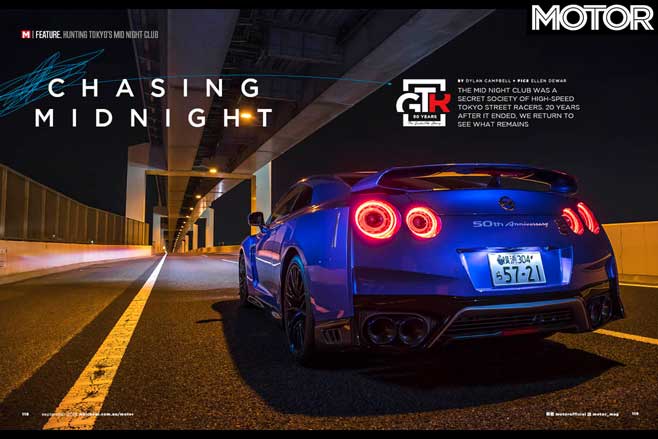
The Mid Night Club was a secret society of high-speed Tokyo street racers. 20 years after it ended, we return to see what remains.
R36, WHERE ARE YOU?
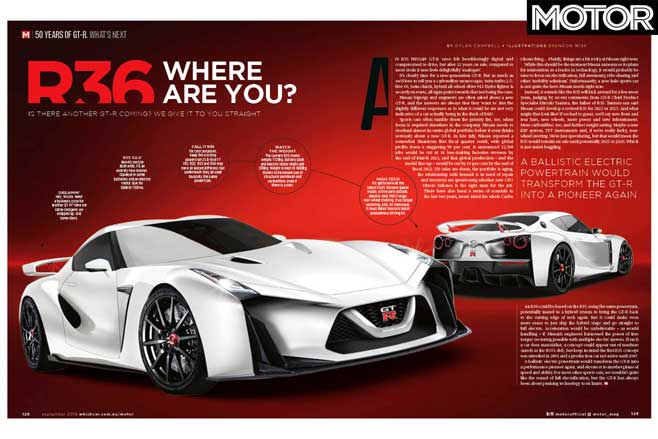
Will Nissan build another GT-R? We give it to you straight.
MACHINE LEARNING: 2020 AMG A45 driven
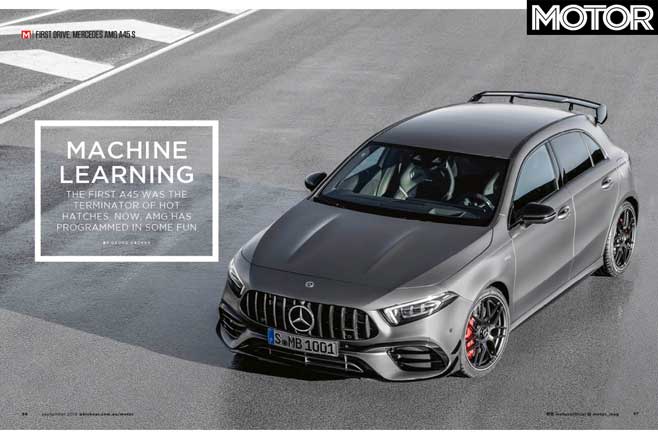
Moving away from the GT-Rverse, we have sampled AMG’s new super-hot hatch. Is it good? It sure has a lot of hype to fulfil.
AMERICA’S MOST WANTED: Chevrolet C8 Corvette details
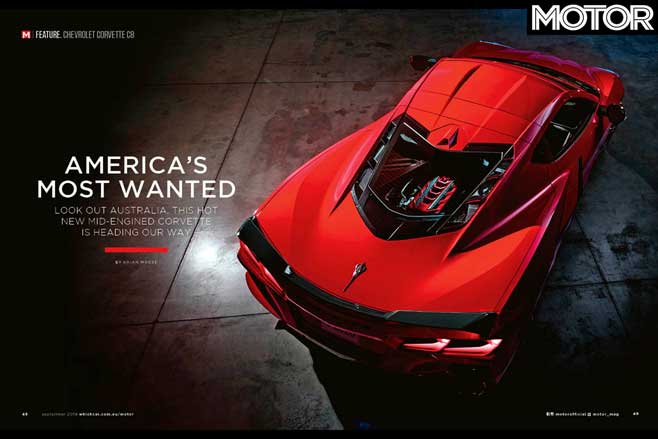
Look out, Australia. This hot new mid-engined ‘Vette is headed our way.
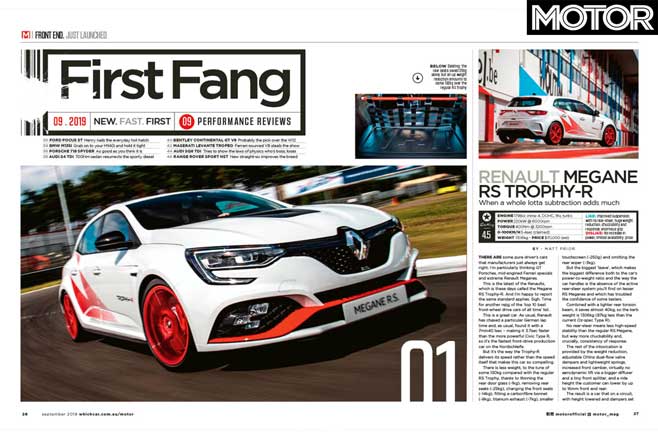
FIRST FANGS: We’ve driven the new Renault Megane RS Trophy-R, the next Ford Focus ST, Porsche’s 718 Spyder, and plenty more!
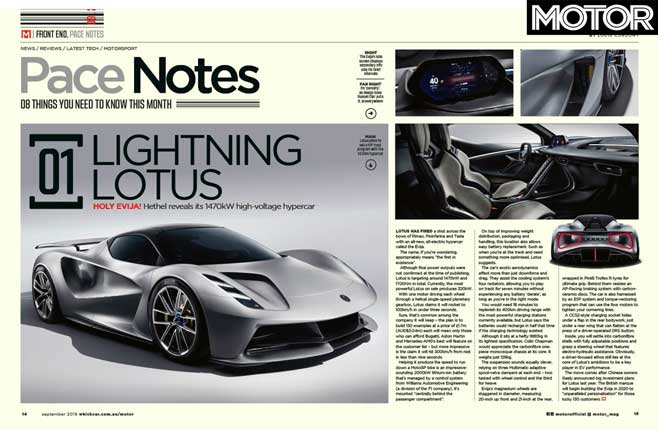
PACE NOTES: The latest from the automotive world, MOTOR-style.
AND MORE: Hot Source is still here for all your car info needs, plus words from our regular ranters, Cool Kit, and the rest of the usual suspects!
Mazda customers have spent millions of dollars getting smartphone mirroring technology fitted to their cars.
Mazda last October became the first manufacturer to offer a retrofit kit for older vehicles that allows customers to enjoy Apple CarPlay and Android Auto.
A Mazda spokesperson confirmed to Wheels that “since it was first offered last year, more than 11,100 of the [Apple CarPlay and Android Auto] kits have been sold.”
With each retrofit costing $494.98, Mazda has raked in almost $5.5 million ($5,494,278, to be exact) from the program.
Not all of that will be profit, but it’s a clear indicator that there is significant demand for smartphone mirroring retrofits.
Currently, no other manufacturer in Australia offers a retrofit for Apple CarPlay and Android Auto for owners of older models.
More on Apple CarPlay
- Apple CarPlay vs Android Auto
- Are you breaking the law using Apple CarPlay in the car?
- iPhone and Android smartphone mirroring explained
When the program was first announced, Mazda was forced to increase stock to match demand. with Mazda Australia marketing director Alastair Doak telling Wheels “the demand for the retrofit has outstripped how many [units] we have brought in, so we have already gone back and ordered extra batches.”
The retrofit must be carried out by a Mazda dealership as it requires software and hardware updates. Once completed, it allows drivers to control their maps, music, phone calls and text messages through an easy-to-use interface.
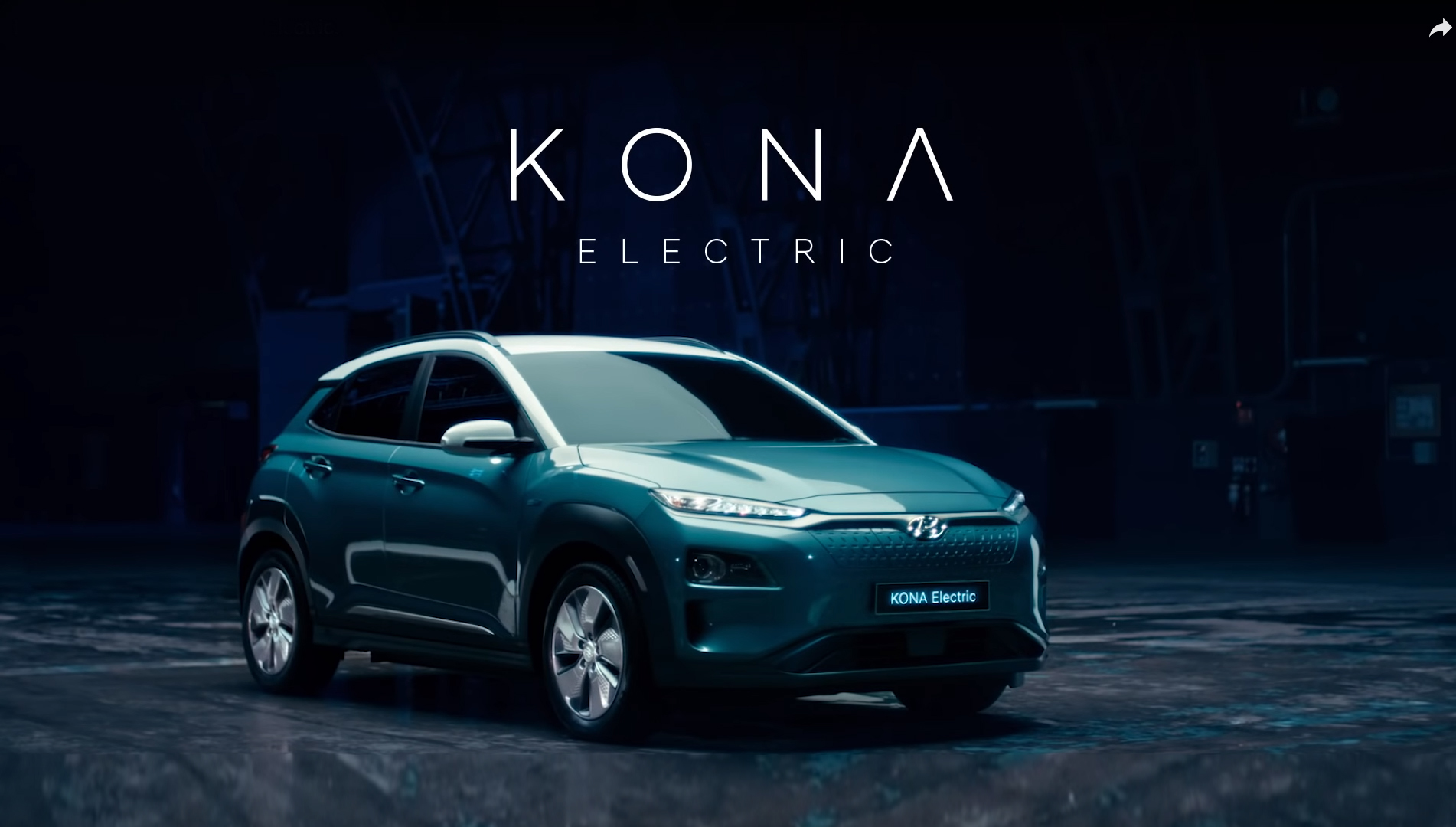
With two relatively affordable and compelling all-electric models already in its range, you want to take Hyundai seriously when it announces a new EV concept, but then they go and name it『45』complete with the weird brackety things.
Inspired by the Korean brand’s first model in the 1970s, the『45』(how do you even pronounce those things?) fully-electric concept car will be revealed at next month’s Frankfurt Motor Show to showcase its future EV design.
This includes exploring the evolution of brand’s ‘Sensuous Sportiness’ design language, which will soon debut here on the all-new Sonata sedan.
As far as we can tell, the mysterious brackets appear to be ‘hajime nijū kagiyamakakko’ – the double form of a Japanese or perhaps Korean quote mark, but Hyundai has not offered any explanation as to their meaning or relevance here. Maybe they just look nice.
As for the rest of the car, so far, all we have is a couple of rudimentary teaser pics, but we will bring you all the hot information about Hyundai’s intriguing design study as it emerges at IAA 2019 next month.
It follows the Korean car maker’s “Style Set Free” concept at Milan Design Week in April, which offered a glimpse at what Hyundai believes driverless car interiors will look like.
『a unique in-car experience that no other automakers have offered so far, but one that customers have been looking for. The exhibition will introduce upcoming changes in mobility to a wider audience』
said Hyundai Motor Company executive vice president and chief marketing officer Wonhong Cho.
In the meantime, let’s take the opportunity to look at some of the annoying names given to cars that would even make microfiber-wearing marketing types shake their collective heads.
Click on the picture gallery at the top of the page if you want to be truly annoyed!
BMW has opened the SUV floodgates, revealing pricing and specification for a wide variety of new X5 and X7 variants, including a new four-pot diesel X5 that sneaks in under the $100,000 mark.
As it stands, the X5 range is a six-cylinder-only affair with 30d and M50d looking after diesel customers, while the 40i is for those who prefer petrol propulsion. The incoming variants however, will add both four- and eight-cylinder energy to the large SUV line-up.
A new 25d will introduce a four-cylinder diesel to the range as well as a new, more accessible entry point with its $99,900 price tag. It packs a 170kW/450Nm 2.0-litre four-cylinder turbodiesel under the bonnet, and can hit 100km/h from zero in 7.5sec. BMW has not yet released claimed fuel consumption figures.
It’s fitted as standard with 20-inch wheels and run-flat tyres, synthetic leather upholstery, keyless entry and go, heated front seats, a surround-view parking camera, head-up display and wireless smartphone charging.
For efficiency focused buyers there is also an X5 45e at $129,900, which teams the 3.0-litre turbocharged petrol engine with an 83kW electric motor for impressive combined outputs of 290kW/600Nm.
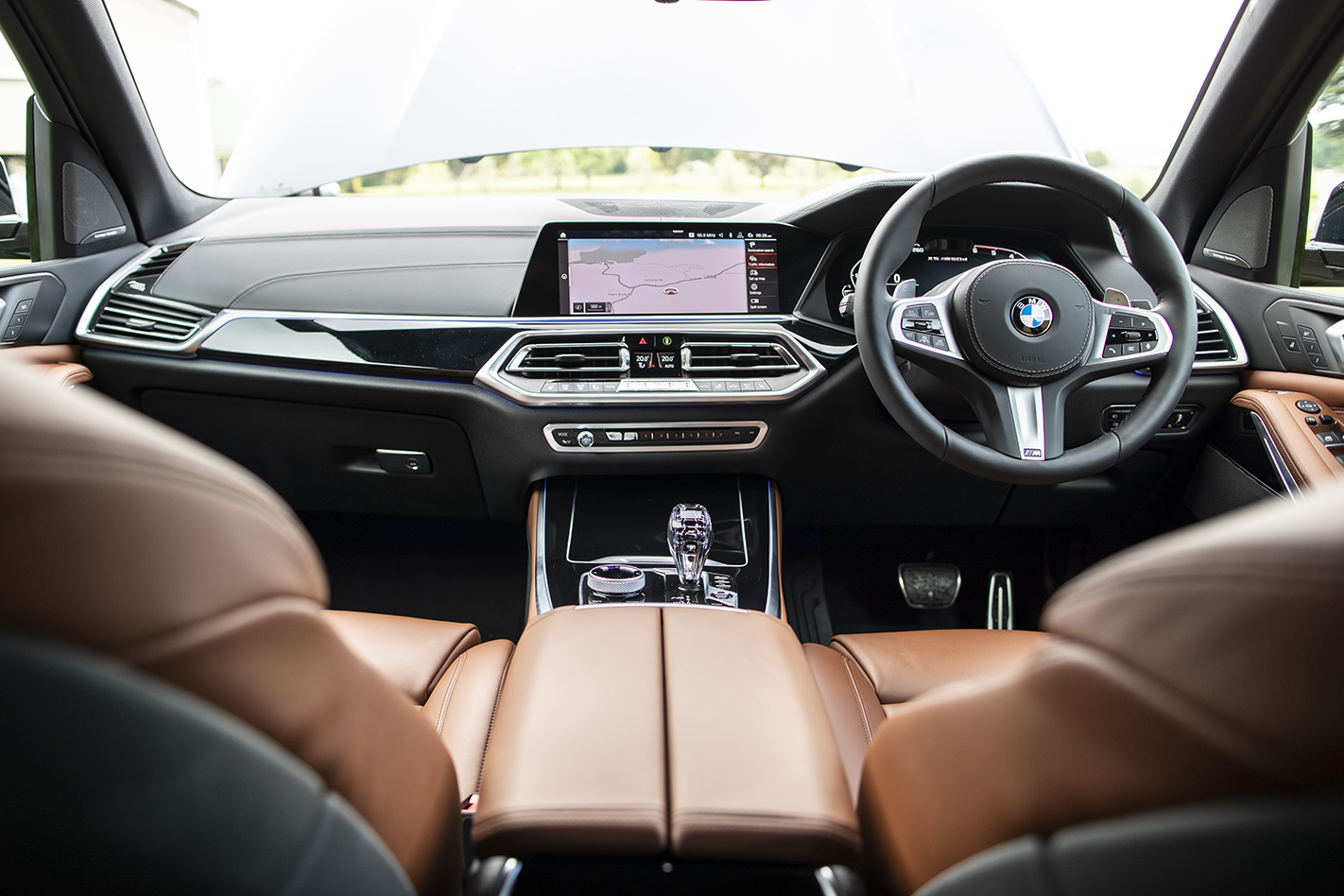
The grunt enables the X5 45e to hit 100km/h in a hot-hatch busting 5.6s while the 24kWh battery pack allows for a real-world electric-only driving range of 60-65km, double that of the previous-generation X5 40e.
In addition to the features of the X5 25d, it adds the M Sport package as standard, adaptive air suspension, leather upholstery, a panoramic sunroof and adaptive LED headlights.
For those who don’t need to stretch to the forthcoming X5 M – or simply don’t want to wait – the $151,900 X5 M50i uses a monstrous 4.4-litre twin-turbo petrol V8 producing 390kW/750Nm. This is the same engine used by the $272,900 M850i and propels the X5 to 100km/h in just 4.3sec.
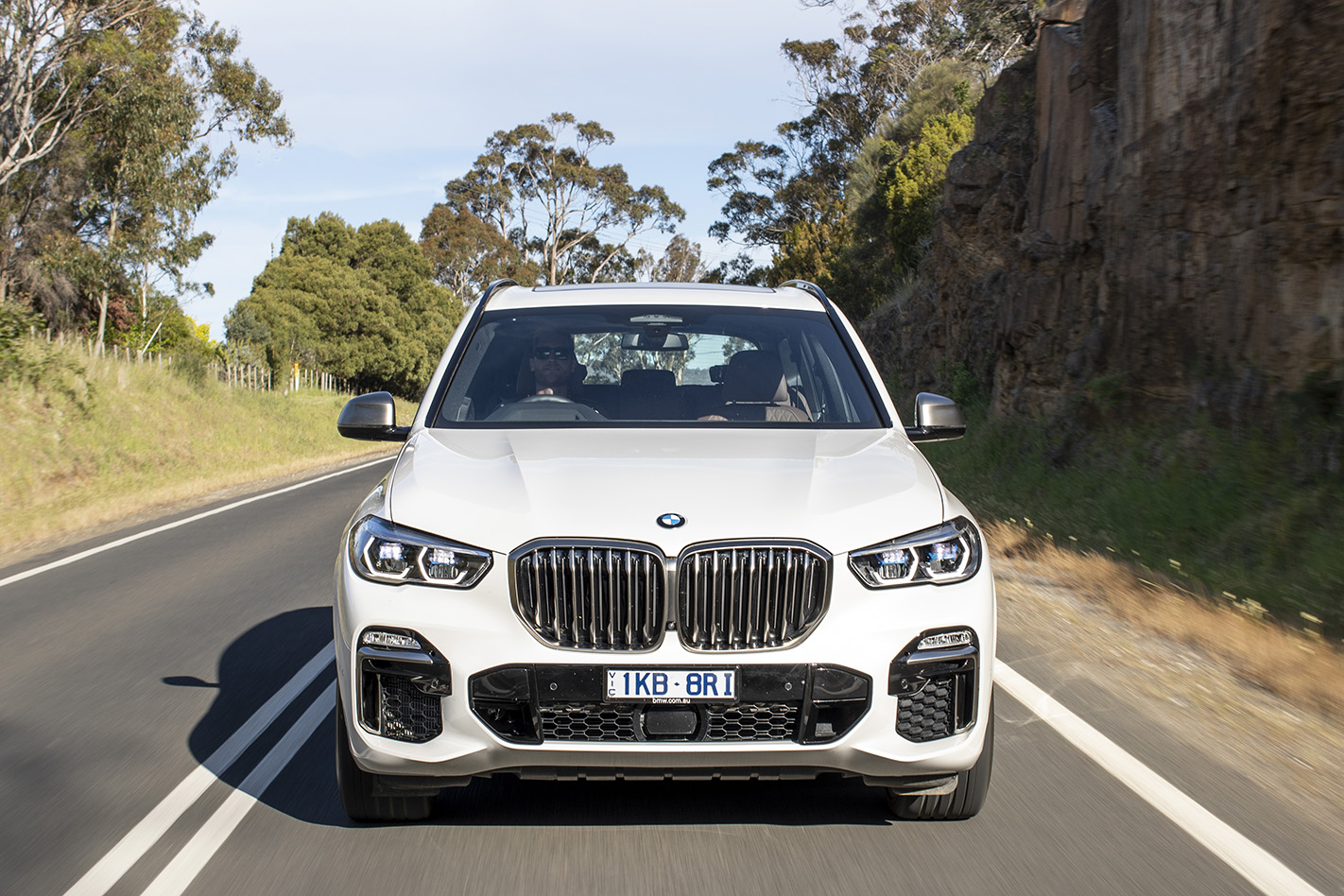
Its standard equipment is extensive, including 22-inch wheels, an M Performance exhaust, M Sport differential, bigger brakes, metallic paint, adaptive M suspension, rear-wheel steering, laser headlights, leather instrument panel, soft-close doors, heated cup holder, lumbar support, four-zone climate control and a 16-speaker Harmon Kardon surround-sound audio system.
The same engine is also being offered for the X7 as part of the SUV shake-up. An X7 M50i will set you back $171,900, though the seven-seater’s extra size slows the 100km/h sprint to a still-impressive 4.7sec.
BMW intends to continue its SUV onslaught, with the refreshed X1 and all-new X6 also due to land locally before 2019 is through, although the German giant has not yet detailed the treats destined for its small SUV and coupe-profiled X5 fraternal twin.
