
The Wheels Verdict: The Porsche Cayenne Turbo S E-Hybrid is not an easy vehicle to initially warm to. Most of its rivals are big, unsubtle things that are difficult to miss but, I find, well worth the effort.
The Cayenne initially smacks of this ilk, an SUV bought by the unthinking type who just wants the most expensive one in the range. Spend a little more time with it and it emerges as an intriguingly considered thing and something with an endearing side to it. It’s hard not to like something that does virtually anything you ask of it, often with some measure of excellence too. Avoid the Coupe version and you’re onto a winner with this one.
WHAT IS IT?
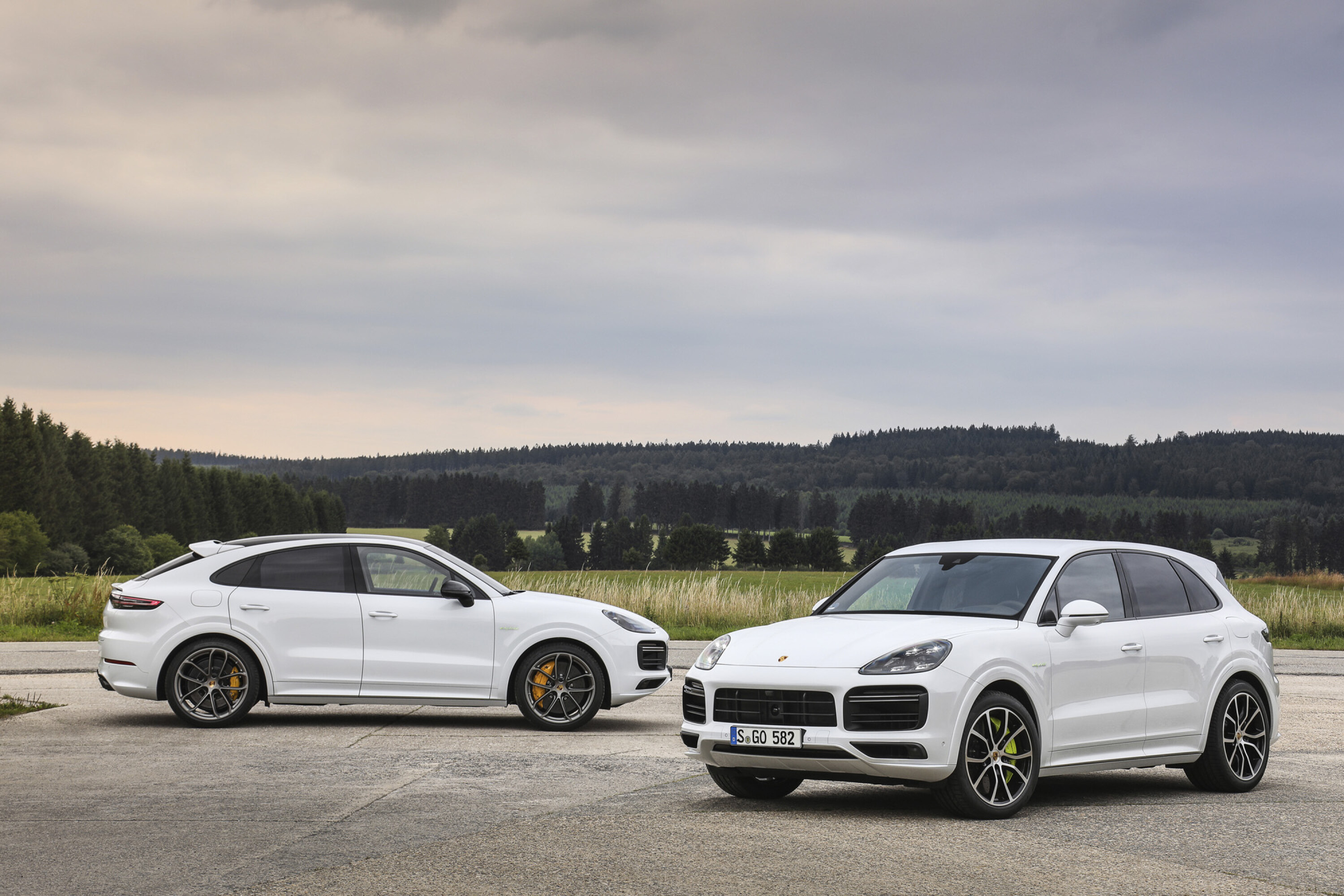
How often have we wondered what would be the perfect one-car solution? Well, the Porsche Cayenne Turbo S E-Hybrid comes closer than most at covering every base. Of course, that decathlete ability comes at a price and most typically optioned cars will leave Porsche dealers comfortably north of $300K. Hugely powerful, beautifully equipped and even pretty good fun to steer, the Cayenne range-topper is a deeply impressive supersports-SUV.
WHY WE’RE TESTING IT?
We flew to Germany and drove the Cayenne to Belgium on a mix of roads to establish not only whether this hybrid five-seat SUV delivers a credible cut-price challenge to the current crop of premium SUVs like the Bentley Bentayga and Lamborghini Urus, but also to see how it would hold its own against more traditional rivals from BMW and Mercedes-AMG.
Porsche Cayenne Turbo S E-Hybrid review
PORSCHE will sell you two versions of the Cayenne Turbo S E-Hybrid. One is the SUV body, the other the Coupe. I’m going to largely ignore the Coupe here because it’s heavier, slower, more expensive and, despite being longer and wider, has a more compromised rear seat and can’t carry as much gear in the back. So therefore, I’m going to credit Wheels readers with the ability to make sound choices.
Having dispensed with the issue of style versus substance, the next big question to answer is whether you should even bother with a Turbo S E-Hybrid version of a Cayenne SUV over its battery-free Turbo sibling. After all, you’re being expected to pay a premium of $46,400 for a vehicle that, in the real world, isn’t noticeably quicker, yet tips the scales at 315kg heavier. And the fuel economy benefits? Well, if you’ve reached the station in life where you can throw over a quarter of a million dollars at an SUV, are you really going to be wincing every time you visit a bowser? Probably not.
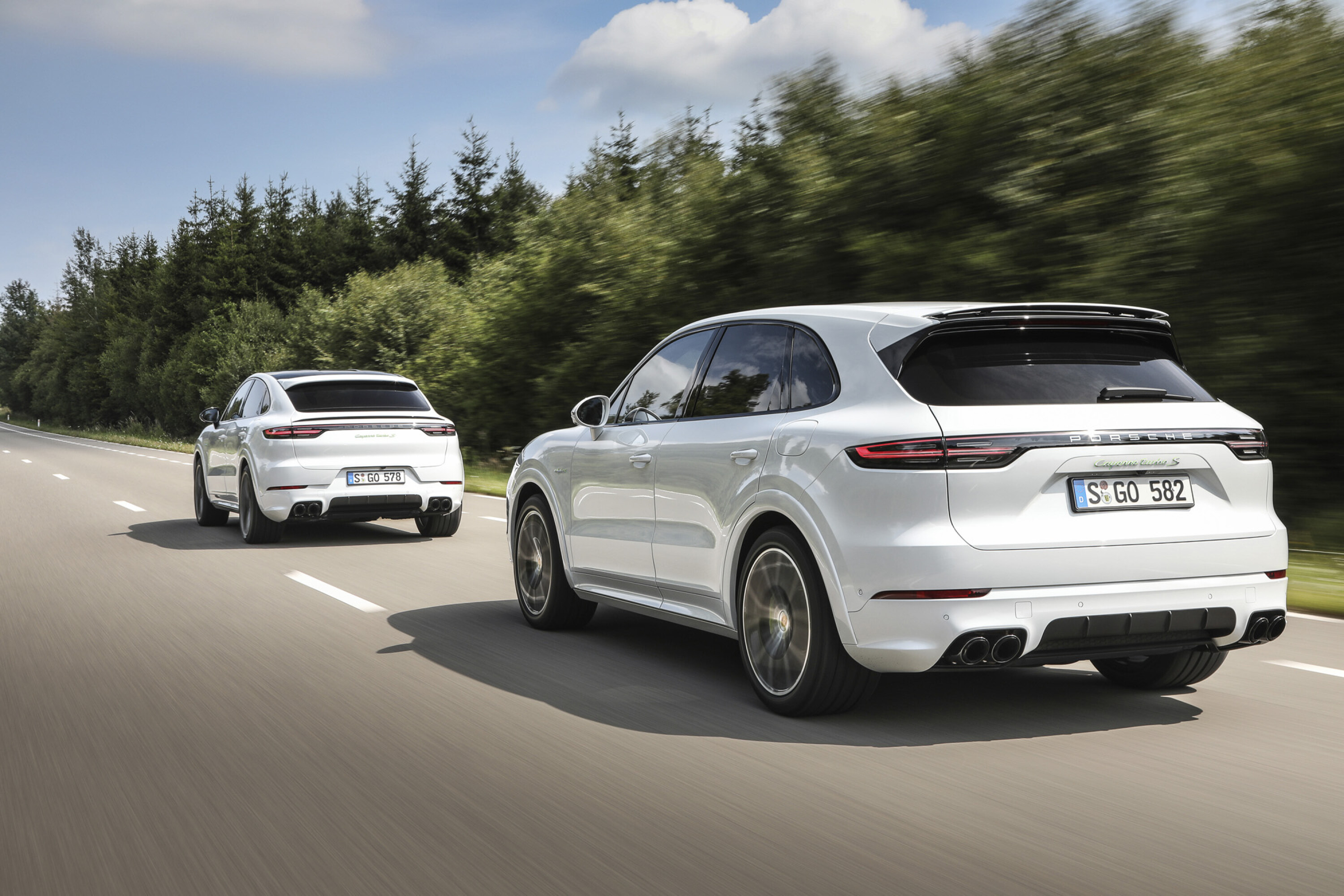
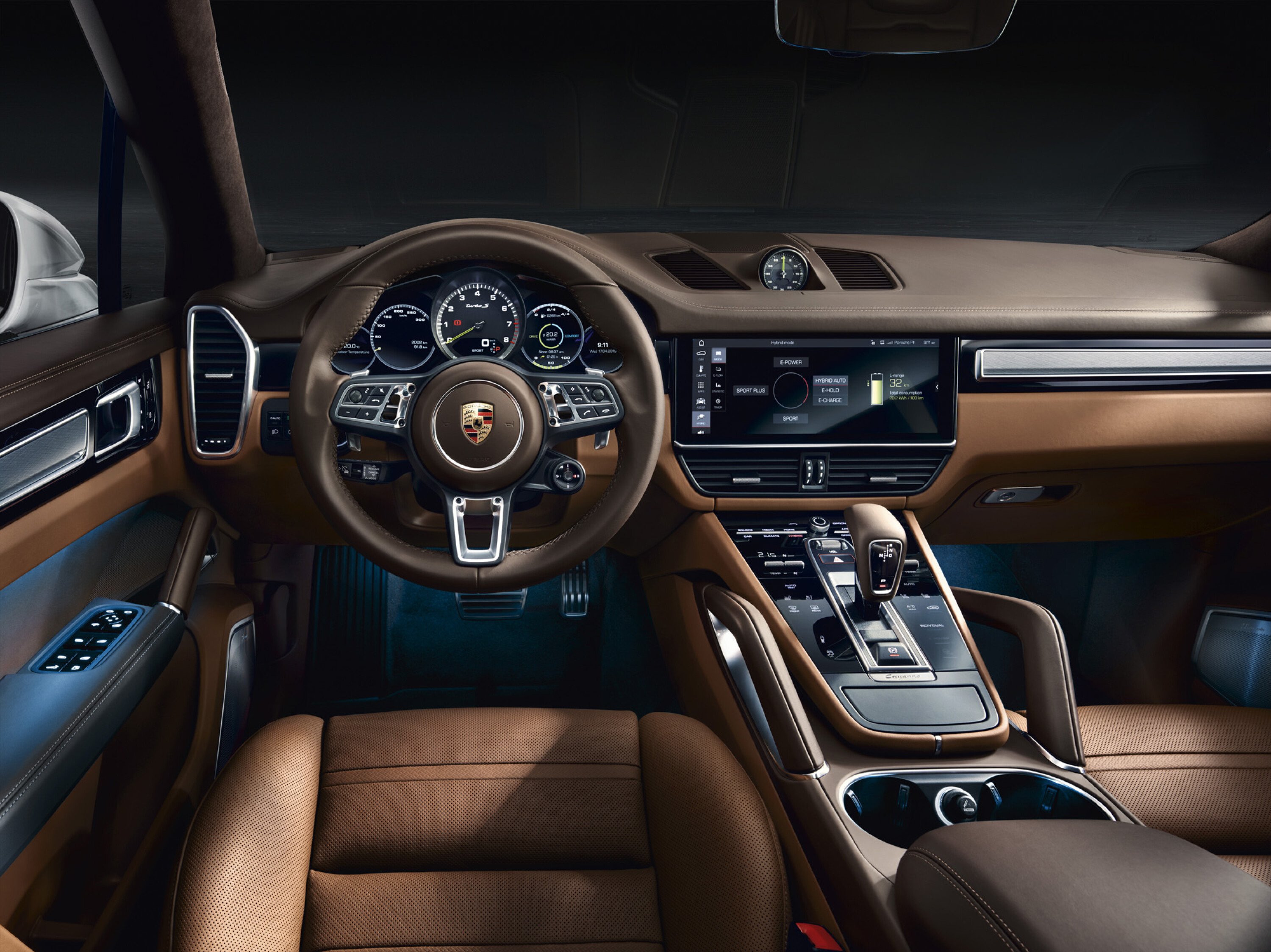
The Turbo S E-Hybrid does add some extra gear that you don’t get on the vanilla Turbo, such as surround view camera, lane change assist, four-zone climate control, panoramic sunroof, privacy glass, comfort access, ambient lighting and digital radio. The Coupe version additionally gains 22-inch RS Spyder wheels. Then there’s the fact that a number of global cities are moving to mandate emissions-free driving in their central business districts. You can probably expect the global heat death of the universe before Australia effects such changes, so that’s not really relevant to us. There is, however, something extremely soothing about running on pure electric power, and given that our average commute is 19km, you might well be able to cover the return trip to work on battery power alone. The Porsche will even handle freeway speeds in its E-mode, with the 4.0-litre V8 only thrumming back in at 135km/h.
For keen drivers there are pluses and minuses to the electric power pack. Despite mounting the battery pack in the floor, you do feel the additional heft when transitioning from corner to corner. Porsche has employed all sorts of black magic to disguise the additional impost of 15 percent more weight over the Turbo. Instant electrically-assisted torque accelerates it quicker, carbon ceramic brakes stop it more effectively and then there’s the true voodoo: PDCC.
Porsche Dynamic Chassis Control is an active roll stabilisation system that splits the front and rear anti roll bars into two halves. As soon as it detects the slightest hint of body roll, a powerful pivot motor twists the two halves in opposite directions, effectively cancelling body roll. It has other tricks up its sleeve too. On straight roads it disengages, while in off-road mode it can twist the two ends in concert for greater wheel articulation. That said, we can’t see too many owners of this vehicle, with its liquorice-strip tyres, heading out bush. It’s no great wader either.
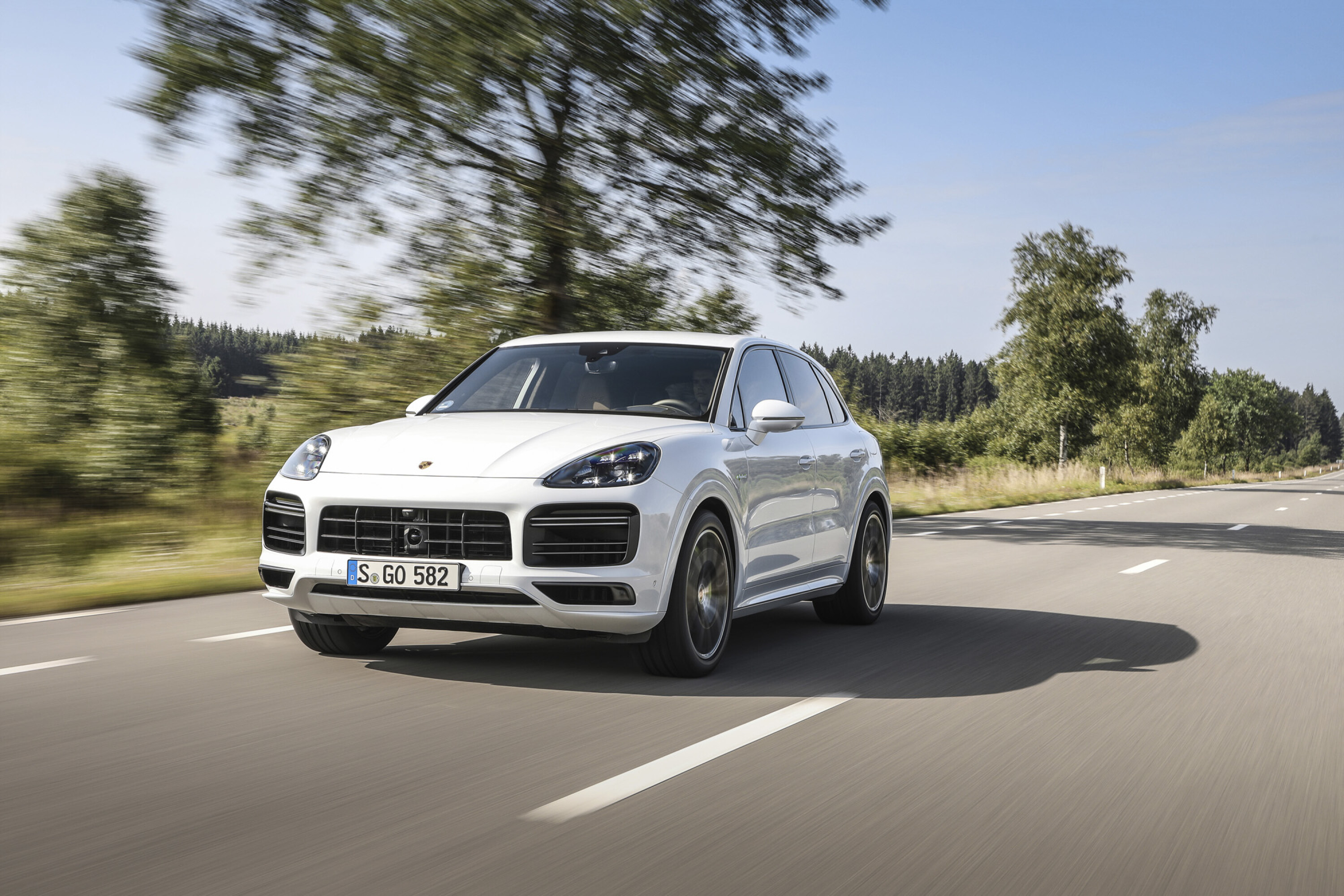
Given that it fronts up with almost double the power of an original 2003 Cayenne Turbo and, if we’re at it, more power than a McLaren F1, a Ferrari Enzo or a Lamborghini Huracan Performante, you’d expect the Cayenne Turbo S E-Hybrid to feel quick. And it does, without ever quite offering the hilarious theatrics of a Jeep Grand Cherokee Trackhawk, the only SUV currently on sale in Australia with more grunt. It’s not so much its demented step-off from zero that impresses the most, as we tend to expect that now. It’s the sheer relentlessness of the power delivery that sets this vehicle aside from many of its rivals. We had the benefit of some derestricted autobahn to see when the Cayenne would start to flag and it was still pulling cleanly at 270km/h, just 26km/h shy of its mandated top speed, before we had to slow for traffic. At speed, wind suppression is excellent, the steering tracks true and although there is some bump and thump from the three-chamber air suspension and a Stuka-like whistle from the Pirelli P-Zero tyres, the Cayenne felt utterly planted.
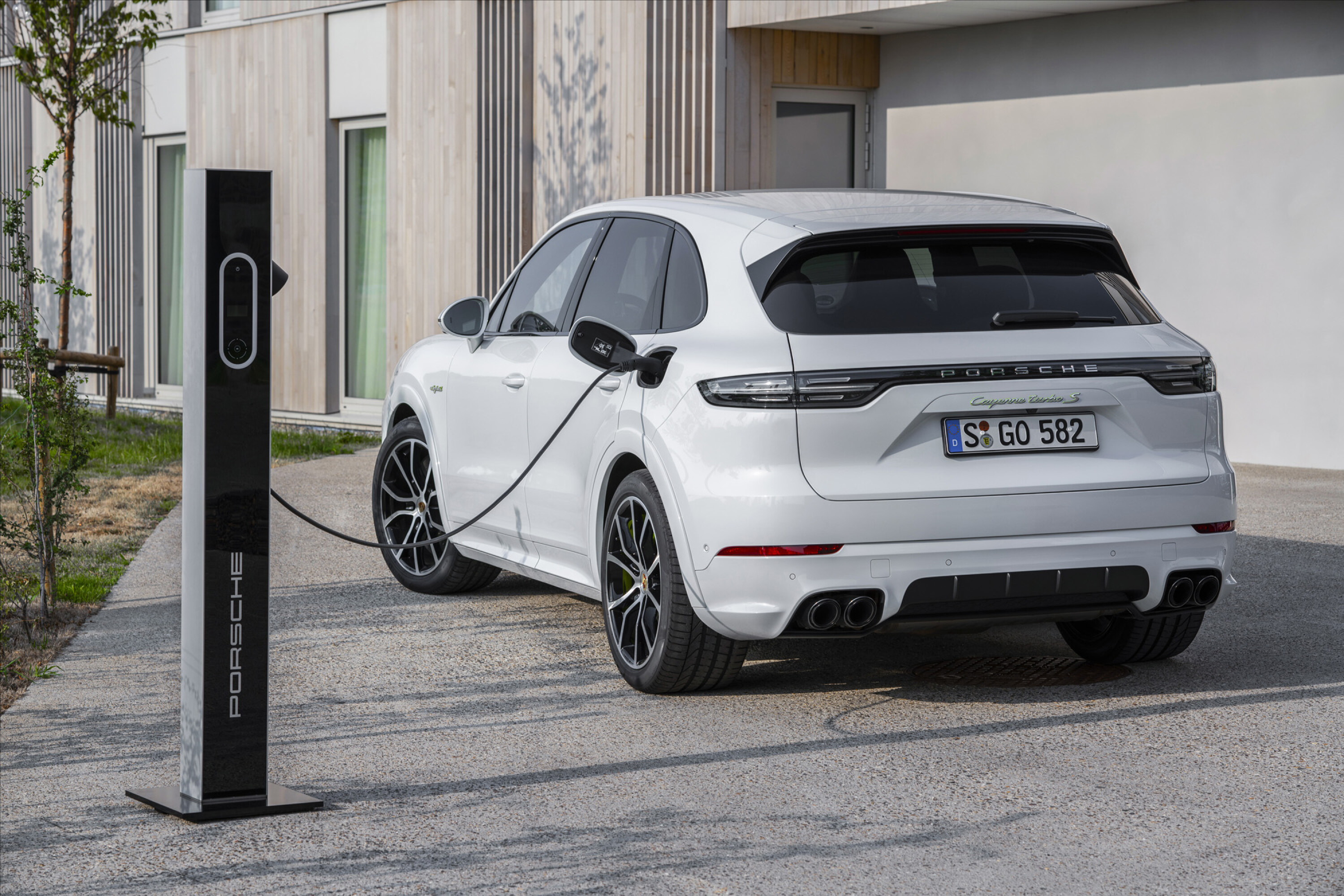
The test route was somewhat bereft of cornering opportunities, effectively diverting us around some of the Ardennes’ best driving roads, but the Cayenne’s steering felt accurate and well-weighted. It’s possible to make the Cayenne feel even more agile by ticking the option box for four-wheel steering, which reduces the turning circle from 12.1 to 11.5 metres. The calibration of the eight-speed automatic gearbox, especially with the vehicle in Sport or Sport Plus modes, is excellent and always delivered meaningful go on corner exits, while the carbon ceramic brakes cleave off speed with eye-watering power.
The brake pedal is a weird contrivance though, especially from a company that has made consistency of control weights a key differentiator. Because it has to marshal both braking recuperation to the battery pack as well as the friction braking system of the ten-pot front and six-pot rear calipers that chow down on vast discs, Porsche’s engineers have had quite the calibration job in delivering a natural feel. If I was being harsh, I’d say that they’d failed in that assignment because the pedal can feel dead at the top of its travel on occasions, but sharp to react in others. It’s the only significant dynamic flaw in the Cayenne Turbo S E-Hybrid’s make up but it’s likely to be one that could irritate Porsche purists.
It would irritate me and, were I spending my own money, I’d be tempted to buy the purely internally-combusted Turbo model and eschew the electric assistance. I’d be wrong though, and here’s why. There will be plenty of people who love the idea of a silent commute, 6-7 hours of home charging to replenish the batteries and then the same again. They’ll breeze past while I’d be standing in line at the servo, failing to resist the temptation of a Twirl four-pack. They’ll have a little smile on their face, knowing their residual values will have been future proofed to a certain extent against that day when we’re taxed out of our love affair with internal combustion. The Cayenne Turbo S E-Hybrid’s charms grow on you and you can forgive its minor flaws for its sheer effectiveness.
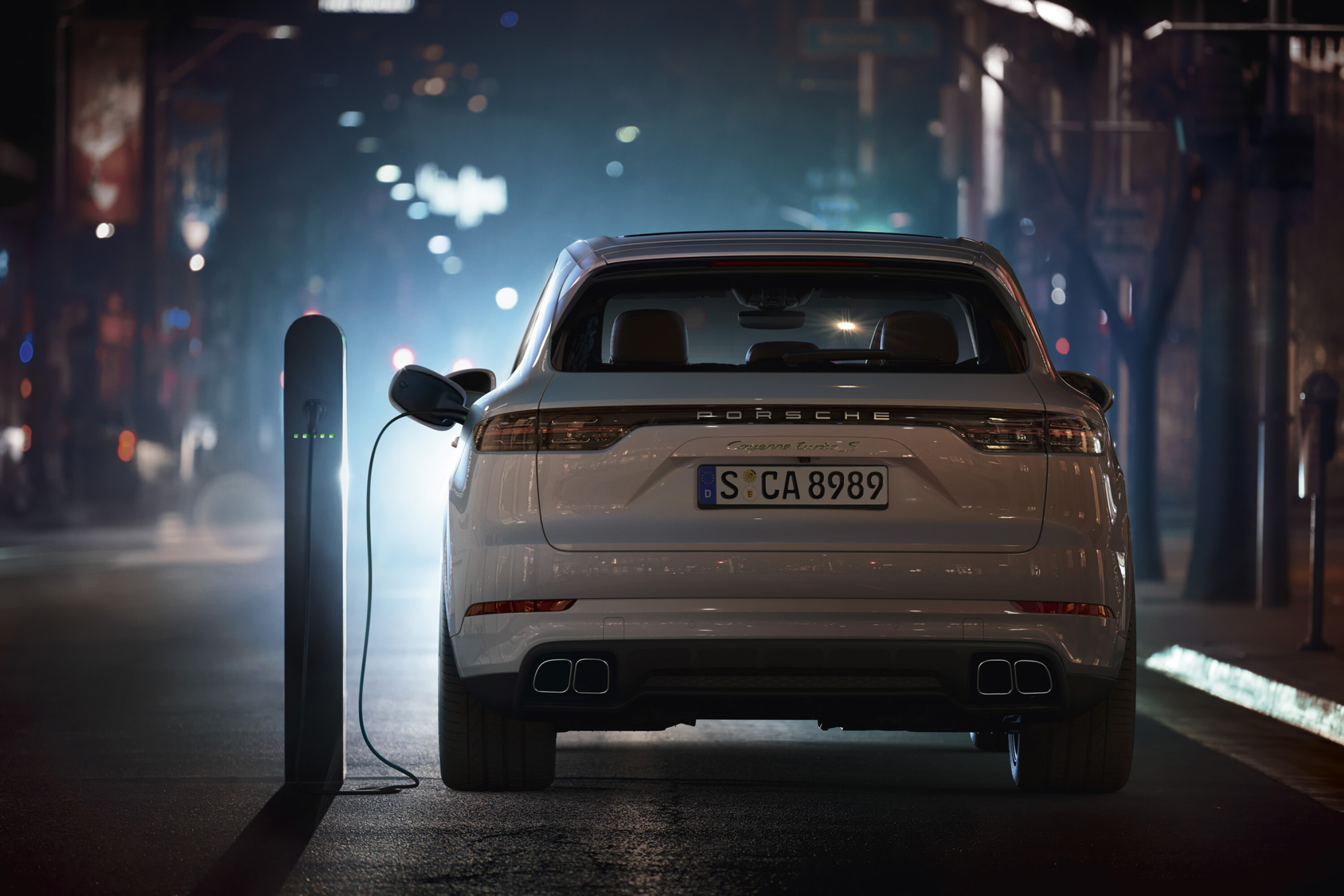
Porsche quotes a combined fuel economy figure of 3.7 litres per 100 kilometres for it, which means that you’ll be able to look down your nose in sheer disgust at fuel-slurping wastrels in base model Kia Picantos or Toyota Yarises. How do you put a price on that?
Porsche Cayenne Turbo S E-Hybrid vs rivals
Bentley Bentayga; BMW X5 M; Jeep Grand Cherokee Trackhawk; Lamborghini Urus; Mercedes-AMG GLE63 S; Tesla Model X Performance
Porsche Cayenne Turbo S E-Hybrid specs and pricing
- Model: Porsche Cayenne Turbo S E-Hybrid SUV
- Engine: 3996cc V8, 32v, dohc, twin-turbo parallel hybrid
- Max power: 500kW @ 5750-6000rpm
- Max torque: 900Nm @ 1500-5000rpm
- Transmission: 8-speed auto
- Weight: 2490kg
- 0-100km/h: 3.8 sec
- Economy: 3.7L/100km (combined)
- Price: $288,000
- On sale: Q4 2019
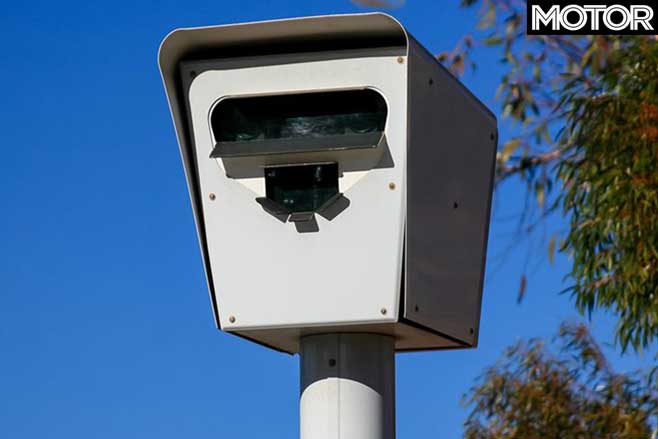
With automated cameras and systems pointing everywhere it seems impossible to avoid the unblinking gaze of Big Brother. That is, unless you know how to find an ‘exploit’ (computer-speak for a loophole) in the system.
An American information security researcher who goes by the handle of “Droogie” thought he had figured out an ingenious exploit with the word “null”, and registered his car under a custom number plate with the words “NULL” as a joke to fool the system.
Must Read
- Victorians pay almost $1 million a day in speeding fines
- Exhaust ‘noise cameras’ are being fitted to existing speed cameras
- The most annoying traffic fines ever
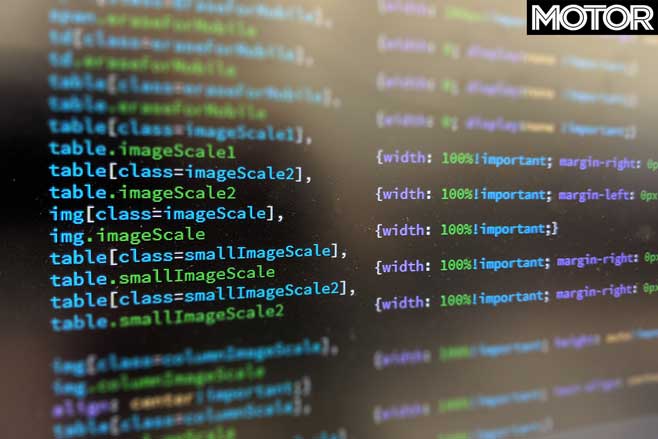
Those words might not mean much to the casual observer, but to computer programs the programming term “NULL” is used to identify a data entry that has no value and often interpreted by the computer as an empty space.
Theoretically should this “NULL” number plate be picked up by cameras or entered into the American Department of Motor Vehicles’ (DMV) database, the computer program would automatically turn it into a blank entry. No harm, no foul. Think of it as the invisibility cloak to Big Brother’s eyes.
Unfortunately in practice, Droogie’s fun little experiment returned quite the opposite results.Speaking at a recent DEF CON hacking conference in Las Vegas, Droogie found out that his invisibility cloak was too effective as the DMV site wasn’t able to renew his registration online due to “NULL” not being a recognisable entry in the system. Wonder why.
Shortly thereafter, Droogie received a parking ticket, and that was when it really backfired on him as $12,000 worth of outstanding tickets from across the state were issued to him, despite him having driven cautiously and not gotten any tickets for a whole year.
It turns out that the tickets were issued by a privately-operated processing centre, which tagged all previously unidentifiable or meddlesome uncollectable infractions as ‘null’.
This meant that when the database received Droogie’s “NULL” registration, entries with the term ‘null’ now had a destination, and all those accumulated outstanding fines were immediately redirected towards “NULL” and its registered owner and address.
Droogie quickly raised the matter with the DMV and the Los Angeles Police Department, to which they advised him to simply “change his plates”. But Droogie, never one to let a good joke die, remains insistent on keeping his plates saying that he “didn’t do anything wrong”.
Luckily for him, the DMV contacted the private processing centre and they agreed to write off all the fines being issued to him.
Even so, according to Droogie, the exploit still isn’t fixed and the last he checked, the system states that he owe over $6000 in fines.
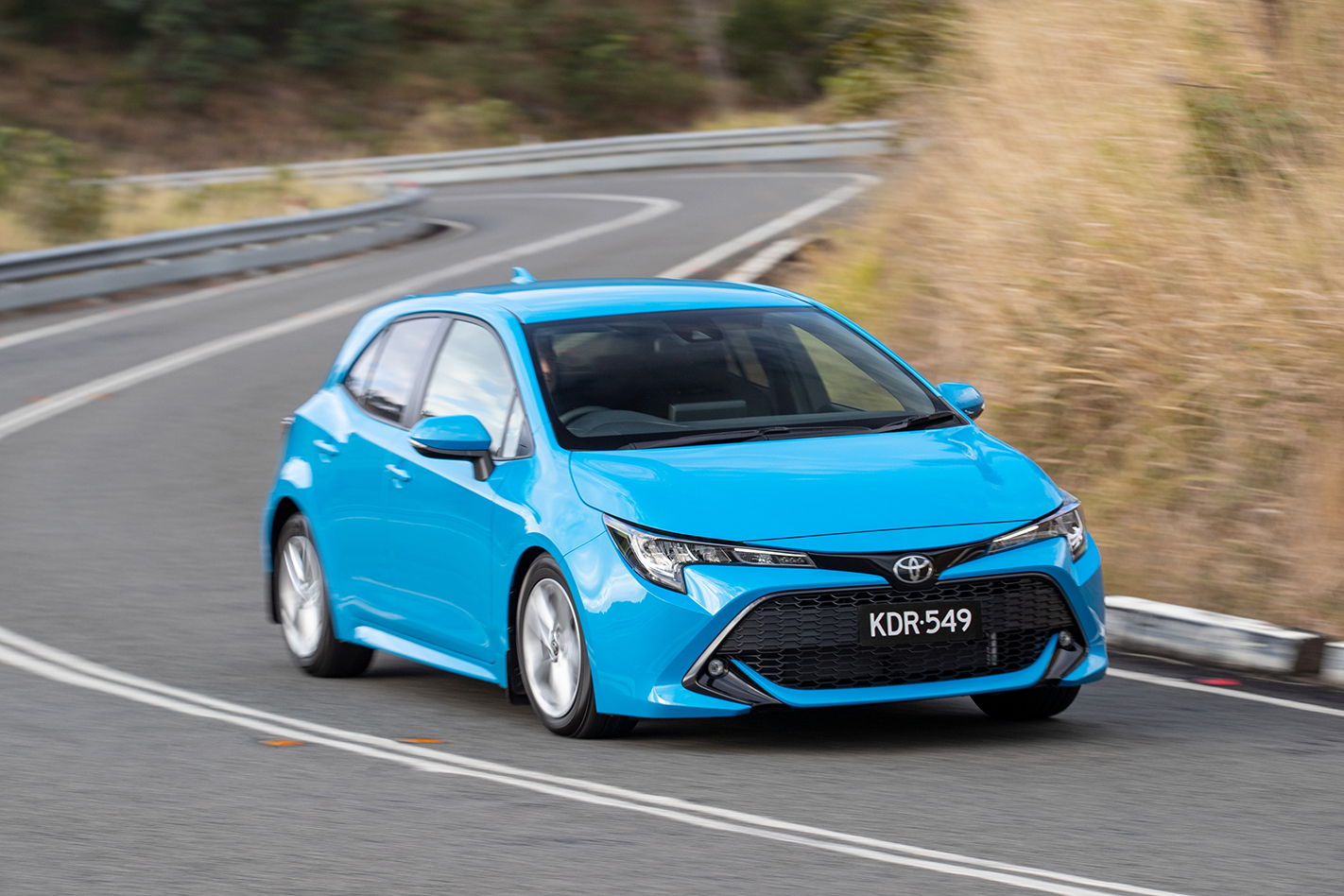
Hi, I have a late 2018 Toyota Corolla SX hybrid which I bought new. We live in Adelaide at the moment but I’m moving to Queensland where my new job will require a daily highway commute, and not much, if any, city stop/start. I am looking at buying a 2018 Ford Escape Titanium diesel instead. Is it worth changing cars, or should I just recognise that I won’t get the full benefit from the hybrid, but hang on to it.
Thanks,
Lauren, Adelaide
Hi Lauren,
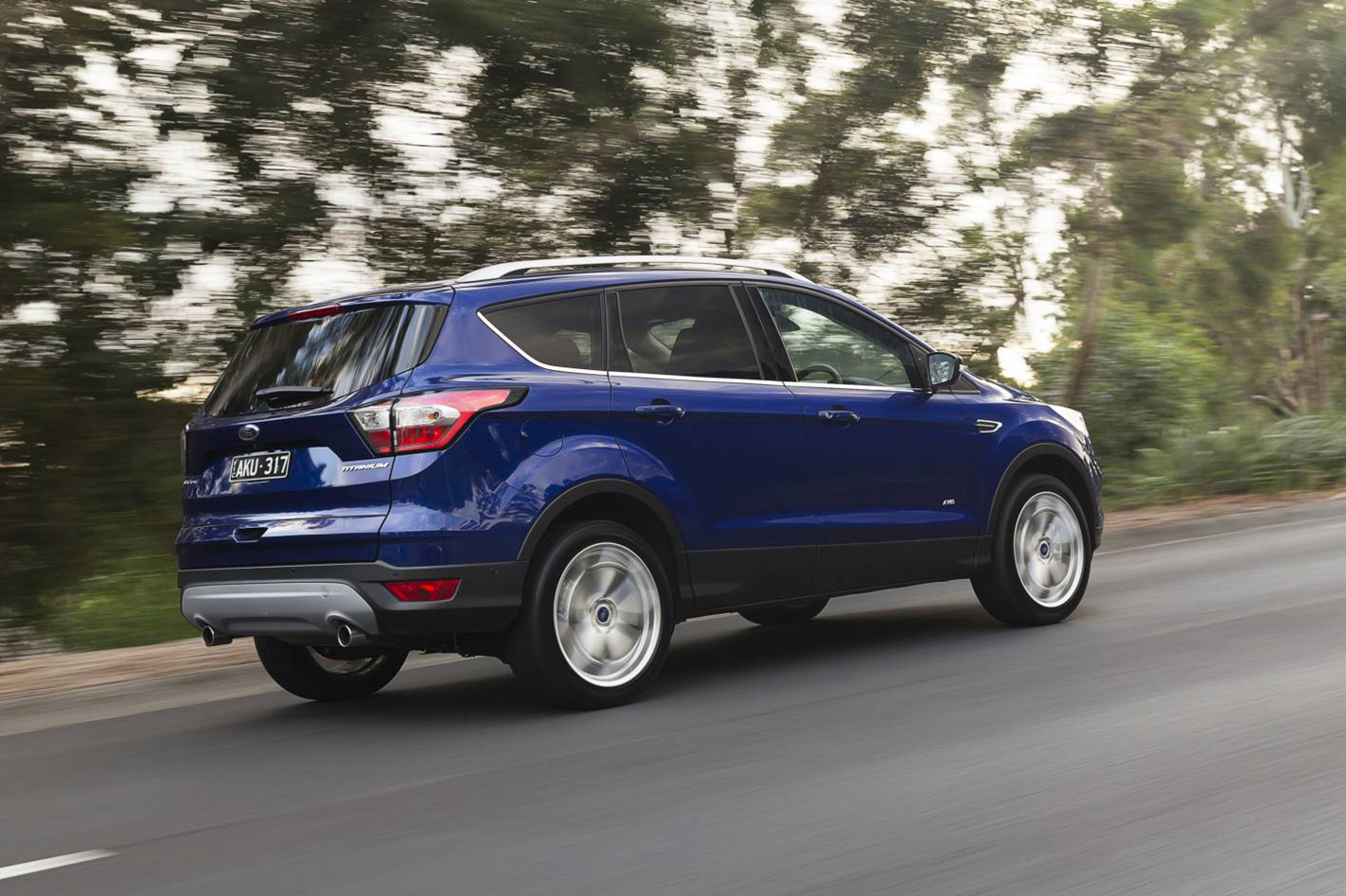
There probably won’t be a big difference fuel economy wise – if you’re doing a lot of highway driving, Ford says the 2.0-litre turbodiesel Escape will return around 5.1 litres/100km on that kind of high-speed, light-throttle cycle.
The 1.8-litre Corolla SX Hybrid, meanwhile, burns a claimed average of 4.4 L/100km in highway driving, so on a per-litre basis it’s still the more efficient option.
It stacks up on a per-dollar basis too. The Corolla runs on 91 RON unleaded petrol, which in Queensland averages out to be about the same cost per litre as diesel. So, based on fuel consumption alone, going through the whole deal of swapping cars isn’t worth the effort and cost if you’re still happy with the Corolla – which is a great little car.
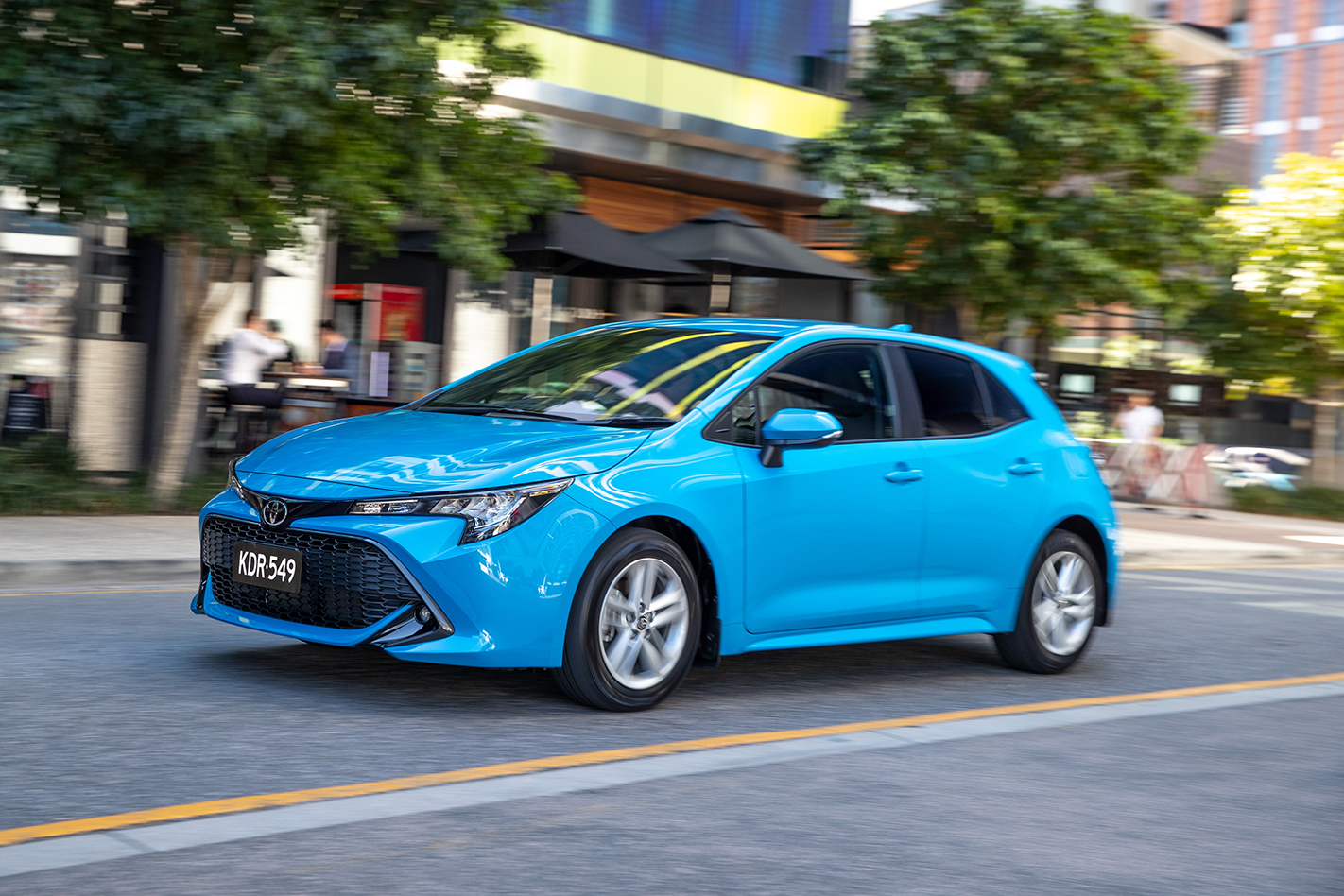
However, you might want to consider the performance of each vehicle on the open road. The Corolla’s hybrid powertrain is designed primarily for city economy, meaning it’s at its best when in stop-and-go-traffic rather than long inclines and high speeds. The Escape’s diesel engine, is quite the opposite. It also has the added benefit of all-wheel-drive, which could prove handy during those Queensland storms.
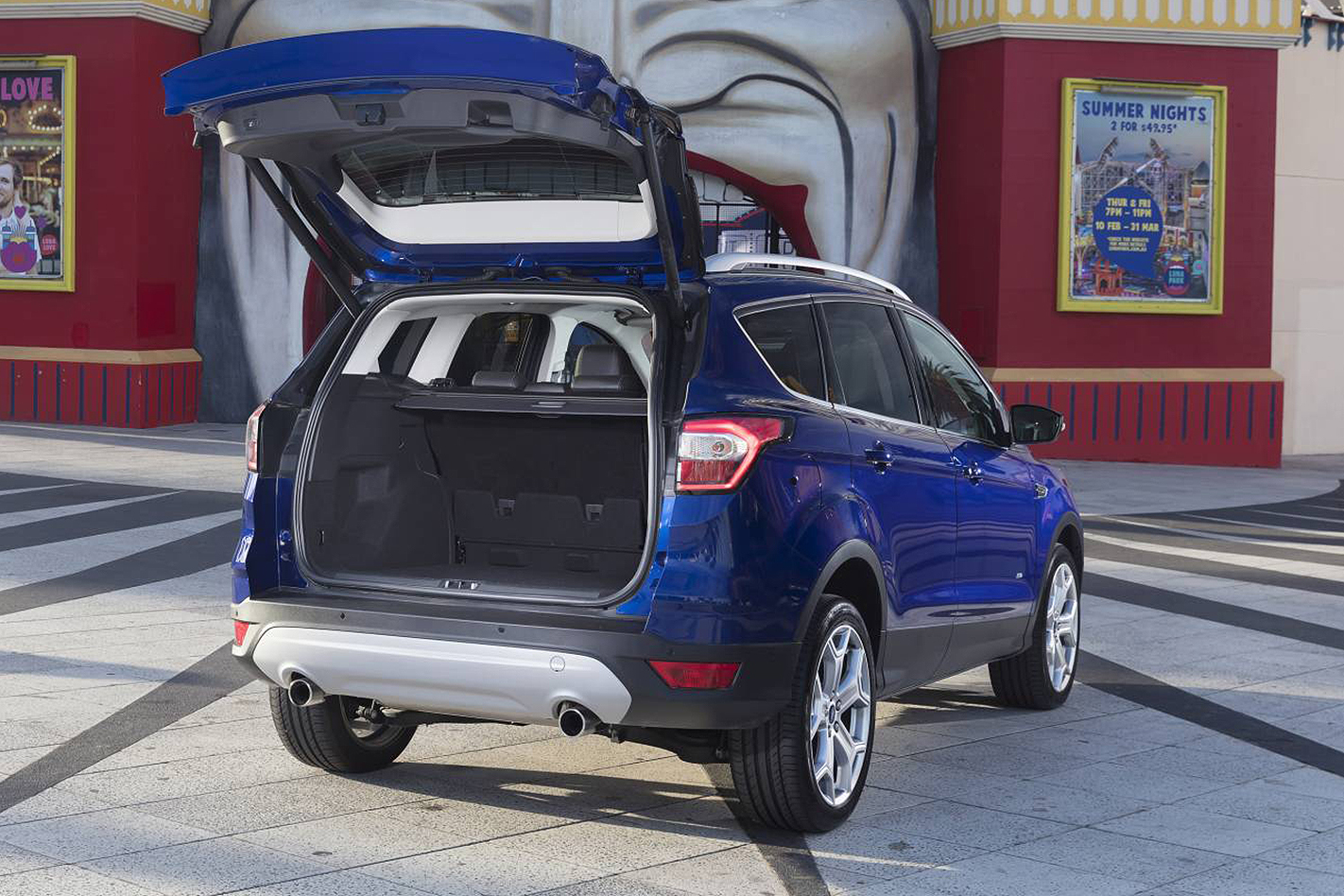
The upgrade could also be worth it if you need the extra space that the Escape affords. It is one of the more underrated medium SUVs right now, mainly because it’s a little dated. It’s well equipped, especially in Titanium spec, has a great driving position, rides and handles better than most rivals, and has a decent sized boot (406 litres) compared to the Toyota’s minuscule trunk.
An all-new Escape is due next year so you might soon start seeing good deals on MY19 models, as well as 2018 models, as the current model starts going into run out. However if your main concern is fuel economy, our advice is to simply hold on to what you’ve already god.
Want more power from the Toyota Supra? According to chief engineer, Tetsuya Tada, your wishes will be granted in the future with the kilowatt count set to grow for the venerable sports coupe. However, if you want a manual gearbox, you’re out of luck.
In an interview with Autoblog Tada-san reveals that the 250kW figure is “not the end of the road” for the Supra. “With a sports car, the promise is to offer more performance with each additional version,” Tada-san said.
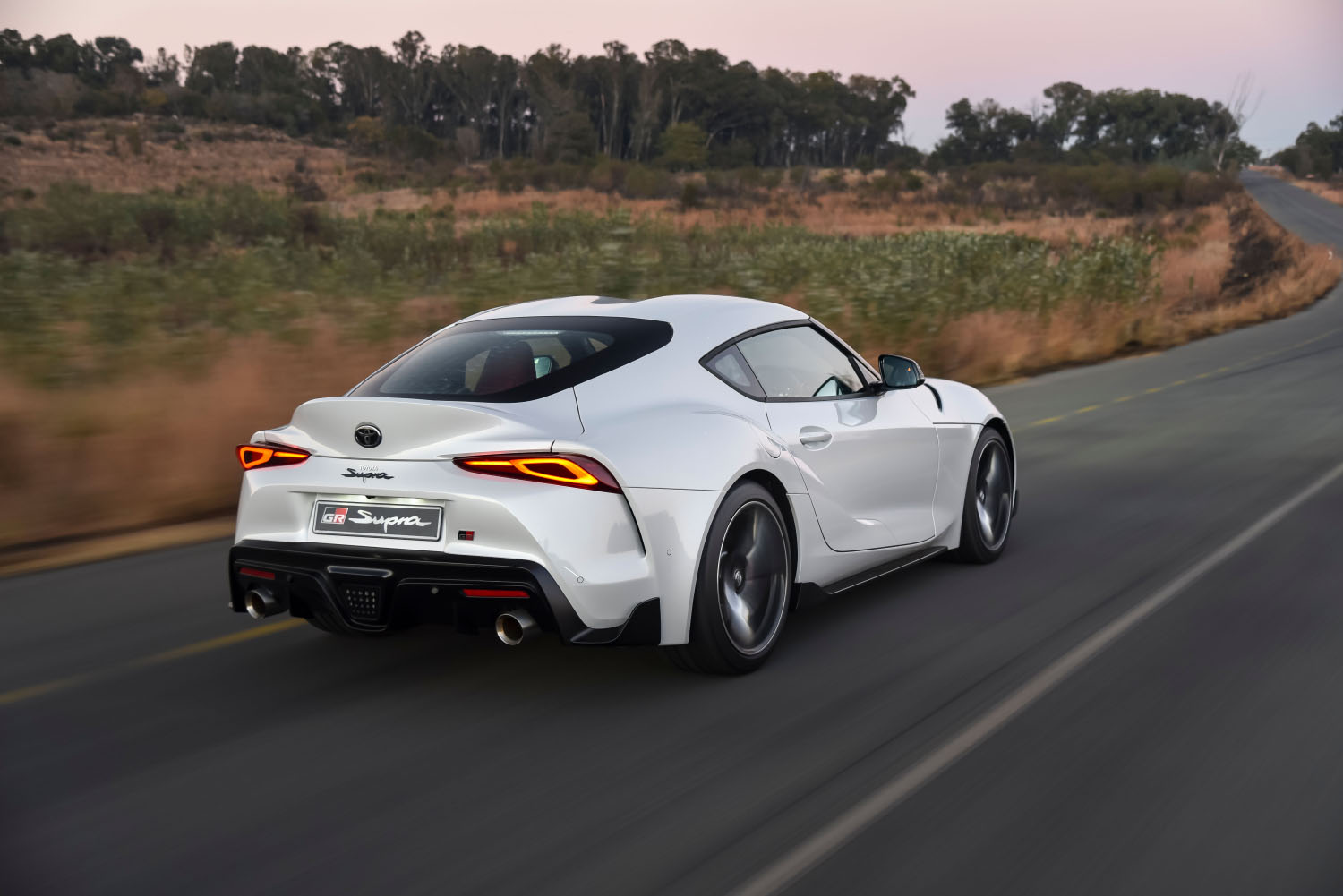
The first upgrade is expected within three years, while after that, periodic enhancements are scheduled for the entire car year-on-year. One such upgrade could be the addition of carbon-ceramic brakes as an option.
While power hikes and extra kit sounds enticing, Tada also revealed in the interview that three pedals and a shifter won’t find their way into a Supra. That’s despite the swell of support for a manual transmission from fans globally. Instead, Tada-san’s response was to look elsewhere in the Toyota range. “Customers who want a manual should choose the Toyota 86,” he said.
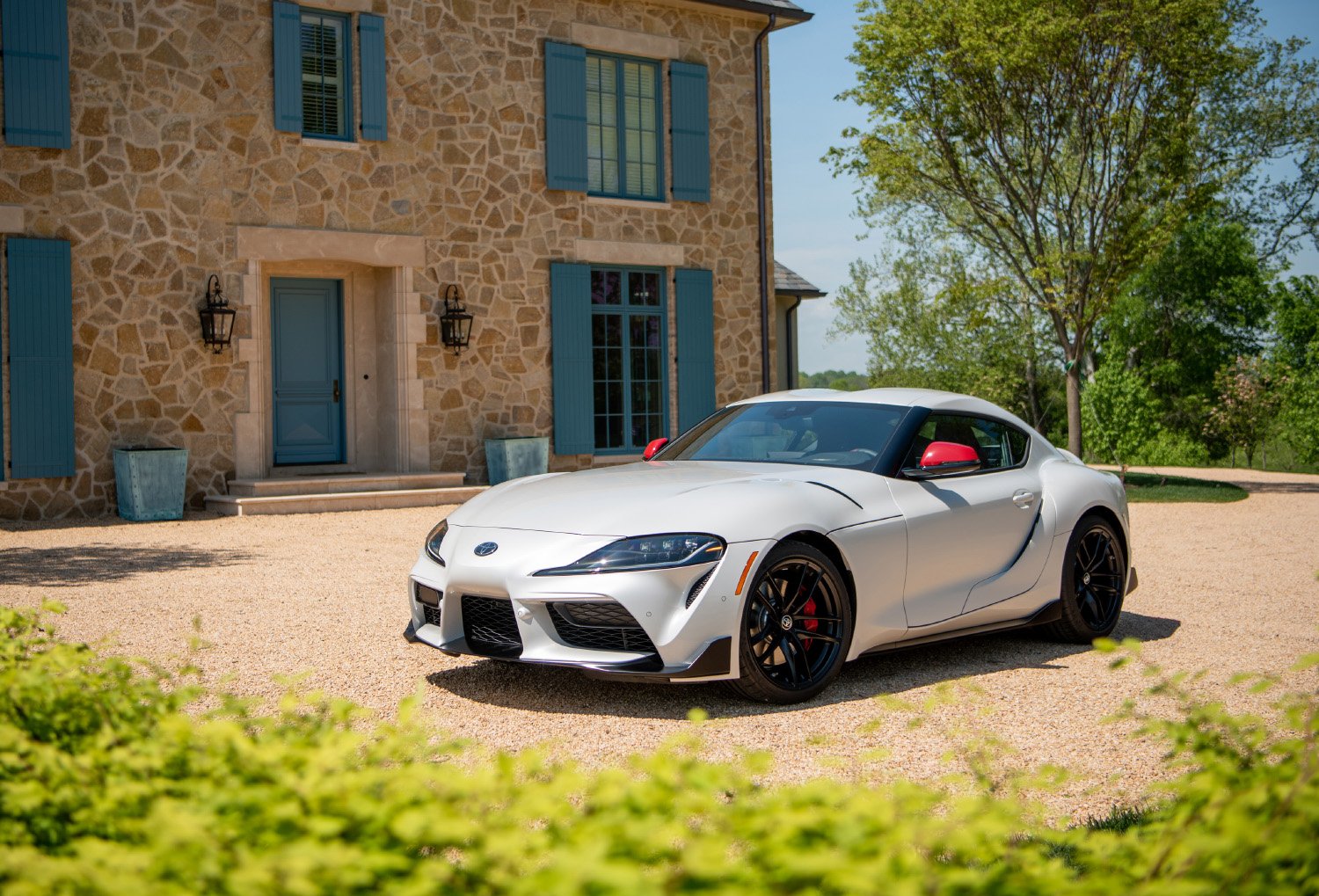
The standard Supra isn’t lacking oomph or straight-line prowess. Powered by BMW’s proven B58, the 3.0-litre straight-six turbo is endowed with 250kW/500Nm and will reach 100km/h in 4.3 seconds. It uses a classic rear-drive layout, while the acclaimed ZF eight-speed auto takes care of shifting.
With both allocation runs for Australia being snapped up in minutes, getting your hands on one at all is going to prove difficult, such is the fanfare surrounding the Supra’s return. A third round of allocations is set to open soon, so if you want one, be ready to hit refresh repeatedly on September 25. Supra arrivals are set start down under in September.
As the automotive world looks at ways of reducing the amount of petrol that flows through the engines of the world, let’s take a look at the cars that are the worst offenders for guzzling petrol.
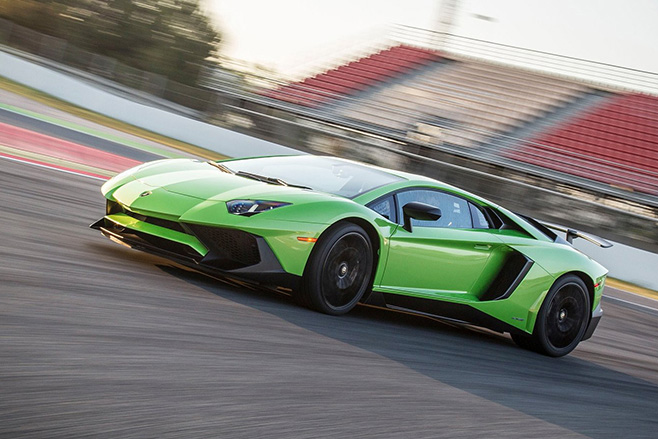
LAMBORGHINI AVENTADOR S
16.9L/100km (claimed)
Producing up to 544kw means throwing plenty of fuel at the monstrous 6.5-litre naturally aspirated V12. And it will rarely see a fuel figure anywhere its ambit claim. But, hey, at least it goes hard!
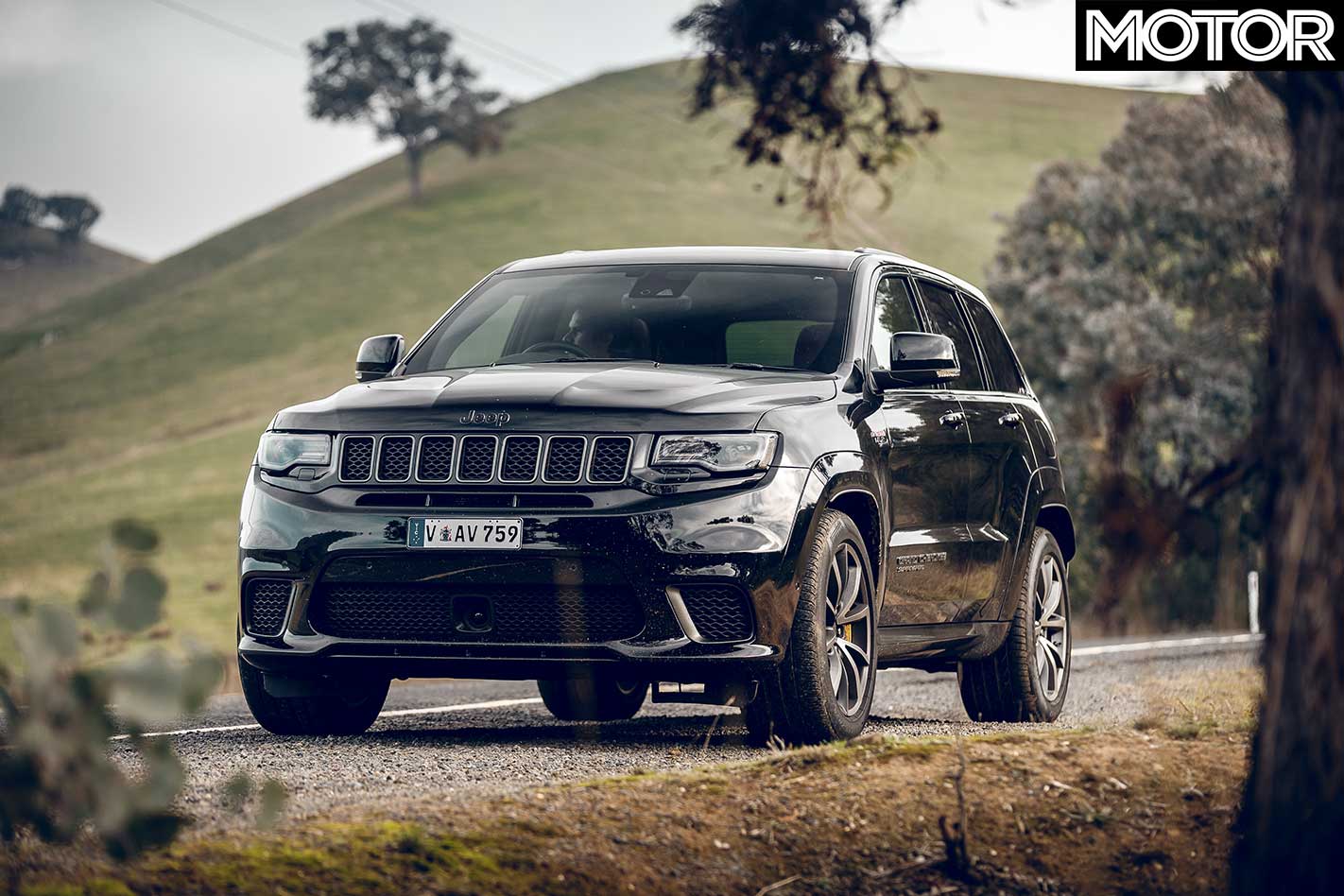
JEEP GRAND CHEROKEE TRACKHAWK
12.1l/100km (claimed)
Jeep’s Hellcat V8-powered monster SUV makes a mockery of its claimed combined fuel economy figure in real life – after all, it’s a 527kW supercharged motor on board a 2000kg SUV. How does 19L/100km – or 470km from a 93-litre tank – grab you? Right by the credit card, we reckon.
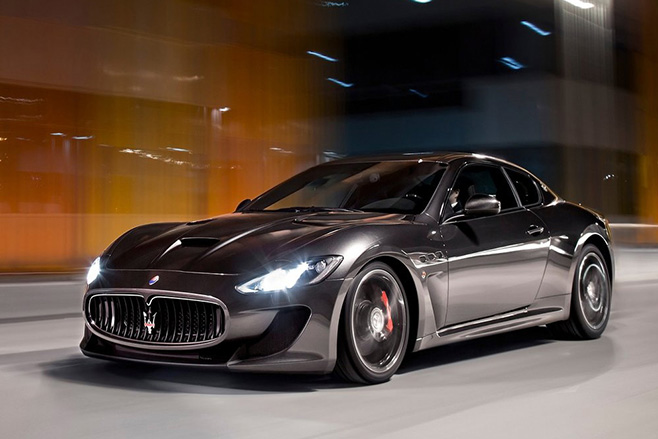
MASERATI GRAN TURISMO
15.5L/100km (claimed)
The Maser’s old-school Ferrari-sourced naturally aspirated 4.7-litre V8 isn’t particularly powerful (338kW), but it sounds brilliant… and boy it loves a drink. Expect real-world figures in the very high teens.
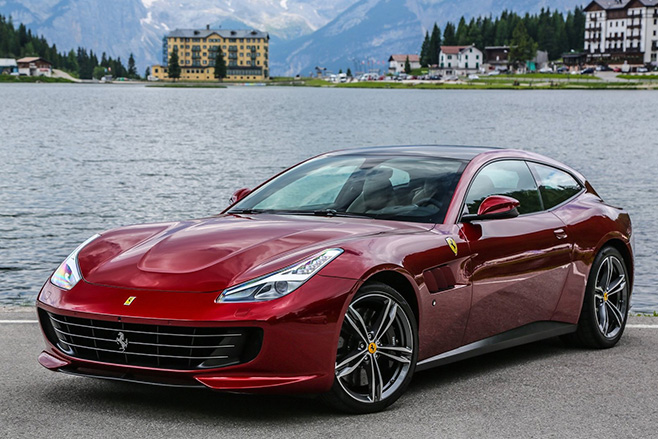
FERRARI GTC4 LUSSO
15.3L/100km (claimed)
Ferrari’s replacement for the FF ups the V12 power while lowering fuel consumption (slightly). Nevertheless, the heaviest Ferrari has a tremendous thirst, and you’d have to have the patience of a monk to keep the claimed figure within sight. And we’re not that patient. But when you can spend $500k on a car, fuel is probably the least of your worries…
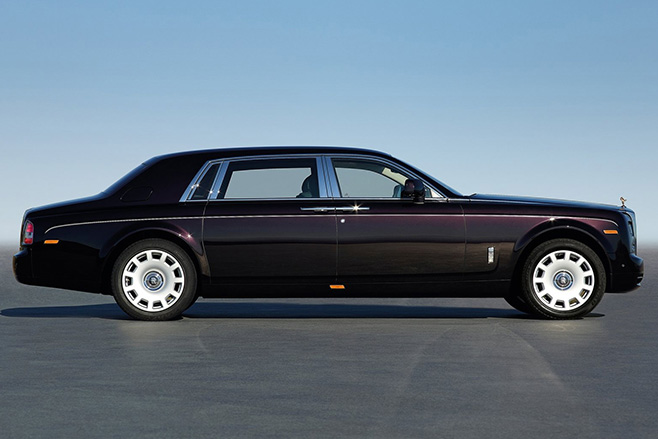
ROLLS-ROYCE PHANTOM EWB
14.9L/100km (claimed)
The long-wheelbase version of the enormous Phantom enjoys the odd tipple of premium unleaded for its 6.7-litre V12. It’s a big car at more than 2.5 tonnes, so we expect that claimed fuel figure to be a tad optimistic. But hey, it’s Jeeves’ problem to fill it, not yours…
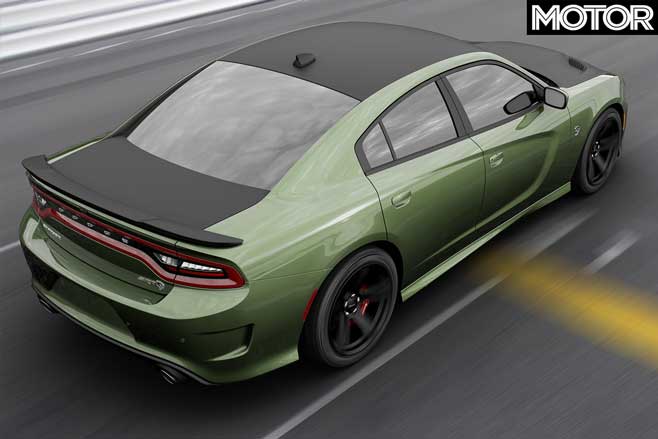
Dodge has a new selling technique for its performance cars, and it’s the kind of marketing exercise we can get behind.
Not shying away from its roots as a maker of things fast and lairy, Dodge is offering a $10-per-horsepower discount to customers buying new cars.
It’s called the Dodge Power Dollars promotion, and itmeans customers save thousands of dollars on Challengers, Chargers, and Durangos.
For example, a 797hp Dodge Hellcat Redeye with a supercharged 6.2-litre V8 will cost USD$7970 less. A Pentastar V6-powered Charger GT with 300hp saves buyers USD$3000.
That $10-per-horsepower is about $7.35-per-kiloWatt, if you were wondering.
Tim Kuniskis, head of Dodge and SRT, is happy to play on the fact that Dodge builds powerful cars that have an admittedly small appeal in the consumer market.
“Since bringing the Charger and Challenger back to market, Dodge has put 485 million horsepower into the hands of our loyal enthusiasts,” says Kuniskis.
“Dodge has more horsepower than anyone else, and we want to share it and give those who have always wanted more the ability to get more.”
He says he hopes Dodge can entice buyers to buy enough new cars to make that ‘485’ reach 500 million horsepower before the end of 2019.
“The goal is to grow to a half-billion horsepower before the end of the year. This is what we believe John and Horace Dodge would want us to do.”
For Dodge to achieve this, it’d need to sell more than 18,820 Challenger Hellcat Redeyes, or more than 21,216 Charger Hellcats.
In reality, a bulk of these sales will also be made up of less powerful cars, so Dodge has a big job on its hands, and it’s running out of time in 2019.
Of all the sports cars on sale today, the one that least needs all-wheel drive is the Porsche 911.
The weight of that 3.0-litre twin-turbo flat-six pressing down on the rear axle ensures incredible traction in both wet and dry conditions. Nevertheless, since 1989 the Carrera 4 has been a pivotal part of the 911 range, particularly in markets prone to snow and ice, and even in new 992 guise it provides a subtly different driving experience to its more popular rear-drive sibling.
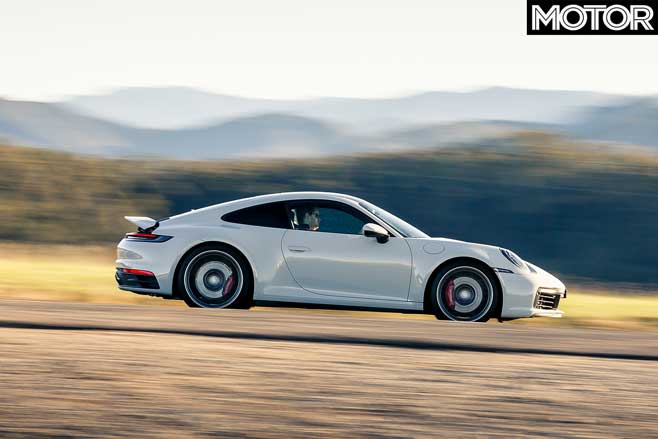
As you’d expect, the Carrera 4S benefits from the many engineering changes made for the 992 generation. The body is longer (+20mm) and wider (+45mm front; +44mm rear) though the wheelbase remains the same, while the bodyshell is lighter yet more rigid thanks to a much greater proportion of aluminium and high-strength steel as well as a huge variety of constructions methods to stick it all together.
The engine remains the 2981cc twin-turbo flat-six introduced for 991.2 but has been extensively revised with larger, symmetrical turbos featuring electronically controlled wastegates, a new intake system, repositioned intercoolers and piezo injectors for finer fuel control.
Outputs match the outgoing GTS at 331kW/530Nm but the new engine is both more efficient – though does without the petrol particulate filters required in Europe – and has more headroom.
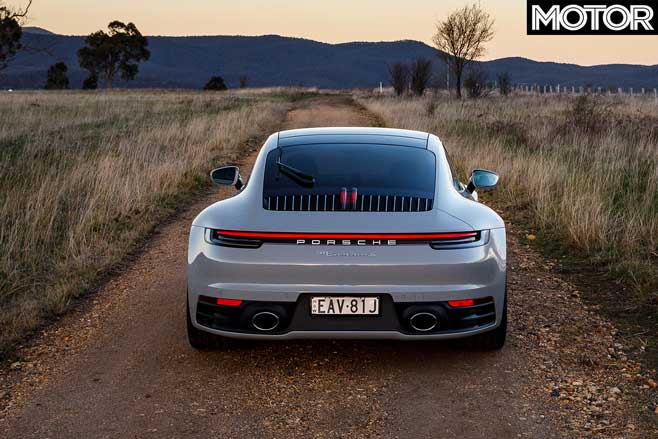
It’s a beast, providing massive amounts of thrust regardless of the speed or gear selected. With the Sport Chrono package installed, 0-100km/h is claimed to take just 3.4sec with 200km/h arriving nine seconds later.
The linear nature of the power delivery disguises its potency, the new hybrid-ready eight-speed PDK whipping through the gears, but the rate at which insane numbers appear on the speedo is a dead giveaway of the 992’s outrageous performance.
Turbo 911s have traditionally had all the aural appeal of a kitchen blender, but the new one roars and crackles and whistles, producing a stirring soundtrack that’s like a GT2 RS with the volume turned down. It adds welcome character whether you’re driving fast or slow.
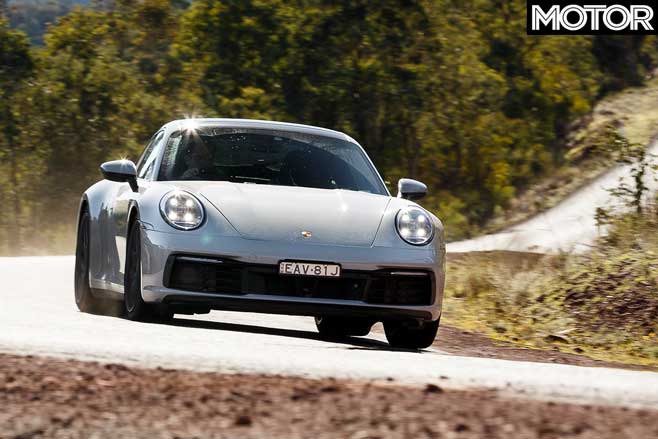
In the former scenario, an extra 46mm of front track gives the 992 unprecedented levels of front-end grip. The weight distribution still makes it feel like a 911 and requires a certain massaging to extract the best from the car, but if you’re feeling lazy a conventional driving style won’t be punished like in earlier 911s.
All manner of chassis tech is optionally available, including active anti-roll bars, rear-wheel steering and carbon-ceramic brakes, but none of it is necessary to enjoy one of the finest driving experiences around.
Key to the 992’s ability are the latest-generation Bilstein dampers which have a much wider working range than ever before. Stiffen the car up and it’ll remain locked to the road, but leave them soft and you don’t have to be travelling at warp speed to feel the weight shift around in corners.
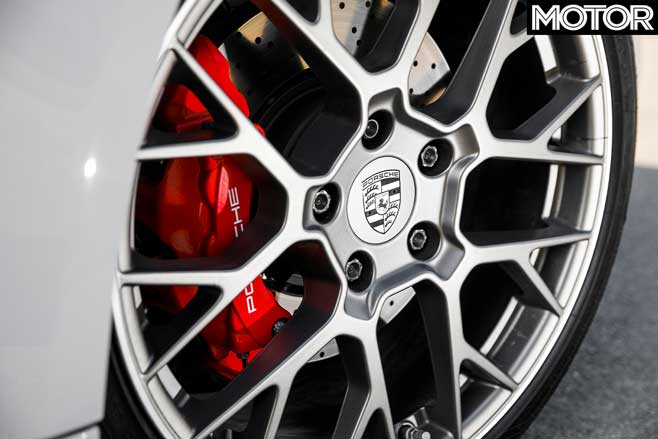
It’s a sensational feeling, but regardless of your approach the quicker-ratio steering is laser accurate and feels to transmit a smidge more information than the 991.2, the brakes are indefatigable on road (and can take a fearsome punishing on track) and outright grip levels are incredible.
At 1565kg, the Carrera 4S is not a light car, but at no point does the weight force a compromise – its extra width is more likely to be an issue on tighter roads.
All this is also true of the rear-wheel drive Carrera S, but the 4S has the ability to send drive to the front wheels through a water-cooled diff with reinforced clutch discs. Paradoxically, it makes the all-wheel drive model more playful than the rear driver, though your experience may differ depending on driving style. The subconscious knowledge of all-wheel drive provides the temptation to accelerate harder and earlier, edging the rear end wide in tight corners before the front axle seamlessly steadies the ship.
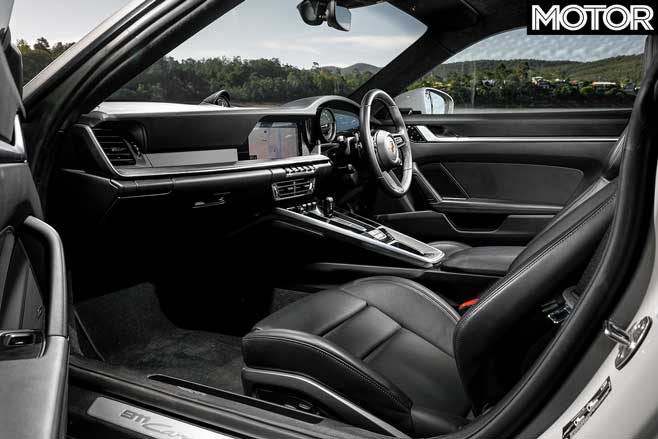
Nonetheless, as good as it is, the driving experience isn’t a quantum leap over a 991.2, which remains a sensational sports car. Inside is where Porsche has given the 911 a huge lift, bringing its connectivity and active safety systems up to date while digitising the instruments either side of the trademark central analogue tacho and installing a massive 10.9-inch smartphone-like touchscreen.
As is typical, Porsche has improved its icon in every area. It’s more comfortable and more refined, yet even quicker and just as involving – it’s difficult to comprehend that this is just the regular version, with Turbos and GT models still to come.
On the one hand Porsche has played it safe, waiting to see how the regulatory environment plays out in years to come; to tide us over, it’s created a simply incredible driving machine.
PORSCHE 992 911 CARRERA 4S SPECS Engine: 2981cc flat-6cyl, DOHC, 24v, twin-turbo Power: 331kW @ 6500rpm Torque: 530Nm @ 2300-5000rpm Weight: 1565kg 0-100km/h: 3.4sec (claimed) Price: $281,100
Like: Speed; involvement; looks; ride Dislike: Expensive; getting heavy
It seems that as more electric vehicles join our roads, the more we’re seeing spectacular explosions.
This latest footage of an electric vehicle in flames is Tesla’s new Model 3 detonating as a driver goes past. It also brings the spotlight back onto the debate of how safe electric vehicles really are.
Tesla’s Model 3 exploded twice after it collided with a tow truck on a freeway in Moscow, Russia. The driver and his two children escaped with relatively minor injuries despite Russian investigators claiming the accident occurred at around 100km/h.
2019 Federal Election: The truth about electric vehicles
More spectacular are two explosions from the battery electric vehicle (BEV) afterward, possibly caused from rupturing of the lithium-ion cells which sit underneath the floor, though the exact cause is yet to be confirmed by investigators. The video was shared by Instagram user @gagorun.
https://www.instagram.com/p/B0_izPjnfYV/
It’s not the first time we’ve seen fireworks from an electric car, with incidents from around the world showing the process to fully extinguish a BEV fire can take weeks.
Reports say the driver claims he was driving with Tesla’s Autopilot engaged, with two hands on the steering wheel but that the car crashed into a tow truck. This latest accident comes as questions are raised over a spate of accidents allegedly caused with Autopilot engaged in Tesla models.
Just last month the US’ National Highway Traffic Safety Administration (NHTSA) added that it had contacted Tesla late last year to request it stop publicising misleading comments about the Model 3’s safety. However, the relatively minor injuries sustained in this high-speed crash suggest the five-star ANCAP rating awarded to the Model 3 in Australia are spot on.
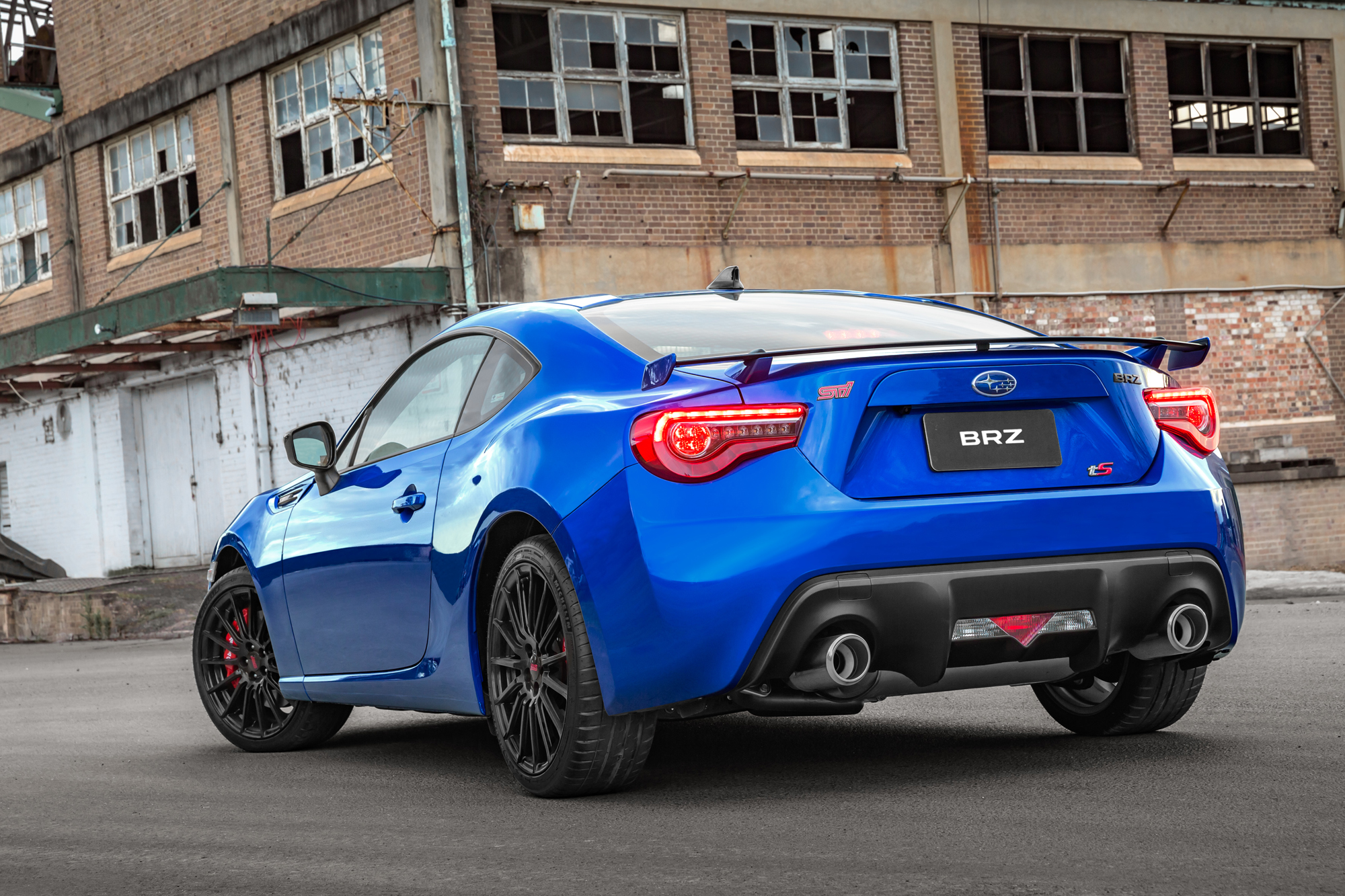
Do you prefer Japanese wagyu or American beef? The former fights with tried and tested Boxer knowhow, while the latter uses the Blue Oval’s EcoBoost tech. Both enter the ring with very different takes on the rear-drive coupe. For around $40K you can have either, however, if you want the ’Stang you’ll have to forgo the updated FN EcoBoost for the pre-facelifted FM. In six-speed-manual guise both offer affordable thrills, but which would we have?
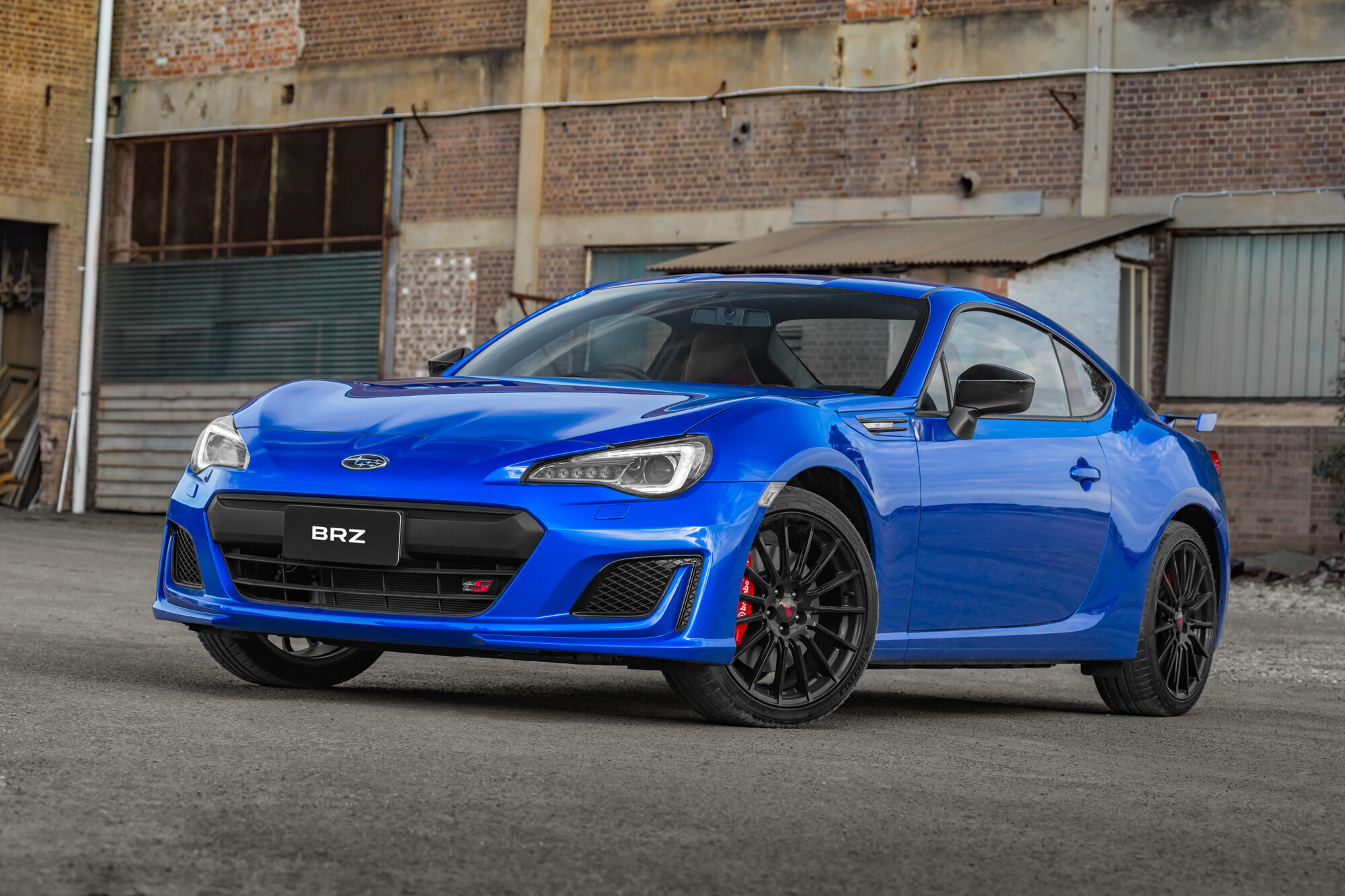
SUBARU BRZ tS
What the BRZ really needs is more poke, but instead the tS offers up grip and handling upgrades, receiving Brembo brakes, STi-tuned coil springs, aluminium wheels (to aid unsprung weight), Sachs dampers and additional chassis bracing. That’s all well and good, though the 2.0-litre Boxer continues on with 152kW and 212Nm. But numbers aren’t always the whole story.
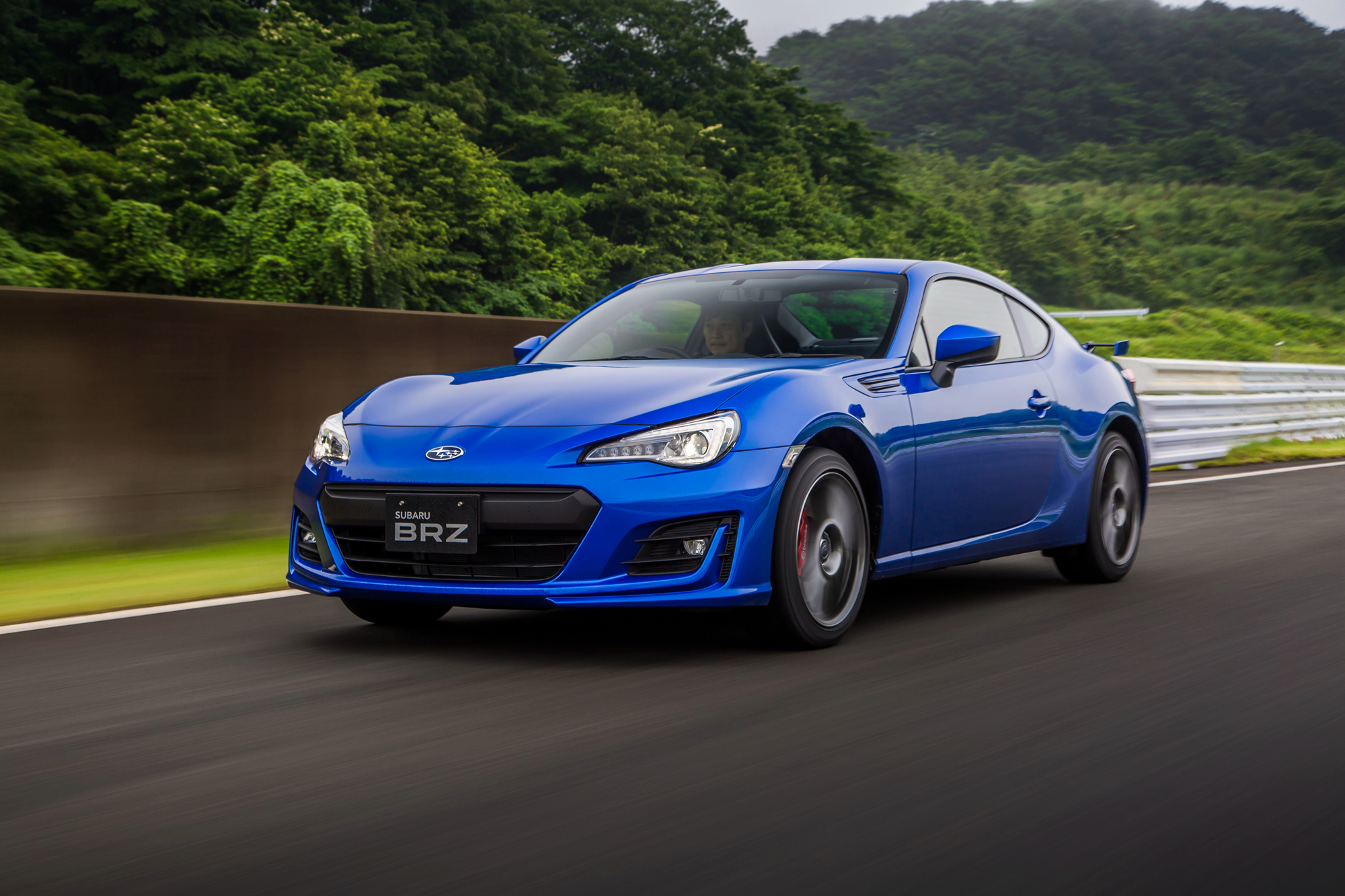
For accurate handling and a purity of steering, the BRZ tS is hard to go past. There’s a natural rear-drive persona at play and on the right road you can get into an enjoyable flow. Yes, the extra grip from the Michelin Pilot Sport 4 S tyres quells some of the easy yaw movements of ‘lesser’ variants, but the more focused attitude appeals. It’s one of those cars where you want to go back for more.
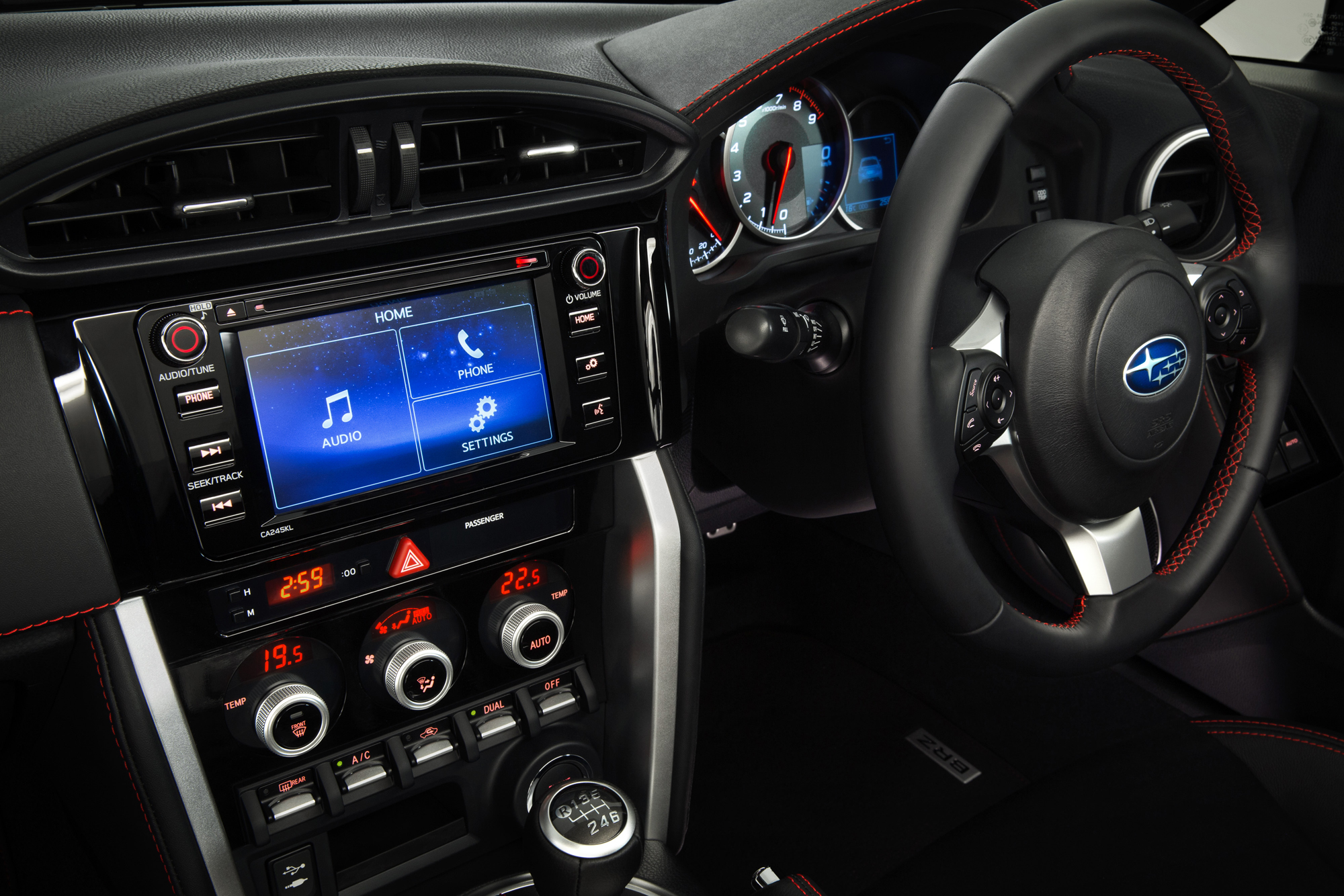
The interior is a bit of a letdown visually – as is the rather aftermarket-esque infotainment. However, the low seating position is perfect and, while it takes time to acclimatise to, the vertical positioning of the steering wheel works. The rear seats are a bit of a token gesture, however, they do fold flat, allowing you to fit some extra tyres for track days. The boot’s opening is a little narrow, but it can swallow a surprising amout of gear.
The tS gains grip, but with no extra grunt – and for some that fact grates. However, the extra bits add a newfound level of dynamics that is hugely rewarding. There’s something very right about having just enough power and exploitable grip that makes the tS package so enjoyable. And if you want to do slidey things… keep a set of Michelin Primacy boots in the shed.
FORD MUSTANG ECOBOOST
The Ford Mustang makes a statement. It’s a silhouette that’s instantly recognisable and its badge is an icon of the tallest order. However, the EcoBoost is missing a key motif… there’s no ‘5.0’ badge on the front quarter panel. Is the four-banger really a Mustang with only half an engine?
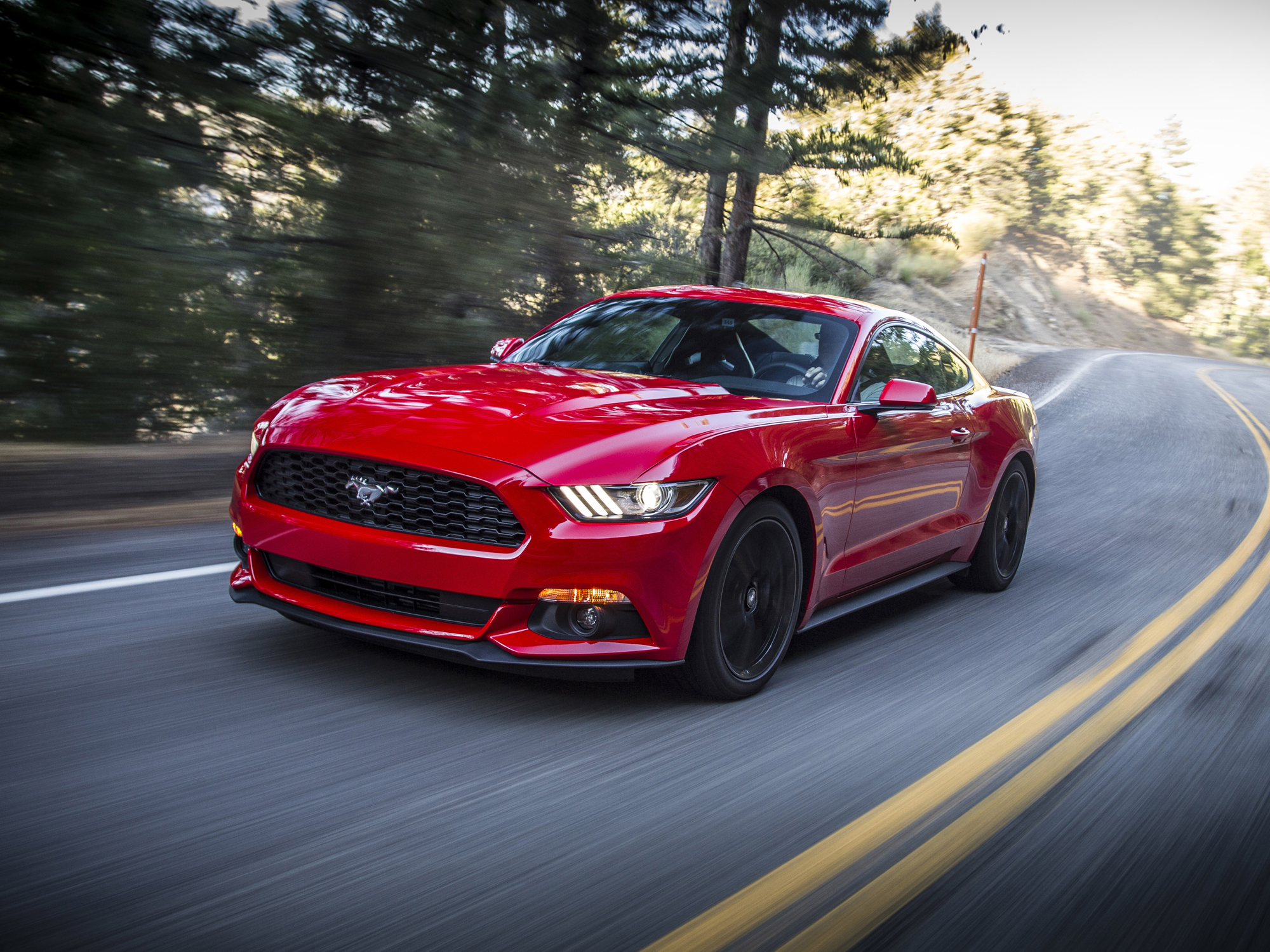
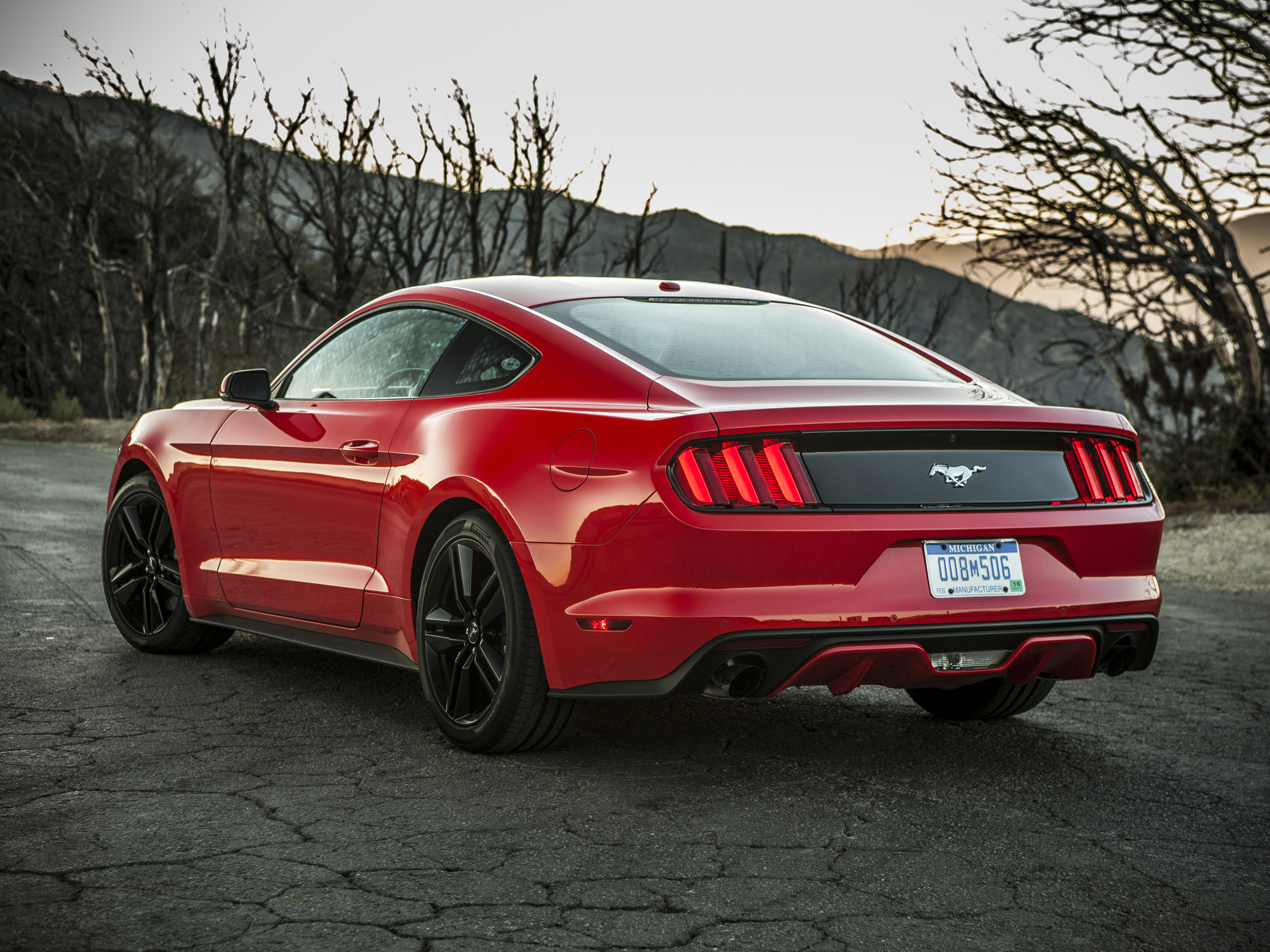
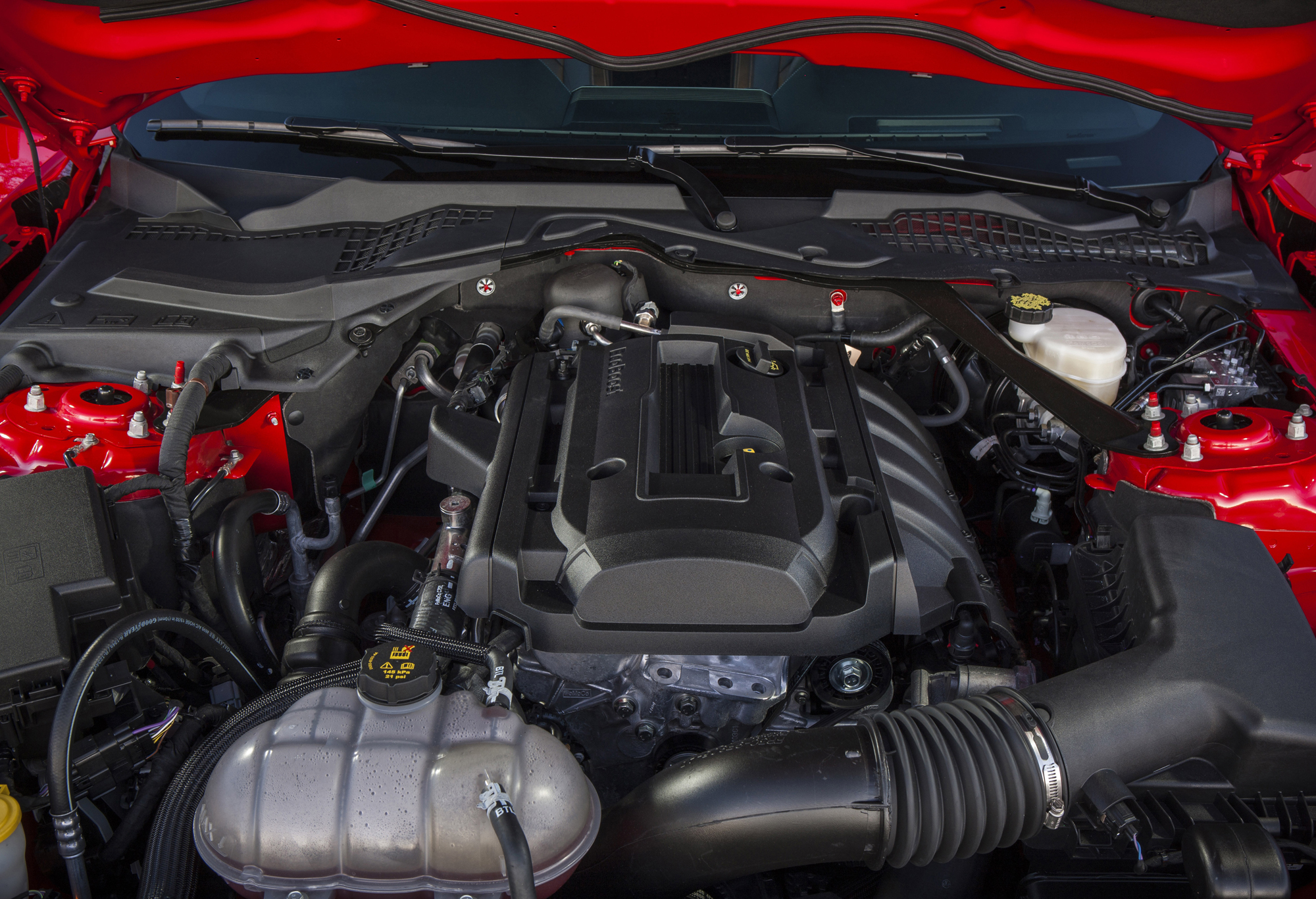
If you’re talking literal cylinder count, of course, facts are facts. But the little-bro four-pot shouldn’t be overlooked. For starters, the polarising 2.3-litre engine is, more or less, out of a Focus RS. It’s detuned to 233kW and 432Nm, but that oomph is sent to the rear wheels alone and you’ve got a slick six-speed manual to play with – a six-speed auto is the two-pedal option.
Performance figures are comparable with most hot hatches, but the 1666kg weight results in more of a canter rather than a gallop. Bugbears are the overly touchy brakes and vague steering, but the lighter front-end means the front axle is sharp. Dynamically the EcoBoost is as adept as its V8 counterpart, but it lacks the overall grunt to be truly as fun. And, yes, it doesn’t sound anything like a bent eight.
Inside, the Mustang continues its retro-cool theme. It works for some, and not for others. The FM misses out on the digital instrument cluster, but the infotainment is up to date via an intuitive touchscreen. The base seats are comfortable, but lack overall side bolstering for spirited driving, while the back seats aren’t for adults. The boot is more than big enough for a weekend getaway.
If you’ve got your heart set on an EcoBoost Mustang, the current FN-generation pony gains some spec tweaks, an angrier exhaust, new wheels, upgraded interior quality and the option of a 10-speed auto. Power is down 9kW, but torque also rises by 9Nm. Overall, the changes are tangible and worthwhile, so if you’ve got a bigger budget, it’s worth considering. It also has a slightly better ANCAP safety rating (three stars), though it’s well short of top marks.
Specs comparison
| u00a0 | SUBARU BRZ tS | FORD MUSTANG ECOBOOST |
| Price (new) | $39,894 | $45,990 |
| Engine | 1998cc flat 4cyl, dohc, 16v | 2261cc 4cyl, dohc, 16v, turbo |
| Output | 152kW/212Nm | 233kW/432Nm |
| Transmission | 6-speed manual | 6-speed manual |
| 0-100km/h | 7.6sec | 5.8sec |
| Efficiency (combined) | 8.4L/100km (claimed) | 8.5L/100km |
| Drivetrain | RWD | RWD |
| Doors | 2 | 2 |
| Seats | 4 | 4 |
| Wheel size | 18/215/40 | 21/255/40 |
| Country of origin | Japan | USA |
Wheels staff picks

Trent Giunco
Staff Journalist

Alex Rae
Online Editor

Cameron Kirby
Staff Journalist
Reckon we’ve got it right? Or are we way off the money (literally)? Find your best and let us know in the comments what you’d buy.
Sometimes I wonder if Mitsubishi sells cars by the metric tonne, rather than individually… despite having one of the oldest model line-ups in the automotive world, its cars constantly top sales charts thanks to a combination of dependability, familiarity and value that Aussie car buyers can connect with.
So it is with the Mitsubishi Triton ute, a stalwart of the local landscape that happily bats at number three in the order, claiming wickets by dint of a sharp eye on its pricing.
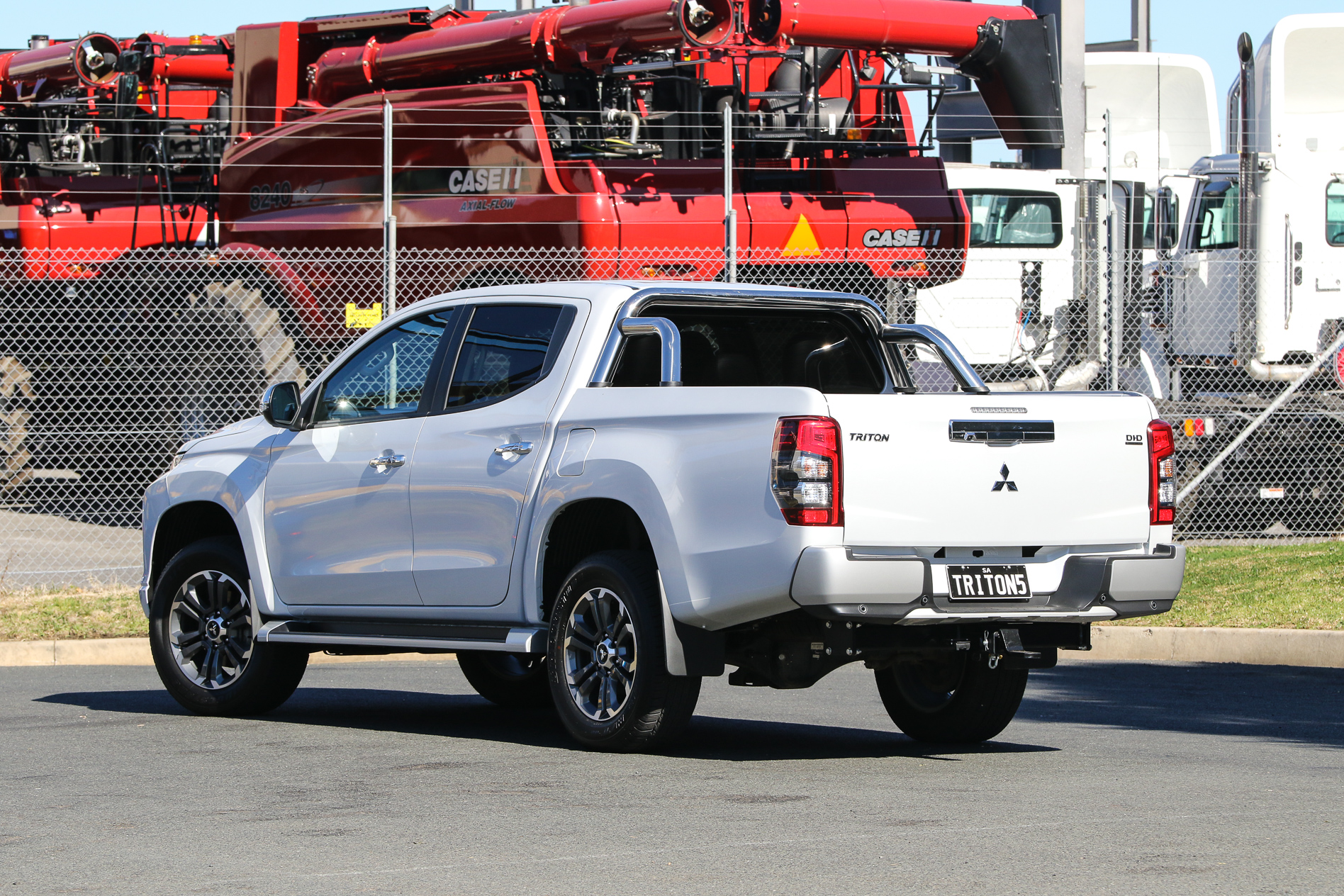
It’s a little smaller and a little less powerful, but the Triton knows its strengths and plays to them.
The 2019 update, then, comes as a bit of a surprise. Gone is the softer, gently curved, almost feminine demeanour of the previous model, replaced instead by a bold, sharp and entirely modern fascia that’s almost concept-car in its look.
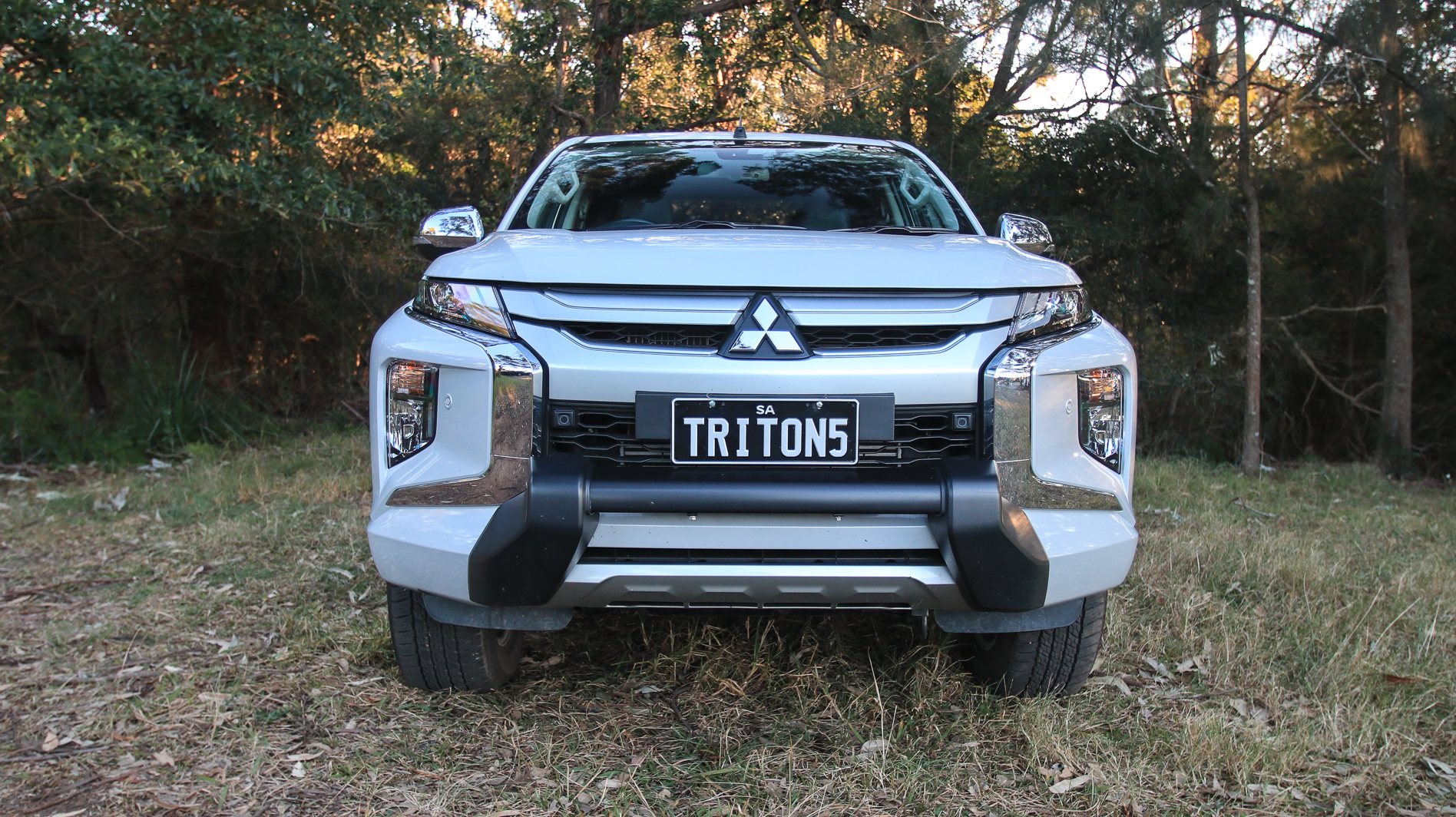
It’ll polarise opinions, sure, but to my eyes, it looks amazing and because it’s so bold and confident, it’ll stay on trend for a long time.
Underneath that striking nose job, though, little else has really changed – and that’s a good thing.
Value
We’re trialling the Triton GLS Premium, which takes pride of place at the top of the line-up. It officially costs $51,900 before on-roads, but Mitsubishi has it for $50,990 drive-away at present.
For that, the GLS Premium comes standard with Mitsubishi’s excellent direct-injection 2.4-litre turbocharged diesel four-cylinder engine that’s now backed by a six-speed automatic transmission that drives all four wheels.
Compare the Toyota HiLux to the Triton, and the $50,740 SR5 is the most logical competitor. The HiLux has less driver aid safety tech and a little more power and torque, while the Ford Ranger XLT in five-cylinder form is a $50,640 proposition.
Fuel economy-wise, the Triton is claimed to use 8.6 litres per 100km on the combined cycle. After 390km of driving, we returned 9.2L/100km. A 75-litre tank gives the Triton a theoretical range of around 870km.
Servicing costs are pretty keen, too, with each of the first three services capped at $299 per service, while Mitsubishi provides- until the middle of next year, at least – a seven-year/150,000km warranty.
Standard equipment
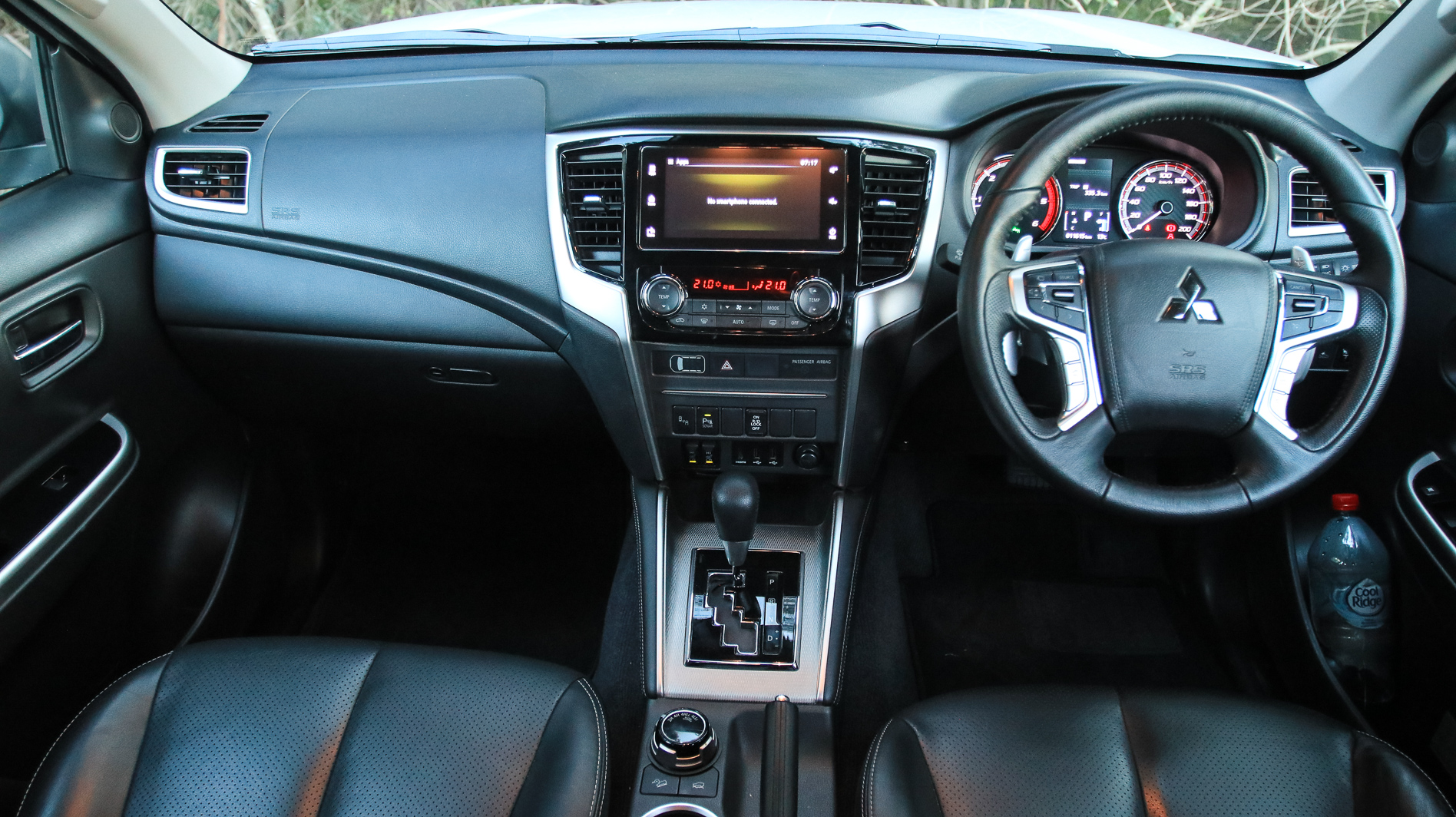
The GLS Premium is pretty loaded – keyless entry with pushbutton start, dual-zone climate control, LED headlights and taillights, heated leather front seats (power adjustment for the driver), auto lights and wipers, a 7.0-inch colour touch multimedia system with Apple CarPlay and Android Auto, digital radio and three USB ports are all standard.
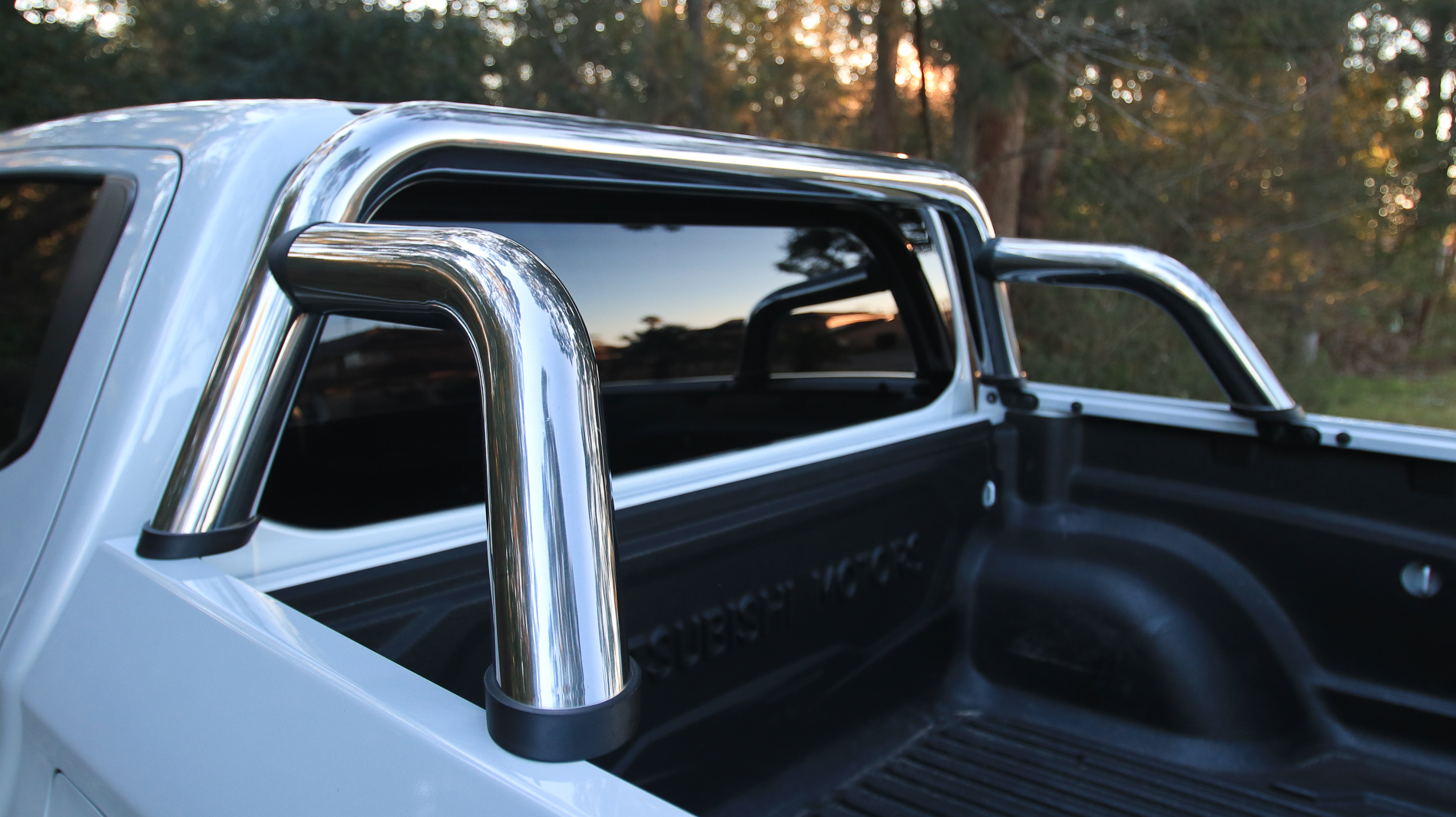
There are 18-inch rims, a nudge bar, a decorative sports bar and a plastic tray liner as well.
Mechanically, a proper low-range transfer case, hill descent control and a locking rear diff complement the Super Select II all-wheel-drive system, but the Triton still retains its drum brake-equipped and leaf-sprung rear end.
Spend four grand less on the GLS, and you’ll lose the leather, the rear diff lock, 360-degree camera and the keyless entry system.
Some people might miss built-in sat-nav, but I reckon preloaded maps on a dedicated app will do just as good a job. I reckon, though, that a towbar wouldn’t have gone astray as standard spec, and a digital speedometer would be a good inclusion as well.
Size
The 5409mm long Triton is slightly narrower than most of its competition at 1815mm wide, but that doesn’t hurt it internally when compared to its main rivals.
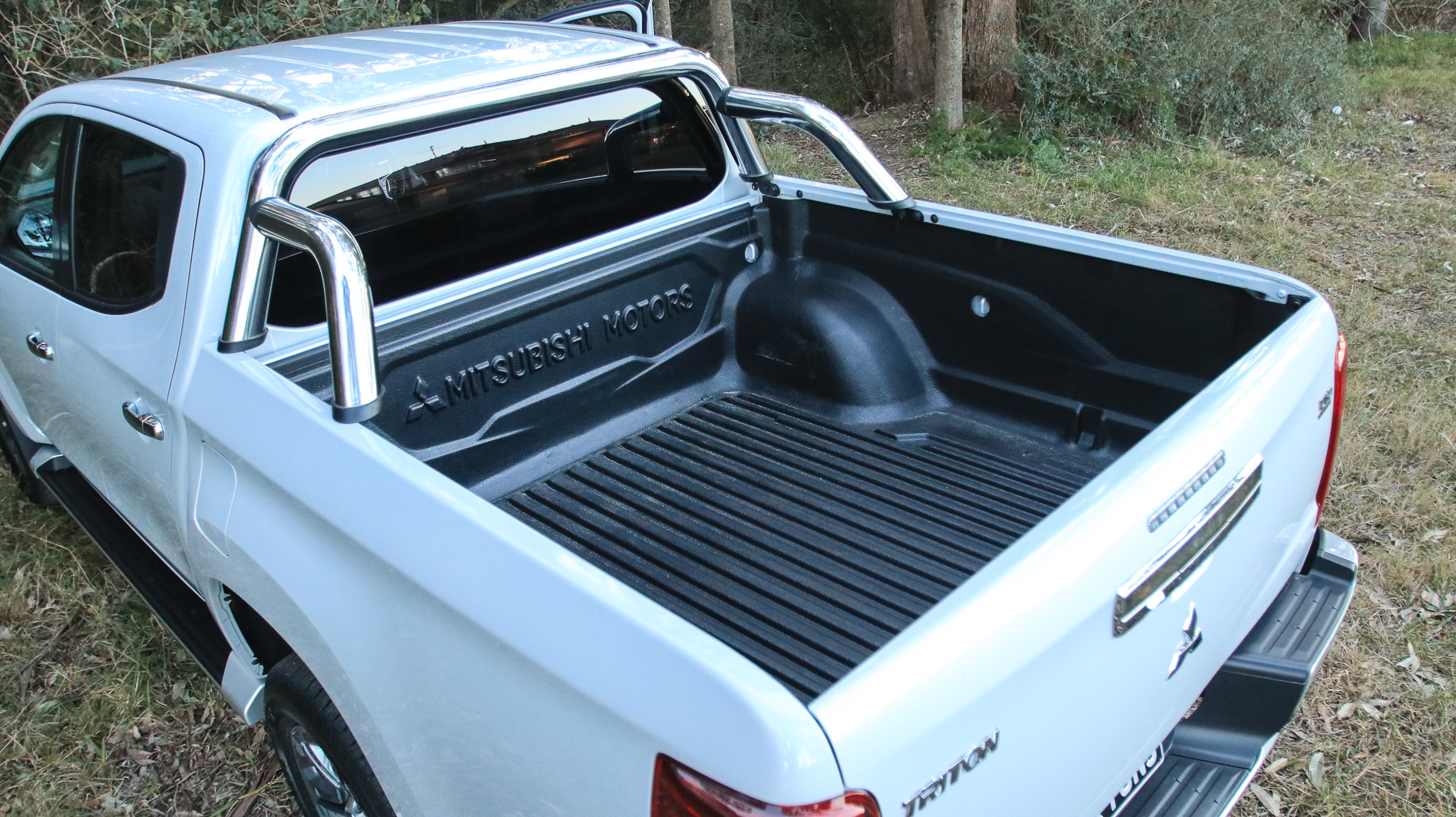
The tray is a handful of millimetres narrower, too, but it still measures out to be long (1520mm) and deep (475mm). It measures 1085mm wide between the wheel arches and 1470mm wide at its widest point.
It offers 220mm of ground clearance, 27.5-degree approach and a fairly shallow 23-degree departure angle, due to the length of its rear overhang.
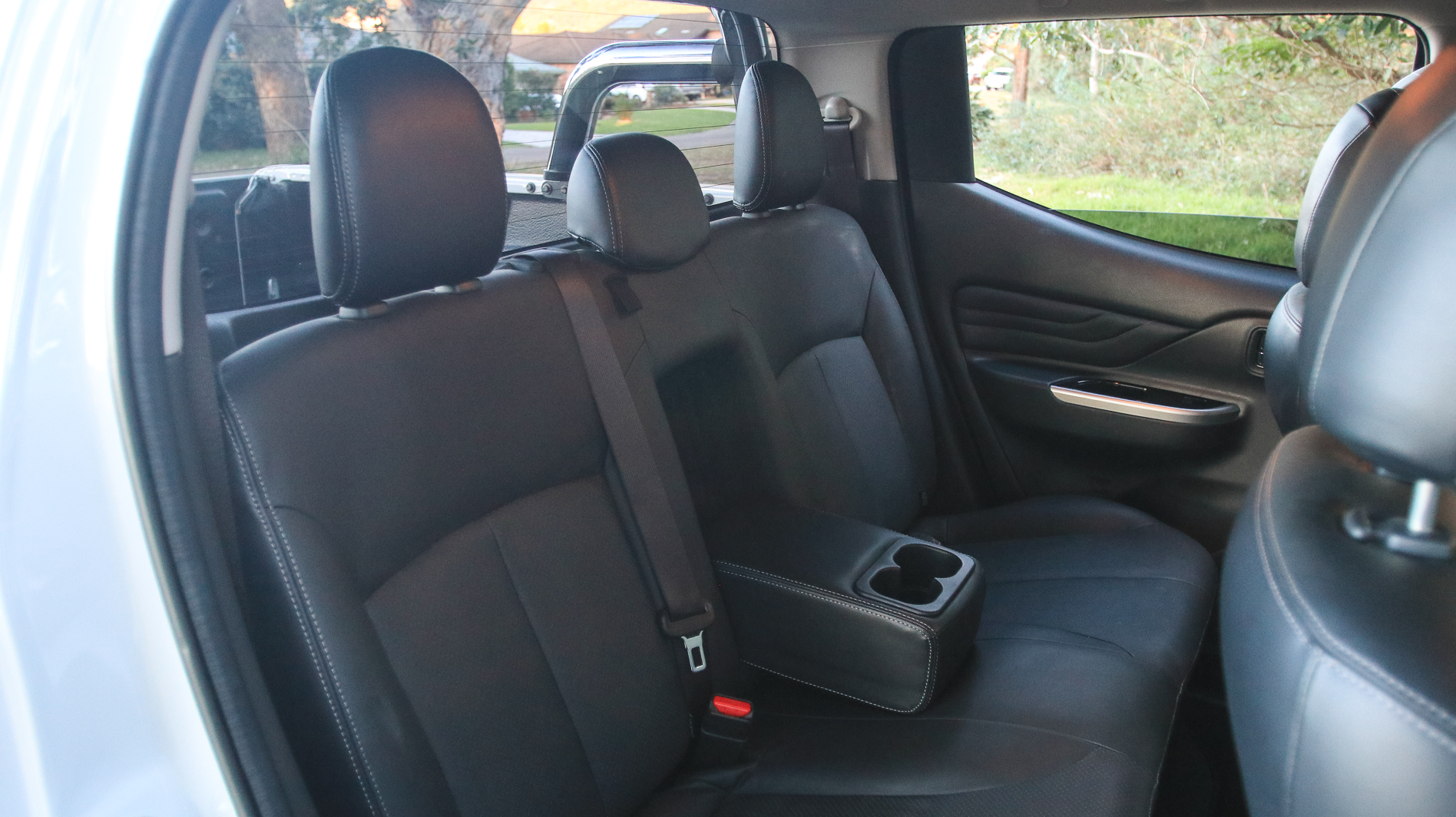
Room in the rear seats is decent enough, with good knee and toe room, while head room is suitable for taller passengers. The inclination of the rear seats is decent, too, which improves comfort.
The Mitsubishi Triton can tow 3100kg of braked trailer, which is 400kg less than many of its rivals. Mitsubishi points out, though, that it has more payload capacity as a result.
Safety
Mitsubishi has pushed the boat out here, giving the Triton almost every modern driver safety aid available today.
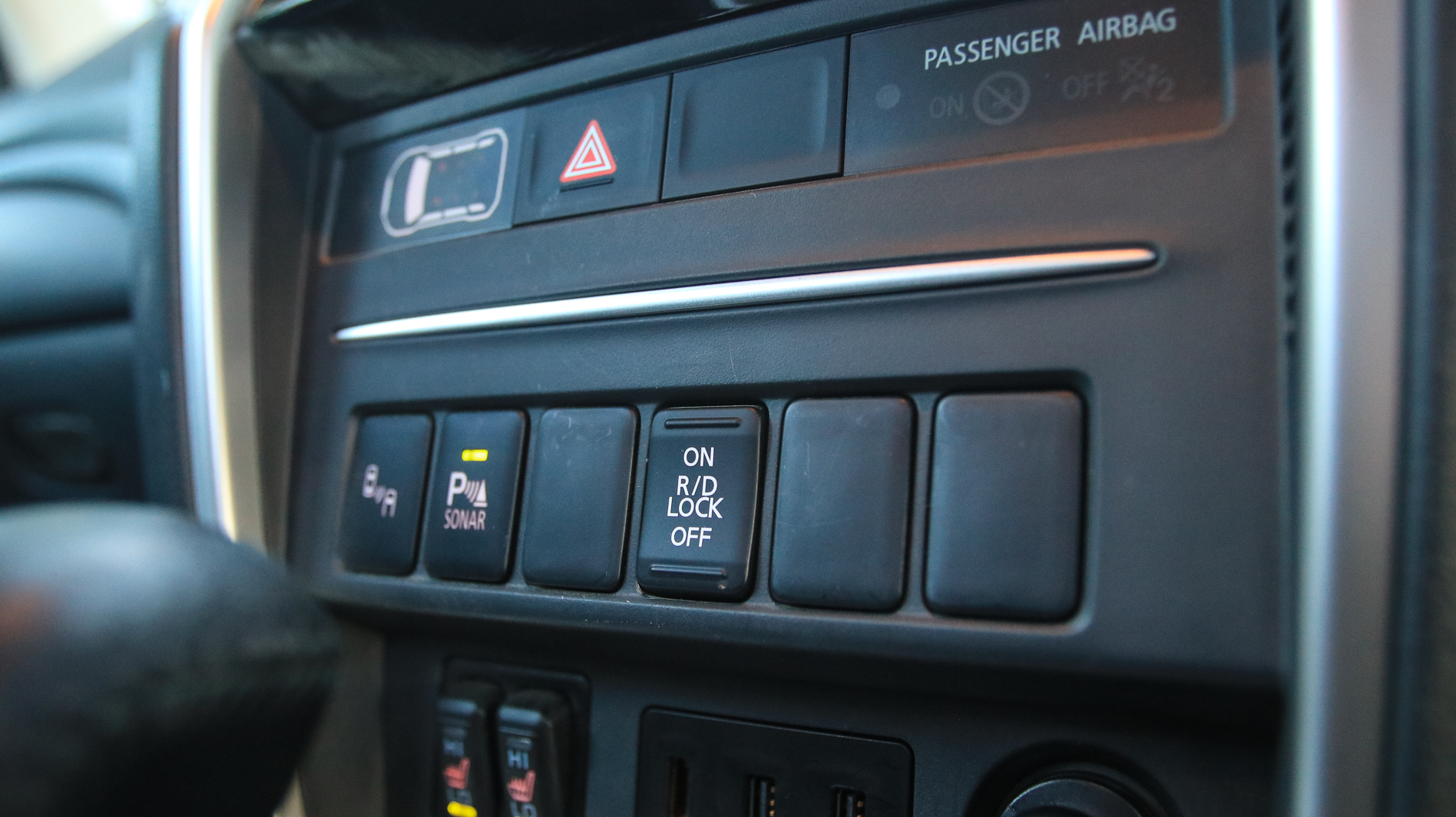
Its seven-airbag stash includes full-length curtain bags, while lane departure and blind-spot warning, rear cross-traffic alert, trailer sway control and an unmitigated acceleration prevention system (which stops drivers from accidentally accelerating through walls and the like in slow-speed situations) are all standard.
Its ANCAP five-star maximum score dates back to the launch of the current MQ model, but it would still do well thanks to its safety kit.
Comfort
The Triton’s steering wheel is adjustable for both rake and reach, and the front seats are decently sized and comfortably shaped.
There are rear vents, but they are rather awkwardly bunged into the roof liner (better to have them than not, though). ISOFIX baby seat mounts, a pull-down armrest and a rear USB port are nice additions to the cabin, too.
Big tick for storage, too; the front door pockets comfortably swallow larger water bottles, and there’s plenty of room for bits and pieces throughout the cabin.
On the road
If you’re buying a dual-cab ute because you think they will drive nicely on the road, you’re going to be disappointed. Like its competitors, the Triton is tall, narrow and relatively stiffly sprung, which means its road manners are always going to be compromised.
The Triton’s rear end is suspended by leaf springs, which are tuned to deal with its 2900kg gross vehicle mass. This means that the 2045kg GLS Premium has the ability to carry 855kg of people and payload, and so the suspension has to be built to deal with that load, whether it’s on board or not.
Interestingly, the new GLS Premium is 54kg than the next model down, the GLS, and a full 87kg heavier than its 2018 model year equivalent.
With just a driver on board, the Triton feels firm and fidgety around town, though it stops on the right side of being nervous and skittish. Chuck a couple of cement bags in, and it calms down nicely… but more weight means higher fuel consumption.
Steering feel is a bit woolly but generally in keeping with the category, and its brake feel, too, isn’t the last word in modulated refinement, but it’s an easy drive around town and out on the highways and byways.
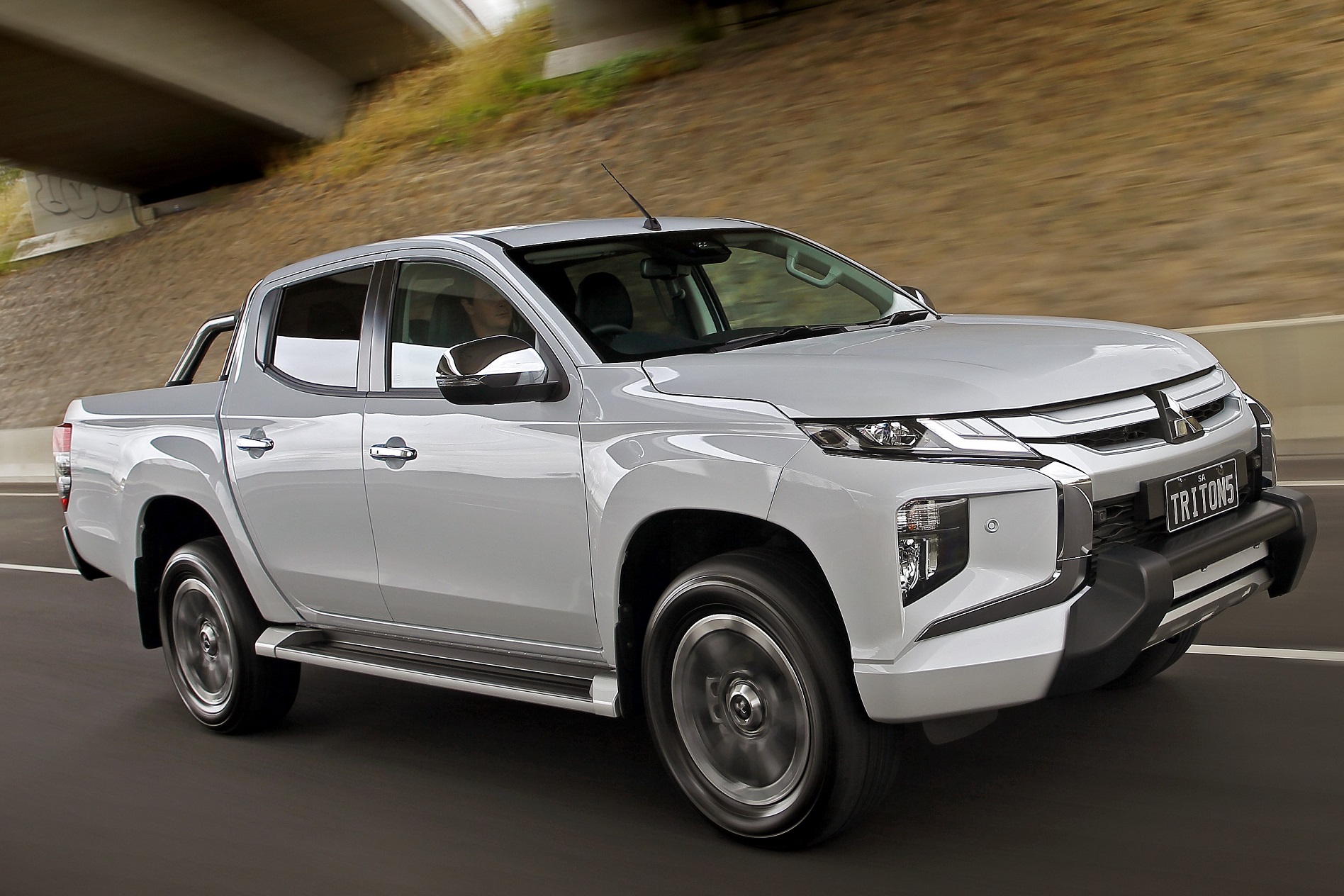
That fidgety nature also reveals itself off-road, though Mitsubishi’s excellent all-wheel-drive system does a brilliant job of finding traction where there is none.
Multiple off-road modes are easily accessed, but its automatic mode, combined with the hill descent mode and locking rear diff, gives the Triton genuine dirt and sand abilities that belie its price point.
It’s one of the few dual-cab that offers full-time high-range four-wheel-drive ability, as well, which is a boon on wet, snowy or gravelly roads.
The Bridgestone Dueler tyres are a good spec here too, though 17-inch rims would give you a wider choice of more specific offroad rubber.
The all-alloy MIVEC-equipped 2.4-litre direct-injection four-cylinder was, in Mitsubishi’s words, the best diesel engine it could make when it debuted in 2015. Its outputs of 133kW and 430Nm are a little shy of the HiLux and Ranger’s best, but it still puts on a fair show.
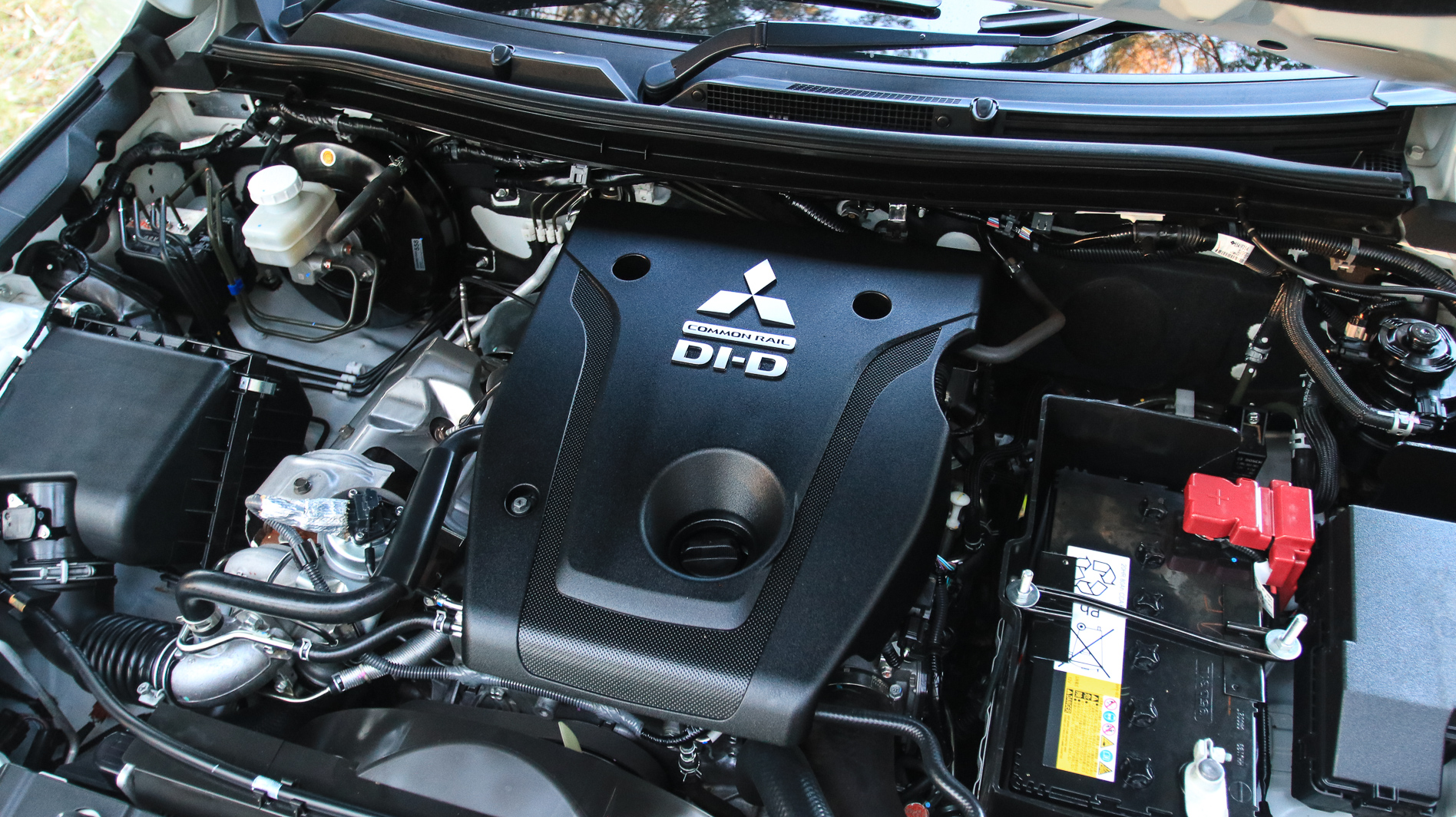
Now combined with a six-speed auto – the only choice for the GLS Premium – the small engine does its best work at highway pace. Off-throttle, it all but disappears into the background, and its diesel rattle is well contained when the throttle is picked up again.
It can be caught napping off boost, though, displaying a chunk of turbo lag under 2000rpm. With peak torque reached at 2500rpm and peak power not long after that, it’s a fair-sized hole that needs careful management to fill.
Overriding the six-speed with the paddle shifters behind the wheel is one way to manage it, but it’s definitely not as linear as Ford’s five-cylinder diesel, for example.
Overall, though, the Triton manages its dual jobs of road-going passenger car and off-road utility vehicle pretty well.
Verdict
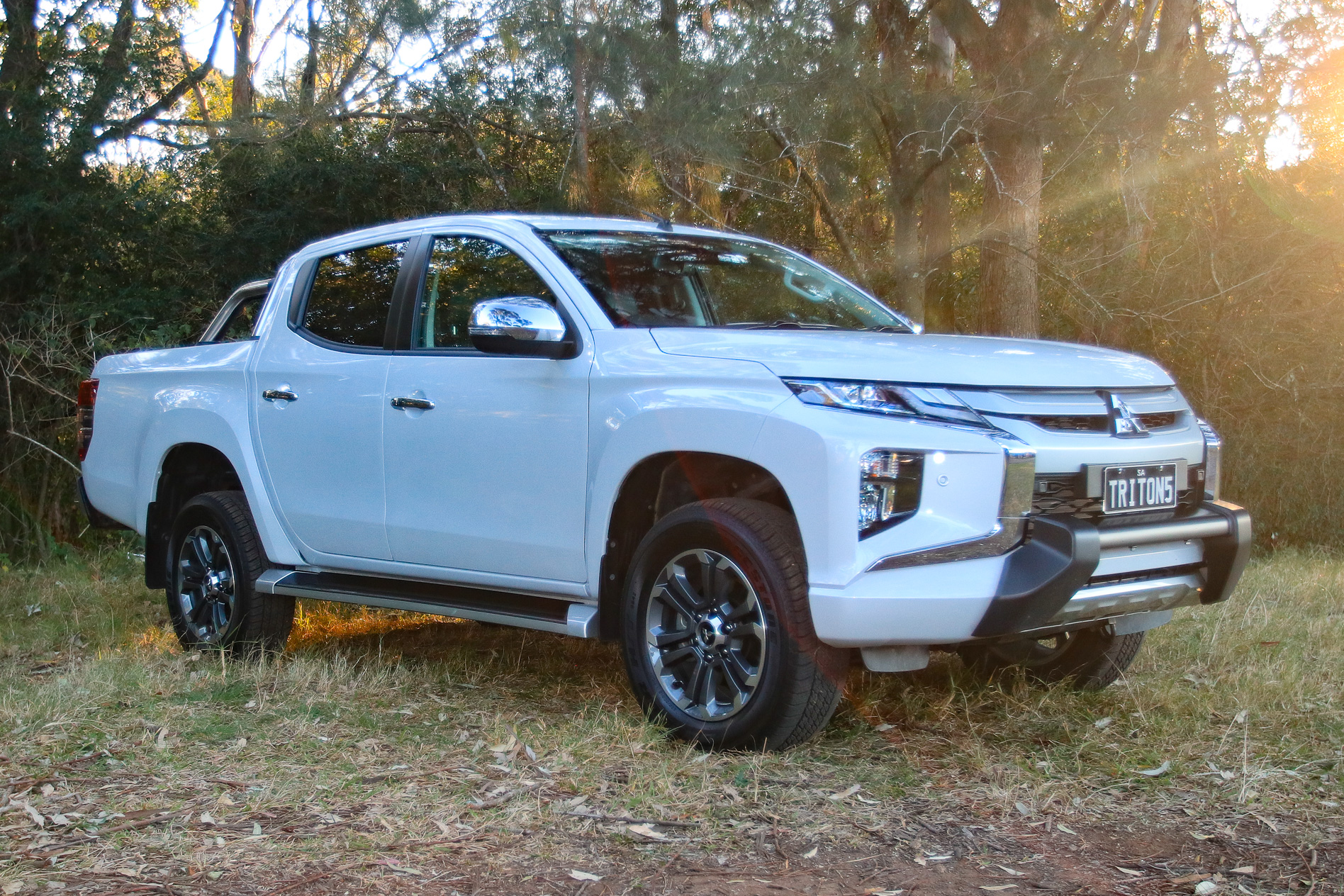
Mitsubishi has carved out a clever and successful niche in the dual cab space by offering fair value for money at the expense of a smidge of size and by extending the life of key components like platforms and powertrains.
With the latest Triton, it’s pushed the boat out – successfully in my eyes – with a bold new design that will stand it in good stead in the years to come.
Is the GLS Premium necessarily the best value Triton out there? Maybe not, but when you look at the price of its rival’s flagship models, the GLS Premium stacks up well.
