
Ford has been developing and selling V8 engines for road cars since 1932, when it introduced the Flathead in its Model 18.
The Flathead would go on to become a performance leader for decades, and is surely among the pantheon of Great V8s. But we aren’t here to talk about the mighty Flathead V8, instead focusing on a Blue Oval engine dynasty that was hatched in the 1980s, and for almost three decades has powered a plethora of FoMoCo’s passenger and performance cars – it is of course the Modular family of engines.
In the early 1980s, Donald Peterson was the COO of Ford, and he had a desire to shake up the boxy, drab design that had dominated the company’s vehicles for several years. He challenged then vice-president of design, Jack Telnack, and his staff to come up with a new design language that the company could take pride in – resulting in sleeker, more aerodynamic cars gracing Ford showrooms.
This success helped in part to elevate Peterson to CEO, and by the mid-1980s he wanted the same revolution that had swept through the design department to occur with Ford’s decade-old V8 architecture.
Jim Clarke was chosen to lead the project, with a simple yet challenging brief set by Peterson. The new V8 design needed to surpass the brand’s current V8s in every meaningful way – power, efficiency, emissions, performance, and smoothness of operation
Clarke and his engineers studied bent-eights from both Europe and Japan, and decided on a plan that would result in a V8 that was technologically advanced and power-dense, yet dependable and reliable enough that it wouldn’t need a major service until after 160,000km.
A 90-degree vee angle was chosen, and an almost 1:1 bore-to-stroke ratio for improved NVH characteristics. But the most important decision, which would result in the new design’s longevity, was to have a bore spacing, deck height, and bell housing bolt pattern that could remain unchanged, and still spawn an entire family of engines. Ford would group these V8s under its Modular Family of engines.
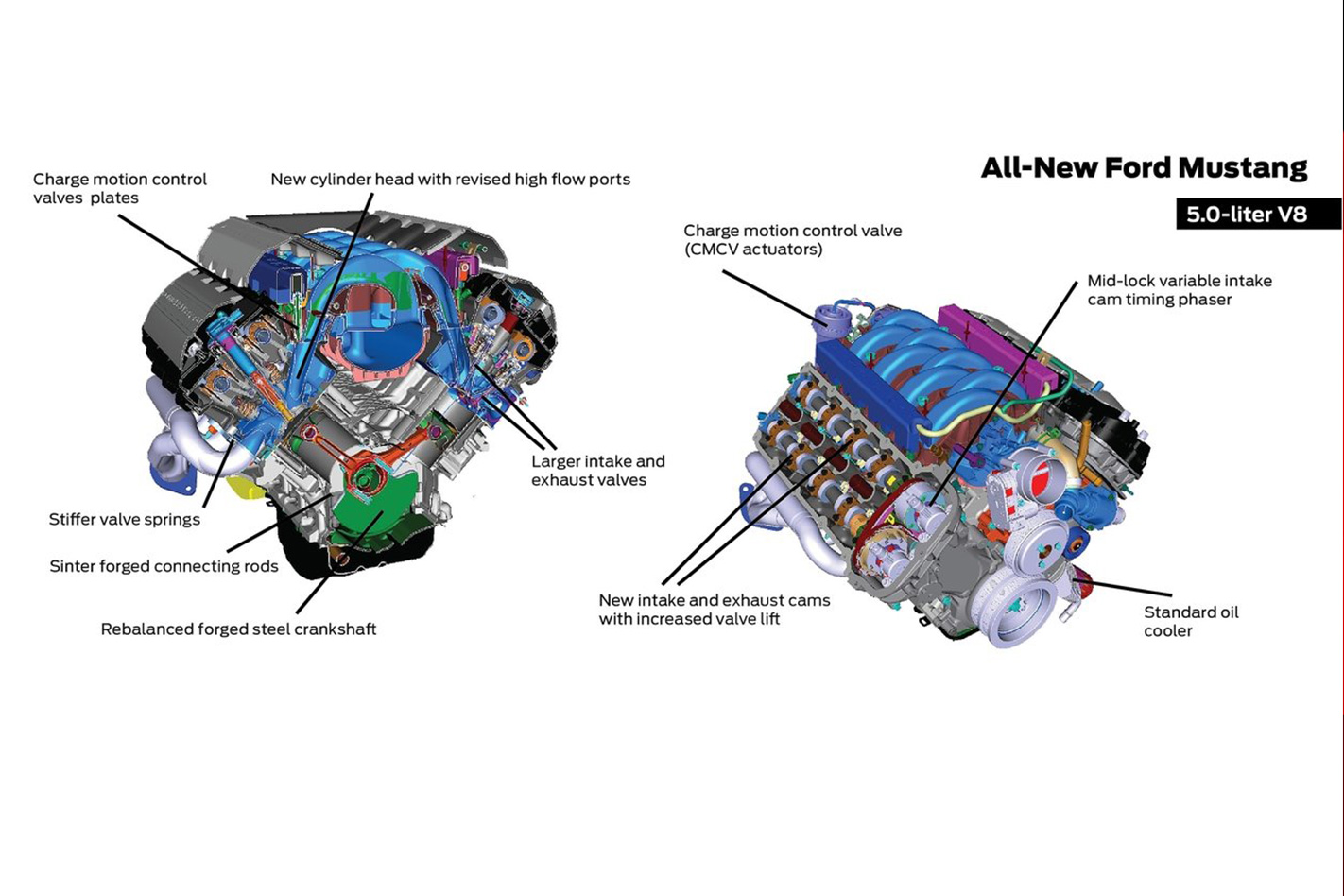
The link between Ford’s Modular engines is the 100mm bore spacing that allowed for multiple variations, with single- or dual-overhead camshaft configurations, different displacements and block materials, and even different cylinder counts. A V10 was spawned from the family, while a V6 was evaluated but never received a green-light for production.
The wide array of possibilities spurred Ford on to develop a new modular tooling system for the engines’ production, so they could all be built efficiently within the same factory.
By 1987 Ford was all-in, having invested US$4 billion in the architecture’s design, and retooling the Romeo, Michigan tractor plant to build the engines.
The first production V8 from the Modular family was a 4.6-litre SOHC unit for the 1991 Lincoln Town Car. Despite being smaller than the 5.0-litre pushrod it replaced, the new engine was more powerful, more fuel efficient, was 9kg lighter, and could propel the new model to 60mph (97km/h) 1.5 seconds quicker.
Jim Clarke’s new V8 family was a roaring success, and the 4.6-litre V8 would proliferate much of Ford’s range for the next 20 years. As a new decade dawned in 2010, so did a major update for the Modular family, in the form of the 5.0-litre Coyote design.
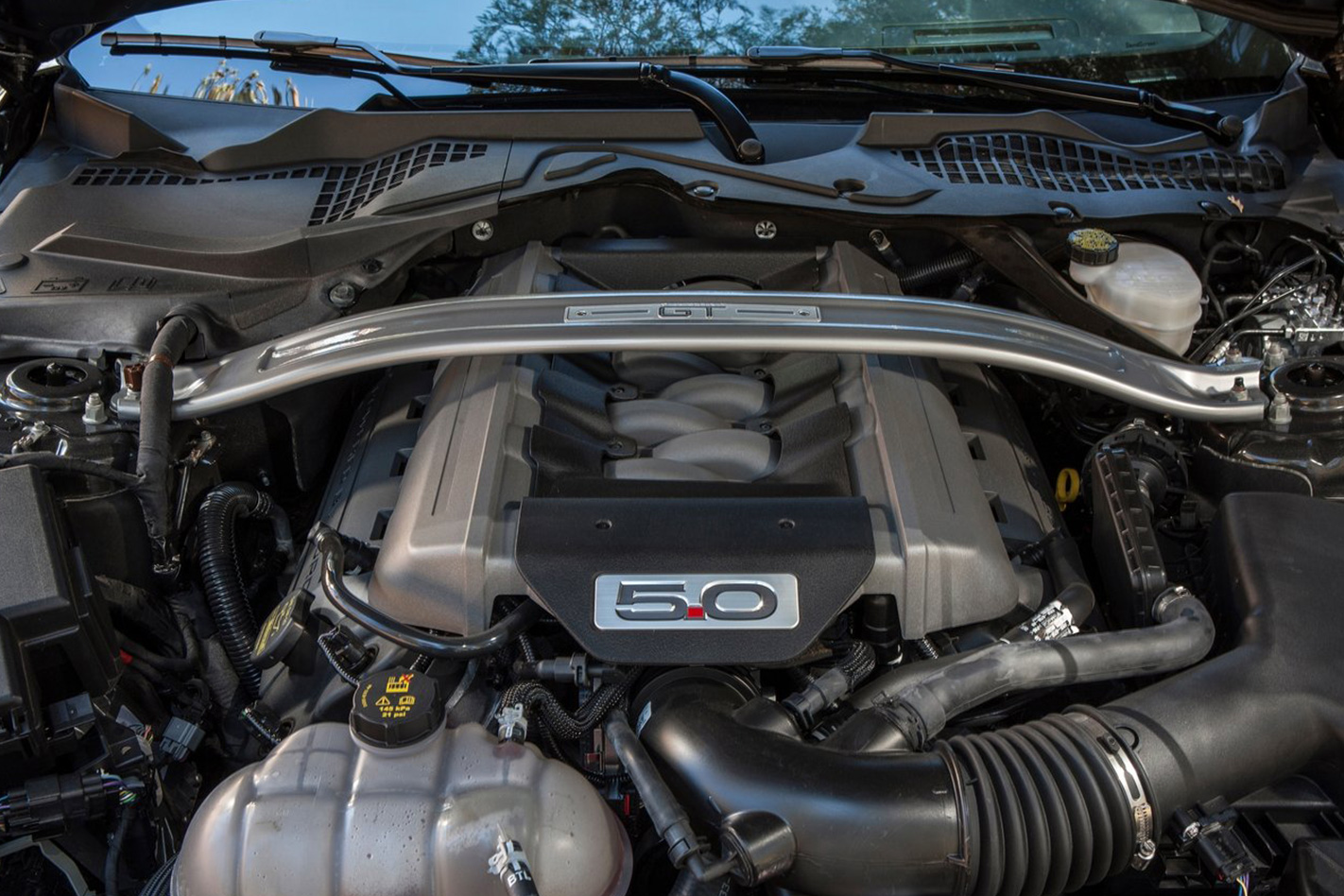
Built for the 2011 Ford Mustang GT, the Coyote was built as the Blue Oval wanted something to take on General Motor’s 6.2-litre LS3 V8, and Chrysler’s 6.4-litre Apache Hemi.
Continuing the Modular lineage, the Coyote shared the same 100mm bore spacing as the 4.6-litre, allowing it to be built with the same tooling from the late ‘80s. This meant displacement could only be increased nominally, stretching to 5.0-litres by increasing the bore and stroke to 92.2 mm and 92.7mm respectively. The Coyote was smaller than its competitors, but remained competitive in terms of power.
A raft of ‘Gen 3’ updates were introduced in 2018, resulting in the engine Australians can now drive in the current-gen Mustang GT. This is the zenith for mainstream naturally-aspirated V8s in the Modular family, with a raft of advanced technology resulting in 343kW and 569Nm claimed power outputs.
However, that’s not where things end, with the Ford Performance division turning the heat up with three special versions, Voodoo, Predator, and Miami.
Voodoo is the atmo screamer fitted to the Shelby GT350 and 350R, with a flat-plane crank, larger bore and stroke, and increased compression ratio resulting in 392kW at 7500rpm, and 582Nm at 4750rpm, with a 8250rpm redline.
Predator is yet to hit production, but will appear in the 2020 Mustang Shelby GT500. The 5.2-litre supercharged V8 is claimed to produce 570kW and 847Nm – the most powerful Blue Oval product yet.
Australians will be most familiar with the Miami, which was developed by the Ford Performance Vehicles (FPV) branch locally, for our hottest Falcon sedans and utes. The supercharged 5.0-litre was sold in various tunes, but the most extreme came from the team at Premcar, which was formed following the end of local production. The Victorian-based team turned up the heat for the Miami until it cranked out 483kW/753Nm, all while meeting OEM-standard durability tests.
Outside of the Ford family, the Modular V8 has been used by Koenigsegg to dethrone the McLaren F1 as the world’s fastest production car in 2005. The CCR was powered by a Rotrex-supercharged 4.6-litre producing 601kW to a speed of 388km/h, and was only bested by the herculean Bugatti Veyron.
To illustrate just how far the Modular V8 design can be pushed, Modular Motorsports Racing built a drag racing engine based on the Coyote, with factory cylinder head castings, valves, and lifters, but a billet reproduction of the block. The result was a 5.8 second pass over the quarter mile, with a 412km/h trap speed.
Not bad for a design dating back to the ‘80s.
Manufacturer | Ford |
Production | 1991-present |
Configuration | 90u00b0 V8 |
Bore x Stroke | 90.2-94mm x 90-105.8mm |
Displacement | 4601-5808cc |
Valvetrain | OHC |
Power | 142-570kW |
Torque | 466-847Nmu200bu200b |
Click here to read more Wheels features on Great V8s .
The nature of Bang For Your Bucks makes it nearly impossible to pick a winner pre-event.
This track review was carried out in conjunction with MOTOR’s Bang For Your Bucks 2019
This was especially the case in 2019 with the purely subjective nature of the scoring, however, in hindsight, our 2018 Performance Car of the Year and the reigning Bang For Your Bucks champion would’ve been a smart bet.
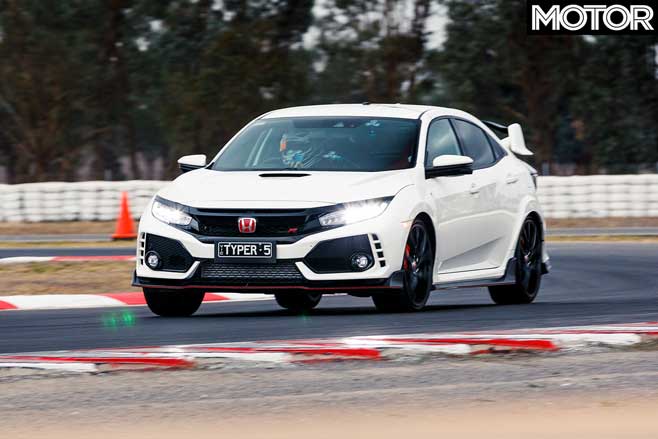
Thing is, the Civic snapped at its heels with a score of 261, almost 30 points clear of the third-ranked VW Golf R. Factor in the Honda’s $51,990 price tag, almost half what BMW asks for a base M2 Competition (itself a performance bargain), and it’s easy to see why the Type R was a runaway winner for the second consecutive year.
In the final reckoning, its BFYB score of 139.9 was miles ahead of the second-placed Beemer (120.4) and third-placed Hyundai (115.7).
That said, it’s not difficult to find fault with the Civic Type R, even without discussing its divisive looks. It only seats four, there’s no sat-nav, the infotainment is almost deliberately obtuse and the secondary instruments are very hard to read.
Crucially, though, none of these faults relate to the way it drives. It’s an incredibly accomplished car in isolation, but only in a comparative context is the quality of the Type R brought into sharp focus.
In my personal case the unfortunate reference point was the Renault Megane RS Cup. It’s a good car and a damp Winton revealed layers to its personality that are very difficult to access on the road. I came away relatively impressed, until I drove the Civic Type R directly afterward.
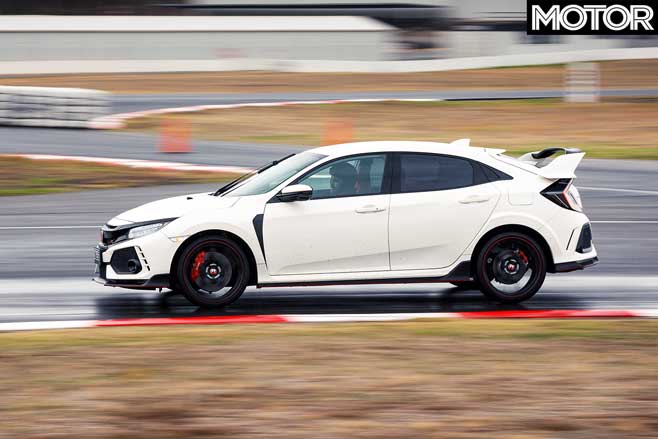
The differences become apparent the moment you leave pitlane, the engine responding with more vigour and with a more natural noise, the powerband extending right to the 7000rpm redline and the gearshift both lighter and more precise.
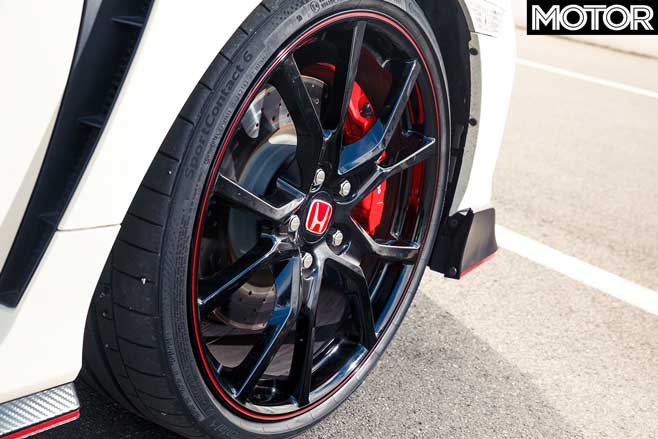
Approach a corner and the brakes offer immediate and reassuring pressure beneath your foot while the Continental SportContact 6 tyres feed plenty of information back to your hands about the level of grip available at the front end. More often than not, plenty is the answer, the steering responding immediately to inputs in a beautifully linear fashion, the front end nailed to the road.
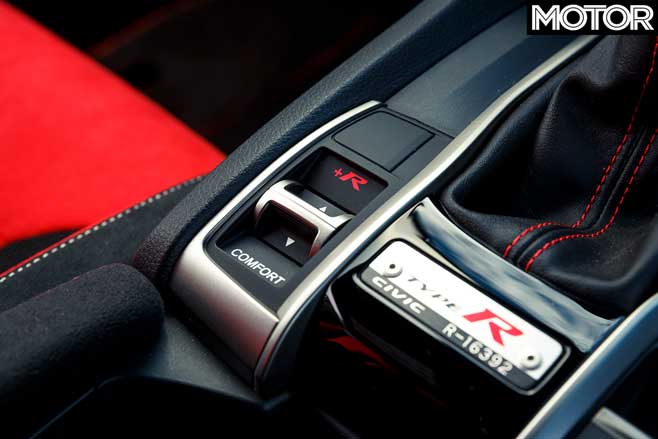
If there is one gripe about the Civic’s mechanical make-up, it’s the inability to select settings individually for the various components: steering, engine, suspension. The sportier modes add extra steering weight for no real benefit and if you want to deactivate ESP completely on track the angriest +R mode must be selected; fine under normal circumstances, but in slippery conditions the option to independently soften the suspension and throttle response for greater control would be welcome.
This is nitpicking to a certain degree, as rarely, if ever, do such thoughts cross your mind when engaged in driving the Civic Type R as quickly as you can on a racetrack.
Traditionally, cars that move around at the limit are judged to be the most involving, requiring constant input and reaction from the driver to extract their best. The MX-5 is the perfect example of this. In contrast, the Civic Type R barely budges from its chosen trajectory no matter how fast you’re going, yet it’s nevertheless totally immersive.
While it doesn’t tax your car control skills, it’s so accurate that if you make a mistake you can be fairly certain it’s your own fault and not that of the car, thereby encouraging you to drive better and rewarding you for doing so.
Provoke it by driving like a loon, however, and the Civic Type R proves it also has a sense of humour. It takes a fairly determined flick on a trailing throttle to unstick the rear end, obviously the sort of behaviour that should only be attempted on a closed course with plenty of room to spare, but it’s when grip runs out that cars often show their true colours. The fluid way Honda’s hot hatch loses and regains its hold on the tarmac is an indicator of its tremendous balance.
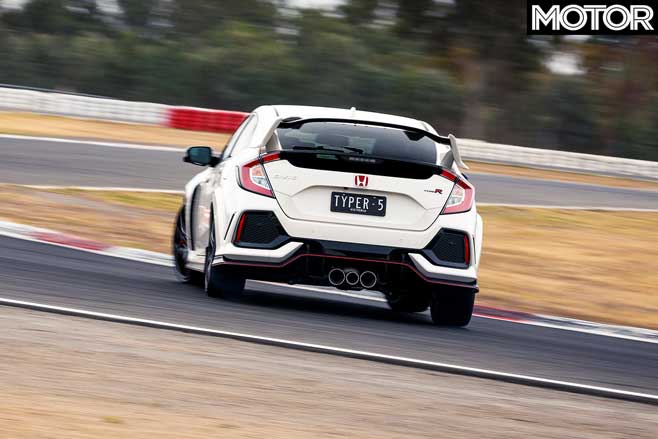
The chassis is the highlight, but all this talk of handling overshadows the fact that the Civic Type R is a damn quick car. Its front-drive nature layout limits its effectiveness off the line – though it’s the fastest front-driver we’ve ever tested – but short gearing and plenty of torque give it V8-bashing in-gear acceleration. The gearchange is super slick and the rev-match function ensures you’ll never miss a shift, but it kind of feels like you’ve got a cheat code activated when it’s on.
Another suggestion for facelift time: a simple button to toggle it on and off rather than burying it in a sub-menu that can only be used when the car is stationary.
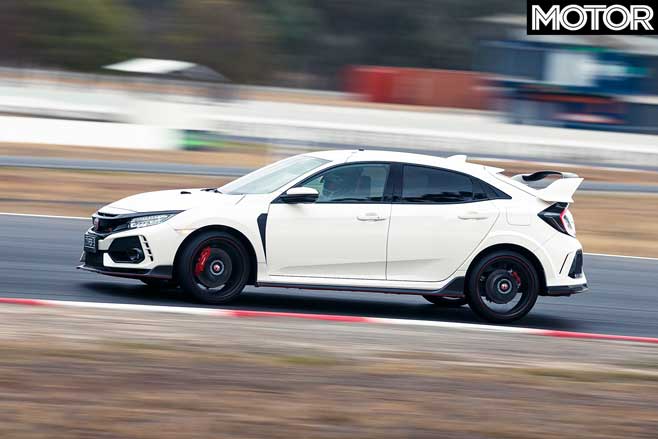
Bang For Your Bucks rules allow the winning car to return and defend its title, which means the Civic Type R will be back in 2020 in an attempt to become the first car to ever win three straight Bang trophies.
It’ll be a tough ask against a talented field, but numerous camouflaged prototypes lapping the Nürburgring suggest Honda has some updates in the pipeline to prepare it for battle. Then again, on current form, it doesn’t really need any help.
Honda Civic Type R BFYB 2019 Results – 1st place
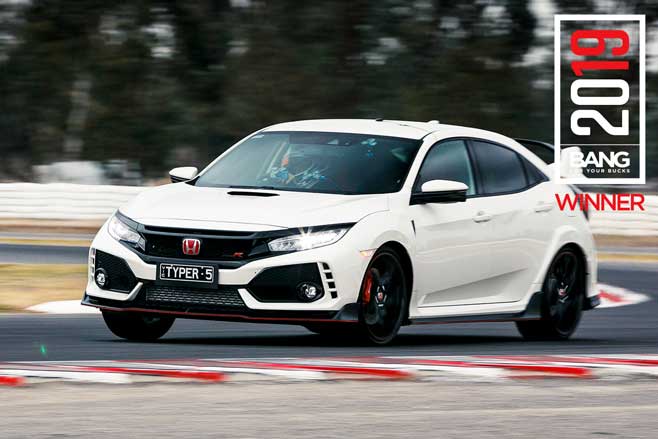
0-100km/h: 5.68sec 0-400m: 13.66sec @ 174.92km/h Price: $51,990 Bang Index: 179.5 Bucks Index: 100.2 BFYB Index: 139.9
Bang For Your Bucks 2019 Judges’ Comments
Campbell – 2nd “If Porsche made a hot hatch (and got the local asylum to style it). One is in the dream garage.”
Cordony – 1st “Who cares it’s not like Type Rs of old? It’s a hot-hatch masterclass.”
Morley – 2nd “Still the best front-driver I’ve ever aimed at an apex. But, lordy, it’s gaudy.”
Scott Newman – 2nd “Certain things annoy me about the Civic Type R. How it drives isn’t one of them.”
Luffy – 2nd “Great front end feel and throttle balance, it’s not the older high-revving VTEC engine, but this engine has a lot of low down power. As the traditional high-revving VTEC engine, which is what you come to expect from the Civic Type R, it is disappointing that it doesn’t really have a better top end. But the brakes are good, ergonomics are good. It was just a really enjoyable car to drive on the limit, really easy to drive – a car that you want to keep driving.”
Bang For Your Bucks 2019 Scoring Results


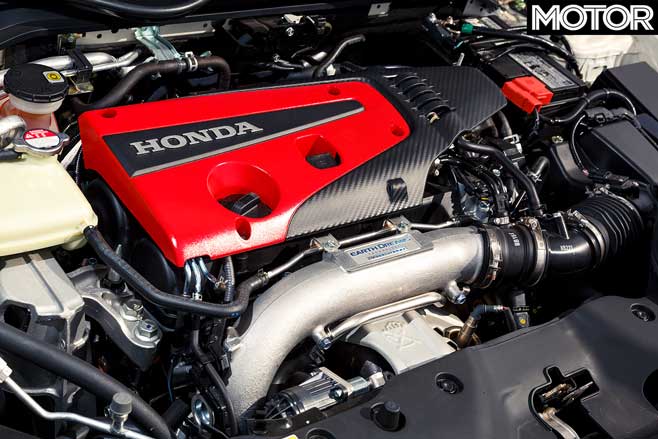
FAST FACTS 2019 HONDA CIVIC TYPE R SPECS BODY: 5-door, 4-seat hatch DRIVE: front-wheel ENGINE: 1998cc inline-4, DOHC, 16v, turbo BORE/STROKE: 86.0 x 85.9mm COMPRESSION RATIO: 9.8:1 POWER: 228kW @ 6500rpm TORQUE: 400Nm @ 2500-4500rpm WEIGHT: 1380kg POWER-TO-WEIGHT: 165kW/tonne TRANSMISSION: 6-speed manual SUSPENSION: dual-axis struts, coils, adaptive dampers, anti-roll bar (f); multi-links, coils, adaptive dampers, anti-roll bar (r) BRAKES: 350mm ventilated discs, 4-piston calipers (f); 305mm ventilated discs, single-piston calipers (r) WHEELS: 20.0 x 8.5-inch (f/r) TYRES: Continental SportContact 6, 245/35 R20 (f/r) PRICE: $51,990
BFYB ROLL OF HONOUR
1994 – Mitsubishi Lancer GSR 1995 – Nissan 200SX 1996 – BMW 328i 1998 – Subaru Impreza WRX 1999 – Subaru Impreza WRX 2000 – HSV Clubsport R8 2001 – Renault Sport Clio 2002 – Subaru Impreza WRX STI 2003 – Holden Astra SRi Turbo 2004 – Mitsubishi Lancer EVO VIII 2005 – Subaru Impreza WRX STI 2006 – Holden Commodore SS 2007 – Holden Commodore SS 2008 – Ford Falcon XR6 Turbo Ute 2009 – Subaru Impreza WRX 2010 – VW Golf GTI 2011 – VW Polo GTI 2012 – VW Polo GTI 2013 – Mini JCW GP 2014 – Ford Fiesta ST 2015 – Ford Fiesta ST 2016 – VW Polo GTI 2017 – Ford Focus RS 2018 – Honda Civic Type R
Bang For Your Bucks 2019
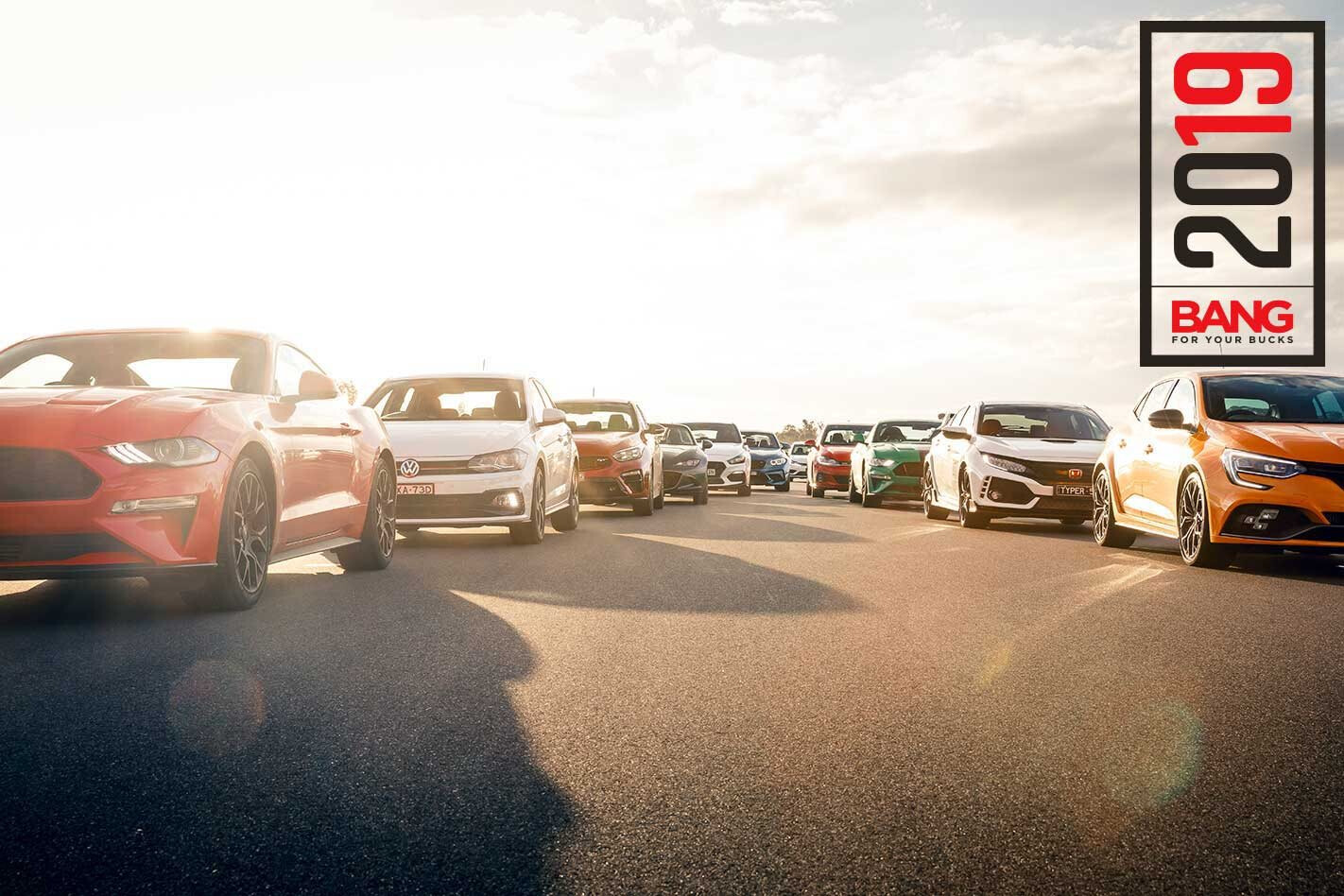 The Contenders, Judges & Criteria
11 of the hottest new fast cars under $100K roll up to take on our famous value-for-money formula. Which will be number 1?
Alpina is a company that prides itself on headline top speeds. Performance and effortless luxury is its USP. So when it comes to the potential introduction of speed limiters and the possible end of derestricted German autobahns, Alpina CEO Andreas Bovensiepen has strong views on both .
“The rumours of speed limiters and the end of derestricted autobahns are getting louder for 2025; I hope this is far from us now,” Bovensiepen says with a wry smile.
In terms of sales, Bovensiepen expects uncertainty in the performance-car market with such laws and restrictions in place, believing buyers could initially question the need for that type of car if they can’t use it.
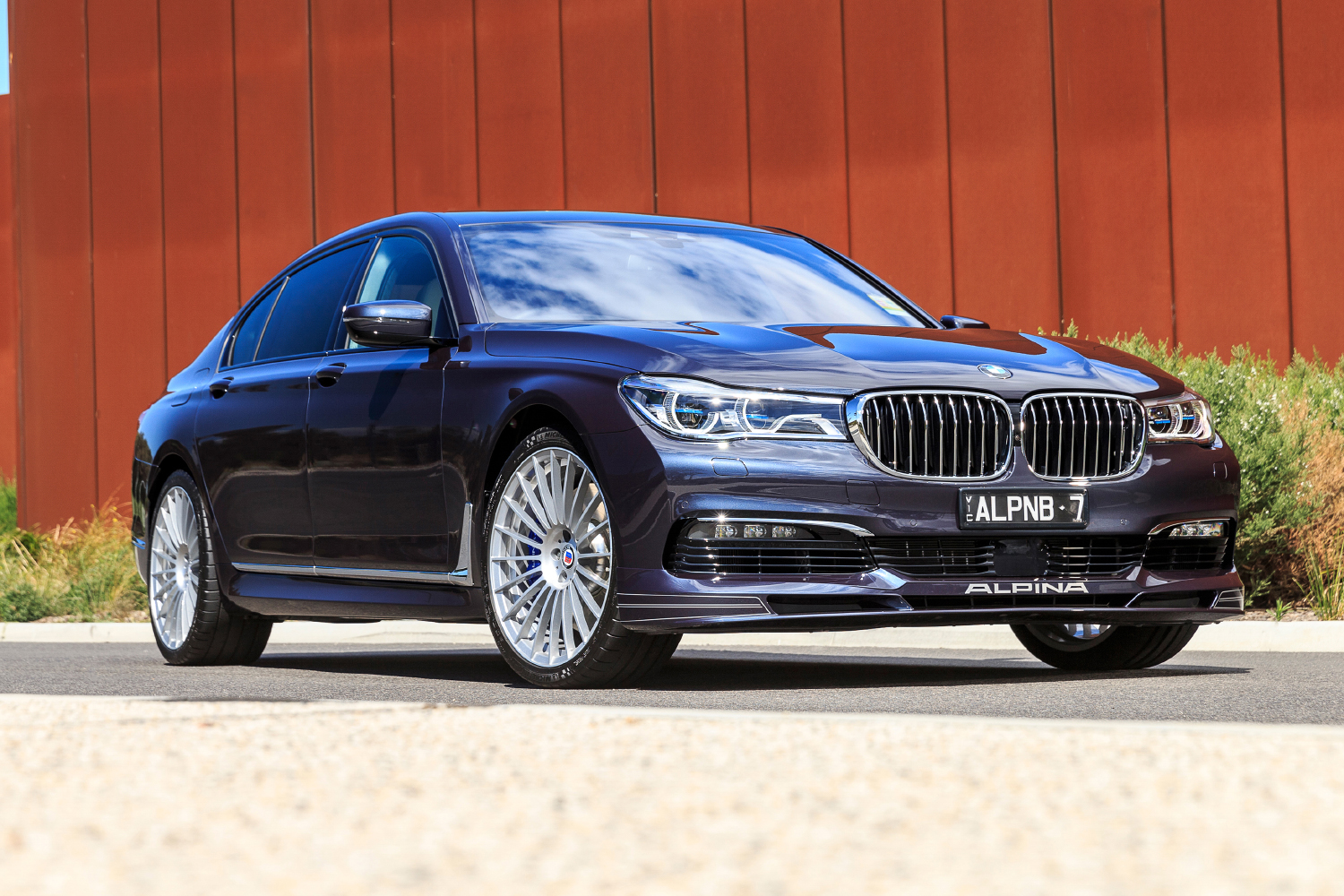
“Initially we’d expect a dip in sales (if such legislation was put in place). In the first place it will hurt every fast-car manufacturer… but I think ultimately people will still want to buy performance cars. It’s like buying an expensive watch; I think people will always enjoy buying expensive, fast cars.”
However, Bovensiepen believes that if speed limiters are to become mandatory, then waiting for other technology to catch up could become beneficial in the process. “I expect when we have more autonomous driving cars that it will be safer to have speed limiters.”
Diminished concentration with lower speed limits (in general and on the autobahn) is a factor that Bovensiepen believes hasn’t been factored in enough, stating that it’s crazy to think simply lowering speed limits alone will result in fewer accidents.
“Yes it could be true if only one parameter changes. If politicians only look at the fact that, if you go slower, the kinetic energy is lower, so in theory you’ll have more safety – this is a dangerous way to think,” he said.
Bovensiepen explains that while there’s initially some lenience, penalties are and restrictions are also harsh in Germany. “Generally, if you have a speed limit of say 120km/h, which can be common on motorways, if you go 140km/h it’s still okay – you receive a fine, but you don’t get any points. However, if you go more than 20km/h over, then you get points and the penalties are just as bad in Germany, ” he said.
Bovensiepen worries that development of suspension could suffer among manufactures with the potential end of derestricted zones and that brakes could become smaller without the need to retard higher speeds.
“If there are speed limiters I think the majority of cars will get a much lower quality in suspension. The German manufactures will say ‘oh, why should we invest so much money in suspension if there’s hardly any difference if you can go no faster than 120km/h’. In that case you don’t need five-link suspension etc.,” he said
Another potential red flag is tyre technology, with the need for less rolling resistance and higher fuel economy taking precedence over ultimate grip.
“If we have lower speed limits then the focus of tyre tech could shift to be entirely more on durability and not grip. So they’ll make harder compounds with less rolling resistance, but with less grip on a wet surface. So maybe you have more accidents,” he said.
It seems Toyota and Mazda are strengthening their relationship, with a report suggesting the two will share an all-new straight-six engine in future models.
Japan’s largest automotive outlet Best Car reports that a source close to Toyota’s development group has spilled the beans on its latest collaboration, confirming Toyota will have access to Mazda’s upcoming Skyactiv-X inline six-cylinder engine.
It’s not the first we’ve heard of the straight-six Skyactiv-X mill, which went public in May this year following a leak from Mazda’s financial results. It is a larger version of the upcoming 2.0-litre four-cylinder Skyactiv-X that works similar to a diesel engine, self-combusting via compression ignition once up and running (it needs spark plugs to get going).
The 3.0-litre six will form the base of Mazda’s all-new large scale, rear-wheel-drive architecture platform, underpinning the new Mazda 6 sedan which is due around 2022 and likely to move more upmarket – at least in top model grades that will feature the more powerful motor.
Most interesting in the report from Best Car, which correctly leaked images of the Toyota Supra before the world had seen it, is that its Toyota source confirmed the company is already in partnership to use the Skyactiv-X six in its own vehicles, including premium off-shoot Lexus. Both company’s already announced a joint-production facility in the USA in June this year.
“The Mazda’s straight-six engines that were revealed to go into production, were developed on the premise that they would be installed into Toyota cars,” the source said.
That would suggest funding from Toyota helped Mazda to develop the engine, a sensible idea given Mazda’s relatively small size in the automotive industry.
The ‘engines’ the Toyota source talks of are the Skyactiv-X six-pot with 48-volt hybrid and plug-in hybrid versions. The Skyactiv-X that will feature in the new Mazda3 is only 24v, the larger engine is likely to have more capabilities including a small belt or electrically-driven supercharger for added power.
But how will Toyota use the engine? While it could use it in a replacement for the Toyota Mark X – a similar car to the Camry marketed in Asian countries – it is planning to put the six into Lexus vehicles, including a possible four-door coupe.
The engine is slated for use in the Lexus IS, after its next iteration which would be around 2025. That car is already reported to come with a straight-six though the origin for an inline six, which Toyota doesn’t have, is unknown.
Toyota is also reportedly developing a ‘stretched’ version of the two-door RC coupe, according to the source, that will be positioned between it and the flagship LC – both currently powered by V8 engines – along with the LC’s V6 hybrid.
The report is not wild, as Toyota recently teamed up with Subaru and BMW to lower development costs for low-volume sports cars, including its move back to a straight-six with the new Z4-based Supra.
It was evident in a recent video interview Clarkson did from an English beer garden that his ambitious bits of bushy face furniture have been cultivating themselves over the European summer, presumably in an effort to make it down to Jezza’s mouth, where they could get a taste of all that delicious French wine he likes to tip in there.
The eyebrows still have some work to do, as they’re barely down to the great man’s cheekbones.
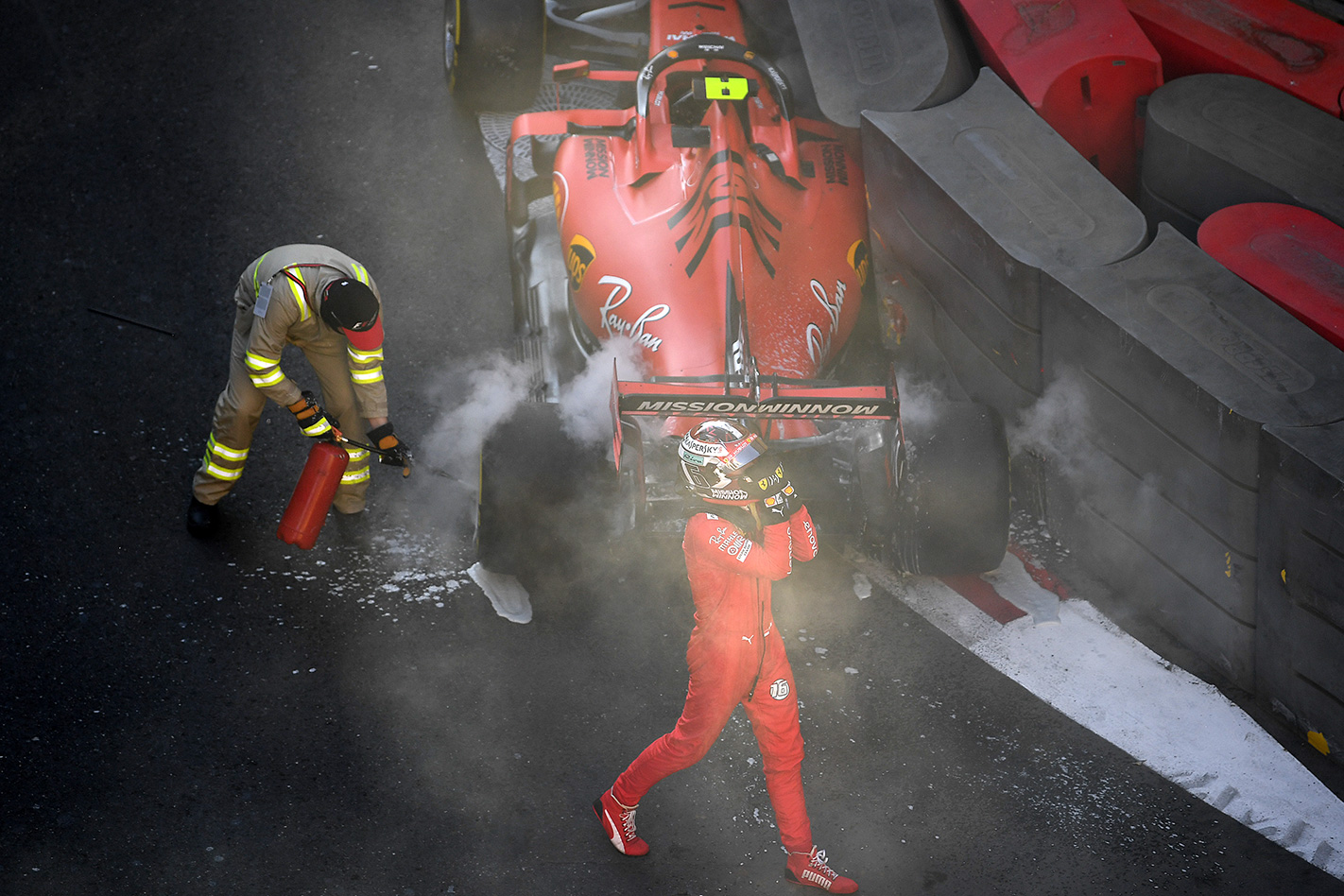
Coincidently, Formula One also has a whole lot of work to do, according to a very well-lubricated Clarkson. I’ll save you having to find the beer garden interview online, and instead provide an approximate transcription here: “F1 is more boring than watching a plant grow… blah, blah … to fix it they should get rid of the stewards and reward dangerous driving… slurp… actually, build the cars stronger so they can bash wheels; if Mercedes doesn’t like it they can f**k off; actually Ferrari can f**k off too, burp…”
You get the level of deep insight the former Top Gear host was happy to provide.
To be fair, Jezza was just having a boozy stab at the category of motorsport that has copped more stabs over the years than Janet Leigh in the shower scene from Psycho.
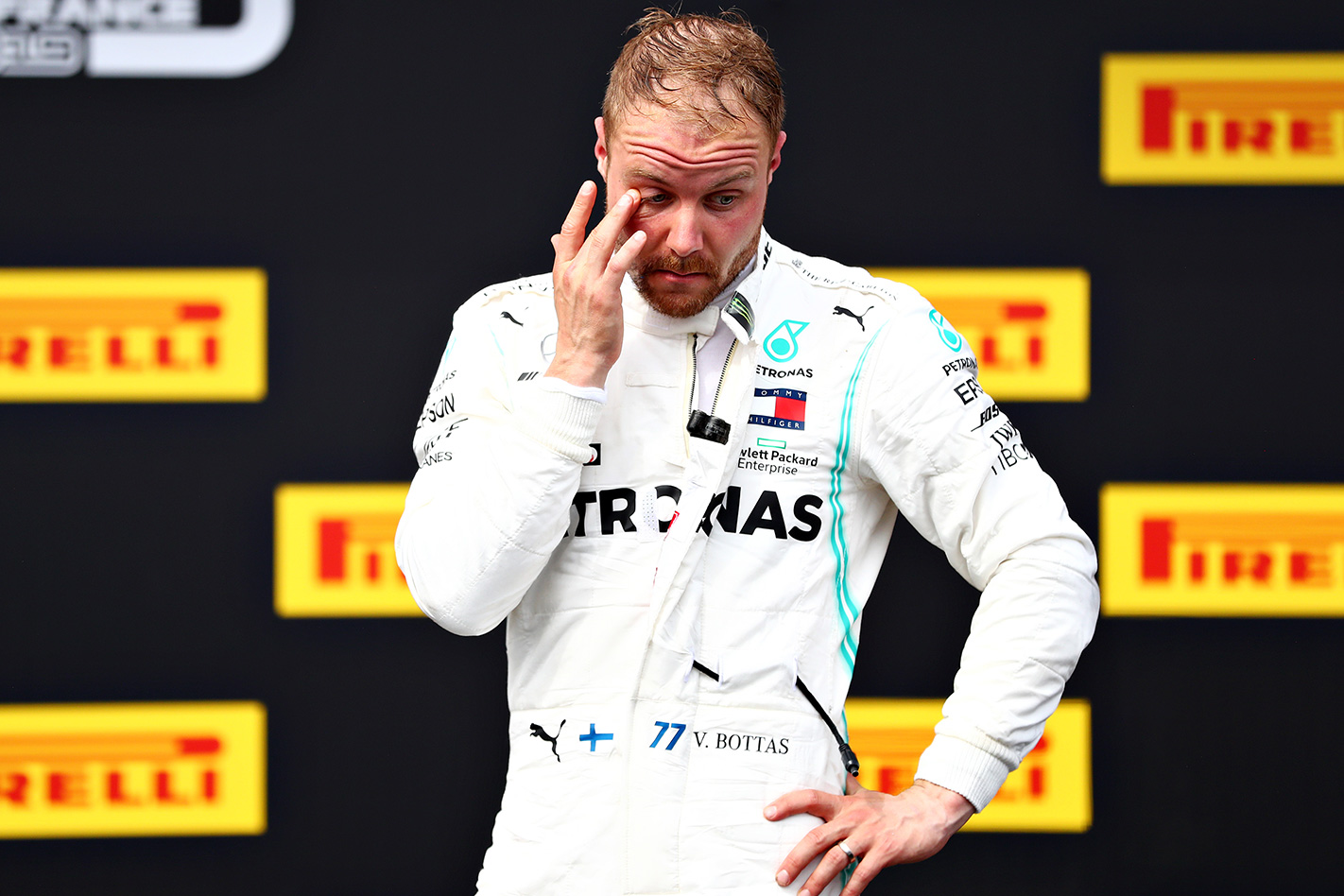
In fact, if you Google ‘F1 is boring’ you’ll find articles from seemingly astute observers of motorsport dating back to over a decade ago. Probably longer. In fact, I suspect racing fans have been making these observations about F1 since 1979, in the immediate aftermath of the French GP. YouTube it and you’ll witness Gilles Villeneuve and Rene Arnoux attacking each other over the closing laps, vaguely sportingly, like a couple of scrapping mynah birds. At that moment, the realisation dawned on anyone watching that no F1 race would ever again reach these highs, and the moaning officially began.
Ricciardo warned no race wins until 2020 at Renault
But the reality is, F1 is a victim of its own greatness. Perched at the precarious summit of motorsport, the category is defined by its ultimateness; to be at the cutting edge of technological development, driver safety, efficiency, and thrusting a perception of social responsibility. The gazillion-dollar budgets needed to part of this quest naturally attracts the beautiful people, but the awkward reality is that the whole show often doesn’t produce great racing.
And let’s not even talk about the sound of the cars. Okay, maybe I will. I attended the German GP recently, and it was my first live exposure to F1 in its current 1.6-litre V6 turbo hybrid form. I know this is a well-trod observation, but on the Saturday in qualifying, I sat in the stand often wincing at how horrible many of the cars sounded. The Toro Rosso’s were especially aurally offensive. Who knew a Honda racing engine could sound like cutlery stuck in a garbage disposal unit when its driver is off the throttle?
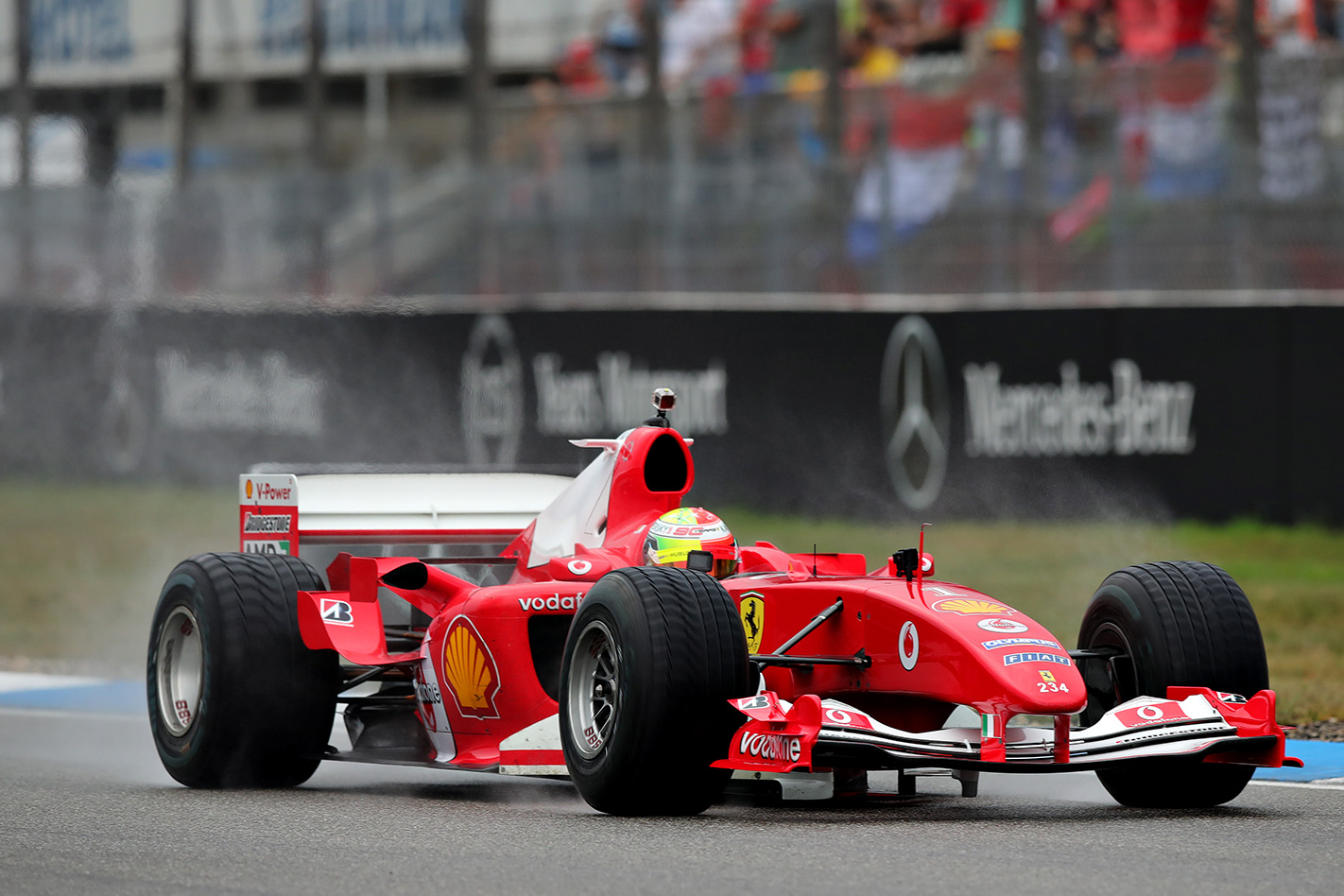
By contrast, when Mick Schumacher did a handful of demonstration laps in his father’s Ferrari F2004, the unadulterated shriek of the 3.0-litre V10 rang out across the entire complex, and had everyone – marshals included – rushing to any vantage point they could find to soak it all in.
But lamenting this is an utter waste of time. It’s as pointless as saying, “Wouldn’t it be great if people driving in traffic got off their phones and concentrated,” or, “if only modern music sounded more like the Ramones, and less like Ed Sheeran.”
The world has changed, and F1 has had to change with it. Behind closed doors you can bet that Chase Carey and the bosses of Liberty Media wish they could race at circuits without acres of Tilke-designed run-off, or allow the drivers’ helmets to be seen above a low-cut, halo-free cockpit. They probably also wish they could smoke in the boardroom, or tell the admin assistant with the great legs that she looks pretty today. But, no we don’t do that anymore, and there’s no going back.
So operating at the cutting edge is cruelling the spectacle, and even the drivers are finally speaking up about it.
Max Verstappen, for one, believes that having the fastest cars in the sport’s history is something to be questioned, not celebrated.
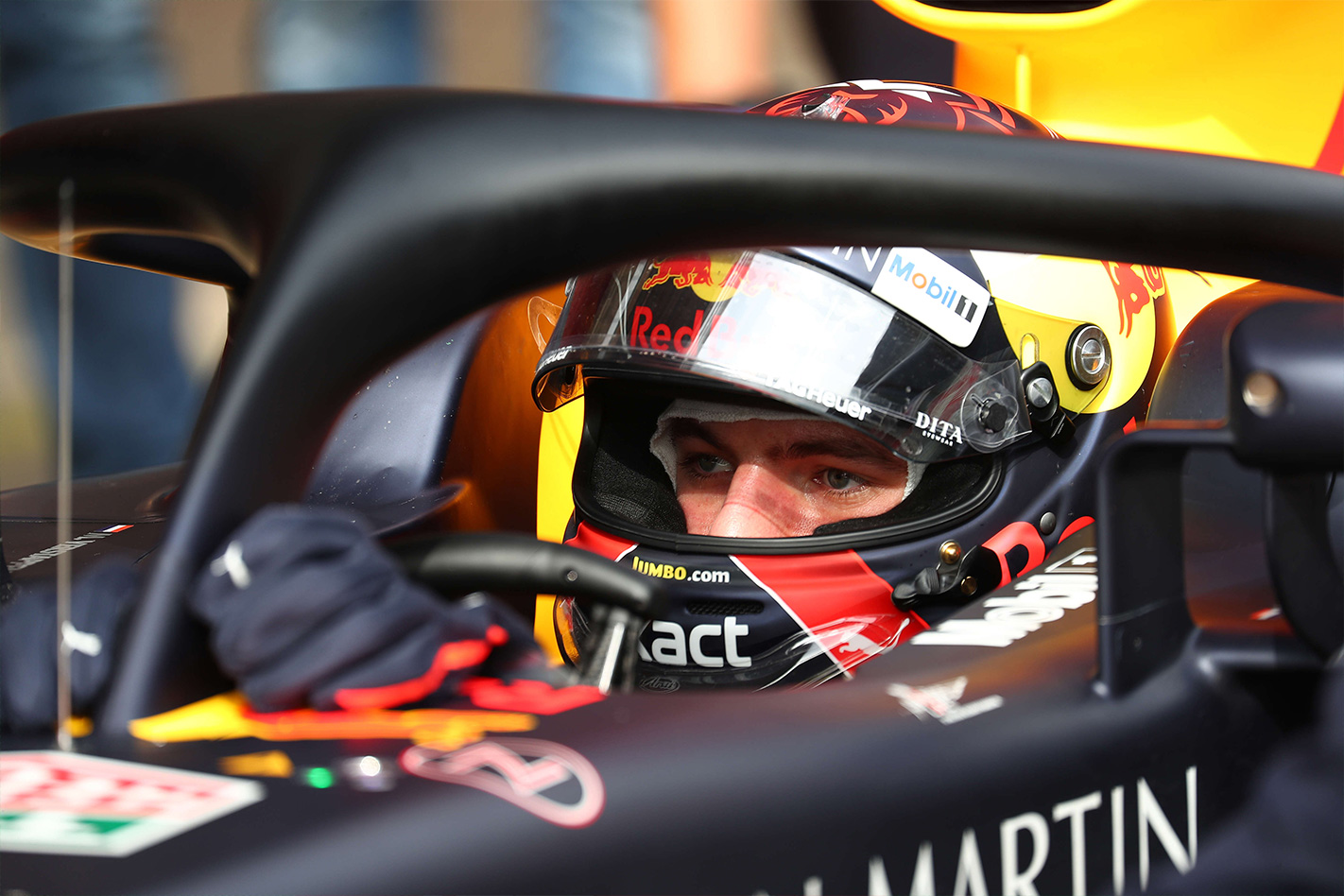
“The differences between the teams’ power units are still too great because of the complexity,” the hard-charging Dutchman says. “F1 could close that up a little bit by making it not that complex; I understand we have to stay with hybrid engines, but I think it can be done in a better way.”
But ask another driver, and they’re just as likely to bemoan the aero package. Renault’s Nico Hulkenberg reckons the regulators need to consider a radical rethink of the current template.
“The biggest issue is to pin down the aero regulations so that we can have good, close, clean racing,” says the teammate of Our Daniel.
“We need cars that produce much less wake and turbulence. I feel following another car now is as bad as it’s ever been. Especially if you get really close; if the guy in front of you has a wobble and makes a mistake, the sudden loss of grip you experience is sometimes drastic. You’re just forced to get out of the throttle or you’re going to go off. It’s like pulling the ground out from below your feet.”
Even the drivers who are barely out of short nomex trousers, who you’d think may still be pinching themselves about making it to the top category, aren’t shy about calling out F1’s problems. Like McLaren’s Lando Norris: “If you’re racing someone, you want to be racing them, not just waiting for their tyres to drop off and then just passing them down the straight or something. You want to be side to side, seeing who can brake later, who can nail the corner the best…”

So will the announcement of new regs, due in 2021, produce the desired result? F1 sporting boss Ross Brawn has declared that drivers have been consulted in the decision-making process, and that the new rules will be signed off in October.
The fundamentals of the powertrain rules appear to be unlikely to change, but aero surely will. As wings have become ever more complex and highly loaded, the rule makers seem to be at least ready to acknowledge that the cars have become too sensitive to running in another car’s wake.
There are two concepts under investigation for 2021, but both aim to reduce the importance of the wings by creating more downforce via the design of the underfloor. Reducing the extraneous bodywork with the aim of cleaning up the car’s wake is the other big one. On this front, expect to see a blade positioned over the top of the front tyres’ top surface, along with the return of the wheel fairing. The blade helps clean up airflow passing over the tyre, reducing the turbulence created by the low-pressure area behind it. The wheel fairing then helps with cleaner airflow passing around the sides of the tyre. Theoretical result? Drivers can tuck in behind an opponent, and stay latched-on through fast corners without their car feeling like it’s suddenly on an ice rink. This will create more chances to pass under brakes into the next tight corner.
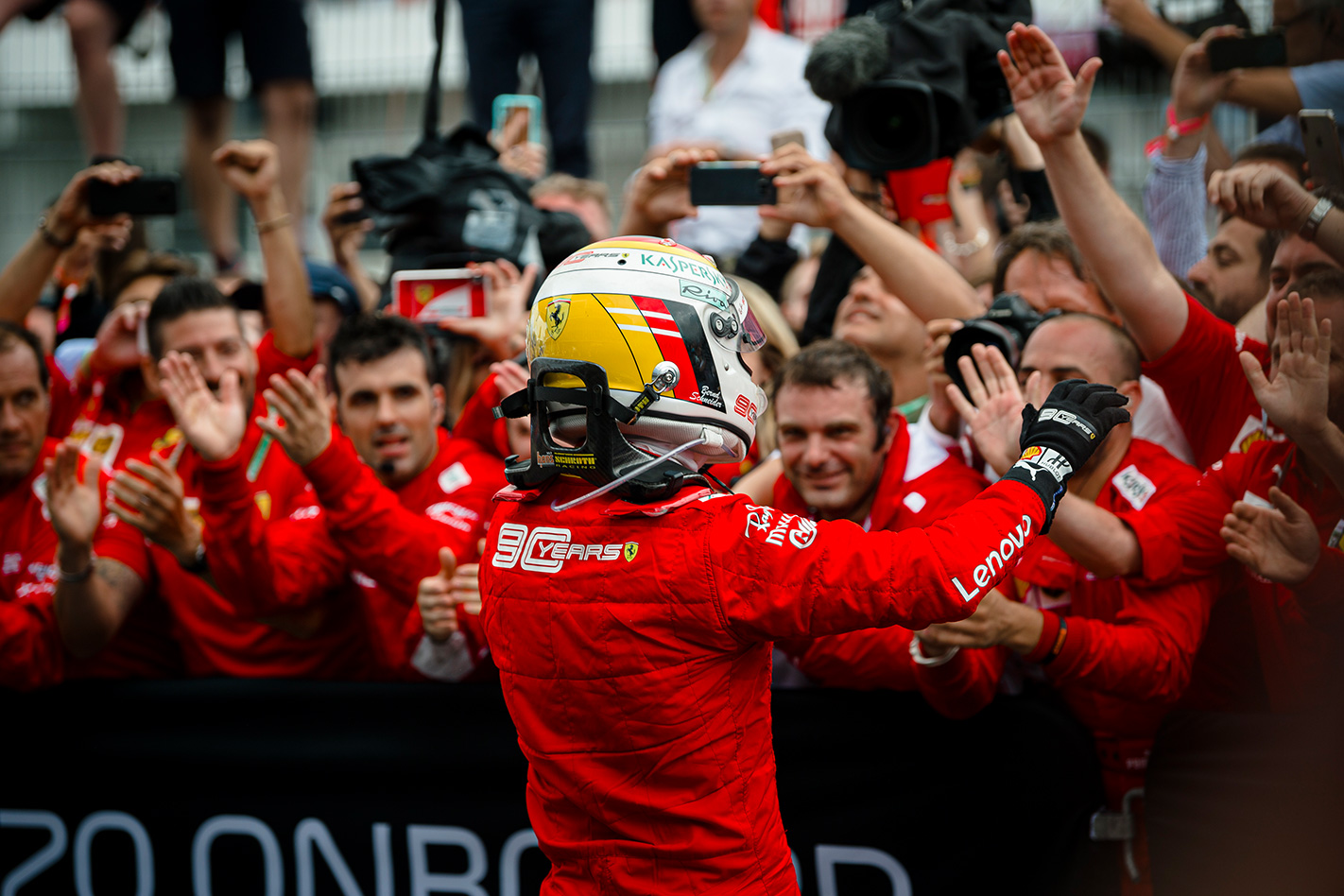
Then there’s the current issue of limited shared ‘spec parts’. There’s a huge amount of design input on the current cars that is near-identical in concept, albeit slightly different in execution, but adds virtually zero performance advantage. To introduce more spec parts in F1 will reduce costs for the smaller teams, hopefully allowing them to inch closer to the top outfits. Of course, the better-funded teams will divert their resources into the areas of development that remain free, so from that side, F1 will still reward deep pockets and skilled developers.
We’ll know more about all this in October, but that still leaves season 2020 to struggle on in the current malaise.
This Sunday afternoon, as the field at the Hungaroring explodes off the grid, expect to find Jeremy Clarkson’s eyebrows (probably with Jeremy Clarkson attached) propping up the bar of an English pub, telling anyone who’ll listen that the whole F1 circus is hopeless joke.
But I still reckon he’ll glance up at the screen from time to time, just to be sure.
In case you have forgotten, Maserati still produces big two-door grand tourers, the Maserati GranTurismo and the GranCabrio, the former of which has been in production for the past 12 years.
While its future has remained on the precipice of being axed all together, with the last mention of a replacement made all the way back in 2016, the Italian luxury car maker has recommitted a succession plan to ink in its recent product roadmap.
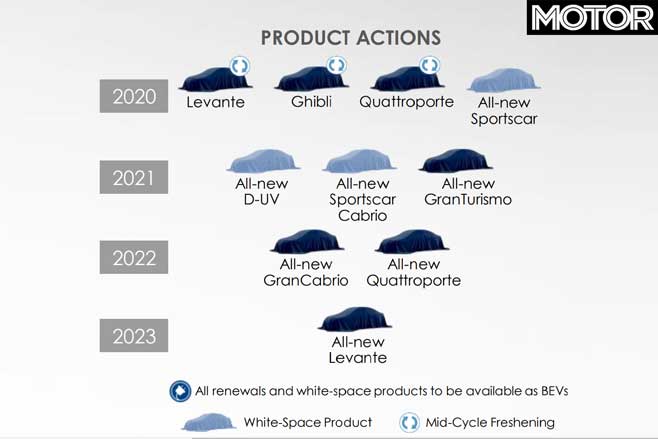
Revealed in the company’s recent financial results presentation, a new GranTurismo replacement is earmarked for 2021, with its topless variant set to follow in 2022 alongside an all-new Quattroporte.
By the time the GranTurismo is replaced it would have been on sale for 14 years, making it one of the longest model line run in Maserati’s history, beating the Biturbo coupe and third-generation Quattroporte’s 11-year run.
More significant however is that Maserati’s latest product roadmap includes the launch of an “all-new sportscar” next year, which is in line with Maserati’s previous announcement of putting the Alfieri into production. Whether the upcoming sportscar model will debut as the propose Alfieri all-electric Tesla-fighter with a promised 0-100km/h time of two seconds remains to be seen.
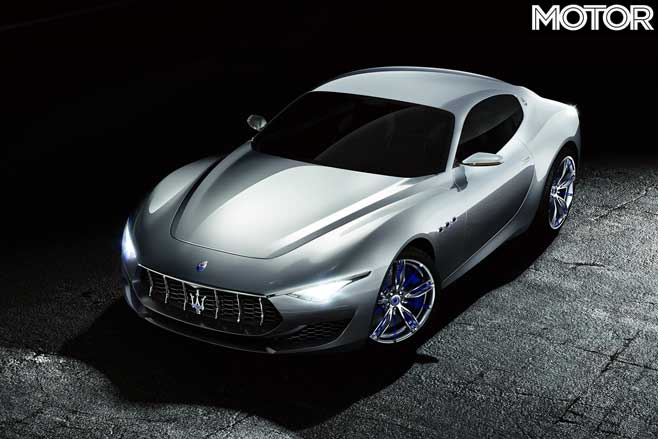
The sportscar model will be sharing Maserati’s 2020 product schedule with the mid-lifecycle update of the Levante, Ghibli, and Quattroporte models.
A drop-top variant of the sportscar model will follow in 2021 alongside the new GranTurismo and the brand’s new D-segment SUV, which will slot below the Levante SUV. The replacement for the Levante is scheduled for 2023.
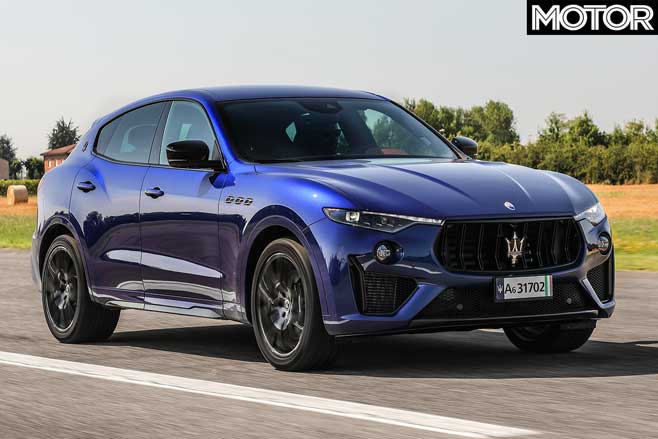
In addition to that, Maserati says that all the aforementioned new models and model updates in the pipeline will feature a BEV as a variant in its line-up.
Maserati’s latest financial report doesn’t paint a rosy first quarter picture this year as compared to the same period last year. Sales of the Trident marque fell 17 per cent from 8700 units to 7200 units, with lower sales registered across all market except China, and net revenues falling 40 per cent from 568 million euros to 343 million.
Let’s be honest here. If you’re anything like us, you sometimes just want to look at cool photos of cool cars doing cool things in cool places.
Which brings us to Lamborghini Avventura 2019, featuring a pack of Lamborghini Huracan Evos blasting through the Lofoten Islands in Norway. There’s not really any newsworthy reason for this gallery, and normally we don’t like to go along with press releases that only exist for the sake of existing.
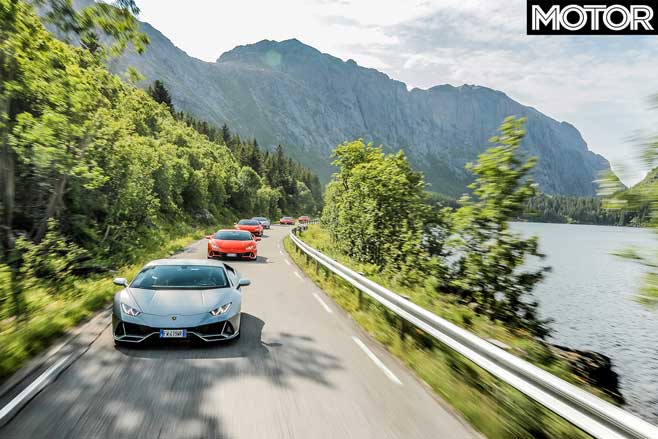
But this is a case where we think you’ll actually be interested in what Lamborghini has done, so here we are.
After the last few trips in the Lamborghini Avventura series, through locations such as Andalusia, Transylvania, the Norwegian fjords, and Iceland, Lamborghini has returned to Norway to traverse the gorgeous Lofoten Islands in several new Huracan Evos.
Over 630km, the group travelled through places like Henningsvær, home to an incredible football field surrounded by rocky outcrops and ocean water, or the island of Flakstadøya, which actually looks like it belongs in a fantasy novel.
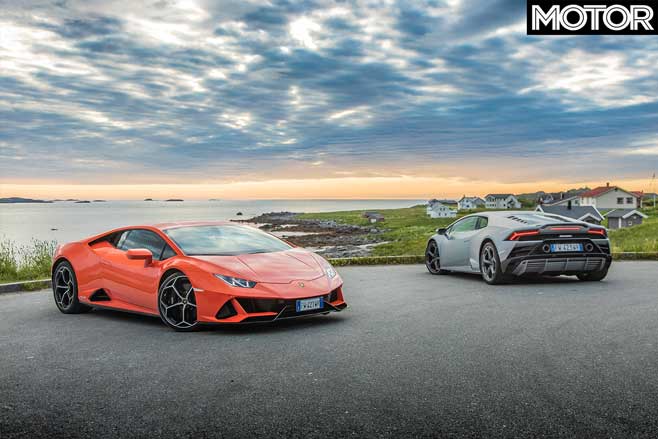
Check out the gallery at the top of this page, and then let us know in the comments below what your ultimate road trip destination is!
If this is the last naturally aspirated Ferrari V8, the F136 found in the 458 Speciale and Aperta is one hell of an Italian send off. For many fans of atmo bent-eight engines, Prancing Horse tifosi included, the 4.5-litre unit is the pinnacle of high-rpm thrills. It’s a soundtrack that sends chills down spines.
The F136 is often referred to as the Ferrari-Maserati engine, which makes the fact it didn’t actually debut in a Ferrari less of a shock. That honour went to the Maserati Coupe and Spyder in 2001. Then it was a 4.2-litre engine, but through its lifespan, the F136 has ranged from 4.2 to 4.7 litres and from 287kW to 445kW. It’s not only shared between Ferrari and Maserati; it also found its way into the Alfa Romeo 8C. Maserati and Alfa use cross-plane crankshafts, while Ferrari versions are flat plane.
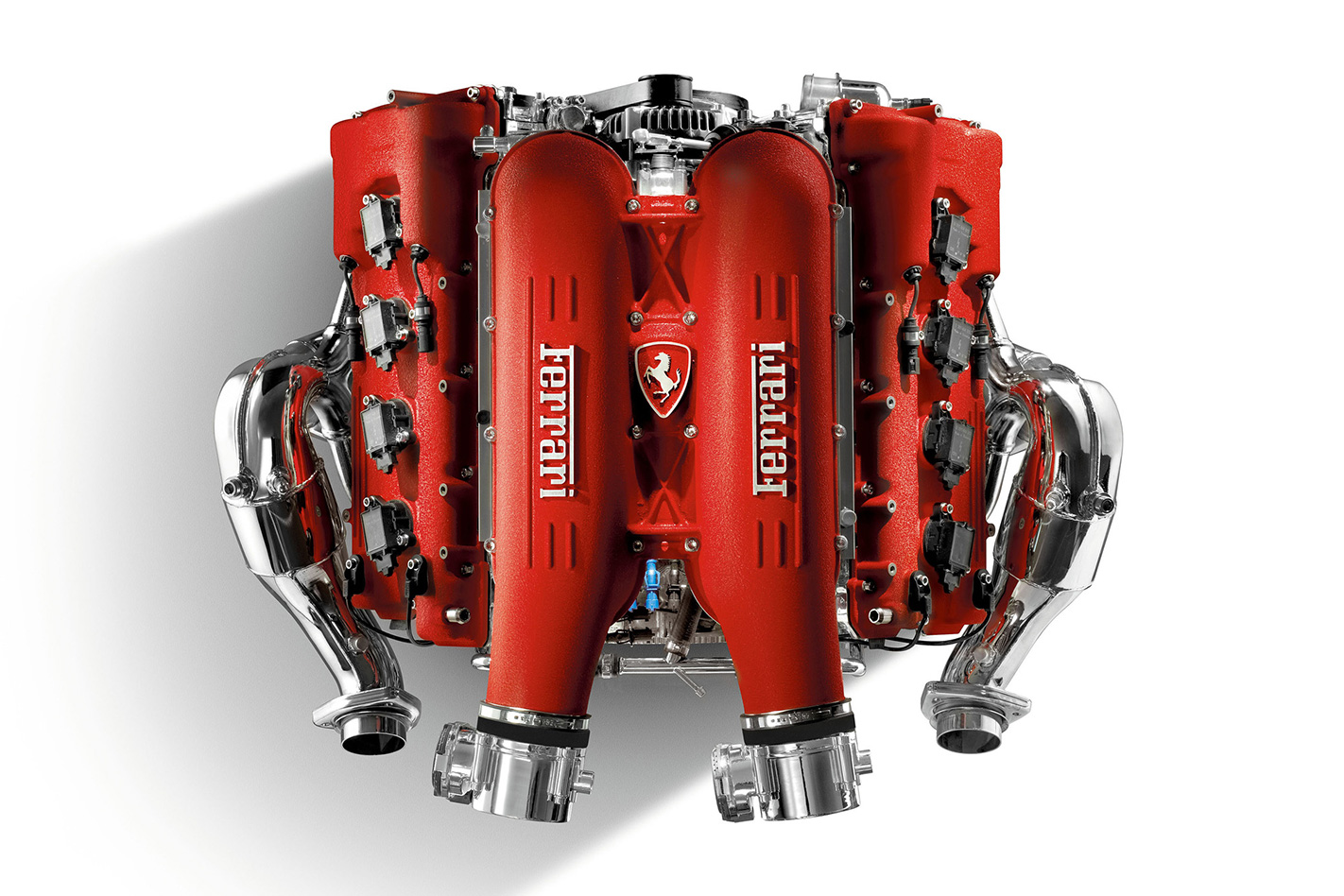
However, its crowning moment is in the back of the 458 Speciale and Aperta. Here, the 4497cc dohc V8 produces 445kW at a screaming 9000rpm and a purposeful 540Nm at 6000rpm. The Speciale claims a 0-100km/h time of 3.0sec, before going on to a top speed of 325km/h. Noteworthy is the fact that the Speciale’s specific output of almost 100kW per litre ranks it as the most powerful atmo engine to be put into series production. Impressive given the talent Maranello has with naturally aspirated V12s.
How did Ferrari do it? Utilising the company’s F1 technology is paramount, so much so that the F136 was made in the same factory, using the same machinery and processes used for the F1 team. Revised pistons and conrods, aggressive camshafts, optimised crank geometry and a new carbon fibre manifold went most of the way to accounting for the 26kW increase over the GTB, as did the higher compression ratio of 14.0:1. The F136 family created a habit of awards at the International Engine of the Year competition, claiming eight gongs.
Adding to the rev-happy, free-spinning nature of the 32-valve V8 is an addictive cathedral of sound. The position of the exhaust tips helps amplify the screaming acoustics, but either from inside or outside the cabin, the sound emitted is intoxicating. Free of muffling turbos, it’s the kind of automotive theatre that needs to be cherished. With a lithe dry weight of 1290kg and a rapid-fire seven-speed dual-clutch gearbox, it’s a proper race car for the road.
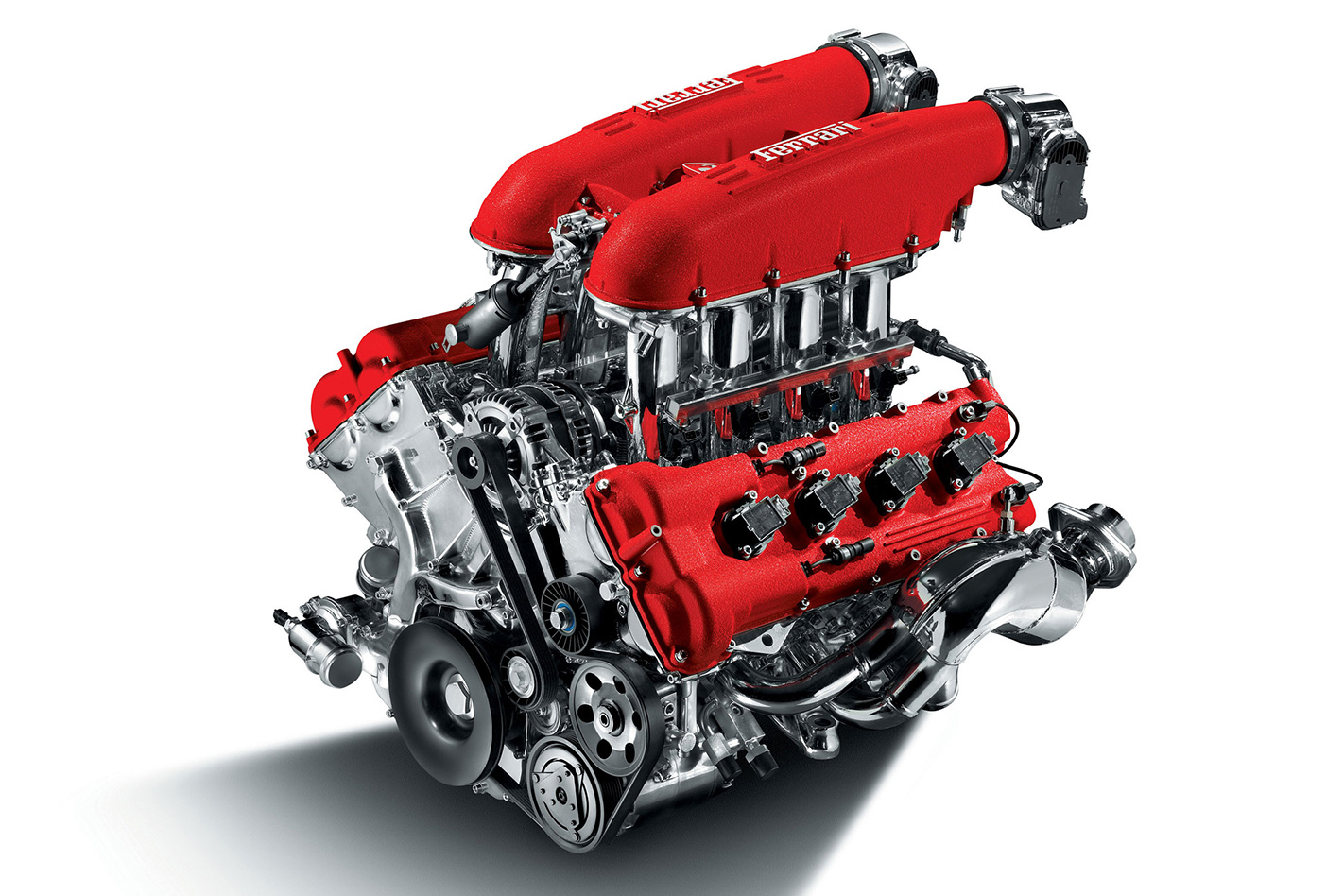
However, the F136 also found its way into myriad racing cars, notably GT3-based iterations. The Ferrari F430 Challenge and F430 GT3 use a 4.3-litre version, with the capacity increasing to 4.5-litres for the 458 Italia GT2 and GT3 cars. Interestingly, the Ferrari F430 GTC, used between 2006 to 2010, downsized displacement to 3.9-litres. Power levels range from 327kW to 405kW.
Ferrari supported the now defunct A1 Grand Prix (A1GP) for its final two seasons in 2008 and 2009 as the official engine supplier. Often promoted as the “World Cup of Motorsport” with teams formed around nations, the series used a carbon fibre monocoque and an aluminium honeycomb core chassis. The latter’s origins could actually be traced back to the Ferrari F2004 Formula 1 racer. The engine is a 4.5-litre version of the F136, with power levels capable of reaching 450kW.
The power unit weighs 160kg, which is 40kg more than the Zytek engine it replaced, but also offered 550Nm of torque and propelled the A1GP car to a top speed of 320km/h. Placed in a circa 700kg single-seater, they’re quick. The category also introduced a ‘PowerBoost’ mode, which delivered drivers an added 50kW (to make 450kW) in short burst to aid overtaking. It could be used at will in qualifying, four times in a Sprint race, and eight times in a Feature race.
For many, the twin-turbo 3.9-litre found in the likes of the 488 GTB and Pista is to be admired rather than adored. However you package it, the aural delights just aren’t the same and the heartstrings simply don’t pull as hard with the move to forced induction. In an idyllic kind of way, given Maserati first used the engine, the GranTurismo and GranCabrio are set to bookend the F136’s lifespan. It’ll be a sad goodbye.
| Manufacturer | Ferrari-Maseratiu00a0 |
| Production | 2001 to date (2022 expected) |
| Configuration | 90u00b0 V8 |
| Bore x Stroke | 94.0 x 81.0mm |
| Displacement | 4497cc |
| Valvetrain | DOHC four valves per cylinder |
| Power | 445kW (Speciale) |
| Torque | 540Nm (Speciale) |
Click here to read more Wheels features on Great V8s.
If you’re in the market for a fast Alfa Romeo, but also feel like dropping an extra $40,000 on something frivolous, there’s good news for you.
If you’re quick, you could own one of four Alfa Romeo Giulia Q NRING or three Stelvio Q NRING editions, both of which cop a rather hefty price increase over their base cars.
Of course, both are celebrations of each model’s respective Nurburgring records as the fastest four-door and fastest SUV around the Green Hell.
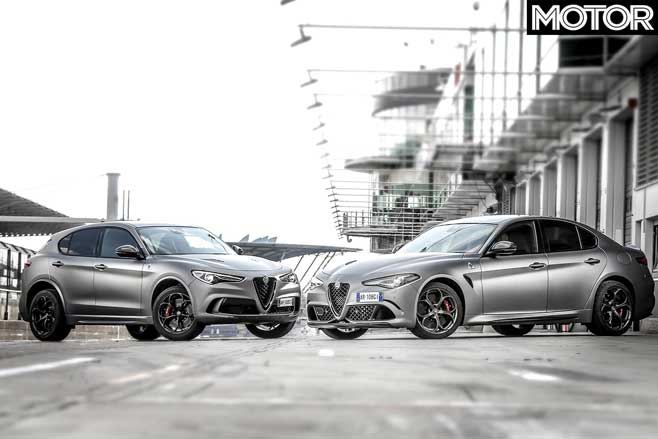
For a Giulia NRING, it’s $182,900. That’s $37k more than a standard version. And the Stelvio? $189,900, or $40k more than standard.
For that more-than 25 per cent increase in price, you get matte grey paint, a carbon fibre ‘V’ grille highlight, carbon exterior mirror covers, carbon ceramic brakes, and red painted calipers.
Inside, Alcantara red accents and contrast stitching is aplenty, with Sparco seats for the driver and front passenger, and yet more carbon fibre.
But if you wanted your exxy Alfas to be faster, you’re in for disappointment. No power or torque increases mean the NRING edtions produce the same 375kW and 600Nm as their standard versions, both utilising a Ferrari-developed twin-turbo V6.
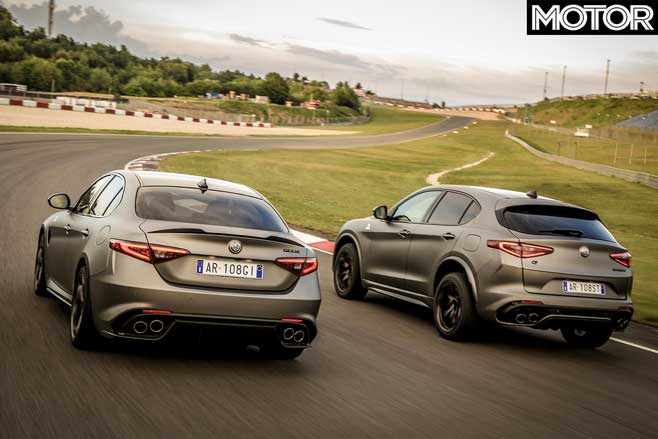
Alfa Romeo is adamant that, for fans of the brand, these cars will become “instant classics” and hold their value through rarity.
“The NRING Limited Edition models take the Quadrifoglio line-up to the next level, honouring Alfa Romeo’s century-plus history in racing and highlighting the success it has had on the legendary racing circuit,” says brand and product strategy director Guillaume Drelon.
“The Quadrifoglio range was specifically designed to be the fastest production SUV and five-passenger sedan to take on the Nürburgring and both achieved that goal.
“The NRING Limited Editions celebrates that triumph and those who strive to set the pace, in an absolutely unique and exclusive manner.”
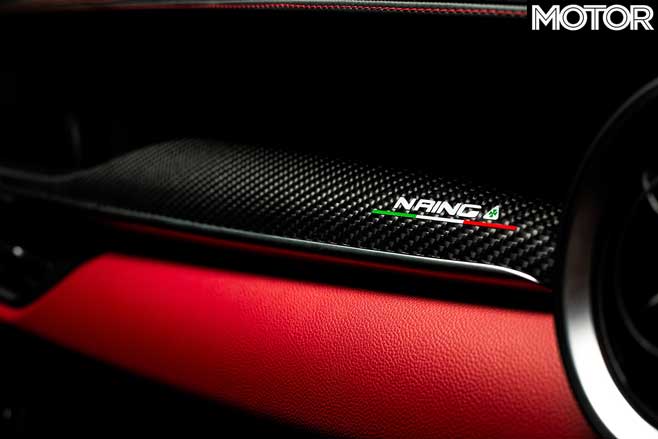
The NRING models will be available in Australia from September 2019, but only seven arriving means they might not last long.
Andy, Scott and Dan are reunited in the WCW studio to discuss the hottest motoring topics and those subjects definitely don’t include anything about Porsche. Even if they did, there wouldn’t be anything about any of its cars and certainly nothing about anything new that no one has driven yet.
What they are allowed to talk about are our favourite moments we have gone against the grain and harboured opinions that oppose the mainstream lexicon.
Would you think Andy is a Defender kind of guy, or vehemently opposed to the hardworking Pommy Landie? Which Mustang would Dan buy with his own money, and surely the associate editor of Motor magazine is a man who favours the most powerful variant of any car… right? Tune in to find out.
Later, the boys turn to the dark side of car makers and an apparent increase in unsavoury deeds from within company walls. Are the occurrences happening more often than ever, or is it the same amount of misbehaviour and people are more likely to blow the whistle in this era?
If you’re on the go, you can find WhichCar Weekly on all manner of podcast apps including iTunes and Podbean. Please rate, subscribe and leave a review! You can also follow the day-to-day happenings of the WhichCar team on Facebook, Twitter and Instagram @whichcarau.
Listened to the show? Help us out:
- Leave a note in the comment section below.
- Leave a review on Apple Podcasts/iTunes
- Subscribe to our podcast
