
Let’s ignore the fact that Nissan chose the UK of all places to launch an EV with solar panels on the roof for a second and look at how the Japanese brand is solving a problem we didn’t even know we had: ice cream guilt. Yes, it’s a thing AND a climate change metaphor!
Ice cream vans are old. They are usually diesel-powered, they drive around the streets for hours and they are kept running when stationary, pumping fumes into the air. They may not be the most common car on the road these days, but with new technology, Nissan is spearheading a comeback – at the very least as a cool way to show off the new all-electric e-NV200 light commercial vehicle, which uses repurposed batteries from Nissan’s older generation of Leaf EV.
As part of the UK’s Clean Air Day earlier this week, Nissan partnered with ice cream brand and renewable energy-powered company, Mackies of Scotland, to show off the zero-emissions van as another way it can be used to bring joy, both commercially, socially and environmentally, especially in the UK where councils are actually banning Mr Whippy vans because of their environmental impact. Instead of the usual jingle, the EV ice cream van sent out clues via tweets to hint soft serve lovers of its location.
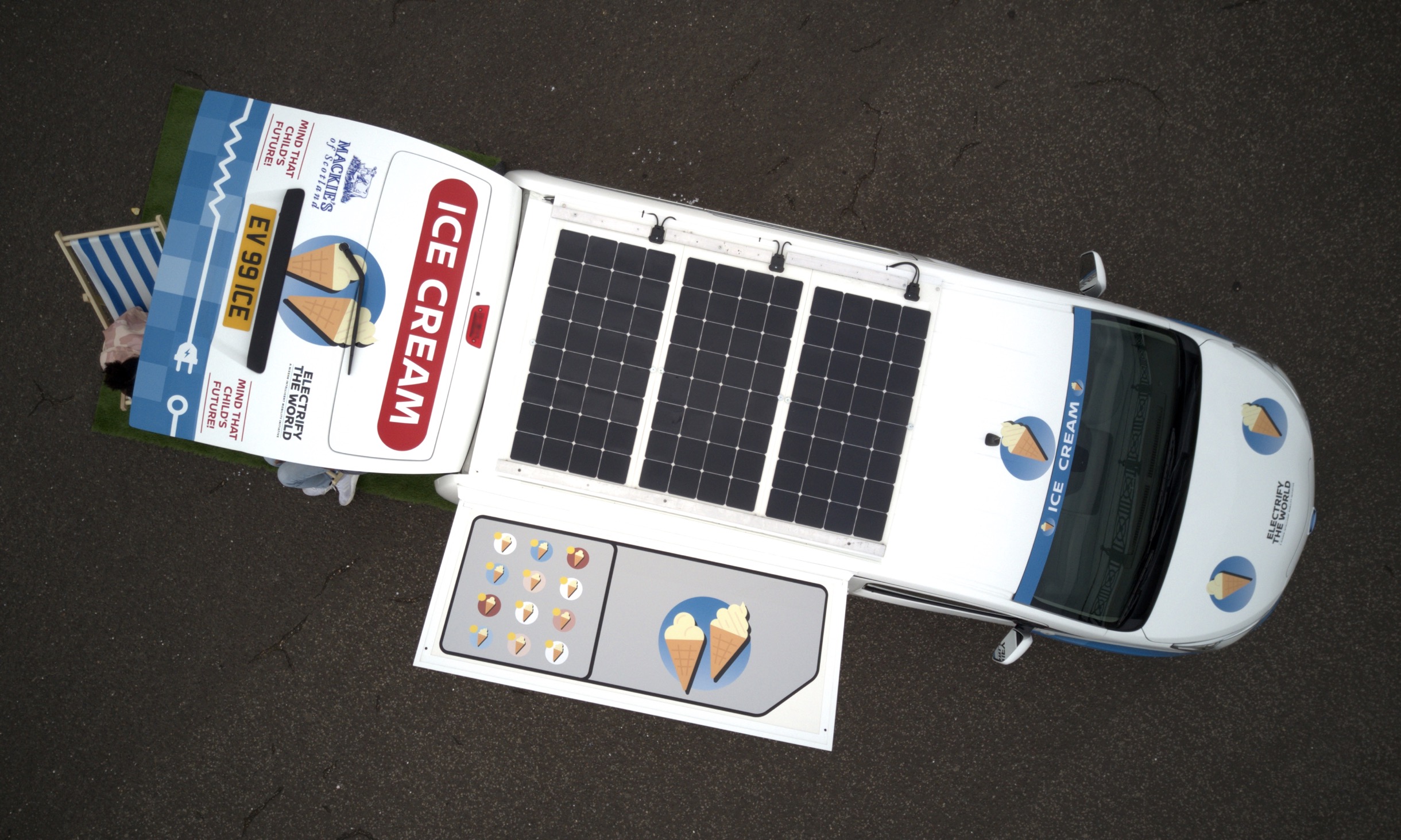
Launched last year, the e-NV200 has already been trialled by many commercial companies around the world, including Japan’s postal service, FedEx in the UK and as part of numerous taxi fleets around Europe. It has a 40kWh battery with a WLTP range claim of 200kms and is packed with a number of the Energy Roam reused batteries for on-board power, each of which can be charged in one to two hours (with fast charging), or via the vehicle’s solar panels, fixed on the roof of the van.
This EV concept shows off the versatility and potential of Nissan’s most-loved van, not to mention the endless possibilities of the Energy Roam repurposed batteries. What would you want to turn it into? Tell us in the comments below!
Claims that Victoria’s State Labor Government plans to introduce blanket speed-limit reductions across 80 percent of the state’s rural road network are “simply untrue”, according to the state government.
Minister for Roads, Road Safety and the TAC Jaala Pulford said lowering regional speed limits across the board is not a government plan, but she hasn’t ruled out speed limit reductions on some roads to help stem a spike in the state’s road toll.
The Minister was responding to a report in the Weekly Times newspaper, which claimed Victoria could the first state on the Australian mainland to lower the default speed limit on rural ‘C’ roads* to 80km/h.
The idea to reduce speed limits was originally raised at the Road Safety Summit held in Melbourne last month, but it took Ms Pulford several days clarify that there would be no blanket change after the issue was raised in parliament last week.
The Transport Accident Commission has also failed to rule out the move, pointing to a 50 percent increase in Victoria’s road toll compared to the same time last year.

TAC road safety director Samantha Cockfield noted of the 151 deaths on Victorian roads so far this year, 92 have happened in rural areas. Of the 92 rural road deaths, 69 have happened in speed zones of 100km/h or more.
“Speed remains the single most important factor in crash and injury risk,” Ms Cockfield told the Weekly Times.
The prospect of speed limit reductions on some roads prompted inevitable criticism from the shadow rural roads minister Roma Britnell, who described the idea as a “cheap and lazy option”.
“This is a government that is being tempted to take the easy option, to slow people down rather than actually fix the roads,” Ms Britnell said.
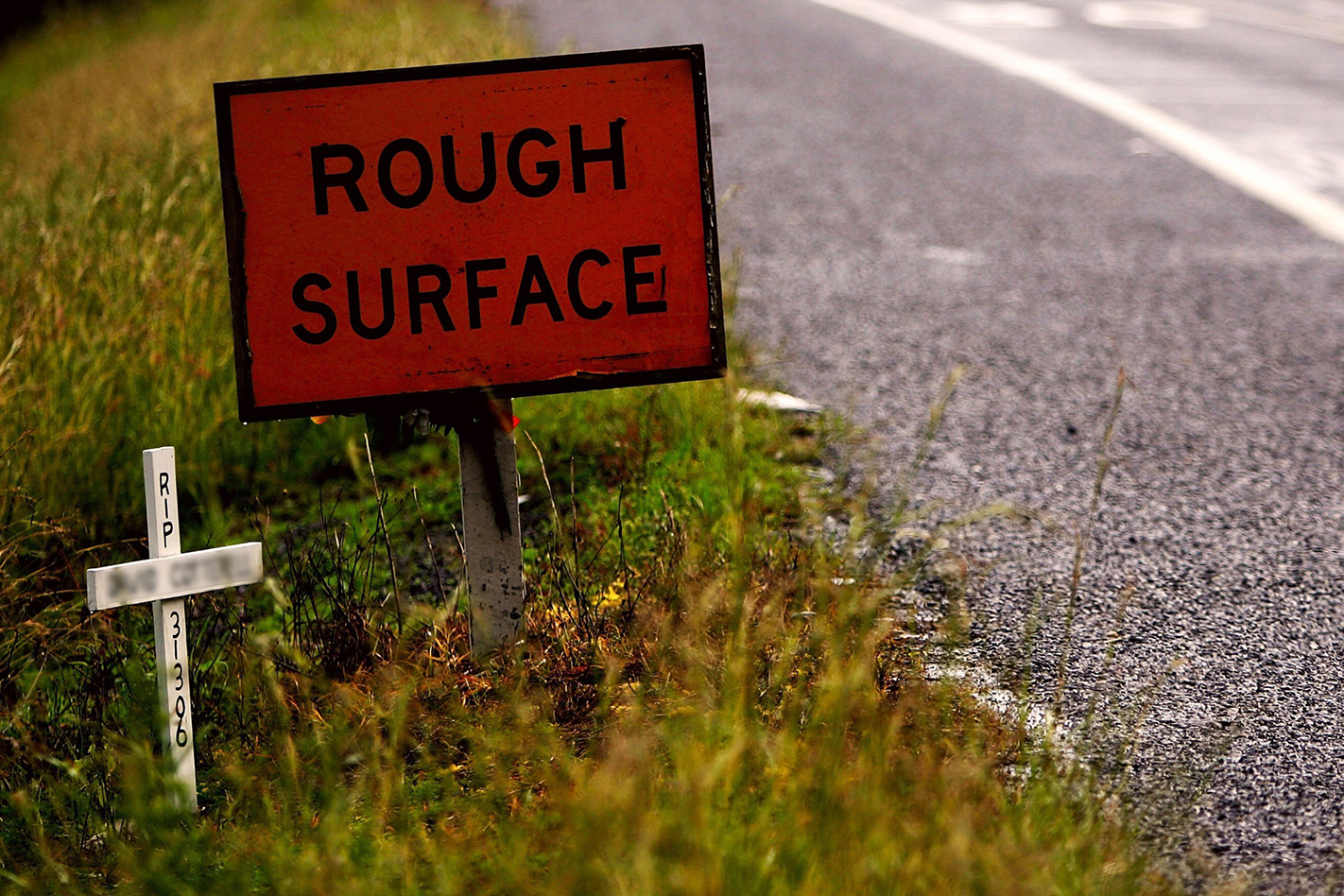
“Improving road surfaces and increasing safety features on high-risk sections of roads where accidents are happening would be a much better tactic to take.”
Ms Britnell’s criticism was partly echoed by Victoria’s peak motoring body, the RACV.
The organisation’s general manager for public policy Bryce Prosser said the causes of accidents need to be assessed followed by practical solutions to address them, but conceded the organisation wasn’t against reducing speed limits on some roads where required.
“RACV believes all speed limits should be fit for purpose. Where roads do not meet an appropriate safety standard every effort should be made to improve conditions,” he said. “Until that can be achieved, reduced speed limits could be considered.
“But any attempt to lower speed limits on rural roads must be discussed at a local level. Country drivers don’t want to be dictated to from the city.”
For its part, the State Government has defended its work in making the state’s roads safer, with Ms Pulford pointing out its $1.4 billion Towards Zero strategy.
“The largest proportion of that is on an infrastructure program upgrading hundreds and hundreds of intersections, and installing safety barriers on our most dangerous roads,” Ms Pullford told Parliament.
But Ms Britnell said not enough of that money was being used to address the poor quality of the state’s rural roads.
“Labor has been in government in Victoria for all but four of the past 20 years – they have overseen a continued degradation of the rural road network and have failed to appropriately manage and maintain it,” she said.
“And it’s only going to get worse, with Labor using money for road maintenance to fix damaged wire rope barriers, reducing spending on rural road upgrade projects by $220 million and taking $2 billion out of the TAC to prop up their mismanaged state budget.
“This is a government that is being tempted to take the easy option, to slow people down rather than actually fix the roads.”
The Minister hit back at her opposite number’s criticism, telling WhichCar: “While Roma Britnell tries to score cheap political points off made-up figures and mistruths, we’ll get on with delivering what we said we would.”
“The budget clearly shows that spending on regional road maintenance has doubled since Roma and her Liberal and National mates were in government.”
“We are rolling out safety barriers across Victoria because we know they save lives.”
* According to VicRoads, ‘C’ roads are generally two lane sealed roads with shoulders. ‘C’ roads provide important links between population centres and between these centres and the primary transport network. An example of a ‘C’ road is the Geelong-Portarlington Road (C123).
Victoria is about to introduce new Stamp Duty changes in the new financial year that mean car buyers spending more than $67,525 will cop extra charges.
Melbourne-based Dutton Garage, a premium used car dealer, has put together a guide on how the changes will affect car buyer at different price levels, with a range from $80,000 to $450,000 represented and analysed.
It is, of course, a thinly disguised marketing technique which urges customers to buy ‘now’ to avoid the extra costs in a few days’ time, but it’s helpful for anyone considering a new car too.
Dutton points out the stamp duty on a car of any value, including above $67,525 and all the way up into the hundreds of thousands, currently sits at 4.2 per cent.
From July 1, that changes to 5.2 per cent for a car valued between $67,525 and $100k. Anything up from there , but below $150k, will incur a 7 per cent charge, and anything above $150,001 attracts a whole 9 per cent in stamp duty – more than double the current charge.
Fortunately for the environmentally conscious, ‘low emission vehicles’ will still only attract a 4.2 per cent stamp duty.
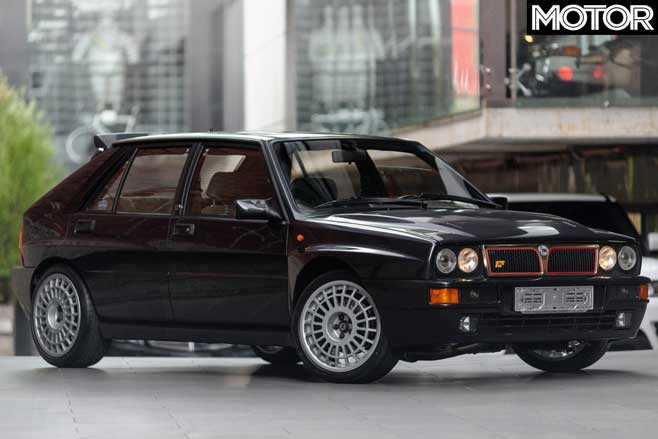
Taking a look at Dutton’s own showroom, the changes are fairly staggering. A $119,990 Lancia Delta Integrale Evo currently attracts $5039.58 in stamp duty, but next week that increases by $3360. The car will then cost a total of $128,389 rather than $125,030.
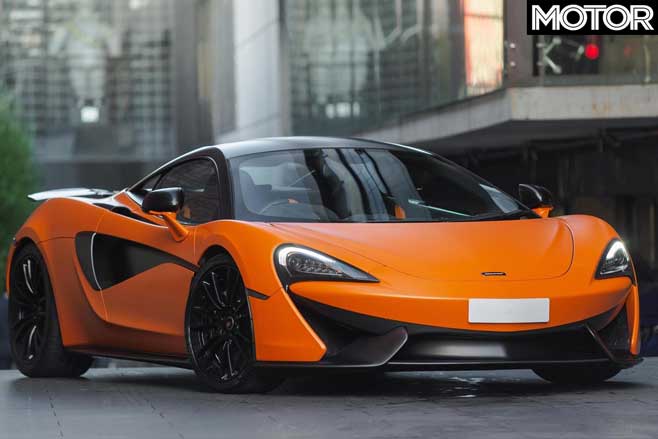
It gets worse the higher you go, with a 2016 McLaren 570S listed at $259,990 going from totalling $270,910, up to $283,389. That’s an increase of $12,480.
At the extreme end of the scale, the McLaren Senna sitting in the showroom would normally cost $2,083,999 based on its $1.999 million asking price. In a few days, that cost increases by an astonishing $96k to $2,179,999.
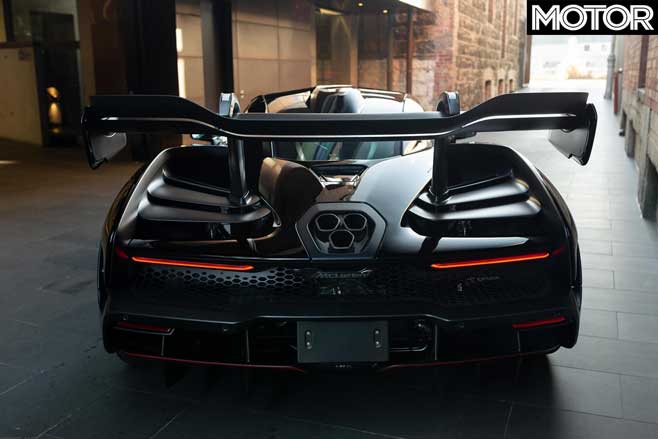
The inbound increase has drawn criticism from the Victorian opposition, arguing that the new law will also affect the likes of farmers who’ve saved up to buy high-spec Toyota Landcruisers.
The FCAI has also called the new tax ‘deplorable’, with FCAI chief executive Tony Weber saying it’s “money grabbing at its worst.”
“But what’s more disturbing is that it is a tax on safety and technology. It targets vehicles that introduce innovative safety and technical features to the market.”
The tax takes effect in Victoria on July 1, the beginning of the new financial year.
Ford Australia has shot a bullet into the hearts of Mustang fans, telling Wheels that it won’t get in on a renewed production line of right-hand drive Mustang Bullitts.
The limited edition model, which pays tribute to the 1968 film Bullitt starring Steve McQueen, was hugely popular in Australia and sold out quickly. But Ford won’t crumble to demand, solidifying the collectability of its 50th Anniversary tribute car.
While technically no longer sold out in right-hook after the Blue Oval announced production will carry into 2020, all new orders are for the UK market, which received almost half as many Bullitts as Australia’s first and only allocation.
“The Mustang Bullitt was well received by Australian customers, however we have no plans to add to the 700 that were announced in 2018 for our market,” a spokesperson for the company told Wheels.
10,000,000th Mustang to be built
“We were in fact fortunate to get this allocation, as the UK market’s initial batch was 400 Bullitts, and given the appetite for Mustang in Australia, our shipment of these very special Mustangs reflected that.”
Although Australian-spec Bullitts were only available with Highland Green paint on black leather trim, new UK orders include the US-market’s Shadow Black and fabric trim interior option – a unique RHD import for Australian collectors and deviation from the original car Steve McQueen drove in the film.
For those of you out there who thought the regular XC90 wasn’t already safe enough, Volvo’s built the car just for you, introducing the 4.5-tonne XC90 ‘Armoured’.
For those left wondering how this XC90 differs from what you can find in your local Volvo showroom, the hint is in the name, with the newest addition to the Swedish large SUV family taking the brand’s reputation for safety to another level.
The armoured is based on the T6 version of the XC90, meaning it has a 2.0-litre twin-charged four-cylinder which sends 235kW and 400Nm to all four wheels.
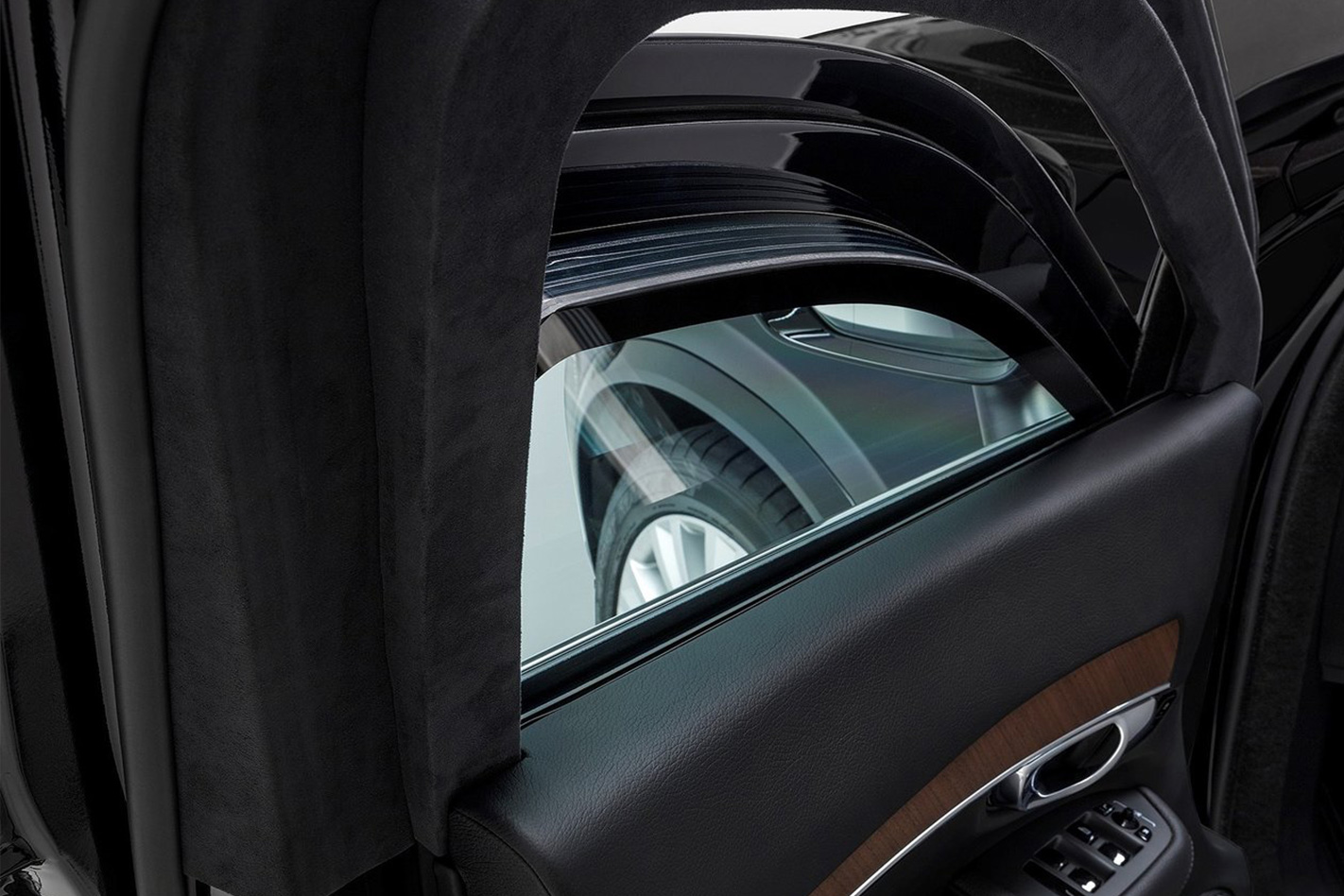
After leaving the factory it’s sent to Germany, where armoured-vehicle company Trasco Bremen work their magic, which is to say they turn a humble family SUV into a 4.5 tonne armoured tank.
Trasco Bremen adds 10mm thick steel armour plating and 50mm thick glass, giving it a protection rating of VR8. Which means it has “360-degree ballistic resistance as well as explosive resistance”.
A VR8 rating gives occupants the peace of mind that they will be safe, even when confronted with 7.6 mm high-velocity, armour-piercing incendiary rounds, a 15kg TNT explosion, and DM51 grenades going off beneath the floor and on the roof.
The amour adds over 1,400kg to the XC90 kerb weight, meaning a fully armoured XC90 weighs in at a porky 4.5-tonne. We shudder to think what the fuel economy would be like with all that extra bulk.
Sound a little too serious for you? Well luckily Volvo is also offering a light amour package.
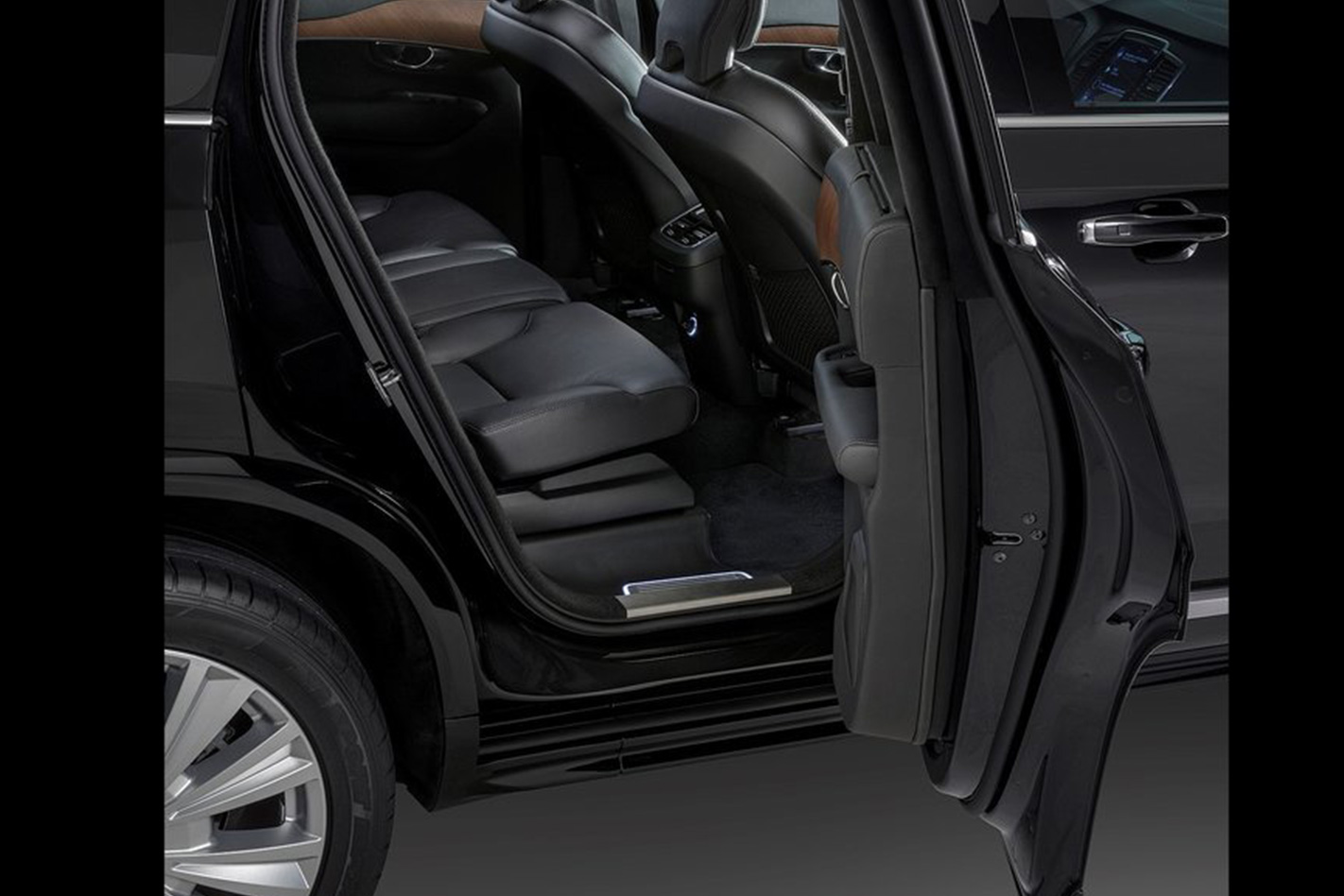
The light version gets converted from the same T6 trim, but “primarily provide[s] protection against handguns”. Handy, if you have some particularly nasty neighbours.
For the weight-conscious, the light amour package only adds around 250kg to the kerb weight.
Due to the substantial extra weight, both models receive upgraded suspension and brakes. But the engine remains stock, meaning the 235kw four-cylinder will be working hard lugging around the extra weight.
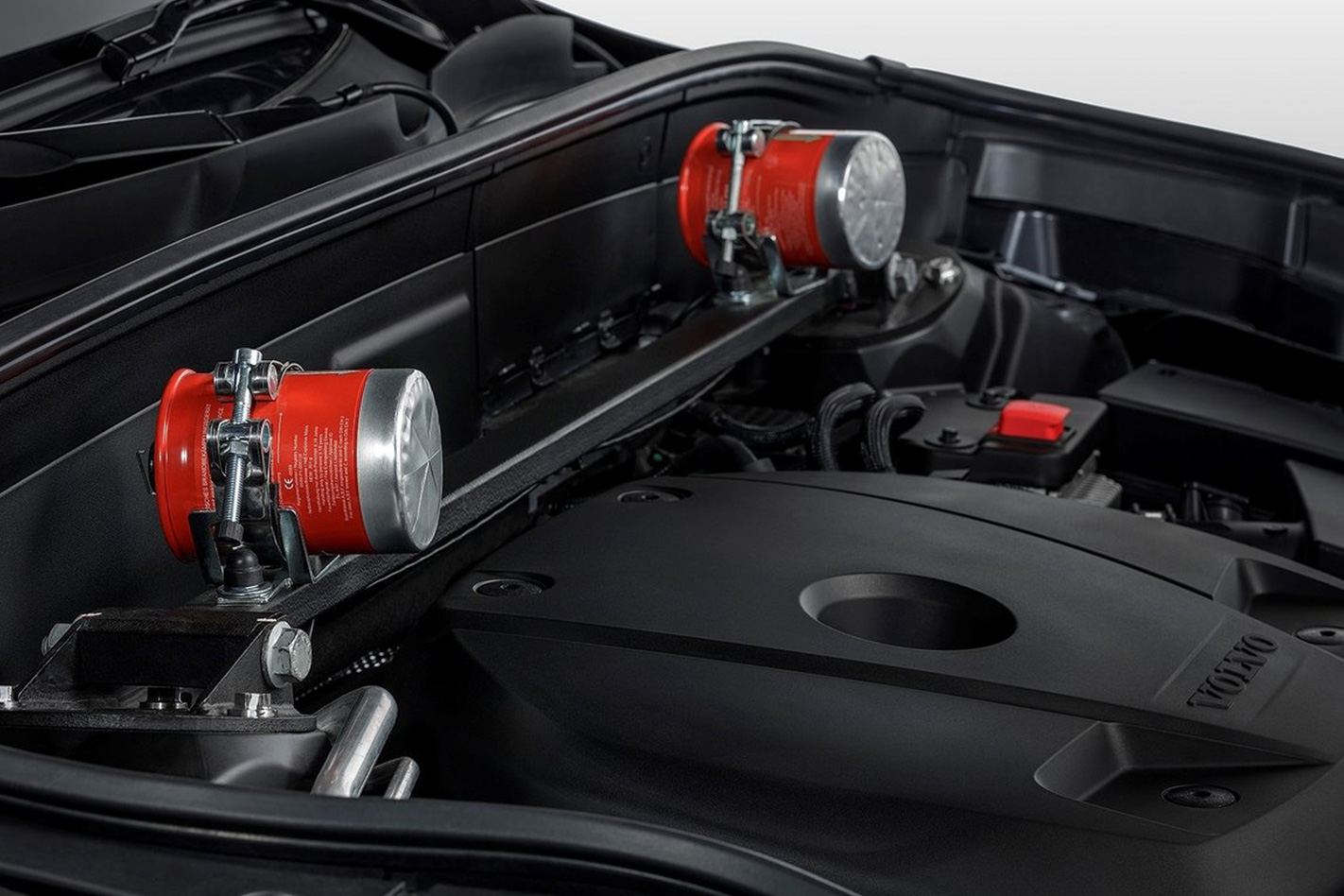
Apparently Volvo has received “numerus requests” for an armoured XC90 and began working on the project two years ago.
If it sounds like the car for you then all you need to do is head over to the armoured section on the Volvo website. Sales of the light version start in the “first half of 2020”.
He’s the star of some of the biggest movies ever made, but veteran actor Arnold Schwarzenegger’s latest role is… well, a little unconvincing.
The cigar-chewing Austrian dons a terrible wig and short to play a shonky used car salesman, whose main aim is to dissuade car buyers from choosing anything that’s remotely good for the environment.
Kind of ironic, really, when Arnie is credited with single-handedly making the military-spec Hummer cool… but not surprising when you learn that he also commissioned the world’s first ever all-electric Mercedes-Benz G-Wagen back in 2016, which cost him a cool $1.6m to have built.
So happy was he with the rework that one of his four Hummers is undergoing the same conversion.
Okay, so the ad is a bit of a shocker, but what’s more interesting is the fact that the former governor of California has joined with a cohort of companies and government bodies to try and convince Americans to give up their petrol-guzzling ways.

He’s no stranger to the environmental fight; as governor, he single-handedly took on the US’s biggest carmakers, pushing through a raft of laws that limited greenhouse gas emissions in 14 states.
Now, though, he joins Veloz, a multi-faceted body set up to encourage the take-up of EV usage in the US. GM, Honda, Nissan and Kia are amongst the members, along with power companies, government bodies like the California Department of Transportation, Uber, charging station manufacturer ChargePoint and many more.
“We chose humour—not fear or fury like some people—because negative emotions are burning people out,” said Schwarzenegger. “Humour, on the other hand, lights people up. Besides, we figure the world could use a little laughter just about now.”
‘Veloz is a nonprofit organisation made up of a high-powered, diverse board and members from key sector companies, agencies and nonprofits,’ reads a statement on its website. ‘With unparalleled stakeholder leadership, Veloz is uniquely able to accelerate the shift to electric cars through public-private collaboration, public engagement and policy education innovation.’
And, given Arnie’s cameo appearance, it’s got some real star-attracting power, as well. “I want to prove to the world that it is not the car that is [pollutive],” he told US TV talk show doyen and avid car nut Jay Leno. “It is the technology under the hood that is the polluter.”
Porsche’s latest generation 911 has some seriously impressive real-world performance, and we have the receipts to prove it.
We had the 2019 Porsche 992 911 Carrera 4S in the office and took the opportunity to conduct some independent performance testing.
History tells us that Porsche often understates the capabilities of its cars, so it was with eager anticipation that we lined the Carrera 4S up at Heathcote drag strip to put it through our performance testing regime.
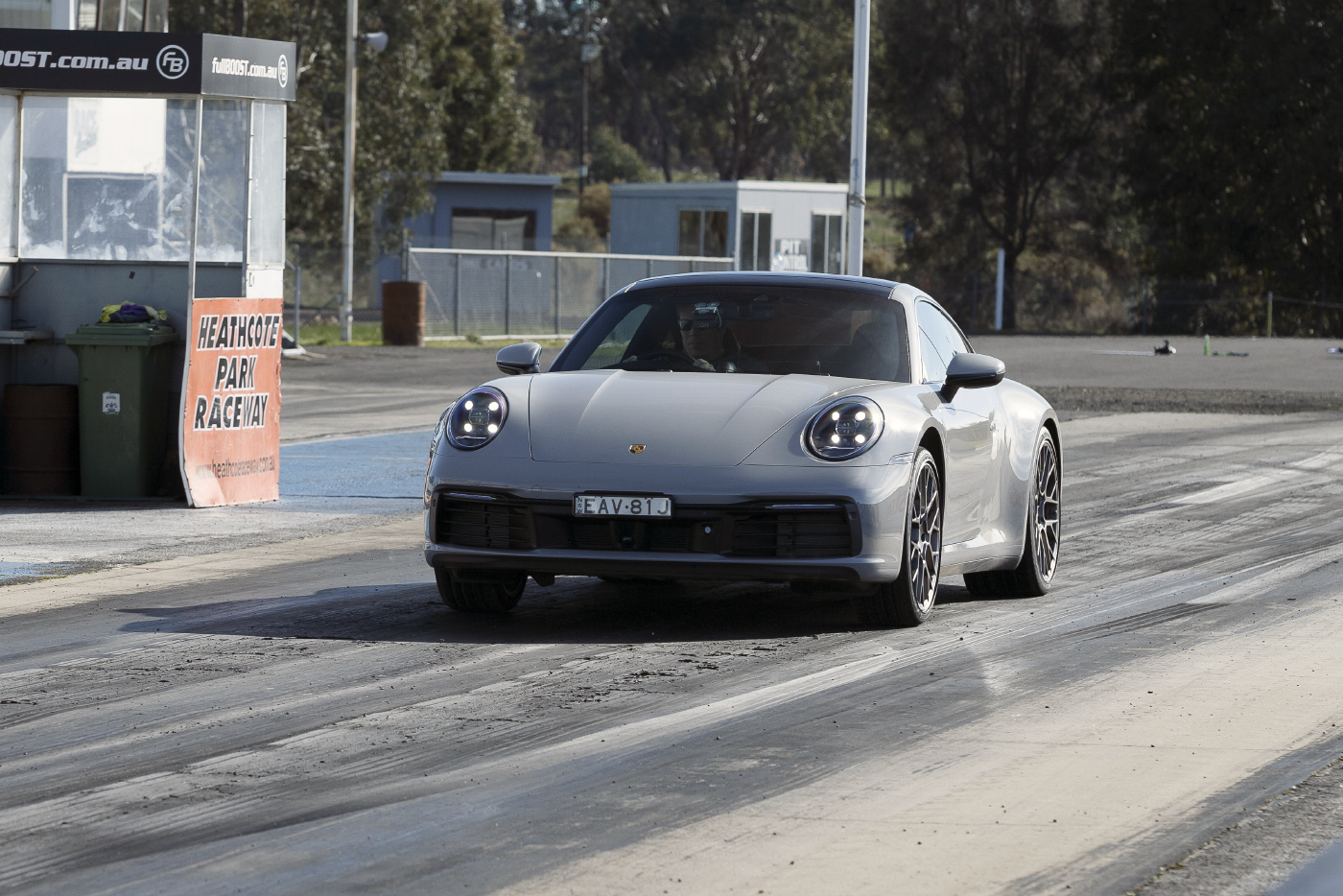
Weather conditions were sunny, dry, with an ambient temperature of eight degrees centigrade. Almost perfect. Not that Porsche needs optimal conditions; Wheels once tested a 991.2 GTS Cabriolet in the rain and was still able to beat the official claimed figure from Stuttgart.
Porsche claims the Carrera 4S will crack 100km/h from a standstill in 3.6 seconds. With the optional sport chrono pack – which our test vehicle had fitted – that figure drops to 3.4 seconds.
And you can take that number to the bank, with our test vehicle perfectly replicating Porsche’s claimed figure.
Wheels’ deputy editor Andy Enright conducted the testing and returned repeatable numbers multiple passes.
Want to know the secret to getting a fast acceleration figure out of the 992? Well, there isn’t one. Put into Sport Plus driving mode, You simply wind it up on the brake, release, and hold on while it rockets away from the line.
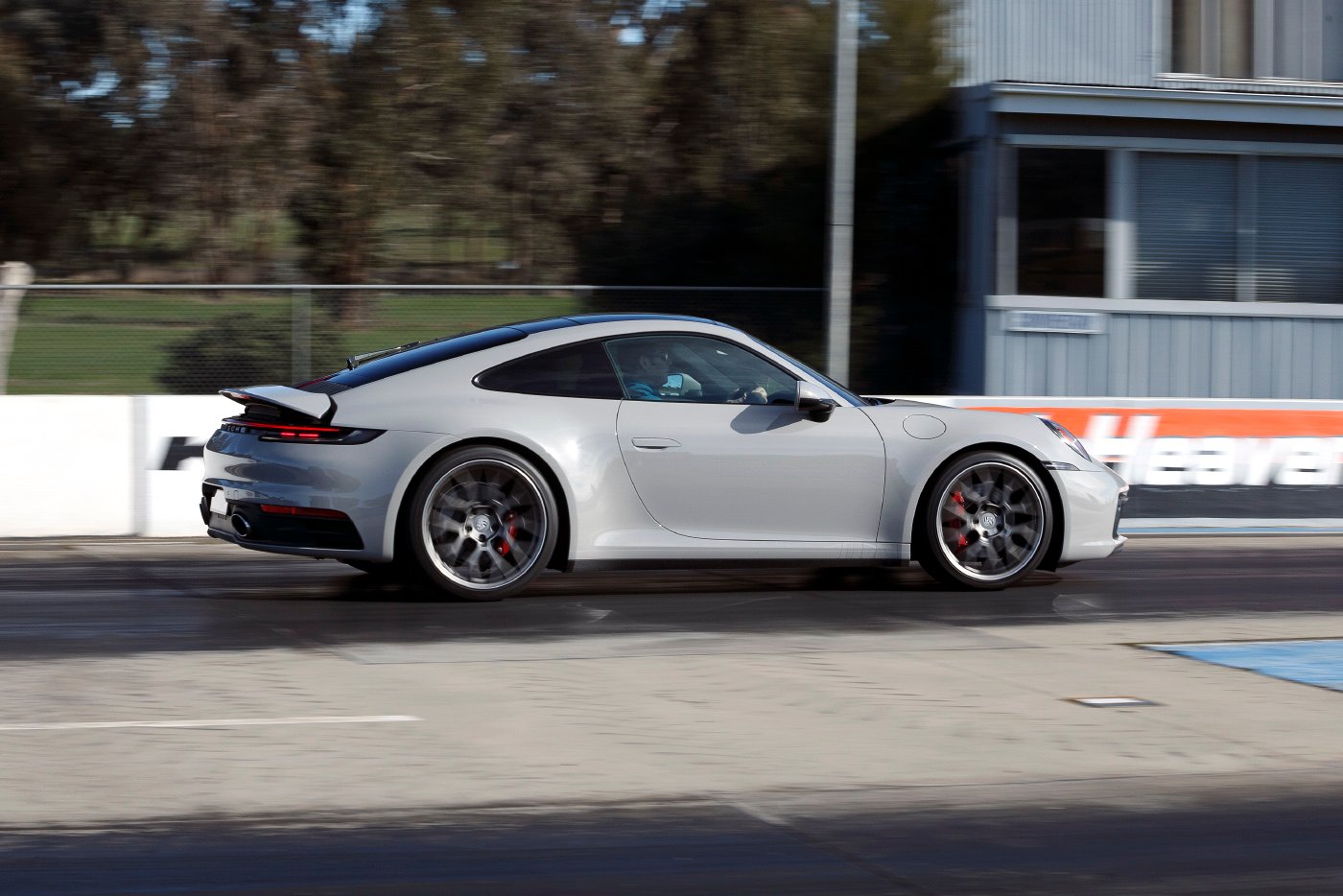
Other than the initial jolt as the tyres grip up, hard acceleration in the 992 is rather undramatic – there’s no theatre and spectacle, just brutally efficient speed.
Keep your boot in it and the 992 will be breaking the speed limit (unless you’re in the Northern Territory) after 4.0 seconds, and 200km/h is dispatched in 12.0 seconds.
If you are thinking of heading to the drag strip with the 4S, you can expect a timeslip of 11.6 sec @195.8km/h.
In-gear acceleration is also mighty, with the 4S recording 2.2 seconds for 80-120km/h.
As part of our comprehensive testing process, Wheelsalso conducts a 100-0km/h braking test, with the 992 hauling itself to a stop in 2.4 sec, covering 33.5 metres in that time.
It’s important to remember the Carrera 4S will sit at the bottom end of the 911 range. While the base Carrera, Carrera 4, and Carrera 2S sit below it, there are the GTS, Turbo, and GT variants on the way, which all promise to be even faster in a straight line.
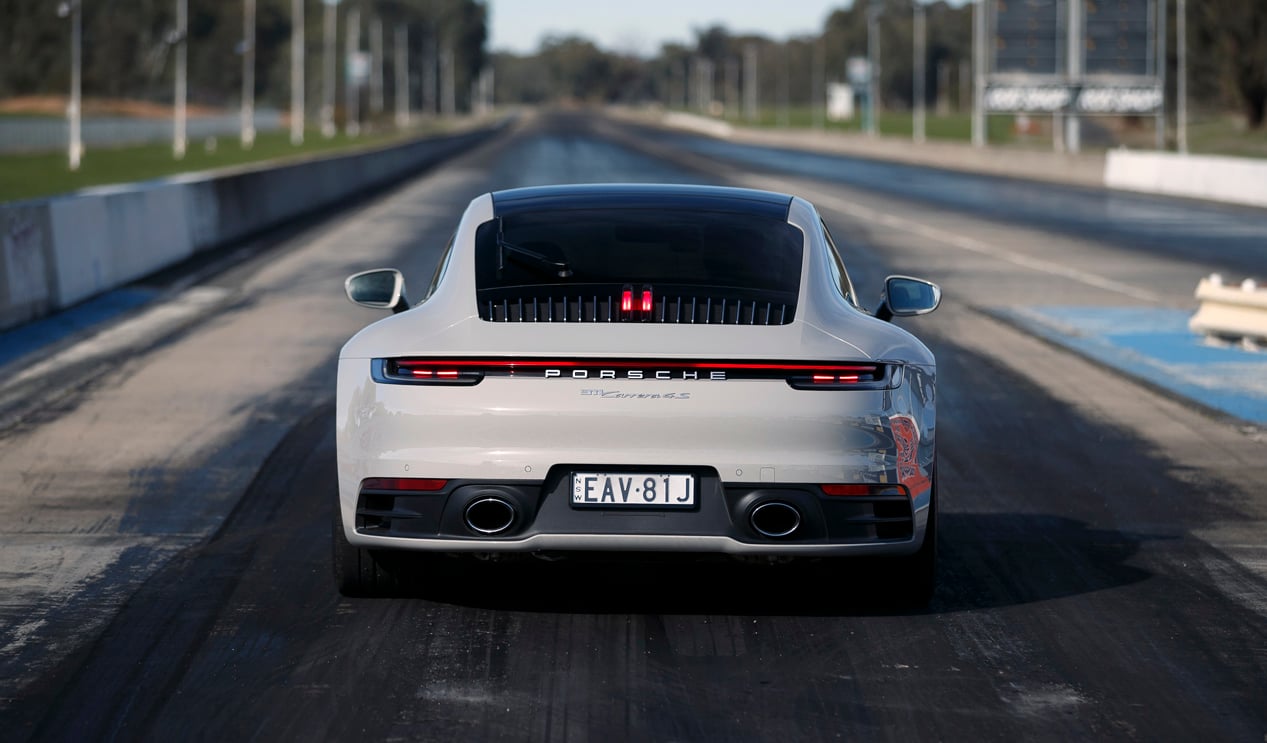
To give you a little context on the new 992’s straight-line ability, the famed McLaren F1’s 0-100km/h time is 3.2 seconds, with a quarter mile figure of 10.9 sec @ 215km/h. Porsche’s fearsome 997 911 GT2 RS will reach 100km/h in 3.3 sec, with the quarter mile dispatched in 11.0 sec flat.
Check out the full performance figures for the 2019 Porsche 992 911 below:
0-10km/h | 0.3 sec |
0-20km/h | 0.6 sec |
0-30km/h | 0.8 sec |
0-40km/h | 1.2 sec |
0-50km/h | 1.5 sec |
0-60km/h | 1.8 sec |
0-70km/h | 2.1 sec |
0-80km/h | 2.5 sec |
0-90km/h | 3.0 sec |
0-100km/h | 3.4 sec |
0-110km/h | 4.0 sec |
0-120km/h | 4.7 sec |
0-130km/h | 5.3 sec |
0-140km/h | 6.0 sec |
0-150km/h | 6.8 sec |
0-160km/h | 7.7 sec |
0-170km/h | 8.7 sec |
0-180km/h | 9.7 sec |
0-190km/h | 10.8 sec |
0-200km/h | 12.0 sec |
80-120km/h | 2.2 sec |
400m | 11.6 sec @195.8km/h |
100-0km/h | 2.4 sec (33.5 metres) |
If you know your CVTs from your DCTs, or kilowatts from your newton metres, then read no further. That wonderful youth spent rifling through car magazines and tinkering with that Datsun 120Y in the back shed will likely render this article irrelevant.
But if you aren’t as keen on keeping up with the automotive world as others and feel maddeningly confused when car slang is thrown around ad-lib at the car dealership, then feel better in the knowledge that you are in the majority.
Still, knowledge is power – just like kilowatts and newton metres – so read on for easy explanations of common but befuddling car terms.
ADAPTIVE CRUISE CONTROL (ACC)
Adaptive Cruise Control works like regular cruise control, but uses radars and sensors to automatically slow and even stop the vehicle when it approaches traffic. ACC systems can also speed the car back up to the set speed once the traffic has cleared.
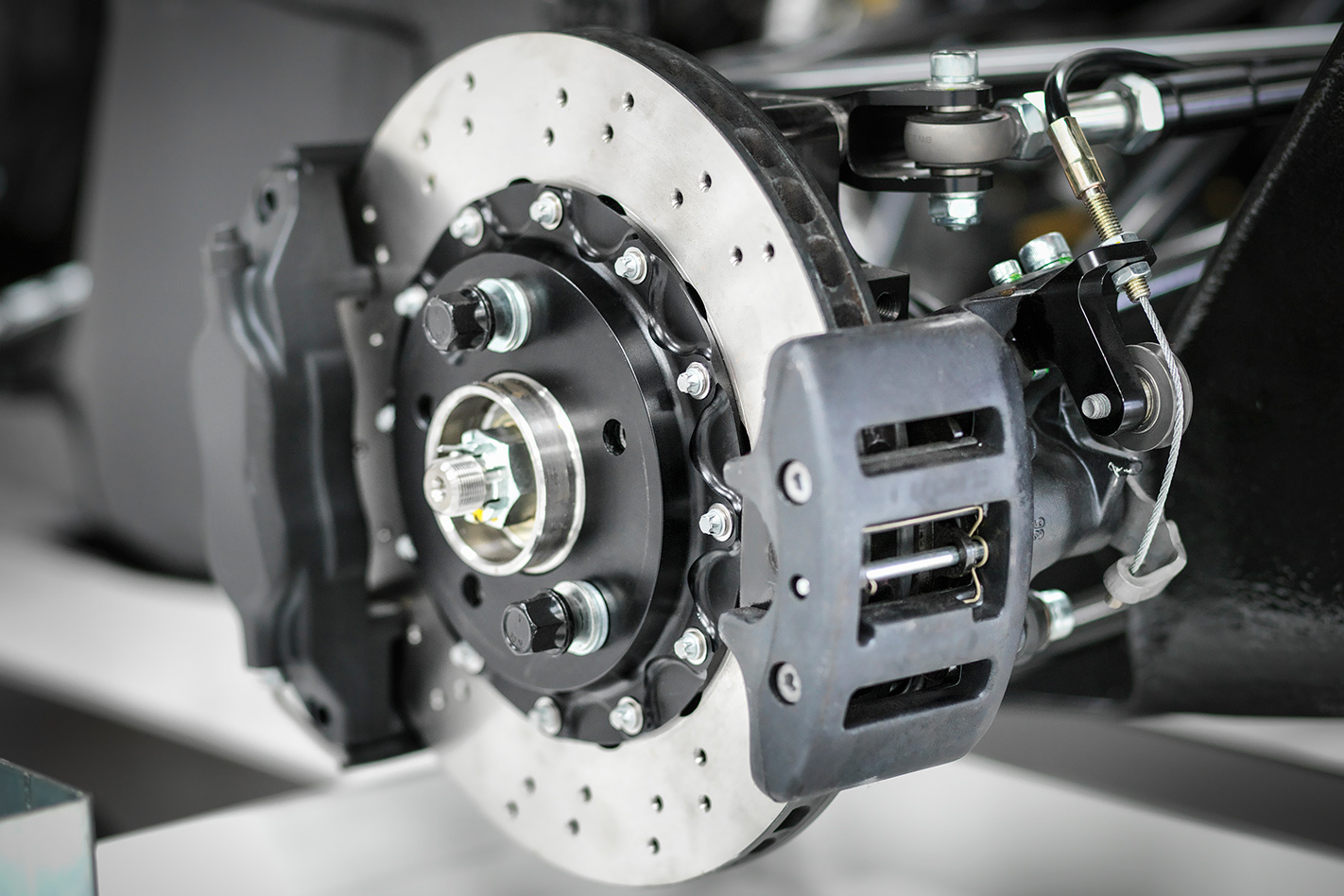
ANTI-LOCK BRAKES (ABS) If you stamp on the brake pedal of a car without ABS, the wheels will lock in place, the grip of the tyre will be overwhelmed, and the car will skid straight ahead. Anti-lock brakes prevent this by pulsing the brakes on and off automatically at the first sign of a lock-up. Modern cars worth their metal will have ABS as standard.
AUTO EMERGENCY BRAKING (AEB)
AEB or Auto Emergency Braking is a system designed to automatically stop the vehicle if a hazard is detected and the driver doesn’t act. The system works by using cameras, sensors and radars to detect vehicles and other hazards. If the system detects something that the car is at risk of hitting it will first give audible and visual warnings to the driver, if the driver doesn’t brake then the car will apply the brakes to avoid the collision.
CHASSIS The chassis is the mounting structure for all of the major components including the frame, suspension and wheels, and engine. In other words, it’s the spine of the car.
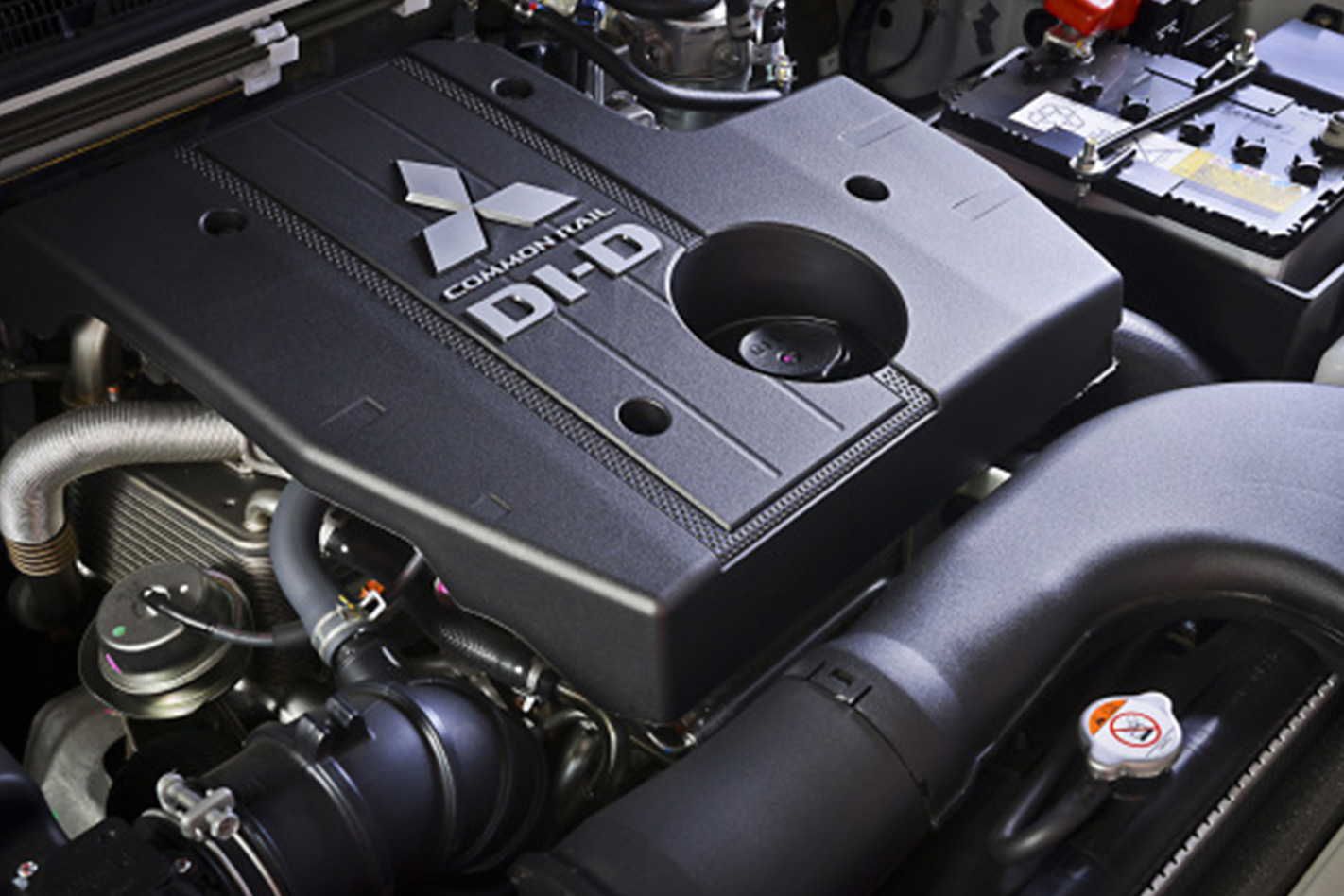
COMMON RAIL DIESEL (CDD/CRDi) Instead of a pump that sends fuel to each cylinder, a CRD system uses a single fuel rail controlled by a more sophisticated unit that can dole out higher pressure fuel delivery to optimise performance, offer a smoother running engine and provide better fuel economy.
CONTINUOUSLY VARIABLE TRANSMISSION (CVT) A CVT is a gearbox without actual gears. A typical gearbox has a set of gears, which enable the engine to deliver its power to the wheels at various speeds. A CVT does away with traditional gear sets in favour of a pulley system. This is why a CVT doesn’t have any hesitation as the gears are changed; it feels like a rubber band is stretching as the speed increases, offering seamless acceleration. It can be less responsive (and less gutsy) than a traditional auto, though.
The CVT has won favour over the last decade, however it isn’t new technology – Leonardo da Vinci designed a continuously variable transmission back in the 1500s!
CYLINDERS A sealed enclosed chamber in an engine where the combustion happens.
DRIVE RANGE
This term is most commonly associated with hybrid and electric vehicles. In an electric car, drive range is how far or how many kilometres the car can drive before it runs out of power or electricity. In a hybrid car the electric drive range refers to how far the car can drive on electric power only, not including the combustion engine.
ENGINE TYPES: INLINE, V AND FLAT There are three main types of engine configurations. The two most common are inline and V.
An inline engine has its cylinders lined up in a row. This is a compact block that’s great for smaller cars, and its inherent balance means it delivers power smoothly.
A V engine, ie a V8, has two rows of cylinders shaped like a V. It can fit more cylinders into an engine bay – it is much easier to fit a V12 than an inline 12 into the engine bay of a modern production car – so larger engines are typically a V configuration.
The third main engine configuration is a flat, or boxer engine (think Porsche and Subaru). It has its cylinders arranged in two rows, but instead of the cylinders pumping up and down, they pump side to side – like a boxer jabbing at an opponent. Its configuration makes it more compact and it can sit lower in the engine bay, helping the balance of the car.
ENGINE SIZE Also called displacement, the size of an engine is defined by the space inside the cylinders. A two-litre four-cylinder engine has half a litre of space in each cylinder for fuel to be combusted. The more space for combustion, the more power it will produce.
EXHAUST Exhaust leaves the cylinder via the tailpipe or exhaust pipe when the piston ends its explosive journey and returns back up the cylinder, opening the exhaust valve.
FUEL INJECTION An efficient electronic system that measures and mixes fuel with air for the engine to combust.
HYBRID ENGINE
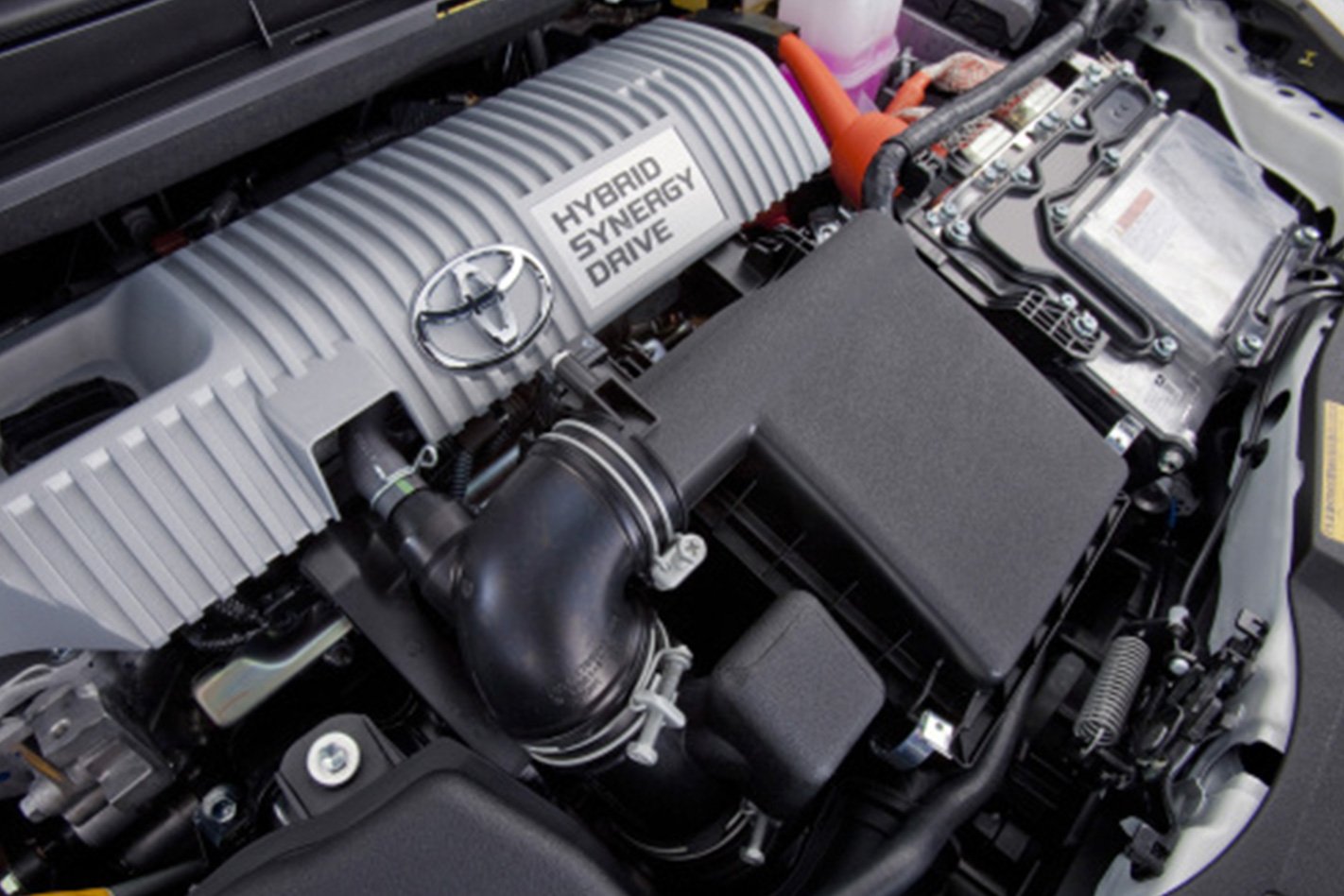
A hybrid engine uses both a traditional combustion engine (petrol/diesel) and an electric motor. Most hybrids have the ability to run on electricity only, though the drive range is normally limited.
INLINE ENGINE See Engine Types.
INTERNAL COMBUSTION ENGINE Put a small amount of high-energy fuel (like petrol) in a small enclosed space, light it and it will release a huge amount of energy as a gas. The internal combustion engine harnesses that energy to propel your car forward.
KEYLESS ENTRY
Keyless entry allows the car to be unlocked and opened without using the keys. The car can detect when the keys are in close proximity and will allow the driver to simply open the door, with the keys still in their pocket.
LANE-KEEP ASSIST OR LANE DEPARTURE WARNING
Lane-keep assist or lane departure warning are systems designed to help keep you in your lane. By using cameras and radar the vehicle will alert you with visual and audible warnings when you stray from your lane. Depending on the system the car may also steer itself back into the correct lane.
OVERSTEER Think of those swashbuckling movie chase scenes. Oversteer is when traction at the rear wheels is lost, and the back end of the car tries to take over the front, hence its name.
Performance cars aside, most production cars are built to understeer as this is the easier slide to control for the average punter.
PISTONS Inside the cylinders [see cylinder] move down the cylinder to let the air and gas in then push back up the cylinder to compress the fuel/air mix so that when the spark ignites it, the explosion is more powerful. That explosion drives the piston back down the cylinder and a crankshaft attached to the piston transfers that energy to the wheels via rotation.
POWER AND TORQUE There is a wonderful adage that demystifies power and torque figures: power gets you to the hill; torque gets you up it.
Both are measured at their peak by the revolutions of the engine, or rpm (revolutions per minute).
Take note of the power and torque figures when directly comparing different models. A car with more torque will be easier to drive around town, as you do not have to wait for the revolutions to rise before changing gear. This is particularly important if it is a manual, as good torque means less shifting to keep it in the sweet spot. A car with more power will typically be swifter and more responsive once you’re already moving.
STOP-START
A system that automatically turns the engine of when the car is idling or stationary, for example when the car is stopped at a red light. Once the driver takes their foot off the brake the car will automatically start again. This system saves fuel and reduces emissions.
TORQUE See Power and Torque.
TURBOCHARGER Turbochargers are a type of forced induction system on engines. A turbo, or turbine unit, forces more air into the cylinders of the engine, allowing more fuel to be added to the mix and ignited. This produces more power and torque.
A turbo is an ancillary part, so can be added to an engine to make it more powerful; many car models have a non-turbo, or naturally aspirated model as well as a turbo model to choose from.
The extra juice comes at little expense, doesn’t add much weight, and these days, can even produce better fuel economy than a non-turbo model.
TYRE TREAD The rubber part that connects with the road – over time, this decreases.
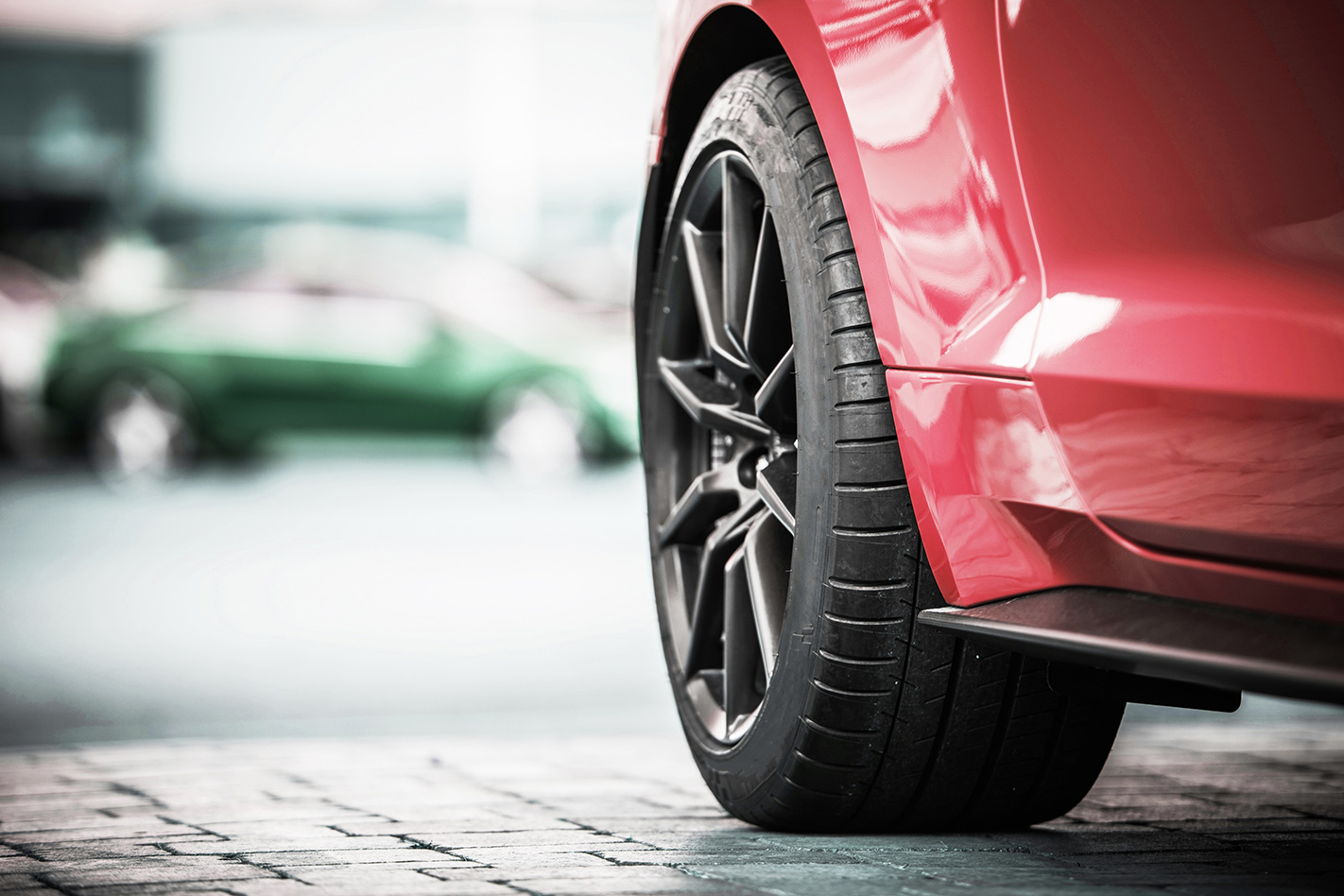
TYRESHOULDER The shoulder is the area on the edge of the tread, between the tread and the sidewall (those smooth bits that connect with the alloy).
UNDERSTEER Understeer is when the front wheels lose traction or grip, usually when speed combined with steering lock overwhelms the grip of the tyre. The wording is quite literal – no matter how much steering lock is applied, the car will not steer (or under-steers). Instead, it pushes wide or ploughs straight ahead because grip has been lost.
VIN (VEHICLE IDENTIFICATION NUMBER)
The VIN or Vehicle Identification Number is a unique code that is the automotive equivalent of a birth certificate. The VIN consists of both letters and numbers, from which you can determine who manufactured the car, when and where. On a used car the VIN can be checked to see if the car has been stolen, damaged or written off.
Introduction
“There is no reason that this car can’t be a success in Australia, or in any other territory around the world,” a bullish Mini boss told me at the Geneva motor show in 2017.
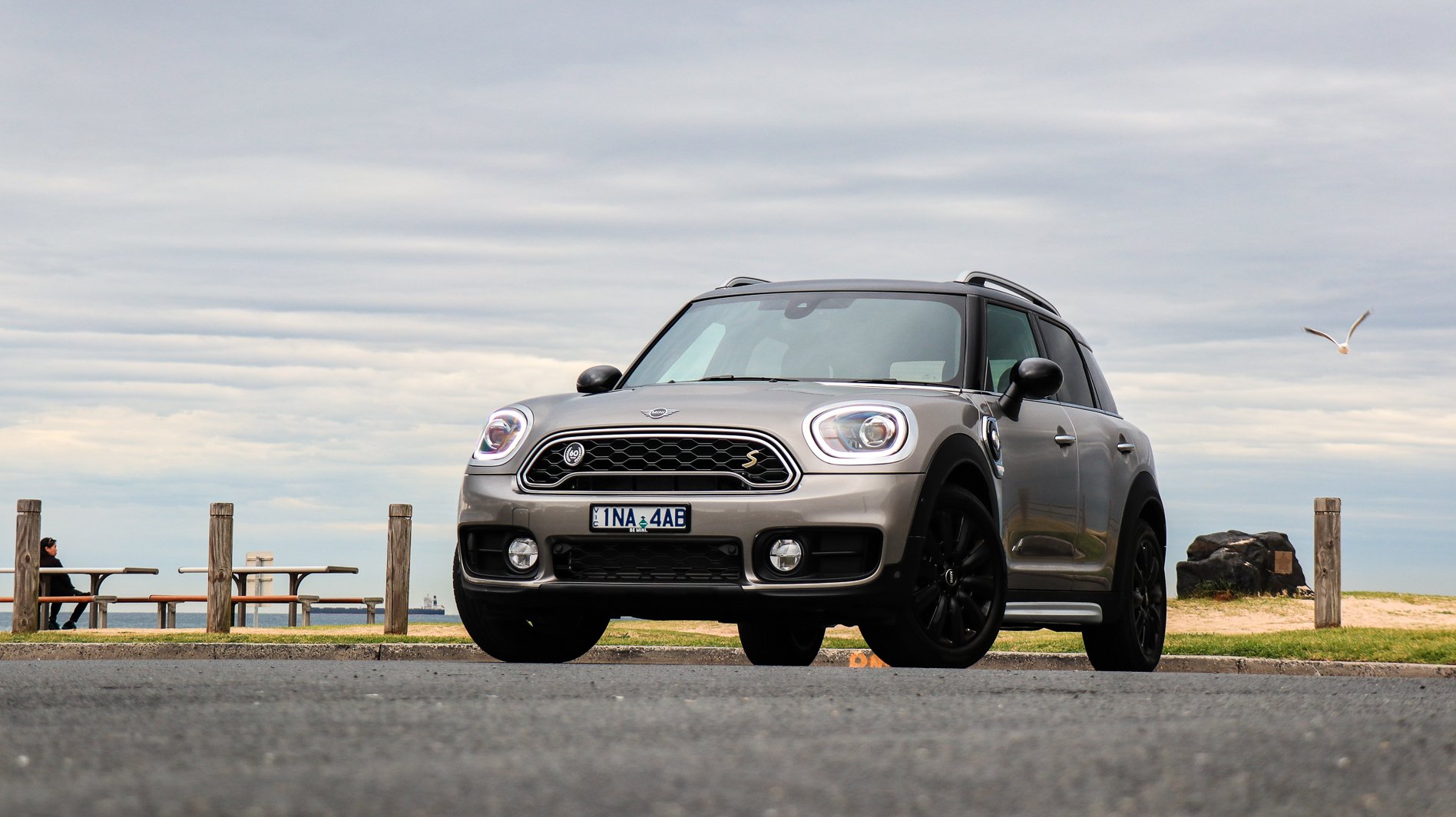
The car in question is the Mini Countryman Hybrid, which uses the familiar if unusual form of the Mini brand’s biggest car to push into the burgeoning petrol/electric hybrid space.
Being a part of the BMW empire means that the still-British brand can access technology that a smaller player may miss out on, but it’s still able to package it in a less conventional way.
The five-door, five-seat, all-wheel-drive SUV is considered to be a small SUV and the hybrid variant joins a five-strong line-up here in Australia.
Style
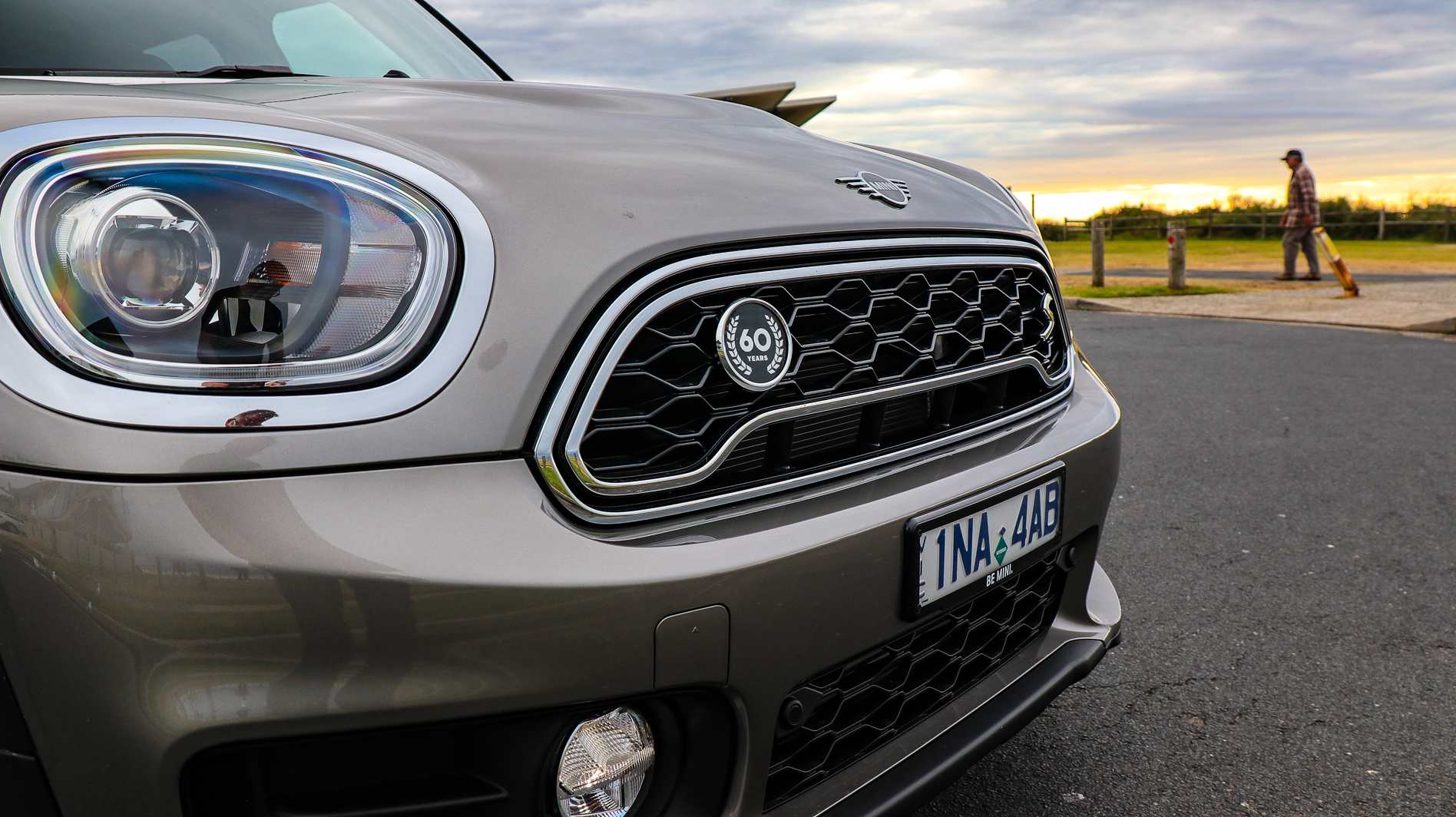
While the Mini Countryman undoubtedly shares its DNA with its smaller siblings – as well with its 1960s spiritual ancestor – it’s taken the notion of a Mini to the farthest reaches of credulity… and how it qualifies as a small SUV is simply beyond me.
The round headlights have morphed into ovaloid LED units, while the bulbous front guards barely sit proud of the bonnet line.
The stepped glass sizing from front to rear jars a little, but the short overhangs and bluff nose/tail treatments hark back to Minis of old.
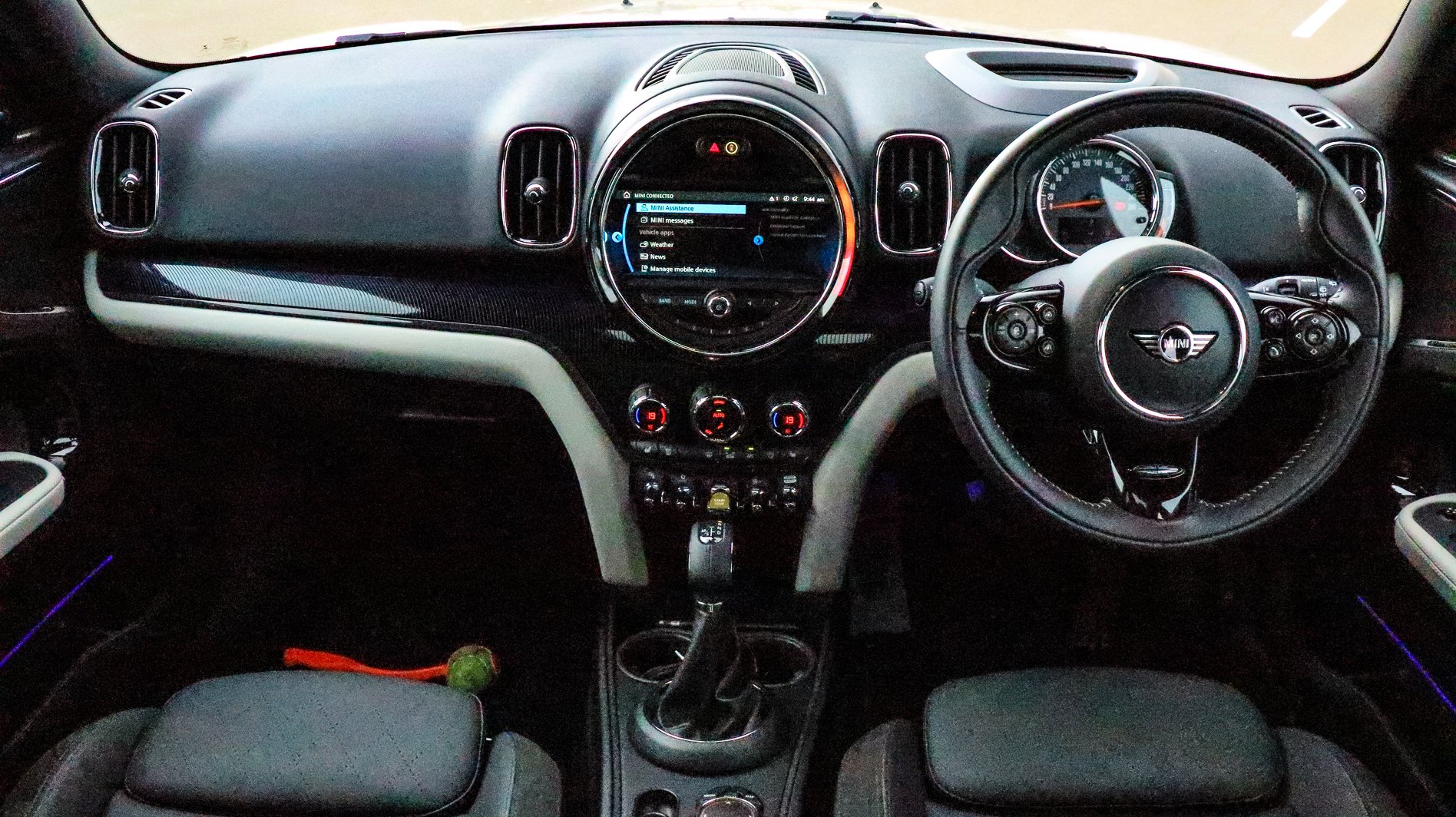
Inside, the large circular multimedia screen – once the location of the speedo in the classic Mini – carries over, as do the aircraft-style toggle switches. No digital dash here, though, with a very traditional round speedo taking pride of place.
Mini’s done a good job of not going overboard with the greenwashing of the Countryman hybrid, too. There’s no missing the large, overly chromed charging port on the front left guard, but otherwise its yellow-tinged badging is subtle enough.
Price and features
Coming in a $57,200 before on-road costs, the AWD Hybrid undercuts the range-topping JCW by $2700. Despite all the noise around the sector, it actually doesn’t have many natural enemies yet, with hybrids from Range Rover and Volvo still inbound.
The new Lexus UX250h is currently, at $56,950 before on-roads, its most logical foe.
The Countryman Hybrid uses the same 1.5-litre three-cylinder turbocharged engine that appears in the $41,900 Countryman, with its 100kW and 220Nm supplemented with a 65kW/165Nm electric motor on the rear axle.
There’s a 7.6kWh lithium-ion battery under the floor that can be charged in just over three hours from your regular old power point, and which gives the Countryman Hybrid a claimed EV range of 40km up to a top speed of 125km/h.
Spec-wise, it’s adequate without being overwhelming. It scores LED headlights, 18-inch rims, heated external mirrors, mock leather seats, dual-zone climate control with rear vents, the aforementioned 8.8-inch multimedia system with smartphone mirroring, wireless phone charging and an electrically operated tailgate.
Seats are manually operated and not heated, and there are automatic lights and wipers. The rears are 40/20/40 split/fold style, and there are two ISOFIX baby seat mounts, as well.
Size
Coming in at 4299mm in overall length, the Countryman – which is based on the same platform as the BMW X1 – is just 25mm longer than the Mazda CX-3, despite appearing to be a much larger car.
It’s also a massive 205mm longer than the last Countryman, and 137mm wider to boot.
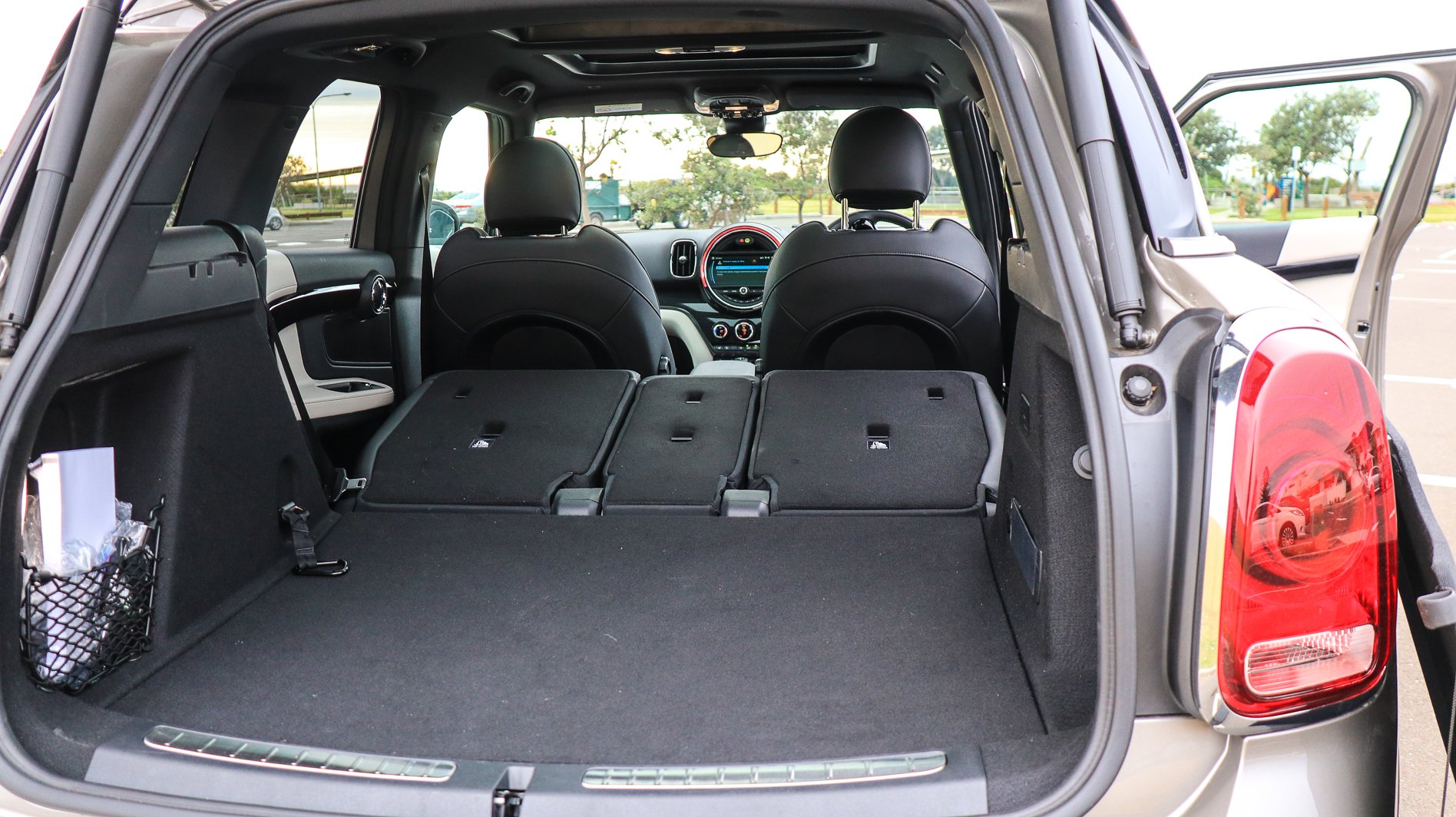
It does lose 45 litres of boot space over its stablemates with 405 litres available behind the seats, though, thanks to the electric gubbins under the boot floor. It does redeem itself, though, with a decent 1275 litres of space revealed when the seats are dropped.
The space itself is good; the door opens wide to reveal a largely rectangular shape without the room-robbing roof drop of other small SUV designs, while the laid-out seats form a reasonably flat, gap-free loading area. A useful cargo net holds smaller items, and there are plastic bag hooks and a 12-volt socket in the space, as well.
Safety
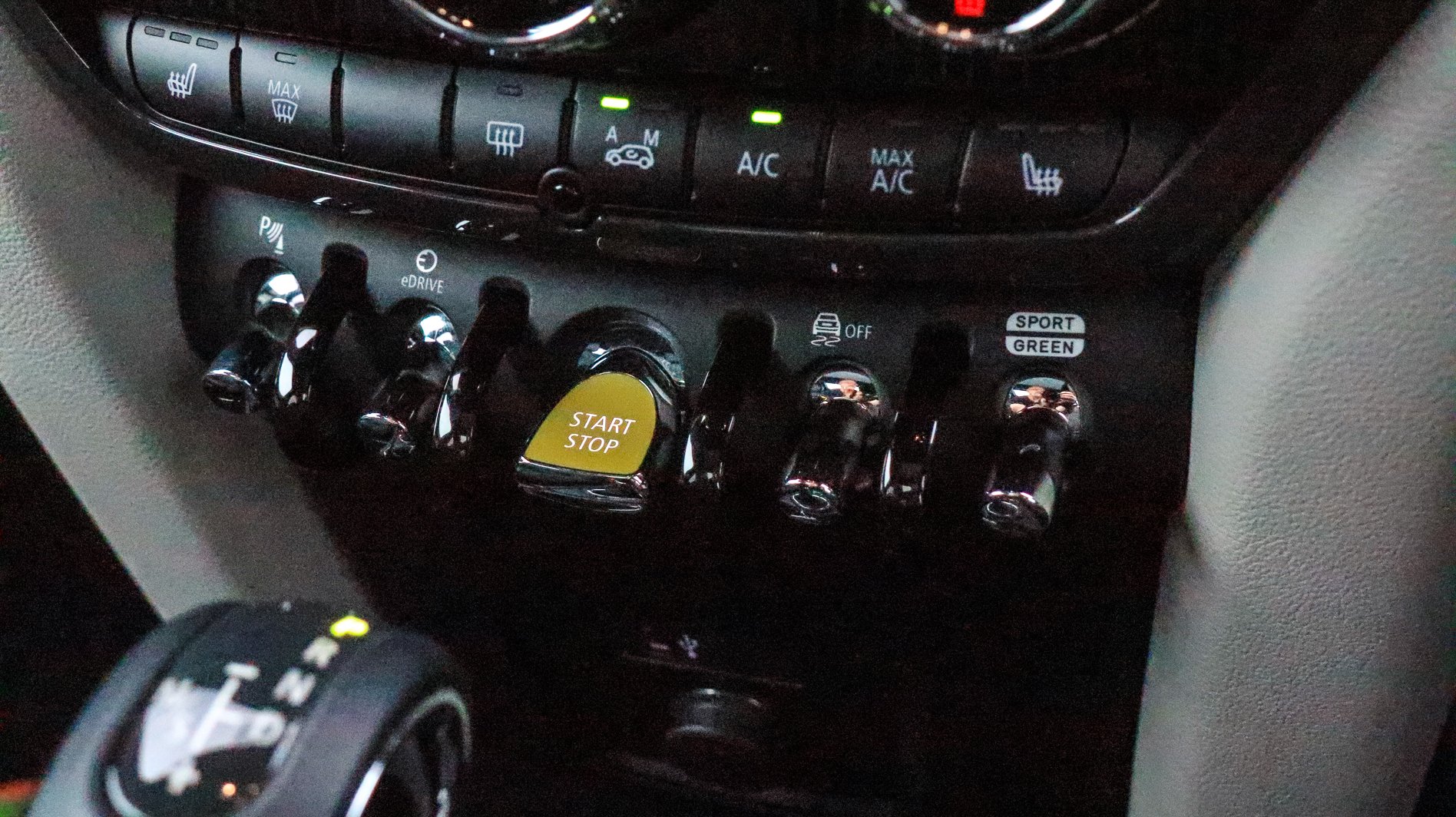
There’s plenty of safety built into the Mini, with 0-140km/h AEB as well as low-speed crash mitigation that can spot a pedestrian, forward collision warning and speed limit info. Six airbags are also fitted as standard, along with front and rear parking sensors and a rear-view camera, earning the Countryman a maximum five-star ANCAP mark.
Warranty and running costs
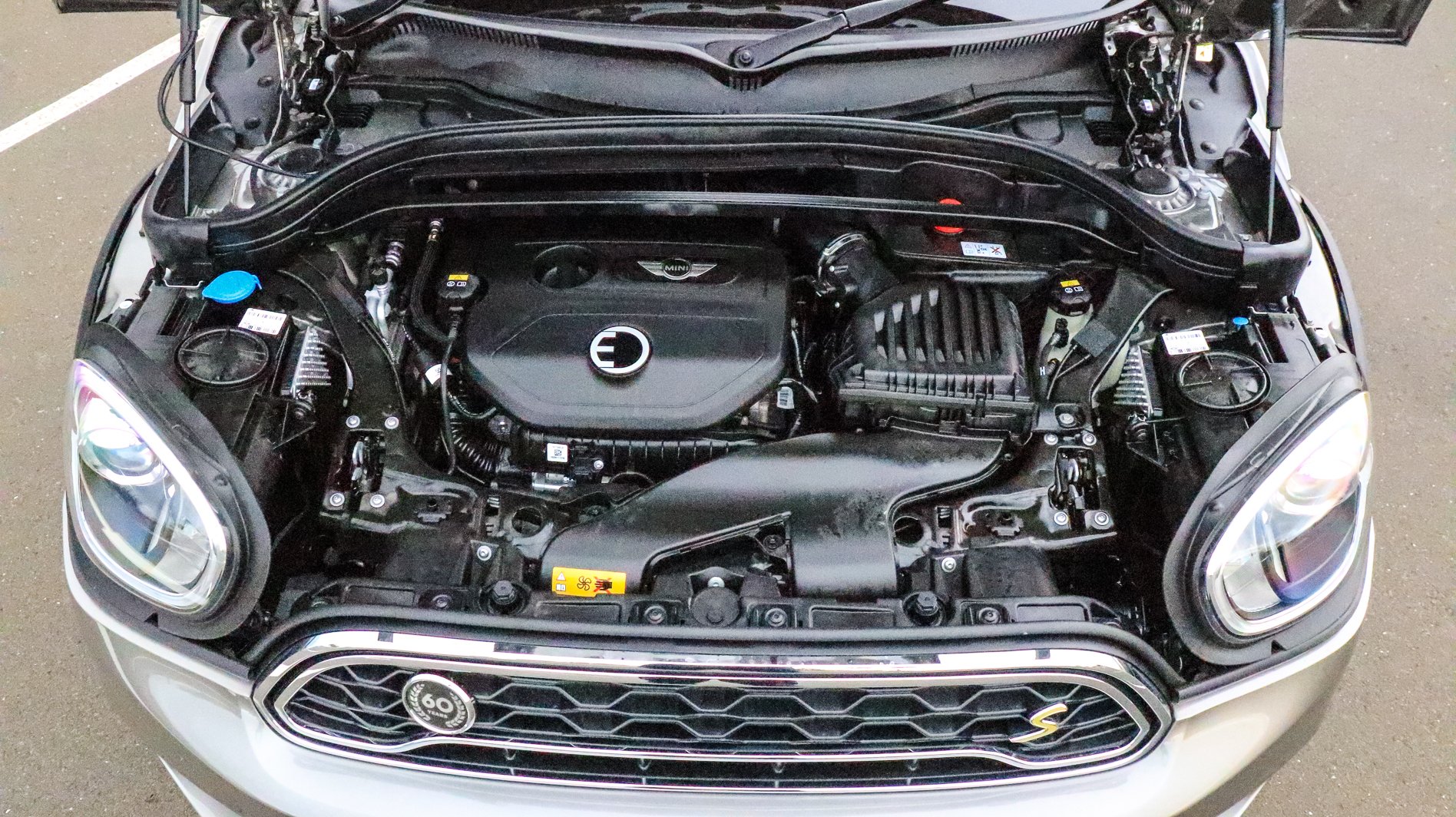
Sadly, Mini only offers a three-year warranty, though there is no limit on kilometres. As with BMW, Mini doesn’t recommend a service interval for its cars, instead telling customers to use the on-board condition-based service system that will tell them when the car needs some TLC.
Upfront service packages can be purchased for the Countryman Hybrid, as well. Based on a five-year/80,000km limit, the Basic package costs $1425, while the Plus – which includes items like brake rotors and pads, clutch disc and plate and windscreen wipers – costs $3685.
When it comes to fuel economy, Mini rates the Hybrid at just 2.4 litres per 100km on the combined cycle, thanks to the electric motor.
Comfort
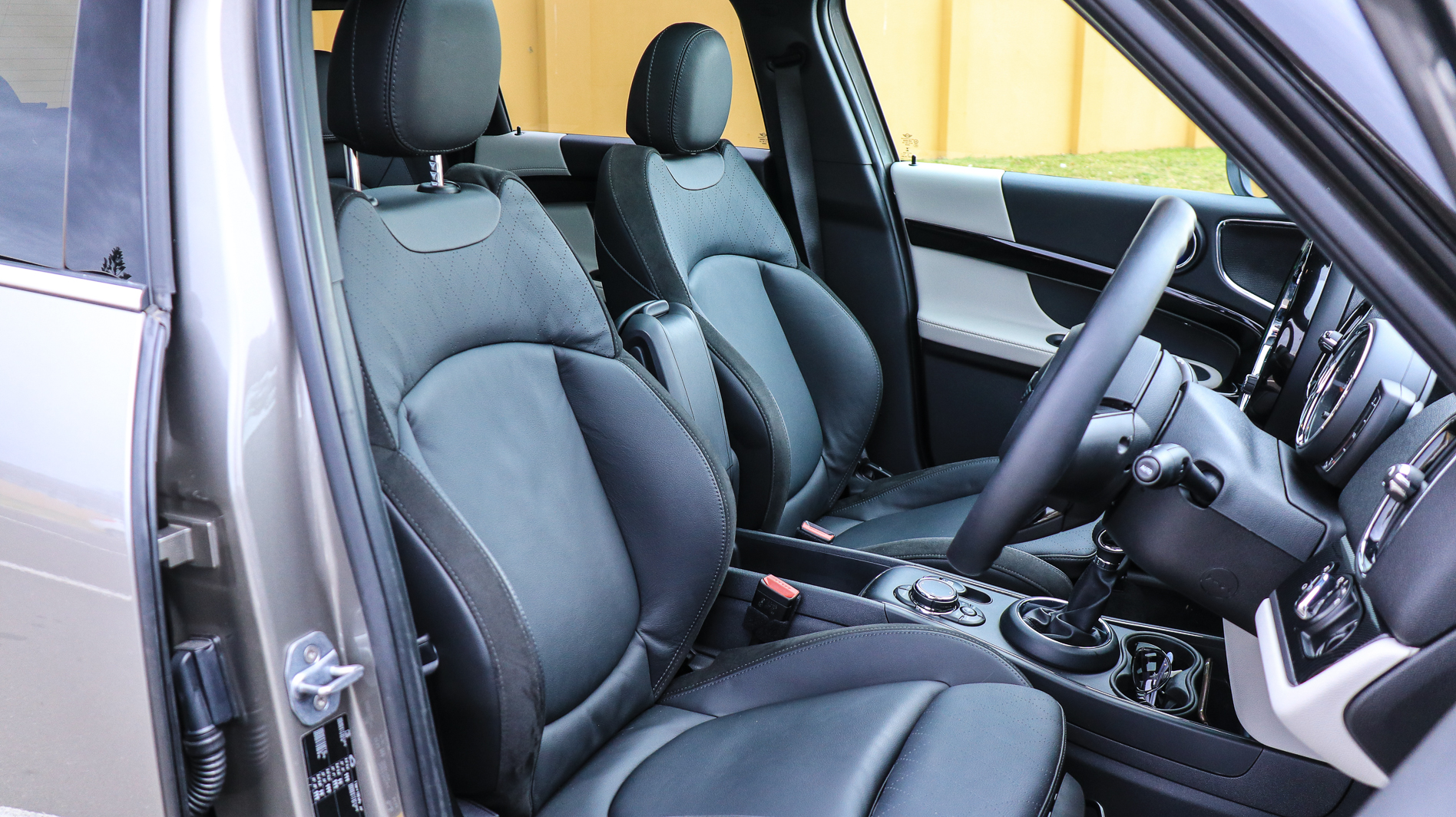
Of all of the small SUVs in the mix at present, more than one of them is comprised in terms of interior space, particularly for second-row passengers.
The Countryman is by far the largest Mini ever made, and that space is put to good use. A sliding second row allows a few centimetres of vital flexibility, while headroom all round is great.
The extra width, too, means that the Countryman’s back seats are no longer a threat of punishment for naughty kids. There are charge points and air vents back there, as well as an armrest and cup holders.
Front seat space is decent, too, with the smaller diameter steering wheel and low-slung seats shrinking the Countryman around the driver.
On the road
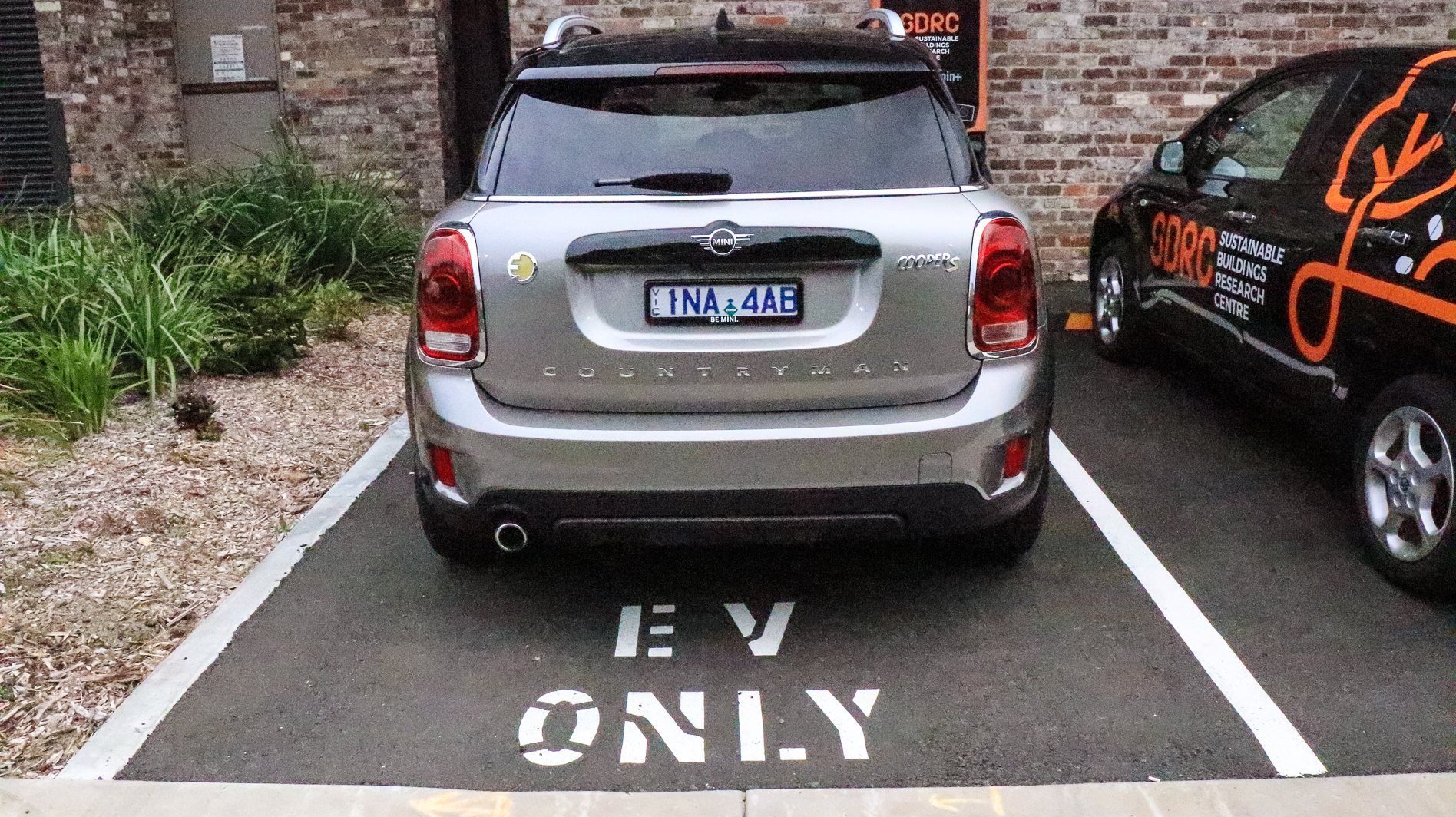
If there’s a word to describe the Mini Countryman Hybrid, it’s spritely. In fact, it’s probably the most effective and most integrated hybrid system I’ve yet driven.
The electric motor’s torque is available right off the bat, giving the 1790kg SUV a genuine, seamless and consistent shot in the kiester when you’re darting in and out of traffic.
Its pace feels effortless and unrushed, accompanied by a calm, quiet demeanour that actually takes a little getting used to. It feels a lot bigger and nicer than a small SUV has a right to.
Its suspension tune also contributes here; the ride and handling balance of the Countryman is really very good, even on the stock 18-inch rims and low profile run-flat tyres.
It’s technically an all-wheel-drive even though the axles are connected by cables, not propshafts, and Mini has done an excellent job of calibrating the relationship between the two.
I suspect there’s a little bit of overspeeding on the rear axle to keep the front end tucked in, but regardless, petrol and electrons play very nicely together.
Its handling is helped, no doubt, by having a big chunk of heavy battery slung low in the car, but it deals with broken urban byways and lumpy inner-city streets as well as it cruises well-maintained b-highways.
When it comes to its electric credentials, 40km of range may sound like a bit if school, town and work are close by… but with a 160km round daily commute, I reckon the hybrid’s talents are a bit wasted on someone like me.
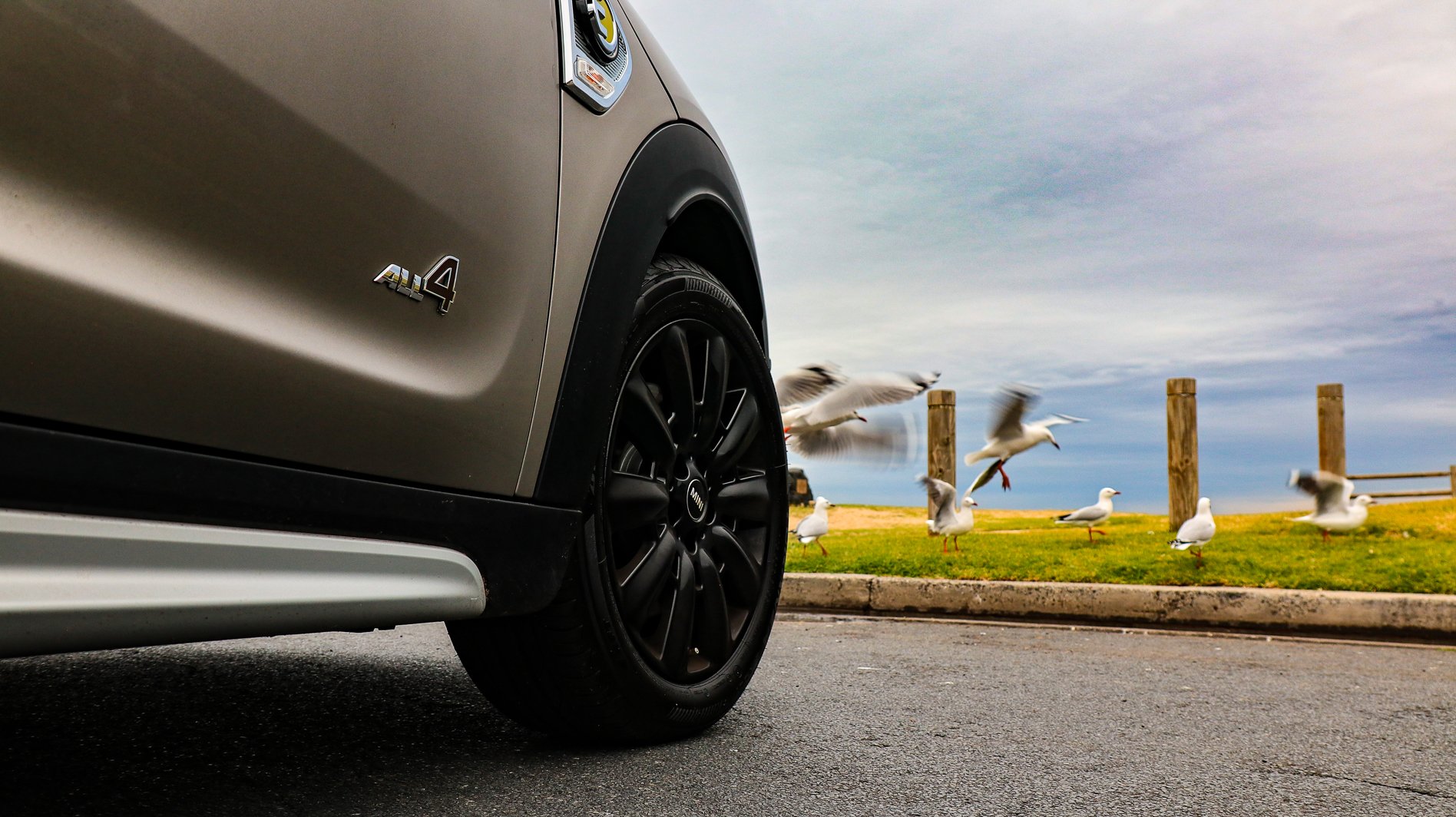
The Mini offers a full EV mode, an auto mode that manages both powertrains and a max-battery-save mode in its driving parameters. The latter function is designed so charge can be kept in the battery – which also gets recharged on-the-go via regenerative braking and the petrol engine – for when it’s needed most.
If a city introduces an EV-only zone, for example, that’s where the Mini will shine; drive up to it with petrol power and switch straight into EV mode.
Its straight electric mode is as quick and quiet as expected, but as with all electric cars, the maximum range is really only a serving suggestion, especially if hills and speed are involved.
It was a bit hard to get a maximum EV range score out of the Mini, as the petrol engine would cut in to save the day whenever range dropped to about 10km, but I consistently covered at least 30km on three occasions on EV power alone.
In the course of my commute, though, the claimed fuel economy figure came and went in the first ten minutes of highway driving. Over a pair of 150km loops, I recorded dash-indicated figures of 8.8 and 9.1 litres per 100km respectively, making a bit of a mockery of Mini’s 2.4L/100km claim.
Charging the Mini back up is surprisingly easy and relatively quick, thanks to the smallish battery. It took bang-on three hours and 20 minutes to recharge from my garage socket to 80 per cent, and around five hours and 30 minutes to reach full charge.
Mini will sell you a wall box that can deduct an hour from those times, but we reckon the company should be chucking one in the boot of every car it sells.
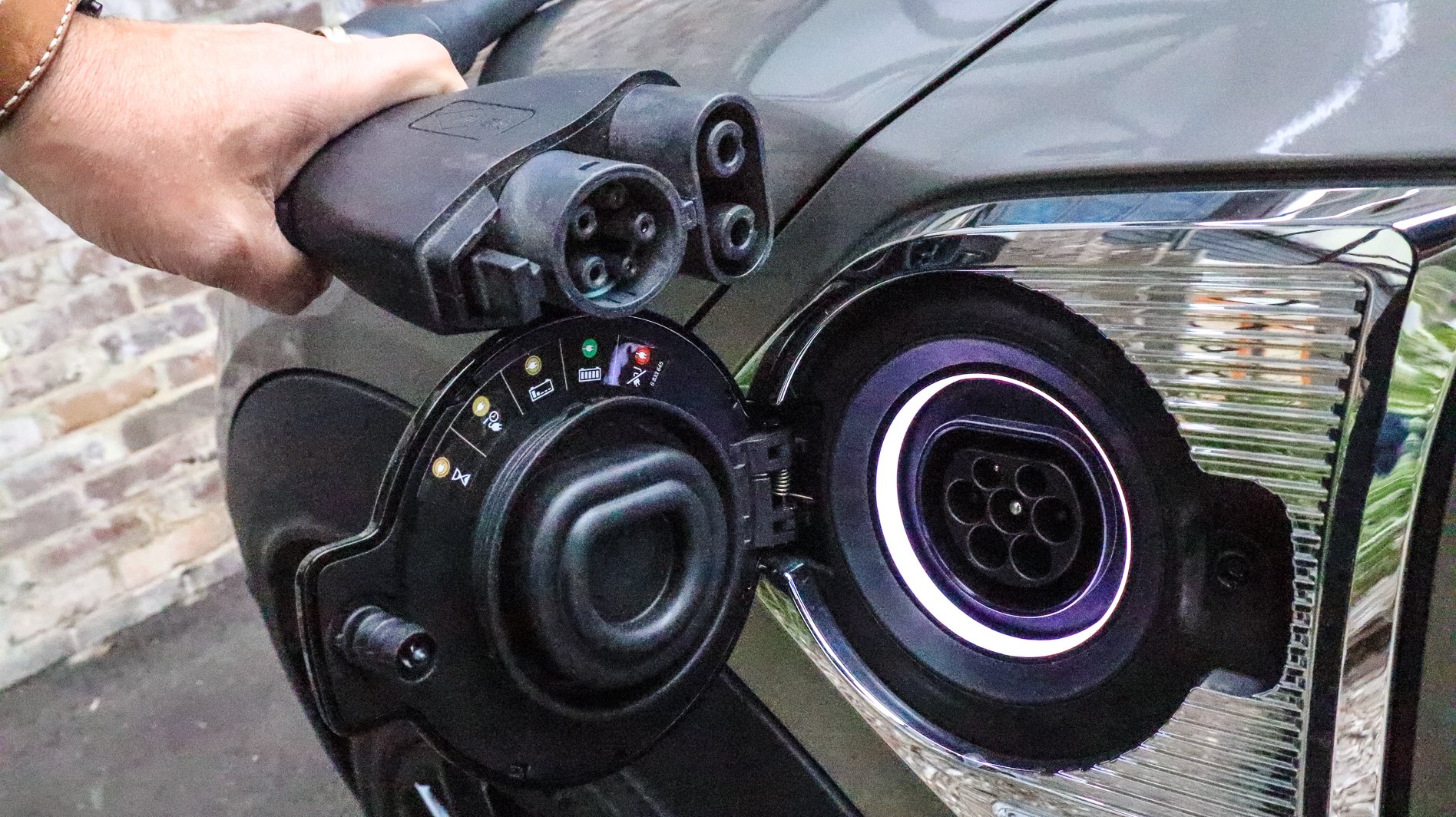
I did try to top off the Mini at a couple of EV ‘pumps’ near my house, but I was foiled but non-matching plug types (above) – which is really something that everyone bringing in EVs and building charging stations needs to be across.
Mini claims a combined range of 498km from both the 35-litre petrol tank and the battery, but our 425km test included a few recharges.
Verdict
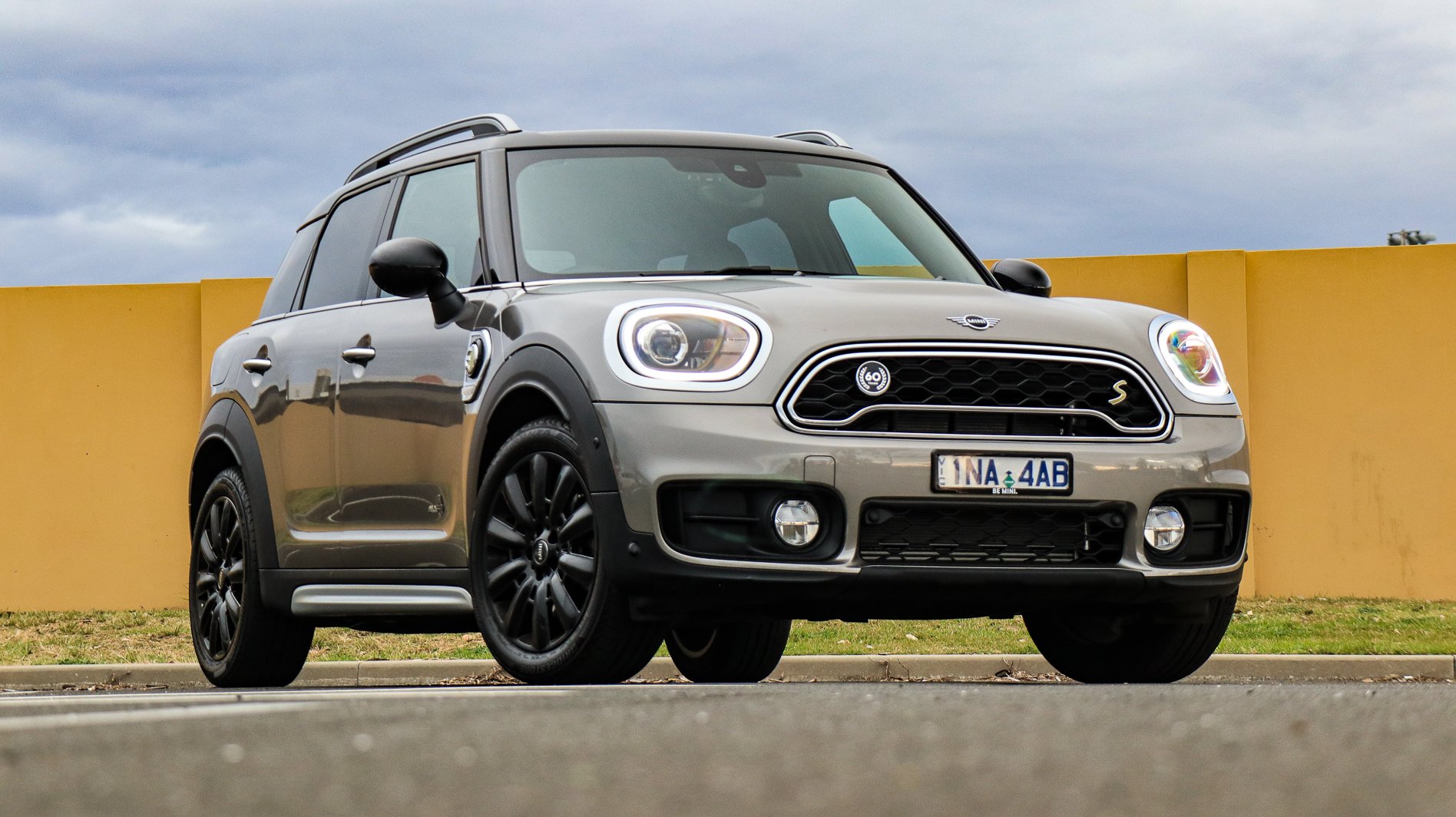
The Mini Countryman Hybrid does exactly what it says on the tin; it provides a decent enough electric-only range that an inner-urban dweller with access to charging at work and home may never need to use the petrol engine.
And if the spark does go out, the little three-cylinder engine will save the day.
However, it’s more of a petrol drinker than the company will have you believe, and if your driving habits see you wander outside the city limits more often than not, then perhaps the diesel Countryman with its 5.2L/100km claim is a more sensible choice.
A greater EV range might square up the ledger a bit, but nonetheless, the Mini Countryman hybrid’s performance behind the wheel should be enough to convince doubters that there is a place for the plug-in hybrid, even as we charge (ha!) towards an electrified future.
When did you last sit in a car that didn’t have airbags? Hopefully, it has been quite some time. Australia has always championed the humble airbag, with locally-based manufacturers like Holden and Ford playing a big part in the continued development of airbags throughout the 1990s and early 2000s.
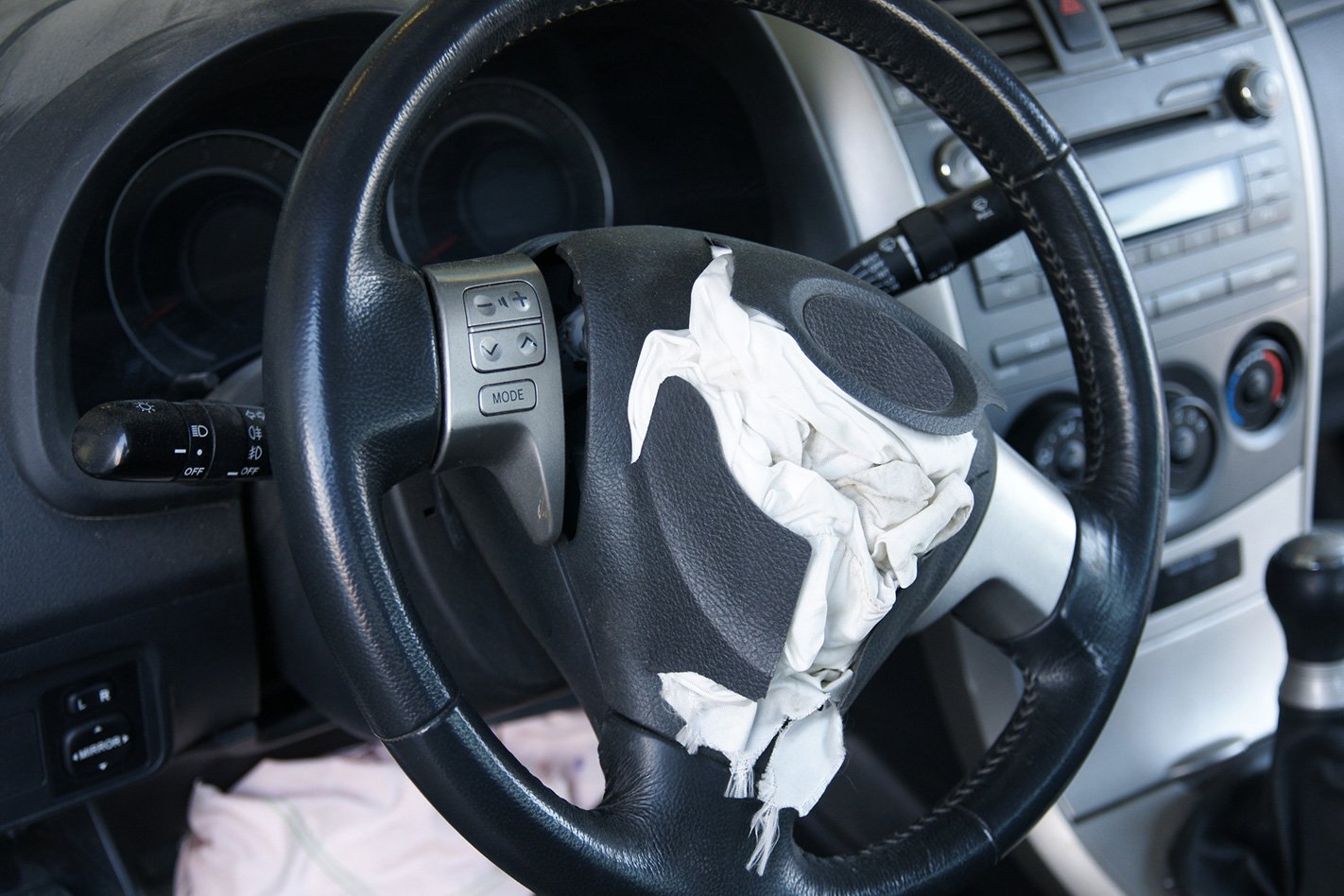
Airbags play a huge role in a car’s safety, and are treated as such when ANCAP – the Australasian New Car Assessment Program that safety-tests Australian cars – safety tests a car. Of course, a car’s overall safety is a collective effort with various other safety systems aiding in a crash, but most of us like the idea of a physical barrier between us and random cars, trees and telegraph poles. As a result, buyers are more prone to counting airbags than yanking seatbelts.
Airbags have come a long way since they were invented as crash-landing devices for World War II aircrafts but the operation is basically the same; a sensor detects impact and rapidly inflates a bag to slow the occupant’s forward movement into the hard surfaces of their vehicle or otherwise. From those original frontal airbags, we now have airbags in the foot well to protect knees and feet, down the sides of the car to protect our bodies from poles, trees, cars and glass, and even airbags that explode on the exterior of the car to break a pedestrians fall. Many cars have four airbags; and others have beyond double that.
Research suggests that airbags in conjunction with seatbelts reduce the risk of serious head injury or death in a frontal collision by more than half. In 2012, Monash University Accident Research Centre (MUARC) reported that combination curtain and side torso airbags reduced the incidence of severe injury and death by 60 per cent in side impacts. Similar research in the USA showed head airbags were very effective for passenger cars when struck from the side by an SUV, suggesting that curtain airbags, which remain inflated like giant cushions once they deploy, help to mitigate the ‘incompatibility’ between passenger cars and vehicles with higher ride heights. ANCAP says curtains protect well in the pole test, too. So should you load your family car with every airbag you can find? Maybe not.
We like to think that those cushions will pillow us to safety but it takes a very specific kind of crash to deploy airbags. For instance, if your car is rear-ended and shunted into the car in front, your sensors may only detect the rear impact and assume your seat’s head restraint will take care of business. Only a sophisticated sensor system (not the average small to medium car) would register the second impact as airbag-worthy.
Say your car rolls several times without actually colliding with anything – your airbags wouldn’t deploy unless your car has a rollover sensor. That’s right, no pillowy goodness buffering your head unless you collect a direct side hit or have rollover sensors.
Jack Haley, author of ANCAP’s Airbag Factsheet, says: “Because of the value of curtain airbags in rollover crashes, we would like to see all manufacturers installing rollover detectors.” This is particularly relevant for SUVs, which have a higher centre of gravity and thus a greater propensity to roll. The sensors are the key, so before you count the airbags ask the salesperson how many sensors the car has. Better still, read the manual.
DEFINITIONS
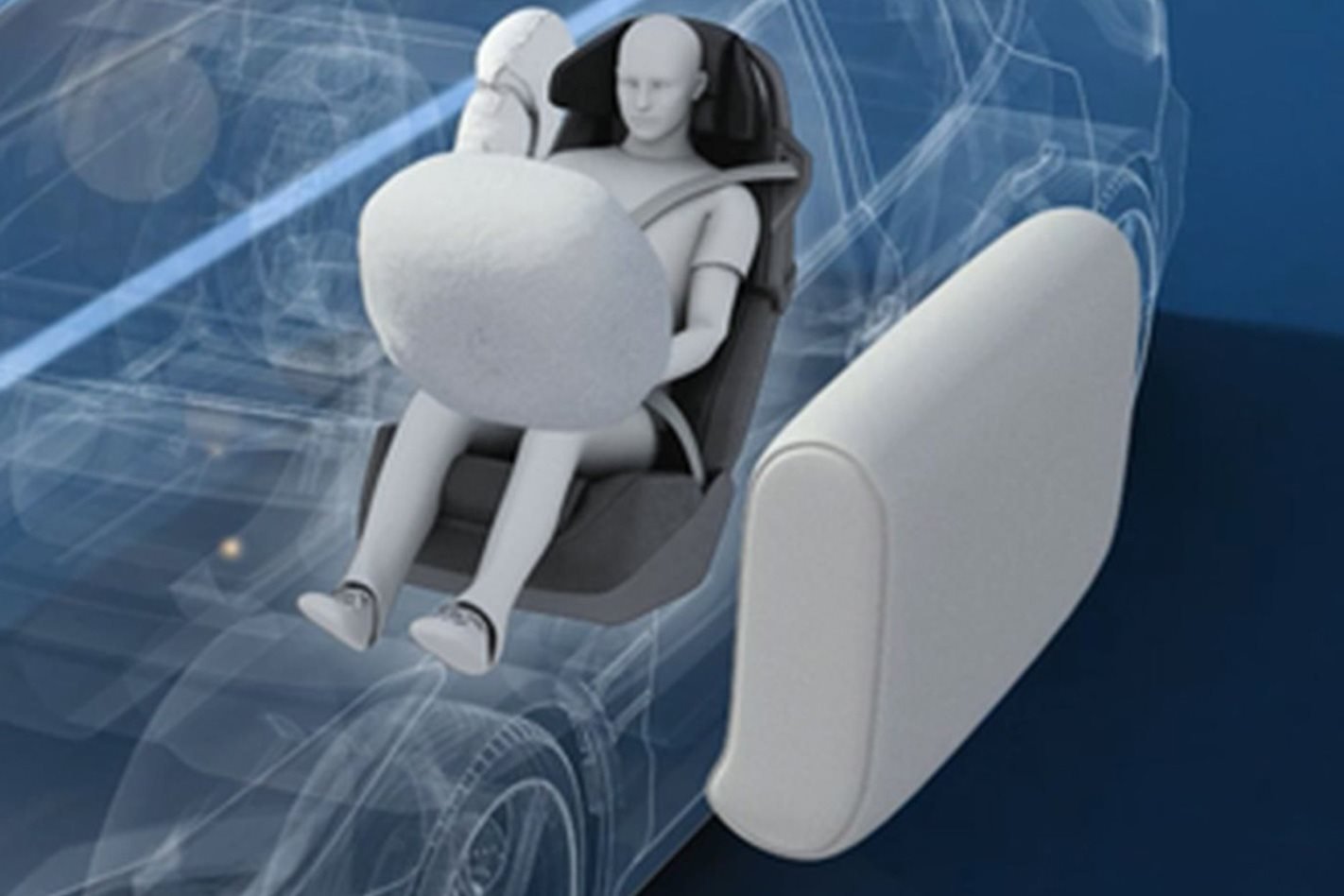
Frontal airbags deploy from the steering wheel and dash in frontal collisions, then immediately deflate. Side airbags deploy on impact in side collisions and possibly in rollovers. Knee airbags deploy in frontal collisions to protect knees from the steering column and dash. Footbags deploy into the foot well to reduce injuries to feet and lower legs. Curtain airbags deploy downwards from the roof sill to protect the head and remain inflated. Side torso airbags deploy from the side of the seat upwards and remain inflated Seatbelt airbags deploy from the belt across the torso and shoulder Rollover sensors deploy curtain airbags if the car rolls
HOW A FRONTAL AIRBAG DEPLOYS
Sensors on the outside of the car, called satellite sensors, activate the inflator in a severe frontal collision at speeds in excess of 24km/h. The inflator ignites a chemical mix of sodium azide (NaN3) and potassium nitrate (KNO3) to create a pulse of nitrogen gas into a thin nylon bag. The driver-side airbag ignites and inflates in 20-30 milliseconds, or less than half a blink. The passenger bag takes 30-40 milliseconds, and the whole inflation process happens at around 321km/h.
CHECKLIST
- If you have an SUV with curtain airbags, check it also has a rollover sensor.
- Check the front airbag is OFF if you have a child under 13 or a person less than 153 cm tall in the front passenger seat.
- Read your manual and understand what your airbags can and can’t do.
