
THERE’S AN IDIOT filling my mirrors. He’s one of the high rollers at Launceston’s Country Club Casino and, as a result, he’s been comped a day in a Mercedes GLA in the Targa Tasmania Tour. Unfortunately, Pokie Champ hasn’t figured out that we’ve been limited to 120km/h for the event and seems to want to demonstrate that he’s the Tamar Valley’s answer to Sebastian Loeb. Right up to the moment he almost outbrakes himself and plants himself into the back of our Hyundai i30 N Fastback.

It’s not as if the Targa Tour isn’t exciting enough without a numpty who hasn’t read the rulebook inches from your back bumper on the straights. Yes, speeds may be capped at 120km/h and reported back to the clerks of the course by the unblinking eye of the GPS Rallysafe device that’s hardwired into your car, but the stages chosen by the organisers are often so tortuous that even the leading vehicles in the Targa proper, given free rein to lay into them at maximum attack, wouldn’t get close to that speed at 90 percent of the apexes.
With 202kW at your disposal in the i30 N, you’ve still got to exercise a fair degree of caution, especially as the road is frequently damp, greasy or covered in a mossy residue that has a Teflon-like coefficient of friction. The road book that the organisers have supplied doesn’t fill me with a great deal of confidence. An example: “straight on then 60m road goes left, deep culvert on left, – don’t cut this corner as this culvert will consume a vehicle”. Or there’s “EXTREME CAUTION road goes right, steep drop on left – this means what it says. Don’t get it wrong on this bend.”
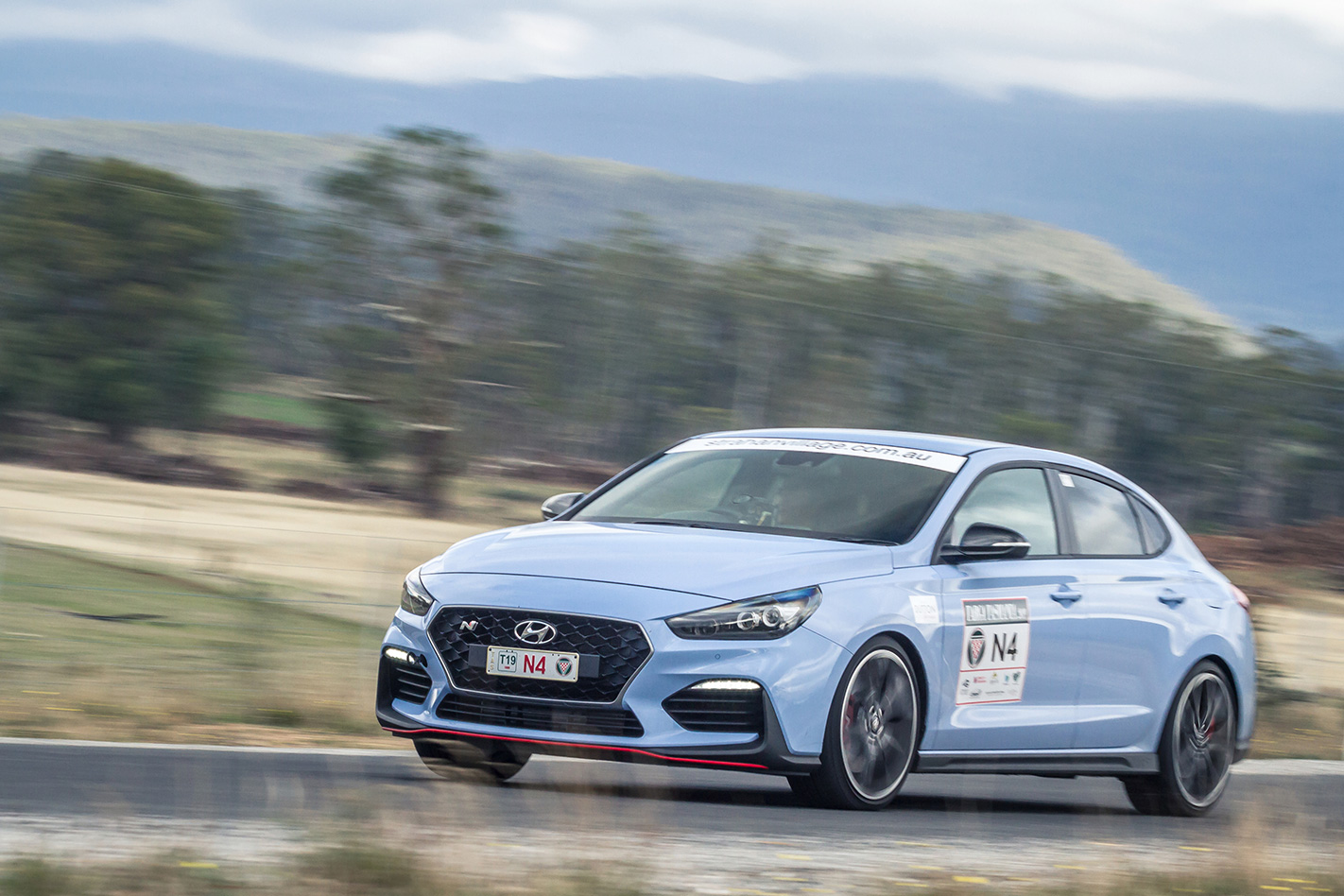
Fortunately, we’ve got a very accomplished car for the task. You probably remember the Hyundai i30 N hatch blitzing all comers at Wheels’ Hot Hatch Megatest last year. This Fastback version is even better. Although the raked glasshouse styling is a little Marmite, we’re not complaining about the underpinnings. The 2.0-litre turbocharged engine is unchanged, but there’s been a lot of work refining the suspension.
In short, the Fastback gets a softer front anti-roll bar, and a lower front spring rate. This additional ‘give’ in the front suspension gives the Fastback better front-end bite than the hatch, allowing you to get the nose planted early and then, if you so desire, to enjoy a little more playfulness at the rear. It’s far from the soft option though. The bushes in part of the shock absorber and in some of the mounts have been sleeved for extra rigidity. There’s also a set of small helper springs at the top of the shock mounts that give it a bit more refinement at the extremes of travel, especially in rebound.

The rear is much the same as before, but a set of revised toe links and slightly firmer dampers have been added while leaving the spring rates as they were. The softer front sway bar has also necessitated a re-tune of the steering system. As well as the grippier front and more playful rear, Hyundai also claims that there are greater differences between the different drive modes the driver can access.
I’m thankful for all the front end grip I can get. The very first stage is quite an eye opener, Holwell being a flowing stage with many crests, some of which have fiendish bends following. I’ve got seven-time Australian-Pacific Rally Championship winner Cody Crocker in the jumpseat calling the notes. He’s beaten the likes of Richard Burns and Tommi Mäkinen on WRC stages, so I don’t feel pressured to try to impress him with my pedalling. The second stage is Kayena, another flowing road with a sharp climb to the finish.

The third stage is real fun. Although it’s a sprint at just 4.8km, the George Town stage runs through the closed streets of town, so apexing straight across blind corners, flying out of parking lots without checking left or right and leaping over roundabouts the wrong way feels like legalised getaway driving. I’d sign up for the Targa Tour just for this stage.
Day Two is when things get a bit more serious. The i30 N Fastback is a genuinely choice car for the event. It delivers power well on the treacherous bitumen, the ride isn’t so harsh that poor surfaces will really upset its composure, the steering’s excellent, the manual shift with rev matching is a gem and the brakes haven’t caught fire yet, which is a major bonus. I’m worrying if it’s a little too good. The perfect car might well have a little less power so that you feel as if you’re wringing its neck everywhere. Something like a Swift Sport or a 1.5-litre Mazda MX-5 might well be even more enjoyable. Still, I’m not complaining. Our strictly unofficial timing suggests that even with the 120km/h cap, we’re still quicker than many of the cars in the competitive Targa event.

We get the High Plains leg stretcher out of the way and then it’s into a real challenge. The Sheffield stage passes the Paradise Forest and it’s here that I have the biggest heart-in-mouth moment in the whole event when I turn into a sharp uphill right-hander, only to find it covered in green slime. Waiting for the front Pirelli P-Zeros to get some sort of purchase is agonising. The car skates towards a solid wall of rock for a split second before the stability control grabs at the brakes of the inside rear, and there’s enough yaw introduced to give the outside front tyre a chance. Crocker doesn’t say anything. I’m not too proud to admit that without the help of the Hyundai’s electronic stability control, we could well have been planted into the scenery.

After dispatching the Nook and Moriarty stages, we then dig in for three of Targa’s highlights. Ask a lot of veterans what their favourite stage is and many will answer ‘Paloona’. While Cethana is the one that attracts most of the headlines, Paloona might well be the connoisseur’s stage, just for its sheer variability and challenge. If you want to appreciate the speed at the pointy end of the field, just Google “Targa Tasmania 2019 Matt Close Paloona” and you’ll soon get the hang of things. While we’re not hitting 230km/h on the short straights like Mr Close, there are plenty of bends that allow zero margin for error.
Paloona is followed by Mt Rowland, another belter of a stage, effectively the first 26km of Cethana but in reverse. There are so many cautions on the pace notes for this stage that I take things a little easier. It’s not helped by the fact that Crocker, a lovely bloke and demon driver, admits he isn’t up to much as a navigator. “Road goes wiggly for the next few kilometres,” is probably not an instruction that Richard Burns would have had much time for.

Next up is Sideling. We’ve already seen a Porsche 911 Turbo smashed into a bank on the right-hand side of the road and this stage is renowned for drivers taking heavy cuts across the inside of the corners and spraying the tarmac with gravel. The other two drivers in my cohort have got their eye in and our tour leader, Chris Reeves, is pedalling the tyres off an i30 rental at the head of the field. Don’t worry about that 120km/h limit. Get in the right pack of cars on the tour and you’ll be driving some of Australia’s very best corners at flat chat.
I have a chat with Renato Loberto at lunch. He’s looking after the Ferrari team and has his hands full keeping some of the drivers on the straight and narrow. Three had spins at the same corner, one car was sent home at the end of day one for an egregious speeding offence on a transit stage, and of the 12 speeding offences reported to the clerks of the course on Day One, nine were from the Ferrari contingent. Given that there were nine Ferraris in the Tour group, that’s a 100 percent strike rate. It must be incredibly hard to keep to 120km/h in a 488 Pista though, so we have a measure of sympathy, albeit in a first-world problem kind of way.

We manage three days without a single speeding report, which pleases the organisers immensely. No crashes, no animals mown down, and no Mercedes GLAs planted into our rear ends – just – is a decent result. The third day sees race leader Steve Glenney extravagantly bin his Lotus Exige on the challenging Elephant Pass stage; just one of a number of high-profile offs in this event. A Lotus seems to be the right tool for the Targa proper this year, with Paul Stokell and Kate Catford taking out overall victory in an Exige Sport 350.
Hyundai rally ace Brendan Reeves and his co-driver Rhianon Gelsomino finish a very respectable fifteenth in their i30 N, registering a class victory in the process. Given that the next front-wheel-drive contender is almost an hour back and there’s a whole host of Lancer Evos, Porsche 911s, and Dodge Vipers in their wake, it’s one heck of an achievement.

We hand over our i30 N to the next journo team after three testing days. The Targa Tour, especially in suboptimal weather, is about the most intense driving activity I can think of that doesn’t require a helmet and roll cage. The Hyundai might not be quite the perfect car for the event. But it’s not far off.
HYUNDAI i30 N FASTBACK AUSTRALIA SPECS
Model: Hyundai i30 Fastback N Engine: 1998cc 4-cyl turbo, dohc, 16v Max power: 202kW @ 6000rpm Max torque: 353Nm @ 1450-4700rpm (overboost 378Nm @ 1750-4200rpm) Transmission: 6-speed manual, front-wheel drive Weight: From 1441kg (dry) 0-100km/h: 6.1 sec Economy: 6.9/100km Price: Sub $41,990 On sale: Now
Best value car award
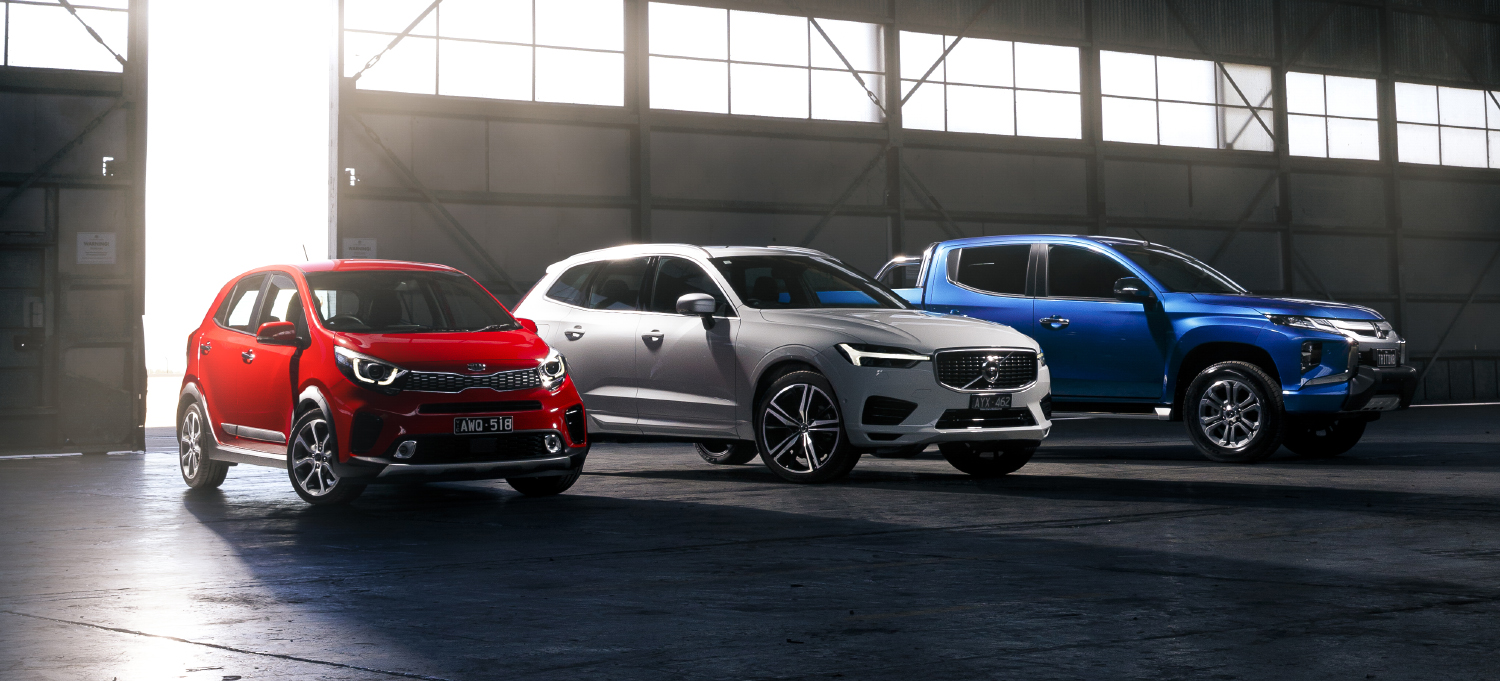
Wheels’ Gold Star car award uses data such as depreciation and running costs to calculate what the best value new cars in eight different segments are. To understand how we calculate the numbers and what considerations were put into the algorithm, read the 2019 Gold Star Car Award 101 here.
The top 3 premium SUV contenders
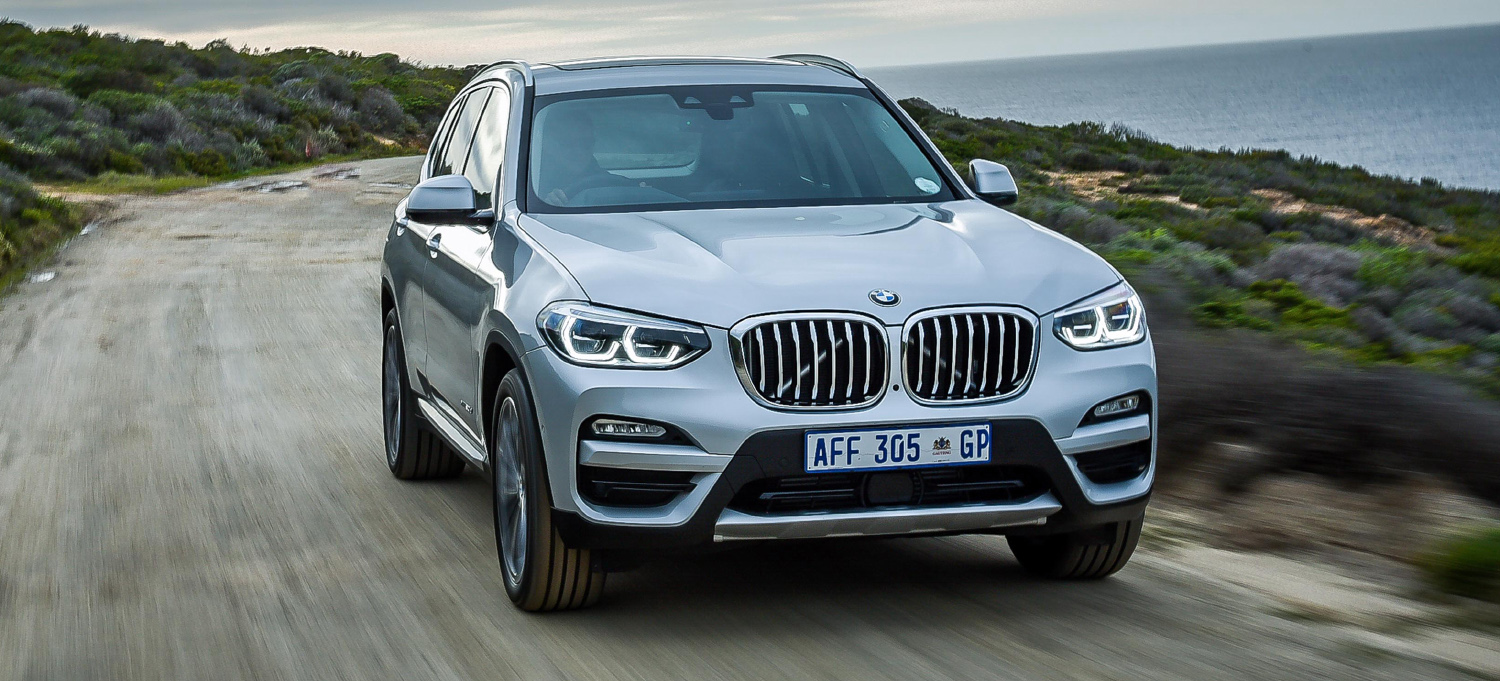
- BMW X3 sDrive20i
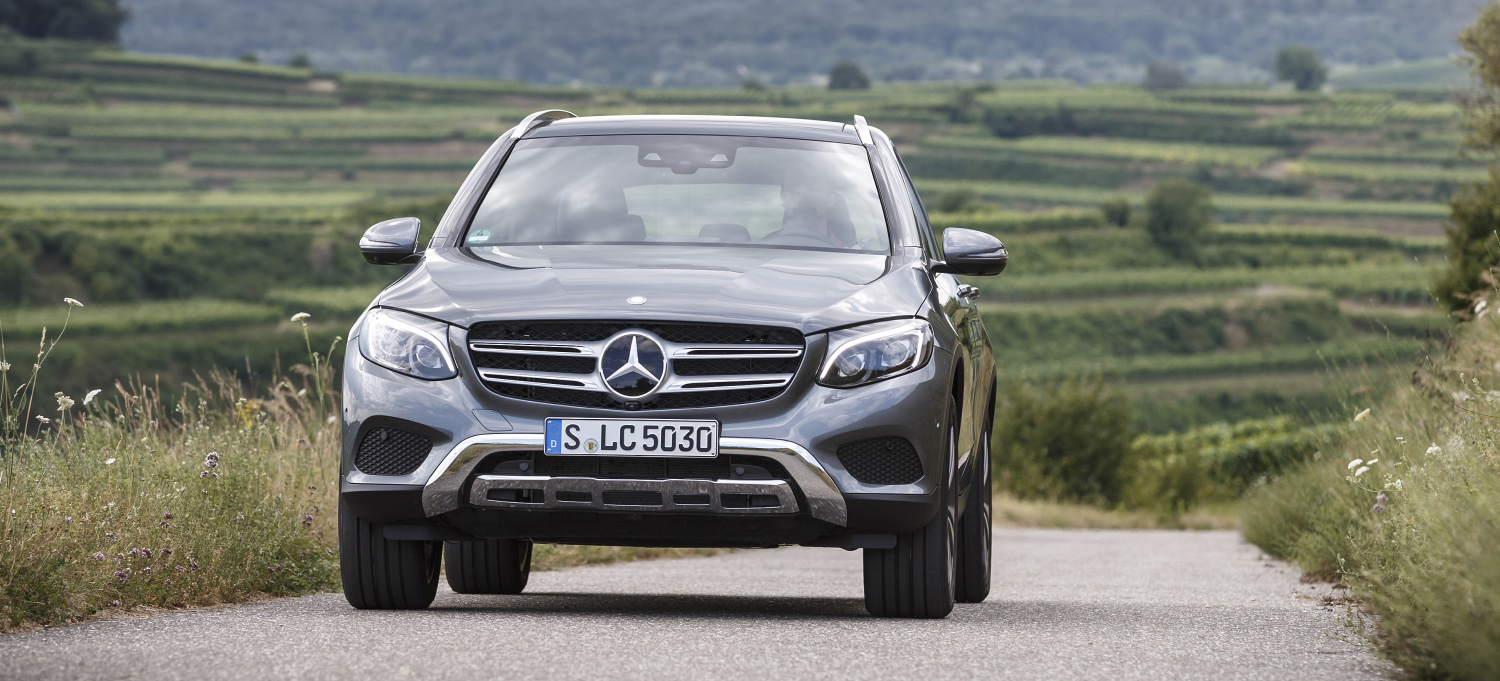
- Mercedes-Benz GLC200
- Volvo XC60 D4 Momentum
What the numbers said
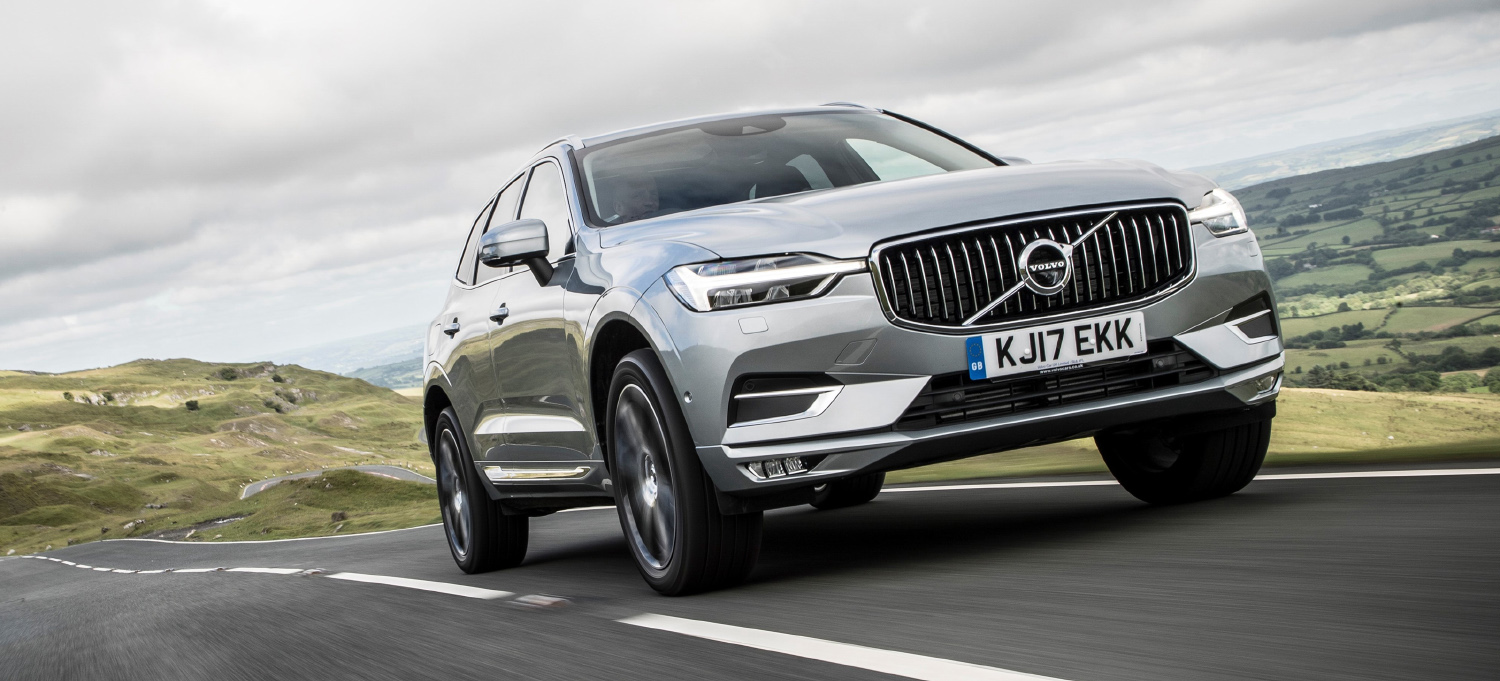
A step up in both quality and price from the usual crossover wagon is the Premium SUV segment.
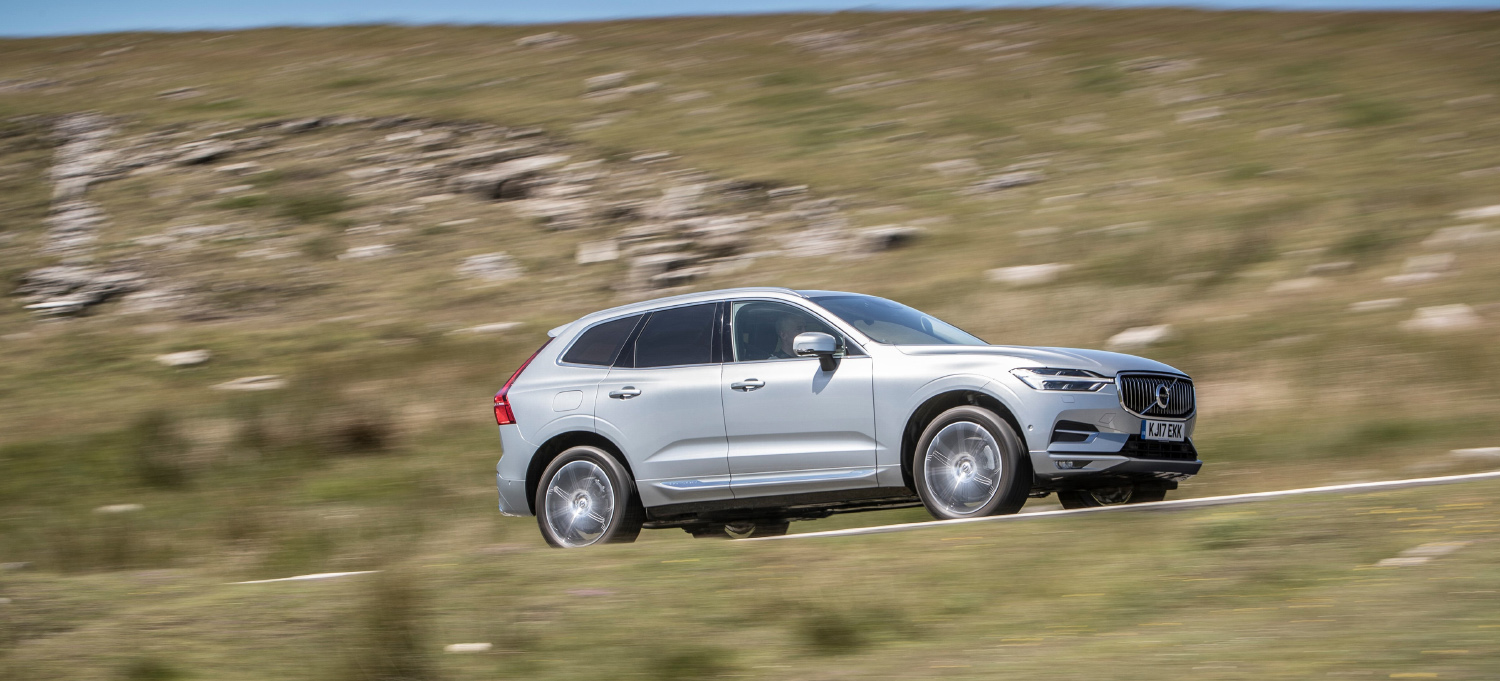
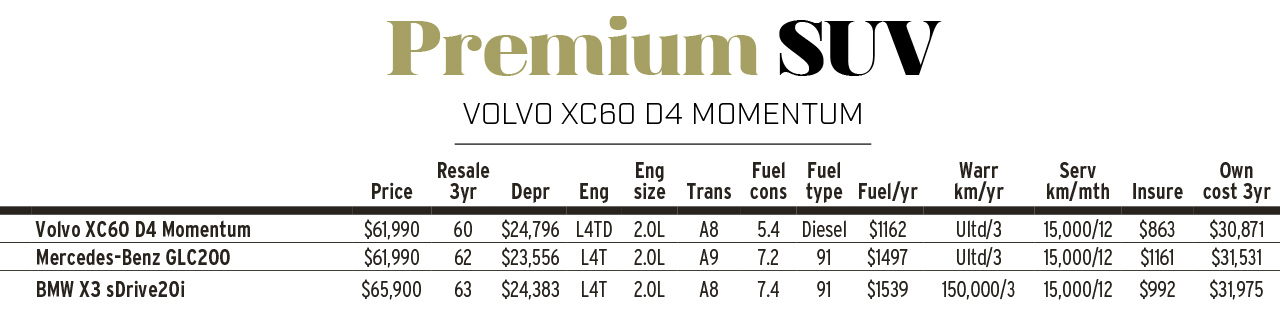
Competing neck and neck with the Mercedes on price at $61,990, the German would likely come out on top if it were not for the Volvo’s frugal diesel engine and low insurance cost that give it the win. The only oiler of the three here, the Swede records a claimed combined fuel consumption of 5.4L/100km. It also nudges ahead with the lowest comprehensive insurance quote of $863, while the Mercedes has the highest at $1161 per annum.
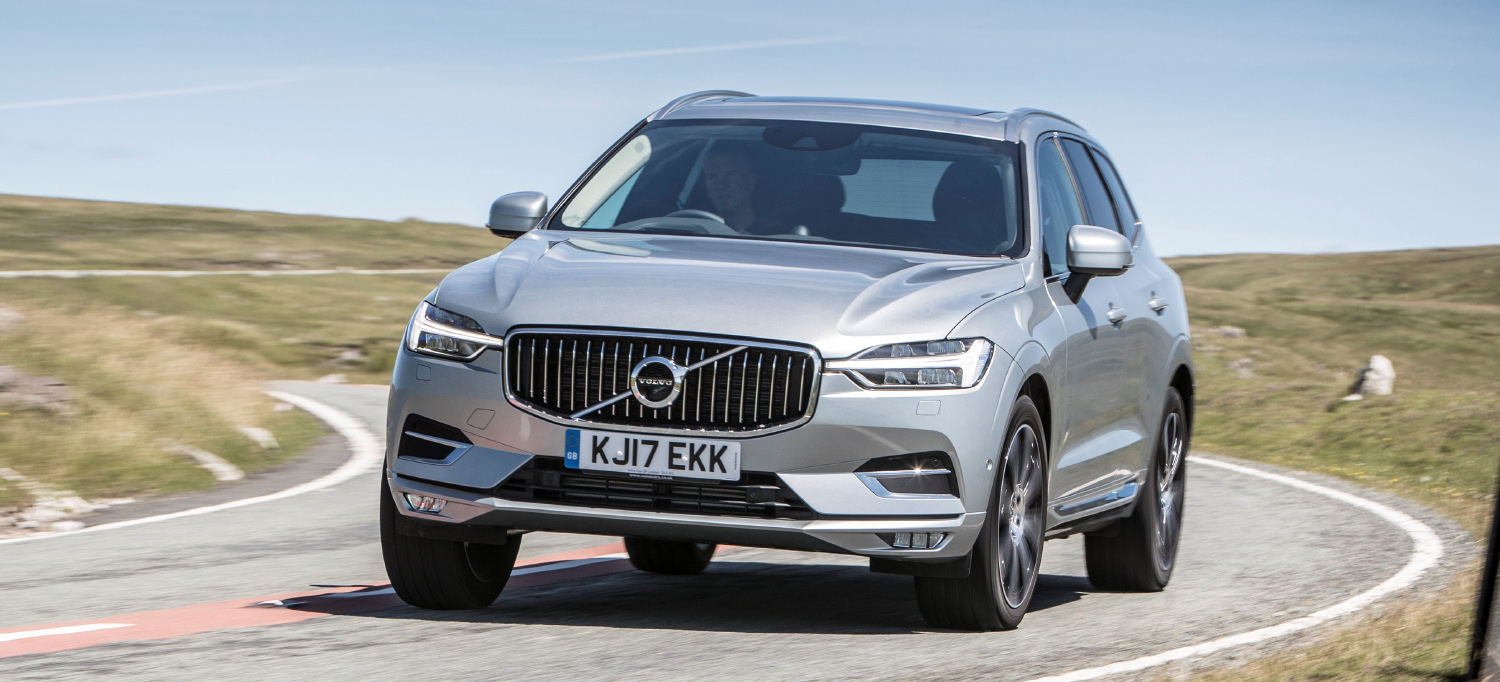
All three premium SUVs share the same three-year warranty period and 12-month/15,000km service interval, though the Mercedes claws back some value with the lowest depreciation value over three years. A close fight, but a sensible win for Sweden.
Wheels’ pick
Volvo XC60 T5 Momentum $64,990
Diesel not your thing? Well ditch the stinky hands at the bowser and those rattly NVH issues (admittedly, Volvo’s 2.0-litre oiler is a refined unit) and step up into the T5 XC60.
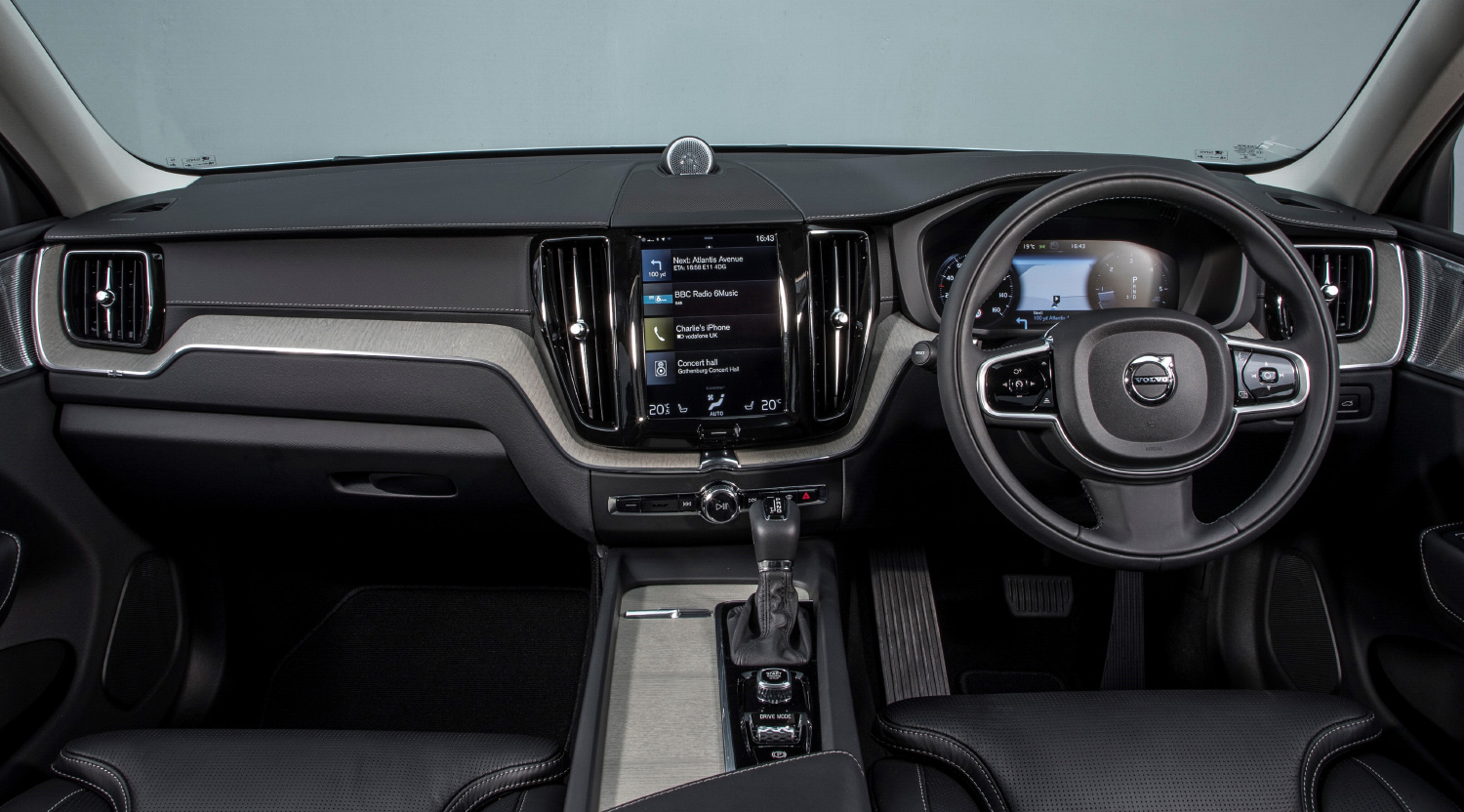
For $3000 more compared to the class winner, you get a smooth and gutsier 187kW/350Nm turbo four petrol that will slice 1.6sec off your 0-100km/h sprint as your race the kids to school.
‘Mad Mike’ Whiddett, one of New Zealand’s most famous motorsport exports, has revealed the Lamborghini Huracan drift car he’s been teasing on social media for the last few weeks.
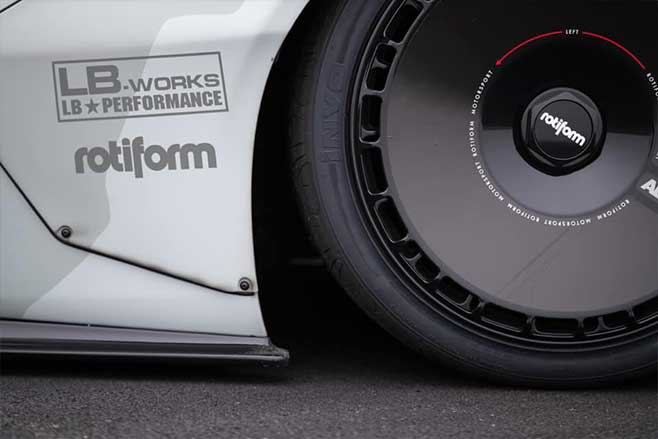
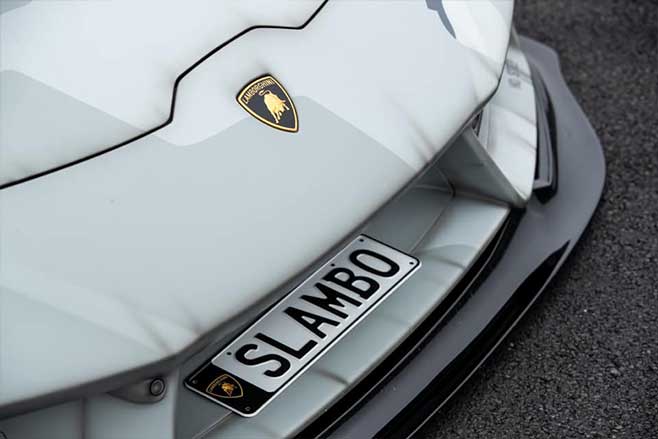
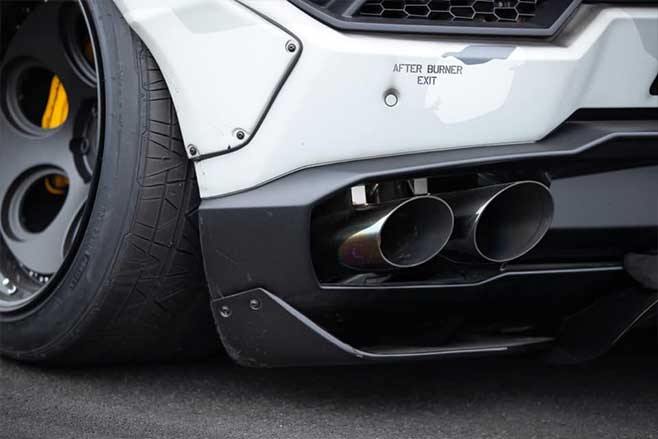
Dubbed ‘Slambo’, the Huracan wears a Liberty Walk widebody kit and is adorned in a light camo-style livery, spotted with references to jet fighters.
Under the bolt-on flared arches, aggressive Rotiform wheels are angled for function, wrapped in what’s likely to be the first of many (many, many) sets of rubber.
In his initial reveal post, Whiddett confirms this is the car he’s taking to Goodwood this year (though it had already been announced on the Festival of Speed driver list), adding that more will change on this car in the near future.
“At FOS 2019 the fans will be spoilt with seeing another surprise to the Huracan – yes even more wild to this – as it takes on the Hill Climb and Drift Arena!!”
Technical specifications of the Slambo are under wraps at time of publish, but Mad Mike says a series of videos documenting the build are on the way.
Lamborghini Huracan Evo review
Whiddett first drove at Goodwood in 2014, and will this year bring friend and fellow NZ motorsport personality Tony Quinn – who’s the owner of NZ’s Highlands Motorsport Park – along to drive.
He says he told ‘Lord March’ (who is now the Duke of Richmond) about some of Quinn’s cars, he was “blown away.”
“It’s nice to be able to return a favour to Tony. He’s been so supportive of my career. He gave me my first opportunity to race a GT car a couple of years ago and I’ve really enjoyed the GT racing that I’ve done.
“He helped me set up my Mad Mike Motorsport shop at Hampton Downs and I was also the first driver to drift the track at Highlands.”
Tony Quinn will bring with him a Benetton Formula 1 car – the first car Michael Schumacher scored Formula 1 points in.
He also says despite not having a bucket list, driving at Goodwood is one thing he’s rather keen to do.
“The good thing about it is there is no expectation or pressure to set a fast time or finish on the podium or anything like that. It’s just a blat up a hill and a chance to hang out with a bunch of petrolheads who want to relive their youth.”
Stay tuned for more on ‘Slambo’, and the Goodwood Festival of Speed from July 4.
We had no idea what was coming, truth be told. It was getting towards the end of a long, hot, sweaty day checking out the latest and greatest tech that automotive giant Continental had to offer, and we’d all gathered by the side of a dry handling track at the company’s massive proving ground in Uvalde, two hours out of San Antonio in Texas.
Suddenly, it was all on. And it was jaw-dropping.
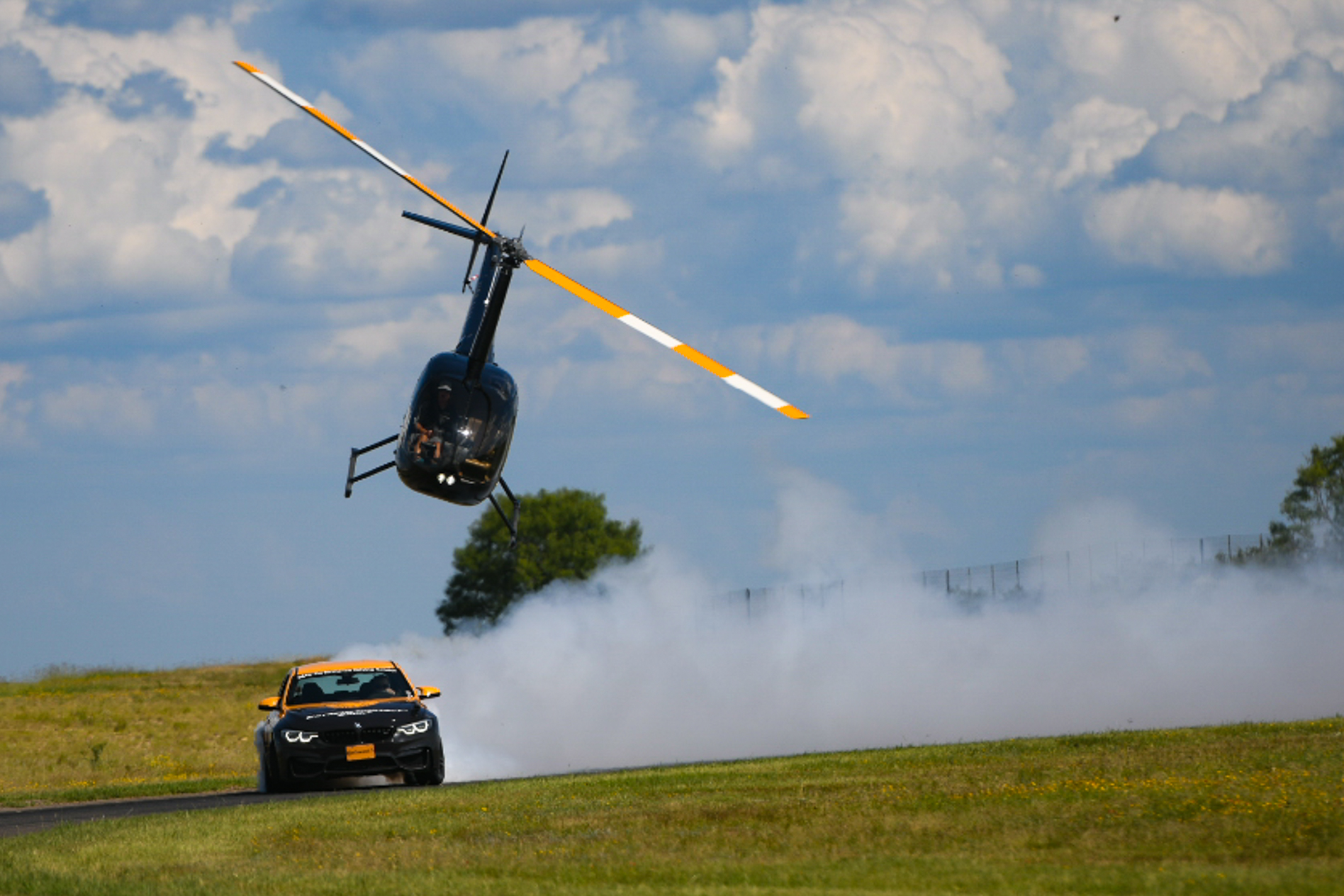
In the ultimate irony, local regulations discourage the use of drones without a commercial licence, but helicopters? Not a problem, especially when local chopper ace Dusty Holt is at the stick. He grew up mustering cattle on nearby ranches, and he’d been flying us around the 2000ha site all day in his Robinson R44.
Put simply, Dusty is next-level. How do we know? Well, if a driver knocked a traffic cone over in the course of testing, Dusty would fly down and use his landing skid to gently nudge the cone back into a vertical position.
Our resident stunt driver Tommy Van Cleef wended the same magical power, only on four wheels. A high-performance driving instructor, Tommy’s mastery of his BMW M3 – standard aside from ceramic front brake rotors and high-performance pads – was just as otherworldly, as he took passengers for a ride on another one of Continental’s myriad test tracks.
Then Continental put them together.
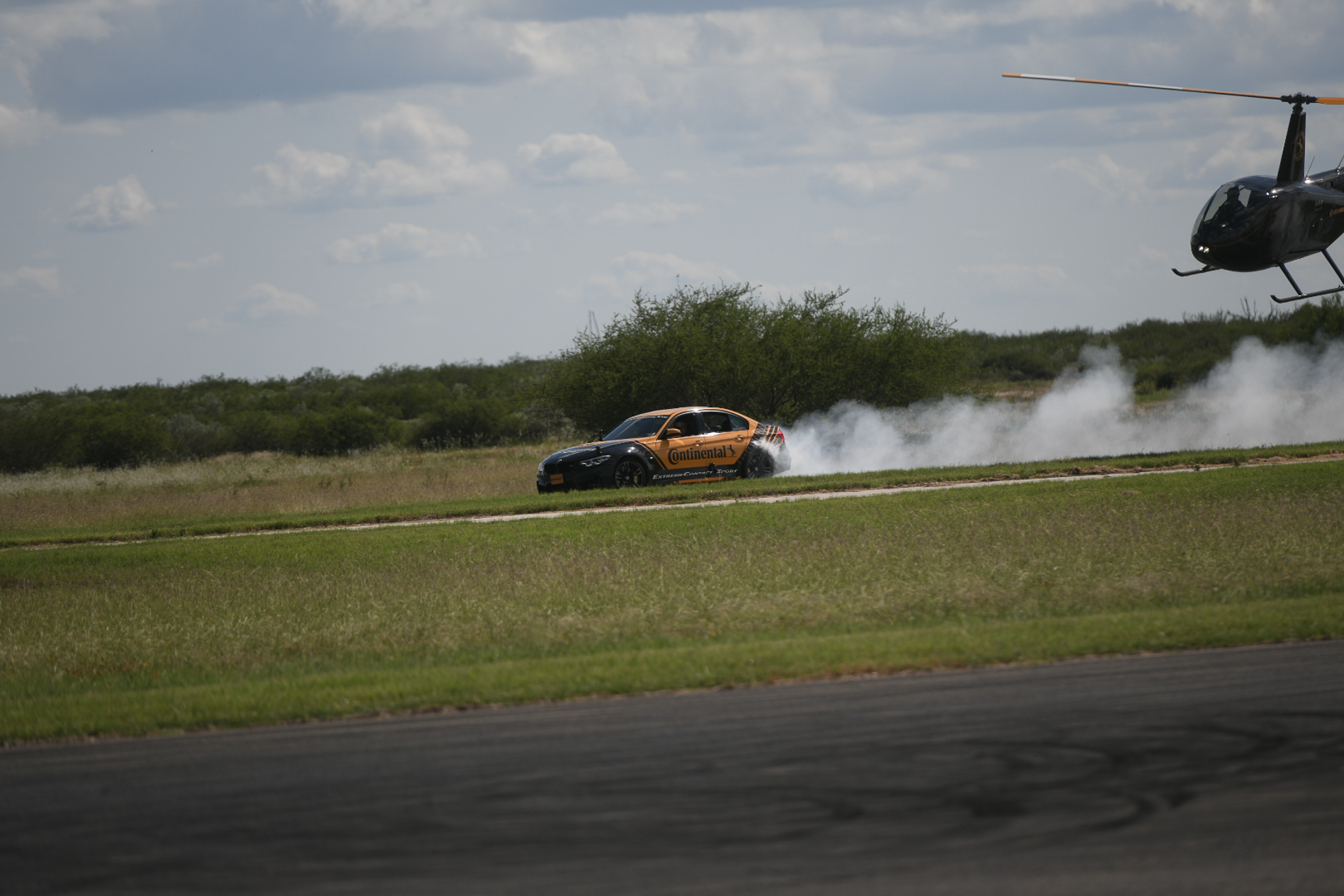
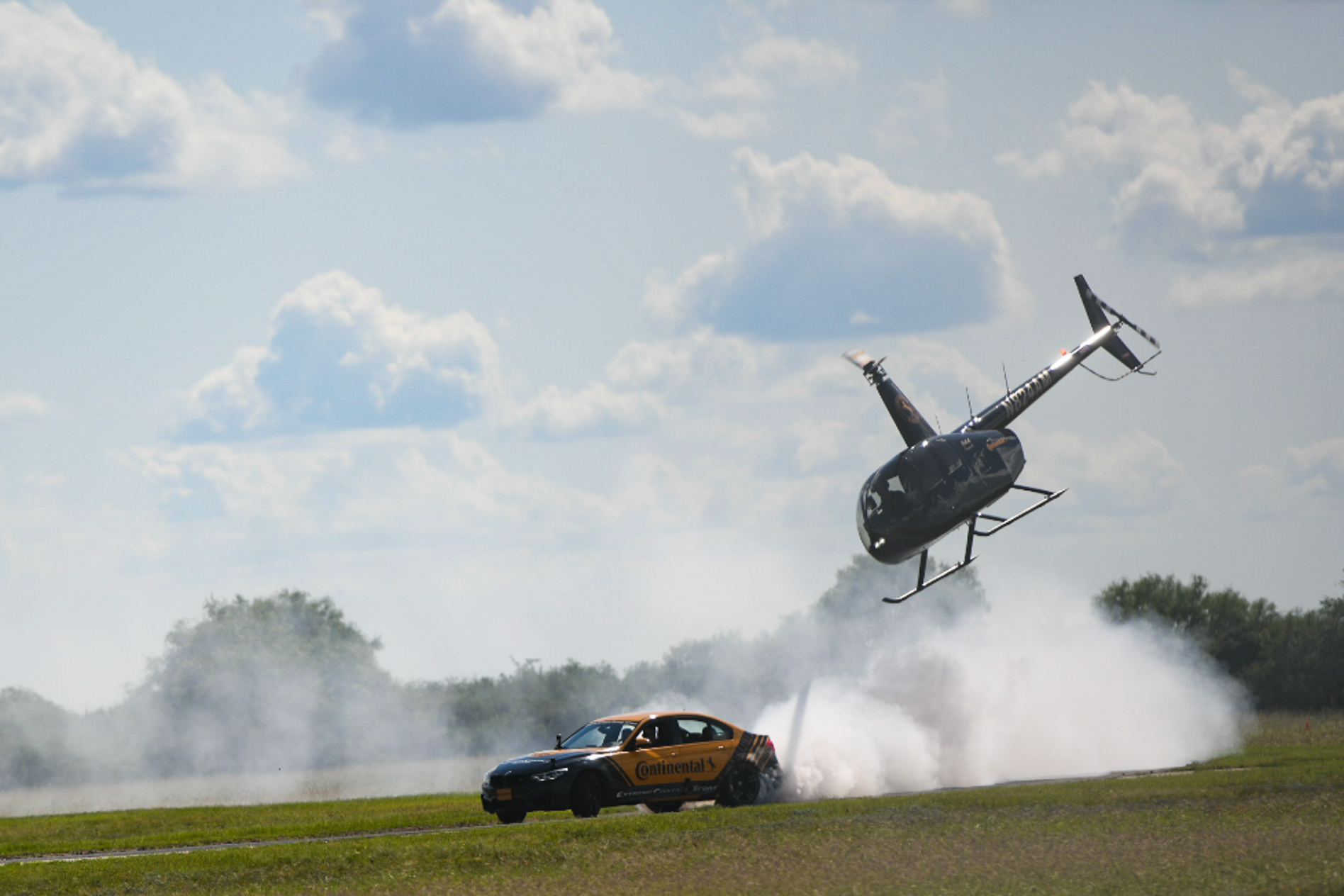
The Smoke Show is now the traditional way to end a visitor day at Uvalde, and I’m here to tell you that you won’t see this replicated anywhere where hi-viz and permission forms are found. There was no lecture, no barrier, no rules… just high horsepower high jinks of the highest order.
Tommy pushes Dusty hard, too, drifting his M3 at speeds over 120km/h, while Dusty chases him at altitudes that sometimes dropped below two metres.
You can check out the video above – and I guarantee you, you won’t watch it just once!
What’s in the garage?
Lurking behind the roller door this week is McLaren’s 600LT Spider. What can I say? Not all work assignments are created equal. You probably know the 600LT already. It’s the most track-focused of McLaren’s entry-level line, the Sports Series, and presents itself as a natural rival to mid-engined track specials like the Lamborghini Huracan Performante and the Ferrari 488 Pista. Or, if you prefer your power coming from a point even further posterior, the Porsche 911 GT3 RS.
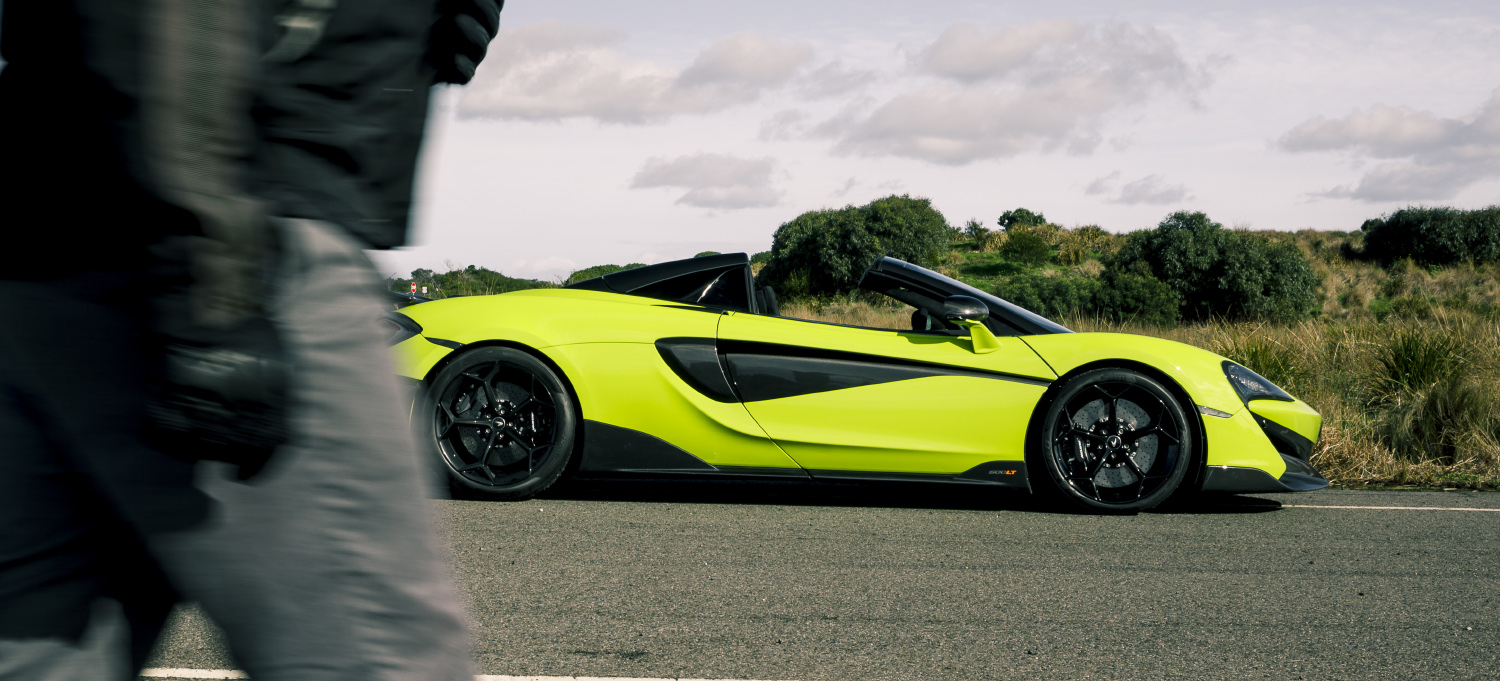
I had the opportunity to drive the 600LT coupe on track at the Hungaroring F1 circuit back in October 2018 and came home telling anybody who’d listen that this was a seriously special car. It’s since scooped a whole slew of industry awards, so it seems that opinion was on the money. This Spider version features a folding hard top and because the Sports Series is built around a proper carbonfibre tub, body rigidity in this open version is not adversely affected. That’s something you certainly can’t say of a Lamborghini Huracan Performante Spyder or a Ferrari 488 Pista Spider.
Anyway, enough of the preamble, here are our drive impressions and some facts and figures to put what might be Woking’s finest into context. Can the 600LT impress as much on Aussie roads as it does on a smooth F1-sanctioned race track? Keep reading.
Spec and compared to rivals
| McLaren 600LT Spider | Lamborghini Huracan Performante Spyder | Ferrari 488 Pista Spider |
Price | $485,000 | $532,635 | $645,000 |
Engine | 3.8L twin-turbo V8 | 5.2L V10 | 3.9L twin-turbo V8 |
Output | 441kW/600Nm | 470kW/600Nm | 530kW/770Nm |
Transmission | 7-spd twin-clutch | 7-spd twin-clutch | 7-spd twin-clutch |
Fuel | Petrol | Petrol | Petrol |
Efficiency (combined) | 11.7L/100km | 14.2L/100km | 12.8L/100km |
Drivetrain | RWD | AWD | RWD |
ANCAP rating | Not tested | Not tested | Not tested |
Warranty | 3 years/unlimited | 2 years/unlimited | 3 years/unlimited |
Service Interval | 12 months/10,000km | 12 months/12,000km | 12 months/20,000km |
Seats | 2 | 2 | 2 |
Wheel size | 225/35 ZR19 (f) 285/35 ZR20 (r) | 245/30 ZR20 (f) 305/30 ZR20 (r) | 245/35 ZR20 (f) 305/30 ZR20 (r) |
Boot space | 202L | 160L | 230L |
Length | 4604mm | 4506mm | 4605mm |
Width | 2095mm | 1924mm | 1975mm |
Height | 1196mm | 1180mm | 1206mm |
Wheelbase | 2670mm | 2620mm | 2650mm |
Weight | 1404kg | 1553kg | 1485kg |
Towing capacity braked | NA | NA | NA |
Front suspension | A-arms | A-arms | A-arms |
Rear suspension | Multi-link | Multi-link | Multi-link |
Country of origin | UK | Italy | Italy |
What we reckon

Alex Inwood
Editor
| Finally, a McLaren with personality! Modern McLarens have always been searingly rapid and objectively superior to their rivals but they felt like cars designed on a spreadsheet. They were lacking that intangible quality enthusiasts crave, that sense of fun, that element of anthropomorphism which separates the great performance cars from the merely very good. There are no such missing ingredients with the 600LT. The exhausts have a lot to do with this. I was worried they might be a gimmick, but the sheer venom and volume they spew forth, just a metre or so from behind your head, is central to the 600LT’s ability to excite. The real genius, however, is found in the chassis tuning. Throw the 600LT around a circuit and it offers an instant sense of connection; a sense of being supremely talented but also that you, as the driver, are a core component of extracting its best. |

Andy Enright
Deputy Editor
| Although I’m not sure I’d spec this colour scheme, the McLaren 600LT doesn’t do much wrong. There’s both style and substance here and the whole go, stop and steer of the thing is right at the very top of the class. It’s a car that makes going extremely fast very straightforward without sucking the excitement out of the process in any way. It’s a gem and Woking should be extremely proud. And that surge to the redline? It’s mind blowing. |

Ash Westerman
Senior Journalist
| This isn’t just one of the most exciting cars I’ve driven in recent years, it’s one of the greats, full stop. The engine may sound a bit nondescript at urban speeds, but get stuck into it and the twin-turbo V8 marries an eye-widening mix of boosty turbo torque with an almost atmo-style appetite for revs that brings with it a hackle-raising soundtrack. The (hydraulic-assist) steering is a constant delight; the overall driver-connection factor sublime. And yes, the LT’s ability to thrill and general sense of occasion is (almost) in keeping with the price tag and hilarity-inducing options list. |
Review
Power and performance
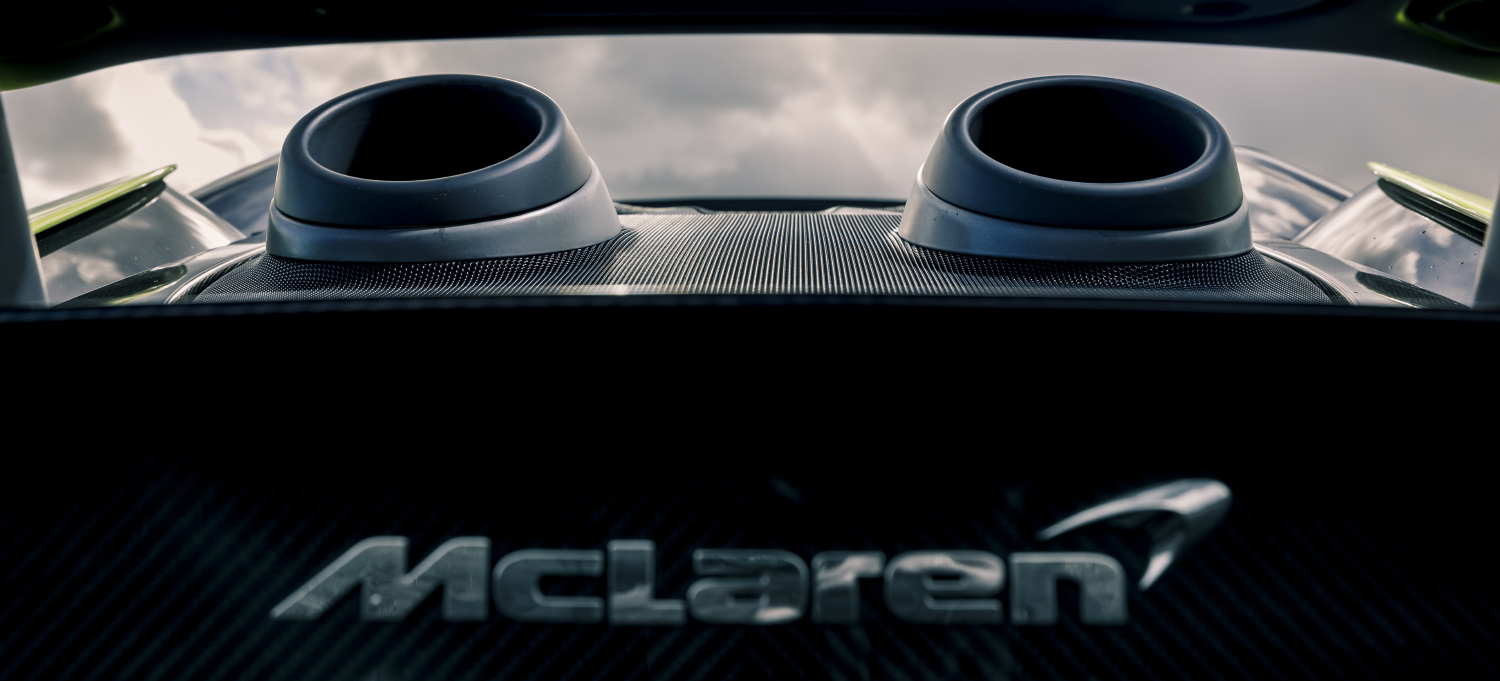
There are some who feel that the 3.8-litre V8 in the McLaren Sports Series isn’t a particularly charismatic engine. Put them in the 600LT Spider with the roof down and rev the thing to its redline. They’ll then realise that they’re talking complete nonsense. The wail as it approaches 8000rpm is as addictive and frenzied as anything Italian and being able to flip the car’s lid gives you the full surround sound experience of the 600LT’s twin top-exiting exhausts. If you can do that and not crack a smile, you’ve got a heart of coal.
Against the clock, the numbers are just jaw-dropping. It’ll hit 100km/h in 2.9 seconds and keep going through 200km/h in just 8.4. That’s Porsche 911 GT2 RS territory for $150k less. And that’s for a proper carbon-tubbed, doors-go-up, mid-engined supercar.
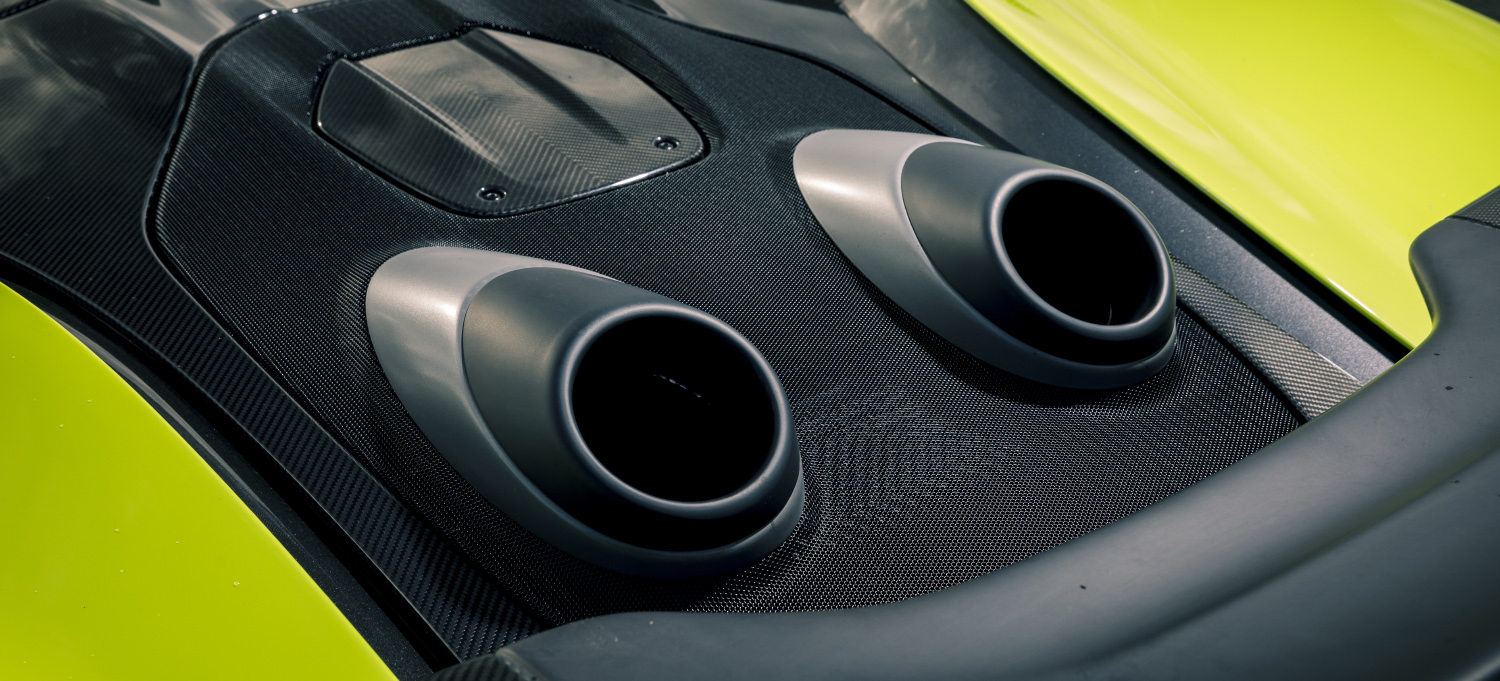
The power delivery has a number of distinct phases. At little over idle it does indeed sound a touch industrial. Put a few more revs onto the board and you can start leaning into the elastic torque surge provided by the two Mitsubishi turbochargers. Peak torque arrives at 5500rpm, by which point the exhaust butterflies have opened and the car has started really wailing. The last 2500rpm are where the 600LT uncorks all the operatics from its Ricardo-developed V8.
As good as the engine is, it’s the finessing of the other dynamics that really set the 600LT Spider apart though.
Ride and handling
Whether you choose the coupe or the Spider, the McLaren 600LT enjoys an obvious and immediate advantage over its key competitors. The steering features an old-school hydraulic pump rather than an electric motor assisting it. This results in a more natural feel and also far more detailed road feedback through the rim. It also means that you can’t fit things like semi-autonomous tech, but this is a driver’s car. Who cares?
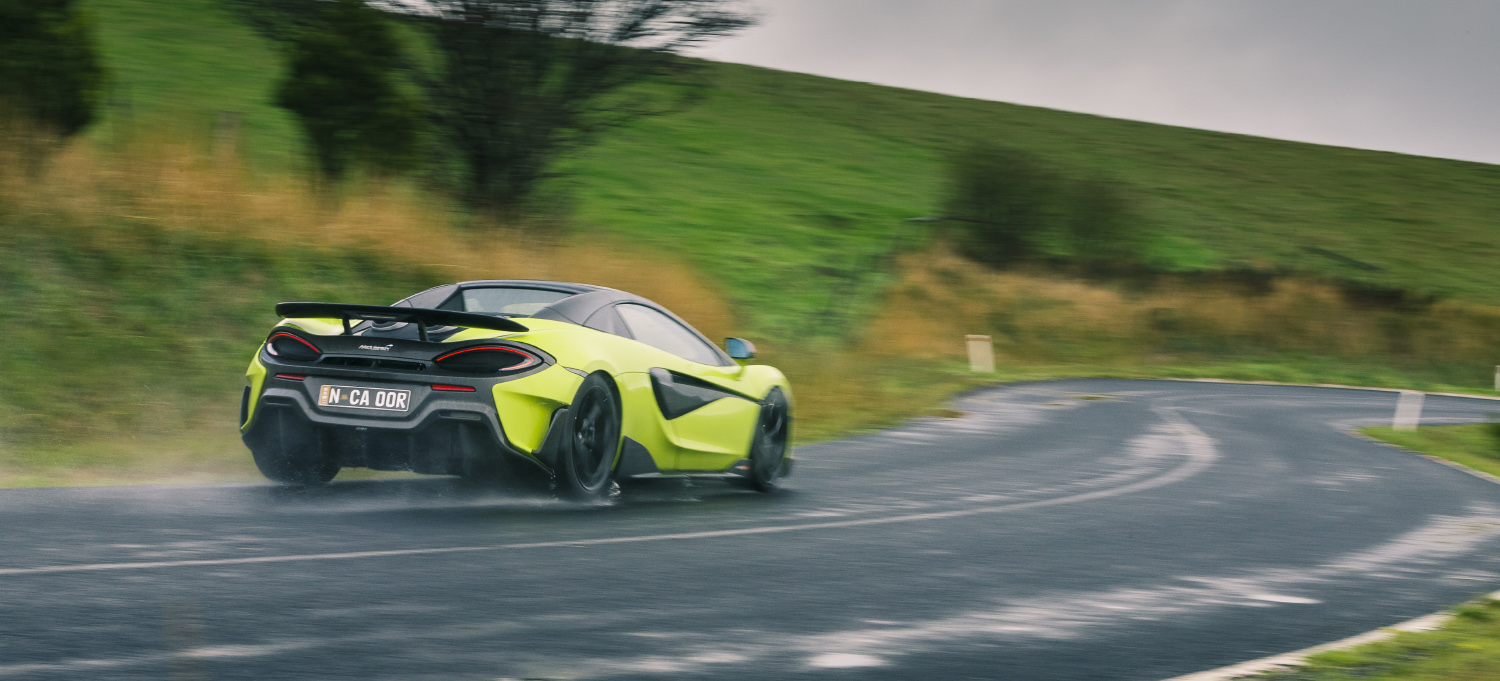
McLaren put a lot of work into improving the 600LT’s stability under braking and you can jump hard onto the anchors from high speed without the slightly disconcerting weaving effect that most sports cars will display. You can even stay on the brakes to the apex of the corner, easing off progressively without the car feeling snappy. A long wheelbase and wide tracks front and rear promote stability, and the McLaren does all of its magic on relatively tiny tyres, for the supercar class at least. Diving into a corner, you’ve got about the same amount of front rubber on the ground as a Civic Type R.
Body control is excellent even under severe provocation. There’s real attention to detail throughout, with a perfectly level pedal set betraying the backwards thinking of many rivals who don’t offer a manual car but still retain the old manual pedal set up with a higher brake pedal for heel and toeing.
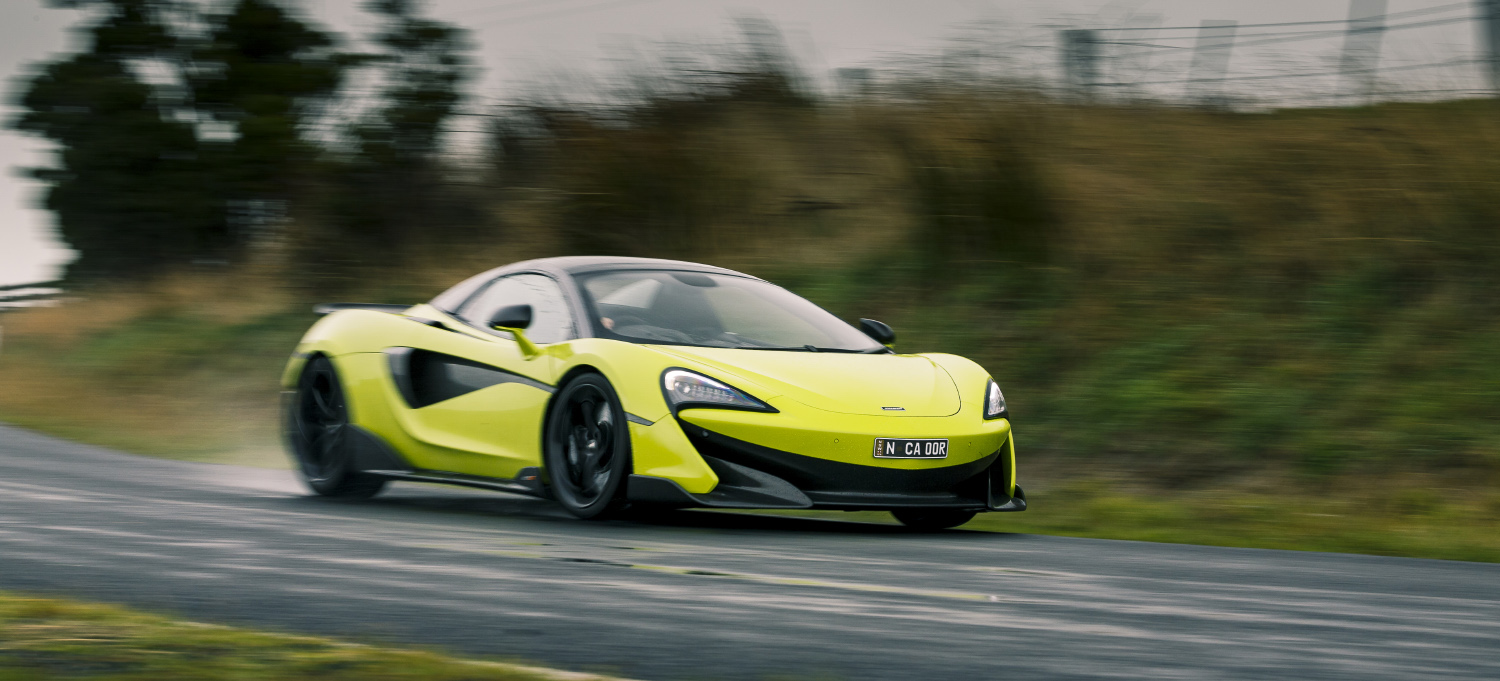
The 600LT Spider never feels a big car. Despite its prodigious performance and relatively wide stance, it shrinks around the driver and instils confidence.
Interior and comfort
The first thing you notice once you’ve clambered in is the steering wheel. There are no buttons, tabs, switches or extraneous controls. It’s also round. Woking clearly values a certain purity when it comes to steering. Everything seems to be wrapped in Alcantara. Our test car had optional sports seats that were a distinctly tight fit if you’re at all acquainted with the finer points of Colonel Sanders’ 99c menu but offered fierce lateral support.
There’s quite a bit of space for two although oddments storage is at a premium. Most refreshingly, taller drivers aren’t at all pinched for headroom in the 600LT, largely due to the fact that the seat is – correctly – mounted low, without a load of electric motors beneath it raising your centre of gravity.
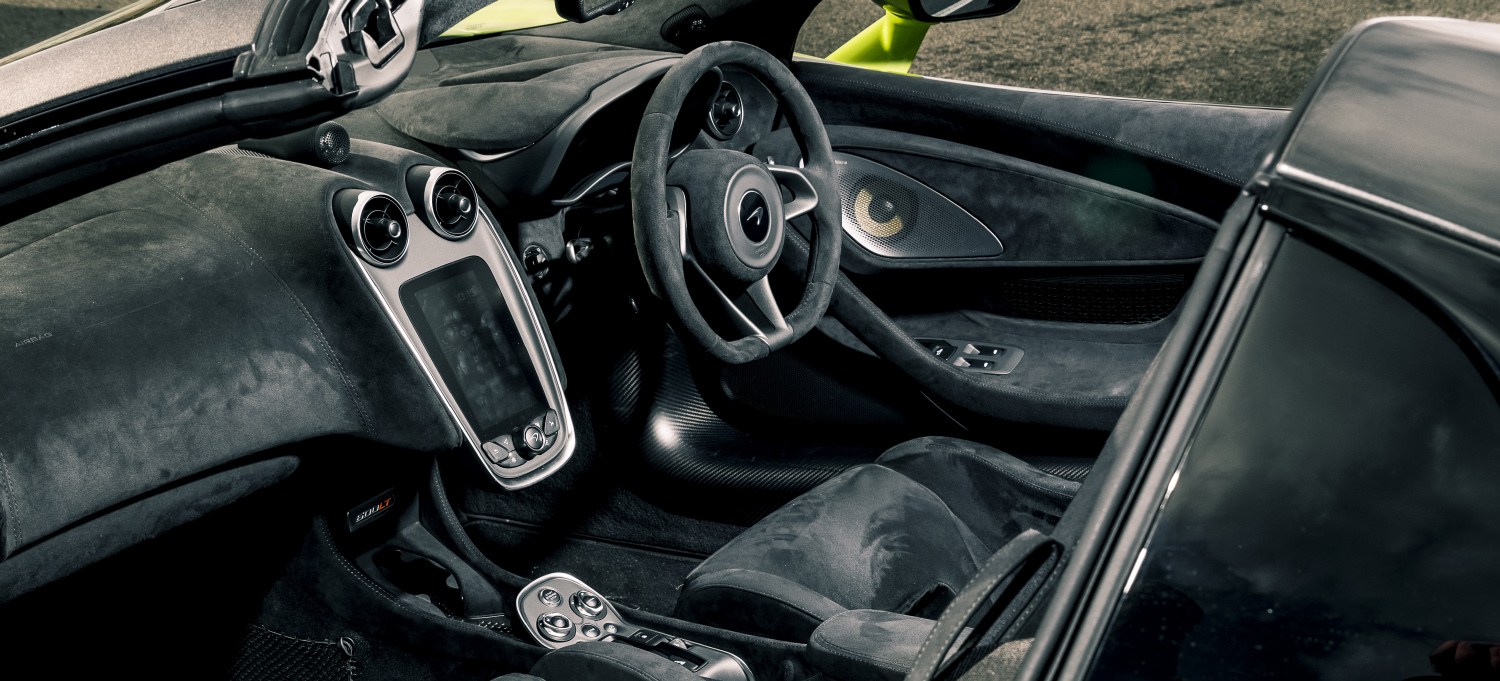
The minor controls can take a bit of getting used to. The handling and powertrain controls look self-explanatory but require the superfluous push of an ‘Active’ button to activate the panel. Likewise the infotainment system is quirky but once you’ve figured it out, it’s not obnoxious.
Getting in and out is a lot easier when you don’t need to lever yourself under a header rail, but the slippery carbon tub can make exits a little undignified. Ride quality is firm but not unbearably so. There’s around 60 litres of space behind the front seats and a decent-size ‘frunk’ that can take a couple of squashy bags, but the 600LT Spider’s throttle pedal is entirely too addictive to make it much of a GT car. You’d forever be searching for the twistiest roads on the map rather than driving to your destination on the major arterials.
Verdict
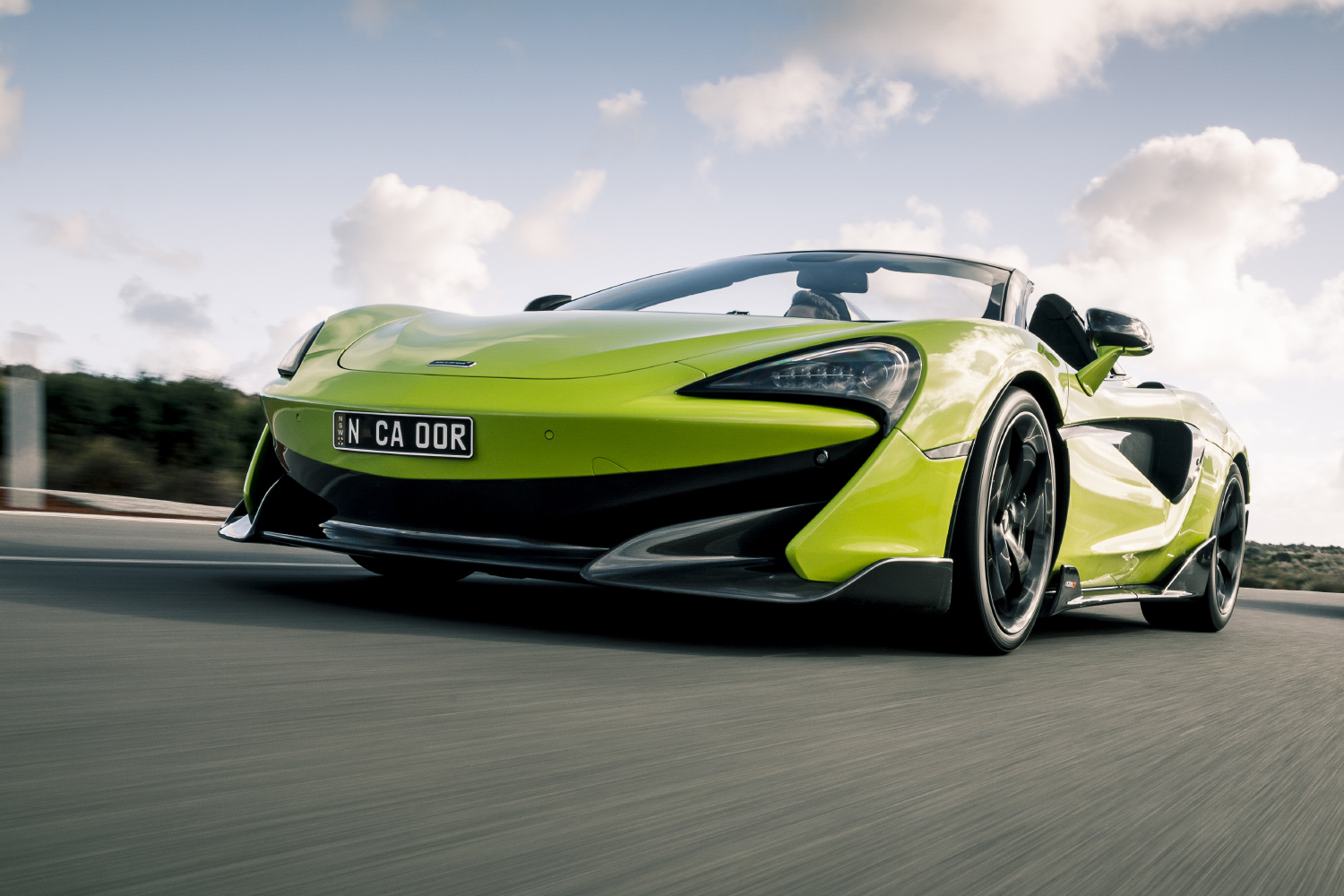
Although there will be some for whom any mid-engined supercar without an Italianate badge is some sort of pretender, the McLaren 600LT Spider is proof positive that there is another way and the other way is good. It’s dramatic, charismatic, searingly rapid and handles with a purity and transparency that’s class-leading.
Some will grouse that the conveyor belt of new models from McLaren has a detrimental effect on residual values and they’d have a point, but if you buy a supercar merely to speculate, you’re probably not Woking’s target market. The company is proud of the fact that the Sports Series cars get used and rack up far higher average mileages than their Italian counterparts.
The Spider version of the 600LT makes all kinds of sense too. It adds $30k and 50kg to the magnificent coupe, but getting closer to that soundtrack while still retaining the dynamic excellence of the hard top seems a bargain worth making. The way the roofline is sculpted to accommodate the carbonfibre roof panel also makes the Spider arguably better looking.
We don’t award too may no-quibble five-star awards here at Wheels, but the McLaren 600LT Spider is a more than worthy recipient.
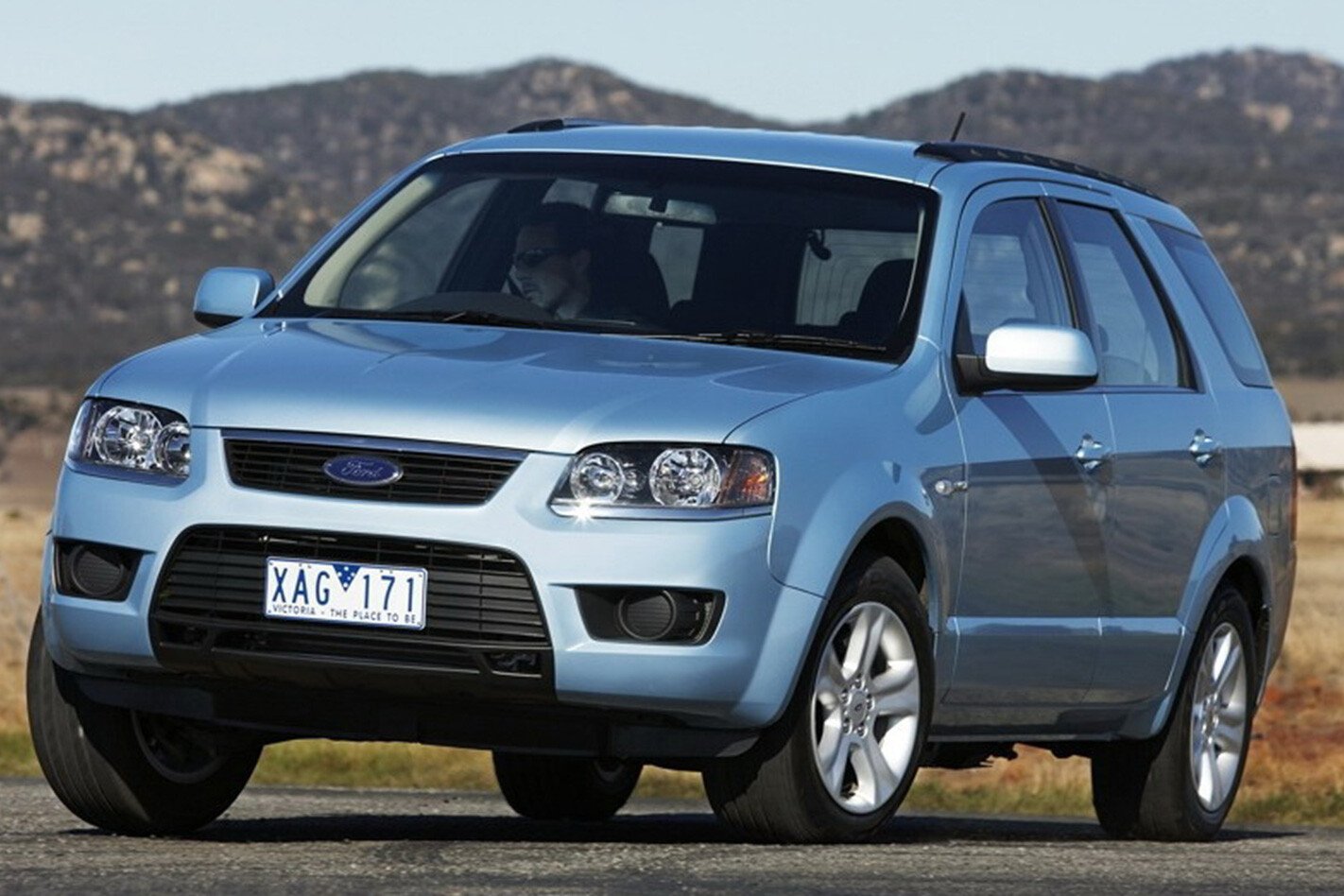
China’s first fully electric vehicle from Ford is a Territory… Except, the car attached to the Aussie nameplate isn’t built Down Under and won’t be sold here, either.
Instead, the upcoming Territory EV is a mid-size SUV-based electric car destined for the Chinese market and will go on sale by the second half of this year.
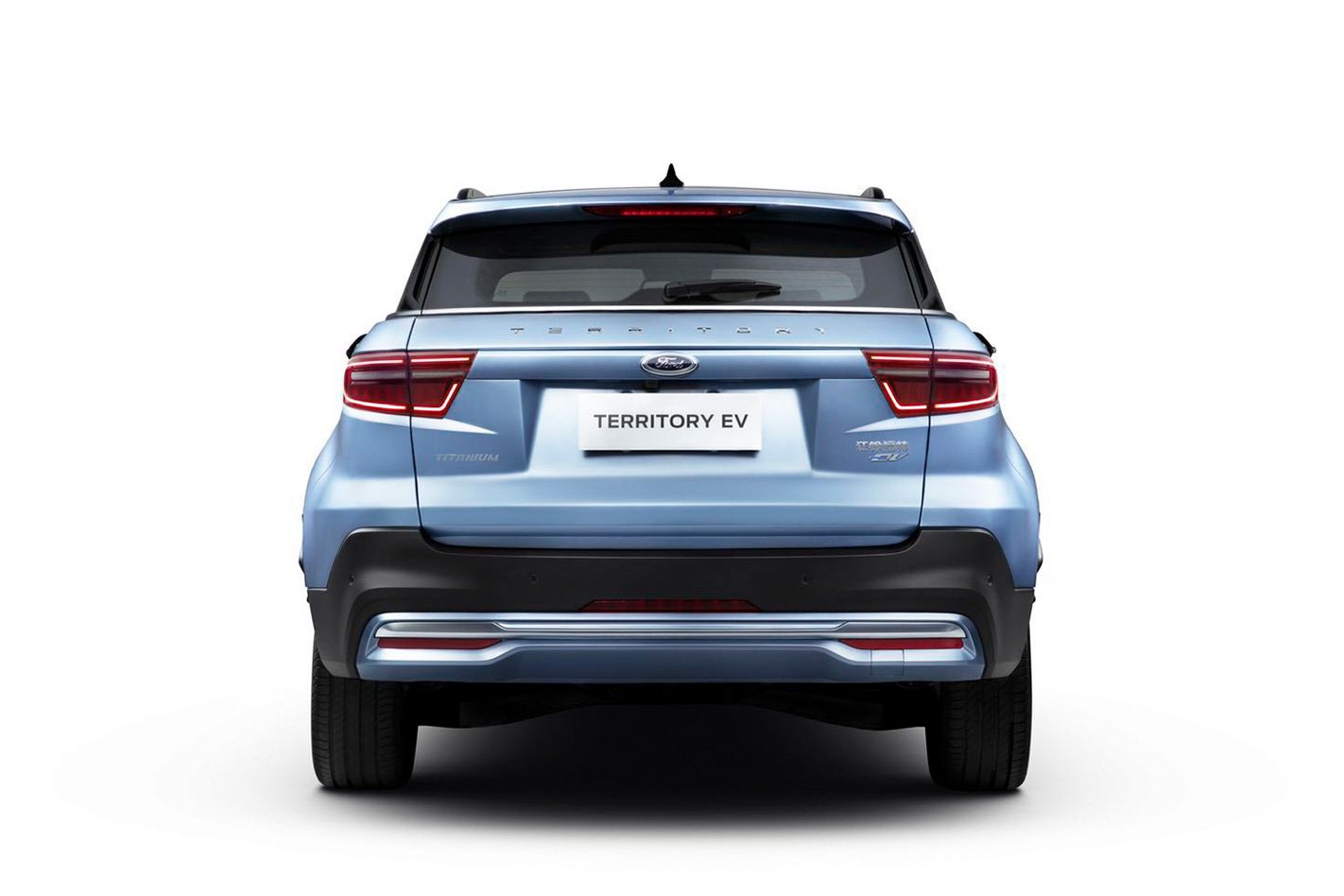
Forming part of the “Ford China 2.0” plan, the Territory EV is a joint venture with Jiangling Motors (of which Ford has commissioned to build the electrified SUV).
The Territory’s NEDC range is quoted at a respectable 360km, although further details on the powertrain’s specification are yet to be detailed.

Designed for “young urban families”, the Territory EV’s exterior gains a hero colour, Indigo Blue, as well as C-shaped daytime running lights and a hexagonal honeycomb grille with “golden copper” detailing. The carbonfibre “fan blade” wheels also marry form with function.
Inside there’s a 10.25-inch colour touchscreen for the infotainment with a host of soft-touch materials to create an upmarket feel. The boot floor is also flat to aid practicality.
According to Ford’s Chinese arm, the carmaker is scheduled to release more than 30 Ford and Lincoln models in the next three years, with over 10 being some form of a “new energy model”.
Globally, there are plans to introduce a Mustang-esque all-electric SUV with a 600km range by 2020, a next-gen Escape SUV plug-in hybrid, and the Transit van will have a pure-electric offering by 2021.
It’s all part of Ford’s new energy plan, with the company pledging to invest USD$11b (AUD$15.8) into accelerating the development of new energy vehicles by 2022.
The Reader: George Diamataris The Car: 2017 Renault Clio RS200 Cup The Mileage: 9800km The Ownership period: 3 months
This feature was originally published in MOTOR’s April 2018 issue
Why’d you pick the Clio? It’s something different, I’m sick of all the same vehicles that are out there. I wanted something zippy and unique. I looked at a Suzuki Swift, but I only like the new model.
However, I think it’s priced a little too high for the features it gets.I also like the five-year warranty on this. And the way they look, obviously. I like the colour contrast and I like the white on black, for the Cup Premium variant, which gets the leather and the black roof.
What do you loathe about it? There’s no rear camera. So really it’s got everything else but that.
How often do you drive it? I drive it daily. Except for the weekends, when I get out my AMG C63 Coupe.
Best Moment? I just enjoy driving it. I travel a lot, especially into the city. It’s a good city driver, and it loves the highway, too. It’s an all round good car.
Plans for the Clio? None. I always keep my cars standard.
Do cars run in the family? My son’s got a Golf R MkVI which he loves. I’ve had four Subaru WRX STIs. My first one was a 1998 WRX, that was my favourite. It simply wanted to keep on going. I updated them as my daily and weekend car.
Do you feel guilty that you left the Subaru tribe behind? I feel disappointed they haven’t kept up with the rest of the pack. They were a cult car back in 1998, early 2000s, and it just got left behind. In terms of reliability, they’re bulletproof. The latest STI, they claim 4.9sec to 100km/h but they don’t do it. They are in the mid 5s.
After 10 hours of octane-pumped action, thousands of kilometres over every terrain you can imagine, and 20 episodes, the first series of WhichCar has come to an end, but you can relive some of our favourite episodes by clicking the links below.
We travelled all over Australia, Japan, Bahrain, USA, Morocco and New Zealand to bring you motoring adventures and stories from every mainstream car brand, and some you might not have even heard of.
The inaugural season went behind the scenes at all of our coveted annual awards to show you what it takes to win The WhichCar Style Award, Wheels Car of the Year, Motor Performance Car of the Year and the 4×4 of 2019. We even took you along to the biggest night on the motoring calendar, the Australian Motoring Awards, where the trophies are handed out.
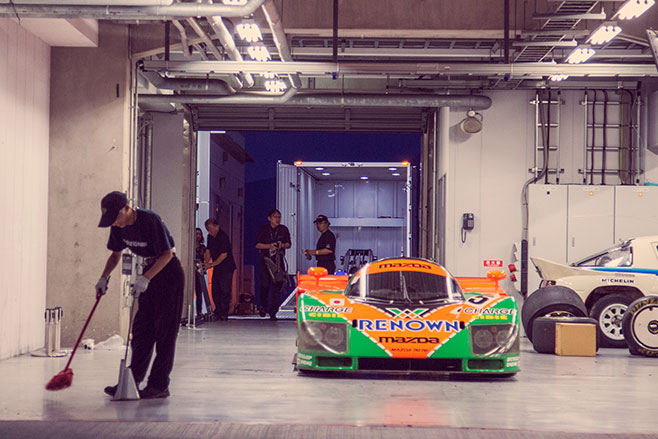
To bring you each unique story, we were often up before the sunrise and didn’t stop until it had set again. And one time we just kept going all through the night.
In our mission to bring you the latest and greatest in motoring, we endured the heat, suffered the cold, got soaked by the rain and got lost in the fog.
WATCH: WhichCar on 10Play
And in a quest to investigate every aspect of motoring culture we went to the front lines of diehard enthusiast events, discovering what makes petrolheads tick every step of the way and every turn of the wheel. Some of them were scarier than others…
We compared hyperbolic sportscars, oversized utes that were just as ridiculous, more compact and more sensible comparisons and seven-seat SUVs for the whole family. In every case, we found a different angle and a twist you won’t have seen before.
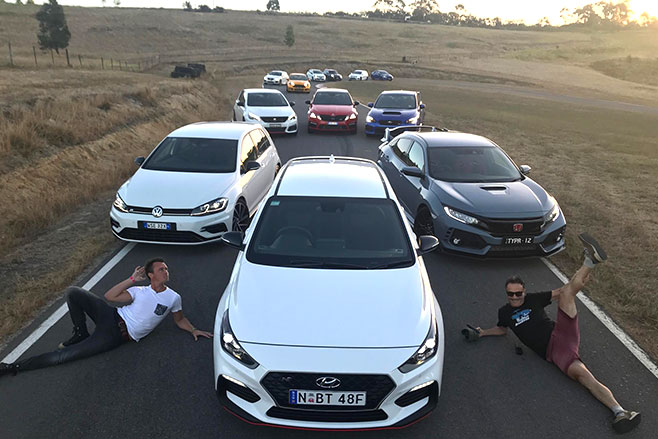
There were even special feature-length episodes to look at the hottest topics including electrification, the booming compact SUV segment and the most fun you can have on a budget.
But after many thousands of man (and woman)-hours writing, developing, scripting, shooting, editing and producing our stories, the chequered flag has fallen on the first series.
If you liked coming along for the ride then keep an eye on WhichCar in the coming months. Not only will the action continue in the pages of our magazines, online stories, the WhichCar Weekly podcast and many more web videos coming your way, but we will also have more to share about our next exciting project very soon.
Remember the last time you saw an ‘only milk and juice come in 2.0 litres’ sticker on the back of something like an XR6? Well, it turns out a 2.0-litre engine can now use that exact milk to, well, eat an XR6 for breakfast.
See, the incoming AMG A45 S is leaving the already supercar-killing power of its predecessor well truly behind thanks to AMG’s new M139 engine.
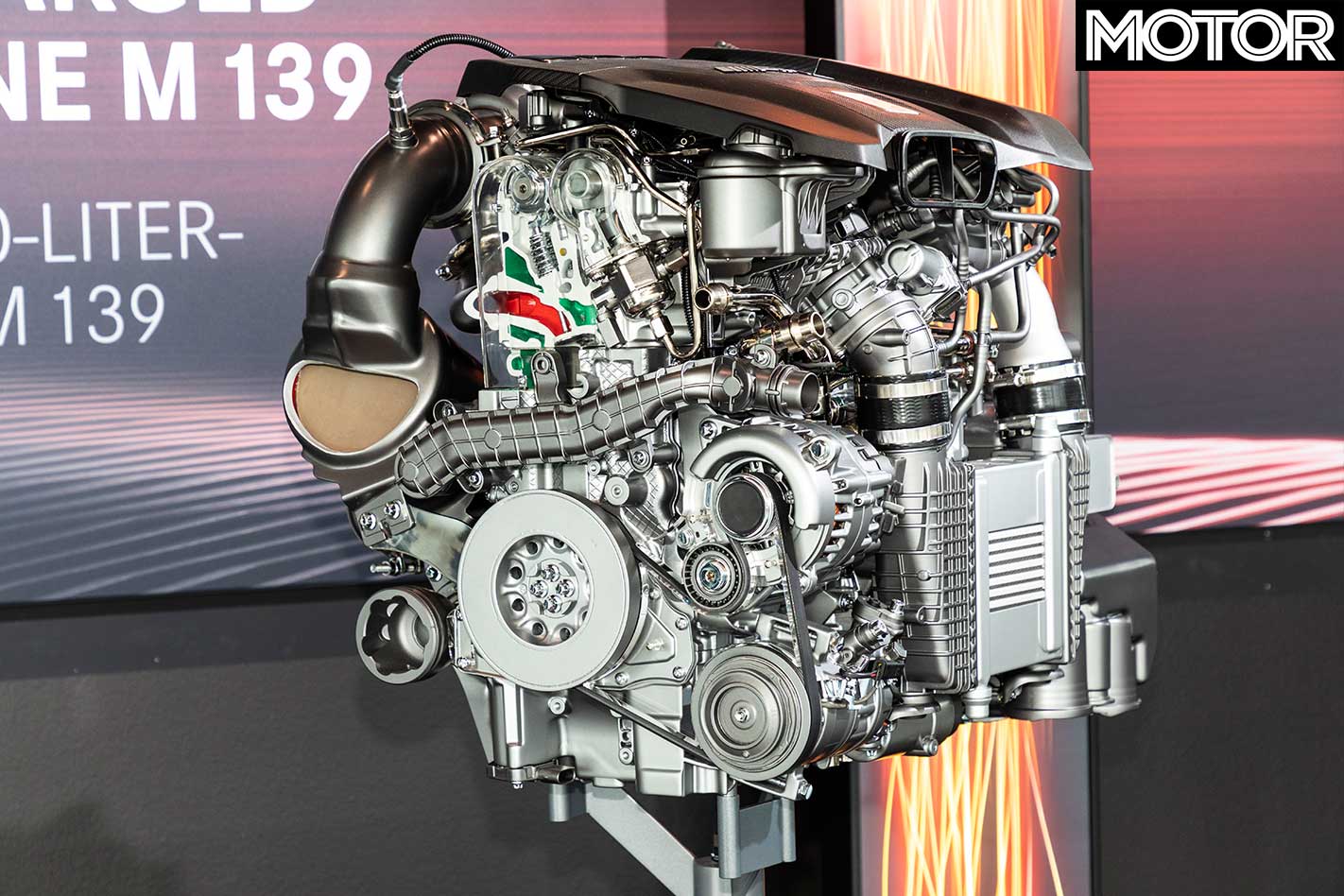
At 1991cc, the turbocharged engine is effectively the same capacity as the likes of Honda’s 228kW Civic Type R engine, but Affalterbach engineering know-how (and likely the A45 S’s higher expected price) has resulted in an incredible 310kW being pumped out of those four friction-reducing Nanoslide-coated cylinders.
A couple of minor changes to the dimensions don’t give the power game away. An extra millimetre of bore makes for 83.0mm while the stroke remains 92.0mm, but the compression ratio is up to 9.0:1 from the preceding M133’s 8.6.
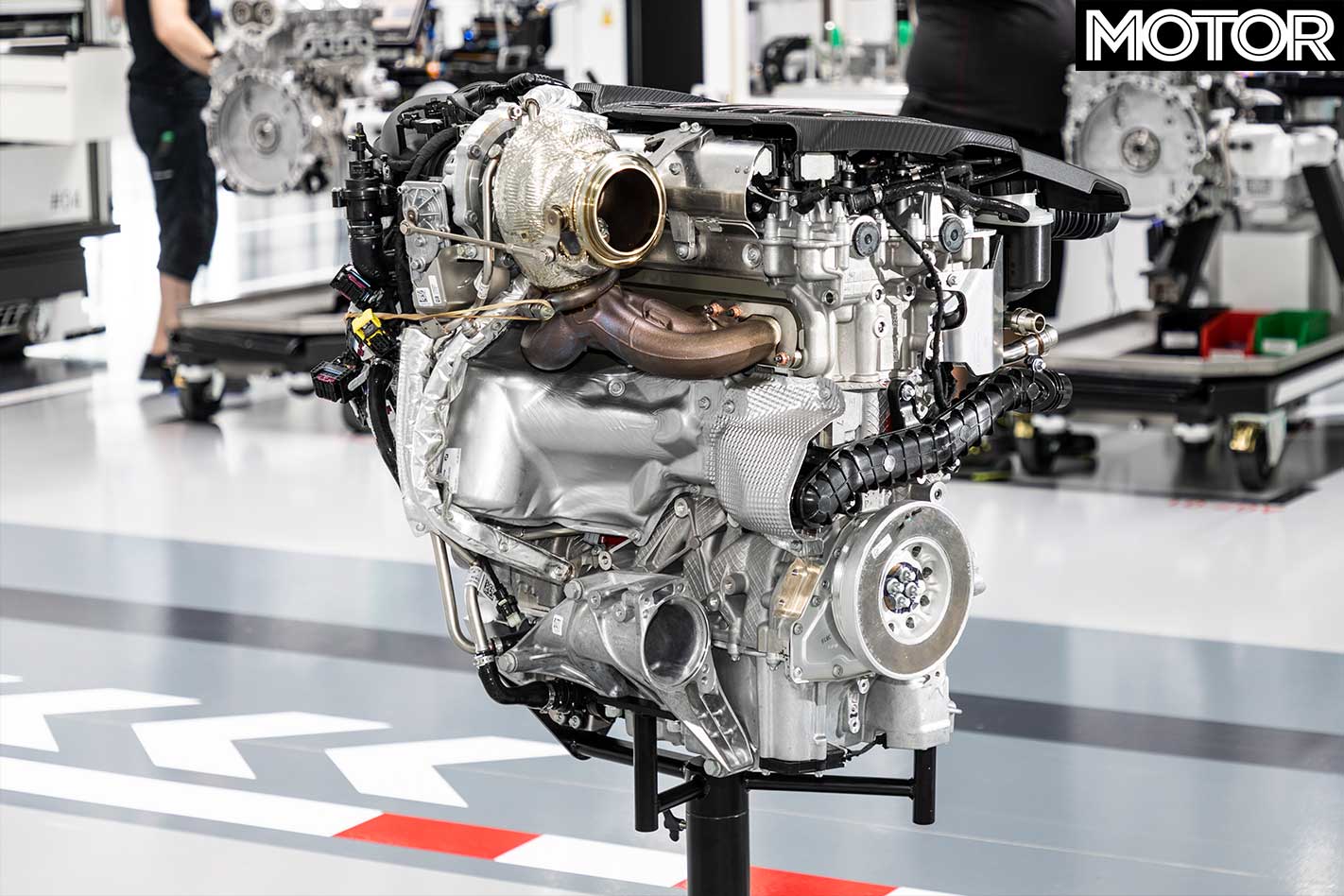
Most notably to the eye, this new 160.5kg hunk of alloy, oil and other materials and fluids will be fitted ‘back-to-front’ in the A45 S, with the exhaust manifold and turbocharger at the rear near the firewall, and the intake system located at the front. This not only requires less plumbing, but also allows for a more aerodynamic front end with less headroom required under the bonnet for ducts and peripherals.
Visually, that’s where the most obvious aspects of the new AMG engine end, but the technical details Affalterbach has confirmed already have boost addicts salivating. That peak of 310kW is reached at a relatively low 6750rpm (the M139 has a 7200rpm redline!), but the majority of the engine’s 500Nm of torque is supposedly available across most of the tachometer, peaking between 5000 and 5250rpm.
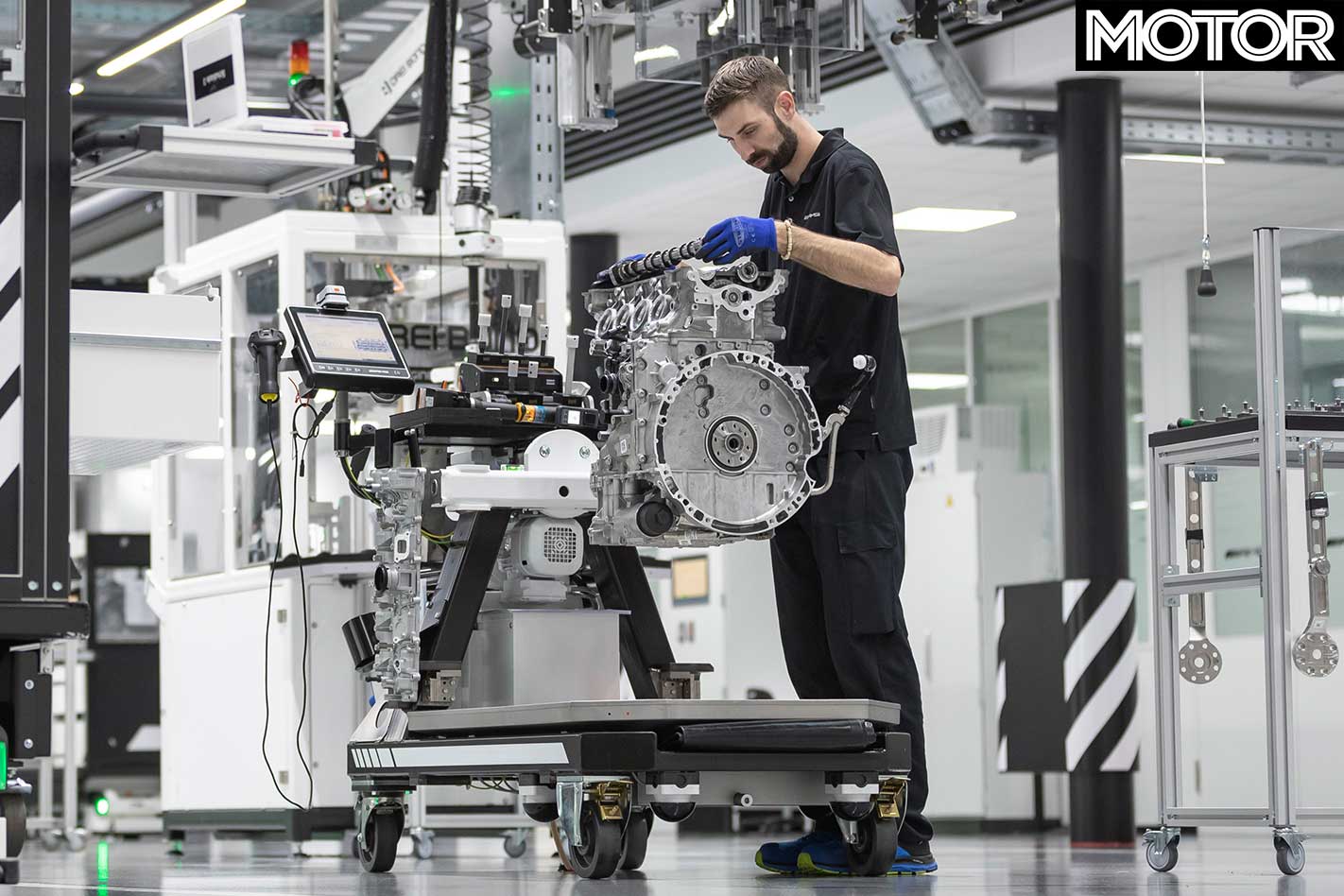
The engineers’ intention was to create ‘immediate’ throttle response and the brand even goes as far as comparing the M139 to the feel of a naturally-aspirated engine.
But atmo this engine is not, with a twin-scroll turbocharger running roller bearings to reduce the turbine’s friction and allow it to rotate up to 169,000 times per minute. At peak pressure, the M139’s turbo is forcing air into the engine at a massive 30.5psi (or 2.1 bar).
Boost is controlled by a new electronic wastegate, which uses charge pressure, throttle flap position and any knocking to determine precisely how much pressure to relieve. The turbo itself is kept cool with not only oil and water, but also fresh air directed from the radiator through the engine cover and bonnet ducts, a method first used for the AMG GT’s vee-mounted turbos.
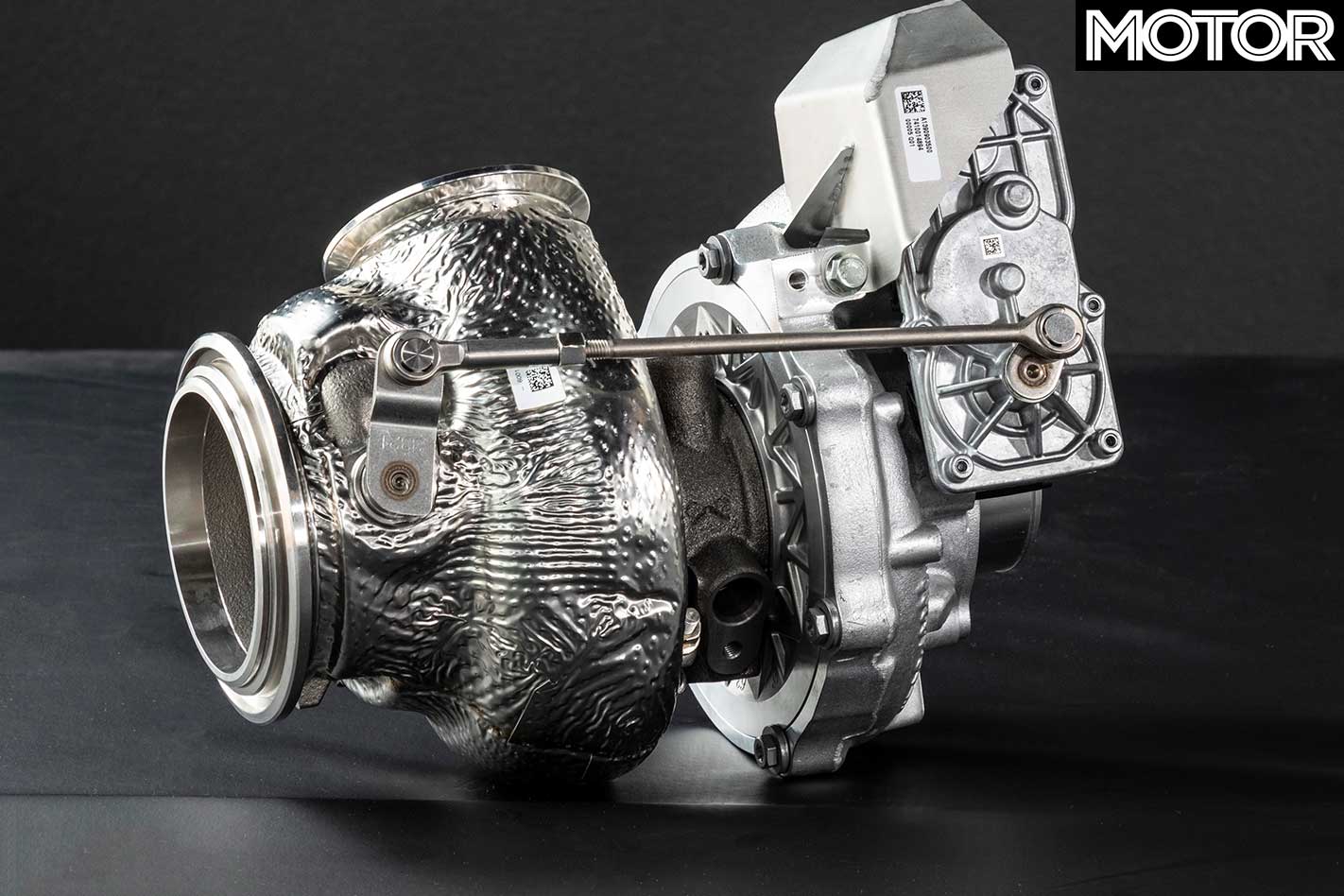
While the turbo is pushing in huge volumes of air, injectors are forcing fuel into the chambers at up to 2900psi. A second stage of injection supplies more fuel via the intake manifold, but at 97psi.
The cooling system is one interconnected circuit which comprises a traditional radiator and intercooler, plus an additional wheel arch-mounted radiator. It also integrates the transmission oil cooler, with a gearbox-mounted exchanger. Even the ECU has a specifically directed airflow to cool it.
Given the previous A45 ran a 12.54sec 0-400m when tested by MOTOR, we can expect all this new efficiency and cooling to provide us with another set of numbers to blow away us or any stocker XR6 Turbo that decides to challenge it at the strip.
“S” or no “S”?
AMG says there will be a lower-spec A45, sans ‘S’ badge with ‘only’ 285kW/480Nm, but it’s uncertain whether Australia will get this version.
Melbournians will soon be able to fly from a shopping centre to the airport in minutes with the introduction of Uber Air.
The newest ridesharing innovation from US start-up Uber, Melbourne becomes the first city outside of the US to begin trials before full-service availability to the public by 2023.
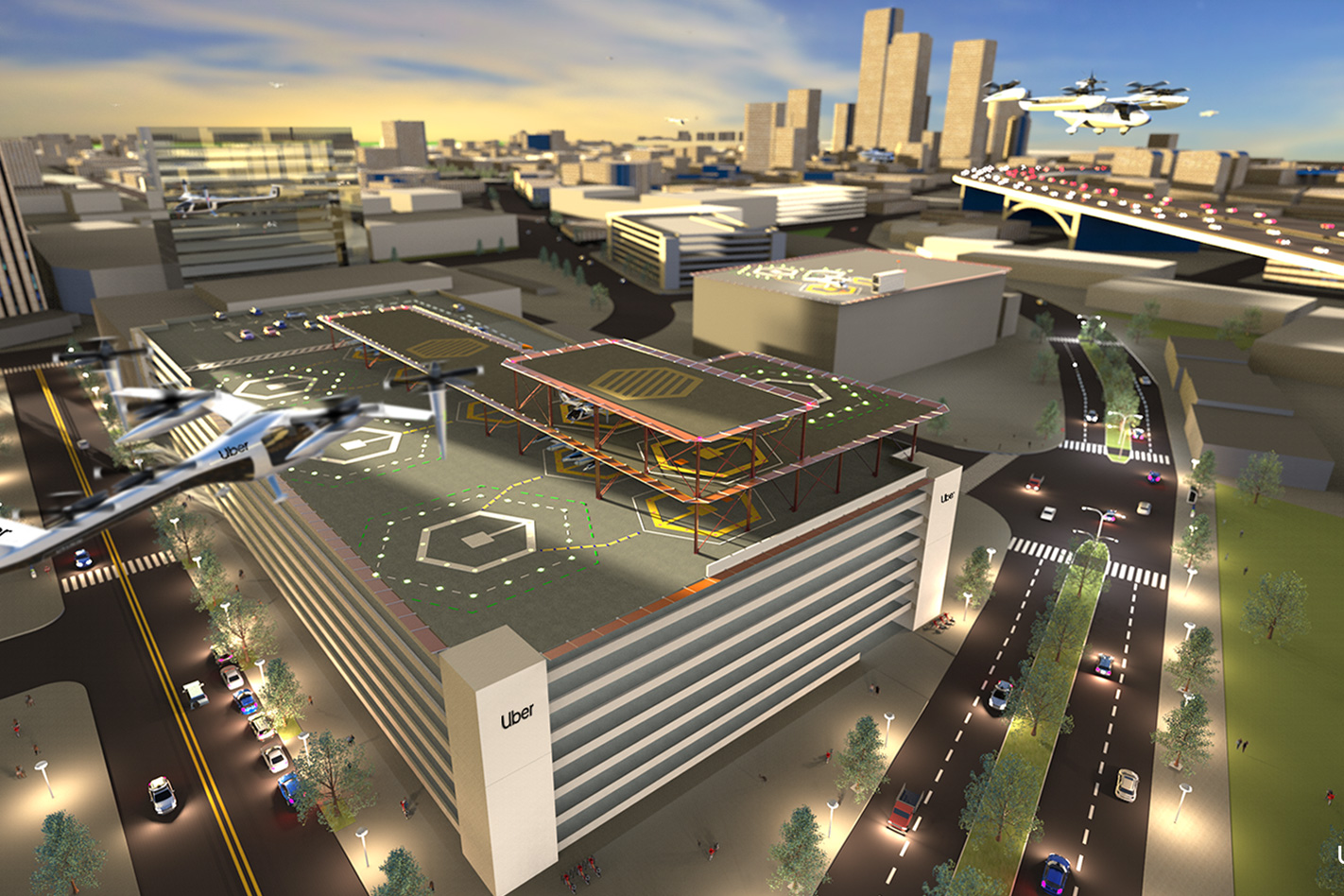
Los Angeles and Dallas are the only other two cities in the world to begin testing the ‘electric vertical takeoff’ ridesharing air taxis, and Uber says it plans to begin trials of the service in Melbourne as early as 2020, three year before full commercial operations commence.
And this is not some whimsical announcement; it has the full support of the Australian government. The US tech company has also partnered with Telstra for its 5g data infrastructure, along with Scentre Group (owner and operator of Westfield shopping centres), Melbourne Airport, and Macquarie Capital which will help rollout an electric charging network and ‘Skyport’ landing infrastructure to be dotted around the southern city.
“As the gateway to Melbourne for tens of millions of travelers each year, we can see fantastic potential for Uber Air in the future,” said Melbourne Airport chief of parking and ground access, Lorie Argus.
“We look forward to continuing this exciting conversation, and working with government, regulators and our local communities to make this happen.”
Though it feels as if Melbournites are being prematurely thrust into a sci-fi future, ordering an Uber Air will be as easy as opening the Uber app on a phone, and the cost will be about the same as an UberX car.
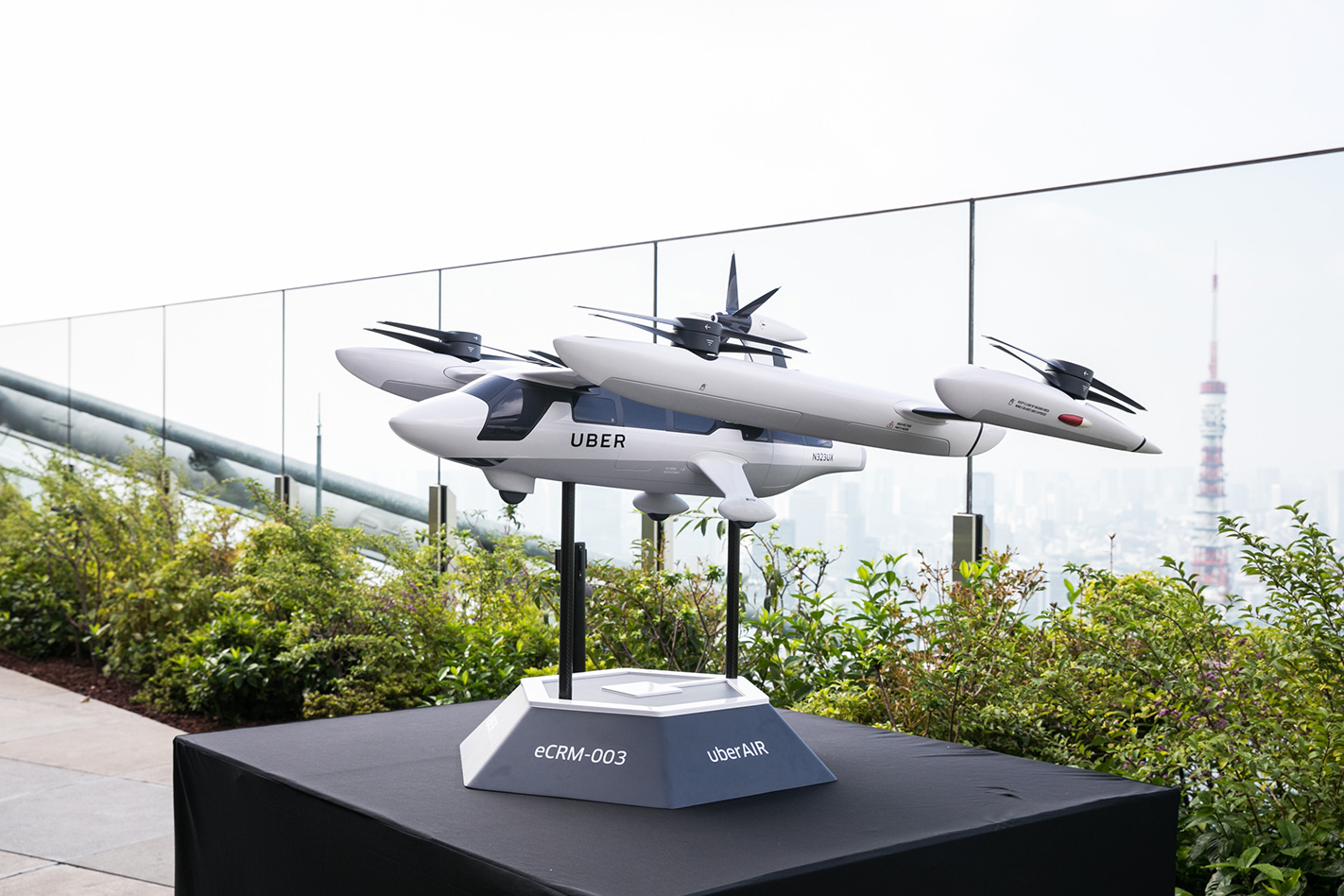
By way of comparison, an UberX from Southern Cross train station in Melbourne’s CBD to Melbourne international airport costs a little under $40 at time of writing.
“The 19km journey from the CBD to Melbourne airport can take anywhere from 25 minutes to around an hour by car in peak hour, but with Uber Air this will take around 10 minutes,” said Uber spokesman Eric Allison.
“Uber’s technology is changing the way people move around their cities — from bikes to pooled rides, we are always looking for ways to reduce the need for private car ownership. In the coming years, with Uber Air, we want to make it possible for people to push a button and get a flight.”
Uber made the announcement today at its Uber Elevate (Uber Air) Summit in Washington, USA. Attending the event is Assistant Treasurer, Government of Victoria, Robin Scott who pledged his support for the aerial ridesharing service.
“We are delighted that Melbourne has been chosen as the first international trial city for Uber Air. Victoria is a dynamic, innovative tech state and an economy leading the Asia Pacific region in transformative technologies,” he said.
Regional general manager for Uber Australia, New Zealand and North Asia, Susan Anderson, added that Uber was drawn to Australia because of the government’s support for ridesharing and future technologies.
“Australian governments have adopted a forward-looking approach to ride-sharing and future transport technology,” said Anderson.
“This, coupled with Melbourne’s unique demographic and geospatial factors and culture of innovation and technology, makes Melbourne the perfect third launch city for Uber Air. We will see other Australian cities following soon after.
“Since we entered the market in 2012, Australians have embraced Uber wholeheartedly. Today, over 3.8 million Aussies regularly use Uber as a reliable way to get from A to B, and governments across the country have recognised the important role ridesharing plays in the future of transport for our cities.”
Uber suggests that the service will reduce congestion and is an ecologically friendly method of transport, given its air vehicles are electric and able to charge from renewable energy sources. The craft are also quieter than conventional fossil-fueled helicopters, though there are questions on how Uber plans to begin the trials as early as next year in Australia.
Its program has the support of partners including Boeing subsidiary Aurora Flight Sciences, EmbraerX, Pipistrel Vertical Solutions and Bell.
