
Best value car award
Wheels’ Gold Star car award uses data such as depreciation and running costs to calculate what the best value new cars in eight different segments are. To understand how we calculate the numbers and what considerations were put into the algorithm, read the 2019 Gold Star Car Award 101 here.
The top 3 large SUV (7-seater) contenders
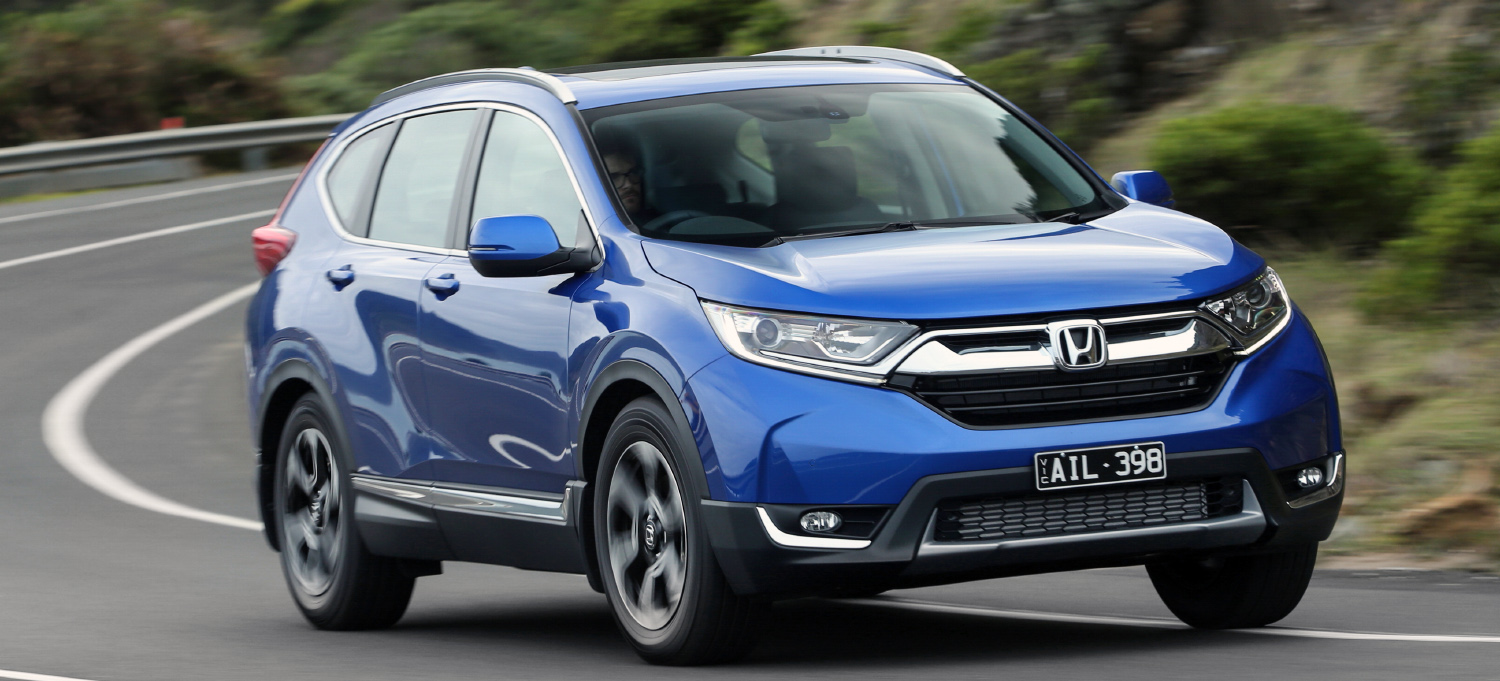
- Honda CR-V VTi-L
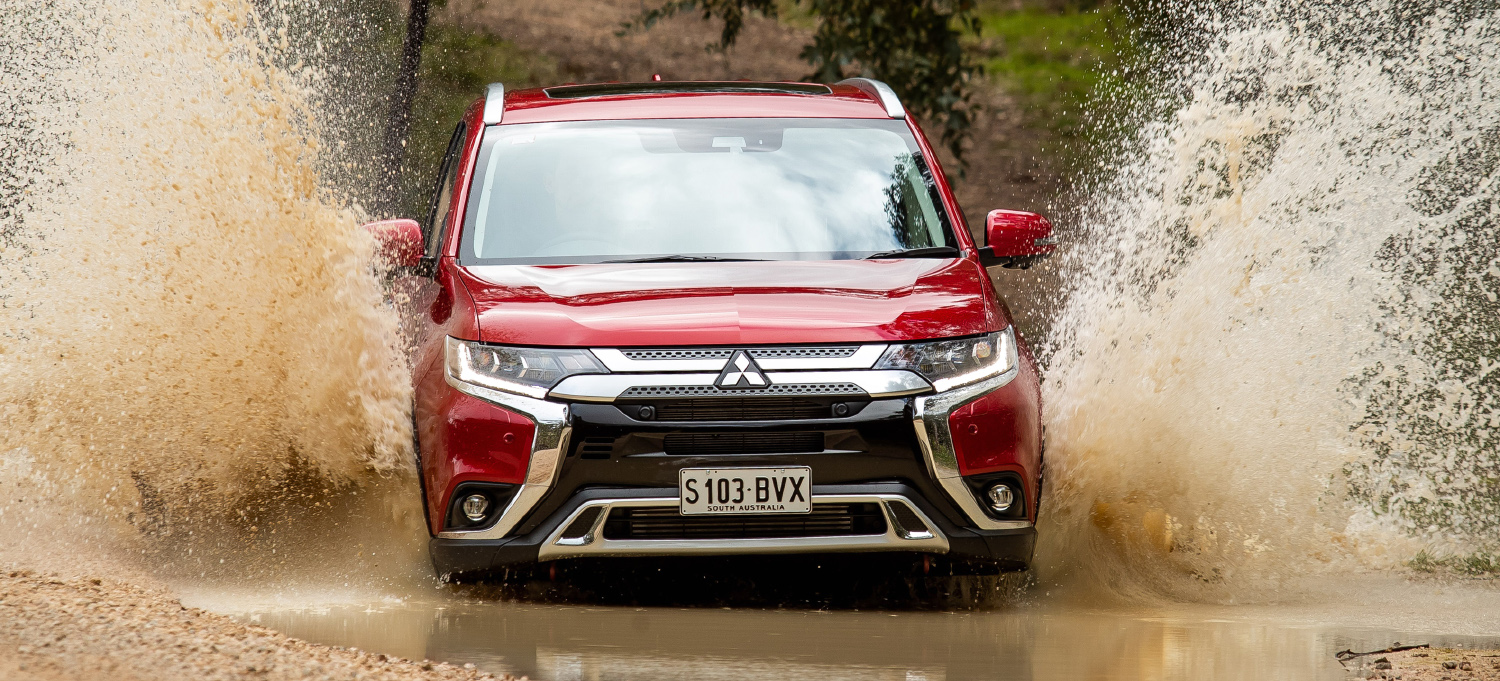
- Mitsubishi Outlander ES
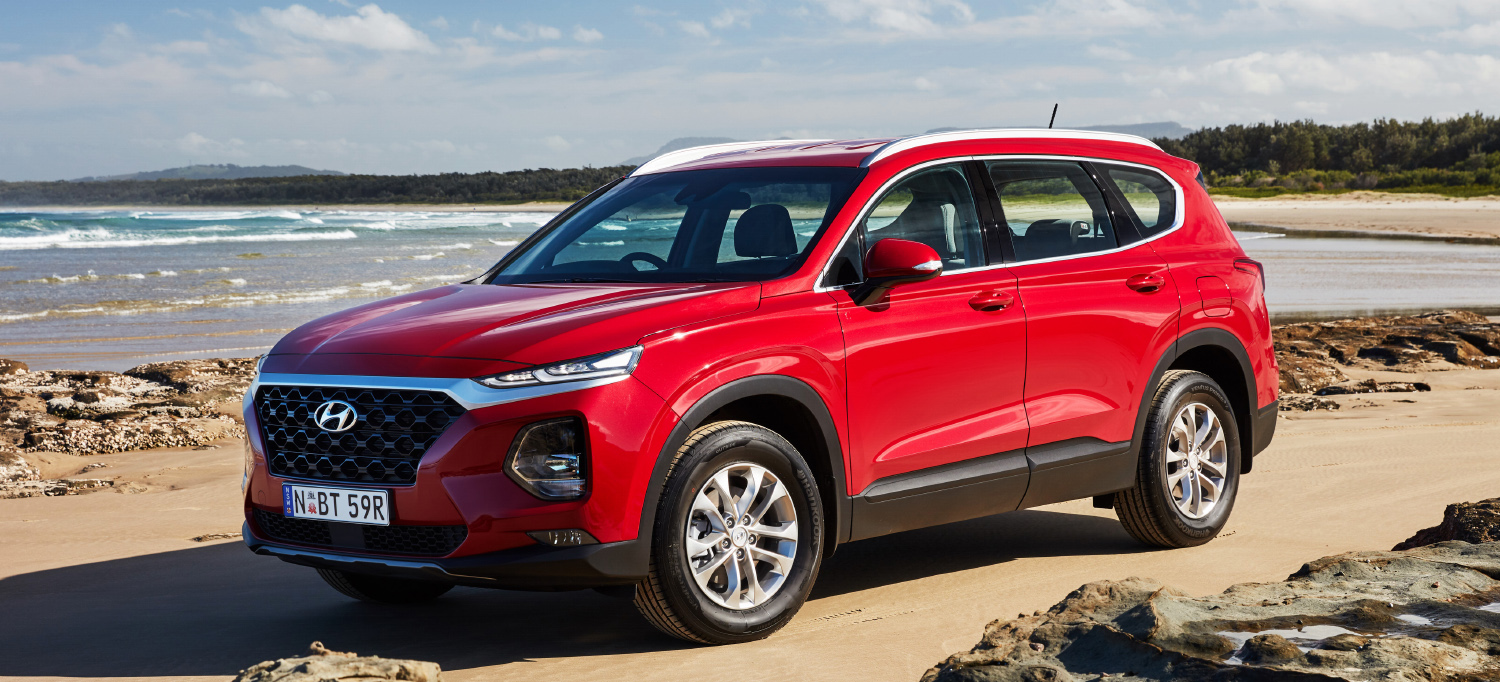
- Hyundai Santa Fe Active CRDi
What the numbers said

When it comes to putting seven bums on seats for minimum cost, the Mitsubishi cannot be matched.
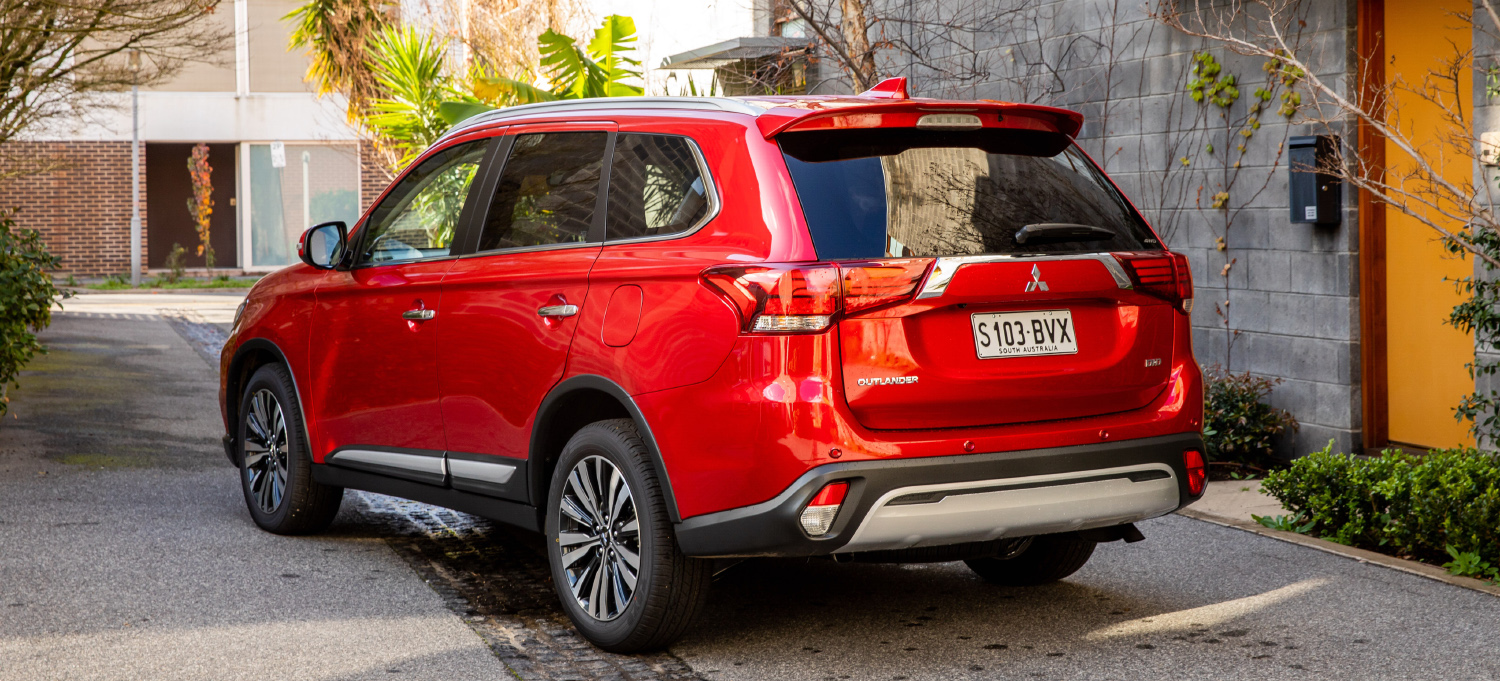
The nearest alternative in terms of value is the Honda CR-V at $38,990, almost $8000 more than the Outlander. (The affordable seven-seat Nissan X-Trail, at $32,490 and ranked fifth overall, got smashed for its tight servicing intervals, short warranty period and thirsty engine). Meanwhile, the entry price and depreciation pushed the CR-V down to second spot, as the Mitsubishi went close to a clean sweep of the five scoring criteria, only losing out on insurance cost against the Hyundai Santa Fe with its low $805 per annum for comprehensive coverage.
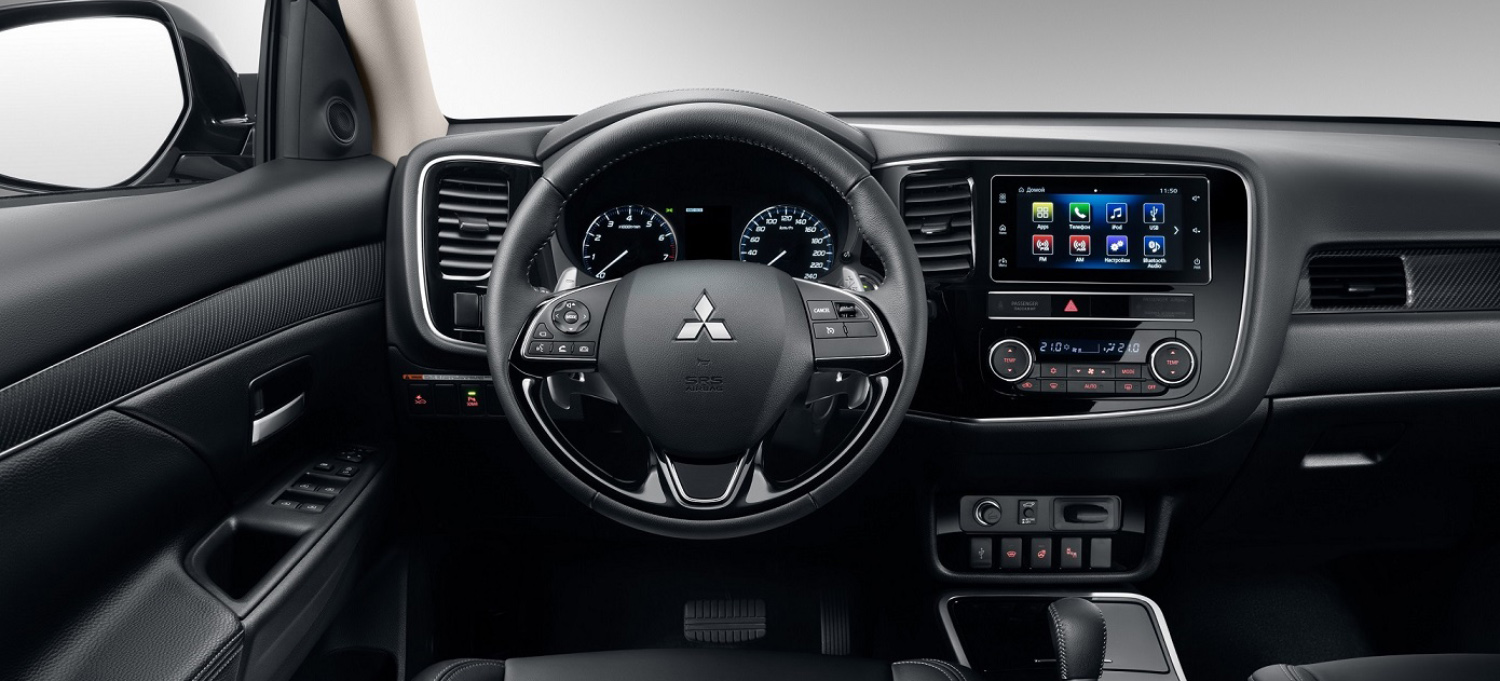
Though the Hyundai has a strong diesel engine, the Outlander’s 2.4-litre petrol uses the least fuel, at 6.7L/100km officially (using regular unleaded), proving it is an efficient all-rounder.

Hyundai Santa Fe Elite CRDi $54,000
Newer and nicer than the ageing Outlander, the Hyundai Santa Fe has some of the latest family bus technology like sensors that prevent locking a stray child in the third row.
The mid-grade Elite gets the nod for all-round value, adding bling such as larger alloys, leather trim, and fancy puddle lamps. Mod cons include keyless entry, 8.0-inch display with live traffic updates, and electric seat adjustment.
Aussie car buyers are, by and large, a pretty conservative bunch. Even though we have more brands than almost any other country in the world and more than 600 models to chose from, it’s the same old stagers from established players like Toyota, Ford and Mazda that keep topping the charts.
We’re also pretty fond of grey, black and white colour schemes, too.
Amongst those 600-odd models and multiple brands, though, lurks the unusual, the quirky and the oddly cool. They might be a couple of years into their respective model cycles, or sold by a brand without the ability to splash a logo across a football jumper, but that doesn’t make them any less attractive to the right buyer.
An auto industry buddy once told me of a limousine-sized press car from a prestige European brand that arrived into HQ, its colour sourced only from a paint chip. What should have been a dark magenta ended up being Mary Kay pink. ‘I’m doomed,’ thought my buddy… right up to the point where, upon first glance in a Gold Coast showroom, the car sold the same day at full retail.
“There’s a car for everyone,’ he told me.
Here, then, is a handful of cars that aren’t on the front page of most buyer’s shortlists… but maybe they should be.
Infiniti Q30
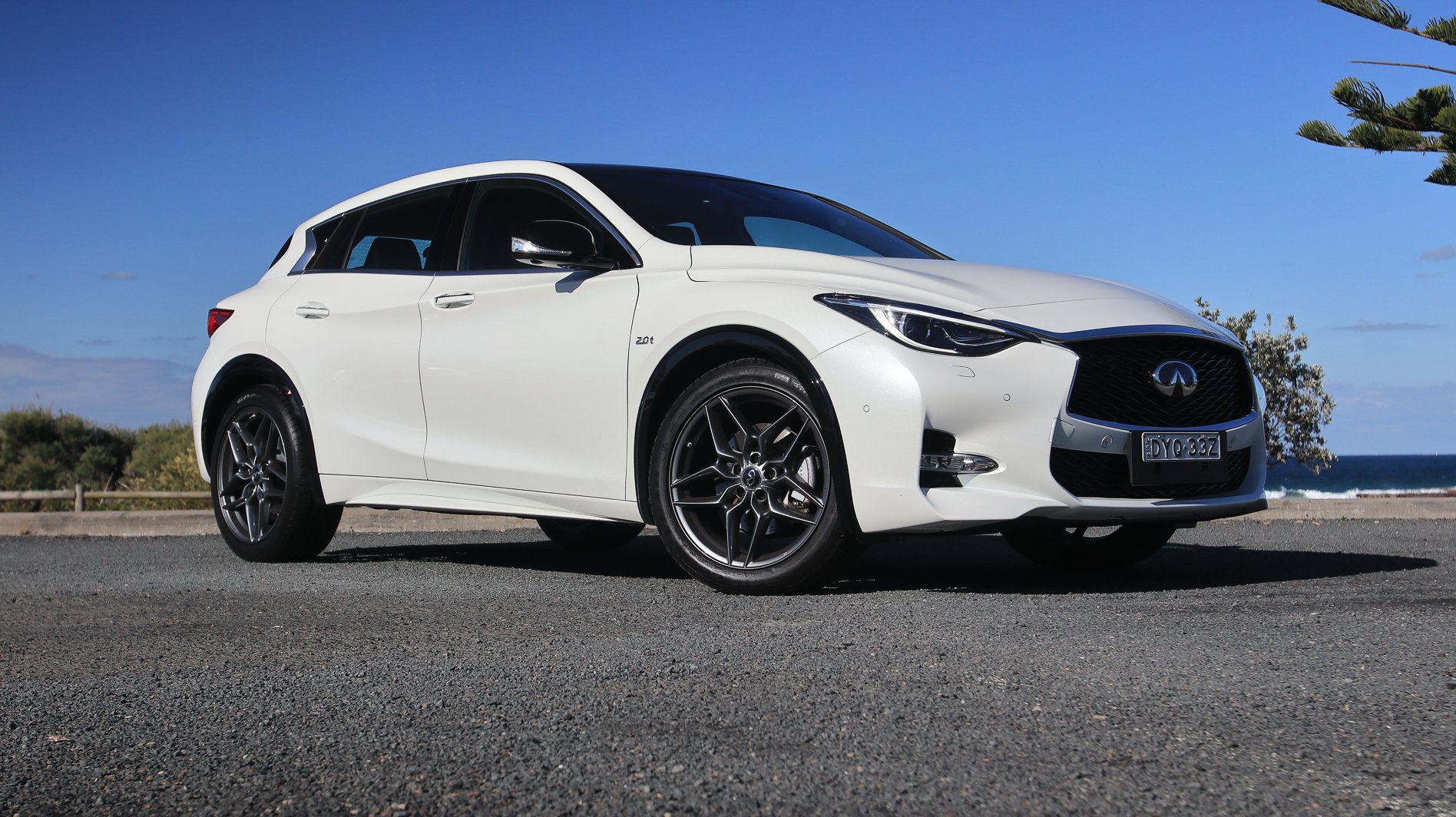
It’s got the soul (and the oily bits) of the last generation Mercedes Benz A-Class and a style that’s all its own. Not really a hatch and not really an SUV, the Infiniti Q30 bounded onto the scene four years ago, but sales are sparse – not having much of a dealer presence doesn’t help. It’s only a small model range, too, and it’s not cheap – though we reckon the pricing will be much sharper on the showroom floor.
If, however, you want a deceptively pretty, beautifully built, totally unusual hatchback (and you don’t really need to use the back seats that often), it might pay to look it up.
Peugeot 308 Allure
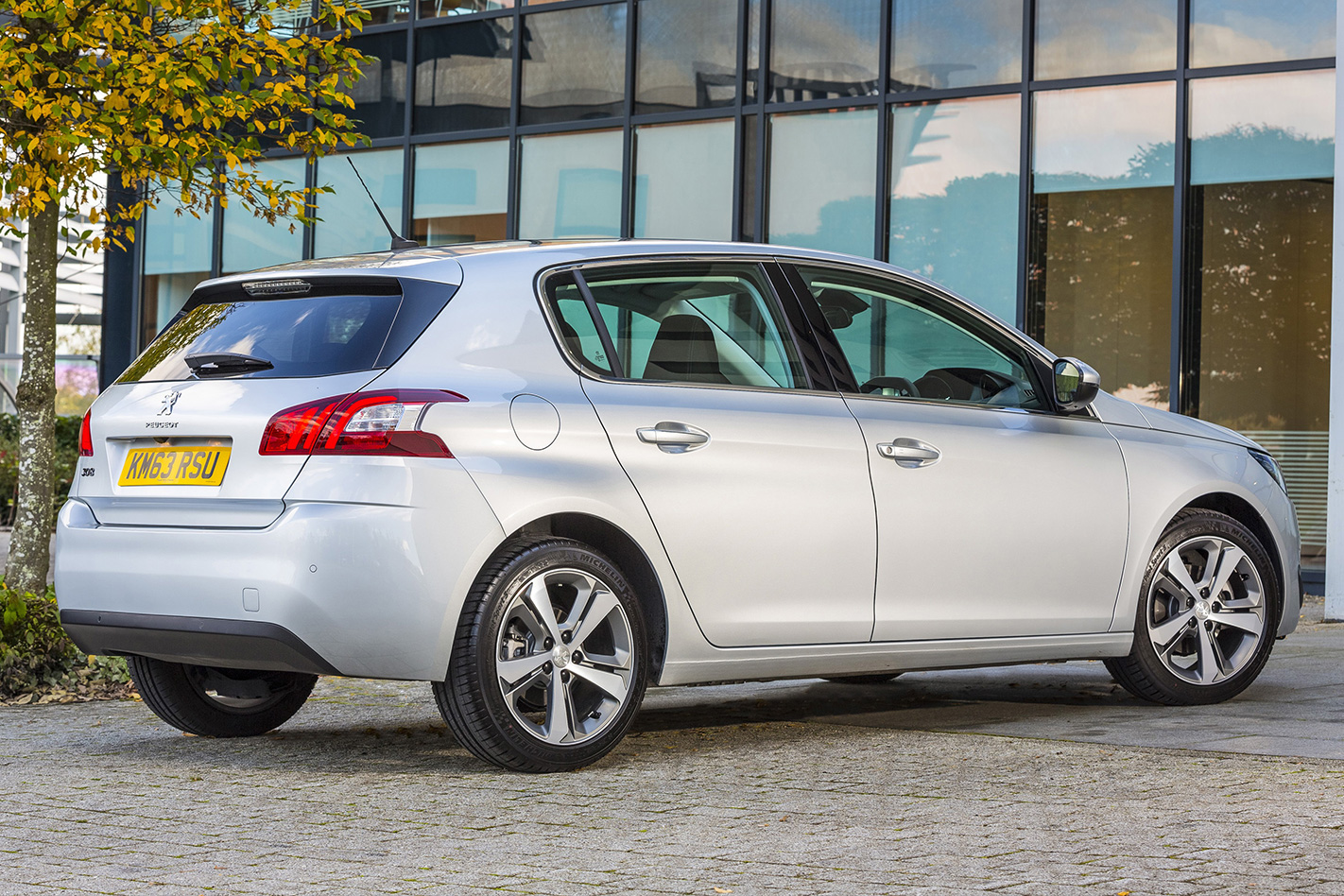
Why the sweet, curvy little Peugeot 308 hatch doesn’t sell better is a complete mystery to us. It’s won a bunch of prestigious awards in its lifetime and every time we drive it, we fall in love with its pizzazz and verve all over again.
It started out expensive, sure, but range reviews from the local Peugeot office mean that the Allure, for example, is a cracking deal for a shade under $32,000. It’s not a Mazda or a Toyota, and it will depreciate a little bit more quickly than more popular cars, but who cares if you smile every time you drive it?
Kia Cerato GT
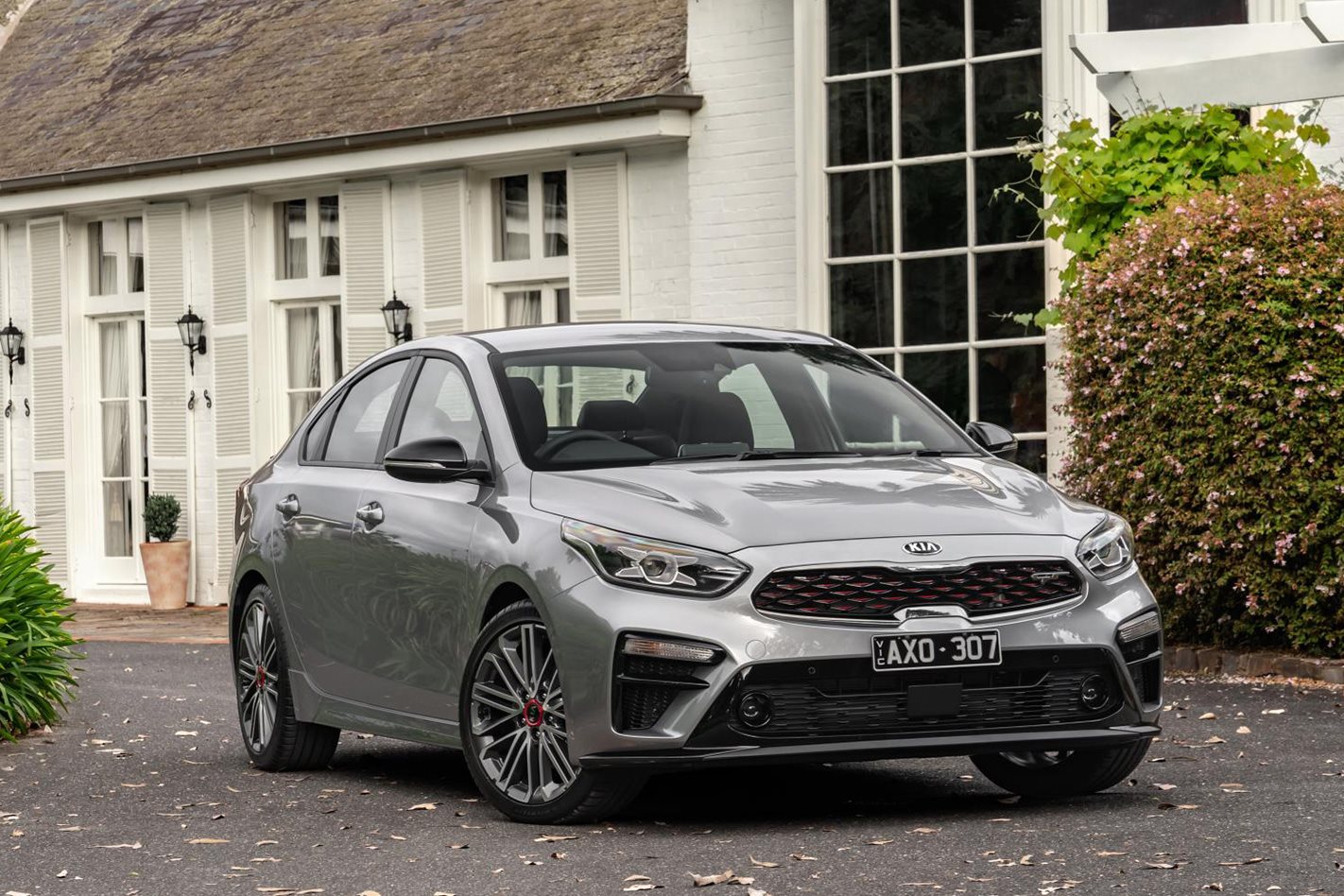
The Cerato GT isn’t your usual convenient but conventional Kia. The spiritual successor to the funky but flawed three-door Pro cee’d GT, the Cerato GT adds two doors, an updated engine and a new attitude to the Cerato’s excellent basic package. You can even have it in hatchback or sedan form for the same price.
It rides city bumps more firmly than its more pedestrian brethren, sure, but to us, that’s part of its appeal – it blurs the line between a pukka hot hatch and a warmed-over runabout, and does it all with a cheeky grin and a seven-year warranty.
Skoda Karoq

Born of the funky Yeti, the Skoda Karoq small SUV is less adventurous and more polished than its boxy predecessor – yet it’s managed to retain an air of the accomplished outcast about it.
You might know that Skoda is part of the Volkswagen empire, but it’s definitely not a brand where old VW tech goes to die. In fact, the Karoq has beaten its parents to the compact SUV punch by a couple of years!
Packed with novel, real-world practical touches and simple, proven mechanicals, the Karoq SUV is worth hunting down.
Honourable mention – Nissan Juke NISMO
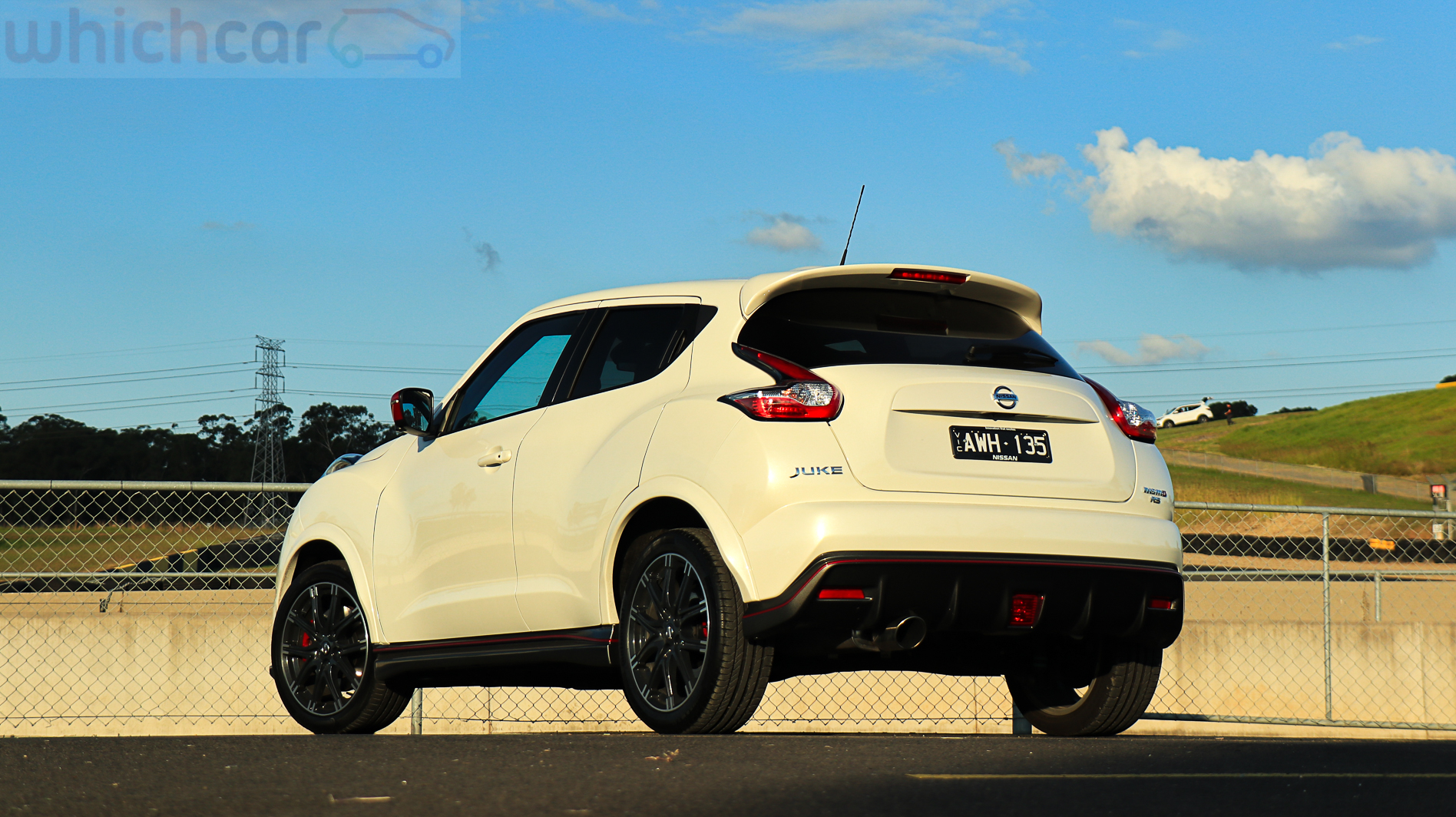
Sure, it’s expensive, old and deeply flawed in a few areas… but the Nissan Juke NISMO has a roguish charm and devil-may-care attitude underpinned by a properly punchy engine and chunky, meaningful steering.
If there is a better example of a car you’ll either scoff at and ignore, or fall in lust with on the spot, we’d like to see it.
We’ve already seen some cool new small SUVs and crossovers like the Citroen C3 Aircross and Ford Focus Active make their sales debuts this year, but what’s around the corner for Australia’s fastest-growing vehicle category?
Astonishingly, growth in the small SUV segment appears to show no signs of slowing. There’s a steady flow of new entrants and all-new replacements of existing models, and the next half of the year already has more than a few arrivals scheduled.
Considering buying a small SUV or crossover? Better have a read of this list first, and see if there’s something worth waiting a little longer for.
BMW X1 (facelift)
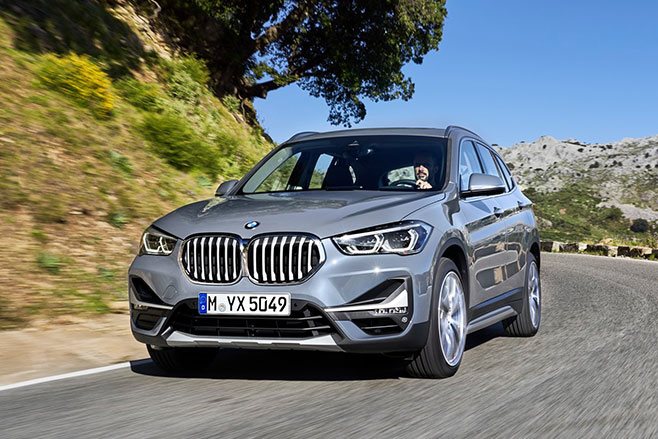
BMW Australia will introduce its facelifted X1 in the fourth quarter of 2019, bringing a host of interior and exterior updates (including a supersized kidney grille), along with the likely inclusion of a plug-in hybrid variant sometime in 2020.
Hyundai Venue
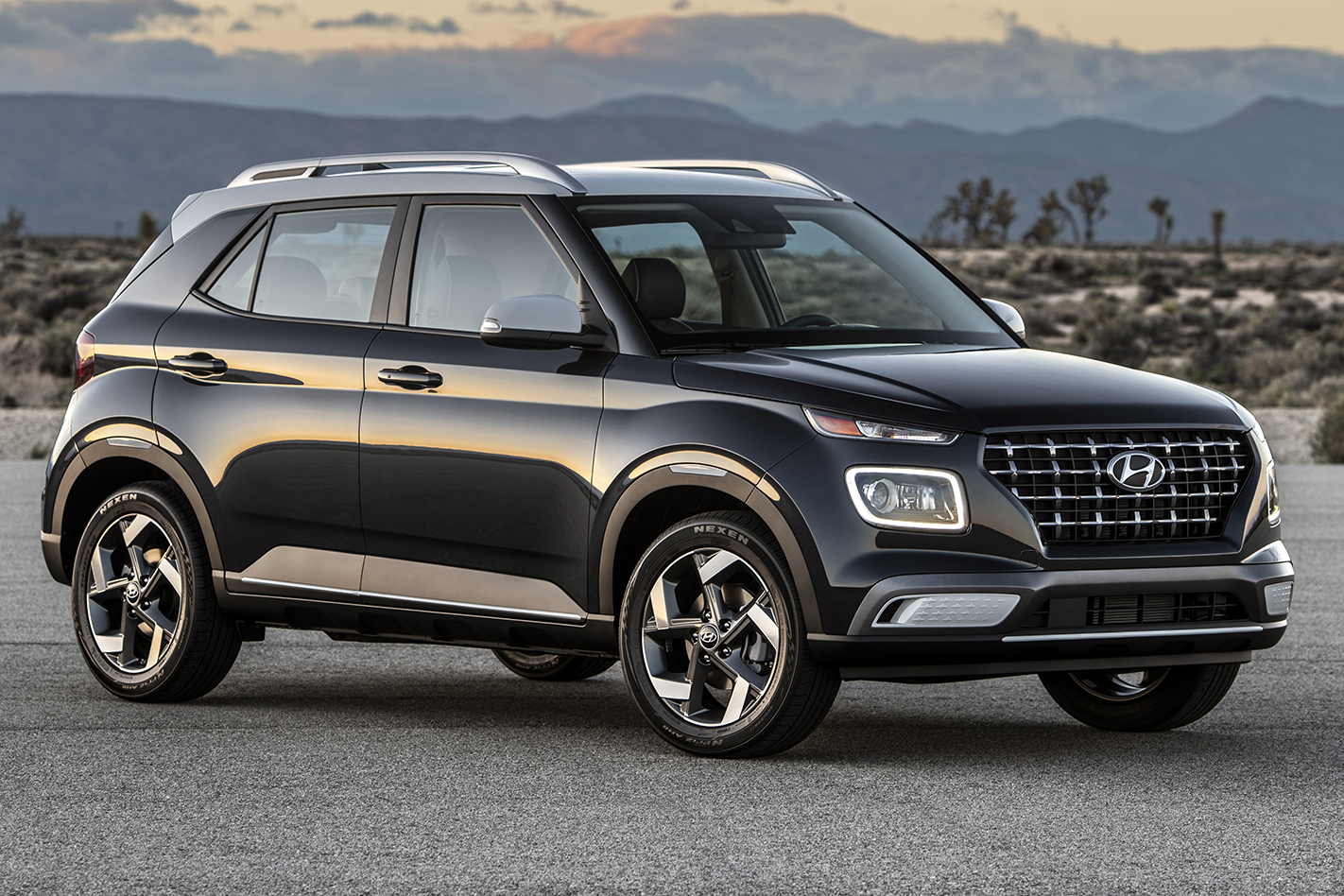
Toward the end of the third quarter the ambitious Hyundai Venue compact SUV will land in Australian showrooms, with pricing expected to be very competitive with Mazda’s CX-3. In fact, the Venue could even sit below the $20K barrier, giving Hyundai one of the most affordable SUVs on the market. Australian features, specifications and pricing are still unknown for now, but it’s clear that Hyundai has plans to make value a core trait of the Venue.
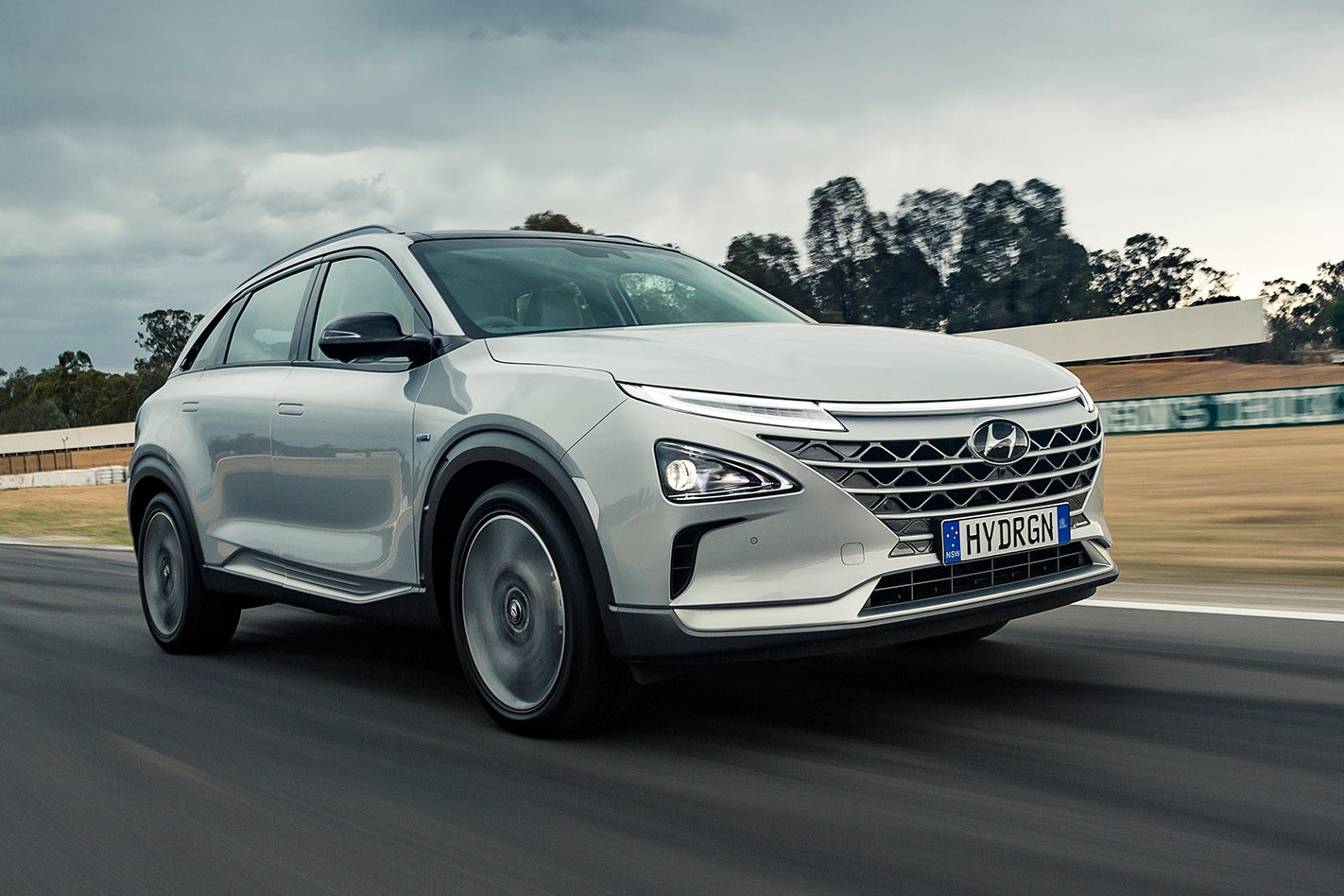
Hyundai Nexo
While cousin Kia launches its first global production EV into Australia this year, Hyundai will be going a step further with its first production hydrogen car, the Hyundai Nexo. With a hydrogen fuel cell converting gas into electricity, the Nexo manages to have all of the virtues of an electric car without the massive weight of a battery. Its only emission is water, and providing the hydrogen is generated through sustainable means it’s one of the greenest means of propulsion around.
The catch? Thanks to the complex infrastructure needed to refuel hydrogen, the Nexo will only be sold to commercial fleets that are able to accommodate them. It won’t be cheap either, with Hyundai estimating a per-car cost in excess of $85K.
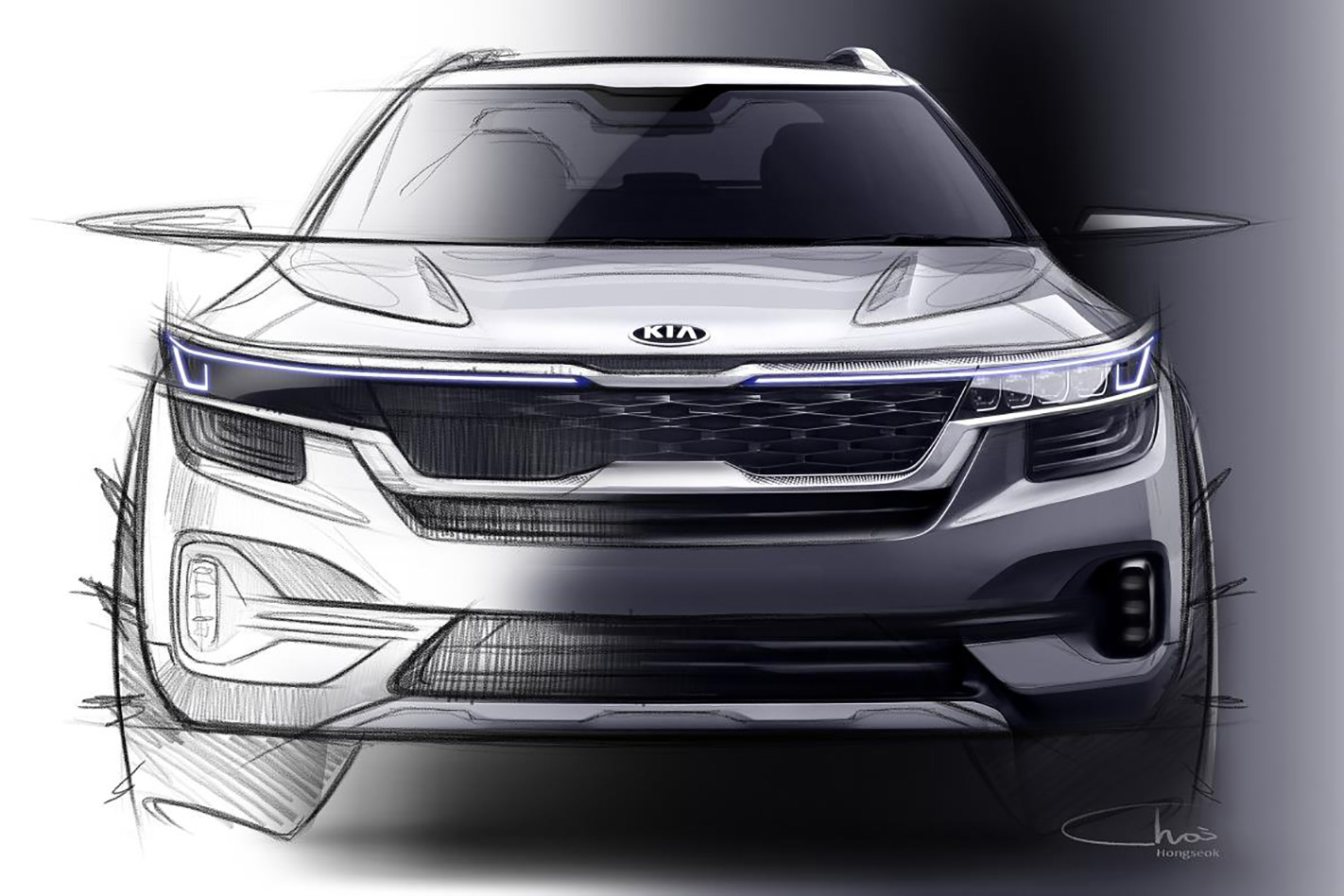
Kia Seltos
Named after Celtos, the son of Hercules, Kia’s sub-Sportage SUV will broaden the company’s range of soft-roaders and bring a slightly more youthful and city-oriented offering into local showrooms around September or October this year.
An emphasis on in-car technology will give it that youth appeal, with a huge screen and customisable lighting injecting some electronic wow-factor into the compact Korean. Precise specifications and pricing are still under wraps, but all will be revealed as the Seltos draws closer to its fourth-quarter Australian arrival date.
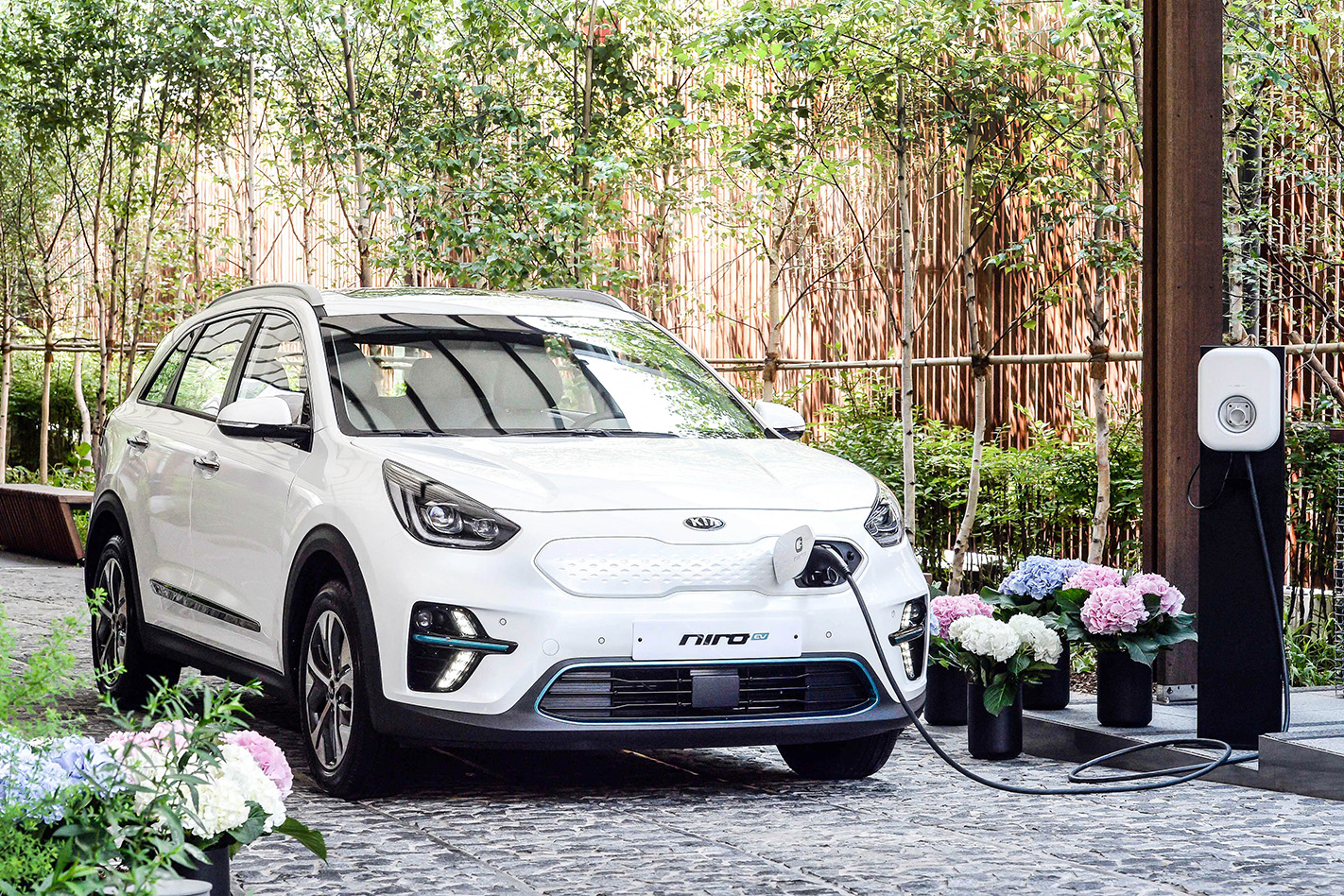
Kia e-Niro
Accompanying the Seltos into Aussie Kia showrooms will be the brand’s cutting-edge electric SUV, the e-Niro.
Sharing under-the-skin battery-electric propulsion tech with the recently-launched Hyundai Kona EV, the e-Niro promises over 400km of single-charge range and a price tag that is expected to be many thousands cheaper than its Hyundai cousin. With the Kona EV retailing for a steep $64.5K, a cut-price alternative with similar capabilities could give Kia an electrified edge.
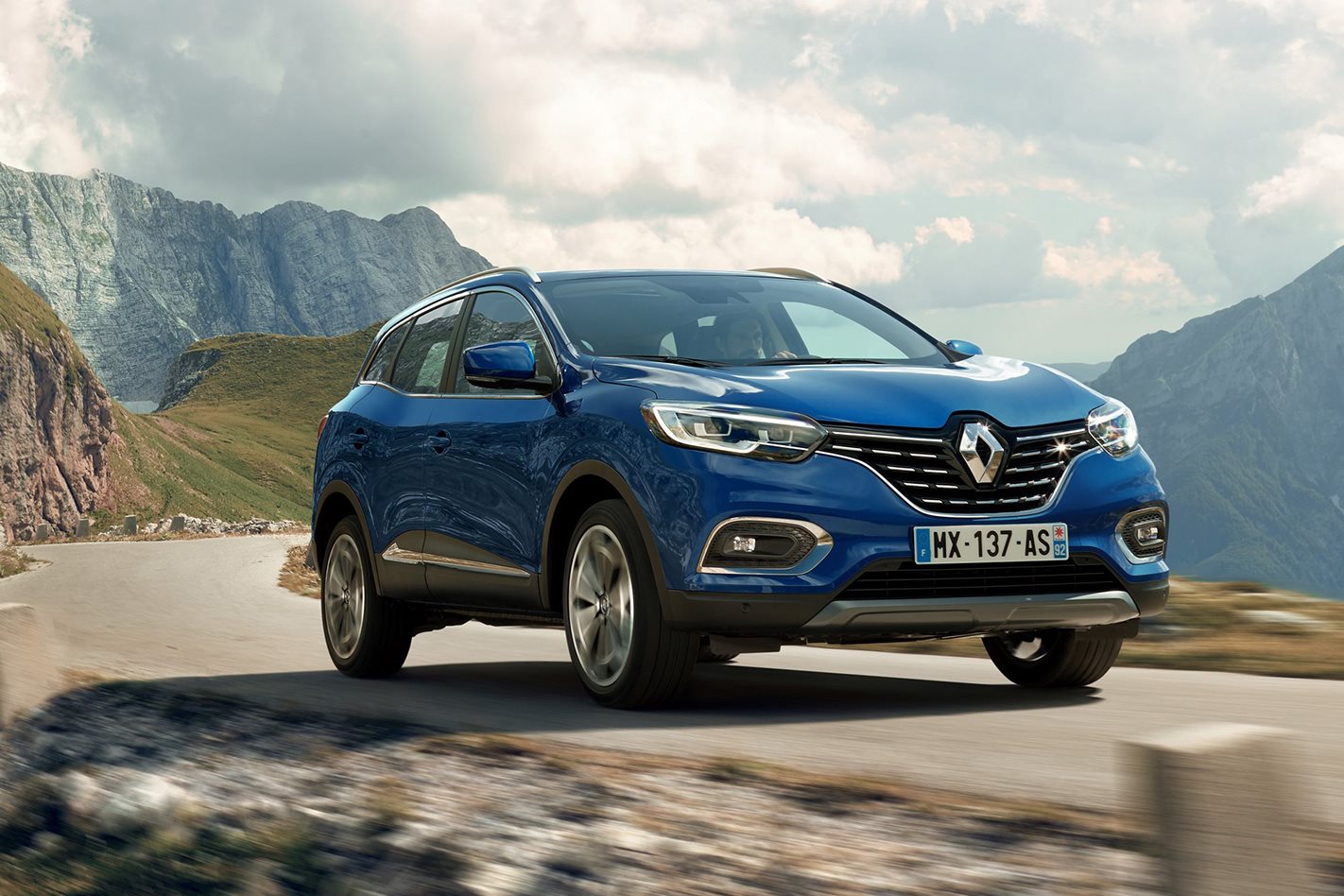
Renault Kadjar
As it did with the X-Trail-based Koleos, Renault will leverage its alliance with Nissan once more when it brings the Qashqai-based Renault Kadjar to our country in the second half of this year.
The Kadjar has already been on sale in Europe since 2015, but plans to bring it here were only locked in late last year. When it arrives it will finally plug the gap between the compact Renault Captur and the mid-sized Renault Koleos, giving the French automaker a more well-rounded SUV range Down Under.
Further afield:
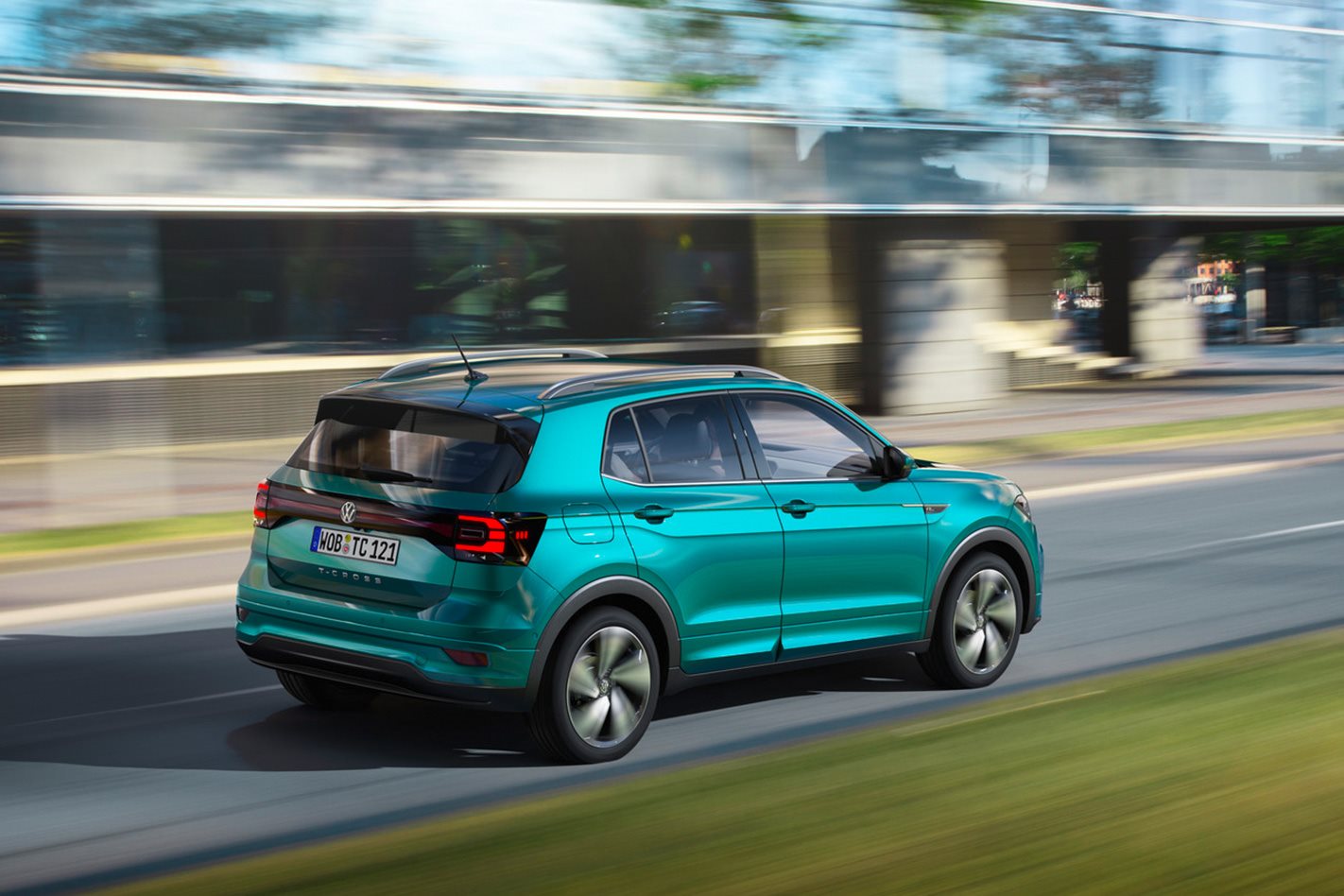
Volkswagen T-Cross (early 2020)
Arriving at the start of 2020, the Volkswagen T-Cross is VW’s compact softroader entrant that will line up against rivals like the Honda HR-V, Toyota C-HR, Peugeot 2008 and the aforementioned Kia Seltos.
As the entry-level model in Volkswagen’s SUV family, it will have an important part to play in attracting new buyers to the brand. Expect the pricing for this one to be keen.
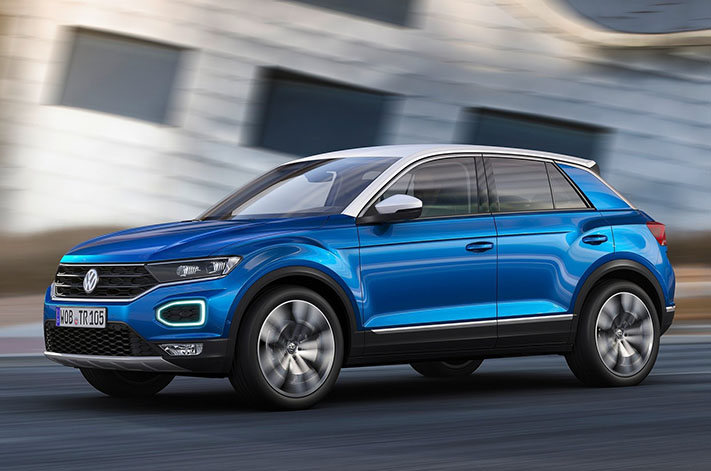
Volkswagen T-Roc (early 2020)
The T-Roc will launch at the beginning of 2020 as the second of VW’s new sub-Tiguan SUVs. Built on Golf underpinnings and using a similar range of powertrains, The Volkswagen T-Roc will provide VW with a more cost-competitive rival to the likes of the Peugeot 3008, Toyota RAV4, Nissan X-Trail and Subaru Forester, and prices are expected to start somewhere in the low-to-mid $30K region.
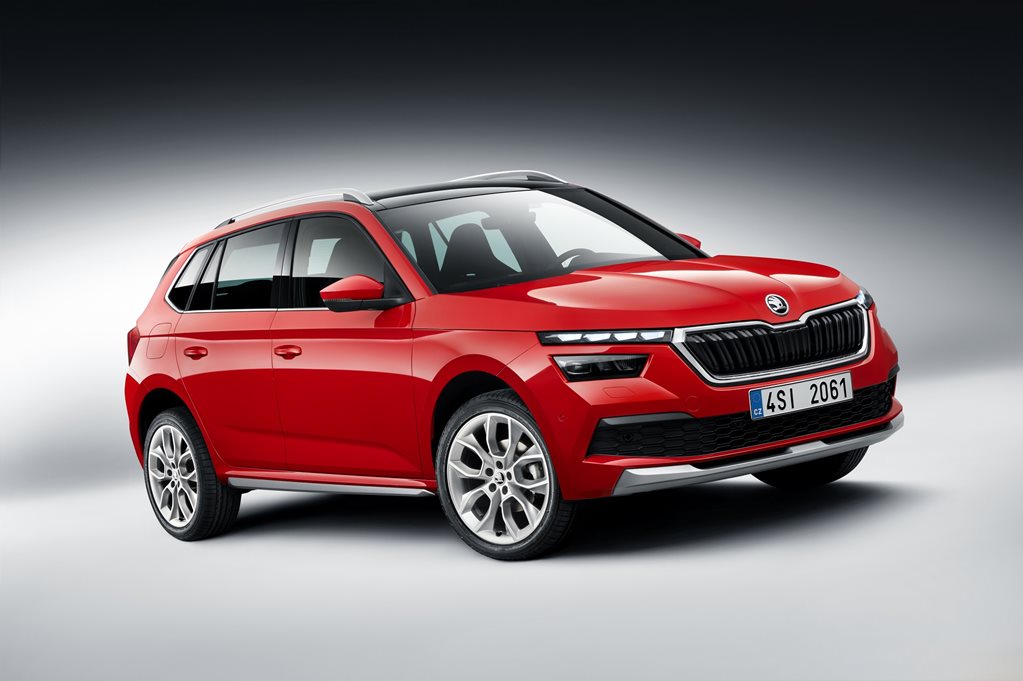
Skoda Kamiq (early 2020)
Since the Skoda Yeti disappeared from production years ago, Skoda hasn’t really had anything in the small SUV space. Its smallest high-riding wagon is the Karoq, which starts at $32,290, but that’ll change early next year with the arrival of the smaller Skoda Kamiq.
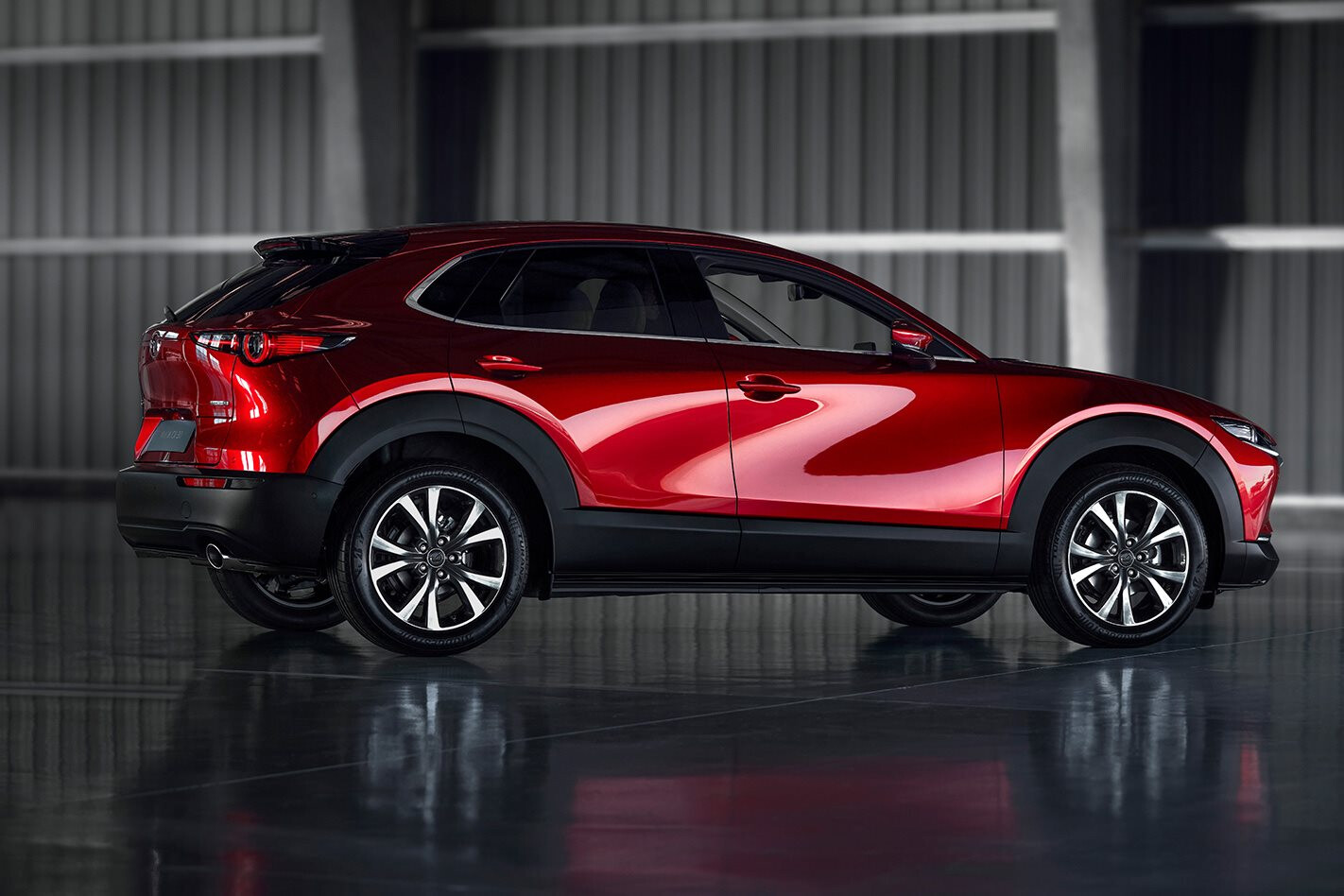
Mazda CX-30 (early 2020)
Sitting between the CX-3 and CX-5 in terms of size, Mazda’s newest small SUV nevertheless dispenses with convention and instead wears the CX-30 name on its bootlid rather than the more logical CX-4 moniker.
That aside, the Mazda CX-30 will serve an important role with bridging the gap between the aging CX-3 compact and the CX-5 mid-sizer in Mazda’s local range, and will be provide a size/price companion to Mazda’s recently-arrived new generation Mazda 3 hatch in the Japanese automaker’s local showrooms.
The 2019 Suzuki Swift Sport and its predecessors have always been about pure driver engagement and frill-free fun, rather than masses of power and outright speed. For that reason, it makes sense that it should be equipped with a manual gearbox.
But what if you don’t want to put in that extra effort? Or, not that we’d accuse a MOTOR reader of this… what if you can’t drive a manual? That’s where the 6-speed auto comes in, at an extra $2000 (at $27,490) over the manual version, but that still safely undercuts the ~$32k Polo GTI.
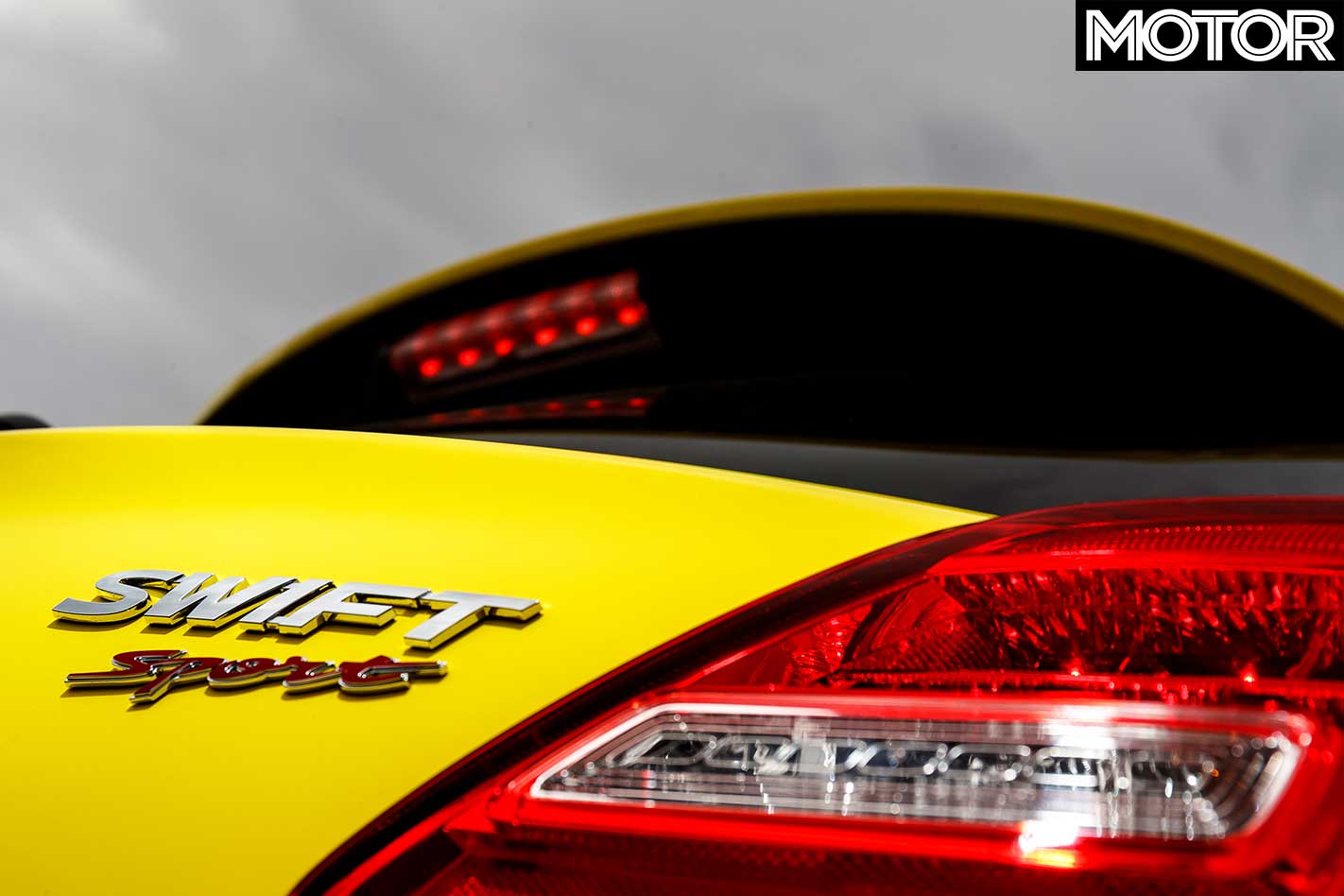
Unfortunately, it also falls short of the manual Swift Sport for fun. While the 6-speed is smooth and swaps cogs relatively quickly, the lack of additional input required from a proper shifter and an extra pedal takes away from the ‘fast’ feeling you get in a relatively low-powered car on a twisty road.
There are paddles, yes, but not needing to remove your hands from the wheels gives you too much time to pay attention to how fast you’re not going.
An extra 20kg doesn’t drastically change the dynamics compared to the manual version, and the still-sub-tonne Sport retains the tendency toward friendly understeer rather than losing control entirely once the impressive level of grip starts to run low.
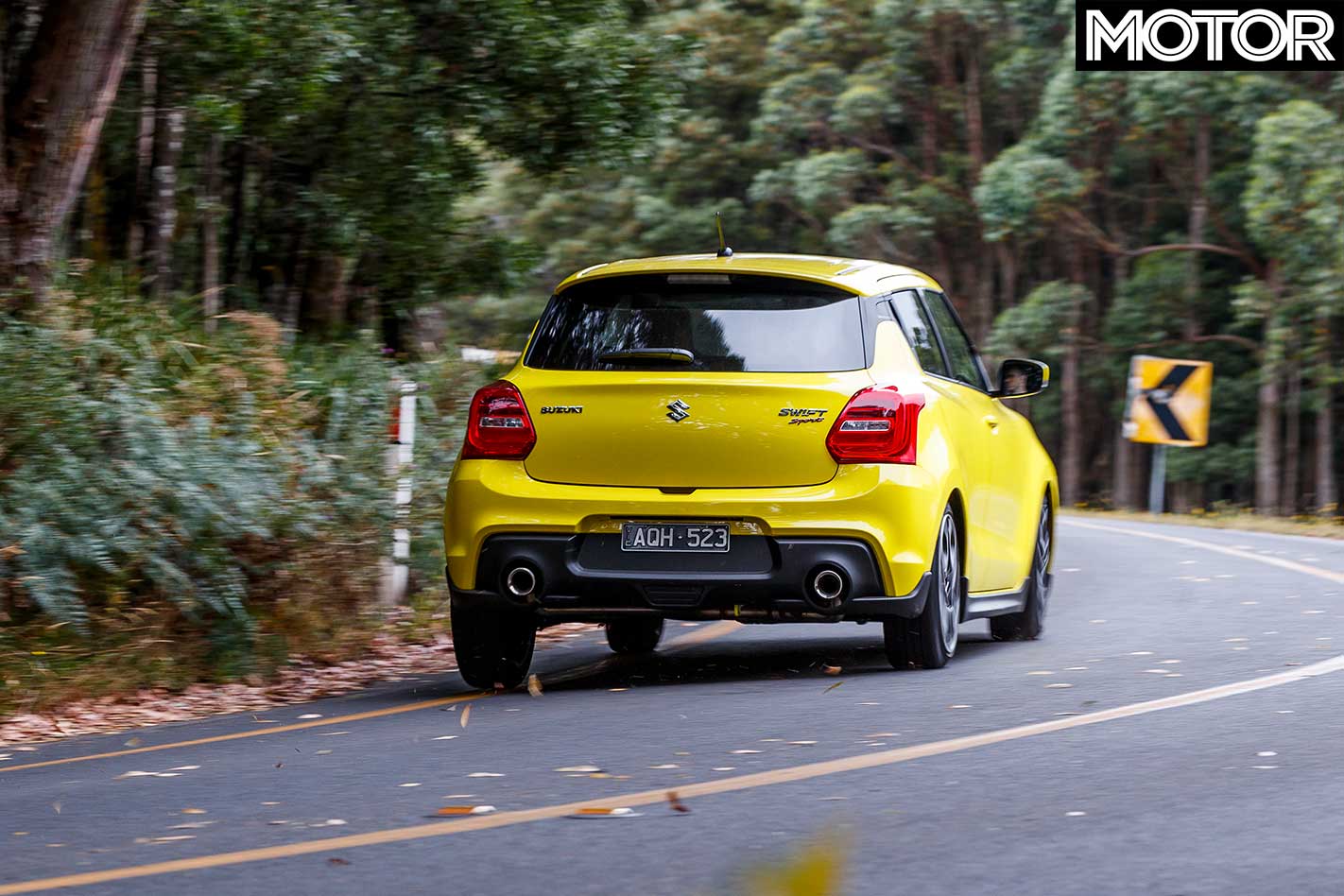
The aforementioned value advantage of the Swift sport starts to fall away once you consider how much more fun the cheaper version is. If it’s a quick, yet frugal hot hatch you’re after, the Polo GTI is worth the stretch for its extra refinement, even if it’s not quite as playful.
2019 SUZUKI SWIFT SPORT SPECS Engine: 1.4-litre inline four, turbo Power: 103kW @ 5500rpm Torque: 230Nm @ 2500rpm Weight: 990kg Price: $27,490
The British Department of Transport is set to initiate a seven-month trial of ‘noise cameras’ aimed at curbing the decibel levels of vehicles and motorbikes on the road.
Essentially a crackdown on modified cars and ‘hoon’ behaviour, the laws are said to be an attempt by the transport department to deal with excessive noise that “makes lives of people in communities across Britain an absolute misery”.
Numerous locations have been selected across the country to test out the new camera/microphone coupling; however, no fines will be issued in the seven-month trial. If the outcome of the reported plan is deemed successful, it could be rolled out nationwide.
Interestingly, the level at which a vehicle/motorbike is considered to be illegal has not yet been confirmed despite the existence of a working prototype device.
To catch offending motorists and their loud exhausts, a microphone is fitted to an existing speed camera. In much the same way a traditional camera works, it then captures the passing vehicle’s registration and relevant images via the camera and automatically issues a notice to the owner.
The current legal noise limit for a car in the UK is 74 decibels (that figure is mirrored in Australia for passenger cars). Motorbikes, which have a higher dB limit, aren’t exempt from the proposed plan either.
Supporters of the scheme say that noise pollution can cause myriad health issues such as heart attacks, type 2 diabetes, stress and high blood pressure.
The move is set to target “boy racers in souped-up vehicles”, so tell us what you think. Would this system be worthwhile in Australia or is it merely white noise?
Despite being named after Enzo Ferrari’s favourite coachbuilder, the Ferrari 612 Scaglietti was far from Maranello’s finest creations when it came to its looks.
While criticised for its flabby looks, Dutch coachbuilder Vandenbrink Design on the other hand thinks that what the old Scaglietti could do with is a “Shooting Brake” wagon treatment.
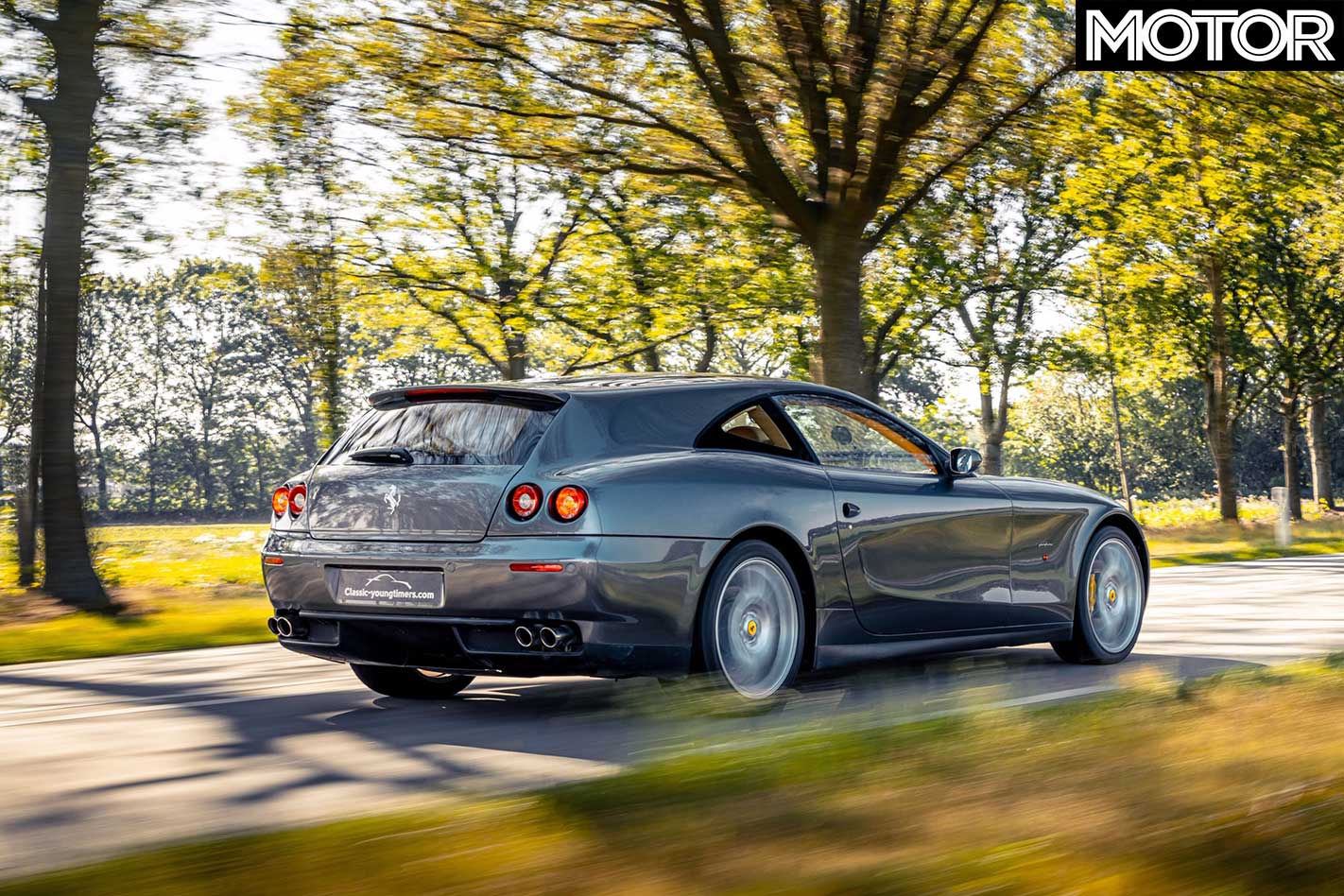
Christened the Vandenbrink Shooting Brake, the coachbuilt Scaglietti wagon was first presented as a concept in 2008, and has only recently been commissioned by Maurik van den Heuvel of Netherlands-based exotic car dealership Classic Youngtimers Consultancy.
Based on a 2005 Scaglietti, Vandenbrink ‘s coachbuilding work features an elegantly sculpted roofline that incorporates two glass moon roofs over the two individual rear seats with a sizeable leather-upholstered boot in the back.
Besides its new bodywork, Vandenbrink left the Scaglietti’s 397kW/588Nm 5.75-litre V12 untouched, which would mean that this Shooting Brake should come close to the standard Scaglietti’s 0-100km/h time of 4.2sec, even while lugging its new wagon body and any contents that happens to be on board.
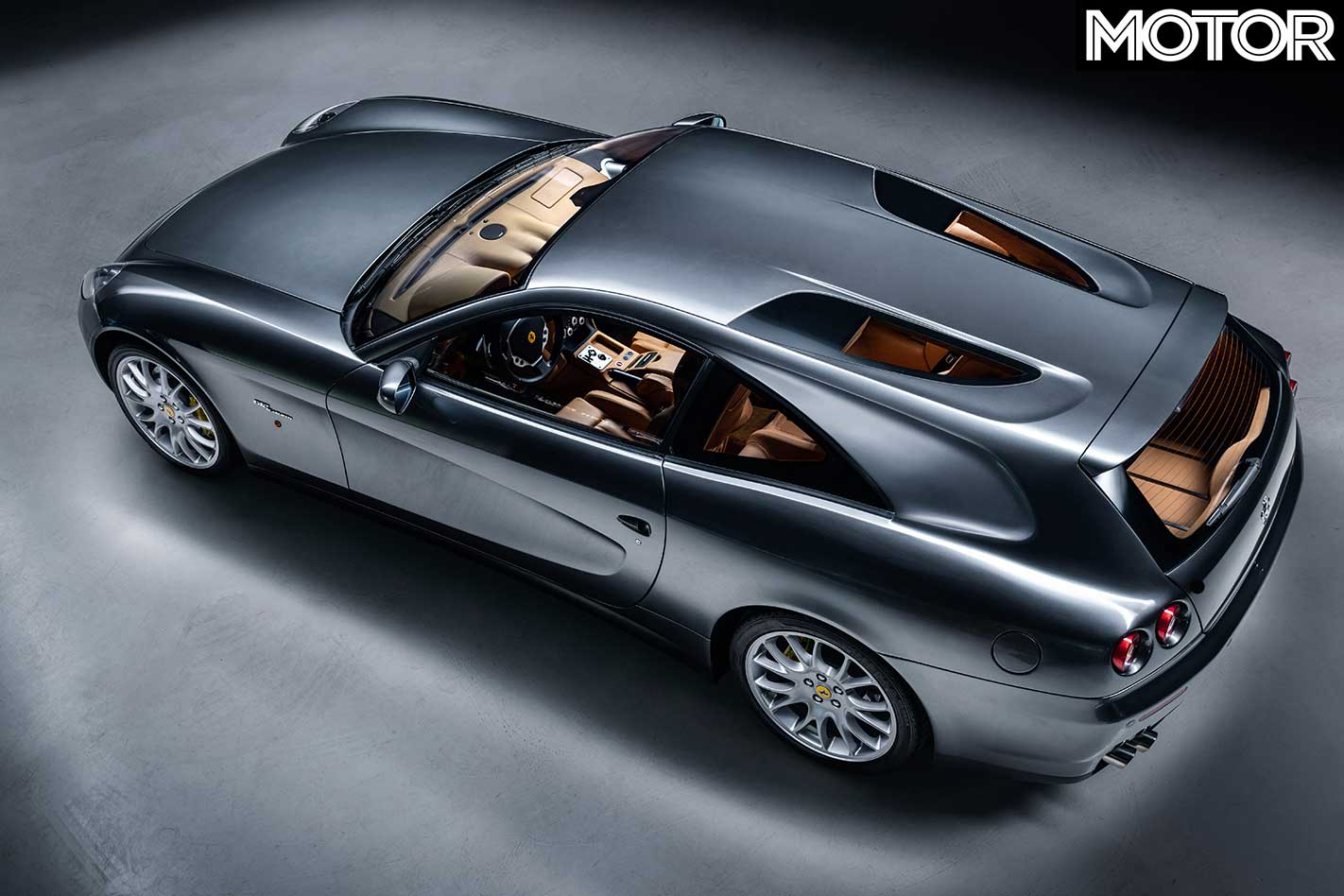
Though it is the only one of its kind, Vandenbrink plans to produce a limited run of Shooting Brakes only on bespoke order.
While there are no firm pricing details on what such a coachbuilding job would ensue, Van den Heuvel’s Shooting Brake is currently listed on the Classic Youngtimers’ website with an asking price of 300,000 Euros, around three times the valuation of standard used Scaglietti, though we would hazard a guess that the final bill for such a custom job would be a lot more than the difference in value itself.
Best value car award
Wheels’ Gold Star car award uses data such as depreciation and running costs to calculate what the best value new cars in eight different segments are. To understand how we calculate the numbers and what considerations were put into the algorithm, read the 2019 Gold Star Car Award 101 here.
The top 3 medium SUV contenders
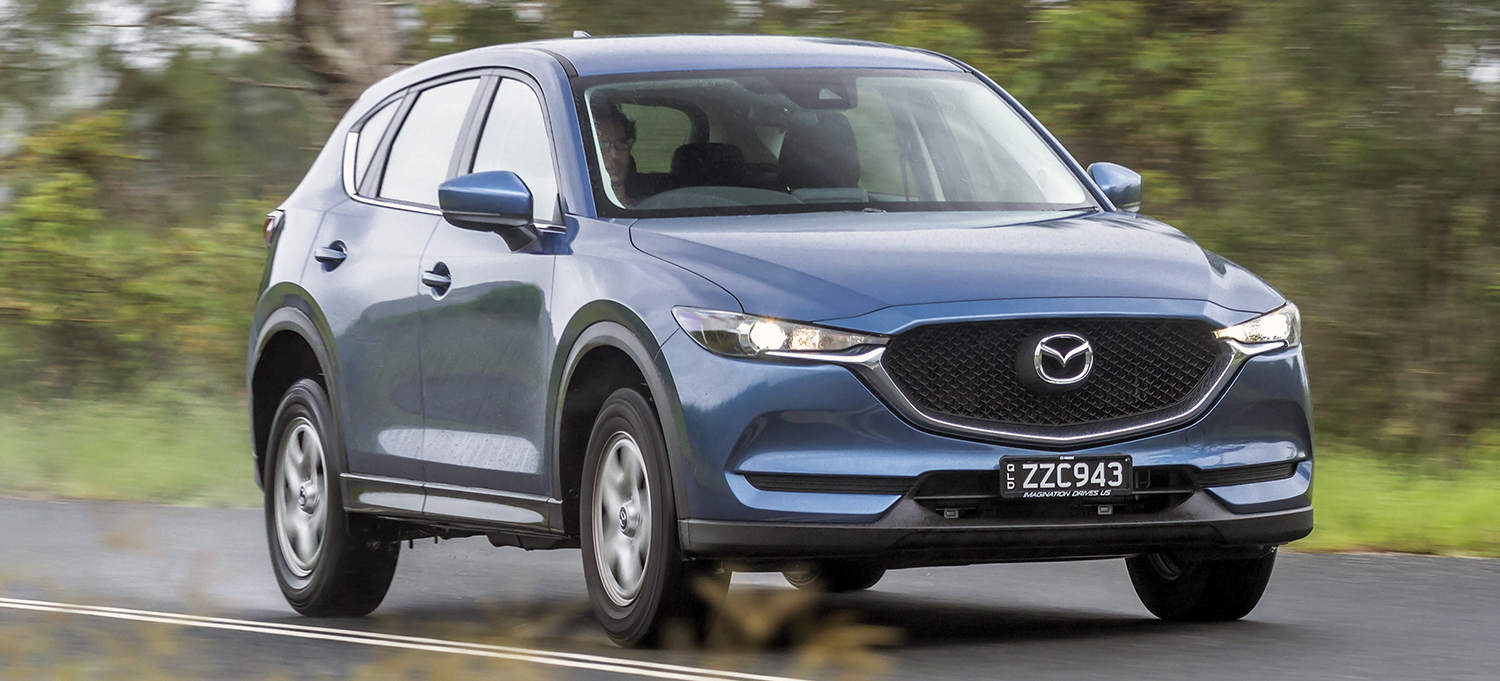
- Mazda CX-5 Maxx
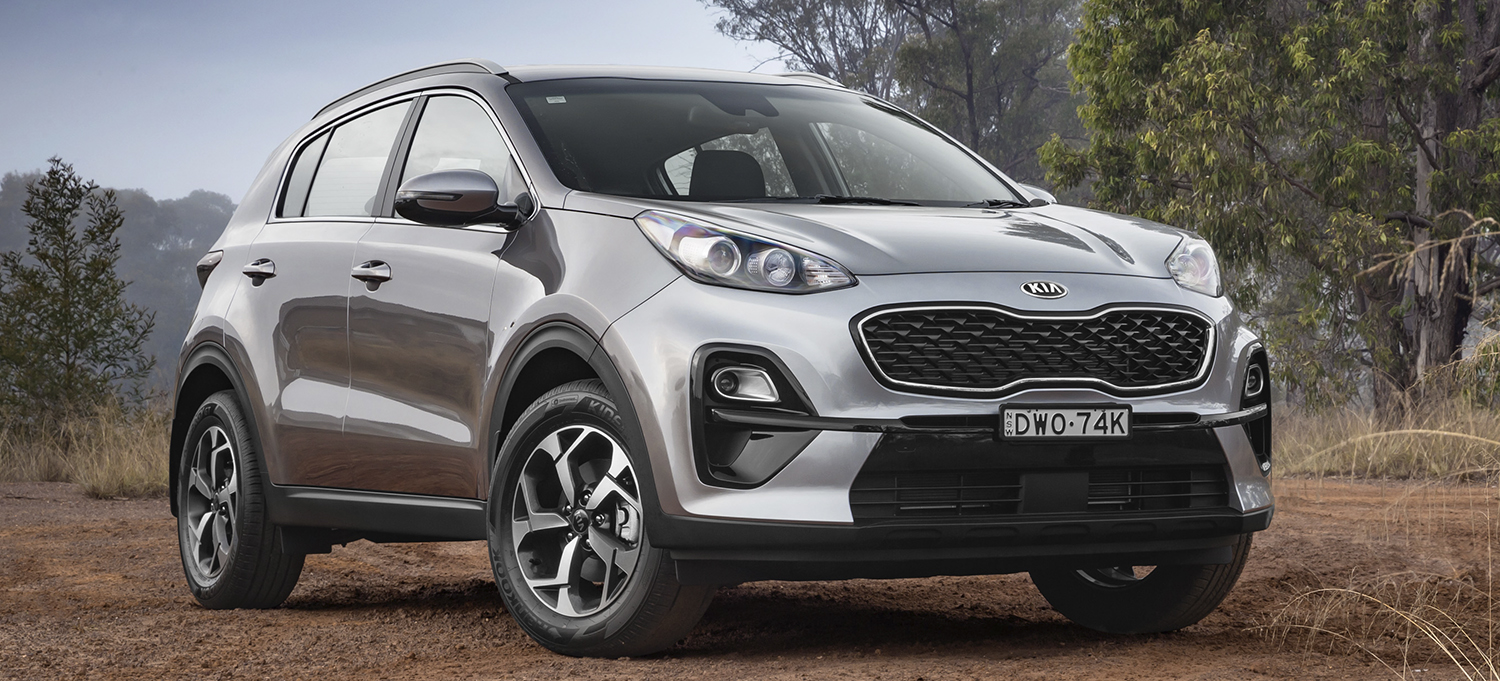
- Kia Sportage Si
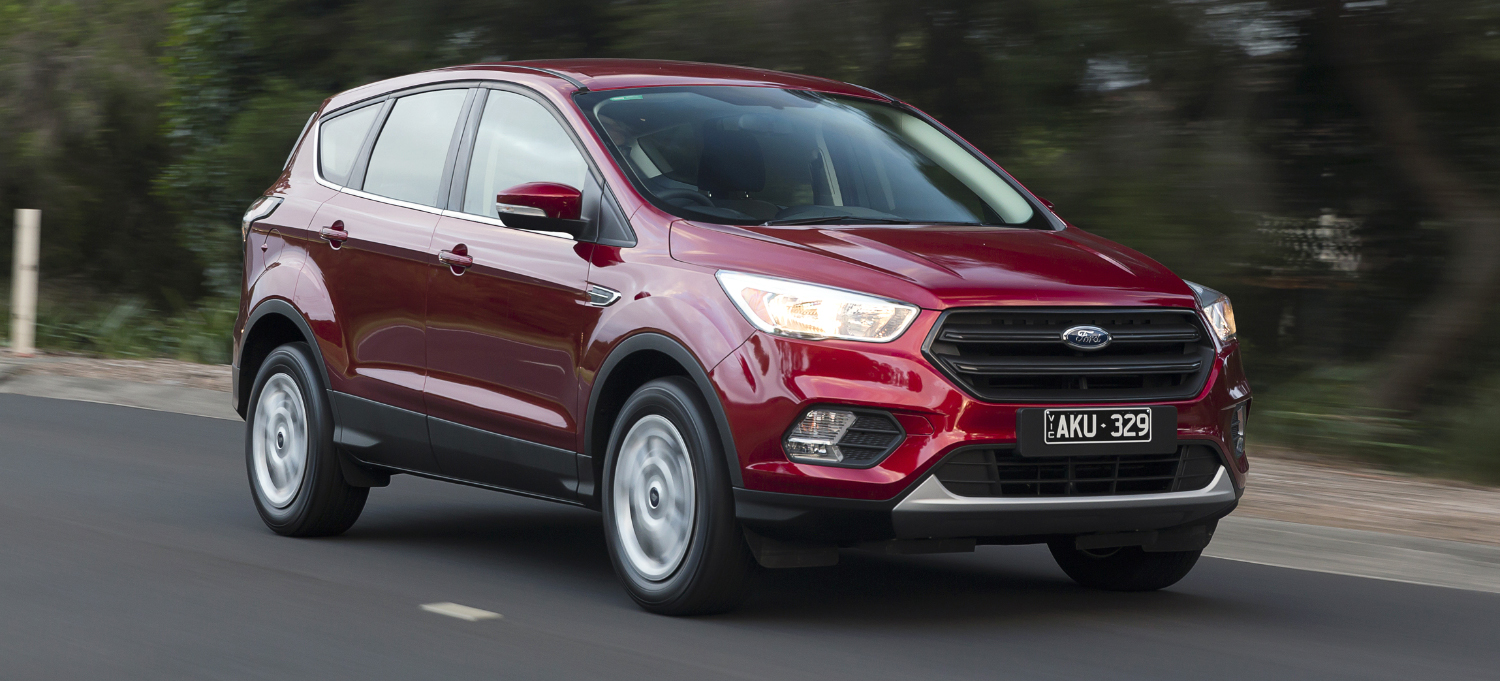
- Ford Escape Ambiente
What the numbers said
It’s been coming for more than a decade: sports utility vehicles now surpass passenger cars in the Australian sales charts from month-to-month. It’s only a matter of time until they top normal cars in full-year sales.
The popularity of SUVs has resulted in an increasingly crowded class, which is good news in terms of the broad selection on offer. It also makes a coveted Gold Star Cars gong that much sweeter in the popular medium-SUV class.
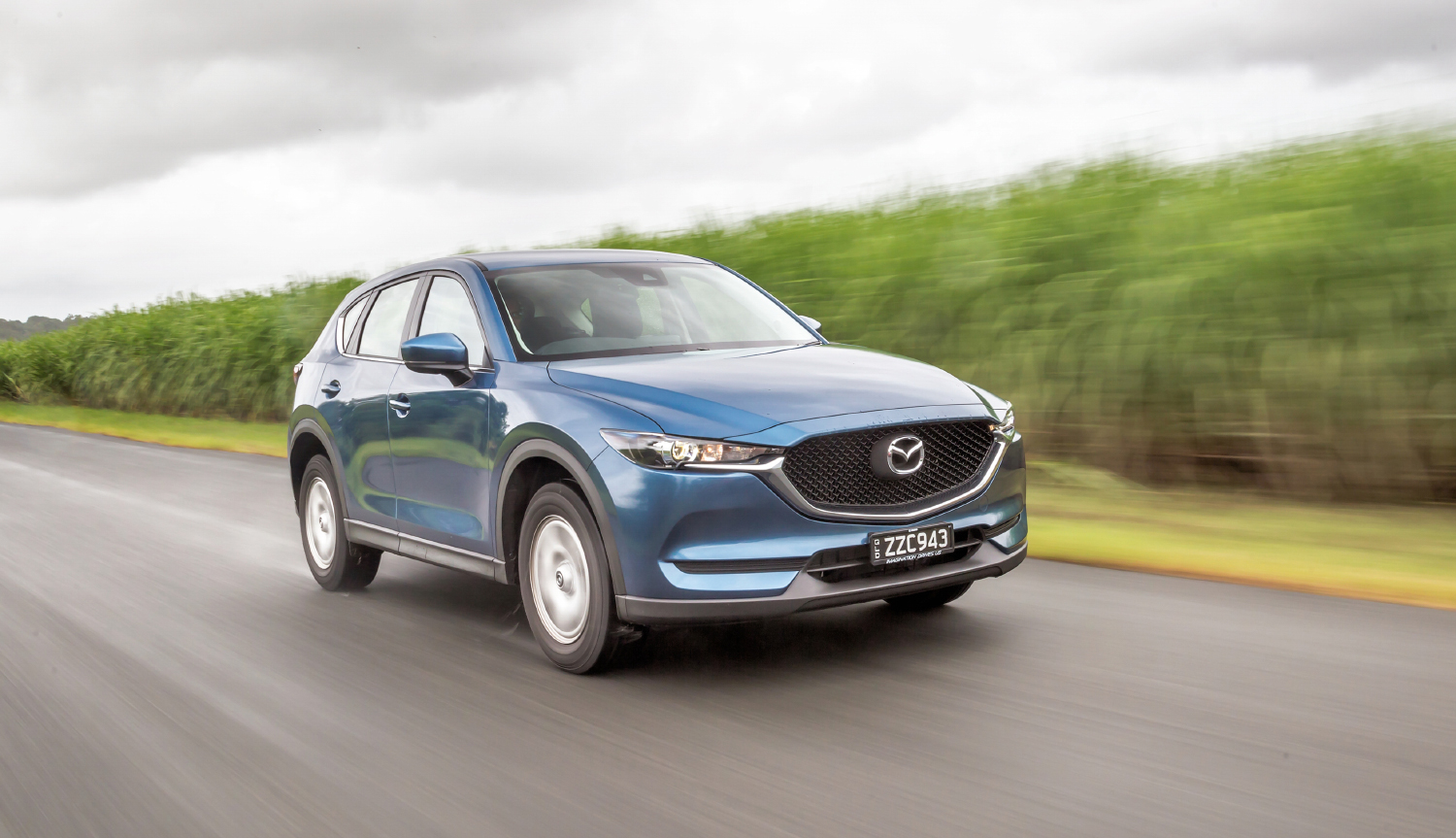
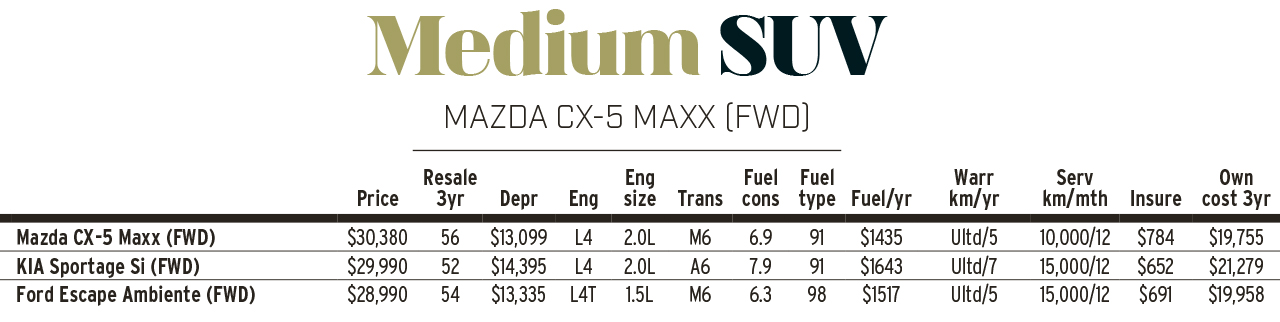
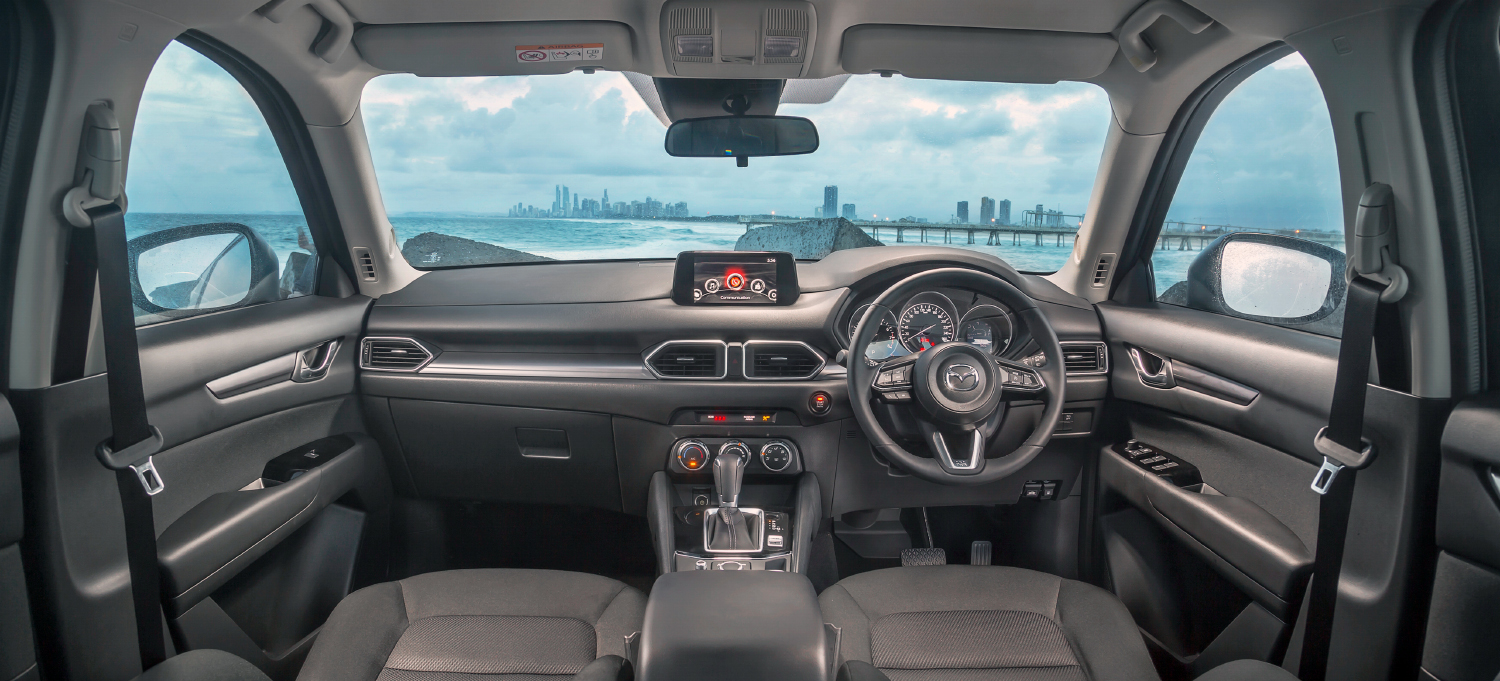
The CX-5 was a game-changer when it arrived, remains a class favourite, and duly takes gold. At $30,380 as a manual, it’s bang on the entry price for the segment and, with 56 percent resale, sheds the least to depreciation here. Meanwhile, the 2.0-litre petrol engine is miserly, runs on regular unleaded, and only needs a trip to the spanner-man every 12 months.
The Sportage runs a close second, its terrific warranty offsetting only average official fuel economy, with stout resale and class-cheapest insurance. Ford’s mid-size SUV isn’t a sales frontrunner, but it’s a decent steer, with a sharp price, strong resale and excellent economy, so perhaps it should be.

Mazda CX-5 GT $45,390
It’s surprising Mazda even offers our GSC winner in its range, because the hard truth is not many Aussies shopping in this segment want a manual-equipped, front-drive Maxx.
Much nicer, if you can finance it, is the GT, available with the CX-9’s lovely 2.5-litre turbo-petrol, all-wheel drive, and far nicer kit – alloys wheels (instead of steelies), leather trim, Bose sound, sunroof, adaptive cruise control… the list is long. The family will love it.
2019 Renault Megane RS 280 EDC
“Everybody knows that Renault make the best hot hatches,” that’s how the initial Wheels review of the Renault Megane RS 280 started. While the French hot hatch has myriad positive attributes, that sentiment is, seemingly, no longer taken as fact. It’s safe to say that the new Renault Megane RS 280 hasn’t quite been welcomed with the rapturous applause the generation before it left with.
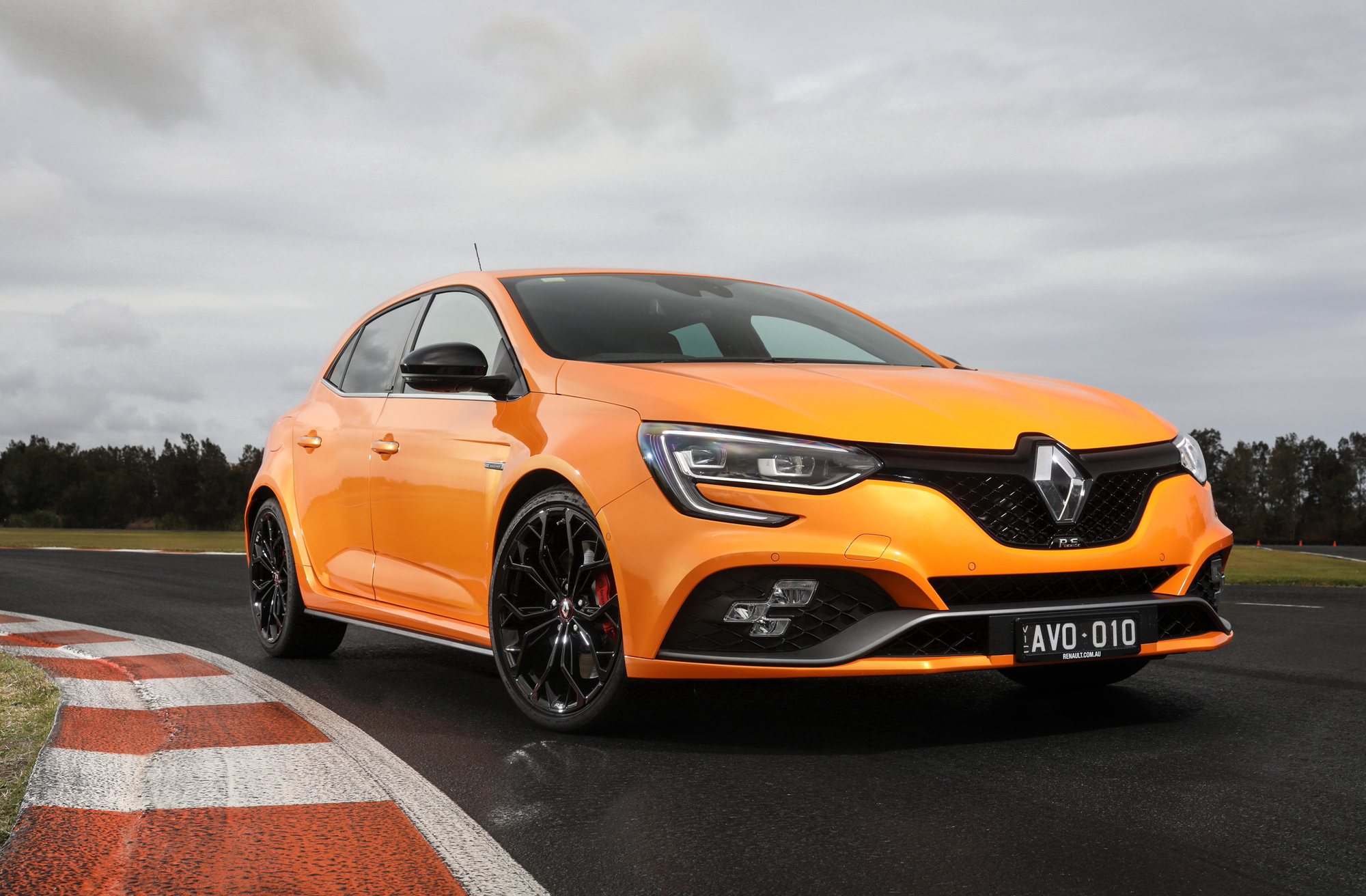
Still, for $47,490 you get a 205kW/390Nm, front-wheel-drive hot hatch with a pretty slick EDC (Efficient Dual-Clutch) automatic transmission. Opt for the manual and the price drops to $44,990.
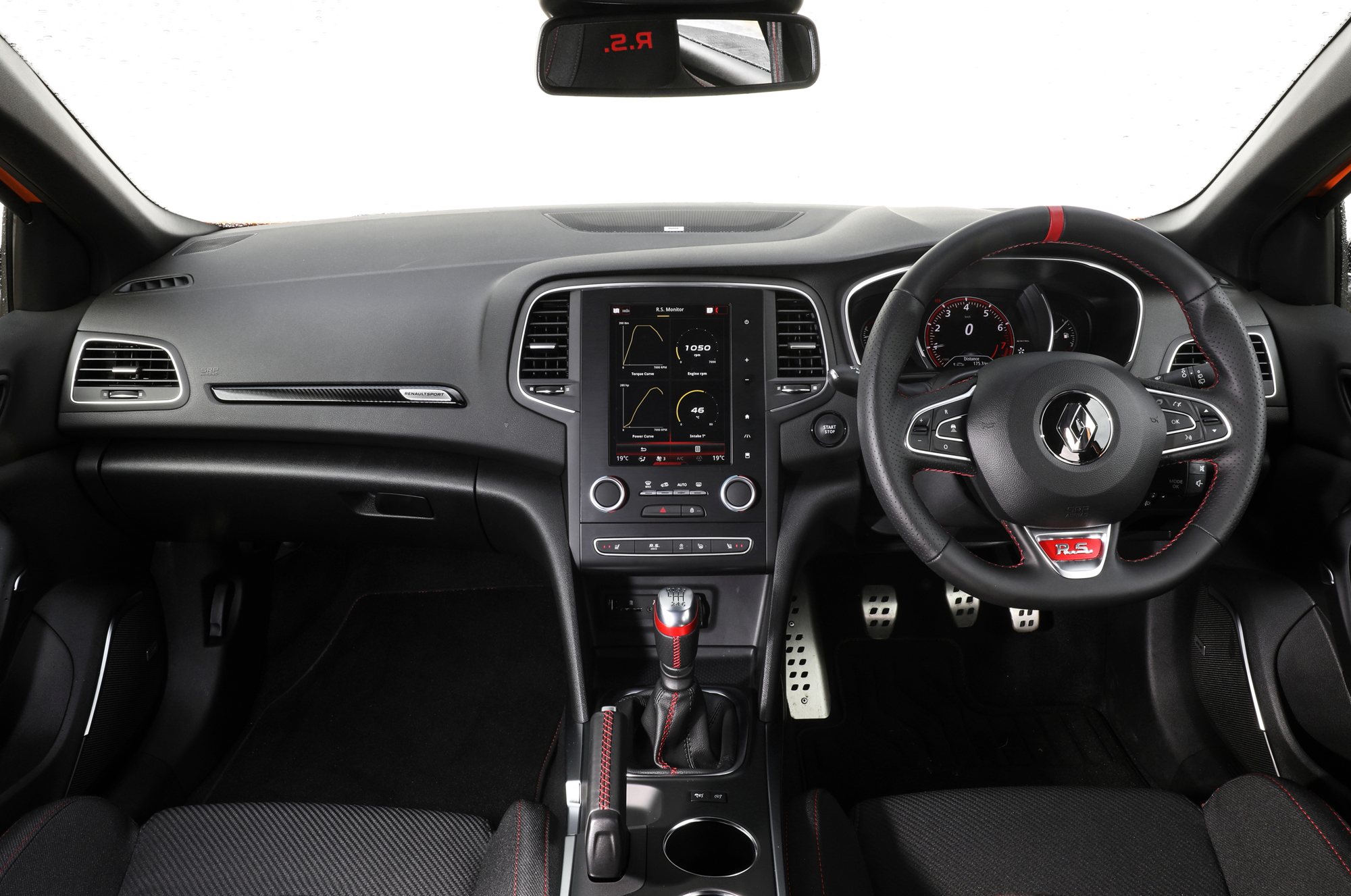
But don’t do that. Call it sacrilege for a motoring title to say, but the auto is the better option, giving the RS more aural theatre and a higher sensation of speed. The six-speed manual’s gear change is a little lacklustre.
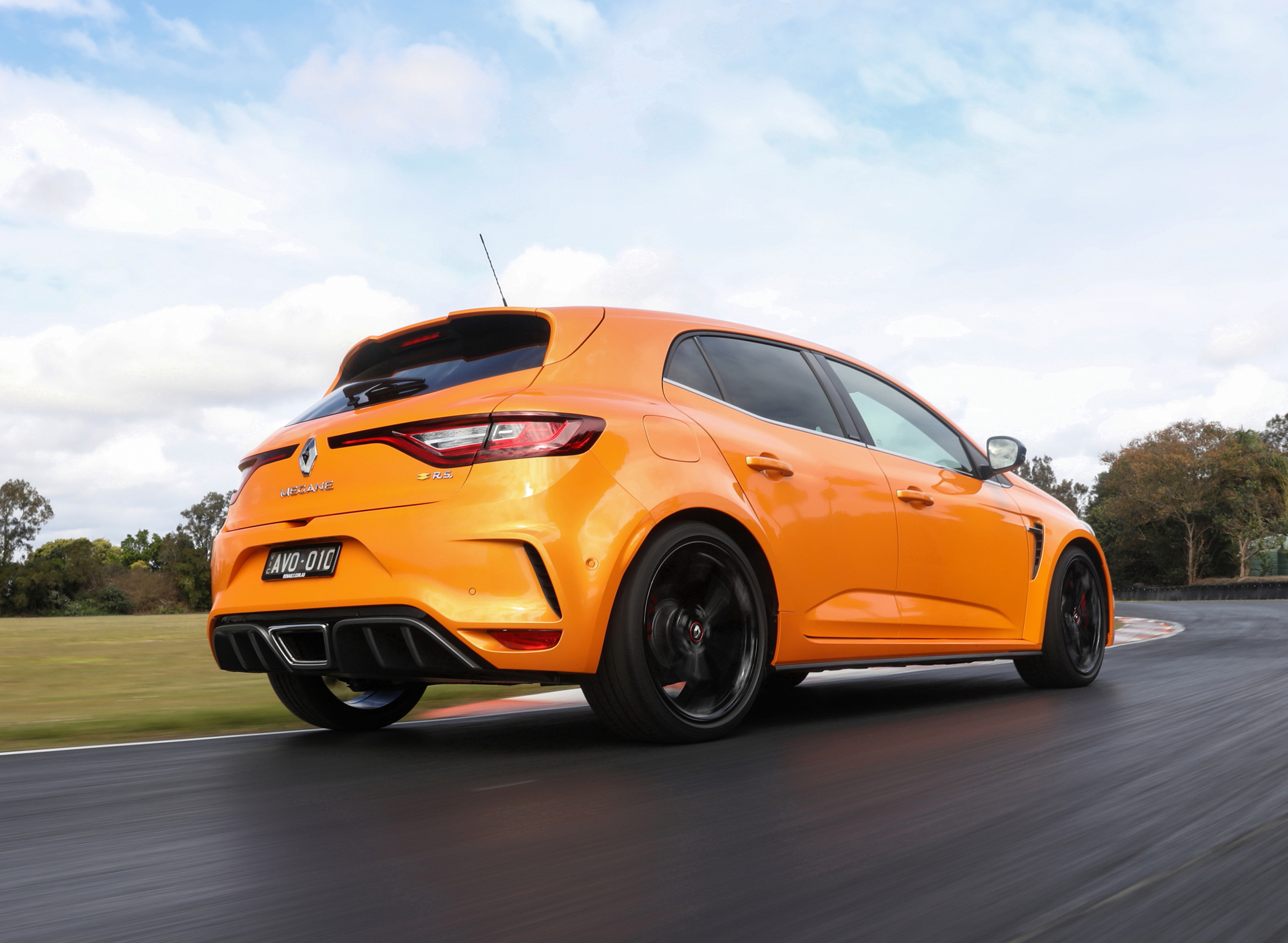
The third-generation RS is a bit of a victim of its previous success. Failing to beat itself is the Megane’s biggest undoing. Still, stop looking to the past and there’s heavily bolstered seats to sink into, menacing GT3-esque styling, a punchy 1.8-litre turbo four (shared with Alpine A110) and 4Control rear-wheel steering. With loads of grip the Megane is fast on track, plus extend the RS 280 to its limits and it truly comes alive.
2015 BMW M135i
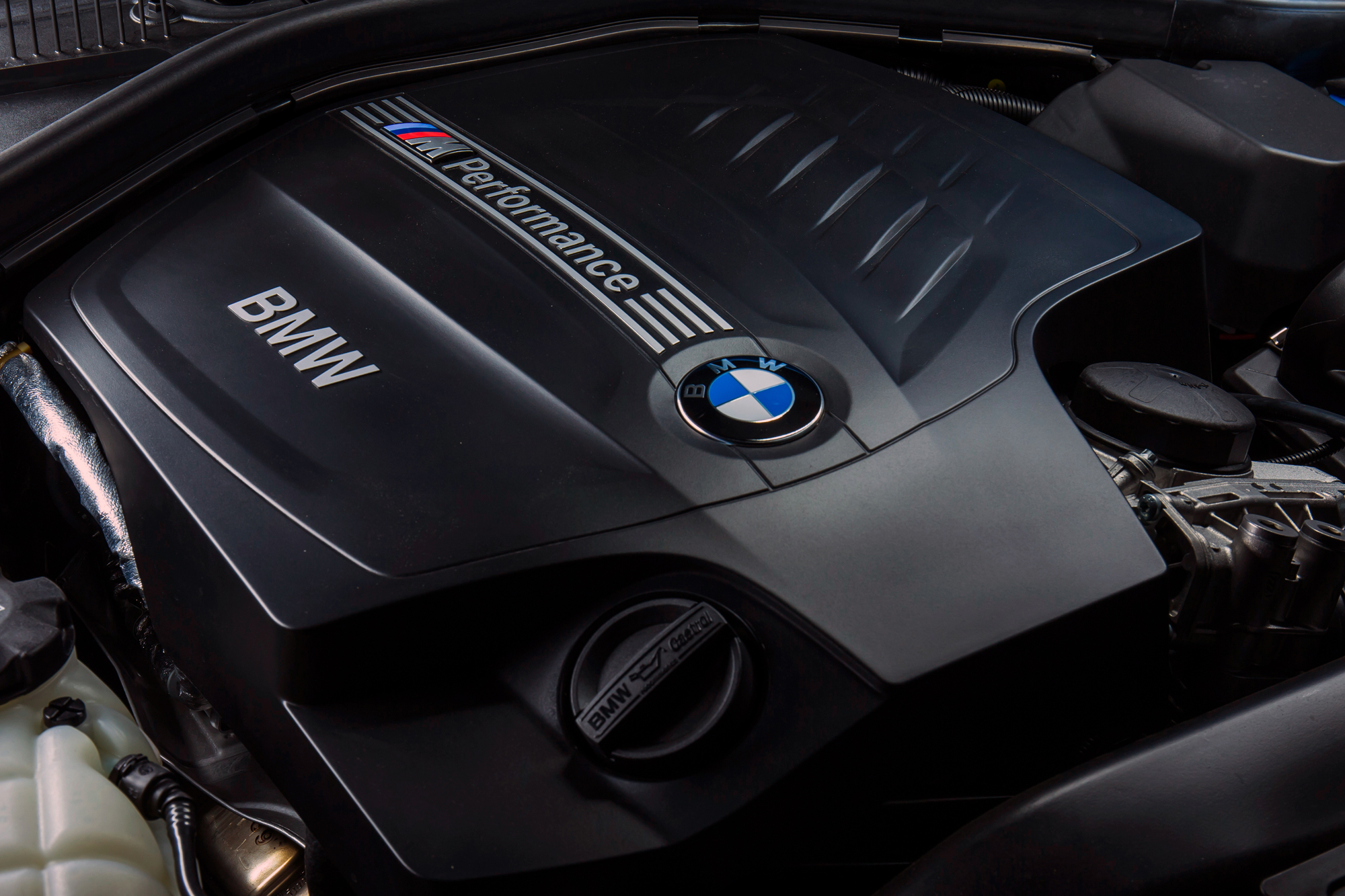
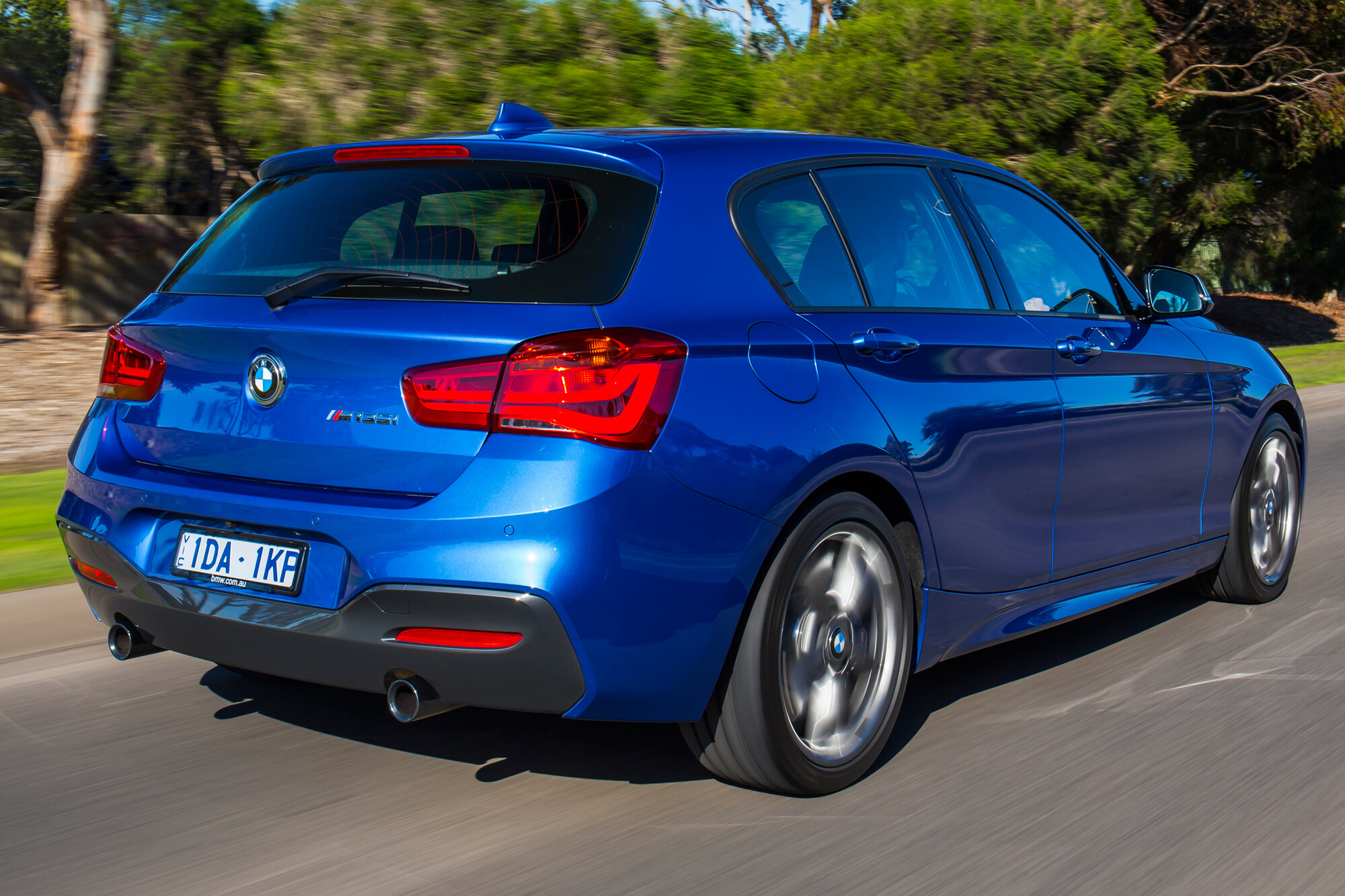
The BMW has the right mix of brawn and talent to make it a true hot-hatch hero. And with the switch to four-cylinder power and all-wheel-drive, the time is nigh to get your hands on this unique package. Packing 240kW/450Nm from the N55 3.0-litre inline six, the rear-wheel-drive Bavarian is the epitome of bang for your bucks, while still retaining the badge cachet to impress the neighbours.
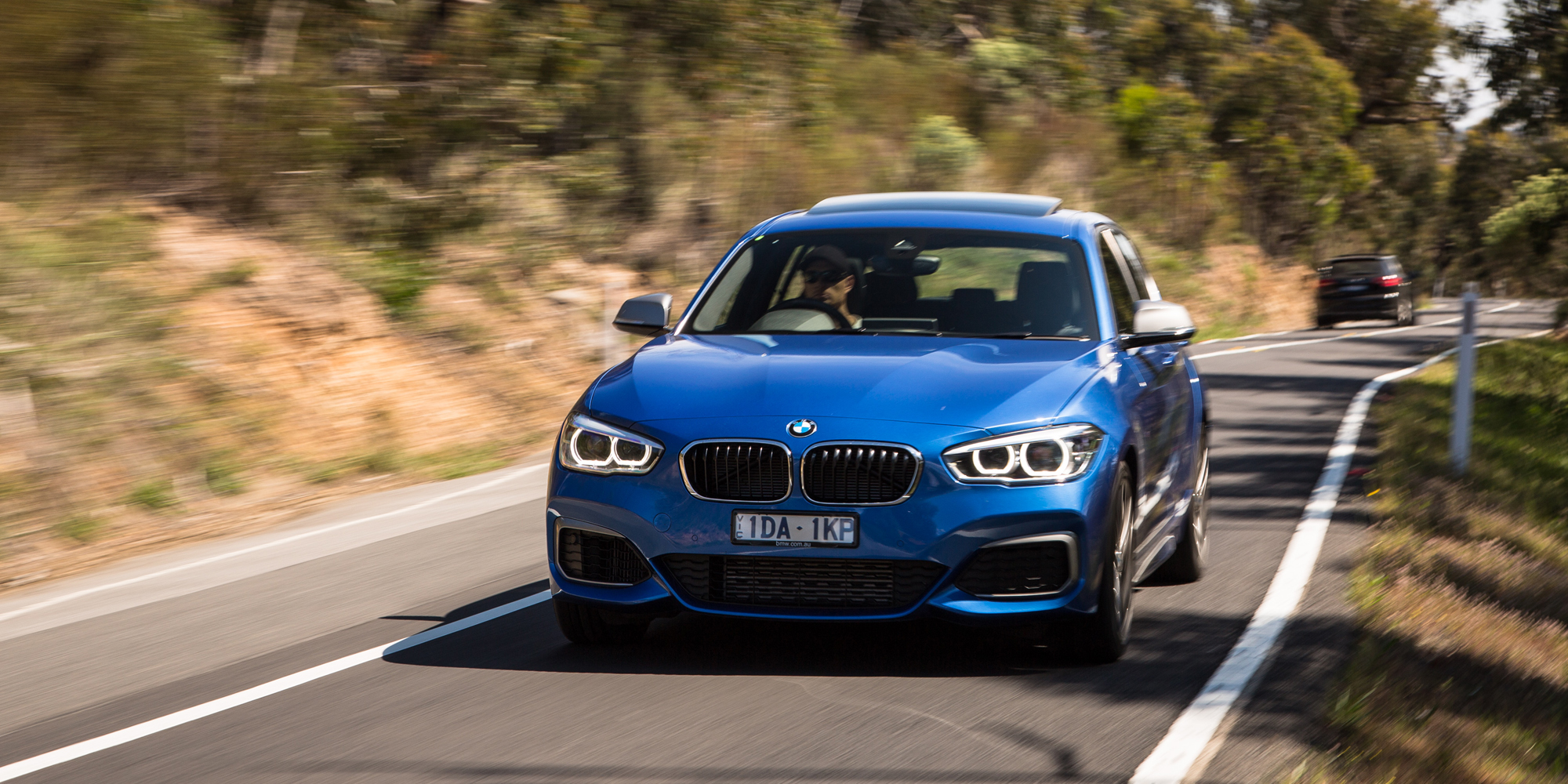
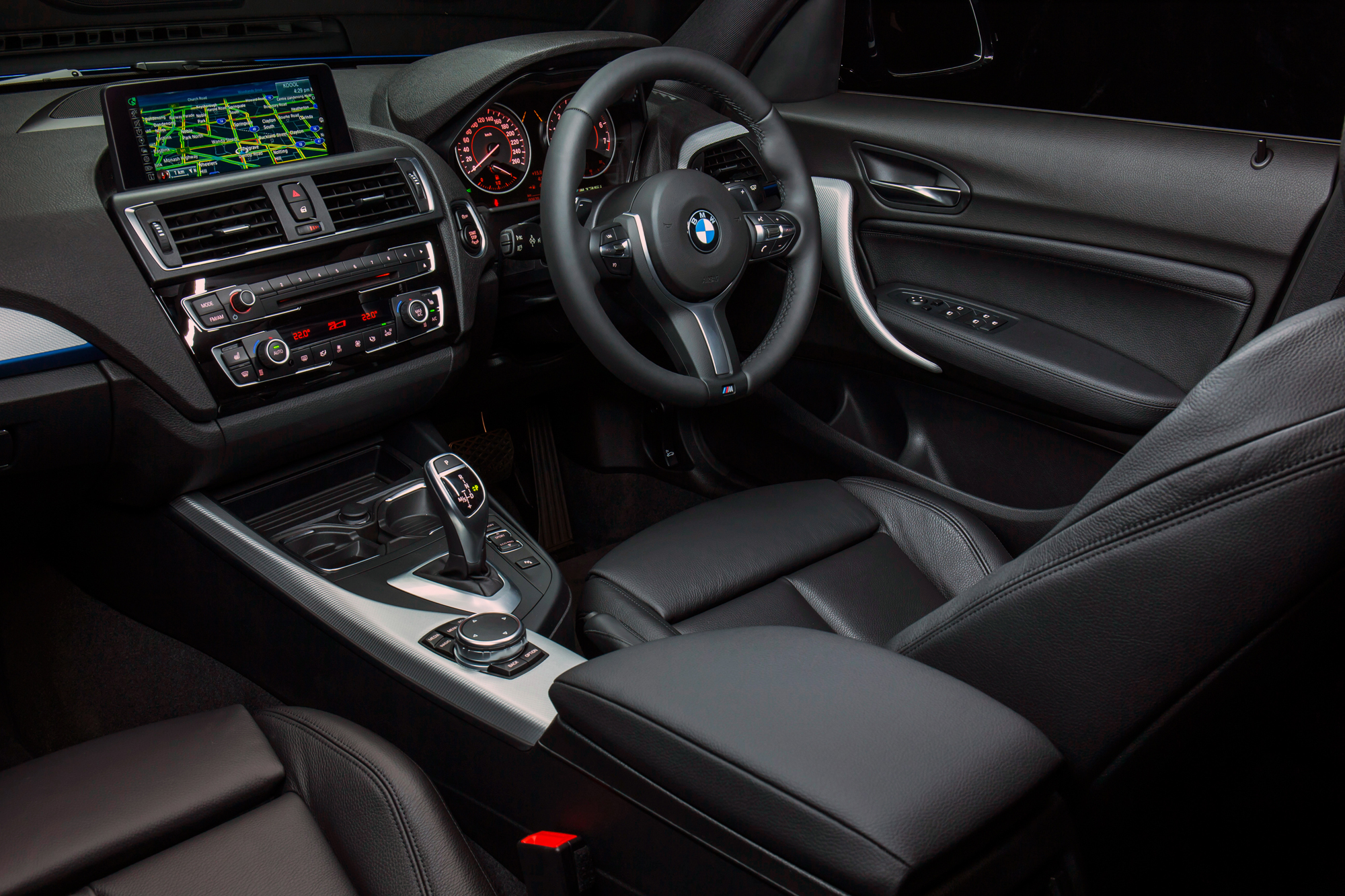
Despite only being a 2015 vintage, and with the LCI updates, the interior of the M135i can be a letdown for some and the rear-wheel-drive layout compromises space in the back. Unlike the Renault, which is generally praised for its exterior design, the 1 Series doesn’t enjoy the same reputation. It’s divisive – especially in the Wheels office.
Of course, you could also buy an M140i and enjoy the brilliant B58 straight six, but they’re harder to come by within the price parameters of this matchup. Be patient and search for the F20 LCI update with an optioned limited-slip diff (it was a $4400 premium when new). It’s not a deal-breaker if you don’t have the latter, but you’ll be glad you have it. Overall, the M135i is a hot-hatch package that’s hard to pass up.
Specs comparison
Wheels staff picks

Trent Giunco
Staff Journalist
| It has to be the M135i. It is rear-wheel drive, has a powerful turbo six and is as pragmatic as I’ll ever need a hot hatch to be. What a shame BMW is turning it into an all-wheel drive four-pot turbo for the next generation. While the styling somewhat falls into the ‘only a mother could love’ category, the driving experience certainly doesn’t. The N55 is a sweet unit and it surprises with just how fast it is on the run – plus, you get the added benefit of effortless torque whenever you need it. Paired with the eight-speed ZF auto it’s an absolute gem, but the six-speed manual is decent, too. Buy one before everyone else realises/remembers how good they are! |

Andy Enright
Deputy Editor
| This is a tough one. The heart says BMW but the head says Renault. For the road, I’d probably opt for the Megane with the softer Sport chassis and EDC transmission. This model also comes with an e-diff rather than the Torsen differential of the Cup version and although the e-diff might not be quite as fierce on track, it corrupts the steering far less on the road. Strangely, the steering of the rear-drive BMW is its Achilles heel, and I prefer the feedback through the wheel of the front-drive Renault. For what it’s worth, I also lean towards the more aggressive styling of the French car too. Throw in a factory warranty and I’m sold on the Meg. |

Cameron Kirby
Staff Journalist
| I will probably annoy our dear friend and contributor to Wheels, Byron Mathioudakis, with this admission, but I don’t really gel with French cars. Add to that the Renault Megane RS’s fall from grace in its latest generational change, and I have to take the BMW M135i here. The idea of rear-drive goodness in a compact hatch body is just too good to pass up. This isn’t to say the Megane RS is a bad car, quite the opposite, but I just can’t bring myself to go past a rear-drive turbocharged six-cylinder hatch. |
Reckon we’ve got it right? Or are we way off the money (literally)? Find your best and let us know in the comments what you’d buy.
Not terribly long ago, automatic high-beam was considered to be rather novel – a high-tech trick rarely found outside of the luxury segment. These days, however, that technology – which flicks on the high beam when the road ahead is clear of other cars, and turns it off when it isn’t – is a lot more ubiquitous and found in cars of almost all sizes, both premium and mainstream.
But there’s a more recent evolution of the humble headlamp that can actually keep the road ahead flood-lit by high beams, yet avoids blinding the drivers of cars in front of it. Generally dubbed ‘adaptive high beam’ or ‘selective high beam’, they do exactly what their name suggests – they morph and adapt the shape of their light beams to brightly illuminate the things you need to see, while casting shadow over the stuff that shouldn’t be lit up – including the retinas of your fellow road users.
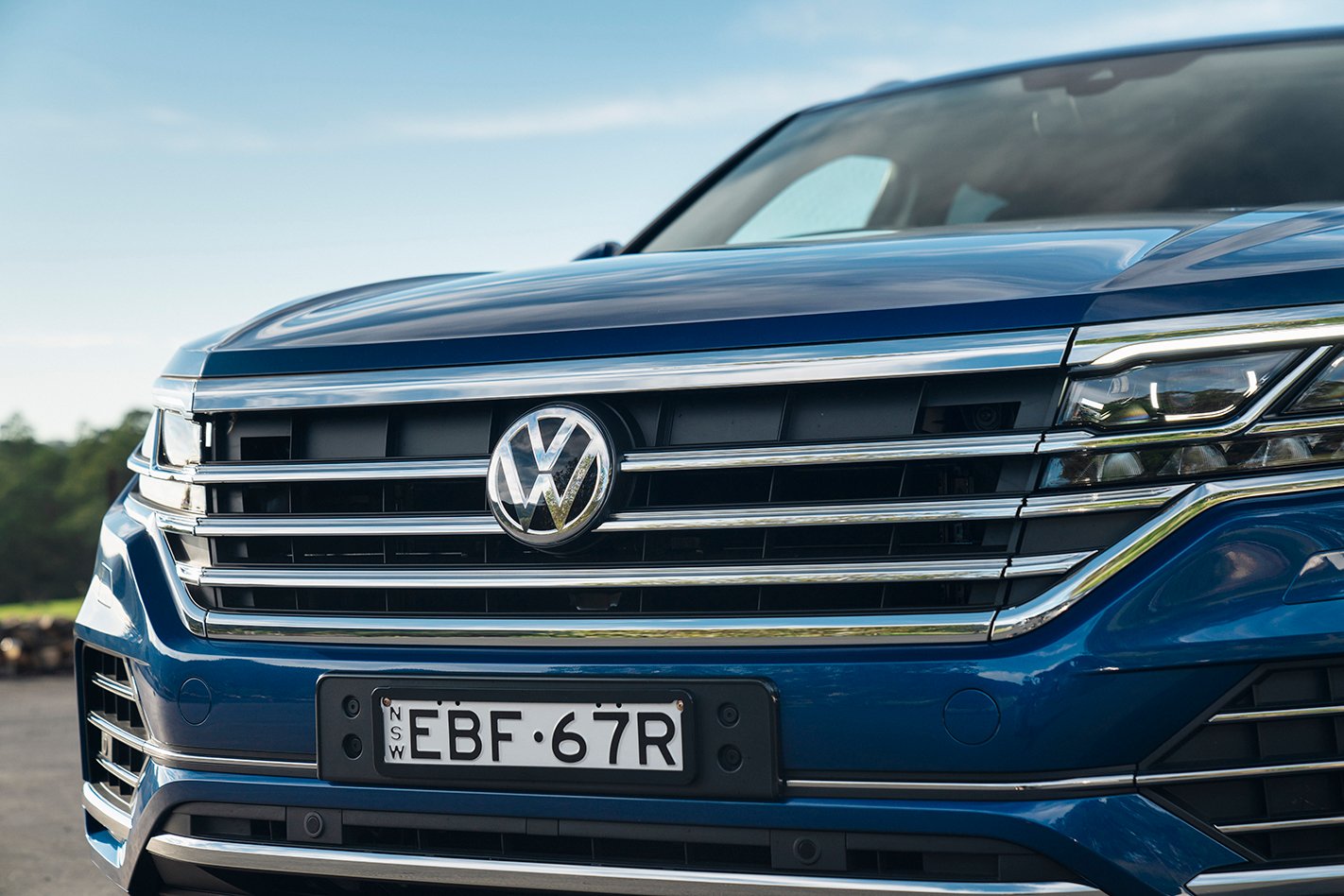
How they do so is pretty fascinating. The technology was introduced by BMW and has also been developed by Mercedes-Benz and Audi, the latter of which markets it as “Matrix LED” adaptive headlights on many models in its range. Now it’s trickling through into the mainstream, with the new Volkswagen Touareg Launch Edition boasting the same tech as standard. The principle of their function remains the same in both Audis and VWs.
In the Touareg’s Matrix LED headlamps (below), the high beams (shown as ‘main beams’ in these images) and the headlights (or ‘dipped beams’) are cast by an array of 80 light-emitting diodes (the LED in Matrix LED) in each headlamp unit, plus an extra three on each side for static cornering lights. Each of those LEDs only lights up a very small section of the road ahead, meaning that with all of them working in concert, the light pattern can be finely adjusted by switching individual LEDs on and off.
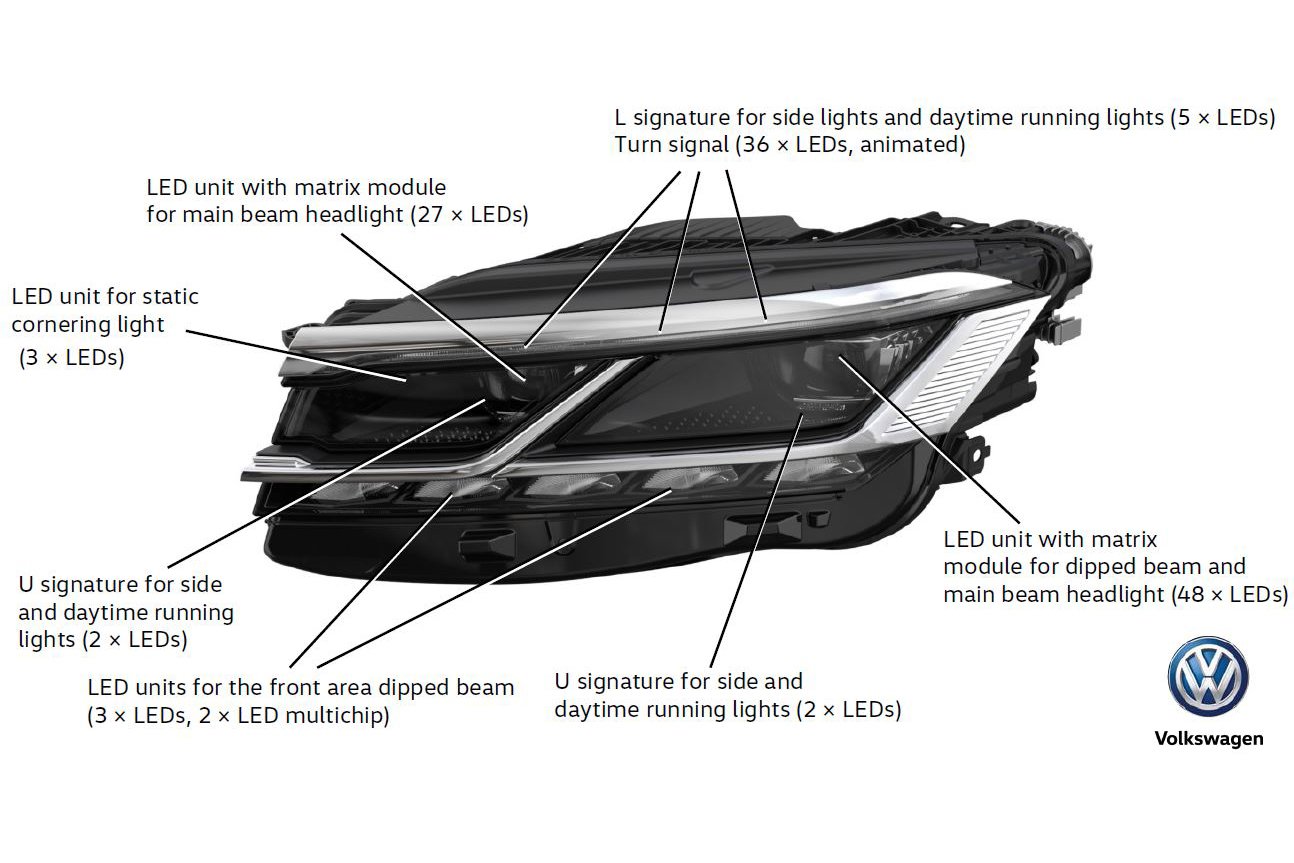
What’s more, the light output of each individual LED can be varied. That means that a portion of the road ahead can be lit dimly rather than darkened entirely, or illuminated even more brightly to draw the driver’s attention to that particular area. Clever.
Here’s what the beam pattern looks like when you’re driving with just your dipped beams on. Each of those rectangles represents the illumination area of a single LED, with red ones being more brightly lit than the ones shown in yellow:
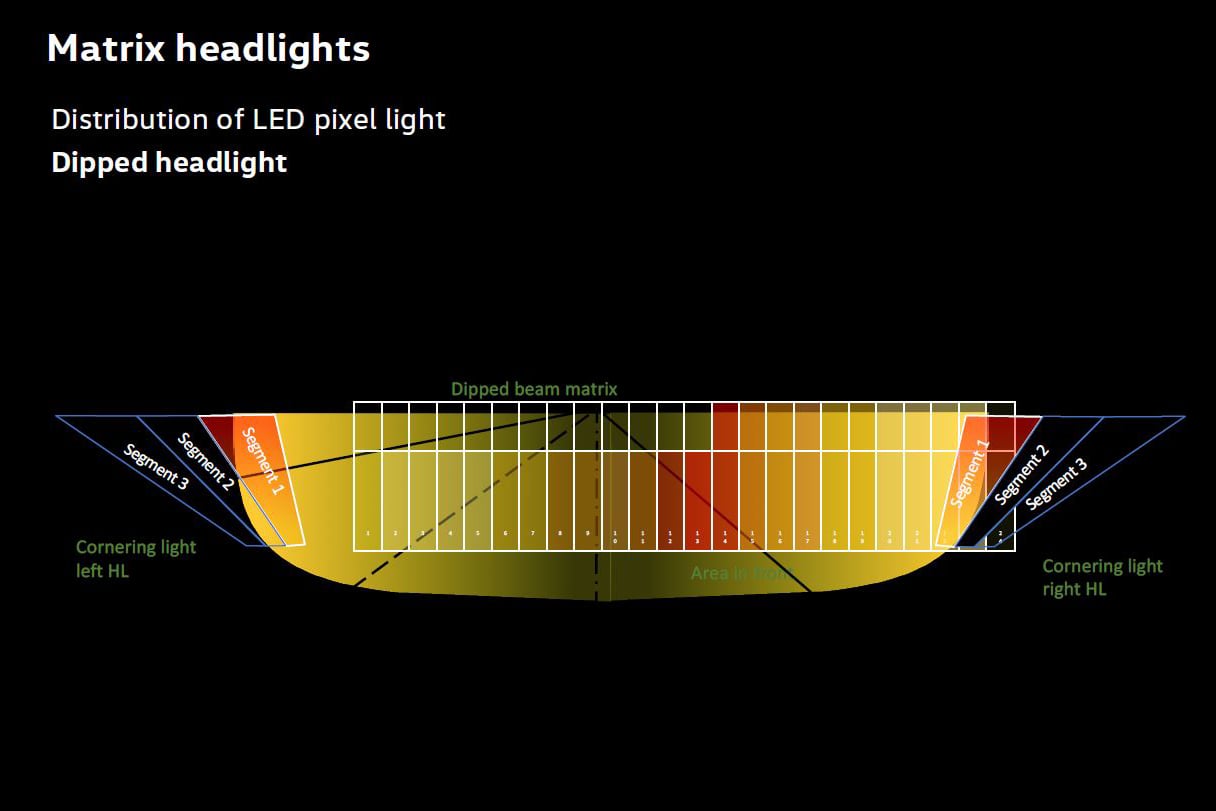
Pretty standard, with a beam cut-off that’s perfectly flat and just below the horizon to avoid casting light into the wing mirrors of cars in front. Note that the examples shown are for a right-hand drive vehicle, so the right side of the road is more brightly lit to help the driver see pedestrians and cyclists at the kerbside – our cars obviously have that pattern mirrored given we drive on the left.
So how does it look when the high beams are on?
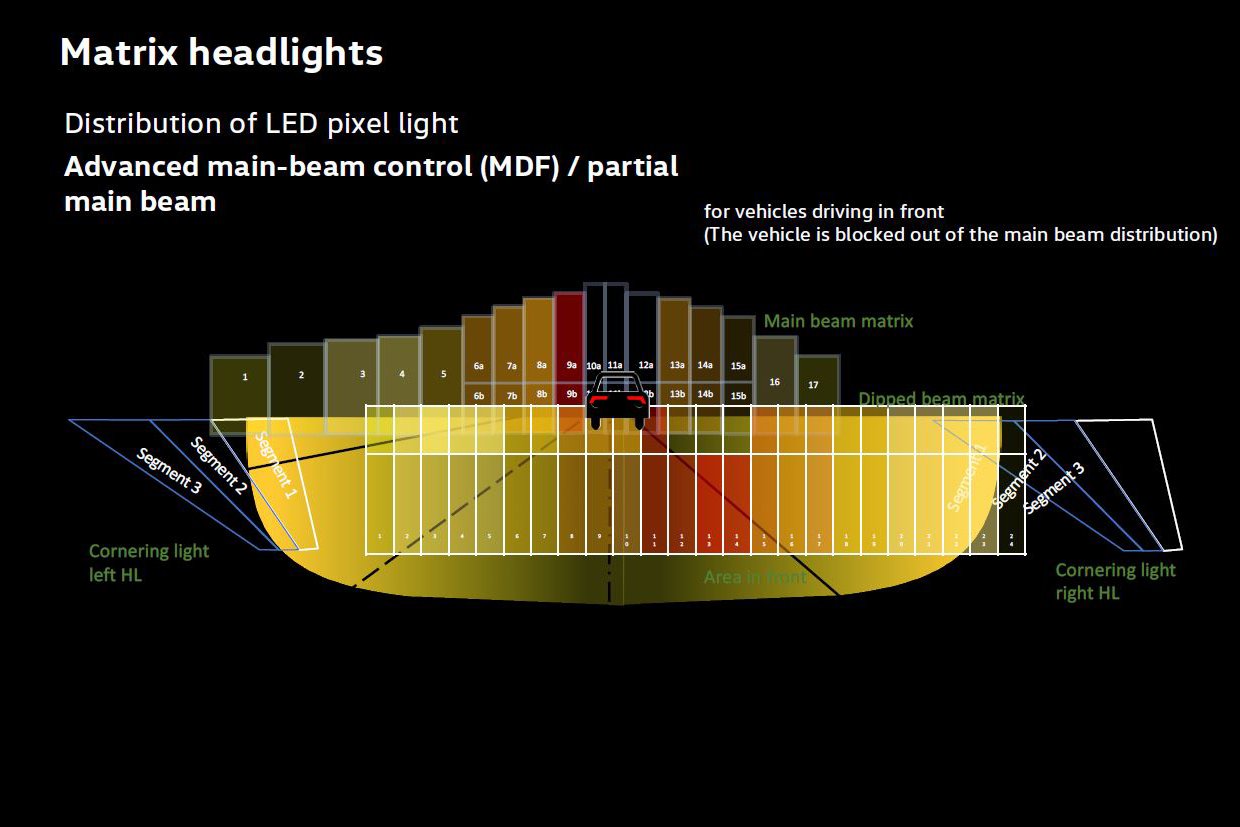
Those upper rectangles are all for the main/high beams, and as you can see they’re all lit up except for the ones that are over the car in front. How does the system know which LEDs to switch off?
A forward-facing camera keeps lookout for points of light ahead, and can distinguish between the tail lights of a car or motorcycle, the headlamps of an oncoming vehicle, roadside reflectors, street lamps and the moon. When it detects what it thinks might be another vehicle, it blanks out the corresponding LEDs.
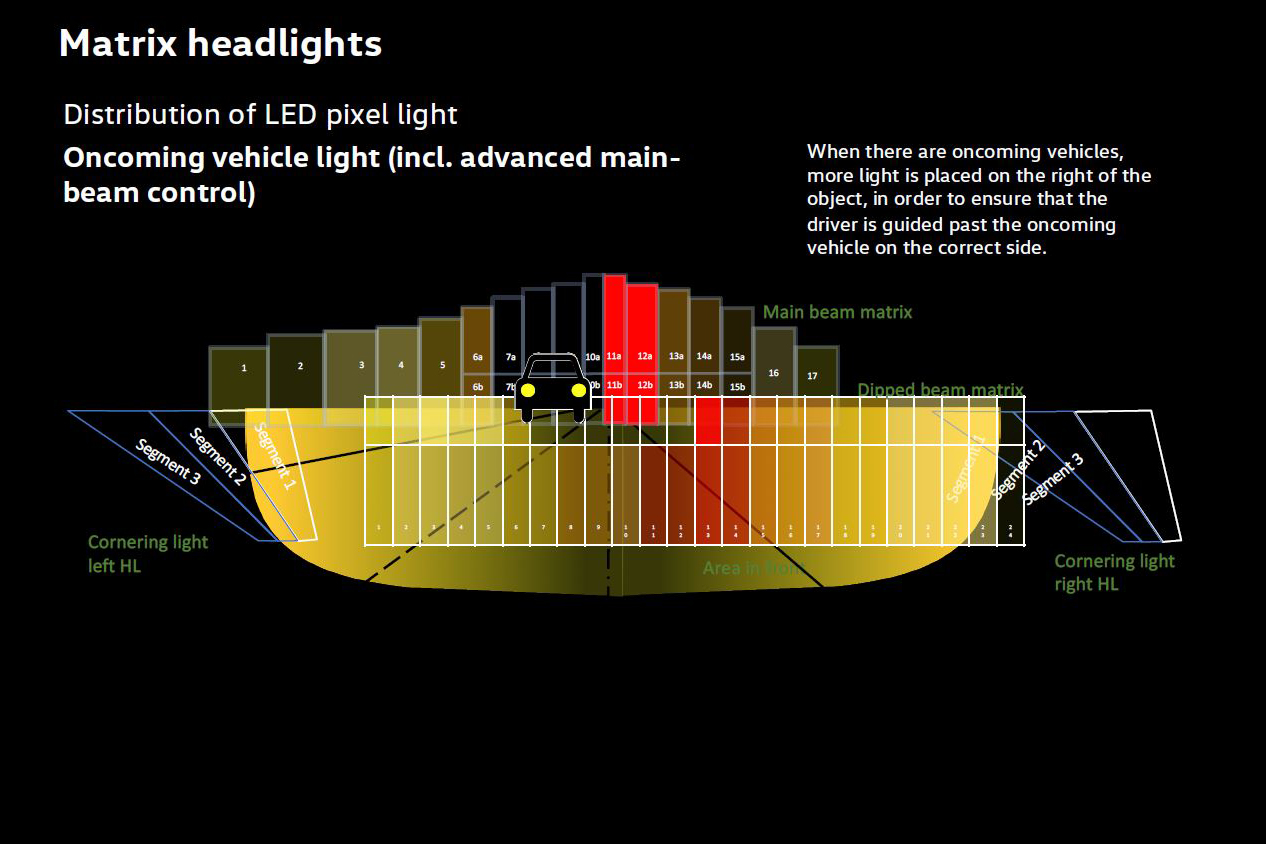
Above is what the beam looks like when there’s an oncoming vehicle. See how the LED segments to the right of the oncoming car are lit brighter? That’s to guide the driver’s eyes to their own lane, ensuring they don’t fixate on the lights of the oncoming car.
When overtaking, the Touareg’s lights will shine brighter on the lane being used to overtake, again to focus the driver’s eyes on where they intend to go and light up any potential danger earlier.
It’s also smart enough to avoid having the car dazzle its own driver. Reflective signs can be distractingly bright when lit by high beams, but the Matrix LED system quickly recognizes the situation and automatically darkens sections of its beam to keep those signs from reflecting too much energy, while still keeping them visible to the driver.
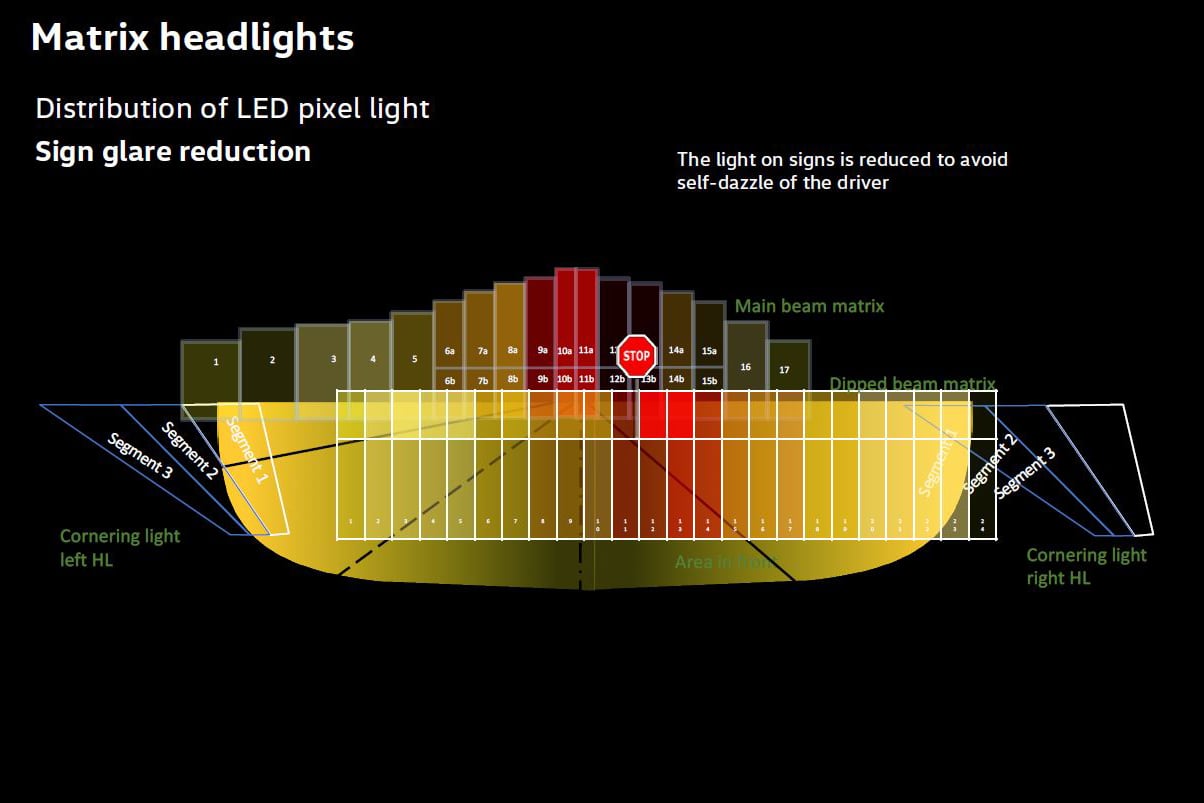
There is, unfortunately, one downside – this kind of multi-beam LED headlamp is still quite a costly feature, and while the Touareg Launch Edition has it as standard, it’s still an $89,900 car.
For now, it’s the preserve of German luxury brands, so it’s not something you’ll find on more prosaic cars like the Toyota Corolla. That said, LED lighting was once a luxury-only feature, and now you’ll find it as standard on a Honda Jazz – the trickle-down effect can be astonishingly rapid, so watch this space.
In the super-competitive automotive arena, manufacturers are constantly looking for ways to stand out from the crowd and attract more attention than their rivals. In today’s incredibly fast-paced consumer-driven world, no longer is the game about simply producing the most compelling model.
With the publicity machine in overdrive, drawing an audience transcends many platforms. Social media campaigns, brand ambassadors, high-profile launch events, publicity stunts, consumer brand partnerships and sporting events are all tried and tested ways of staying in the spotlight.
And one of the most effective strategies is referencing a rich heritage. Being in the car-building game longer than your arch enemy has obvious perceived value for potential customers. Would you prefer your tonsils to be removed by an experienced surgeon – or their intern?
One company that is certainly not short of history is Porsche. Whether it be a storied racing tapestry, a long list of famous (sometimes infamous) owners, or as a technological tour de force, Porsche has an incredible past.
And as the German car maker looks to the future and evolves with the ever-changing automotive market, as well as its customers and the corresponding political and environmental climate, alternative energy is at the forefront of its marketing endeavours.
Electrification has never been more important to Porsche or any of its rivals for that matter, which is why you may be surprised to hear that the company has made no fuss or ceremony about an incredible accolade that it holds in its colourful (and very distant past).
Porsche created the world’s first production hybrid vehicle.
Ask a bunch of car nuts about the origin of hybrid vehicles and the most popular answer will probably point to the Honda Insight of 1999 or the 1997 Toyota Prius, but while those models certainly can claim a generous share in kickstarting the mainstream hybrid movement, they weren’t the first model on sale.
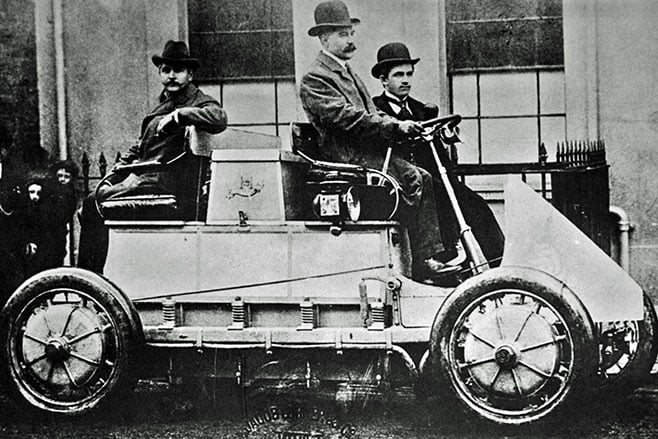
That honour falls to the 1900 Lohner-Porsche Mixed Hybrid.
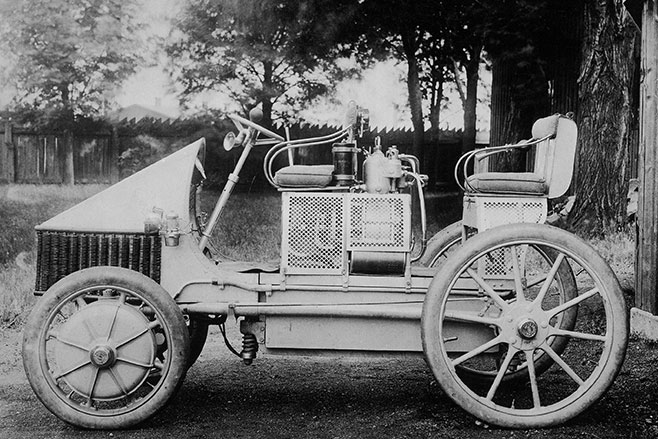
Long before Ferdinand Porsche founded the famous car manufacturer, the 23 year-old aspiring engineer landed a job with the Lohner-Werke – an Austrian coach builder with big ideas – to develop a new electric drivetrain for the company’s cart chassis.
The initial pure-electric car garnered limited interest but a British customer asked if the vehicle could be designed to run on both petrol and electric power. Ferdinand set to work developing the initial design and the Mixed Hybrid was born.
Like Porsche’s modern range of E-Hybrid vehicles, the Lohner-Porsche had a battery pack that was charged by a petrol engine, and that electrical energy was then used to power a motor.
But in the modern Porsche, lithium-ion technology has surpassed the lead-acid battery with significant advantages. In the case of the 2019 Porsche Cayenne E-Hybrid large SUV, the sum total of the electrified drive train adds 300kg but in the Lohner-Porsche just the battery alone weighed 1.8 tonnes.
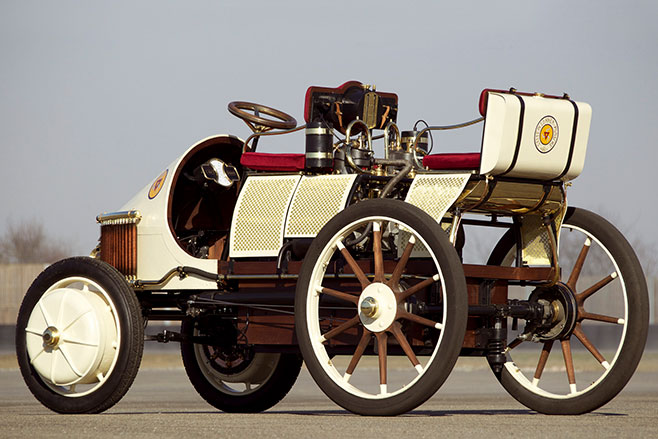
Power was fed to either just the front wheels or all four depending on the model and option was made simpler with the use of hub motors – an approach that some modern manufacturers are still exploring. In the case of the Lohner-Porsche fake spokes were cast into the outside of the motor to create the appearance of a normal wooden-spoked cart wheel.
Performance was also not quite up to modern Porsche standards either with top speed maxing out at about 15km/h. Range was also severely limited to less than 10km, but just as with a modern E-Hybrid, the petrol engine was there to top up the batteries when they went flat.
It might not quite equal the production of modern vehicles, but with several orders, Porsche’s hybrid was, by definition, a production car and that has cemented its place in history. And it might be more than a century old, but the Lohner-Porsche Mixed Hybrid was proving a concept that still applies to this day.
Promisingly, as the popularity of hybridised vehicles grows, their unit cost is falling. Back in the early 1900s the all-wheel drive Lohner-Porsche cost the equivalent about $290,000 while the two wheel-drive version was about half that.
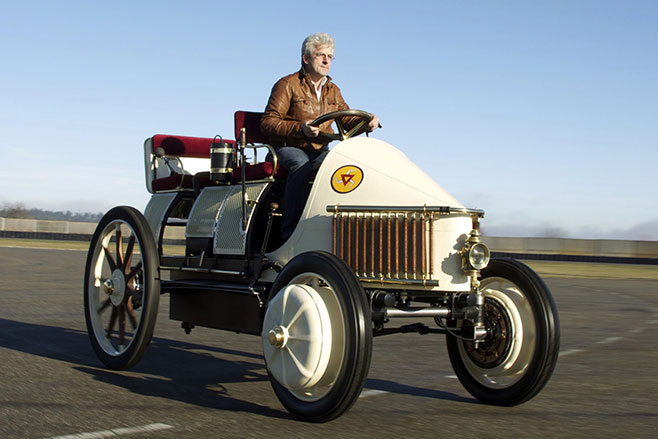
A 2019 Cayenne E-Hybrid however, will cost you the relatively reasonable sum of $136,700 and for that you get four-wheel drive, up to 44km of pure electric driving, up to 750Nm of torque when the 3.0-litre turbo V6 is working with the battery, and other luxuries not found in Porsche’s first hybrid including carpets, doors and a windscreen.
It’s surprising that the iconic German car maker isn’t being more vocal about the intriguing vehicle fathered by its founder as a young ambitious man, but Ferry’s vision lives on in every Porsche that feeds on volts and amps.
