
What exactly is a Toyota Yaris AP4? I’m glad you asked. With no more Lancer Evolution, rallyists were left with a choice of a Subaru WRX STI or nothing, so the AP4 regulations were conceived to allow essentially any basic shopping car to be transformed into a turbocharged, all-wheel drive forest flyer.
The concept is very similar to the R5 machines that compete in the WRC, but without the need for FIA homologation and at a lower cost than the roughly $400,000 needed to land a new R5 car in Australia. Neal Bates admits that if Toyota made a Yaris R5 they’d probably be using it, but since it doesn’t his team began the tricky process of creating a rally car from scratch.
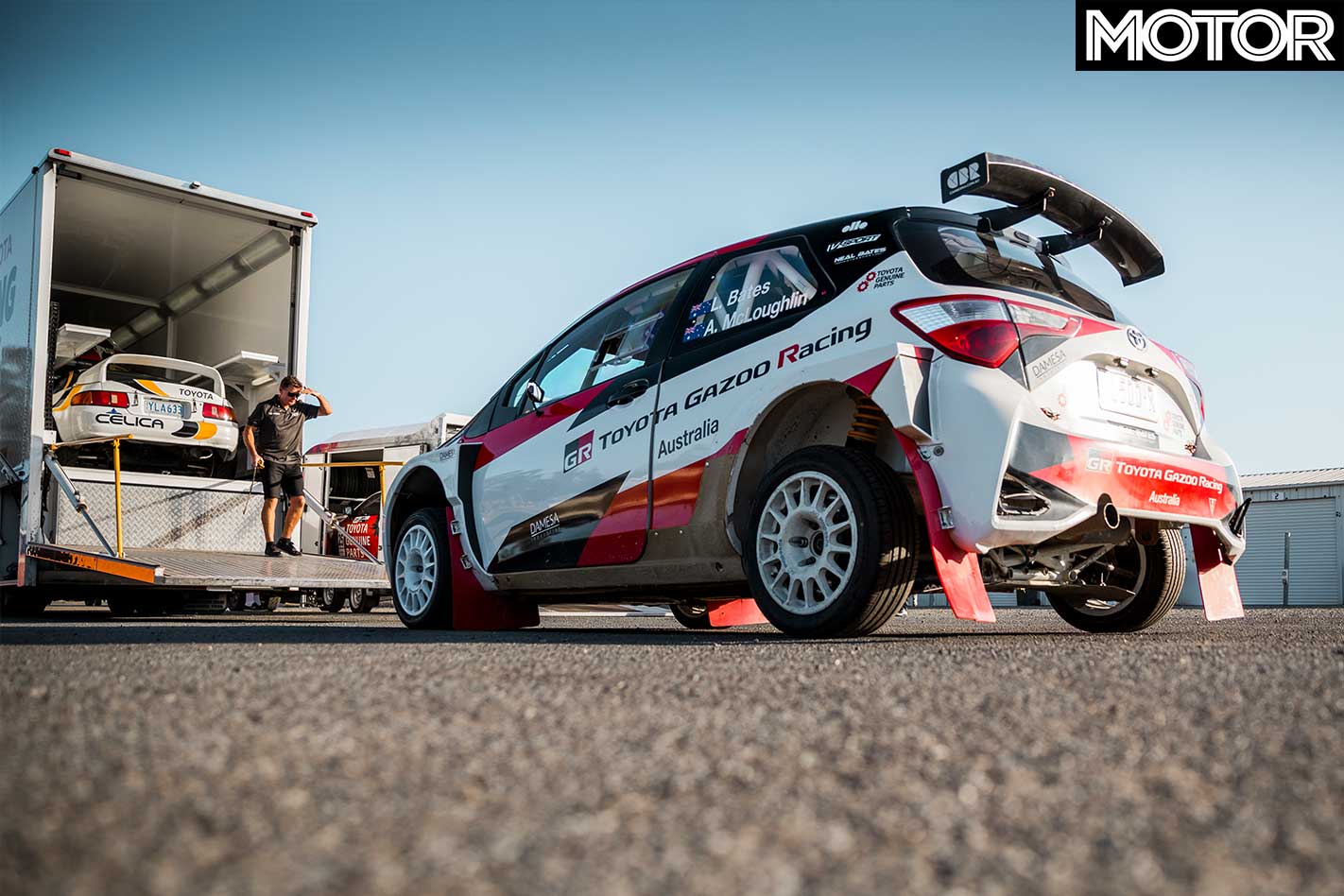
As Neal says: “It’s been an incredibly tough project.” With no template to work from, his team has spent 18 months using 30 years of rallying experience to develop the Yaris to the point where it can now hold its own against the latest factory machinery from Europe. And now I get to drive it.
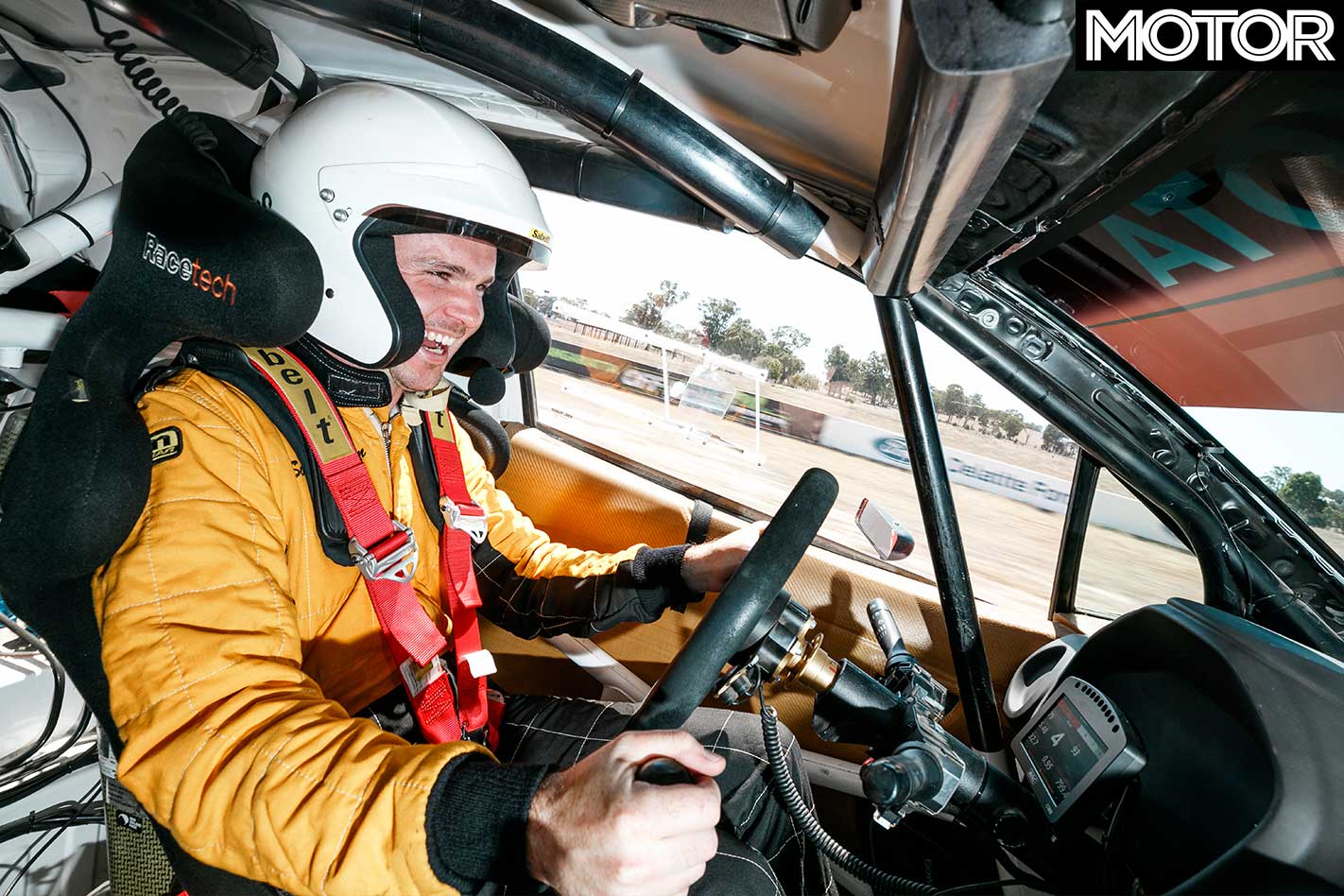
Thankfully, Harry is on hand to teach me the ropes but, cleverly, he’s brought Lewis’s car for me to learn them in. I’ve dabbled in rallying before but a modified Daihatsu Charade isn’t exactly a natural stepping stone to a 300bhp ARC front-runner. International driving experience means left-hand drive is okay – the Yaris is left-hook to prepare Harry for any future overseas outings – but I’ve never used a sequential ’box before.
It’s not difficult, as it turns out. The clutch is only required from rest; after that, simply pull or push the lever as required, but upshifts in particular require quite a bit of muscle. A full weekend’s rallying – including hundreds of kilometres of transport stages – would require a lot of stamina.
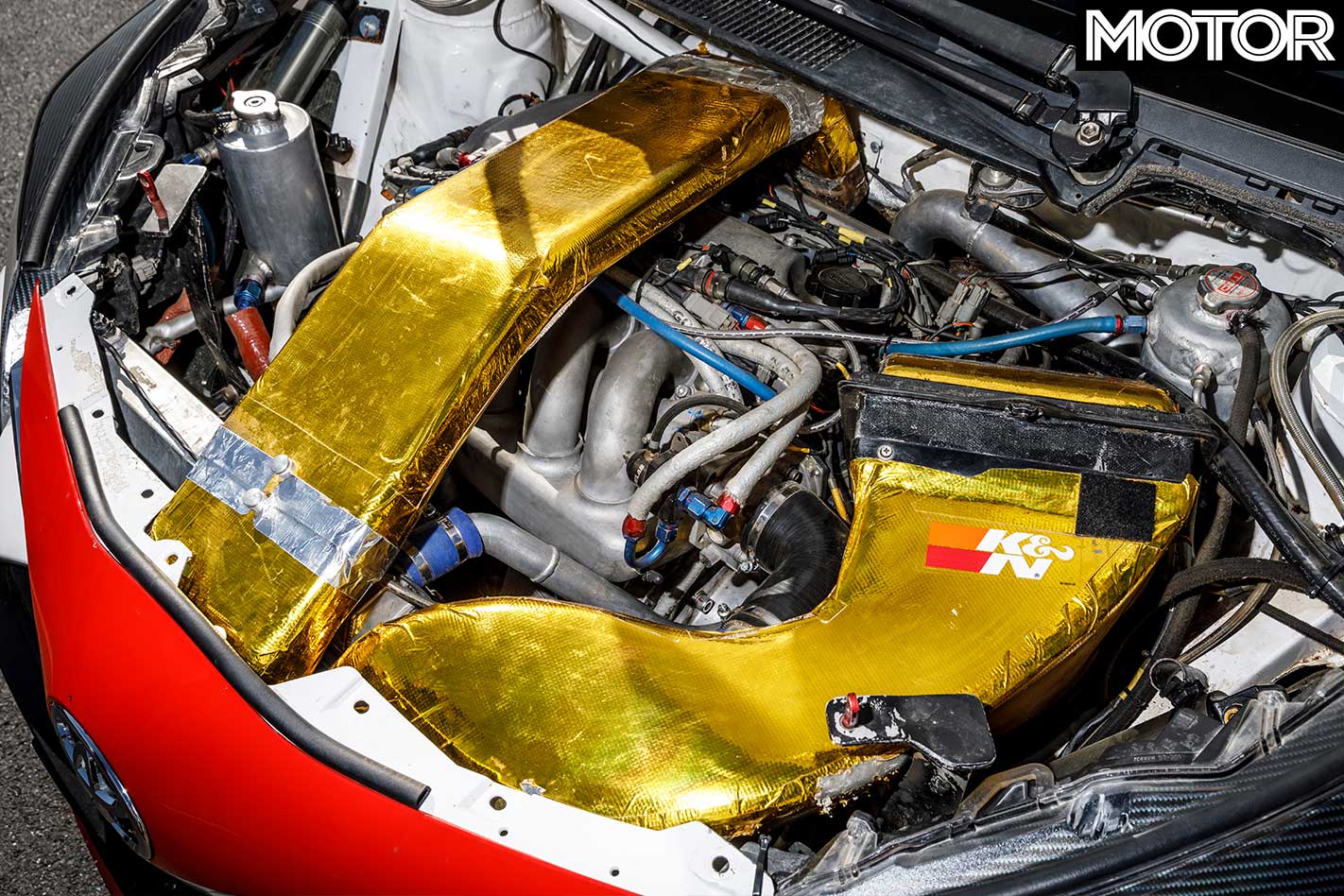
AP4 regulations require a 1.6-litre engine so Toyota’s 2ZZ 1.8-litre four was destroked and a turbo added, breathing through a 34mm inlet restrictor. Measure that with your fingers, it’s not very wide. Nevertheless, the Yaris produces 224kW and 420Nm and weighs just 1230kg so with extremely short gearing – top speed is less than 200km/h – it’s a reasonably rapid machine.
The steering is very light, so light that I wonder how Harry, who likes to drive in the modern Sebastien Loeb/Ogier style of leaning on the front tyres, manages to find the required level of communication. Talent, I suppose. Luckily, I’m a similar height to the Bates boys so the driving position is about right, albeit quite high. With its gravel-spec setup, the Yaris sits equally high and its softness leads to big-time body roll.
This softness allows lots of weight transfer, key to getting the Yaris to turn as it runs no centre diff, just a fixed 50:50 torque split. “These new breed of cars are set up quite soft,” explains Harry. “I’ll usually run quite a bit of front bias because I’m looking to be really aggressive under brakes, because if it’s on its nose I can get the turn that I want.”
As such, the Yaris loves to slide. A dab of brakes and a flick of steering sets it up and it’s then child’s play to use the pedals to endlessly adjust its attitude. Swapping tarmac for gravel only makes the process easier, the aim being to swing the rear out wide on corner entry so all four wheels are pointing straight towards the exit for maximum traction.
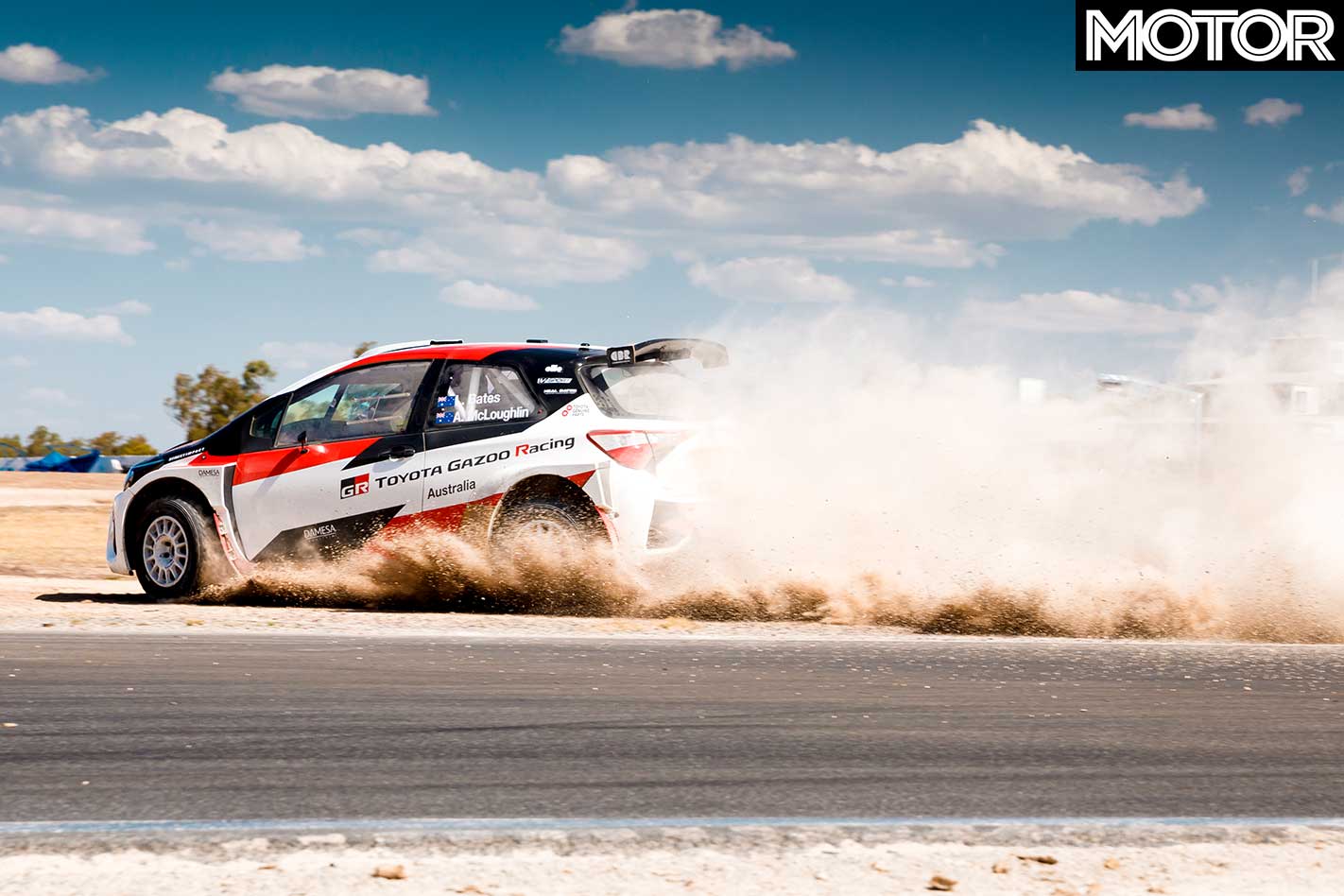
Clearly satisfied I’m not a complete liability, Harry tweaks a small knob on the centre console and engages the Yaris’s anti-lag system, keeping the turbo spinning constantly for instant power. What’s remarkable is how easy the Yaris is to drive. The light steering, progressive chassis and responsive, torquey engine make it second nature to indulge in huge slides under power or brakes.
But it’s not Harry and Lewis’s job to have fun. They need to win and the Yaris AP4 is so friendly I wonder if it would be easy to let time slip away without realising it. What’s certain is I need a Yaris AP4; no road car can deliver this amount of entertainment. Neal is more than happy to oblige, but wants $250,000 in return. For sale: one kidney, slightly used.
Toyota Australia’s Motorsports involvement
FAST FACTS 2019 Toyota Yaris AP4 BODY: 3-door, 2-seat hatch DRIVE: all-wheel ENGINE: 1613cc inline-4cyl, DOHC, 16v, turbo POWER: 224kW TORQUE: 420Nm WEIGHT: 1230kg (dry) POWER-TO-WEIGHT: 182kW/tonne TRANSMISSION: 6-speed sequential manual SUSPENSION: struts, coil springs, anti-roll bar (f/r) STEERING: hydraulically assisted rack-and-pinion BRAKES: 300mm ventilated/slotted discs, 4-piston calipers (f); 300mm ventilated/slotted discs, 4-piston calipers (r) WHEELS: 15.0 x 7.0-inch (f/r) TYRES: MRF rally tyres; 205/65 R15 (f/r) PRICE: $250,000 (approx)
Australia’s own IndyCar ace Will Power wants to revisit Bathurst in Supercars – and there’s a chance it could happen as soon as next year.
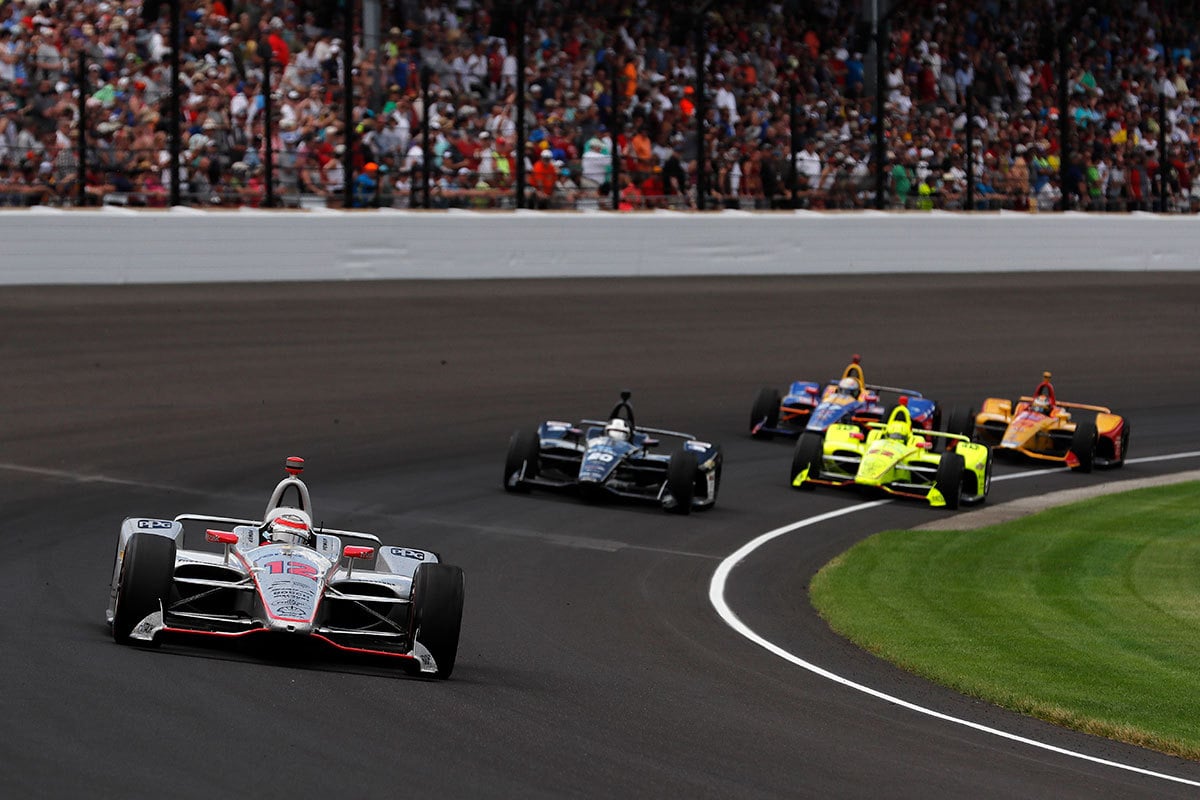
“Oh absolutely, I would love to win Bathurst,” the 2018 Indy 500 champion told WhichCar at an IndyCar event in Texas. “It’s a race I’ve watched since I was a kid. I would love to do it.”
Powers thinks the idea of racing with Penske teammate – and 2019 Indy 500 winner – Simon Pagenoud is a terrific one as well.
“I’ve raced with Simon since 2005,” revealed Powers. “It would be great to race it with him.
“I’ve said to [team owner] Roger [Penske] that we need to get down there and race the Mustang before they take any more aero off it!”
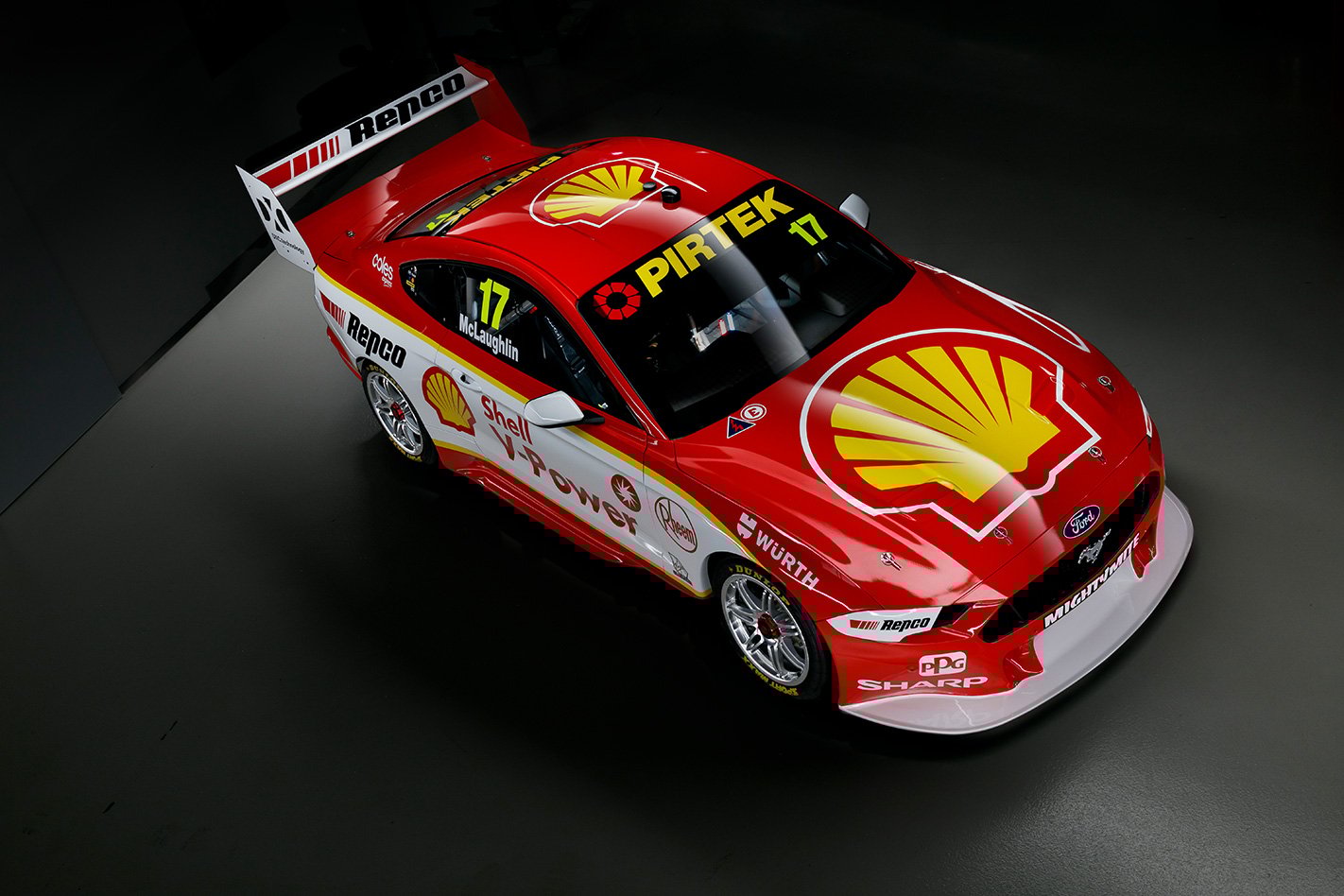
MORE Winning ugly – the Ford Mustang Supercar
Power, 38, drives for the powerhouse Penske Racing team, which also runs DJR Team Penske in the Supercars championship.
The team’s principal Ryan Story told a Fox podcast last week that the team could, in theory, run a third Ford Mustang under current Supercars wildcard rules, but nothing has been decided.
“Certainly not this year, [but] I wouldn’t rule anything out,” Story told The Loud Pedal podcast.
“A wildcard is probably on the horizon for us at some point in the next 18 months, if it makes sense for us, if it doesn’t distract from our core programme.”
Story also suggested that the effort would need to be facilitated by drafting in staffers from Penske’s sports car racing, NASCAR and IndyCar programs.
MORE An interview with Roger Penske
However, the challenge is greater now that the Supercars endurance series begins with the year’s most prestigious race, the Bathurst 1000.
“The series needs to get some international drivers back in there,” said Power, who raced the Queensland 500 and Bathurst 1000 in 2002 with Mark Larkham in a Ford Falcon.
“We also need more than just an afternoon at Queensland Raceway with some old tyres, then dive straight into Bathurst. We need more testing than that.”
Power, a 35-time race winner and the 2014 IndyCar Series champion, said that the current crop of Supercars drivers was as good as it gets.
“Every driver in all the major series around the world is an absolute expert; DTM, here or Supercars,” he said. “It’s not a matter of bowling in there and knocking them off the top step.”
Power is teammates with 2019 Indy 500 winner Simon Pagenoud, who – like Power – has previously raced a Supercar as part of an endurance pairing.
The Frenchman was more circumspect about the notion of dropping straight into Bathurst as a wildcard.
“I would love to do it, but we wouldn’t be on the pace straight away,” he told WhichCar. “The difference between the two sets of tyres [IndyCars and Supercars] is pretty big, for example, and it would take a bit to get up to speed.”
Pagenoud raced for Garry Rogers Motorsport in 2011, earning a podium on the Gold Coast. He also raced for Stone Brothers in 2012.
However, it’s unlikely that Power will come back to his home town of Toowoomba to chase a drive in Supercars once he calls time on his IndyCar career.
“We’ll stay here in the States,” confirmed Power, who shares a home in Charlotte, North Carolina with his wife and young son. “I’ve spent a lot of time on the road in my career, so it wouldn’t be fair to ask my wife to move to the other side of the world.”
Power, who kicked off his IndyCar career in earnest in 2009 with Penske, credits New Zealand racing luminary Ross Stone with pushing him in the right direction.
The two corresponded after Power’s Formula One aspirations came to an end, and Stone had some sage advice for the young Queenslander.
“Ross told me I had to make a choice about chasing a drive in the US or come home and make a career in Supercars and be comfortable with that,” he said.
“There would be no point in racing in Australia always wondering what might have been and letting it affect the way you operate. It was a really great conversation to have.”
DJR Team Penske currently leads the Supercars championship with Kiwi Scott McLaughlin, while Power lies sixth after a fraught season thus far.
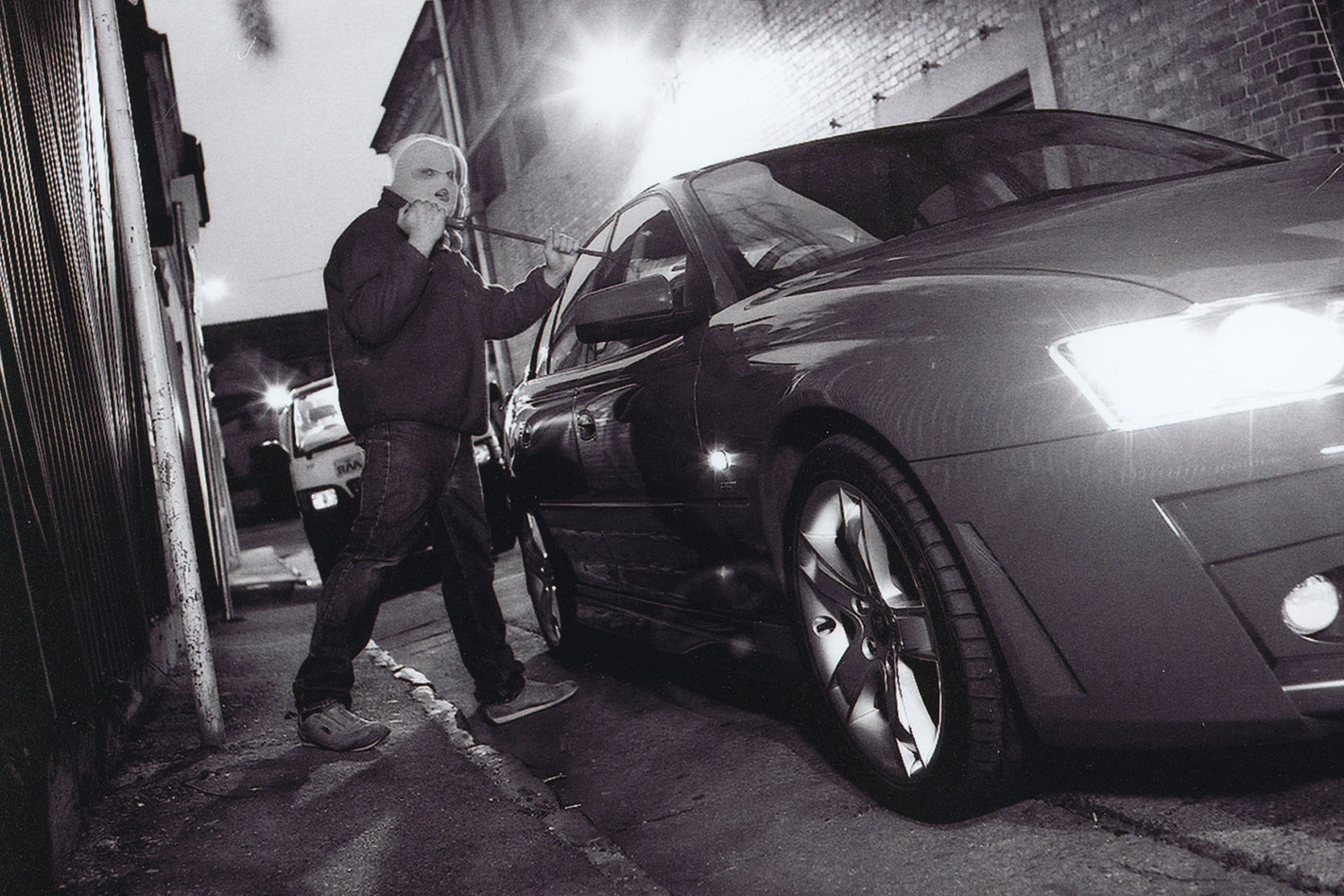
YOU MAY HAVE READ recently about the Brisbane man clinging to the back of his own Hilux, wearing nothing but a towel, while the heartless car thieves who pinched it from his driveway tried to shake him loose at more than 100km/h. It’s a Sophie’s Choice scenario between losing your ute, losing your life or losing your towel on the freeway and having to walk home in the nuddy.
I feel his pain. My first car was stolen. The thieves drove it from Sydney to Nowra and dumped it, largely intact except for a damaged door lock. Although they did nick eight bucks from the glovebox. Bastards.

And it got me thinking: are you pro or anti car theft? If it sounds like a stupid question, ask yourself: did you enjoy Gone In 60 Seconds? Of course you did, both of them, and not least because the remake had Nicolas Cage throwing Doctor Who off a building like Hans Gruber.
Whether you root for the car thief or the bethieved owner depends on your point of view. It’s like watching an animal documentary – if it’s about zebras, you’re crying “Run, baby zebra, fly like the wind!” And if it’s about lions, you’re shouting “Git that zebra! Git him good!”
The lion scenario is Gone In 60 Seconds or Fast & Furious. Most of us would probably fall under Team Zebra, barracking against the marauding car thieves, right? But look at the numbers.
According to insurance companies, there were 52,858 vehicles stolen in Australia in 2017. Which works out to about one every 10 minutes, and either means there’s a staggeringly large number of people in this country who are very pro car theft; or there’s only one, and he’s incredibly busy.
Victoria is the national hot spot for car theft, with almost a third of all stolen cars being pilfered in the Garden State. Victorian statistics for people convicted of car theft are only available in five-year blocks, the most recent being 2013 to 2017.
Over that five-year period in Victoria, there were 10,714 people convicted of theft of a motor vehicle – and over the same five-year period, there were 92,915 stolen vehicles reported to the Victorian police. (So your odds of being potted for stealing a car in Victoria are about 11.5 per cent, or a little lower than one in eight.)
Of those people convicted of stealing cars, 65 per cent were men aged from 18 to 29. So let’s assume that percentage holds true for the entire number of car thefts, and not just for the ones the police actually solved: that would mean that over five years, there were 60,394 vehicles stolen by men aged 18 to 29.

But here’s the thing: there are only 427,000 men aged 18 to 29 in Victoria. Which means that 14 per cent of them are car thieves! That’s one in seven! If there’s seven men standing around you right now, one of them is a car thief! If you’re in Team Zebra, you should find out which one and throw him off a roof like Doctor Who. (And with that one sentence, Motor’s lawyer just spat coffee all over his desk.)
Clearly Australia, and especially Victoria, is rife with car thieves. How is there a “find my phone” feature built into most smartphones these days, but someone pilfers your car and you have to risk your life clinging to the back of it wearing only a towel? You can buy a GPS tracker to stick on your car for about $60 – but here’s a better idea: mandatory GPS trackers installed in every car. Even old cars.
At $60 a pop, make the GPS tracker tax deductible, and it would still save the government a small fortune in police man-hours tracking down nicked cars, for a lousy one-in-eight conviction rate. And it would free up hundreds of police to form a cold case unit and find whoever stole my 1974 Corona and bring them to justice. And get my eight bucks back.
Best value car award
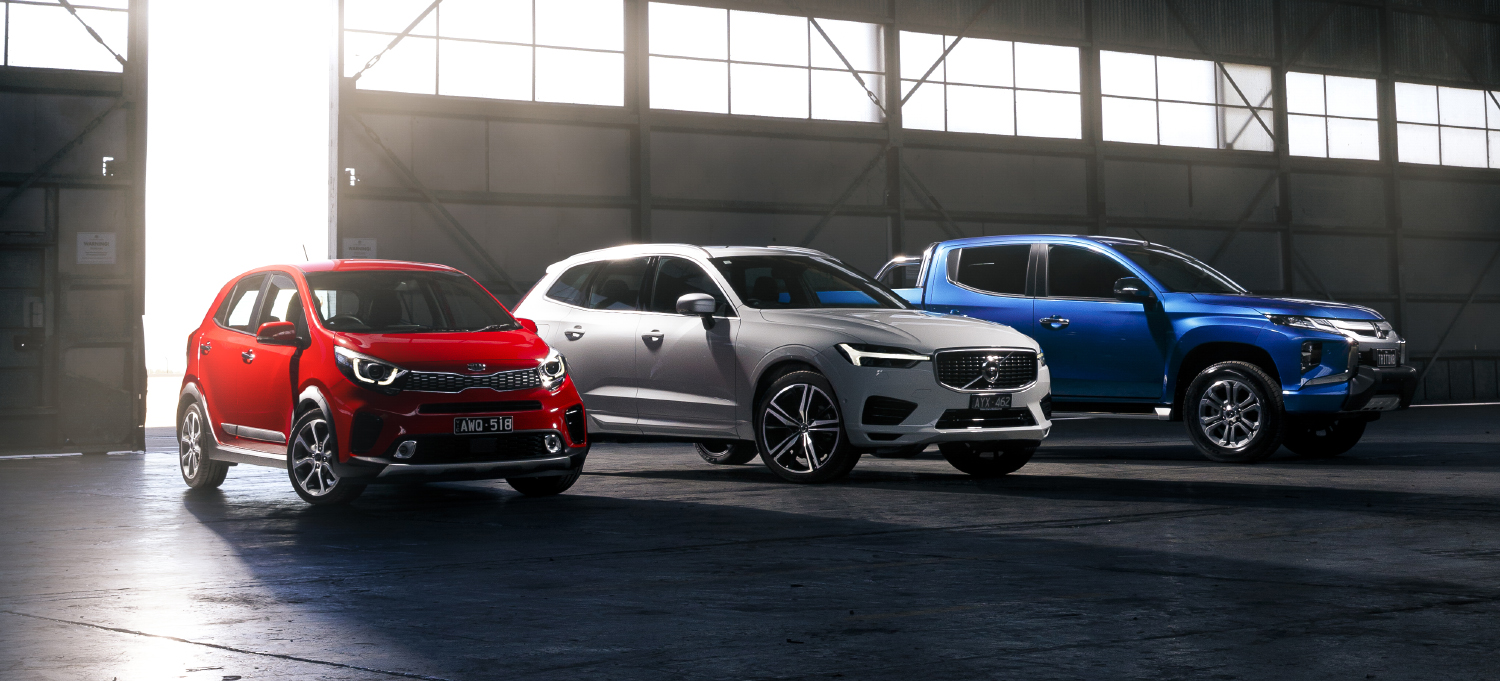
Wheels’ Gold Star car award uses data such as depreciation and running costs to calculate what the best value new cars in eight different segments are. To understand how we calculate the numbers and what considerations were put into the algorithm, read the 2019 Gold Star Car Award 101 here.
The top 3 small SUV contenders
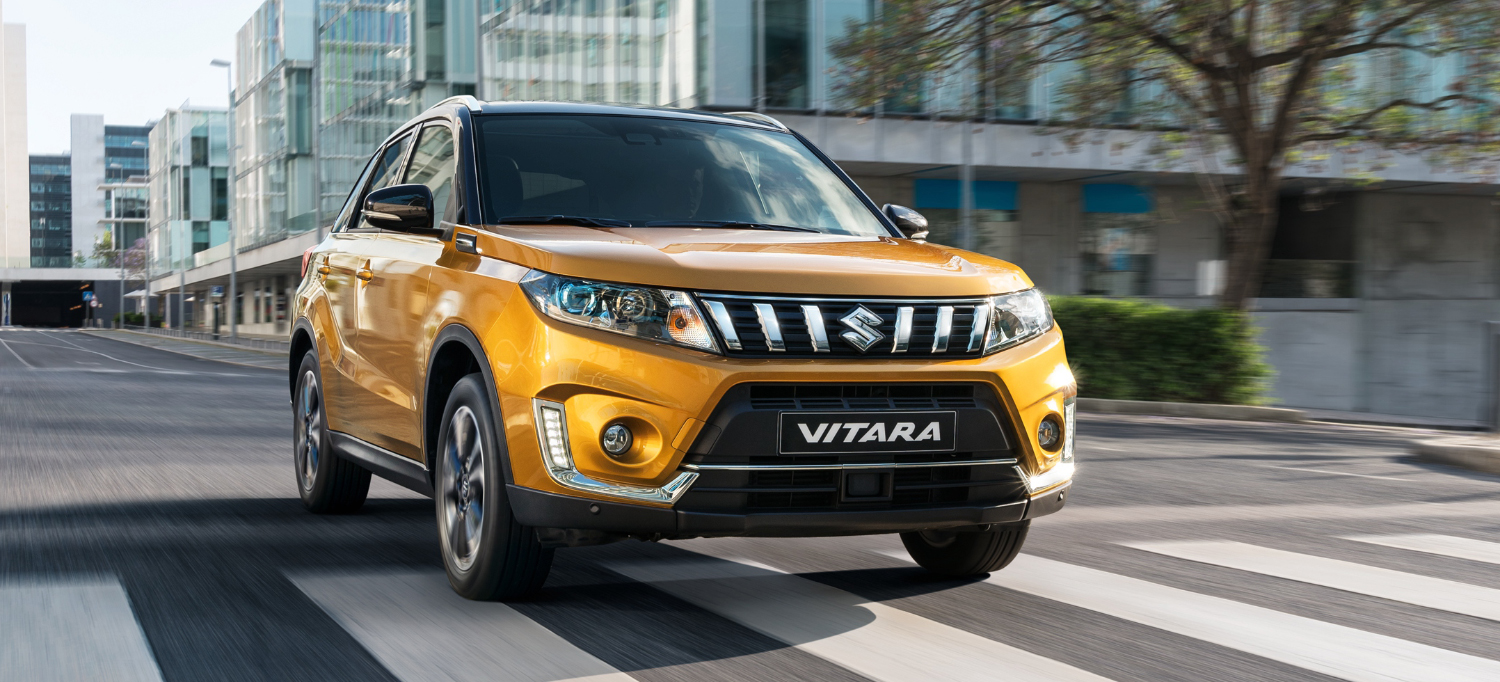
- Suzuki Vitara
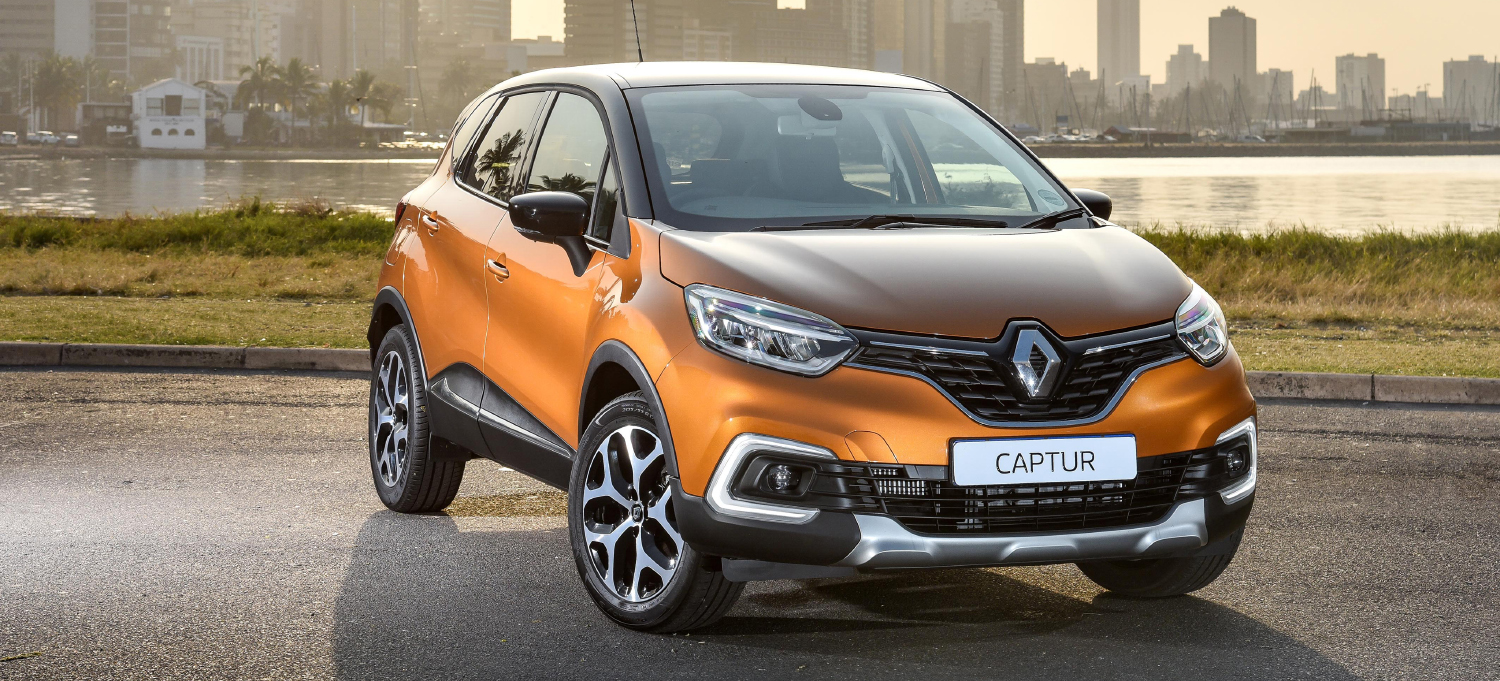
- Renault Captur ZEN
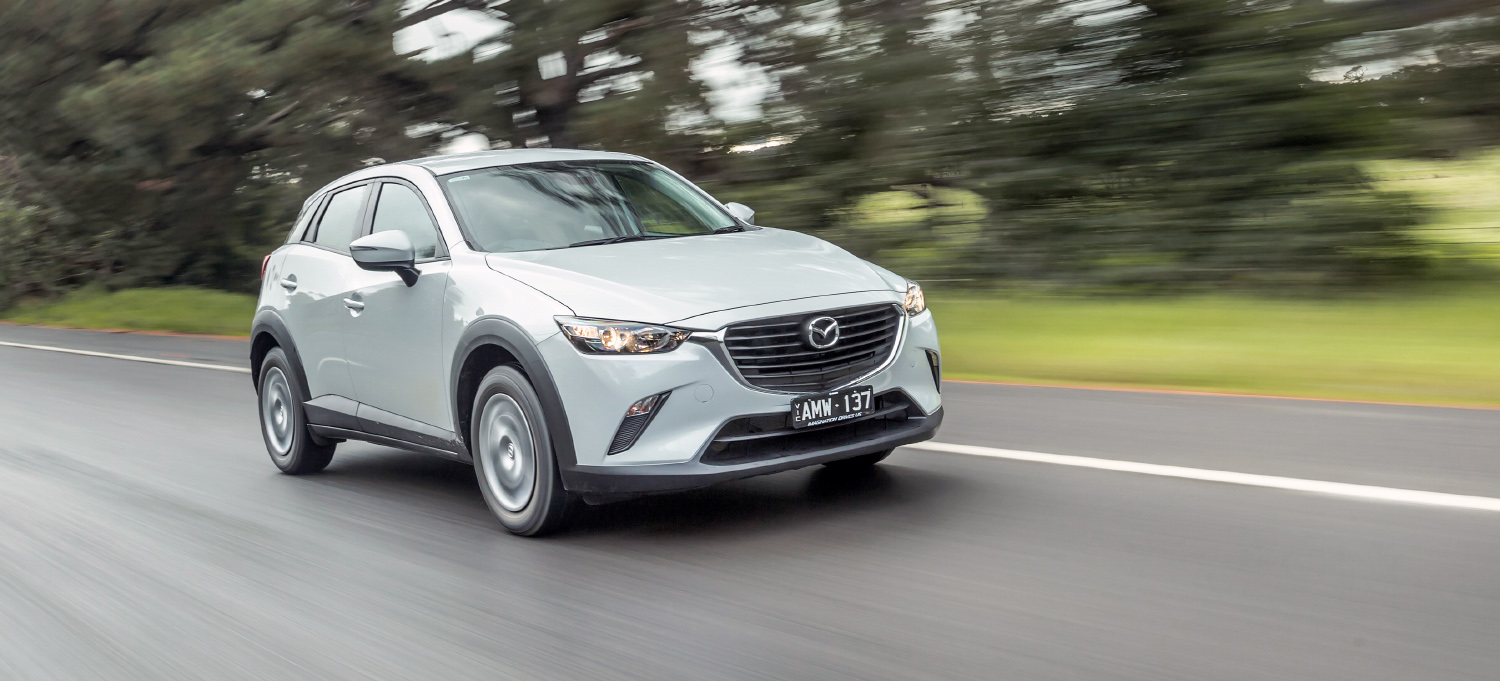
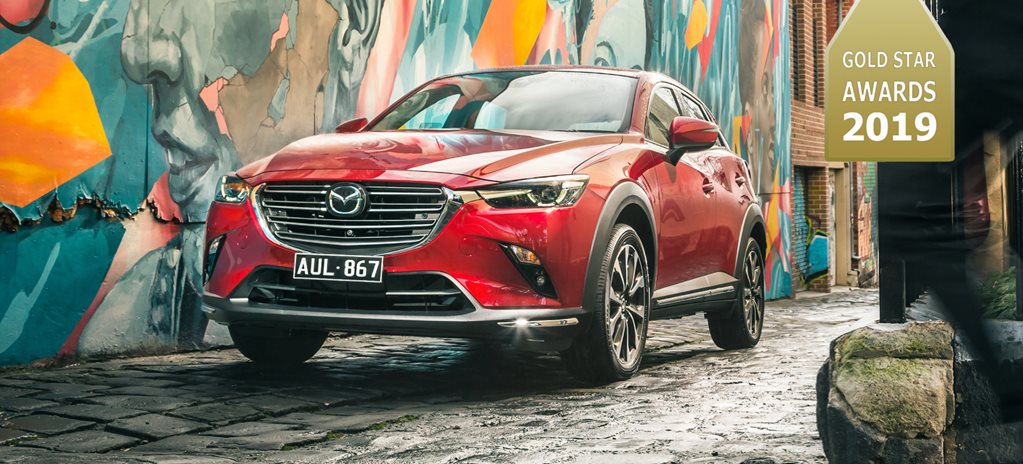
- Mazda CX-3 Neo Sport
What the numbers said
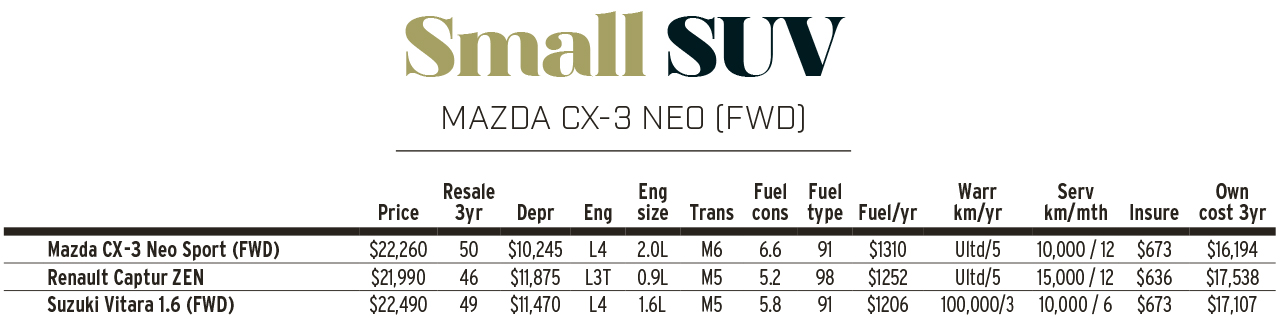
Visual and driver appeal put the Mazda near the top of the average small-SUV buyer’s shopping list. Meanwhile, strong value credentials see it rise to the top when considered purely by the numbers.
It is elevated above the Renault Captur and Suzuki Vitara by having better three-year resale than the former and a lower entry price than the latter. The result, in theory at least, is a $1500 lower cost of depreciation over the first three years. The CX-3 is thirstier, with fuel economy at 6.3L/100km, but like the Vitara it is happy on the least-costly 91 RON.
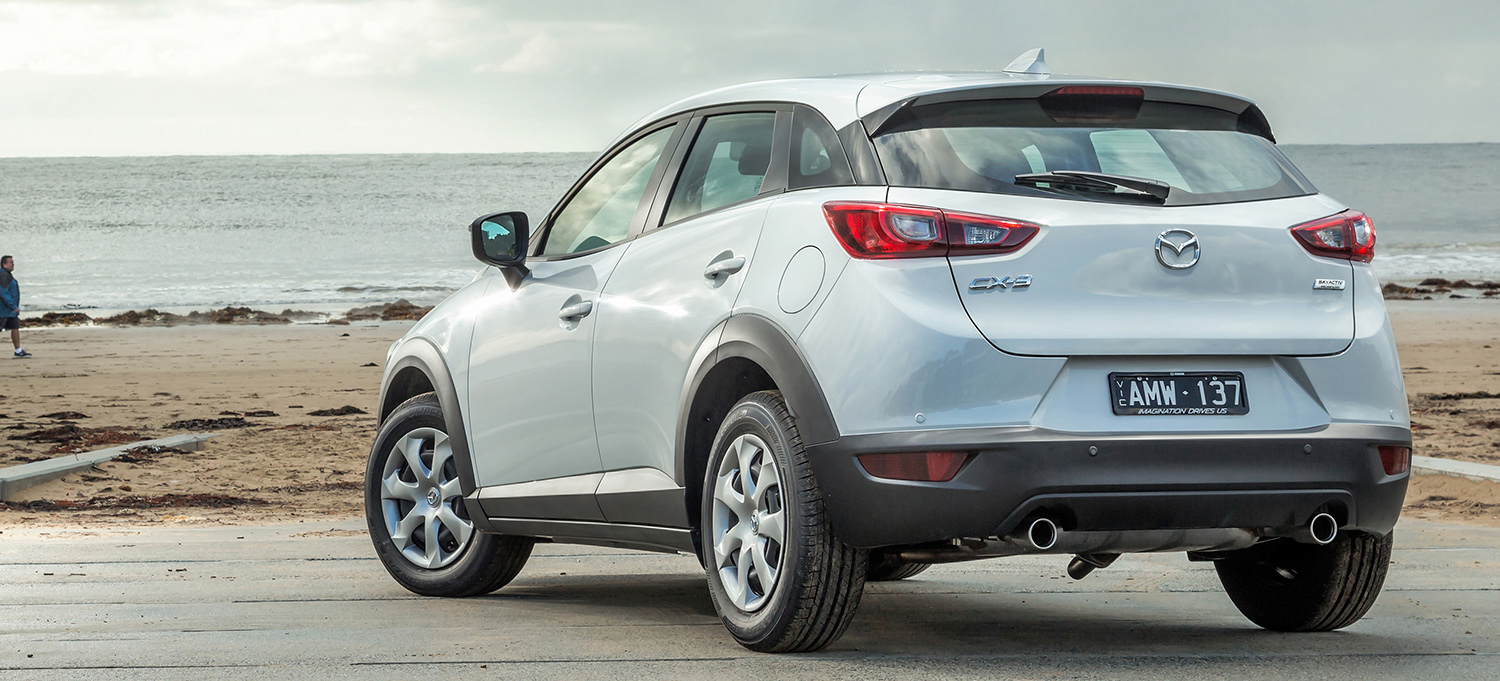
Mazda’s newly offered five-year warranty is a big plus compared with the previous three-year cover yet merely sees it match rivals’ equally generous warranties here. The Mazda needs a service every 10,000km or 12 months, which for the average Australian will be more often than the Renault but a break on the Suzuki’s tight six-month schedule.
Finally, on insurance cost, all the placegetters are at the reasonable end, in the $600 to $700 bracket.
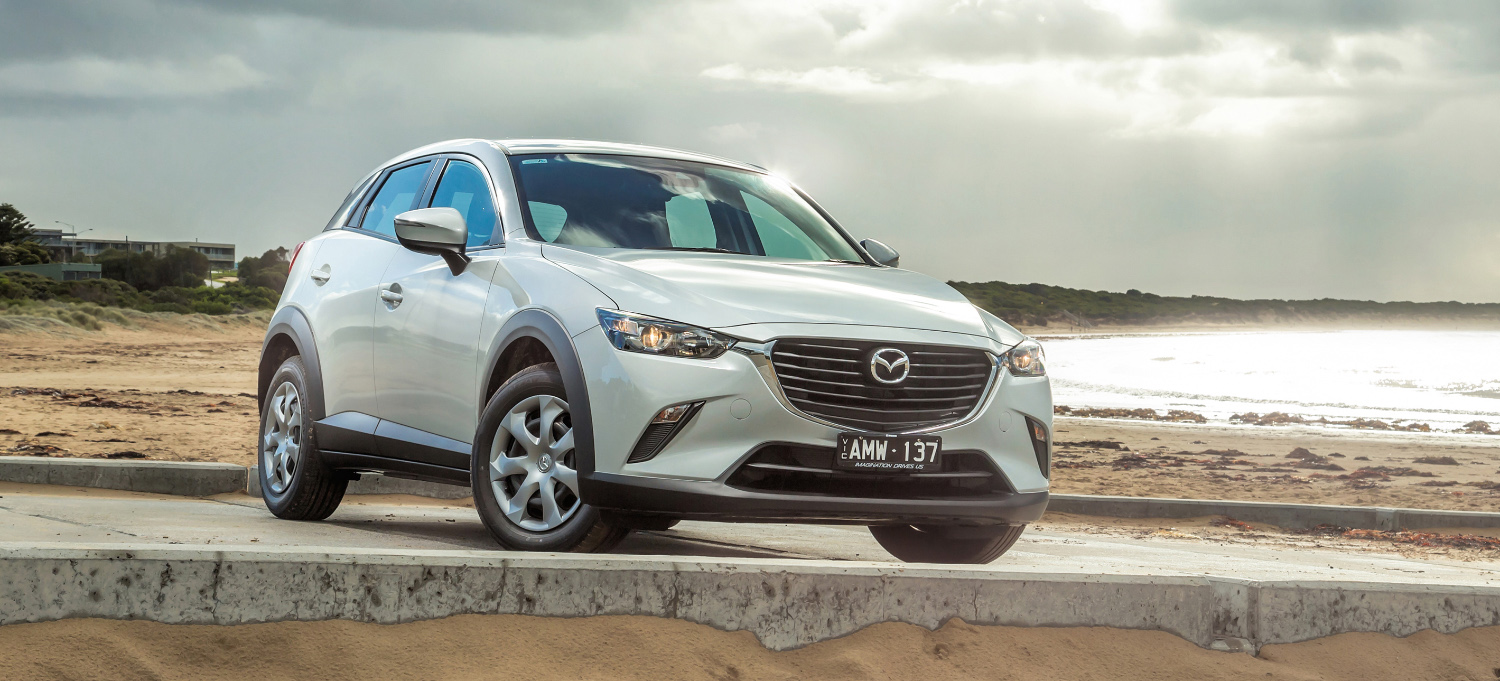

Mazda CX-3 Maxx Sport manual $23,690
If it was our money on the line, we’d spend the extra $1900 on a manual Maxx Sport. We rate it as a better choice than the entry-level Neo, seeing as it’s fitted with alloy wheels rather than hubcaps and provides more upmarket interior trim. The optional turbo-diesel and all-wheel-drive improve performance further (admittedly with a tag now pushing past $28K), and it’s one of the only small SUVs with AEB as standard.
Getting out of a drift-ready 86 and into the Toyota 86 Racing Series car must be what it feels like for a fighter pilot to get into their road car after a long day in the skies.
That’s not to say this is an unexciting car. Having drunk in the race livery of this otherwise stock-looking ’first-gen’ 86, the heart rate increases as you poke your head through the driver’s window to find an interior so black, light almost can’t escape it, a matrix of proper, full roll cage (no ditzy bolt-in half-cage here), race seat, race steering wheel, stereo replaced with a crudely installed kill switch and a MoTeC dash. This, ladies and gentlemen, is an office. And personally I’m simple enough to have low standards when it comes to work space.

But first, a refresher on what the Toyota 86 Racing Series is exactly. Kicking off in 2016 and now in its fourth season in Australia, the series supports Supercars at tracks all around the country. Last year there were six races with fields of up to 40 cars, the idea being keep the cars and racing cheap so as to offer a stepping stone for hotshot karting kids to move into cars, mixing with amateurs and seasoned pros alike. The 86 Racing Series website calls to action “find out how you can get involved!” And it’s not entirely unrealistic to think you could.
Brand new, a car costs about $75K ready to race, the package including upgraded AP Racing brakes, MCA coilovers, exhaust and a MoTec ECU. There’s a TRD oil cooler and custom baffled oil sump pan; a full roll-cage must be fitted and a compliant race seat as well. Power increases to approximately 169kW, while the minimum weight including driver is 1285kg (a stock 86 GTS road car is 1258kg sans driver).
Feasibly, you can bring your own 86 to Neal Bates – the exclusive builder of Racing Series cars – and have a race package fitted for $25K (budgeting an extra $13K or so for the cage and seat) and people have, building cars using statutory written-off 86s for as cheaply as $43K.
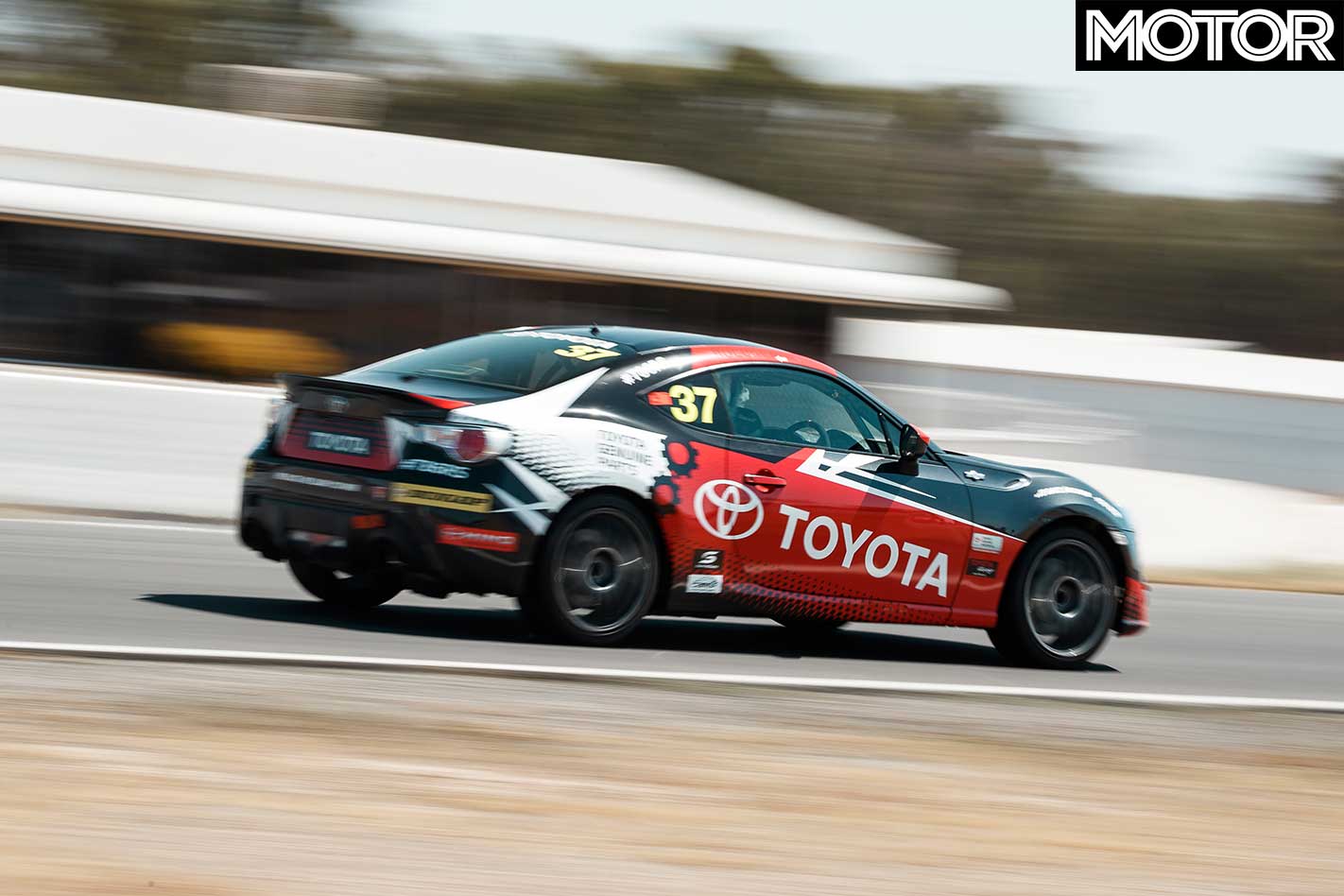
Once you have the car, each round has a very agreeable $1500 entry fee (meaning there are, of course, still costs to run the car and transport it and yourself to the track) but there is a $150K prize pool on offer. If you dare bet on your skills, you could enjoy a season of very subsidised racing indeed.
Today, we are just enjoying a very subsided few laps of Winton Raceway. And what do we say? It drives like an 86 that’s louder (and sounds quite good, actually, like it has carburettors), the noise clear and unfiltered thanks to the lack of carpet and sound deadening.
There’s a lot more grip, too, meaning you can man-handle the 86 on the brakes and into corners, basically flattening the throttle mid-corner the moment you can start opening the steering.
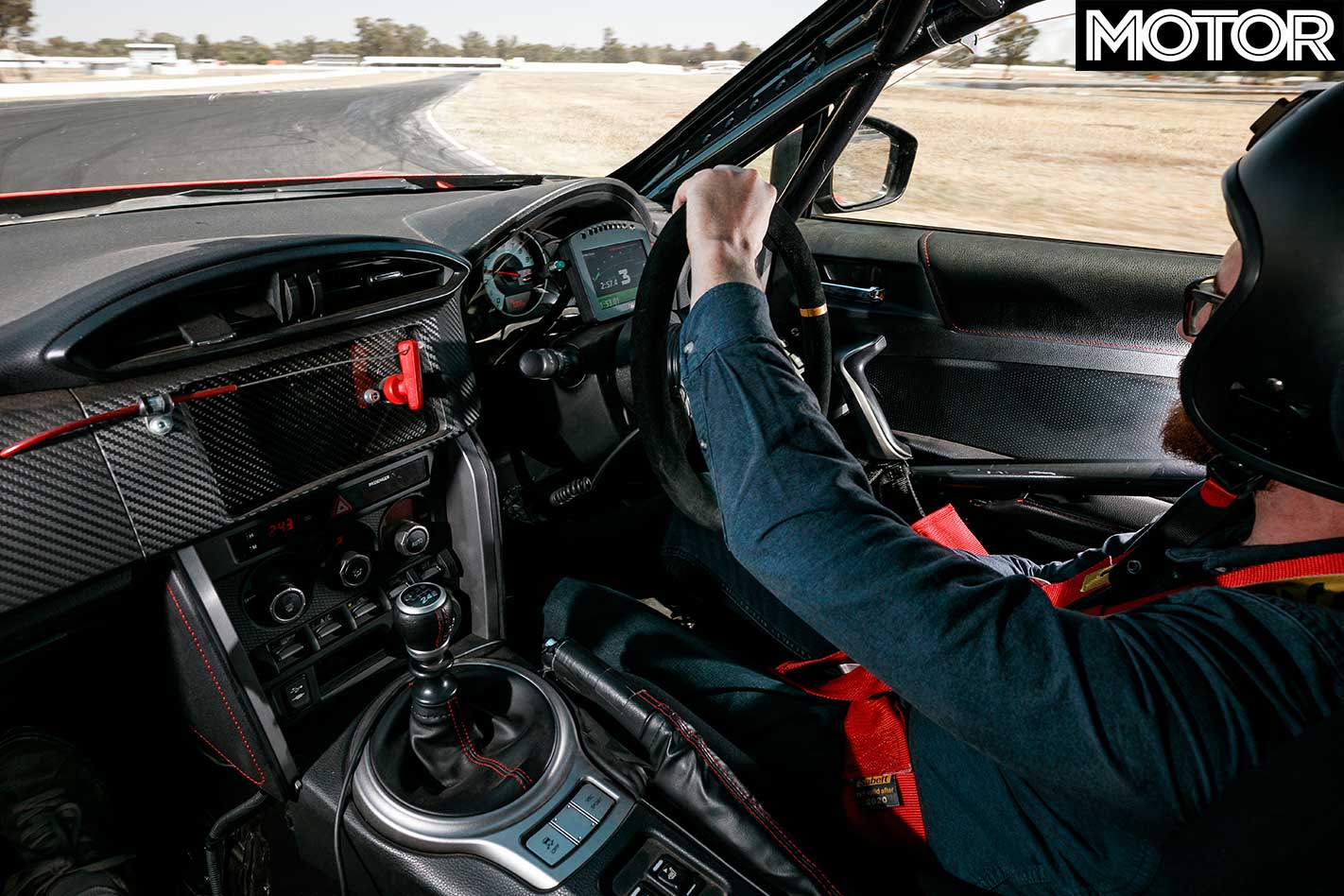
In almost all areas it feels about 15 per cent better than a stocker, but also invites you to be a bit rough, pounding over kerbs and – as is common in the series, although we didn’t try – flat-shifting with cruel, mechanically unsympathetic abandon. (Rule-makers were forced to stipulate a lightened clutch and flywheel as with the heavier stock items, flat-shifters kept lunching gearboxes.)
It doesn’t feel a great deal faster than the stock car on sticky rubber, not unsurprisingly. At Winton in 2016, Cameron Hill took pole in the 86 Racing Series with a 1:37.9. Last year, Warren Luff, for MOTOR, set a 1:42.8 in a stock 86 GTS Performance Pack on Michelin Primacys.
Of course, most of the difference is down to the tyres. But that’s the idea of the 86 Racing Series: make all the cars the same, so that any time difference is down to what lies between the drivers’ ears.
FAST FACTS 2019 Toyota 86 Racing Series race car BODY: 2-door, 2-seat coupe DRIVE: rear-wheel ENGINE: 1998cc boxer-4, DOHC, 16v POWER: 169kW @ 7000rpm (approx) TORQUE: 236Nm @ 6400-6800rpm (est) WEIGHT: 1285kg (including driver) POWER-TO-WEIGHT: 132kW/tonne TRANSMISSION: 6-speed manual SUSPENSION: coilover strut, anti-roll bar (f); A-arms, coilover strut, anti-roll bar (r) STEERING: electrically assisted rack-and-pinion BRAKES: 330mm ventilated discs, 4-piston calipers (f); 316mm ventilated discs, 2-piston calipers (r) WHEELS: 18.0 x 8.0-inch (f/r) TYRES: Dunlop Direzza DZIII86; 225/40 R18 (f/r) PRICE: $45,000 (used, approx); $75,000 (new)
Eco-friendly options in the mainstream SUV space are few and far between. As diesels have fallen from favour in passenger cars and smaller SUVs, there hasn’t exactly been a rush of EVs and plugins to take their place. For the time being, the really cutting-edge stuff has been reserved for the premium market, where the added cost of a big battery is more easily absorbed.
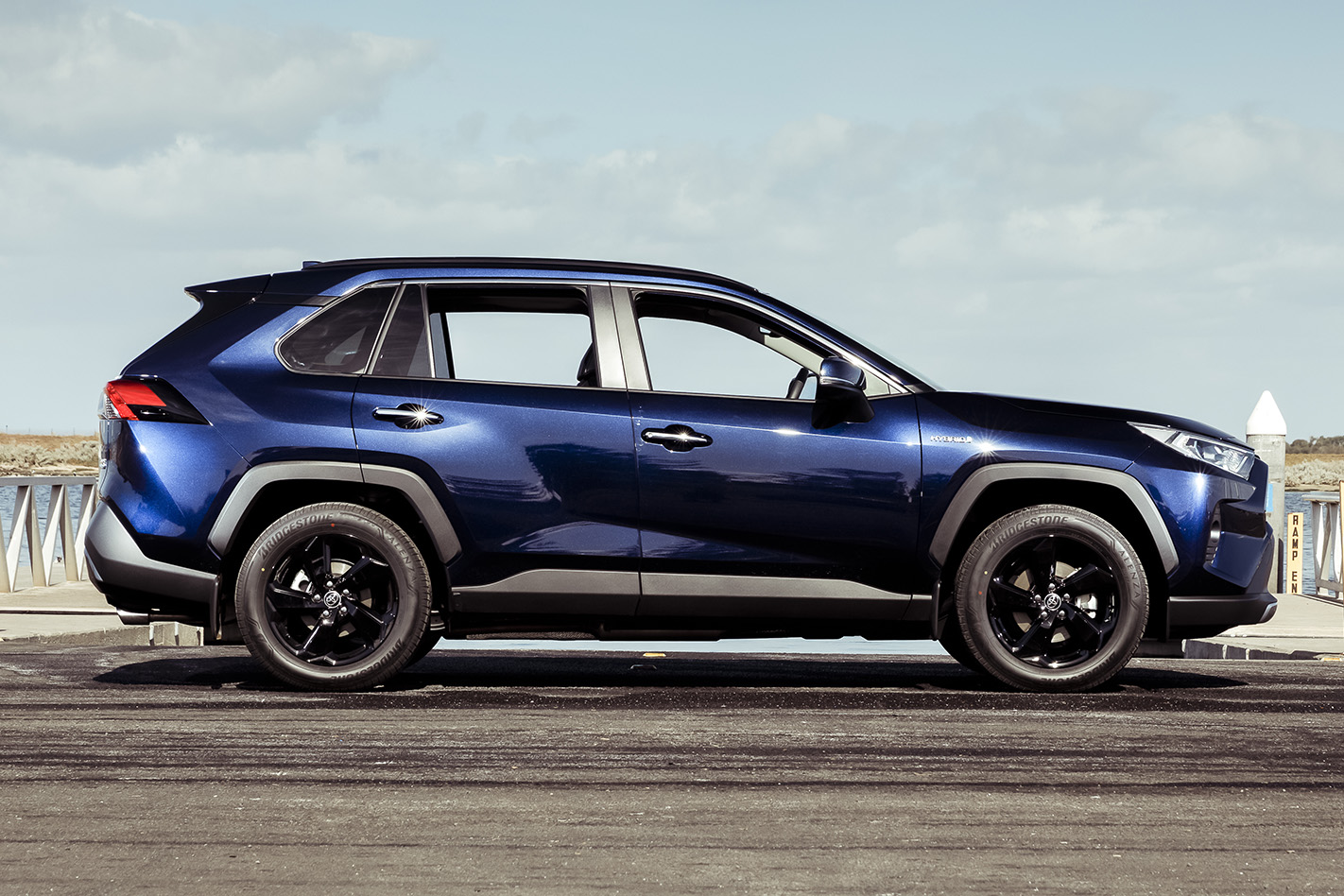
But that’s not to say there’s nothing for regular Aussies. Two Japanese offerings give you the choice of either a conventional petrol-electric hybrid – the newly-landed Toyota Rav4 hybrid – or a plug-in hybrid – the familiar Mitsubishi Outlander PHEV – while still giving you the things you expect of a medium SUV – a high seating position, all-weather stability, and practical wagon dimensions.
How do they measure up against each other?
HOW AFFORDABLE ARE THEY?
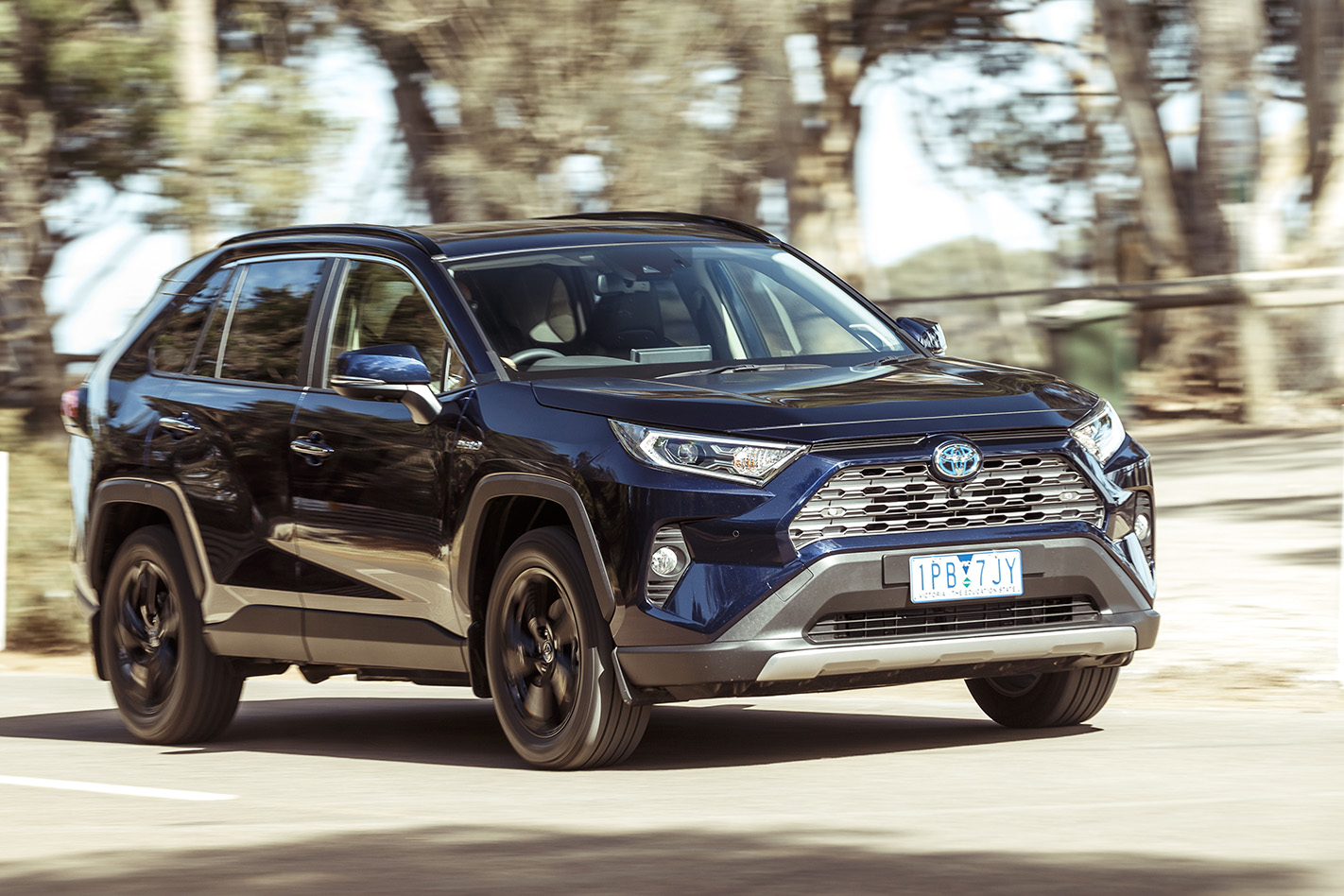
Toyota RAV4 Cruiser
Sitting second from top of the RAV4 model hierarchy, the Toyota RAV4 Cruiser hybrid all-wheel drive comes with a $44,640 asking price that’s definitely at the higher end of the mainstream medium SUV segment. Going for the front-wheel drive hybrid Cruiser knocks $3000 off that retail sticker but comes at the expense of all-paw traction, and with the Outlander being an AWD-only affair it’s best to keep things on as even a pegging as possible.
Fuel economy is a claimed 4.8 L/100km, which is a hugely respectable claim for something of the RAV4’s size, and with a standard warranty of 5 years/unlimited kilometres and capped-price servicing of $210 every 12 months/15,000km (for the first five years), the Cruiser’s cost of ownership is quite reasonable.
Mitsubishi Outlander PHEV ES
$45,990 gets you into the most affordable version of Mitsubishi’s plug-in SUV, the Mitsubishi Outlander PHEV ES, and considering both its size and zero-emissions capability that’s something of a bargain. Sure, you don’t get the electric range of a comparably-priced full EV like the Hyundai Ioniq or Nissan Leaf, but you get loads more cabin and cargo space along with the range-boosting flexibility afforded by a petrol engine.
After-sales care is provided by a 5 year/100,000km warranty and services occur every 12 months/15,000km at a cost of $310 for the first visit, $430 for the second and $365 for the third. No capped-price maintenance coverage exists beyond the first three years of ownership, which makes the Outlander’s ownership proposition a little harder on the wallet than that of the Toyota.
On the other hand, the Toyota doesn’t give owners the ability to run their car exclusively on cheap household electricity either, so the affordability outcome is about neutral between the two – at least for the first five years of ownership.
WHAT FEATURES DO THEY HAVE?
Toyota RAV4 Cruiser
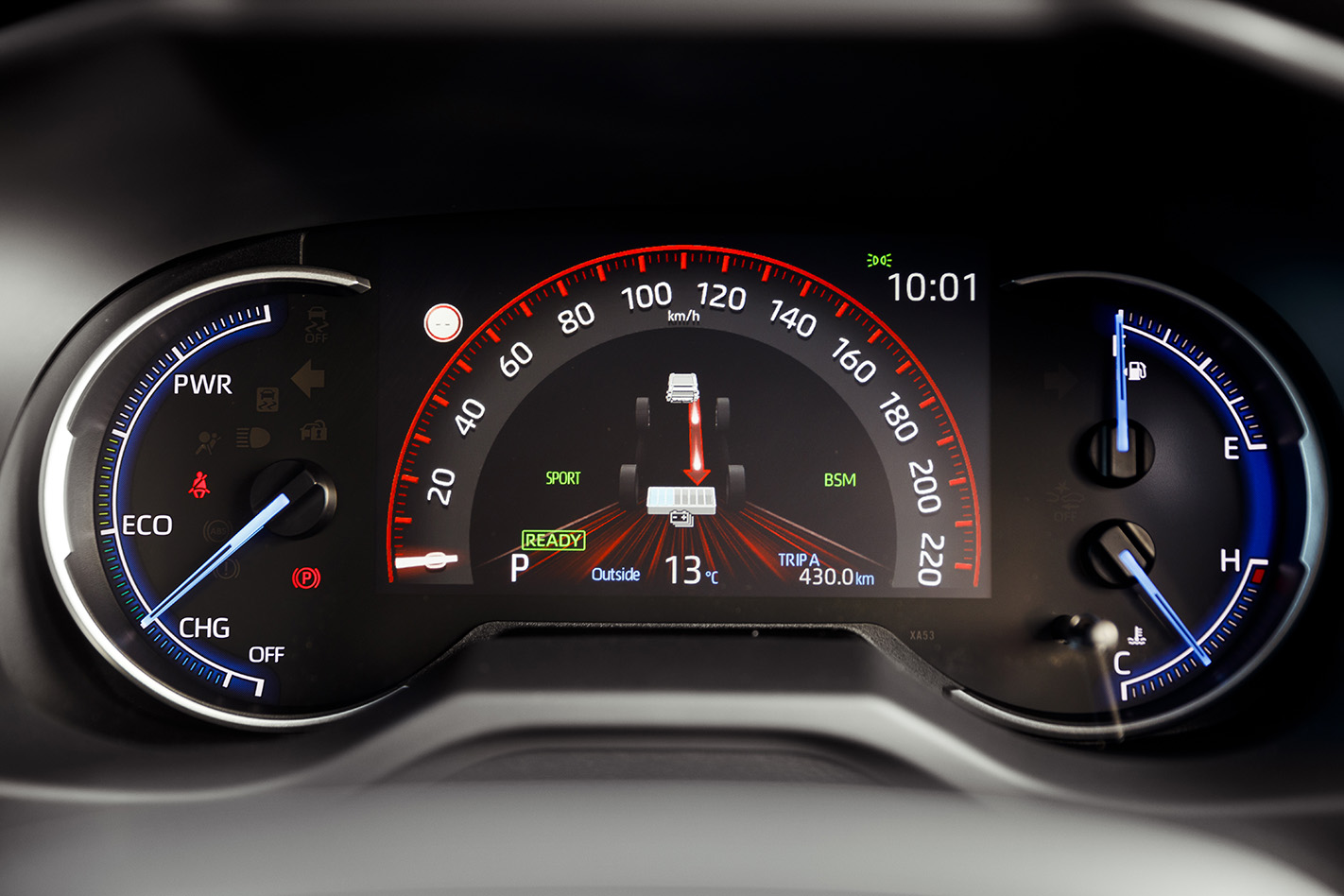
Sitting above the GX and GXL in the RAV4 range, the Cruiser comes packed with loads of features. The infotainment screen, which sits atop the dash in a tombstone style housing, measures eight inches across and features standard sat-nav, Bluetooth phone/media streaming, AM/FM/DAB radio and a nine-speaker JBL premium audio system, while the instrument panel is centred around a seven-inch LCD with reconfigurable graphics.
Leather upholstery covers the seats, armrests and steering wheel, and dual-zone climate control, buttons for the heated front seats and a wireless phone charging pad can all be found in the centre stack. The driver’s seat is also 10-way power adjustable, and driver comfort on long journeys is aided by the standard adaptive cruise control.
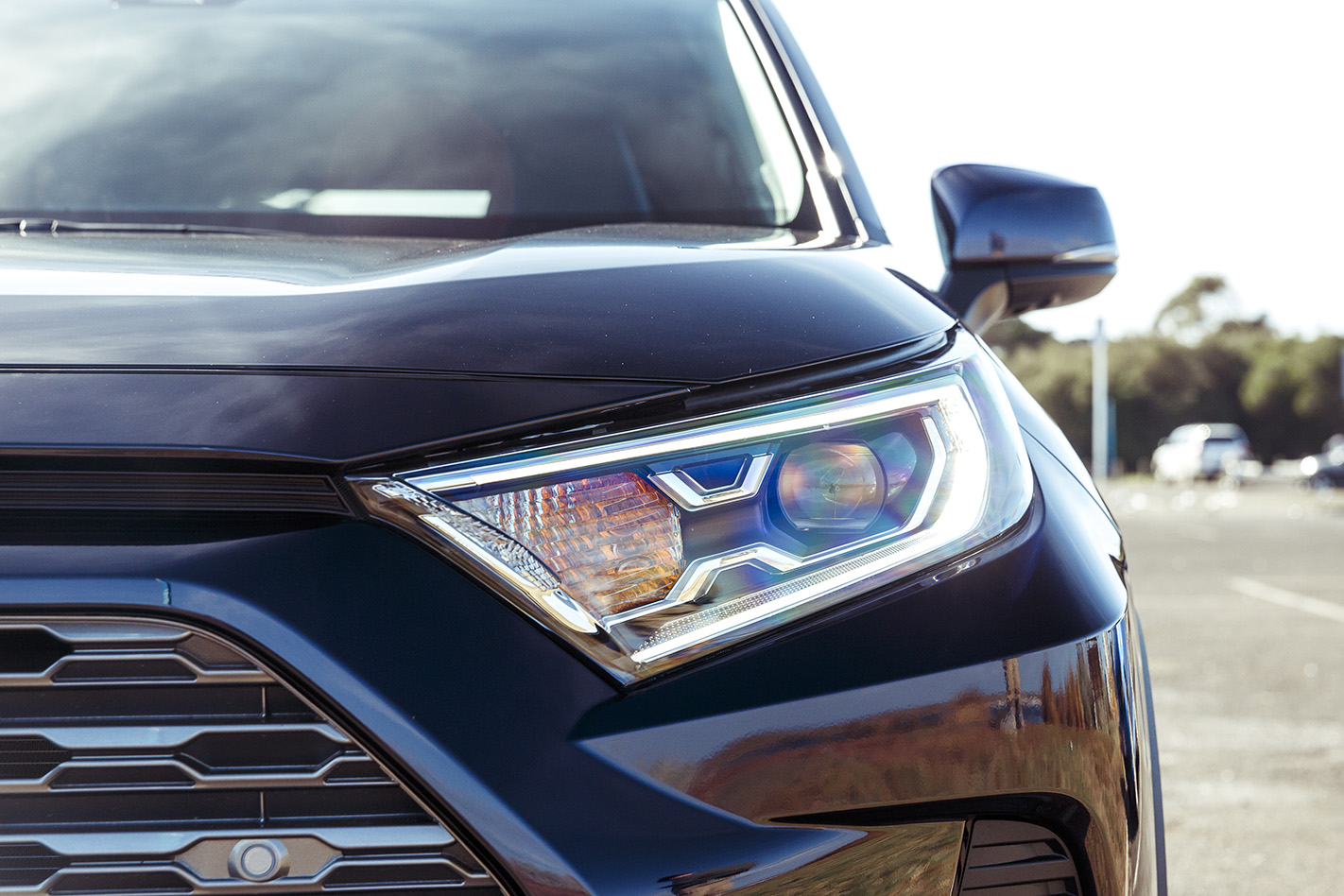
The list doesn’t end there either. A powered tailgate, LED headlamps, heated and power-folding wing mirrors, five USB ports and a glass sunroof add even more comfort and convenience, while the 18-inch alloys look smart. For the money asked, the Cruiser comes very well equipped.
Mitsubishi Outlander PHEV ES
Though comparably priced to the RAV4 Cruiser, the Outlander PHEV ES is a step below it in terms of specification. The additional cost of its specialised plug-in powertrain means that the true spec-for-spec rival is the much more expensive Outlander PHEV Exceed, which costs just shy of $54K and thus not a fair comparison for the RAV4.
That said, you still get plenty of gear as standard. Keyless entry and ignition, dual-zone climate control, cruise control, rain-sensing wipers, dusk-sensing headlamps, part-pleather seats, and a leather-trimmed steering wheel take care of the basics.
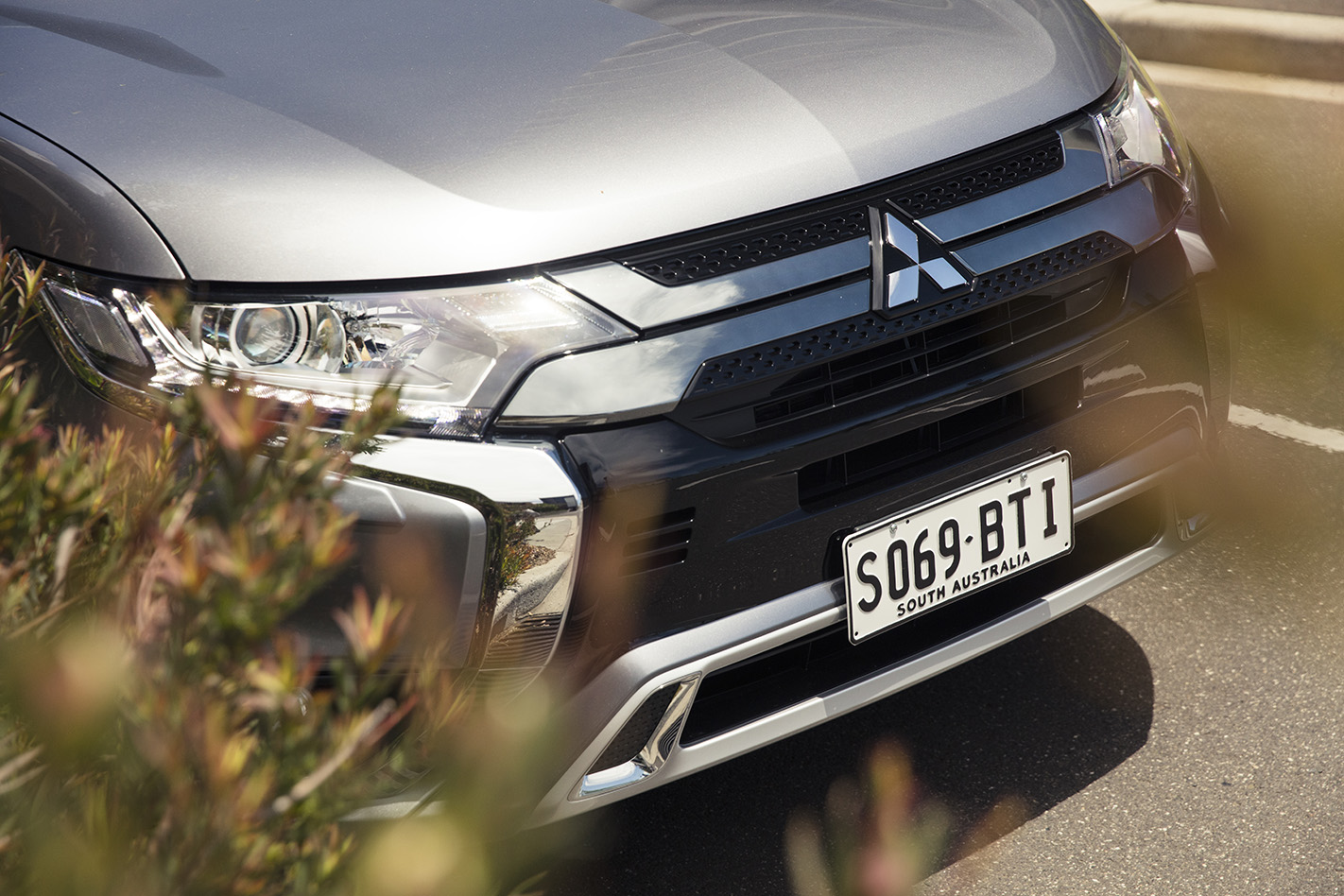
However, the seats adjust manually, there’s no seat heating, and no frontal parking sensors (just rear sensors and a camera). For gadget count, the RAV4 Cruiser offers more per dollar spent.
Infotainment is provided by a seven-inch colour touchscreen with an AM/FM/DAB radio tuner, six speakers, and Bluetooth phone/audio connectivity. One advantage the Outlander has over the RAV4 (for now), is the provision of Android Auto and Apple CarPlay smartphone mirroring – something that won’t be coming to the RAV4 until the end of 2019.
HOW PRACTICAL ARE THEY?
Toyota RAV4 Cruiser
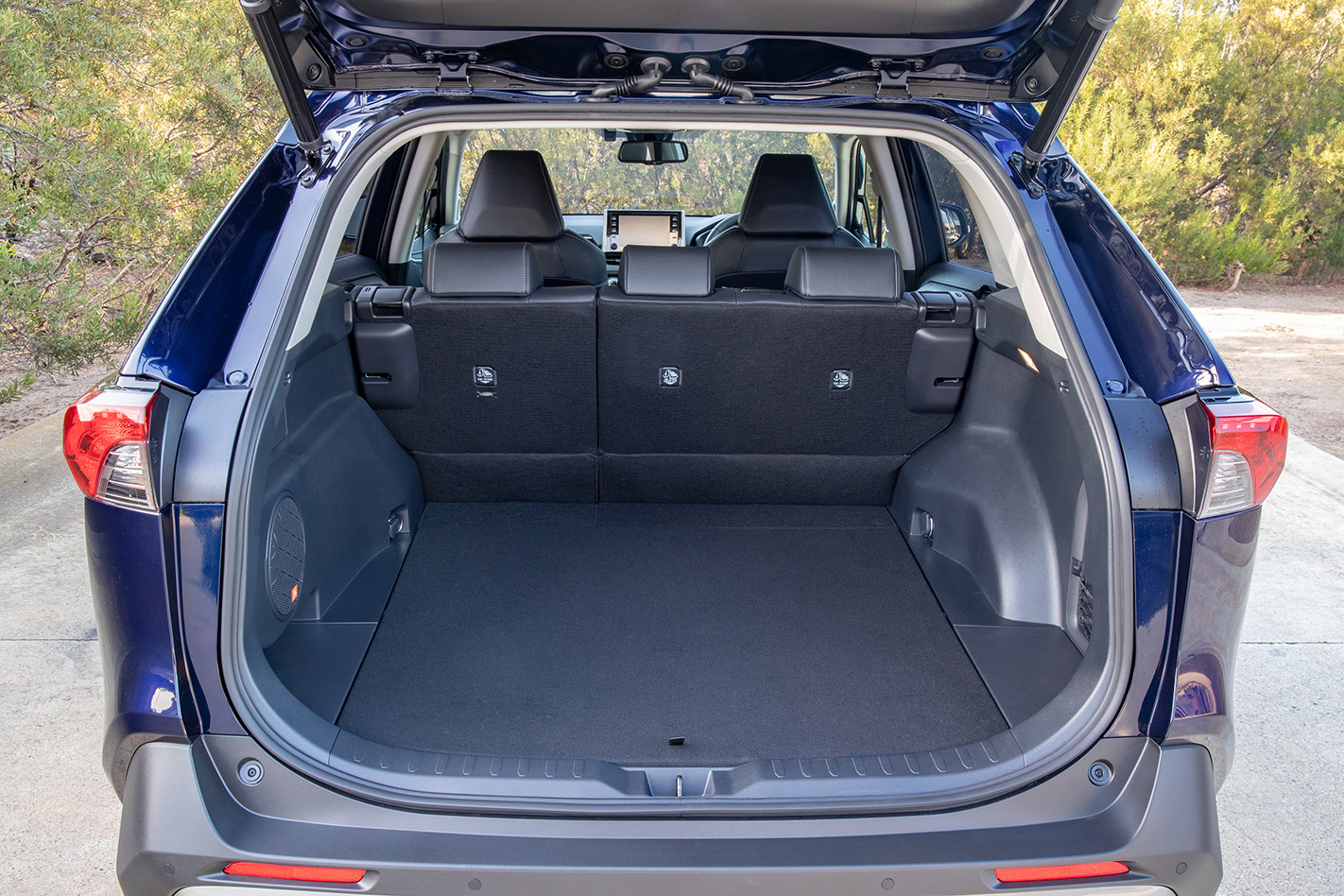
Storage abounds within the RAV4’s cabin, with small oddment trays not only inset within the dashboard, but also beneath the front seats and centre console. The boot floor has two levels for added cargo-carrying versatility, and with the rear seats up there’s a generous 580 litres of cargo capacity with the boot floor at its lowest level (or 542L with it raised up).
Mitsubishi Outlander PHEV ES
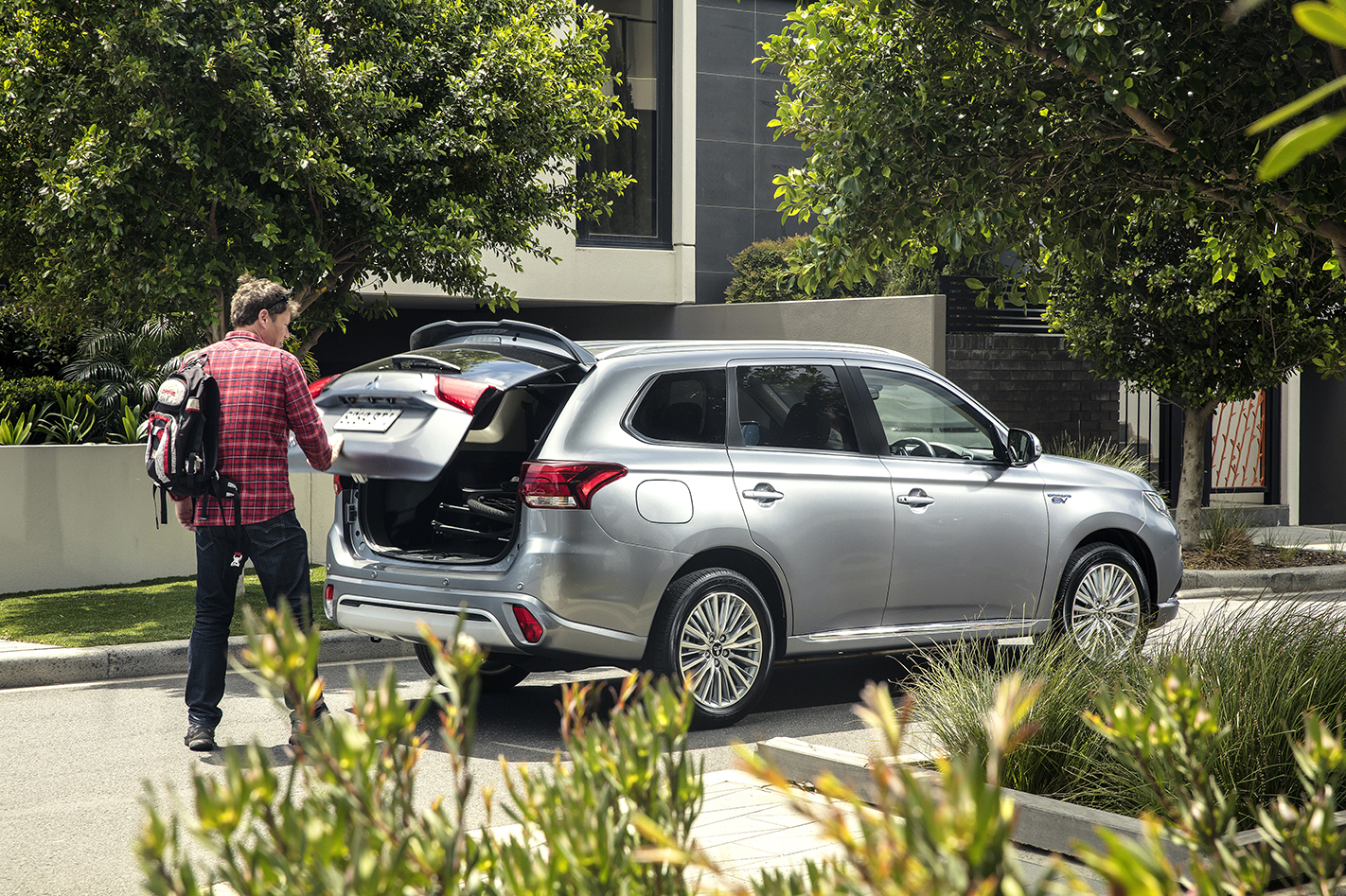
With a more sizable battery sitting under its boot floor, the Outlander’s cargo capacity trails the Toyota with 463 litres of seats-up volume, and a maximum of 1602 litres with seats folded down and cargo stacked to the roof.
In-cabin storage is generally good – though not quite as ubiquitous as the RAV4 – but the Outlander PHEV misses out on one feature that could make all the difference to some buyers. The seven-seat capability of the regular Outlander is deleted in the PHEV due to the space taken up by the charger and control electronics for its high-voltage battery, meaning the Outlander PHEV is, just like the RAV4, strictly a five-seater proposition.
HOW SAFE ARE THEY?
Toyota Rav4 Cruiser
Safety features abound with the RAV4, thanks to autonomous emergency braking (with pedestrian/cyclist detection), stability control, traction control, active cruise control, collision detection, lane departure warning, lane keep assist, rear cross-traffic alert and auto highbeam all included as standard. A top-down camera view also helps prevent low-speed bingles, ISOFIX child seat anchorages are included on the outer rear seats and seven airbags (front, front side, full-length curtain and driver’s knee) help keep occupants safe in an impact.
Mitsubishi Outlander PHEV ES
Here’s where the Outlander lags most significantly. While it also boasts two ISOFIX points, seven airbags, stability control and traction control, more sophisticated driver aids like AEB, lane departure warning, high beam assist and active cruise are only available in the more expensive Outlander PHEV ES ADAS model. Features like lane keep assist and rear cross traffic alert simply aren’t available in the range, full-stop.
HOW COMFORTABLE ARE THEY?
Toyota RAV4 Cruiser
The bland and ho-hum cabin of the previous-generation RAV4 is well and truly gone, replaced with a smart-looking and ergonomically superior interior that’s both comfortable and liveable.
The front seats themselves, besides being heated for cold-weather comfort, provide good support for a wide range of body types, though the lack of height adjust for the passenger seat may leave their noggin a little too close to the Cruiser’s sunroof for comfort, especially if they’re tall of torso.
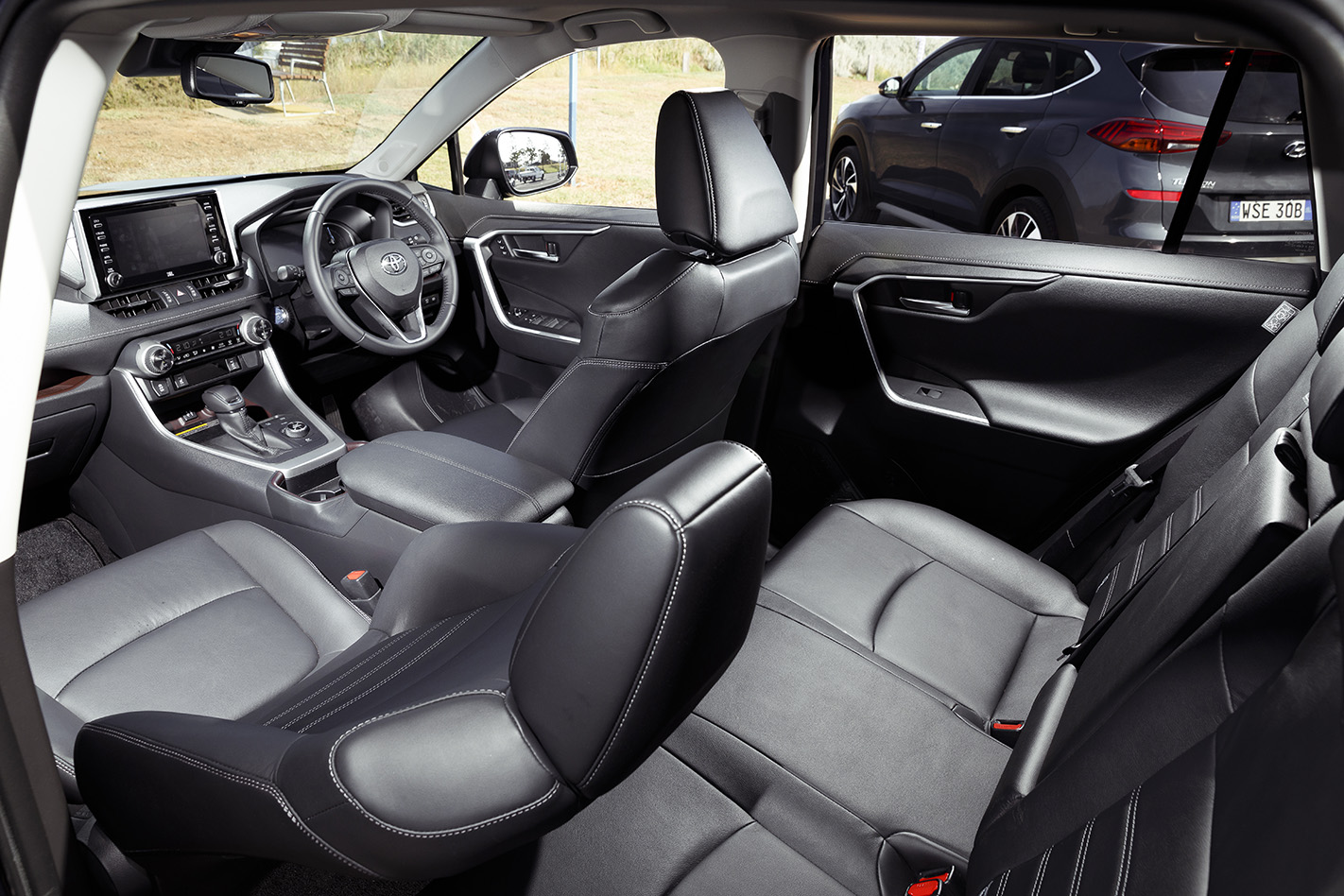
That big infotainment screen is clear and easy to read, though the smallish buttons on its periphery can be a bit fiddly to use, particularly the ones on the left of the screen which necessitate a lean forward to reach. No such complaints about the bigger ventilation controls on the centre stack, with those large rotary temperature dials being particularly easy to use without taking eyes off the road.
Fitting three across the second row isn’t too bad if they’re children or slim-hipped, though for adults the RAV4 is better as a four-seater. Even so, standard-issue rear vents on the back of the centre console help them stay cool, the large windows give a great view of the outside world and the near-flat floor does at least mean the centre seat doesn’t also have to deal with a knees-up posture.
The rear bench itself isn’t as well sculpted as the front seats, but reasonably comfortable nevertheless. At least those in the back won’t complain about their phones or tablets running flat on long journeys, with two USB charge sockets beneath the air vents supplying volts.
Mitsubishi Outlander PHEV ES
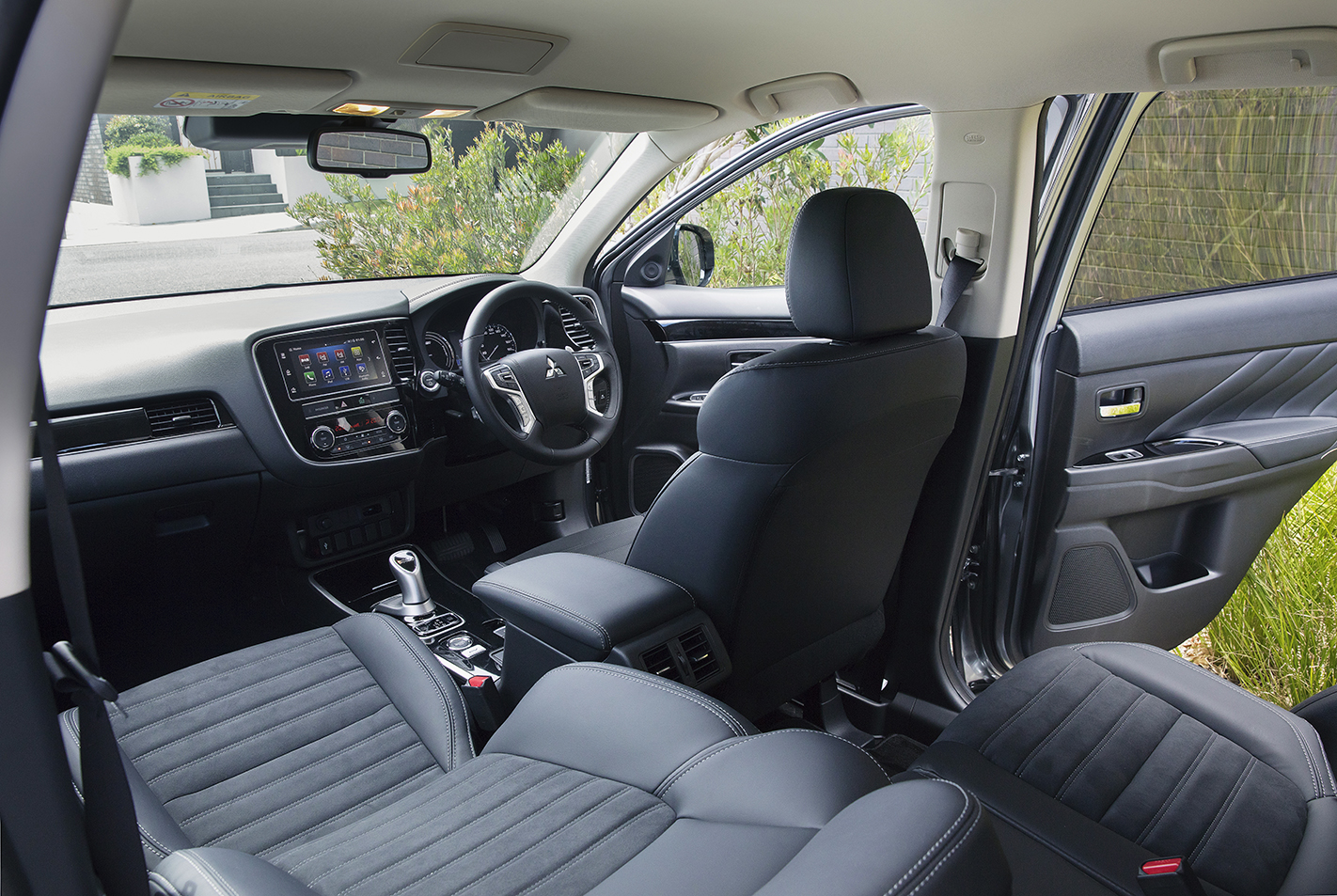
The Outlander’s cabin is less successful than the Toyota in terms of design cohesion, presentation and material quality, though as a family SUV that’s bound to receive more than a few spills, knocks and stains it does at feel durable.
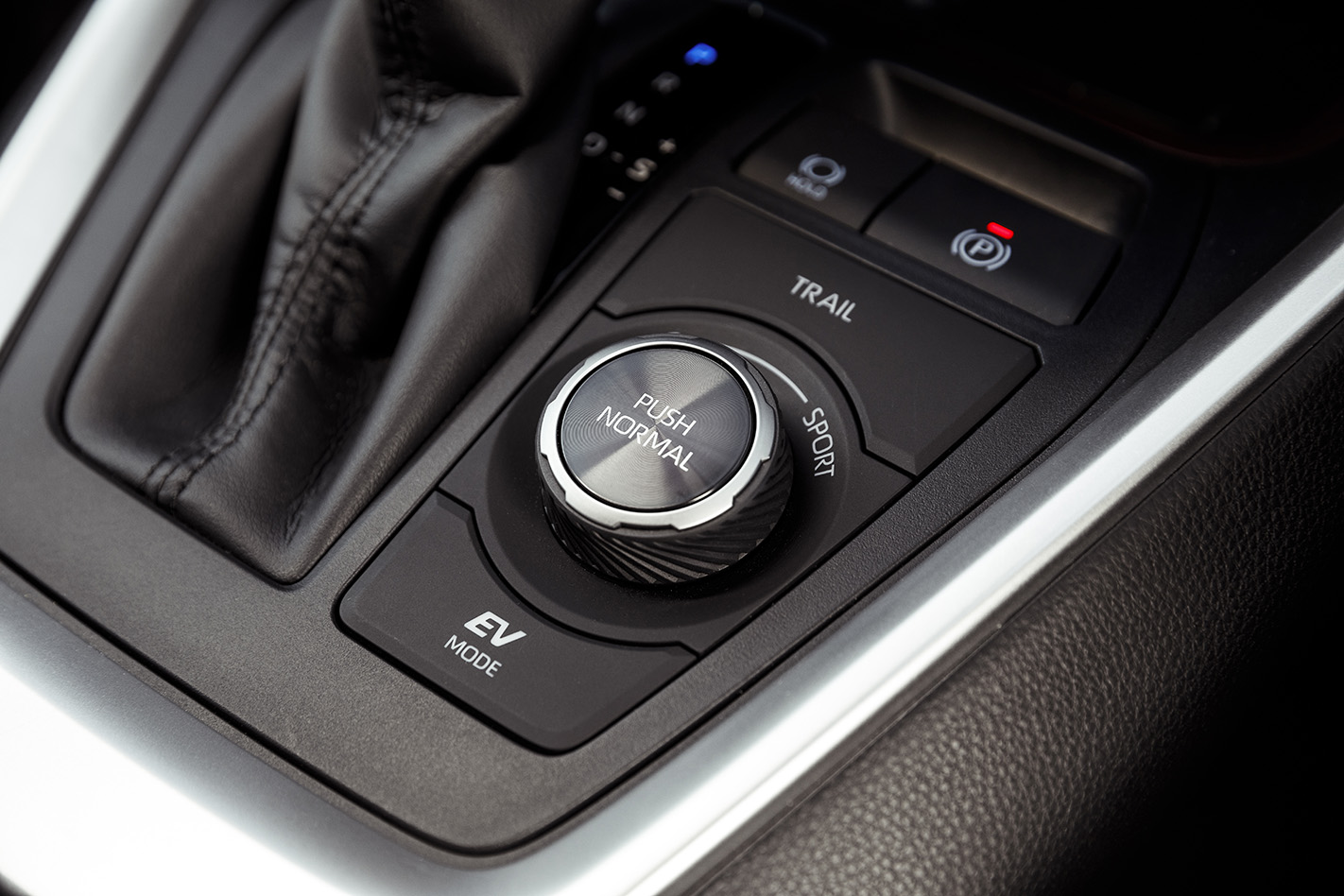
Seat comfort isn’t a highlight though, in any of the Outlander’s five positions. The view forward isn’t as expansive as the RAV4 either, perhaps owing to a seating position that feels more carlike than SUV-tall, and the PHEV-specific drive selector on the centre console just seems unnecessarily bulky … and weird.
Beyond the absence of modcons found in the Toyota, the Outlander’s infotainment system is also slower to react to touch inputs and generally fiddlier to use. It’s a more austere environment than the RAV4, and one that’s definitely showing its age by now. With this generation of Outlander notching up seven years of production in 2019, the gap between it and the RAV4’s cabin presentation is understandably stark.
WHAT ARE THEY LIKE TO DRIVE?
Toyota RAV4 Cruiser
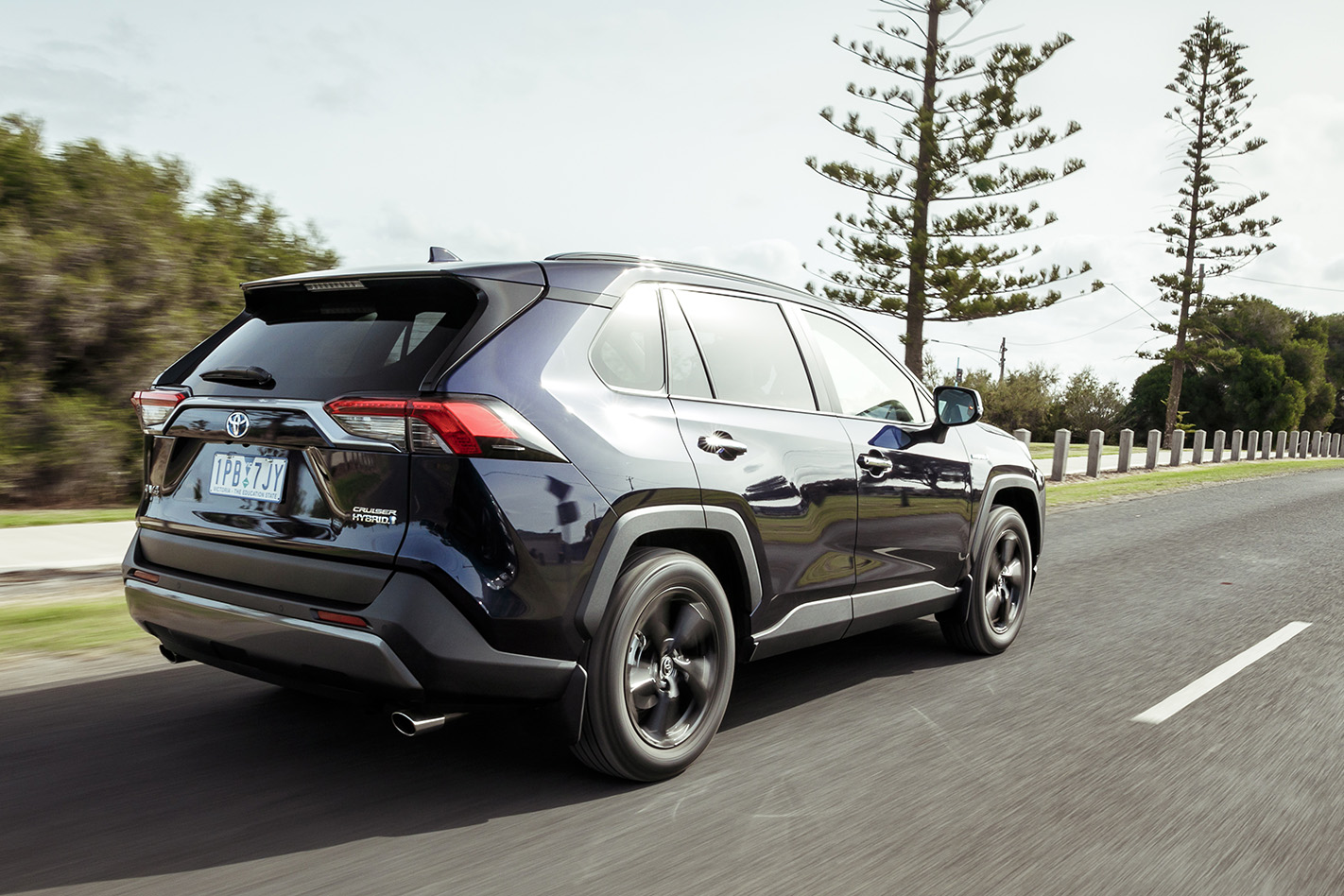
Again, the new-gen RAV4 represents a massive step-change over its predecessor, offering a driving experience that’s effortless and largely vice-free in hybrid AWD form. Indeed, the hybrid is the powertrain to pick, leaving the entry-level 2.0-litre non-hybrid engine in the dust as far as torque and acceleration go.
Connected to a seamless CVT automatic that quietly shifts ratios in regular driving but adopts a sportier character the harder you press, the RAV4 hybrid simply gets the job done without fuss.
Ride and handling are also ideally suited for a family wagon, with great roadholding, predictable dynamics and supple comfort courtesy of a suspension tune that was developed on Aussie roads. Whether on backroads, suburban streets or highway, the RAV4 is supremely easy to drive.
Mitsubishi Outlander PHEV ES
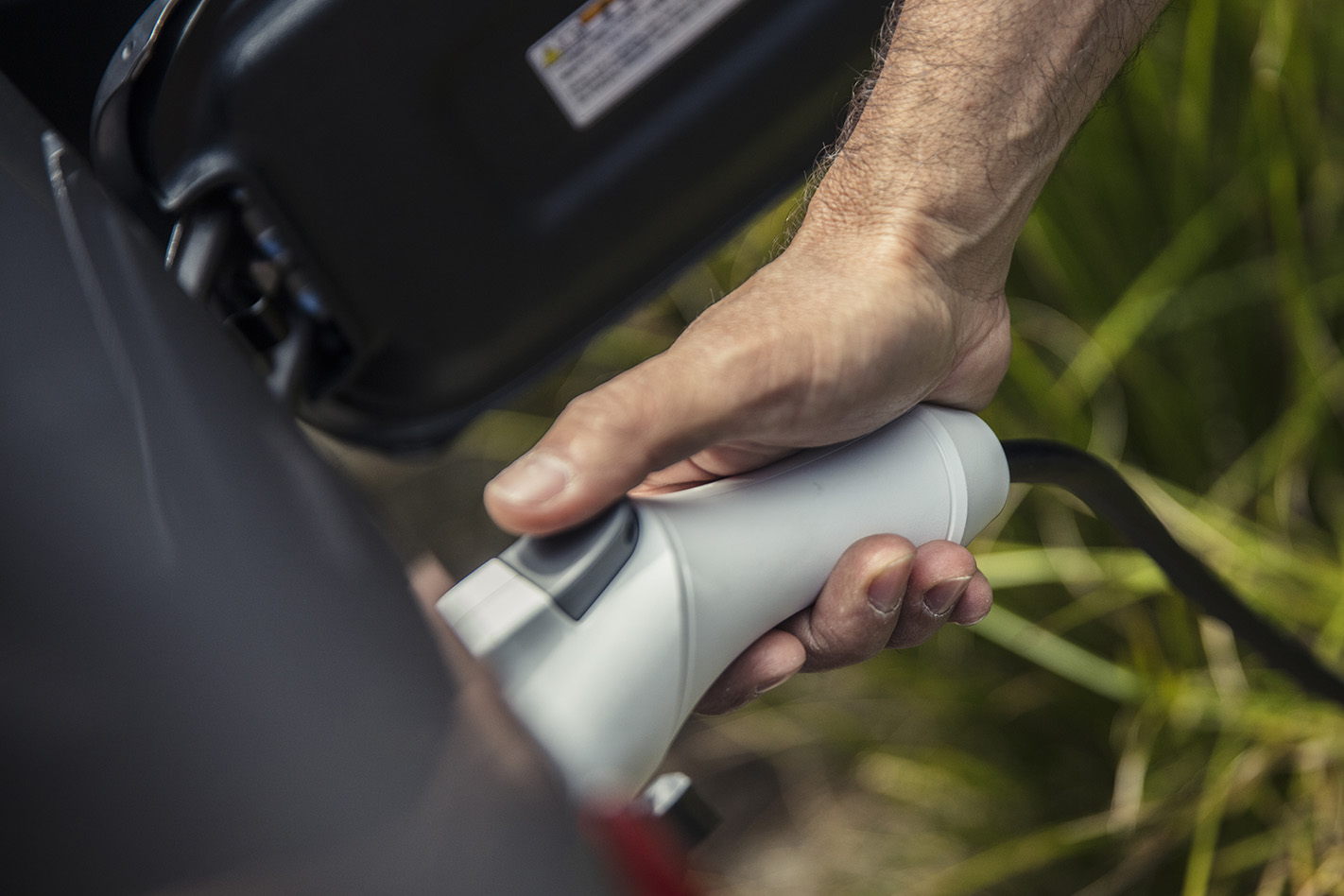
The Outlander’s unique selling point is, without doubt, its ability to travel for up to 54 kilometres on battery power only, before extending that range significantly by firing up its 2.0-litre on-board motor/generator.
It’s a capability the RAV4 simply doesn’t have, and while the Toyota may have a commendably low claimed fuel consumption of 4.8 L/100km, the Mitsubishi could conceivably give you a full day’s worth of driving without burning a single drop of petrol. Factor in the massive savings in running a car on electricity versus running one on petrol or diesel, and the Outlander PHEV could save you a tonne of money over its lifespan.
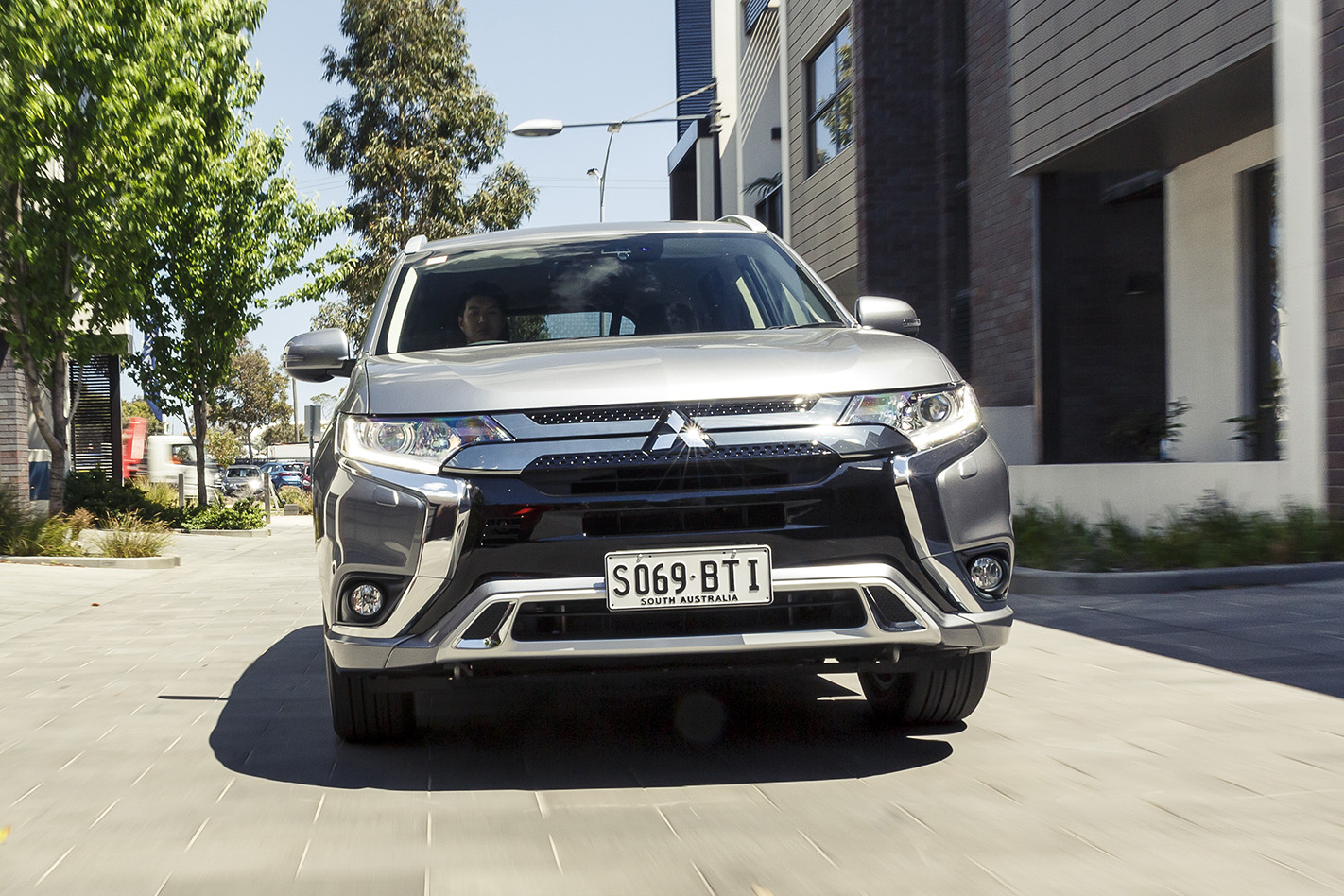
And by running it primarily in its electric mode, the Outlander is at its best. Quiet, incredibly smooth and overall quite relaxing to drive, it’s perfect for zipping about town in an efficient – yet effective – way, and significantly more convincing than the Outlander’s other petrol- and diesel-powered variants.
Couple that with surprisingly engaging steering and a suspension that’s good around town (but not quite the Toyota’s equal on more challenging surfaces), and the Outlander’s driving experience isn’t just not too far behind that of the RAV4, but in even better in the ever-critical criteria of efficiency and refinement.
OUR OPINION
It’s a tricky call to make, what with the RAV4 Cruiser having only just come into existence and the Outlander PHEV being very much at the end of its natural lifespan, however if there’s one thing that keeps the aging Mitsubishi sharp it’s its plug-in hybrid capability.
There’s nothing else in its size and price category that gives you that flexibility, and the prospect of being able to bypass expensive fuel costs must indeed be attractive to more than a few Australian families.
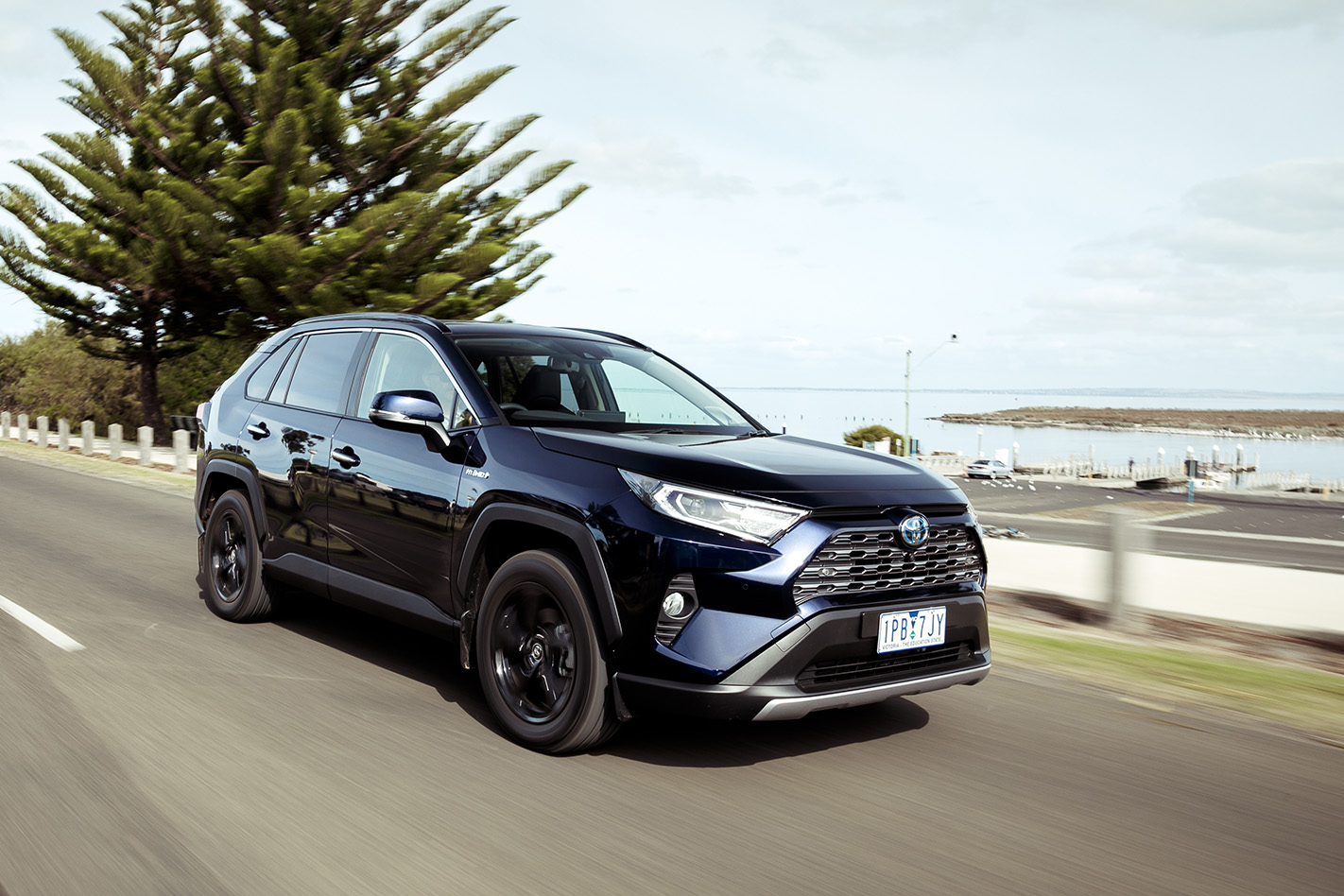
On the other side of the coin is the RAV4, which sips fuel at an admirably low rate and is a significantly more up-to-date offering. It’s not as kind on the environment in the long run, but as a product it’s probably the one that more people would want to see in their driveway simply by virtue of being newer.
But if you want to minimise your ecological footprint while still having a practical family SUV, there’s really just one choice – the Mitsubishi. Astonishingly, despite its age the Outlander still has something to give.
IT’s easy to get caught up in the notion that the fastest variant is always the best. Generally we desire the most performance, which usually comes at a cost. In terms of the Porsche Cayenne, that’s a $239,000 price tag to get into the ballistic Turbo. So is there benefit in perusing further down the food chain?
Skipping the $135,600 E-Hybrid and the social climber base model ($115,900) lands you at the Cayenne S, a $154,700 SUV with a 2.9-litre twin-turbo V6 stuffed behind its boldly styled snout. Its numbers are suitably sufficient for a Porsche SUV with 324kW/550Nm, enough to shift this 2020kg family hauler to 100km/h in 5.2 seconds – or 4.9sec with the Sport Chrono Package optioned.
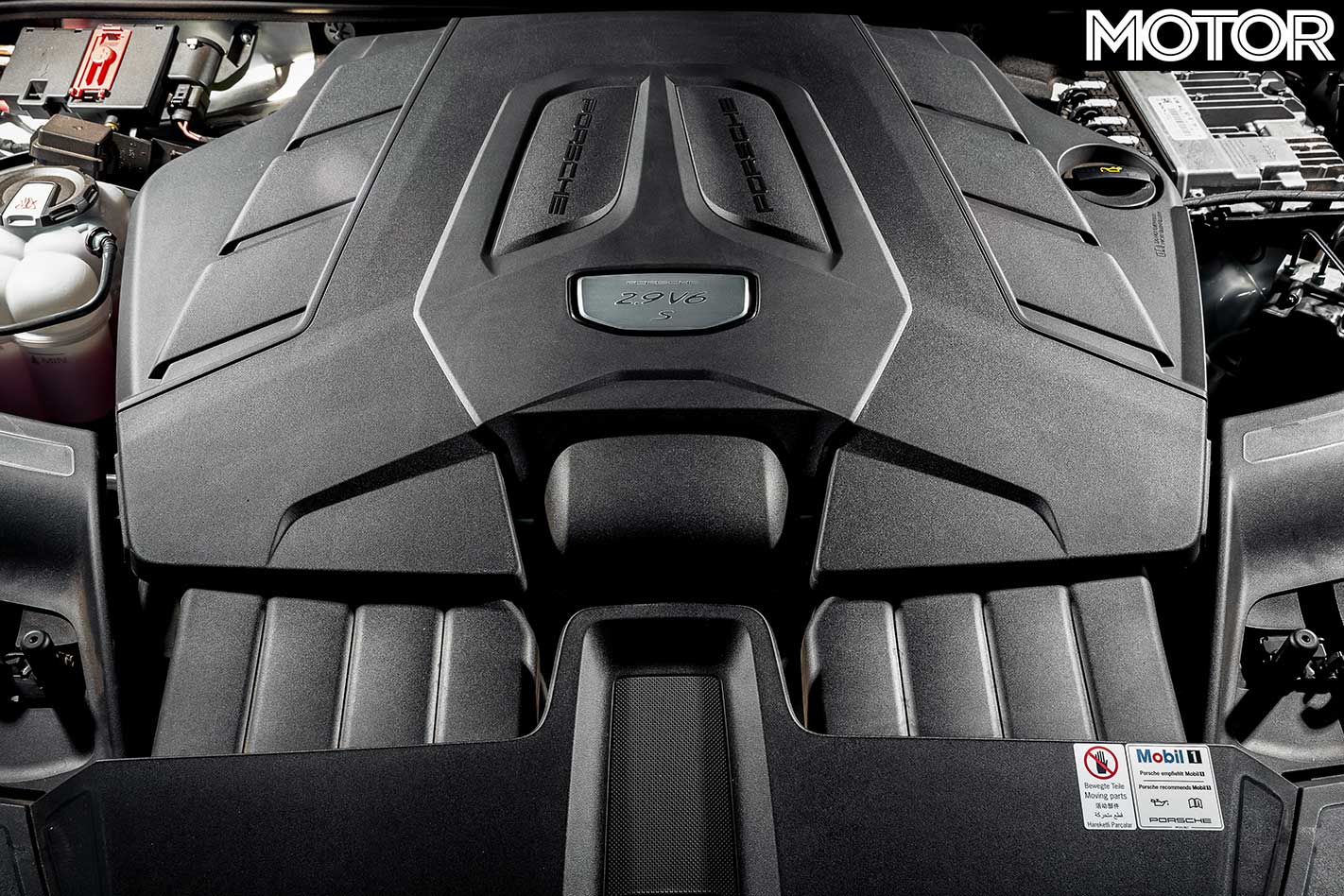
If you’re thinking the muscular bent six sounds familiar, you’d be right. The impressive powertrain is found in Audi’s booted RS4 – just with a bit more oomph. Sadly, the Cayenne doesn’t share the uber wagon’s guttural soundtrack either, with only muted blurts and burbles on gear changes.
There’s ample acceleration on tap here, with loads of torque to relax into. The eight-speed ZF auto ’box works brilliantly – either when you take control or if it’s left to its own devices.
Dynamically it doesn’t feel as playful as the big-boy Turbo, the extra whack of grunt helping excite the V8 out of bends with more verve. But there’s still an underlying driver focus at play here despite yaw movements being less frequent. The MLBevo platform (shared with the likes of the Lamborghini Urus) offers genuine physics-defying talent.
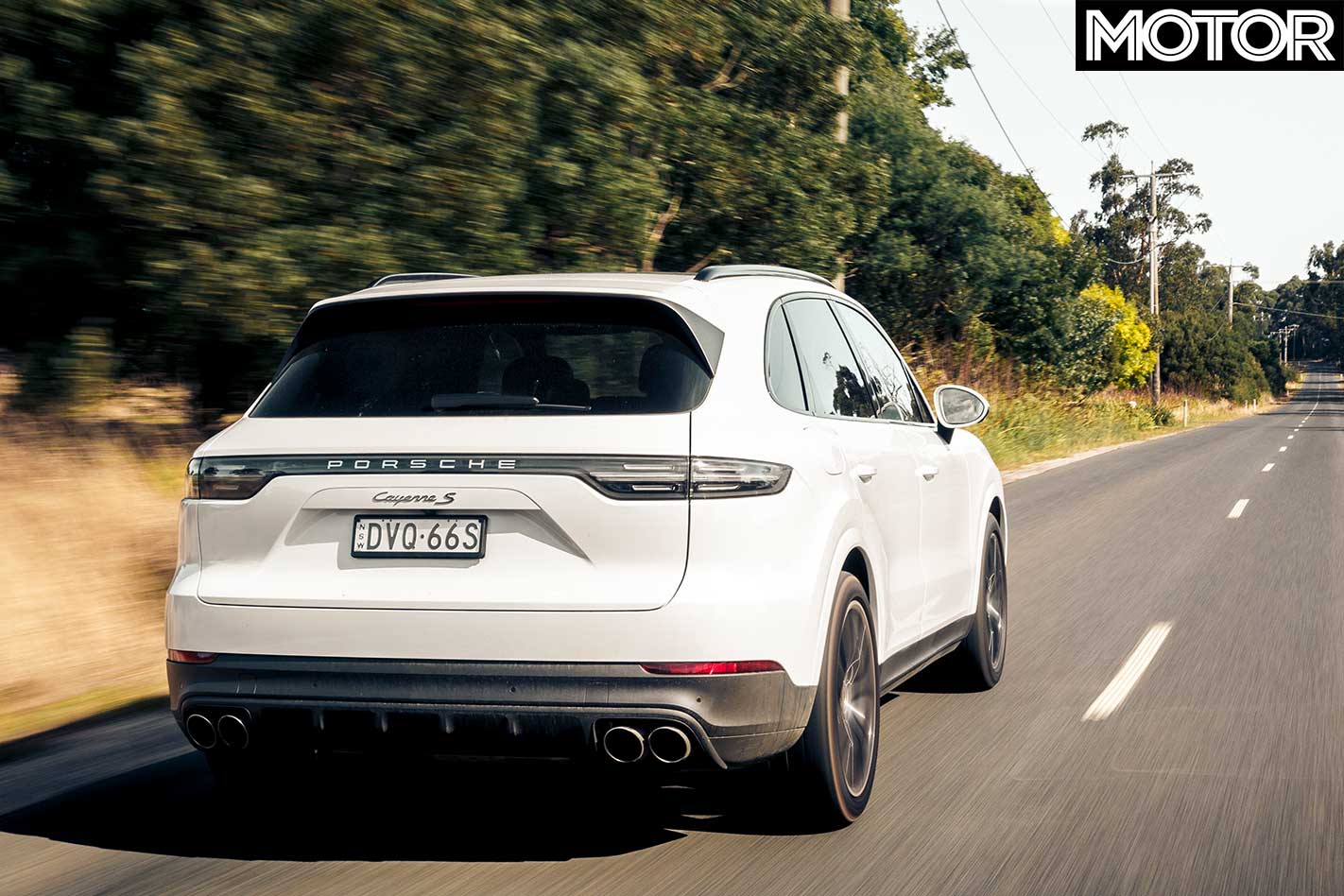
With three-chamber air suspension and the 48v self-leveling system at play, the S stays remarkably flat with exemplary composure and body control. It just removes you from the experience a little. You admire its talents rather be inspired by them.
The brakes are impressive (390mm up front and 330mm rear), doing a good job off arresting the heft – which is reassuring given the 265km/h top speed. The electronic power steering is also one of the best systems in an SUV.
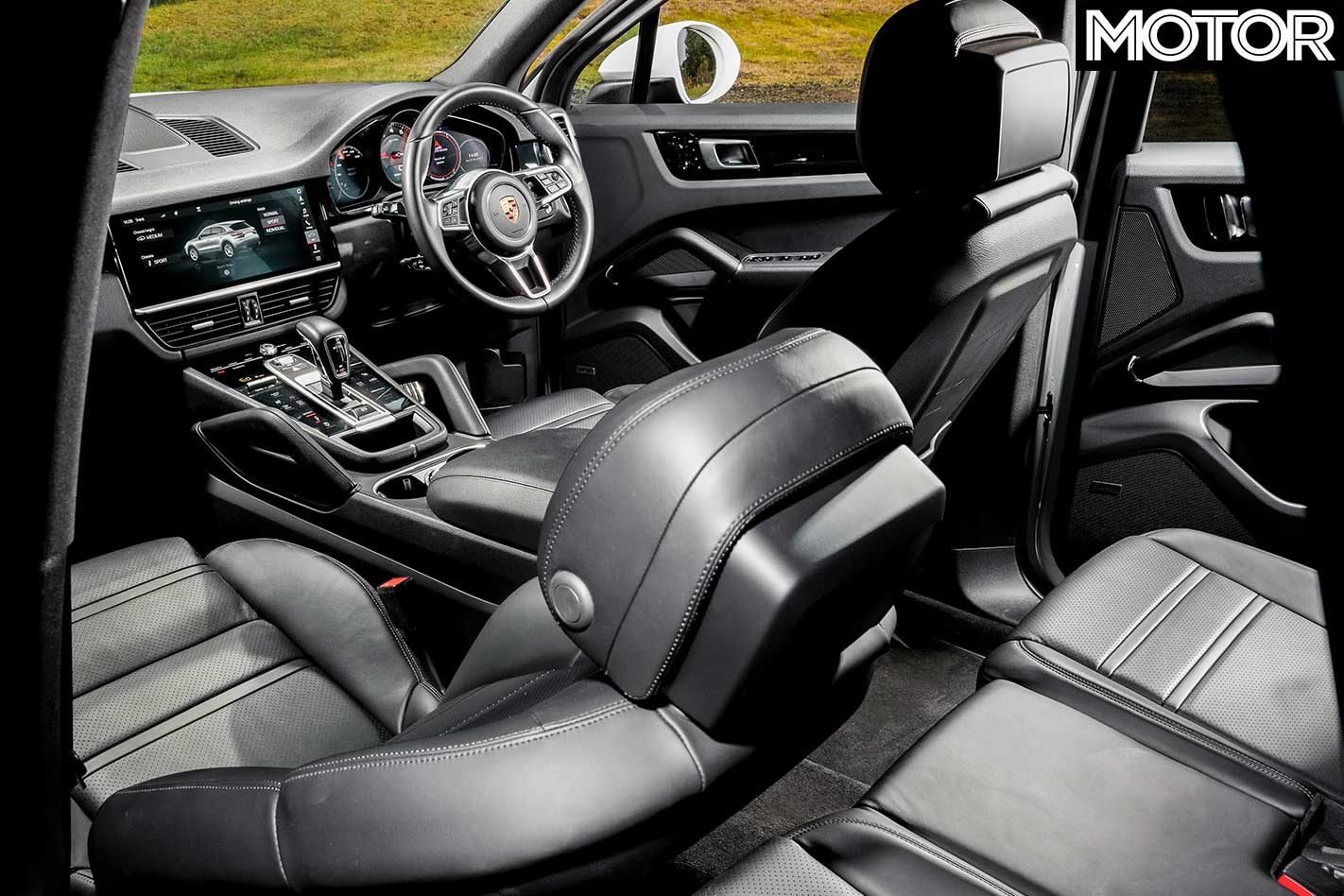
On the inside the cabin has received a Panamera-esque overhaul with touch-sensitive screens replacing most of the conventional dials and controls. It looks plush and has an upmarket feel.
There’s a lot to like about the ‘lesser’ Cayenne. It has all the straight-line grunt you’d ever need and genuine dynamic ability – it’s a pseudo two-tonne ballerina. Of course, if your budget allows and continent-shifting grunt is your style, the range-topping Turbo will be your Porsche SUV of choice. However, the S is proof that the most expensive option isn’t always the only one to have.
2019 PORSCHE CAYENNE S SPECS Engine: 2894cc V6, DOHC, 24v, twin-turbo Power: 324kW @ 5700-6600rpm Torque: 550Nm @ 1800-5500rpm Weight: 2020kg 0-100km/h: 5.2sec (claimed) Price: $172,340 (tested)
Like: Impressive dynamic ability for an SUV; punchy turbo V6; luxurious cabin; ride quality Dislike: Can’t always mask its heft; needs meatier accoutics; just buy a wagon?
Rating: 4 out of 5 stars

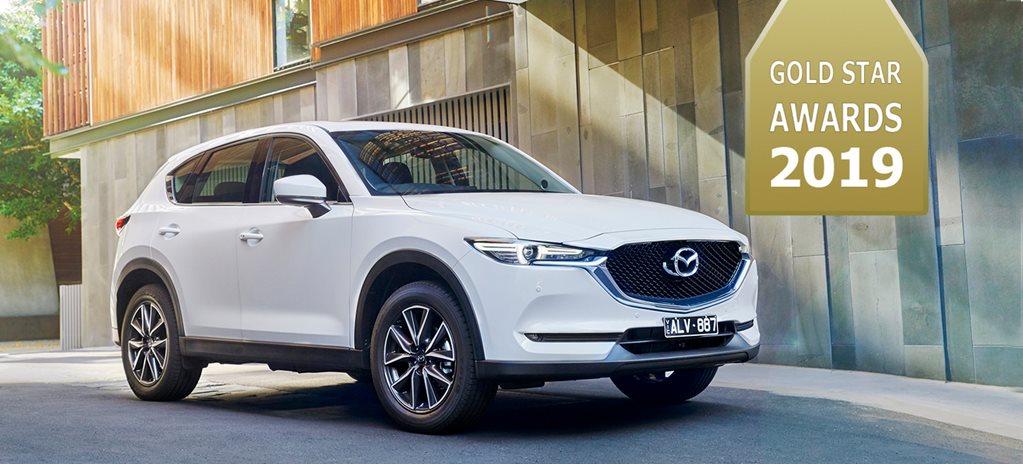
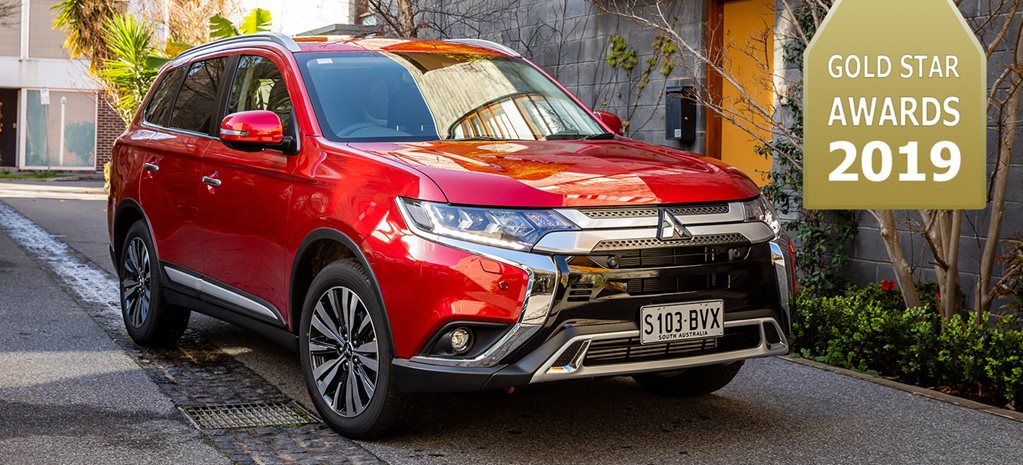
2019 Gold Star Award winners
If you want the absolute cheapest car to own, what should you buy? Wheels‘ Gold Star Awards answers that question by calculating the costs of ownership for every car on the Australian market across ten different categories – small SUV, medium SUV, large SUV (7 seater), premium SUV, dual-cab ute, mainstream hatch, premium hatch, mainstream sedan, premium sedan and performance car.
The result is three finalists and one winner in every segment, bringing new car buyers advice on the cheapest and best value cars to own. Given the numbers don’t account for driveability and evaluation of the vehicle itself, we’ve also included what Wheels would pick if it were our money.
Click through to see all the finalist and winners below.
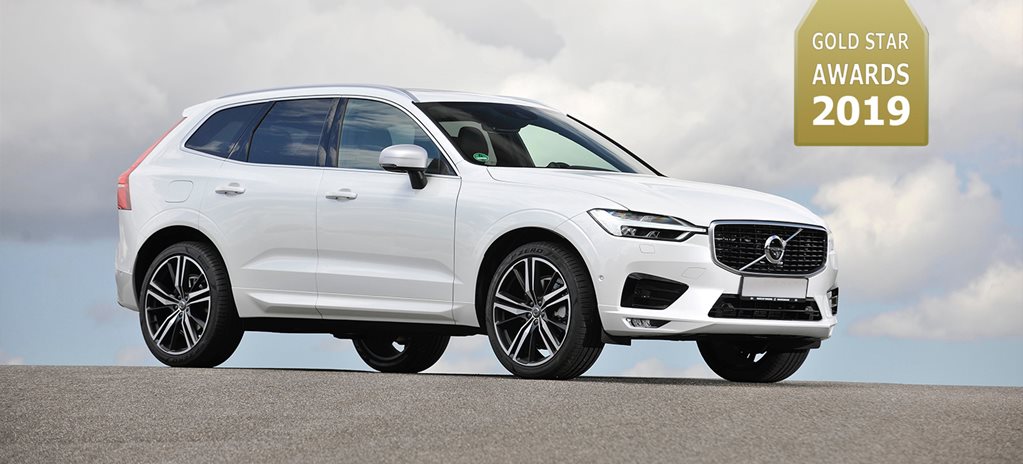
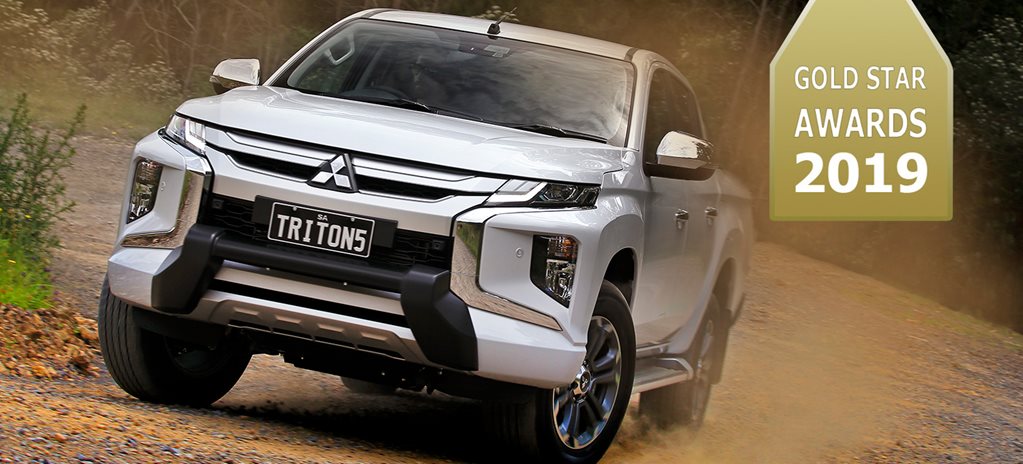
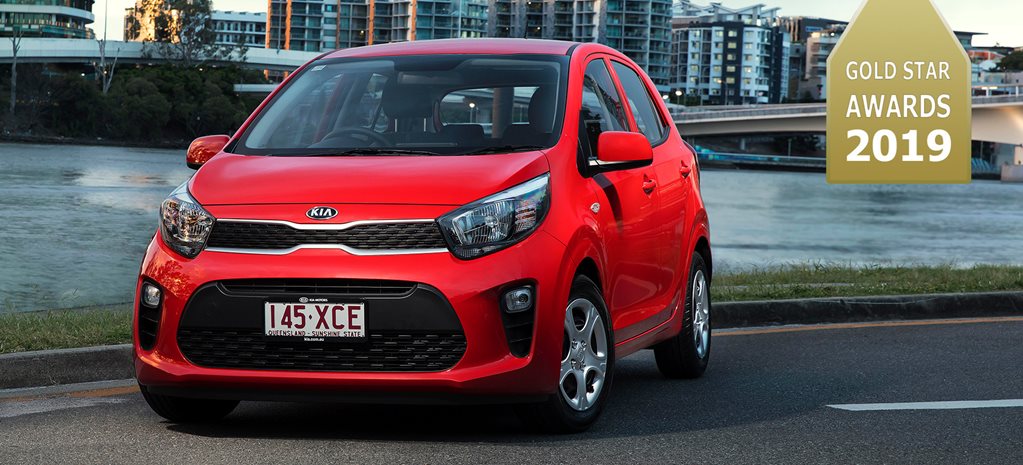
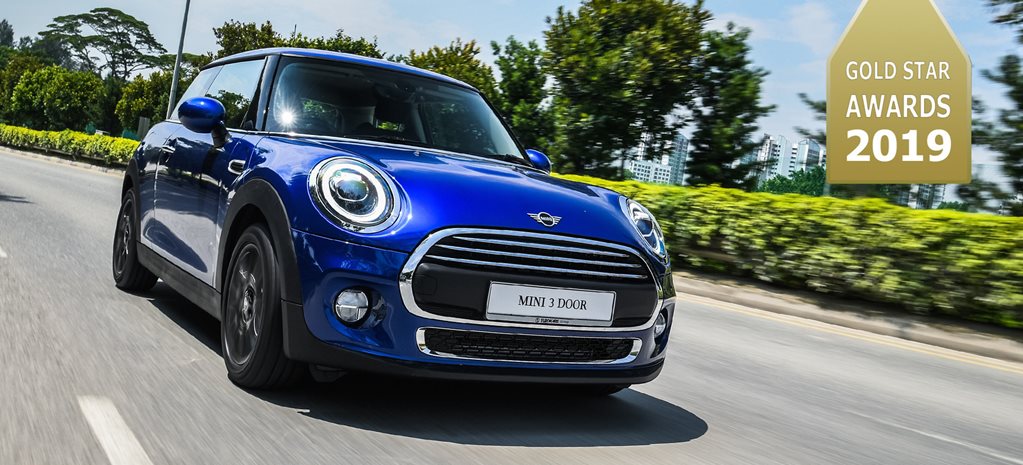
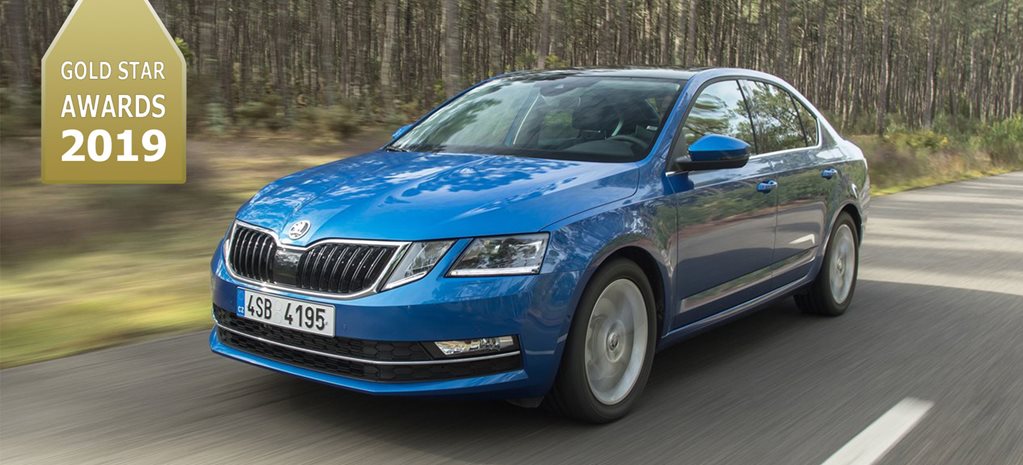
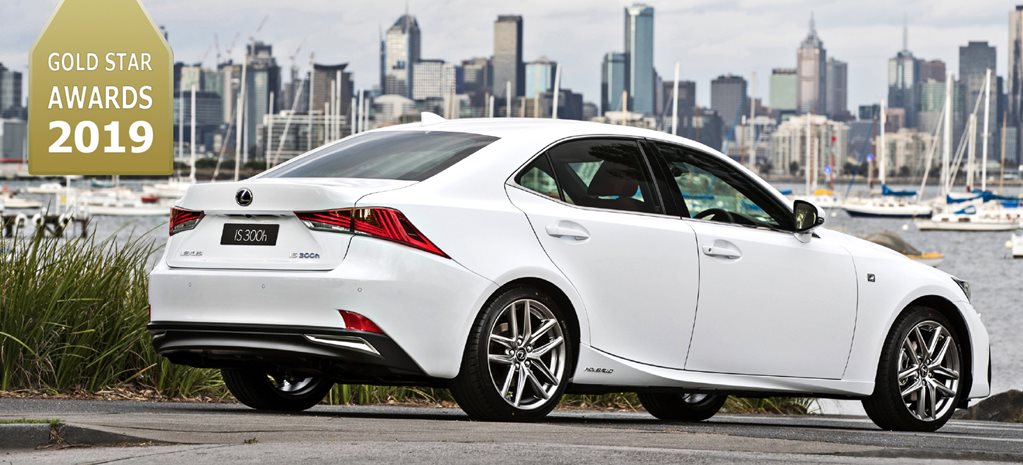
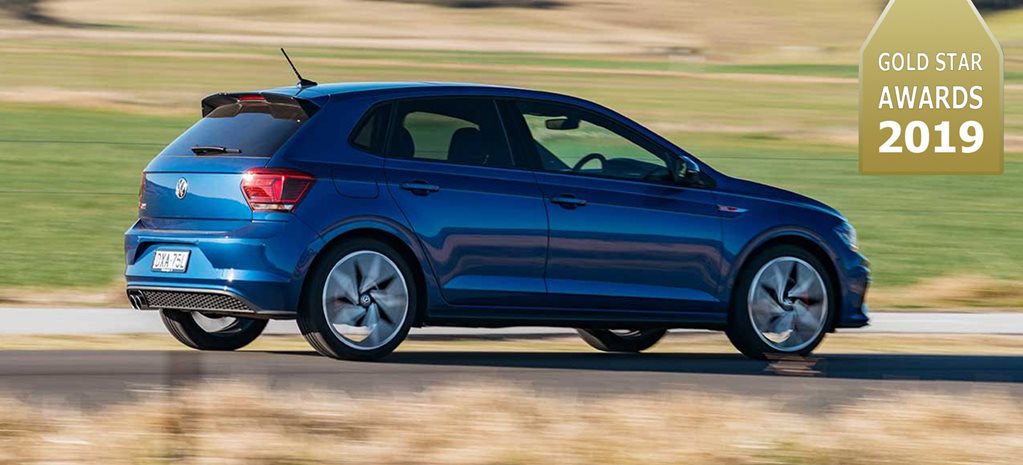
What is the Gold Star Awards?
Often, the only real cost people think about when buying a new car is the big one – the purchase price. But once you fork out the dough, there are countless other hidden costs that start racking up the moment you leave the car yard.
We’re talking things like servicing costs which can vary greatly, comprehensive insurance that is different for every model, and fuel, which depending on if the car is diesel or petrol and how much it consumes, could end up costing over 50 percent more to run at the bowser.
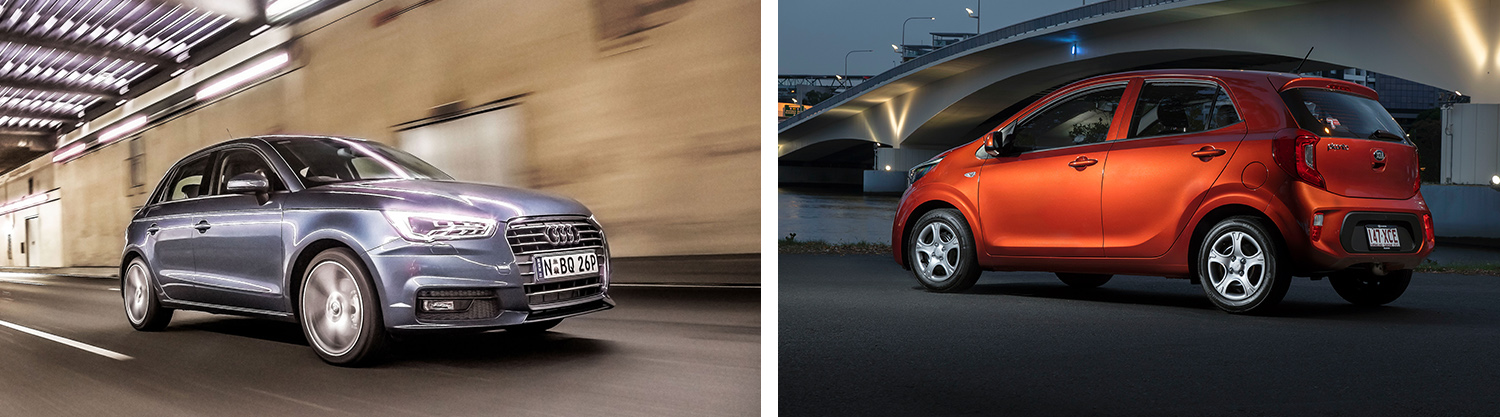
And finally, there’s the biggest cost of ownership for most new cars – depreciation. Or, the amount of value a car loses each year as a percentage of its original purchase price.
Combining all of these costs over three years, Wheels has calculated the best value car to own in eight different segments. It’s named the Gold Star Awards.
Wheels has announced the top three contenders and winning car in the following segments, representing the best value cars you can buy this year:
- Small SUV
- Performance
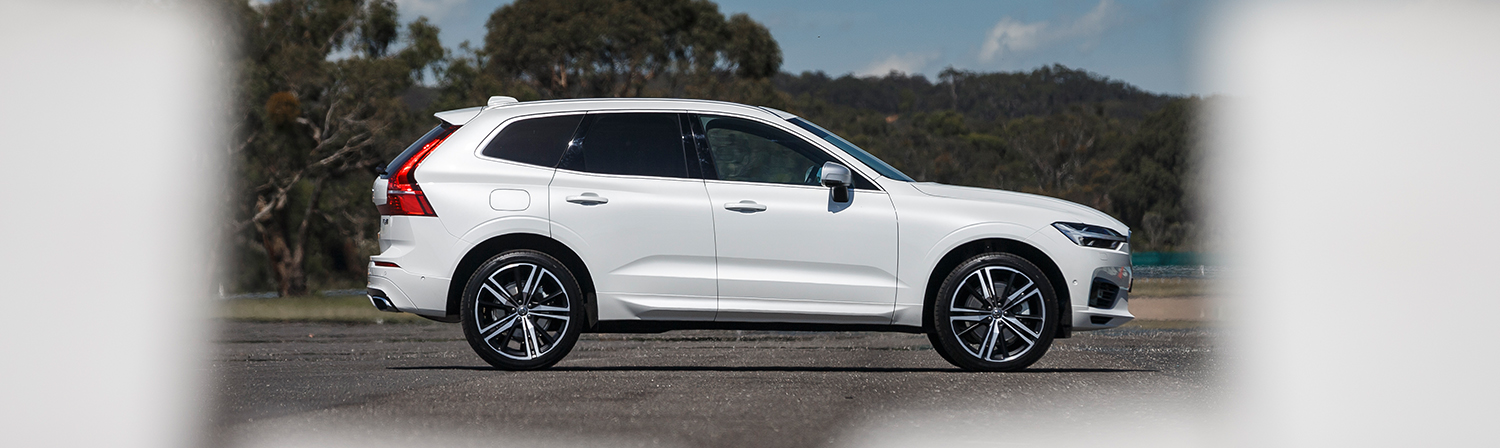
Crunch go the numbers

Here are the categories Wheels uses to calculate the best value car to buy in Australia.
Depreciation: The biggest cost of ownership for most new cars. Of the 2000-plus cars number-crunched, Glass’s three-year retained value figures ran as low as 33 percent for the worst depreciators, to as high as 69 percent for something like Toyota’s LandCruiser GXL.
Insurance: We used comprehensive insurance quotes obtained online from Budget Direct for a 35-year-old male living in Chatswood, NSW, Rating One for life, no finance, with the vehicle declared for private use.
Fuel: Annual fuel cost has been calculated on ADR combined-cycle consumption figures – not real-world, but a good base for comparison. Annual distance travelled is taken as the ABS Australian average of 14,000km, and fuel prices on the day were used.
Purchase price: Most new-car buyers set out with a budget in mind, so the survey is divided into price brackets. The real cost of owning the car is depreciation, which is where purchase cost comes into our value analysis.
Real cost: It’s relatively easy to put a representative number on the three-year cost of depreciation, fuel and insurance, so the total of these running costs equates to 80 percent of a car’s score.
Servicing costs: Widespread fixed- or capped-price servicing schemes would make it possible to compare car servicing costs, but for the fact they’re not universal. We can score service intervals; a longer interval may result in less expense and increases convenience, so it takes the maximum 10 points.
Warranty: Yes, a seven-year warranty gives greater peace of mind compared with a shorter one. However, it’s impossible to put a hard cost on what an extra-long warranty is worth; it only translates into cash if something fails and is fixed without cost. Accounts for 10 points out of 100.
The Wheels pick: This is to assist all of you who don’t always follow your accountant’s advice. Still with an eye firmly fixed on the bottom line, this is the model we reckon nails a sweet spot for driving enjoyment, comfort, and value … if you can stretch to it.
THE PAST is a foreign country,” says the famous first line of L.P. Hartley’s 1953 novel, The Go-Between, referring to how perspectives can inextricably shift with the passage of time.
Certainly there have been seismic shifts in Ford’s past. There were five decades of success as the Falcon Car Company, until we started falling out of love with sedans. Then visionary product ingenuity saw the related Territory of 2004 blaze a lone trail as Australia’s own SUV, right up to when the factories closed a dozen years later. Highly regarded, the latter remained a superior proposition against crossover contemporaries costing thrice the price.
What a legacy, then, for the ‘new’ Endura to live up to.
“Don’t call it the Territory replacement!” exclaims Ford, presumably as it’s diesel-only, five-seater only and, well, not Aussie. But as Shakira once shrilled… hips don’t lie. Some 30mm wider and with an 8mm-longer wheelbase, the Canadian-built five-seater wagon’s only real dimensional concession to its predecessor is a 57mm length deficit.
Endura is essentially an SUV spin-off of the American Mondeo/Fusion mid-sizer – and is just as old, too, since this second-generation Edge (as it’s called everywhere else) surfaced Stateside in 2014. Ours is actually the Edge Series II facelift. Size wise, the attractively proportioned Ford sits between Toyota’s RAV4 and Kluger.
Pricing, however, is right in seven-seat Toyota territory, ranging from $44,990 for the Trend front-driver to $67,990 for the flagship Titanium AWD tested here.
Admittedly, there’s heaps of kit – AEB of course, along with lane-keep and steering assist, blind-spot monitors, rear cross-traffic alert (RCTA), auto high-beam, traffic-sign recognition, hill-start assist, front and rear sensors, reverse camera, (hopeless) auto parking, adaptive bi-LED headlights, cornering LED foglights, part-digital instrumentation, paddle shifters, folding/heated mirrors, Apple CarPlay/Android Auto support, digital radio, dual-zone climate, keyless entry/start, electric front seats with heating, cooling and memory, heated rear seats, leather, powered tailgate, dual-panel sunroof, 20-inch alloys and the only five-year warranty among our three contenders. But there are anomalies, too. For instance, adaptive cruise is standard, but it’s the old-school tech that drops out under 30km/h instead of the latest stop/go version offered in international versions of the Edge.
The sole engine is a 2.0-litre TDCi diesel, good for 140kW/400Nm, driving the front or all four wheels via an eight-speed torque-converter automatic.
Our Titanium also includes metallic paint, a rear-seat DVD player and upgraded audio, taking the price to, gulp, $71,240. Can a blue-collar Ford cut it against premium-medium-ish five-seater SUV AWD diesels?
To find out, we’ve assembled the class best in our 2018 COTY-winning Volvo XC60 from Sweden, and a segment pioneer with BMW’s X3 from Germany – via the USA. We did also request the bestseller (Mercedes’ GLC), but that’s about to undergo a facelift so it was unavailable, while Audi was clean out of the required Q5.
On with the show, then.
Now in its third iteration in 15 years, the G01-series X3 has remained BMW’s strongest seller. Longer, wider, roomier and about 55kg lighter than before, the $69,900 X3 xDrive 20d uses a 140kW/400Nm 2.0-litre four-pot diesel, though ours steps up with $10K’s worth of leather, sunroof, wireless phone charging and ‘M Sport Package’, including bodykit, racier trim, adaptive dampers, 19-inch alloys on run-flat tyres, LED fog lights and gearshift paddles. Total: $80,450. Stop/go adaptive cruise, RCTA, CarPlay/Auto cost extra still, but that’s offset somewhat by the head-up display, three-zone climate and sports seats – items foreign to any Endura driver.
We planned to have the Volvo XC60 D4 Inscription AWD mid-ranger from $68,990 for an even playing field, but had to settle for the altogether ritzier D5 R-Design from $75,990, bumping its 2.0-litre unit’s outputs from 140kW/400Nm to a thumping 177kW/500Nm. For that kind of kick from BMW you’d need an $85K X3 xDrive 30d with a 195kW/620Nm 3.0-litre in-line six. Why the Endura forgoes the 177kW/500Nm upgrade available elsewhere in the world is beyond us.
Adaptive cruise, sunroof, heated seats, up-spec audio and paddles are XC60 options, but then every model boasts unique, in-built outboard rear-seat booster-cushions and 360-degree camera, while our R-Design brings a head-up display, four-zone climate and bolstered front seats. However, any semblance of parity vanishes as the Premium Pack (heated front seats, powered rear backrest and headrests, upgraded audio, active dampers and air suspension), plus a panoramic sunroof and metallic paint, blow that out to $87,340.
Like the Endura/Edge, the XC60 is into its second generation but, as with the BMW, it is a far-more recent design, having debuted in late 2017. Curiously, however, for all their size, pricing and specification differences and anomalies, all three SUVs seem nearly identical from a packaging point of view.
Let’s start with the newest yet oldest, the Ford. If luxury was measured in girth then the Endura would own this bout, for three burly bodies can be carried across the back seat, no sweat. It feels vast. Airy too, due to deep side windows and a massive windscreen sprawled out ahead. What dates our Titanium is the visual layout of the dash, but to its credit it is a doddle to operate. Ventilation is great, storage is vast and the controls completely logical. And while most materials feel cheap and cheerful, no squeaks or rattles reared their ugly heads. Big, soft seats and a hungry boot complete a pleasing interior experience.
The same – minus the width – applies to the X3, which rights the wrongs of its predecessor with a cabin of an invitingly high standard in our M Sport upgrade. A great driving position, fine seats, brilliant ergonomics, heaps of room, good vision, ample practicality, rock-solid build quality – nothing’s really amiss.
Yet the XC60’s interior amps up both the symmetry of the Endura’s and the craftsmanship of the X3’s a notch or three, if not quite besting the latter’s ergonomic mastery. Looking beyond the lush R-Design add-ons, the basic architecture is as sound as Volvo’s safety credentials, majoring on lovely and distinctive detailing.
Not everyone will dig the horizontal twist-knob starter or tablet-swipe touchscreen operation, but everything is present, there’s actually an enormous amount of space, all outboard seating is first-class and the commanding driving position hints at what lays ahead dynamically. A lush, luxurious and aromatic experience, then.
Further helping to justify the Swede’s price differential is its stirring performance – once some momentary twin-turbo lag that all three seem to suffer from is overcome.
Unsurprisingly, with 33kW/100Nm of extra oomph on tap, the XC60 demolishes its rivals here, pulling ahead by half-a-second at 60km/h, more than double that at 100 and, by 140, it’s about 3.5s in front and rising. Yet these numbers only tell half the story. It’s the Volvo’s sheer mid-range flexibility that’s likely to elicit an eyebrow cock, despite having the lowest rev limit (redline is 4800rpm) and a circa-250kg mass handicap compared to this threesome’s lightweight (the X3).
Floor it, and the D5 charges forward with effortless vigour; check out the 80-120km/h differences – 5.1s versus 6.5s for the BMW, and a tardy 8.4s for the lardy Endura.
With the regular 140kW/400Nm on tap, the BMW is satisfyingly punchy, and more muted than the Gothenburg Express in everyday commuting, relying on an excellent spread of ratios from its ZF-supplied transmission to really hustle along – or simply resting on a deep well of torque when something more relaxing is required.
No, there’s no way that the German will catch the rampaging Swede once that speedo heads north, but the X3’s brisk acceleration at throttle tip-in feels alive and switched on.
The two latter points, sadly, cannot quite describe the Ford’s performance. Blame those extra 300kg. Result? Driven gingerly, even with a sizeable load on board, off-the-line response is actually more than sufficient – spirited even – with the Endura just 0.1s behind the BMW at the 50km/h mark.
Again, clever gearing and some smart tuning help the Titanium stay in the game. By 80 it’s 0.7s shy of the X3, and falling, and by 120 that gap is 2.5s and widening. The Volvo, meanwhile, has reached its destination.
On the flipside, the Endura is frugal, returning an extraordinary 7.5L/100km, versus 8.1 for X3 and a thirsty 9.2 for the XC60. That’s blue-collar credits for the Blue Oval blimp.
Here’s another shock for this American Ford: it possesses the sweetest steering. Just like a Mondeo’s, the helm feels car-like in its nature, with crisp turn-in and delightful feedback. If tactility is your thing then the Endura will spark joy. There is some leaning in fast, tight turns, but the overall cohesiveness reveals a hippo that can tango with the best of them. However, and invariably, with 20-inch hoops and the group’s only steel-spring/standard dampers combo, the Titanium’s firmly set-up suspension lacks the supple waftiness found in some related Fords. The ride isn’t hard, just occasionally abrupt.
Our test X3 has adaptive dampers on 19-inch runflats, and they do a fine job quelling a fair array of surface irregularities, while keeping the body firmly controlled. As you’d hope. But is the BMW engaging? Not as it should be, in contrast to the touchy-feely Ford, since the steering is deflatingly numb – but also slightly over-eager.
Admittedly this is really only evident racing between apexes, and the latest X3 is light years better than before.
The Volvo, dynamically, is an in-betweener, though remember that our air-sprung R-Design wears 21-inch wheels with grippy Pirelli P-Zero tyres. The combination makes the XC60 feel impervious to most conditions, with astounding abilities to ride out the rough stuff (although some agitation transmits inside) while still being able to corner with indecent speed and agility. The steering isn’t as talkative as the Ford’s, but it’s still fluent enough to bond with the keener driver.
As with every second-gen XC60 we’ve driven, it is clear the Swedes are at the top of their game in this segment. The D5 R-Design actually costs less than it feels it should in this group, even with the highest price tag. An emphatic victory for Volvo.
The X3 M Sport also won us over, delivering BMW brand values confidently on almost all fronts – bar steering feel. That badge also means extras can be costly. Still, if you can’t quite stretch to an X5, never mind, because the Bavarian mid-sizer can at last step up.
So, the Ford finishes last. To its credit, the Titanium excels as a roomy, economical, dynamic and enjoyable family crossover – but then so does the $45K Trend. And therein lies the rub. As tested, the Blue Oval flagship is simply too expensive against newer, slicker premium rivals.
Ultimately, the Endura is what it is – an ageing North American SUV from the past, in a foreign country, managing to shift not a single paradigm.
A modern Territory it ain’t.
UPDATE, March 2023: What is a hybrid car? Mild, ‘traditional’ and plug-in hybrids explained
Electric vehicles may be the flavour of the moment, but hybrids are still very much in vogue: which will suit your life best? Get our full explainer at the link below. You’ll also find a link to our Hybrids & PHEVs hub.
Want to know more about pure electric cars? Hit our EV hub at the link below.
Story continues…
June 2019: Types of electrified cars
‘Electrification’ covers everything from the mildest hybrid to the wildest EV. It’s an imprecise catch-all term, But there are ways to measure the steps from zero to 100 percent electrification. Just count the volts, kWh and kW…
Low-voltage hybrid (basic)
Battery: 12 or 48 volts | Storage: 1 to 2kWh | Power: Up to 15kW
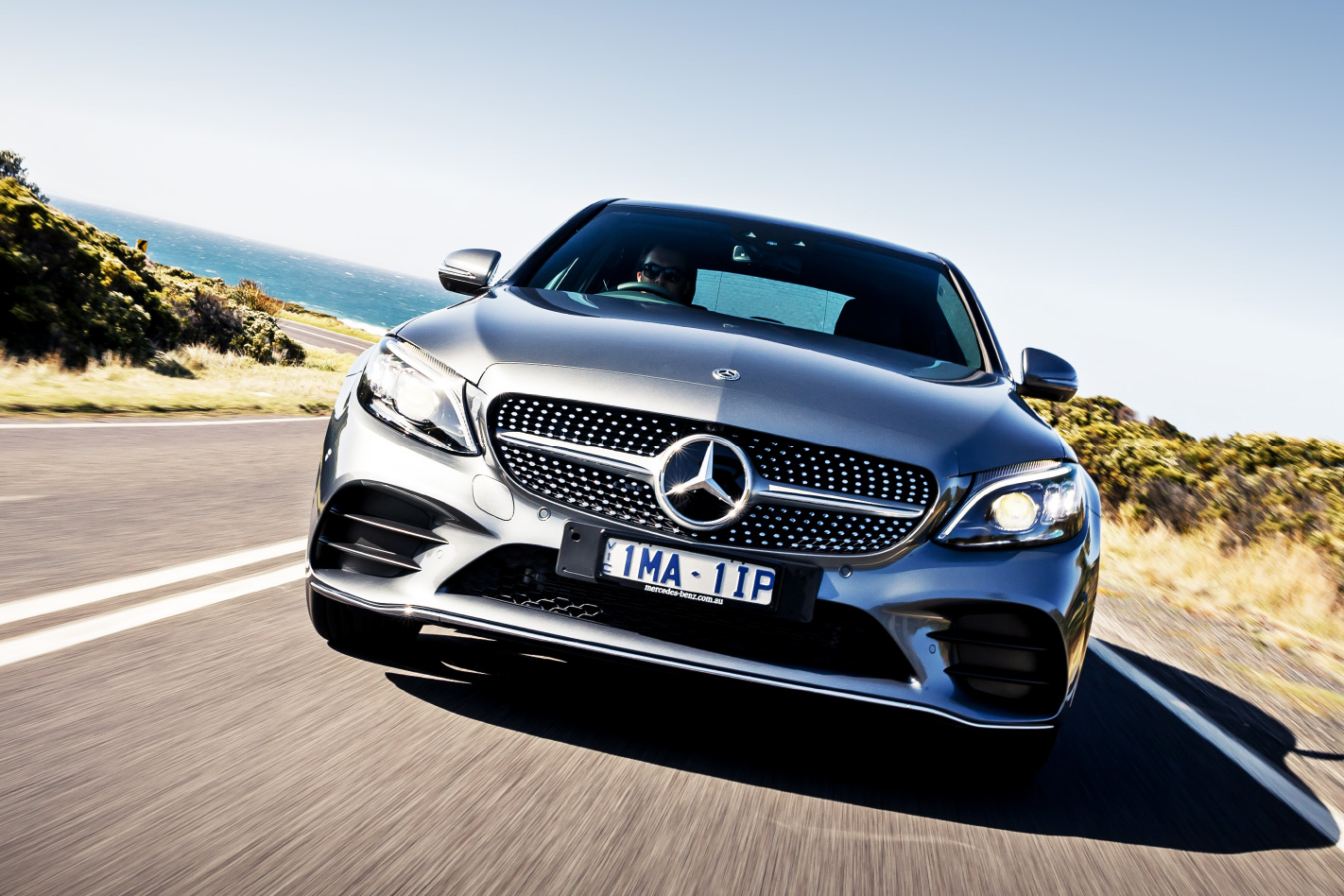
WHILE its engine is downsized to just 1.5 litres, the all-new petrol-burning turbo four of the Mercedes-Benz C200 is augmented by a 48-volt motor-generator. Benz markets the technology as EQ Boost, referencing the coming-soon pure electric EQ sub-brand and its wide-ranging electrification strategy.
In the C-Class, EQ Boost adds up to 10kW and 160Nm directly to the engine’s crankshaft, via a wide and grippy serpentine belt. The new C200’s maximum power remains unchanged compared to the previous version with a turbo 2.0-litre engine, while fuel consumption and CO2 emissions are reduced.
The motor-generator doing the work occupies the same space and place as any ordinary alternator. But the 48-volt machine can do so much more…
It provides big-time torque low in the rev range, covering the downsized engine’s lack of it and improving throttle response. Its ample power makes it a very strong starter motor, too, so the fuel-saving auto stop and start system works seamlessly. When operating in generator mode, it’s smart enough to charge the battery mostly when the car is coasting or braking. So instead of burning fuel to turn the engine crankshaft to spin the alternator to recharge the battery, kinetic energy does most of the work.
Charge is stored in a 48-volt battery roughly the size of a small briefcase. Operating via a DC-DC converter, the 48-volt battery supplies a compact 12-volt battery that powers everything from the wipers to the infotainment system.
However, being permanently connected to the engine crank by a belt and with cramped space to increase in size and therefore power, the potential of this simplest kind of low-voltage hybrid is limited. Pure electric propulsion is out of the question.
Engineering a more electric and therefore more fuel-efficient hybrid means giving the motor-generator room to grow in size and power. And this means a move to the next level…
Low-voltage hybrid (advanced)
Battery: 48 volts | Storage: 1 to 2kWh | Power: 15 to 25kW
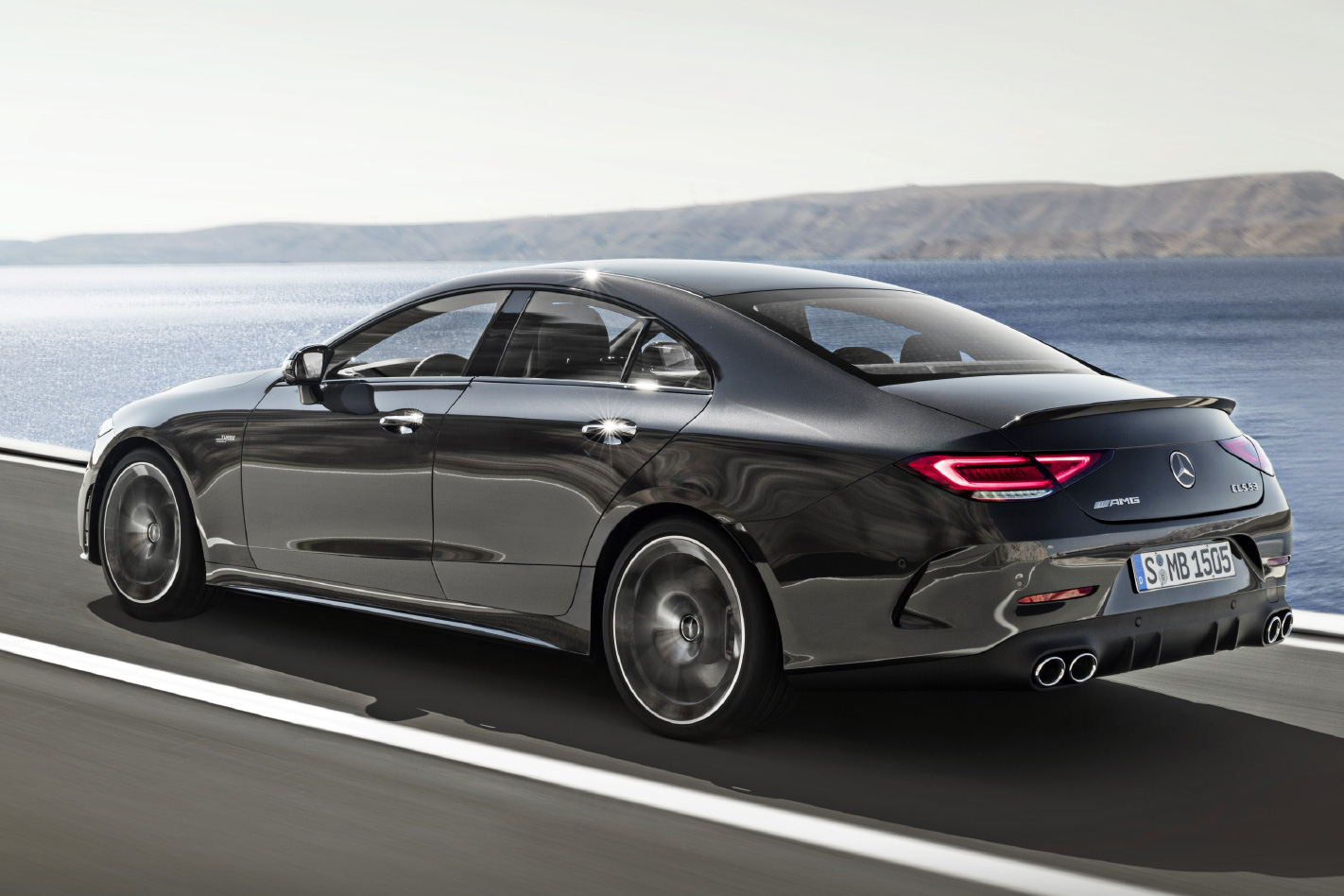
The 48-volt motor-generator of the Mercedes-AMG CLS53 isn’t strapped to the front of its all-new turbocharged 3.0-litre in-line six. Instead it’s sandwiched between the car’s engine and its nine-speed automatic transmission.
Called ISG (for Integrated Starter-Generator) to distinguish it from the simpler BSG (for Belt Starter-Generator) technology, this system also wears Mercedes’ EQ Boost label.
The output of an electric motor is directly proportional to the size of its rotor. Installing the 48-volt machine adjacent to the engine’s flywheel enables a big increase in rotor diameter, from saucer-size to pizza tray.
Installing an electric motor here, even a slim one, increases the length of the engine and transmission assembly. But the move means the familiar engine drive belt attached to the other end of the crankshaft can be deleted. This, in turn, requires switching traditionally belt-driven power consumers like air-con compressors and coolant pumps to electric drive.
The CLS53’s enlarged motor-generator adds a 15kW and 250Nm kick to the big four-door coupe’s outputs, a much bigger boost than C200’s belt-drive 48-volt unit can deliver.
The increased generation ability of the CLS53’s 48-volt system also enables the addition of power-hungry technologies like the electric compressor that forces extra air into the engine at low revs. In fact, some manufacturers choose to go to 48 volts only for this reason. Audi’s non-hybrid SQ7, for example, has a 48-volt system to power the electric compressor that adds bottom-end boost to its turbo 4.0-litre V8 diesel, as well as the vehicle’s active anti-roll system.
Despite the higher power of the CLS53’s 48-volt motor-generator, it doesn’t produce enough to make the Mercedes-AMG a part-time pure electric vehicle.
This next step requires yet more voltage. And a clutch…
High-voltage hybrid
Battery: 200+ volts | Storage: 2kWh | Power: 25 to 50kW
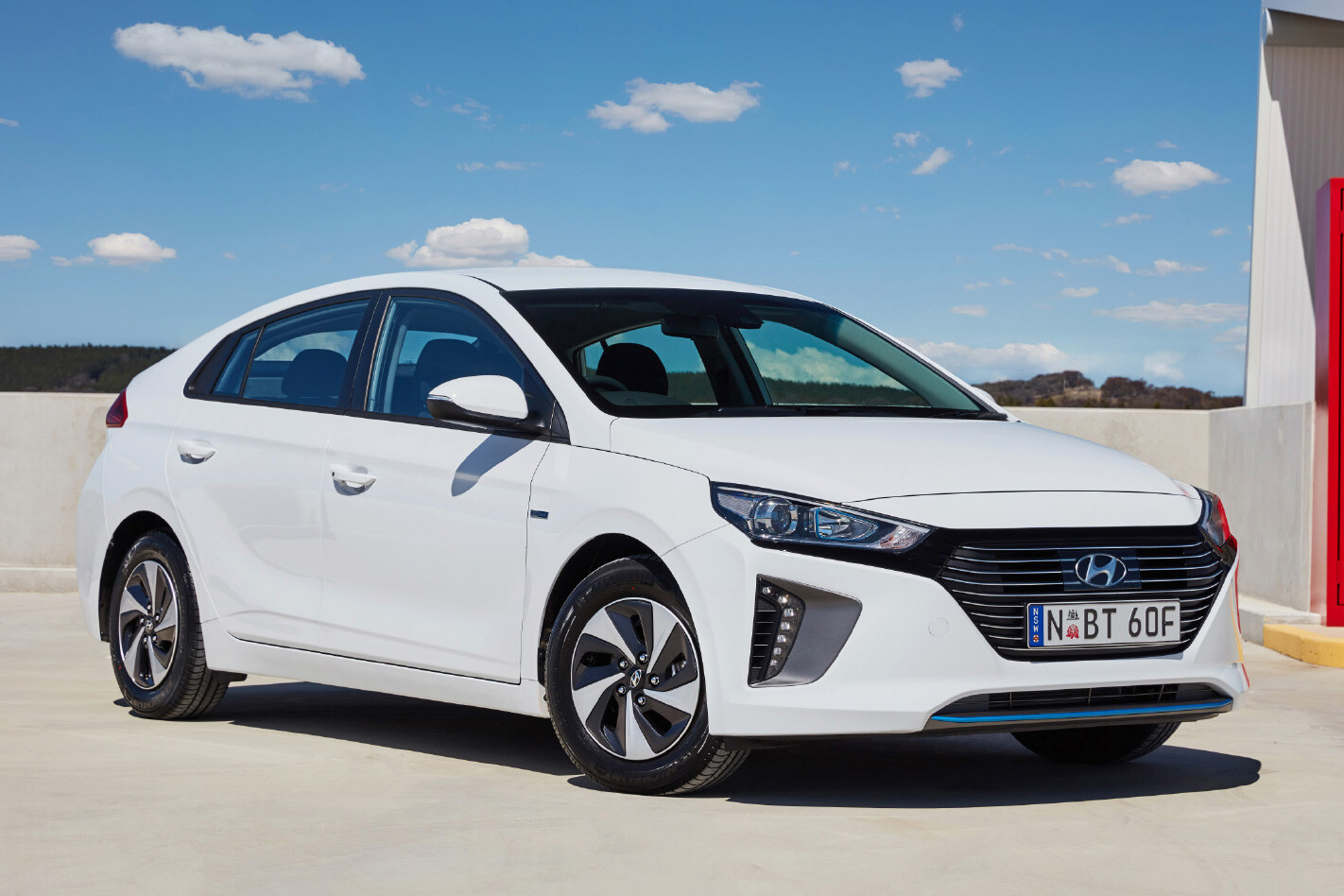
Say ‘Hi!’ to high voltage. Hyundai’s Ioniq Hybrid packs a 260-volt battery under its rear seat, connected via the orange-sheathed wiring that’s mandatory beyond the 60-volt threshold to a 32kW and 170Nm motor-generator.
As in the CLS53, the Ioniq Hybrid’s electric machine is a disc sandwiched between engine and transmission, in this case a non-turbo 1.6-litre four and a six-speed double-clutch auto.
What makes the Hyundai different from the Mercedes-AMG is an additional clutch between engine flywheel and electric motor. This clutch can unhitch the electric motor from the petrol motor, thus enabling electric-only driving.
This is a simpler system than the well-known Hybrid Synergy Drive introduced to the world in the first Prius back in 1997, and used by Toyota and Lexus in various models ever since. Toyota’s tech requires two motor-generators, not one, and has a unique transmission that defies easy explanation.
With the Ioniq, Hyundai is following in the footsteps of that other Japanese hybrid pioneer, Honda. The first Insight, launched in Japan in 1999, featured what the company branded IMA (for Integrated Motor Assist). Its single motor-generator design has been used by Honda ever since, in models like the Civic… and imitated by many other car makers wanting to join the hybrid highway.
The Hyundai’s motor-generator is strong enough to propel the Ioniq alone, but only briefly. Its lithium-ion polymer battery holds less than 2kWh, enough to store the bursts of electricity delivered by regenerative braking for later use, but not enough to actually drive very far.
Storing enough energy for sustained electric driving means another jump in battery voltage, capacity and size, plus the addition of charging hardware so the car can suck energy from the electricity grid.
Plug-in hybrid
Battery: 200 to 300 volts | Storage: 5 to 10kWh | Power: 50+ kW
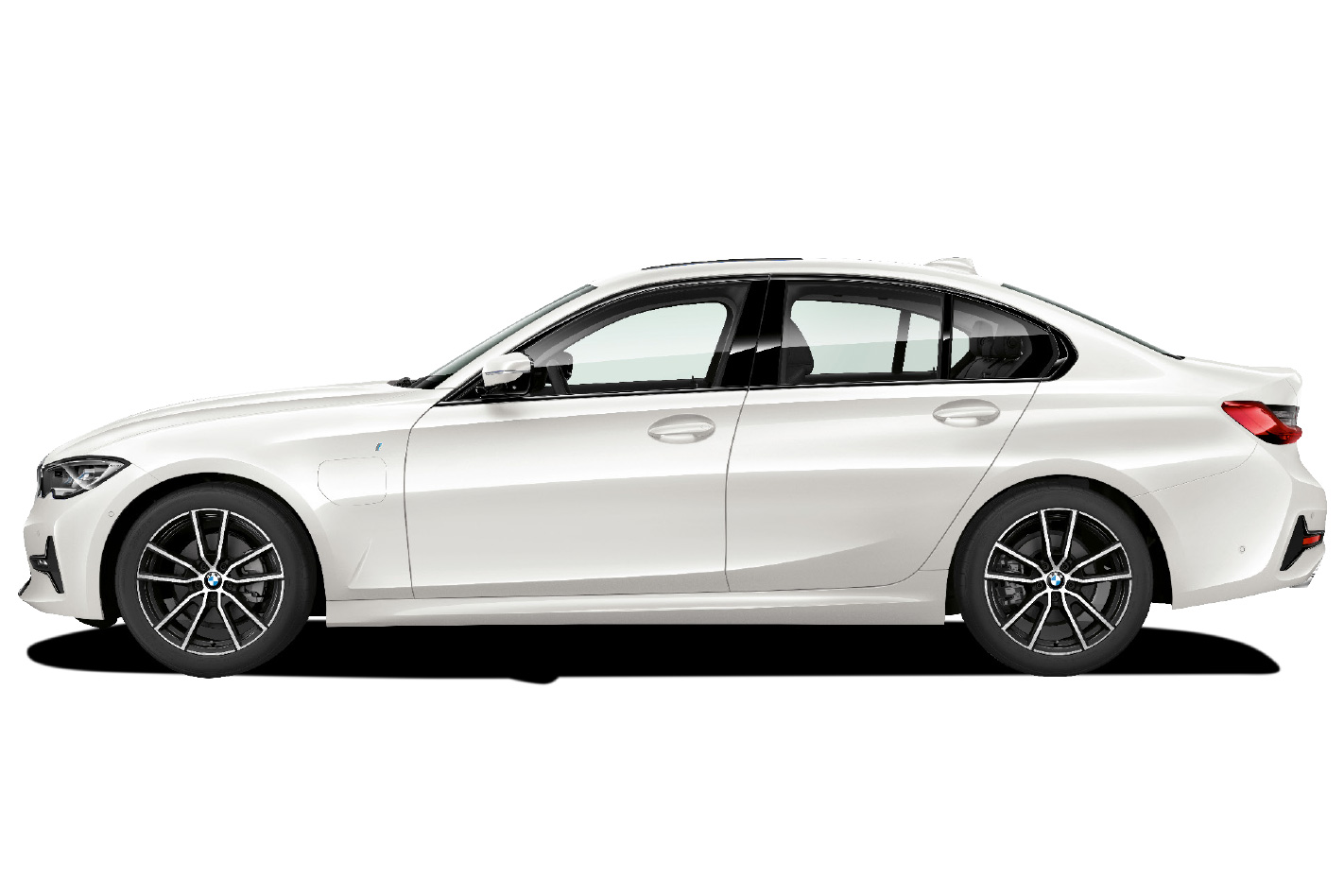
One of Europe’s most committed, and successful, auto-electrifiers is BMW. The Bavarian brand is a master of plug-in hybrid tech in mainstream models. There’s a new-generation 330e iPerformance plug-in hybrid in the pipeline, but the new electrified 3 Series will use an improved version of the previous model’s drivetrain.
BMW’s favoured drivetrain layout is broadly similar to the Hyundai Ioniq Hybrid and the Mercedes-AMG CLS53, with an electric motor-generator sandwiched between engine and eight-speed automatic transmission.
In this case, the electric machine adds 65kW and 250Nm to the output of the 330e’s turbo 2.0-litre petrol-burning four.
What makes the outgoing 330e iPerformance the kind of hybrid that needs a plug is its bigger battery. The high-voltage 293-volt lithium-ion pack stores almost 6kWh. Hidden beneath the boot floor, it’s capable of propelling the car for around 40km. BMW promises the new 330e will have an even longer electric-only range, which points to a battery with even higher voltage and more kWh.
In its electric i3, BMW has doubled the vehicle’s battery capacity since production began in 2013. Similar progress is being made with plug-in hybrid batteries.
Axle-split plug-in hybrid
Battery: 200 to 400 volts | Storage: 5 to 10kWh | Power: 50+ kW
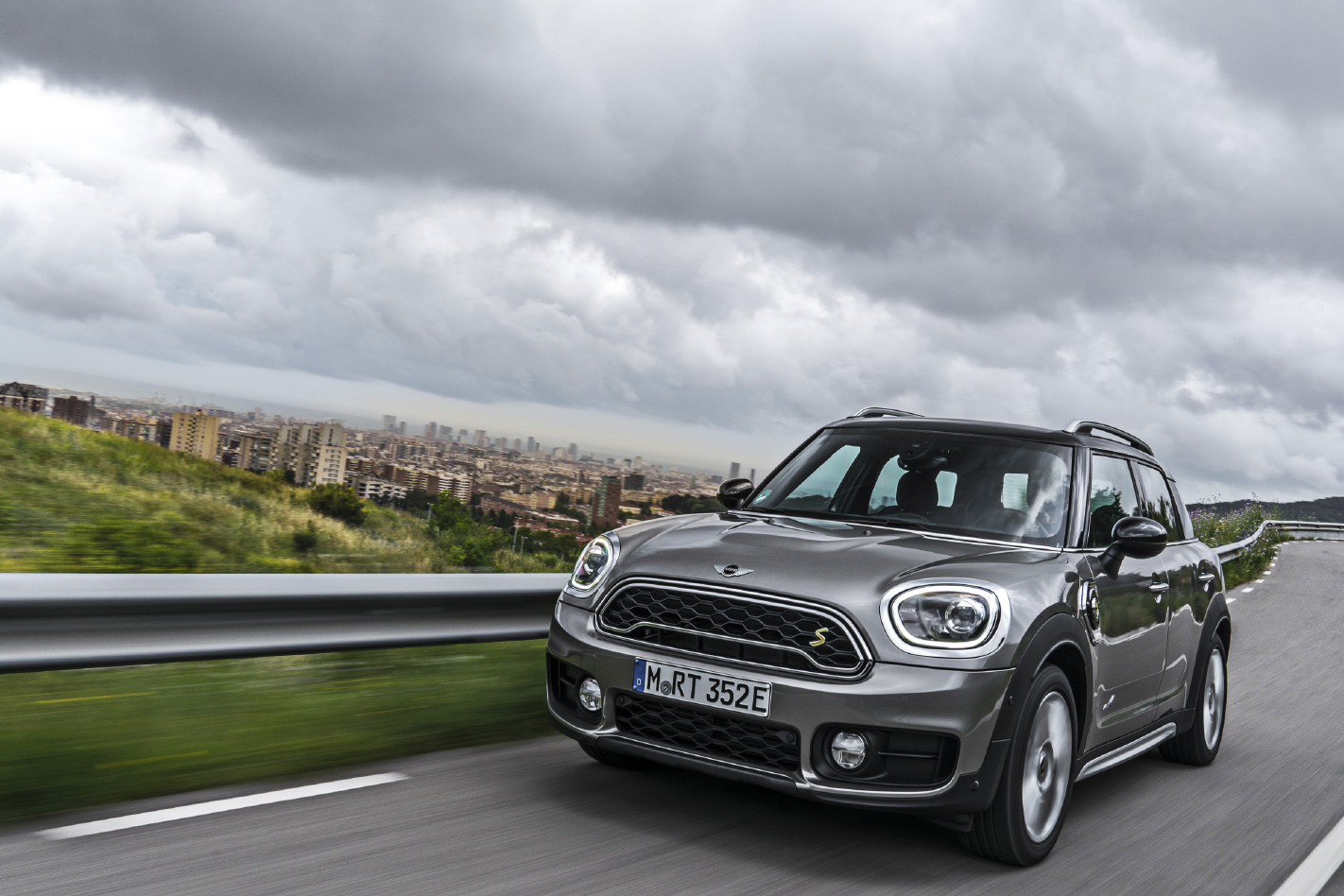
Here’s the point where internal-combustion engine and electric motor stop holding hands. In other hybrid types, engine and motor share the same power-delivery route. But in the case of an axle-split plug-in hybrid like the Mini, they go their separate ways….
This first-ever plug-in vehicle from the BMW-owned Brit brand has a turbo 1.5-litre triple driving its front wheels via a six-speed automatic, and an electric motor-generator driving its rear wheels via a fixed, single-ratio gear.
For both motor-generator power and battery-pack capacity – 65kW and around 6kWh – the Mini mimics the 330e, ensuring that its electric-only driving range is in the same 40km ballpark.
There are advantages to doing it this way. Disconnecting the engine and motor provides more drivetrain-packaging flexibility, at the same time adding all-wheel drive.
It’s only one more small step from here to the pure electric vehicle. Delete the internal-combustion engine, then install the biggest, highest-voltage battery that people are prepared to pay for…
Pure EV
Battery: 300 to 800 volts | Storage: 20 to 100kWh | Power: 100 to 300kW
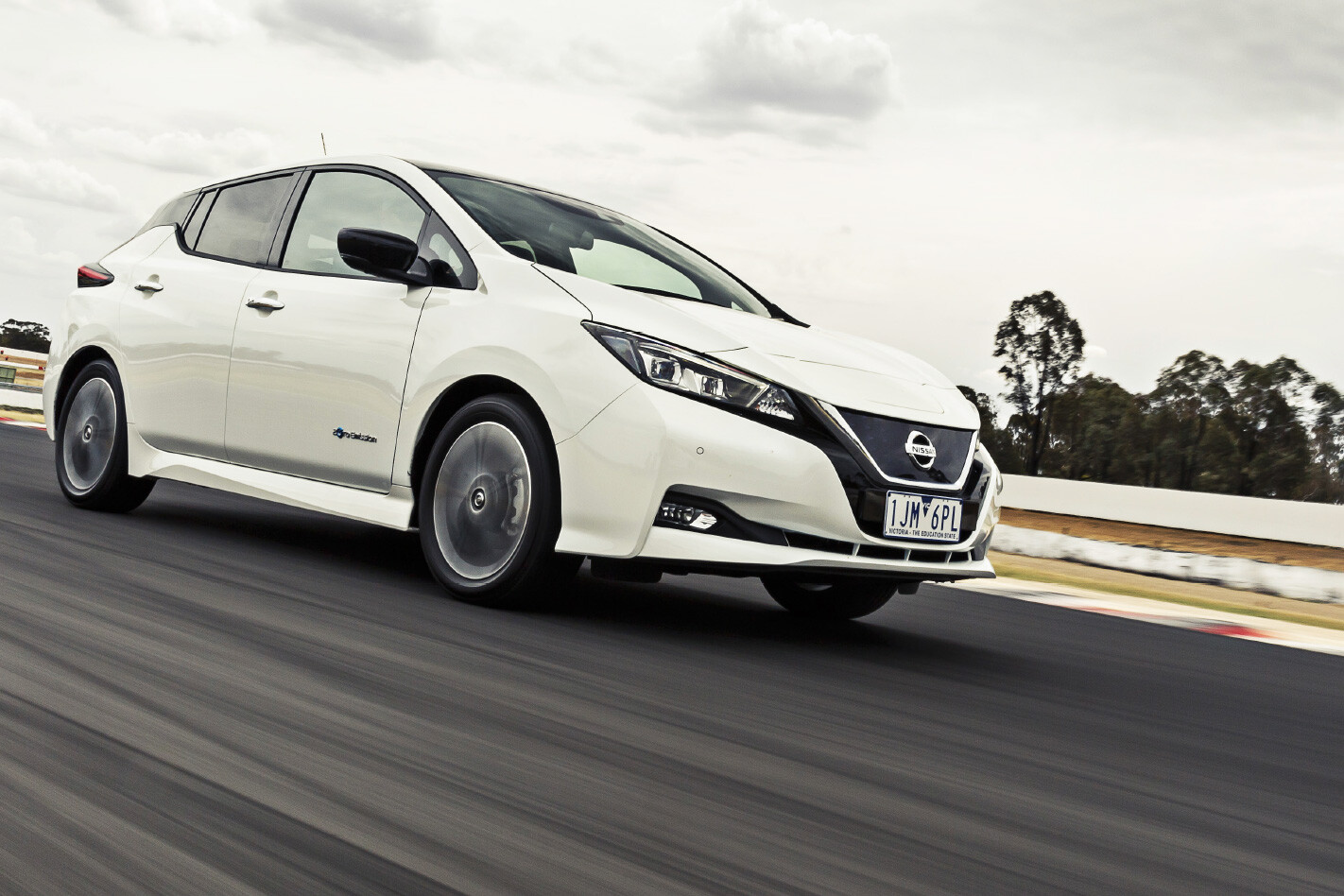
Compared to any kind of hybrid, a pure EV is technically simple. The new Leaf has a 350-volt 40kWh lithium-ion battery pack connected to a 110kW electric motor driving the front wheels via a fixed-ratio reduction gear.
Because the motor produces its 320Nm torque maximum at zero rpm, and spins to close to 10,000rpm, it simply doesn’t require a transmission with multiple ratios. As in hybrids, the electric machine also functions as a generator while coasting or braking, improving efficiency and therefore driving range.
