
A combination of inconsistent information and further financial woes are starting to tarnish Tesla’s credibility ahead of the Australian arrival of the all-important Tesla Model 3 small electric sedan.
In March, Tesla’s enigmatic CEO Elon Musk announced a price drop for the all-new Model 3, only to raise pricing back up a week later. At the same time, Tesla announced via Twitter that it would close a majority of its showrooms; another commitment Musk backtracked on almost immediately.
Un-kept promises from the smooth-talking or delusional, as some have suggested, Elon Musk, lead many to question the brand’s future.

Financial dramas, ranging from a US$2.7bn contingency fund sourced from investors this year which Musk himself stated would only last “approximately 10 months” (reported by UK’s The Times newspaper) to the uncertainty surrounding the Model 3’s arrival in right-hand drive markets like Australia are just the beginning.
This week, reports surfaced that Tesla’s head office had even run out of toilet paper allegedly due to budget cuts, adding a farcical element to the growing list of dramas.
According to a report by Electrek (American EV news website), a “hardcore cost-cutting” scheme has chopped office supply orders, including toilet paper, with staff in Tesla buildings forced to bring their own… or worse.
Musk has denied the claims.
Basic employee hygiene aside, the company’s share prices appear to mirror the gloomy prospects. From a peak of just under US$377 in December last year, that figure has plummetted to just shy of $190.
Tesla’s leadership in the electric car market is hard to refute. Others, like Mitsubishi (iMiev) and Nissan (Leaf) (below) beat Tesla to market with fully electric cars, but no other brand has garnered the global attention or the sales to match Tesla. Yet.
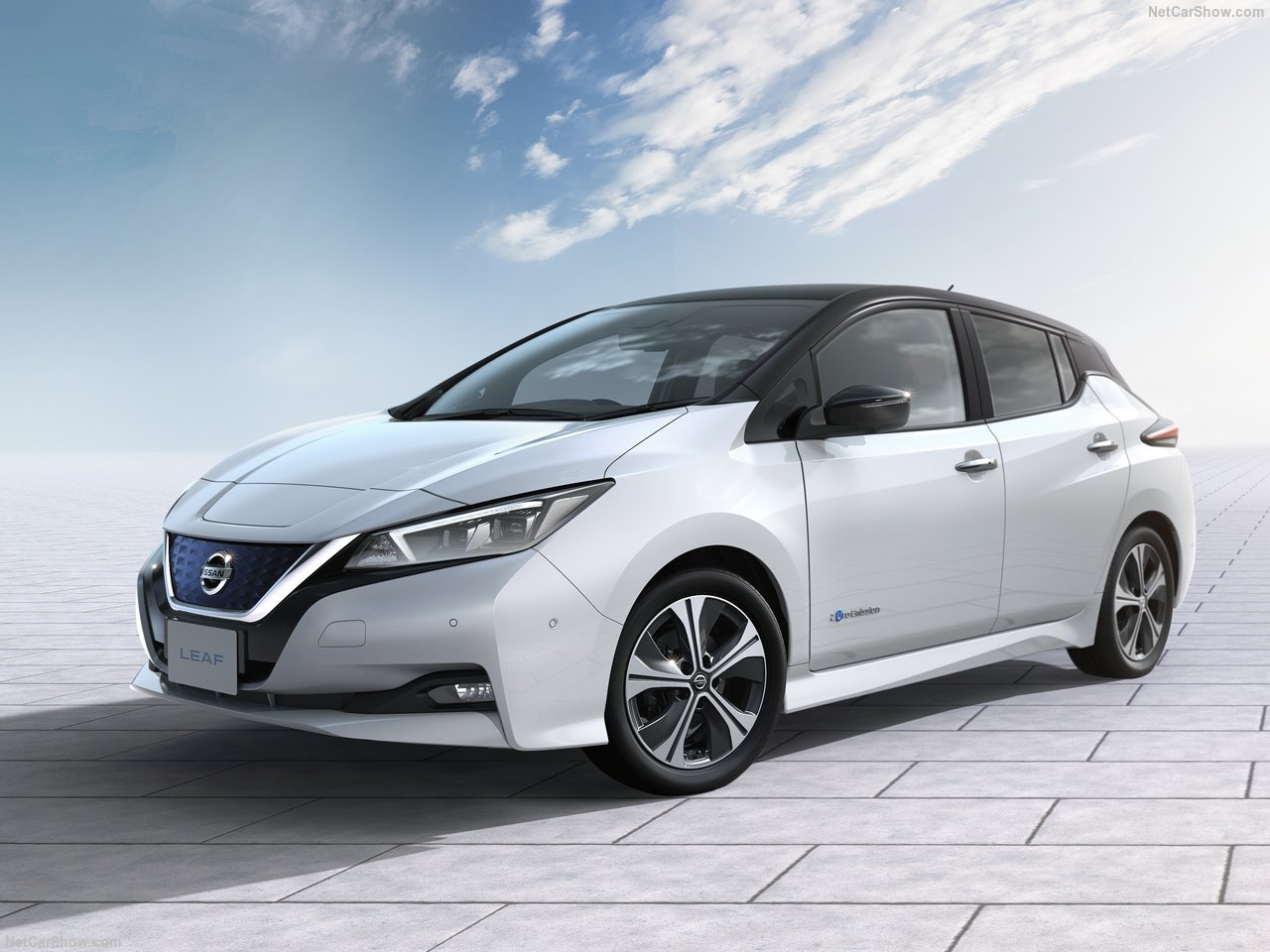
It’s fair to say Tesla caught traditional automotive brands napping at the wheel of the electric revolution.
But the giants are waking; BMW, Hyundai, Jaguar, Nissan, Mercedes-Benz, Audi and Renault all have electric cars on the market now – or due to hit showrooms in the next 12 months – which means Tesla’s biggest challenge to its survival is only just starting. The honeymoon is, in other words, over.
Musk remains defiantly optimistic about Tesla’s future in the face of these reports. Just last month, he claimed his company would be able to build a car without a steering wheel or pedals by 2021.
Musk’s confidence in his company and its products is unshaken. In the US, Tesla has three of the six best-selling plug-in vehicles to date, and it still offers customers a seven-day (or 1000 mile) full refund if dissatisfied with their new EV. The Model 3 has overtaken the Chevrolet Volt as America’s most popular plug-in, with more than 174,021 claimed sales since its 2017 launch.
As for when that Model 3 arrives in Australia, we still don’t know exactly. Musk himself has tweeted that right-hand-drive deliveries would commence in the middle of this year, while the Australian version of the website states that the car will arrive “in 2019”.
Official paperwork for Australian-delivered Model 3s has been processed, though, which means that the five-seat, four-door EV should pass Australian Design Rules (ADR) requirements by the early part of June.
A large question mark remains over the brand, as more affordable EVs start to hit the market here and overseas. If Tesla’s financial woes continue, will investors continue to back Musk’s dream?
As well, Australia is still a good half-decade or more away from wide-scale adoption of an electric car lifestyle, with well less than 1000 EVs sold in 2018 in a market of 1.1 million cars. Selling a relative handful of Model 3s into a market on the other side of the planet might just be a step too far for the EV company that may be flying too close to the sun.
WhichCar contacted Tesla for comment on multiple occasions but was unsuccessful.
UPDATE – only a couple of days after this story was originally published, Tesla has opened the order books for Australia.
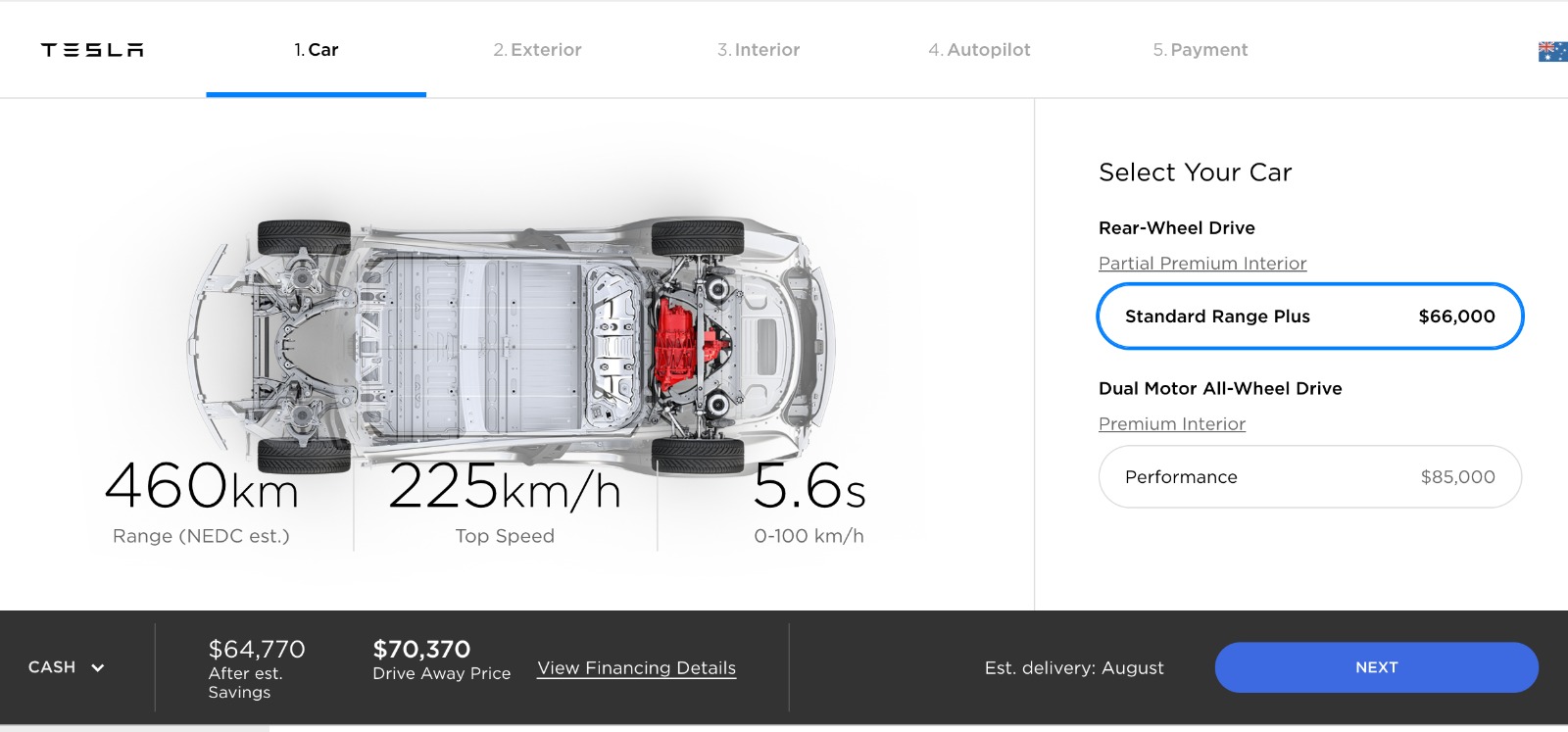
It will indeed bring in two models – the Standard Plus starts at $66,000 before on-road costs, offers 460km of range on the NEDC test cycle, while its top speed is 225km/h.
The dual-motor Model 3 Performance starts at $85,000 before on-roads, offers a claimed range 0f 560km and will leap from zero to 100km/h in 3.4 seconds.
The cheapest Model 3 is $66,000 before on-road costs plus an $875 delivery fee, with Tesla indicating delivery in August and an on-the-road cost of $70,340 in NSW.
The most expensive Model 3 – a fully optioned dual-motor Performance with a long-range battery – crests the $100,000 mark before on-road costs in the same state.
Tesla suggests that purchasers ‘save’ $5600 over five years in petrol costs, so despite the final bill exceeding $113,600 with on-road costs factored in, it’s presented on the site as being a little over $108,000.
According to Telsa’s Australian office, the Model 3 online configurator is now open to reservation holders as well as to the general public.
Deliveries will kick off in August and will be prioritised based on the buyer’s reservation date, delivery location and configuration options.
A $3000 deposit is required to order a car, up from the $1500 figure before the configurator opened.
Interestingly, those who have been in the queue since 2016 appear to have gained very little in the way of faster access, with new orders also slated for August delivery.
The exchange rate between the Australian and US dollar has changed over the period, as well, with the average in 2016 equating to one Australian dollar equalling US$0.72.
Today’s rate is closer to $0.66, which will potentially add between $3000 and $5000 to a price of a Model 3 in real terms.
As well, the promise of a basic, entry-level car is yet to materialise for Australian buyers, with the Standard Model 3 – which launched earlier this year – reverting to a special-order-only variant in the US.
A black interior and 18-inch rims come standard on both cars, with a $6200 Performance Pack adding 20-inch rims with Michelin Pilot Sport 4 tyres, bigger brakes with four-piston monoblock calipers, lowered suspension, a carbon fibre rear spoiler and an additional Sport mode.
Owners can select one of five colours, including the standard black, silver, blue, white and red. Silver and blue are an extra $1400 charge, white is $2100 and red costs $2800.
Tesla’s much-discussed Autopilot will be standard across the range. A so-called Full Self-Driving Capability mode adds another $7100.
It acts merely as an expensive self-parking feature and automatic lane-changer at present, but Telstra says that more capabilities – including a Summon mode – will be added in the future.
—
Tesla may have taken its sweet time, but at long last, there may be hope for the hundreds of people who laid down deposits on the company’s entry-level Model 3 hatchback in 2016 that they may see their cars in 2019.
Documents on the Commonwealth Department of Transport and Regional Services website’s Road Vehicle Certification System page reveal data lodged by Tesla ahead of the car’s Australian debut, in order to ensure the Tesla Model 3 complies with Australian Design Rule (ADR) standards.
It lists June 1 as the date where the car will be inspected before receiving its identification plate approval, allowing it to be registered in Australia.
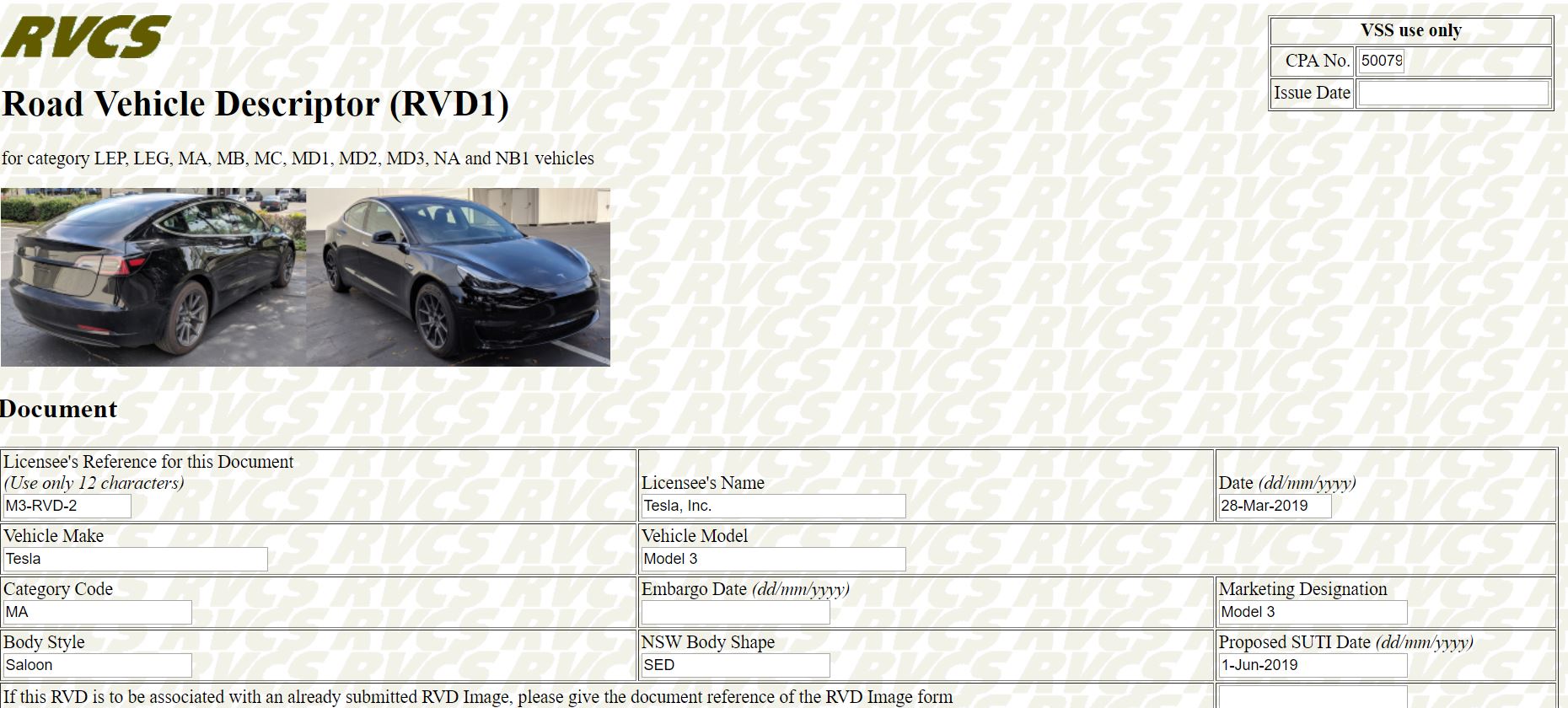
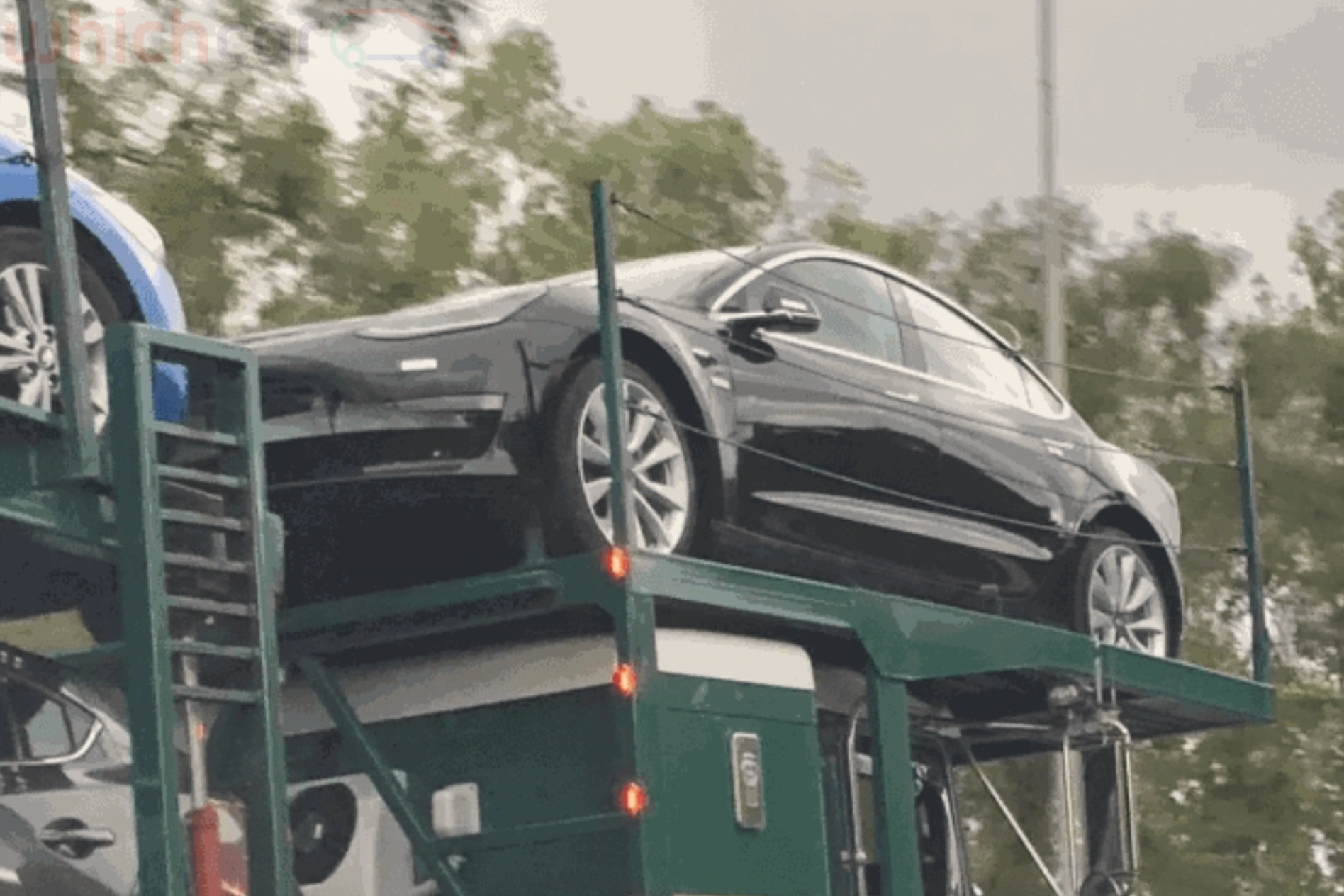
A black Model 3 used in the official documents has also been spotted atop a car transporter, though it’s impossible to confirm whether it is right-hand-drive from the images.
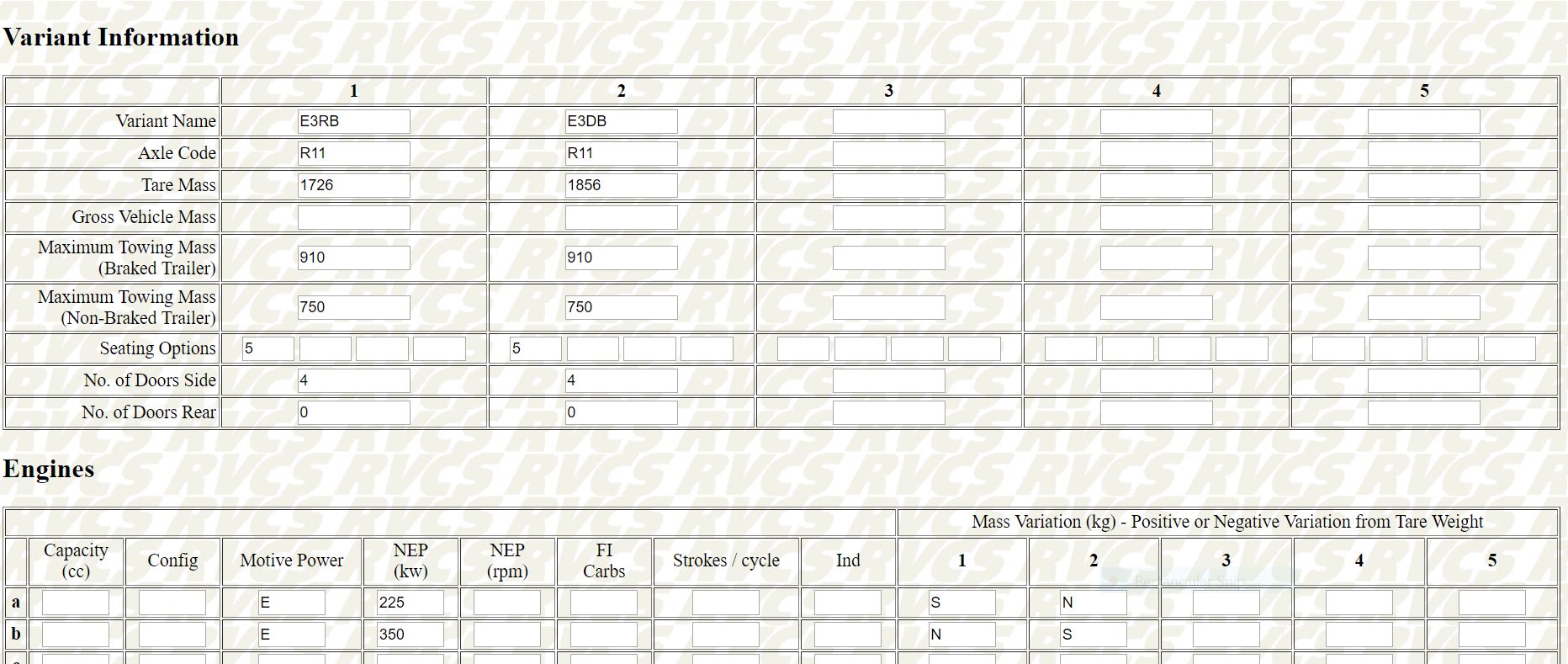
The details lodged via the RVCS show two four-door, five-seat Model 3 variants listed. The first, code-named E3RB, will have 225kW and weigh 1726kg, while the second, known as E3DB, will have 350kW and tip the scales at 1856kg.
The single-motor variant will most likely be the newly introduced Standard, while the dual-motor car will be the Premium.
No prices have been announced, but Motor magazine estimated that the Premium single-motor car could cost around $75,000 before on-road costs, with the double-motor version clearing $100,000.
The ‘R’ in the lower-powered variant alludes to the Model 3’s rear axle-mounted motor, while ‘D’ refers to a double motor set-up.
The single motor car will come with 18-inch wheels with 235/45R18 tyres and the dual motor machine with 19s and 235/40R19-sized tyres.
Interestingly, both cars feature the same brake package, with 320mm rotors up front and larger 335mm rotors in the rear.
Both cars will, according to the paperwork, have items like air conditioning, power mirrors and windows, anti-lock brakes and central locking as standard, with specs like fog lights and towbars listed as optional.
Speaking of towing, the documents also reveal that the Model 3 will be able to tow 910kg of braked or 750kg of unbraked trailer.
Both variants of Model 3 will share the same dimensions; 4694mm long, 1850mm wide and 1443mm high, with a wheelbase of 2875mm and ground clearance of 144mm.
RVCS, or the Road Vehicle Certification System, is the vehicle certification system used in Australia and is operated by the Vehicle Safety Standards Branch (VSS), part of the Commonwealth Department of Transport and Regional Services.
Sign up here to get the free weekly WhichCar eNewsletter
The discovery comes despite a lack of communication from Tesla around exact delivery dates for Australian-spec Model 3s. Several weeks ago, configuration pages opened on Tesla’s UK site, but as of late May, $1500 deposits were still required via the Australian page.
A Tesla spokesperson confirmed to WhichCar that deposit-paying customers will receive invitations before the website configurator is enabled for general purchasing.
Tesla, via its eccentric chairman Elon Musk, is aiming to build 1000 Model 3s a week – up from the current claim of 700 cars a week – despite the company issuing an edict to drastically reduce expenditure right across the business.
The company recently backtracked on a decision to close a majority of its dealerships – itself a plan that wasn’t shared with the dealerships themselves before publication – and has savagely cut the price on several of its models, including more than $80,000 from top-spec Model X SUVs.
Have you got a Tesla Model 3 on order? we’d love to hear from you in the comments below!
June is just around the corner as MOTOR’s issue for that month goes on sale, with a bright white Camaro on the cover and maybe just a splash of orange.
The new 2SS graces the same issue as our annual MOTOR Tyre Test, plus we look at a few supercars and find what could be the most-used Ferrari F40 ever.
You can find our gorgeous mags at retailers around Australia. Or you can subscribe and save yourself some cash, there’s even a digital subscription.
Subscribers often receive their mags earlier, so you’ll get to see what MOTOR has to offer before anyone else.
Follow us on Facebook, Twitter, and Instagram to interact with us, give us feedback, and get a peek behind the scenes.
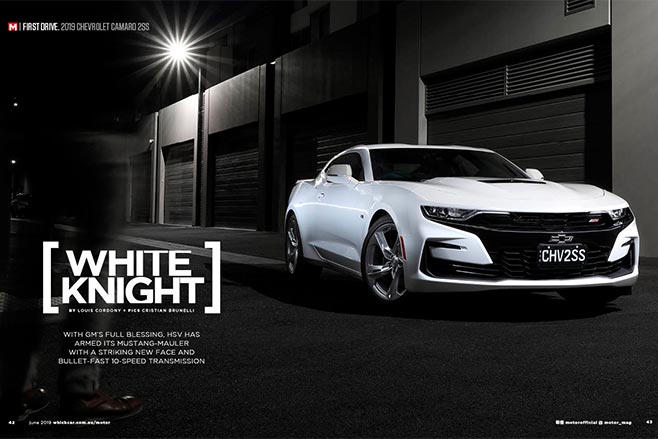
WHITE KNIGHT – 2019 Chevrolet Camaro 2SS review
With GM’s blessing, HSV has armed its mustang-mauler with a striking new face and bullet-fast 10-speed transmission. We drive it.
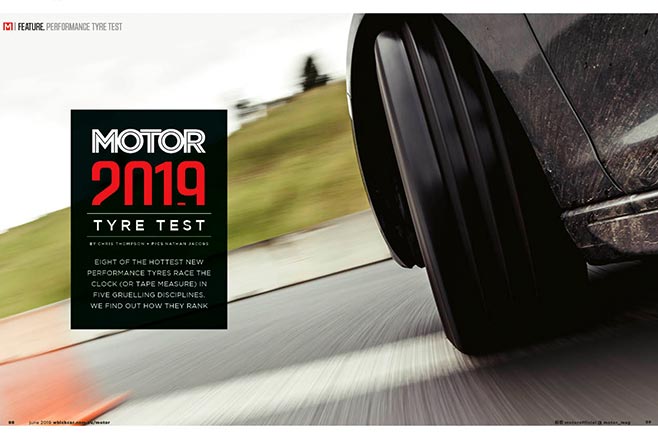
MOTOR’s 2019 TYRE TEST
Eight of the hottest new performance tyres race the clock (or measuring tape) in five gruelling disciplines. We find out which comes out on top.
TIME MACHINE – 12 hours in a Mercedes-AMG GT-R
You’ve got a day in the most focused AMG road car ever built. What would you do?
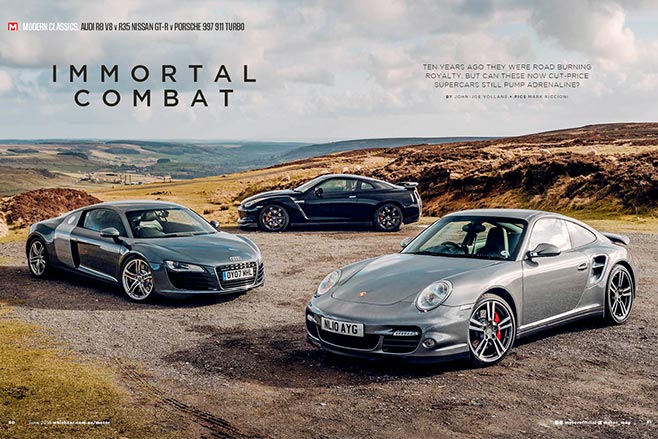
IMMORTAL COMBAT – 2006 Audi R8 V8 v 2007 Nissan R35 GT-R v 2009 Porsche 997 911 Turbo
Ten years ago they were road-burning royalty, but can these now cut-price supercars still pump adrenaline?
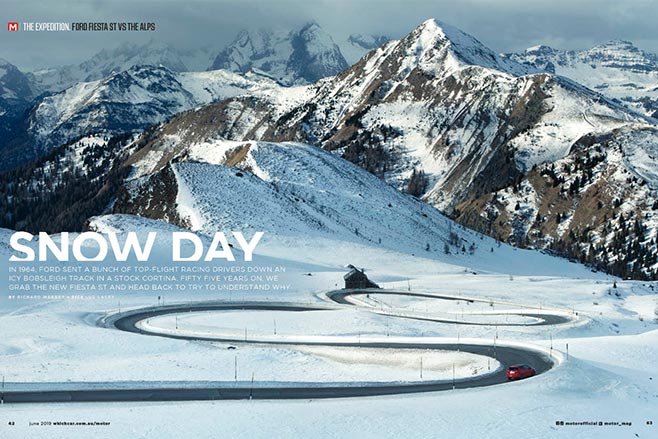
SNOW DAY – 2019 Ford Fiesta ST in the Alps
In 1964, Ford sent a bunch of top-flight racing drivers down an icy bobsled track in a stock Cortina. Fifty five years later, we grab the new Fiesta ST and head back to try to figure out why.
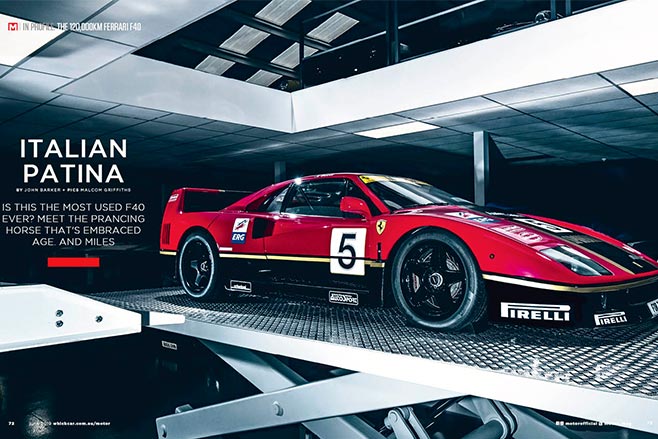
ITALIAN PATINA – The 120,000km Ferrari F40
Is this the most used F40 ever? Meet the prancing horse that’s embraced age. And miles.
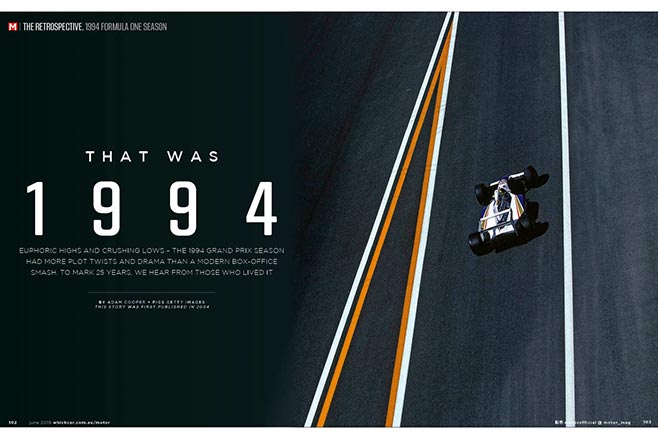
THAT WAS 1994 – The most dramatic F1 season ever
Euphoric highs and crushing lows, the 1994 Grand Prix season had more plot twists and drama than a modern box-office smash. To mark 25 years, we hear from those who lived it.
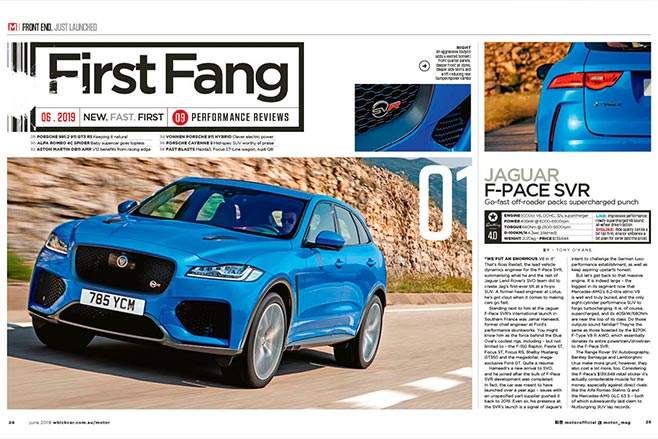
AND THE REGULARS – Drives, news, features and columns
A Jaguar F-Pace SVR, a 911 GT3 RS, an Alfa 4C Spider and an Aston Martin DB11 AMR proved plenty of variety for our reviews this month.
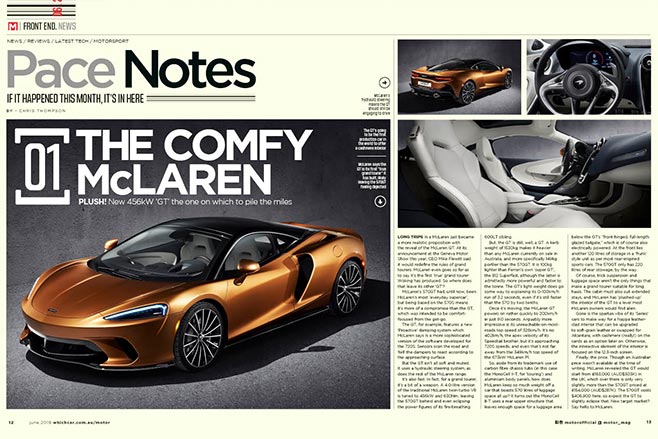
Plus a buyer’s guide to the Mazda RX-8, inside McLaren’s new GT, and all the opinions from our regulars!
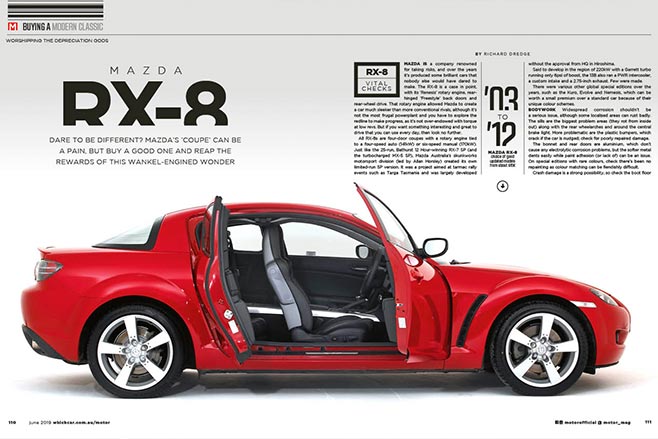
Bentley has released images and a video of its next model, the 2020 Bentley Flying Spur ahead of the official launch to be held in England on June 11th.
As part of its 100th anniversary celebrations in 2019, Bentley says that its third generation Flying Spur grand touring sedan will “set new standards of both driving enjoyment and luxury.”
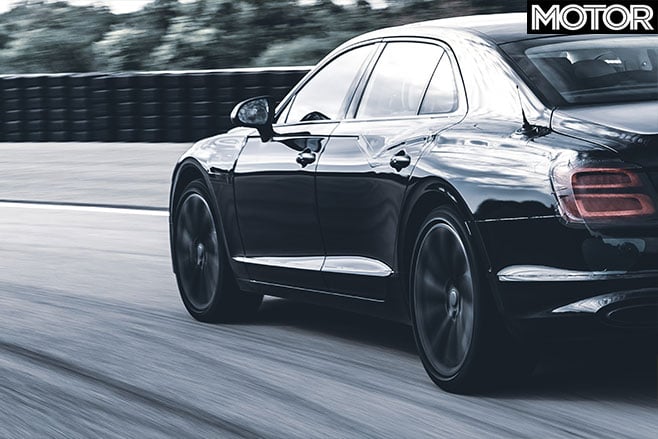
The Flying Spur sedan will be the very first Bentley model to include all-wheel steering which will aid both performance and convenience steering the rear wheels in the same direction as the front wheels when required.
The car will be all-wheel drive, but will only send power to the front wheels if any slip is detected. At all other times, the Flying Spur is rear-wheel drive, providing the handling that intended to rival the Rolls Royce Ghost and the Mercedes Benz S65 AMG.
The car will also have Bentley’s Dynamic Ride system, which is also seen in the Bentayga. The system minimises body roll in cornering but also improves ride comfort over rough surfaces.
No power-plants have been confirmed as of yet but is expected to remain similar to previous generations – a 4.0-litre twin-turbo V8 and 6.0-litre twin-turbo W12.
The Bentley Flying Spur has been in Bentley’s model line-up since 2005, when it was known as the Continental Flying Spur as a four-door version to the Continental GT with a 6.0-litre twin-turbo W12 under the bonnet.
The second generation of the car, launched in 2014, dropped the Continental name and added a V8 to its engine line-up. In 2016, more powerful versions of the twin-turbo V8 and W12 were added, producing 373kW and 660Nm, and 460kW and 800Nm respectively.
No pricing figures have been revealed yet, but with the current generation placed at $423,160 for the W12, it will be a rare sight to behold on the roads of Australia.
With the sad death of the TT looming as Audi looks at electrification in the future, the German manufacturer told a group of its designer trainees to go nuts. The result was the incredible Audi TT Safari.
The Safari was built as a one-off for the Wörthersee GTI car meet in Austria, a huge car meet that celebrates the weird and wonderful creations of all the car manufacturers under the Volkswagen group.
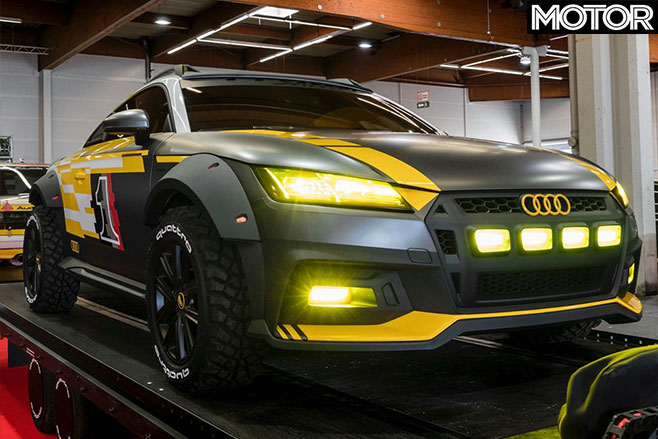
This unique TT has been styled to look like no other car and, in Audi rally tradition, has the off-road ability to match.
The Safari was lifted dramatically and fitted with big off-road tyres that feature Quattro branding on the sidewalls. To fit these new wheels, the Safari has massive flared wheel arches, plus two spare tyres on the ‘boot’ of the car (Dakar trophy truck-style), just in case any of the others gets a puncture while cruising over whatever terrain is thrown at it.
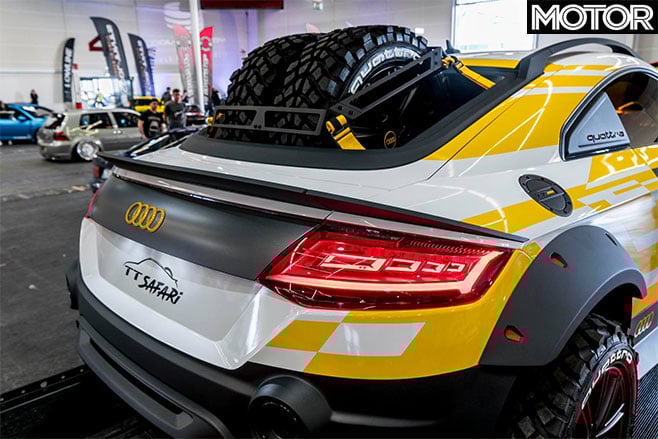
There is a very distinct yellow theme with the TT Safari, with the brand new grille, the headlights and additional rally driving lights, and of course the very cool grey, white and yellow livery.
The yellowness isn’t limited to the exterior with the steering wheel and the seats all featuring yellow leather and stitching, as well as the windscreen, which has been tinted in yellow.
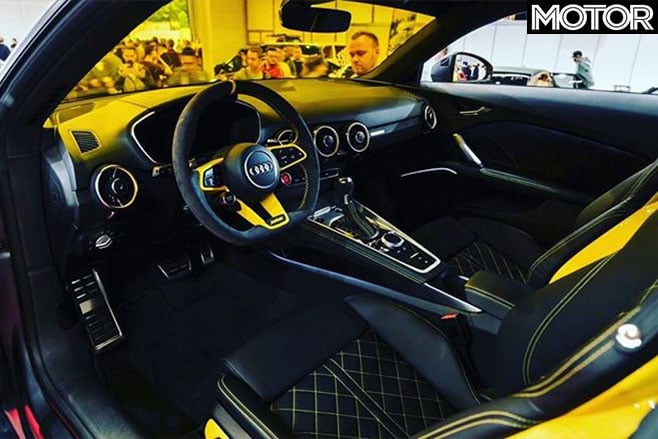
Photo: @porschewienliesing / Instagram
It would have been wonderful to have had a car in the TT range similar to this one along with the S and RS models, however it is nice to see Audi giving it one final chance to celebrate one of its unique creations over the last 20 years.
In addition to the TT Safari, Volkswagen also flexed its muscles to show what it is able to do when let loose, revealing both the 281kW three-door Golf GTI Aurora and the 398kW Golf Estate R FighteR.
This milestone from Maranello also expands the company’s line-up in an unexpected direction. Senior Ferrari executives call it a “range supercar”.
Powered by a twin turbo 4.0-litre V8 and three electric motors, the SF90 Stradale can lap the company’s Fiorano test track almost a second quicker than the LaFerrari supercar. While able to whip the previous road car lap record holder, the SF90 Stradale won’t be bound to a strict LaFerrari-like production limit. Only 500 of the coupe version of that car, introduced in 2013, were made.
Instead the SF90 Stradale will become the new pinnacle of the regular Ferrari line-up. Production will reflect demand and, according to Ferrari marketing chief Enrico Galliera, there are already thousands of customers.
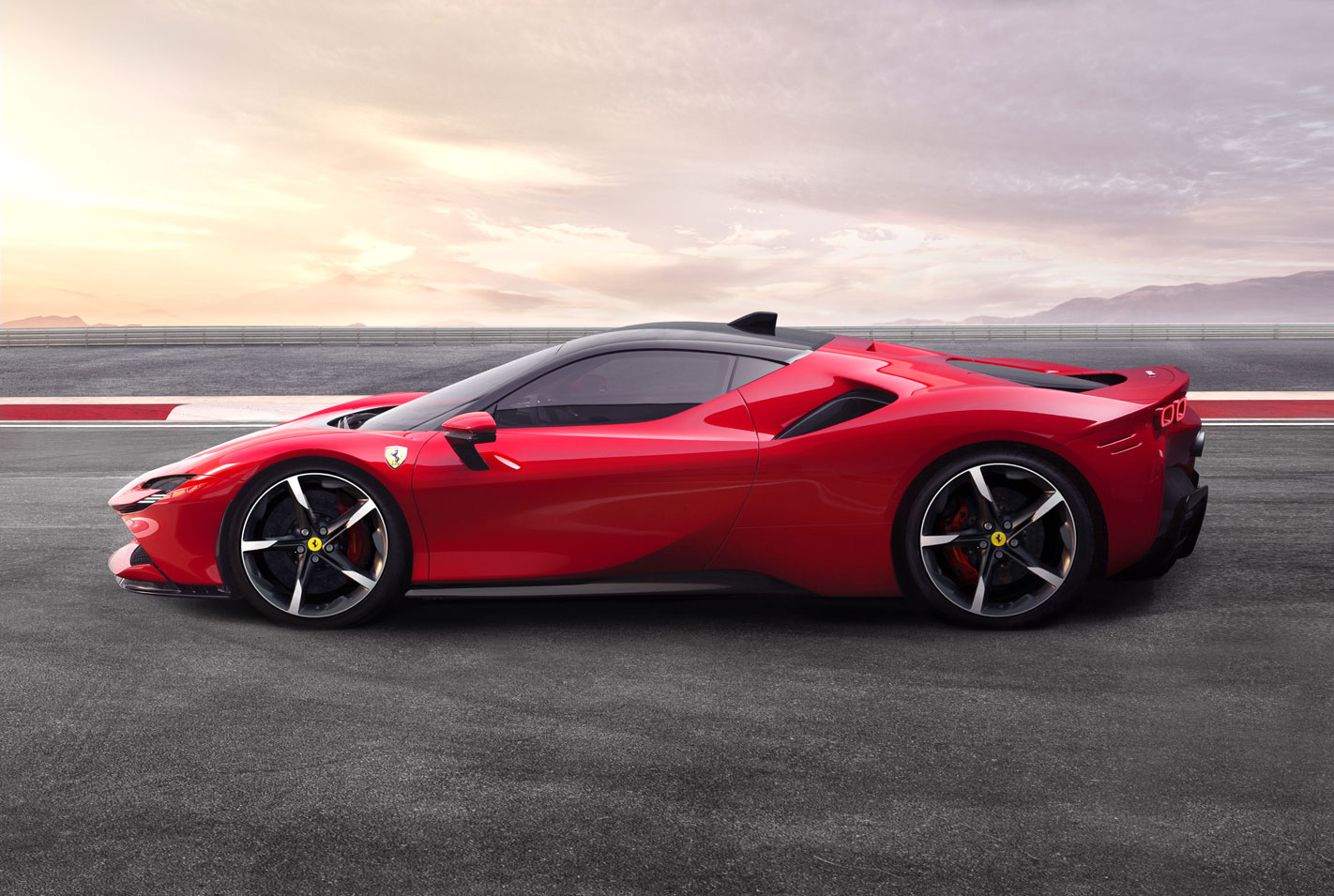
The media unveiling of the SF90 Stradale – the name memorialises the 90th anniversary of the founding of the Scuderia Ferrari race team by Enzo Ferrari – was immediately followed by a spectacular presentation to around 2000 invited guests from around the world, 25 of them Australian. “Most of them are already owners,” was Galliera’s roundabout reply when asked how many SF90 Stradales Ferrari expects to sell.
And these customers don’t yet know how much they’ll be paying for the car. What is certain is that it will wear a $1 million-plus pricetag in Australia. Production will begin late this year, with deliveries following in the first half of 2020.
The SF90 Stradale will be, at least for a time, the fiercest Ferrari to wear number plates. The hybrid drivetrain’s max power number is 736kW, or a neat and tidy 1000 metric horsepower.
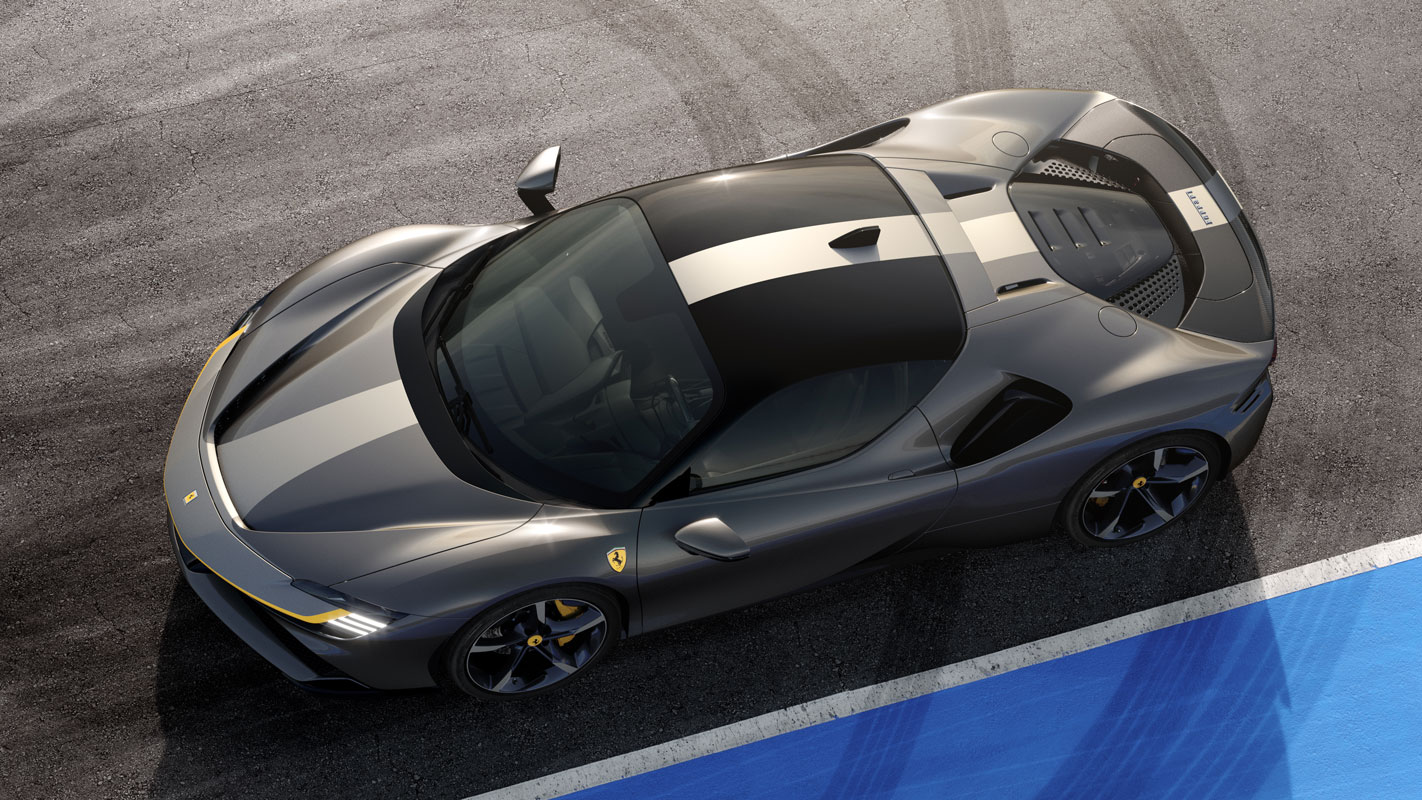
The engine is a development of the 3.9-litre version of the F154 family. An increase in cylinder bore to 88mm accounts for the capacity increase. The cylinder heads and both intake and exhaust systems were completely redesigned.
Maximum power from the new 4.0-litre engine is 574kW at 7500rpm. All this is delivered to the rear wheels via an all-new eight-speed double-clutch gearbox. Current Ferraris have seven-speed transmissions.
One of the SF90 Stradale’s electric motors is sandwiched between the engine and gearbox. The other two are connected to each of the front wheels. In total they can contribute an extra 162kW, the maximum power the car’s centrally-mounted battery pack can deliver, to the total hybrid system output.
This layout makes the SF90 Stradale, technically speaking, an axle-split plug-in hybrid. What this means, in practical terms, is that the Ferrari has all-wheel-drive – another first for one of the brand’s mid-engine sports cars – and is also able to function as a pure electric vehicle.
The Ferrari’s performance – 0-100km/h in 2.5 seconds and 0-200km/h in 6.7 seconds are the claims – would be impossible to achieve without the electrified all-wheel-drive system. The ability of the electrified front axle to independently control the torque delivered to each of the front wheels also brings potential handling advantages.
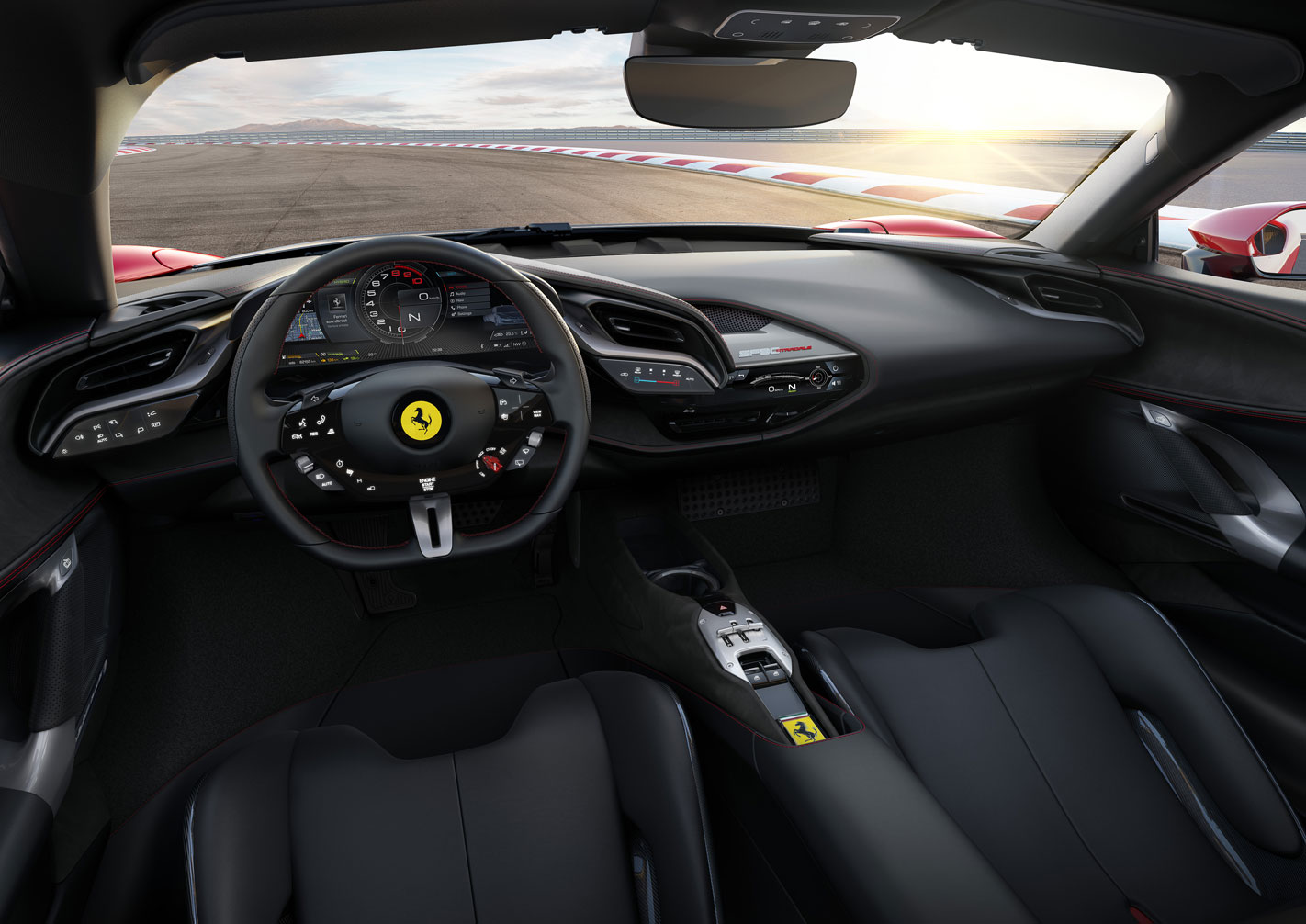
Twisting the manettino on the SF90 Stradale’s redesigned steering wheel from max-attack Qualify mode to eDrive turns the car into a front-drive EV, capable of up to 25km on a fully charged battery at speeds up to 135km/h.
VIEW THE GALLERY ABOVE FOR MORE IMAGES OF THE SF90 STRADALE
Not only the steering wheel is new. With the interior of the SF90 Stradale, Ferrari at last is able to match the level of tech offered by mass-market makers. The instruments are displayed on a wide and slightly curved screen that rivals Audi’s Virtual Cockpit for clarity and class. There’s even a head-up display.
But the best feature of all inside the new SF90 Stradale is one that nods at the past instead of gazing into the future. Between the seats is a piece of polished aluminium carefully styled to evoke the look of an old-style gated manual shift pattern. This is home to the car’s forward, reverse and manual-mode buttons.
Times are changing at Maranello, and the Ferrari SF90 Stradale is the herald bringing news of more hybridisation and different drive configurations. But also, more power… much more power.
Before it was even revealed, the comparisons between the SF90 and the revered LaFerrari were already being drawn. Even though both are hybrid hypercars, the differences are greater than you might think.
In fact, putting the two head-to-head, even just on paper, shows how much Ferrari has upped its hybrid game.
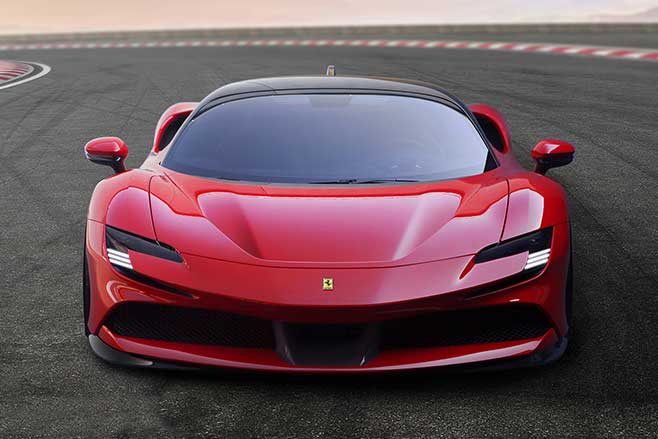
For a start, the SF90 is actually a plug-in hybrid electric vehicle (PHEV), rather than just receiving a hybrid boost (from a KERS-style system) as the LaFerrari does. The SF90 is the first Ferrari SF90, and the fact it can be driven purely on battery power for up to 25km is sure to leave a few Ferraristi feeling uneasy.
To be fair, we were warned upon the LaFerrari’s reveal that this was coming: “The HY-KERS system is, however, designed so that in future applications a car can be driven using exclusively electric power for a few kilometres,” Ferrari said at the time.
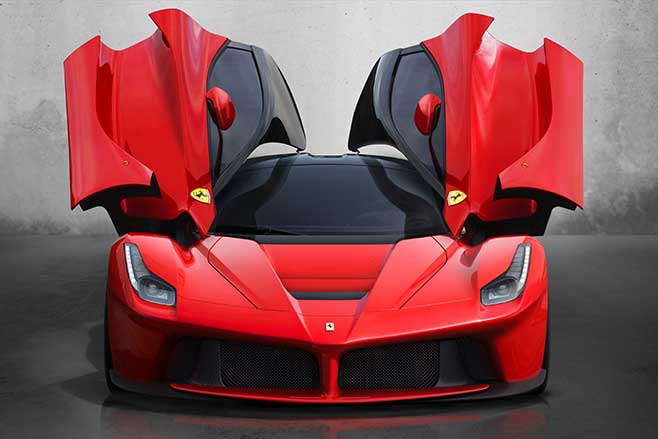
Two electric motors are located up front, this pair is the source of the electric-only drive mode called ‘eDrive’, while another sits at the rear and assists the combustion engine.
But even before the 162kW triple-motor system kicks in, the SF90’s turbocharged engine alone is the most powerful “of any 8-cylinder in Ferrari history.” In fact, it’s almost as potent as the LaFerrari’s 588kW V12. It also boasts an extra 100Nm over the atmo V12 for a total 900Nm. Thanks, forced induction.
With 574kW on its own, the turbocharged 4.0-litre V8 is a development of the ‘F154’ motor Ferrari has used for the last few years, most recently being the 3.9-litre powerplant for the incoming F8 Tributo. The SF90’s is larger thanks to a larger bore of 88 mm.
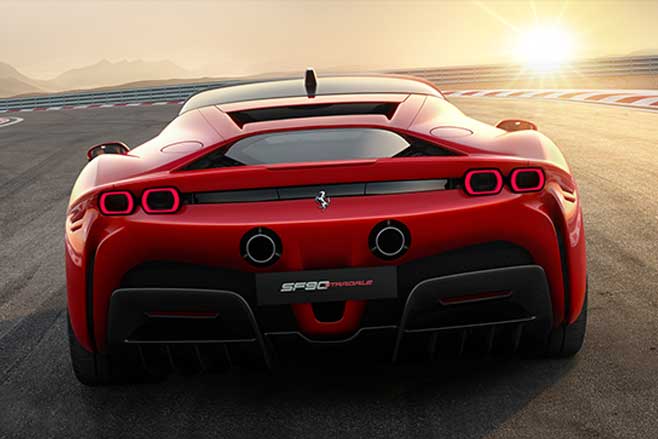
Power from the V8 is transferred to the rears via an 8-speed wet dual-clutch gearbox, which has been developed using Ferrari’s previous 7-speed unit as a starting point.
But in the SF90, the engine is able to propel its all-wheel drive home to 100km/h in just 2.5 seconds. Ferrari’s official claim for the LaFerrari was ‘under three seconds.’ To 200km/h, the Stradale shows its speed superiority in 6.7 seconds, the LaF taking ‘less than 7’.
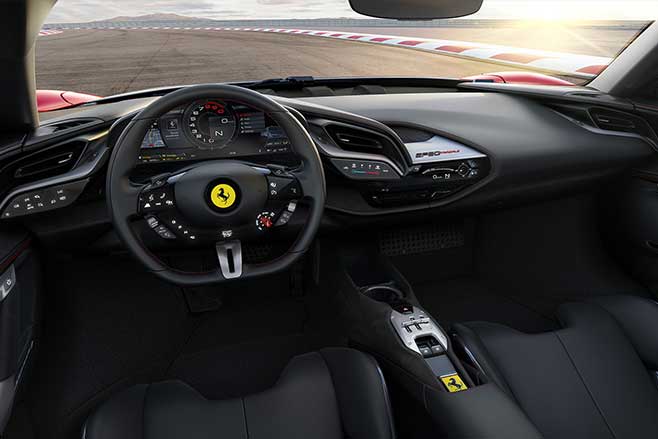
Even at Ferrari’s Fiorano test track, the new kid is a second quicker, 79 seconds vs the former Fez halo car’s 80sec lap.
One metric the LaFerrari runs away with is weight. With Ferrari managing to keep the V12-powered beast short of 1300kg, the SF90 was going to have to undergo some serious weight management. It ended up with a dry weight of 1570kg. Ferrari says the hybrid system in the SF90 ‘cost’ an extra 270kg.
We imagine its extra driven wheels would have to have affected that weight (also through the use of extra motors and power transmission), but whether the extra weight hampers the SF90’s driving dynamics is something an on-paper comparison can’t ever tell us.
Introduction
The large seven-seat SUV segment doesn’t run quite as hot as the mid-size SUV or even the compact SUV space, but that doesn’t mean that there aren’t plenty of players vying for game time.
We’ve reviewed three of the best over the last 12 months, so here’s a quick side-by-side comparo of their best and worst bits
Style
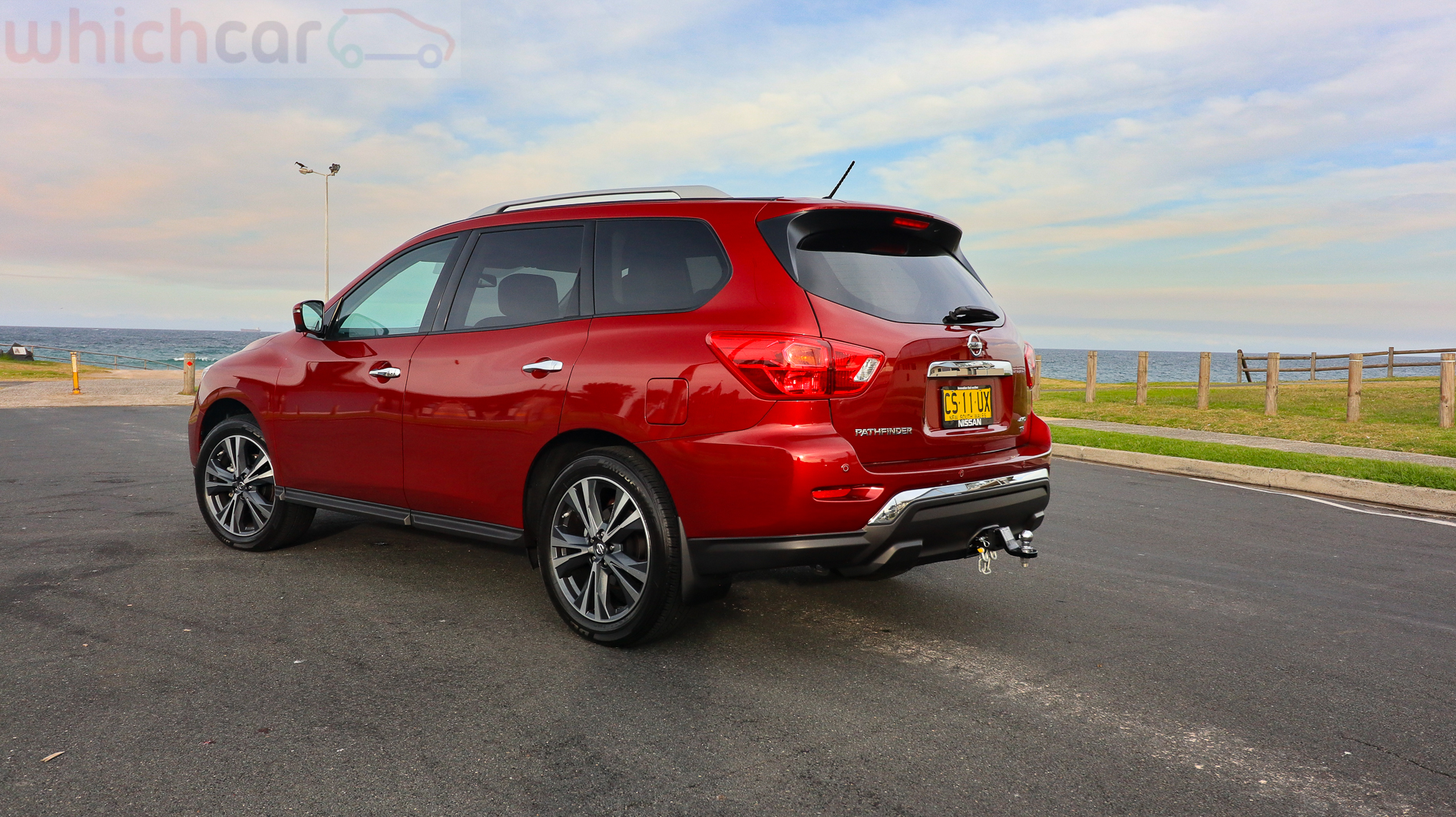
Nissan Pathfinder
When the fourth-generation Nissan Pathfinder launched in Australian in 2013, it wasn’t exactly met with rapturous applause from previous owners.
Beloved for its rugged simplicity and off-road chops, the body-on-frame design of the third-gen car made way for a more car-like unibody build based on the same front-wheel-drive platform as Nissan’s Altima and Maxima sedans.
The passage of time has been reasonably kind to the car. Its biggest crime, really, is a sense of anonymity and sameness that sees it all but become invisible out in the general population.
The interior design, meanwhile, is starting to show its age, with swathes of plain soft-touch vinyl interspersed with a scattergun approach to buttons and controls.
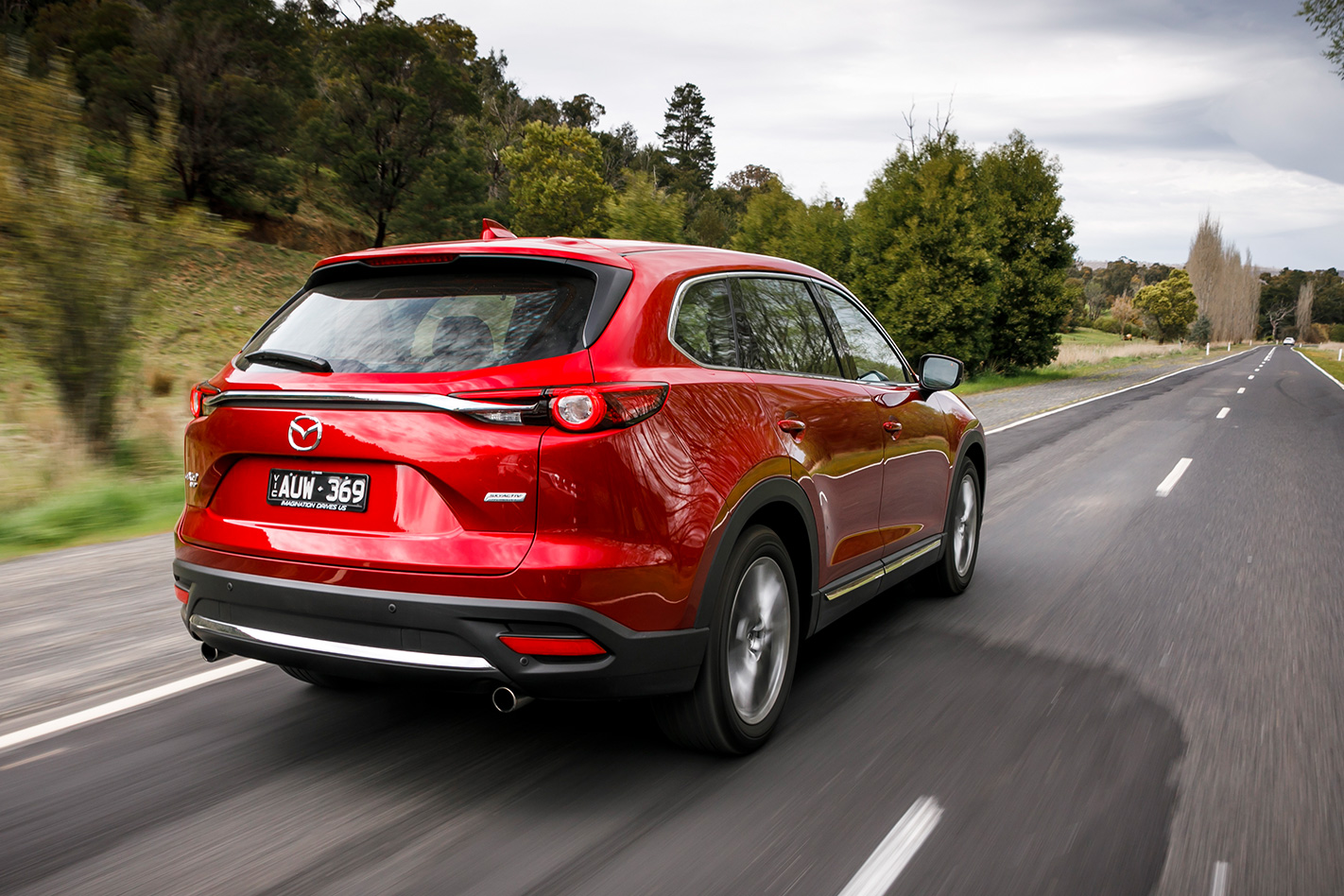
Mazda CX-9
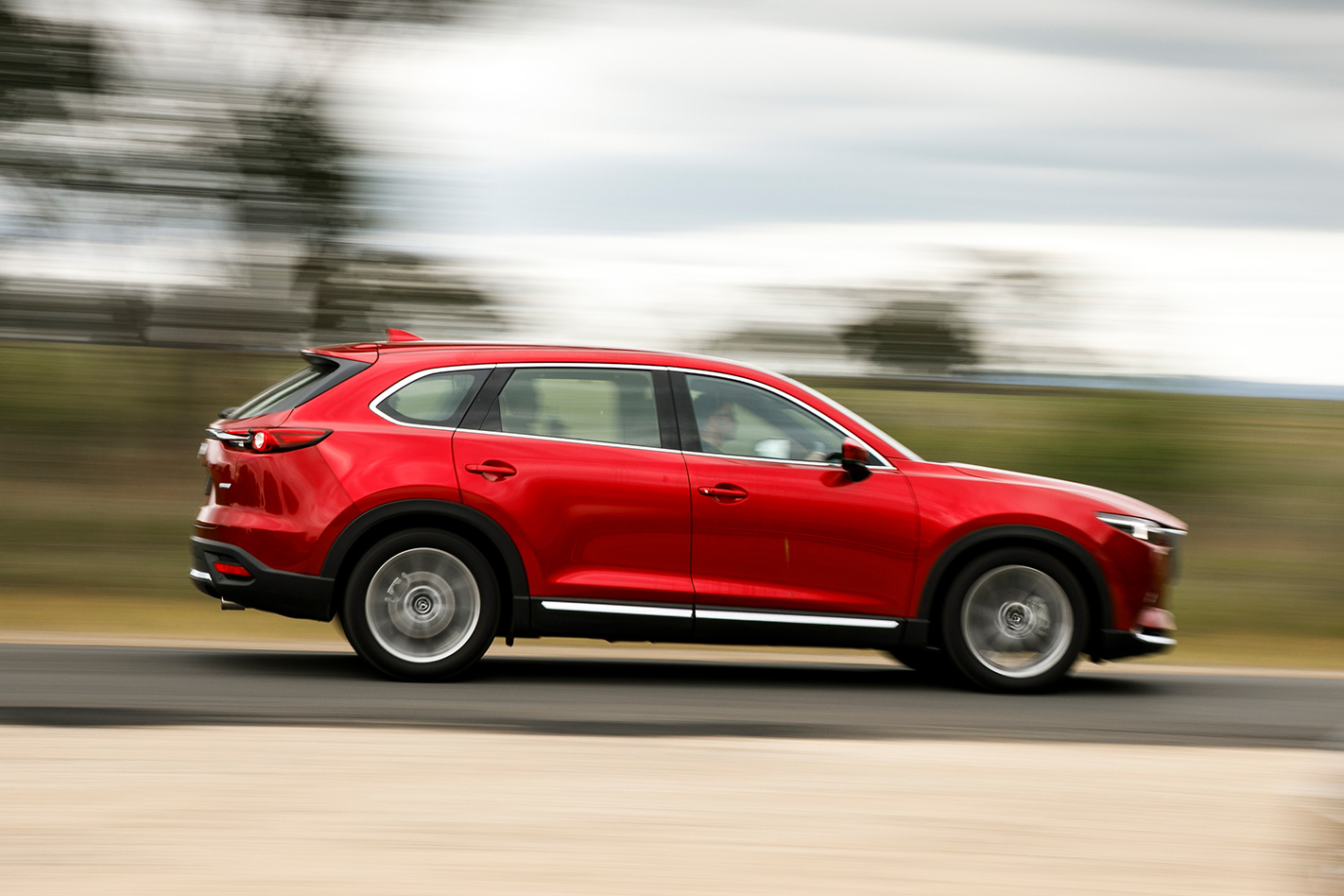
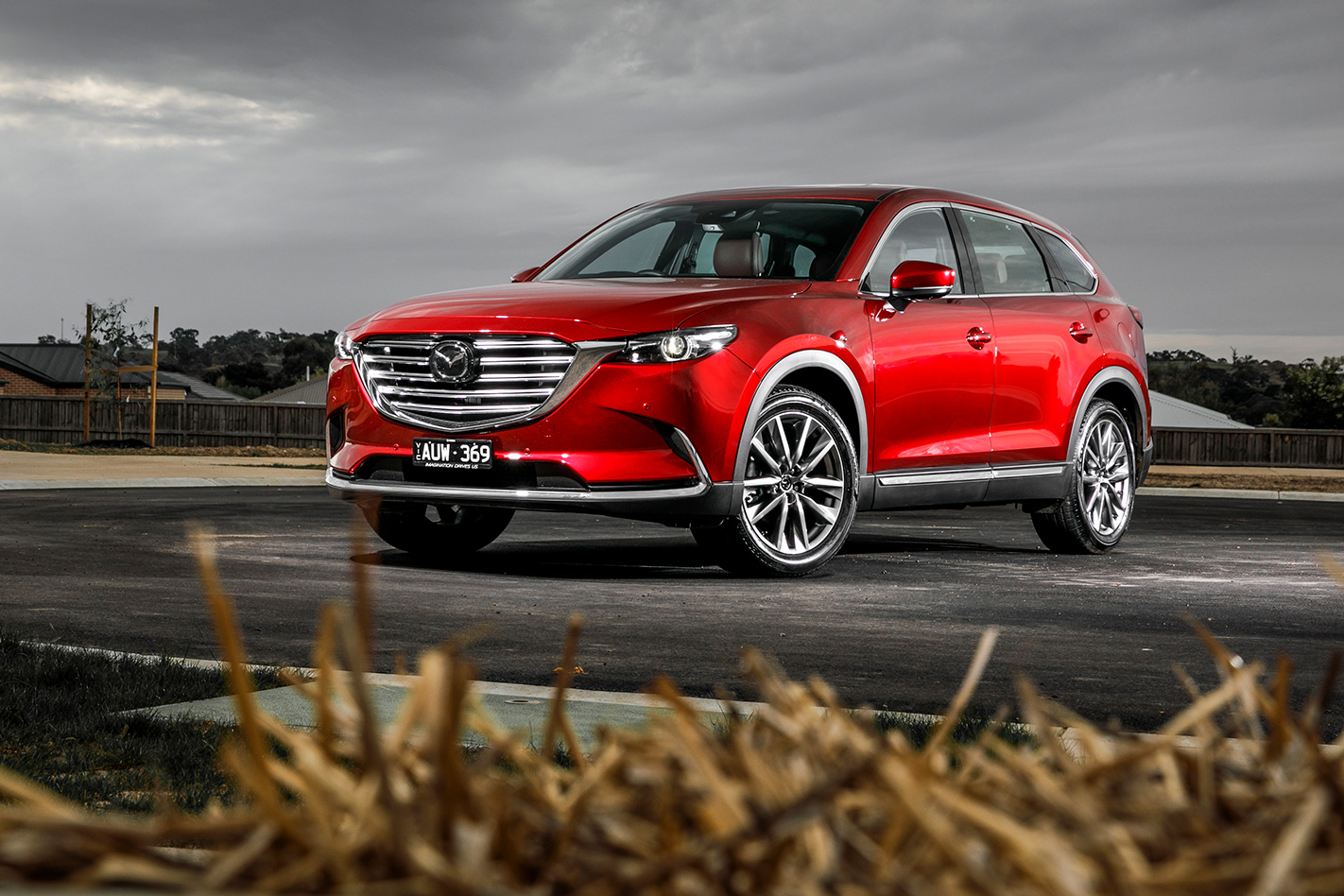
The Mazda CX-9 brought elegance to the mainstream large SUV market, and a recent update has taken that to the next level with the new top-spec Azami LE. The new luxo flagship adds Nappa leather upholstery and hand-crafted woodgrain trim for a truly premium feel.
Its swooping bonnet line and gentle roof curve soften the CX-9’s presence, while the gaping grille sets it apart from the pack.
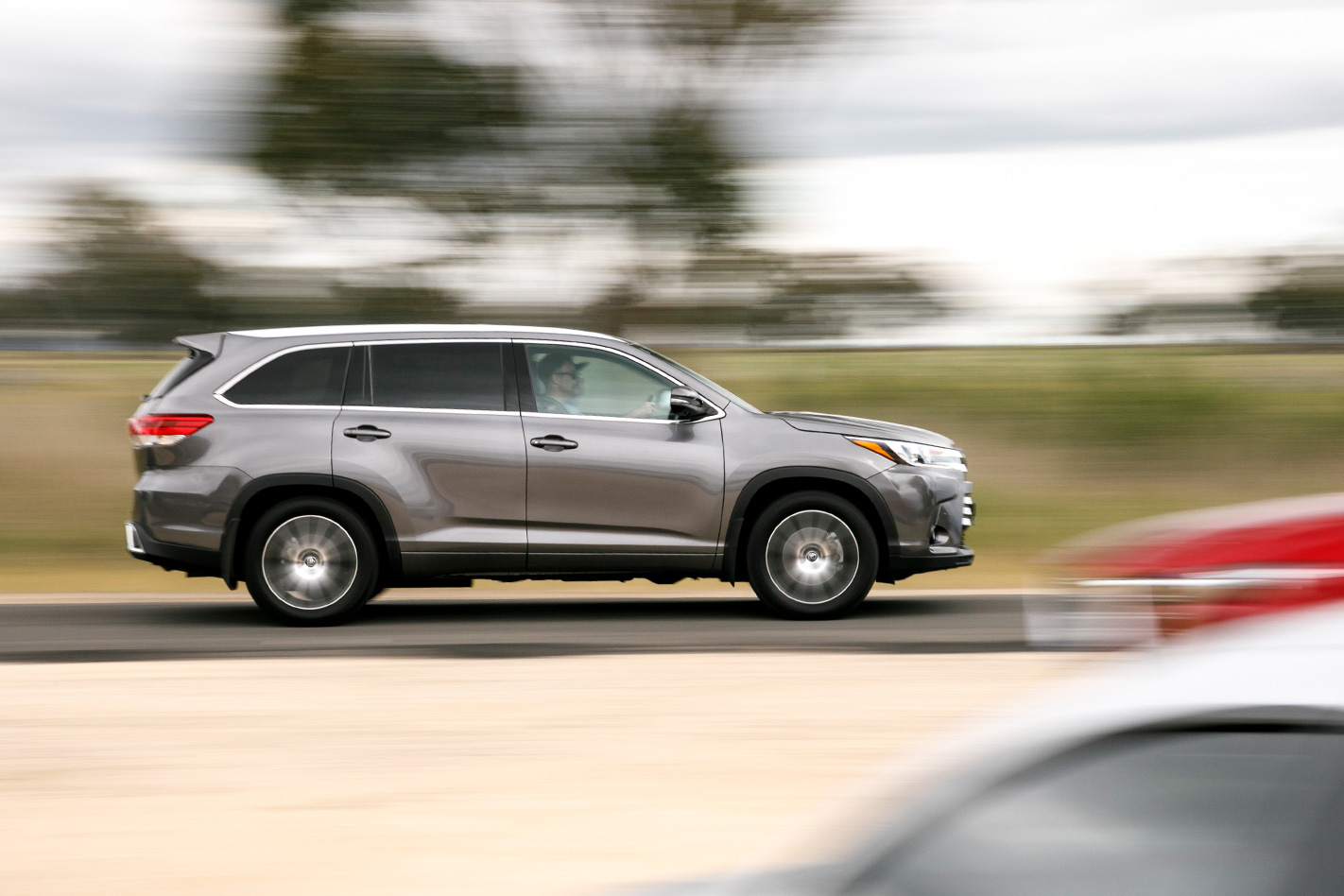
Toyota Kluger
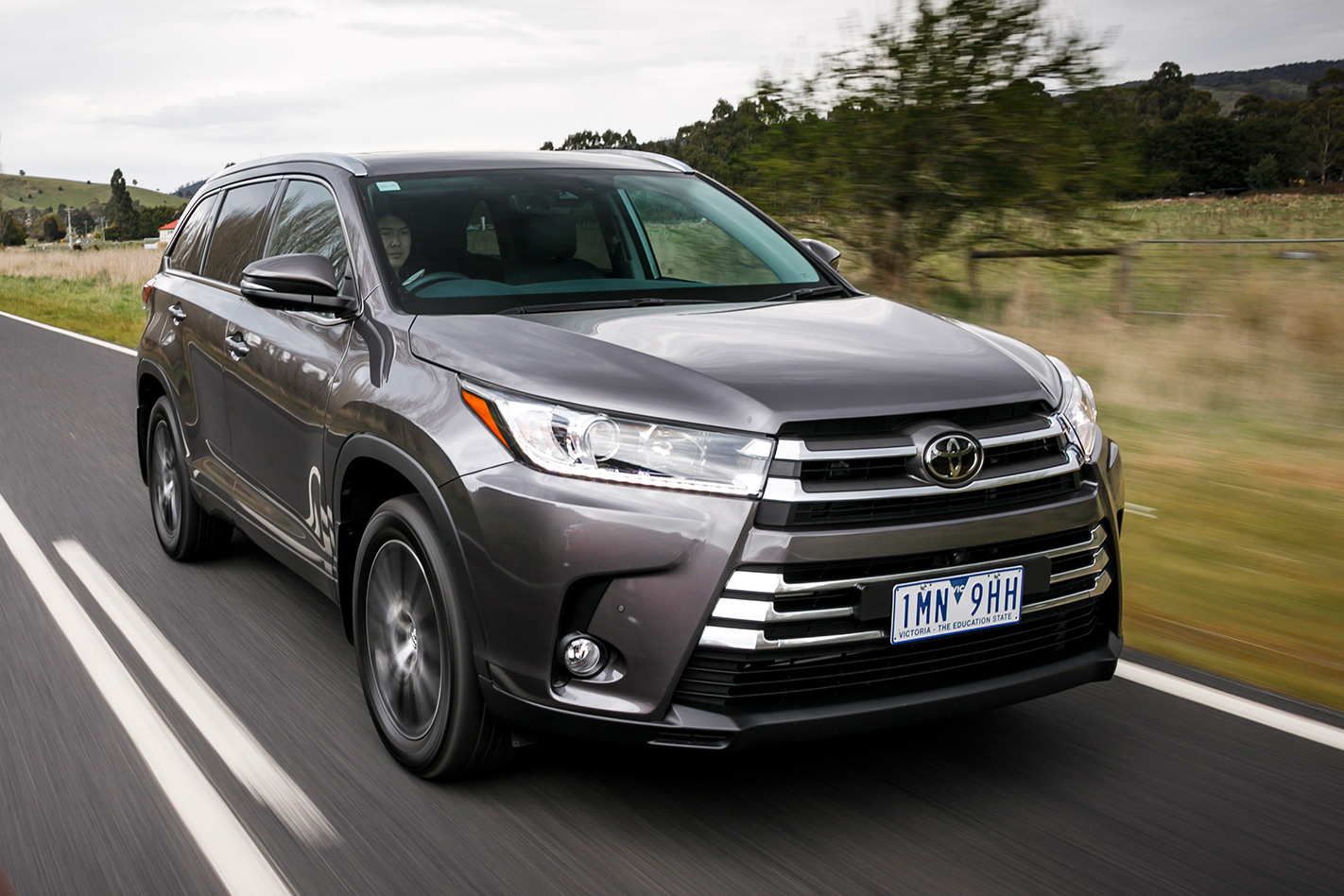
The Toyota Kluger is Australia’s biggest selling city-slicking large SUV, offering V6 power and a comfortable and quiet seven-seat cabin that reaches premium levels.
It doesn’t push the boat too far out into the styling seas, but its bluff lines and boxed-off visage makes for an attractive if underplayed presence.
The interior is a similar story, with plenty of substance executed with a minimum of fuss.
Pricing and specs
Pathfinder
We tested the Ti 3.5L V6 4WD, which costs $66,390 plus on-roads (May 2019). The same powertrain can be had in the base ST for $46,890, by way of comparison. The range has seen a slight price bump for 2019, but only by a few hundred dollars here and there.
That powertrain is the 202kW/340Nm 3.5-litre V6 petrol engine as seen in cars like the 370Z. It’s teamed with a front-biased AWD system run through a CVT gearbox, and it offers full-time AWD, a front-wheel-drive option and a 50/50 front/rear locking mode for speeds under 40km/h.
The top-spec Ti comes with plenty of gear, including seven leather-accented seats, twin sunroofs, LED headlights and daytime running lamps, automatic lights and wipers, keyless entry with remote start, a powered steering column, heated front and rear seats, multiple USB and 12v charge points, powered hands-free tailgate and tri-zone Bose stereo with screens in the headrests and wireless headphones.
CX-9
The Azami LE clocks in at $68,232 before on roads and comes with literally everything that opens, closes beeps and/or whistles. Powered by a 2.5-litre turbocharged four-cylinder engine, the Azami LE runs a six-speed auto through an AWD drivetrain.
In terms of specs, it has one of everything, including tri-zone climate control, 360-degree parking camera, leather upholstery, satellite navigation, Apple CarPlay and Android Auto, 20-inch alloys, digital radio, automatic headlights and wipers, heated seats and steering wheel, powered tailgate and more.
There is a Bose stereo and a sunroof, too. It also offers up AEB, lane-keep assistance, traffic sign recognition and a heads-up display.
Kluger
The Grande AWD ‘s $69,617 price tag makes it the most expensive non-4X4 Toyota available in Australia and is higher than better-equipped rivals sitting atop their respective ranges.
It comes with satellite navigation, autonomous emergency braking, lane keeping assist, adaptive cruise control, rain-sensing windscreen wipers, reverse parking sensors part leather upholstery, three-zone air-conditioning, keyless entry, power-operated tailgate, heated and ventilated front seats with memory, a sunroof, an 8.0-inch touchscreen and digital radio.
Size
Pathfinder
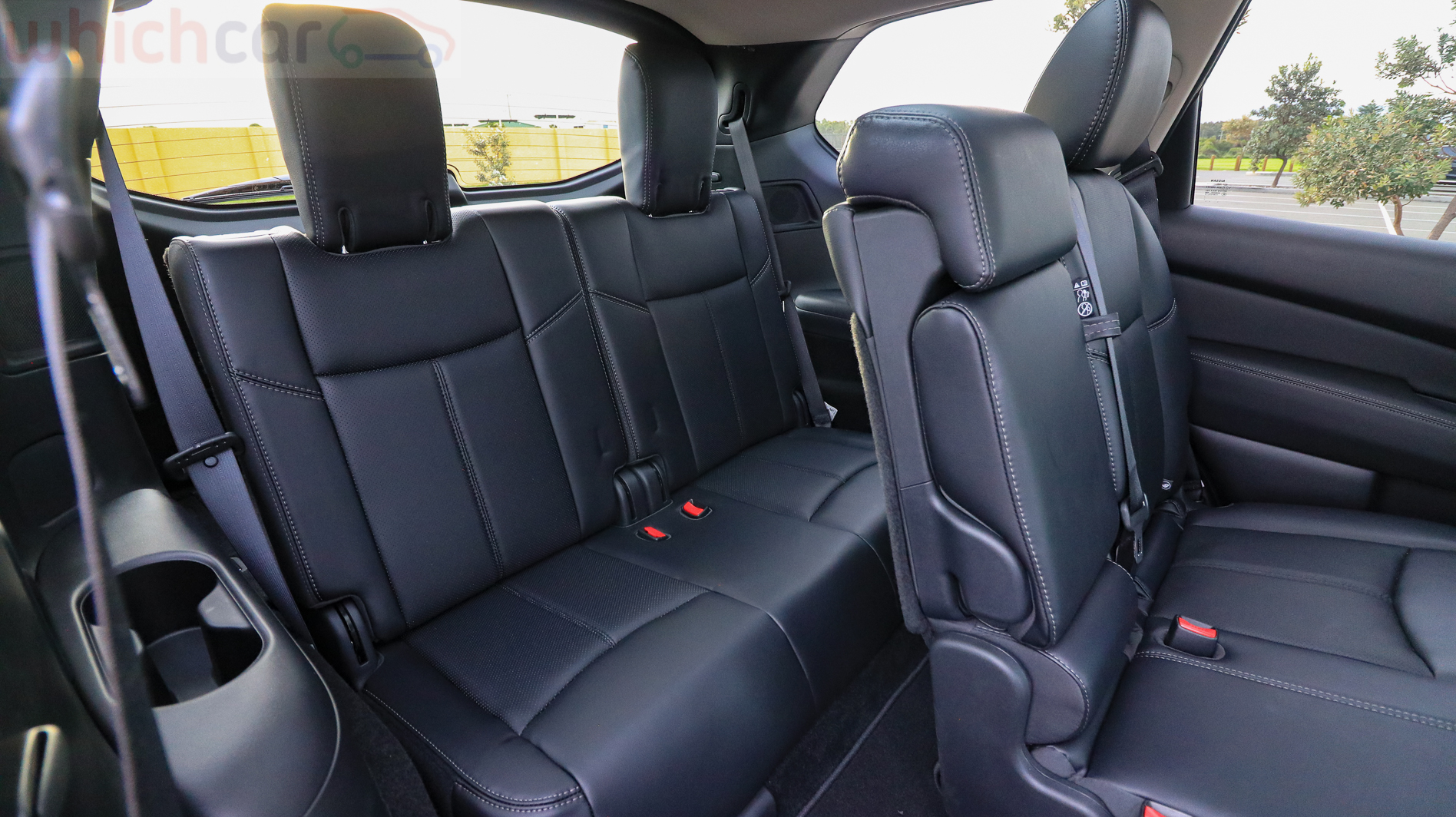
The Pathfinder holds 453 litres of luggage with all three rows of seats up, which is damn impressive. It holds 1354 litres with the third row down, and a huge 2260 litres with the seats laid flat. Compare this to the 195/529/1872-litre figures of the Kluger, for example, and it’s easy to see the Pathy wins the space race.
At first blush, the Pathfinder doesn’t look all that big but open the doors and the impression disappears into its cavernous interior. It sits five in luxury and seven in comfort, with clever split-function folding seats on the second row for relatively easy access.
CX-9
The Mazda CX-9 takes its ‘large SUV’ tag seriously, with its 5.1m length, 1.97m width and 2.93m wheelbase that makes it a little harder to park than, say, the Toyota Kluger which measures 4.89m long by 1.93m wide.
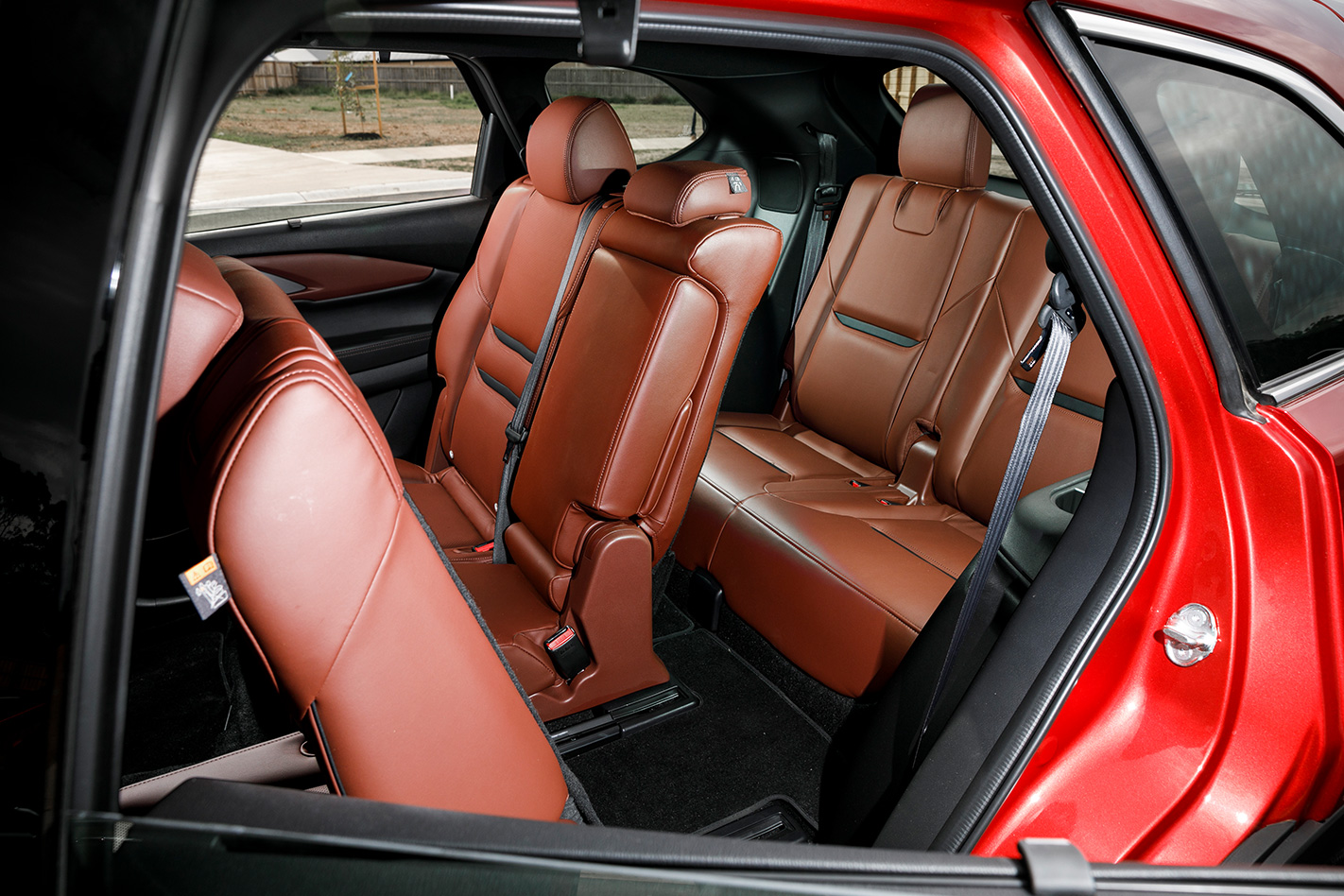
But it’s cavernous inside, with excellent head and knee room, including in the third row that comfortably accommodates two adults.
Boot space with three rows in use is a handy 230 litres, with the third-row seats offering a 50:50 split to add extra cargo. Folding the entire third row down brings a considerable 810 litres behind the 60:40 split second-row seats. With all rear seats down, the CX-9 will hold up to 1641 litres behind the front seats.
Kluger
The US-built Kluger is 4.89 metres long and 1.93m wide with the main cabin sitting above its 2.8m wheelbase. One reason for its popularity is that while it comfortably accommodates a family of seven, its size isn’t a hindrance when it comes to parking or negotiating city streets.
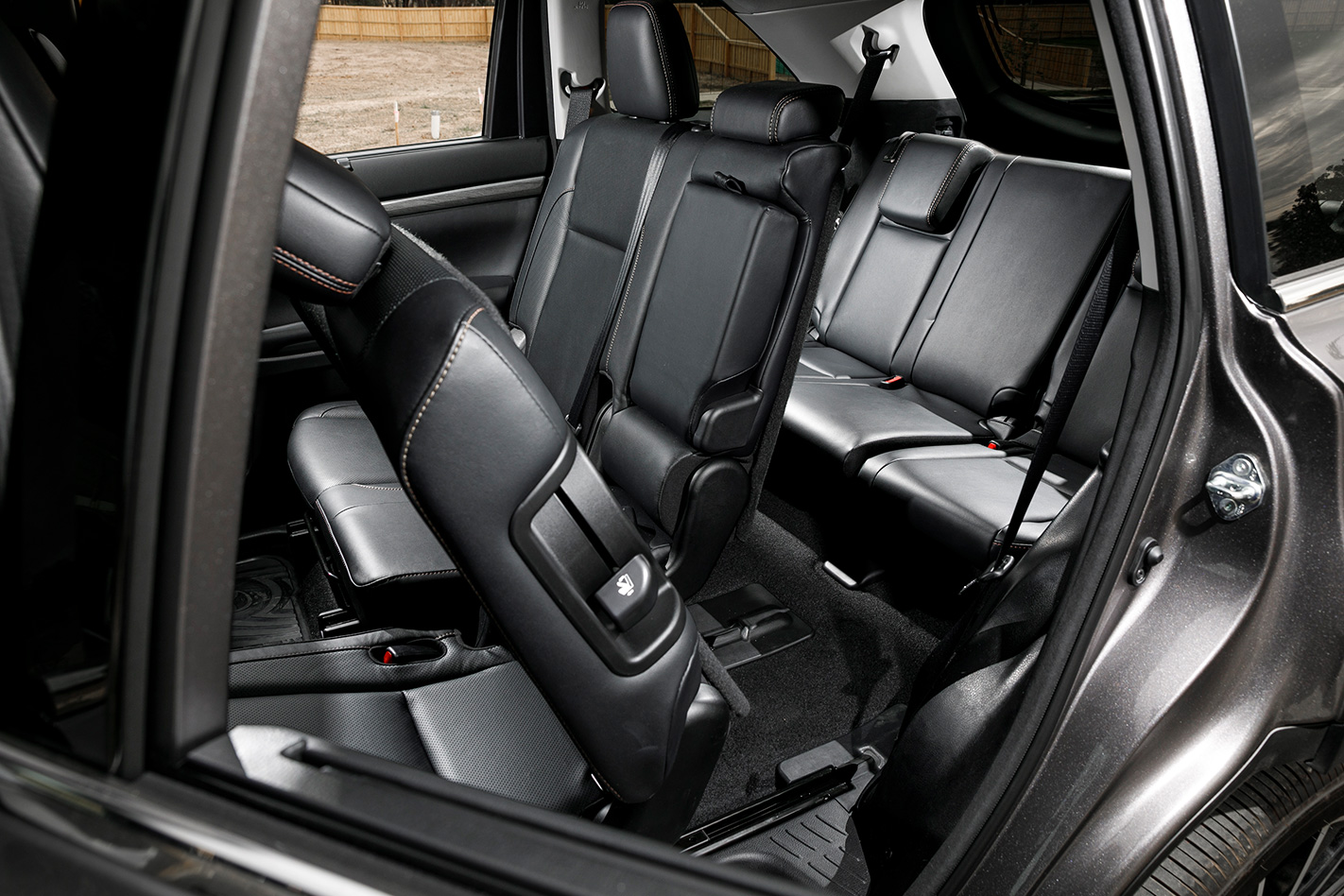
Head and legroom are excellent in the first two rows, but it gets a little tight in row three that is best suited for kids.
As with most SUVs, boot space is tight (195 litres) if you’re using all seven seats, but even with the third row down you’ll only fit 529 litres, which is less than some medium SUVs. Fold down the middle row and you’ll fit 1872 litres worth of gear behind the front seats.
Safety
Pathfinder
Six airbags including full-length curtain bags to the third row are standard fitment on the Pathfinder, along with a 360-degree camera, rear-view camera and parking sensors front and rear.
In terms of driver aids, the Pathfinder Ti scores AEB, rear cross-traffic alert, adaptive cruise control, tyre pressure monitoring and blind-spot warning. It also features a rear-seat alert, which activates if the rear doors are opened and closed before the driver sets off.
CX-9
The CX-9’s size and strong body structure with side-impact door beams combine with six airbags to protect occupants well in the event of an accident, though you have a decent chance of avoiding that with autonomous emergency braking that operates at speeds up to 160km/h.
Other active safety features include lane-keeping assist, driver attention alert, rear-cross traffic alert, and blind-spot monitoring that can spot a car about to overtake you swiftly from up to 50 metres behind.
Kluger
The Kluger Grande comes with the full suite of available active safety features, including radar-based autonomous emergency braking that works at city and highway speeds – part of what Toyota calls its Pre-Collision Safety system. This is backed up by lane-keeping assist, blind-spot warning and rear-cross traffic alert.
The Kluger is also equipped with seven airbags, including driver knee bag and side curtain protection for all three rows, and it has three child-seat anchor points for the middle row of seats but none for the back row.
Warranty and running costs
Pathfinder
Nissan has finally joined the throng and is now offering a five-year, unlimited kilometre warranty on its cars, Pathfinder included.
Service intervals are a little shorter than the average at 10,000km or 12 months, while capped price services costs are very competitive. The first four services, for example, will cost $1333.
MORE Which companies offer the longest warranties?
When it comes to fuel use, the 3.5-litre petrol engine is claimed to drink 10.1 litres per 100km on the combined fuel economy cycle. Our 320km of testing revealed a figure closer to 10.7L/100km for the 2089kg Ti. Its 73-litre tank is perfectly happy with 91 octane fuel, too.
CX-9
The CX-9 is also covered by a five-year, unlimited-kilometre warranty, while its service costs are very competitive. Over five services at 10,000km or 12-month intervals, the price varies between $339 and $382.
At 8.8L/100km on the combined cycle, the CX-9’s 74-litre tank is also content with 91 octane.
Kluger
Toyota recently moved its fleet over to a five-year, unlimited kilometre warranty, while its servicing costs are the best of the three.
Costs for the first six services (defined as three years or 60,000km) are capped at $180, which is very competitive.
The AWD Kluger Grande sips 9.5L/100km on the combined fuel economy cycle, and its 72-litre tank accepts 91 octane.
Comfort
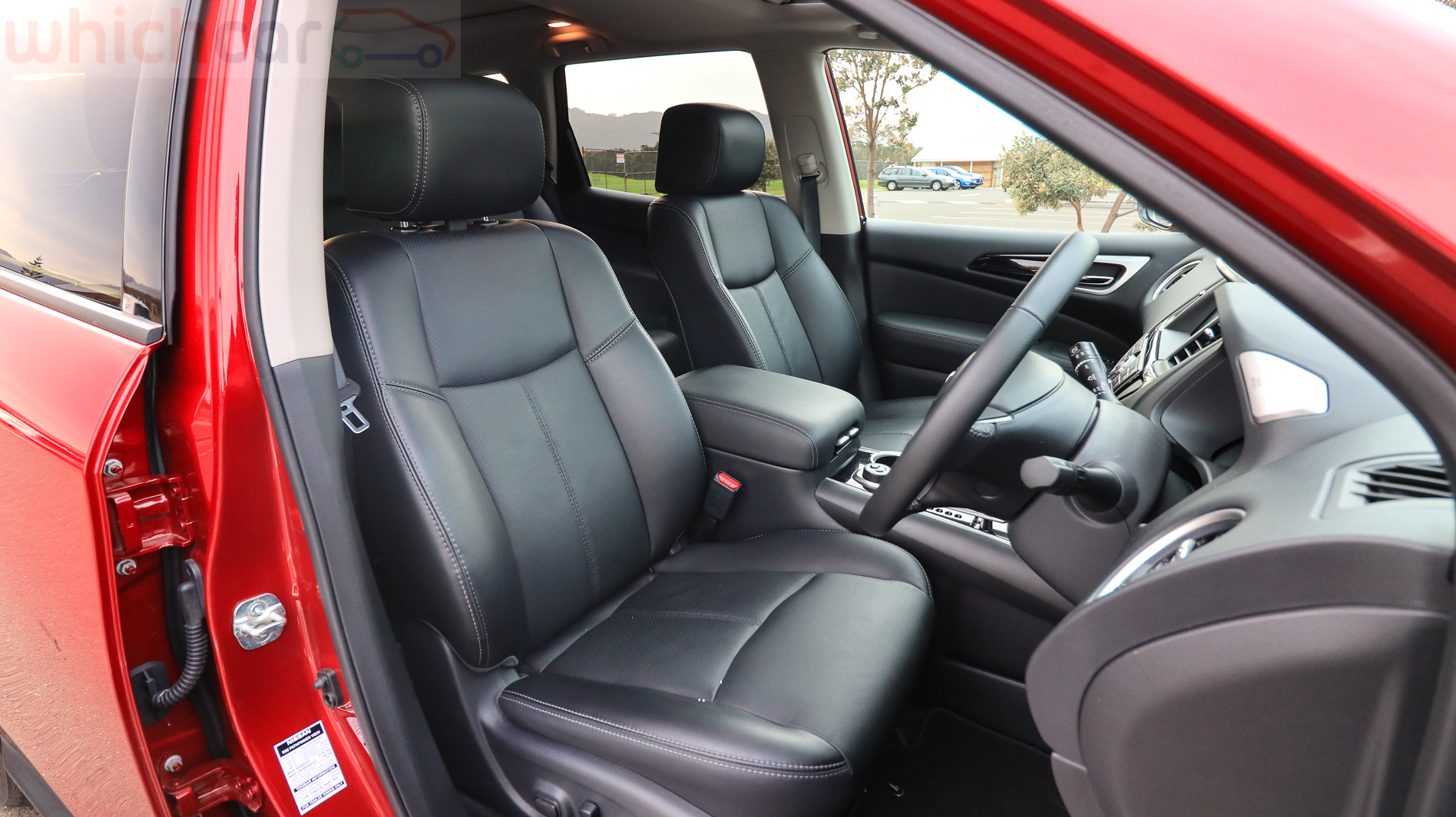
The seats are broad and soft, touch points are padded and there are plenty of places to stash, stuff and charge things.
The third row seats are relatively easy to access, and the full-length bench style seating and large headrests make for a comfy, if ideally short-lived, experience. There are air vents and cupholders back there to make the journey more bearable.
Up front, the seats verge on a little too soft in the base, but they still hold up over 100km-long stints quite well. The powered steering column and seat memory slots make short work of getting comfy behind the wheel, though the plethora of buttons is annoying and fiddly to negotiate.
Visibility throughout is more than fine, thanks to the Pathfinder’s airy glasshouse, though the big, steeply raked A-pillars can impede forward vision.
The ancient foot-operated park brake is an annoyance, as is the lack of Apple CarPlay.
CX-9
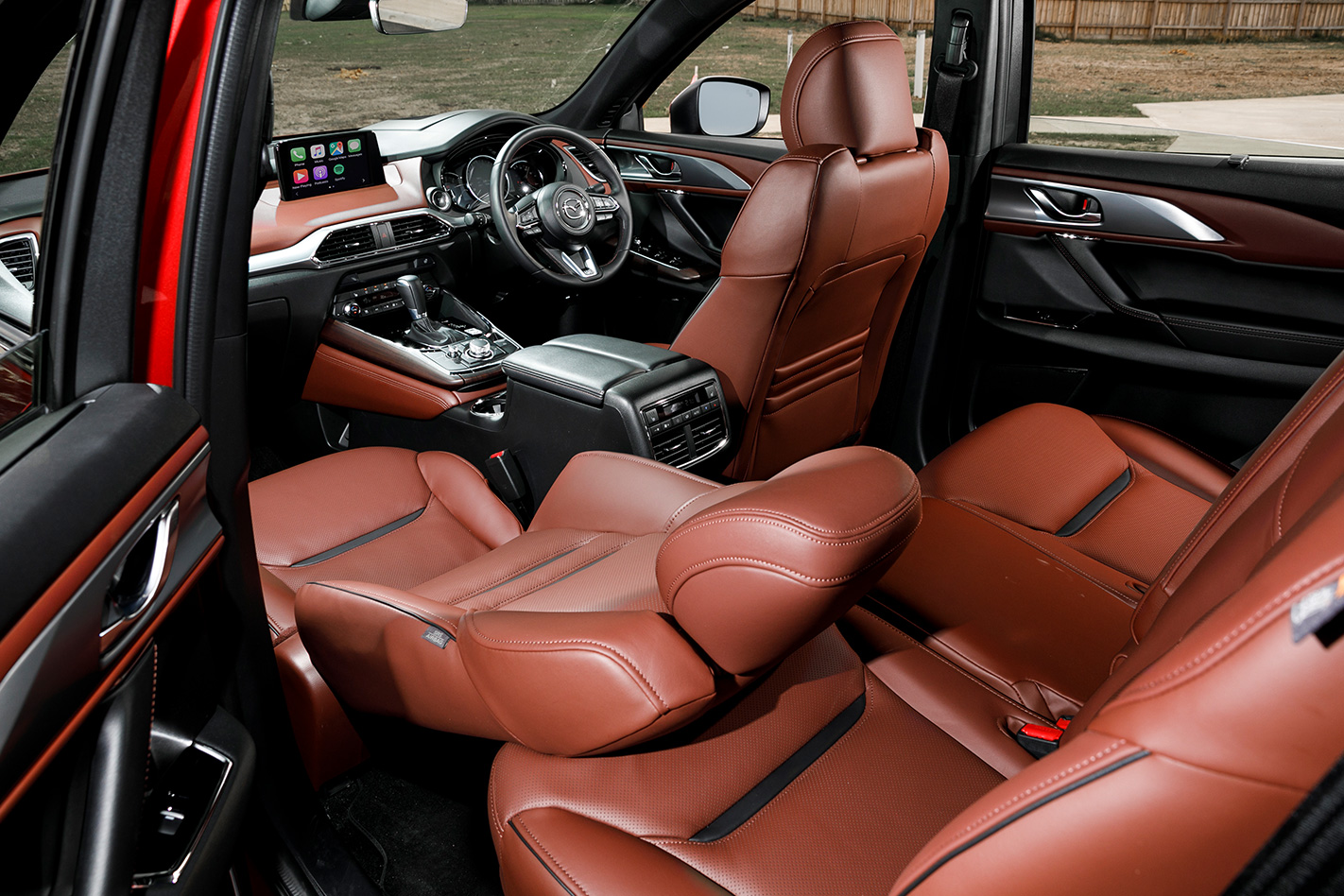
The spacious cabin feels welcoming with plenty of leg and elbow room in the first two rows, and the front seats gain additional creature comforts including powered settings and seat heating and ventilation.
Second-row passengers benefit from raised seating that affords excellent forward and side vision, separate climate control panel and vents, and a fold-down centre armrest comprising two cupholders and two USB sockets.
The third-row seats are roomier than most of the CX-9’s rivals, and will accommodate two average-sized adults comfortably over moderate distances. Legroom can be altered sliding the second row forward and there’s a sufficient gap under the seat in which to slide your feet. The wide rear door opening means you don’t need to be a contortionist to climb in or out of the third row.
Kluger
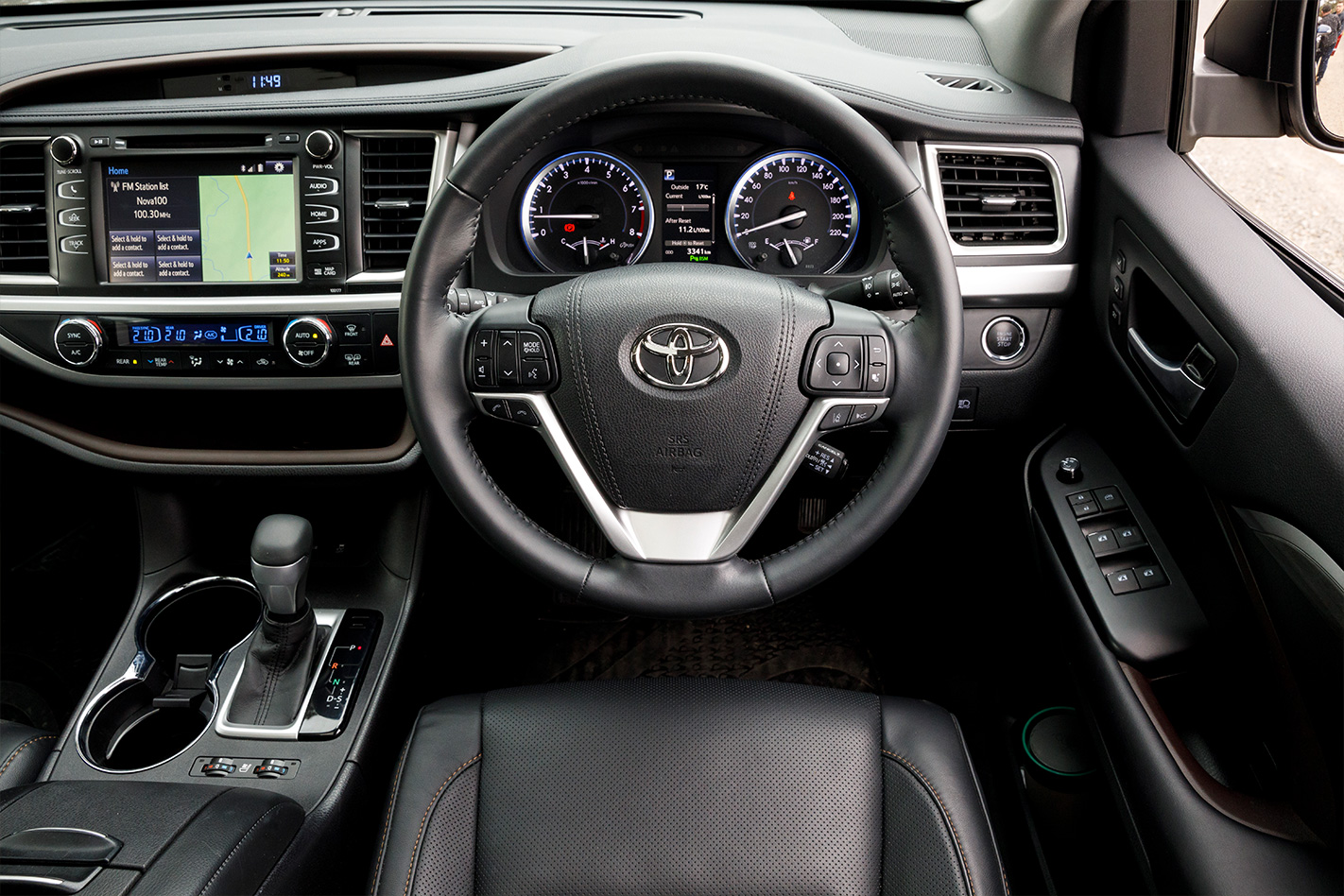
The Kluger Grande’s stylish cabin looks well put together and you can choose between dark black and tan trim with neither costing extra. That said it doesn’t feel like a $70,000 car.
Cabin storage abounds, starting with a huge centre console bin, and broad storage tray above the glovebox that is good for holding phones. Big door pockets and a deep centre console provide ample space for bottles, handbags and the like.
First and second-row seats are plush and supportive, for good long distance comfort. The third-row seats are reasonably comfortable, but pretty tight for bigger people for anything more than short trips, though legroom is helped by being able to fit your feet under the second-row seats.
Ventilation controls are big and easy to operate, and there is a separate control unit for rear passengers mounted on the ceiling that blows airs through vents located in the third and second rows. There are also retractable blinds in which slide up and down to cover the rear-door windows and protect children from the direct sun.
On the road
Pathfinder
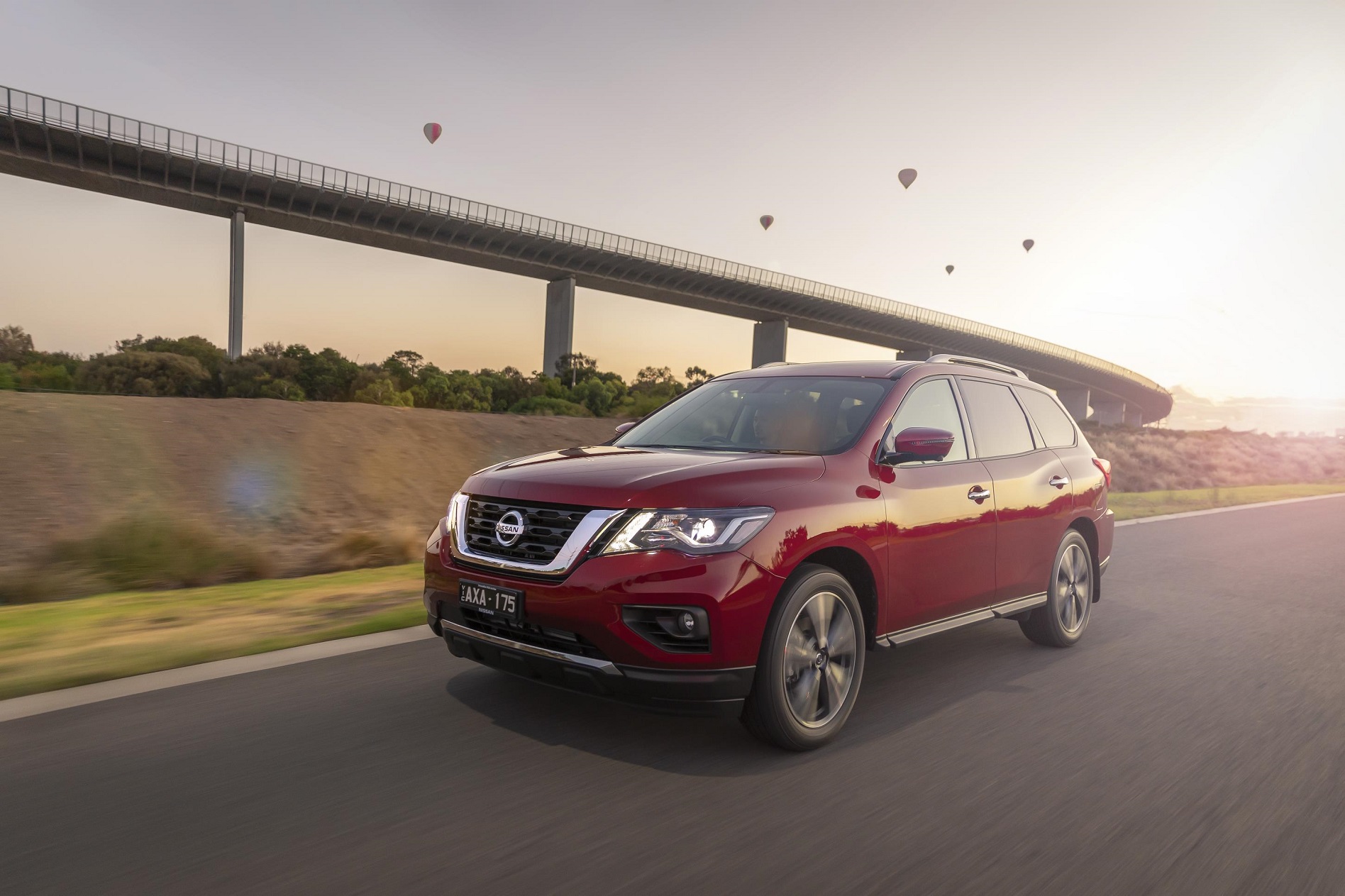
It’s easy to like the Pathfinder’s road manners, but it’s also easy to forget them. Nissan revised the suspension tune to make it a bit firmer for Aussie conditions, and while it’s still soft, it’s decently mannered for around-town work.
There’s an inherent suppleness to the first part of the MacPherson strut front/multilink rear suspension’s travel, but it resists body roll and pitch/dive admirably well at regular road speeds.
Steering effort is minimal, thanks to the electrically assisted set-up, and the brake feel is actually terrific, with lovely modulation and plenty of bite underfoot.
The V6 engine is smooth, eager and vice-free, while the CVT gearbox does a very good job of disguising its origins. We didn’t sample the 50/50 locking mode this time around, but the stock Bridgestone Dueler tyres and 20-inch rims mean that while you’ll get down to that gravel road to a secluded beach spot, clambering up to a remote lookout is a bit beyond the Pathfinder’s brief.
Country driving is made easier by the addition of the easy-to-use adaptive cruise control system, and the Pathfinder is impressively free of outside noise intrusion into the cabin.
CX-9
The CX-9’s size and AWD traction, meanwhile, helps it feel incredibly well planted on the road.
It’s surprisingly nimble too, with slick steering and multi-link rear suspension that provides an excellent compromise between comfort and handling, even on the bigger the 20-inch wheels.
The 2.5-litre petrol turbo engine responds well at all speeds and even has a sporty note when at the upper reaches. It’s a lively engine that teams well with the six-speed automatic to give the CX-9 a surprising turn of speed and overtaking ability.
Its size and 2.0-tonne heft is more evident when braking, with the pedal feeling a little spongy when coming to a stop from highway speeds.
Kluger
The Kluger is pleasant to drive with a comfortable seating position and good forward vision. It feels planted to the road and the 218kW/350Nm 3.5-litre V6 engine runs smoothly and quickly responds to your right foot via the eight-speed automatic transmission.
At 2100kg, it’s not exactly designed for hard cornering, but it does feel stable through bends. The steering has a little play in it, though you do get more response from the 19-inch wheels than with the 18s under the GL and GLX.
While not a true off-roader like its Landcruiser Prado stablemate, the Kluger’s all-wheel-drive system instils confidence during off-bitumen driving on gravel, dirt or snow-covered roads, and farm tracks. A snow button near the gear selector reduces the chance of wheelspin on slippery surfaces.
Verdict
It’s getting on a bit, but the Pathfinder is an honest and simple rig that’s well suited to a larger family. Its nondescript design and dated interior treatment won’t suit everyone, and I think that the more affordable end of the Pathfinder model range provides better value than the premium-priced Ti.
The Toyota Kluger set the standard for road-based large SUVs, and while the range-topping Grande is a comfortable and capable family wagon, it’s not quite as luxurious as its $70,000 price tag would suggest.
The CX-9 Azami LE doesn’t just feel premium, though… it IS premium.
It drives well, feels stately and ticks all the boxes for anyone seeking a sophisticated family SUV while being priced less than entry-level luxury branded seven-seaters lacking similar levels of safety and comfort as standard.
It’s the pick of the three, for sure.
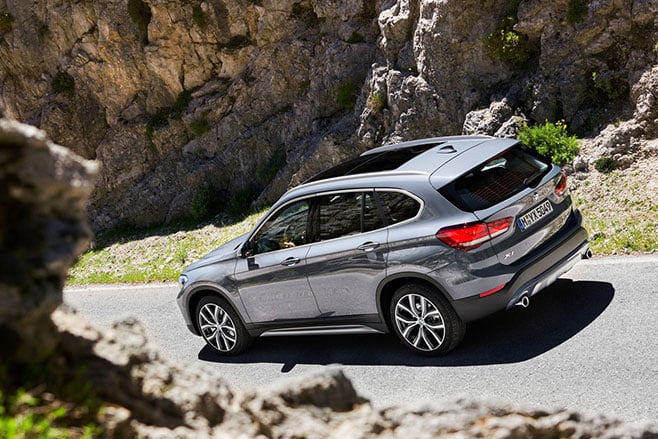
BMW’s entry point to the ‘Sports Activity Vehicle’ (SAV) family has been treated to a mid-life update, heralding plug-in hybrid power for the X1 range in 2020.
For now, the facelifted 2019 BMW X1 line-up will consist of combustion-powered variants with an even share to both diesel and petrol power and a combination of three- and four-cylinder engines, but a hybrid pioneer is highly likely to join them Down Under next year.
While BMW Group Australia is yet to confirm exact local options ahead of the arrival in the fourth quarter of this year, product communications manager Adam Davis offered a hint at what to expect.
“It’s expected that the range carries on in terms of variant availability and the hybrid will be a likely starter for 2020,” he said. “Not all of them will be suitable for our market but we’ll look at 25i of course and the 18i as well. The launch range will carry over from pre-LCI (facelift)”.
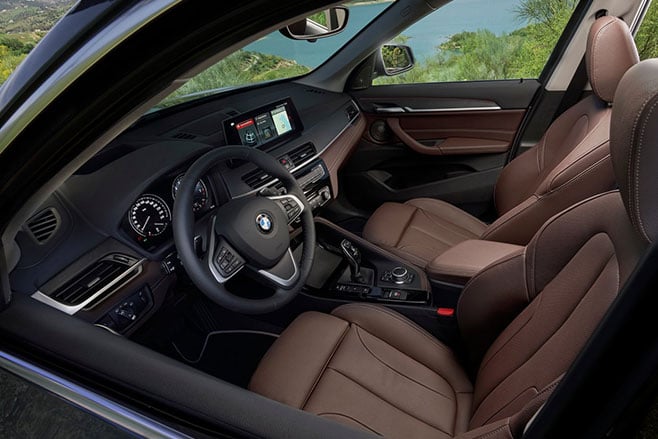
If it gets the green light, the X1 xDrive 25e will take the total number of plug-in BMWs to five alongside more orthodox options in the 3 Series, 5 Series, 7 Series and X5 ranges, as well as the i8 and i3 models.
On a full charge, the xDrive 25e can travel about 50km thanks to a 9.7kWh battery powering a 70kW electric motor. In hybrid mode, the 92kW petrol engine joins forces with the electric drive with a number of drive modes including Max eDrive, Auto eDrive and Save Battery.
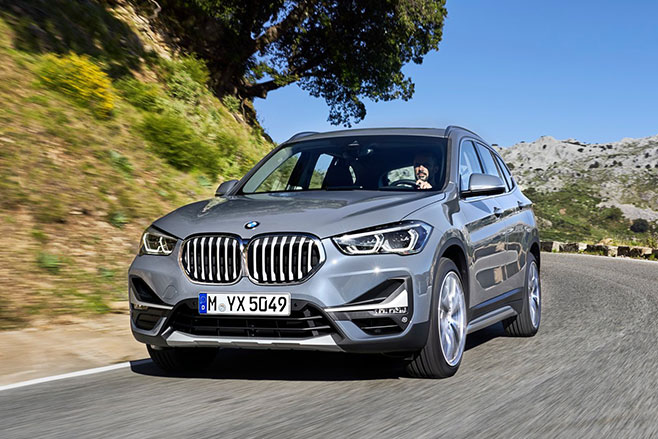
As it stands, the local range includes an entry level 18d, mid-range 20i and 25i performance flagship, but the fresh X1 line-up extends from a three-cylinder 16d with 85kW through 18i and 18d, 25d and 25i. The range-topper carries over with the same turbocharged 2.0-litre four-cylinder 170kW output.
Choices of front- or four-wheel drive will be on offer depending upon the variant, as will a six-speed manual gearbox and seven-speed dual-clutch automatic, but you can expect only the latter to be offered in Australian showrooms.
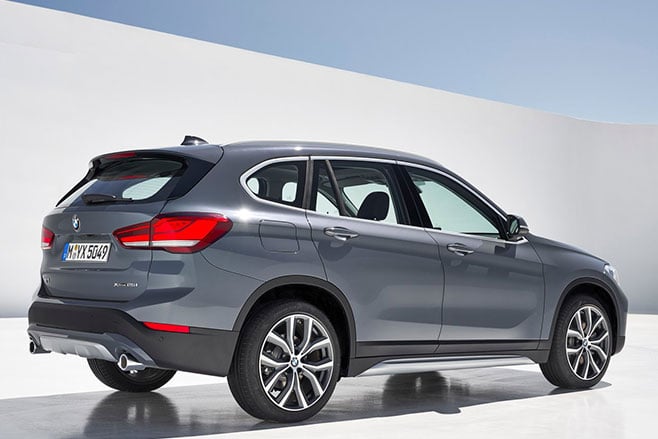
xDrive 25i versions will be offered exclusively in all-wheel drive with an eight-speed torque-converter automatic transmission. As the performance hero of the range for now, the 25i completes the 0-100km/h benchmark in 6.5 seconds, in stark contrast to the entry 16d’s 11.5s dash.
Beyond the imminent arrival of a hybrid, a significant exterior redesign headlines the update with a new front and rear look that brings the smallest SUV visually in line with its larger siblings, including a larger kidney grille, squared nose, and restyled lights all round with LEDs.
A choice of three new colours completes the 2019 refresh.
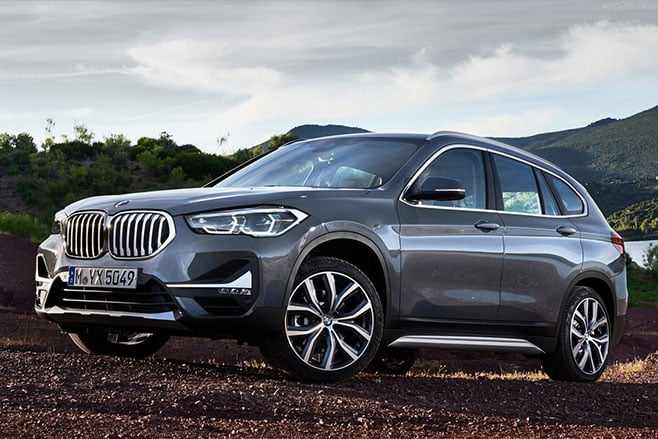
There’s also a new M Sport package available optionally to add a high-performance flavour with a rear diffuser, deeper side skirts, fattened wheel arches and more vents added to the front bumper. Below the sportiest package, customers will be offered a Sport Line and xLine grade.
On the inside, the cabin has been refreshed with subtle but effective touches including a shorter-throw electric lever in place of the previous mechanical selector. A 6.5-inch central multimedia screen is standard at the entry grade, but 8.8-inch or 10.6-inch touchscreen displays are available for higher grade variants.
Three new upholstery variations have been included depending on the budget.
Volvo says that its new sedan and wagon duo will deliver a knockout punch in the premium mid-size market. We know what you’re thinking – of course they’d say that. But we did drive it last month in Sweden and first impressions are that this is no Scandinavian to give the flick.
What’s better is that the expected volume seller we drove is more affordable than first thought.
Both the S60 sedan and V60 completes a generational update across Volvo’s entire stable. The duo are the last vehicles to arrive on its Scalable Architecture Platform (SPA) that also underpins the XC90, S90, V90, XC60 and electro super coupe, the Polestar 1 (that Australia isn’t fit for, apparently). It’s doesn’t seem like long ago that the XC90 arrived with its impressive new design language and gear, but that now becomes the oldest model in the Swedish maker’s lineup.
Arriving here in August, the S60 T5 and T8 will be the first models to go on sale, followed by the V60 which will mirror the S60’s spec. All models are all-wheel-drive and come with an eight-speed automatic transmission.
The T5 is powered by a 187kW, 350Nm 2.0-litre petrol turbo four-pot and the T8 knocks on the doors of Germany’s performance equivalents, packing a twin-motor plug-in hybrid electric version of the same engine which produces a total output of 311kW and 680Nm.
Entry model is the T5 Momentum which starts at $54,990. To keep things simple, all V60 wagon variants ask a $2000 premium. It comes equipped with considerable safety tech such as adaptive cruise control, lane keeping assist, collision warning and mitigation, front and rear parking sensor with reversing camera, blind spot monitoring, cross traffic alert.
Standard inclusions for the base grade are 17-inch alloys, nine-inch infotainment display with DAB+ and Apple CarPlay, keyless entry and automatic opening boot, LED headlights and climate control.
Mid-spec Inscription grade add styling enhancements inside and out, 19-inch alloys, four-zone climate control, head up display, 360-degree birds-eye view camera, automated parking assist, LED headlights with active bending beams, driftwood interior trims and heated front seats.
R-Design T5 variants gain a boost in power and torque from 187kW, 350Nm to 192kW and 400Nm. Along with the exclusive R-Design styling pack, the model has unique 19-inch alloys, adaptive dampers and a 230v power outlet in the rear.
Volvo Australia managing director Nick Connor said the additions will reinvigorate the sedan and wagon market in Australia, and compared the two entrants to “staid,” unadventurous models from the usual European premium crowd.
“Sedan and wagon vehicles have always been popular with Australian car buyers,” he said. “With the addition of our S60 and V60 vehicles we intend to reinvigorate those body styles.”
“We are confident that with their very distinctive look and competitive pricing the S60 and the V60 will make an immediate impact with buyers who are looking for something very different from the staid models in the luxury segment today.”
Volvo S60 and V60 Australian Pricing (plus on-road costs):
S60 T5 Momentum -$54,990
S60 T5 Inscription -$60,990
S60 T5 R-Design -$64,990
S60 T8 R-Design -$85,990
V60 T5 Momentum -$56,990
V60 T5 Inscription -$62,990
V60 T5 R-Design -$66,990
T8 R-Design -$87,990
