
Flip through a car brochure or scroll down a manufacturer’s website, and you may come across a mysterious metric that, judging by the boastful language surrounding it, certainly seems important: the coefficient of drag.
That last word will probably clue you in a little bit, with “drag” obviously signaling that the number has something to do with a car’s aerodynamic performance, but the number itself can often seem mysterious.
Usually if a carmaker is bragging about it, it’s in the low region, somewhere between 0.26 and 0.22 – and the lower the number, the better. For reference, an aerodynamically-ideal teardrop shape has a coefficient of drag of around 0.04.
But what do those digits actually mean?
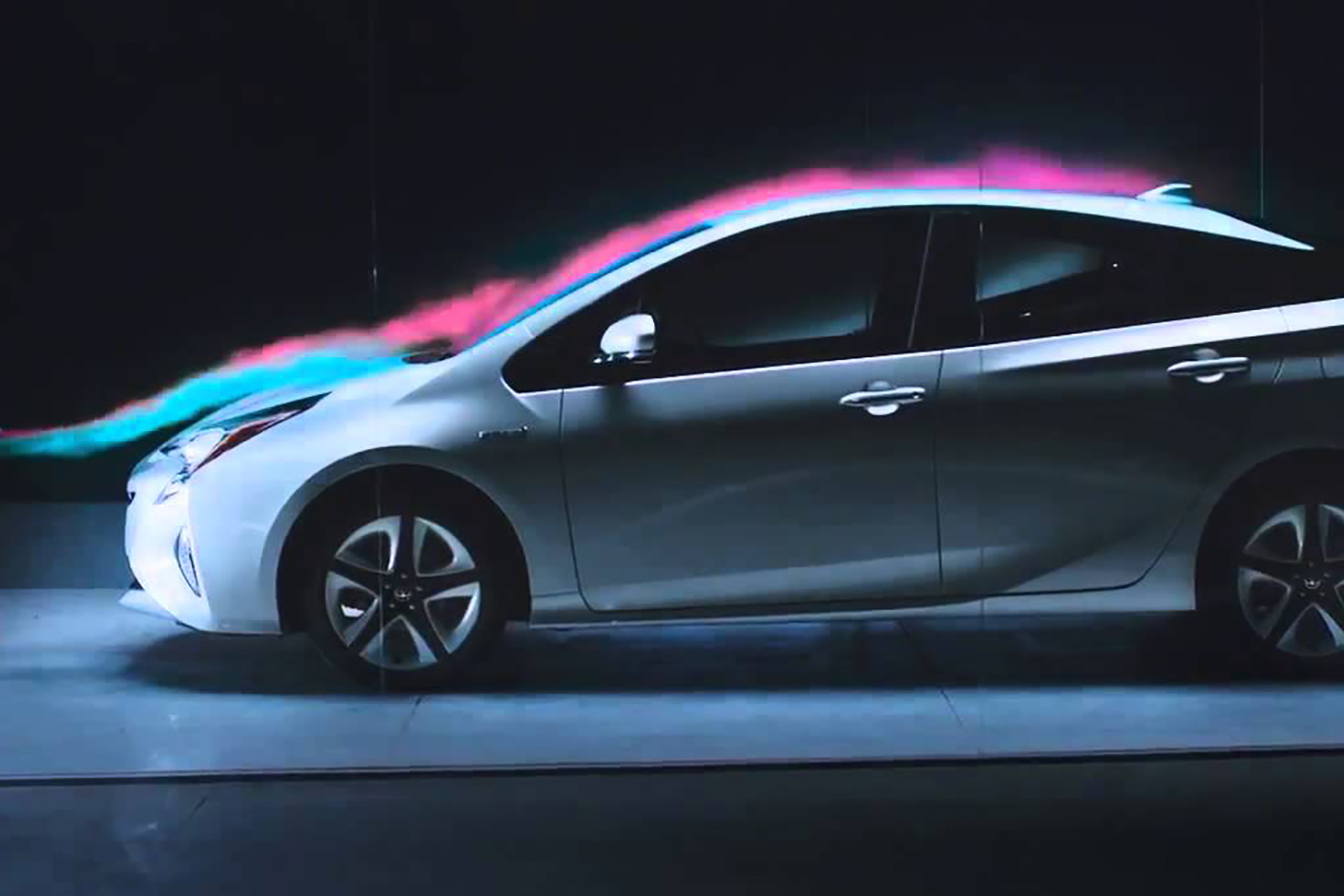
The coefficient of drag, usually abbreviated to Cd or called the drag coefficient, is not a measurement of any one thing, but rather an expression of a car’s total drag divided by its frontal area.
The former means the total amount of wind resistance generated by the car’s shape and surface when moving at a certain speed, while the latter is the total area of air displaced by the car as it moves forward – view it from the front, and you’re essentially looking at that area.
It’s a relative measurement, which means two vehicles with the exact same Cd don’t necessarily create the same amount of drag. It’s entirely conceivable to have a bus with the same Cd as a passenger car, but the bus – thanks to its greater frontal area – will generate significantly more drag as it moves through the air.
A low Cd doesn’t necessarily mean low drag. Size, as always, matters.
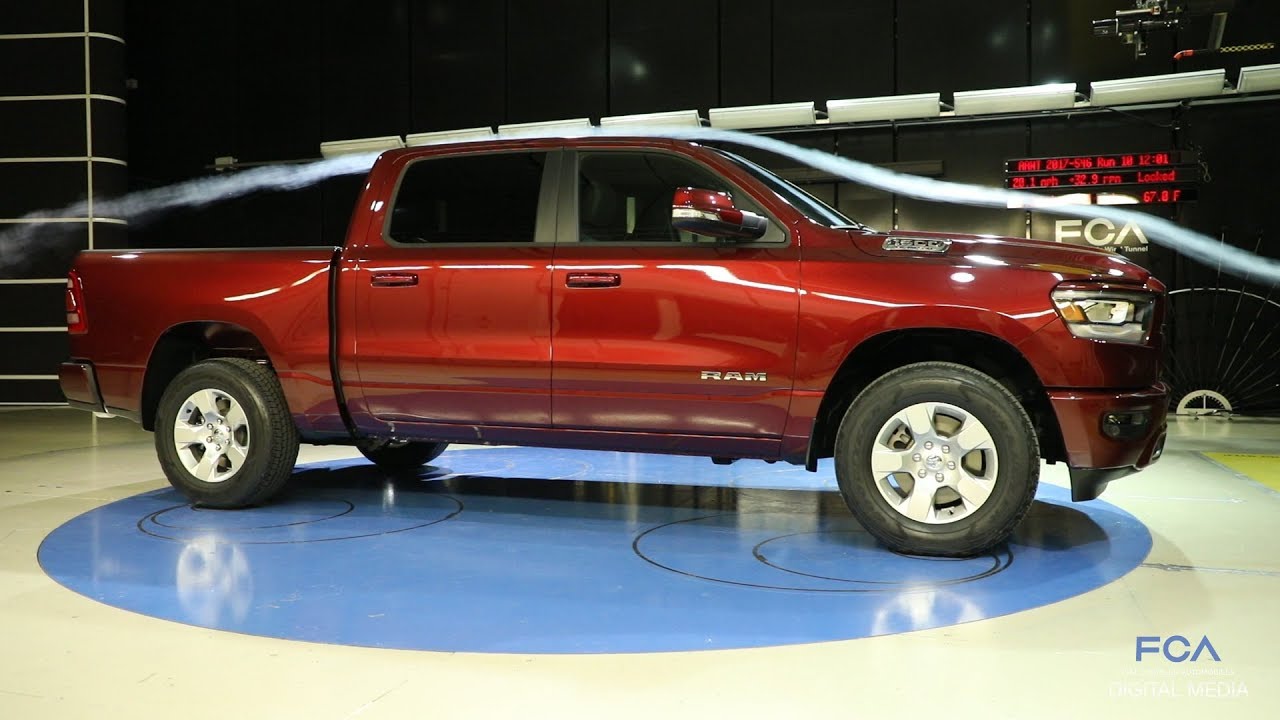
Here’s an example: the Tesla Model X and first-generation Honda Insight are two very slippery cars with each boasting a Cd of 0.25, but the significantly larger Tesla creates more drag overall. Bear that in mind when you see manufacturers bragging about Cd figures for large SUVs.
So why should you even care about that number? Here’s the thing: aerodynamic drag has a massive effect on a car’s fuel efficiency at highway speed, and that effect increases exponentially the faster you go. A car with a low Cd has the ability to slip through the air more easily, burning less fuel as a result and saving you more money in the long run.
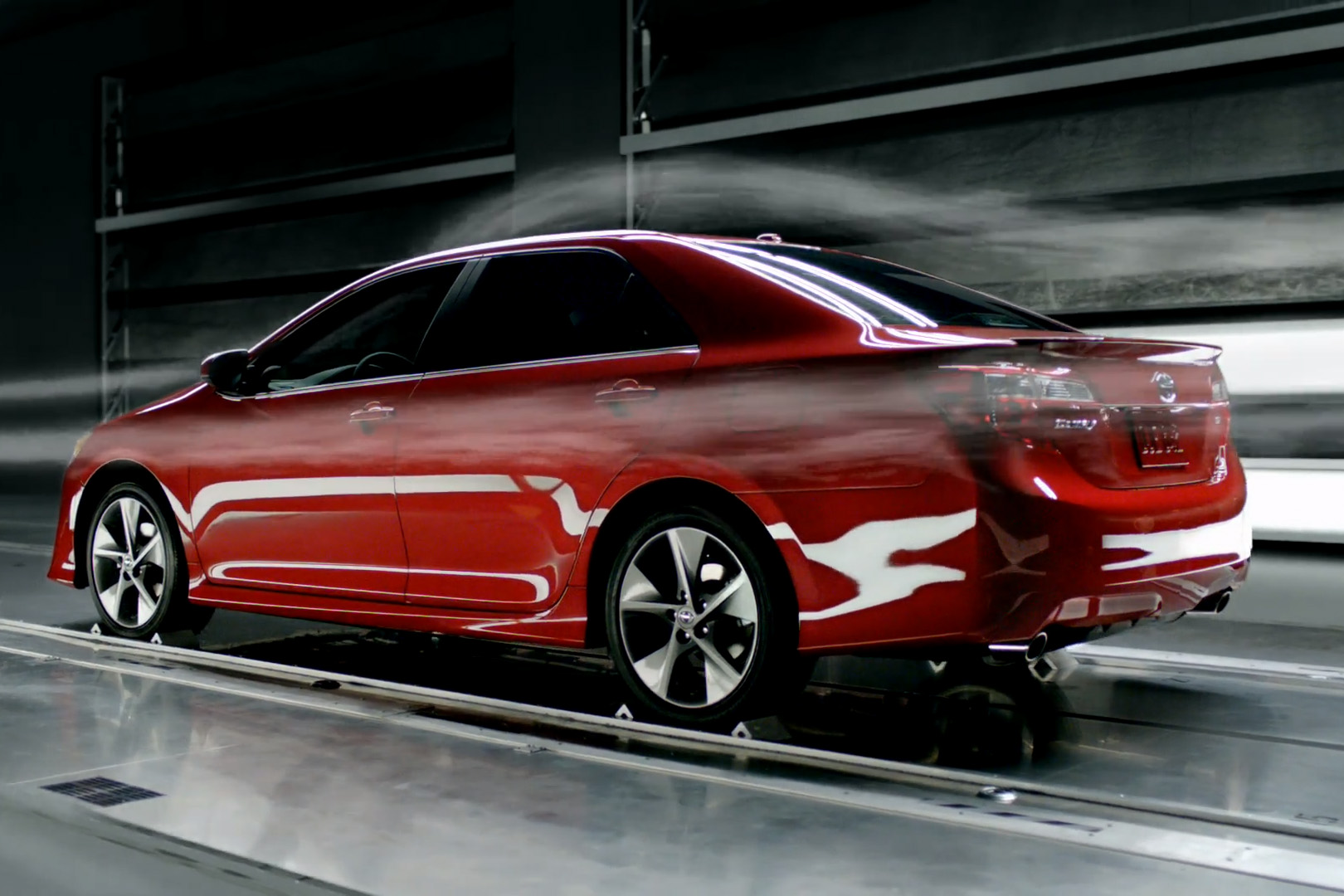
That said, always consider it in the context of the car’s size. If you’re thinking that a large SUV with a low-ish Cd value is going to save you more fuel compared to a smaller wagon with a slightly worse Cd, think again: the opposite is more likely to be true.
One might also think being able to slice through the atmosphere with ease at high speeds would mean a low Cd figure is also important for performance cars, but that’s not correct.
Quite the opposite, in fact – sports cars typically have quite poor drag coefficients, thanks to their use of downforce-generating, lift-reducing or airflow-disrupting features like diffusers, wings, spoilers, vortex generators and cooling vents. They all get in the way of clean airflow, but fuel economy is rarely a priority for a performance car so it doesn’t really matter anyway.

On the other hand the bodywork of efficient cars, like the aforementioned Tesla Model X, the Toyota Prius, Hyundai Ioniq and more, have been designed with the sole aim of reducing drag as much as possible. So, if you’ve ever wondered why a Prius has such a weird hunchbacked silhouette, now you know – it’s all in the aid of producing the lowest coefficient of drag possible.
When you look at the enormous range of small SUVs available now, it’s hard to imagine a time when such a model of car was revolutionary – but in 2010, it was. The Range Rover Evoque went against everything Range Rover stood for. Instead of big, bold and bad-ass, the low-slung and clamshell-like Evoque was small, fashionable and feminine.
At the time, it was considered by many as the hairdresser car of the SUV world, a pox on the tough, utilitarian house of Land Rover. In short: the Evoque was the Audi TT of SUVs. Even Jaguar Land Rover itself didn’t even expect it to be a hit.
Fast-forward to now, and more than 772,096 Evoques have been sold around the world, helping forge the luxury compact SUV’s place as a fashion item. And unlike many of its competitors, the Evoque has the looks AND the ‘can do’ capabilities and integrity of a Land Rover (even though many will probably never experience the cold embrace of a river or rocky incline).
The new MY20 Evoque arrives in dealerships this week, with sales starting on June 1. Aside from its grown-up exterior and slightly more spacious interior, it is more high-tech and more environmentally woke than ever before. Just ahead of its arrival we look at five of the new Evoque’s coolest and most futuristic details to note.
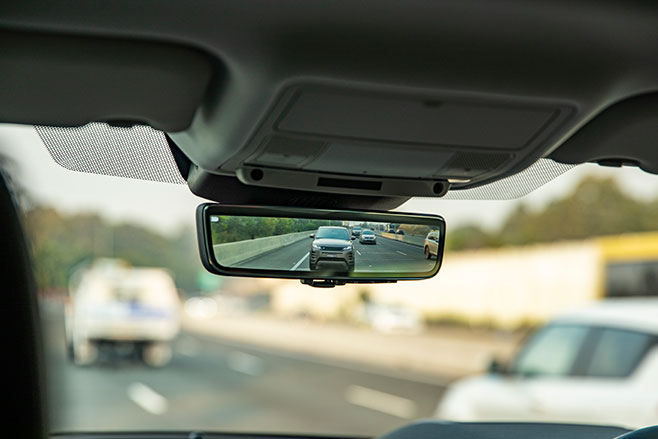
- Magic mirrors
But where Range Rover gets it right is that the ClearSight Rearview camera is actually placed on the roof (where an aerial fin would be), and has a water-repellent coating, so even if you are offroading, it’s less likely to get covered in mud, dust or water.
- Undercar Cameras
- Remote Control
- Eco-friendliness
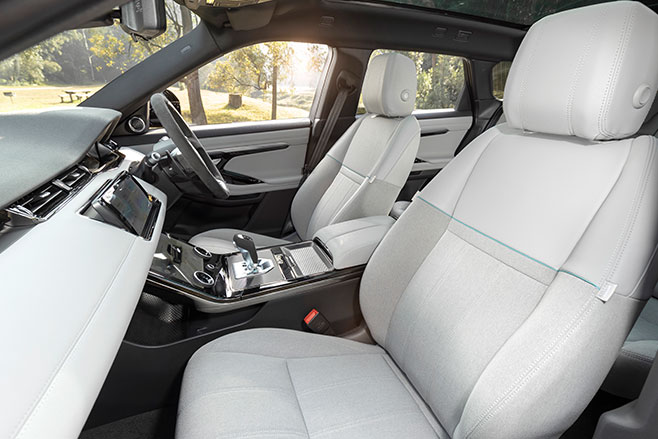
In fact, vegans have the option of leather-like performance material or a Kvadrat interior, a wool blend and synthetic suede cloth that is made from 53 percent plastic bottles (per vehicle). The Evoque also boasts a brand new textile made from Eucalyptus.
The advantage of this new Eucalyptus textile over a typical car interior is that it uses less water, therefore has less impact in manufacturing and sourcing.
- Hybrid technology
It’s small, but the MHEV ends up reducing around 8g of CO2 per km and reducing up-to six percent of fuel consumption.
With the new entry-level BMW 1 Series freshly revealed, BMW has announced a set of M Performance Parts for the range.
With visuals that look set to rival the likes of AMG, and some parts that even have a tangible effect on the car’s driving dynamics, BMW seemingly wants to make its new hot hatch M135i look a little hotter.
The most notable parts on the list of options are the aerodynamic rear spoiler, the front splitter and the canards, as well as the large side decal above a gloss black side sill insert.
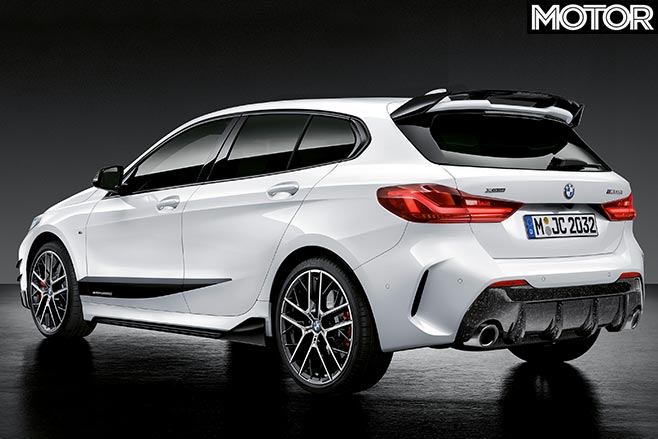
Also notable is the use of forged carbon fibre for some of the additions, namely the rear diffuser and the side mirror caps.
Everything else, including the front grille and aero elements, is finished in gloss black.
The new BMW 1 Series range revealed
A new wheel is also available for the 1 Series as part of the Performance Parts set, with an 18-inch ‘Y-Spoke 554M’ forged wheel claimed to be ‘weight-optimised’. ‘Double Spoke 555M’ wheels are also available, these in 19-inches, while BMW offers ‘M Performance wheel bags’ for storage of a second set of rims.
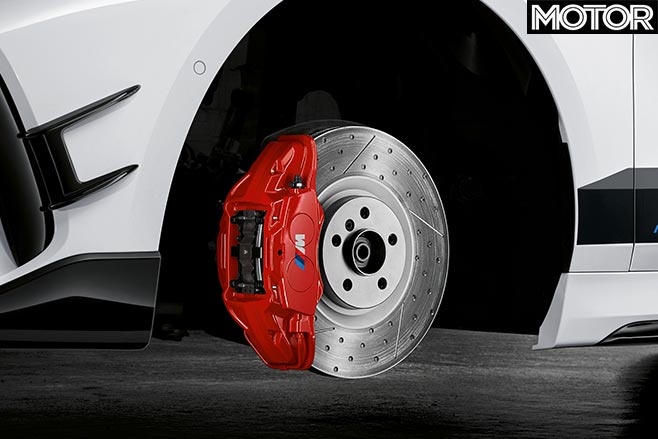
Behind these wheel options are another option, 18-inch M Performance sports brakes. BMW says these brakes work harder and don’t retain as much heat as the standard brakes, due to vented, perforated discs. Four-piston calipers are found on these discs, the calipers themselves made from aluminium alloy for a little extra weight saving.
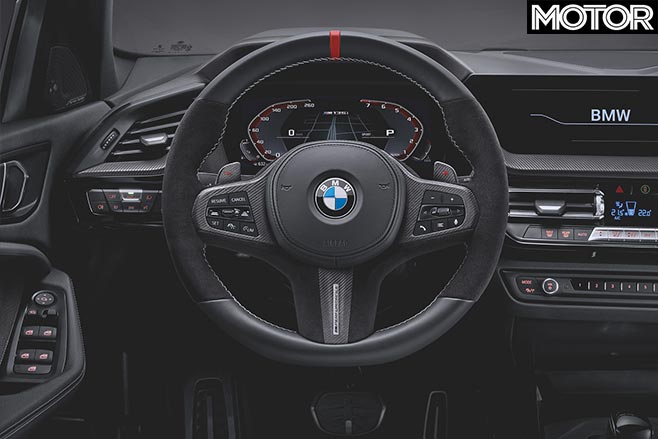
Inside the cabin, past the doors projecting the BMW M logo as puddle lamps, an M Performance steering wheel is wrapped in Alcantara, with a red centre mark at 12 o’clock, and silver-grey cross stitching. The wheel can also be optioned with carbon fibre and Alcantara, or carbon fibre and leather.
Velvet velour floor mats are also available, though these are arguably less ‘racy’ and more for style.
BMW Australia says the M Performance Parts will be available locally with the new 1 Series.
After being a success since its inception in 2014, the 2019 Adelaide Motorsport Festival has been cancelled, due to a recent and dramatic reduction in South Australian government funding.
Significant parts of the festival from previous years such as the Victoria Park Sprint, and other festival activities within Victoria Park have been cut from the schedule.
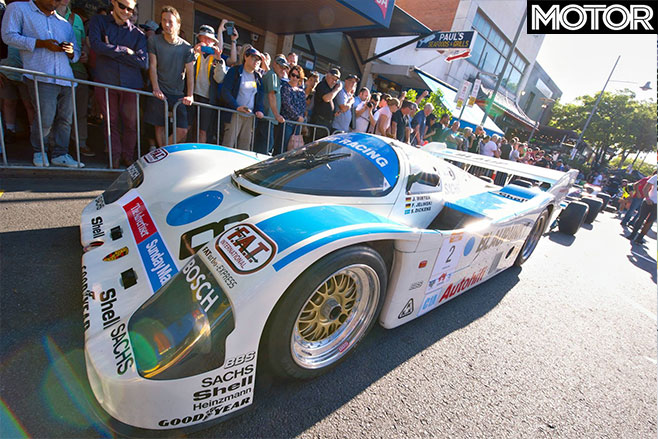
The adjoined Adelaide Rally however, along with the Gouger Street Party and a new motorsport-themed street party will still go ahead on the original dates of December 4-7.
Put together in 2014, the event was created by only a small number of passionate motoring enthusiasts, with organisers saying they are proud of their creation despite the downsize for this year.
What you missed from last year’s Adelaide Motorsport Festival
“Since 2014, the Adelaide Motorsport Festival has become one of the most respected motorsport events in Australia, and is recognised around the world. With a just a small team of dedicated enthusiasts and a genuine love for motorsport in all its forms, we are proud to have created an event like no other,” as stated on the Adelaide Motorsport Festival Facebook page.
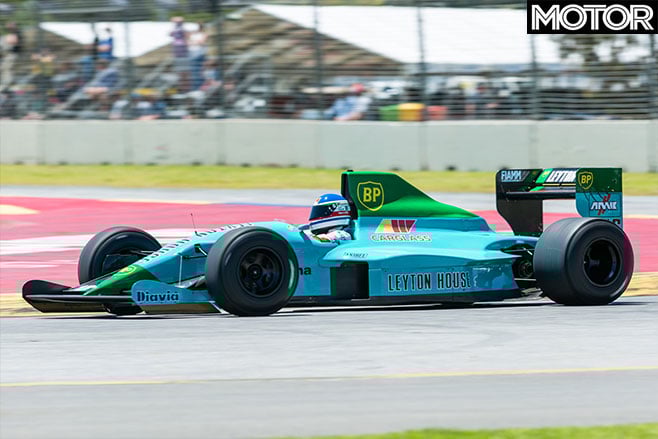
The public have been treated to seeing some awesome machinery over the last five years, with Formula 1 cars, touring cars, rally cars, Le Mans monsters, and sports cars all touring around the Adelaide CBD, as well as famous motorsport personalities who have attended the event, such as Craig Lowndes and former Ferrari driver Ivan Capelli.
The event also served as a platform for car manufacturers to show off their latest creations to the public eye. Some of the fastest road cars on the planet had made an appearance in the past, with the famed trio of the McLaren P1, the Porsche 918 and the Ferrari LaFerrari gracing the Adelaide streets.
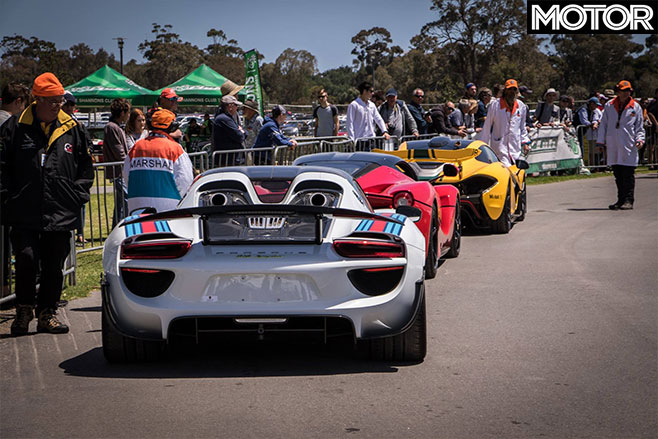
While devastated that the event hasn’t been able to go ahead as planned, organisers describe this as a ‘pit stop’, and are working on funding solutions to get the event back up and running in its full capacity in 2020.
The brand-new JL Jeep Wrangler has only just arrived in the country and has already been subject to a scathing assessment from the Australasian New Car Assessment Program (ANCAP).
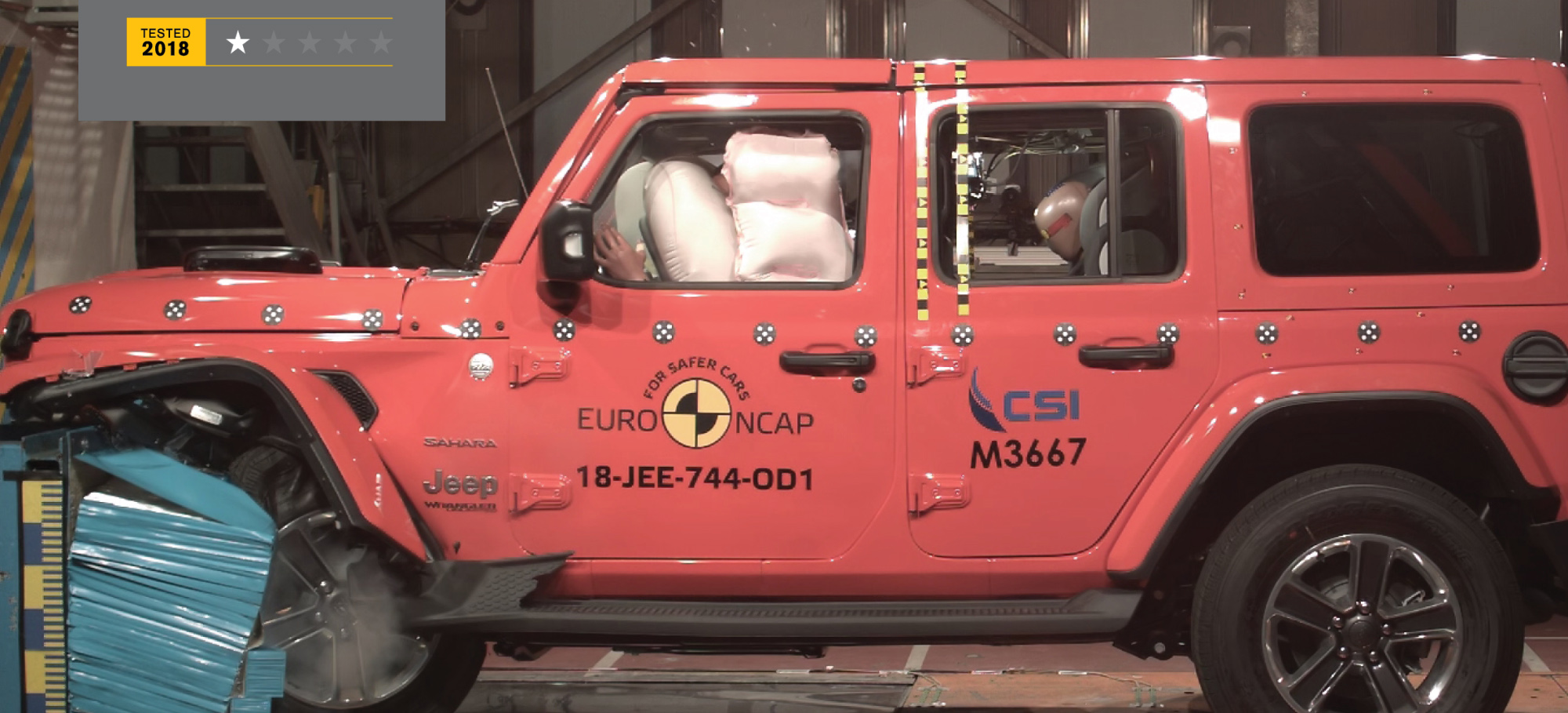
ANCAP has served the JL Wrangler with a one-star safety rating. Rather than test the vehicle locally, ANCAP has used the test results dished out by its European sibling NCAP last year.
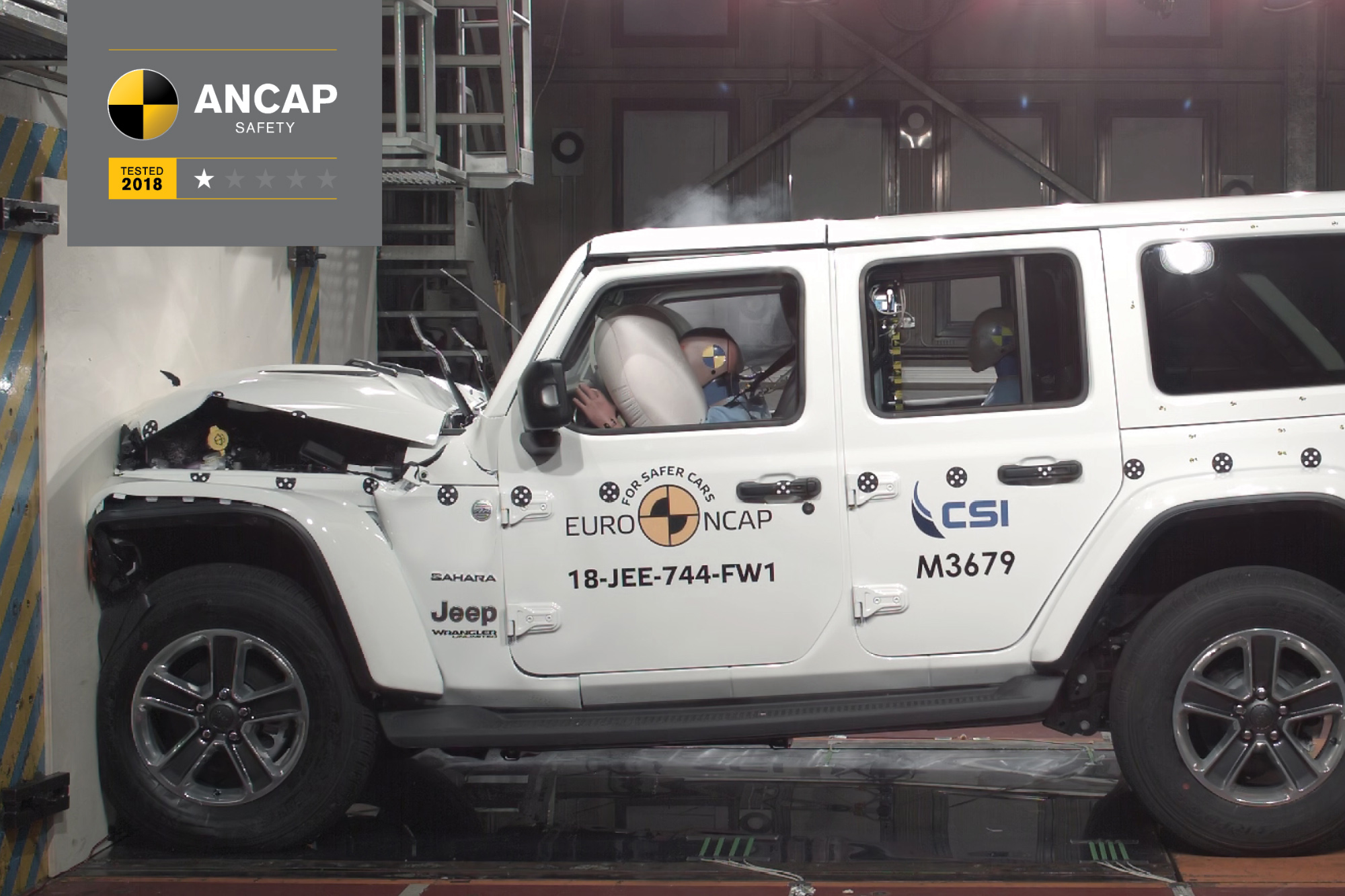
“The safety performance of the Wrangler is limited, falling well shy of the expected standard in three of the four key areas of assessment,” ANCAP Chief Executive James Goodwin said.
“Chest protection was a concern for the driver and rear passenger in each of the frontal crash tests; a number of penalties were applied for structural deformation and potential leg injury hazards; and base variants lack autonomous emergency braking altogether.”
The final safety scores released by ANCAP imitate those achieved in European testing, with a 50 percent score in adult occupant protection, 80 percent for child occupant protection, 49 percent for vulnerable road user protection, and 32 percent for safety assist.
“The passenger compartment of the Jeep Wrangler did not retain its structural integrity in the frontal offset test,” ANCAP’s official report states.
“Connection between the A-pillar and the cross fascia beam was compromised, as was the footwell structure, and penalties were applied.
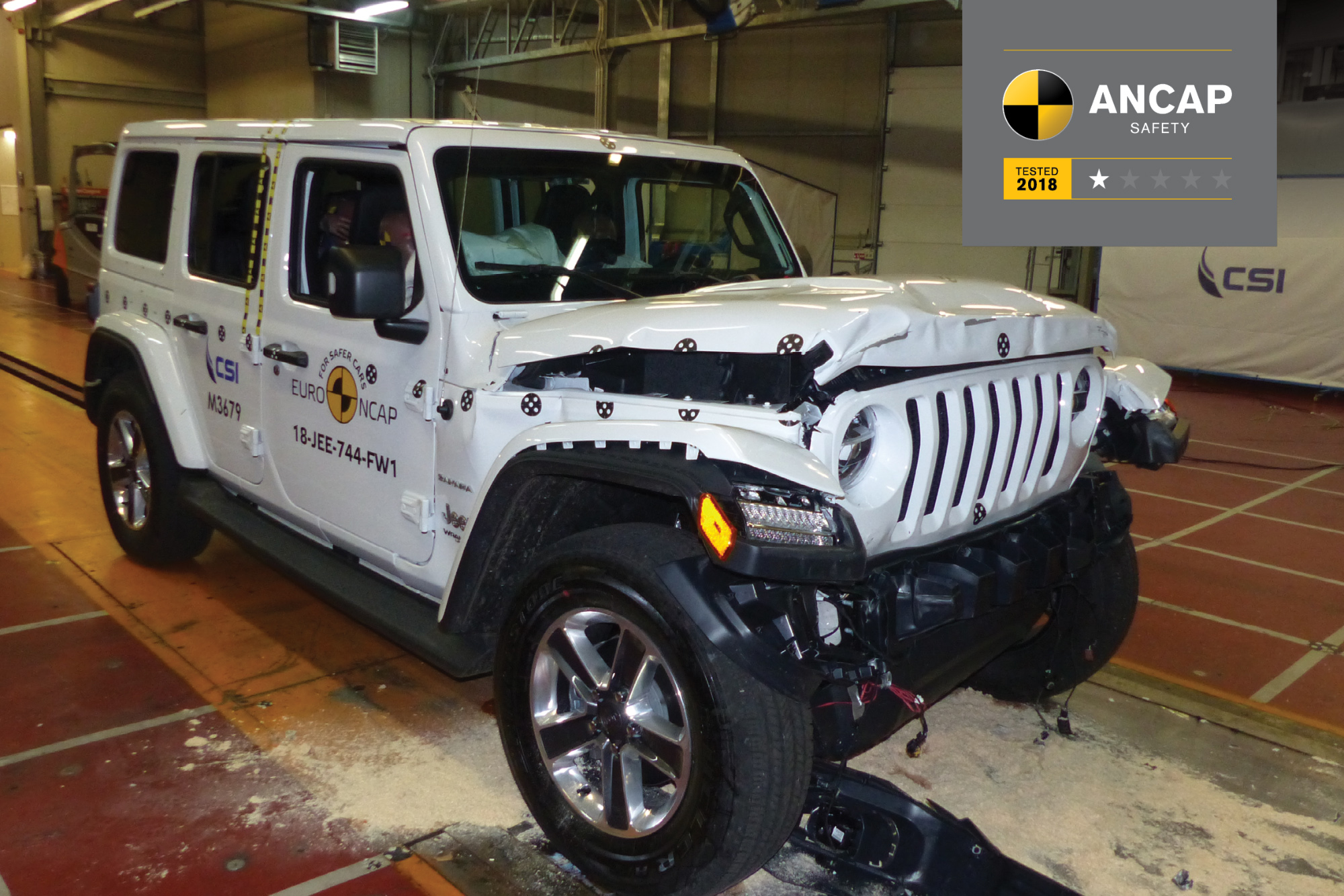
“Protection of the chest was weak for the driver and adequate for the front passenger. Structures in the dashboard were a potential source of injury for both the driver and passenger.
“An autonomous emergency braking (AEB) system is available on some variants, however, this system is not standard equipment and was not tested.”
The Wrangler’s adult occupant protection score was assessed across five separate tests, each scored out of 8.
On the frontal offset test, the wrangler achieved a 3.89, while on full-width frontal ANCAP awarded 5.72 out of 8.
A perfect 8 out of 8 was given for side impact, while whiplash protection was a 1.67. For the oblique pole test, not points were given.
The JL Wrangler was slapped with a one star NCAP rating in Europe late last year – one of the lowest safety scores ever achieved in the modern era.
This prompted a strongly worded response from Jeep’s US press office.
“The new Jeep Wrangler – an award-winning vehicle with unmatched capability and worldwide appeal – meets or exceeds federal safety requirements in every market in which it is sold,” it said.
“Further, the Jeep Wrangler is engineered to deliver superior performance and unique driving experiences under the most demanding conditions. Testing protocols that apply exclusively to urban scenarios may not align with such a vehicle.”
Locally, Jeep Australia told Wheels that it stood by its Wrangler as a specialist off-road vehicle with appropriate safety technology and construction.
“Safety is something we take incredibly seriously and every other member of the Jeep family of vehicles wears a five-star safety rating with pride, whether tested by ANCAP in Australia or by Euro NCAP.
“The new Jeep Wrangler is a specialist off-road performance vehicle that has more than 70 advanced standard and available safety equipment. This includes front and side airbags, blind-spot monitoring, rear cross-path detection, parking sensors, a rear-view camera and autonomous emergency braking, all of which are paired with the use of high-strength steel in the Wrangler’s construction designed to protect the cabin in the case of an accident.
“The Wrangler also meets federal safety requirements in Australia and is compliant with Australian Design Rules (ADR), the national government standards for vehicle safety, anti-theft and emissions in Australia.
At the time of the NCAP result, Mr Goodwin said the results of the Wrangler’s crash tests were “disappointing”.
“I’d encourage FCA to use the opportunity to improve the safety result in time for its Australasian launch,” he added.
Introduction
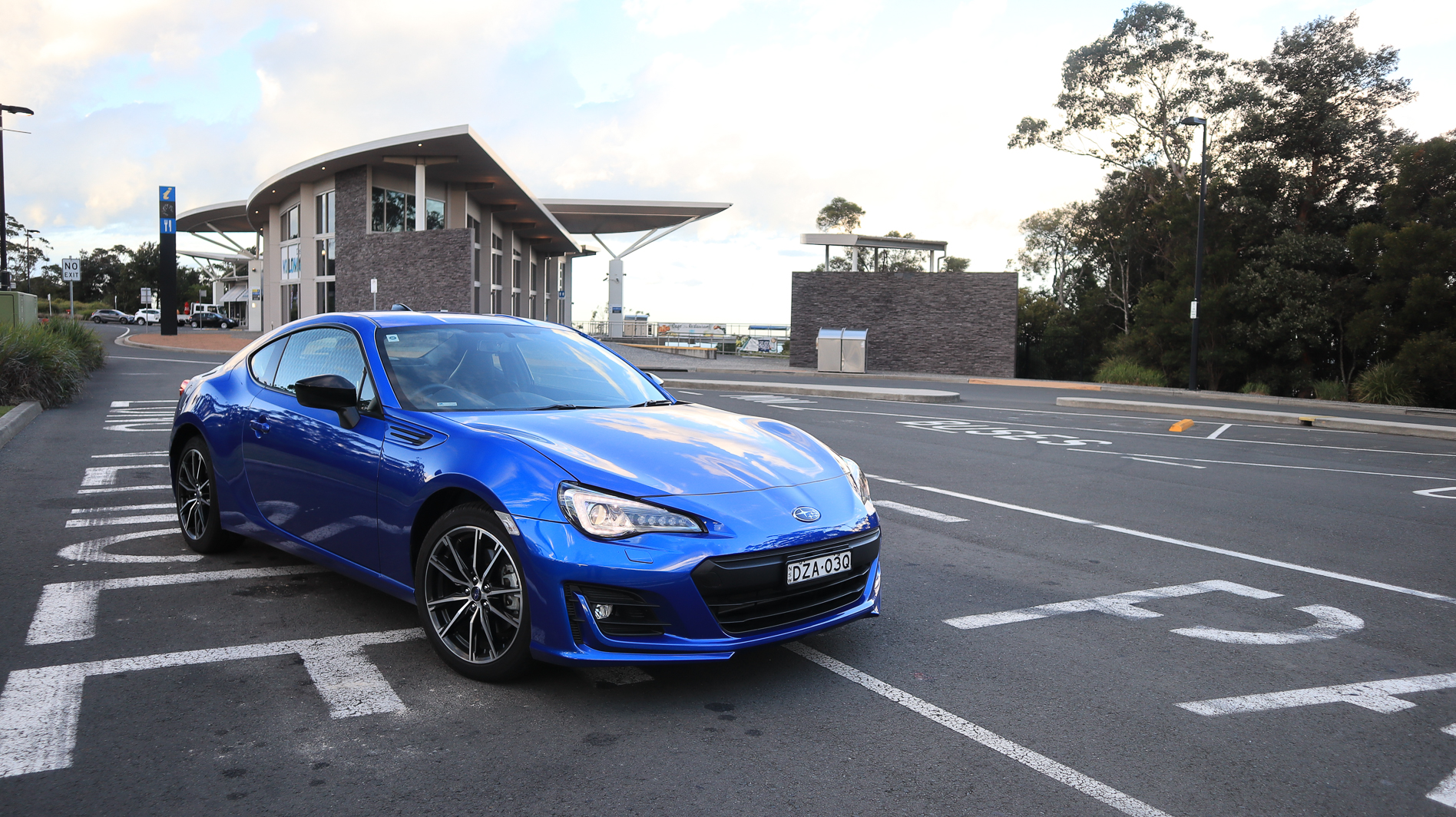
Seven years on, and Subaru’s much heralded little sports car, the BRZ, hasn’t really changed. Like, at all. Same flat-four engine, same rear-wheel-drive layout, same 2+2 seating layout.
At the time the BRZ – and its twin, the Toyota 86 – was a shot in the arm for affordable, entertaining cars, but the game has moved on in seven years. How has the BRZ held up?
Style
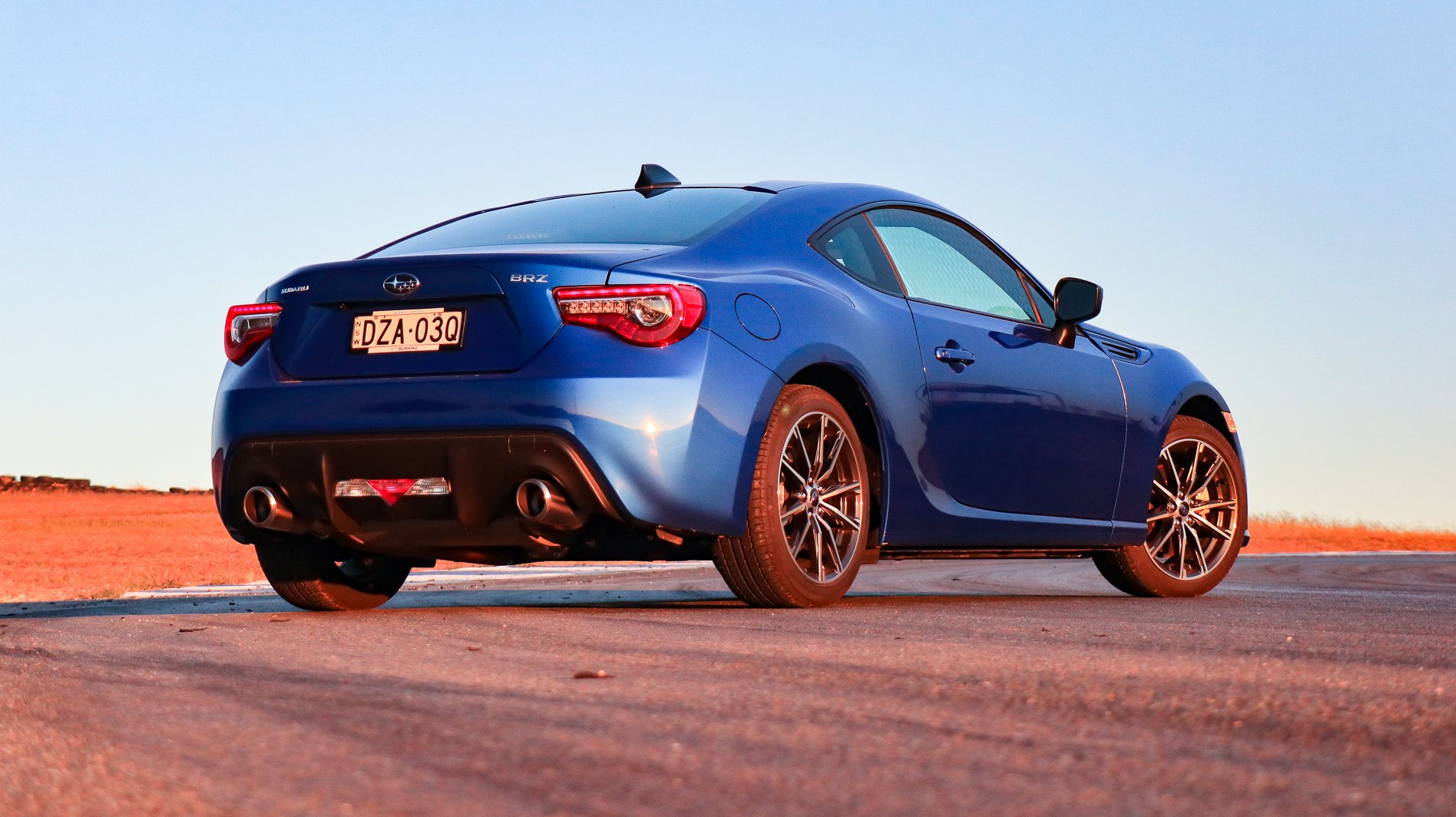
The low-slung, rear-wheel-drive two-door Subaru coupe’s form has been squared up and modernised over the years, with the latest iteration wearing a sharper, more macho front bar and LED lighting front and rear.
It still looks underdone in the wheel and tyre department thanks to those slightly anaemic 17-inch jobs, though, while the stock ride height doesn’t do it any favours.
It does, however, still turn head despite its relative age, which is not something many cars of a similar vintage can claim.
Inside, it’s pretty sombre, with the reams of grey and black broken up by red contrasting stitching. It’s nice to see the sports-fitting seats still offer the unusual reversible headrest, which is designed to accommodate helmet wearers more comfortably.
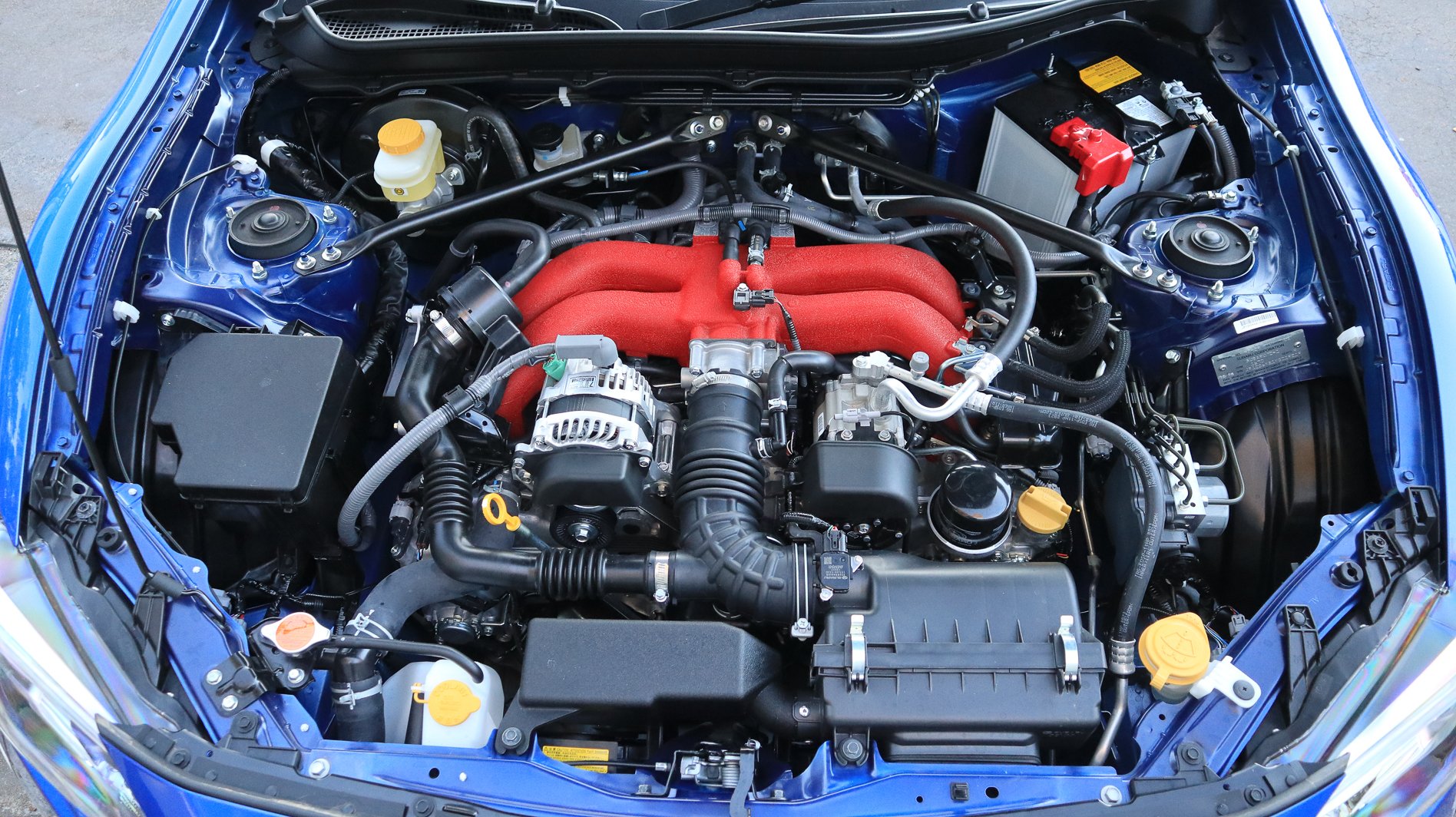
There is a splash of colour under the bonnet for the anoraks – the engine’s top-mounted manifold piping has been sprayed bright red, but only in manual gearbox-equipped cars.
Price and value
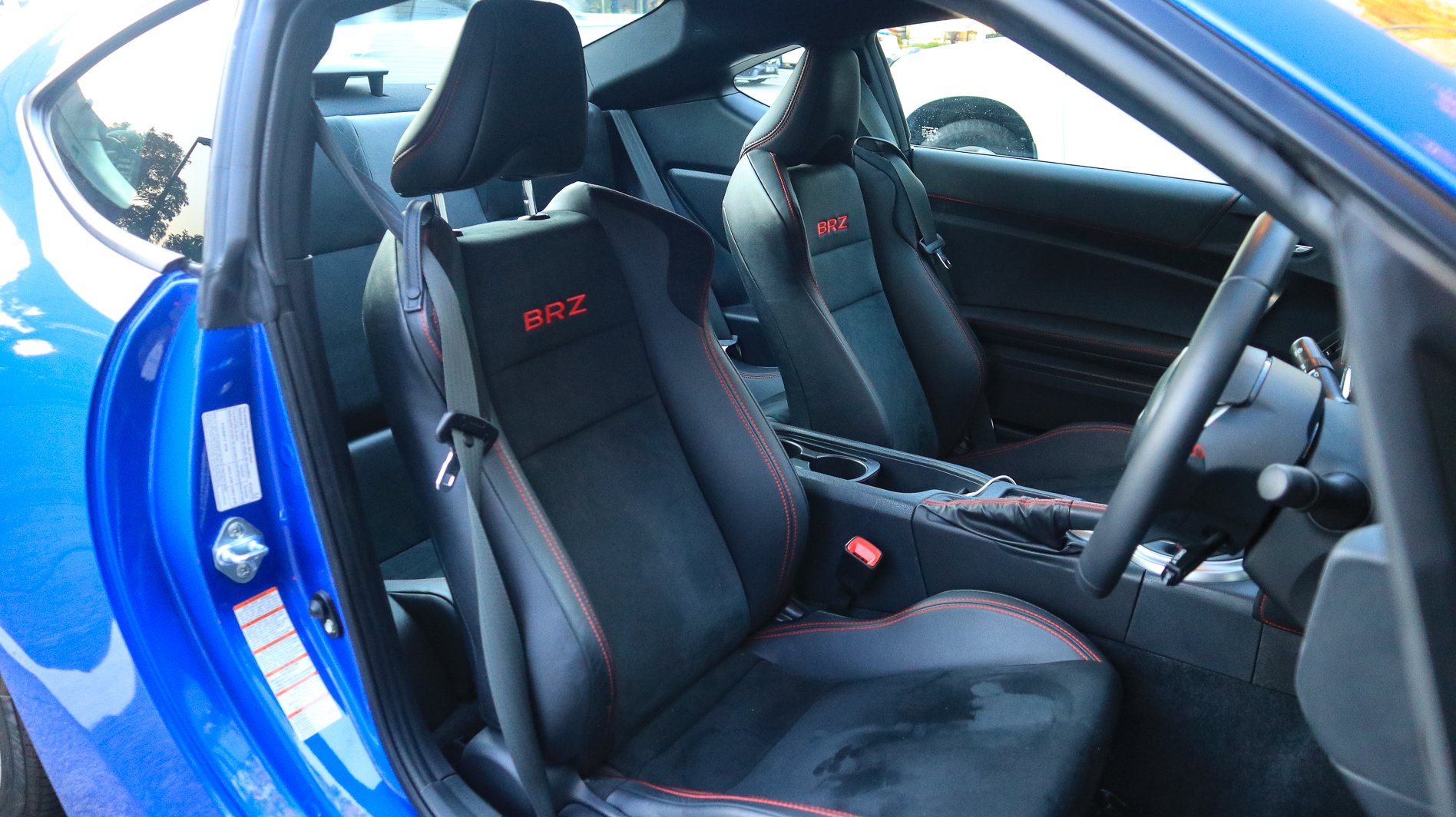
This is the BRZ Premium, which costs $36,030. It sits over the top of the base BRZ, which comes in at $34,520. The only thing it has over the top of the stocker, though, is leather and Alcantara suede trim for the seats, as well as butt heaters.
There’s also a tS model for $40,434, which gains Sachs suspension, Michelin tyres on 18-inch rims and Brembo brakes.
The BRZ is pretty well equipped, with LED foglights and headlights, LED taillights, keyless entry and pushbutton start, automatic lights and wipers, a compact multimedia system with Apple CarPlay and Android Auto and the aforementioned heated front seats.
A Styling Pack adds side skirts and a spoiler, a Driver’s Pack lowers and stiffens the car for more stability, while an S Pack gets you black Enkei alloy wheels and a red engine-start button.
Its age – and its small frontal area, apparently –means that while it gets switchable traction and stability controls, it’ll never get driver aids like AEB and adaptive cruise control.
Rivals include – naturally – the Toyota 86, but its pricing and power outputs put it in the competitive set of warm hatches like the Hyundai i30 N-Line.
Size
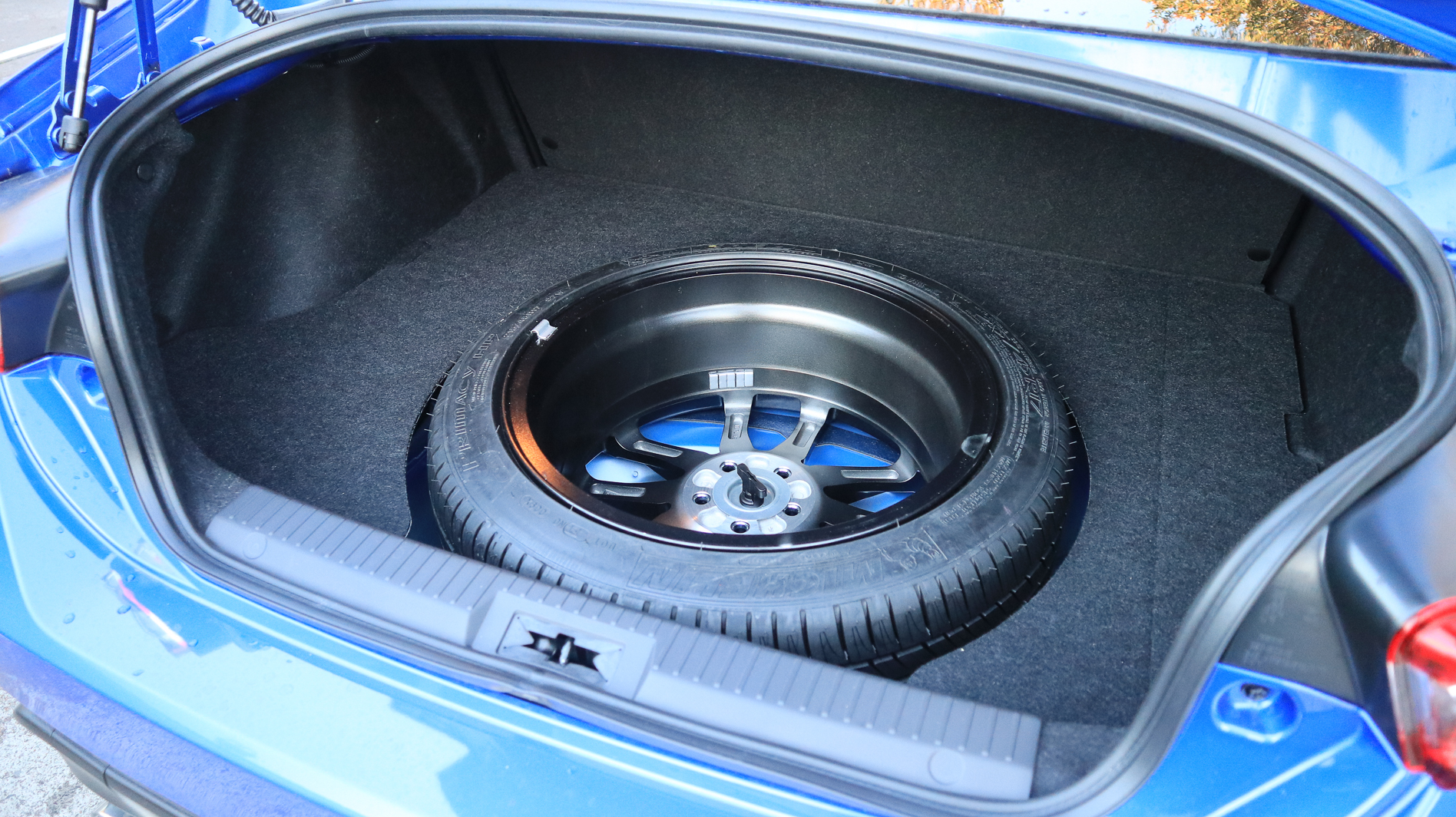
The key fact to understand about the diminutive BRZ is that it has the lowest hip point – the point at where your hips are lowest, you won’t be surprised to learn – in the entire Subaru (and Toyota) line-up. This isn’t an easy car to lower yourself into gracefully.
It’s a nick over 4.2m long and it’s about 1.77m wide, and just 1.32m high. Boot space is a tiny 218 litres, but you can drop the back seats and gain enough space to carry four wheels and tyres… for when you go to the race track, see?
The rear seats exist in name only. It’s super awkward to access them, and even putting kids in the back is a trial, given how much you need to stoop.
Safety
Even though the BRZ lacks more modern safety tech like lane departure warning and autonomous emergency braking, it still holds an ANCAP score of five from five stars.
It boasts seven airbags, including a driver’s knee bag and curtain bags along its length.
Warranty and running costs
Subaru recently switched to a five-year/unlimited kilometre offer across its fleet, BRZ included. It also offers a fixed-price service regime. Subaru specifies 15,000km or (unusually) nine-month intervals for servicing, and the first four will cost you around $224 each.
The fifth jumps a little to around $362, while the 90,000km service tops $1070. The last one comes at 63 months or 130,000km and costs around $972.
Its 50-litre fuel tank needs 98 octane, despite the engine having no turbocharger, which pushes the price of a tank to around the $65-70 mark.
Our testing returned 9.2L/100km on the combined fuel economy cycle after a good 650km on board, against Subaru’s claim of 8.4L/100km.
Our best from a tankful of juice was 554km, with probably 20km of potential range left… but it was a long walk back to a service station if we got that stat wrong.
Comfort
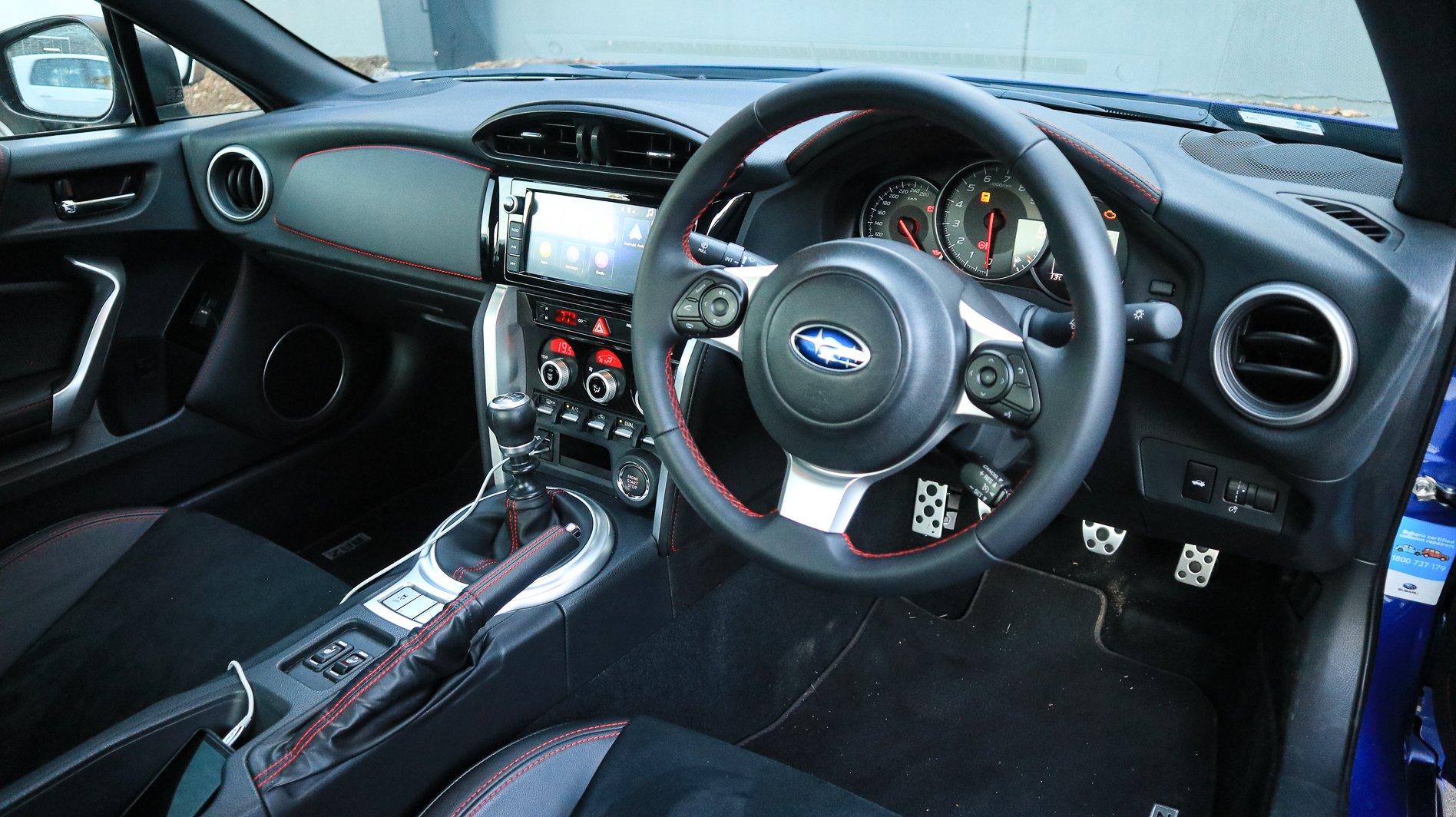
Let’s focus up front because the only thing that’s comfortable in the back is your backpack. The leather/suede front buckets are firm but well-shaped and accommodate even more husky gentlemen with ease.
The quality of the seats along with the included seat heaters in the Premium is, in my opinion, worth the cost of entry, lifting the cabin comfort of the BRZ from okay to good.
It’s a tiny workspace, so everything falls easily to hand, but it’s a little underdone for storage; a lid on the centre console bin would be a good addition, for example.
The small multimedia screen works well enough; we tested it with Android Auto as opposed to our usual Apple CarPlay and found ourselves needing to revert to Bluetooth connectivity for a reliable connection over the test. It worked, but it wasn’t straightforward.
But the BRZ is more about the interaction between hands, feet and eyes, and the BRZ’s small, chunky wheel, perfectly place pedals and compact gear shifter are a tactile delight.
On the road
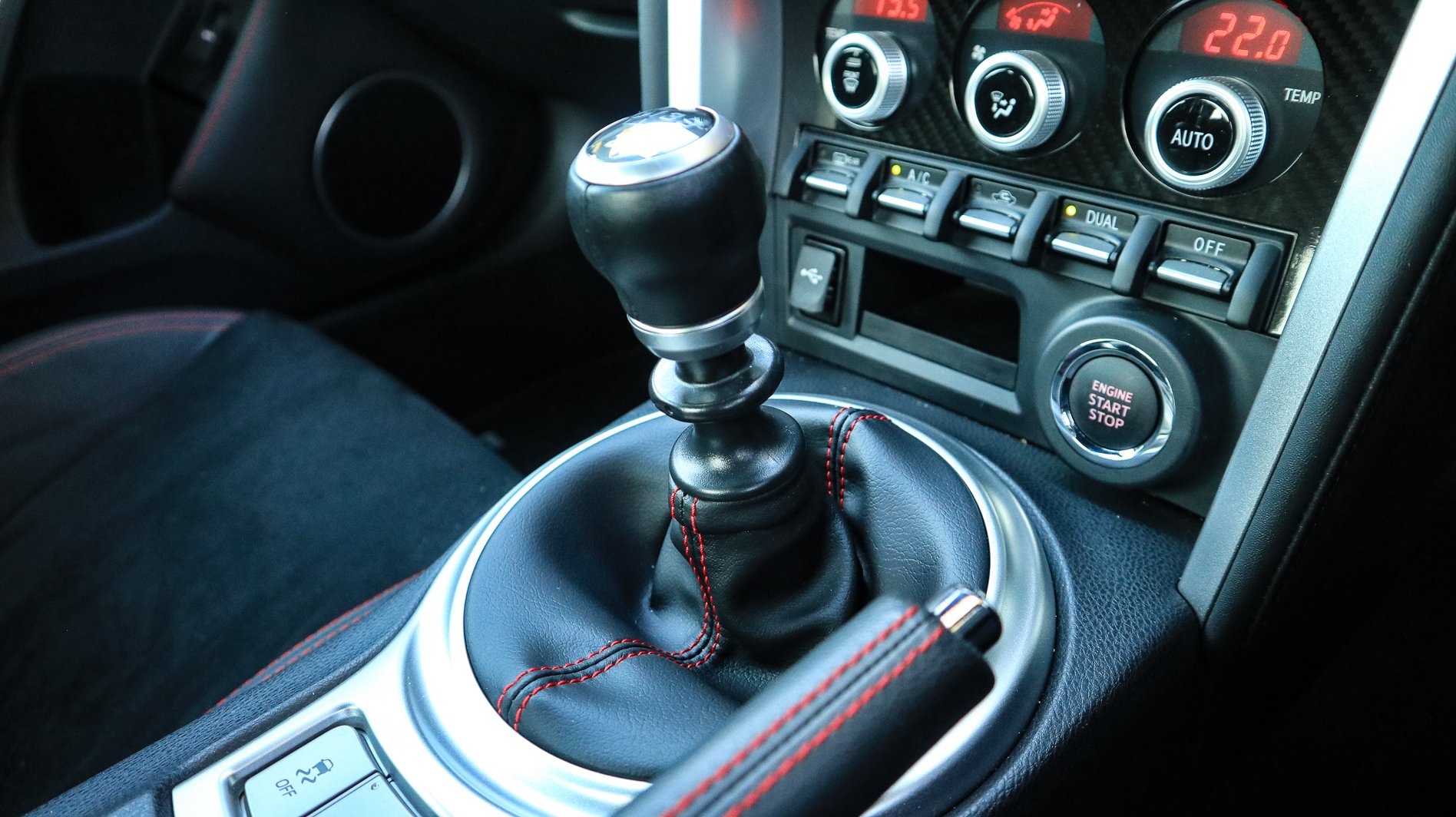
In a world of SUVs and dual cabs, you feel pretty invisible aboard the BRZ at times. The clutch action takes a little dialling in but is fine to use even in traffic, while the 2.0-litre flat-four cylinder petrol engine is tractable across the rev range.
With just 152kW and 212Nm on board to push around 1242kg, the BRZ isn’t slow, as such, but it does need encouragement to get its groove on and send sufficient propulsion to those rear wheels
The suspension tune is perfectly placed between the realms of comfort and precision, with a lovely, compliant feeling off the top of the stroke that helps absorb city lumps and bumps.
It uses that compliance to key itself into the road surface when you turn up the wick, too, with the fly-by-wire throttle and electrically-assisted steering not betraying the BRZ’s faithful feeling at the wheel. The low-grip Michelin Primacy tyres are the limiting factor, but it all plays nicely together.
However, we’d resist the urge to add grip via rubber without firming up the suspension; something the more expensive BRZ tS does perfectly with its Sachs dampers, bigger Brembo brakes and Pilot Sport 4 rubber.
No adaptive cruise or AEB makes the BRZ slightly less user-friendly than, say, an Impreza as a daily commuter, but it’s still quite capable.
Air induction noise is quite prominent at higher revs and there is some road rumble on the highway, but at lower speeds, it’s surprisingly quiet.
The BRZ still offers enough of a sense of occasion, even after seven years, to overcome those shortfalls, anyway.
The small capacity engine is adequate, but we’ve long suggested that a mild turbo system would really bring the BRZ alive, and the quality of the chassis would support such an endeavour. Indeed, the original brief for the 86/BRZ duo was to serve as a platform for modification.
Verdict
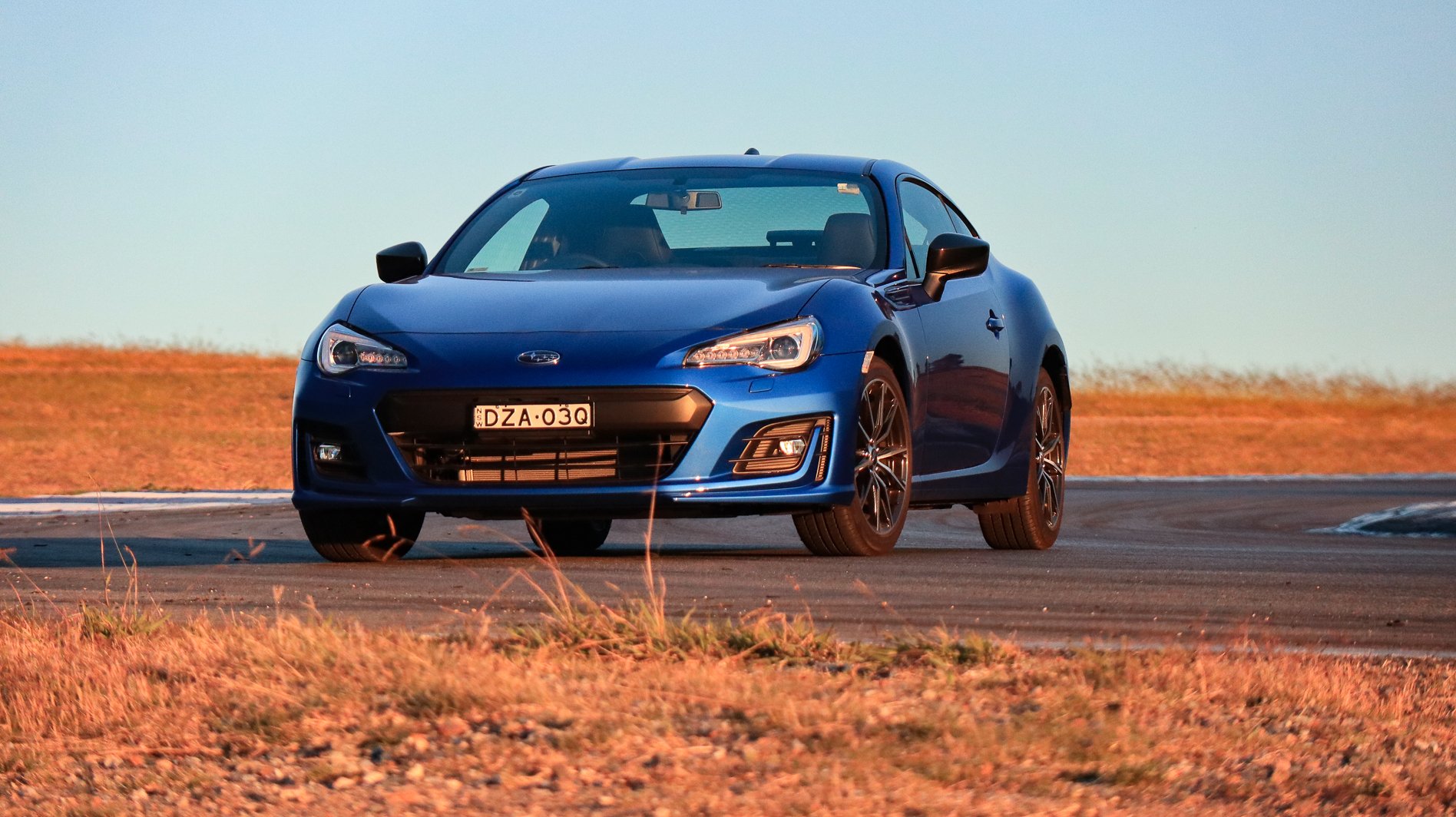
The BRZ sits oddly but comfortably within Subaru’s all-wheel-drive fleet, quietly selling in half-decent numbers to a surprisingly wide audience. It’s special without being overbearing, and entertaining without being difficult to access. It’s affordable, too, and resales are still pretty sharp.
It may also be an endangered species, with Subaru admitting there is no visibility on a replacement on the horizon.
If you’re on the fence about getting one, I wouldn’t dally – the Subaru BRZ is one of the last of the affordable rear-drive sports cars, and it’ll attain cult status in generations to come – for good reason.
Model: Subaru BRZ Premium Engine: 1998cc flat 4cyl, dohc, 16v Max power: 152kw @ 7000rpm Max torque: 212Nm @ 6400-6800rpm Transmission: 6-speed manual Weight: 1242kg 0–100km/h: 7.6sec Economy: 8.4L/100km Price: $34,520
Update: Renault’s board of directors have met to discuss FCA’s 50/50 merger proposal between the two carmakers. A study will be conducted into the “business combination” to see if the plan will add value to the Renault-Nissan-Mitsubishi Alliance – although Nissan and Mitsubishi are yet to comment on the union.
Fiat Chrysler Automobiles (FCA) has presented a non-binding letter to Groupe Renault proposing an equal-share merger of both operations.
FCA’s move confirms strong rumours that both the Italian-American and French carmakers have been in talks of a potential deal, with both parties to receive an equivalent equity stake if approved.
According to FCA’s release, if successful, the collaboration would create the world’s third largest carmaker with the potential to achieve 8.7m vehicle sales globally. Additionally, none of the current manufacturing plants would be closed.
The deal would benefit both parties in terms of sharing technology, intellectual property and the development of future models. However, the relationship would extend further than mere platform-sharing, with clear benefits in the areas of connectivity, electrification and autonomous driving.
FCA’s proposal includes Renault’s alliance brands, meaning the move offers benefits to the entire Renault-Nissan-Mitsubishi family. The tie-up would aid development of electric vehicles and help find solutions for tightening emissions regulations.
Given Renault’s extensive development of EVs, especially the compact Zoe, the collaboration could open the door to fully electric versions of the Fiat 500 and Alfa Romeo MiTo (not currently sold in Australia). Nissan’s Leaf program would also be of particular interest to FCA.
On the flip side, buddying up with FCA would also give Renault a stronger foothold in North America, with brands like RAM, Jeep and Dodge falling under the proposed new umbrella.
The aim is to create a global automaker with a brand portfolio that has the ability to serve all sections of the market, from the budget-conscious to performance and high-end luxury.
An imminent Groupe Renault board meeting will reportedly glean further answers on the potential move. The plan is subject to “negotiation and final review and approval” of both boards at FCA and Renault.
Tune into Wheels for further updates.
The new BMW 1 Series has finally been revealed, and of most interest to us here at MOTOR is the range-topping 2020 BMW M135i.
BMW calls it new entry level cars “sporty, cool, safe, and classy,” but hopefully the emphasis is on that first point for the M135i.
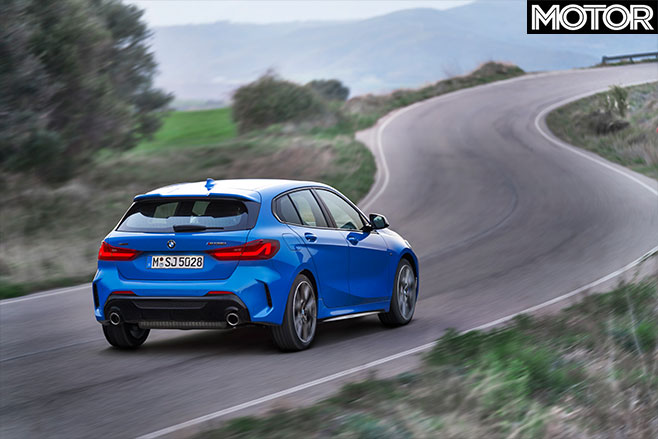
BMW Australia says the BMW hot hatch will be available upon its local launch late this year, though it can’t confirm pricing or exact specification at the moment.
The new BMW 1 Series range revealed
Let’s take a look at its specs sheet to see what we can expect from the new baby Bayerische brawler.
The Engine
Perhaps the most notable aspect of the new 1 Series is the absence of something most will miss dearly, the 3.0-litre straight six as seen in the M140i.
In its place at the top of the range is the inline four which debuted in the X2 M35i – albeit as a motor not to be scoffed at.
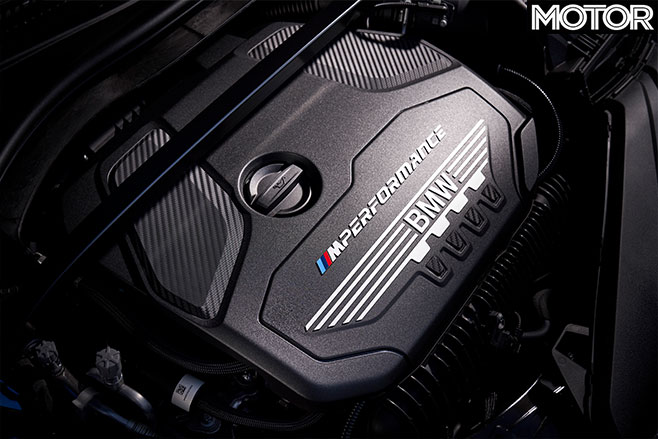
The turbo four punches out 225kW in its upper reaches, past 4500rpm, and pulls hard with a solid 450Nm of turbo-induced torque between 1750rpm and 5000rpm.
If previous experience with this engine is anything to go by, BMW’s 4.8 second 0-100km/h claim might even be a little conservative.
The next BWM M3 engine explained
It’s also worth noting that the new engine’s output is incredibly impressive for its size. Where the inline six made 93.4kW per litre, the four’s 112.6kW knocks it out of the park.
The Drivetrain
The engine is impressive enough to deserve its own heading in this list, but the rest of the drivetrain, namely the gearbox and driven wheels, might be a little disappointing for M Performance purists.
Rather than the option of a six-speed manual in a rear-driven wagon/hatch, the M135i now comes exclusively as an all-wheel drive offering with power being transferred through an eight-cog ‘Steptronic Sport’ transmission.
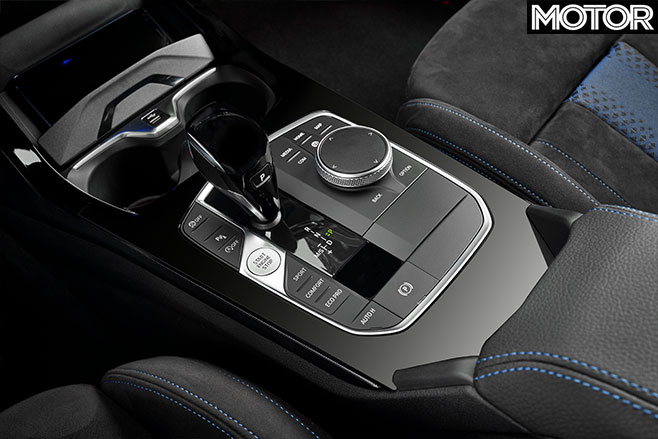
While well-tuned if the X2 M35i is anything to go by, it just won’t be as playful as the experience of 250kW being sent to the rears while you row through the gears.
The Dimensions
On the outside, the new 1er is very slightly longer, wider, and taller (4319/1799/1434mm respectively in the new M135i vs 4324/1765/1411mm in the old M140i), but with a slightly shorter (by 20mm) 2670mm wheelbase.
Tracks are wider, however, with 1560mm at the front and 1563mm at the rears.
But the main dimension figure is the weight, now 1525kg thanks to the M135i’s heavier xDrive system. While it grants additional traction, it also pulls the power-to-weight figure down to 148kW-per-tonne, the M140i boasted 162.
Features and Styling
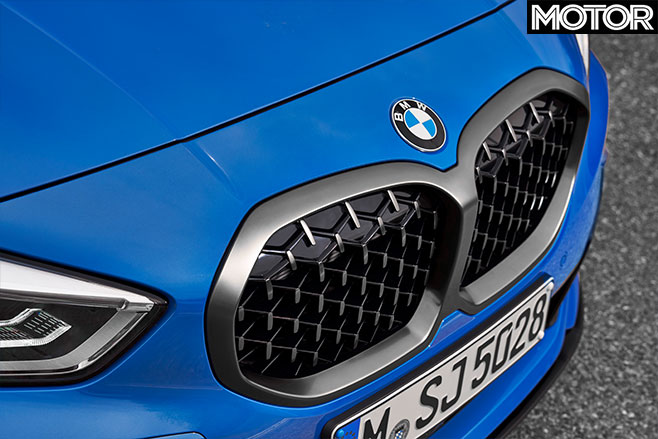
Style is arguably subjective so we won’t call the new 1 Series more or less attractive than the last, but it’s clear the design direction has changed to seemingly mimic the X2 in terms of its rounded front, and its larger grille. BMW says it’s aiming for a ‘shark nose’ look.
The rear also sports a more ‘SUV’ visual, with narrow taillights, a large trim panel below the hatch, and even a sloped window with a top ‘lip’ like the X2.
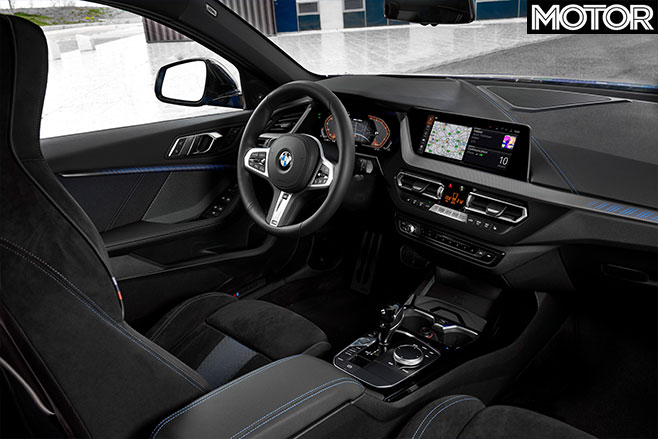
Inside, the new BMW interior is a step up from the old – a less subjective statement – with updated tech in the new iDrive system and a sleeker-looking centre console.
Stay tuned for more local details pertaining to the 2020 BMW M135i.
Sure, look, as motoring journos, we have a pretty good gig. But there are days where you grind your way into the office through brutal traffic, realise you’ve forgotten pretty much everything you need for the day you’re getting grief from the Other Half and that four-car comparison isn’t going to write itself.
That’s not how Motor mag guns Scott Newman and Louis Cordony’s days went while filming their segments for last week’s episodes, though. At all. Any day you can don a crash helmet in the line of duty is a good one, and Louis joined the crew at Maserati at Sydney Motorsport Park to do just that.
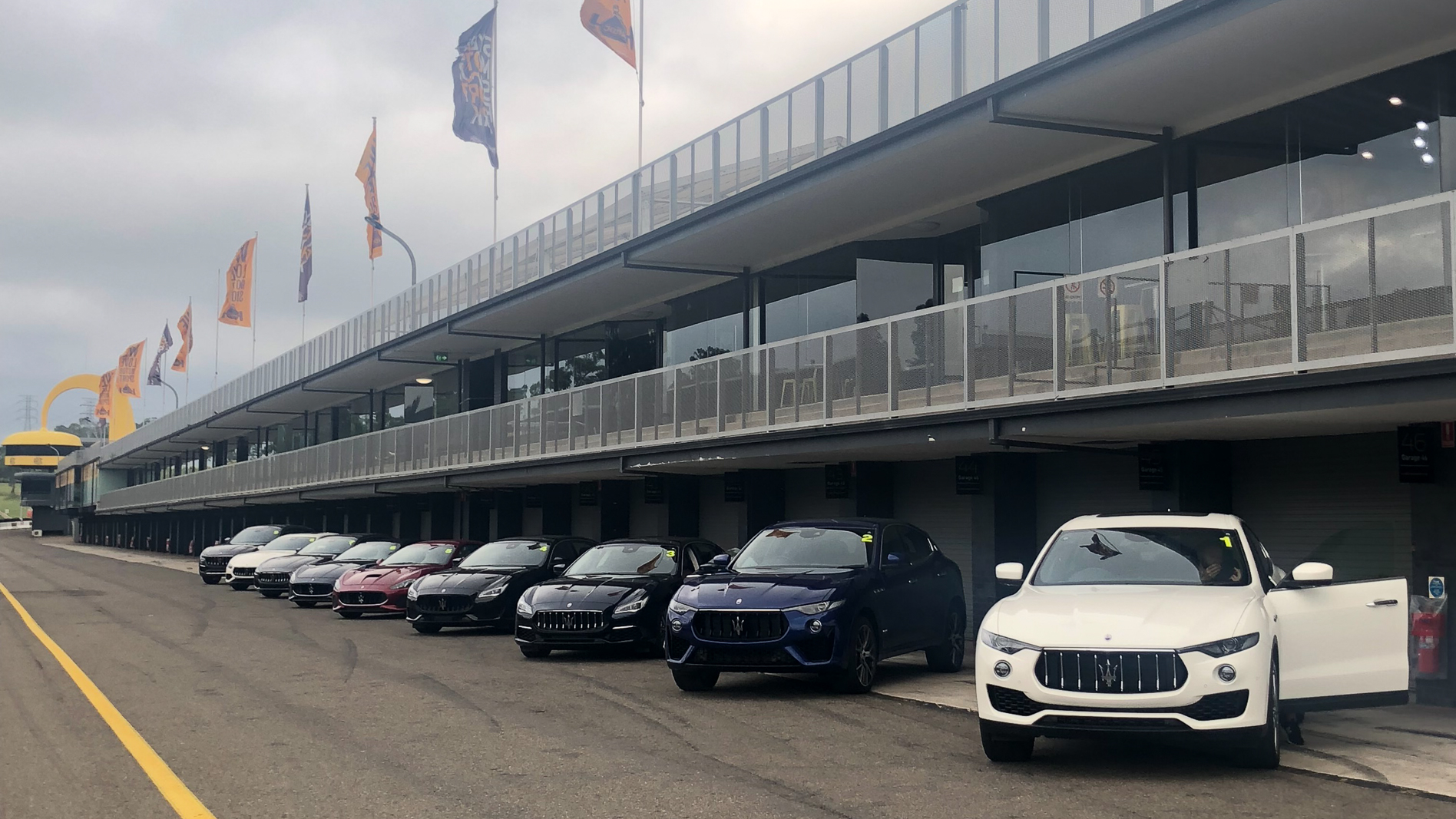
While there was a smidge of disappointment that LC wasn’t about to suit up and go charging around in a real Maserati racer, he still got a lot out of the experience.
“I’ve driven Sydney Motorsport Park before, so the real value was having a Bathurst racer refine my lines and pick my input points,” said Louis. “For instance, by the day’s end, at a track I’ve driven a handful of times, he helped me unlock the secrets on turns 16, 17 and 18, along with where to brake for turn six and how to approach Corporate Hill balls-out.
“I am a lot tighter than I used to be through there.”
Scotty, meanwhile, had a ball with one of motorsport’s nicest fellas, John Bowe (below), who was drafted in to drive The Real Deal, a proper Ford Falcon GT-HO Phase III.
Not for us is a dolled-up lookalike; this ’71 stormer is worth every bit of $900,000, so getting his hands on it was no mean feat.
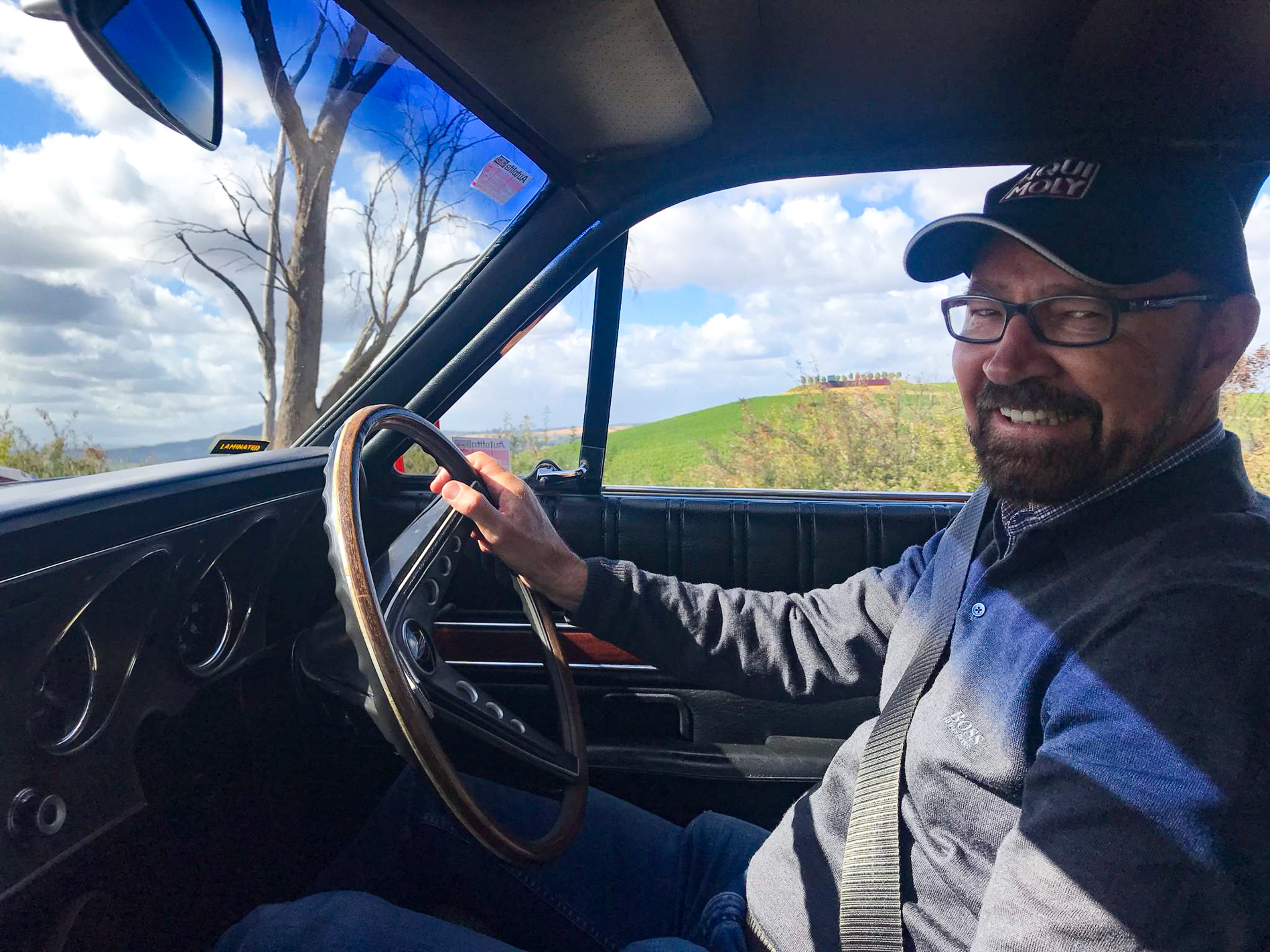
“The owner shall remain a mystery,” said Scott.
Did he get to drive it?
“Yes, I did take the opportunity to get behind the wheel, but I drove it extremely slowly and extremely carefully,” he confirmed. “Not that the owner does likewise!”
Scotty did grab the keys of the spiritual successor of the GT-HO, in the form of the Premcar-fettled Holy Grail. “The best Falcon I’ve ever driven,” he reckoned.
Arguably, though, WhichCar’s Noelle Faulkner had the best and worst time of it, teaming up with her mum Meryll to check out the new Lexus UX up close.
Like most mother-and-daughter teams, there’s the occasional bit of niggle between the two, but the chemistry on screen is definitely pretty special.
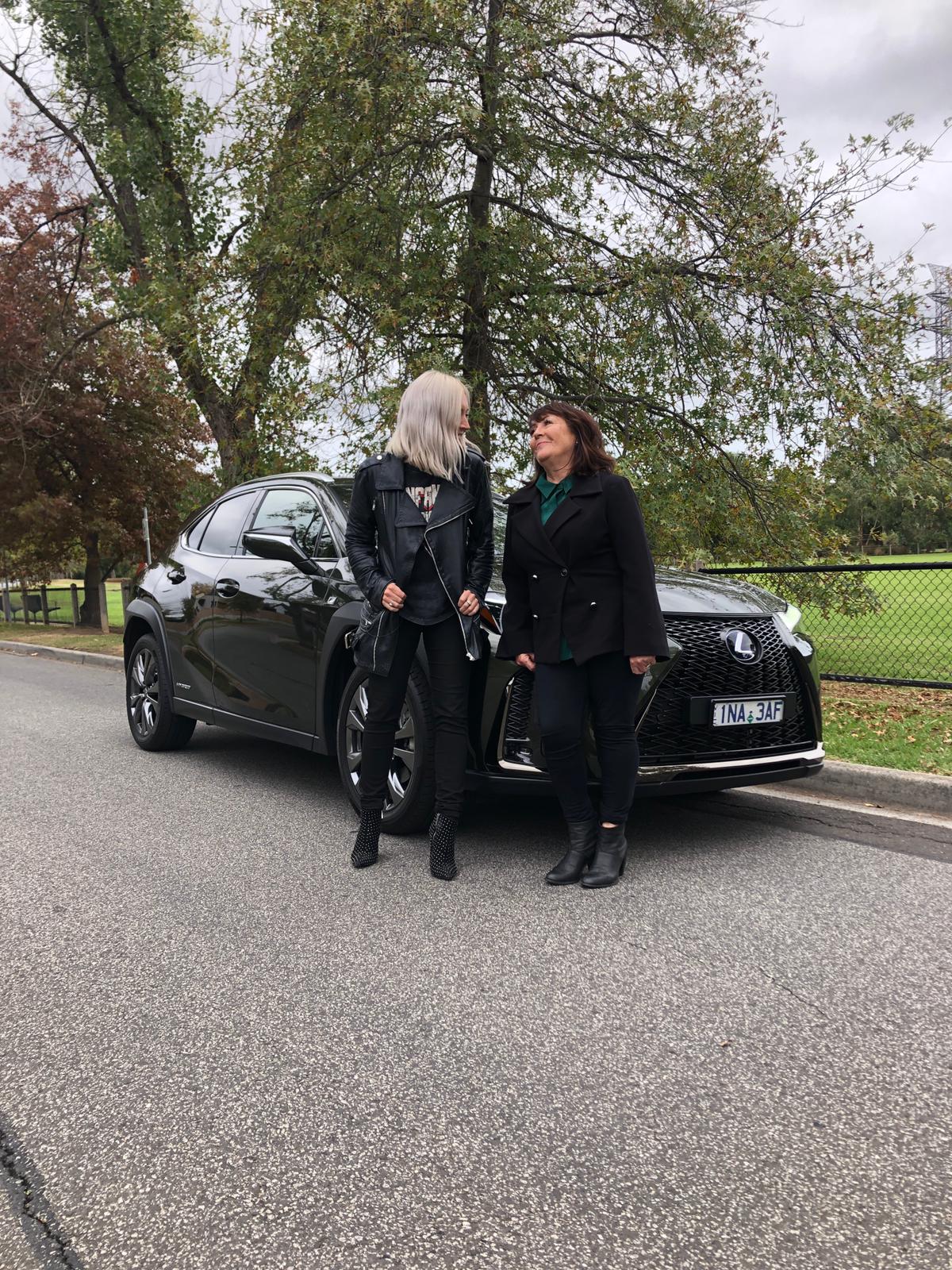
“Did you bring a warm coat, Noelle?” “Shaddup, mum.”
“I think she did a great job,” Noelle laughed. “She was really nervous, and it took a bit to get her warmed up, but I reckon it all ended up working out pretty well.”
So do we, Noelle!
Catch-up with the show now! Watch at tenplay.com.au (AU) or primetv.co.nz (NZ)
A report from the United States has raised safety concerns after it discovered rideshare vehicles are subject to manufacturer recalls, including some still having the potentially deadly Takata airbags inside.
The study was conducted by Consumer Reports and looked at vehicles registered for service with Uber and Lyft in the New York City and Seattle area. These regions were specifically used as the local governments require drivers to register their vehicles and obtain an additional licence with regulators.
Drivers for Uber are recognised as private contractors and use privately owned vehicles to carry passengers for the app.
The Consumer Reports study looked at the safety records of roughly 94,000 vehicles and discovered that some vehicles had “glaring issues that pose serious risks, such as deadly Takata airbags that could hurt or kill the driver or front-seat passengers”.
In total, 15,175 (16.2 percent) of the vehicles involved in the study had one or more open safety recalls, representing about one in six vehicles in the fleet. The Takata airbag recall affected 1274 of the vehicles cited.
It was also noted that some owners had let their vehicles amass multiple recalls, with 25 vehicles having at least five or more unfixed safety issues.
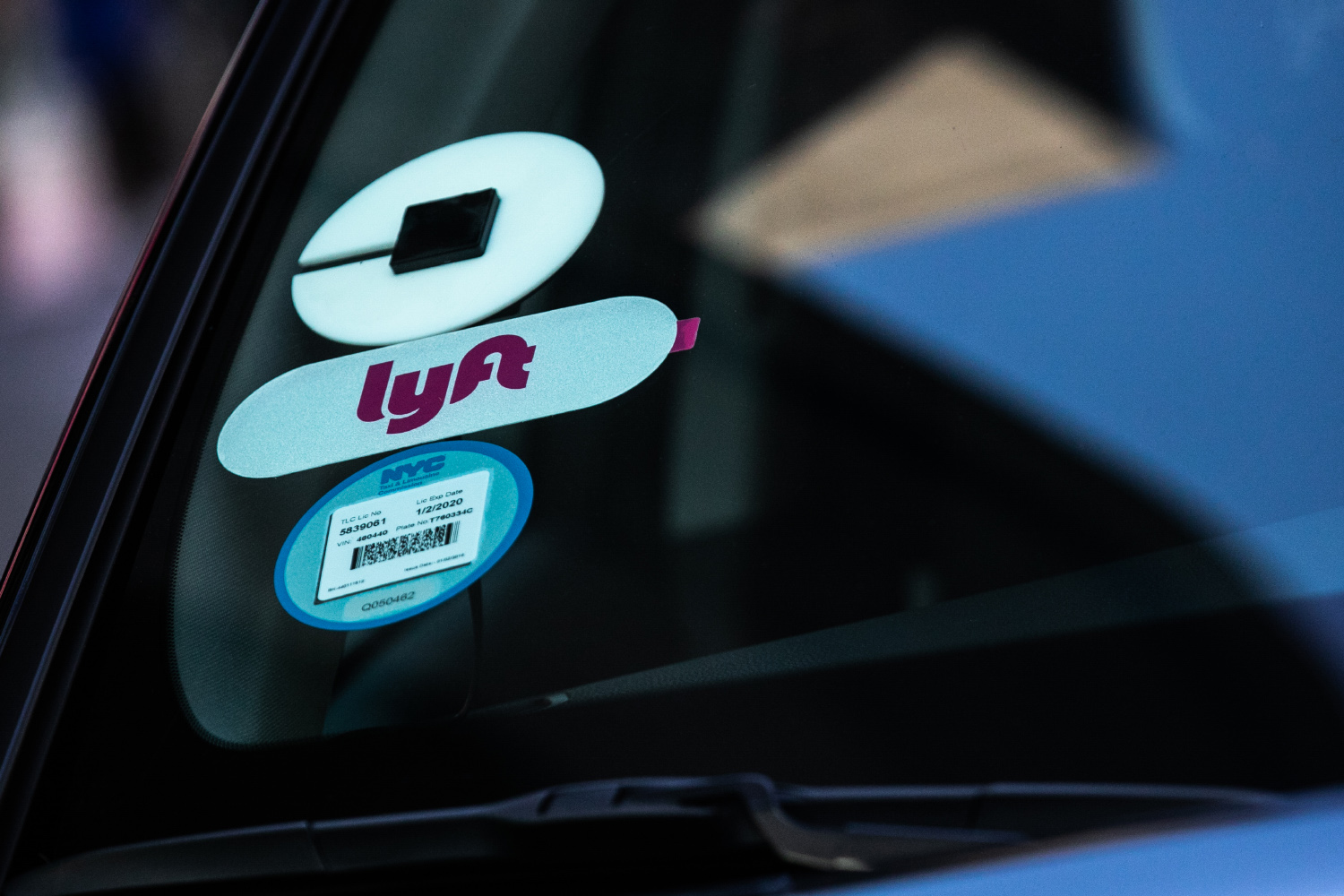
It should be noted that the rate of open safety recalls for vehicles used for Uber or Lyft “are about on par with all personal vehicles on the road” according to Consumer Reports.
Wheels contacted Uber in Australia and a number of Taxi companies for comment but did not hear back before publication.
Consumer Reports states that both Uber and Lyft have “taken a number of steps to address unfixed recalls in vehicles on their platforms,” in response to the study.
According to Consumer Reports, Uber says that in the US it, “encourages and reminds drivers to get recalls fixed, and it identifies and blocks vehicles on its platform that have some of the most dangerous open recalls, ones with “DO NOT DRIVE” warnings from the manufacturer or the National Highway Traffic Safety Administration”.
