
A slight increase in vehicle sales in March failed to arrest a downward trend that has seen exactly 23,000 fewer sales during the first quarter of the year compared to the same period in 2018.
VFACTs figures released today show March 2019 recorded 99,442 vehicle sales, up from 87,102 in February, but was still 7.1 percent down on March last year, taking the quarterly year-to-date deficit to 7.8 percent.
Federal Chamber of Automotive Industries (FCAI) CEO Tony Weber again put the drop in vehicle sales to Australia’s overall economic environment, which has seen wage growth flat line and house prices continue to slide.
“We are seeing a cautious consumer approach at the moment, and this is not surprising given the number of economic headwinds in the Australian market,” Weber said.
The slowing economy has impacted most manufacturers with even Toyota sales down 2847 compared to the first three months of 2018.
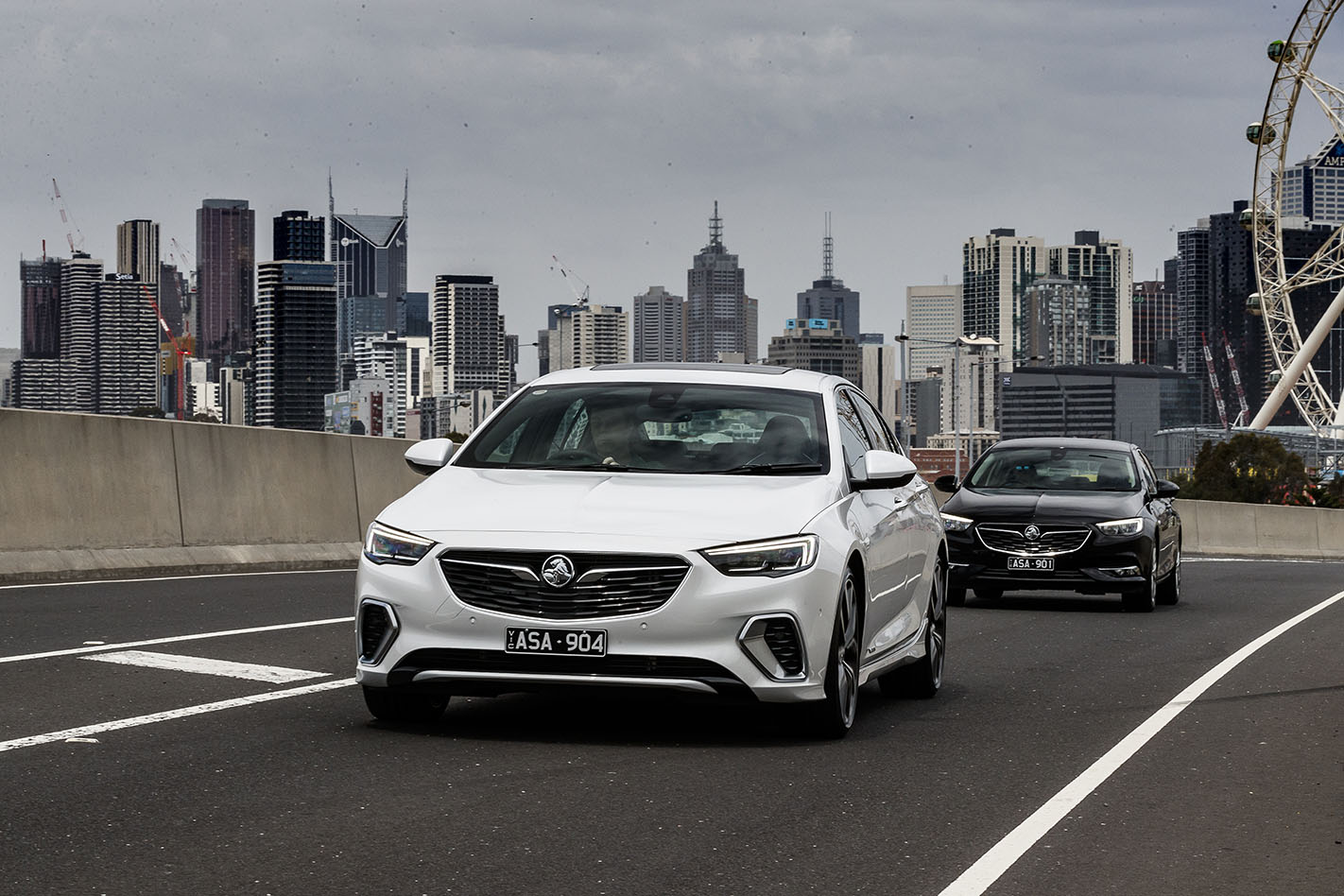
It was worse for Holden, which had another poor month and slid to 10th position overall.
Holden sold just 11,825 vehicles in the first three months of the year – down from 15,524 last year – to see its market share drop from 5.3 to 4.4 percent, putting it behind Kia, Nissan, Volkswagen and Honda.
SUV strategy success
It was a very different story for Mitsubishi, which experienced its best ever March sales figures to outsell Mazda as Australia’s second-biggest selling brand with 10,135 sales over the month; 15 percent up from its performance in March 2018.
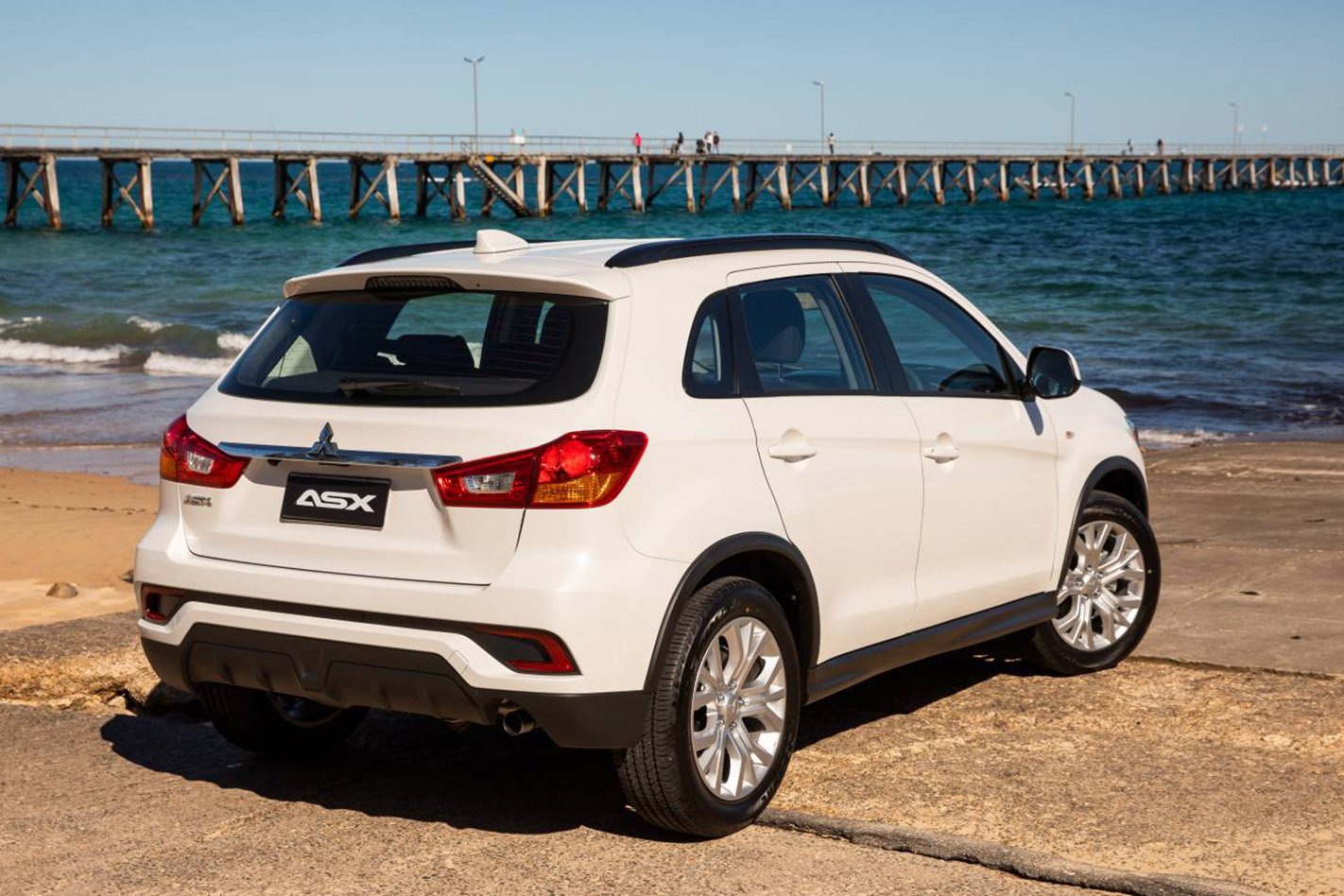
Champagne corks would have also been popping at the company’s Aussie headquarters celebrating the fact it sold more SUVs in March than any other brand, with ASX again being the biggest-selling small SUV.
All this has helped the Japanese brand’s market share increase by 2.1 percent to 9.4 percent during the past 12 months, making it just one of the two top-10 brands to be in positive growth territory. The Triton ute range, ASX, and Outlander medium SUV all feature strongly in the list of top-10 highest-selling individual models.
The Outlander leapfrogged the outgoing RAV4 to be the second biggest selling medium SUV after the Mazda CX-5, with its 2067 registrations last month a whopping 44.2 percent more than March 2018.
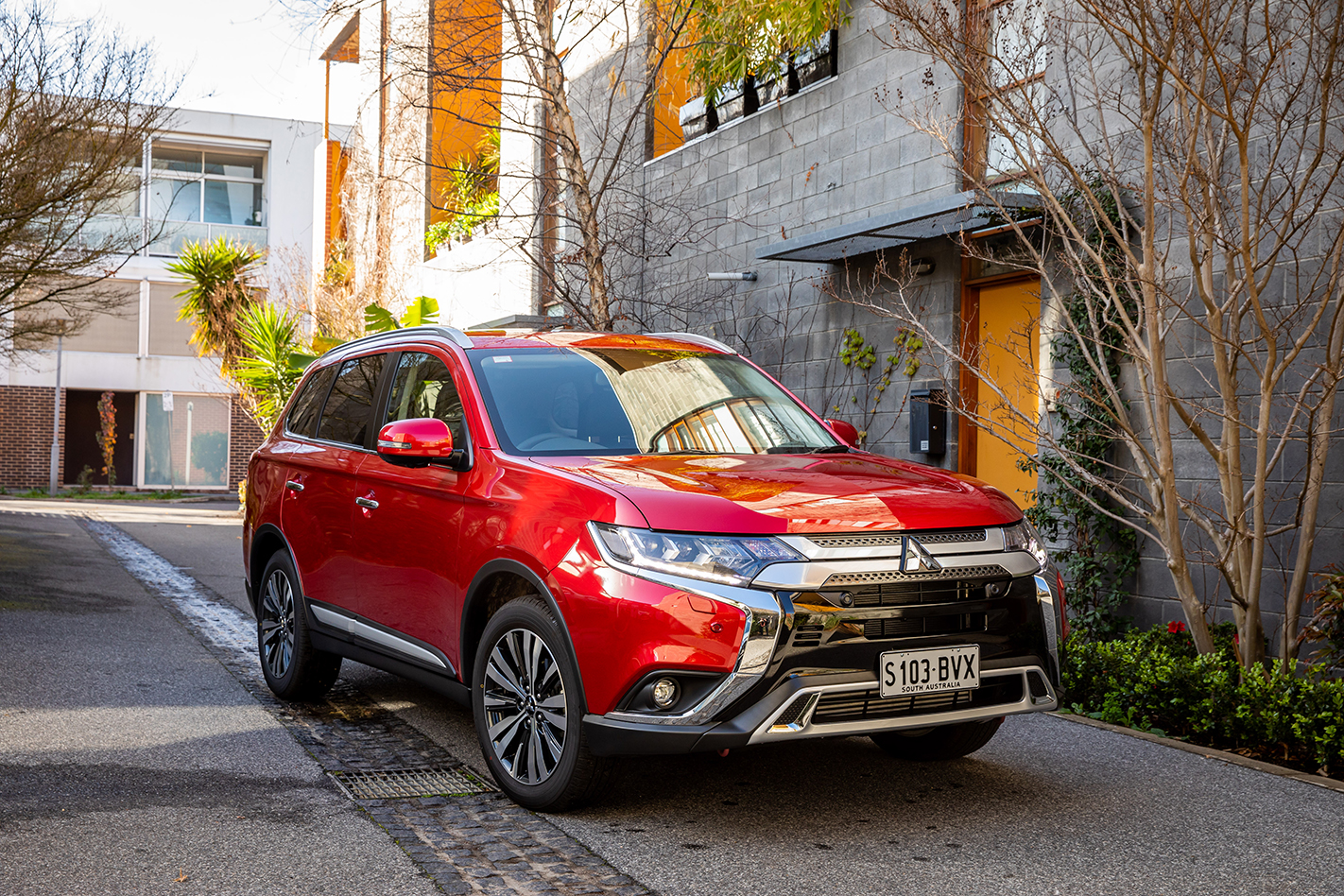
Mitsubishi Motors Australia CEO John Signorello put much of the brand’s defiance of the economic downturn to its focus on selling utes and SUVs.
“(Mitsubishi) is fortunate to have such a strong dealer network and a very competitive SUV and LCV (light commercial vehicle) range which has helped us build the brand over the past four years to achieve such a strong result,” said Signorello.
“SUVs consistently outsell passenger cars in Australia and while some are starting to see the opportunity, Mitsubishi Motors has been focused on delivering exceptional SUVs designed and engineered to meet the needs of our customers.”
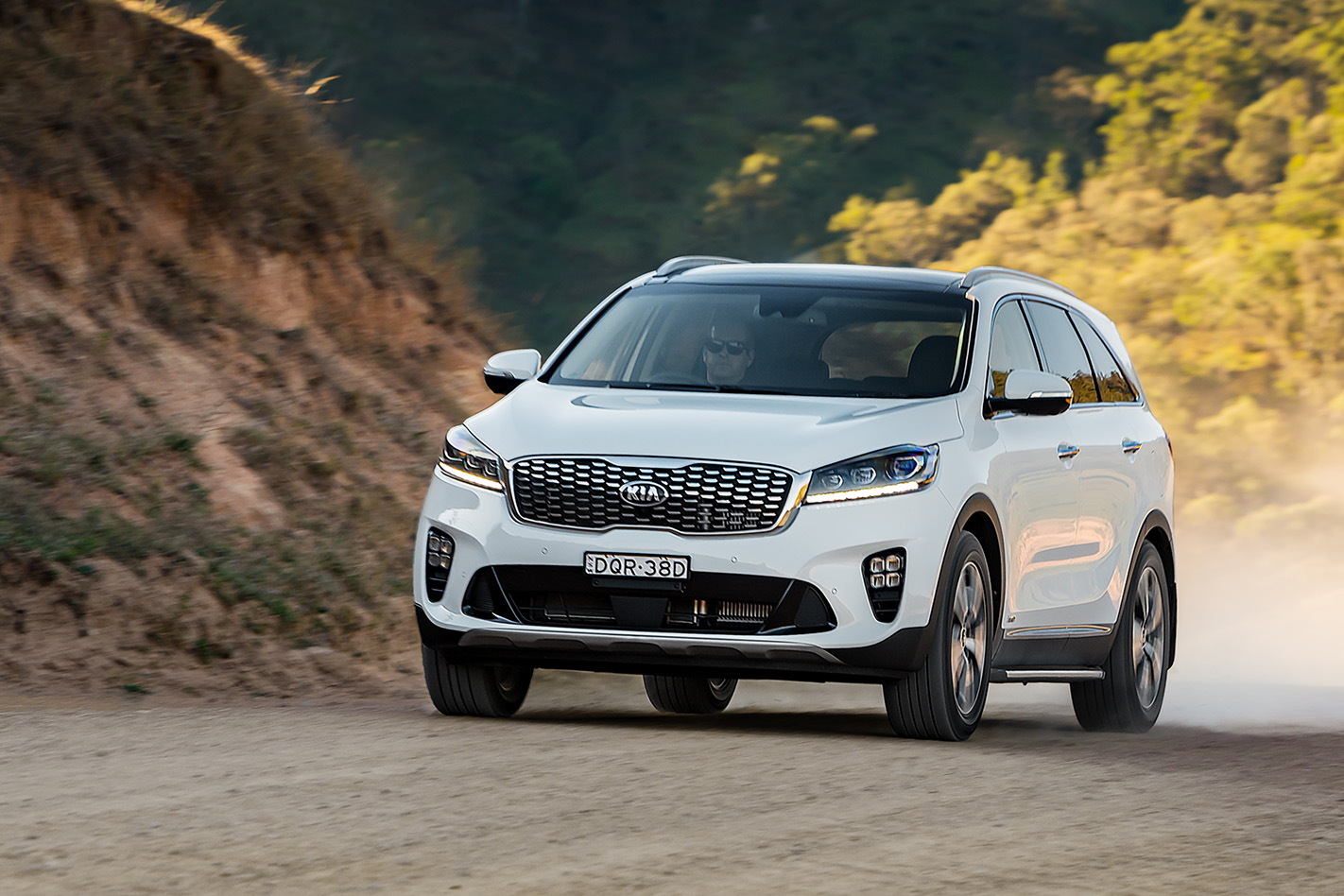
Kia was the only other top-10 brand to record positive sales growth, with its quarterly market share up from 4.9 to 5.4 percent from 2018 with its 14,819 sales seeing it comfortably in sixth position ahead of Nissan (12,841).
Of the top 10 models, the Toyota Hilux, Ford Ranger and Mitsubishi Triton utes again made up the top 3, with the Mazda 3 in run out mode again beating the Toyota Corolla whose sales are down 22.3 percent compared to the previous generation year on year.
Hyundai i30 sales have also dropped by 11.7 percent taking it down to seventh spot.
Top 10 brands March 2019/Year to Date
- Toyota 17,298/49,618
- Mitsubishi 10,135/25,299
- Mazda 9618/28,343
- Hyundai 7731/20,365
- Ford 6160/16,259
- Kia 5303/14,810
- Nissan 5115/12,841
- Volkswagen 4682/12,366
- Honda 4335/12,242
- Holden 3833/11,825
- Toyota Hilux 4527/12,909
- Ford Ranger 3721/9662
- Mitsubishi Triton 2666/7518
- Mazda 3 2642/8128
- Toyota Corolla 2499/6986
- Mazda CX-5 2414/7118
- Hyundai i30 2402/6222
- Toyota Landcruiser* 2307/5557
- Mitsubishi ASX 2236/6176
- Mitsubishi Outlander 20674905
We predicted it could happen this year, and now it has become reality, with Toyota’s Hilux dual-cab outselling the entire Holden range in a single month.
In March, Holden sold just 3833 vehicles, which is its second-worst sales result in history, with only eight more registrations than the all-time low figure it recorded in February. So far this year Holden has registered 11,825 vehicles.
Meanwhile, the Toyota Hilux continues to dominate the charts, with 4×4 and 4×2 models combined accounting for 4527 registrations in March.
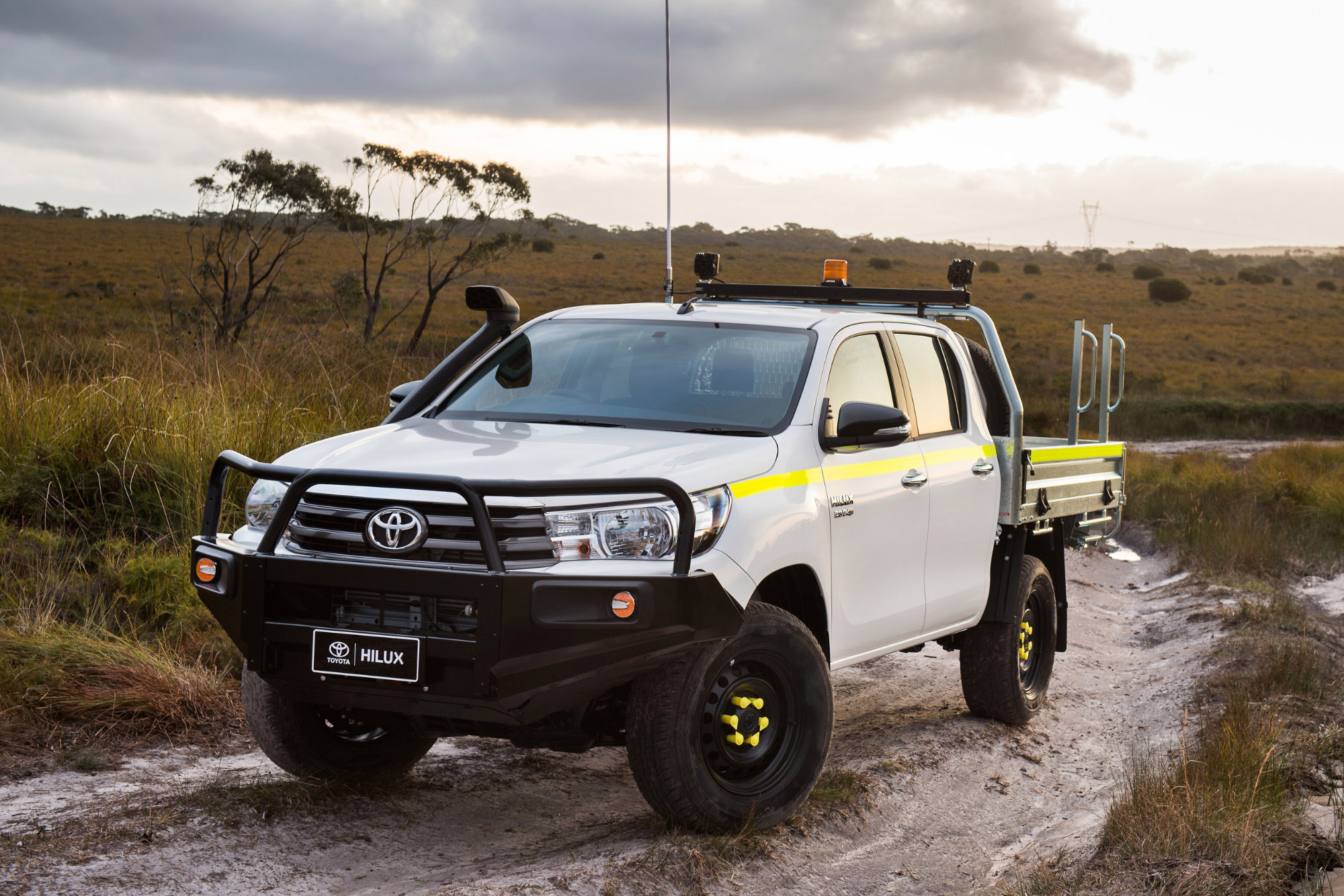
The 12,909 Hilux models sold so far in 2019 is over 1000 more than Holden has shifted in the same period across every class.
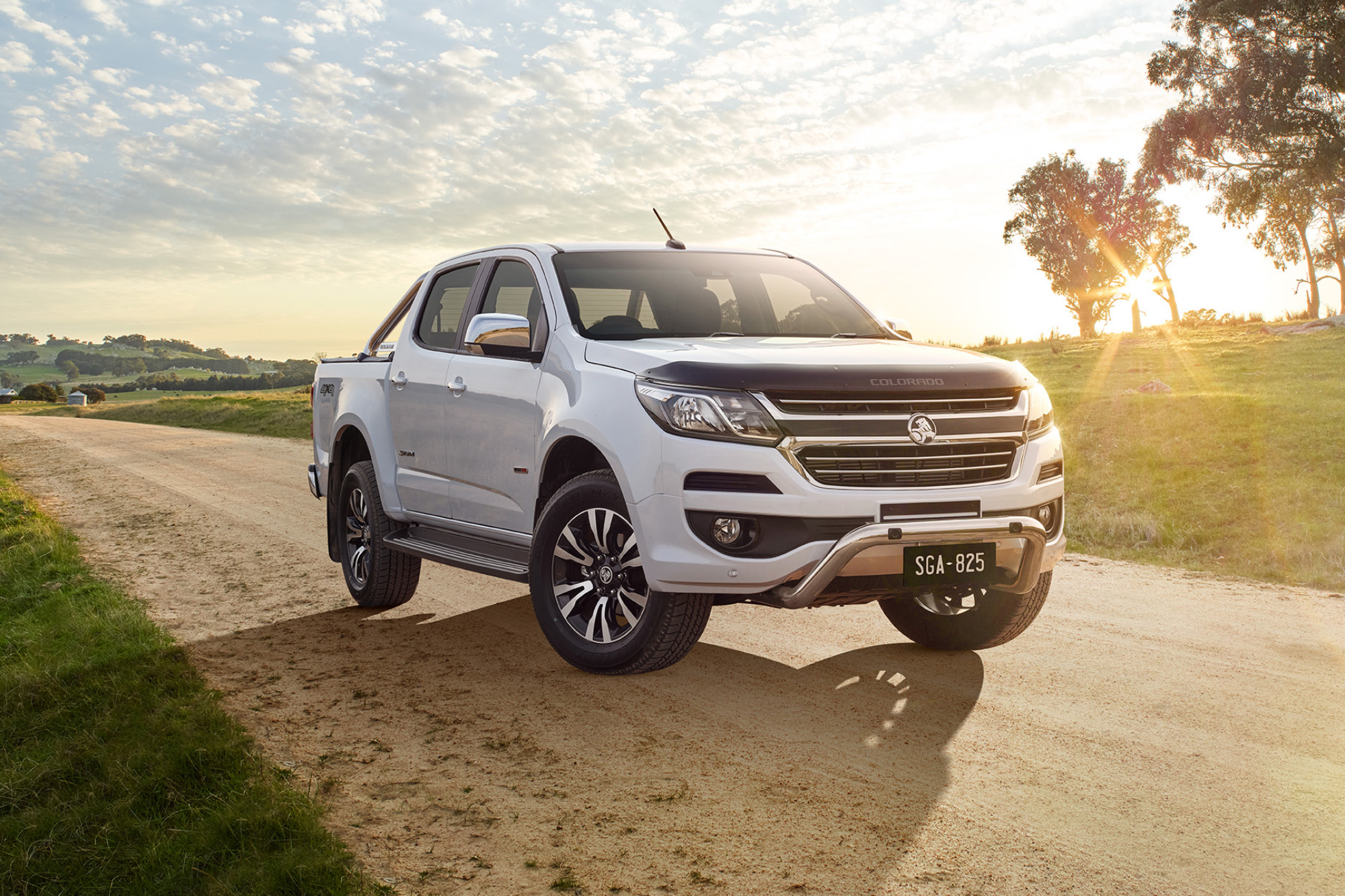
Holden’s biggest seller remains the Colorado 4×4, with 1558 registrations in March boosting YTD figures for the commercial vehicle to 4091. Unlike the Hilux, 4×2 Colorados haven’t won over buyers, with just 172 registrations in March and 485 YTD, compared to the rear-drive Toyota ute’s 1130 registrations in March and 3123 YTD.
If the Hilux was its own car company, it would slot in at ninth on the best-sellers chart, just under Volkswagen, but ahead of Honda. Year-to-date it would sit seventh, below Kia and above Nissan.
It’s not just the Hilux that Holden needs to worry about, with the Ford Ranger bringing in 3721 registrations in March, for a 9662 YTD sales figure.
The Blue Oval sales hero was recently updated, and could also outsell Holden by year’s end if current trends continue, despite weaker sales in 2019 compared to the 12 months prior.
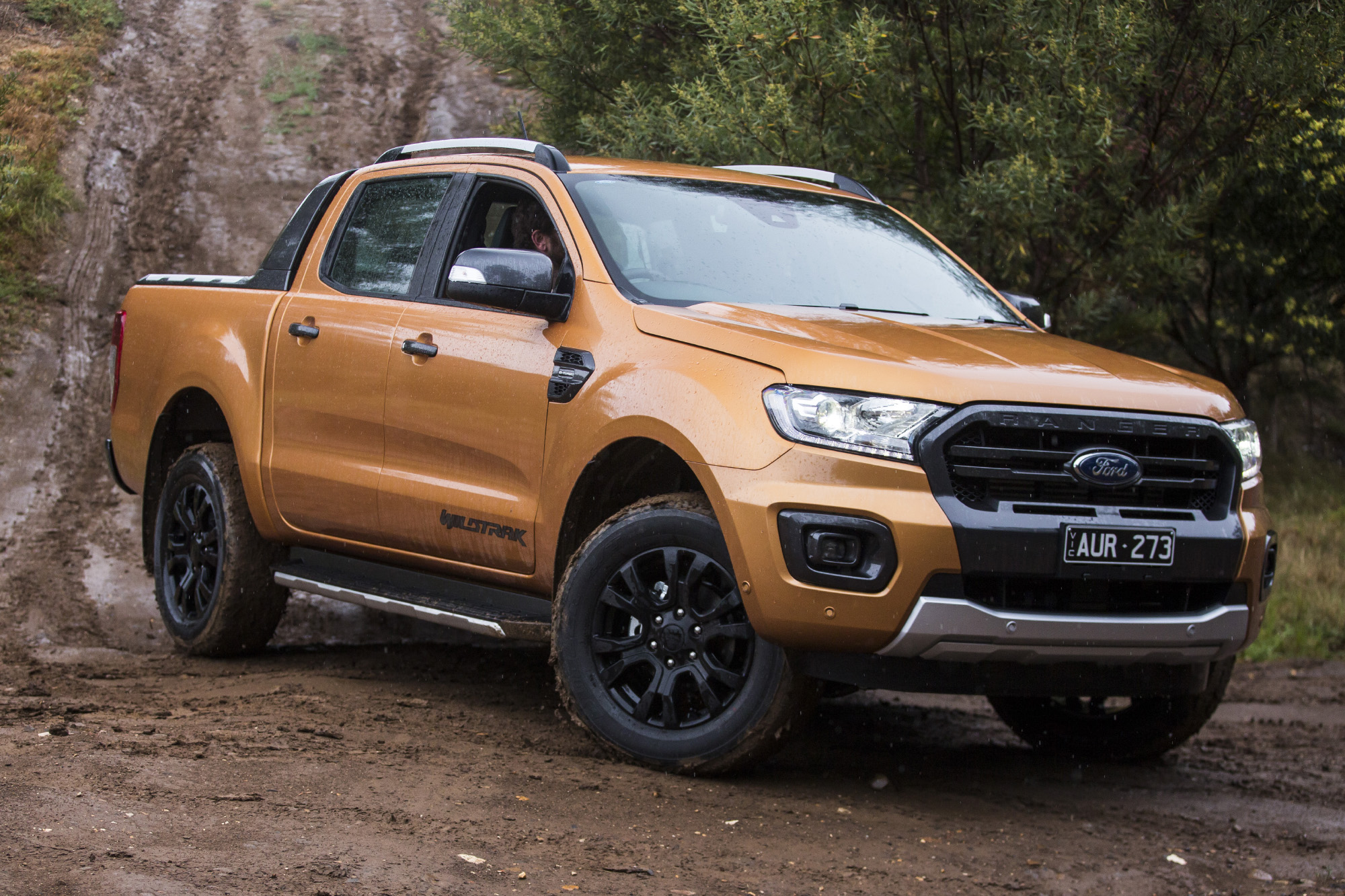
Eliminating 4×2 models from the equation makes the sales fight between the Ranger and Hilux much closer, but the Toyota still comes out on top, with 3397 registrations in March beating Ford by just 57 sales.
What do you think the future of Holden looks like? Let us know in the comments below.
MORE: Toyota Hilux Range Review MORE: Toyota Hilux Specs, Range & Price
Mazda’s CX-4 crossover SUV is being evaluated in Melbourne, but don’t get your hopes up of seeing the sleek model sit between the CX-3 and CX-5 in local showrooms anytime soon.
Spotted by Wheels this week, the left-hand drive evaluation vehicle, plucked from the Chinese car market where the CX-4 is exclusively for sale, has been doing the rounds in Melbourne for some time now. Continued testing of the model in Australia might point to the Japanese brand considering the vehicle for our SUV-hungry market, but it likely belongs to another importer.

For now, the new CX-30, unveiled at the Geneva motor show earlier this year, is the only new nameplate that we can expect to join Mazda’s line-up anytime soon.
Speaking to Wheels, a spokesperson for Mazda Australia explained that the local arm does not have a CX-4 in its fleet and that while the model would look good on our roads, it has the newer CX-30 to fill the gap now.
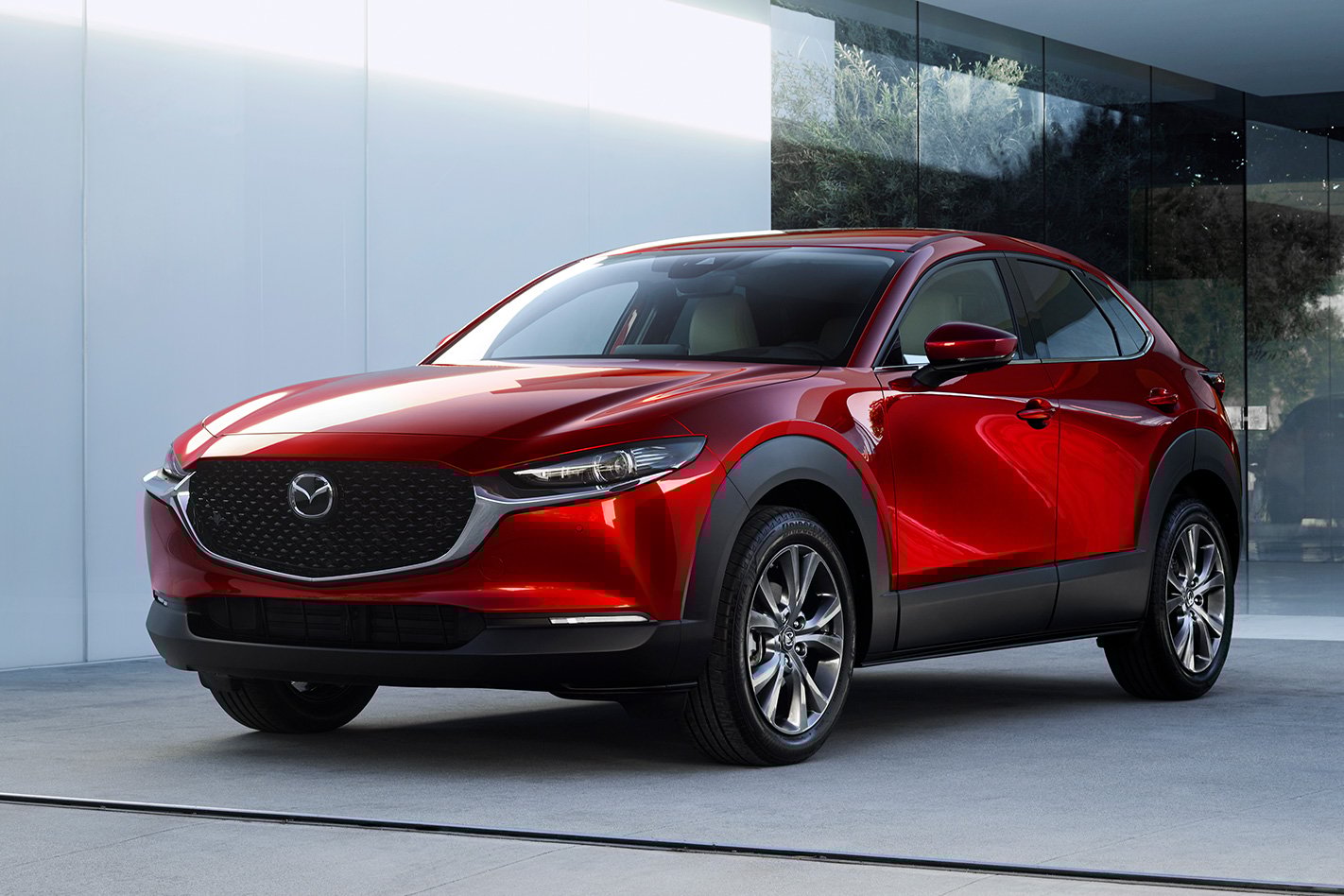
Like the CX-4, the CX-30 will be available with 2.0-litre and 2.5-litre four-cylinder engines, mated to a six-speed automatic transmission and either front or all-wheel-drive. The feather in its cap will be the SkyActiv-X engine, which will likely arrive after its launch here in 2020. The engine is a high-compression ignition engine that produces increased power but with higher efficiency.
As Mazda has previously stated, the CX-4 is still not on the cards for Australia. The car in Melbourne is most likely an evaluation vehicle for another brand that has a global development hub near where the car was spotted. Given Ford’s You Yangs proving ground is not far down the road, it could be something the blue oval is looking into, though it does not yet have a similar-size SUV in its line-up. Ford Focus crossover anyone?
The 2019 Kia Cerato GT is here to find buyers the bygone ProCeed GT never did.
There was nothing wrong with the ProCeed, we loved it as a warm hatch. And the fact the Cerato GT’s copies its ingredients with exclusive multi-link rear suspension, Michelin tyres, uprated suspension bits, bigger brakes and a turbocharged 1.6-litre engine underscores that.
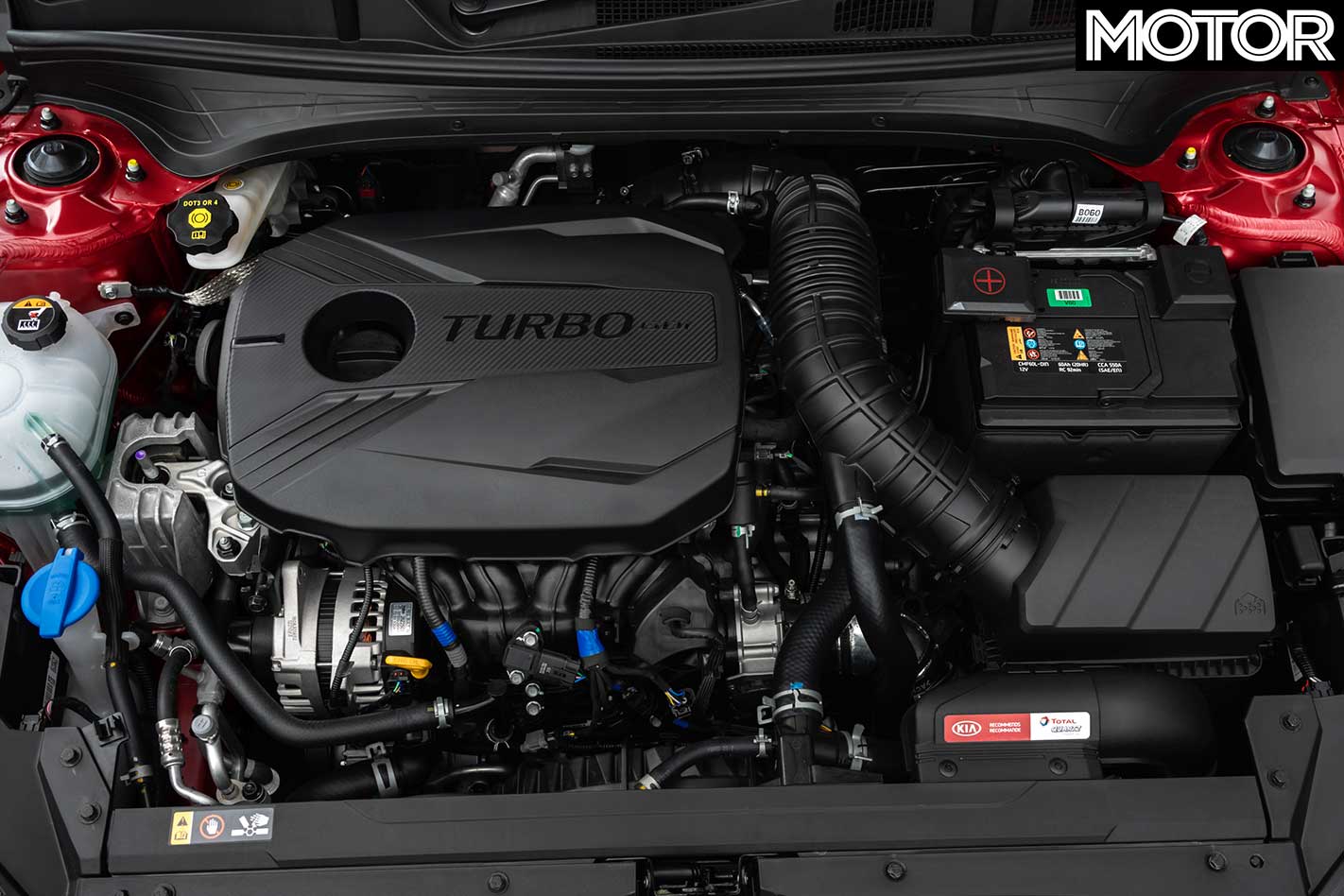
But what the Cerato does, crucially, that Kia hopes will make it much more popular, is offer four doors and only an automated transmission. Power is a class-leading 150kW/265Nm but represents no increase on the ProCeed, even though it’s heavier. In sedan form it’s well over 1400kg when filled with fluids to reach kerb weight.
The cabin’s typically Kia, in that it’s smart, well finished and feels suited to its $32,990 ask. A manual transmission stalk is obvious in its absence, especially when the seven-speed dual clutch’s lever, operated with a release-button, undermines its sporting intentions. But you get a set of paddles behind the wheel.
The front seats are excellent and offer good adjustability for someone average sized, it’s only a shame the heavily raked windscreen squeezes forward vision. Other things you notice at lows speeds is how much smoother the powertrain’s is compared to the (much cheaper) Rio GT-Line’s also seven-speed dual clutch-based unit.
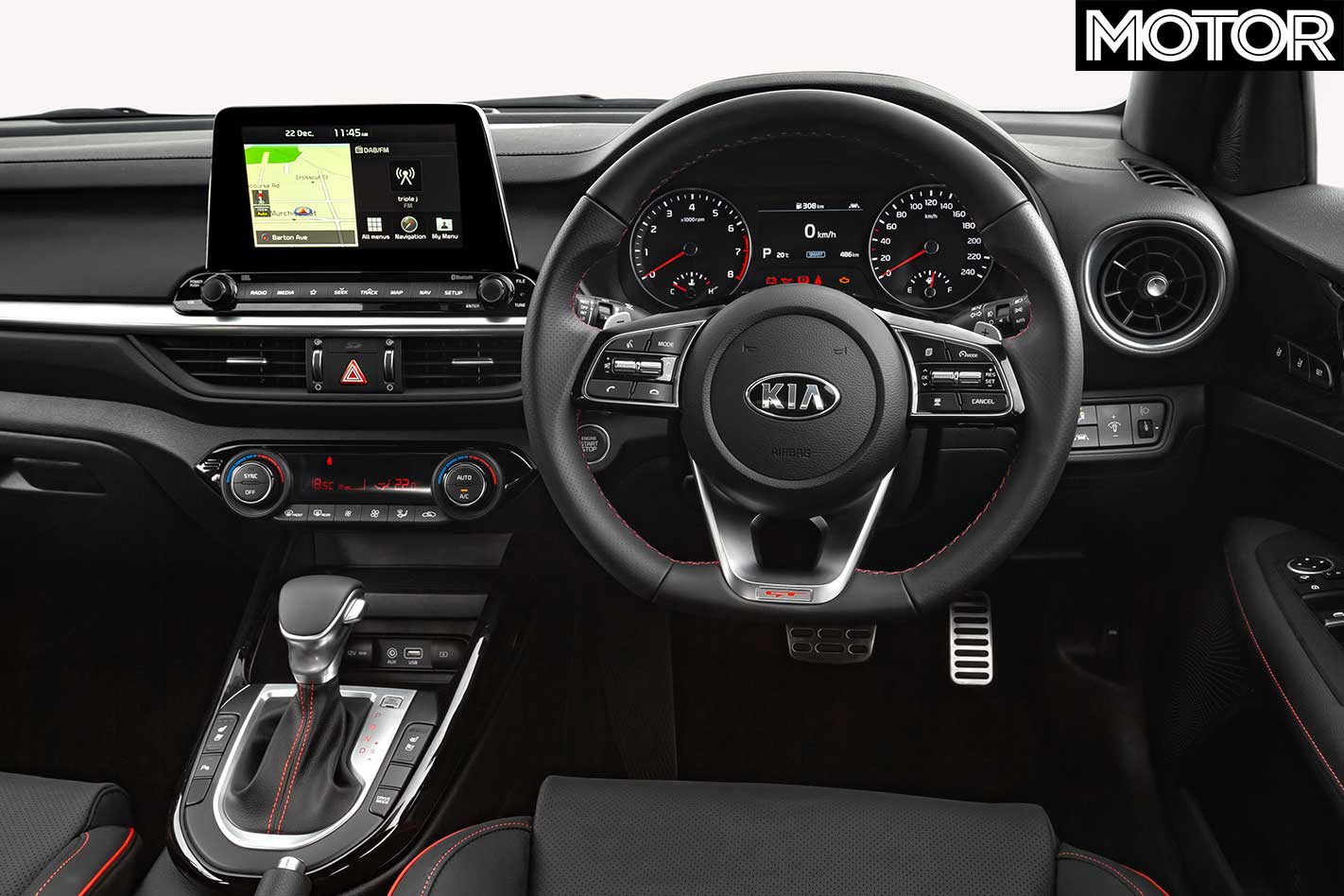
Its strong four-cylinder engine is key, mating tractability at low speed to a punchy mid-range. But it seems pointless to rev it to the 6500rpm redline when peak power arrives 500rpm earlier. Oddly, the drive mode button on the centre console can only access Comfort, Eco and Smart drive modes. Sport is instead engaged with a flick of the gear the lever to the right.
No matter what mode you select, the whole thing’s quiet as a mouse until it’s warmed up to operating temperatures. But once the electric sound generator switches on, you’ll wish it never did since its sounds heavily manufactured. However it’s much more natural in the upper rev ranges.
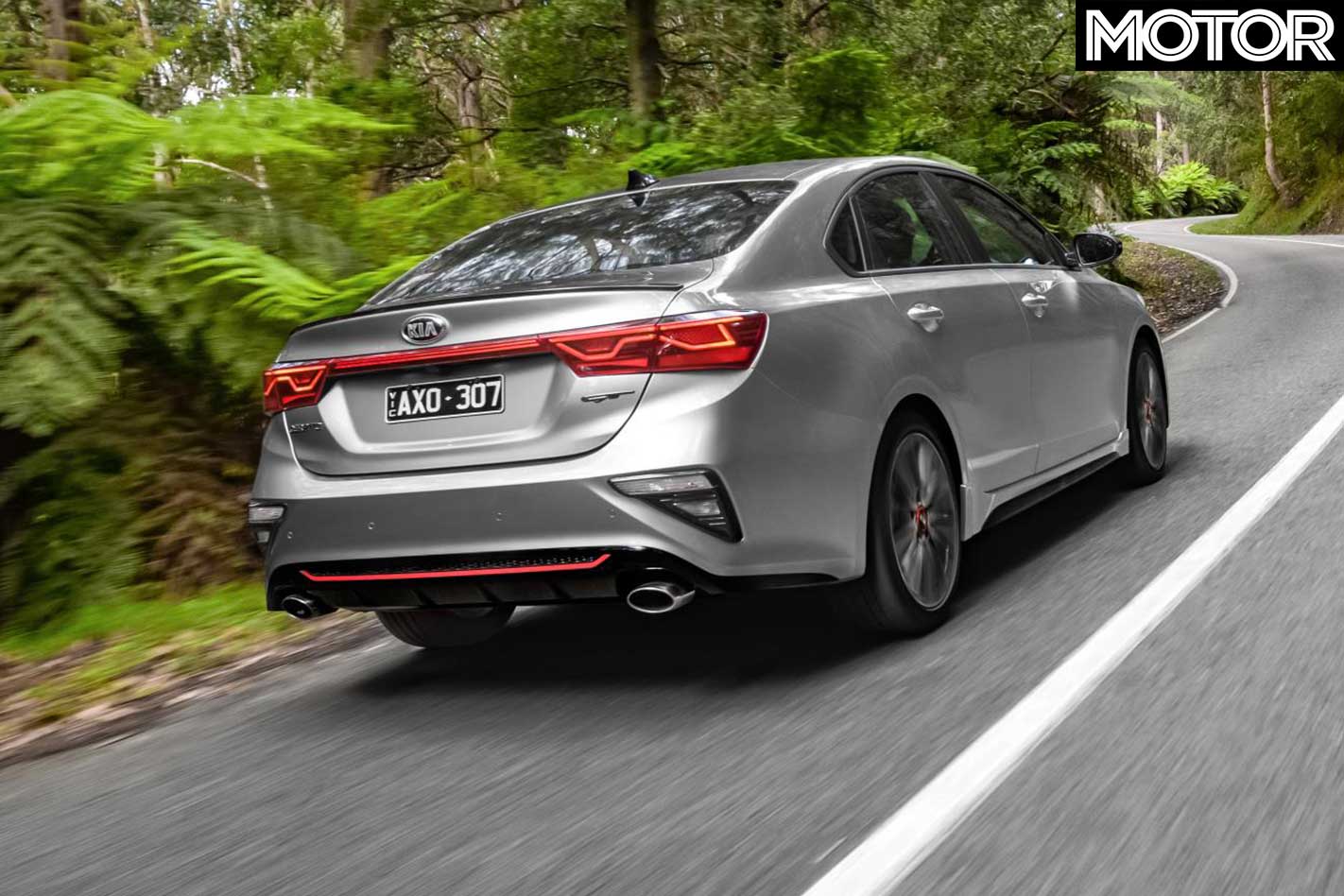
Corners are a mixed-bag for the Cerato. The grip balance is nice and neutral, safer than the ProCeed’s playful nature, and the open differential puts down the 1.6-litre’s power surprisingly well.
The steering is the car’s weak point. Lacking feedback and feel, it robs you of confidence to capitalise on available grip. There’s also some torque steer along cambered roads.
As for picking the Cerato GT out from boggo versions in the sales yard, it gets exclusive 18-inch wheels and red accents at either end. LED lights also underscore its range-topping appeal.
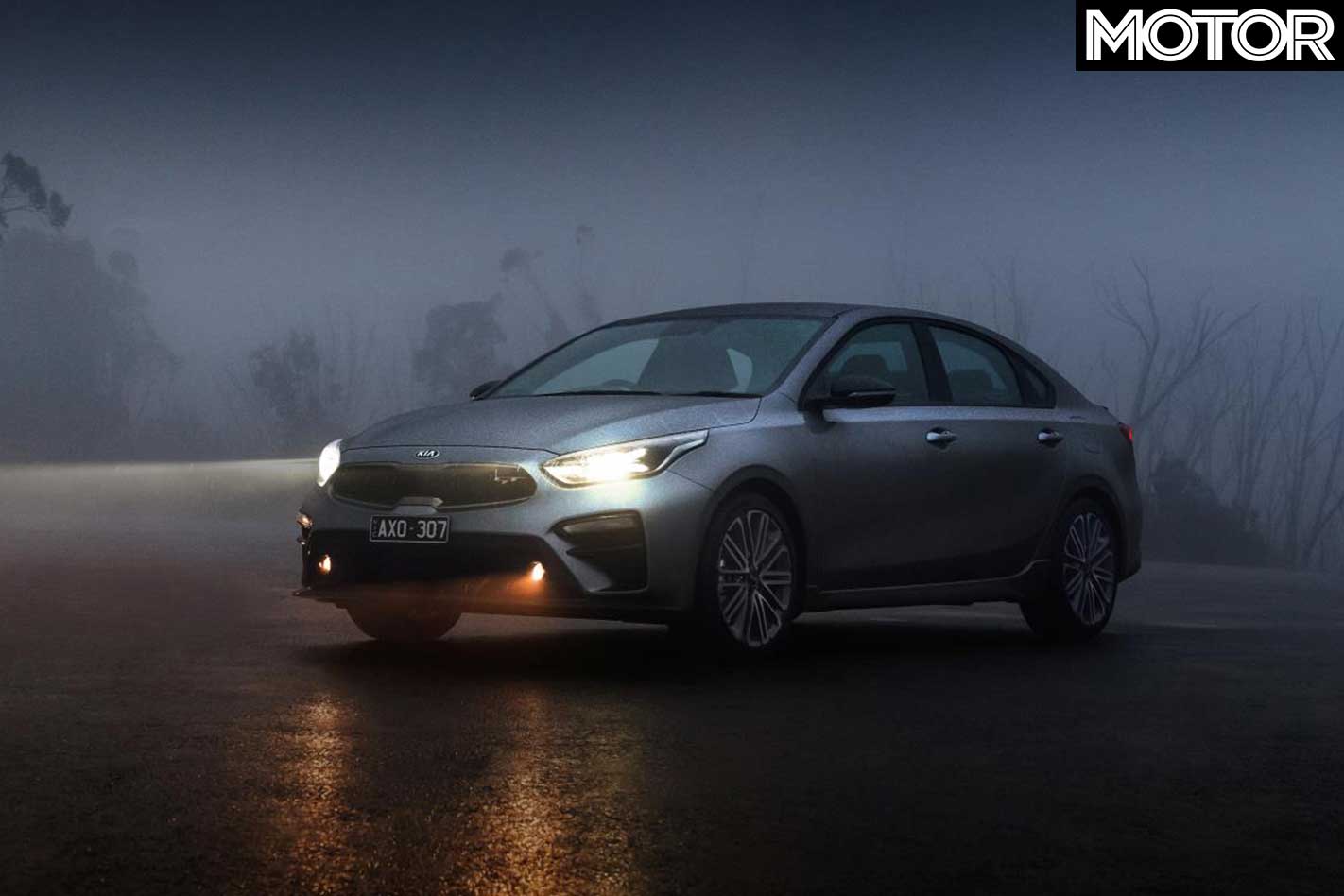
But that’s ultimately what compromises the Cerato GT. It’s been built to lure unsuspecting buyers into something more premium. However, in wanting to appeal to a broader audience, it’s lost the cult appeal of what made its warm-hatch so good in the first place.
By this showing, we won’t forget ProCeed GT for some time.
2019 KIA CERATO GT SPECS Engine: 1.6-litre, DOHC, inline-four, turbo Power: 150kW @ 6000rpm Torque: 265Nm @ 1500-4000rpm Drive: front-drive, seven-speed dual clutch transmission, open differential Weight: 1370kg (tare) Price: $31,990
As I write this, April Fool’s Day has just wrapped up for 2019, and we’ve been subjected to the worst and almost-worst humour from companies all over the world.
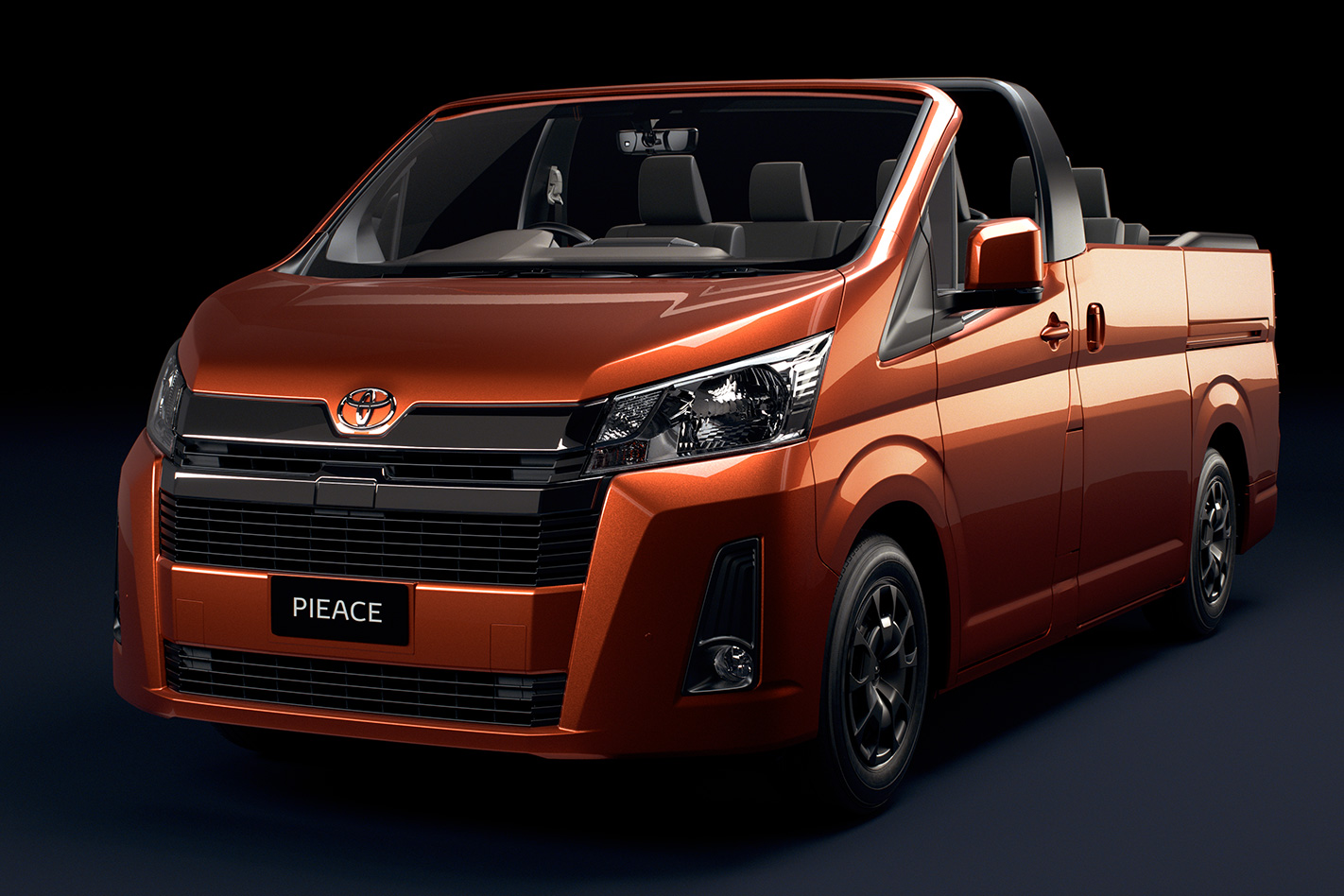
In the motoring world, it wasn’t all bad. Toyota Australia gave us the PieAce van, a convertible HiAce with a pie oven in the back, and BMW Motorrad came up with an autonomous system for its sports bikes that allowed riders of any skill to run lap records on two wheels.
A lot of people took the bait on that one, given BMW’s rather dry press release.
But a post from Hyundai Australia on Instagram, which itself admitted to being a joke, stuck out a little.
With computer generated images of a Hyundai N Roadster by South Korean designer Yeonjoon Park masquerading as a new model announcement, many punters were drawn in by the prospect.
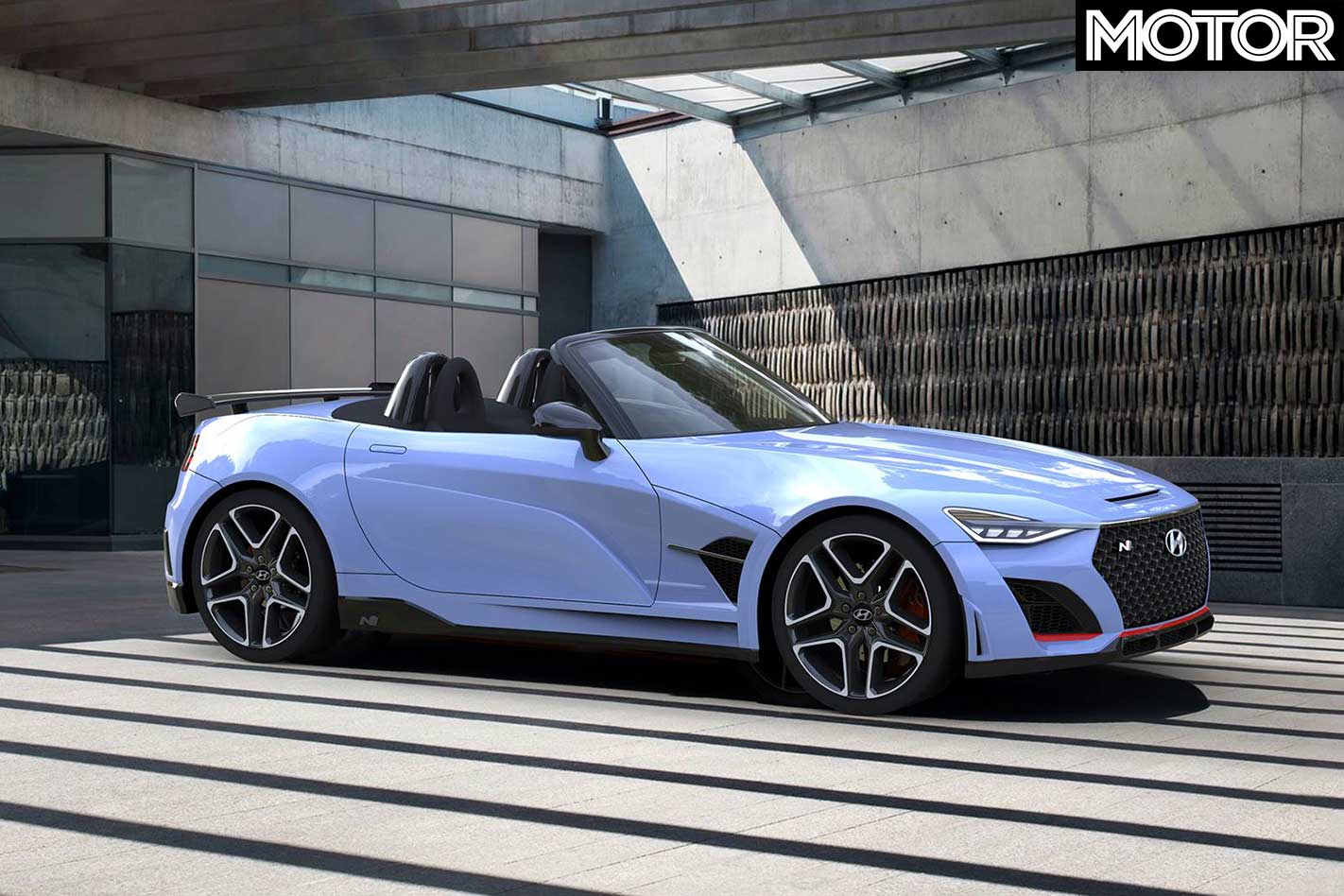
Hyundai’s post made it clear to those who read all the way through that it was just some fun, but the damage was done. ‘Take my money!’ was the general sentiment of the comment section.
But Hyundai itself asked the question: “What do you think, should we build it?”
If there’s one day of the year you can get away with announcing a risky new product concept, it’s April 1.
If it goes well, then great! New car inbound, sales guaranteed.
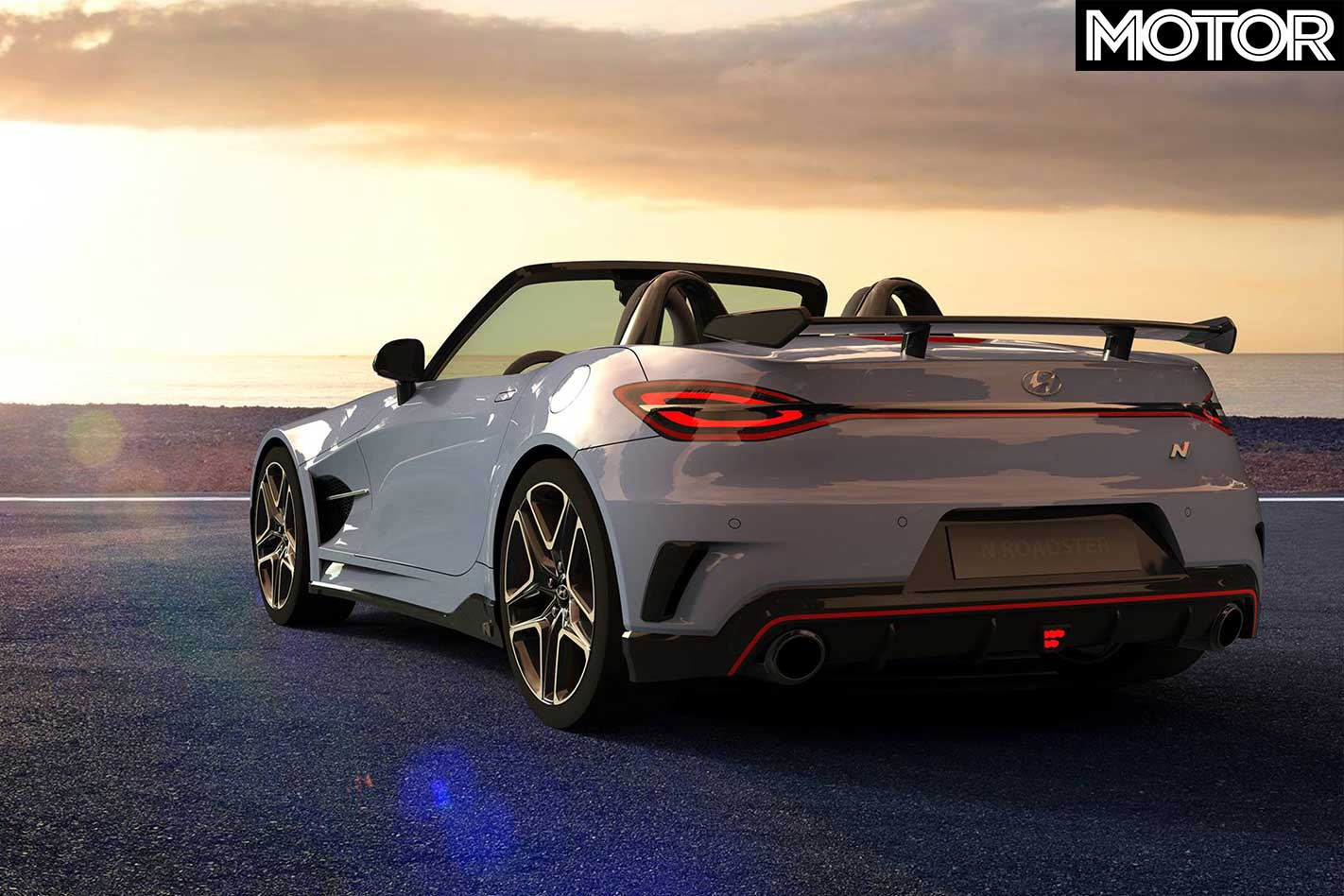
If feedback is… mixed, ‘Oh, of course that was just a joke. April Fool’s!’
But consider the specific offering Hyundai made when compared to its peers. No pie oven, no modem in the glovebox, and certainly no two-wheeled autonomy.
A 202kW Roadster would be a tempting option for those who prefer forced induction to something like the Mazda MX-5’s revvy atmo engine.
Over to you, Hyundai…
Ah, the flashing stability control light, harbinger of a prevented crash or a stolen moment of heroism. And in the case of the brilliant new 2019 Ferrari Portofino, the accomplice to frustration and annoyance.
Let us explain. Yes, it’s true that most owners of Maranello’s 3.9-litre twin-turbo V8 drop-top are more likely to know the time it takes to put the roof down, than the 0-100km/h figure (both impressive figures at 14 and 3.5 seconds respectively). And so most are going to return nothing but puzzled looks when you mention something called CT Off (“It’s in the 488” … “The 488 is the mid-engine one the next wrung up”). But if you’re anyone like us, this will be a wee issue for you.

That’s because Ferrari has, at last, made its entry level, two-plus-two, folding hardtop sports car good. Very good.
For a long time, the Prancing Horse’s front-engine convertible was a stunted creature hidden in the corner of the showroom, which you bought for your partner because you wanted to get on the list for the Speciale, tdf or Pista. But in its evolution from California to California T, with a little dash of Handling Speciale along the way, and now Portofino, Ferrari’s drop-top-for-the-masses finally has the chassis to match the breathtaking twin-turbo, dual-clutch rear-drive powertrain. In other words, you might actually want to buy one for yourself!
Let’s rewind a bit and cover off what exactly is Portofino. Replacing the 10-year old California, the Portofino is a brand new chassis using an uprated version of the outgoing California’s powertrain. While it’s 16mm longer and 28mm wider than the California T, the Portofino retains the same 2670mm wheelbase, and is an impressive 80kg lighter thanks to new manufacturing techniques, says Ferrari, that will be used on other models in the future.
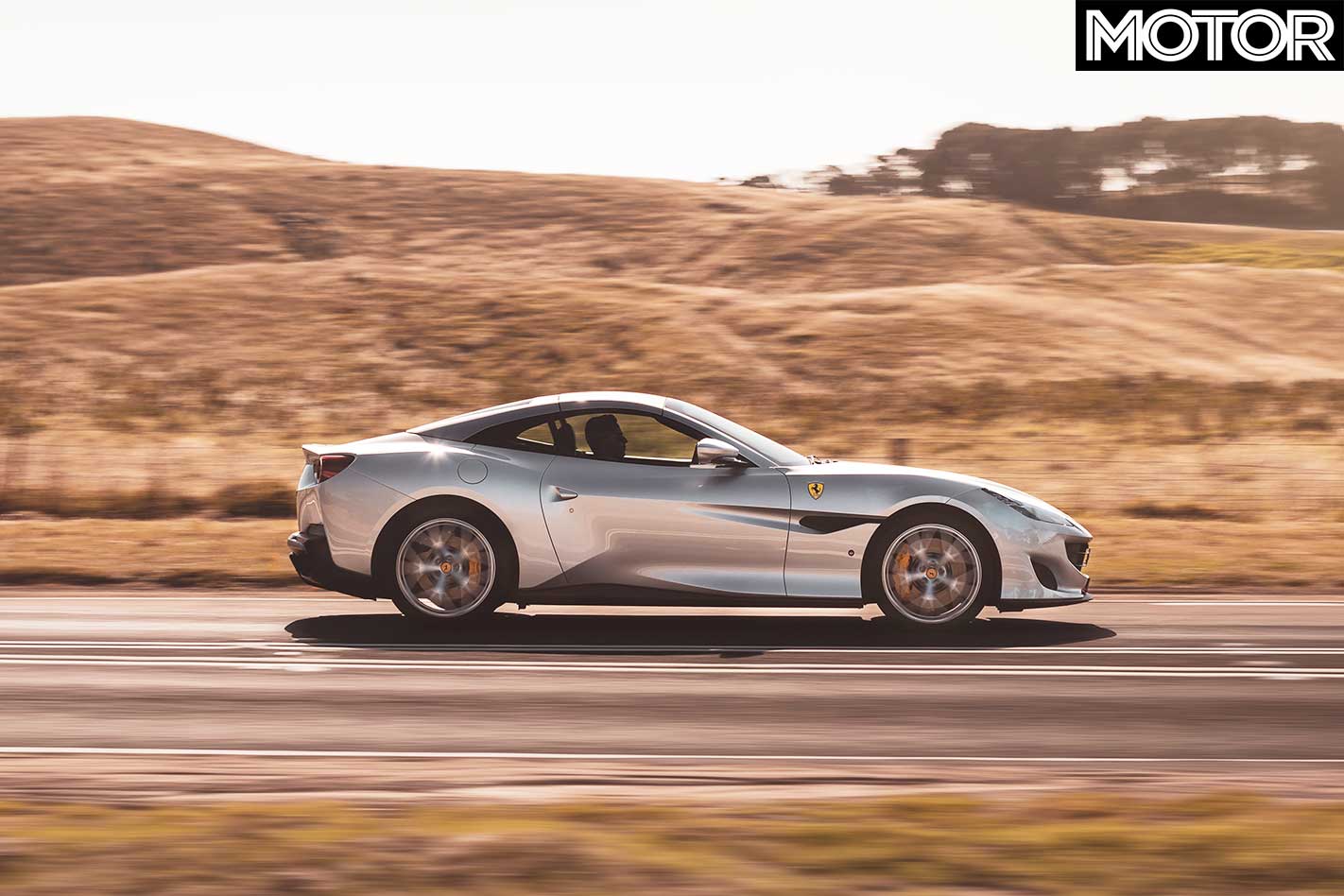
Weighing 1664kg, outputs are up slightly (29kW/5Nm) to a fairly staggering 441kW and 760Nm, thanks to new engine bits such as pistons and conrods, and new intake and exhaust designs. There is a seven-speed dual-clutch automatic fitted, and with launch control Ferrari claims 0-100km/h in the aforementioned 3.5sec, 200km/h in 10.8sec and a top speed of 320km/h. Bats**t crazy fast, in other words.
With its almost Zagato-esque rear end, we think the styling is a significant improvement on both the first California and the facelifted T. The headlights are a bit squinty, but this is actually a car you’d want to look at for the sake of looking at, with delicious details like the carbon-ceramic brakes hidden behind 20-inch wheels. Or the quad pipes and rear diffuser, or the myriad surfaces clearly sculpted by air. This is a beautiful car.

Inside is just as nice, with expensive materials everywhere. A flat-bottom steering wheel contains all the key controls, indicators included (as buttons), the famous manettino and glee-inducing yellow-and-black Ferrari horn button logo.
Aft of the wheel there’s a large yellow tachometer reading to 7500rpm, flanked by two large screens with more driver information. It’s a gorgeous cabin that feels right for the price, even if there’s a certain hand-made quality about it distinct from the solidity and perfection found in something German.
But you don’t buy a Ferrari for its interior; you buy it for what’s under the bonnet. And the short-stroke, flat-plane-crank V8 is seriously good, response crisp despite heavy turbocharging and a huge kick of torque available from low in the revs, racing to a potent, heady redline.

For traction’s sake, torque is stepped out gradually as you go up the gears, the full 760Nm not available until fourth gear. And as you’d expect, it’s seriously potent, in a league of acceleration the preserve of only supercars.
It’s the chassis where, perhaps as you’d hope, the Portofino runs rings around its predecessor. An ultra-fast steering rack takes some getting used to, but once you’re keyed in, there’s plenty of agility available, backed up by supple damping and some serious lateral grip from the Pirelli P Zero tyres.
Combined with all that power, the Portofino puts its middle finger firmly up at Australian speed limits and hightails it down a road in a way you weren’t quite expecting from the “entry level” Ferrari. Yes, the relatively skinny front tyres (245s front, 285s rear) make the Portofino a default understeerer, but it’s possible to correct the balance holding the brakes right to the apex. Although only to a point, as the Portofino is hardly telling you what it’s doing in crystal clear detail.

With slightly numb steering, and not the greatest seat-of-the-pants connection, the Portofino is hardly 488-telepathic about what it’s going to do next, which can be a bit frustrating as there is a very capable chassis beneath you. Confidence reaches a certain point when you are not getting the information you need.
The Portofino also has the potential to be a lot more fun for the more experienced driver. Imagine an obedient throttle responsively serving up a huge 441kW/760Nm; rear-wheel drive; a lightning-quick, electronically locking rear diff (the latest E-Diff 3 from Ferrari) and a very fast steering rack, and you can imagine Maranello abstained from a CT Off mode (which, in models like the 488, lets you hang the tail out a bit with a degree of electronic oversight) for the simple purpose of tyre preservation.

Alas, it’s ESC Off only for such antics – at which point the Portofino may or may not become another car altogether – a difficult risk-versus-reward calculation we would imagine for most owners.
That aside, the Portofino is superb, a huge improvement on the California T. It also rides well, is fairly quiet with the roof up, and has a cracking exhaust note. It’s still shaded by a 488 Spider for ultimate precision and excitement – no surprise there – but one of those is always available if you find yourself cursing, rather than thanking, the Portofino’s ever-flashing ESC light.
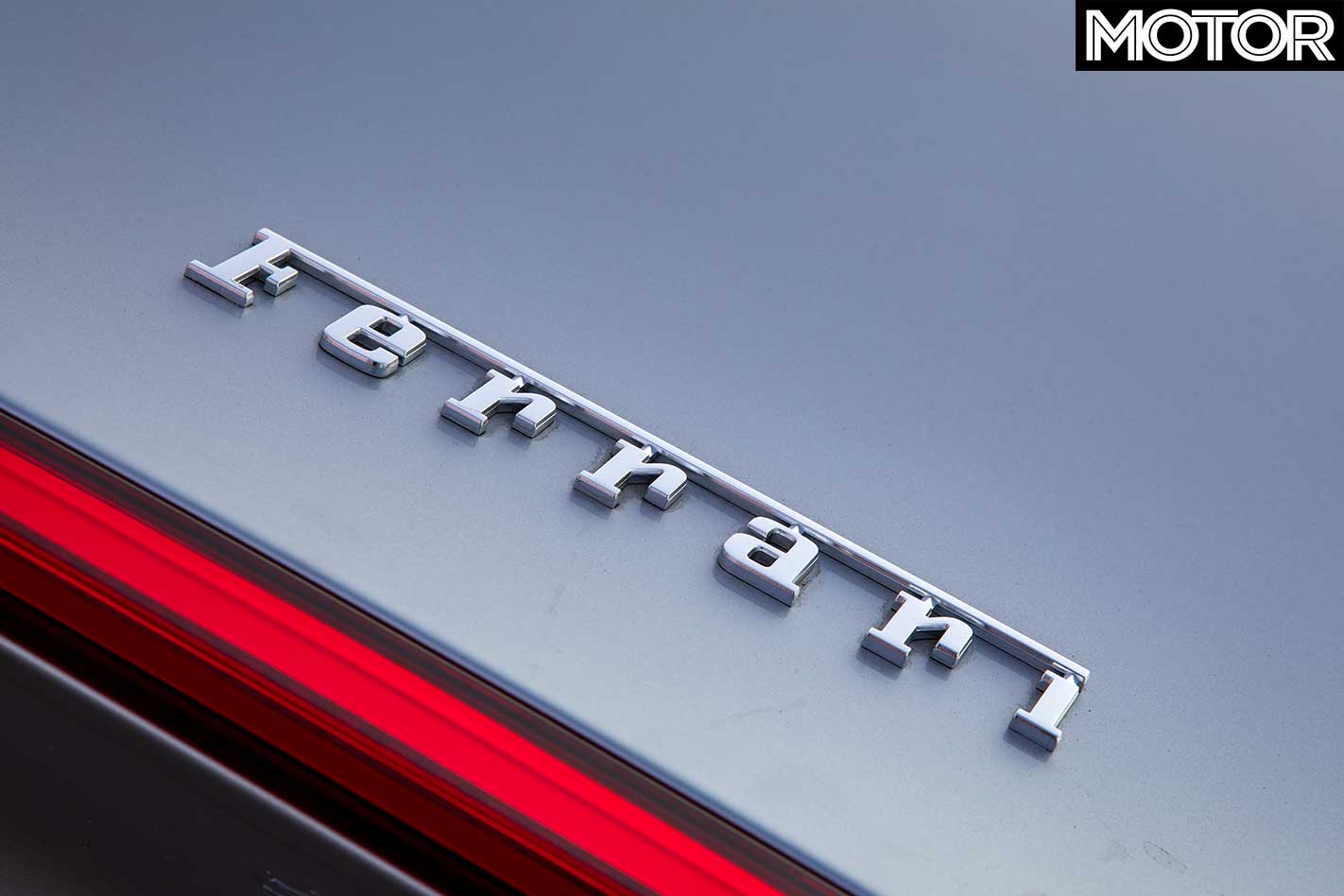
2019 FERRARI PORTOFINO SPECS Engine: 3855cc V8, DOHC, 32v, twin-turbo Power: 441kW @ 7500rpm Torque: 760Nm @ 3000-5250rpm Weight: 1664kg 0-100km/h: 3.5sec (claimed) Price: $399,888
Like: Unforgettable engine and gearbox; staggeringly fast; very easy on the eyes; noise Dislike: No halfway house ESC; steering too light; would feel heavy and soft on a track
Rating: 4 out of 5 stars
The Nemesis
Aston Martin DB11 Volante 4.0-litre twin-turbo V8, RWD, 375kW/675Nm, 0-100km/h 4.1sec 1870kg, $398,495
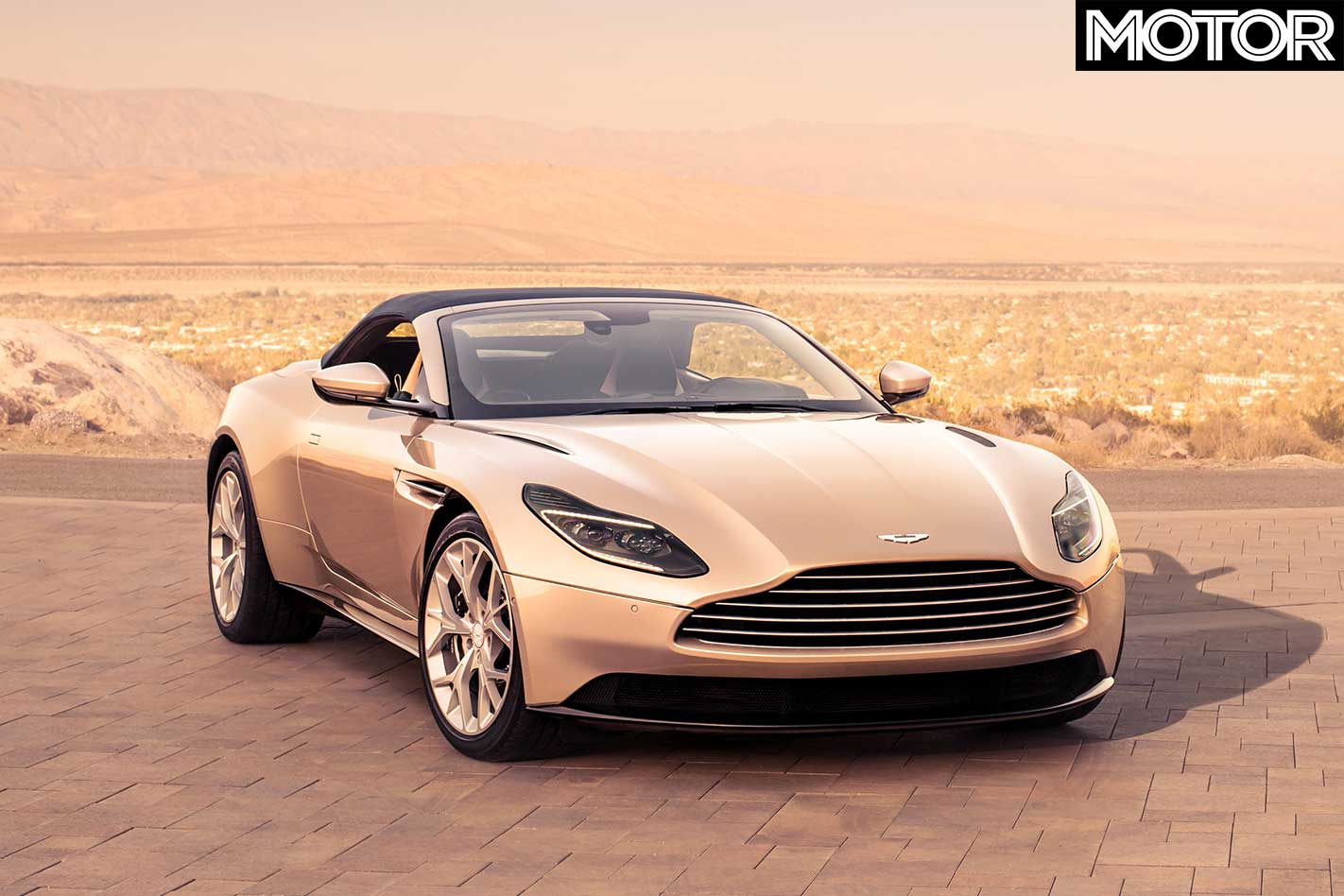
Not as fast, nor as sharp, but drop-dead gorgeous with a sinful V8 note and beautiful ride and interior. Another option is waiting for the impending DBS Superleggera Volante
See the video above for an explanation on the merits of premium tyres vs cheap ones
See the video above for an explanation on why you should be paying more attention to your tyres
See the video above for an explanation on tyre pressures
See the video above for an explanation on driving offroad and how it relates to your tyres
