
Ryan brings the focus firmly back to the masses with a review of the all-new Toyota Corolla hatchback to find that one of Australia’s most popular vehicles has come a long way over its five-decade journey.
See the full episode: Watch at tenplay.com.au (AU) or primetv.co.nz (NZ)
Tell us your thoughts below: Has Toyota done enough with the new Corolla?
The WhichCar TV season kicks off with an aspirational drive through the beautiful Grampians region of Victoria. Alex has clearly drawn the short straw however, as his steed for the adventure is one of the world’s great driving cars, a Porsche 911 GT3.
See the full episode: Watch at tenplay.com.au (AU) or primetv.co.nz (NZ)
Tell us your thoughts below: Which road would you like to take the Porsche 911 GT3 for a spin on?
Even if you look closely you won’t see anything. No badge celebrating 35 years of the Zed car, no plaque, nothing. Well almost nothing.
This feature was originally published in MOTOR’s May 2005 issue
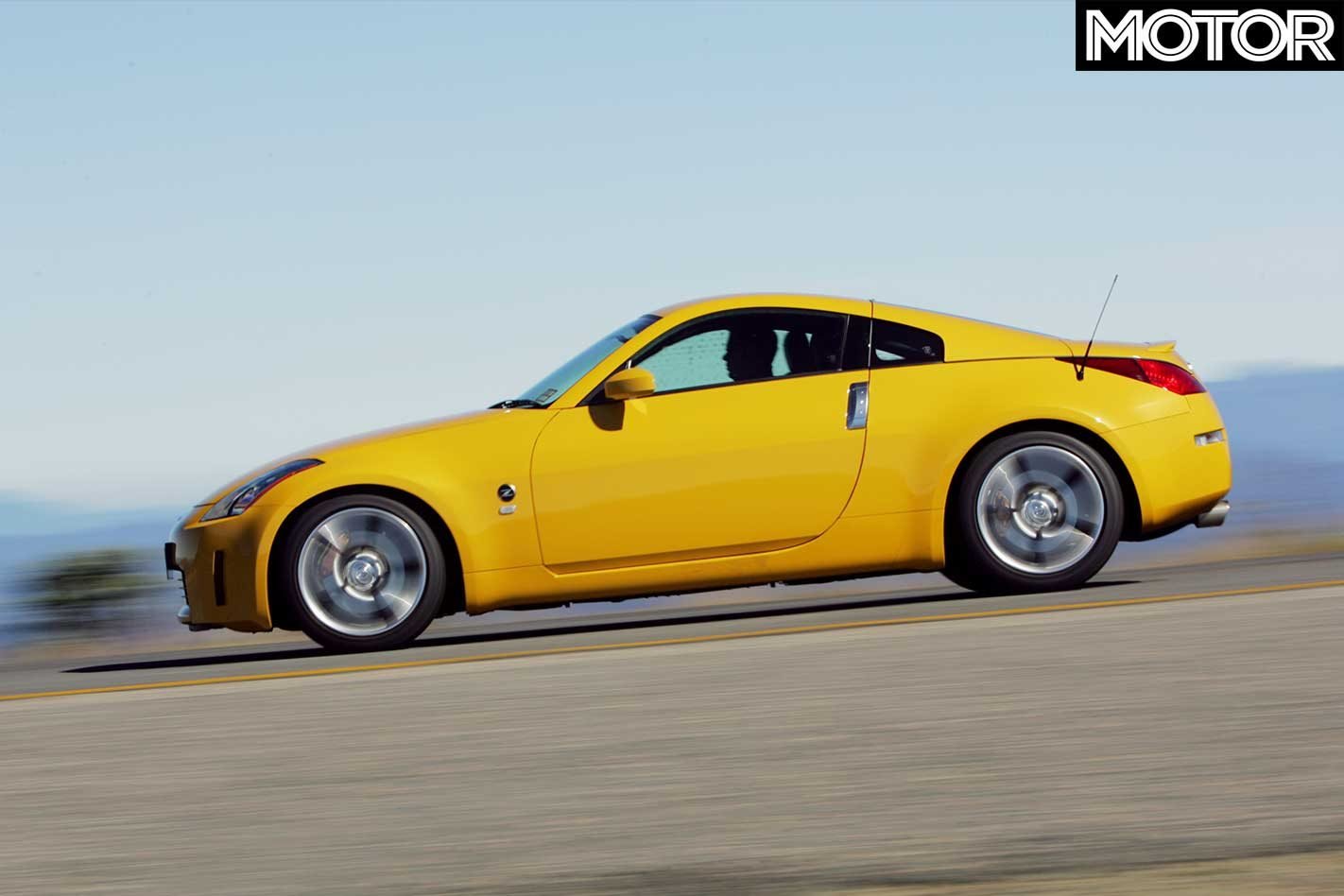
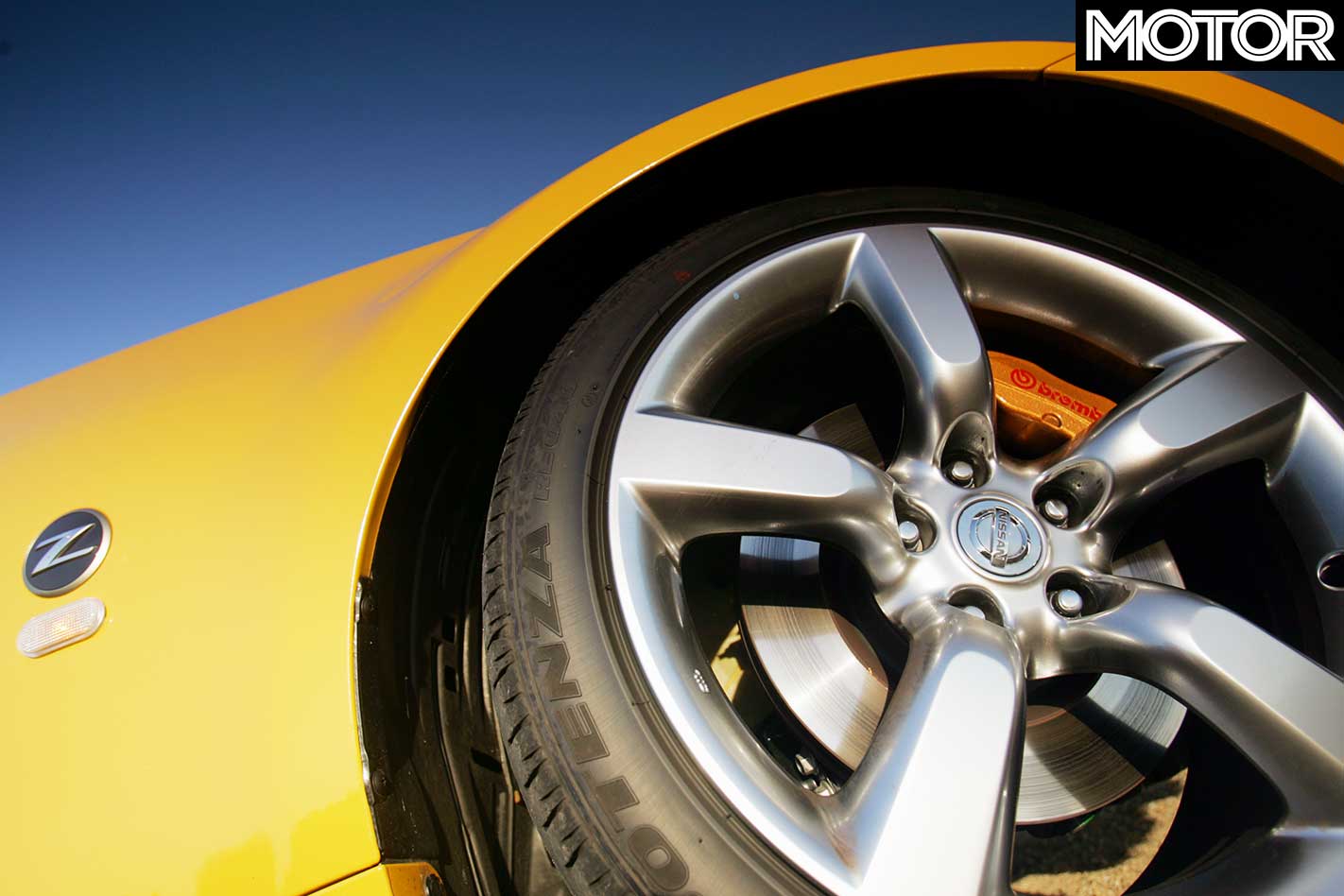
The keen-sighted will notice the 35th Anniversary 350Z redlines at 7000rpm (up from 6600rpm), sits on new design 18-inch alloys and is offered in an all-new and exclusive colour: Ultra Yellow. But that’s about all there is to tell you you’re looking at anything out of the box.
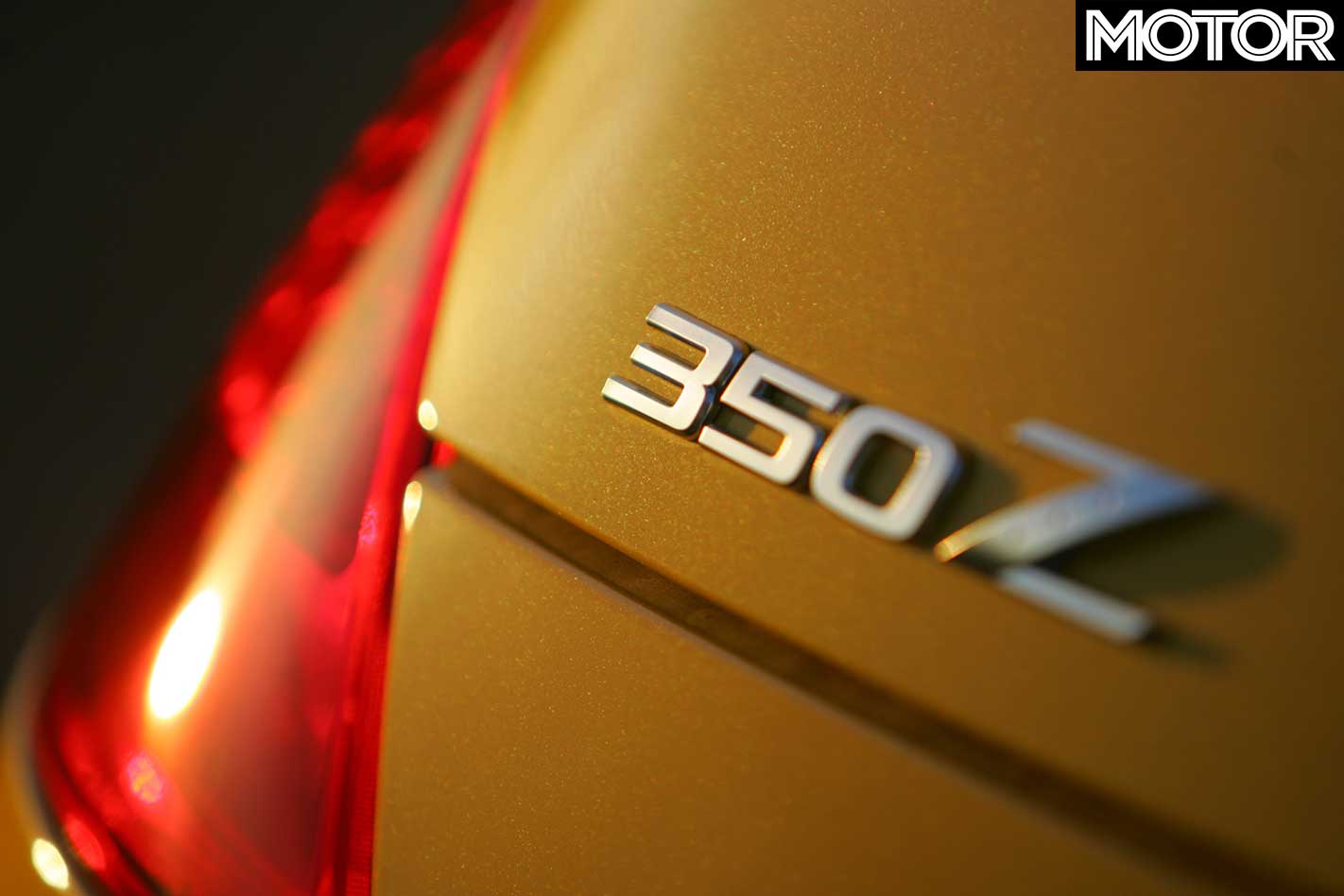
Oddly enough, elsewhere in the world this car is known not just as the 35th Anniversary edition, but the GT4 limited edition inspired by the latest version of the Gran Turismo series. Oddly Nissan Australia’s spin doctors flatly deny or know of any Nissan/GT4 connection. Double hmm.
A lack of badging aside, the 35th Anniversary 350Z is a bit special. For one, it cops a seven percent power increase over standard giving it 221kW at 6400rpm (up from 206kW at 6200rpm).
Running the same sweet 3.5-litre V6, Nissan’s boffins squeezed out the extra power with revisions to the camshaft and exhaust valve timing. This power hike has come at the cost of torque, though, which drops 10Nm to a still substantial 353Nm, and still produced at 4800rpm.
And you get all of this for a $2000 premium. The 35th Anniversary Zed costs $67,990 in six-speed manual only.
This is all well and good but does the darn thing drive any differently to the oft-praised 350Z Track on which it’s based? Well, I’d be pulling your leg if I said the power hike made much of a difference or that I noticed the drop in torque. But that’s not damning the 350Z – no one ever criticised it for not having enough get-gone.
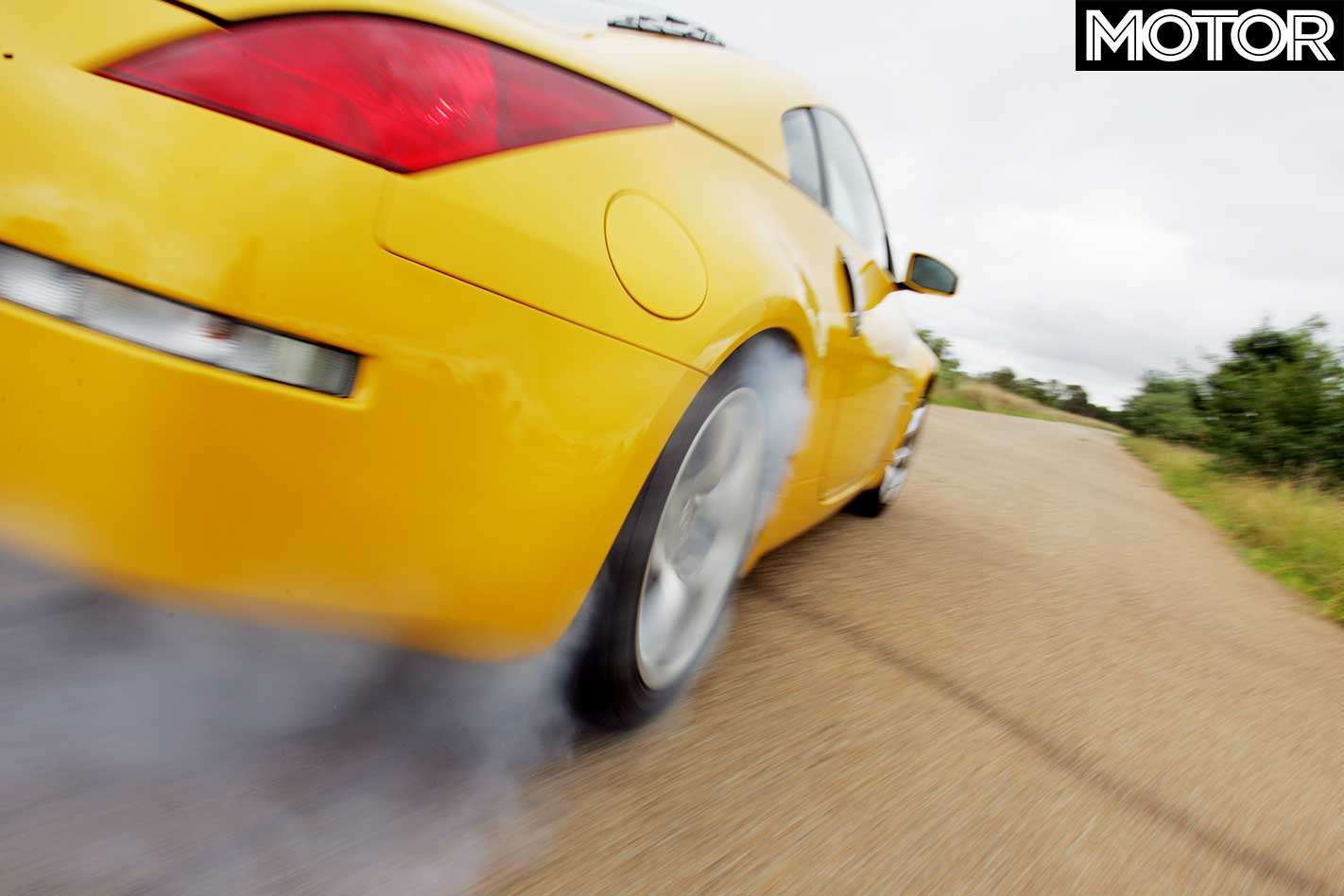
The 350Z storms off the line (launched perfectly we reckon the Zed will nail 0-100km/h in high fives) and offers plenty of mid-range punch. A real grunter, the Zed offers the best of both worlds – it’ll happily slog uphill in fourth gear pulling from 2000rpm, or go like a rocket screaming its head off above 6000rpm.
Thanks to an improved close-ratio six-speed ’box, swapping from one gear to another with the short throw lever is quick, easy, smooth and bloody precise.
Through the twists and turns the 350Z is as sweet as ever, with amazing grip. With plenty of feel straight ahead and off centre the 350Z’s talkative steering makes it the perfect weapon to blast along a mountain pass. Turn-in is sharp, and the harder you drive it the more hunkered-down the Zed feels. Only under hard cornering is there slight steering kick back.
It’s through corners, or rather, punching out of them that you notice the lift in power. The 600rpm-higher redline allows you to hold gears longer to make the most of the extra urge on offer. Yep, at the upper end of the scale the 350Z breathes better and feels a tad sharper with, thanks to the electromagnetic exhaust valve timing and a new airbox, a slight hardening of the engine note above 6000rpm.
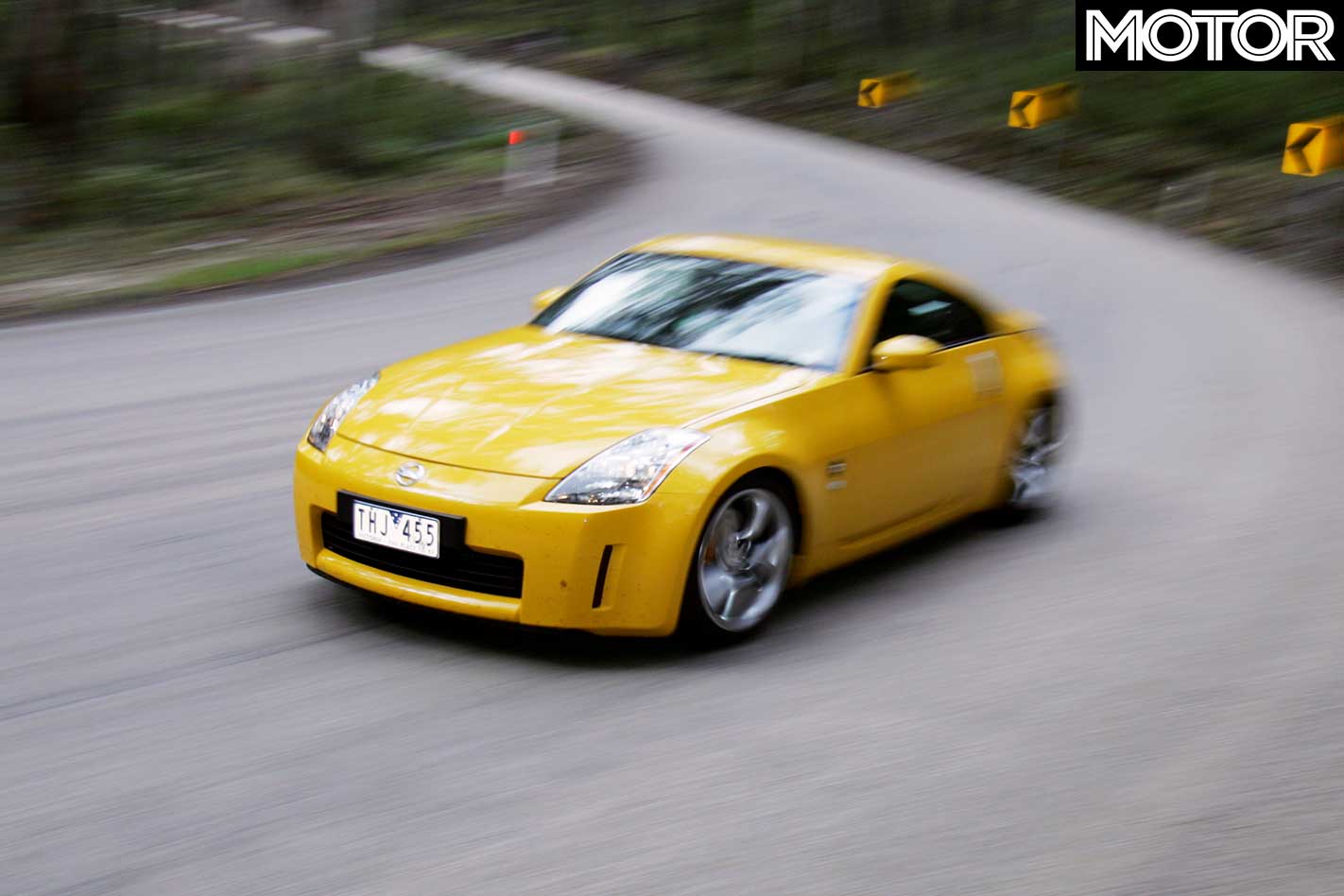
Ride quality has seemingly improved too. Where the Track feels like a rock, becoming skittish over mid-corner bumps and on patchy surfaces, this Zed doesn’t. It’s stiff, sure – it’s riding on 18s – and has the same suspension as the Track but it seems to be more compliant, flowing with the road rather than fighting it.
And while the design of the new 18-inch wheels is a bit love/hate, they look eerily similar to the Mazda RX-8’s alloys, 350Z’s main sports rival.
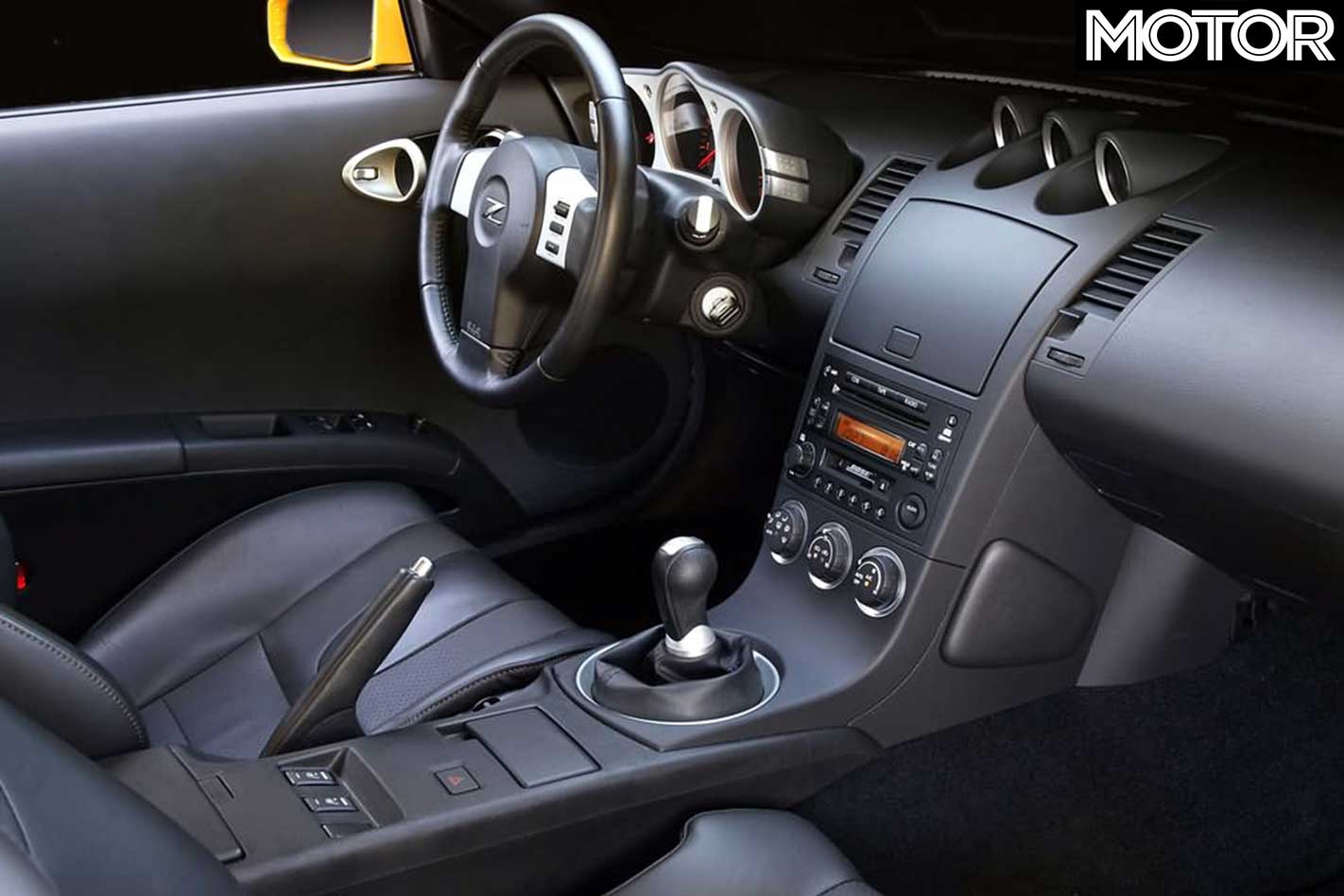
Inside, nothing has changed. The seats are still mounted nice and low, deep in the bowels of the Zed with all controls falling easily to hand. The only criticism – and it’s a minor one – is the seats themselves: the leather’s a little slippery and though the base and centre console hugs the legs, they lack shoulder support.
I’d also bag the rear vision, shoulder checks are a nightmare with vision obscured by the thick pillars. And the rear strut brace limits the amount of luggage you can carry. Who needs luggage, though? All you really want is a lonely, winding road. Everything else is immaterial.
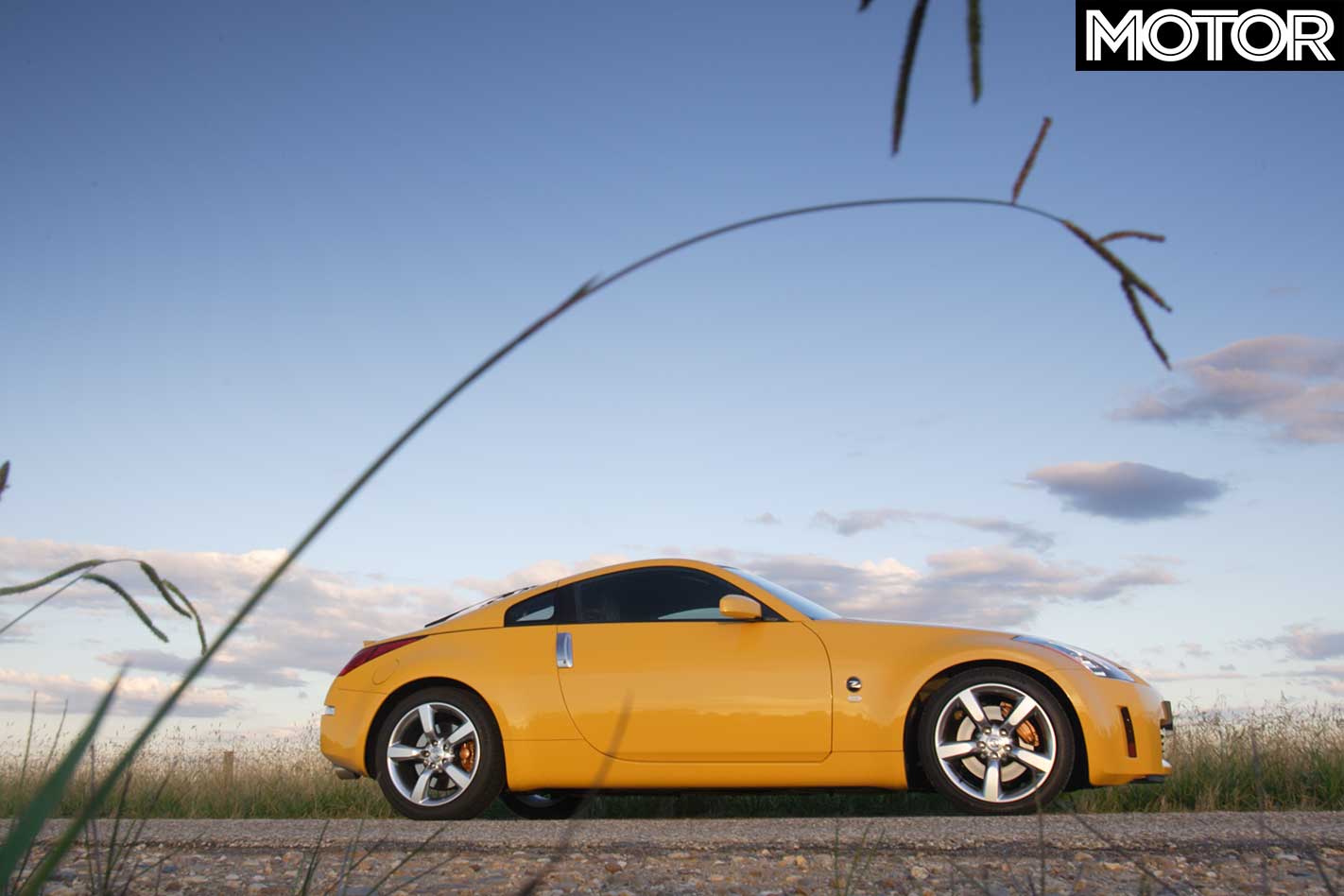
FAST FACTS 2005 Nissan 350Z 35th Anniversary Engine: 3.5-litre DOHC V6 Power/Weight: 221kW/1463kg Drive: Rear-wheel Price: $67,990
THE ADELAIDE-built Brabham BT62 supercar will make its Mount Panorama debut next week as part of the Bathurst 12 Hour.
The 522kW BT62 will perform a number of demonstration laps across the event weekend, and also be on display for the public to get up close and personal.
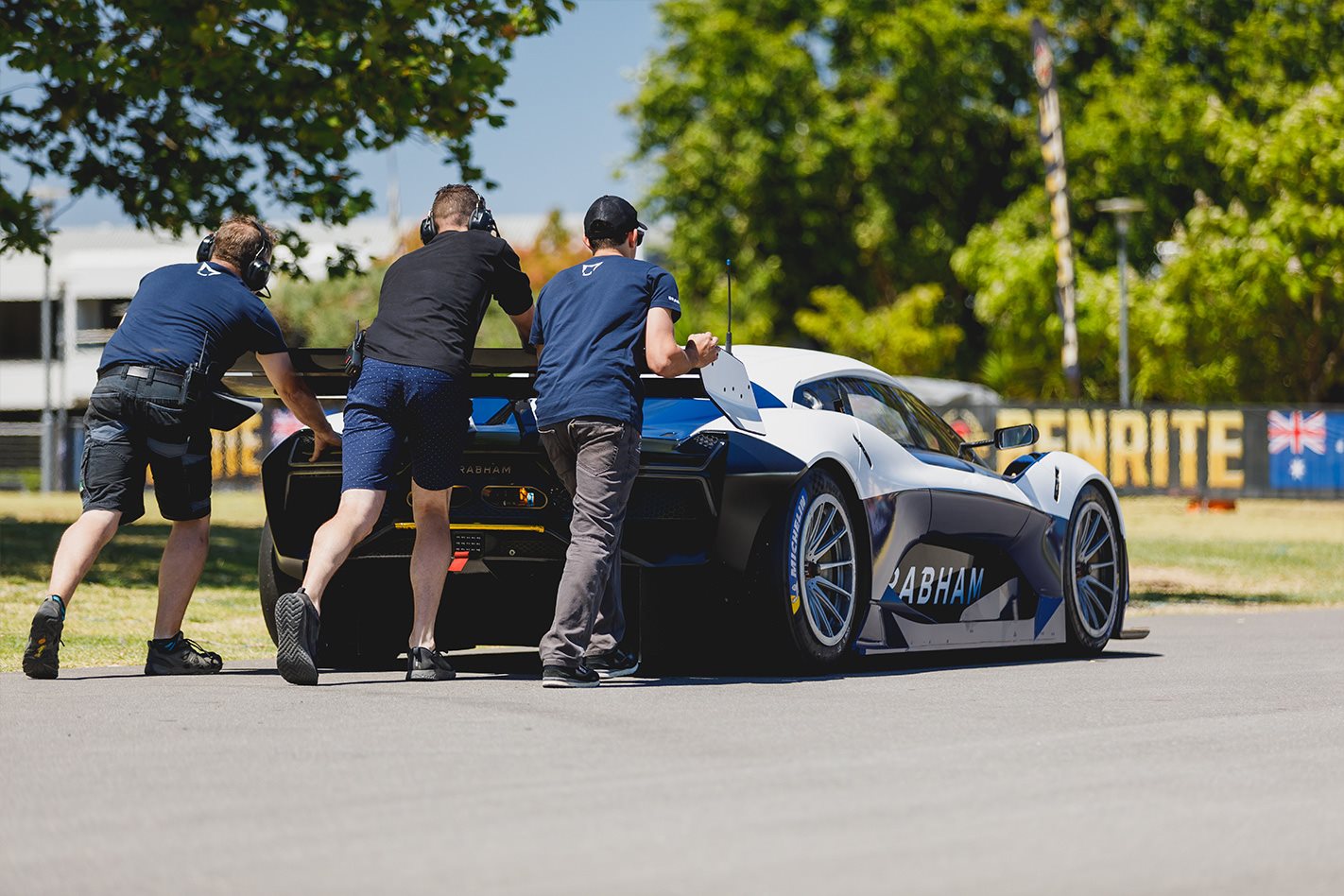
While originally developed as a purpose-built track machine, Brabham recently announced customers can option the car to be converted for legal road use.
Tipping the scales at just 972kg, and with a 522kW mid-mounted V8, the BT62 should be one of, if not the, quickest cars at Mount Panorama.
During development of the BT62, Brabham set its sights on a number of lap records around the country. Could Mount Panorama’s 1:59.291 official outright record set by Christopher Mies in an unrestricted Audi R8 GT3 car late last year be threatened?
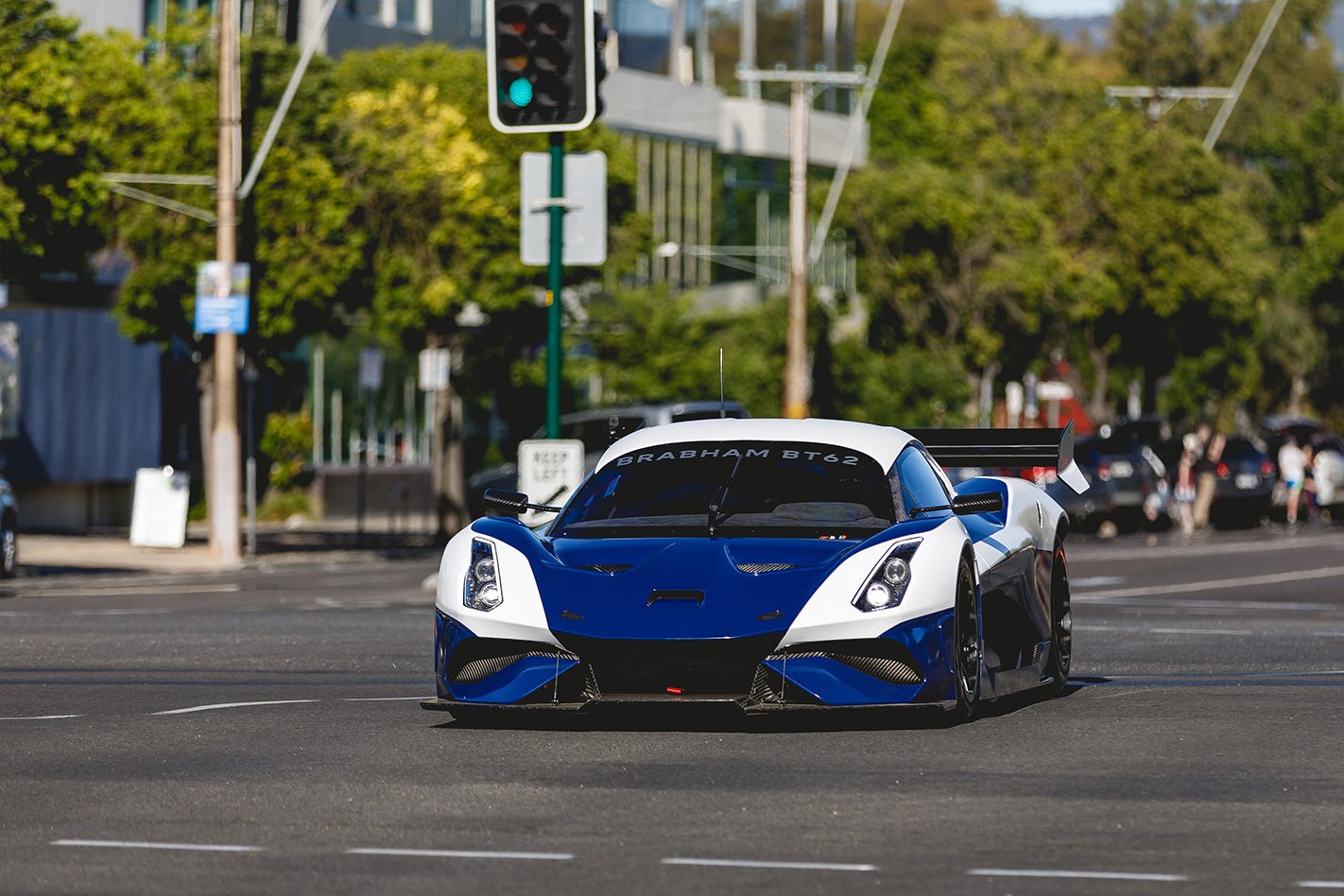
Brabham Automotive’s managing director, David Brabham, is a former Bathurst 1000 winner, and is excited to see his family’s name return to The Mountain.
“This iconic track has so much racing history and is held in such high regard all around the world,” he said.
“My father, Sir Jack Brabham, won the Bathurst 100 mile race back in 1960, including being clocked at 157mph down Conrod Straight, so we’ve seen success here over a number generations.”
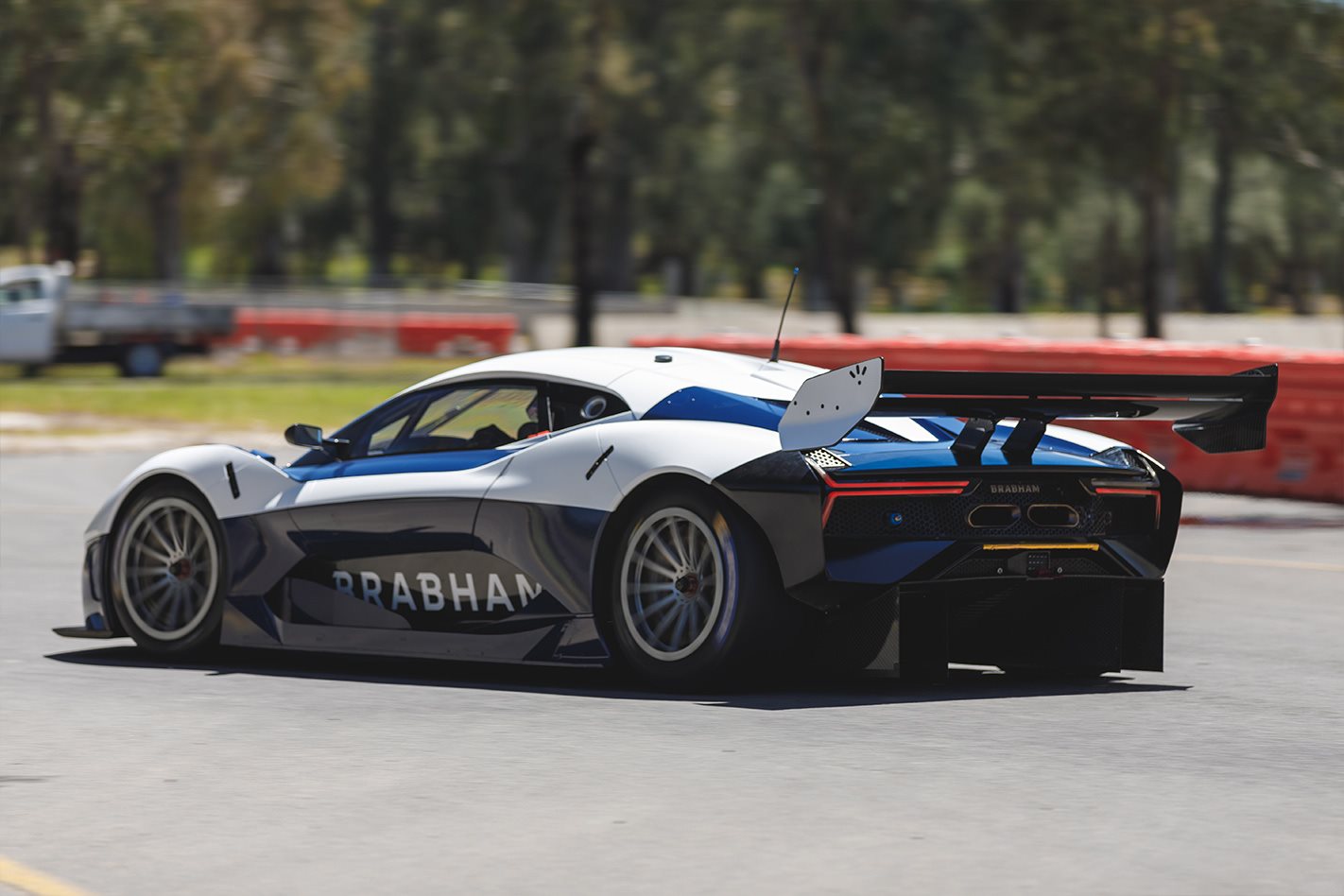
The demonstration laps follow the car’s public Australian debut at the Adelaide Motorsport Festival in late 2018. Those that miss the car at the Bathurst 12 Hour, will also have the opportunity to see it in action at the opening round of the Supercars championship, the Adelaide 500 in March.
Brabham Automotive has announced it will take the BT62 to Le Mans, but instead of doing mere demonstration laps, the car will compete in the GTE Pro class for the 2021/22 World Endurance Championship.
The 2019 Bathurst 12 Hour event starts on Thursday, 31 January.
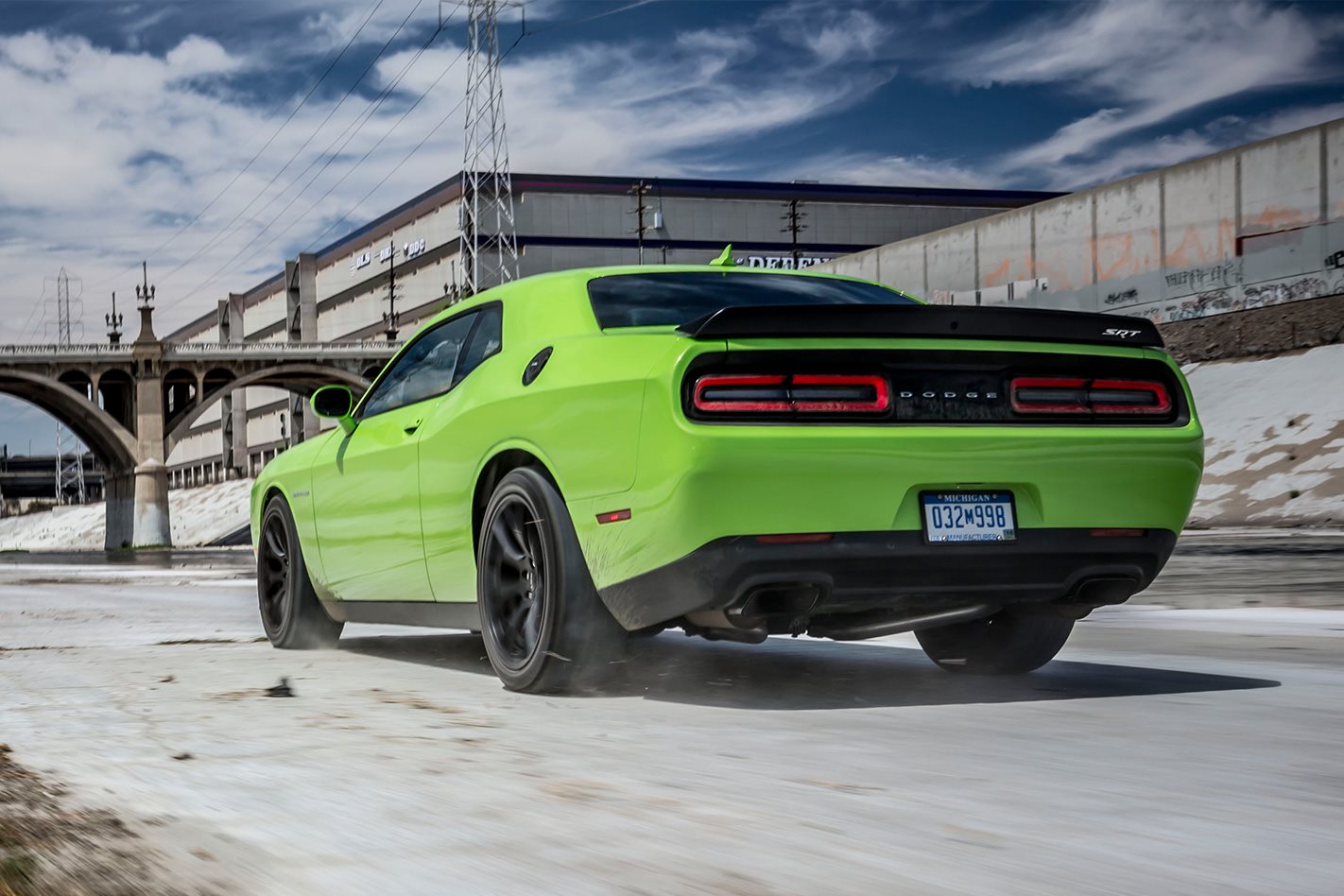
FIAT CHRYSLER Automobiles CEO Mike Manley has hinted at what will power the next-generation Dodge Challenger, and it’s going to be a big departure from what enthusiasts are currently enjoying.
The ageing Challenger, and its Charger sibling, enjoy a variety of petrol powertrains, with naturally-aspirated V6 and V8 options accompanied by supercharged V8 ‘Hellcat’ options.
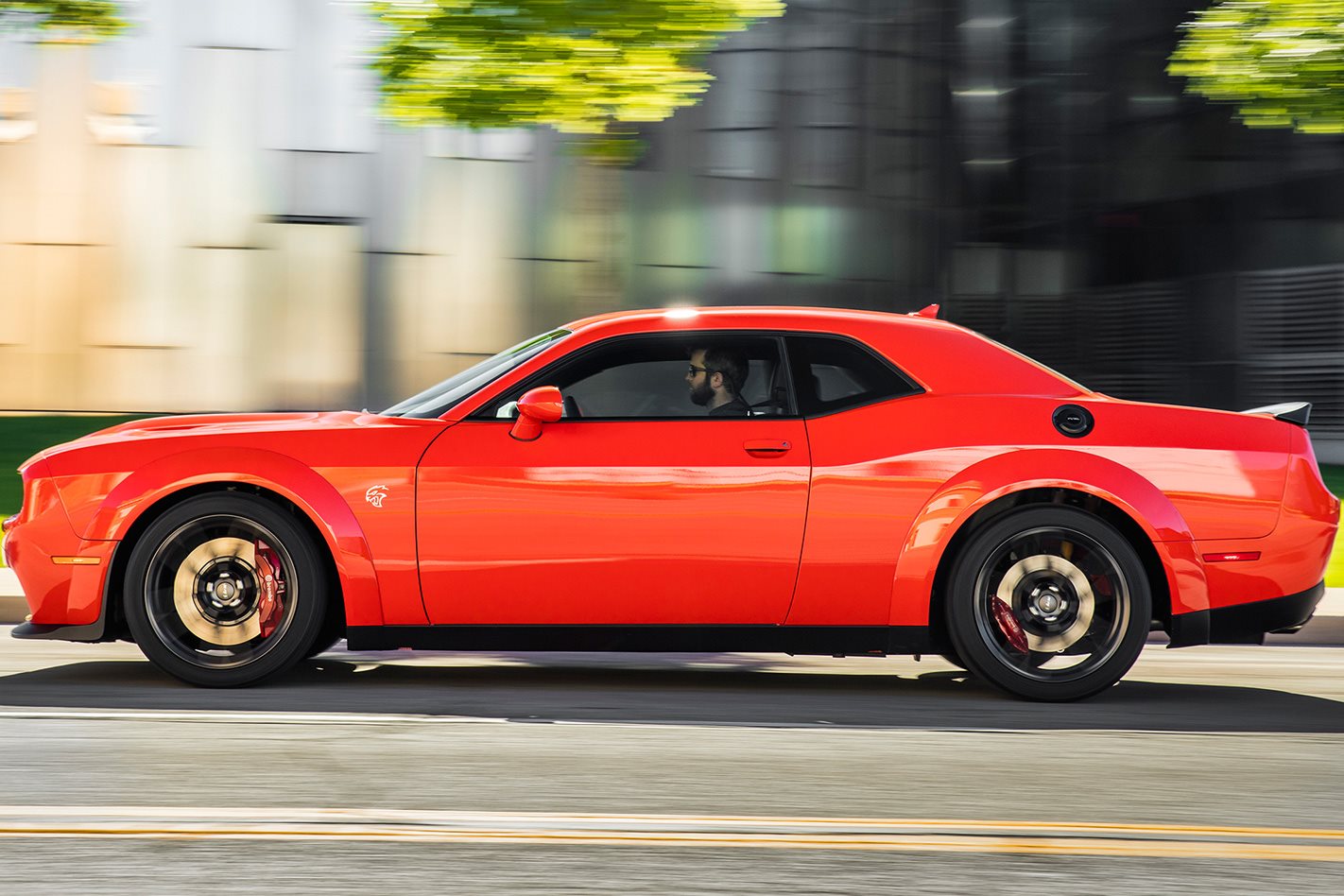
Since its introduction, the 6.2-litre supercharged V8 Hellcat engine has become a cult hero, with multiple special editions, culminating in the Demon, which could be optioned to produce 626kW.
Manley spoke to The Detroit News about the future of the iconic car, saying, “I think that electrification will certainly be part of the formula that says what is American muscle in the future.”
“What it isn’t going to be is a V8, supercharged, 700-horsepower engine.”
That’s an incredibly specific type of engine to point out, with Manley clearly talking about the Hellcat.
“The reality is those platforms and that technology we used does need to move on. They can’t exist as you get into the middle-2020s,” he added.
The FCA CEO spoke of the need for the Challenger to adopt electric technology, espousing the weight-saving benefits of a new platform which would offset the added kilos from a battery pack.
“New technology is going to drive a load of weight out, so we can think of the powertrains in a different way. And we can use electrification to really supplement those vehicles,” Manley explained.
Reading between the lines, Manley doesn’t want the Hellcat and its ilk to die out completely, but is prepared to add electrification to the equation to ensure the ongoing longevity of the muscle car.
The current Dodge Challenger is now over a decade old, having been first introduced way back in 2008.
Judging from Manley’s comments in reference to the middle-2020s, we can expect an all-new generation is on its way.
We’ve written about and driven about the 2019 McLaren 600LT here at MOTOR before, and our first drive on Aussie soil will be in the February issue of the magazine, but we’ve actually filmed the car until now.
Yours truly (Chris Thompson – MOTOR Digital Journo) and Street Machine’s Aiden Taylor grab the keys from the hook and head to the studio to have a look at the 441kW beast before the chance is gone.
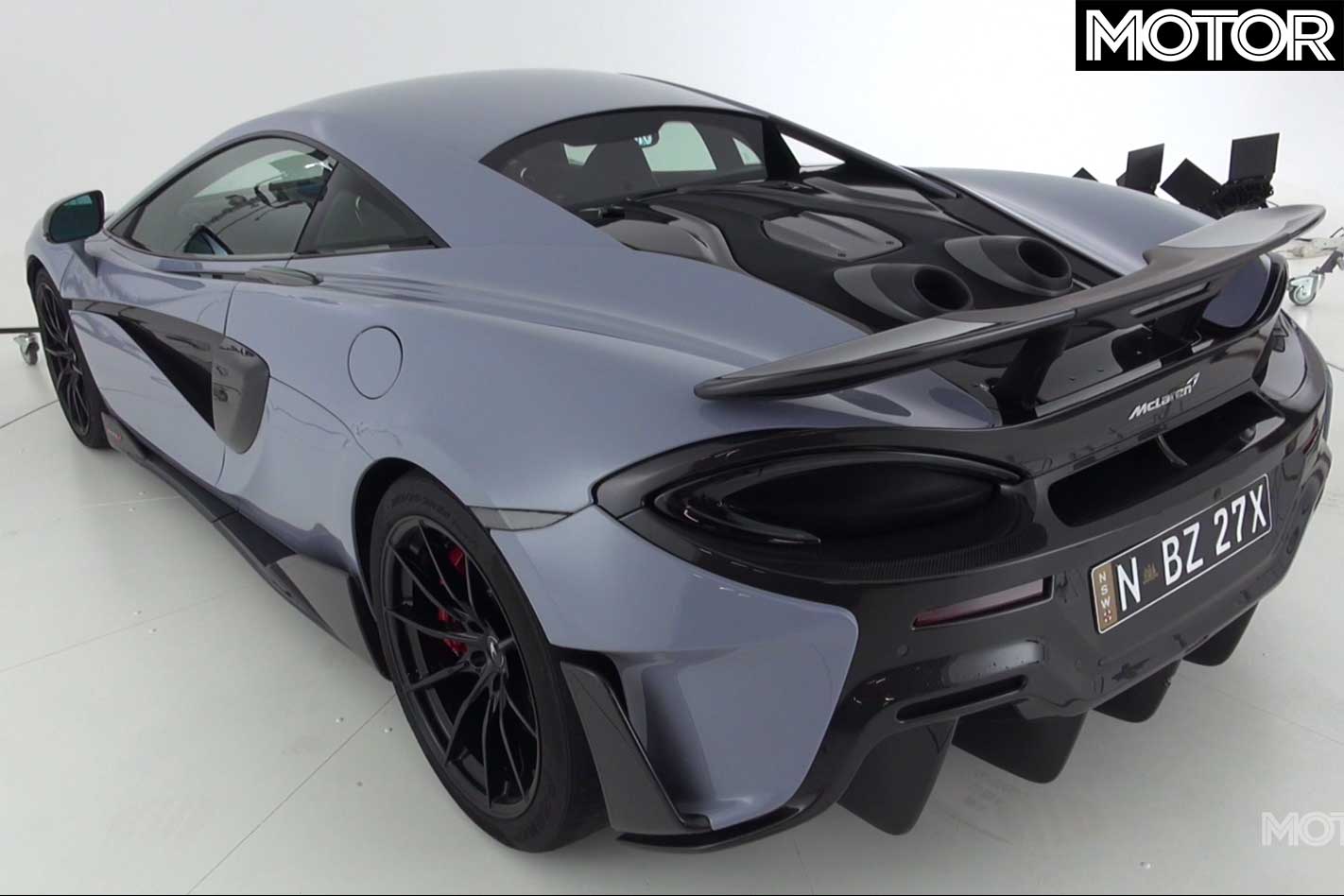
Keep in mind this is no tech rundown or in-depth review, we’ve produced many of those already. It’s just a brief and hopefully entertaining look at the car.
Editor Dylan Campbell will feature in an upcoming driving video of the 600LT, while Associate Editor Scott Newman’s full review will be available here on MOTOR’s website in the future.
But for now, watch as we struggle to get in and out of the bucket seats, I accidentally call a rear diffuser a splitter, and Aiden fails to start the car. Fun fact: you can almost fit your fist inside a 600LT’s exhaust exit.
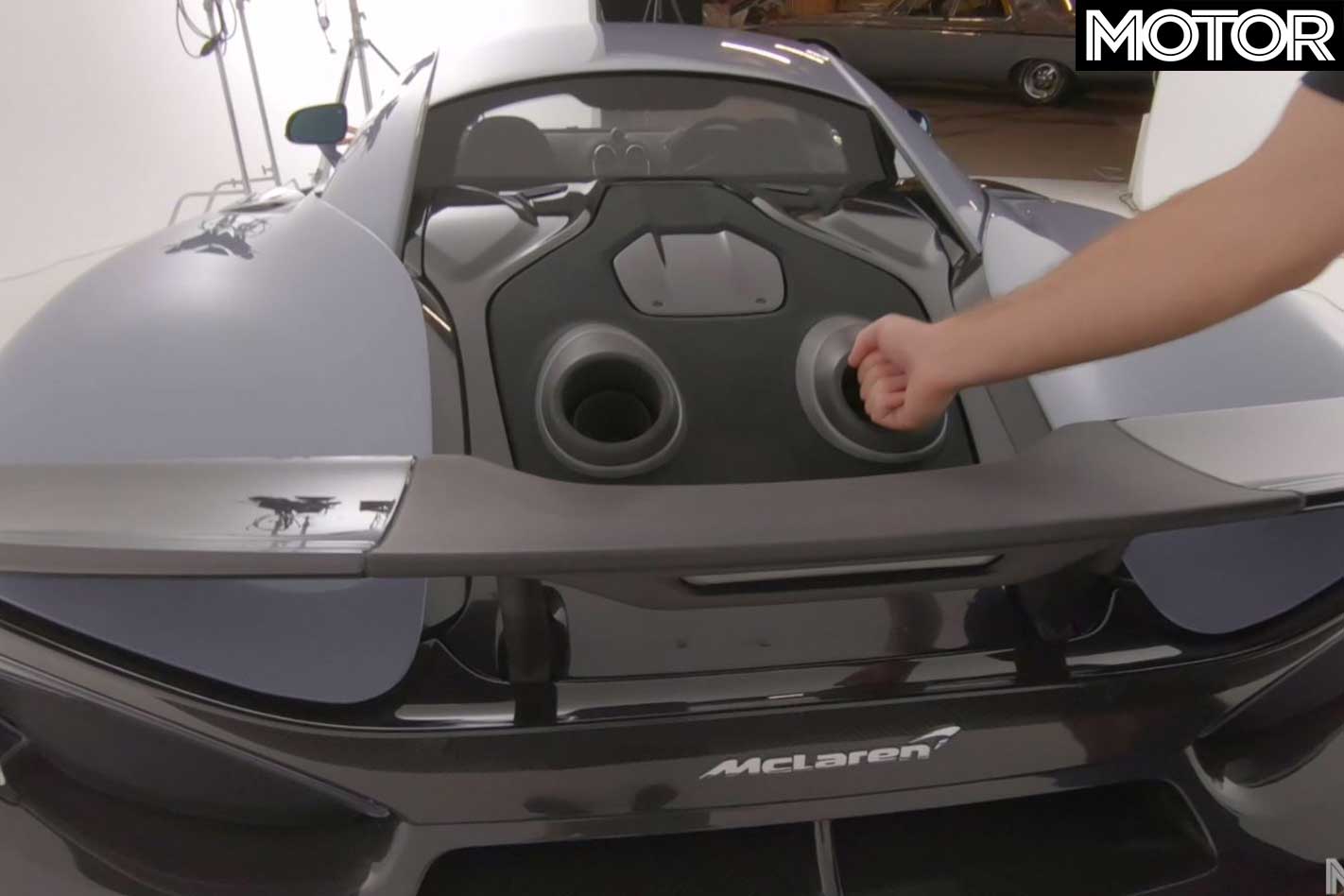
More videos like this will soon follow, with a more casual approach to looking at cars than we’ve adhered to in the past.
Leave your feedback in the comments below, and we’ll consider them more closely than we will the comments left on YouTube. Because you should never read the comments on YouTube. Enjoy!
For more of MOTOR’s many videos, check out our YouTube channel.
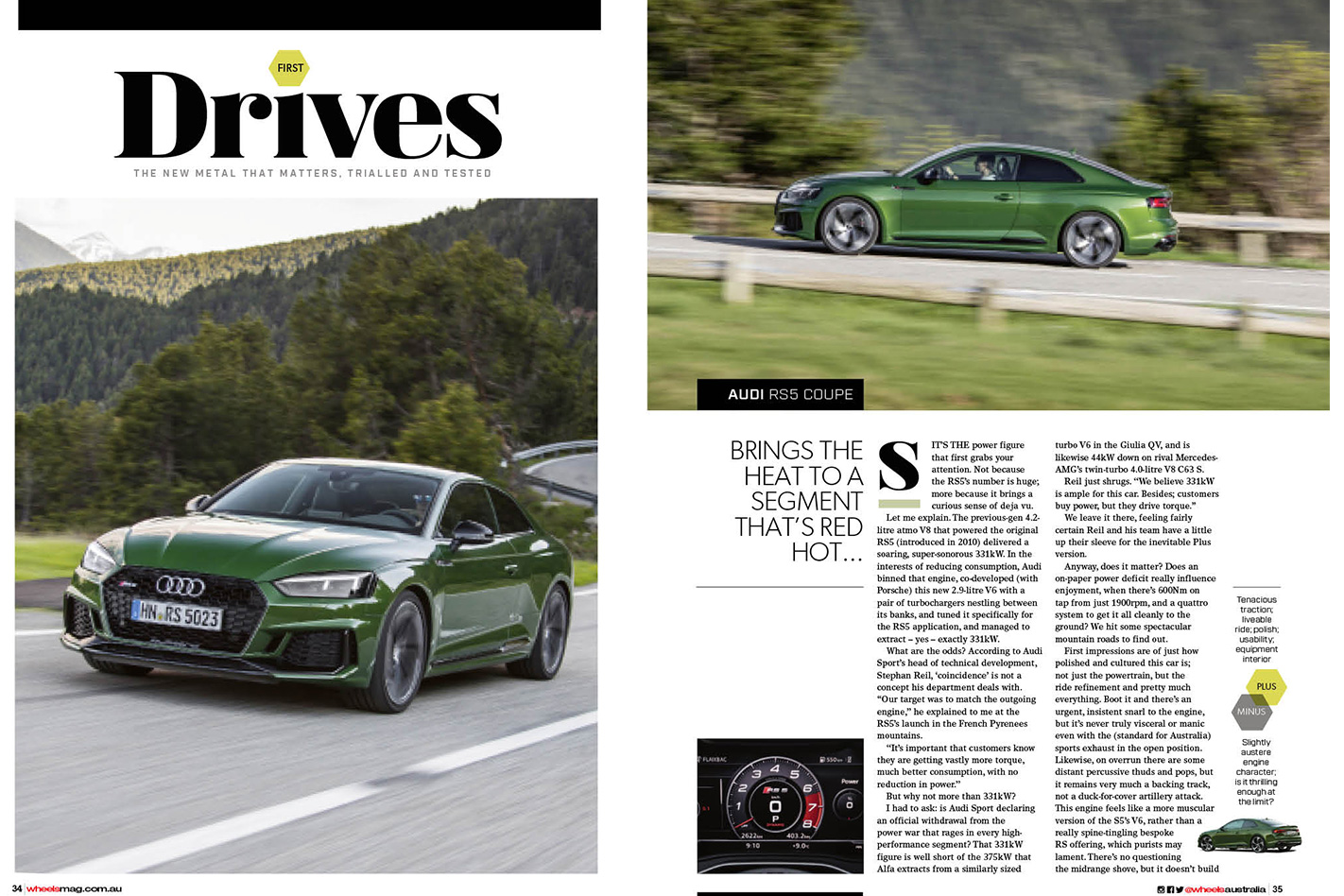
WELCOME to the all-new Wheels magazine! Well, to your first look at it anyway.
When our February issue goes on sale next Thursday Jan 31, it’s going to look and feel very different.
There’ll be new content, new sections and a fresh, more premium design (with significantly better paper stock to highlight our award-winning photography), and it’ll also include more than 65 pages of Car of the Year coverage.

Welcome, then, to a new chapter for Wheels. To a wholesale reinvention of Australia’s best-selling and most influential motoring title, which is something that doesn’t happen very often. The last time Wheels received such a comprehensive overhaul was fully 13 years ago.
A lot has changed in that time and you were the catalysts for this change. The ‘new’ Wheels has been a year in the planning. We asked you what you wanted to see from the magazine and you overwhelmed us with your feedback. We were humbled and at the same time stoked at the passion and insight of our loyal readers.
The response to the lengthy survey we conducted was some 400 percent larger than expected and the results were unequivocal. You want Wheels to continue to be a blend of big features, comparison tests and industry-leading reviews created by the world’s best journalists and photographers. That’s a given.

But you also want more. Our Showroom section will be larger than ever (and include dual-cab utes) and there’ll be a greater focus on real-world, attainable cars.
We’re also placing a heavier focus on car culture. Our new ‘Overrun’ section will celebrate the cool and wacky machines and people that make the car world such an interesting, and occasionally baffling, place.
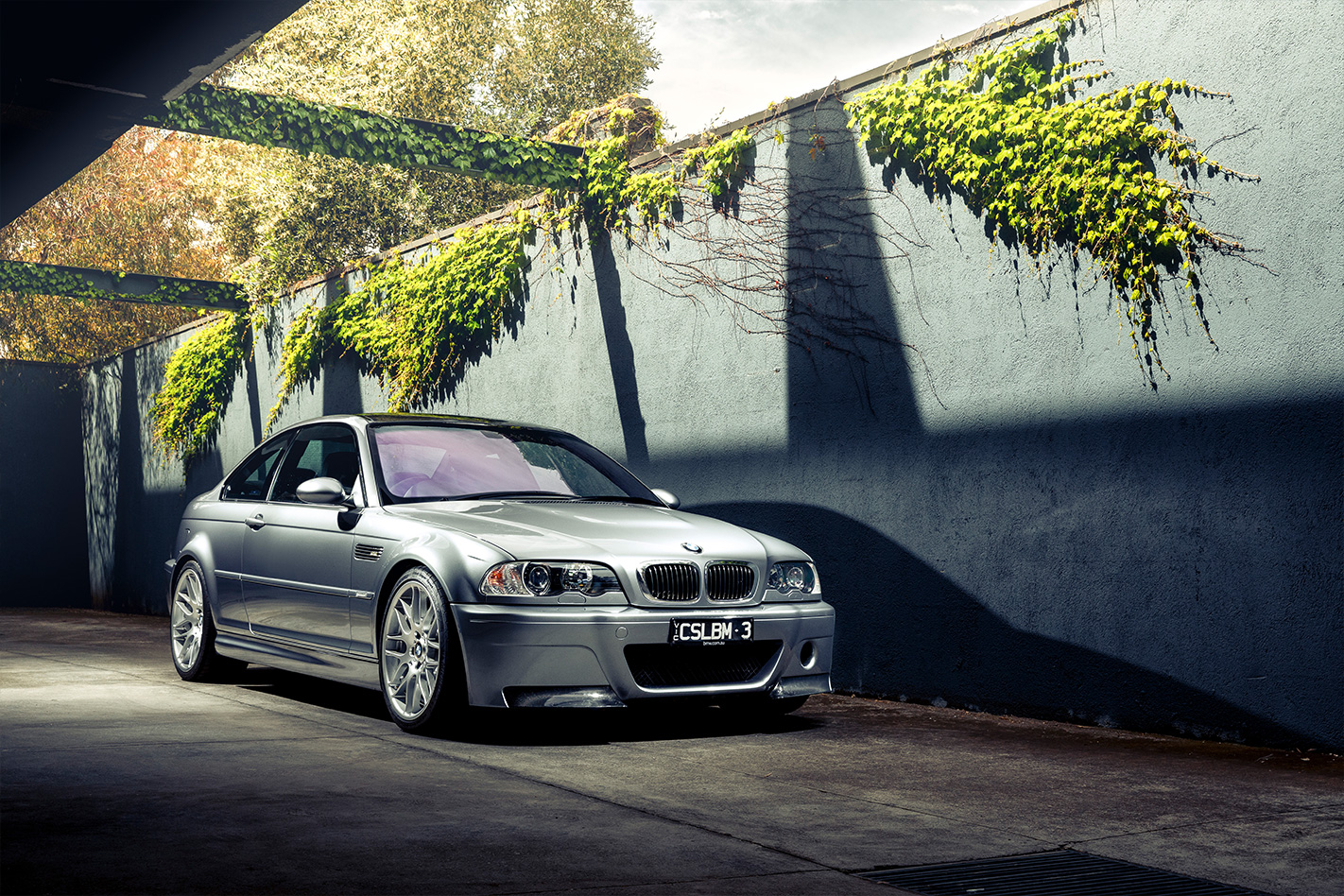
And while Wheels is forever looking forward to bring you the latest in car reveals and cutting-edge technology , we’ll be looking backwards too with a monthly section on ‘Modern Classics’. They’ll be hero cars from the ‘80s, ‘90s and ‘00s that either already have a cult following or are diamonds in the rough. Cars that were perhaps unloved at the time, but are now deservedly gaining in popularity and value.

As for how Wheels will look, our overriding goal was to make the magazine feel more premium. That means luxurious, heavyweight paper stock and a design that is both easy to navigate and easy to read.
We understand magazines are an immersive experience, and we value the fact that Aussies are prepared to pay for Wheels in an era of abundant free content. We know you want something that takes you deeper than what can be achieved from behind a screen, and that has been our overarching goal.

We’re confident we’ve succeeded, but we won’t really know until we hear from you once you’ve read it. Let the feedback begin!
The Lamborghini Huracan Evo introduces Performante-pace to a freshly-facelifted body.
READ MORE:
View the entire Lamborghini range
IT’S almost a year to the day since Volvo’s XC60 was crowned Wheels’ Car of the Year 2018. With twelve months as the reigning champion, we look back at how the Swedish mid-size SUV has fared.
The XC60 subsequently became a mainstay of the Wheels garage, with editor Inwood running the COTY winner in T8 spec as a long termer for seven months.
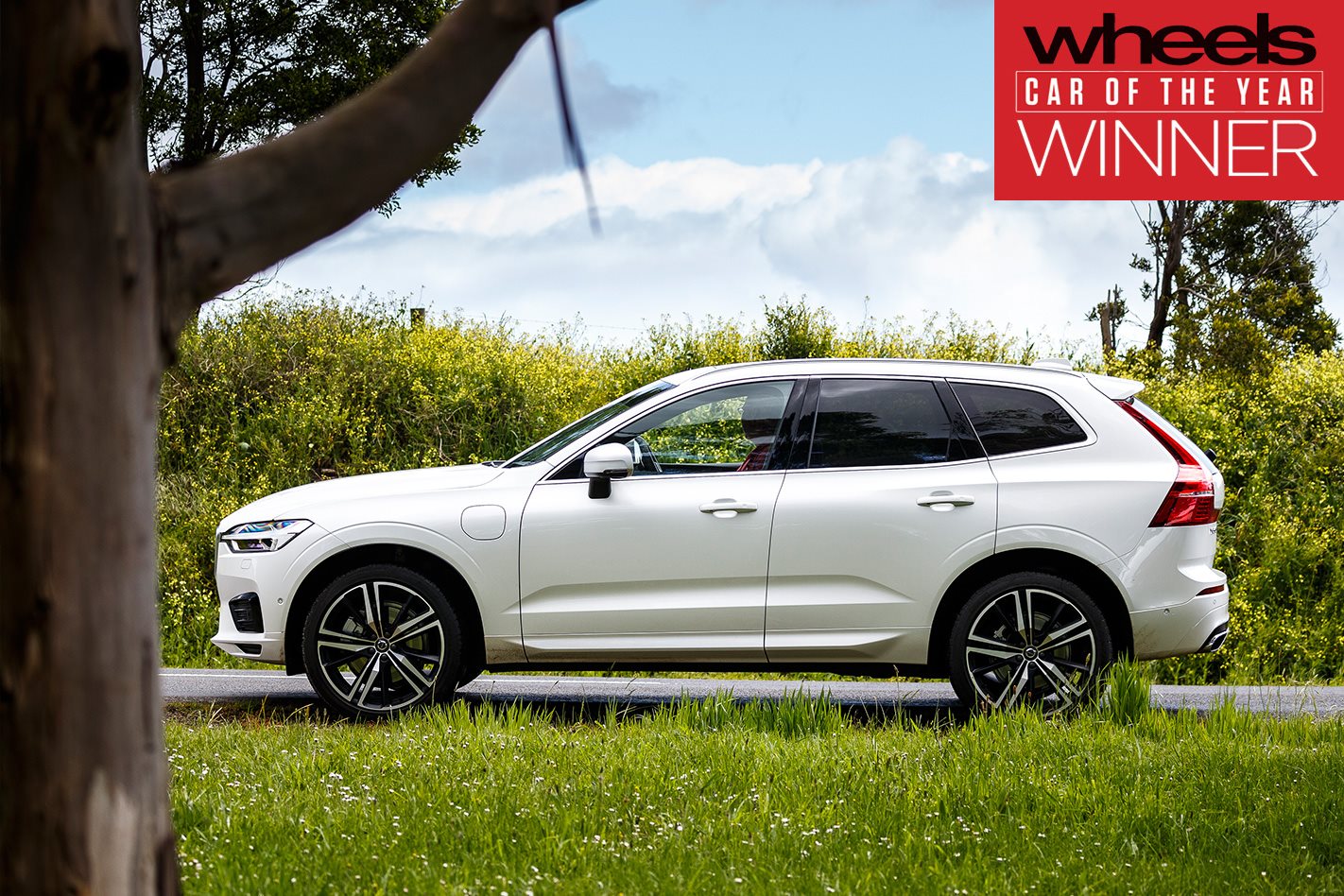
That’s long enough to find faults and issues with a car, but despite the prolonged exposure, Inwood became increasingly adoring of the XC60, writing “seven months with our reigning COTY has done nothing to undermine the argument that Volvo has created the best premium mid-size SUV you can buy. If anything, it’s galvanised it.”
Throughout the year the XC60 returned for a pair of comparison tests, with the T8 taking on Audi’s SQ5, the Jaguar F-Pace S, Porsche Macan Turbo and Range Rover Velar P380 in a five-way battle for hot SUV supremacy. Meanwhile, the D5 faced off against diesel variants of the Alfa Romeo Stelvio and BMW X3.
In both instances, the XC60 emerged victorious.
The Volvo’s ability to usurp both class benchmarks that were ineligible for COTY 2018 and fresh MY19 metal, with both electrified and diesel powertrains, speak of its impressive ability on road.
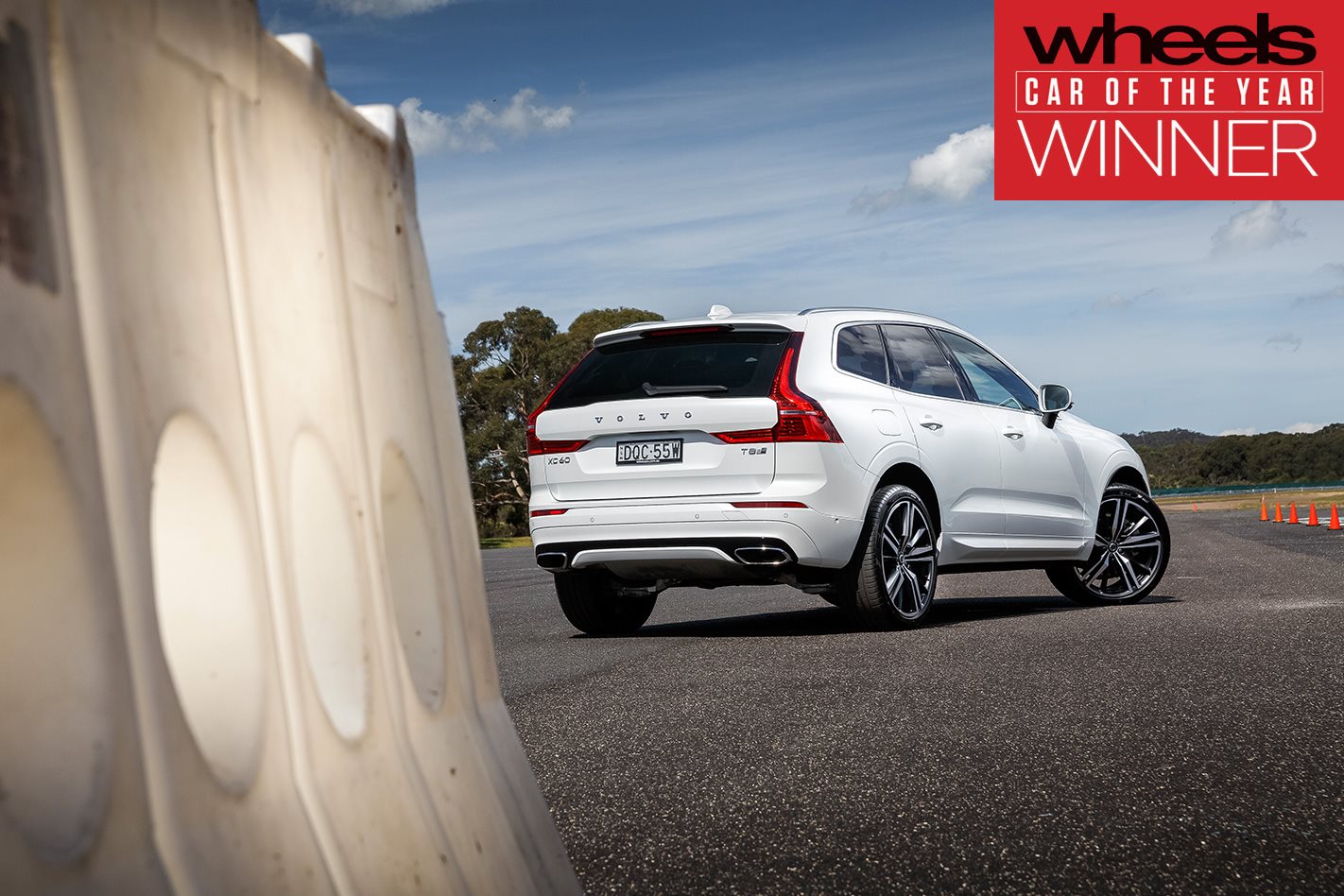
Despite expecting the XC60 T8 to struggle against its decidedly focused competition, the testing team was impressed by the electrified flagship, praising the hybrid powertrain which can “combine tailpipe-emission-free city driving with an addictively overclocked torque response when required.”
In its fight against the diesel-powered Italian and German, the XC60 which was supplied for the test was what Wheels deemed the least appealing spec for the model – lacking optional air suspension and riding on low-profile rubber. But despite this, the Volvo still beat its fresher-faced opponents.
It appears the buying public have caught on to the XC60’s charms as well, with the SUV enjoying a 49.5 percent increase in sales year-on-year between 2017 and ’18.
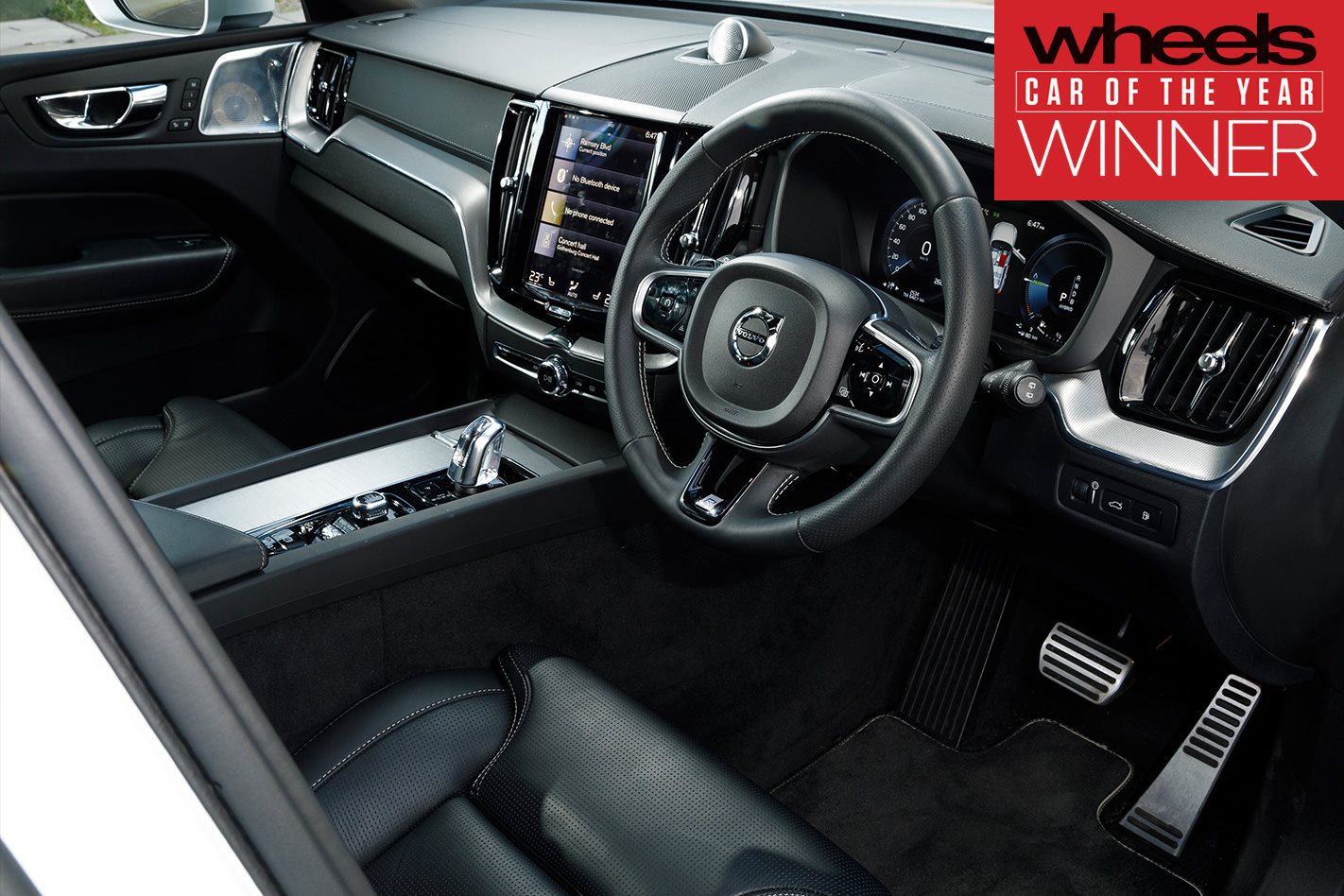
In total 2827 XC60s found new homes last year, an increase of almost 1000 units compared to 2017, making the mid-size high-rider Volvo’s most popular model in Australia ahead of its XC40 and XC90 siblings (which sold 1588 and 1170 units respectively).
It’ll be interesting to see whether this model can reprise the sales performance of its predecessor which did something quite unusual insofar as its global sales figures increased every year it was on sale. Given that most vehicles exhibit a bell curve of sales as they grow more popular and then age, the new XC60 has quite a bit to live up to.
The sales success of the XC60 also buoyed Volvo to a positive year overall, with 6693 models sold in Australia – an increase of 43 percent year-on-year.
The winner of Wheels Car of the Year 2019 will be revealed on January 31 at the Australian Motoring Awards. Time will tell whether this year’s winner can enjoy the same success as the XC60.
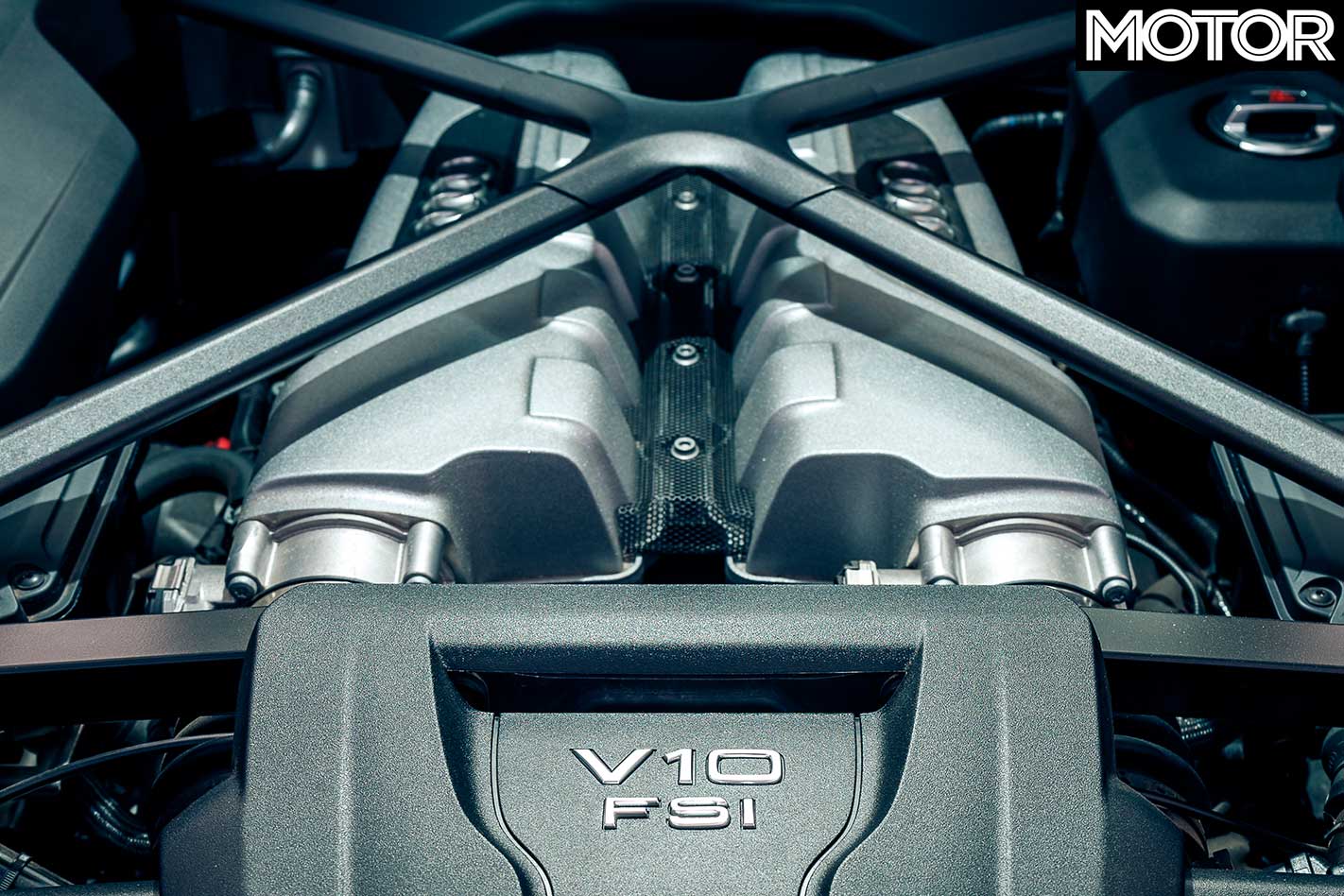
During a recent interview for a magazine feature, a Castrol engineer revealed to MOTOR that in testing its oil the research and development team ran a V10 engine as if it were in a Formula One season… then added a 24 Hour race onto that.
Expert technologist for the Castrol Edge product development team Dr Jonathan Green says the testing for engine oil almost always goes beyond the lab, though those tests are important too.
“The kind of programs I work on with Castrol EDGE tend to encompass an awful lot of engine testing,” Dr Green says.
“I think most people would be surprised at how exhaustive the testing is. There’s no stone left unturned in regards to which technical areas are looked at to receive these prestigious OEM approvals and the further work we conduct beyond that.
“The tests are very severe – it would be extremely difficult for a customer to drive a car as hard on the road – and even on the track – as some of these engines are worked.”
The recent example he gave us was a particularly extreme one, in which they simulated An Audi V10 engine running through the equivalent of an entire season of Formula 1, and then added what Dr Green called ‘a key 24-hour endurance race’ – think Le Mans or Nürburgring – onto that all on the same oil.
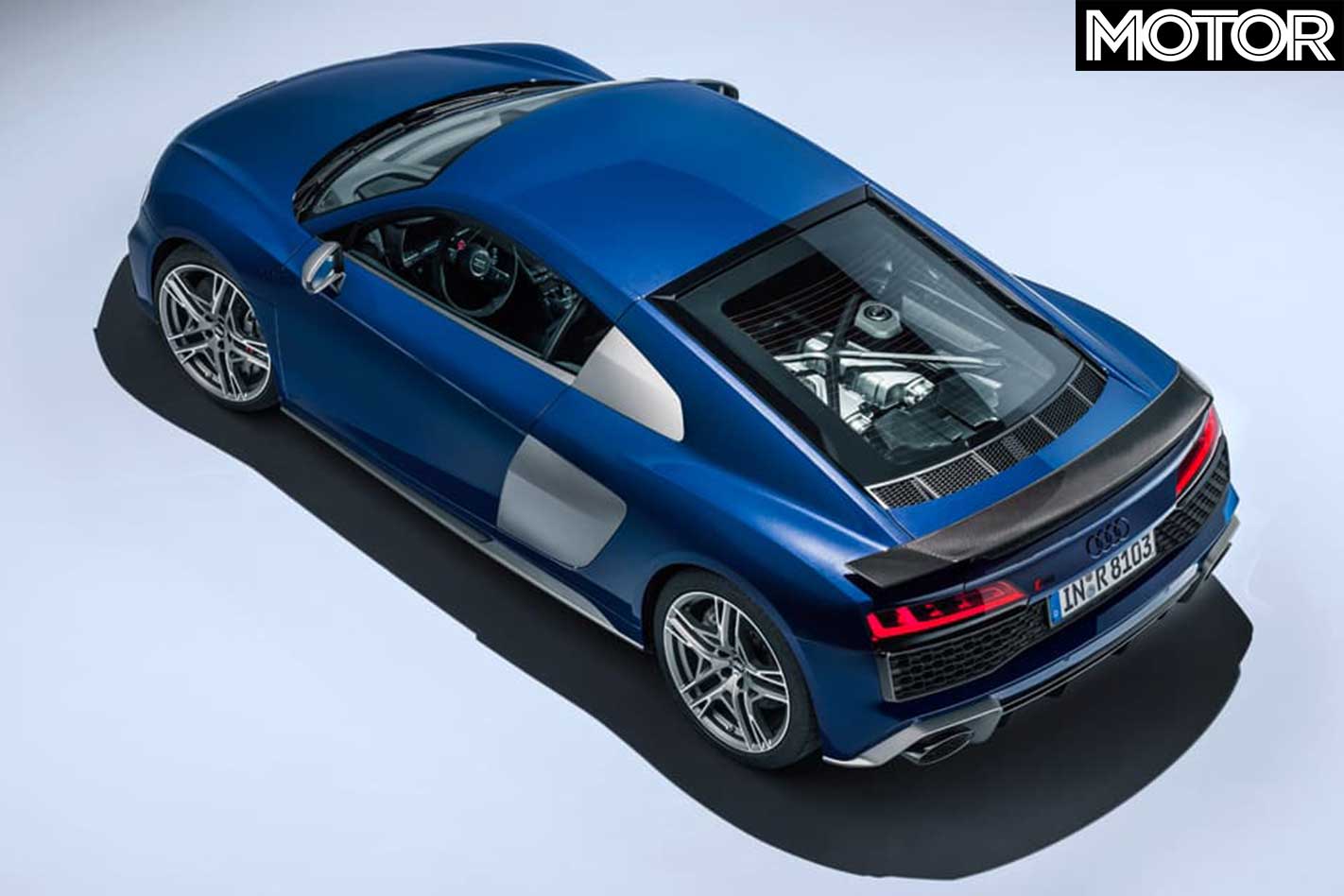
“We’ve run a V10 engine through a test cycle of a whole season of a major single-seater race series, simulating every track as driven by a professional race driver and then gone on to simulate, with the same oil in the same engine, a key 24-hour endurance race series’ all on the same fill of oil that’s just been topped up.
“Both the engine and oil made it to the end without any problems at all and in very good condition.”
For this engine to have replicated all of that, it would have had to run for the equivalent of around 6400km of hard driving.
Taking 2018 as an example for the F1 season, 21 races of around 305km plus the rough average 150 laps of the 25km ‘combined’ Nürburgring circuit adds up to the same as a drive from Brisbane to Melbourne, on to Alice Springs and across to Perth.
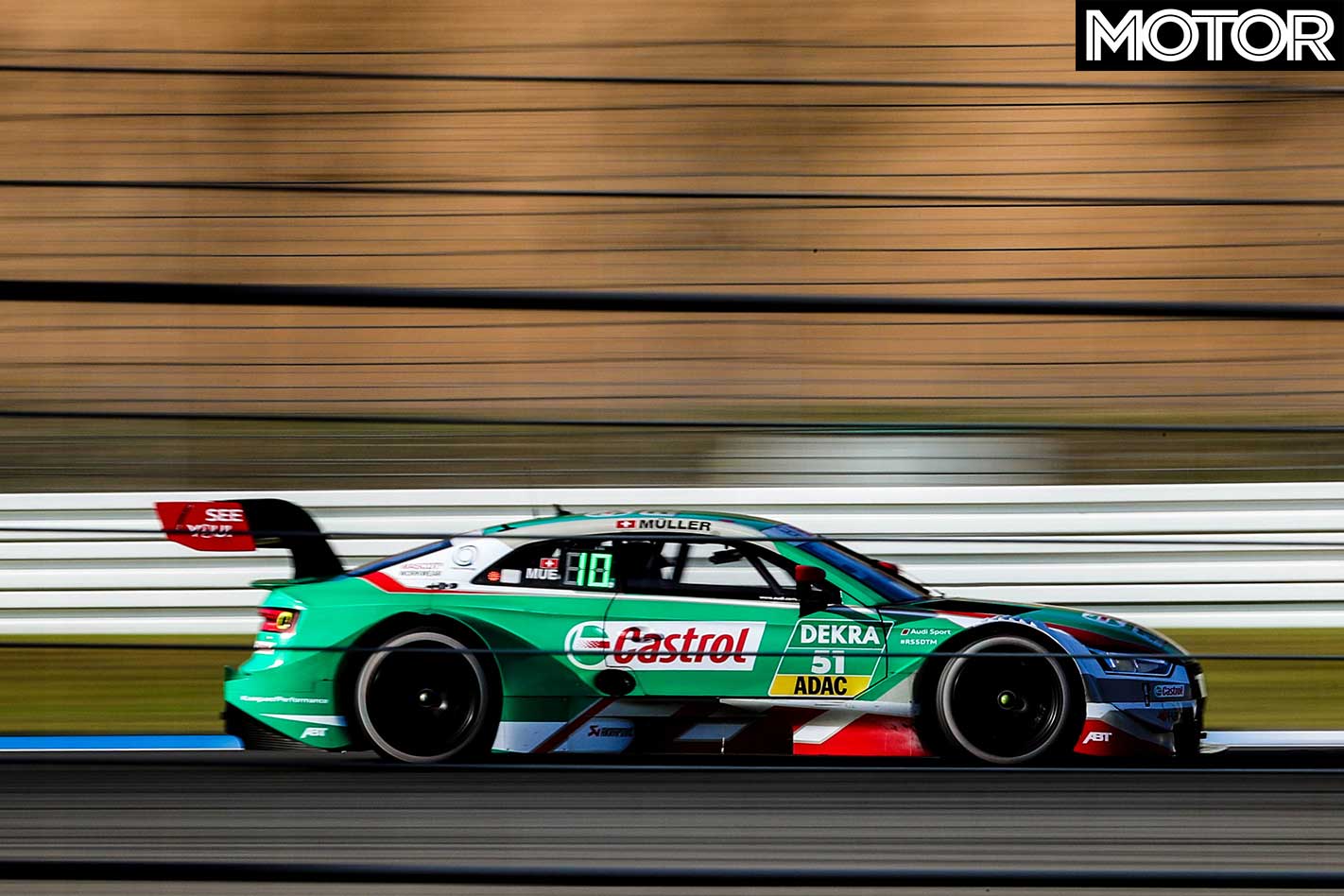
Google Maps reckons that’d take about 73 hours, but that length of time with the engine at race speed would get you a little further than Perth.
“This testing is not something that was required by the OEM,” Dr Green says, “but something we’ve done to push the limits when we asked ourselves ‘what’s the most severe thing we could do?’
“At the end of that the condition of the engine was amazing considering what it had been through. That’s far more severe than any consumer would ever subject their performance car to.”
For more from this interview, keep an eye out for the February 2019 issue of MOTOR Magazine.
