
TOYOTA is making a statement, and it wants Australia’s performance-hungry car buyers to pay attention.
The statement is that the company has its mojo back, and it’s called Gazoo. Forget the daggy whitegoods Toyota of the last decade, Gazoo stands for the iconic performance heroes of the ‘90s like the JZA80 Supra and Celica GT-Four.
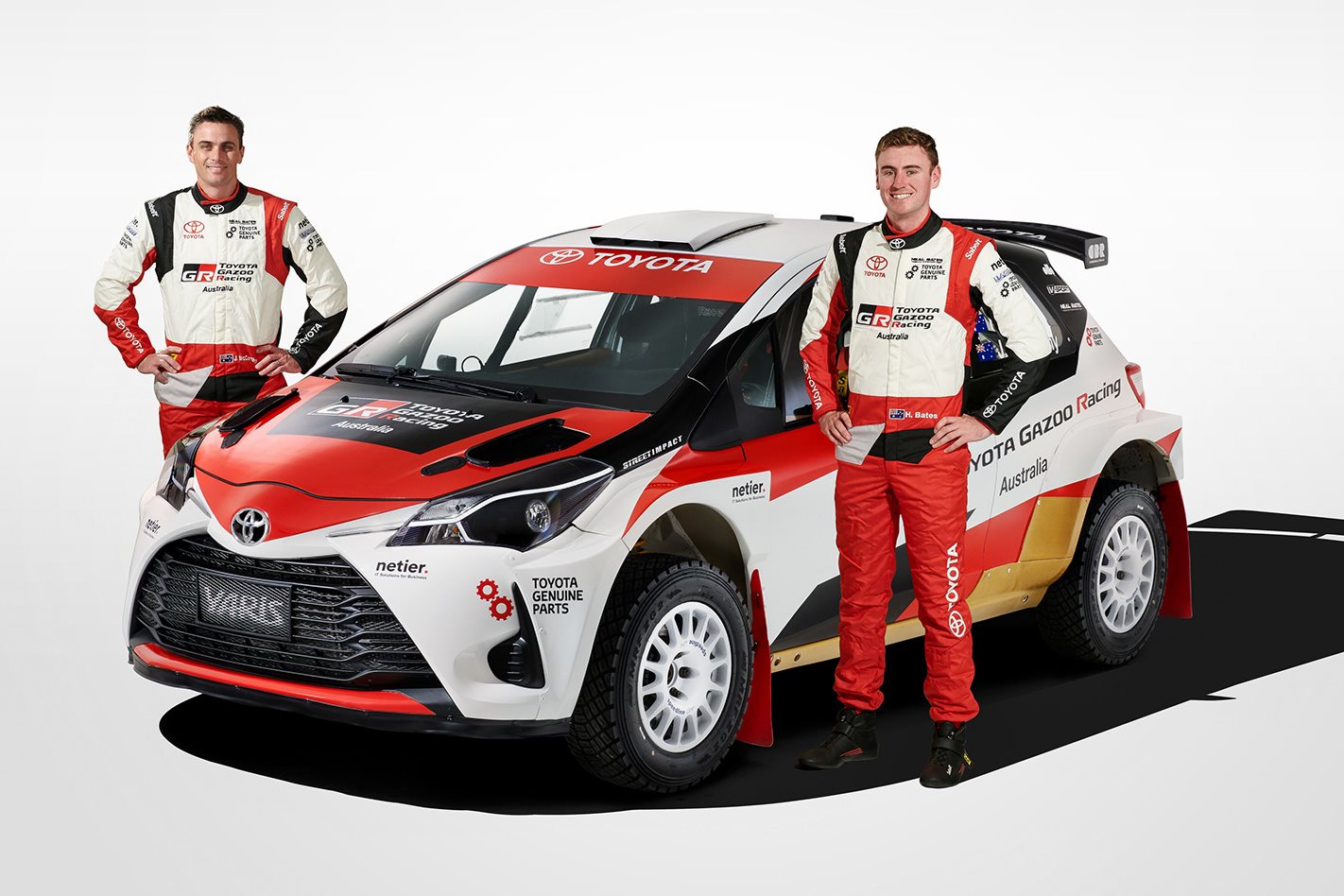
Gazoo is the performance arm of the international juggernaut that is Toyota – think Mercedes-AMG and BMW’s M division.
To help Aussies get on board with the oddly named sub-division, and transition from the TRD brand most already know, Toyota Australia has returned to the local motorsport scene with the factory-backed Gazoo Racing Australia rally team.
Modern motorsport at its core is a marketing tool, and that’s exactly what Toyota Australia is using the Australian Rally Championship (ARC) for next year, with the Gazoo Racing Australia team essentially working as a billboard to help introduce Aussies to the brand.
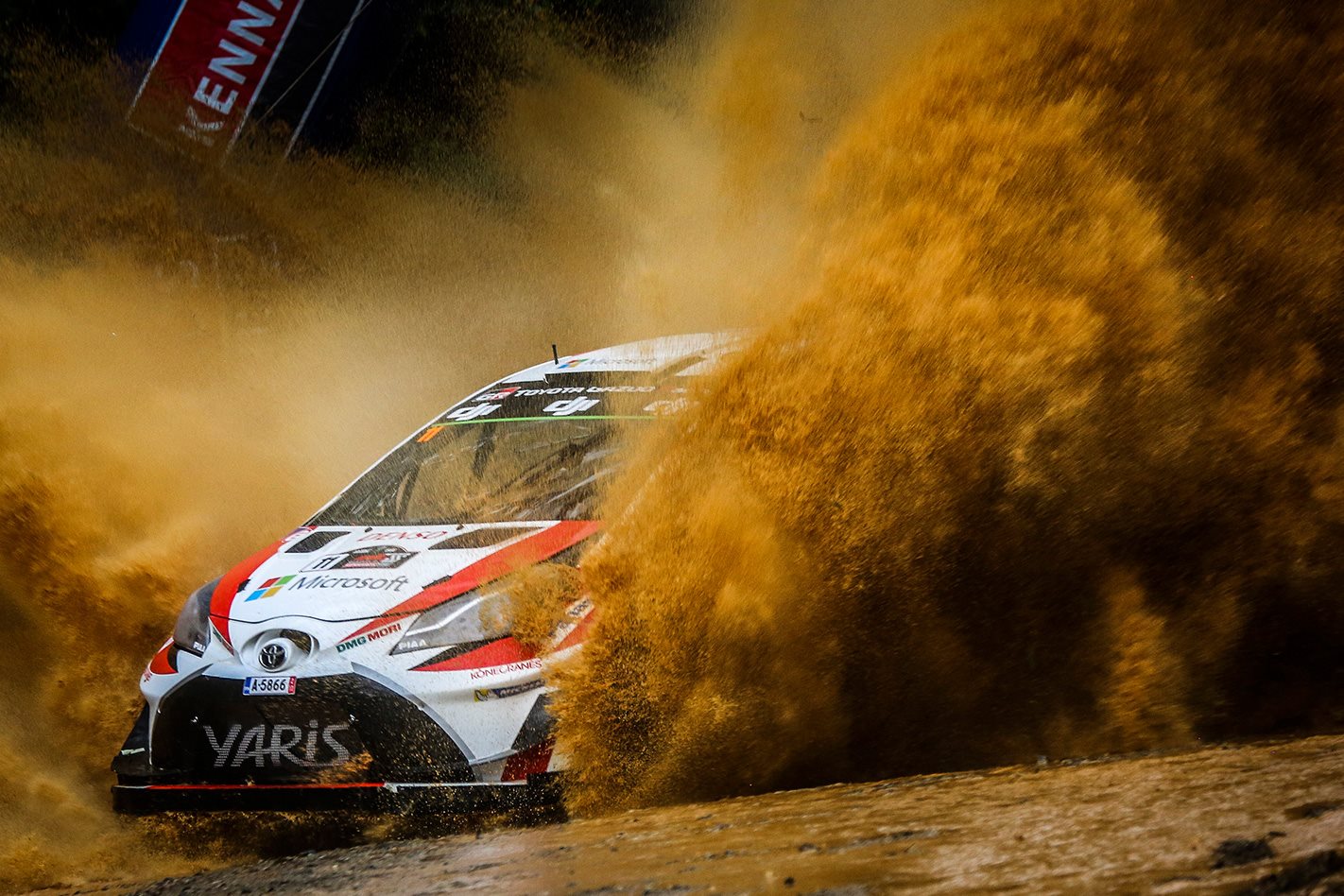
Wayne Gabriel is the chief marketing officer at Toyota Australia, and says the push for a local factory racing presence is backed by Toyota’s motorsport-obsessed president, Akio Toyoda.
“It is actually coming from global,” Gabriel told Wheels. “Akio Toyoda has a big passion for motorsport. He believes motorsport builds more exciting motor vehicles, and that is something the brand can always aspire to improve on.
“A performance brand needs credibility, and needs motorsport heritage. You can see that the credibility that we will get out of the motorsport arm will substantiate the GR road vehicles when they come.”
Gabriel told us the Supra is set to be the first Gazoo branded road car to be sold in Australia, and will likely arrive on our shores in late-2019.
Nissan launched its own performance arm Nismo in Australia early last year, introducing performance variants of the GT-R, 370Z, and Juke since then. Nissan Australia has repeatedly publicly stated it would only add Nismo products if they offer a genuine performance improvement over standard models – no sticker packs and body kits here.
Gabriel says this is something Toyota would “definitely” mimic.
“There will be some structure to what can and can’t wear Gazoo, because you need to have that authenticity and credibility in that category,” he explained.
Gazoo road cars are only expected to arrive in Australia during mid-life updates or all-new product launches for existing models. Toyota Australia has remained tight-lipped on what Gazoo products could be joining the Supra.
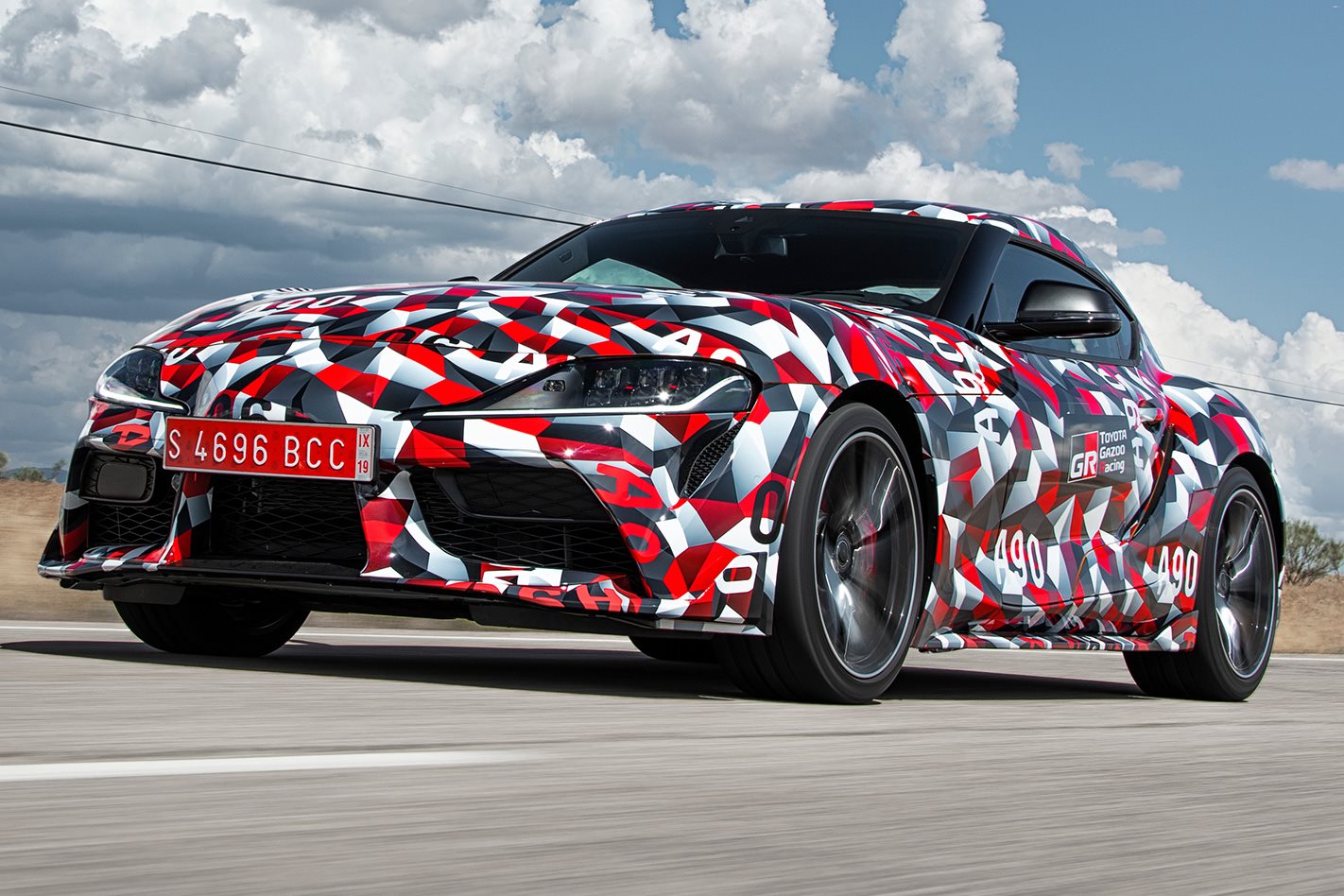
“[Toyota Motor Corporation] is talking about a lot of product options that are still at this point in time theoretical, and things that I can’t comment on,” Gabriel added. “However, if those things do become a reality, we’ve said we’d love for them to come to Australia.
“We want product that adds to our brand. It has to be authentic and credible in the performance area.”
Many Australian Toyota fans would be aware of the TRD brand, which stands for Toyota Racing Development. Gazoo ostensibly replaces TRD locally, with GR-branded cars the more subtly tuned products, while GRMN vehicles being more hardcore track-focused cars.
“[Gazoo] is a global brand for us, so we get a lot more support, a lot more assets, and a lot more leverage through that, whereas the TRD brand is more of an aftermarket brand. We will definitely see this as being our hero brand in the future,” Gabriel told us.
The current deal with Neal Bates to run Gazoo Racing Australia only lasts for a single year, with an option to extend – which Gabriel says Toyota is likely to take.
Modern cars are packed with technology to make our lives more convenient, safer and fun, and the various manufacturers go to great lengths to promote their latest innovations and bright ideas.
But while all eyes are on revolutionary drivetrains and futuristic digital systems, simple but clever features contained throughout your car can go unnoticed.
Here are the top-ten unsung hero tricks you might not know your car can do.
Safety side lights
If you’re leaving your car parked on the side of the road somewhere after dark, making it stand out to other road users is a good idea.
Leaving all four corners illuminated with park lights is probably overkill but many vehicles will allow you to illuminate just one side of the car.
After switching the ignition off, flick the indicator stalk to choose which side you want to make more visible at night and only those park lights will stay on until you return to the car.
Electric handbrake emergency stop
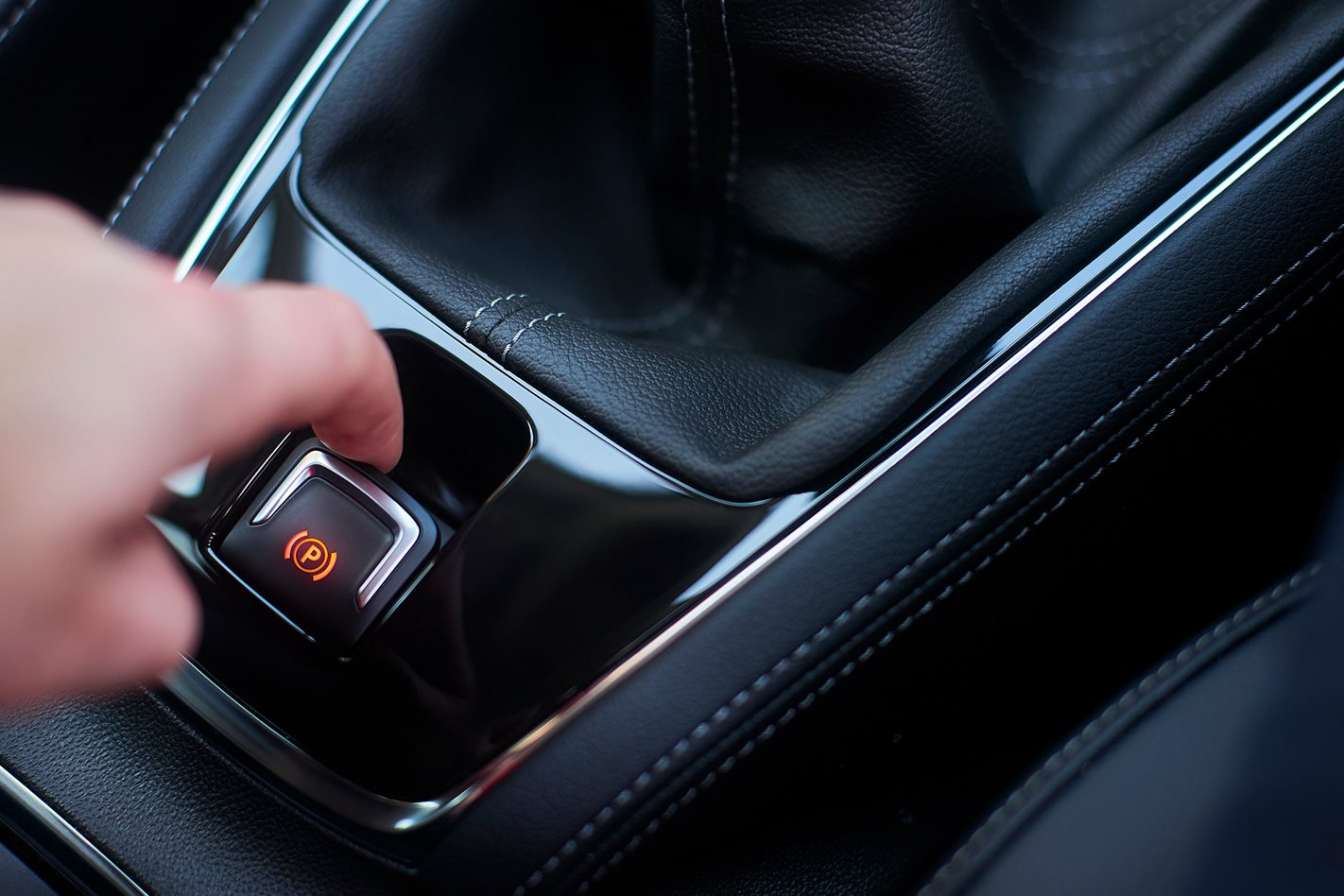
Increasing numbers of modern cars are adopting a simple switch instead of the traditional lever-operated park brake. The move frees up more space for storage and is easier to design a car for both left and right-hand drive markets, but do you worry that there’s one less option in an emergency?
Well don’t worry. Many cars with electric park brakes will allow an emergency stop function while in motion. Simply lift the brake switch as you would normally apply the park brake and hold. The vehicle will begin to slow down without touching the brake pedal.
Fuel gauge arrow
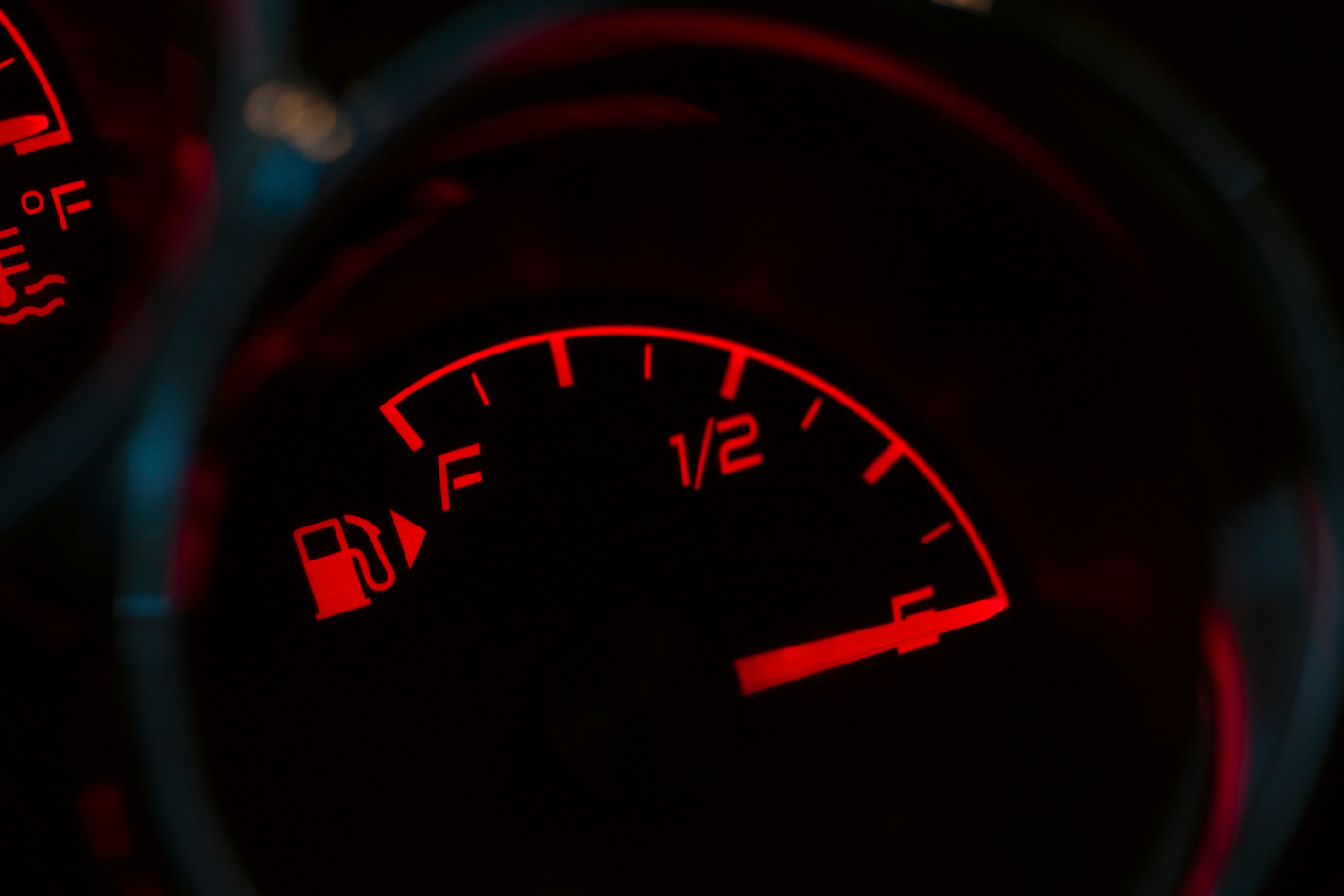
How many times have you pulled into the servo with the bowser on the wrong side of the vehicle? The next time you are uncertain which side of the car you need to fill up on, glance at the fuel gauge.
The little arrow on one side of the pump graphic will clear up any uncertainty. If there’s no arrow than it’s likely the hose on the bowser icon will tell you which side to fill from.
This won’t apply to drivers of some classic Jaguars and even some early Minis, which had fuel fillers on both sides!
Global opening and closing
If you’ve ever locked your car and started to walk away, only to realise you have left a window or the sunroof open, this little known feature will be very welcome.
Global closing allows all electric windows to be closed even after the vehicle has been locked using the remote central locking key.
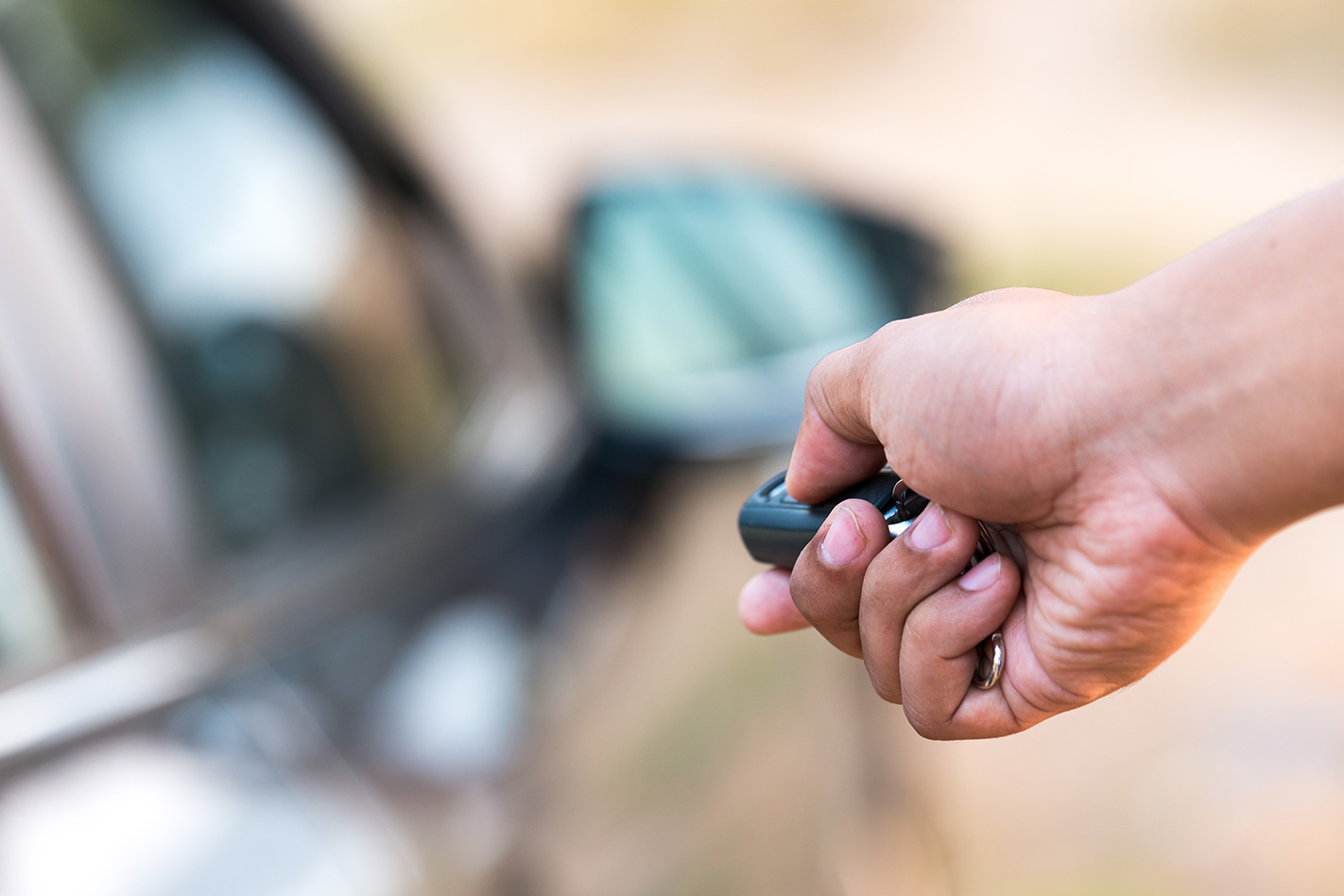
Simply press and hold the lock button and all the glass panels will be secured. If your vehicle has global opening you can use it to open all the windows on very hot days, venting the stifling air before you climb in. That’s certainly a cool feature.
Curry hooks
You may not even have noticed these small but very handy hooks located in the boot or passenger footwell of your car but so-called ‘curry hooks’ are an ingenious solution to a frustrating problem.
Simply pop the handles of a loaded carrier bag over the hook and the contents will stay where it’s meant to be even if you take your favourite driving road home.
Here’s a top tip: If you are using the hooks for their named purpose and transporting hot takeaway food, don’t be tempted to put the foot warmers on full blast. Unless the car’s heater air is hotter than the food, it will actually cool your dinner down faster.
Rear window and door deactivation
Any feature that keeps young passengers safer is a great thing to have especially for young families. Cars with rear electric windows often have a button to stop little fingers rolling the window up and down until something gives.
But many cars also have child locks which prevent the rear doors being opened from the inside. With the door open and look at the catch. It’s likely there will be a little plastic slot which can be turned with the tip of the ignition key to activate the feature as and when you need it.
Automatic hazard lights
As a courteous road user, it’s a good idea to let other drivers know about potential hazards with a flash of the hazard lights, but if you are braking hard to avoid a collision, reaching for a switch might be the last thing on your mind.
Many new cars will automatically activate the hazard lights if the ABS is needed during heavy braking, allowing people behind you to prepare and react early, and potentially avoid nose-to-tail bingles.
Parking ticket holder
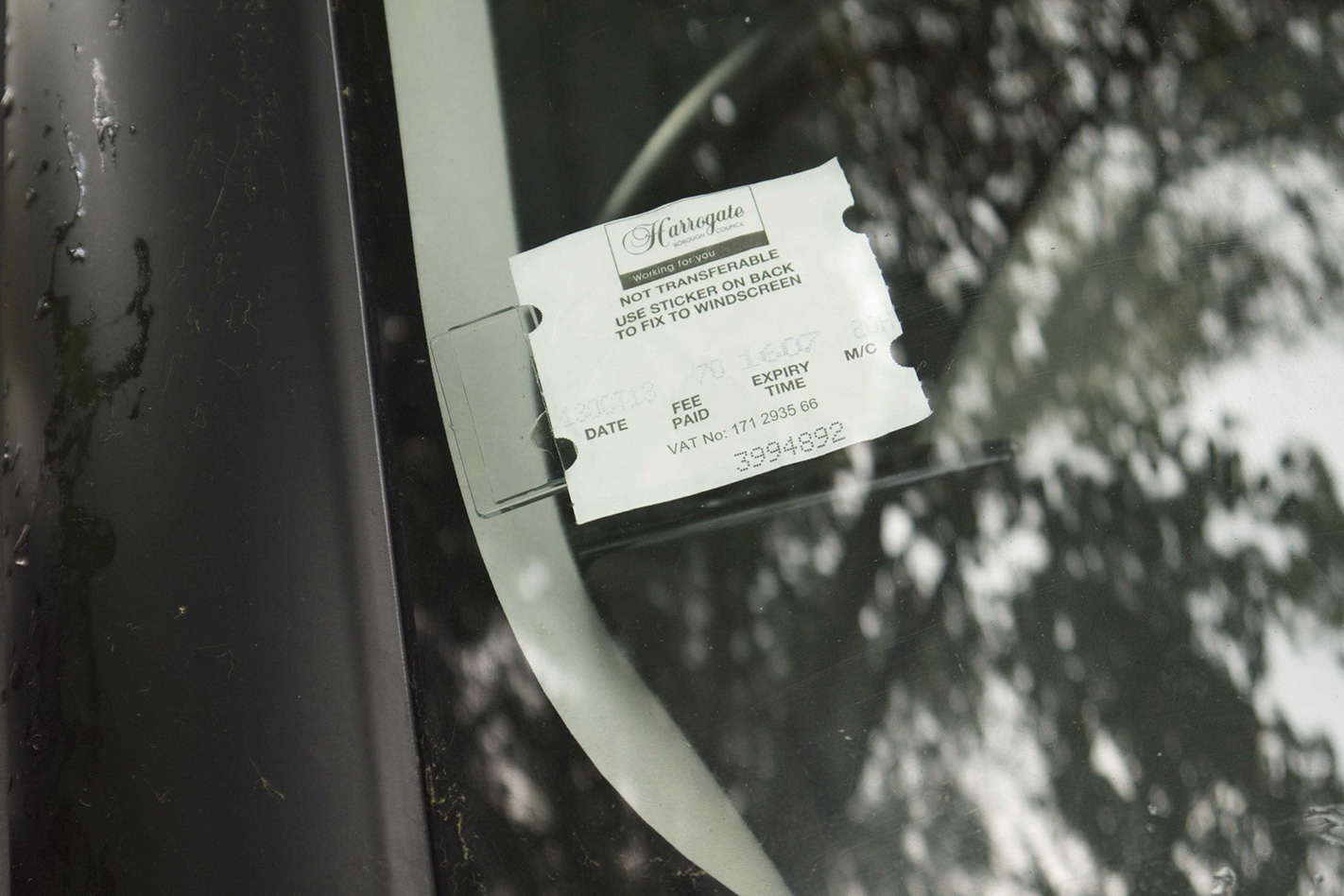
You’ve just grabbed the ticket from the boom gate machine and you need to drive off, but what do you do with it to stop it blowing around or getting lost under the seat?
Many cars have a little clip cleverly incorporated into the driver’s sun visor which allows safe storage until you are ready to leave the car or pay at the barrier on exiting the car park.
For pay-and-display car parking, some models even have a special transparent plastic clip built into the edge of the windscreen to securely display the ticket.
Rear view mirror dip
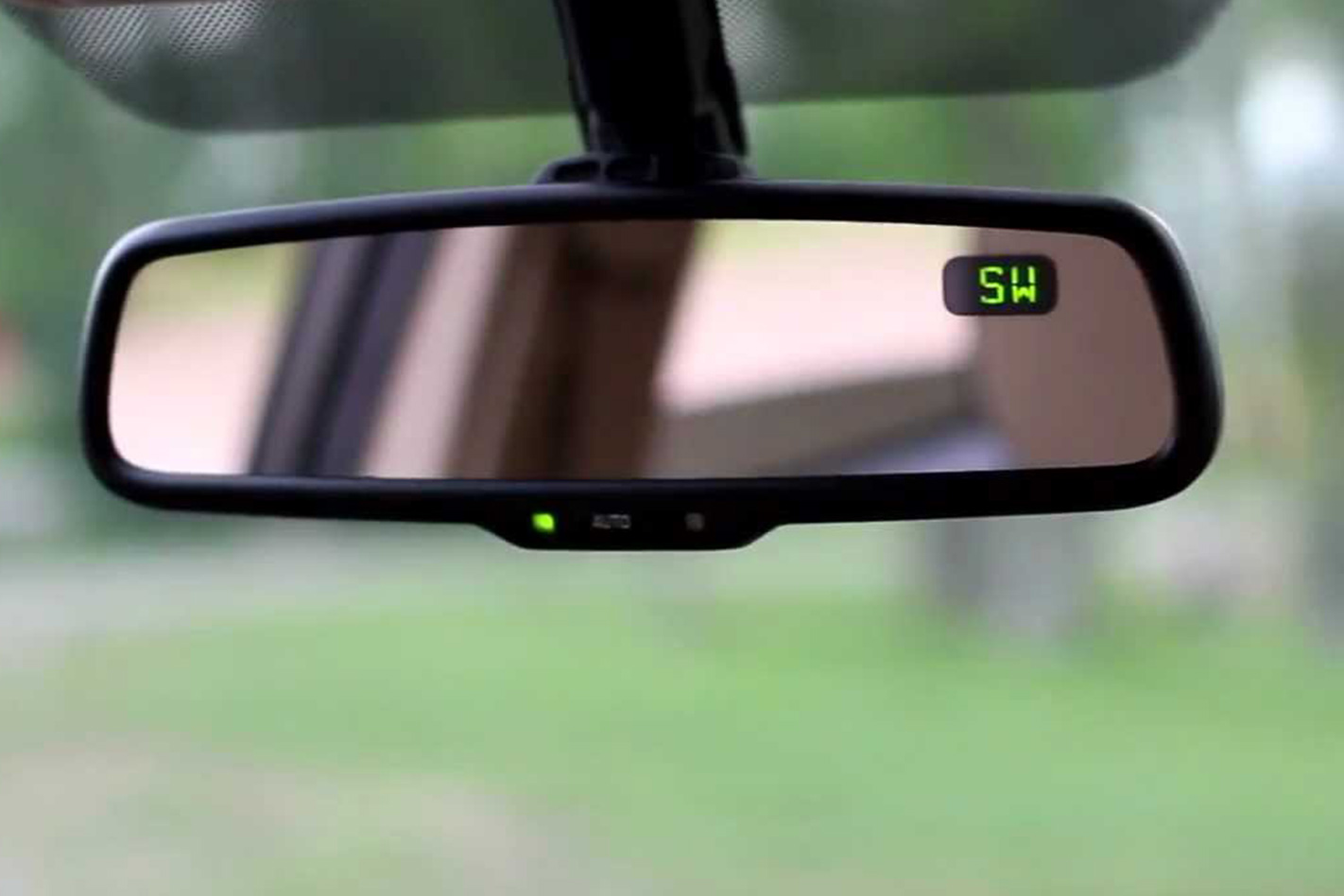
If you have a high-specification modern car, it’s likely its rear view mirror has a self-dimming function which prevents the headlights of a following vehicle dazzling the driver, but older more affordable vehicles also have a lower-tech solution.
A small lever under the mirror allows the glass to be temporarily tilted to a different angle, but clever mirror construction allows a ghostly image of the following vehicle to still be seen.
More Car Advice tips and tricks
Cup holder notch
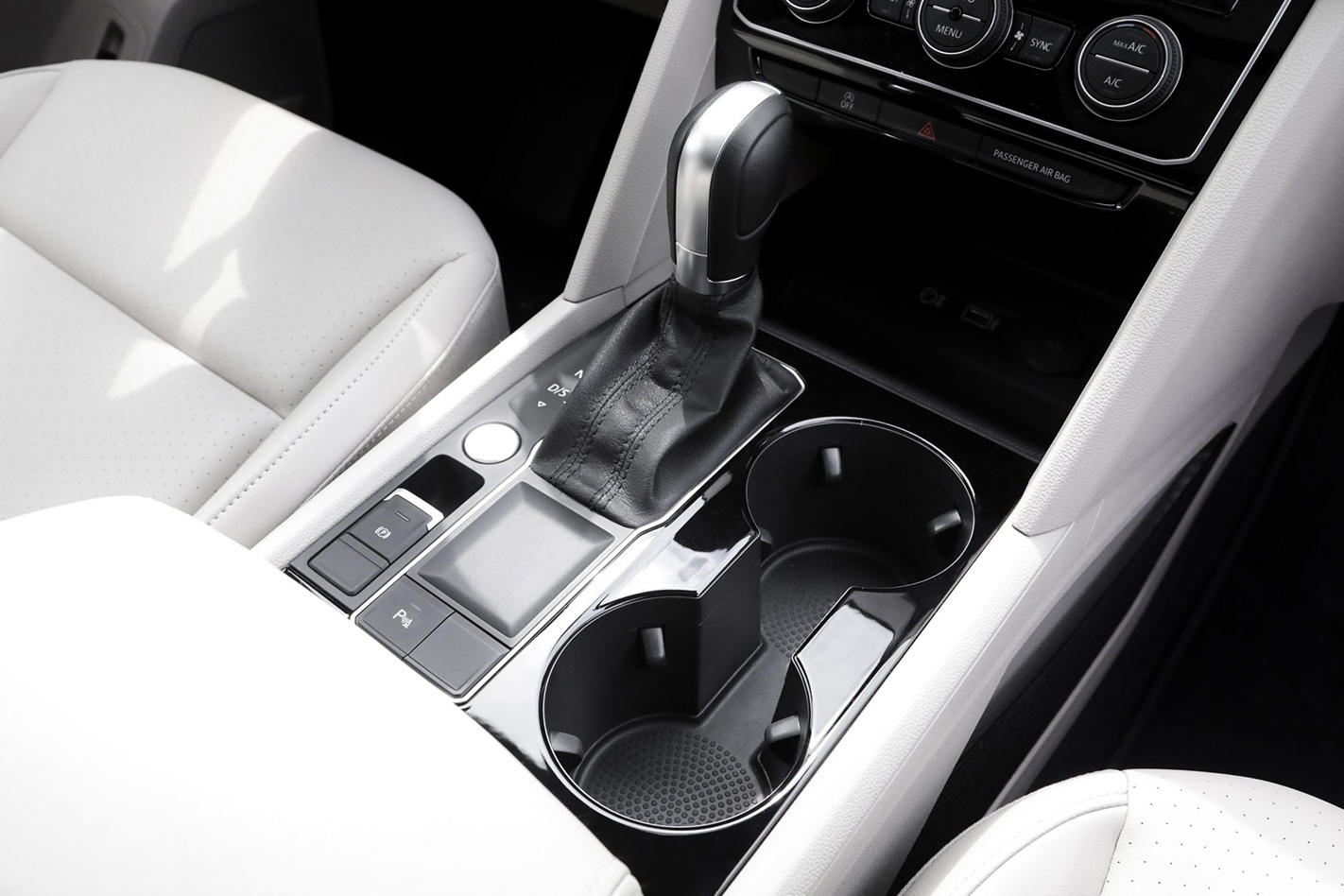
Not all coffee cups are equal. Any cup holder will allow the secure storage of a round disposable paper cup or reusable plastic version, but what if you are attached to your favourite mug from home?
Look for a curious notch in the middle of the cup holder in your car. If you find one, that’s where the mug handle sits.
It’s PCOTY time, and that means MOTOR is testing some of the best metal of the last 12-or-so months and finding out which comes out on top.
This year’s Performance Car of the Year field has a couple of notable differences from previous years – the first being that it’s the first time in basically forever that an Australian car hasn’t been present. No surprises there.
The second major difference is that it’s the first year in a little while we’ve allowed more than one car per manufacturer to show up – normally we make them pick their best.
Anyway, without further ado…
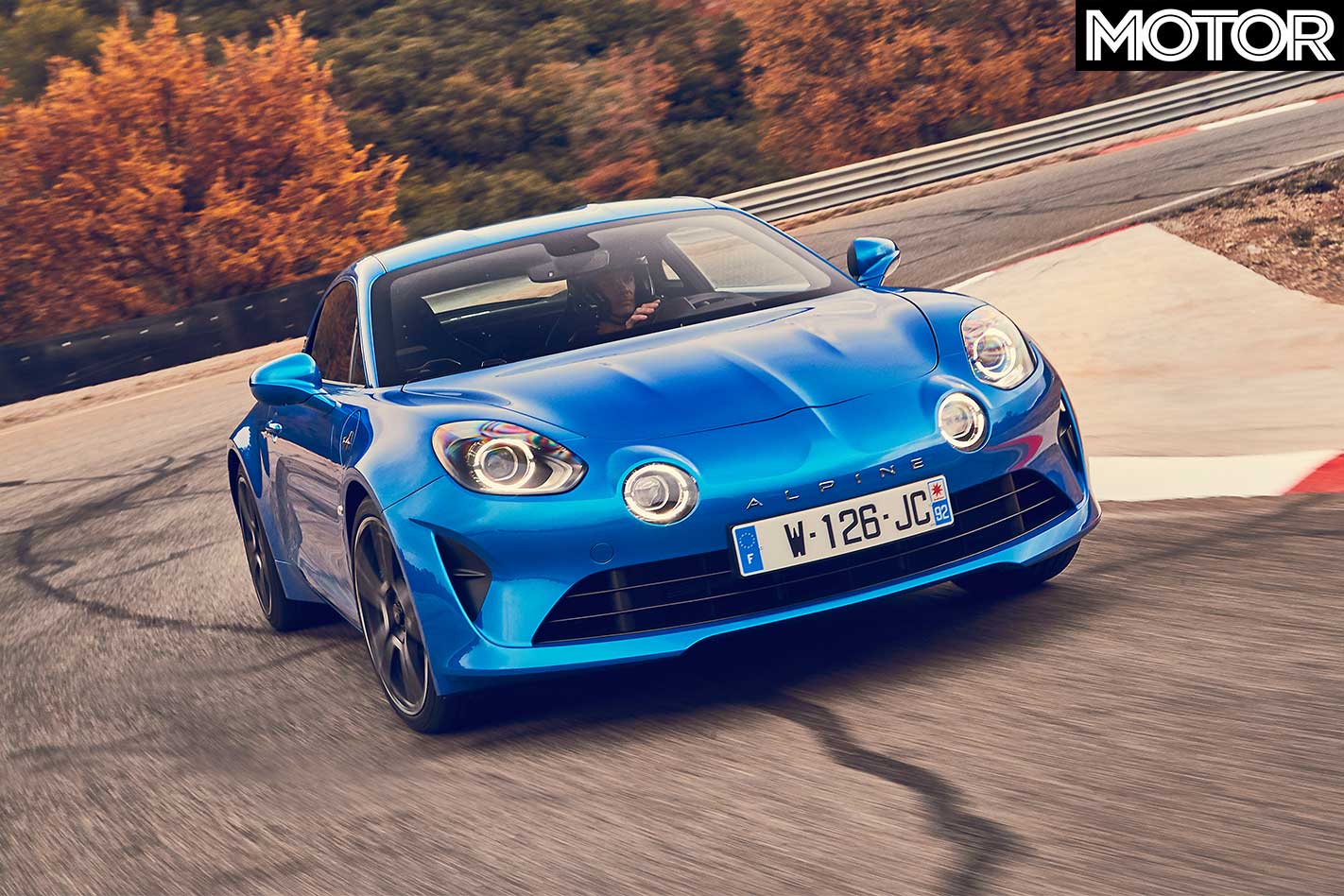
A total newcomer to PCOTY, but our experiences so far have been promising.
2018 Alpine A110 specs: Engine: 1798cc inline-4, DOHC, 16v, turbocharged Power: 185kW at 6000rpm Torque: 320Nm at 2000-5000rpm Transmission: 7-speed dual-clutch Weight: 1103kg Price: $106,500 (Australian Premiere Edition)
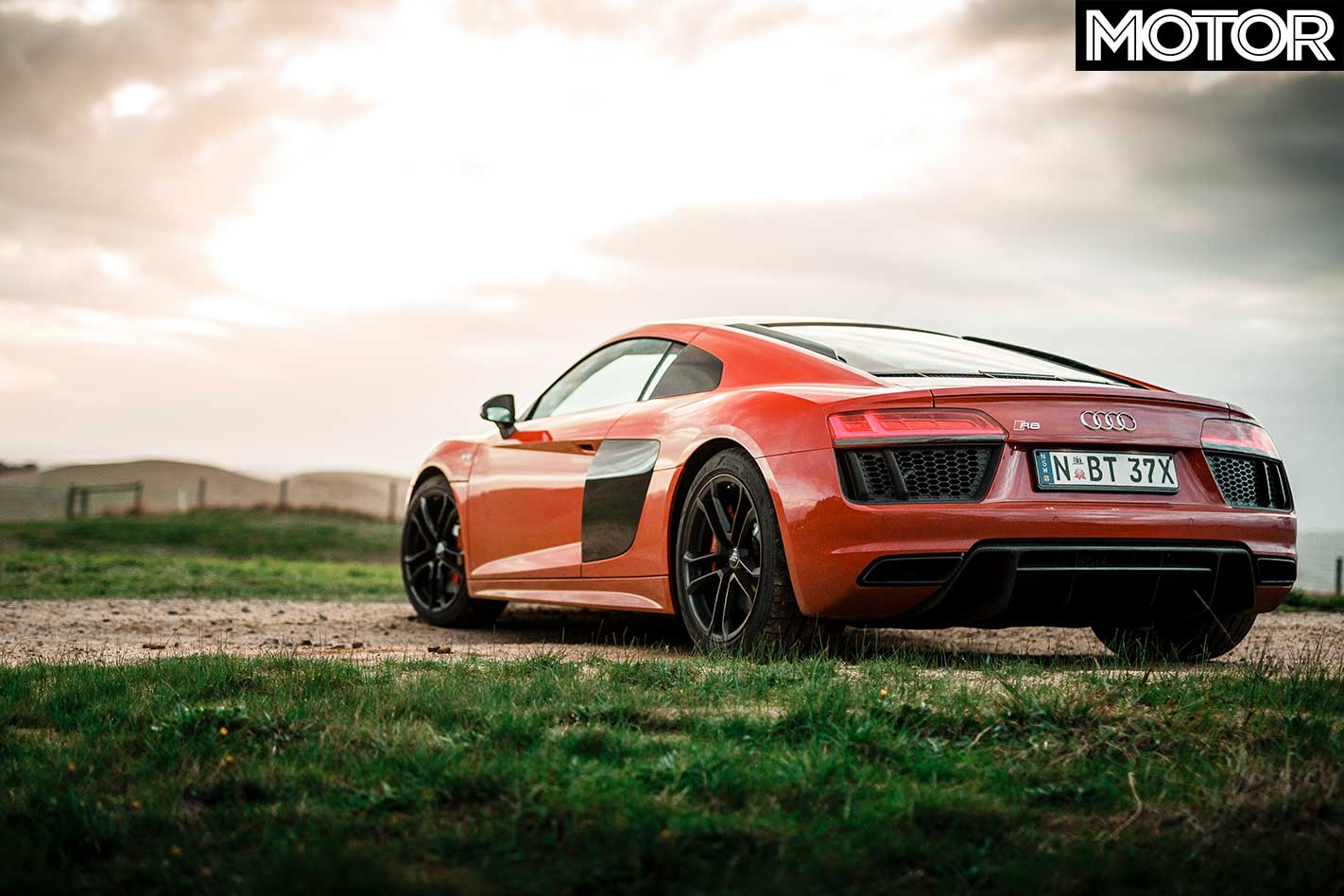
Audi’s limited-edition rear-drive V10 supercar. An oversteer lover’s dream.
2018 Audi R8 RWS specs: Engine: 5204cc V10, DOHC, 40v Power: 397kW @ 7800rpm Torque: 540Nm @ 6500rpm Transmission: 7-speed dual-clutch Weight: 1590kg Price: $299,500
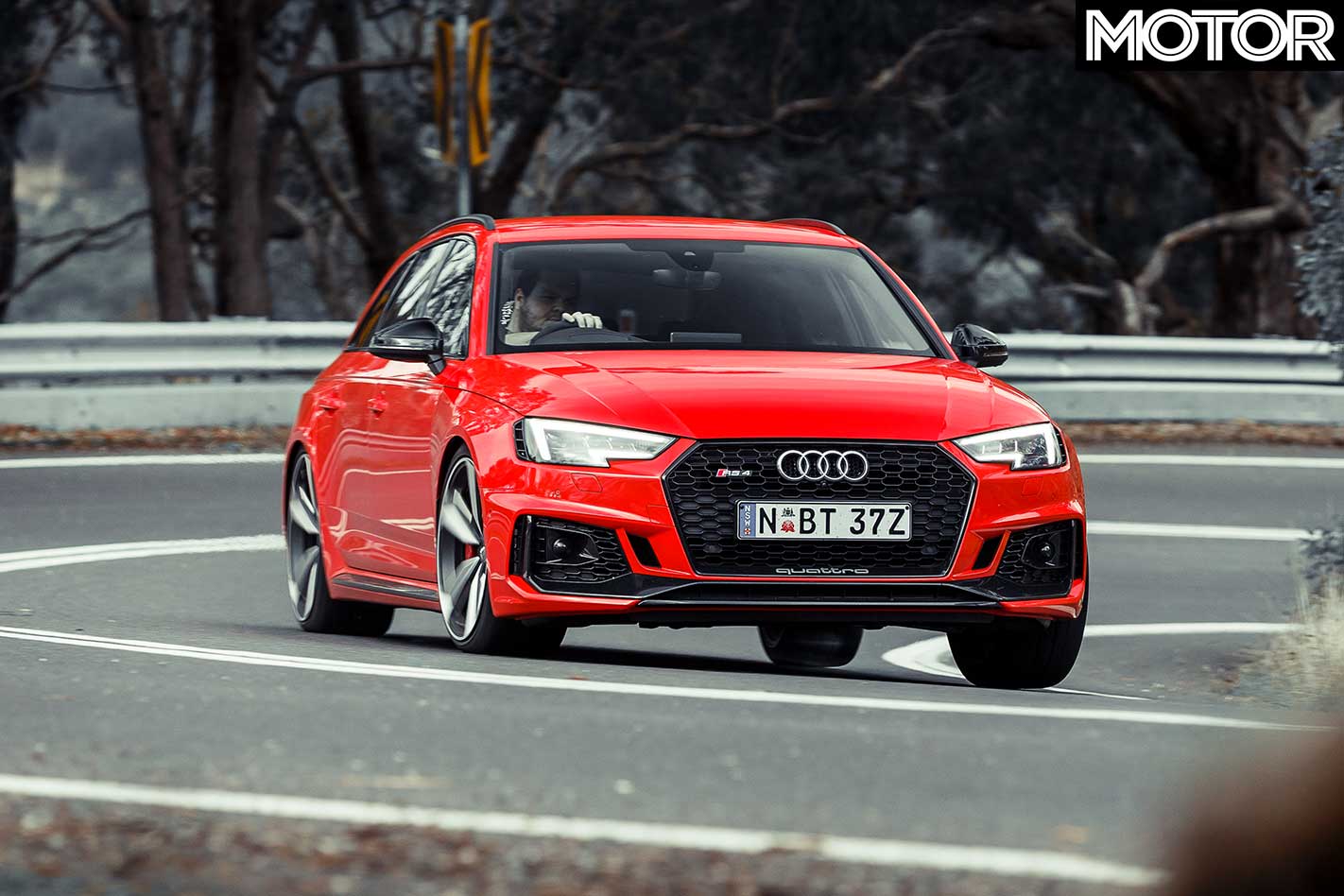
The super wagon from the country that does them best.
2018 Audi RS4 Avant specs: Engine: 2894cc V6, DOHC, 24v, twin-turbo Power: 331kW @ 5700-6700rpm Torque: 600Nm @ 1900-5000rpm Transmission: 8-speed automatic Weight: 1715kg Price: $152,900
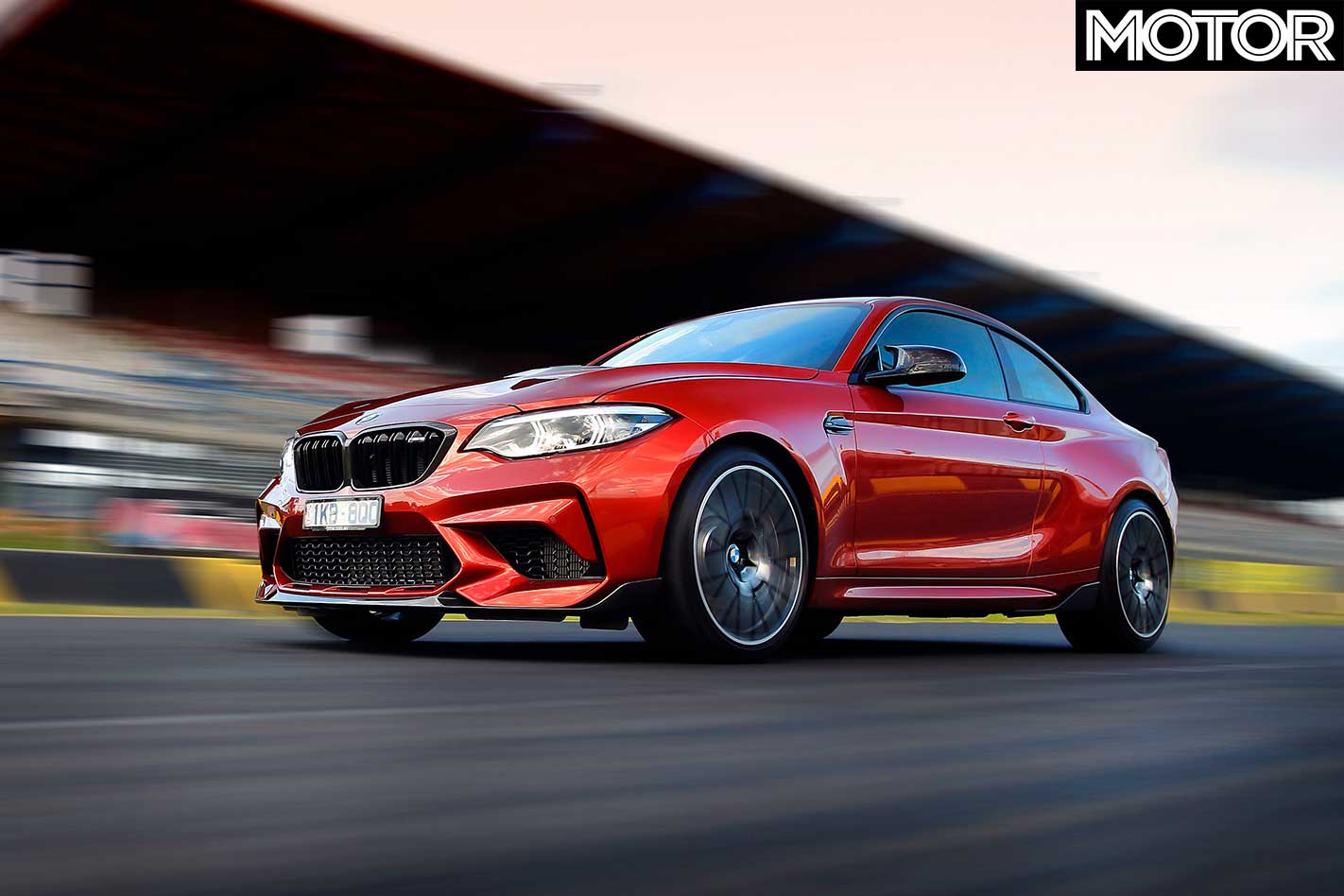
The brashest version of the smallest M car. More power, more carbon, more noise.
2018 BMW M2 Competition specs: Engine: 2979cc inline-6, DOHC, 24v, twin-turbo Power: 302kW @ 5250-7000rpm Torque: 550Nm @ 2350-5200rpm Transmission: 7-speed dual-clutch Weight: 1550kg Price: $99,900
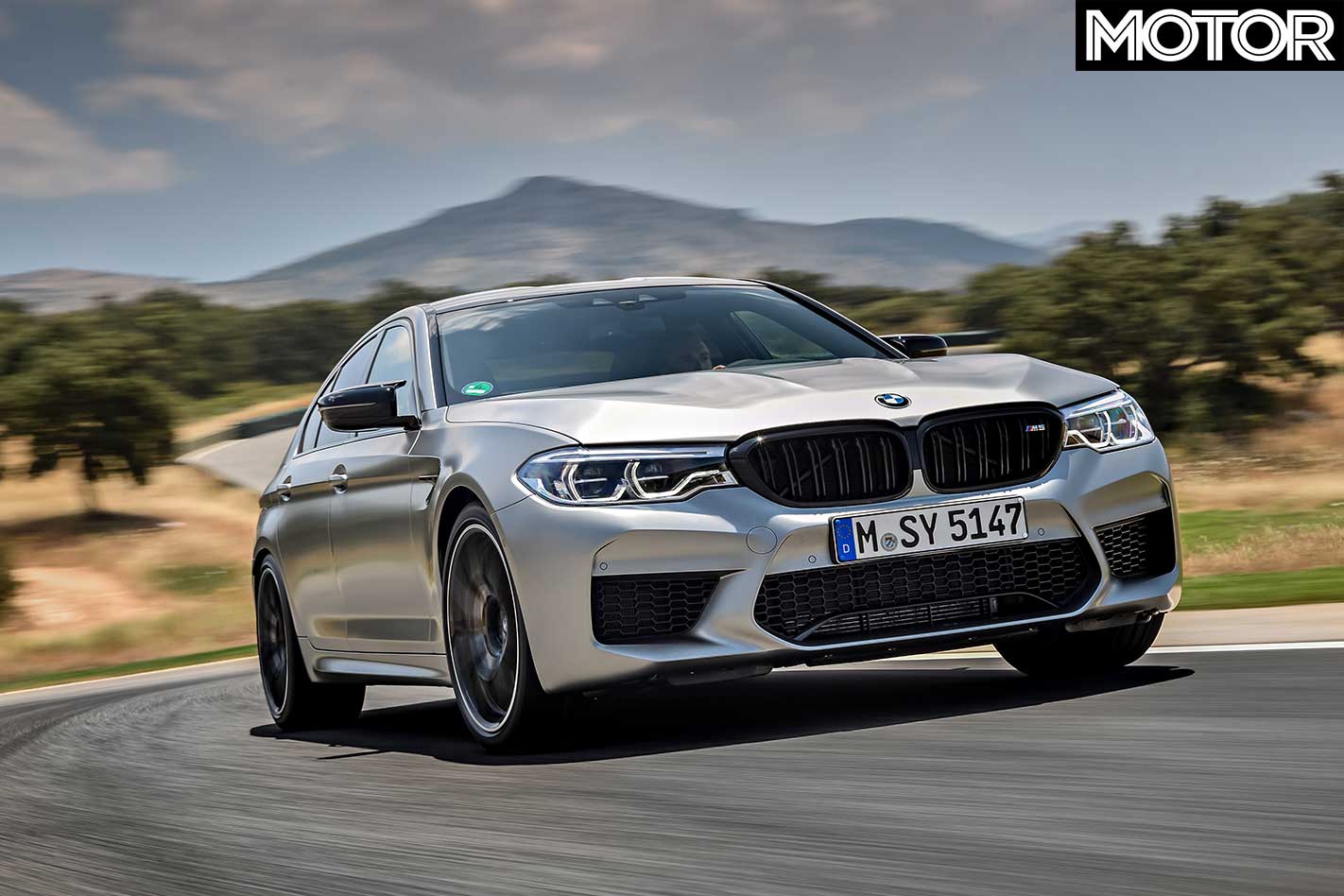
The sleeper sedan in an executive suit – but now that suit gives a little more of the muscle away.
2018 BMW M5 Competition specs: Engine: 4395cc V8, DOHC, 32v, twin-turbo Power: 460kW @ 6000rpm Torque: 750Nm @ 1800-5800rpm Transmission: 8-speed automatic Weight: 1865kg Price: $229,900
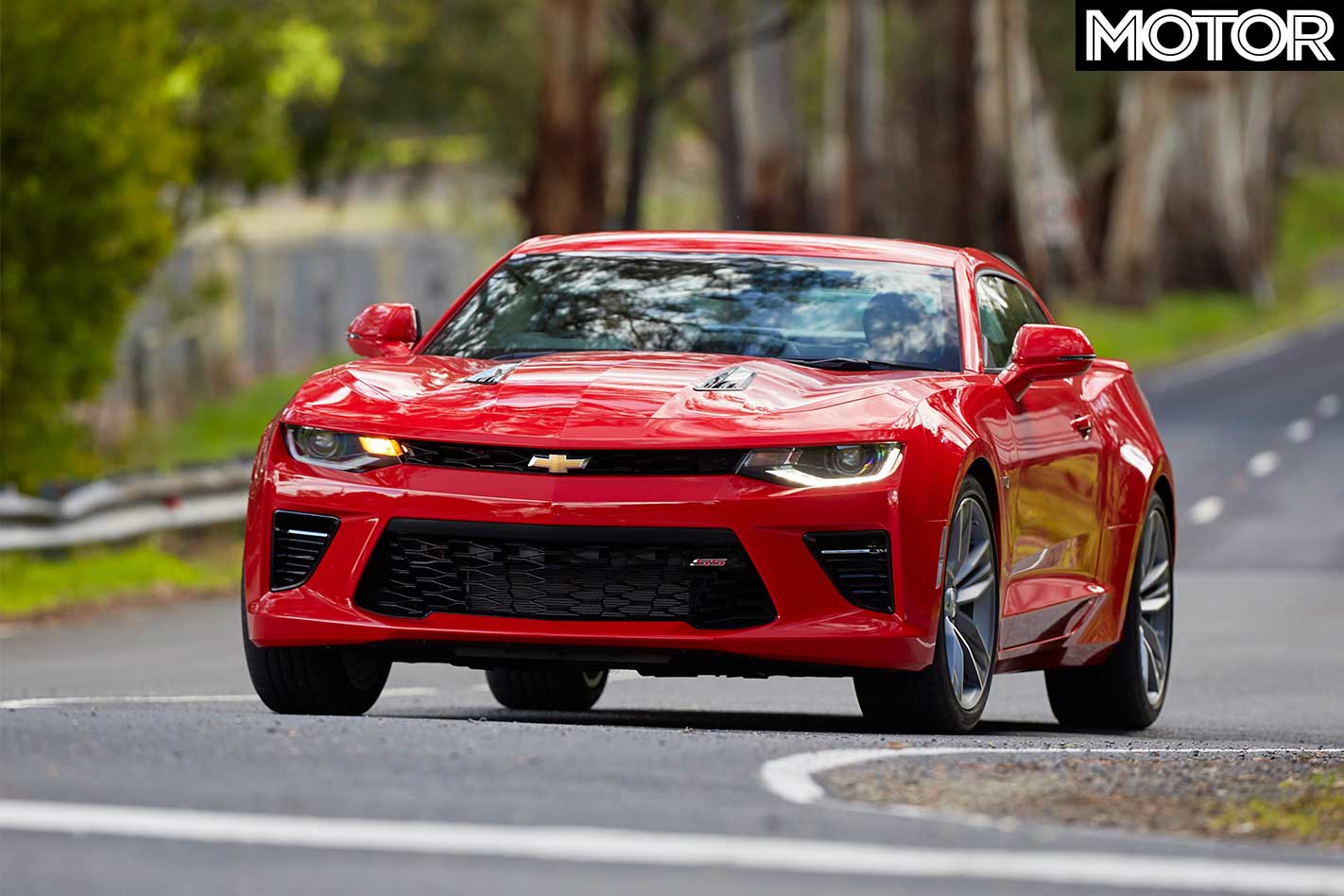
HSV’s right-hand drive Camaro is finally here, and just in time to undertake the ultimate test.
2018 Chevrolet Camaro SS specs: Engine: 6162cc V8, OHV, 16v Power: 339kW @ 6000rpm Torque: 617Nm @ 4600rpm Transmission: 8-speed automatic Weight: 1710kg Price: $85,990
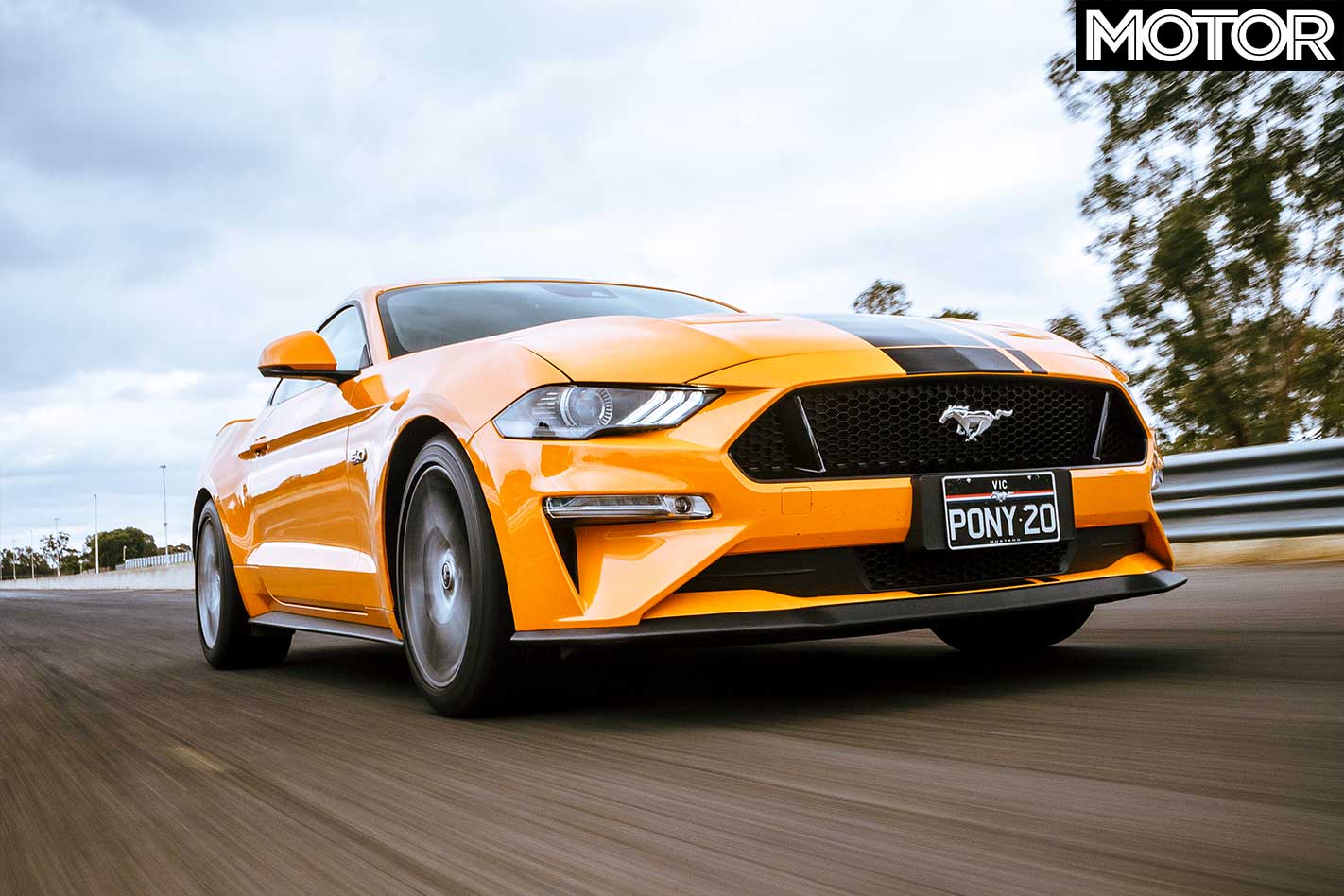
Australia’s favourite sports car, but is it the best? Sales figures don’t matter at PCOTY.
2018 Ford Mustang GT specs: Engine: 5038cc V8, DOHC, 32v Power: 339kW @ 7000rpm Torque: 556Nm @ 4600rpm Transmission: 6-speed manual Weight: 1732kg Price: $62,990
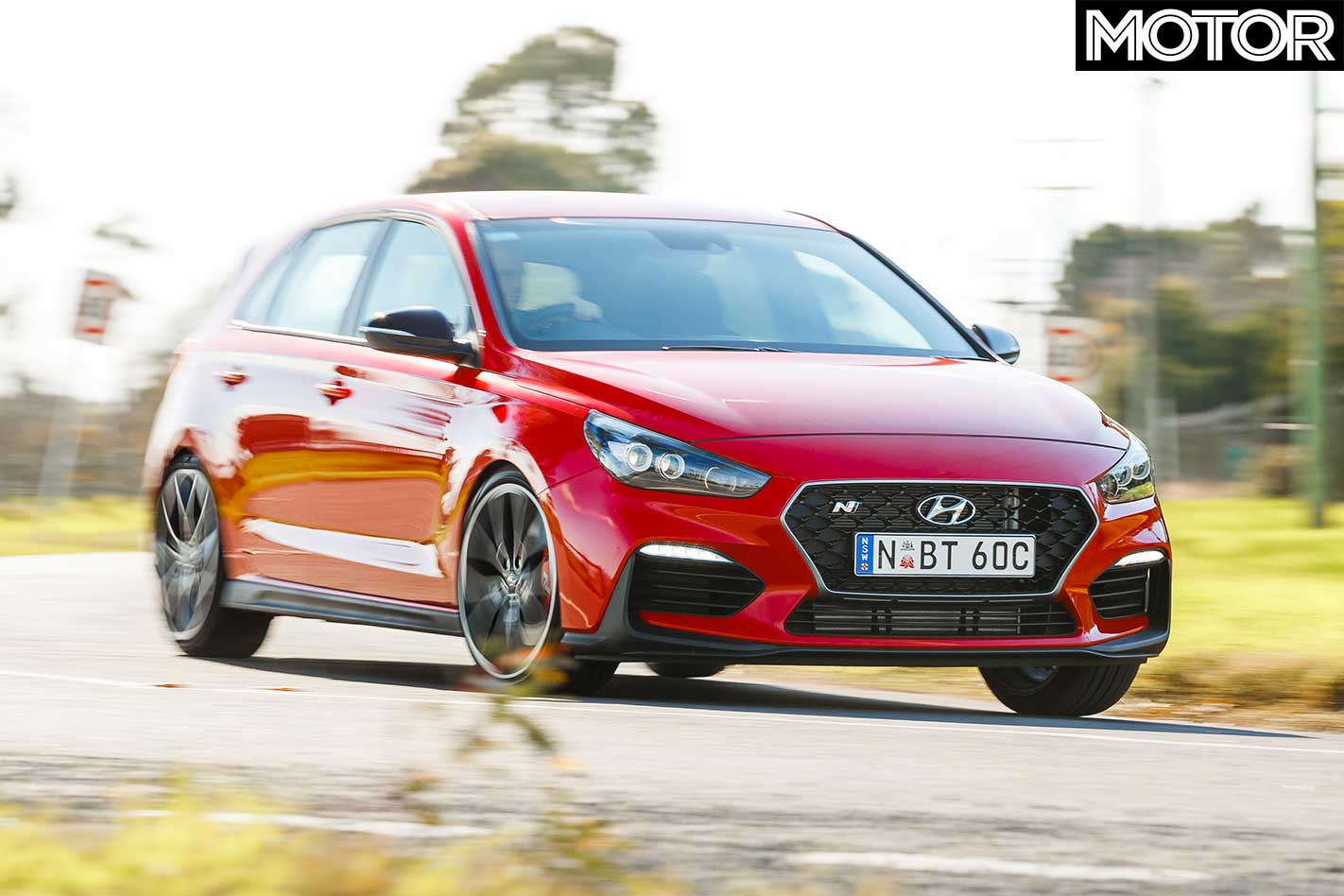
We’ve had one as a long termer for a while now, but how will Hyundai’s first proper hot hatch hold up in the big leagues?
2018 Hyundai i30 N specs: Engine: 1998cc inline-4, DOHC, 16v, turbo Power: 202kW @ 6000rpm Torque: 353Nm @ 1450-4700rpm Transmission: 6-speed manual Weight: 1509kg Price: $39,990
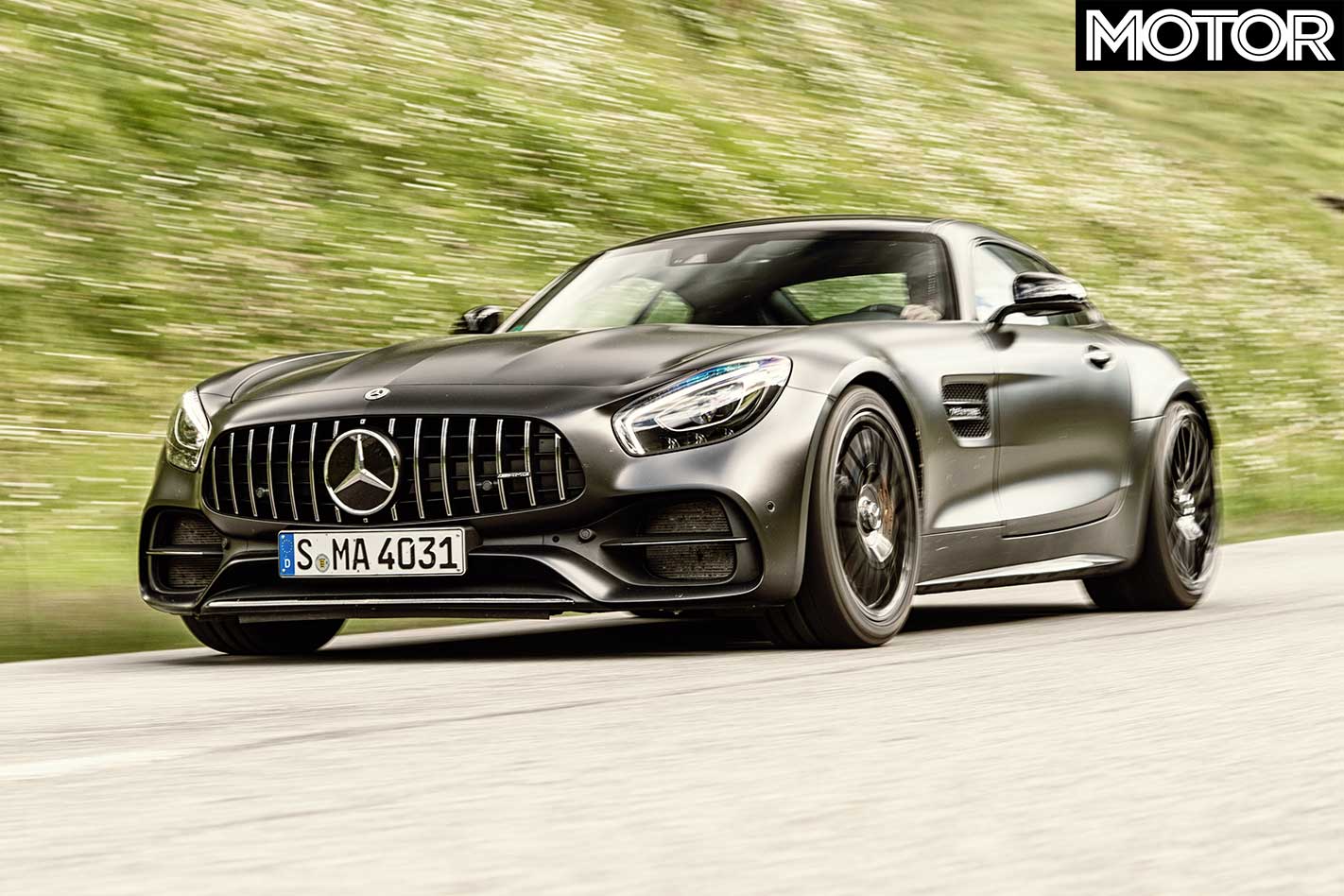
Affalterbach’s ‘C’ comes in just below the GT R. Its brutally-muscular V8 must impress the judges for a shot.
2018 Mercedes-AMG GT C specs: Engine: 3982cc V8, DOHC, 32v, twin-turbo Power: 410kW @ 5750-6750rpm Torque: 680Nm @ 1900-5500rpm Transmission: 7-speed dual-clutch Weight: 1625kg Price: $316,500
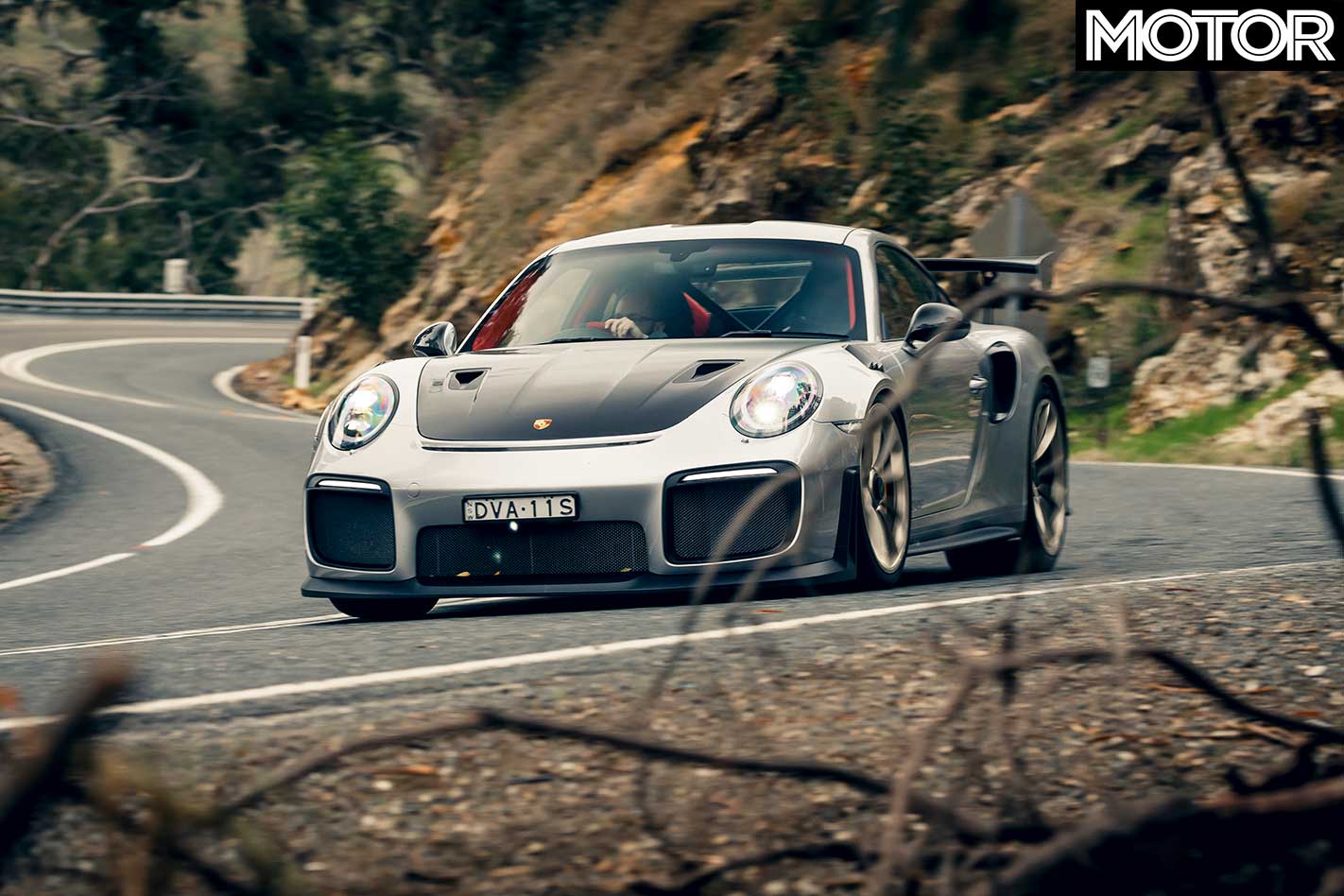
The former ‘Ring King and Porsche’s poster child of the moment. Will it follow the 911 tradition of taking the PCOTY win?
2018 Porsche 911 GT2 RS specs: Engine: 3800cc flat-six, DOHC, 24v, twin-turbo Power: 515kW @ 7000rpm Torque: 750Nm @ 2500-4500rpm Transmission: 7-speed dual-clutch Weight: 1470kg Price: $645,400
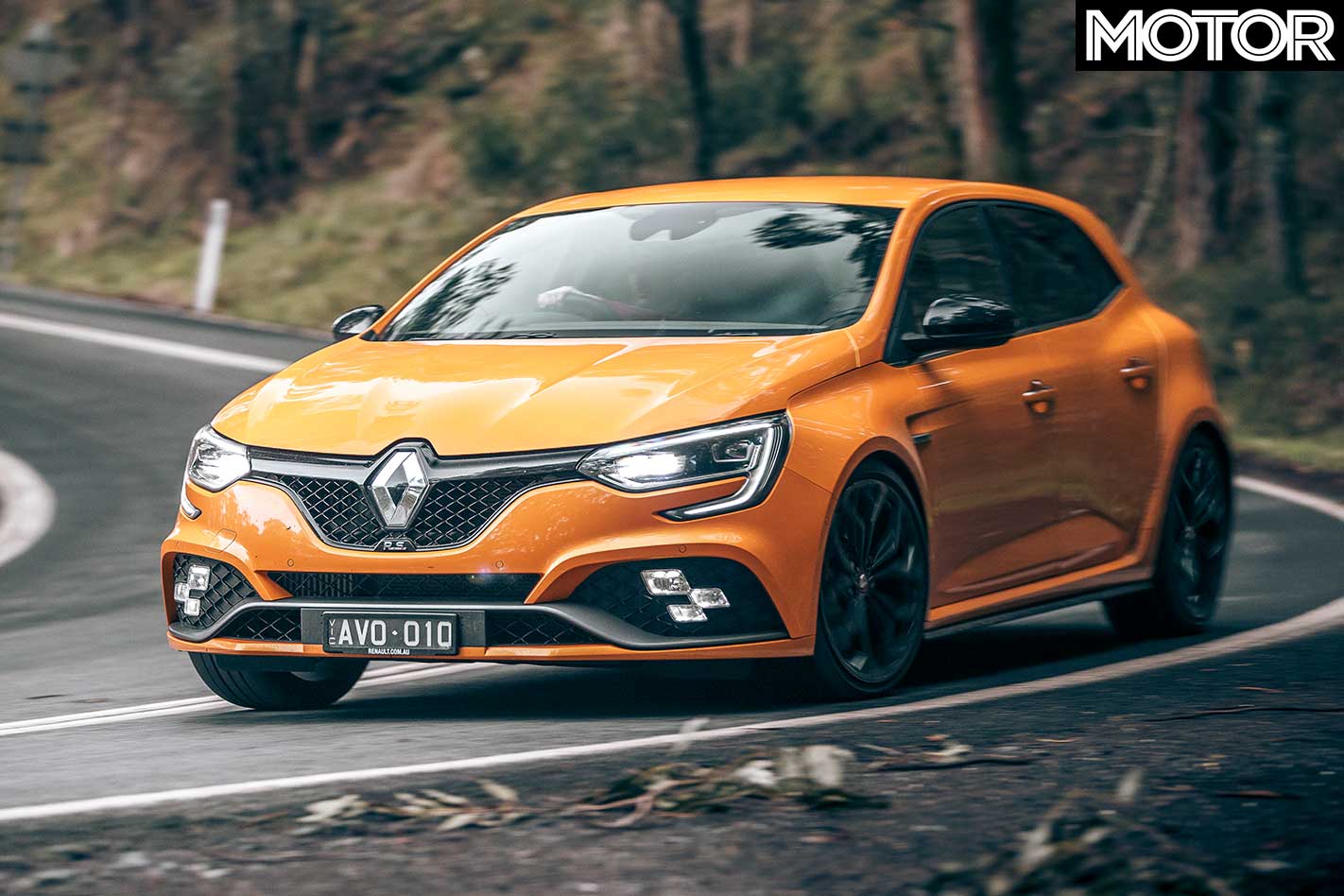
The new version of the hot Megane has no Civic Type R to contend with here, but a Hyundai might get in its way.
2018 Renault Megane RS 280 Cup specs: Engine: 1798cc inline-4, DOHC, 16v, turbo Power: 205kW @ 6000rpm Torque: 390Nm @ 2400-4800rpm Transmission: 6-speed manual Weight: 1430kg Price: $44,990
MAZDA IN America has revealed a new CX-5 specification grade that features the powerful turbocharged engine from the CX-9.
The CX-5 range has been in need of some extra oomph since it was released in 2017, and Mazda’s engineers have figured out a way to fit the 2.5-litre turbo four-cylinder from its seven-seat sibling under the bonnet.
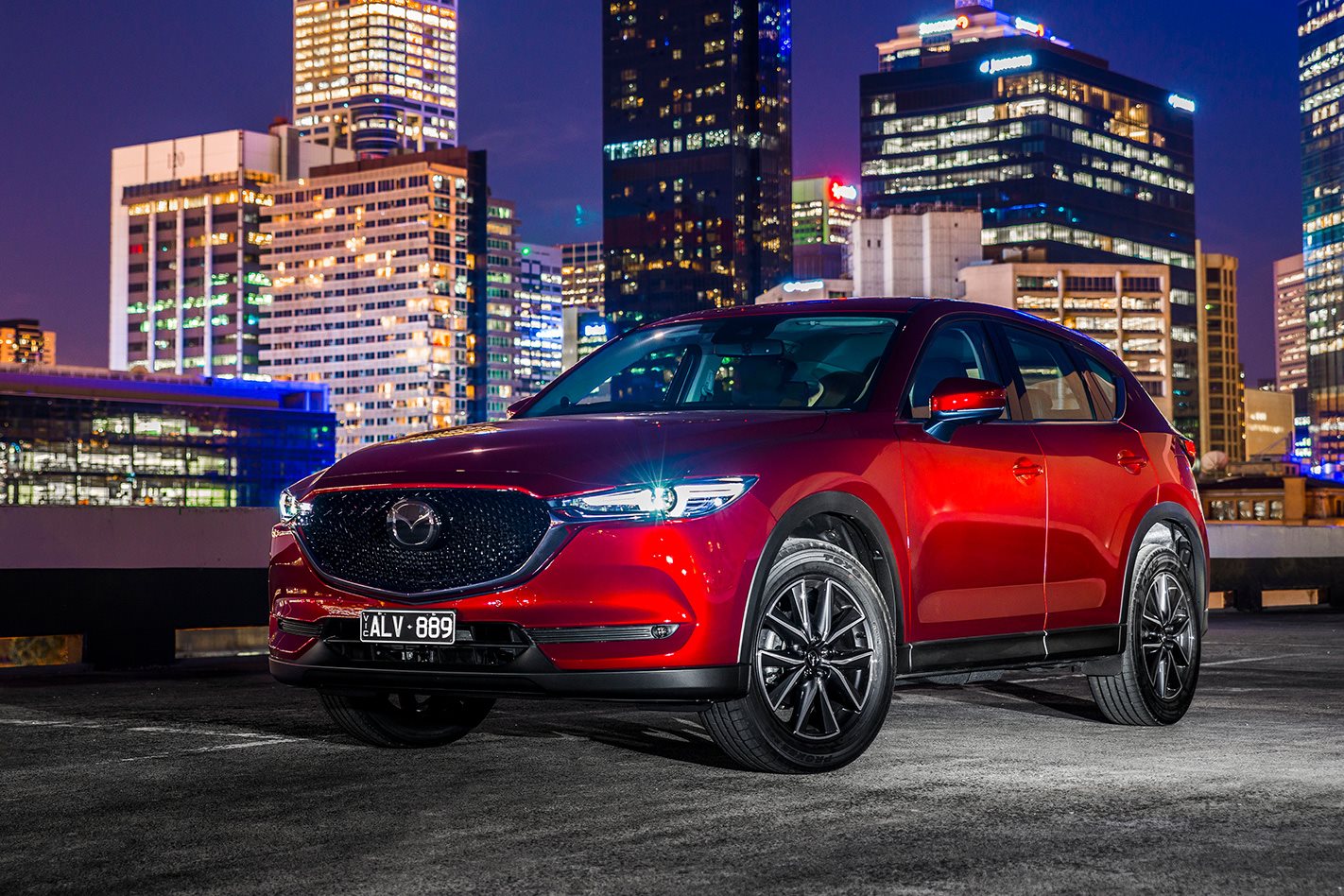
In America the engine comes as part of a new top-of-the-line ‘Signature’ trim package. Locally, Mazda Australia has introduced LE variants to both the CX-3 and CX-9 flagships, featuring more luxurious interior treatments.
A similar addition to the CX-5 range would likely be called the Akera LE. If Mazda Australia was to follow America’s lead, this is the model that the CX-9’s turbo engine would be fitted to.
Currently, the most powerful petrol engine in the CX-5 line-up is a 2.5-litre naturally-aspirated four-cylinder, which produces 140kW and 252Nm. Go for an oiler and you get a 2.2-litre twin-turbo diesel sending 140kW and 450Nm to the wheels. The CX-9’s 2.5-litre turbocharged four-cylinder petrol engine generates 170kW and 420Nm. Mazda America’s new CX-5 Signature hasn’t been throttled back in any way, producing exactly the same power output as the CX-9.
Weighing in on average 200kg lighter than the CX-9, the extra grunt will make a considerable difference to the CX-5’s driver appeal.
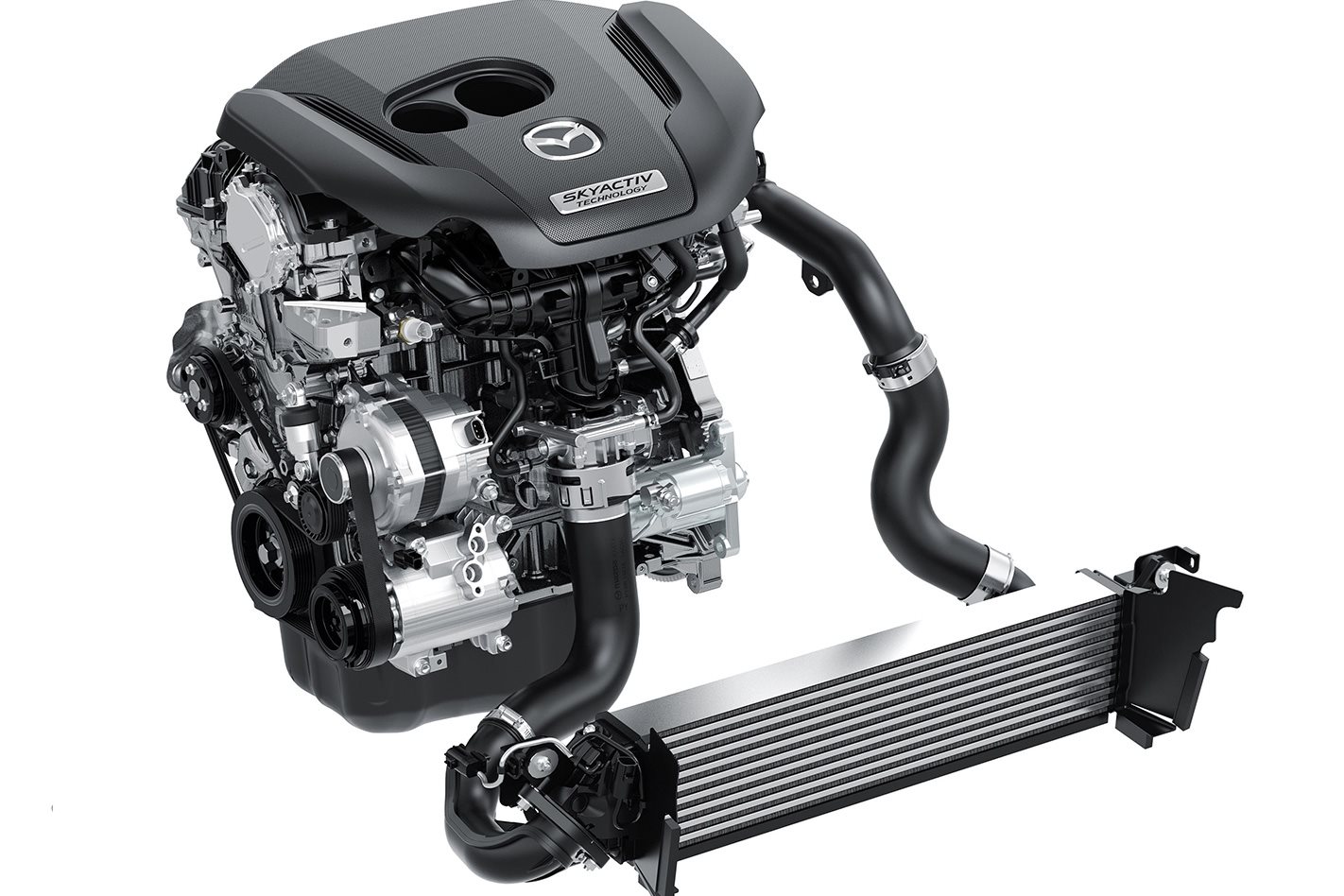
Mazda’s engineers have also been hard at work fettling the company’s G-Vectoring Control system, with the CX-5 Signature featuring an updated G-Vectoring Control Plus.
The improved system uses the brakes to add more stability on corner exits, where the standard system focuses solely on corner entry.
Sport Touring and Grand Touring trim levels in the US will receive the atmo 2.5-litre engine, while the Grand Touring Reserve will slot beneath the Signature and also be fitted with the turbo donk.
WhichCar first revealed the CX-5 could be receiving the 2.5-litre turbocharged engine in September this year, after spotting homologation documents that listed a ‘SkyActiv-G 2.5T’ engine on the car’s local certification.
A CX-5 turbo has not been confirmed by Mazda Australia.
Eagle-eyed Wrangler fans have seemingly stumbled upon the name of the iconic Jeep’s imminent ute-bodied variant: Gladiator.
That’s a pretty butch badge, and infinitely more aggressive than the ‘Scrambler’ moniker the Wrangler ute was previously expected to wear. And while the Scrambler name traces its history back to the early CJ-series Wrangler, Gladiator also has significant Jeep provenance: it was last used by Jeep on a range of large pick-up trucks based on the 1960s-era Wagoneer.
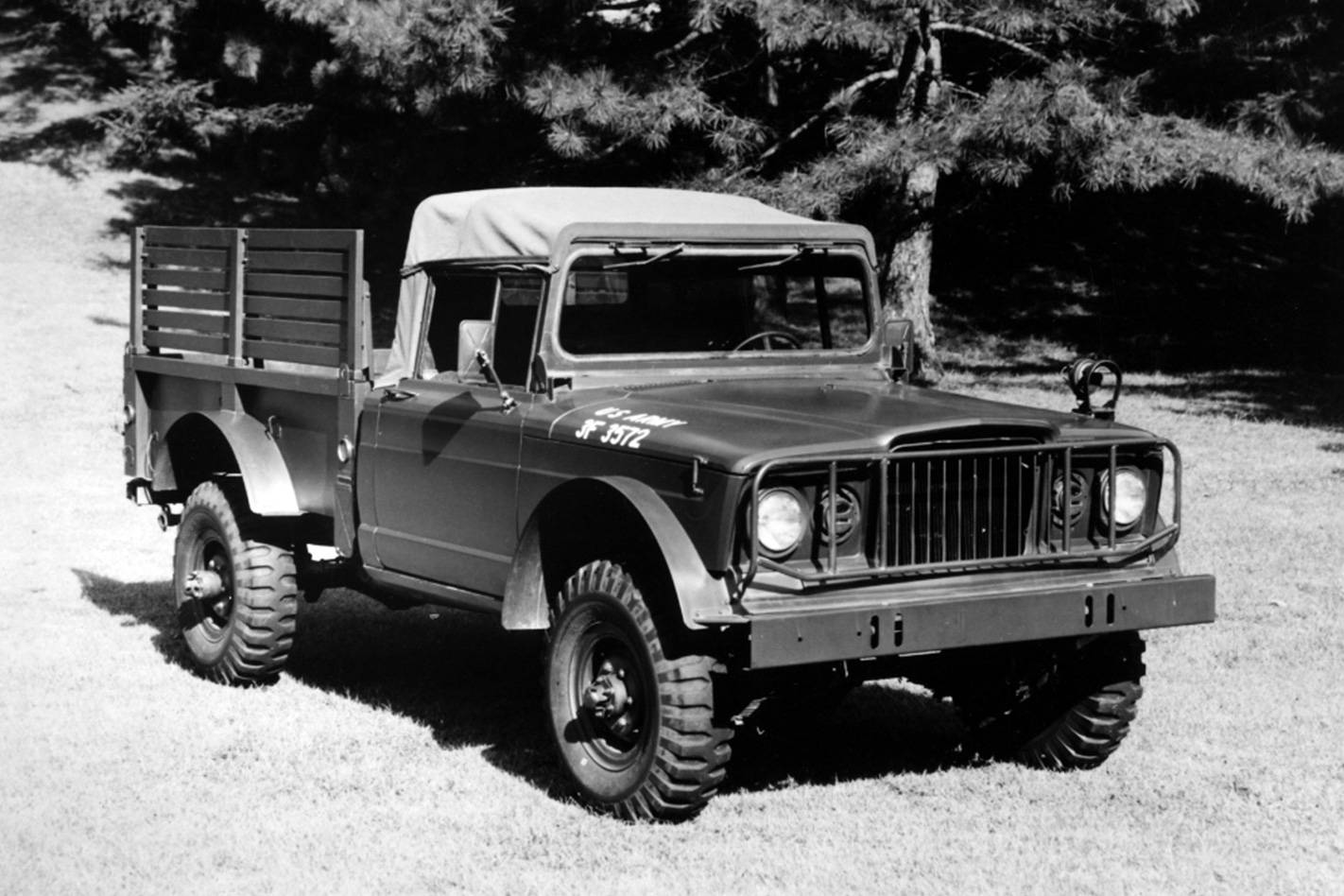
Jeep’s plan to resurrect the Gladiator name was uncovered by a Jeep enthusiast who noticed an entry for “2020 Jeep Gladiator” on Fiat-Chrysler’s (Jeep’s parent company) media website – a link which was quickly deleted. The discovery of the Gladiator name also suggests legal issues surrounding the Scrambler moniker, which is currently worn by a range of Ducati motorcycles, may have forced Jeep’s hand.
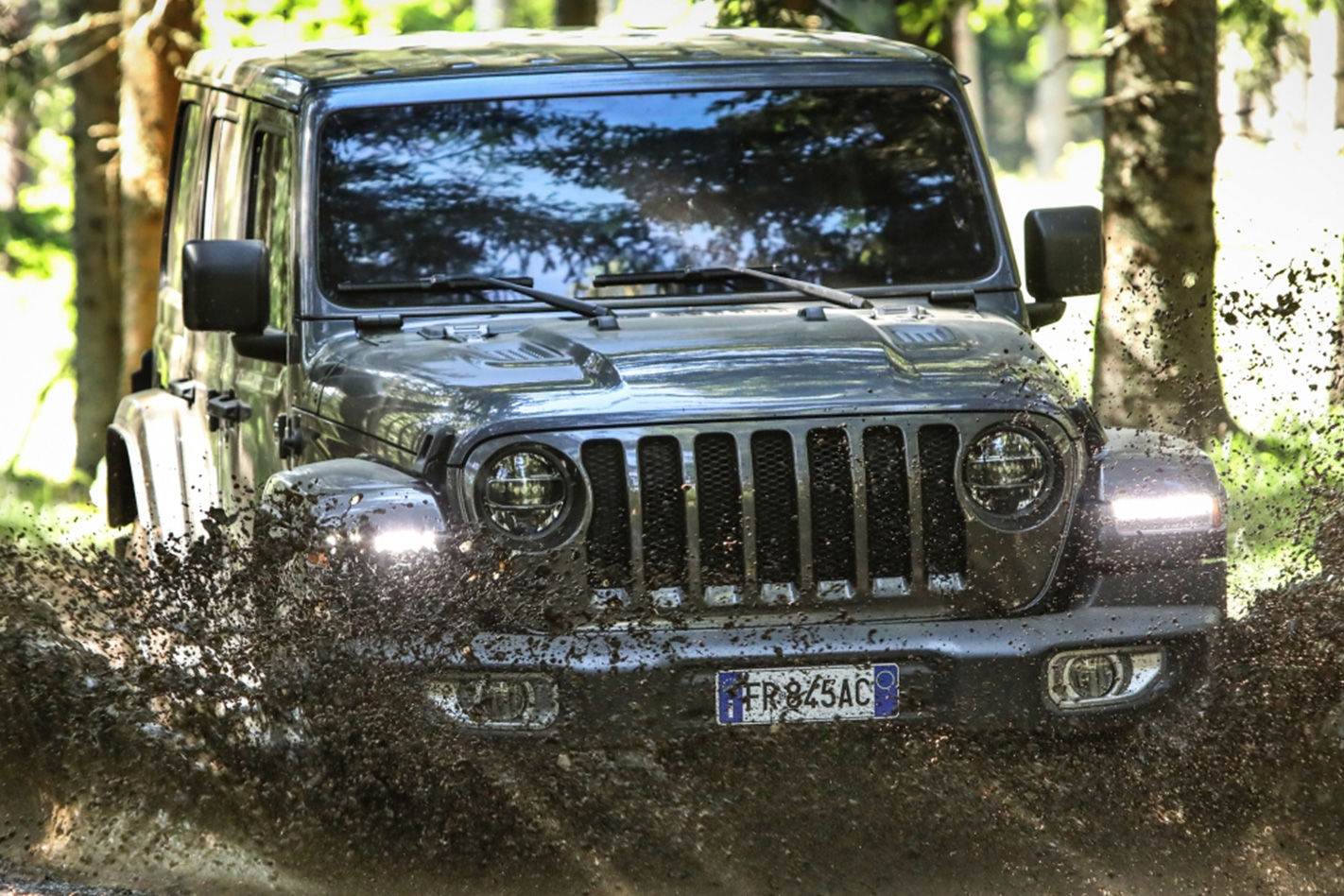
Built on a stretched version of the new JL-generation Wrangler that’s due to arrive here in the first quarter of 2019, the Gladiator promises even more gear-toting ability along with the same ultra-rugged live-axle suspension as its regular-bodied sibling. It’ll only be offered as a dual-cab as well, making it well positioned to recreational off-roaders who need to carry more people and equipment.
And it’s coming our way. WhichCar understands that a right-hand drive version of the Gladiator will be available for Jeep’s local operation to take, however it’s unclear whether it will receive the same range of powertrains as the Wrangler that it’s based on. Official confirmation is expected soon after its unveiling.
Due to make its first public appearance at the Los Angeles Motor Show on November 27 (November 28 in Australia), the Gladiator with be the first Jeep utility in almost 30 years. It’s not the only major product derivative for the JL Wrangler family either, with an electrified Wrangler set to follow it in 2020.
There’s hot, there’s raging hot, and then there’s the market for compact SUVs. Almost every car maker has skin in the tiny tall-rider game, which means the product has to be bang-on in terms of both price and specification. Miss the mark even slightly, and the car will be swamped by a myriad of rivals.
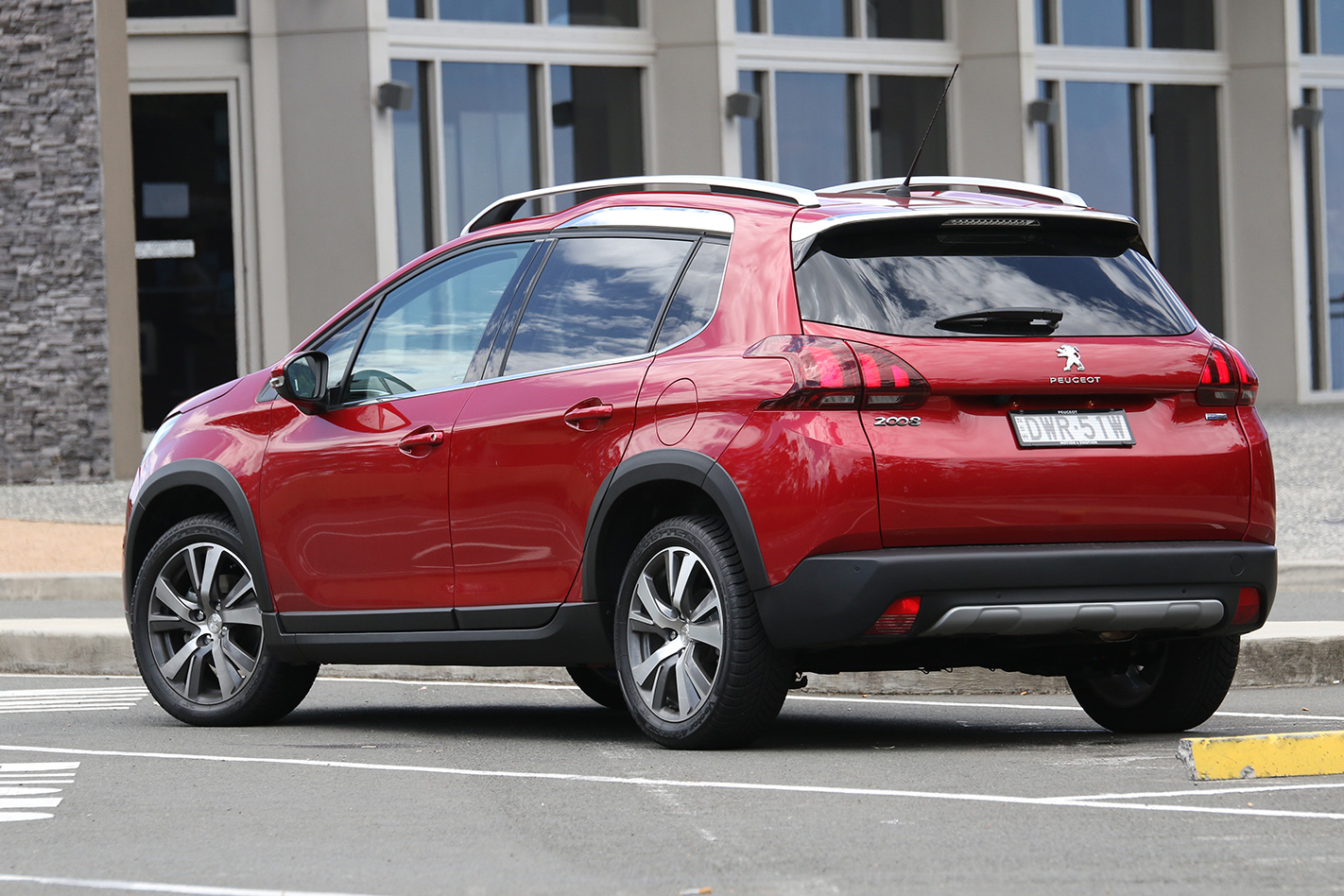
The Peugeot 2008 starts off on the back foot by dint of its relative age, and the fact that Aussies just aren’t warming to the French brand like they once did. But can a little bit of continental joie de vivre win over buyers?
VALUE
We’re reviewing the mid-grade Allure, which is currently selling for $29,990 before on-roads are factored in. Our tester also has $2000 worth of leather seats and $590 of metallic paint added.
Looking at similarly specced front-drive petrol-powered competition, the 2008 is dearer than some (Honda’s HR-V VTi-S at $27,990 before on roads, for example), and cheaper than others (Mitsubishi’s larger Eclipse Cross LS at $31,990). The category leader, the Mazda CX-3, is considerably cheaper, though and dollars matter as much as brands at this end of the market.
Its fuel figure is surprisingly high, over a 1000km testing period, we recorded 8.4 litres per 100km on the dash, while it used 42 litres to travel 525km, giving us a real world figure of 8.0 l/100km. This is against a claim of 4.8 l/100km on the combined cycle.
STANDARD FEATURES
Out of the box, the front-wheel-drive Allure comes with a 1.2-litre three-cylinder turbocharged petrol engine mated to a six-speed automatic transmission (huzzah! No more terrible robotised manual gearboxes!).
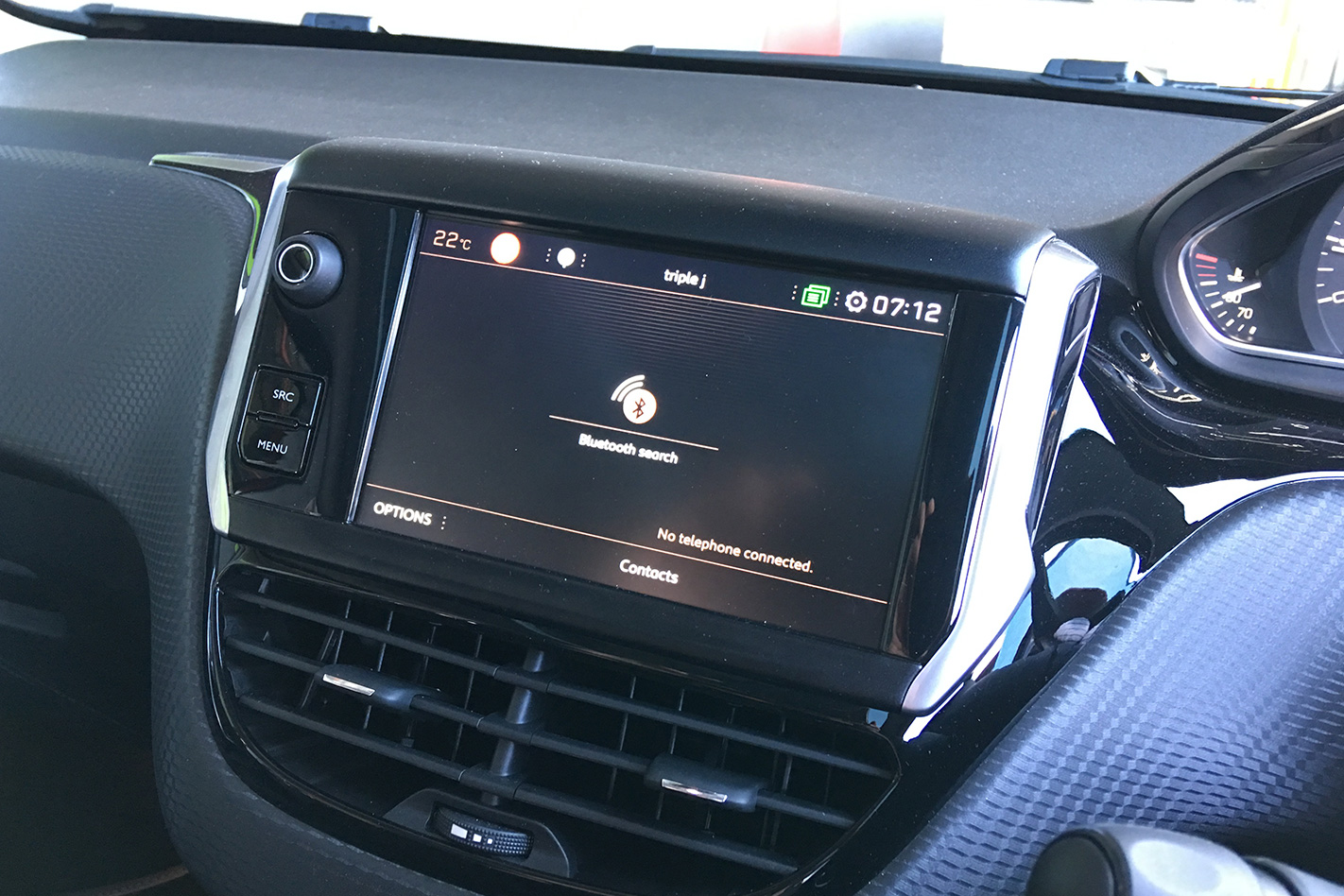
It also has automatic headlights and wipers, a reversing camera, a small multimedia touchscreen with Apple CarPlay and Android Auto, a digital speedo, leather-wrapped steering wheel and a switchable stop/start mode.
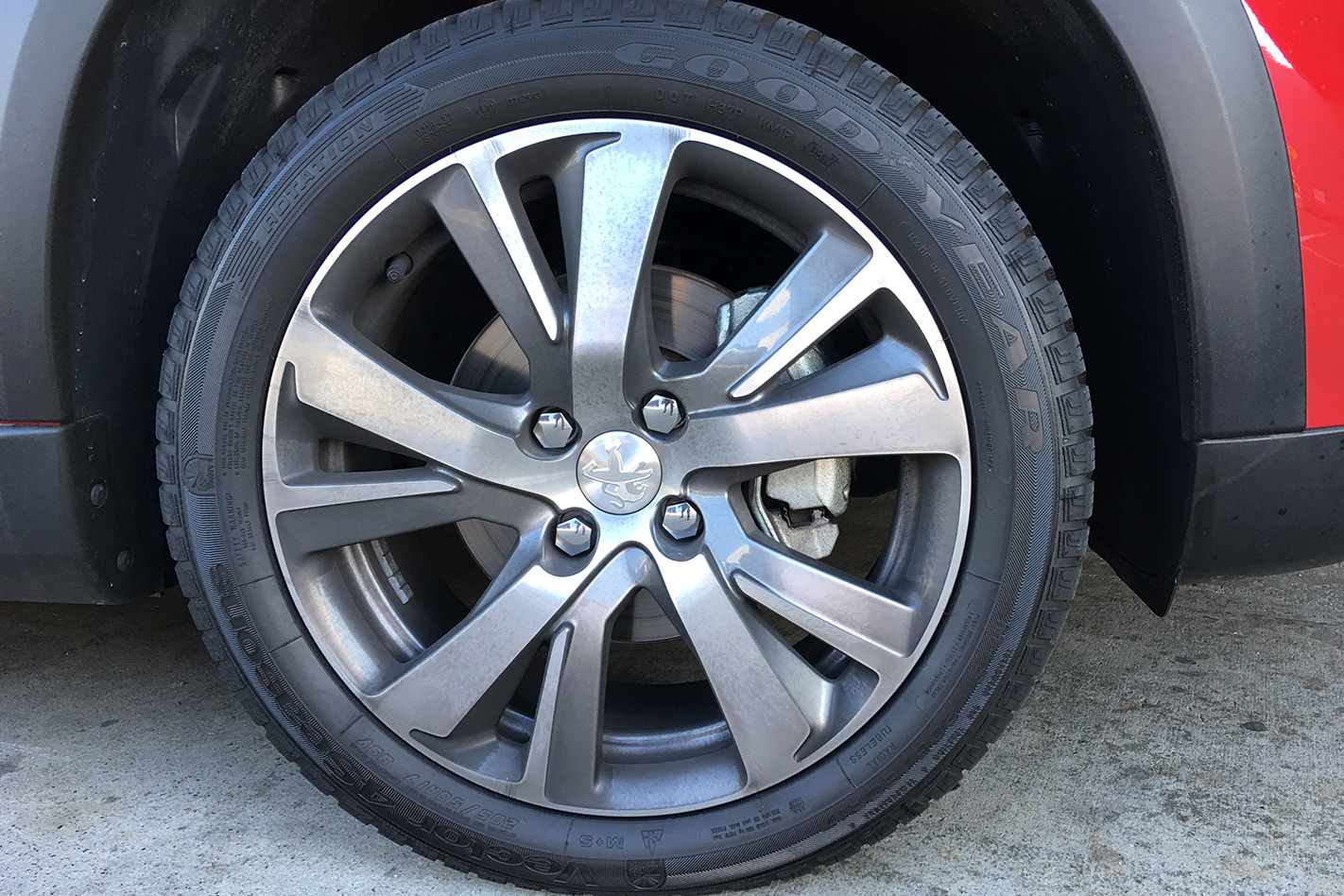
Our tester also comes with a no-cost drive mode system that Peugeot calls Grip Control, which adds a driving mode dial and four-season tyres on 17-inch rims. Alternatively, you can have no drive mode dual, 16-inch rims and regular (known in the trade as ‘summer’) tyres.
It does miss out on a bit of kit, though, notably in the driver aid department – outside of mandated stuff like stability and traction control, the 2008 only has city-speed autonomous emergency braking (AEB). It’s simply too old a platform for Peugeot to engineer stuff into, like lane departure warning.
SIZE
The 2008 falls between the compact dimensions of the CX-3 and the roominess of something like the Mitsubishi ASX. With its boxy exterior, it’s 19mm wider than the 1910mm wide ASX, but its rear leg room is only 698mm, which doesn’t compare well to the CX-3’s 888mm.
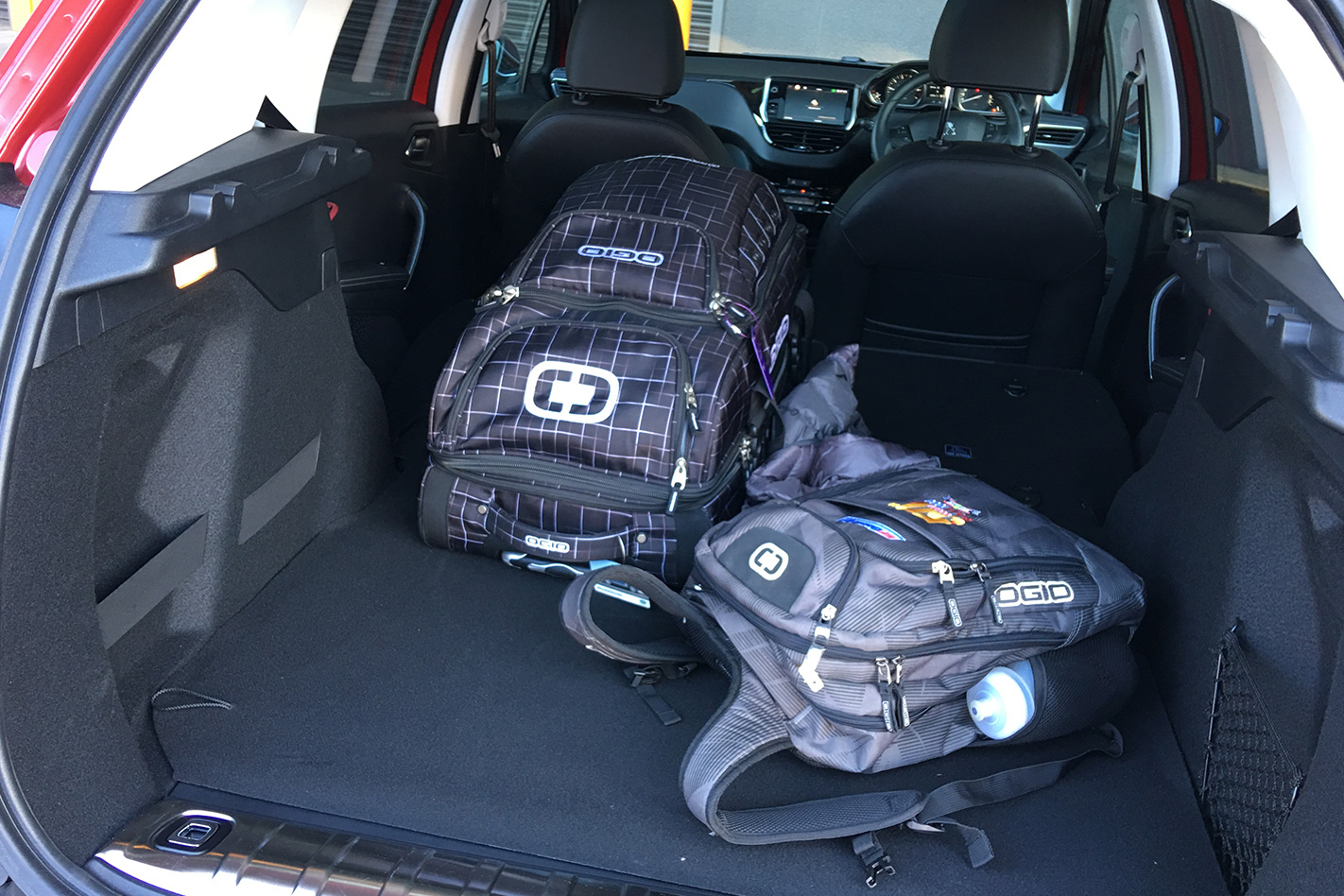
The boot aperture isn’t massive, but the 410-litre boot space (measured in industry standard VDA numbers) is well shaped, thanks to the 2008’s wagon-like external silhouette. Drop the seat backs and it swells to 917 litres.
SAFETY
The safety basics are present in the 2008, with six airbags including full-length curtains and a rear camera with lines and sensors, although driver aids are limited to city-speed autonomous emergency braking.
It’s earned a five-star safety rating from ANCAP.
COMFORT
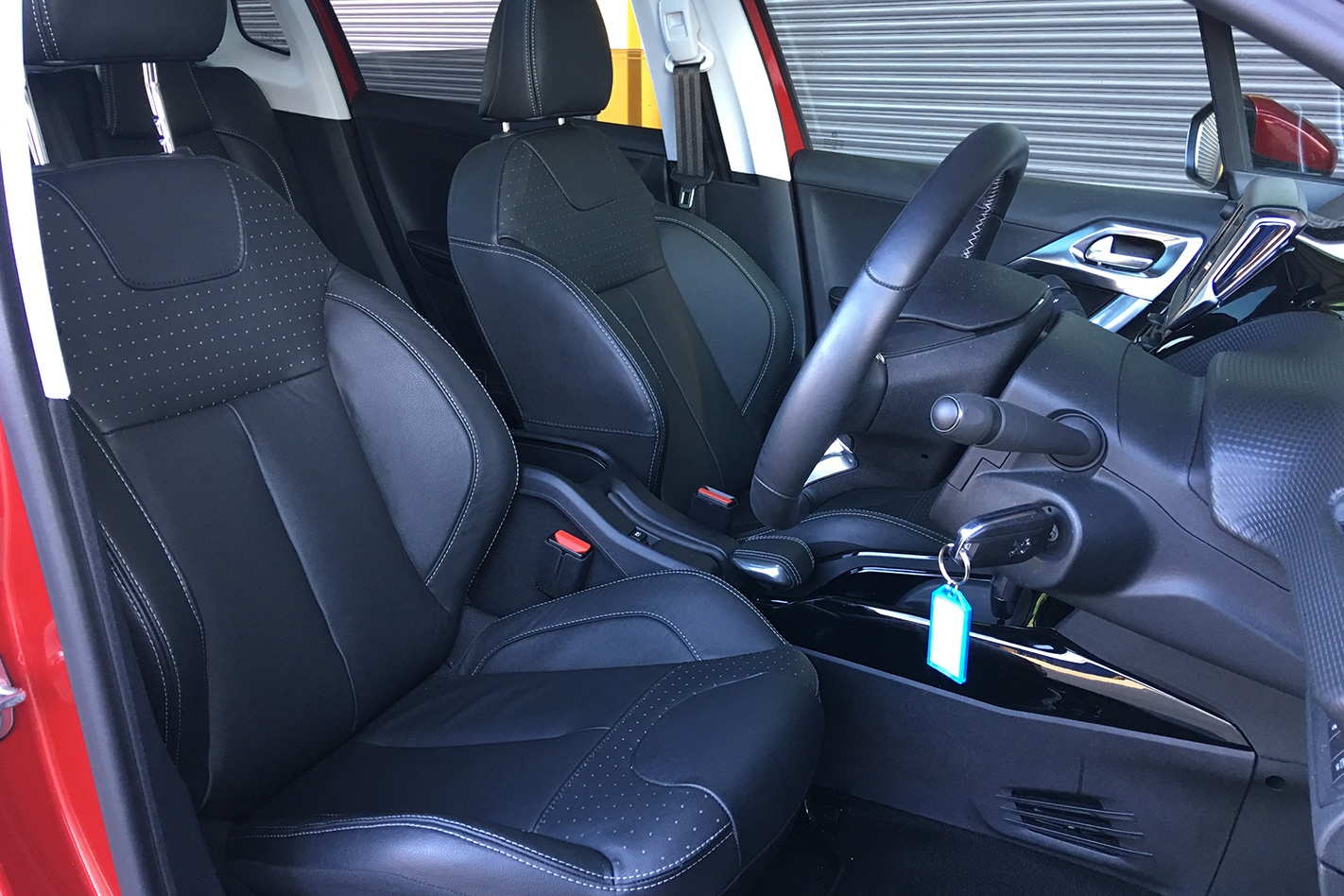
It’s hard to escape the 2008’s relative age compared to most of its competitors – there is far too much hard plastic in plain view for a $30,000-odd car, for example.
The fixed full-length glass roof – with its annoyingly opaque cover – means that head room is compromised by a few millimetres, but my 184cm frame managed well enough. The front seats appear well bolstered but they aren’t as supportive as they look, and they are mounted a bit too high for taller drivers. Plus one for seat heaters, though.
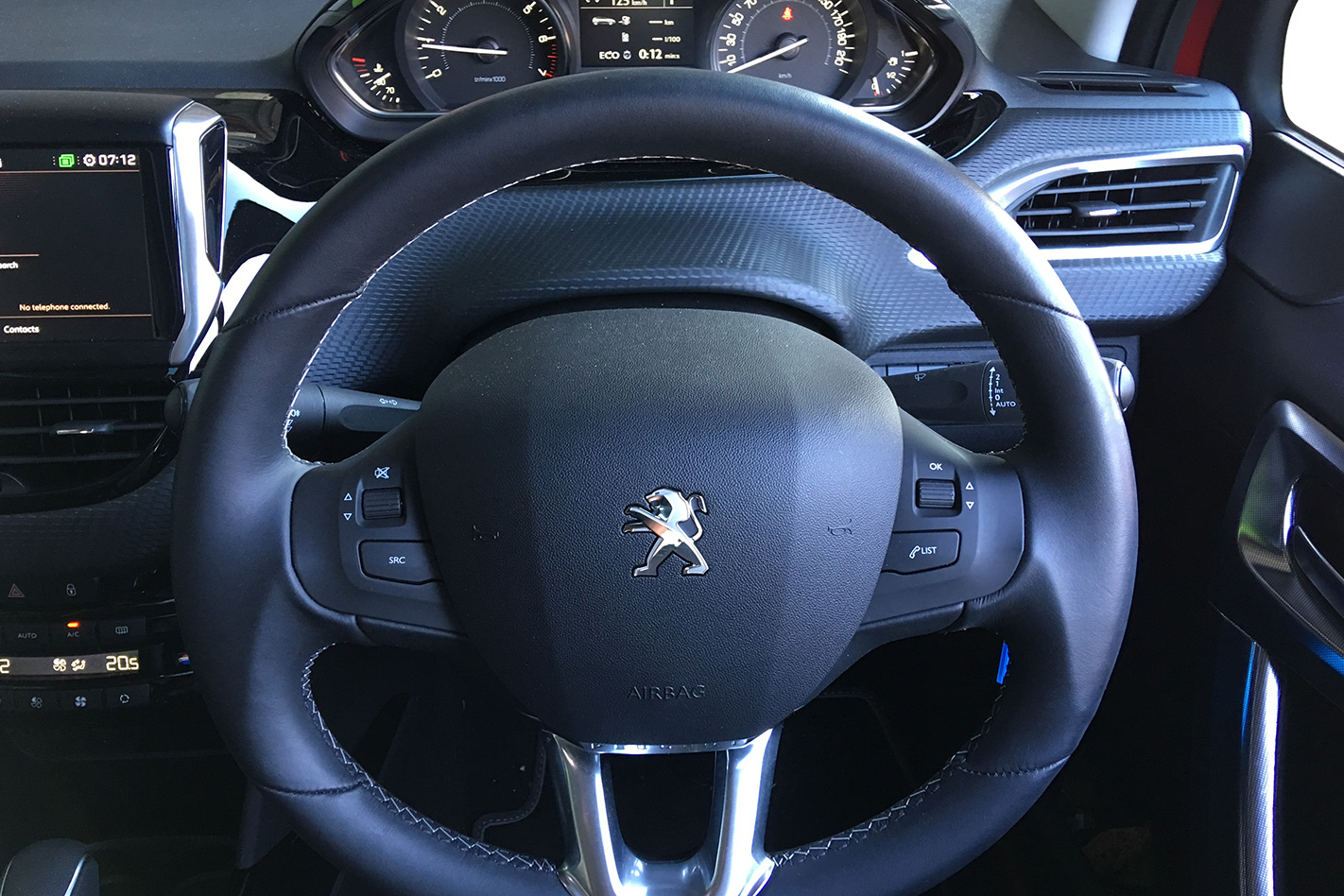
Peugeot’s odd i-Cockpit layout (where the dash sits above the top of the steering wheel rim) also worked for me, but not so well for my 155cm tall wife; the top of the wheel obscured the lower fifth of the display. The wheel rim also obscures the stalk-mounted headlight and wiper controls.
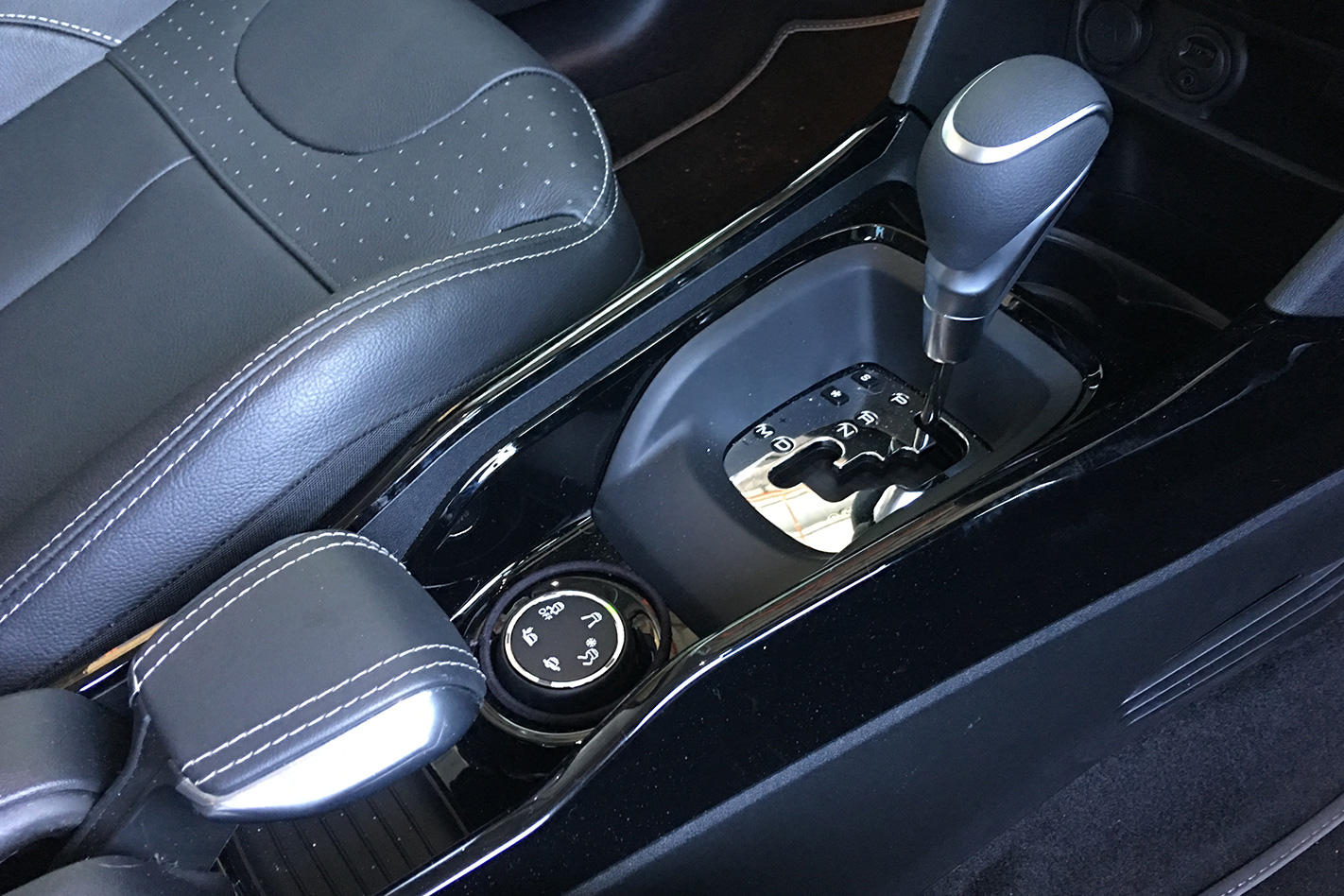
Marks off, too, for the silly handbrake design that’s forced designers to cram the cupholders up under the dash, restricting access to the oddments bin behind them. The door pockets are large but low, and bottles won’t stay put vertically.
The width of the rear seat wasn’t great for three kids, but worked well for two teens, as long as I compromised on my driving position a bit. No vents or USB points back there, sadly.
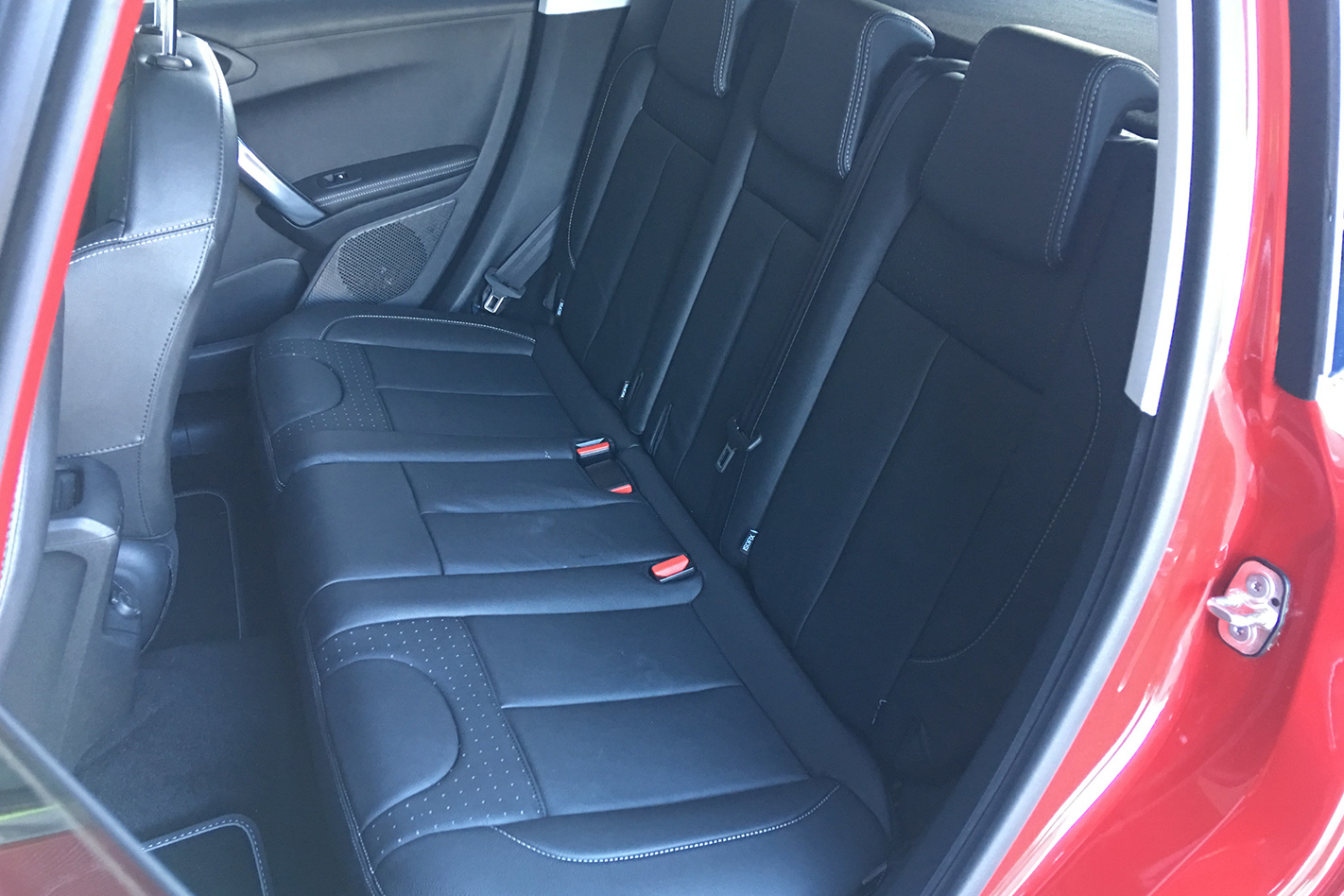
The rear doorway is decently sized, though, so it’s easy enough to get in and out of. Of note, too, are the three ISOFIX points across the back seat, which is a real rarity. There’s also a rear door-lock button up front to stop little fingers getting into trouble.
ON THE ROAD
The prime objective of a compact SUV is handling the rough and tumble of the urban jungle, and this is where the 2008 is happiest. It’s far from inspiring when it comes to driving feel, but it’s plenty adequate at suburban speeds.
The 2008 adopts Peugeot’s mantra of comfort first, but the underdone shocks spoil things when speeds increase. It just won’t settle on less-than perfect surfaces, and the feather-light steering feel and tiny steering wheel means you’re chasing the 2008 across the road more than is comfortable.
The drivetrain is surprisingly responsive, given its diminutive size. The three-cylinder engine makes 81kw and a healthy205Nm, and because it’s only pushing around 1188kg, it does a bang-up job most of the time.
There’s a calibration issue between the gearbox and engine, though, when the car is coasting down to a halt; it feels like the pair are being separated with a chainsaw, which really harshes the internal vibe. There’s a bit of tyre rumble from the optional 17-inch all-season treads, with are squarer and blockier in their design than a regular tyre.
I didn’t venture too far into the wilderness with the 2008; with 167mm ground clearance, you’ll get down a fire road, but don’t get too cocky. And you’ve only got a steel space saver spare if you split a tyre.
VERDICT
I’ll be honest, I really detested the 2008 after the first day. I couldn’t get comfortable in it, the drivetrain grumble slowing for lights, the plasticky interior – I wasn’t feeling it.
After a week, though, it proved itself to me as a reasonably quiet and decently spacious rig, with sufficient response underfoot for intra-city work. Its age works against it, though, and I’m not sold on its exterior aesthetics, but it’s small, different, competitively priced and honest.
In Lotus land, the use of the word Sprint signifies something a bit special. In Australia, we understand this, the Sprint badge adorning the final fast Falcons, though it has been in use since the early 1960s. Lotus first applied it to the Elan in 1970, which set the template for increased power and/or reduced weight that continues to this day.
Now applied to the Elise, the Sprint treatment sheds 26kg courtesy of a lithium-ion battery, lightweight wheels, polycarbonate rear screen and the use of carbon for the seats, access panel, roll hoop and engine cover and sill covers.
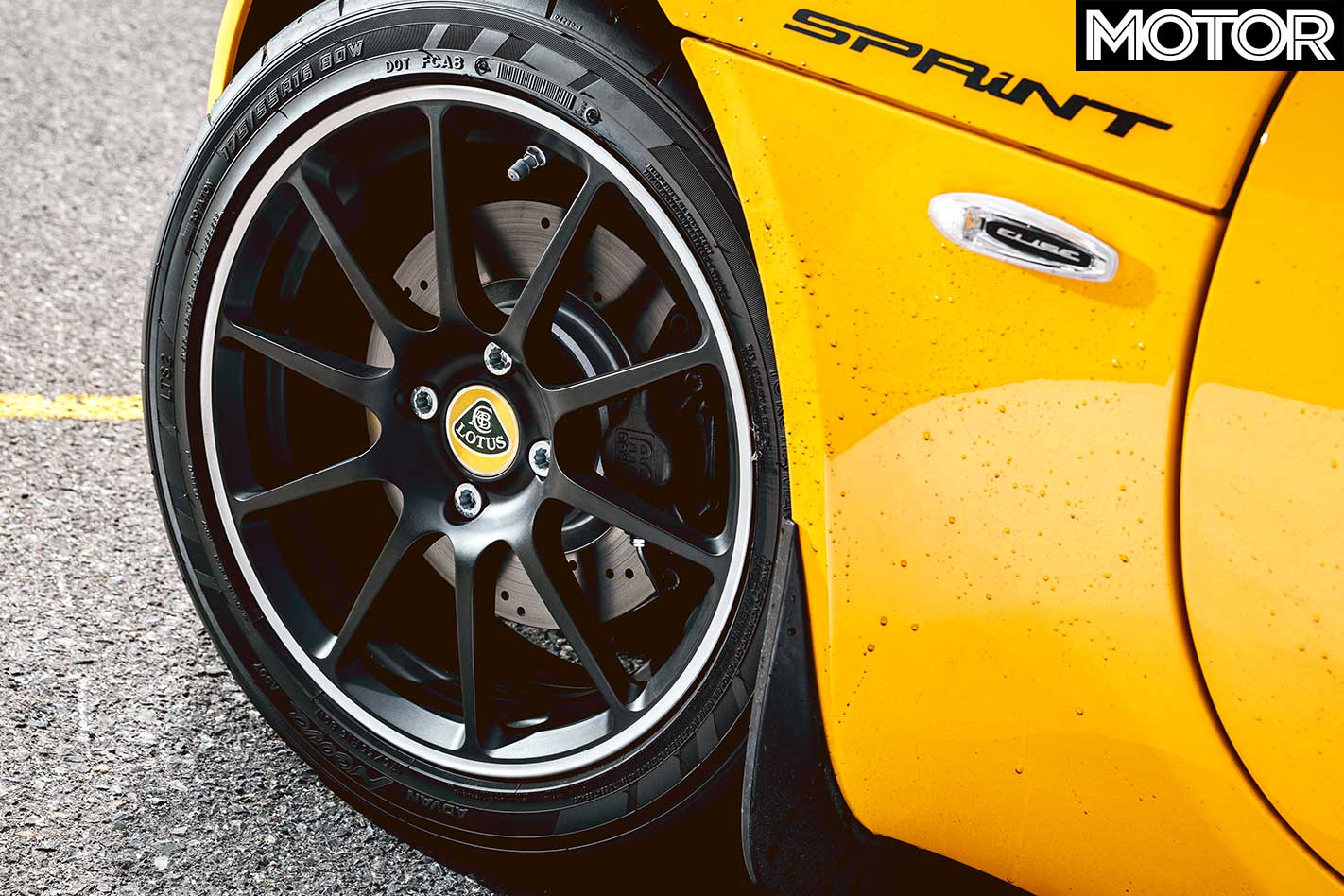
In the UK it’s possible to apply this diet to the standard Elise 1.6, but here in Oz the entry-level Lotus is the supercharged Elise 220, powered by a force-fed 1.8-litre four producing 162kW/250Nm. Propelling just 878kg, it’s little wonder that the ‘sprint’ to 100km/h is claimed to take just 4.5sec.
Many modern performance cars have a knack for making high speeds undramatic, a trait that’s not conducive to the current regulatory environment. The Elise Sprint 220 is not like this. It’s fast, very fast, but what’s even better is that it feels even faster than it is. The lack of mass helps, as does the supercharged power delivery, acceleration and noise increasing in intensity as revs build.
Lotus claims the Sprint is “the best sounding four-cylinder car on the market” and it’s difficult to disagree, the Toyota-sourced four-pot having the aural attitude of something much angrier and more powerful.
It’s a cracking engine, perfectly tractable with instant throttle response (once you’ve pushed the Sport button) and a 7000rpm rev ceiling. The Elise’s six-speed manual now uses the open-gate mechanism from the Exige and while the shift isn’t perfect, there’s a pleasing lack of mechanical slack with heel-toe downshifts completed with a quick blip on the accelerator.
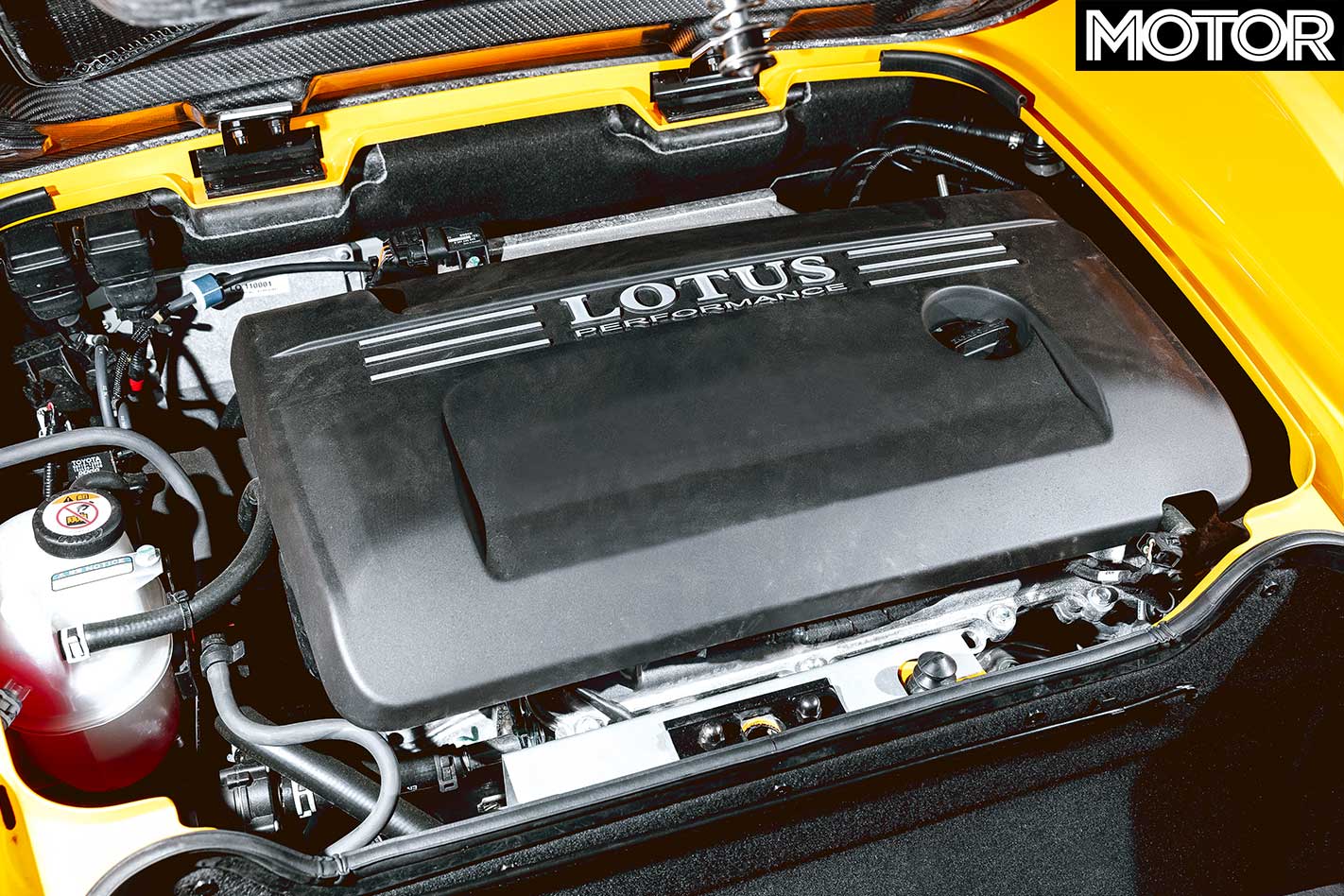
What really puts your senses on high alert, though, is the interaction with the Elise’s mechanicals. The unassisted steering and lack of traditional creature comforts allows your palms and backside to read the road surface while your ears are fed information from the engine and tyres.
The steering is heavy, for while the front tyres are just 175/55 R16s (225/45 R17s at the rear) the Yokohama Advan Neova AD07’s semi-competition tread pattern sticks to the tarmac like glue.
Driving an Elise really is like nothing else (except, perhaps, an Exige); it takes the overt rawness of a Caterham and dials it down with a dash of modern civility – things like ABS, ESP and just enough NVH insulation to prevent your teeth being buzzed out of your skull. The level of grip and go makes driving quickly relatively easy, but approaching the limit is initially done with trepidation.
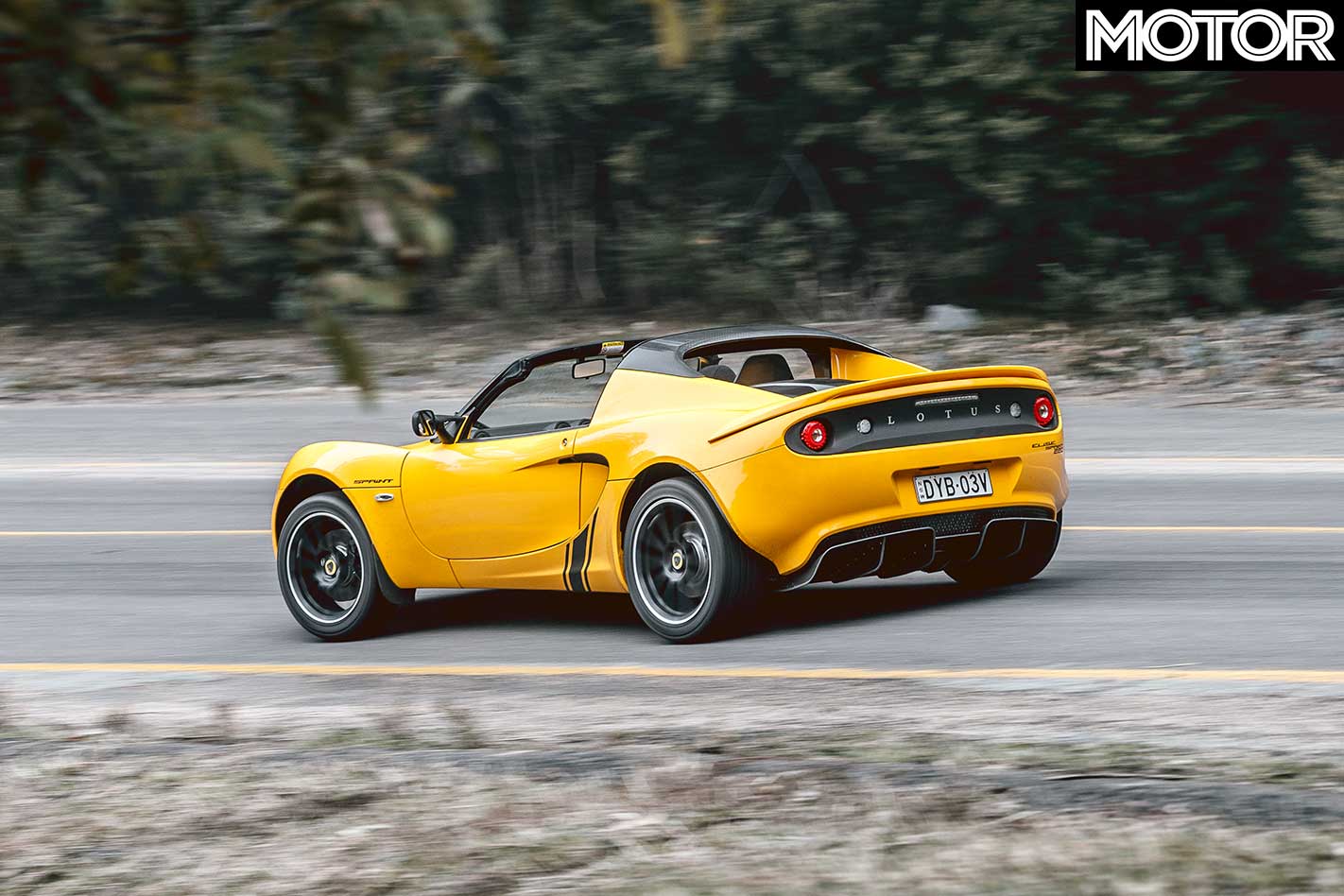
Lots of grip, no power steering and a mid-engine layout is a take-no-prisoners recipe, but it’s actually quite forgiving. Those skinny front tyres make that the end to give up first, but there’s enough steering feedback to always have a read on what they’re up to. Even then, low speed power oversteer is corrected with a roll of the wrists, though higher-speed antics would call for a nice, wide racetrack.
The Sprint’s biggest shortcomings are a soft brake pedal and steering that could be quicker to give greater confidence on corner entry.
Lotus has traditionally understood that compliance is the key to handling and though this Elise is no doubt stiffer than those of years past, the Sprint 220 is not an uncomfortable car.
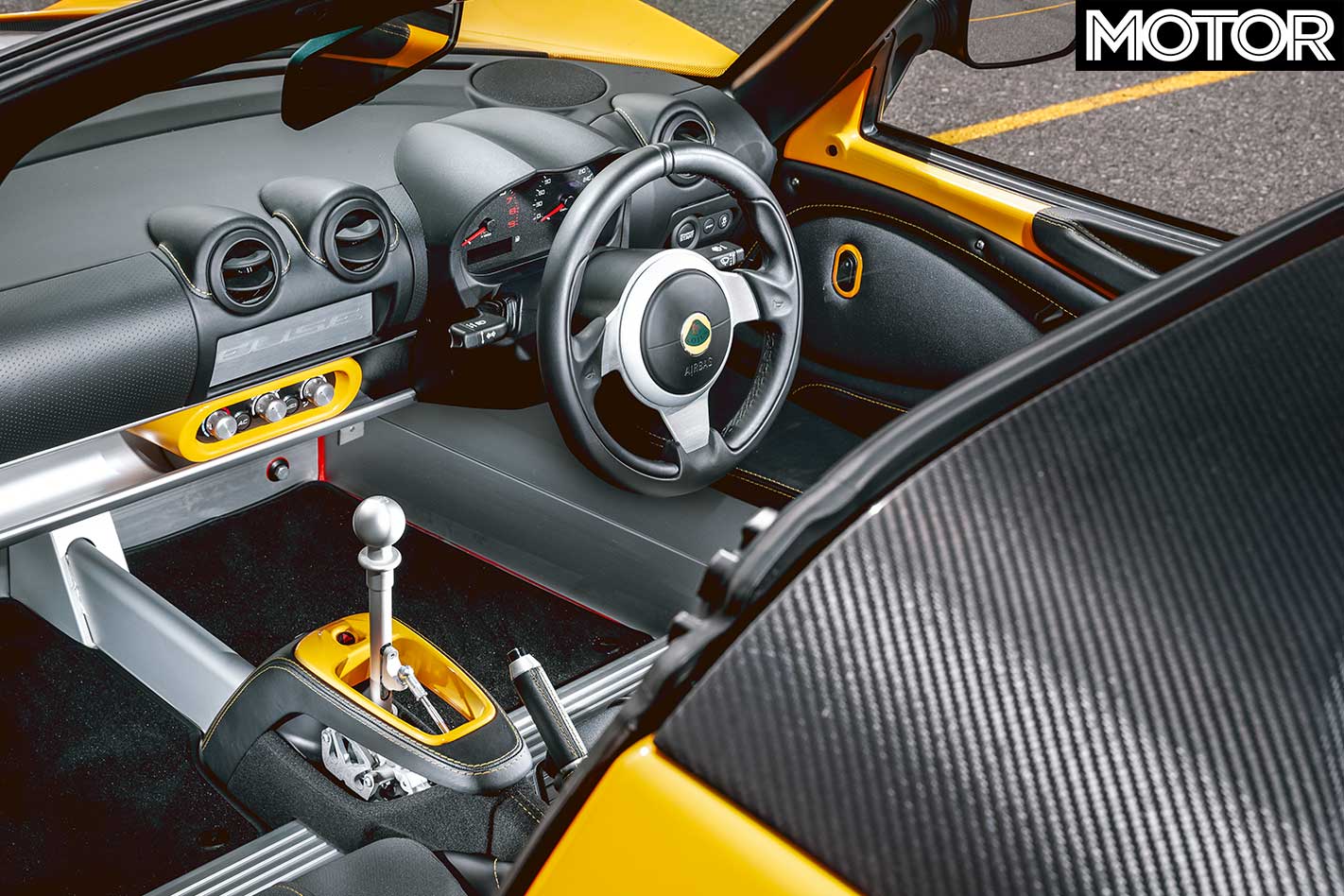
With the roof off there’s a certain exposure to the elements that would require commitment for long journeys, but it could easily be daily driven. And I would, because the Elise has a genuine mini-supercar vibe, except its size makes it far more palatable in traffic than the usual Italian suspects.
The cost of complying these low-volume British sports cars often makes them questionable value, but for around $100K the Elise Sprint 220 is quick, characterful and offers a unique and involving driving experience. In other words, something a bit special.
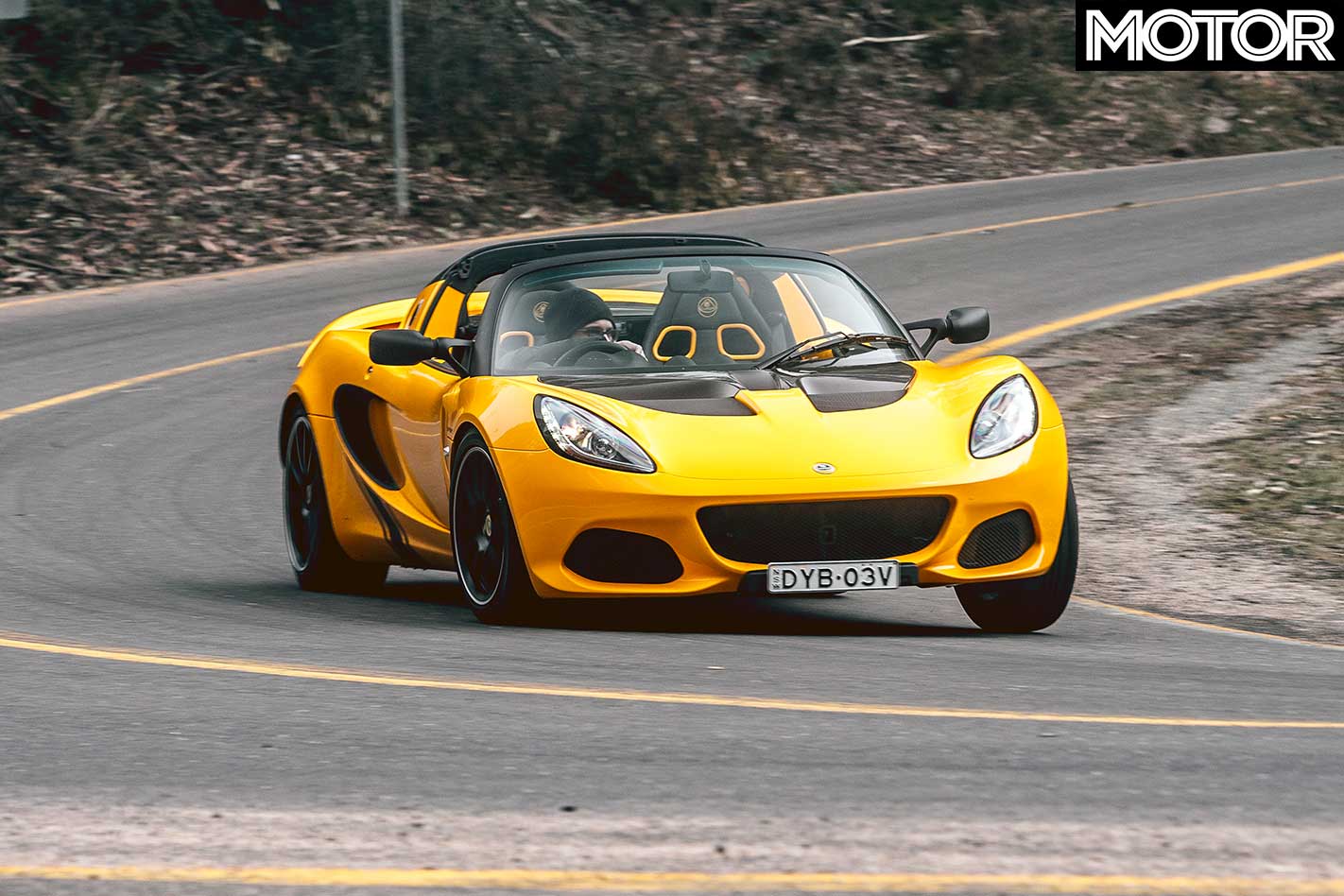
2018 LOTUS ELISE SPRINT 220 SPECS: Engine: 1798cc inline-4, DOHC, 16v, supercharged Power: 162kW @ 6800rpm Torque: 250Nm @ 4600rpm Weight: 878kg 0-100km/h: 4.5sec (claimed) Price: $97,990
What stands out?
Nicely weighted steering and sporty handling help you feel good behind the wheel of the new-generation Rio, a light hatchback from Kia. The new Rio is roomier than the model it replaces, with an inviting cabin and excellent smartphone integration – including support for Apple CarPlay and Android Auto, and autonomous emergency braking is available. The Korean brand also offers a seven-year warranty.
What might bug me?
The lethargic highway performance of your 1.4-litre automatic Rio. While much of the current-generation Rio was freshly minted, its engine is the same 1.4-litre four-cylinder used at the less costly end of the previous Rio range (in the 2016 Rio S and S Premium). And the Rio S’ auto gearbox still has only four ratios. A friend’s new Mazda2 or Volkswagen Polo auto, for example, will feel much more lively from a standing start and once out of town.Getting lost when you don’t have a good enough signal to a map on your smartphone. Satellite navigation is no longer available in any Rio, though Apple CarPlay/Android Auto does make it easy to use you phone’s mapping apps.Driving at 80km/h on your space-saver spare wheel, until you can fix your full-sized flat tyre.
What body styles are there?
Five-door hatchback only.The Rio drives its front wheels, and it is classed as a light car, lower priced.
What features do all Kia Rios have?
A six-speaker MP3-compatible sound system with an AM/FM radio, Aux and USB inputs, Bluetooth connectivity for phone calls and audio streaming, and audio controls on the steering wheel.A 7.0-inch colour touchscreen with support for Apple CarPlay and Android Auto. You can display apps (including navigation) from compatible smartphones on the central screen and control them from there.A reversing camera, and rear parking sensors (which help you judge how close you are to the car behind).Two USB ports for charging mobile devices: one for front passengers and another for those in the rear.Power windows, and air-conditioning.Headlights that switch on automatically when it’s getting dark.A hill-assist system, which operates the brakes automatically to make take-offs on hills easier.Six airbags. Electronic stability control, a feature that can help you control a skid and is mandatory on new cars. (For the placement of airbags, and for more on Rio safety systems, please open the Safety section below.)Every Kia Rio carries a seven-year, unlimited kilometre warranty. Seven-years of capped-price servicing is also available.
Which engine uses least fuel, and why wouldn’t I choose it?
The GT-Line’s 1.0-litre three-cylinder turbo consumes just 5.4L/100km. It’s more powerful than the 1.4-litre four-cylinder petrol engine and feels sportier through the more advanced seven-speed dual-clutch automatic transmission.The only reason you wouldn’t choose this engine is you want to pay less for a Rio – the 1.0-litre turbo is only available with the most expensive Rio, the GT-Line.There other engine available in a Rio, a 1.4-litre petrol four-cylinder. It uses less fuel when driving through the six-speed manual gearbox that is standard on the least costly Rio S and Sport versions, consuming just 5.6 litres/100km on the official test (city and country combined).The Rio Sport S with the four-speed auto gearbox is thirstier, using 6.2 litres/100km on the test, while the six-speed auto in the Rio Sport consumes 6.0 litres/100km.
What key features do I get if I spend more?
The least costly Rio is the Rio S, which comes with the features found in all Rios, 15-inch steel wheels, halogen daytime running lights, with plastic trim, and a manual gearbox. Spending about $2000 more gets you the optional four-speed auto.Spending more again on the Rio Sport again brings a choice of the manual gearbox and a new six-speed automatic transmission. You also get cruise control, which can be operated from the leather-trimmed steering wheel, heated electric folding mirrors, and bigger 17-inch wheels are made from aluminium alloy, that don’t need plastic hubcaps to look good.Sitting at the top of range, the Rio GT-Line adds sporty trim, longer-lived and fancier LED daytime running lights, LED ’ice-cube’ design fog-lamps and LED rear-combination lights.It’s also the first Rio to be equipped with advanced safety features such as autonomous emergency braking and lane-keeping assist.The more aggressively styled GT-Line also has a sports steering wheel and carbon-look dashboard fascia.
Does any upgrade have a down side?
Moving from the Rio S or Sport to the more expensive GT-Line means you lose the option of specifying the six-speed manual gearbox.Only white is a standard colour. The other six shades are extra-cost options.
How comfortable is the Kia Rio?
A floating touchscreen on the centre of the dashboard and Audi-like drop-down controls for the air-conditioning contribute to a pleasing European feel in the Rio’s cabin, even if its colours are uniformly sombre. Seats feel firm but they turn out to be comfortable, with good support under the thighs and a well contoured backrest.Height adjustment for the driver’s seat, and height and reach adjustment for the steering wheel, make it easy to find a relaxed driving position, and there is a rest for your left foot.The Rio is only about 15mm longer outside than the car it replaces, with 10mm more length between the axles, but inside there is noticeably more leg and shoulder room front and rear.Handy places for storing stuff include big bins in the doors for bottles and a two-level cubby ahead of the gear lever for phones and wallets. A roof console has space for your sunglasses.
What about safety in a Rio?
The Rio has the mandatory stability control, a reversing camera and rear parking sensors, and auto-on headlights (which aid visibility in low light). There are lap-sash seatbelts on all seats including the centre-rear, and seatbelt reminders on all seats also – a simple but valuable feature for those with children old enough to unfasten their belts.There are six airbags. Two are placed directly in front of the driver and front passenger. There is an airbag outside each front occupant to protect from side impacts at chest level. And there are curtain airbags running down each side of the car at head level, protecting front and rear occupants.The introduction of the GT-Line in November 2018 introduced autonomous emergency braking and lane-keeping assist – which helps steer the car within your lane – to the Rio range. The Rio GT-Line also has bright LED daytime running lights, which make it easier for other drivers to see you (and enhance the car’s appearance).The Australasian New Car Assessment Program (ANCAP) rated this fourth-generation Rio at five stars for safety, its maximum, in September 2017.
I like driving – will I enjoy this car?
Yes and no. You will enjoy the way the Rio feels inside and how competently it rolls over the road, and you will enjoy in particular the way it steers. The steering wheel is well weighted, and the little car responds fluidly and precisely to your touch.Steering accuracy is supported by a taut, well-controlled ride on suspension tuned for local conditions by Kia’s Australian engineers. This car takes a step forward dynamically from the previous Rio, which was already quite good.What can’t be predicted confidently is that you will enjoy the way the car goes, and most pertinently how well it goes on a country trip with plenty of hills.The four ratios in the Rio S’ auto gearbox just aren’t enough to keep the engine comfortable across all the challenges of highway travel, and so when you need the Rio to move ahead – or on long, steep hills – it spends too much time either working sullenly in a too-tall gear or straining pointedly in the gear below. Overtaking at open-road speeds requires careful planning and plenty of open space.The six-speed auto in the Rio Sport is better. It’s still sluggish off the line but the extra two gears make a big difference when it comes to comfortably cruising at highway speeds and negotiating inclines.The GT-Line brings a far more sprightly 1.0-litre three-cylinder turbocharged petrol engine coupled with a sport seven-speed dual clutch automatic transmission that should provide some long overdue pep to the Rio.We’re yet to properly drive the Rio GT-Line, which also has enhanced suspension, but if other cars with similar powertrains are any guide it should be a fun little ride.
How is life in the rear seats?
It is pretty good for a car of this size. Leg room and shoulder room are improved over the previous Rio, and headroom is plentiful even for adults in the 180cm range.There are lap and sash belts for three passengers in the back, and seatbelt reminders on all seats.The rear doors have small bottle-holders, and there is a storage pocket behind the front passenger seat. A USB socket at the rear of the centre console allows rear passengers to charge a phone without bothering those in front.
How is it for carrying stuff?
Again you get a lot of cargo room for a car of this size, and more than the previous Rio offered. Capacity is officially 325 litres with the rear seats up – a figure approaching that of some cars a size bigger.Fold down the 60-40 split rear seats and cargo volume increases to 980 litres loaded to the roof.
Where is the Kia Rio made?
The Rio is manufactured at Sohari, South Korea, the site of Kia’s original factory.
What might I miss that similar cars have?
In the Rio S and Sport effortless low-speed accelerator pedal response of turbocharged light cars such as the Renault Clio and Volkswagen Polo, if you’ve ever test-driven them.The latest active safety features as standard, such as automatic emergency braking. The Mazda 2 supplies low-speed auto braking across the range, for example.A more versatile cabin arrangement for carrying cargo – the Honda Jazz offers this.Among other light cars worth considering are the Suzuki Swift, Toyota Yaris and Hyundai Accent.If you would be happy with something a bit smaller, you could also look at the Kia Picanto.
I like this car, but I can’t choose which version. Can you help?
Certainly. The Rio GT-Line brings a fresh sporty look and livelier turbocharged powertrain, auto braking, and LED running lights that justify its premium over the Rio Sport auto.
Are there plans to update the Rio soon?
This fourth-generation Rio arrived as an all-new model in January 2017. Expect a mid-life update about 2020.In October 2018 Kia introduced its revamped 2019 Rio range, which introduced the Sport with the new six-speed automatic transmission, and 1.0-litre GT-Line that’s the first Rio to feature auto braking. Meanwhile, mid-spec Si and desirably equipped SLi were removed from the range and with them features such as satellite navigation, digital radio, electric sunroof and climate-control air-conditioning.
Nearly half of Aussie parents are fitting infant car seats incorrectly, increasing the risk of serious injury to their children by up to three times.
That alarming figure was revealed as part of research headed by Associate Professor Julie Brown from Neuroscience Research Australia (NeuRA), which showed that making child restraint instructions more user friendly could increase correct use by up to 27 per cent, saving lives and preventing injuries.

“Research undertaken at NeuRA identified a critical relationship between comprehension of instructional materials and errors in use,” said Associate Professor Brown, who last week reported the findings at Safety 2018 World Conference in Thailand
In a survey of 400 Australian parents, 90 per cent reported that they had read the instructions supplied with the restraints, yet almost half still installed them incorrectly or did not strap their children in safely.
“This suggested instructional materials in their current form may not be effective in communicating how to use restraints correctly, and that we may need to take a new approach to how instructional materials are regulated in product standards,” said Associate Professor Brown.
Common errors include incorrect use of tethers and seat belts to secure the car seat, straps placed too high or low, or too loose or tight, over the child’s shoulder, and improperly reconfiguring the child car seat between rear- and forward-facing use.
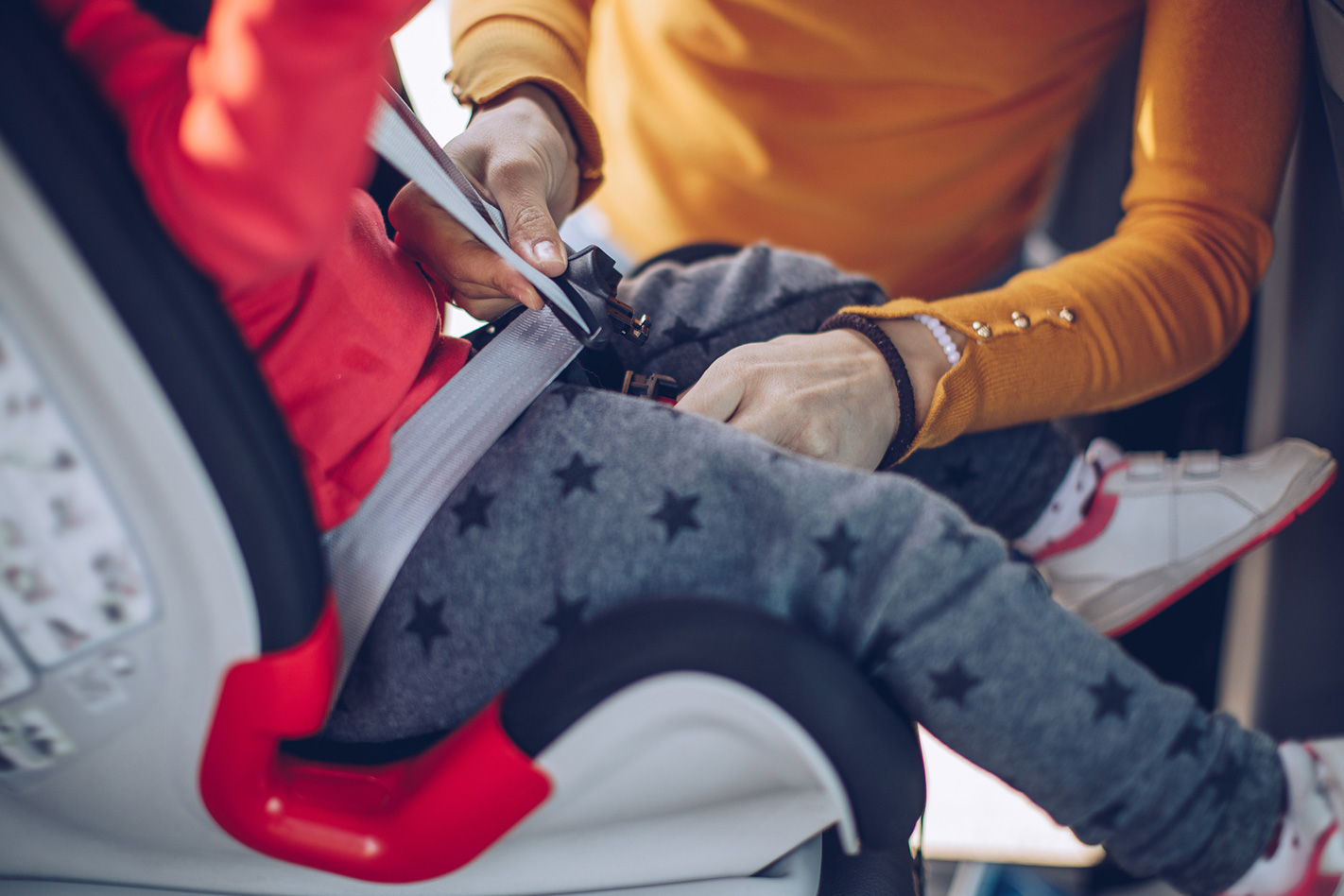
As part of the study, NeuRA researchers looked at the range of instructional materials provided by child restraint manufacturers, citing these as a leading cause of errors in use.
Following their review, Associate Professor Brown and her team consulted parents to develop a new set of prototype instructional materials for correctly using child restraints.
The user-driven approach was tested and refined until at least 80 per cent of study participants were able to correctly comprehend and carry out the instructions.
“Instead of a group of experts sitting around a table developing user guidelines, we asked parents to work with us to develop and drive new instructions, and to then road test them as part of our ongoing research to review and deliver correct comprehension and proper use of installation guidelines,” Associate Professor Brown said.
“We are trying to ensure information supplied with child restraints is comprehensible, to ultimately ensure they are installed correctly and do what they are designed to do.”
The new instructional materials developed in the study consisted of an A3-size instruction sheet, a set of four swing tags fixed to the restraint and an online video that demonstrates the overall instruction and usage process with extra video content that demonstrates specific key tasks.
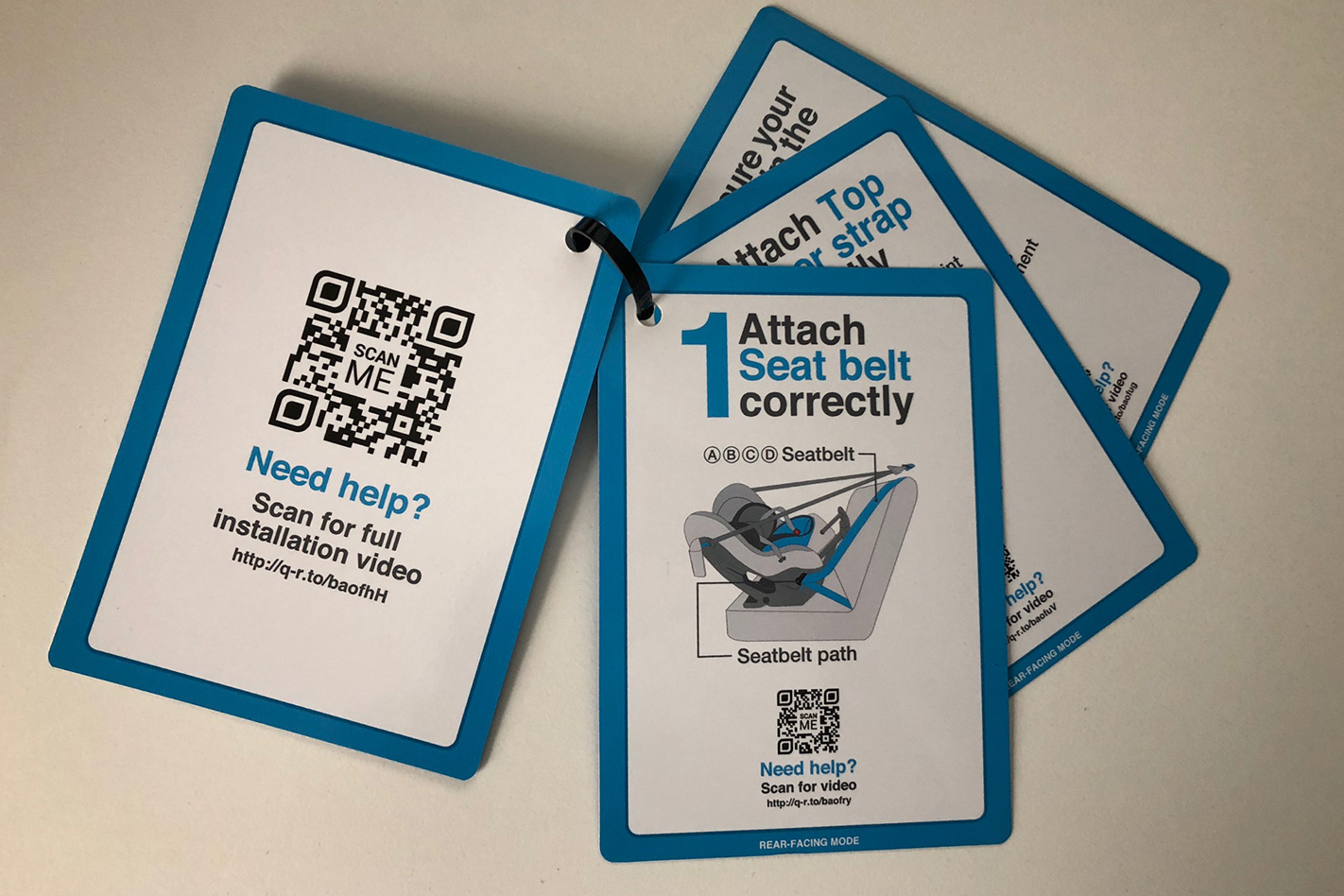
The videos can be viewed on smartphones while installing the seats via QR codes printed on the instruction sheet and the swing tags.
Tests using the new consumer-driven instructional materials resulted in 27 per cent more people installing and using the seats correctly, and comprehension was 42 per cent higher.
It’s believed the study will reduce the number of child injuries in car accidents, which is as high as 50 percent in developed countries, by ensuring restraints are installed and used correctly every time a child travels on road.
“This could be a cost-effective and far-reaching intervention that will keep kids safer on the road both here in Australia and in many other countries around the world,” Associate Professor Brown said.
Associate Professor Brown and her team at NeuRA are now taking this study from the lab to the real world to work to make child restraints in cars more effective.
To learn more and get involved, visit the NeuRA website.
A recent study has shown almost 50 percent of Aussie parents are unknowingly installing their infant’s car seat incorrectly, putting young occupants at risk. Much of it is due to unclear instructions that are provided with baby seats, says the report, and while the correct method of installing car seats varies between different types and brands, there are laws and guidelines that apply to all.
Here are 10 car-seat installation essentials as recommended by KidSafe and Neuroscience Research Australia (NeuRA).
- All rear- or front-facing child seats and booster seats must be installed and the child strapped in according to the manufacturer’s instructions.
- Never seat two or more children in a single child restraint.
- Always use a top tether for all rearward-facing child restraints, forward facing child restraints, and booster seats that have them.
- Always thread the seatbelt through the correct path (follow colour coding available for newer car sears).
- Ensure there is no slack or looseness in any part of the system. Check the harness straps around the child, the top tether, the seatbelt anchoring the restraint to the vehicle, and the seatbelt used by a child in a booster seat.
- Check that the seatbelt is buckled before each trip.
- Using an approved restraint fitting service will help ensure that everything is used correctly and that your child is as safe as possible.
- Rear- and forward-facing child restrains should not be used in the front passenger seat where an airbag is installed and can’t be disabled.
- Do not use car seats that have been involved in a moderate to severe car crash or are more than 10 years old.
- Regularly check that child restraints are correctly installed, and that they’re adjusted properly for the child’s size according to the restraint users’ manual.
