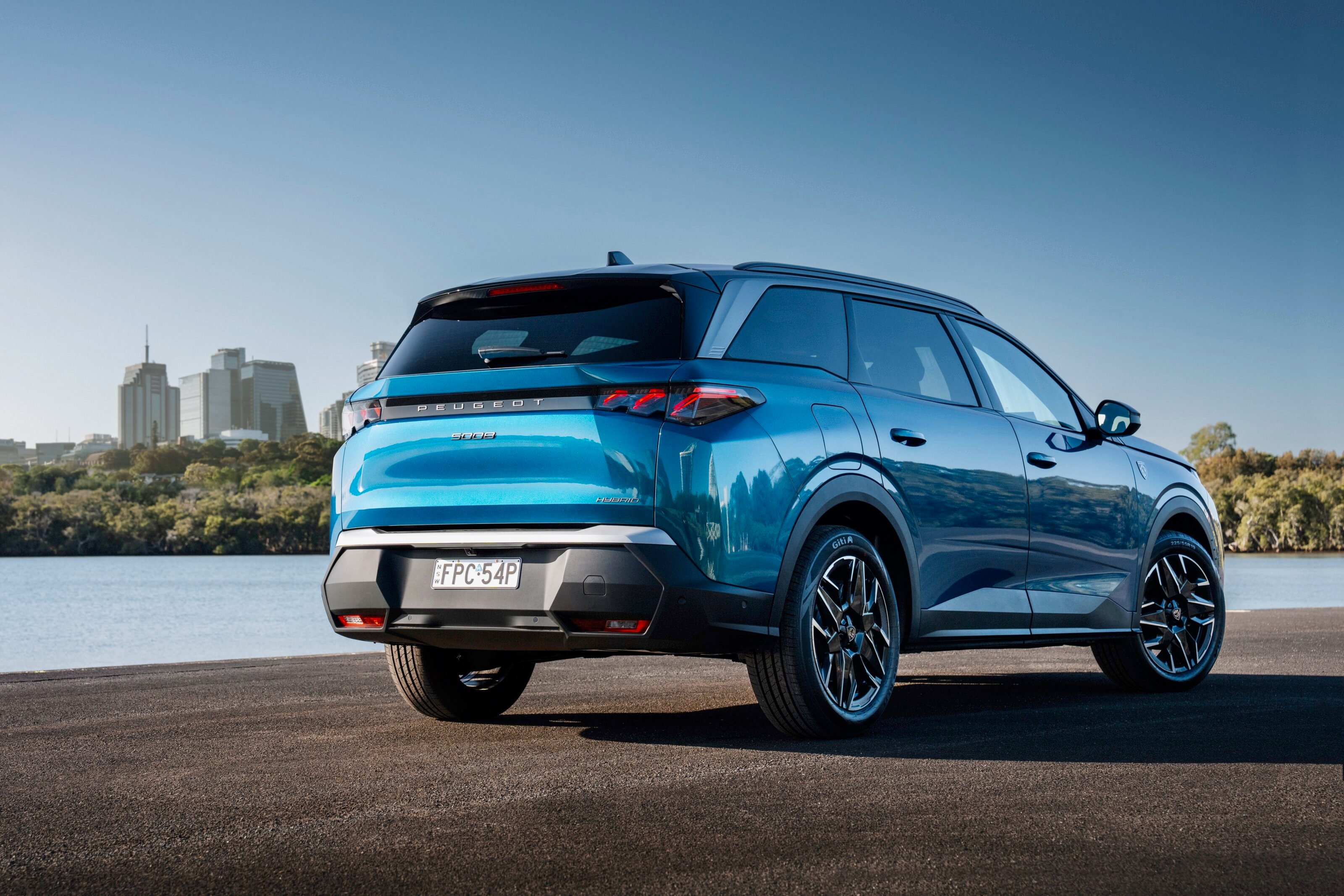
All Australian families know transport is a significant financial burden on the family budget, especially during today’s cost-of-living crisis. With everyday essentials rising in price, the high costs of owning and running a vehicle – fuel, insurance, maintenance and loan repayments – are putting households under even greater financial pressure.
At the same time, the pressing need to reduce carbon emissions butts up against Australians’ appetite for larger, more expensive and less fuel-efficient vehicles like SUVs, escalating both household costs and environmental impact.
With those concerns in mind, what are the 10 most fuel efficient non-PHEV/EV SUVs on sale in Australia? Here’s the WhichCar guide:
Toyota Yaris Cross 2WD and Lexus LBX: 3.8L/100km
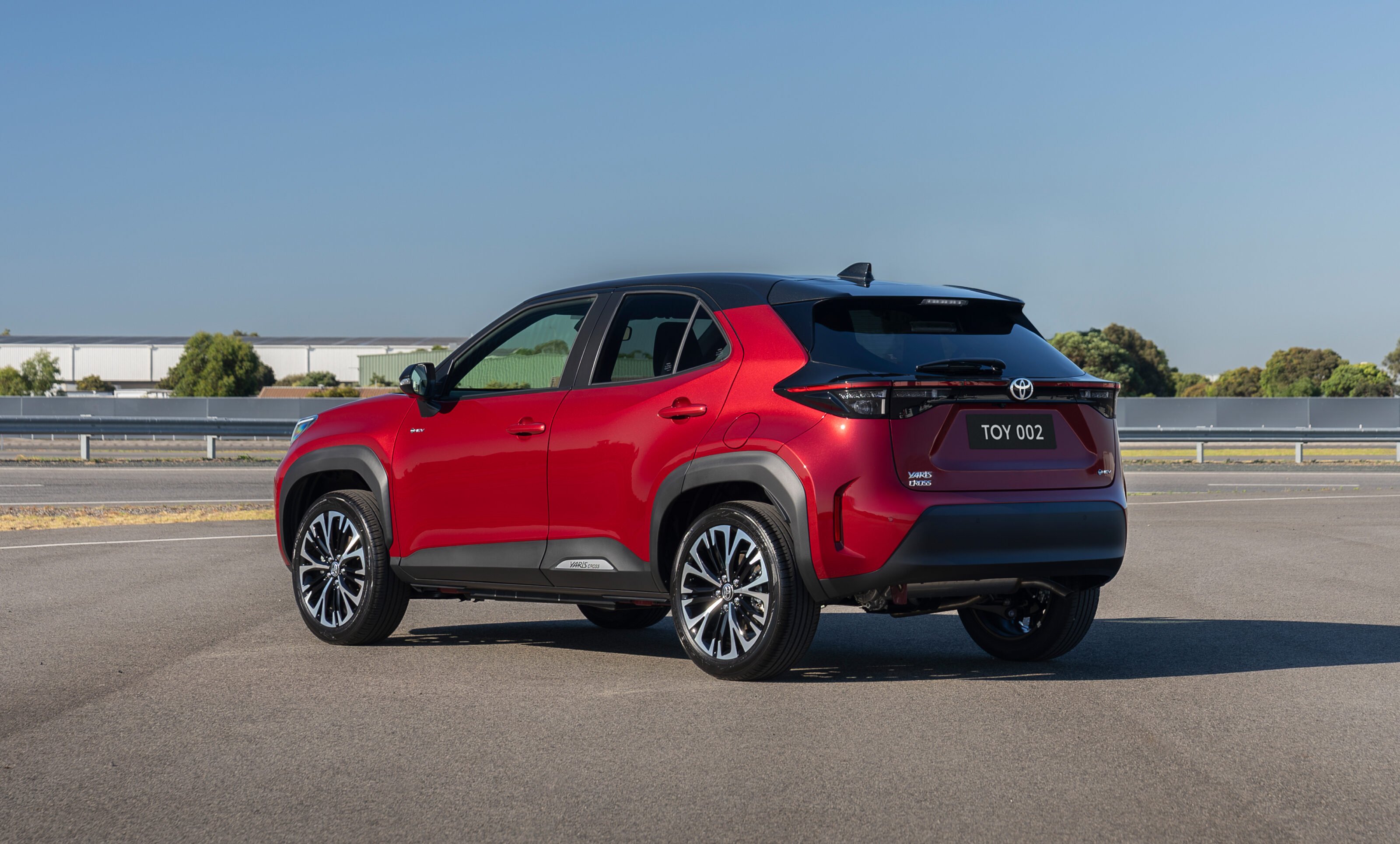
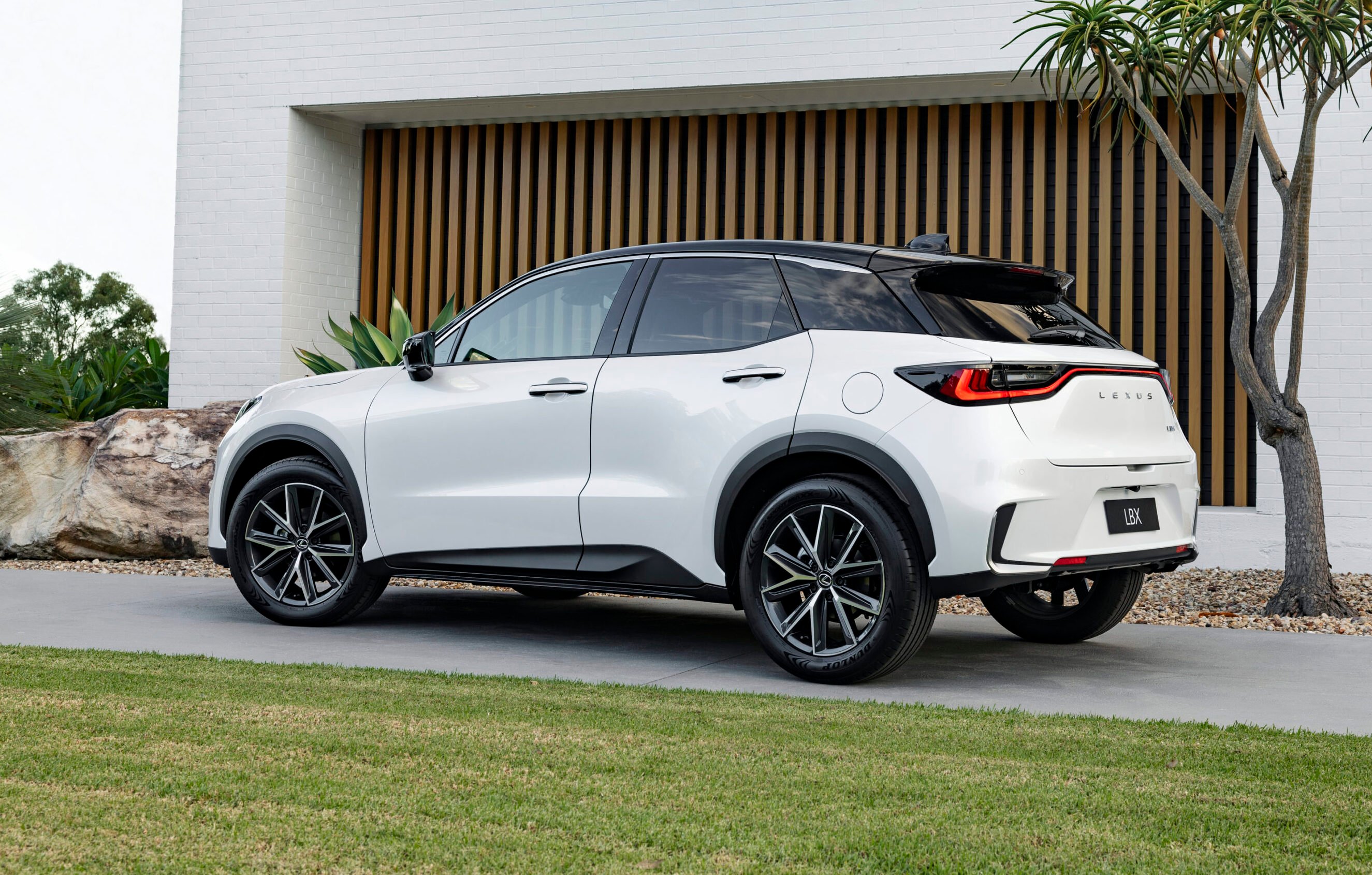
Flexing Toyota’s muscle in hybrid vehicle efficiency, the Yaris Cross small SUV and its Lexus LBX luxury cousin, are the most fuel efficient SUVs in Australia with a claimed combined fuel consumption rating of just 3.8L/100km. Both also have very low CO2 emissions: 86g/km for the Yaris Cross and 85g/km for the LBX.
Both use a 1.5-litre three-cylinder petrol hybrid drivetrain making 85kW of total power in the Yaris Cross and 100kW in the LBX. The Yaris Cross is priced from $31,790 plus on-road costs and the LBX $47,550 +ORC, though both have more expensive and better equipped grades for buyers to choose. Using the same platform, both the Yaris Cross and LBX drive well and they’re practical for their size as well.
Hyundai Kona Hybrid: 3.9L/100km
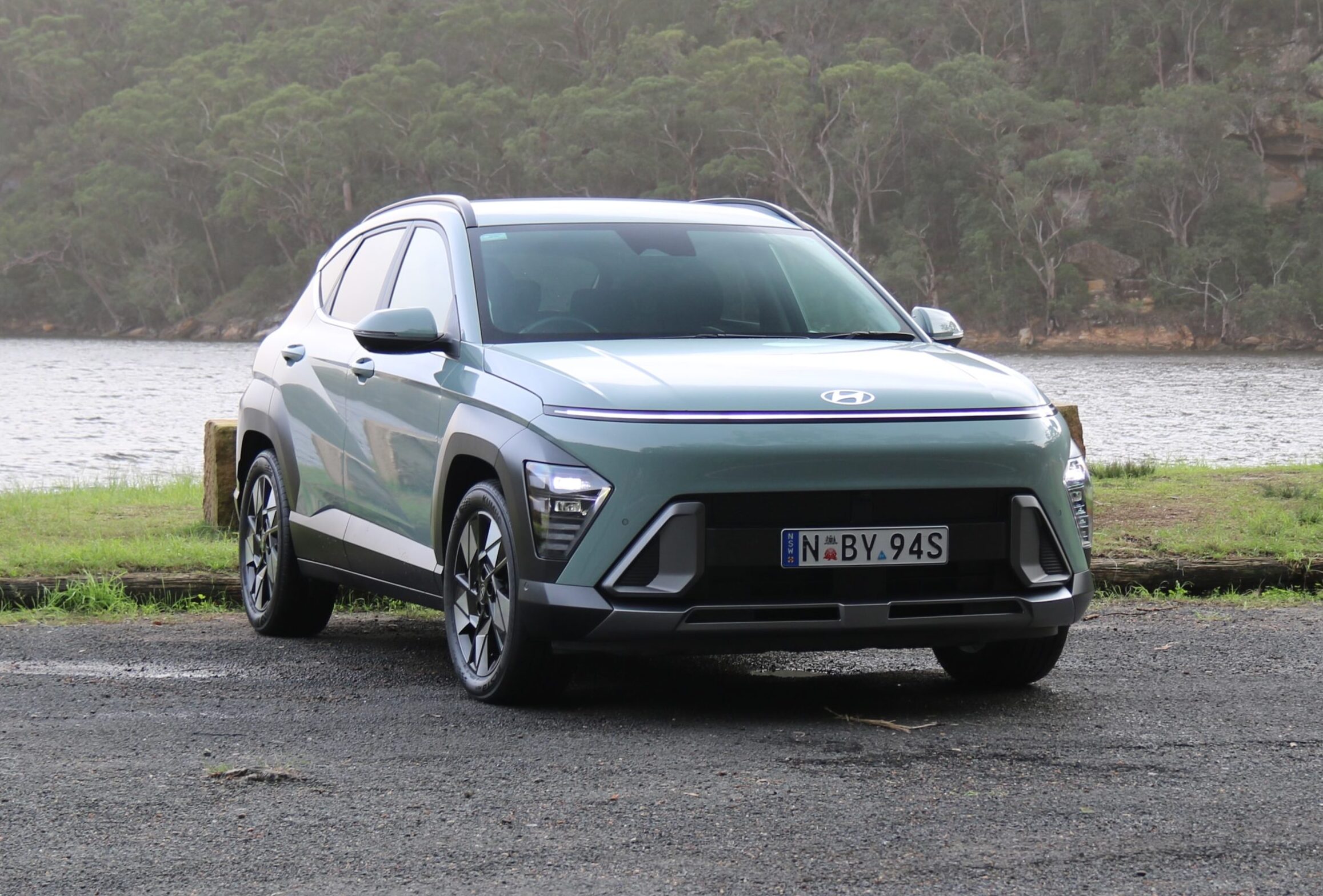
Coming in just behind the Yaris Cross and LBX is the Hyundai Kona Hybrid, which uses a 1.6-litre four-cylinder hybrid drivetrain for a claimed combined fuel consumption rating of just 3.9L/100km and combined CO2 emissions of 88g/km.
The Kona Hybrid is priced from $36,500 +ORC and is also available in sportier-looking N Line and more luxurious Premium forms for buyers wanting more features. Unlike the Toyota hybrids, the Kona uses a six-speed dual-clutch automatic transmission for a refined and natural driving feel, and the Kona is also quite well equipped across the range.
Toyota Yaris Cross AWD, Toyota C-HR and Kia Niro Hybrid: 4.0L/100km
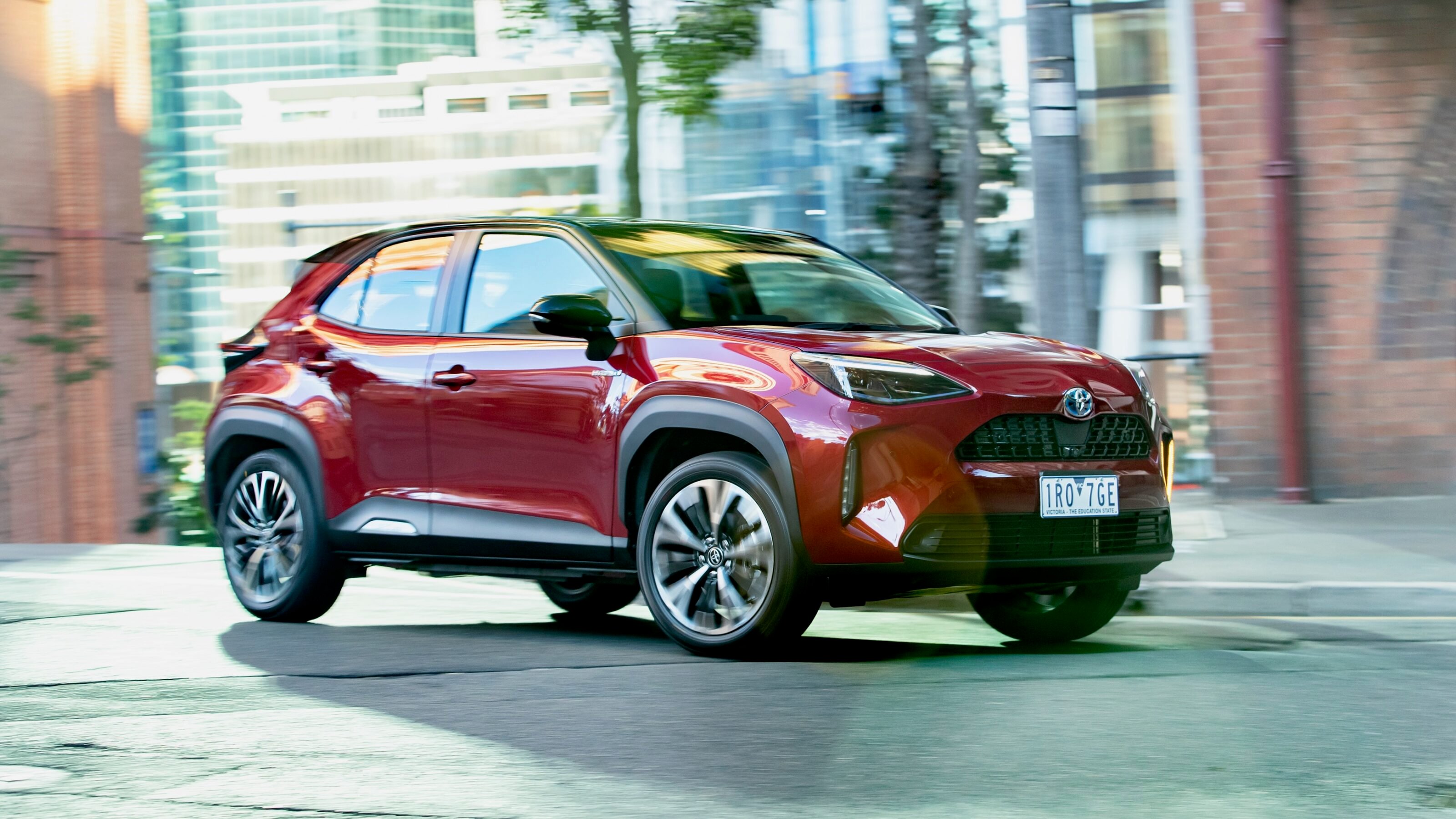
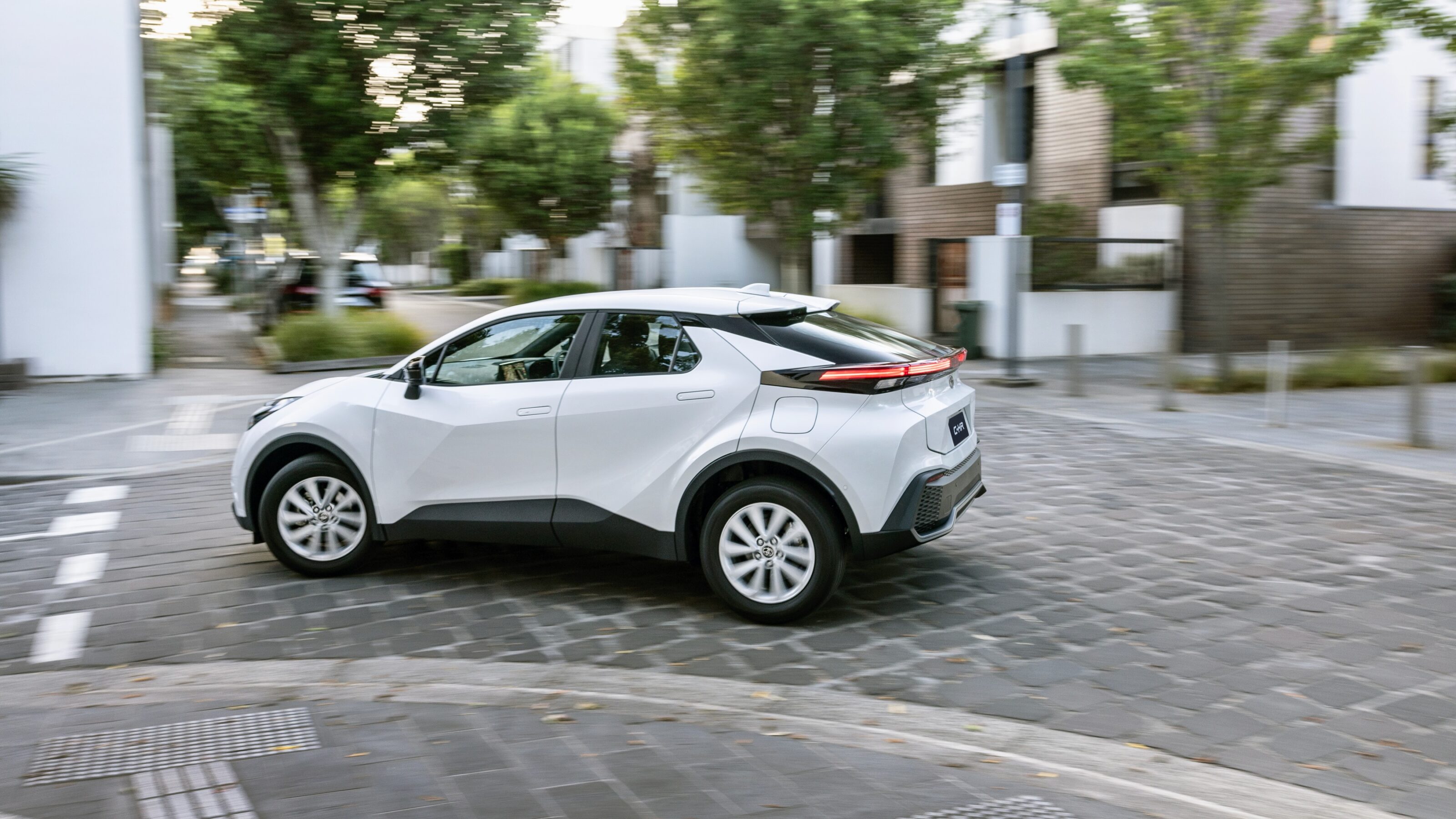
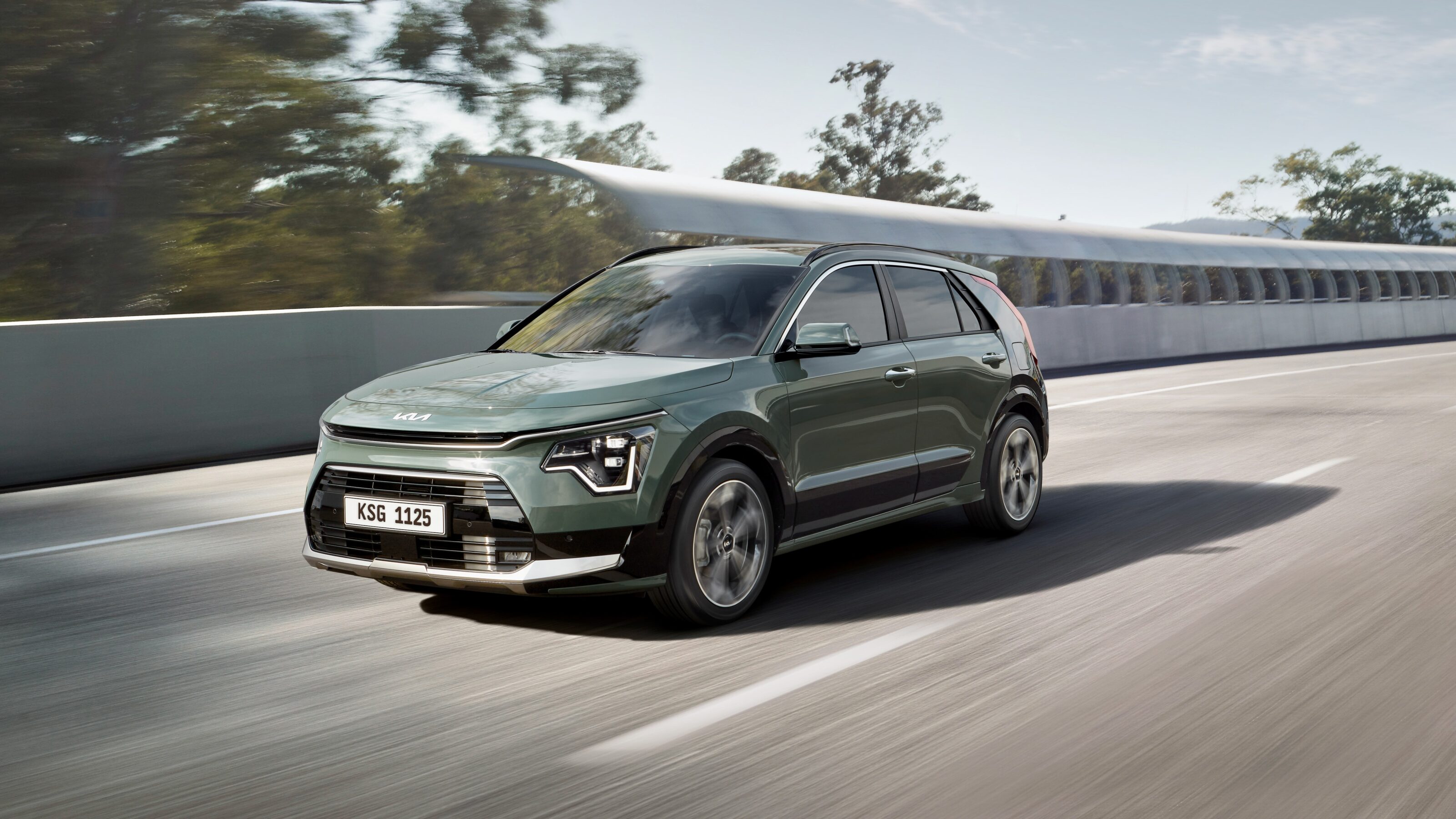
Rounding out the top three are the all-wheel drive version of the Yaris Cross, the slightly larger Toyota C-HR and the Kona’s Kia Niro cousin. Unlike most all-wheel drive cars on the market, the Yaris Cross employs an electric motor on the rear axle so that there’s no mechanical link between the front and rear wheels. As a result, its rating is just 0.2L/100km above the front-drive version and for keener drivers, the AWD replaces the 2WD model’s torsion beam with an independent set up for better ride and handling – though, also, a smaller boot.
The larger C-HR (priced from $42,990 +ORC) uses a 103kW 1.8-litre hybrid drivetrain, yet gets the same 4.0L/100km rating as the Yaris Cross. And priced from $45,000 +ORC is the Kia Niro Hybrid, which uses a 104kW 1.6-litre hybrid drivetrain with a six-speed dual-clutch automatic transmission. Importantly, all three drive quite well – especially the Kia with its locally tuned suspension and geared transmission making it feel more natural to drive than Toyota’s e-CVT.
Toyota C-HR GR Sport: 4.1L/100km
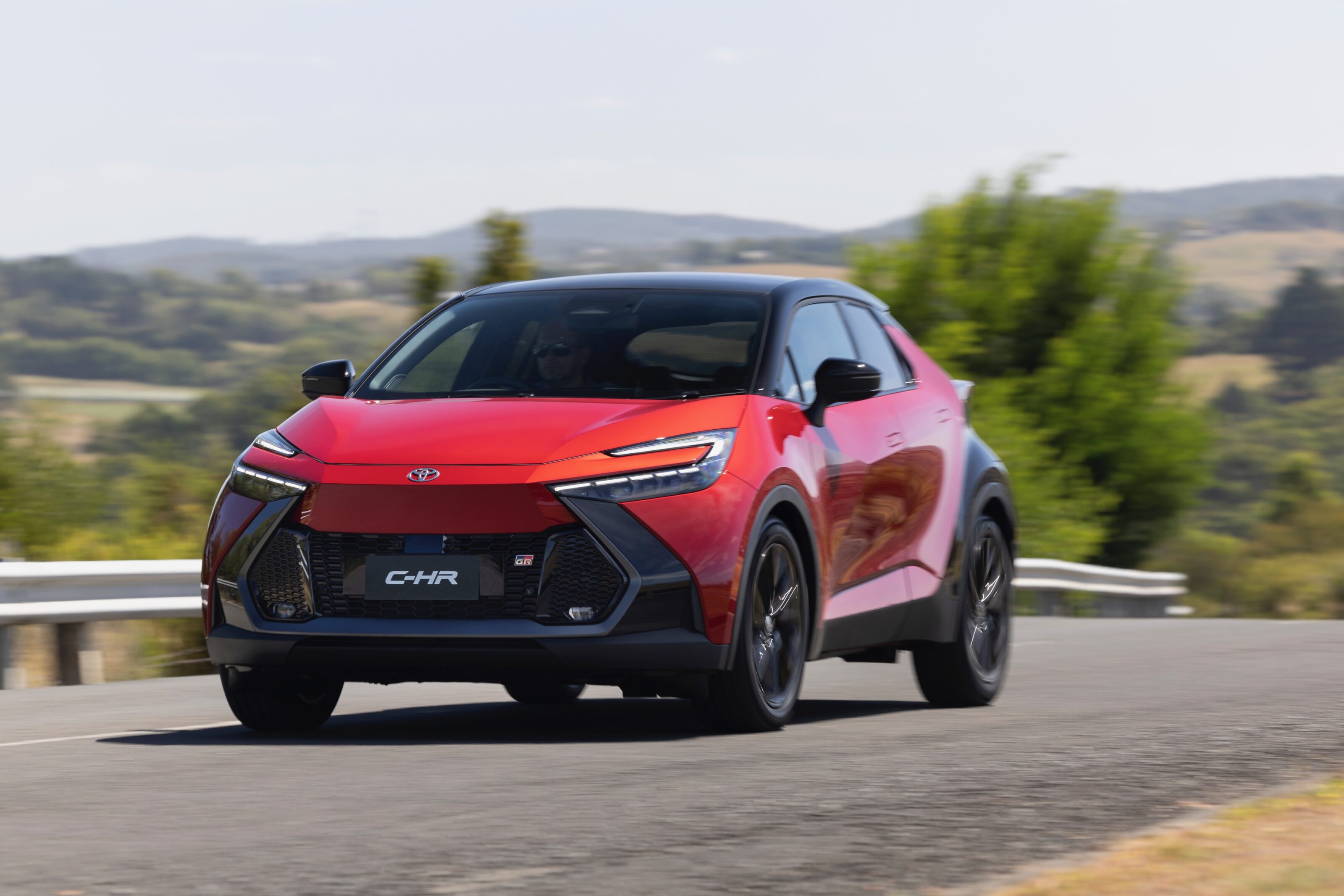
Despite the extra 43kW that the larger 2.0-litre hybrid drivetrain in the C-HR GR Sport produces versus the smaller 1.8-litre hybrid system in lesser C-HR models – 146kW versus 103kW – it officially only uses 0.1L/100km more of fuel at just 4.1L/100km. The C-HR GR Sport is rated at 94g/km for CO2 emissions as well.
The 2.0-litre C-HR is also a lot quicker than the 1.8L and because of the added performance, it’s also more enjoyable to drive, proving that you can have your cake and eat it too. Priced from $54,990 +ORC, the C-HR GR Sport is not cheap, but it is quite fuel efficient.
Lexus UX300h: 4.2L/100km
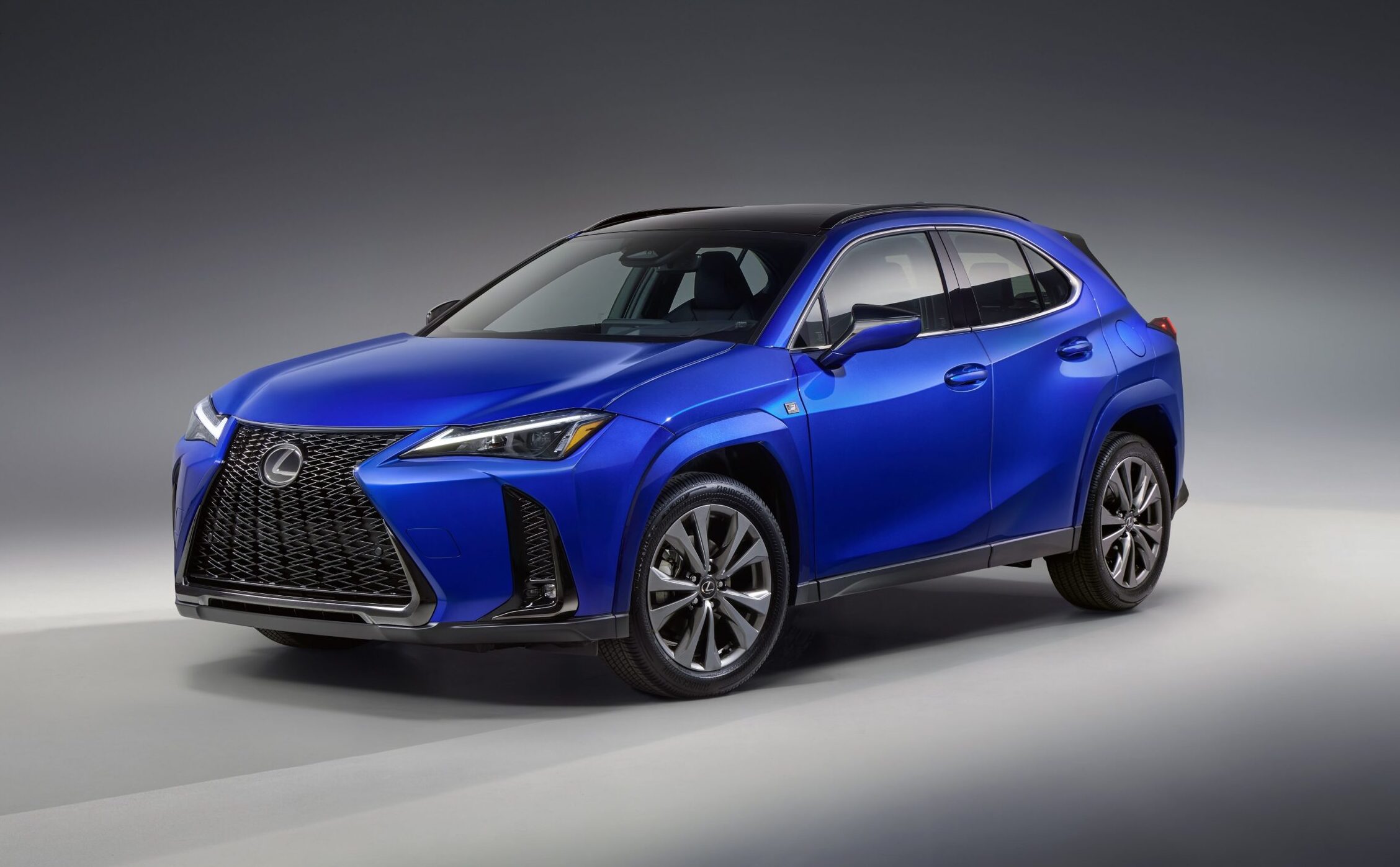
Using the same 2.0-litre hybrid drivetrain as the C-HR GR Sport, the Lexus UX300h – formerly UX250h – is rated at just 4.2L/100km and 99g/km for CO2 emissions.
Pricing for the UX300h starts at $55,370 +ORC for the entry-level Luxury – just $380 more than the C-HR GR Sport – and extends to $73,210 +ORC for the top-spec F Sport.
Toyota Corolla Cross 2WD, MG3 Hybrid+, Honda HR-V Hybrid: 4.3L/100km
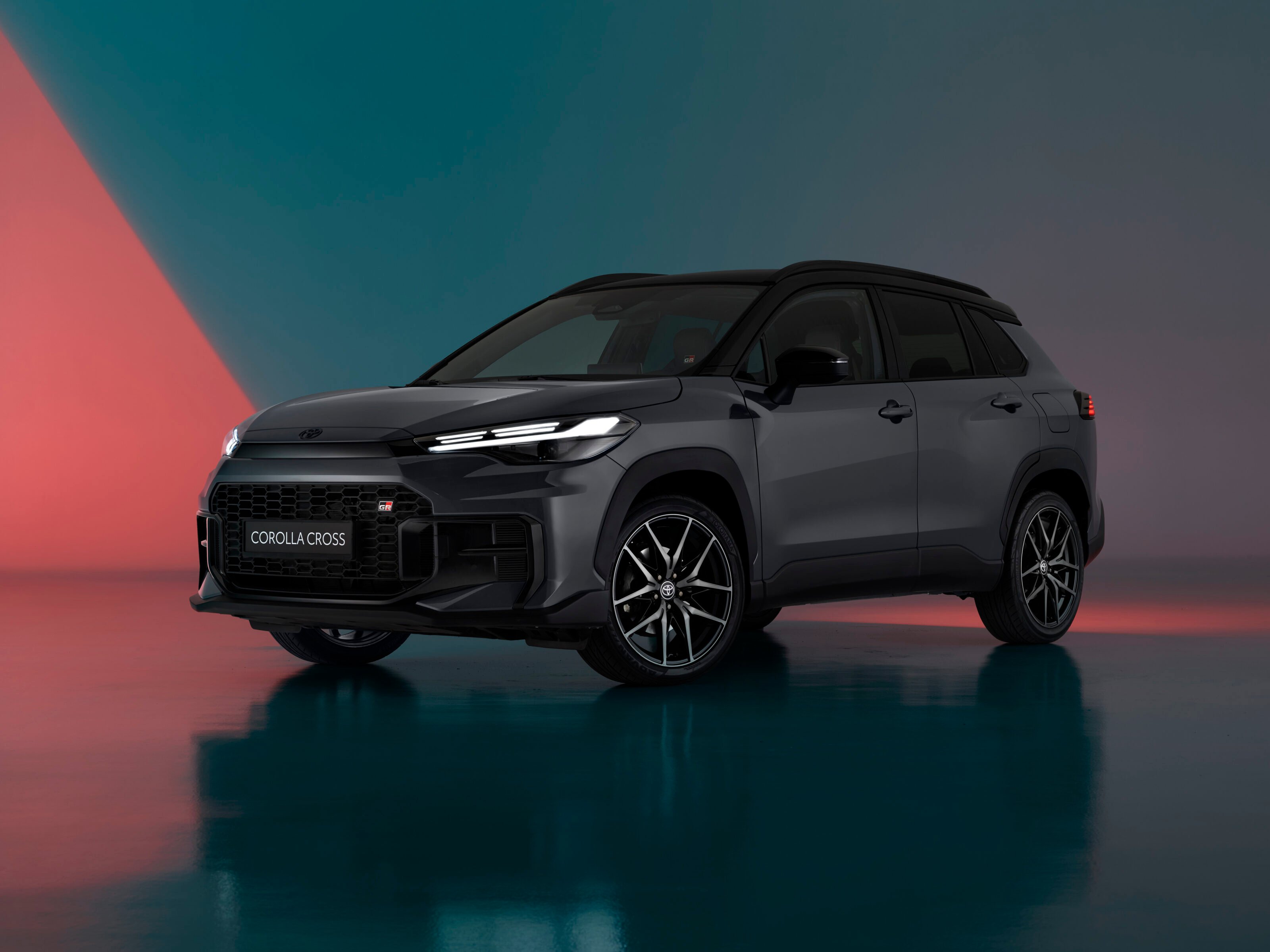
The Corolla Cross ’ 2.0-litre hybrid system is both powerful and frugal, though its larger body makes it thirstier than the C-HR with the same drivetrain.
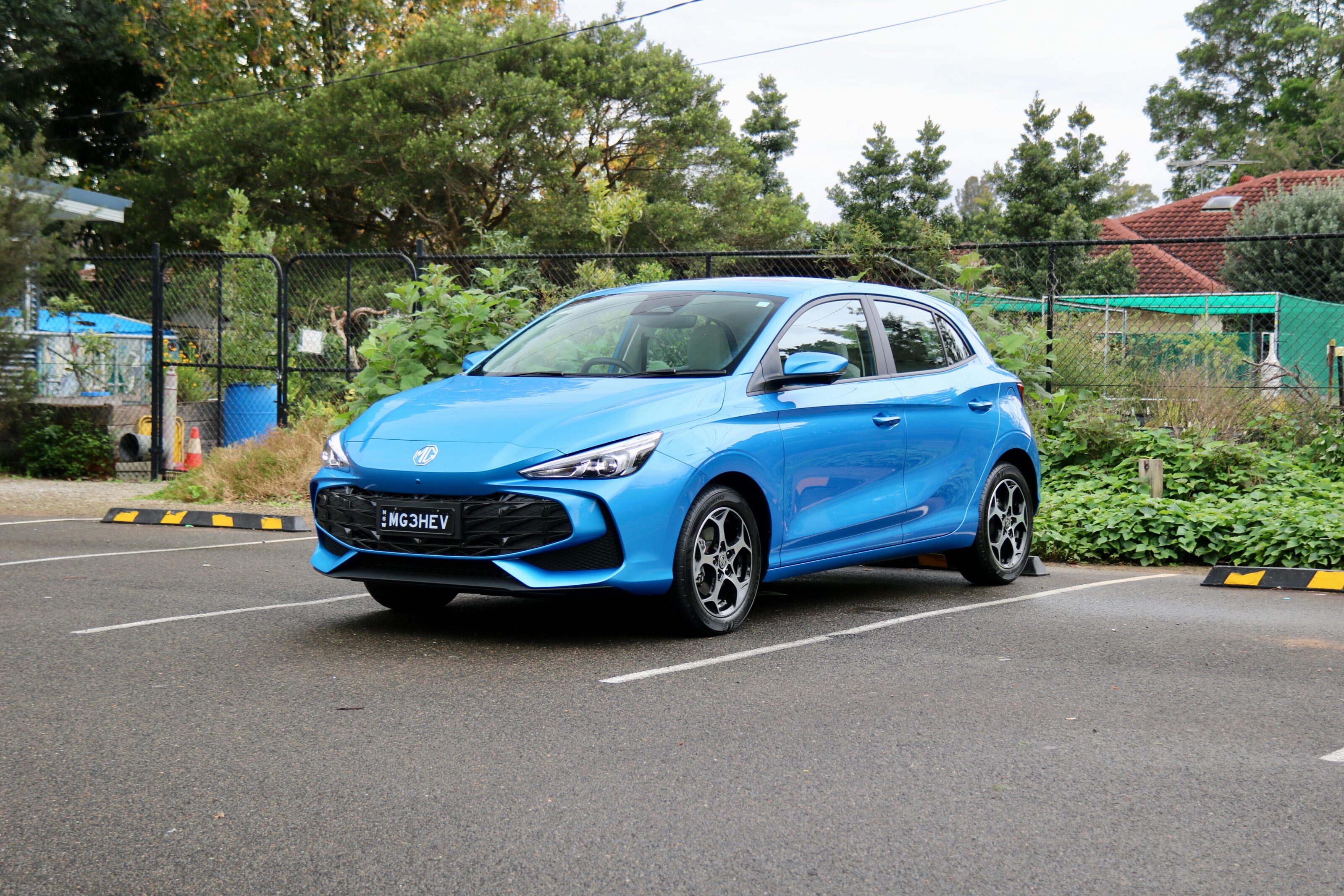
MG’s hybrid small hatch puts it on the list for the first time, with its new hybrid system making a healthy 150kW of power – yet officially using just 4.3L/100km.
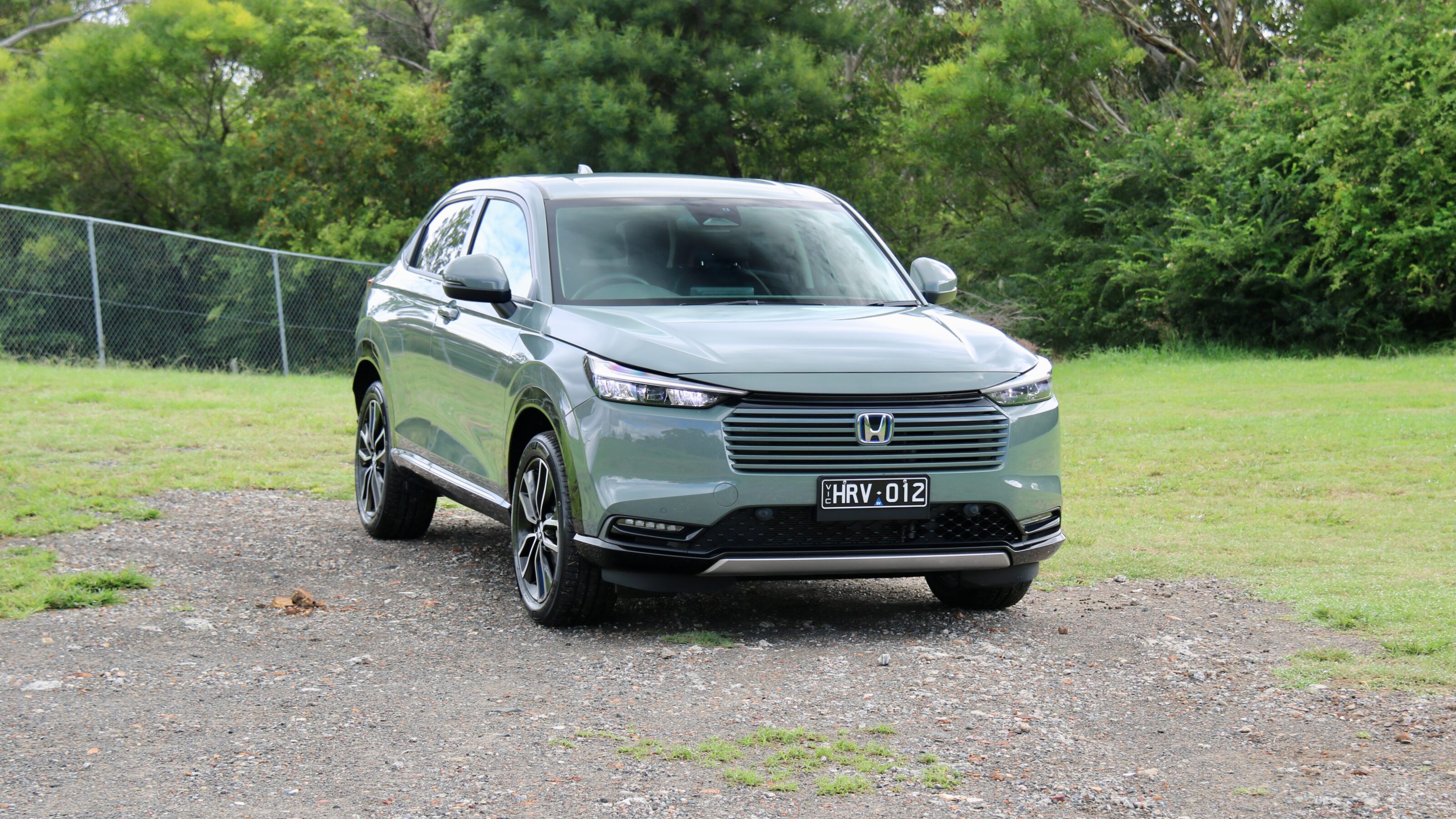
Honda makes it to this list with the HR-V Hybrid small SUV, which uses a 1.5-litre hybrid drivetrain making 96kW of power and an insanely practical body.
Toyota Corolla Cross AWD and Peugeot 2008 Hybrid: 4.4L/100km
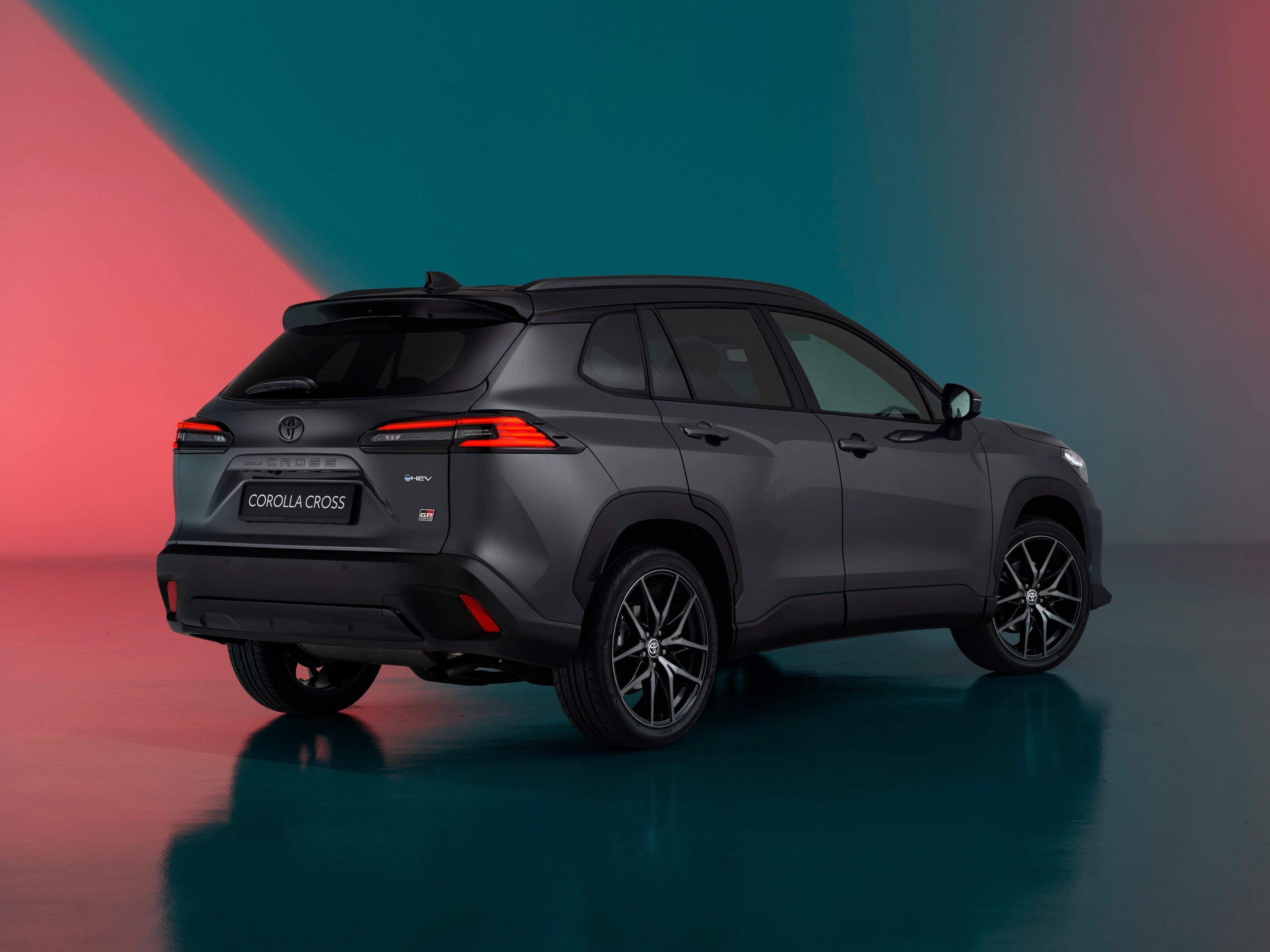
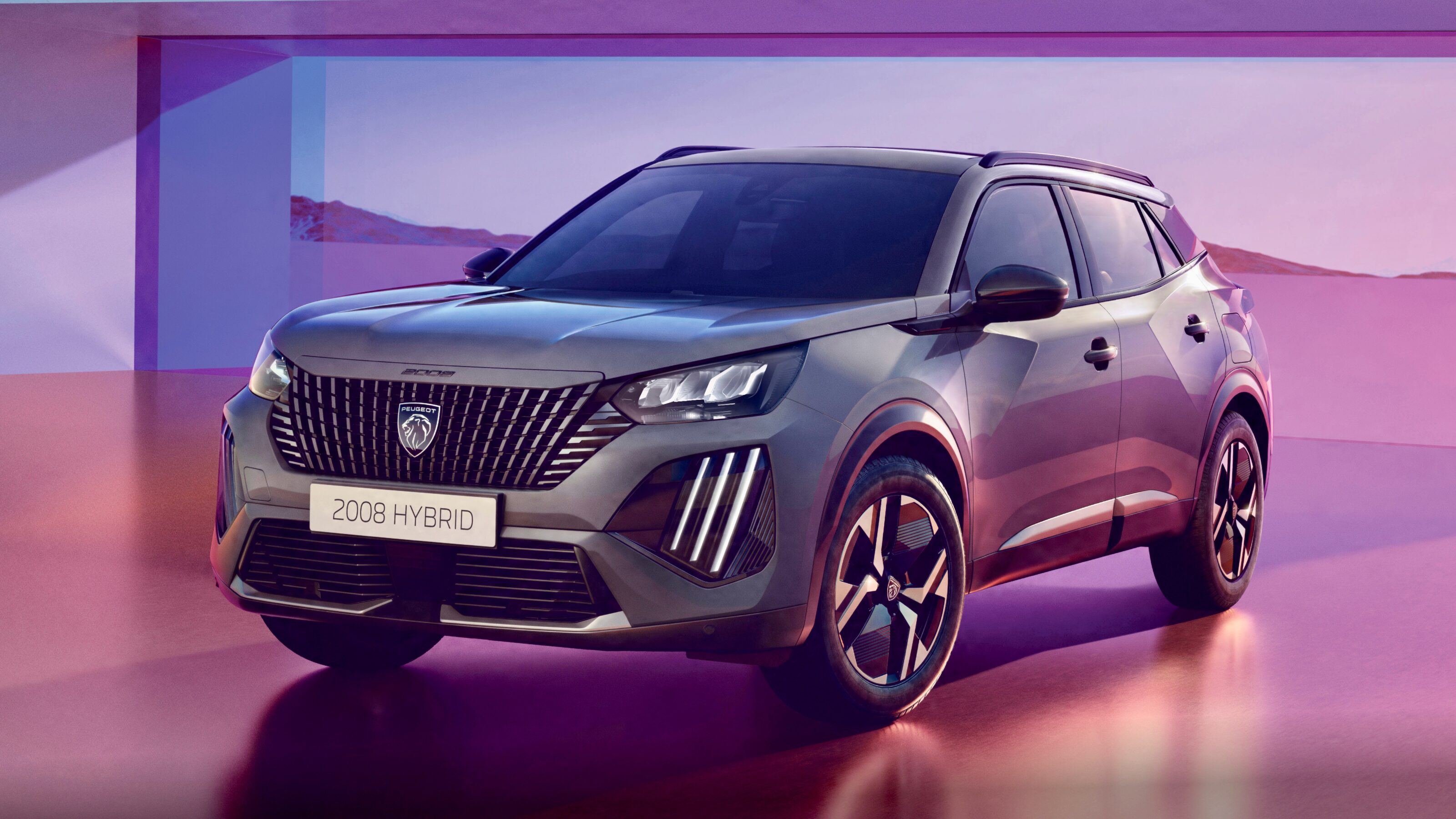
The all-wheel drive Corolla Cross is slightly less frugal than the two-wheel drive model – not enough to likely notice in the real world, however – and it’s the same story with the 2008, which is 0.2L/100km off its lower 308 sibling.
While the Corolla Cross uses a naturally aspirated 2.0-litre engine, the 2008 uses a turbocharged 1.2-litre hybrid drivetrain mated to a six-speed dual-clutch drivetrain for the same 4.4L/100km rating. Helping running costs for the Corolla Cross is that it runs on 91RON regular unleaded – but the 2008 must be filled with minimum 95RON premium unleaded.
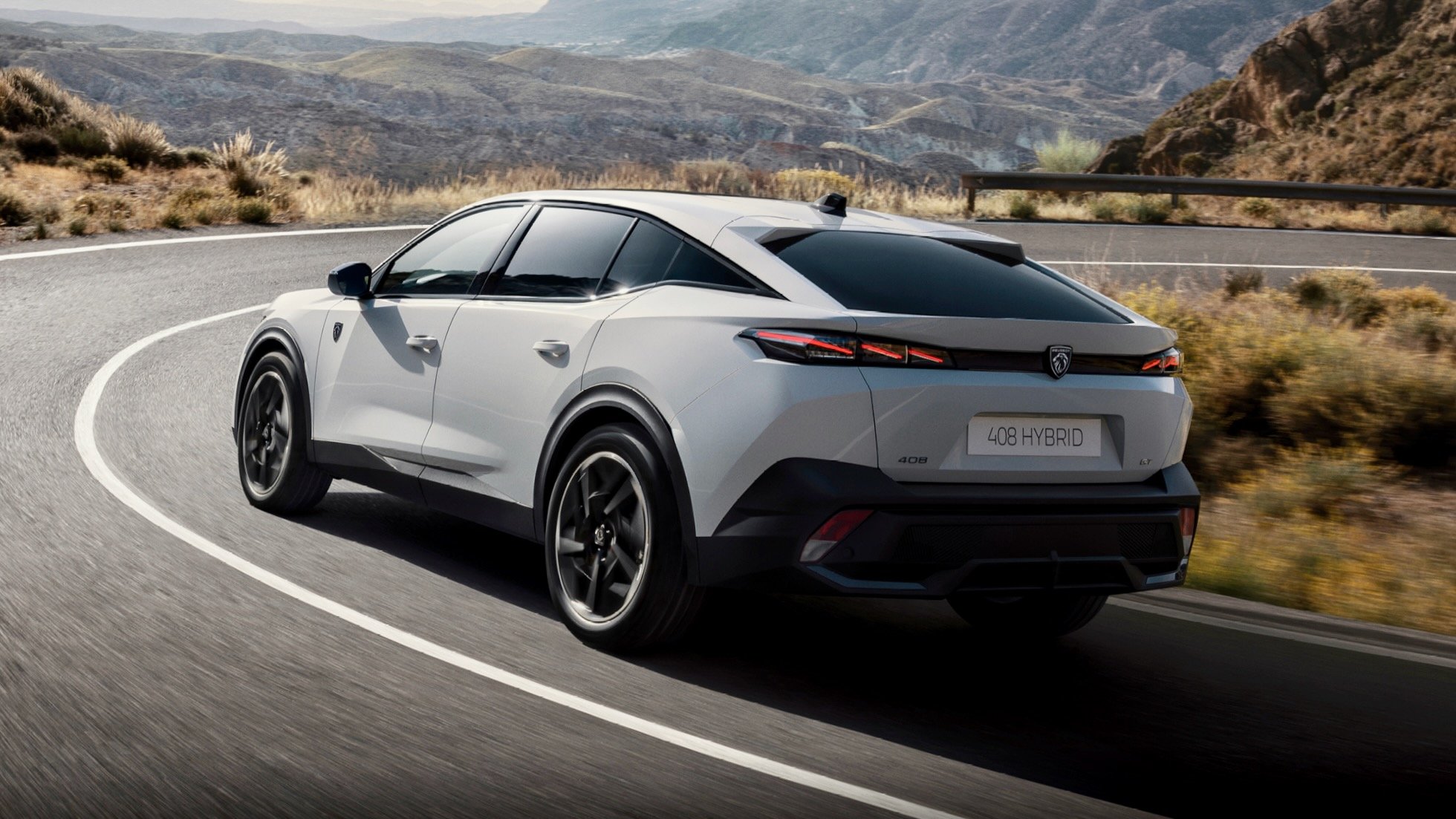
Toyota RAV4 2WD, MG ZS Hybrid+ and Peugeot 408 Hybrid: 4.7L/100km
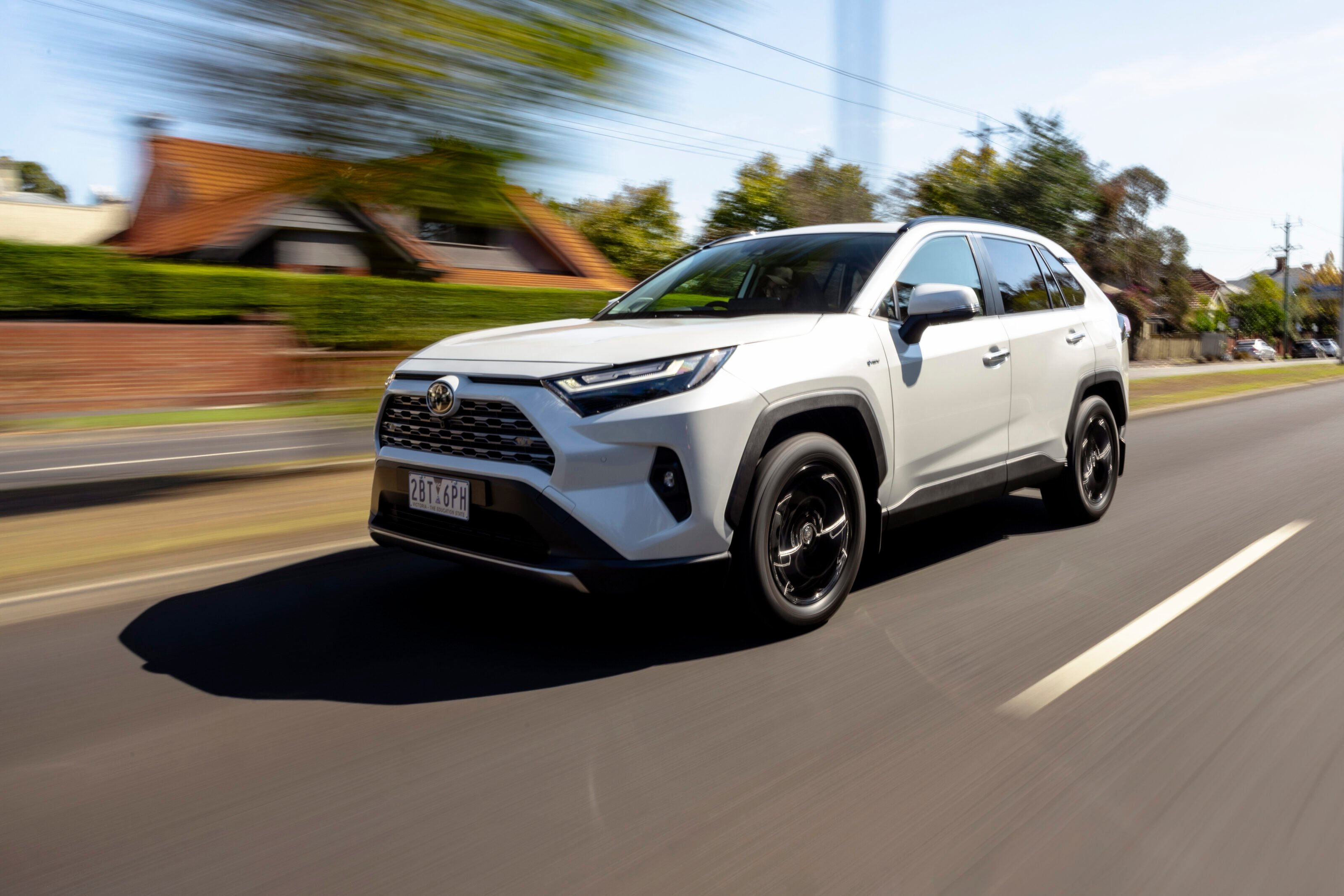
Toyota’s best-selling product globally and in Australia – the RAV4 – makes it on to this list for the first time with impressive efficiency that is undoubtedly one of the reasons as to why it’s so popular. It also runs on regular unleaded fuel, helping running costs, and pricing starts at $42,260 +ORC.
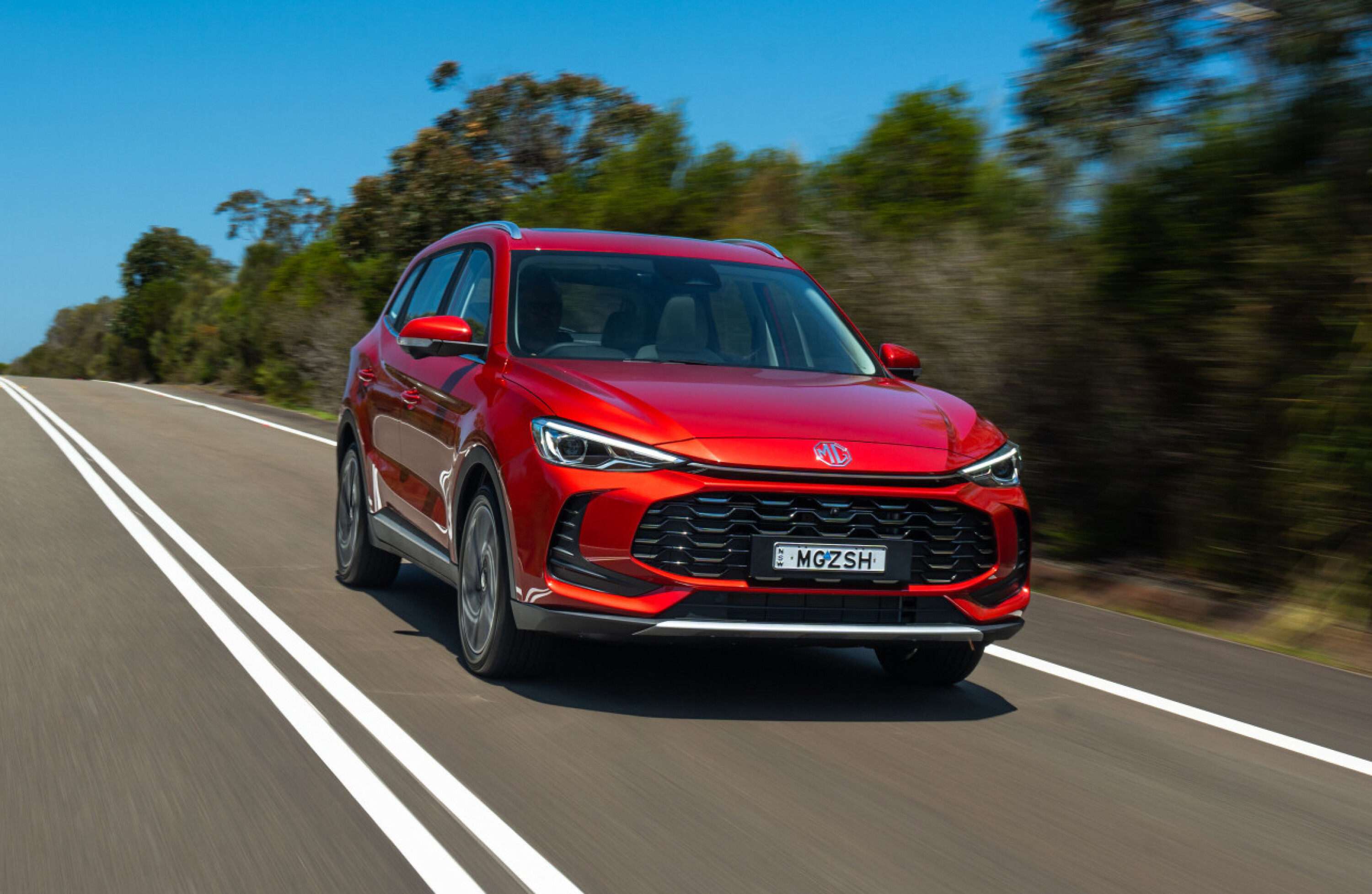
The new MG ZS Hybrid – from $33,990 drive away – is also impressively frugal, using the MG3’s hybrid system but only rated at 0.4L/100km more, and yet another Peugeot makes it on to the list: the $57,990 +ORC 408 coupe SUV with its new 1.2-litre turbo-petrol hybrid system, which has just launched in Australia.
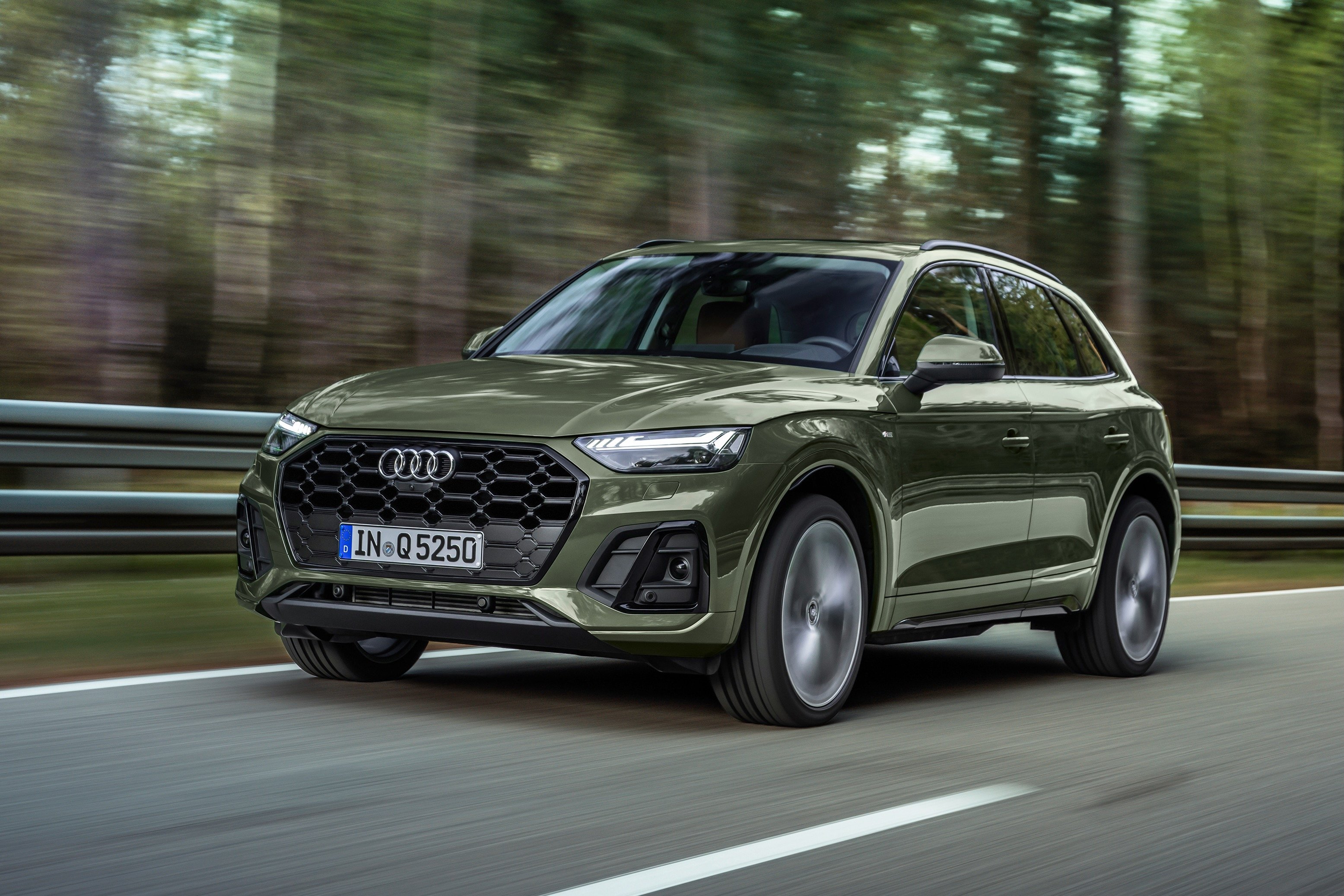
Toyota RAV4 AWD and Audi Q5 35 TDI: 4.8L/100km
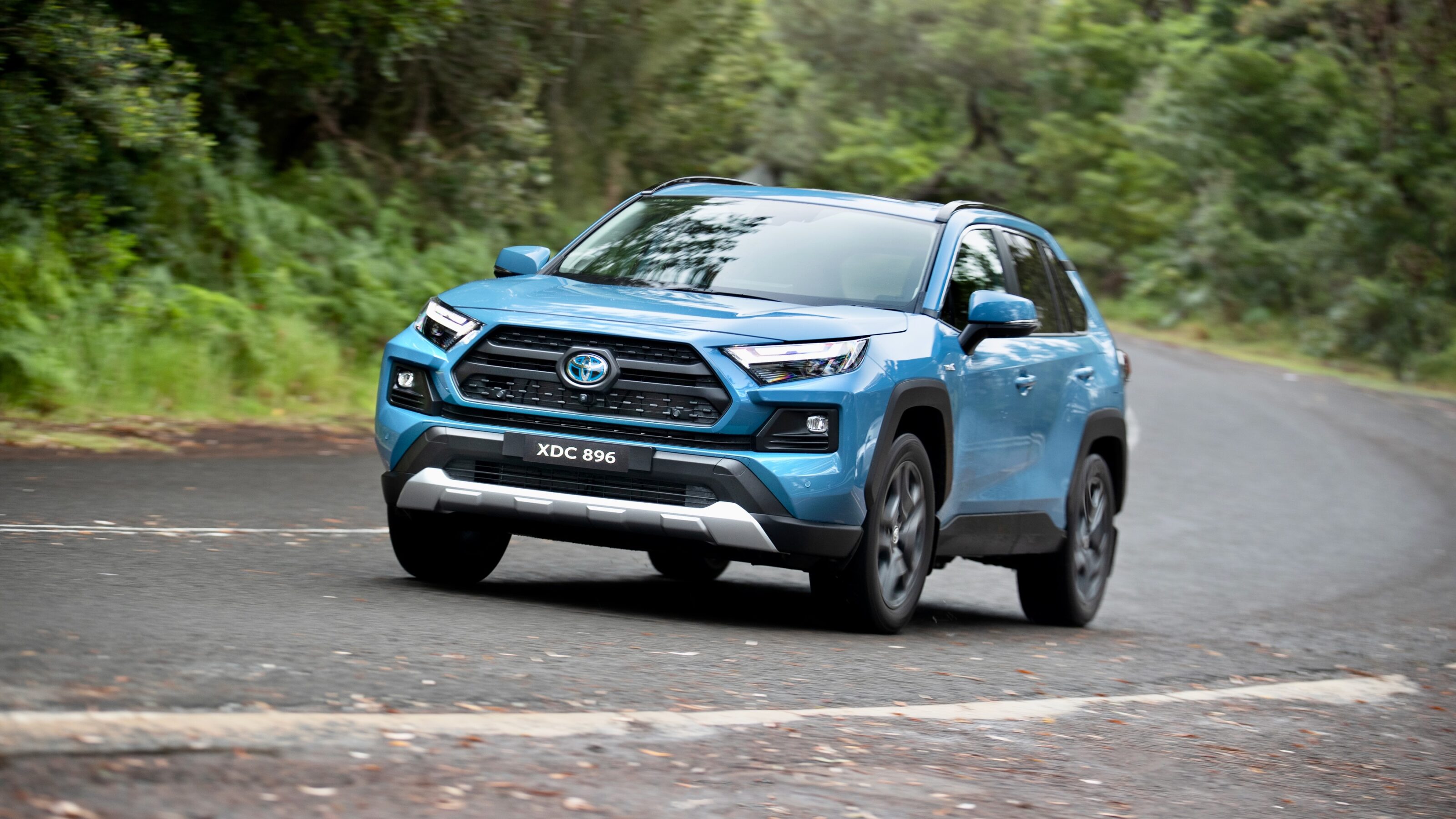
The all-wheel drive RAV4 is a touch thirstier than the front-wheel drive model at 4.8L/100km because of its extra weight, but still impressively frugal. Like other all-wheel drive hybrid Toyota models, the RAV4’s rear axle motor is electric, saving both weight and fuel compared to mechanical set ups.
The only German car on this list is the entry-level front-wheel drive Audi Q5 35 TDI , which proves that you don’t need a hybrid system to be ultra efficient. It uses a 120kW 2.0-litre turbo-diesel and thanks to its 65-litre fuel tank, is capable of travelling more than 1300km on a tank of fuel.
Kia Sportage Hybrid 2WD and Peugeot 3008 Hybrid: 4.9L/100km
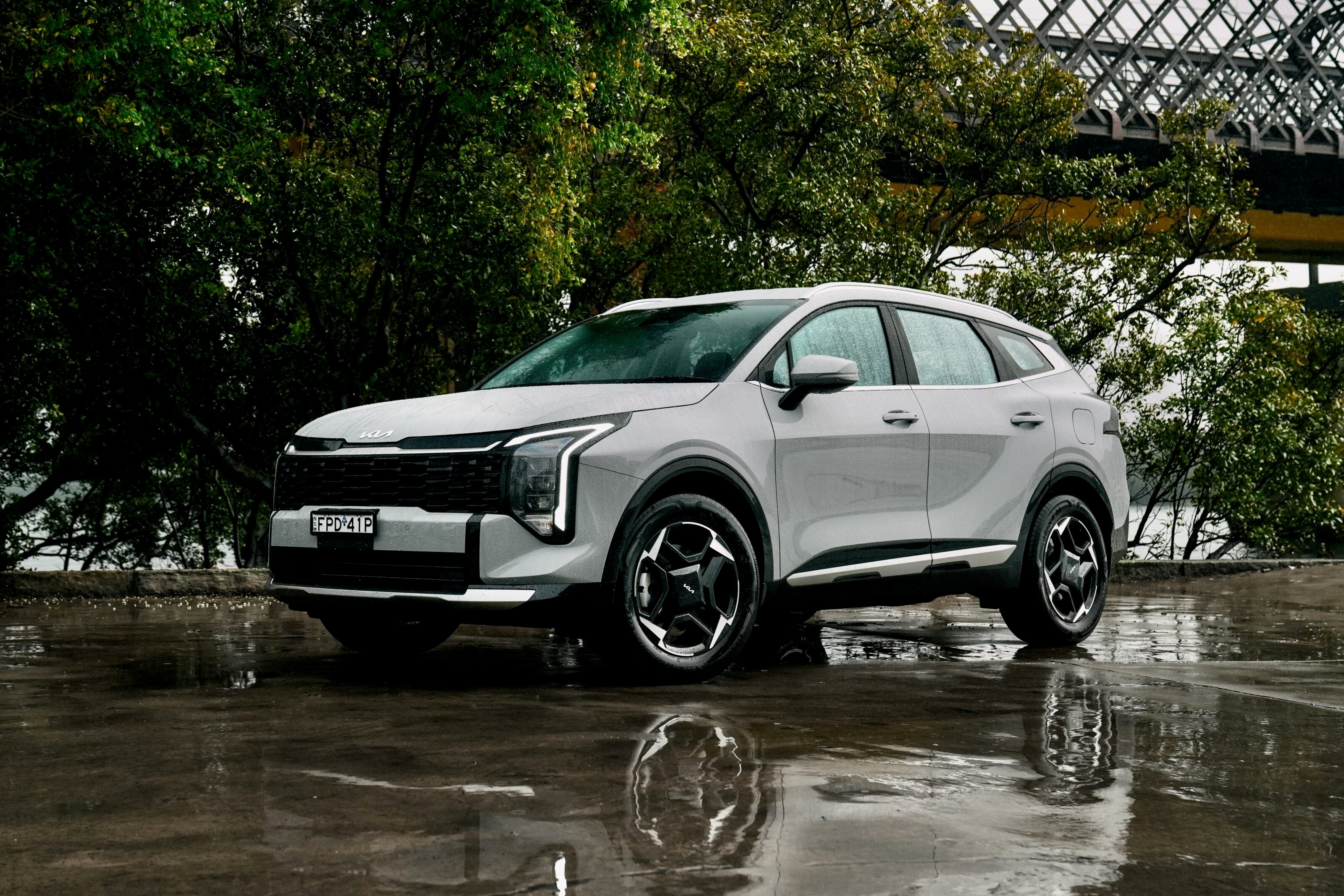
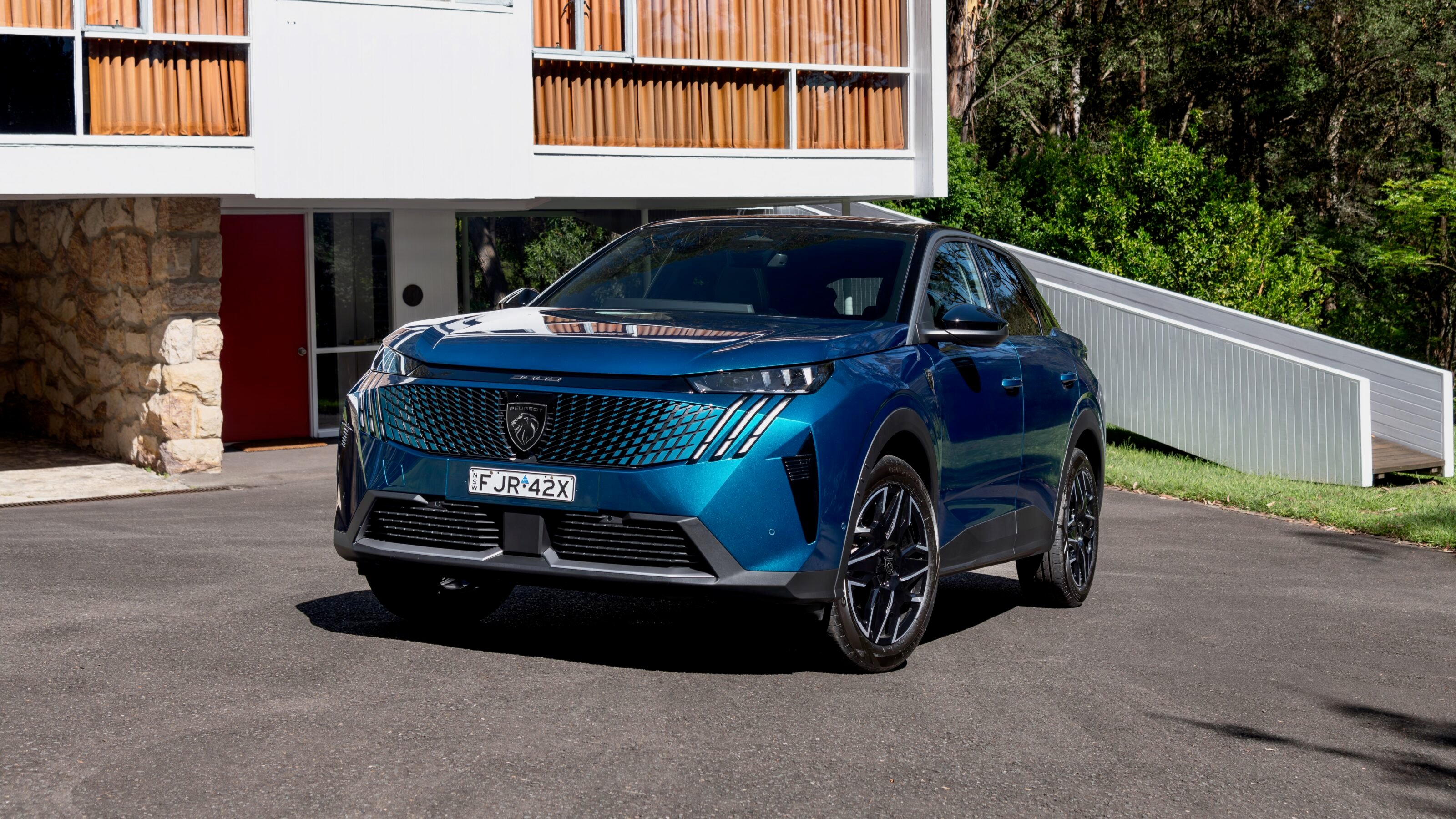
Finally, we have three more hybrids rounding up the list of most fuel efficient SUVs in Australia: the Kia Sportage and Peugeot 3008, both of which are rated at 4.9L/100km. The Sportage, priced from $46,450 +ORC, uses a turbocharged 1.6-litre four-cylinder hybrid drivetrain paired with a six-speed automatic transmission and just 4.9L/100km on a combined cycle.
The Peugeot 3008, on the other hand, uses a smaller turbocharged 1.2-litre three-cylinder petrol engine tied to a mild-hybrid system and six-speed dual-clutch transmission. It’s priced from $52,990 +ORC and uses the same 4.9L/100km of fuel with claimed CO2 emissions of just 113g/km – 2g/km more than the Sportage Hybrid.
While regular cars can be more fuel efficient, there still a large number of very efficient SUVs of different sizes, mostly thanks to hybrid drivetrains, proving that if you’re after a cost-effective and planet-friendly SUV, there’s a lot of choice.
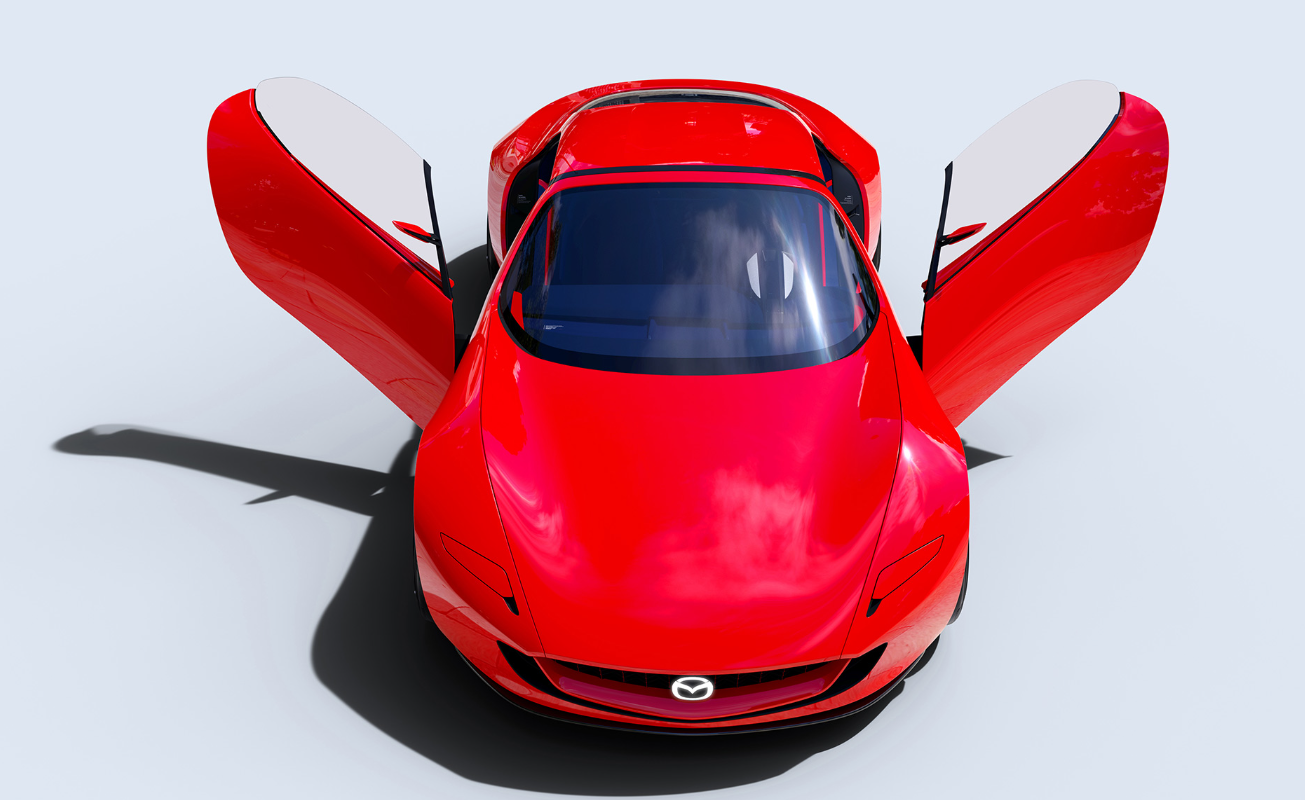
Mazda’s ambition to revive its rotary-powered sports car heritage is gaining traction, with the striking Iconic SP concept providing a clear vision for what could become a modern-day RX-7 successor.
First unveiled at the 2023 Japan Mobility Show, the Viola Red coupe garnered widespread attention for its classic long-nose silhouette, flared haunches, and 2+2 layout. Design chief Masashi Nakayama described it as a “pure sports car,” evoking the spirit of the iconic RX-7 – but the company insists it won’t replace the smaller, beloved MX-5.
Instead, the Iconic SP is poised to complement the MX-5, offering enthusiasts a larger, more powerful alternative. Mazda CTO Ryuichi Umeshita has told Motor Trend the car is “a good successor to RX-7,” featuring a range-extender hybrid powertrain that pairs a dual-rotor rotary engine with an electric motor, expected to produce around 365 horsepower. A second variant, with the rotary engine as the main drive source, is also under consideration.
Mazda’s rotary engine development team, made up of veterans from the RX-7 and RX-8 eras, has engineered a new generation of the unique powertrain that meets modern emissions standards. The engine made its comeback in the MX-30, but Umeshita confirmed this new version offers greater efficiency and power. While a pure EV version of the SP isn’t on the cards yet, Mazda hasn’t ruled it out.
Though no firm production timeline has been set, Umeshita says the technology will be ready soon – but not within 2025. Launch timing remains tied to finalising a business case in a challenging economic environment.
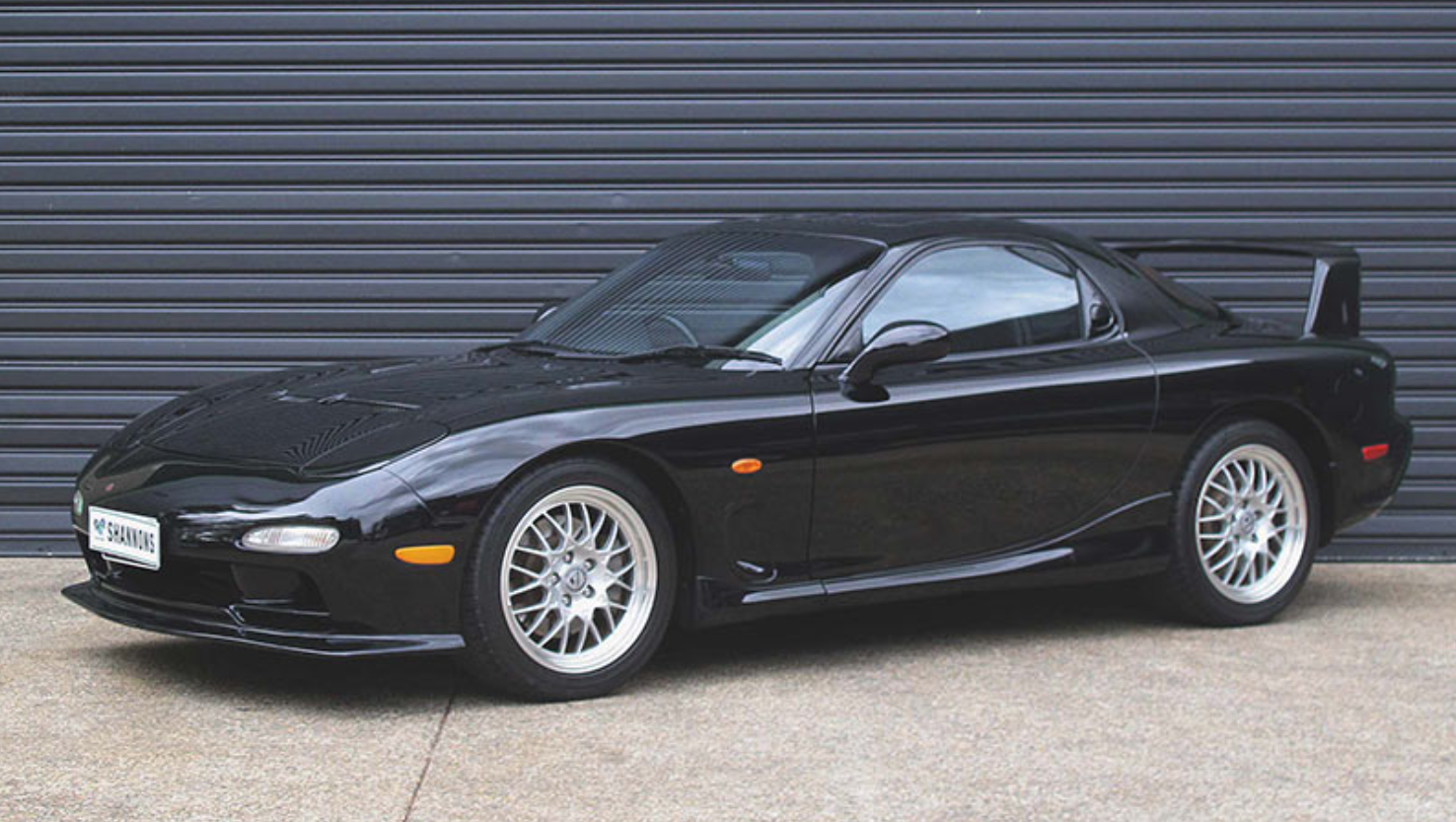
As for the nameplate? Speculation ranges from RX-9 to a new moniker entirely, though Umeshita rules out a return to “Cosmo.” Mazda President Masahiro Moro has expressed his enthusiasm for an RX-7 revival, underscoring the car’s importance to the brand.
Looking ahead, Mazda’s first in-house electric vehicle will debut in 2027, on a modular platform compatible with multiple powertrains. The brand’s EV approach, backed by a partnership with Panasonic, will prioritize flexibility and long-term sustainability – staying true to Mazda’s “intentional follower” philosophy.
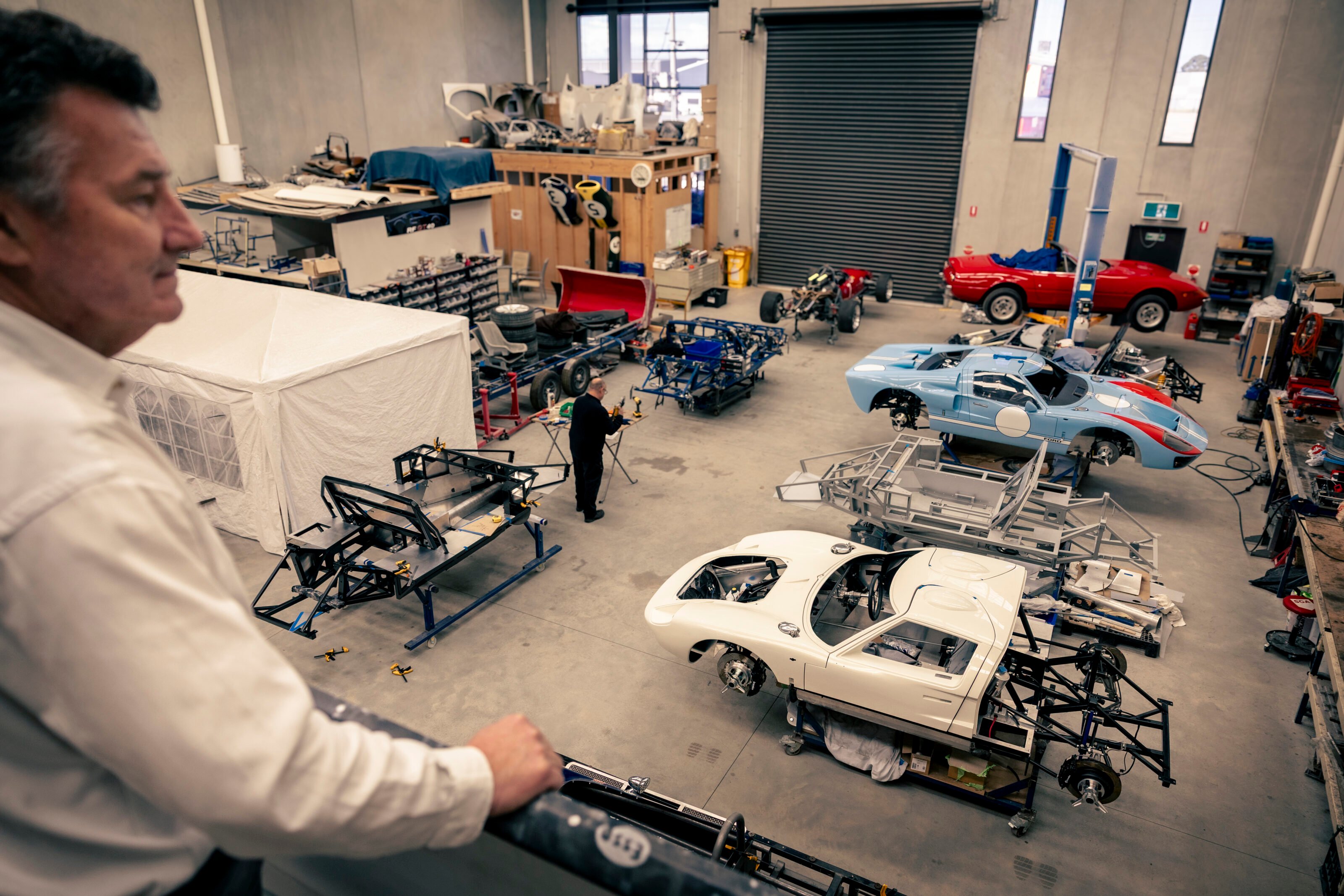
At a nondescript workshop on the outskirts of Melbourne, it looks like a movie crew is setting up to film the sequel to the big-screen epic, Ford versus Ferrari.
There are immaculate GT40s parked around the workshop in a scene which could easily be taken from the movie, with all the necessary items to bring them to life. But there is more. A lookalike recreation of a 1960s grand prix car is resting in a corner and there is also a born-again Alfa Romeo T33 which looks as if it could also be leaving soon for Le Mans.
It’s all the handiwork of a one-time technician in the British Navy who eventually fled from Ireland to Australia and has since made GT40s into his life and business – while also doing everything from self-building a home to fighting major battles on the health front. Robert Logan is an unstoppable force of nature and a genuine dream merchant. Ask him a question and you’ll get answers for five. All delivered in storybook style in his Irish lilt.
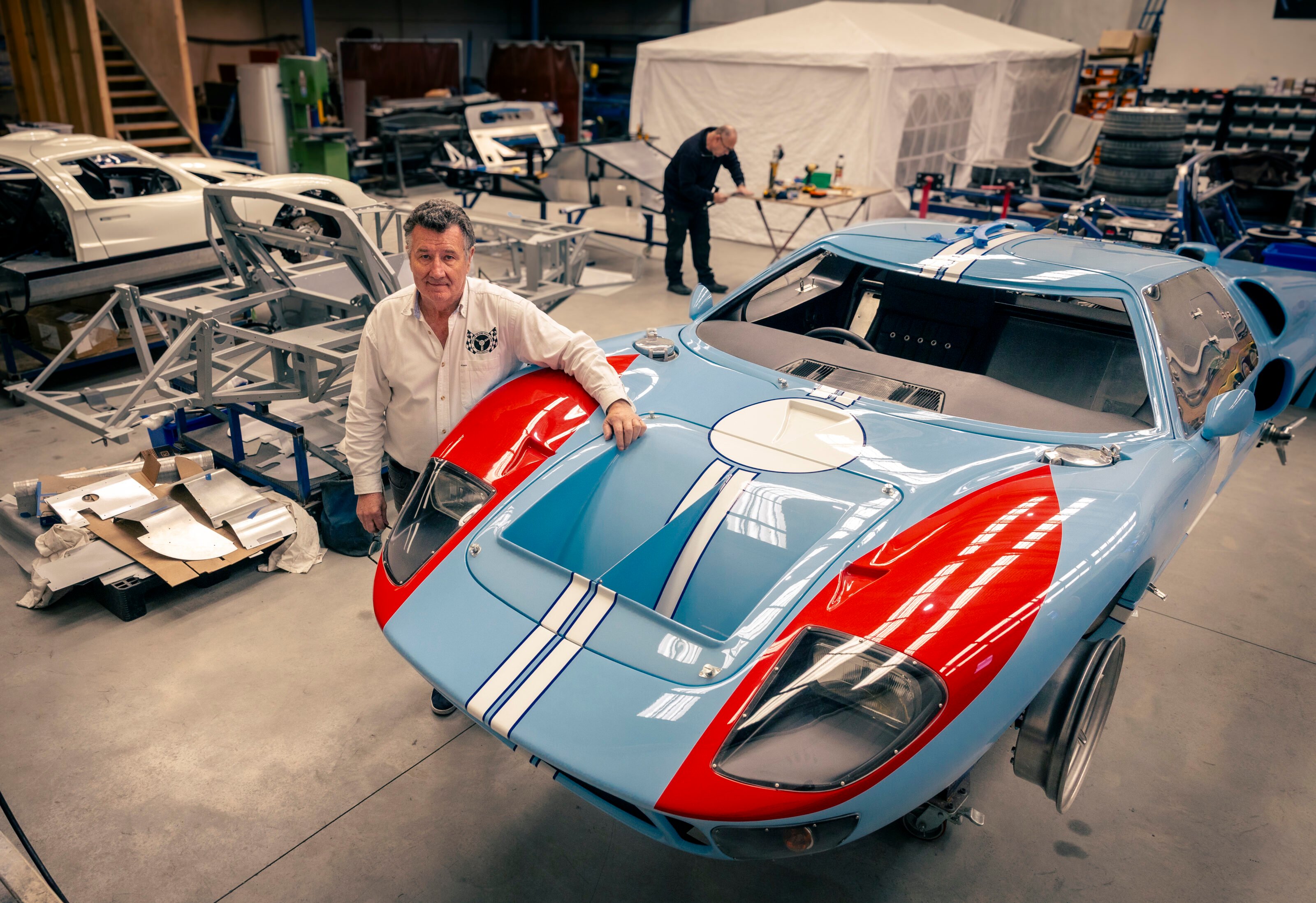
He leads a company called Roaring Forties and, as the name says, he builds thundering V8-powered replicas of the Ford GT40s that were unbeatable for a time at Le Mans and have since inspired passionate fans – and a range of replica makers – around the world.
“All cars should roar,” Logan begins. “When I was searching for the hugely important company name, I remember liking names that had wind links, or weather links, like Hurricane and Mistral.
“With my nautical background the ‘Roaring Forties’ kept coming up as an early favourite and I just could not resist it. It’s the name for the strong westerly winds that circle the Southern Hemisphere and comes from the old sailing days. I think it is so right as all my Forties should Roar.”
Logan is directly responsible for the creation of nearly 200 GT40 recreations, from kits of bits to turn-key cars, while Roaring Forties built about another 100 cars while it was operating in the hands of other owners.
As for the F1 racer, he has just sold a pair and been granted permission to race the car – powered by a 5-litre Ford Windsor V8 – in Australia by the AASA sanctioning body. If the car creation seems too much, there is also the house Logan is having restored in Ireland. And an idea for commercialising the one-off Alfa replica. And a potential sale of Roaring Forties to give him more free time in his seventies. Ask why he runs at such a rapid pace and the answer is easy, even with his 60th birthday receding into the rear-vision mirror.
“I take everything on at 100 per cent,” Logan tells Wheels. “I don’t think you need to be hugely talented in life – I just think you need to have application. My greatest strength is that I understand my weaknesses. You should aways hire people who are better than you and then let them get on with it. I’m not a great engineer, but I’ve got people like Ross Holder, who is a racing engineer I met through Fred Gibson, to do the work on the GT40. I always say that the reason my cars are as good as they are is because of the people that have touched the car. But I choose who touches the car.
“Everyone involved has contributed in their own way and have all improved her. It’s synergistic work, where the combined work is greater than the sum of the individual’s work. And the heart of Roaring Forties is, without doubt, my wife Susan. She gives 100 per cent to support and sacrifice for what I do.”
His own road car is a Mercedes-Benz ML, but he also has the black BMW 325i cabriolet that was his original daily driver in Australia, as well as a wicked Kawasaki from the 1980s with a three-cylinder two-stroke engine.
“They called it the ‘widow maker’,” Logan laughs.
He bought it after tipping a boot into motorcycle racing, including one event where he was up against the legendary Joey Dunlop, who made his reputation with fearless wins on the Isle of Man TT course.
“I was eighth in my first race. The last person not to be lapped by Joey.”
He describes himself as “a gentleman” on the road, but there is an edge. And he makes sure he drives every GT40 to leave the workshop.
“I would say that I’m reasonably quick. Or I used to be. I’m quick in comparison to your average punter, but I’m not quick compared to a proper racing driver. I have driven many RF GT40s in all situations and most tracks in Australia, and even at Le Mans, but as I have got older, I drive them less and less.”
Logan’s love for the GT40, not surprisingly, tracks back to his childhood.
“My father got me a slot car set when I was about 10. My twin Mervyn and myself would race all the time. It was left set-up all the time, on the top floor of our home in Belfast,” he recalls. “My hero cars are the GT40 and McLaren F1 GTR, but I also love the Ferrari Daytona, Lamborghini Miura and the Series 1 Jaguar E-Type. It’s all about the lines.”
It was the design of the GT40 which drew him to Ford’s legendary Le Mans winner.
“Just purely the look, initially, but shortly after that the history at Le Mans. So much so that I have made the trip from Australia to Le Mans 12 times.”
Those trips were well in the future when Logan was growing up in Belfast. In a country known for ‘The Troubles’, the religious warring between Catholics and Protestants, he had troubles of his own.
“I was dyslexic and had ADHD, but it wasn’t diagnosed until I was in my forties. I had trouble reading and doing numbers.”
But it didn’t stop the super-smart lad, either when he worked for a computer company after school or when he joined the British Navy as an artificer (a type of skilled mechanic) and raced through training. Logan set a Navy record when he was promoted to Chief Petty Officer after just “six years, six months and one day”. He moved on quickly to become a commissioned officer. As a Lieutenant as he studied for an advanced diploma, followed by a Graduate Certificate in Education at London University and finally a Bachelor’s Degree in Pure Maths and Computer Programming.
He eventually had 140 Navy staff as he cycled through a series of senior postings before being head-hunted by the Australian Navy, where he lectured in undergraduate and post-graduate engineering subjects as well as working closely with the Australian Maritime College in Tasmania.
“I came to Australia on August 3 in 1990 with my family, based at HMAS Cerberus in Victoria. My ex-wife was Australian and she wanted to come home to raise our children in Australia and I completely understand why because it’s a beautiful country.
“She also wanted me to get a real job after the Navy. But I’d already had a real job so I dreamed up this idea to make cars.”
Logan clearly recalls the date and place that Roaring Forties was born. “I was thinking about it in 1995 or 1997, but I did the first drawing in September, 1997. I was at McMasters Beach, on the NSW coast.”
Two years of hard work followed, designing and engineering everything from the tube-frame chassis and then sourcing a set of body moulds taken from an original GT40 that was a museum piece with Ford in the UK.
“I’m very good with numbers, so I think the first car cost us just shy of $500,000 to build. I had four staff and we worked for 18 months and the wages came out of my back pocket. I had sold two houses in the UK before we came to Australia, so I had some spare cash.
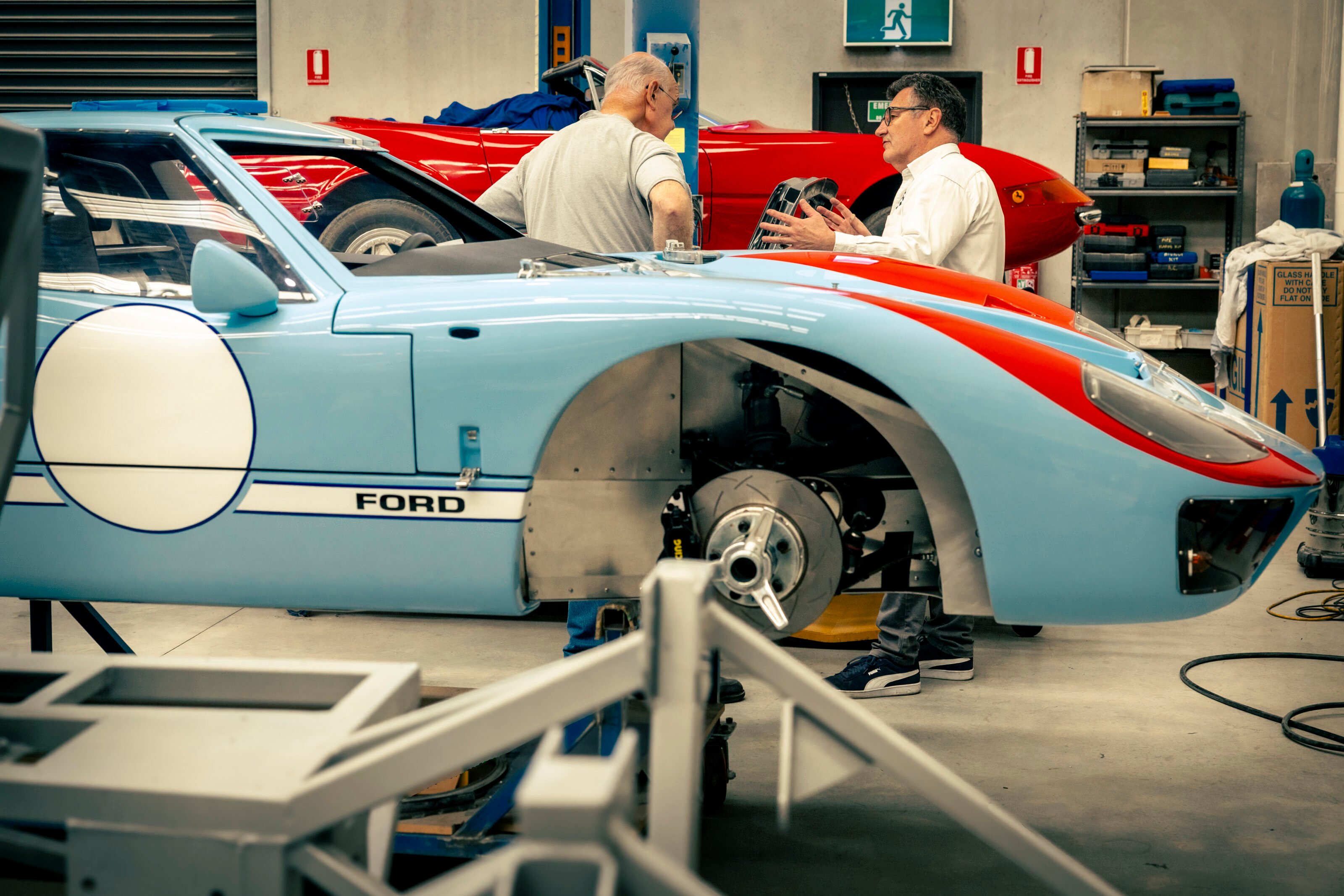
“Ross Holder, who was the Nissan GT-R race engineer and Mark Skaife’s engineer for 16 years, opened all the doors. He helped me with the technical side, helped get the right staff, and also helped to get Richard Bendell and MoTec on board. Our first car was test driven by Ross and when he was satisfied it was correct it was given to Jim Richards for a test day at Calder. There was a magazine story and we sold 10 cars within a month and never caught up with the demand. My team produced a body-chassis kit at least every three weeks and produced 22 kits in one year. I had up to 14 staff working in our workshop.”
He expanded into the USA, where his cars were winners at a number of shows, and then South Africa. But the idea of cutting labour costs in South Africa went sour and he put the company into administration. After two later owners he was asked to help and took his baby back in 2021. It became a giant job, including setting up in a factory at Pakenham outside Melbourne.
“Why the second time? Because I’m a glutton for punishment,” Logan says. “I have returned the car to its roots, back to the Ford Windsor 302 V8. The company had not had any R&D or even company maintenance for numerous years before I took it back and many parts were no longer available. I had to re-design, resource and – worse – I needed to complete all engineering for registration.
“This has taken almost two years of work, but we now can confirm that our GT40s can be fully registered in all Australian states and territories.”
The latest cars have a chassis predominantly made from 40×40 RHS steel tubing, with bespoke suspension and uprights, a Ford 302 Windsor V8 behind the cabin, an Audi O1E 6-speed gearbox made by Getrag, and either AP Racing or Brembo brakes.
But, once again, Logan could not stop himself. He had an idea for a single-seater in the style of a 1960s grand prix racer, and could not resist when someone asked him to build a replica of the Alfa T33 using a modern V6 midships engine.
“I love the lines of the 1967 F1 cars and, in particular, the Gurney Eagle and the 312 Ferrari and the Lotus 43,” he says.
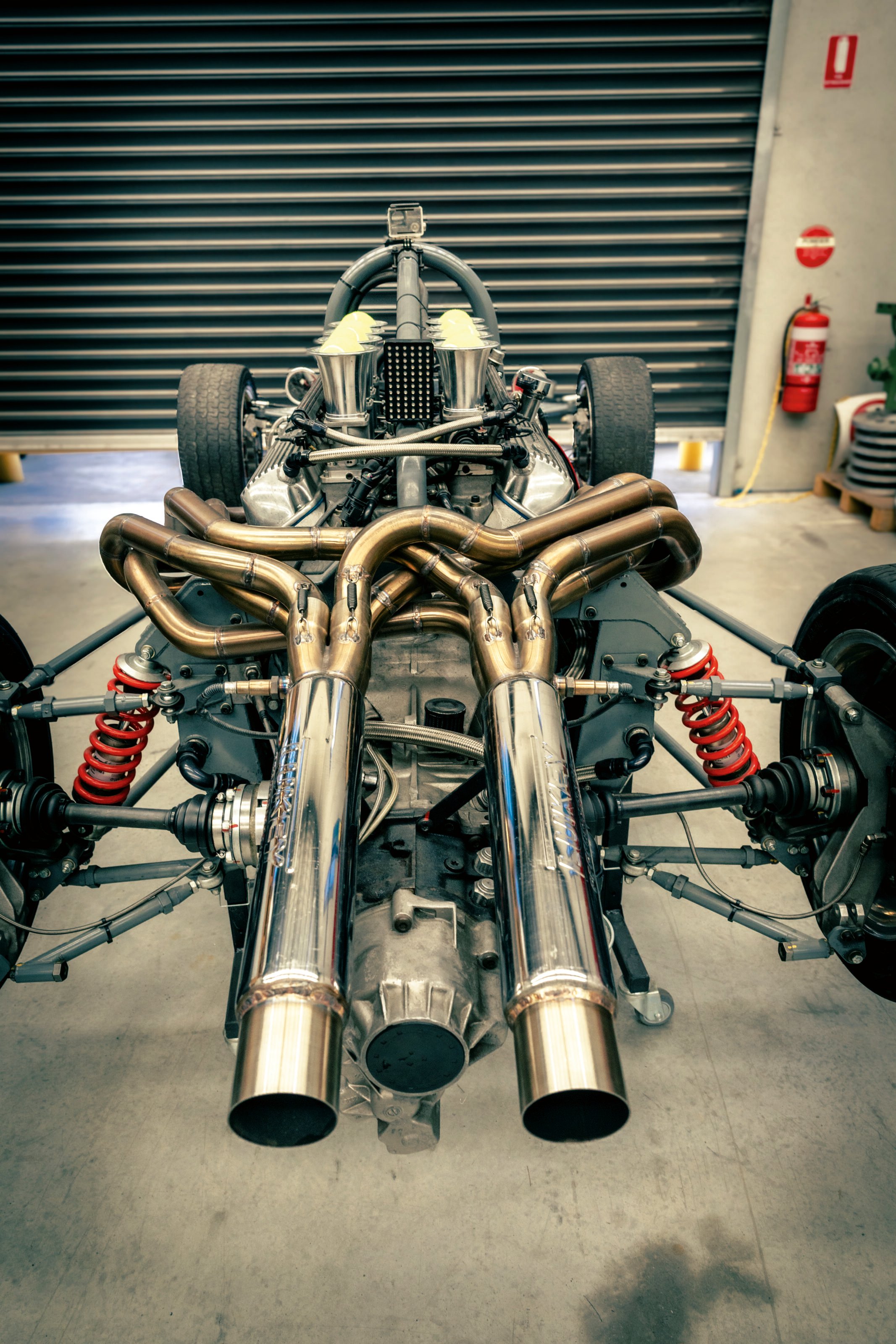
Before Covid, he built a car and sent it to the USA for demonstration runs, looking for an export program. But his agent had other priorities, so the original prototype with its gorgeous snaking chromed exhaust – and a choice of slide-on bodywork – is back for more work and a competition future in Australia.
“Our target is to build 15-18 cars. I want full grids of people enjoying themselves. We are also working with our engineers to comply with Motorsport Australia and this would allow us to race the cars all over the world.”
There have been a series of track trials and Logan says his Retro F1 car can undercut the lap times of a current Supercars racer at the Winton circuit in Victoria.
Looking at his Roaring Forties cars, in various liveries and engine configurations, Logan says it is hard to choose a favourite. Although he is still smitten with one car in Gulf Racing colours from Le Mans, as well as the black car he took to Le Mans when he was introduced to Jacky Ickx, who drove the winning GT40 in 1969.
“It’s a very difficult question. I love them all like my babies. I love to see the connection they have with their owners,” says Logan. “I always say to my owners ‘I am here to help you build your dream car, not mine’, and I truly believe that. I advise them, sometimes even condemn them for their choices, but always step back to allow them to build their dream.”
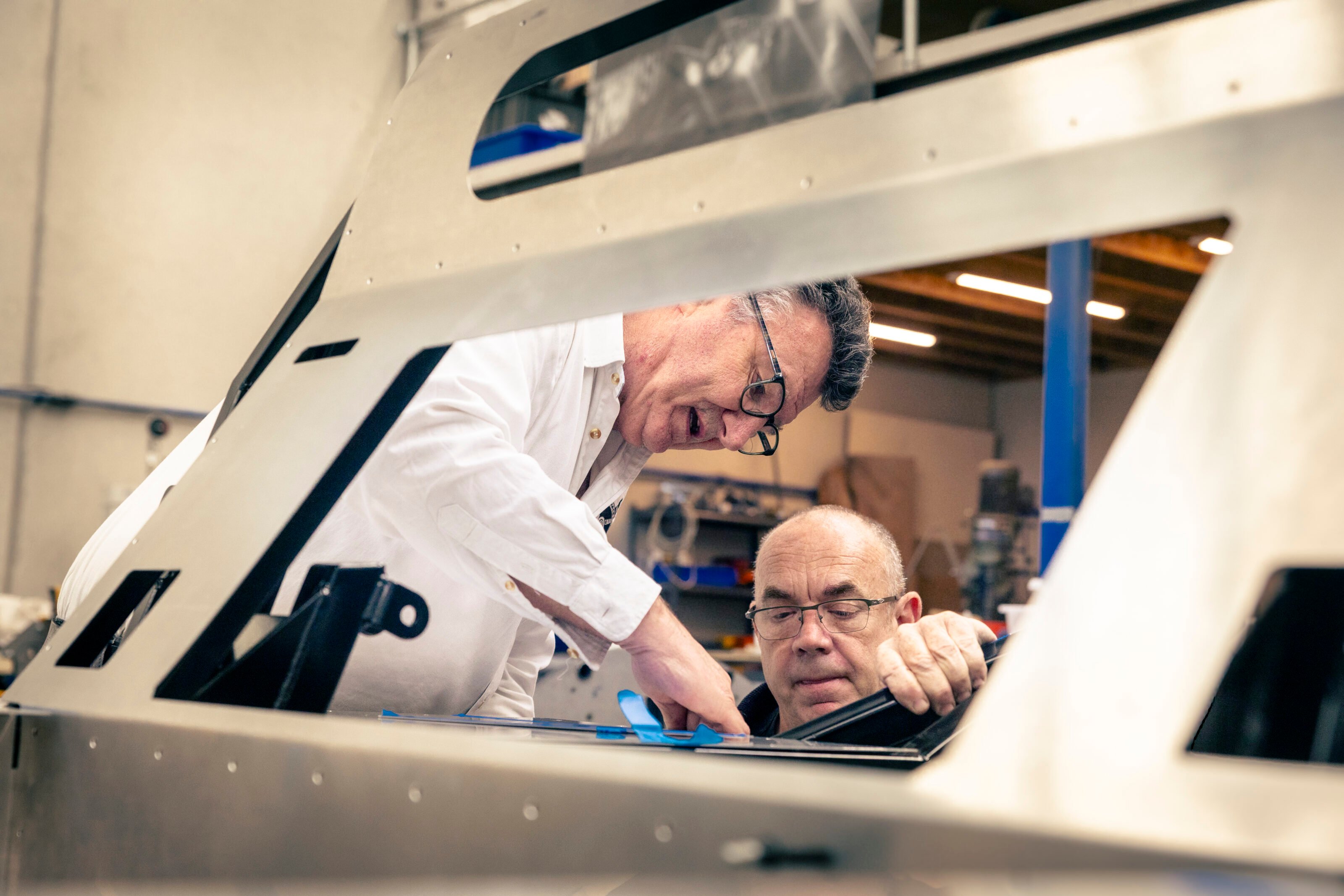
He is still working hard on the Alfa replica, and admits he would like to build a batch, but his other priority is the house in Ireland.
“My plan is to retire to Ireland and rebuild my manor house,” Logan finally admits. “I will have to pass on the gauntlet to the next generation. Become a gentleman racer in Ireland with my Retro F1. Slow down. My problem is I wish I was 20 years younger.”
This article originally appeared in the June 2025 issue of Wheels magazine. Subscribe here.
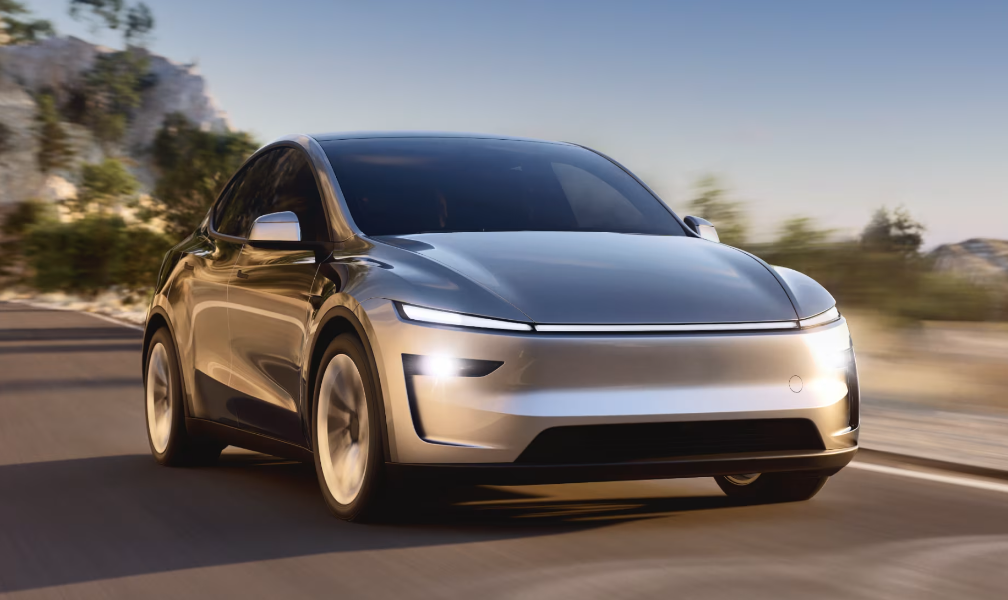
As most manufacturers struggled to generate buyer interest in electric vehicles, one vehicle continually bucked that trend, the Tesla Model Y. It was a scenario that played out worldwide as the all-electric mid-size SUV became the world’s best-selling passenger car.
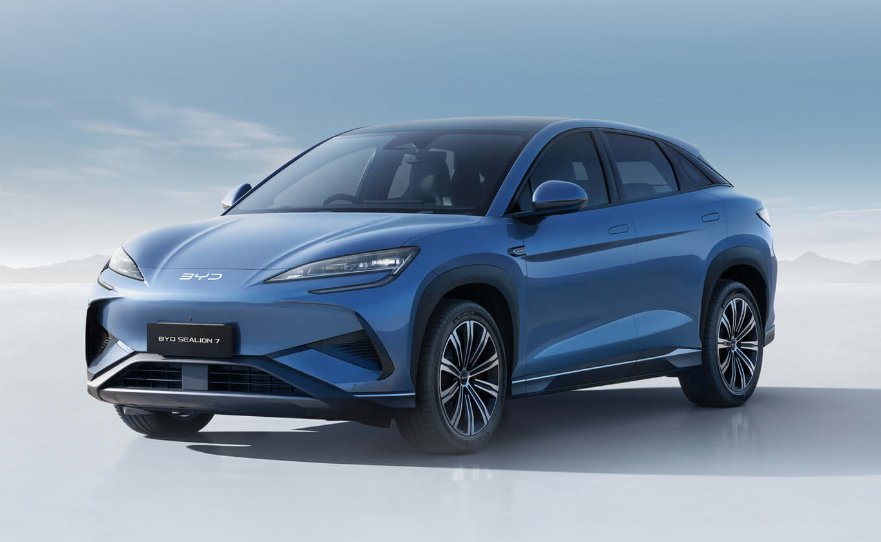
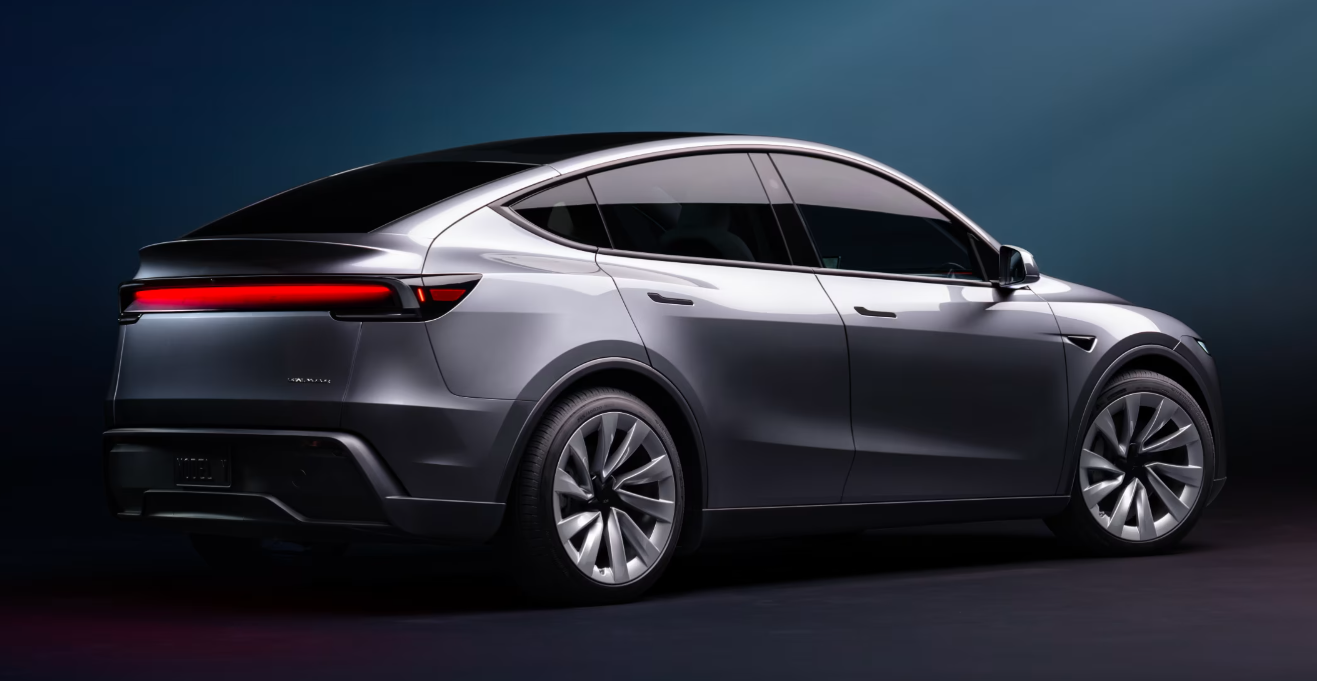
But as stock levels dwindled a new challenger arose, the BYD Sealion 7 grabbing the title of Australia’s most popular EV. It was a short-lived situation, with the updated Tesla Model Y ‘Juniper’ wrestling its top spot back once the first shipment hit local shores.
Nevertheless, if you’re considering a mid-size electric SUV, chances are you have these two on your shopping list, so let’s take a look at how they stack up against each other.
Pricing
The BYD Sealion 7 is the cheaper of the two, kicking off at $54,990 plus on-road costs (ORCs) for the single motor Premium, the dual-motor Performance costing $63,990 (+ORCs).
Tesla has upped the price of the RWD to $58,900 (+ORCs) but reduced the price of the Long Range AWD slightly to $68,900 (+ORCs), but it’s important to note you need to add another $400 for Tesla’s order fees.
For the purposes of this article we’ll concentrate on the much more popular single-motor variants, but in both cases the equipment levels of the dual-motor variants differ little, so you’re either buying more grunt in the case of the BYD, or more grunt and range in the case of the Tesla.
The only BYD option is colour, white being standard while Atlantis Grey and Cosmos Black add $1500 and Shark Grey $2000. There’s a bit more choice in Tesla-land, with white once again standard, blue and grey another $2300 and silver and red $2600. Model Y buyers can also choose 20-inch wheels for $2400 and a white interior for $1500.
BYD now offers a comprehensive vehicle warranty of six years or 150,000km, with eight years and 160,000km of coverage for the battery, but while Tesla matches the latter for the battery and drive unit, its vehicle warranty is only four years or 80,000km. Something to consider.
The Model Y turns the tables when it comes to servicing, with just cabin filters every couple of years and the occasional brake fluid change required. In contrast, the BYD will set you back a bit over $300/year on average over the first five years with services due every 12 months or 20,000km.
Dimensions
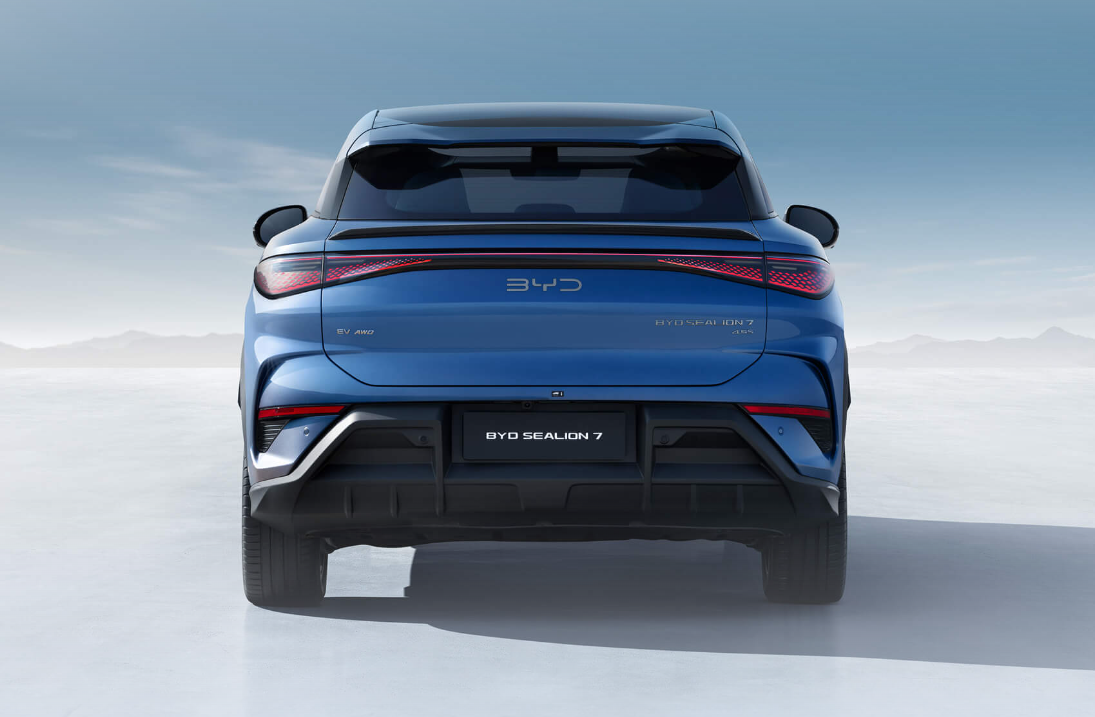
Dimensionally the BYD Sealion 7 and Tesla Model Y are very similar, with a handful of centimetres (at most) separating them. The BYD has an extra 38mm in length and 40mm in wheelbase but is 57mm narrower than the Tesla, but it’s all somewhat academic as both offer plenty of interior space.
The Model Y’s trump card is space efficiency. The Sealion 7 is by no means deficient, with 500 litres of luggage space in the boot and another 58 litres under the bonnet, but the Tesla smashes this with 822 litres in the rear – including a huge underfloor area – and another 116 litres in the front.
| BYD Sealion 7 | Tesla Model Y | |
|---|---|---|
| Length | 4830mm | 4792mm |
| Width | 1925mm | 1982mm |
| Height | 1620mm | 1624mm |
| Wheelbase | 2930mm | 2890mm |
| Boot (rear) | 500 litres | 822 litres |
| Boot (front) | 58 litres | 116 litres |
Equipment
Both the standard BYD Sealion 7 and Tesla Model Y have bulging standard equipment lists, so much so that stretching to the higher variants brings little change. The below table isn’t exhaustive, but should cover the features most buyers would be interested in.
Equipment
| Equipment | BYD Sealion 7 Premium | Tesla Model Y RWD |
|---|---|---|
| Keyless entry | X | X |
| Digital Key | X | X |
| Electric seats | Eight-way driver, six-way passenger | Eight-way driver, six-way passenger |
| Heated seats | Front | Front and outboard rear |
| Ventilated seats | Front | Front |
| Heated steering wheel | X | X |
| Head-up display | X | – |
| Panoramic glass roof | X | X |
| Power tailgate | X | X |
| Leather upholstery | X | Synthetic |
| Climate control | Dual-zone | Dual-zone |
| Stereo | 12-speaker | Nine-speaker |
| USB ports | 2 x USB-C, 2 x USB-A | 3 x USB-C, 1 x USB-A |
| LED headlights | X | Matrix |
Technology
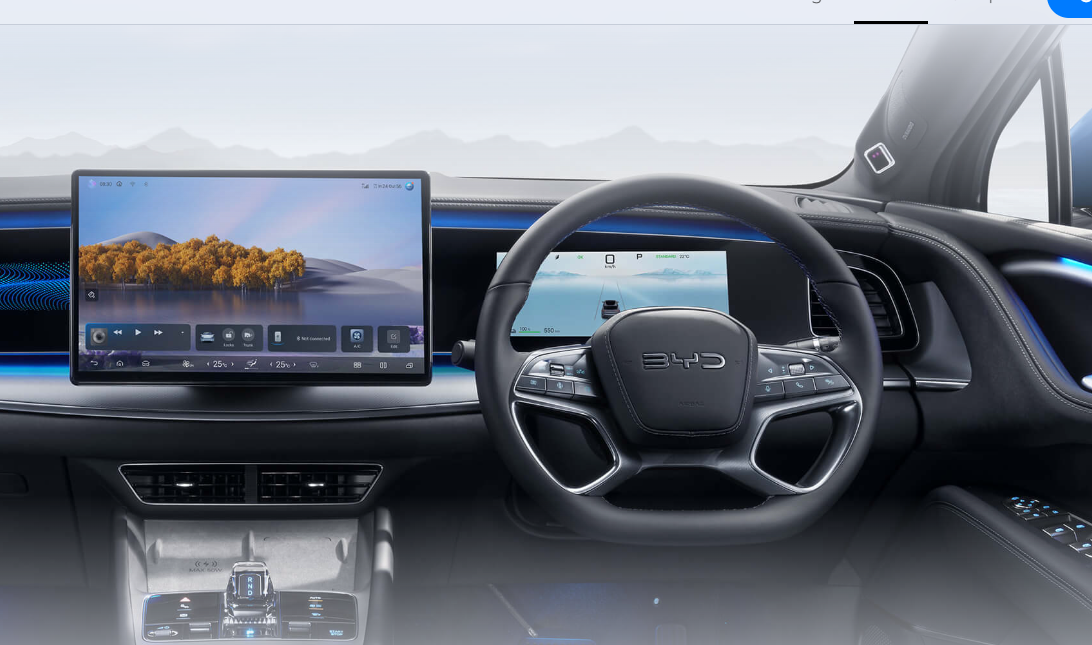
If bigger is better, the BYD Sealion 7 and Tesla Model Y have some of the best infotainment touchscreens around. The Tesla’s 15.4-inch screen is slightly thinner than before and while it doesn’t support smartphone mirroring, the slickness of the interface and its ability to support apps such as Spotify, YouTube, Netflix and the like make that largely redundant.
In addition, there’s now an 8.0-inch rear screen in the back of the centre console that can adjust ventilation and also play video, while connecting to Bluetooth headphones so as not to disturb those in the front. Dual wireless phone charging pads also feature.
The BYD’s 15.6-inch screen is slightly bigger and has the neat party trick of being able to rotate through portrait or landscape orientations. It supports wireless Apple CarPlay and wired Android Auto and has in-built satellite navigation as well as a 10.25-inch digital driver’s display, whereas the Tesla offers the speed in the top-right corner of the central screen.
Both vehicles have the ability to receive over-the-air updates but only the BYD has V2L (vehicle-to-load) capability to power external devices. The Sealion 7 only has a single wireless charging pad.
Safety
Five-star ANCAP ratings are common to both the BYD Sealion 7 and Tesla Model Y. As a newer vehicle the former’s is more current, carrying a 2025 date stamp when it scored 87 per cent for adult occupant protection, 93 per cent for child occupant protection, 76 per cent for vulnerable road user protection and 78 per cent for safety assist.
The Model Y’s rating is from 2022, carrying over from the old model, but its scores were incredibly impressive, with 97 per cent for adult occupant protection, 89 per cent for child occupant protection, 82 per cent for vulnerable road user protection and 98 per cent for safety assist.
In addition to plenty of airbags (eight for the BYD, seven for the Tesla), both have all the safety assist systems you’d expect in a modern car, including active cruise control, autonomous emergency braking in forward and reverse, lane-keep assist, lane-departure warning, blind-spot monitoring, traffic sign recognition and rear cross-traffic alert.
Only the Sealion 7 has a 360-degree camera – though the Model Y’s front and rear cameras can keep an eye on it while you’re away thank to Tesla’s Sentry Mode – but local BYDs currently don’t offer auto-park and Tesla requires another $5100 for Enhanced Autopilot to enable the feature.
Charging
In terms of their battery systems it appears the two are very similar, the BYD offering 482km of WLTP-tested range to the Tesla’s 466km. As such, both should cover around 400km in the real world without the battery getting down into the danger zone.
Once again, however, the Tesla shows remarkable efficiency by extracting this range from a 62.5kWh battery, whereas the BYD’s 82.56kWh pack is almost a third bigger.
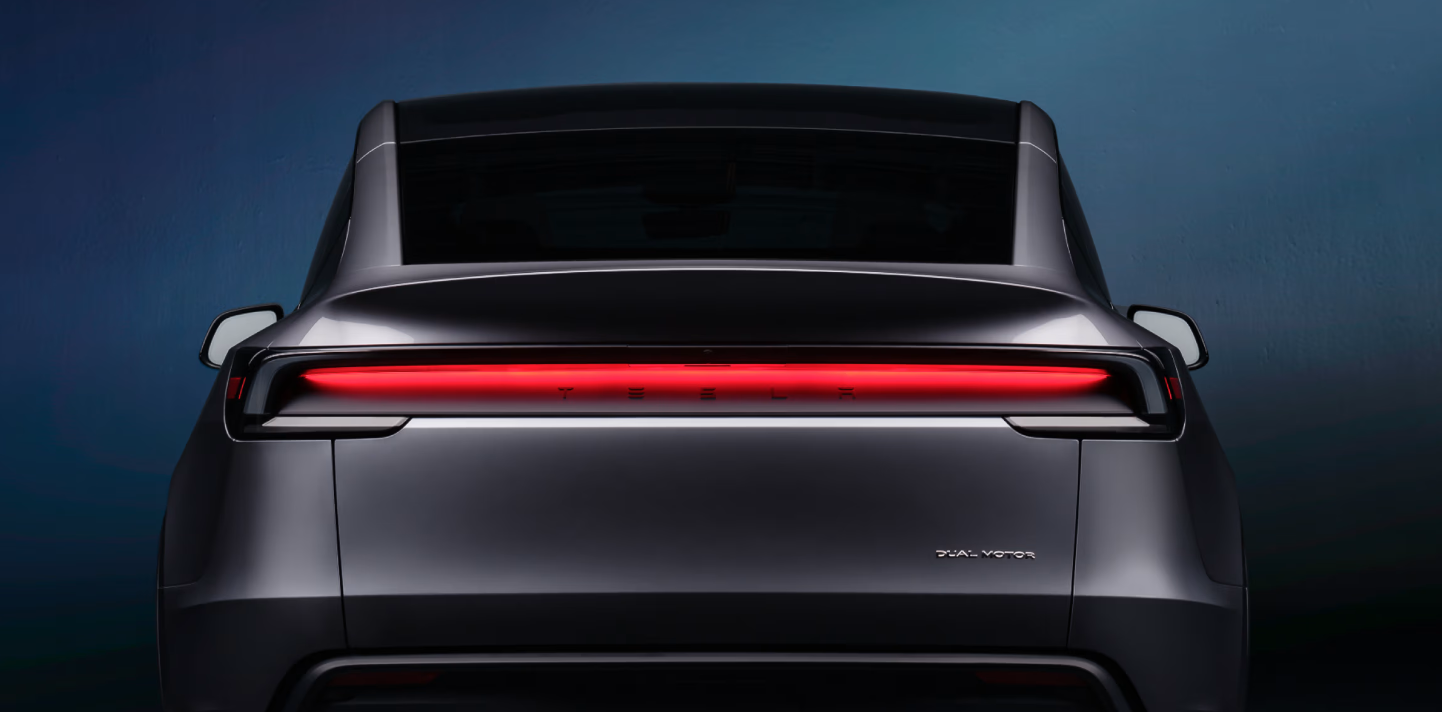
This efficiency has a number of benefits. The smaller battery pack saves cost and weight – the Model Y is around 300kg lighter than the Sealion 7 – and it means that you’ll get more range back for a given period of charging.
This would be the case if they had identical charging rates, but the Tesla supports up to 175kW DC and 22kW AC.
It’s the Model Y that also has a performance advantage, its 220kW/350Nm jetting it to 100km/h in a claimed 5.9sec, versus 6.7sec for the more powerful (230kW/380Nm) but heavier Sealion 7.
| BYD Sealion 7 | Tesla Model Y | |
|---|---|---|
| Outputs | 230kW/380Nm | 220kW/350Nm |
| Claimed 0-100km/h | 6.7sec | 5.9sec |
| Battery size | 82.56kWh | 62.5kWh |
| Claimed range (WLTP) | 482km | 466km |
| Max AC charge rate | 11kW | 22kW |
| Max DC charge rate | 150kW | 175kW |
| Charge time 10-80 per cent* | 23min | 15min |
*assuming constant maximum charge rate
Driving
The driving experience was the original Tesla Model Y’s Achilles heel, primarily thanks to its jarring, brittle ride – not what you want in a family SUV. New suspension has calmed it significantly, which combined with less reactive steering and increased sound deadening make the revised Model Y a much smoother, more relaxing car to drive.
In contrast, the Sealion 7 is acceptable but lacks some of the same polish. The ride can be unsettled at lower speeds and it doesn’t have the same dynamic cohesion as the Tesla. For undemanding drivers it will be fine, but it could be improved. Both cars are more than rapid enough given their usage briefs, but once again the lighter Tesla possesses acceleration the BYD can’t match.
Conclusion
The original Tesla Model Y’s success wasn’t just marketing magic – it was a practical and efficient family car that made the transition to electric propulsion painless for many people.
The updated ‘Juniper’ model only cements this by rectifying the original’s faults, with a higher quality interior, more equipment and significantly improved driving experience. It’s more expensive than the BYD, but it’s the better car.
However, that doesn’t mean the Sealion 7 is without merit. If the budget doesn’t quite stretch or you simply don’t want to be associated with the Tesla brand given Elon’s recent political forays (a concern for some people), the BYD is one of the stronger electric SUV offerings in the market, with lots of equipment, sufficient range, a nice interior and acceptable driving manners.
From July 1, drivers across Australia will face sweeping changes to road rules, with a strong emphasis on enhanced enforcement, stricter penalties, and uniform speed reductions in high-risk areas. The nationwide overhaul is part of a broader campaign to reduce road trauma and crack down on dangerous driving behaviour.
High-tech AI surveillance cameras will be active or expanded across multiple states, targeting illegal mobile phone use. These systems can detect drivers holding or touching phones, even while stationary at red lights. Penalties vary by state but can reach over $1,000 and five demerit points. Authorities warn that non-compliance could also result in licence suspension for repeat offenders.
Victoria
Victoria will expand its Road Rule 79A, requiring drivers to slow to 40 km/h when passing roadside assistance vehicles (tow trucks, breakdown units) where flashing lights and visible workers are present. The fine is up to $961, with no associated demerit points. There’s also growing momentum to reduce speed limits to 30 km/h in high-pedestrian and school zones.
New South Wales
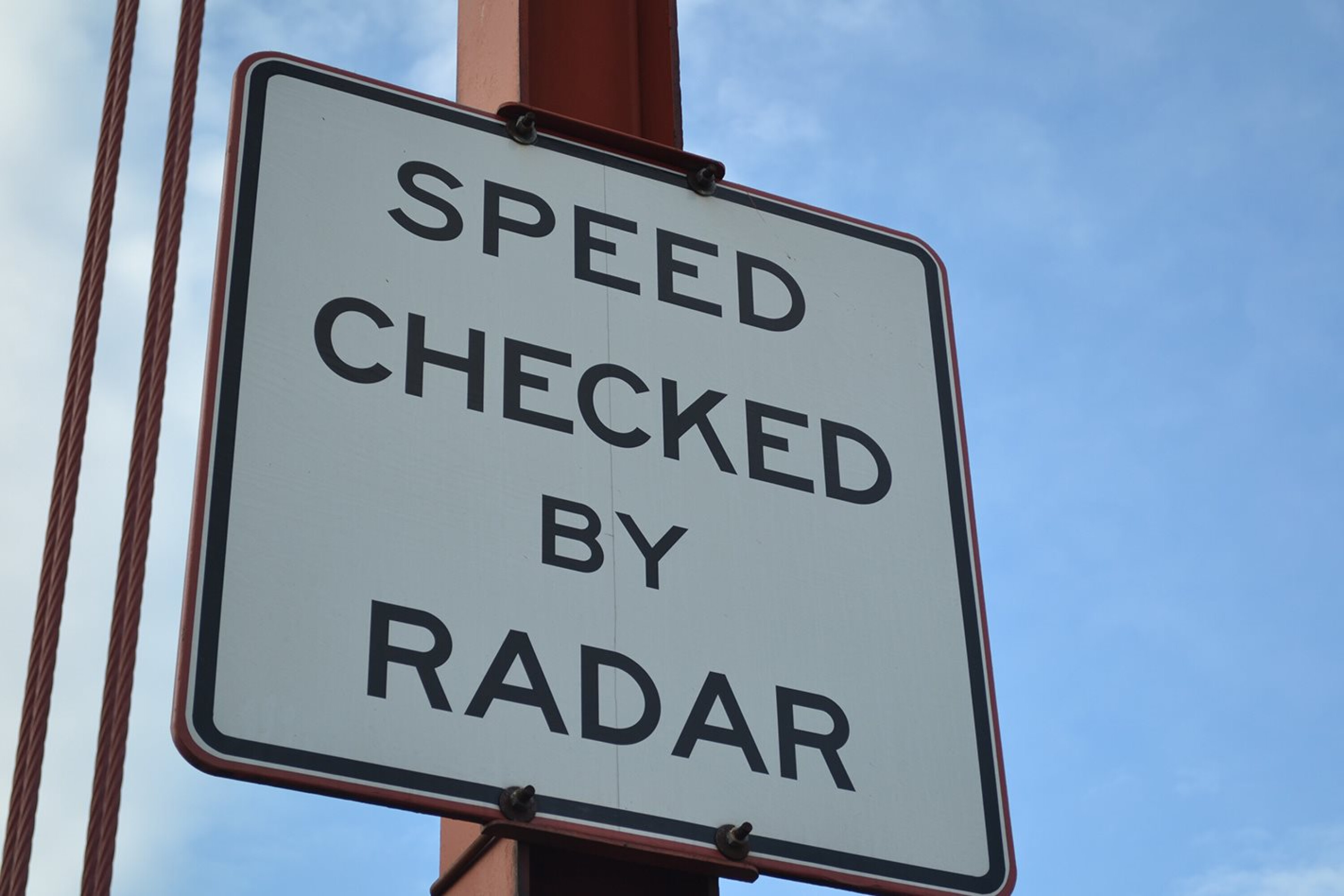
NSW will become the first state to apply average speed cameras to light vehicles, including cars and motorbikes, from July 1. These will initially operate on the Hume and Pacific Highways, following a trial and grace period. Fines will now apply. NSW is also phasing out ticketless parking fines, ensuring drivers receive immediate notice of infringements.
Queensland
A 3.5 per cent increase in traffic fines will apply across common offences like speeding, seatbelt misuse, and mobile phone use. Enhanced tech will back enforcement, especially for distracted driving. The state will also lower speed limits from 50 to 40 km/h in popular tourist and residential areas such as Hervey Bay Esplanade.
South Australia
SA extended its emergency vehicle rule to include roadside assistance. Drivers must slow to 25km/h when passing breakdown services displaying amber flashing lights. The state is also introducing 40km/h limits in inner-city Adelaide and 10km/h shared pedestrian zones.
Western Australia
WA will roll out major changes, including fines of up to $700 for mobile phone use and over $1600 for excessive speeding. New AI cameras will enforce speeding, seatbelt, and phone violations. A three-year trial will lower speed limits on over 1,800 regional roads, and off-road vehicle registration will move online.
Motorists are urged to familiarise themselves with these updates to avoid costly penalties.
Volvo has unveiled a significant update to its best-selling mid-size SUV, the Volvo XC60, delivering a range of enhancements to design, technology and comfort for the 2025 model year.
The updated XC60, which remains the brand’s global top-seller and one of Europe’s leading plug-in hybrid models, introduces a next-generation user experience, improved infotainment, and a range of luxury and safety features.
Stephen Connor, Managing Director of Volvo Car Australia, described the XC60 as a vehicle that delivers “a cutting-edge user experience and a more luxurious interior,” adding that the improvements are designed to reflect the priorities of modern drivers. “With these upgrades, it’s an even more enjoyable and exclusive experience – and one that will continue to improve via over-the-air software updates,” he said.
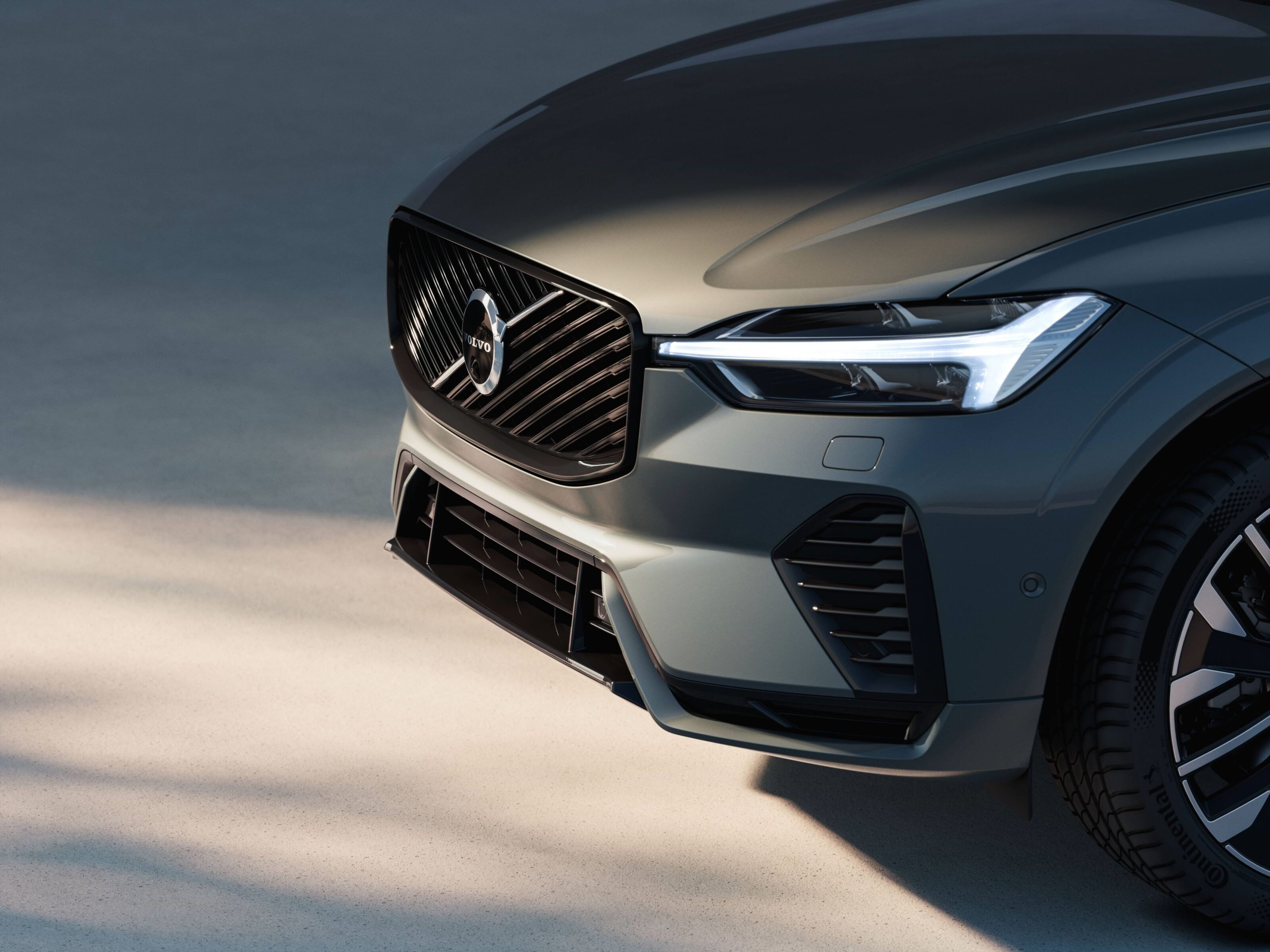
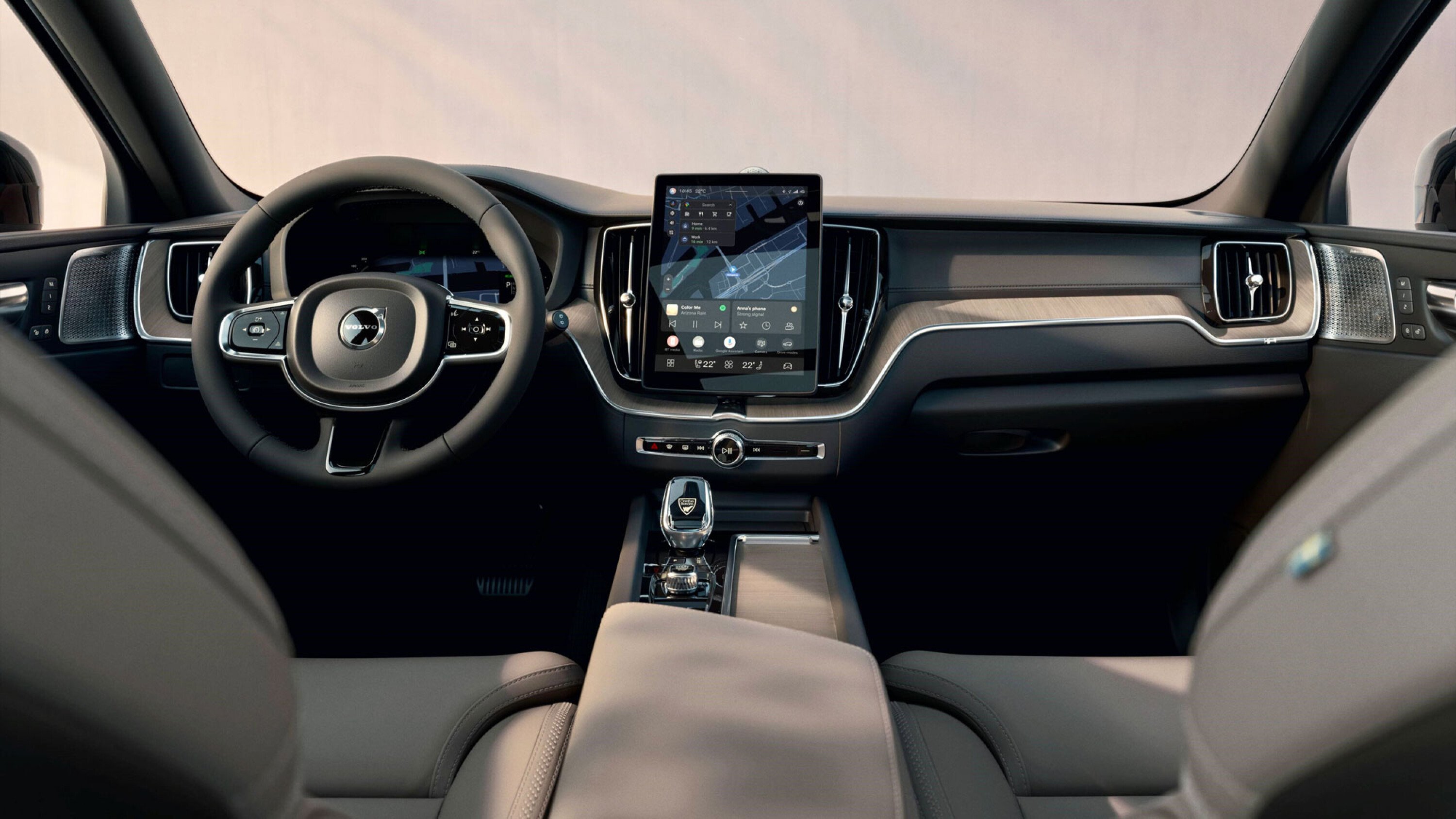
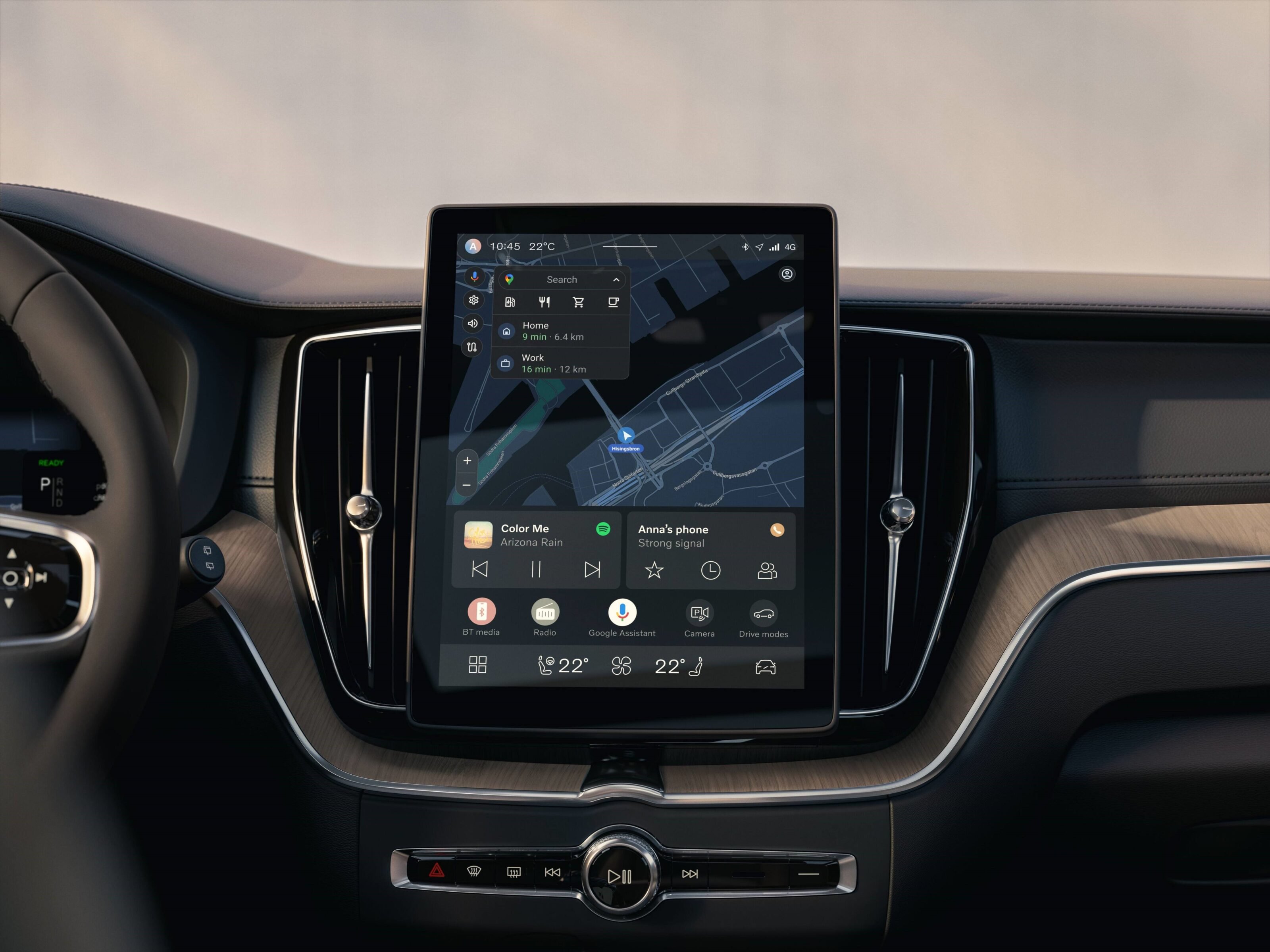
At the heart of the refresh is a new infotainment system powered by the Snapdragon Cockpit Platform from Qualcomm Technologies, offering a more than twofold increase in speed and 10 times faster graphics than its predecessor. A new 11.2-inch free-standing touchscreen with 21 per cent higher pixel density delivers a sharper, more intuitive interface, complemented by integrated Google services and voice assistant functionality.
The XC60 also benefits from enhanced material choices and updated interior styling, including the use of premium Quilted Nordico trim, revised inlays, smart storage solutions, and upgraded wireless phone charging. New paint options – Forest Lake, Aurora Silver, and Mulberry Red – bring fresh exterior appeal, while new wheels and darker rear lights give the SUV a more modern look. The revised front air intake also nods to the larger XC90’s design language.
Cabin refinement is further improved with increased sound insulation and Volvo’s signature ergonomic seats, while available air suspension and optional Harman Kardon or Bowers & Wilkins audio systems offer a more refined ride.
The XC60 is available in four variants:
| XC60 Plus B5 Bright | $74,990 |
|---|---|
| XC60 Ultra B5 Dark | $81,990 |
| XC60 Plus T8 Plug-in Hybrid Dark | $92,990 |
| XC60 Ultra T8 Plug-in Hybrid Dark | $101,990 |
All models are all-wheel drive, with the B5 variants featuring a 4-cylinder turbo petrol mild hybrid engine, and the T8 plug-in hybrids offering electric-only driving capabilities via a 107kW motor paired with a 233kW petrol engine.
Standard equipment across the range includes power-adjustable memory front seats, integrated rear booster cushions, a 360° camera, crystal gear lever, head-up display, BLIS (Blind Spot Information System), and signature Thor’s Hammer LED headlights. All models are available now nationwide.
Sydney Motorsport Park will come alive on Saturday June 28 and Sunday June 29, 2025, as the Ferrari Festival takes over the iconic circuit for a weekend of speed, style, and the unmistakable energy of the Prancing Horse.
The two-day event marks the arrival of Round 4 of the Ferrari Challenge Trofeo Pirelli Australasia, Ferrari’s exclusive one-make racing series which made its regional debut earlier this year. Drivers from across Australia and abroad will take to the grid in the Ferrari 296 Challenge and Ferrari 488 Challenge Evo, delivering edge-of-the-seat racing with qualifying and main races scheduled on both days.

Spectators can expect non-stop action on track, as competitors push the limits of Ferrari engineering in a battle for championship points, accompanied by the unmistakable soundtrack of high-performance V6 and V8 engines echoing through the grandstands.
Adding to the excitement, the festival will feature an array of dynamic on-track demonstrations, including the crowd-favourite Ferrari Parade. This showcase will bring together some of the most iconic Ferrari models ever built, representing multiple decades of design and performance excellence.
Beyond the racing, the festival offers an immersive journey into the Ferrari lifestyle, with a wide range of paddock activations designed to engage fans of all ages. Attendees can explore road and race car displays, go behind the scenes with pit garage tours, and get behind the virtual wheel in the Next Level Racing simulator zone. Italian coffee lovers can also indulge in a special activation from L’OR coffee.

Entry to the festival is free with registration, making it a rare opportunity for the public to experience Ferrari’s motorsport DNA and community-driven culture up close. Children under 14 receive free entry when accompanied by a paying adult, making it a family-friendly event.
For those seeking a premium experience, VIP hospitality packages are available through Ferrari’s official dealer network. These exclusive options offer reserved trackside seating, gourmet catering, event-only access, and dedicated parking.
The Ferrari Festival isn’t just about racing, it’s a celebration of the brand’s reputation for innovation, passion and community.
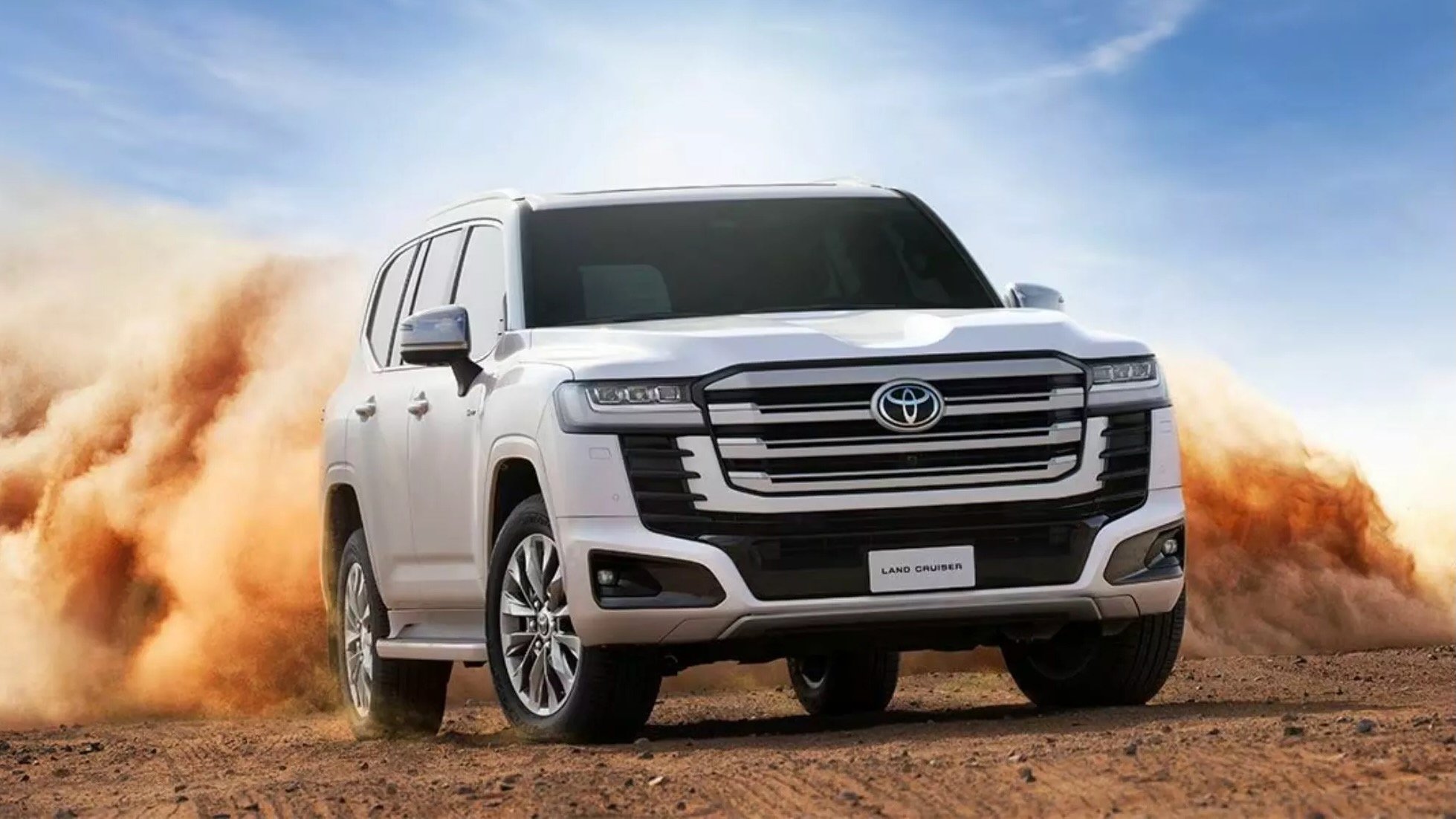
Toyota has revealed a LandCruiser 300 Series hybrid and confirmed an Australian release for the first half of 2026. Using the same “performance hybrid” system as the Tundra truck, the LC300 Hybrid makes 336kW of power and 790Nm of torque in Middle Eastern markets.
The LC300’s hybrid system combines a twin-turbocharged 3.4-litre petrol V6 engine with an electric motor. However, unlike some other hybrid Toyota models such as the Camry where the electric motor drives the car for as long as possible, the LC300’s hybrid system is intended for short bursts of low-speed driving or aiding the engine at certain times.
In the United Arab Emirates, the LC300 Hybrid’s combined fuel consumption is rated at 9.1L/100km, which is only 0.2L/100km more than the Australian-spec 3.3-litre V6 diesel, though that figure is likely achieved through a different fuel consumption testing cycle.
Compared to the same petrol twin-turbo V6 without the hybrid system that’s also offered in the UAE, the hybrid saves about 1.7L/100km of fuel, but also offers 25kW/140Nm more grunt.
Compared to the V6 diesel engine in Australia, the new hybrid makes 109kW/90Nm more grunt. In the UAE, the LandCruiser 300 Series Hybrid also received a revised exterior design, with new front and rear bumpers. A key difference between the hybrid and non-hybrid models is that the hybrid uses a 98-litre fuel tank, which is 12 litres smaller.
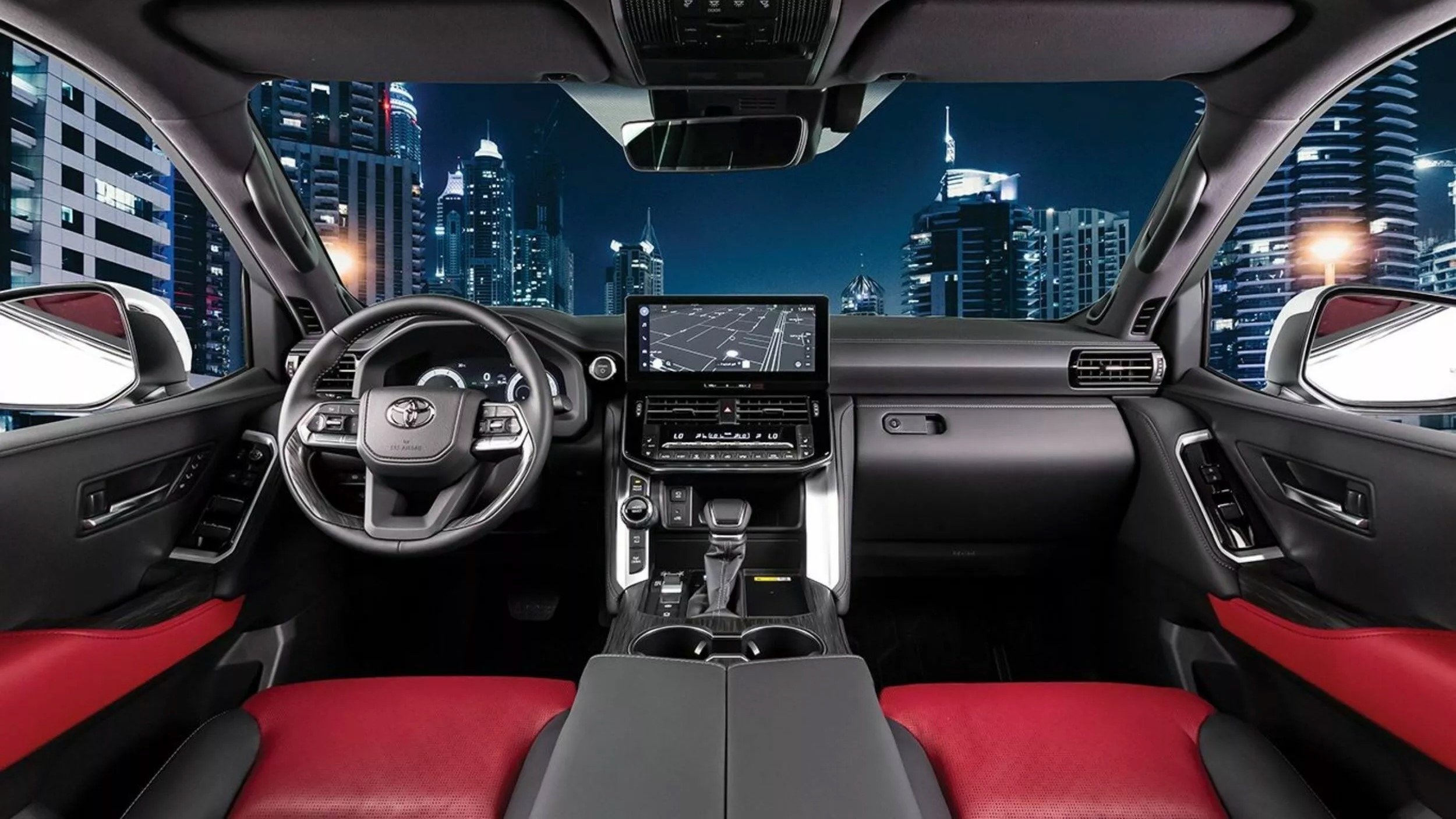
While Australian pricing and specifications are yet to be announced, in the UAE, the LandCruiser 300 Series is priced around A$6000 more than the equivalent twin-turbo petrol V6, potentially leading to a starting price in Australia of around $95,000 if the new drivetrain is offered on all models.
The Toyota LandCruiser 300 Series Hybrid will go on sale in Australia in the first half of 2026, with local pricing and specifications to be confirmed.
Tesla has officially launched its long-awaited robotaxi service in Austin, Texas following years of promises, signalling the start of what could be a major transformation in urban mobility.
The initial rollout is modest but highly symbolic. A small fleet of Model Y SUVs, equipped with Tesla’s camera-only Full Self-Driving software, began ferrying early users in a geofenced area of Austin’s south and southeast districts. The vehicles operate without a driver in the front seat – though a Tesla employee sits in the passenger seat as a safety monitor during this early access phase.
According to Musk, early riders are being charged a flat US$4.20 per ride, and the service operates between 6 a.m. and midnight daily. The fleet currently consists of 10–20 vehicles, with plans to scale to 1000 in coming months before introducing a purpose-built Cybercab that will lack pedals or a steering wheel entirely.
Tesla hand-picked the first wave of users, many of whom are prominent supporters and influencers. One such user, known online as “Bearded Tesla,” live-streamed a ride, showing the empty driver’s seat and describing the experience as “smooth.” Buttons visible in the cabin allow the safety monitor to stop the vehicle, pull over, or contact Tesla support if needed.
The robotaxi service arrives at a critical time for Tesla. The company faces slowing EV sales and rising investor pressure to diversify its offerings. Musk has increasingly emphasized autonomy and AI as the cornerstones of Tesla’s future, and this launch is seen as a real-world test of those ambitions.
However, the rollout hasn’t been without controversy. Democratic lawmakers in Texas recently urged state regulators to delay Tesla’s driverless service until new safety regulations take effect in September 2025. Still, under current Texas law, driverless vehicles are legal as long as they carry insurance, have proper safety equipment, and follow road rules.
Tesla’s debut joins a growing roster of autonomous services in Austin, including Waymo and Zoox, as the city becomes a hotspot for self-driving innovation. With Tesla now in the race, the pressure – and scrutiny – will only intensify.
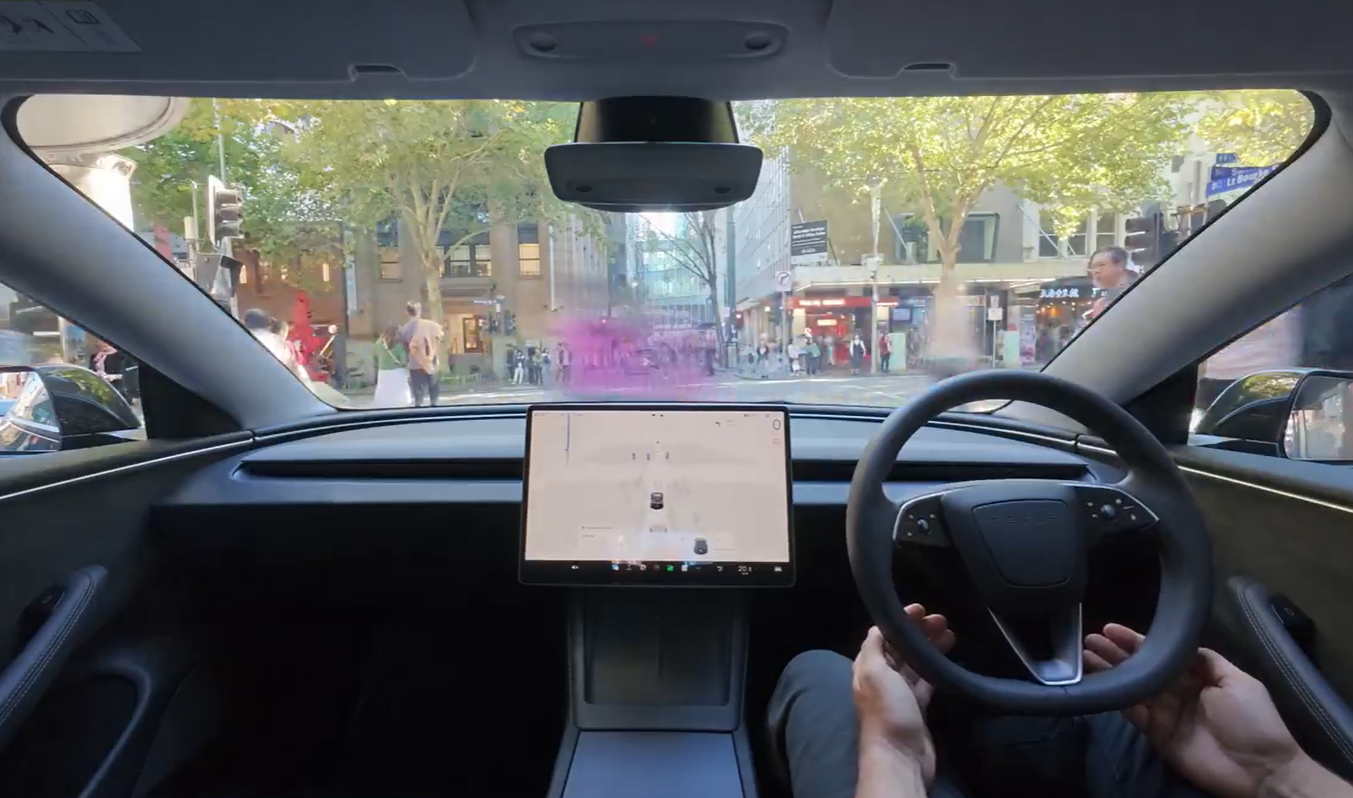
WhichCar recently noted that Tesla’s most advanced self-driving system – named ‘Full Self-Driving’ by the company – had started testing in Australia after a video was released showing an Australian-spec right-hand drive car self-driving through the Melbourne CBD.
Peugeot Australia has launched the second-generation 5008 seven-seat SUV, with pricing starting at $55,990 plus on-road costs. Two specifications will be offered – Allure and GT Premium – with both using a turbocharged hybrid drivetrain capable of using just 5.1L/100km on a combined fuel consumption cycle.
Essentially a larger seven-seat version of the 3008 mid-size SUV that launched locally earlier this year, the new Peugeot 5008 is only available with a new 1.2-litre turbocharged three-cylinder hybrid drivetrain, mated to a six-speed dual-clutch transmission driving only the front wheels. The engine makes 100kW of power and 230Nm of torque, with the electric motor adding 15.6kW/51Nm at certain times for a total output of 107kW.
The 5008 hits 100km/h in 11.3 seconds and is rated at just 5.1L/100km on the combined cycle for fuel consumption, with claimed CO2 emissions of 116g/km.
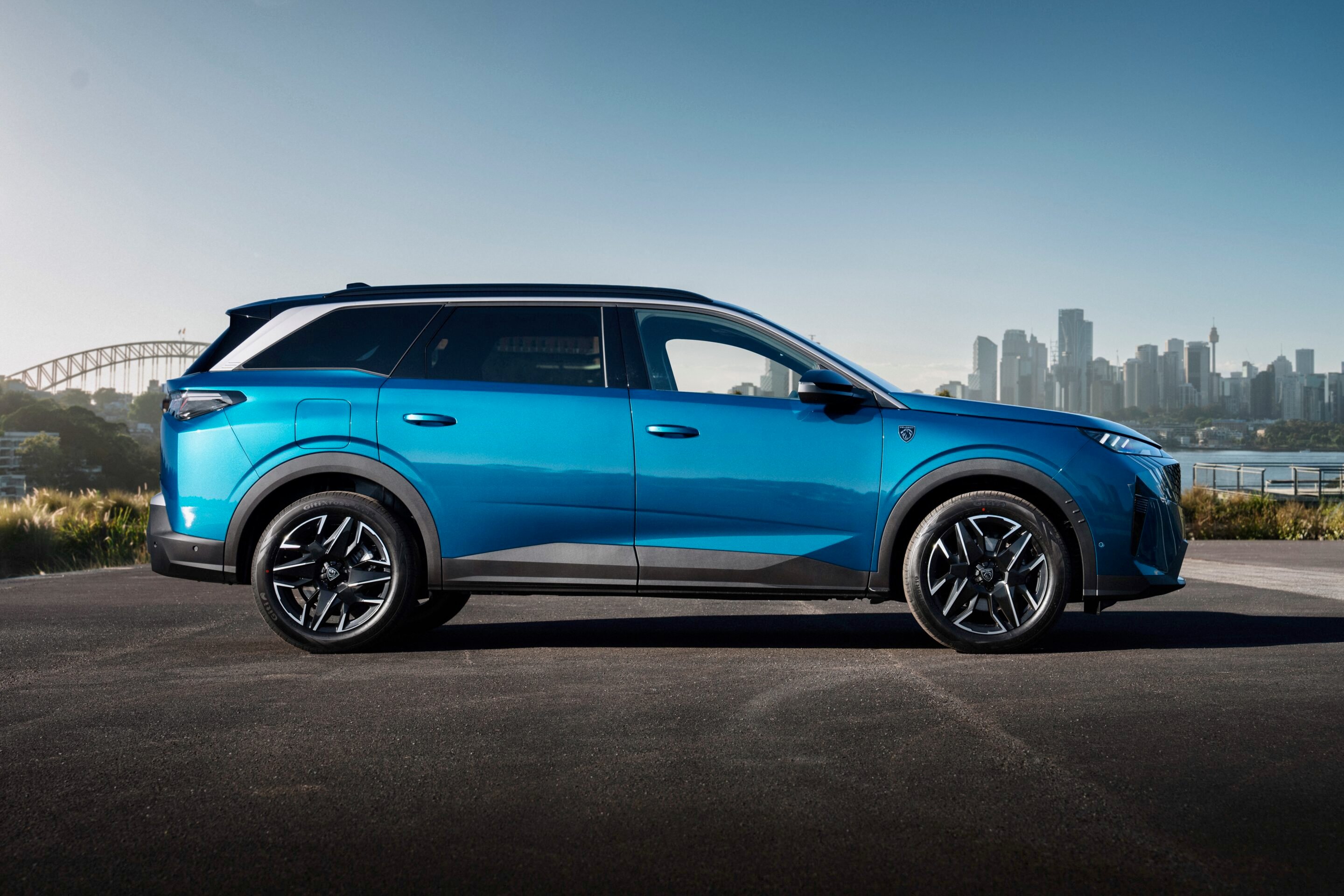
Measuring 4790mm long, 1934mm wide, 1735mm tall and riding on a 2895mm long wheelbase, the new 5008 is 32mm longer than the Skoda Kodiaq. Its boot measures 348 litres with the rear seats erect, which opens up to a huge 2232L with all the rear seats folded.
The 5008 is covered by Peugeot’s five-year/200,000km warranty and a five-year service plan costs
$1995 ($399 per service).
2025 Peugeot 5008 pricing (plus on-road costs):
| Allure | $55,990 |
|---|---|
| GT Premium | $67,990 |
Peugeot 5008 Allure standard equipment:
- 19-inch alloy wheels with a tyre repair kit
- Automatic LED exterior lighting with ‘3-claw’ front and rear daytime running lights
- Automatic rain-sensing wipers
- Keyless entry with push button start
- Heated and auto-folding mirrors with auto-dipping in reverse
- Rear privacy glass
- Fabric and leather upholstery
- Tri-zone automatic climate control
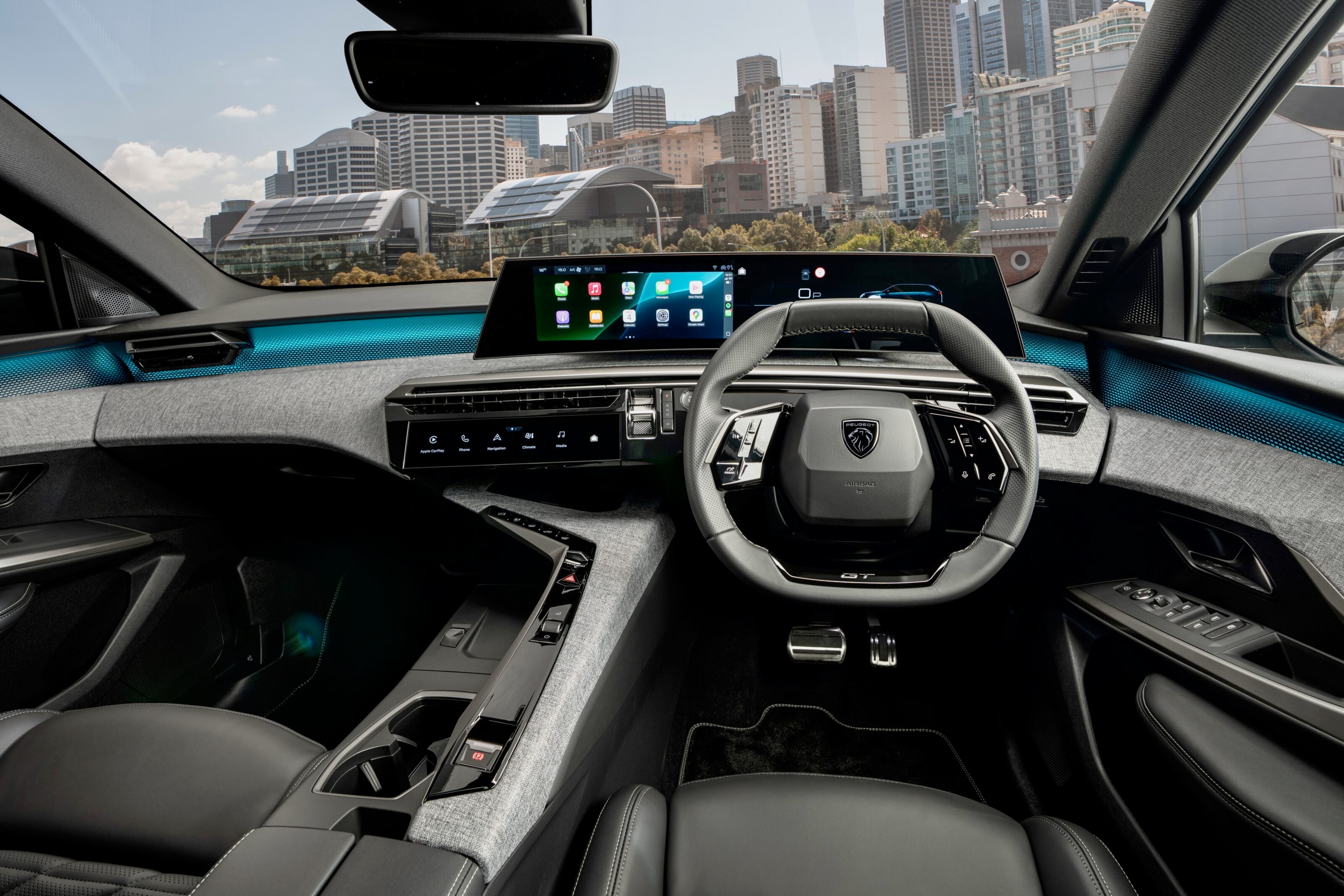
- 21-inch landscape touchscreen with live services and over-the-air updates
- Satellite navigation with live traffic
- Wireless Apple CarPlay and Android Auto
- AM/FM/DAB+ digital radio
- Wireless phone charger
- Six-speaker sound system
- 8-colour cabin ambient lighting
- Eco, normal, sport, snow, sand and mud driving modes
- 6x airbags (including third row coverage)
- Autonomous emergency braking with pedestrian and cyclist detection
- Adaptive cruise control with stop and go functionality
- Lane keeping assist with adaptive lane guidance
- Long-range blind-spot monitoring with rear cross-traffic alert
- Speed limit and traffic sign recognition
- Driver attention monitoring
- Front and rear parking sensors
- 360-degree camera
- Alarm
- Tyre pressure monitoring
5008 GT Premium model adds:
- Nappa leather upholstery
- 10-way electric front seats with driver’s memory
- Heated and cooled front seats with multi-point massaging functionality
- Heated second row outer seats
- Integrated rear door sunshades
- Aluminium dashboard trim
- Black roof
- Panoramic sunroof
- Hands-free electric tailgate
- Pixel LED headlights with adaptive high beam
The Peugeot 5008 is now on sale in Australia, with the first local deliveries due to commence soon.