Good news for track day fiends eyeing off a Hyundai i30 N – it’s going to be covered under a track warranty.
The brand has announced that the i30 N will be covered by the five-year warranty, even if it’s on the circuit.
“Setting i30 N apart from its rivals is Hyundai’s willingness to embrace the car’s motorsport enthusiast origins with the standard Hyundai five-year unlimited-kilometre warranty also covering track use,” Hyundai says.
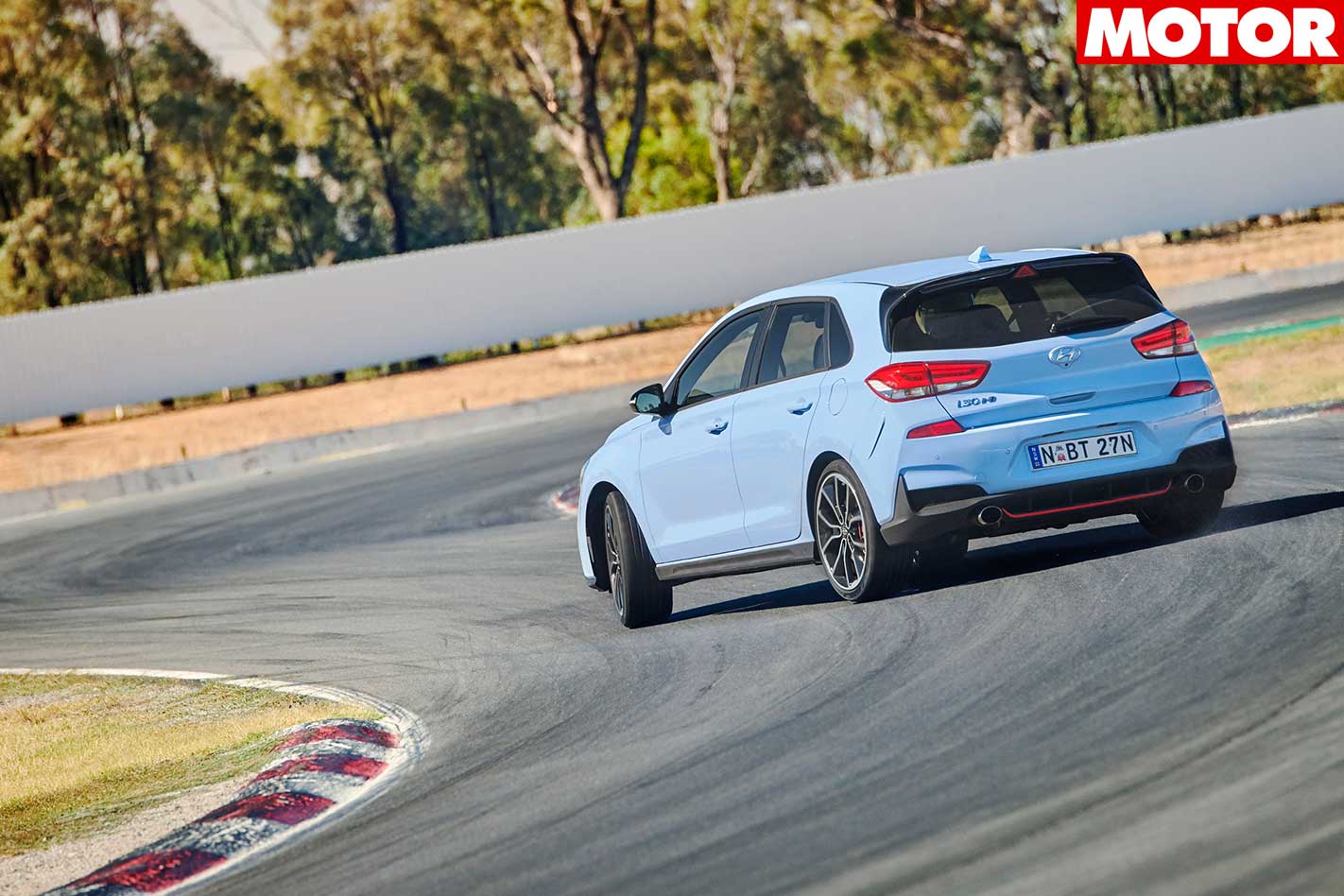
The warranty only extends to non-competitive events. At the local launch, PR director Bill Thomas said the track cover was not to be confused with a racing warranty.
“It’s all spelled out in the documentation, but when it gets to the point that you’re competing with other cars on track then the warranty situation starts to fall down.”
“We’re just talking about informal track days, the type where you arrive and drive. That’s all fine.”
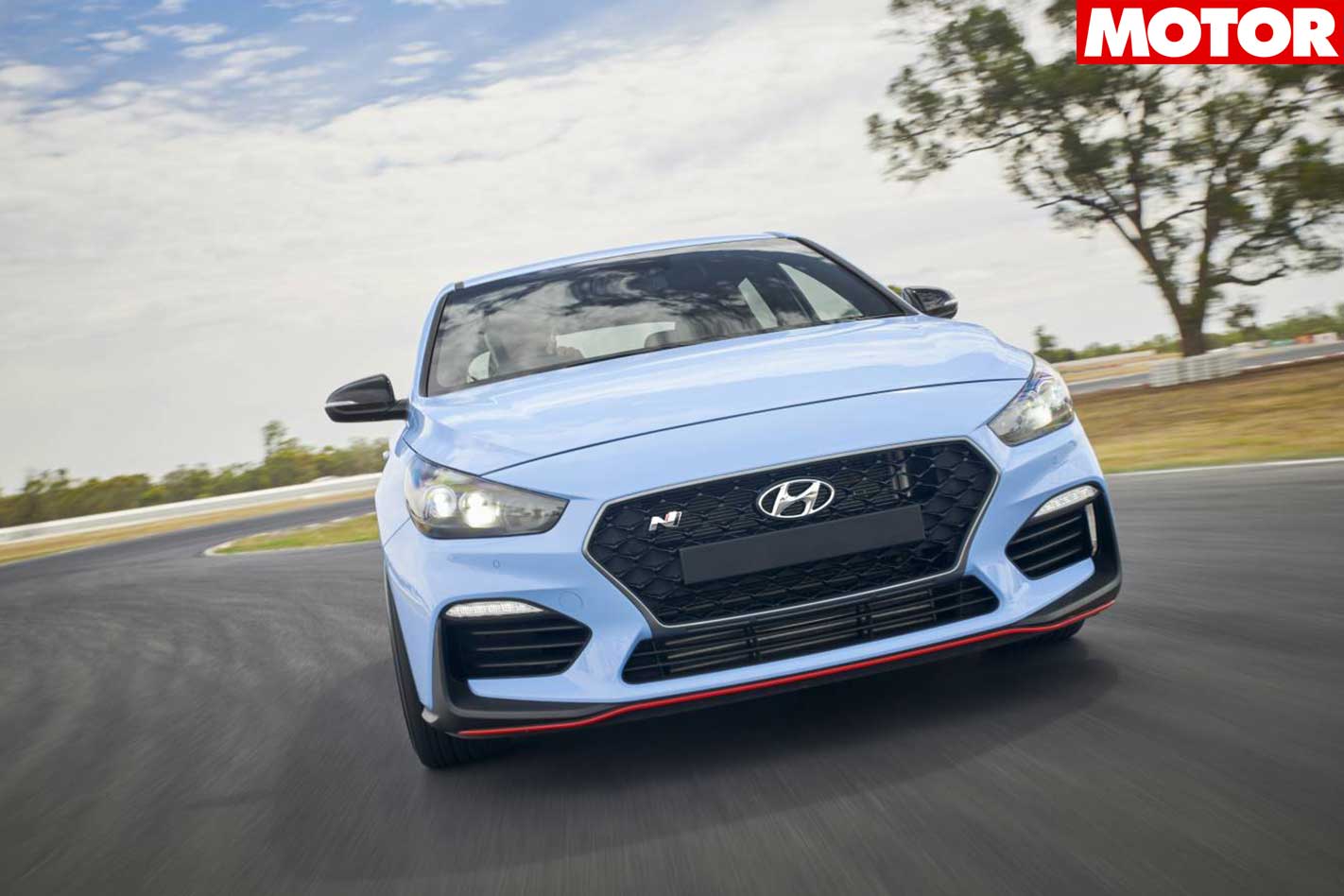
“Australia’s extreme climate, unique roads and challenging driving conditions became a focal point of global pre-production testing,” Tuitahi says.
In addition to testing against the weather, Hyundai also made sure the car would be capable of handling our ‘unique’ roads.
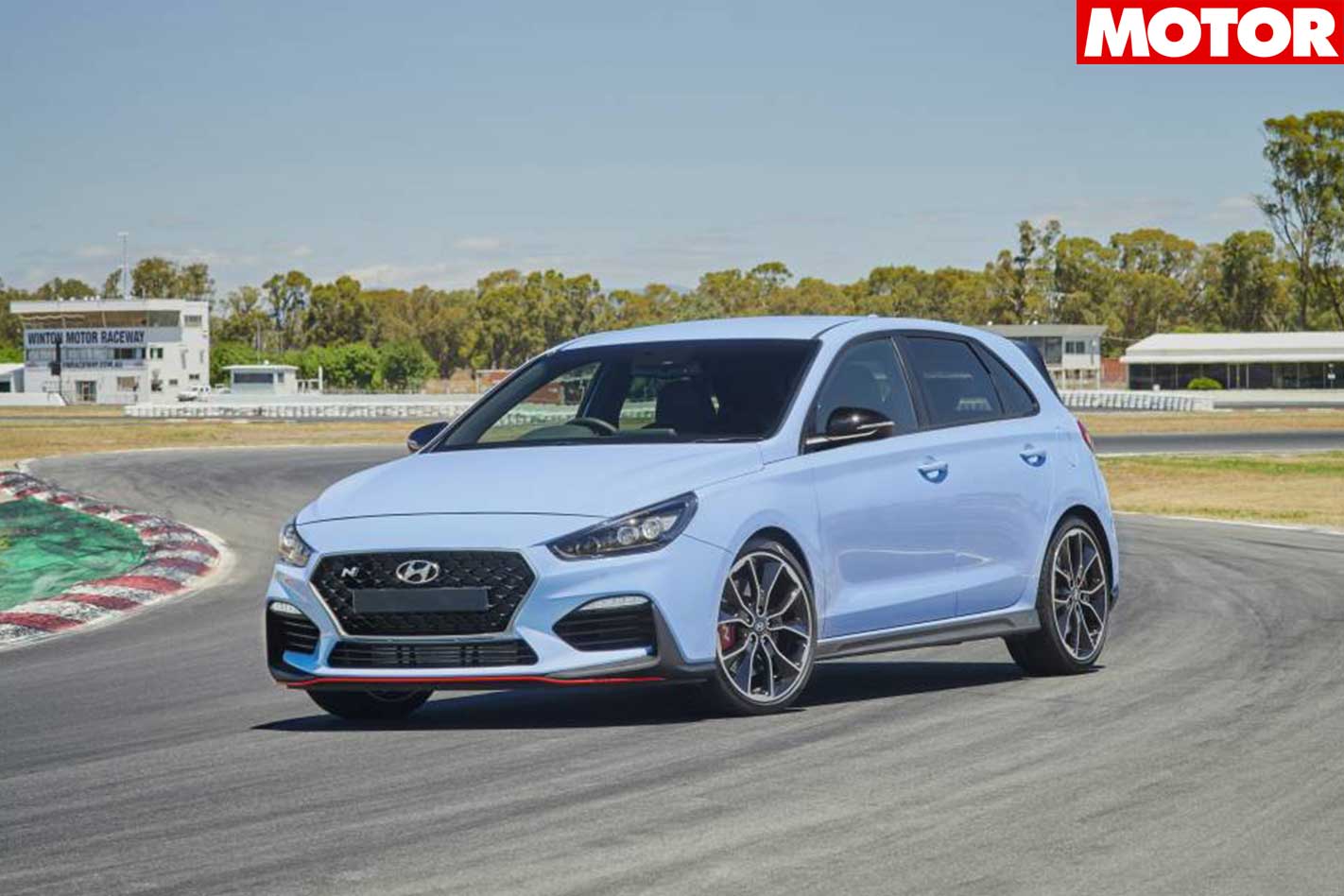
The i30 N is available in Australia, with pricing starting at $39,990 before on-roads.
Stay tuned for MOTOR’s local launch review of the i30 N, coming Thursday March 29.
THE future of GM’s – and potentially even Holden’s – rear-drive performance heroes has been revealed. Overnight, the US car making giant unveiled a heavy-hitting, twin-turbo V8 that is as powerful as the supercharged 6.2-litre one powering the swansong HSV Clubsport, but is almost 50 percent smaller.
And, it’s more than likely that the 4.2-litre small-displacement V8 was honed right here in Australia, at GM’s Lang Lang-based top secret centre for rear-drive development. We didn’t know it at the time, but one sharp-eyed Wheels reader has quite possibly caught the car that will wrap around it – the box-fresh Cadillac CT6 V-Sport – as it travelled through Melbourne wearing a full disguise.
The “estimated” 410kW at 5700rpm/850Nm at 3200-4000rpm V8 – GM’s fine print suggests the actual performance could nudge higher – runs a “hot V” setup that places the pair of turbos on top of the banked cylinder heads. It will also come in a detuned 373kW at 5000-52000rpm/750Nm at 2600-4600rpm spec.
The new engine – we’re yet to learn its code – provides 98kW per litre of displacement – HSV’s 6.2-litre LSA produced the equivalent of 66kW/L. According to Cadillac, it’s a clean-sheet design “that also introduces unique design elements developed to balance performance and efficiency with compact, mass-efficient packaging”.
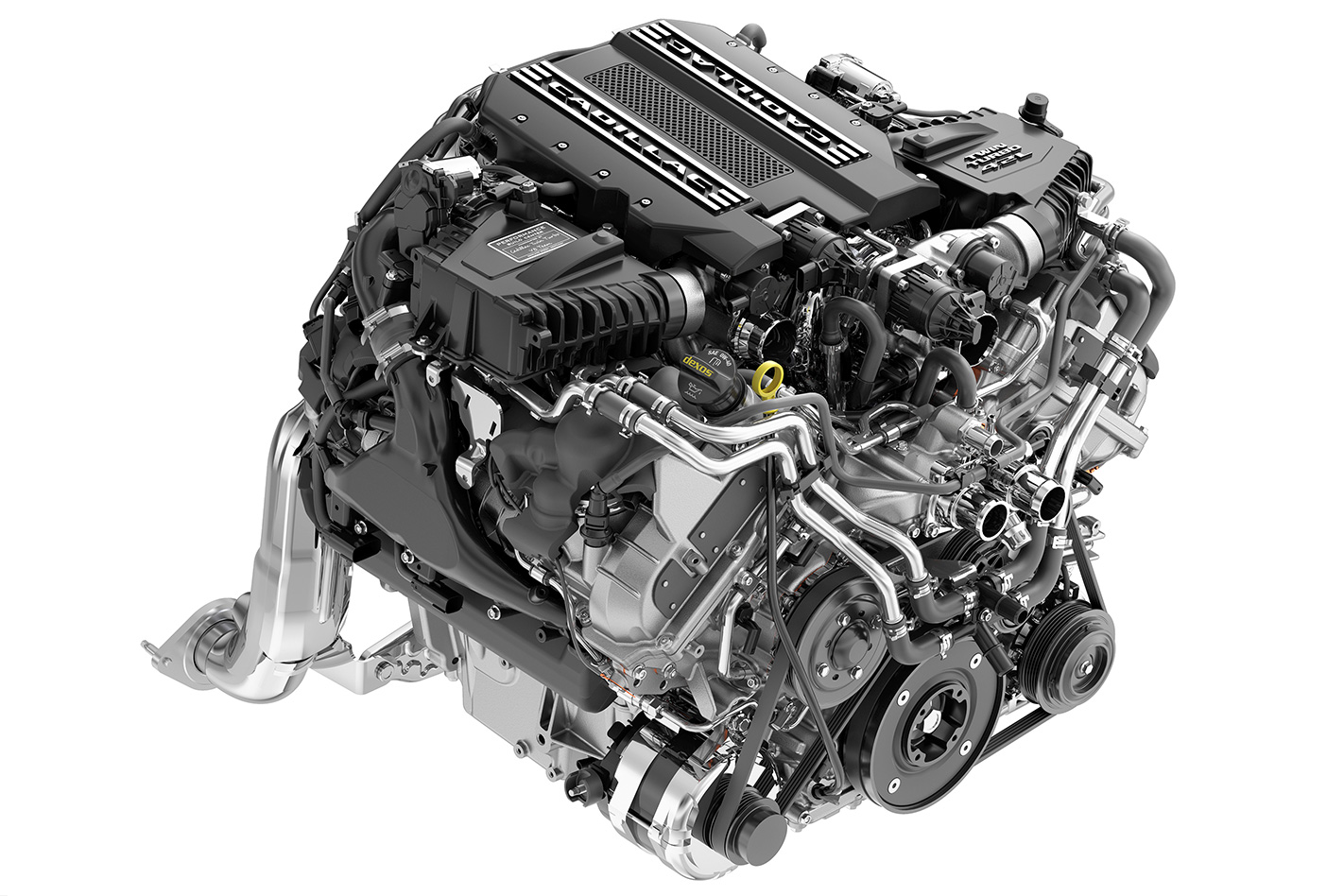
“In a conventional turbocharged engine, the cylinder heads receive the pressurised air charge through ports at the top of the engine and the exhaust exits through ports on the lower outside of the heads, into manifolds connected to the turbochargers,” Cadillac said. “With Cadillac’s innovative hot V design, the intake-charged air enters through the lower outside of the heads and exits through the top inside — where the turbochargers are integrated with the exhaust manifolds — for quick spool-up that translates into more immediate power delivery. The design also allows closer mounting of the catalytic converters, for efficient packaging.”
The design of the exhaust manifold – that the turbo housings are integrated into – allows gases to pass through either of a pair of nozzles feeding into the turbine’s drive. Which nozzle is used depends on the engine’s pulses feeding into the manifold to scavenge more energy.
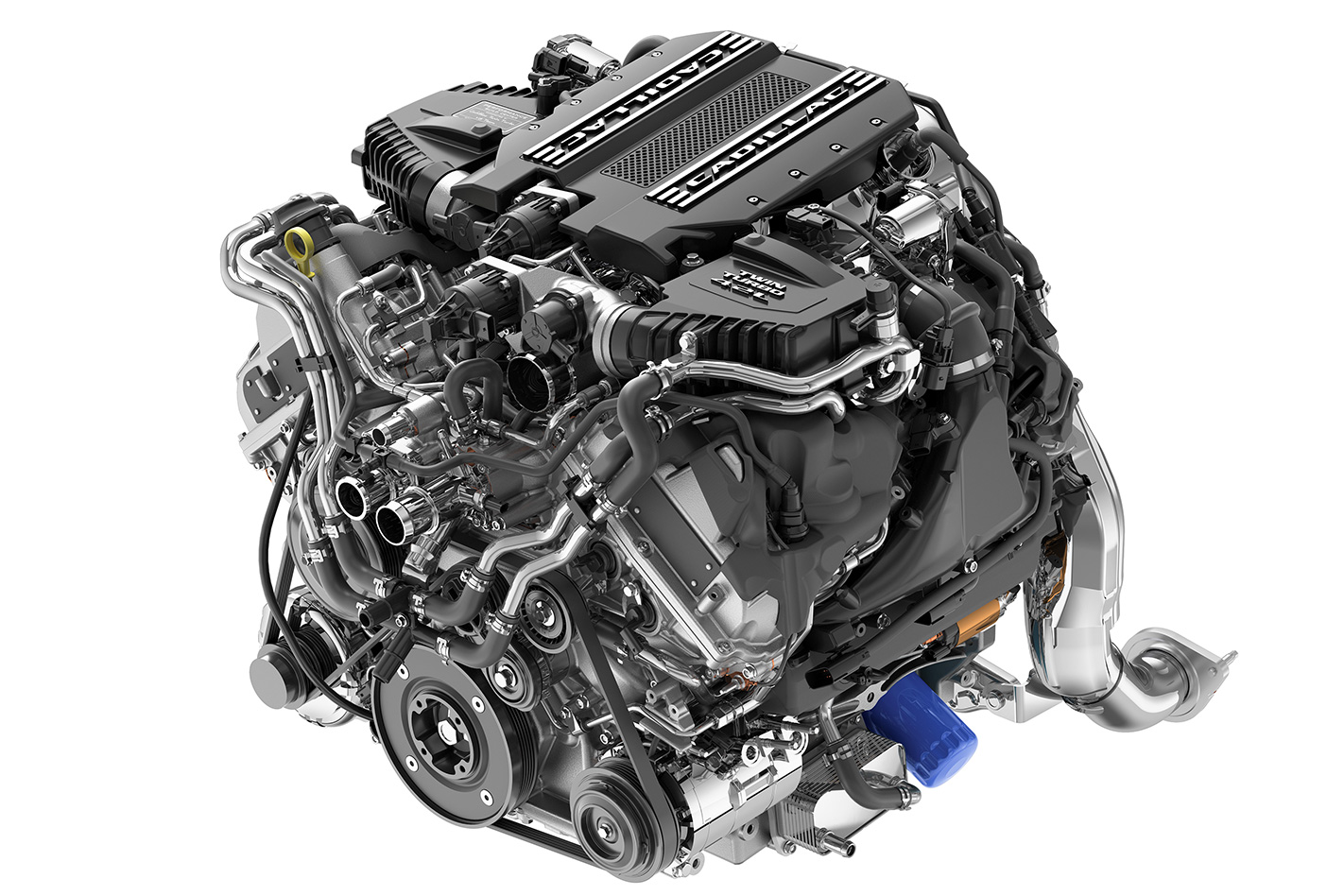
The aluminium engine incorporates a number of features including twin water-to-air charge coolers, twin 59mm throttle bodies, 5075psi direct injection, fuel-saving dual-independent camshaft phasing, cylinder deactivation that shuts down two cylinders, a stop-start system, and a variable pressure oil pump.
Internally, the 90.2mm stroke/86mm bore engine gains a forged steel crankshaft and connecting rods, and high-strength aluminium pistons. The heads feature 36mm intake valves and 29mm sodium-filled exhaust valves.
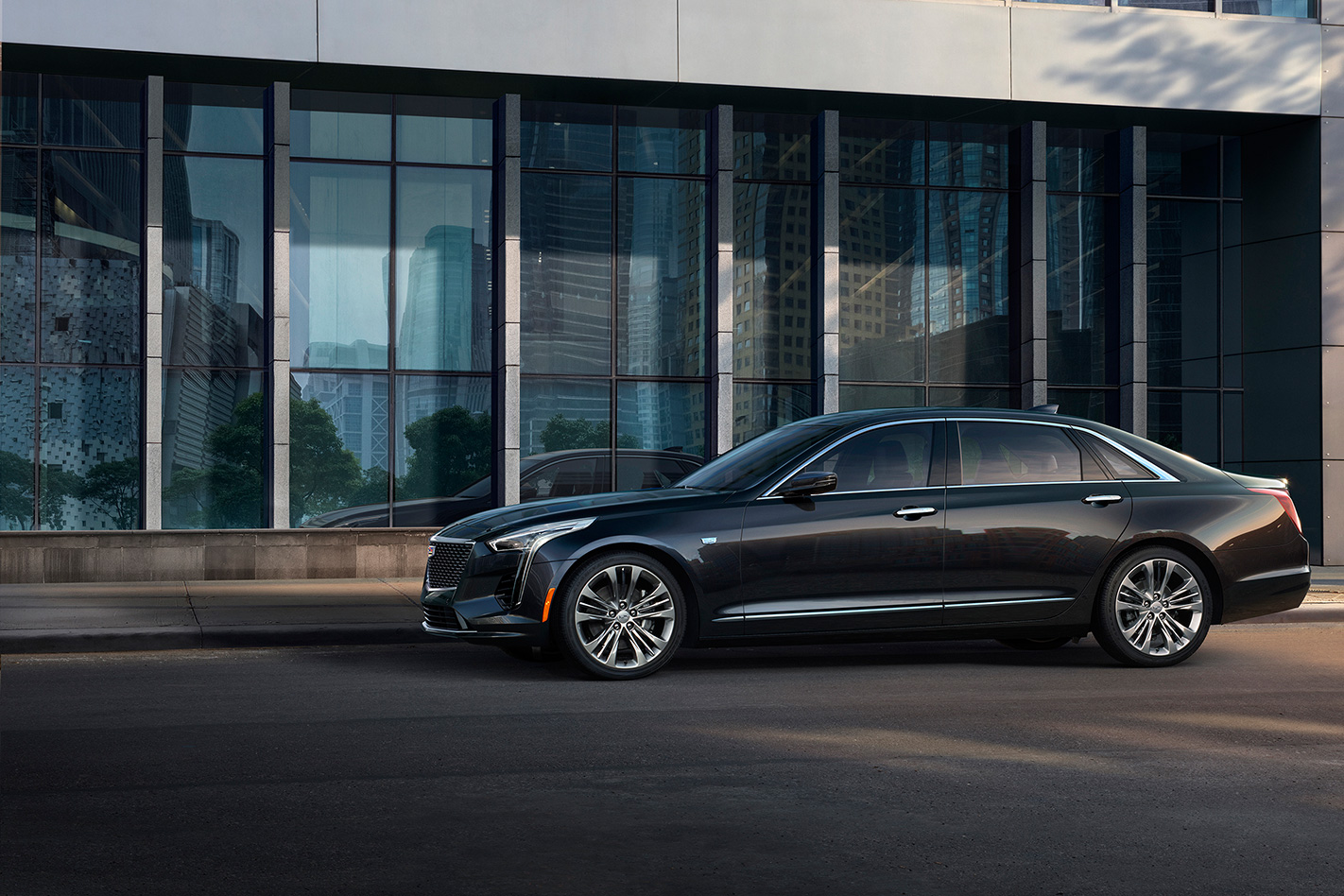
However, Holden has long promised that it would one day add a V8-engined, rear-drive hero to its Australian showroom – could this engine feature in it? Holden could not confirm that when that V8 came to Australia, this would be it. “We haven’t committed to anything at this stage,” the spokesman said. “We’ve committed to introducing a rear-drive V8 into Australia, and I guess that’s as far as we can go.”
The Lang Lang proving ground, south-east of Melbourne, has had a long history of powertrain development. One project that has never been confirmed was a V12 engine for a stillborn Cadillac project that featured two 3.6-litre V6 engines bolted together and mounted on the extended front chassis rails of a VE Commodore.
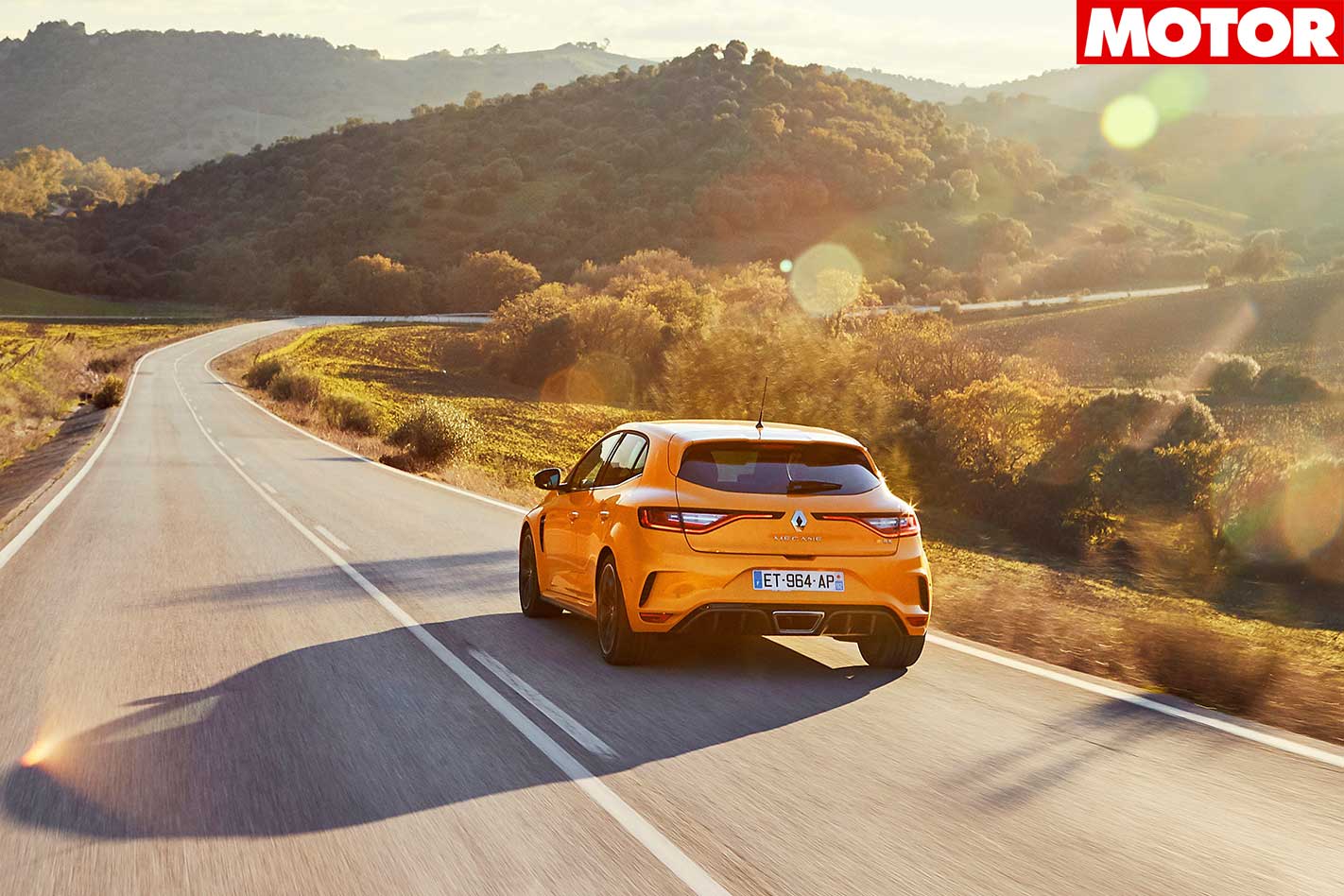
Few performance cars have been lavished with a more consistent tide of praise by hot hatchback aficionados than the Renault Megane RS.
This car has been the go-to fast front-driver for most of its life, having appeared with that memorable ‘bustle-back’ styling in 2004 and promptly set new class benchmarks for driver involvement and handling poise.
However, it’ll take brilliance to reclaim that mantle with the likes of the PCOTY-winning Honda Civic Type R and the all-wheel drive Ford Focus RS as rivals. For that reason and others, you could call the launch of this new Megane RS something of a watershed moment.
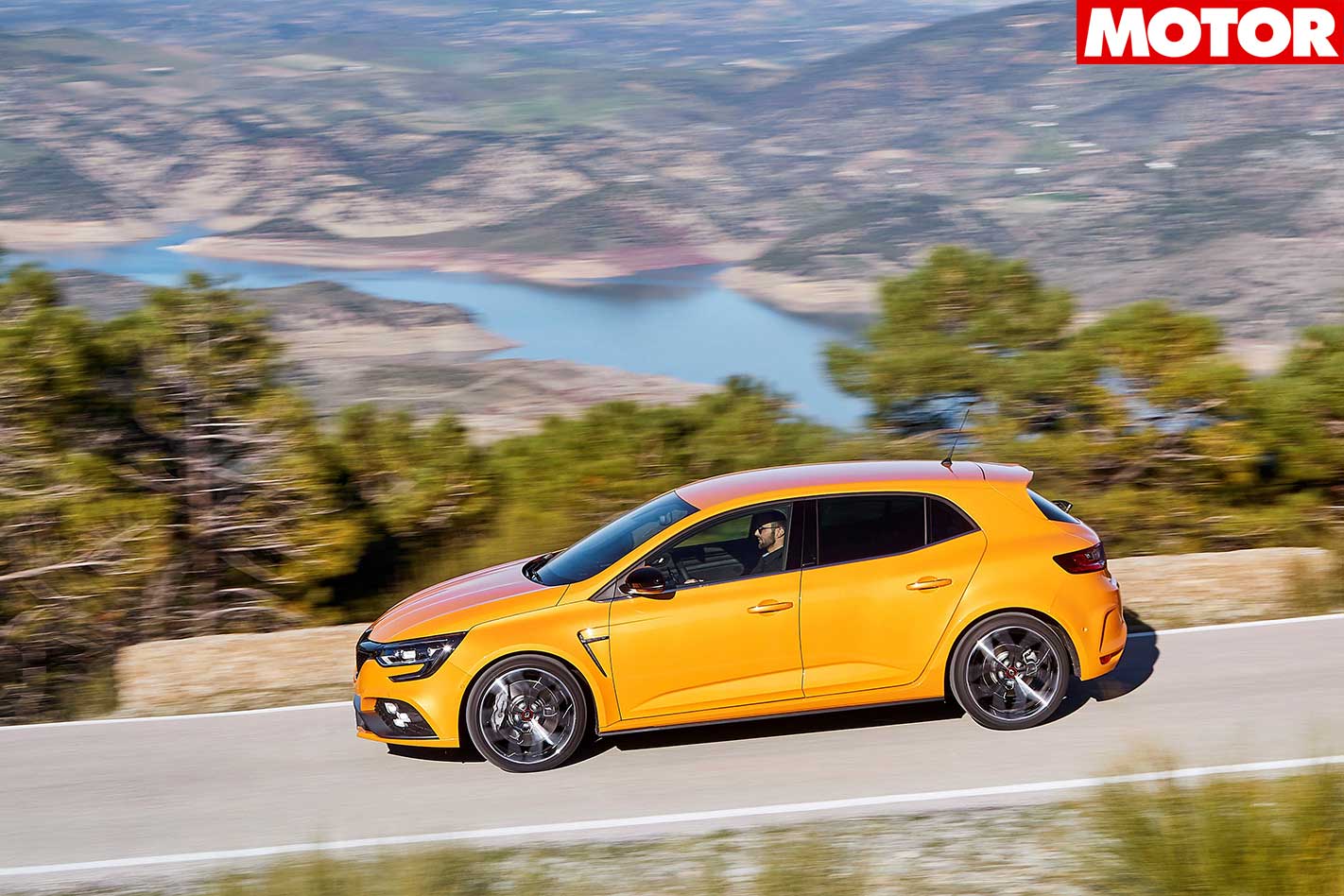
Meanwhile, has Group Renault’s Alpine A110 sports car, brilliant as it may be, swallowed up so much valuable engineering attention and resource that what could be considered Renault Sport’s most important model has been left undernourished? It’d be understandable. But forgiveable? I’m not so sure.
Some good news would definitely be welcome – and maybe we’re about to get some. Although it retains front-wheel drive, the fast Megane has been through an overhaul that would seem every bit as thorough and attentive, on paper, as that of any of its rivals.
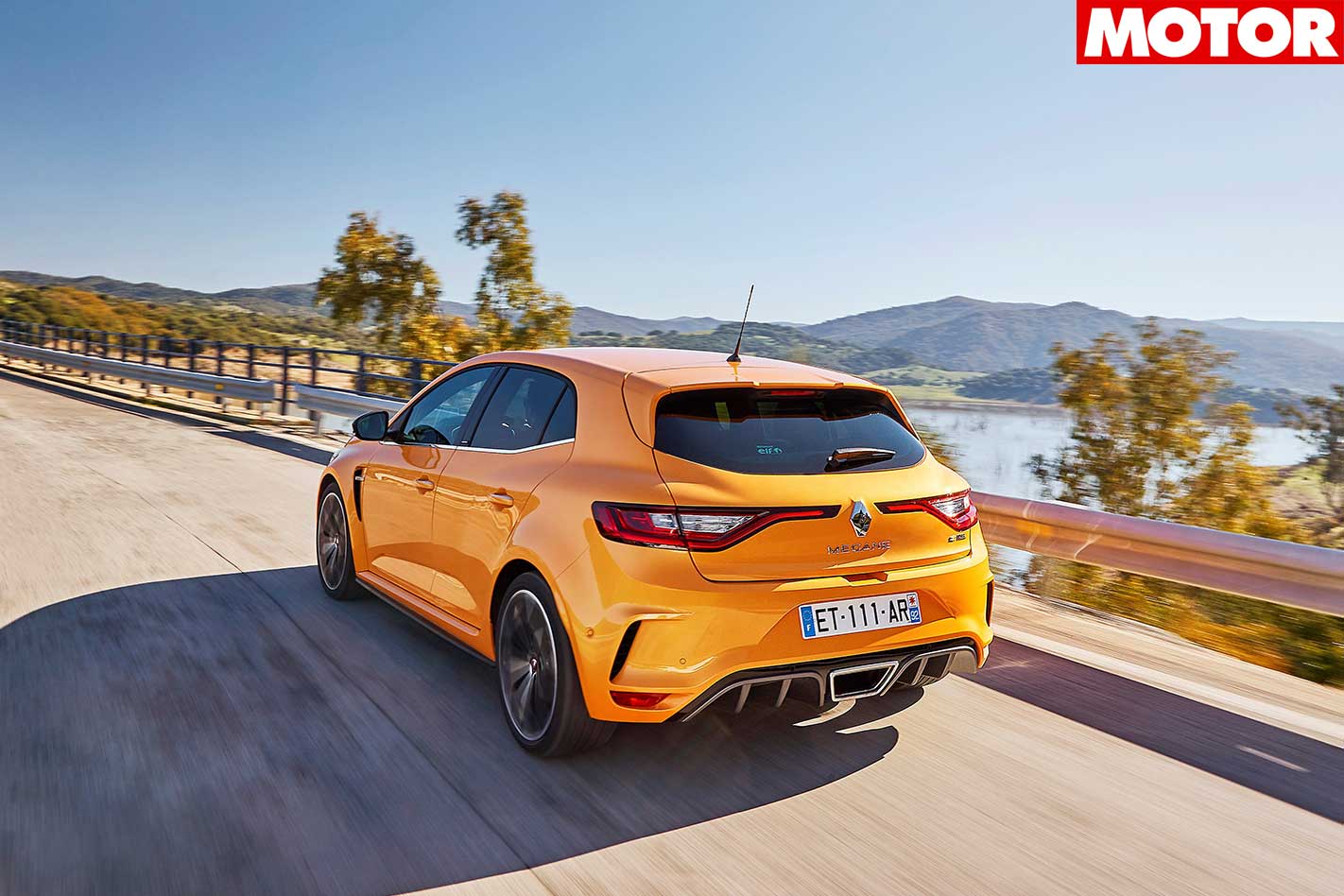
For suspension, the Megane RS sticks with struts up front and a torsion beam at the rear, but its front configuration has new geometry and retains Renault Sport’s PerfoHub, which reduces kingpin angle offset and therefore better resists torque steer and bump steer.
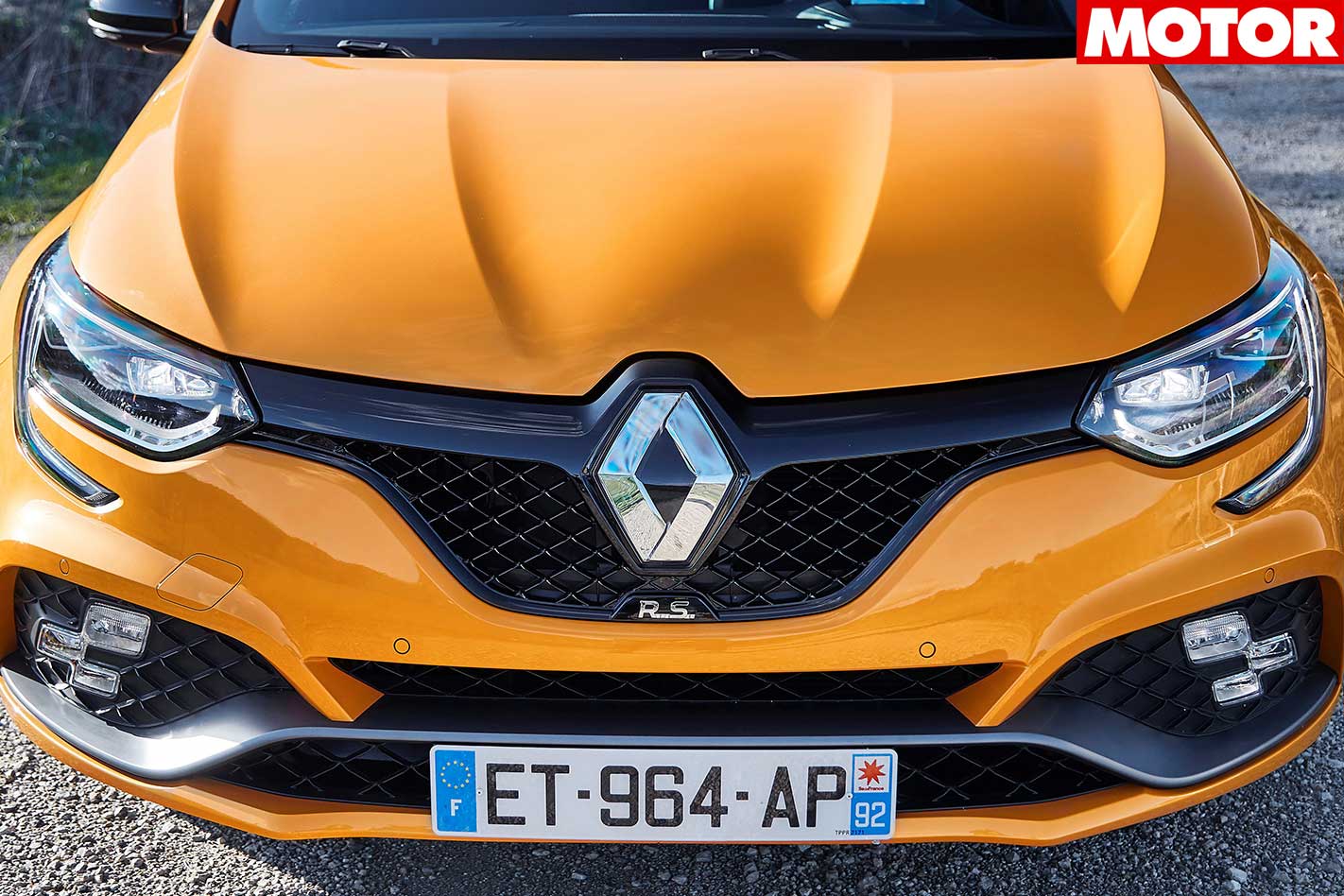
In more familiar vein, you can have the Megane with a slightly softer Sport suspension tuning (partnered with an electronic brake-actuated torque vectoring system) or firmer Cup settings.
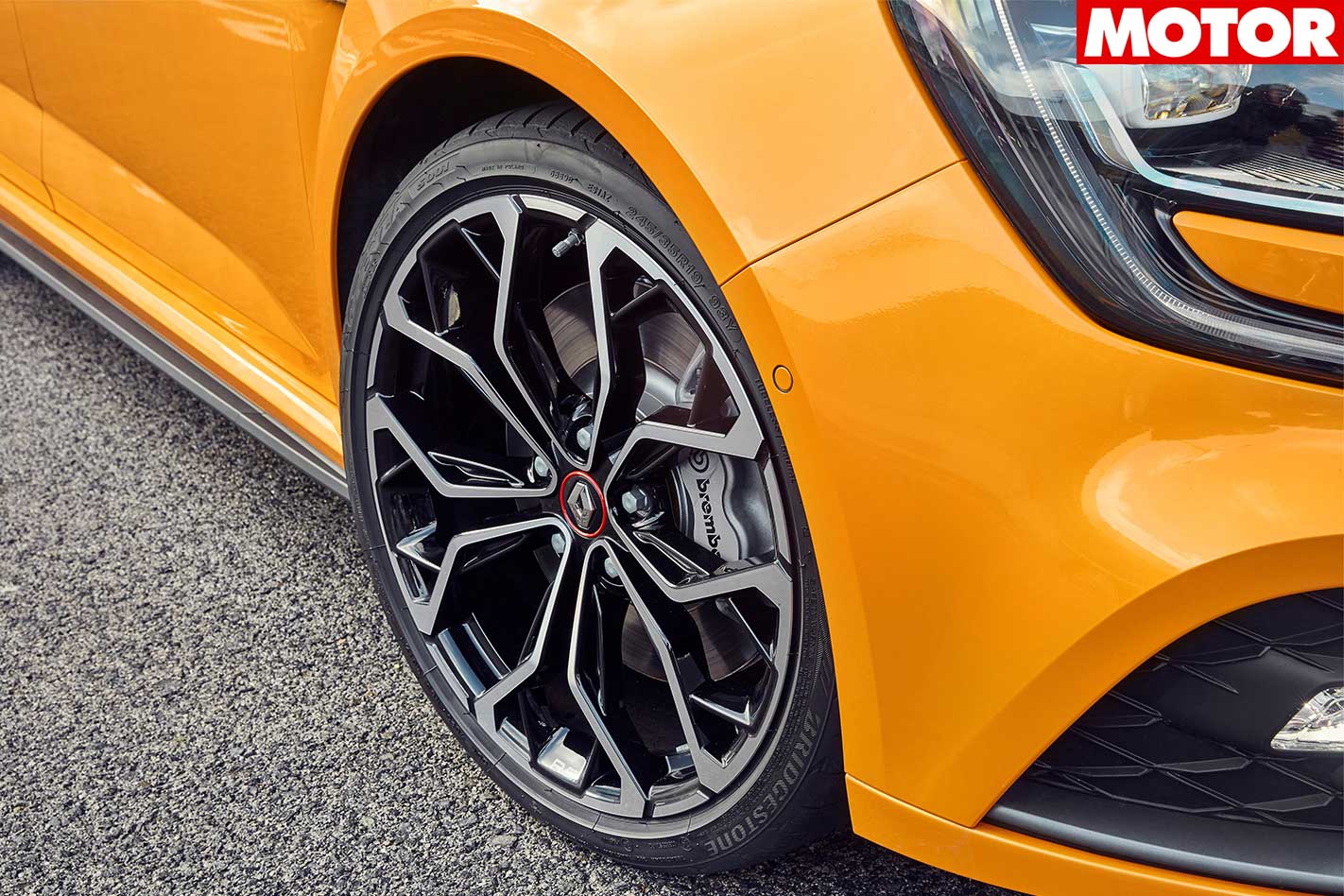
With Cup, you also get a Torsen mechanical slippy diff configured for greater lock-up under power and less drag effect on a trailing throttle than the outgoing Megane 275’s GKN slippy diff was configured for. Enlarged, 19-inch wheels fitted with Bridgestone tyres and uprated lightweight brakes with aluminium hubs are options on Cup-spec cars.
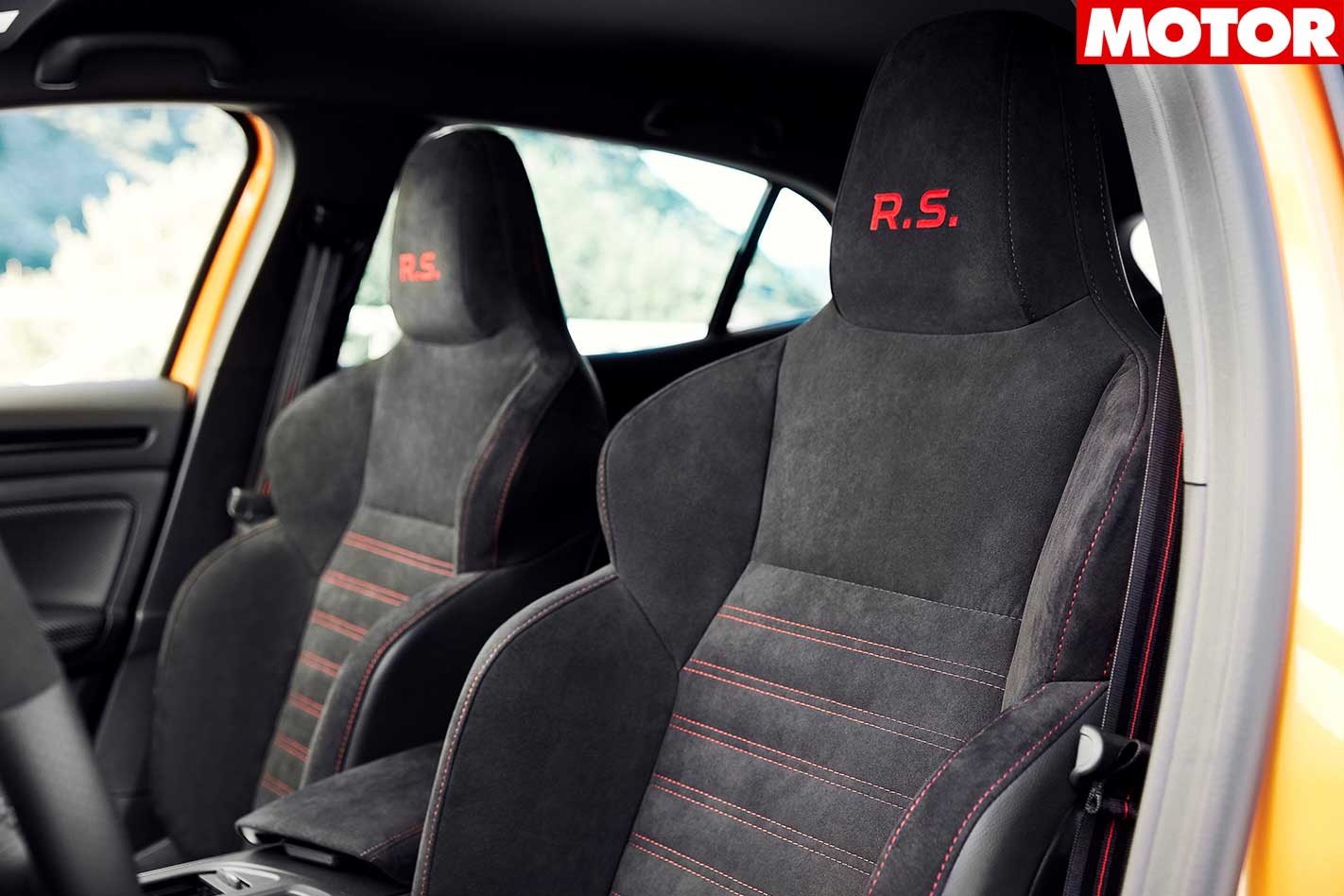
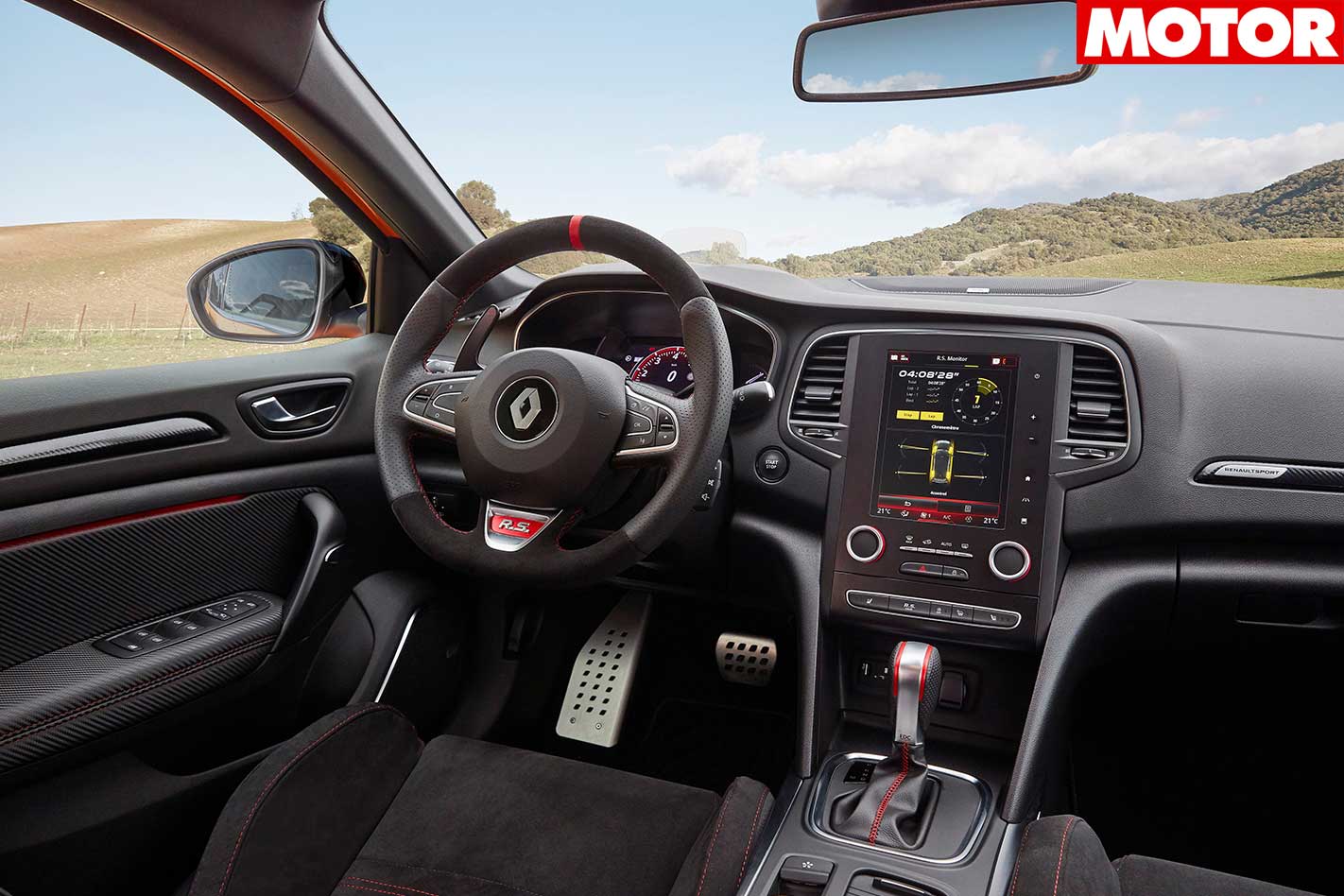
The current Megane’s cockpit makes for a decent departure point for a performance treatment, albeit one with some minor frustrations. The RS 280’s Alcantara sports seats are good and supportive, and the driving position they grant is also good by class standards. Thankfully you don’t sit uncomfortably high and the controls are well located in front of you.
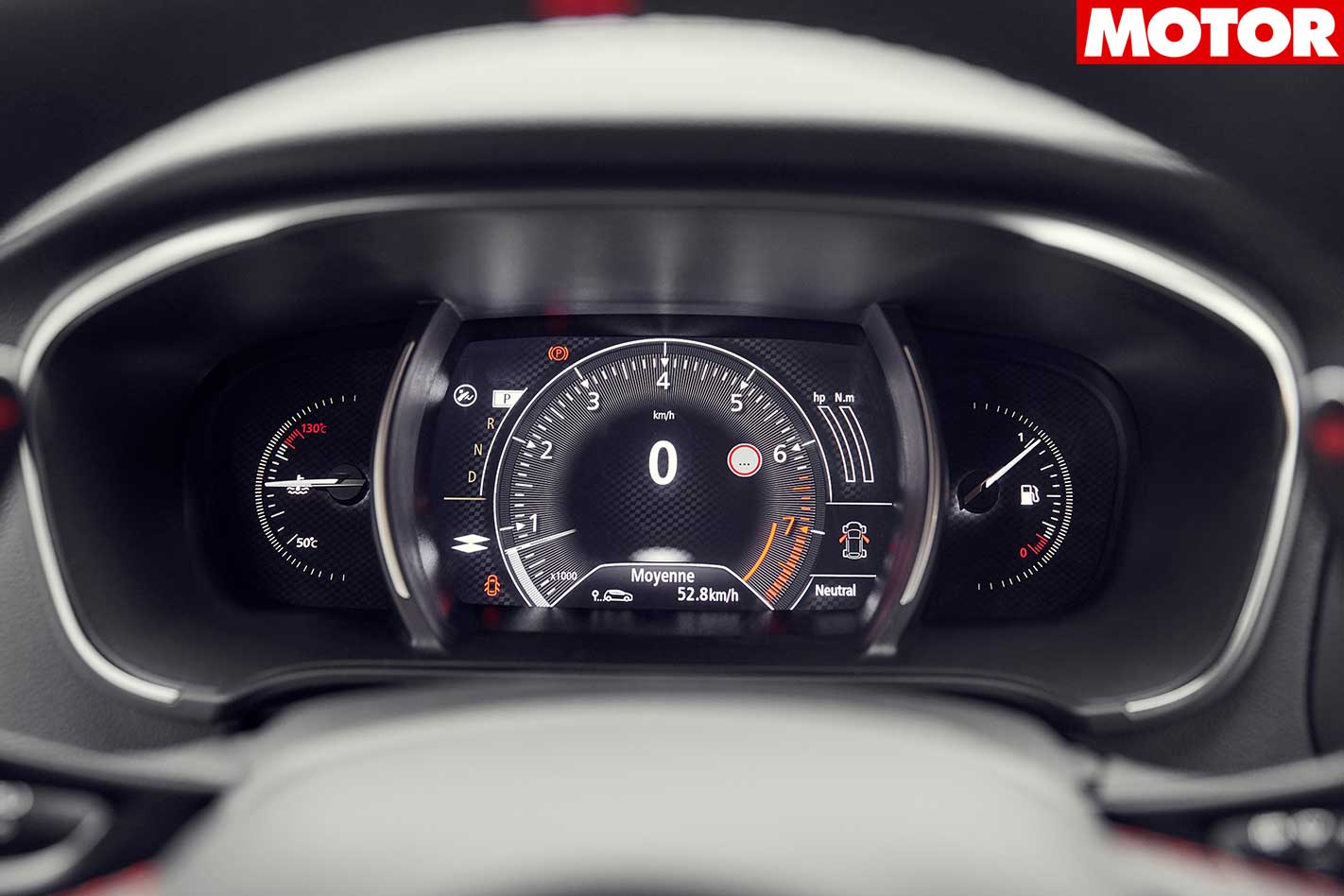
Equally odd are the part-analogue, part-digital instruments, which consist of a square digital screen made up mainly of differently themed analogue rev counters and a digital speedo, but whose available screen space is drastically curtailed by oversized analogue fuel level and water temperature gauges to either side of it.
One bigger screen, with temperature and fuel information you could call up when needed (or at least scale to your preference), would have been a much more intelligent layout. Details, perhaps.
But having been criticised so strongly for the Clio RS 200’s flimsy-feeling paddles, it’s amazing that Renault Sport should have repeated almost exactly the same offence with that car’s new bigger brother.
The Megane’s shift paddles have better haptic feel than the Clio’s, to be fair, and the ‘crushed cornflake’ action is notable by its absence. But they remain awkwardly placed on the steering column (displaced upwards by Renault’s trusty old column-mounted audio remote control) so they’re a slight stretch for your fingertips every time you need to grab a gear.
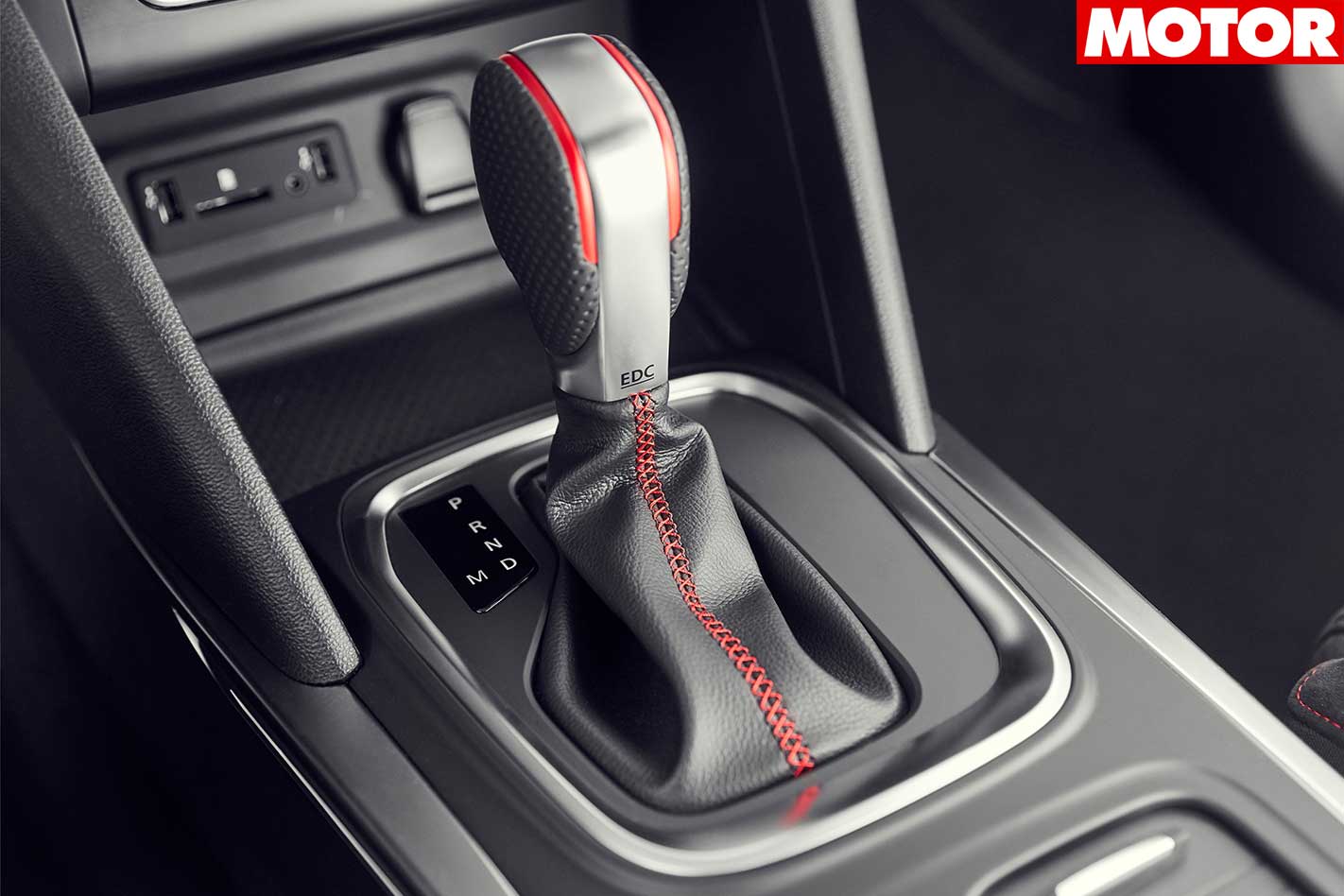
Renault’s EDC gearbox itself does a respectable job of managing the car’s gear ratios and gives you something more like that close control you want over the driving forces going into the front wheels than the Clio RS 200’s gearbox ever managed. It’s quicker on the upshift than on its way down, though, and nothing like as smooth or judicious with its shift timing in ‘D’ as the better ‘flappy-paddle’ hot hatches with which you might compare it.
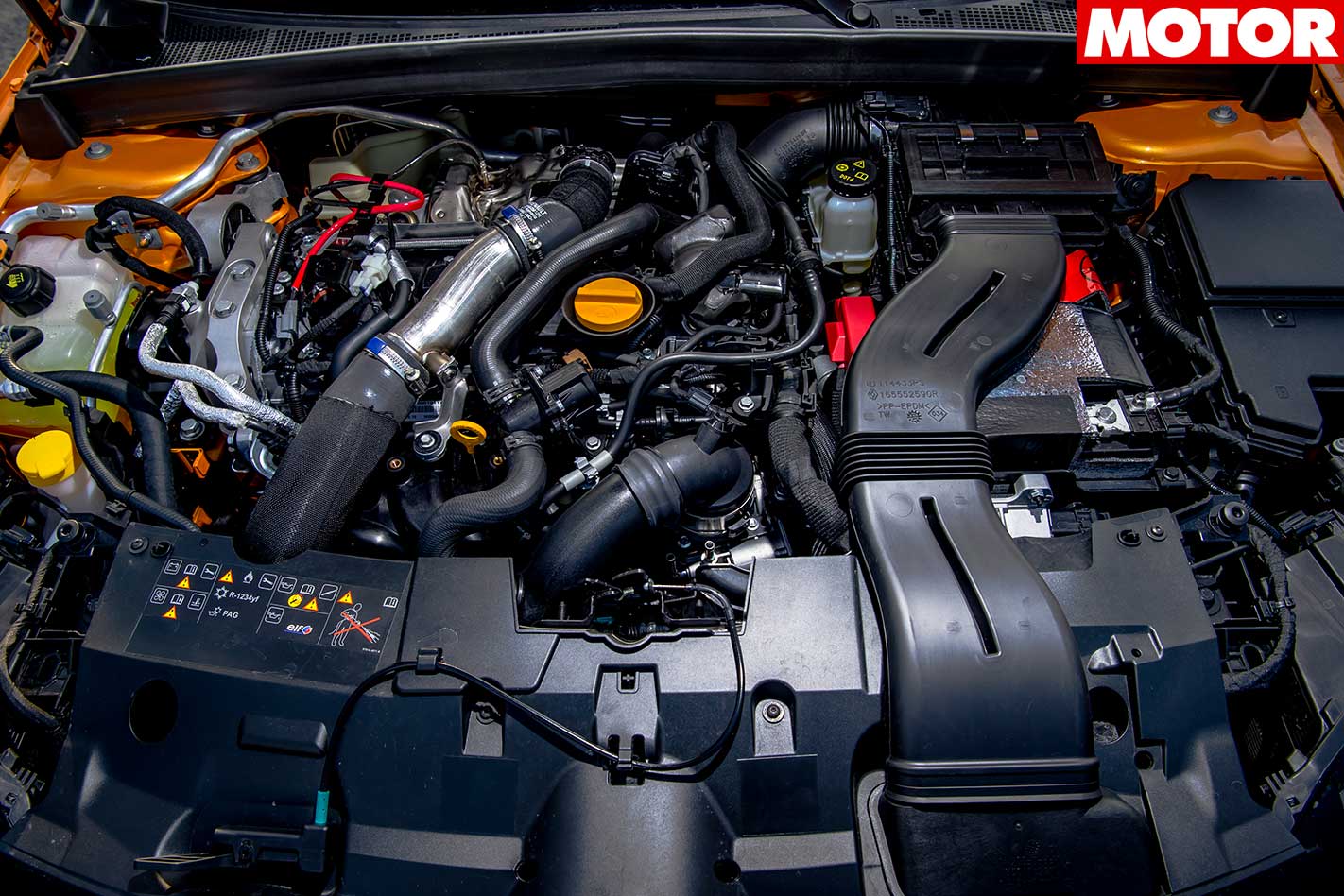
But as a replacement for the old Megane 275’s blown 2.0-litre engine, I’m not sure ‘better than average’ makes it worthy. Because although the Megane RS 280 has abundant real-world on-the-road performance, it’s not thanks to its engine.
The motor is torquey and free-ish revving, but also sounds a bit ordinary, suffers a little with iffy throttle response throughout the accelerator pedal travel and doesn’t breathe in and keep hauling with anything like the high-range urgency of a Civic Type R’s 2.0-litre. As hot-hatch engines go, it’s just all right.
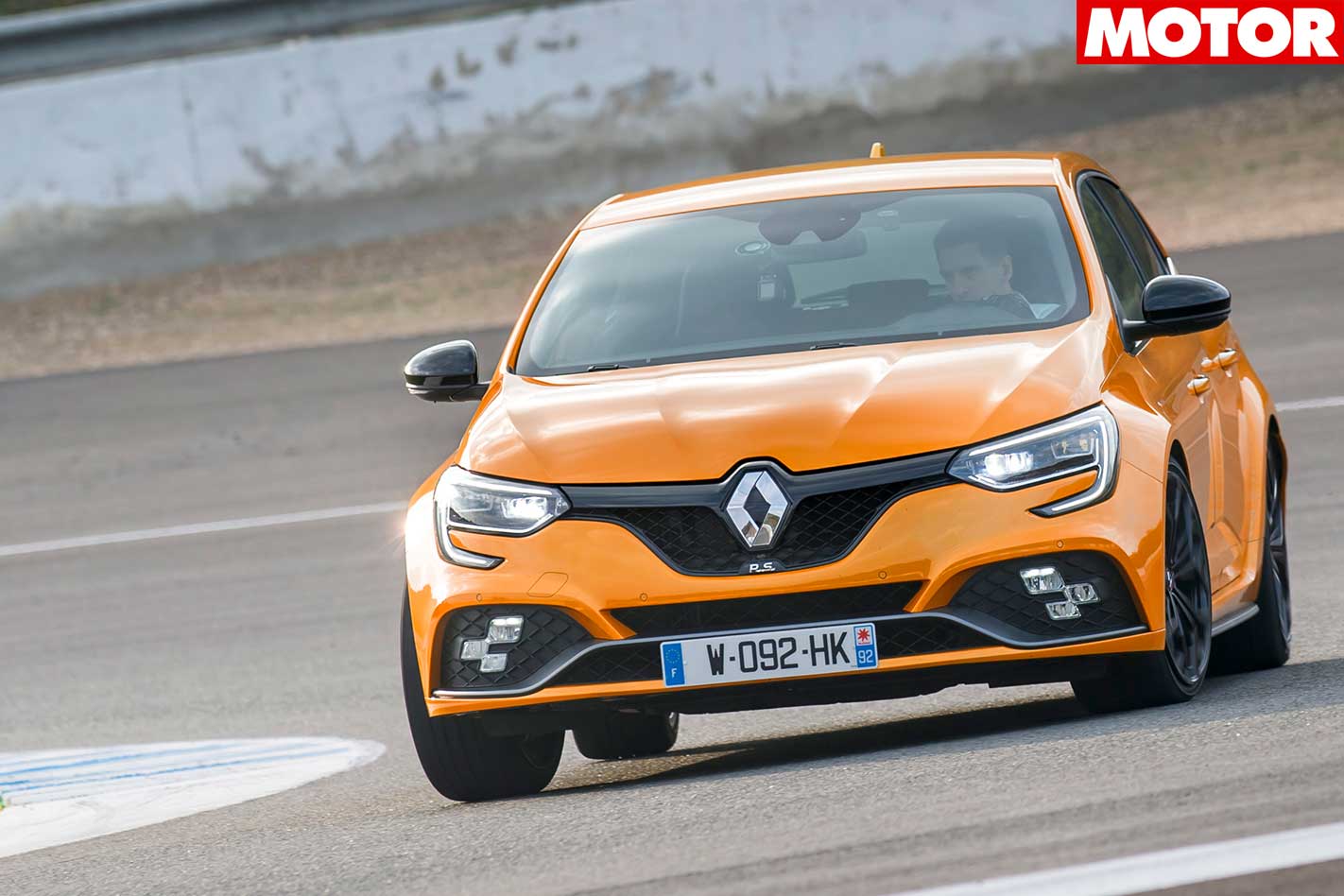
The car steers faithfully, with useful weight and plenty of feel. But the deftness, suppleness and fluency of its ride is outstanding on bumpy roads, and is somehow set off against first-rate, progressive body control in a combination that no rival hot hatchback could match, I’d wager.
Better still are the Megane RS 280’s true showstoppers: totally absorbing handling agility, brilliant cornering balance and a flair for playfulness that might even make a Type R seem straight-laced.
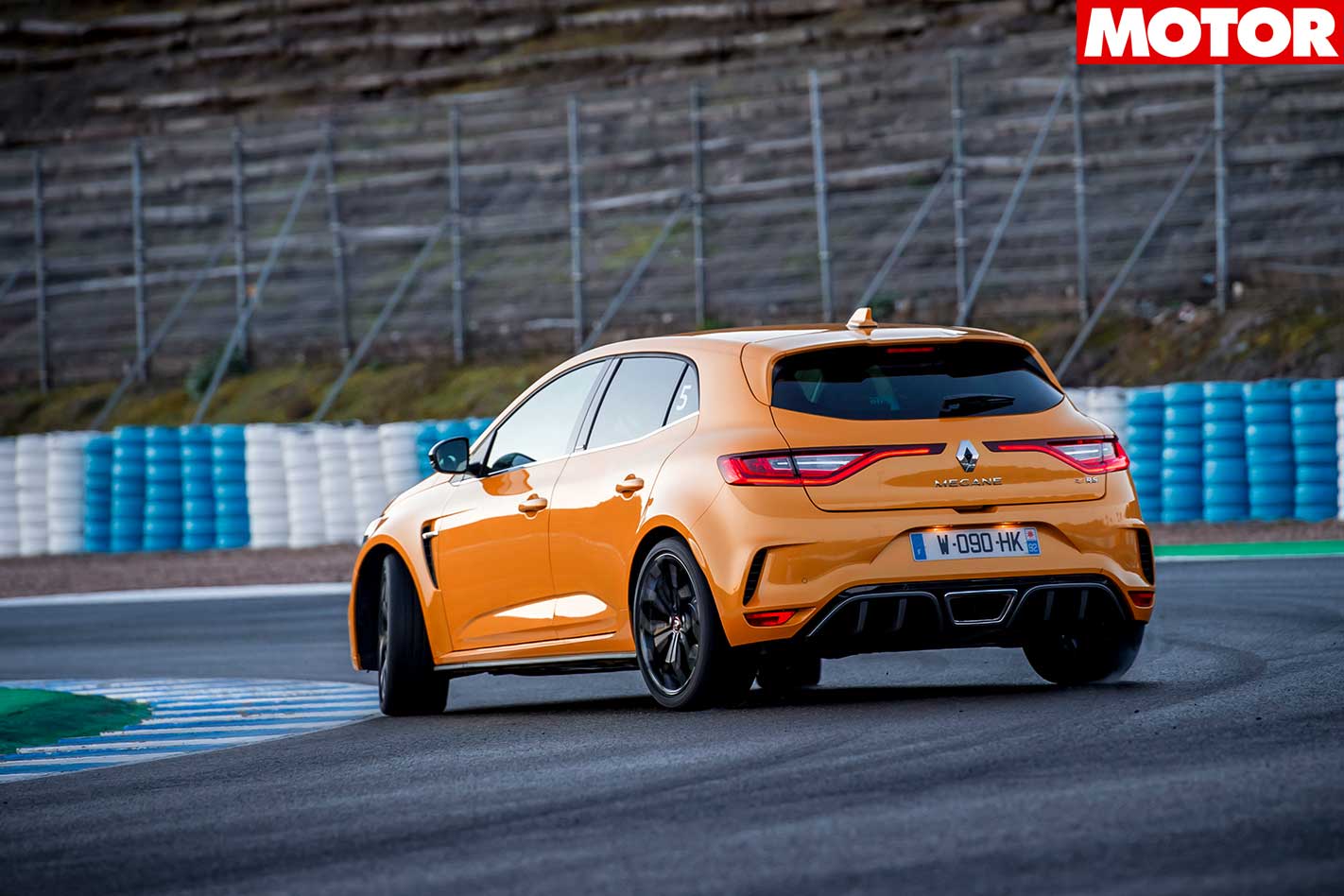
In most four-wheel-steered cars, this happens at around 50km/h. In the Megane RS 280 – and in Race mode, remember – you get a counter-steered rear axle all the way up to 100km/h. And so the car turns in with amazing alacrity and carries big mid-corner speed so effortlessly on a balanced throttle.
Where does that leave the Megane RS 280? Pretty plainly, it’s staggeringly good in some ways, ‘all right’ in others – and not without the odd frustration, either.
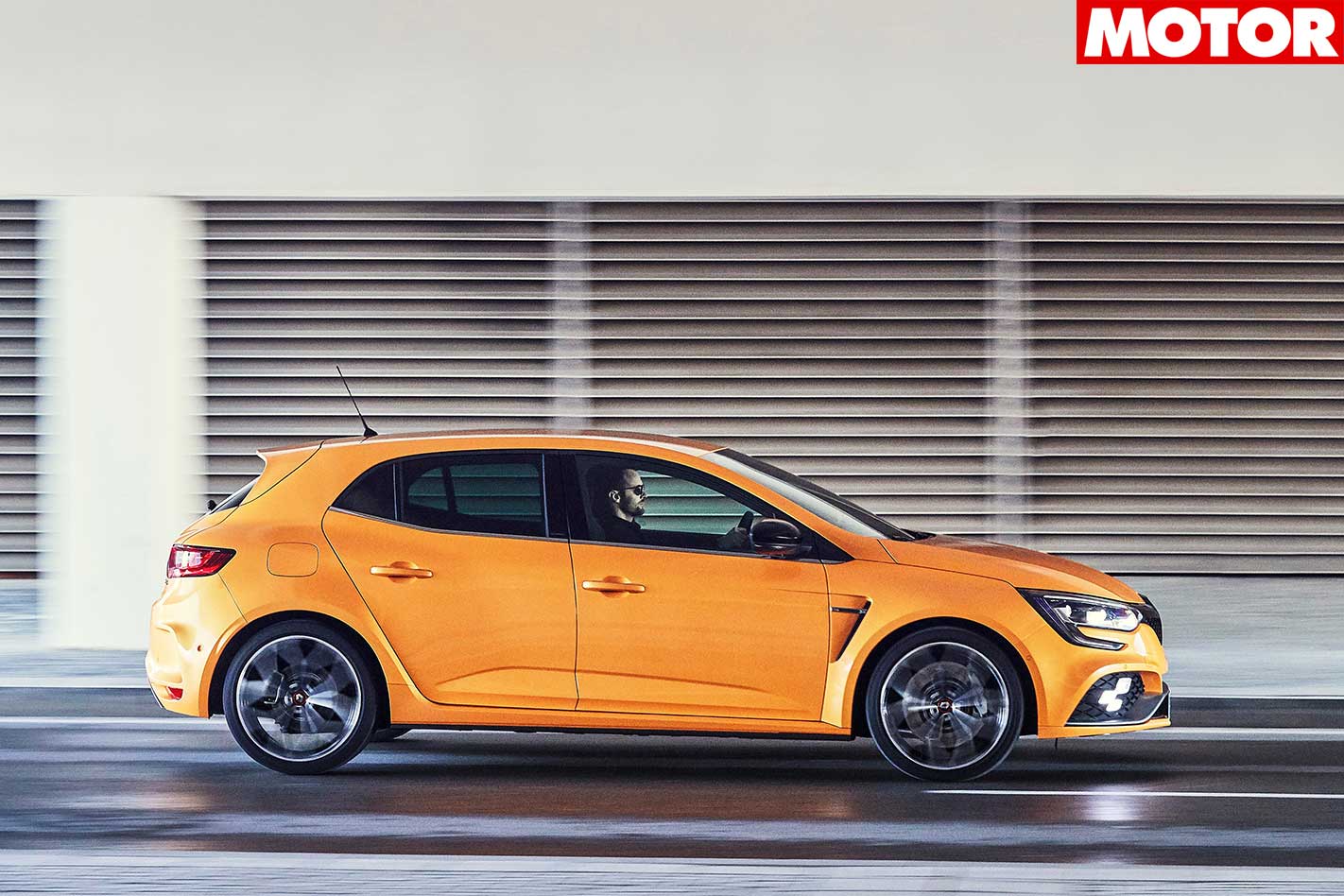
However, the handling could yet prove itself capable of hitting even greater heights in Cup specification than it has already in Sport trim. If it does, how much will a slightly ordinary engine and some curious fixtures and fittings really matter to a devoted petrolhead?
Ride Control Why the RS 280 spurns adaptive dampers
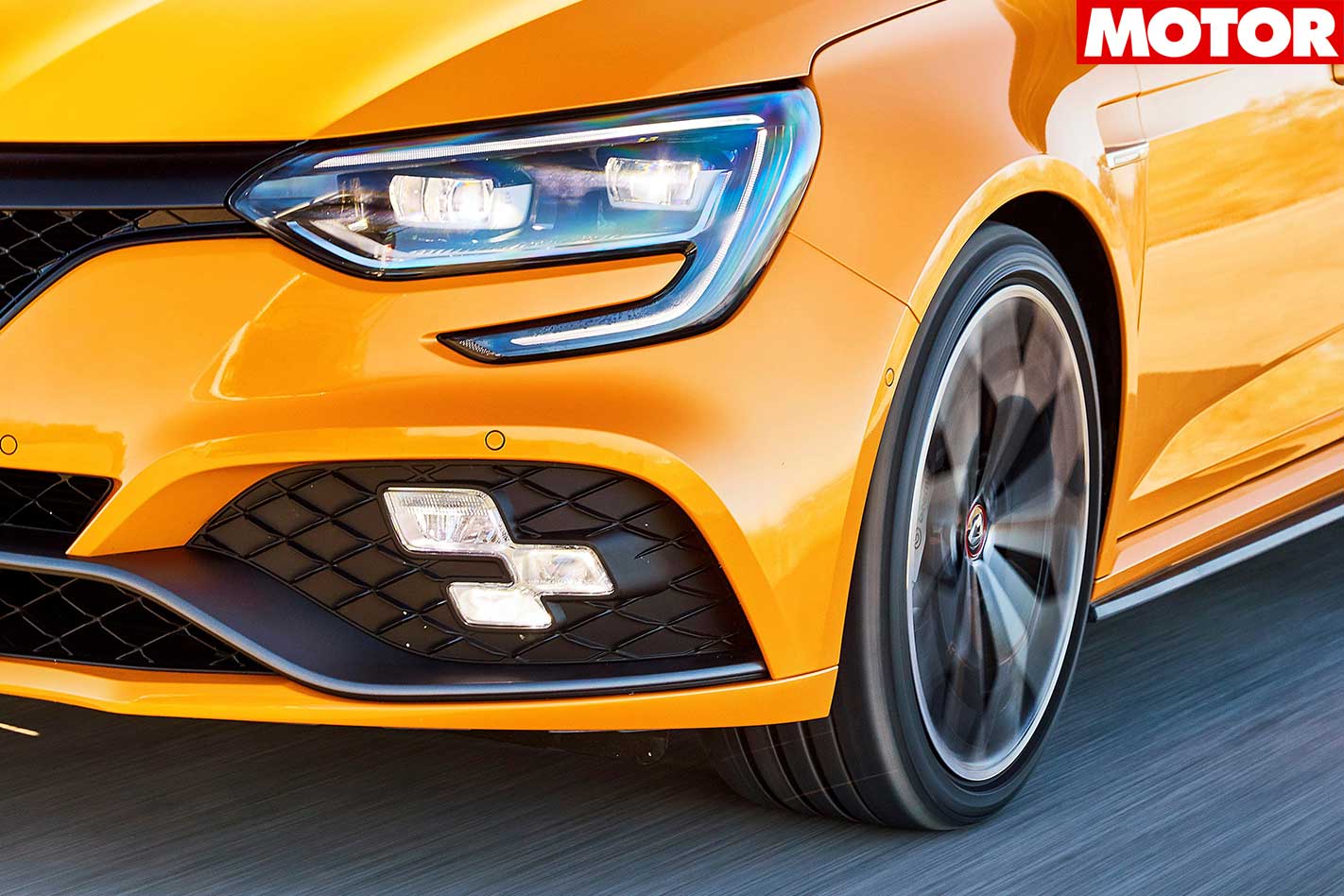
Described by Renault as “a damper within a damper”, they’re independent fluid-filled shock absorbers that sit on the lower end of the front and rear suspension struts. And while they’re commonly fitted to rally cars – and the new Megane uses them at all four corners – the Clio RS uses them on its front axle only.
Credible? Only because of Renault Sport’s chassis tuning pedigree.
2018 RENAULT MEGANE RS 280 SPECS: Body: 5-door, 5-seat hatch Drive: front-wheel Engine: 1798cc inline 4, DOHC, 16v, turbo Bore/Stroke: 79.7 x 90.1mm Compression: N/A Power: 205kW @ 6000rpm Torque: 390Nm @ 2400-4800rpm Power/Weight: 143kW/tonne Transmission: 6-speed dual-clutch Weight: 1430kg Suspension: dual-axis MacPherson struts (f); torsion beam (r) L/W/h: 4364/1875/1435mm Wheelbase: 2669mm Tracks: 1615/1596mm (f/r) Steering: electronically assisted rack-and-pinion Brakes: 355mm ventilated discs, 6-piston calipers (f); 290mm solid discs, single-piston calipers (r) Wheels: 19.0-inch (f/r) Tyre sizes: 245/35 R19 (f/r) Tyre: Bridgestone Potenza Price: $45,000-$55,000 (estimate)
LIKES: Chassis is a gem; ride quality; manual option DISLIKES: EDC ’box and paddle placement; engine
RATING: 4 out of 5 stars
NOTHING is as much of a statement as a convertible or coupe sports car, and now C-Class fans can get their hands on updated examples from Mercedes-Benz.
Available in the same four flavours as before; C200, C200 4MATIC, C200d and AMG C43 4MATIC, the coupe and cabriolet bodystyles follow on from the recently facelifted C-Class sedans and wagons, and will go on sale locally in August.
The entry-level C200 comes with a 1.5-litre turbocharged petrol four-cylinder with 135kW and 280Nm. Acceleration and economy are helped by a 48v mild hybrid system called EQ Boost that adds an extra 10kW and 160Nm into the mix, and doubles as a regenerative braking system to charge the battery. The C200 is also available in an all-wheel drive variant that retains the same powertrain, but is slightly slower to with the added weight of its all-wheel-drive system.
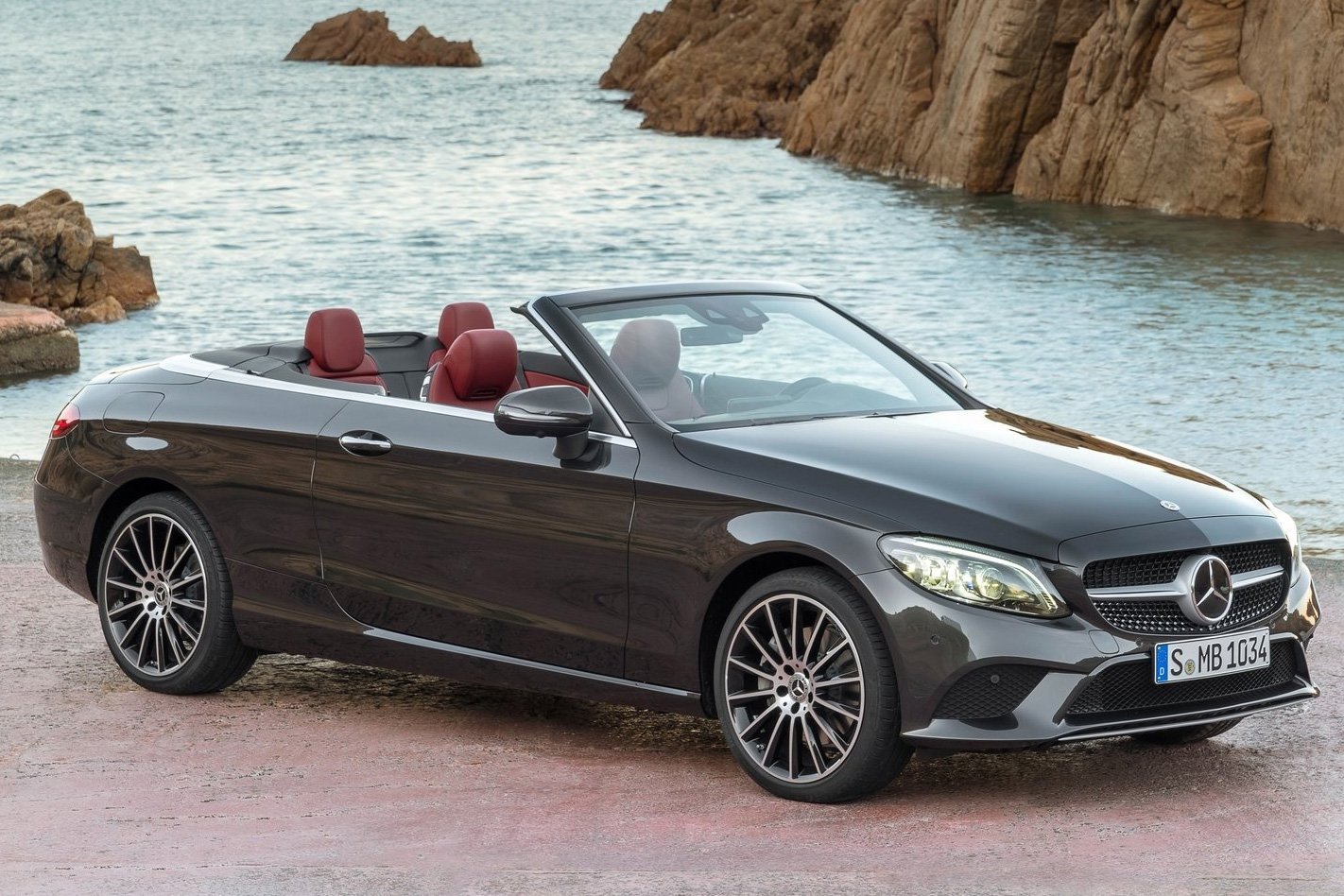
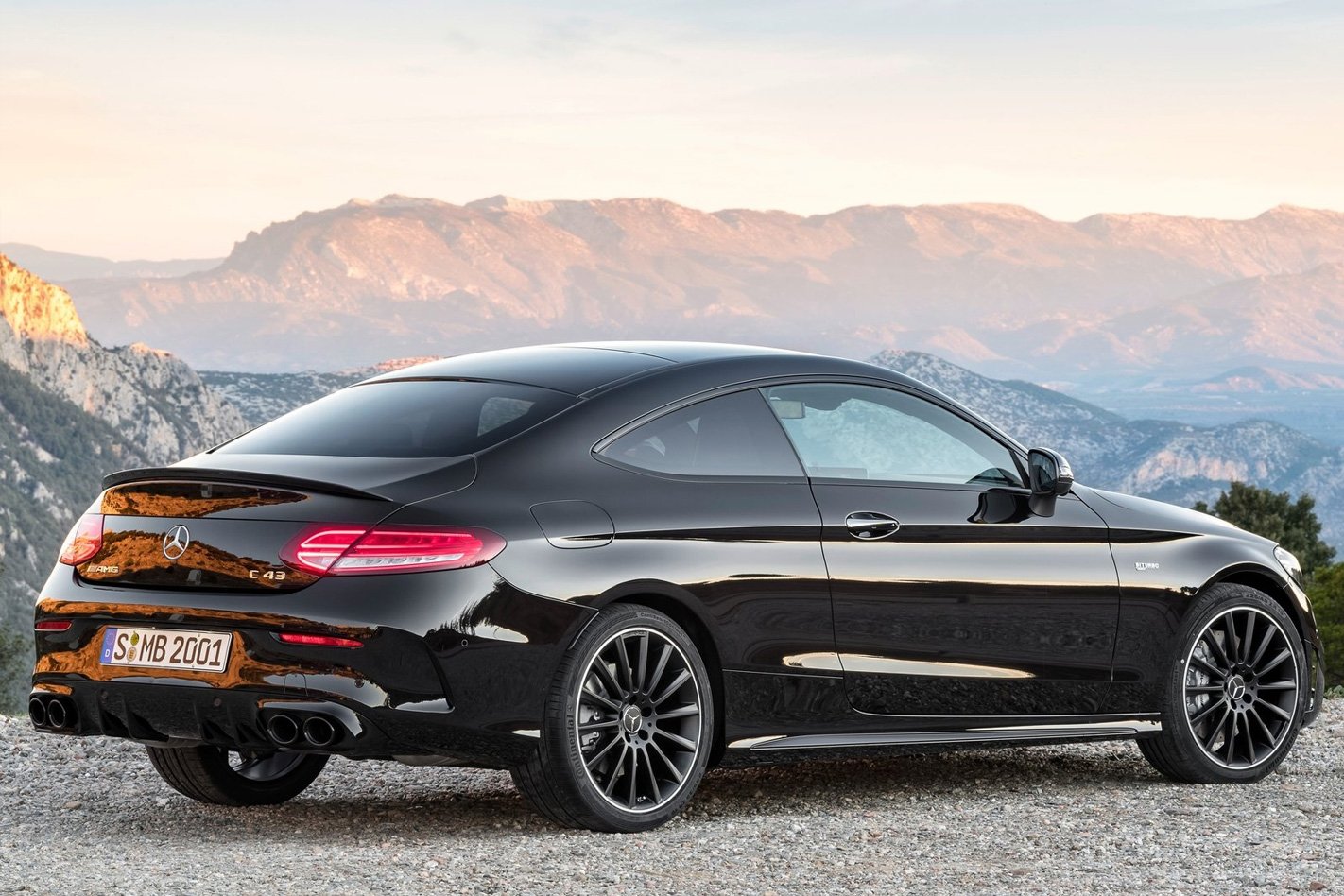
The AMG C43 4MATIC is the mid-tier AMG variant of the C-Class range, beneath the C63, and comes with a twin-turbo, 3.0-litre V6 with 287kW and 520Nm that permanently drives all-four-wheels and is good for a 0-100km/h time of 4.7 seconds and top speed of 250km/h.
All exteriors see updated front and rear styling and an extension of the chrome trimmings on the body. The LED headlights house ‘Multibeam’ technology; meaning they can shutdown isolated segments of the headlight so as not to blind oncoming motorists, and all variants come with Mercedes’ ‘Dynamic Body Control’ system that gives drivers a range of driving modes to choose from.
Prices for the updated models are yet to be confirmed. Pricing for the existing cars starts at $61,900 for the C200 and goes on to $102,611 for the AMG C43 variant. Retail costs are expected to be thereabouts when the new vehicles arrive in the latter half of 2018.
The 2018 Formula 1 season opener kicks off in Melbourne this weekend, and Renault Australia has used the event to unveil a limited-edition Clio called the RS 18, named after Renault’s 2018 F1 challenger.
Performance remains the same with engine hardware carried over from the Renault Clio RS 220 with 162kW and 280Nm, but there’s more bark with that bite thanks to a bespoke exhaust kit from Akrapovic.
The Clio’s suspension has been further fettled to give the car a lower stance and stiffer ride, with Renault’s patented hydraulic-compression stop technology in the front shocks, pulled from the larger Megane RS 280 Trophy.
Styled to reflect the team car in black-and-yellow Renault livery, the RS 18 is available in one colour choice, Deep Black, with black badges contrasted by yellow paint for the front diffuser, wheel centre caps and side accents. The car is adorned in RS 18 decals and badging, including a RS-branded door sill displaying each car’s individual build number.
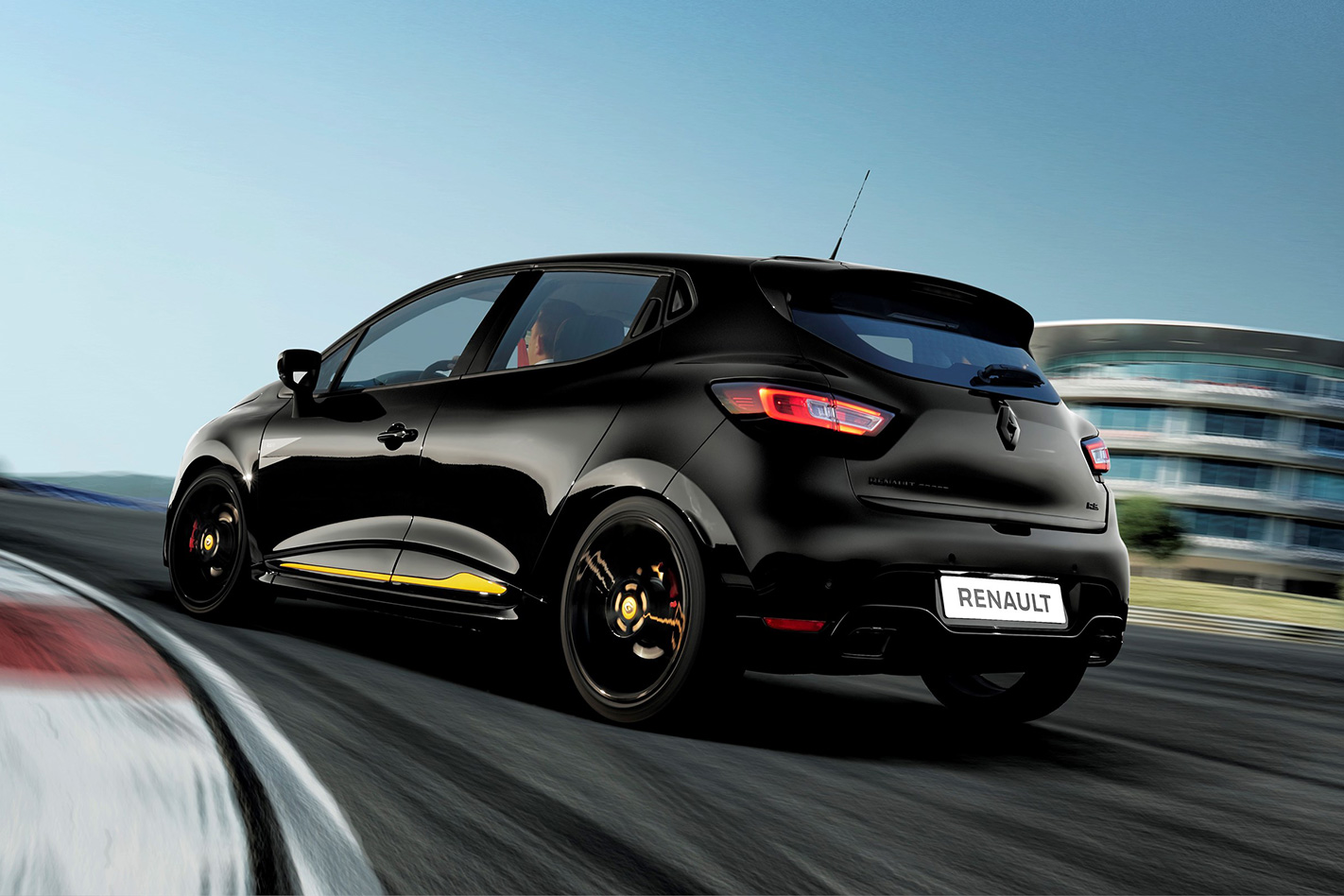
The interior receives similar treatment with carbonfibre-effect vent surrounds and a steering wheel trimmed in leather and Alcantara.
Renault says the limited edition represents “the very best of our engineering expertise”.
This model follows Renault’s history of F1 special editions including the 2009 Clio Sport F1 Team R27 edition and 2011 Clio RS 200 Australian GP edition that all honour the company’s racing pedigree.
Retailing at $39,990 and on sale from March 25th, those chasing one will have to get in fast as they’re limited to just ten examples locally.
IN A world of facial recognition and fingerprint scanning smartphones, Bentley has unveiled a lockable storage compartment sealed with a touch.
As car makers increasingly shift towards handsfree proximity sensing fobs, locking your glovebox with a physical key is such a chore. Luckily, Bentley has you covered with its latest accessory for the Bentayga SUV, a storage compartment with a built-in fingerprint scanner.
The all-aluminium biometric storage box, with roughly enough room to fit a watch, jewellery or perhaps a gold ingot, is located in the central armrest and was designed by Bentley’s in-house coachbuilder Mulliner.
The box also features two USB ports and an auxiliary port to connect mobile devices. The electronic lock can even recognise multiple fingerprints, so the owner’s partner can sneak a peek at the diamond-studded necklace you bought for their birthday.
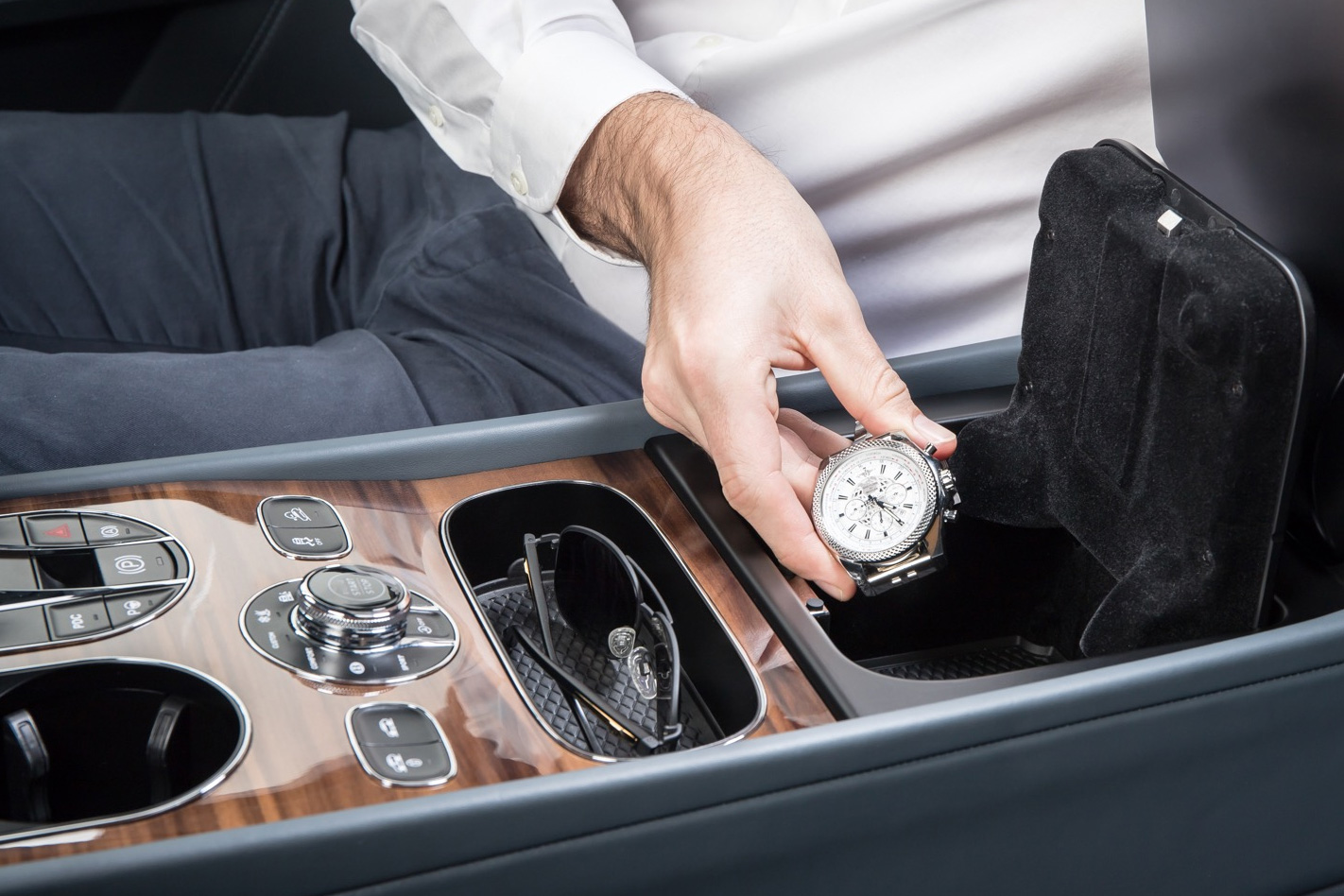
The Mulliner Biometric Secure Stowage, as it’s called, is an optional extra for the Bentley Bentayga, with an unspecified price. Bear in mind there’s also a $300,000 Breitling clock that’s available for the Bentayga.
Mulliner, short for H.J. Mulliner and Co, has been in the luxury coachbuilding game for more than a century and proudly boasts capabilities that can tailor a car to almost any customer specification. Bentleys costing upwards of $400,000 have had custom work at the hands of Mulliner bump their price up to more than $9 million.
MAX Verstappen has slammed motorsport’s governing body over its introduction of the halo safety device in Formula 1, claiming the FIA’s move abuses the DNA of the sport.
Speaking at a press conference today in the lead-up to this weekend’s F1 season opener in Melbourne, the Red Bull Racing driver launched a scathing assessment of the controversial halo, which is mandatory for the 2018 F1 season.
“They tried the aeroscreen once and immediately said it wasn’t strong enough. But I don’t think they really tested it well enough,” he explained. “For me, that is the future.”
“But personally I wouldn’t change anything, I would have left it how it was last year.
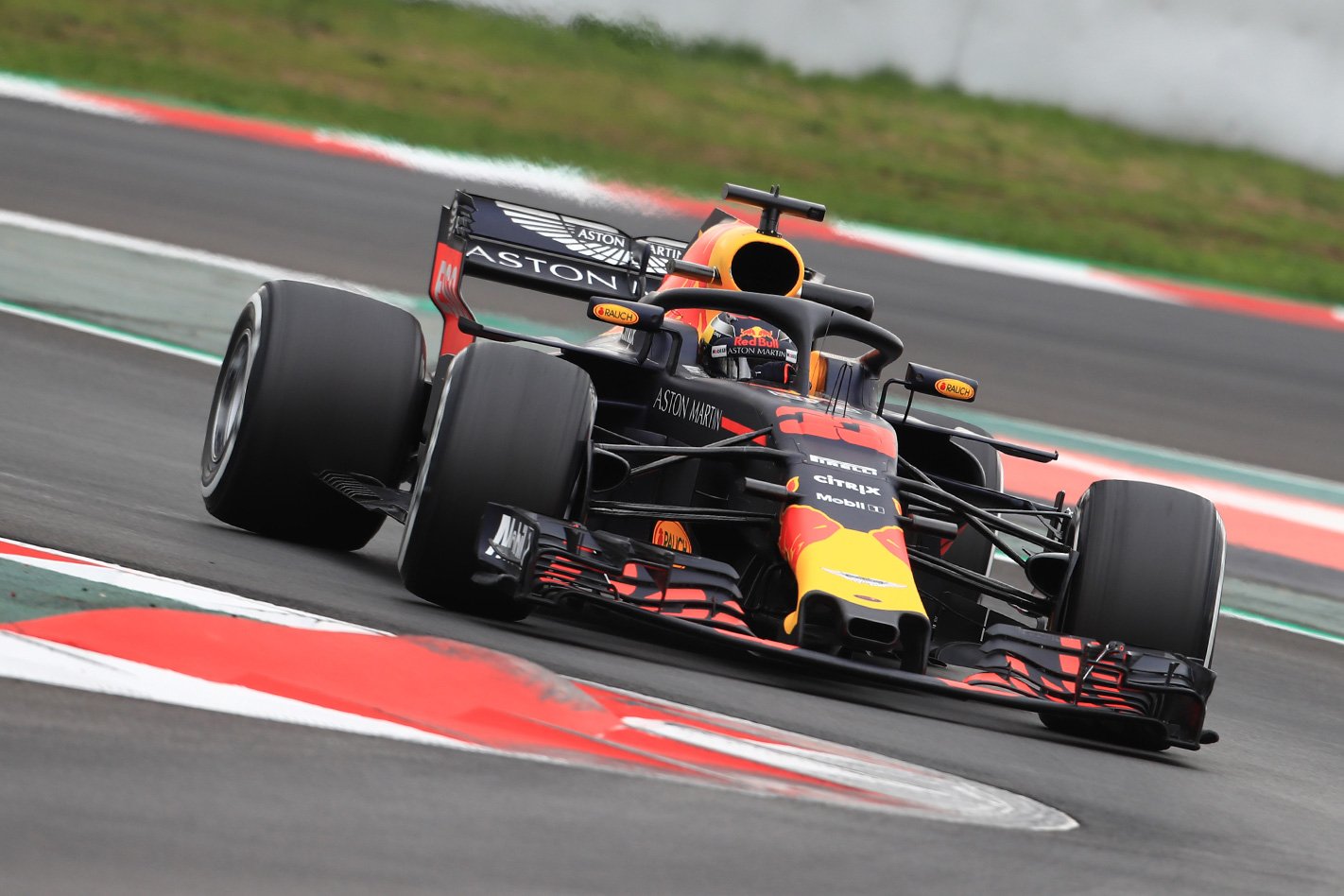
The 20-year-old driver was sceptical of how the FIA pushed for the halo as a safety device, claiming F1 is less dangerous than riding a bicycle in a city.
“They say it is for safety, but I think in every sport there is always a risk,” he said.
“In MotoGP for example, what can they do, should they build a rollcage around the bike and riders?
“I think that is even more dangerous than what we are doing in F1. You will never be able to cancel out all the risk in life, and I think it is still more dangerous to cycle through a city then what we are doing.”
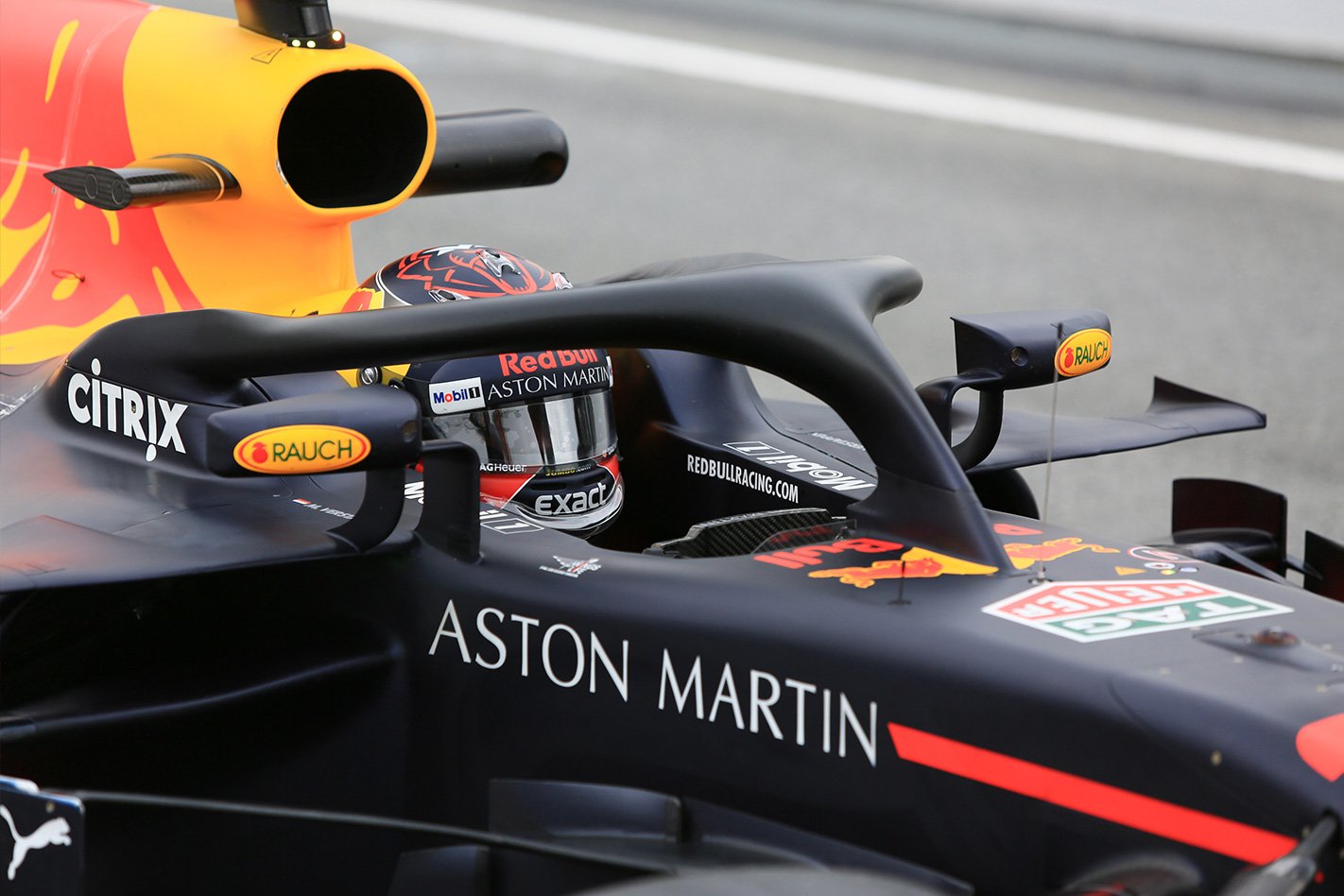
“We can’t say anything about it because at the end of the day, the FIA decides it is for safety, and they can put it on,” he added. “So whatever we say, it doesn’t matter.”
FIA president Jean Todt said earlier this year he was surprised by negative comments from drivers about the halo, saying the Grand Prix Drivers’ Association (GPDA) played an important role in making the device mandatory.
“It is short memories… I was trying to remember how it came [about] and it was a completely legitimate request from the drivers,” Todt said. “16 December 2015, I got a letter that was signed by [GPDA directors] Jenson Button, Sebastian Vettel and Alex Wurz, urging us to decide for head protection for the drivers. And I said, ‘We are there, also to listen.’
“So immediately we asked the technical people as a priority to see what they could come out with. On July 27, 2016 they [the drivers] knew a meeting was going to happen, they said: ‘Don’t be weak. Please respect what we have asked you on safety’. So we committed to taking their request into consideration because it’s a fair request. And here came the Halo.”
Fernando Alonso was involved in a heavy crash at the 2016 Australian Grand Prix after colliding with the Haas of Esteban Gutierrez. His McLaren rolled through the gravel trap, coming to a stop with the cockpit wedged against the tyre barrier.
Verstappen stated that if a similar crash was to happen now, with the halo on the cars, getting out of the vehicle could be difficult.
“I think it will be trickier getting out of the car after a crash with the halo,” he explained.
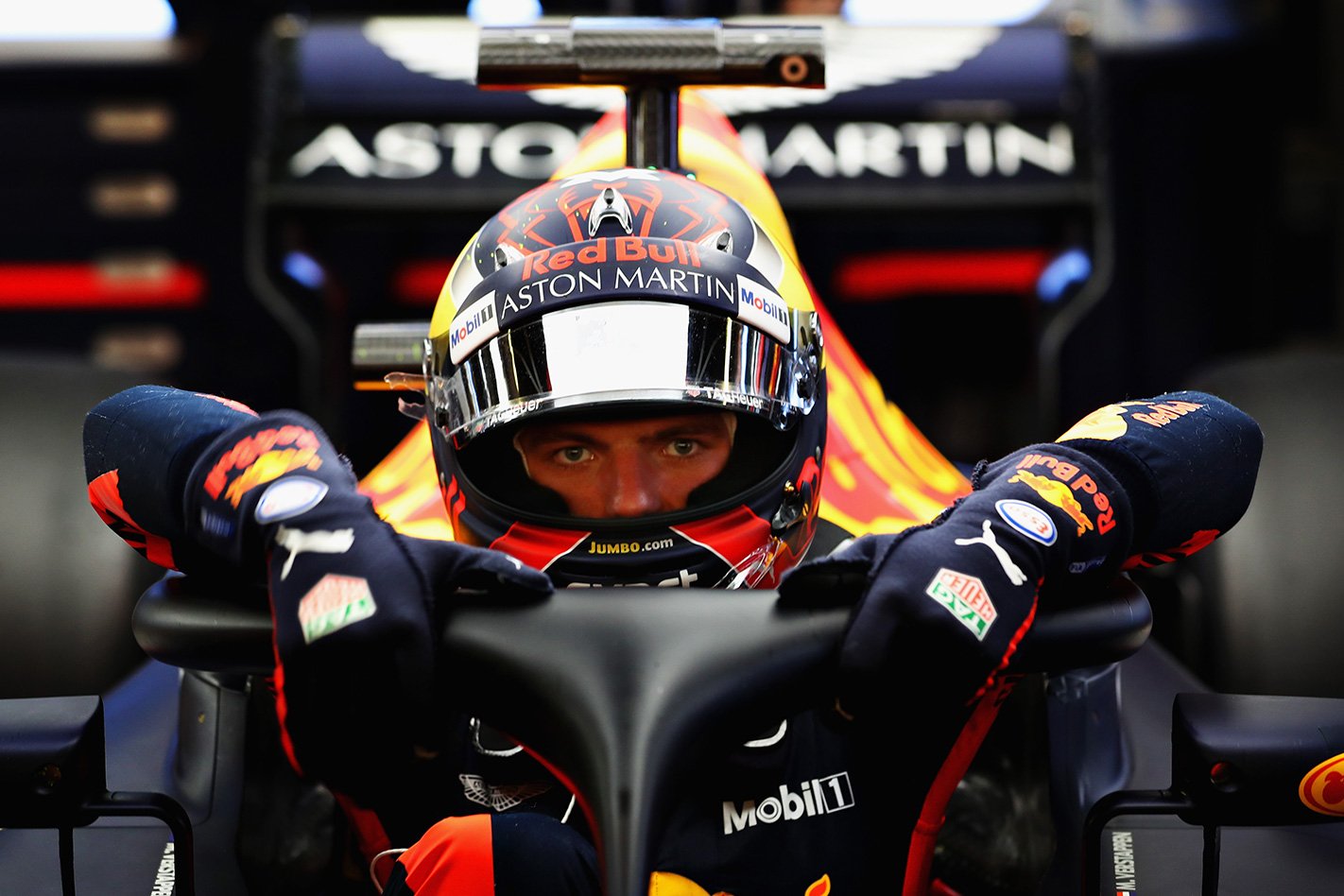
While he was clearly unhappy about the halo be fitted to his RB14 F1 car, Verstappen did note that it isn’t a good look for the sport when its stars speak negatively about Formula 1.
Discussing ways to keep fans interested in the sport, he stated: “When the drivers themselves are not feeling positive about the product themselves, it is not helping.”
Formula 1 cars will take to the Albert Park Grand Prix circuit on Friday for the first practice sessions of the opening round of the championship, with Verstappen, and his Aussie teammate Daniel Ricciardo hoping to battle Ferrari and Mercedes at the front of the field come Sunday.
THE next-generation Chevrolet Camaro appears to have taken another significant step ahead of its expected 2021 Australian arrival, with a 485kW-plus supercharged ZL1 now in with a chance of appearing locally.
Holden’s parent company, General Motors, has this month applied to set aside the ZL1 name in a trademark application ahead of the seventh-generation fastback coupe’s arrival in a few years’ time.
It will be a long wait for GM, which will need to bide its time until the next step in the trademark application process rolls around in early September.
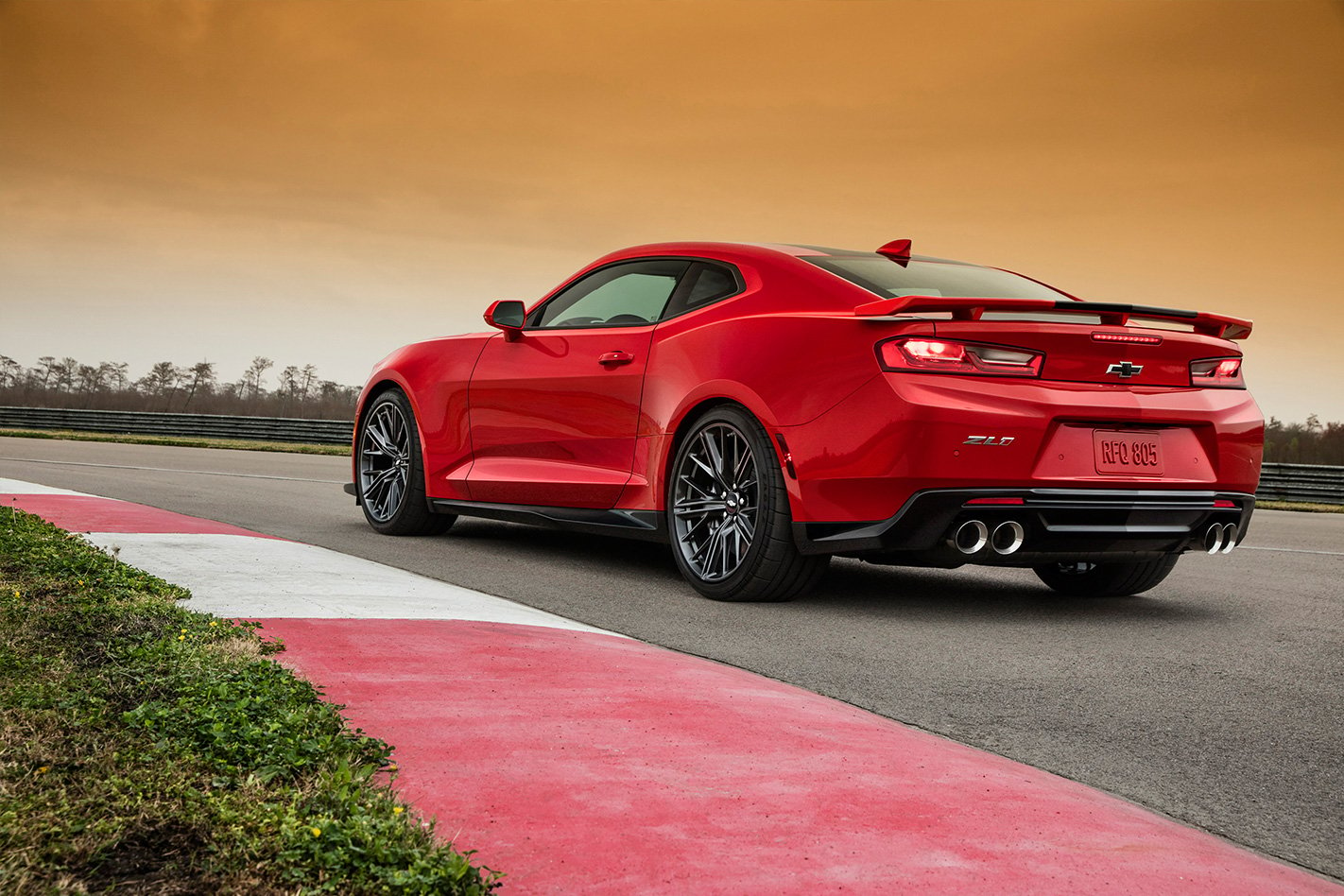
Holden has so far only hinted at the Camaro coming to Australia after promising in the wake of the loss of Commodore manufacturing that we would one day have a rear-drive V8 in showrooms by 2020.
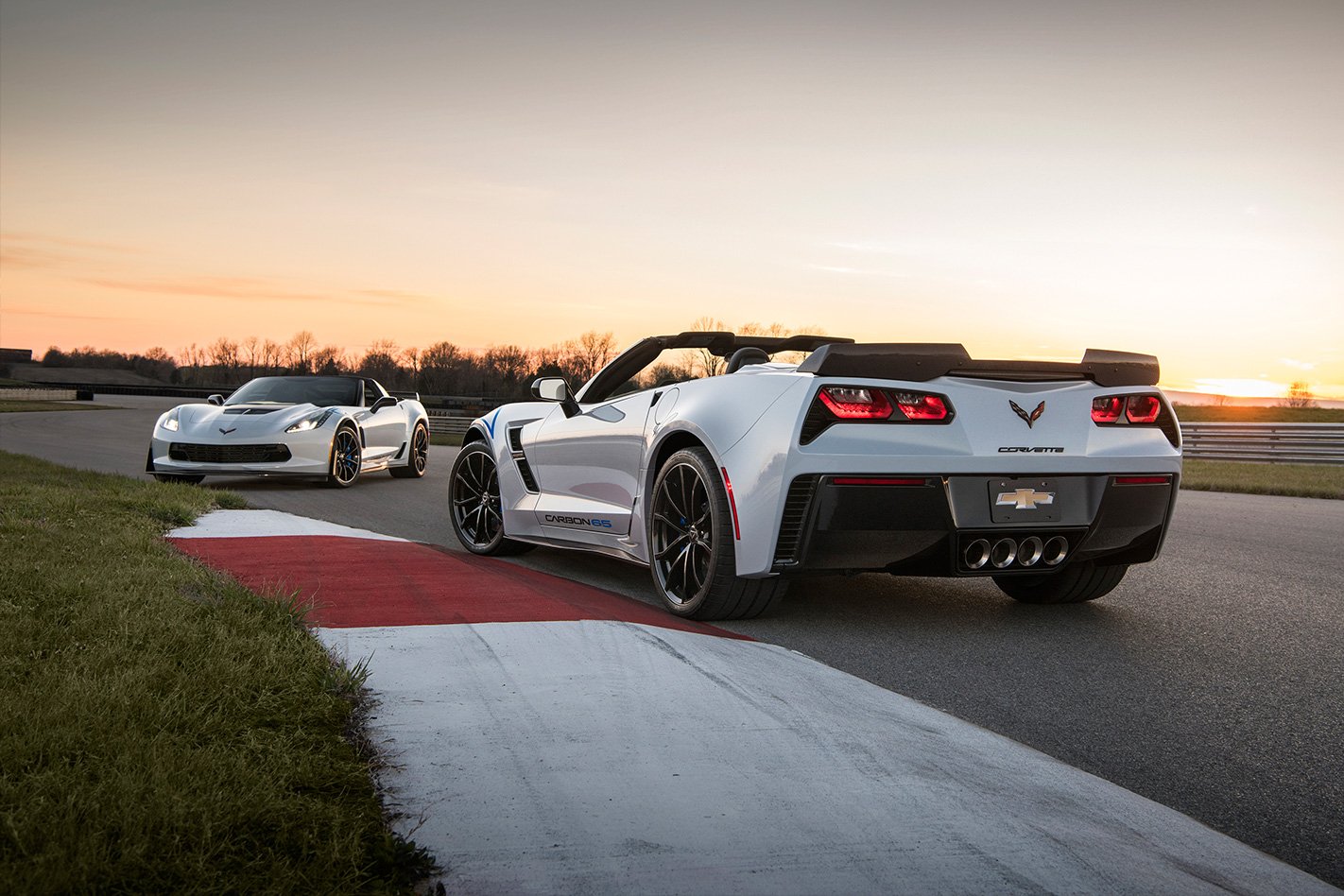
However, the Camaro is due in 2021, meaning it could be beaten to the punch by the eighth-generation Chevrolet Corvette, due in 2020 after GM waged a huge and costly battle to reserve the name here.
GM has also moved to protect Zora, the name associated with the so-called father of the low-slung two-door coupe, and believed to be linked to a Ford GT-rivalling, mid-engined special edition of the Corvette.
“Where we see there’s a need to have right-hand drive, yeah,” he told Wheels last year. “We’ll have the ability to make a choice but the architecture will accommodate left- and right-hand drive.”
In the meantime, HSV will import the current-generation 339kW/616Nm Camaro SS into Australia and modify the vehicles from left-hand drive to right hook in a bid to whet Australia’s seemingly growing appetite for US-sourced muscle.
However, the expense of the conversion means that the stop-gap 6.2-litre V8 Camaro will cost up to $30,000 more than an equivalent 5.0-litre Mustang GT as HSV recovers the cost of the conversion, which will include a bespoke instrument cluster.
THE March 2018 edition of Wheels goes on sale this week, featuring the Yank metal that will one day reignite our rear-drive, V8-fuelled passion.
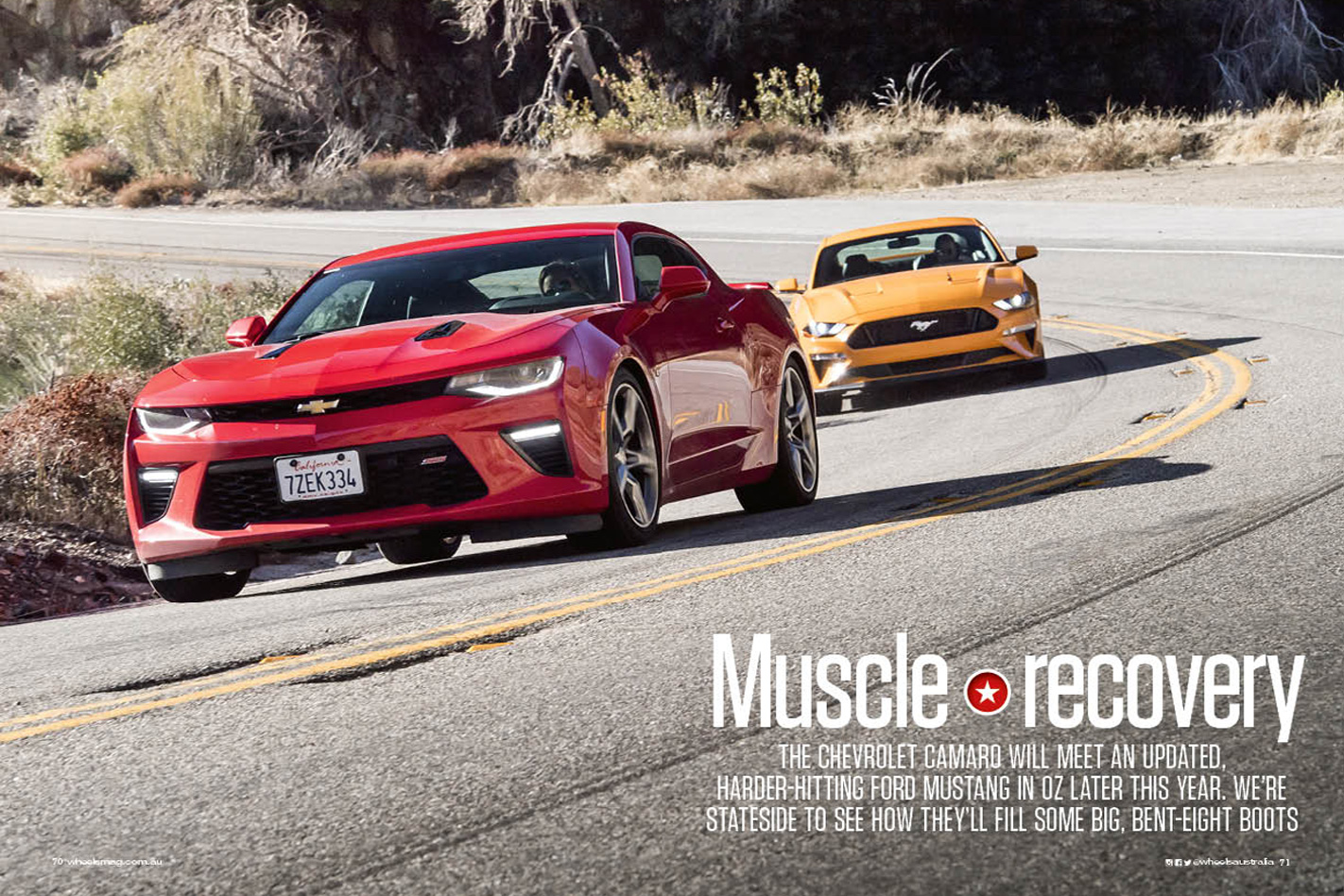
Headlining this month’s 164-page magazine, Daniel Gardner travels Stateside to get a taste of how the shiny-for-2018 Mustang, due here later this year, and the big-block Chevrolet Camaro, landing here mid-year as a HSV-fettled right-hand-drive conversion with full factory support, handle the Californian heat. We can confidently say this is the first time the good ole boys of traditional US muscle duke it out in Wheels magazine for line honours. They will face an entirely different heat once they both land here, though …
Features run strong this month. We ride shotgun with rally and race ace Walter Rohrl behind the wheel of what is shaping up to be the last of Porsche’s 991-series 911s, the GT3 RS – and then immediately take a deep-dive into the next-gen 992-series due for a global reveal in October. Continuing the strong Porsche theme, Enright pitches the GT3 against the wildlife surrounding Victoria’s Grampians. We then head to Spain for the first global experience of the Renaultsport Megane RS, the latest advance on a hot hatch we’ve previously loved in RS265 guise. It’ll land here, initially in Sport spec, in September with both dual-clutch and manual options – and, as you’ll read, Ponch can’t wait.
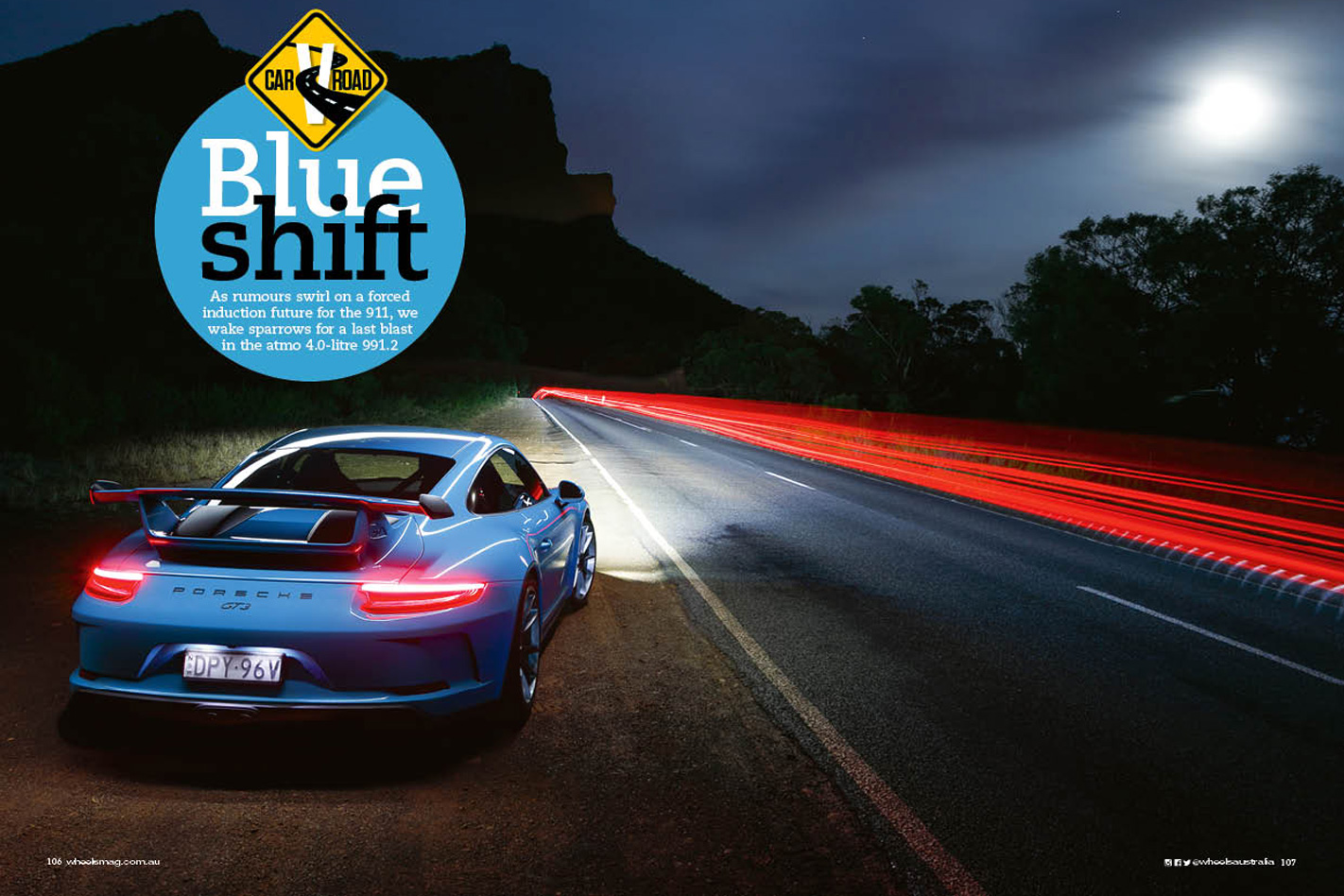
In Redline, we also look at what’s new in the world of Formula 1 – including that polarising ‘halo’ – rate our stars of the Geneva motor show, and scrutinise the ethics of European emissions testing.
Our list of First Drives is headlined by the Ferrari Portofino, a new entry-level model to the Prancing Horse’s stable. There’s Peugeot’s new 5008 family wagon, a redesigned Jeep Compass, Mitsubishi’s edgy Eclipse Cross, retuned Nissan Navara, and the Holden Commodore faces judgement day. We also test BMW’s newly minted BMW X2, and the sporty version of its i3 electric car, the up-spec and limited edition Mazda MX-5 RF and three-row version of Lexus’ strong-selling RX350.
Also in this issue:
- Stephen Corby on the Swiss Army car
- The Insider on the power of nostalgia
- Head to head: Ford Escape versus Holden Equinox
- Our Garage: Volvo XC60 T8 arrives; Renault Megane GT wagon hits the dirt; Honda Civic, Subaru Impreza and Ford Mustang say goodbye
- Classic Wheels: The most sought-after invitation in motoring journalism is …
- Retro: The inspiration behind James Bond’s “Wet Nellie”
- Wheelstories: A veteran of the industry gains recognition in this year’s Australia Day honours
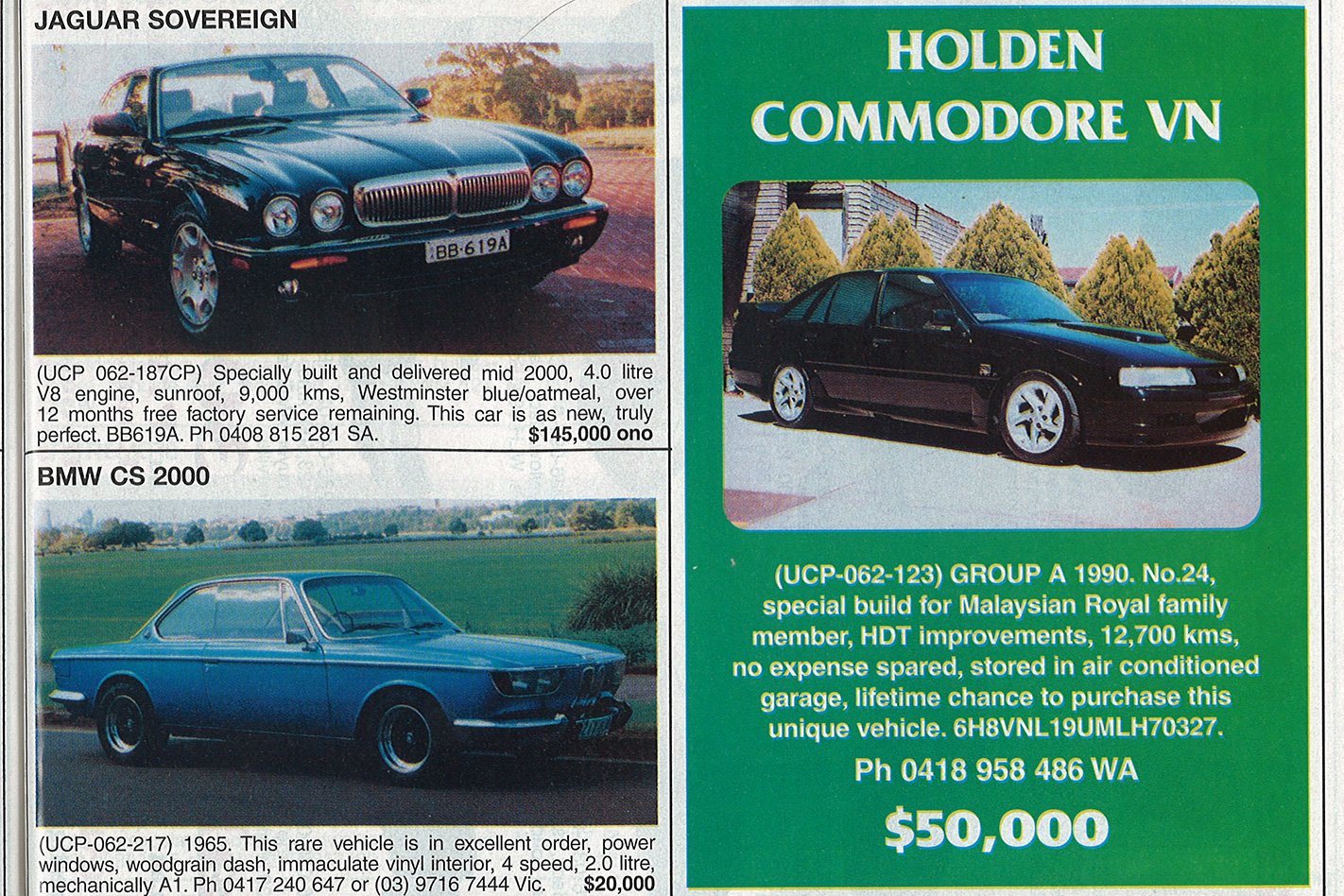
HSV built 302 examples of the VN Group A SS, all in Durif Red – everyone knows that.
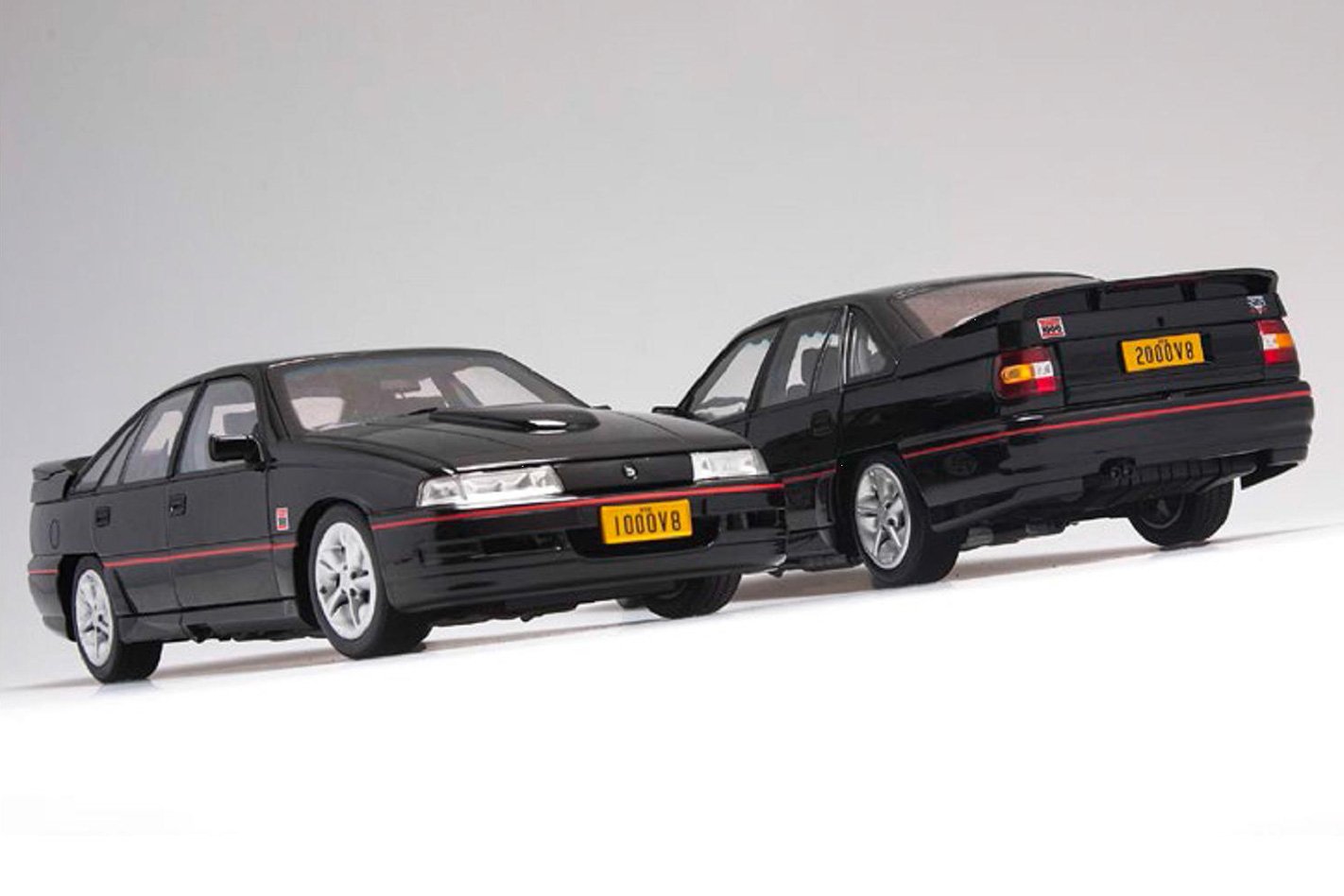
This is a fact, however three examples very quickly became black and each has a very interesting story to tell. The two that could most accurately be thought of as ‘factory’ examples are build numbers 123 and 161, which were offered as a prize in a Tooheys promotion ahead of the 1991 Bathurst 1000.
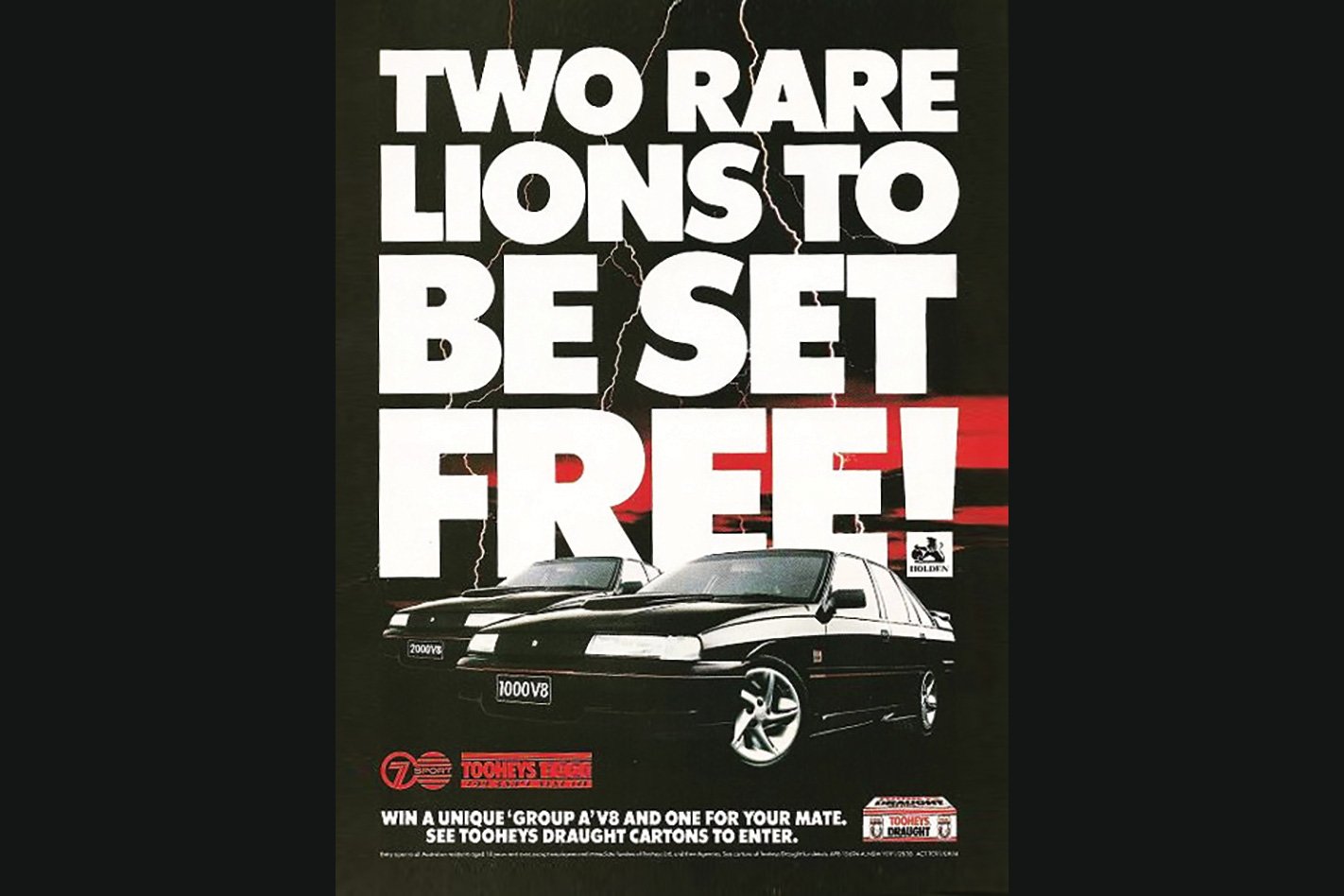
Happily both cars still exist in the hands of collectors in Western Australia. It was believed 2000V8 had been written off, though it was recently confirmed to MOTOR not to be the case, while 1000V8 is also alive and well, though it needed an extensive restoration after being heavily modified and almost driven to destruction earlier in its life. Check out the full story over at our sister site Unique Cars.