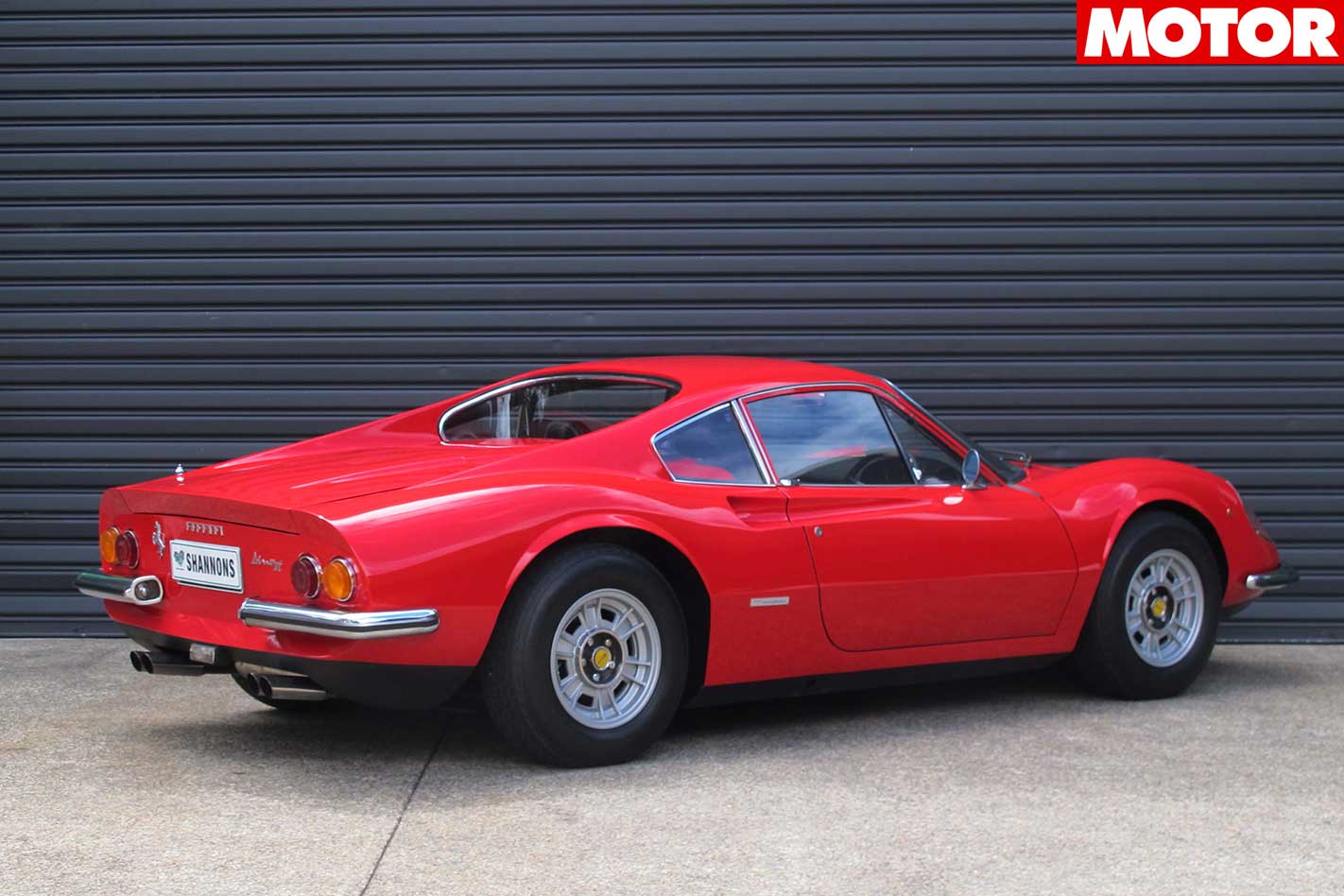
Ever wanted to make your Commodore stand out from the crowd? This’ll do it.
Whether you like it or not, you might start seeing VF Commodores wearing this, the Tech9 Auto Armour wide body kit.
The Melbourne-based outfit has sold kits to fit the current MY17 Ford Mustang, but the next item on the menu for Tech9 is more local.
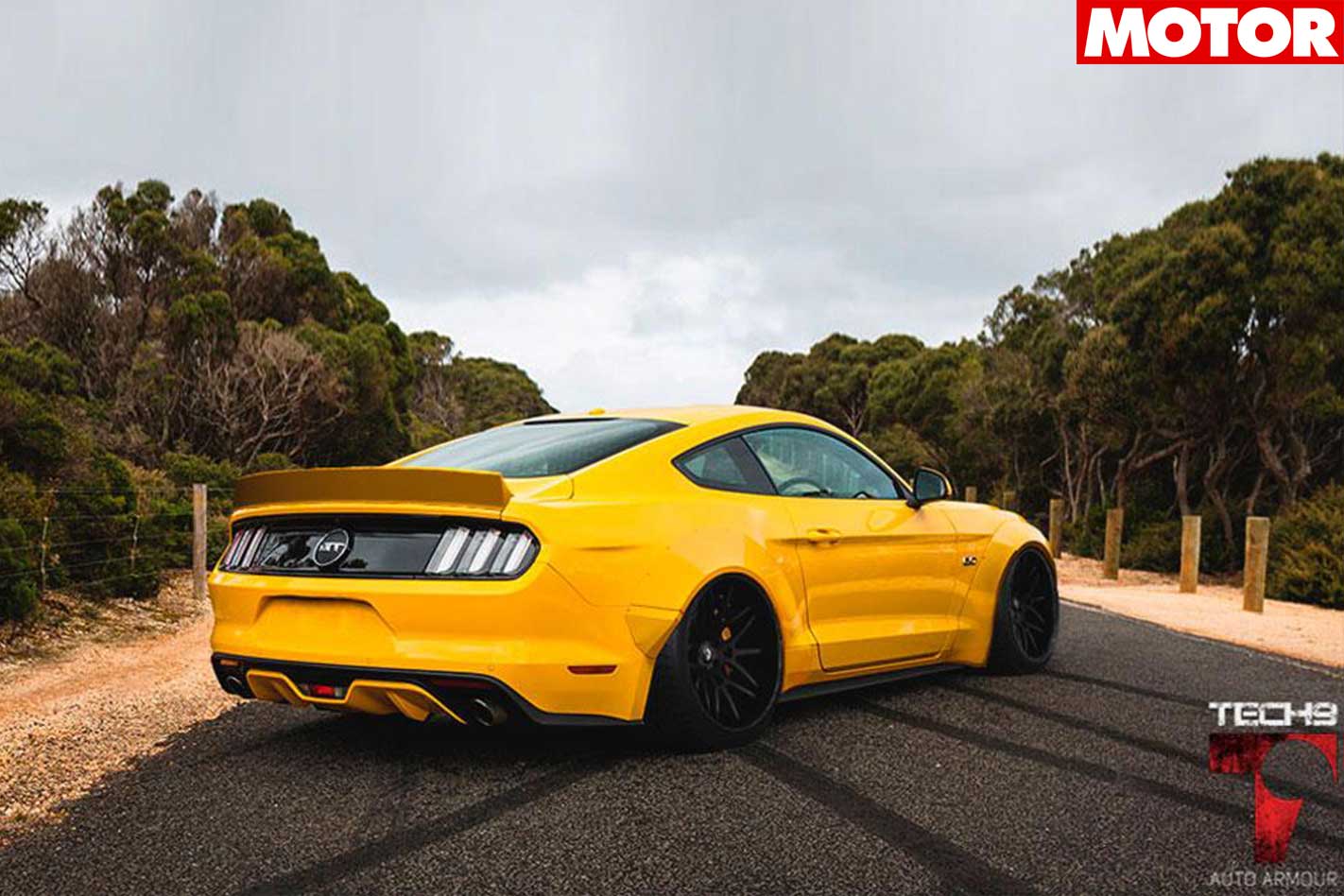
Tech9 also says it’s working on versions for HSVs, as well as a ute and wagon kit for the VFII “due to popular demand”.
It even has a VE kit in the works.
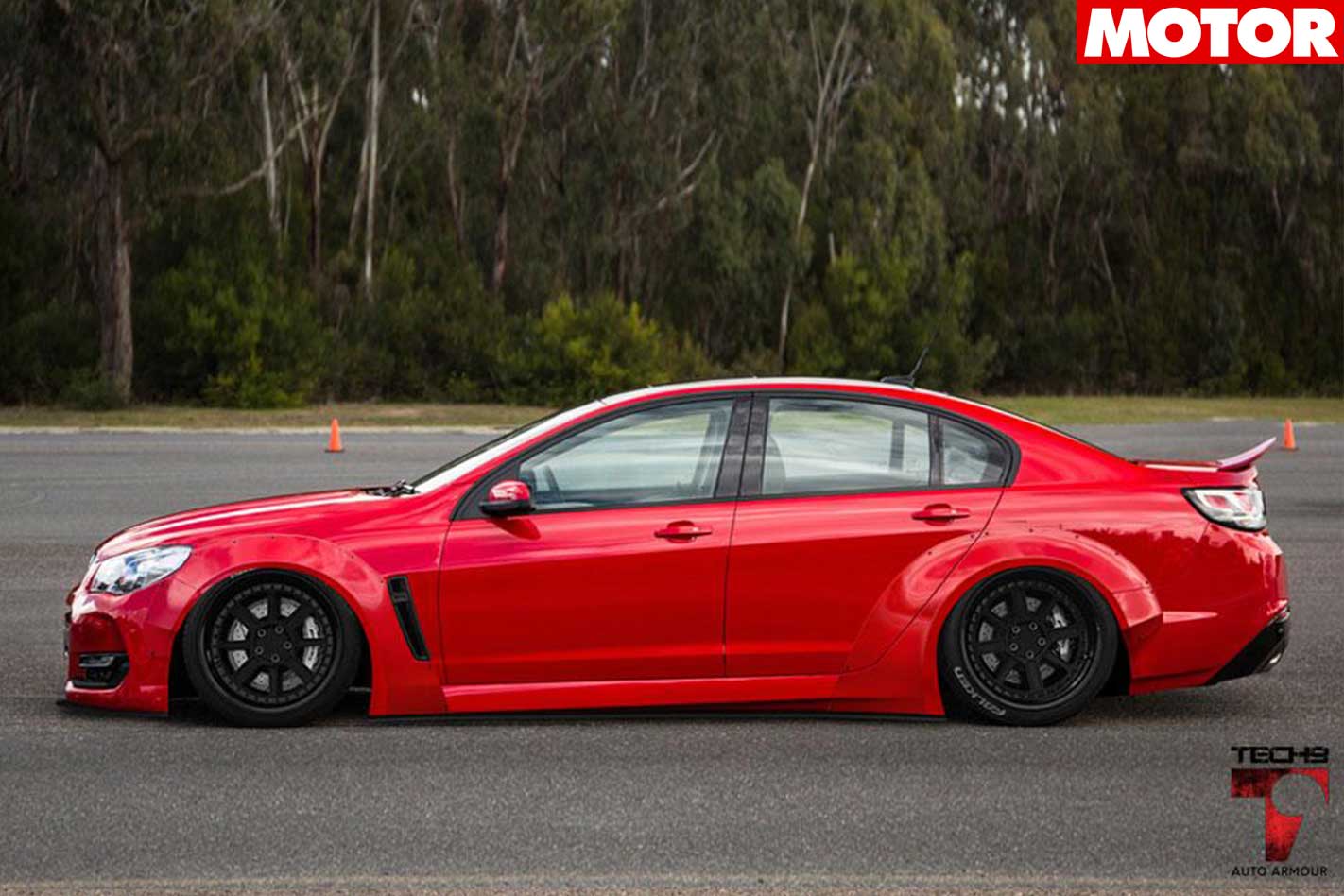
It widens the front bumper and arches with a 30mm flare, while the back gets extended and widened by 40mm.
The company says it’s designed to sit over the existing bodywork, but recommends having professionals actually perform the installation.
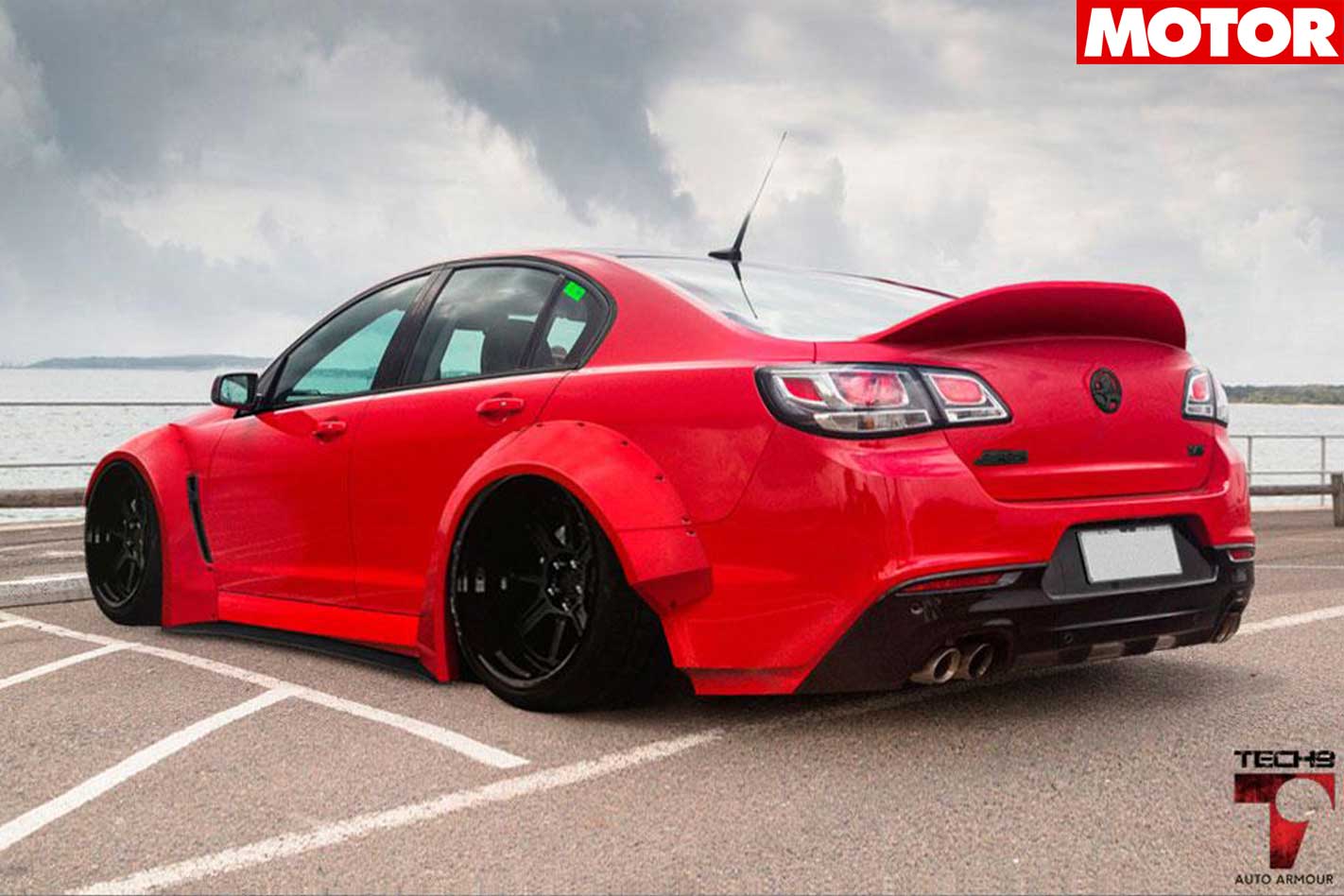
Okay, so it’s not for everyone, but it’s not as aggro as the 75mm which is added to the Mustang via one of their 6-piece kits. That one also costs $3300, by the way.
Oh, and please note, if you do decide your Commodore needs a wide body, that you aren’t required to slam it.
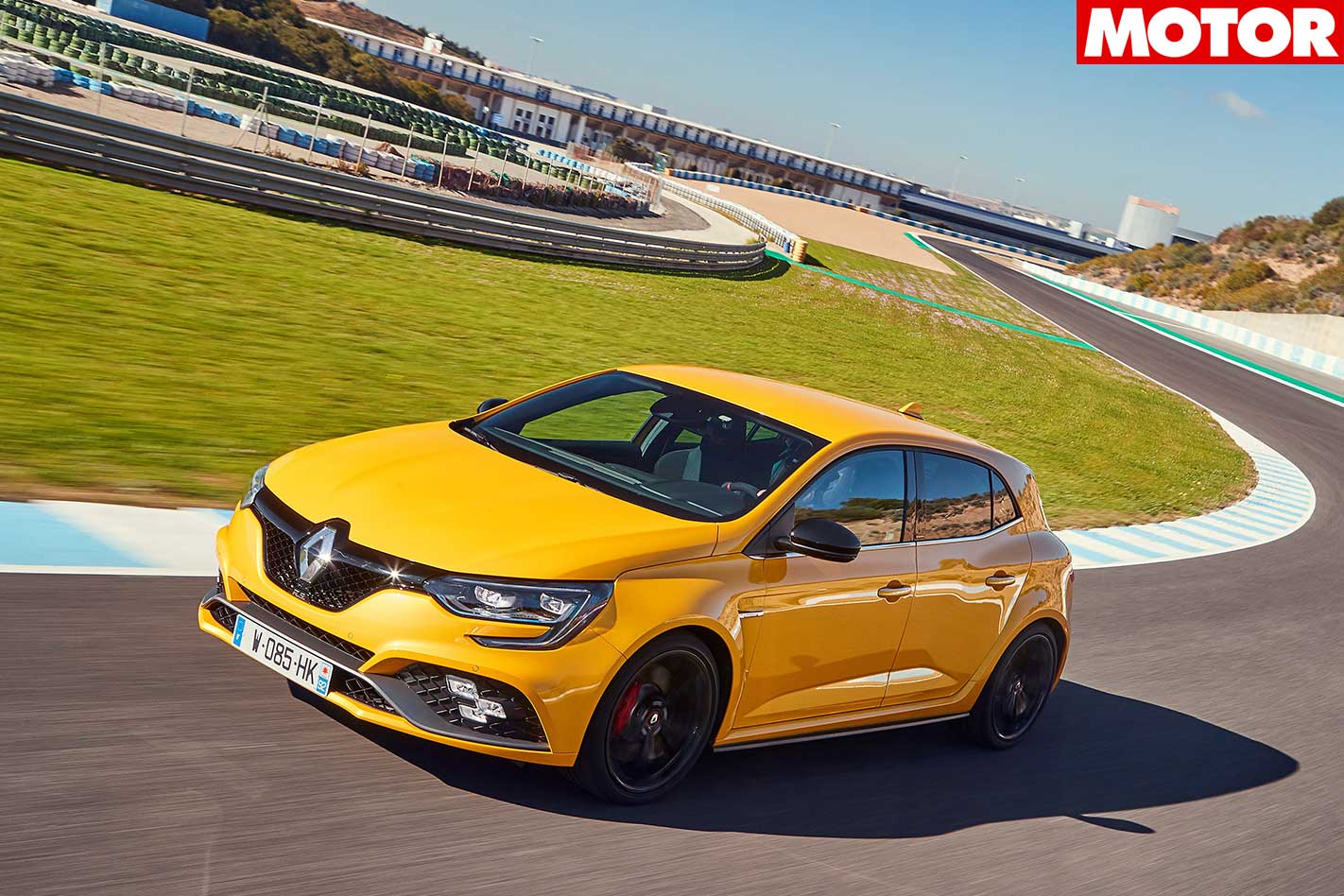
Renault Australia has announced it will offer the entry-level Mégane RS 280 in manual with an optional Cup chassis pack.
With 10 per cent stiffer dampers and a Torsen limited-slip differential, the Cup chassis is the sharper setup Renault previously said would only be available on the Trophy version.
Renault estimates the Mégane RS 280’s RRP will be $45,000 in manual guise, with the Cup chassis option coming in at an extra $1,490.
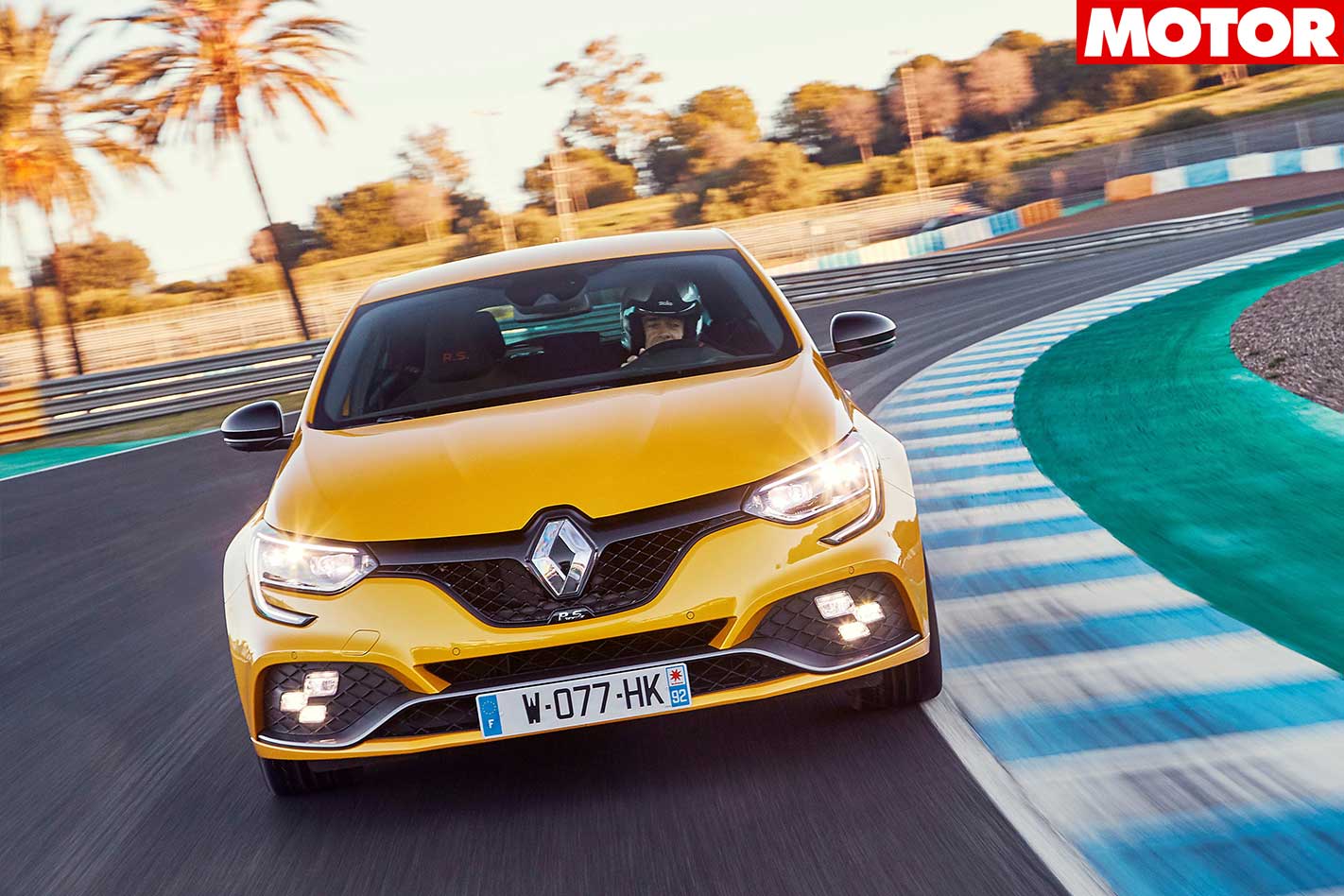
That undercuts the (more powerful) Civic Type R by a few thousand.
Renault Australia managing director Andrew Moore says the decision from the local arm, as well as assistance from Renault in France, came after some pressure from the public regarding the chassis as an option.
“We have listened to this feedback and gone back to the factory to introduce a Cup chassis option.
“We’re thrilled that the factory has supported us in responding to our customers and making this option available to our customers.”
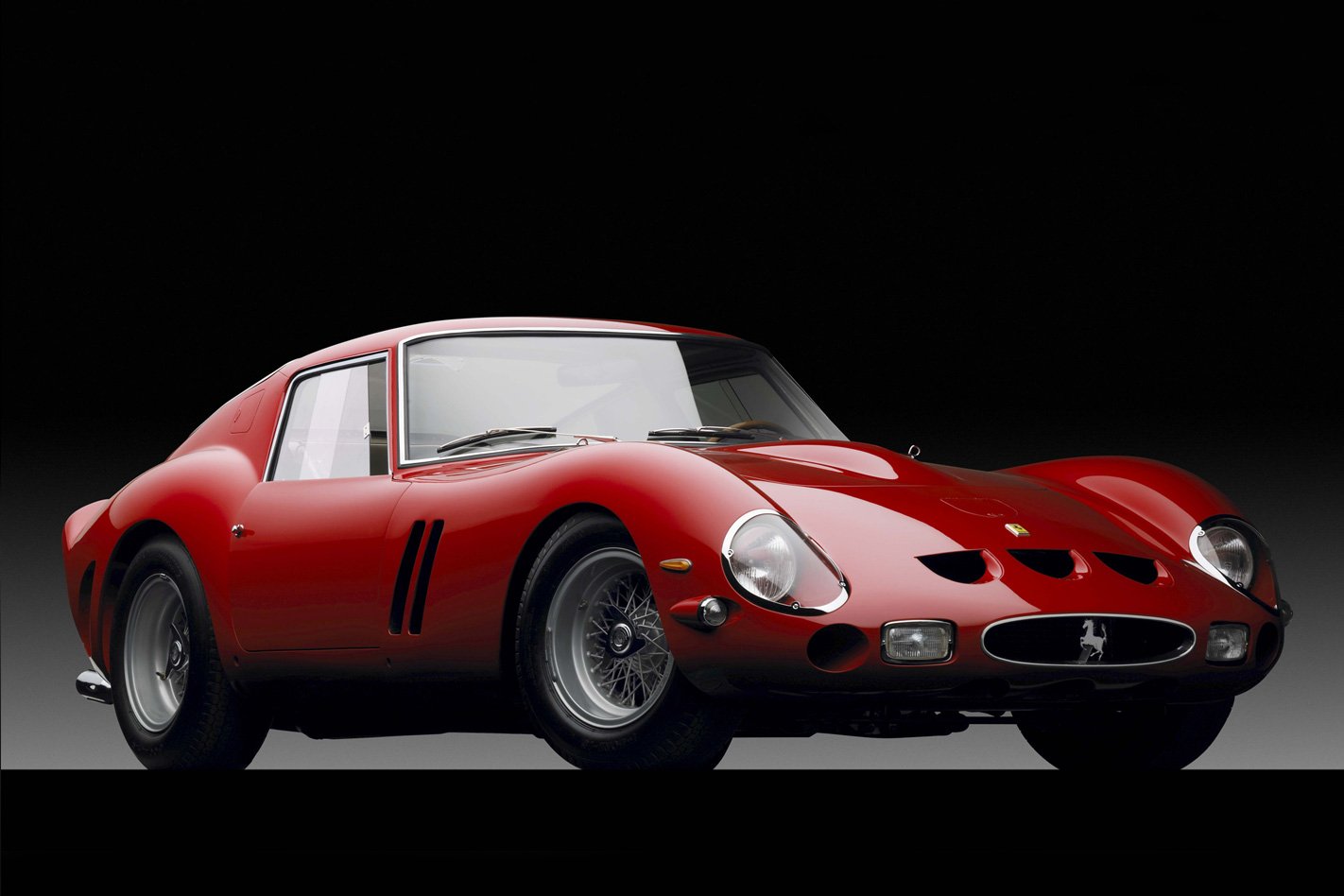
FERRARI looks set to follow Jaguar’s lead into the so-called ‘continuation car’ arena with a reborn version of the iconic 250 GTO, resurrecting one of the world’s most recognisable and valuable machines.
Speaking to TopGear.com, Ferrari Chairman and CEO Sergio Marchionne said the company was considering reforging one of its most important historic models in some form, but the project would need to be carefully handled.
“The answer is yes, but I struggle with the term ‘continuation car’ he said. “What Jaguar has done with the lightweight cars is clever, but reinventing the 250 is a tough gig, and living off the spoils of the past is a bad habit to get into.”
Aston Martin joined the movement in 2016 when it started a run of 25 continuation Lightweight DB4 GTs, while Mazda has also previously offered a factory restoration (borderline remanufacturing) program for NA MX-5s.
For a reborn 250 however, Marchionne said Ferrari’s approach would likely avoid a straightforward replica, and would add something different compared with the British pioneers.
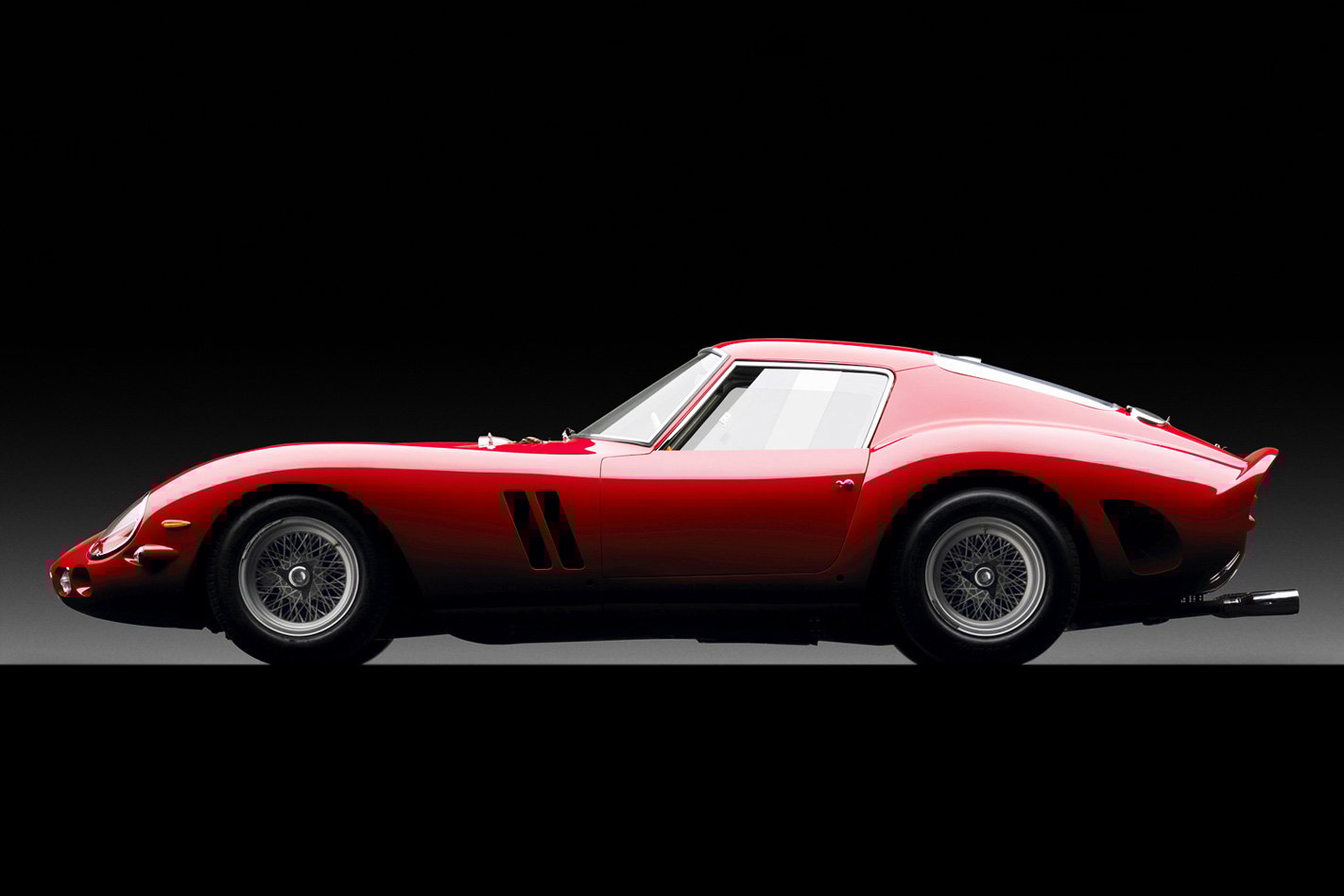
If it follows the format of Jaguar and Aston, the old/new Fez will be built using original plans, materials and techniques.
Whatever form the ‘new’ 250 takes it is unlikely to match the snowballing value of the 39 original examples, with the most recent sale of number 5111GT breaking all previous records at an unimaginable $US52,000,000 ($A66,164,800).
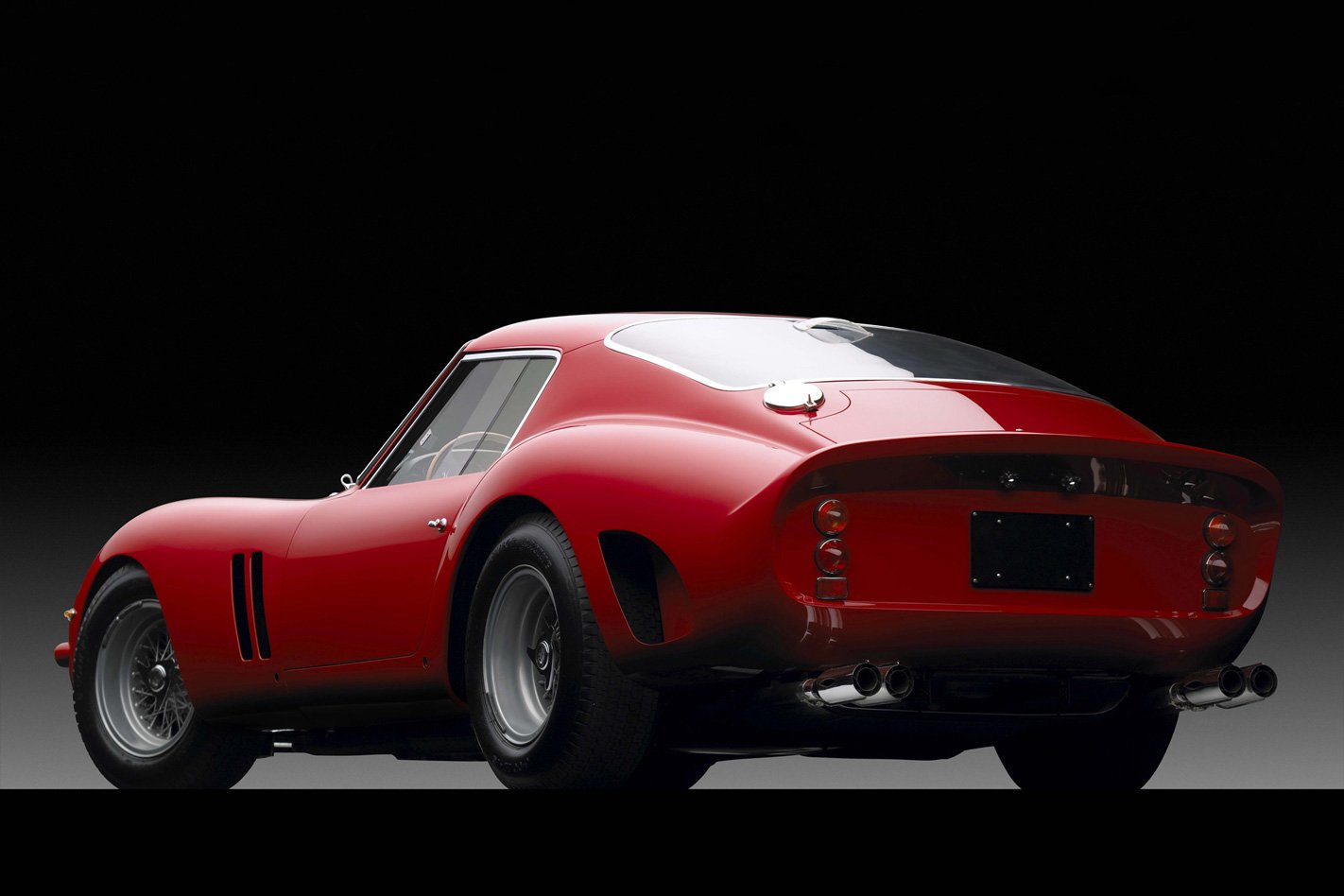
After 57 years, it looks like the rumoured, perhaps mythical 40th Ferrari 250 GTO will, at last, become a reality.
THIS year is crucial for Australian Formula 1 driver Daniel Ricciardo. It’s the year in which he can establish his position in the upper echelon of the sport, beyond the heavily populated second tier.
Make no mistake, Daniel Ricciardo is an extremely competent racer. You need only to look back at any of his five wins, or fightback drives, last year to see him in top form, elbows out, scything past his rivals. His pole position in Monaco 2016 was a razor-sharp lap that Ayrton Senna himself would’ve applauded. And that’s a big call.
But Ricciardo heads into the new season needing to reassert himself at his Red Bull Racing team after being somewhat outshone by his prodigious teammate, Max Verstappen, who’s already been dubbed the driver of his generation, and races F1 cars like he stole them.
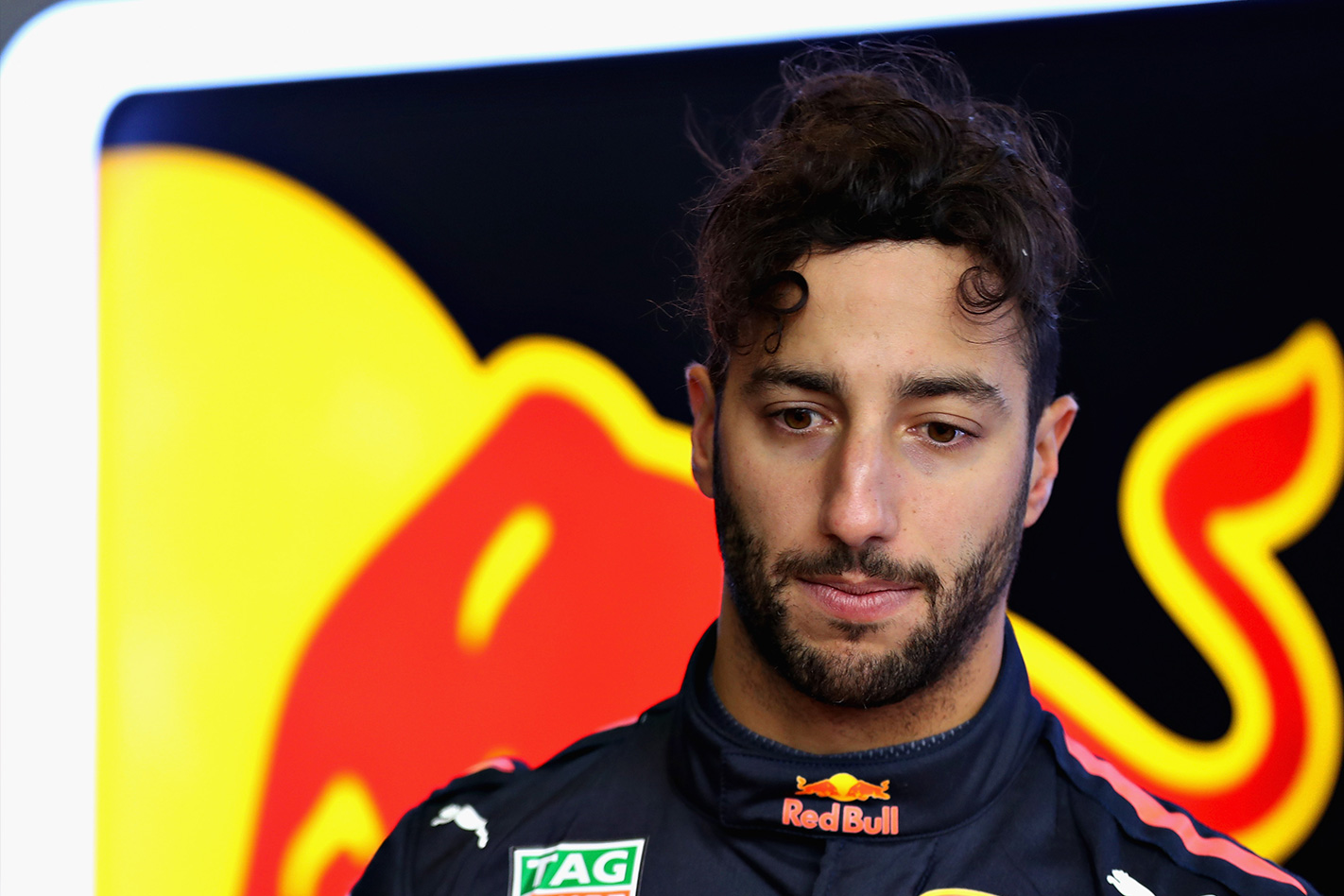
And while the team want Ricciardo to put pen to paper as well, the Perth-born lad is a free agent at the end of the year for the first time in his F1 career, so a strong 2018 showing against Verstappen is not only key to his value in an extension but options elsewhere (read: Mercedes) if he really delivers.
“I guess there are no more unknowns and I’m kind of looking forward to that,” says Ricciardo.
“I think for both of us, each time one of us beats each other, it’s seen as a very credible result and weekend. Because, when we’re both on, we’re on and it’s exciting. I think the more [Max] spends in F1, the more he’ll be on and I feel now with my experience and where I’m at I’ll be as well.”
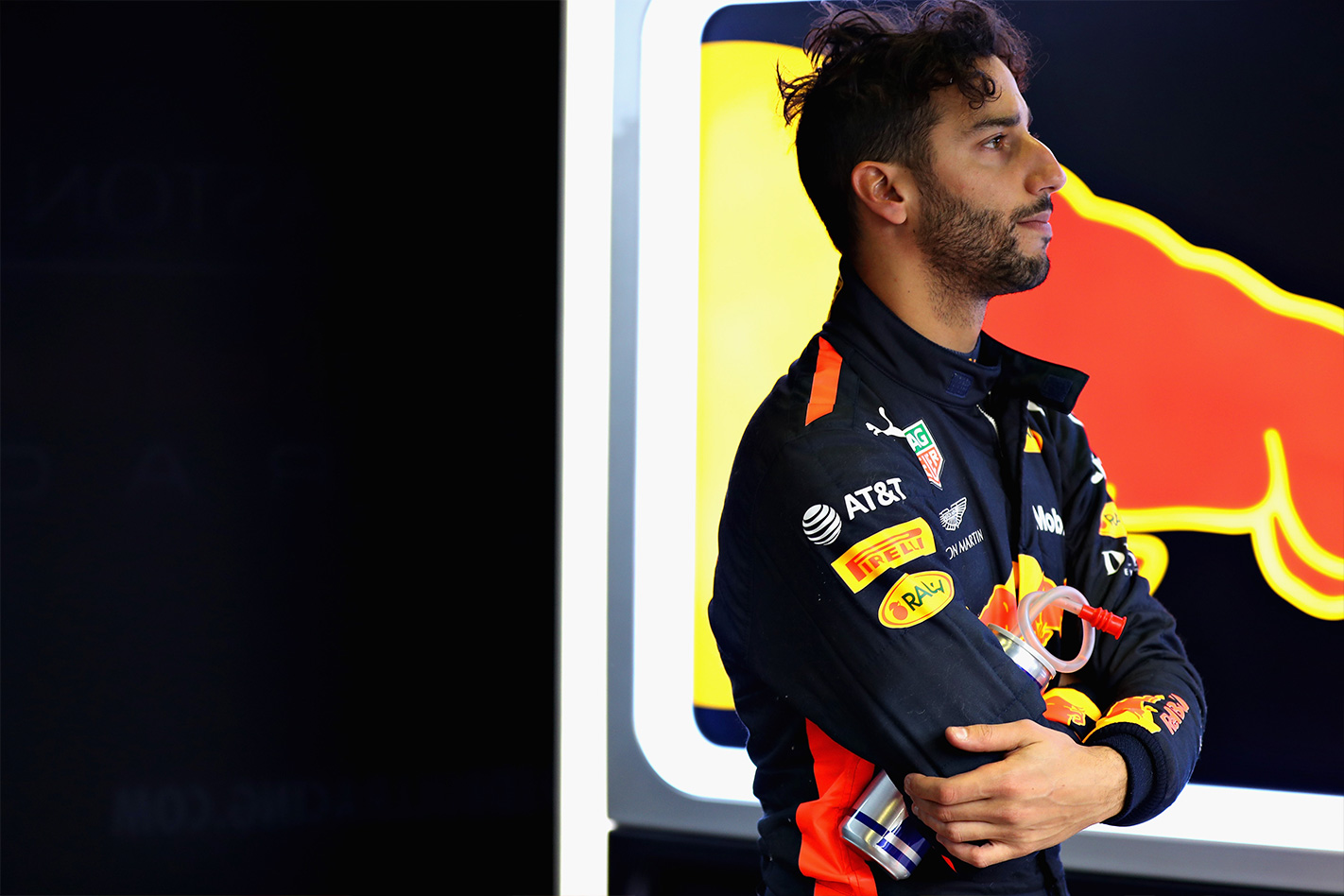
“I’m obviously confident in my stock,” he says.
“But, it’s not something you want to take for granted, because you could end up with nothing very quickly. I feel I’m one of the top drivers on the grid – but I’m not the only driver on the grid.
“There’s still always going to be drivers coming up. So I know it’s important, and people only remember your last race, unfortunately, so it’s important to start the season strong and keep the stock high.
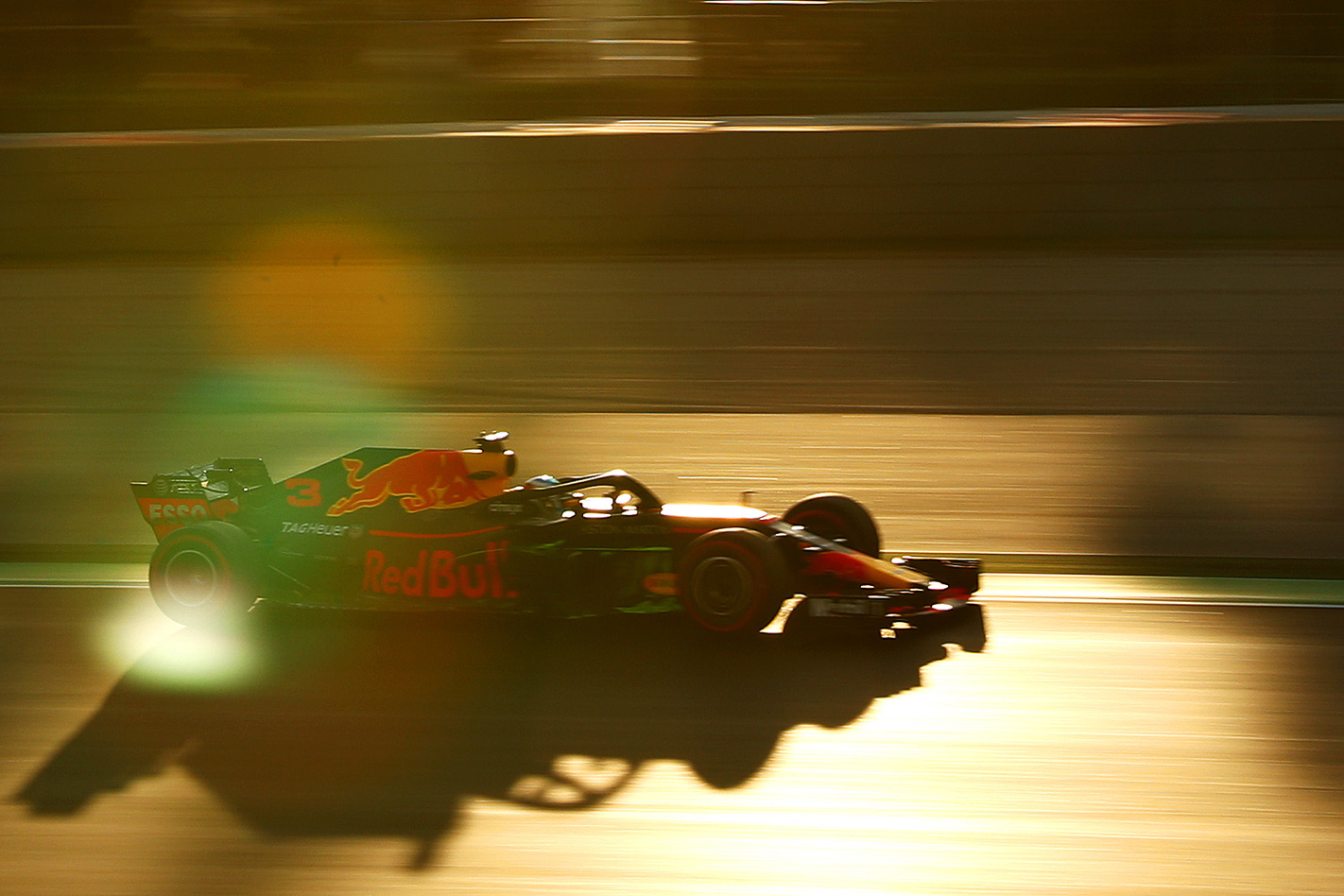
And that course should be a positive one, with Red Bull Racing hell-bent on ending its tradition of slow season starts.
Ricciardo made the best of last year’s windtunnel correlation issue that hobbled the squad’s season early on, taking nine podiums, including a win in Azerbaijan – his pass on both Williams cars and Renault’s Nico Hülkenberg at the safety car restart voted by fans as the overtake of the year.
“I think the racecraft and the kind of conviction with my racing and the moves and everything I was doing was at the level I want it,” says Ricciardo.
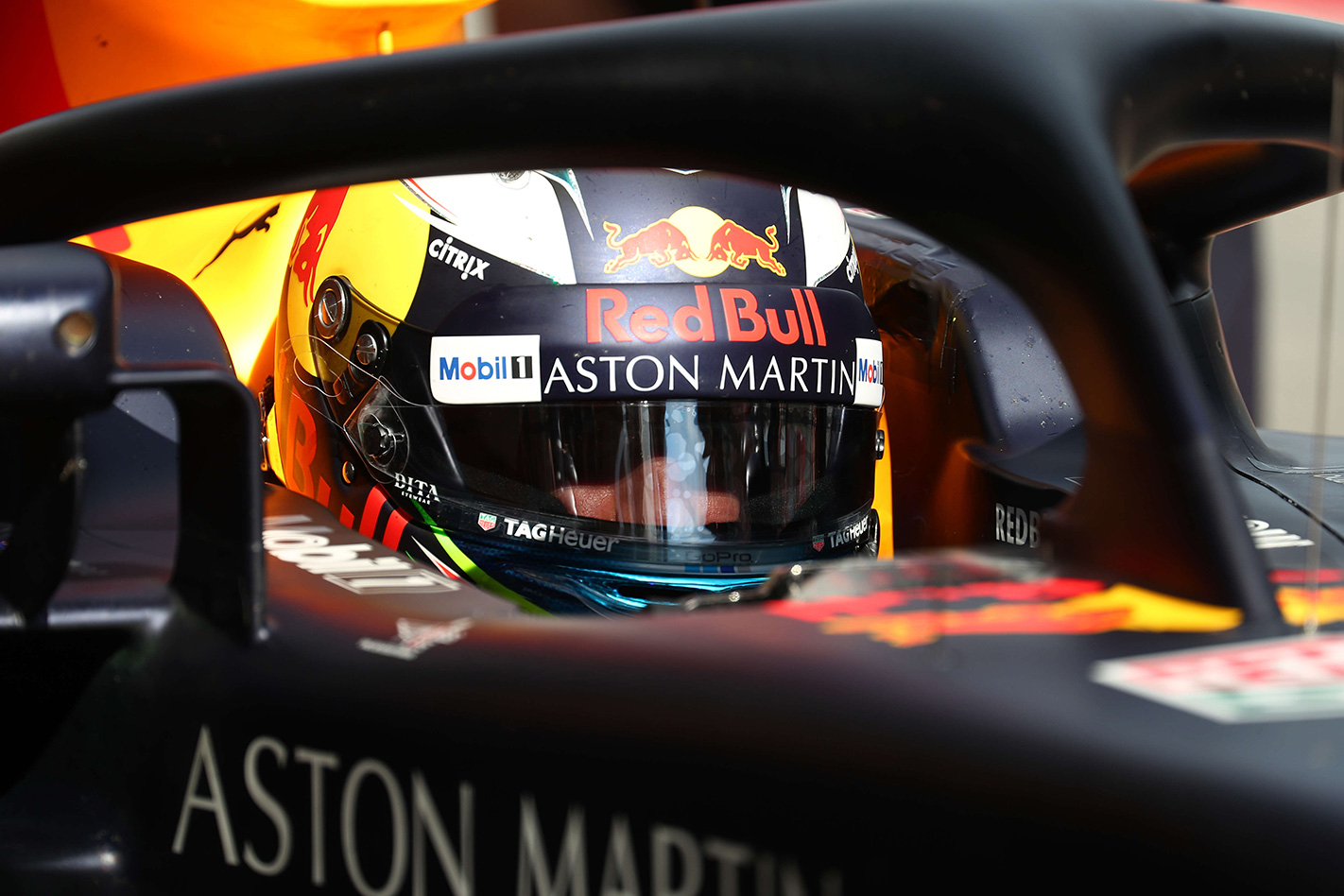
“Obviously it’s more fun as well when you create good headlines like that. But it certainly feels good leaving it all out there and not flying home on a Sunday with your head down thinking what could have been.”
The one that got away was Singapore, a gearbox oil pressure issue costing him half a second a lap and leaving him with an eventual second place finish behind race winner Lewis Hamilton at the milestone 10th edition of the event.
And while fans were treated to a thrilling spectacle, including a first-ever wet start, multi-million dollar Turn 1 crash and an entertainment line-up full of headline acts, Ricciardo left the Marina Bay Street Circuit frustrated, stating “I can’t win the bloody thing!”
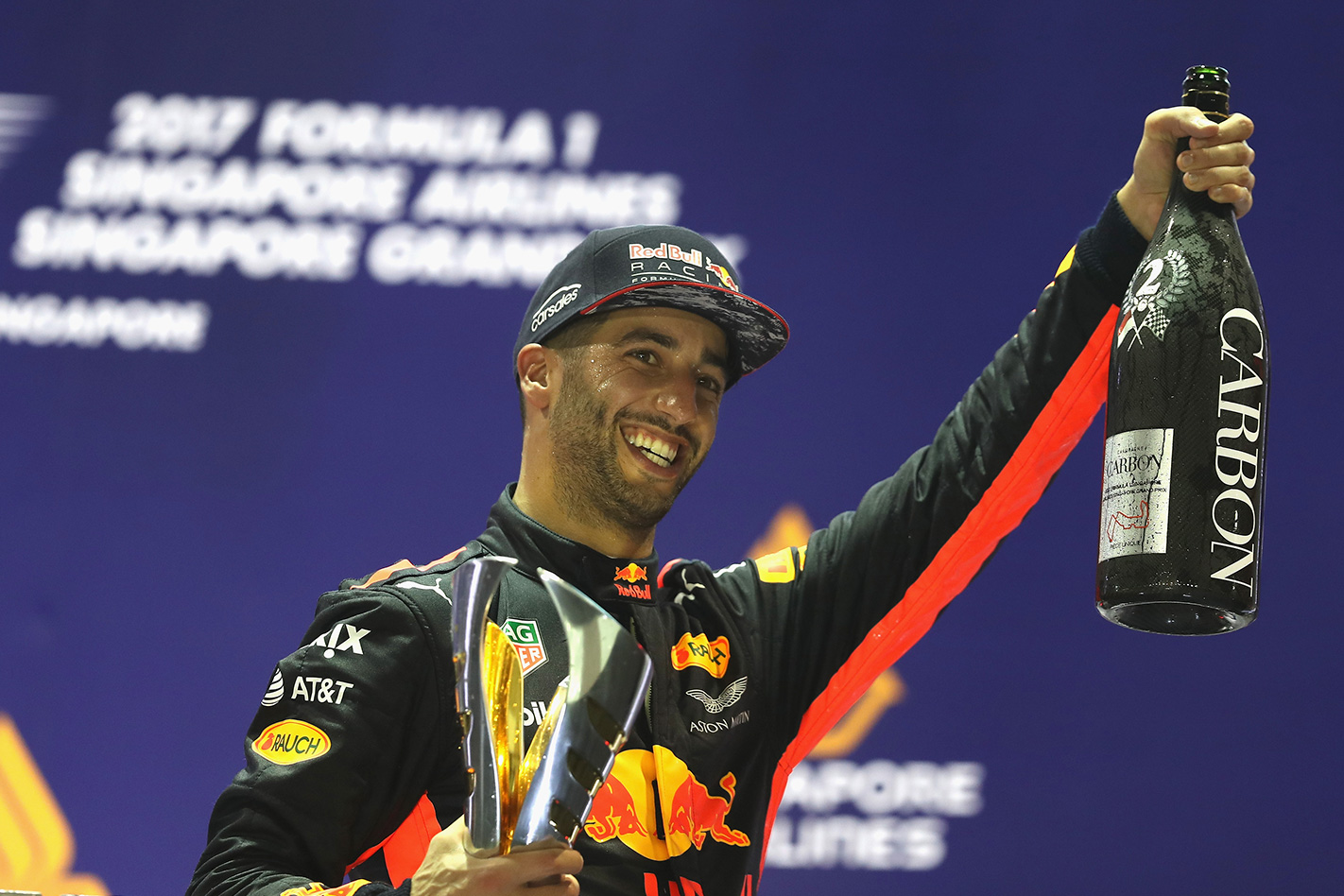
“But I wasn’t actually that happy with my race. I think I do have it in me to win around there but I’ll have to wait another seven or so months so I can finally get my victory. It’s like Monaco [2016] as I felt that should have been mine a couple of years back.”
For now, he’s got a machine to work with, Ricciardo’s RB14 setting the fourth-fastest time across eight days of pre-season testing – behind both Ferraris and McLaren’s Fernando Alonso. The pecking order now likely to be Mercedes; followed by the Scuderia and Red Bull Racing.
“We’re certainly more ready than we were last year – and probably every year before that since I’ve been with the team,” Ricciardo said.
“We did a lot of laps, I think the pace of the car is not bad – we still have some things to improve, [but] it’s normal.”
2018 F1 CALENDAR HIGHLIGHT: FORMULA 1 SINGAPORE GRAND PRIX
The world’s most glamorous sport returns to Melbourne, Australia on March 25, for another thrilling year of high-octane wheel-to-wheel action, the grid blasting off for the first of 21 races, the equal longest season in history.
But, the fight for the world championship really heats up when the teams return to Asia Pacific in September, touching down for the 11th edition of the Formula 1 Singapore Grand Prix, the sport’s original night race, this 14 to 16 September.
A fan favourite for a decade, Singapore has it all with Formula 1 and other exotic machinery racing through Marina Bay at up to 320km/h. While off-track, there’s a lot to see and do – with interactive family activities, parties galore and some of the world’s biggest music acts performing live on stage.
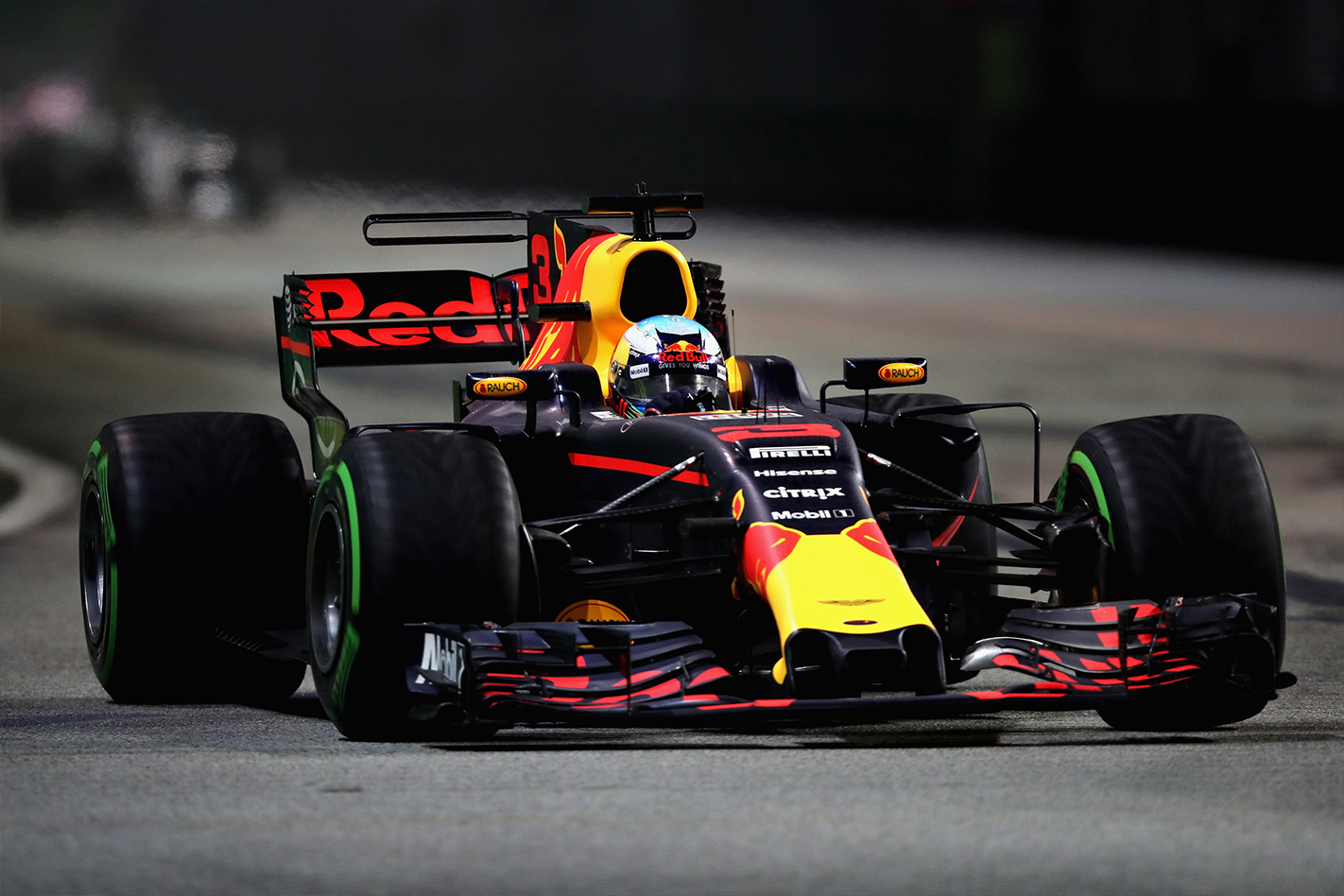
Ferrari’s Sebastian Vettel remains the most successful driver in Singapore, with four wins. But it’s also a great circuit for Ricciardo, who finished second in 2017. Can he go one better this year?
The more than 250,000 spectators attending every year can’t be wrong, with the event a perfect combination of balmy nights, racing under lights, trackside parties and a wide variety of top international artists performing live on stage.
It’s also easy to do on any budget with single-day walkabout tickets starting from about A$120. Early bird prices are available at www.singaporegp.sg and authorised ticket agents until May 8th, and there’s plenty of affordable accommodation, both in and around the city.
The recently formed Brabham Automotive has announced it will bring a new car to the world, set to be revealed in two months.
The Brabham BT62, which is to be unveiled on Wednesday 2 May 2018, will mark the beginning of the next stage in the Brabham brand, which began in The ‘60s under the watch of Sir Jack Brabham.
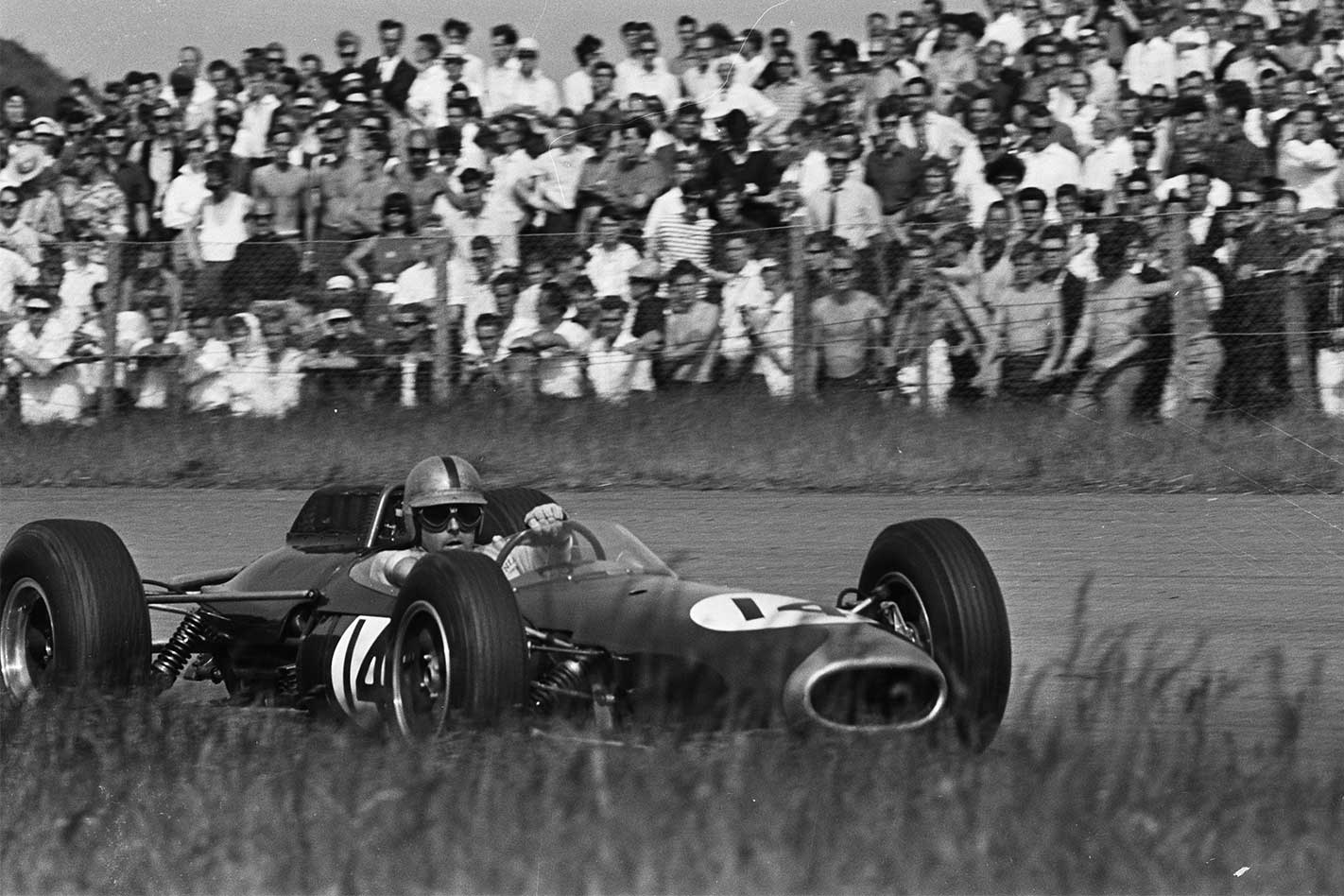
The cars built by Brabham have all worn the ‘BT’ badge as a nod to Brabham’s surname and that of co-founder Ron Tauranac.
As well as revealing its name, Brabham also released a teaser clip of the BT62’s engine and exhaust note at idle.
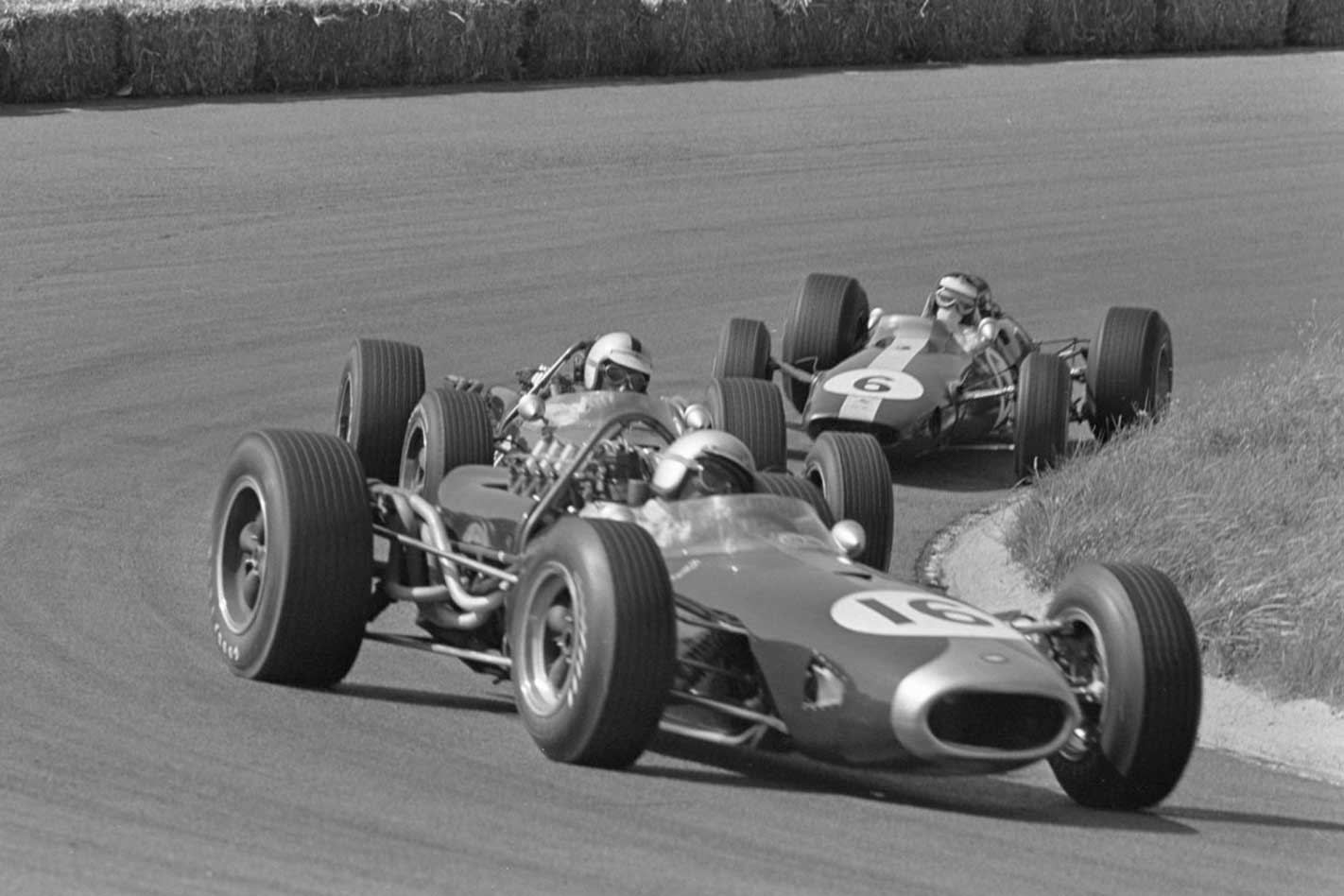
Brabham Automotive managing director (and son of Sir Jack) David Brabham says he’s proud to have his family’s name once again appearing on a car.
Note that he doesn’t specify whether it’ll be a car for the track, or one the road.
“I am thrilled to announce Brabham BT62 as the name of Brabham Automotive’s first project,” Brabham says.
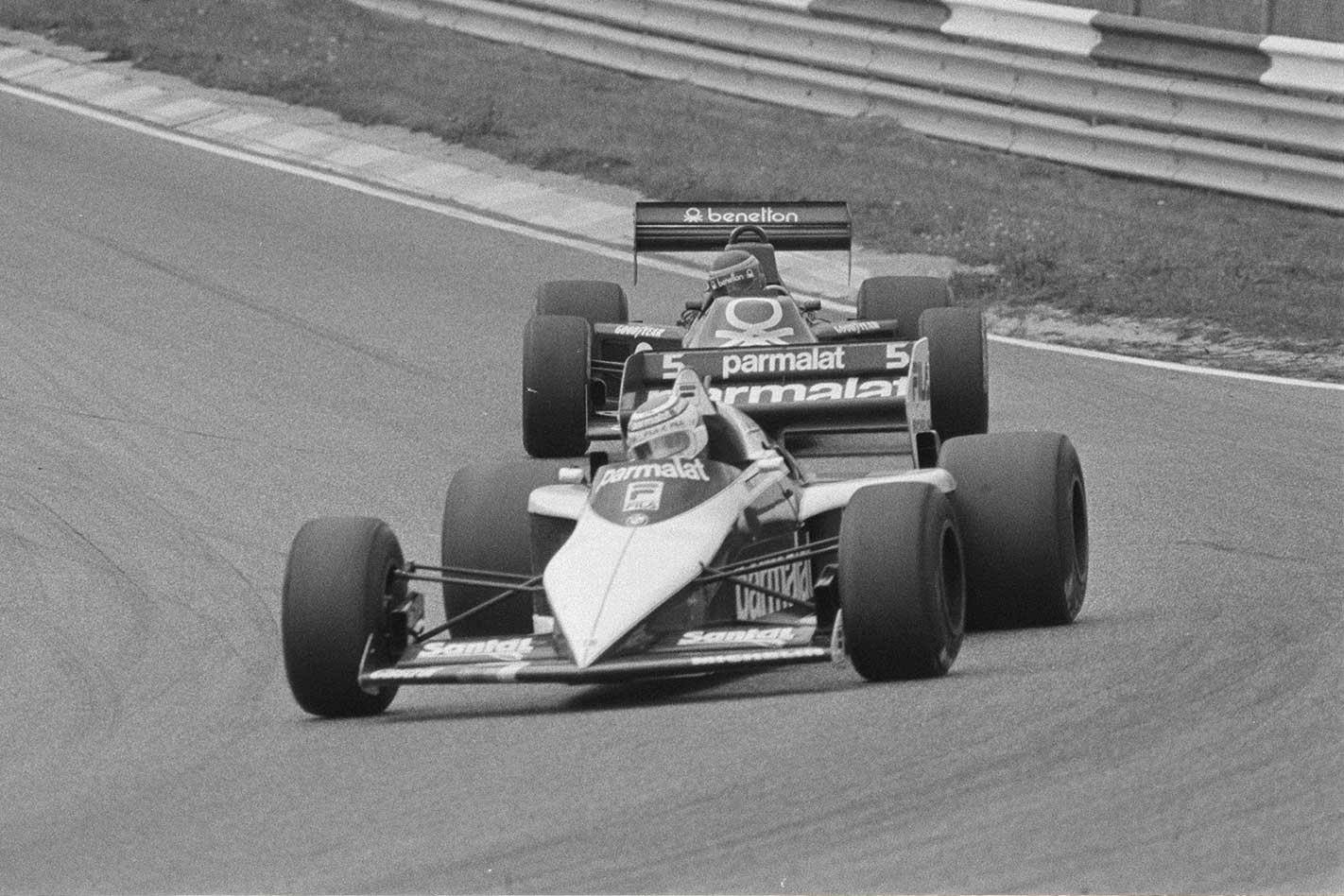
“With more than 700 racing cars produced since its inception in the 1960s, the Brabham marque boasts a remarkable heritage, so to see the first Brabham in 26 years wear the iconic BT designation will be a huge moment in our history.”
A few of the historical ‘BT’ cars which are most notable include the BT7, the first Brabham to win a Formula 1 race, and the BT19, the first car bearing its driver’s name to win a world championship.
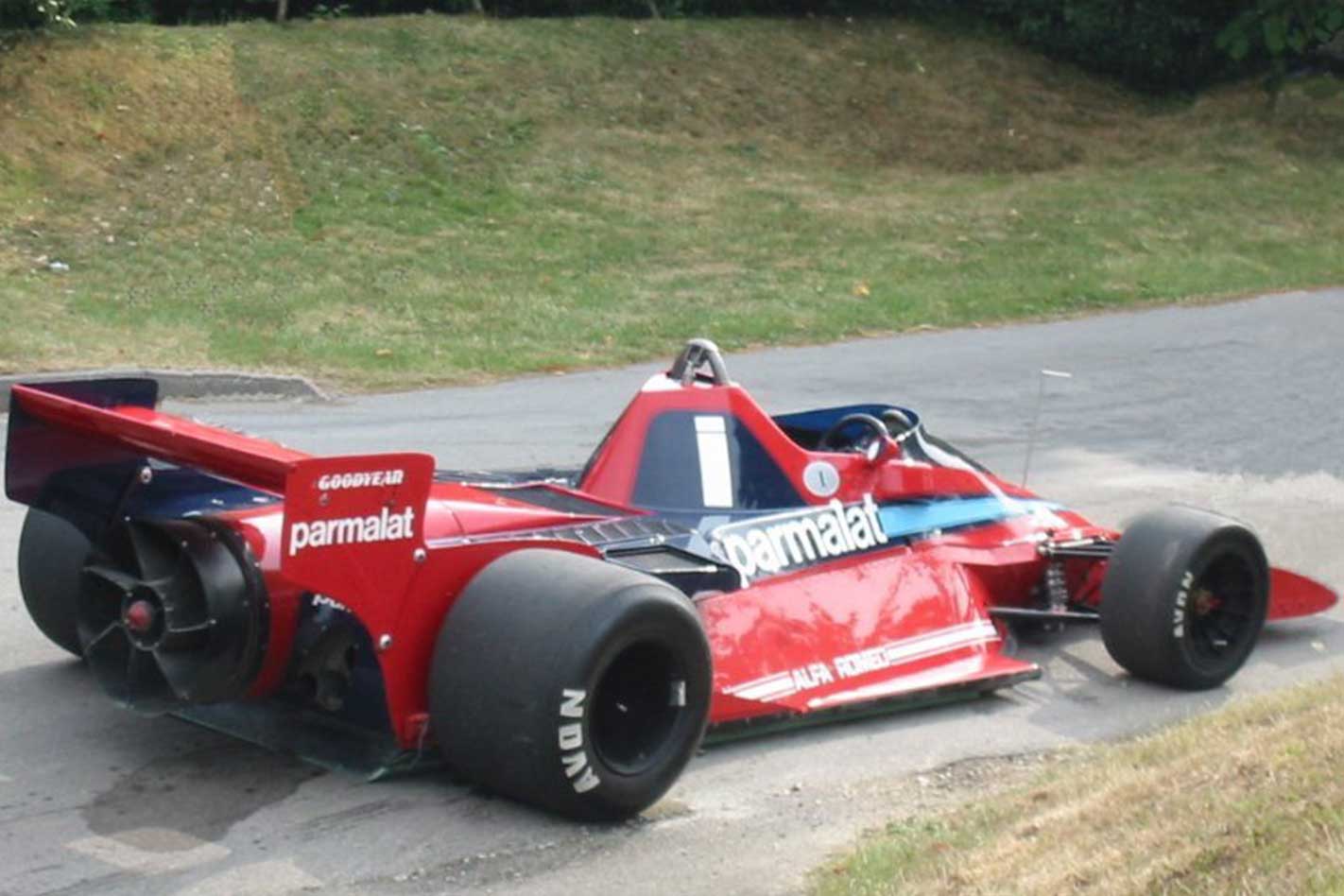
More recently, the BT46B ‘fan car’ rode the wave of downforce breakthroughs, while the BT52 was the first turbocharged car to win an F1 world championship.
The next-generation 2019 Toyota RAV4 – the car that was most likely to have been built alongside the Toyota Camry before the pin was pulled on Australian production – has booked itself in for a worldwide debut.
It’s the fifth generation of the midsize SUV that popularised the growing buyer trend towards high-riding, soft versions of off-roaders.
Toyota has teased only a single image ahead of the car’s reveal at this month’s New York Motor Show, but it shows the RAV4 will adopt a profile that blurs the line between the boxy models of the past, and the coupe-like looks sweeping the class.
Of note is a squarer-look tailgate and a more swept rear window. Up front, too, the RAV4 appears to have lost its shovelnose profile for a much more angular look similar to, dare we say it, the Mazda CX-5.
The most interesting thing about this generation of the RAV4 is that it jumps to the Toyota New Generation Architecture, the hybrid- and battery electric-ready platform that is already built into new Toyota products including the Prius, Camry and C-HR, but also soon to underpin the strong-selling Corolla due here in October.
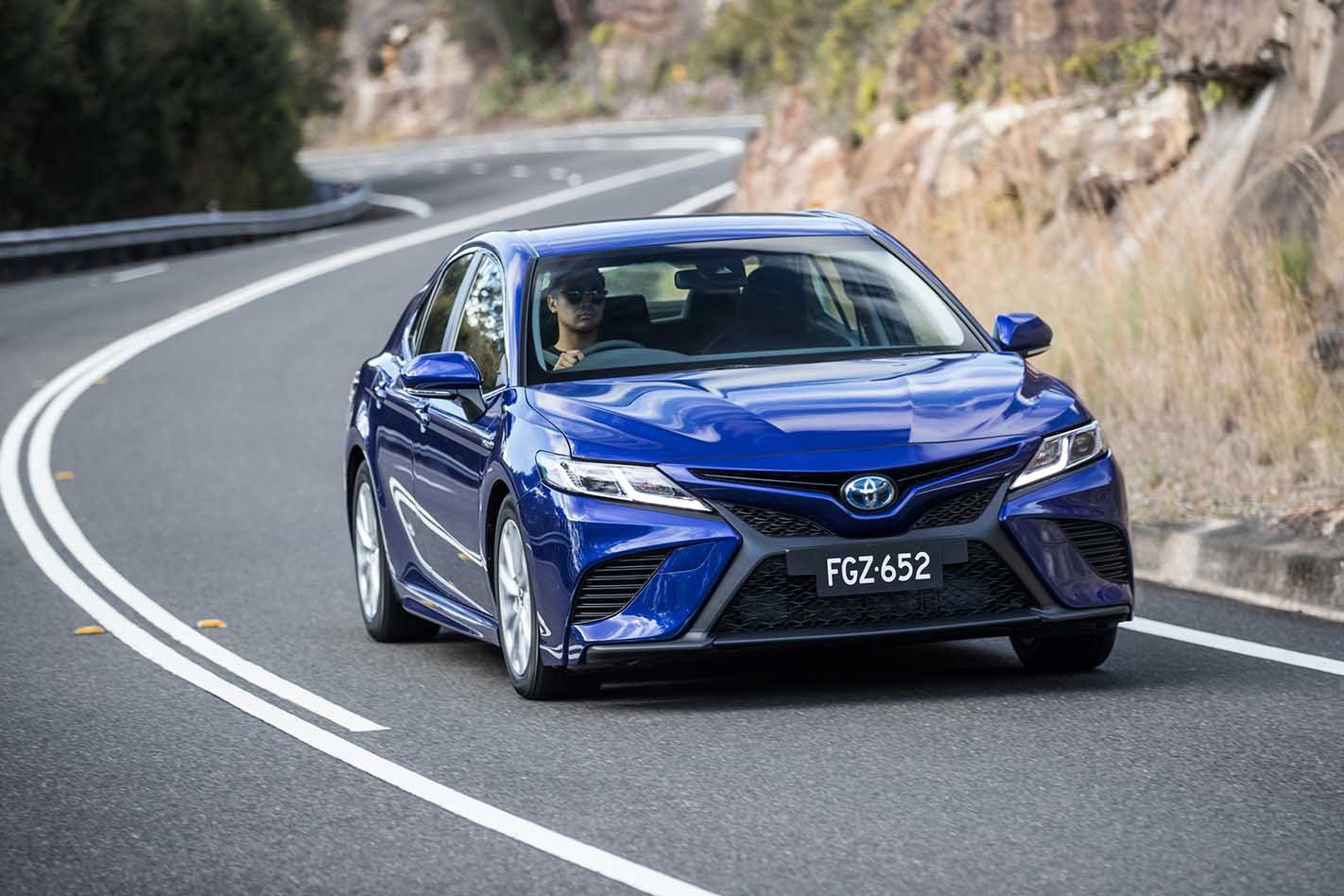
The switch to the new platform has shown big improvements in the way the TNGA rides and handles, which will be a welcome advance and give it an edge against rivals including the benchmark-setting Mazda CX-5, the Hyundai Tucson, the Mitsubishi Outlander and the Nissan X-Trail.
It also places the RAV4 in line for a new generation of engines and transmissions that are optimised for TNGA. This includes a redesigned continuously variable transmission that includes a “launch” gear – basically a first gear – that helps the CVT reduce the energy-sapping sensation when stepping off from a stop.
Of more interest, though, is a compact six-speed manual transmission that includes a rev-matching function that will allow drivers to perfectly match the engine’s speed with that of the clutch to smooth out jarring.
Those gearboxes are likely to be paired up with Toyota’s all-new 2.0-litre engine. It offers more torque through a wider rev range to be much better at saving fuel than the Japanese car maker’s current 1.8-litre engine that’s used for the brand’s environmental poster car, the Prius.
The engine is also optimised for hybridisation, with Australia expected to be in line for its first-ever petrol-electric version of the RAV4.
The RAV4’s smaller sibling, the C-HR, has already been earmarked for full electrification, with the bigger SUV expected to follow suit.
The New York Motor Show runs from March 30.
VOLKSWAGEN Group will launch a new electric car “virtually every month” in 2019 as it ramps up alternative-energy production in an effort to shake off the legacy of what it labels the “diesel crisis”.
Part of the jump in the number of new models will come from an expansion in the group’s capacity to build electric cars, which will jump from just three production sites currently to 12 within the next two years.
“Over the last few months, we have pulled out all the stops to implement ‘Roadmap E’ with the necessary speed and determination,” Volkswagen Group chief executive Matthias Mueller said at the company’s global media event in Berlin last night. Roadmap E was announced last year to speed up the pace of electrification of VW Group products across brands including Audi, Porsche, Skoda and Volkswagen, and premium brands including Bentley and Lamborghini.
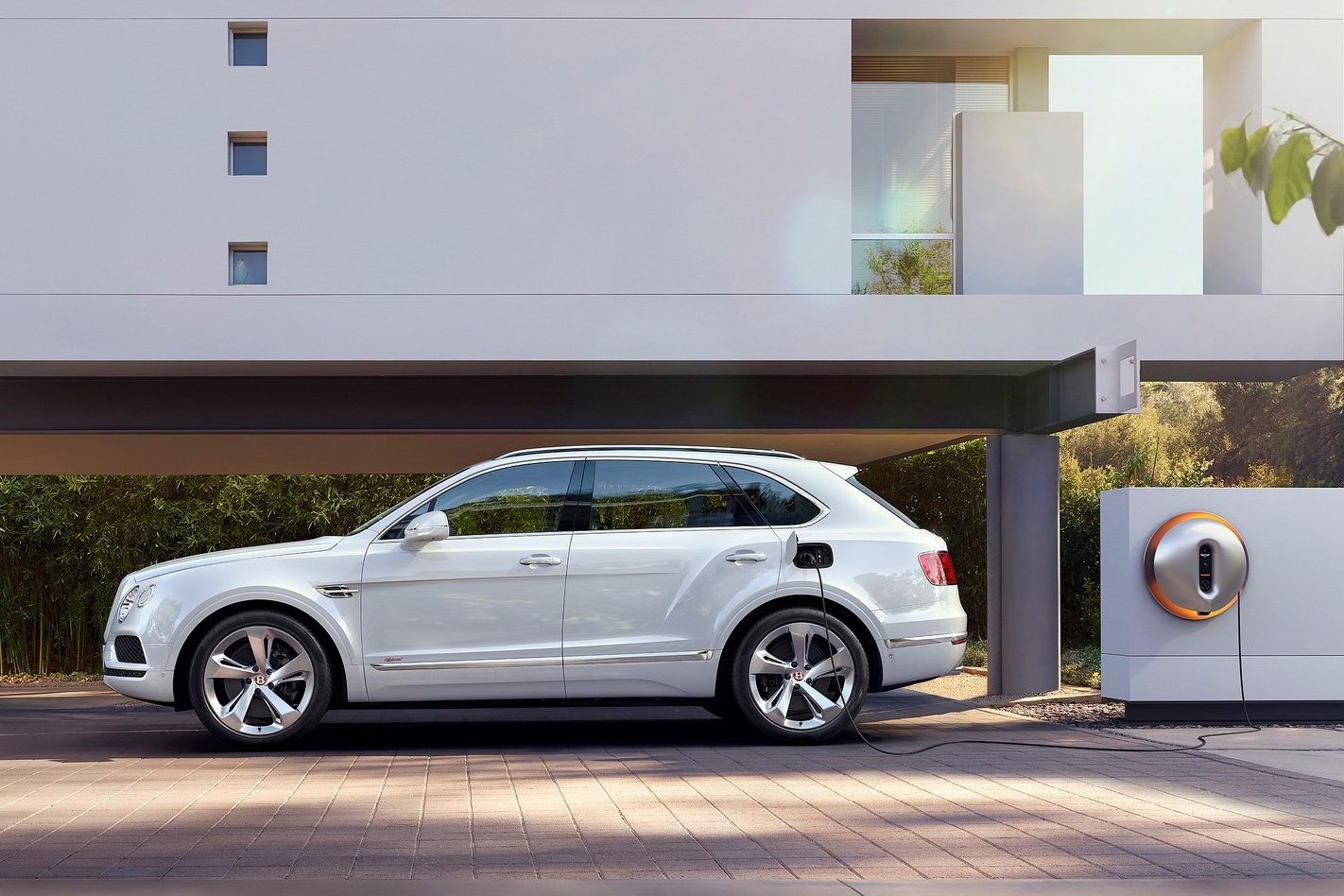
“This is how we intend to offer the largest fleet of electric vehicles in the world, across all brands and regions, in just a few years,” Mueller said. Volkswagen Group has set itself a goal of selling three million electric cars a year by 2025, and to offer a battery-fuelled or plug-in hybrid version of each of the group’s 300 models by 2030.
However, the push to electrify the group’s products did not mean one of the world’s largest car makers was abandoning conventional drivetrains – including diesel.
“We are making massive investments in the mobility of tomorrow, but without neglecting current technologies and vehicles that will continue to play an important role for decades to come,” Mueller said. “We are putting almost €20 billion ($A32 billion) into our conventional vehicle and drive portfolio in 2018, with a total of more than €90 billion scheduled over the next five years.”
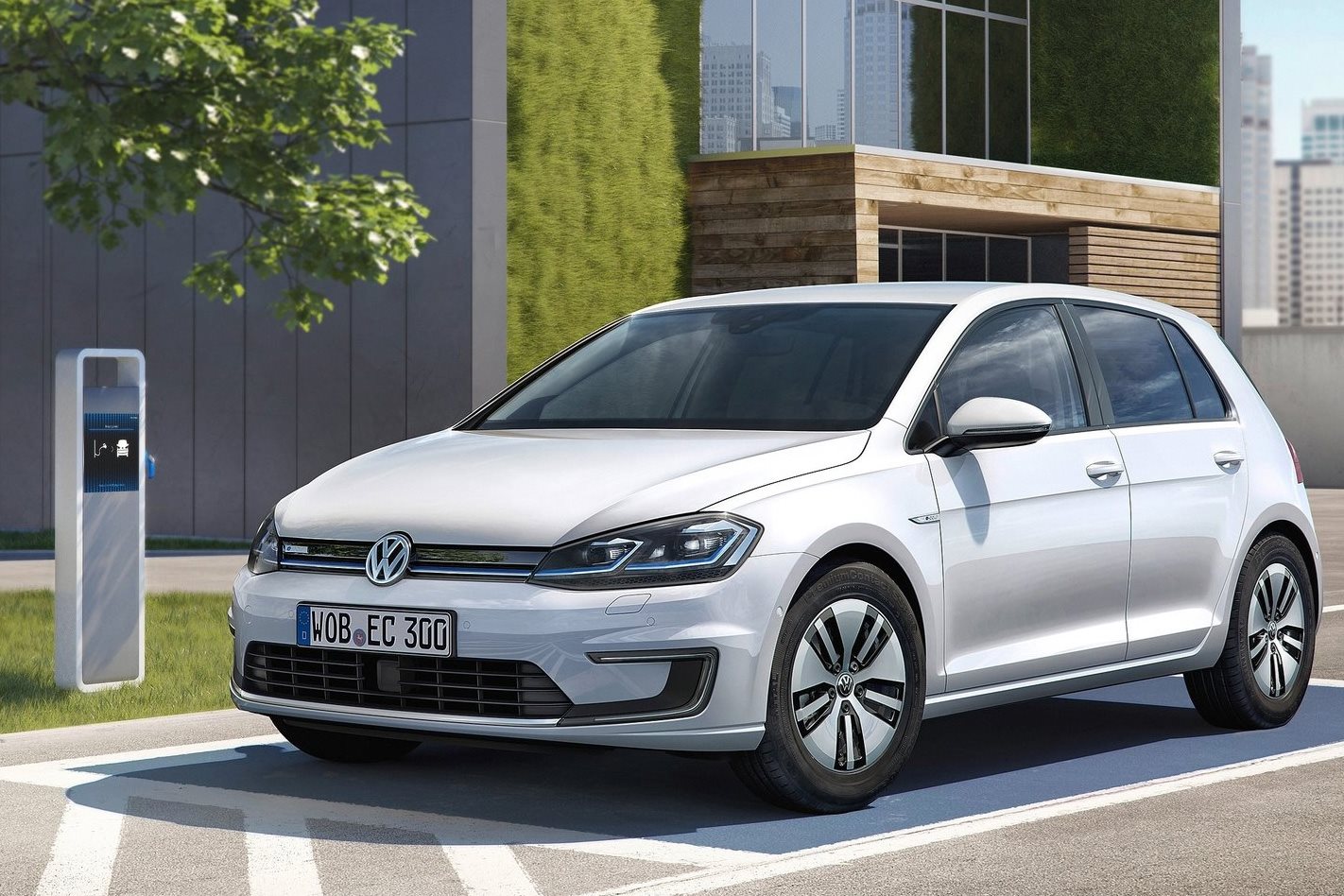
Volkswagen said it supplied 10.7 million vehicles last year, a record number for the group. One of the key drivers was China, where sales jumped 5.1 percent to more than 4.2 million.
Volkswagen Group said it had already locked in €20 billion worth of deals with battery suppliers in Europe and China to help it meet its electric production targets.
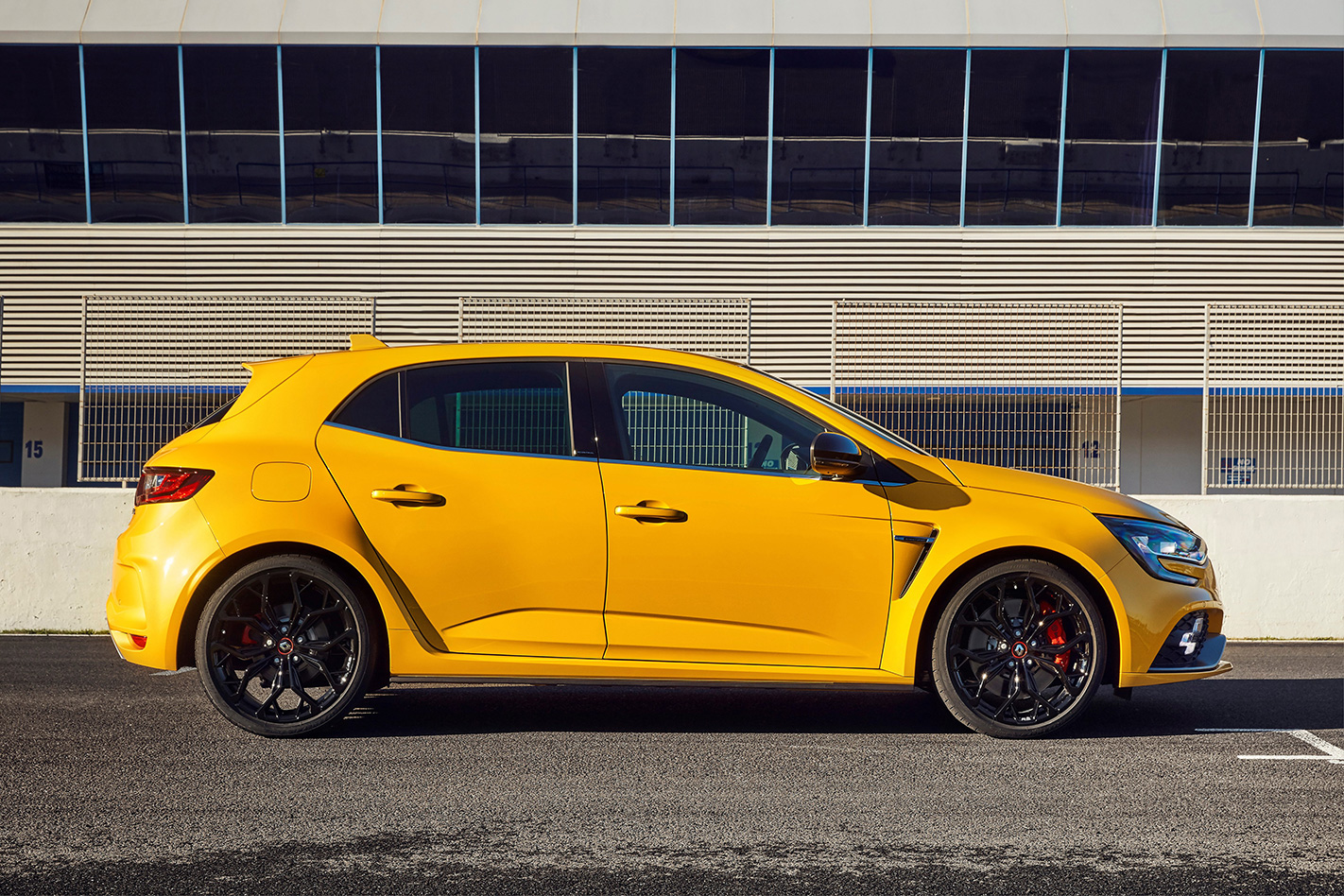
RENAULTSPORT’s sharpened Cup Chassis Pack for the fourth-Gen Megane RS is coming to Australian showrooms, giving RS 280 buyers the option of a mechanical LSD, stiffer suspension and better brakes for cars fitted with a manual transmission.
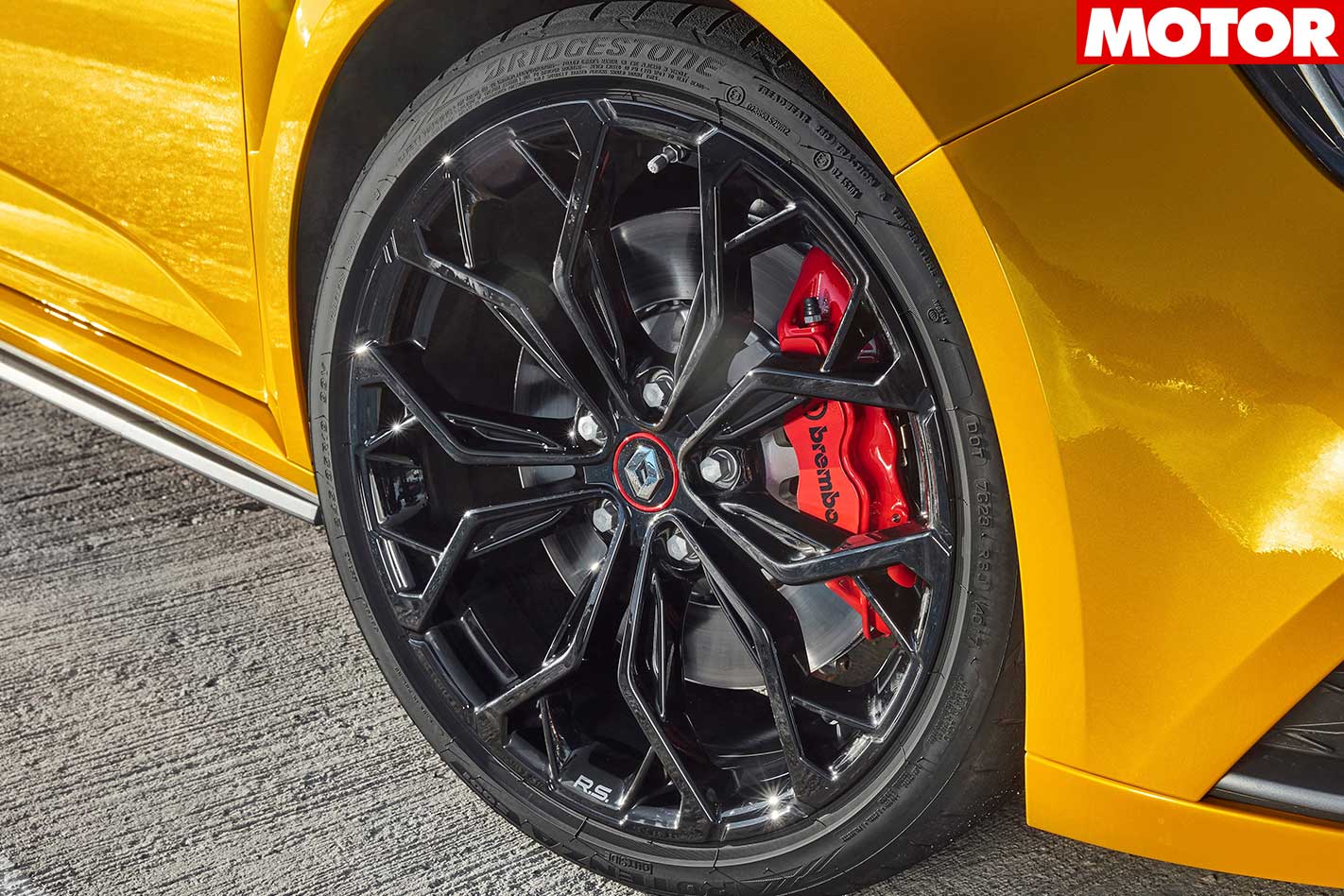
Equipping a Renault Megane RS 280 with the Cup chassis brings performance upgrades over the regular RS 280 Sport by doing away with the electronic LSD in favour of a mechanical, Torsen unit that can send up to 45 precent of torque to a slipping wheel. A bespoke suspension package of firmer springs, dampers and anti-roll bars ups overall stiffness by 10 percent. Renault claims the Cup tune brings more precise corner entry and increased traction, and limits understeer.
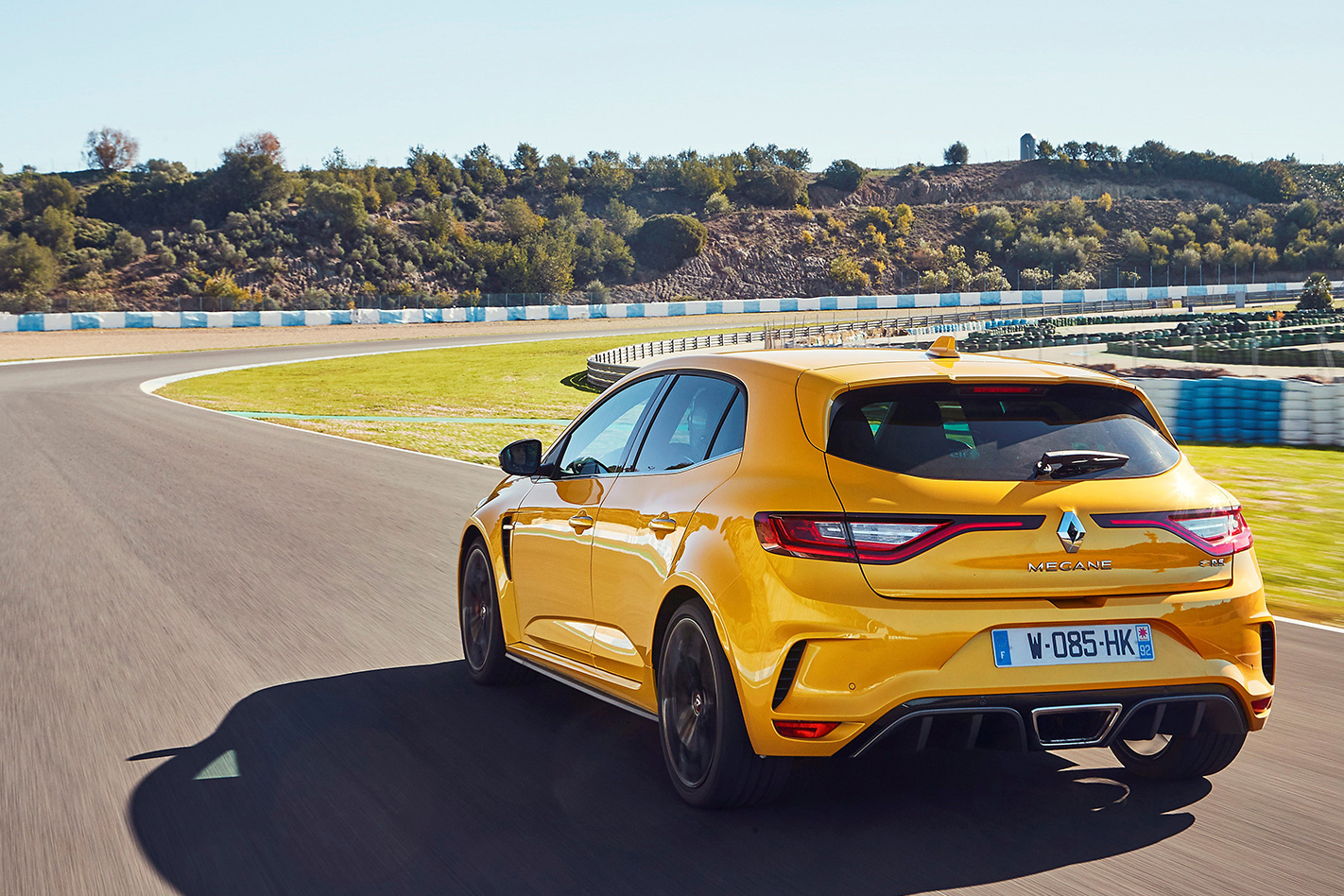
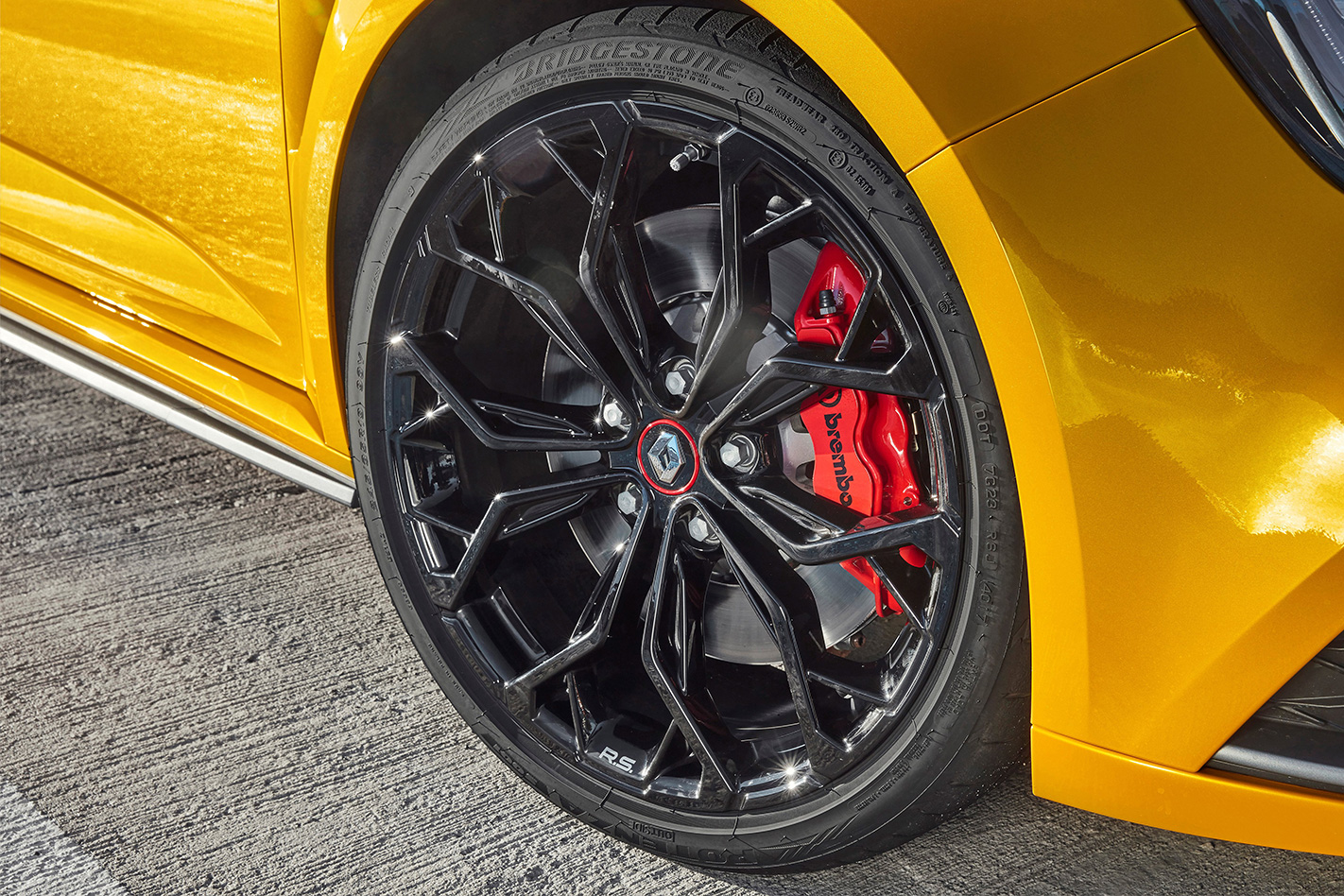
The Cup pack also adds shiny, red Brembo brake calipers and two-piece, 355mm front brake rotors (290mm for the rear), that’ll pull the featherweight Frenchman to a stop faster than you can say “baguette”.
The Megane RS 280 Cup retains the 1.8-litre turbo four-cylinder with outputs of 205kW/390Nm, which on paper put it ahead of direct front-wheel-drive competitors such as the Volkswagen Golf GTi (169kW/350Nm), Peugeot 308 GTi 270 (200kW/330Nm), Hyundai 130N (202kW/378Nm), Focus ST (184kW/360Nm) and Mini Cooper JCW (170kW/320Nm).
“We received strong feedback from media, customers and dealers that they would like to have the option of a Cup chassis on the entry model Megane RS 280”, said Moore. “We have listened to this feedback and gone back to the factory to introduce a Cup chassis option.”
The Cup Chassis Pack is only available on RS280 manual models until 2019, after which time the Megane model line-up will grow to include the RS 280 Trophy, which will feature the Cup chassis and add a 220kW/400Nm variant of the same 1.8-litre powerplant that may just topple the Honda Civic Type R from its Nurburgring podium.
MERCEDES-AMG is aiming to break a record long thought unbreakable – the outright lap record at the Nurburgring.
Speaking to Autocar, AMG boss Tobias Moers let slip that the company would head to the Green Hell with the F1-powered Project One. Not only is the production car lap record in its sights, but also the outright fastest time ever recorded at the Nurburgring.
That time is a 6:11.13, set by Stefan Bellof in a Porsche 956 Group C race car at the Nurburging 1000km race in 1983.
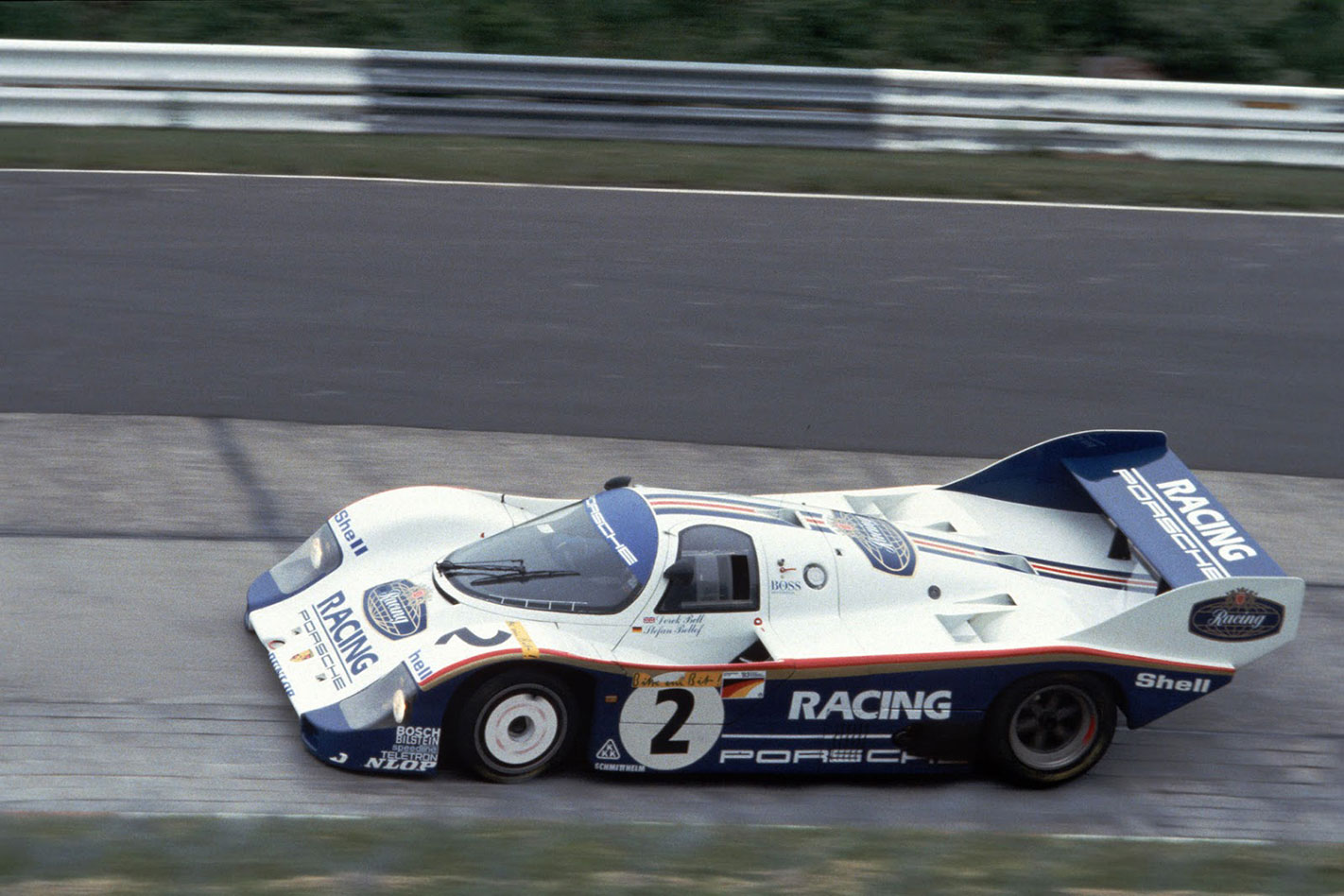
Since then, the ’83 Nordschliefe layout has remained the same, with manufacturers pitching to claim a Nurburgring lap record as their own. However, for safety reasons, they are timed over just 20.6 kilometres.
The Porsche 911 GT2 RS is the fastest production car at the Nurburgring, with a 6:47.25 lap set in September last year. The latest-generation Widowmaker was fitted with Michelin Pilot Sport Cup 2 road tyres, and the optional Weissach pack – Porsche also deleted the audio and communication system.
A McLaren P1 LM – a road-registerable P1 GTR modified by Lanzante Motorsport – is the fastest street-legal car to attack the Green Hell, stopping the clocks at 6:43.22 early last year.
Both pale in comparison to Bellof’s benchmark, which is a full half a minute faster.
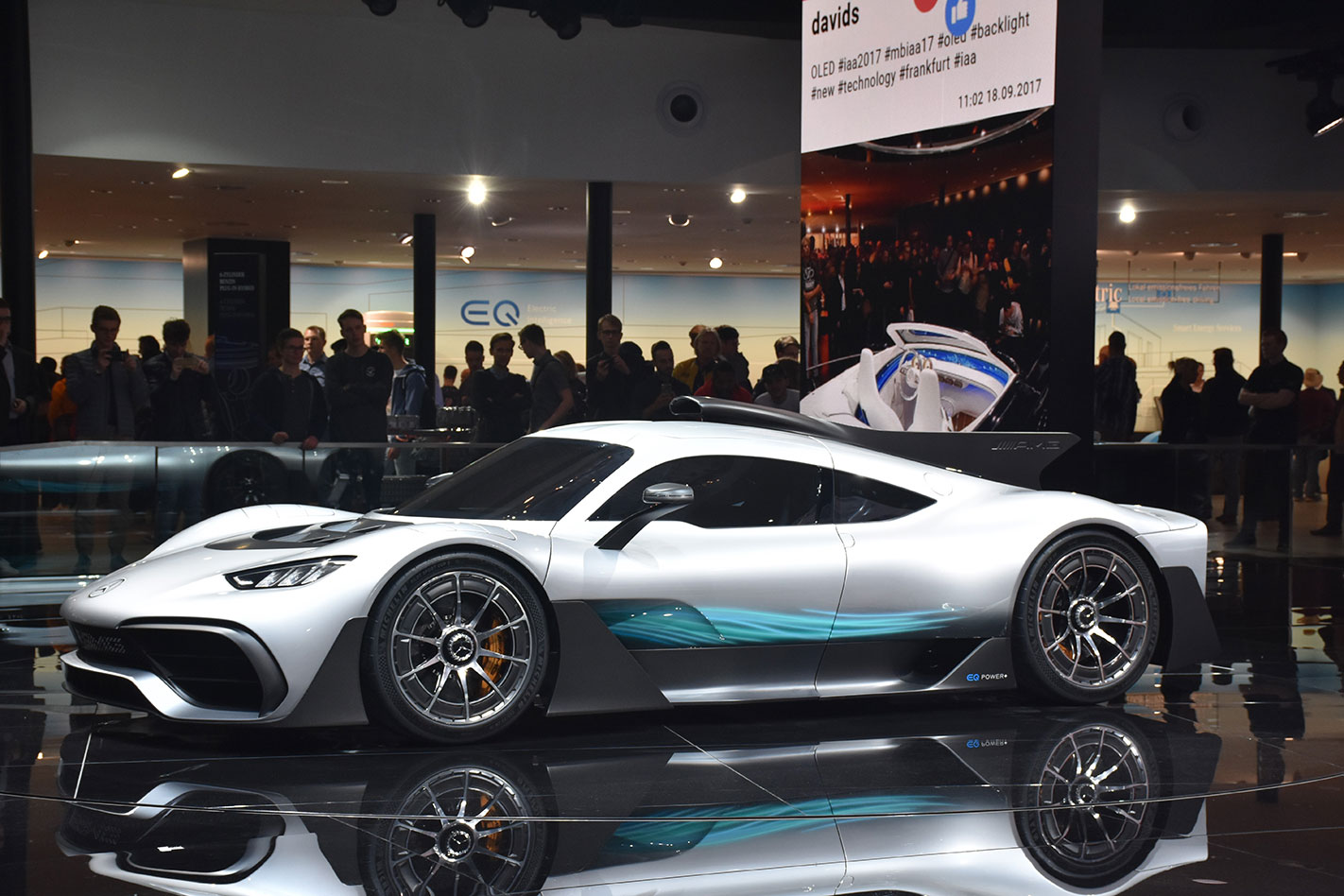
It’s speculated the Project One will produce 675kg of downforce, weigh 1300kg-1400kg, and produce more than 740kW from its 1.6-litre turbocharged V6 hybrid powertrain.
Moers says an issue currently facing the record attempt is finding an appropriate driver. Reigning F1 champion Lewis Hamilton is an obvious suggestion, while Nico Rosberg, who won the world drivers’ title in the Project One’s engine donor car, has plenty of free time on his hands.
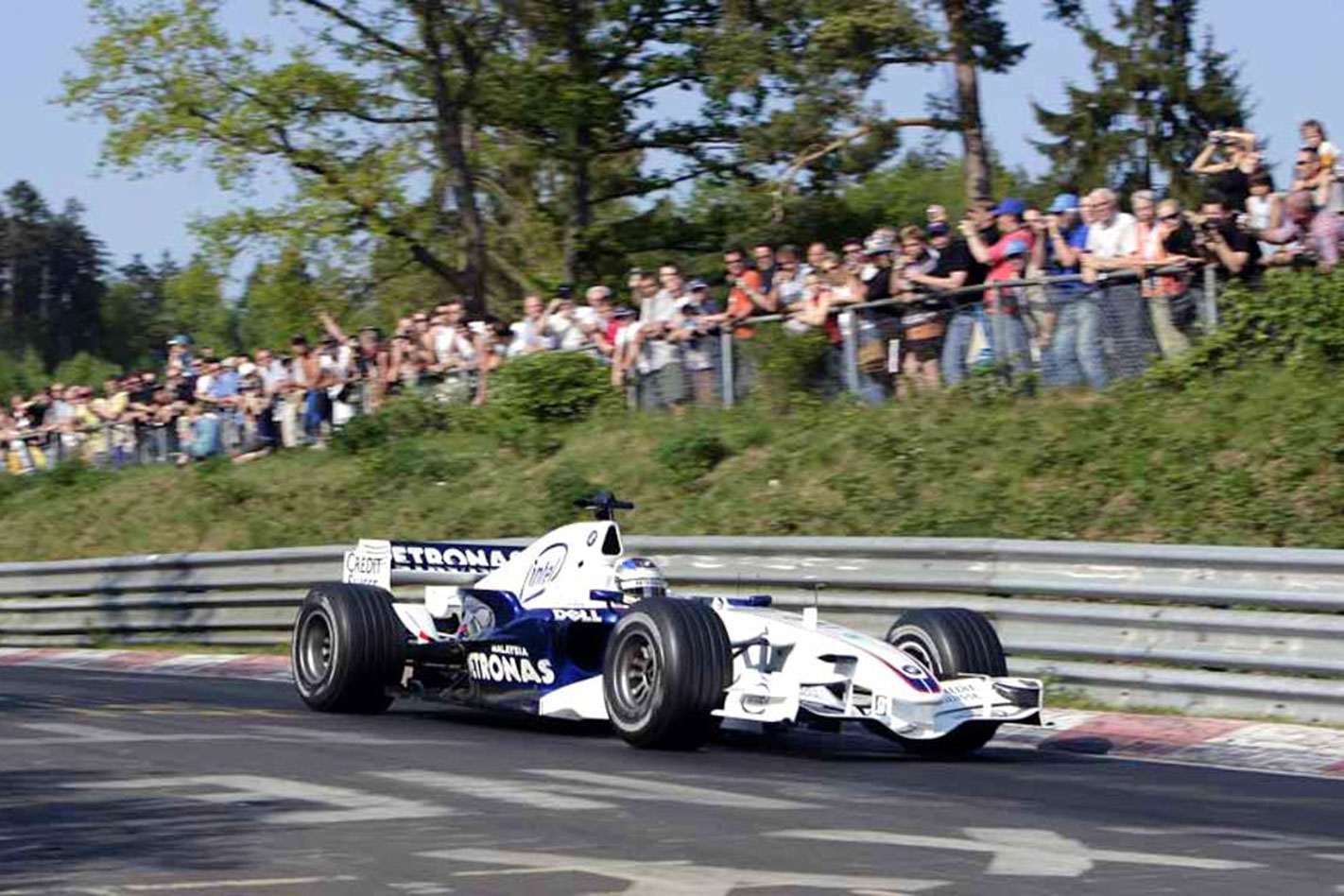
Heidfield slowed a number of times during the demonstration; however it was reported by F1 Racing Magazine the F1.06 could have completed a lap of the Nordschliefe in 5:15.83.
Shannons’ most recent auction has resulted in a few bidding surprises, with several cars exceeding their estimates by more than $20,000.
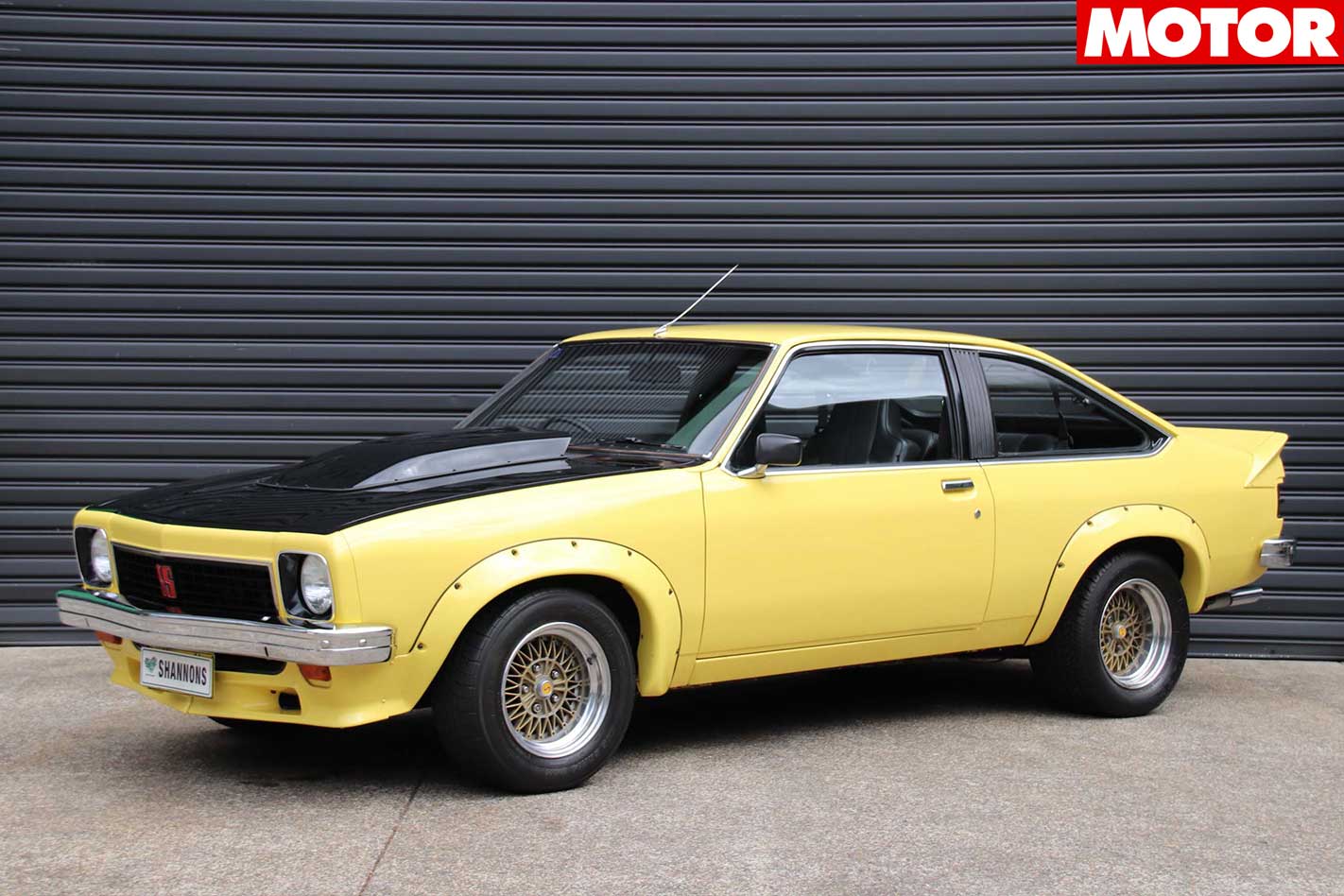
The most valuable sale Shannons reported was that of the survivor ‘cage-find’ Holden Torana A9X, which has been locked up in a carpark storage cage for some time under the same owner of almost three decades.
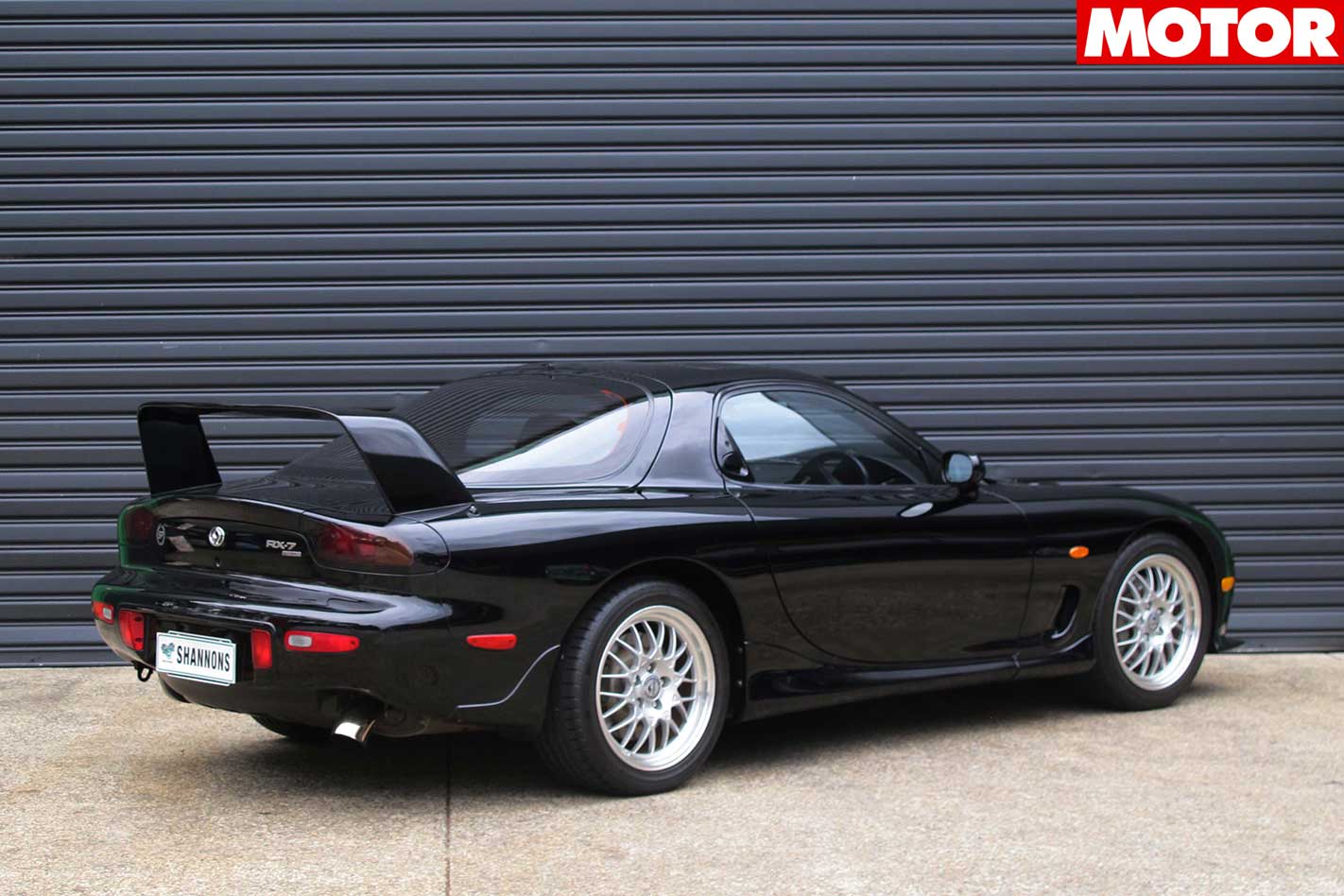
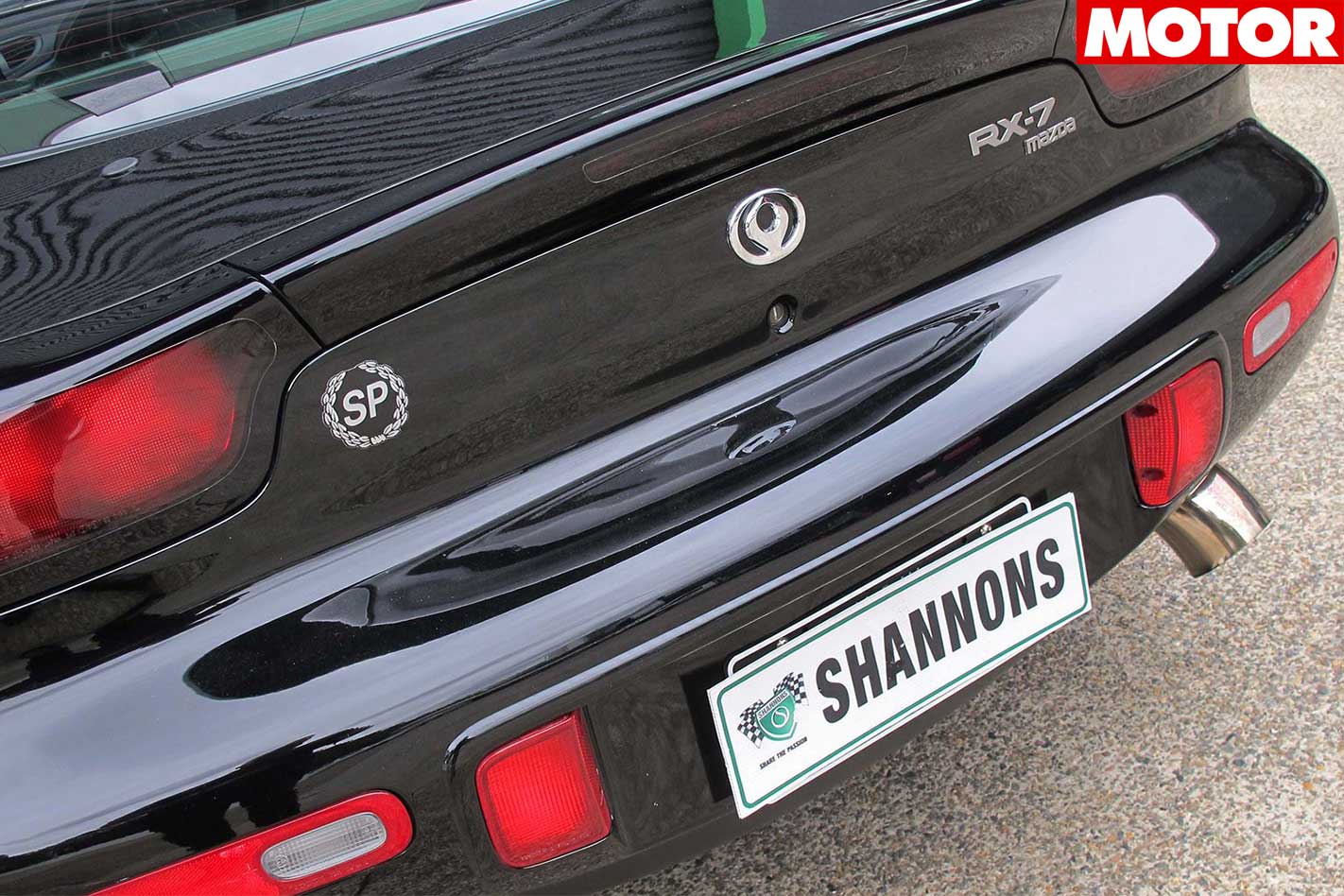
Next, we were particularly impressed with the price paid for a rare RX-7 SP. One of only 26 (Shannons says, though most people believe there are 25) road-going SPs, it was expected to fetch $80,000 – $90,000.
A Shannons spokesperson recently told MOTOR to expect more sales like this in regards to more modern Japanese classics, especially those of the 1990s.
“Cars like the MR2 and WRX [which had recently performed well at auction] are still relatively affordable compared with most Australian or European classics, easy to obtain parts for and work on.
Another particularly impressive jump in end sale price is that of the Holden HK Monaro which was expected to sell for up to $45K. The six-pot Munro ended up $41K up on that, with $86,000 being the final bid.
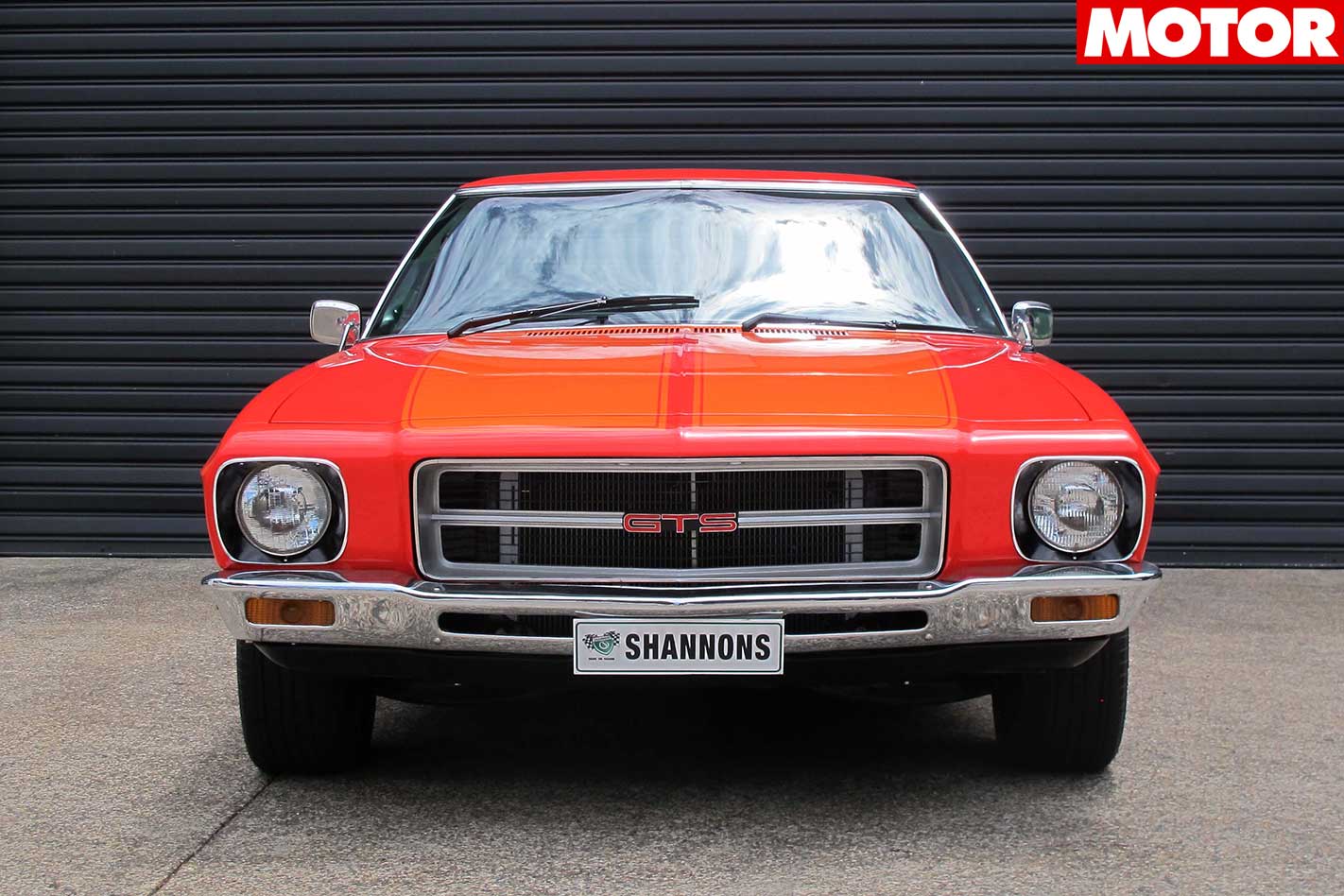
A HQ Monaro GTS 350 also beat its estimate by $19K when it sold for $69,000.
Not one which thrashed its estimate, but a win for the buyer, was the rare BMW E46 M3 Competition, which sold for $77,000, $7000 over its estimate.
UPDATE: Days after the auction, Shannons revealed the Dino sold “within its $620,000-$680,000 guiding range for an undisclosed amount.”
This makes Shannons’ Autumn Classic Australia’s highest-grossing classic vehicle auction, having totaled $6.5 million.