
US President Donald Trump has drawn a bead on European car makers, saying he intends to impose tariffs on their exports to the US if the EU retaliated against his proposed steel and aluminium tariffs.
Trump, who campaigned on a platform of putting America first, called for tariffs of 25 percent on steel imports and 10 percent on aluminium products on Thursday. His hope was that this protectionist move would bolster these industries.

The European Commission said this week that it would formally announce details of policies targeting the US “in the next few days” to “rebalance” the global trade playing field after Mr Trump’s move.
Mr Trump tweeted at the weekend that trade wars were “good, and easy to win”, stating that “If the EU wants to further increase their already massive tariffs and barriers on US companies doing business there, we will simply apply a tax on their cars which freely pour into the US,” he wrote. “They make it impossible for our cars (and more) to sell there.”

The tariff proposal will have an “immediate disruption effect” and will be detrimental to the US economy, claimed economist Robert Shiller. The 2013 Nobel Prize for Economics winner said: “I’d wonder if this isn’t just a first step, that Trump has in mind raising other tariffs. Even if he doesn’t there will be other countries who will retaliate and they’ll get bigger. This is really like a first shot in a war and that’s what is worrisome.” He then added a note of worrying perspective. “That’s what happened in the Great Depression.”
A CHINESE bespoke car maker has unveiled a six-motor hypercar producing almost 1000kW, and with a top speed of 330km/h.
The track-only, single-seat electric car, called the REN RS, boasts a carbonfibre and aluminium monocoque, follows on from a previous road-going concept car simply called the REN. The track car differs from its more pedestrian sibling in that instead of having just a single range-extending turbine engine, the option is there to fit a pair of them.
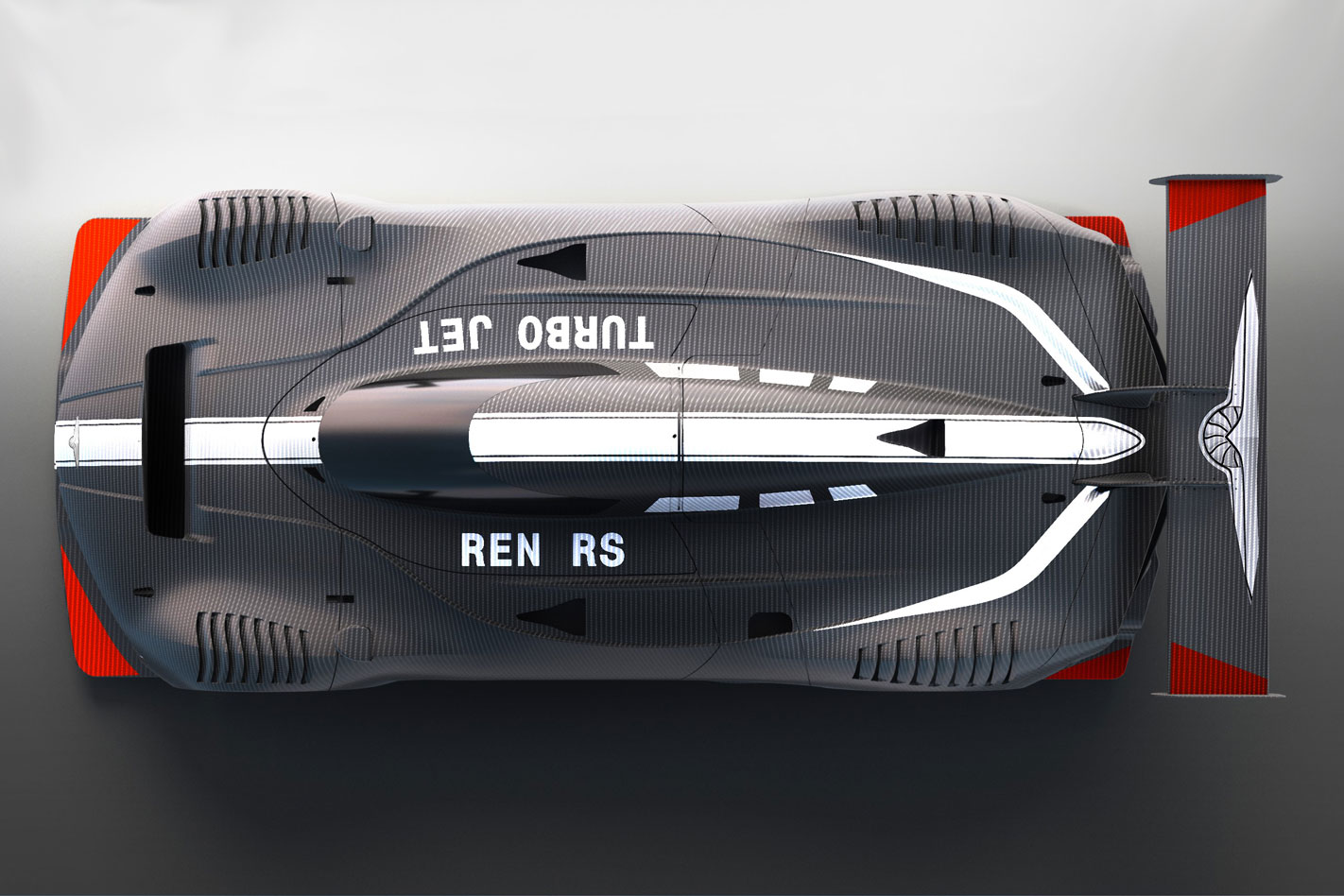
Everything about the car showcases cutting-edge technologies, from the specially developed traction control and torque vectoring systems, to the fighter jet-style canopy that can be ejected in the event of impact or fire. It’s not light, though; packing in all that technology means the REN RS weighs in at 1854kg, or about the same as a BMW X4.
Techrules forecasts initial deliveries of the REN RS to take place within two years’ time, so it’ll be interesting to see if Le Mans 2020 plays host to a score of turbine- and battery-fuelled supercars.
AN UPDATED Mercedes-AMG C43 sedan with more power, revised styling and a heavily overhauled interior has been revealed on the eve of its reveal at the 2018 Geneva Motor Show.
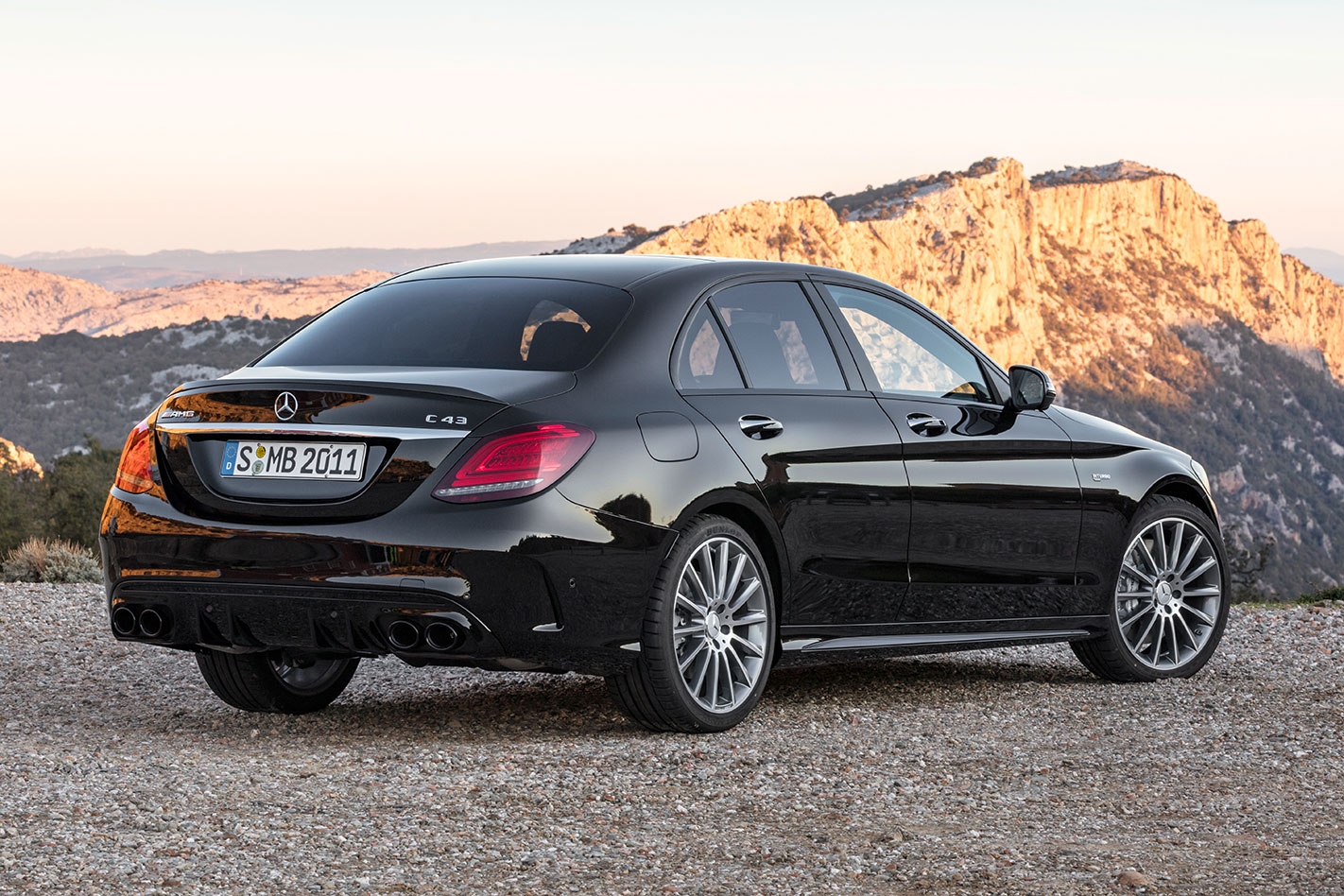
Both the C43 sedan and estate body styles will inherit a round of upgrades including a 17kW power bump for the 3.0-litre twin-turbo V6 engine that lifts outputs to 287kW and 520Nm via the fitment of the Mercedes E43’s larger turbos.
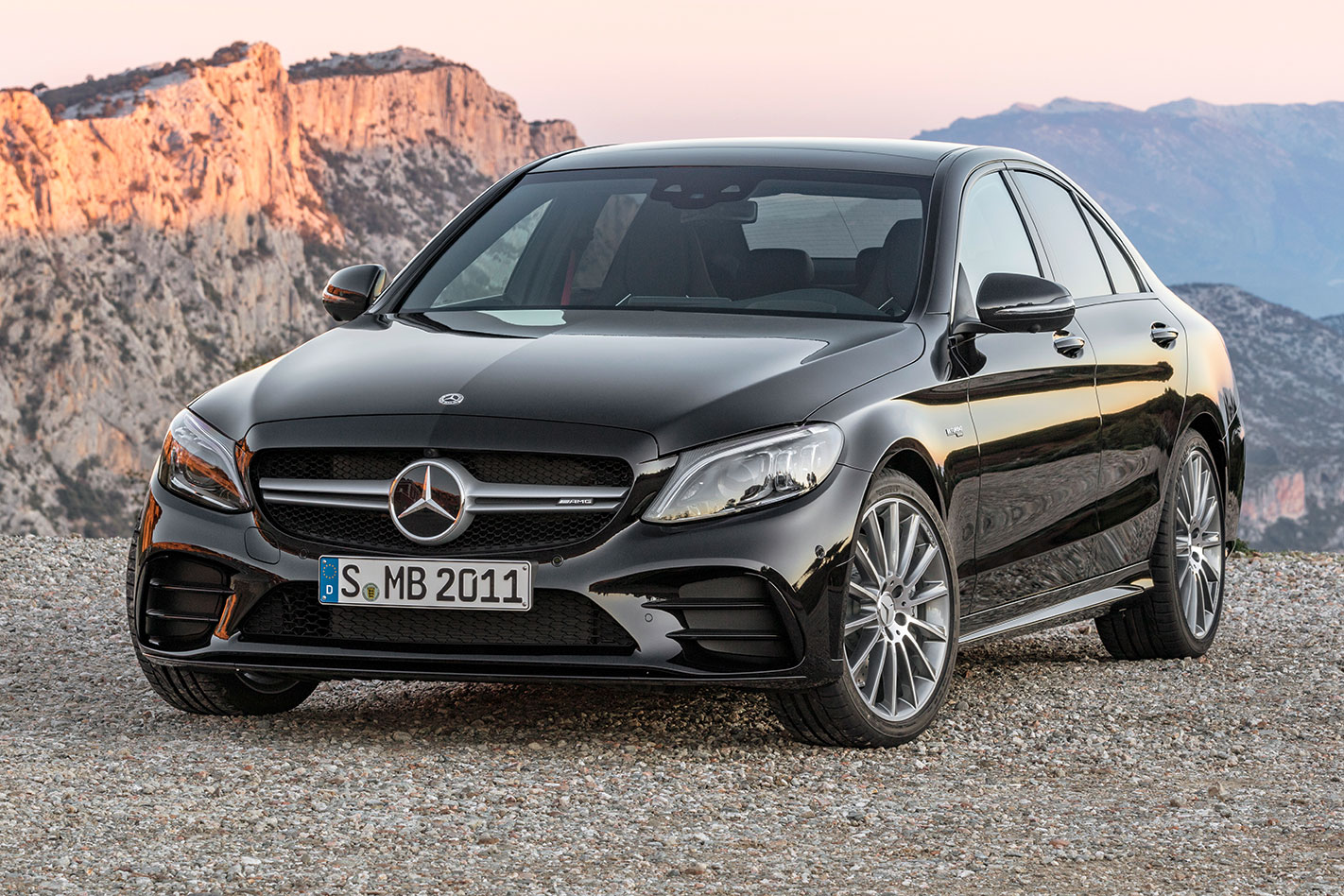
Multi-beam LED headlights that can shut off individual sections of the beam to avoid dazzling other drivers are offered as standard equipment and, like the E-Class, now feature 84 individual LED chips for greater light output.
An aggressive, gloss black diffuser incorporating a quartet of exhaust tips is added to the rear as part of a fresh bumper design. An AMG representative said a decision was made to give the C43 its own distinctive appearance rather than the same bumpers as other C-Class models fitted with the AMG Line styling kit.
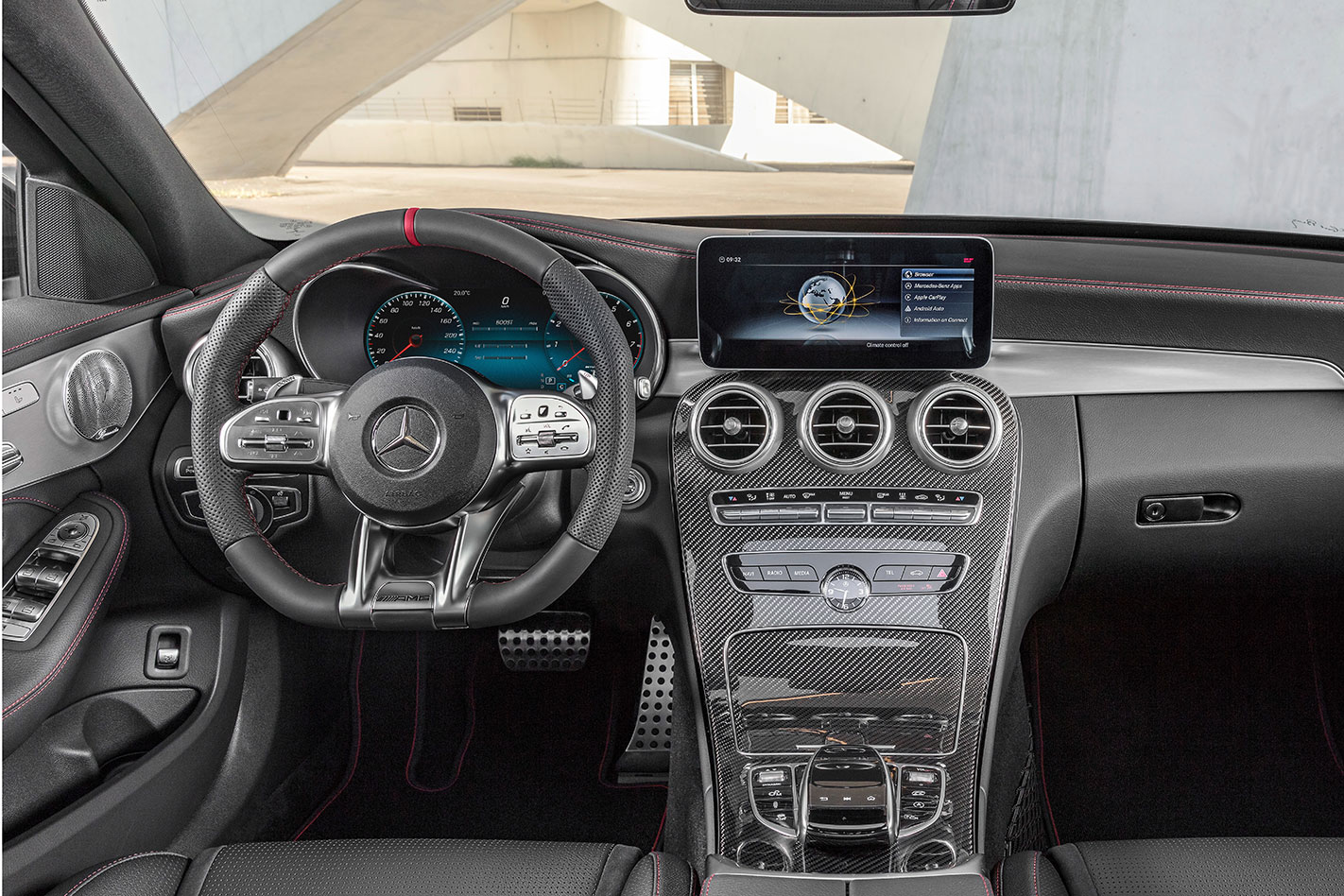
Interior upgrades include the introduction of AMG’s new Performance steering wheel, and heated and cooled electric-adjust front seats taken from the AMG GTC Roadster.
The C43 is the first C-Class-based AMG product to be shown since the regular series model’s facelift was announced. That makeover brought a raft of improvements to the car’s interior, which also feature here, including a fully digital dashboard designed to fit within the regular instrument cluster outline rather than the tablet-style screens seen in E-Class, S-Class and the impending A-Class models.
The updated C43 sedan and estate will be available in Australia from October 2018.
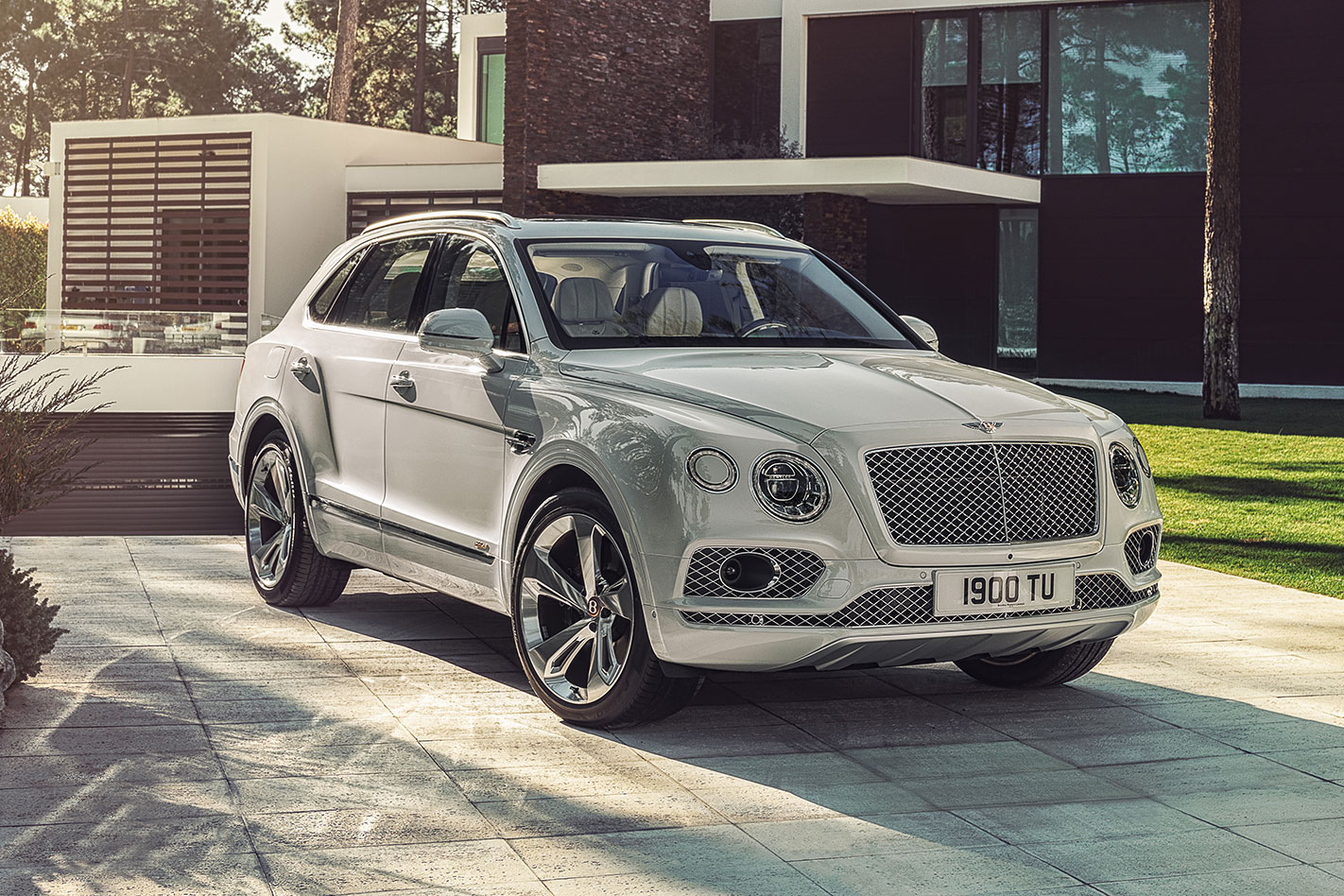
BENTLEY has unveiled its first-ever hybrid vehicle, choosing its first-ever SUV – the Bentayga – to carry the battery-powered honours.
It’s also a significant step down for a company that once prided itself on the six-and-three-quarter litre displacement. Instead, the Bentayga Hybrid will use a turbocharged 3.0-litre V6 – the smallest engine to ever grace the Flying B – paired with an electric motor.
Two bespoke bags that live in the boot space carry the cables needed to plug the hybrid Bentayga into a wall socket or rapid charger.
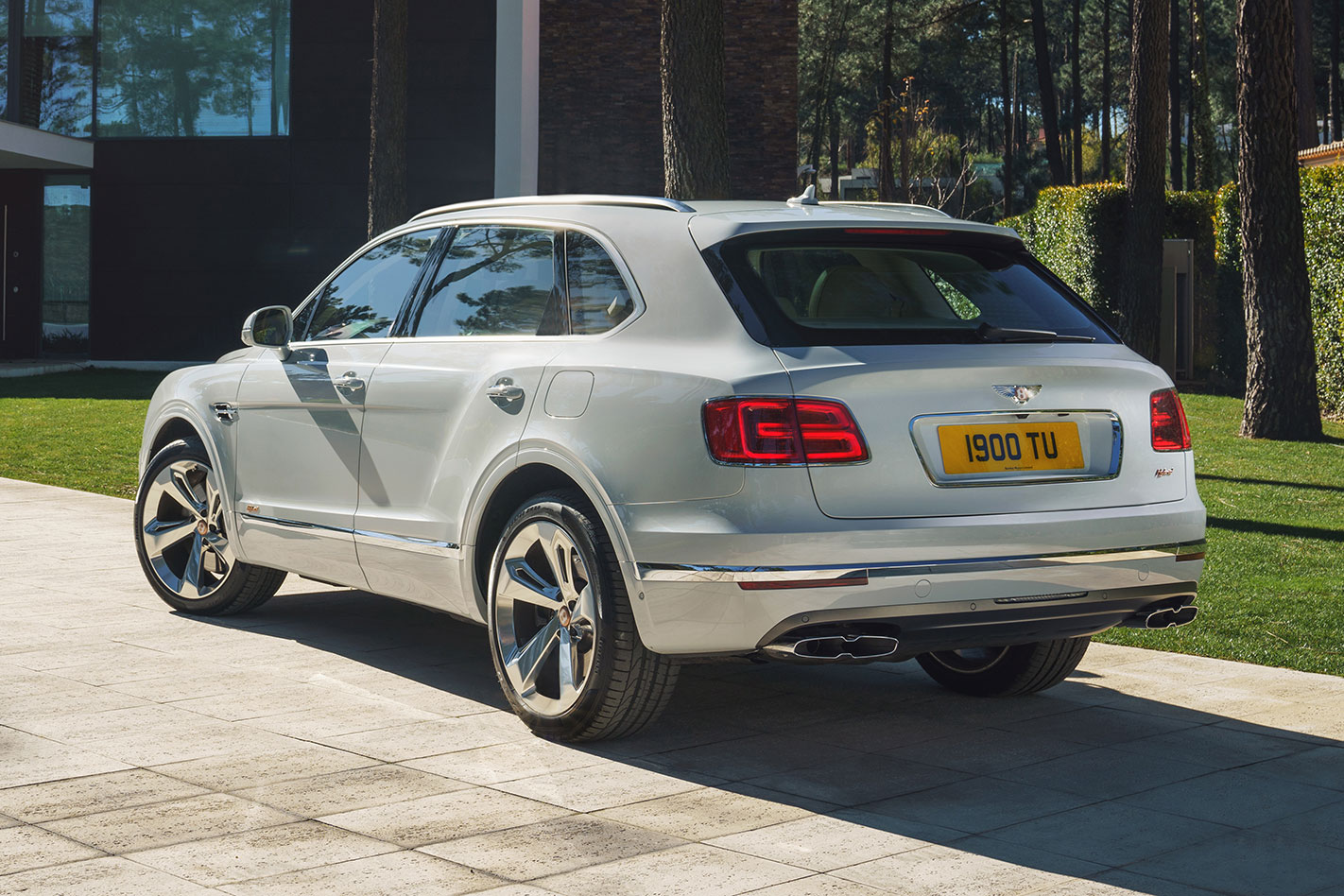
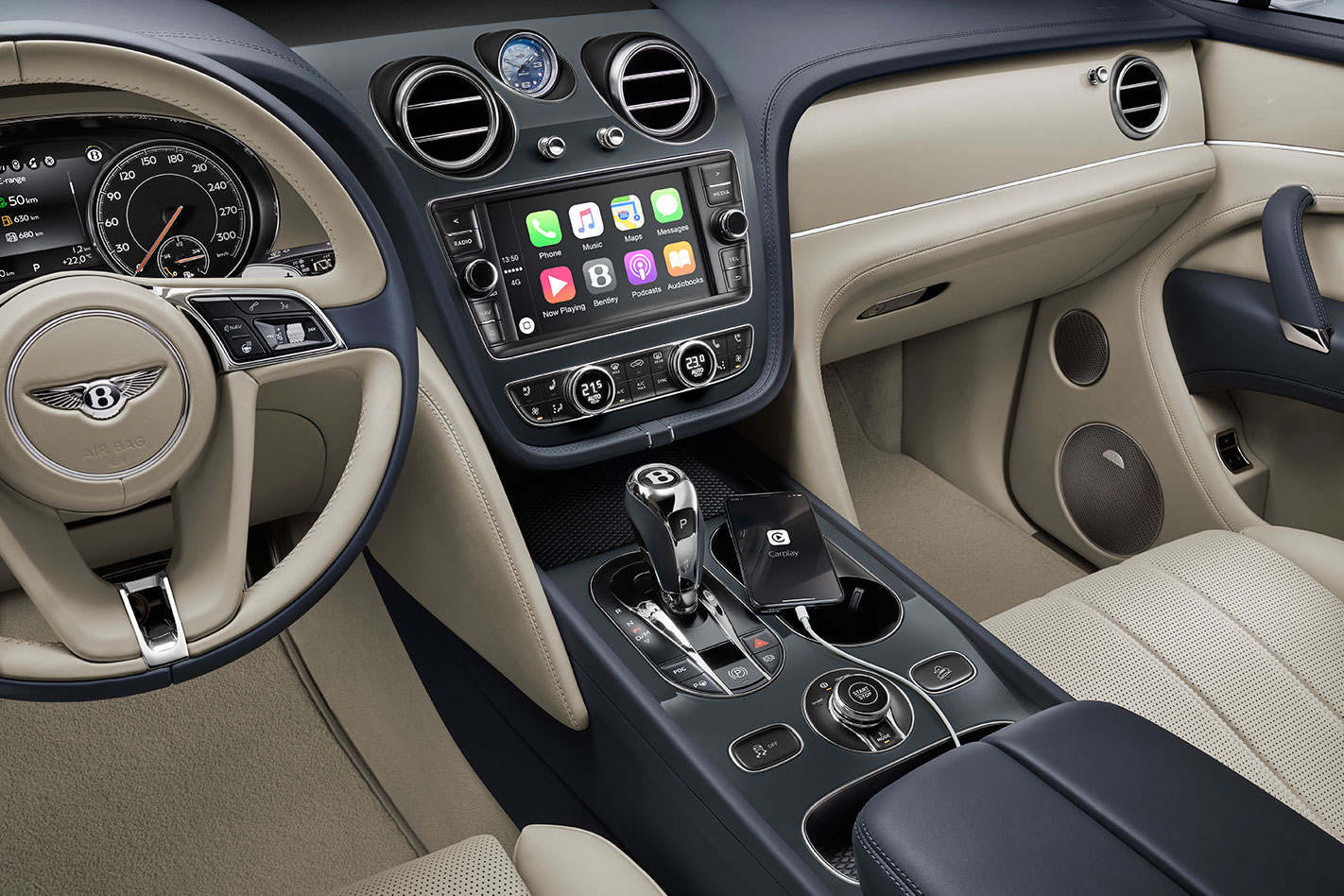
Bentley’s fuel-saving engine stop-start switch is replaced with a control for three driving modes: EV Drive, Hybrid Mode and Hold Mode. On the dash, the tachometer is replaced with a dial showing when the car is operating in pure EV Drive, or engine speed if the combustion engine is operating. A battery status dial replaces the coolant temperature gauge.
ROLL out the red carpet. One of the most famous movie-based muscle car liveries is coming to Australia – the Ford Mustang Bullitt.
It will arrive here in limited numbers, and in right-hand drive. The confirmation comes just months after the Steve McQueen special was unveiled in Detroit alongside one of the original 1968 Ford Mustang GTs from the film of the same name.
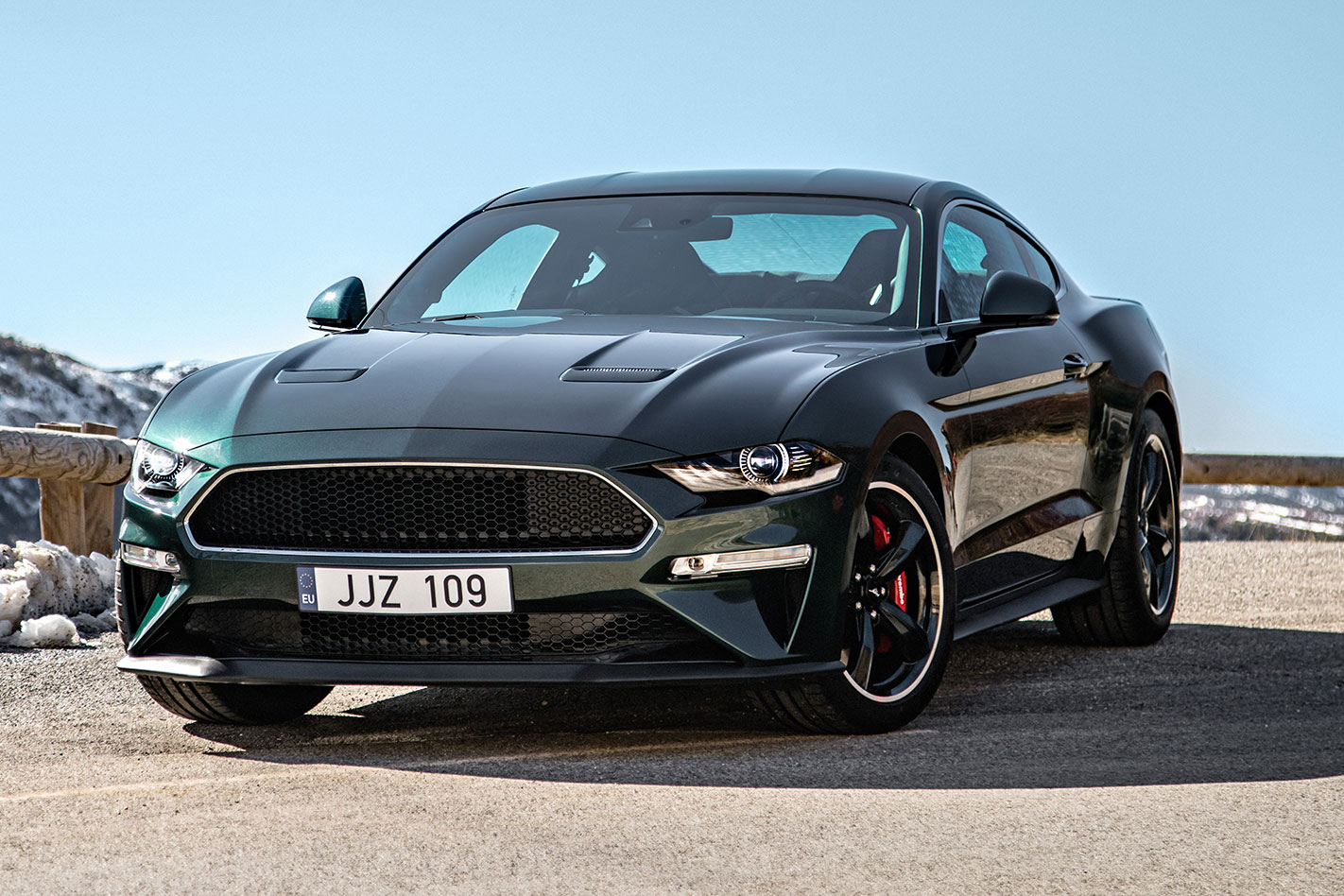
Ford has not confirmed how many of the Dark Highland Green Bullitts (US owners can also option it in black) will make it here, or when they’re likely to arrive.
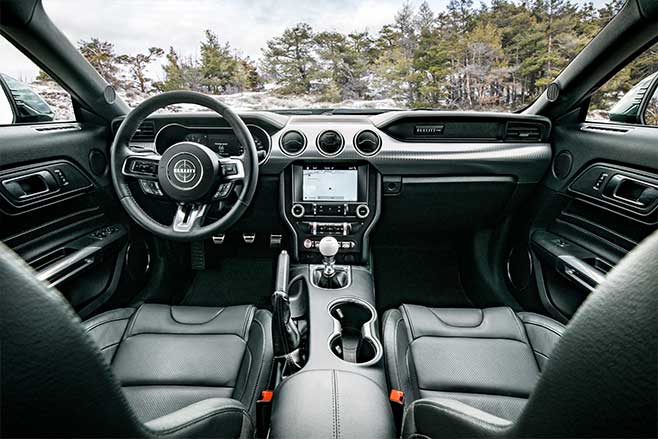
Other special features of the car released for the US market include a white cue ball for the top of the six-speed manual gearshift lever, and a larger serve of performance – 354kW and 570Nm – from the 5.0-litre V8.
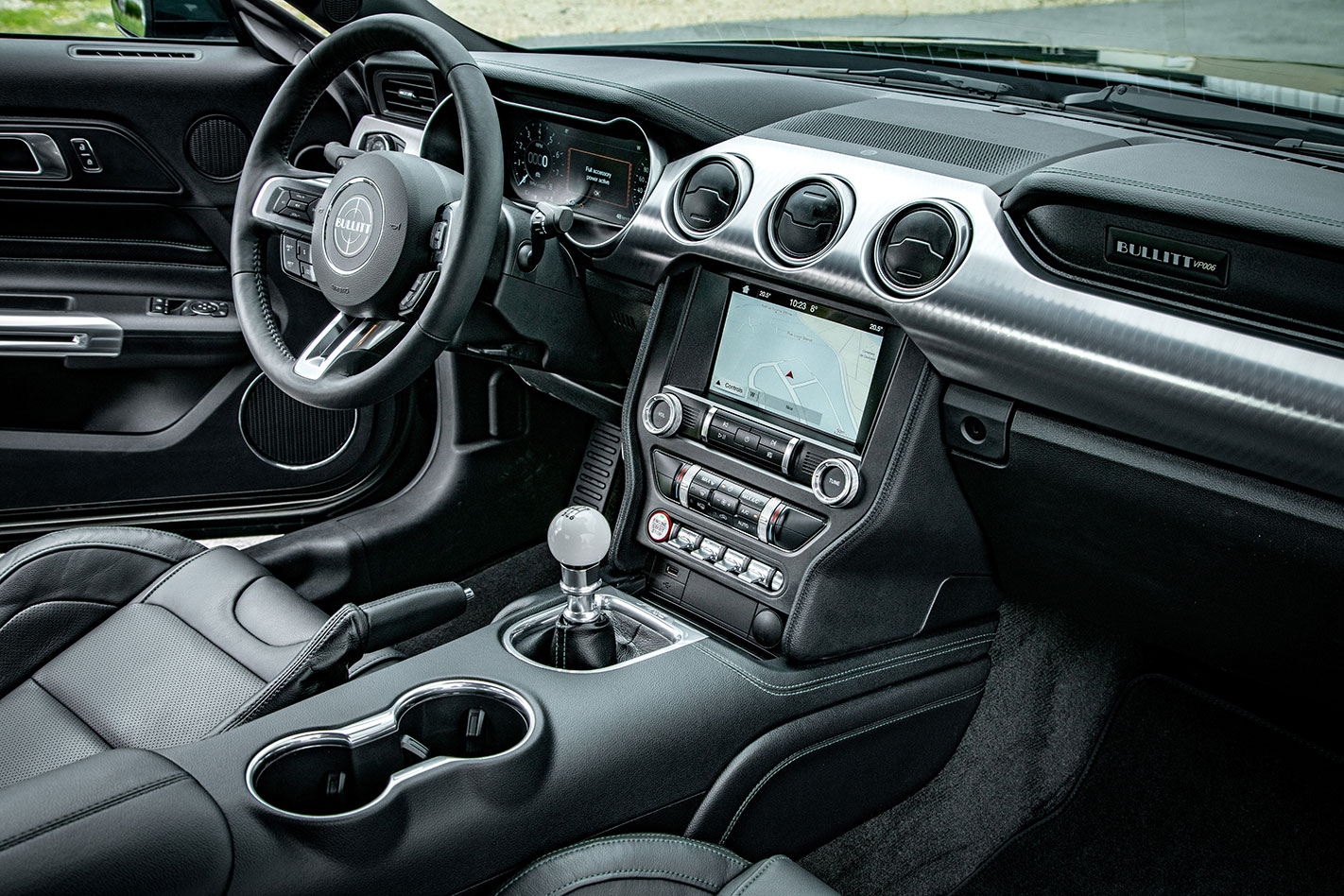
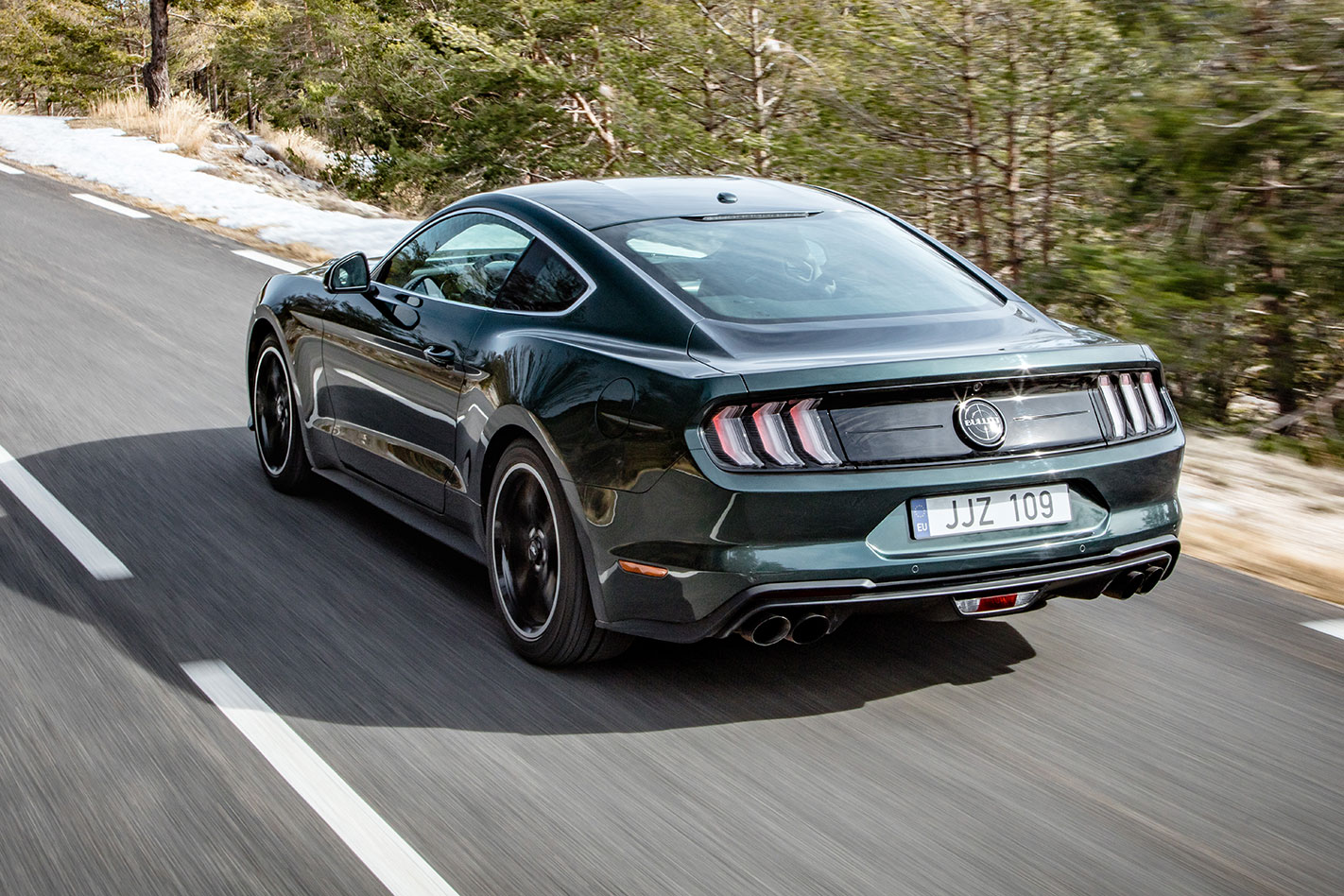
The Bullitt version of the Mustang is a combination of the US-market car’s premium and performance packages. Its exhaust includes an active valve performance system and is framed in exhaust tips finished in black ceramic coating, while the retuned engine gives the car a “signature burble”. The Bullitt also gains an open air induction system – what we’d probably call a cold air intake – and Shelby GT350 intake manifold with 87mm throttle bodies and powertrain control module calibration.
The multimedia system is tweaked to show the original fastback GT on start-up.
Ford will introduce the facelifted Ford Mustang here in a few months’ time. Of benefit, we already get the Performance Pack as standard.
The improved Ford Mustang will come at a cost. All models across the range will see price hikes, with the entry-level four cylinder Mustang Ecoboost Fastback manual rising $5000 to $49,990 while the enthusiast’s choice, the V8-powered Mustang Fastback manual breaches the $60K mark to sit at $62,990 before on-roads – a jump of $5500, or nearly 10 percent.
At the top will sit the Mustang GT Convertible automatic, which rises by $8793 to cap off the range at $74,709.
Ford Australia has announced it will be importing a limited allocation of the Ford Mustang Bullitt edition which was announced at the most recent Detroit Motor Show.
As the second-biggest market for Mustangs behind the United States, it’s no great surprise that this car is coming Down Under, but Ford’s confirmation means we can stop holding our collective breath.

Available only in Dark Highland Green, the film car’s colour, and with Ford’s 5.0-litre V8, the U.S-spec Mustang Bullitt will produce 354kW/569Nm.
“Steve McQueen as Bullitt created a legend and Mustang Bullitt is the perfect way to salute an icon of the silver screen,” Whickman says.

“We have to be quite honest about it – [the] Mustang has far exceeded our expectations, and for that, we hope that the 2018 model – and the arrival of Mustang Bullitt – goes to show that we’re bringing in even more choices, options and flavours to help give customers the Ford Mustang they want.”

It will instead release more information throughout 2018, before the Bullitt arrives.
New car sales are off to another flying start – even if the numbers softened ever so slightly last month – with SUVs continuing their domination over traditional passenger car sales.
February saw the Australian passenger vehicle market continue its growth trend with February showcasing further industry growth, especially in the small SUV market that climbed 21.4 precent compared to February 2017.
While the numbers softened a little compared to January, the overall numbers are great news for the industry, according to Federal Chamber of Automotive Industries CEO Tony Weber.
“To have the market already running 6.1 per cent ahead of last year’s record total indicates that consumer confidence is still strong,” Weber said.
As usual this month had its fair share of winners and loser, with the data showing how competitive and fickle, the Australian new vehicle market is.
WINNERS
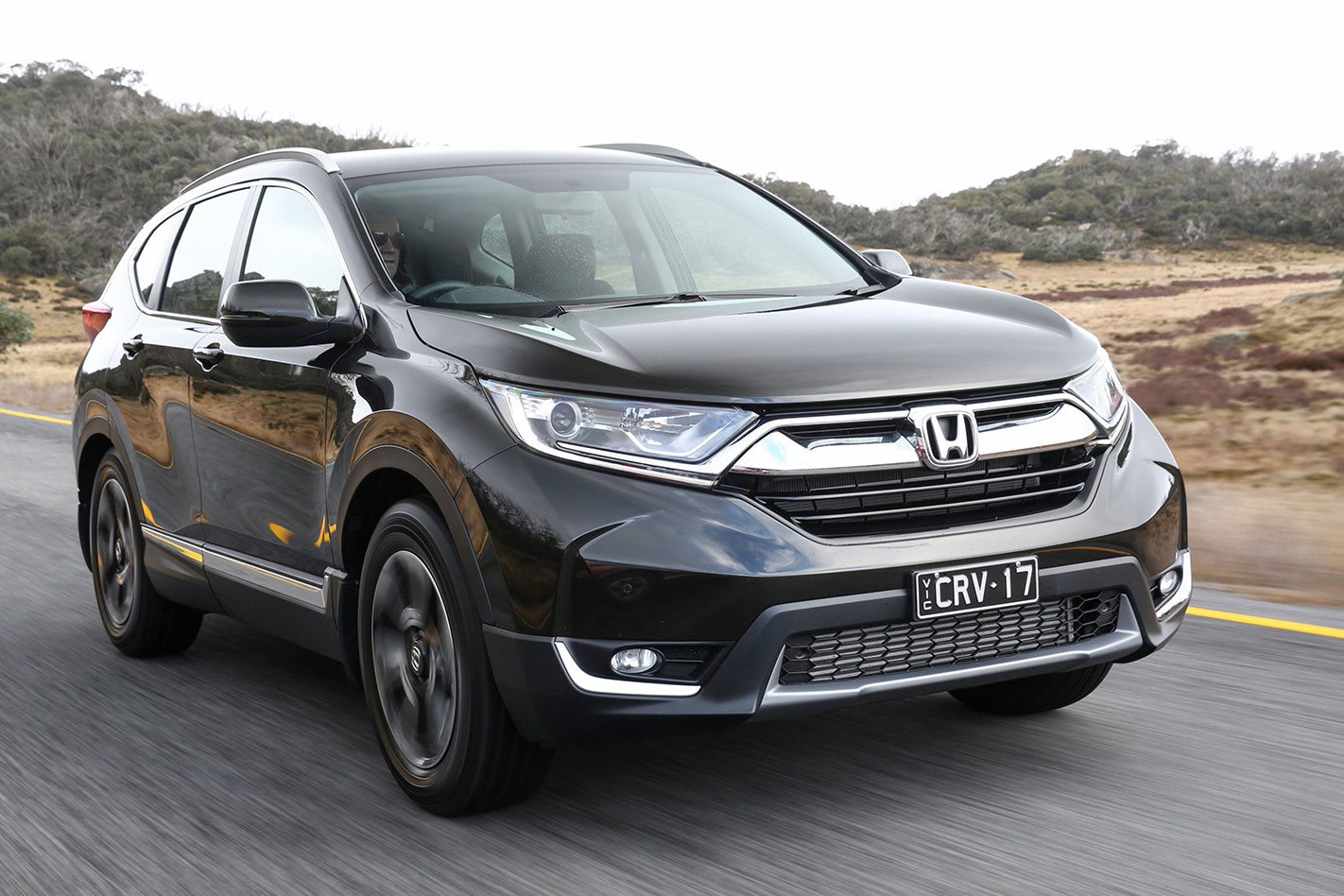
The smaller of the Japanese brands hit sixth place in February, its best monthly result since January 2009. Leading the charge was the Honda CR-V midsize SUV, which grew sales to 1381, making it the second-best performer in its class after the all-conquering Mazda CX-5. The brand reported a total of 4962 sales, up some 1766 units the same time last year.
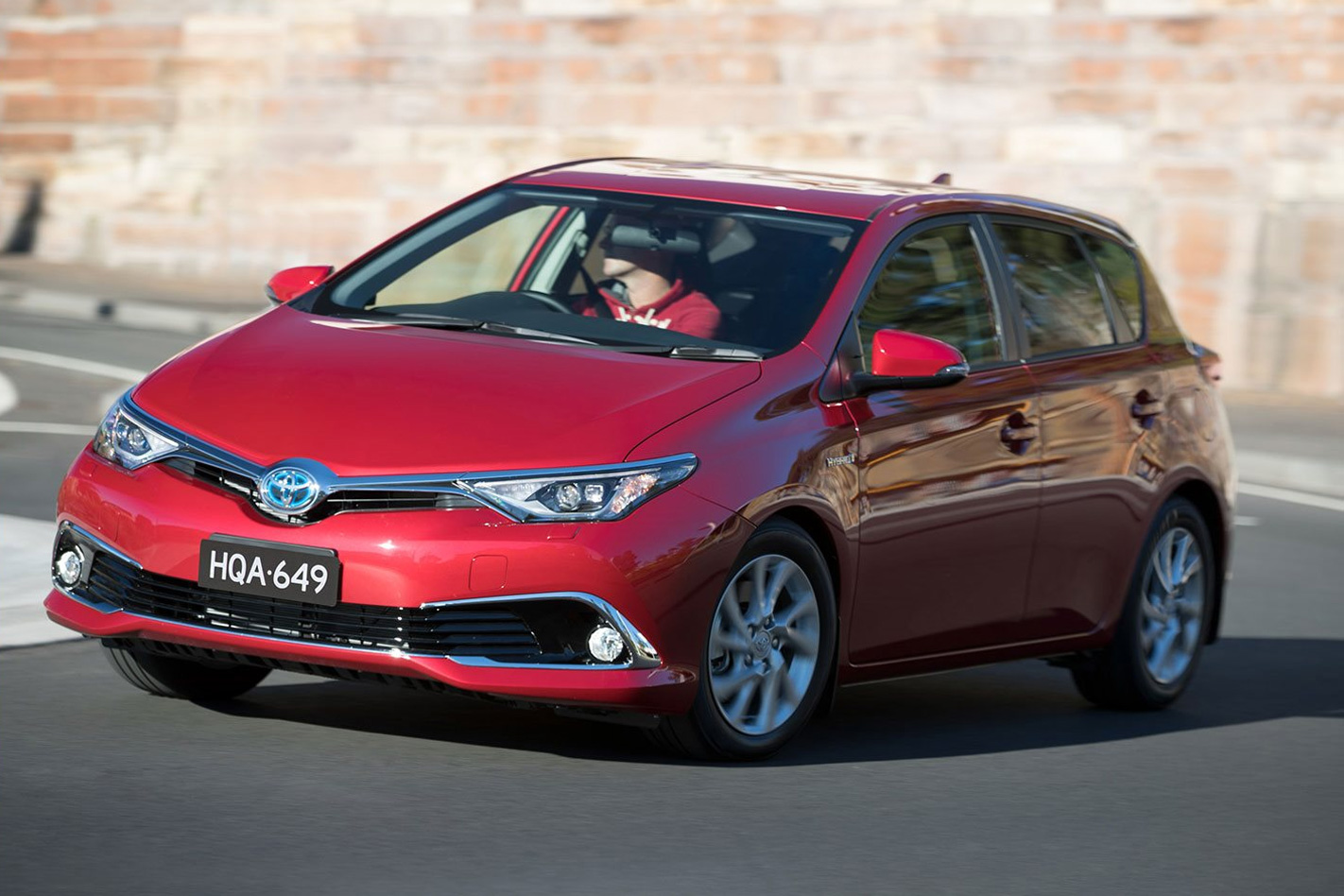
This time last year, Toyota was clearing showrooms of the Camry, dramatically skewing the numbers as it reduced the inventory held in its dealer network. Now that there’s no locally built car to skew numbers, it gives free reign to the Corolla to fill the sales gap.
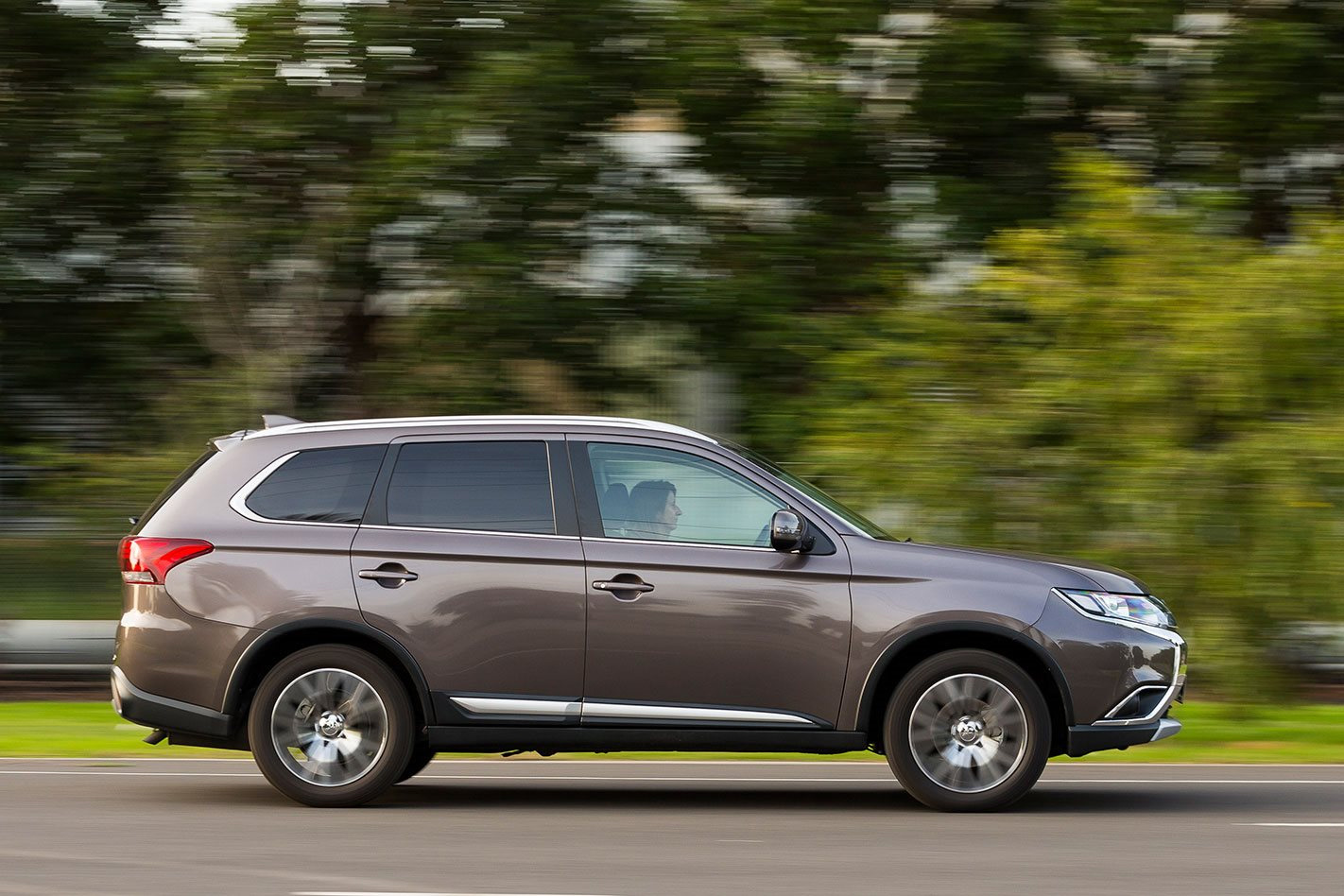
The punchy Japanese brand is bearing down on Mazda’s SUV domination with its ASX, Outlander and Pajero Sport models all consistently placing highly in their classes. The Mitsubishi ASX and its spiritual evolution, the Eclipse Cross, came in at fifth and eighth in the small SUV line-up, outselling the Holden Trax and the Ford EcoSport. Shifting an impressive 644 units in its first full month on sale, the Eclipse Cross’ success helped boost Mitsubishi’s SUV sales (3923) to third place behind Toyota (5309) and Mazda (4460).
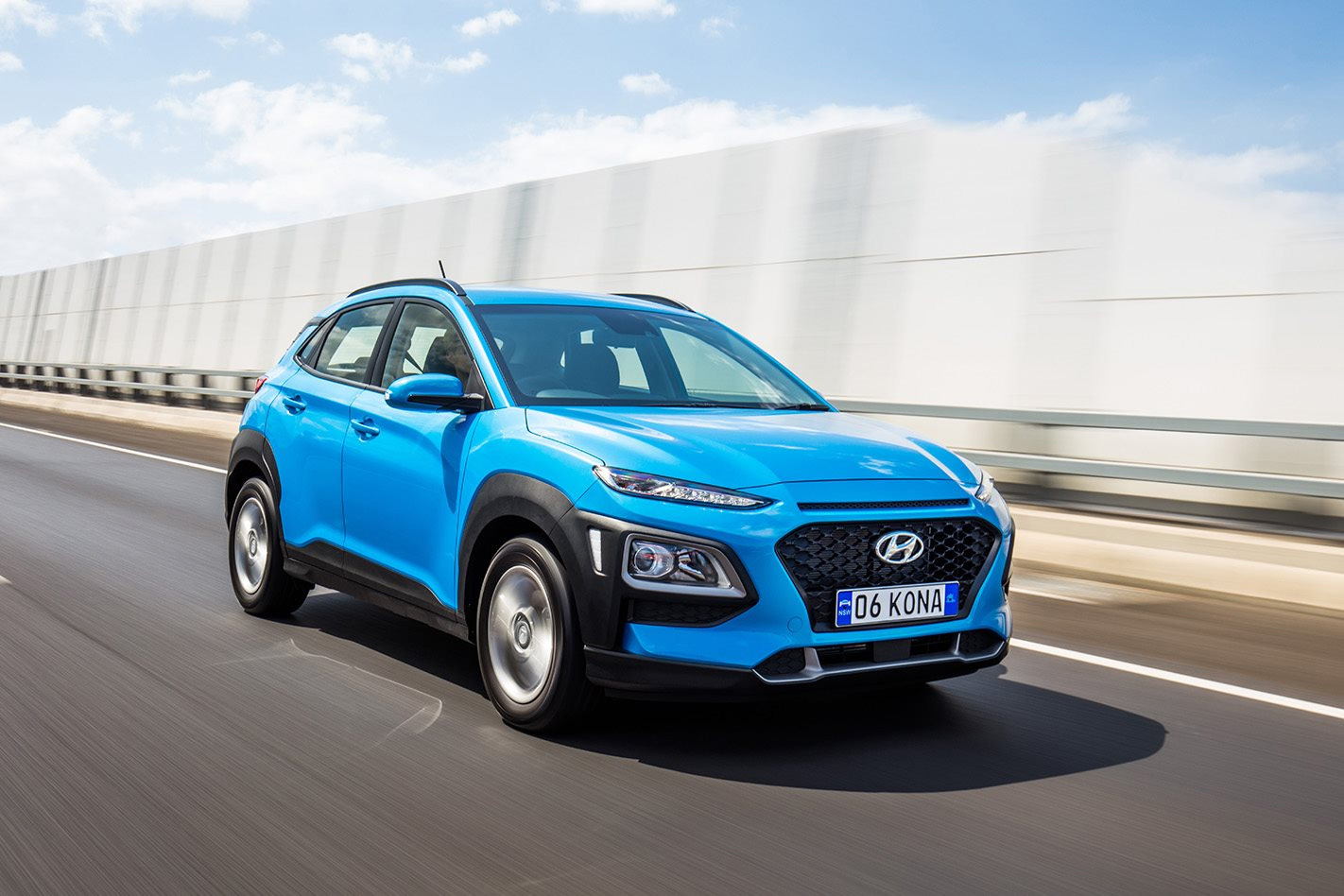
A new kid on the block, the Hyundai Kona sold a whopping 910 vehicles, pushing it in front of the Nissan Quashqai, Mitsubishi’s Eclipse Cross and even ahead of the Mitsubishi ASX. The Kona is Hyundai’s first dip into the small-SUV realm, and if the strong start is anything to go by, it’s a definite player amongst the small SUV ranks thus far dominated by the Honda HR-V, Mazda CX-3 and Subaru XV.
LOSERS
The brand’s worst sales result since the inception of VFACTS records some 20 years ago suggest a grim indication of shifting Australian preferences. A decade ago, Holden held a whopping 13.8 per cent market share, making it second only to Toyota. In February, Holden’s sales comprised just 4.9 percent of the Australian market, just enough to grab eighth place behind Toyota, Mazda, Hyundai, Mitsubishi, long-term traditional rival Ford, Honda and Nissan.
Holden is caught in a tricky transition period as it launches the first new Holden Commodore in a decade, and bloods its Equinox medium SUV.
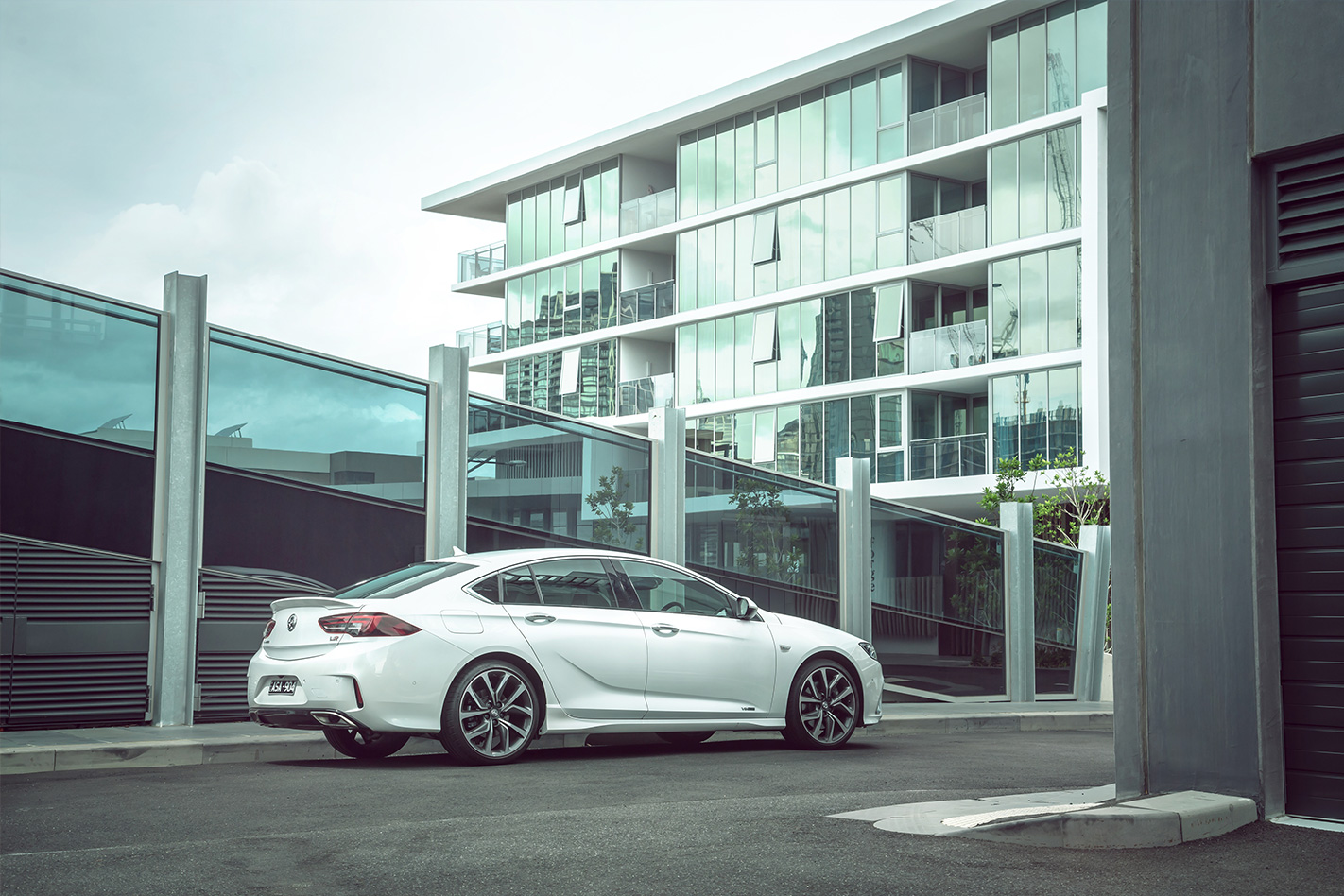
Holden spokesman Mark Flintoff said the company is confident things will quickly turn around as both models settle into showrooms.
“We’ve been planning for a slower start to the year in terms of sales, but it’s always our aim to sell more vehicles and our current market share is not where we want it to be,” Flintoft told WhichCar.
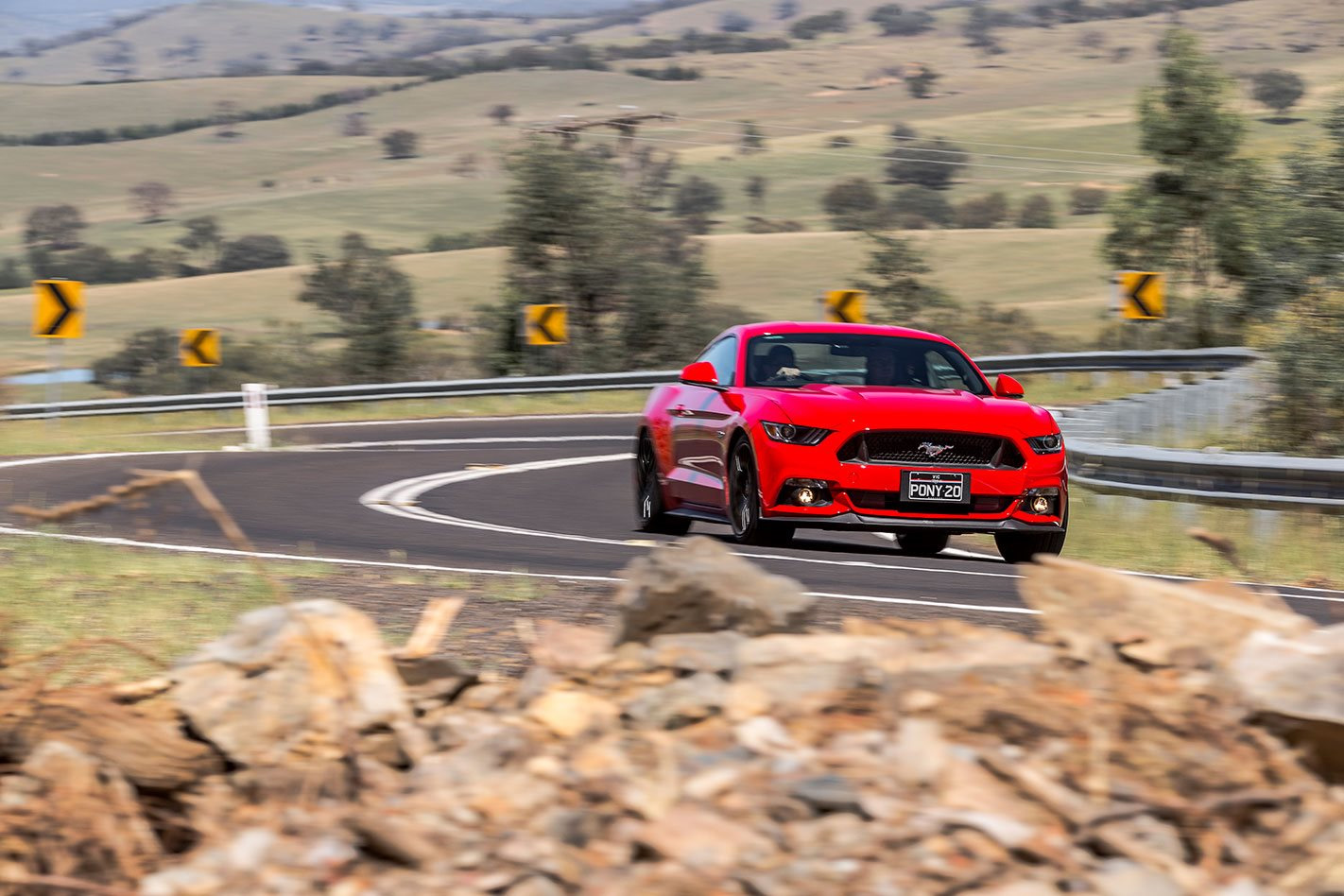
The Pony Car craze that took Australia by storm appears to be receding. Down to 492, a slump from the 932 sold in February last year, the performance coupe is still a solid entry in the Ford line-up but just isn’t capturing hearts like it used to, possibly as buyers wait for the facelifted version to arrive. The Mustang, however, remains the only standalone sports chassis to sell more than 200 units in a month, proving it’s still a popular seller.
Shannons’ upcoming Autumn Classic auction in Sydney has plenty of metal to get lead-footed enthusiasts in a tizz, but four cars in particular could be of interest to those with an eye for the old-school.
1971 Ferrari Dino 246 GT
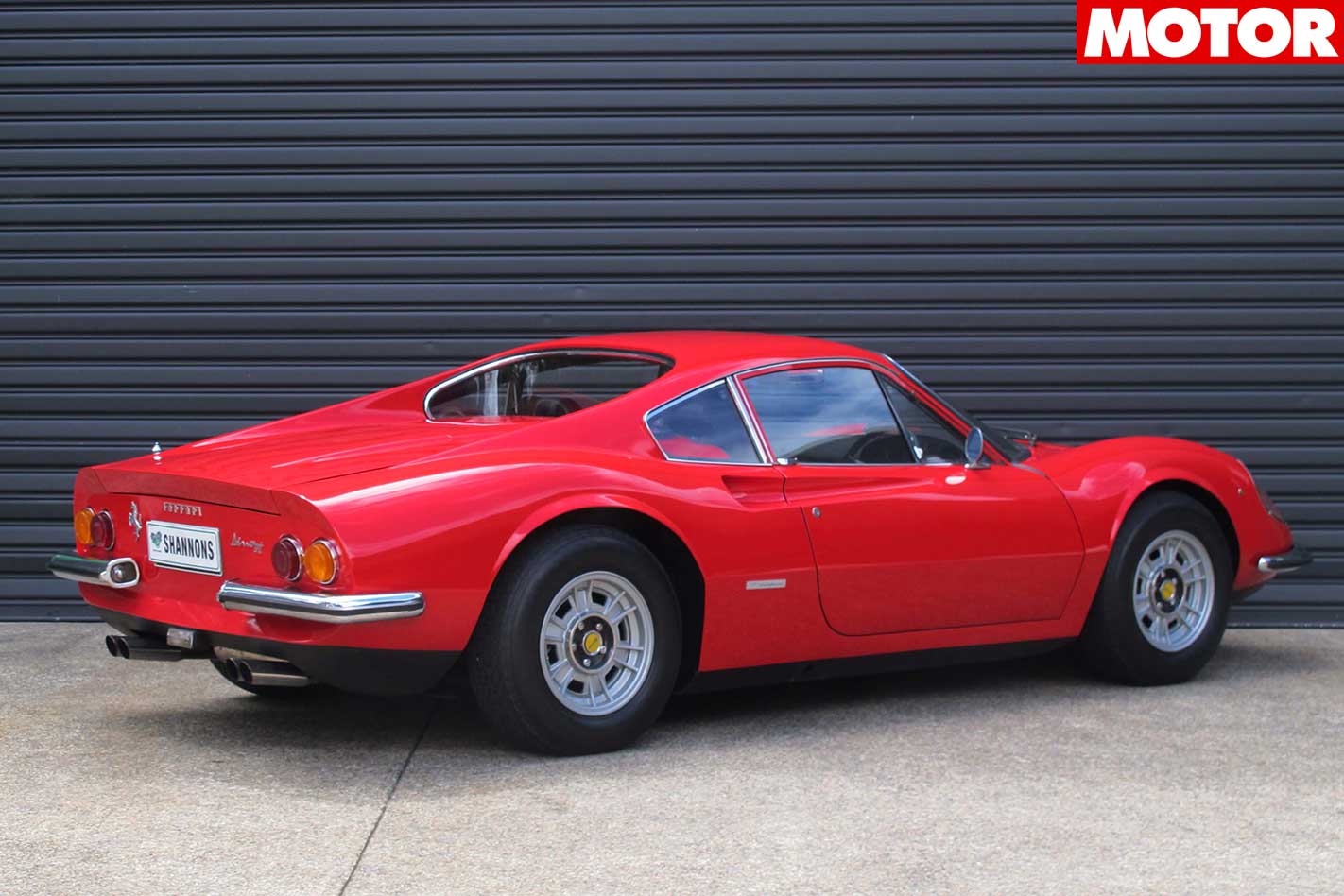
But that’s going to come at a cost. More than $620,000, Shannons reckons. That could even climb to around $680K if the bidding is aggressive enough.
We’d guess fact it’s been “extensively mechanically and cosmetically restored” at great cost would make it more valuable than if it were in ‘worn-down’ condition.
1977 Holden LX Torana A9X
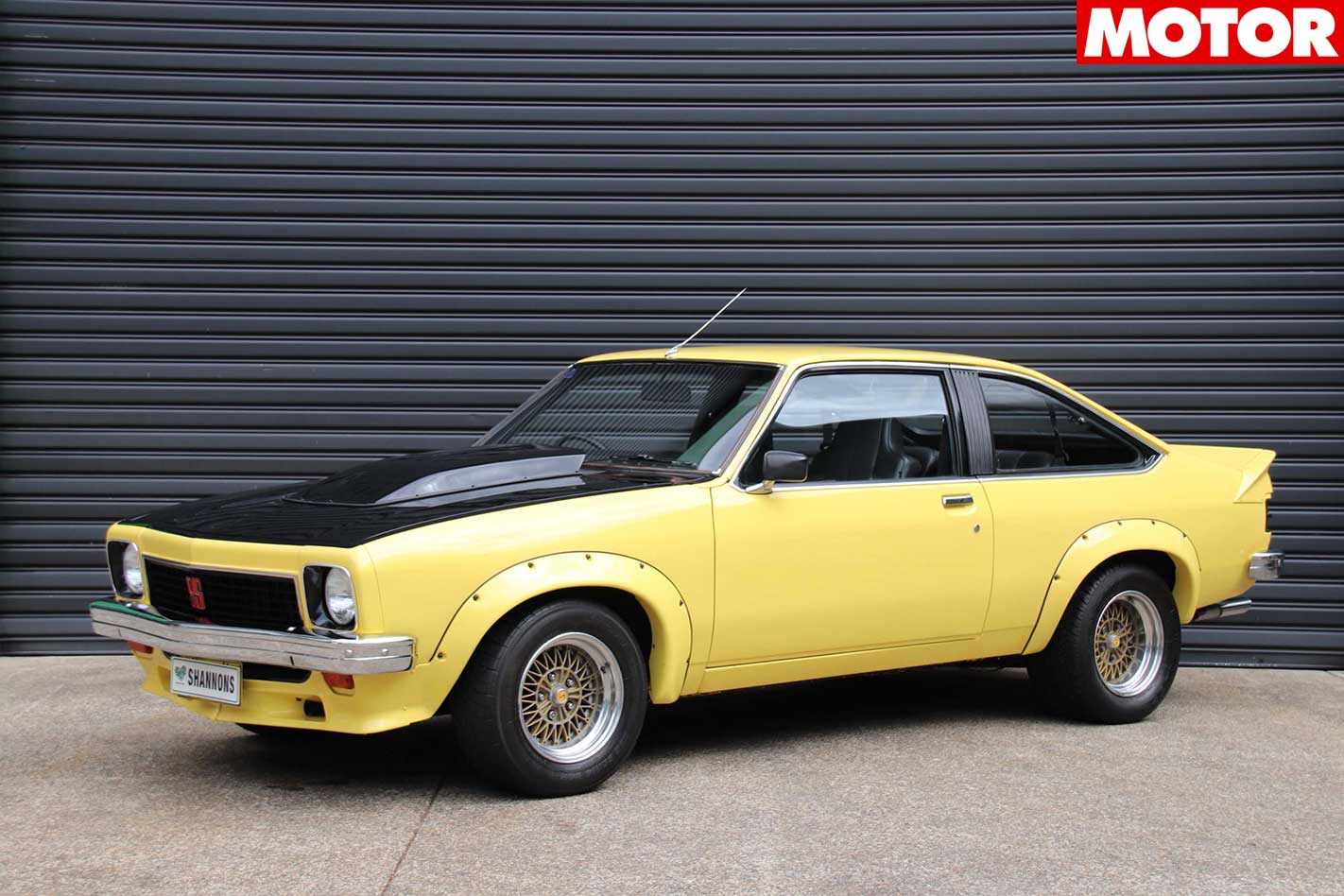
This “very original” four-speed manual has been with one owner for almost three decades, and still only has five figures, 94,184km, showing on the odometer.
The last Torana to tackle the track during the pre-Commodore era of Aussie racing is only likely to get more valuable, but this one’s setting the bar with a guiding range between $200,000 and $250,000.
1982 Porsche 930 Turbo
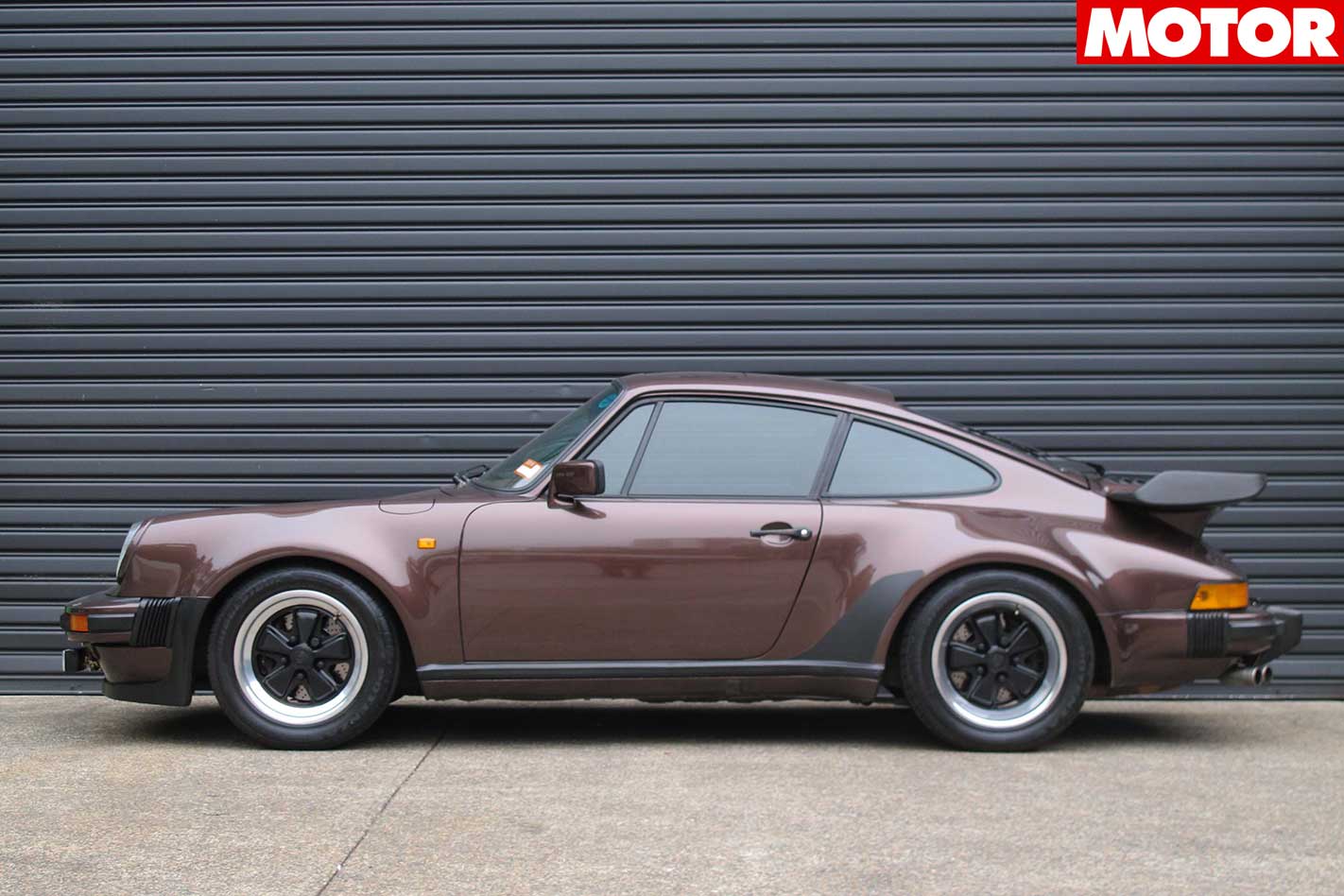
“Locally delivered, unmolested, low mileage, good service history and kept in exceptional driving condition by its fastidious owner,” are all things you want to hear about a German classic, especially when you’re on the other side of the globe from Germany.
We’re not sure if we’d call 137,913km ‘low’, but we reckon a 35-year old car gets a pass.
It’s thought to be one of only 21 delivered to Australia in ’82, and should sell for around $160K to $185K.
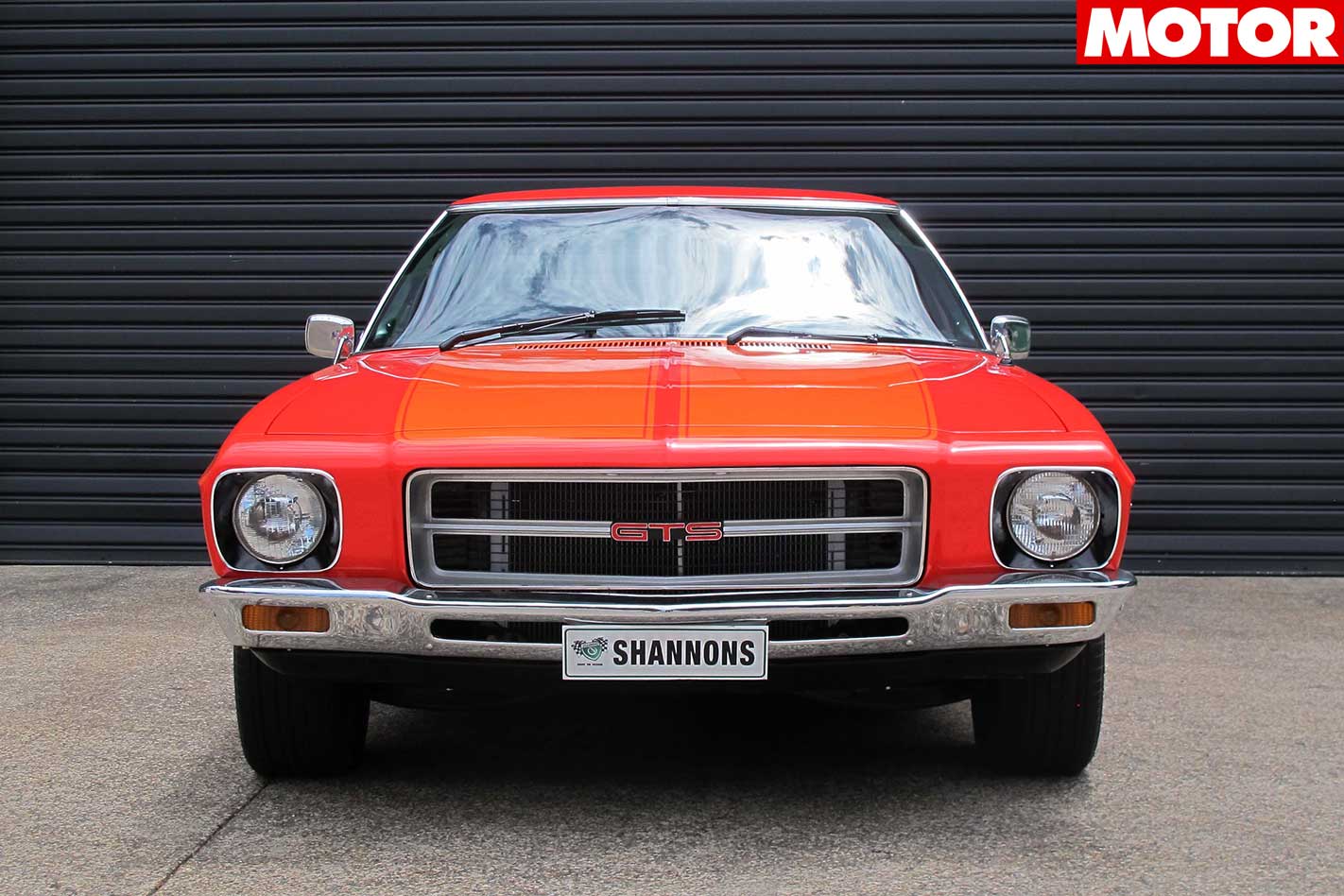
But if you want something to wow, this bight ‘Tangerine’ HQ Monaro GTS 350 should do the trick.
It’s not as much of a sports car as the others on this list, but it’s got a V8, and that counts for something.
Shannons reckons it’s worth $42K to $50K, but with only 1729km on the clock since it was restored, all it takes is two punters to stay keen north of the 50-mark for its price to get out of hand.
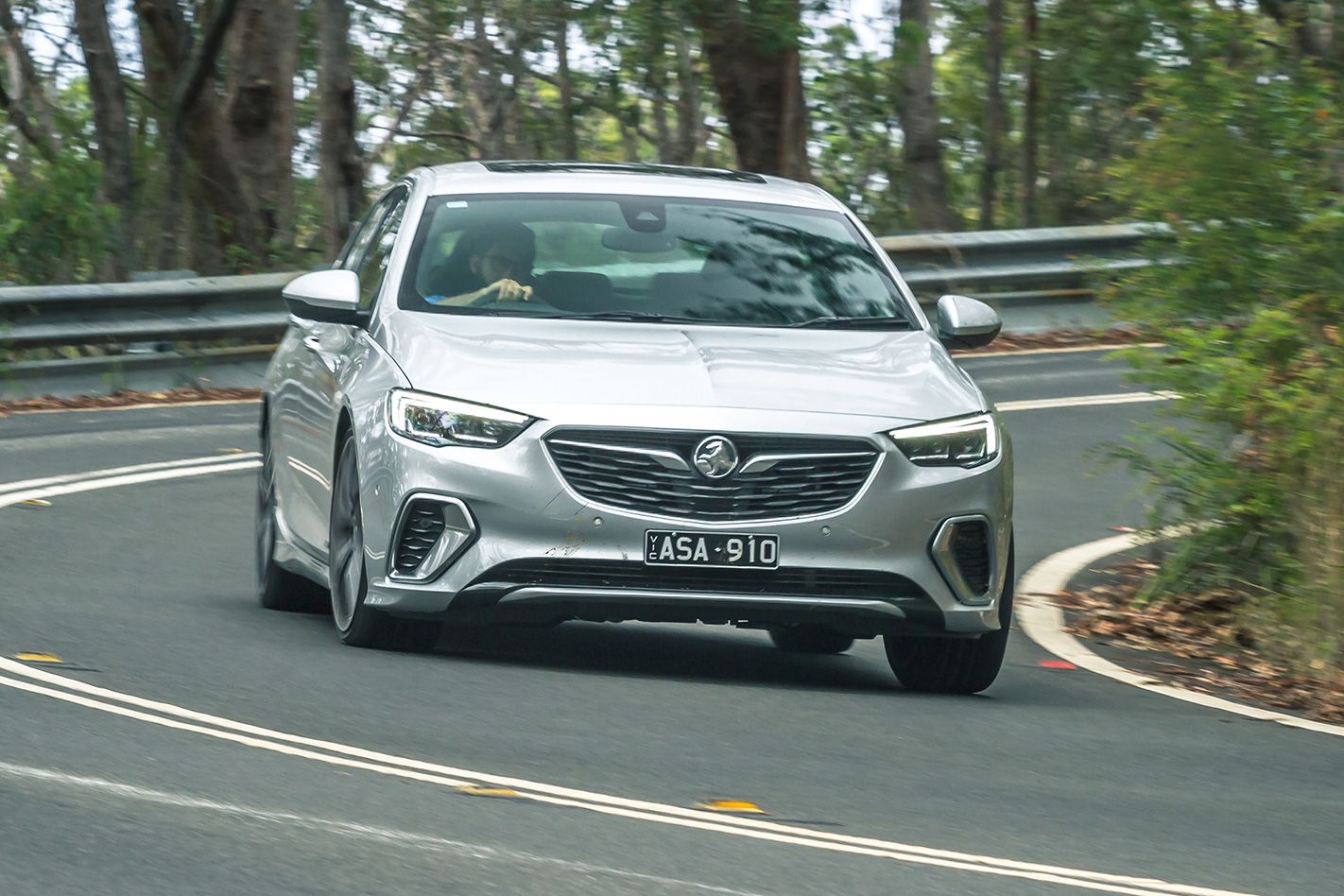
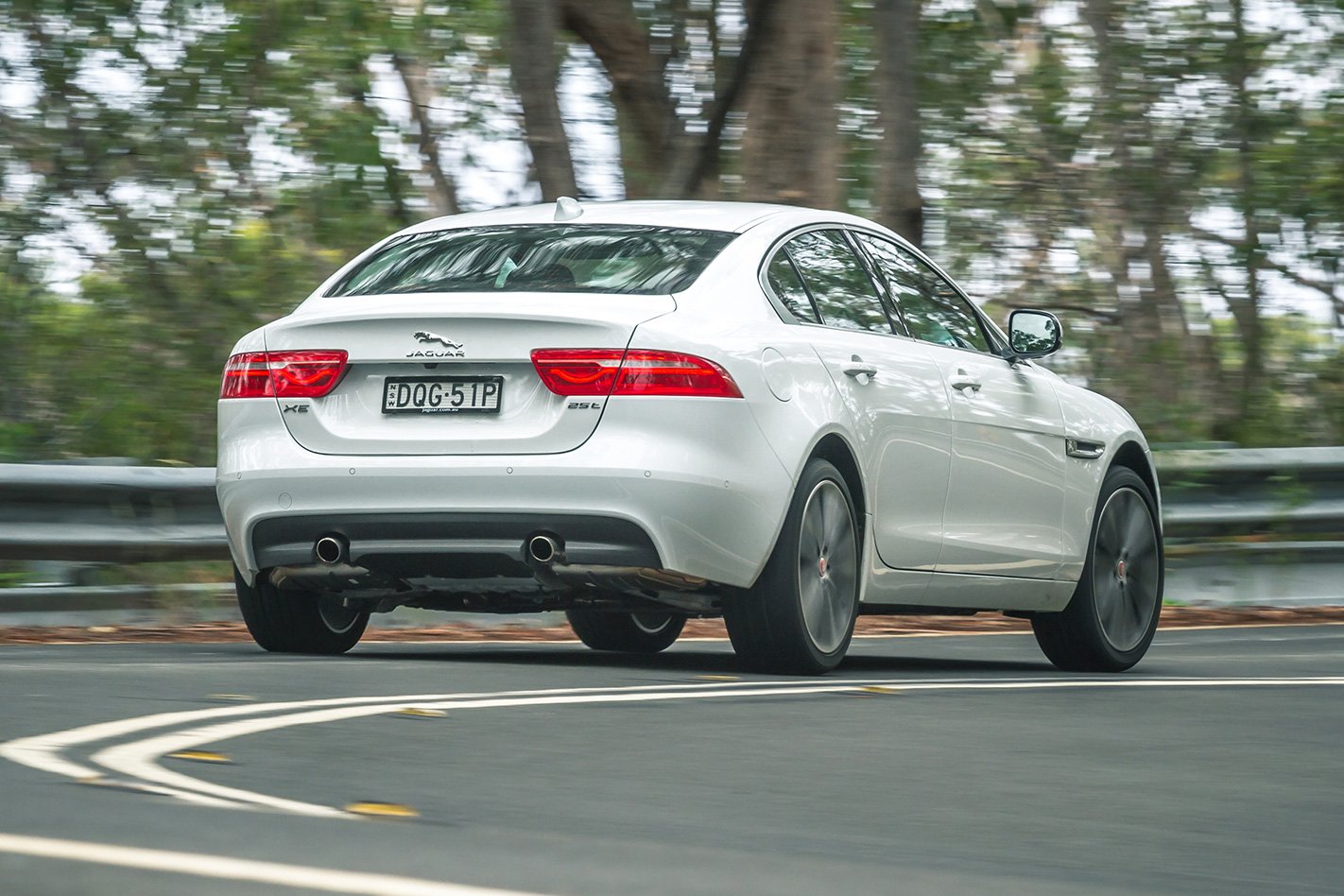
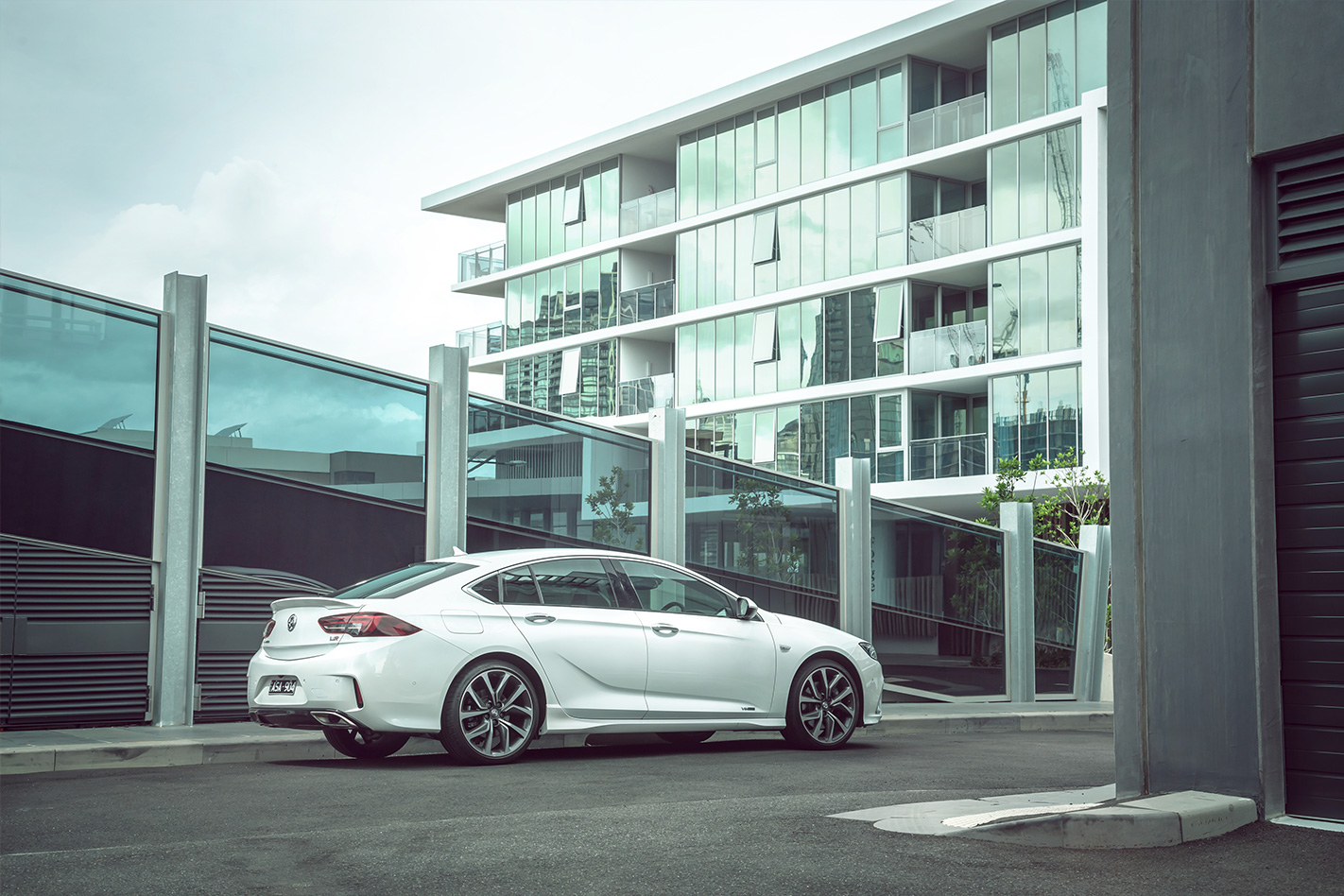
In case you didn’t already know, Australia’s automotive bedrock for the last 40 years – the Holden Commodore – has reverted back to the land that originally sired it. Yep, this all-new generation of Commodore hails from General Motors’ factory in Germany, albeit with considerable engineering input from GM-Holden’s local engineering team, making it as European as the Jaguar XE and Skoda Superb it also shares space with here. But the car the new Commodore should really worry about is the strikingly muscular Kia Stinger.
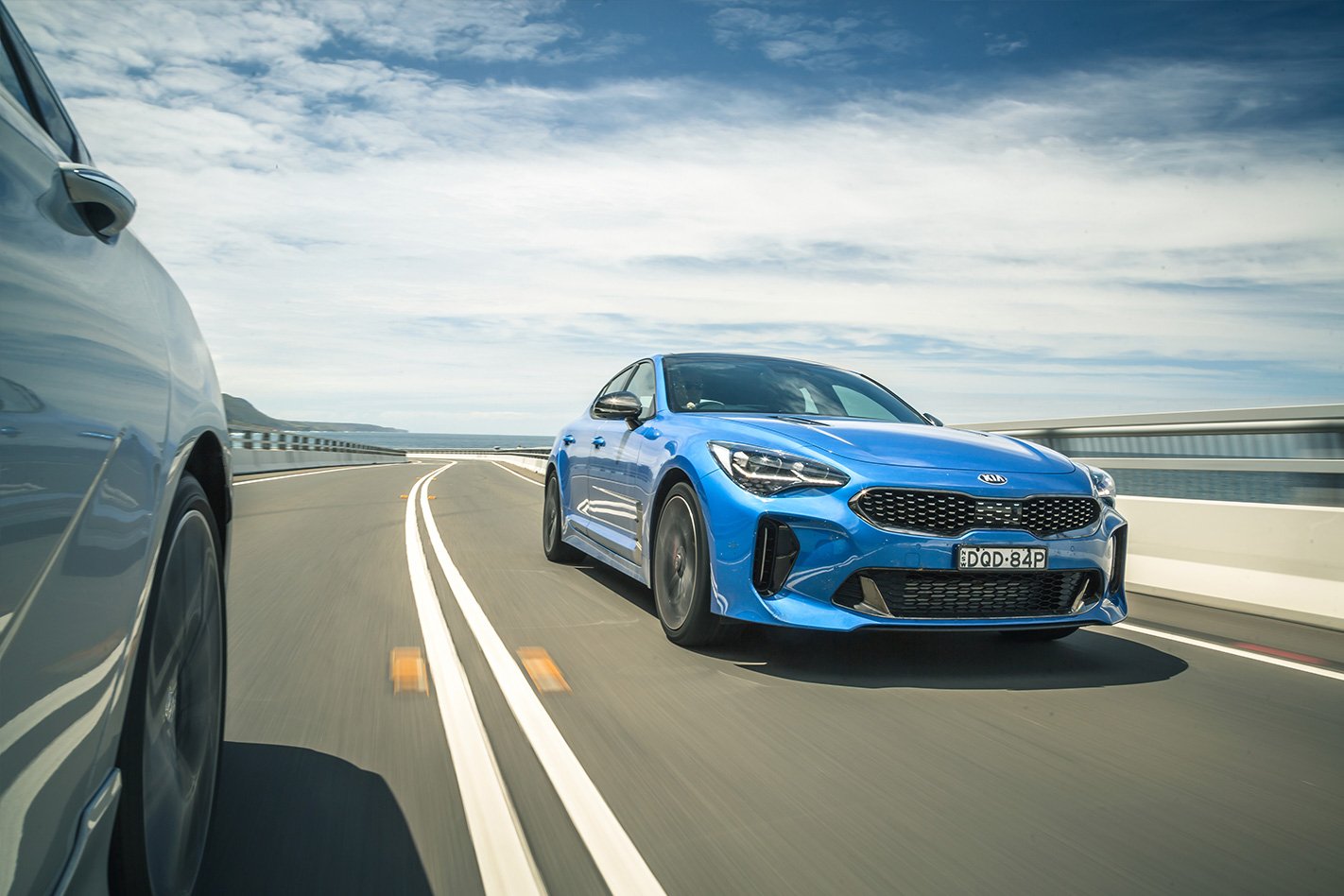
Landing on our soil pretty much the same day Holden shut the door on 69 years of Aussie manufacturing, the rear-drive, twin-turbo Stinger fills the void left by the high-performance V8 Commodores of yore. Holden would counter that argument, however, by telling you that the new ZB Commodore VXR offers all-wheel drive, a first-in-class nine-speed automatic transmission and a bunch of worthwhile feature upgrades to divert your attention from the fact that its flagship four-door no longer sounds like a racing car.
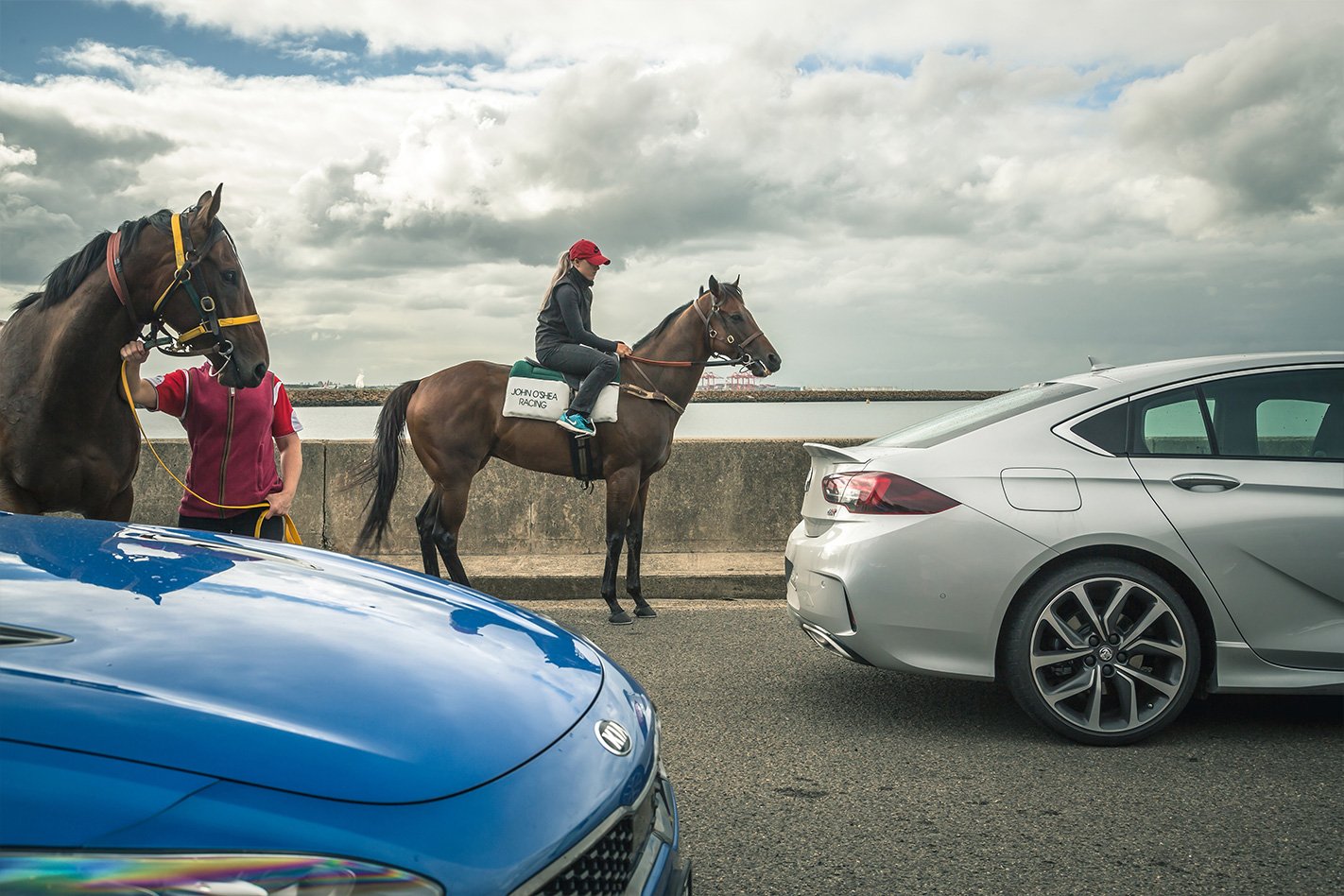
The Jaguar and Skoda offer two highly interesting alternatives to the above. Like the Kia Stinger, the Jaguar XE features an eight-speed automatic transmission and relies on its rear wheels for propulsion, whereas the Skoda Superb betrays its Volkswagen Golf heritage by sporting a four-cylinder turbocharged engine and all-wheel drive, plus only six speeds for its dual-clutch automatic. Yet like the Skoda, the Jaguar also has a four-cylinder turbo engine. And like the Kia, the Holden also has a V6 in order to keep traditional medium-to-large car buyers happy, though without turbochargers adding extra muscle.
PRICE AND EQUIPMENT – Winner: Holden Commodore VXR
Not a single car here is poorly equipped (apart from Jaguar charging nearly $1000 for digital radio on a car costing in excess of $65K), yet it’s the Commodore VXR and Stinger GT that hammer home how much stuff you can get for less than 60 grand.
In the Kia’s case, it’s big-dollar items that premium brands always charge more for – adjustable suspension, lane-keeping assistance, Nappa leather upholstery, heated and cooled front seats, a head-up display, wireless phone charging, a decently sized electric glass sunroof, and a superb Harman Kardon sound system with 15 speakers and under-seat subwoofers. But the Commodore stretches the value quotient that little bit further by including massaging front seats with electric bolster adjustment, a heated rear seat, adaptive LED matrix headlights and larger 20-inch alloy wheels for $4000 less, as well as all-wheel drive if that’s on your list of priorities. The sole option on the Commodore is premium paint ($550), whereas the Stinger includes sparkly paint in its asking price. And let’s not forget Kia’s market-leading seven-year unlimited-kilometre warranty, though Holden is currently matching that coverage, including seven years roadside assistance, until March 31.
The Skoda makes a valiant attempt at challenging the Kia for warranty (five years, unlimited kilometres) and includes several surprise-and-delight details (storage pockets in the side of the front seats, built-in umbrellas in the doors, a hands-free electric tailgate and a removable LED torch) though you’ll need to fork out $1700 extra to have a panoramic sunroof on a Superb Sportline. At least Skoda now includes the once-optional Tech Pack and Luxury Packs as standard, though the Sportline’s $4800 price jump to $56,790 (manufacturer’s recommended retail) reflects those additions.
As per the premium-brand blueprint, Jaguar loads the XE 25t with a heap of engineering value (such as a body made from extensive amounts of strong, lightweight recycled aluminium, which in turn benefits its fuel efficiency and sophisticated driving dynamics) but charges extra for any kind of personalisation. That said, the $66,500 XE 25t R-Sport (the most obvious rival to the sports-flavoured Superb, Stinger and Commodore) includes most of the equipment essentials such as a 10-way electric driver’s seat, 360-degree parking assist and a 380-watt Meridian sound system. And from there you can go beserk customising your English thoroughbred, with 10 wheel options, 12 exterior colours, seven interior upholstery options, 11 trim veneers, eight equipment packs and two additional sound-system grades, among myriad other extras. But you’ll pay heavily for it.
INTERIOR AND VERSATILITY – Winner: Kia Stinger GT
If you’re focused on pure interior space and accommodation, it’s the Commodore that comes closest to meeting its family-suited four-door brief, though the world isn’t that black and white, as the Skoda proves. The Superb offers easily the most in-cabin real estate – particularly its cavernous 625-litre boot – but squanders that advantage with a rear seat that is too flat and lacking in support for long-distance comfort or cornering support.
With shapely seats, particularly the sporty winged buckets up front, and a terrific forward view from its spacious rear seat, the Commodore aces seating four people in comfort. It has an excellent driving position, too, served by a lovely three-spoke steering wheel and an intuitive control interface, but the design details (such as the graphics on its centre touchscreen), the feel of its plastics and the quality of its leather trim aren’t as high-end as its $56,000 price would suggest.
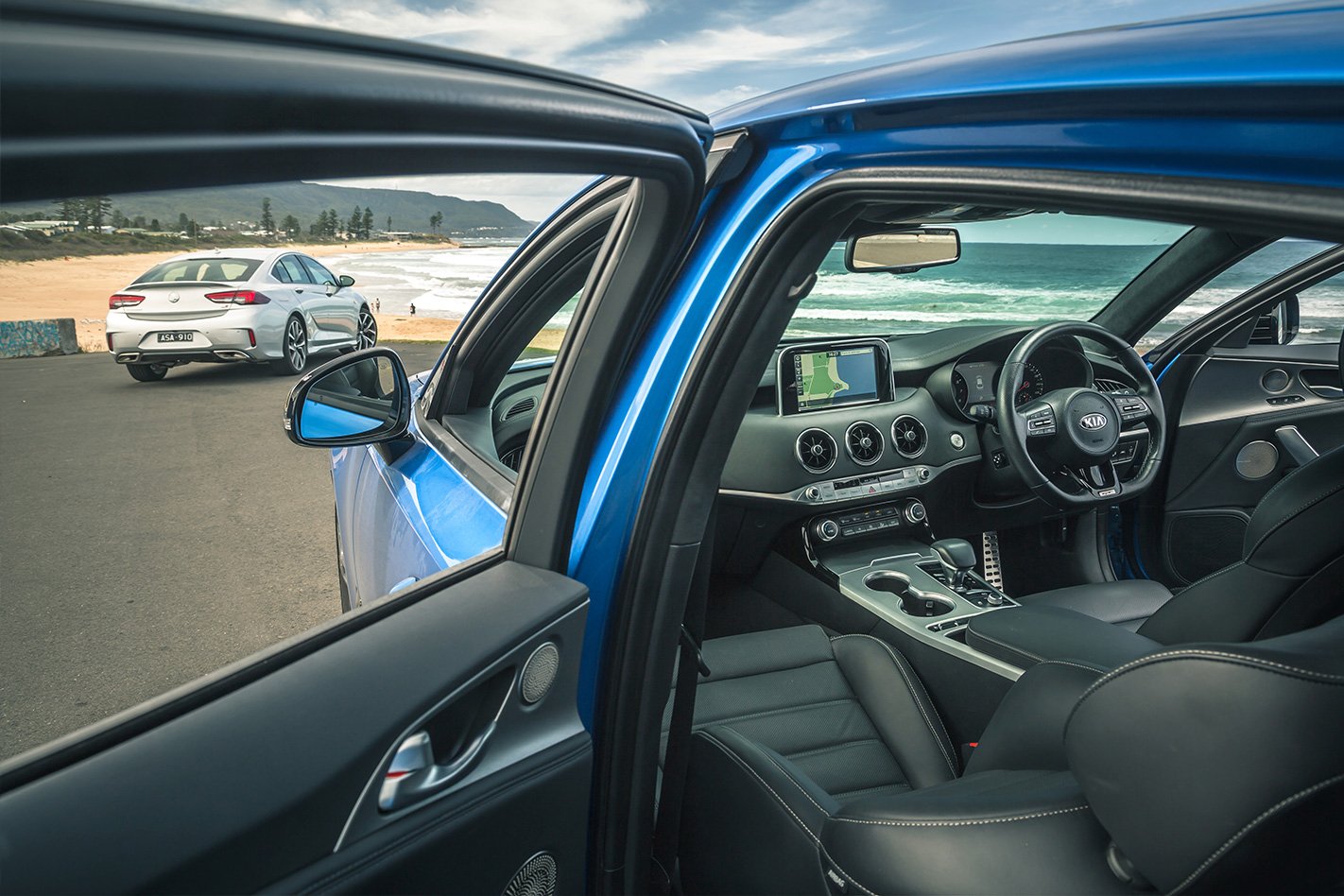
By comparison, the Stinger does a much classier job of presenting a nicely tactile and pleasantly styled interior. Its larger external dimensions don’t translate into an equally roomy cabin but there’s more than ample space in most directions, complemented by lovely design details like its Mercedes-Benz-esque (but better) eyeball air vents and clever seat heating/cooling toggles. Floating door grab handles, ‘Remington Steele’ speaker grilles, soft-feeling perforated Nappa leather and a smattering of aluminium and silver highlights transform this mostly dark interior into something worthy of a premium price. Only the cheap grain on its steering-wheel boss and the inexpensive look of its touchscreen graphics lower the tone.
The Superb also achieves an impressive level of quality, particularly the Sportline version’s ribbed Alcantara seat trim, a while its flush centre touchscreen is a model of elegance and simplicity. It transforms what would otherwise be a fairly workmanlike dashboard into a techy showpiece. Pity its front seats are mounted so high – great if you’re moving from an SUV – because they fail to suit the Sportline’s athletic brief. You sit on the Skoda, not in it.
Finally, the smaller Jaguar. It’s a fine example of not judging a book by its covert because the XE’s more compact cabin feels form fitting and packaged to within an inch of its possibilities. Sculpted front seat backs free up more rear leg- and knee-room for those enjoying its figure-hugging two-person rear bench (though it does have three belts), while up front, ample adjustment of both seats and steering wheel mean most body sizes will find it comfortable.
What lets the Jag down a little is its sensitivity to spec. In our test car’s plain charcoal colouring, there’s very little flair in terms of hue or texture, but with so many trim options available, there’s vast scope to make the XE look terrific. If only its door trims didn’t look like they were stolen from a dual-cab utility.
ON THE ROAD – Winner: Jaguar XE
With its sophisticated, aluminium-intensive suspension system and Jaguar’s reputation for driving panache, it’s no wonder the XE feels the most polished car on the road. In this instance, you definitely get what you pay for, and even though its engine performance is way behind the Kia’s supersonic standard, there’s an easy, breezy driveability to the XE that carries it along with dignified poise. Its new-generation turbo-petrol engine sounds good too, serving up not only the finest fuel efficiency here but genuinely spritely off-the-line eagerness. Even more impressive, however, is the way the Jaguar flows down the road. Crisp steering, feel-good handling and a reassuring stance on the road endow the XE with the sort of driving manners that many sports cars still aspire to. And yet it rides with a loping gait, offering both suppleness over poorly surfaced roads and composed control.
The Commodore, too, has a great feel when driving thanks to the excellence of its all-wheel-drive system and the precision of its steering. It rides well to – particularly given its 20-inch wheels – however it does transmit quite a bit of tyre noise on the coarsely surfaced roads that populate country Australia. The Skoda is louder, however, and while it also offers the all-weather purchase of all-wheel drive, its steering doesn’t have the feel of the Holden’s, making it less confidence-inspiring for timid drivers.
Where the Skoda really scores is in terms of engine performance and transmission slickness. For a big four-cylinder, its performance is deeply satisfying – much more so than the similarly brisk but far thirstier V6-engined Commodore – making it an effortless car to drive in all situations. However, if it’s genuine sports-car acceleration you’re after, the Kia Stinger knocks that particular brief right out of the park.
With two turbochargers feeding its V6 engine, the Stinger does exactly what its name implies. In fact, at times it almost feels like it has too much performance, especially if you attempt to over-drive it, yet there’s a nonchalance to the way it casually gathers speed at deceptive pace. And it backs that up with better-than-Commodore fuel efficiency and a quieter ride. Only the slight crudeness to its suspension behaviour when surfaces turn ugly impedes the Stinger’s thrill for driving.
VERDICT – Winner: Kia Stinger GT
It’s not the most sophisticated car here but the Kia Stinger GT remains the truest to its job description. Handsome, accommodating, quick, fun to drive and lovely to sit in, it’s the Kia’s excellent value that seals the deal for us. And yet it’s a practical car, too, with plenty of room for four and a decent boot beneath its liftback tailgate.
At the other end of the spectrum, we love the Jaguar XE 25t in similar measure. It’s a superb driver’s car and does such a bang-up job of making the most of what it’s working with. Compact yet comfortable, efficient yet effortless, it’s the sort of car you park in your driveway proudly. And it’s far more customisable than any rival here, giving owners the opportunity to ‘make it their own’.
In terms of equipment, space, and surety in all conditions, the Commodore VXR is hard to beat. It may not tug at the heart strings like the Stinger and XE, but it’s a very well-rounded machine that feels like it will deliver faithful, hard-wearing service for many years to come. If you like its understated appearance and want to enjoy the sound of a traditional V6 engine, the Commodore VXR has plenty to offer.
Finally, the Skoda Superb. By no means a sore loser, the Superb has a swathe of desirable attributes – especially cabin and boot space – but it doesn’t quite join the dots as successfully as its rivals. Treat it like an overgrown hot hatch and there’s plenty of fun to be had but it isn’t as cohesive as it could be, or as comfortable.
Holden’s transition period from builder to all-importer suffered a significant, albeit expected, hiccup in February that saw it fall from fourth to eighth spot with just 4689 vehicles registered.
VFACTS figures for last month show Mitsubishi, Ford, Nissan and Honda all overtook the Aussie brand, which was around 30 sales from dropping out of the top 10 altogether, with Volkswagen and Kia hot on its heels.
As predicted Holden Commodore registrations were at an all-time low with just 733 sales, putting it well outside the top 20, caused by Aussie-built VF stocks running dry in January, and the new German-built ZB Commodore not going on sale until the well into the latter half of the month.
A Holden spokesman told WhichCar the company planned for a slower start to the year in terms of sales, adding that “our current market share is not where we want it to be”.
He said Holden is confident of a quick turnaround in the next couple months as the ZB Commodore settles into dealerships alongside the strong-selling Astra range, and a new diesel-powered Equinox which will start arriving from Mexico.
As usual Toyota has every reason to be optimistic after moving 18,281 vehicles in February, with Corolla (3270) again topping the passenger car list, and RAV4 (1841), Kluger (1420), Camry (1381) and Prado (1323) all making it into the top 20.
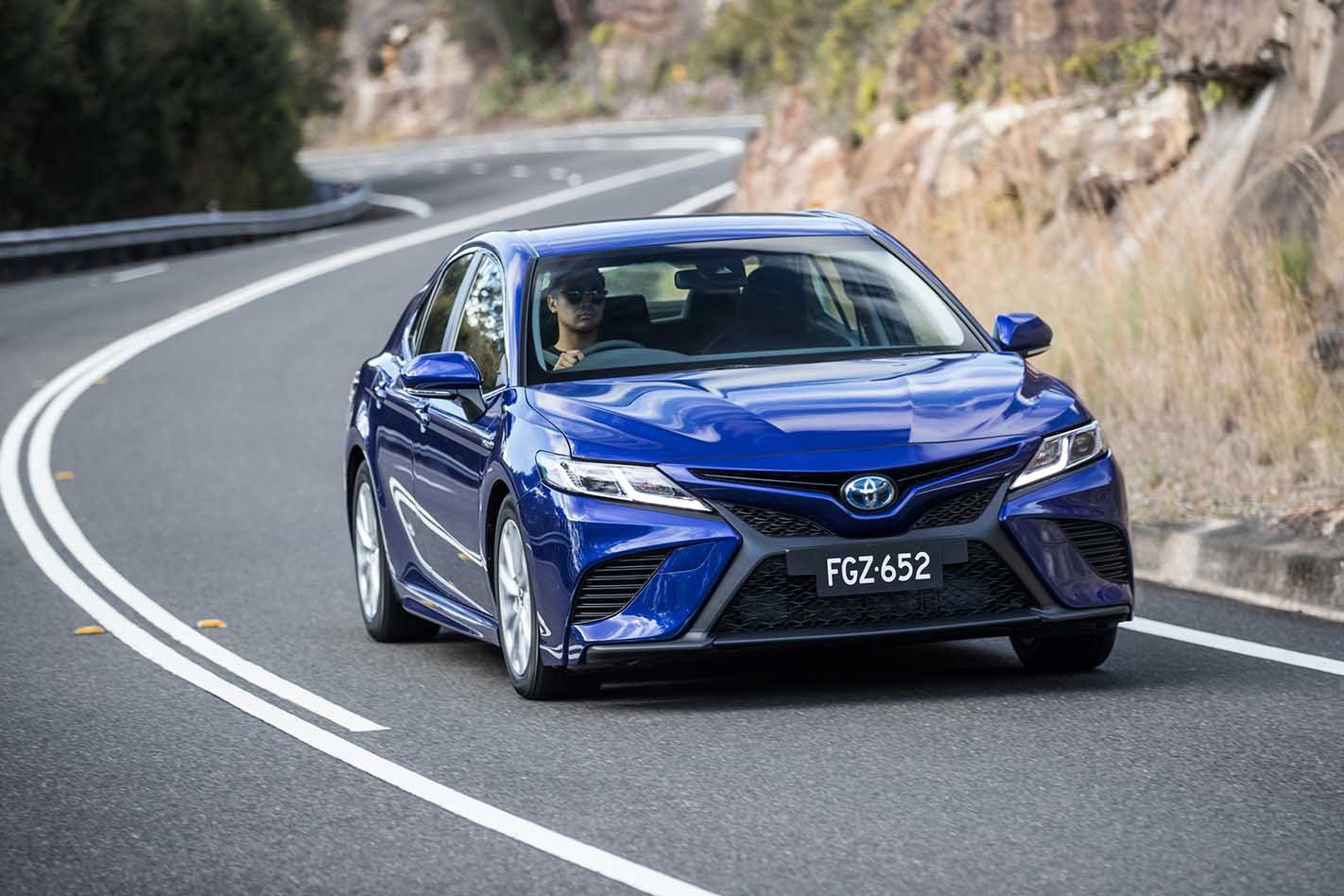
Camry sales have remained strong since production shifted from Australia to Japan, and while it’s down a little compared to February 2017, year to date sales (2135) are up over this time last year.
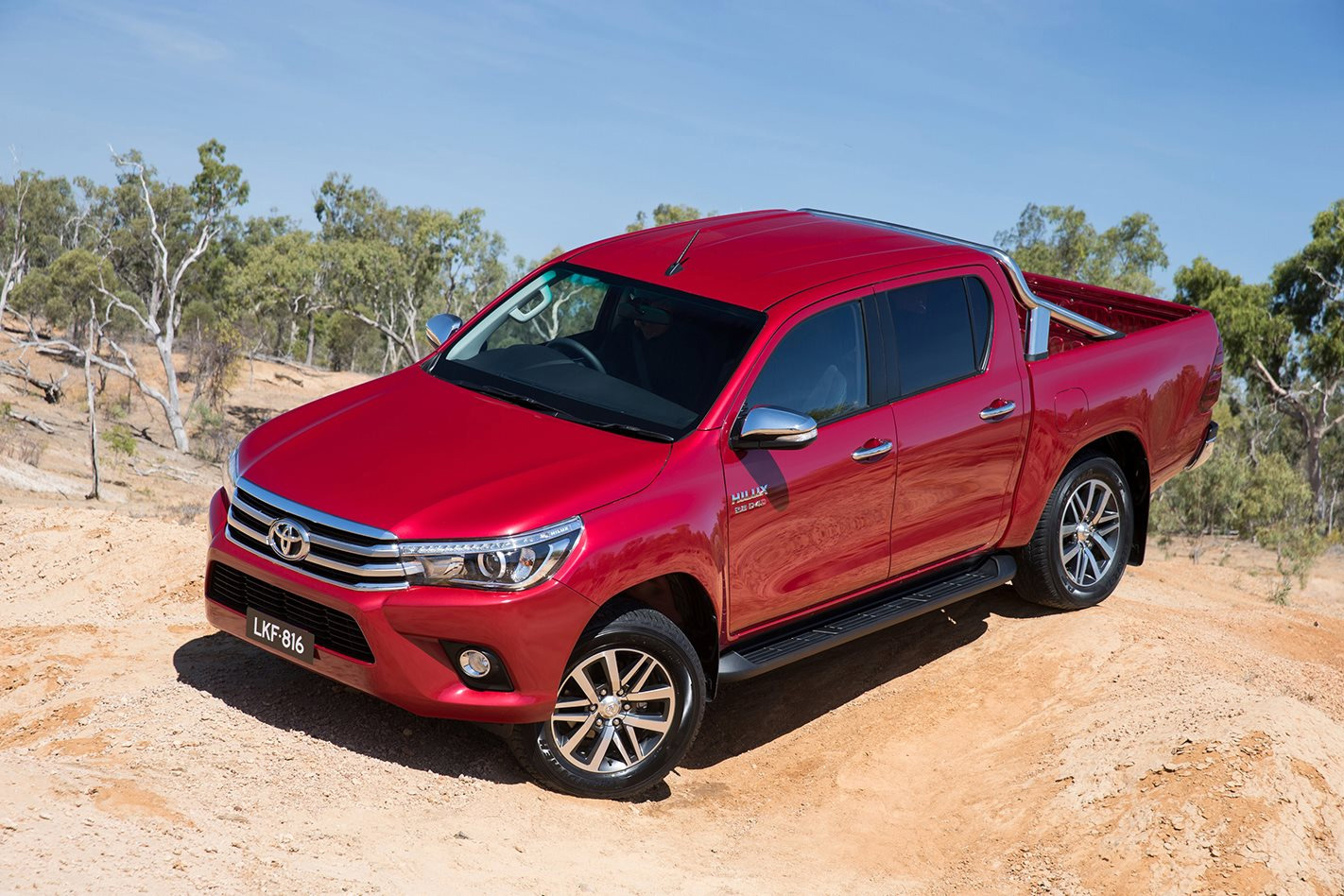
Toyota’s overall figure included HiLux light commercial, which was once again Australia’s biggest-selling vehicle with its myriad of 4×2 and 4×4 cab-chassis and pickup models totalling 4426 sales, closely followed by the Ford Ranger range (3544).
It was also a good month for Mitsubishi, which returned to the top-5 on the back of a spike in sales of its Pajero Sport, and recently facelifted Outlander (1611) and Lancer (938) thanks to plate clearance sales. ASX small SUV numbers were well down, to 902, though this seems mostly due to the new, and similarly sized, Eclipse Cross (644).
Top-10 manufacturers
Manufacturer Feb Year to date
- Toyota 18,281 33,587
- Mazda 9913 20,026
- Hyundai 8001 15,125
- Mitsubishi 7142 12,405
- Ford 6059 11704
- Honda 4962 9543
- Nissan 4863 9570
- Holden 4689 10,408
- Volkswagen 4671 8650
- Kia 4664 9195
Top-20 passenger vehicles (Feb)
- Toyota Corolla 3270
- Mazda3 2935
- Mazda CX-5 2191
- Hyundai i30 2182
- Toyota RAV4 1841
- Hyundai Accent 1782
- Volkswagen Golf 1649
- Nissan X-Trail 1622
- Mitsubishi Outlander 1611
- Hyundai Tucson 1604
- Mazda CX-3 1562
- Kia Cerato 1491
- Toyota Kluger 1420
- Honda Civic 1409
- Honda CR-V 1381
- Toyota Camry 1381
- Toyota Prado 1323
- Kia Sportage 1102
- Honda HR-V 1067
- Subaru XV 1045
Top-5 micro cars
- Kia Picanto 353
- Holden Spark 109
- Mitsubishi Mirage 103
- Fiat 500/Abarth 595 61
- Suzuki Celerio 1
Top-5 light cars
- Hyundai Accent 1782
- Mazda 2 959
- Honda Jazz 846
- Toyota Yaris 797
- Suzuki Swift 634
Top-5 small cars
- Toyota Corolla 3720
- Mazda 3 2935
- Hyundai i30 2182
- Volkswagen Golf 1649
- Kia Cerato 1494
Top-5 medium cars
- Toyota Camry 1381
- Mazda 6 233
- Ford Mondeo 196
- Skoda Octavia 150
- Volkswagen Passat 143
Top-5 medium cars, $60k+
- Mercedes-Benz C-Class 495
- Mercedes-Benz CLA 292
- BMW 3 Series 238
- Audi A4 112
- Lexus IS 94
Top-5 large cars
- Holden Commodore 737
- Kia Stinger 174
- Mercedes-Benz E-Class 93
- BMW 5 Series 73
- Skoda Superb 66
Top-5 small SUVs
- Mazda CX-3 1562
- Honda HR-V 1067
- Subaru XV 1045
- Hyundai Kona 910
- Mistubishi ASX 902
Top-5 medium SUVs
- Mazda CX-5 2191
- Toyota RAV4 1841
- Nissan X-Trail 1622
- Mitsubishi Outlander 1611
- Hyundai Tucson 1604
Top-5 large SUVs
- Toyota Kluger 1420
- Toyota Prado 1323
- Subaru Outback 821
- Mitsubishi Pajero Sport 766
- Mazda CX-9 707
Top-5 people movers
- Kia Carnival 501
- Honda Odyssey 174
- Volkswagen Multivan 109
- LDV G10 Wagon 62
- Toyota Tarago 54
Top-5 sports cars
- Ford Mustang 492
- BMW 2 Series* 175
- Merc-Benz C-Class* 134
- Mazda MX-5 123
- Toyota 86 88
