
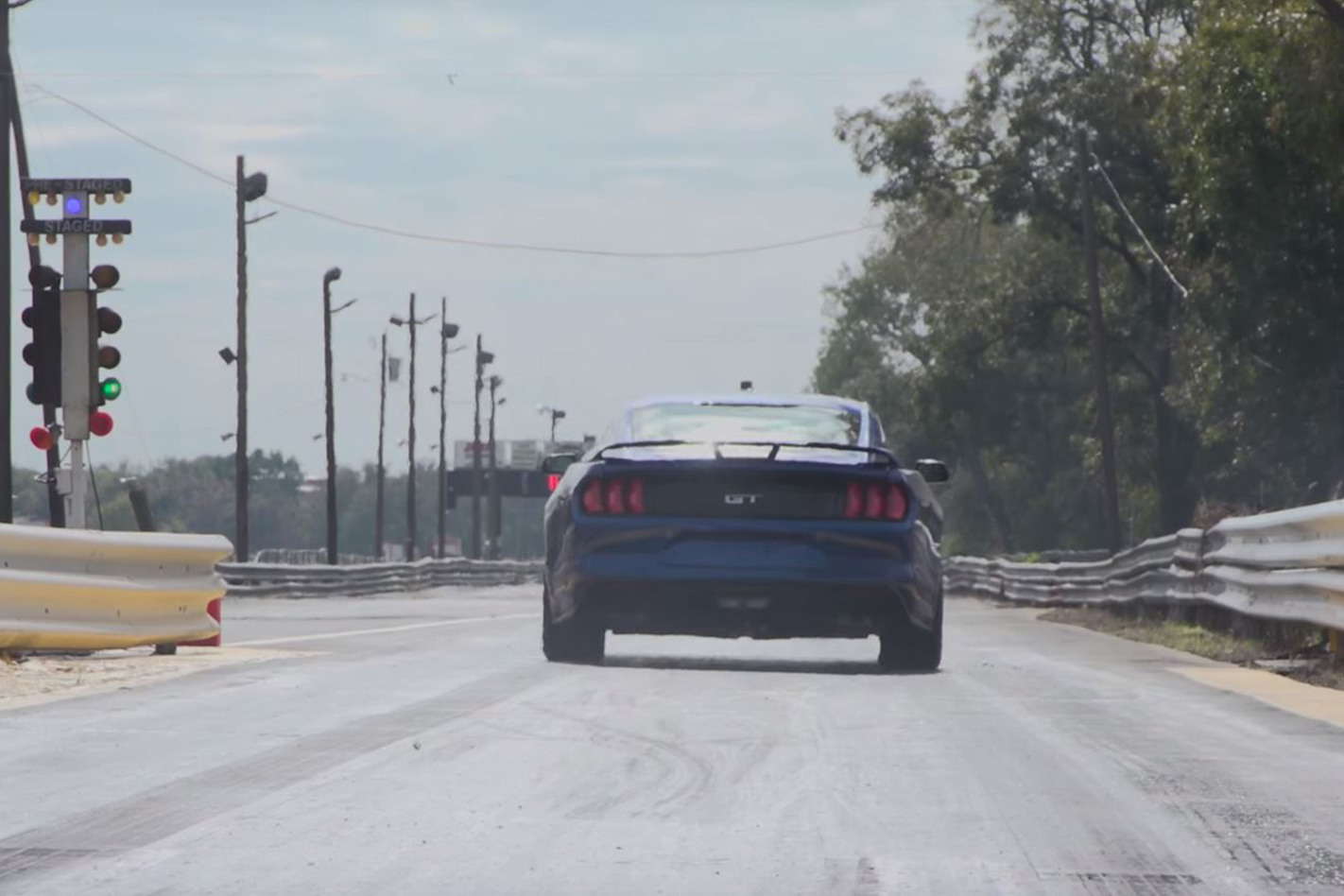
With only the factory Ford Mustang Performance Pack fitted, a 2018 Mustang GT has run a 12-second quarter mile.
It ran a 12.02 to be exact (so we can safely call it low 12s) at 188.25km/h.
With 1848kg to haul down the strip, including driver, fuel, and everything else on board, the Pony has made a big jump in performance.
It was still wearing its stock rubber, a set of Michelin Pilot Sports at 30psi, and was fitted with the new 10-speed auto.
At Performance Car of the Year 2017, we managed to extract a 13.38s across 400 metres, crossing the line at 176.61km/h.
But as the guys at Late Model Restoration who ran the 12sec run found, a couple of changes can draw an extra couple of tenths out of the ‘Stang.

They also added an aftermarket oil separator and some lower SVE springs.
The result was a couple of tenths shaved off their original 12.02 run.
It also means the Late Model Restoration guys are claiming to have the world’s fastest naturally aspirated 2018 Mustang GT run, though at this point it’s only early days…
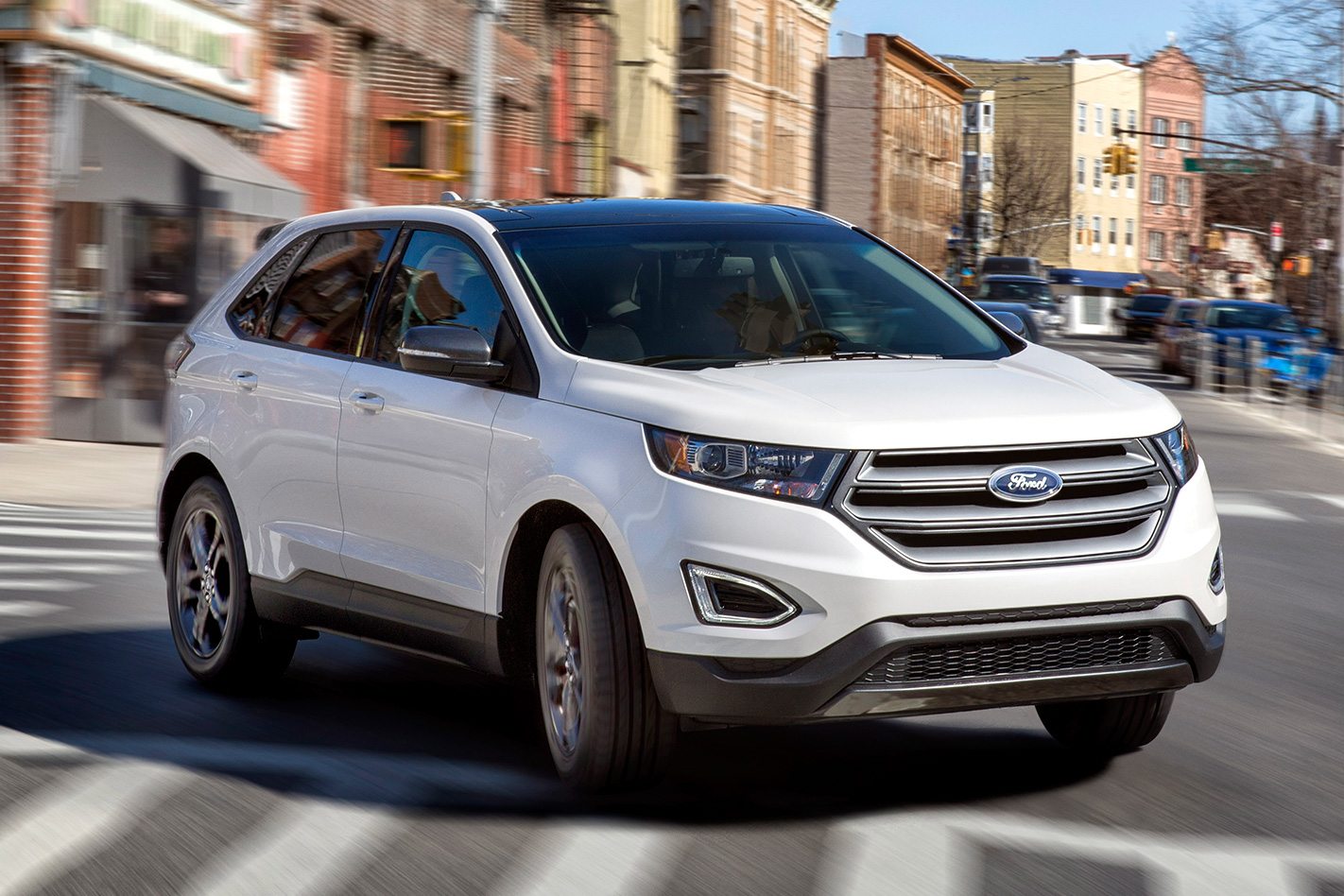
FORD has announced it will be adding a new SUV to the local line-up, called the Endura.
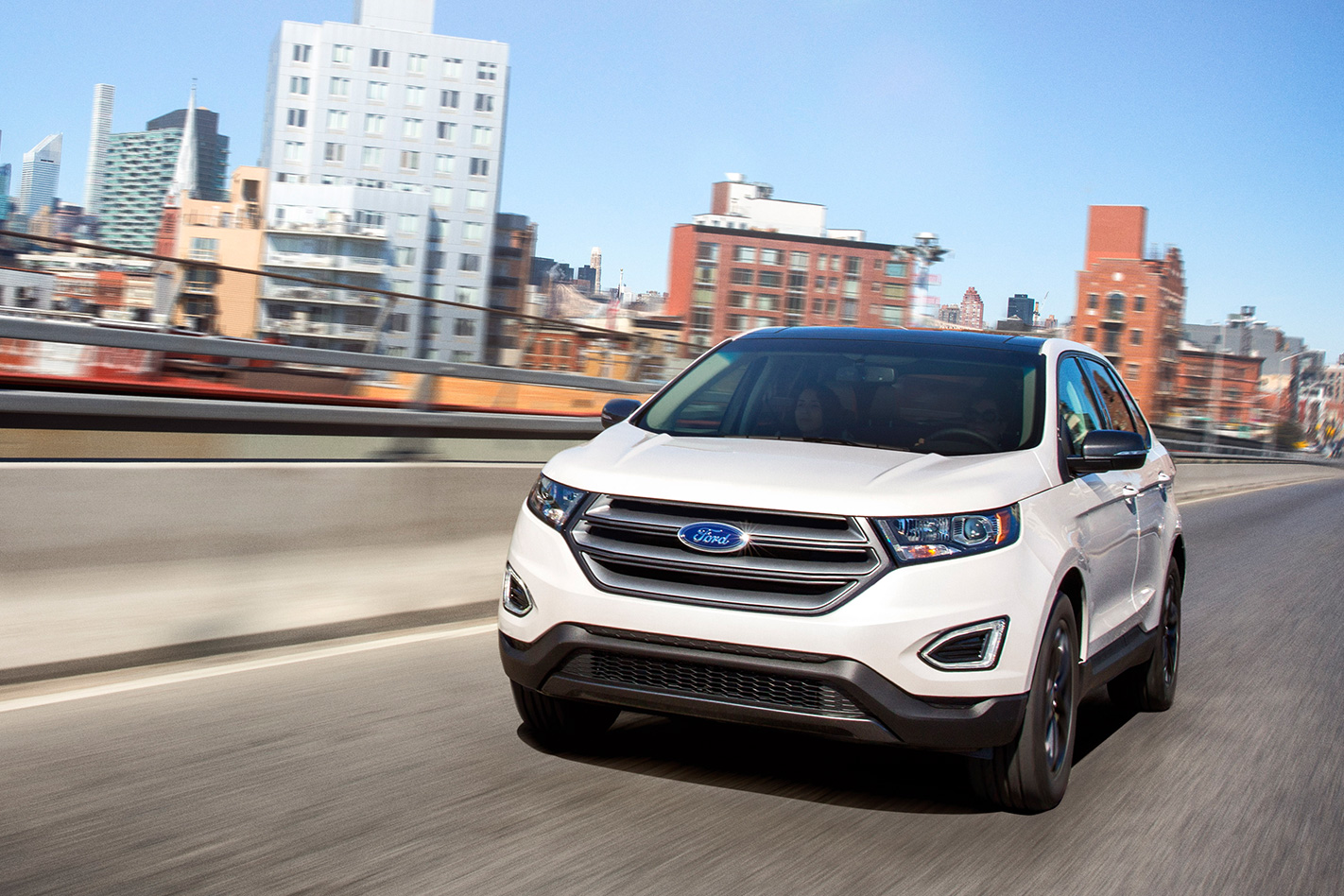
Sold as the Edge in other markets, the Endura effectively replaces the hole in Ford Australia’s range left by the locally-built Territory.
The five-seat SUV will be sold in Blue Oval showrooms in Australia from 2018. It joins the Escape, Everest, and recently updated EcoSport.
While full pricing and specifications are yet to be released, Ford confirmed the Endura will only be available with a diesel engine. Globally the Edge is sold with four different engines, three of which are petrol, with the 2.0-litre tubo diesel ‘Duratorq’ engine that’s bound for our shores also found under the bonnets of Euro-market Ford Edges.
The engine was developed by Peugeot engineers on behalf of PSA and Ford, and is available with either a six-speed manual or six-speed ‘PowerShift’ dual-clutch automatic.
Ford Australia President and CEO Graeme Whickman claims the Endura is an important addition to the local SUV range.
“The Endura reflects the dynamic motoring landscape in Australia, where buyers are now looking for more specific features and attributes in their SUVs as opposed to a one-size-fits-all solution,” he added.
“The appetite for SUVs in this country is impressive, so we’re excited to bring a premium new offering from our global portfolio to local audiences.”
The locally designed and engineered Everest and the mid-size Escape SUV that will bracket the Endura are both expected to receive updates next year as part of Ford’s SUV range revamp.
A legal bid to use the Edge name in Australia was dropped by Ford earlier this year. Ford Australia had hoped to use the globally recognised badge, but Toyota Australia owns the local trademark for the Edge name after applying it to limited-run Corolla and Hilux models.
It was the second legal battle over a car name between Toyota and Ford, with the Japanese manufacturer also holding rights to the Raptor badge in Australia. This has been relinquished for Ford to use on its upcoming hot Ranger dual-cab pickup variant.
WITH bones that date all the way back to 1979, you’d forgive the G-Class for feeling a little bit old-fashioned. Because that’s exactly what it is: positively ancient.
But when Mercedes-Benz debuts the first all-new G-Class in nearly four decades at the Detroit Auto Show in January, the company’s rugged off-roader will be a far more inviting, accommodating and technologically sophisticated off-roader. How do we know? Because Dutch website autoweek.nl let slip clear images of the new G’s dashboard, and it looks anything but antiquated.
There are familiar G-Wagen traits like a passenger-side grab handle and a low dashpad height, but the double-binnacle that covers both the instrument cluster and (huge) infotainment screen is a feature borrowed from the S-Class and E-Class, as are the turbine-style air vent gimbals.
The steering wheel, with its large buttons, flattened bottom and metallic trim, is also reminiscent of the S-Class’ tiller.
The centre stack is more upright than the sloping panels that typify Benz’s passenger cars from C-Class and up, but that’s in keeping with the G-Class’ utilitarian nature. Nevertheless, the switchgear for ventilation and infotainment shortcut buttons (not to mention the analogue clock) appear identical to what’s found in existing Mercedes-Benz models.
The trio of large rocker switches between the centre air vents are unique however, and likely control various aspects of the new G’s 4×4 driveline. Interestingly, the demo dashboard is equipped with conventional analogue instruments rather than an all-electronic driver display like the S-Class or E-Class.
The new G-Class’ exterior is still yet to be spotted unclothed, but expect the existing car’s endearingly boxy flavour to flow through to its next-gen replacement. Dimensional growth is almost guaranteed, however, with the new car expected to be around 100mm wider. Meanwhile weight will be kept in check through aluminium-intensive construction methods.
Full details will be revealed in early January, when the next-generation G-Class makes its public debut at the Detroit Auto Show.
Mercedes-Benz G-Class gallery – riding with Mike Horn, the world’s greatest living explorer
Nissan’s sister company Infiniti has revealed the newest addition to its range, the updated Infiniti QX80 SUV.
With a 5.6-litre atmo V8 under the bonnet, the full-sized luxury SUV has a relatively impressive output of 298kW and 560Nm, though its kerb weight (ranging from 2574kg to 2764kg depending on spec) relegates its 0-100km/h time to 7.5 seconds.
Not that anyone’s shopping for a luxury SUV based on its 0-100km/h time. A 7-speed automatic gearbox allows power to reach either the rear wheels or all four, depending on customer preferences.

“Infiniti’s design DNA has been scaled up for our largest SUV. The QX80 combines its commanding new presence with powerful muscularity and enhanced horizontal movement.
“Our designers raised the visual height of our iconic ‘double-arch’ grille and signature headlamps, striking an unrivalled on-road premium tonality.”

“The result is a contemporary, inclusive environment with roots in luxury air travel.”
The rear (or middle with rear seats installed) passengers have arguably the best level of luxury at hand, with separate screens for each passenger, which can be connected to including portable Blu-ray and DVD players, games consoles, smartphones, tablets, USB memory sticks and video cameras.
Pricing and availability for the QX80 in Australia is not yet confirmed.
Hundreds of thousands of dollars changed hands at last night’s Shannons Sydney Spring Classic Auction, and most of it was thanks to three European performance icons.
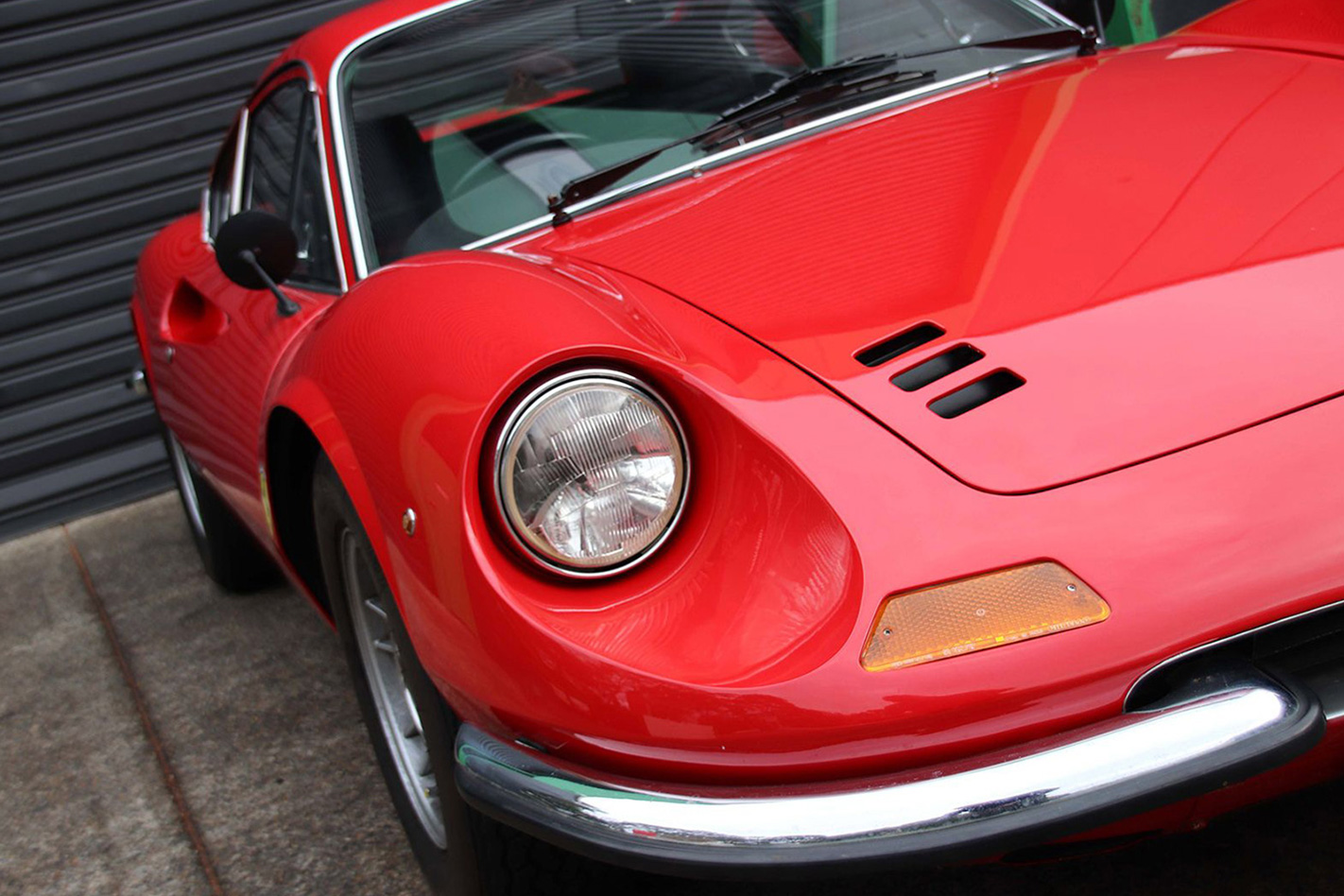
The first, and most valuable of the three, was a 1972 Ferrari 246GT Dino, which fetched a massive $550,000. It was estimated to sell for somewhere between $400,000 and $430,000, meaning it smashed its upper estimate by $120,000.
Ferrari Performance Collection up for auction
With a 2.4-litre V6, the Dino managed 145kW, which allowed the 1080kg mass to hit 100km/h in just 5.5 seconds.
While time will likely not have been kind to its output, the engine looks immaculate. This is more than can be said about the Dino’s interior, though 45 years will take its toll on leather seats.
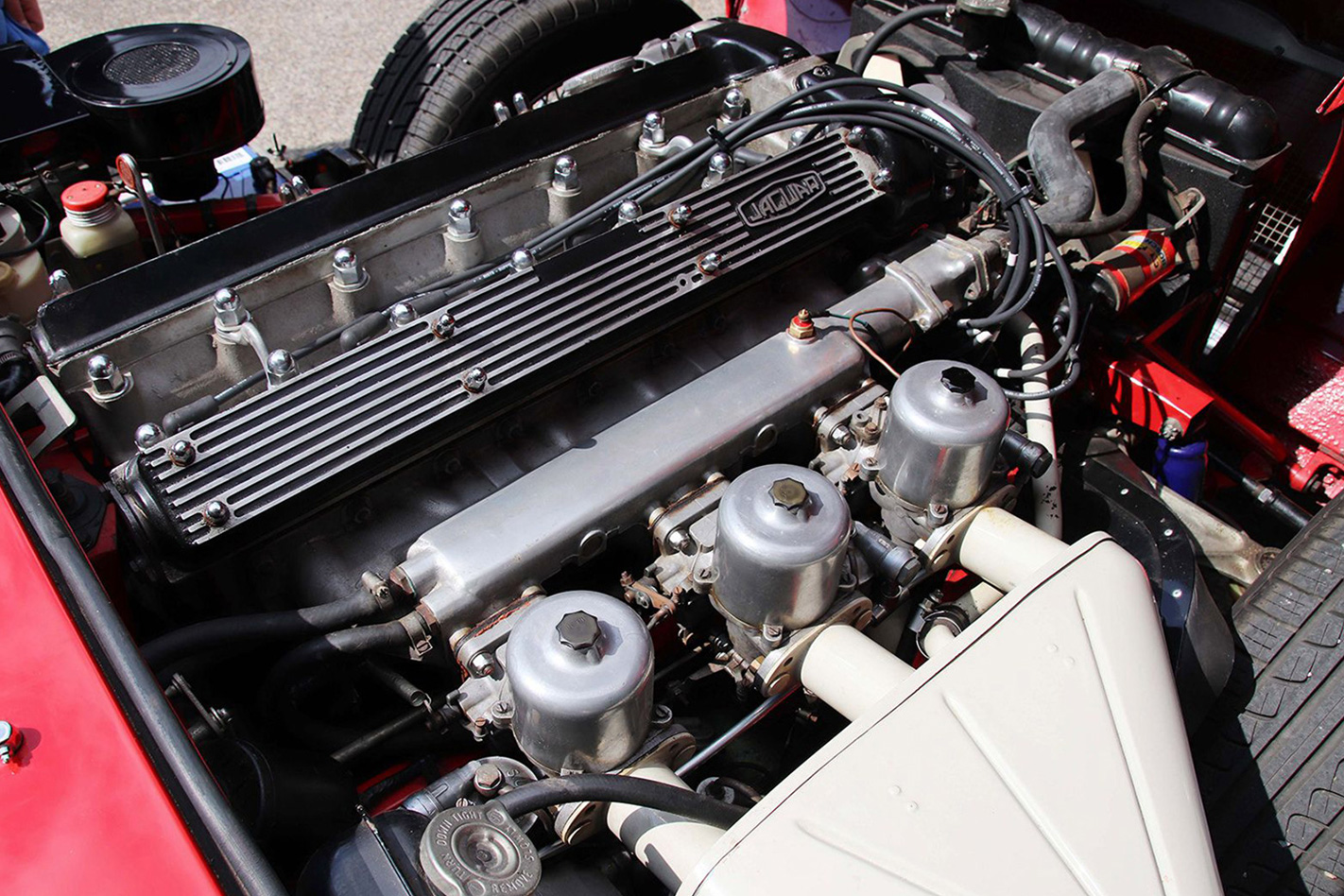
As one of the last six-powered E-Types, and a neat and tidy one at that, this big car sold for $175,000, a cool $15K more than its $140K-160K estimate.
Finally, a car many consider the predecessor to the M3, a BMW 3.0 CSL made $155,000 at auction, topping its estimate by $15,000.
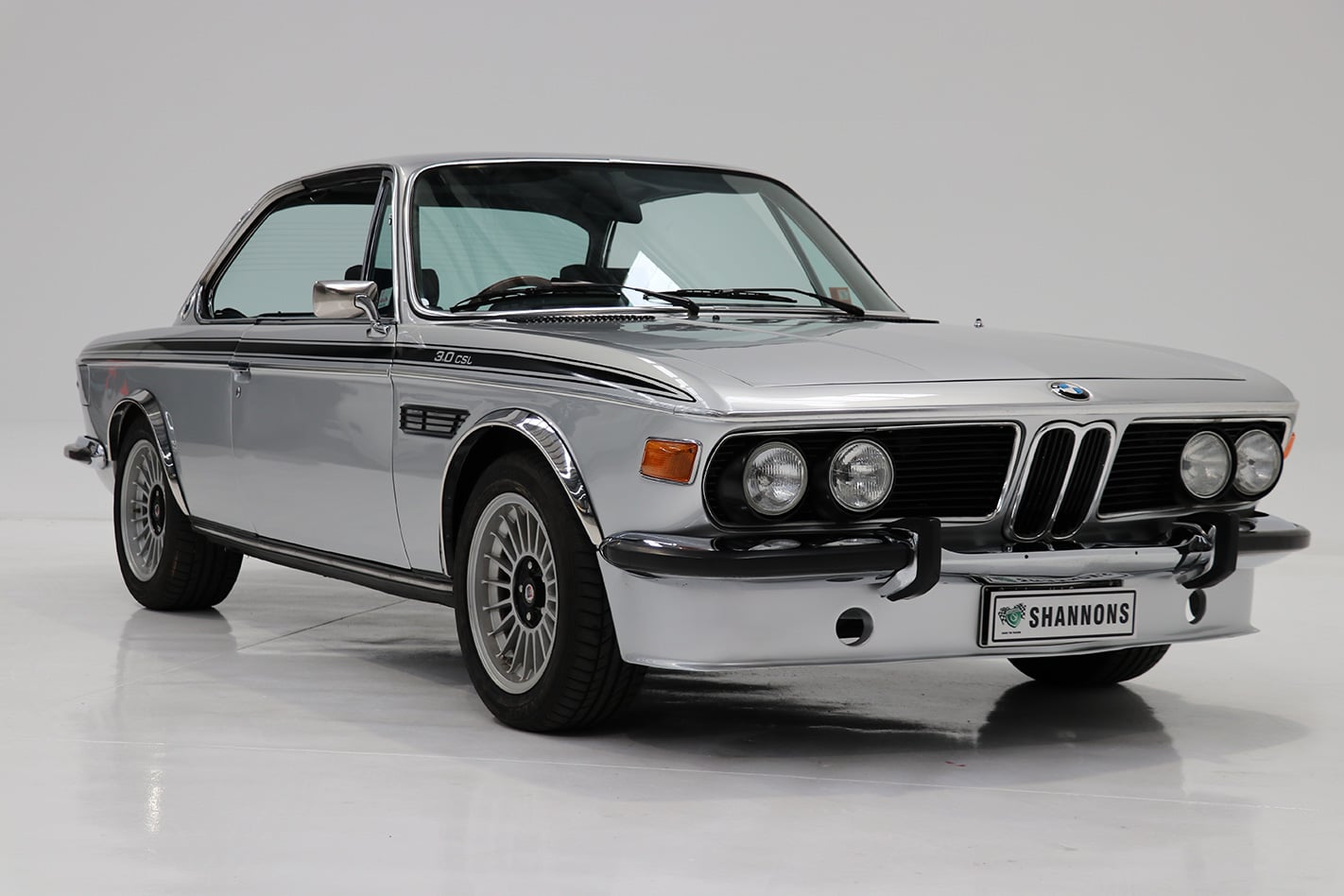
As one of 500 RHD examples, the ‘Batmobile’ (though sans-wing) is a rarity within an already rare variant.
Make your car pay its way
Make your car more affordable by turning it into a money spinner.
Consider joining a ride-sharing service like Uber; according to comparison site Finder, Uber drivers earn an average of $35 to $40 per hour before Uber takes its 25 percent cut. Your car needs to be less than 10 years old, have air-con and four doors, and be in great shape to register with Uber. Or, become an Airtasker and use your car to earn some coin by delivering parcels or, if you have a van, moving furniture. Airtasker says it’s possible to earn up to $5000 per month.
If you’d rather let the vehicle do the hard yards, rent your car out through sites like Car Next Door, and pocket $25-$40 a day or up to $100 daily for vans, utes and premium cars. According to Car Next Door, it’s possible to earn up to $7000 a year.
If your car is a head-turner (for the right reasons) turn star power into spare cash by registering your vehicle with a casting agency. Rates vary but Star Cars agency says it’s possible to earn $1000 or more per day if your car is selected to appear in advertisements, films or television.
Financing options
Cars depreciate rapidly so it makes sense to minimise finance charges. But paying in cash won’t always score you a discount. Car retailers worked out long ago that they can make more money per customer by offering dealer finance. That said, if you don’t have the folding stuff on hand, head to lenders like Heritage Bank (5.14%) or First Option Credit Union (4.99%) for wafer thin rates on personal loans secured by a term deposit.
When it comes to traditional car loans, mutuals like credit unions, building societies and customer-owned banks are highly competitive. Check out the likes of IMB (5.99%) and BCU (5.90%) plus non-bank lenders like carloans.com.au (5.44%) for super-low rates.
Dealer finance can seem like an easy option however the best deals (we’re talking near-zero interest rates) tend to be reserved for self-employed borrowers with an ABN. If you’re eligible, watch out for ‘balloon payments’ – a lump sum, often amounting to several thousand dollars, that may fall due at the end of the loan term.
Don’t overlook your home loan as a source of low cost car finance. If you’re ahead with repayments, redraw may be an option. Or it may be possible to draw on home equity through a loan top up or by refinancing to a bigger loan. The downside is that you’re using long-term debt to finance an asset, which (unlike your home), will fall in value over time. That can mean paying a solid overall interest charge on the cost of your car. The only way around this is to pump extra repayments into the loan to pay off the vehicle as quickly as possible.
Negotiating a better price
Getting a good deal on your next car can come down to a blend of good timing and smart negotiating. Peak times of the year for great deals include the end of the month when salespeople can be keen to reach monthly sales targets, and the New Year when dealers are keen to shift cars built the previous year. The release of a new model can also offer opportunities to negotiate savings on the outgoing version.
The end of financial year has been busier than usual recently, as small business owners rushed to take advantage of the $20,000 instant write down on new capital and equipment, yet dealers generally remain hungry for business at this time of year.
Save too by skipping add-ons like premium paint colours (particularly in a lairy hue that may appeal to you but not future buyers), paint protection, and extended dealer warranties. Consumer group Choice says in most cases the standard manufacturer’s warranty is enough. Do your homework on aftermarket accessories such as roof racks and window tinting. It’s possible to organise these yourself for a lower price.
Novated leases
Where businesses want to offer an extra incentive to employees, salary packaging is a popular solution. Mark Chapman, director of tax communications at H&R Block, explains the typical way to salary package a car is by way of a novated lease. This is a way for an employee to buy a new or used car and have their employer take care of the cost of the lease repayments.
The employer makes repayments to the leasing company out of the employee’s pre-tax salary in a salary-sacrifice arrangement which reduces the employee’s taxable income figure.
The end result is that the employee takes delivery of the car, and their employer agrees to make the lease repayments to the financier as a condition of employment. “Unfortunately, such arrangements also give rise to a car benefit under the fringe benefits tax (FBT) rules and employers typically look to pass some or all of this cost on to employees. As the current FBT rate is 47 percent, there may be little benefit in salary packaging a car unless you pay tax at the highest rate,” says Chapman.
“Note however that you can usually make post-tax contributions to your employer in respect of the running costs of the car which reduces the FBT; that can change the value benefit for some employees on lower tax rates. A novated leasing specialist, or your employer’s HR department, will usually be able to crunch the numbers for you.”
Tax: the right sort of write-off
If you use your car for work or business, you can claim for the costs that you incur. It could also be possible to claim the cost of the car itself. If you run your own business, you may be able to immediately write off the cost of a car costing less than $20,000. More expensive vehicles (and all vehicles used by employees) are depreciated over several years. There are two ways to work out your claim – cents per kilometre and logbook:
- Cents per kilometre. Claim a flat rate of 66c per kilometre for every business kilometre you cover. You’ll need to keep a diary of all work-related journeys so you can work out how many kilometres you’ve travelled for work. This method can only be used for claims up to 5000km per vehicle.
- Logbook. Claim the actual expenses you’ve incurred in running your vehicle for work or business, such as fuel, servicing, insurance and depreciation. To work out your claim, you’ll need to keep a logbook for a representative 12-week period, in which you record all your work journeys in order to calculate your work-related use percentage. You’ll also need to keep receipts and invoices for everything you spend on your car.
Car insurance – five things you should know
1. Find out what’s included as part of the cover at no extra cost. Examples are free car rental for up to 14 days if your car is stolen, cover for personal property in the car, and accom/travel expenses if you’re over 100km from home.
2. Understand the exclusions. For example, if the car is driven by an unlicenced driver or someone under the influence of drugs or alcohol, you might not be covered.
3. If you are insuring a brand new car, ask whether you get new-for-old replacement in the event of total loss. This will mean that if your car is written off in the first 12 (or 24) months of its original registration, the insurer will replace it with a new one including all the on-road costs.
4. If you’re paying monthly, ensure you keep your payments up to date. If you don’t it could jeopardise any claim that might arise.
5. Understand the difference between agreed- and market-value. With an agreed-value policy your car is insured for a set amount. So if the agreed value is $32,000 and your car is a total loss/write-off (ie. stolen and never found or damaged beyond repair) the insurer will pay you $32,000. With a market-value policy the value of the car is determined based on what it would cost to buy a car of the same make and model in similar condition at that point in time.
A CAR is the most technically complex consumer product people buy and the second-most costly purchase for most of us. And while dynamic dissection to sort the diamonds from the duds is a Wheels cornerstone, sifting through the new car market to separate the buyer’s picks from the money pits is the work of our annual Best Value Car awards (Gold Star Value Awards).
The devil (aside from non-deductible car loans) is the insidious depreciation, which makes up the biggest chunk of the cost of owning a car in the initial years from new. A good car will only lose about 30 percent of its new price in three years, while a poor one will only retain 30 percent…
Clearly, it’s worth knowing which cars are good at holding their value and which aren’t much chop. Yet a new car doesn’t stop at depreciation in its quest to empty your wallet. There are fuel costs, insurance, servicing frequency/cost, and the financial burden of fixing things that cunningly fail just outside the factory warranty.
A turbo-diesel will cost more to buy than a petrol but typically use less fuel, though which is less costly to run might depend on the day of the week. Our research indicates that diesel prices remain reasonably stable, whereas unleaded prices vary depending on the day.
With an emissions cloud hanging over oil-burners, there’s also the question of which will be worth more at resale time. And can hybrids or electric cars justify their typically higher price tags in energy savings along the way?
The answers await as we bring you the figures, from a starting grid of the 2500-plus cars on sale in Australia, for more than 60 of today’s best buys, across 21 categories.
AUSTRALIA’S BEST VALUE CARS 2017 CRITERIA
Class ceiling There is no upper limit on the price of cars eligible for Gold Star Value analysis. The fact that the money lost in three years on 2017’s biggest depreciator would buy you 19 of the winning sub-light car illustrates how the figures tend to take care of themselves at the top end of town.
Depreciation The biggest cost of ownership for most new cars. Of the 2787 cars number-crunched, Glass’s forecast three-year retained value figures ran from 29 percent (the Great Wall V240 ute) to 73 percent (Audi TT RS and Porsche 911 Carrera and GTS).
Fuel Annual fuel cost calculation based on ADR combined-cycle consumption figures. These aren’t real-world representative, but they let us compare cars. Annual distance travelled is the ABS Australian average of 13,716km (2015-16) and we used fuel prices on the day.
Real cost It’s relatively easy to put a representative number on the three-year cost of depreciation, fuel and insurance, so the total of these running costs contributes 80 percent of a car’s score.
Purchase price Most new-car buyers set out with an approximate budget in mind, so Gold Star Value is divided into price brackets. The real cost of owning the car is depreciation, which is where purchase cost is factored into our value equation.
Insurance Annual comprehensive insurance estimates provided by Budget Direct Insurance for a 35-year-old male living in Chatswood, NSW, Rating 1 for life, clear driving history, no finance, private use and vehicle garaged at night. Estimates include 15 percent online discount.
Warranty A seven-year warranty brings greater peace of mind than a three-year warranty, however it’s difficult to quantify the value of extra cover. It only translates into an actual money saving if something fails and it’s fixed free. Warranty accounts for 10 percent of a car’s score.
Service The vehicle servicing score is based on frequency. A longer interval may result in less expense – and it will certainly mean less hassle – so takes the maximum 10 percent.
Total score
The addition of the real-cost score out of 80 and the warranty and service interval scores out of 10 gives a total of 100. It’s displayed in each data table and, because each car references the cheapest overall model, the decline in value working up through classes is clear in the spread of scores from more than 90 to less than 30.
Our choice
If you have both eyes on the bottom line when you buy, then the car that wins its Gold Star Value category is the one for you. Thank you, good night and do try the fish. But if you also have a penchant for driver appeal, then our Wheels Recommends pick in each category instead represents the intersection of value and verve.
While we’ve watched prices for the likes of the XY Falcon and the HK Monaro skyrocket in recent years, a shift seems to be afoot.
Last night’s Shannons auction in Sydney proved a good example of this, as a VN HSV SV5000 was the biggest Aussie winner of the night.
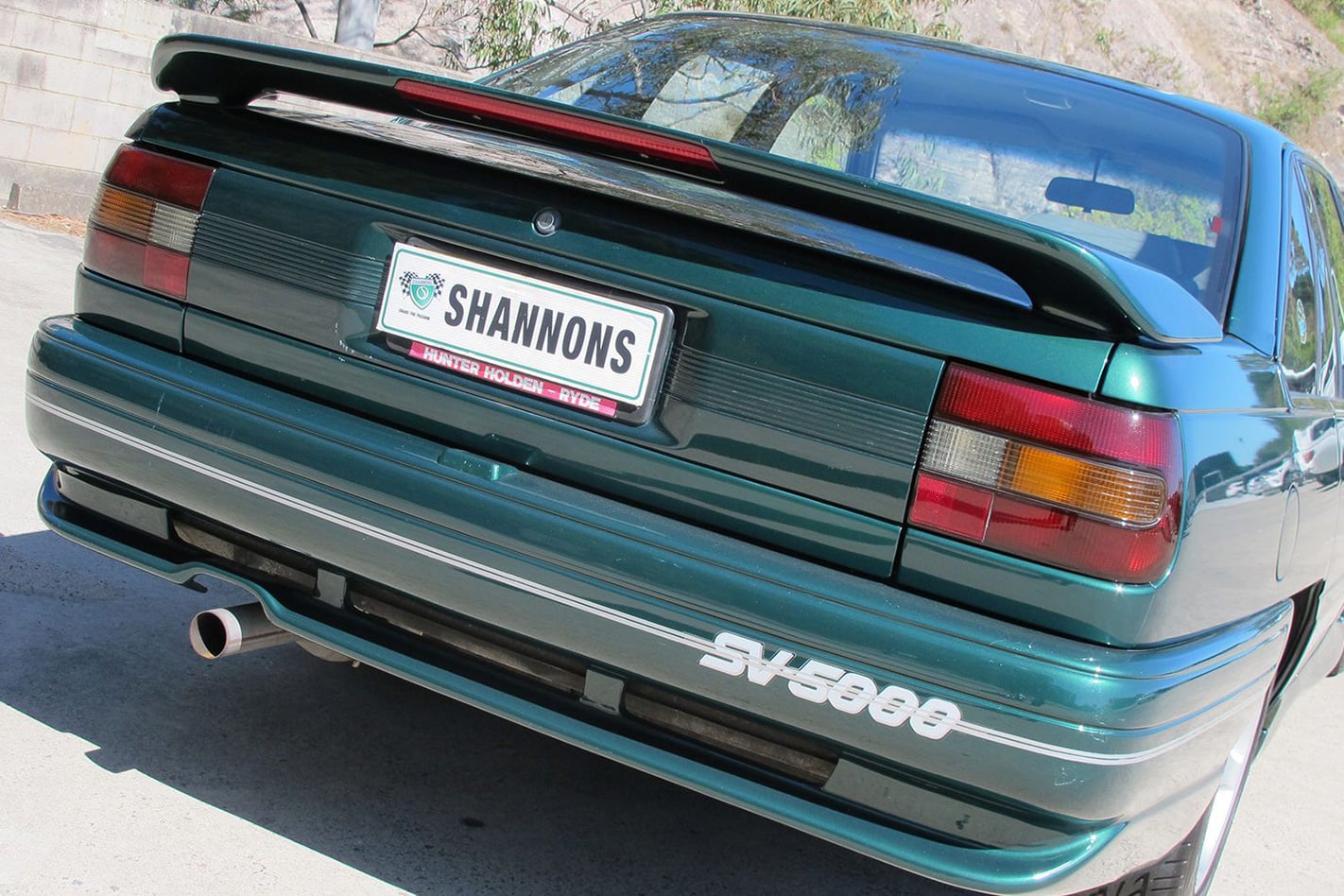
The VN’s estimate was set by Shannons at $30,000-$40,000, but it ended up finding a new owner for the price of $52,500.
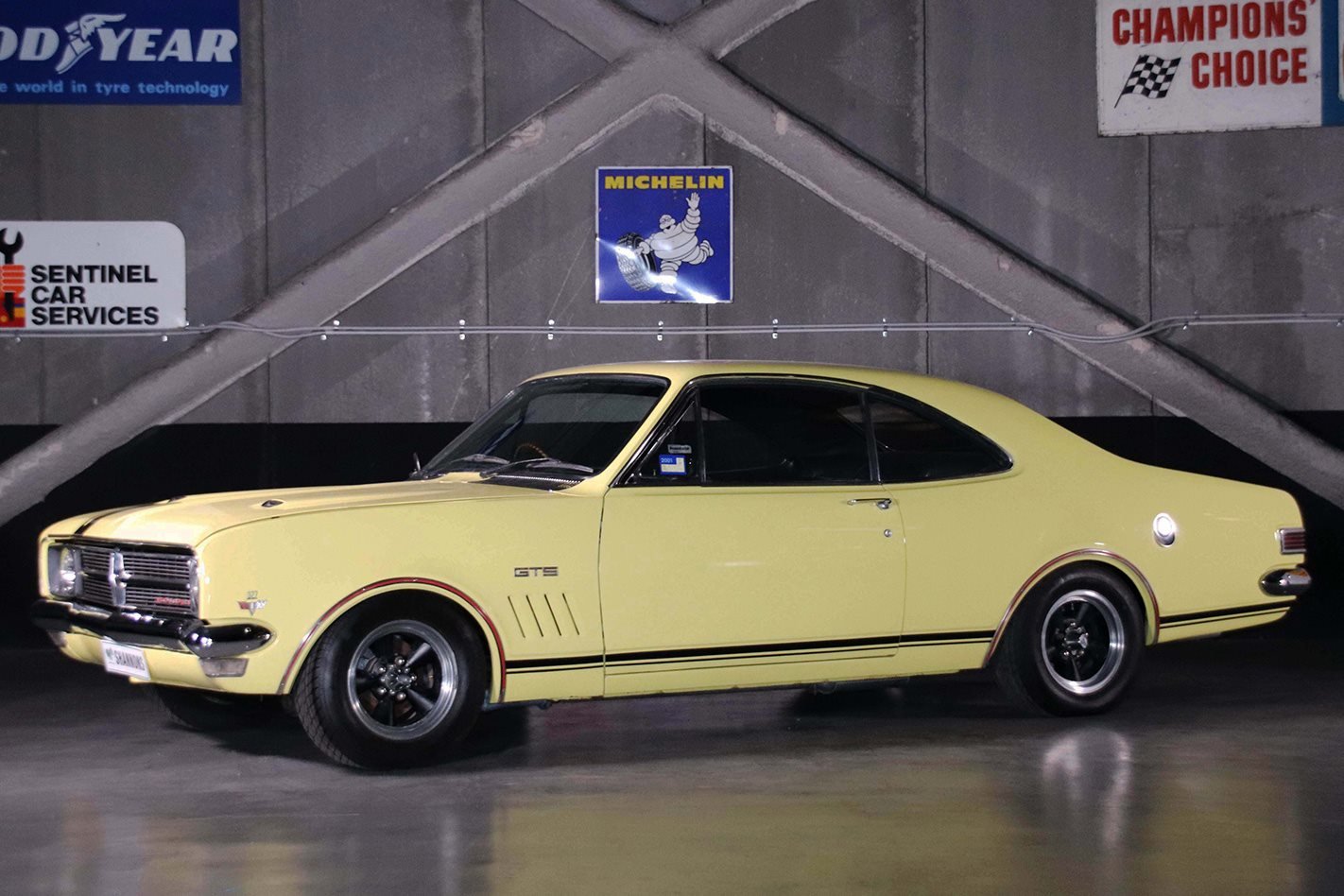
The HK GTS Bathurst (sold for $155,000) and XW GT (sold for $121,000) missed their estimates by $15K and $19K respectively.
Single-digit number plate sells for $2.45 million
Being build number 305 of 359 makes it one of the ‘younger’ SV5000s, but it’s still no spring chicken. It comes from a time when its 200kW wasn’t bad for a 5.0-litre V8, and its trip computer was considered a luxury item.
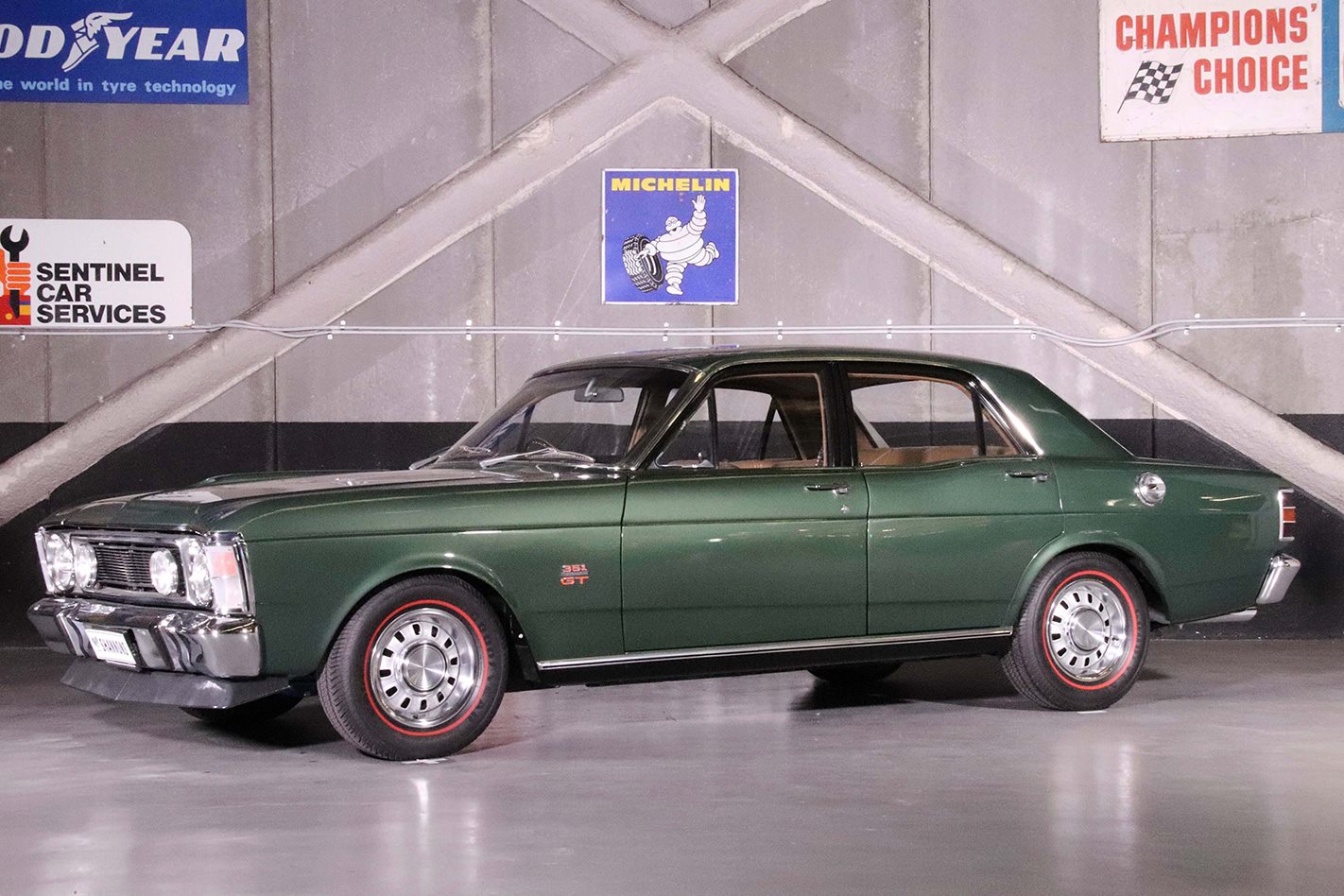
Also present were the likes of the Ford ZD Fairlane which sold for $26K, a Holden HR Panel Van which picked up $26K, and a Holden EH wagon which went for $23,500.
I had a startling realisation recently.
Normally, I’m a rear-drive man. Don’t care where the engine is, but give me as many cylinders and cubic centimetres as you can (within reason). A gearbox that needs to be told what to do, ideally with a lever and third pedal. And a limited slip differential between the rear wheels that doesn’t like full-lock u-turns.
But just as I was wondering if this is how I’d always be, I drove a car with an east-west engine, not many cylinders (four) and not many litres (two), with a turbocharger and the front axle doing the work. We drive these cars regularly at MOTOR, of course. But this was the first time I caught myself thinking, I could own a hot hatch.
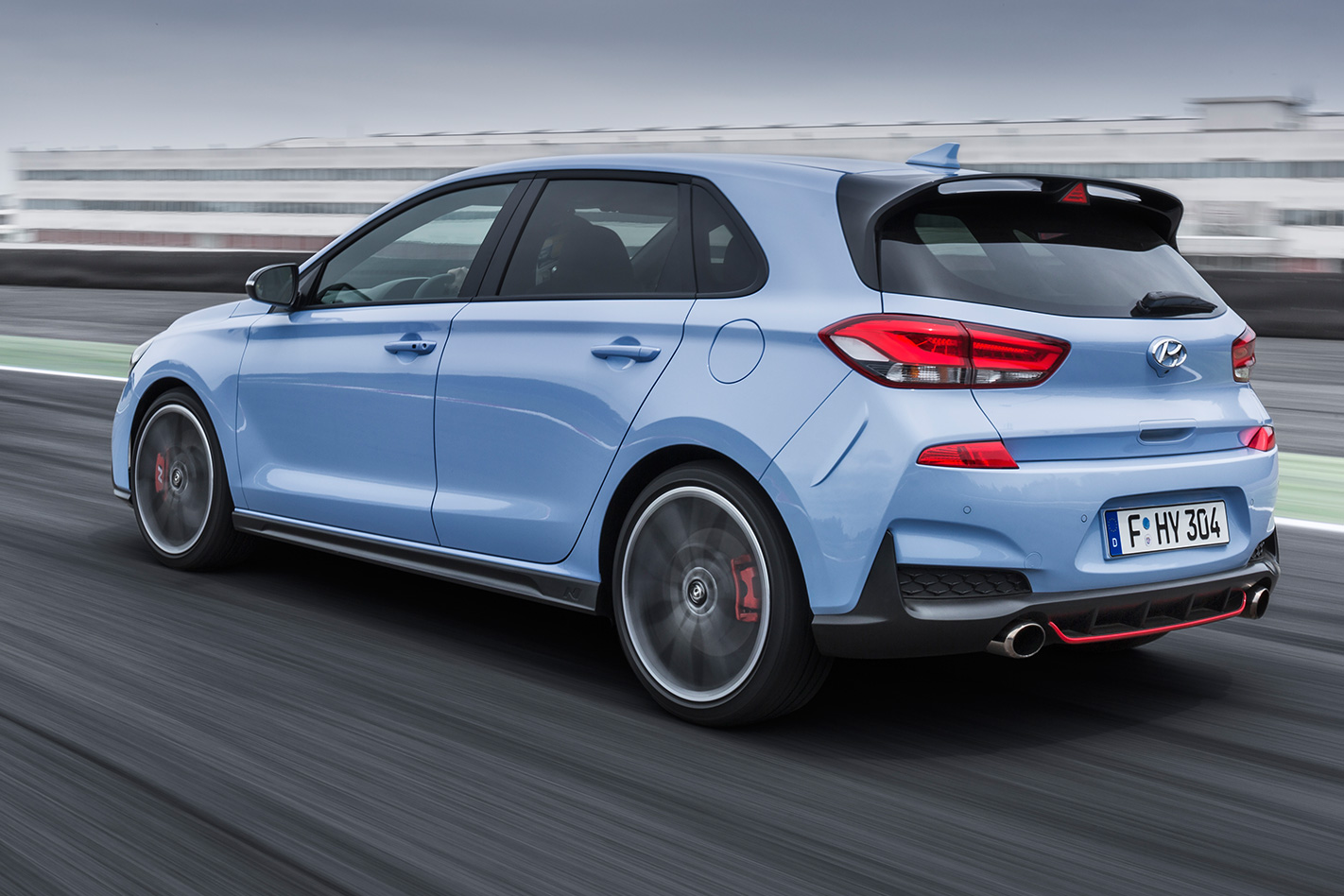
On that same list should be the new Honda Civic Type R which, sounds like a weapon. Or you could wait for the all-new Renault Megane RS, although we’ve not driven that yet. If hardcore is more your thing, there’s the Ford Focus RS.
And at the other end of the spectrum, there’s the ballistic all-rounder, the newly updated VW Golf R. If you have thought to yourself, nah, not interested in any of these, I would counter that you’re potentially ruling yourself out of some truly excellent performance cars.
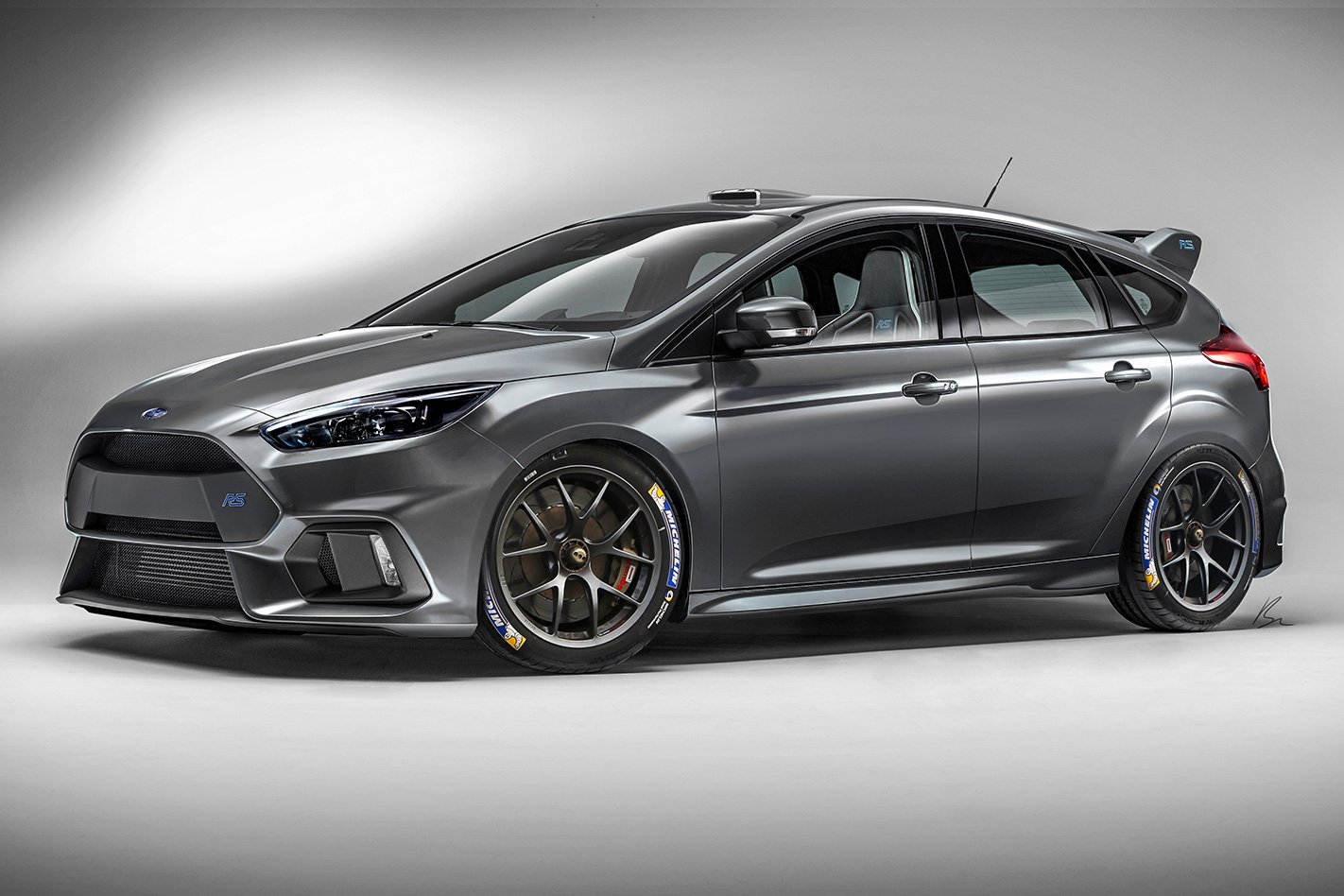
Exciting, but different. All of these cars, too, have interiors that would impress anyone who’s owned an Australian car. And with just as much space, in the front at least. While we come to terms with great change in a familiar genre – and the continued need for a car – there’s incredible excitement in the world of hot hatches. You should get in on it. Just ask those who are.
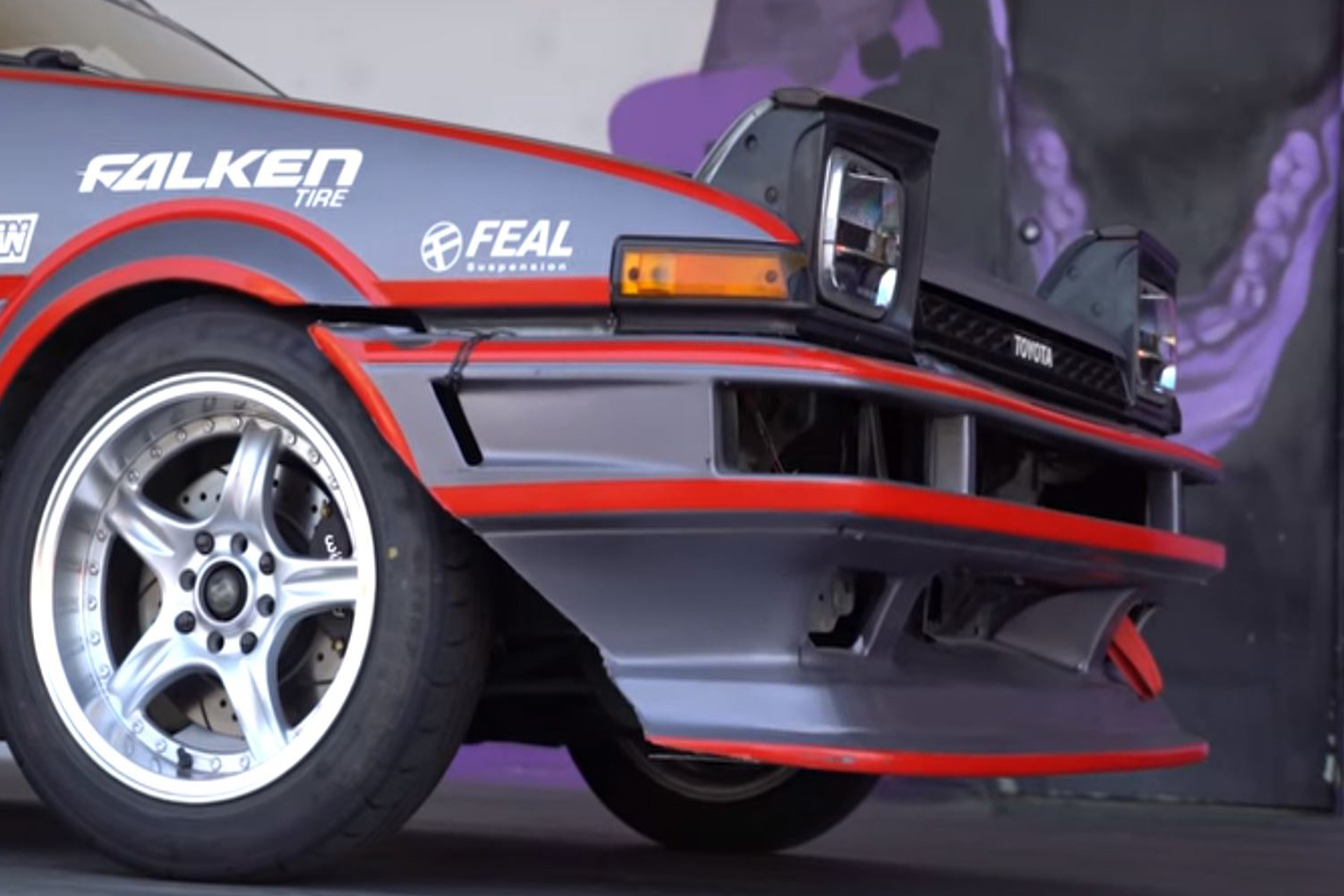
Omead Moinee has a Toyota AE86 that’s a little different to most.
Sure, there have been plenty of Hachi-Rokus turned into drift machines over the years, but how many of them have been electric?
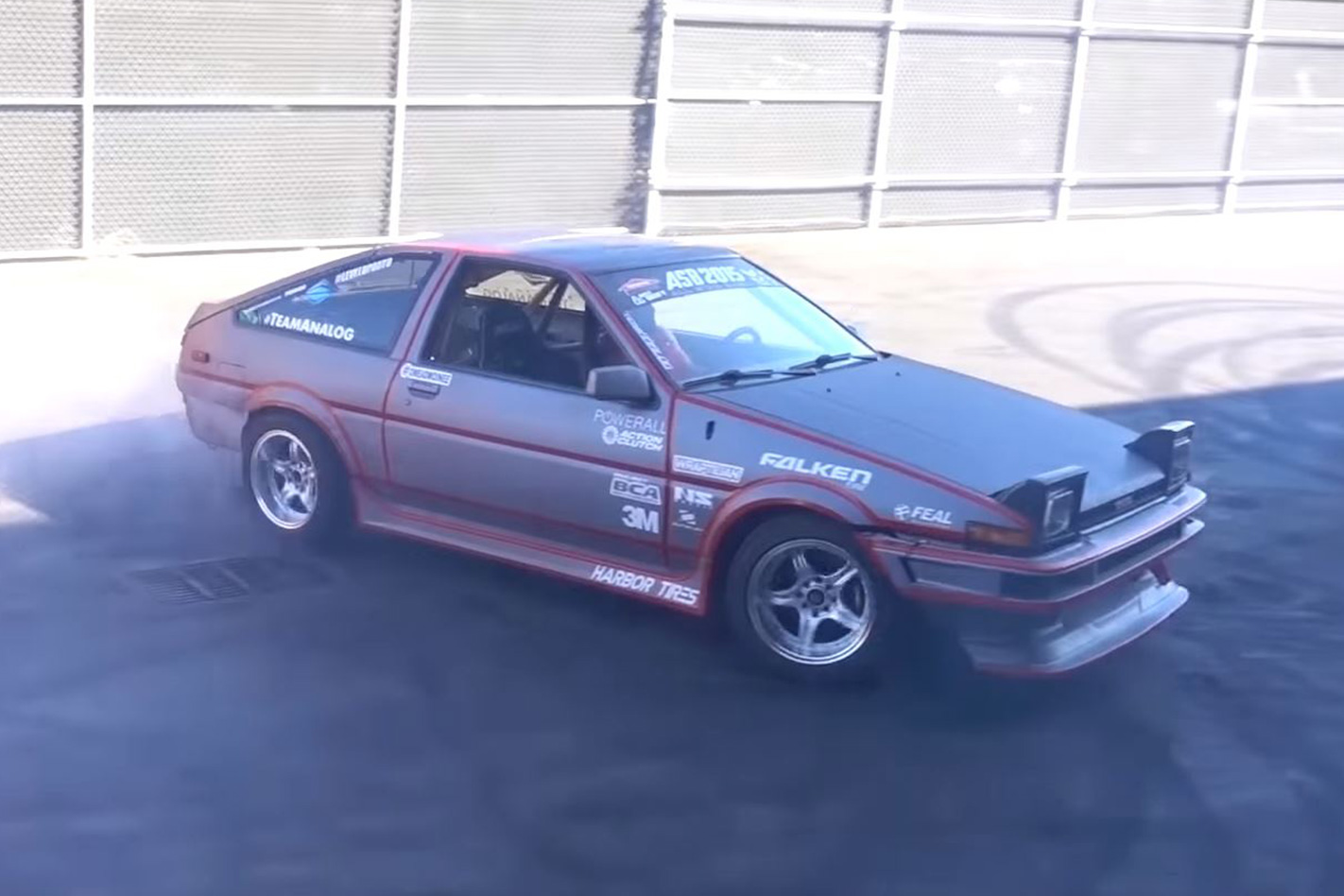
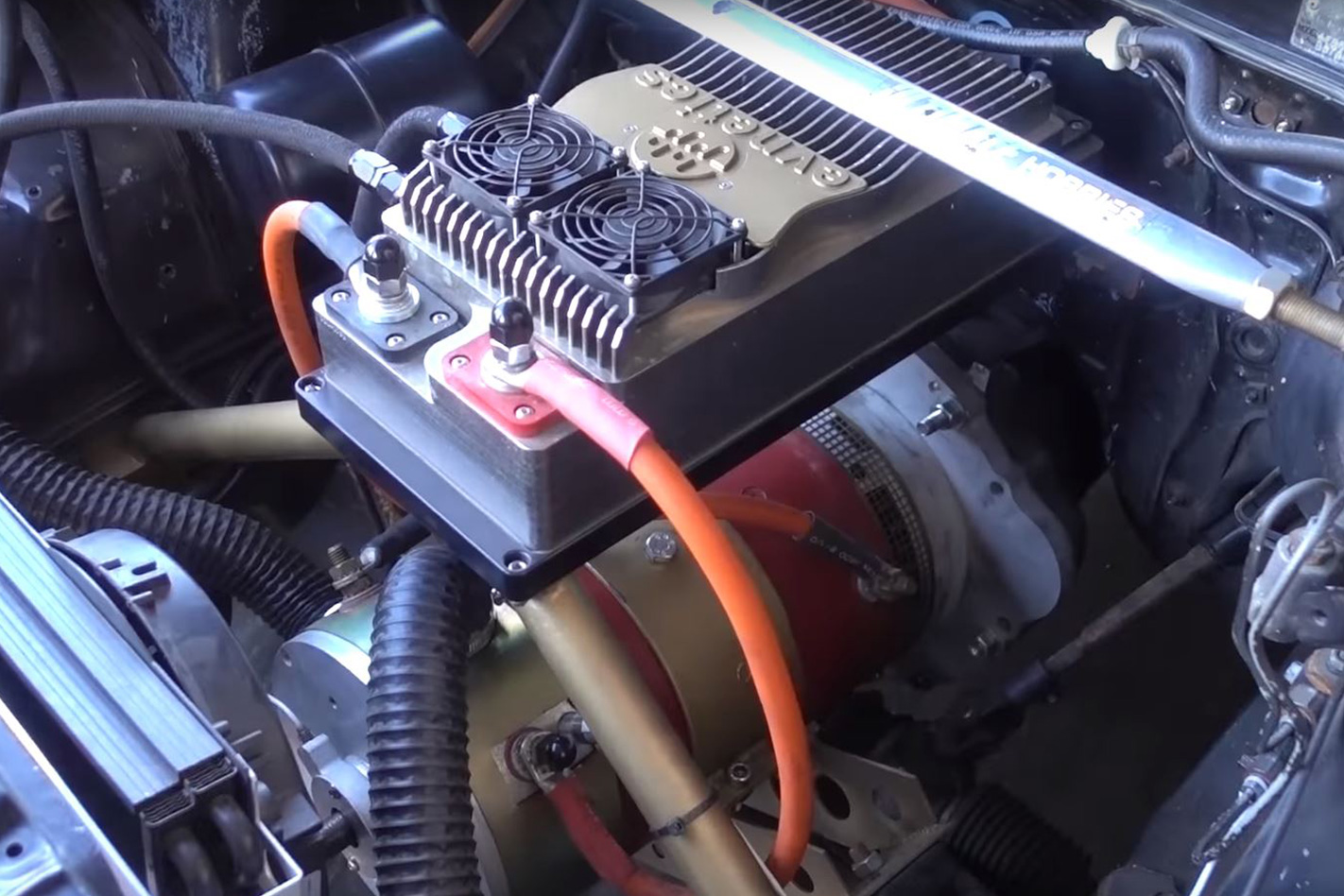
Built by Omead Moinee, who says he’s an engineer (and we believe him if he built this car himself), the AE86 features an electric motor in the engine bay, with a boot-full of batteries.
Aside from that, it looks much like any other drift-spec AE86, until you turn it on.
Fredric Aasbo reveals new Toyota Corolla iM drift monster
The only other way it makes much noise is when it’s sliding sideways around the tight courtyard outside the Hoonigans’ shed. Keep an eye out for the evidence that this space is a tad small for drifting.
While there’s not as much action in the video as we’d have liked, we think there’s value in the conversation regarding what an electric engine can actually do.
Have a look for yourself, the guy knows what he’s doing if he can build this and drift it around Laguna Seca.
