
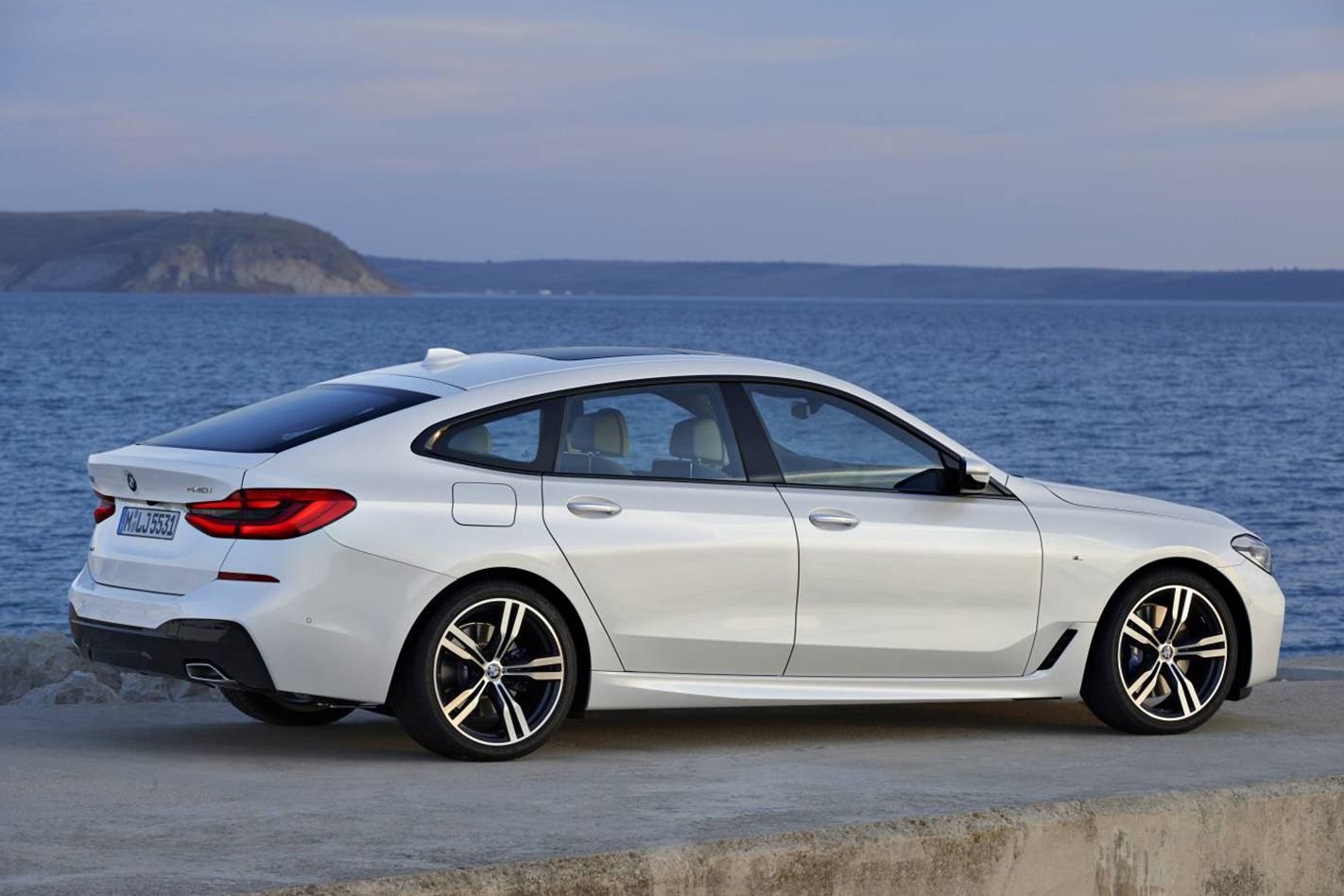
BMW Australia has announced local pricing for the first 6 Series Gran Turismo it has confirmed for the Australian market.
The luxury-focused 6 Series will come in the forms of the BMW 630i GT, which runs on BMW’s 2.0-litre turbo four, and the 640i GT xDrive, which scores the 250kW 3.0-litre turbo straight six.
The 630i GT will be available in Oz for $123,500 before dealer charges, but the 640i xDrive GT is to set buyers back a little more at $148,900.
Active anti-roll bars are also optional on the 640i GT. In addition, an ‘Innovations Pack’ can be added to either model at a cost of $1600, which includes a display key, remote control parking functionality and gesture control.
To bring the 630i a little closer to the 640i on the inside, a comfort pack is available for $3000 which adds four-zone air conditioning, electric roller sunblinds to rear passenger windows, seat heating front and rear, and makes the rear seats electrically adjustable.
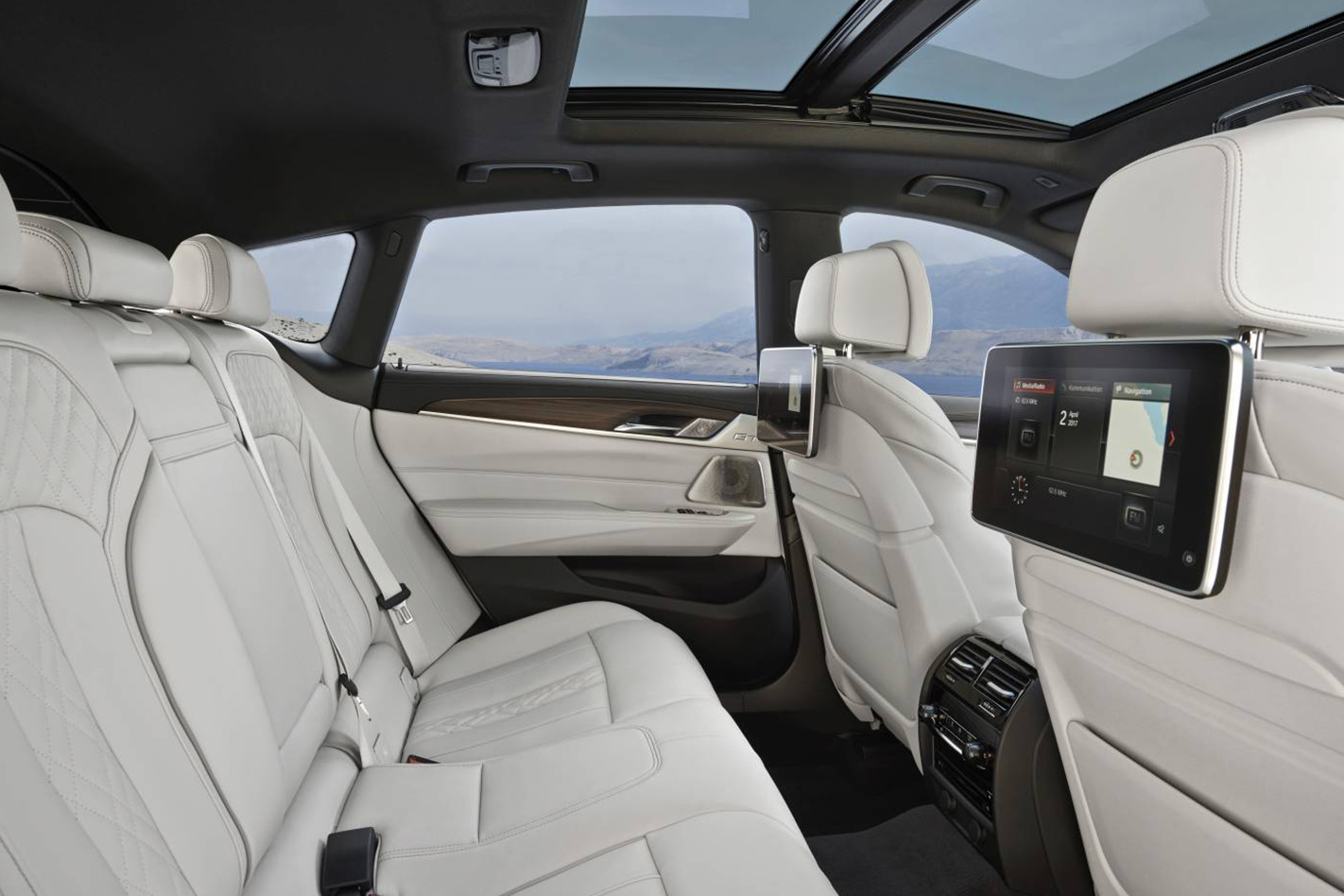
“The new BMW 6 Series Gran Turismo features a lot of technology we have seen rolling out in the BMW 5 Series and 7 Series in recent times,” says BMW Oz CEO Marc Werner.
“With a fresh take on exterior styling that is lower and longer, a generous and comfortable interior, leading-edge connectivity and high standard specification, the 6 Series Gran Turismo is a fantastic family proposition.”
All cars releasing October – November
- Audi Q7 e-tron
- Audi Q2 2.0TFSI quattro
- BMW M4 CS
- BMW M3/M4 Pure
- BMW 3 Series update
- BMW 6 Series GT
- BMW X3
- Citroen C3
- Ford Focus RS Limited Edition
- Honda Civic Type R
- Holden Astra Sportwagon
- Hyundai Kona
- Hyundai Ioniq hybrid
- Hyundai Sonata facelift
- Jaguar F-Type
- Kia Sorento facelift
- Mercedes-Benz E-Class Cabriolet
- Mercedes-Benz GLC350d
- Mercedes-Benz C-Class C300
- Mercedes-Benz AMG GT S update
- Mercedes-Benz E63 AMG
- Peugeot 308 facelift
- Skoda Octavia RS245
- Volkswagen Arteon
- Golf R Wagon Wolfsburg
- Volvo XC60
The most extreme member of the regular BMW M4 range will be priced at $211,610 when it arrives this month, making it $56,700 costlier than the existing M4 Competition.
The extra spend brings a 7kW/50Nm hike for total outputs of 338kW/600Nm, plus a 35kg weight saving, CS aero package and stickier Michelin tyres on staggered alloys with a unique design.
Pure versions of the existing M3/M4 also arrive in October, sporting less equipment and smaller pricetags.

Volkswagen Arteon
The fancy-named replacement for the Volkswagen CC – VW’s former four-door coupe contender – comes to Australia as a single richly equipped flagship model, the Golf R-engined 206TSI R-Line. Expect pricing to nudge $65K.

Mercedes-AMG GT R
The flagship of Mercedes-AMG’s line-up (and current Bathurst production-car lap record-holder) will wear a $348,711 price tag to go with its 430kW/700Nm twin-turbo V8.

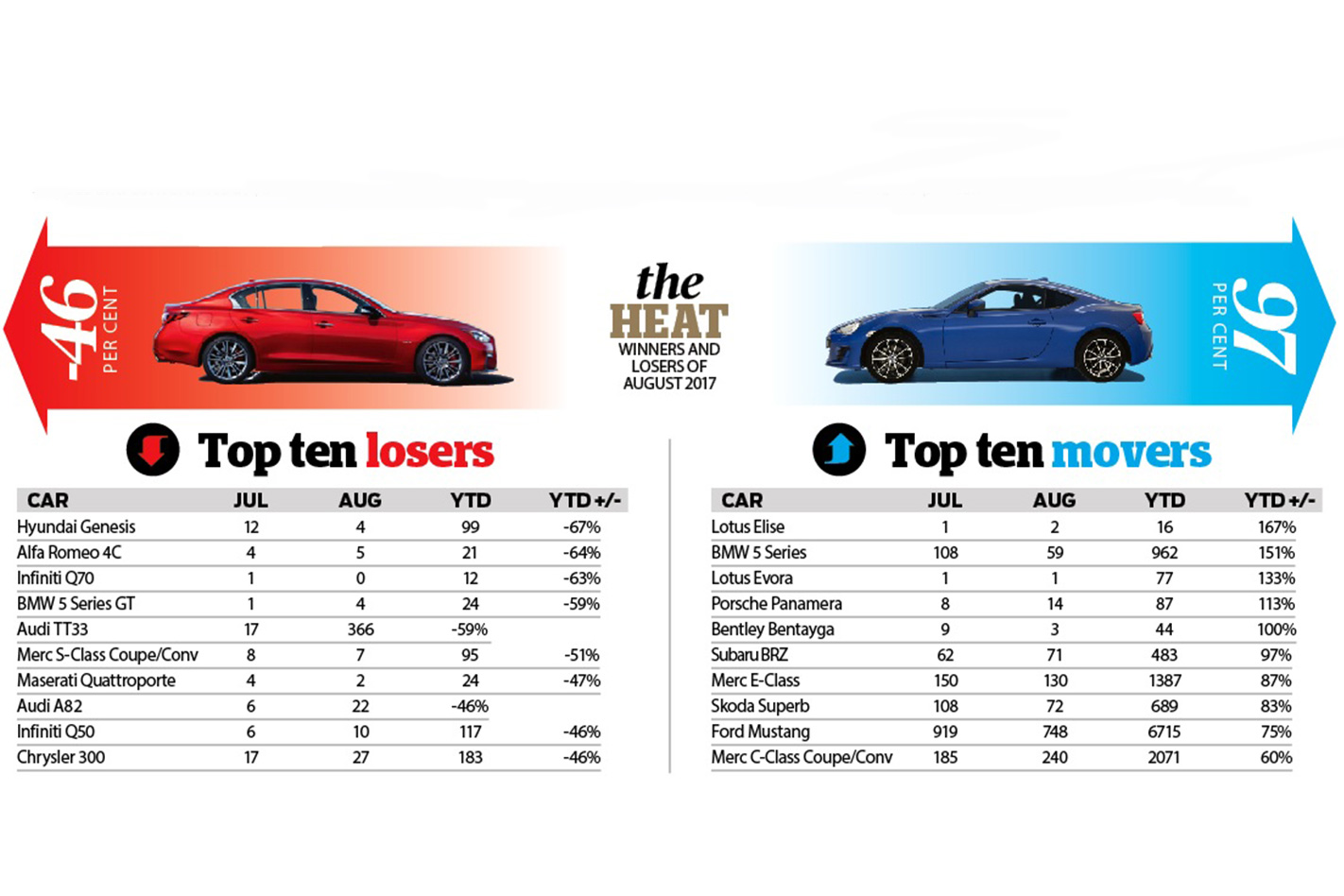
THE sports car market is bucking the trend of declining passenger car sales.
Sub-$60K hatchbacks, sedans and wagons – some under $80K depending on the class – declined 6.9 per cent year-to-date comparing August 2016 (281,462 sales) against August 2017 (262,137), while contenders priced beyond those figures fell 7.1 per cent, 42,655 sales down to 39,655.
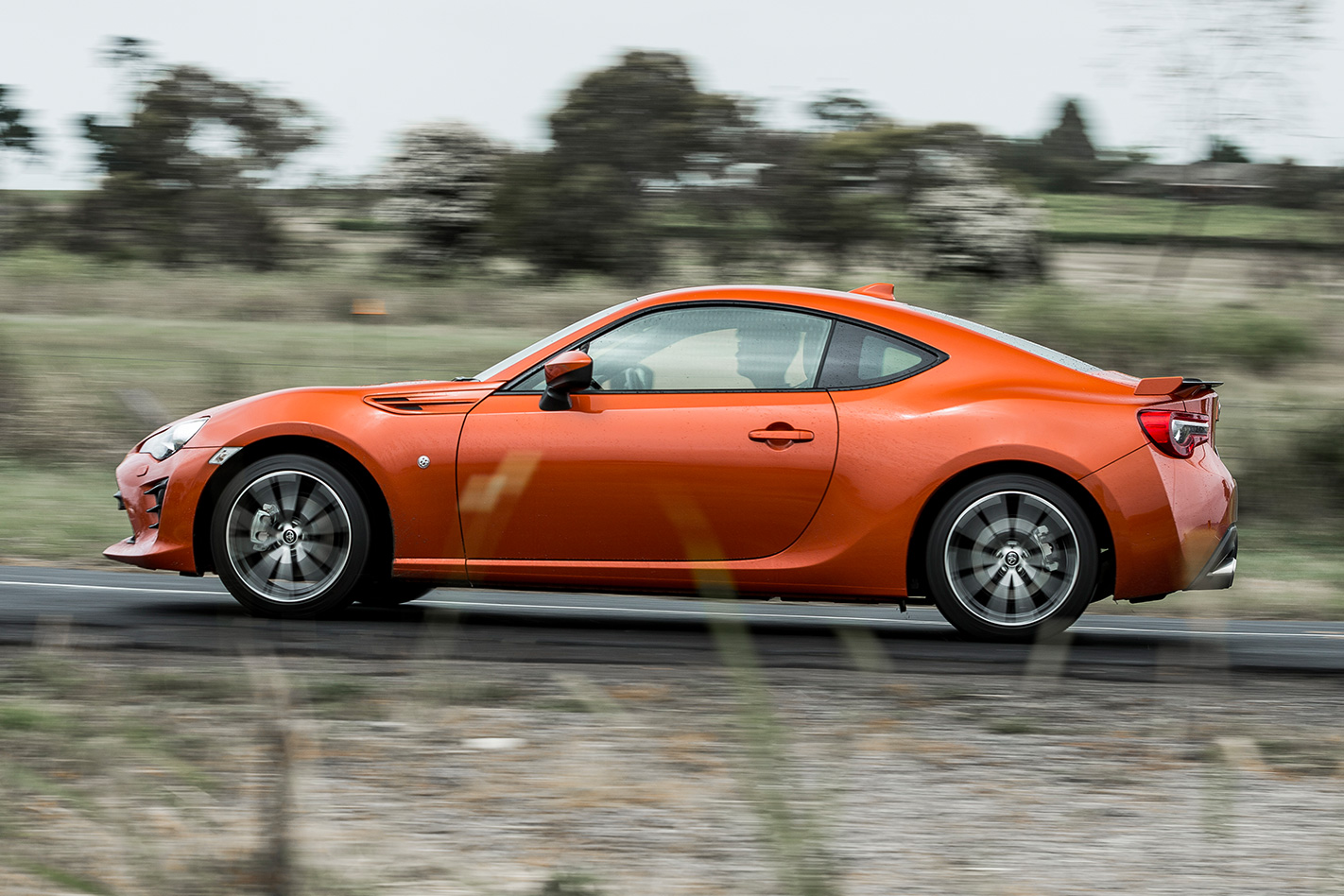
And yet coupes and convertibles in all price brackets are up by 7.9 per cent – 18,093 units climbing to 19,518 in total. Sub-$80K sports cars soared 11.4 per cent year-on-year to 13,489 sales before the final four months on the calendar, with the Ford Mustang’s 6715 nabbing half the segment’s tally.
Meanwhile the $200K-plus sports cars category is only trending 0.9 per cent higher, with 1173 total volume, and the Rolls-Royce (17, up 41.7 per cent), Benz SL-Class (42 – up 40 per cent) and S-Class (74 – up 37 per cent), McLaren (66 – up 32 per cent) and Aston Martin (95 – up 28.4 per cent) doing enough to offset declines for the BMW i8 (18 – down 30.8 per cent), Benz GT (84 – down 19.2 per cent) and Audi R8 (34 – down 19 per cent).
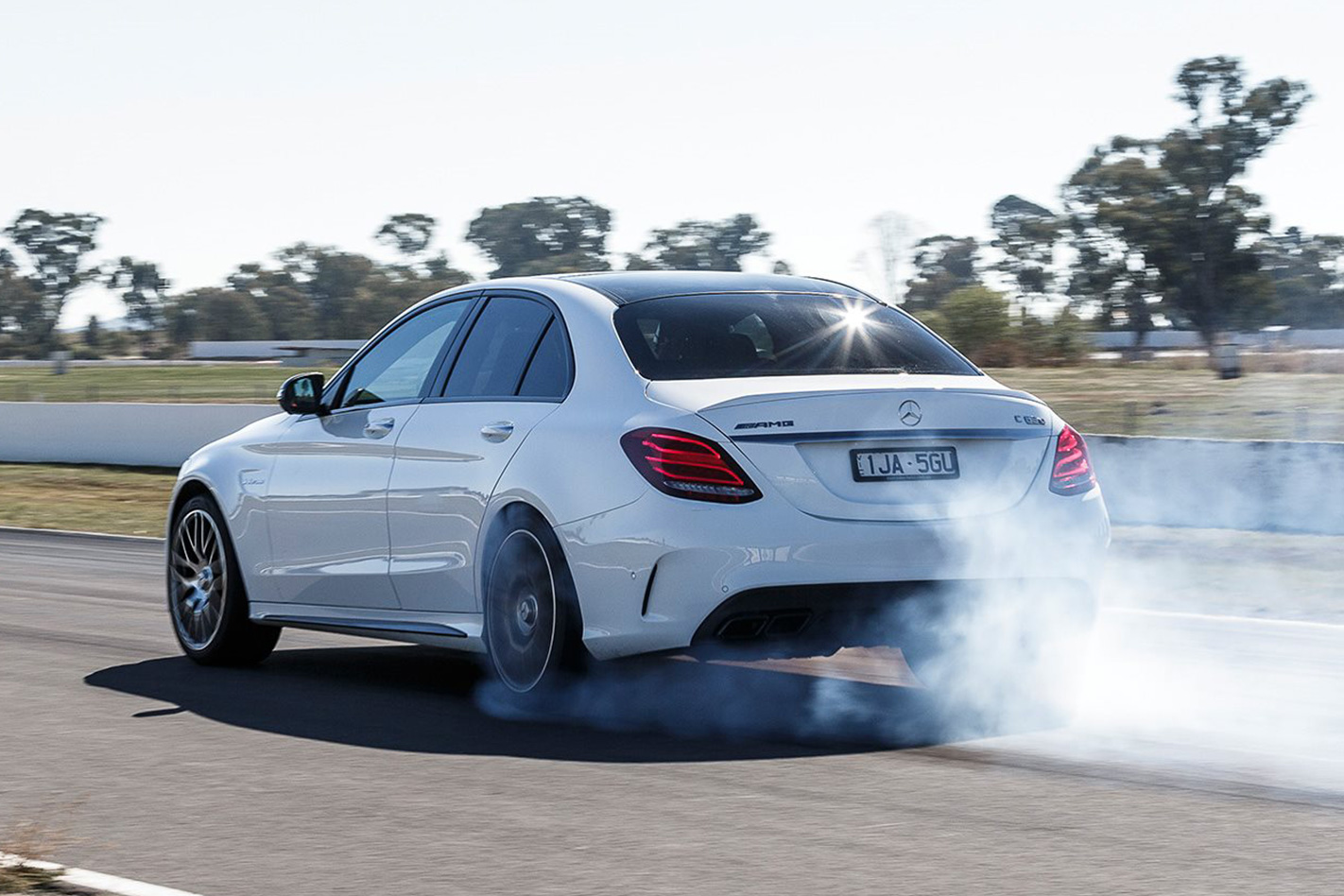
The trend is clear: Aussies buying more affordable sports cars and SUVs are propping up total market volume, which is trending 0.6 per cent higher than last year’s record.
TELL ME ABOUT THIS CAR
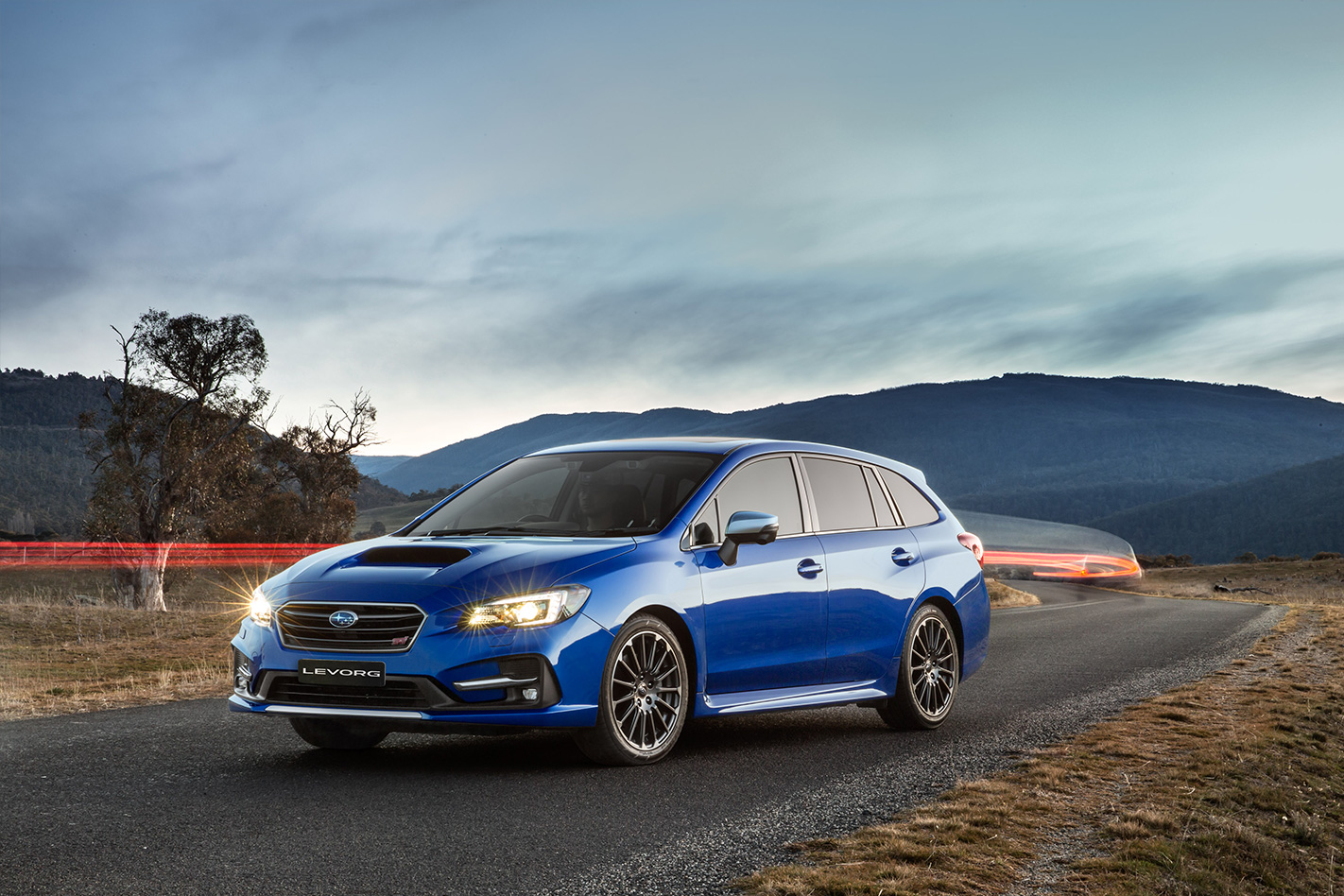
Subaru’s replacement for the Liberty wagon, the Levorg 2.0 STi Sport, is the closest thing to a WRX wagon you can buy. Priced at $51,990, it’s a legitimate alternative to a high-riding SUV, combining everyday practicality with smile inducing sporty prowess.
STRENGTHS
- The 2.0-litre four-cylinder boxer engine in the STi Levorg produces 197kW and 350Nm, which gives this wagon a sporty pep in its step. Acceleration off the line is impressive, with a 0-100km/h time of 6.6 secs, with plenty in the tank for efficient highway-speed overtaking manoeuvres.
- Throw the Levorg into a corner with vigour and you’ll be rewarded with plenty of grip. The STi Sport feels planted in the curves, and the four-wheel drive traction is aided by torque vectoring.
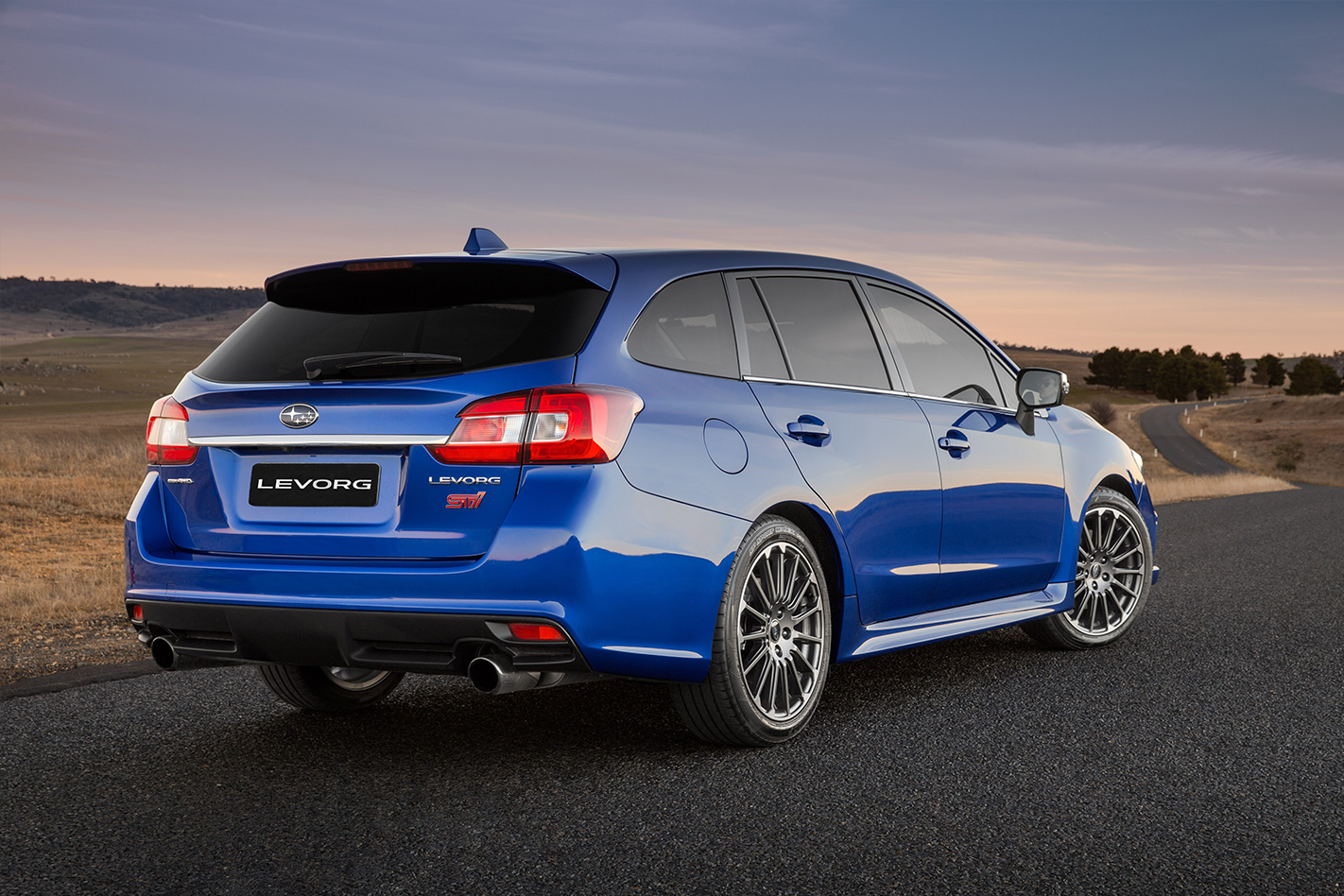
- The Levorg’s cabin is spacious and can easily seat five adults. The wagon body style provides lots of haulage capabilities in the 489 litre boot space that which stretches to 911 litres with the rear seats folded down.
- Subaru’s EyeSight driver assist system is a handy addition for the safety conscious buyer. Its automatic emergency braking system is well tuned, and can help minimise or even prevent crashes in certain situations. It also means adaptive cruise control is standard, which is a handy feature for long highway drives.
WEAKNESSES
- Tyre noise from the 18-inch wheels can be a tad obtrusive within the Levorg’s cabin, particularly at highway speeds.
- The only available transmission in the Levorg is a CVT automatic. While it is one of the best CVT transmissions on the market, with minimal noise and impressive responsiveness, it lets the STi Sport down. In its most aggressive setting (Sport Sharp) the CVT imitates a torque converter automatic, but tends to hold onto gears for too long to be truly useable day-to-day. The lack of a manual option is a letdown for a car with real performance ability.
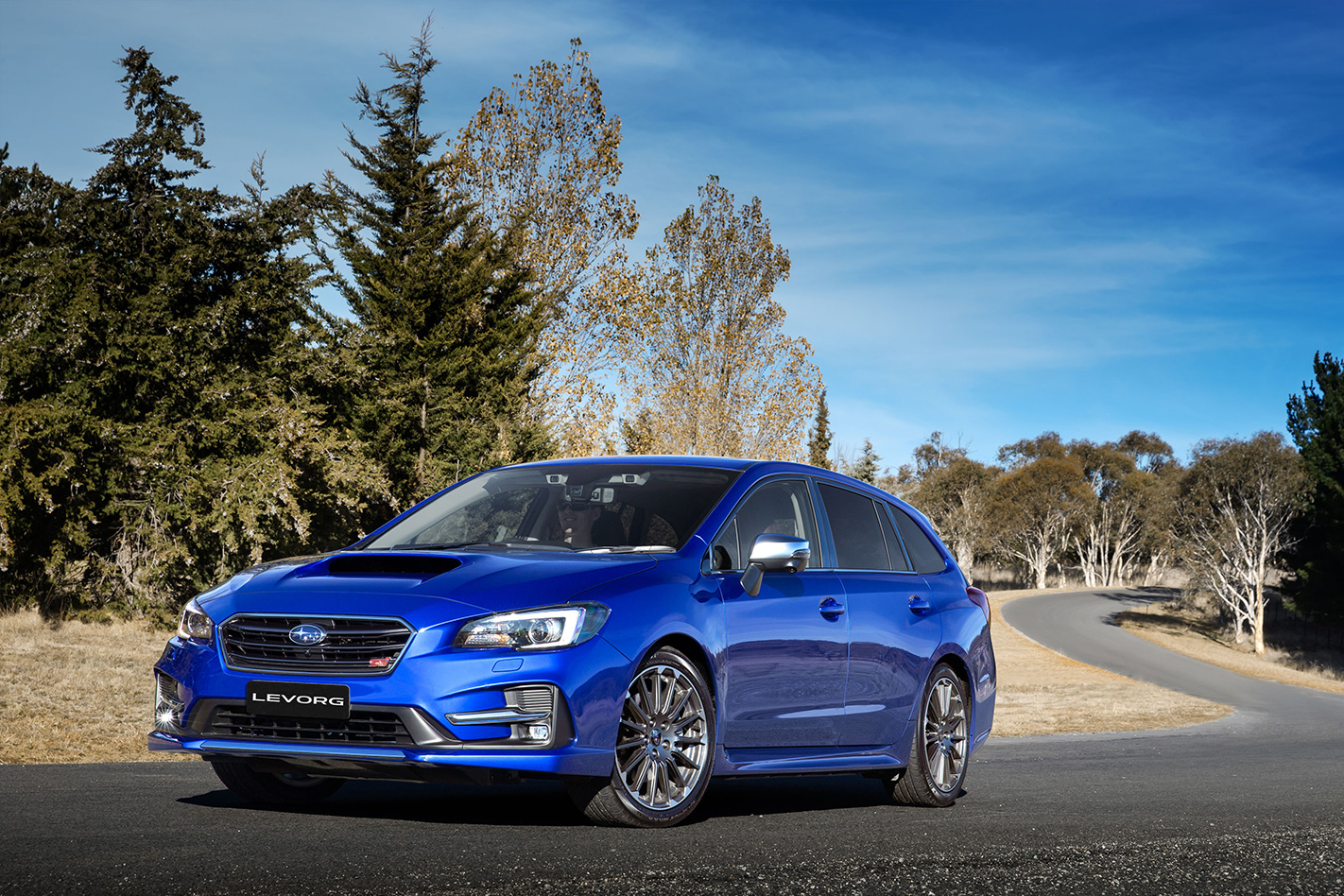
- The heated sport bucket seats are comfortable units. However, for taller occupants, the seating position is on the higher side, which isn’t helped by the low roofline.
- The touchscreen infotainment unit in the Levorg is intuitive enough to navigate. However, it can quickly lead to frustration, with many of its abilities locked out while the car is in motion. This means a passenger is unable to connect a phone to Bluetooth, or operate the sat-nav while in transit.
ARE THERE ANY RIVALS I SHOULD CONSIDER?
Small and mid-sized sporty wagon competitors include the Renault Megane GT, Skoda Superb 162TSI, Skoda Octavia RS and Volkswagen Passat 206TSI R Line.
Skoda Australia has announced local pricing for its ‘Golf GTI’ sedan and wagon, the Skoda Octavia RS245.
With Volkswagen’s 180kW/370Nm turbo four under the hood, the Octavia aims to be a more ‘family-focused’ Golf GTI alternative. With a 6-speed manual gearbox, buyers will be looking at $43,390 before on-roads for a sedan, or $44,890 for an Octavia RS245 wagon.
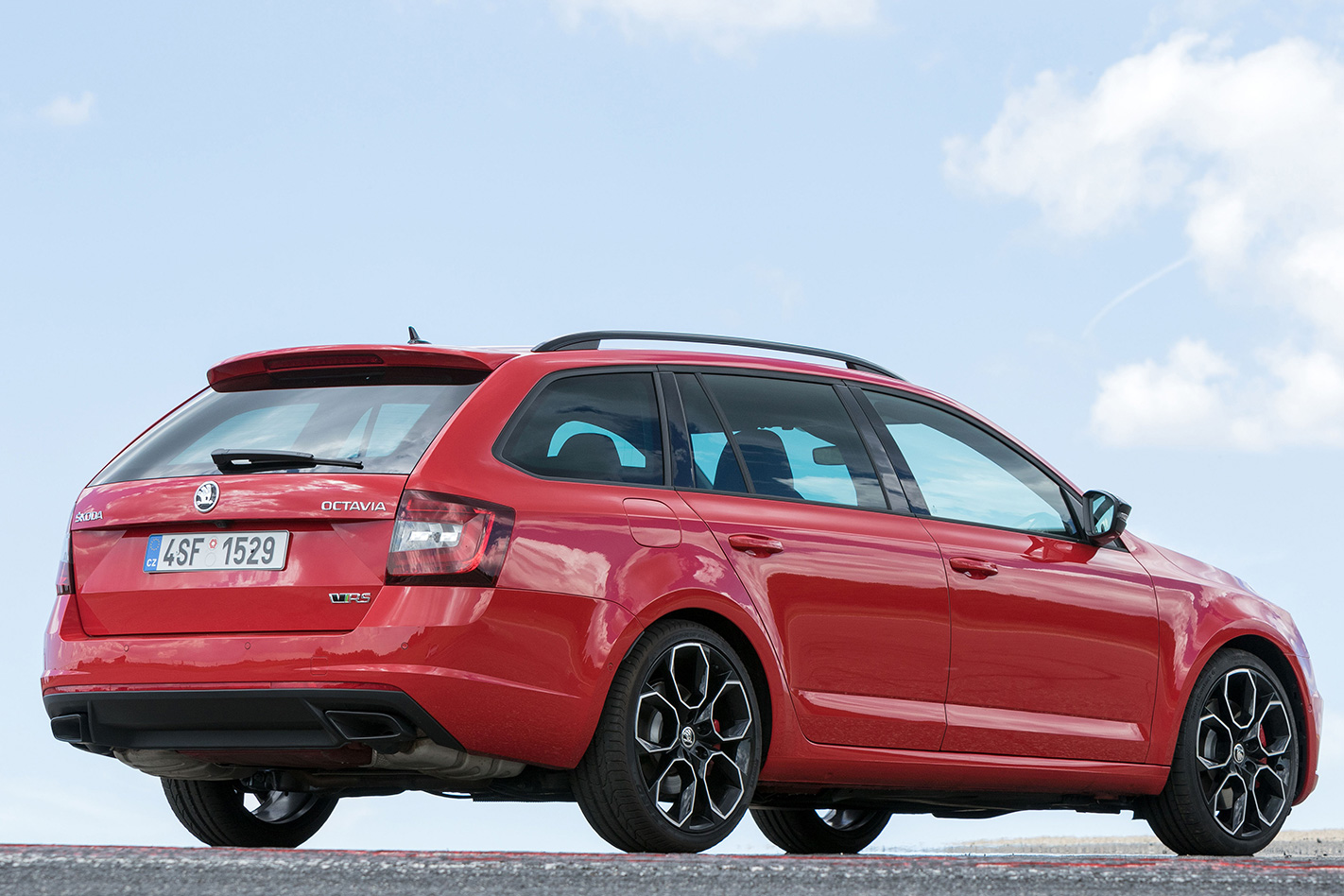
Also new is the leather and Alcantara sports trim, black 19-inch alloys, black exhaust pipes, a new instrument cluster and new door inserts. Pricing for extras on RS245s has also been announced for Australia, with two main options packs being priced to keep the Octavia’s maximum pricing close to the $50K mark.
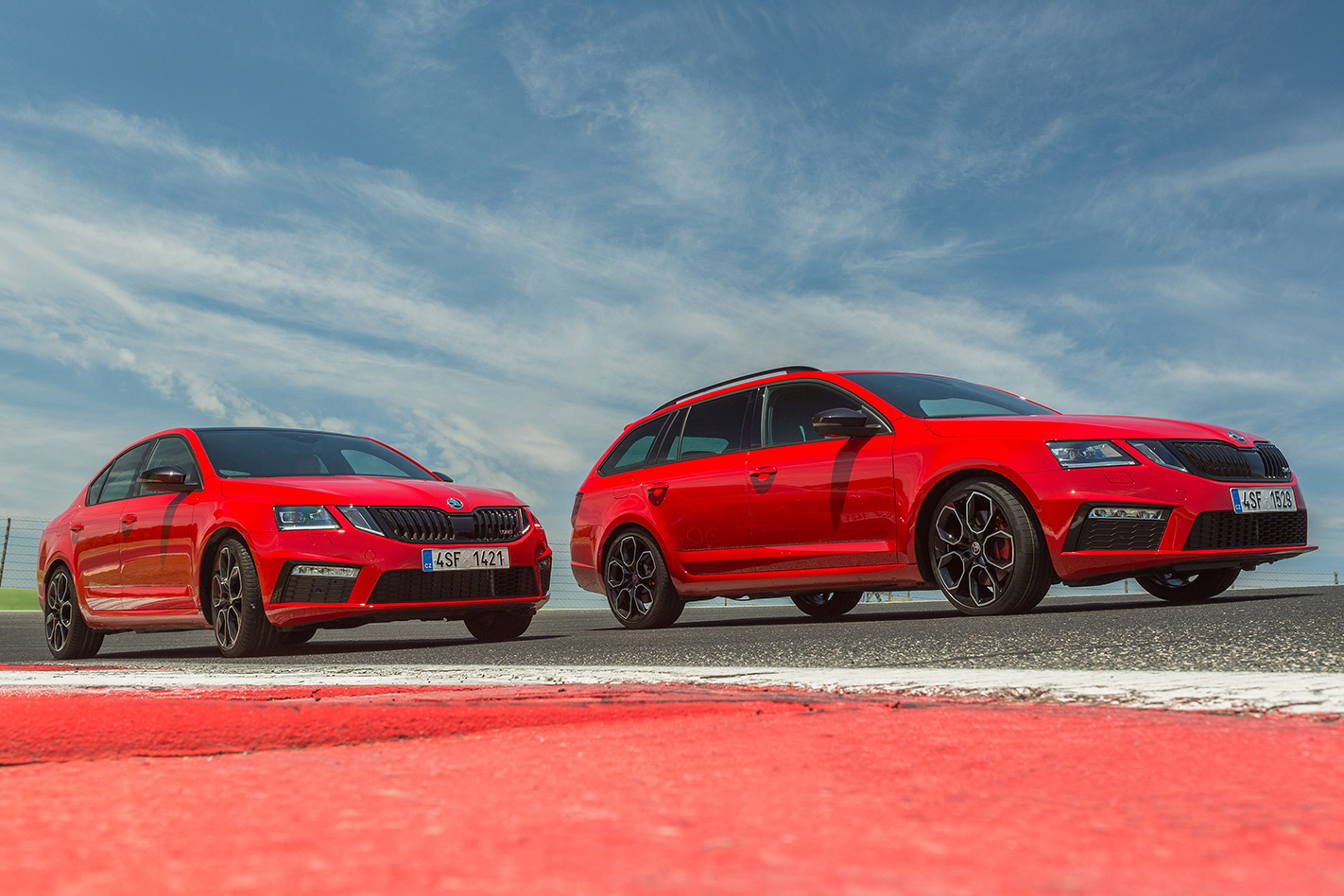
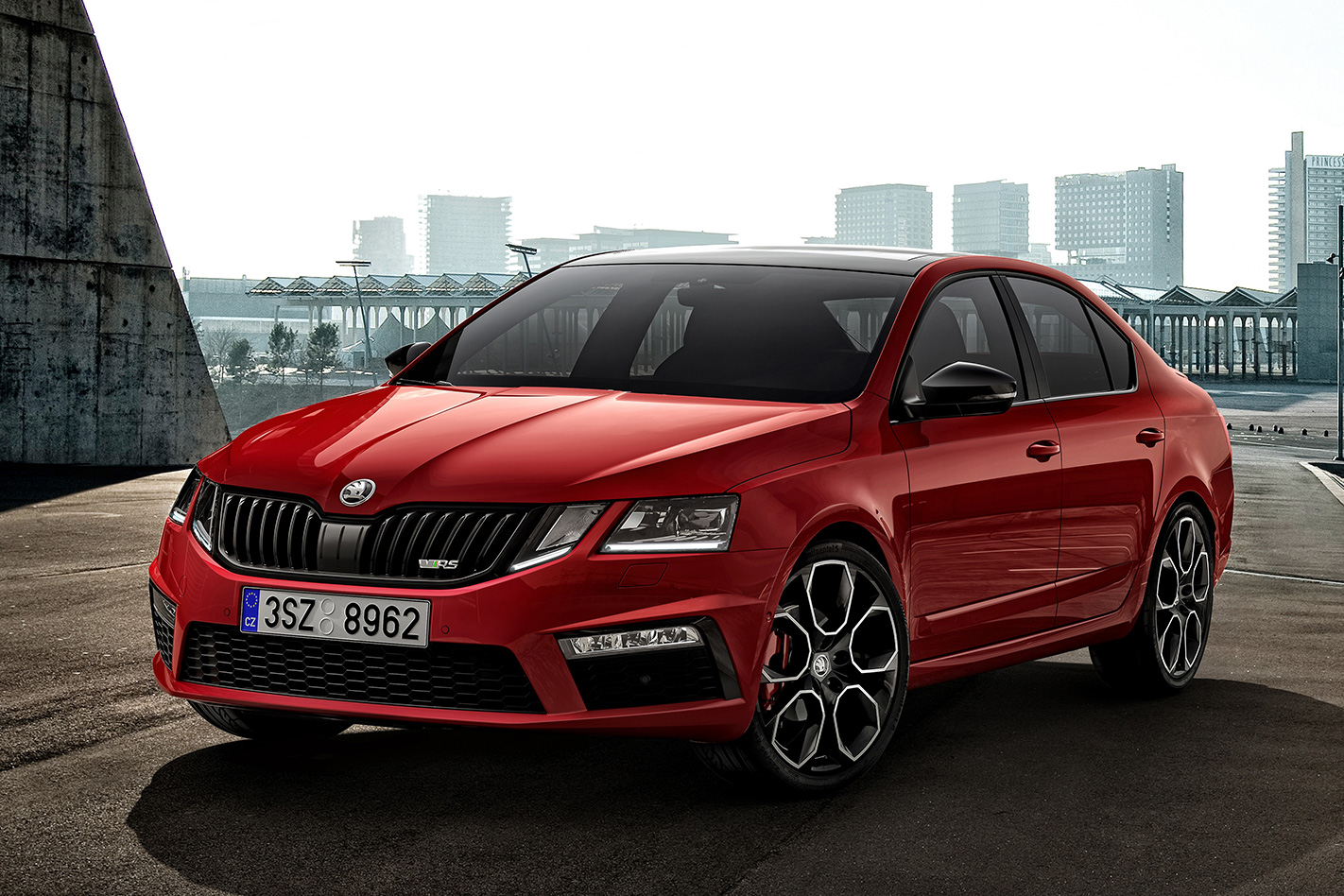
The Skoda Octavia RS245 is available in showrooms this month, and will be a mainstay of the Australian range unlike the previous limited-run RS230.
I’M RELIABLY informed that perspective and insight are wonderful things, yet having experienced a dose of both this month, I’d argue they can also be decidedly uncomfortable.
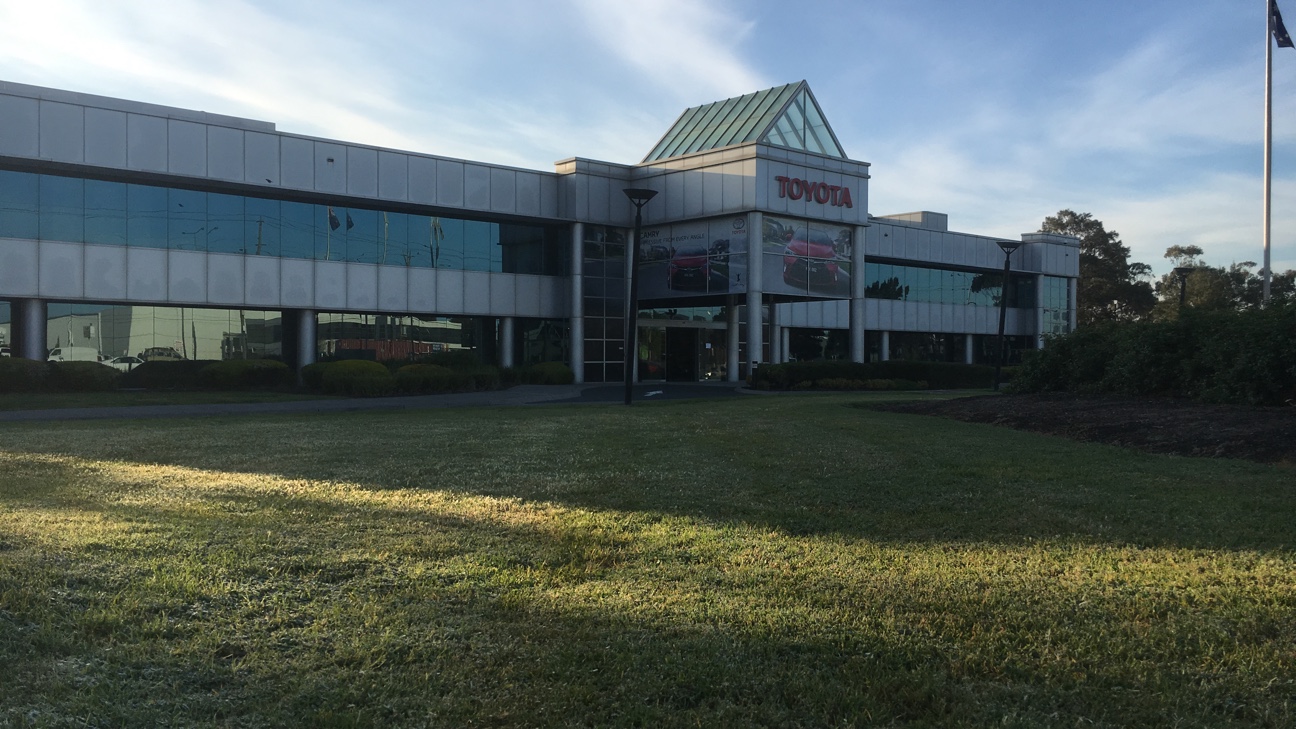
My moment of illumination arrived as I considered the closure of Toyota’s Australian factory and pondered why, try as I might, I didn’t feel as upset as when I thought about the fates of Ford and Holden.
The core of my conundrum is simple, of course. Unlike Australia’s own, which produced generations of exciting, lust-worthy performance variants and then threw them around the nation’s racetracks to ensnare new fans with their snarling V8s, I have no emotional connection to the cars produced at Altona.
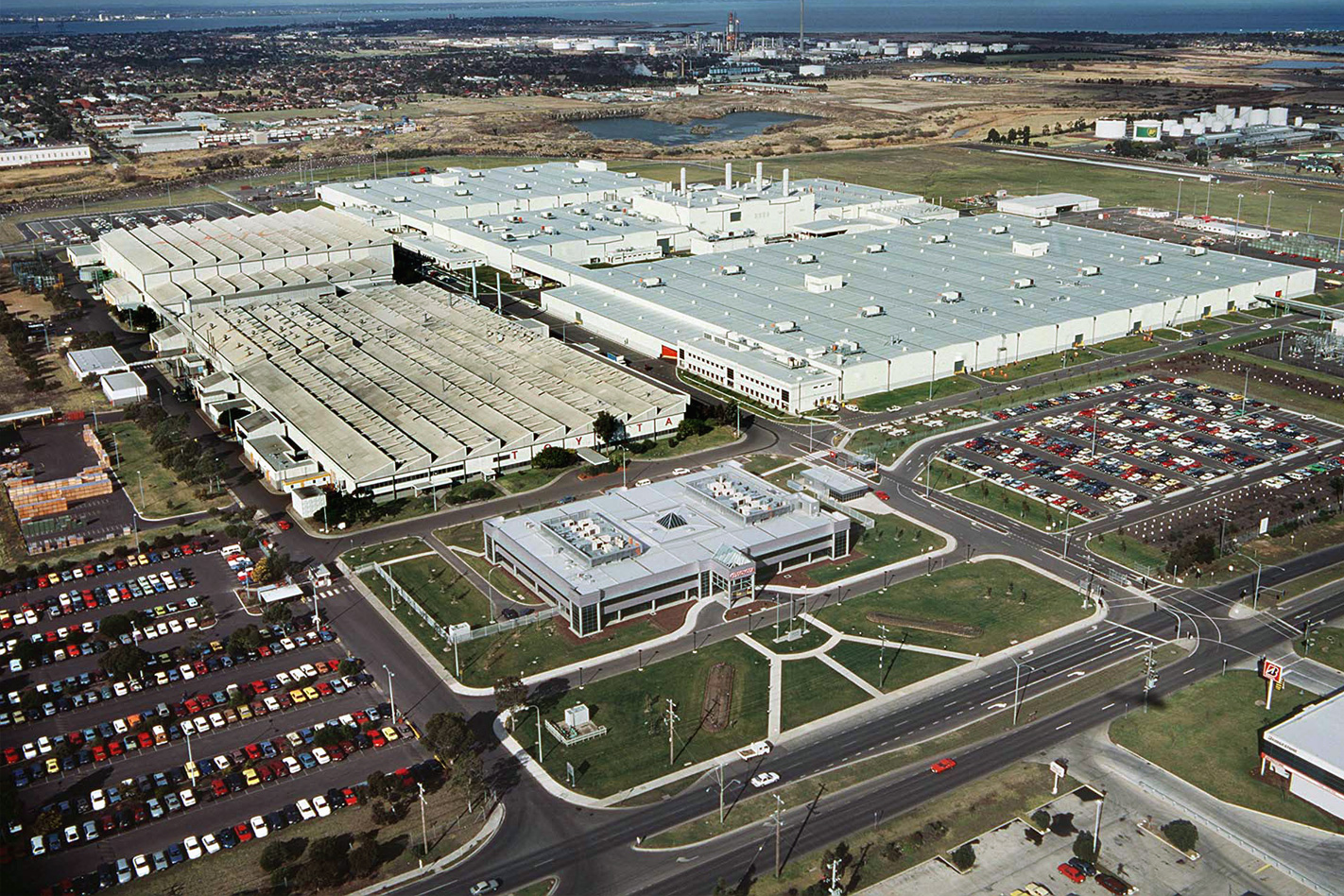
It’s hard to get all hot and sweaty about a Camry, a fact that has long been a thorn in the side of Toyota’s Australian arm.
For decades local execs have desperately tried to inject some sizzle and aspiration into their model range, with limited success. MR2s, Celicas and 16v Corollas, plus some rallying success, were all (mostly imported) high watermarks, but where Holden and Ford enjoyed a consistent flow of desirable (if imperfect) products, Toyota’s enthusiast appeal has been more sporadic.
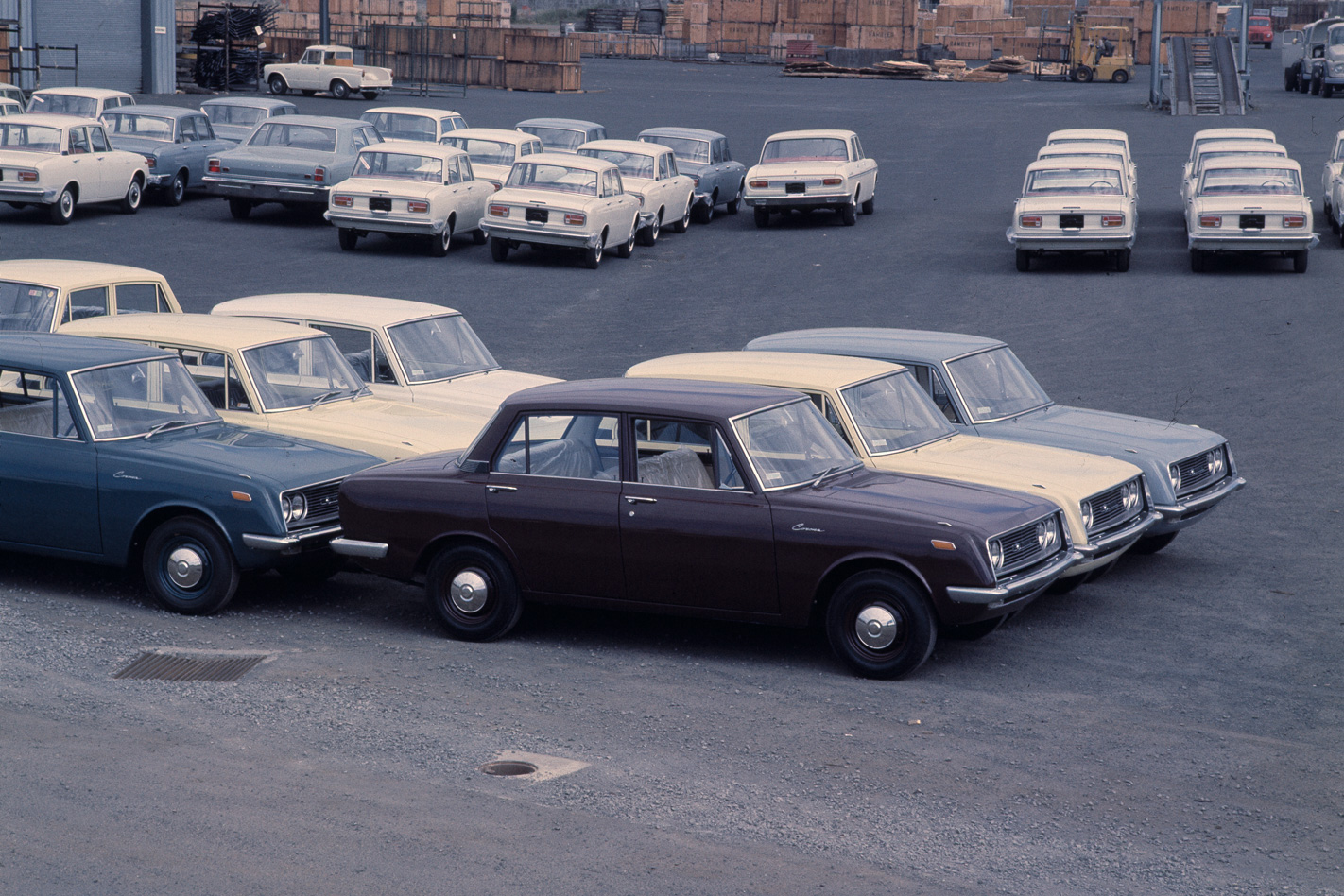
Outside of the rusted-on enthusiast base, does the average punter care that come November, Australia’s ability to build a car from the ground up will cease to exist? Or will they see a headline on the news, shrug their shoulders and move on? I fear it’s the latter, especially for many young people.
The reality is that for Toyota customers, very little will change come closure time. For decades the brand has been synonymous with reliability and dependability, built around fuss-free engineering and backed up by one of the largest dealer networks in the country. Its hold on the rural market is without peer, its attractiveness to the bean counters who control large company fleets unwavering, and its position atop the Australian sales charts absolute.
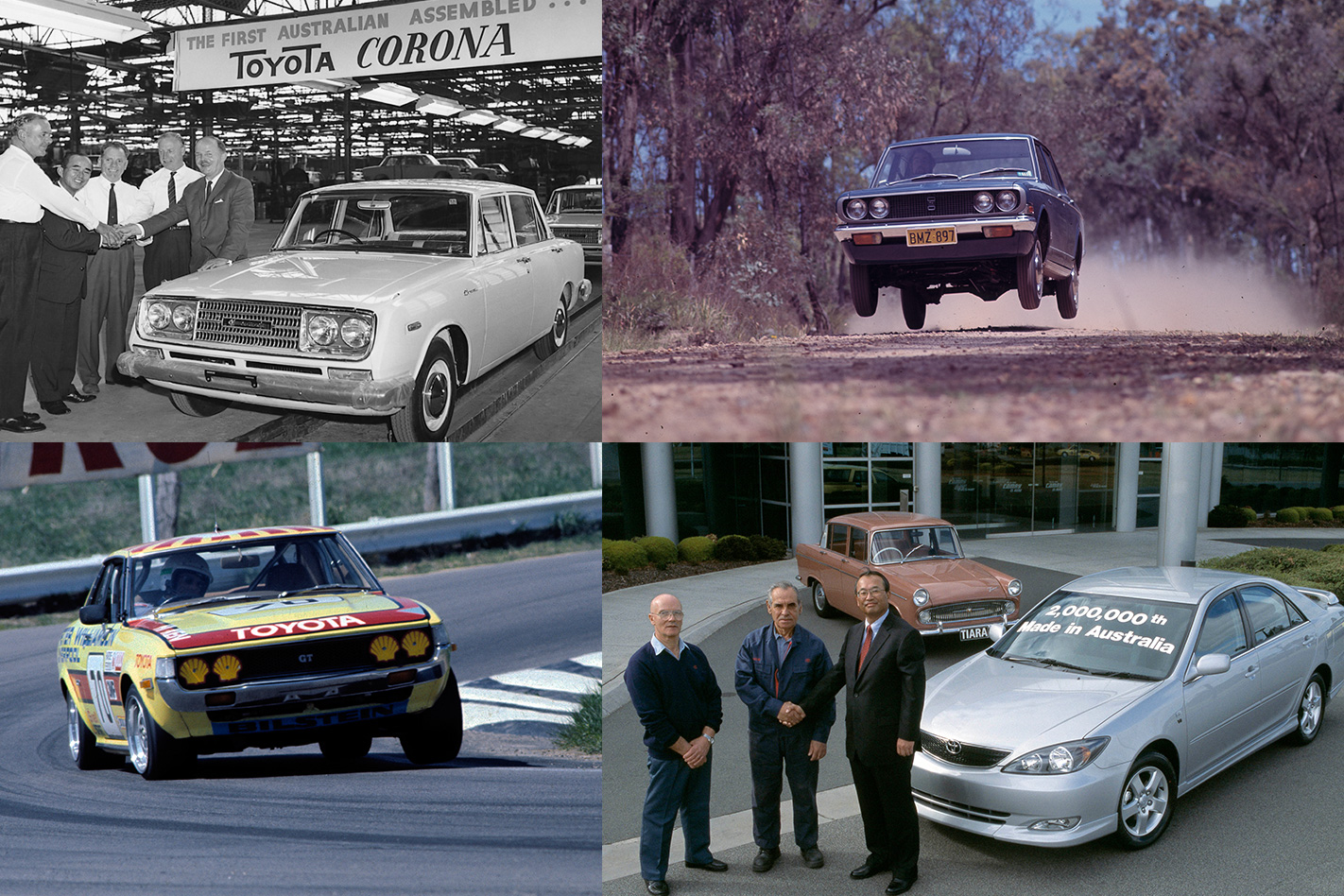
Where the Altona closure really hits home is when you consider the human side of the story.
Shuttering the factory doors will shed more than 2500 jobs, with the fallout to send shockwaves through the wider 50,000-strong supplier industry.
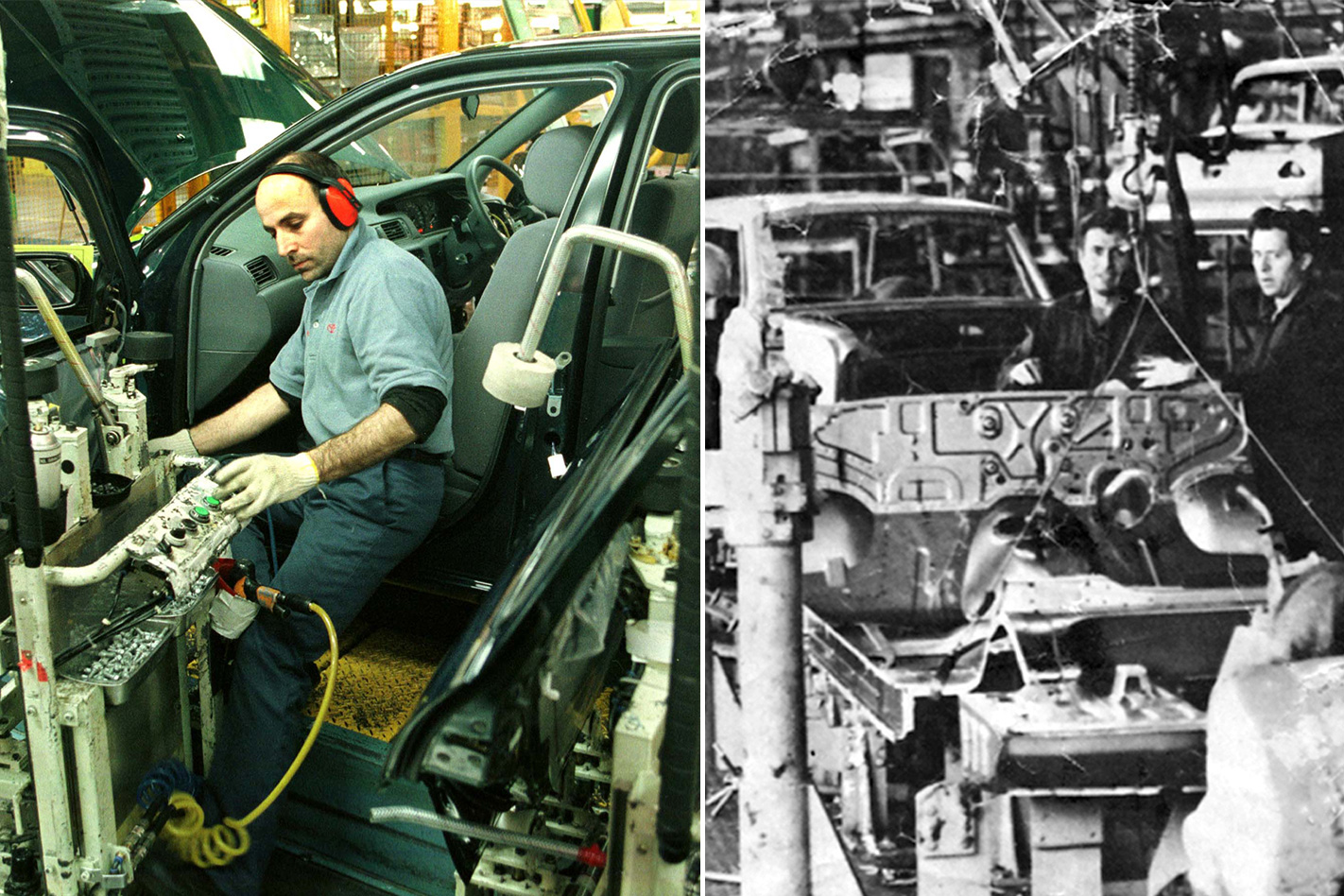
Building cars here has changed the lives of thousands of hard-working Aussies, and given others the opportunity to make it big on the international stage.
And that, more than any Crown, Corolla or Camry, has been Toyota’s greatest contribution to this country.
I wonder how many people will consider that when they see the news of the closure pop up on their Facebook feeds?
Future designed
One silver lining to what is going to be a very dark October is news that just like Ford and Holden, Toyota will retain a design and engineering presence in Australia.
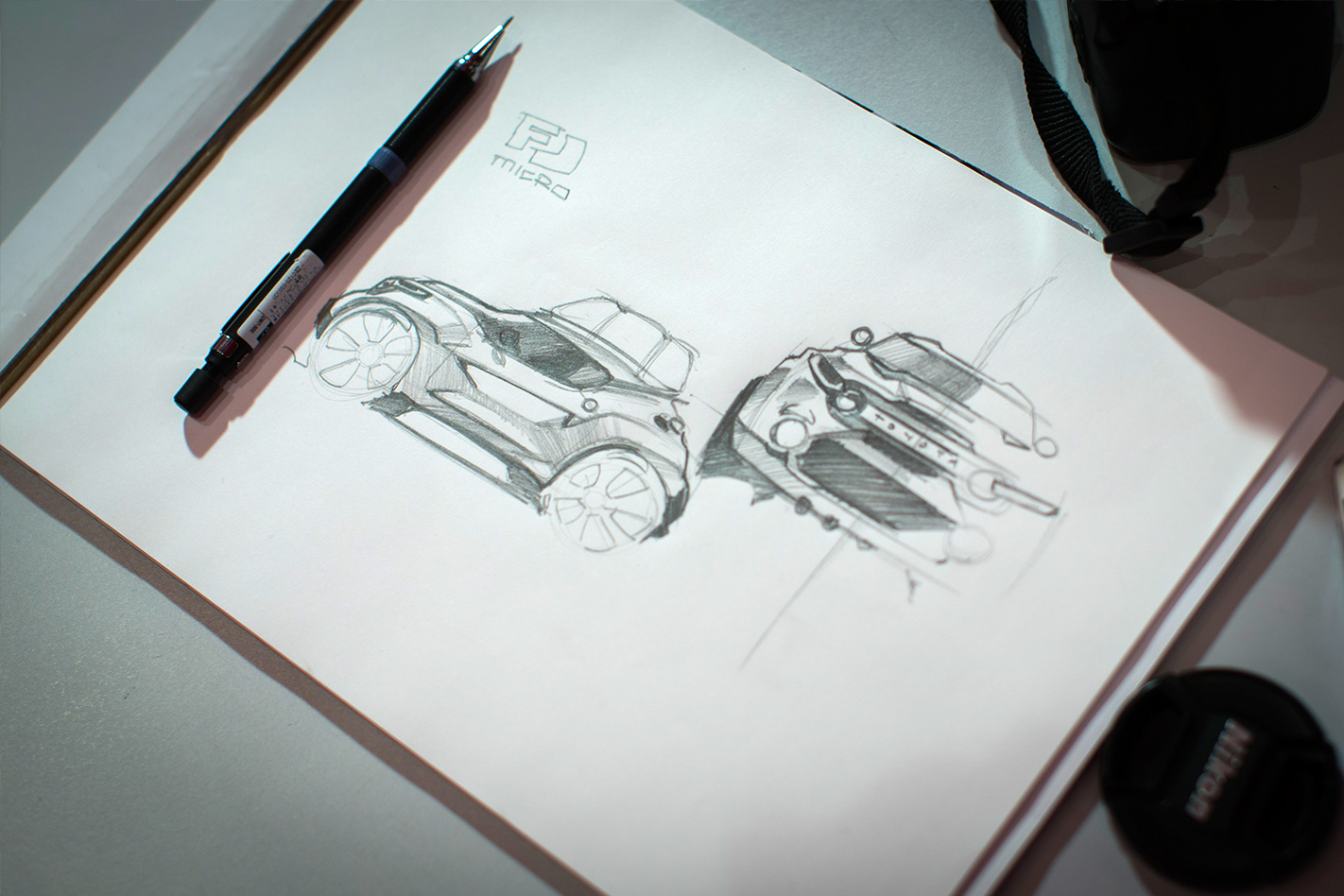
All three manufacturers have publicly committed to fostering the design and engineering talent emerging from Aussie universities, which is promising for any youngsters with a penchant for cars and a desire to shape future products.
BEIGE cardigan? Appliance on wheels? Uninspired?
Some Toyotas certainly deserve to cop a serve, but for every Avalon, Nagoya has provided a model that delivers driving nirvana, such as the Toyota 86, ’86 Celica and AE86 Levin/Sprinter/Trueno.
Not one of these is even remotely Aussie-made, but that’s not to say the Melbourne-based factory didn’t turn out some gems over almost 55 years of operation.
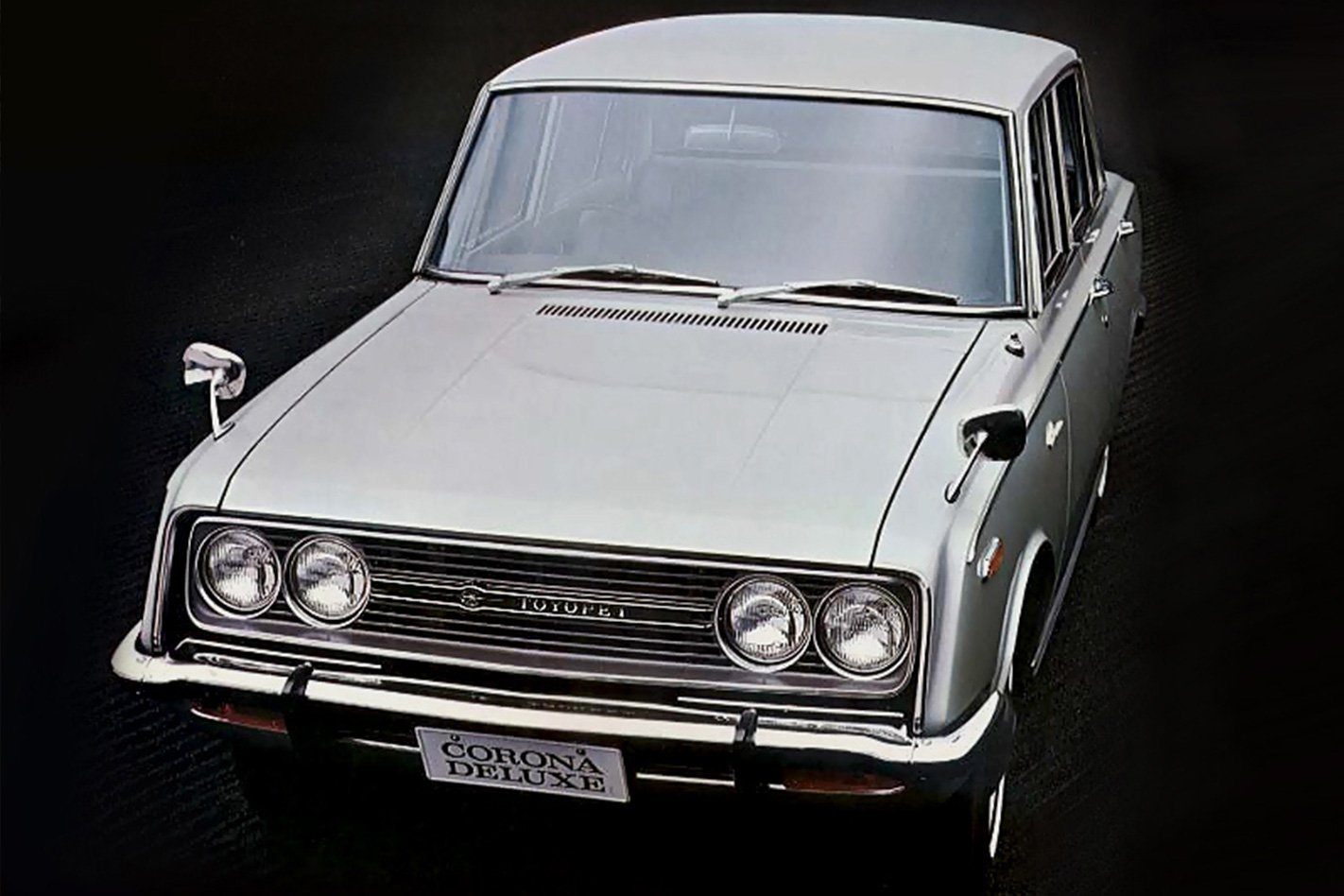
While the Pininfarina-assisted styling made it stand out, the real appeal lay in the Toyota’s dependable and user-friendly engineering, down to a slick manual column shifter and torquey 1.5-litre four-cylinder engine. Or, if you preferred, an incredibly smooth (but performance-sapping) two-speed Toyoglide.
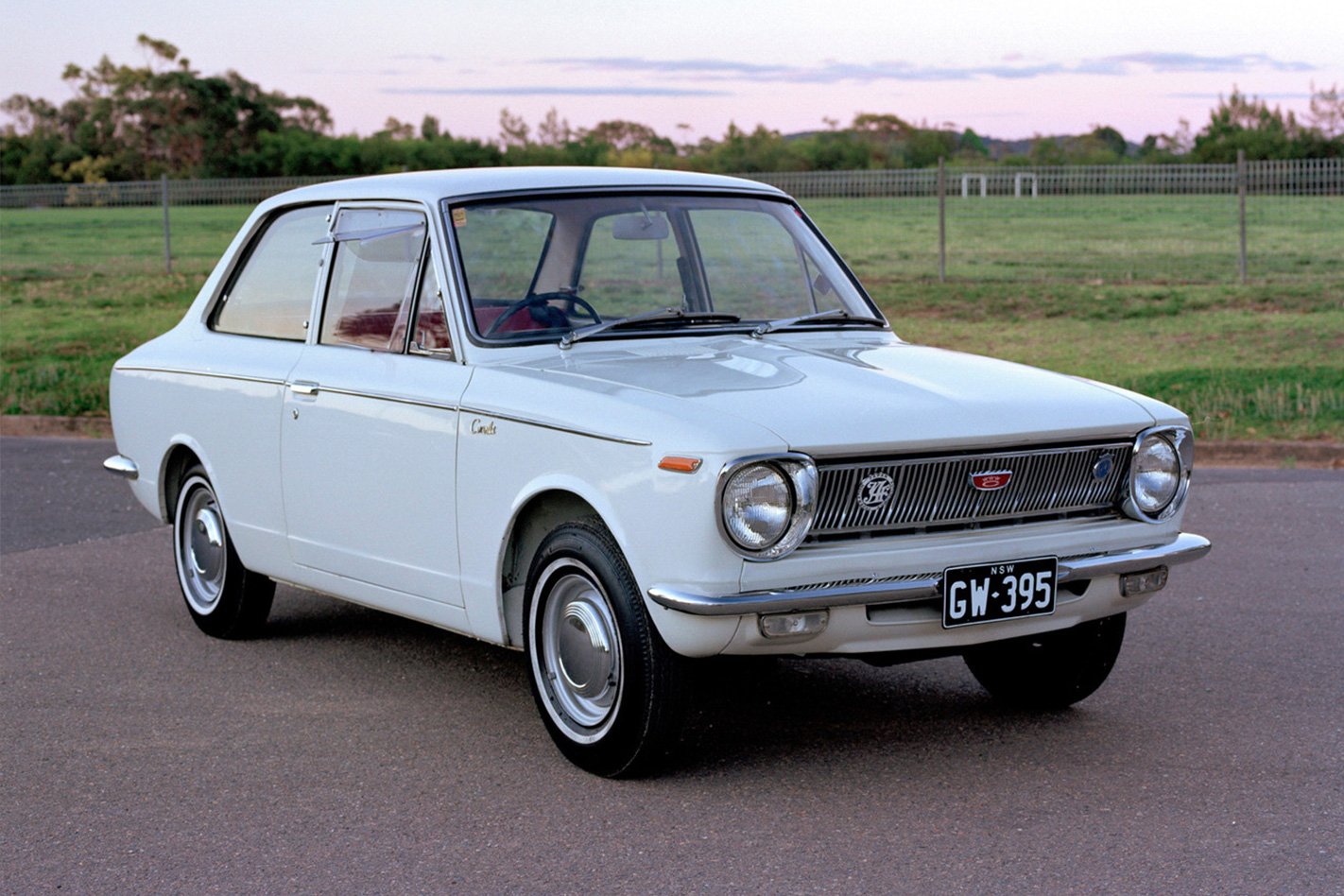
Wheels went gaga for the KE10, revelling in its lusty performance and engaging handling. Sadly, later Aussie-built rear-drive Corollas lost the cheek of the Swinging Sixties original. It wasn’t until nearly a year after the series went front-drive in the mid-80s that the real jewel became apparent, courtesy of the 1986 AE82 Corolla Twin Cam 16.
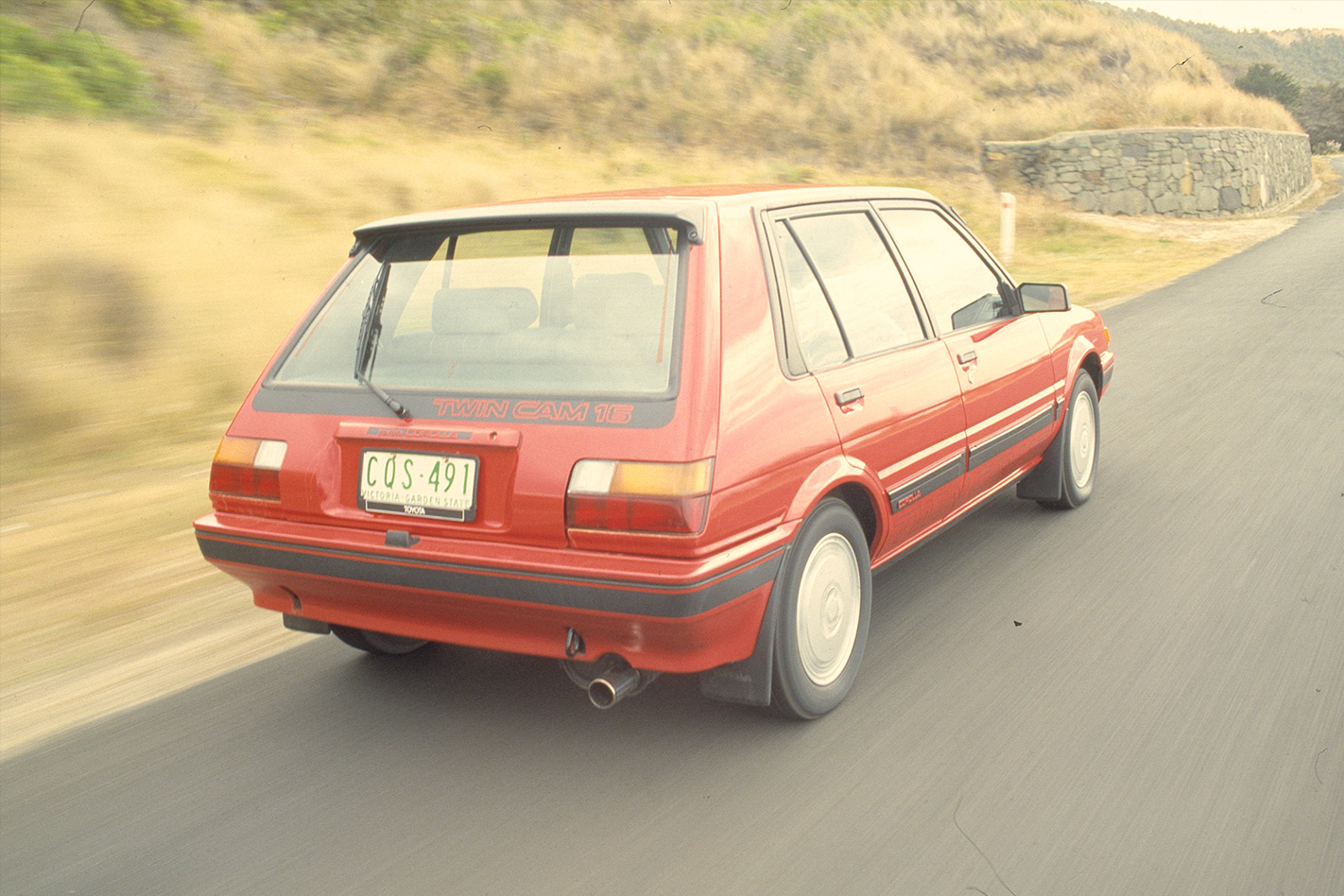
The RT140 Corona from 1983, conversely, was almost the worst Australian-made Toyota ever, despite its angular contemporary styling and appealing dashboard presentation. Poor packaging, gruff engines (especially the agricultural 2.4), wayward handling and a punishing ride sealed the rear-drive family car swansong from Toyota as a complete turkey, way off the cracking pace set by Mitsubishi’s TM Magna.
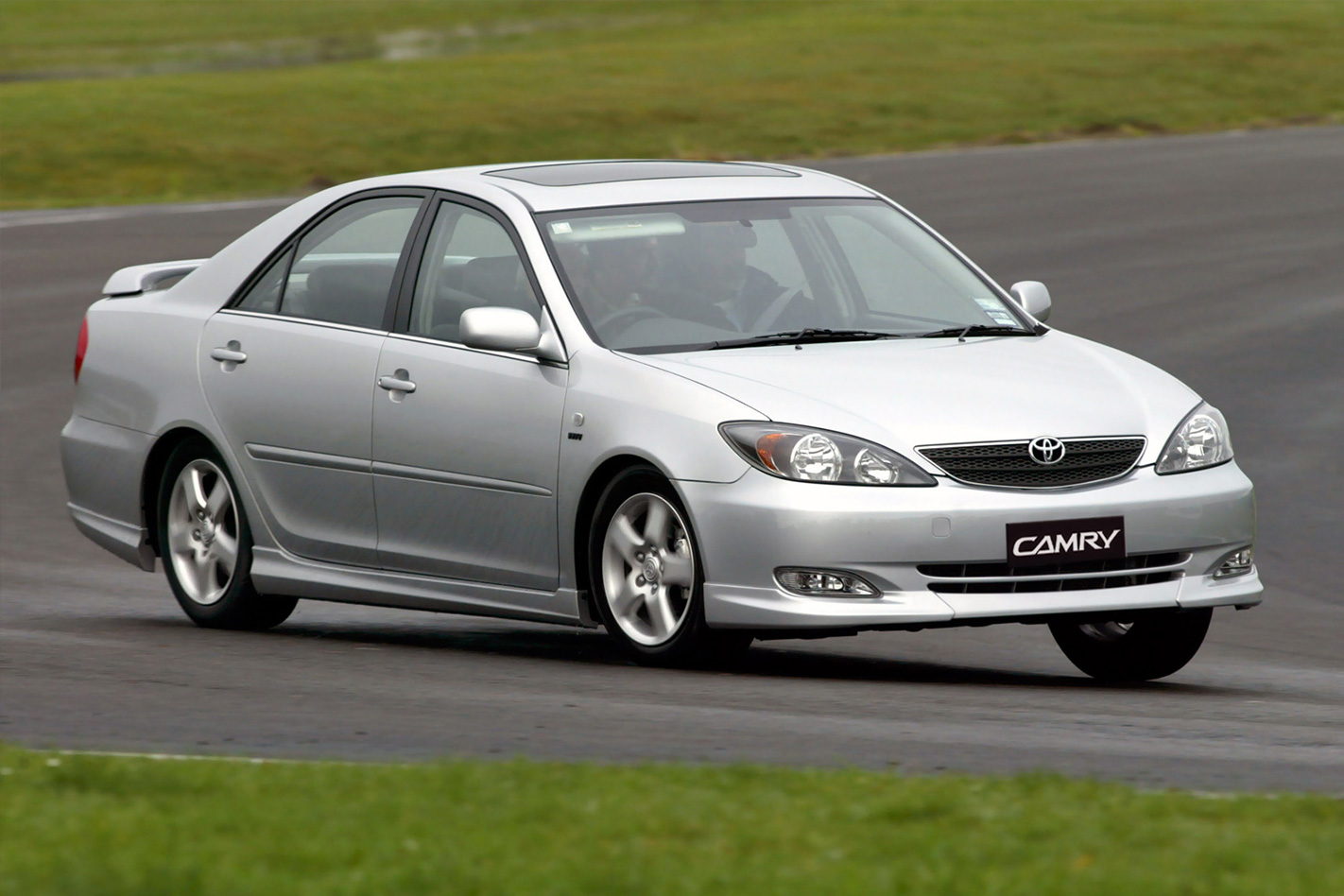
The bloated design sat awkwardly over the narrower-than-intended track, since the Australian version of this American midsizer retained a smaller, earlier platform for cost-saving reasons. This may have also explained the twitchy handling. Meanwhile, extra kilos blunted any sense of oomph from the ageing 2.4-litre engine.
Aussie Originals
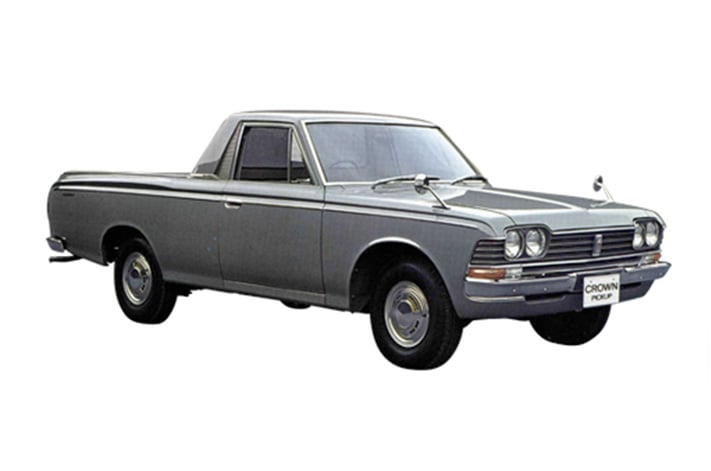
Crown Utility (1965-71) Toyota assembled the Crown locally to take on Holden and Falcon. The body-on-frame construction lent itself brilliantly to workhorse duties. The redesigned S50 from 1968 was reportedly created with Oz in mind. But Toyota pushed Crown upmarket in the 70s, leaving hauling to the Hilux.
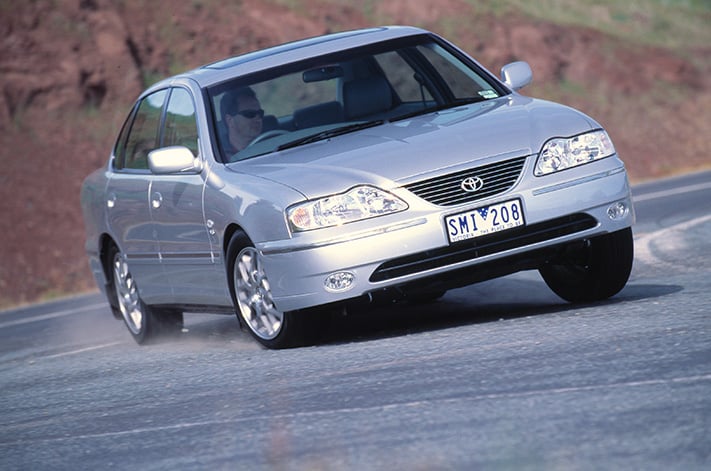
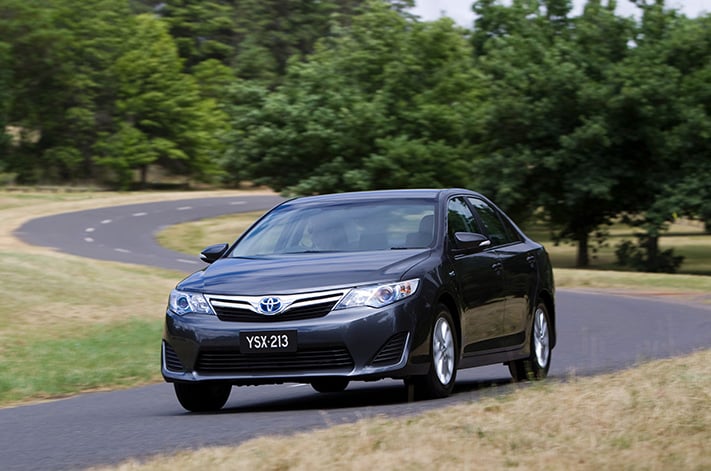
WHEELS will be updating from Altona to bring you an on the ground account of Toyota’s final day of manufacturing.
We will update the story with live updates across the day.
It is estimated 2700 factory workers will be jobless once the factory closes at approximately 1pm this afternoon.
Since it first started producing cars in the country in 1963, Toyota has built 3,451,115 vehicles in Australia.
Of those, 1,245,914 were built for export, predominately for the Middle Eastern market.
The Tiara small sedan was the first Toyota built in Australia, constructed locally in 1963 as a CKD kit.
It is likely a Camry sedan will be the last vehicle to roll off the Altona production line later today.
LIVE UPDATES
12:42pm
The robots that built the Camry and the Aurion? They are at the end of their life and will be scrapped.
12:30pm
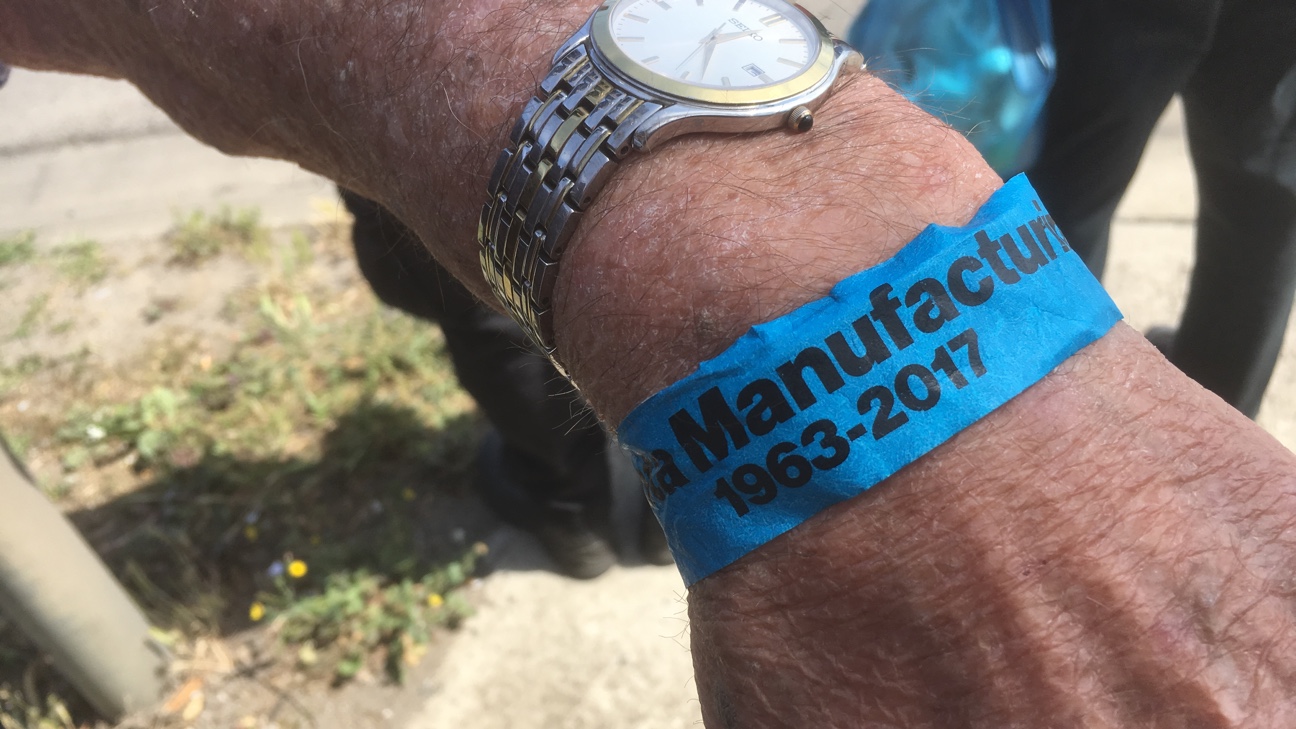
An employee’s wristband for today. The factory will continue to operate, but will do modifications to imported vehicles, and commercial vehicles.
12:08pm
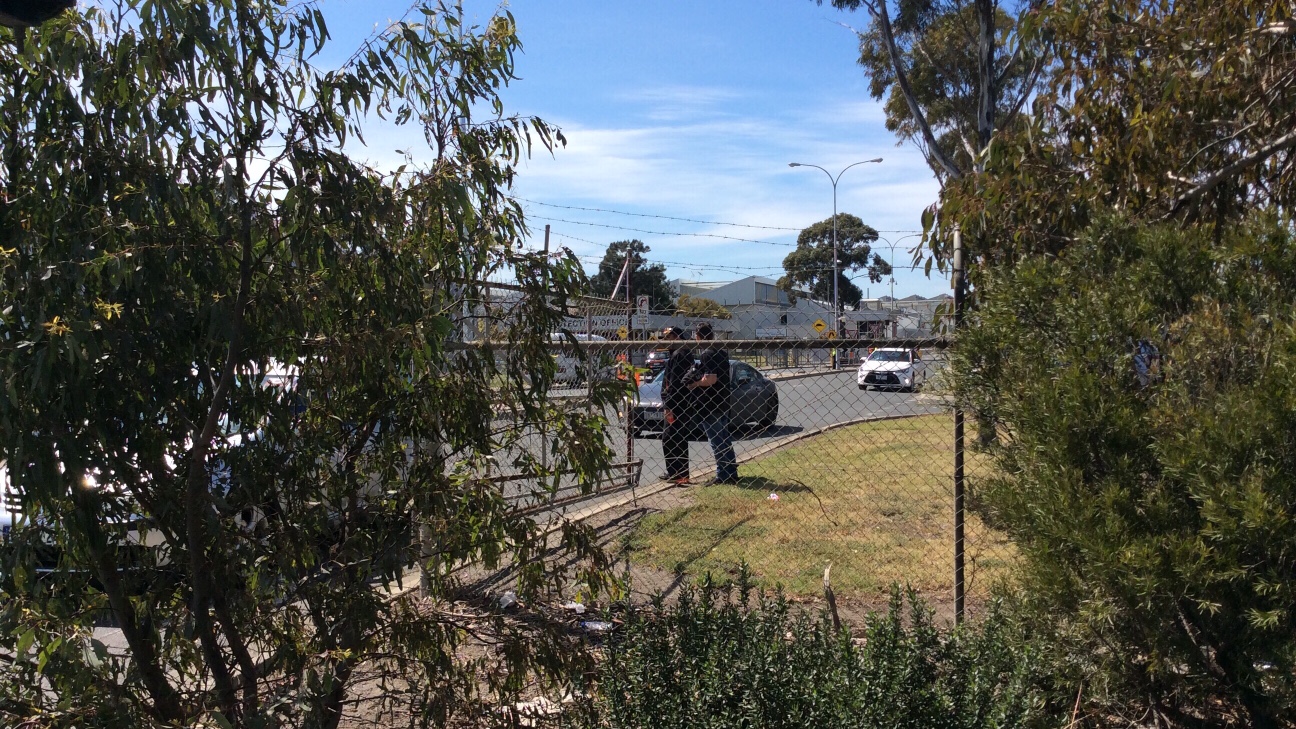
Workers are now leaving the Toyota factory for the last time.
11:52am
An employee leaving Altona early says the last Camry was built last Tuesday night, but held on the line until Wednesday morning for a separate ceremony commemorating Australian manufacturing. Today was a thank-you for employees, he said.
11:20am
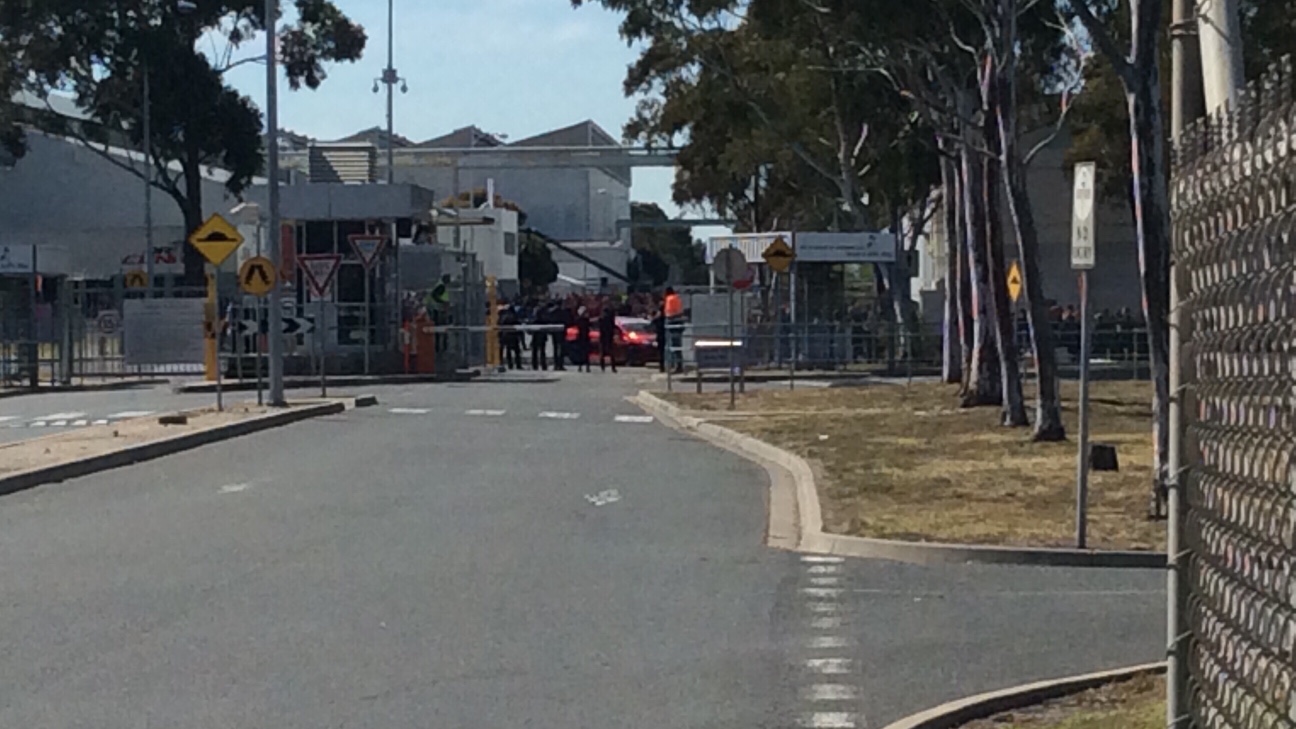
That’s it. A parade of classic Toyotas, led by a Toyopet Tiara, a few Lexus cars, a fuel cell Mirai, and down the back a single red Camry with a banner across the windscreen – the last one? Everyone now heads inside the factory for the main ceremony.
11:15am
The parade has ended with a Toyota Camry.
11:13am
A Toyota Tiara has led a parade lap of the Altona factory in front of the gathered crowd.
10:55am
A fire truck has just turned up, its lights flashing red and blue. The crowd cheers. Five minutes to go.
10:52am
There must be about 3000 people here now lining about a kilometre of road. They’re still flooding in via the main office.
10:50am
Ten minutes out from the start of the ceremony a subdued roar builds up in the crowd. It’s over quickly, though.
10:45am
A closer view. There’s a real stadium buzz, like the crowd before a grand final. Although we all know this is a final of a different kind.
10:34am
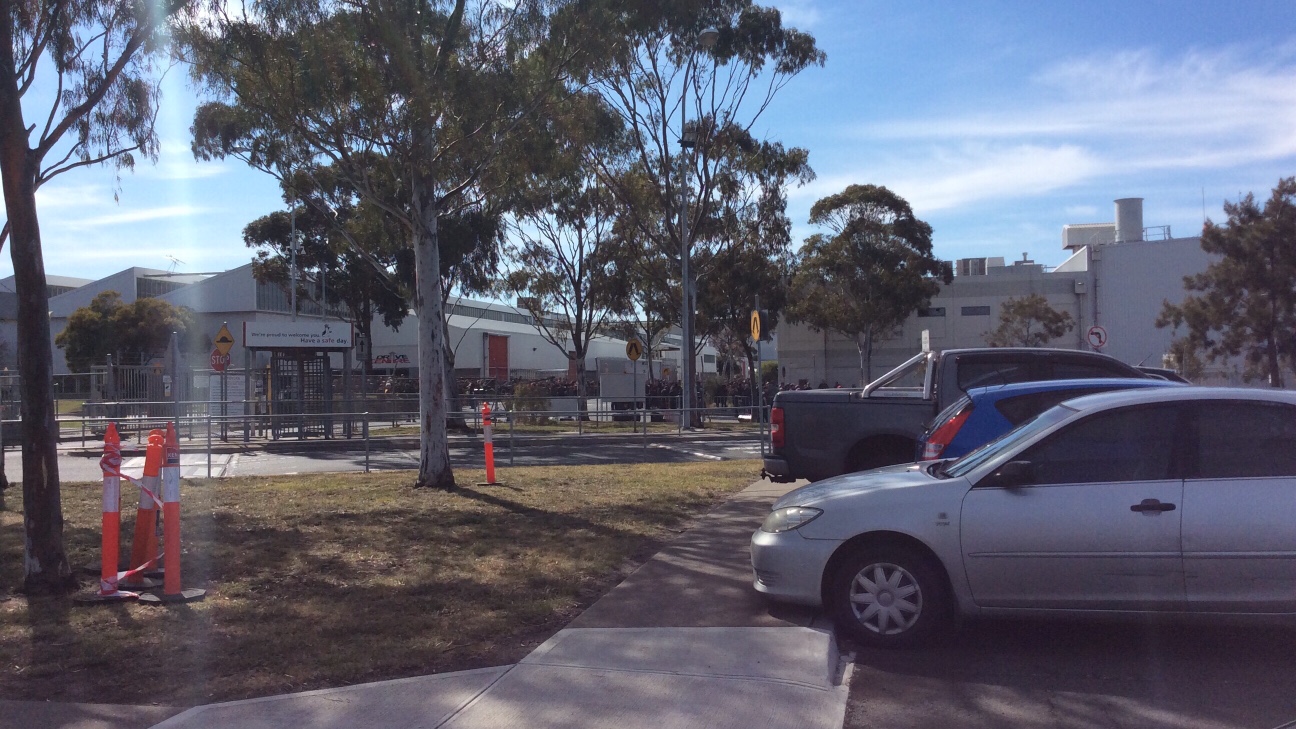
More is coming to light about what Toyota plans to do in half an hour’s time. Workers and management are lining the access road to the factory, and what looks like a video camera on a boom is located at one end. Will someone be taking the last Aussie-made Camry on a parade lap?
10:25am
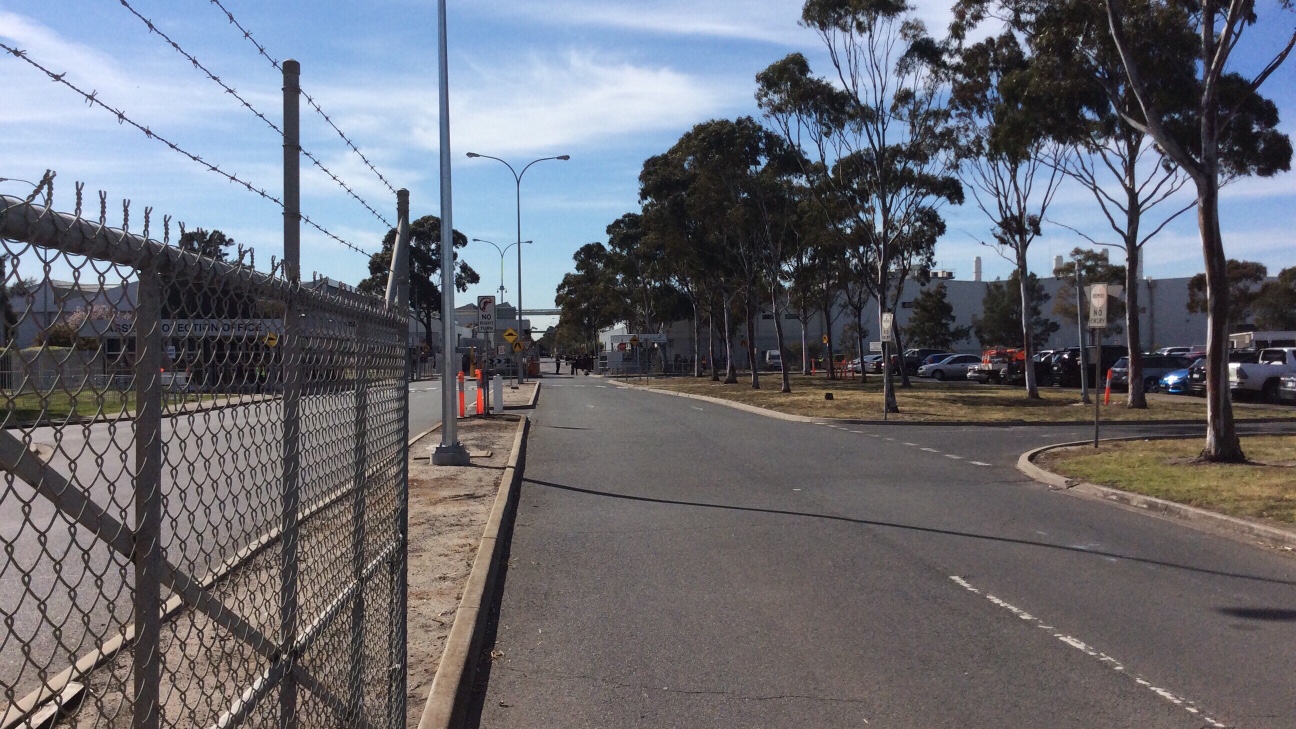
Unlike Ford, where media packed the front gate, there’s now almost no TV crews remaining. People walking in on foot offer a “no comment” when asked what they expect to see today.
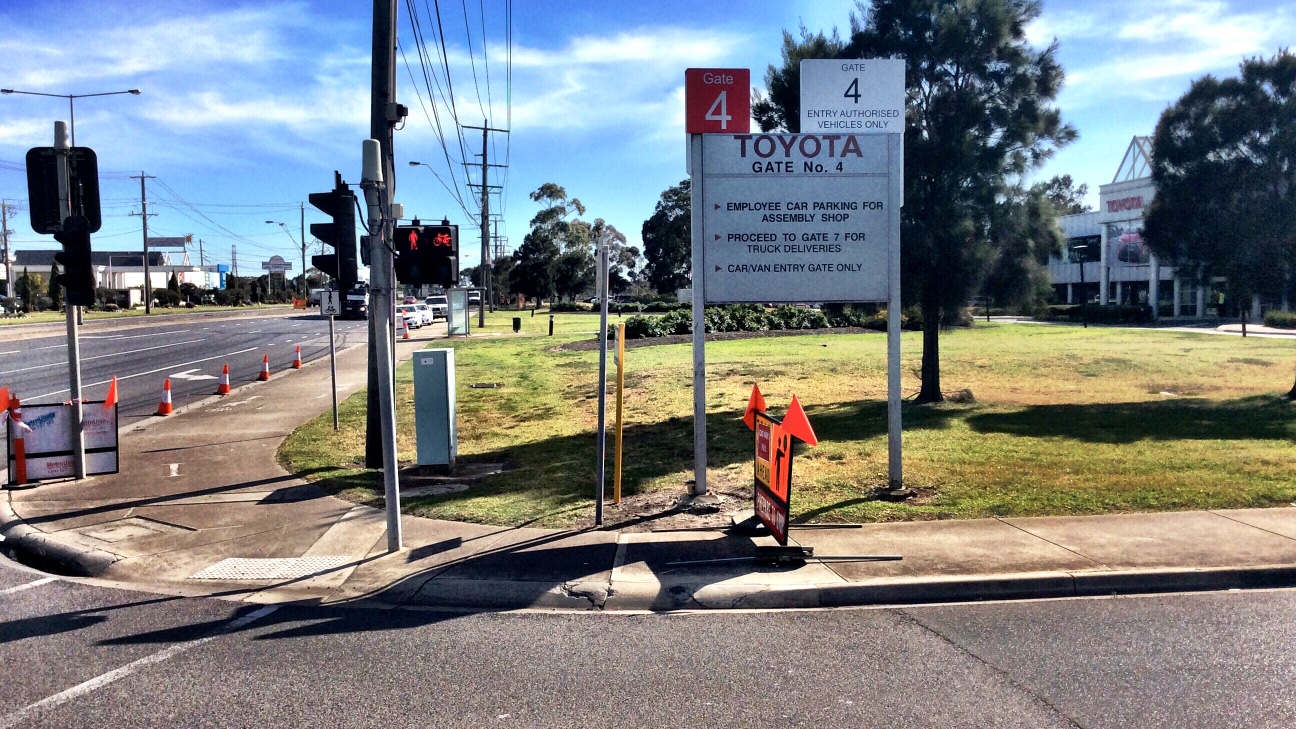
10:19am
A crowd is starting to gather outside the assembly line.
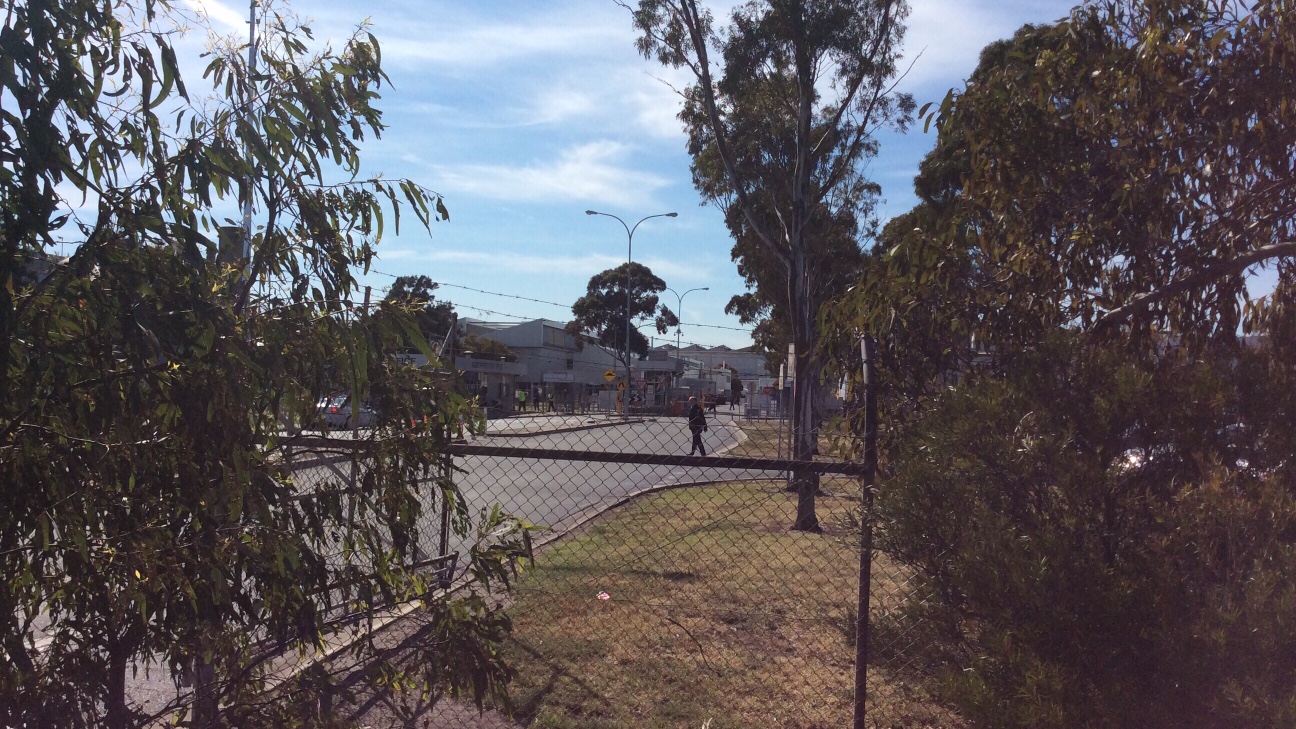
10:10am
Many more people are starting to arrive. A black Lexus LS600h limousine transfers a single occupant – could it be the retiring Toyota Motor Corporation Australia chief executive Max Yasuda? The whisper is Toyota’s global chief, Akio Toyoda, won’t be attending today. He was there on the day three years ago when Toyota announced it would follow in the footsteps of Ford and Holden in closing its manufacturing base here – the first one it established outside of Japan.
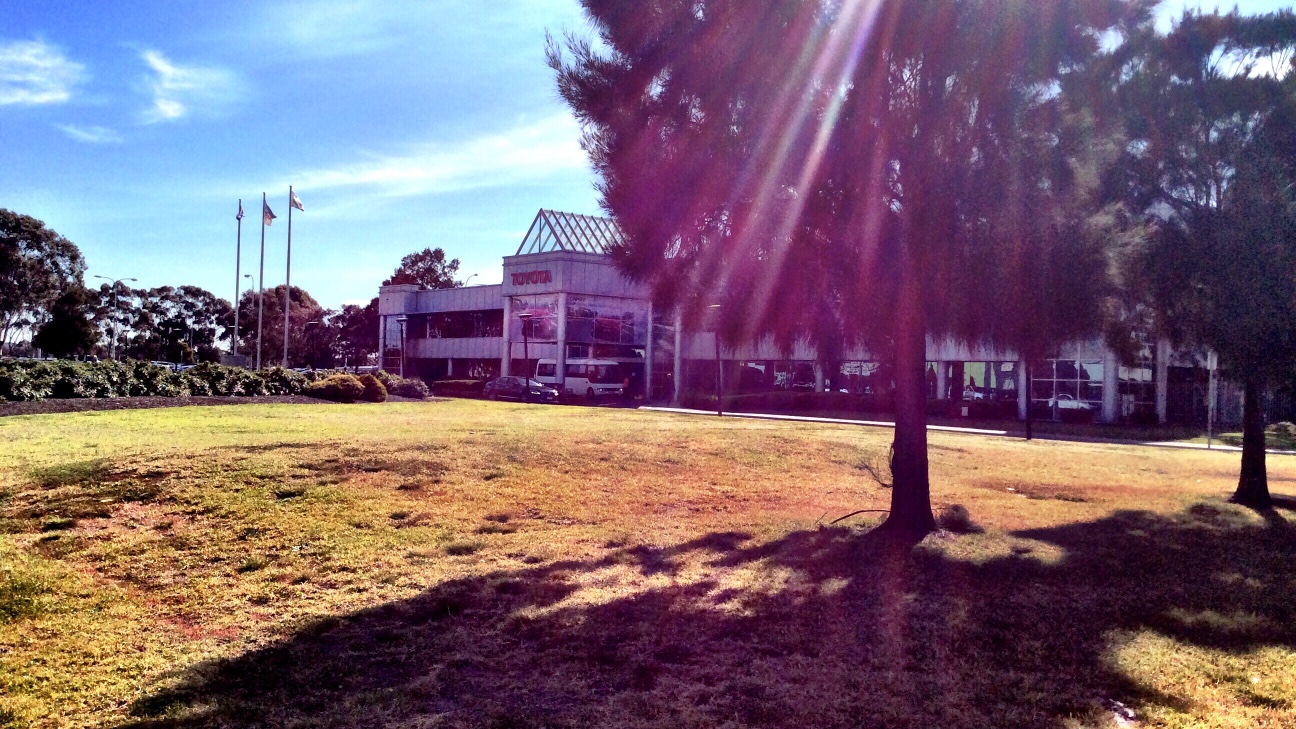
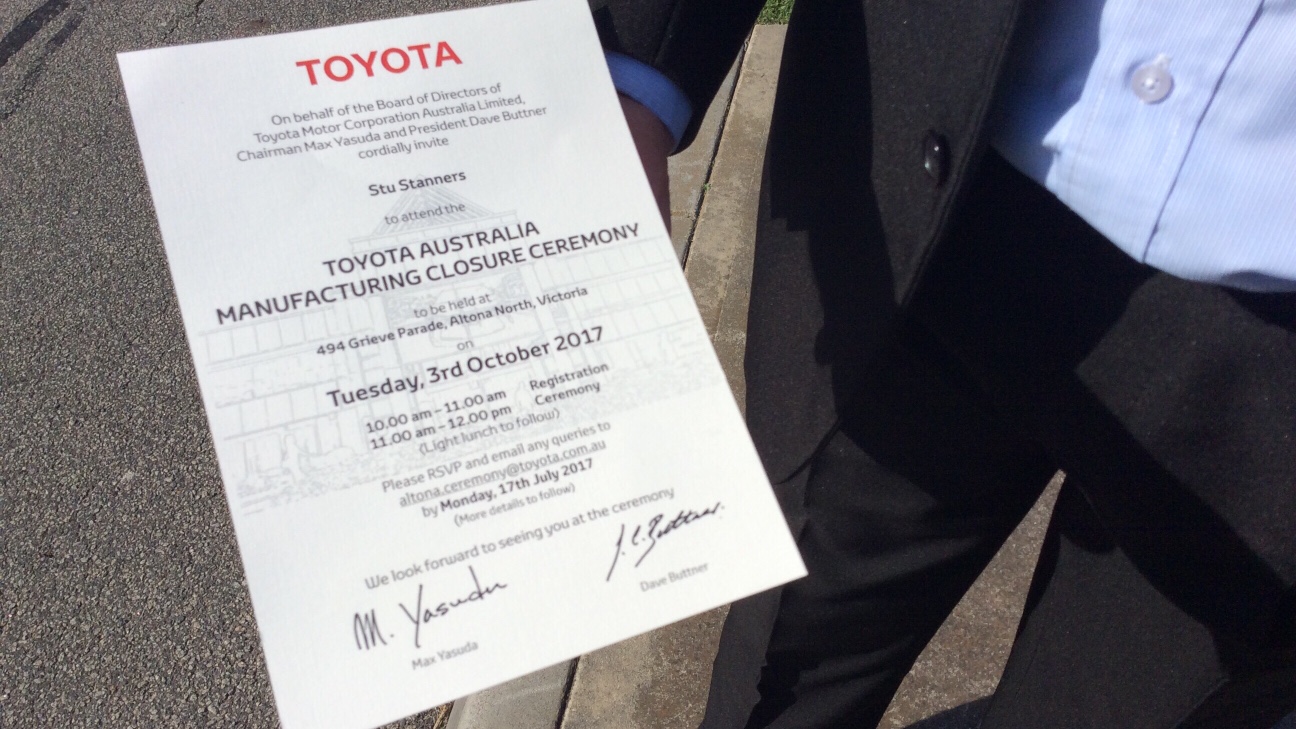
9:50am
An invitation to today’s closure ceremony. About 200 VIPs as well as workers from the Altona plant and the nearby Port Melbourne office that will become the company’s head office from next year are attending.
9:39am
Management starts to make its way onto the factory floor.
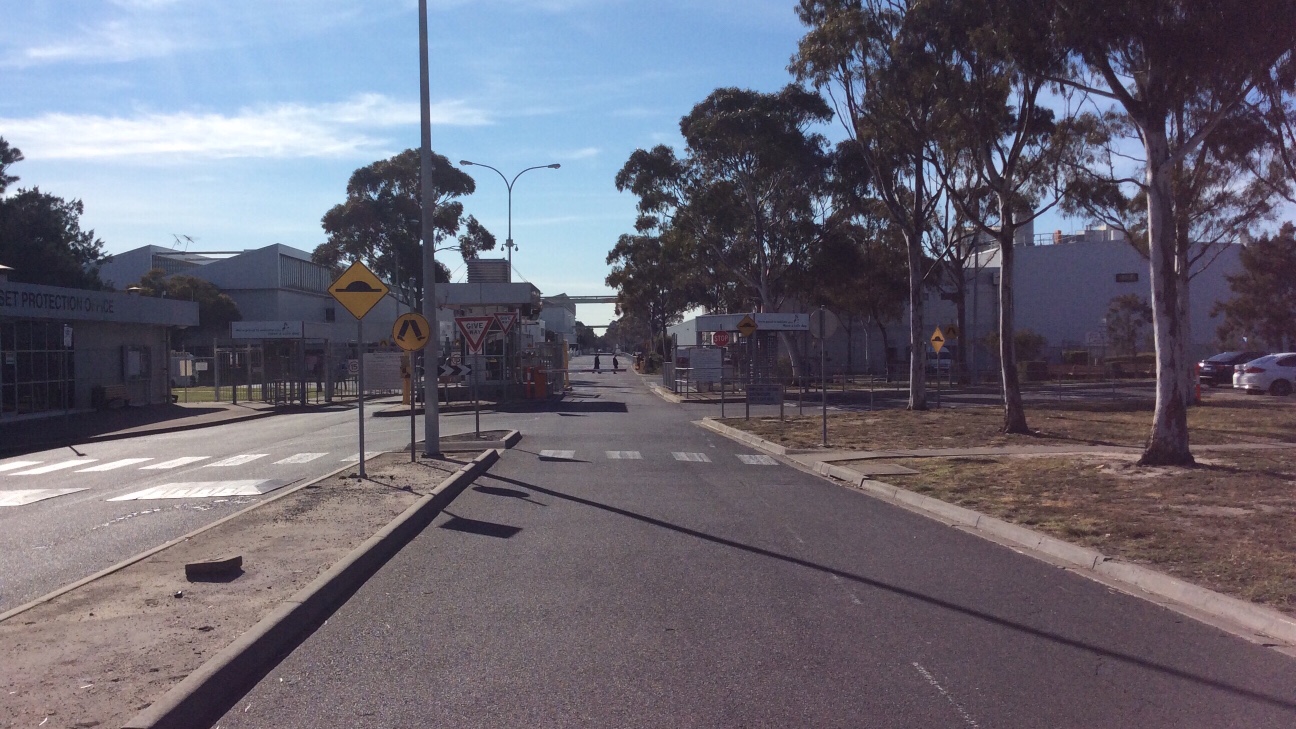
9:34am
Workers from Toyota’s Port Melbourne office are starting to arrive on buses. One, wearing a sharp suit and arriving by taxi, kicks off a conversation with his travelling mate: “Well, you can blame Tony Abbott …”
9:29am
An employee has just walked out of the Grieve Parade gates. We ask him if the last Camry has come off the line. “Not yet, not yet,” is his response.
9:22am
More VIPs are showing up, this time in a Mercedes-Benz C-Class and a Holden Caprice. Both wear corporate taxi plates.
9:16am
Workers are starting to gather outside the assembly line building. Has the last Camry already come off the line?
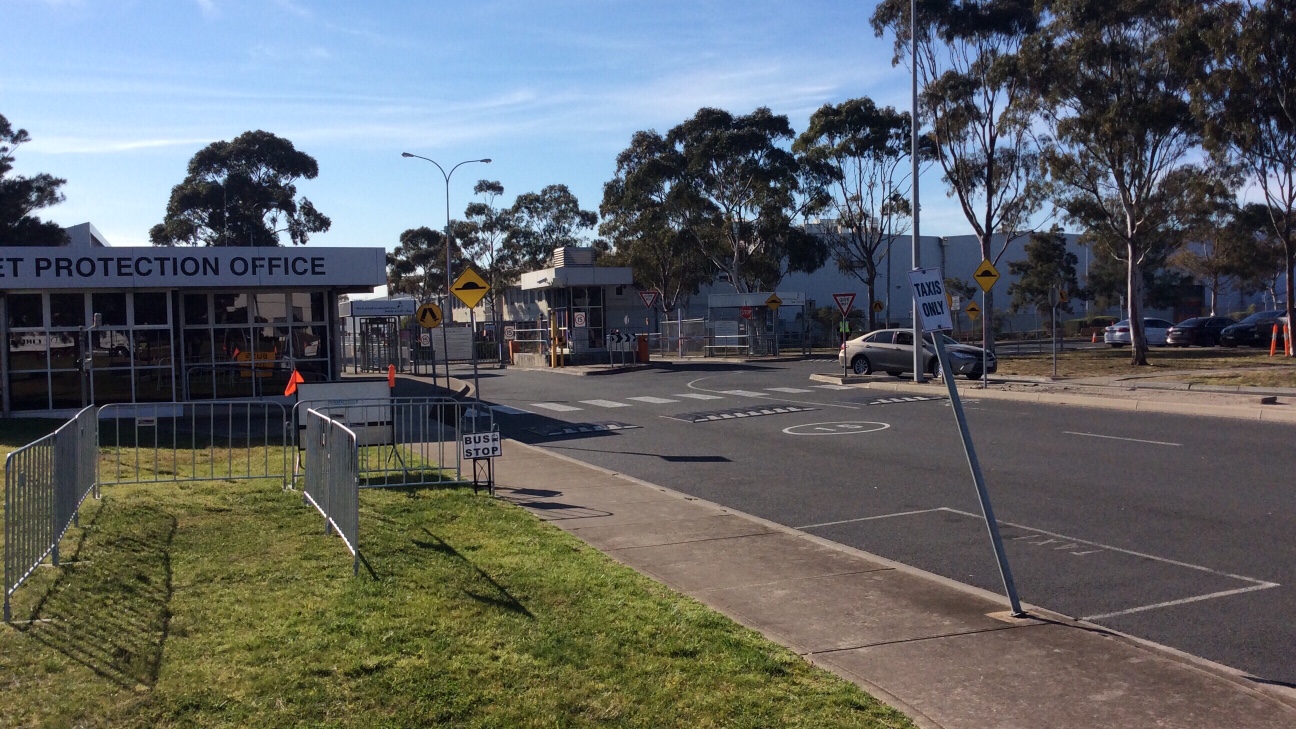
9:08am
Things are really slowing down at Altona as the VIPs continue to trickle in in a procession of Camrys. It’s so slow, we’ve learned that the same coffee company that catered for Ford’s closure last year is catering today for Toyota, and in a few weeks’ time, Holden.
8:58am
The buzz on the final day of manufacturing at Toyota is very different to that of Ford 12 months ago. The media contingent is much smaller, security isn’t as tight; it’s almost as though Toyota is the forgotten brand. Last year the Ford faithful were queueing up in front of the sign at Ford’s Broadmeadows factory to take a photo of their car where it was made – there’s none of that here.
8:41am
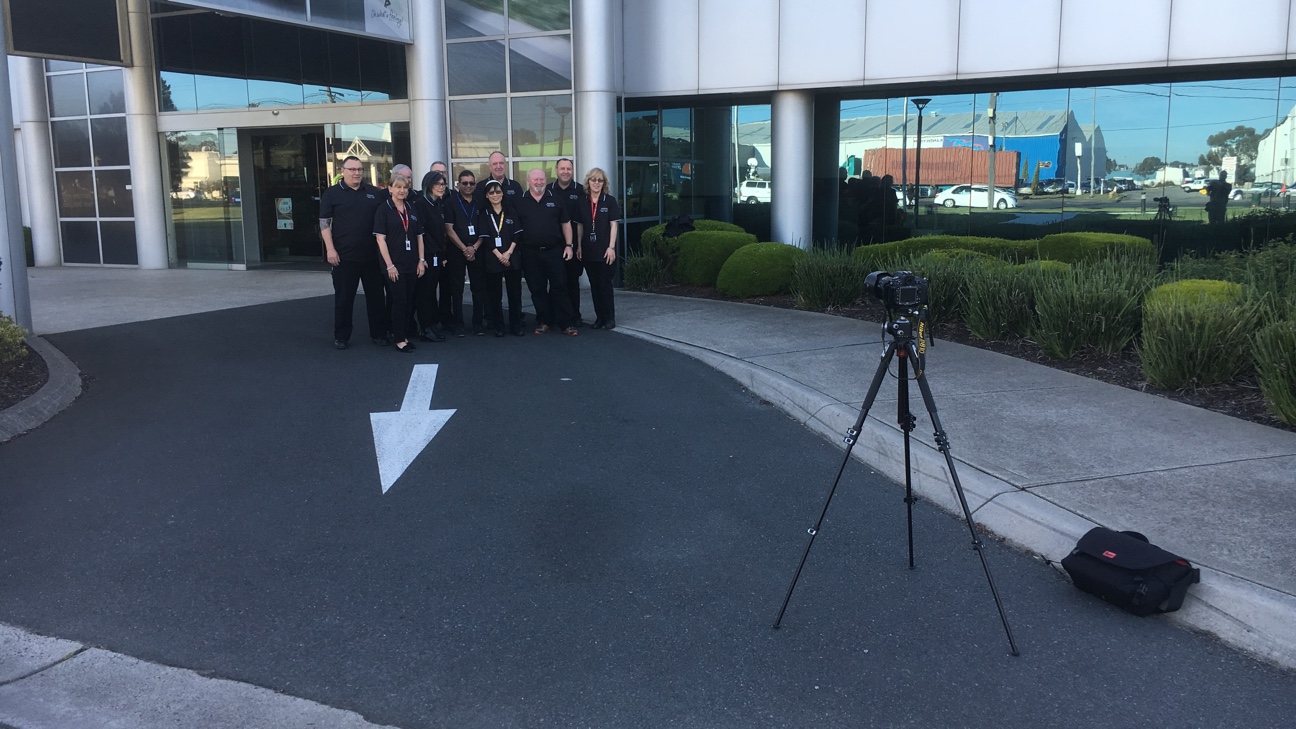
Office staff pose for a last photo outside the Altona complex. They say the only activity planned for today is the ceremony at 12.30pm.
8:28am
Toyota executives are starting to arrive at the factory.
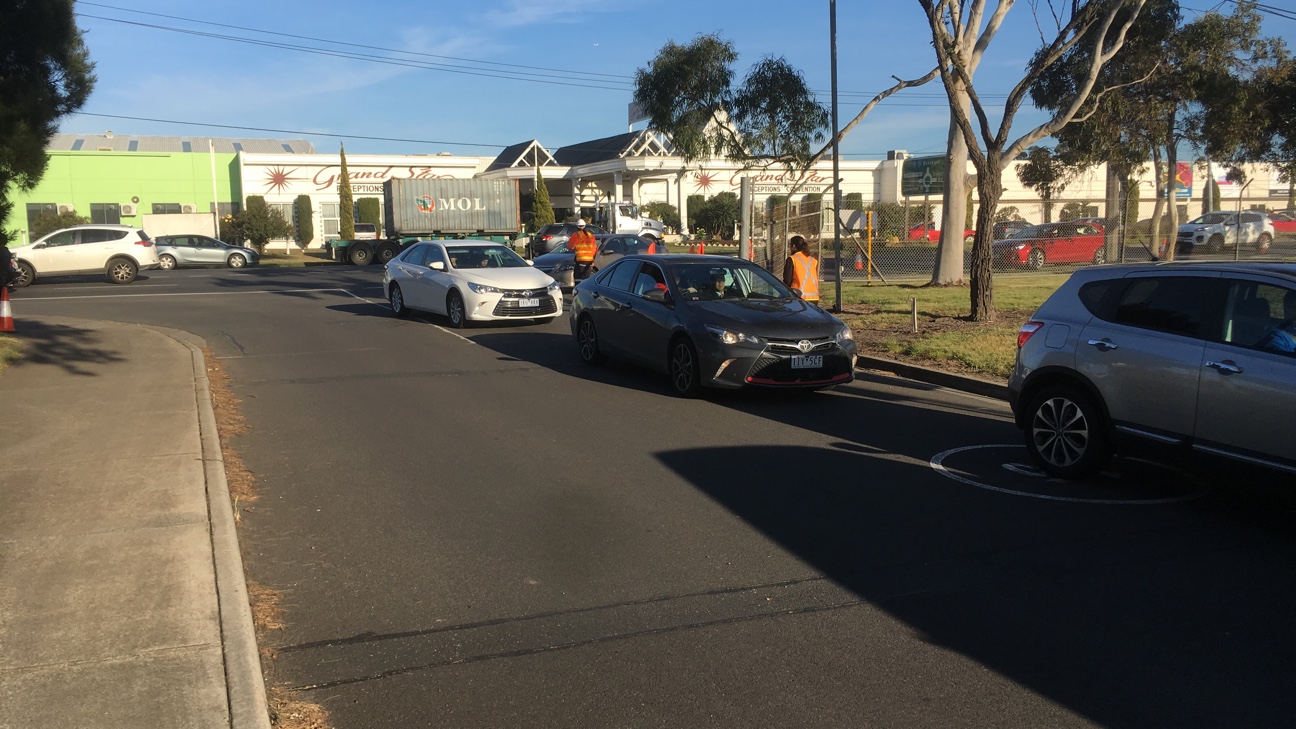
8:27am
Toyotas parked in the employees car park. The car maker offered generous discounts to employees to buy them.
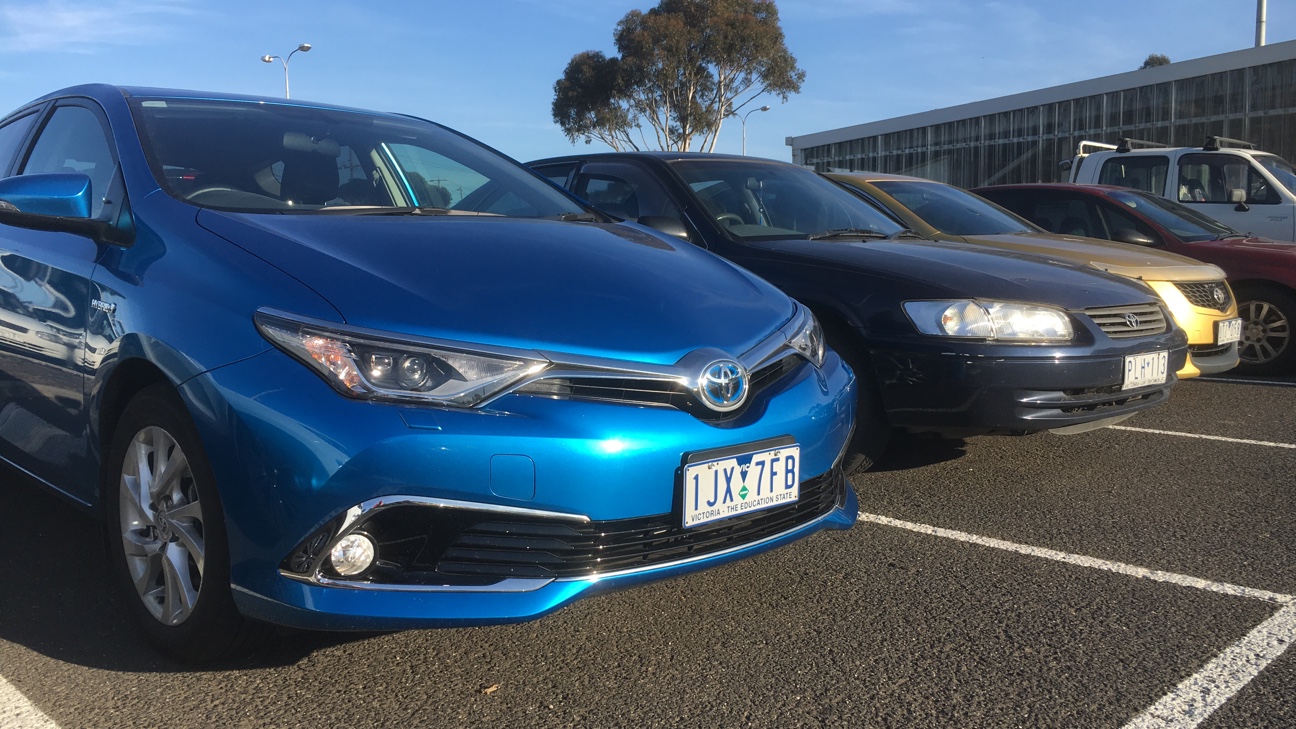
8:19AM
Workers are still flowing into the factory, even though this morning’s shift started at 7am. The foyer is crowded with people, some wearing “SUPPORT” T-Shirts
8:11am
Toyota has reserved 200 car parks for VIPs and guests for this afternoon’s ceremony, expected to start about 12.30pm
8:07am
Toyota worker Matthew Kinson has only ever worked for the car maker. He says Toyota opted to donate cars to the community rather than raffle them off to workers like Ford did.
Kinson says he is proud to have worked for Toyota. The factory has run two shifts, so he says there’s a 50 percent chance that every Camry he sees on the road he has had a hand in making.
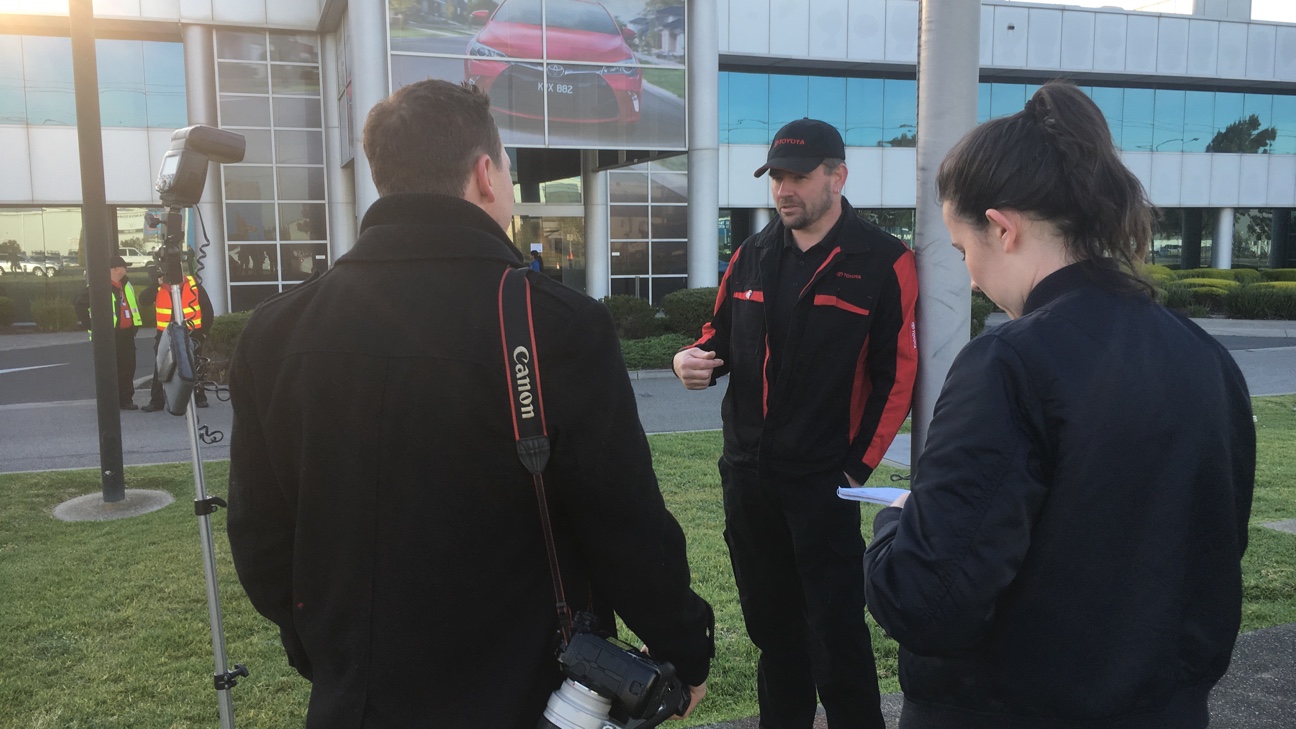
7:58am
A small group of Toyota’s factory workers have fronted the media before the final shift begins.
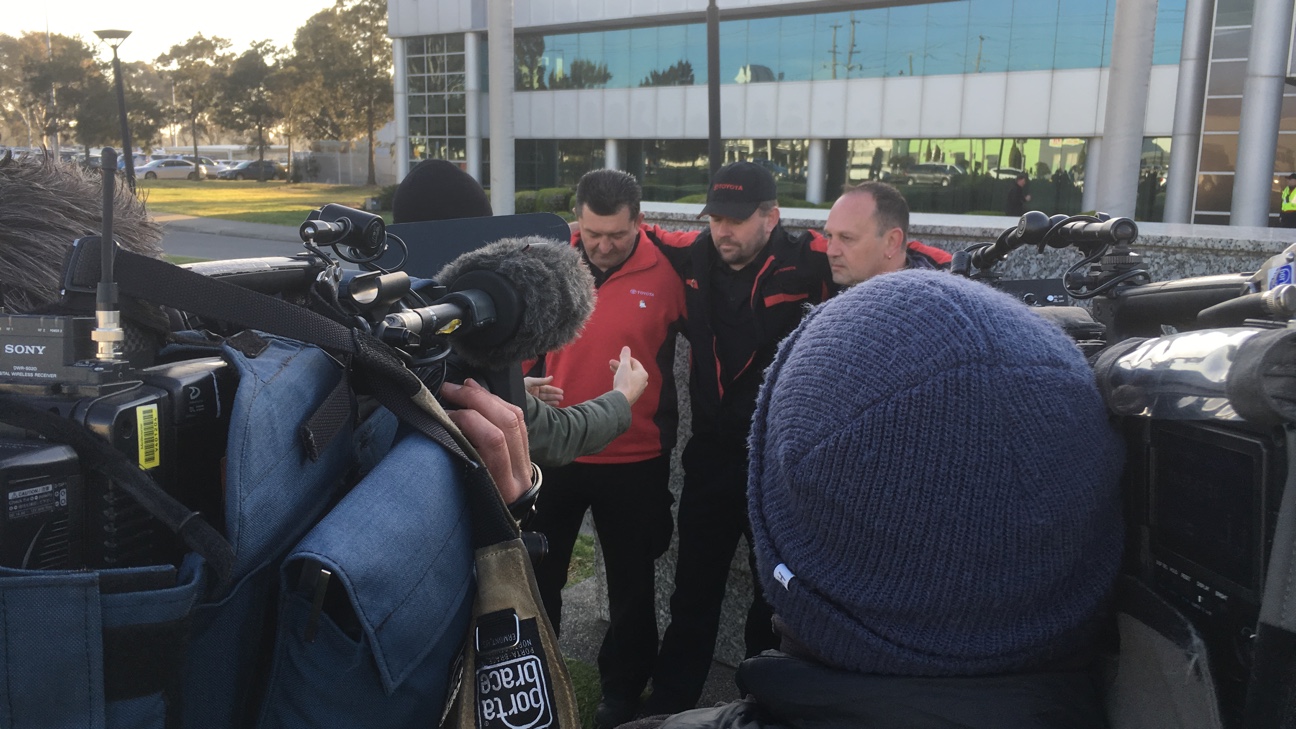
7:51am
The Australian Manufacturing Workers’ Union automotive secretary is holding a press conference outside the plant.
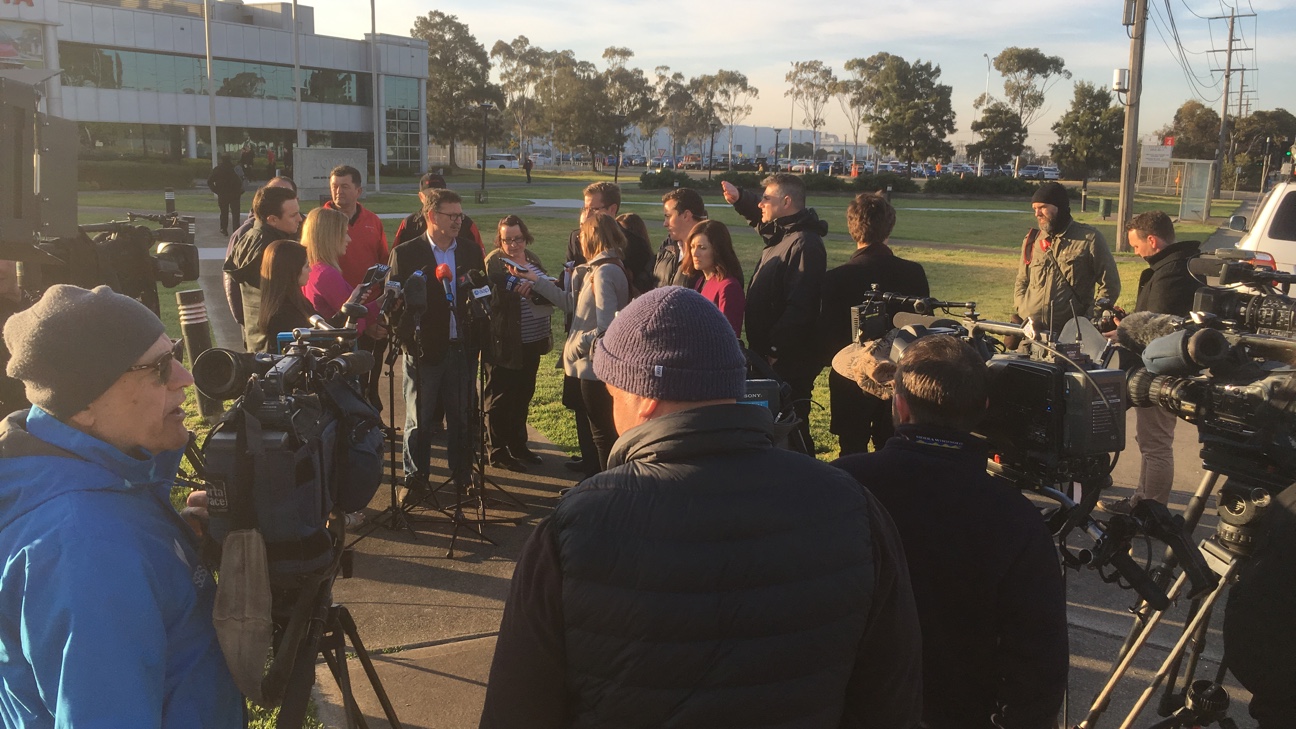
7:00am
We are on the ground at Altona ahead of Toyota’s final day of manufacturing
IT has been one of the most anticipated arrivals of 2009.
This feature was first published in MOTOR Magazine March 2009.
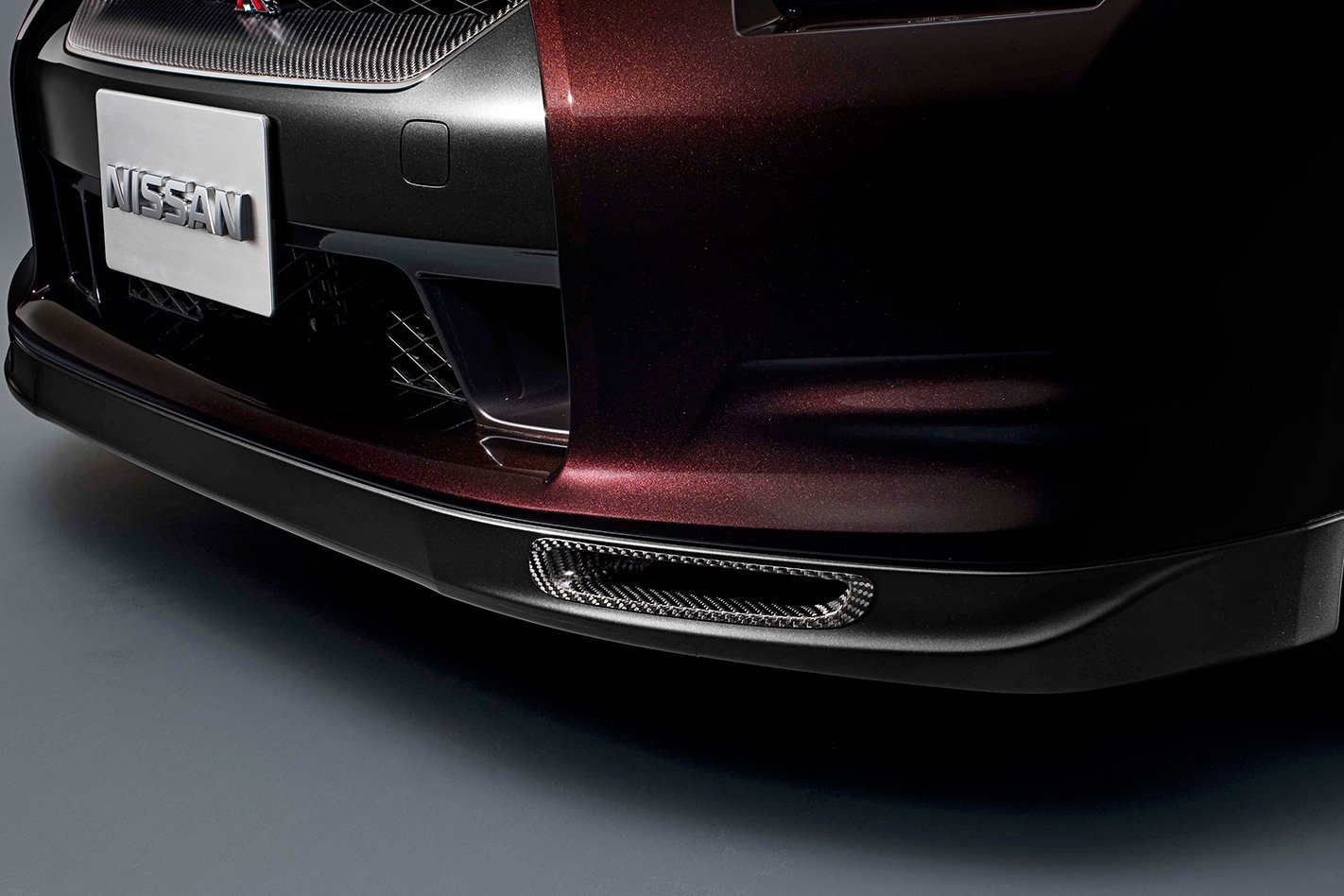
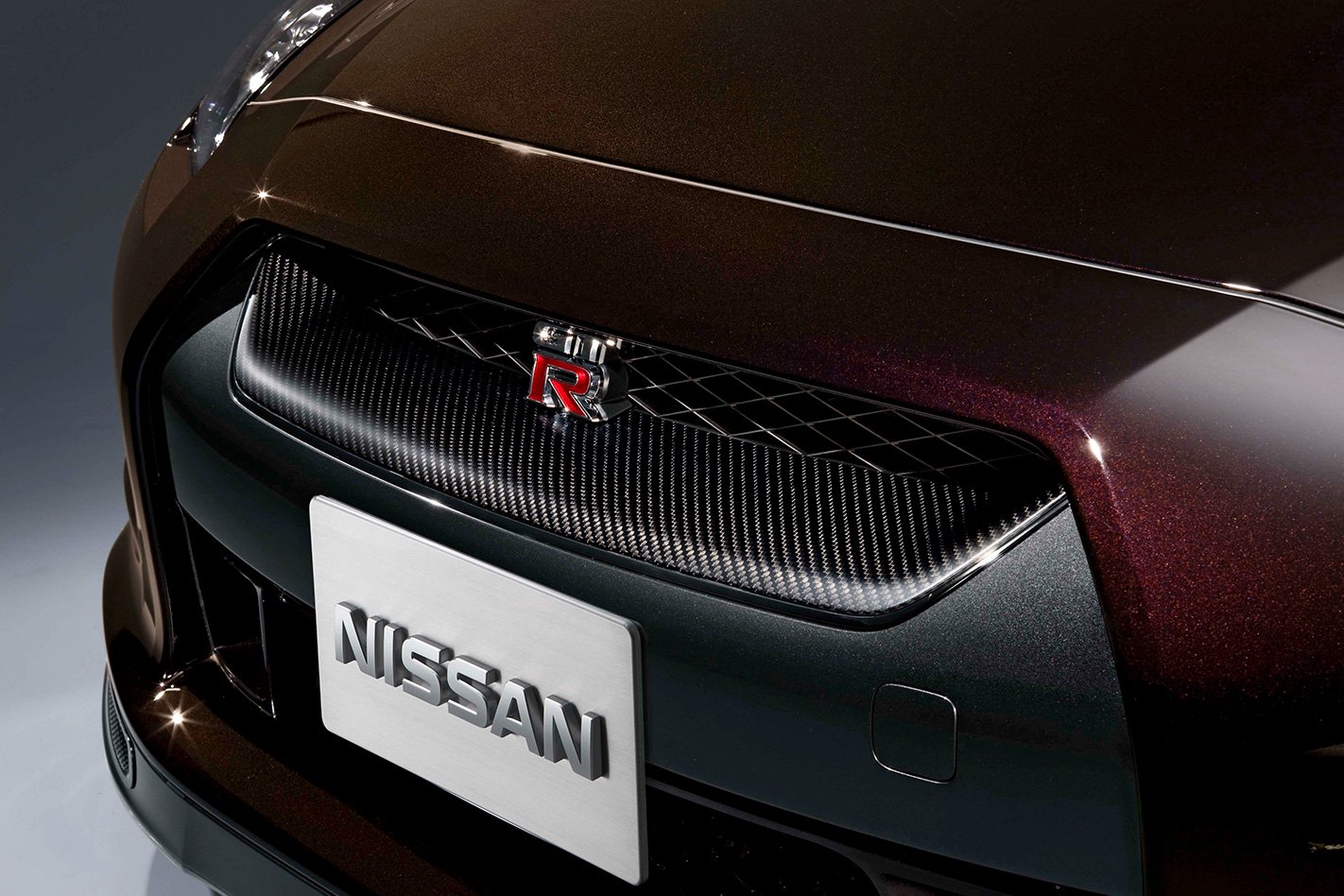
And, even before any of the covers were ripped off the newest metal at the Detroit Motor Show, Nissan was the first to debut a drop-dead performance icon this year when it released details of the Spec V version of its fearsome R35 GT-R.
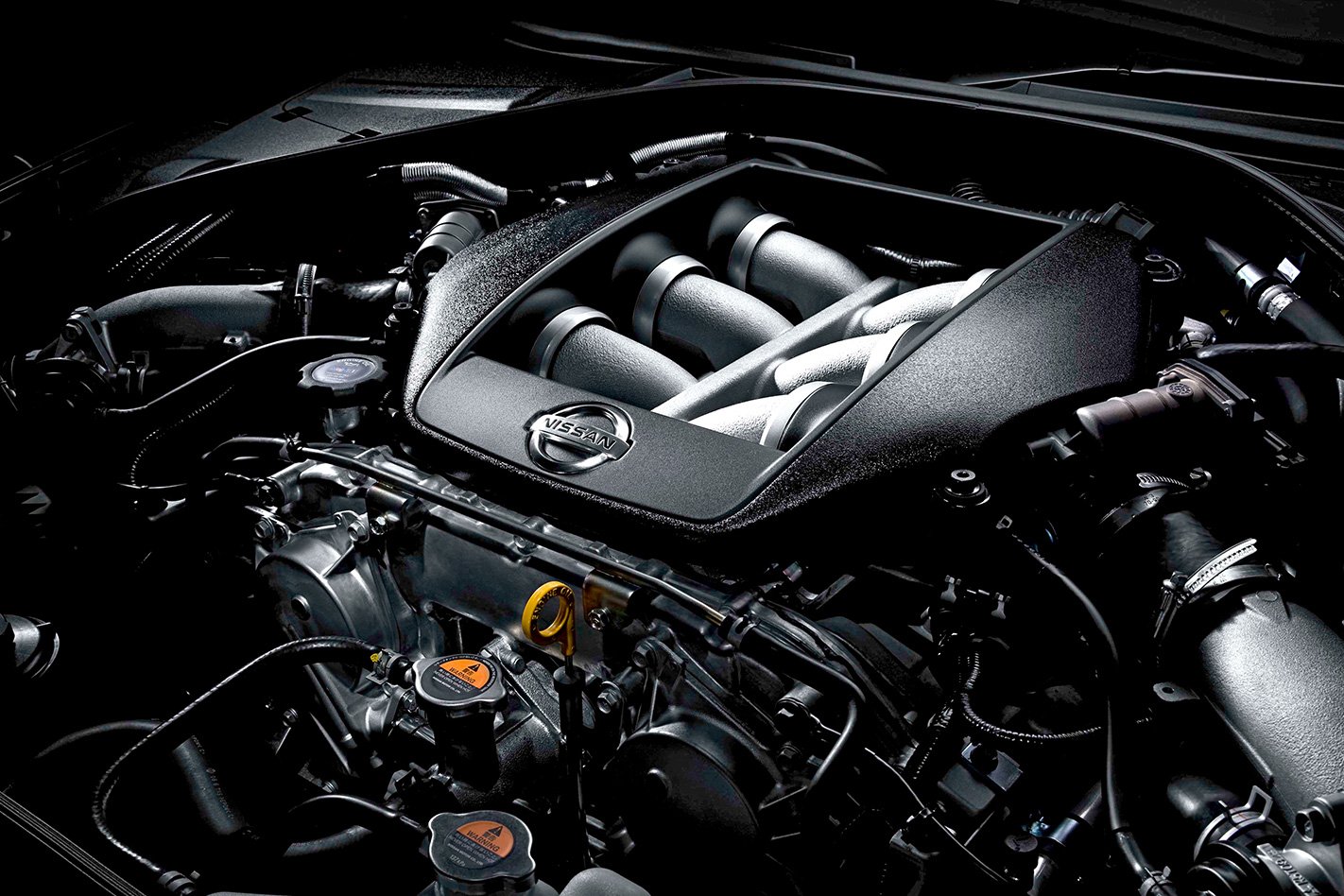
Created primarily to be a basis for the imminent race model that will contest sportscar racing around the world later this year – including a possible attack at the GT3 class in the Le Mans 24 Hour race – the Spec V, like its V Spec predecessors, is a harder, lighter, faster version of the standard GT-R model, honed on the famed Nurburgring circuit.
Unfortunately, it is unlikely to be officially sold here seeing it would cost around $250,000.
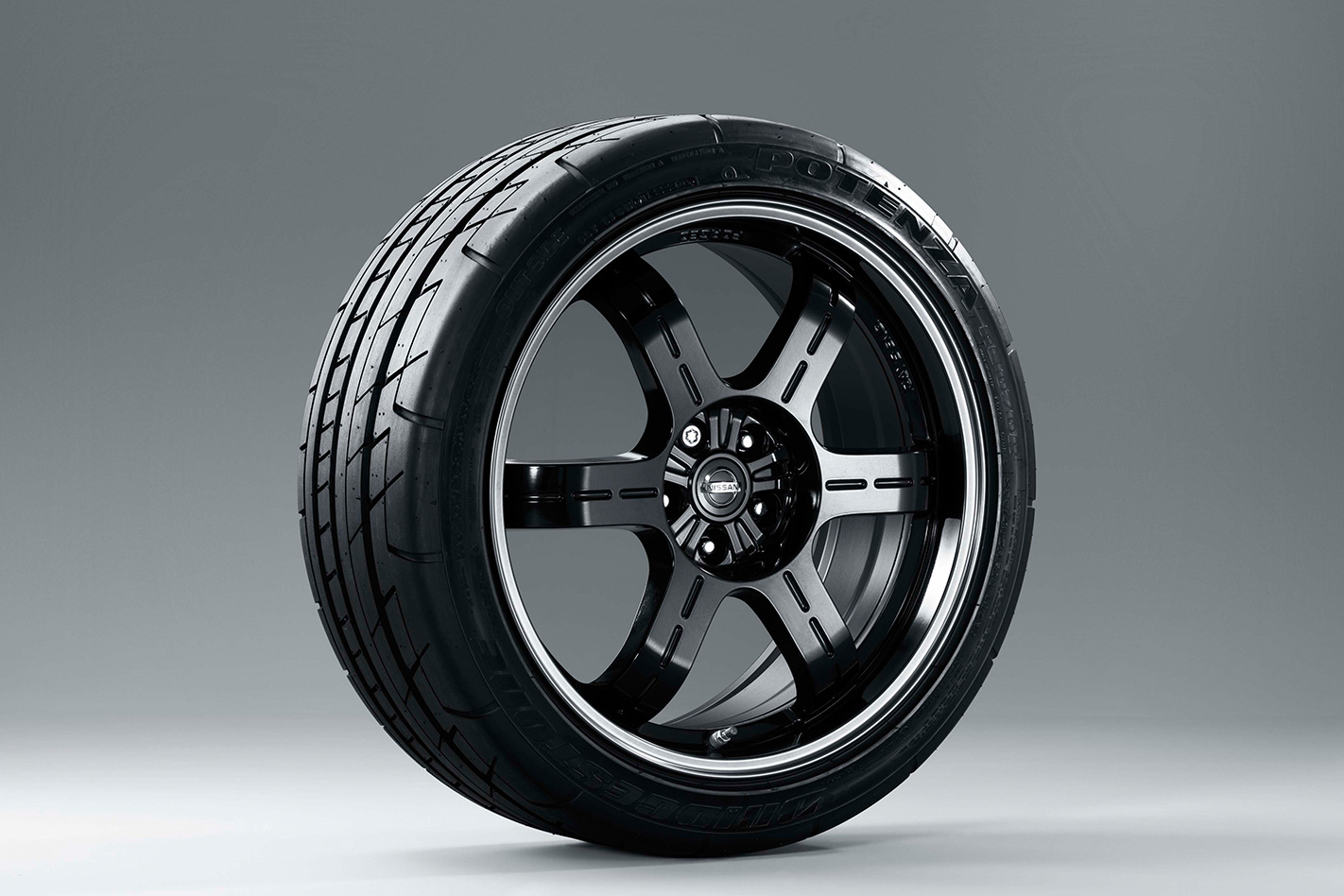
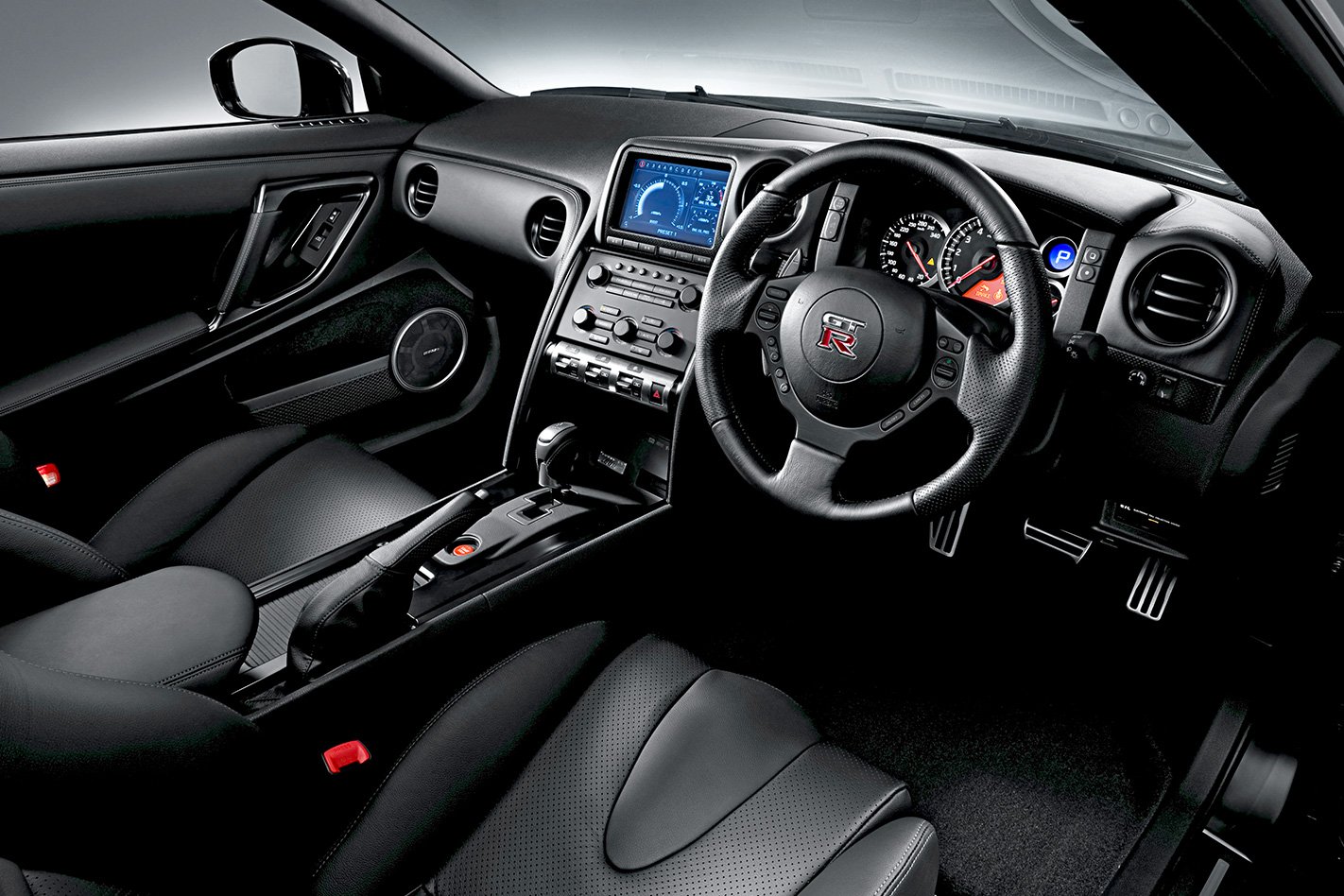
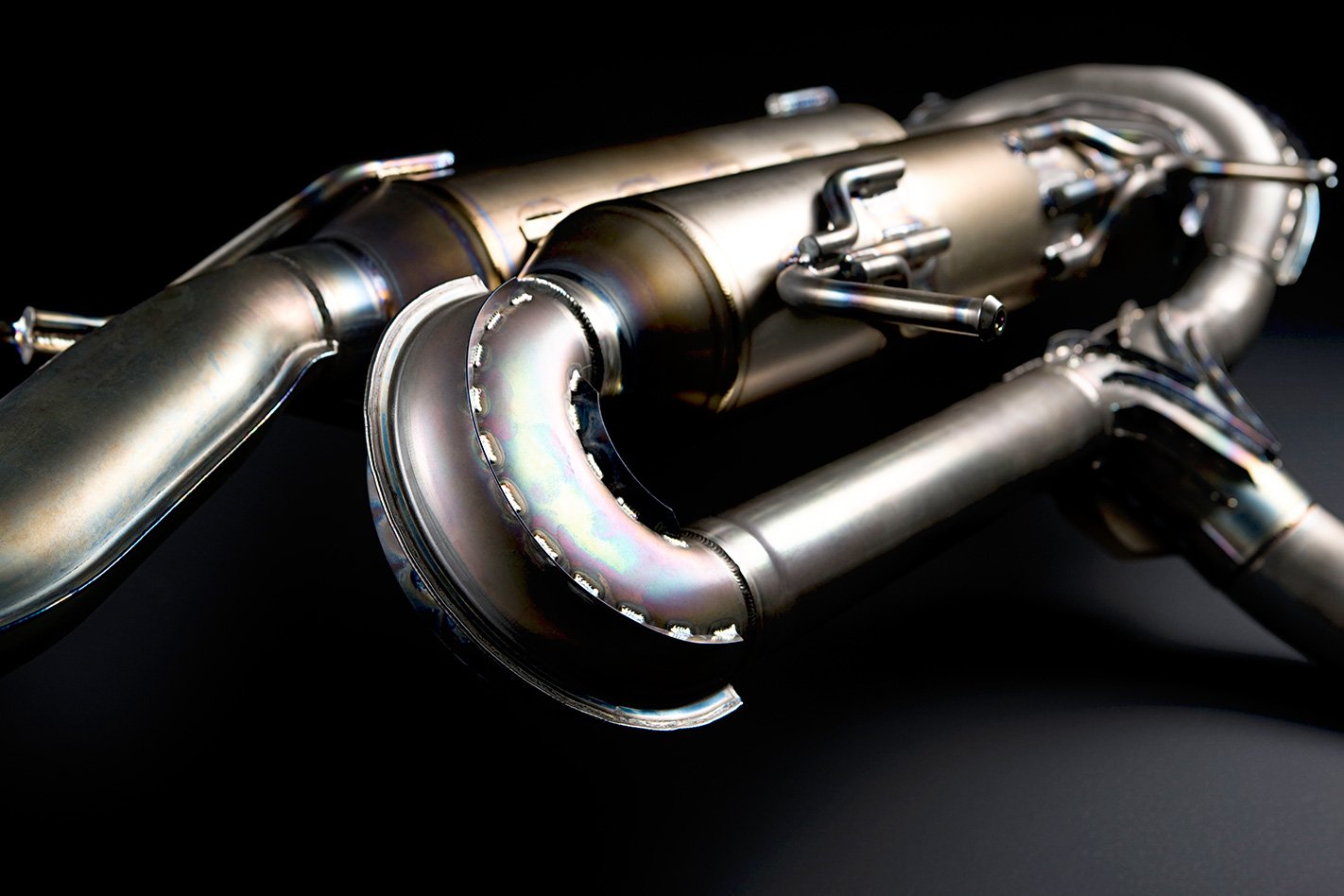
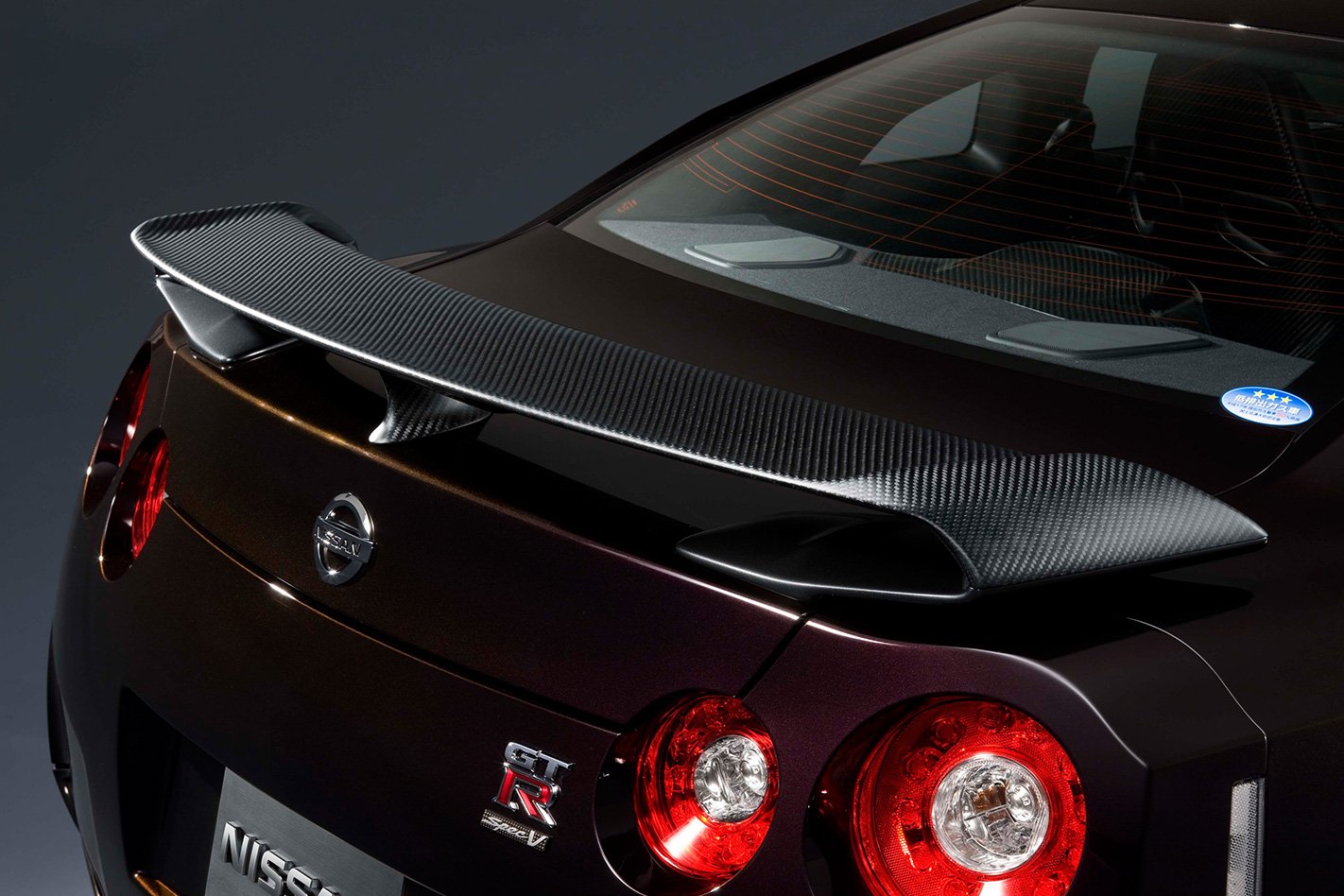
BRAKES AND SUSPENSION
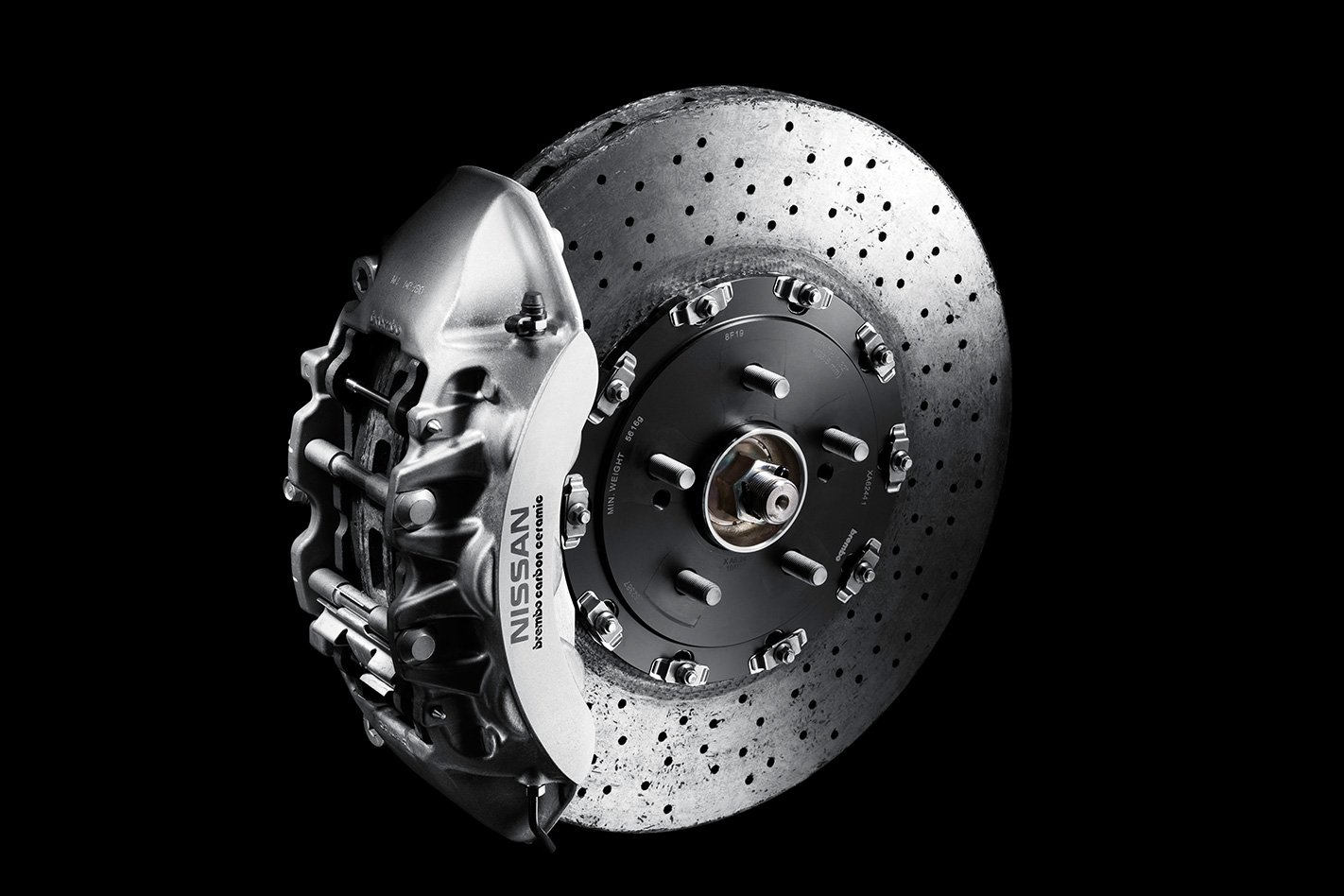
It’s not like the GT-R was lacking anything in the performance department to start with. So rather than spending time – and money – on improving the already-highly strung V6, Nissan’s engineers concentrated on further improving the overall handling package.
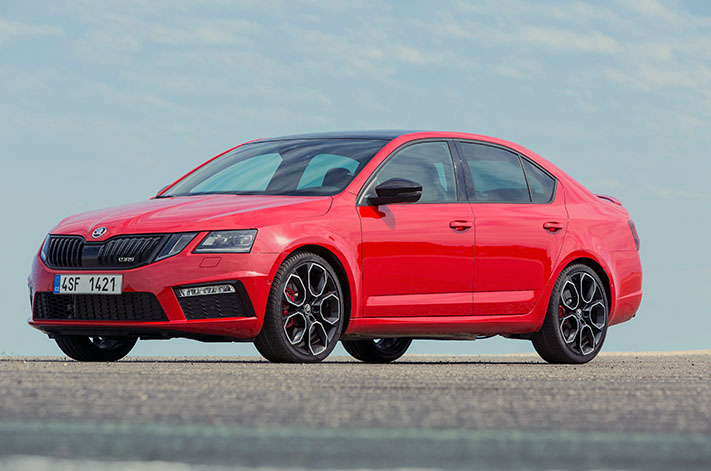
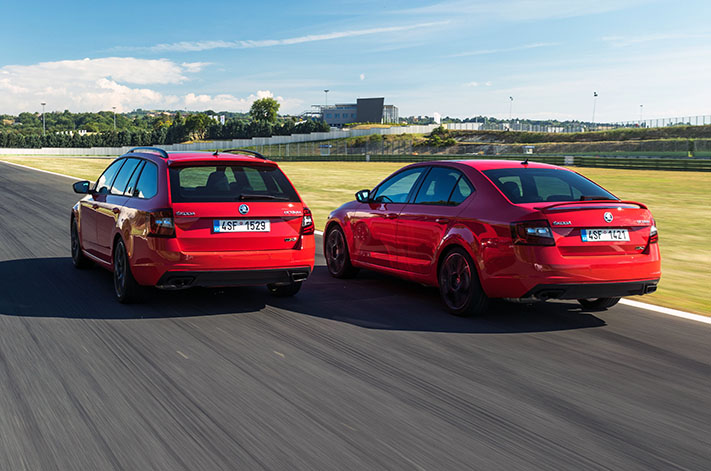
The Skoda Octavia range has a new high-performance range-topper with the RS 245 rolling into showrooms this month, in sedan and wagon form.
A permanent addition to the Octavia range, the RS 245 shares the Volkswagen Golf GTI Performance’s 180TSI 2.0-litre, four-cylinder turbo engine, which delivers 180kW of power – that works out as 245 horsepower in the old language, hence the RS 245 moniker.
The 180TSI also produces 370Nm of torque, which helps push the quickest Octavia’s 0-100km/h time to 6.6 and 6.7sec, for the sedan and wagon respectively.
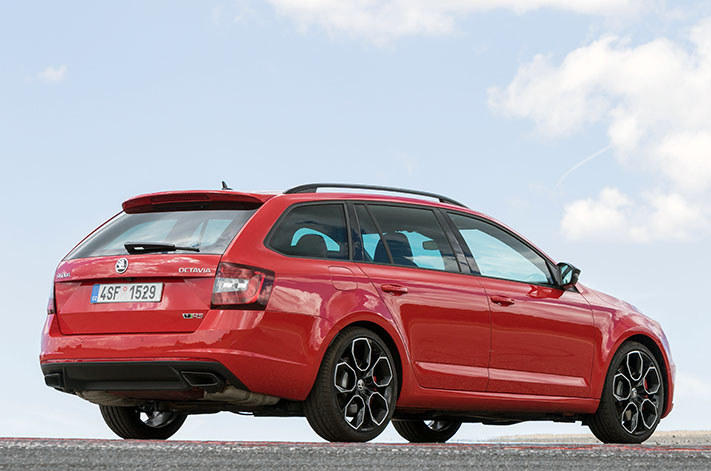
Both sedan and wagon body styles can be purchased with either a 6-speed manual or a 7-speed dual-clutch transmission.
The RS 245 is more track-focused than the other Octavia RS variants and is equipped with an electronically controlled limited-slip differential for enhanced traction and stability in corners at higher speeds.
It’s styled accordingly, with a number of equipment upgrades and design cues including 19-inch ‘Xtreme’ black alloy wheels, black exhaust pipe outlets, RS 245 instrument cluster and leather and Alcantara-trimmed sports steering wheel.
The front seats are power adjusted with driver’s seat memory function.
The RS 245 is available globally in four colours, Corrida Red, Steel Grey and for an extra $500 metallic Moon White or pearl effect Black Magic.
The Octavia RS 245 starts at $43,490 for the manual sedan, with the dual-clutch auto attracting a $2500 premium. The RS 245 wagon starts at $44,890 with a manual ‘box.
Option packs are available including the $2300 Tech Pack, which adds parking assist, adaptive dampers, keyless entry/start, manoeuvre braking assist and premium 10-speaker Canton sound system.
The $1500 Luxury Pack adds active safety features such as lane assist and side assist with blind spot detection to the standard active cruise control and automatic emergency braking. It also brings heated front and rear seats for added comfort.
If you feel like splashing out further you can add a sunroof to the sedan ($1500) or panoramic sunroof ($1700) and powered tailgate ($500) to the wagon.
Like all Skodas, the RS 245 comes with a five-year, unlimited kilometre warranty and roadside assistance, and capped priced servicing every calendar year.
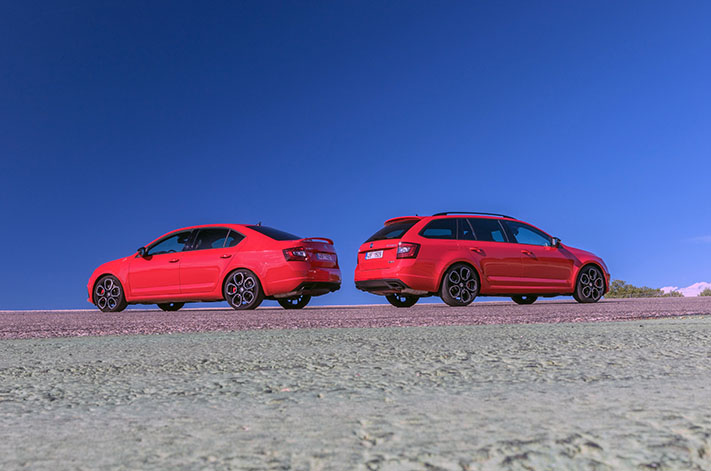
2017 Skoda Octavia RS pricing
- RS 169 TSI sedan, manual – $38,890
- RS 169 TSI sedan, auto – $41,390
- RS 169 TSI wagon, manual – $40,390
- RS 169 TSI wagon, auto – $42,890
- RS 135 TDI (turbo-diesel) sedan, auto – $42,490
- RS 135 TDI wagon, auto – $43,990
- RS 245 (180 TSI) sedan, manual – $43,390
- RS 245 sedan, auto – $45,890
- RS 245 wagon, manual – $44,890
- RS 245 wagon, auto – $47,390
