BMW has been pushing its upcoming Neue Klasse electric platform to the limit, showing off a new “Heart of Joy” control unit at its Spartanburg Performance Driving Center.
Snapshot
- New control unit promises faster response and improved efficiency
- Prototype showcases advanced energy recuperation
- Technology to feature in upcoming Neue Klasse electric models
Let’s get the bad news out of the way first:
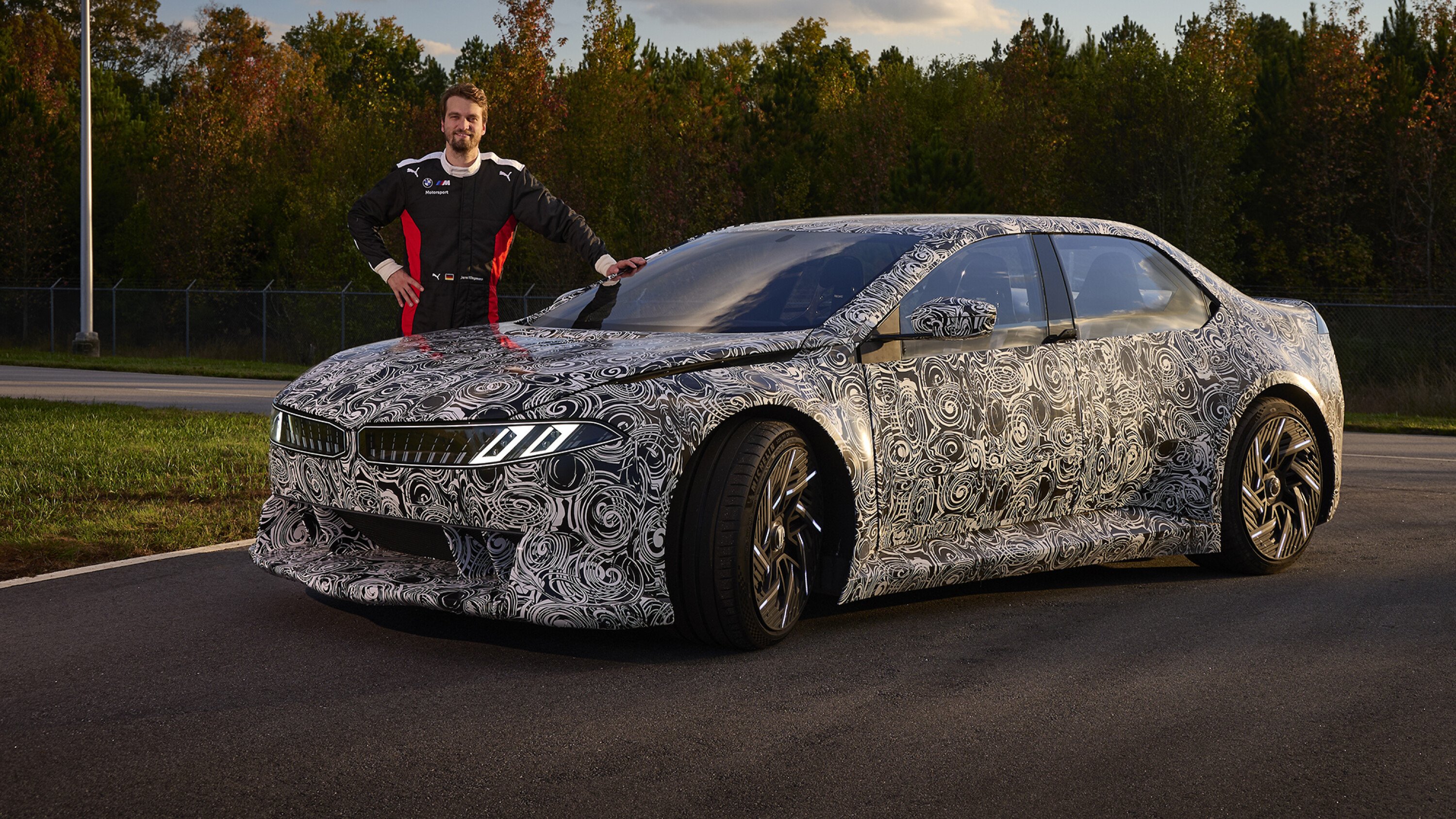
BMW says the camouflaged Vision Driving Experience shown here isn’t any type of new M3 and it’s not destined for showrooms.
We merely hope it is, but really, with those extra-massive guards and front air damn, there’s more of a DTM look here than a roadgoing consumer model. A future CS? We wouldn’t say no…
On the bright side, the technology it showcases hints at a future where electric vehicles could deliver the kind of driving experience typically associated with high-performance internal combustion models.
Of course, if you ask Hyundai and its Wheels COTY-winning Ioniq 5 N, EVs are already there. Porsche probably has similar feelings.
Whatever the case, here are the basics on the evocatively named ‘Heart of Joy’ system, which acts as the key to everything from drivetrain response to braking and energy recuperation.
BMW engineers have designed it to process data ten times faster than previous systems – and before you ask what that means: it all translates to quicker reactions and more precise control. Crucial for, let’s say, an electric M3.
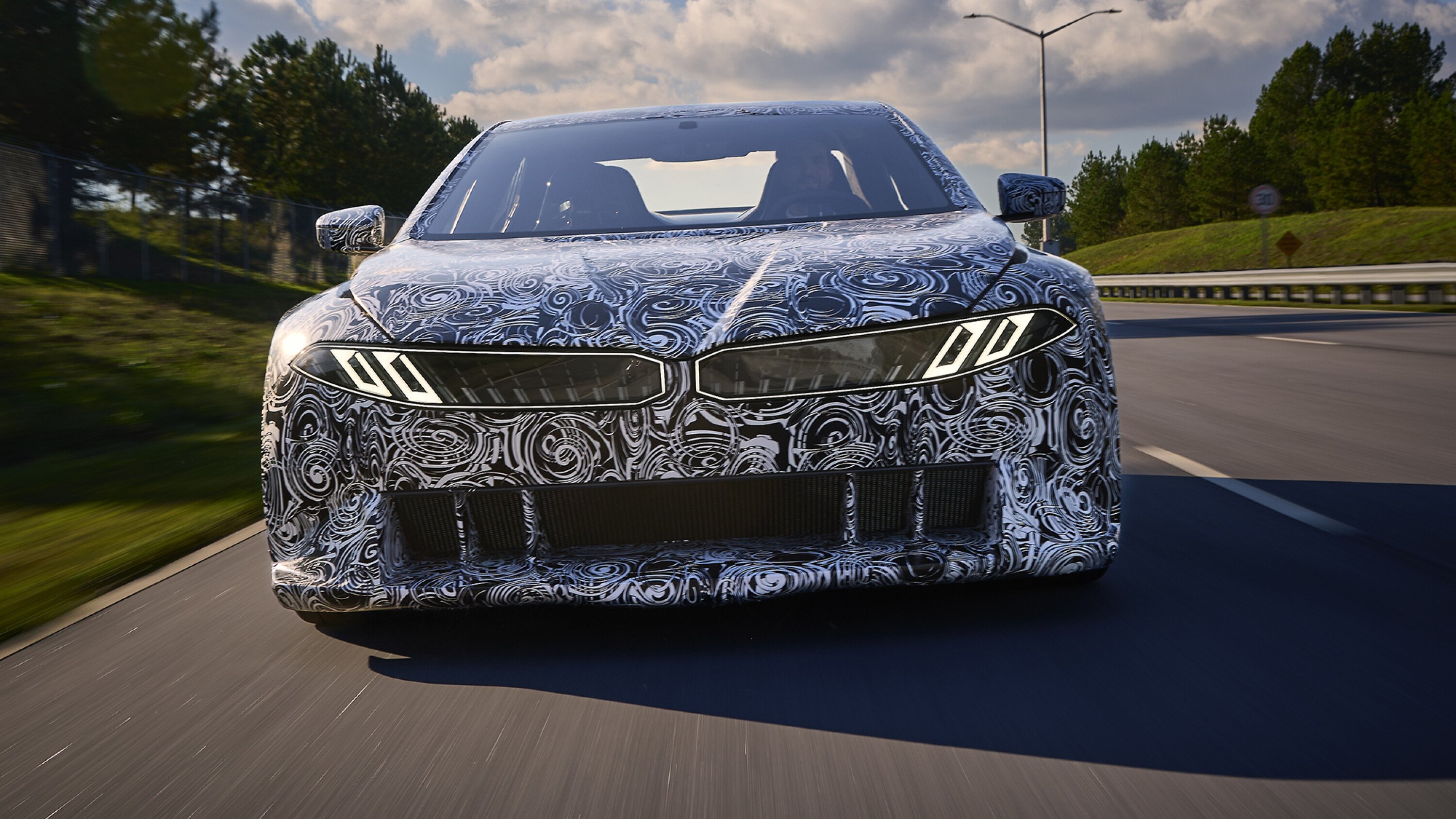
The Vision Driving Experience test vehicle, while a prototype, reportedly produced a staggering 18,000Nm of torque to stress-test the control system’s capabilities.
When the electric M3 does eventually appear, let’s say you can probably wipe at least 17,000Nm off that for the torque figure it’ll sell with.
A key piece of the Heart of Joy philosophy looks to be driving range, with BMW claiming its systems can use regenerative braking to handle around 98 per cent of anchor needs in normal driving – boosting overall energy efficiency by around 25 per cent.
As a package, the Heart of Joy unit is one of four central control units that will underpin the Neue Klasse – a project name for the all-electric version of the upcoming new-gen 3 Series, the BMW i3.
It’s designed to minimise latency, with millisecond-level response times, ensuring the car reacts instantly to driver inputs. This focus on responsiveness is what has always separated a good car from a great one (albeit historically in a mostly mechanical sense rather than computerised), and it’s what BMW appears to be targeting.
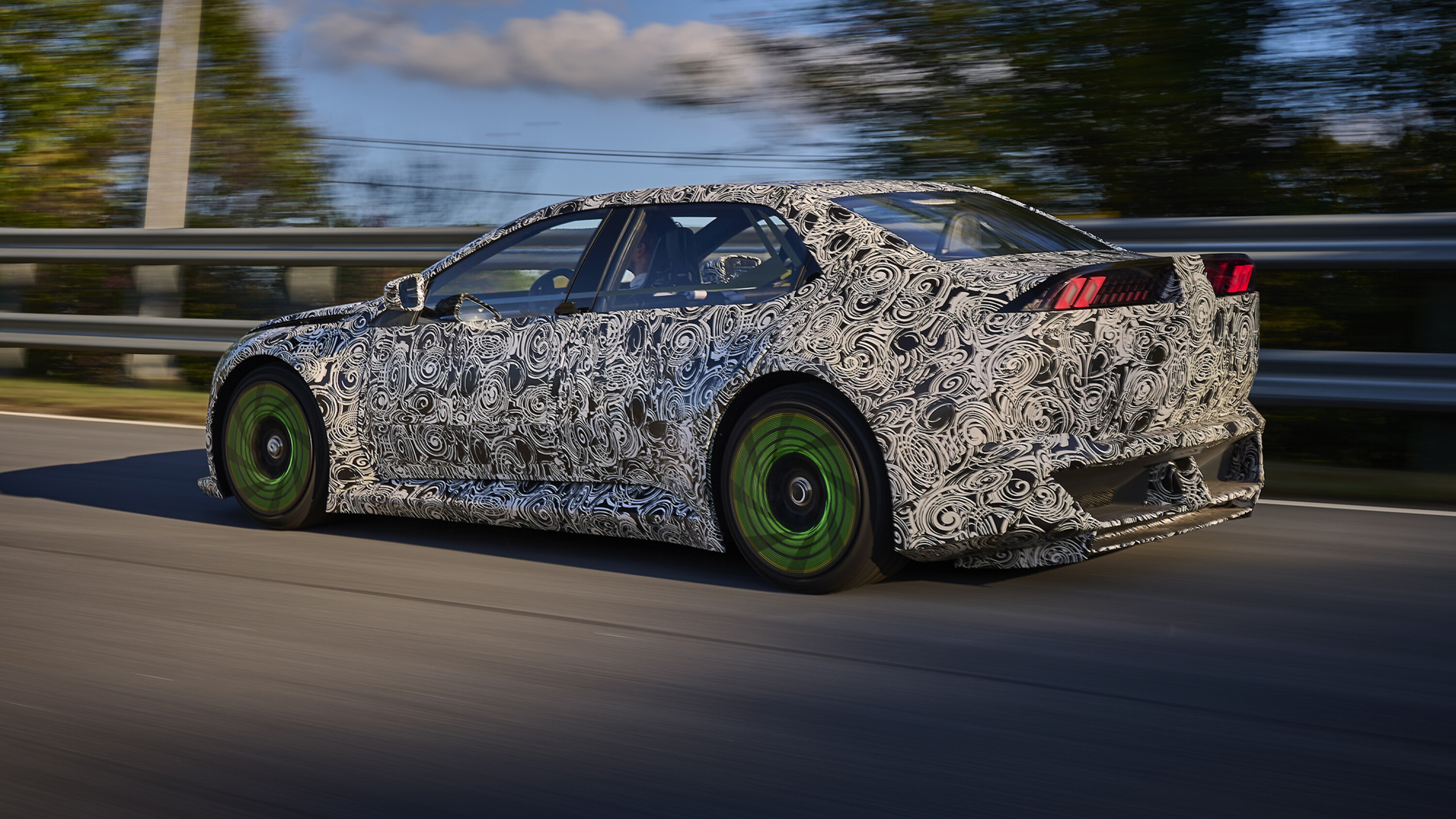
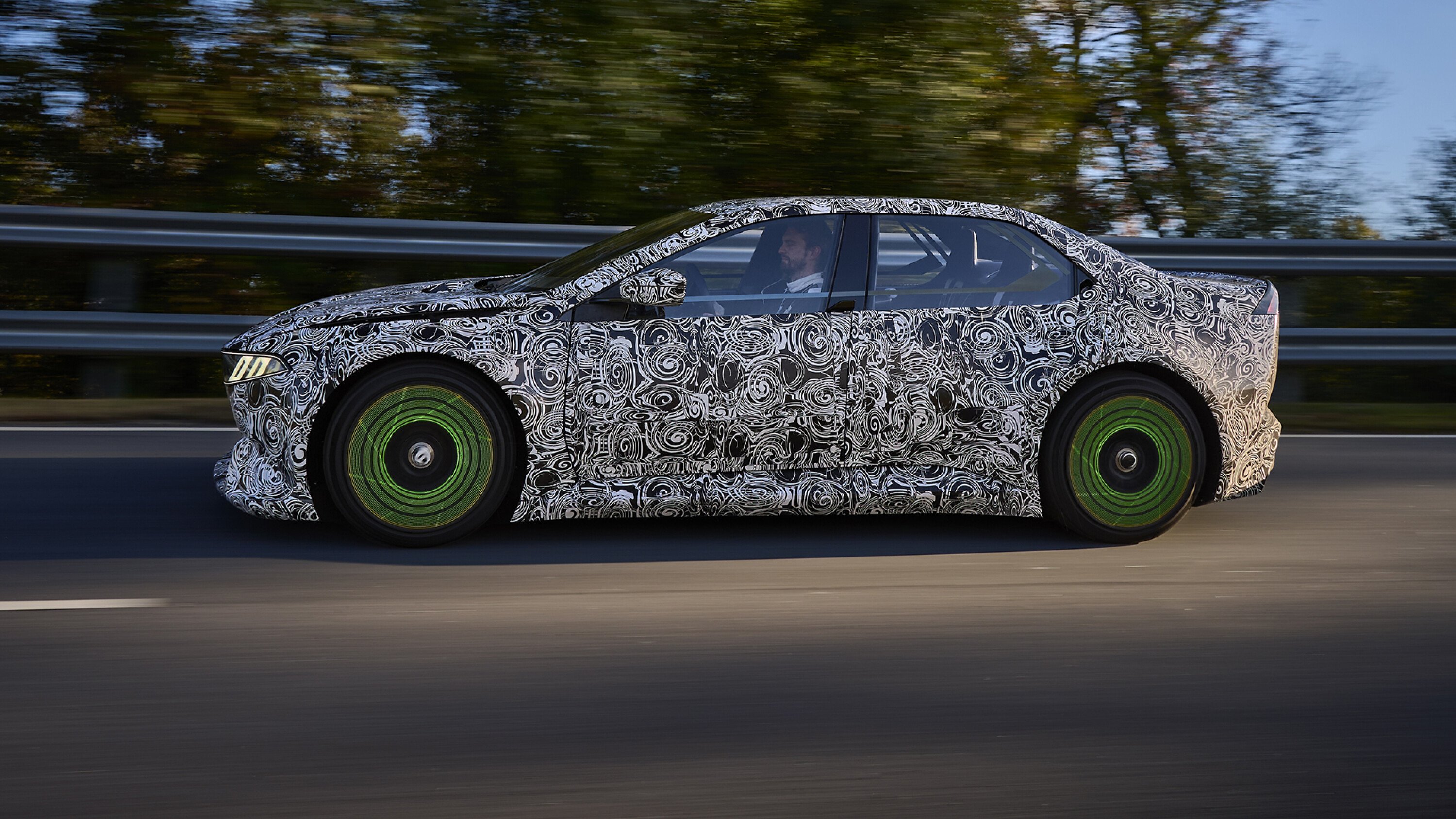
The Vision Driving Experience prototype features colour-coded wheel rims to indicate system activity, a visual representation of the technology at work.
While the prototype itself won’t reach production, the technology it houses will feature in all fully electric Neue Klasse models, with the first production vehicle rolling off the line in Hungary later this year.
That’ll probably be the new iX3 electric SUV, however, with the i3 not due until 2026.
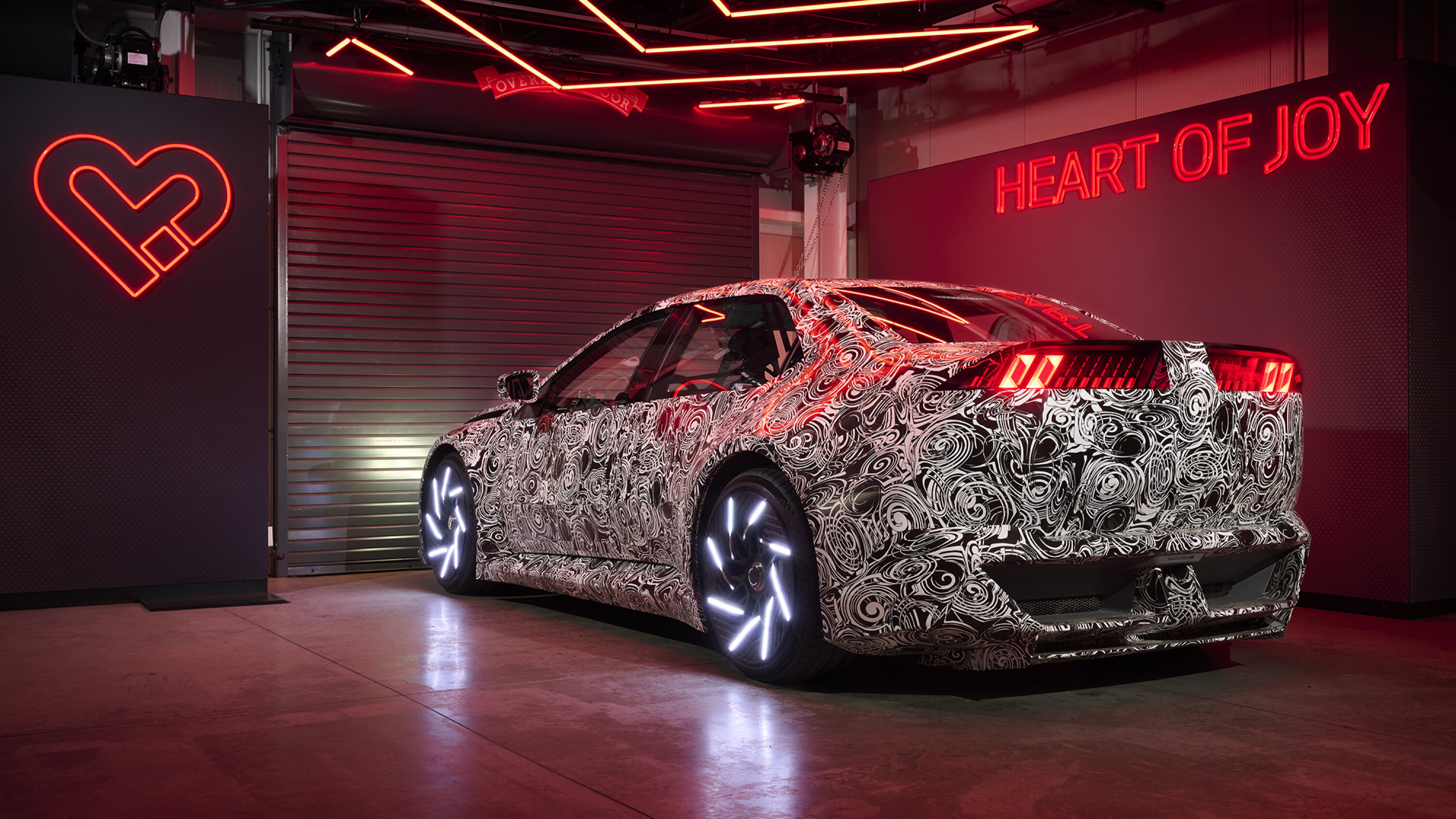
We’ll get our first proper look at the Vision Driving Experience at Auto Shanghai 2025.
While it’s not the next M3, the “Heart of Joy” system suggests that BMW is serious about delivering electric vehicles that are just as engaging and rewarding to drive.
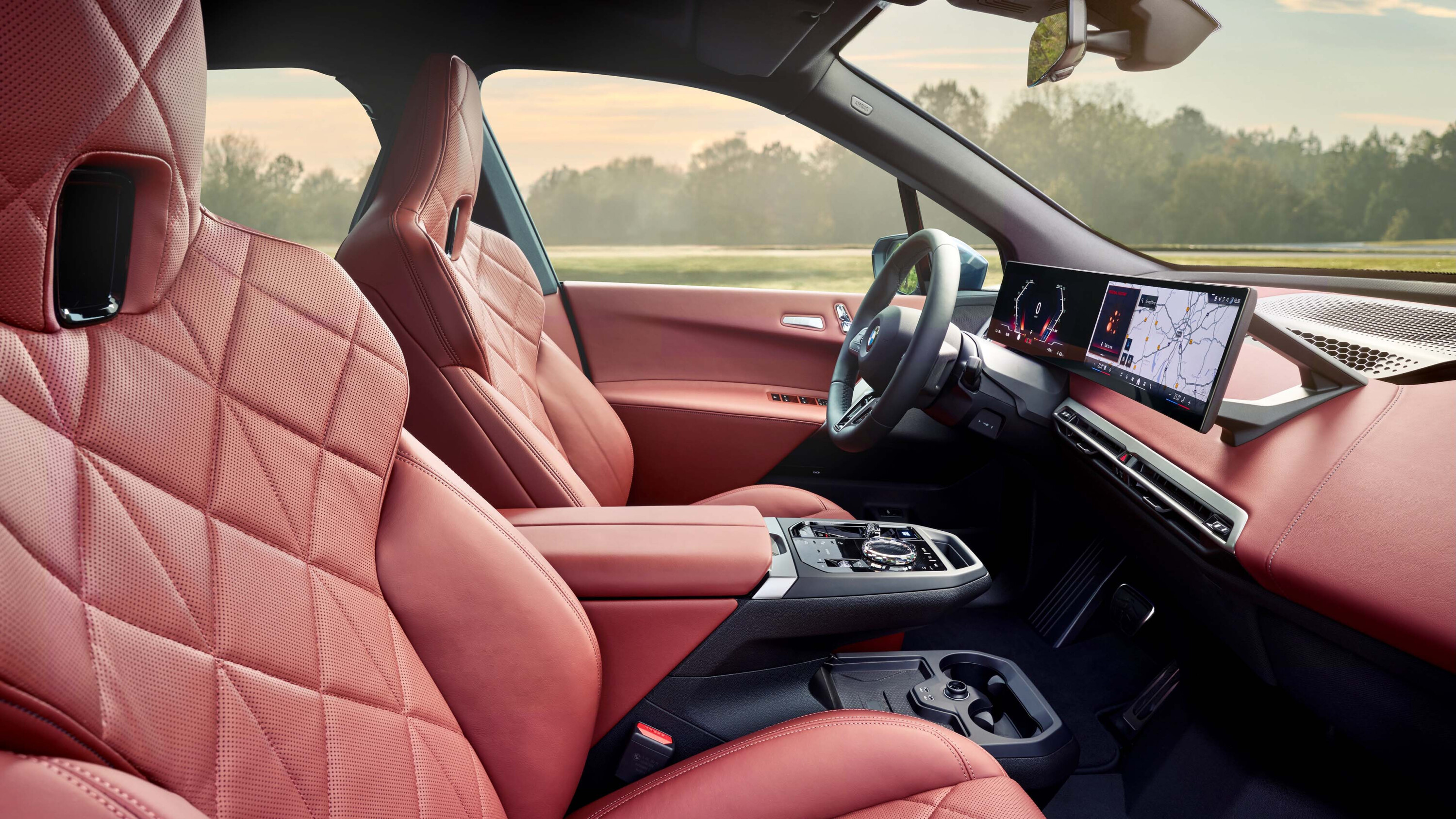
BMW Australia has announced local pricing and specifications for the updated iX electric SUV, which is due locally mid-year and will arrive with a 30 per cent larger battery, and more powerful motors for increased range and performance.
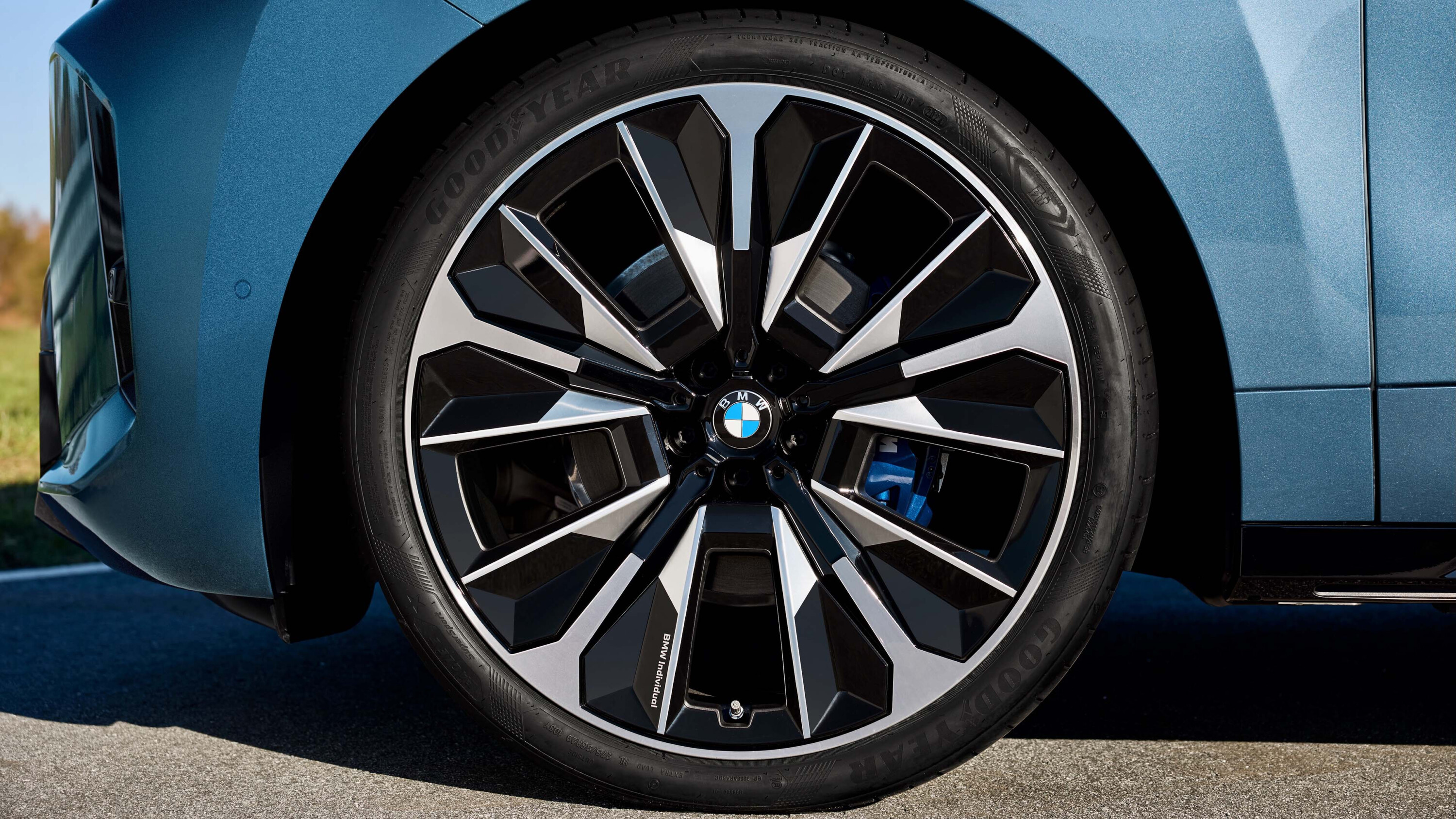
Priced from $142,900 plus on-road costs, the iX xDrive45 M Sport is the only model announced for Australia so far and replaces the former xDrive 40 Sport. Its pricing makes it $6,000 more expensive than the pre-updated model, but it now offers greater range thanks to a larger battery and more standard equipment like a panoramic glass roof and heated steering wheel.
Under the body of the iX is a new 94.8kWh battery, giving a claimed 602km of range on the WLTP cycle. That’s a big increase on the former xDrive40 and its 77kWh battery and 425km range.
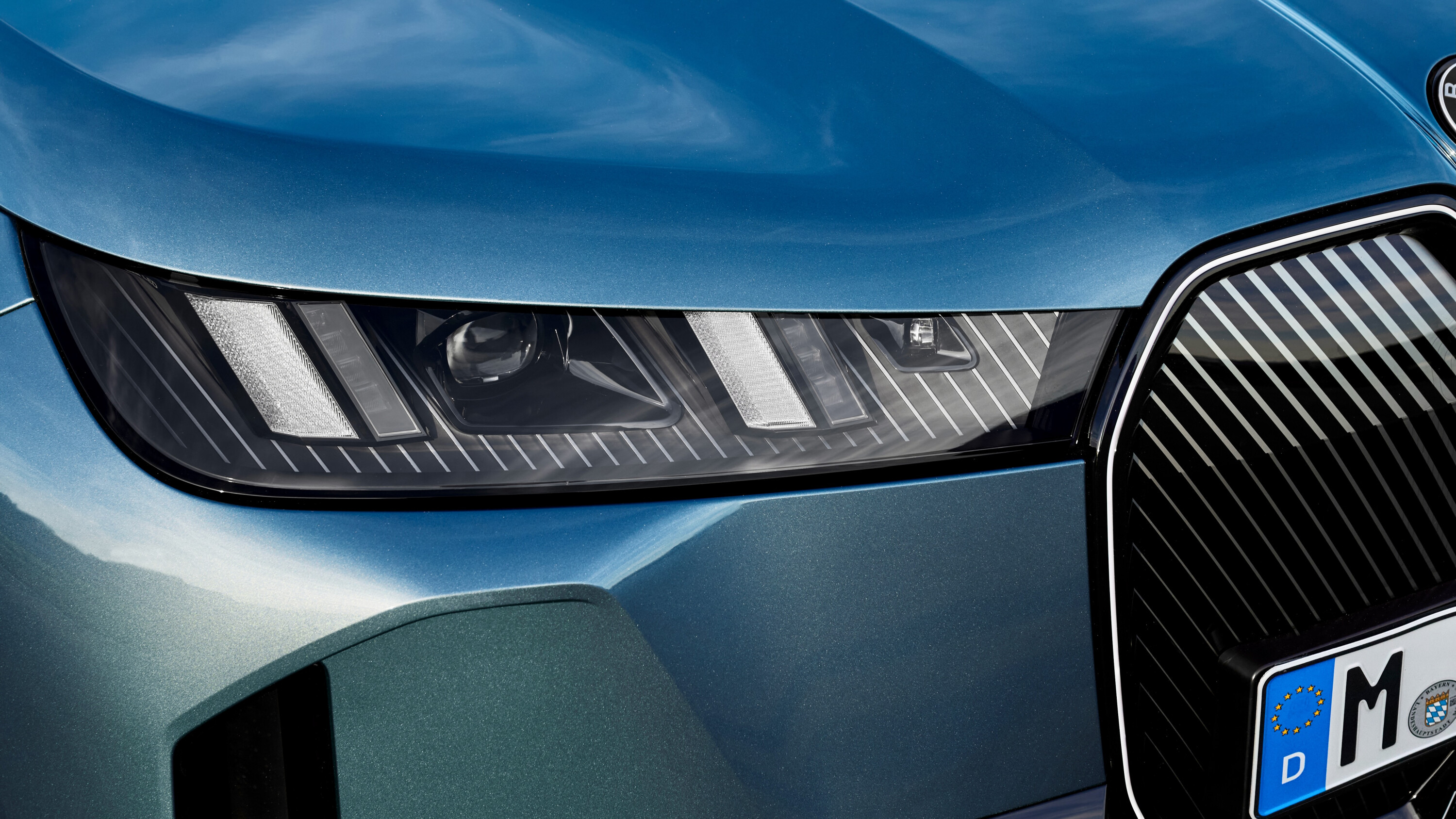
That sends powers to a dual-motor all-wheel drive system making 300kW of power and 700Nm of torque, allowing the 2,525kg iX to sprint to 100km/h in just 5.1 seconds. Compared with the xDrive40, it’s added 60kW of power and 30Nm of torque, while its 0-100km/h time has been slashed by a second.
The iX’s claimed efficiency is 21.8kWh/100km and it can be DC fast charged at up to 175kW – formerly 150kW – for a 34-minute 10 to 80 per cent charge time.
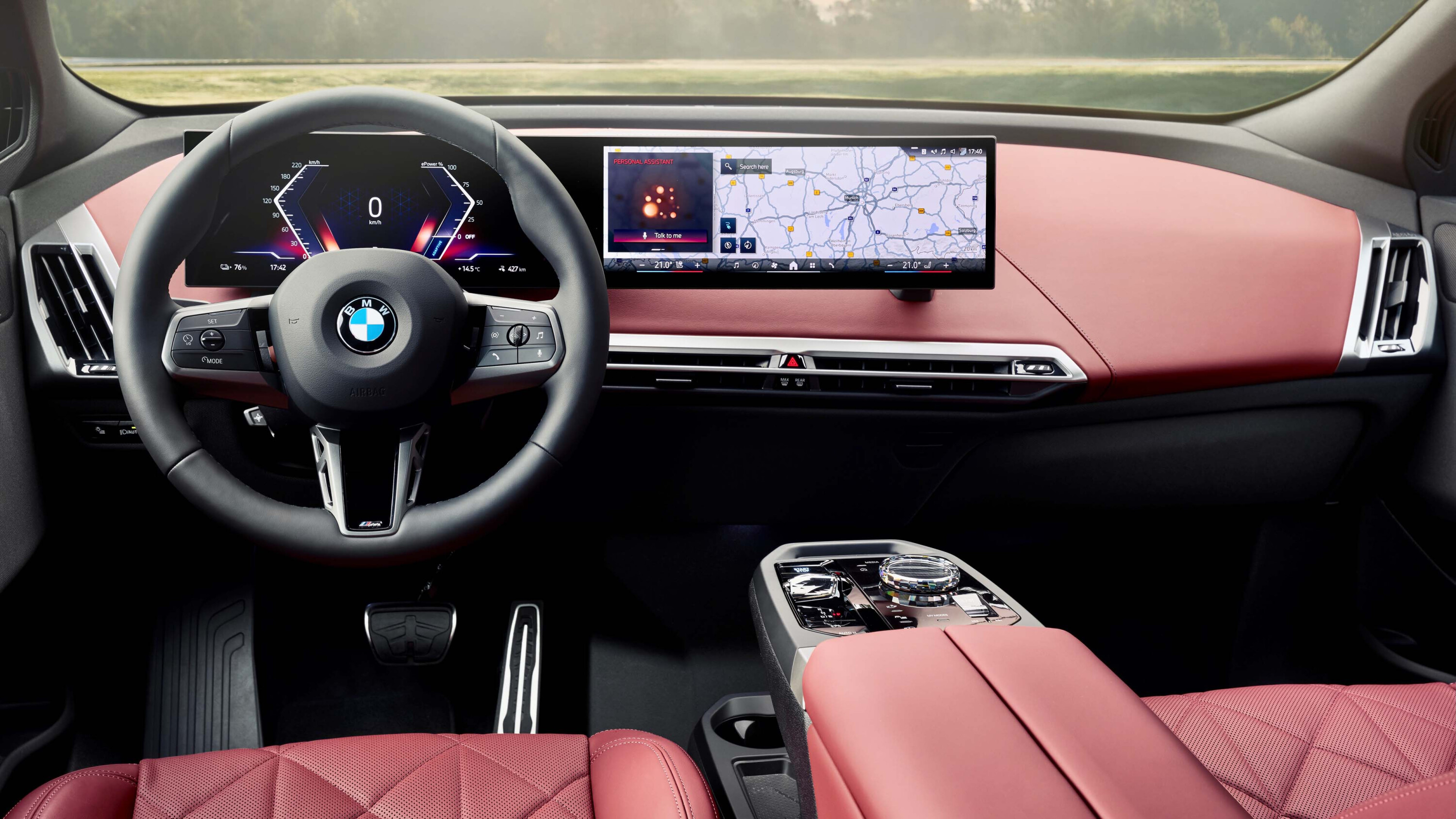
| BMW iX standard equipment: | |
|---|---|
| 21-inch alloy wheels with a tyre repair kit | Four-zone automatic climate control |
| Dusk- and rain-sensing automatic all-LED exterior lighting | 12.3-inch digital driveru2019s display |
| Rain-sensing automatic wipers | 14.9-inch touchscreen with eSIM for live services |
| Keyless entry and push button start | Wireless Apple CarPlay and Android Auto |
| M Sport Package with sportier exterior styling | DAB+ digital radio |
| Illuminated grille | 18-speaker Harman Kardon sound system |
| Panoramic glass roof | Wireless phone charger |
| Vegetable-tanned leather upholstery | Ambient lighting |
| M multifunctional electric front seats with heating and massaging functionality | Mode 2 and mode 3 charging cables |
| Heated leather-wrapped steering wheel | |
| BMW iX safety equipment: | |
|---|---|
| Autonomous emergency braking (AEB) with junction assist | Automatic speed limit assist |
| Adaptive cruise control with stop and go functionality | Front and rear parking sensors |
| Blind-spot monitoring with rear cross-traffic alert | 360-degree parking camera |
| Lane keeping assistance with adaptive lane guidance | Semi-autonomous parking |
| Adaptive high beam | Tyre pressure monitoring |
| Traffic sign recognition | Alarm |
The pre-facelifted iX scored a five-star ANCAP rating in 2021.
| BMW iX options: | |
|---|---|
| Executive Package with soft-close doors, privacy glass, heated and ventilated front seats, heated rear seats, heated upper door panels, heated instrument panel lower section, heated centre console, interior camera and polished crystal glass interior trim | $6500 |
| Integral active steering | $3000 |
| Adaptive air suspension | $4000 |
| 30-speaker Bowers & Wilkins Diamond 1,615W sound system | $9,500 (only available with Executive Package) |
| 22-inch alloy wheels | $2500 |
| 23-inch alloy wheels | $3000 |
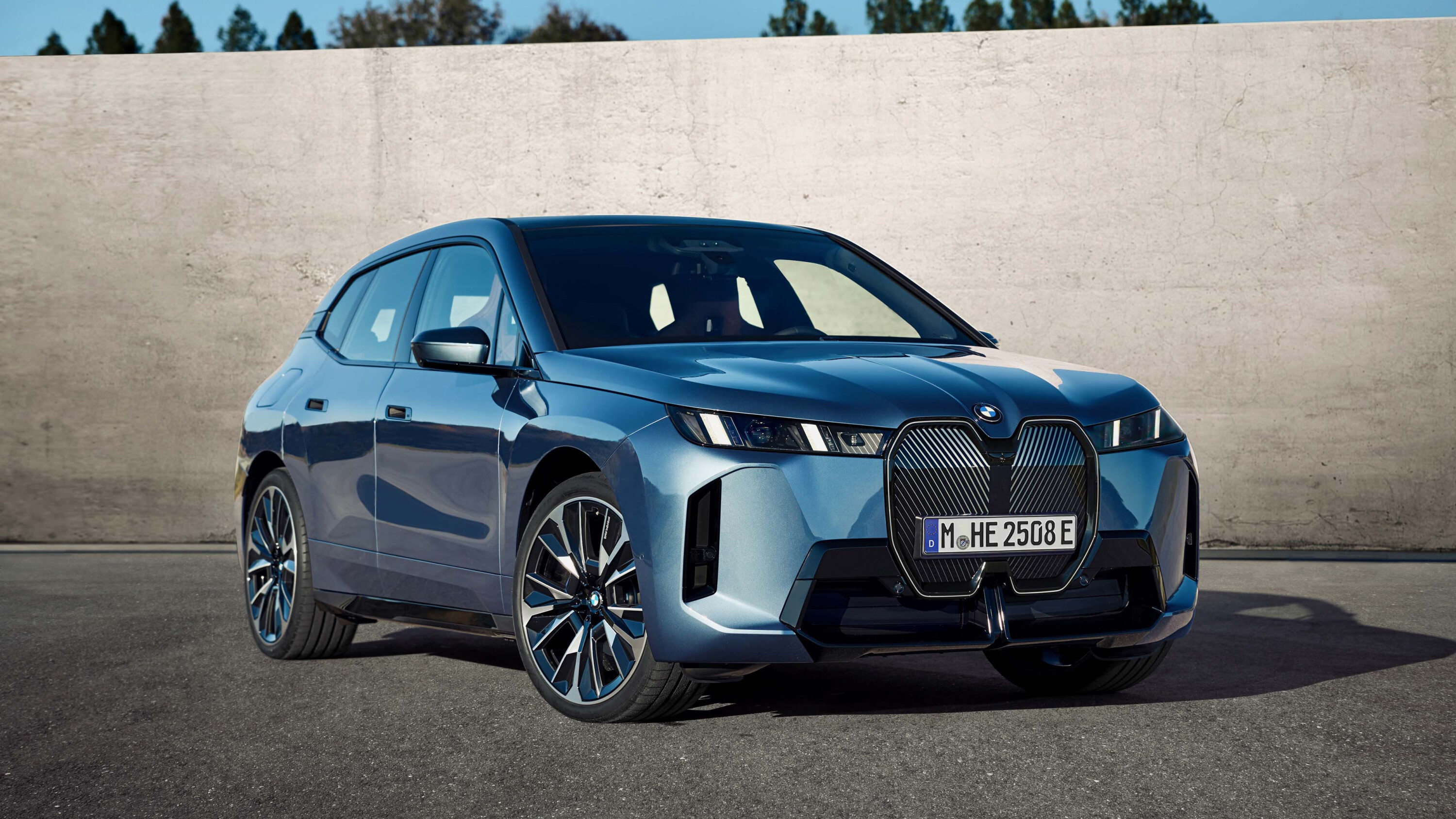
| 2025 BMW iX colours: | |
|---|---|
| M Carbon Black | Standard |
| Black Sapphire | Standard |
| Mineral White | Standard |
| Arctic Race Blue | Standard |
| Dune Grey | Standard |
| Aventurine Red | Standard |
| Storm Bay: $2,400 | $2400 |
| Frozen Deep Grey matte: $5,500 | $5500 |
| Tanzanite Blue: TBD | TBD |
The updated BMW iX will hit local BMW showrooms in around July.
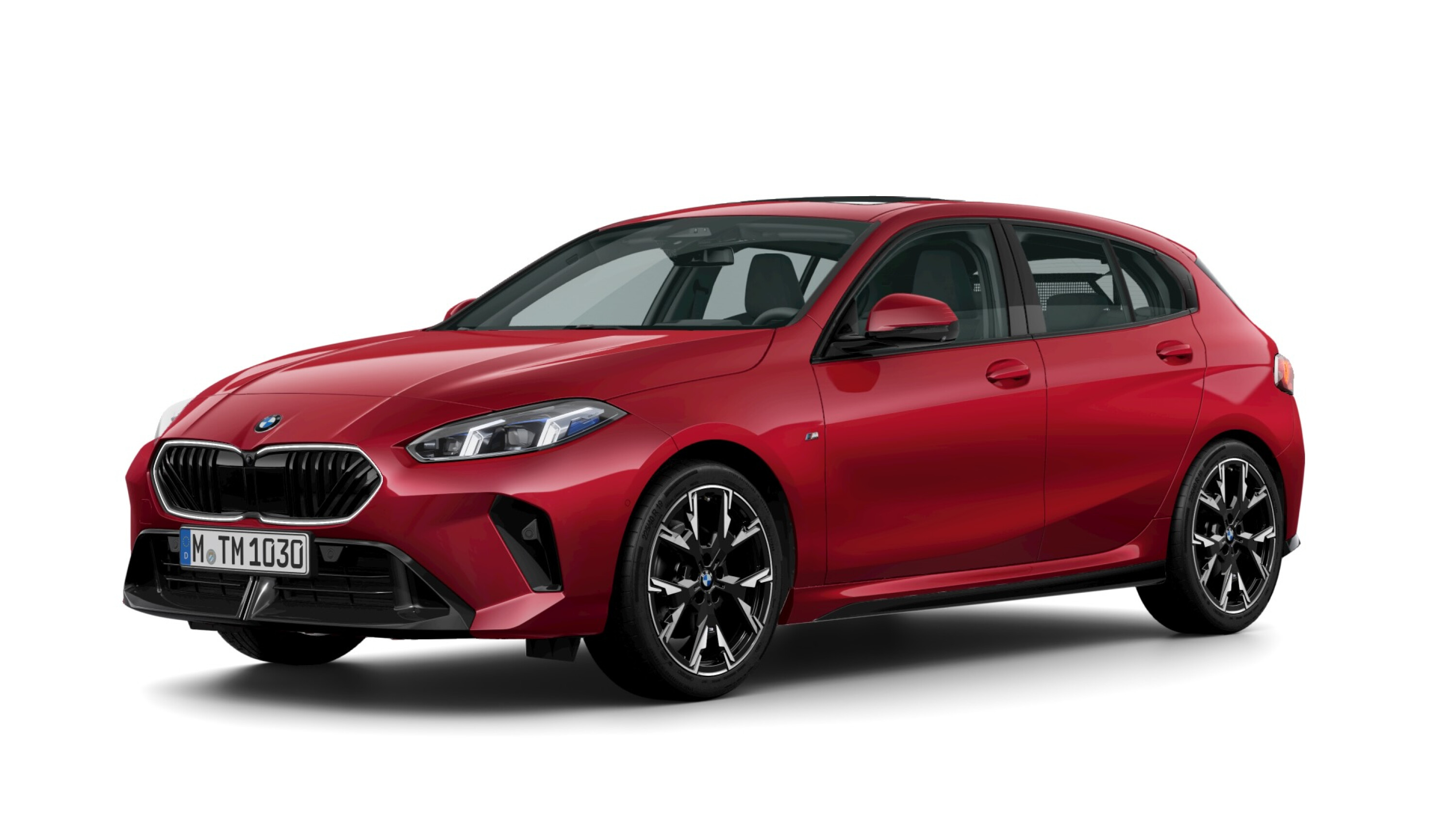
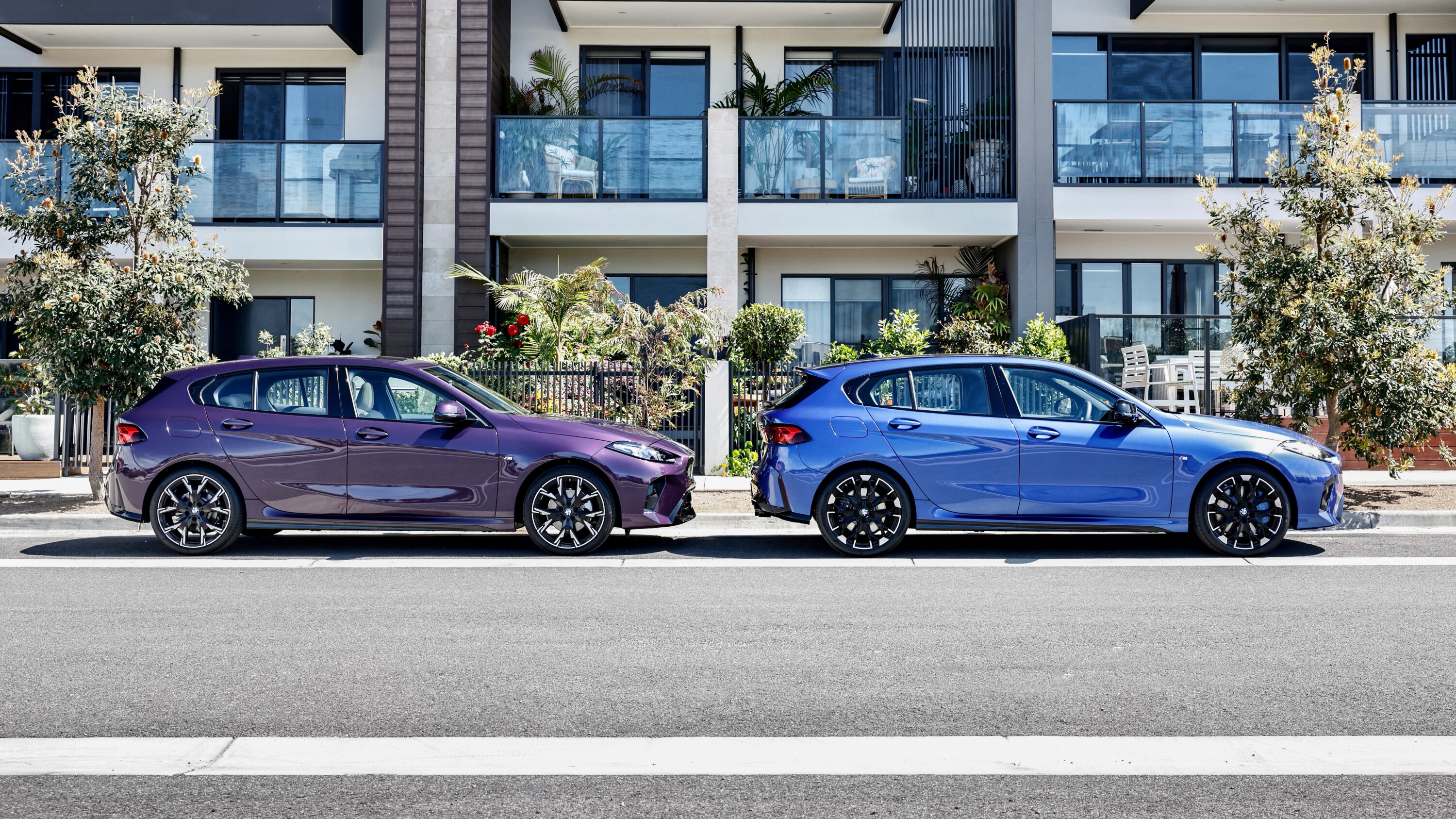
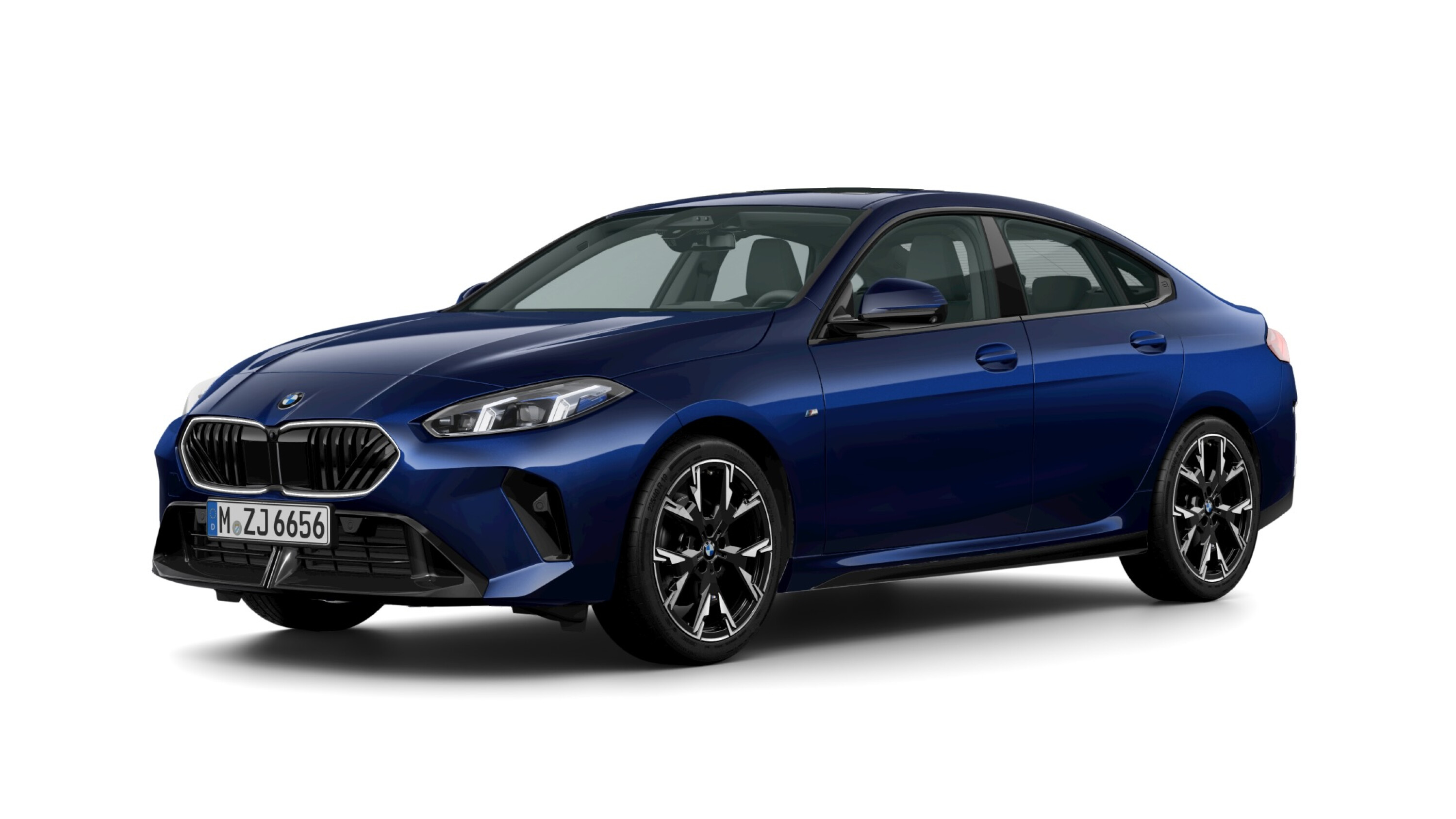
BMW Australia has announced two new models to the 1 and 2 Series lineups, with the 150kW 120 and 220 now on sale locally ahead of the first deliveries due in July.
Centre of the 120 and 220 is a 2.0-litre turbocharged four-cylinder petrol engine making 150kW of power and 300Nm of torque – a considerable jump on the lower-spec 118 and 218’s 115kW/230Nm outputs.
Like the 118 and 218, the 120 and 220’s engine is paired to a seven-speed dual-clutch automatic transmission and both cars remain front-wheel drive. The claimed 0-100km/h time is 7.2 seconds for the 120 and 7.3 seconds for the 220.
In addition to the engine, the 120 and 220 add more standard equipment, including adaptive cruise control with stop and go functionality, while all 1 Series and 2 Series variants will also add an illuminated grille from March 2025 production.
| BMW 120 and 220 standard equipment: | |
|---|---|
| 18-inch alloy wheels with a tyre repair kit | 10.25-inch digital driveru2019s display |
| M Sport Package with sporty exterior elements | 10.7-inch touchscreen with BMW Operating System 9 |
| Dusk- and rain-sensing automatic all-LED lighting | eSIM for live services |
| Rain-sensing automatic wipers | Wireless Apple CarPlay and Android Auto |
| Keyless entry and start with phone key functionality | Satellite navigation with live traffic |
| Heated and auto-folding mirrors | DAB+ digital radio |
| u2018Veganzau2019 synthetic leather upholstery | Head-up display |
| Electric front seat adjustment including heating and driveru2019s memory functionality | Electric tailgate (120 only) |
| 2025 BMW 1 Series and 2 Series pricing (plus on-road costs): | |
|---|---|
| BMW 118 | $57,600 |
| BMW 120 | $60,600 |
| BMW M135 xDrive | $83,600 |
| BMW 218 | $59,900 |
| BMW 220 | $62,900 |
| BMW M235 xDrive | $86,600 |
| 2025 BMW 120 and 220 safety equipment | |
|---|---|
| Autonomous emergency braking | Automatic parking |
| Adaptive cruise control with stop and go functionality | 360-degree camera |
| Blind-spot monitoring with rear cross-traffic alert | Front and rear parking sensors |
| Lane departure warning with lane keeping assistance | Drive recorder |
| Exit warning | Auto high beam |
| Speed limit information | Tyre pressure monitoring |
Options:
| Option | Features | 120 | 220 |
|---|---|---|---|
| Enhancement Package | Metallic paint, 19-inch wheels, steering wheel heating, panoramic sunroof, massaging front seats, traffic jam assist and Harman Kardon sound system | $6500 | $6700 |
| M Sport Package Pro | Red M Sport brakes, dark exterior detailing, M Sport seats, M rear spoiler | $3200 | |
The BMW 120 and 220 are available to order now, with the first units due to hit local BMW dealerships in July.
UPDATE: New photos and specs added
We’ve added important powertrain and dimensions details to this story, but a full look at the AWD 85X model is still to come.

OCTOBER 2024: Elroq revealed as Karoq’s electric successor
The Elroq will be Skoda’s second EV available in Australia, following the Enyaq, with a planned Australian launch in July 2025.
Snapshot
- Electric SUV replaces petrol-powered Karoq
- Arrives in Australia mid-2025
- Four international drivetrain options, Australian specs still to be announced
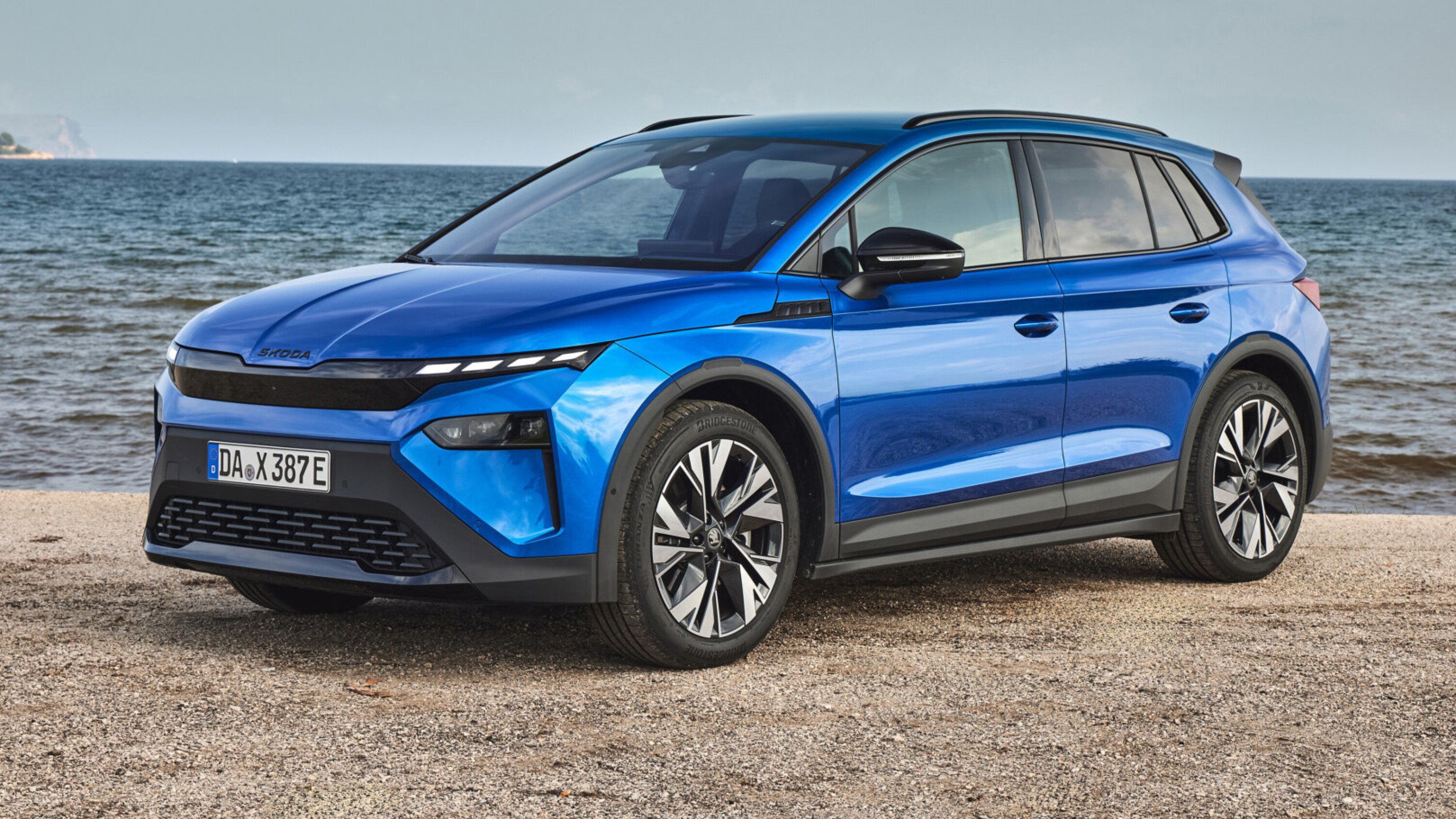
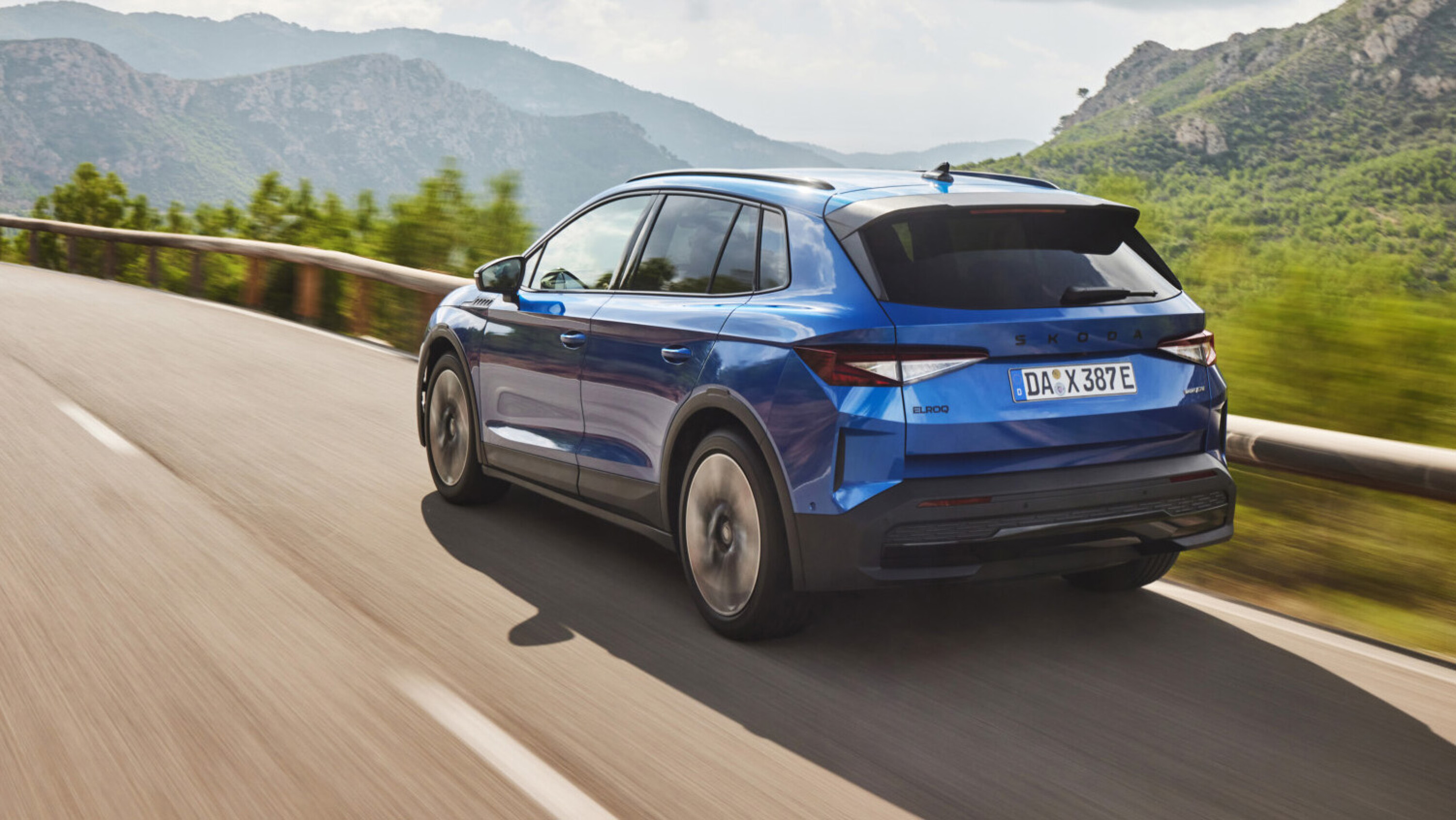
The Elroq is the first new Skoda model to showcase Skoda’s updated ‘Modern Solid’ design language.
The front features a redesigned ‘Tech-Deck’ face, incorporating a slimmer grille with the recently re-styled Skoda font across its width.
Standard Matrix LED headlights are included, along with a full-width ‘Light Band’ across the grille offered as options in some markets. The rear features a more familiar look, revealing a broad design connection to the Karoq it’ll replace.
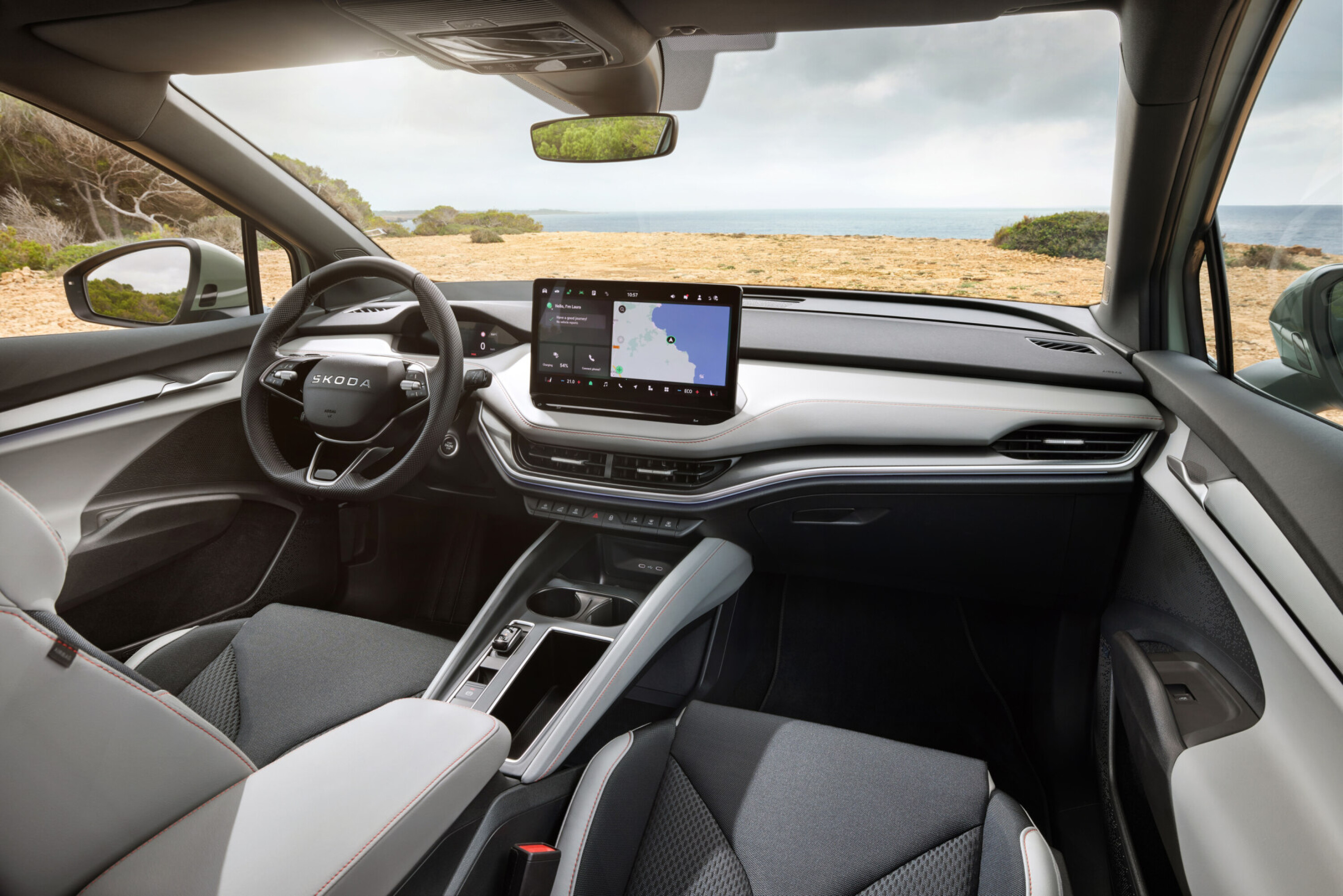
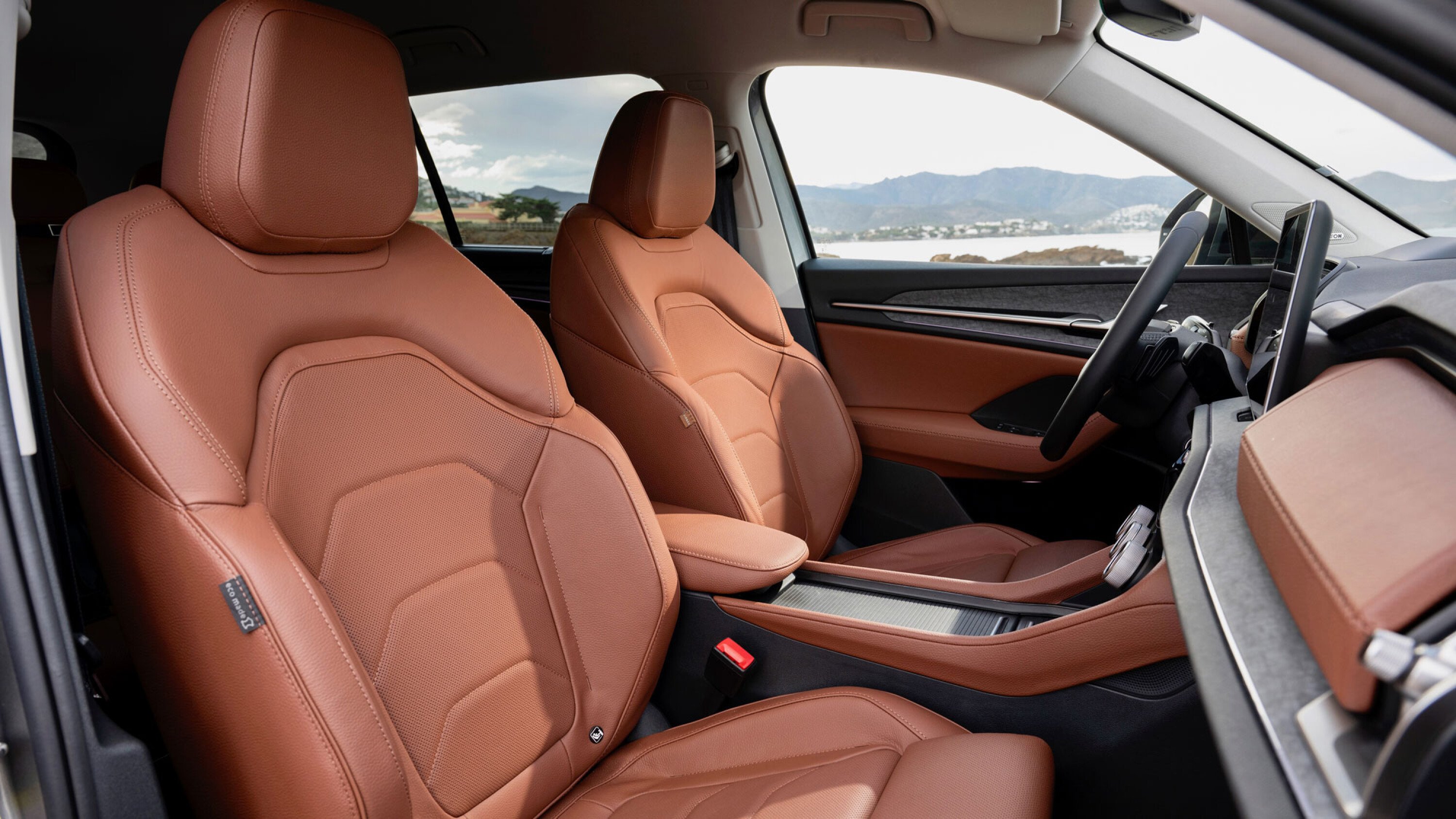
Overseas, four interior themes are available: Studio, Loft, Lodge, and Sportline. Studio interiors feature black fabric upholstery. Loft interiors include anthracite grey leatherette with Moss Green stitching and dark blue recycled fabric.
The Lodge theme uses grey TechnoFil material with orange accents. The Sportline package comprises sportier exterior styling, a lowered ride height, carbon-look interior trim, and suede sports seats with integrated headrests.
A 13-inch infotainment touchscreen with Skoda’s ‘Laura’ voice assistant and ChatGPT is standard. A 5.0-inch digital instrument cluster and a head-up display are also included.

Standard safety features consist of nine airbags, adaptive cruise control, lane assist, emergency assist, side assist, and European-mandated Intelligent Speed Assist with traffic sign recognition.
The Elroq’s boot capacity is 470 litres with the rear seats up (51 litres less than the Karoq) and 1580 litres with the second row folded (230 litres less than the Karoq).
Built on the Volkswagen Group’s MEB platform, the Elroq will offer four drivetrain options internationally. Rear-wheel drive models will be released first, with a flagship all-wheel drive version following next year.
Skoda Elroq: Electric motor and battery details
Australian motor and battery specs are still to be announced, but here is what Skoda announced for Europe this week:
A 125kW rear-wheel drive variant Elroq 50 opens the range, claiming 0-100km/h in 9.0 seconds and a top speed of 160km/h. This model uses a 52kWh battery, providing a WLTP-rated driving range of 375km.
A 150kW rear-wheel-drive Elroq 60 will sit further up in the range, cutting the 0-100km/h time by a hair to 8.5 seconds. Its slightly larger 59kWh battery allows for a WLTP-rated range of over 400km.

Heading into performance territory, the more powerful 210kW Elroq 85 will reduce the 0-100km/h time to 6.6 seconds and increase the top speed to 180km/h. This variant uses a 77kWh battery, providing a WLTP-rated range of over 560km.
A more powerful all-wheel drive Elroq 85X will follow, and while full details are still to come, it’s expected to offer a combined output of 220kW and around 560km in driving range.
A flagship Elroq RS variant is also expected, although details on that hero variant are still to be confirmed.
In the larger Enyaq, a 250kW AWD variant stands as the hero RS model. Given the somewhat negligible gap between 210kW and 250kW in this application, it’s likely we could expect that configuration for any upcoming Elroq RS.
DC fast charging capability is standard across the range, with maximum charging capacities of 145kW for the 125kW model and 175kW for the 150kW and 210kW variants.

Elroq: European spec breakdown
| MY25 Skoda Elroq | Elroq 50 | Elroq 60 | Elroq 85 | Elroq 85x |
|---|---|---|---|---|
| Motor | Single, RWD | Single, RWD | Single, RWD | Dual, AWD |
| Power | 125kW / 310Nm | 150kW / 310Nm | 210kW / 310Nm | 220kW |
| Battery (Li-Ion) | 52kWh net | 59kWh net | 77kWh net | TBC |
| Range (WLTP) | 375km | 400km+ | 580km | 560km+ |
| Efficiency | 15.8 kWh/100km | 16.6 kWh/100km | 15.2 kWh/100km | TBC |
| DC charging | 145kW | 165kW | 175kW | 175kW |
| 0-100km/h | 9.0 seconds | 8.5 seconds | 6.6 seconds | TBC |
| Skoda Elroq dimensions | |
|---|---|
| Length [mm] | 4488 |
| Width [mm] | 1884 |
| Height [mm] | 1625 |
| Wheel base [mm] | 2765 |
| Boot capacity [l] | 470 |
| Boot capacity (rear seats down) [l] | 1580 |
| Skoda Elroq weights and towing | |
|---|---|
| Kerb weight (incl. driver) [kg] | 1949-2256 |
| Max. trailer load (no brakes) [kg] | 750 |
| Max. trailer load (brakes, 12%) [kg] | 1000 |
| Max. trailer load (brakes, 8%) [kg] | 1200 |
| Max. nose weight [kg] | 75 |
When will the Elroq come to Australia and how much will it cost?
Pricing and specs for the Australian market will be announced closer to its July launch date.
Skoda Australia has announced local specifications for the second-generation ‘NG’ Kodiaq SUV, which is due in local Skoda dealers next month – with the vehicle extended in length and given more kit.
The only available drivetrain for the Kodiaq range so far is a 140kW/320Nm 2.0-litre turbocharged four-cylinder petrol engine that’s mated to a seven-speed dual-clutch automatic transmission and all-wheel drive. While local fuel consumption is yet to be announced, the Kodiaq hits 100km/h in 8.2 seconds.

The Kodiaq RS will launch later this year, which ups the performance ante to 195kW, as well as adding sportier suspension to match the RS badging.
Measuring 4,758mm long, 1,864mm wide, 1,678mm tall and riding on a 2,791mm long wheelbase, the second-generation Kodiaq is 59mm longer, 18mm narrower, 8mm shorter and riding on the same wheelbase as the previous model.
The Kodiaq’s boot measures 289 litres with all seven seats in use, 794L with the third row folded and 2,035L with the second row folded as well – increases of 19L/29L/30L compared with the last car, respectively. That makes it more capacious than main rivals like the Kia Sorento, which offers up to 1,966L of space, and the Mazda CX-80 with its 1,971L maximum.

The entry-level Kodiaq, now called Select, has seen a big increase in equipment with features such as leather trim, tri-zone climate control, traffic jam assist, DAB+ digital radio, metallic paint, heated front seats and an electric driver’s seat now featured as standard.
Kodiaq Select standard equipment:
- 19-inch alloy wheels
- Dusk- and rain-sensing automatic all-LED exterior lighting
- Rain-sensing automatic wipers
- Auto-folding/heated/driver auto-dimming mirrors with memory
- Keyless entry with push button start
- Power tailgate
- Roof rails
- Rear privacy glass
- Black leather upholstery
- 10-way electric driver’s seat with memory functionality
- Heated front seats
- Leather-wrapped steering wheel with paddle shifters
- Tri-zone automatic climate control
- 10-inch digital driver’s display
- 13-inch touchscreen
- Satellite navigation
- Wireless Apple CarPlay and Android Auto
- AM/FM/DAB+ digital radio
- Nine-speaker sound system
- 5x USB-C ports
- 2x wireless phone chargers with ventilation
- Metallic paint
- Umbrella and waste bin in driver’s door
- Floor mats
- Boot mat
Kodiaq safety equipment:
- Nine airbags (including a front centre unit)
- Autonomous emergency braking (AEB) with pedestrian and cyclist detection
- Adaptive cruise control with stop and go functionality
- Traffic jam assist
- Lane keeping assistance with lane departure warning
- Adaptive lane guidance
- Emergency assist
- Blind-spot monitoring with rear cross-traffic alert
- Safe exit warning
- Traffic sign recognition
- Front and rear parking sensors
- Reversing camera
- Alarm
- Tyre pressure monitoring

Kodiaq Sportline model adds:
- 20-inch alloy wheels
- Gloss black exterior elements
- Matrix adaptive high beam
- Scrolling rear indicators
- Heated steering wheel
- Aluminium pedals
- Suede and leather upholstery
- Front sports seats
- Driving mode selection
- Upgraded sound system
Kodiaq Launch Edition model adds:
- Massaging front seats including electric front passenger seat adjustment
- Adaptive dampers
- Automatic parking
- 360-degree camera
- Panoramic sunroof
- Heated outboard rear seats
- Hands-free electric tailgate
- Canton sound system
- Head-up display
- Illuminated grille
- Cognac or black leather upholstery

Kodiaq options:
- Sunroof (Select and Sportline)
- 20-inch alloy wheels (Select)
- Ultimate Package with adaptive dampers, sport steering rack, hill descent control, Canton sound system, heated rear seats, head-up display, automatic parking, 360-degree camera, hands-free power tailgate (Sportline)
Colour options:
- Steel Grey solid
- Graphite grey metallic
- Brilliant Silver metallic
- Moon White metallic
- Bronx Gold metallic (Select)
- Race Blue metallic
- Black Magic pearlescent
- Velvet Red (Sportline)

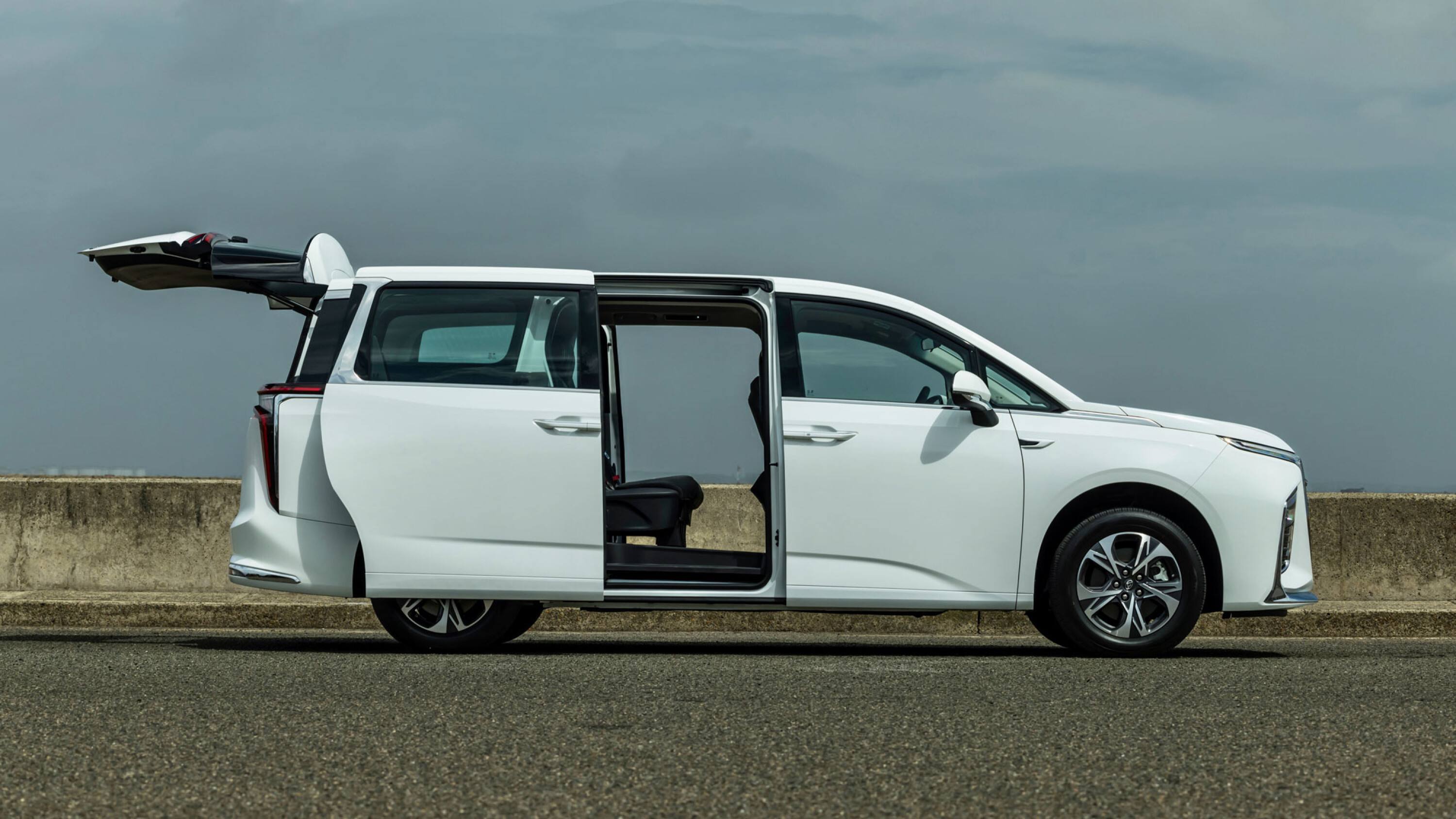
LDV MIFA is now available with an eight-seat layout, taking the fight in the segment to the top-selling Kia Carnival and Hyundai Staria.
Priced from $47,990 drive away, the new eight-seat layout is only available on the entry-level MIFA Mode and is priced from $1,019 more than the seven-seater.
That makes it $6,700 less expensive than the entry-level Kia Carnival S V6.
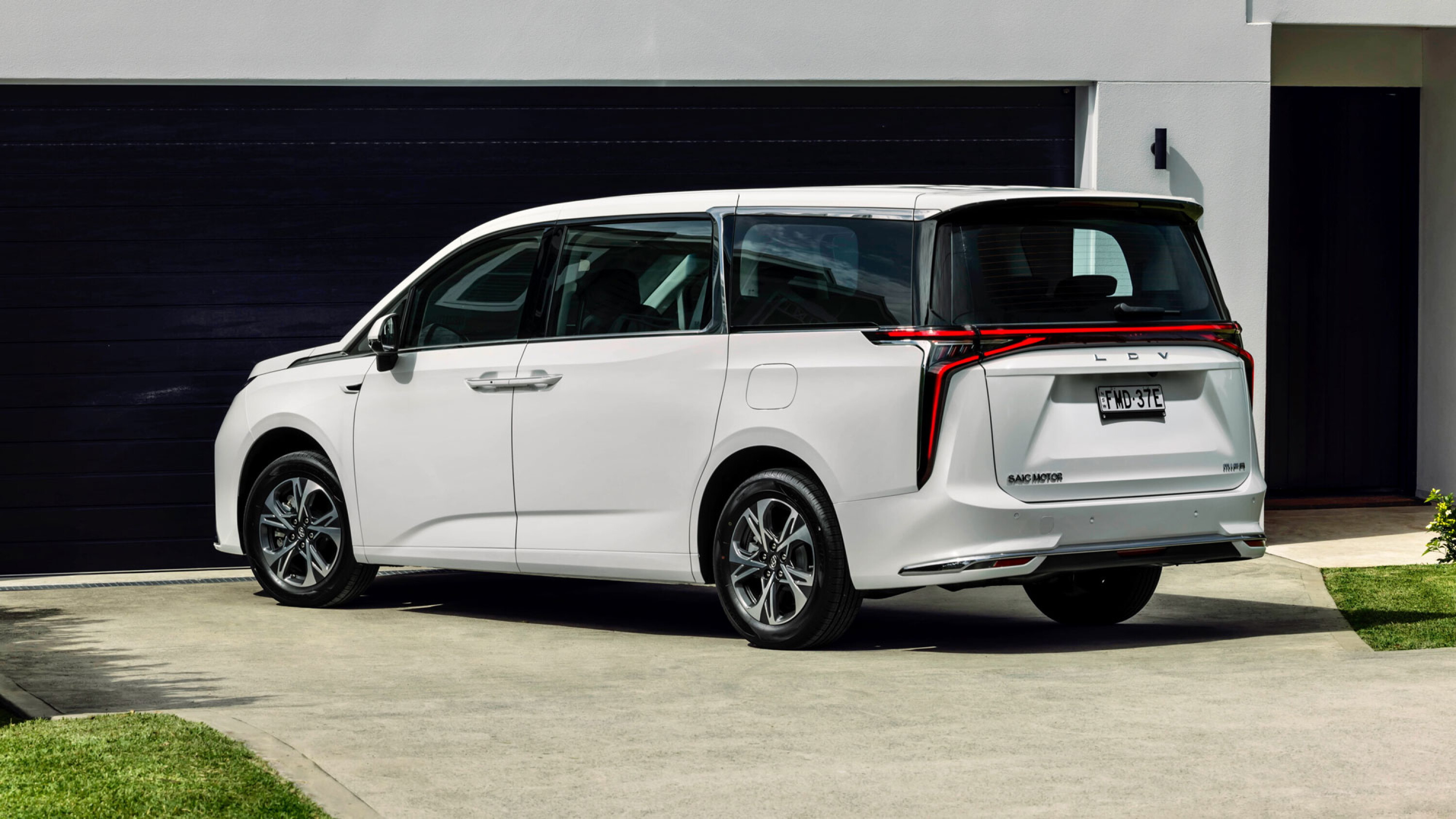
“Value is extremely important in the family-car market and we are proud to be able to offer a full-size eight-seat people-mover for $47,990 drive-away,” said Dinesh Chinnappa, the General Manager of LDV Australia. “We have been working with the factory on an eight-seat option for some time and we are delighted that we can finally deliver this option to our customers.”
All MIFA models are powered by a 2.0-litre turbocharged four-cylinder petrol engine making 160kW of power (between 5,000rpm and 5,500rpm) and 360Nm of torque (between 1,500rpm and 4,000rpm). That’s mated to an eight-speed automatic transmission and power is sent to the front wheels.
LDV claims combined fuel consumption of 9.3L/100km with claimed CO2 emissions of 220g/km. It uses minimum 95RON premium unleaded and a 70-litre fuel tank. The MIFA can tow a 2,000kg braked trailer.
LDV MIFA pricing (drive away):
- Mode: $46,971
- Mode 8-seat: $47,990
- Executive: 55,671
- Luxe: $63,501
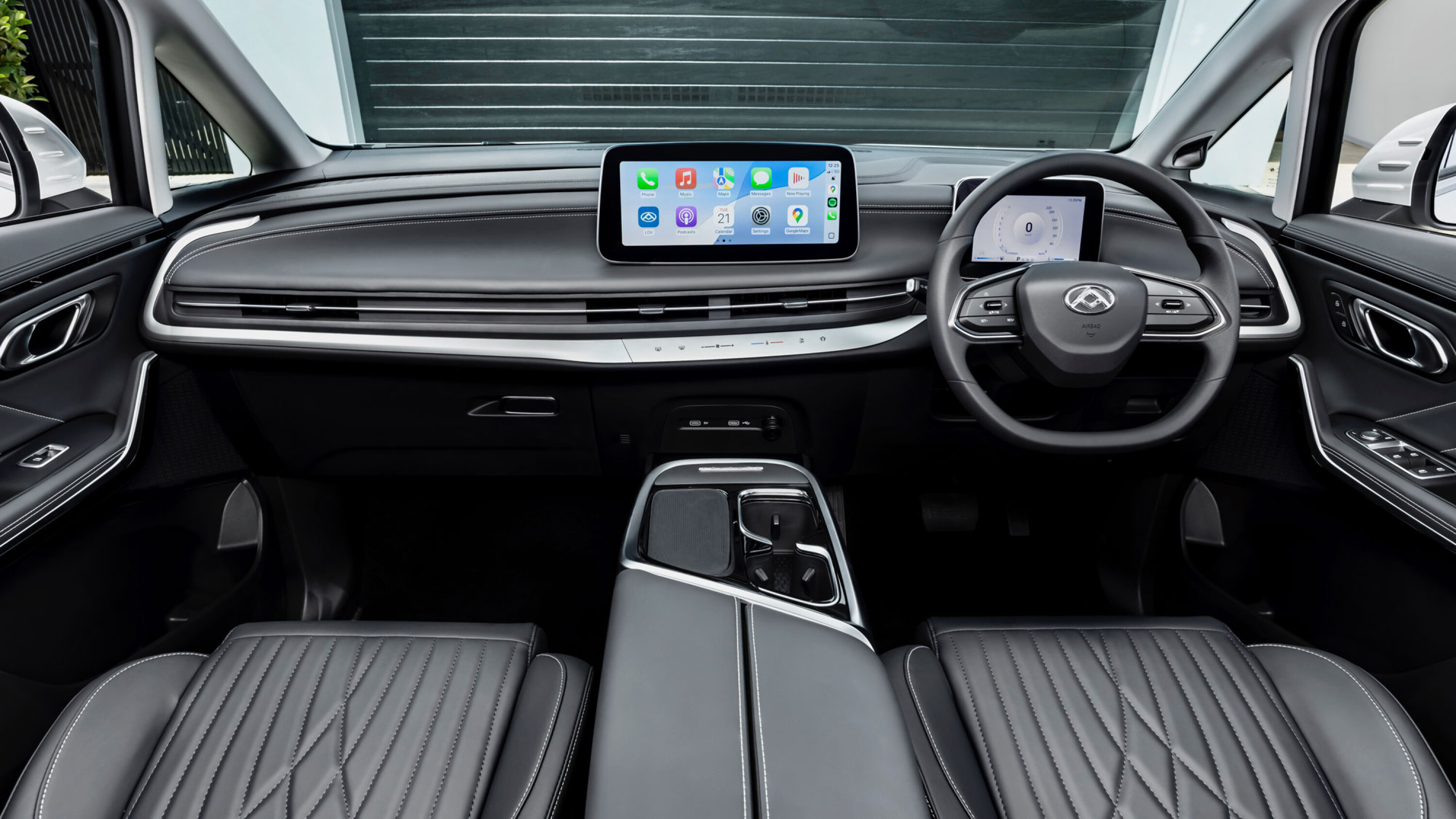
LDV MIFA Mode standard equipment:
- 18-inch alloy wheels
- Dusk-sensing automatic LED exterior lighting
- Synthetic leather upholstery
- Tri-zone automatic climate control
- 12.3-inch touchscreen
- Wired Apple CarPlay
- 7.0-inch digital driver’s display
- Six-speaker sound system
MIFA safety features:
- Seven airbags (including a front centre unit)
- Autonomous emergency braking (front and rear)
- Adaptive cruise control
- Auto high beam
- Lane keeping assistance
- Driver fatigue monitoring
- Blind-spot monitoring with rear cross-traffic alert
- Safe exit warning
- Traffic sign recognition
- Reversing camera
- Rear parking sensors
MIFA Executive model adds:
- Dual power sliding doors
- Power tailgate
- Rain-sensing automatic wipers
- 19-inch alloy wheels
- Auto-dimming rear mirror
- Eight-way electric front seat adjustment
- Eight-speaker sound system
- Wireless phone charger
- Multi-zone automatic climate control
- Front and rear sunroof
- 360-degree camera
- Front parking sensors
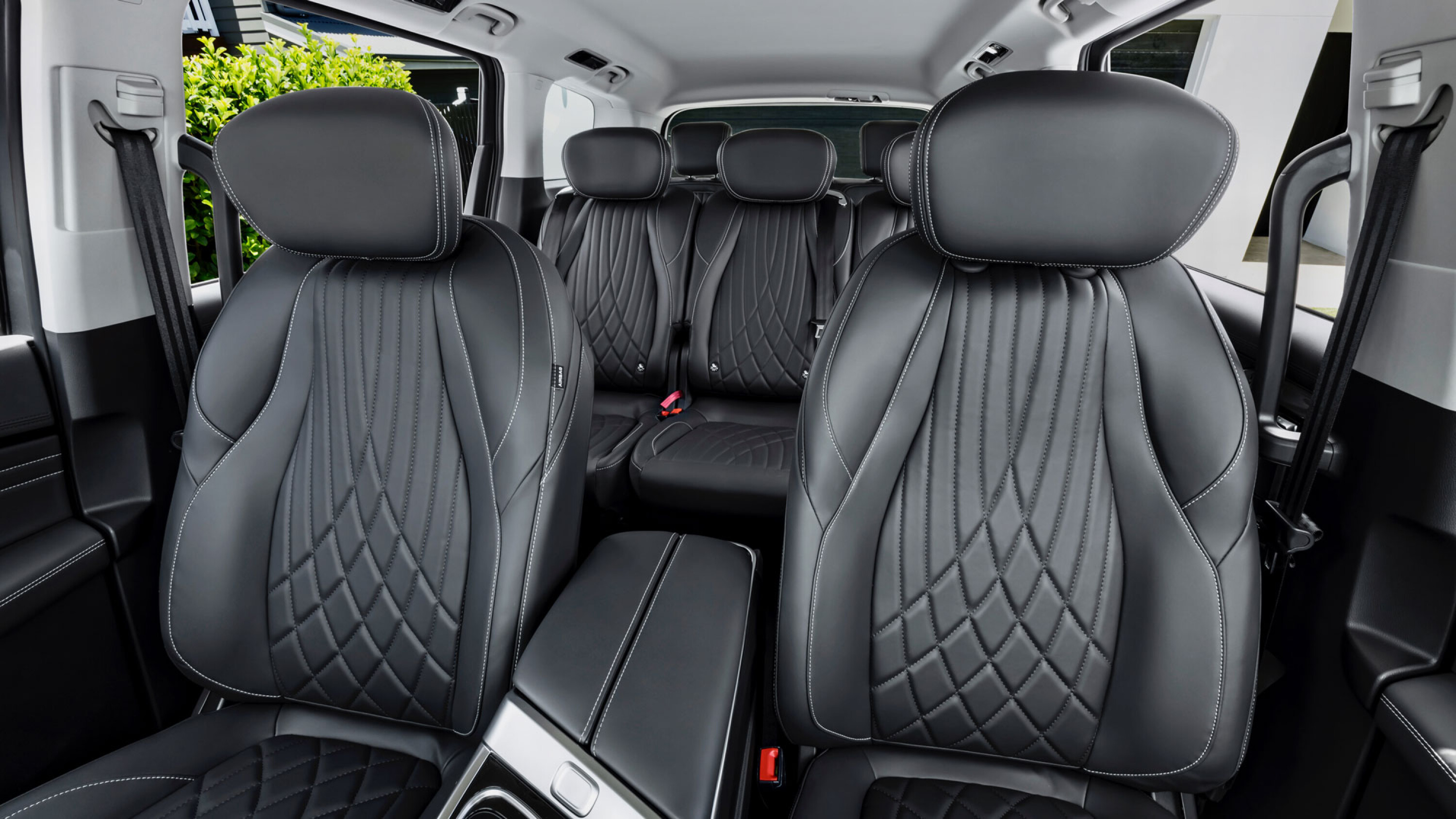
MIFA Luxe model adds:
- 12-speaker sound system
- 64-colour ambient lighting
- Leather upholstery
- Heated, ventilated and massaging front seats with driver’s memory
- Second row captain’s chairs with four-way electric adjustment, heating, ventilation and eight-mode massaging
MIFA colours options:
- Blanc White: no-cost
- Pearl White: $500
- Mica Blue: $500
- Dynasty Red: $500
- Metal Black: $500
- Concrete Grey with black roof (Executive and Luxe only): $2000
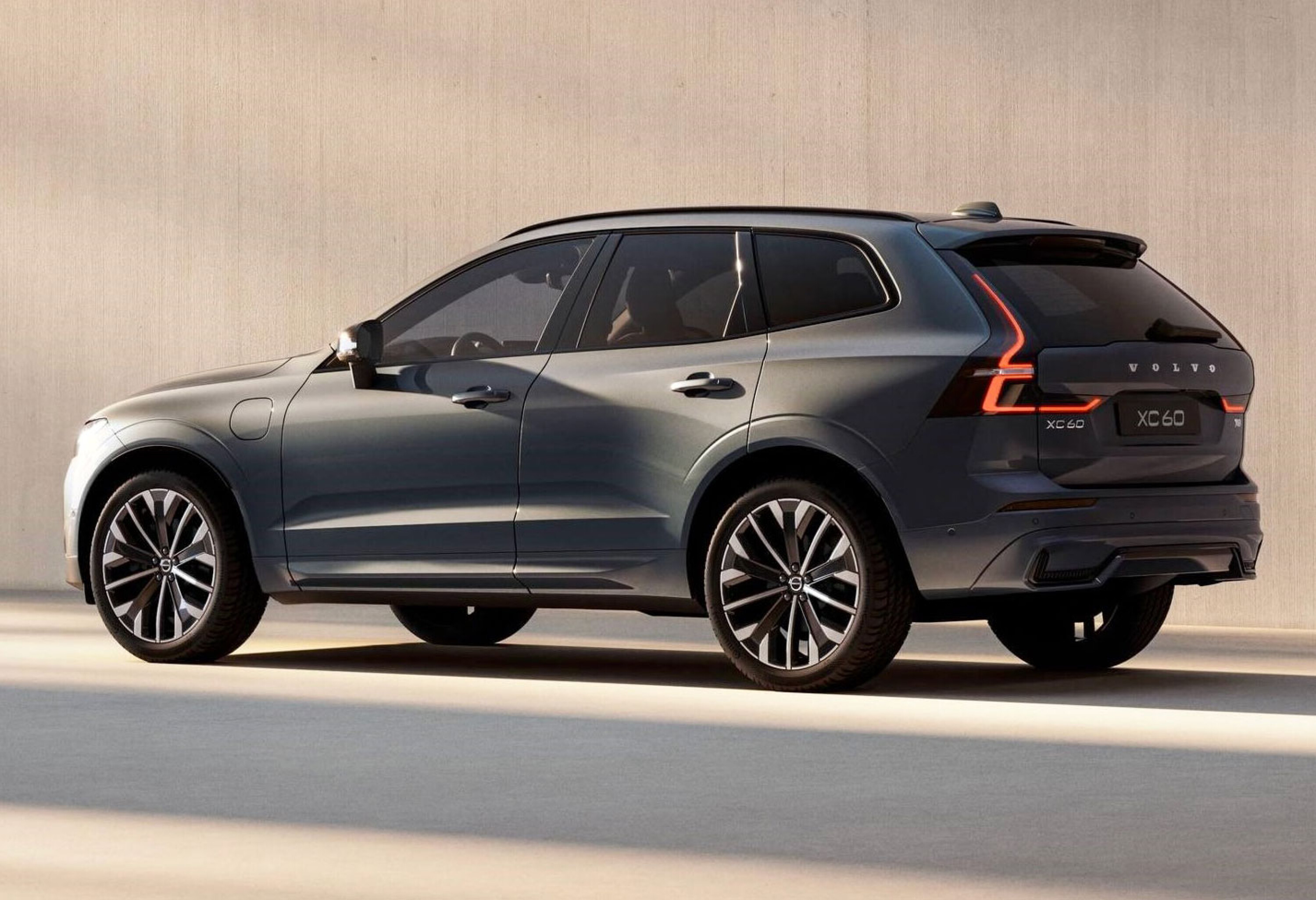
Volvo has released details of the updated XC60 mid-size SUV, which has been given a refreshed interior and exterior like the XC90 to keep it fresh in the market.
The exterior gets subtle changes like a new grille and wheel designs, plus darker taillights, while new paint includes ‘Forest Lake’, ‘Aurora Silver’ and ‘Mulberry Red’ colours.
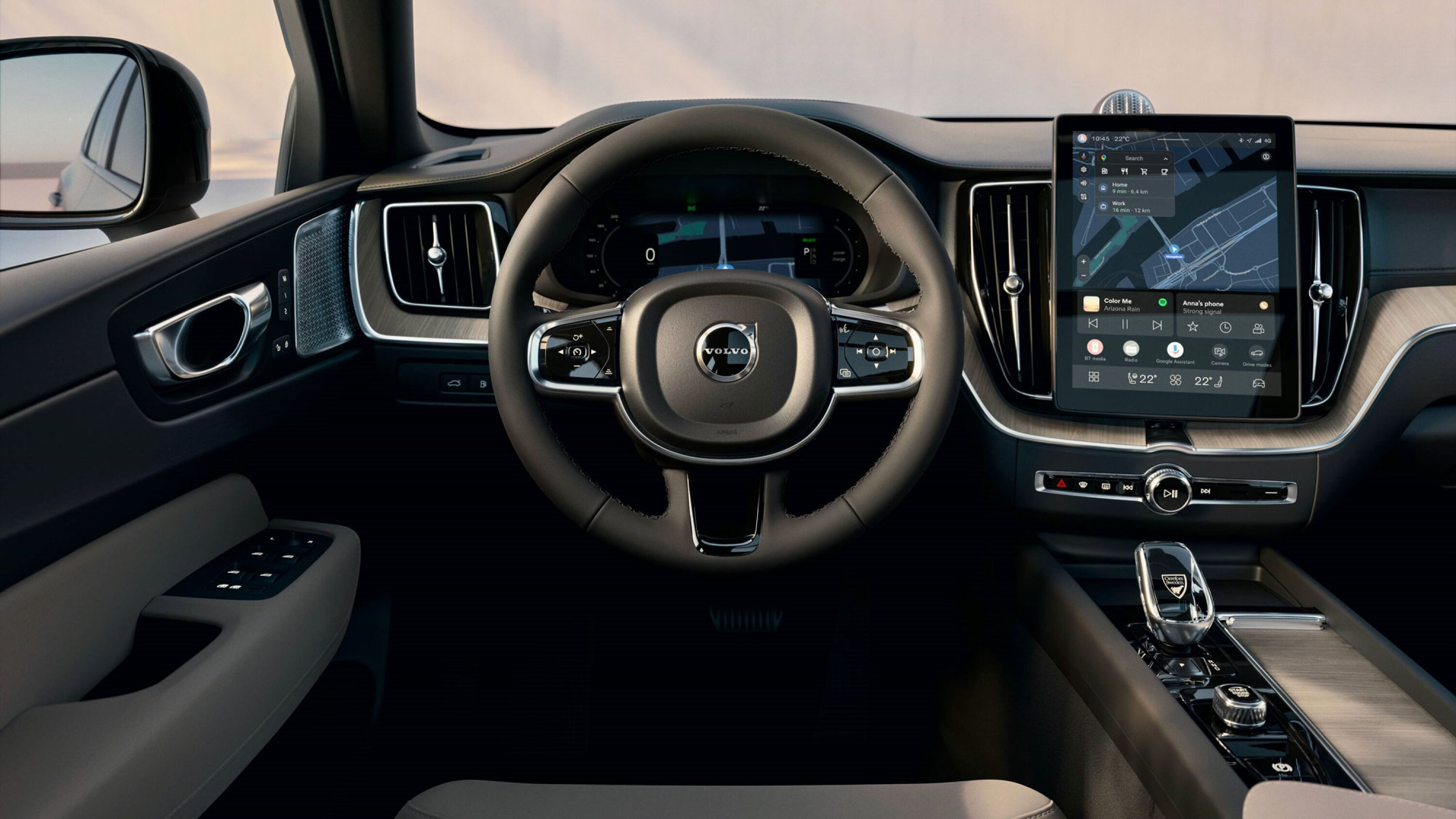
More changes can be found inside the XC60, which has adopted the same 11.2-inch touchscreen that’s used in the XC90, EX90 and EX30. The system features Google built-in with access to the Google Play Store and, according to Volvo, is twice as fast as the outgoing touchscreen thanks to a new chip from American company Qualcomm Technologies.
Volvo has also given the updated XC60 new materials, including new quilted Nordico synthetic leather trim and navy herringbone fabric trim, while the cup holders and wireless charger on the centre console have been redesigned.
The cabin of the XC60 has been made quieter thanks to extra sound insulation on the A- and B-pillars and a new air purification system has been added. Finally, the speaker grille for the optional Bowers & Wilkins sound system has also been redesigned for a new look.
No mechanical changes have been listed for the updated XC60 aside from a softened suspension tune for coil-sprung variants, while the XC60 range continues to use both mild-hybrid and plug-in hybrid drivetrains built around a turbocharged 2.0-litre petrol engine.
In the current XC60 lineup are either the 183kW/350Nm B5 mild-hybrid or the 340kW/709Nm plug-in hybrid T8, which can achieve a claimed 81km range on the WLTP cycle. The current XC60 is priced from $73,990 plus on-road costs.
Volvo Cars Australia is yet to confirm when the updated XC60 will be launched locally, but it’s likely to be this year.
Hyundai has set a lap record at the iconic Tsukuba Circuit in Japan with a modified version of the Wheels COTY 2024-winning IONIQ 5 N.
Driven by Japanese professional driver Nobuteru Taniguchi at the Attack Tsukuba 2025 motorsport event, the IONIQ 5 N lapped the circuit in 57.446 seconds – a full two seconds faster than any EV before it.
The vehicle used to lap the track was not a production IONIQ 5 N, instead, the motorsport IONIQ 5 ‘N TA Spec’ variant was employed for the task. Tsukuba wasn’t its first victory as it took first at the 2024 Pikes Peak International Hill Climb (PPIHC) in the modified production electric SUV category, setting a new record in the process.
According to Hyundai, the IONIQ 5 N TA Spec was designed to showcase the strengths of the production-spec IONIQ 5 N without significant modifications. The TA Spec retains the standard car’s power electronics system, but the TA Spec’s maximum output has been boosted to a massive 505kW, with the rear motor’s power increased by 27kW compared with the standard car.
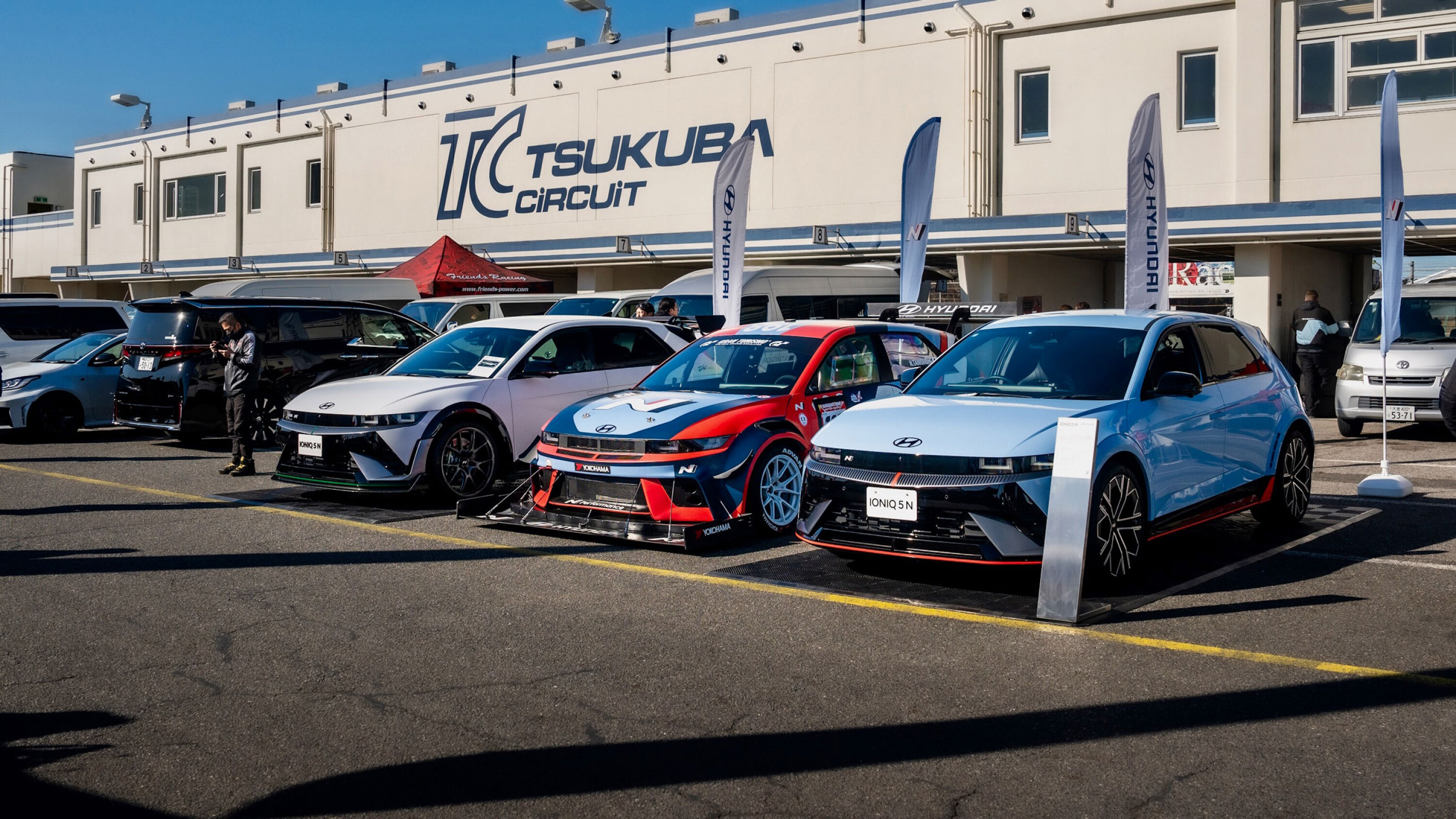
Additional upgrades include a louder exterior noise with modified speakers (over 120 dB), new shock absorbers, motorsport-grade brakes, Yokohama slick tyres, a high-downforce aerodynamic package, a Recaro seat, a Sabelt six-point safety harness, a PPIHC-specification roll cage, and an EV fire suppression system.
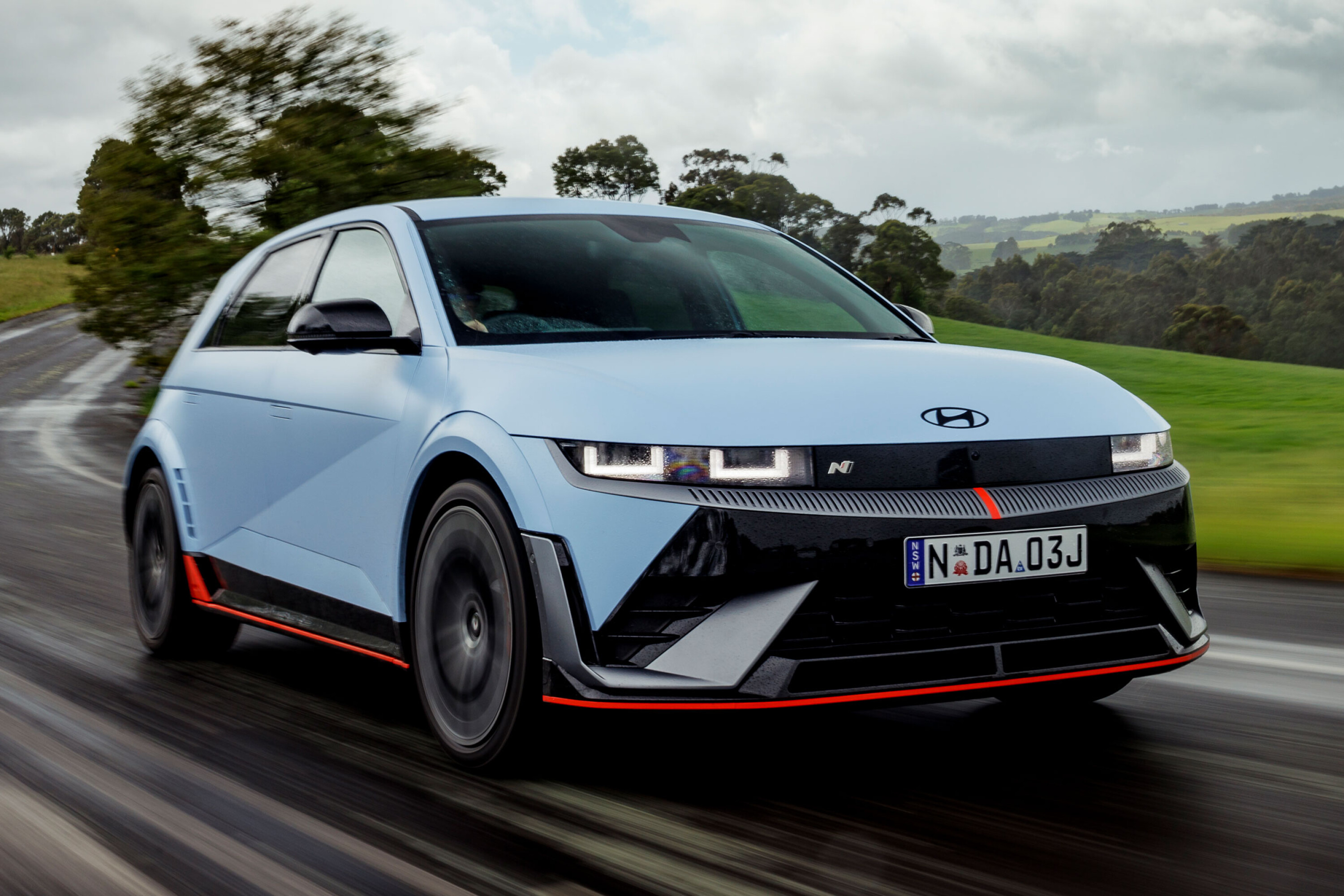
“I’m honoured to have had the opportunity to drive the Hyundai IONIQ 5 N TA Spec at Attack Tsukuba 2025, which enabled me to significantly break my previous EV record”, said Taniguchi. “The IONIQ 5 N TA Spec stops well and handles excellently. Despite the power, the control is outstanding, with great cornering and smooth, stable corner-exit. I could push the car to the limit with real confidence.”
Hyundai Mobility Japan also showcased the recently revealed IONIQ 5 N DK Edition, a special edition with a new performance parts package. Hyundai N created the package in collaboration with Keiichi Tsuchiya, the legendary Japanese race car driver also known as ‘Drift King’ – the package’s namesake.
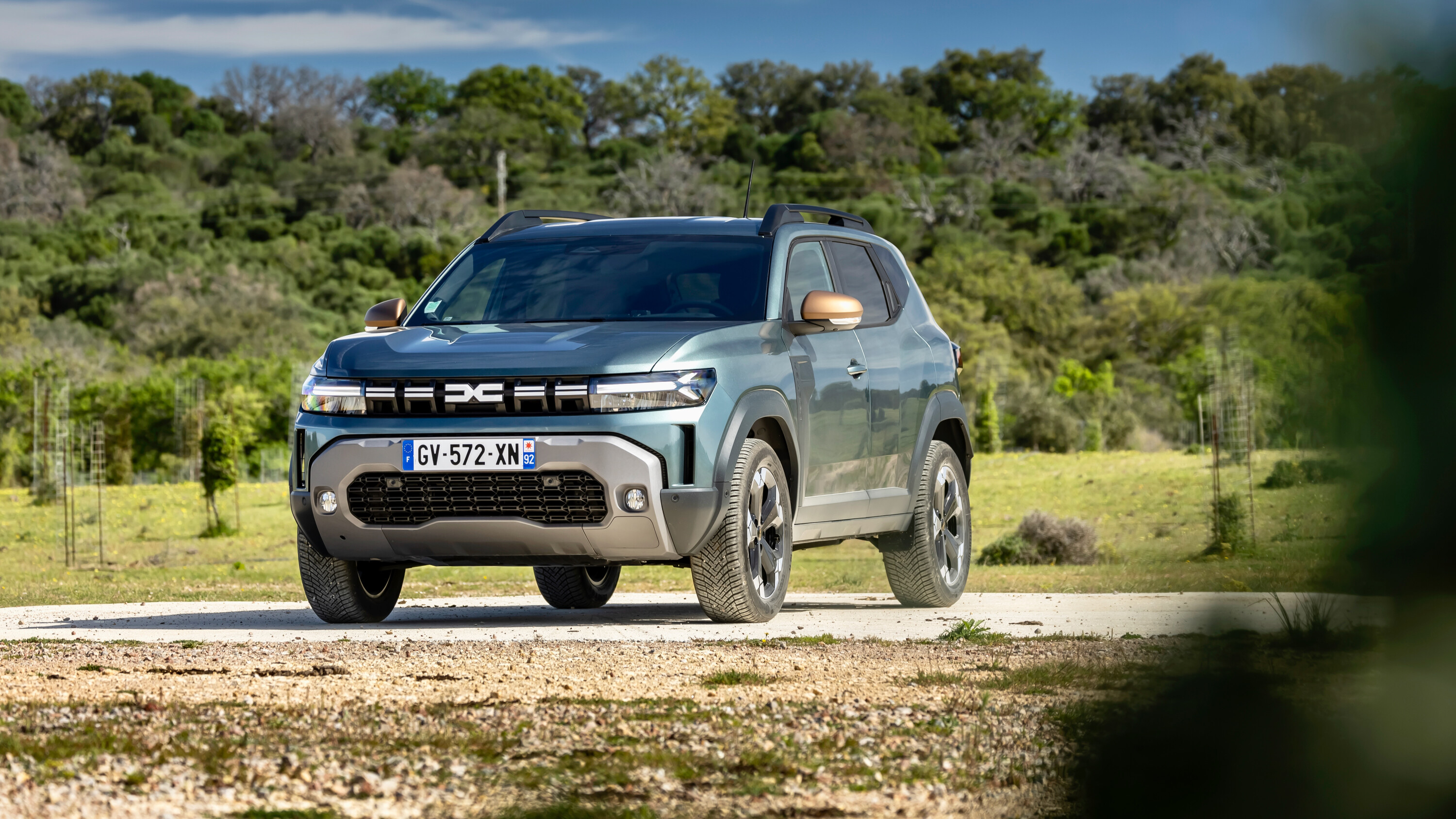
Renault has confirmed that its Duster small SUV will be launched in Australia in the second half of 2025. A phenomenal success for the brand with over 2.5 million sold since its original launch in 2010, the Duster falls under Renault’s budget Dacia brand in Europe but will be sold as a Renault locally.
So far, two turbocharged petrol engines have been confirmed for the Australian market: either a 96kW/230Nm 1.2-litre three-cylinder with a six-speed manual and all-wheel drive, or a front-drive 113kW/250Nm 1.3-litre four-cylinder with a seven-speed dual-clutch auto that’s shared with the Captur and Arkana.
A 103kW front-drive hybrid also exists in the Duster’s home markets but an all-wheel drive hybrid – with an electric motor on the rear axle like a Toyota RAV4 – is due in European showrooms this year, pointing to a possible 2026 Australian launch.
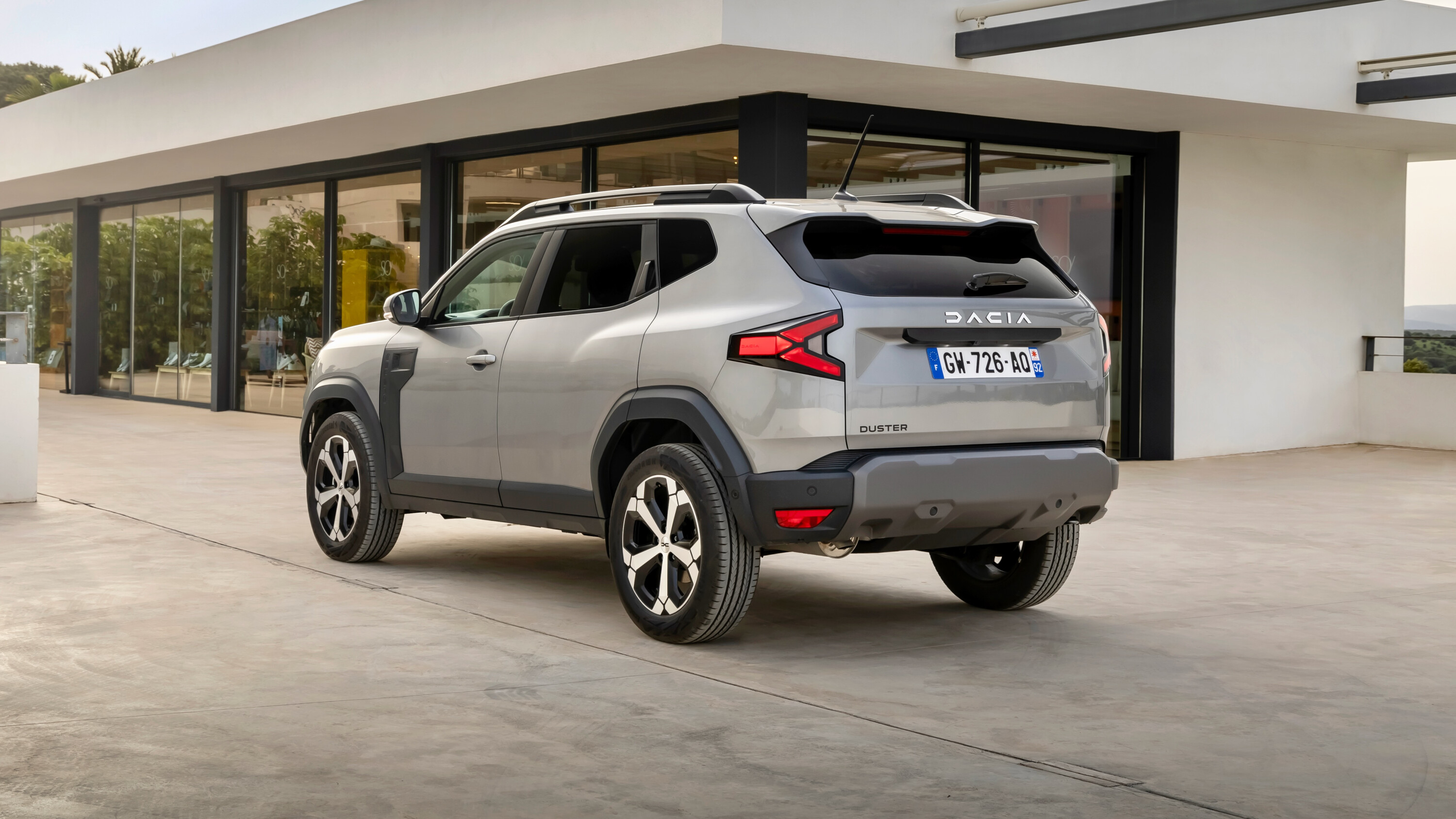
Using the same platform as its Captur sibling – as well as that car’s new Mitsubishi ASX twin and the Nissan Juke – the Duster is sized between the Captur and Arkana, though it’s almost as wide and as tall as the Koleos mid-sizer.
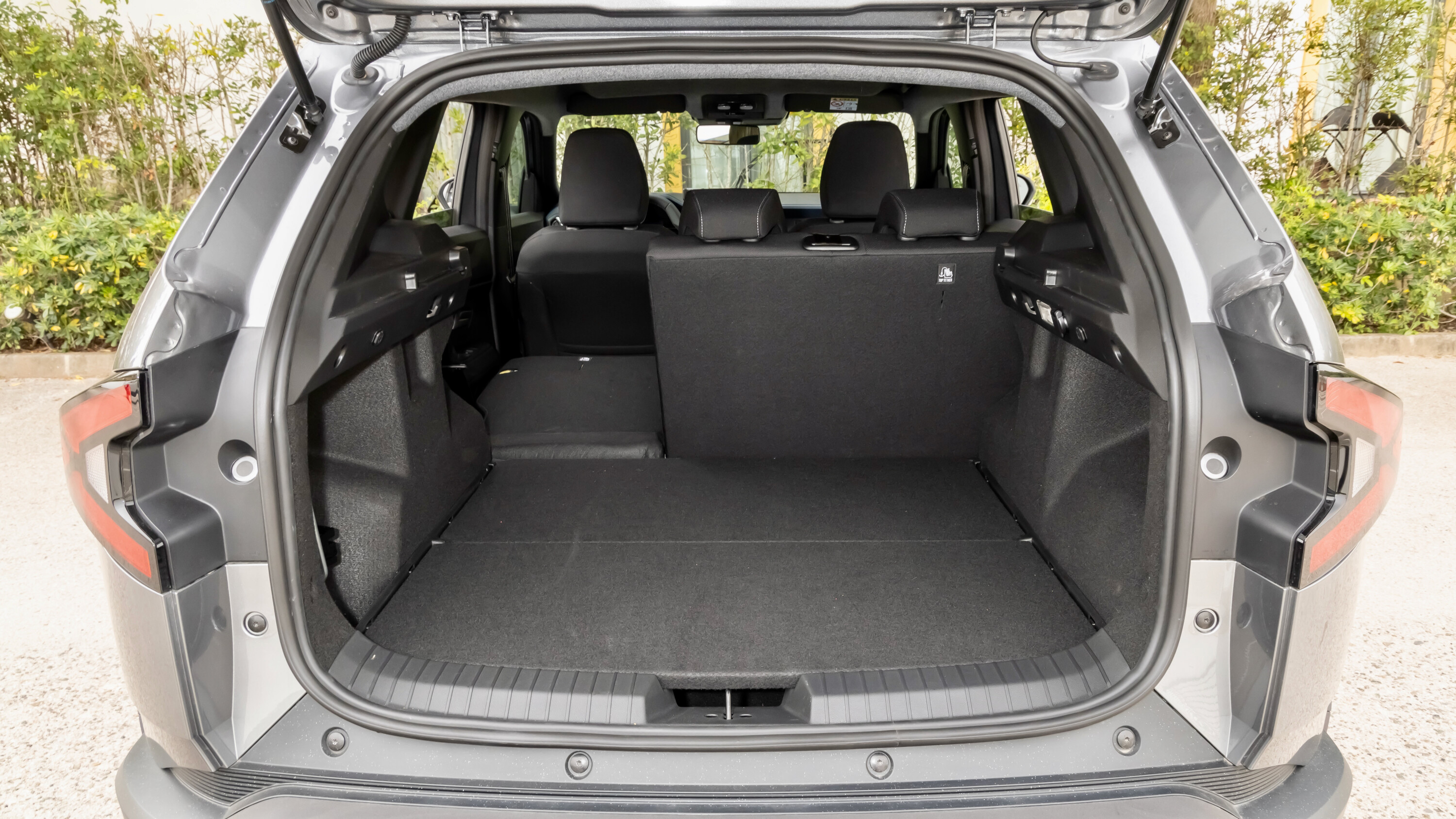
It measures 4,343mm long, 1,813mm wide, 1,661mm tall and rides on a 2,657mm long wheelbase. The boot measures between 414litres (4×4) and 478L (4×2), and 1,559L (4×4) and 1,623L (4×2) with the seats folded.
The Duster’s off-road credentials are stronger than most competitors with 212mm of ground clearance, along with a 31-degree departure angle and exterior cladding. In Europe, the Duster is also available with a number of adventure accessories, including an in-car bed and a tent for camping.
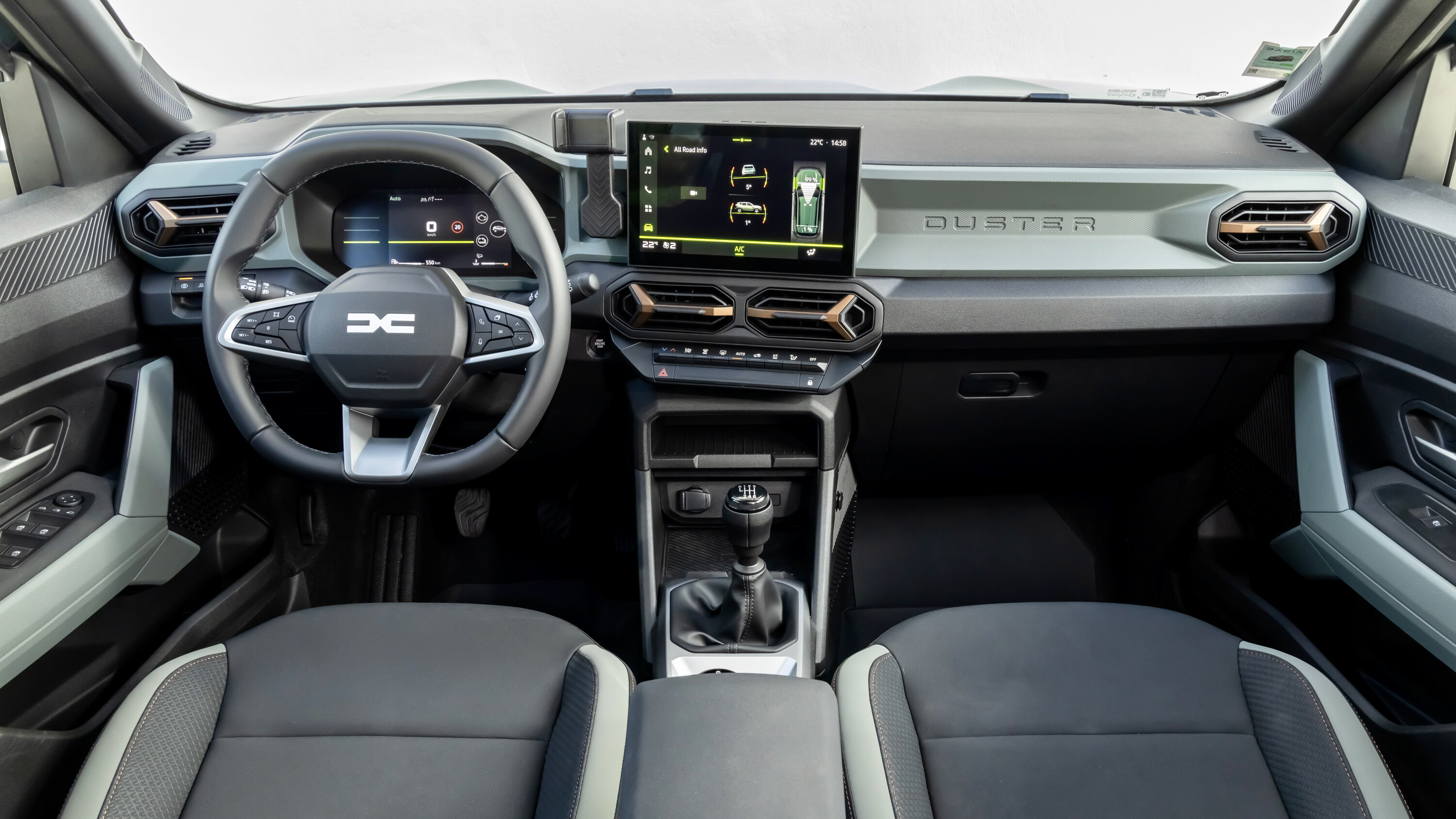
The Duster is also available with ‘YouClip’ points throughout the car, where owners can buy accessories such as a phone holder or extra cup holders that attach to them.
Australian specifications are yet to be announced, but in the UK, the Duster is available with features like a 10-inch touchscreen with live services, wireless smartphone mirroring, keyless entry and start, an electric parking brake, single-zone automatic climate control, a wireless phone charger, washable upholstery, heated seats, auto-folding mirrors and wheels up to 18 inches.
Safety features like six airbags, autonomous emergency braking (AEB) with pedestrian, cyclist and motorcycle detection, lane keeping assistance, blind-spot monitoring, driver fatigue detection, traffic sign recognition and rear parking sensors are standard across the UK range with front parking sensors, a reversing camera and auto high beam available on higher models.
Australian specifications for the Renault Duster are due to be announced closer to its local arrival in the second half of 2025.
It’s no secret that new cars are more expensive than they used to be. Thanks to factors like the Covid-19 pandemic, most new cars are noticeably more expensive than they were even just five years ago.
Remarkably, the number of sub-$30,000 new cars – let alone sub-$20,000 – has dwindled to the point where buying an affordable new car isn’t easy.
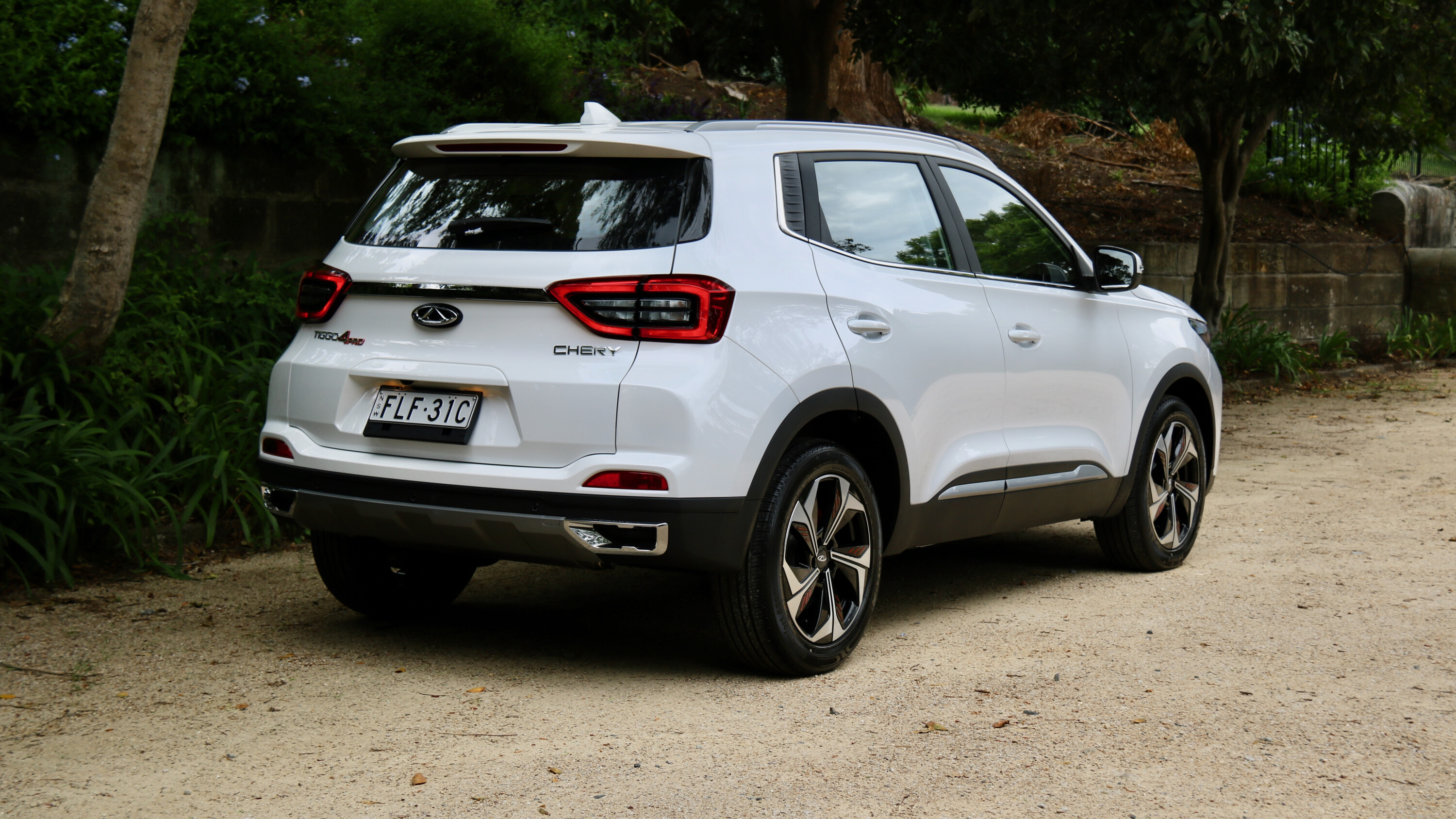
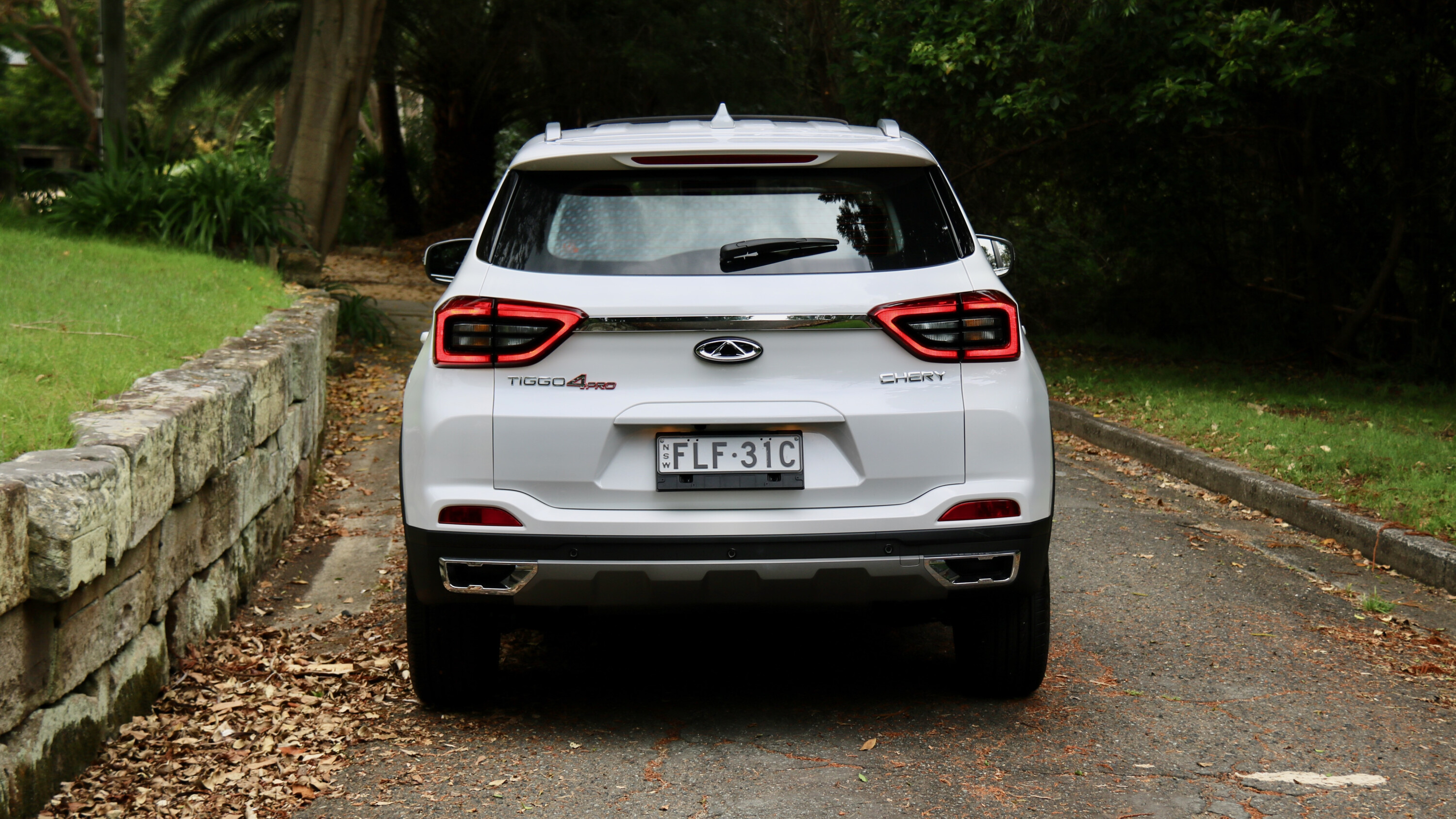
Yet Chinese brand Chery has launched what it thinks will help the cost of living crisis: the Tiggo 4 Pro small SUV, which is priced from just $23,990 drive away. Remember when new cars were that cheap?
But does the low price make it a good buy or signal potential buyer’s remorse? Here’s the WhichCar guide to the Chery Tiggo 4 Pro.
JUMP AHEAD
- Pricing
- Performance and economy
- Interior comfort, practicality and boot space
- On the road
- Service and warranty
- Verdict: Should I buy a 2025 Chery Tiggo 4 Pro?
- Tiggo 4 rivals
Pricing
The Tiggo 4 Pro is offered in two specifications:
| 2025 Tiggo 4 Pro pricing | |
|---|---|
| Urban | $23,990 drive away |
| Ultimate | $26,990 drive away |
Performance and economy
The Tiggo 4 Pro uses the Omoda 5’s turbocharged 1.5-litre four-cylinder petrol engine, making 108kW of power (at 5,500rpm) and 210Nm of torque (between 1,750rpm and 4,000rpm). That’s mated to a CVT automatic transmission and drives the front wheels only.
One advantage to the Tiggo 4 Pro in our opinion is the engine, which is more refined than its naturally aspirated rivals and noticeably gutsier to the tune of 34kW and 38Nm than the lacklustre Stonic. You don’t need to rev it to get the best out of it because its peak torque hits at just 1,750rpm, helping fuel economy.
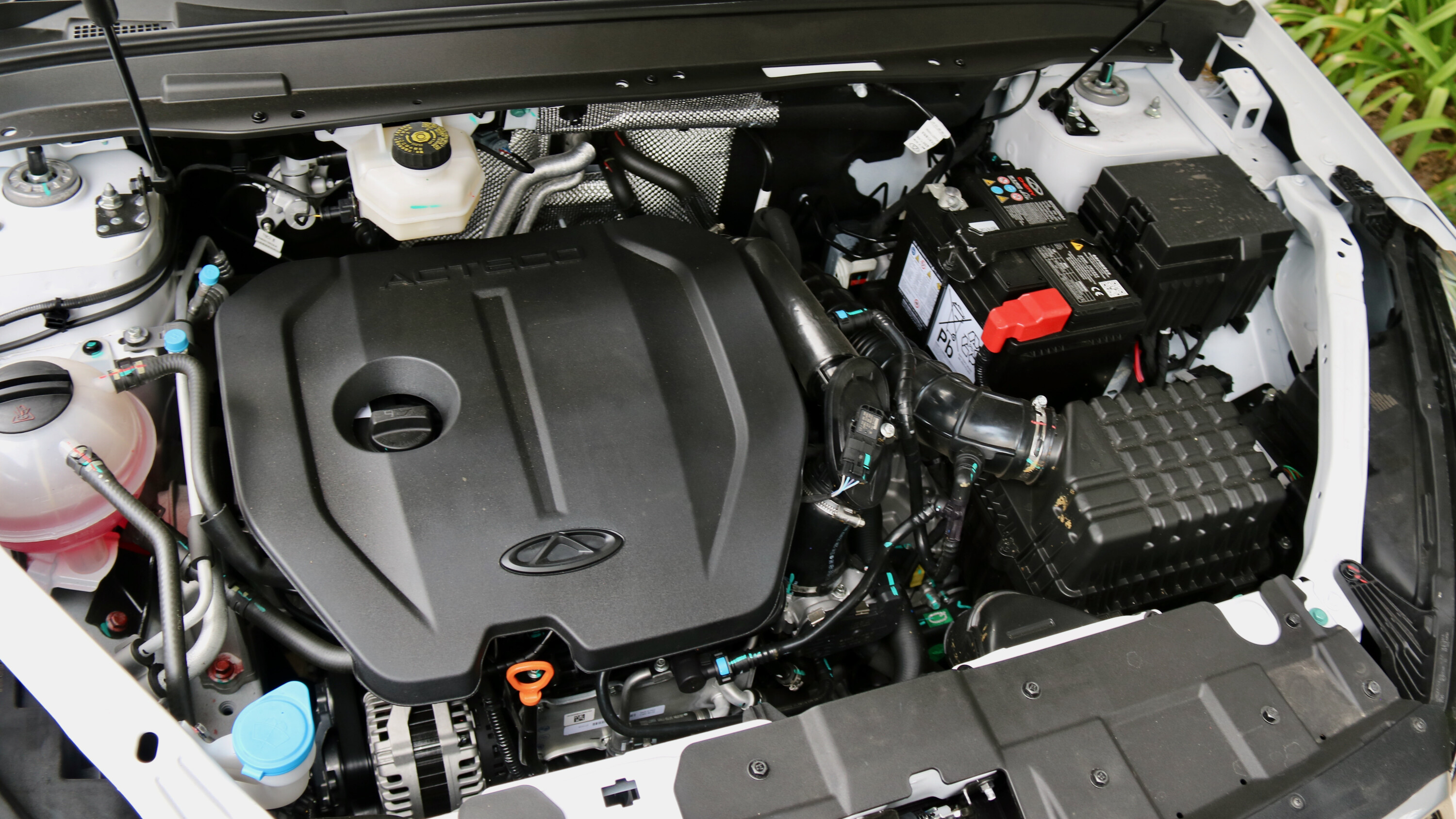
The Tiggo 4 Pro is decently refined with relatively low road and engine noise levels, and it’s quieter than the noisy CX-3 at speed, for comparison. The only available transmission is a CVT automatic and while it’s not the most engaging transmission, it’s at least smooth.
The claimed combined fuel consumption for the Tiggo 4 Pro is 7.4L/100km with claimed CO2 emissions of 166g/km. That’s higher than rivals – the 5.4L/100km rating of the Stonic in particular – and we achieved 8.8L/100km in driving skewed towards urban, which is similar to what a CX-3 will return.
Helping offset that a bit is that the Tiggo 4 Pro runs on 91RON regular unleaded and features a 51-litre fuel tank, giving a good driving range.
Interior comfort, practicality and boot space
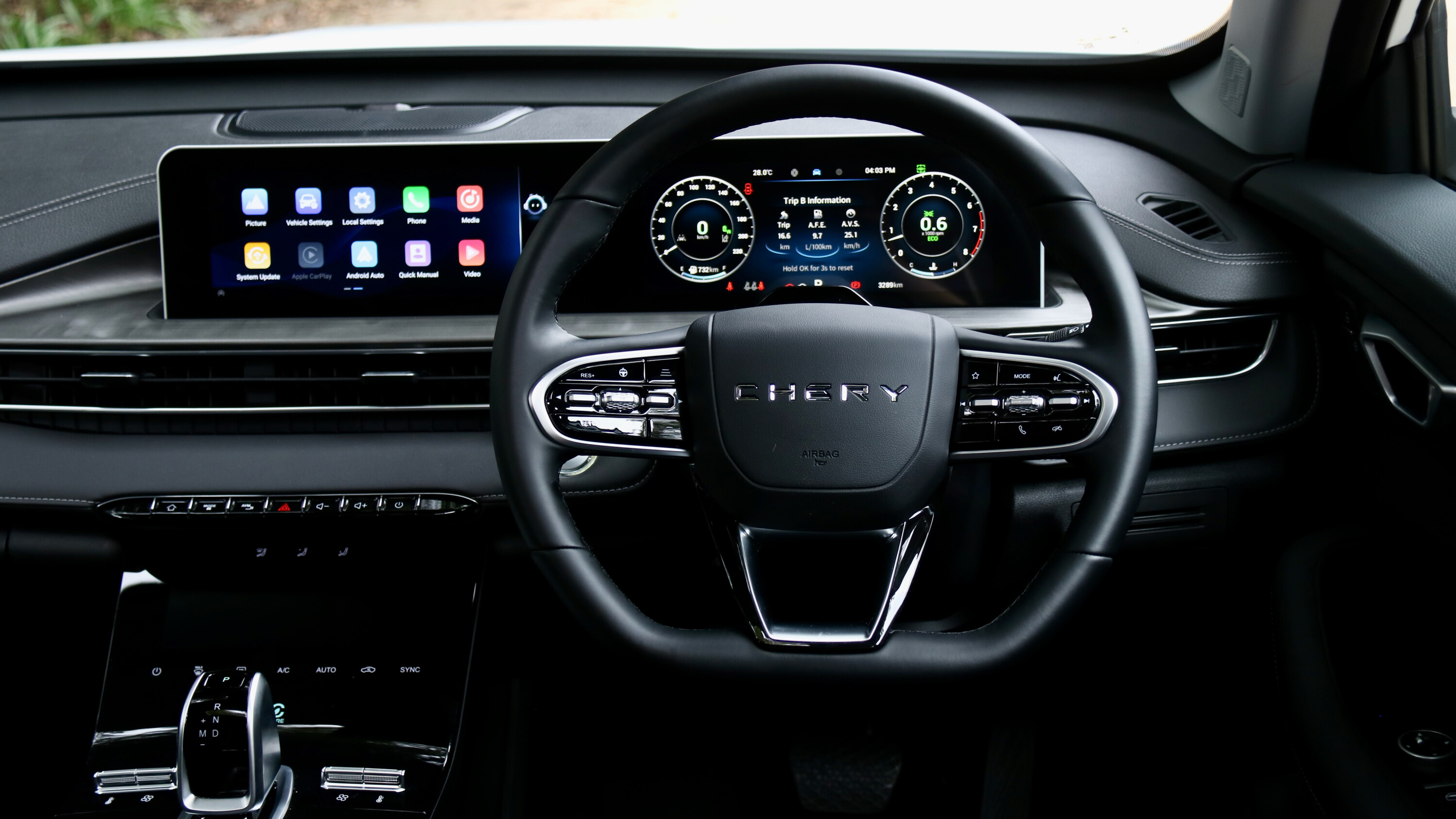
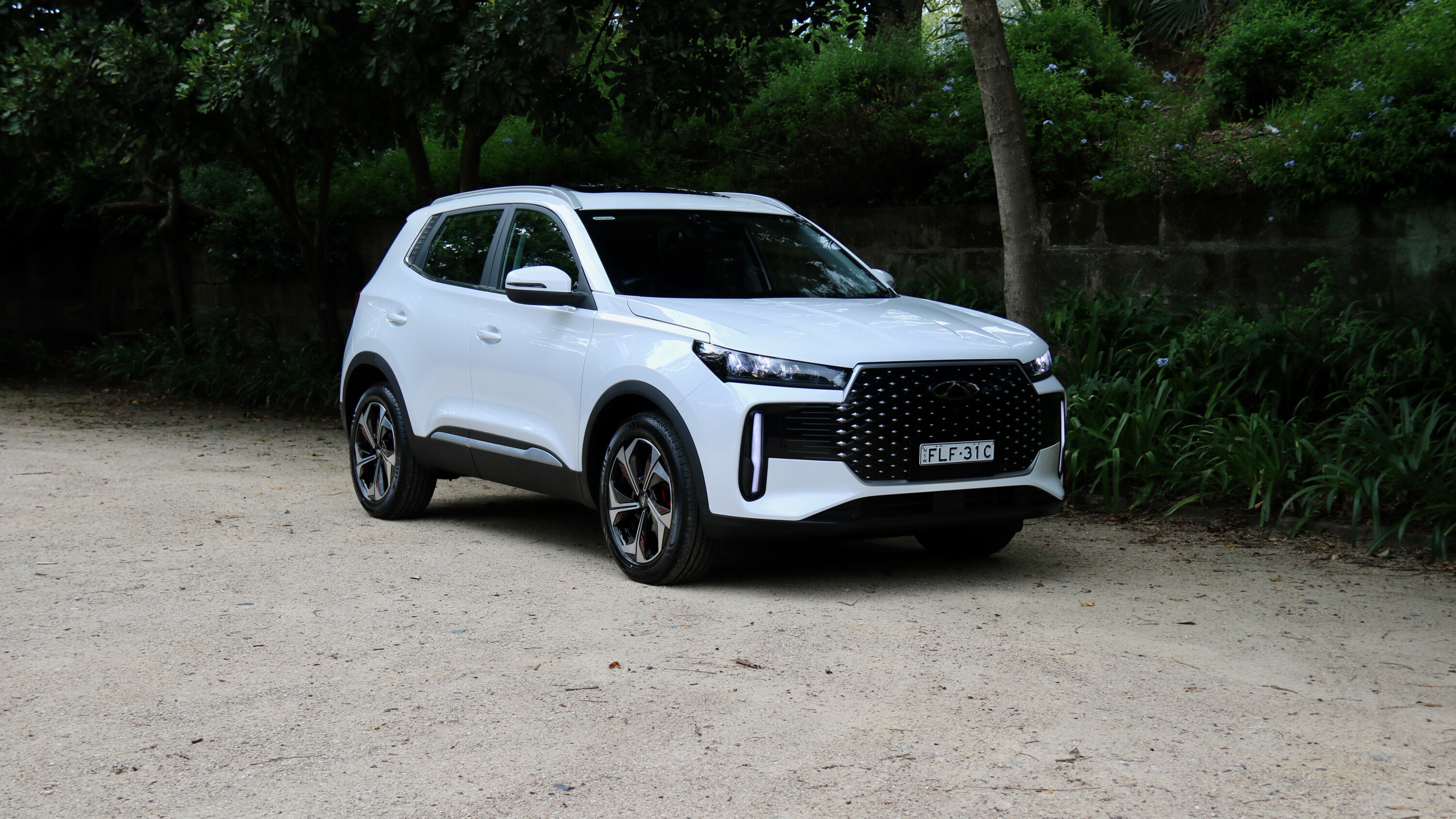
For the price, the Tiggo 4 Pro features an impressive cabin that is more practical than you’d expect given its diminutive size, but one that’s also better finished and far more modern than its main rivals.
The dashboard and front door tops are all covered in soft touch plastics, while the dashboard fascia also features a strip of synthetic leather. The synthetic leather trim on the steering wheel also feels nice in the hand, and overall, it feels luxurious compared with some rivals.
The cabin is also more practical than its main rivals with long door bins, a big bin underneath the central armrest, a large tray underneath the centre console and a big glovebox. The two cupholders are also a good size, and there’s even a phone holder ahead of them, though it doesn’t feature a wireless charger.
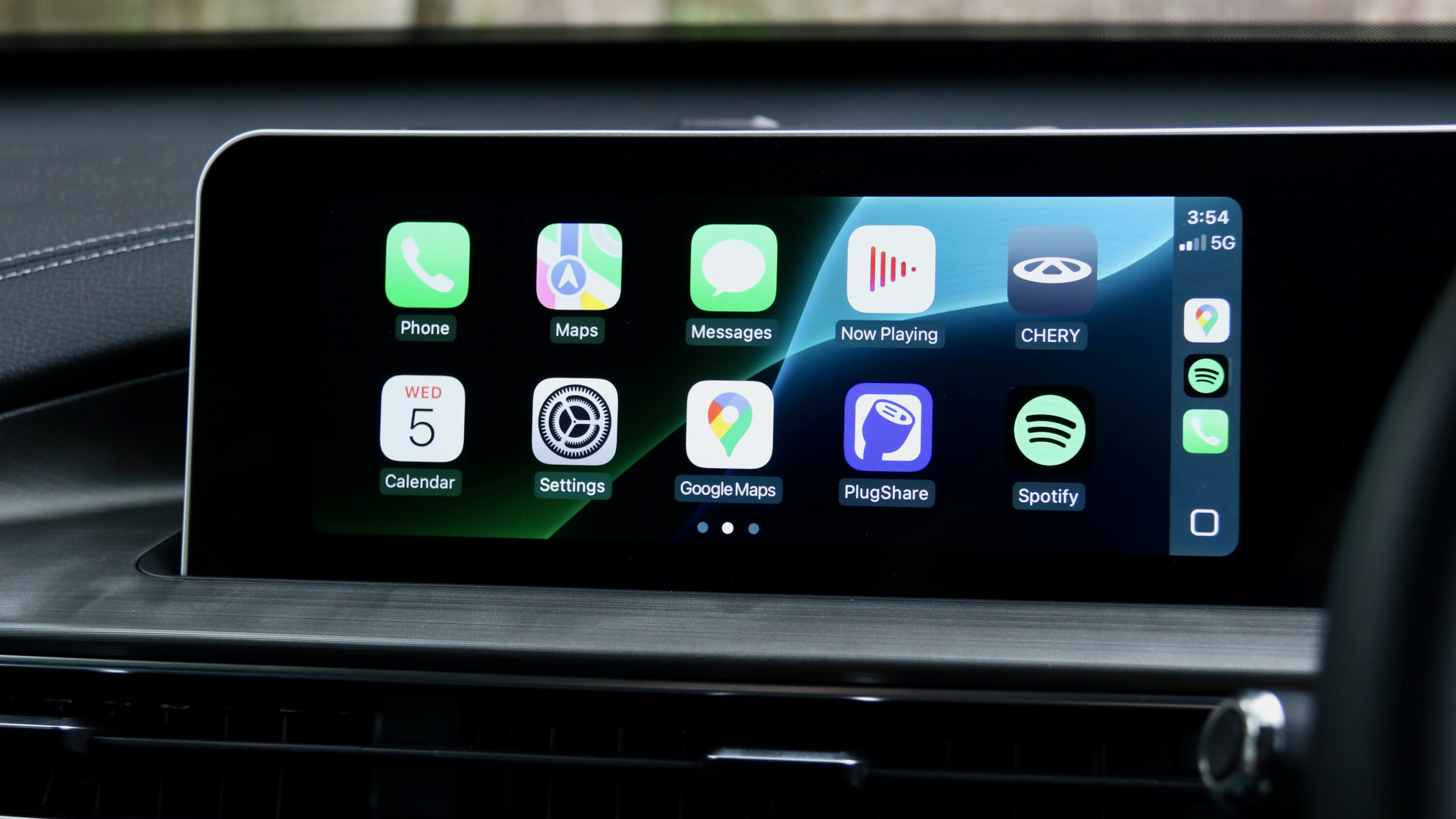
Both Tiggo 4 Pro variants use a 10.25-inch touchscreen with the same infotainment software as the larger Omoda 5. Unlike that car, it also includes a row of buttons on the dashboard to help access features such as a home button, the volume and activating the 360-degree camera.
There are also physical buttons for the climate control on the centre console, which is so refreshing for a brand that typically hides those controls in menus in the touchscreen.
The touchscreen itself is easy to use with colourful icons and good screen quality, though it can be a touch laggy. It doesn’t feature satellite navigation, but wireless Apple CarPlay and Android Auto are standard. The six-speaker sound system in the upper-spec Ultimate sounds good for the price as well.
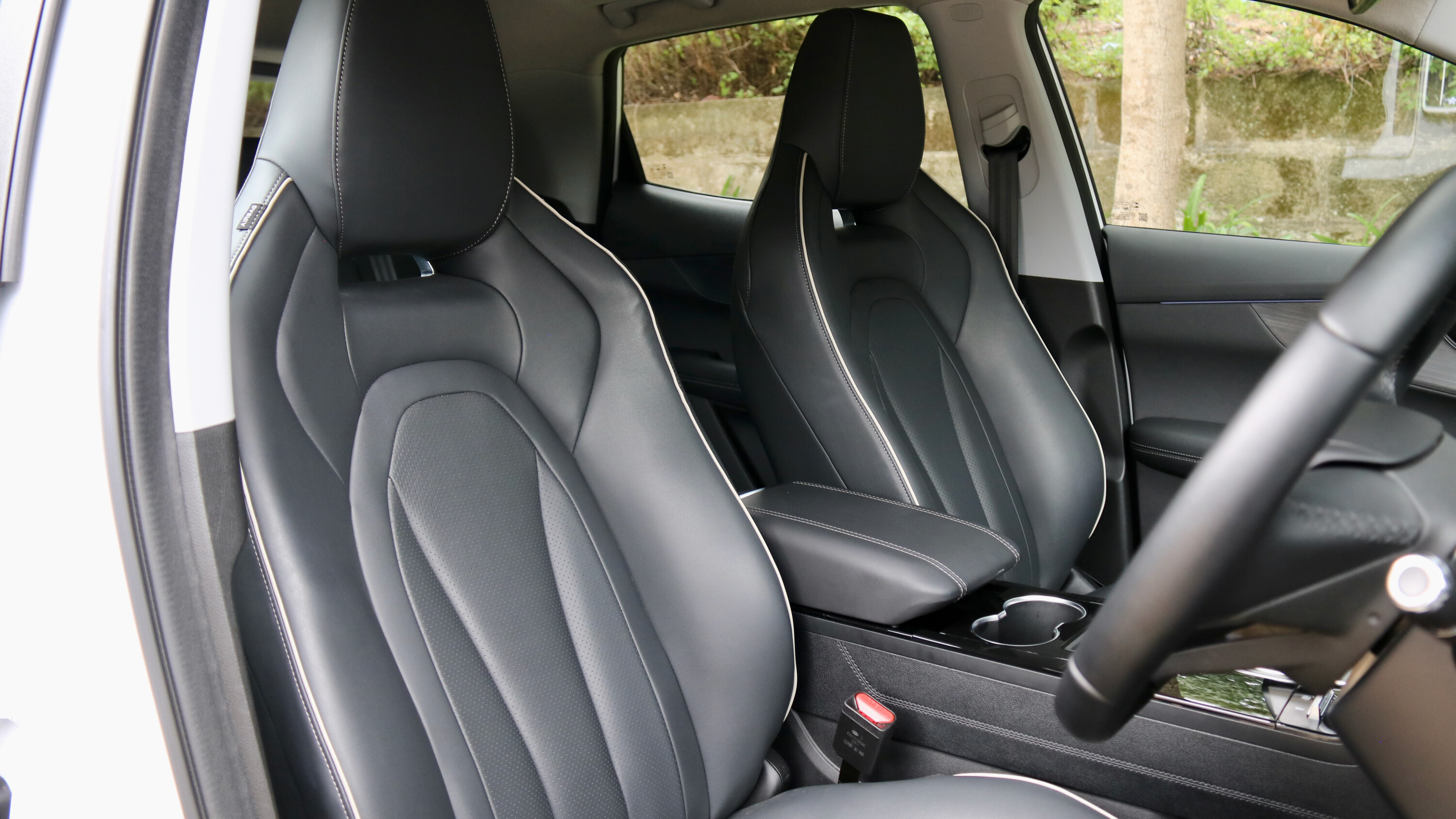
Front seat comfort is good thanks to soft synthetic leather trim and generally supportive seats, though it would be nice to see lumbar and under-thigh adjustment added.
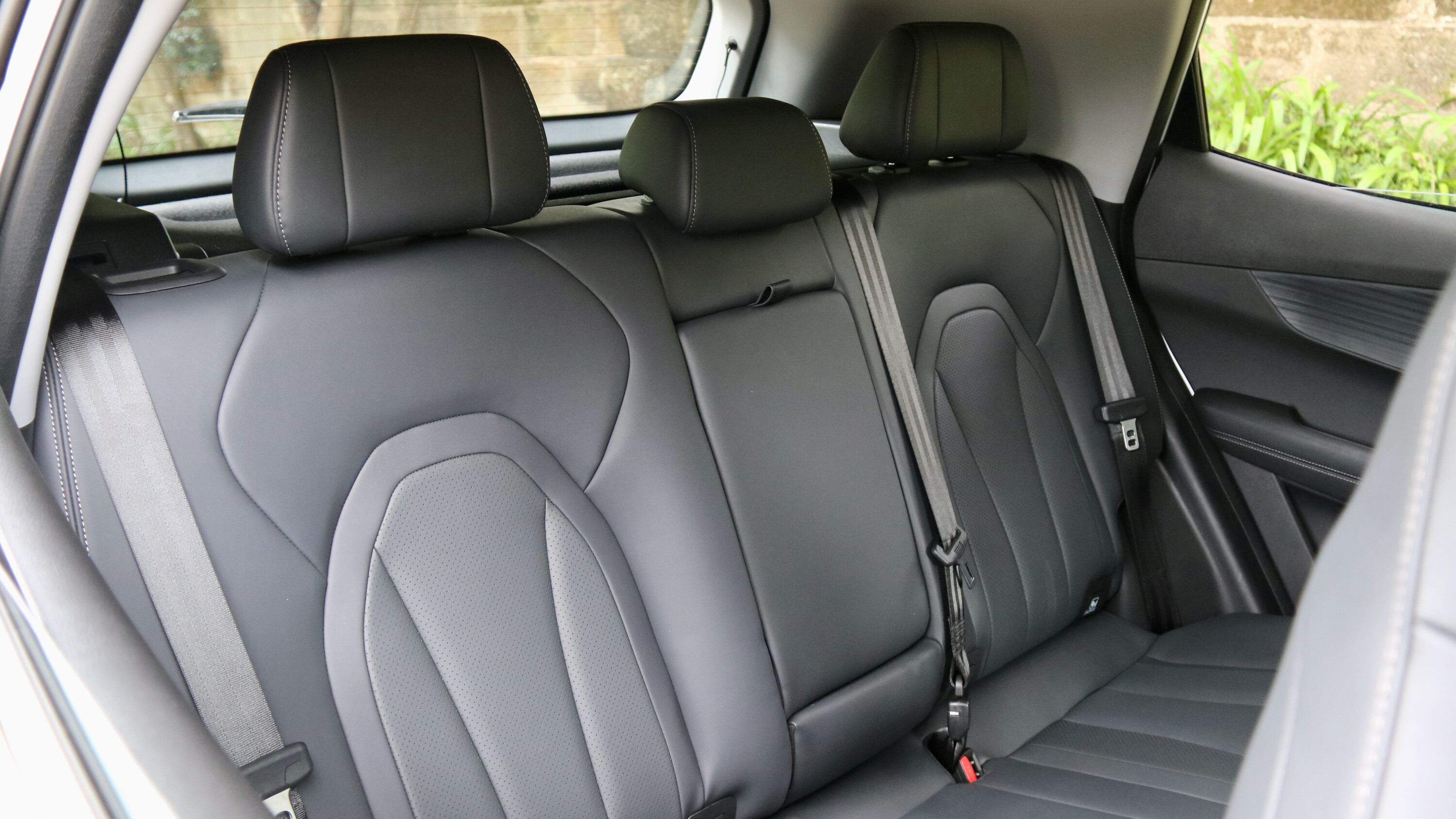
The rear seat of the Tiggo 4 Pro is bigger than you expect, and two average-sized adults will be totally comfortable. There are also map and door pockets, an armrest with two cupholders, a single USB-A port and an air vent as well – the latter is nonexistent in this segment, so kudos to Chery. There’s also a light in each door that flashes as part of the door open warning system, which is something that all cars should feature.
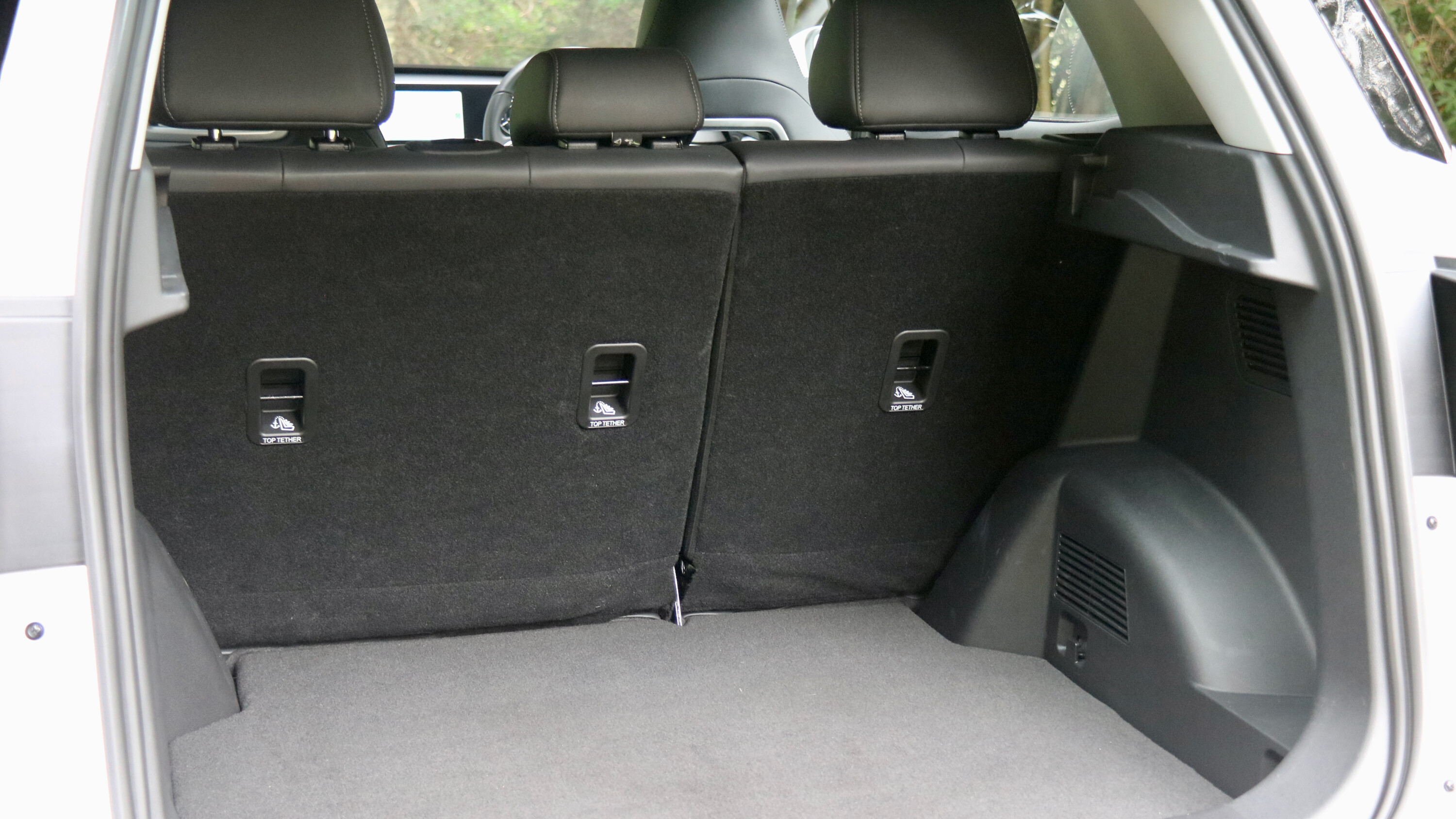
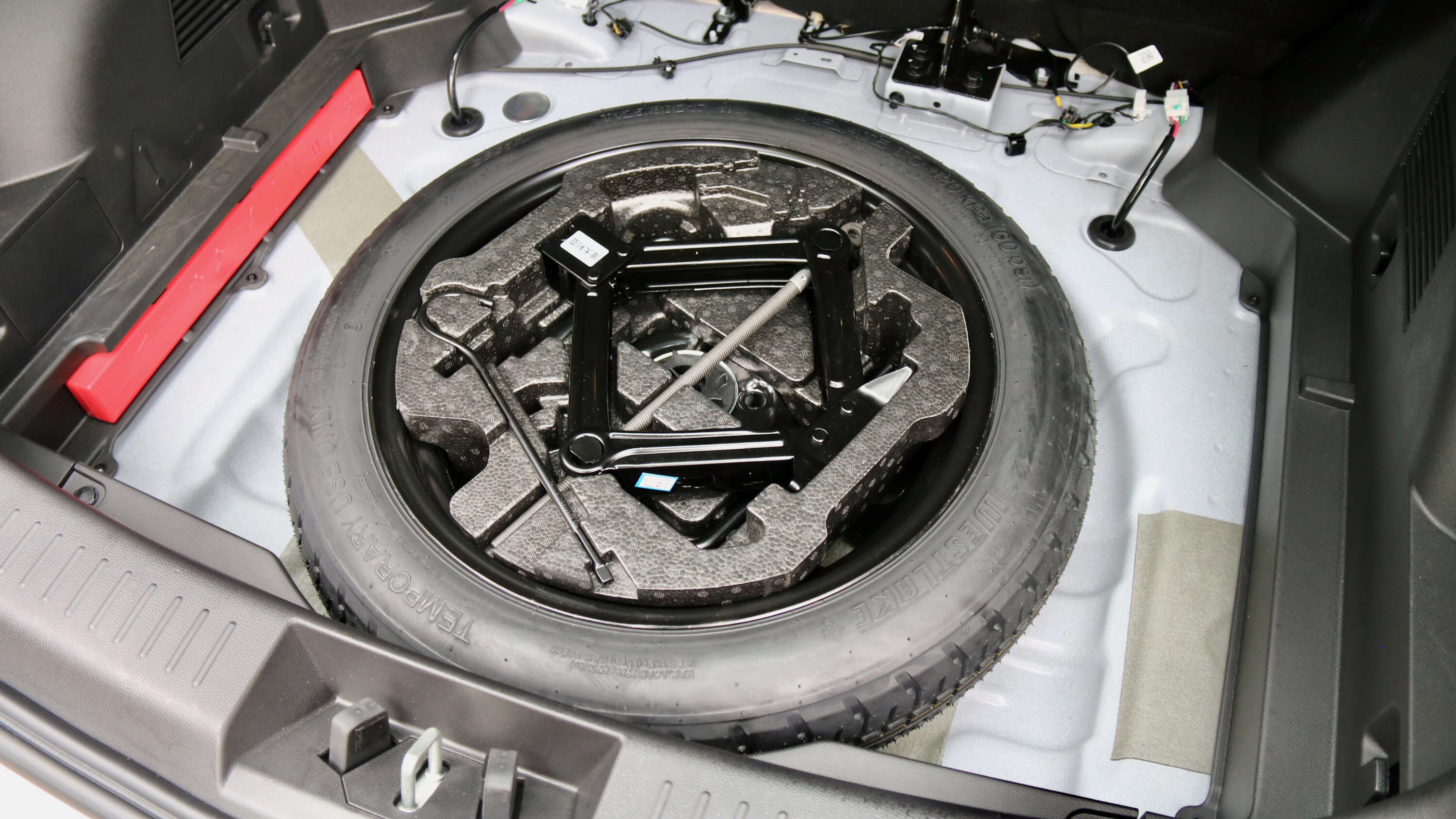
The boot of the Tiggo 4 Pro measures 380 litres with the rear seats up and 1,225L with the rear seats folded – in comparison, a CX-3 holds just 264L with its seats up. The boot itself is fairly featureless with just a space saver spare below the floor – we’d like to see a false floor added to give a flat area when the seats are folded.
On the road
The Tiggo 4 Pro’s driving experience is fairly unremarkable. It’s not sporty nor luxurious; instead, it’s just a comfortable tiny SUV. If you’re looking for something sportier, a CX-3 or a Stonic are definitely better handlers and feature better body control.
The Tiggo 4 Pro is a bit too soft when pushed hard and its soft brake pedal feel and light steering don’t inspire confidence either. But on Sydney’s awful roads, the Tiggo 4 Pro’s softness makes it comfortable which is appeal in an era where so many cars have too-firm rides.
What slightly takes the shine off the Tiggo 4 Pro’s driving experience are its overactive safety features like lane keep assist. It loves to wrestle the steering wheel from you, even when you aren’t straying from your lane.
When the adaptive cruise control is activated, the adaptive lane guidance functionality constantly pulls at the steering wheel. Thankfully, a long press of the cruise control button turns the active lane steering off.
Like a lot of other new cars, turning the active safety features off takes a good five menu presses, which takes your eyes off the road for too long. A better calibrated lane keep system and easier access to safety functionality would go a long way to making the driving experience calmer and safer – though, to be fair, the Tiggo 4 Pro is not alone in this regard.
| Tiggo 4 Pro Urban standard equipment: | |
|---|---|
| 17-inch alloy wheels with a space saver spare wheel | Height-adjustable driveru2019s seat |
| Dusk-sensing automatic LED headlights | Dual-zone automatic climate control with a rear vent |
| Rain-sensing automatic wipers | 10.25-inch digital driveru2019s display |
| Keyless entry with push button start and remote start | 10.25-inch touchscreen |
| Silver roof rails | Wireless and wired Apple CarPlay and Android Auto |
| Heated mirrors | AM/FM/DAB+ digital radio |
| Synthetic leather steering wheel | Four-speaker sound system |
| Cloth upholstery | 3x USB-A charging ports |
| Tiggo 4 Pro Urban safety equipment: | |
|---|---|
| Seven airbags (including a front centre unit) | Speed sign recognition |
| Autonomous emergency braking (AEB) | Door open warning |
| Lane departure warning with lane keeping assistance | Auto high beam |
| Adaptive cruise control with traffic jam assist | Rear parking sensors |
| Active lane centering | Reverse camera |
| Blind-spot monitoring | Alarm |
| Rear cross-traffic alert with braking | Tyre pressure monitoring |
| Driver attention monitoring | |
The Tiggo 4 Pro recently earned a five-star ANCAP safety rating, which is impressive for a car priced so cheaply.
It scored 88 percent in adult occupancy protection, 87 per cent in child occupancy protection, 79 per cent for vulnerable road user protection and 85 per cent for safety assist.
According to ANCAP, “testing of the AEB Car-to-Car system demonstrated good performance, with collisions avoided or mitigated in all test scenarios, including in many of the AEB Junction and AEB Crossing scenarios. The vehicle’s lane support system also scored highly and was awarded full points. Performance was strong across many of the critical emergency lane keeping test scenarios.”
| Tiggo 4 Pro Ultimate model adds: | |
|---|---|
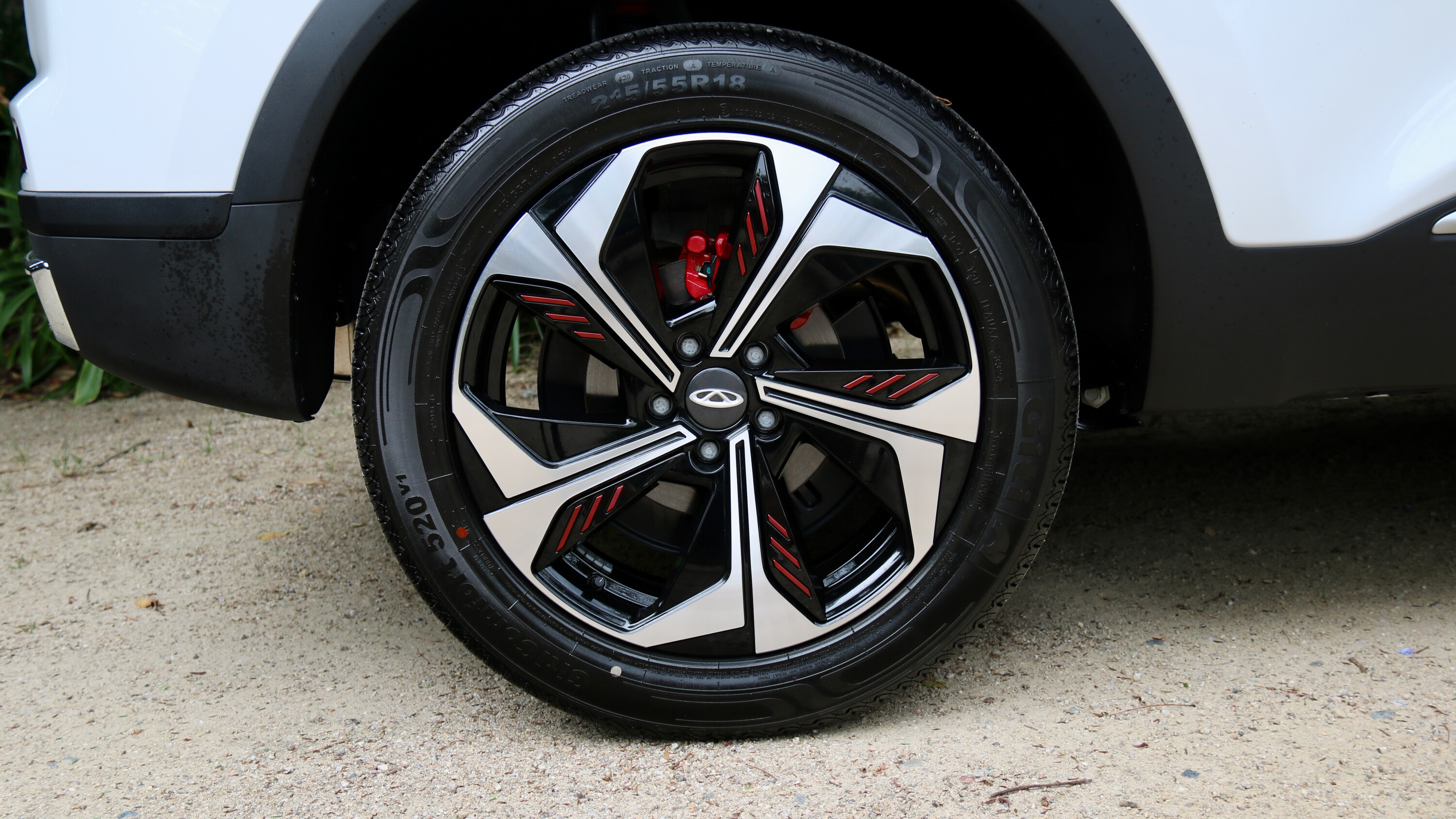
| 18-inch alloy wheels | Auto-folding exterior mirrors |
| Sunroof | Red brake callipers |
| Synthetic leather upholstery | 360-degree camera |
| Six-way electric driveru2019s seat | Heated front seats |
| Six-speaker sound system | Chrome lower window surround |
| Tiggo 4 Pro colour options: | |
|---|---|
| Martian Red | |
| Mercurial Grey | +$500 |
| Lunar White | +$500 |
| Space Black | +$500 |
| Star Silver | +$500 |
Service and warranty
The Tiggo 4 Pro is covered by a seven-year/unlimited km warranty with 12 months of roadside assistance that can be extended up to seven years in total if serviced at a Chery dealership.
The Tiggo 4 Pro uses annual/15,000km (whichever comes first) service intervals, and five years or 75,000km of servicing costs $1,400 ($280 annually). That compares well to Mazda’s shorter five-year warranty and $2,200 service cost over the same period for the CX-3.
Verdict: Should I buy a 2025 Chery Tiggo 4 Pro?
There’s no denying that the Chery Tiggo 4 Pro is a tempting proposition in the small SUV segment, thanks to its low pricing, long list of equipment, peppy drivetrain and modern cabin. It’s also handsome to look at, cheap to service and has great warranty coverage.
The driving experience could be improved, however, with soft suspension and light steering that detracts from driver confidence and an overactive lane keeping assistance system that is difficult to defeat. Plus, while the engine is gutsy for the segment, it’s also thirsty and some rivals give a more fun driving experience.
But importantly, Chery has delivered a car that’s priced how cars used to be priced, with a good list of qualities to match. We expect big sales for the Tiggo 4 Pro because it’s a steal and thankfully too, it has reasonable talent to back up its low price.