
THE arrival of the Mazda 323 to our shores in 1977 marked the beginning of a storied history for Mazda small cars here in Australia.
You might have been driven around in one as a child. You may have learned to drive in one or had one as your first car. Maybe there’s one parked in your driveway right now.
This first 323 sold locally was a far cry from the Mazda 3 of today – it was only the second five-door hatch sold in this country, but its rear-wheel drive running gear dated back a decade.
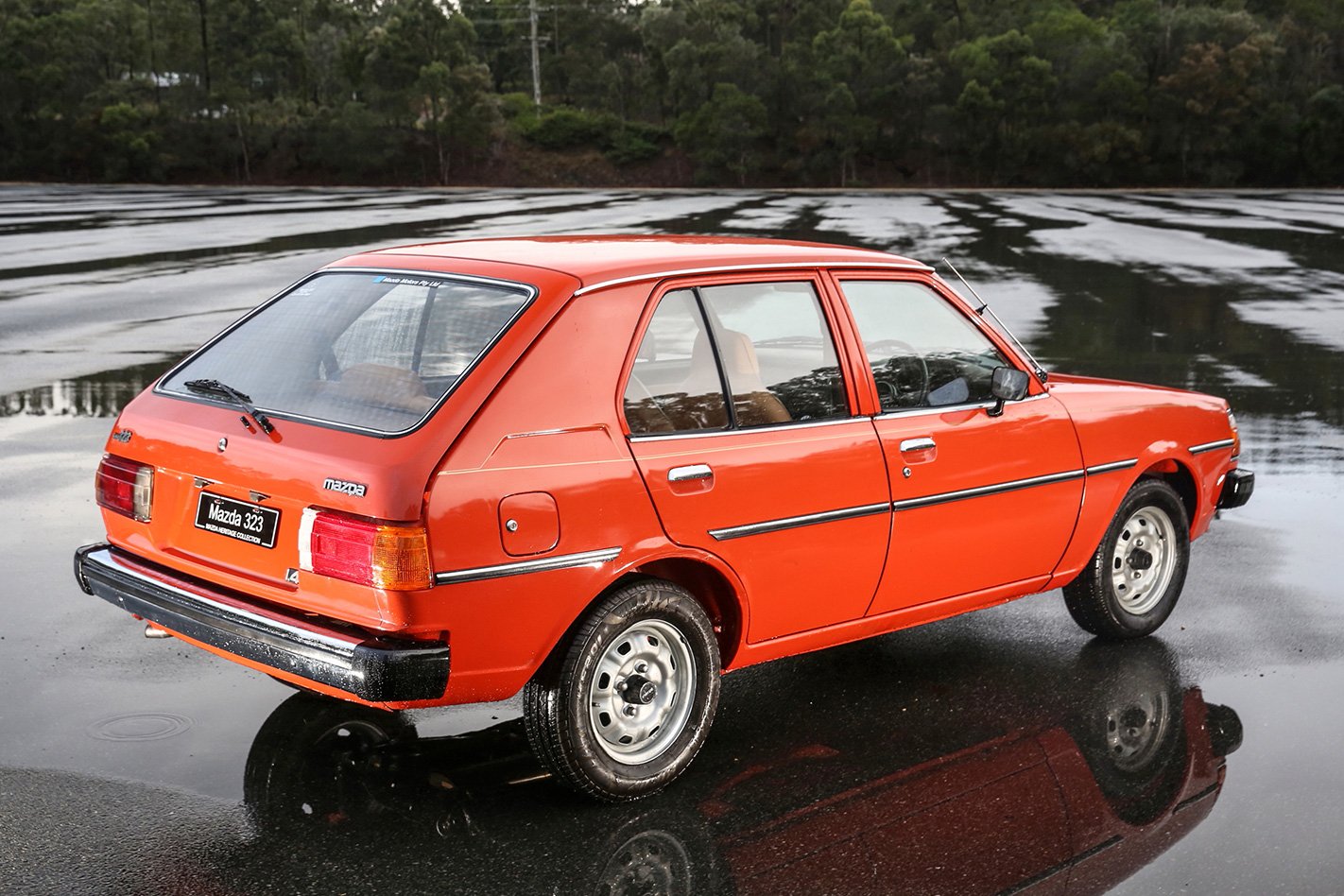
This new platform was shared with the Ford Laser of the day, and was the start of Mazda’s long relationship with the Blue Oval.
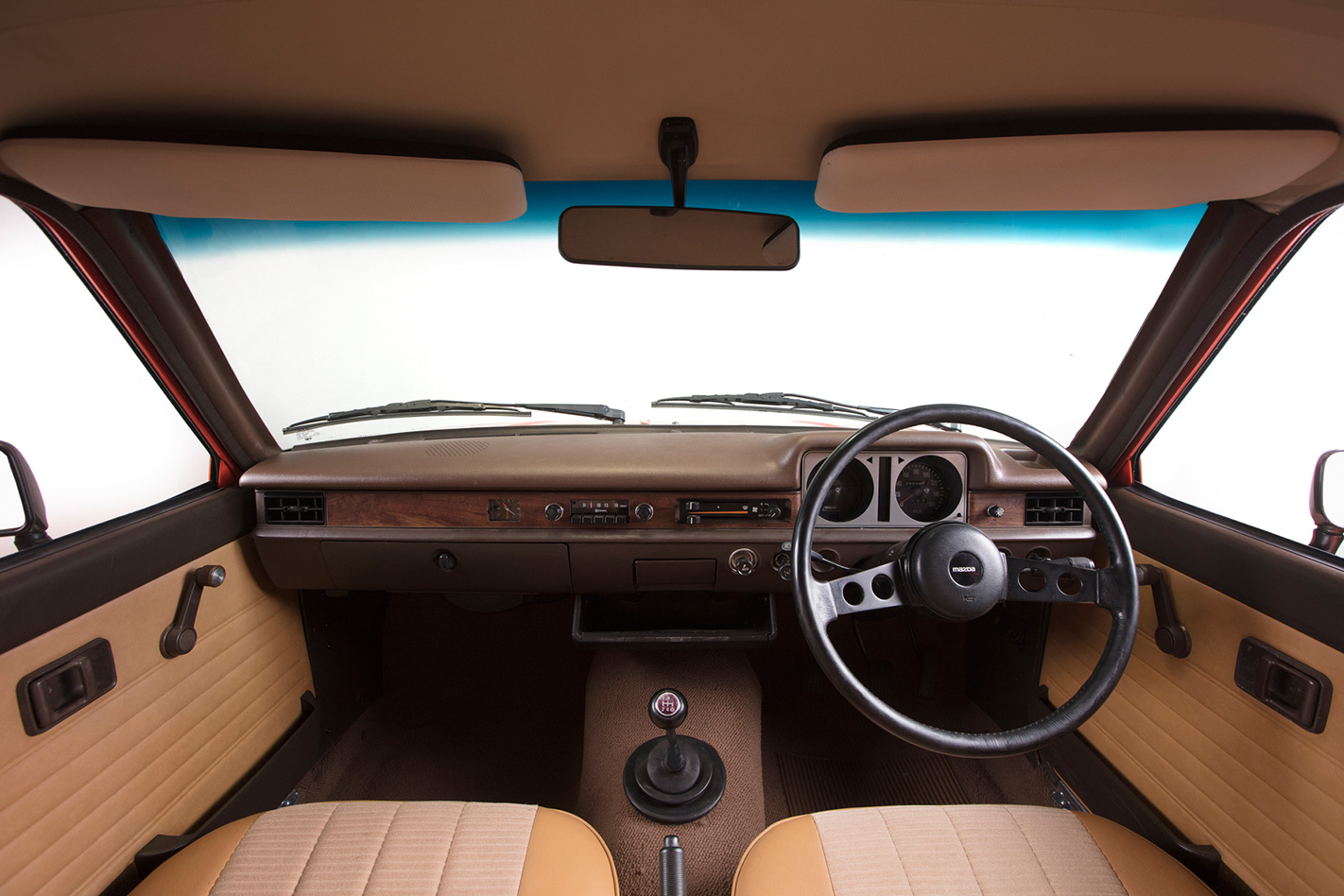
From the early eighties BD to the BL of the noughties – the first to be badged as simply the 3 – we saw the rise, the fall, and the recouping of Mazda’s popular small car lineage after plenty of hits and some misses.
While the first 3 was a success story, it was far from smooth sailing for Mazda. The global economic downturn in 2008 saw Ford sell their stake in the company, and Mazda found itself near bankruptcy in 2010.
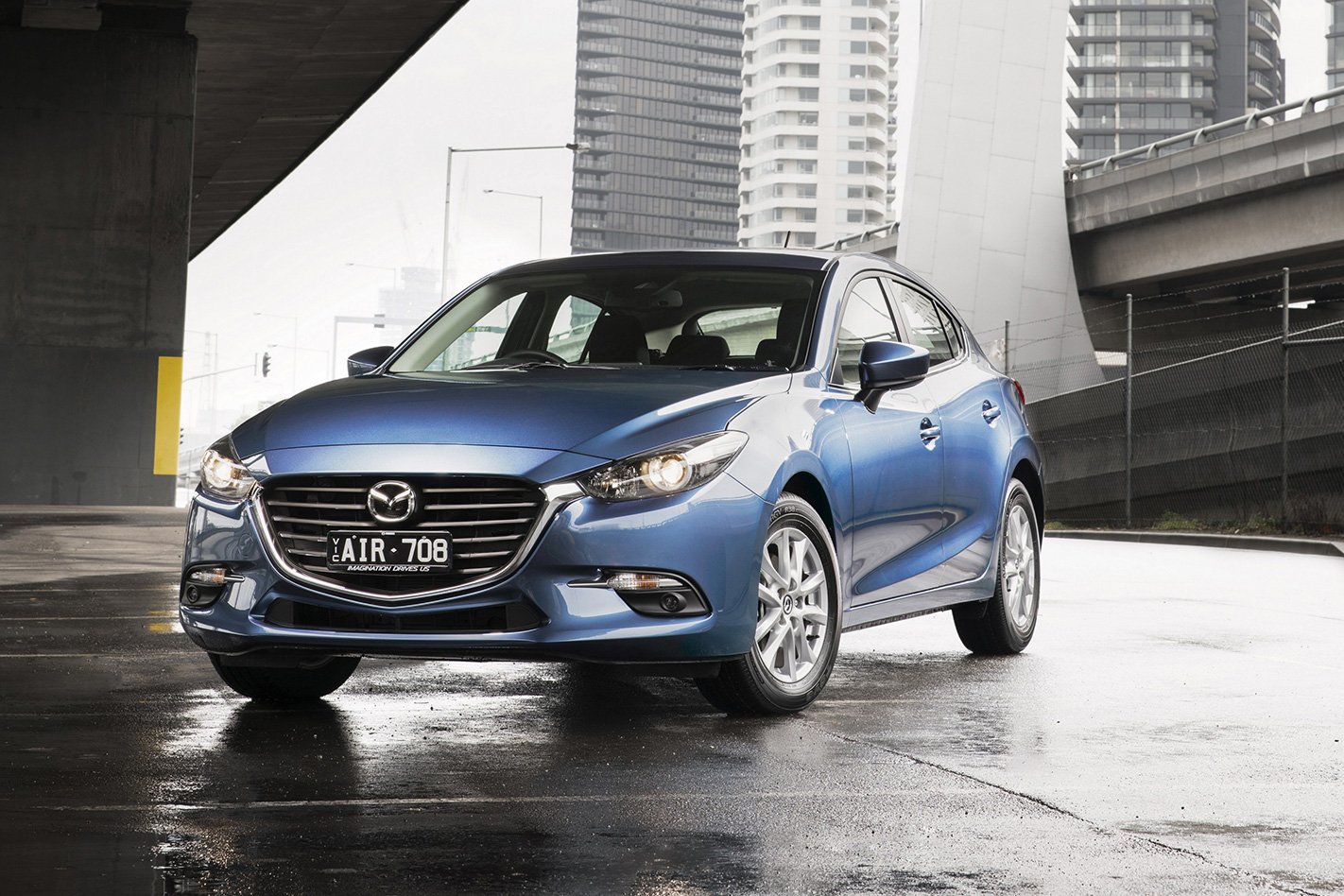
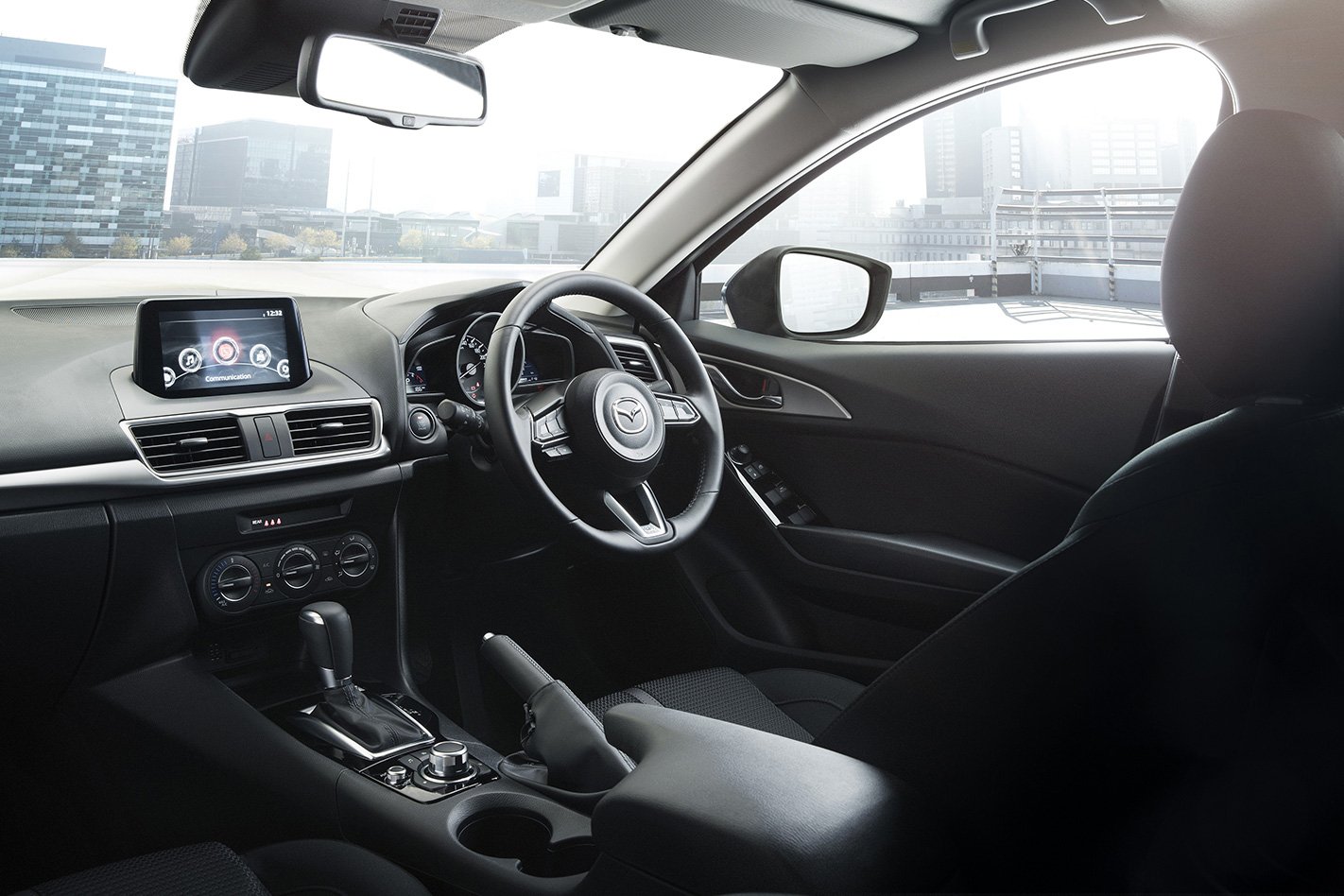
Fast forward to today and the brilliant BM-series Mazda 3 is one of the best-selling cars on the Aussie market, with Mazda themselves currently ranked as the most reputable car company in the country.
From the first 323 to the current 3, Mazda’s small car hasn’t had it easy, but it’s fought its way through tough times and into the hearts of many.
Any car that can hack it out for this long is going to earn fans and respect, and over the last 40 years here in Australia, Mazda’s small car has done just that.
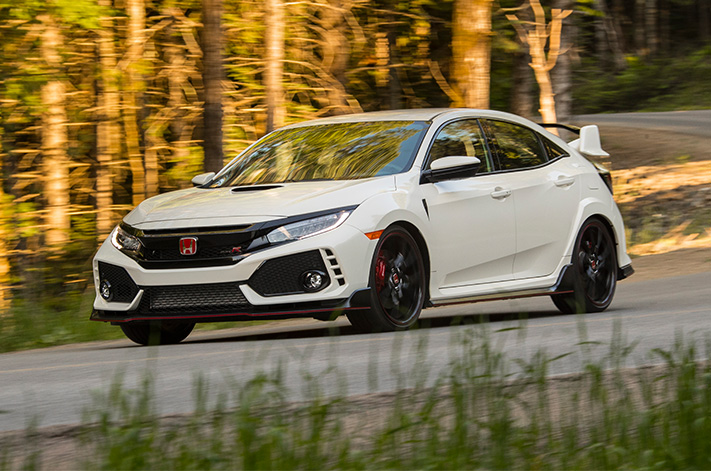
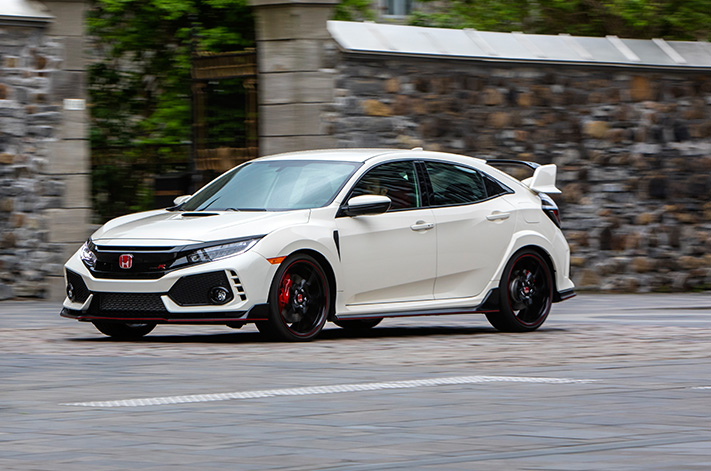
There was a time, long ago, when Honda was unquestionably Japan’s most spirited and daring car maker, and this is the latest version of its Civic Type R hot hatch.
Tell me about this car:
The fifth-gen Honda Civic Type R is powered by a 228kW/400Nm 2.0-litre turbocharged four-cylinder engine driving the front wheels though a six-speed manual gearbox exclusively. It will go on sale in Australia this October with a price tag of $50,990.
Strengths:
- Manual gearbox: What joy it is to drive a Honda-made manual again! Quick, slick, and perfectly precise, this is a great gearbox. The metal sphere atop the stick is a treat to touch, too. It doesn’t take long to discover the Civic Type R’s new rev-matching feature is excellent. It can be switched off, but it’s hard to think of a reason why you’d want to.
- Mid-range and top-end power: Our first drive included a portion of driving on sometimes unrestricted autobahn. A gap in the traffic presents an irresistible opportunity to squeeze the throttle to the stop in sixth. The Honda leaps forward and the speedometer is reading 240km/h and still rising when the time comes to back out of it. The Type R’s stability at this speed is impressive.
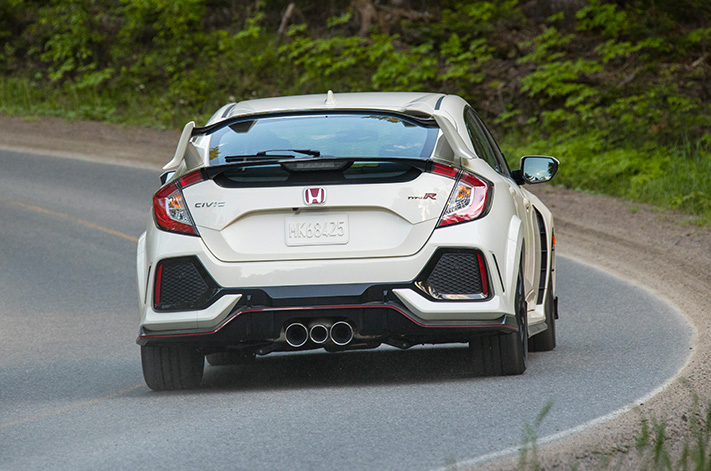
- Steering: The Type R’s naturally nose-heavy weight distribution demands a lot from the front tyres, but their turn-in bite and drive-out grip is strong through longer corners, though the latter is aided by a good limited-slip differential and torque-vectoring-by-braking-the-inside-wheel tech.
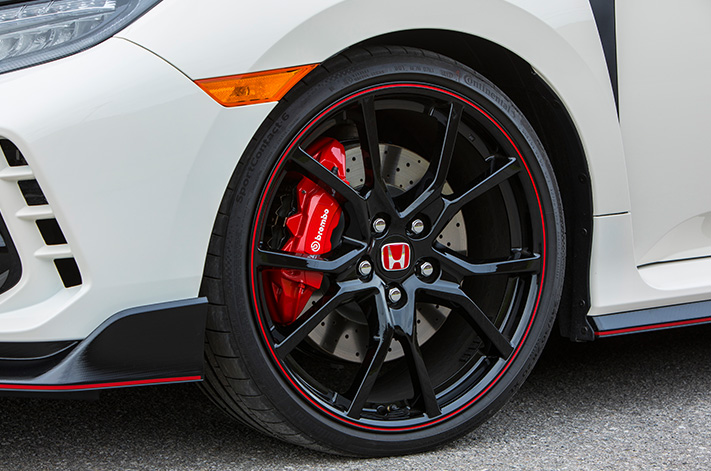
- Brakes: The Civic Type R rolls on 20-inch wheels wrapped in hefty 245/30ZR20 Continental SportContact 6 rubber. Big four-piston Brembo calipers bite the Honda’s drilled and ventilated front discs, while the solid rear discs are larger than on the standard Civic.
Weaknesses:
- Looks: The further you are from the Honda Civic Type R, the better it looks. It’s hard to say exactly how far is far enough. Just keep walking until the details of its designer-frenzy exterior begin to blur. It’s a visually shouty assembly of aesthetic offences.
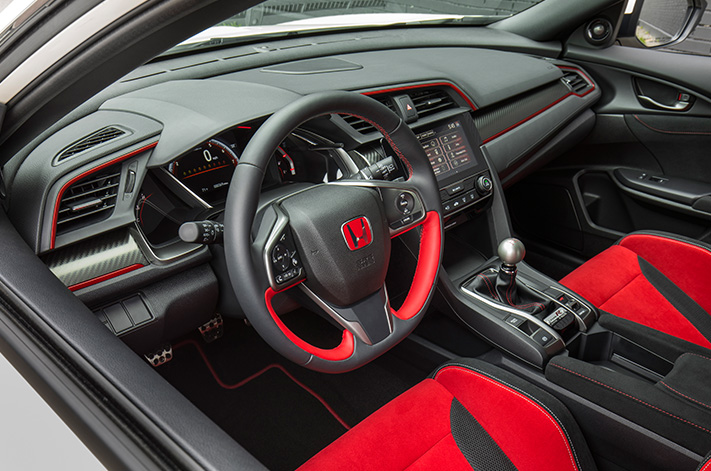
- Interior quality: And while the steering wheel and deeply bolstered front seats hit the right hot hatch notes, the overall quality of the very well-equipped interior doesn’t reach the heights that Honda once regularly achieved.
- Inner-city capabilities: It’s in city traffic that the Type R is less persuasive. The engine feels lethargic below 2500rpm, where it’s below the boost zone. Ride quality in Comfort mode is bearable rather than brilliant and Sport is only just tolerable.
Any rivals I should consider:
Ford Focus RS, Volkswagen Golf R, Peugeot 308 GTi 270
BMW has teased us with another preview of the upcoming i8 Roadster, albeit without showing the top dropped.
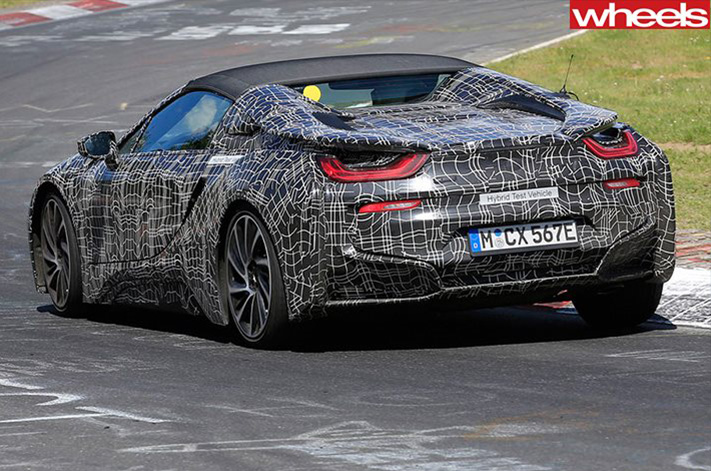
In a preview video of the headless hybrid being tested inside a wind tunnel, the car is shown with a camo wrap and the convertible top left up, although it does give away some hints of how the car will look, as well as its points of difference from the hardtop.
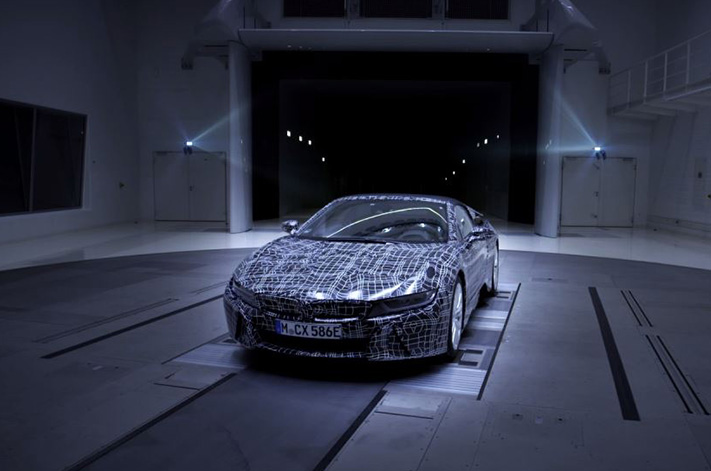
Interestingly, it is shown that the roadster will retain the coupe’s dramatic butterfly doors.
Although there has been no word on the i8 Roadster’s drivetrain, expect it to be a tweaked version of what underpins the standard i8 – a 1.5-litre turbo triple driving the rear wheels through a six-speed automatic, and an electric motor powering the front wheels via a two-speed transmission.
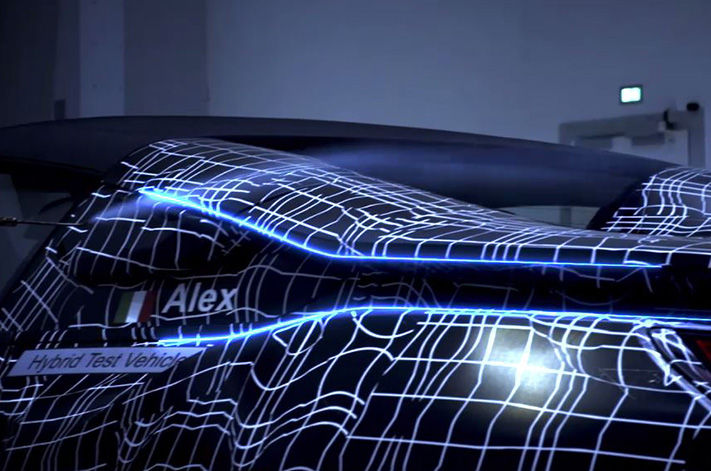
While there have been some rumours of the roadster going full electric, these are just rumours with nothing yet confirmed.
With the idea of a drop-top i8 having been toyed with since the i8 Concept Spyder shown back in 2012, BMW’s confirmation of the i8 Roadster being “in its final testing phase” will be comforting to those waiting to finally see this new model properly.
When the i8 Roadster finally launches sometime in 2018, expect it to wear a $300,000-plus price tag.
German automotive component giant Continental has developed a new audio system that does away with conventional speakers, instead using the interior of the car itself to generate sound.
How does it work? Conventional speakers create sound by vibrating a cone to generate pressure waves in the surrounding air of varying amplitude and frequency. These waves then hit our eardrums and are interpreted as sound.
Continental’s system simply eliminates the conventional speaker cone from the process, by using a transducer – the part that would normally vibrate the cone – to vibrate entire interior panels instead in a system it dubs “Ac2ated Sound”.
According to Continental, different pieces of interior trim would be tasked with replicating specific frequency ranges, based on their size, shape and material properties. A-pillar trims would be best suited to high-frequency noises like a tweeter, while bigger panels like door cards would generate mid-range sounds.
| Car accessories you should keep in your car
Even the roof and parcel shelf would have a role to play, with their huge surface areas allowing Continental to turn them into bass-pumping subwoofers. The seats, too, can be turned into sound-generating devices.
Why go to the trouble, though, when conventional speaker technology is already capable of studio-quality sound? The primary reason is weight: by not having to design in bulky speaker frames and the reinforcements necessary to make them work well, carmakers could shave precious kilograms by integrating audio systems into the cabin furniture.
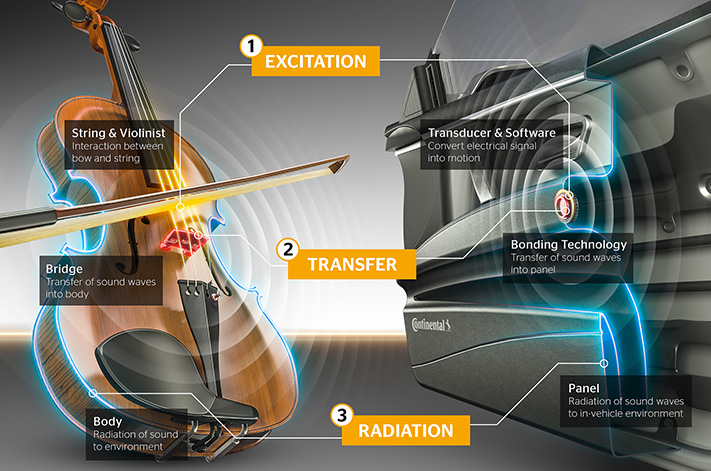
And the weight savings are significant – Continental says a conventional audio system tips the scales at 15kg, while its system can weigh as little as 1kg.
There would also be aesthetic benefits, with designers no longer having to integrate speaker grilles into door cards, dashboards and parcel shelves. On top of that, Continental’s speaker-less tech is said to produce sound quality on the same level as high-end premium stereo hardware
“In the age of electric vehicles, car manufacturers are looking for innovative solutions to drastically reduce the weight of their vehicles and gain space for passengers and new technologies ,” said Johann Hiebl, head of the Continental’s infotainment and connectivity unit.
“Our approach is to treat the car itself as an instrument. We use compact actuators to excite suitable surfaces to thus generate a natural, 3D sound experience.”
The system holds promise, but thus far no manufacturer has committed to employing it. Continental will give the Ac2ated Sound technology its first public demo at the Frankfurt Motor Show in September.
SHHHHH. Don’t talk, don’t move, don’t even think. Just watch, and listen.
Turn your speakers up as loud as possible and treat your ears to two minutes of the most glorious sound you will hear all week.
Have you watched the video? If not, stop reading, go back up top and watch the damn thing. Done? Good.
What you just witnessed was the Bigmate Racing VF Commodore, which is built by Matt Stone Racing and driven by Todd Hazelwood, ripping through the gears on a dyno.
While it competes in the second-tier Super2 category, the VF Commodore racecar is built to Supercars’ Car of the Future regulations. That means a big ol’ 5.0-litre naturally-aspirated V8 up front, and six-speed gearbox with a transaxle sending power to the rear wheels.
The roaring V8 pumps out 485kW, and revs out to a 7500rpm redline. If the sound wasn’t enough to make the above video a must-watch, the addition of copious large blue flames is sure to cement its place on any rainy-day playlist.
The blue flames are thanks to the E85 ethanol blend fuel that Supercars race with. While it was sad to see the streaking yellow flames of the mid-2000s disappear from Aussie racetracks, it’s heart-warming to know our premier race cars can still do a valiant dragon impersonation when needed.
The sight of a modern Supercar on a chassis dyno is rare these days, with teams often using engine dynos to do their testing, or simply doing business behind closed doors. Credit to Hazelwood and the Matt Stone Racing crew for providing us with this glorious footage.
Hazelwood will make his Supercars debut as a co-driver for Tim Blanchard at the enduro rounds later this year.
Land Rover has confirmed list prices and Australian model details for the new Discovery 5 ahead of the high-riding family wagon’s launch this August.
The fifth-generation Discovery adds a list of clever features designed to bolster its practicality credentials.
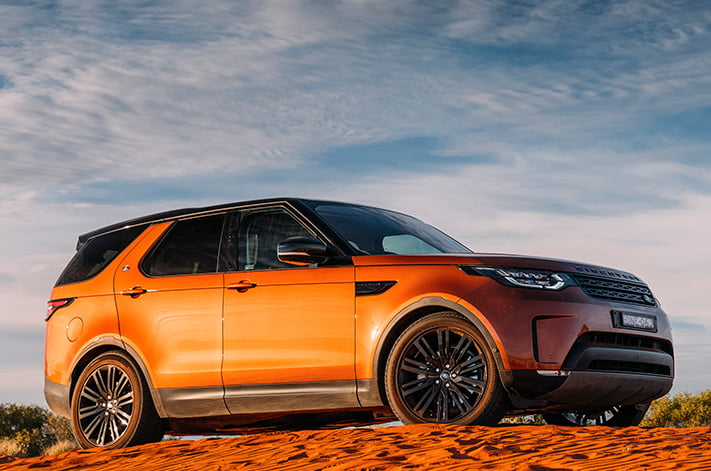
Available in both five and seven seat configurations, the new Discovery range starts at $65,960 for the base Td4 S, stretching all the way north of $130,000 for the limited-run Td6 First Edition.
Three engine options are available for the new model – two 2.0-litre four-cylinders, and a 3.0-litre V6 – all fuelled by diesel.
Td4 models feature the less powerful 2.0-litre unit with a single turbocharger, able to manage 132kW and 430Nm.
Stepping up to the Sd4 gets you the more powerful twin-turbocharged 2.0-litre option with 177kW and 500Nm on tap.
The flagship engine is the Td6, with the V6 putting out 190kW and 600Nm.
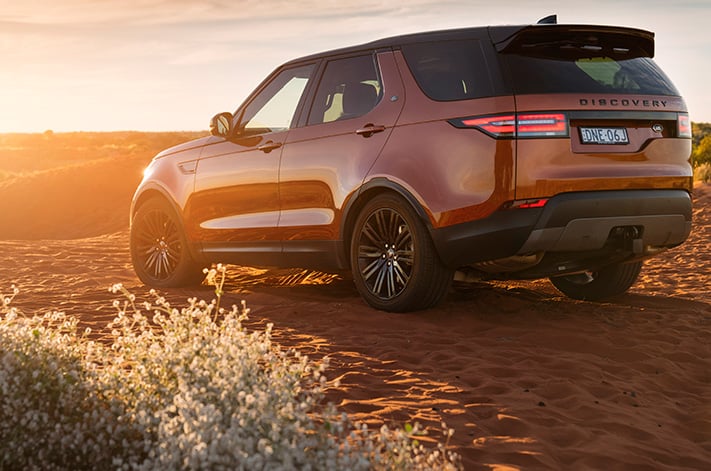
Regardless of engine choice, all Discovery variants send power to an all-wheel drive system through a ZF eight-speed automatic transmission.
Those who opt for the Sd4 and Td6 powerplants will be awarded with a dual-range transfer case, as well as the option of a locking rear differential.
The 2017 Discovery has four trim levels – S, SE, HSE, and HSE Luxury – all available with each of the three engine choices.
All seven seat SE models feature a comprehensive list of features, including:
- 19-inch alloy wheels
- Air suspension
- Dual-zone automatic climate control
- Satellite navigation
- Electric leather seats
- Front and rear parking sensors with reversing camera
- Towing armature and electrics
- LED headlights
- 20-inch alloy wheels
- Electric steering column adjustment
- Three-zone climate control
- Keyless entry
- Powered tailgate
- Meridian 380W sound system
- 10” touchscreen with satellite navigation
- Electric leather seats with winged headrests
- Climate front seats
- Extended leather interior
- Five colour interior mood lighting
- Panoramic sunroof as standard
- Front centre cooler compartment
- Surround camera system
- Meridian surround sound system
- Digital TV
On launch, a special First Edition model will also be available, with 2,400 examples worldwide.
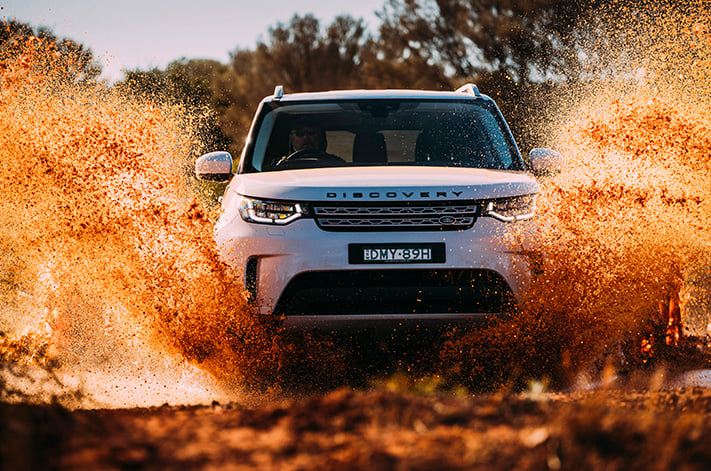
These models will feature a number of unique details, including etched map detailing on the aluminium door trim and special badging.
Practicality is a strong point with the Discovery, with plenty of family-oriented features.
The most notable tech comes in the form of Land Rover’s new Intelligent Seat Fold technology, which allows the second and third row seats to be folded down remotely via a smartphone app.
The Discovery is also equipped with an in-car WiFi hotspot for up to eight devices, along with up to nine USB ports and six 12-volt charging points.
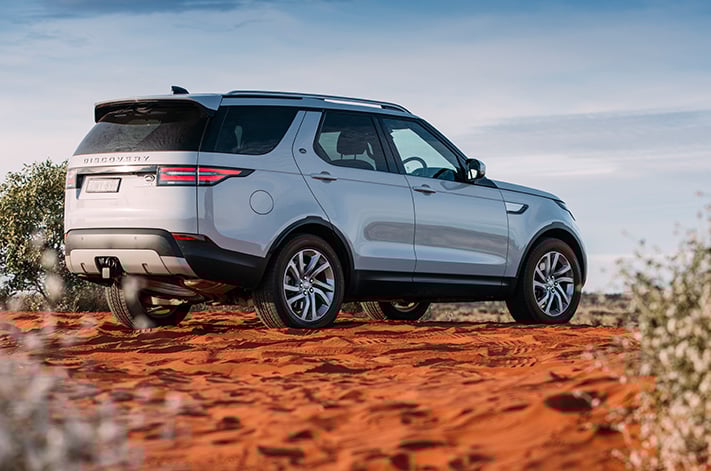
Boot space measures in at a maximum of 2,406 litres, while towing is rated at 3500kg.
The new Discovery is set to launch in Australia on August 1 this year.
List Pricing
Discovery Five Seat Td4 S – $65,960 Sd4 S – $71,560 Td6 S – $78,721.40Td4 SE – $77,050 Sd4 SE – $83,450 Td6 SE – $90,161.40Td4 HSE – $87,150 Sd4 HSE – $93,550 Td6 HSE – $100,261.40Td4 HSE Luxury – $100,950 Sd4 HSE Luxury – $107,350 Td6 HSE Luxury – $114,061.40
Discovery Seven Seat Td4 S – $71,560 Sd4 S – $77,960 Td6 S – $84,671.40Td4 SE – $81,590 Sd4 SE – $87,990 Td6 SE – $94,701.40Td4 HSE – $90,550 Sd4 HSE – $96,950 Td6 HSE – $103,661.40Td4 HSE Luxury – $104,350 Sd4 HSE Luxury – $110,750 Td6 HSE Luxury – $117,461.40Td6 First Edition – $131,871.40
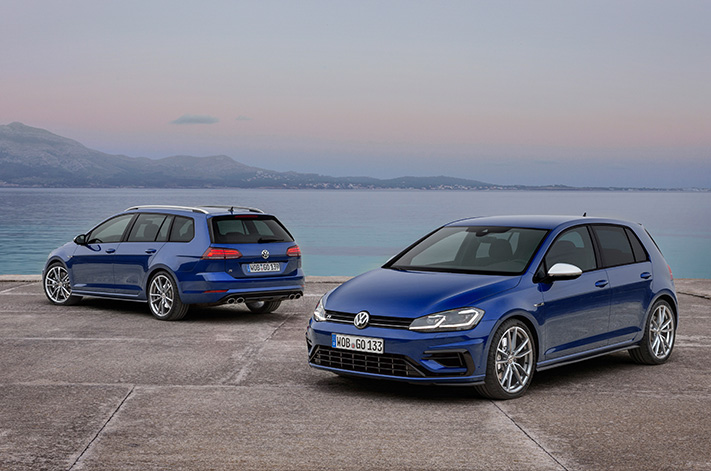
HOT Golf fans rejoice. Volkswagen’s strictly limited GTI Performance Edition 1 that arrives next month will be followed by a series of hi-po Golf variants that borrow its 180kW engine and trick differential.
Just 150 examples of the pumped-up three door GTI Edition 1 will be coming to Australia, headlining the arrival of the Golf 7.5 performance fleet, which includes the garden variety GTI and all-paw R, but a steady stream of the hi-po two wheel drive cars will continue until the Golf 8 touches down in 2020.
Volkswagen corporate communications manager Paul Pottinger told Wheels that the company has plans to continue introducing more exclusive GTI specials from next year until the next-generation launches in about four years.
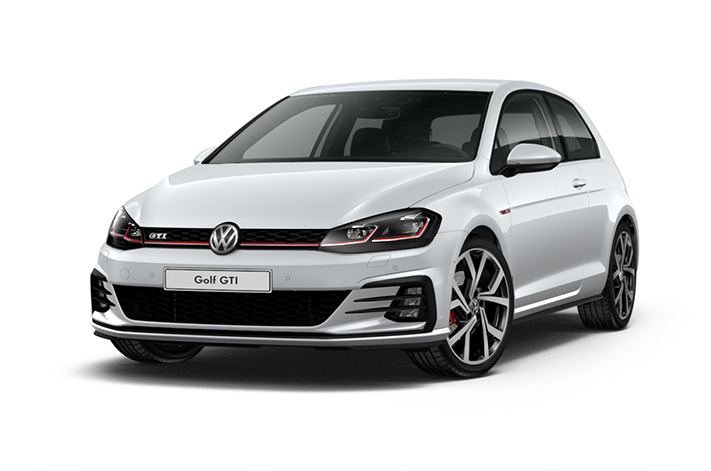
“The subsequent performance editions will all be 180kW with the LSD. It’s designed to sit between GTI and R.”
With a beefier power unit up its sleeve, future special edition Golf GTIs would pack the same punch as the Performance Edition 1, which improves on the standard GTI outputs by 11kW and 20Nm.
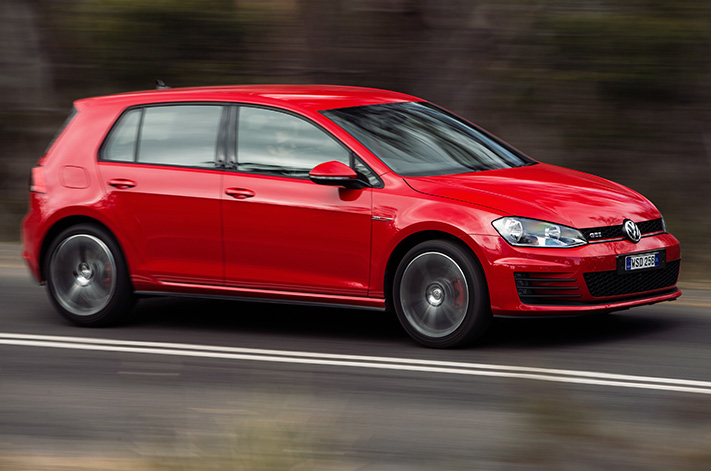
Pottinger did not offer specific details or names, but said a five-door version with the same performance credentials as the Edition 1 was highly likely to preview the expanding range, but hopeful customers would have to wait for confirmation.
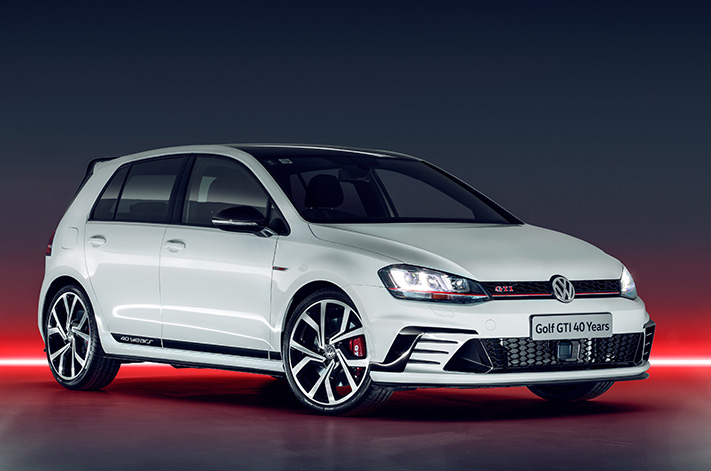
That car brought 19-inch wheels, a fatter bodykit with extra aero, a number of interior modifications and an overboost function that topped-up power output to a whopping 213kW for 10 seconds.
Beyond the GTI, a limited edition version of the more potent Golf R, which adds four-wheel drive and a 213kW/380Nm punch in standard form is also expected.
“The 40 years line. That sort of thing,” said Pottinger. “There’s a couple of plans for later next year but we’re also planning a lot around [Golf] R.”
The decision to introduce more high-performance versions has been driven by Australia’s demand for both driver-focused vehicles including the Golf GTI as well as cars with an added level of exclusivity. As a performance variant, the GTI and R account for a large proportion of overall Golf sales, said Pottinger.
“Sometimes as much as 20 percent of the overall range,” he said. “It’s proportionally one of the world’s biggest GTI markets. In some months [Golf] Rs have outsold GTI.
“We will get hold of any and every iteration of GTI and R that we can. That bespoke level seems to appeal to the GTI fraternity.”
This is George.
It’s the latest in a line-up of cars built for Swedish professional skier Jon Olsson, who has proved to be something of a modified car addict.
It was a Rolls Royce Wraith when it was born, though we’re not sure you could still call it that. It’s had an extra few kW pumped through it to bring its output up from 465kW to 570kW.
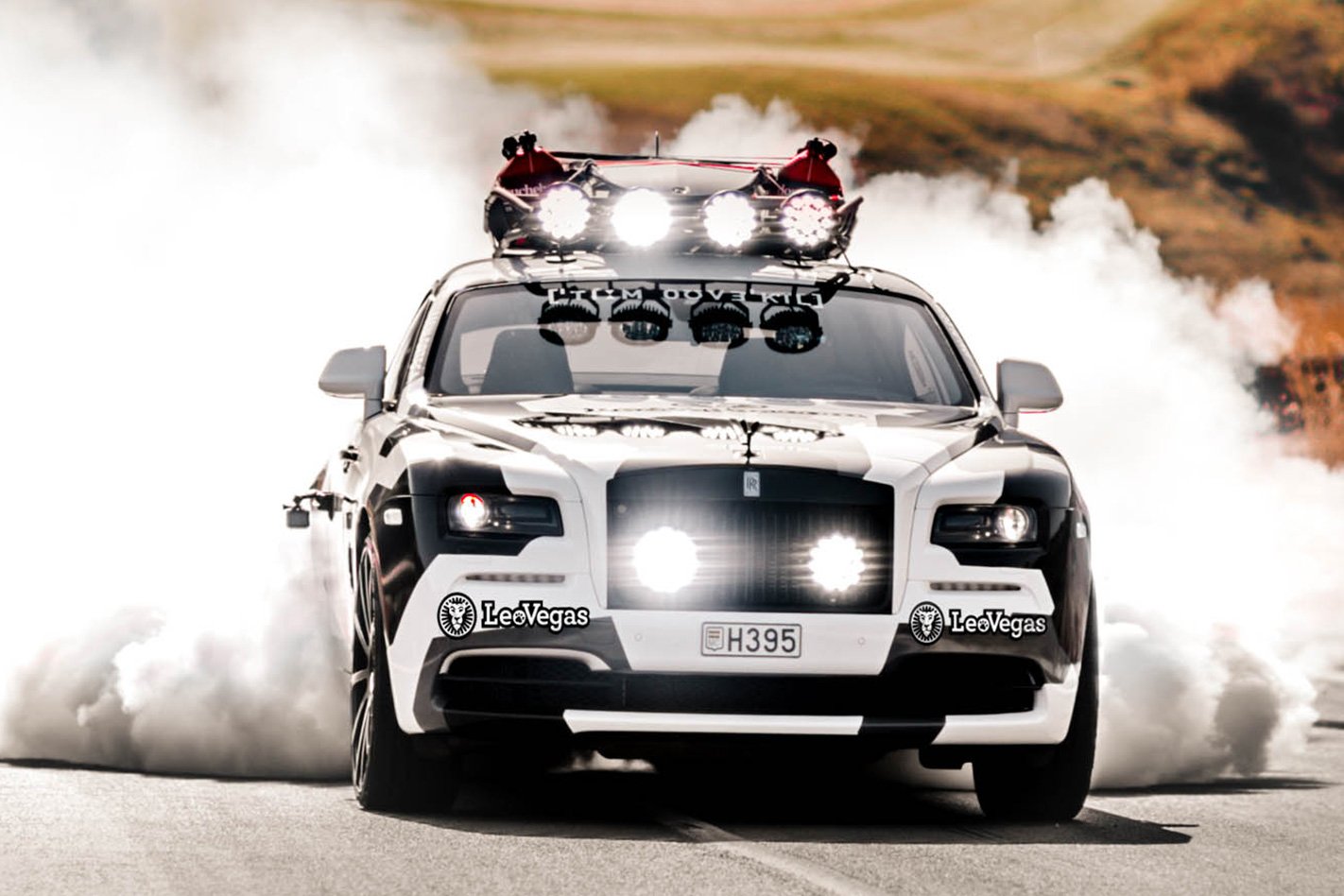
“The initial plan was to go for a crazy off road look as that was the only way I could figure out how to get cool winter wheels on it,” Olsson writes in a post on his site.
Ghost hunting in the Rolls- Royce Wraith
“But then the Vlog really took over my life and I did not have time to push the project and it ended up taking more time than planned!
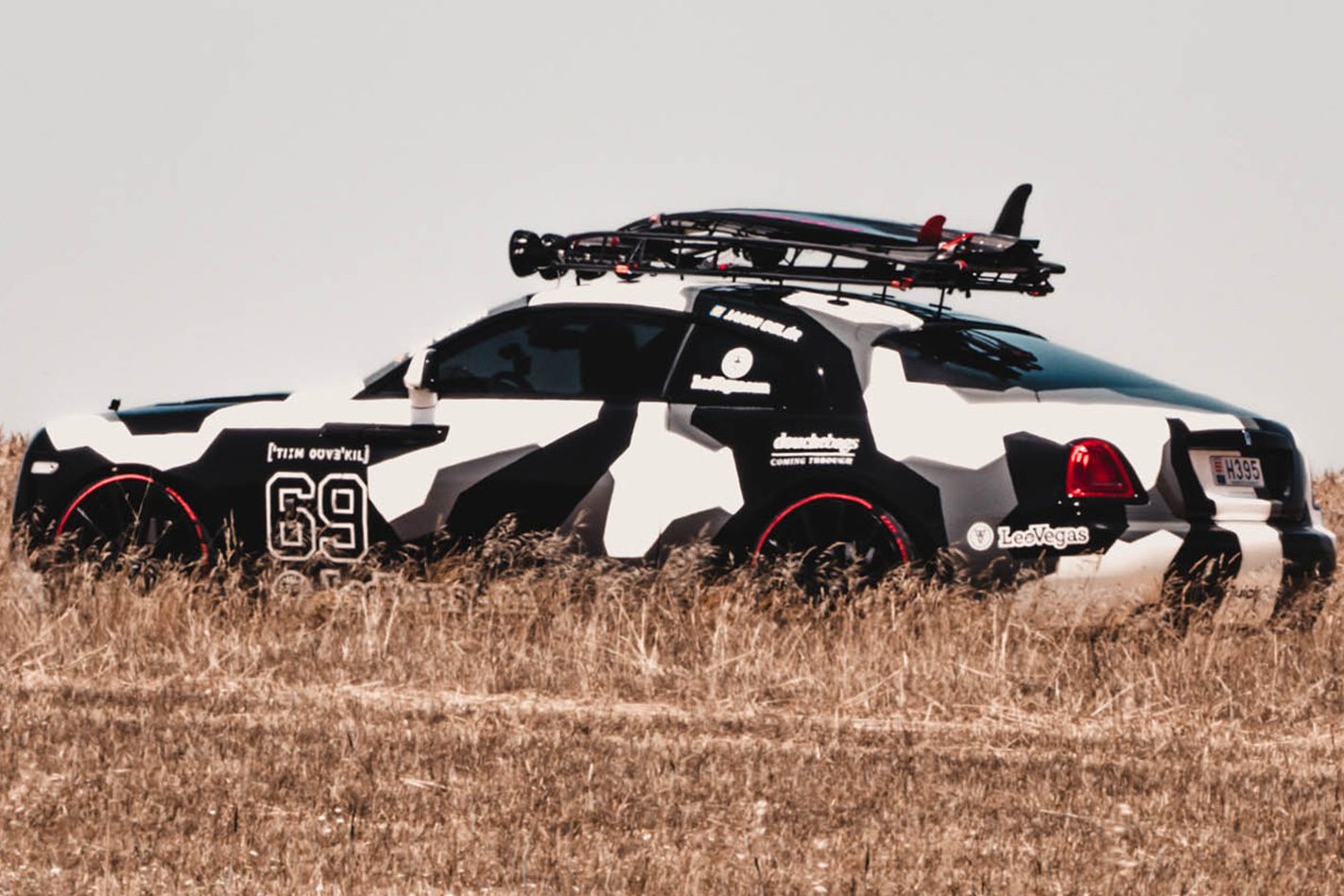
A Wraith, which costs around $670K to purchase in Australia, isn’t exactly the modifier’s usual car of choice, but after a wild skiing gear-equipped Lamborghini Huracan and an Audi RS6 ‘DTM’ (both with roof-mounted carry cases), there’s not much about Olsson’s garage that would surprise us anymore.
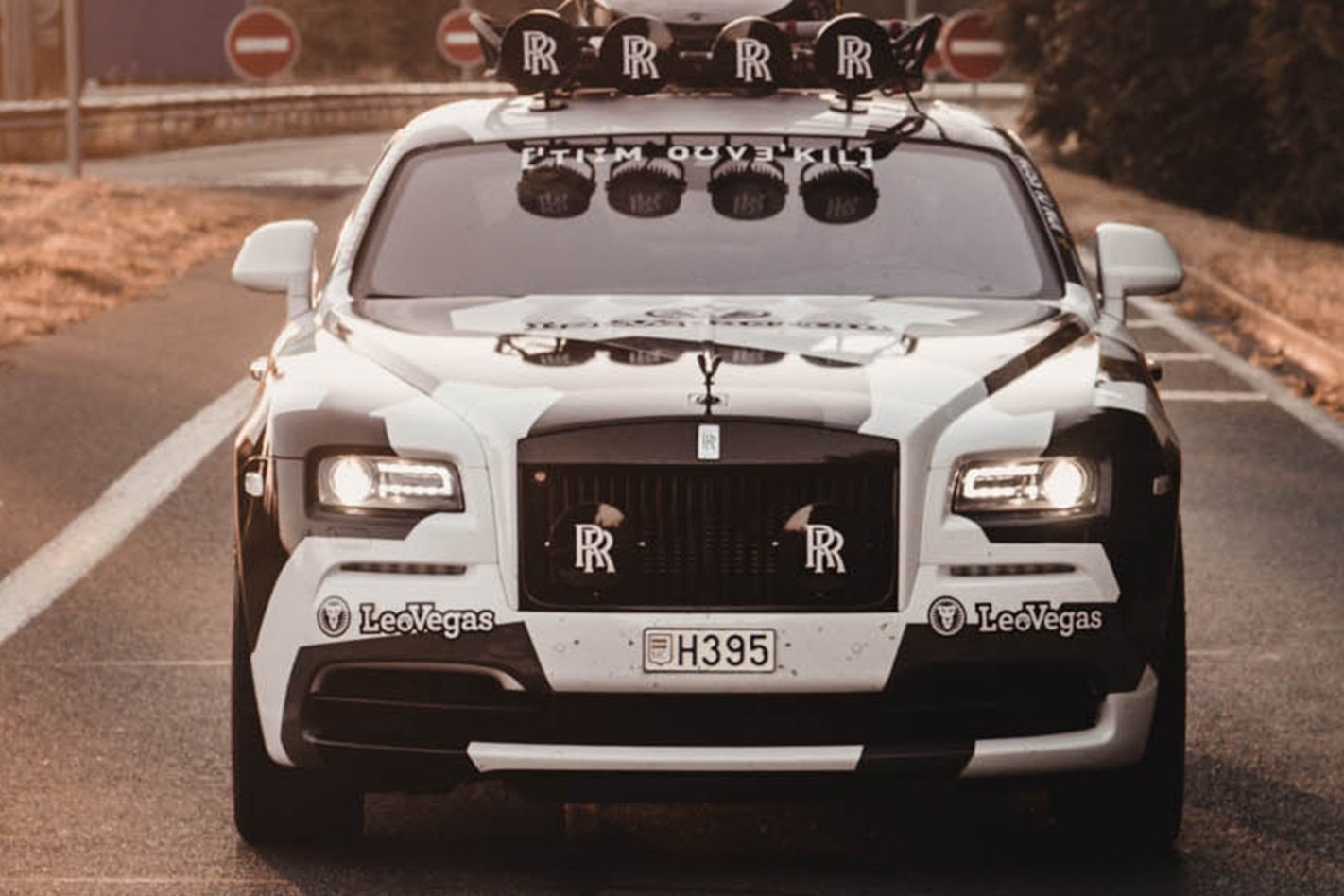
Via a ’71 Camaro, an E30 racer, an M3 CSL, and even a few Ultima GTRs, Jon Olsson has gone from being ‘just’ a skier to being a bonafide car nut.
So, whether you love it or hate it, you’ve got to admire the passion Olsson clearly has for his garage.
Citroen’s quirky C4 Cactus – one of our favourite cars here in the office – is set to receive a drivetrain update and a special edition that could help turn its sales fortunes around in Australia.
Until now, its excellent 1.2-litre three-cylinder engine has only been available with a manual transmission, but an automatic petrol variant is arriving this month along with a single-colour special edition.
Citroen has confirmed the petrol auto Cactus will use the excellent Aisin-developed six-speed automatic transmission that can already be found paired to the same 1.2-litre turbocharged three-cylinder in the Peugeot 208 and 2008.
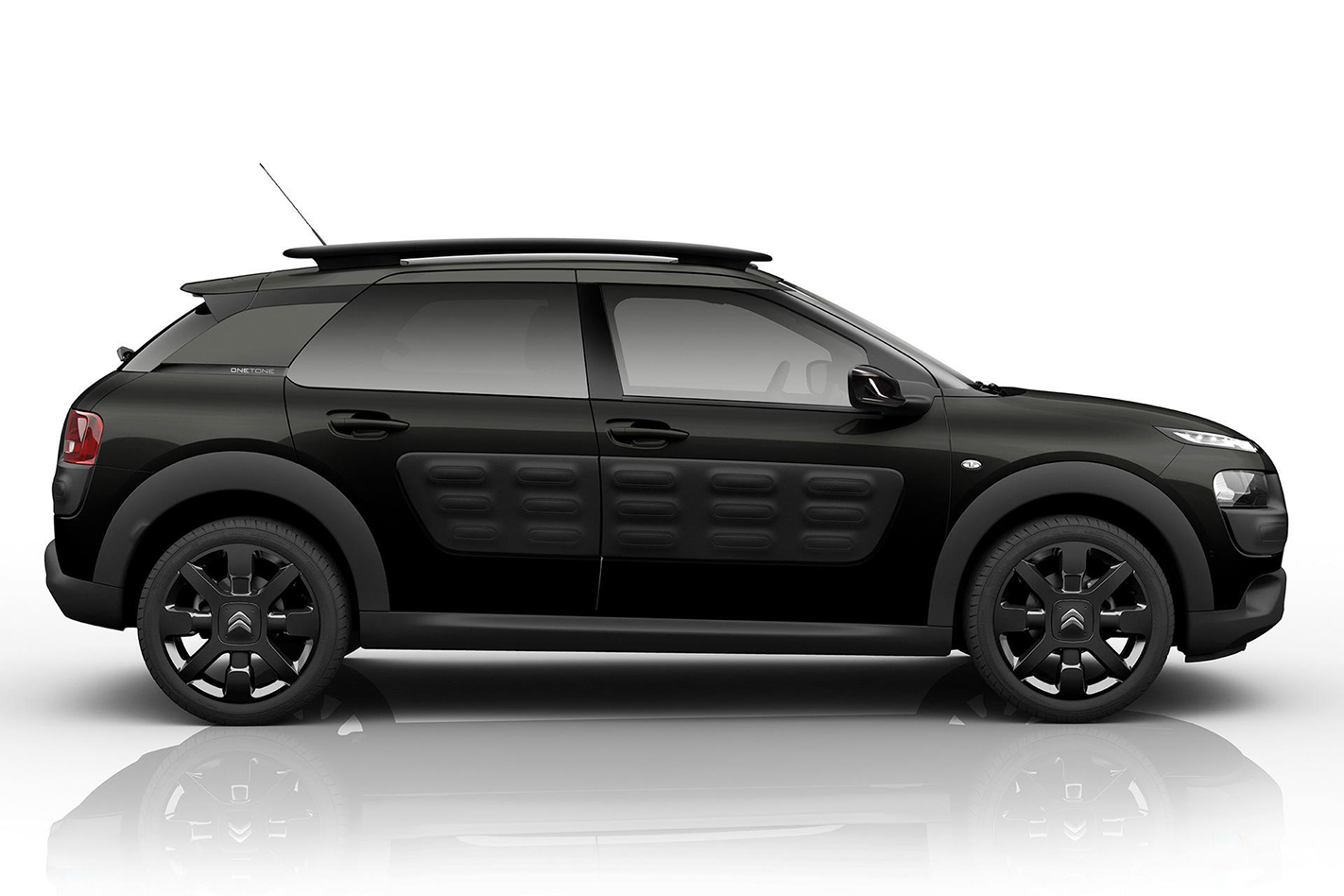
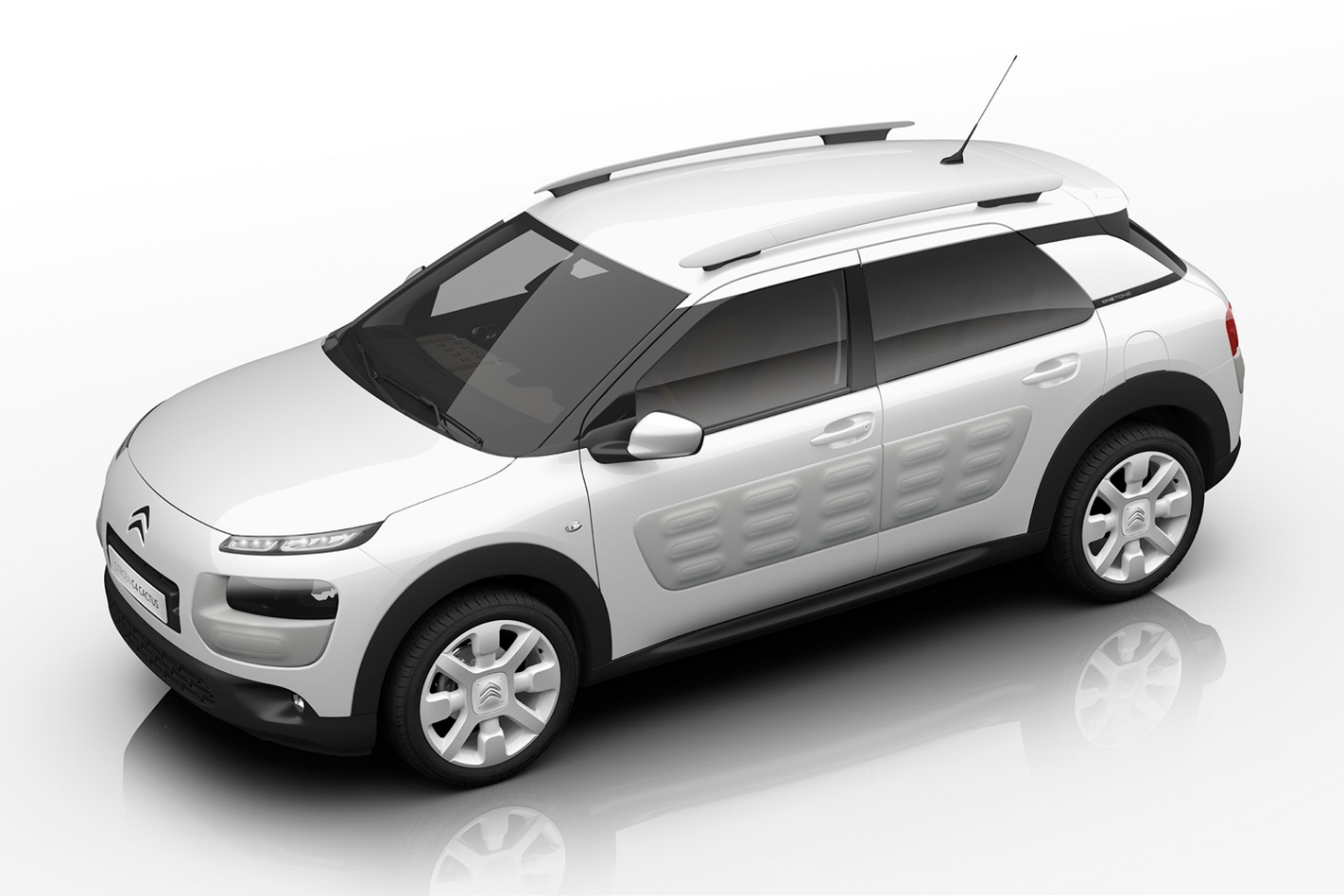
Along with this, a new OneTone version of the Cactus is set to join the 2018 range. These models will eschew the two-tone style of standard models in favour of a single, consistent colour for the body, wheels, and signature Airbumps.
But it’s not all additions to the Cactus range – the 1.6-litre diesel variant with its clunky and lacklustre robotised-manual transmission is set to be culled, presumably due to the efficient petrol now gaining a two-pedal option.
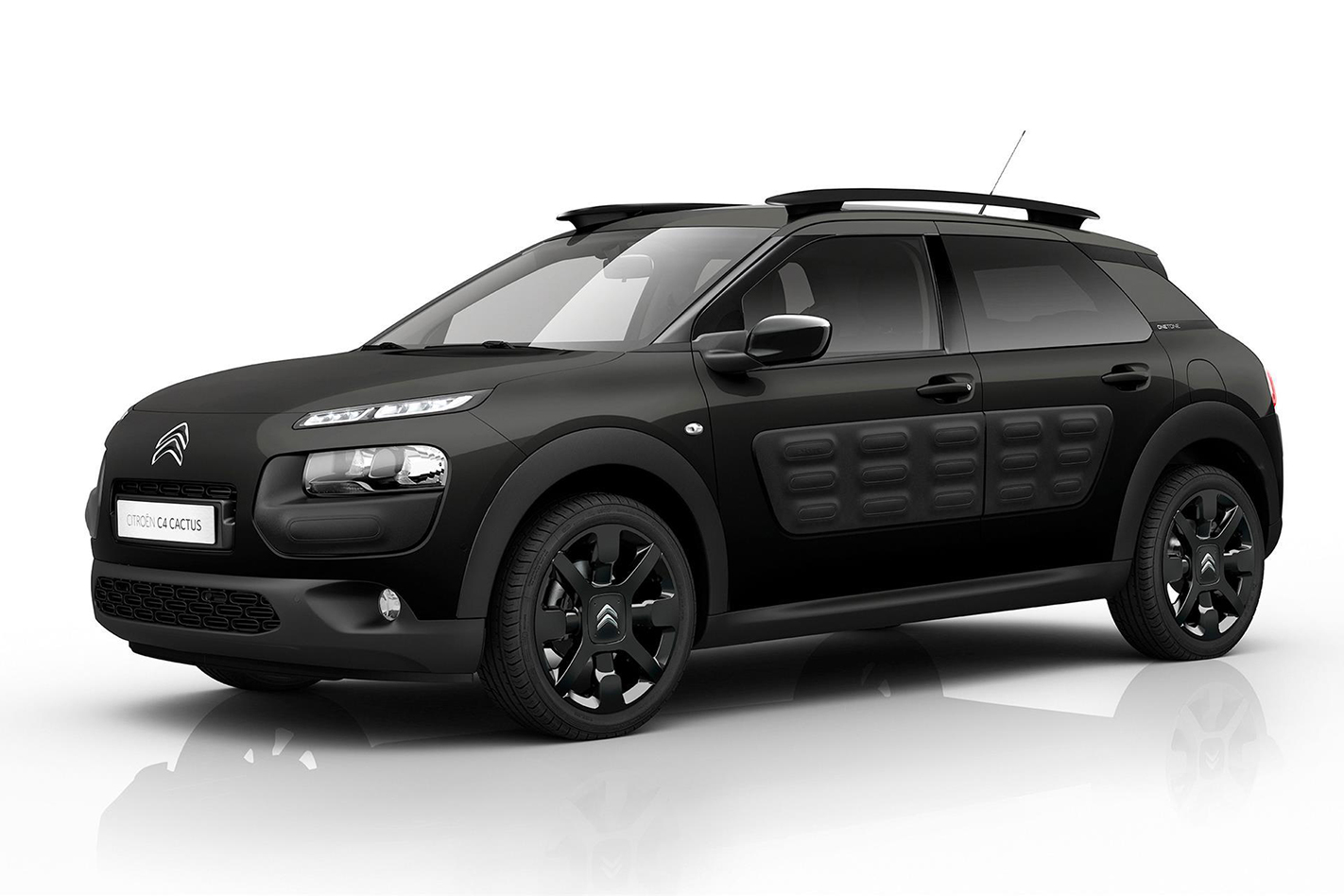
You can expect to see OneTone edition and auto-equipped Cactus models in local Citroen dealerships by the end of this month, with pricing set to be revealed soon.
THE MAZDA MX-5 is developed on the principle of Jinba-ittai – horse and rider as one – but what if you want more than one horse?
Mazda Australia has been down this road before with the locally developed MX-5 SP, which strapped a Garrett turbo to the side of the NB MX-5’s 2.0-litre four to give it unheard-of levels of stonk.
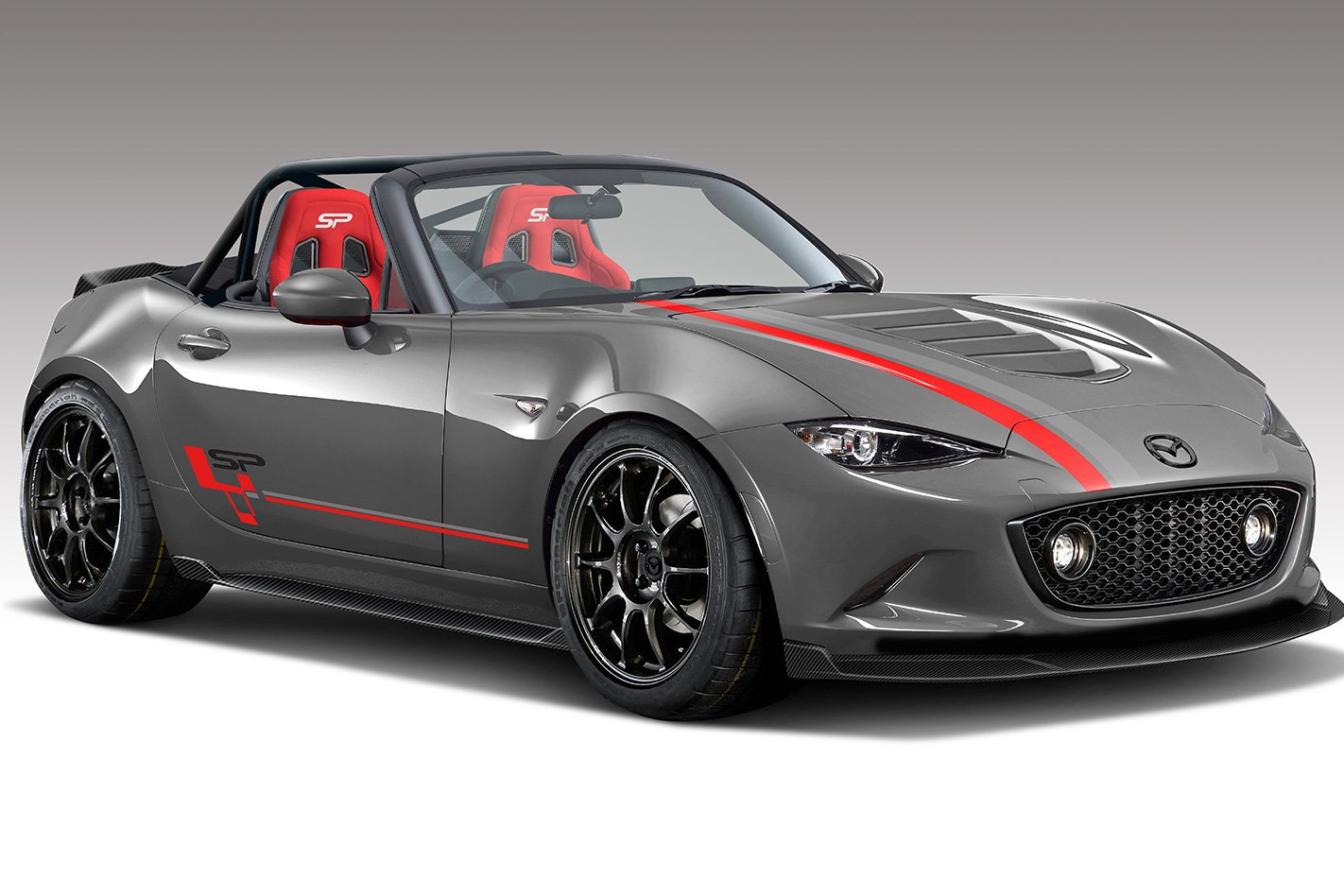
The program required the blessing of the MX-5 Project Manager, Takao Kijima, a man who didn’t like having his work meddled with, but it was so good it received the go-ahead in the end.
Suddenly those hairdresser jokes didn’t seem so funny.
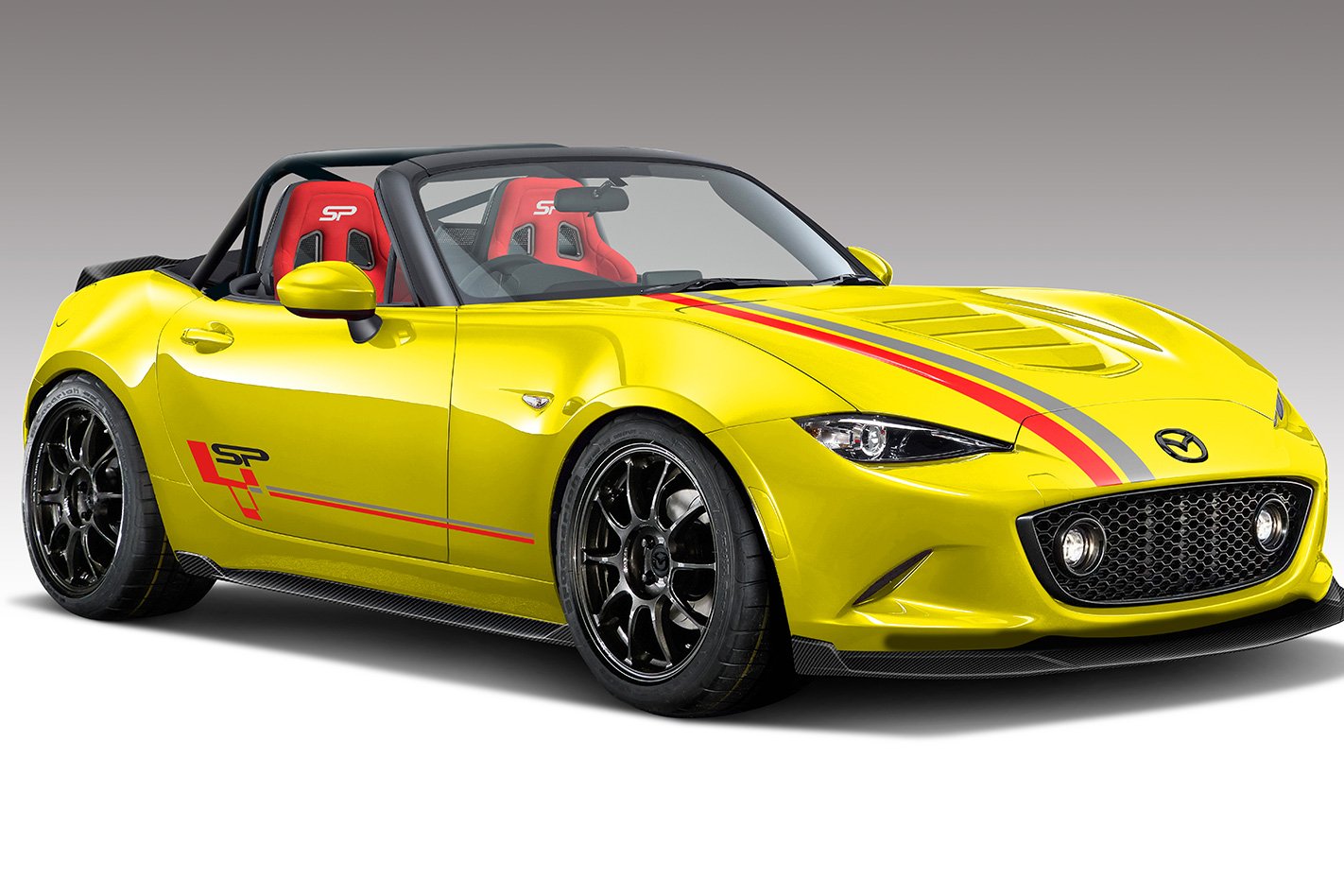
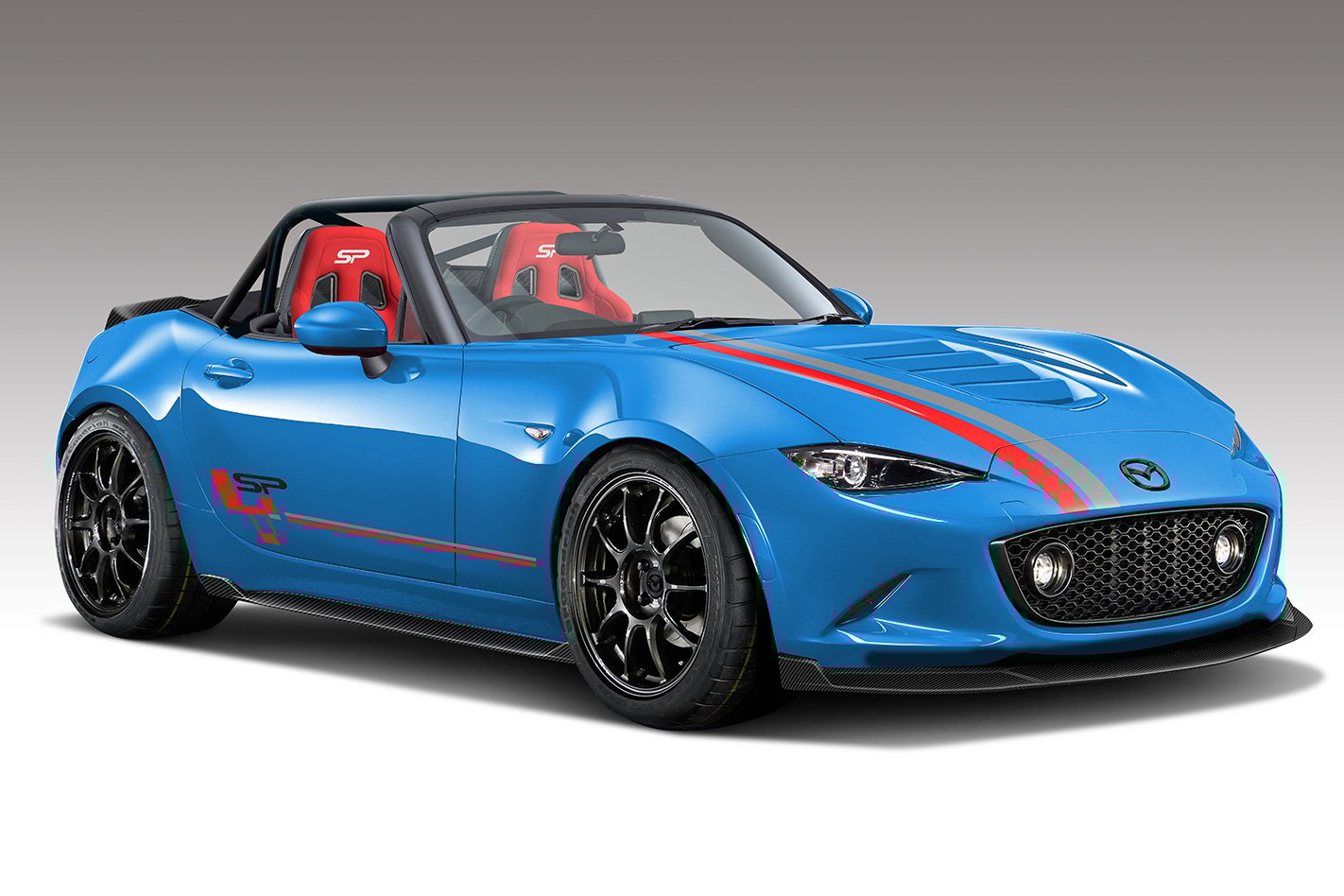
Here’s how we’d do it
Donk decision
The obvious choice when it comes to boosting power is to simply add a turbo to the existing 2.0-litre engine, something which tuners like Tunehouse have already done to good effect.
Go time
Regardless of the engine choice, you’re looking at a conservative 5.5sec 0-100km/h and mid-13sec quarter, a useful second-or-so improvement over the standard car with far superior roll-on acceleration. Combined with the better brakes, suspension and tyres, lap times would tumble.
Cherry picking
Choosing the suspension modifications is easy, as it’s simply a case of lifting all the gun gear from the race-only MX-5 Cup. These include the clever two-way adjustable Multimatic Dynamic Suspension Spool Valve (DSSV) dampers, which can also be found in the Ford GT supercar.
Brakes are by Brembo with wider high-performance rubber all ’round.
Pick a part
There’s not much to remove inside an MX-5, so we’ll add stuff instead. Recaro bucket seats improve lateral support, there’s Alcantara for the wheel and gearknob and a roll bar for when it all goes pear-shaped.
Dollar dazzler
The original SP wasn’t cheap, carrying a $12,000 premium over the regular MX-5 and we’d once again shoot for a similar price point. Pricey, perhaps, but we reckon even at $55K it wouldn’t be too hard to shift 100 of these pocket rockets.
