What stands out?
The Nissan Pulsar’s strength is that it’s big for a small car. A long, broad body on a lengthy wheelbase gives it generous interior space, and the sedan a gigantic boot. Nissan’s stout reliability reputation counts in the Pulsar’s favour.
What might bug me?
Having to stump-up for delivery at Ikea – your long, flat-pack furniture won’t fit in the sedan’s great big boot, because the rear seatbacks don’t fold down.
What body styles are there?
Four-door sedan and five-door hatchback. Nissan announced in April 2016 that it had ceased to import the hatchback, and about the end of 2016 it dropped the sedan also.The Pulsar drives its front wheels, and it is classed as a small car, lower priced.
What features do all Pulsars have?
Air-conditioning, power windows and hands-free Bluetooth phone connectivity.Cruise control, and a CD/MP3 and radio unit – both controllable from buttons on the steering wheel.Aluminium alloy wheels – usually lighter and better looking than steel – and a full-size steel spare wheel.Six airbags: two directly in front of the driver and front passenger; one alongside each front occupant to protect the upper body; and a curtain airbag on each side protecting the heads of front and rear occupants from side impacts.Electronic stability control, which can help the driver to control a skidding car. All new cars must have this feature.Every Nissan Pulsar carries a three-year, 100,000 kilometre warranty.
Which engine uses least fuel, and why wouldn’t I choose it?
The 1.8-litre four-cylinder petrol engine found in most Pulsar hatchbacks and sedans is the more economical of the two engines available. It uses 6.7 litres/100km on the official test (urban and country) with the automatic gearbox, and 7.2 litres/100km with the manual ‘box.The other engine, a turbocharged 1.6-litre four-cylinder, is more appealing, providing about 40 per cent more power in most driving conditions while using only 10-15 per cent more petrol. However, the turbo 1.6 is available only in the relatively costly SSS sedan and hatch.The manual gearbox on Pulsars is a six-speeder, while the auto is a continuously variable transmission (CVT). The CVT does away with fixed gear ratios, instead responding steplessly to the driver’s demands – which usually makes the car better to drive and cuts fuel use.
What key features do I get if I spend more?
Spending more to step up to the Pulsar ST-L sedan or hatch buys you rear parking sensors, an iPod compatible USB port for the audio system, premium cloth seat trim, a leather-accented steering wheel, foglights and a rear spoiler.The ST-L sedan also gets a 5.8-inch colour touchscreen with satellite navigation, a reversing camera, dual-zone air-conditioning (which allows different temperatures on either side of the cabin) and Bluetooth audio streaming.Spending more again for a Pulsar SSS gets you the more powerful, turbocharged engine, and 17-inch wheels fitted with wider tyres in a lower profile (which improve grip and steering response). Cosmetic enhancements include front and rear lower aerodynamic spoilers, and side skirts. A manual mode gives you more control of the auto gearbox.SSS hatchbacks gain the extra equipment that comes on the ST-L sedan: Bluetooth audio, a reversing camera, the colour touchscreen, sat-nav, and dual-zone air-con. (The SSS sedan has these things too.)The doors of SSS sedans and hatchbacks can be unlocked while the key remains secure in a pocket or handbag, and the seat trim has leather accents. Headlamps switch on automatically when it gets dark, and have extremely bright xenon bulbs with auto-levelling.
Does any upgrade have a down side?
The Pulsar SSS’s front lower spoiler makes it more likely to scrape on steep driveways or speed humps.You might slide around more on the leather seats than on the more grippy cloth versions.Five of the seven colours available are metallic, and come at an additional cost.
How comfortable is the Pulsar?
The Nissan Pulsar offers reasonable comfort thanks to relatively soft suspension settings. However, those settings also allow the body to tilt in corners more than many other small cars, which diminishes comfort in its own unsettling way.The armchair-like standard front seats are very comfortable for drives of up to two hours, and the driving position is ergonomically sound – and easily adjusted, with help from the standard height and reach adjustable steering column.The Pulsar is reasonably quiet and free of vibration and harshness inside – about average for a small car. The design of the dashboard and switchgear is conservative.
What about safety in a Pulsar?
Pulsar ST versions and the ST-L hatch receive a safety rating of Very Good. The addition of a reversing camera and other safety enhancements elevates the ST-L sedan and both versions of the Pulsar SSS to Excellent.Automatic emergency braking, which is available on some small cars, is not offered on any Pulsar.(To see a full list of the safety features on any model, select the car and look under the features tab. Safety-related features are listed in red.)The Australasian New Car Assessment Program (ANCAP) awarded the Nissan Pulsar sedan and hatchback its maximum five-star rating.
I like driving – will I enjoy this car?
For the enthusiastic driver, the Pulsar is one of the less engaging new small cars. Its electrically assisted power steering feels unresponsive in the initial degrees of steering wheel rotation, and the response generally feels imprecise by comparison with many alternatives.On challenging roads, the soft suspension lets the Pulsar’s body bob on the springs, which undermines cornering ability. The level of cornering grip from the tyres feels relatively low, especially in less expensive versions with the 16-inch wheels and narrower rubber.The turbocharged 1.6-litre engine in the Pulsar SSS is a big improvement on the 1.8-litre engine powering other models. It is flexible, powerful and rewarding to spin into the higher rev-range. However, engine aside, the SSS does not feel much sportier than any other Pulsar.The manual transmission is not a rewardingly tactile gearbox to operate, and the clutch pedal feels surprisingly heavy to press.In SSS Pulsars, the automatic transmission can be manually operated using gear-shift paddles behind the steering wheel. That helps make them more fun to drive than other automatic Pulsars.
How is life in the rear seats?
Rear-seat accommodation is perhaps the best aspect of the Pulsar. The rear compartment of the cabin is huge, thanks to the Pulsar’s long wheelbase (the distance between the front and rear axles), which translates directly into rear cabin room. The wheelbase ties with the Toyota Corolla sedan’s as the longest in a small car.The rear seat itself is cushy and comfortable, with a well angled backrest and good under-thigh support. ST-L and SSS sedans have a centre rear armrest.
How is it for carrying stuff?
The Pulsar sedan offers a capacious 510-litre boot. That’s 15 litres bigger than the boot of an Australian-built Holden Commodore, a large car. But the rear seatback does not fold down.The hatchback’s body is shorter, and as a result its cargo bay is smaller than the sedan’s, at 310 litres.The hatch makes up for that to some degree by having 60/40 split-folding rear backrests, and therefore the ability to carry longer items of luggage.
Where is the Pulsar made?
The Nissan Pulsar is manufactured in Thailand.
What might I miss that similar cars have?
Many alternatives offer more standard and optional equipment, better smartphone connectivity, more power from their most basic engine upwards, or more enjoyable handling – sometimes all in the one car.For example, you can’t get rain-sensing wipers on a Pulsar at any price, but many other small cars have these on some versions.The Mazda3 offers automatic emergency braking on all models, and AEB is available on several other small cars. Sensors detect obstacles in front of the car – typically another car that has slowed suddenly – and a computer applies the brakes if it concludes that a collision is imminent.The Renault Megane and Hyundai i30 offer five-year warranties, and the Kia Cerato is warrantied for seven years. Among other small cars you might consider are the Toyota Corolla, Volkswagen Golf, Subaru Impreza, and Honda Civic.
I like this car, but I can’t choose which version. Can you help?
The least costly model, the ST, is our pick of the line-up – but the sedan rather than the hatch, for its big boot. The equipment level isn’t brilliant in the ST, but it’s not great in higher specification versions either.
Are there plans to update the Pulsar soon?
This C12 series Nissan Pulsar arrived in Australia in 2013 – it was updated into series two form in April 2015. In April 2016, Nissan said it would not replace existing stock of the Pulsar hatchback. It would continue to import the sedan, however.About February 2017 the Pulsar sedan was dropped from the Nissan range also, with the company electing not to revise its engines to meet a more stringent Australian emissions standard. Nissan said plans were under way to replace the Pulsar.
Forza has been quite prominent in the automotive world lately and, while some of this is because of its partnership with Porsche, it’s mostly due to the incredible realism present in the simulation.
With a release date of October 3, four months away, Forza Motorsport 7 will be the newest addition to the lineup of top-end simulators produced by Turn 10 Studios.
The game will feature over 700 cars, with dynamic weather and road conditions, plus the developer says the game will be realistic to the point that cars rattle and vibrate.
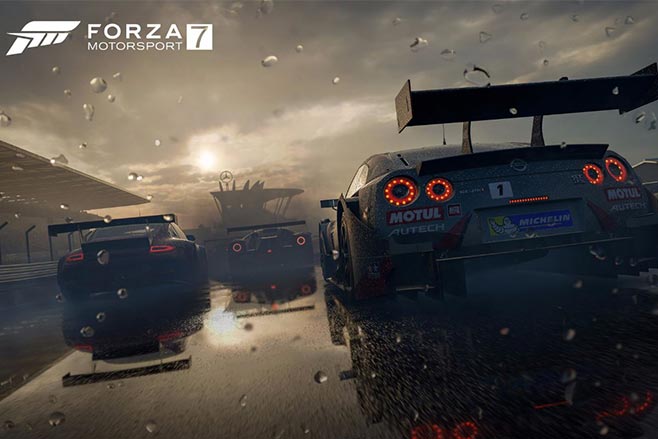
“We’ve rebuilt Forza Motorsport 7 from the ground up to really recreate that feeling of driving a car at peak,” Giese said.
“We have over 700 cars, and every single one is going to rattle and shake. It’s gonna scare the crap out of you.”
Ford GT breaks record for fastest standing mile
It’ll run with 4K (ultra HD) graphics, and have an unlocked framerate.
During the announcement, it was also revealed that the dynamic weather effects will be so detailed as to amass progressively larger puddles on the track if it’s raining heavily in game.
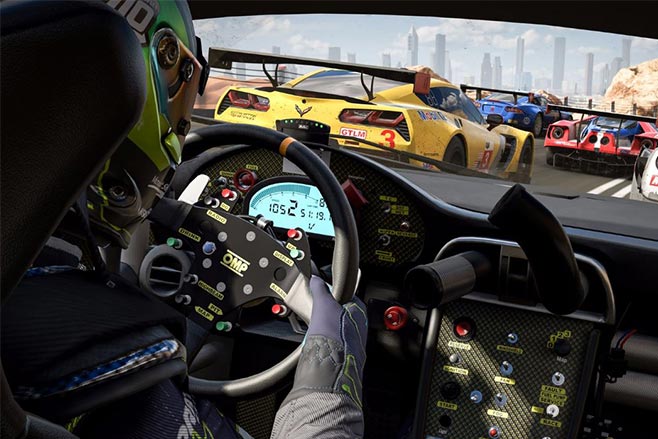
It’s also compatible with numerous USB devices for PC users. Giese added that Turn 10 even tested the game on a Guitar Hero guitar, and a DDR pad.
We’d stick with a wheel though.
IT’S hard to ascertain exactly where the term ‘widowmaker’ first appeared.
To heart surgeons, it’s a diseased coronary artery. To tree surgeons it’s a bough that’s set to drop off and kill somebody. Others will know it as the nickname for the notoriously tricksy Lockheed Starfighter, a fighter jet with a tendency to augur into the ground with alarming regularity. To the likes of us, it’s most readily associated with the malevolent Porsche 911 GT2. We’ve just seen the latest 911 GT2 RS, the latest version of the Widowmaker, and we got that same feeling as Chief Brody when he had to get into the shark cage. Porsche isn’t alone in building cars with a certain reputation. Here are a few of the others that will have you checking your last will and testament.
AC Cobra
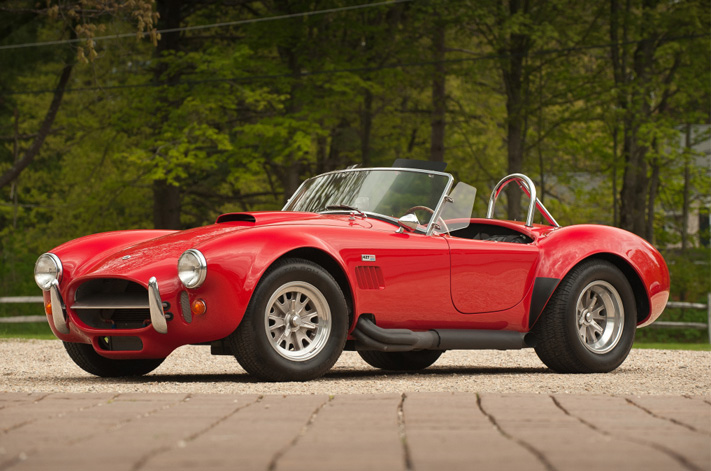
We chose the AC Cobra, but this could really apply to any number of overpowered cars with undercooked suspension systems from days of yore. The rear-engined Chevy Corvair did a great job of slithering off wet roads arse-first, while there were also stealth widowmakers like the 4.1-litre TC Cortina 250 which never seemed scarily powerful, but which would understeer off the road as if the steering column had turned to liquorice. It’s the Cobra that really gets our attention though. Shelby admitted that the original tubular AC chassis had less torsional rigidity than the rail frame of a Model T Ford. That combined with an antiquated leaf spring rear end meant that the Cobra could be terrifying on a poor road. Even on a good surface the front end wanders alarmingly and the brakes are eye-poppingly feeble. As a combo, it makes the Cobra tough to beat.
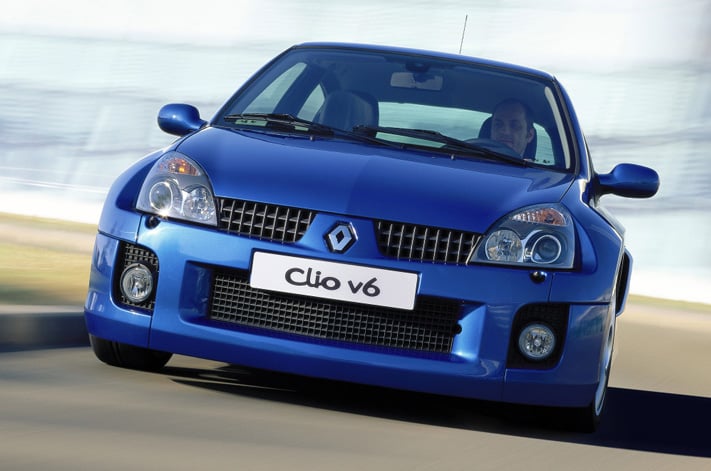
Mid-engined cars can be intolerant of a clumsy hand at the wheel, and the original Clio V6 is a salutary lesson in polar moment of inertia. The original European launch of this vehicle was hilarious, with Renault choosing a kart track in France to demonstrate the car’s ability to go agricultural with hapless journos flapping at the controls like pigeons in boxes. A two-seat hatch that tipped the scales at 1381kg, the original Clio V6 was never even particularly rapid, its power to weight ratio inferior to that of a Clio 182 Trophy. It was certainly exciting on a challenging road though, its 40:60 front to rear weight distribution giving you a tangible appreciation of momentum, coefficients of friction and your own mortality. The Phase 2 version got a wholesale suspension redesign, with a new rear subframe, longer rear trailing arms and longer, softer bump stops. The front end was also beefed up and the steering improved. Modern tyres and dampers help the car a bit, but this is one that’s a rare sight in Australia and likely to stay that way.
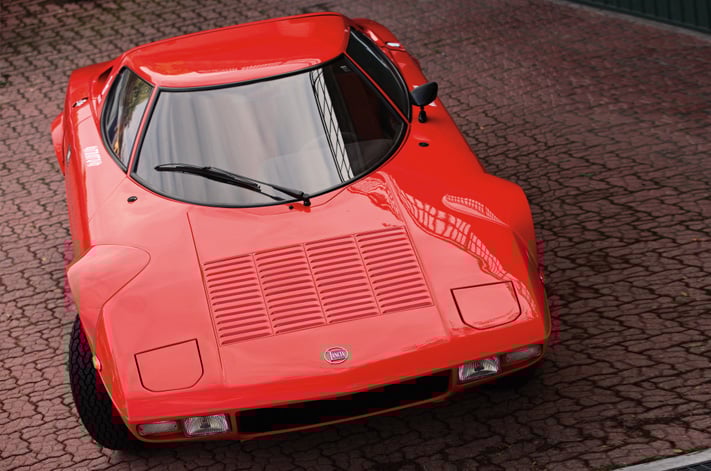
We’ll stick with oversquare mid-engined cars and nominate Lancia’s iconic Stratos. This is a car with a 2180mm wheelbase. A Kia Picanto has a 2400mm wheelbase. The road cars had a modest 140kW but in full Group 5 trim, the Stratos was good for 420kW. The competition car was designed around one man, diminutive works driver Sandro Munari. In his hands, the Stratos won the Monte Carlo Rally in 1975, 1976 and 1977 amongst other big wins, but the car required such a skill level that many drivers tried and failed to master it. Björn Waldegård was about the only other factory hotshoe who could get to grips with the spiky Stratos. It wasn’t a lasting relationship though. He ignored team orders and beat Munari in the 1976 San Remo Rally and was promptly sacked. Driving a road Stratos is an exercise in commitment and throttle balance. It’s the only rear-wheel drive car I can think of where the back wheels toe out, so it has hyper-sharp responses on the way into a corner. Get on the throttle a fraction too quickly or back off sharply and you’ll be doing a lot of twirling. That rapid response from the rear suspension is balanced by dementedly slow steering at three and a quarter turns lock-to-lock. Its reputation is fully deserved.
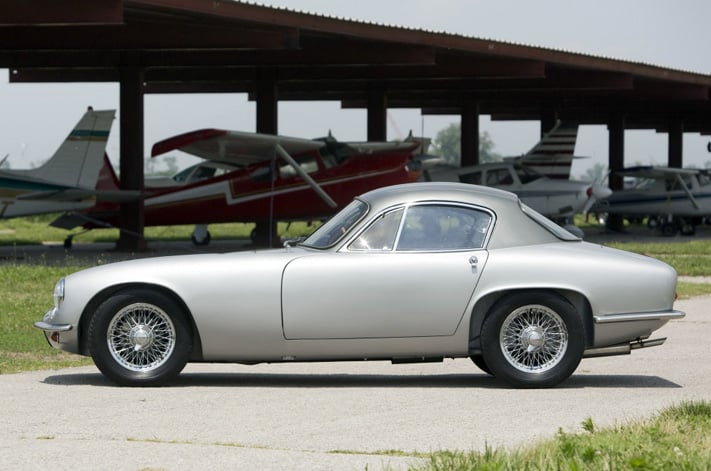
I know what you’re thinking. How could a Lotus, the fruits of Colin Chapman’s genius, ever be considered a widowmaker? And it’s true. The Elite was a sweet little thing, seemingly benign right up to a point that the front suspension pulled out of the stressed-skin fibreglass monocoque and sent you spearing off the road, usually at a fair old clip. Chapman had a famously cavalier attitude to safety, preferring instead to concentrate on speed and handling. The Elite earns a special place on this list for being one of those cars that seduces with its dynamics but which leaves a very bitter aftertaste.
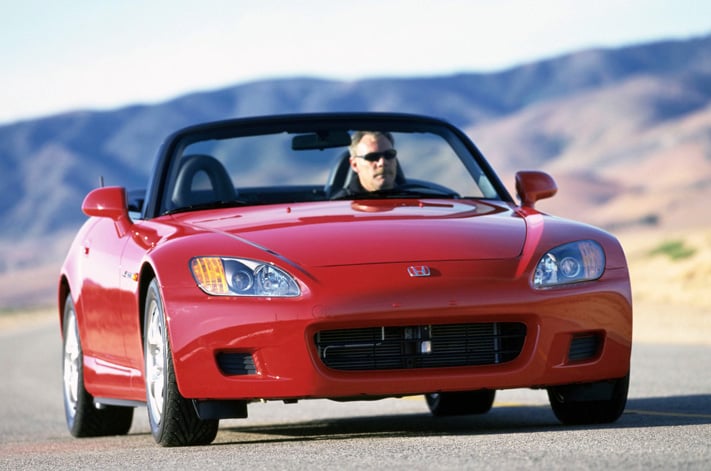
A bit contentious? You bet. The first S2000 was a car that felt pretty damn good driven up to about eight-tenths. You’ll find fanboy forums full of people with nothing but praise for the S2000, denouncing anybody who criticises the car as a know-nothing. Yet Lotus’ chief dynamics engineer fell about laughing as he described the ineptitude of the AP1 S2000’s (1999-2003) stock suspension setup, and while some of these shortcomings could be rectified with better tyres and a few tweaks to camber, caster and toe, the arcade game steering, lack of any stability control and propensity to oversteer at huge speeds remained. The 2004 facelift made a whole host of remedial changes resulting in what Honda described as ‘a more communicative, predictable and exhilarating drive’. Oversteer was better contained, the steering was still a bit iffy, but the engine response was as berserk as ever. The widowmaker tag was finally retired.
ONE of the biggest gripes with electric vehicles are the extended charging times, but North American company Fisker is claiming it has a solution, with its freshly revealed EMotion allegedly capable of a nine-minute quick charge.
It may not be quite as quick as filling a combustion-powered car’s tank, but a sub-10-minute charge is likely to make the all-electric sedan a much more attractive prospect.
The company’s founder Henrik Fisker unveiled the car on Twitter, giving us our first glimpse at the car’s sleek lines, and butterfly doors.
In the tweet, Fisker claims the car is capable of over 400 miles (640 kilometres), and has a nine-minute fast charge.
If accurate, the range would make the EMotion the longest-range production electric vehicle in the world, outlasting Tesla’s Model S P100D by 40 kilometres.
It is unclear if the quick charge system gives the car its full range, or a smaller percentage akin to the 80 percent charge in 45 minutes offered by Tesla.
Fisker also stated the car will be autonomous, with reports the EMotion uses a front-mounted LiDAR system as seen in the rival Model S.
The orginal Fisker Karma wasn’t exactly a sales success, with only 1600 units sold, before Mr Fisker filed for bankruptcy. It used a 2.0-litre turbo petrol engine mated to an electric motor and 20kWh battery.
Pre-orders for the EMotion begin June 30, with the price expected to be in the $170,000 range.
A new ‘race model’ Subaru WRX is set to attempt a Nurburgring speed record this year.
Dubbed the WRX STI Type RA (RA for ‘record attempt’) Subaru’s new 231kW Rexy is going to be limited to 500 units. The RA badge comes from 1989, when a Legacy broke the FIA World Speed Endurance Record by clocking over 62,000 miles in 18 days and setting a top speed record of 138 mph.
Long term test: Subaru WRX STI
The extra power from the WRX’s 2.5-litre boxer comes thanks to an STI-specified new cold air intake and high flow performance exhaust.
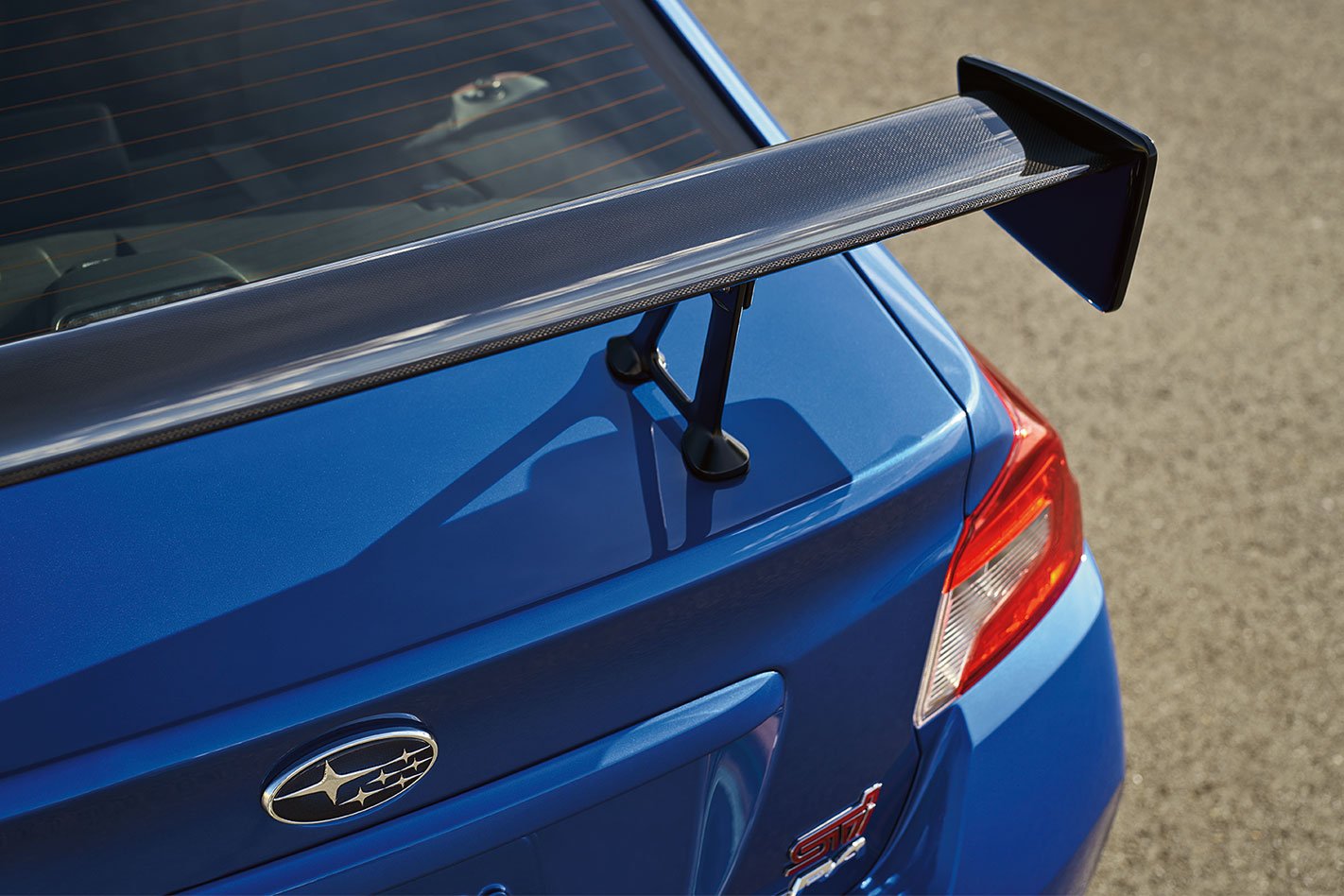
Sweet Dream: Subaru WRX STi 23B
Lightweight 19-inch BBS alloys and Yokohama Advan Sports keep things rolling, while six-pot Brembos stop thing rolling from behind the front wheels. Dual-pistons feature at the rear.
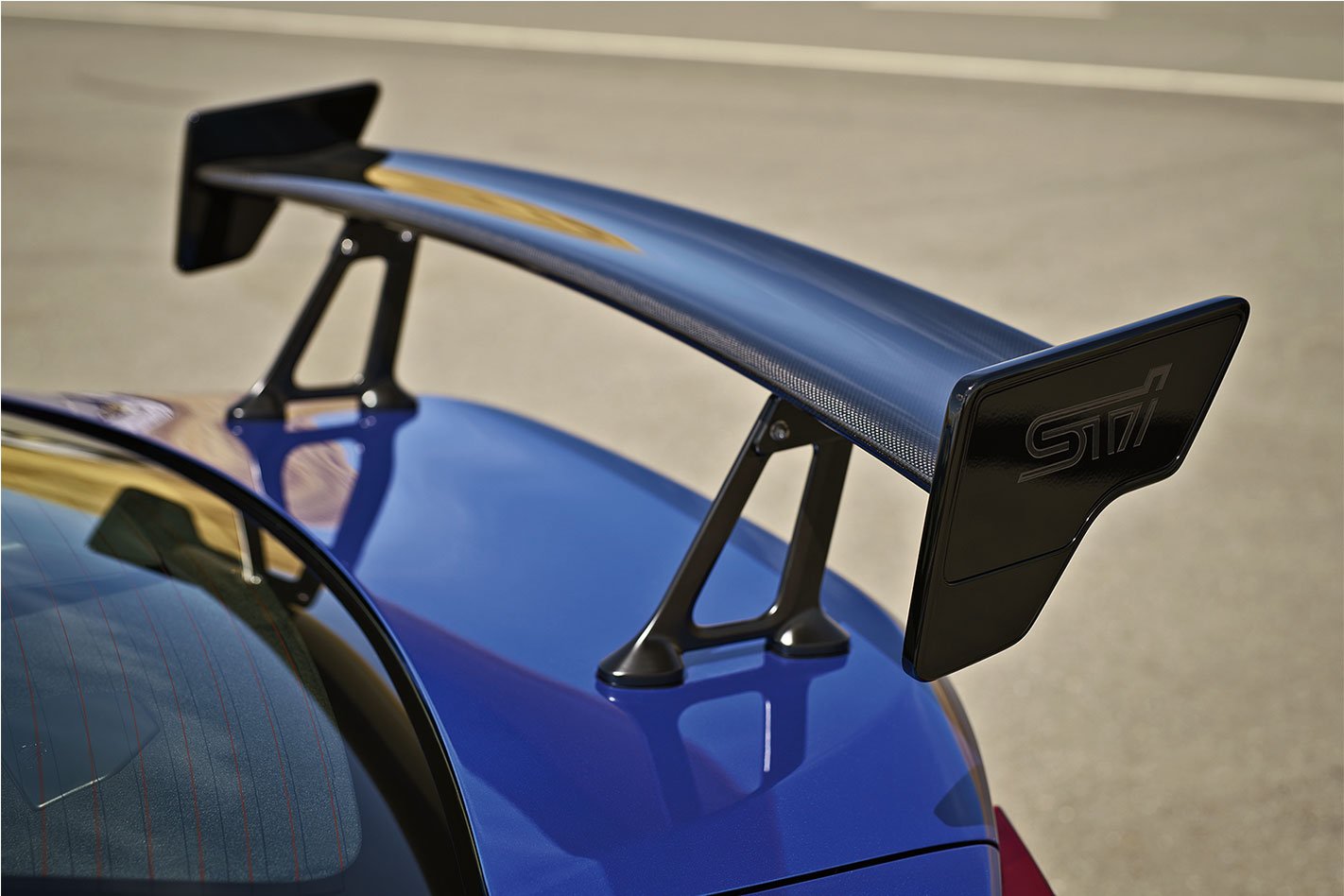
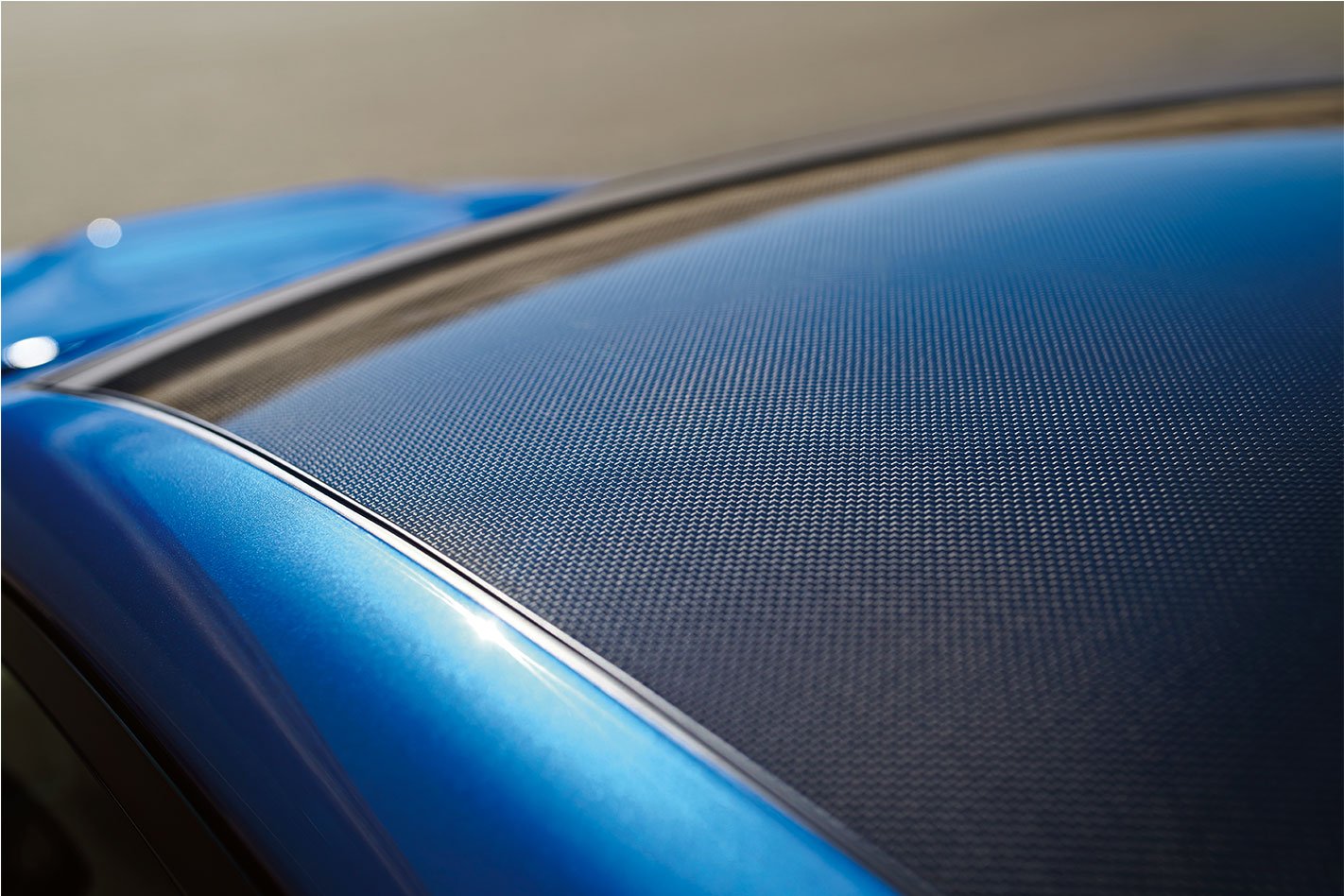
Subaru has also announced a new BRZ ‘tS’, which has been tuned by Subaru Technica International to be more stable and improve on handling, though specs have not yet been announced. The company says specifications and pricing will be announced later this year.
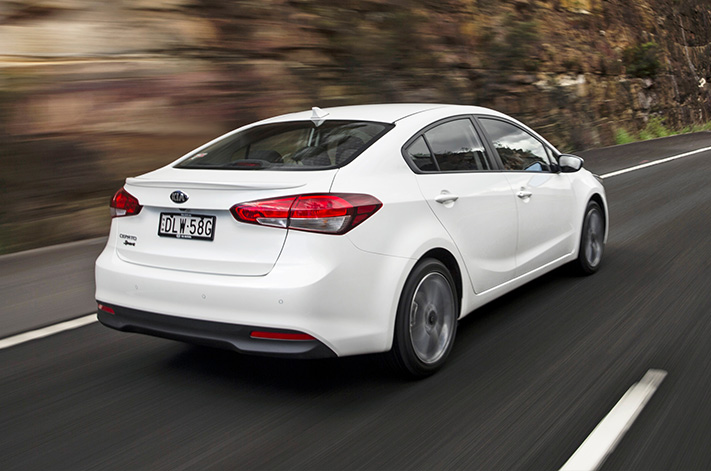
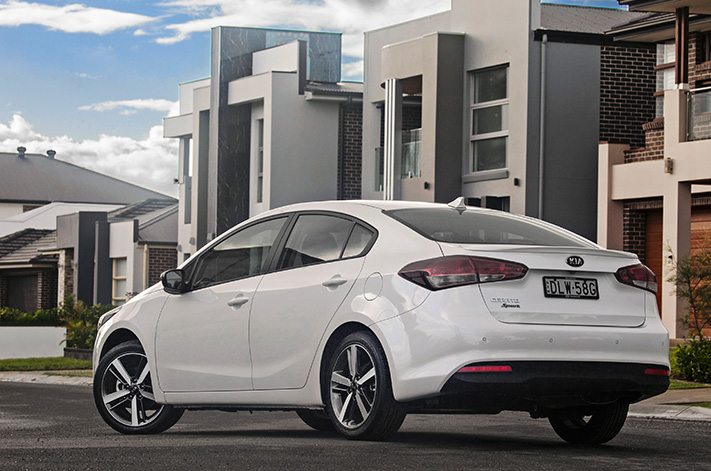
The Kia Cerato is one of Australia’s top-selling passenger cars, even if it isn’t the sharpest knife in the small-car block.
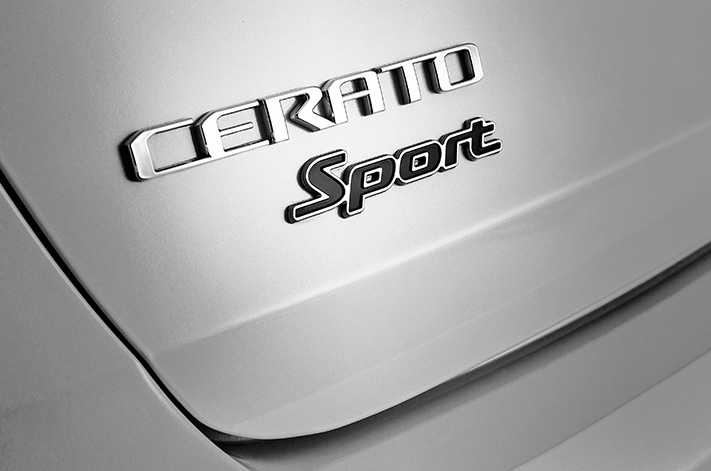
However, Kia aims to change that. It’s done so by removing one mid-specification car – the $24,990 S Premium – and replacing it with another, the $24,790 Sport. It hopes the change of name, shift in price and roll-out of even more gear will help boost Cerato hatch and sedan sales even higher.
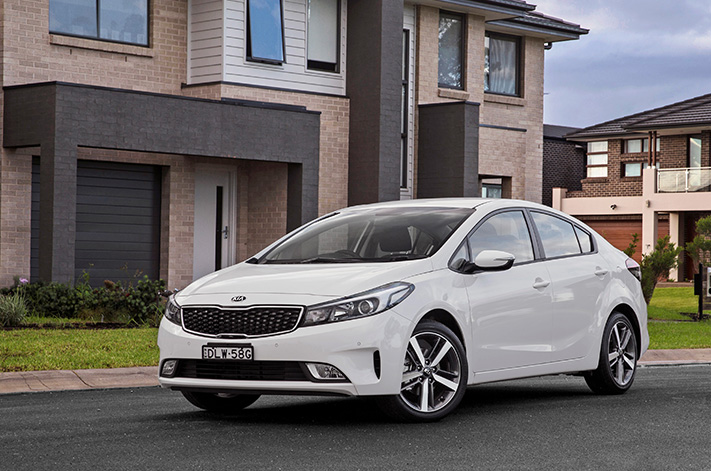
But there’s a slight problem, and it’s largely down to that “Sport” badge.
STRENGTHS
● It’s a decent handler. It wasn’t so long ago that Kia was a byword for sloppy dynamics and vague steering, but it seems those days are behind us. This new Cerato is a competent handler with decent road holding and a well-judged ride.
● A big part of this is down to the Cerato’s chassis, which is tuned for Australia’s pockmarked roads by local experts. The old Cerato was locally-tuned too, but this new one has even stiffer springs, different bushes and a new type of damper to further improve its ride and handling
● Its new engine is a highlight too. Kia has ditched the old car’s hard-working 1.8-litre petrol for a larger and more powerful 2.0-litre unit. The new engine is strong and offers decent performance for easy overtakes, yet is no thirstier than the smaller engine it replaces.
● Value has long been a Cerato strength, but this new model ups the ante ever further thanks to sharp drive away pricing and boosted equipment levels, including new safety systems such as blind-spot detection and lane departure warning.
● The Sport is an improvement over the S premium it replaces. It gets a leather-look steering wheel and shifter knob, can project both Android and Apple smartphones onto the multimedia screen, and chrome-look door handles.
WEAKNESS
● Despite its badge, the Cerato Sport has no sporting pedigree. It does have a driving mode switch that pushes it into a sport mode, but all that does is make the engine slightly more responsive, the gear changes arrive later and the steering feel slightly more weighty, but without extra feel.
● The ride could be a little firm for some. I know, we listed the way the Cerato handles as a strength, but the pay-off for such superb body control and taut dynamics is suspension that can feel overly stiff over big bumps, especially in higher-spec Si and SLi models that roll on large 17-inch wheels.
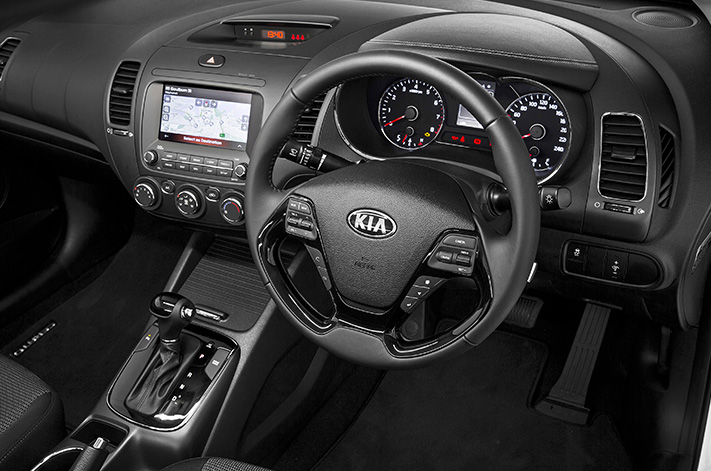
● The seating position is too high in models fitted with leather electric seats. It’s strange, especially given the seating position in models fitted with manual cloth seats is excellent.
● There’s no AEB on any Cerato. And the entry-level model doesn’t score a reverse camera as standard either, which seems mean.
ANY RIVALS I SHOULD CONSIDER?
The Mazda 3 isn’t one of the best-selling cars in Australia by accident, and a new-gen Hyundai i30 – also right up there on the small car podium in terms of sales – has arrived.
And if you’re chasing something with European charm, we’re on the cusp of a significant update to the Volkswagen Golf, which like its predecessor should be a hugely competent all-rounder with a beautifully made interior, well-judged handling and high levels of standard equipment.
The most powerful production 911 ever designed for the road has been unveiled at… a gaming convention.
This year’s E3 convention was the staging ground for the reveal of the Porsche 911 GT2 RS, though it was somewhat unjustly overshadowed by the preview for the next Forza game, Motorsport 7.
However, MOTOR can reveal more details about the GT2 RS than the launch did. We’ve already gone for a ride in one, so keep an eye out for that in an upcoming issue.
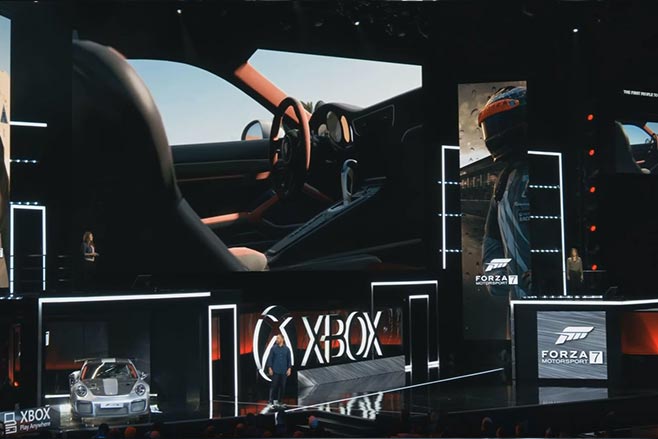
Nothing has been officially confirmed, but we expect to see the 3.8-litre twin-turbo boxer in the upcoming RS produce 520kW and 750Nm. That’s 152kW and 290Nm more than the GT3.
That power passes through Porsche’s 7-speed PDK ‘box along the way.
Use of carbon fibre has helped keep the GT2’s kerb weight under the 1500kg mark, though extra-wealthy buyers can option a 918 Weissach-style pack which drops another 20 or so kegs off.
Composite sway bars, a titanium roll cage and a thinner roof help out there.
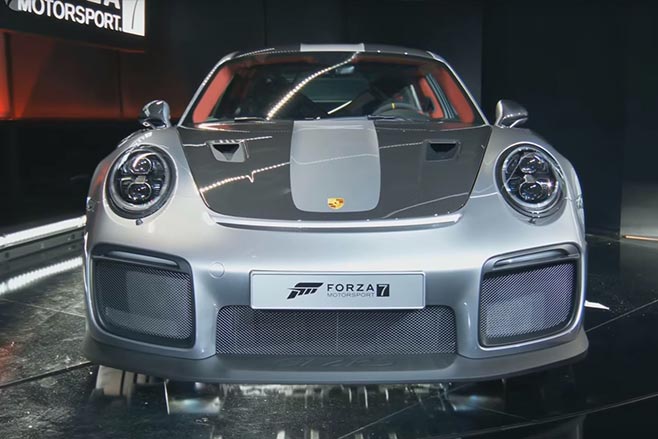
At speeds like that, you’ll be thankful for the 350kg of downforce the car produces, though sticking to the ground is especially important for cornering with a 39:61 front-to-rear weight distribution.
New Porsche 911 G3 Cup car launched
About 260,000 Euros (or $385,000 to us) would have gotten you one, if you we’re fast and favoured enough. However, it’s unlikely anyone who hasn’t already put in a bid for one will be driving a GT2 RS home from the dealership.
Citroen is responding to the snowballing global popularity of SUVs and has revealed a third high-rider dubbed the C3 Aircross, which will slot into the French car maker’s crossover range alongside the C4 Cactus and C5 Aircross.
It follows the C-Aircross Concept that made its debut at the Geneva motor show earlier this year and brings much of the concept’s design signatures and unorthodox styling from the show floor to the showroom.
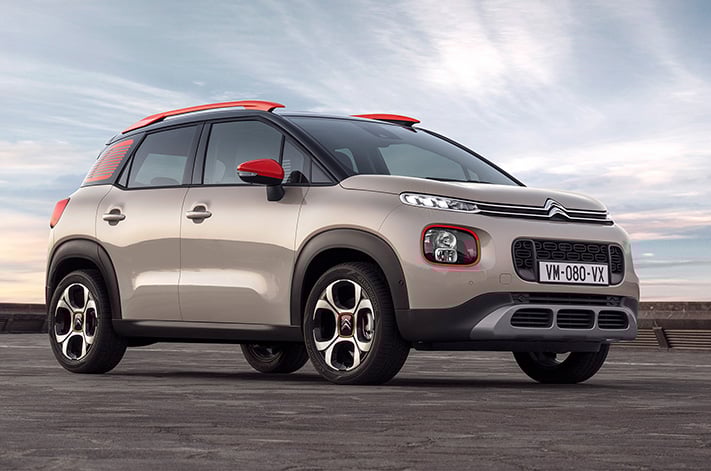
At this stage, the new model has only been confirmed for its native Europe and the UK, but other global regions will also be offered the small SUV. A representative of Citroen Australia was not available to discuss Australian possibilities for the model, but given the demand for crossovers of all sizes locally, the new Citroen could offer a valuable boost to local sales.
As it stands, the brand could use all the help it can find in Australia’s ultra-competitive market, where its best seller is the Berlingo van and currently offers just one crossover in the form of the C4 Cactus.
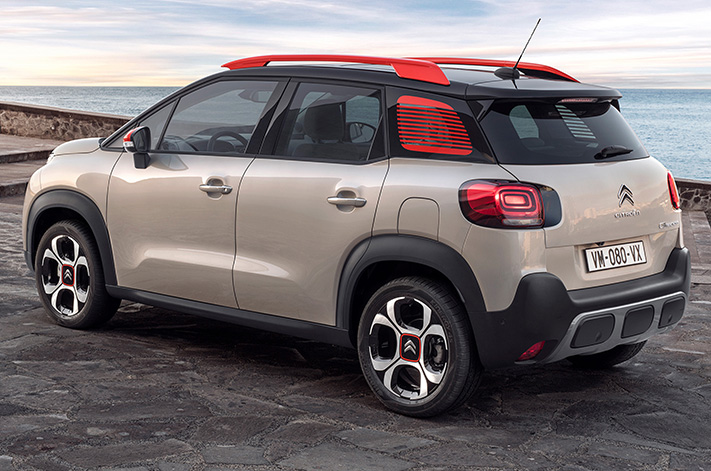
Given Australia’s style-conscious and Euro-hungry market, the new C3 Aircross’ has the potential to appeal locally, although it would need to offer a more attractive engine and transmission combination than the C4 Cactus, which is hobbled by the choice of an automated manual paired with a diesel engine or manual petrol.
Citroen has confirmed that, in Europe at least, the petrol C3 Aircross will be available with a proper torque-converter, six-speed automatic transmission, as well as a manual that is paired to either the petrol or a diesel variant.
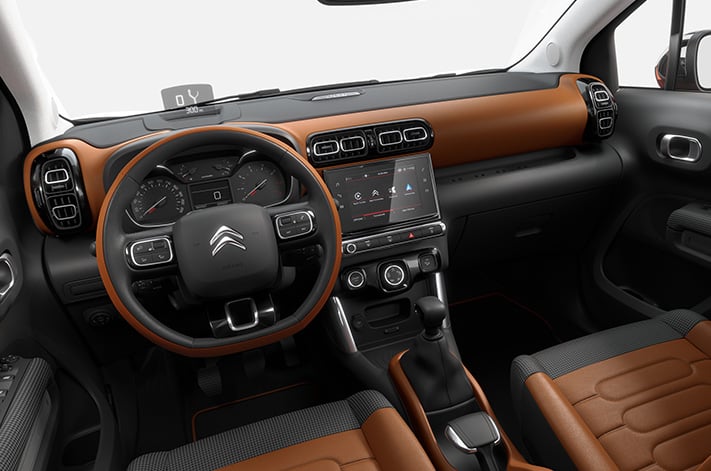
Where it will be positioned in the existing range remains to be seen as the length of the Aircross is the same as the Cactus, although the car maker says the new SUV is the most spacious in its segment, which could indicate the car will offer a larger interior. In height, the C3 Aircross is a significant 110mm taller and 31mm wider.
While Citroen reports no plans to offer the SUV with more capable four-wheel drive, it does say the C3 Aircross “is also very much an SUV in terms of driving pleasure and handling” and modest off-road adventures are possible thanks to a Grip Control system that has various modes for negotiating sand, snow or an All-Road setting.
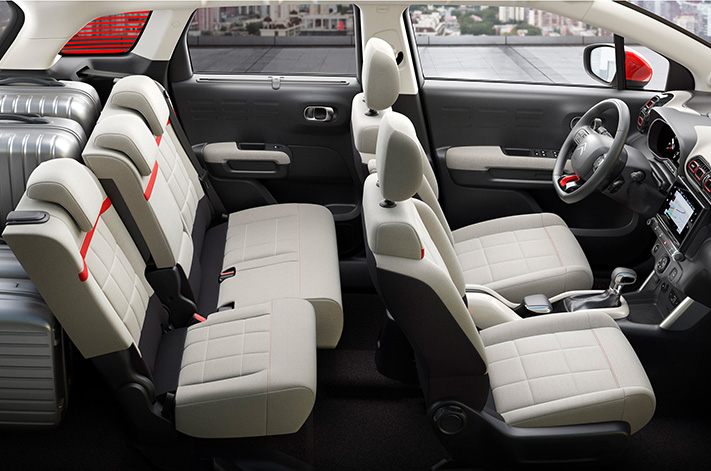
Storage and transporting kit or people was also a focus for the C3 Aircross design according to Citroen, with a 410-litre boot that can be expanded to 520L with the 60/40-split rear seats rolled forward, or 1289L with the second row folded down.
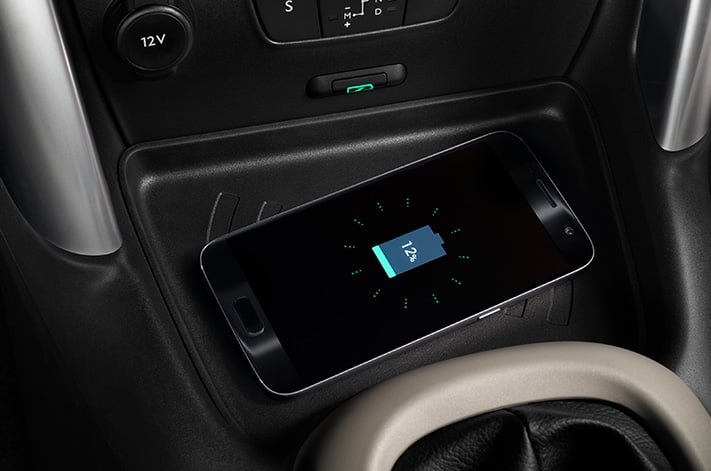
There are also storages spaces scattered about the cabin for all occupants including a wireless charging compartment in the centre console, while generous seating, close attention to maximising sound deadening and acoustics, comfort-tuned suspension all combine for “classic Citroen comfort”.
The new Citroen model also brings a number of new driver assistance and comfort features to the smaller end of its line-up.
Keyless entry and start, head-up display, reversing camera, parking assistant, AEB, lane departure warning, blind spot monitoring, speed limit recognition and automatic main beam headlights will all be offered although exact specifications and options are yet to be detailed.
THE head of BMW’s “i” sub-brand believes hydrogen is dead, and more performance-oriented hybrids could be in the works.
Alexander Kotouc, the head of the German luxury brand’s i Product Management division, says he believes the infrastructure to support a battery-powered future is likely to displace a hydrogen-fuelled one, even before the technology has its day.
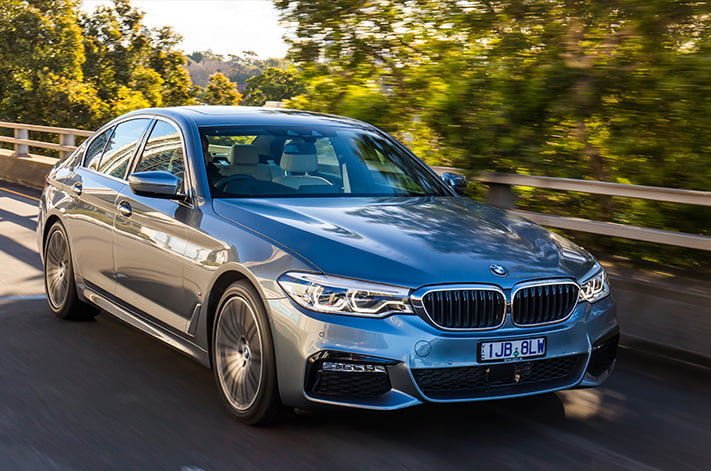
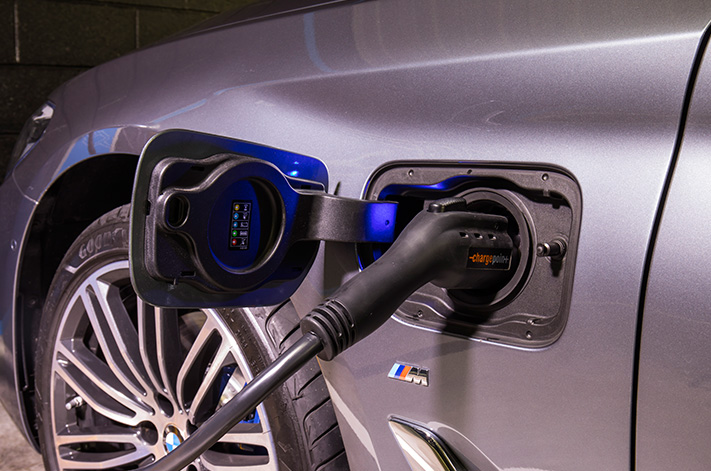
“If you ask me personally, the future is fully electric,” he said at last week’s launch of the BMW 530e iPerformance, the latest plug-in model to join the car maker’s growing petrol-electric hybrid line-up in Australia.
“Fuel cell, from my point of view, is still a battery car but it has a different kind of powered battery, but I would also surmise it as under driving electrically.
“And as you know, we have something like a hybrid fuel cell cooperation with Toyota, so we are looking into this as well.
“So the technology is perfectly fine, we are really looking into that, but it doesn’t make sense to really offer it on a mass scale to consumers if they really don’t have anywhere to charge up the cars.”
But while a battery-powered future, potentially minus hydrogen, appears certain, electrons are unlikely to dominate in any vehicles that wear an M badge. Kotouc says while electromobility has its advantages, it isn’t what M is about.
“The M3 as we know is already a fast vehicle, but if we built a bigger vehicle with a bigger engine in this car it will be really, really fast.”
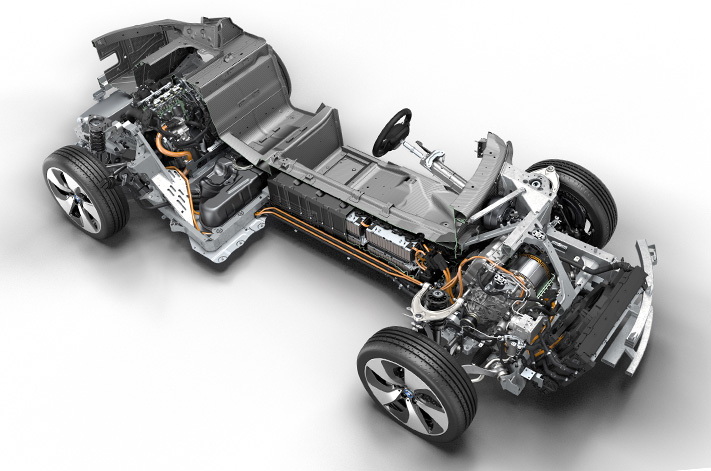
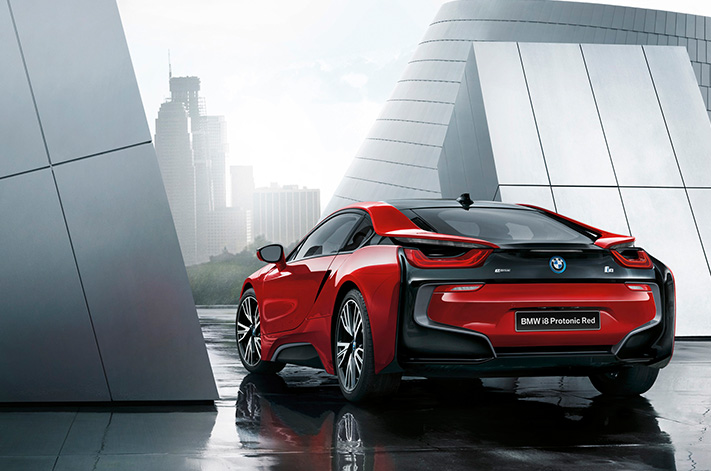
That engine is likely to be a blend of the “i” technology built for cars such as the triple-cylinder petrol-electric hybrid i8 supercar, and the emotive, engaging engines on which M has stamped its reputation, creating something of an “iM” mash-up – its proper name is still open to discussion.
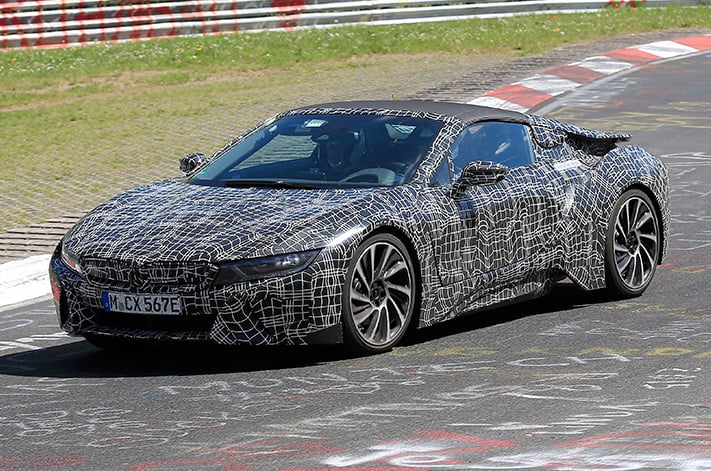
“In the very short term when we bring the open [convertible] version of the i8 it will still be a classical i8,” he says. “So we will still have the three-cylinder engine, and I think we are doing a good job.
“But in the mid-term I think the discussion is – is it really worthwhile to really consider offering them [the “i” and M sub-brands] differently?
“It’s not like M and i are opposite bookmarks. Many people say ‘Okay, ‘M’ is like the old world, and ‘i’ is like the new world’, but I never saw it like this,” Kotouc says.
Kotouc says BMW is already getting a steer from customers that they like the blend of a hybrid package with a performance emphasis in more mainstream models, such as the plug-in X5 xDrive40e and the 330e iPerformance.
“At the plug-in hybrids, most of the cars we sell are sold as a sports package, so people are willing to go into a car that partly does electric,” he says.
“But they still want to go for looks and the feel of an M Sports package, which tells me these are not two separate worlds, but actually they are perfectly welded together.
“If we build something like a really high-performance, even supersport electric car, why shouldn’t it be something like an ‘iM’ car?
“We’re not decided on a name, we don’t have it yet, but I don’t think it’s like opposite areas. It could well go together.”
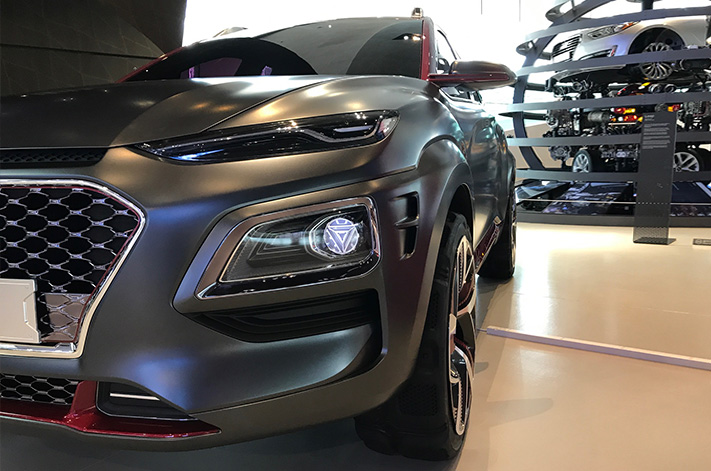
Hyundai has teamed up with Marvel, the company behind numerous superhero comic book and movie franchises, to make a one-off Iron Man-inspired special edition of its new Hyundai Kona SUV.
Dubbed the Hyundai Kona Iron Man, it was shown to media today at the global reveal of the regular Kona production SUV in Seoul, South Korea.

Styling of the special edition was led by “the strong, armoured appearance of the Iron Man suit, with its powerful lines echoing the sensual body of the comic and cinematic hero,” according to a statement from Hyundai.
The Kona Iron Man is 40mm wider than a normal Kona and has a broad, solid stance. Hyundai says the special edition aligns its characteristics with the technologically advanced Stark Industries suit, and that it too majors on safety and advanced technologies.
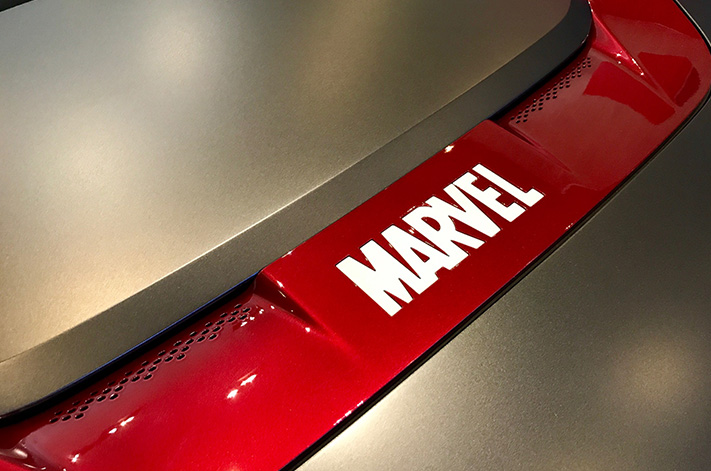
Other changes include special LEDs applied to the headlights, which sit beneath a matte grey bonnet that’s embellished with red and gold accents.
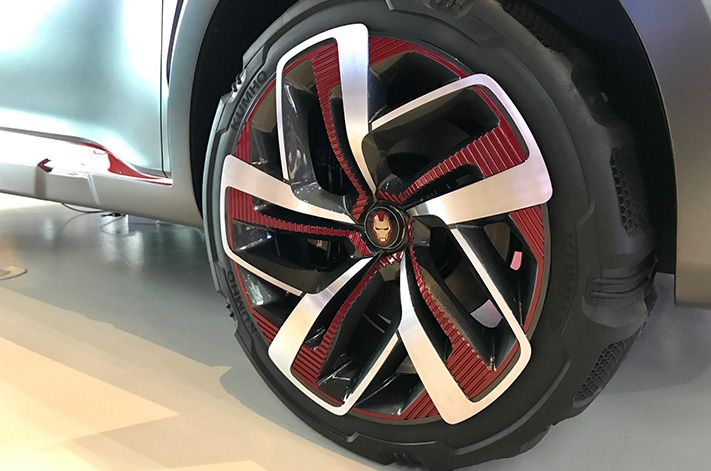
Taking the “dynamic exterior” a step further are 19-inch directional alloy wheels badged with an Iron Man mask in the centre, plus tall off-road tyres that lift overall ground clearance.
Hyundai says the special edition will go on display at its newest “Motorstudio” exhibition centre in Goyang, Korea for four weeks following its global reveal.
The collaboration was likely inspired by the name Kona, which is also the name of a coastal region in Hawaii famous for “iron man” triathlon competitions.