
IT TAKES less than a kilometre for the madness to descend.
First published in the May 2017 issue of Wheels Magazine, Australia’s most experienced and most trusted car magazine since 1953.
It appears first as a pair of flashing headlights, followed quickly by a blaring horn that cuts through the night air.
Then a tattooed arm extends and begins to move in a circular motion – the international symbol to wind down my window.
“MATE, THAT IS… PHENOMENAL! I HAVEN’T SEEN ONE IN THE WILD YET. IS IT YOURS!?”
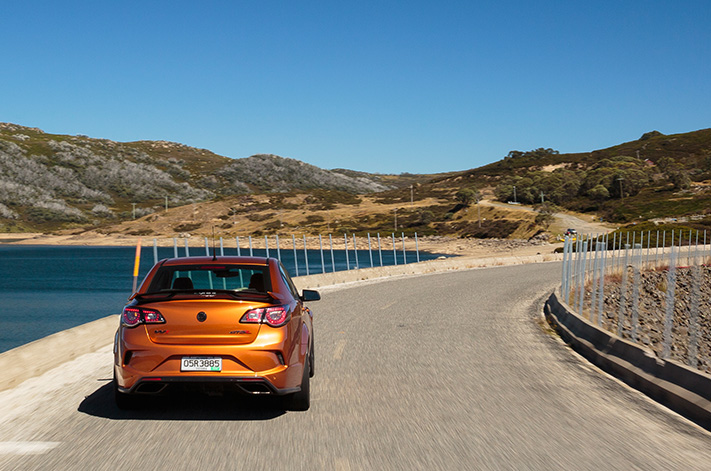
So this is what it’s like to drive a HSV GTSR W1 on the public road. Until now, our only taste of what promises to be Australia’s greatest muscle car has been limited to track time in a camouflaged mule, meaning my new friend – his eyes as big as dinner plates, his finger a blur on the shutter of his camera phone as he tries to immortalise the moment, while desperately fighting to keep his own Commodore in his lane – is right: this is the first time a W1 has been released “into the wild”.
And the public reaction to my burnt orange beast is suitably enthusiastic. I’m honked at twice more on my way home and other drivers and pedestrians scramble to take pictures while I’m stopped at the lights.
So the hype around the W1 is genuine – little wonder HSV had no trouble selling the 300 units it plans to build, despite an eye-watering $170K sticker price – but better news is the realisation that the W1 delivers on its promise. This is no stickers and stripes special edition: the W1 is the real deal.
I won’t spoil the feature drive (read here), but suffice to say our adventure in the W1 was the best drive I’ve had this year. A two-day, 1200km, V8-fuelled sojourn on Victoria’s twisting alpine tarmac that felt pretty much perfect, at least until the final few kays as we headed back into Melbourne.
What made the final part of our journey so uncomfortable was that peering into the future doesn’t hold much promise.
HSV is playing its product cards close to its chest, but the intel indicates that with no home-grown rear-drive V8s to fettle, the company will focus its attention on models like Colorado, Astra and the upcoming Equinox SUV.
Company boss Tim Jackson recently told Wheels future HSVs “need to be exciting, inspirational vehicles”.
Will any of that trio fit the bill? Holden’s new, imported Commodore won’t be a silver bullet either.
The most powerful Insignia-based Commodore will be an auto-only, naturally aspirated 3.6-litre V6 with 270kW – an output well down on HSV’s current crop of freely available V8s.
And don’t hold out hope that Clayton’s engineers will juice up the V6 with a pair of turbos – Holden insists there’s simply no space under the bonnet for the extra plumbing.
With such limited scope, it’s unlikely HSV will touch the imported Commodore at all.
Camaro and Corvette do provide a tantalising silver lining, especially given Walkinshaw’s newfound conversion expertise gleaned from its Ram Trucks import business, but conversion costs and a likelihood of targeting costlier upper-end variants are likely to make both cars expensive, low-volume halos.
All this means that, as I slide the W1’s key back across the counter at HSV HQ, I can’t shake the thought that this is it.
This is as good as it’s going to get for HSV. That I’ve just driven the best car this great company will ever make.
I hope I’m wrong.
While Commodore sales have fallen by 15 percent in the past five years (the Large <$70K segment has shrunk by almost 40 percent), HSV sales have remained rock-solid at around 3000 units annually. This year, HSV is building more than 3300 vehicles.
Question: Doug
I’m in the market for a diesel SUV. I love the Subaru Forester and Outback Premium variants but read how the diesel needs long frequent runs to clean the ‘particulate filter’ – I haven’t heard of this since the 70’s!
As a past Subaru owner I like the torque and wet weather capability of diesel auto so I am having trouble choosing between one of those and the Hyundai Santa Fe Elite or Kia Sorento. The Outback has rear cooling and very importantly lumber support [I’m 79 years old] but the Subaru servicing/cost is a joke.
I drive around 10,000kms a year, but now intend to do more touring. I have been doing the research but have confused myself.
Budget: $60,000
Answer: Toby
Hi Doug, let’s kick off with the diesel particulate filter issue, which is very real. The particulate filter is self-cleaning and burns off the harmful particulates once it gets hot, which is usually after about 20 minutes of driving above about 50km/h. So if most of your driving is short trips near home the diesel isn’t for you. That said, a warning on the dash will instruct you to drive further.
That said it’s no more of an issue in the Subaru than it is with other diesel SUVs and the 2.2-litre four cylinder turbo diesels in the Santa Fe and Sorento also has a particulate filter.
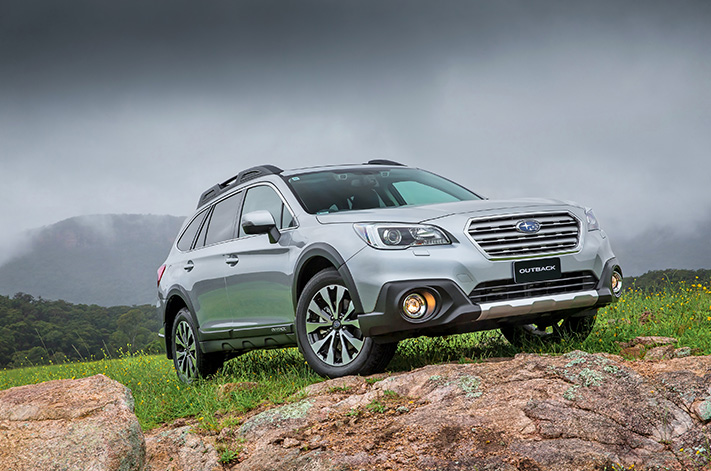
As for the cars themselves, the Outback is a fine choice. It’s sensibly sized for those who don’t need seven seats, with plenty of room for five and a sizeable boot. It’s also very comfortable, with suspension that is supple and refined. And the Outback is one of the better driving crossover off-roaders, with decent cornering manners and reasonable performance.
Don’t limit yourself to the diesel, though, because the 2.5-litre four-cylinder petrol engine also works nicely in the Subaru. And for the kilometres you’re travelling it might be worth saving some money on the car up front and spending a little more on fuel, all without having to worry about the particulate filter.
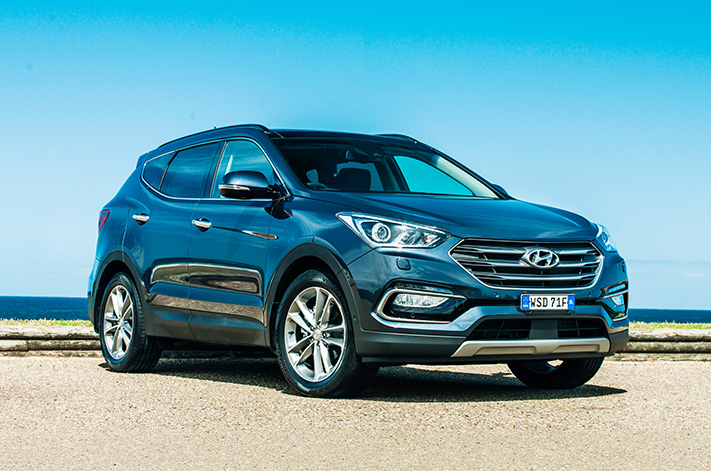
Turning to the Santa Fe and Sorento and there’s plenty to love with each. The diesel engine is hearty and the road manners good, with the Kia slightly ahead. As you’ve noticed, the prices of the top of the range models are getting up there, although you do get loads of features, including side blinds and even heated rear seats.
If you don’t need the three rows of seats we’d be heading towards the Subaru for its all-round value and excellent packaging.
As for the cost of servicing the Outback, we agree it’s higher than many rivals. Another negative is the service intervals, which are six months in an era when most cars are 12 months or more.
Even with all that, we’d still have the Outback at the top of our list, partly because some of that cost is offset with a very competitive asking price for the car itself.
Let’s say Fernando Alonso wins the Indianapolis 500. Unlikely, but not impossible. The Fonz would then be two-thirds of the way to completing one of the rarest feats in international sport.
Motor racing’s Triple Crown is an unofficial accolade for winning the world’s three most important races – the Monaco Grand Prix, Indianapolis 500 and Le Mans 24 Hours. Achieving that trifecta is so difficult that it’s only happened once.
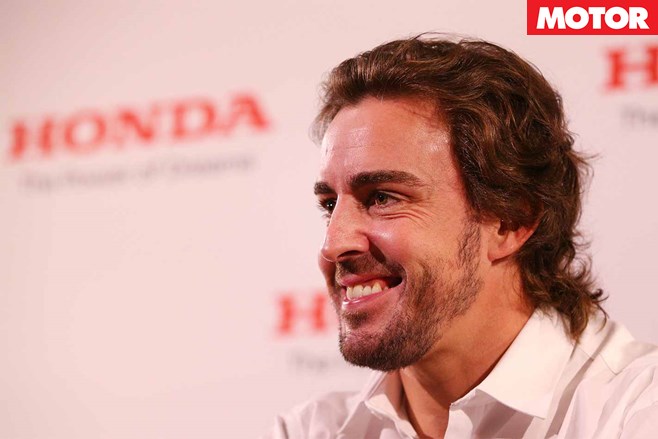
It was first coined in motor racing after the late Graham Hill added the 1972 Le Mans 24 Hours to his 1966 Indy 500 victory – in his first and only attempt – and five Monaco GP wins in the 1960s.
Fernando Alonso reveals IndyCar on debut test
Those who’ve won two of the three are the late Jochen Rindt (’65 Le Mans and ’70 Monaco), American legend AJ Foyt (four Indy 500s and ’67 Le Mans), the late Bruce McLaren (’62 Monaco and ’66 Le Mans) and Juan Pablo Montoya (two Indy 500s and 2003 Monaco).
In the modern era, an F1 driver forsaking the prestigious race through the streets of Monte Carlo for the Indy 500 – especially one of Alonso’s stature – is unprecedented. It is also exciting and fascinating.
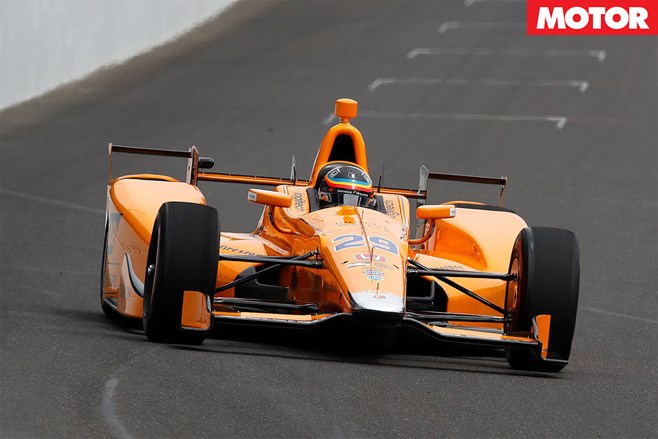
That possibility also raises the question of why there isn’t an official award for winning motor racing’s three biggest and best known events. It is strange, to say the least, that the FIA hasn’t formalised the accomplishment and offered an incentive – big prize money and a big trophy – for leading drivers to chase the famous treble.
The prestige of the Triple Crown is just waiting to be exploited. Because of the disparate racing disciplines involved, it is even more difficult to achieve than the Grand Slams in tennis and golf, and the equestrian Triple Crown, which need to be completed in a calendar year.
Winning the Monaco GP, Indy 500 and Le Mans 24 Hours in the same season is virtually impossible even in the best circumstances nowadays because of the specialisation required for F1, IndyCar and WEC sports cars. It is physically out of the question right now because, again inexplicably, the Monaco GP and Indy 500 clash.

McLaren’s decision to partner with Michael Andretti’s Honda-powered IndyCar team at the 500 is all about distracting from its F1 woes and keeping Alonso interested in staying on board. He’s up for renewal at the end of the season and McLaren wants to re-sign him, hoping Honda’s unreliable and anaemic power unit will finally come good.
Fernando Alonso to skip Monaco F1 for Indy 500
Despite his evident frustrations, Alonso is still the most complete driver in F1. He is so good that he should adapt quickly and easily to mastering the Speedway, which among IndyCar’s high-speed ‘oval’ tracks (it’s actually rectangular) is a true driver’s circuit.
Alonso has the balls and the finesse to cope with lap speeds of 370 km/h and manic slipstream racing, while Andretti Autosport knows how to keep him in contention strategy-wise. They guided F1 reject and oval racing newbie Alex Rossi to victory last year at his first attempt, so giving a driver of The Fonz’s quality a shot on debut is far from out of the question. It could happen.
If the sardonic Spaniard does well, there will be renewed interest among the world’s best drivers to showcase their versatility in the three biggest events – which is a good outcome.
THE Volkswagen Group stands as arguably the greatest exponent of platform-sharing in the automotive business. In an era when the development costs of a new vehicle platform or drivetrain can run to hundreds of millions, the notion of sharing drivetrains and platforms across multiple models makes obvious business sense.While it might be common knowledge to the learned Wheels reader, not every consumer would know, or care, that the Audi beside them at the lights carries the same beating mechanical heart and underpinnings as the VW they’re driving, or the Skoda they’re eyeing in their mirror. We could add Seat to that list, too, if they were sold here.
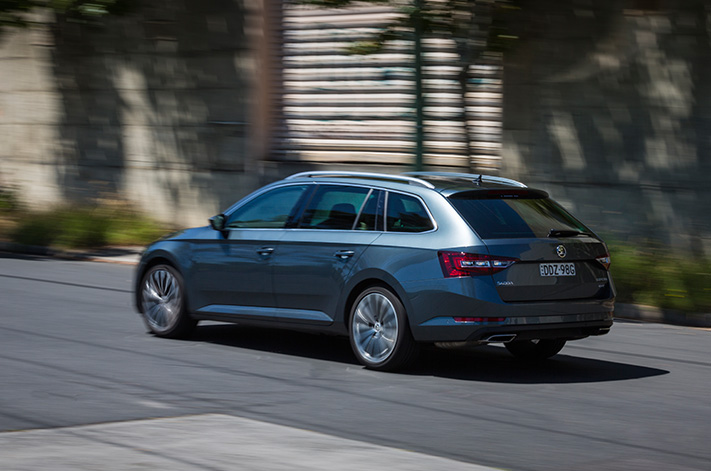
The latest addition to our fleet, the Skoda Superb Wagon, is one example of the plentiful fruit that springs from this highly evolved strategy, built as it is on VW’s Modular Transverse Matrix (MQB) platform.
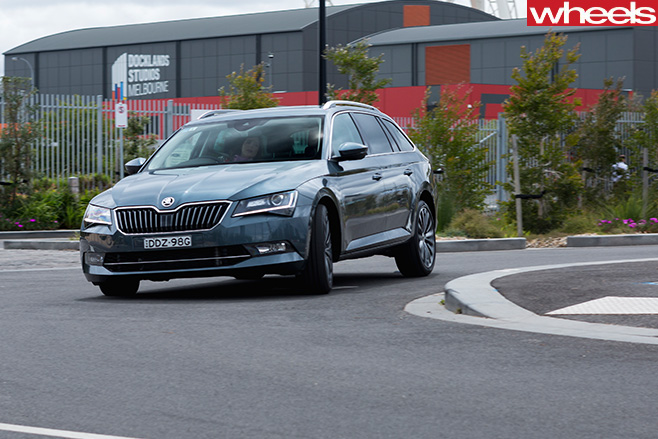
This places the Superb at the larger end of the medium-to-large sedan/wagon category, meaning it could be considered an alternative to a Mazda 6 or a Holden Commodore, and you could just as easily include the Peugeot 508, Kia Optima, Ford Mondeo and Hyundai Sonata to the list.
And let’s not forget the Volkswagen Passat, even if the parent company is understandably keen to play down that comparison. The Skoda certainly has more space and sufficiently different powertrain options to be a genuinely differentiated product offering, but there’s no denying the two cars are close first cousins.
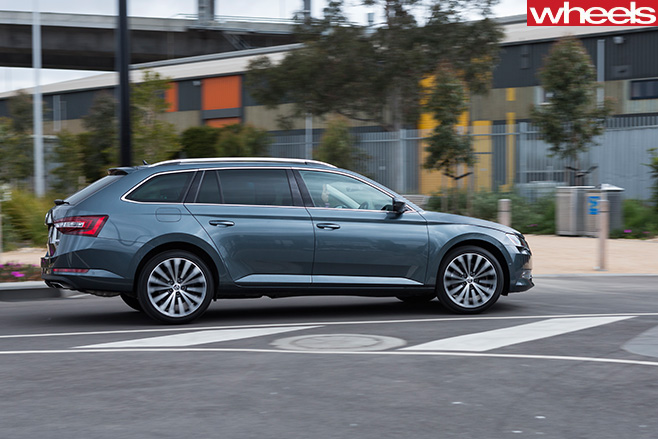
Here the Superb ticks plenty of boxes, its generous wheelbase ensuring a voluminous boot and terrific legroom in the rear, where in the first weeks of ownership we’ve become accustomed to seeing the long-limbed teenage elder of the Bulmer sisters sprawled out in the limousine-like pews.
But there’s more to the Superb than just generous proportions and handsome styling. Under its bonnet lurks the same 206kW/350Nm turbo-petrol four that motivates the Golf R hot hatch. In combination with this range-topping version’s Haldex all-wheel-drive system, 19-inch wheels and quick-shifting six-speed dual-clutch transmission, the Superb is a real traffic-light sleeper.
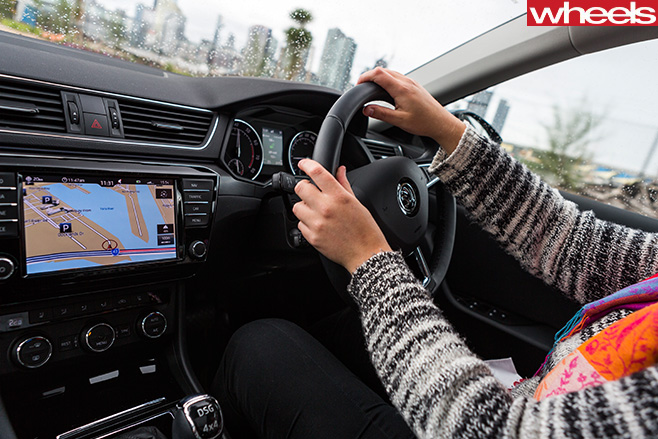
Add to this the vast cabin and boot space and the Superb shapes as a legitimate rival for not only SUVs but more dynamically adept wagons like the Commodore.
We’re looking forward to learning more about life with this decidedly different 4×4 wagon offering in the coming months.
Historic nameplates
Despite being back in the market in Australia since 2007 and now selling almost 5000 cars a year, Skoda remains something of a curiosity to many Australians. But the brand’s roots run right back to 1905 in its native Czechoslovakia while the Superb nameplate first adorned the flanks of the 5.5m-long Skoda 640 Superb way back in 1934. The current Superb traces its lineage back to 2001 when Skoda reintroduced the model to sit above its compact Octavia and small Fabia.
Picking packs
Our Metal Grey wagon is in the guise favoured by most car-buying punters, according to VW-Skoda PR man Paul Pottinger. This means we have metallic paint ($700), Tech Pack ($3400), Comfort Pack ($1500) and a panoramic sunroof ($1900), taking the price from $52,690 to a still tidy $60,190. Pottinger says the Tech and Comfort packs are the two most preferred options, the former bringing the undoubted benefits of adaptive dampers, which instantly switch the Superb’s ride comfort and dynamics from pillowy comfort to sporting firmness.
Skoda Superb 206TSI 4X4 wagon Price as tested: $60,190 Part 1: 1395km @ 9.2L/100km Overall: 1395km @ 9.2L/100km Odometer: 4597km Date acquired: September 2016
Update #2
IT MAY come about just once per year, but the Bulmer family’s annual camping trip is a thing to behold, if only for the sheer audacity of the amount of gear we manage to cram into the luggage bay of the poor chariot at our mercy.
This year the hapless victim was the Skoda Superb wagon, and what better way to put its all-wheel-drive system and cavernous cargo bay to the test than take it bush for a long weekend?
The trigger for this sojourn into the wild was a mate’s annual clarion call to join with him in an orgy of tree-felling, dubbed the ‘Merrijig Chainsaw Massacre’, nominally to restock his cabin’s dwindling wood supply.
Displaying the sort of cavity-filling ability to shame a dentist, I packed the Superb’s generous boot – all 625 litres of it – at a density no Skoda engineer ever thought possible.
Suitably laden, we set off on the three-hour drive over Aussie backroads, complete with potholes, yumps, blind crests and roadkill, with an honour guard of stout-looking red gums a constant reminder of the need to stay to alert.
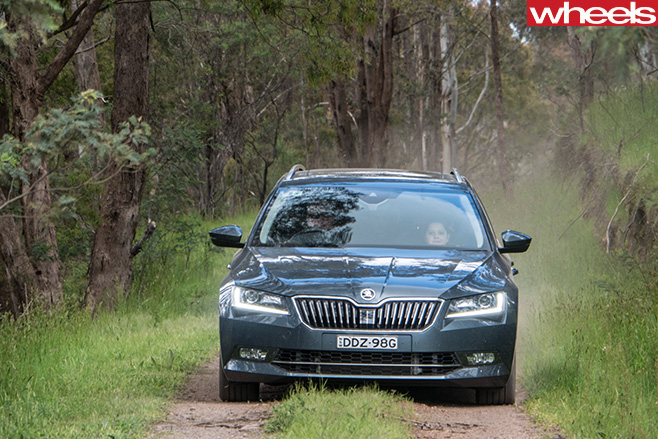
Perhaps not surprisingly, given the combined weight of four passengers and a boot-load of camping gear, the firmer Sport setting proved the best option. What was a little surprising, especially given the Superb’s handsome 19-inch wheels, was the fact that Sport mode manages to avoid the teeth-rattling firmness of some such systems, providing a sweet blend of ride comfort and body control.
The latter was particularly appreciated, given those imposing river red gums. In fact, the Superb maintained truly impressive handling precision and roadholding, despite the weight gain, something sorely appreciated when carving such ducking and diving backroads with a car-load of kids.
The punchy 206kW turbocharged four-pot also proved utterly unfazed by the hefty weight penalty. Like us, it seemed to relish the fresh country air, delivering brisk overtaking performance and effortless cruising.
Remarkably, when the weekend was over, I somehow managed to cram all that gear back in, plus the mandatory clumps of mud and dirt, much to the amazement of my camping neighbour, who confided that he thought I must have had a trailer stashed in the bushes nearby.
Update #3
THE GARBO is one of the great unsung heroes of local council. These humble blokes and blokettes earn their packet by rising early to patrol our darkened streets on the wrong side of a whiffy, diesel-belching dumpster to ensure our towns remain litter- and rat-free.
If you ever doubted the importance of garbologists in our urban eco-systems then consider the good folk of Napoli, who endured eight months without waste collection back in 2007-2008, leading to mountains of stinking rubbish and a multi-million-dollar bill to send the stuff north to Hamburg for incineration.
So, yes, our Garbos are champions of the first order but, as you’ve no doubt discovered, they can be a tad devil-may-care with the placement of bins once empty.
The Good Wife found this out to her detriment recently while threading a back-road short-cut to collect the kids from school. The route avoids some traffic lights but ducks and dives, jinks and jigs to get there, mixing ragged road edges with blind crests and mid-speed chicanes, among other amusements.
These, when taken at pace, provide an exhilarating appreciation of the Superb’s steering precision and handling. Normally. But this time, our friendly garbologist had casually dropped emptied bins right on the edge of the thin ribbon of tarmac; as the Superb sailed up and over a blind crest, sticking well left to avert a nasty coming-together with unseen approaching traffic, the passenger door and its protruding handle clipped a bin just hard enough to leave a smear halfway along the door.
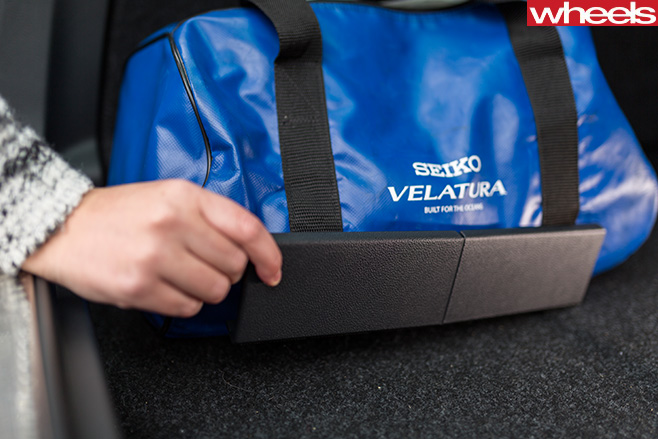
Sadly, it wasn’t quite that simple: the whack had taken out the Skoda’s keyless entry function, which the amber alert on the dash and its accompanying chime has been eager to remind us of ever since.
Acknowledging the warning via the rotary dial on the steering wheel shuts it up for a bit, but the moment speed drops below 60km/h it comes back. And despite trawling the Skoda’s touch-screen menu, I can’t find a way to shut it up more permanently.
If it weren’t for the pre-Christmas rush I’d have had it in for a good seeing-to by a Skoda technician … but in lieu of that I handed the keys to acting editor Inwood for his annual festive-season road trip to the family home in Bathurst.
The bloke reckoned the Skoda’s air-sprung cruising road manners, its commodious 625-litre boot, all-wheel drive and gutsy 206kW turbo-petrol engine would be an ideal combination for hauling better-half Bek, their border collie Riley and a swag of Chrissie gifts on the 1000km inland run.
I couldn’t agree more, but may have failed to mention that damn warning chime during the handover…
Farewell
BLOODY Bulmer.
Looking back, I really should have known, but it’s only now, as I sit in the Skoda’s capacious cabin and try to drown out the insistent bonging of its warning chime, that I realise I’ve been duped.
With an interstate trip looming and the need to lug a bunch of gear, and the family dog, from Melbourne to Mudgee, I’d asked to borrow Bulmer’s long-term Superb.
This will be the Skoda’s final adventure in our care before it disappears back to company HQ, and it suits my needs perfectly.
Big enough to swallow our load with ease and luxurious enough to ride in comfortably for 13 hours, it’s also exciting enough to keep a keen driver interested, thanks to its 206kW/350Nm turbo four and Haldex all-wheel-drive system – both of which are lifted from the VW Golf R hot hatch.
What I didn’t know, and what Bulmer neglected to mention as he dropped off the keys, was that a collision with a wheelie bin the month prior had sent the Superb’s keyless entry system loopy. It still opens and locks just fine, but an annoying alarm sounds on start-up, and then again and again every time you slow below 60km/h.
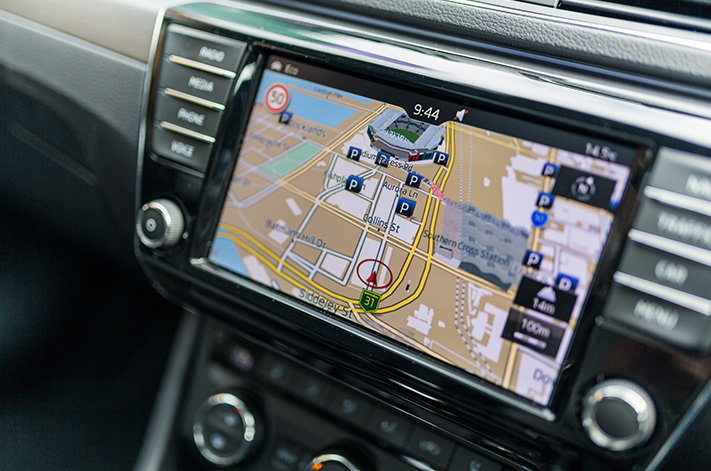
Still, annoying bongs aside, I’ll admit I have a soft spot for this big, luxo Czech. To me it screams ‘smart money’ – you’re getting a lot of car for $60K – and I’m also rather taken with how it looks. Don’t be fooled by its conservative design and restrained appearance in photos: in the metal, this is a handsome brute with sharp creases and exquisite detailing.
It’s an impressive long-distance hauler, too. At three-figure speeds on the Hume, the Superb eats up the miles effortlessly.
The cabin is hushed, the leather front pews are supportive, comfortable and offer a good amount of (electric) adjustment, and with the adaptive dampers set to Comfort (one of three modes, along with Normal and Sport) the ride is long-legged and supple, though the large wagon body does struggle to settle over big undulations.
What really makes the Superb such a, ahem, superb cruiser, though, is the attention to detail.
The glovebox and large centre console are cooled, there are window shades for rear passengers (something the dog appreciated), and we quickly filled the garbage bins in the front door pockets with chocolate and chip wrappers.
Our Skoda is also fitted with the optional Tech Pack which, for $3400, adds the VW Group’s suite of driver-assist systems, headlined by Lane Keep Assist.
It’s a convincing system that does a commendable job of lightening the load on the driver by providing decisive steering inputs to stay in the centre of the lane, even on the Hume’s long, sweeping bends.
Breaking free of the urban jungle also saw the Superb’s consumption tumble from the mid-to-high 13s Bulmer was getting on his daily commute to a more respectable 8.2L/100km.
It’s not all positive, though. Turning off the freeway for a backroads blast from Gundagai to Cowra reveals that while the suspension’s Comfort and Normal settings are fine on the freeway, their slacker body control means the big Superb can feel ponderous and floaty when the road gets twisty. Switching to Sport improves things, but the trade-off is a tauter ride that, while preferable on smooth tarmac, can feel brittle on poorly surfaced rural roads.
And despite its muscular Golf R heart, the Superb’s 1600kg heft and boosted dimensions means it feels swift rather than fast. Skoda claims a 0-100km/h dash of 5.8 seconds, but that seems optimistic to me. It’s certainly no firecracker off the line, and the combination of soft throttle-tip and occasional hesitation from the six-speed DSG (even in Sport mode) can make it feel tardy to engage.
But these are minor niggles. While the Superb is no cut-price Audi RS4 quattro or a performance rival for the sold-out Golf R wagon, it trumps both for space, comfort, value and interstate haul-ability. It’s a car you buy more with your head than with your heart, but even so, there’s enough character and performance lurking beneath that handsome skin to convince any dyed-in-the-wool petrolhead that the move to a more practical family car needn’t mean an SUV snooze fest.
BMW M8. It’s a badge we’ve never seen on the back of a production BMW before, but one that came achingly close to the showroom back in the 1990s.
But good things come to those who wait, and just a day after revealing its sleek, boldy-styled Concept 8 Series at the Concorsco d’Eleganza Villa d’Este, BMW has confirmed that its modern-day reboot of the 8 Series will also spawn a firebreathing M8 flagship.
BMW is keeping the powder dry for now on tech details. Engine specifications, power and torque outputs and even whether the M8 will follow in the new M5’s footsteps and adopt an all-wheel drive layout are all secret.
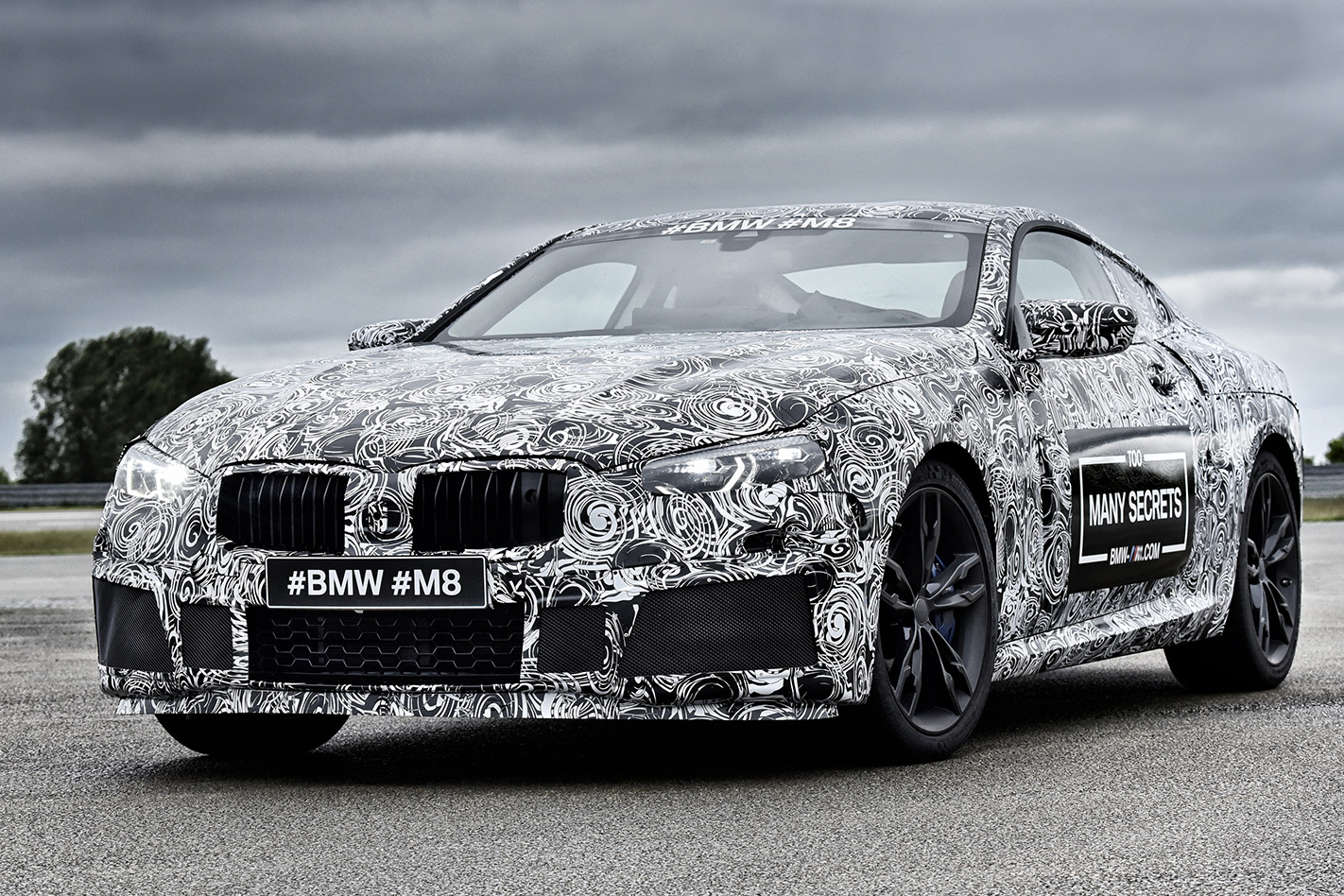
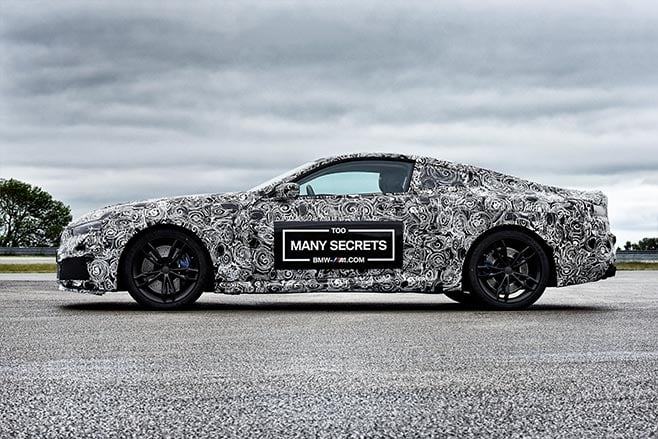
What we can tell from these images of the M8’s camouflaged pre-production prototype, however, is that familiar BMW M hallmarks of deeper air intakes, hefty brake hardware and a quad-tipped exhaust system will adorn the new M8.
The engine is likely to a development of the new BMW M5’s 4.4-litre twin-turbocharged V8. As the flagship of BMW’s product portfolio – and as the effective replacement of the BMW M6 – we wouldn’t expect it to at least equal the 2018 BMW M5’s 450kW-odd power output.

“The conception and development of the standard BMW 8 Series and the M model run in parallel,” said Frank van Meel, president of BMW’s M Division.
“The future BMW M8 will build on the genes of the 8 Series and augment its DNA with added track ability and generous extra portions of dynamic sharpness, precision and agility.”
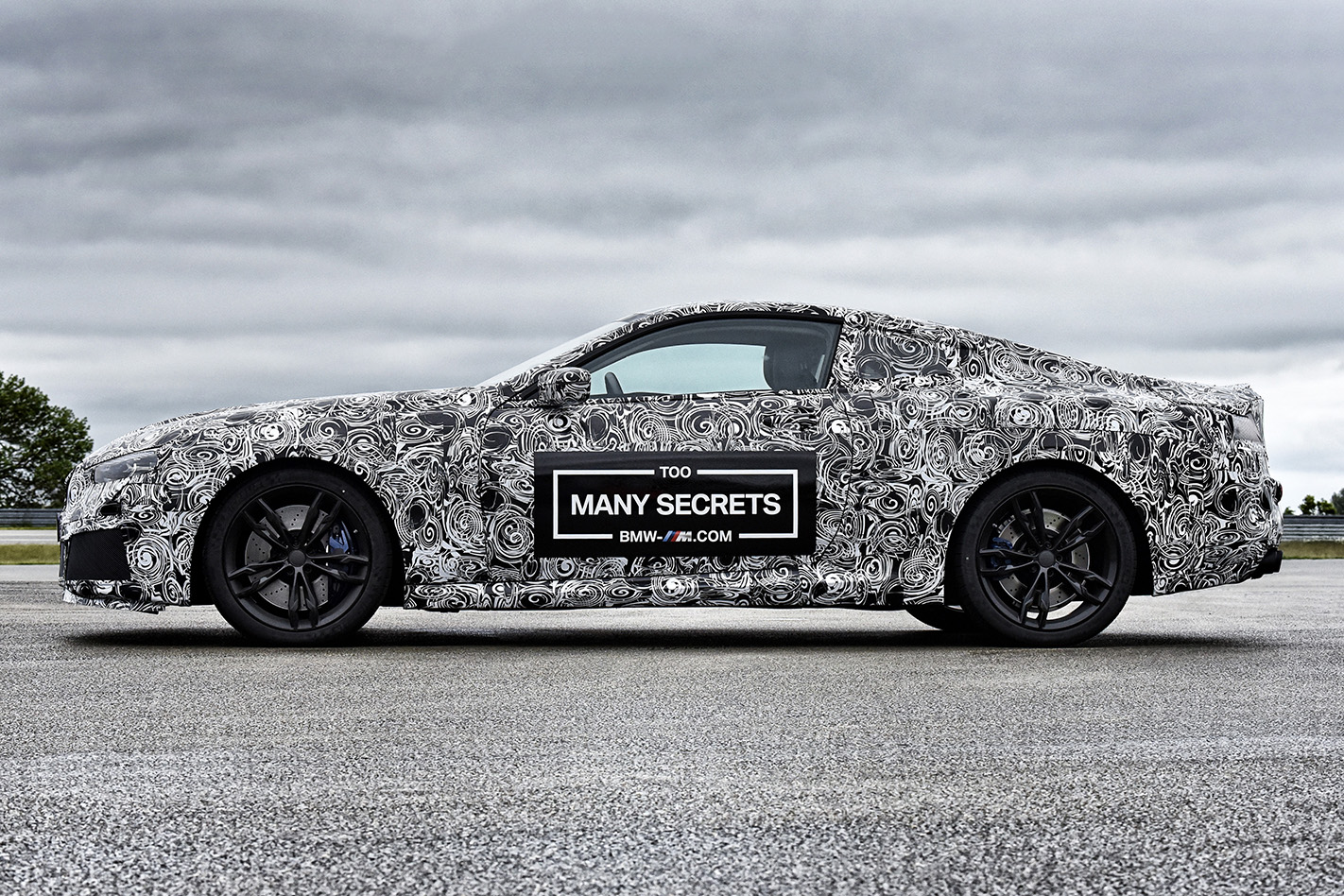
And it won’t be restricted to the road either. Though the road-going model is making its first public appearance at the Nurburgring 24-hour race this weekend in an on-track driving presentation, the M8 will morph into a fully-fledged GTE-class race car later this year.
The BMW M8 GTE will be the German brand’s primary weapon in its return to Le Mans in 2018, and is set to make its competition debut at the Daytona 24 Hours in late January next year.
“The BMW M8 GTE development programme for our Le Mans comeback is in full swing,” BMW Motorsport director Jens Marquardt said.
“Developing a new racing car is always exciting, and in the case of the BMW M8 GTE the anticipation is that much greater still.”

BMW has announced a move to ‘reintroduce’ a badge that never really existed in the first place, the M8.
Parallel with the introduction of the new 8 Series comes the modern version of what was once intended to be Munich’s fastest big-boy.
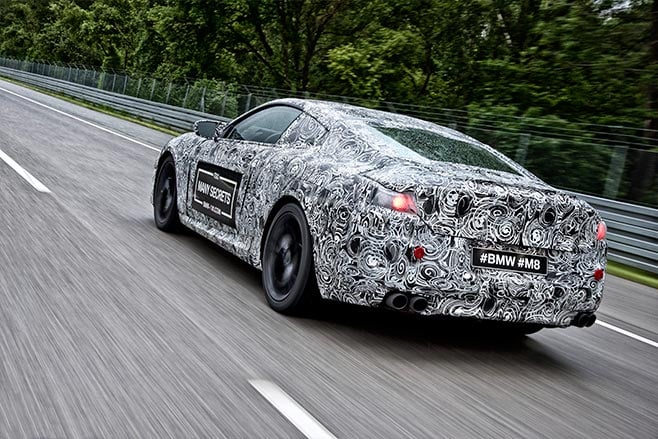
“The conception and development of the standard BMW 8 Series and the M model run in parallel,” says M Division president Frank van Meel.
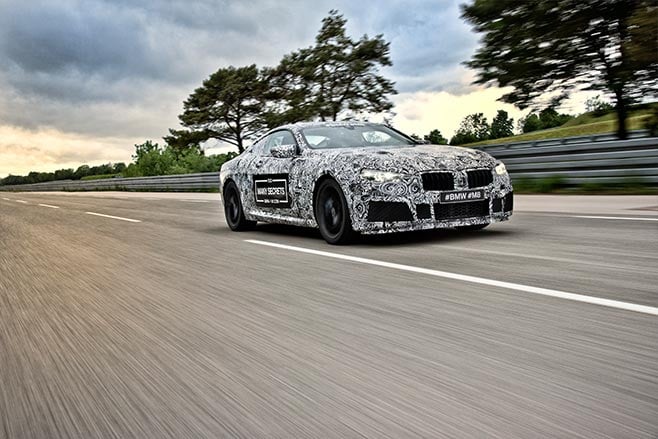
“It all flows into a driving experience that bears the familiar BMW M hallmarks and satisfies our customers’ most exacting requirements.”
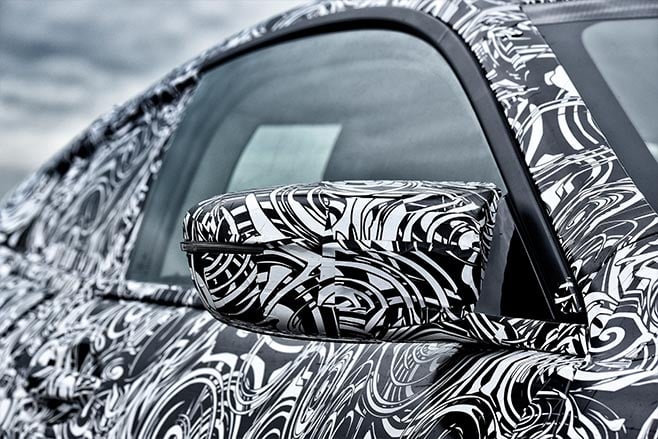
BMW Motorsport director Jens Marquardt says they won’t reveal images yet, but development is in full swing.
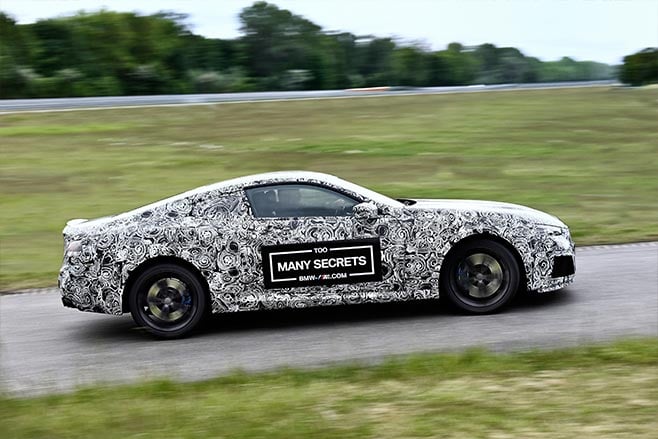
“We are planning an initial roll-out for the first half of this year and are looking at giving the car its race debut in the Daytona 24 Hours in January 2018.”
MERCEDES-AMG has shown a life-size model of the drivetrain destined for Project One – the brand’s Formula 1-powered hypercar that’s set for a debut at September’s Frankfurt motor show.
The mind-bending mock-up of Project One in its underwear was shown to media as part AMG’s 50th anniversary celebrations taking place at the Nurburging 24 Hour race.
It sheds light on secrets surrounding the technical specification of the 275 road-legal two-seater vehicles that will be sold for at least $A3 million (€2milion) each.
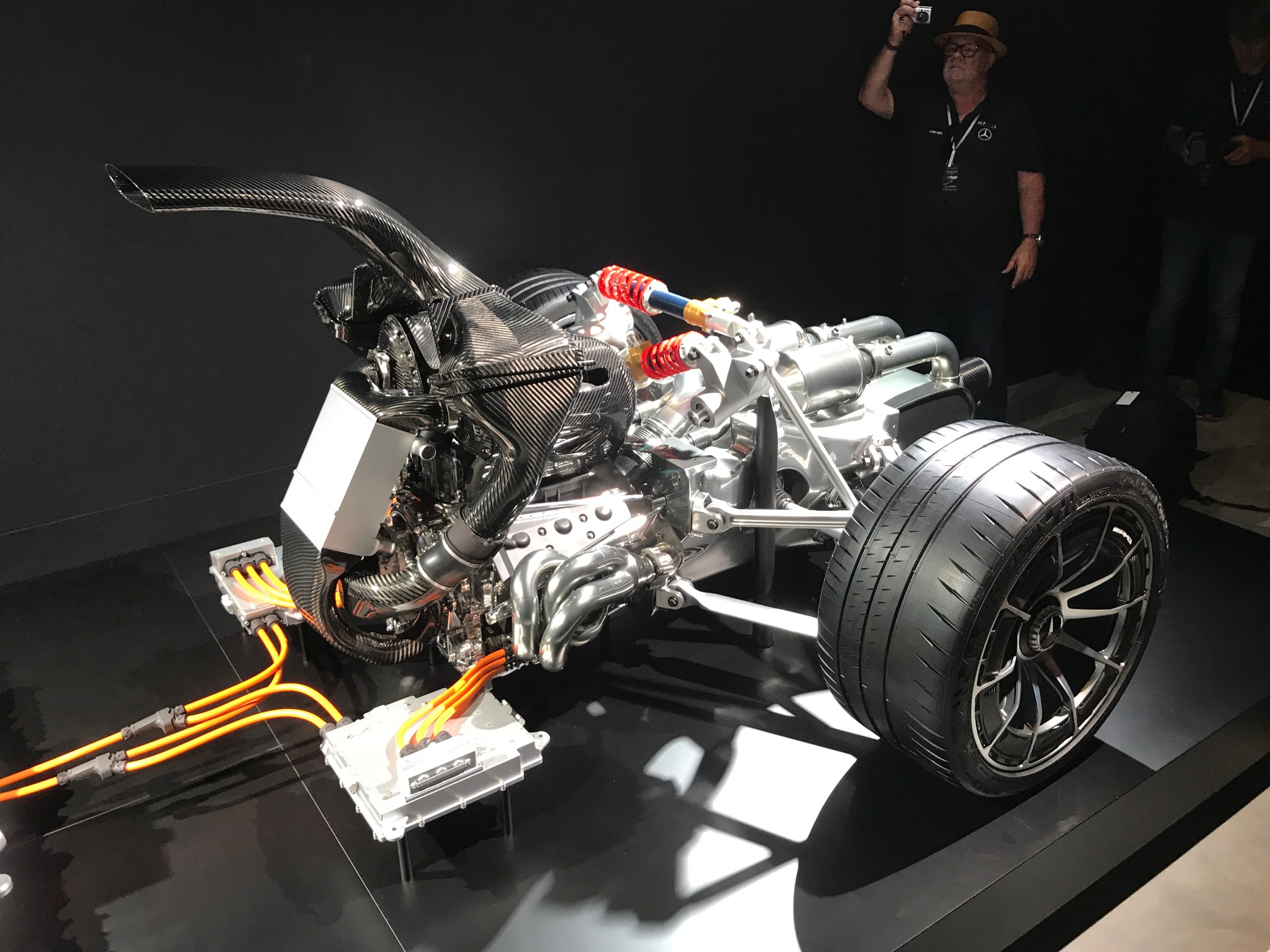
The V6 will rev to a confirmed 11,000rpm limiter, and AMG claims power will exceed 735kW (1000PS).
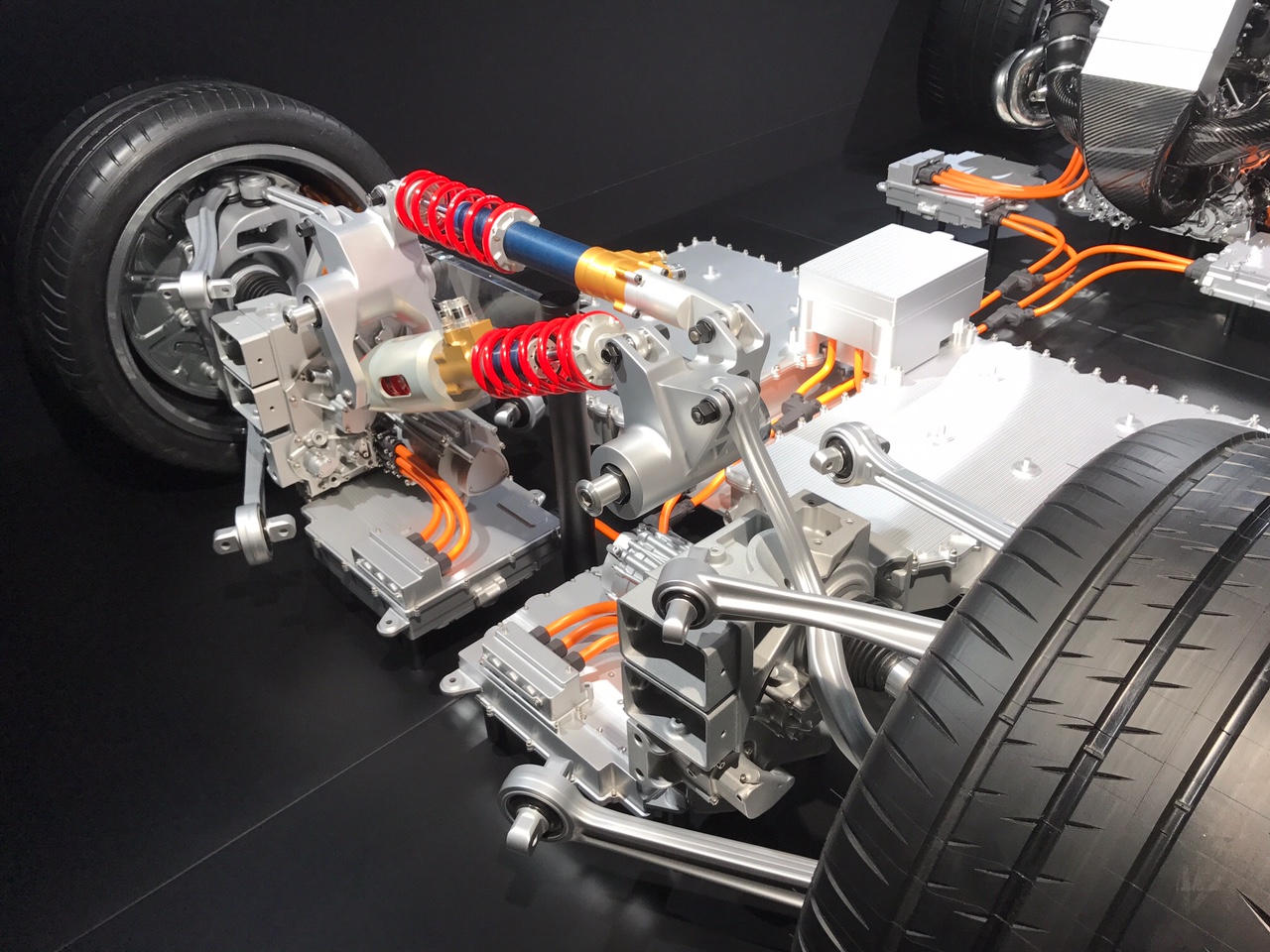
An eight-speed single-clutch gearbox is expected, plus all-wheel drive using two 120kW electric motors to drive the front wheels independently for emission-free all-electric range of up to 25km.
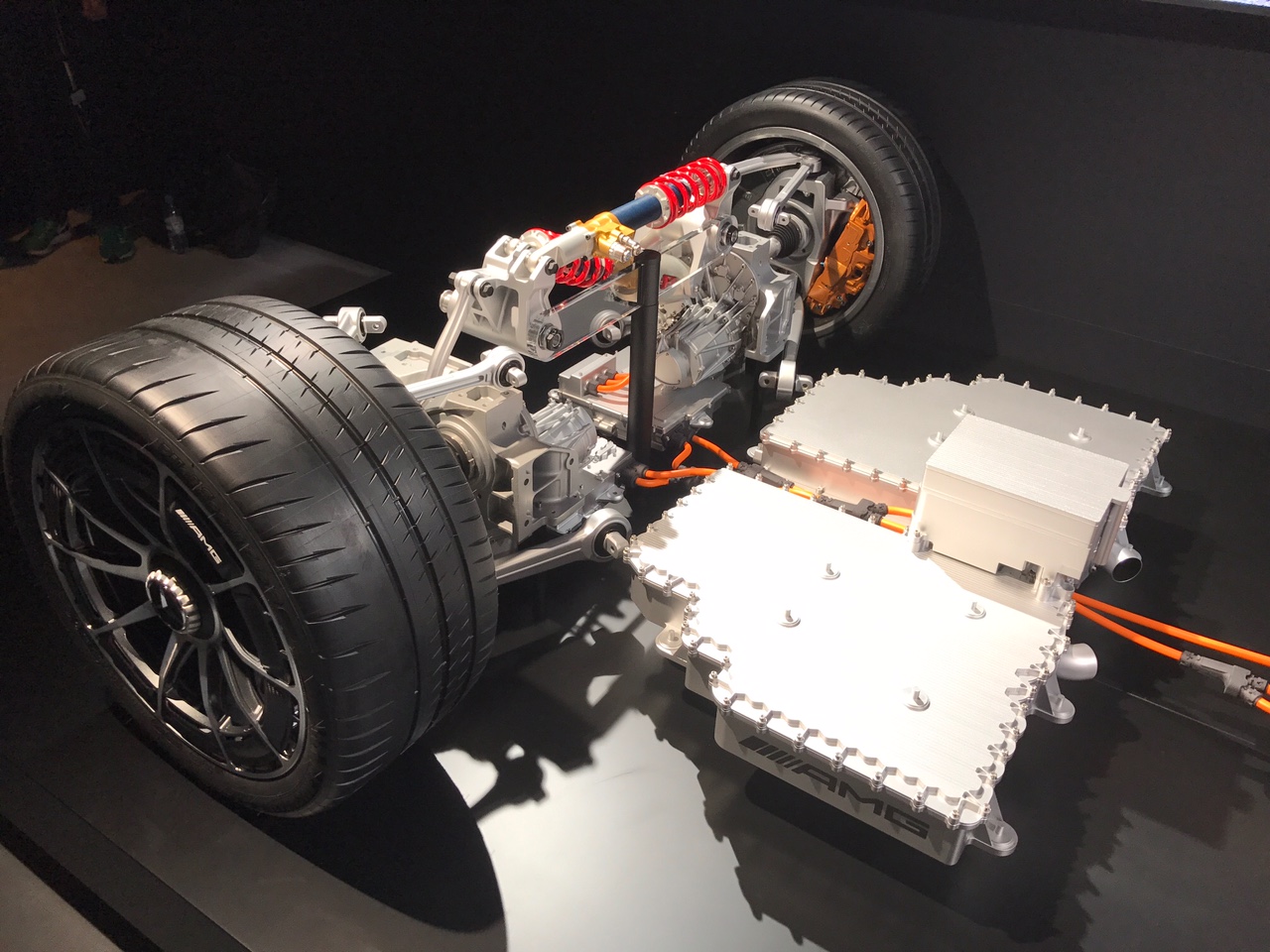
A third, 100kW electric motor is attached to the crankshaft, and an 80kW electric motor is incorporated into the turbocharger for immediate response, making it four electric motors altogether with a total output of 420kW.
AMG boss Tobias Moers says the car would have “faster response than a naturally aspirated V8”.
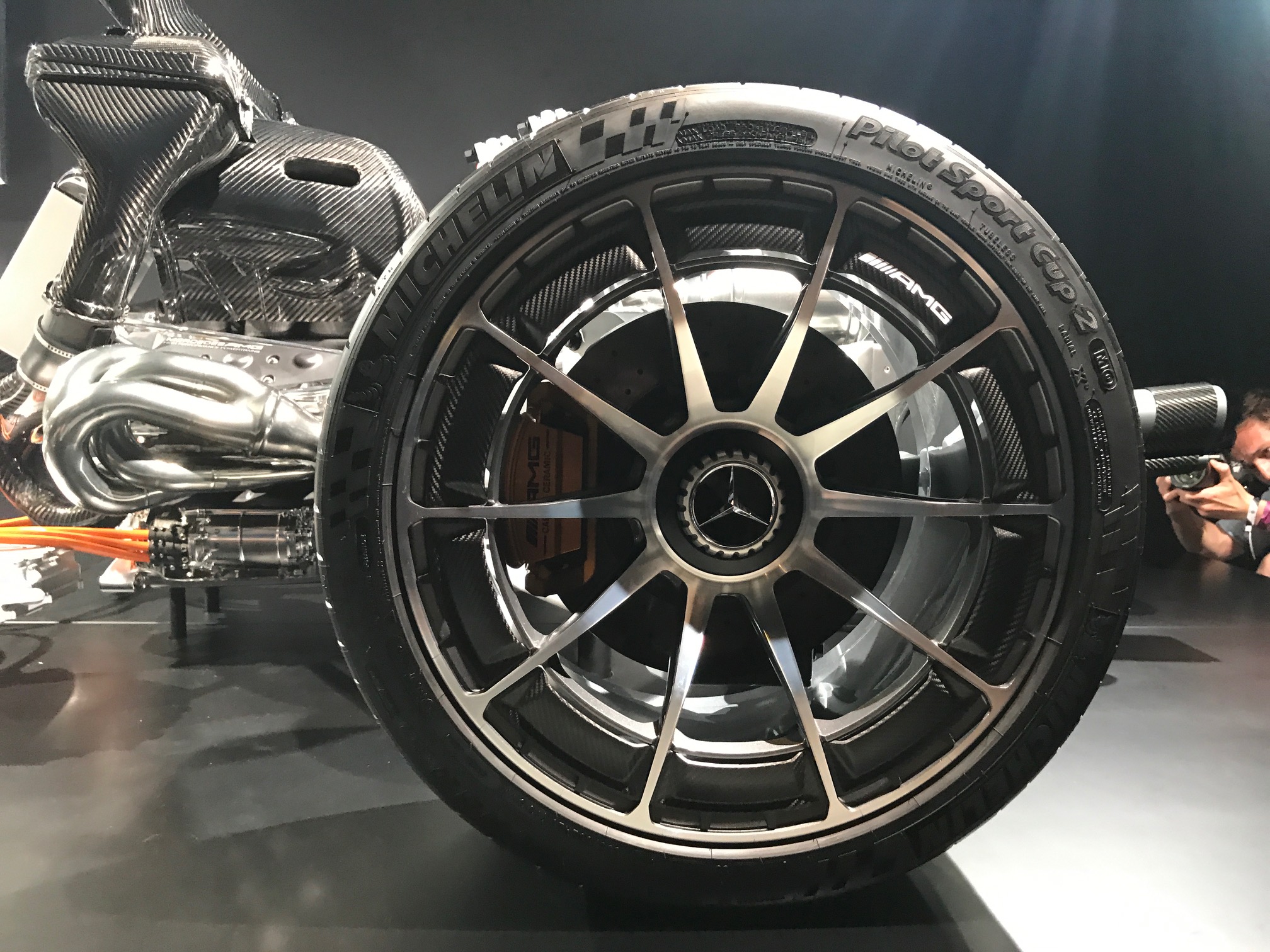
Tyres have been developed specifically to cope with the downforce Project One will generate. The replica’s centrelock wheels wear Michelin Pilot Sport Cup 2s in staggered sizing of 335/30R20 rear and 285/35R19 front.
Total weight of the powertrain is 420kg, including 100kg of batteries that will power the electric motors. The batteries will use cells identical to those in the W08 though the overall capacity will be significantly more than found in the F1 car.
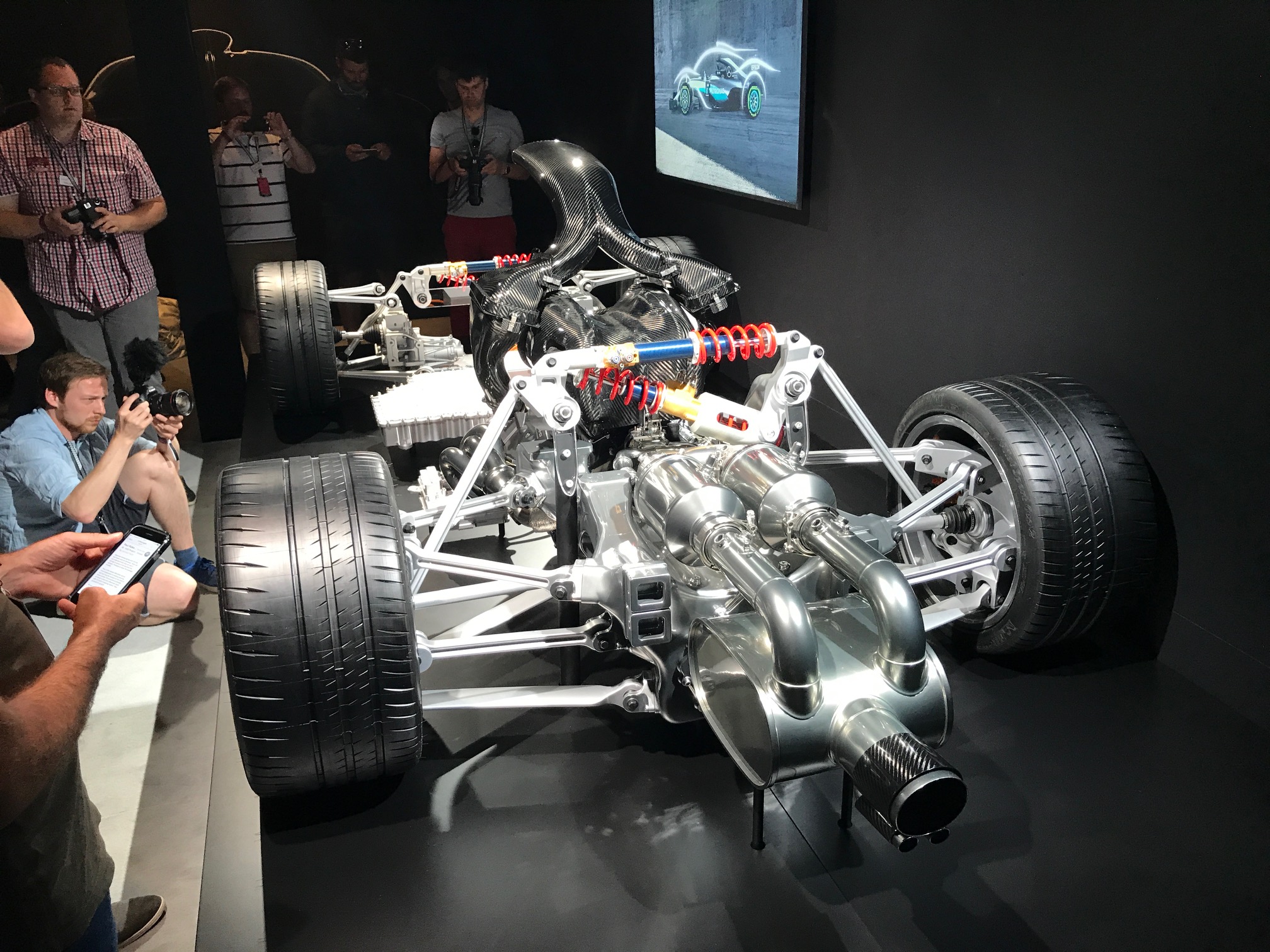
Information about specific outputs, overall weights and lap times are strictly off the table at this point, though it’s clear the brand wants Project One to reset the hypercar benchmark.
AMG has been drip-feeding information about Project One since its announcement at the Paris motor show in 2016.
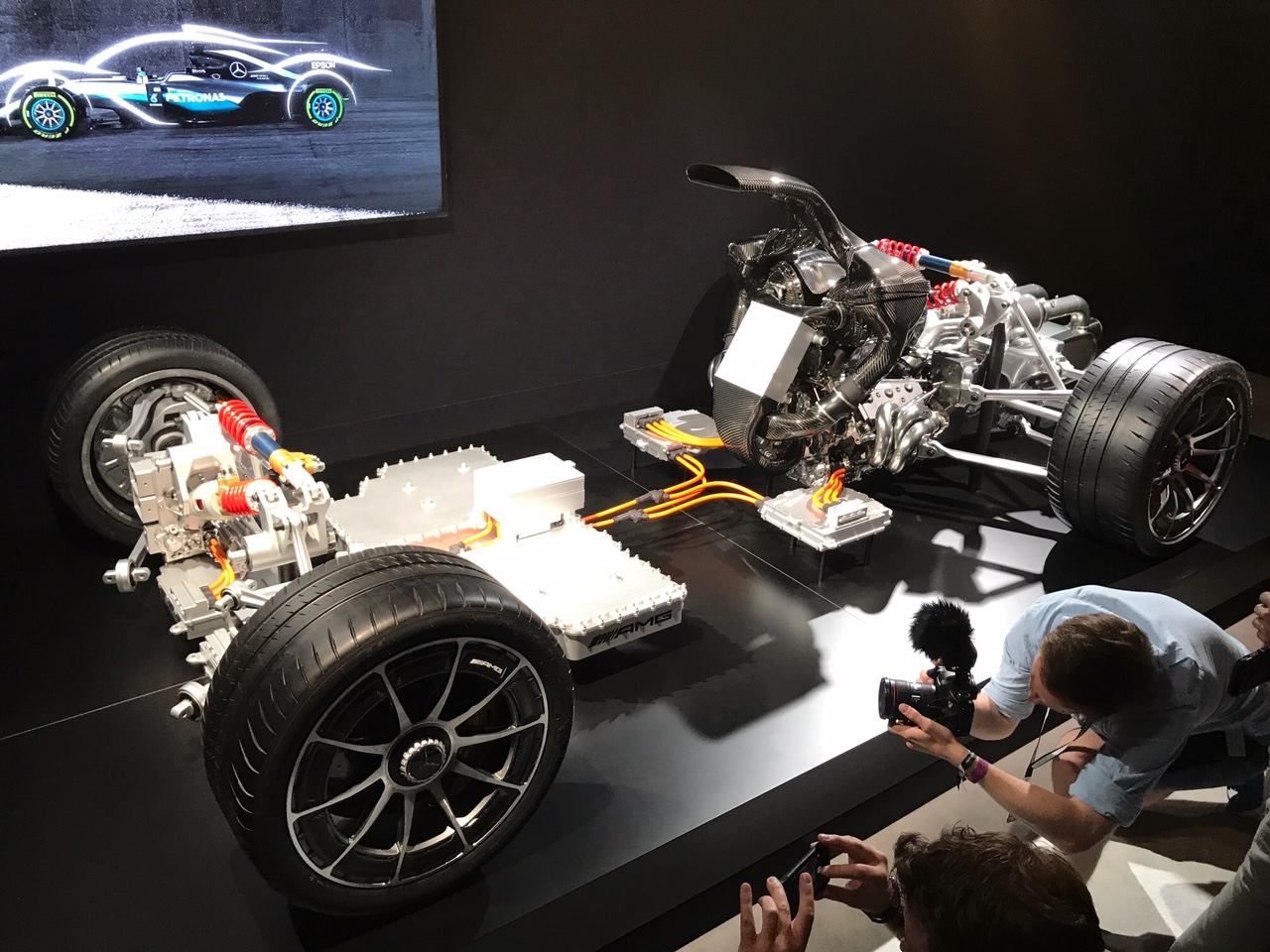
Development challenges yet to be overcome include noise, vibration and harshness minimisation.
Customers lucky enough to get a build allocation will need to wait until 2019 for delivery. At least nine orders are currently held by Mercedes-Benz Australia, with a further seven expressions of interest. Local pricing remains unconfirmed.
MILLIMETRES. Not inches, not centimetre’s. Millimetres.
That is the margin of error between glory and agony when a Formula 1 driver takes to the Monte Carlo at the Monaco Grand Prix.
The Principality’s street circuit is tighter and more unforgiving than any other circuit on the Grand Prix calendar.
That is what makes this lap from Daniel ‘The Honey Badger’ Ricciardo from last year even more impressive.
The calamity that followed on the Sunday has overshadowed this gobsmacking lap, but we won’t get into that lest our heads burst from our shoulders in fury.
It’s safe to say this is up there with the greatest single laps of Ricciardo’s career so far.
What does Daniel Ricciardo know about F1?
Ride along as the Australian driver places his Red Bull F1 car with superhuman precision, running perilously close to unforgiving barriers, which seem to want to reach out and snatch his car from his control to break it into a thousand tiny pieces.
It’s a superb piece of driving, with Ricciardo stopping the clocks at 1:13.622, enough to score the top spot on the grid over Nico Rosberg by just 0.169 of a second.
An adjustment of the track layout in 2015 at the Tabac corner shortened the overall lap by 3 metres, meaning Ricciardo’s lap is the quickest ever produced on the current format.
However, with 2017’s F1 cars packing serious aero and fatter tyres, expect that laptime to fall rapidly over the course of the weekend.
Our man Mark Webber is a two-time winner at Monaco, tasting the victor’s champagne in 2010 and 2012. Here’s hoping Ricciardo can nab his first victory on the streets of Monte Carlo this weekend.
Question: Mick
I’m looking at choosing between the Honda HRV VTI-L with ADAS and Nissan Qashqai Ti to lease but I have a Samsung phone which seems to be an issue with the Honda GPS.
It’s just my wife and I now and we live in the city with a little driving in the surrounding areas of Melbourne and I want automatic. We previously had Hondas and liked them, but Honda connectivity without having an IPhone is almost enough to turn me off.
Budget: $40,000
Answer: Nathan
G’day Mick, if the Honda’s multimedia system isn’t working for you then avoid it. The HR-V is attractive and very roomy, but the Qashqai is better to drive and a more well-rounded car in general.
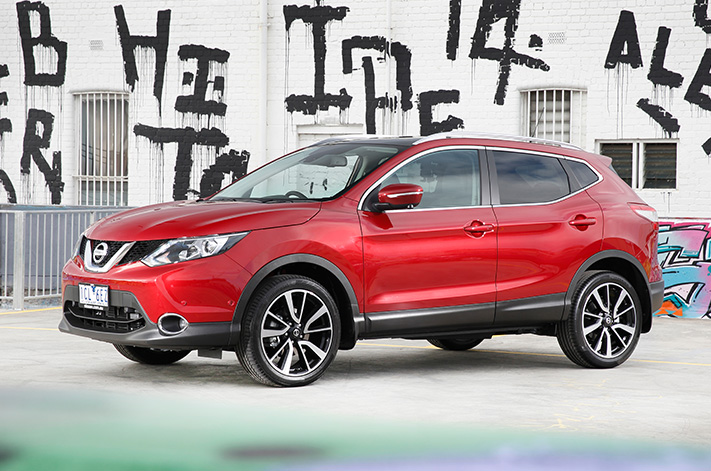
We’d choose the Ti petrol over the diesel, simply for its crisper performance and better refinement. You probably should be aware that the Ti’s large 19-inch wheels don’t particularly like potholes or road scars – the 17-inch-wheeled Qashqai ST is much better in this regard.
If we had to choose a left-field option for your $40K budget, a car we like immensely is the Citroen C4 Cactus. The turbo-petrol version is now available with automatic transmission and it’s a great car in terms of seat comfort, effortless performance, fuel efficiency, and driver appeal that if you agree with that opinion, it may be worth waiting for.
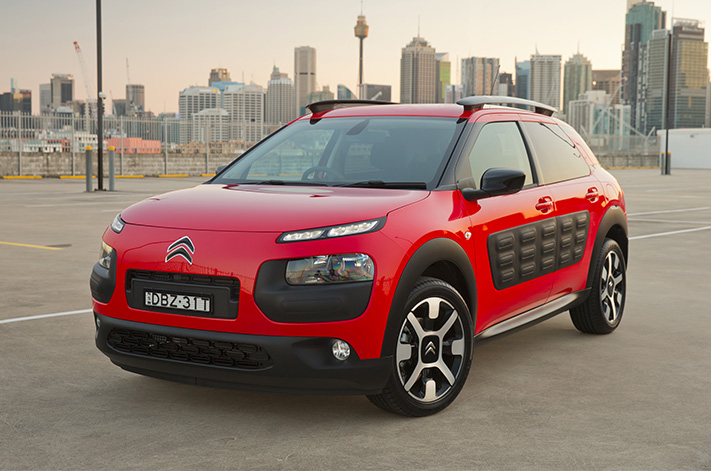
The Citroen features standard sat-nav, meaning you don’t need an iPhone or Android Auto to gain that function.
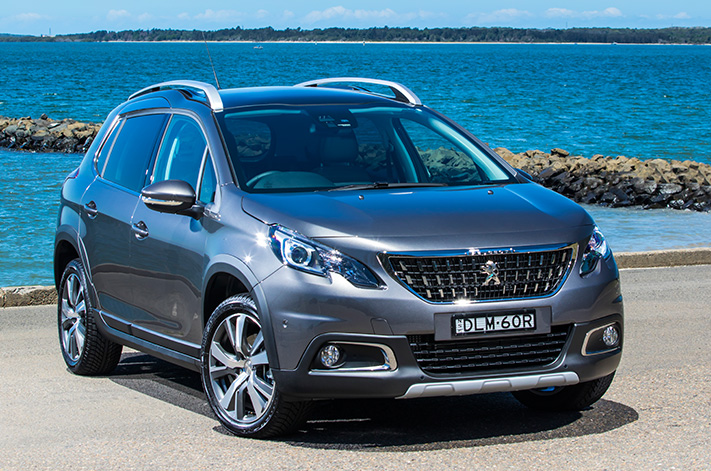
And there’s always the Citroen’s relative under the skin, the likeable Peugeot 2008. It has just been facelifted with new front styling, fresh (and much better) engines, new six-speed automatic across the range – and while it’s a bit more like a small wagon than a pure SUV, it hits the same highs as the Citroen. And you’d get a lavishly equipped one for well under $40K.
I hope all that helps!
FOR TWO short days, Ash Westerman and Editor Inwood took HSV’s bonkers 474kw HSV GTS-R W1 on a tour of solemn celebration through the highlands of Victoria.
A last roar through the native lands where Holden – and HSV – built storied powerhouses in the form of V8-toting family sedans for almost 70 years.
As the howl of the W1‘s monster dry-sumped LS9 fades back down the Great Alpine Road, so too does the era of our locally-made muscle sedans of which it capstones. In the words of Westerman: “This is our effin’ M5; our E63…”.
Our nation’s David-and-Goliath statement of .50 Cal rapid-fire slingshots to the rest of the world’s automotive juggernauts.
But back to the W1.
Along with the 474kw power output, there’s a godly 815nm of torque under your right foot. It’s not just a frankenstein GTS with a ZL1 engine shoe-horned into it either.
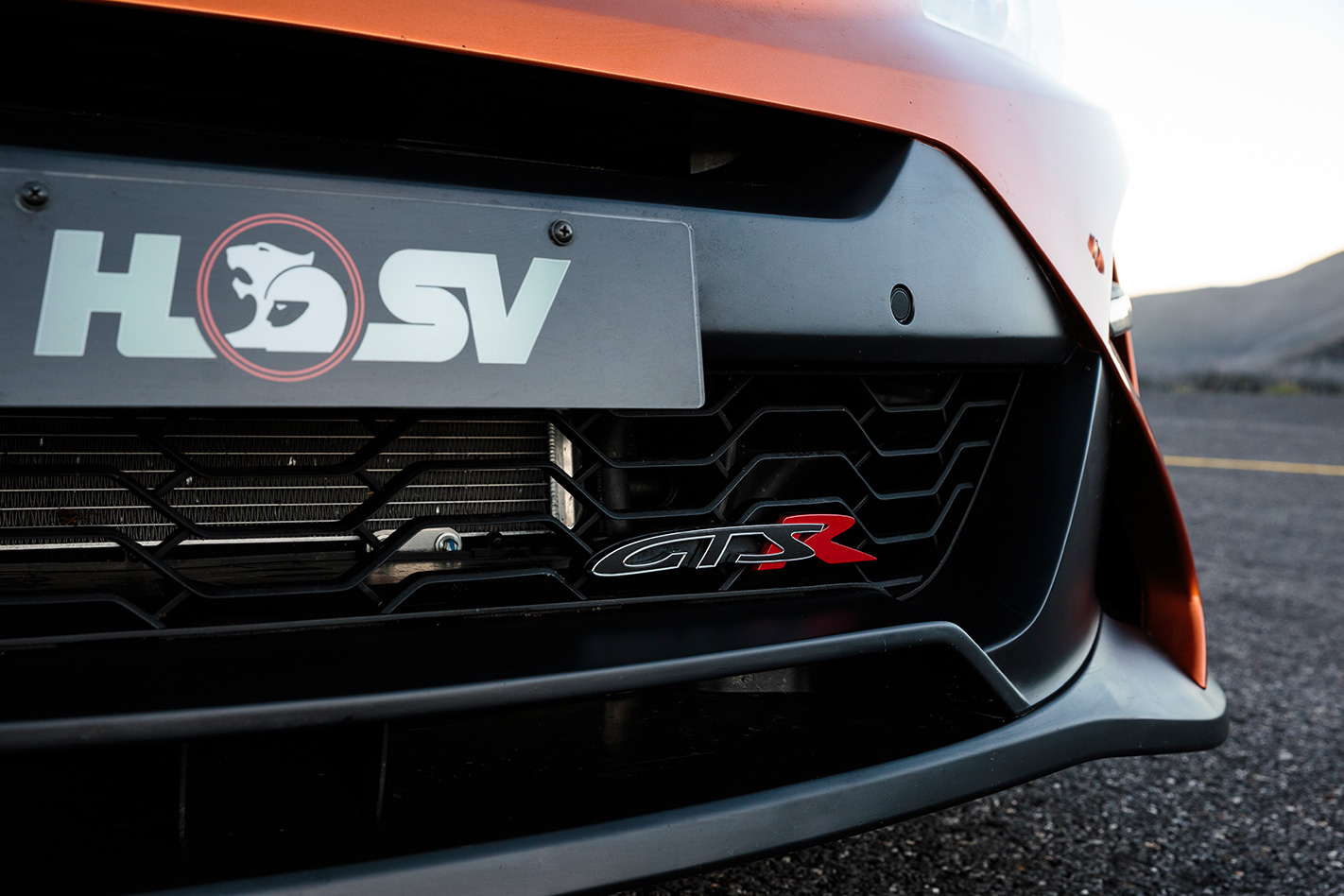
If you’re one of the lucky 300 with the privilege to buy the zenith of modern HSV’s, there’s also a host of bespoke chassis and drivetrain upgrades– including close-ratio gearbox, six-piston AP Racing brakes mated to massive 410mm rotors up front, Pirelli P Zero Trofeo R semi-slicks, and fixed-rate SupaShock dampers.
Did we mention that GM doesn’t actually make the LS9 any more? HSV had to hunt them down for their limited W1 production run, even enlisting BMC Air Filters’ composite department to supply numerous unique pieces like that carbon intake in the engine bay. That’s the same BMC which also supplies carbon parts to Ferrari. From the outset, the boffins at HSV truly wanted the W1 to be be the greatest car they’ve ever developed.
Given that all cars are sold out, and the fact that the W1 is almost certainly a future collectible, you’re probably not going to see one pottering down your local shopping strip any time soon. But no matter – stay right here and flick through some of our favourite shots of, arguably, Australia’s greatest car ever made.
