
Tiny pieces of Porsche fly in every direction, but the damage only totals a couple of hundred dollars.
Actually, not even that, because it’s Lego, and you can rebuild it and do it all over again.
The world’s favourite little plastic bricks have enabled us to have tiny replicas of our favourite cars, but ADAC (Germany’s automobile club and roadside assist) found out that Lego isn’t great for replicating vehicle safety.
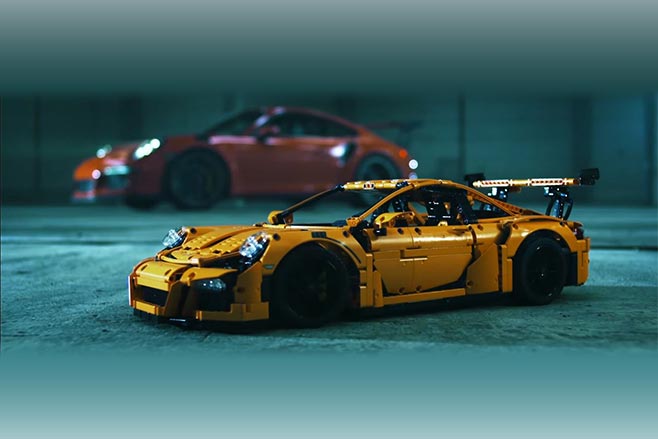
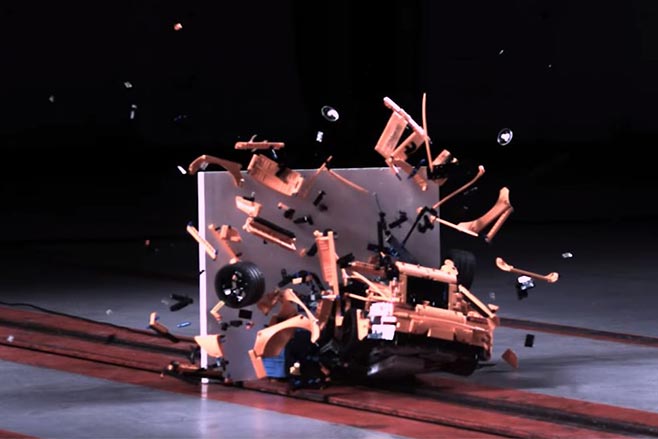
The result is two minutes of slow-motion footage of the Lego model making its way into the wall at just over school zone speed.
From several different angles, we get to see about 2700 pieces of Lego Porsche try to make it as far from the rest of the car as possible.
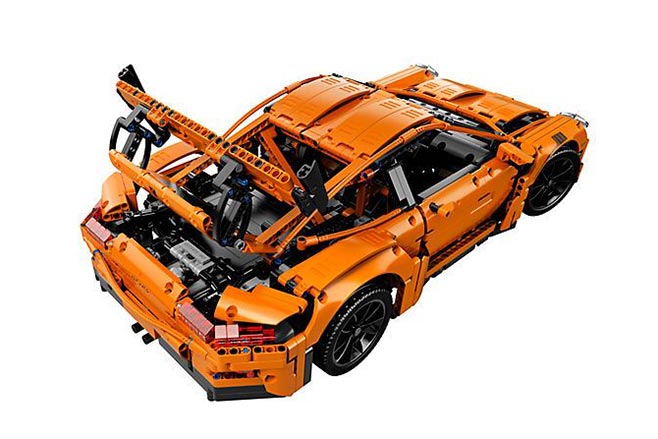
Like many Lego sets, it has opening doors and bonnets, but it also features a unique serial number in the openable glovebox, and has a relatively accurate flat-six with moving pistons inside.
And then… we watch it fly into a barrier and disintegrate to the tune of Strauss’ Blue Danube Waltz.
Australians love V8s and it seems they’re willing to pay a premium for them. At least that’s what Mercedes-Benz’s sales figures show, as its C-Class C63 S comfortably outsold the C43 in March.
Mercedes-Benz’s product planners proved they did their homework on the AMG C43, as it hasn’t hampered the 63 S’s mojo in the marketplace – the V8 model thunders on as the top-selling AMG variant for the brand. Beating even the A45 and CLA45.
One specific point of difference between the two lends a clue as to why. And it lurks under the bonnet. The C63’s twin-turbo 4.0-litre V8 arrives hand-built from Affalterbach, while the C43 loses two-pots and relies on robots for engine construction.
Between C63 S and C43 coupes lies a $56,500 price difference, with the V8-engined model commanding $162,115 before on-road costs.
Still, 93 buyers chose a C-Class coupe in C63 S spec in March, while the C43 attracted 61 orders. The C63 S coupe made up more than 31 per cent of C-Class Coupe and Convertible sales in the same month, surging ahead of the C43, which snares 17 per cent of two-door C-Class sales.
Meanwhile, over in Munich, Merc’s uptake of the C63 S in March thumps BMW’s M4, which accounted for only 16 per cent of 4 Series coupe and convertibles. Across this year’s first quarter the C63 S coupe found more than 260 homes, while the six-cylinder M4 only found 50.
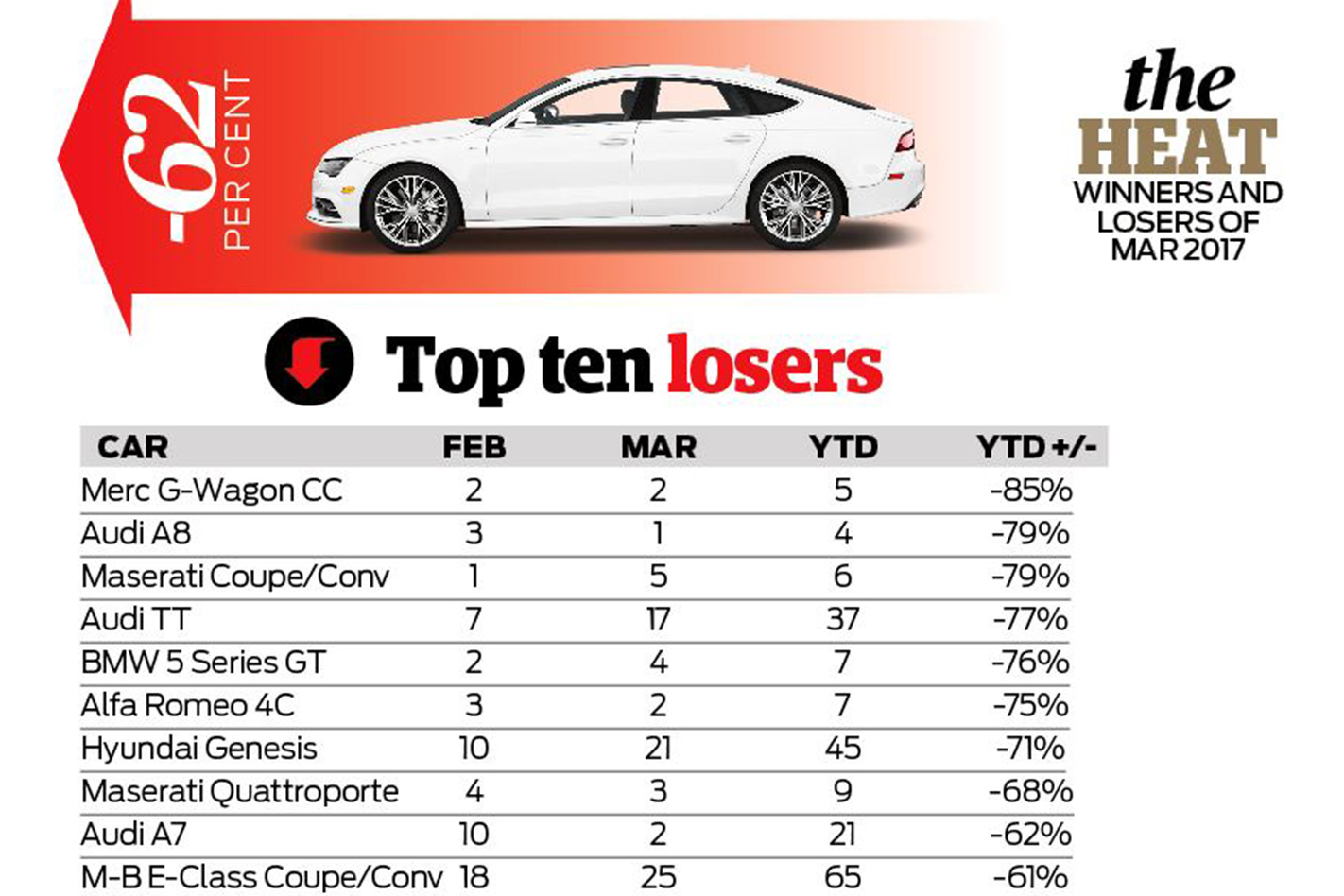
The C43 returned fire in the convertible market, with 25 buyers opting for the twin-turbo six variant compared to 17 choosing a C63 S convertible in March.
Either way, you won’t have to wait long for an AMG V8. Wait-lists on C63s are now almost non-existent if you go easy on options. Long live the V8.
Question: Mark
I want a Mercedes-Benz A-Class and not sure if I should pick the A180 or $4000 more expensive A200? I will get the AMG and Vision packs which provide a few extra features and better looks. It is used as a weekly, suburban ride and we travel approximately 10,000kms per annum max. Work is 8kms from home. We have a current model BMW X5 for longer trips and carrying stuff if needed. Will the A200 have a better resale value than the A180, as a percentage of new price?
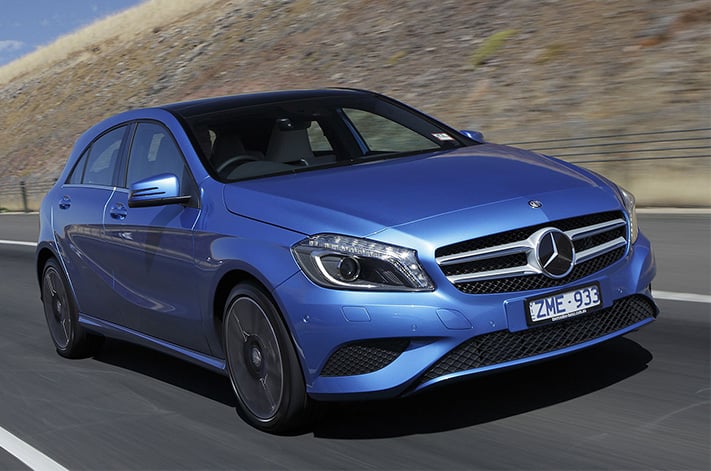
Budget: $50,000
Answer: Scott
That’s a tough call.
On the one hand, the A180 is very similar in specification to the A200 (compare specs here), and wears smaller 17-inch wheels which would slightly improve the A-Class’s rather firm ride quality, however optioning the AMG pack will negate this. It’s also slightly more fuel efficient.
However, the A200’s extra 25kW/50Nm (the two cars use the same engine) could prove decisive in the cut and thrust of traffic – sometimes having that little extra urge can be useful. You should also get more back for the A200 come resale time, though it’s close. Glass’s Guide lists a 49 percent retained value after three years for the A180 and 50 percent for the A200, though be aware that you’re unlikely to get the extra options spend back come sale time.
Our advice would be that given the similarity in spec between the two models, take the A180 for a drive. If you think the performance is adequate for your needs, then perhaps buy that and save yourself a few grand. If you find it a little sluggish and unwilling, the A200 is the car for you!
Happy shopping.
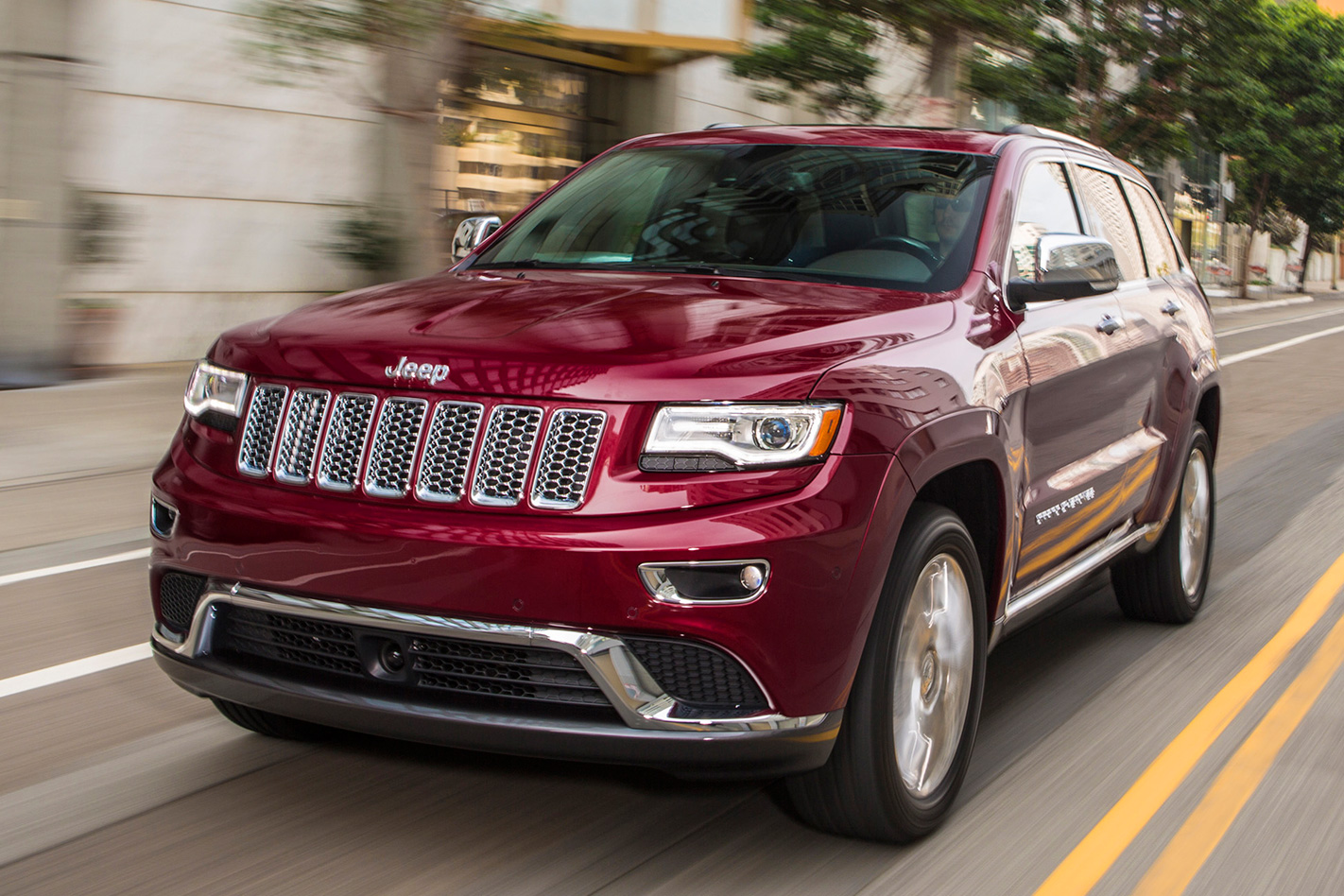
THE US Government will drag Fiat Chrysler Automobiles before its courts to answer claims the car maker cheated on emissions tests for vehicles sold in North America.
The Department of Justice yesterday revealed it will ask the US-Italian carmaker to officially defend claims it had built software into the 3.0-litre V6 diesel engine powering more than 100,000 vehicles – its Dodge Ram pick-up truck and the Jeep Grand Cherokee – that helped the vehicles to pass strict emissions tests.The latest step in the crackdown on emissions cheats comes after German premium carmaker Volkswagen earlier this year agreed to pay up to $US25 billion to settle its Dieselgate emissions cheat scandal with US authorities.
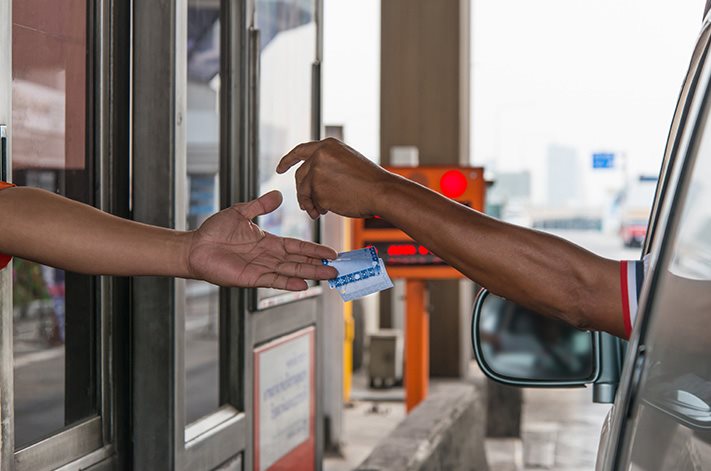
THE Financial and Consumer Rights Council has teamed up with Money magazine to call for a reform in the way motorists are billed by road toll operators.
It is an issue Wheels has raised before, with Victoria University law professor Denis Nelthorpe slamming the system, which adds unnecessary costs onto overdue toll notices that can spiral into the hundreds of thousands of dollars.
Money magazine, and the Financial and Consumer Rights Council claim an unpaid toll of just $2.07 can attract an administration fee of $10 – an almost 500 percent rise.
“A $10 fee for a $2.07 toll is simply crazy,” Money magazine editor Effie Zahos says.
“I challenge toll operators to justify these fees.”
The Tolling Customer Obudsman is clearly aware of the issue, with Micahea Arnold saying the topic of excessive fees is “constantly brought up by toll road users”.
Financial and Consumer Rights Council’s manager of policy and campaigns Tom McIntosh is calling on toll operators to change their ways.
Wheels Investigation: The war on speed – Towards Zero Sense
“Transurban must stop slamming Australians with excess fees,” he said.
“If energy, bank, water or phone companies acted like this there would be uproar.”
“Phone providers don’t send a different bill for every phone call. Banks don’t issue an invoice for every swipe of a credit card. Why do we tolerate our road operators doing this?”
Denis Nelthorpe told Wheels the ballooning costs puts some of our countries most vulnerable into sticky legal situations which can be difficult to get out of.
“Imagine if, for your mobile phone bill, they didn’t sue you for non-payment at the end of a three-month period, they sued you for every single call; put stamp duty, service fees, and court fees on every single call,” he explained.
“It means that an amount of $2000 to $3000 [of debt] turns into $100,000.
“The system is so heavily based on revenue raising that common sense and proportionality have gone out the door.”
TELL ME ABOUT THIS CAR
The Kia Optima is the Korean brand’s current mid-sized passenger car offering, vying for attention in a crowded segment. The Optima GT is generously equipped to fight more expensive rivals, and makes a good value proposition priced from $44,490, especially with a seven-year factory warranty. However, there are some quirks which potential buyers should be aware of before they join the growing fraternity of Kia owners.
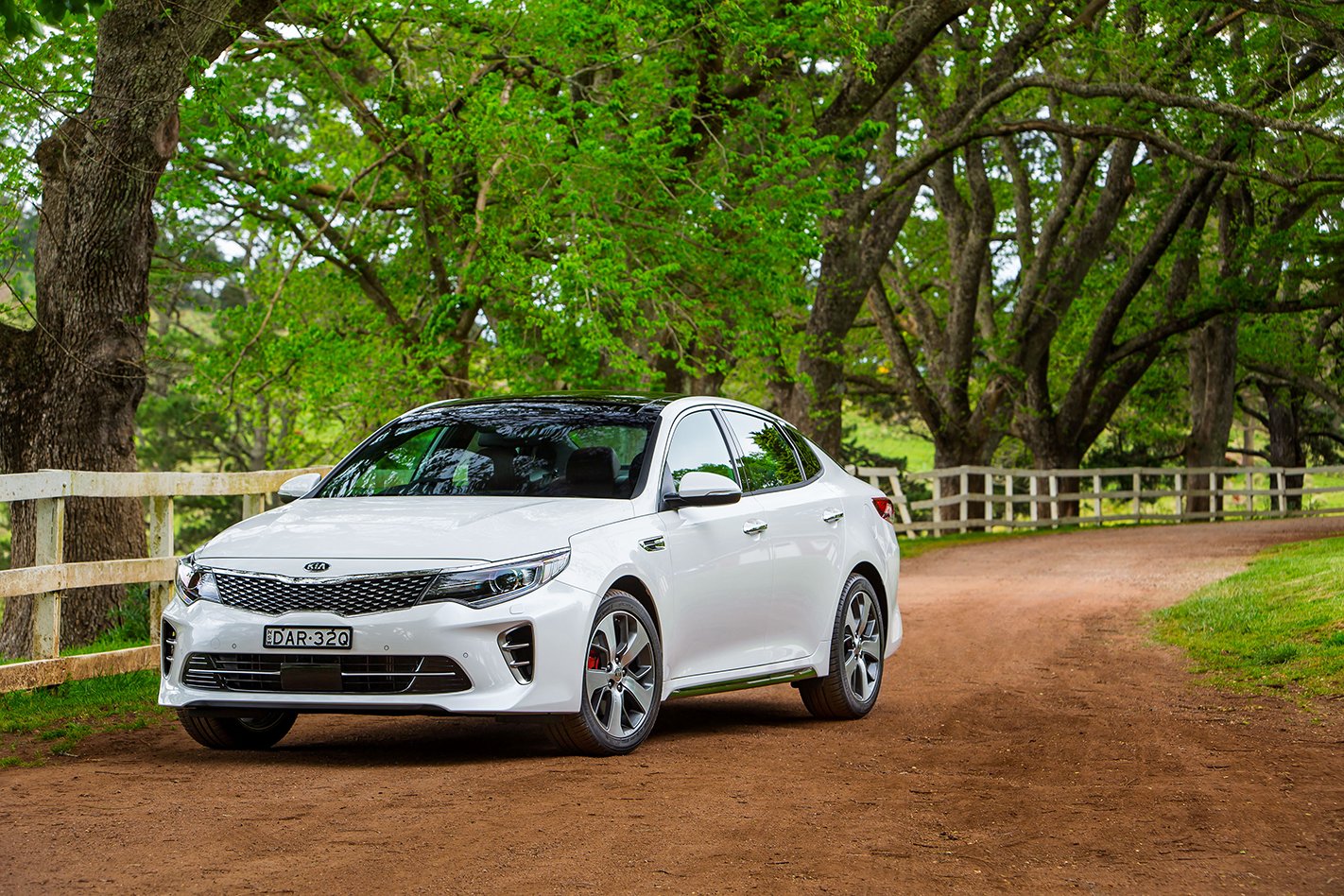
STRENGTHS
- The huge panoramic sunroof comes standard in the GT and helps make the Optima cabin a nice place to be even on the longest drives. All occupants enjoy plush leather seating, with plenty of smart hidey-holes and storage options spread throughout the cabin.
- The 2.0-litre four-cylinder turbo in the GT is a handy unit, producing 180kW and 350Nm. While it won’t be crowned champion at the traffic light grand prix, the engine provides plenty of oomph when prompted, which is delivered smoothly by the six-speed torque converter automatic gearbox.
- Space is plentiful with the Optima. The boot offers a generous 510 litres of space, while rear seat passengers will have little issue with legroom.
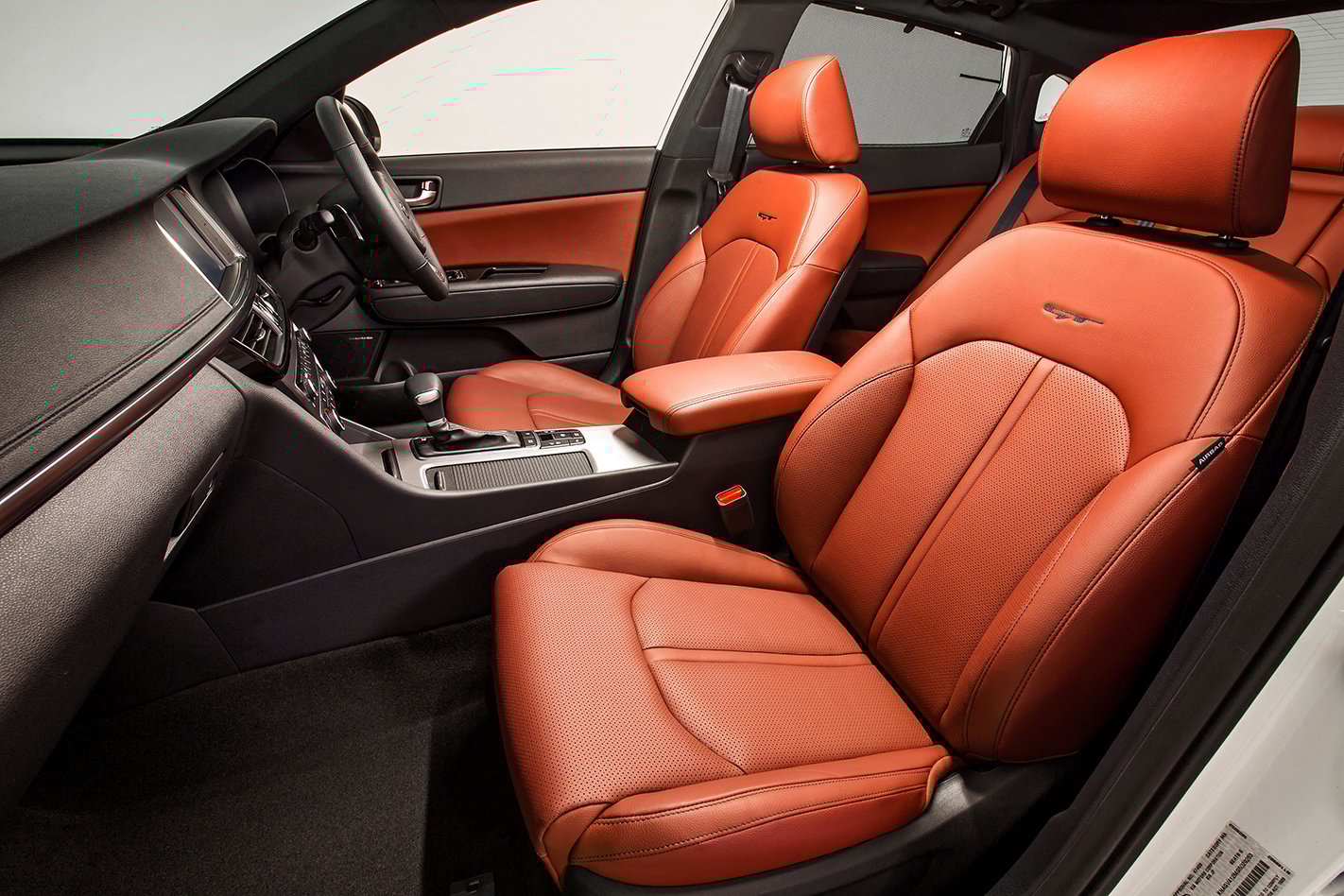
WEAKNESSES
- The largest gripe with the Optima is the speaker at the front of the cabin which feeds the synthetic engine note of a burbling V8 into the cabin. While it’s a nice party trick, it becomes tiresome quickly, and cannot be switched off – the volume is slightly minimised depending on the driving mode. Fake sounds are disingenuous and ruin, in this case, what could be a hushed and agreeable cabin ambience.
- One of the GT’s shortcomings is steering finesse. While the car rides well and soaks up large bumps, there is a disconnection between steering inputs and what is fed back through the wheel to the driver. The GT is up for sporty driving, and the Michelin Pilot Sport rubber fitted as standard offers impressive levels of grip, but a lack of feel lets down the car’s sorted chassis.
- Kia’s infotainment system can take some getting used to, and has an unspoken set of ‘rules’ which you need to learn. Once adapted to the system it is an impressive unit, but quirks such as an inability to connect a phone via Bluetooth unless the car is in park can be irritating. The driver safety logic is clear, but it forgets about the fact passengers can safely work an infotainment screen on the fly.
- The brake pedal can be a tad wooden. There is nothing wrong with the Optima’s stopping ability, quite the opposite, but it requires a bit of guesswork to pull the car up smoothly.
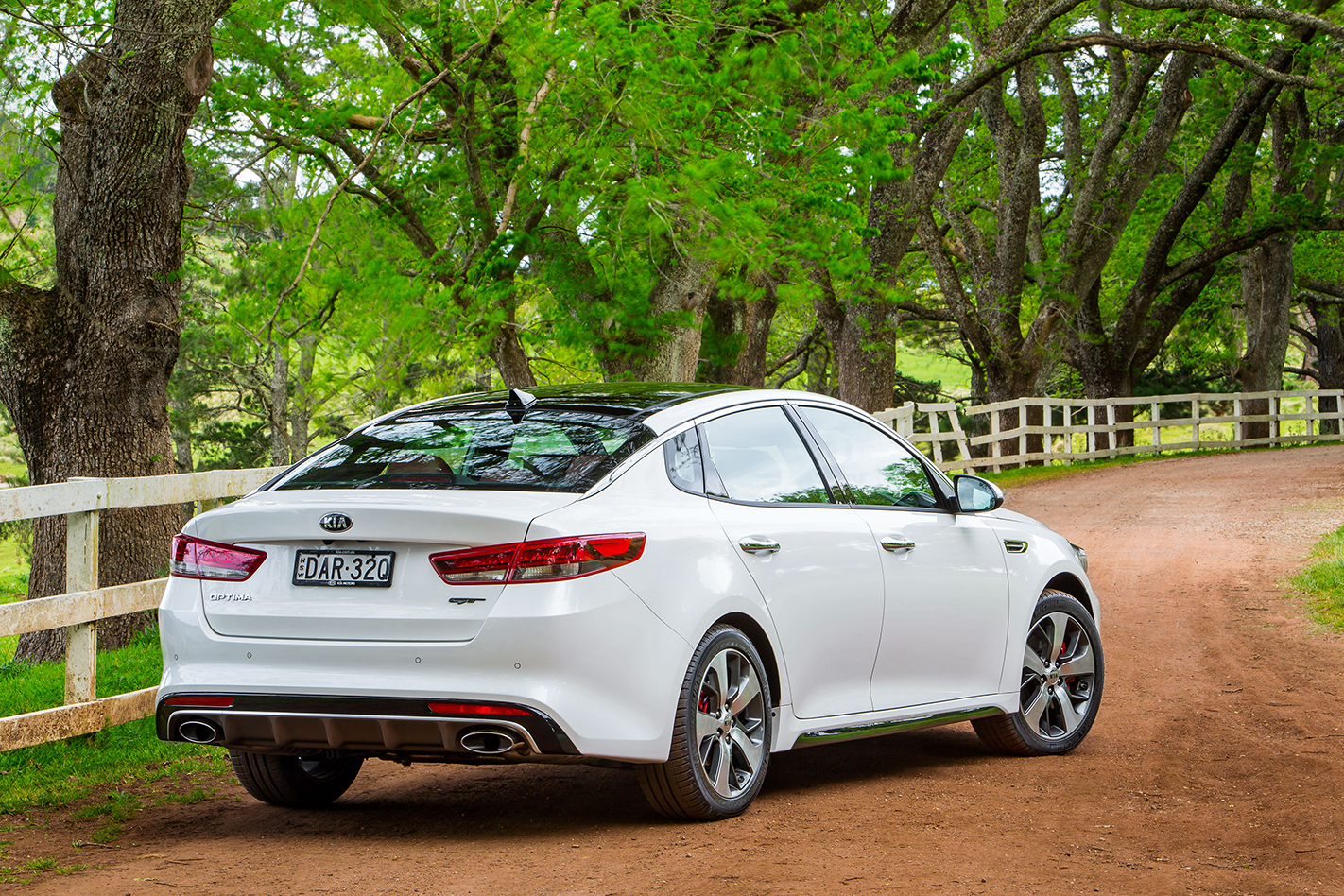
ANY RIVALS I SHOULD CONSIDER?
Mazda 6, Ford Mondeo, Volkswagen Passat, Toyota Camry, Peugeot 508, Honda Accord, Hyundai Sonata, Skoda Octavia and Subaru Liberty.
RENAULT isn’t due to officially launch the 2018 Megane RS until September at the Frankfurt Motor Show, but the highly anticipated hot-hatch will make its public debut at this weekend’s Monaco Formula 1 Grand Prix in what is becoming a tradition for the French carmaker.
The Megane RS follows other hi-po Renaults shown off for the first time at the Principality’s iconic street circuit, though it will mark the first time Renault has revealed a production car to the Monegasque crowd.
Take a look back at the other Renaults that made their debut at Monaco:
Alpine A 110-50 Concept
Renault wowed spectators at the Circuit de Monaco in 2012 when its 295kW tribute to the legendary Alpine A110 Berlinette hit the track to celebrate the performance sub-brand’s 50th anniversary.
It sported a 3.5-litre V6, mounted in the middle of its Megane Trophy racing chassis and echoed Renault’s strong Formula 1 presence with a paddle-shift gearbox and racing aerodynamics, including a huge rear spoiler that wasn’t just for show.
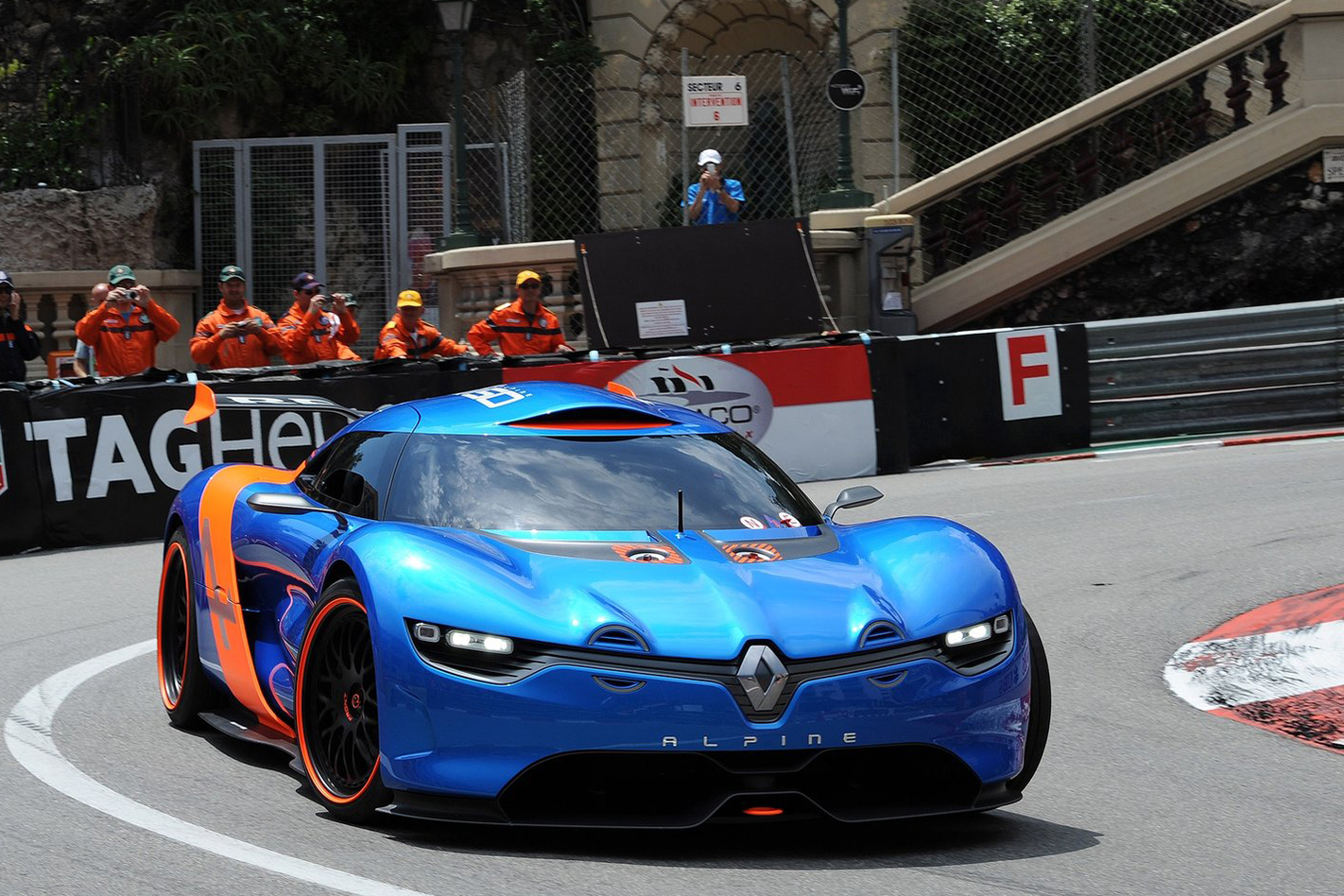
Sadly, nothing became of the A110-50, though Renault did release another Berlinette inspired concept four years later, the Alpine Vision, which spawned an all-new Alpine A110 production model that debuted at the Geneva Motor Show earlier this year.
Renault Twin’Run
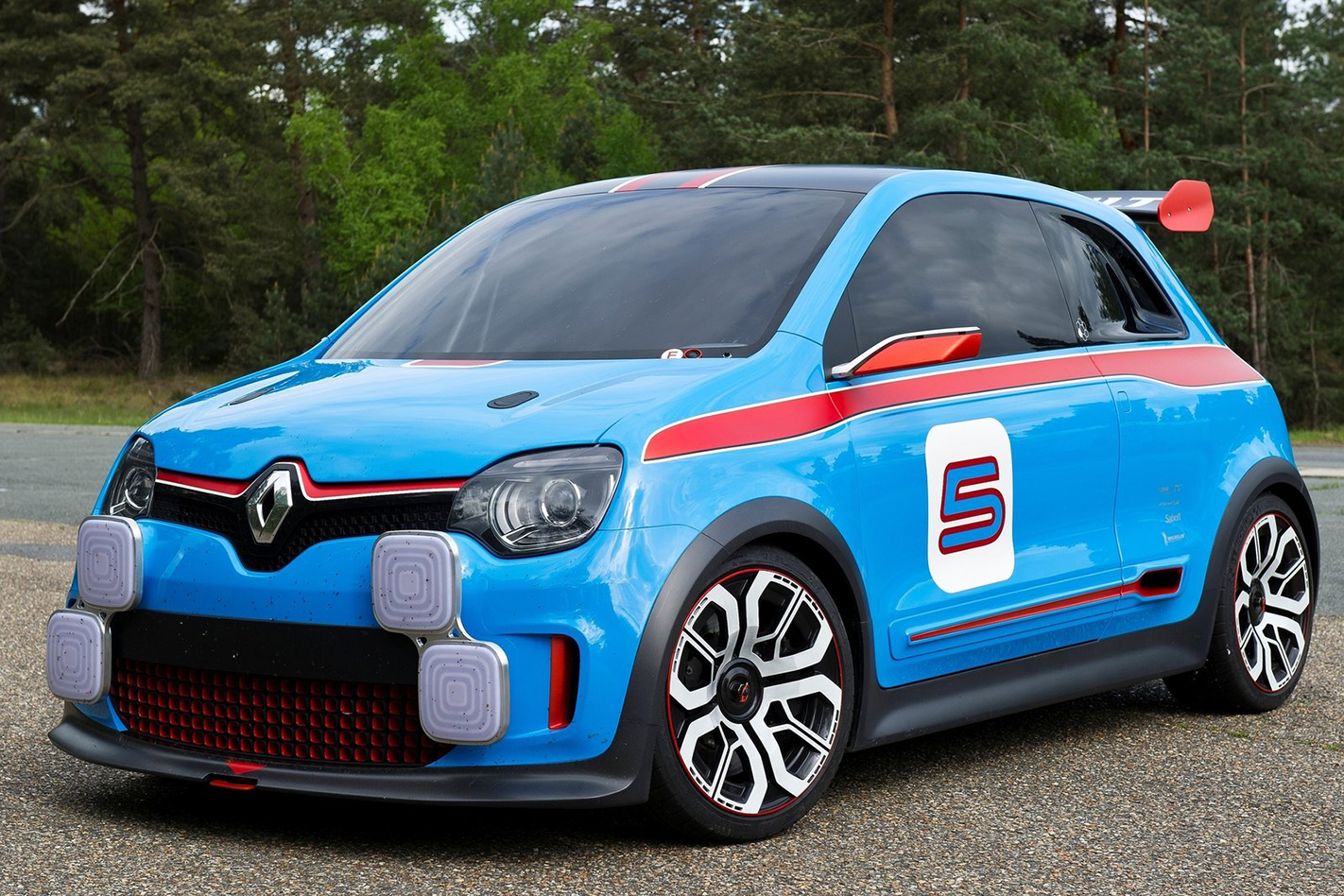
Apparently buoyed by the reception the Alpine A110-50 received at Monte Carlo, Renault sent another concept a year later in the form of the much smaller, but almost as powerful, Twin’Run city car in newly hotted-up form.
Proving that great things come in small packages the oddly-named Twin’Run managed to house a 236kW 3.5-litre V6 engine mated to a six-speed sequential gearbox in its tiny carbonfibre body.
Paying homage to the Renault R5 Turbo and Clio V6 the Gallic pocket rocket was underpinned by a motorsport-derived tubular chassis which kept the power-to-weight ratio low enough to achieve 0-100km/h in 4.5 seconds.
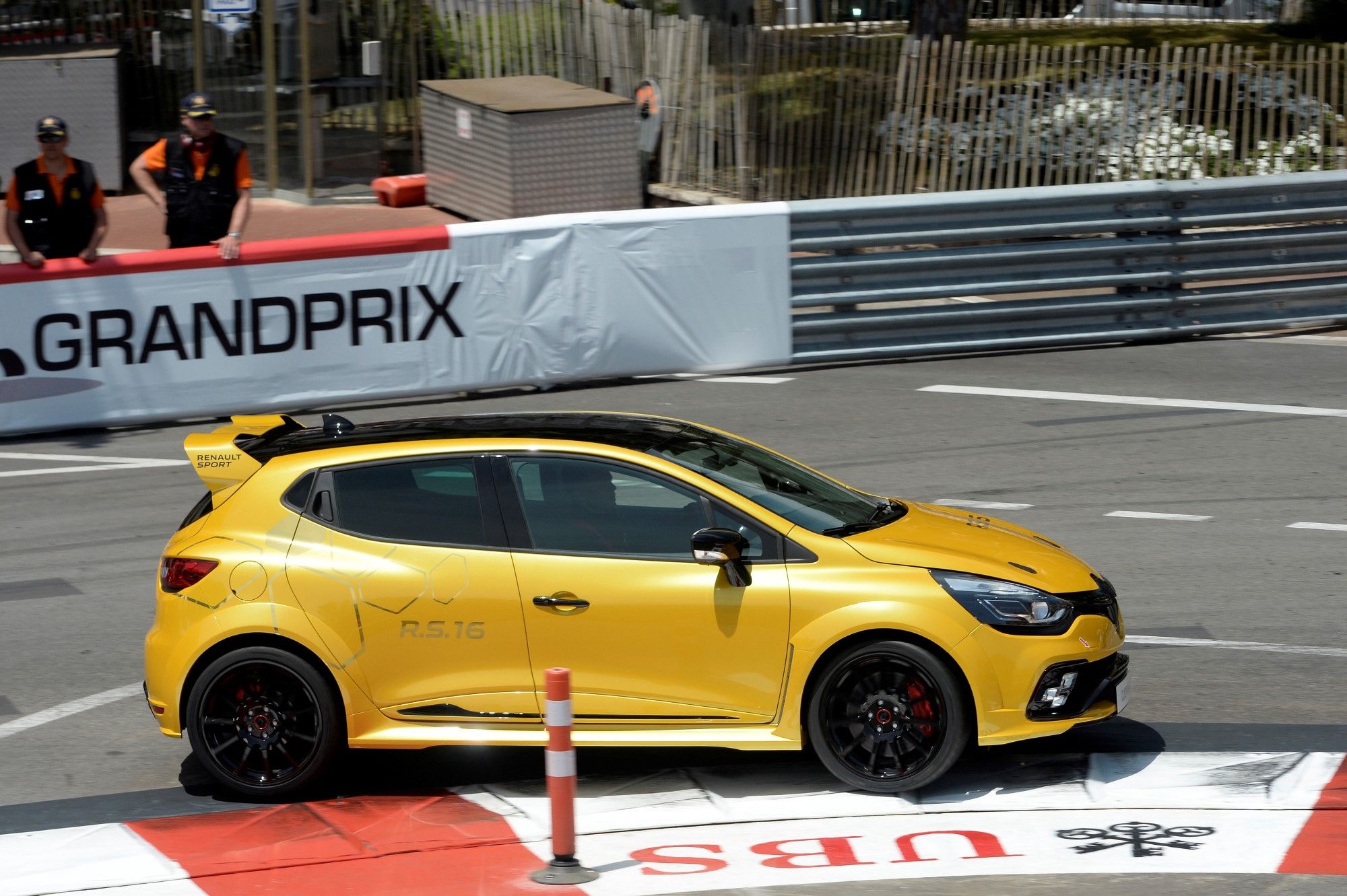
Renault Clio RS.16
Last year’s Monaco Grand Prix saw the global debut of Renault’s Clio RS.16 concept, which was developed to showcase RenaultSport’s expertise and inventiveness when given a blank canvas.
That said, it still would have taken some effort to shoehorn the Megane RS 275’s 205kW/360Nm 2.0-litre Trophy-R powertrain and cooling system into the diminutive Clio chassis. Predictably, their efforts didn’t make their way to a production version. The latest Clio RS instead makes do with a 1.6-litre turbocharged donk, with 149kW and 164kW options.
2017 Megane RS
Which brings us to Renault’s latest production hot hatch, which is expected be front-wheel drive but with four-wheel steering and powered by a highly tuned version of Renault’s 2.0-litre turbo engine set to deliver more than 220kW – about 20kW more than today’s RS 275.

It will lap the Circuit de Monaco on Friday adorned in RenaultSport yellow with Renault F1 driver Nico Hülkenberg behind the wheel.
We can’t wait!
Remember running around as a kid with your friends and pretending to be a car? No? Just me?
Daniel Jovanov did it, and still does. He’s gotten pretty good – enough so that he took his ‘human car sounds’ to the stage for Australia’s Got Talent.
He ended up with three judges who said ‘Yes’ and impressed host Grant Denyer, who would know a thing or two about car sounds.
Recently, he’s resurfaced thanks to a video posted by YouTube channel 1320video after they visited Australia and came across him at a car meet.
The result was a 13 minute barrage of different car sounds, with as much detail as the difference between a turbo and an atmo Lamborghini Gallardo. Seriously.

We have to point out a couple of favourites:
- His rendition of Ken Block’s Fiesta, with jumps and donuts included at 7:52
- The true-to-Summernats Alcohol blower V8 sounds he makes at 3:40
- The 2JZ at 8:50
- And the turbo rotary at 4:48, which was true to the filthy idle sound we all love

Basically, he does what we do around the office sometimes, only much, much better than we ever will.
Last night’s Shannons auction was going as expected as people became proud owners of Skylines, HDT Commodores, and even a Mk1 Jensen Interceptor. All at reasonable prices too.
That was until a little black and white piece of pressed tin came up to the block. Okay, there were two of them.
Lot “AB”, a set of NSW historic numberplates which feature the number 29 on them, sold for an astonishing $745,000.
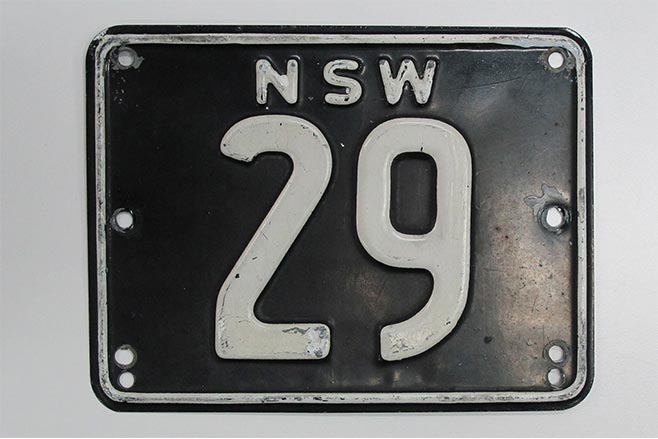
While it’s understandable that these plates have long histories – especially ‘29’, which was first recorded at home on a Minerva in 1915 – it’s hard to understand why someone would drop near-Aventador money on one.
The way Shannons put it is that “its new owner has achieved instant membership of a very exclusive, low-digit numberplate club of just 90, whose ‘joining’ fee has risen steadily and reliably over the years.”
It’s probably going to keep rising, too. We imagine that plate will be kept in a safe rather than screwed onto a car.
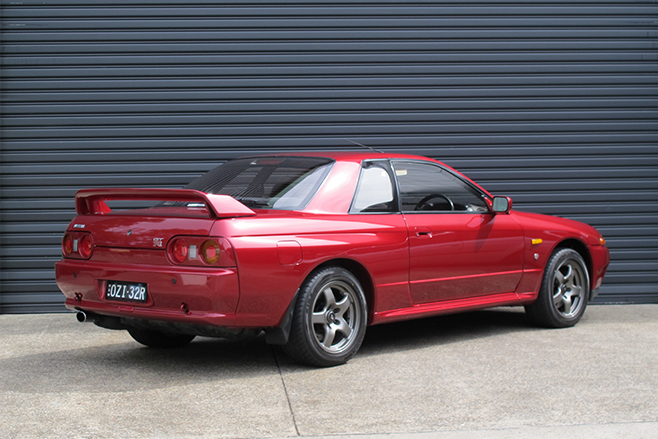
Guess which we’d rather have.
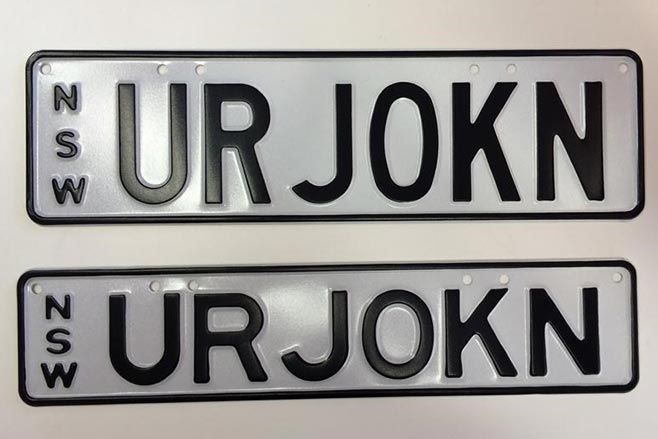
That one’s going for $8000. The irony of using an expensive plate to express our confusion with other expensive plates is not lost on us.
PROBLEM
As a car is exposed to the elements, ultraviolet rays from the sun break down the external coating on the outside of headlight lenses, and the ugliness sets in. The problem is particularly prevalent in Australia due to the harshness of our weather.
Foggy headlights look sad and can reduce your vehicle’s resale value. They’re also dangerous as cloudiness in front of the headlight bulb reduces its light output and makes driving at night more difficult.
Older cars with glass lenses don’t suffer from this condition, but most modern vehicles have lenses made from plastic for better pedestrian crash safety and more economic manufacturing.
PREVENT FOGGY HEADLIGHTS
Thankfully, there are ways to prevent faded headlight lenses and to repair headlights that are already suffering from this condition. The simplest method is parking your car undercover, or in shade, with headlights facing away from the sun.
Keeping your car clean also helps. Contaminants in the air and grime from the road can speed up the oxidisation process. Properly cleaning your car on a regular basis is a useful precautionary measure.

CLEAN FOGGY HEADLIGHTS
Many car detailing companies offer a headlight repair service to make the process as simple as possible. Most will have a preferred method for dealing with it and can have your car fixed and back to you within a day or so.
If you’re handy, do-it-yourself kits for repairing foggy lenses are available from auto parts stores. Not all are created equal, but they all follow the same basic process.
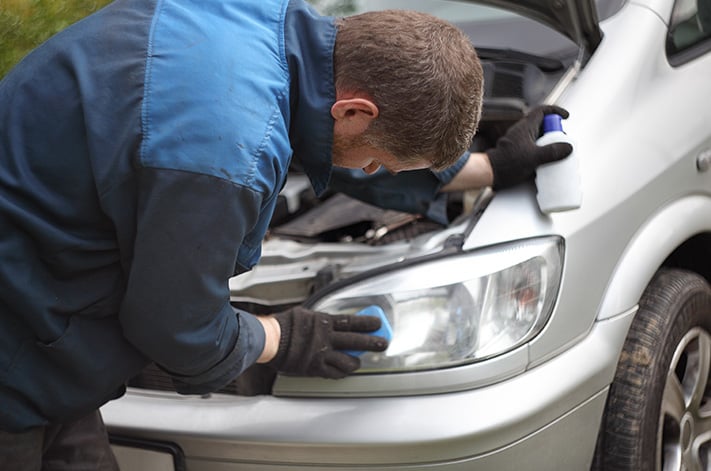
First, the damaged layer must be sanded back to remove the fogginess. This needs to be done in stages, gradually working down to very fine, wet sandpaper before polishing and waxing the headlights to get them looking as good as new.
The last step is to apply a new coat of UV resistant sealant. All headlights have a similar coating from the factory, but the sanding process takes this away. Failure to reapply it will see the headlights cloud over again in next to no time. This is also the case if you use other abrasives to remove the foggy layer, such as toothpaste or brass polish.
Different repair kits make various promises about their effectiveness. In most cases you will get what you pay for, but look for reviews on each before making your selection.
