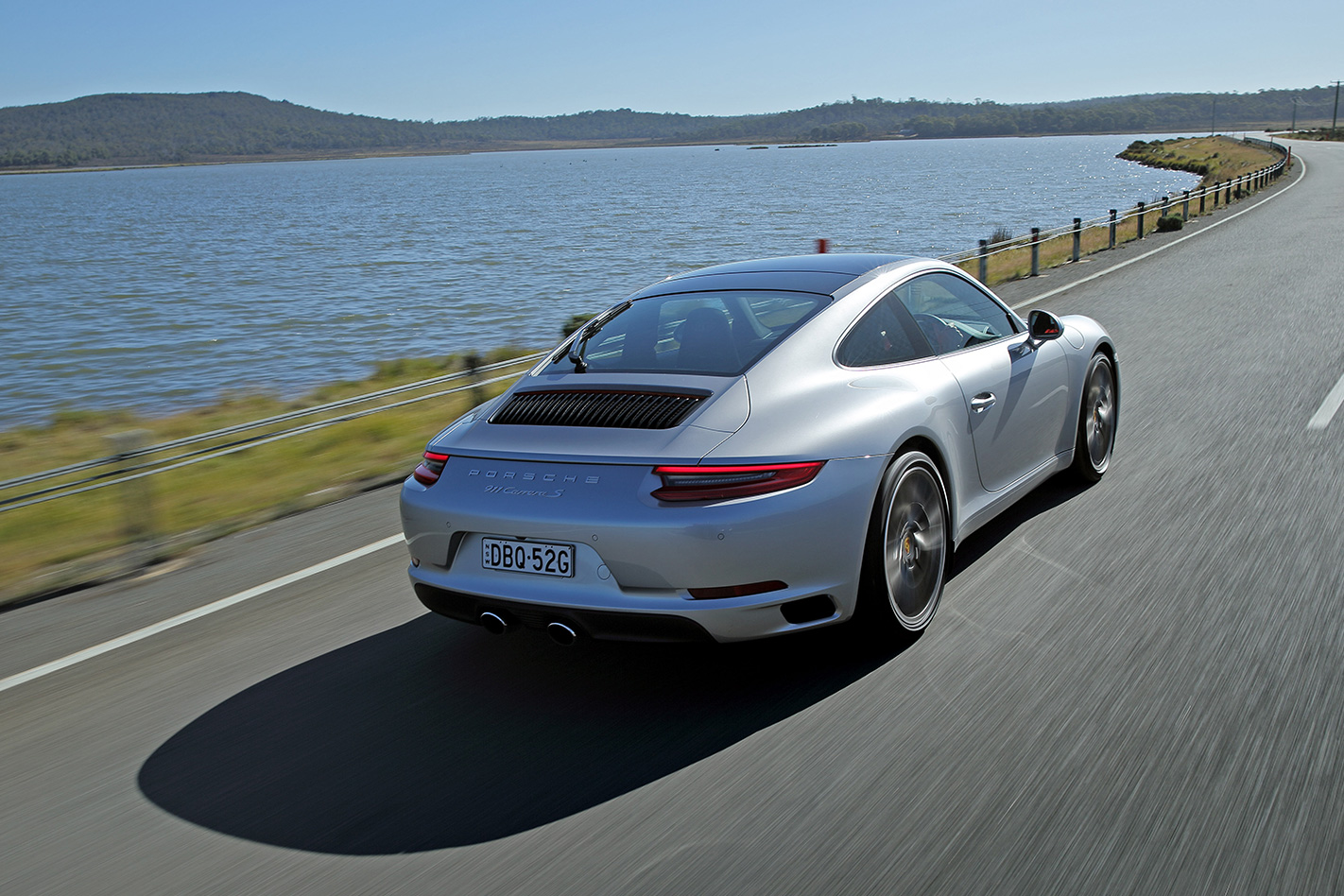
Look, most of us are going to be pretty happy with Porsche’s twin-clutch PDK. Smooth in traffic after a long day in the office, but lightning fast up and down the cogs in manual mode on a nice road come the weekend, it does offer the best of both worlds. And yet, there’s still something undeniably special about having a pedal for the clutch and a lever to choose your own ratio.
Porsche, of course, still offers manual in many of its sports cars and in the newly turbocharged 911 Carrera it’s a happier marriage than with the old atmo flat-six. See, the tall gears – third is good for 50km/h all the way to 180km/h – made it hard to properly exploit all the previous engine’s performance (and noise) stashed at the top of the tacho.
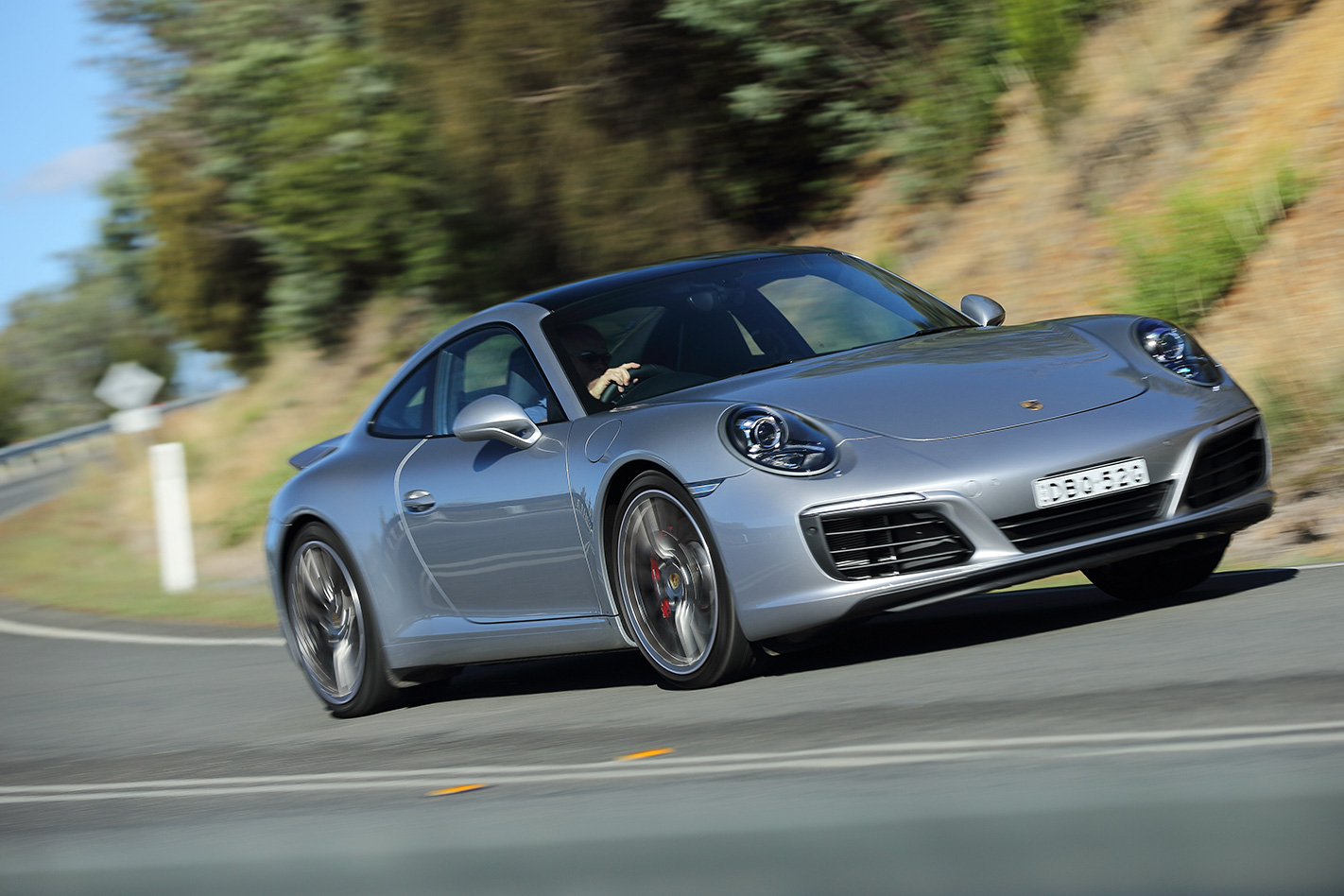
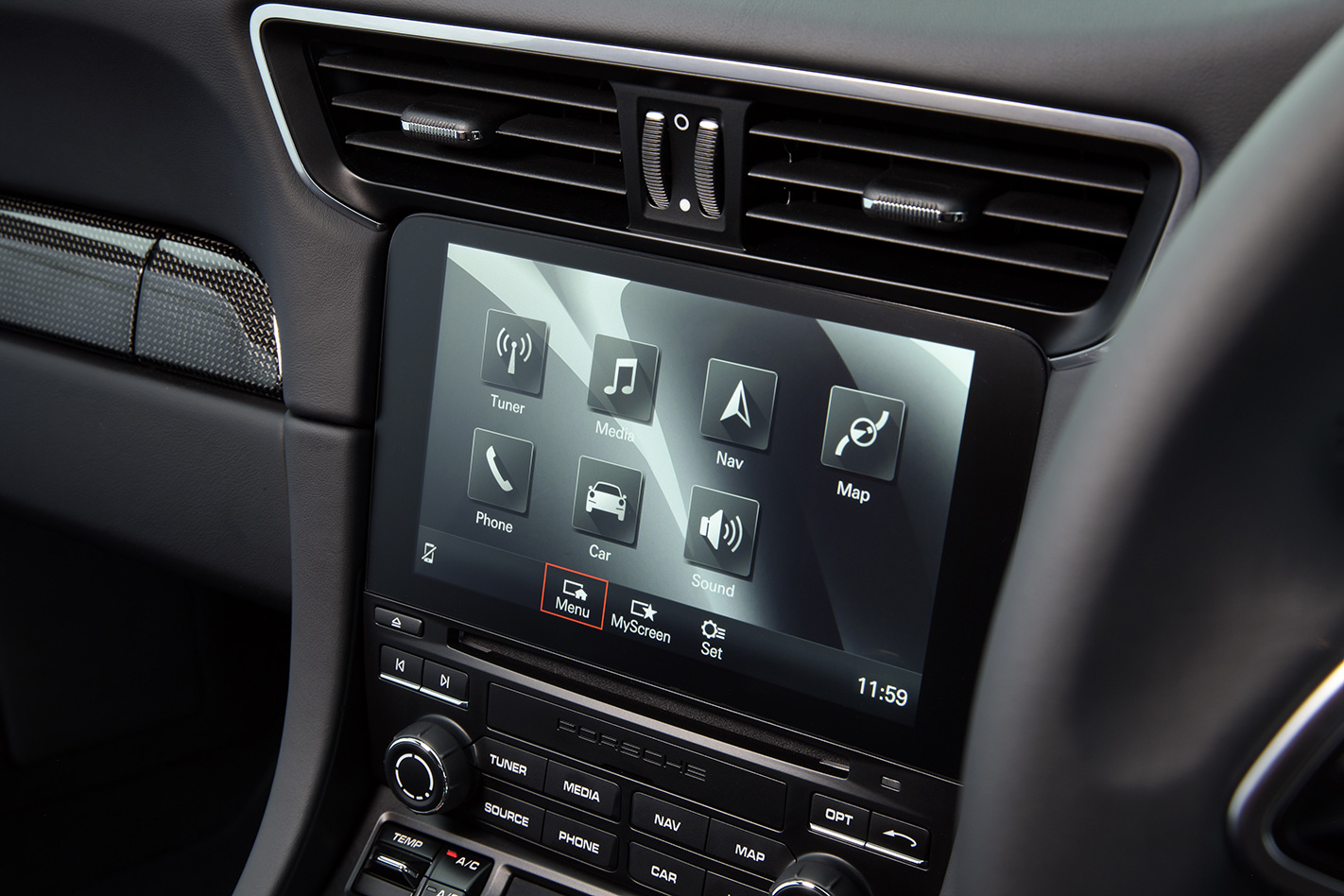
But otherwise everything else about this manual sports car is pretty bang-on: a nice shift knob, a near-perfect driving position, a delightful-to-use clutch, and a nicely-judged shift through the gates.
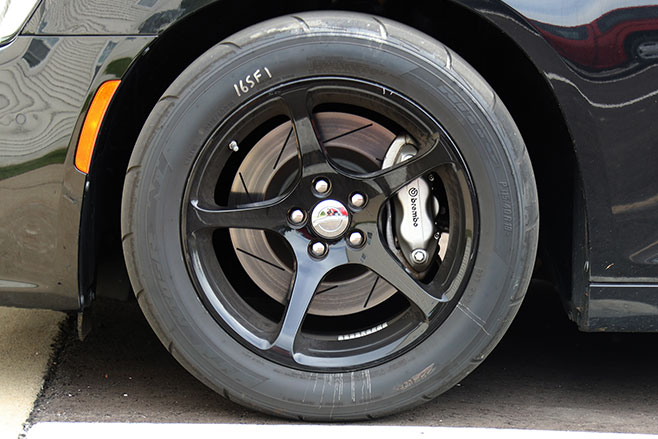
THE second-generation Chrysler 300 is six years old this year – retirement age for most cars. So why, then, has Chrysler bolted a set of Dodge Demon wheels and tyres to the hubs of this otherwise very standard-looking 300 SRT?
Spied in a Michigan carpark, this mule’s manufacturer plates indicate it’s not just somebody’s privately modified 2017 300 SRT – indeed, with the Chrysler 300 SRT having being discontinued in the USA back in 2015, Fiat-Chrysler is the only possible owner.
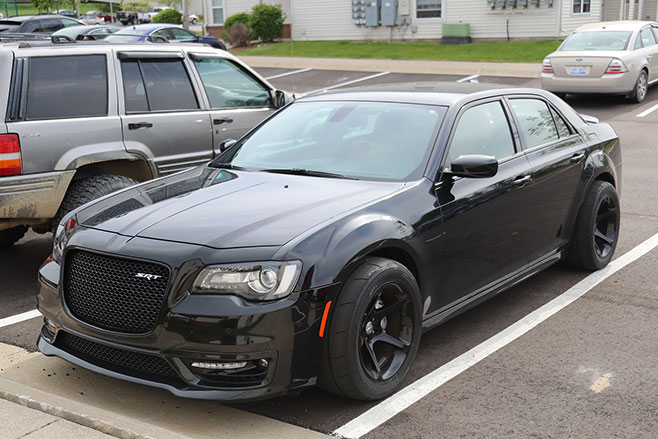
For starters, this could be a disguised development mule for the next-generation 300, and slapping on the Demon wheels and tyres simply an easy way of simulating a planned increase in track width. That said given the current 300 measures an already-girthy 1908mm wide, this theory relies on the 300’s successor swelling to truly gargantuan proportions.
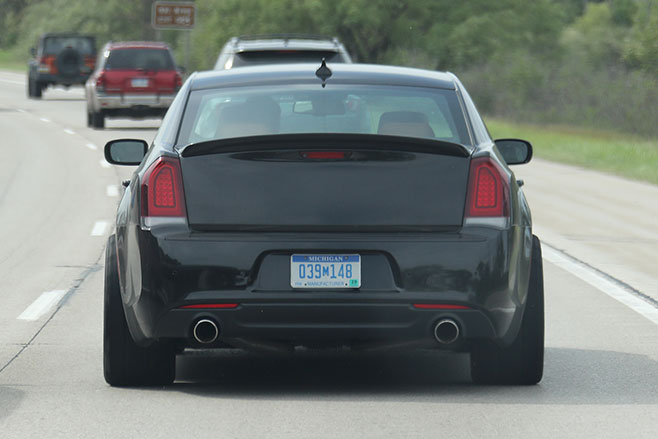
However, the interior appears to be standard Chrysler 300 fare. Hacked-up development mules usually wear plenty of interior camouflage to disguise the various joins and prototype systems being tested, but this car doesn’t appear to have any of that.
If it eventuates, will it come our way? Unlike our American cousins we currently enjoy the 300 SRT’s V8 delights (a model that accounted for 60 percent of local Chrysler 300 sales in 2016), but the other key market for that car is the Middle East. This prototype is left-hand drive too – had the steering wheel been on the right, that would have been the ‘smoking gun’.
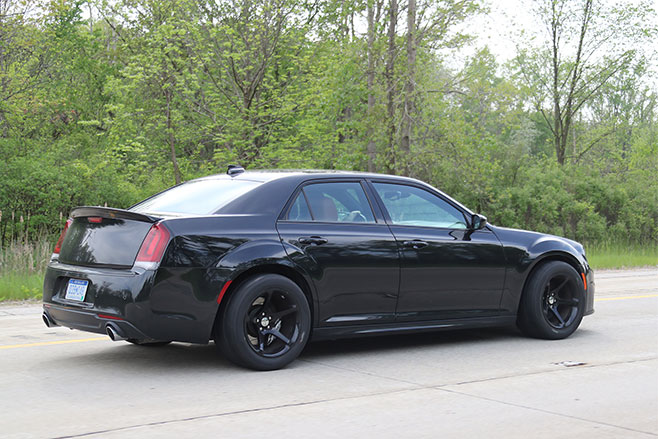
Fiat Chrysler Australia is keeping understandably quiet on the subject of a 300 SRT Hellcat, but we’ll be keeping a close eye on this one.
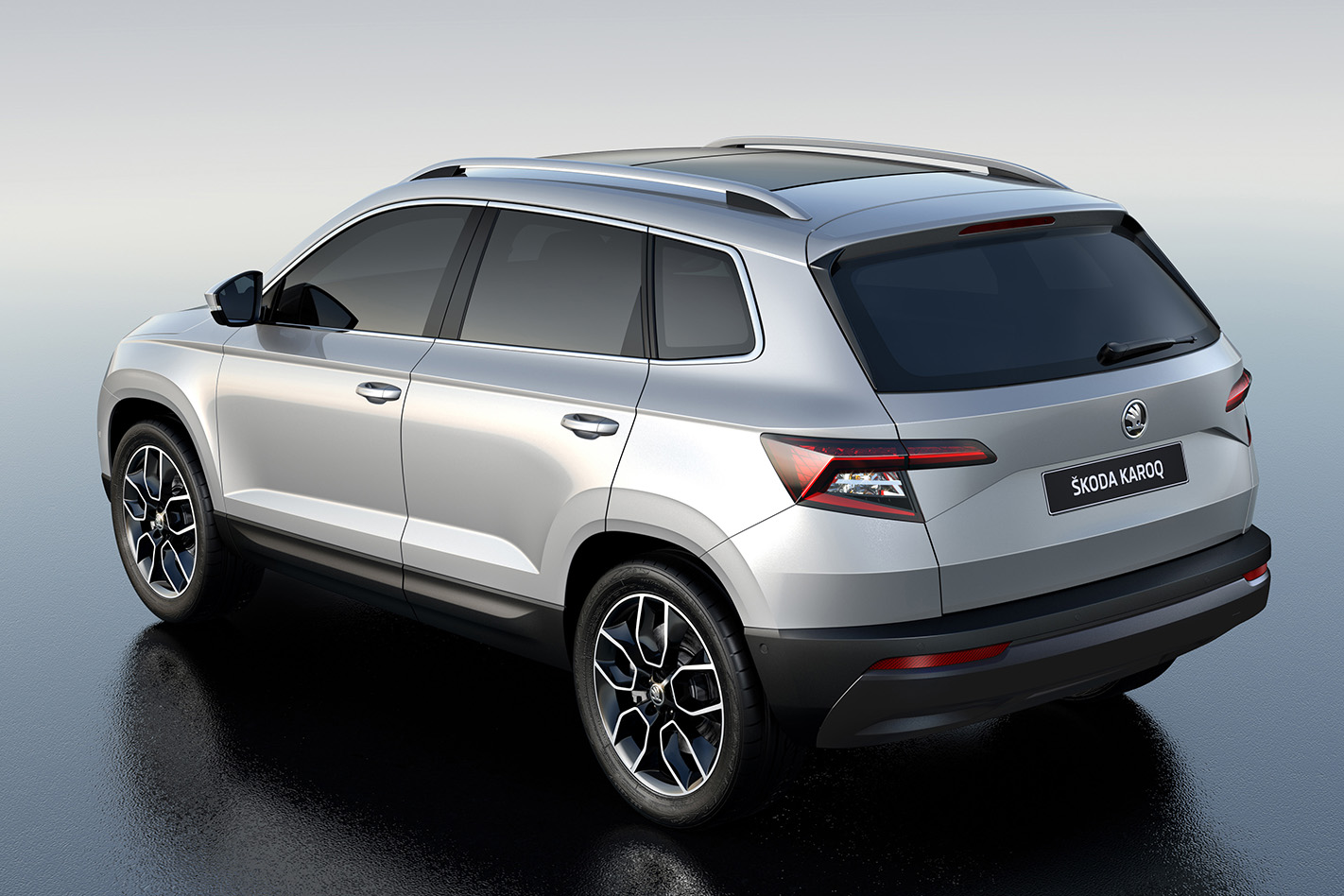
We’ve seen it leaked and teased, but Skoda has officially revealed its new Karoq SUV to take on the likes of the Mazda CX-3, Nissan Qashqai, and Toyota CH-R.
Expected to arrive in Australian showrooms by this time next year, the Karoq replaces the Yeti at the start of Skoda’s SUV line-up with more conventional SUV styling that complements the significantly larger Skoda Kodiak.
These will be followed by a powerful 140kW/400Nm 2.0-litre turbo diesel which also heads the European line-up.
Each powertain will be mated to either a six-speed manual or seven-speed DSG automatic transmission – except for the 140kW 2.0 TDI which will be auto only.
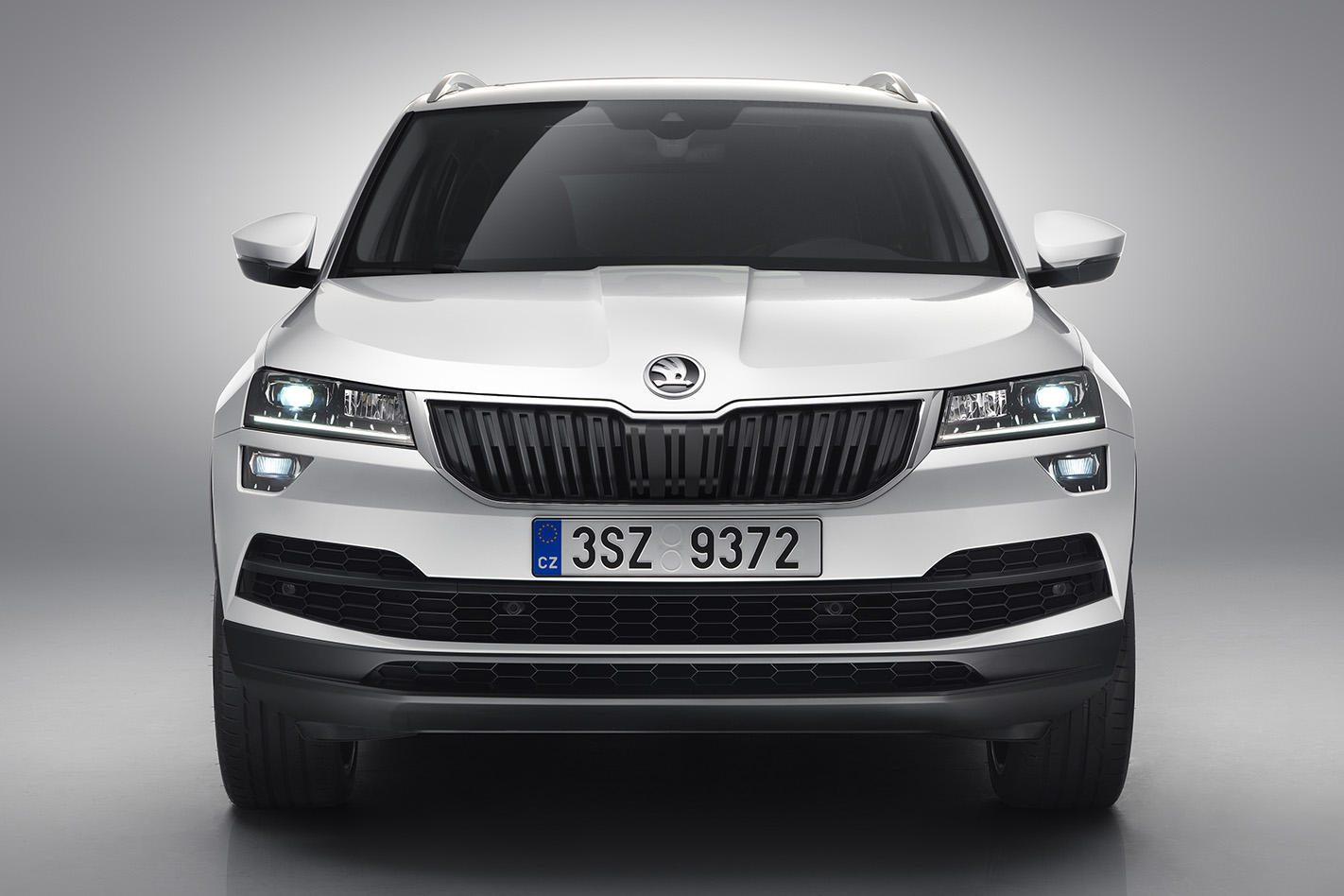
As previously revealed the Skoda Karoq will be available with the latest infotainment and advanced driver assistance options – including active cruise control, city brake assist, blind-spot detection and lane keeping assist – and it will be the first Skoda to feature a customisable electronic instrument panel.
It will also come with three smart keys which will activate their driver’s preferred infotainment, vehicle and seat settings when they unlock the car.
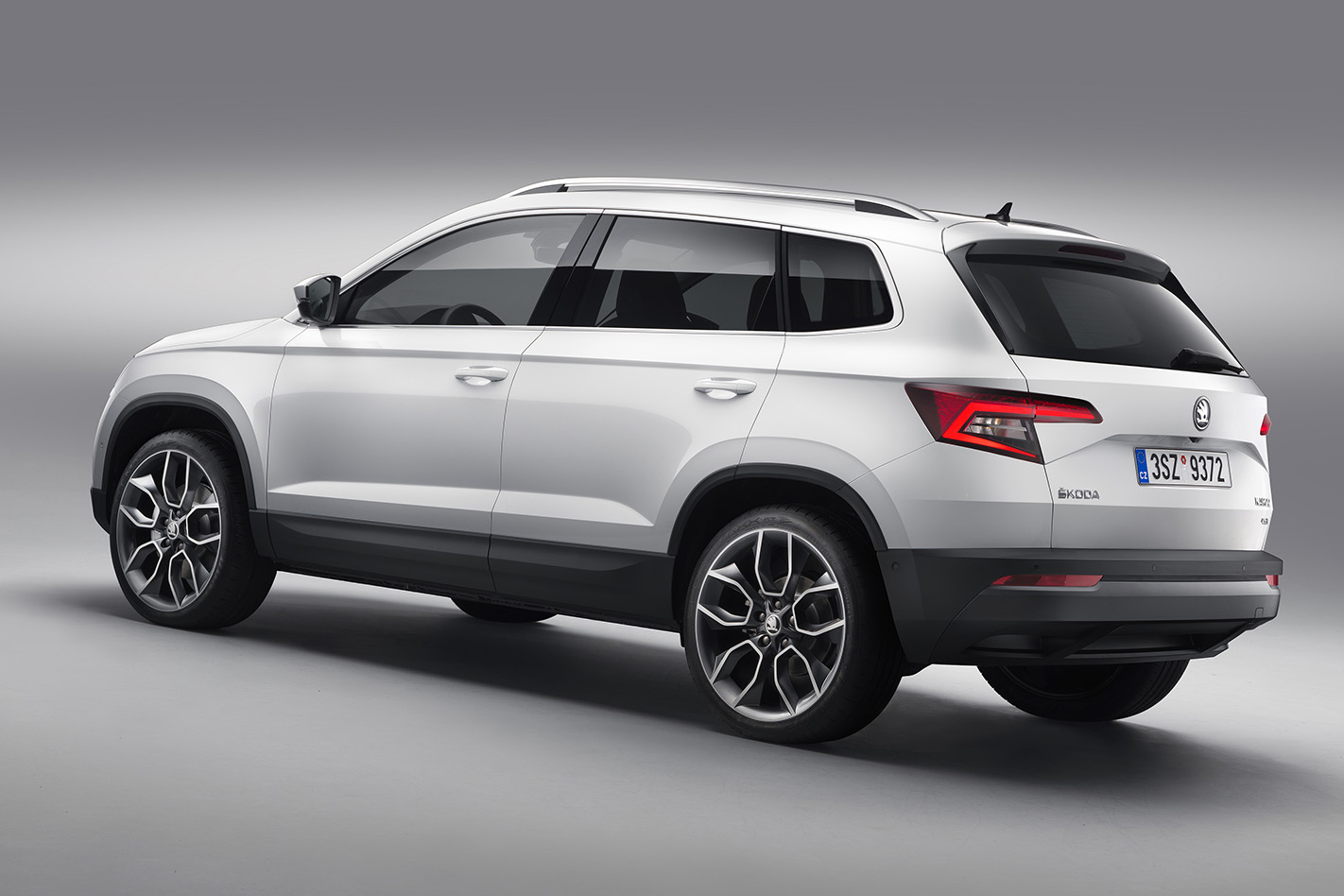
Other available features include a wireless smartphone charging pad, heated steering wheel, hands free tailgate, full LED lighting, heated front and rear seats and 19-inch alloy wheels.
The five-seater Karoq has a large 521-litre boot capacity, which expands to 1630 litres with the rear seats folded. With optional VarioFlex seating installed the rear seats can be easily removed to extend load capacity to a van-like 1810 litres.
Australian specifications and pricing will be confirmed closer to the local launch in the second quarter of 2018.
Nissan has let slip the first teaser image of its next-generation Leaf electric car, which is due to make its global debut later this year before going on sale in 2018.
Precise details are, predictably, still under a tight lid, though this tightly-cropped close-up of the new Leaf’s headlamp suggests the second-gen battery electric will sport a sharper and more dynamic look than the blobby, frog-eyed form of the current model.
And that’s in line with the expectations set by the Nissan IDS concept (below) that was unveiled at the 2015 Tokyo Motor Show, which showcased a slim glasshouse, ground-scraping bodywork and deeply sculpted sheetmetal.
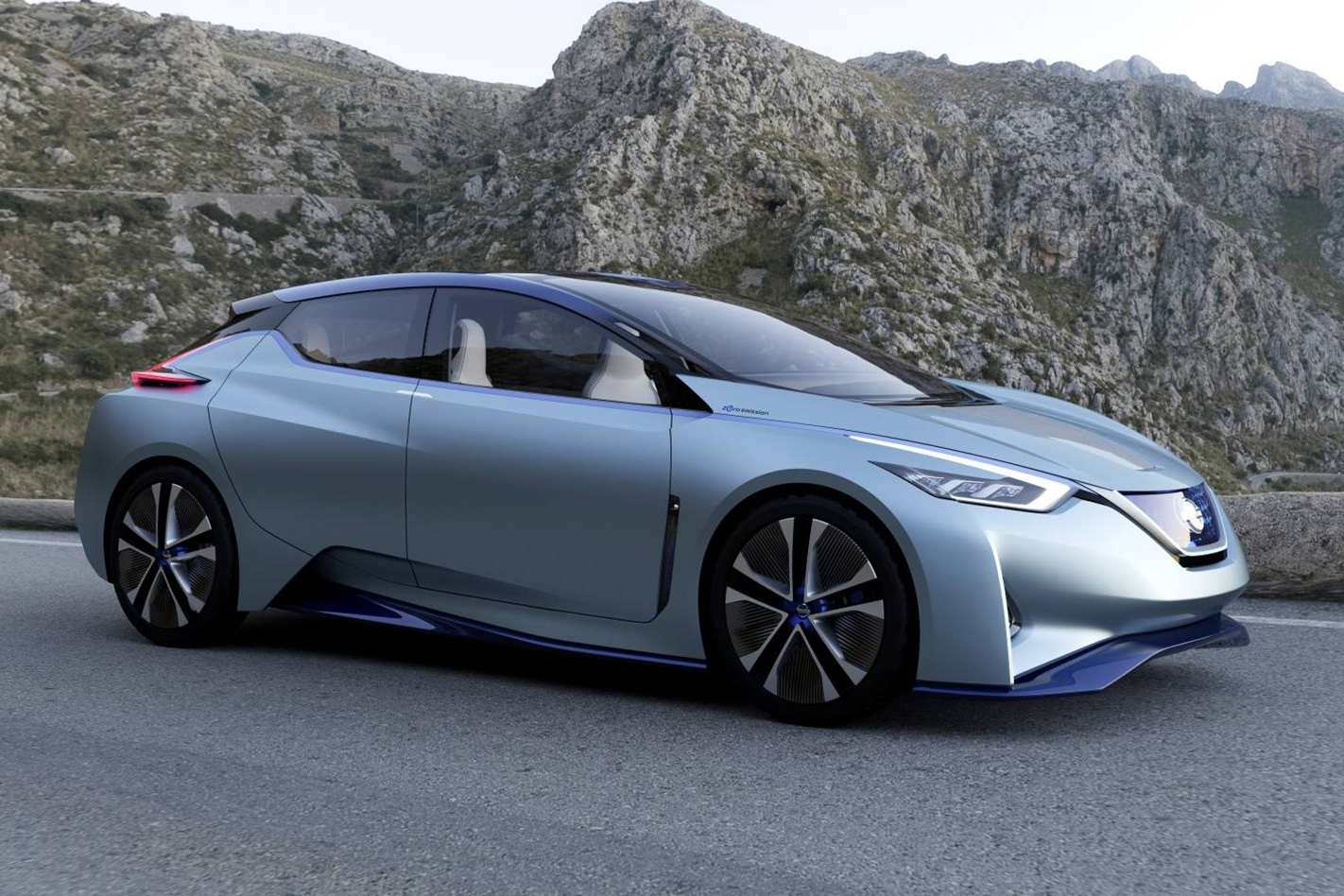
The IDS concept featured a 60kWh battery pack to feed its electric drive motor, and the production 2018 Leaf is expected to feature a battery with at least that much capacity. With more than double the energy storage of the existing car’s 24kWh lithium-ion battery pack, the second-gen Leaf could be able to drive for around 500km on a single charge.
Like the current-generation model, a two-battery strategy could be employed to keep the price of entry lower. A 30kWh battery is presently available on the Leaf in some overseas markets.
Unlike the current Leaf, though, the 2018 car may also showcase some of Nissan’s cutting-edge autonomous driving aids.
Nissan has employed the Leaf as a piloted driving testbed in recent years, and the IDS concept also featured many (theoretical) autonomous features. Whether the new Leaf’s level of automation extends to Tesla-rivalling levels remains to be seen.
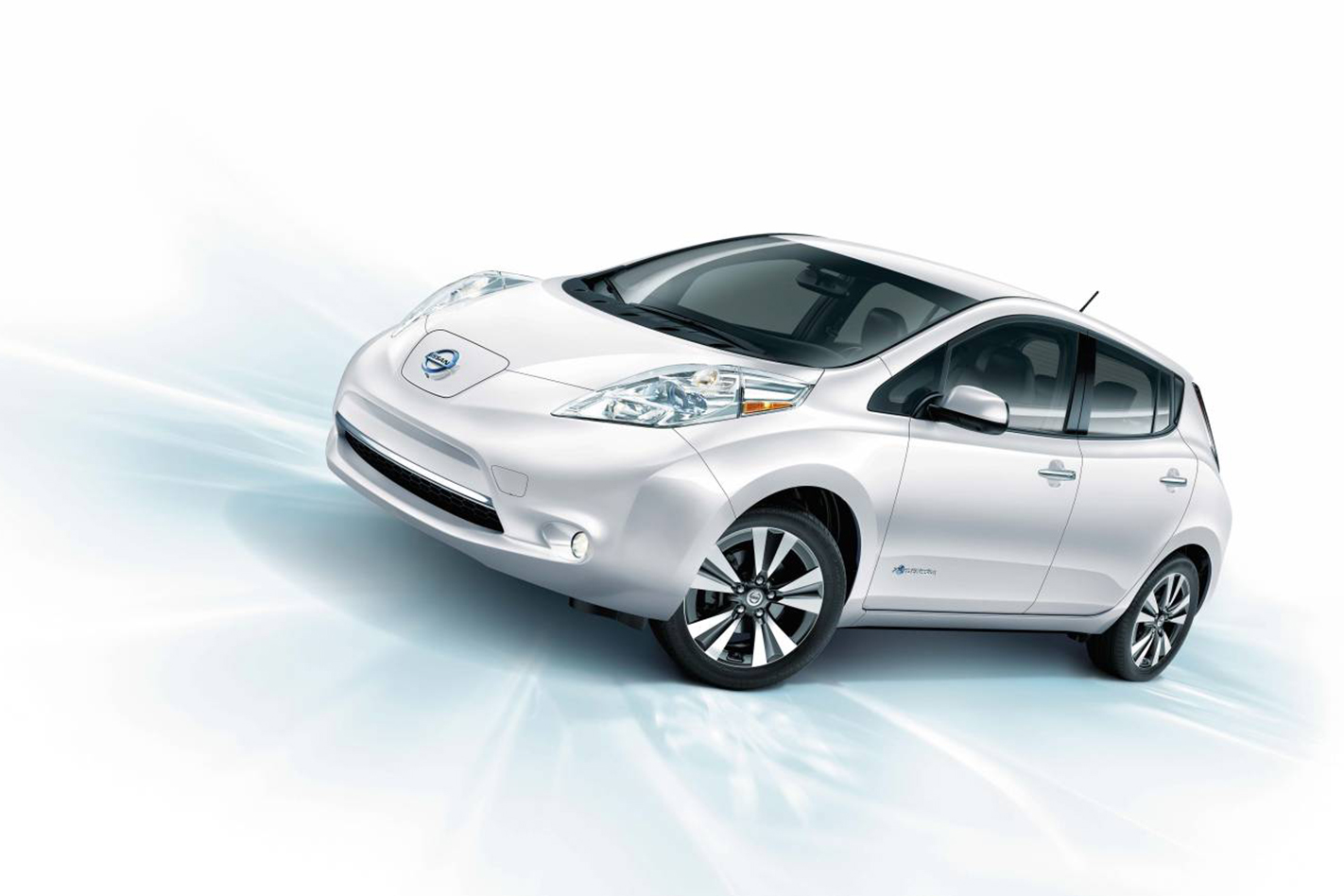
Currently the highest-selling electric car in the world with over 250,000 cars sold from launch to the end of 2016, the now seven-year-old Leaf is well overdue for replacement.
Locally, just 635 Leaf sales have been registered in Australia since its 2012 launch. Initially retailing for $46,990, the Leaf’s high price of entry combined with a lack of government incentives stymied its appeal on our shores. The price has since fallen, but with no Leafs sold so far in 2017 and only 42 sold in all of 2016, an all-new model could only improve the Leaf’s fortunes in Australia.
Expect more teasers of Nissan’s new all-electric hatch to drop in the coming months, with a full unveiling likely to occur at the Tokyo Motor Show in October this year.
Ford Falcon Sprints are getting pricey, driven by optimistic private sellers hoping someone will fork out over more than double the original price.
Bringing them undone, however, are realistic people deciding to advertise theirs for around (or barely over) the original asking prices – $54,990 for an XR6, $53,490 for a manual XR8, or $55,690 for an XR8 in auto.
Coffey Ford in Dandenong, Victoria, is helping this (sensible) trend along by advertising an XR6 Sprint for just $52,095, less than when they were new.
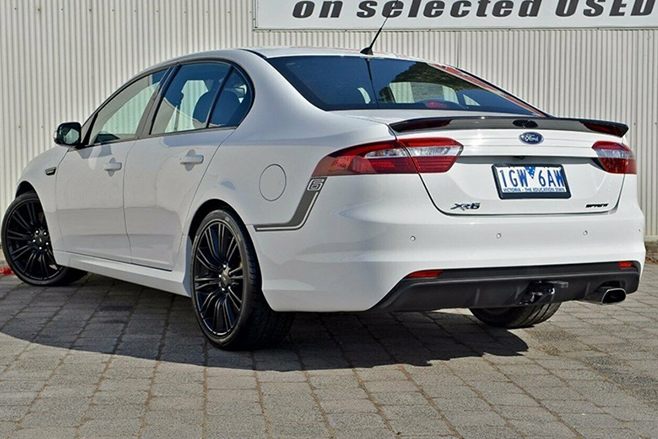
It also means there is plenty of mileage still yet to be enjoyed. It’s also painted ‘Winter White’, which with the black trim gives off a ‘Stormtrooper’ vibe.
The only thing in the advertisement that may need some explaining is the listed engine capacity – 51990000cc.
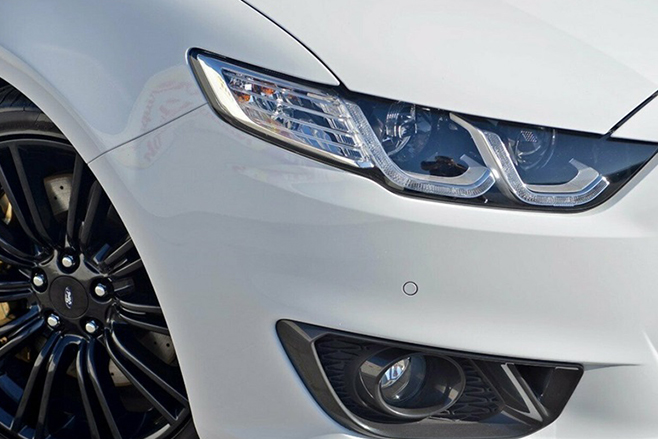
Cars that have been held onto as investments have started popping up too, with a few examples currently for sale with six-figures on the asking price.
All XR8s, the three we found are selling for $125K, $115K, and $100K with 25km, 65km and 2,000km on their respective odometers.
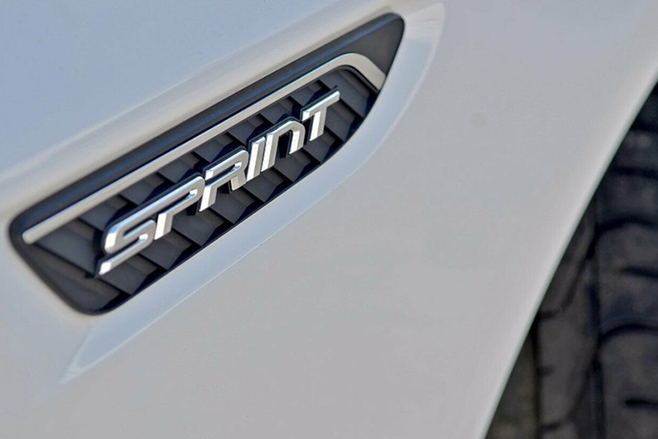
Their engines are probably in better shape for proper driving, too.
If you miss out on the one at Coffey, we also found two on TradeUniqueCars.com.au. One for $75K and one for $60K.
QUESTION – CAROL (question from 25/4/2017):
We are looking for a family car – we have an eight month old baby and a 18 month old child as well. We have shortlisted the Mitsubishi ASX petrol LS (negotiated to $24,000), Honda HRV base model or Kia Sportage base model petrol (negotiated to just over $28,000). I am a bit worried about the CVT transmission of the first two cars. Budget is approximated $25,000 but can stretch to about the $30,000 mark. We won’t be doing any off roading, It’s just a city SUV. We also may consider a third baby so having the option of fitting three car seats would be nice (but not essential).
BUDGET: $30,000
ANSWER – SAMANTHA STEVENS:
First up; the CVT gearbox is nothing to fear – unless you are a driving enthusiast. The way it operates makes for infinitesimal, frugal gear ‘changes’ and it is quite hardy in its design. If you’re worried about its solidity, there isn’t too much to worry about. If you simply don’t like driving one, you may be best with a traditional torque-converter auto or even a manual.With regards to the baby seats: we know what you are asking, but being able to fit three seats across is more dependent on your actual car seats than the second row of the car. Even light city cars can fit three across, if they are the right compact seats or boosters. Your capsule/seat/boosters need to have narrow bases and compact impact wings to begin with. The latter is particularly important; the newer car seats with side impact technology (such as the Britax and Maxi Cosi ranges) will fit narrow seats at the base, however their side impact wings are broad and fitting three across would be nigh-impossible in a compact SUV.
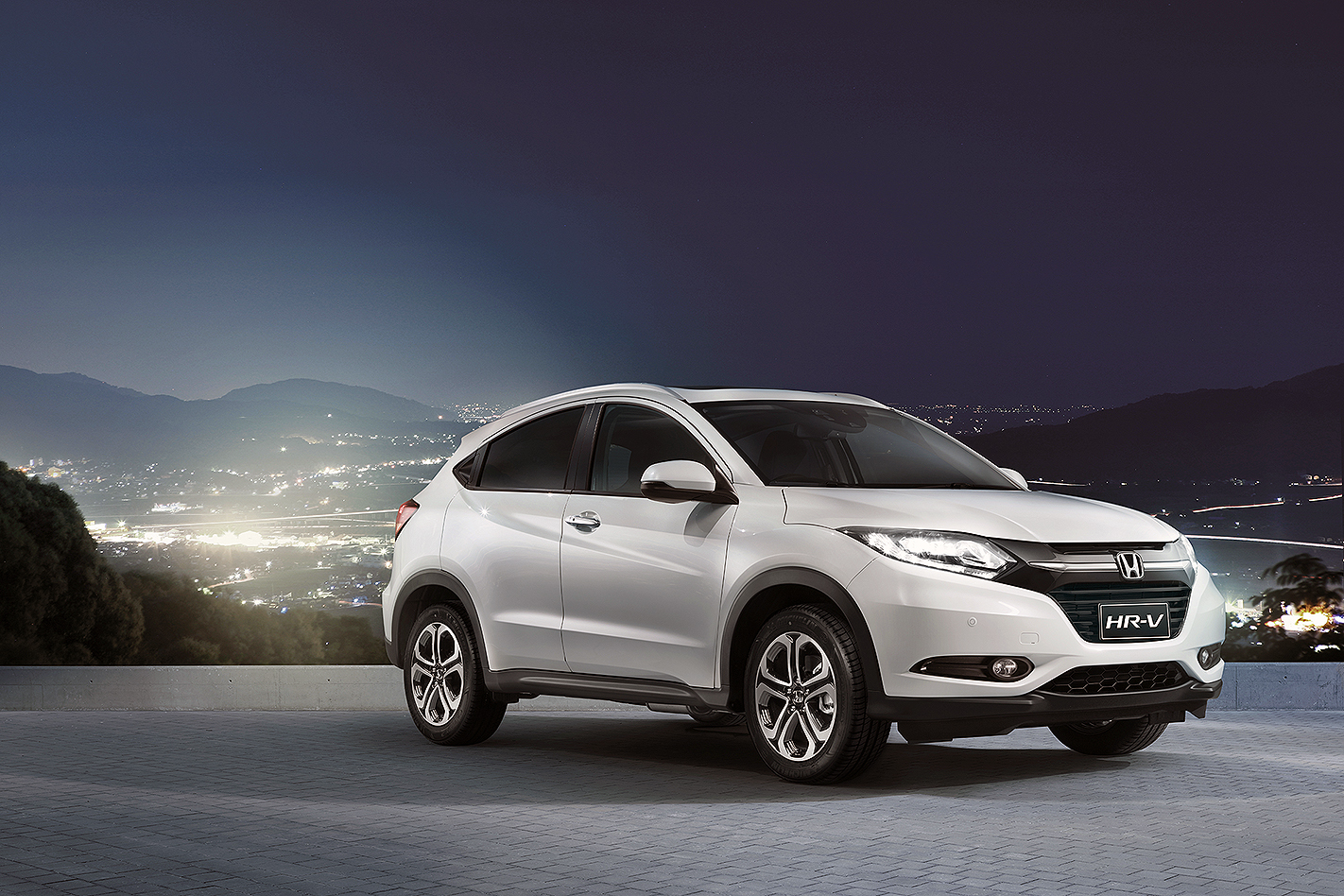
The top-shelf VTi-L at $34,340 has a lovely interior with heated front seats and a sunroof, sat-nav, dual-zone air-con, front and rear parking sensors, among other goodies – if used vehicles are in your sphere, you may want to explore this spec? At 437L the boot is one of the largest in this class, and has a wide opening to get everything in. Keep in mind you have servicing every 10,000km/1yr, where other brands have 15,000km.The Kia Sportage is an agile compact SUV with great featured for the price. The engines are frugal and responsive, fuel use is good, and the boot is a little compact but uses its space efficiently. Resale is still costly on a short turnover particularly for Kia, but you have that seven-year Kia warranty and capped servicing to keep costs down for the long-term, or to entice buyers if you sell the car within five or so years.
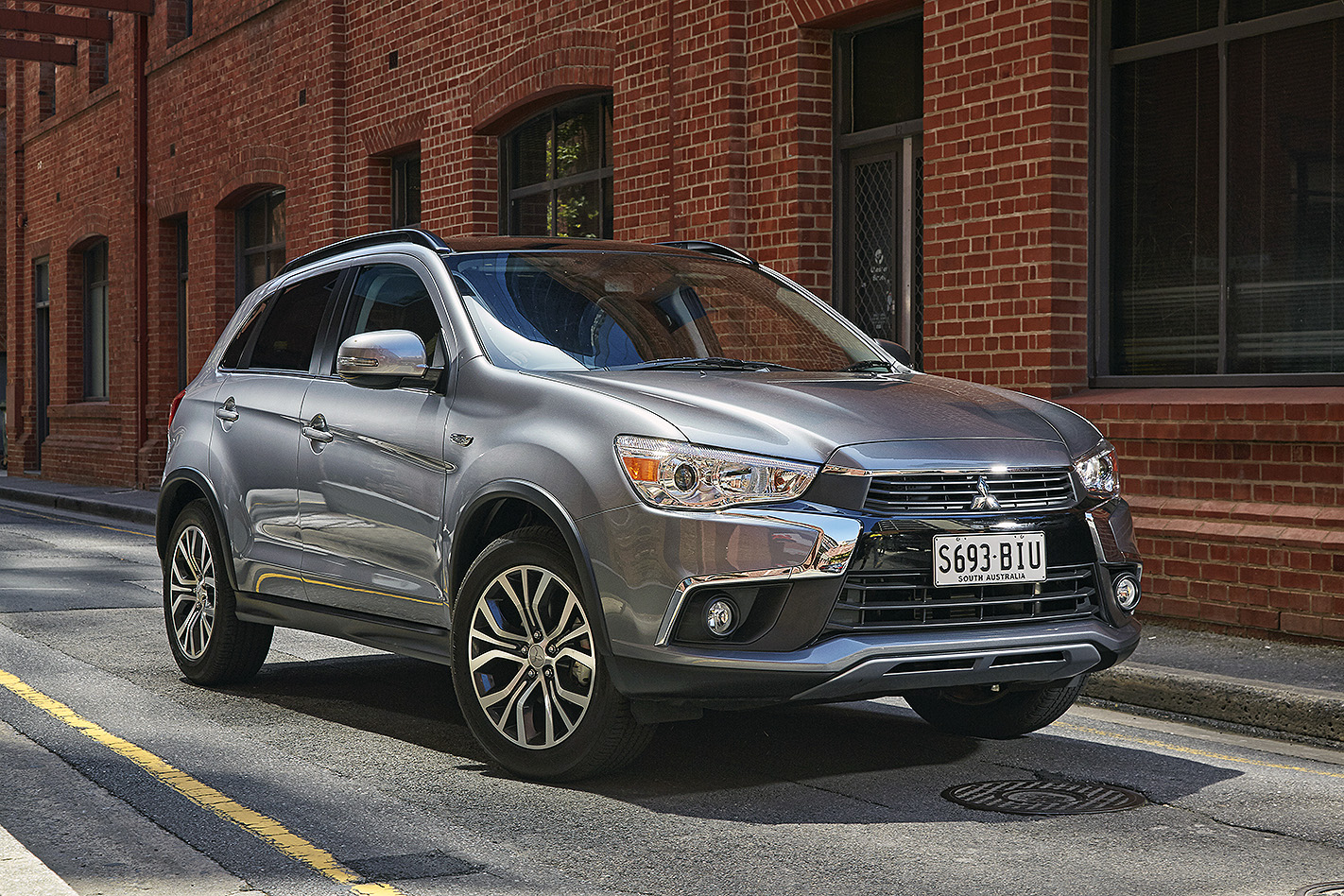
The Mitsubishi ASX is not as refined a vehicle, as it is a little older. The 2.0-litre petrol LS base model at $24,990 new is matched to a manual gearbox if you don’t like the CVT, and sips a litre more fuel at 7.6L/100km. The boot space is 393L, so again is quite big for this segment, and it has a five year warranty for peace of mind. However, the current ASX arrived in 2010, was overhauled in 2012, and is due for a facelift soon – this could lead to some good bargains, but it’s not so hot on the resale.
You may also want to consider the Nissan Qashqai, formerly the Dualis. The base 2.0-litre manual petrol is $25,990 new, or $28,490 for the auto. It has a 430L boot, excellent safety rating, and has funky storage compartments under the boot floor and above the wheel arches.We would highly recommend you test drive each model and variant to assess which works best for you and to narrow down your choices.
Australia’s road toll rose to 1300 deaths last year, prompting governments and administrators to blindly push forward with plans for even more draconian emphasis on speeds and fining drivers. Not better training or licencing.
In fact, the more-of-the same ‘single policy’ approach is bizarrely prompting governments to claim deaths on our roads can reduce to zero.
An investigation Wheels has found a collective blinkered approach to road safety, with speed seeming to be the only culprit in the minds of our policymakers.
“No-one suggests that a vehicle travelling at speed doesn’t pose a risk, but to slavishly claim that more draconian speed limits and bigger fines will rid Australia of road deaths is breathtaking,” notes editor Alex Inwood.
“Disturbingly, this is the blinkered mindset of the people who formulate, legislate and police the road safety laws in Australia. The answer to reduce the road toll seems to be ‘more fines, more legislation and even lower speed limits’, while lessons from overseas on improving driver training and driver education are being ignored.”
THE PRICE OF THE TOLL
- Last year the national road toll reached a four-year high of 1,300 with deaths in WA rising 20.6 percent and Victoria by 15.9 percent. Victoria has poured the most into a high-profile effort to reduce road trauma, with an emphasis on speeding and fines. Last year there were 1.5 million camera fines issued in Victoria, raising $356 million in revenue, with many of the state’s cameras ‘hidden’ from the view of motorists.
- Despite the trends, politicians in our two most populous states (New South Wales and Victoria) are backing a campaign called ‘Towards Zero’, which claims a road toll of zero is not only desirable, it is definitely achievable. This, without fundamentally changing other road safety factors – including rural road quality or the way we train (and license) people to drive in Australia.
- Apart from the ongoing emphasis on speeding and supposedly ‘curbing’ driver behaviour through fines, there is also talk of reducing some highway limits to 80km/h and even having wire rope barriers dividing roads (to prevent any form of overtaking).
- The road safety authorities that Wheels spoke to were dismissive of the concept of improved driver training.
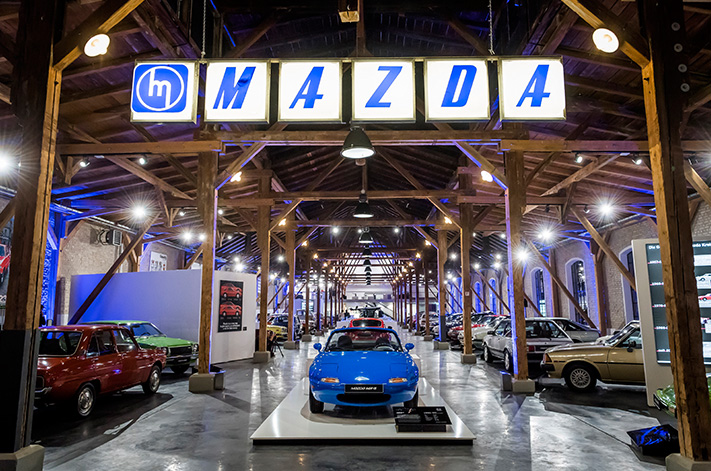
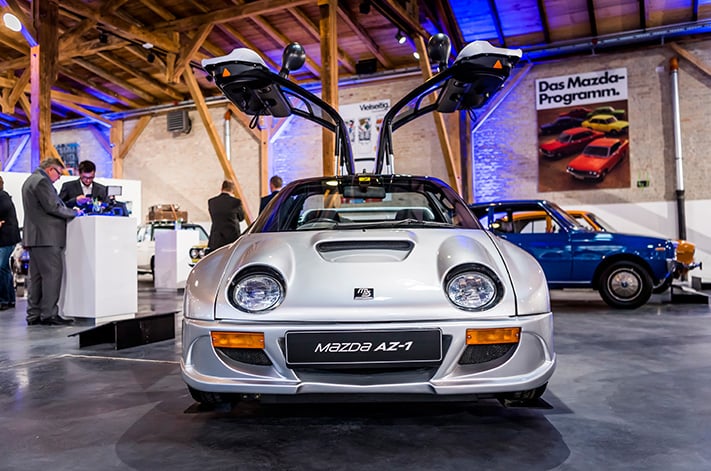
The Mazda Classic – Automobil Museum Frey does exactly what it claims, showcasing a collection of 45 vehicles old and new from the Hiroshima manufacturer.
Models currently on display include a 1967 Mazda Cosmo Sport, a 1969 Mazda Luce R130 and several generations of RX-7. You’d expect these, but it’s the scattering of genuine rarities like a rotary Parkway bus or a rotary pick-up truck that will give the curious plenty to pick over.
2016 LA Motor Show: Mazda rotary engine to return in 2019
Housed in a refurbished tram shed dating from 1897, the cars on display represent but a small proportion of the personal collection of Walter Frey and his sons Markus and Joachim.
“Everyone at Mazda headquarters is very proud that the Freys are a part of our organisation and have created something so extraordinary.”
The proprietors plan to rotate the selection to keep things fresh, with additional gems from the Frey’s collection of 120-plus vehicles destined for the exhibit. If you’re travelling anywhere near Augsburg in southern Germany, pencil a couple of hours downtime into your schedule.
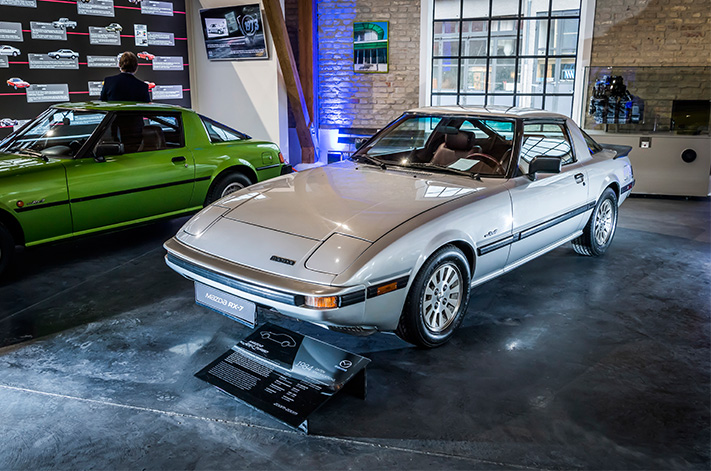
Whether you’re looking for greater amounts of equipment (mainstream) or a greater level of prestige (luxury), the end-of-financial-year period up to the end of June is a great time to buy a new vehicle.
To ensure you’re getting the best value as well as the best price, WhichCar’s sister brand Wheels has dotted the i’s and crossed the t’s for the top three $45-65K medium SUVs based on running costs.
Wheels’ Gold Star Awards scored cars out of 100. Real costs comprising three-year depreciation and a year’s insurance and fuel expenses accounted for 80 per cent of the score, with 10 per cent each for servicing costs and warranty.
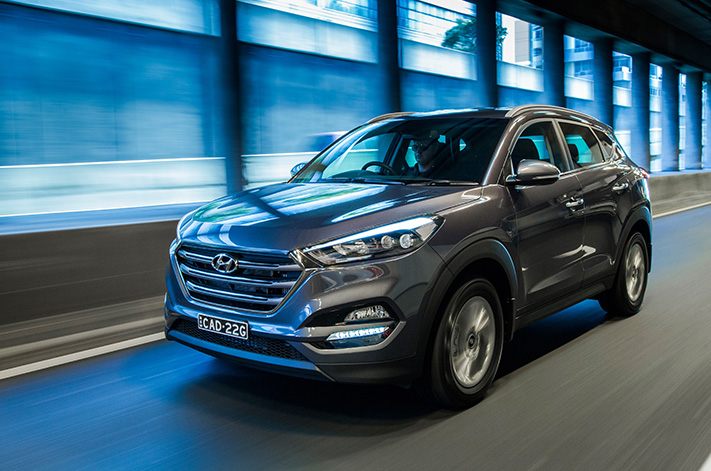
The Kia Sportage and Hyundai Tucson both featured in our Medium SUV Under $45,000 category, and they make the grade again here – this time in range-topping Platinum and Highlander trim grades, respectively.
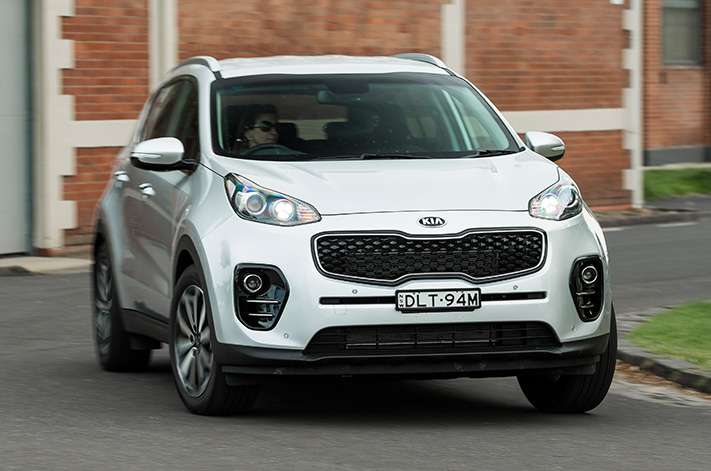
Sharing the same fuel costs (with the same 400Nm 2.0-litre turbo diesel), service intervals, and depreciation, and similar insurance quotes, there’s little to separate the two Korean models.
The Kia, however, edges gold with a warranty that extends two years beyond the Hyundai’s still-generous five years. It’s a big bonus that the Sport Platinum also impresses with the quality of its cabin and engineering.
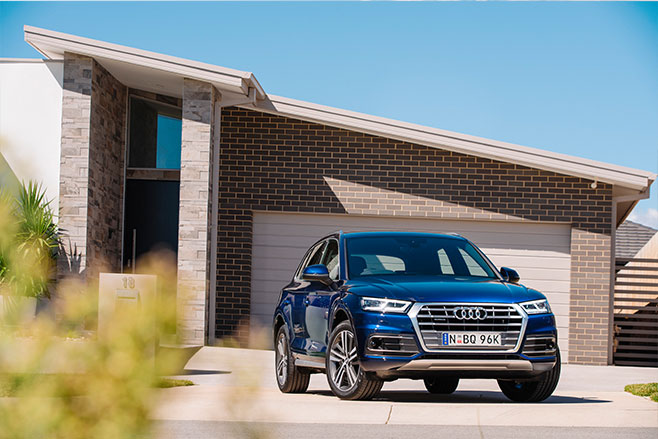
Mid-sized luxury SUVs priced below $65,000 are helped in the value stakes by being virtually immune to the government’s harsh Luxury Car Tax, and several models – including the Audi Q3 2.0TDI, Audi Q5 2.0 TDI and Lexus NX300h hybrid – were notable contenders in this category.
It was the Range Rover Evoque, though, which grabbed bronze behind the silver-medal Tucson. In Td4 150 Pure guise, the Evoque costs about $10,000 more than the Kia or Hyundai but its diesel engine is markedly more fuel efficient (4.8 v 6.8L/100km) and it retains its value better after three years (61% v 53%). As with most luxury brands, though, Land Rover provides only a three-year warranty.
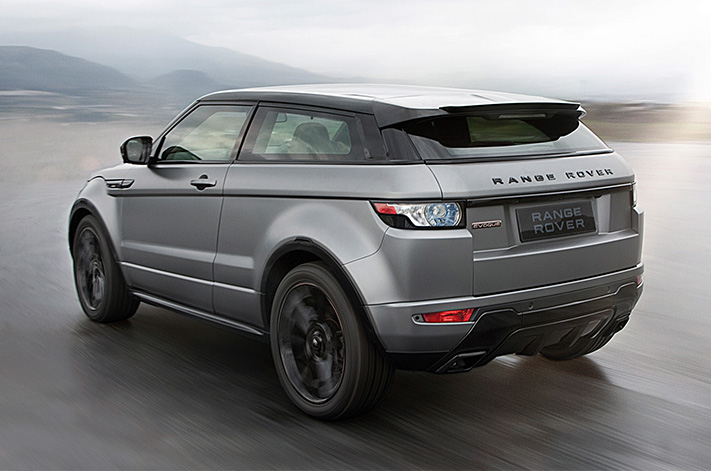
The Kia Sportage Platinum is being offered with a $1000 “factory bonus” deduction as part of the company’s EOFY offers, while Land Rover is allowing buyers to save the GST component on its Range Rover Evoque. There are no deals currently available for the Hyundai Tucson Highlander.
WE HAD a lot of fun writing the Bentley Bentayga Falconry by Mulliner story edition that suspiciously went live on April 1 this year.
No doubt, our tenacious and sceptical readers picked up on how far-fetched the esoteric version of the British car maker’s luxury SUV was, which we claimed offered a range of bespoke modifications specifically catering for enthusiasts of the sport of Falconry.
The story came on a day when many of the major motoring publications and car makers put on their silliest thinking caps and hatched wild ideas to dupe their audiences.
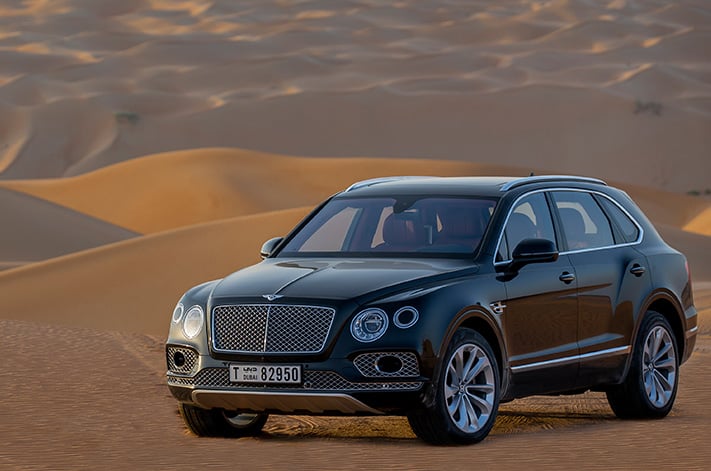
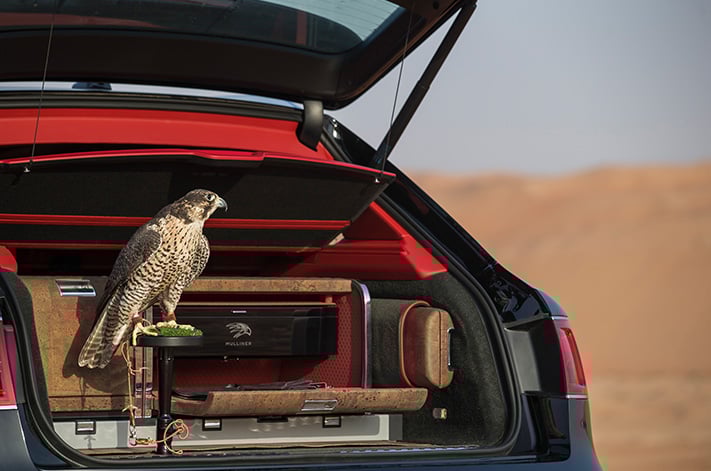
How we chuckled to ourselves when we described the special perches, that are now confirmed as part of the deal, and imagine how we rolled on the floor when we wrote about the tailored boot cases for storing jesses and hoods. Oh wait, that’s confirmed as well?
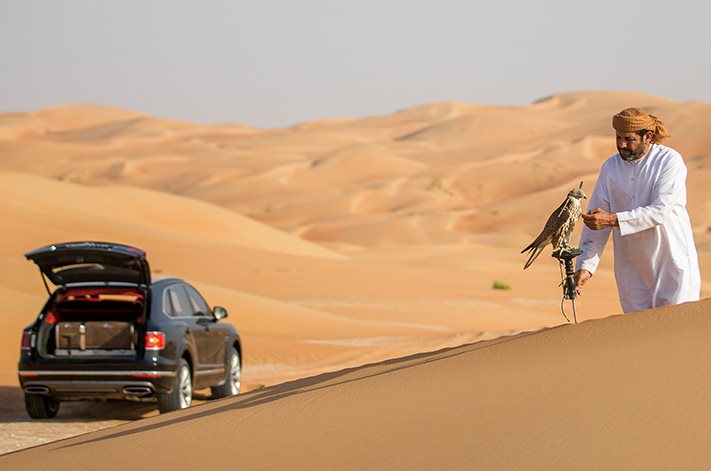
The special edition of Bentley’s ultra-luxury SUV has been created for affluent fans of the British brand in the United Arab Emirates, where falconry is a noble sport popular particularly among the well-heeled and royalty – the sport of kings, says Bentley.
Those who place an order for the highly-specialised Bentayga will receive a number of bespoke features crafted by the Mulliner magicians that will enable Falconers to enjoy their sport in unrivalled luxury.
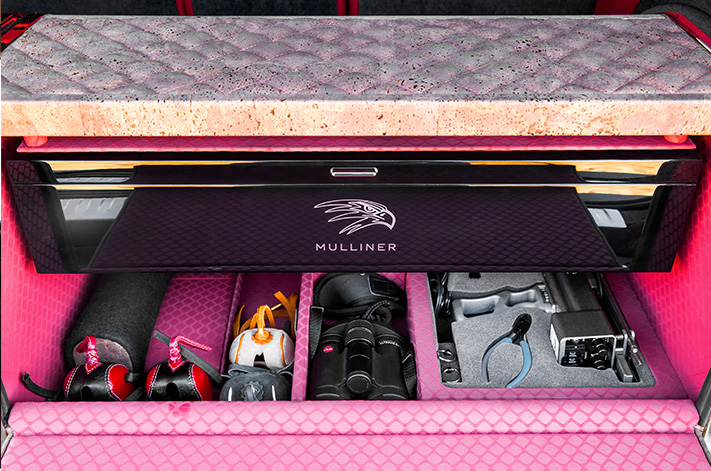
A pair of storage units form the ‘master flight station’ and are upholstered in a new cork fabric, which has been developed by the car maker in its quest for new luxurious and unique materials. Previously, Bentley has produced stingray leather and a rare stone veneer for dashboards to name just two.
The storage units are tailored for the Bentayga’s boot and slide on a rail system to maximise boot versatility. On request, Bentley can provide many of the specialised tools and equipment for falconers, including a GPS bird tracker, Leica binoculars, hand-crafted hoods and gauntlets.
A separate refreshment case houses three flasks for hot and cold drinks, matching cups, a blanket and face freshening cloths to make days in the unforgiving desert all the more enjoyable.
More of the cork material covers the boot floor and rear sill protector.
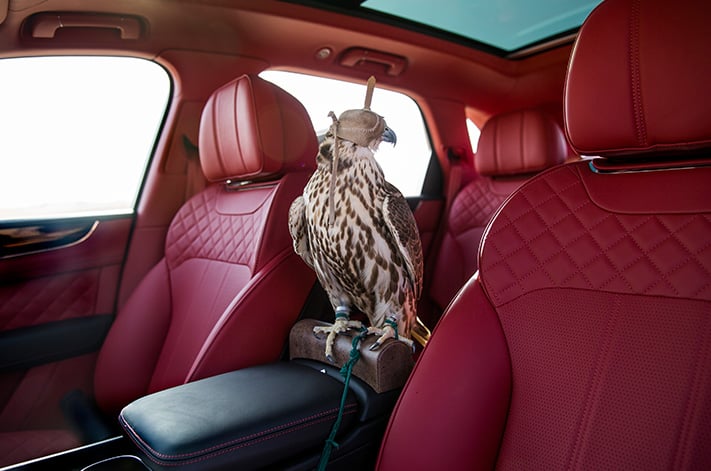
A third removable perch is provided within the Bentayga’s Hotspur hide-trimmed interior located on the armrest between the two front seats, allowing the highly-prized birds to be transported in the same comfort as human passengers.
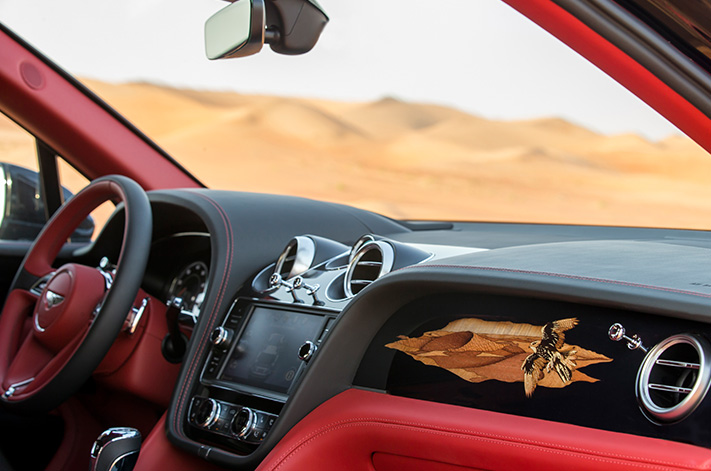
The incredibly detailed scene features a Saker Falcon – the finest breed for falconry – soaring over the desert and is crafted over nine days using 430 individual pieces of wood veneer.
You still don’t believe us right? Sorry, but it seems like we had the last laugh.