
‘OF ITS time’ would be one way of describing the HSV GTS-R. There’s no doubt that Clayton’s winged wonder is a high-proof hit of pure Nineties bravado, but it’s hard not to love something this extreme.
Watch as editor Alex Inwood gets distracted from his 474kW slug of here and now, seduced by 215kW of attitude dressed up in big licks of carbon fibre, three-spoke alloys and retina-searing XU-3 Yellah.
Video: HSV GTS-R W1 vs HSV Senator LSA drag race
Every bit as advanced back then as the W1 is today, the original HSV GTS-R became a cult, its stroker 5.7-litre engine giving the car an authentically cantankerous motorsports vibe. With HSV celebrating thirty years of production, it’s well worth checking out what has to be one of the company’s engineering high water marks.
SUVs are usually pretty polarising, especially when they’re meant to be performance-focused, but this Cayenne might be an acquired taste for everyone.
It’s the 30th anniversary for German Porsche tuner Techart, and that’s good cause for a celebration. The company has been re-working Porsches for… well, 30 years. It’s recognised as an independent manufacturer, and has been putting its collective skills to good use.
Below is a pair of Porsche 718s which Techart left its mark on. Below that, is its new Cayenne Magnum.
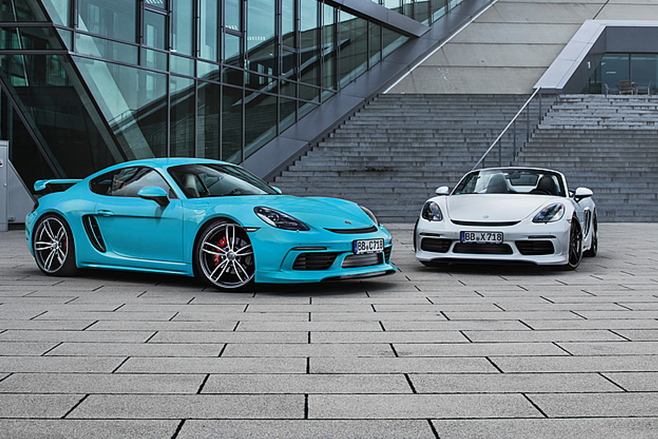
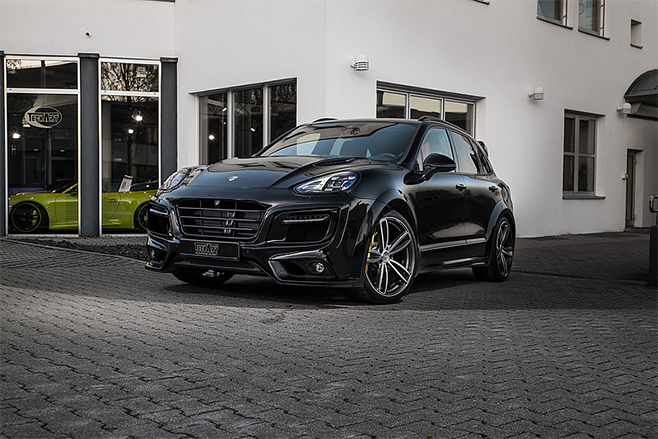
Sure, it’s not terrible. You might even really like it. But it does look like something Darth Vader would drop the kids off to school in.
Let’s have a look at what’s going on here, just before we get to the nitty gritty performance specs.
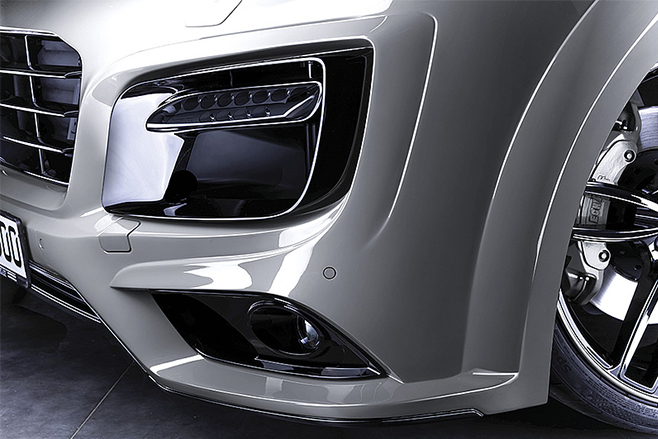
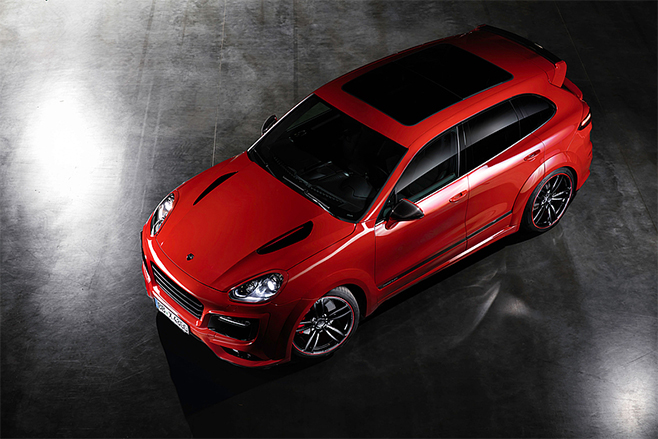
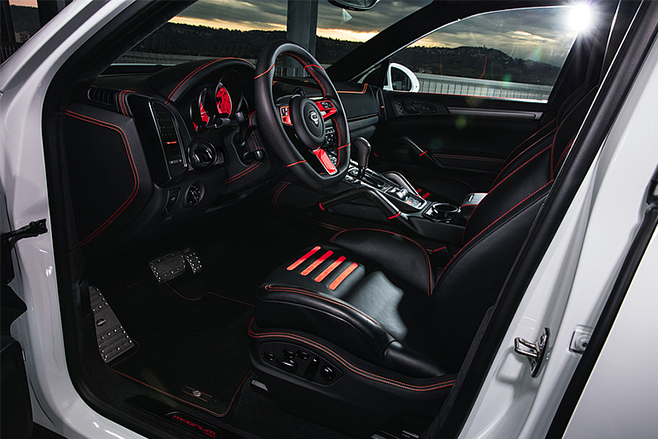
A standard Cayenne Turbo S has 419kW. Techart’s has 530kW. It also takes the already massive 800Nm of torque up to 920.
Though Techart doesn’t supply a weight for its Magnum, we have to imagine it’s put on a few kilos, considering it does 0-100km/h in 4.0 seconds, 0.2 slower than a standard Turbo S.
Volkswagen has detailed the 2017 Golf 7.5 line-up for Australia ahead of its arrival in July this year, including a more expensive – but value-packed – entry point, more Alltrack crossover variants and the permanent addition of the Golf R Wagon to the family.
The previous 1.4-litre base 92TSI wagon and hatchback have been culled from the range and are replaced by a more powerful 110TSI version, kicking off from $23,990 before on-road costs for the six-speed manual hatchback or $26,490 when optioned with the seven-speed DSG dual-clutch auto.
That price represents a $1150 increase over the outgoing Golf 7 92TSI, but its replacement offers a power boost to 110kW and specification closer to the previous Comfortline version, Volkswagen says, which was on offer for $28,340.
For the new base model, Volkswagen has added autonomous city braking, a larger 8.0-inch touchscreen with Composition Media and App-Connect, reversing camera and 16-inch alloy wheels, as well as the light facelift that brings LED tail-lights and LED daytime running lights at the front.
Above that, the 110TSI Trendline is available as both $24,990 hatch (DSG costs $2500 extra) and $27,490 auto-only wagon. In addition to the base 110TSI’s standard gear, the updated 110TSI Trendline grade gets automatic headlights, wipers and self-dimming rear-view mirror, front and rear parking radar, lumbar adjustment for the front seats and a central armrest with cup holders for rear passengers.
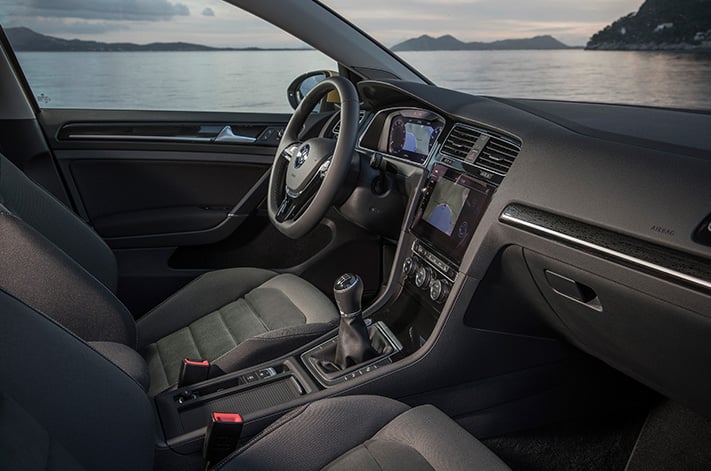
On the outside, the Trendline is identified by its black roof rails for the wagon and a different Toronto design for its 16-inch alloys.
Moving up to the 110TSI Comfortline grade costs $28,990 for the hatch or $30,490 in wagon guise with DSG auto the only transmission available. Extra equipment over the lesser variants includes Air Care dual air conditioning with allergen filter, navigation and Media Control added to the 8.0-inch-screen information and entertainment system, comfort-spec seats with passenger storage drawer and chrome interior trim highlights.
For the Wagon there is more chrome added to the roof rails, while ‘Dijon’ design alloy wheels gain an inch in diameter to 17-inch for both wagon and hatch.
At the top of the regular Golf 7.5 hierarchy, the new Highline grade offers the most generous equipment list combined with the same 110TSI petrol engine and DSG auto from $34,490 ($35,990 Wagon) or a 110TDI diesel four-cylinder from $36,990 (38,490 Wagon).
Opting for the diesel donk brings the same 110kW of power as the petrol but with a hearty 340Nm of torque.
Extra kit over and above the Comfortline includes front fog-lights, sports seats with part Vienna leather in a choice of black or grey and electrical adjustment for the driver, colour multi-function display for the driver, keyless unlocking and engine start, panoramic glass sunroof, and LED interior illumination with ambient lighting.
Outside, the Highline has dual LED headlights and 17-inch Karlskoga wheels.
For the Golf 7 range the more all-terrain focused Alltrack was only on offer in one petrol variant, but the popularity of the model has prompted Volkswagen to introduce a second more luxurious petrol version as well as a diesel for 2017.
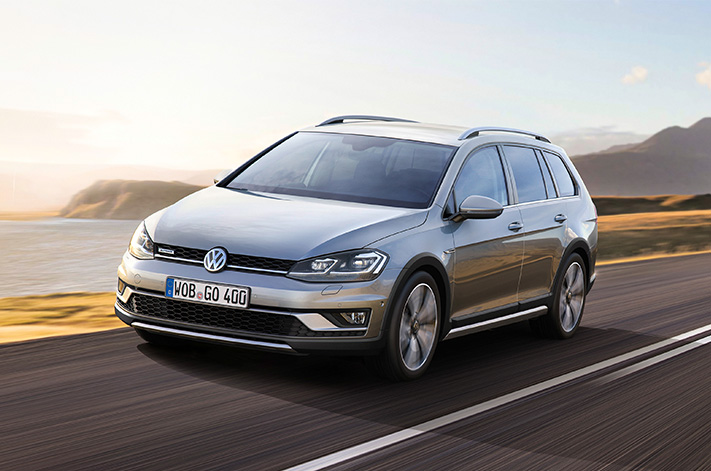
As before, the Alltrack is available with a 132kW 1.8-litre TSI turbo four-cylinder petrol engine coupled to a six-speed DSG automatic transmission for an opening price of $34,490, representing a $3850 saving over the outgoing version.
The new entry-level version brings cloth interior with leather for the steering wheel, the same 8.0-inch touchscreen as the rest of the range, Air Care air conditioning, 17-inch alloy wheels in Valley design, LED tail-lights, parking radar all round and several driving modes with an off-road mode to complement the boosted ride-height and 4Motion four-wheel drive.
For customers wanting equipment that more closely aligns with the Highline specification of the Golf hatch and wagon, the petrol Alltrack is also available as a Premium variant for $38,490.
At the top of the Alltrack pack, a new 135TDI Premium is on offer for $40,990 bringing the same specification as the petrol equivalent but with a 2.0-litre diesel that pumps out 135kW and 380Nm, matching the torque output of the new refreshed Golf R.
Speaking of which, there are significant changes in the Golf performance family as well.
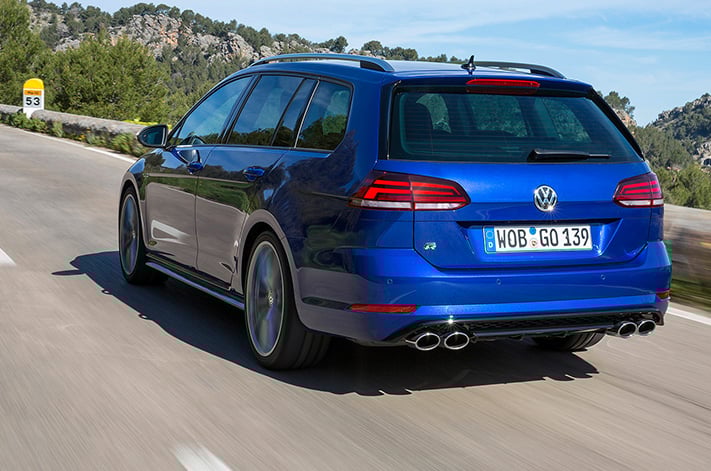
Previously, customers were only offered the Golf R Wagon in special Wolfsburg trim but, following significant demand for the hottest boot-boosted wagon, the German car-maker will now be offering a ‘standard’ R Wagon from January 2018, with pricing yet to be announced.
An engine upgrade to 213kW from 206kW and a number of kit enhancements including a bigger 9.2-inch touchscreen, gesture controls and a mild facelift are now offered for the updated Golf R hatch for an unchanged $52,990 in manual guis, or $55,490 for the auto.
Wolfsburg Edition versions will also be offered once again, but will be limited to 300 examples each for Wagon and hatchback. Pricing and launch timing will follow.
The specials add a different design 19-inch wheel set, carbonfibre mirror caps, carbon-patterned Nappa leather, special paint choices and extra driver assistance features.
The venerable Golf GTI completes the range-wide update, bringing a more powerful standard GTI, which now aligns with the previous limited edition Performance version with 169kW. Pricing starts at $41,490 for a six-speed manual or $43,990 if you want the seven-speed DSG.
A GTI Performance Edition 1 special edition will also be on offer priced from $47,990, resurrecting the three-door GTI for as long as stocks last.
They say a tradesman is only as good as his tools, and a work vehicle is right up there with the most important bits of gear in a blue-collar professional’s toolkit.
If you’re in the market for a load-lugger, the first thing to consider is whether or not a ute or a van is most appropriate. Choosing the right four-wheeled companion could be the difference between completing a job on time and having to call in a favour.
So before dipping into the pool of competitive tradie vehicles on both sides of the market, consider these pros and cons to help with your decision making, and ensure you have the right tool for the job.
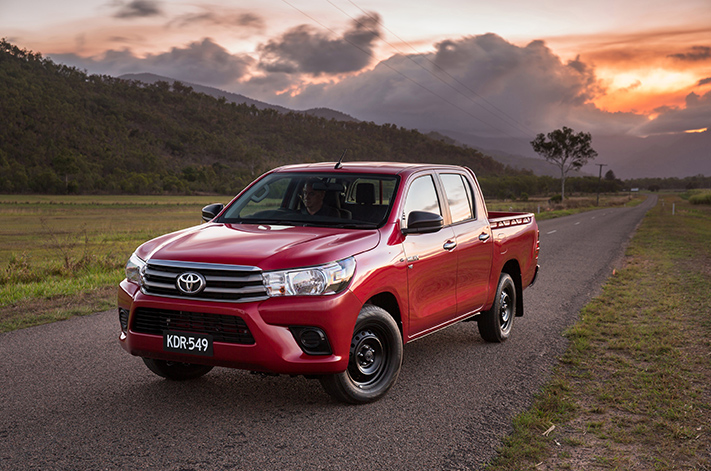
UTES
+ UPSIDES:
-Utes offer great cargo space access due to their open-top nature. If you need to move sand or soil or anything else easily tipped into a tray, a ute is for you. Tray-back utes with fold down sides usually accept pallets and have better side access than most vans, which helps for easy loading and when securing loads.
-Ground clearance for utes is generally better than vans, which means they’re more capable when travelling over rough worksites or if there’s ever a need to go off-road to do a job.
| Cars of 2017: Top 5 trade utes
-Carrying passengers is more comfortable in a ute. Car-like dual cabs have rear seats separated from the cargo area, whereas vans tend to have their second row in the cargo area itself. That means utes are generally more popular for people who want to use their work vehicle for weekend getaways or as a family car.
-Up-to-date technology is relatively easy to find in utes these days. That means utes are generally equipped with better infotainment and connectivity functions, and more active safety and driver assistance tech than vans.
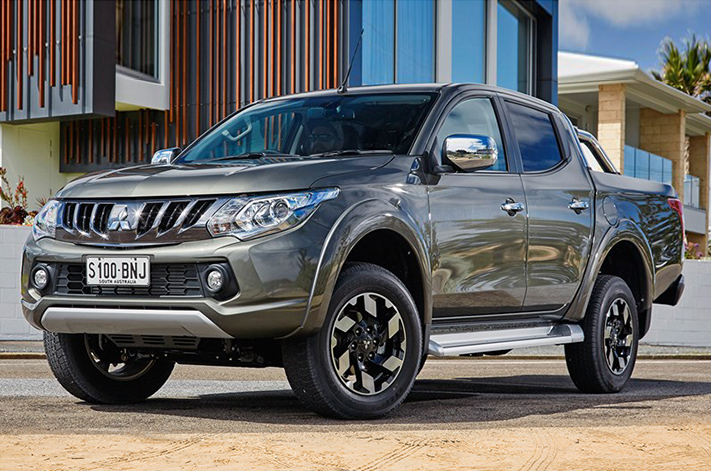
– DOWNSIDES:
-Security is major problem for utes, as anything sitting in a tray is a potential magnet for thieves. Tonneau covers and canopies can help with this, though they do lessen the practicality of a ute by putting a lid on the tray.
-Weather protection is non-existent for anything tall carried in the back of a ute. Rain and wind are bad news for any load that’s sensitive to the elements.
-Loading heights for ute trays are higher than those for vans. That can be a problem when loading bulky or heavy items by hand.
-Style side utes (the ones with a tub on the back and not an alloy tray) generally can’t fit a regular pallet between their intrusive rear wheel wells. Even if you’re not shifting pallets, those fat arches take up valuable cargo space and make it awkward to load around them. Vans have the same problem, but their wheel wells are usually smaller.
VANS
+UPSIDES:
-Vans are untouchable when it comes to moving really bulky stuff. There’s a wider selection of cargo carrying styles in the vaniverse including long wheelbase vans and high-roof vans for truly cavernous haulage. Front-wheel drive vans typically have much lower floors too.
-Security is a major plus. Chuck whatever you need in the back of a van and it can be locked away safely. That makes it viable to have permanent storage of tools and equipment, and many people rig out their load space with shelving to turn a van into a mobile workshop.
| Toyota HiLux wins 2016 sales race in record industry year
-Weather-proofing isn’t an issue for vans. Everything is covered up and protected.
-Lower loading heights make it easier to lift things into the back of vans.
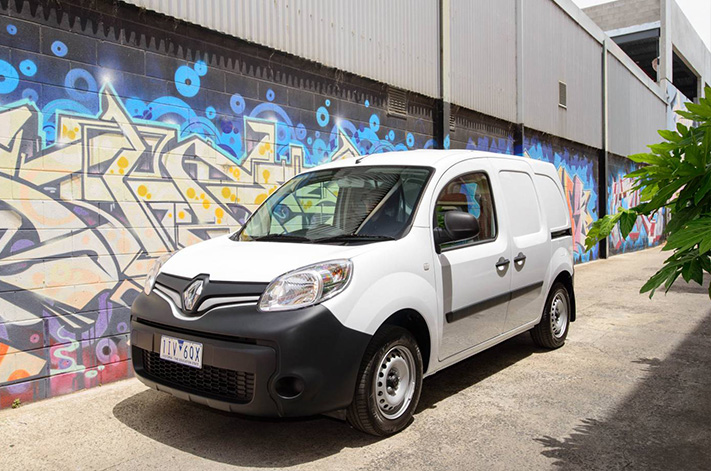
-DOWNSIDES:
-Side access can be troublesome, even for vans with sliding side doors. Depending on what you’re carrying, not being able to get to the front of the load space can make it hard to properly secure whatever it is you’re loading, or be really annoying when you realise the thing you need is buried behind cubic metres of other stuff.
-Commercial vans don’t double as multi-purpose vehicles with the same flexibility as utes. They’re not great purely as transport, and you don’t see many families trundling around in them.
-Big vans are harder to park and awkward to drive around town. Smaller vans are no worse than utes, though visibility can be trickier as vans are prone to especially large blind spots.
Vans are usually the last vehicles to receive modern comfort and convenience features, as they are updated by their manufacturers so infrequently. Some brands are better than others and will at least fit a decent Bluetooth-compatible interface, but don’t expect the same level of equipment as popular utes.
Thanks to an incredibly widely watched full live stream, over a million viewings of at least some of Fernando Alonso’s first IndyCar shakedown day have taken place.
Shortly after the car was revealed for the first time, Alonso was climbing in to take it on its maiden run for many, many laps of the Brickyard.
Ladies and gentlemen, introducing our 2017 #Indy500 challenger, the #McLarenHondaAndretti #29. #McLarenIndy #RaceOfTwoWorlds pic.twitter.com/smEpPoGQsw— McLarenHondaAndretti (@McLarenIndy) May 3, 2017
A highlight of the almost-seven hour stream was Alonso swerving to miss a bird which had landed on the track. Another was when he hit two about 30 minutes later, travelling at about 350km/h.
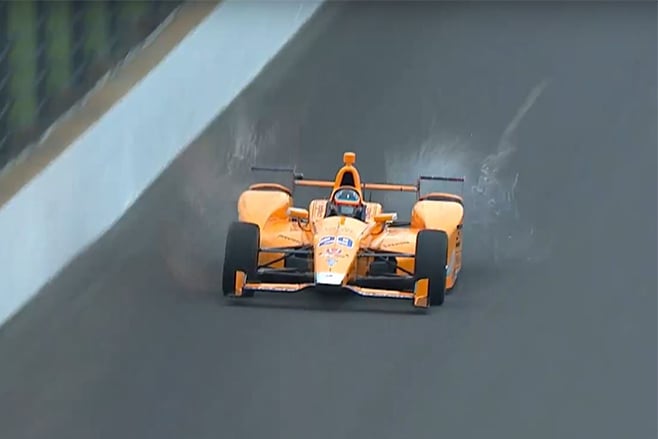
“But today I save one life there. I didn’t manage to save the other two.”
Alonso ended the day after achieving a top speed of over 355km/h on one of his 110 laps. It wasn’t the one with the birds.
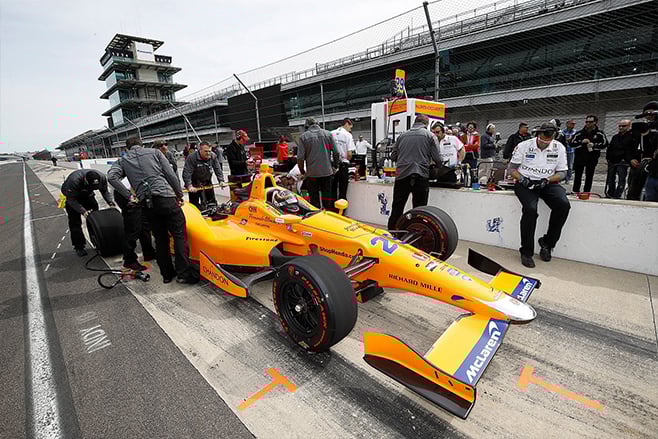
“At the moment I’m coming to have a great experience. In the best race in the world, you are one of the 33 drivers on the grid, which is on its own just amazing.”
“But after that, when you close the visor on Sunday or after qualifying, you don’t like it when you’re second. It’s the same in every sport.”
“First priority is to enjoy, but we are all competitive drivers, and we all want to do the best we can.”
For your convenience, here’s the full livestream of the shakedown, brought to you by IndyCar’s YouTube channel.
In our Fast Facts series, WhichCar delves deep into the history of automotive brands to bring you fascinating facts and intriguing information.
Here we focus on Lamborghini, the Italian brand that was started by an unhappy, tractor-building Ferrari customer, who set the blueprint for the modern supercar in the 1960s and has become the poster-child for some of the world’s most exotic automobiles.
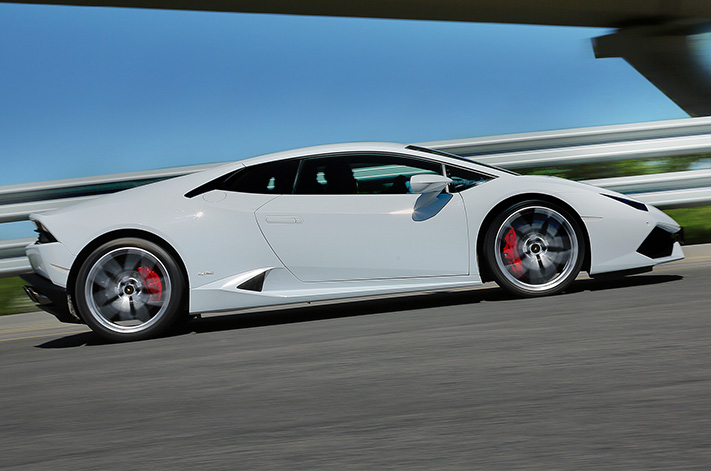
IT ALL STARTED WITH A BAD FERRARI CLUTCH
Italian industrialist Ferruccio Lamborghini had already made his wealth in the tractor business following World War II, but an encounter with Enzo Ferrari was the catalyst for an expansion of his automotive activities. The story from the early 1960s goes that when Enzo was rudely dismissive of Ferruccio’s complaints about the clutches on the several Ferraris he owned, he decided to build a better Ferrari. And in 1963, after buying a plot of land in Sant’Agata, near Bologna, Automobili Lamborghini was born.
BULLISH NAMES
Lamborghini’s famous charging-bull badge relates to Ferruccio’s birth sign – Taurus – though it was also inspired by the founder’s 1962 visit to the Sevilla cattle ranch of famous Spanish breeder Don Eduardo Miura Fernandez and his famously tough fighting bulls. After the simple 350GT and 400GT names were used for the first two Lambos, bullfighting-inspired names have dominated the company’s line-up since the 1966 Miura.
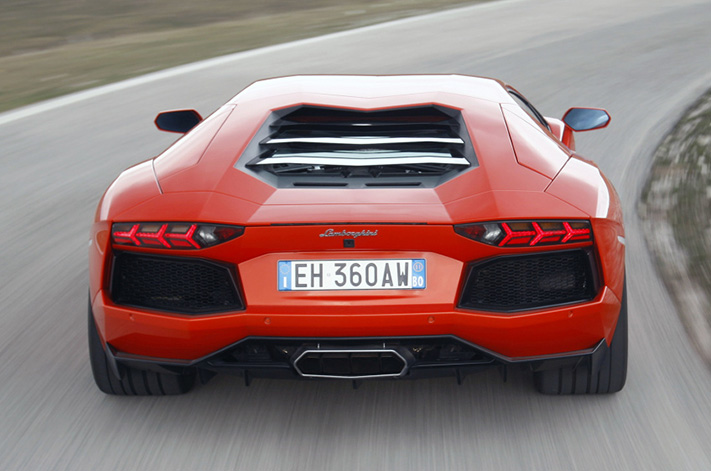
BIRTH OF THE MODERN SUPERCAR
The Miura pioneered the modern mid-engined supercar and is still regarded as one of the most beautiful cars ever built. Yet Ferruccio never anticipated its success, choosing only to put it into production as a promotional vehicle for his favoured GT cars. The Miura had started as a chassis concept created by two young engineers – Giampaolo Dallara and Giampaolo Stanzani – who had taken the 4.0-litre V12 from the 400GT, turned it sideways and, inspired by a trend in motor racing, positioned it behind the driver. By the 1966 Geneva motor show, the chassis had been clothed in a sensuous coupe body – penned by a 25-year-old from Italian design firm Bertone – and the model was an instant hit.
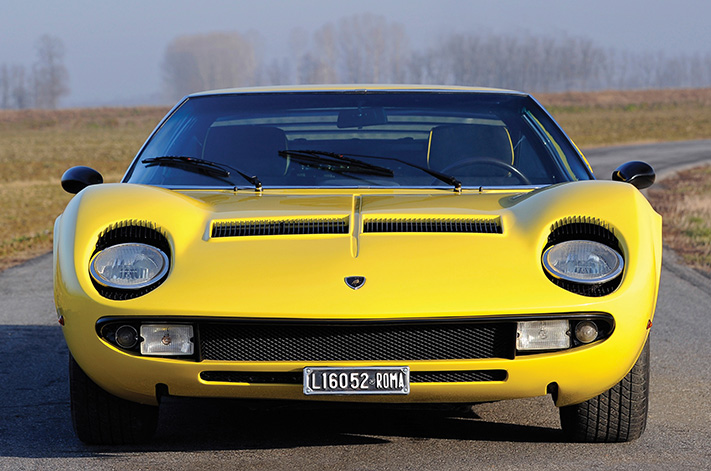
TOY JOTA
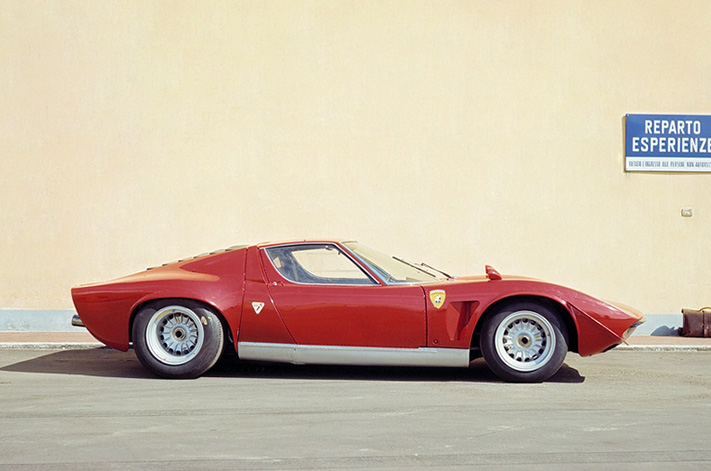
Ferruccio wasn’t interested in taking his cars racing, but the company’s New Zealand test driver, Bob Wallace, wasn’t deterred from building a racier version of the Miura. Called the Jota, the name of a Spanish dance rather than bull, it featured more power for the V12, was lighter thanks to an aluminium body, and the chassis was significantly strengthened. Resulting performance was stunning: 0-100km/h in less than four seconds. Fixed headlights, a single wiper and plexiglass windows were just a handful of the exterior changes that clearly differentiated the Jota from the regular Miura. Ferruccio stuck to his anti-motorsport stance, however, and the original prototype ended up being sold to an Italian millionaire – who promptly crashed it, with the resulting fire destroying it. A few Miura owners demanded their car be upgraded to a ‘Jota’ spec. If you own one of them today, you’re rich.
POSTER MATERIAL
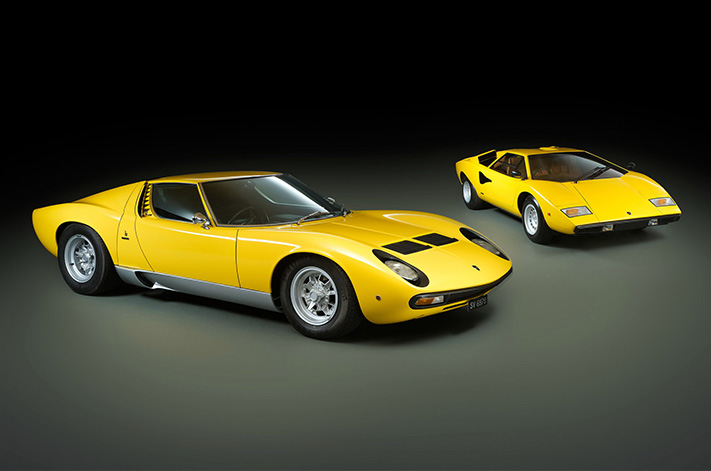
The 1971 Miura SV adopted some of the Jota’s improvements and expanded upon some of the luxuries introduced on the 1968 S version, though its lifespan was ended just a year later by its successor. The Countach, also penned by Bertone, overshadowed the SV at the 1971 Geneva motor show, stunning audiences with its dramatic, wedge-shaped, sharp-edged styling and ‘scissor’ doors. The model went on sale in 1974 and would end up Blu-Tacked to countless bedroom walls as its design became increasingly lairy – big wings, fatter tyres, wider intakes – until production ended in 1991.
FROM CAR-MAKING TO WINE-MAKING
Lamborghini’s tractor business encountered difficulties in the early 1970s, not helped by labour union unrest. A frustrated Ferruccio sold 51 per cent of Automobili Lamborghini to Swiss industrialist Georges-Henri Rossetti in 1971, before completing his exit a year later by selling his remaining shares to friend René Leimer. Ferruccio maintained a handful of non-automotive businesses after semi-retiring to a region of central Italy to make wines. He passed away in 1993.
MID-ENGINED MID-WIFE FOR BMW M1
Lamborghini was involved in the birth of the very first BMW M performance car in the late 1970s. With the Italian brand’s facilities underutilised owing to struggling sales, it was drafted in 1976 to help the German car maker build a new mid-engined sports car for racing homologation purposes. It was testing prototypes of what would become the fabled M1 at Sant’Agata a year later, but Lamborghini’s financial difficulties forced BMW to complete the project elsewhere.
WORLD’S FASTEST 4WD
Lamborghini’s tractor and supercar DNA converged in 1985 to create what was then the world’s fastest off-roader – the LM002. The unexpected production model had its origins in a late-’70s all-terrain buggy called the Cheetah, which Lamborghini produced in conjunction with Chrysler at the behest of the US Military. It was snubbed, however, in favour of the Humvee, or Hummer. The eventual LM002 swapped the Chrysler V8 for the Countach’s V12 for 200km/h performance, though its three-tonne mass also meant the world’s worst fuel consumption for a production vehicle: about 34 litres per 100km. Great off-road ability made it popular in the Middle East.
ALMOST POWERED AYRTON SENNA
Lamborghini had a five-season spell in Formula 1 between 1989 and 1993, powering teams including Larrouse and Lotus with a 3.5-litre V12. The engine’s reliability wasn’t the best, though, and the only podium was Aguri Suzuki’s third place at the 1990 Japanese Grand Prix. The V12 ended up in a McLaren in 1993 – purely to be tested as a potential replacement for the famous constructor’s under-performing Ford V8. Triple world champion Ayrton Senna embraced its power and pushed for its use, but McLaren boss Ron Dennis instead opted for a Peugeot V10. Lamborghini pulled out of F1 and Senna’s determination to win again saw him move (fatally) to Williams for the tragic 1994 season.
POWER TO ALL FOURS
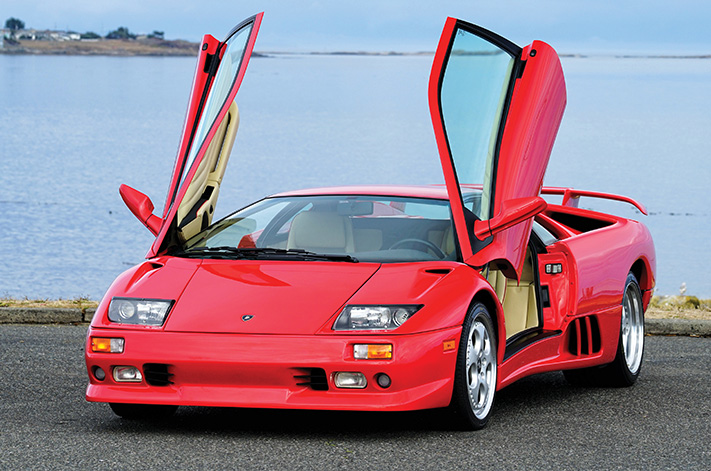
The Diablo, powered by a 5.7-litre V12, replaced the Countach in 1990. It was still rear-wheel drive, though three years later the company presented a variant called the VT. It stood for Viscous Traction, reflecting the viscous coupling that linked the Diablo’s front and rear axles. Lamborghini’s flagship models have been all-wheel drive ever since.
THE AUDI REVOLUTION
US car maker Chrysler had bought Lamborghini in 1987 but sold it to a group of Indonesian investors just years later. Lamborghini then approached Audi about borrowing the V8 from its A8 limousine for use in its ‘baby Lamborghini’, only for the German brand to see Sant’Agata’s potential during a visit to Italy. Audi’s 1998 purchase would transform not only Lamborghini’s production quality but also its sales fortunes.
GALLARDO EFFECT
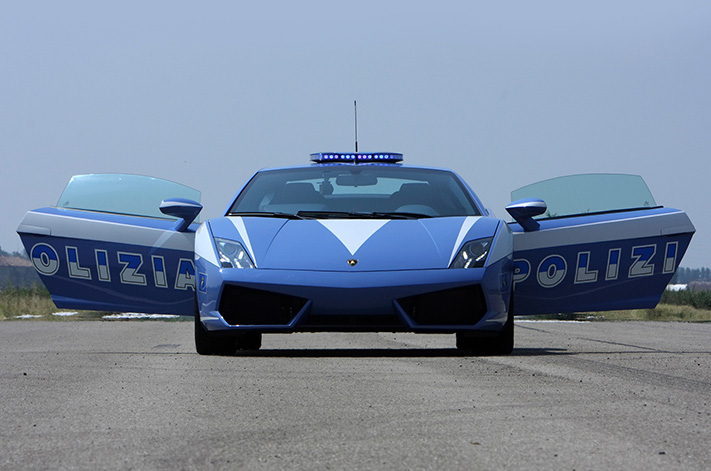
The 2001, Murcielago was the first major model under Audi stewardship, replacing the Diablo as Lamborghini’s V12 flagship model. Constructed around a hand-made carbon fibre tub, the Murcielago also produced 433kW of power. While it would prove to be successful itself, the V10-powered Gallardo of 2003 was a relative showroom revelation. To put things into perspective, Lamborghini sold 25,000 to 30,000 cars between 1963 and 2013 – and Gallardos accounted for 14,000 of them. It also spawned Audi’s first ever supercar in 2007, the R8, which shared key components with the Gallardo, including its V10 engine (though the R8 also offered a V8).
ONE FACTORY ROBOT
Almost half of Lamborghini’s 1300 employees work in its Sant’Agata factory. Although the two, U-shaped production lines – for the V10 Huracan and V12 Aventador – feature automated processes, the hands-on production nature is emphasised by the presence of just one robot. And its task is only to transport the heaviest components between stations.
HOLY COW
It takes seven cows, sourced from a local farmer, to create the leather interior for each Lamborghini. And there’s no wastage. Any imperfect or superfluous leather is recycled for the company’s merchandise range, for items including wallets and bags.
URUS
Lamborghini currently produces approximately 2000 Huracans and 1000 Aventadors per year, though annual production will double from 2018 for a new SUV model codenamed Urus. Using a vehicle architecture related to that already used within the VW Group for the Audi Q7, Bentley Bentayga and next-generation Porsche Cayenne, the Urus will also borrow a 4.0-litre twin-turbo V8 – making this the first ever Lamborghini to feature turbocharging.
AND YOU CAN STILL BUY A LAMBORGHINI TRACTOR
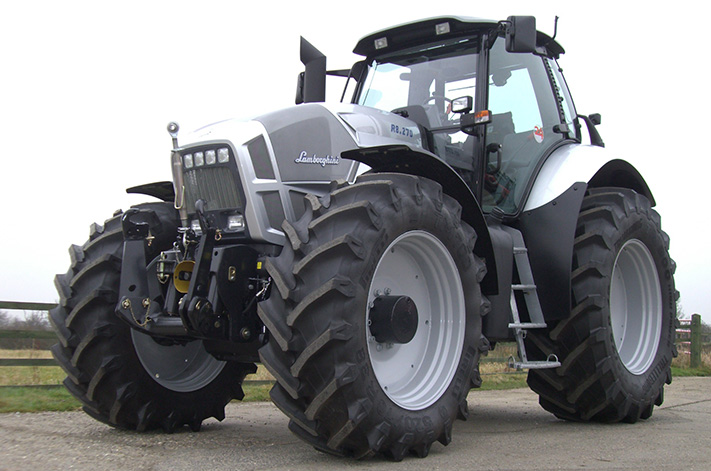
A separate company called Lamborghini Trattori – which still uses the original logo script and bull – continues to build tractors in different parts of the world. None is powered by a V12, of course.
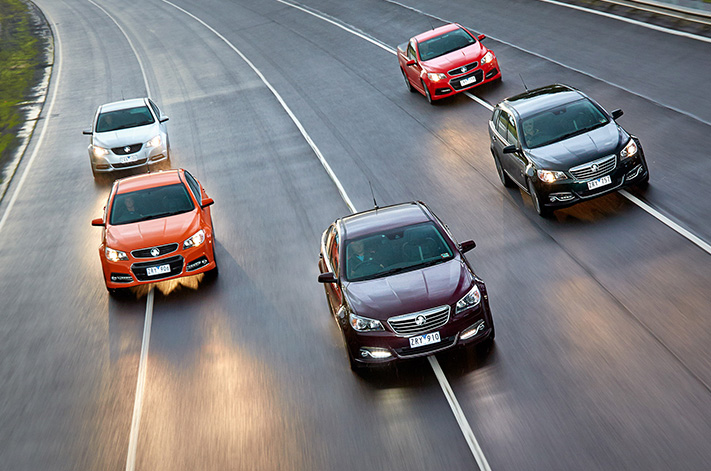
HOLDEN has closed the books on its last full year as an Australian car maker, announcing today it had recorded a $152.8 million profit.
It’s the second year in a row that the car maker has posted numbers in the black after recording a $128.2 million profit in the 2015-16 financial year. However, it means since announcing in 2013 it would end manufacturing later this year, Holden has made $281 million in profit, but booked $961 million in losses.
However, while 2916’s numbers look good, Holden said it would not have been enough to save its carmaking business.
“…If GM Holden were continuing local manufacturing beyond 2017 a further $125.6 million in asset depreciation would have been incurred,” it said in a statement. “With the above figures incorporated, Holden’s manufacturing arm continued to operate at a significant loss.”
Holden is at pains to point out the 2016-17 financial year profit result relates to both its manufacturing business and its now separate division that sells imported vehicles and will live on beyond the last Commodore rolling off the Elizabeth production line in October.
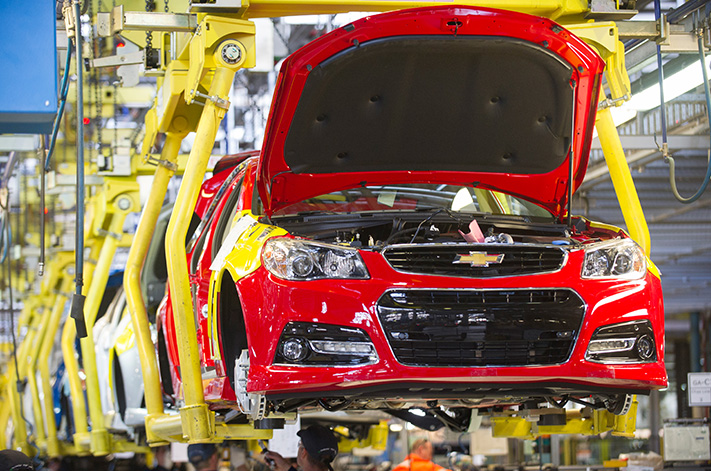
Holden builds last Australian V6 engine
Holden’s imported car business contributed $27.3 million, it said. Holden added that the business paid $188.1 million in tax, and invested another $69.1 million – more than double what its imports division made – into research and development.
Only 4191 cars were exported, well down on the 10,576 sent overseas in 2015 and a long way off the 60,500 peak of 2005.
The end of financial year result also takes into account GM’s ongoing support for Holden’s transition to a full-line importer, as well as paying for the massively expensive process of shuttering the production lines.
Part of the GM support fund is also allocated to the company’s efforts to rehabilitate retrenched workers and decommission its sites. Money raised from the sale of those sites cannot be factored in until the deals have been settled, most likely in the next two years.
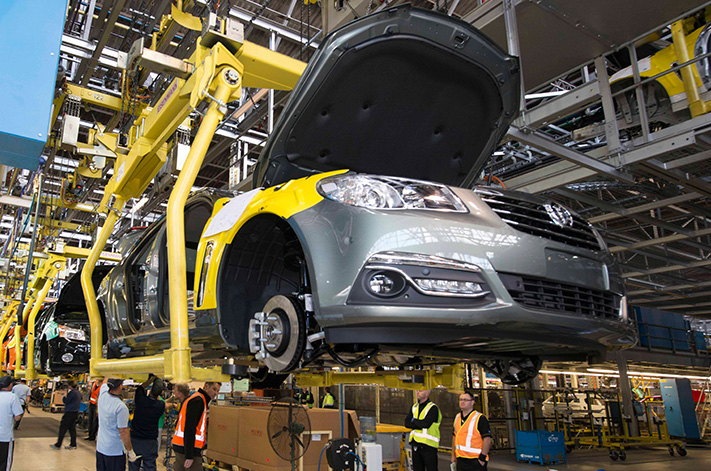
With a focus solely on becoming a national sales company, Holden says it now has a far clearer view of the future.
The Renault Clio’s update has arrived in Australian showrooms this week with a fresh new look, more features, new technology and a sharper price.
With a base price of $15,990 ($17,990 driveaway) for the manual Life variant, the Clio is $2000 more affordable than its predecessor and is the only manual gearbox available in the line-up.
For that money, or $19,990 drive-away for the automatic EDC transmission, the Life gets a refreshed exterior with coloured side mirrors and door handles, chrome boot lid strip, chrome door sill insert, chrome trim radiator grille and 16-inch hubcapped wheels.
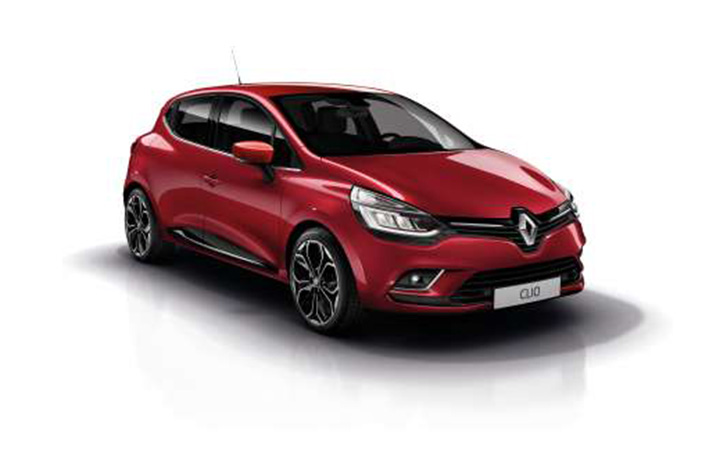
It also adds new technology such as smart key entry and push-button start, automatic headlight and windscreen wipers, reversing camera, electric windows, a leather-wrapped steering wheel, and fuel-saving ECO mode.
Moving up the spec ladder is the $19,990 (plus on-roads) Zen, which adds C-shaped LED headlights, fog lights with chrome detailing, front parking sensors, satellite navigation, side-door protection and two-tone 16-inch alloy wheels.
| 2017 Renault Megane GT Quick Review
For an extra $3090, buyers who opt for the luxury-themed Intens model will gain chrome window trim, side parking sensors, parking-assist, LED cabin lights, driver’s armrest, 3D Arkamys sound system, R-LINK navigation and multimedia system including voice control, height adjustable passenger seats, velvet and synthetic leather upholstery, climate control, rear privacy glass and 17-inch alloy wheels. It also includes the option of ‘Flame Red’ or ‘Ivory’ coloured door sill inserts, grille insert and boot lid, and ‘Intense Red’ or ‘Grey’ for the dashboard, door panel and seat highlights.
Topping the range is the GT-Line which, for the same price as the Intens ($22,990 plus on-roads), offers a sportier option with blue highlights inside, aluminium sport pedals, GT-Line badging, rear spoiler, leather handbrake, and 17-inch alloy wheels. Leather trim and heated front seats are also an option for $1500.
An extra $550 can be added to the price for metallic paint. All models except the base-level Life offer an optional panoramic fixed sunroof for an extra $1000. A Bose sound system costs an extra $500 at Intens and GT-Line level.
The line-up will also include the Clio RS hot hatch, which is expected to arrive mid-year.
UPDATED: THE long-lost sound of a Brabham-made Formula 1 car may again ring around the paddock – and your local street – if rumoured plans to revive the Aussie-rooted team and roll out F1-inspired supercars amount to anything.
British motoring website Autocar is reporting that Brabham Racing, a project led by David Brabham – the son of three-time F1 drivers championship winner who also was the only driver to also win a constructor’s title in a car of his own making, Sir Jack Brabham – is believed to be about to make a comeback in motorsport’s premier event.
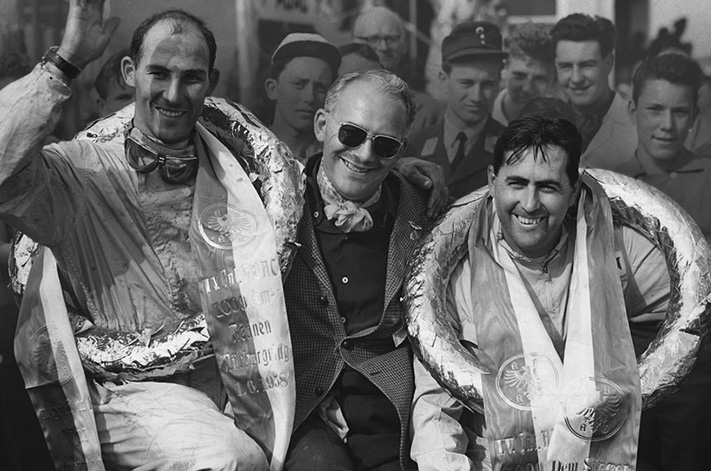
The team is reportedly up for sale for as little as $A300 million, although some reports suggest its troubled owners are seeking up to $A460 million. The money would come from an unnamed group of US investors, the website claims.
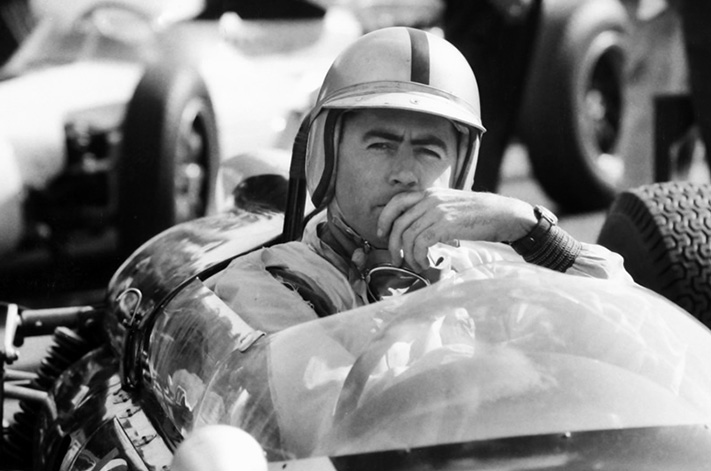
“‘Brabham is a brand with over 69 years of racing heritage and it is our intention to see the name back on track. Since Project Brabham was launched, we have received a lot of enquiries from different parties who have expressed an interest in licensing the name and we are evaluating a number of options. We have no further comment.”
Backing the Brabham name is believed to be a group of investors who have taken an interest in the sport since Liberty Media, the sport’s new owners after ousting former supremo Bernie Ecclestone, listed the sport on the US stock exchange.
Brabham cars to become rolling tribute at Goodwood
Autocar speculates that the investors are keen to reinvent Brabham as a supercar maker in the same vein as McLaren and Mercedes-Benz, who both either combine spectacular, shapely road-going models with racetrack-honed Formula 1 technology, or plan to.
David Brabham flagged plans in 2014 to revive the race team, initially announcing it would aim for a 2016 start in the 24 Hours of Le Mans endurance race as part of a three-year campaign to win the event – one that he had already capped three times in both the GT and LMP1 classes. Brabham Racing is yet to place a car on any grid.
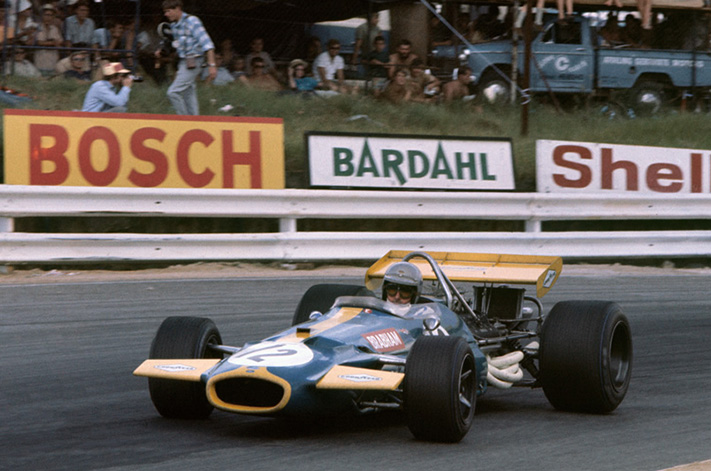
There aren’t that many motorsport-honed investors in the US capable of pulling off a deal of this magnitude. Formula 1 already has a US-led race team competing – Haas F1, formed in 2016, is the pet project of US industrialist Gene Haas – that has struggled to find financially rewarding pace on the track.
The only US motorsport group with enough potential financial clout to make a pitch for Force India is businessman Roger Penske, the owner of Penske Automotive and the same Team Penske that has a majority stake in Australian-based Supercars team DJR Team Penske.
Autocar quotes David Brabham as saying that Brabham Racing was “evaluating a number of options” after it was approached by undisclosed groups interested in licensing the family name.
It has also said that it wants to ramp up the public-facing personalities of drivers, open the paddock to paying customers and expand the sport’s digital reach to draw in younger fans.
Plans also sound the potential to host more races in US cities.
“He’s the bloke who played R2-D2 in Star Wars,” said my mate John, as we watched the little chap two doors down waddle down his front path, clamber into his specially-modified Citroen BX and head up the dirt road to the shops.
He never gave us a cheery wave or a smile. He looked wholly disgruntled with his lot in life, as if a key actor in a blockbuster Hollywood trilogy should be driving something better than a white BX14 E. It didn’t even have electric windows.
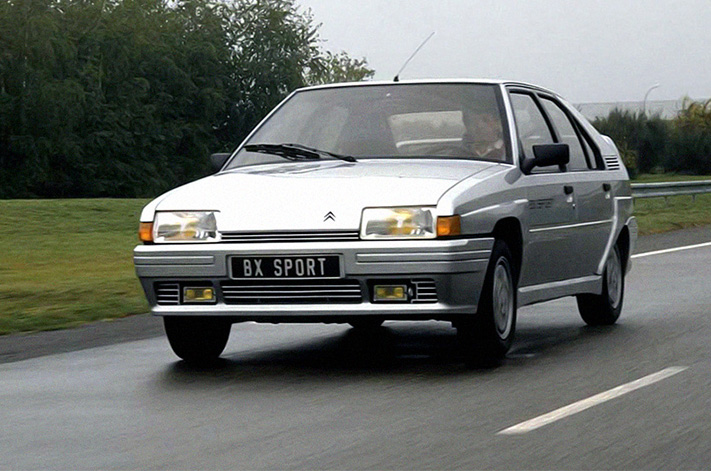
Over that summer, R2-D2 grew to hate us a lot more. We would see him peering at us from behind his net curtains and whenever we lost a tennis ball in his garden, it would appear the next day neatly sliced in two. We started staking out his house in the morning, sneaking up his drive and putting his two pints of semi-skimmed milk on his window sill where he couldn’t reach them. I’m a bit ashamed of doing this now, but I was a kid and that’s about as much defence as I can muster at the moment.
Matters came to a head when I managed to lose my birthday present, an Adidas football, in his back garden. Desperate for it not to be cut in half, I decided that I needed to front up, ring his doorbell and ask for it back. With a dry mouth, I pressed the bell push. I could hear shuffling in the hallway and then the door opened. I hadn’t really rehearsed how I was going to broach the subject of the football.
“So, um…”, and then I realised I didn’t know his real name. Lacking the composure to breeze past this particular fact, the conversation took a disastrous turn. “So, um, R2-D2, my football’s in your back garden.” The outcome wasn’t good. His face turned red. I wondered how strong he was. Pretty tough probably, having sat in a metal bucket in a Tunisian desert for weeks. I’m not sure I could do that.
He called me a word I can’t really repeat here and slammed the door. The dismembered football arrived up on schedule the next day. After that, we would openly address him as R2-D2 at any available opportunity because he clearly hated it. “Morning, R2-D2!”
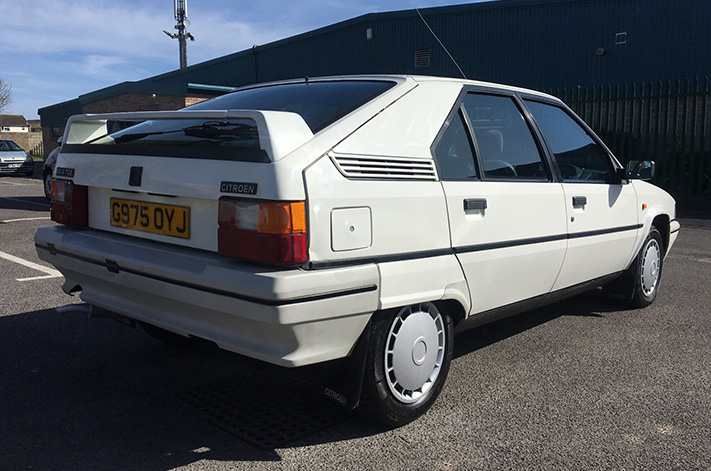
Matters came to a head a couple of weeks later when I was arriving on my bike at John’s. The white Citroen was coming up the track, my eyes met with R2-D2’s. I had a bad feeling about it and that was enough to put a big disturbance in his force. He gunned the engine and I witnessed the power of a fully operational 1360cc Douvrin lump, manically swerving to finish me off. He looked mad. Or at least the top of his head did, because that was the last thing I remember seeing as I went into the undergrowth. I was shaken but knew from that point that perhaps I’d pushed R2-D2 to the dark side.
I’d told the R2-D2 story a few times down the years, until a friend of mine who worked in the film industry pointed out that the actor Kenny Baker had never lived in my home town. At any point in his life. The realisation that I had called a random dwarf R2-D2 to his face fills me with shame. But I still get flashbacks whenever I see a Citroen BX. And he was not the droid I was looking for.

Kenny Baker, as it turns out, NOT a homicidal child-hater after all.
