
Another facelift could be on the cards for the Mitsubishi ASX despite its all-new replacement being due next year.
The baby SUV recently received a nip and tack for the 2017 model year to prolong its late-blooming sales success that was expected to see it through to the introduction of its replacement.
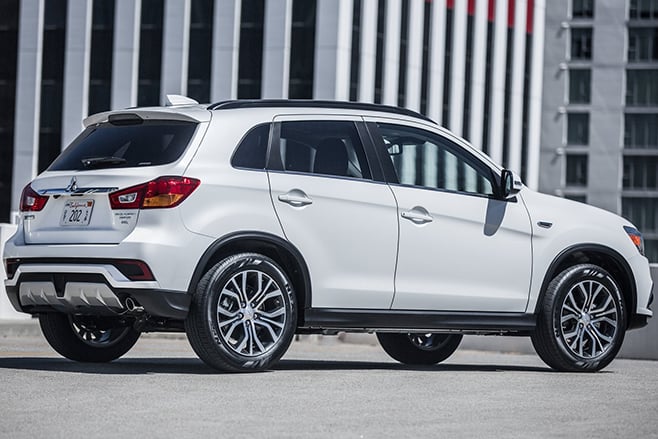
However, Mitsubishi has announced a late-life upgrade to its American version, the Outlander Sport, to keep the model relevant there with features yet to be included in Australian models.
As with the recent update, the 2018 Outlander Sports gets an a subtle exterior touch with the main visual differences being the addition of LED daytime running lights alongside the foglights and new chrome grill treatment.
The rear gains a neat looking metallic skid plate below a dark indent in the rear bumper with C-shaped reflectors at each flank.
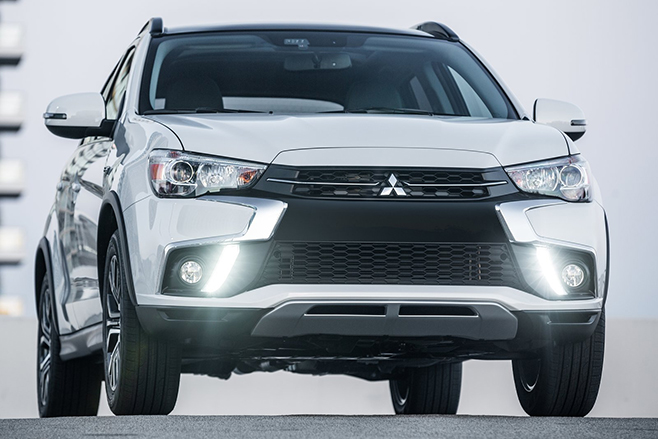
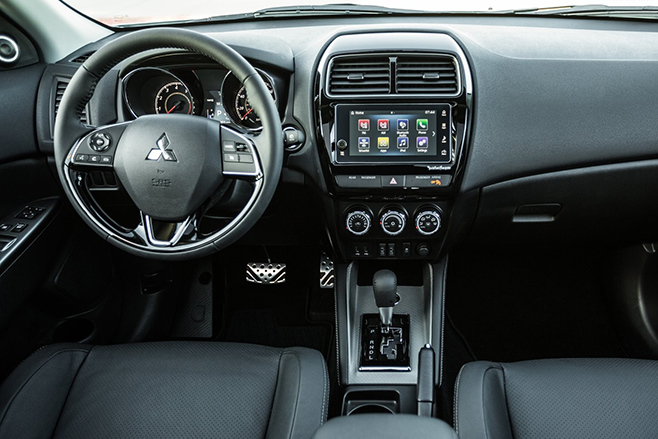
The upgrade also includes a tech boost with Apple CarPlay and Android Auto and optional driver assistance package featuring forward collision mitigation, lane departure warning, automatic high-beam headlights.
Such electronic additions would be simple to implement to maintain popularity of the bargain-priced ASX, which last month lost its long-standing second place in the small SUV stakes to the Nissan Qashqai.
Mitsubishi Australia is yet to confirm if the US updates will make their way to the local range.
The 2018 Outlander Sport will make its debut at next week’s New York Auto Show and will go on sale around September.
Just a few months after making its global debut at the Detroit Motor Show, Lexus’ twin-turbo luxo-sedan, the LS 500, will again grace the floor at a US auto show.
Bound for the New York auto show next week, the LS 500 F Sport will give the large Lexo a more athletic flavour – though you’d be hard-pressed to tell from the single teaser image released of the car’s rump. There’s nary a spoiler or diffuser in sight and it’s clear that Lexus is keeping its powder dry for New York.
But if previous form is anything to go by, we can expect a unique grille treatment with a sportier mesh design, bigger bumper vents, a lower bodykit, dark-hued wheels shod with sportier rubber and a darker, moodier interior with black roofliner and contrast-stitched leather.
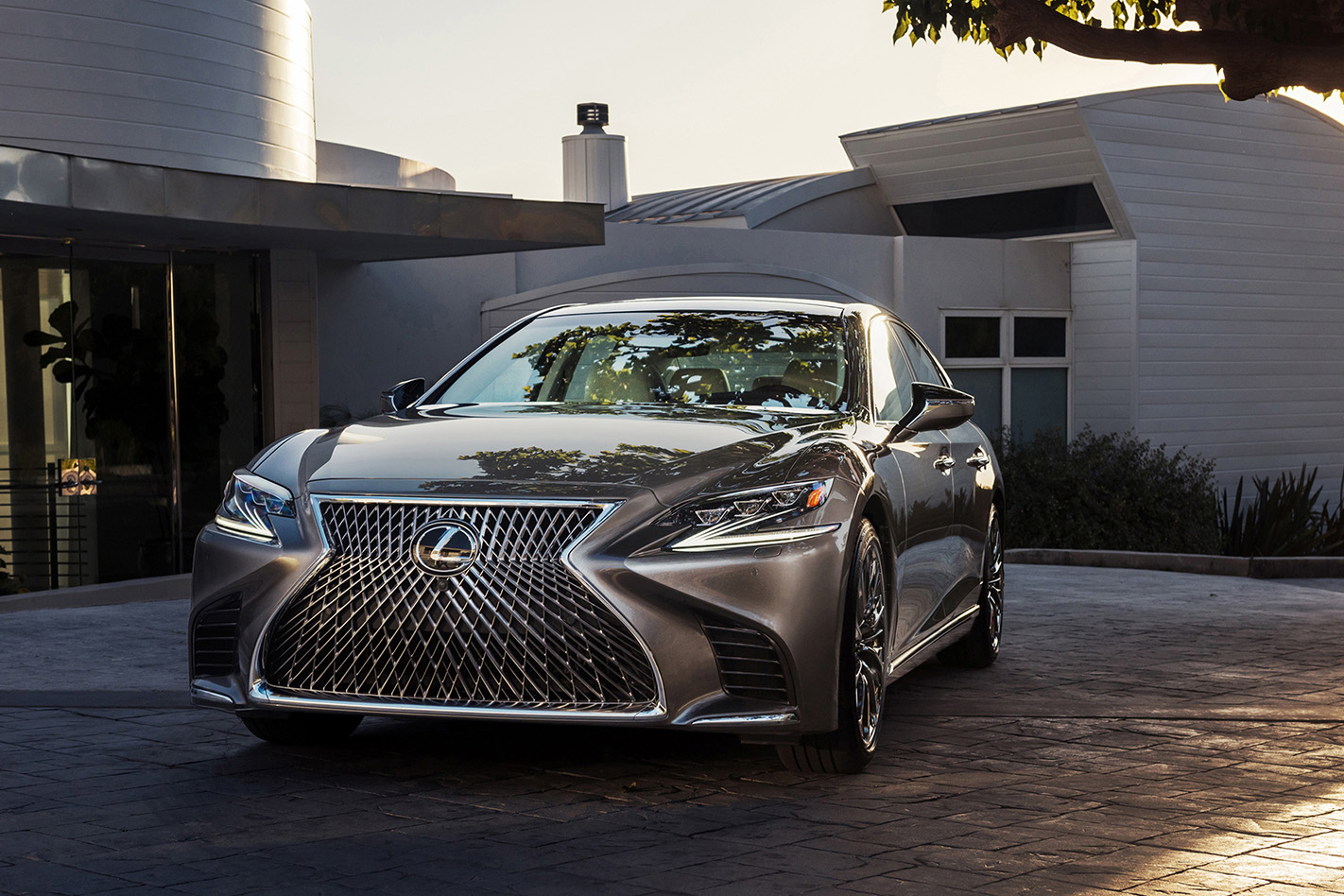
Being an F Sport grade rather that a full-blooded LS F performance flagship, don’t expect many tweaks to the standard LS 500’s 310kW twin-turbo petrol V6. Instead, Lexus hints that chassis and suspension upgrades will be LS 500 F Sport’s key point of difference, saying the F Sport “will capitalise on the responsiveness and agility of the new LS Line,” and that it will deliver “the most engaging LS driving experience yet.”
The F Sport treatment will also be available on the more restrained LS 500h hybrid as well, which uses a 3.5-litre naturally-aspirated petrol V6 and two electric motors to deliver 264kW to the rear wheels.
The second model in the Lexus stable to utilise the brand’s all-new GA-L modular architecture, the 2018 Lexus LS shares much of its structural DNA with the sporty Lexus LC coupe. The LS range is set to go on sale in Australia around the start of 2018.
The next Audi A8 sedan will use a complex blend of four materials in its construction to save as much weight as possible, but according to reports that won’t stop it being heavier than the current model.
Audi has revealed the body of its latest Mercedes S-Class and BMW 7-series rival, which is due to be unveiled on July 11, will rely on more than the traditional aluminium for weight saving and structural rigidity of its spaceframe.
High strength steel goes into areas mainly around the passenger cell, magnesium is used for components such as the suspension strut brace, and a carbon fibre-reinforced plastic panel makes up the rear of the cabin.
While Audi is claiming the new A8 is “an innovation driver in automotive lightweight design” German magazine Auto Motor und Sport says it will actually be heavier with the body in white weighing in at 282kg compared with 231kg for the current model.
That’s partly because the new A8 has had to be engineered to accommodate batteries for electrified versions and secure them in a crash, and increasing safety standards and the need for differing load paths in impacts has also added to complexity and weight.
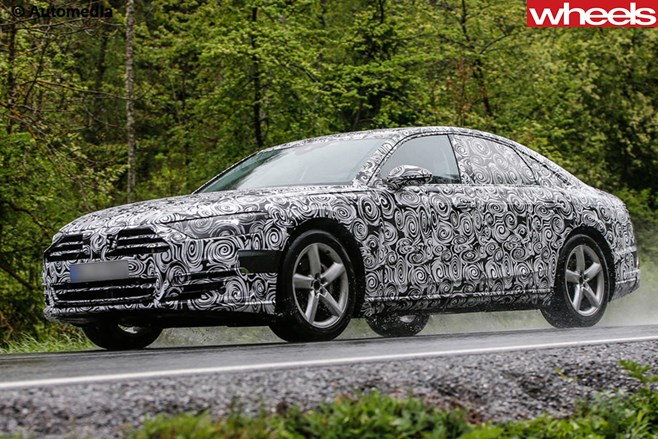
New production techniques such as crimping the forward aluminium structure to steel components of the safety cell has resulted in slimmer A-pillars which Audi says has increased the door openings by 16mm and improved viewing angles by five degrees.
The A8 will likely use variations on the current engines ranging from diesels right up to the Bentley Bentayga’s W12 turbo, and Porsche’s new 4.0-litre turbo V8 is also in the mix.
With a 48-volt electrical system the A8 should also use electric turbochargers, probably for diesel versions.
While Audi and Porsche have jointly announced a new plan for sharing some vehicle architecture, it seems the A8 is based on the Q7’s MLB platform, not the Panamera’s sportier MSB architecture that will also underpin the next Bentley Continental.
MLB seems also to be the basis for the upcoming A9 coupe and Q8 crossover.
The Porsche/Audi collusion, which in the past has seen shared platforms such as the Q5 and Macan has been ramped up with the companies putting together a plan that reaches forward as far as 2025.
While Audi says “the focus is on joint development of shared vehicle architectures, modules and components” specifics about actual vehicles have not been released. But reports abound about Porsche’s modular sports car platform that can be used for rear-engined (i.e. 911) applications or mid-engined sports cars such as the Cayman, Boxster and Audi R8.
We like a good Lego car here at MOTOR, so we couldn’t ignore this candidate from the company’s Ideas program.
The way it works is that enough interest in a design results in it being up for consideration by Lego as an official product. Which we, er, anyone can buy. Interest is gauged by user votes, which you can do on the project’s page.
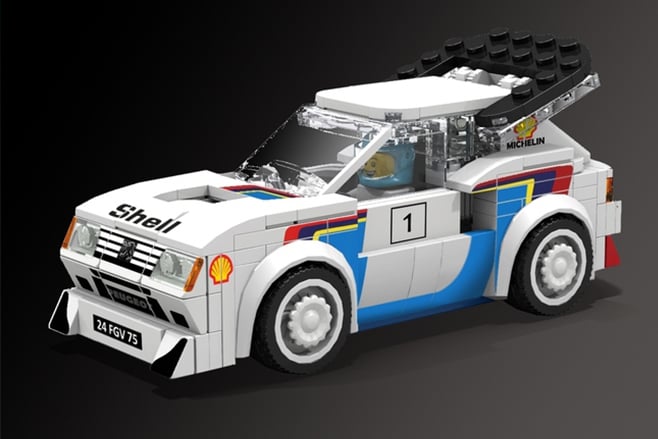
A properly detailed model would probably have about 50 different piece types and cost $260.
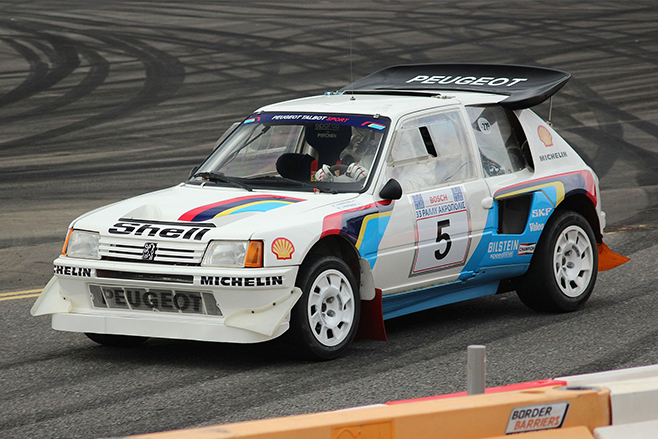
The big differences are the lack of about 340kW, and the fact that a Lego model will probably never dominate WRC.
Oh, and the size. We think most people would struggle to get into this thing.
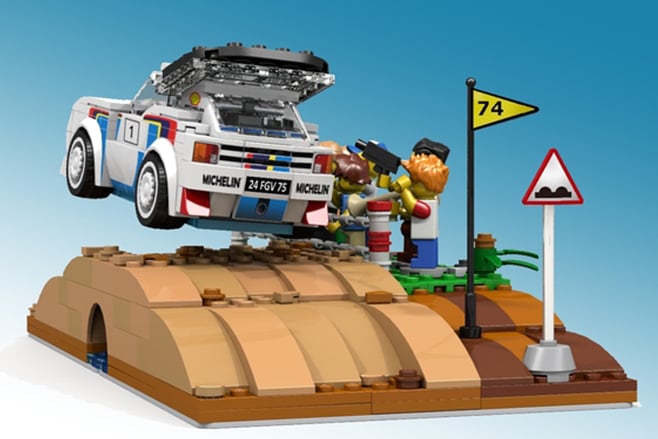
“No doubt its success would have lasted a few more years. It came to an end rather abruptly, when the FIA took the decision to discontinue the Group B, after the brutal accident of a Lancia Delta S4 at the ’86 Tour de Corse where, tragically, Henri Toivonen and his co-driver Sergio Cresto perished.”
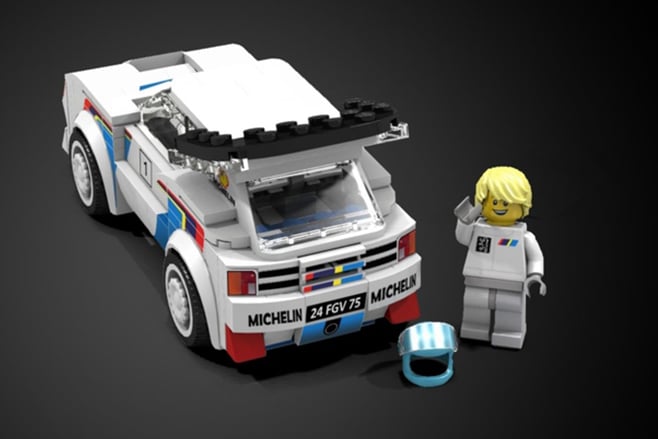
The legendary gravel-flicker would look good on a desk here in the MOTOR office, we reckon.
They’re the Swiss army knives of the car world, expected to cater to families big and small enduring everything from the school run to the big family adventure.
But in their quest to be all things to all people the large seven-seat SUVs often cut corners along the way.
But in 2017 the compromises are less noticeable, as shown by the Wheels Car of the Year-winning Mazda CX-9.
Since scooping COTY in 2017 the Mazda CX-9 has been under attack from competitors looking to claw back some of the high ground set by what was an impressive step up for families.
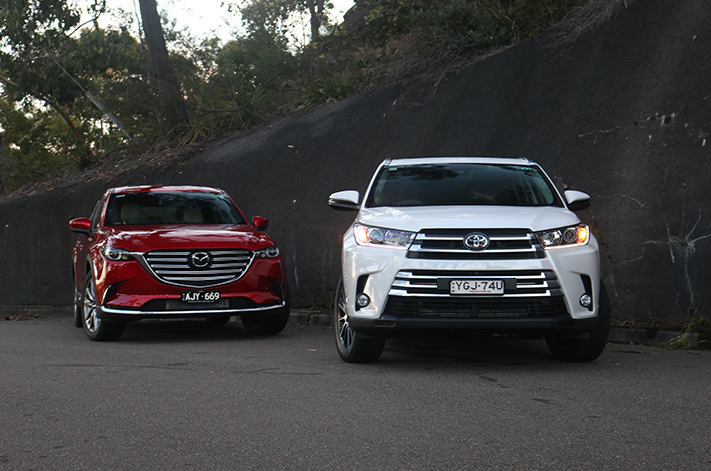
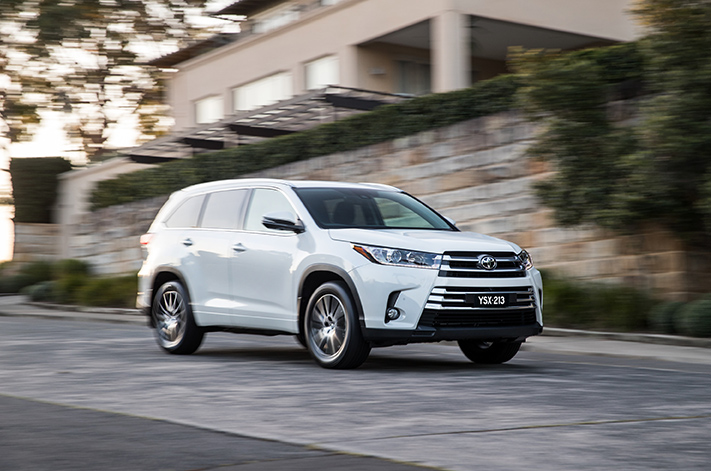
At the forefront is Toyota, which early this year ushered in a mid-cycle update to its popular Kluger. A new nose and bumpers headlined the aesthetic tweaks, but it’s under the bonnet where the more significant updates have taken place.
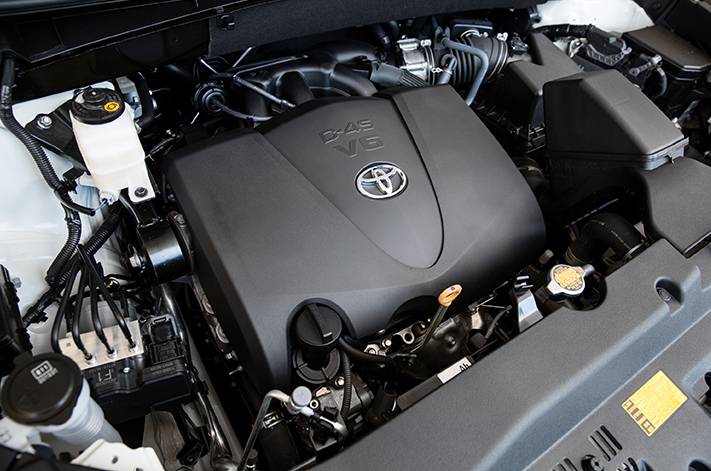
The 3.5-litre V6 now gets direct injection technology, better metering the fuel delivery, resulting in more power from less fuel.
So, does the updated Kluger have the muscle to tackle the CX-9?
PRICE AND EQUIPMENT – Winner: Draw
For this test we’ve assembled the Kluger Grande and CX-9 Azami, each top of their large respective trees and each with all-wheel drive.
At $63,390 the CX-9 is the most money you can spend in a Mazda dealership, but it’s still $2545 cheaper than the $65,935 ask for the Toyota.
Part of the Kluger’s premium goes into the subsidised servicing. Over three years or 60,000km you’ll spend just $1080 on servicing, whereas for the Mazda it’s $2795.
We’ll call that a draw, then.
Each is dripping in gear, including leather, navigation, heated electric front seats, a sunroof, digital radio and side blinds in the middle row.
Safety is taken care of with auto braking, blind spot warning and lane departure warning.
The CX-9 adds to the active safety artillery with rear auto braking, particularly handy for the prang-prone, or if a kid runs behind the car.
Its head-up display is also a handy addition, adding a digital speedo, something the Toyota does without.
The Kluger fights back with a DVD screen and a trio of headsets for those in the back.
The CX-9’s infotainment counterpunch is a beefy Bose sound system that is many decibels ahead of the thin-sounding generic brand in the Kluger.
If you’re looking to bust out of the ’burbs the full-size spare of the Kluger is a win, although make sure you bring a picnic rug and a few friends to unlatch it from its underbody compartment.
INTERIOR AND VERSATILITY – Winner: Mazda CX-9
Keeping kids comfy and adults content is what these family large SUVs are all about.
The basic seven-seat formula is the same with each, but there are differences in the details.
Larger kids and adults will appreciate the extra 30mm of knee room in the middle row of the Kluger and its flat floor and broader door openings make for more elegant entrances and departures.
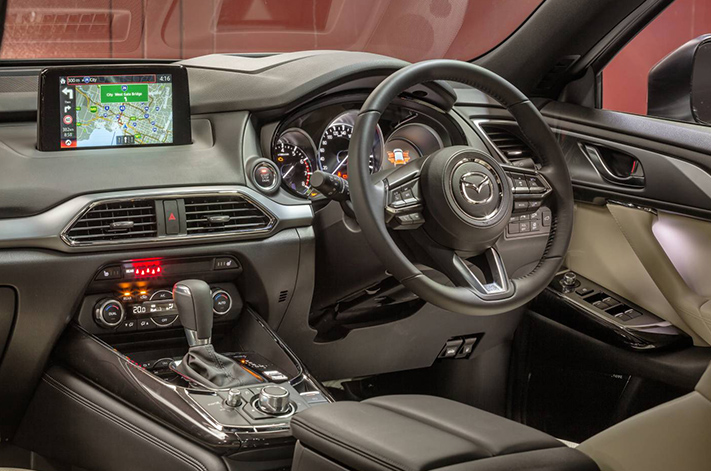
The CX-9’s seats kick it up a rung on comfort and the folding centre arm rest matches the Kluger’s for cupholders but also gets a covered box incorporating two USB charging plugs. That’s a hint of tech gold for tabletted teens.
The CX-9 takes a clear win with its top tether mounting point on one of its two third-row seats. It’s unique in this class, allowing more flexibility in placing younger children.
Without it, it means kids under eight years old can’t legally travel in the back row of a Kluger, relegating the grandparents (or larger children) to the back row.
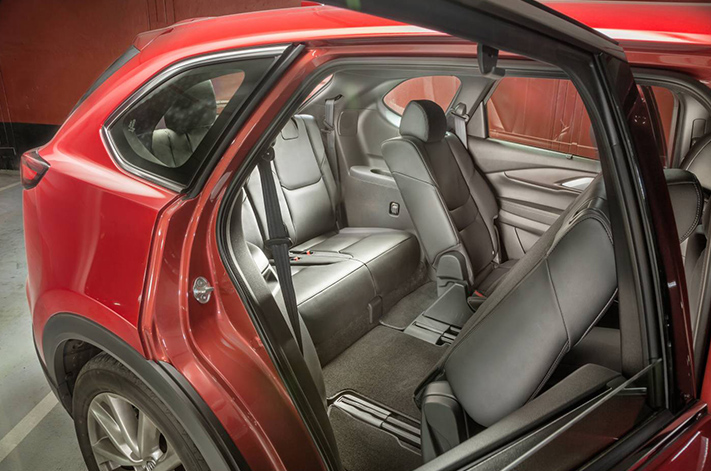
Clamber into the third row and the Toyota takes a win with its roof mounted air vents. The CX-9 instead relies on sending a draft rearward from the air outlets further forward.
Those wanting to carry large items may appreciate the 60/40 split of the Kluger’s third row, allowing a fraction more luggage space than the 50/50 split of the Mazda.
As for boot space, the CX-9’s is longer but narrower, while the Kluger gets some modest underfloor storage.
ON THE ROAD – Winner: Mazda CX-9
Forget hybrid and diesel; the CX-9 and Kluger stick to old school petrol for propulsion.
But each goes about it a very different way. The Kluger’s V6 uses cubic capacity to good effect, muscling up 218kW and 350Nm.
The recent infusion of direct injection along with a revised calibration for the six-speed auto makes for a far more pleasant device, leveraging its middle rev range and building pace swiftly.
Stamp on the throttle, then, and it’s a victory to the Kluger, doing a great job of overcoming 2100kg.
The CX-9, on the other hand, employs just four cylinders but picks up a turbocharger, something that gives it a tempting torque advantage.
The full 420Nm – 20 per cent more than the Kluger – is available from just 2000rpm, so there’s useful pull exactly where you need it – with no waiting for revs to rise, just a syrupy surge with an effortlessness that translates to relaxed motoring in most situations.
Burst past the torque peak and enthusiasm wanes, the transmission instead shifting up a gear and going back to grunting away with its turbo.
The equation is helped by the lighter frame; at 1924kg the CX-9 undercuts the Kluger by almost 10 per cent.
For regular driving the four-cylinder turbo is a better bet, but if you decide to unleash on a set of twisties the Kluger’s V6 is the more satisfying donk.
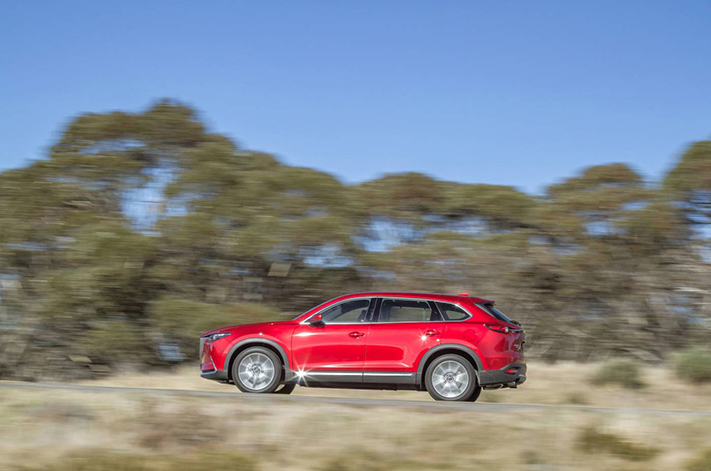
However, despite those efficiency gains the Kluger’s 9.5L/100km claimed consumption is higher than the 8.8L/100km of the CX-9.
Featherweight steering in the Kluger makes light work of parking but lacks finesse at speed.
And while the Toyota laps up sharp-edged lumps convincingly, the 20-inch hoops of the CX-9 ultimately hang on harder, making for more engaging cornering.
The CX-9 also wins on refinement, its hushed cabin adding to the upmarket ambience.
VERDICT – Winner: Mazda CX-9
For larger families the Kluger’s extra millimetres could make sprawling teens all the more content. And the notable improvements to the V6 make for a more enjoyable and enticing machine.
But the Kluger is ultimately upstaged by the classy, thoughtful and well-executed CX-9. Any deficiencies are comfortably countered by clever thinking.
Its smartly packaged interior and effortless four-cylinder engine make for a winning combination.
If a seven-seater is on your shopping list then the CX-9 is still the weapon of choice in the large SUV segment.
SPECIFICATIONS
Mazda CX-9 AWD Azami Engine: 2.5-litre 4-cylinder turbo Transmission: 6-speed automatic Power: 170kW @ 5000rpm Torque: 420Nm @ 2000rpm Fuel use: 8.8L/100km Kerb weight: 1924kg Price: $63,390
Toyota Kluger AWD Grande Engine: 3.5-litre V6 Transmission: 6-speed automatic Power: 218kW @ 6200rpm Torque: 350Nm @ 4700rpm Fuel use: 9.5L/100km Kerb weight: 2100kg Price: $65,935
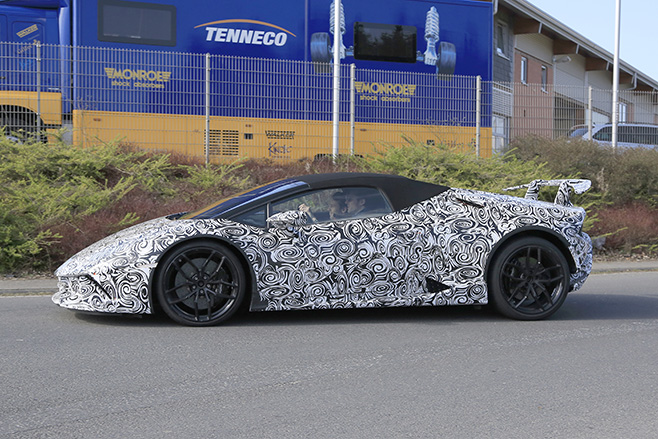
IF YOU thought the Lamborghini Huracan Performante’s record Nurburgring lap was hair-raising, imagine doing it without a roof.
A roadster version of the track-focused Huracan range topper has been spotted at the Green Hell, and looks every bit as slippery as the coupe that chewed up the joint in a barely believable 6min 52sec last month.
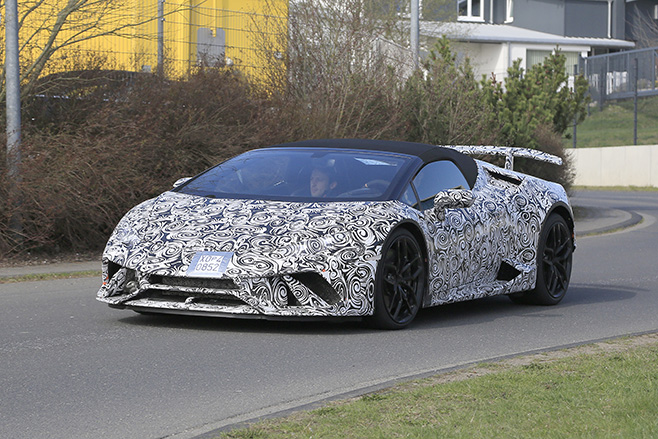
Despite its open top, the Porsche’s achievement was also the overall record including closed cockpit cars until the Performante Coupe’s effort brought it tumbling, and numbers suggest the Raging Bull can add insult to injury.
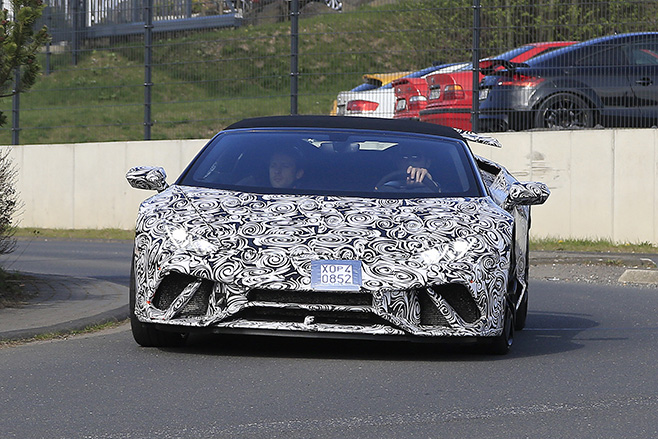
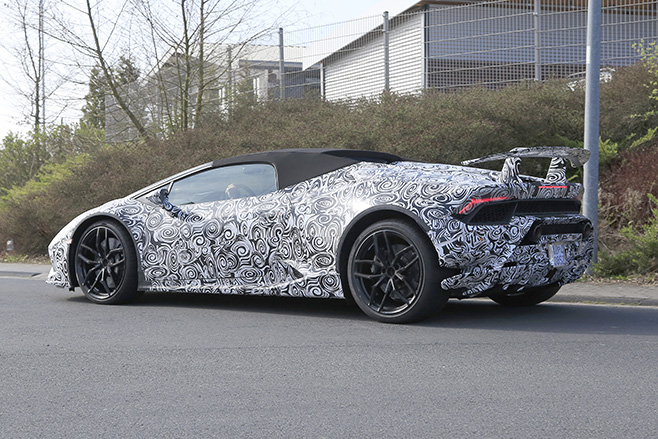
The Lamborghini Huracan Performante Spyder is due for launch later this year. If it comes to Australia, expect a price tag north of the equivalent coupe’s $483,866.
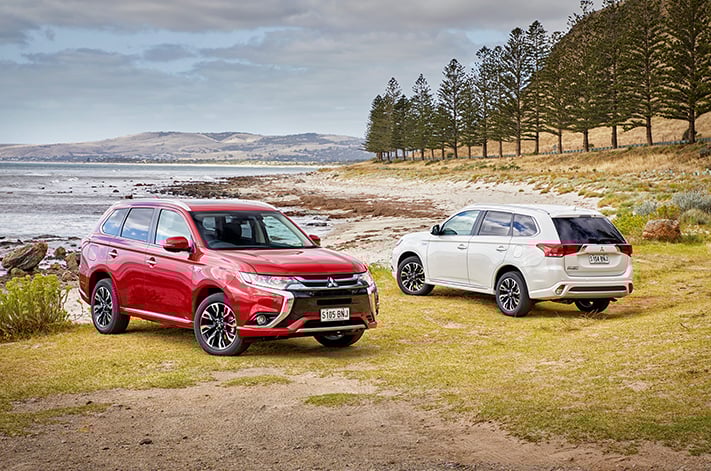
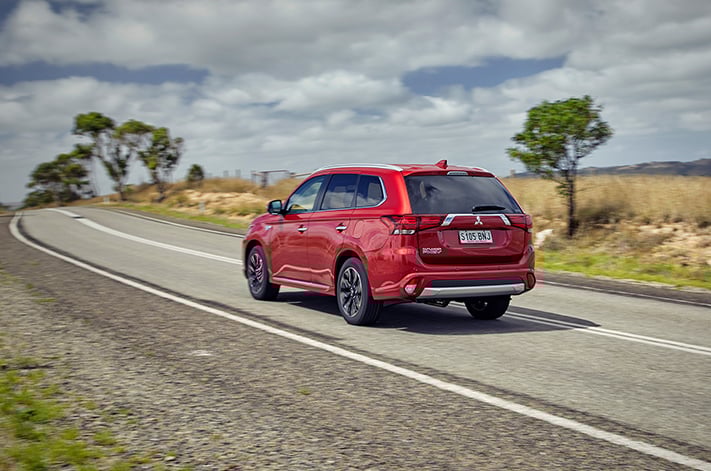
RUNNING changes to Mitsubishi’s plug-in hybrid SUV make it slightly better than it was before.
WHAT IS IT? It’s the third significant tweak to Mitsubishi’s only plug-in hybrid SUV since its launch in Australia in 2014.
WHY WE’RE DRIVING IT
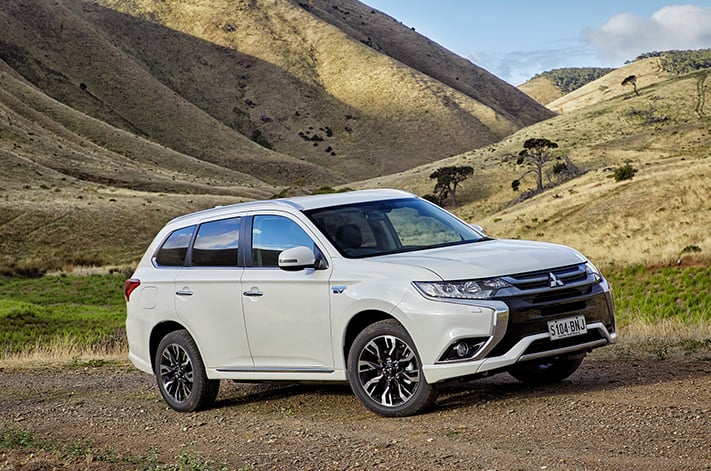
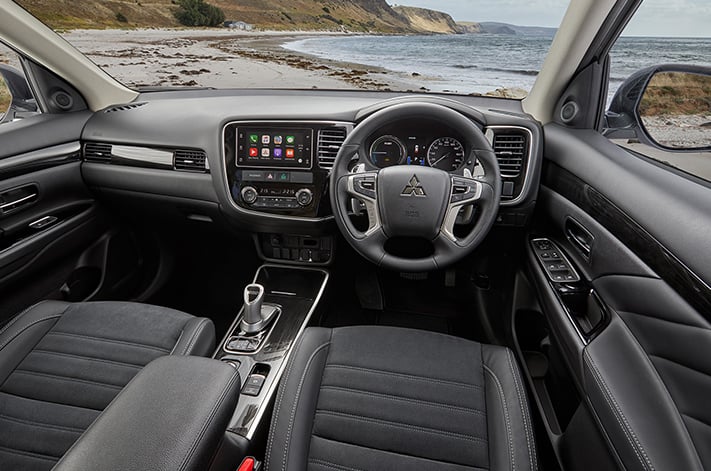
It’s a bit of a curiosity in terms of its low, low sales numbers, but it’s shaping up as the best-driving Outlander in the range. The petrol-electric hybrid formula, sending drive to all four wheels, remains almost the same, but it introduces new exterior looks, revised suspension and greater control over whether you burn hydrocarbons or electrons.
MAIN RIVALS Mitsubishi Outlander DiD Exceed; Nissan Pathfinder ST Hybrid
THE WHEELS VERDICT We were already something of a fan of the surprisingly good way the plug-in Outlander drove, and tweaks to the suspension, brakes and the engine/electric motor interface only improve it.
THE WHEELS REVIEW THERE’S a TV ad for a certain energy drink company with the tagline: “The massive hit that improves you a bit.” It plays up the image of someone meeting their slightly better self, and coming away from the experience feeling, let’s say, slightly downcast.
As of today, you can apply that to owners of Australia’s most affordable plug-in hybrid SUV, the Mitsubishi Outlander PHEV. Just like the ad suggests, the Japanese carmaker’s running update has improved it a bit.

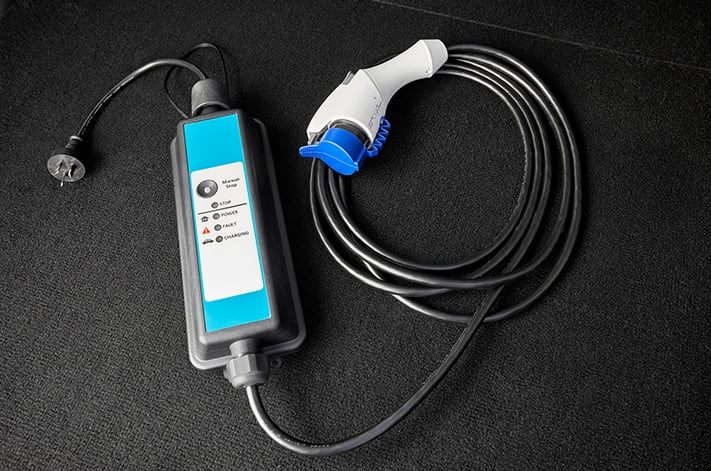
The MY17 Outlander PHEV keeps the same drivetrain as before – a 2.0-litre four-cylinder petrol engine driving the front wheels, and a pair of electric motors tapping a more expensive lithium ion battery (not a cheap, bulky nickel metal hydride one, we should note). This time around, though, Mitsubishi has decided to future-proof the Outlander for a future where an 80 percent recharge will take 25 minutes, not five hours. Each Mitsubishi PHEV now comes with DC fast-charging compatibility, even if there’s only a handful of the stations scattered around Australia. More will come one day.
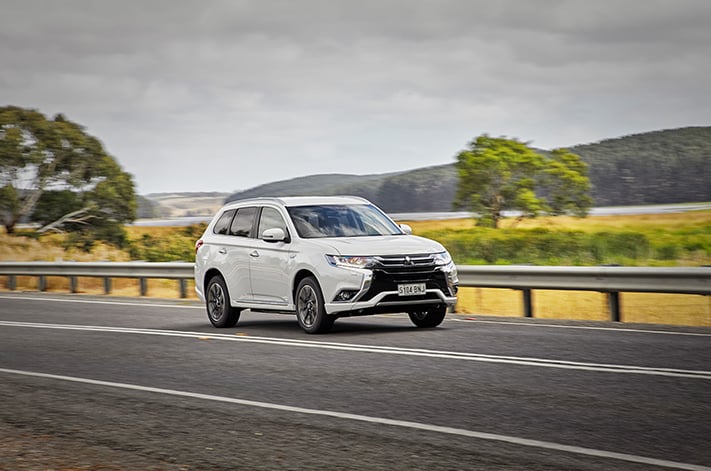
A decent change has happened under the bonnet. No one at the launch of the plug-in hybrid’s launch was able to tell us exactly what the tweaks to the drivetrain were, but previously the plug-in Outlander’s transition from full electric to engine-assisted propulsion was a bit crude. Stirred into life by a decent push on the accelerator pedal, the engine would flare angrily and the PHEV would surge forward before setting. Now, the transition is much smoother, almost seamless.
Dual-cab 4×4 ute comparison review: Mitsubishi Triton
Much was done to improve the Outlander’s ride and handling, too. The front struts have had a makeover, re-tuned damping helps to keep the SUV more settled, the rear suspension has a thicker anti-roll bar, underbody bracing is improved and new motor mounts help to reduce vibration. The front brakes step up to two-pot calipers, and the brake master cylinder is larger than before so the brakes feel less woody when combined with the five-stage regenerative braking system – the force of which can be altered by the steering column-mounted paddles.
But there are carry-over compromises that come with the plug-in lifestyle. While the rest of the Outlander range can cart five adults and two children confidently, the PHEV is only a five-seater. The boot is slightly smaller because it houses the electric motors’ batteries rather than a spare tyre (even if there is still an under-floor cubby space). And if you’re going to tow, the PHEV is rated at 1500kg braked, so 500kg less than the conventionally engined SUV.

But just like the ad, there’s something slightly annoying about the new, improved Outlander PHEV: it’s copped a $3000 price rise over the old one. Part of this is down to the cost of the battery – in contrast with other car-related tech, battery prices have remained high rather than lowering over time – as well as the addition of the rapid-charging tech that most owners won’t be able to exploit until the specialised charging infrastructure becomes more widespread.
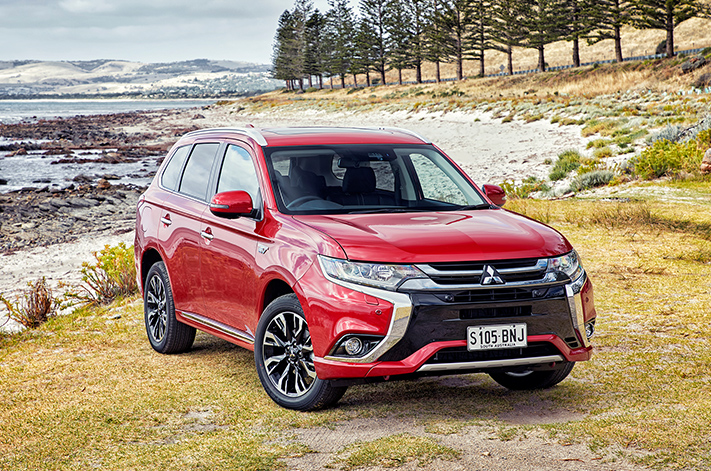
How does it go? If you’re happy with the slightly higher sticker price hit, Mitsubishi’s Outlander PHEV has improved a bit.

CHARGING AHEAD Mitsubishi Australia is asking its Japanese parent company if the plug-in Outlanders sold here can be modified to include a 240-volt power socket. Mitsubishi’s plug-in cars in Japan have the option of connecting an inverter to the SUV’s charging port, drawing enough electricity from its batteries in an emergency to power a house for up to five hours, or critical infrastructure such as traffic lights. As a live demonstration, Mitsubishi used the system to run a coffee machine at one of the stops along the Outlander PHEV launch route.
SPECS Model: Mitsubishi Outlander Exceed PHEV Engine: 1998cc 4cyl, dohc, 16v, 2 electric motors Max system power: 120kW Max system torque: 332Nm Transmission: Single speed Weight: 2270kg 0-100km/h: N/A Fuel economy: 1.7L/100km (combined) Price: $55,490 On sale: Now
Like them or loathe them, drivers and cyclists need to coexist. I happen to be both, and I – like many others – am guilty of a little self-righteousness, both in the car and on the bike. I see it from both sides, but consider me a driver first. I understand how frustrating it can be to get stuck behind somebody on a bike, though I also sympathise with those on two wheels who are simply trying to get somewhere without being run over.
So using my position as a diehard car-lover and an avid cyclist (and a motorcycle rider to boot) and the unique perspective on road safety and etiquette that affords me, here are eight simple steps for WhichCar readers to make life on the roads more tolerable for everybody, and hopefully offer some insight into what cyclists are thinking when they do what they do.
1. LEAVE SPACE
This should be obvious, right? Unfortunately it isn’t, as the Roads and Maritime Service in NSW has had to mandate a 1.5-metre gap for cars overtaking bikes at speeds above 60km/h. That’s a lot of room, probably more than is strictly necessary, but it illustrates the issue.
There are two extremes here, those drivers who seem to get a thrill out of all-but sideswiping riders and those who seem to be scared about cyclists somehow throwing themselves under their car wheels unless they move onto the wrong side of the road to overtake. Aggression and over-cautiousness can be as unpredictable and dangerous as each other, but the basic principle is the same – leave riders enough room to go about their business without scaring them and without putting yourself in danger. Take an extra moment to double-check the road ahead before making your move. Cyclists can be put off by erratic overtaking and they are always going to come off second best if something goes wrong.
It’s worth mentioning here that cyclists do sometimes need more room on the side of the road than a driver might think is necessary. Many drivers expect cyclists to ride in the gutter, but what is hard to see unless you’re on a bike is that most roads are bumpiest on their edges and far from spotless, and there are obvious problems with riding in glass or gravel which means cyclists will try to pick a clean line near the side of the road, but maybe not quite as far over as some drivers would like. The main thing here is to keep your cool. You won’t be stuck behind them forever. Wait for an appropriate gap in traffic, and make your move.
2. CHECK MIRRORS
If you’re driving on a road with a bike lane, it’s fair to assume there’s a higher likelihood of cyclists in the vicinity. Before setting off from a set of lights, look to the side, check your mirror and glance over your shoulder for a cyclist who may have rolled up to the front of the bike lane while you have been waiting for the lights to change. I have been squeezed up against gutters and almost pushed off my bike a number of times by drivers who have driven away from lights and cut across the bike lane on the other side of the intersection, simply because they didn’t know I was there.
This brings up another point: entitlement. In the eyes of the law, cars and bicycles are equally authorised to use (most of) the roads, and though our attitudes to each other are invariably different depending on our chosen mode of transport, everybody benefits from showing a bit of respect. Be prepared to make minor concessions for the other, whether you’re a driver or a cyclist reading this. And if you’re one of those drivers telling cyclists they should pay rego – I do. On a car and a motorcycle. So if I choose to cycle for the fitness benefits, that should be just fine.
| How to prepare your car for sale
3. LOOK AHEAD
One of the most dangerous (and annoying) things drivers can do around a cyclist is speed up to get past only to slow down and a turn into a driveway or side street. In our haste to get in front of somebody on a bicycle it can be easy to lose sight of where we are on our journey and find ourselves ‘needing’ to aggressively jump in front of a cyclist and subsequently cut them off. Where possible, if a turn is coming up, stay behind the cyclist until you reach the corner you need. Let the cyclist go on ahead before making your move. Over the course of a journey, hanging back at a lower speed for a few hundred metres will make next to no difference to the length of time it takes to get where you’re going, but it might save a rider from t-boning your car.
4. OPENING DOORS
In Holland there’s a thing called the ‘Dutch reach’. It’s a habit instilled in drivers to remind them to check for cyclists before opening their doors. In locations where parallel parks run side by side with a bike path, a quick peek in a side mirror is enough to make sure there’s nobody approaching in the cycleway who might get a nasty surprise from a door swinging out in front of them. Cyclists call this being ‘doored’. It has a name because it happens quite a lot, and it can cause serious injury to riders and big damage to car doors.
5. BE SMOOTH
Generally speaking, cyclists are very aware of their surroundings. They need to be in order to make safe choices. Safety should be the first thing in a rider’s mind, and sharp, unpredictable drivers are bad news. Yes, it can be infuriating to be in a position where a rider separates us from a clear road ahead for even a moment, but the main thing here is to keep a calm head. Again, these moments of inconvenience will barely impact on the overall time it takes to get to our destination, so it’s best to wait for a suitable gap, move out to a safe distance and get well and truly in front of the bicycle before moving back into the lane. Hesitating can be extremely off-putting and decisiveness is actually a good thing, provided it goes hand in hand with a bit of respect for the person on the bike.
As a rider I try my utmost to show respect to drivers by riding in single file, even though it is legal to ride two abreast, and, when there isn’t a bike lane, by staying behind cars that have already stopped at traffic lights rather than rolling up to the front of the queue. I understand that not all cyclists do this, but unfortunately there are bad cyclists just like there are bad drivers. Try to avoid tarring every rider with the same brush.
| How to understanding wheel alignments
6. USE INDICATORS
This is something I hate as both a driver and a cyclist. Cars that stop or pull over in the middle of the road, without warning, are plain dangerous. I see it more when I’m on my bike, presumably because drivers don’t see a car behind them and assume the road is empty, so they pull over with no indication and it’s up to me to react quickly enough to avoid them. All it takes is a simple flick of a blinker to tell the world what you’re about to do. Make it a habit. Do it all the time, whether you think there’s somebody who needs to see it or not. Because there just might be. This is a general rule too – not just when there are cyclists about.
7. ASSUMING SPEED
You may not think it, but riders can reach speeds of 50km/h and above, especially on downhill sections. Of course, many riders are slower than this, but making an assumption about the speed of a cyclist is one of the more dangerous things a driver can do. Consider the scenario of a cyclist approaching from the opposite direction while you are waiting to make a right-hand turn across oncoming traffic. You see the cyclist and think the gap is big enough, but they’re travelling faster than you assumed. That gap might not be so big anymore. If you have any doubt, stop. Let the cyclist pass. If you collide, that rider is the one leaving in an ambulance even though it was you, the driver, who made the mistake.
| How to tell if a car has rust
8. NO TEXTING
Don’t get me started on this… Just don’t. Burying your head in a phone while behind the wheel is plain dumb.
At the end of the day all of us are simply trying to get somewhere, and though we protect the bitumen in front of us like it’s our own sacred territory, a little bit of acceptance will go a long way. Cyclists are extremely vulnerable, and though they might get in the way temporarily it’s worth remembering that each bike could be another car making the traffic jam worse.
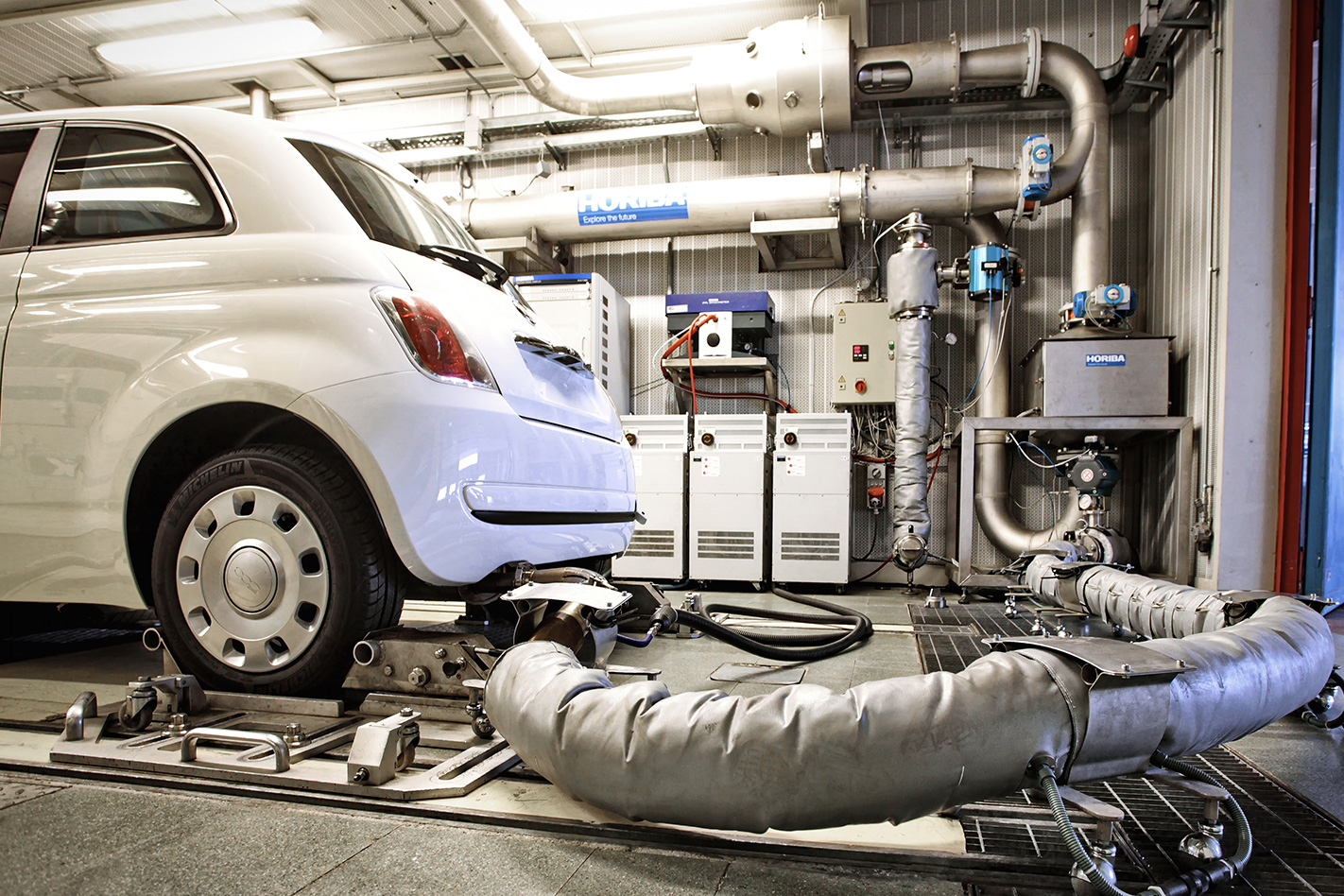
Real world emissions testing programs in Australia and the UK have found a majority of cars exceed their official published fuel consumption figures by up to 60 per cent in actual driving conditions.
The real world figures have reinforced concerns that the inaccuracy of official laboratory emissions testing is underestimating fuel consumption figures leading to ill-informed decisions by consumers and government policy makers.
Australia’s first large-scale independent on-road vehicle emissions testing program has found 17 of 30 vehicles tested used 25 percent more fuel on average than their official rating, with some even recording a figure as high as 60 percent.
The Australian Automobile Association (AAA) commissioned testing also revealed on-road noxious gas emissions up to eight times the legal limit.
AAA CEO Micheal Bradley said the results were bad news for Australian consumers looking for credible information on which to base their car buying decisions.
“Our test results are a warning to Australians to take the Government’s promises of fuel and cost savings with a grain of salt, and expect those savings to be significantly less than what’s promised.”
Some of the highest discrepancies were with cars that have passed the latest Euro 6 lab emission standard, which the AAA says created a false perception that upgrading to new cars would usually save money in the long run.
The AAA-commissioned testing coincides with UK research by motoring consumer website HonestJohn.co.uk that showed nine out of 10 cars failed to meet their official published figures due to ‘out dated’ lab testing.
Researchers analysed 118,000 “Real MPG” fuel reports, submitted by UK drivers, and found that, like the AAA testing, an average car in the UK now uses 24 percent more fuel than claimed.
Honest John’s Managing Editor, Daniel Powell, said: “Real MPG (miles per gallon) has shown that, for the majority of drivers, advertised fuel economy figures are quite simply too good to be true. As a result, many are finding it increasingly difficult to understand how much fuel a car will use or how polluting it will be.
“There’s clearly a need for change in the way that MPG is measured, as the real world figures don’t reflect those of laboratories.”
In Australia there are also concerns about how Federal Government emission policies are based on the presumption that newer cars are far cleaner than older vehicles.
One avenue the Government is considering is reducing sulphur levels in fuel by phasing out 91 RON ‘unleaded’ fuel within five years in favour of premium unleaded, which would drive base petrol price up by more than 10 cents per litre.
“The Government’s documents show a lack of robust science behind their assumptions and Australian motoring clubs believe the Government must update its modelling and undertake further public consultation,” said Bradley.
“Australian consumers won’t thank the Government for a scheme that makes cars and petrol cost more than they should, but fails to deliver benefit for our environment.”
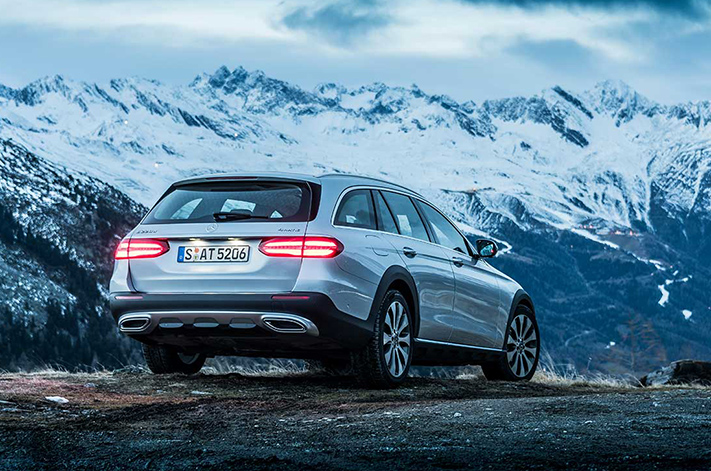
The 2017 Mercedes-Benz E-Class All-Terrain E220d will start at just $109,900 plus on-roads and arrive on Australian shores in June this year.
While Mercedes already offers the E-Class Estate in Europe, the E220d will be the only wagon-bodied E-Class available in Australia. The All-Terrain does, however, include some distinct features over its wagon siblings.
To match the ‘go-anywhere’ personality of the All-Terrain, Mercedes has given it an SUV make-over, with the treatment of its “SUV-style twin-louvre” front grill, bumper and wheel arches.
| 2017 Mercedes-Benz E-Class All-Terrain revealed
It also adds 29mm ride height, and features Mercedes’ 4MATIC all-wheel drive system. This system includes Dynamic Select technology, which offers five driving modes, including an off-road setting (called All-Terrain) which is already featured in the larger GLE and raises the suspension by 20mm.
Leather upholstery is included as standard along with Driver Assistance Package Plus, keyless entry, engine stop-start, widescreen infotainment system, LED headlights, roof rails, underbody protection and 20-inch five twin-spoke alloy wheels.
Under the bonnet sits a 143kW/400Nm 2.0-litre four-cylinder diesel engine which is mated to a nine-speed automatic transmission.
Mercedes calls the E-Class All-Terrain a “flexible all-rounder” addition to the E-Class line-up.
“No E-Class has ever been as versatile as the All-Terrain,” said Ola Källenius, Member of the Daimler management board responsible for Research and Development of Mercedes-Benz Cars.
| Mercedes-Benz E220d All-Terrain: 7 Things you didn’t know
“The new model combines a striking look in SUV style with the intelligent space concept of the estate. This is coupled with lots of innovative safety features and the multi-award-winning E-Class interior.
“With 4MATIC all-wheel drive as a standard feature and increased ground clearance thanks to the AIR BODY CONTROL multi-chamber air suspension the All-Terrain is a flexible all-rounder – for unpaved roads, family and leisure time.”
More details will be revealed in the lead up to the mid-year local launch.
Mercedes-Benz E-Class All-Terrain E220d
Price: $109,900 plus on-roads Power/Torque: 143kW/400Nm
