
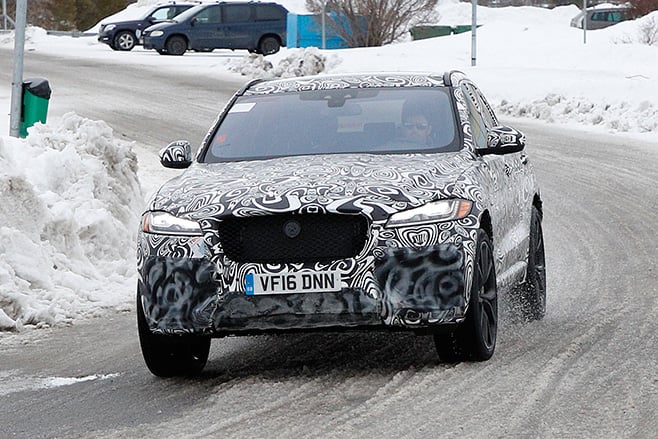
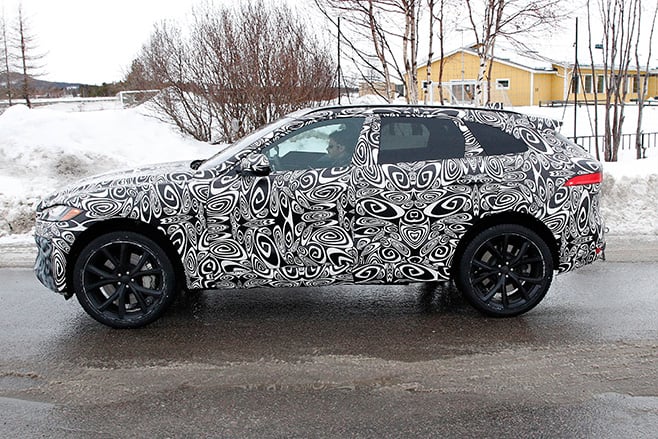
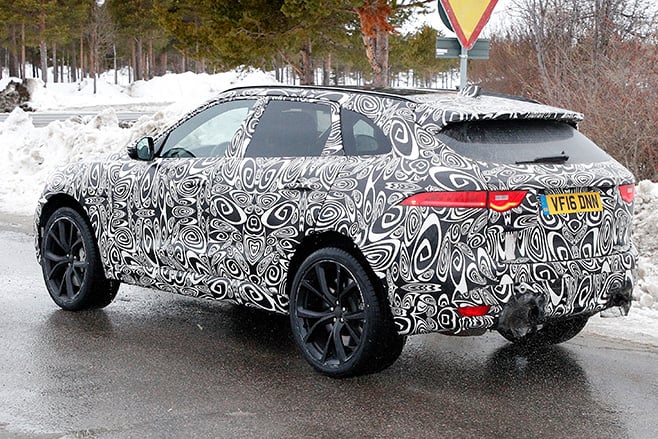
JAGUAR customers that find the supercharged V6 version of the F-Pace a bit too … subtle … for their liking will be pleased to hear an SVR version has been spied cold-weather testing.
The F-Pace SVR is likely to be fitted with the company’s raucous 5.0-litre supercharged V8, which is found in a number of Jaguar and Land Rover performance models.
A bellowing eight-cylinder soundtrack accompanied an F-Pace which was spotted testing on the Nurburgring late last year.
The Range Rover Autobiography packs a 375kW/625Nm punch with the engine, while the disorderly F-Type SVR uses the same package to produce 423kW and 700Nm.
The Jaguar XJR and F-Type R sit in the middle ground, with 404kW and 680Nm coming from their supercharged bent eights.
The F-Pace SVR’s chief rival is likely to be the 294kW/550Nm Porsche Macan Turbo, which is available for $130,000.
The F-Pace 35t, powered by a supercharged V6, is the current flagship of the range, sprinting to 100km/h in 5.5 seconds.
The Audi SQ5 and Mercedes-Benz GLC 63 are also going to be fierce competitors to the big-pawed Jag.
A total of 276 of Jag’s midsize SUVs have been sold in the first two months of this year, along with an extra 829 from 2016.
With Australia’s love for all things luxury, SUV, supercharged, and V8, it would be little surprise if the F-Pace SVR was a solid seller Down Under.
Don’t worry about the cheesy voiceover. Don’t worry that it calls the i3 ‘king of the road’. Just worry about the drift.
It’s not often you see an i3 and think ‘yeah, I want to drive that’, but watching Finnish rally legend and 1966 Bathurst winner Rauno Aaltonen behind the wheel elicits conflicting feelings.
A rear-motor electric car sounds like an odd choice for a loose-surface slide, but Aaltonen reckons once you get the hang of it, the 125kW i3 is great for a controlled loss of traction.
While it generally takes a lot of skill to get a good drift out of an RR car (say ‘RR car’ fast three times), the Flying Finn has the right stuff. Even at his age.
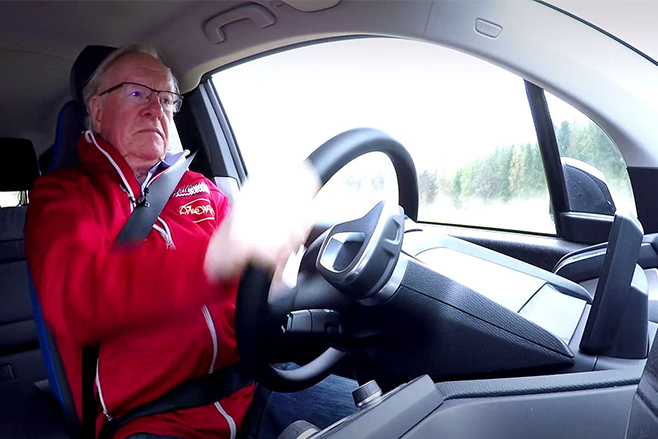
“To drift the i3 is easy, nice… I love it,” the 79-year-old says. Bicycle tyres and an electric motor apparently lend themselves well to the art of the drift.
As Aaltonen points out, full torque at zero revs is a huge advantage during a slide. It’s only 250Nm, but you get it right from the get-go.
A quick bit of searching found Aaltonen wasn’t the only one who’s had a crack at drifting an i3.
We found the above video from a punter who reckons it takes a bit more work than it’s worth.
Still, from what we can see the right surface will get the i3 sliding like a champ.
It’s not likely you’ll ever get the chance to drift an i3, as there aren’t all that many around – plus you’d be hard pressed to convince someone to let you drift their eco-warrior run-about.
Watch what happens next time you’re stuck behind an i3 on a windy road (yes, some people bought them), especially if the driver looks about 80 years old.
A NEXT-GENERATION Holden Commodore Sportwagon has been spotted in Australia, wearing minimal camouflage and still about a year out from its official arrival.
Both the wagon and five-door sedan version of the car have launched internationally as the Opel Insignia, and are expected to land in Oz early next year.
The German-built “NG” (for “Next Generation”) Insignia will replace a long line of Aussie-made Commodores when Holden quits almost 70 years of local manufacturing on October 20.
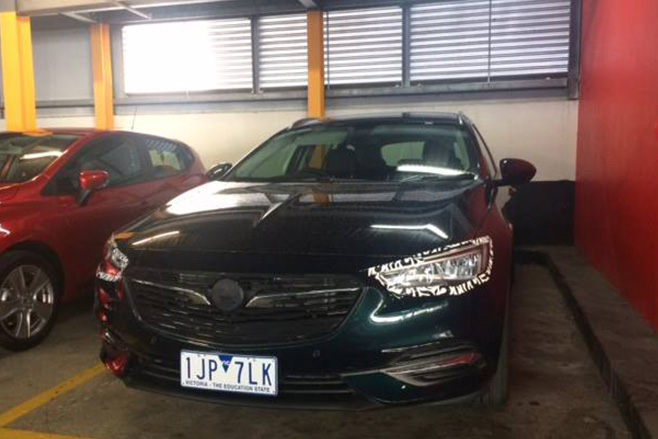
The three images here were snapped by Eugene Khanin, and posted to the Facebook wall of our sister magazine Motor.
The next-generation Commodore has Holden fans up in arms – the German-built version of the car won’t have rear drive, sport a manual, or shoehorn a V8 under the bonnet.
Holden will use the current Sportwagon badge on the longer-bodied wagon spied here, built on GM’s E2XX vehicle architecture.
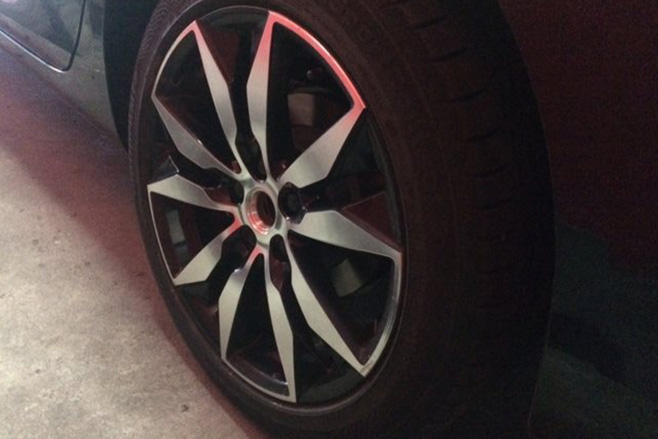
Other driveline choices include the same 2.0-litre turbocharged petrol and diesel engines as the five-door hatchback Insignia.
The Insignia-based Sportwagon will have a shorter wheelbase than the VF II it replaces; 2829mm compared with 2915mm for the current generation. But at 4939mm, it has a 67mm longer body than the Aussie-built version. The international Sportwagon is said to be 200kg lighter than the current model, tipping the scales around 1450kg.
Holden has been part of the Insignia’s development since it was decided that the Opel product would become the Commodore replacement.
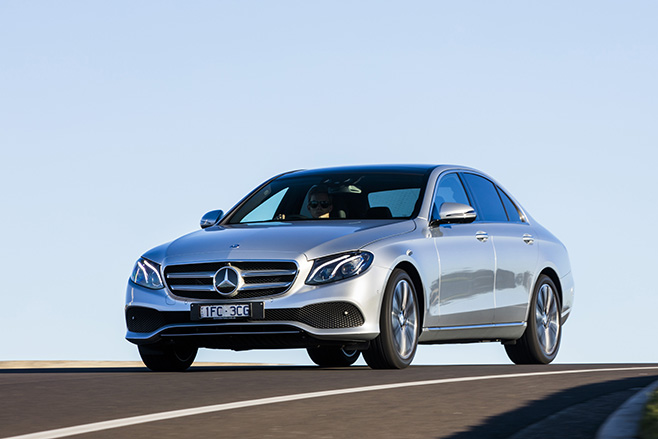
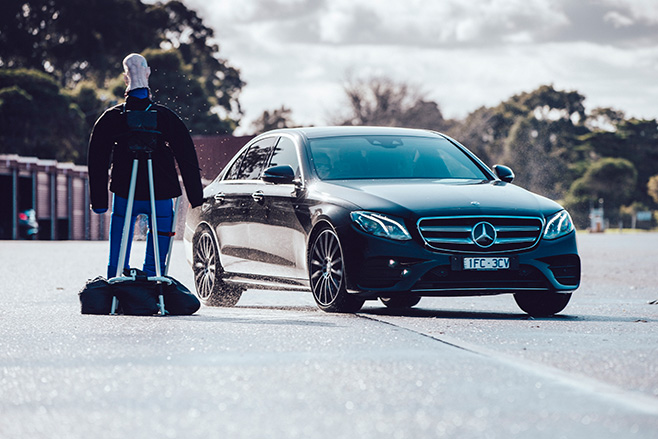
Mercedes-Benz has begun testing its latest and upcoming autonomous driving technologyon Australian roads using a modified E-Class sedan.
The vehicle, which looks like any other current model E-Class, has been fitted with additional equipment designed to collect data on local roads, signage, satellite navigation and traffic behaviours in Australia and other right-hand-drive markets.
It will be based in Melbourne but will travel interstate to collect data from real-world situations.
The company had previously announced that if the program is successful it would increase the number of Australian vehicles, possibly using camouflaged, yet-to-be-released models.
The testing is being carried by Mercedes-Benz Research and Development team based in Sindelfingen, Germany and headed by Jochen Haab, Manager of Validation and Communication for Active Safety and Assistance Systems, in conjunction with a local technical team.
Haab, who has been involved with testing Mercedes-Benz’s state-of-the-art crash mitigation and avoidance technology, says Australia presents plenty of different driving scenarios and challenges to Europe.
“Australia is an important market but also a market we can learn more about by gathering data from our current systems to help develop our technology for future Mercedes-Benz vehicles,” Haab said.
“This opportunity allows us to further test in a new right-hand-drive market with good roads, signage, and varying conditions within close proximity of urban areas. For example, you can be in a congested traffic situation in the city, and then 30 minutes later be in a rural-type environment with varying conditions.
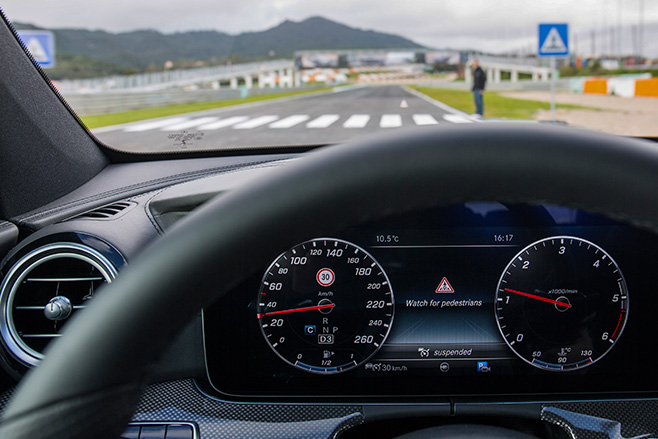
Mercedes-Benz Australia Pacific CEO and Managing Director Horst von Sanden said the testing will help expedite the development of new safety systems into Australia, with it coinciding with a self-driving trial in Melbourne by toll-road operator Transurban and Bosch using a modified Tesla Model S.
According to Transurban, the trial will help both it and the Victorian state government “to better understand how automated vehicle technology works with roadside equipment like overhead lane signals, electronic speed signs and line marking.”
A Mercedes-Benz Australia spokesman said while the testing will be done separately he wouldn’t rule out the two development teams sharing data as is already the case between the carmaker and Bosch in Germany.
He said Mercedes-Benz is also working with Victoria Police and local authorities around the country and is “pleasantly surprised how advanced Australian government departments are with regards to future technology.”
All data collected in the Australian trial will be analysed and tested in Germany, at a 500-hectare facility currently being constructed at a former military base in Immendingen.
Due to open next year, the purpose-built proving ground will act as a flagship facility for the next steps of Mercedes’ autonomous and active safety system developments, as well as dynamics and alternative drivetrains such as electric and hydrogen-powered cars.
The updated Holden Trax brings a fresh look and some minor updates in its tech department.
Tell me about this car
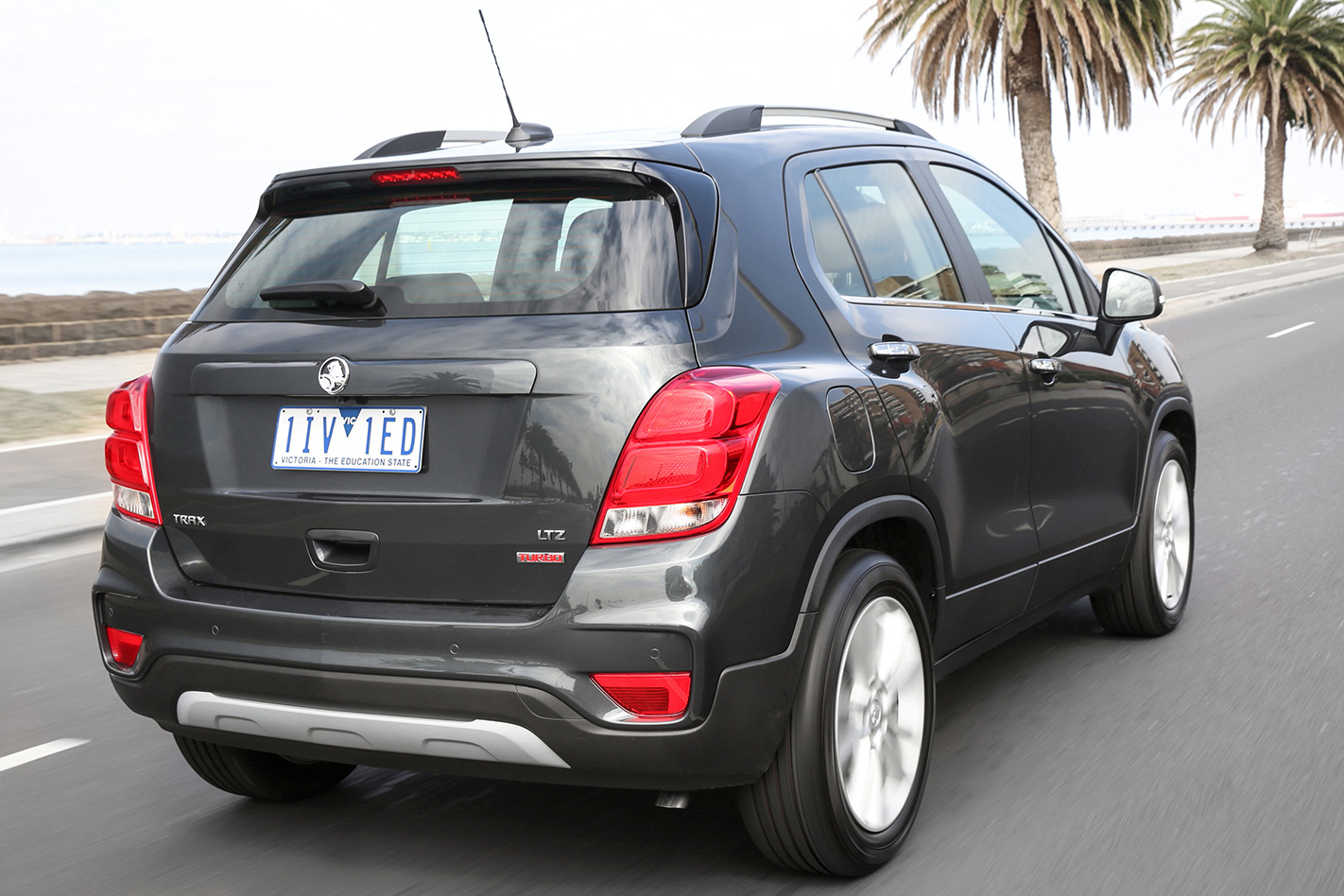
The Trax is Holden’s small SUV and its 2017 update brings enhanced phone connectivity, and some cosmetic changes to its face and interiors. It’s a good-looking compact crossover, that handles well, comes with Apple CarPlay and Android Auto, and performs well when driven hard thanks to its turbo-petrol engine.
Strengths
- Given its high riding position, as an SUV, body roll is obvious, but the Trax steers and handles well through corners, and thanks to the firm ride, it sits flatter on turns.
- The turbocharged petrol four-cylinder engine is our pick of the range because it performs and responds well. It uses the least fuel of the range, although it’s not as frugal compared to some of its competitors.
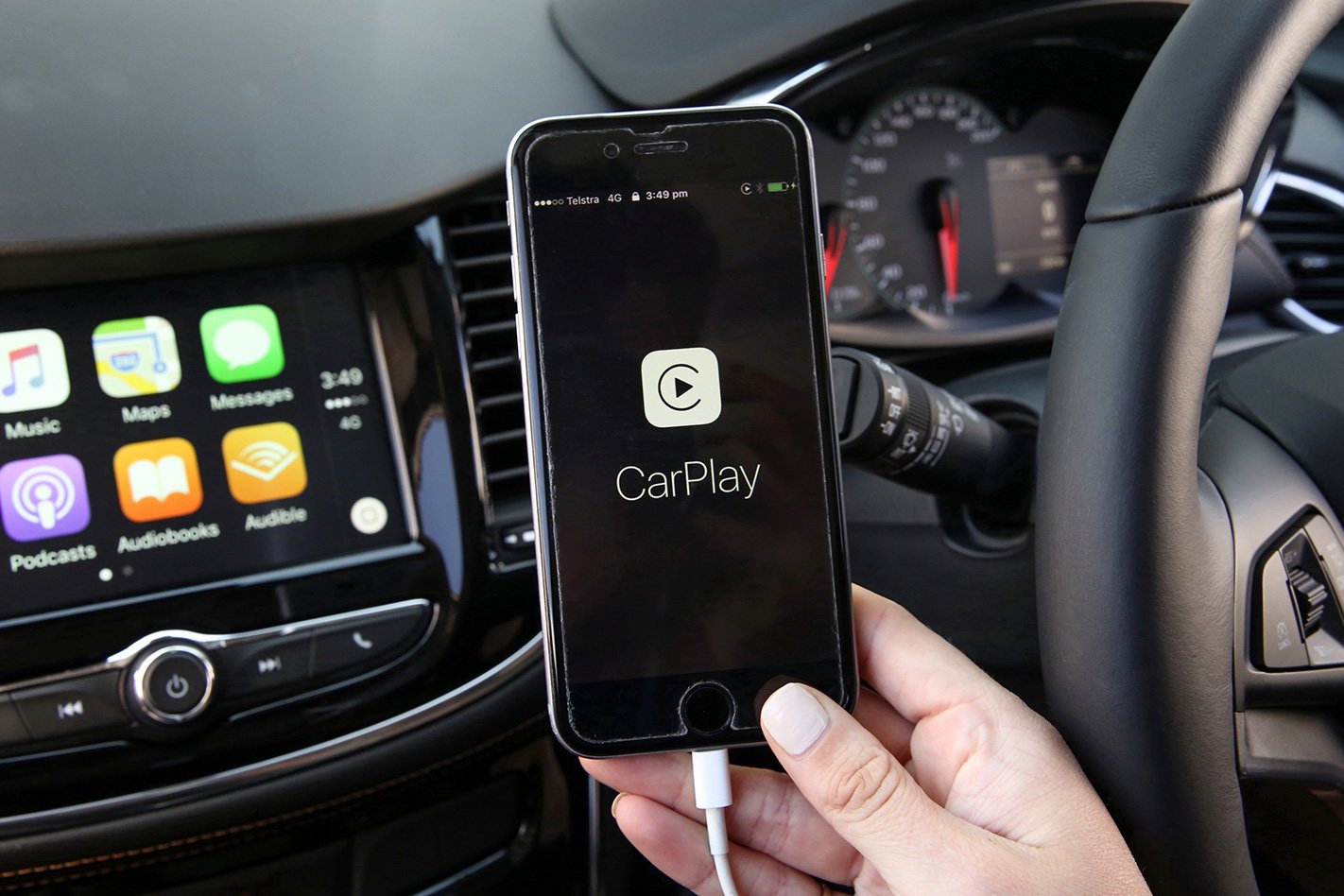
- The Holden Trax offers smartphone connectivity as standard across the range which means Apple CarPlay and Android Auto can be used to mirror some of your phone’s applications. This is used with the brand’s MyLink infotainment system which does take some getting used to.
- The facelift of the Trax does make it look fresher and sharper than before.
Weaknesses
- While it handles well, the ride in the Trax is firm and it can feel unsettled.
- The design update does give it a fresher look, but the interior uses some low quality materials and gives it a plastic feel.
- Like above, the vinyl used for the seats are clammy and the fake-leather used doesn’t breath as well as some other options.
- A lot of road noise. The Trax may offer road manners, but it doesn’t do so quietly, with a lot of noise coming from all elements – tyre, wind and engine.
Mazda CX-3, Subaru XV, Suzuki S-Cross, Peugeot 2008 or the Toyota CH-R.
The performance wagon is an endangered species. Despite being the perfect car for many needs, it’s under significant pressure from a fast SUV onslaught that threatens to overwhelm the marketplace.
Thankfully, small pockets of resistance remain, for buyers who prioritise performance, dynamics, value and efficiency over a lofty driving position and adherence to the latest trend.
A mainstay in this segment is the Skoda Octavia RS, its combination of proven German mechanicals and Eastern European modesty, not to mention value for money, making it a surprise hit. It appears Aussies prefer their Skodas on the spicy side, too, with the RS accounting for 40 per cent of Octavia sales, more than any other variant.
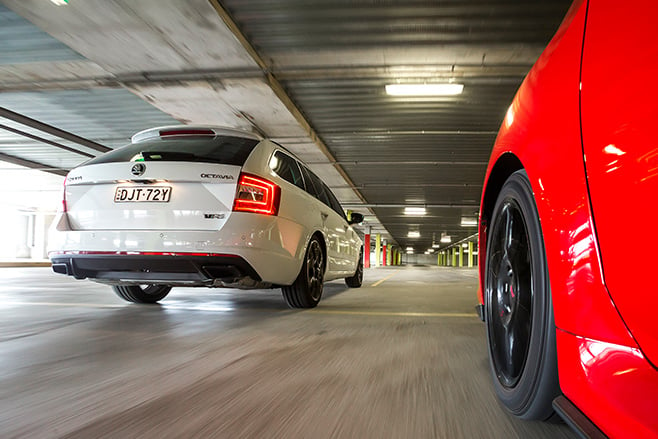
The result is 169kW/350Nm from the 2.0-litre turbocharged four-cylinder, fed to the front wheels through a six-speed manual and mechanical limited-slip differential. No XDL electronic trickery here, and no lurchy dual-clutch ’box, either.
There’s also a fairly staggering amount of standard equipment. For $43,190 in wagon form (the sedan is $2000 cheaper) the RS230 offers active cruise control, heated front and rear seats, dual-zone climate control, panoramic sunroof, sat-nav and support for Apple CarPlay and Android Auto, a feature Ferrari charges $6790 for in a 488.
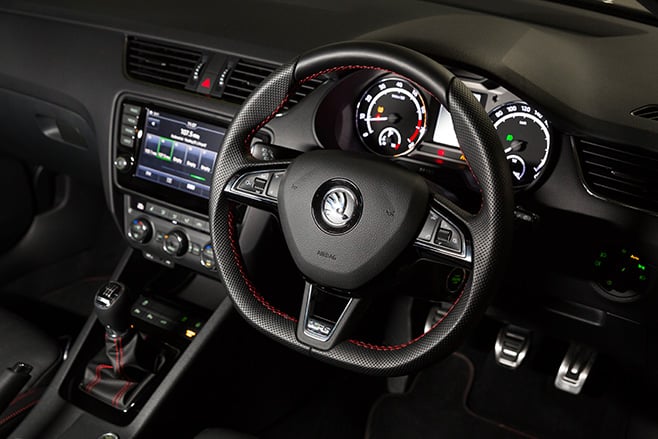
You can see where dollars have been saved in the interior as there’s a lot of hard, scratchy plastic, however everything you interact with feels quality and the seats look very cool in a retro ’80s supercar kind of way, though they could use more lateral support. The boot is a spacious 588 litres with the rear seats up and roomy 1718L with them down, though unfortunately the rear seats don’t fold flat.
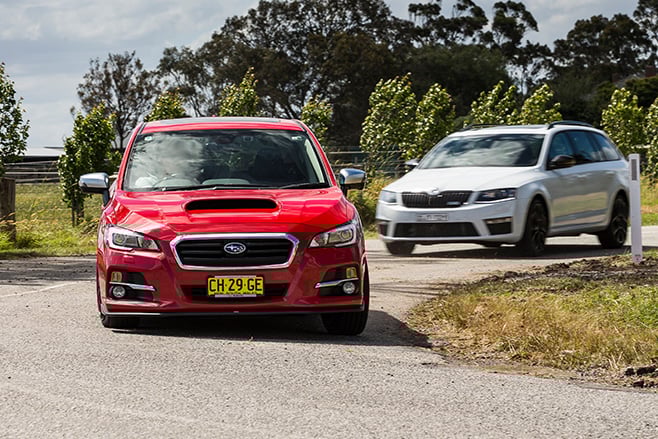
Nonetheless, it’s a more practical load space than that of the new Subaru Levorg, which offers 522L with the seats up and 1446L with them down, though the rear seats do fold almost flat. Three grades of Levorg are offered, from the $42,990 GT to the $52,890 GT-S Spec B.
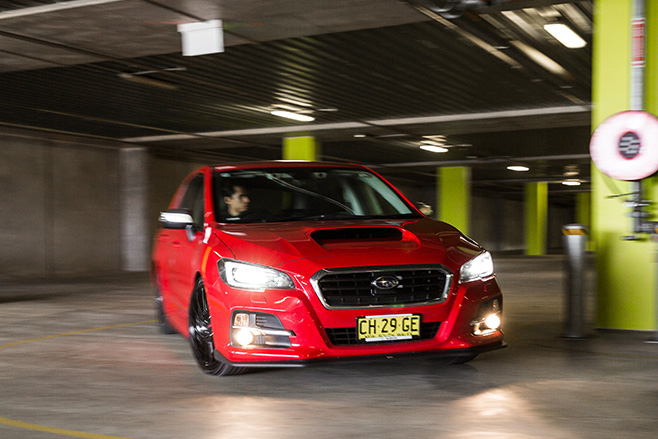
For the purposes of our comparison, however, we’ve used the mid-spec $48,890 GT-S as it’s the best match for the Skoda equipment-wise, including features such as a sunroof, auto wipers and headlights, electric heated front leather seats, sat-nav and Subaru’s Vision Assist active safety system, all of which are missing in the more price-competitive base GT.
Material quality is superior in the Subaru, with blue-stitched leather where you’d find hard plastic in the Skoda, and the latest infotainment system is a big improvement over the old unit that still serves in various Toyotas.
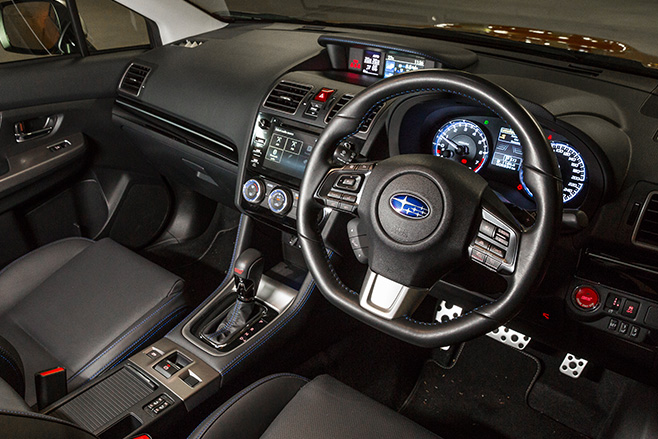
The Subaru’s pre-collision alert is hyperactively sensitive, constantly triggering at objects that pose no threat, immediate or otherwise. Likewise, the Skoda’s lane-keep assist constantly nudges the steering; the adjustments are subtle, but eventually you’ll notice the steering feels weird and given the system won’t actually complete a corner for you, what’s the point?
Thankfully for those who actually pay attention while driving, both systems can be deactivated.
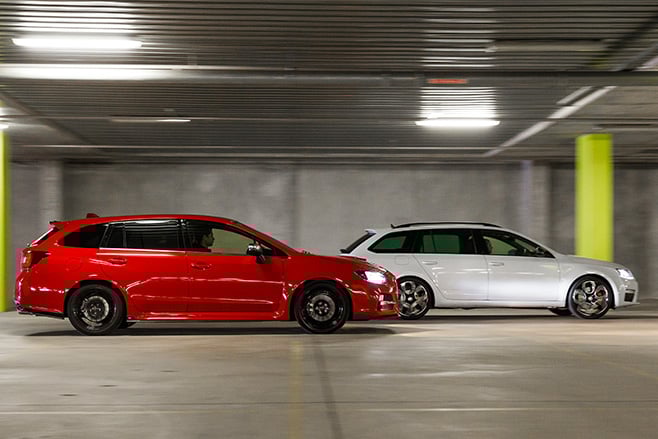
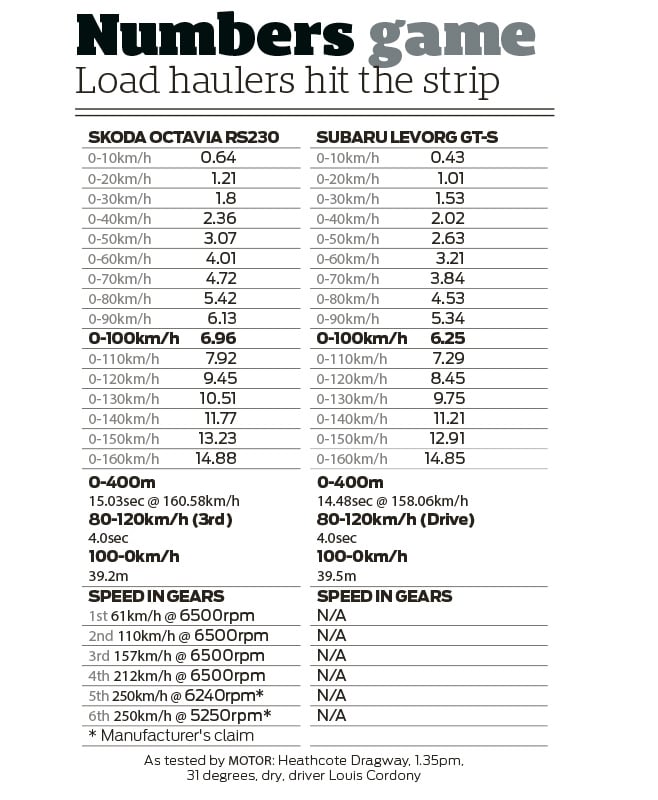
The best the RS230 can manage is 0-100km/h in 6.96sec and a 15.03sec quarter mile at 160.68km/h; this more or less matches Skoda’s 6.9sec 0-100km/h claim, however it’s miles off our best of 6.30sec and 14.60sec in a regular manual RS sedan.
From memory, that car allowed the traction control to be deactivated completely, so a new software update could be to blame.
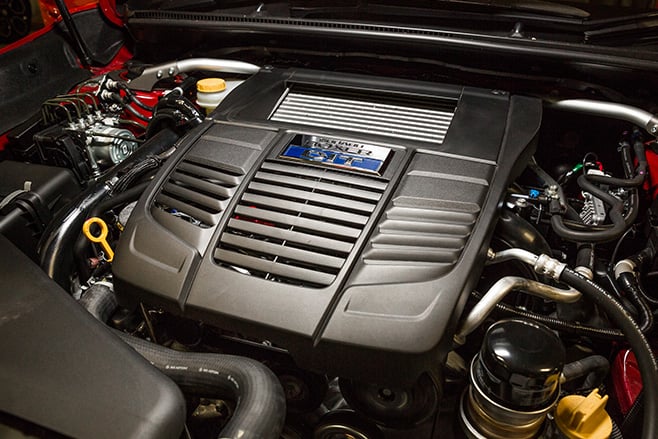
In reality, the two are almost identical in pace, recording very similar trap speeds and separated by just 0.03sec to 160km/h, but the Subaru’s traction gives it a crucial advantage against the clock.
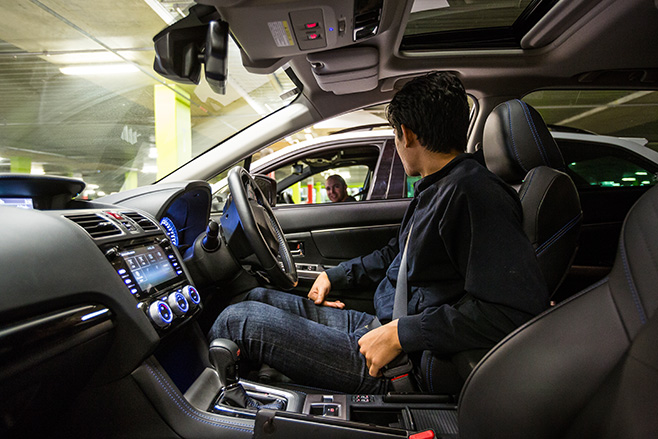
Most enthusiasts instinctively, and rightly, recoil in horror at any mention of the word CVT, but the Levorg’s transmission isn’t the impediment to enjoyment you might expect. There’s a substantial hesitation from rest, however, unless you’re really trying to fire off the line it’s not a huge problem and the take-up is at least smooth.
Unfortunately, the engine it’s attached to is quite uninspiring. We’re not fond of the FA20 engine in the WRX and its installation in the Levorg does nothing to change that view. The CVT disguises the somewhat lumpy power curve found in the manual WRX well and there’s plenty of power available, but while the engine will rev past its 6500rpm redline the strong focus on mid-range torque makes doing so largely redundant.
There’s also precious little in the way of aural character. The raucous boxer burble of old might not be appropriate in the more sensible Levorg, but the baleful whine emitted by the FA20 under heavy load discourages enthusiastic driving, suggesting it would rather you calmed down and stopped accelerating so hard. Effective, but not especially exciting, sums up the Levorg’s drivetrain.
There is a small degree of turbo lag but the mid-range is very strong; however, slightly frustratingly, this then fails to materialise into anything worthwhile at the top end.
It’s a shame Skoda didn’t manage to secure the Golf GTI 40 Years engine for the limited-edition RS230, as in 195kW tune the EA888 is much more aggressive in character with a hunger for revs, and any fears the extra power would overwhelm the Skoda’s chassis are dispelled by the fact the two variants produce an identical 350Nm of torque – the Golf’s extra urge is all at the top end.
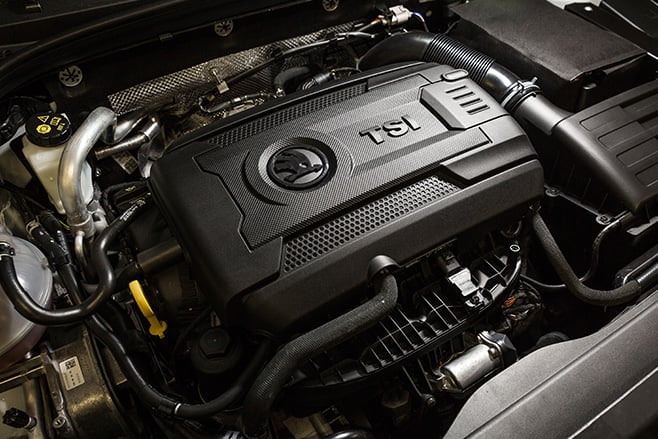
It’s a small complaint, however, as the RS230 feels to have the perfect amount of grunt for its chassis. There’s a degree of torque steer on bumpy roads and clumsy throttle inputs can induce wheelspin exiting tight corners, but in general traction is strong. Turbo front-drivers these days often have too much torque to effectively harness without electronic intervention, but the Skoda’s combination of a limited-slip diff and 225/40 R19 Pirelli P Zero rubber proves formidable.
The Skoda’s suspension setup is relatively soft; it lacks Volkswagen’s DCC adaptive dampers, but the tune feels to be roughly halfway between the Normal and Sport modes. This might cost it a few tenths around a racetrack compared to a stiffer setup, but it’s spot on for road use.
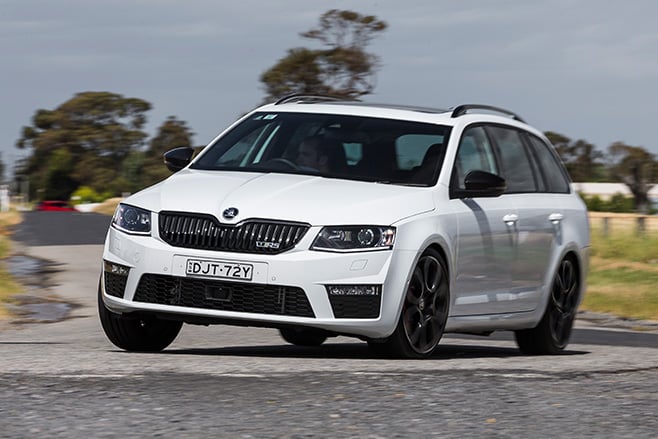
This slight softness occasionally becomes apparent at the limit, most notably through large compressions taken at speed or during quick changes of direction where the RS230 can feel a little ponderous. In general, though, it works in the Skoda’s favour, the suspension soaking up bumps rather than allowing them to deflect the car’s trajectory and the increased body movement makes it more involving. The rear can be bought into play slightly, but ESP Sport isn’t lenient enough to let it wander too far.
The brakes are slightly over-assisted around town, but when you dig into them on a twisty road they provide great feel and plenty of staying power. It’s easy to heel-and-toe as well. About the only real dynamic criticism of the RS230 involves the steering.
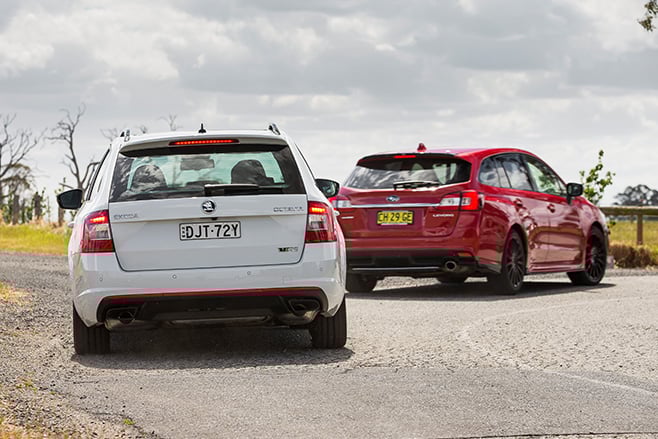
In contrast, the Levorg needs to be sent straight to the principal’s office. It’s difficult to know where to begin with a chassis that feels so ill-resolved and under-developed. How a team of engineers could spend what was presumably a lot of time, effort and money and have the end result be so compromised is hard to comprehend, especially for a brand like Subaru that trades on its sporting heritage.
The conservative calibration of the ESP system raises the suspicion that Subaru knows the Levorg’s suspension isn’t up to par. Even when switched ‘off’ it’s constantly intervening in an effort to keep everything shipshape, probably because on a bumpy road the wheels feel to spend as much time in the air as on the road.
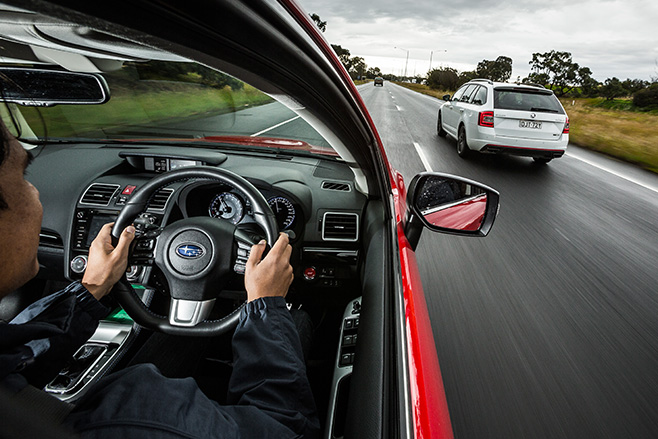
Thanks to Subaru’s symmetrical all-wheel drive system the Levorg feels quite secure on the road, but it pitches and rolls and wallows under lateral or longitudinal load which can make placing it accurately difficult, particularly when the horribly light arcade-game steering offers next to no connection to the front end. At least it’s not blighted by the persistent rack rattle that afflicts the STI.
To be honest the difference in outright pace between the two cars probably isn’t much, but the experience each offers is worlds apart. The Skoda rewards the keen driver, whereas the Subaru feels so at sea approaching its limits that the driver is effectively discouraged from trying.
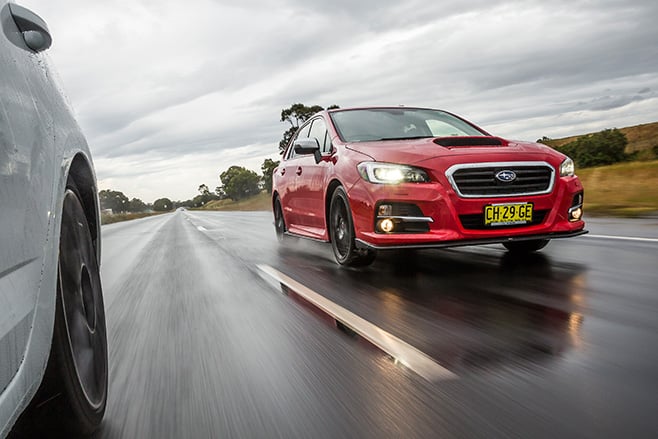
This is the most one-sided comparison in recent memory. It’s almost impossible to think of a scenario in which to recommend a Levorg. If you really want a Subaru and you’re not concerned with outright performance, save yourself $20,000 and buy the new Impreza hatch, and if you are, buy a WRX.
And if you need more practicality, the Forester XT is superior to the Levorg in every aspect bar outright performance.
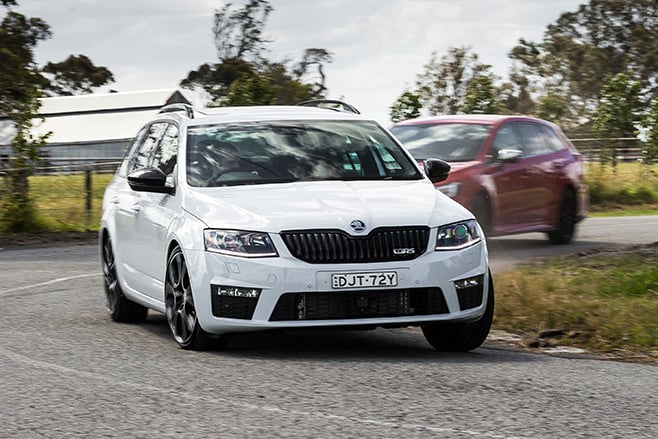
The Octavia RS230 is a truly excellent car; engaging to drive, immensely practical and brilliant value. In outright ability it probably sits between four and four-and-a-half stars, however, we’re inclined to round up on this occasion to reward Skoda’s bravery in importing this manual-only niche model. The performance wagon may be an endangered species, but it’s the strong who survive.
RACE cars have kill switches. It’s an important thing to know when you’re sitting there in front of the garage, the pit lane marshal urging you on, and repeated stabbing of the start button fails to fire the engine into life.
We’re at Sydney Motorsport Park, where Toyota is launching the 2017 season of its one-make wonder, the Toyota 86 Racing Series.
The series is into year two of a three-year deal that pits talent directly against talent, with tightly controlled cars piloted by a mix of experience-hardened mentors and pimple-faced rookies promoted as an affordable bridge between karts and tin-topped racers.
But rather than just hold a dull presser to reveal this year’s circuits, Toyota invited us to drive the cars at the series’ test and practice day featuring a host of young up-and-coming motorsport talent.
And that’s how we ended up here now, where I’ve contorted myself through the roll cage and in behind the Motec unit-mounted steering wheel, and now sit crunched and compressed into the non-adjusting race bucket.
From where I sit, it looks like a conventional Toyota 86 GTS, apart from the fact that it’s a stripped-out interior and someone appears to have taken to the door card with a reciprocating saw, leaving only the bit that houses the power window controls.
The start button is still in its usual place above the driver’s knee, so I pop the clutch in, punch the button… and nothing.
“Kill switch, kill switch,” the pit lane marshal suggests helpfully, pointing to the dash as the custom exhaust rumble of the two cars that will follow me out to the track reverberates through the garages.
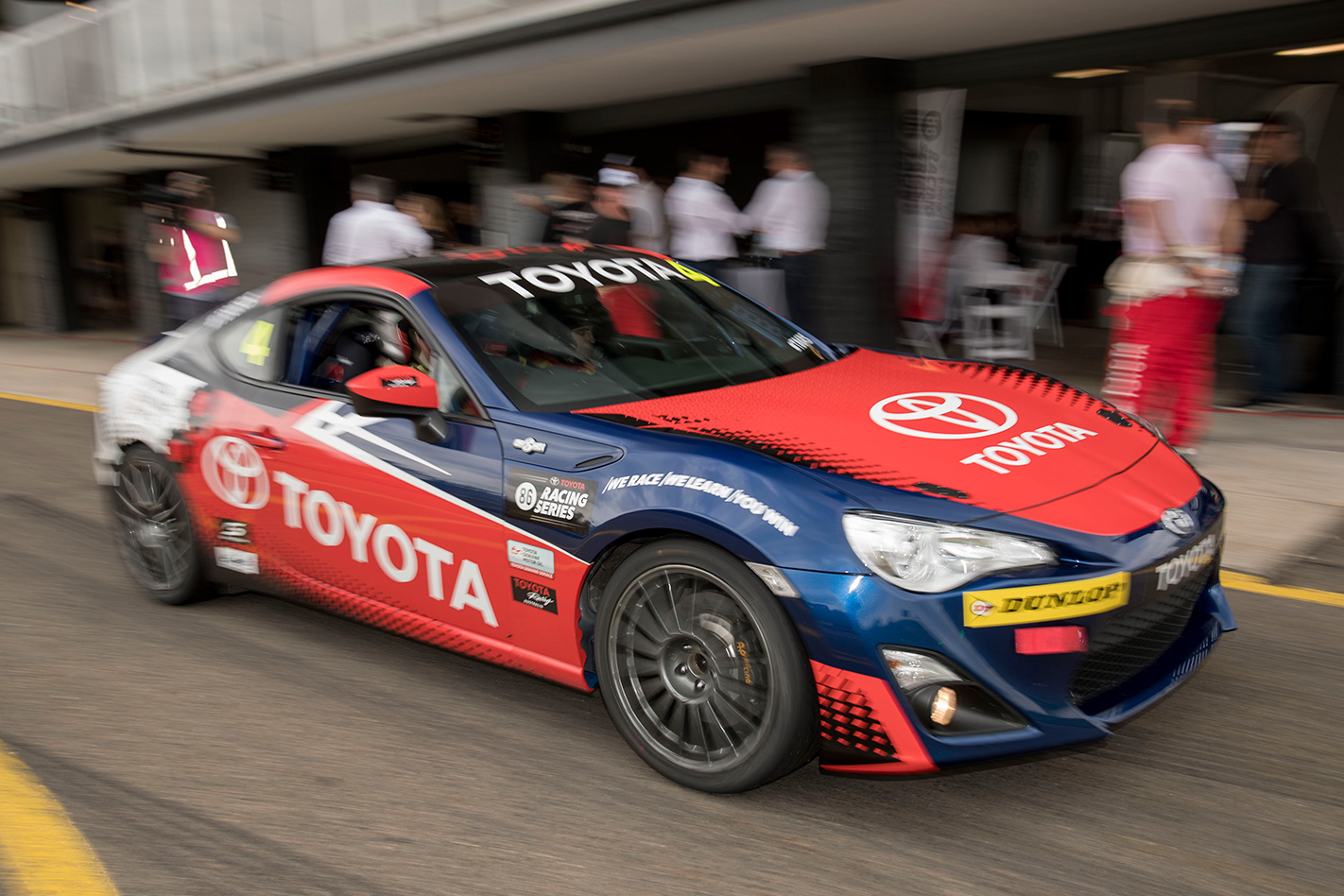
Another stab at the start button, and the 179kW/246Nm 2.0-litre flat four fires into life. After exploring the limit of the long-travel clutch pedal, we’re rolling out for my first-ever lap of Sydney Motorsport Park’s extended 4.5-kilometre long circuit.
For a full-blooded race car, the track-spec Toyota 86 feels just as easy to drive as the road-going version. There’s a new low-inertia clutch introduced to the gearbox this year to help cut costs (drivers who flat-shifted last season noticed the old one becoming something of a regular service item), but otherwise this is the exactly same spec car we compared with the regular road-going 86 GTS last year.
The first lap is a sighter, a nervous and cautious feeler with the six-speed manual mostly in third gear. I already notice several things I’ll need to be cautious of, such as the big drop-out just past the entry into the fast left-hand sweeper that is turn one, the late, late, late apex at turn three, and the blind entry to the hairpin at turn 11.
Ben is talking me around the track, his voice lost in his full-face helmet, the roaring cyclone of wind and road noise and the rasp of the exhaust as I short-shift every single bloody gear change despite trying to wring them out. I’m relying on his hand gestures to guide me as he motions towards the side of the track that will give me the best corner entry, and a downward patting motion accompanied by muffled urges to get on the throttle.
We’re not yet going as fast as I dare, but already I’m impressed with the noticeable amount of grip the control Dunlop tyres provide. The road-going car sits on narrow, skittish tyres that add to the 86’s default, tail-happy charm; the race ones stick like hot glue.
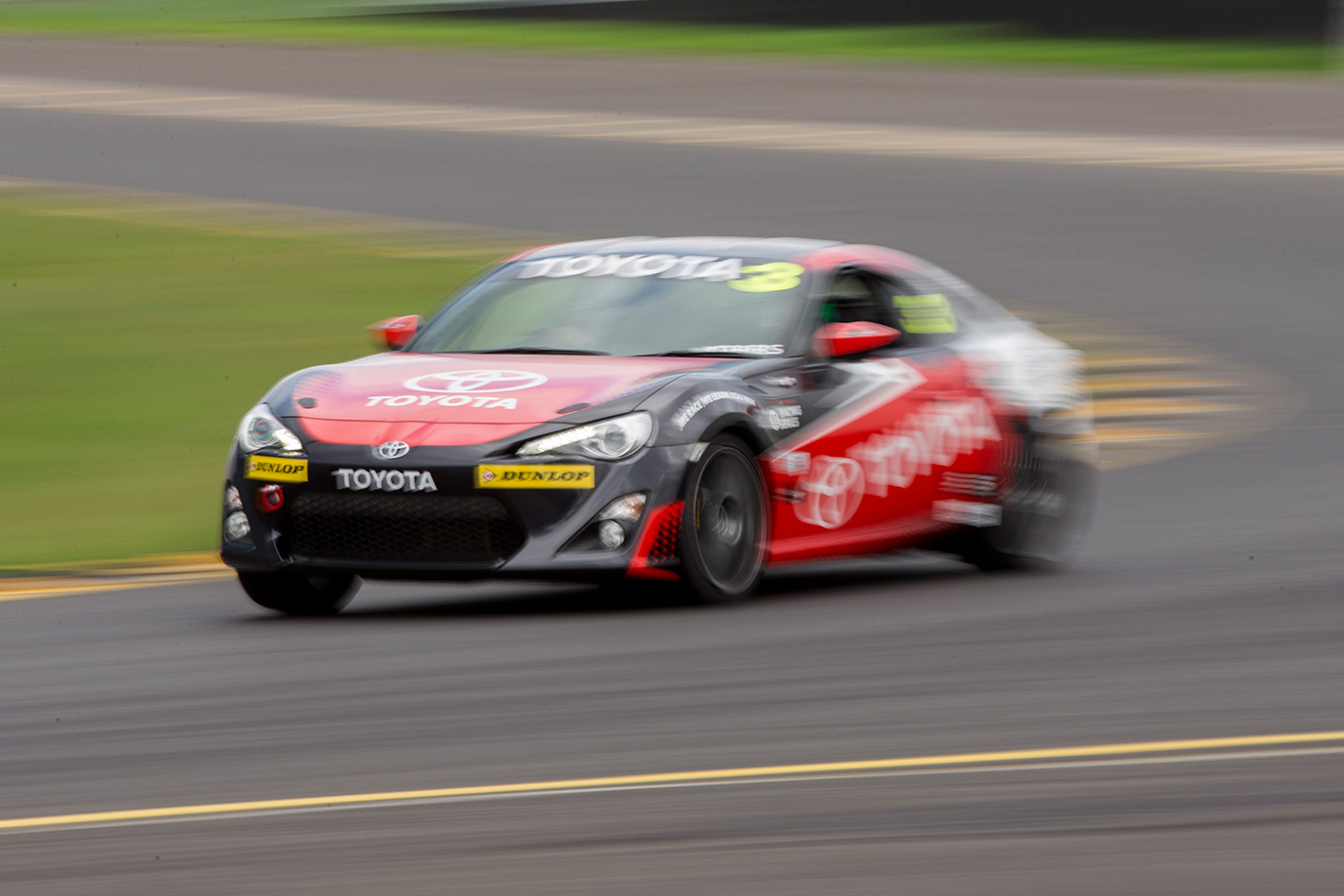
The track is very technical, mixing hairpins with elevation changes, heavy braking zones and complex corners that the good drivers need to knit together to get right. For a Project Cars-addicted amateur such as me, there’s a hell of a lot more going on in the real world.
Sighting lap in, it’s time for the hot one. I fire onto the main straight, but slowly enough to wind out third gear almost all the way to the limiter.
Turn one at SMP is fear-inducing. You barrel down the main straight hugging the far side of the track as the pits flash past, the fast left-hand sweeper approaching fast. I’d noticed the real drivers, practicing on-track earlier, waiting until they bounced through a mid-corner whump before rolling on more throttle, exhausts rasping.
I button off and jump on the race-spec brakes to wash off speed before turning in, expecting the seemingly crater-sized whump to unsettle the car. It doesn’t, although the 86 jumps like a stung cat on exit. Just like the drivers did, I throttle on, but instead of the engine sitting in the exhaust’s resonating high end I’m down in the quiet zone, which shouts that I lack courage and commitment.
Lack of balls noted, I’m trying to spin the engine out to 7500rpm before swapping gears, but I’m still short-shifting in response the almost schizophrenic change in the exhaust note that kicks in from about 5000rpm. I’m focussing more, though; Ben’s words are lost in the background noise, his hand gestures – still almost always to get on the throttle earlier – a peripheral distraction.
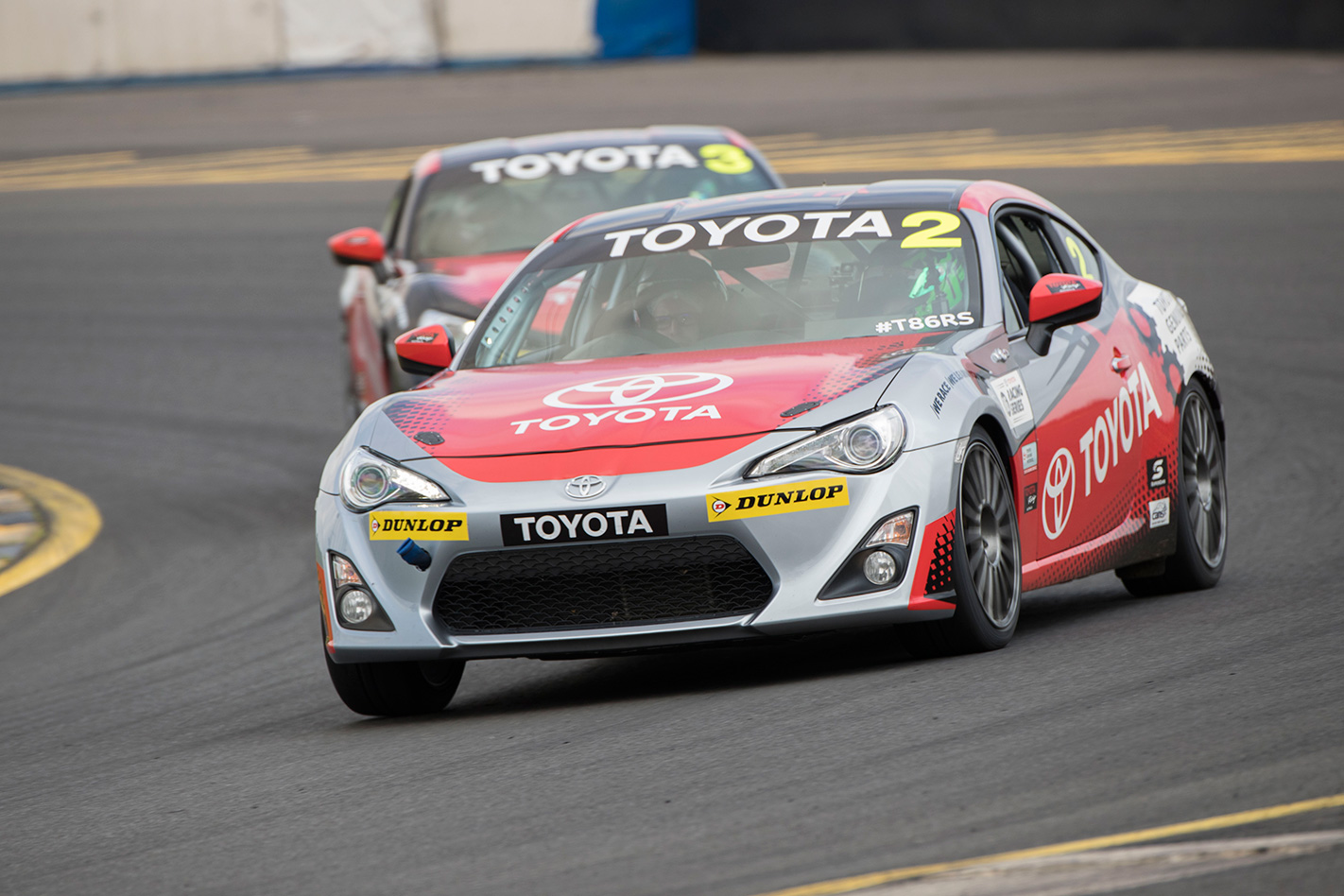
The rest of the lap is a blur, taking only what seems like seconds to complete. I sharpen up on my track position for the remaining corners, relying on the tyres’ lateral grip to hold the track. By the time I’m coming down the straight, I can snatch fourth gear about three-quarters the way along the pit wall. It’s a good feeling.
Ben’s chatting to me as we button off to do the cool-down lap, the one where I take the time to position the car and clip as many apexes as I can, and attempt my only semi-race speed heel-and-toe – which I surprise myself by nailing. I still don’t have a clue what he’s saying, but he’s animated. That’s a good thing, right?
We slow right down at turn 17, the entry to pit lane appearing. As we idle in, I suddenly notice how hot and cramped I am.
The Toyota 86 Racing Series office is a demanding one. I’m sweating hard in the heat and humidity of the cabin, not helped by the hammer of a sweltering Sydney day beating down on the unlined roof. My helmet is constantly rattling around on the ribs of the roll cage, and my hips feel like they’re being compressed in a vice.
I’m glad to climb out, levering myself over the roll cage as I ungracefully drag the rest of my body out from behind the wheel. I’ve just done three gentle loops and feel as though I’ve just had five rounds with George Foreman wearing a pair of his grills instead of boxing gloves, yet the real drivers will spend much of today banging out lap after lap at full race pace in helmets, race suits, gloves and boots.
That’s what Mark Skaife, at Sydney Motorsport Park yesterday to rev up the young drivers, likes about the one-make series.
“It’s a really well structured, important pathway category,” he says. “Last year it had some fantastic racing, and some real talent came out of it.”
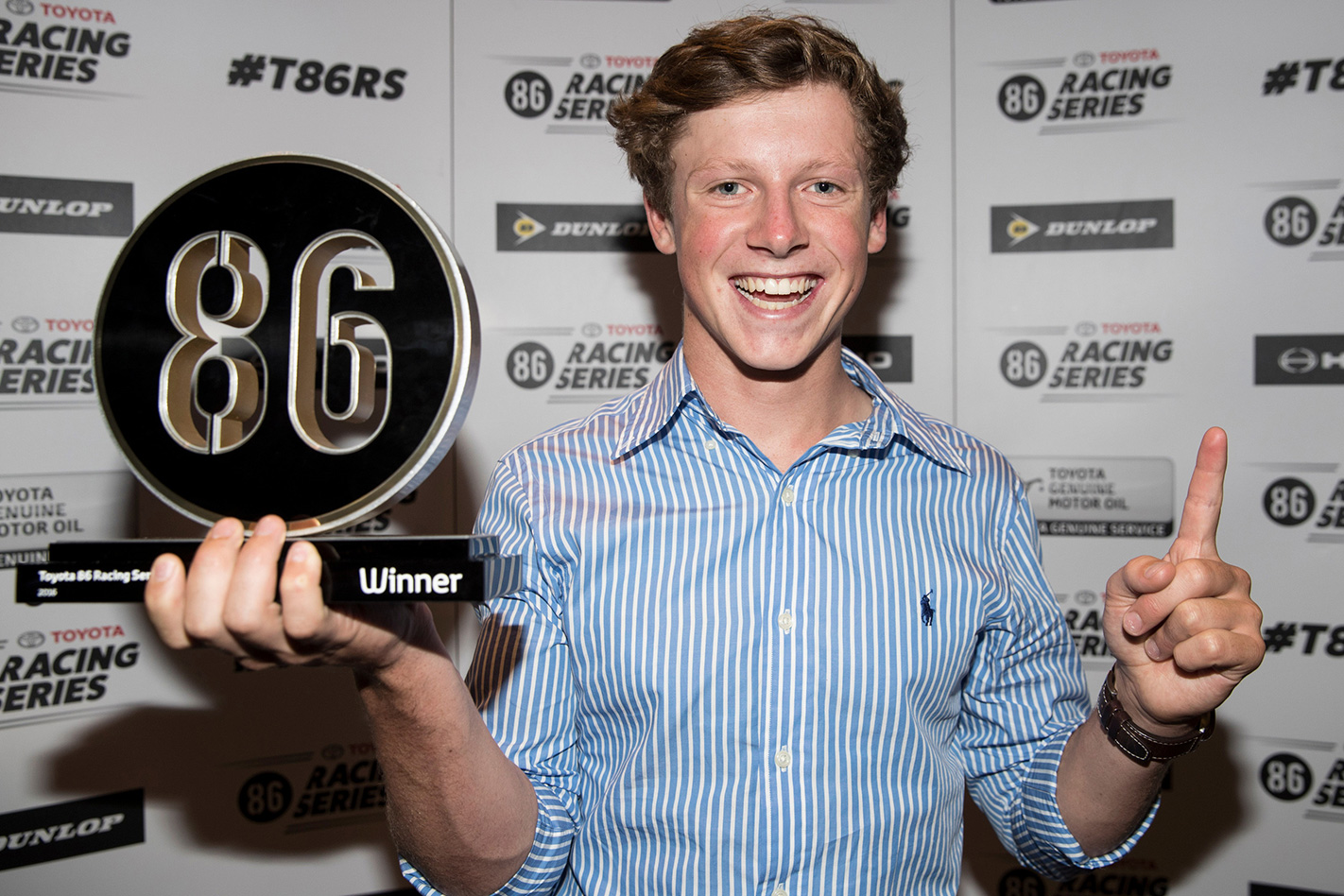
This year’s field could bump up past the 36 cars that took to the grid last year to number more than 40 – we won’t know until the list of entries are finalised this month.
Once you’ve paid around $100,000 for the car, the competition costs $1500 a round, and some teams have capped consumables – brake pads, tyres and the likes, and negating things such as mechanical failures and panel beating – to just $4500. That’s at the extreme end of cost-saving with a father-son team, though.
Prizemoney, at $125,000, is the same as last year, but the TV and online exposure for those who shine is invaluable.
This year, the Toyota 86 Racing Series will visit tracks at Phillip Island, Townsville, Sydney, Bathurst and the new street circuit at Newcastle.
SPECS Model: Toyota 86 Racing Series race car Engine: 1998cc flat-four, 16v, dohc Max power: 179kW @ 7500rpm Max torque: 246Nm @ 5500-6800 rpm Transmission: 6-speed manual | Weight: 1180 kg 0-100km/h: 7.4sec Economy: 31.5L/100km (on track) Price: $100,000 for car and first year of racing (estimated)
Snow everywhere, lots of revs, and no room for error. We’d hate to see the repair bill.
While we wait for the new Subaru WRX STI, we’ve been treated to this over-the-top test run featuring British rally driver Mark Higgins having a crack at a fairly tricky track.
The St Moritz-Celerina Olympic Bobrun was not designed with a four-door car in mind. In fact, it’s designed for a couple of people on a little sled, weighing about a tonne less than the Subie.
The resultant video shows the path to a fairly extensive repair job.
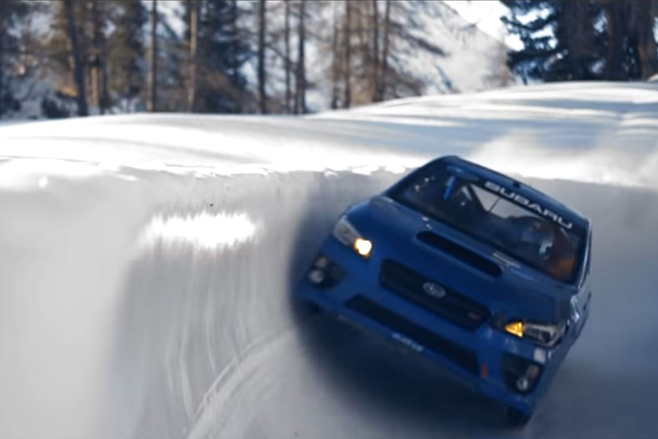
We’d be interested to know how Higgins felt after the run, especially considering how much the STI gets thrown around by the sharp, icy bends.
There aren’t too many rally stages which require driving up a wall.
Volkswagen did something similar in the ‘80s when a Mk2 Golf GTI with Jacky Ickx at the helm raced ski champion Andre Arnold down a snowy slope.
There were fewer bits of GTI on the snow by the end of that video, but the track was bigger and the car smaller. We have to commend Subaru for giving this the all clear.
It seems Subaru might have also borrowed the “now let’s race back up” idea. This could just come down to a case of who-wore-it-better.
Volkswagen may have ditched its WRC team, but there will still be a Polo strutting its stuff on the loose in 2017 with the reveal of a factory-backed World Rallycross effort.
The car will be run and driven by 2004 WRC and two-time World RX champion Petter Solberg under the PSRX Volkswagen World RX Sweden banner, but the car itself has been developed at VW Motorsport’s Hannover base.
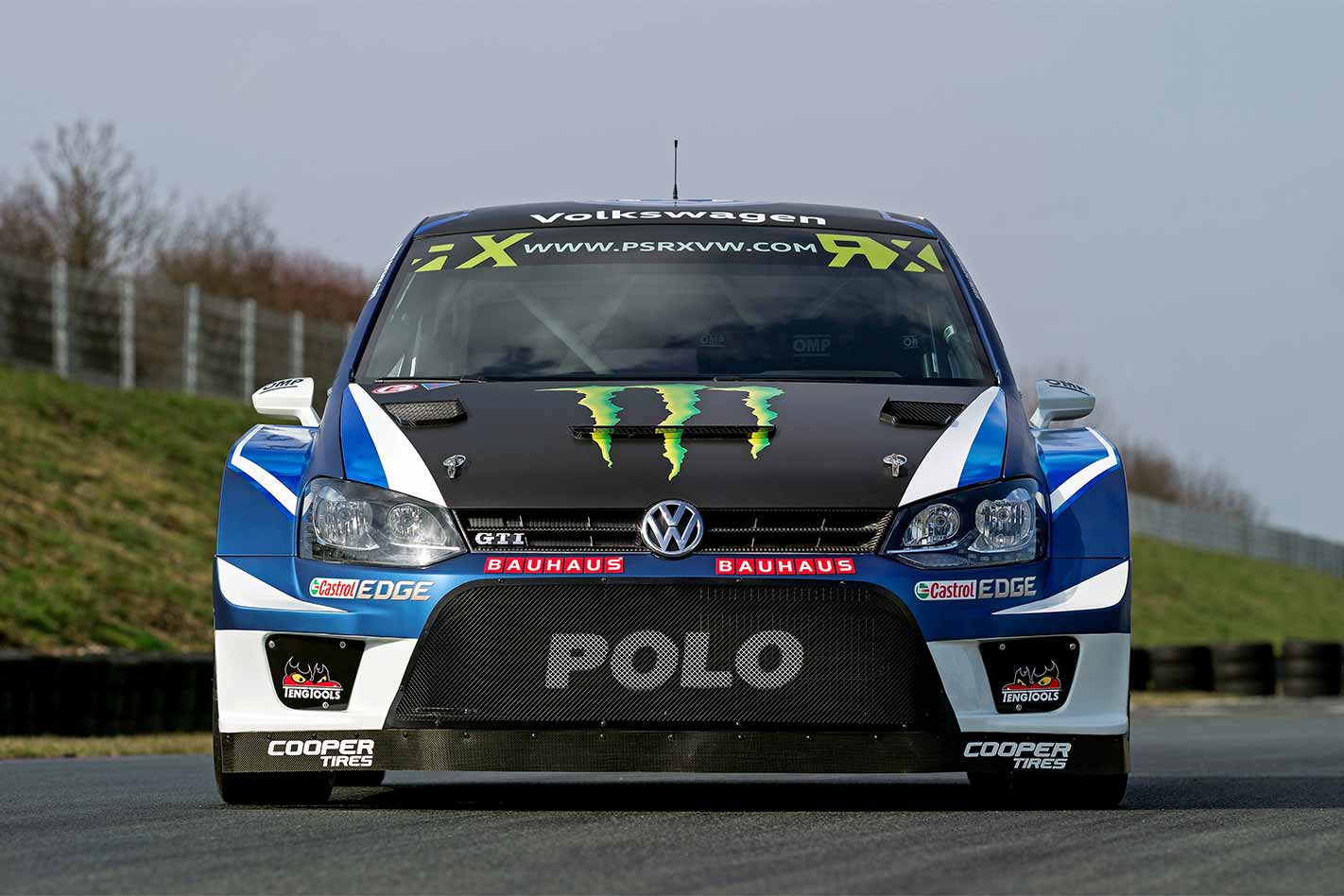
The engine size has grown from 1.6 to 2.0 litres and the inlet restrictor has increased from 34mm to 45mm. The result is 425kW/650Nm which catapults the 1300kg Polo from 0-100km/h in just 1.9sec. Fun fact: the Polo WRX’s engine shares its square 86mm x 86mm bore and stroke dimensions with the Bugatti Chiron, a car it happens to beat to the ton by 0.6sec.
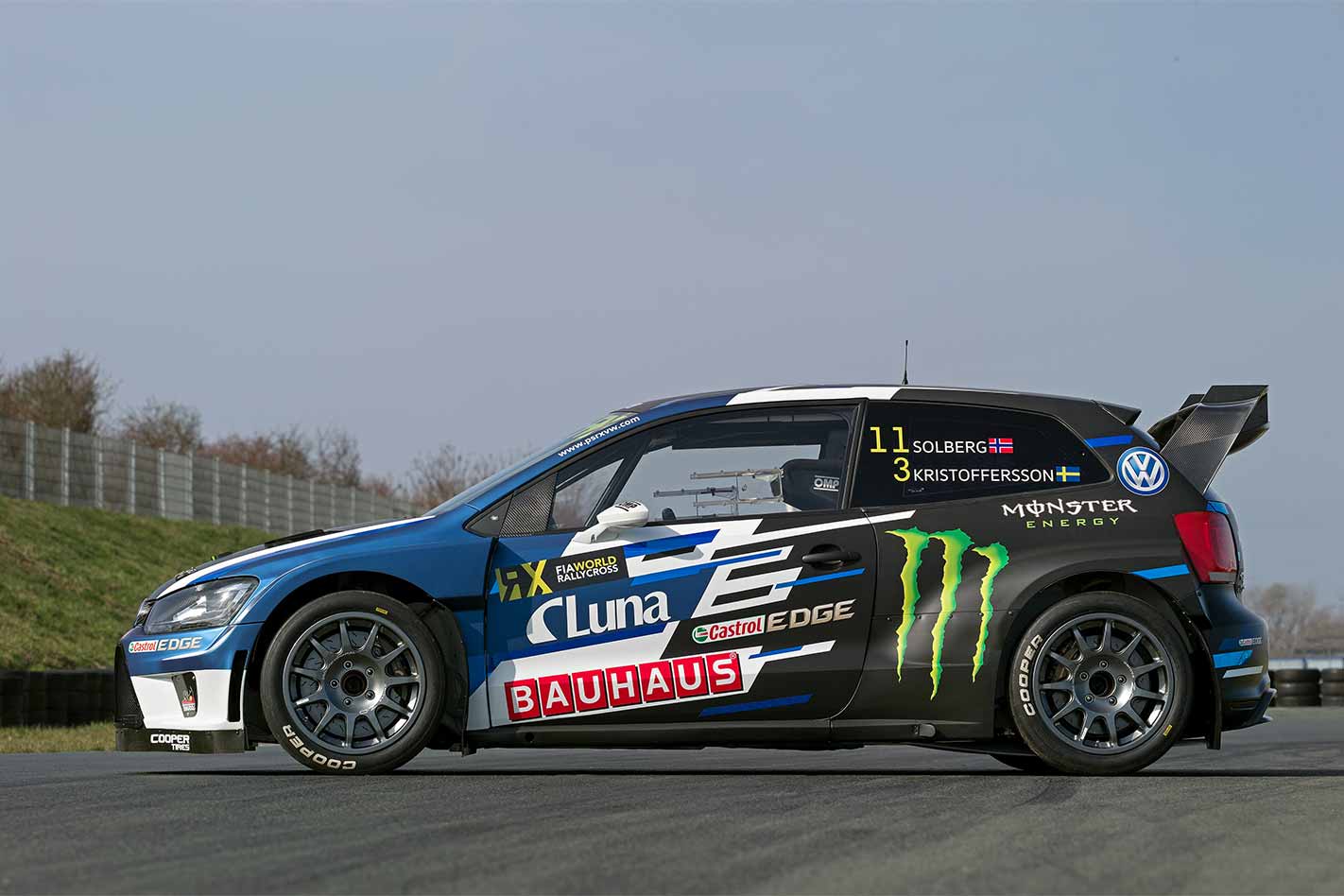
Solberg will be joined in a second car by 28-year-old Swede Johan Kristoffersson, with the pair hoping to recapture the title won last year by Mattias Ekstrom in an Audi S1.
The first round of the 12-round 2017 World Rallycross series takes place in Spain on March 31-April 2.
RUMOURS of a turbo six companion for the V10-powered second-generation Audi R8 swirled around the interwebs last year, with many motoring industry pundits expecting Audi to give the second-gen R8 supercar a more accessible entry point by slipping a less potent engine behind its cabin.
But according to the CEO of Audi Sport Stephan Winkelmann, the man in charge of all Audi RS products as well as the top-tier R8, that’s not going to happen this decade – or possibly ever.
Asked by Wheels about the potential of a V6 turbo for the R8 within the current model’s life cycle, Winkelmann was clear:
“We’ll stick to the V10, there will not be any change,” he said.
No V6 at all? “No.”
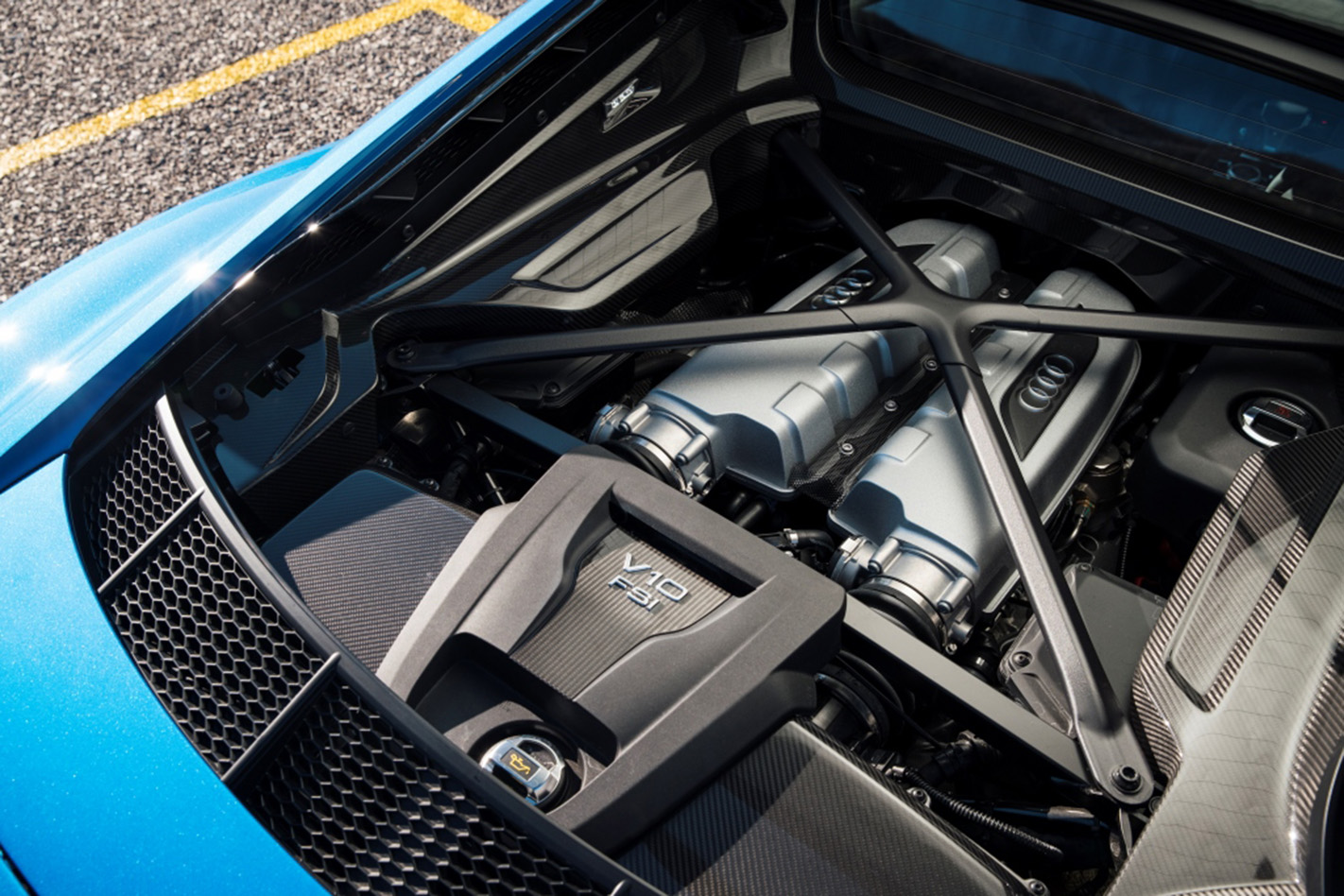
While the first-generation R8 debuted with V8 power before a V10-engined flagship was introduced, Winkelmann’s comments indicate that as far as combustion engines are concerned, the present-gen R8 will strictly be a V10-only affair.
With the R8 V10 starting at $354,616 (budget $389,616 for the extra-muscular V10 Plus), a less expensive sibling would allow the R8 to better compete with luxury sportscar stalwarts like the Porsche 911 GTS. Mid-engined motoring nirvana would be in closer reach for Australia’s moneyed elite as a result.
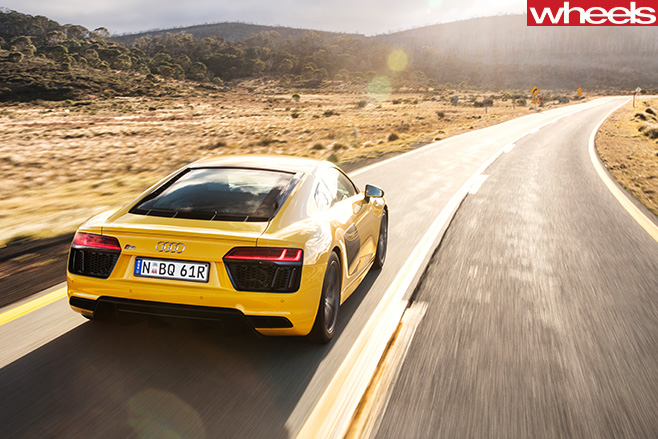
And the engine thatwas the hot tip for this supposed ‘base model’ R8 was speculated to be Audi’s new 2.9-litre twin-turbo V6, which debuted in the new-gen Panamera but has since been revealed in a more highly-evolved 331kW/600Nm form for the 2018 Audi RS5.
That’s 108kW down on the current R8 V10 Plus, but 40Nm richer in torque. Compared to the V8-engined previous generation R8 4.2 FSI, the RS5’s turbo V6 makes 15kW more power and a whopping 170Nm more twist.
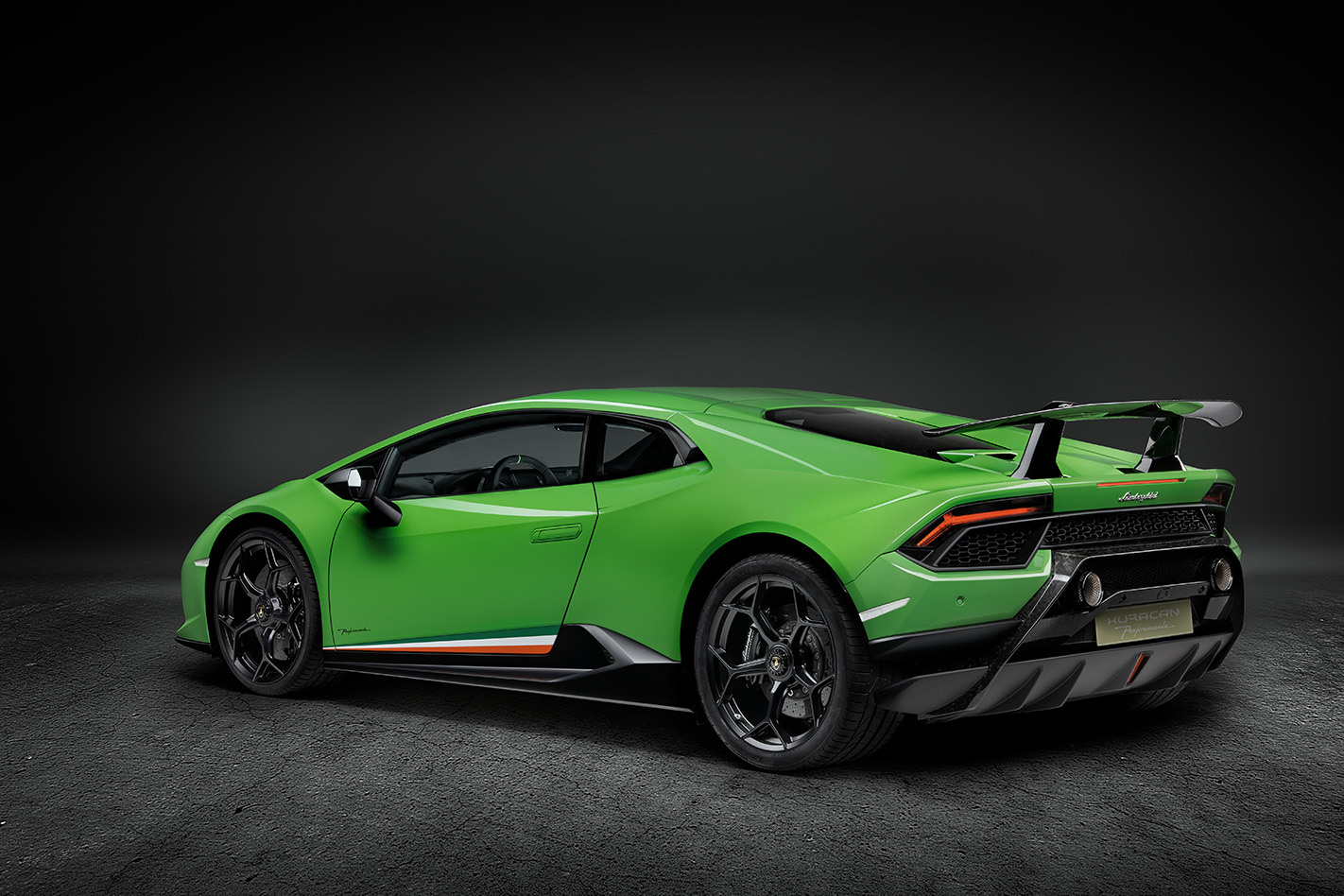
But while Winkelmann confirmed that Audi’s beefy V6 isn’t on the cards for the R8, Audi Sport still has plans for its supercar. The company is expected to dial up the heat on its flagship model later this year with a more performance-focused offering, though don’t expect it to borrow heavily from the playbook of the 470kW Lamborghini Huracan Performante (above) – its under-the-skin cousin.
“Rear-wheel steering and active aerodynamics, these are the two issues with the increase of power,” Winkelmann said, referring to technology employed by Lamborghini for the Performante and Aventador S.
“Audi Sport has to go its own way. We are looking into the life cycle carefully with the R8, and you will see what is coming up.”
“What we’re doing is working on the direct synergy of the car, and we will come out with news within the year.”
Will it be a lightweight, track-honed successor to the limited edition R8 GT that was hinted to us late last year? We won’t have to wait too long to find out.
