
QUESTION – BRUCE: I drive about 1000km per month, mostly in the suburbs. I am considering a Mazda 2 Maxx or an equivalent Hyundai.
Ideally, I would like a full-size spare tyre.
BUDGET: $20000
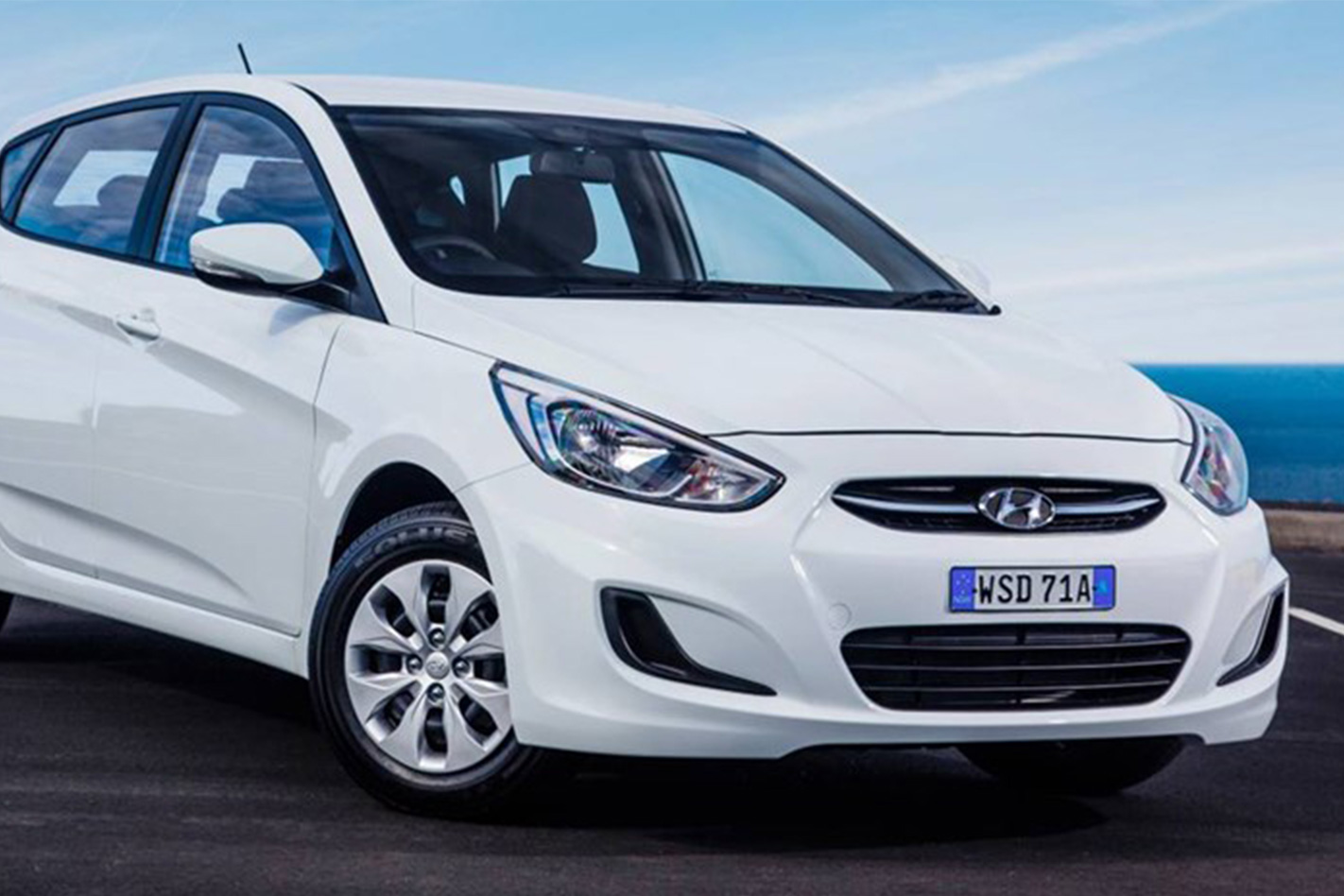
ANSWER – BYRON: As you did not specify which Hyundai model you meant when comparing it to the Mazda 2 Maxx, we have taken the liberty of assuming you meant the Accent, since that competes in the same class.
From $14,990 (manual) or $16,990 (auto), the Hyundai Accent Active 1.4-litre has quite a lot of things going for it compared to the Mazda 2 Maxx 1.5L – a lower starting price, more interior space, a larger boot, a five-year (instead of three-year) warranty, and a full-sized spare wheel (instead of a temporary space-saver spare wheel). Please note that the Accent is also available as an Active SR from $16,990 (auto: $18,990) with a powerful 1.6L engine. This too is cheaper than the Mazda.
But the Mazda 2 Maxx (from $17,690 for the manual or $19,690 for the automatic) is more fuel efficient, agile, comfortable, refined, modern, and fun to drive, and should have superior resale value compared to the Hyundai. And it is more powerful than the Accent Active 1.4. And, reflecting the fact that it is a newer model on the market, only the Mazda offers the added safety and security of Autonomous Emergency Braking (AEB – or Smart City Brake Support) as a $400 option. Overall, then, this would make it our pick.
Additionally, there is also the more basic Mazda 2 Neo from $14,990, which closes the price gap between it and the base Accent altogether, yet loses none of the appeal of the more upmarket Maxx.
Please do keep in mind that the manufacturers’ recommended retail prices are not set in stone, and that many do advertise lower priced specials on a regular basis. And we do recommend that you drive each car as to find out which one you prefer, as each does offer a different experience from behind the wheel.
Let’s get one thing straight here – in no way am I objectifying the Ford Mustang. Despite my gaze lingering on that long, voluptuous bonnet, or those fantastic taillights… ah, who am I kidding? It’s a bloody good looking car.
We’ve had the Mustang shoved in our collective faces for a solid couple of years now – but the hype and hysteria fades away when you actually sidle up to one on the street only to be replaced by sheer awe.
It’s hard to quantify just why, though. Is it the overt yet beautifully executed 1960s-style fastback swoop? The blindingly bright yet darkly sinister hooded headlights? That dirty great mesh grille that so eschews modern styling, yet manages to be right on trend at the same time?
Few, if any, cars manage to capture the essence of what made their forebears such icons but the Mustang does it with casual aplomb. Even though the team gave themselves plenty of chances to muck it up, they didn’t. Let’s face it, with the exception of Catherine Zeta Jones, it’s the hottest 50-year-old you’ve ever seen.
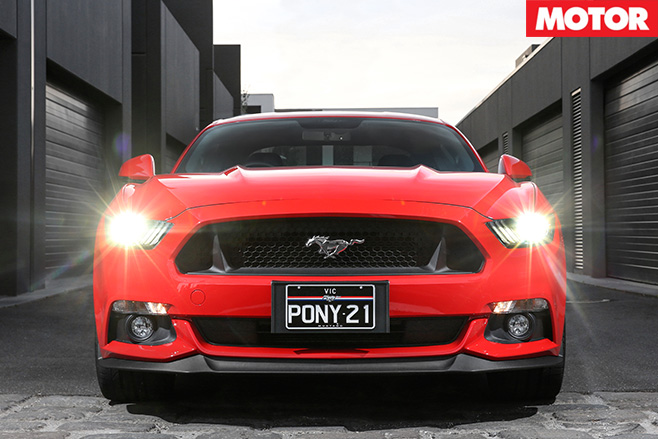
Its casual, muscular simplicity is key to its drop-dead good looks with proportions that are oh-so spot on. Rims that fill the muscled guards? Check. Even the sheer length of the doors gives the ’Stang an air of nonchalant hotness. You can almost imagine it covering a Mills and Boon novel.
And what makes it more amazing is the latest Mustang was penned outside the States. Early designs of the sixth generation car – known internally as the S550 – were sourced from Ford Europe’s Cologne office but the Ford bosses demanded a do-over halfway through the process. The final design, penned by German designer Kemal Curic, was approved in July 2014 – just 19 months before production kicked off.
From behind the wheel, you’re instantly transported to another time when roadsters ruled. The view over the bonnet seems to stretch into the horizon before falling off a bluff nosed cliff, and the narrow slit of a windscreen profile only adds to the awareness that you’re sitting behind a LOT of engine and the feeling of barely constrained power underneath.
Unfortunately, the interior isn’t quite as convincing as the beautiful exterior; the steering wheel and shifter score top marks, but the toggle switches aren’t executed with as much confidence as the car exudes.
It doesn’t matter, though. The Mustang’s definitely more than a one-trick pony when it comes to its ability to crack necks.
Honourable Mention: BMW M3 Competition Package

BMW M3 Competition Package. There’s something about a four-door M car that’s just right, and the new BMW M3 Competition Pack is more right than most. New, more minimalist rims with a hint of low offset, the perfect ride heigh (and can still go over bumps properly), blackened grille and roof, ridiculously cool bonnet bulge… it’s definitely the looker of the BMW M3/M4 collection.
In its early forms the 911 Targa was a fashion statement, its slim silver roll hoop and removable roof compensating for a slight loss in sports car precision with a hefty helping of extra style.
From the 993 series on, however, it essentially became a 911 with a giant sunroof, a halfway house between coupe and convertible. To be honest, we never really saw the point.
For the 991 version, however, the glamour returned, the brushed-alloy roll bar cresting the Targa’s crown like the hair ribbon of a 1950s movie starlet. Thankfully this retro design cue has made the transition to the facelifted 991.2, identified by new head- and tail-lights and a redesigned rear lid with vertical louvres. Combined with the wide-body all-wheel drive bodyshell, to these eyes the Targa looks sensational, though possibly an acquired taste.
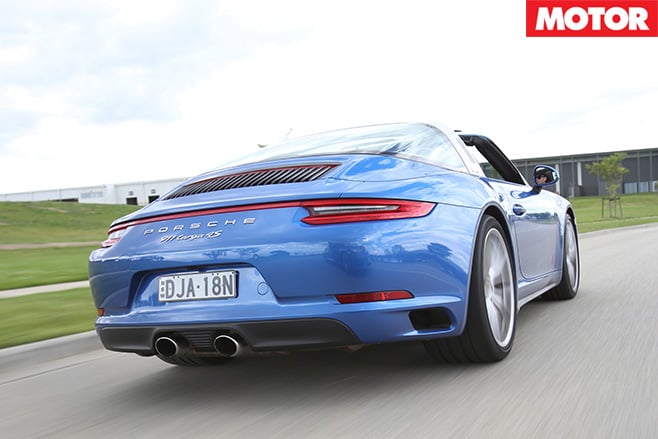
Smooth surfaces pose no difficulties, but for a car without the sporting pretensions of a Carrera we’d prefer the Targa’s current Normal setting be rebranded Sport and a softer, more comfort-oriented setting to be available for day-to-day use. Yes, this is a Porsche, but it’s difficult to imagine a road scenario where you’d need the stiffer suspension setting, partly because body control is already so good in Normal.
Secondly, the roof mechanism adds another 80kg over the rear of the already bum-heavy 911, which means the Targa really requires a certain technique to extract the best from it. Just like 911s of old, pick up the throttle too early in a turn and the unloaded front tyres will easily push wide. Rotate the car sufficiently, however, something made easier by the clever all-wheel steering, use the 911’s inherent traction – boosted further by standard all-wheel drive – and you’re fired out of corners like a rocket.
The massive increase in mid-range torque renders the weight increase largely irrelevant – 0-100km/h is a claimed 4.0sec with PDK and Sport Chrono – and the less frenetic power delivery feels to suit the Targa’s more relaxed modus operandi. The new engine doesn’t sound as raw as the old but possesses a personality all of its own, its rich flat-six howl overlaid with audible chirps and whistles from the turbos.
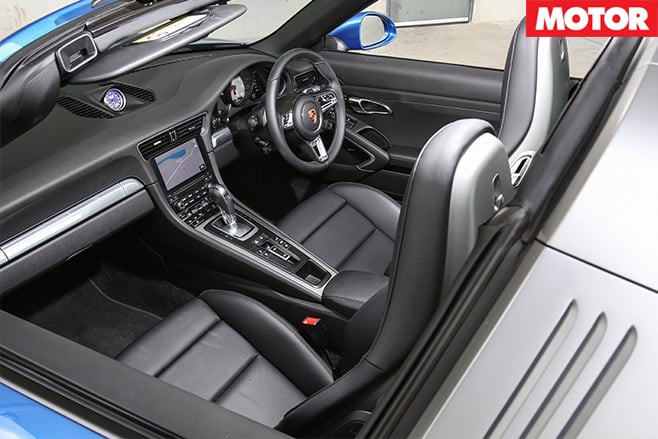
Opening the roof makes this unique soundtrack even more accessible, however there is a fair amount of wind intrusion, especially for those in the rear. Given the tiny pews are really only suitable for small children expect complaints, though perhaps they’ll be drowned out by the wind. The rest of the 991.2 911 cabin is short on glitz and high on quality and functionality, with the new smartphone-like PSM infotainment system one of the best we’ve used.
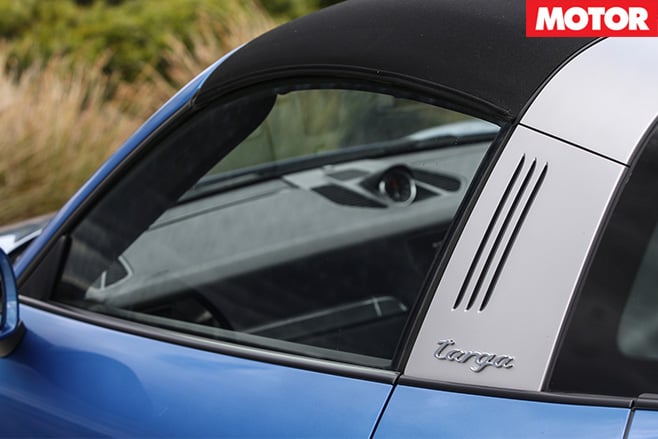
With the GT3 gone (for the moment), MOTOR’s 911 of choice would be a base Carrera, however there’s a real and unexpected charm to the Targa. It looks great, is incredibly fast and while it isn’t quite as sharp as the hardtop, it’s still more than capable of thrilling on a challenging bit of road. It’s quite the fashion statement.
4.0 OUT OF 5 STARS
LIKE: Hugely fast; brilliant dynamics; looks DISLIKE: Enormous price tag; marginal ride; weight penalty
SPECS Engine: 2981cc flat-6, DOHC, 24v, twin-turbo Power: 309kW @ 6500rpm Torque: 500Nm @ 1700-5000rpm Weight: 1580kg 0-100km/h: 4.0sec (claimed) Price: $290,200
WITH summer holidays in full swing, it’s time to put your feet up, whip out that new iPad, and enjoy some of the best stories from Wheels’ expansive line-up of stories.
Here we have the first instalment of a two-part series recounting our favourite throwbacks and classic stories published during 2016. And remember, if any of these features tickle your fancy, our massive collection of more than 25 years of the best car content is now available online!
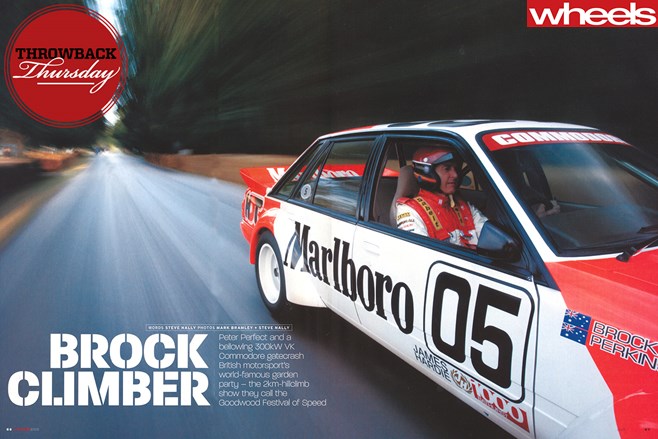
Peter Brock at Goodwood Festival of Speed
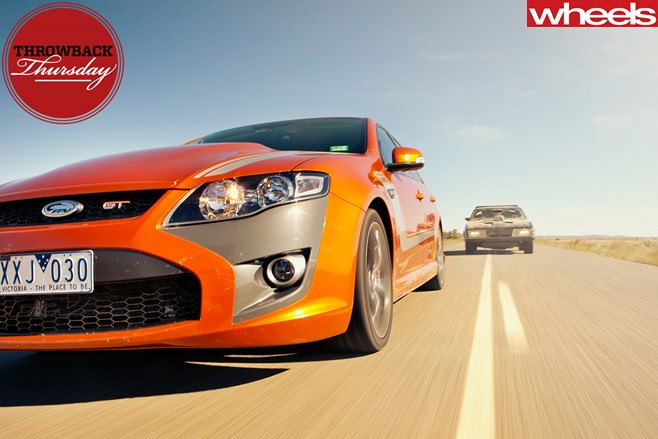
2010 FPV GT-P vs Mad Max Interceptor
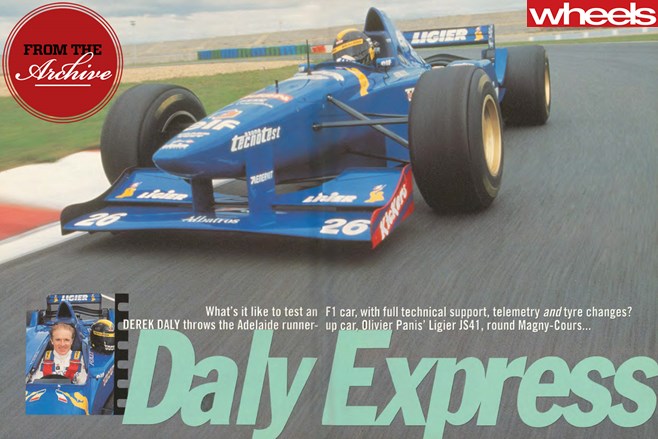
1996 Ligier JS41 F1 review
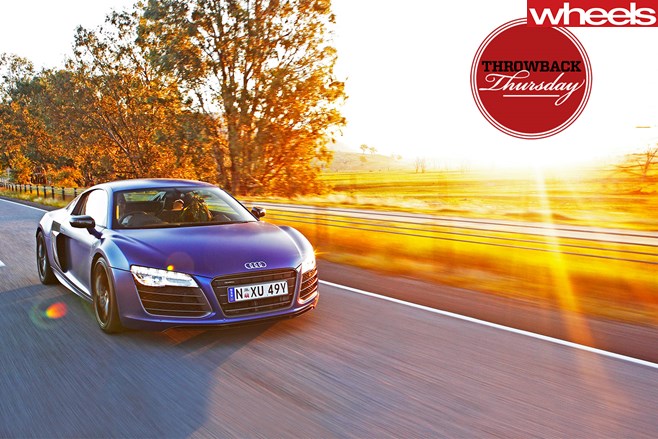
2013 Audi R8: From Melbourne to Sydney
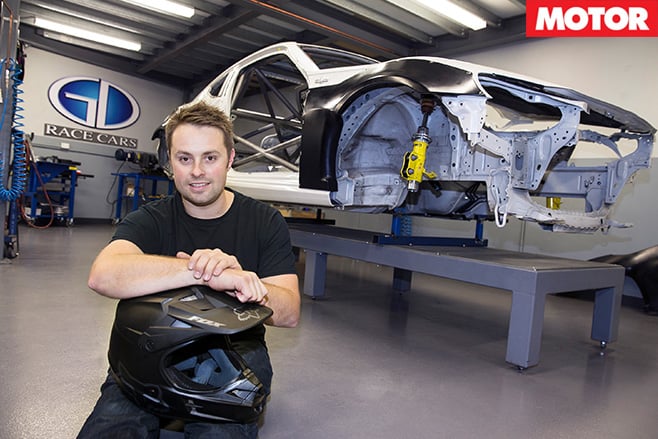
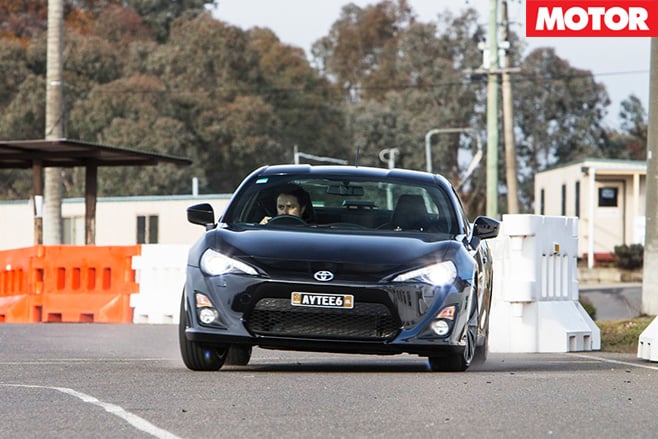
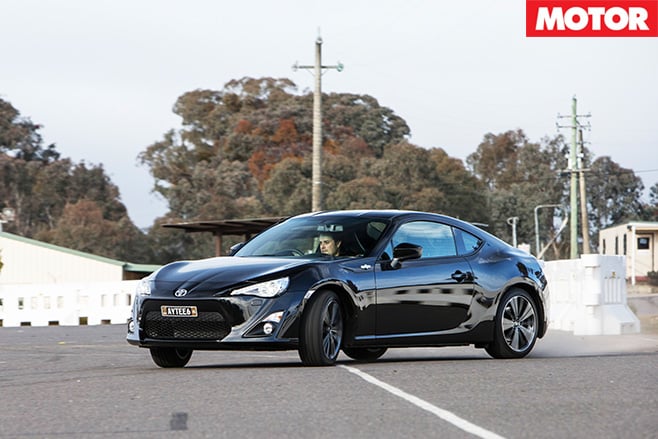
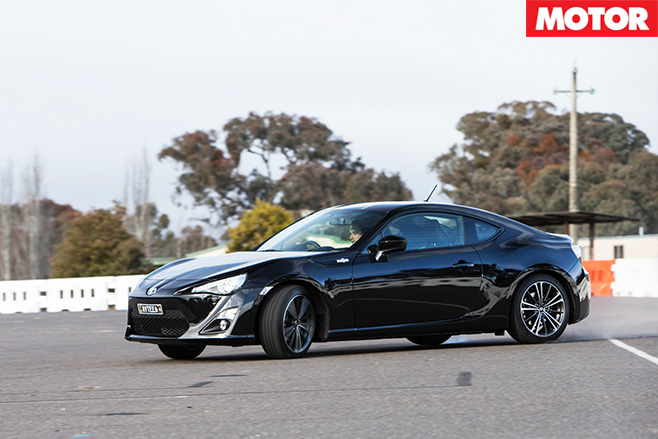
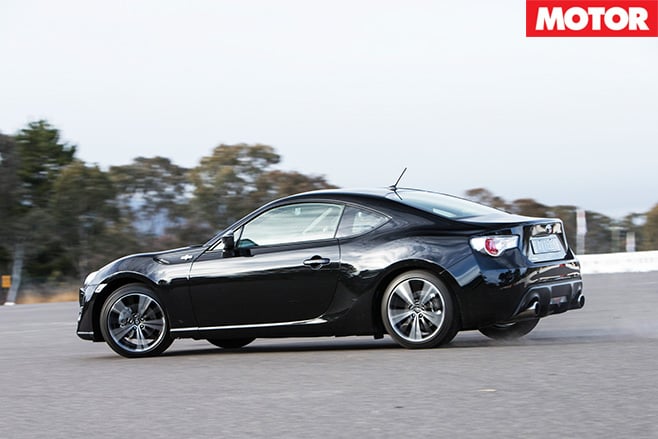
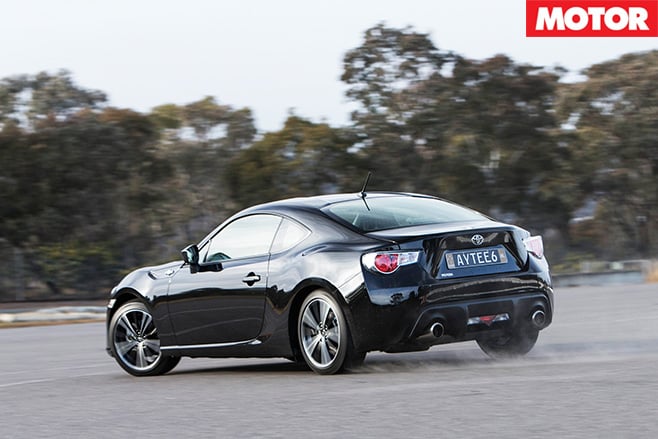
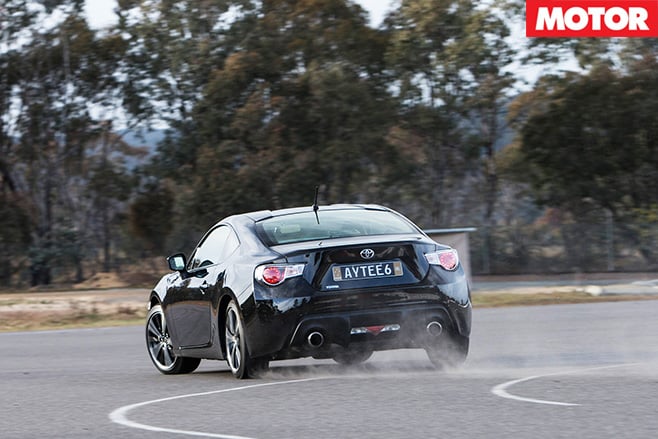
Aussie drifting champ Beau Yates lets rip with some expert-level tips to get you sliding away
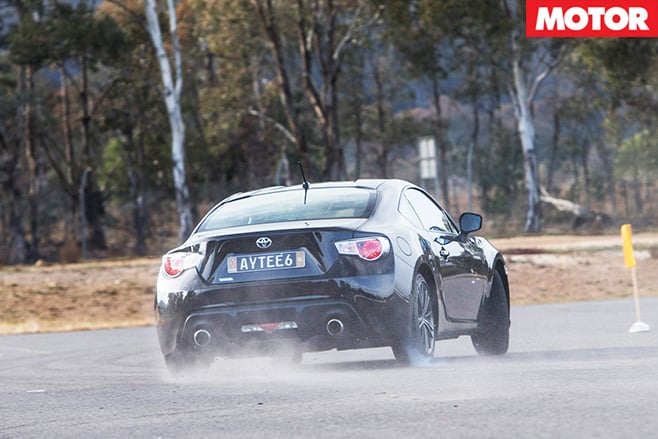
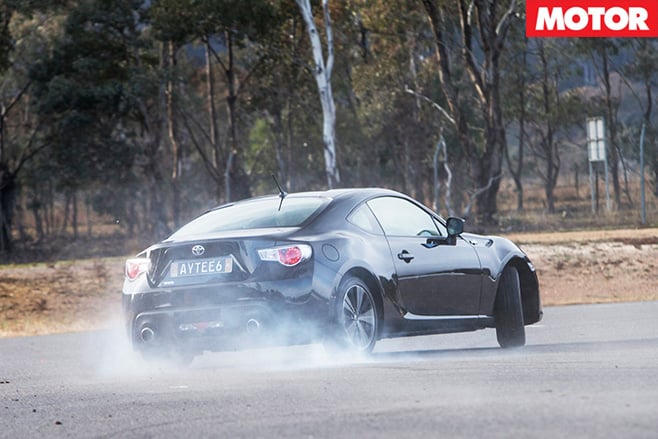
QUESTION – BECK: I need a safe hatchback with a big boot for a bad driver. What should I look at?
It will be used mostly for city driving with yearly country trips.
BUDGET: $50000
ANSWER – NATHAN: The determining factor in what you buy is just how big you need your boot to be.
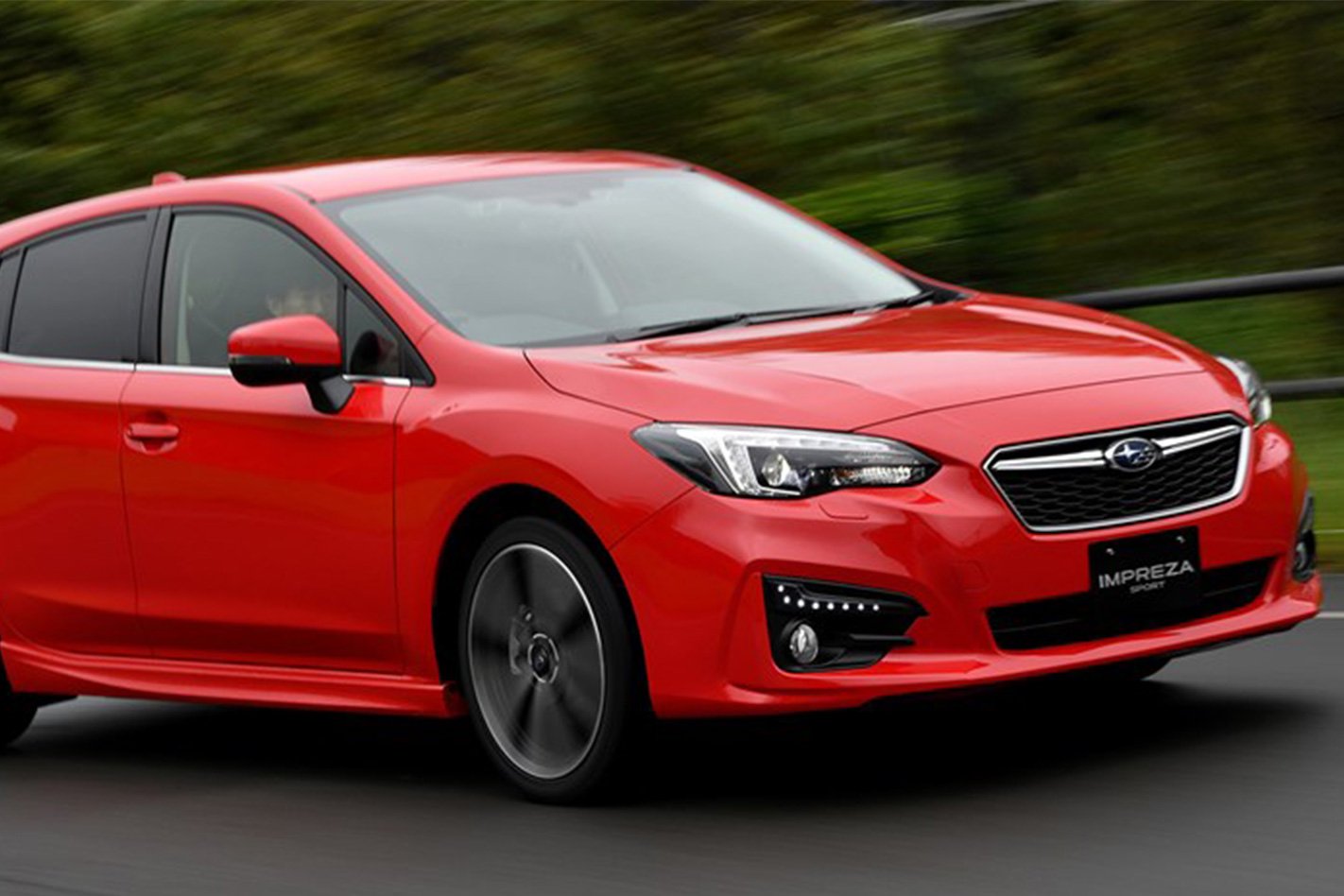
If you’re talking regular small hatchback, then I think your best bet is probably the new-generation Subaru Impreza. It doesn’t go on sale until December but it’s definitely about as safe as you can go, given that it not only offers a full suite of driver-assist technology but is also all-wheel drive. And the range-topping Impreza 2.0i-S will have a drive-away price in the low 30s.
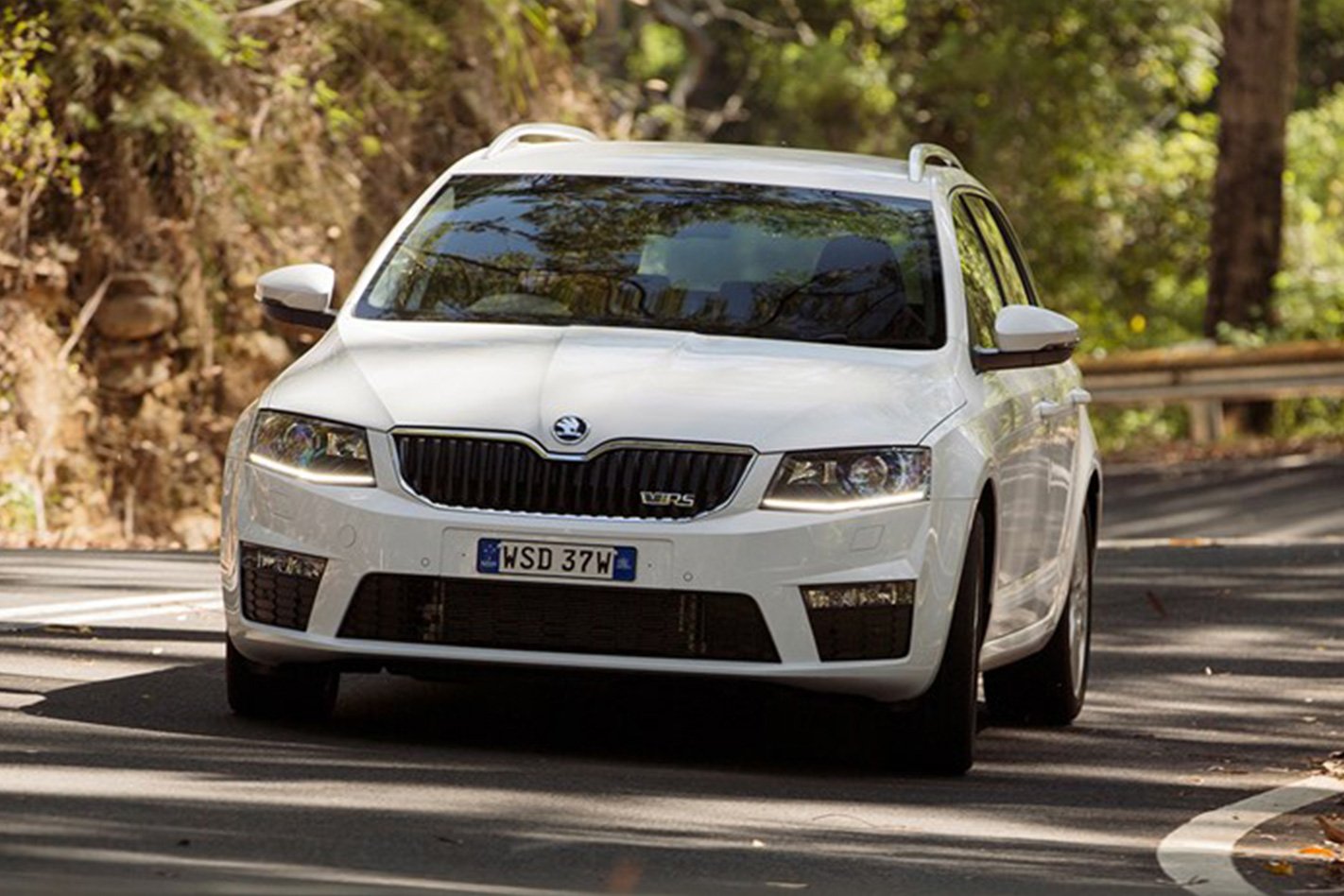
Rail, hail or shine, it has the best traction of anything its size, and in terms of boot space, it’s definitely competitive (though there are small cars with larger boots). The Skoda Octavia has the largest boot in the small-car class by some margin, but its dual-clutch transmission won’t be as forgiving of bad driving technique as the Subaru’s CVT transmission.
If the Impreza simply isn’t large enough, you’ll be looking at one of the ‘liftback’ hatchbacks in the class above. And the best option there in terms of comfort, safety equipment and boot size is the Ford Mondeo. It’s boot is huge and it’s also a very easy car to drive, with a brilliant ride, great seats and confidence-inspiring handling. The only caveat is its overall size – it’s a much bigger car than the Impreza so it really depends on just how much luggage space you need.
A left-field choice is to go for a small SUV. While not as good to drive or as efficient as a regular car, something like the Honda HR-V may suit your needs. It’s one of the larger small SUVs and shines in terms of practicality and luggage-space. It also has a very clever rear-seat folding mechanism which is unbeatable, and the top-spec model is loaded with driver-assist safety gear.
Let’s get something straight right from the get-go – this isn’t a normal two-car comparison.
This article was originally published in the June 2009 issue of MOTOR magazine.
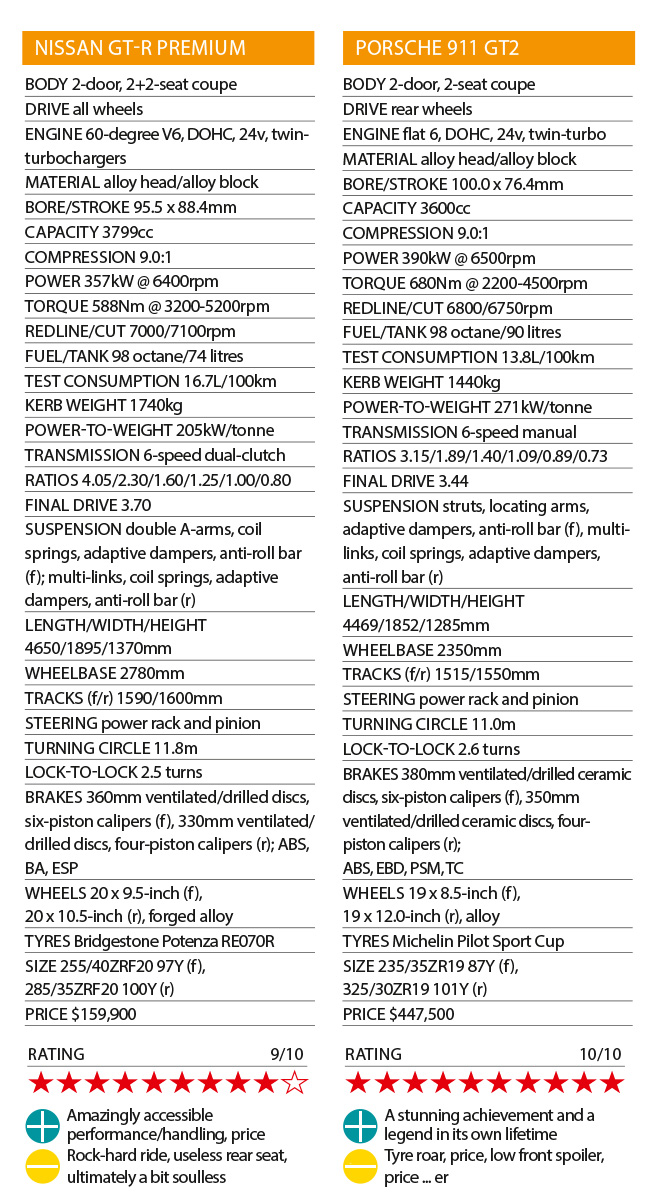
How can it be when the fresh meat – Nissan’s manga-hero GT-R Premium – costs just $159,900, while the established player – Porsche’s all-conquering 911 GT2 – asks $447,500?
It’s a test that just doesn’t compute, and yet it’s also one that makes total sense. Besides, what do you compare the new-generation Godzilla with? An Audi S5? A five-star adventure tour of New Zealand?
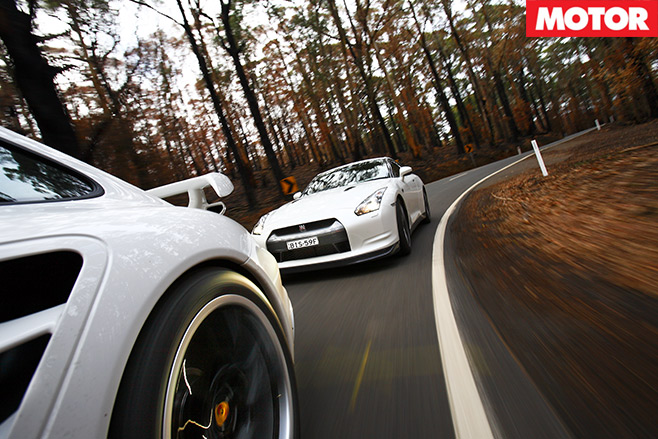
Naturally, the boffins at Stuttgart reckon it’s bullshit, so prepare for the war of words and numbers to continue in the coming months. But in Australia, right here and now, if the GT-R had an adversary to beat, it’s this magazine’s reigning Performance Car of the Year champion – the Porsche 911 GT2.
On paper, however, you’d reckon a standard 911 Turbo would be a fairer contest for the Nissan. After all, it’s all-wheel-drive, it’s 145kg heavier than a GT2 (though still 155kg less than the GT-R), has normal road tyres instead of cut slicks, plus a back seat of sorts and a skinnier price tag ($361,100).
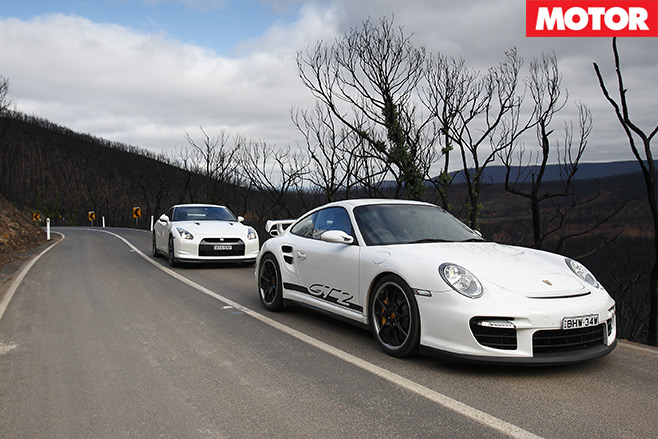
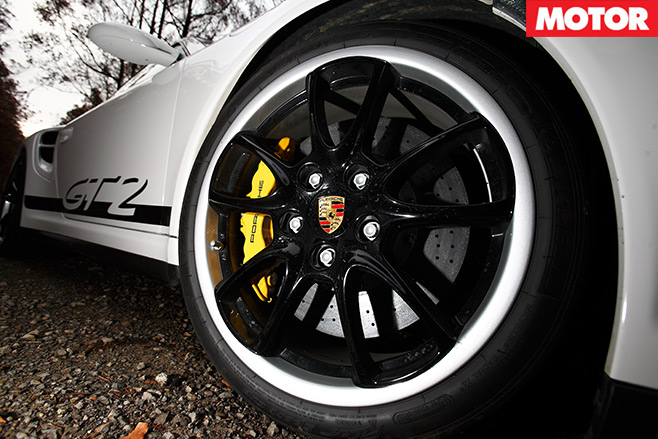
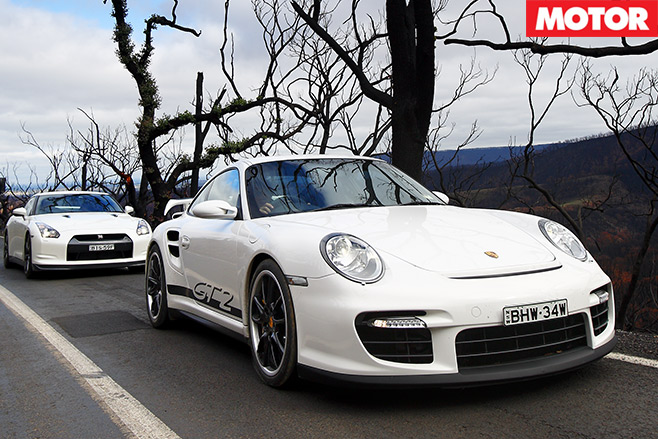
So GT2 it is then, in matching white with sinister black 19s and a love-it-or-hate-it black ‘GT2’ decal decorating both sides. Alongside the sharp-edged, pearl-white GT-R, the Porsche looks far less futuristic and even slightly retro, thanks to its 911SC-style dark wheels and Carrera RS-inspired stripery. But it’s also a much smaller car than the GT-R.
Compare the measurements and you’ll be surprised by just how big the GT-R is, most obviously in a wheelbase that stretches 430mm beyond the Porsche’s. Overall length is closer (it’s only 181mm longer), but the GT-R is also 43mm wider, 85mm taller and, probably most damning, 300kg chunkier.
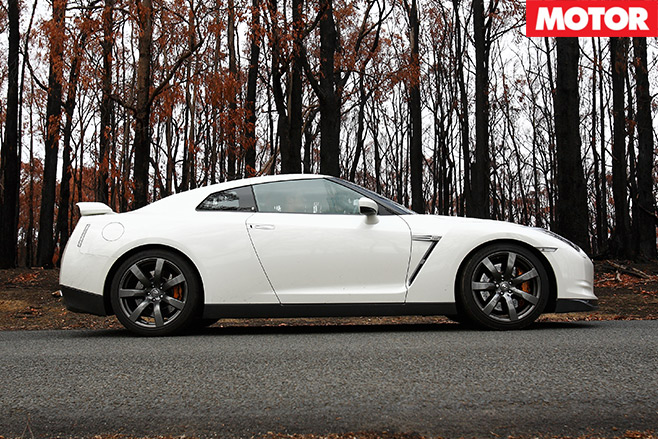
The GT-R’s drama continues as you prepare to take the hot seat. Its concept-car door handles are flush little aluminium blades that you prod with your thumb, then grab with your fingers to open, and its electric seat adjuster is pure genius – a single rotary dial on the side of the seat cushion that you twist for the backrest, push for-and-aft for length and nudge up and down for height.
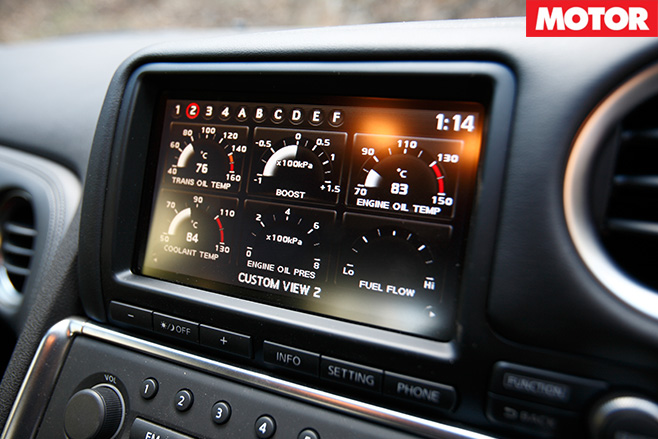
But the GT-R’s dashboard is a slightly dorky mix of curves and rectangles, like some weird-burger Japanese-domestic hatchback, and the computer-game-inspired centre screen (with 10 different screen-views) juts uneasily from the top of the centre stack, interrupting the flow of the rest of the interior.
The Porsche also has a more-tactile steering wheel (a seductive, triangular, mock-suede number) than the Nissan’s larger, harder wheel, though Japan’s supercar inexplicably includes two flip-down column adjusters – one for height, the other for reach – which must be a world-first, though exactly why is anyone’s guess. To hold the steering wheel more firmly in place?
In fact, ‘firm’ is a word that goes hand in hand with the GT-R. From the moment you flick its dual-clutch transmission into D and cut a head-turning swathe into traffic, the firmness of this car’s suspension is impossible to ignore.
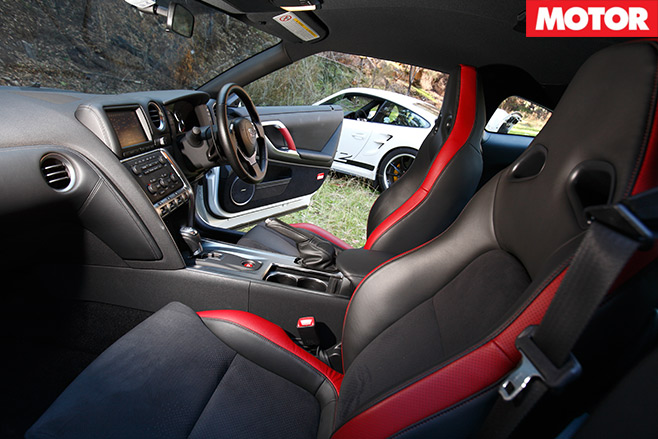
Crawling north from Melbourne along the ill-surfaced Hume towards Winton Raceway and Wangaratta airport, it takes time to really pin-point the differences between ‘normal’ and ‘comfort’.
In default mode, the Nissan jolts and jiggles incessantly, and tram-lines along channels in the road at slower speeds, but it does all that in cushy mode, too – just to a lesser extent. Blame could be directed at the GT-R’s massive 20-inch Bridgestone Potenza RE070R run-flats because all those criticisms are exactly what tarnished the dynamic reputation of BMW’s first run-flat-equipped 3 Series.
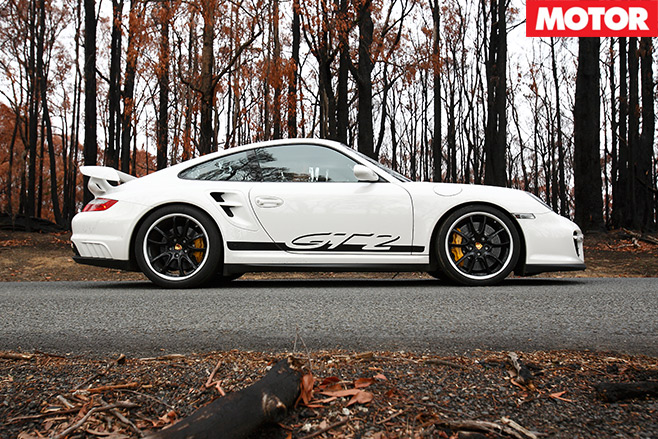
…or the GT2, for that matter, though the Porsche does a vastly superior job of plying knobbly Aussie highways than the Nissan. Its PASM damping system employs just two settings – one for the majority of driving situations, the other for racetracks or unusually smooth surfaces – and it defaults to the comfier of the two for an amazingly unobtrusive ride for such a low-slung, track-biased car.
The Porsche is more relaxed engine-wise, too, because it’s doing just 2350rpm at 120km/h in sixth, as opposed to 2650rpm in the Nissan. But you can’t escape the GT2’s considerable tyre noise.
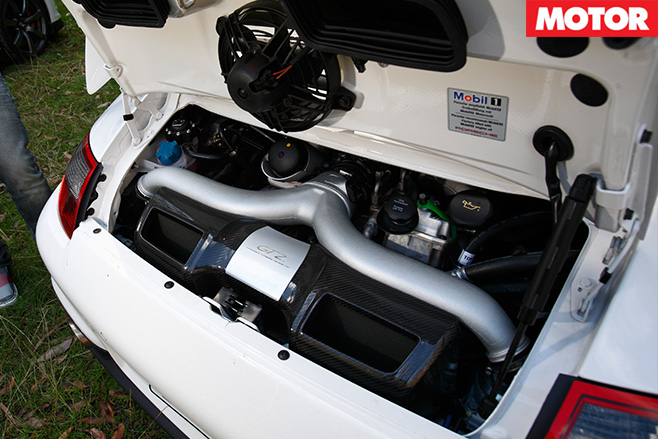
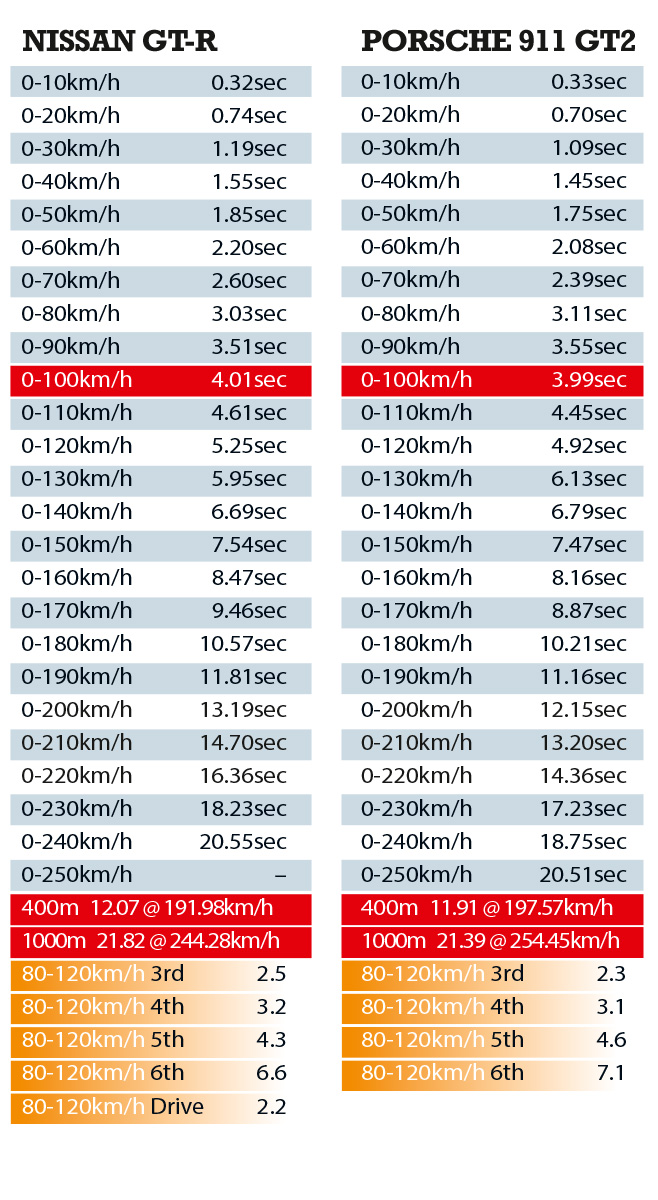
Peeling off the soporific Hume and onto the runway at Wangaratta airport finally gives us the opportunity to let these animals off the leash. And it’s the GT2 that does the bolt first. When we first performance-tested the mega-Porsche in June ’08, we turned stability-control off, balanced the car on the clutch take-up point, then quickly squeezed in power – clocking 3.9sec to 100km/h (its claim is an achievable 3.7) and 11.7 for the quarter.
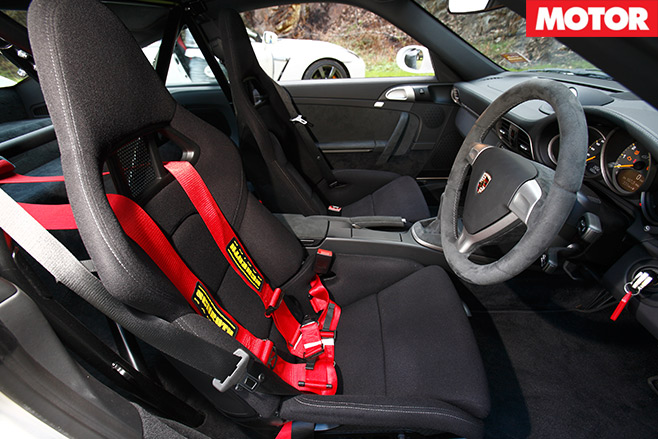
I’ve performance-tested the GT2 before, but as I ease to a standstill at the end of the runway to write down the numbers, I notice that my hands are actually shaking. Acceleration in the GT2 has that effect. It doesn’t matter how many times you’ve driven one, the intensity of its performance never fails to leave you breathless.
Subsequent acceleration runs result in too much ESP interference as the GT2 rips up the runway’s loose surface, so to avoid sand-blasting the pricey Porsche’s rear haunches with gravel, I swap into the GT-R.
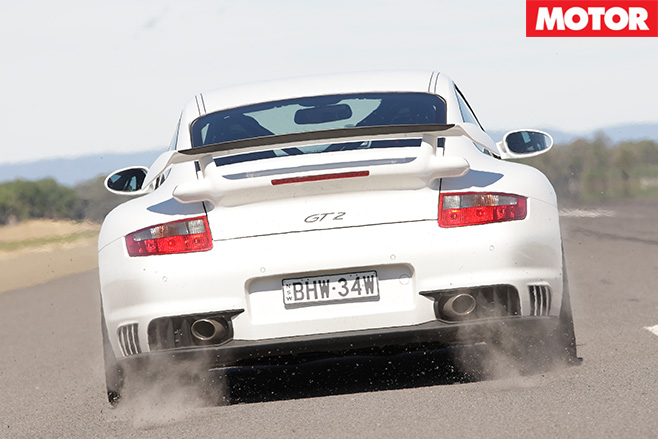
Eventually, I select the sportiest settings and floor it in Drive while holding it on the brake, tacho steady at two grand, and then let the car do all the work. The GT-R responds by momentarily moving forward, then exploding.
Despite the gravel, there’s no wheelspin at all – just a seamless, unrelenting surge of epic proportions – and nothing for the driver to do other than to hang on. Compared with the Porsche’s blasting, amphetamine-laced turbo whoosh, the Nissan’s 357kW twin-turbo V6 sounds grainier and somehow acoustically related to the old 350Z’s meaty, industrial V6 roar. But it’s just as ballistic.
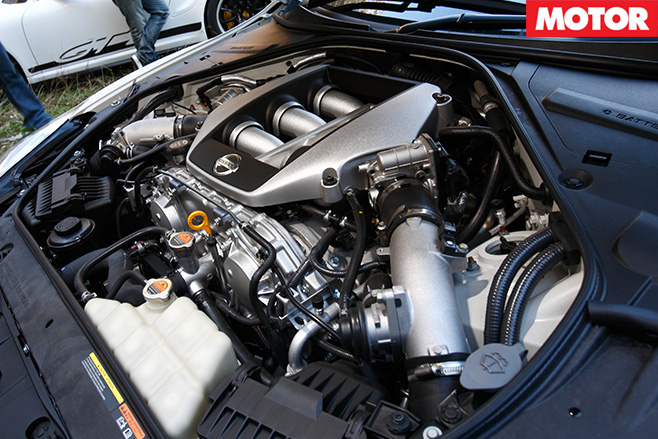
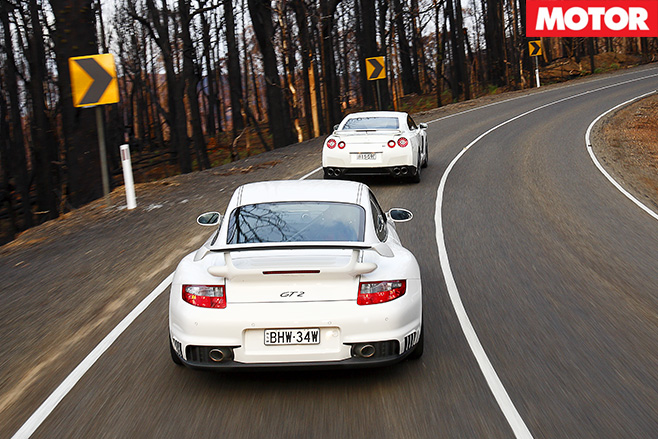
By 200km/h, the Porsche is a second ahead. By 240, it’s nearly two seconds, and at the standing-kilometre, the Porsche is travelling more than 10km/h faster. You have to know what you’re doing and work hard to reveal the GT2’s superiority, but it’s there. By God, is it what.
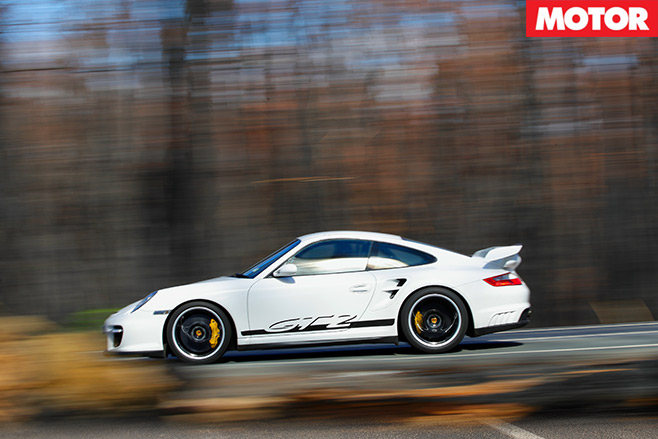
Its change-of-direction is brilliant as it darts from apex to apex, as is its drive out of corners, and its balance and grip are sensational. The GT-R gobbles up tight stuff with staggering ease – its twisty-road agility totally belying its size and weight – but long, fast sweepers start to expose its mass. The GT-R can carry miles of corner speed, but its rubber is working its freckle off, and the subsequent tyre squealing does tend to give the game away a bit.
At speed, the GT-R’s manic ride settles a little, but you need to leave its dampers in ‘normal’ for the best steering and cornering response. In default mode, its front-end simply feels more connected and more interested, with its terrific steering feel at its most heightened. And you can leave ESP activated, too, because the stability-control’s subtlety is genuinely impressive. The GT-R will even serve up power-oversteer exiting a tight corner if you’re ballsy enough.
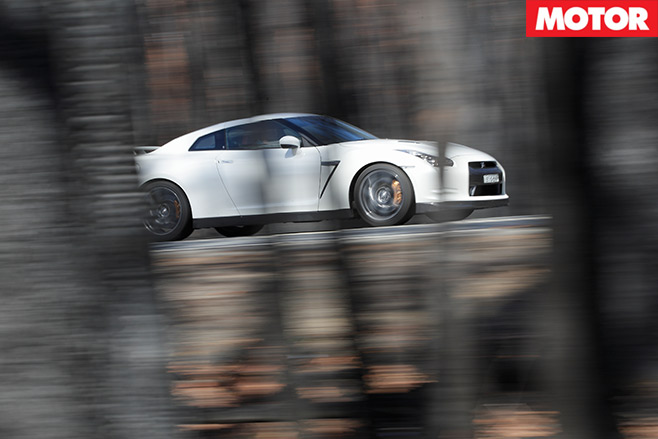
The Porsche locates you much closer to the road in a visibly narrower cabin with superb vision, but it’s this car’s exceptional handling that elevates it to a position of true greatness. Where the GT-R turns into a tight corner, the GT2 pivots into one.
You spot the corner, move outwards a touch, then lift off either the throttle or brakes as you turn and the GT2 simply whips its nose into place. With its rear engine, rear-wheel drive and 300kg weight saving, the Porsche simply feels lighter and more adjustable than the Nissan.
Unlike the Nissan, which mildly understeers until you get stuck into it and the rear-drive bias dissolves it, the GT2 simply doesn’t understeer on the road. It can get its power down earlier in a corner than the GT-R and actually oversteers less – giving just a slight drift while charging forward, in corners where the Nissan actually requires a touch of opposite lock.
The twin-turbo Nissan has crisper and more urgent light-throttle response than the twin-turbo Porsche, too, and while its brakes ultimately aren’t quite up to the ceramic Porker’s stratospheric standards, the GT-R offers better pedal progression and feel than the GT2’s firmness.
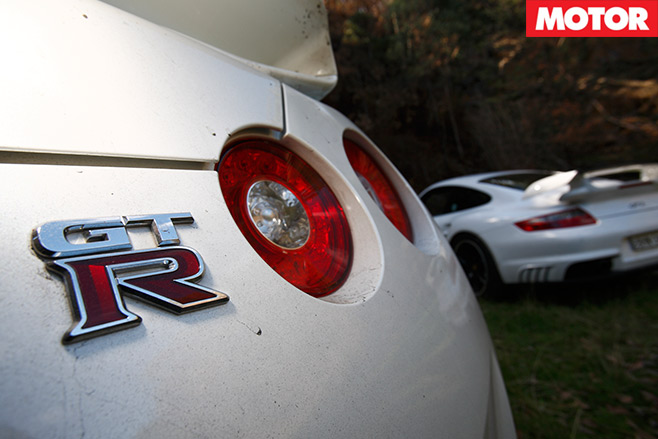
Maybe it’s unfair to compare an all-wheel-drive, two-plus-two coupe against a purpose-built lightened one, but try telling that to the Targa Tassie competitors who’ll be pitting the R35 GT-R head-to-head with just about every 911 model you care to name. The GT-R certainly isn’t shamed by any means, and to be brutally honest, it betters the GT2 in few areas.
So, hats off for the R35 GT-R, though I don’t know whether it’s worth dropping your pants for. Nothing, and we mean nothing, can match it at its price, but the real benchmark will cost you nearly three times more.
SPECS
THE NUMBERS
RENAULT Sport has revealed that performance hybrids and even a full EV model have a place in its future line-up as the French brand strives to regain the upper hand in the cut-throat hot-hatch market.
Renault Sport boss Patrice Ratti (pictured below) told Wheels his engineers are focusing on emerging hybrid and battery technologies – including drivetrain elements shared by the next-gen Nissan GT-R – to ensure it stays ahead of its rivals.
But don’t fret that the fast-car company is turning away from its analogue, driver-oriented philosophy. Wheels has learnt Renault’s next-generation Megane RS will feature segment-exclusive four-wheel steering and the option of a manual gearbox as it takes the fight to the Ford Focus RS and Volkswagen Golf GTI.
While a final gearbox decision is yet to be made, it’s understood both a dual-clutch automatic and a six-speed manual are being developed, the manual featuring rev-matching technology.
It’s also understood the fourth-gen Renault Megane RS – which will be offered solely in a larger five-door bodystyle when it debuts next year – will form the test-bed for an increasing focus on alternative drivetrains. Mild hybrids are expected to appear first to both boost performance and meet increasingly stringent emissions targets.

“Hybrid is difficult because of the cost and the weight, so you really have to move carefully. In some markets it might be necessary in the future. There are some mild hybrids that will come gradually.”
Ratti said Renault’s alliance with Nissan, and its recently confirmed deal with Mitsubishi, means that Renault Sport’s engineers are already leaning on the group’s partners for hybrid technology transfer.
“In the [Nissan] alliance we have a common powertrain division, so everything we do in the alliance can be used on both sides,” he said.
Ratti wouldn’t be drawn on when these new drivetrains will appear, or what performance potential they hold, but did reveal he sees more sense in a full electric vehicle.
“A full-electric RS car, yes, it’s coherent with the strategy of Renault and the evolution of the market and we’re looking at the improvements of the batteries now, but it’s still not enough yet.”
Ratti said Renault’s recent advances with the all-electric (though not-for-Australia) Zoe citycar, which has doubled its range from 200 to 400km, means the tech for an electric RS variant could be sourced in-house.
“We’re doubling the capacity of the Zoe battery, but that’s still not enough,” he said. “We need even more efficient batteries and that will eventually come. The thing you lose is the noise, that’s clear. But an electric motor has a lot of torque, so the acceleration is usually very high. Surely, we won’t do only electric cars, but we could well have one in the range.”
’Ring burner
Lap times at the Nurburgring have played a key role in the new Megane RS’s development, with company boss Patrice Ratti hell-bent on reclaiming the crown for the fastest front-drive hatch. Volkswagen holds the lap record with its Golf GTI Clubsport S, which clocked 7min 49sec. The fourth-gen Megane RS will feature more grunt than before, possibly in excess of 220kW from an all-new 2.0-litre turbocharged four-pot. That’s up from 202kW in the hottest version of the current car, which uses the ageing F4R petrol donk.
It’s no secret we like the all-new, second-generation Audi Q7. Anyone who read Wheels magazine’s Car of the Year issue will know it came tantalisingly close to winning our most coveted award, thanks to a blend of cutting-edge technology, sorted dynamics and supreme refinement.
But while we’ve spent thousands of kilometres testing the Q7’s ability, we’re yet to live with one on a day-to-day basis. Which is why I grabbed the keys to this Q7 for the Christmas break. This test, while not a proper long-term exercise, might still expose any annoying bugbears that could undermine the ownership experience.
As well as seeing if Audi’s SUV could cope with the choking traffic around my inner-city Melbourne home, I’d planned a 1000km road trip to visit family in central NSW.
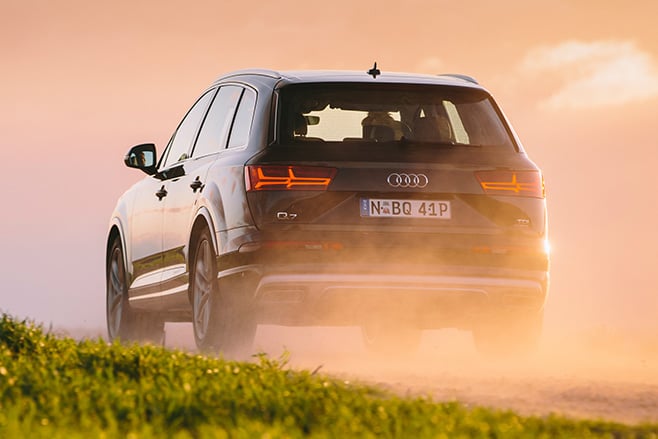
The Q7 might have dropped 240kg over its predecessor, but there’s no escaping the fact that this 2060kg SUV is still a big bus. Yet on crowded city streets it doesn’t feel it. The light electric steering imparts an unexpected sense of nimbleness, undermined somewhat by a rather rotund 12.4-metre turning circle.
Out on the highway, the Q7 comes into its own. This is the type of interstate slog Audi designed it for, so it’s no surprise the Q7 chewed through the 10-hour journey with ease. Four passengers and the family dog fit with space to spare, the air conditioning is brilliant, the whisper-quiet cabin has class-leading refinement and the ride on optional air-suspension is silken and cosseting, well worth the additional $4950.
It was surprising how little diesel the smooth-spinning 3.0-litre TDI drank. COTY testing on twisty rural roads saw the Q7 return a surprisingly high figure of 11.1L/100km, but on the expanses of the Hume it sipped at 7.3L/100km. Overall, with city driving included, the efficiency reading was 7.9L/100km, which is hugely impressive for a two-tonne SUV with this level of effortless performance.
Less convincing is the Eco setting in the Drive Select system. It failed to return any real efficiency gain and instead robbed the torquey Q7 of its ability due to a doughy throttle and sluggish engine response. Comfort mode is the smarter option.
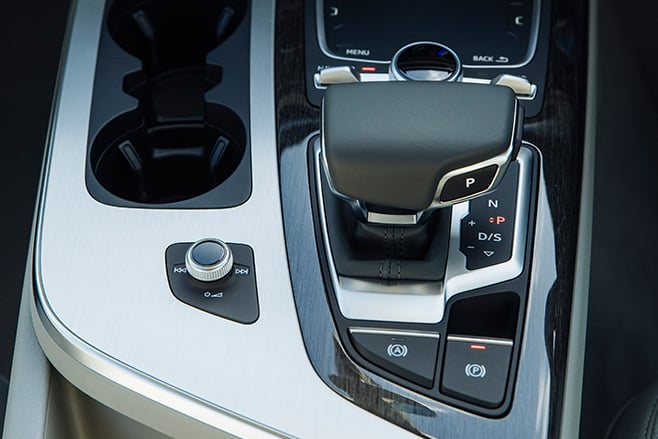
The idle-stop system takes an infuriatingly long time to restart, but other systems are more successful, including the optional adaptive cruise control and lane-keep assist.
The retractable 8.3-inch centre screen garnered praise as it allowed passengers to control the sat-nav and music; good luck doing this in the new TT, with its driver-focused virtual cockpit. The only real complaint levelled at the Q7’s beautifully made interior was that the front passenger seat is too flat and lacking in lateral support.
Are these minor foibles enough to tarnish the Q7’s polish? Absolutely not. During its three-week stay, the Q7 dealt with city traffic, thousands of freeway kays and cracked rural roads as easily as Roger Federer would breeze through your local Tuesday night tennis comp. So if you’re looking for a big, luxurious seven-seat SUV, your hunt just might be over.
FEELING RIGHT AT HOME
The fact that the Q7 feels so at home on Australian roads shouldn’t be a surprise. Australia’s penchant for large luxury SUVs is so high we rate as the sixth-biggest market for Q7s worldwide. Oz falls outside the top 10 for every other Audi model. Australia is so important to the Q7’s success that Audi conducted more than 11,000km of testing on Aussie roads to ensure its SUV flagship can cope with our barren land’s rough roads and extreme temperatures.
When it comes summer, you can’t beat a convertible. Top down and with the wind in your hair, the sun-loving form of a convertible is a great way to view the world.
Abarth 124 Spider
For those who perceive the Mazda MX-5 – the reigning Wheels Car of the Year – to be too mainstream, the Abarth 124 Spider is bucketloads of fun, and features superb dynamics. Believe the hype. For those not in the know, the Abarth is based on the Mazda MX-5 so inherently carries the same car of the year-winning DNA.
Coming with either a six-speed manual gearbox for $41,990 or with a six-speed auto for $43,990, the Abarth is priced to compete with the top of the range MX-5 but is both more powerful than its Japanese cousin, and quicker to 100km/h thanks to its turbocharged engine.
Having said this, neither the Abarth nor MX-5 have steering reach adjustment, making for an awkward driving position should you be anything other than an average-sized human.
Both the MX-5 and the 124 have a soft folding roof that you need to open and close by hand. Mazda will soon add an electric folding targa-roofed version to the MX-5 that looks, well, stunning.
Mercedes-Benz C-Class Convertible
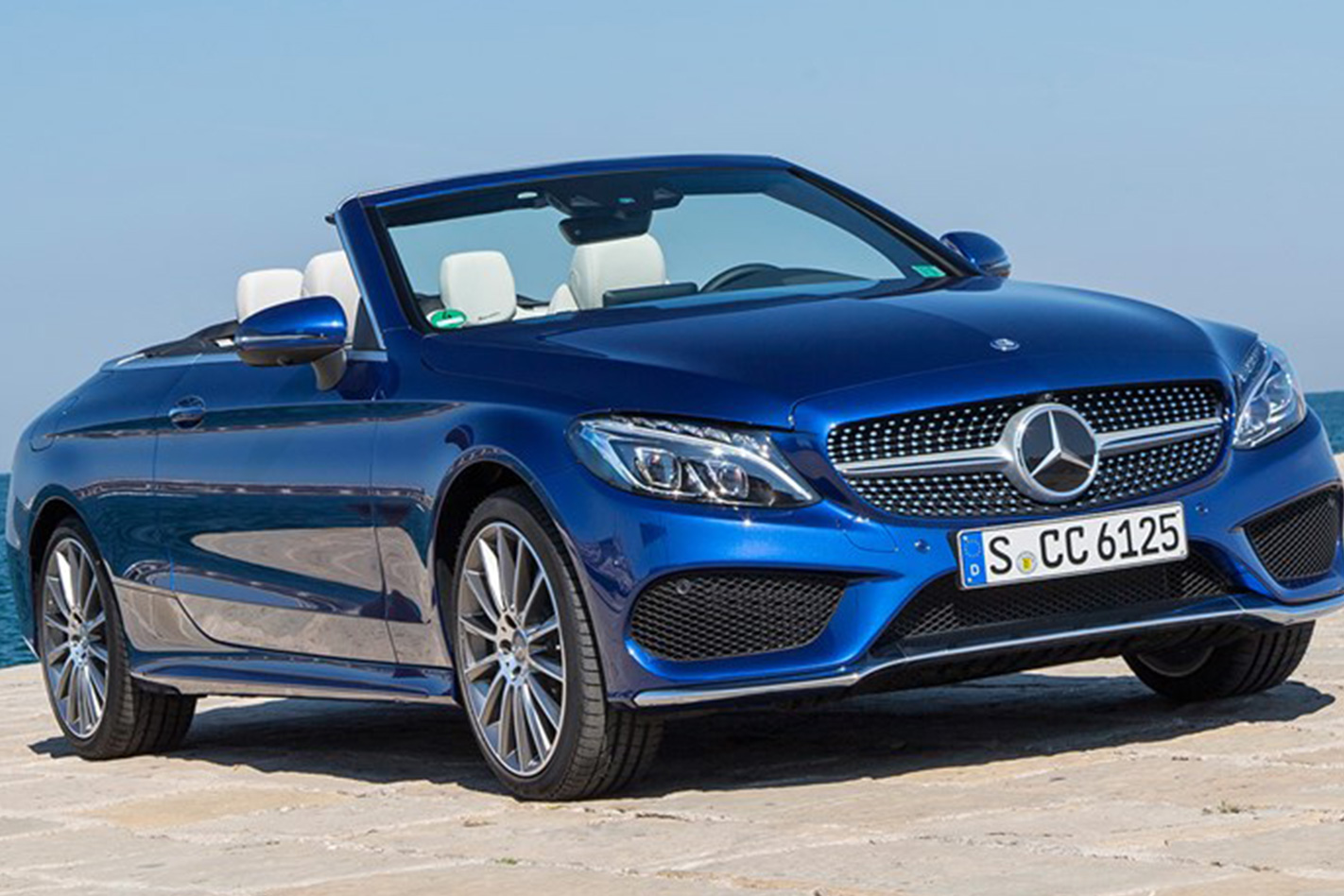
The Mercedes-Benz C-Class Convertible is something of a safe bet when it comes to heat-beaters.
Coming in four variants, the C-Class ranges from the entry level C200 ($85,900) to the firebrand Mercedes-AMG C63 S ($162,115).
You’re paying for the privilege of dropping the roof, though, as the rag-topped version come in around $20,000 more expensive than its two-door tin-top version, the C-Class coupe.
If this isn’t too much of an issue and you can spare a bit more cash, go for the $119,900 C43 AMG. It is a vastly more powerful machine, making it more capable of overcoming the extra weight the cabriolet carries in underbody reinforcements needed once the fixed roof is removed as a structural part of the car.
We like the C-Class because it is possibly the best top-down convertible on the market, with minimal wind noise and buffeting even at high speeds.
Alfa Romeo 4C Spider
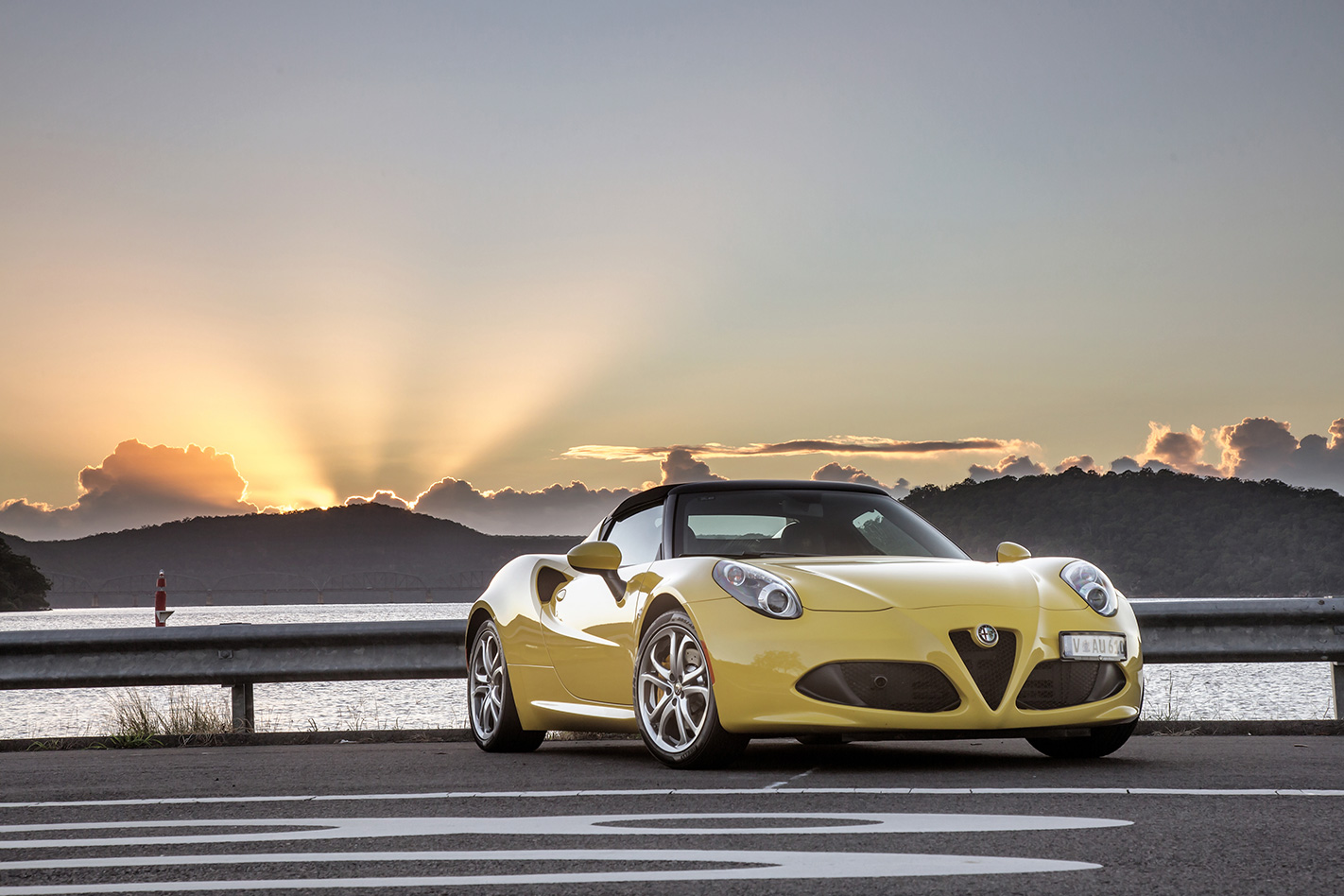
The composite-bodied, folding roof version of the Alfa Romeo 4C comes with all the charisma and dynamism of certain more expensive Italians, but at a much cheaper at $99,000.
The 4C looks and feels the goods on a nice piece of road, but slightly firm seats mean you don’t want to venture far over rougher ones.
Alfa’s handcrafted beauty stakes its claim to have been one of the most anticipated cars of 2016. Like a shrunken-down Ferrari, the 4C is a mid-engined, carbon-tubbed performance car that’s positioned at an attainable price point – what’s not to love?
Through its carbonfibre monocoque chassis and spritely in-line four-cylinder engine, the little Alfa can both go hard and feel planted at elevated speeds.
Downsides? The 4C has next to no cabin storage, and the steering takes some getting used to. Still, it is ultra-cool in more ways than one, making the 4C Spider a drop-top to consider.
Porsche 718 Boxster
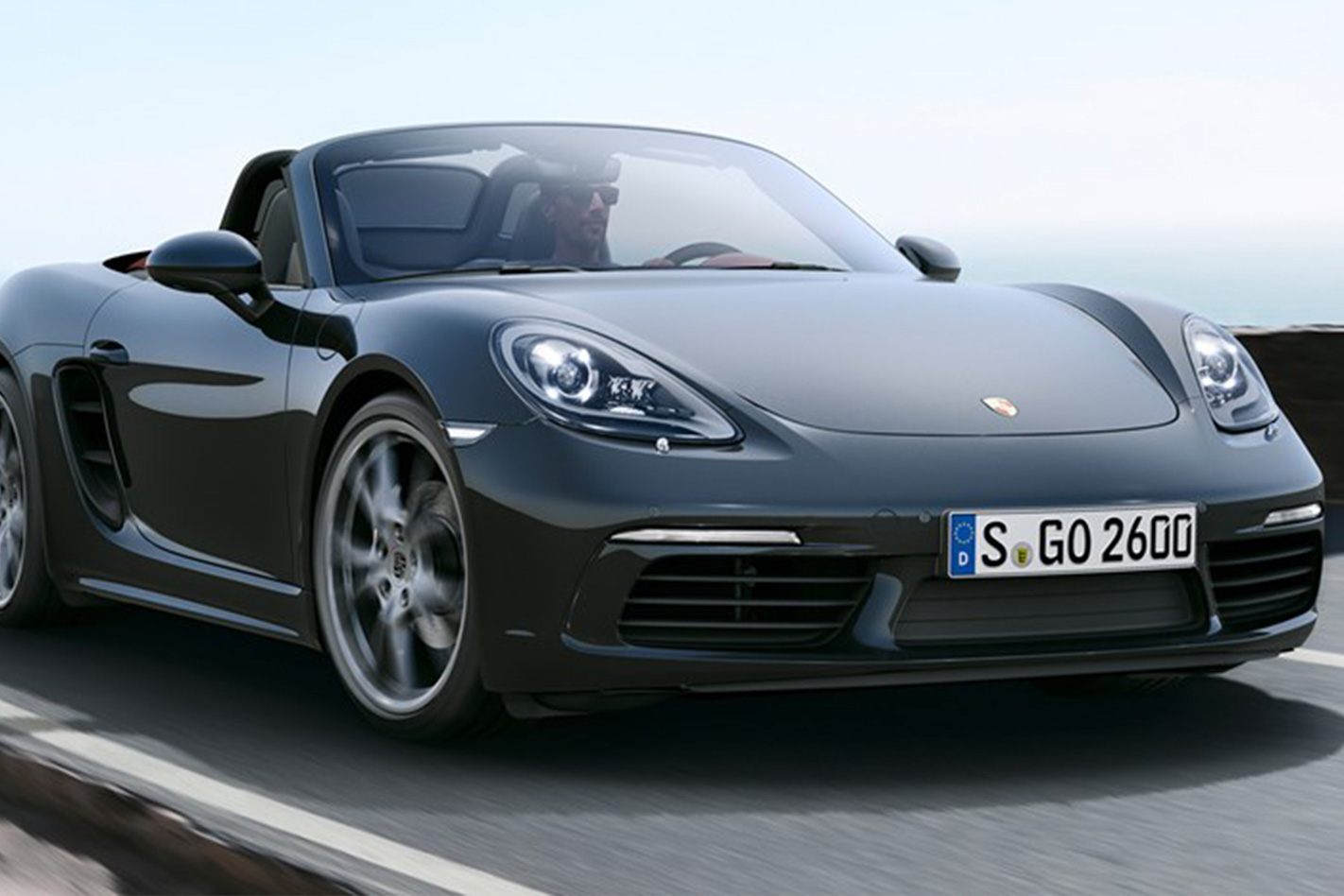
At the upper end of the price spectrum is the fast and thrilling Porsche 718 Boxster.
The latest Boxster features a flat-four turbo instead of the traditional naturally-aspirated six-cylinder, which produces 220kW and 380Nm of torque in the base model or 257kW and 420Nm of torque in the S version.
That kind of power makes the base model perfectly capable of what you would expect from such a car, but if you have an extra 30k to throw around the S is simply excellent.
Both are available with either a six-speed manual or seven-speed sequential automatic, each being a solid choice.
The Boxster’s strengths, beyond the obvious summertime appeal of a folding fabric roof, include its delectable handling, straight-line urge and exceptional cabin quality. It may be a pricey one in this company, but it’s worth every dollar.
Holden Commodore
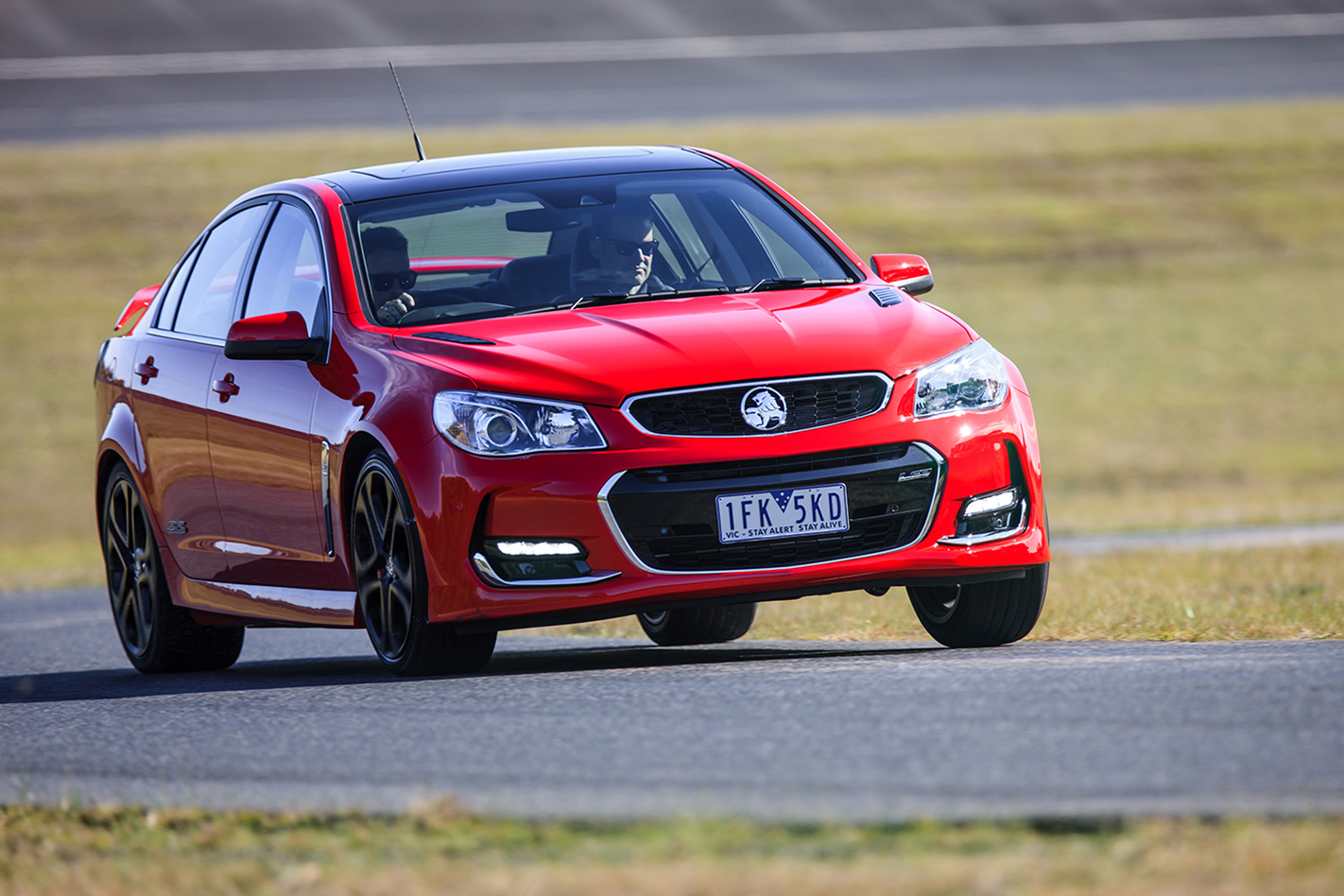
“Since when was the Commodore a convertible?” we hear you say. Ahh it isn’t, but it still finds a pretty darn good way to beat the summer heat.
Shiny-headed? Skin that’s prone to moon-burn (let alone sun-burn)? The Holden Commodore will keep you protected from harsh rays.
See, while keeping you out of direct sunlight, the Commodore can blast out some of the best air-conditioning on the market.
Made in Australia by Australians, Holden’s engineers know what it’s like to be stuck in a car on a scorching summer’s day, forced to drive with your fingernails so the lava-hot steering wheel doesn’t melt your skin.
Not so much a summer car than an all-weather car, but for those who struggle to deal with Australia’s hotter months the home-grown Commodore is the perfect respite from the heat.
Holden’s AC indeed works better than the vast majority of its Euro counterparts (We’re looking at you Renault Megane), meaning you can rest in comfort while your Commodore keeps you cooler than a fridge.
Get in while you can, they won’t be Aussie-made much longer.
