
This month we’ve been thinking about names in the MOTOR office (and not clever new things to call each other).
With Holden divulging details on the “NG” first-imported Commodore, and our learning that the revered SS insignia will receive a four-gun salute and be laid to rest with the V8 models at the end of next year we can’t help but wonder about Holden’s decision to continue the Commodore name on an imported car.
We think we understand why Holden is doing it. In the difficult transition from manufacturer to importer, as dumb as it sounds, there’s a risk punters will stop showing up at Holden dealers because they think they’re not selling cars anymore.
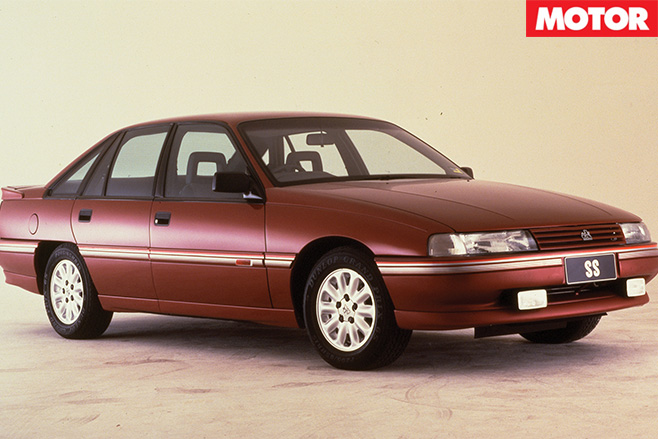
Presumably, too, by continuing the Commodore nameplate – and models with equivalent specification and pricing – existing customers like fleet managers, are more likely to be retained.
But by slapping the Commodore name on an imported car, the incumbent Holden management risks showing a lack of understanding of what the nameplate symbolises to a vast many Australians. It’s not being bombastic to say the Commodore has been a symbol of national pride for decades – what we can design, what we can build, tiny little Australia making a genuinely world-class car.
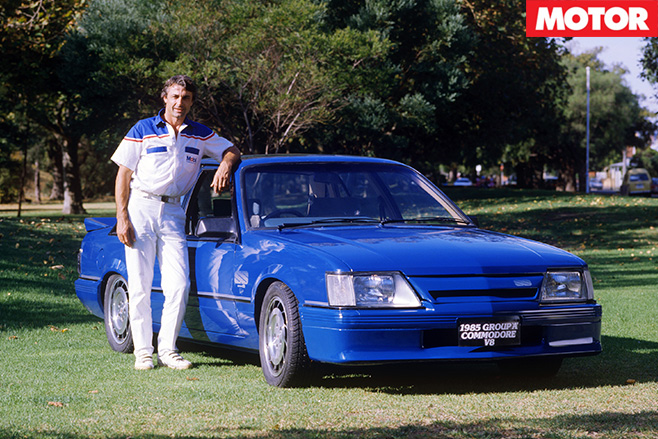
It can’t be brushed under the rug as a sentiment shared amongst enthusiasts, either. We’re not just ambassadors for the brand but everybody over the age of 40 has a little soft spot and many precious Commodore memories. We can only hope they know what they’re doing.
Have you ever wanted to hang a Formula 1 car from the roof, like that madman in Brazil?
Well, now you can, with a full-size replica of the RB13 Red Bull Formula One car now for sale Down Under.
The car doesn’t have a powertrain, so you won’t be able to take it to your local track day, but it is an exact replica of the car driven by Aussie Mark Webber and his rival/teammate Sebastian Vettel – even down to the real F1-spec Pirelli rubber.
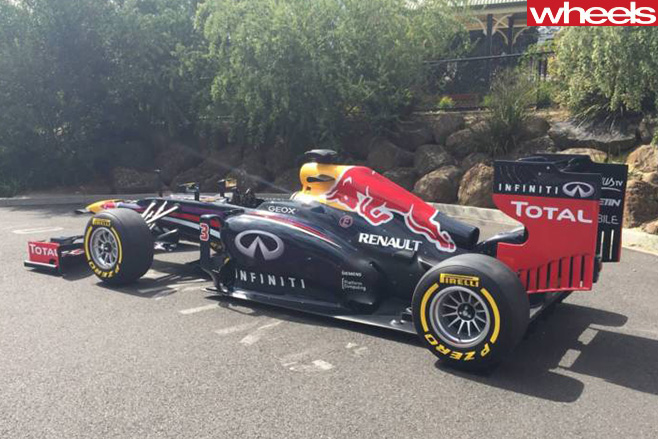
Motorsport anoraks may have noticed that despite the car being a replica of the RB13, the last Red Bull F1 car of the V8 era, it wears the colours and numbers worn by Daniel Ricciardo when he joined the squad in 2014.
If having the car set aside as a living-room ornament isn’t down your alley, you can use the car as the coolest gaming rig in the street.
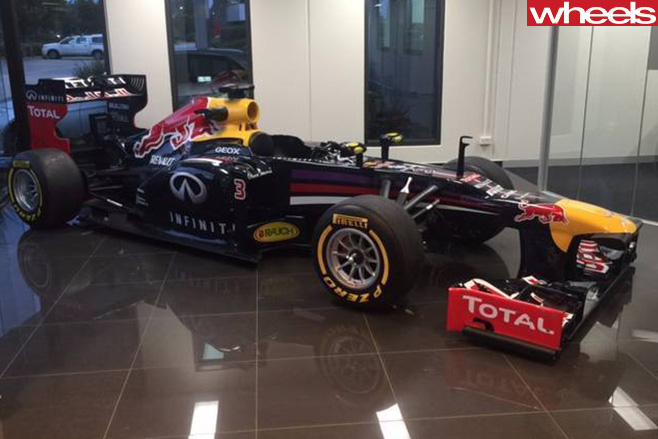
Playing F1 2016 won’t ever be the same again!
Measuring in at 4.7-metres long, and 1.95-metres wide, you will need plenty of spare room to keep the car. Tipping the scales at 520kg makes moving the replica a tad difficult as well.
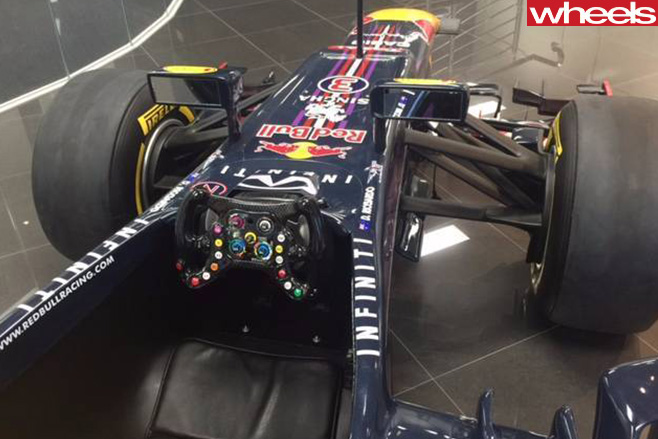
Now, we aren’t telling you what to do, but if you do pick this beauty up, it would be worthwhile looking at the coolest house for car enthusiasts in Australia at the same time!
HONDA will use the world’s largest electronics show to reveal a car that it claims can read a driver’s emotions.
The Japanese carmaker will show the NeuV, “a concept automated EV commuter vehicle”, at January’s Consumer Electronics Show, the world’s largest technology showcase held each year at Las Vegas.
According to Honda, the boxy electric commuter car will feature artificial intelligence it calls the car’s “emotion engine”. There are few clues as to what Honda’s new in-car technology will do, other than the carmaker saying it will create “new possibilities for human interaction and new value for customers”.
Honda’s attempt to humanise the car is in recognition that driving cars is increasingly becoming a lonely, solitary affair.
Honda isn’t the first to look for a way to interact with the driver in the same way Knight Rider’s Kitt kept David Hasselhoff in check.

A few years ago, Denso – the offshoot of global carmaking giant Toyota – built a dashboard of the future that included a small, animated pop-up doll that interacts with the driver.
Denso’s Hana, as the doll is called, is planned for the dashboard of the future. Shown at the 2013 Tokyo motor show, Hana was designed to be a chatty, gesturing companion for the driver, trying to read the driver’s mood and respond accordingly.
Drive too fast, and the doll scolds the driver and asks them to slow down. Look likely to miss a turn, and Hana reacts by pointing in the direction you need to turn.
Jaguar has revealed it is working on making its cars more intelligent. It plans to develop vehicles that learn your habits, including how and where you drive, and even your favurite radio stations that it can automatically tune into. It can then take over some of the tasks it has learned from you, such as making a regular phone call or even sending an SMS to your boss if you’re running late for work.

The data the Jaguar collects is stored on the cloud, the generic name given to a web-based file server, which means all the things the car of the future learns about you – radio station preferences, seat and mirror settings and so on – transfer to whatever Leaper-badged cars you jump behind the wheel of.
Google, which is developing a self-driving car of its own, is the keynote speaker at next year’s Detroit motor show in January. The internet search and software company was invited to one of the world’s largest car shows mainly in recognition that cars are becoming more like supercomputers on wheels.
The importance of car-sharing also isn’t lost on carmakers, many of whom who see a future in short-term rental in space- and infrastructure-poor cities rather than outright car ownership.
The experiment to see how we can adapt to the idea of sharing cars has already kicked off. In Australia, Ford has paired up with a short-term car rental company to allow other drivers to borrow your ride while it is parked at the airport.
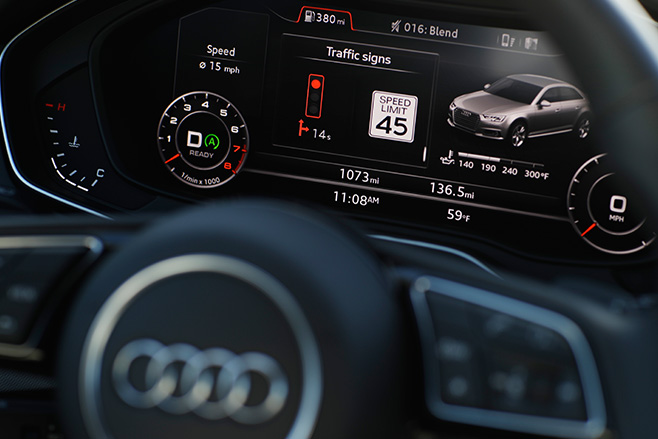
However, while cars will get smarter, the environments they drive in will need to keep pace. German luxury carmaker Audi has announced a trial for its vehicle-to-infrastructure service that, among other things, provides drivers with a countdown clock to show when a red light will turn green.
The only problem is, you have to move to Las Vegas – the only place in the world that Audi has installed the system – to try it.
The preliminary findings of the Australian Automobile Association’s real-world emissions and fuel economy testing showing the inadequacies of official laboratory testing would come as no surprise to anyone who pays attention to their trip computer.
The testing, on roads near Melbourne in suburban, freeway and rural settings showed greenhouse gas emissions and fuel consumption was up to 35 per cent higher than the official claimed figure and 20 per cent higher on average.
This ties in with what we’ve often found with our long-term testing for Wheels magazine which isn’t as scientific as the AAA’s research, but has long confirmed the way cars are officially tested isn’t representative of what owners would experience
For example, the long term reviews in this month’s Wheels magazine’s Summer edition include an eclectic mix of cars including the Suzuki Baleno GLX Turbo, Toyota Hilux SR5, Jeep Renegade Trailhawk, Audi TT Sport quattro, Jaguar XE 20d R-Sport and the Citroen Cactus. All of these have exceeded their official fuel economy rating during their time with the Wheels reviewers. It’s worth noting that these figures do not suggest deception on the car manufacturer’s part, but rather highlight of the inadequacies of the official testing regime.
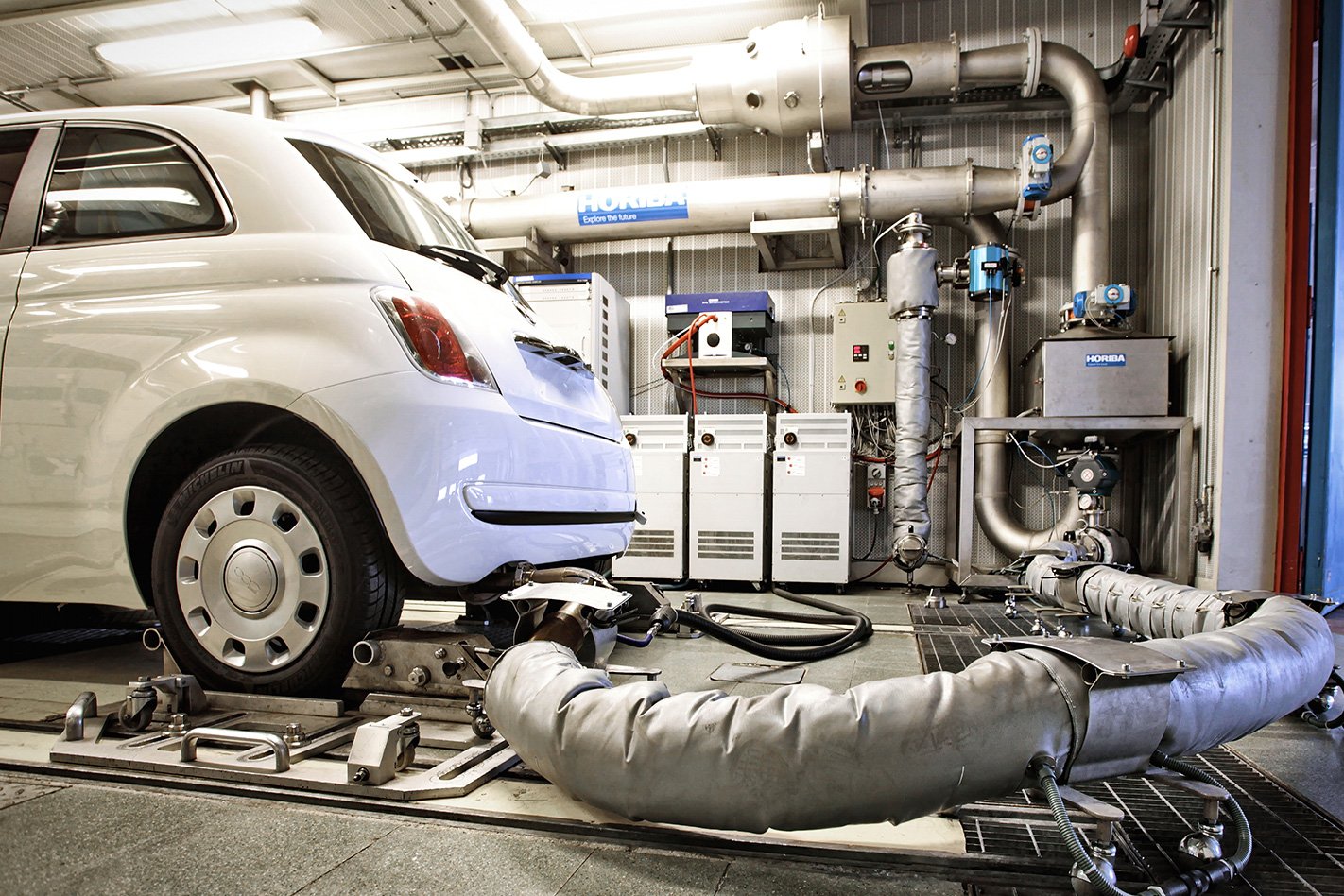
As the AAA points out, car manufacturers are only doing enough to pass the laboratory tests and in some cases, as the Volkswagen Dieselgate saga showed, come cars are being tuned to advance lab test figures in the knowledge this doesn’t reflect real world performance.
Regardless how cars are tested, you will still end up with different results based on individual driving habits, loads and traffic conditions, which is why such figures should only ever be used as a guide.
WHEELS LONG-TERM REVIEW FUEL COMPARISONS
Suzuki Baleno GLX Turbo Official combined fuel economy: 5.2L/100km Wheels testing fuel economy: 7.1L/100km Distance travelled: 176km (urban and motorway)
Toyota Hilux SR5 Official (urban): 9.1L/100km Wheels: 12.9L/100km Distance travelled: 502km (urban)
Jeep Renegade Trailhawk Official (combined): 7.5L/100km Wheels: 12.8L/100km Distance travelled: 838km (urban, country and motorway)
Audi TT Sport quattro Official (combined): 6.8L/100km Wheels: 9.8L/100km Distance travelled: 4699km (urban, sports and motorway)
Jaguar XE 20d R-Sport Official (combined): 4.2L/100km Wheels: 6.8L/100km Distance travelled: 5165km (Urban, country, sports, motorway)
Citroen Cactus Official (combined): 4.3L/100km Wheels: 6.0L/100km Distance travelled: 1214km (urban, motorway)
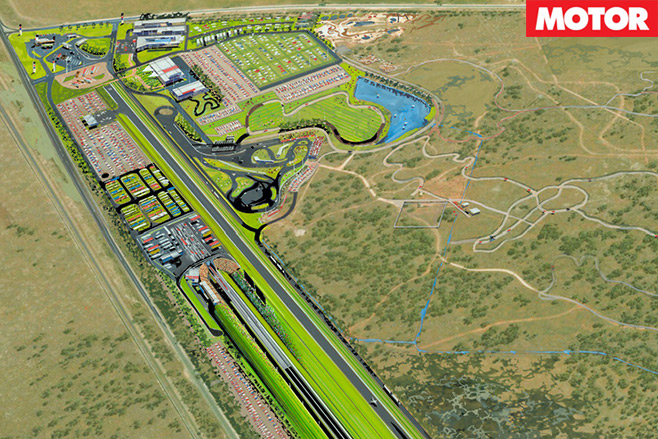
Until 2008 it was Mitsubishi Australia’s test track – but redevelopment of the site south-east of Adelaide is now underway, with The Bend Motorsport Park set to open in 2017.
Located at Tailem Bend, one-hour freeway drive from the city centre, the facility will feature a tri-length circuit, drift and karting track, dragway, offroad facility and airstrip, with full accommodation facilities. It will cost $100 million to develop, with $7m contributions each from the state and federal government.
South Australian premier Jay Weatherill attended the site this week for the start of construction on a facility that is set to open in November next year.
“The Bend is set to become one of the world’s longest permanent circuits and is expected to create 1631 full time jobs and bring 339,000 extra visitors to the region each year,” Weatherill exclaimed on his Facebook page.
“An important project not just for motorsport fans, but also local industries and our economy!”
The project was first rumoured late last decade, with Bend Motorsport Park hiring and contracting throughout 2015 before now commencing development at the site.
The 7.7km full-length GT circuit is touted as “the longest and most challenging permanent circuit in Australia” and the second-longest in the world, and is FIA-approved for all racing bar Formula One.
A 4.9km portion of the circuit will be used for “V8 Supercars, Superbikes and national series events, through to state racing, club racing and track hire” while the circuit can also be split individually into east and west halves for driver training and sprint event functions.
A burnout pad and dragstrip, designed in conjunction with the Australian National Drag Racing Association (ANDRA), sits beside a drift track with two courses – tight and technical, and flowing S-bends.
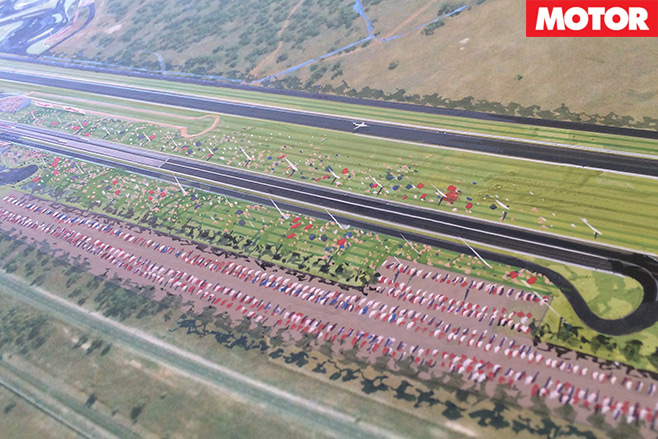
“This dedicated drift facility will be a one of a kind in Australia, featuring many different layouts and unique elements designed for national events, matsuri and local competition,” The Bend Motorsport Park explained in a statement.
The park further welcomes Vmax car testing on the 2km runway designed for short charter flights to the industrial precinct.
The private investment company funding all but $14m of the project is called Peregrine Corporation, owner of South Australian service stations On The Run, nationwide Smokemart stores and rights holder of Krispy Kreme stores within its home state.
Mercedes-Benz is taking the Mercedes-Benz E-Class Coupe in an even more premium direction than before, with an early teaser video for the German marque’s latest two-door showing off a design that emulates the megabuck Mercedes-Benz S-Class Coupe.
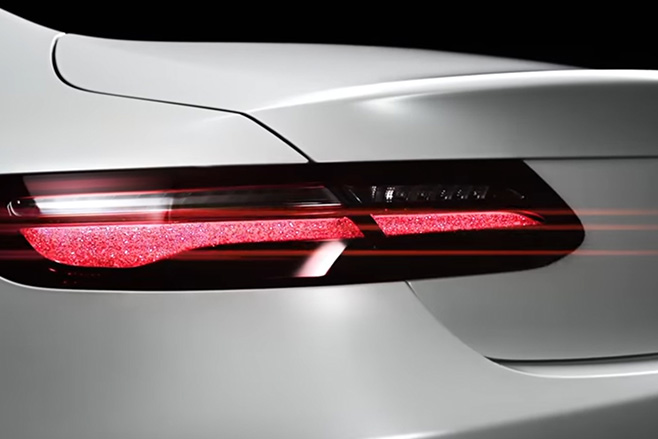
Expected to arrive in the latter half of 2017, the E-Class Coupe will be based on the same platform as its sedan sibling – meaning the full range of engines, right up to the heavy-hitting 450kW twin-turbo V8 of the Mercedes-AMG E63 S sedan – will be available.
The soon-to-be-superseded E-Class Coupe was not available in full-blood AMG form thanks to its W204 C-Class-derived underpinnings, which couldn’t accommodate the Mercedes-AMG E63’s beastly powerplant. The arrival of its replacement, which sits on Benz’s latest modular MRA platform, will remedy that.
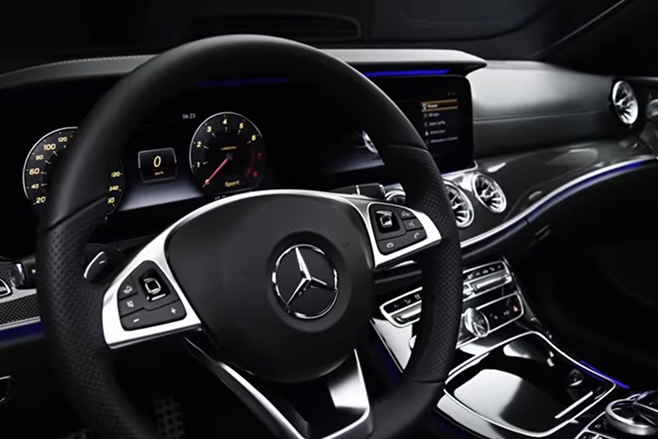
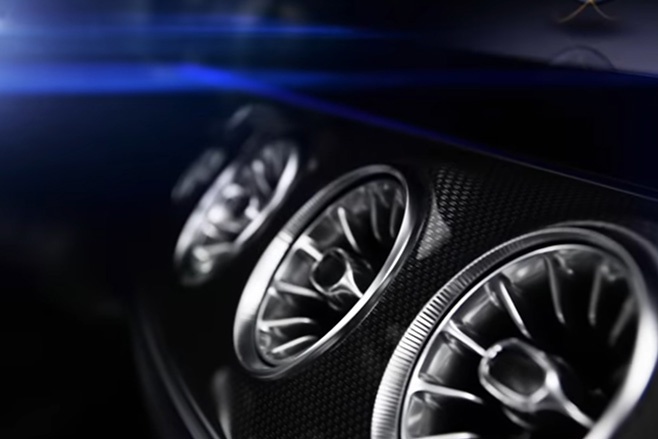
Glimpses of the interior confirm that the E-Class flavour will be much stronger in this generation E-Class Coupe, with the dash and steering wheel design appearing almost identical to that of the sedan – which carries more than a passing resemblance to the S-Class coupe thanks to its quartet of centre air vents and twin-screen all-electronic instrument panel that stretches across two thirds of the dashboard’s width.
On the outside, the new E-Class Coupe’s headlamp treatment looks like an ever-so-slightly shrunken S-Class Coupes, while at the rear a set of slim LED tail lamps also mimic those of its bigger bro – albeit without the S-Class’ rump-spanning chrome bar to link them together.
The pillarless glasshouse can also be spied in the teaser vid, and with minimal metal in the A and C (or is that B?) pillars the 2017 E-Class Coupe’s profile will be an elegant one.
The 2017 Mercedes-Benz E-Class Coupe will make its official debut on December 14. Expect more details after the covers are officially whipped off.
Meet the seventh generation of Bavaria’s big businessmobile. Codenamed G30, the new BMW 5 Series aspires to leadership of the executive luxury segment Germany dominates. Has Munich managed it?
WHAT IS IT? Large rear-drive sedan, premium-priced, opulent, and brimming with the latest tech. Launch line-up for Australia includes four- and six-cylinder petrol and diesel engines.
WHY WE’RE TESTING IT Sedans are being swamped by SUVs, but the arrival of a new 5 Series is still a major moment. So the international media launch in Portugal was a must-be-there event.
MAIN RIVALS The arch-enemy of the 5 Series is the Mercedes-Benz E-Class. This is a long-running rivalry, but there are other worthy contenders in this lucrative category. The Audi A6, Jaguar XF and new Volvo V90 all aim to tempt the same kind of customer, while for those who prefer Asian to European flavours there are the Lexus GS and Infiniti Q70 to consider.
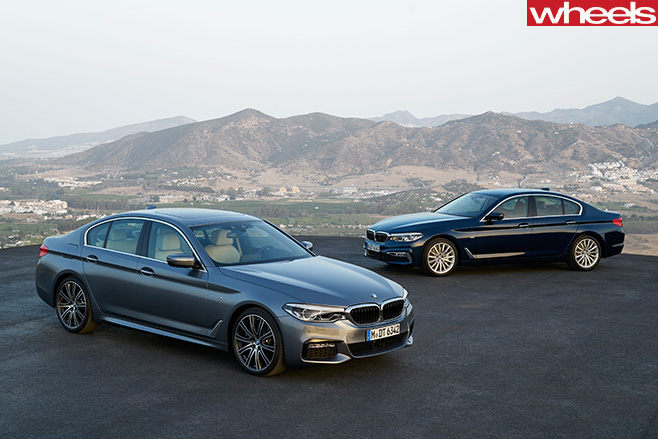
PLUS: Handling and ride; six-cylinder drivetrains; interior design and quality MINUS: Rear seat; some semi-autonomous tech more annoying than helpful
THE WHEELS REVIEW Johann Kistler doesn’t hesitate before answering. “Driving dynamics,” says the BMW 5 Series project head, after being asked where his new car’s biggest advantage over the Mercedes-Benz E-Class lies.
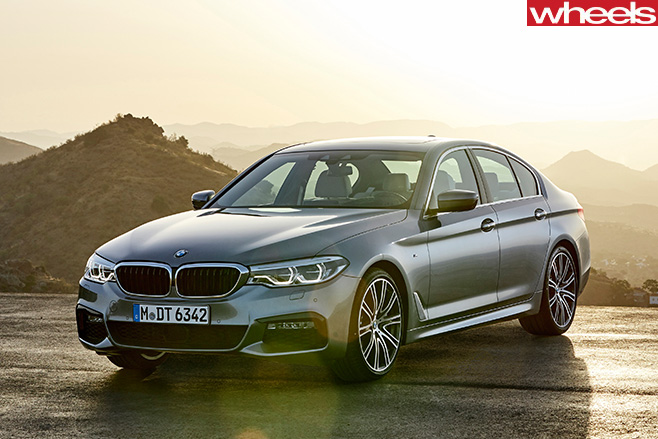
Predictable responses from someone who’s worked for BMW for 38 years, a cynic would say. But Kistler, it happens, is right. The seventh-generation 5 Series, codenamed G30, is a lovely thing to drive. Its electrically assisted steering is truly outstanding, and the chassis delivers a terrific blend of agility, composure and comfort.
It’s a bigger car than before. Overall length is up 36mm, but the increases in height, width, wheelbase and tracks are all single-figure small. Despite the growth, the new G30 weighs anything up to 100kg less than the F10 it replaces. Almost every external panel is aluminium, and the new suspensions – double A-arm front, five-link rear – also include more aluminium than ever.
Completing the launch line-up will be the 520d and 530d, equipped with 2.0-litre four-cylinder and 3.0-litre six-cylinder turbocharged diesels. These are not new. Though manual transmissions are an option in some models in some European markets, for Australia the new 5 Series will come only with an eight-speed automatic.
Prices increase quite steeply. In round figures, the $93,900 520d rises $9000, the $108,900 530i is $10,000 more than the 528i, the $119,900 530d is $4000 up over 535d and the $136,900 540i is a whopping $19,000 more than the 535i. But all models are much more richly equipped than before. Adaptive dampers, for example, will be standard in everything except the 520d. BMW Australia claims the retail value of the additional kit far outweighs the price hikes.
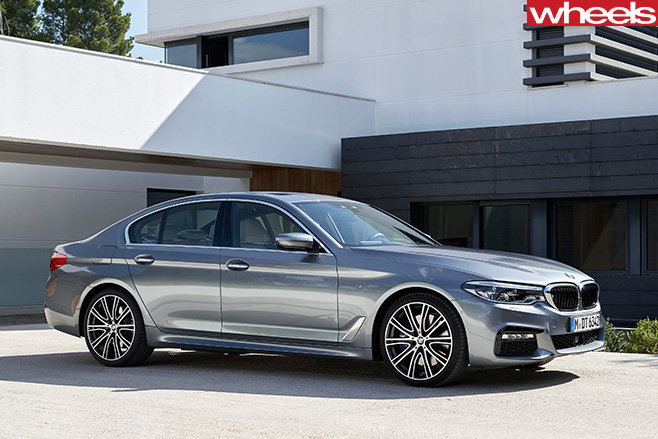
From the outside, the side view is possibly the new 5 Series’ best angle. It highlights the faster angle of the car’s rear glass, which contributes to a more tapered and toned tail. In the right light you’ll also notice the ‘twisted ribbon’ character line running from the front wheelarch, through the doorhandle recesses, to fade into the base of the C-pillar. From the front, new daytime running light strips point to the car’s big kidney grille.
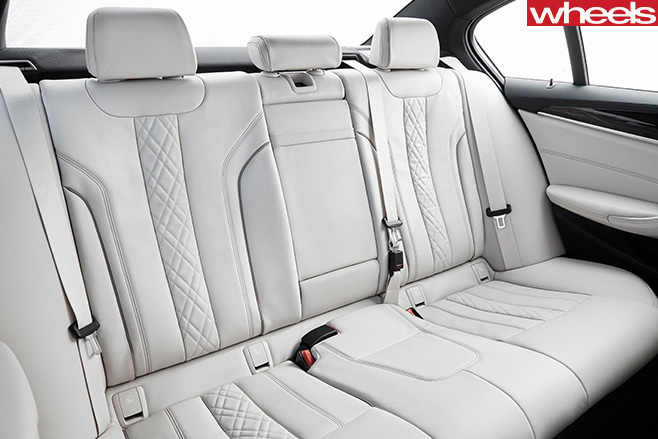
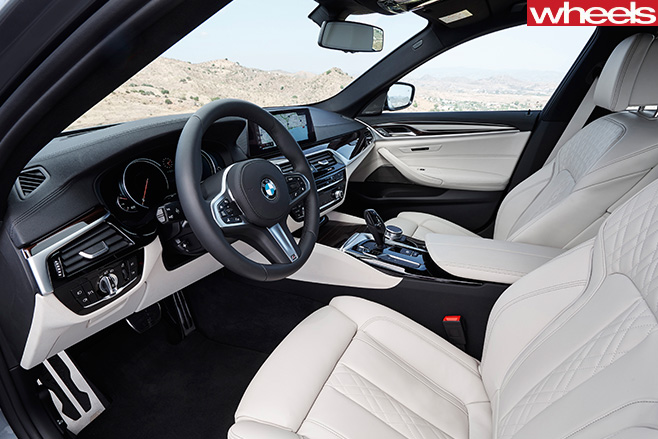
The diesel was fitted with BMW’s xDrive all-wheel-drive system, which won’t be coming to Australia. It also had Luxury suspension, which will be a no-cost alternative to the standard M Sport package, and BMW’s Integral Active Steering rear-wheel steering system, which is likely to be optional. And the 540i lacked the active anti-rolls bars of the Adaptive Drive system that will be standard in Australia. It also had rear-steering, a technology that’s incompatible with Adaptive Drive, and rode on 19-inch wheels instead of the 20-inchers bound for Australia.
Still, the fundamental quality of the new 5 Series chassis was obvious. This big sedan steers with rare precision, is beautifully fluent when changing direction and rides wonderfully well. Some of the roads around Lisbon were as poor as anything you’ll find in Australia, and the 530d’s Luxury suspension did a brilliant job of isolating occupants from the bumps without depriving the driver of a sense of control.
Like the W213 E-Class, the G30 5 Series also brings a new level of semi-autonomy to the driving experience. While the active cruise control and some other driver-aid features were impressive, the self-steering ability of the BMW was as annoyingly inconsistent as that in the Mercedes-Benz.
But with the aids switched off, and the ride stripped bare, it was always obvious that the new 5 Series is the executive car for those who enjoy driving.
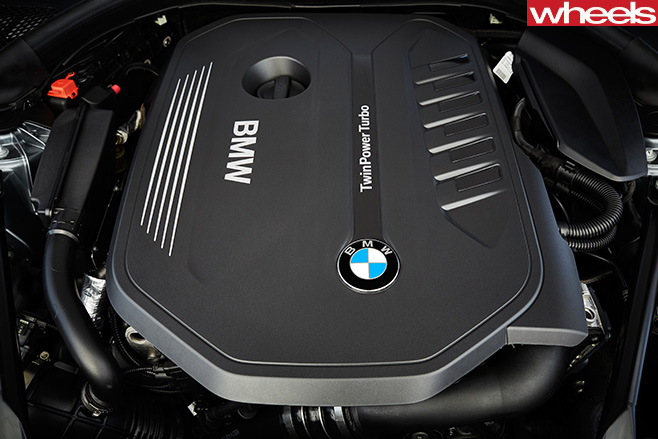
SPECS Model: BMW 540i Engine: 2998cc in-line 6cyl, dohc, 24v, turbocharged Max power: 250kW at 5500 to 6500rpm Max torque: 450Nm at 1380 to 5200rpm Transmission: 8-speed automatic Weight: 1670kg 0-100km/h: 5.1sec (claimed) Fuel economy: 6.7L/100km Price: $136,900 On sale: March 2017
AUSSIE young gun Joey Mawson continues to impress on the world stage, claiming four podiums in a row in the second round of the MRF Challenge in Dubai.
The 20-year-old won the German F4 Championship earlier in the year, besting high-profile rival Mick Schumacher (son of the legendary Michael).
Mawson has continued his form in the four-round MRF Challenge, taking a pair of runner-up finishes, a third, and a win, to solidify his championship lead at the halfway point in the championship.
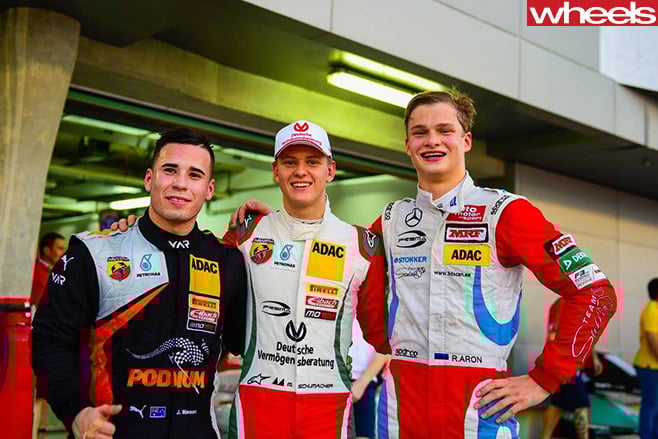
“There’s not really any better way to finish off the year, I got a race win and now have the championship lead going into the New Year.
“I really enjoyed the racing across the weekend and the track was great to drive on. It was a good flowing track and reminded me of some of the tracks I used to race on during my karting days.
“Dubai holds some very special memories for me, it was exactly five years ago when I finished on the podium at the Rotax World Karting Finals.”
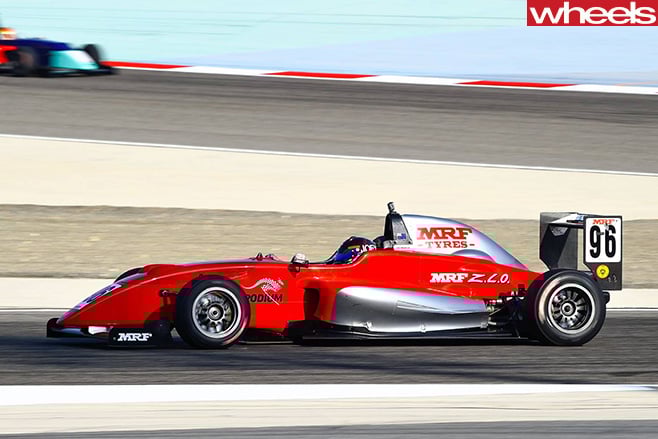
A damaged front wing hampered running in the third race of four, but Mawson pushed through to claim the final podium position.
The Aussie started fourth for the final race, climbing to second by the end of the first lap, before powering to victory with a 4.6-second lead.
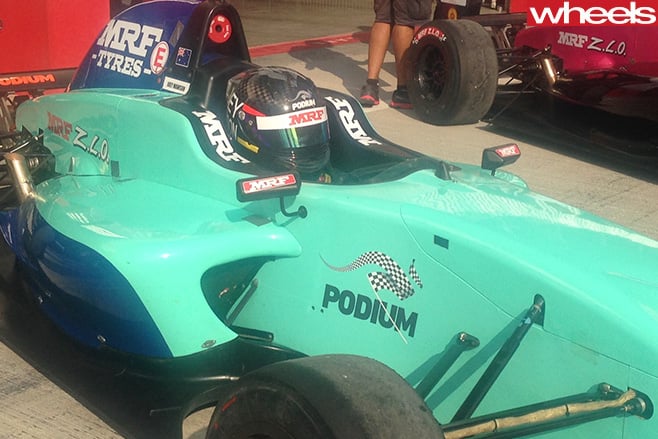
Mawson holds a 28-point lead over Harrison Newey (son of Red Bull Racing’s design maestro Adrian), heading into the third round to be held in New Delhi on January 26-28.
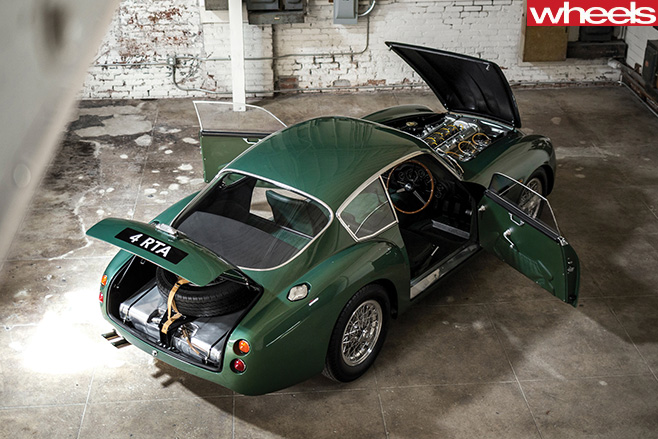
These cars will be more than mere replicas. When Aston builds the final 25 DB4 GTs, it will continue the original VIN sequence that began with the 75 original cars built between 1959 and 1963.
Costing over AU$2,500,000, the new-build Aston Martin DB4 GTs won’t come cheap, but that figure suddenly becomes a smart deal when you consider the expected asking price of an original model – a tad over $5,000,000.
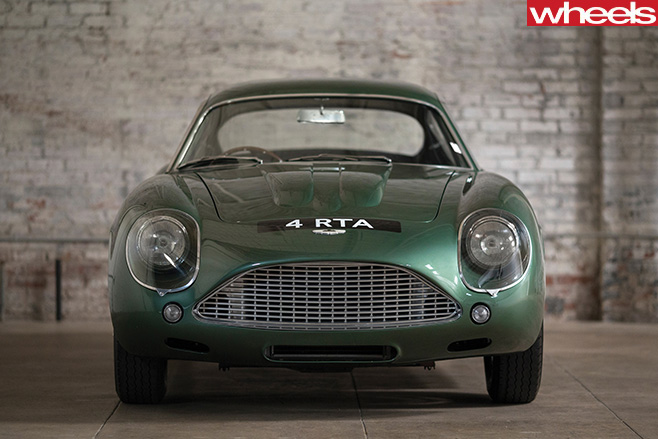
Though they’ll be issued with a proper VIN, the new DB4 GTs will be strictly track-only vehicles – based on the lightweight racing models of which only eight were originally made.
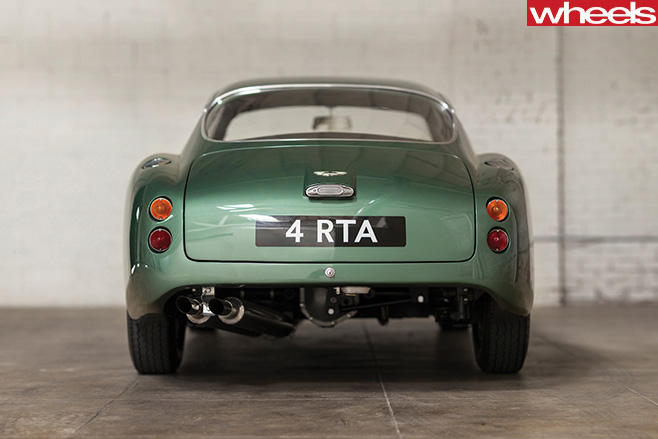
The DB4 GT is perhaps best known for being the vehicle Stirling Moss piloted to victory at Silverstone in 1959.
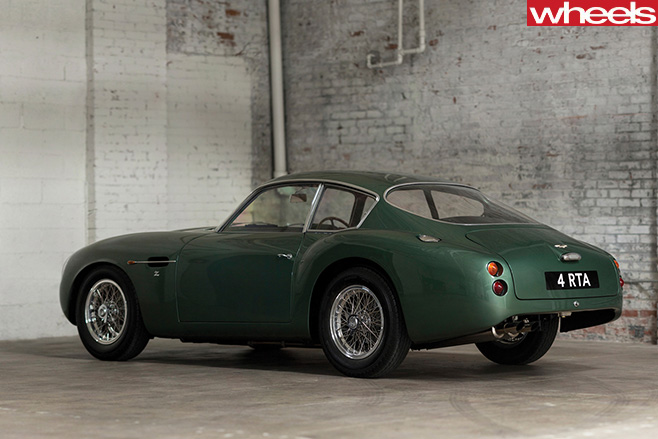
The body will be shorter and sleeker than the original, and being made out of aluminium, is expected to weigh little more than 1200Kg.
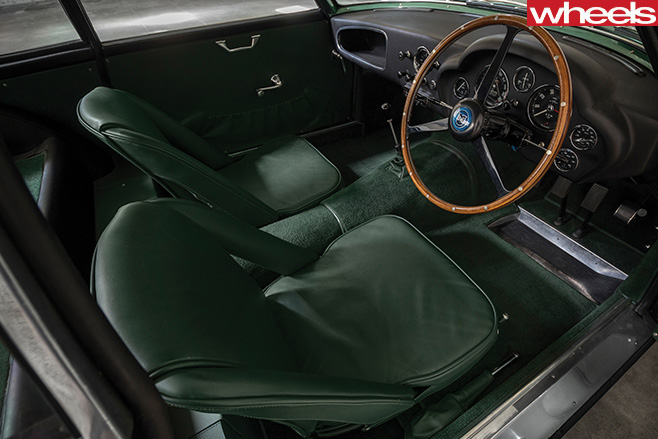
In a statement, Aston’s president and chief executive officer Andy Palmer said the decision to reopen the cars production line is a testament to its versatility.
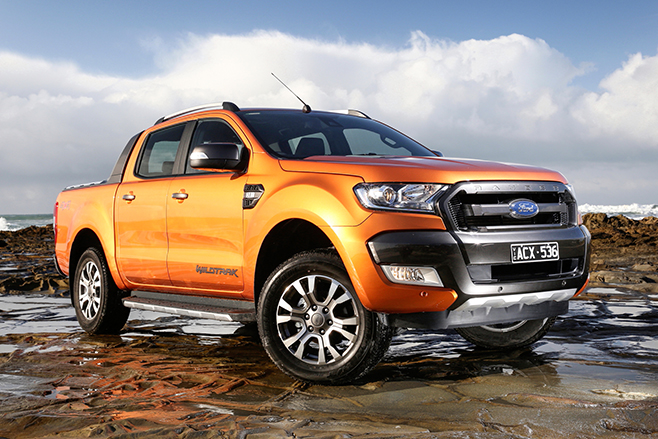
With the Toyota Hilux set to become Australia’s biggest selling vehicle for 2016 and the Ford Ranger not too far behind, you’d think that drivers are ditching cars and SUVs by the thousand in favour of high-riding trucksters with a tray plonked on the back.
However the success of these and other dual cab utes over cars and SUVs needs to be put into perspective in terms of who is buying them and how they’re counted.
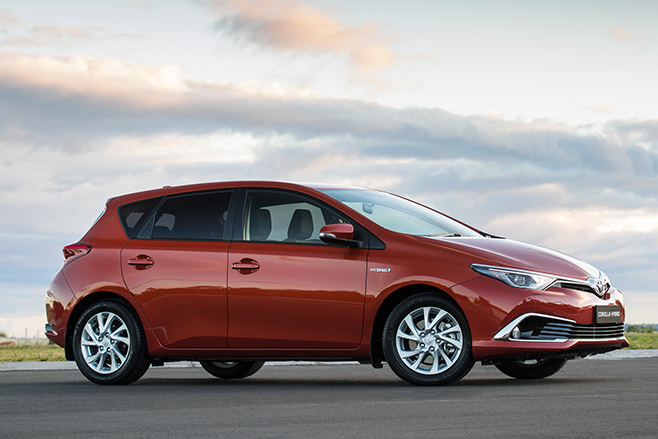
If the Hilux wins the sales crown this year it will do so at the expense of its long-reigning Corolla cousin. However, unlike the Corolla the majority of Hilux utes are sold to government and business buyers, with just over a quarter (10,586) of the 38,018 Hilux utes sold so far this year going to private buyers.
That compares to 20,128 Toyota Corollas sold to private buyers this year, which is more than half of the 37,403 sold so far in 2016 according to VFACTS figures for November.
That said, overall sales is a fair measure but because the ute figures include diverse variants from 2WD trays to 4X4 pickups, it’s best to isolate five-seat dual cab utes – the variant most favoured by family buyers – and treat them as distinct models to see how their sales compare with conventional passenger cars and SUVs.
Of the 38,018 Hilux utes sold so far this year, 21,489 were 2×4 or 4×4 dual cabs. A big number, but what’s more revealing is the fact that less than a third of that number (6752 if we’re being exact) went to private buyers rather than fleets.
The stats are similar on Ford’s side. Of the 33,567 Ford Rangers sold year-to-date, 25,193 were 2×4/4×4 dual cabs with just 6798 of these ending up in the hands of private buyers.
When it comes to passenger-carrying utes, the Ford Ranger is outselling the Hilux 25,193 to 21, 489. However, if we’re counting just private buyers the top selling dual cab ute is actually the Mitsubishi Triton at 8619 sales.
If you stack overall dual-cab Hilux and Ranger sales against other big selling cars, the top-10 starts to look a little different. The humble Corolla still reigns supreme, however, and dual-cabs still have a long way to travel before they become the dominant form of car on Aussie roads.
- Toyota Corolla 37,403
- Hyundai i30 34,937
- Mazda 3 32,966
- Ford Ranger Dual Cab 25,193
- Holden Commodore 23,730
- Mazda CX-5 22,658
- Toyota Camry 21,635
- Toyota Hilux Dual Cab 21,489
- Volkswagen Golf 17,891
