
ALFA Romeo will soon start its uphill battle to convince buyers of European luxury cars to throw it on their increasingly crowded luxury car shopping list.
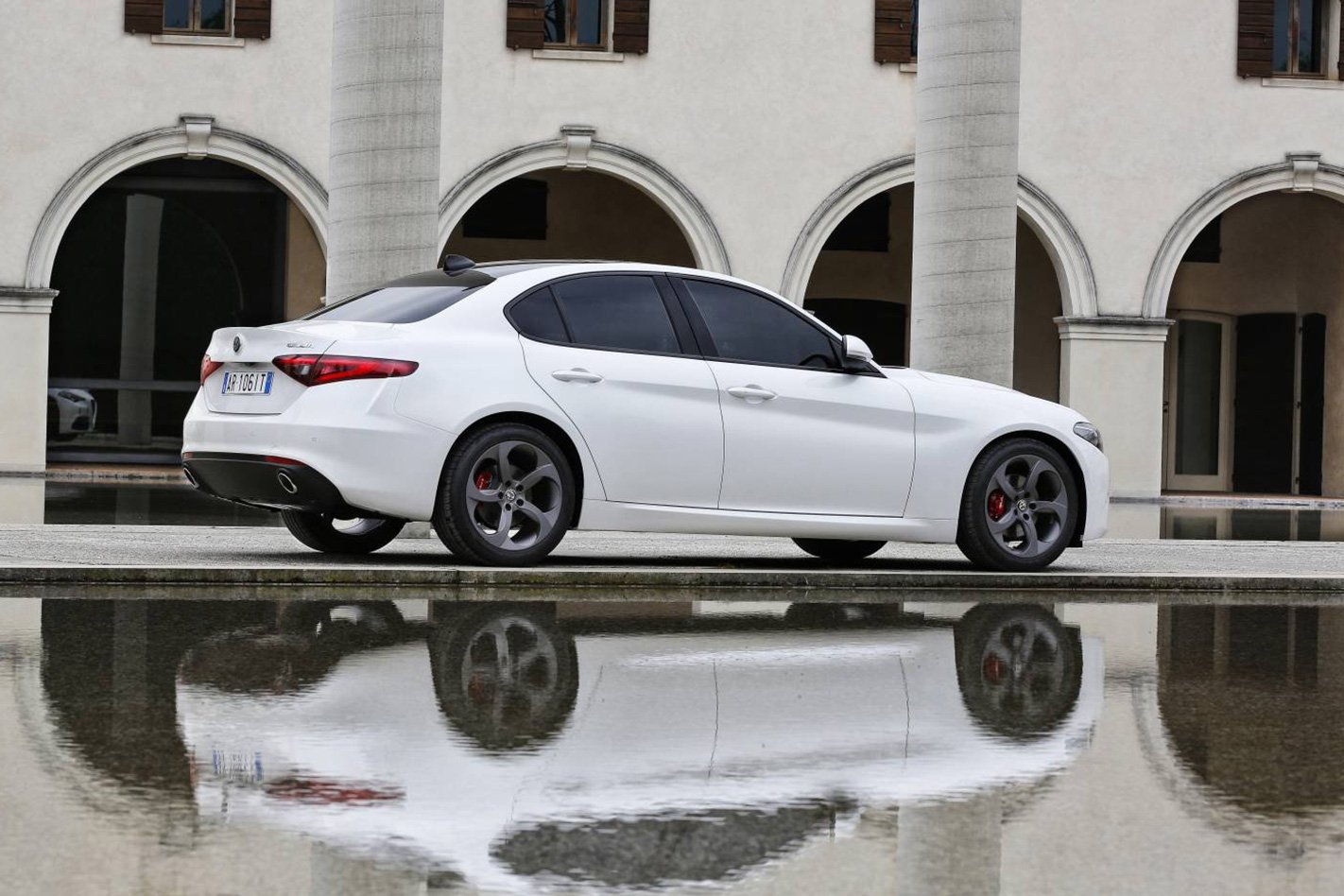
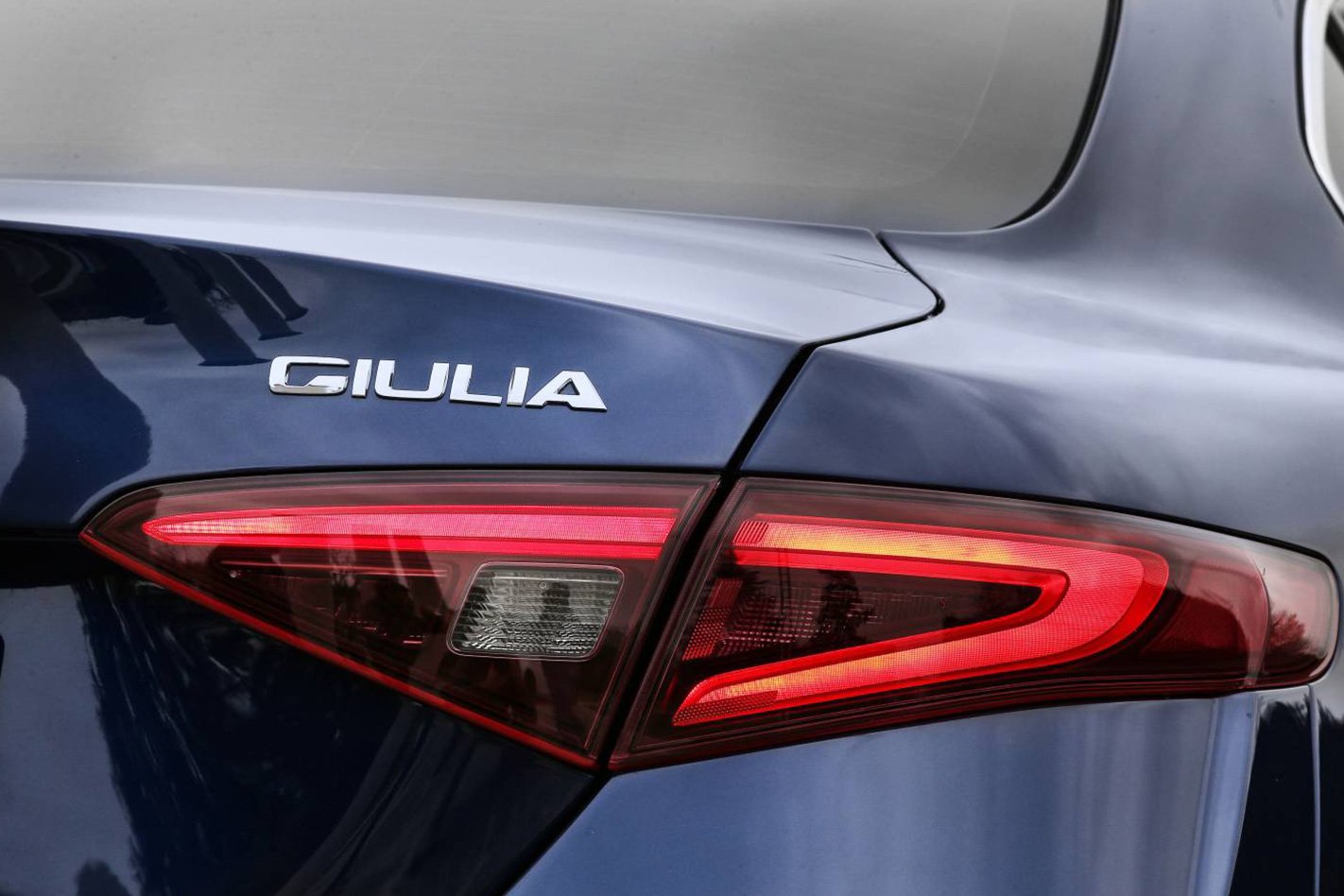
The once storied Italian brand has had minimal exposure in Australia for decades compared with its predominantly German rivals, but now wants to muscle up to the big boys with the Alfa Romeo Giulia four-door sedan, a crucial mid-sized luxury entrant in a market segment dominated by BMW, Audi and Mercedes-Benz.
Alfa Romeo is working towards a $60,000 starting price for the Giulia, which steps in for the largely underwhelming 159 and, before that, the 156.
Fiat Chrysler Australia president and chief executive Steve Zanlunghi says BMW is the target with the Giulia.
“We’re looking to establish it as a premium contender, that’s where we’re looking to price the vehicle,” says Zanlunghi.
“We haven’t been shy about saying we’re looking to price it right on BMW.
“We’ve got very big plans for us; we’re not going to compromise when it comes to that brand.”
Key to the sales pitch is urging luxury buyers to at least consider the brand, something notoriously difficult in a market segment where brand loyalty is high, the competition intense and longevity and history key.
“We want them to get in, see the car, drive it and compare it to the competition,” says Zanlunghi. “We think the product will stand up for itself.”
While Alfa Romeo doesn’t have anything like the dealer network or presence of rivals – it wants to have 18 dealers Australia-wide by the end of 2017 and currently sells less than one-twentieth that of its German rivals – the brand wants to play off its Italian heritage and reputation for building seductive, sporty cars.
“We are going to play on the brand’s values and the brand’s pillars and that’s passion, it’s emotion and it’s the Italian heritage,” says Zanlunghi. He points to the design and engineering teams created to produce the new breed of Alfa Romeos.
“We kind of sequestered off the best of the best from our organisation across Fiat, Chrysler, Alfa, Maserati, Ferrari … and we pulled them away from the regular machine that we usually have called Fiat Chrysler and this is the output of it. We’re going to play off that.”
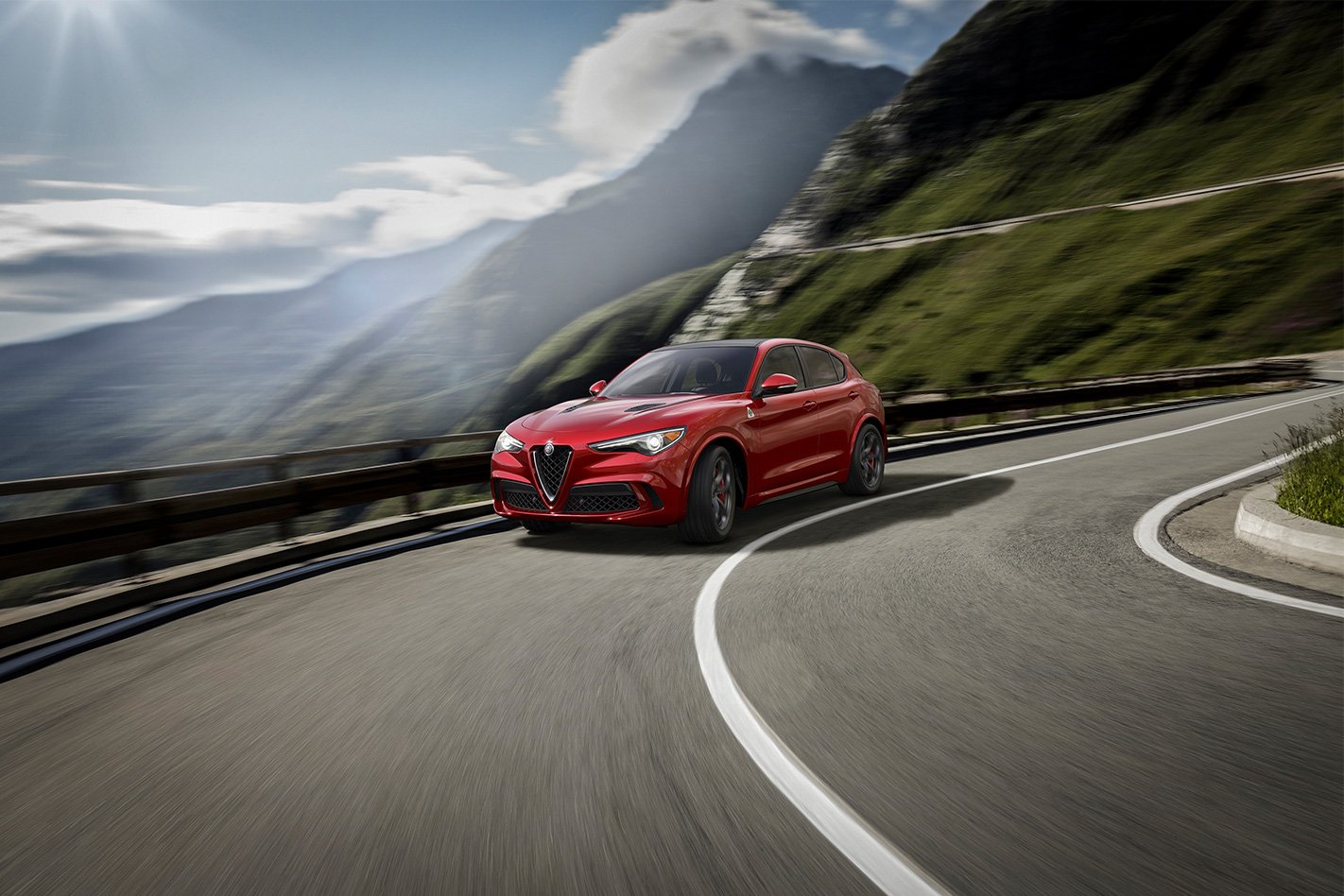
The Giulia is the result of a $7 billion investment that included a new rear-drive platform to also be utilised on the upcoming Alfa Romeo Stelvio SUV. Both cars are tasked with relaunching the Italian brand globally.
On sale in February, the Giulia will be offered in Australia in four trim levels with a choice of four engines, all the way up to the twin-turbocharged 375kW V6-powered QV that is expected to be priced around $145,000.
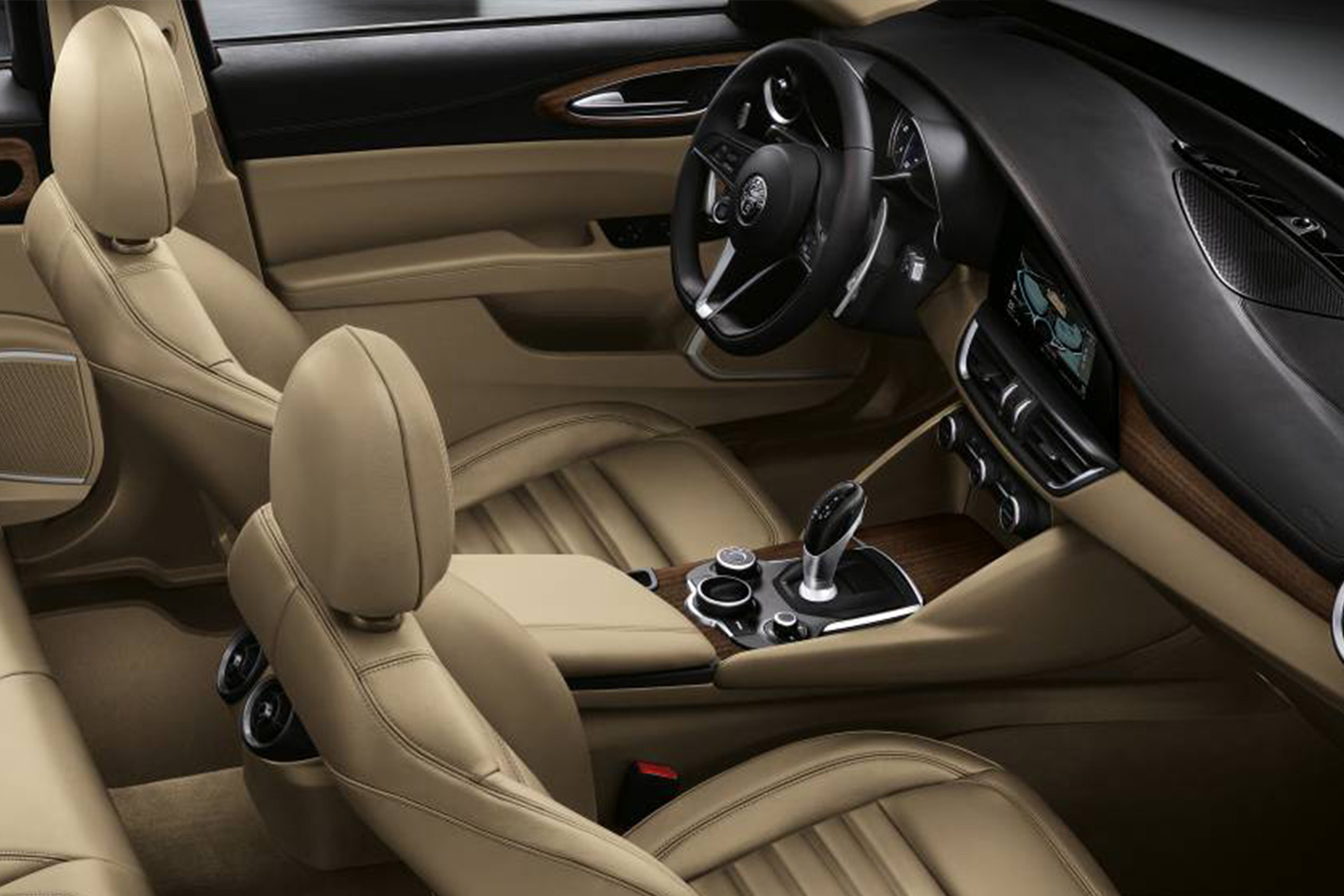
The entry-level car is simply known as Giulia and is expected to be closely aligned price-wise with the $61,900 BMW 320i. Standard fare will include leather, satellite-navigation, dual-zone climate control air-conditioning, a 6.5-inch colour touchscreen, 18-inch wheels, autonomous emergency braking and lane departure warning.
But it’s the 147kW/330Nm 2.0-litre four-cylinder Alfa Romeo sees as an advantage against core rivals, which include the BMW 320i (135kW/290Nm), Mercedes-Benz C200 (135kW/300Nm) and Audi A4 2.0 TFSI (140kW/320Nm). Driving the rear wheels through an eight-speed auto, it’s claimed to hit 100km/h in 6.6 seconds.
Next step up is the Super, which can be had with the same engine or a 2.2-litre four-cylinder turbo diesel with 132kW and 450Nm. It also picks up active cruise control, an electric driver’s seat, blind spot monitoring and better leather which spreads to the doors and dash.
From there it’s a jump to the Giulia Veloce, which gets a more powerful version of the petrol four-cylinder for 206kW and 400Nm and claimed 0-100km/h time of 5.8 seconds. It also picks up alloy pedals and a better sound system as well as sports seats and adaptive dampers.
Top of the Giulia range is the Quadrifoglio, or QV, which gets a 2.9-litre twin-turbo V6. It’s claimed to outgun its key German rivals – think BMW M3 and the Mercedes-AMG C63 – to 100km/h, achieving the target in 3.9 seconds on the way to a top speed of 307km/h. It also picks up a Harman Kardon 14-speaker sound system, 8.8-inch touchscreen and various visual tweaks, including quad exhaust pipes and distinctive 19-inch alloys.
Yet even with value, styling and driving manners ticking the right boxes, Alfa Romeo still has an enormous challenge ahead of it. That’s something Zanlunghi is acutely aware of.
“The closing factor is going to be getting into the car and actually driving the vehicle,” he says. “The key is going to be to get the vehicles in front of customers.”
Game on.
I’M NOT sure about you, but I can’t say I’ve ever woken up in the morning and thought: “Today seems like a great day to go for a casual drift at a Soviet missile base.”
It’s even better when you realise that missile base is now completely abandoned, and you have access to three fully tricked-out rides. Such a prospect suddenly becomes quite a tantalising one.
Pro drifters Ryan Tuerck, Kristaps Bluss and Matt Powers took the opportunity to do just this, and the results it must be said are pretty sick.
In something reminiscent of full-time Hoonigan Ken Block’s Gymkhana video series, the on-point squad drifts around woods, overgrown concrete courtyards, each other, and giant random sculptures of revolutionary leaders.
OK, maybe Block doesn’t do the part about drifting around Vladimir Lenin, but nonetheless it’s still pretty cool.
Although all are mighty fine driftsters in their own right, American Tuerck stands above them as the most qualified, having taken three victories in the hotly contested Formula Drift.
The plan came together courtesy of Bluss, who hails from Latvia, the country in which the video was filmed.
The cars include two supercharged BMWs and a Nissan 350Z fitted with a twin-turbo V8, with all good for more than 590kW.
The trio is now wondering where they will venture for their next video.
We have a suggestion. Ironically, once Australian carmaking is well and truly done and dusted this time next year, with both Holden and Toyota to join Ford on the Aussie-made scrapheap, the lads will have no shortage of abandoned factories to traverse.
If all else fails, though, we were thinking maybe the Sydney Opera House, but then again as Ken Block has shown, NSW police might not like that very much.
Let’s straighten something out. SUVs aren’t particularly MOTOR’s bag.
Their high-riding physics shouldn’t, and often don’t, translate well to the demands of fast, thrilling driving.
But Audi’s trying hard to spite Newton, really hard, because its SQ7 TDI launches with enough technology that could land a space shuttle.
The new seven-seater SUV’s stuffed with electric supercharging, active sway bars, 48 volt electrics, and pistons derived from Audi’s Le Mans Prototype.
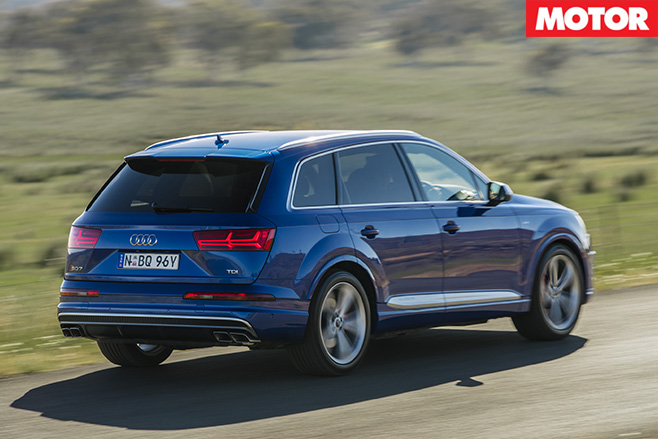
But Audi knows the potential of an S-badged oiler SUV. The SQ5 outsold every other variant within a year of its launch, despite the $14K jump over next most expensive Q5.
However buyers won’t be treated to such a small ask here in seven-seat territory. The SQ7’s premium over the next best Q7 stands at a gaping $49K, or the price of a well-equipped Golf GTI.
For that there’s a 4.0-litre diesel V8 plugged with two turbochargers in its vee, and an electric supercharger spun by a 7kW motor.
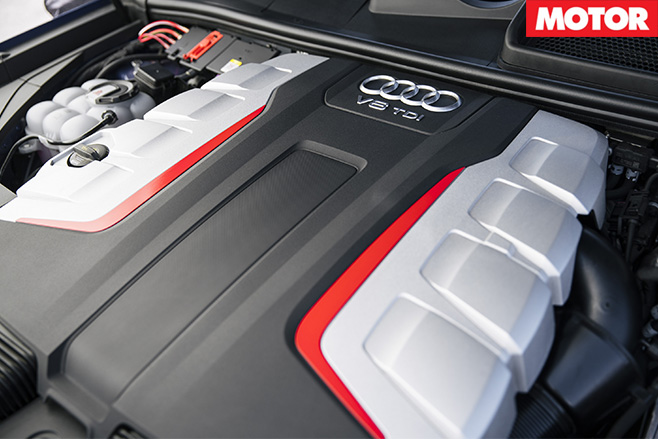
But you’ll need a masters degree to understand the sorcery at work, as through its rev-range the engine switches from dual-charged, to single turbocharged, before finishing up twin-turbocharged.
As a result there’s 900Nm (!) on tap from idle to 3200rpm, before 320kW says hello at 3750rpm and sticks around until its 5000rpm redline.
While the electric charger supplies full boost until 2000rpm, those 900 newtons feel more focused on motivating 2.3-tonnes than throwing you at the horizon.
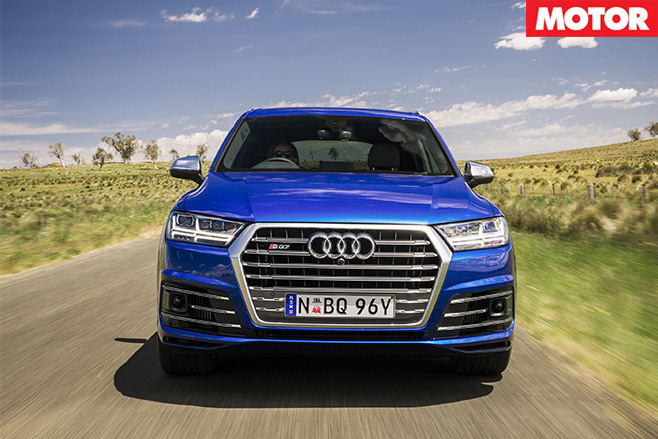
With some momentum finally behind it, though, the V8’s 320kW piles on speed at a serious rate. And the SQ7 feels much more potent from 100km/h onwards.
Stab the throttle while moving and you suspect engine needs a moment to figure which turbo’s doing what. It instead feels more responsive with a little tip-in before engaging a roaring overtake.
But the SQ7 TDI feels completely at home going fast. And that’s not only down to its whisper quiet cabin.
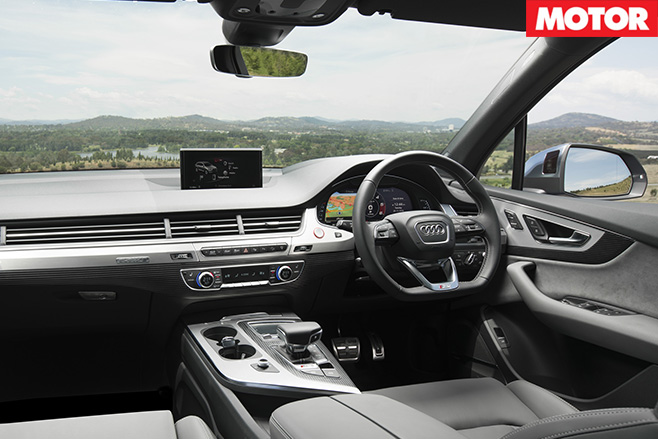
Tackle a set of bends in dynamic mode and there’s a duality about the SQ7 that’s so damn likeable.
The front-end doesn’t dissolve into push-understeer like it does in comfort mode, which slackens off the roll bars, so you can pick-up the throttle earlier and let the diff drive you out of corners.
And with the bars negating body roll, the adaptive air dampers are left to soak up the hits. So the car wafts along in a straight line like a limo, then corners with the tenacity of overweight hot-hatch.
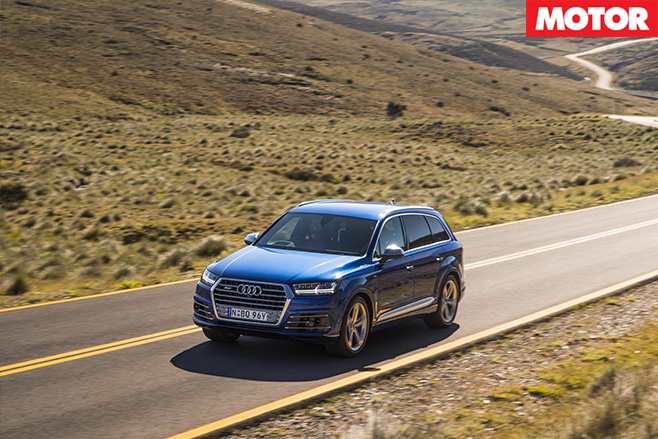
Compared to others, sure, the SQ7 would cower from a Mercedes-AMG GLS63’s bark. But the GLS is $60K more expensive, couldn’t catch the Audi around bends, and drinks like a sailor.
In fact, the Audi has an answer for all its rivals. Tesla’s new Model X P100D might be faster, but it’s not here yet, already costs US$156K in American peso, and wouldn’t look anywhere as nice inside.
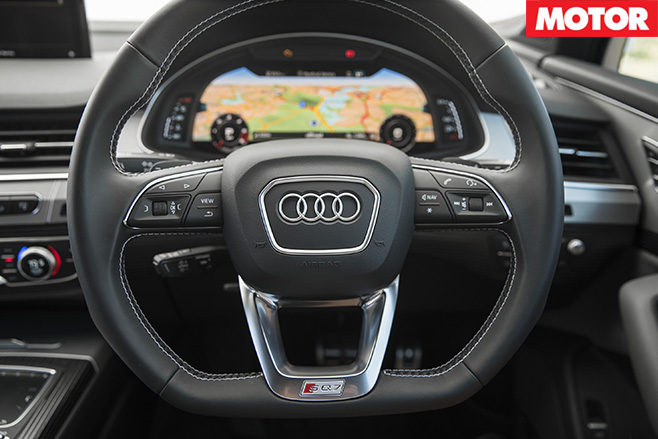
Over in Munich the $150K diesel X5, with a triple-charged six, handles sharper. But it won’t offer the same true seven-seat practicality.
Money wise, priced at $153,616, the Audi’s also a bit of a bargain. Dodge costly extras like red calipers, as the standard six-pots look delicious enough. But do go for the $5K optional 21s and the Dynamic Package – if you don’t mind a corner or two.
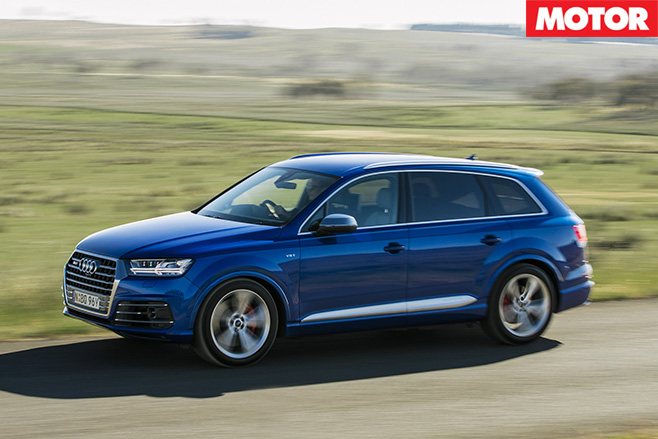
Like we said, we’re not particularly for SUVs. But if we had to have a big one, this would be it.
4.0 OUT OF 5 STARS
2017 Audi SQ7 TDI specifications Engine: 3956cc V8, DOHC, 32v, twin-turbo, electric supercharger Power: 320kW @ 5000rpm Torque: 900Nm @ 1000pm Weight: 2330kg 0-100km/h: 4.9sec (claimed) Price: $153,616
This week’s reveal of the 2018 Holden Commodore was met with mixed reviews in Australia, which generally looked at the new Opel-built car in the context of its locally-built VF predecessor.
Wheels magazine’s extensive coverage of the launch centred on the styling and advanced technology and of course the controversial decision to keep the Commodore name.
Other Australian motoring media outlets gave it cautious approval on top of the good reviews it received from the first drives in the heavily camouflaged examples earlier in the year.
However, there wasn’t as much love from the motoring public who took to website comments sections and social media to voice their disapproval that Holden dare call this German, front-wheel-drive, Mazda-looking ring in a Commodore.
Of course the Commodore is essentially an Opel Insignia Grand Sport albeit with some local input and its revealed coincided with that of its siblings, which will wear the Opel, Vauxhall and Buick badges in Europe, UK and North America respectively.
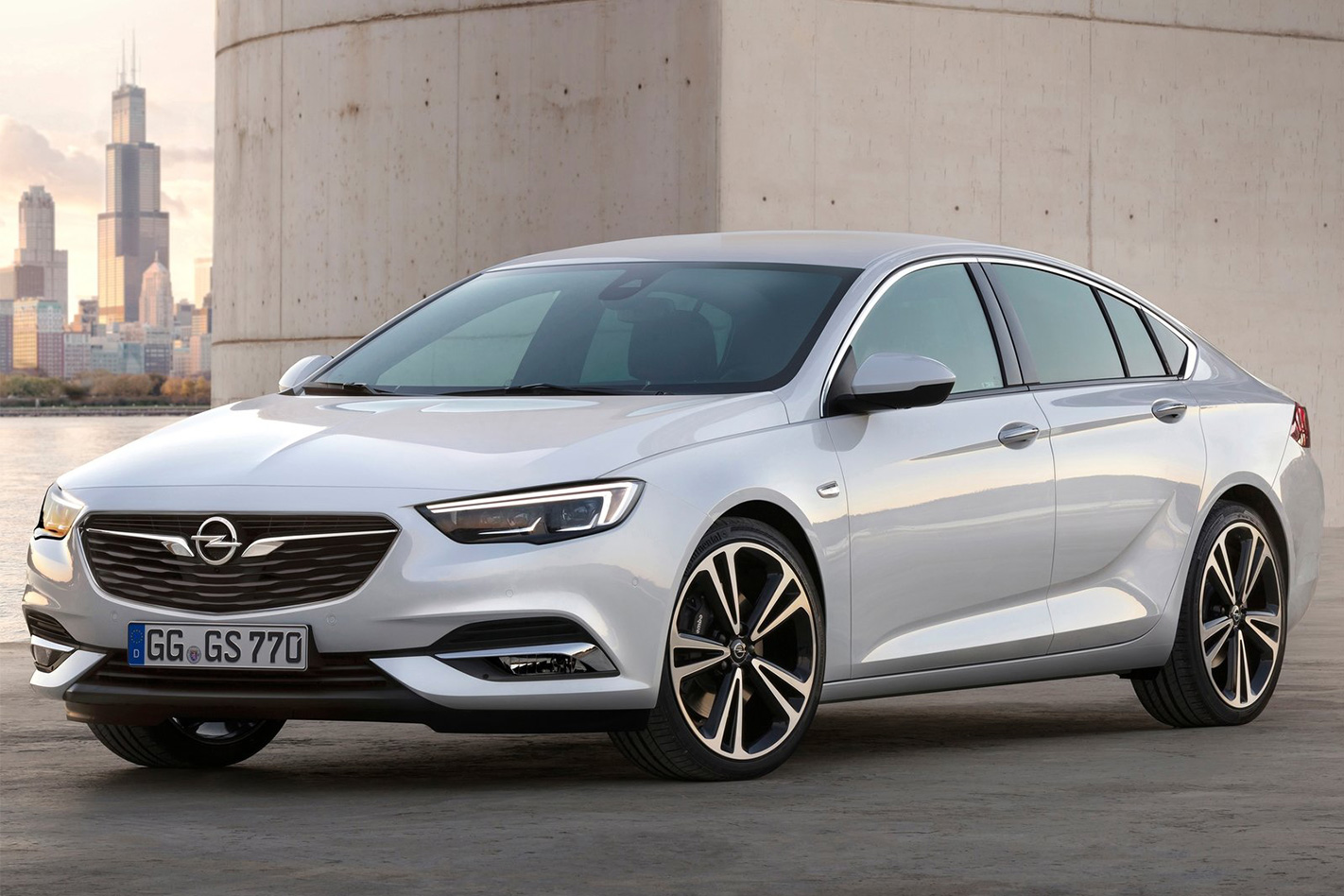
The Australian reception contrasted with the response in these other markets, where the new Insignia isn’t being introduced at the expense of a national icon.
In Germany, where you’d assume expectations are high, Autobild and Auto Motor Und Sport talked up the improvements over the current model. Public comments were also mostly positive despite inevitable comparisons with formidable local opposition.
Britain’s Autocar talked up the new Vauxhall’s improved quality. Auto Express talked up the “bigger and bolder” design and Car magazine excitedly described all the new kit. Even Top Gear was positive!
The British public response was remarkably enthusiastic particularly towards its design and it was hard to find negative comments on these sites that weren’t by disgruntled Aussies.
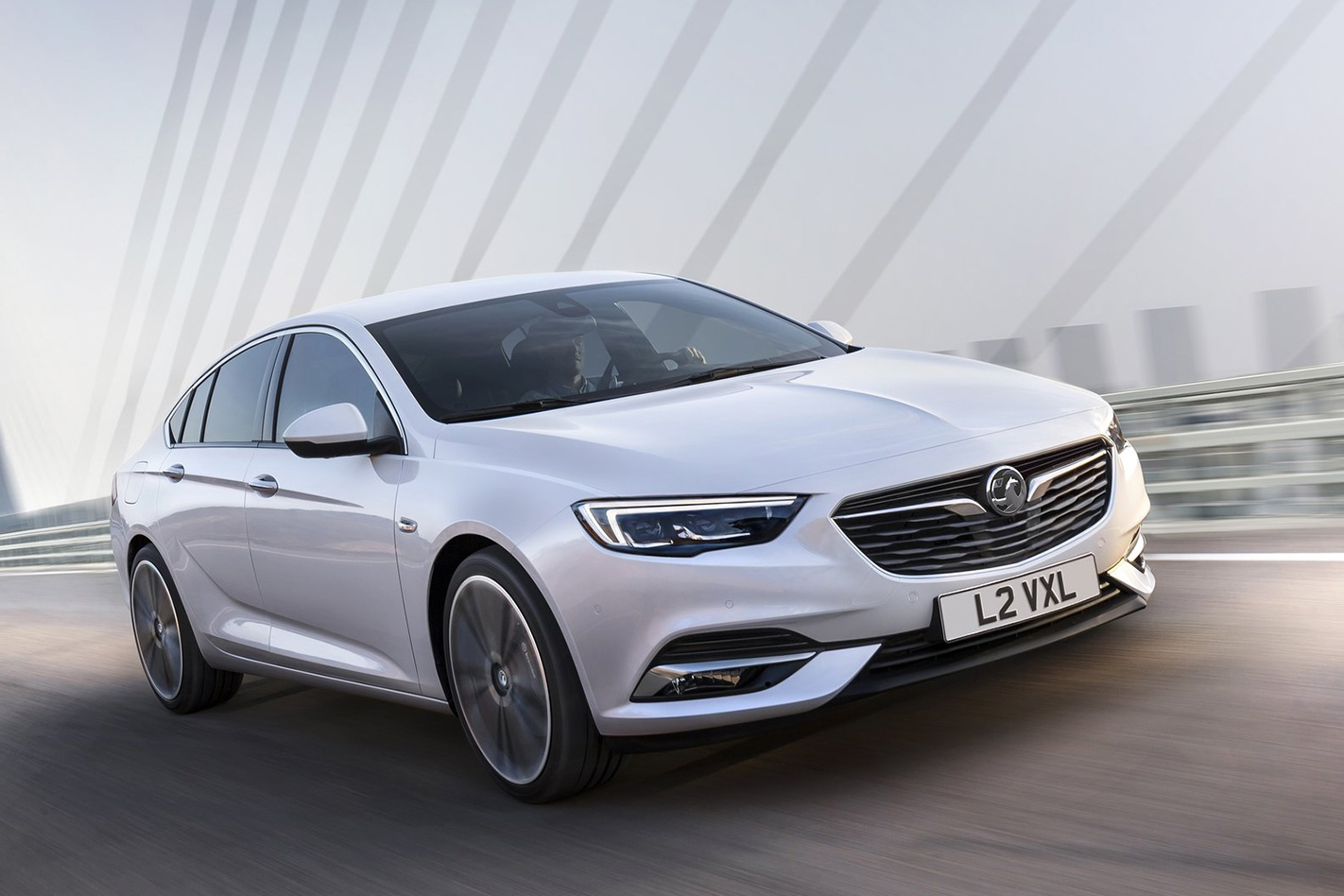
In the US, where sophisticated, front-wheel-drive cars are usually met with suspicion, the future Buick Regal was lauded by the motoring press as a refreshing change from the brand’s staid image.
Autoblog declared “Opel did a great job with the 2018 Buick Regal” in its headline. Road & Track stated “The next Buick Regal is going to look amazing” and Jalopnik’s story declared “I am decades from retirement and suddenly interested in a Buick”.
Public sentiment was generally positive, though like here there were those who questioned the worthiness of an Opel-built car to wear a proud homegrown badge, though they lacked the passion shown across the Pacific.
THE Mercedes-AMG GT R, the most hardcore version of Benz’s replacement for the gullwing-doored SLS, has set a blistering 7min 11sec of the world’s most punishing test track.
That makes it the fastest rear-driven production car to ever lap the ‘Ring, beaten only by Nissan, Lamborghini and Porsches AWD machines
Its hero colour is painted in deference to the ‘Green Hell’ and now the Mercedes-AMG GT R has lapped the famous Nurburgring Nordschleife circuit in a monstrously quick 7 minutes, 10.92 seconds.
The time was achieved by test driver Christian Gebhardt from German fast-car magazine Sport Auto.
It’s the fastest car the magazine has tested at the ‘Ring – surpassing its run in a Porsche 918 Spyder – and makes it the quickest rear-wheel drive production car to ever set a lap time at the Nurburgring.
On the all-time lapboard for series production models it slots into fourth, excluding the street-legal racing cars from Radical.
The GT R sits behind the Nissan GT-R Nismo (7:08.68 in 2015), Lamborghini Aventador SV (6:59.73 in the same year), while a Porsche 918 Spyder driven its factory racing driver Marc Lieb remains the benchmark with 6:57.00.
Sport Auto notes that the GT R was tested using its standard Michelin Pilot Cup 2 tyres.
The GT R will be released in 2017 as a faster version of the AMG GT supercar, featuring wider tyres, a wider body, and output upgrades of 55kW and 50Nm.
That takes the GT R’s twin-turbocharged 4.0-litre V8 to 430kW and 700Nm, with a 0-100km/h quote of 3.6 seconds.
Slightly amusing on the accompanying YouTube video, though, is watching the GT R actually being overtaken by an AMG GT3 race car (powered by the old 6.2-litre normally aspirated V8).
It’s great driving from Gebhardt, though, and to his credit he holds onto the GT3 for a while before it disappears. He also breaks the 300km/h mark (302km/h) on the super-long straight near the end of the lap.
Mercedes-AMG tested the GT R extensively at the Nurburgring as part of its development, though never declared a lap time.
Could the next-generation Holden Commodore be good enough to silence the critics?
Controversy has followed the call to retain the Commodore badge on a new Opel Insignia, especially when in one fell swoop the classic rear-drive V8 configuration has been replaced by an all-wheel drive V6 flagship, Australian sedan swapped out for German-built liftback.
While loyalists digest a bitter pill, however, beyond the badge things are more promising.
Holden insists that only Australian engineers demanded the inclusion of a 3.6-litre direct injection V6 engine in the program. The petrol unit is similar to what we have in today’s 1688kg Commodore SV6, but the new model will be “200kg to 300kg” lighter.
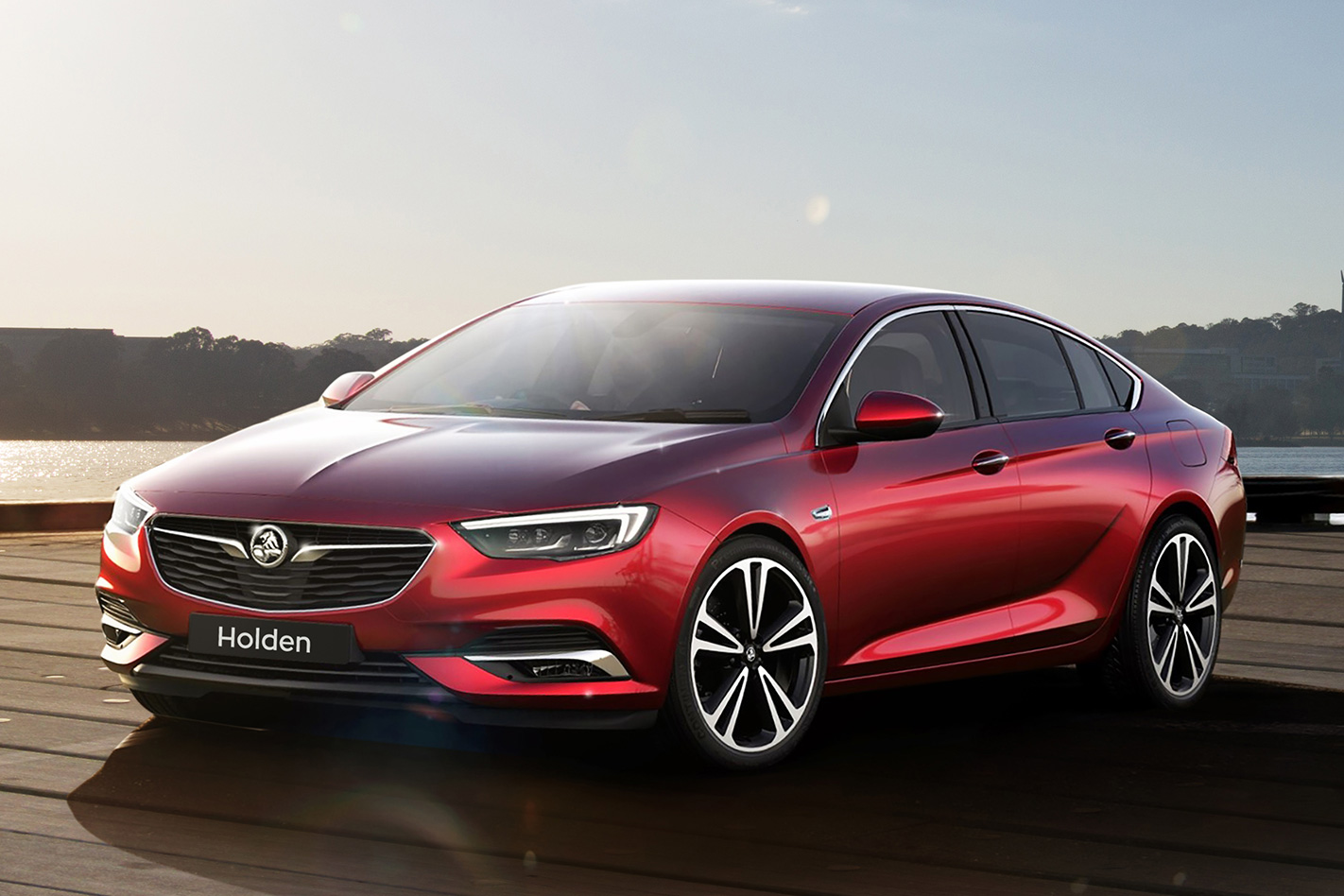
Put another way: a 220kW/350Nm Volkswagen Passat R36 weighed 1681kg – the same as today’s SV6 – and claimed a 5.6sec 0-100km/h thanks to AWD and a six-speed DSG. Could the new V6 Commodore be a ‘sleeper’ in the way the VL Commodore Turbo was?
Moreover, GM’s ‘twinster’ all-wheel drive system may only be able to divert 50 per cent of power rearward, but it uses twin clutches to then portion more torque to the loaded outside rear wheel. Call it a sophisticated torque vectoring system, not unlike the crown centre differential optionally available in an Audi S4. And that model can oversteer.
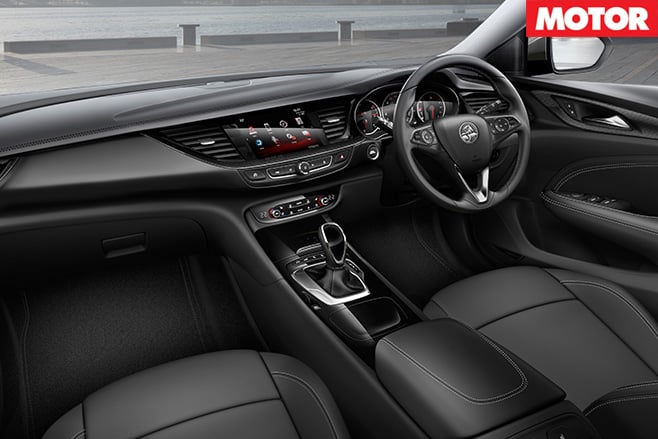
On the outside the ‘NG’ looks far more alluring than the Subaru Liberty 3.6R, Superb 206TSI and even the Lexus IS350 – these are, after all, the $50-60,000 rivals Commodore will now compete with as the burly Chrysler 300 is left doing the muscle sedan thing on its own.
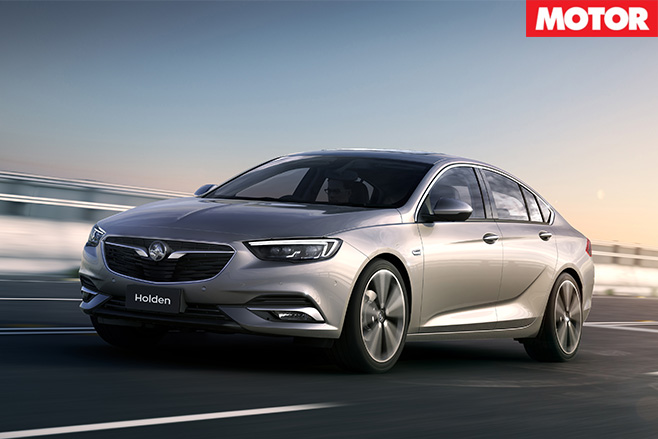
A better test of its ‘Commodore-ness’ will be, of course, how the vehicle drives – and regardless of engine and drive configuration, the VFII range drives superbly enough to place the German import under the harshest scrutiny. That real glare will wash over the Commodore’s slinky body from early 2018, for better or worse.
Think a Porsche 911 GT3 is pretty tough with its cute little fire extinguisher and half-cage? These road-legal Le Mans refugees would happily flush its head down a toilet. Then eat it
1. 1995 MCLAREN F1 LM

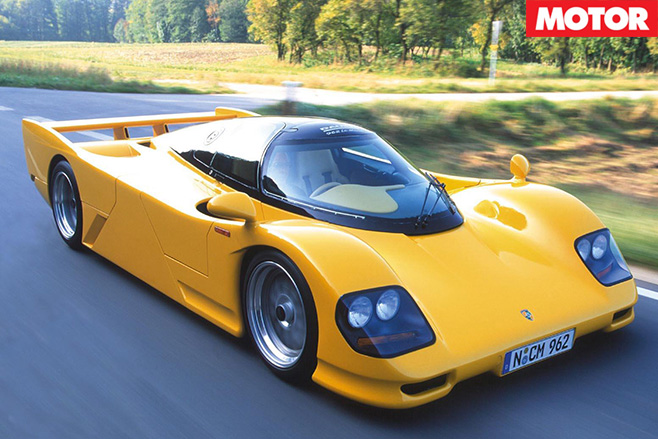
2. 1994 DAUER 962C
3. 1999 TOYOTA GT-ONE

4. 1995 FERRARI F50 GT

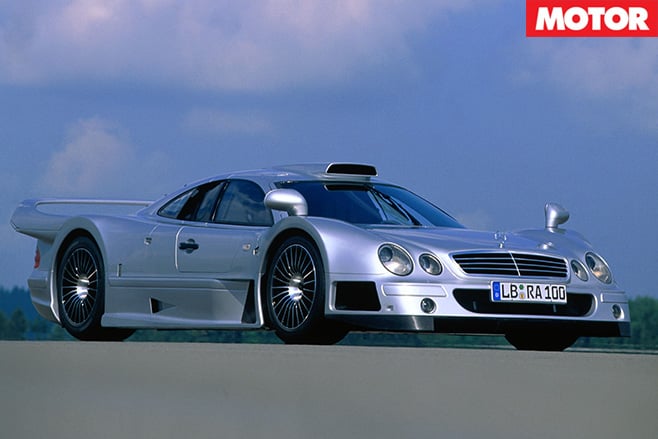
5. 1997 MERCEDES CLK-GTR
6. 1998 NISSAN R390

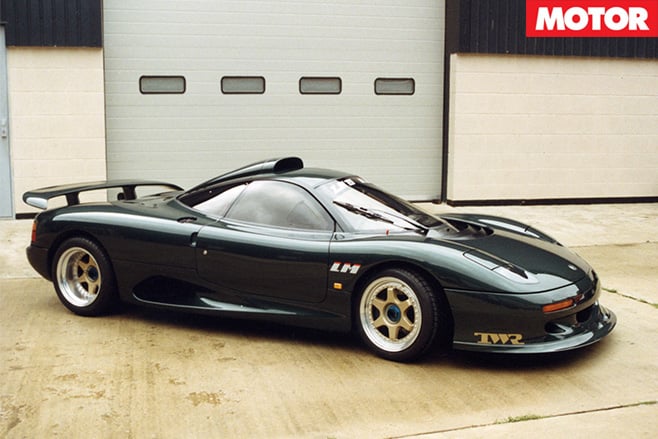
7. 1993 JAGUAR XJR-15
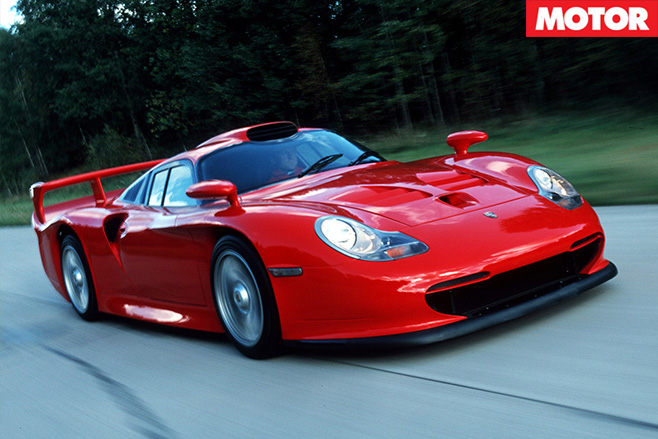
8. 1998 PORSCHE 911 GT1
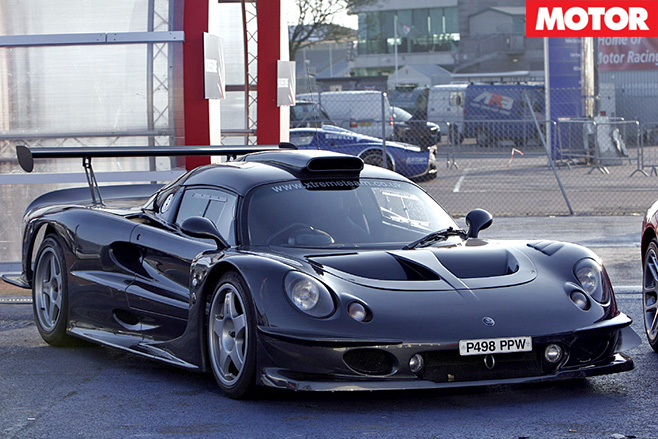
9. 1997 LOTUS ELISE GT1
That noise you can hear is the sound of Porsche engineers choking on their cups of coffee.
German magazine Sport Auto has scored early access to the forthcoming Mercedes-AMG GT R and in the hands of its gun tester Christian Gebhardt it has lapped the Nurburgring in a fairly stunning time of 7min10.92sec.
This puts AMG’s new road racer in fourth place on the production car lap record list, behind the Porsche 918 Spyder (6min57sec), Lamborghini Aventador SV (6min59.73sec) and the NISMO GT-R N-Attack (7min08.68sec).
The highest Porsche 911 on the list is the 997 GT2 RS with a 7min18sec lap, but with a new twin-turbo rear-drive monster currently in development, we suspect the development team won’t be satisfied until at least a second or two has been shaved from AMG’s impressive benchmark.
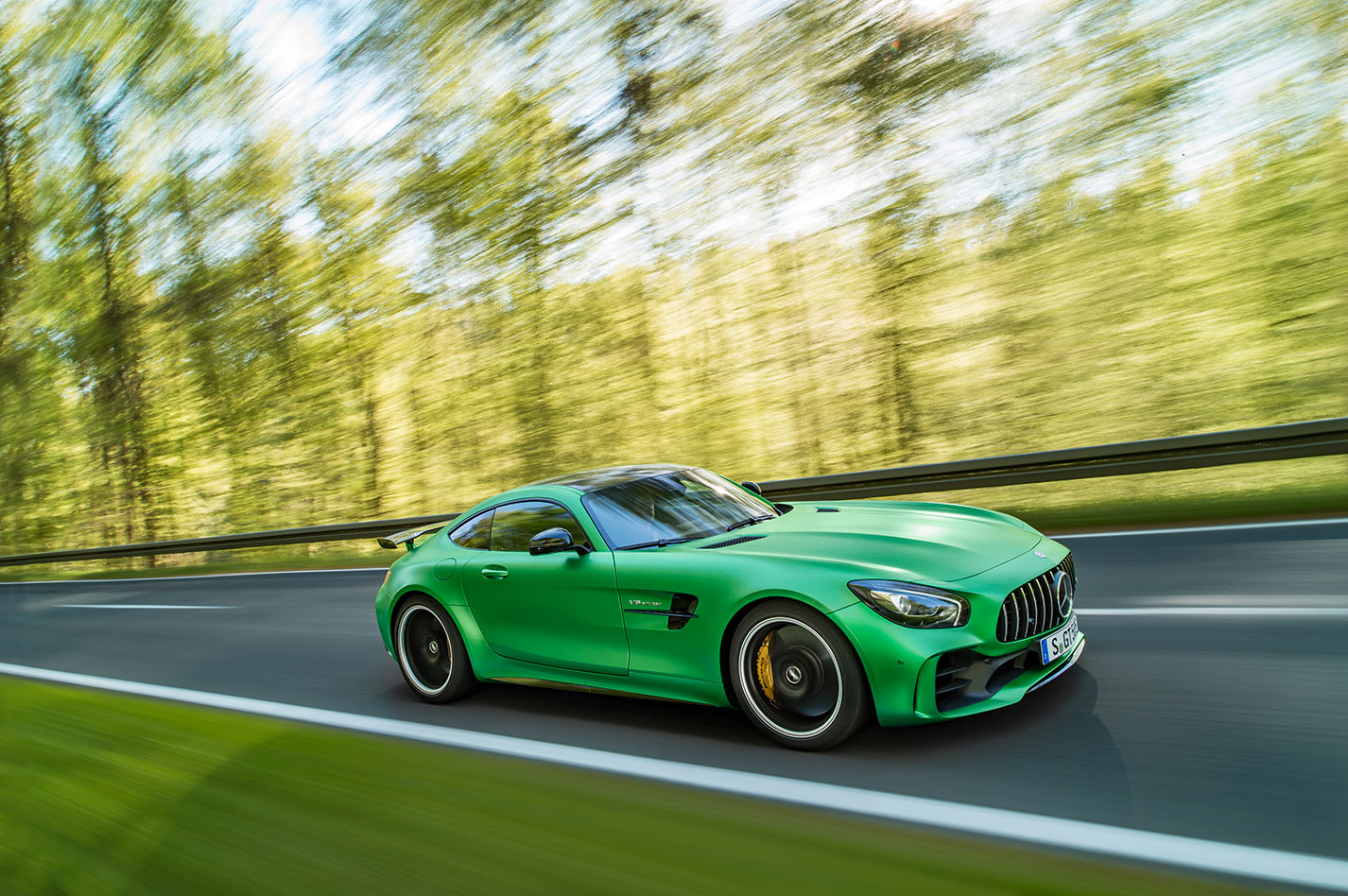
Set to land in Australia around the middle of 2017 wearing a circa-$400K sticker price, Mercedes’ local arm expects high demands for its super coupe. While the GT R is not a limited-edition model, there is the potential for lengthy wait times for those who don’t get an order in early.
The scary thing is that the R model won’t be as wild as the GT gets, with AMG rumoured to be working on an ever more extreme ‘Black Series’ model. Bring it on.
Guy Harding wasn’t kidding when he reckoned his S1 was a bit tricky to launch.
Hot Tuner 2016 is brought to you by Valvoline SynPower
I had a crack, Newman had a go, as did Tony D, but the best it could manage to 100km/h was 5.77sec, disappointing when we’ve managed 5.68sec in the standard car. So what’s going on, given the extra oomph?
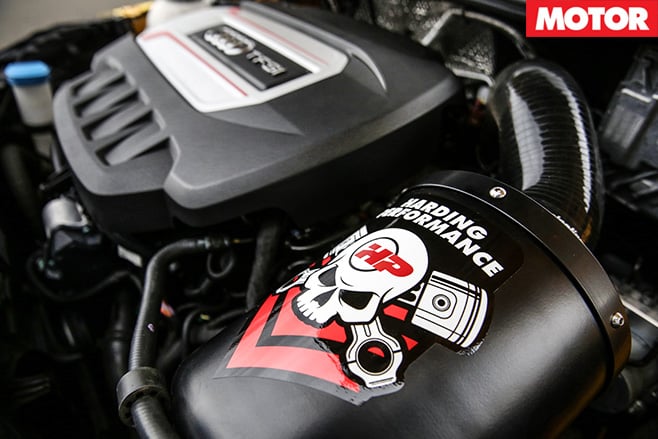
Essentially, the launch control function doesn’t allow you to dial up enough revs to stop it bogging when you dump the clutch and four sticky ContiSportContacts dig in. Harding tells us that since Hot Tuner, his crew managed to find the 4000rpm launch limiter in the lines of code and have replaced it with a 5000rpm ceiling, so it should launch a bit harder in future.
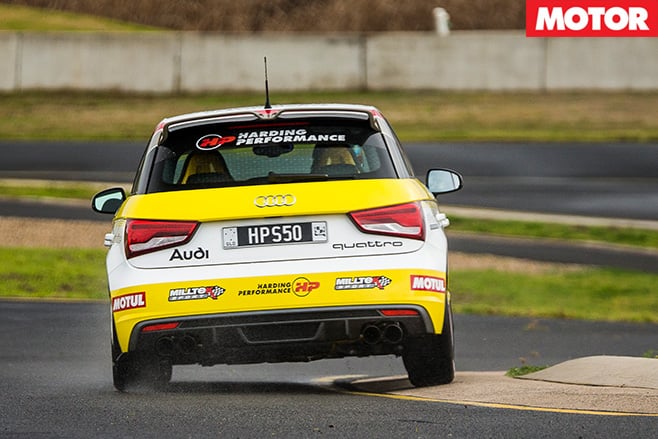
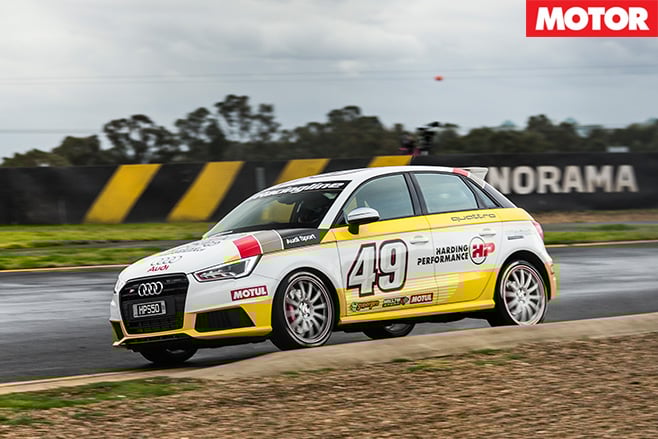
On the racetrack, though, that handicap shrunk to nothing and the S1 was a great plaything even in the miserable conditions. In fact, the gearshift, while not exactly rifle-bolt in its action, was nonetheless stupid-proof. Not that the engine needed much in the way of provocation; it whipped up plenty of torque straight up and never felt like it was going to run out of steam.
Sounded good, too, with a real bark that let you know it was something a bit special. That said, it was never rushy or too urgent; boost builds progressively and the power curve simply rises with it. Predictable, in other words. And when it’s raining cattle-grids, predictable is nice. Can’t wait to try it with the full tune in it, though. And proper fuel. And a dry track.
My biggest complaint would be with the brakes. With a 40.4-metre stop, the Harding Audi S1 is nothing to write home about, and even with a bit of heat in the brakes, that didn’t really look like improving. Harding reckons the car was running what amounted to a weekend track pad, so maybe they need to be REALLY hot to work properly – something that just wasn’t going to happen on the day.
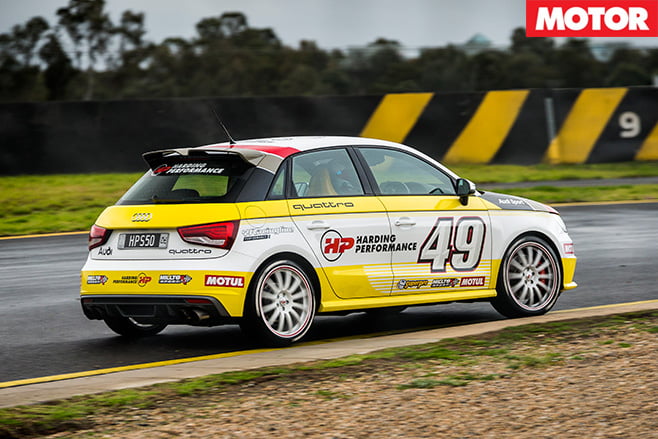
In the end, D’Alberto managed to scoot around the circuit in the S1 in a 1.06:2, pretty sharpish for something that you could put together for under $75,000, including the $50K S1 starting point. And if you were to give it brake pads that worked in arctic conditions and a set of tyres that preferred dry to wet, then the fun quotient could be even bigger.
OVERALL RANKING: 8TH
DISCIPLINE RANKING
8th | Lap time: 1:06.2sec 7th | Lap V-Max: 150.67km/h 7th | Lap V-Max: 98.97km/h 8th | Lap V-Max: 47.12km/h
There’s now a high-priced Mercedes-Benz that attracts absolutely no luxury car tax. But it’s not really for the urban driveway.
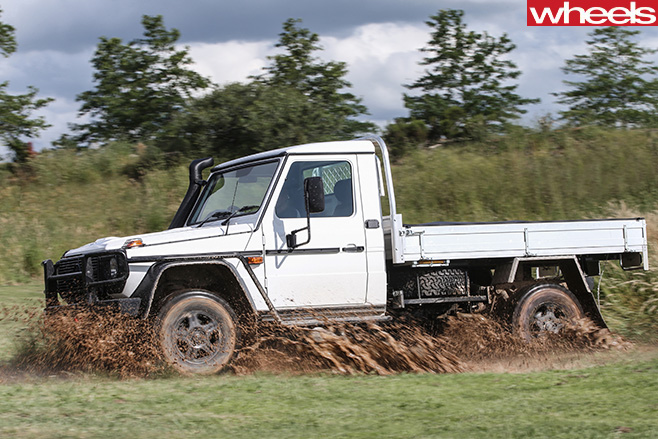
WHAT IS IT? The ute-based version of the Mercedes-Benz G-Class Professional 4×4 made for the Australian Army shucks off its camo and pulls on a pair of dungerees.
WHY WE’RE DRIVING IT After five years of measuring the appetite of the Aussie market, Mercedes-Benz believes there’s now enough commercial interest out there to start bringing in small numbers of the G300 G-Professional, as the ute is known, into Australia.
MAIN RIVALS A Toyota LandCruiser 70 Series cab chassis with every single option ticked
THE WHEELS VERDICT An acquired taste, but one that will get you places few others will. PLUS: Off-road ability; plenty of product support via army contract; guaranteed to be rare; no luxury car tax MINUS: Sucks in city driving; $120K and you don’t even get heated seats for free
THE WHEELS REVIEW DON’T like paying Luxury Car Tax? Didn’t think so. Well, Mercedes-Benz has found a solution via a hand-built $120,000 two-seater.
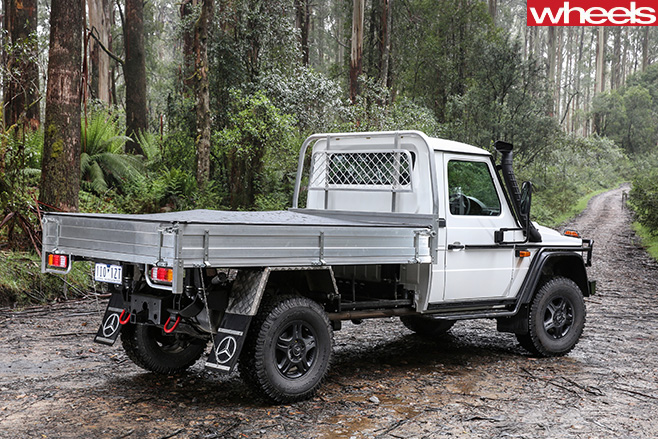
The problem is that it is a bare-boned trade ute. The $119,900 Mercedes-Benz G300 G-Professional, as it is known, is a slightly hosed-down, civilian-suited version of the G-Wagen that will shift the Australian Army and its materiel around for the next quarter century or so.
How bare-boned? Despite costing the same as a Mercedes-AMG C43, the G300’s two very flat seats are vinyl and only row back and forth, and there are drain plugs in the floor so you can hose the interior out. There are only two airbags, there’s a pair of 12-volt batteries supplying 24V if you need it, and its aftermarket Alpine stereo system – included because key buyers wanted music and Bluetooth – has only one speaker. The windows are the old-fashioned hand-wound kind, and the doors need a decent slam to shut properly. You don’t even get a tray on the back of the reinforced chassis.
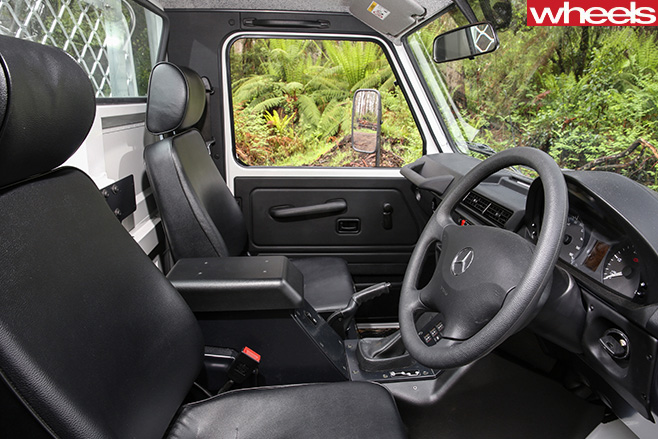
Key to the G-Professional’s arrival here is that Australian Army contract to service and supply the G-Wagen; Australia is the only market worldwide, for now, to get the ute. A four-seat wagon, also military-hardened, will join the range mid-way through next year, priced from around $110,000. No one at Merc Australia knows why, despite all the extra seats and metal, it will be cheaper than the ute.
The G-Professional ute is as uncomfortable in the city as it is at home in the most challenging bush settings. Urban car parks become obstacle courses that highlight the G300’s Titanic-scale turning circle. Traffic lights require some foresight to get momentum via the low-cut gearbox and laggy throttle pedal. Meanwhile, an overly sensitive stability control will cut in at the first hint of wheelspin, while a snorkel snaking along the driver’s side A-pillar sucks in lungfuls of air with a loud, eardrum distorting hiss, joined by the whine of the 135kW/400Nm 3.0-litre V6’s turbo spooling up to speed. A centre armrest, made to house a third 12-volt battery if you need it, feels as though it is cast from iron the first time your elbow hits it.
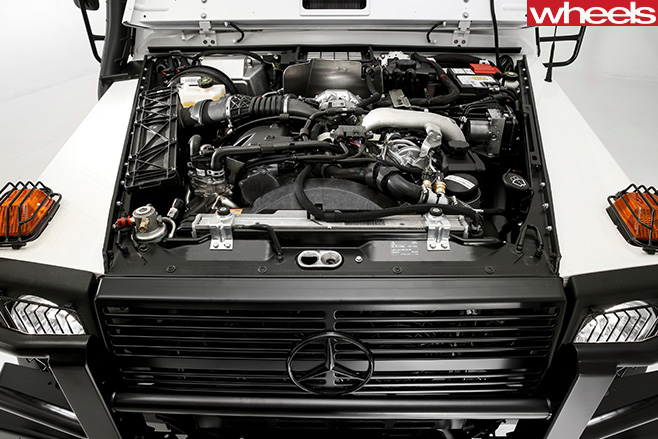
Even loping down the road the G-Professional needs half a tonne of weight on the tray to make it ride smoother. It’s so tightly sprung that the cab is constantly moving, and the unsupportive seats, optimised for sliding in and out in a hurry with a full pack, don’t help. A short drive leaves you feeling as though you’ve just endured an intensive upper-body workout after a month away from the gym. Yeah, you’ll feel that tomorrow.
Now, before you go all “Well, the G-Professional only tows 2.2 tonnes, and for roughly half the price I can get a LandCruiser 70 Series that will pull 3.5 tonnes”, consider this. Yes, the G-Professional is a towing minnow in the commercial vehicle realm, but it can comfortably carry a 2175kg ’Cruiser on its back, with a few slabs of beer thrown in to bring it up to gross weight. In return, the 1125kg-rated Toyota will struggle with half a G-Professional on its back. And maybe a bottle of sherry.
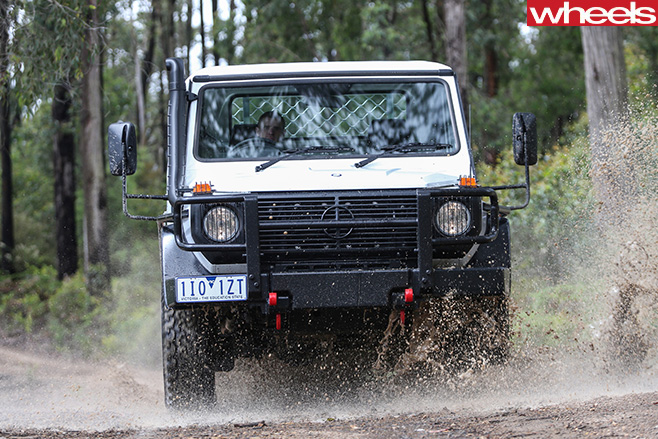
Private buyers like you and me? Mercedes-Benz reckons the G-Professional doesn’t really make sense for us. But who ever thought that buying a car was a rational decision?
SPECS Model: Mercedes-Benz G300 G-Professional cab chassis Engine: 2987cc V6, dohc, turbo diesel Max power: 135kW @ 3800rpm Max torque: 400Nm @ 1600-2600rpm Transmission: 5-speed auto Kerb weight: 2346kg 0-100km/h: N/A Fuel economy: 10.0L/100km (est) Price: $119,900 On sale: Now

