
Owning a Bugatti Veyron might be more attainable than we first thought.
Of course, you’ll have to compromise on the performance, comfort, luxury, oh, and owning an actual Bugatti, but one US car enthusiast decided to grab a slice of the hypercar action at a fraction of the cost.
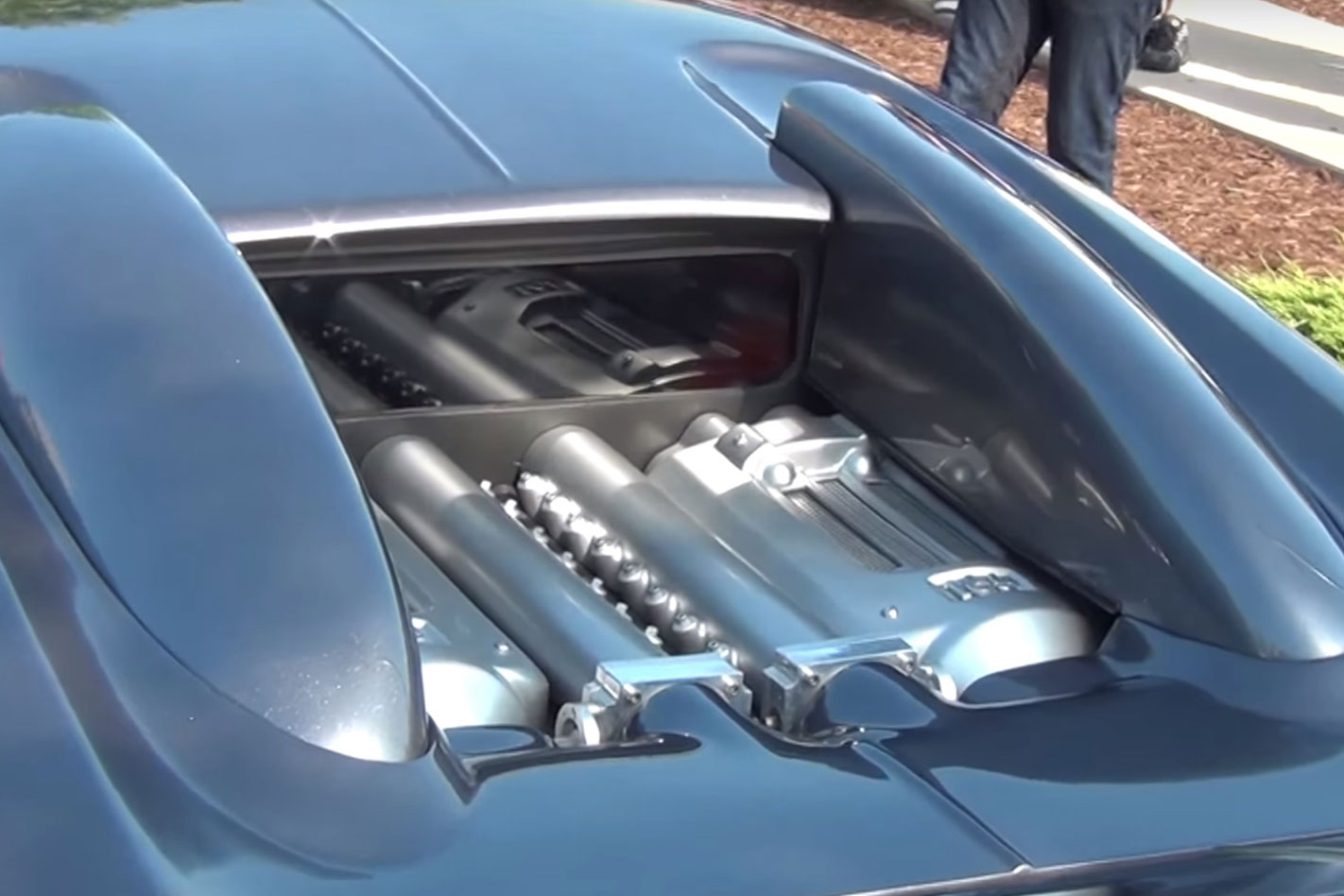
Bidding ended at US$59,900, which might be a hell of a lot of money to pay for what is essentially a 2001 Mercury Cougar, but is a long way short of the $1mil or so you’ll need to secure a real Veyron.

What do you think? A bit of harmless fun or an utter waste of time and money?
Here’s the first glimpse of the 2018 Ford Fiesta, with evolution written all over it
HERE’S our first taste of the 2018 Ford Fiesta, snapped wearing an all-new set of clothes, ahead of a likely world premiere sometime late this year or early in 2017 before its arrival in showrooms.
The sixth-generation Ford Fiesta will face a tough battle as it will be joined next year by completely redesigned versions of the Volkswagen Polo, Holden Barina, Suzuki Swift, Nissan Micra, and Citroen C3 on the new-car catwalk. That’s in addition to rivals such as the Renault Clio, Peugeot 208, and Mazda 2.
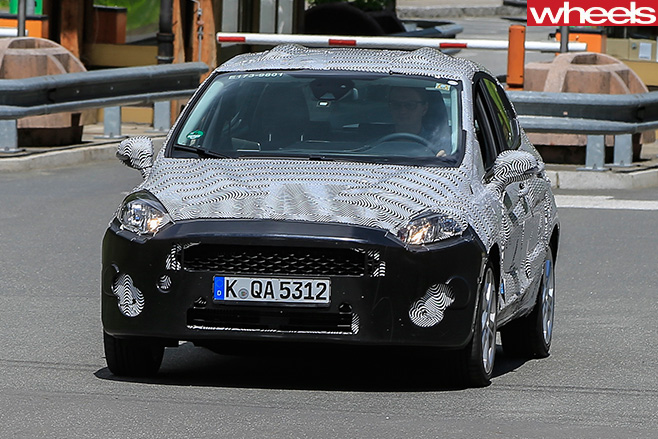
A resolved version of the Ford corporate grille appears to be sitting between larger headlights, while the vertical-look tail-lights of the current hatch give way to an LED-packed horizontal pair, imparting a greater sense of width than before.
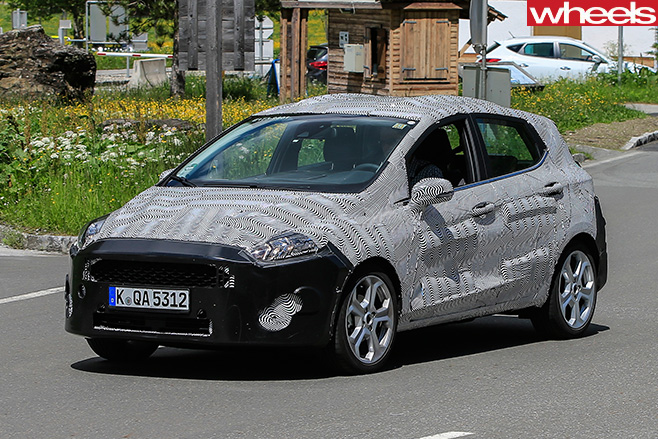
Interestingly, rumours are swirling that – ST performance version aside – the existing range of four-cylinder petrol and turbo-diesel engines are going to give way to a variety of smaller three-pot units, expanding beyond the lauded 1.0-litre EcoBoost currently used in the Fiesta Sport.
This should lead to a substantial drop in overall weight, which in turn ought to benefit dynamics, performance, and economy.
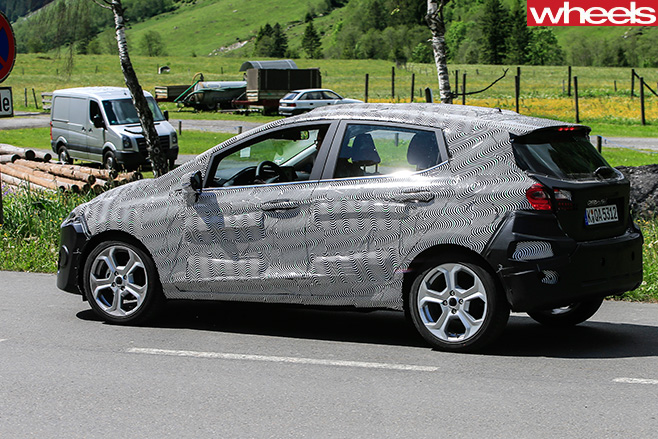
On the safety side, a significant leap in driver-assist safety gear will include a reversing camera, blind-spot monitoring, lane-change alert, and perhaps even adaptive cruise control technology on the more expensive models, as Ford aims to pitch its 40-year-old supermini nameplate upmarket.
The boost in quality as well as size is important for the Fiesta in Europe, helping to put some distance between it and the new, larger Ka+ sub-B city car also due soon. Unfortunately for lovers of urban littlies, the latter isn’t slated for Australian consumption.
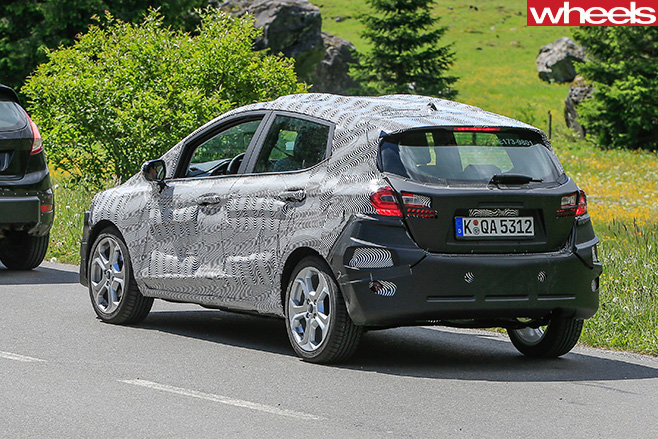
With the existing WS/WZ Fiesta fast approaching its eighth year on sale, the change cannot come soon enough for the company. Whether Thailand will continue to supply the Australian market as it has done so since 2010 has not yet been confirmed, but don’t count against it.
Have spy pics of your own? We’d love to see them. Email them to [email protected]
The IAA is not a performance car, but this one-off vision of the future is so significant we figured the chance to drive it was justification for relaxing our hi-po stance for a moment.
So what is it? IAA stands for Intelligent Aerodynamic Automobile, so it’s a master of active-aero efficiency and world-beating low drag, as well as a precursor to an in-car ergonomic revolution.
The drivetrain may come straight out of a C350e plug-in hybrid, and the chassis is a parts-bin compilation, but the spectacular CAD/CAM-generated body, which has virtually been milled from solid, makes a multi-million dollar styling statement.
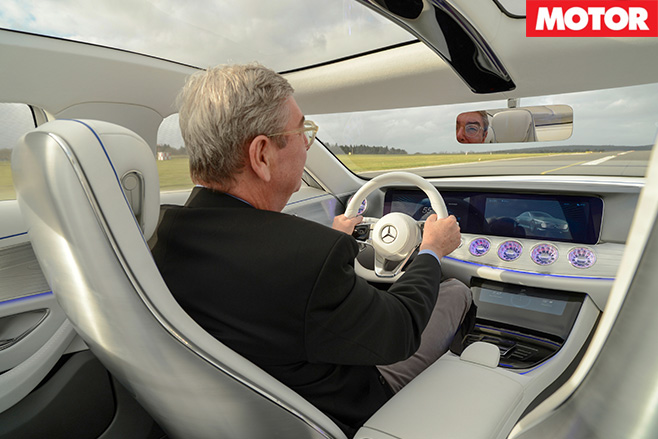
The brightness and airiness of the cabin is intensified by the white leather upholstery, the brushed matte aluminium dashboard and the double-bubble glass roof. As we accelerate, the car moves from EV to hybrid mode, with the 2.0-litre turbo four and the e-motor jointly summoning up to 205kW and 600Nm.
Moments later, when road speed reaches 80km/h, the car transitions from ‘Design’ mode to ‘Aerodynamic’ mode, which locks all drag-cutting elements into place.
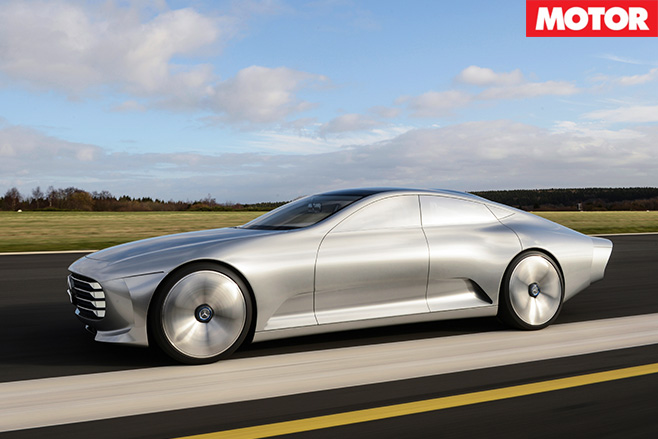
In the front, two lateral flaps swing out to direct the air past the wheelhouses and along the flanks. Also part of the concerted action is an adjustable horizontal deflector, which alters its angle to smooth the underbody air flow. An adaptive wheel design uses five spring-loaded metal elements to change the shape from 55mm dished to flush.
The main virtue of the magic morphing motion is a staggeringly low drag coefficient of 0.19, allegedly a new world record for a fully functional four-door sedan. That’s six points better than when in ‘Design’ mode, and yet Mercedes claims there are no inherent downsides like less downforce, greater susceptibility to crosswinds, or directional instability.
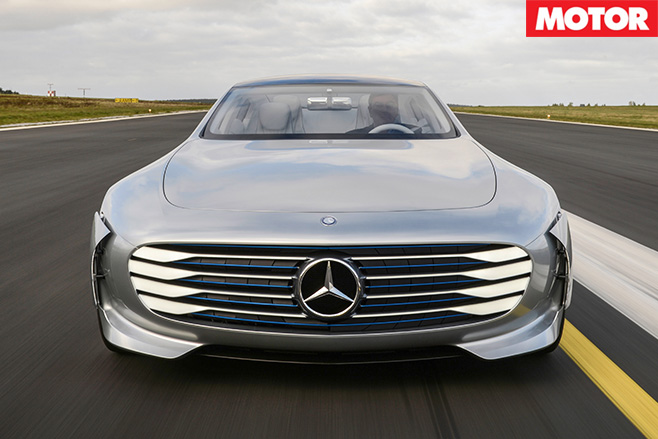
It’s graphic evidence of how drag reduction will be key to increased efficiency. Yet much of the tech is a long way from being production ready, not least due to regulatory hurdles involved with moveable body parts and no exterior mirrors.
4 OUT OF 5 STARS
SPECS Engine: 1991cc inline-4, DOHC, 16v, turbo/electric motor Power: 205kW Torque: 600Nm Weight: N/A 0-100km/h: Got a calendar? Price: Keep dreaming Like: Amazing technology; real-world benefits Dislikes: Red tape hurdles; long way from production ready
FANS OF hard-core performance Holdens and potentially collectible cars should get their wallets ready, as purveyors of tyre-torturing lions – HSV – rolled the 85,000th car off its Clayton production line yesterday – and it’s heading straight to the showroom!
The supercharged GEN-F2 ClubSport R8 LSA will be delivered to HSV’s oldest dealership, Garry and Warren Smith (GWS) Holden in Oakleigh, Victoria.
The dealership confirmed to Which Car that the milestone vehicle will be put on display in their Melbourne showroom. Discussions between GWS and the HSV Owners Club to have the car put on display at one of their functions are also on-going.
The 85,000th HSV will be endowed with a unique build plate paying homage to its unique status, while the lucky owner will receive a “letter of authenticity” signed by HSV Managing Director, Tim Jackson.
As some extra incentive for prospective buyers, GWS itself will be arranging additional custom benefits for the new owner, including a Vicroads custom number plate ’85-HSV’, a photo of the vehicle signed by the technicians who built the car, and an opportunity for the new owner to meet V8 Supercar driver and HSV ambassador Jason Bright.
The dealership says interest has been high for the unique vehicle, and they intend holding a media day where customers can get up close and personal with the special ClubSport.
But despite the vast number of people keen to make the car their own, GWS is required to sell the iconic car at its Recommended Retail Price as set by HSV, meaning there won’t be any big dollar bidding war on this tyre-frying lion. The automatic R8 LSA sells for $83,490.
Tim Jackson says the milestone vehicle is a special one for the brand.
“From humble beginnings at our Notting Hill production facility in 1987, with just three employees, a single desk, two chairs and one telephone, to the production of our 85,000th vehicle, we are constantly reminded of the dedication and passion our employees, dealers and owners continue to show” he said.
“This is a milestone that can be proudly shared by them all.”
If you miss out on nabbing this special HSV, fear not. HSV spokesperson Damon Paul suggests the ‘regular’ models produced by the performance brand could still be considered collectable.
“We have got a fairly enviable social media and fan base that seem to be very, very passionate,” he told Which Car.
“You would have to ask them, but certainly the demand and the passion seems to be continued unabated.”
THE MEN and Women of HSV have been hard at work, with the performance brand rolling the 85,000th car of its Clayton production line yesterday.
HSV has been pumping out hardcore tuned Holdens since 1987, and is confident it will continue to do so in the future, despite its well of locally produced V8-powered cars drying up.
A supercharged GEN-F2 ClubSport R8 LSA was lucky number 85,000 for HSV, and the 35,000th vehicle produced in the last decade of its 28-year history.
HSV’s Managing Director, Tim Jackson says the milestone is a special one for the brand.
“From humble beginnings at our Notting Hill production facility in 1987, with just three employees, a single desk, two chairs and one telephone, to the production of our 85,000th vehicle, we are constantly reminded of the dedication and passion our employees, dealers and owners continue to show” he said.
“This is a milestone that can be proudly shared by them all.”
However, the impressive achievement raises difficult questions regarding the future of the performance brand in Australia.
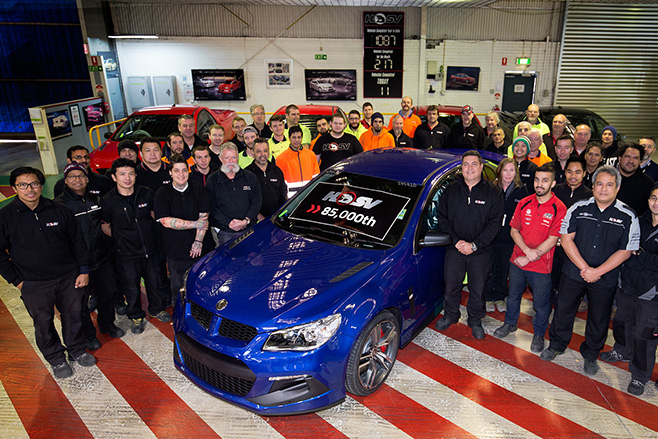
But fear not beefed-up Holden fans, HSV spokesperson Damon Paull says a “promising future” is still on the horizon despite no clear pathway being mapped out.
“All we have said and we are on record as saying, [is] that we are confident that while a demand exists for high-performance vehicles such as what HSV built and builds, then we see a pretty promising future for HSV,” Paull told Wheels.
Of the 85,000 cars built by HSV, Paul estimates the “vast majority” are powered by a V8 engine. This is likely to slowly change as production continues after Holden ditches the eight pot formula.
Paull remained coy on whether the ClubSport badge could find new life on a different model, but did say that current production numbers are set to continue.
“We have no great desire to change the production rate. It seems to be consistent with consumer and fan demand,” he explained.
“We, as history will tell you, sell on average 3,000 vehicles a year, and that is consistent with our build plan.”
BMW is set to introduce a four-door version of its 2 Series coupe, creating what will be known as the 2 Series Gran Coupe.
The best news is that the stunning new BMW M2 Coupe will be included in the new, more spacious model which is yet to be officially confirmed by Munich HQ.
The Gran Coupe body style has so far been introduced in the BMW 4 Series and 6 Series line ups, and while it doesn’t yet include an M4 Gran Coupe, there is a flagship BMW M6 Gran Coupe boasting all 423kW of twin-turbo, V8-powered M-car glory.
Typically, the Gran Coupe ranges have mirrored that of their coupe donor-models, and it’s expected that the 2 Series Gran Coupe will be no different. What’s more, while there’s a premium between the 6 Series derivatives – with the M6 costing $7,000 more with the extra doors – there’s no price difference between the 4 Series and 4 Series Gran Coupe.
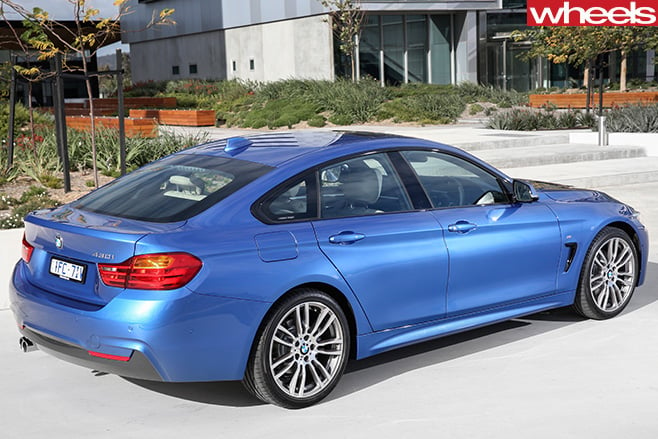
There’s negligible weight difference between Coupe and Grand Coupe models (25kg between M6s) as well, meaning that the performance models will pack a similar punch, while the more parsimonious diesels should maintain the 2 Series commendable fuel figure: 4.4L/100km for the current 220d Coupe.
Despite a more rigid and more practical body, a 2 Series Gran Coupe isn’t expected to outsell the Coupe model. In fact, comparing 4 Series Coupe and Convertible sales to the 4 Series Gran Coupe, the Gran Coupe sells in around half the numbers of the two-door models.
If it does make it to production, the 2 Series Gran Coupe should hit showroom floors by 2019.
Hyundai has announced a round of updates for its Genesis sedan which includes a name change and a new, turbocharged Sport model.
The 5-Series rival is currently sold in Australia under the name Hyundai Genesis, but with plans for more luxury models to join in it, Hyundai will establish Genesis as a separate, luxury subsidiary sometime next year. The premium sedan will then change its name to Genesis G80, becoming the first product sold in Australia under the standalone brand.
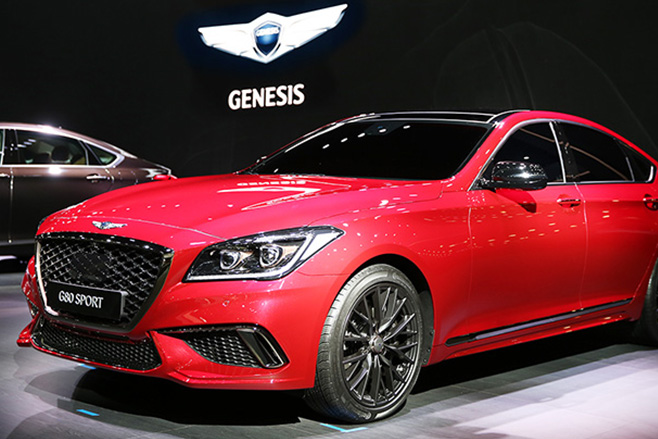
Apart from the name change, cosmetic updates to the G80 as we know it are minor. What is interesting is the addition of a G80 Sport variant featuring a more powerful 272kW and 509Nm 3.3-litre turbocharged V6 engine. The regular G80 makes do with a 248kW and 394Nm 3.8-litre V6 engine.
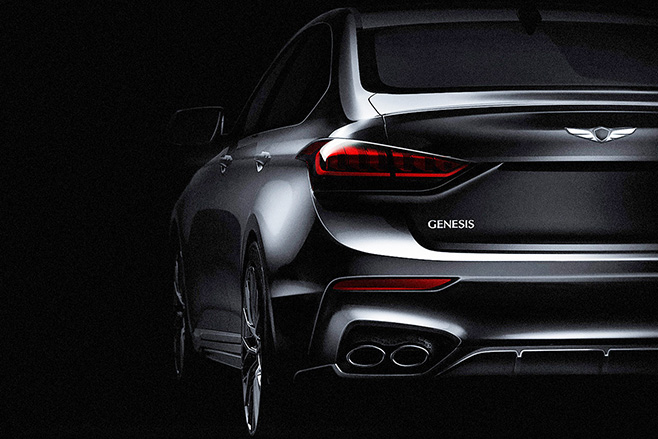
The G80 Sport features sportier styling flourishes including unique front and rear bumpers, quad exhaust tips, a blacked out front grille and new alloy wheels. Inside, there’s a new three-spoke steering wheel, sports seats and wireless device charging.
At this stage the G80 Sport model and its turbocharged V6 are not guaranteed for Australia, though Aussie appetite for alternative, sporty rear-drive sedans is likely to spread to other brands once Ford and Holden cease production of Falcon and Commodore.
A 320kW/500Nm V8 engine is available in the G80 overseas, but only in left-hand drive markets. It is unlikely to be offered in Australia in the near future.
Pricing of the updated G80 will be available closer to the launch of Genesis as a separate entity in 2017. The Hyundai Genesis currently retails in Australia for $60,000.
The G80 is likely to be joined by further Genesis models including a G70 mid-size sedan, to compete with Mercedes-Benz C-Class, and a flagship G90 limousine.
Genesis has also flagged its interest in fully electric vehicles. A report from Reuters quotes Genesis executive Manfred Fitzgerald saying electric cars are the future of the auto industry.
“We will definitely go as Genesis brand down the road of alternative propulsions and it is very, very obvious that EV is definitely on the map,” said Fitzgerald.
It’s not clear how soon Fitzgerald would like an electric Genesis model to be made available, though a diesel alternative to the current petrol engines range is set to be introduced early next year.
The former Lamborghini boss joined the ranks at Genesis in December 2015; just one in a series of bold moves made by the fledgling luxury carmaker. In recent times Hyundai has poached high-profile talent for its Genesis project from a range of premium brands, including a string of ex-Volkswagen Group designers: Peter Schreyer, Luc Donckerwolke and SangYup Lee.
VW Australia has suffered its biggest fall in sales in the opening six months of 2016, as the fallout from the company’s highly publicised diesel emissions scandal continues.
May was particularly painful with a disastrous 17.2 percent drop in sales; the biggest single-month decline since the scandal broke.
The fiasco, dubbed ‘Dieselgate’ by the media, saw more than 11 million cars affected and VW Group Chairman, Martin Winterkorn, unceremoniously removed from the top job and replaced by Matthias Mueller. It’s also sparked legal action in numerous countries, as well as putting the spotlight on fuel consumption and emissions testing procedures both in Europe and North America.
Volkswagen sales for the first five months of this year have fallen, with 23,876 vehicles sold compared to 24,917 at the close of May 2015. That’s a drop of 4.2 percent, which is far worse than fellow VW Group brands Skoda (-0.8 percent), Audi (+8.3 percent), Porsche (+29.0 percent) and Lamborghini (+37.7 percent).
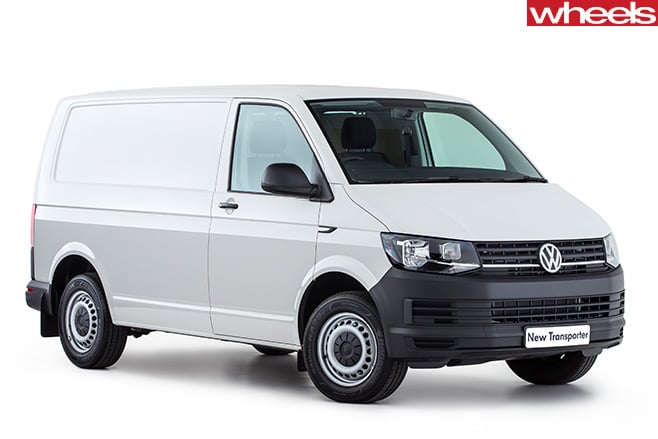
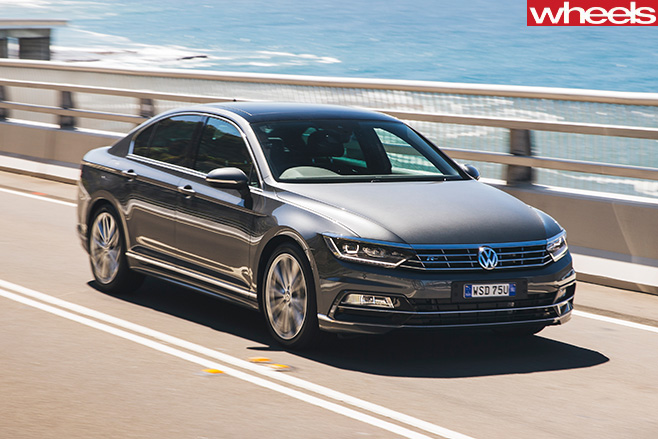
VW Australia, however, can take positives from the sales performance of its all-new Passat, which, as well as its commercial models – notably the Transporter and Amarok – are all seeing an improvement in sales so far this year.
The Mercedes-Benz E-Class Estate will offer less space but more safety and convenience tech when it reaches Australia in early 2017.
In unveiling the wagon version of its signature model overnight, Mercedes revealed a design that closely mirrors the Mercedes-Benz C-Class Estate with its curving roofline and slimmer tail-lights.
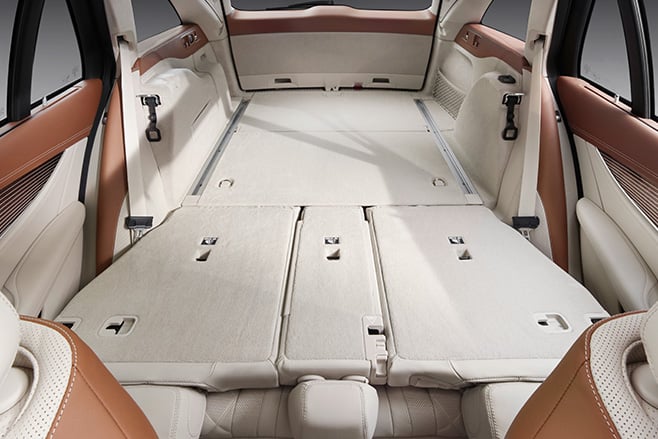
Although the luggage capacity actually shrinks by 25 litres in the boot and by 130 litres overall with the rear seats folded down, the E-Class Estate’s figures of 670L and 1820L are still superior to the rival Audi A6 Avant (not currently sold in Australia) and BMW 5-Series Touring.
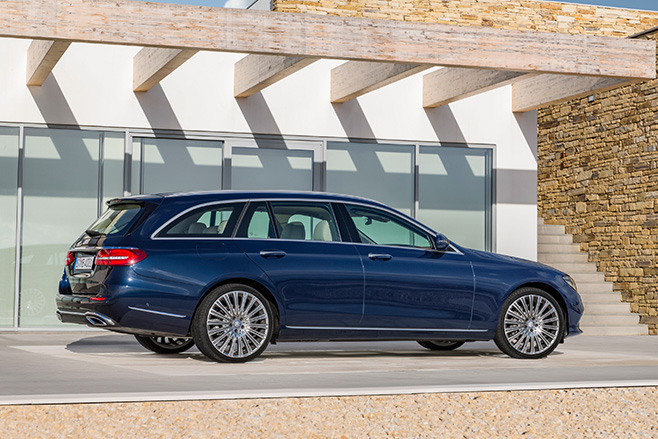
An adjustable rear backrest can be inclined 10 degrees steeper to create an extra 30 litres of space.
The rear seat offers a 40:20:40 split-fold arrangement with electric release levers, and Mercedes says 1100mm of width between the wheel-arches allows the Estate to fit a Europallet.
An electric tailgate is standard along with a stainless-steel load-sill guard, and a luggage-rail system is optional.
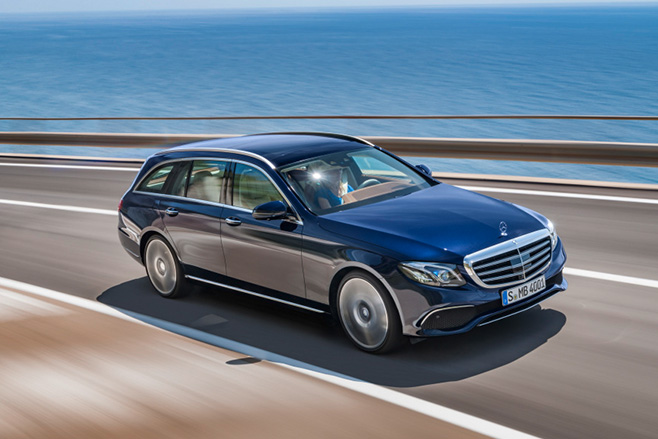
A self-levelling system via the standard rear air suspension can keep the E-Class Estate horizontal even if there’s up to 745kg of cargo in the rear. Braked towing capacity is rated at up to 2100kg, depending on the variant.
The interior virtually replicates the design of the E-Class sedan as expected, including the choice of two wide, high-resolution 12.3-inch display screens.
Convenience features such as remote parking via smartphone app and active safety items such as partial autonomous driving and full autonomous braking carry over from the sedan.
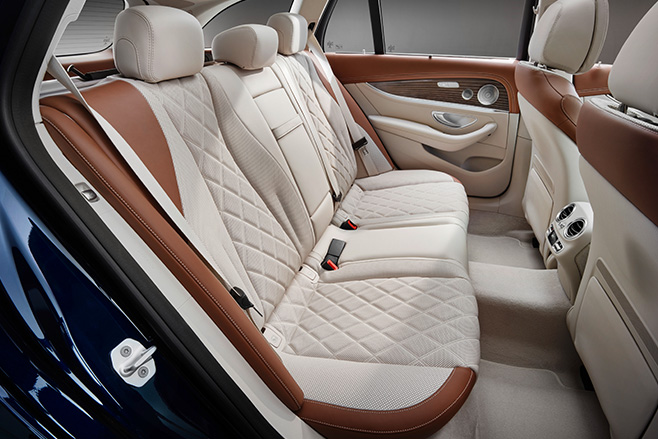
Mercedes is also claiming benchmark headroom and elbow room in the rear seat. An optional two-seat third-row will again be offered.
A rear seat entertainment system that allows occupants to integrate an iPad for a plug and play set-up has likewise been confirmed.
Range variants confirmed so far include the E220d, E350d and E43 4Matic, though they will expand to include other models such as a high-performance E63.
The 2.0-litre four-cylinder diesel E220d produces 143kW and 400Nm, uses 4.2 liters per 100km on the EU fuel cycle, and accelerates from 0-100km/h in 7.7 seconds.
The 3.0-litre V6 E350d’s corresponding figures are 190kW, 620Nm, 5.4L/100km and 6.2 seconds.
Benz’s all-wheel-drive AMG E43 4Matic reaches 100km/h from a standing start in 4.7 seconds thanks to its 295kW/520Nm turbocharged 3.0-litre V6 petrol engine. Official EU fuel use is 8.4L/100km.
Volkswagen Australia’s confirmed buyers can now order its most powerful ever Golf with a self-shifter plugged in between its pews.
After revealing it didn’t want the Golf GTI 40 Years to be a DSG-only prospect, the local firm has ensured, like Europe, Australians will score the hardcore special edition with a six-speed manual transmission.
Just like its automatic twin, the manual GTI 40 Years’ turbocharged 2.0-litre EA888 will be able to swell regular 195kW/350Nm outputs to 213kW/380Nm for 10 seconds during overboost – more than any other locally-sold Golf, including the R.
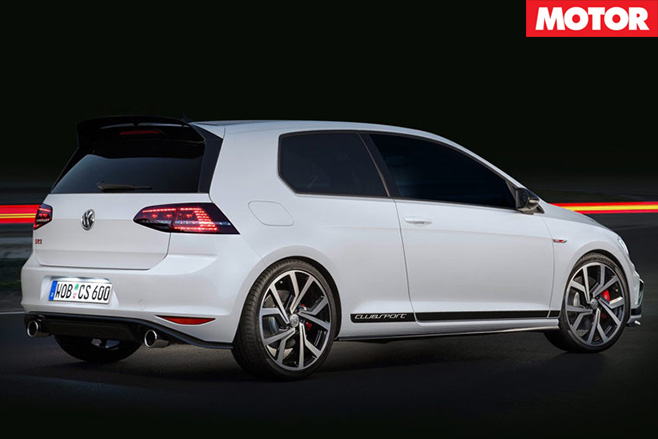
Thankfully, the manual 40 Years undercuts the DSG variant by $2K, setting its price at $46,990 – only $500 more than the current 169kW GTI Performance.
New ‘exclusive’ 19-inch Ruby wheels will feature on our 40 Years, which are reportedly different to those found on the international Clubsport (as the car is known elsewhere). But VW is yet to release piccies of our local specification car.
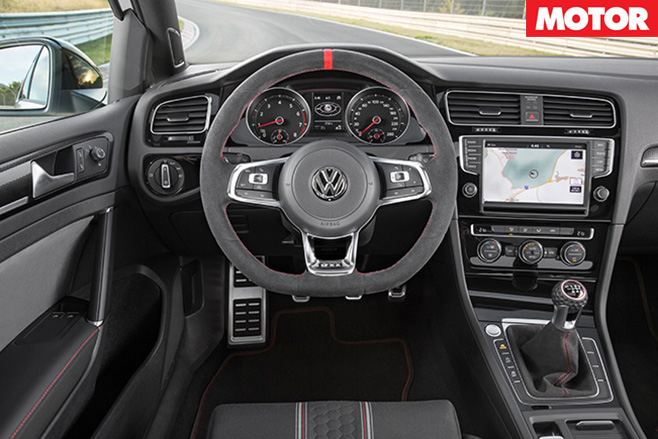
Order books for VW’s manual transmission Golf GTI 40 Years are now open.
