
An updated version of the Ford Fiesta ST hot hatch will arrive in Australia from September, with the new model adding technology and styling upgrades, but also an increase in price.
The new Fiesta ST will cost $27,490 plus on-roads, a notable jump over the current car’s $25,990 sticker which made it one of the most affordable, and enjoyable, small performance cars on sale.
Justifying the price hike are minor styling upgrades, including a grey metallic finish to the ST’s 17-inch alloy wheels and red-painted brake callipers.
Inside, the ST finally scores satellite navigation and a reversing camera as standard, as well as a bigger 5.0-inch centrally-mounted multi-media display.
However the ST will still run Ford’s existing Sync 1 operating system, unlike upgraded versions of the larger Ford Focus, which will become the first model in Australia to debut the latest Sync 3 technology.
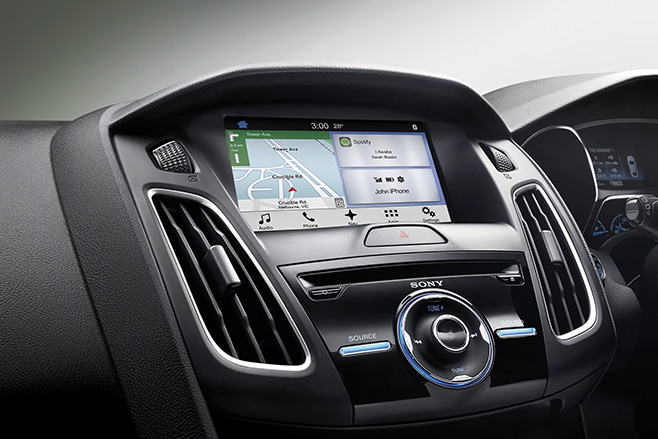
With updated Focus models to arrive in July, Sync 3 adds faster performance, simpler connectivity, smartphone-like usability and a larger 8.0-inch touch screen.
Ford will also offer two option packs across the regular Focus range. First is a $2000 Technology Pack available on the base Trend and mid-range Sport variants, which adds a host of advanced driver assist systems including: lane keep assist; lane departure; adaptive cruise control; blind spot detection, automatic high beam assist. It also includes a stop-start system to save fuel.
The top spec Titanium model already boasts stop-start and blind-spot detection as standard, so its Technology Pack costs $1500 and adds: lane keep assist, lane departure, adaptive cruise control and auto high beam.
The other option pack is a Sports Executive Pack for Sport and Titanium models only, which adds a sunroof and bi-xenon headlights for $1800.
Pricing for the updated Focus starts at $23,390 for the Trend hatch.
Read our full review on the Ford Fiesta range.
Look, we’re not going to try to talk you out of getting the manual version of the new 1.5-litre MX-5 anytime soon.
But fact is, if you can’t avoid the ol’ P-R-N-D you’ll be glad to hear the six-speed auto version is more or less on the money as well. But if there is a choice in the matter, don’t go telling everyone, particularly us, because we’ve got a long list why the manual is still the one to get.
For a start, the auto is $2000 more on both Roadster and GT versions. But even more pressingly, it’s significantly slower than the manual. Mazda makes no 0-100km/h claim for the auto 1.5-litre MX-5, but it might add, we estimate, as much as half a second to the manual’s 8.5sec claim.
When we’re talking 96kW and 150Nm (which, in fairness, isn’t as modest as it sounds in a car weighing just over a tonne) straight-line speed is not something you want to give away easily.
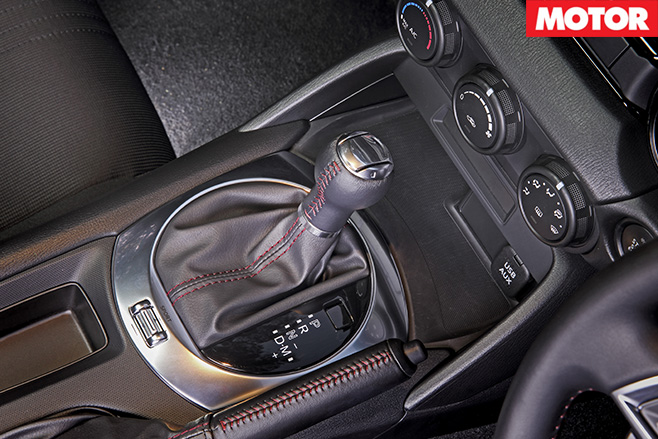
Perhaps the most convincing reason of all to go the manual is it’s truly a sweet gearbox – light, buttery and satisfying to use. Combined with the rorty, revvy and enthusiastic engine, it goes a long way to keeping the grin intact despite the fact the MX-5 is, in 1.5-litre guise, hardly explosive in a straight line. But if the reality is auto MX-5 or nothing, it’s hardly the end of the world, either.
The tiny torque converter moves smoothly from a stop without the jolt of a twin-clutch, so it’s quite nice in traffic. But slot it into Sport mode and, under full throttle, a pluck of the plasticky steering wheel paddle reveals a surprisingly swift shift.
Hammer the brakes and the auto MX-5 will blip swiftly enough as you grab lower gears, too. Of course it’s not as crisp or alert as a twin-clutch and there’s nary a crack or a fart on upshift, and no crackling on the overrun. There are no special acoustics here.
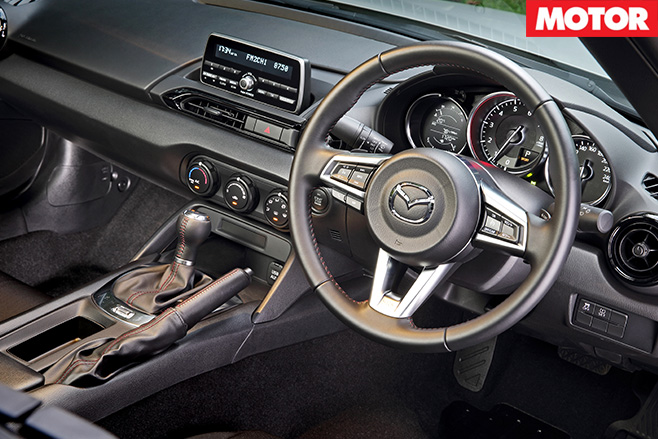
But mostly, rather than obstructing the MX-5 driving experience, the auto tries hard to get in the mood. You can still belt along a twisty road able to soak up the ND MX-5’s engaging and fun, softly-sprung, low-grip chassis, without the gearbox screwing it all up. The manual is still far better, of course, but for one-legged readers, the auto is at least a half-decent proposition.
3.5 out of 5 stars
Specs Engine: 1496cc inline-4, DOHC, 16v Power: 96kW @ 7000rpm Torque: 150Nm @ 4800rpm Weight: 1032kg 0-100km/h: 9.0sec (estimate) Price: $33,990
Hennessey Performance Engineering has been gifted a mighty title for its birthday.
Taking to a Texan Navy base’s airstrip last month for its 25th anniversary, the American tuner wound out its latest creation, the Venom GT Spyder, to a world-record snaring 427.4km/h.
Revealed last year, the Spyder is a pop-roof version of the regular Venom GT. Lying behind Brian Smith, the man who piloted the record run, was the car’s twin-turbo 7.0-litre LSX V8 that produces 1082kW and 1745Nm. Crazily, its power’s channelled through a six-speed ’box to the rear wheels only.
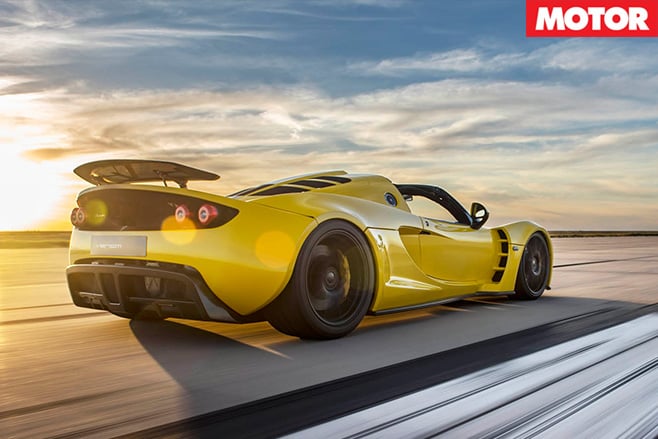
The Spyder steals the record from Bugatti’s Veyron Gran Sport Vitesse, which claimed to be the world’s fastest convertible after hitting 408.84km/h Volkswagen Group’s proving grounds in Ehra-Lessian, Germany, in 2013.
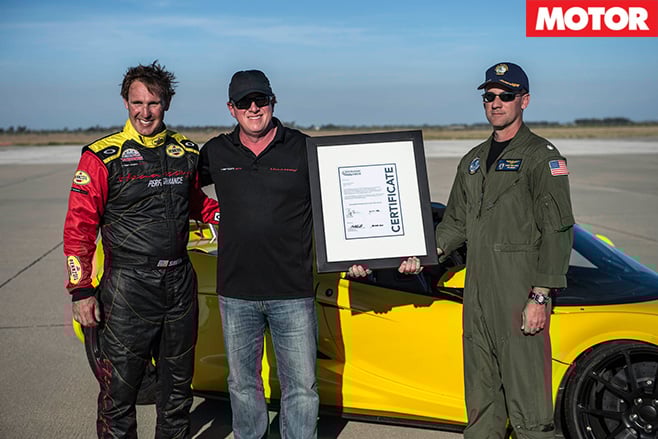
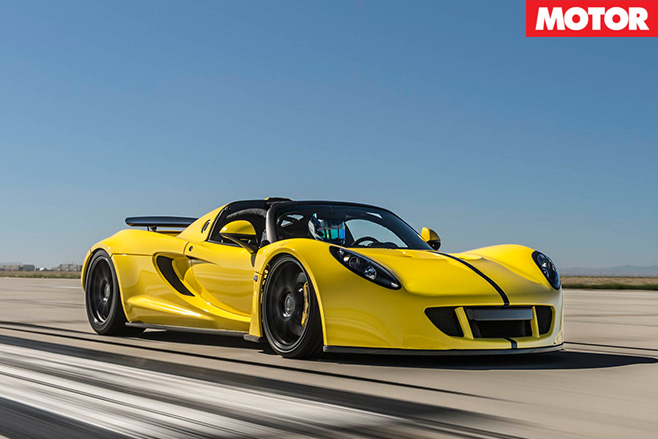
Three examples of the “World Record edition” Venom GT Spyder will be built. At an eye-watering price of US$1.3 million before tax.
Australian buyers will soon be able to have a turbocharged version of the new Mazda MX-5 … from Fiat, in the form of its 124 Spider, and it looks like we’ll only get the sportier, more powerful Abarth version when the Italian drop-top arrives later this year.
The 124 Spider, which revives a classic nameplate, is a badge-engineered effort between Fiat and Mazda, which means they share their body structure and suspension.
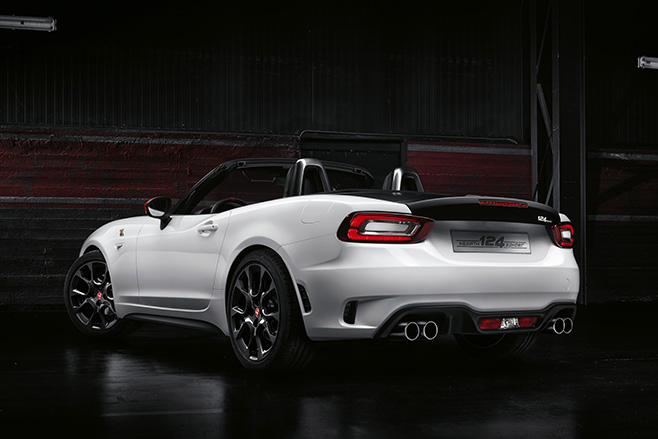
However, rather than using the MX-5’s non-turbo 1.5- and 2.0-litre engines the 124 Spider uses a turbo Fiat 1.4-litre engine.
More power is something the MX-5 has cried out for since the original version was introduced in 1989. It’s not that the Mazda is a slug; more that its steering and handling are of such a high calibre that the performance pales.
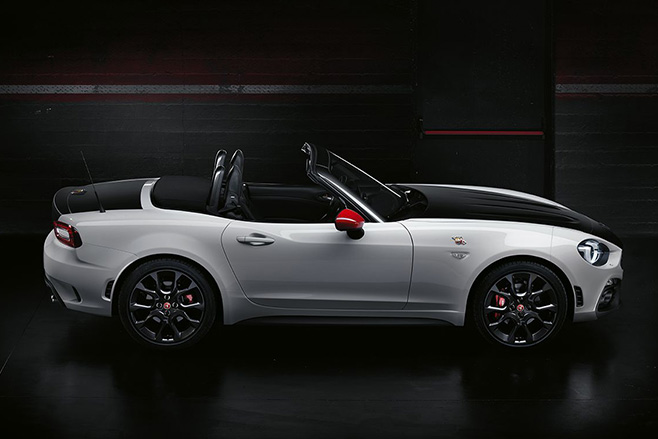
The high-performance Abarth version will give the two-seat, rear-drive 124 Spider a noticeable power boost, and the Fiat already has about 25 percent more power than the Mazda at low engine speeds.
Other upgrades for the Abarth 124 Spider include firmer suspension which will allow quicker cornering with less body roll, larger, more powerful Brembo brand front brakes, and a sportier sounding exhaust.
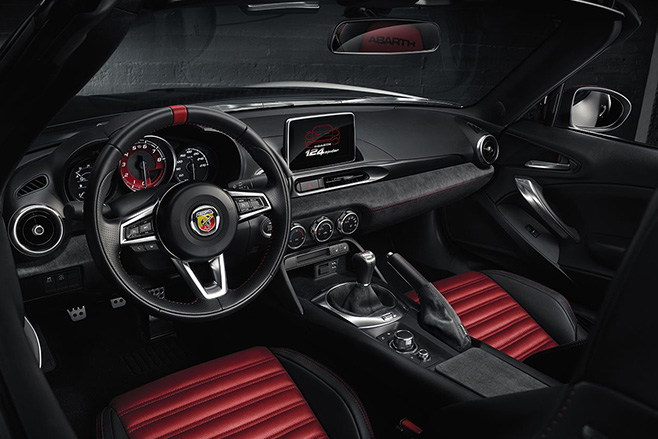
Cosmetic exterior enhancements and sports upgrades inside complete a package with a distinctly different character to the Mazda.
Fiat Chrysler Automobiles has the high-performance version in the frame so as not to compete head-to-head with Mazda – expect the Abarth 124 to cost more than a top-level MX-5, around $47,000.
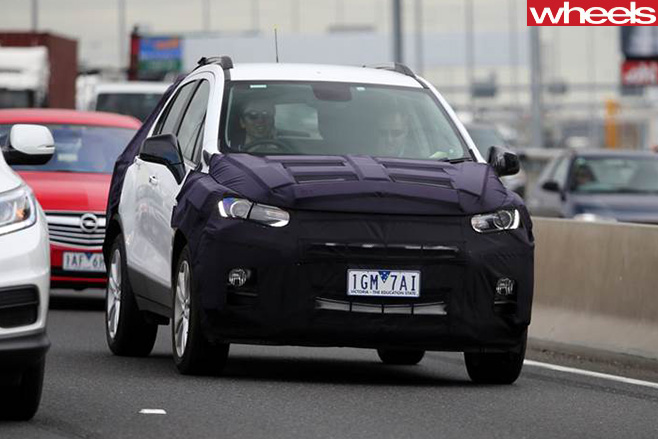
WHEELS has sprung a top-secret update for the Holden Trax compact SUV on Melbourne roads, hiding a fresh-look front and rear that will help it fight the likes of the upcoming Toyota CH-R, the hot-selling Mazda CX-3, the Mitsubishi ASX and the Honda HR-V.
We’ve spied a TJ Series II prototype on the road near the company’s Fishermans Bend HQ, well ahead of an Australian launch scheduled late this year or early in the first quarter of 2017.
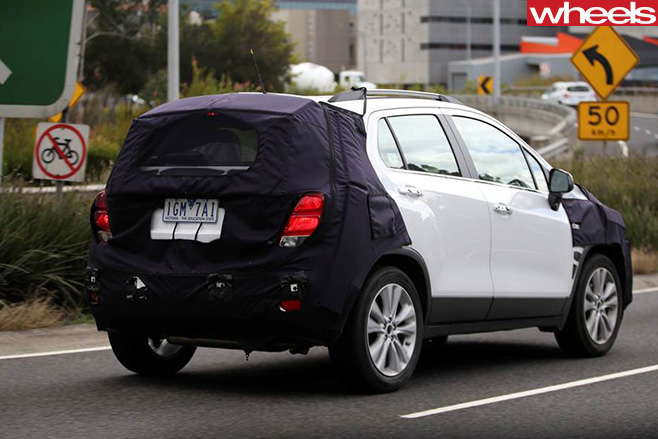
As the heavy nose and tail cladding suggest, Trax’s changes will mirror that seen on the latest version of the US-market Chevrolet Trax revealed at February’s Chicago motor show.
This includes a substantially more horizontal headlight and split-level grille arrangement in line with GM’s latest international design philosophy, as well as reprofiled bumpers, a new-look air intake, and squared-off tailgate featuring revised tail-light lenses.
Similar to its American cousin, the 2017 Holden Trax is expected to carry over the Opel-developed 1.4-litre turbocharged four-cylinder petrol engine and six-speed automatic transmission combination, though most models are expected to use a variation of the long-serving 1.8-litre four-cylinder atmo unit. Only front-wheel-drive configurations are mooted at this stage.
With test mules running around Holden’s Lang Lang Proving Ground south-east of Melbourne, the facelifted Trax will continue with Australian-specific steering, suspension, and noise-reduction tuning, helping to address some of the criticisms levelled at the current, three-year-old version.
The Holden Trax’s sales have fallen well short of the market-leading CX-3, at 1682 versus 4527 registrations year-to-date. That said, Trax sales are up 30 percent compared with the first quarter of 2015, and considerably ahead of the segment’s 6.1 percent growth.
Consequently, don’t expect prices to vary too far from today’s Trax, which kicks off from $23,990 plus on-road costs for the well-specified base LS manual, extending to $28,890 for the 1.4 Turbo auto.
Have spy pics of your own? We’d love to see them. Just email them to [email protected]
Australians can glance over the fence at our New Zealand neighbours with driveway envy, as it now boasts the single Aston Martin Vulcan delivered in the Southern Hemisphere.
Aston’s most exclusive vehicle cost $4.2 million NZD delivered, or about $3.8m in our currency, and is one of only 24 built worldwide.
The Vulcan was purchased by Tony Quinn, owner of the Highlands Motorsport Park just east of Queenstown, to promote the driving-sports facility and celebrate three years since it opened its doors.
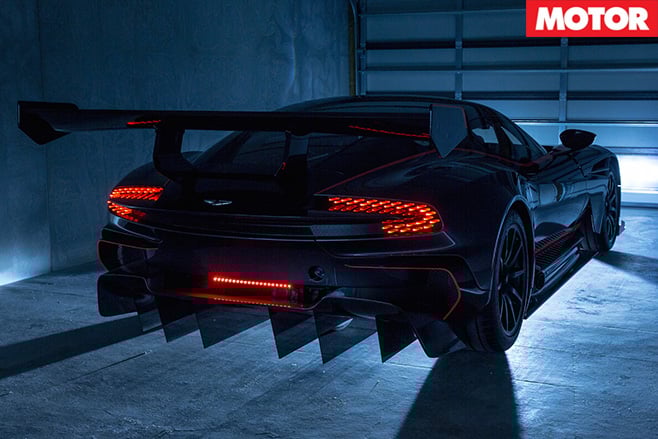
The motorsport-inspired British supercar utilises a 7.0-litre naturally aspirated V12 engine with “800hp plus” – more than 597kW – and drive is channeled to 345mm-wide 19-inch rear rubber via a six-speed sequential shift gearbox.
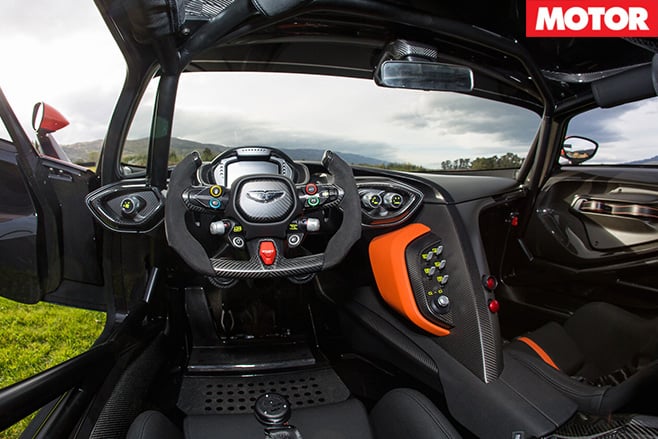
Ten rides were available to purchase with proceeds going to the Halberg Trust, a local fundraiser for a child who lost his father in a helicopter accident, and also Cure Kids and Relay For Life charities.
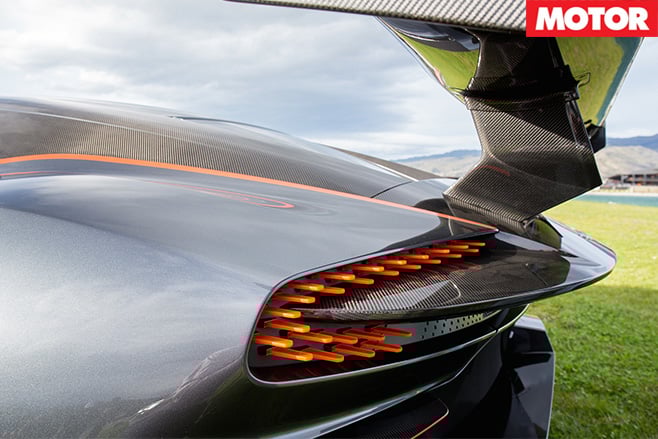
The Aston Martin Vulcan will be stationed at the facility until September 2016.
Jump on board with rally ace Bruce Garland in Car Zero Bravo as Wheels helps him sweep the spine-crushing Coffs Harbour leg of the WRC Rally Australia.
BRUCE GARLAND is enjoying his second life. His first ‘ended’ when he slammed his Isuzu ute off a 10-metre dune in Chile during the 2011 Dakar Rally, which saw him break his back and suffer a heart attack at the wheel. Months of recuperation only resulted in another heart attack and a quintuple bypass operation.
“At first, I didn’t think I was getting out of the hospital,” he grins. “Then I realised that they might just fix me up, so when they had to take a vein out of one of my legs to bypass part of my heart, I told them to take it out of my left leg because I need the right for driving.”
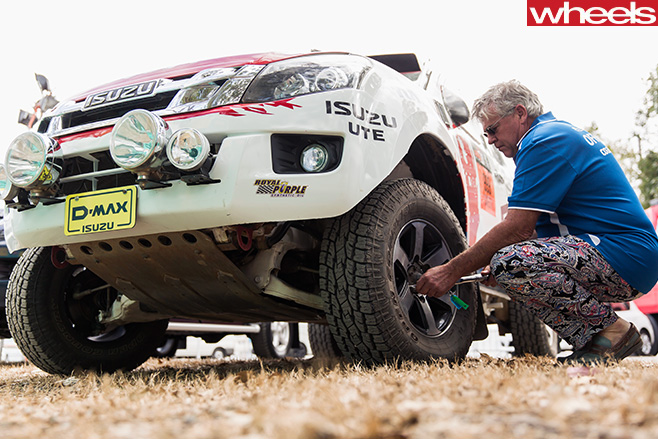
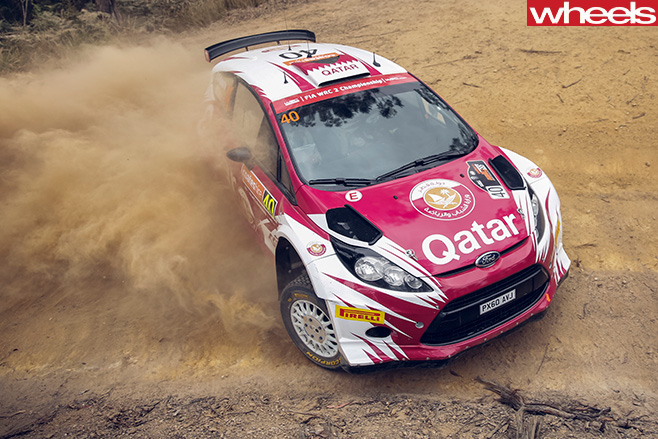
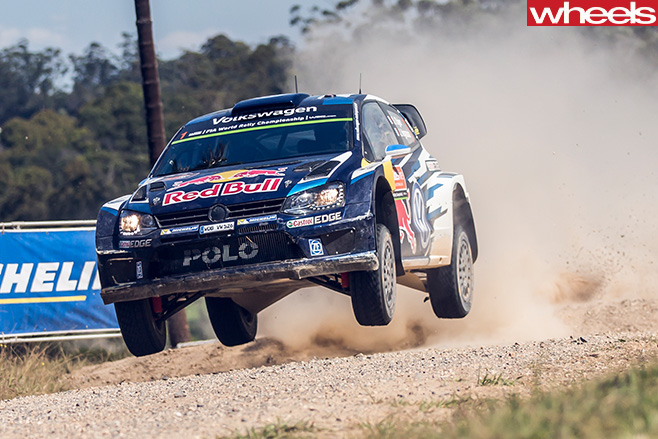
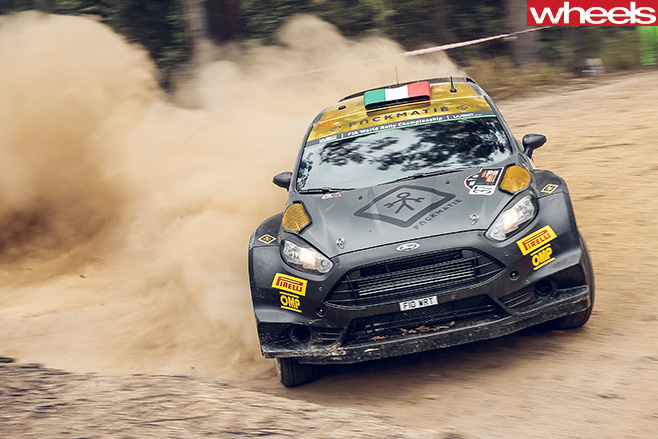
We’re at the service park of the Coates Hire Rally Australia in Coffs Harbour. I’d pencilled in an hour of awestruck gaping at the service crews interspersed with stalking some of the WRC drivers. It’s an incredible set-up. Aside from the vast budgets of Volkswagen, Hyundai and Citroen, there’s Malcolm Wilson’s M-Sport team with their angry-sounding Ford Fiestas. Lorenzo Bertelli, heir to the billion-dollar Prada fashion house, is also piloting a Fiesta, his Fuckmatie (yes, really) team predictably well-funded, well turned out and devoid of discernible driving talent.
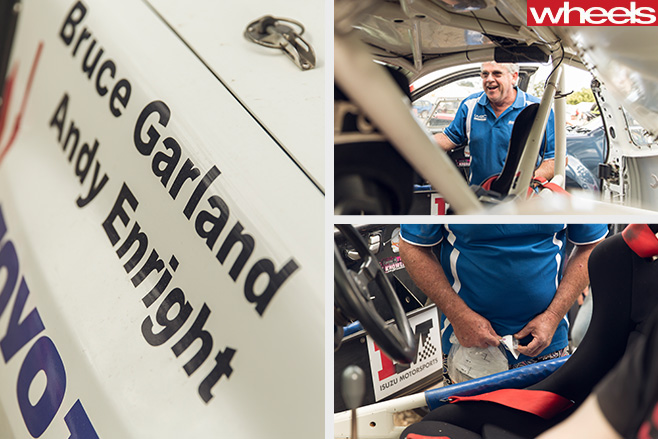
The course notebook for the Newry Long stage contains an indecipherable slew of hieroglyphics. Calling out “Turn left past the NutriBullet and exercise caution over this thing that looks like Darth Vader’s cock” is clearly not going to cut it.
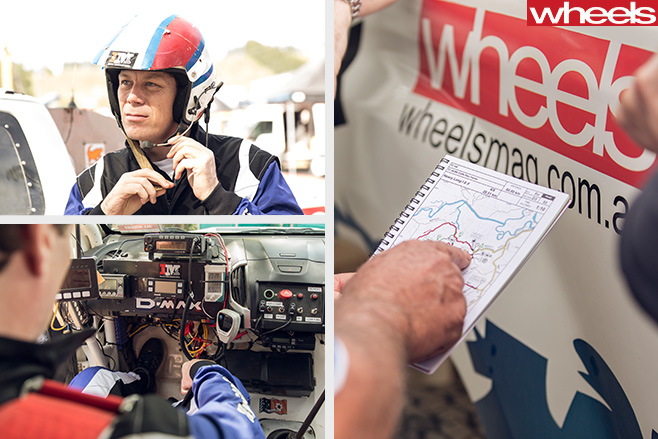
“Ready?” yells Garland over the yammering diesel of the 700Nm D-MAX. I start asking a question about the RallySafe computer that monitors our progress and signals any vehicles in distress but it’s too late. The throttle is pinned, the ute rockets down the track and I attempt to get the pace notes the right way up. We’re using a simplified ‘tulip diagram’ system that marks the major hazards rather than every corner, and for the first four kilometres it all looks pretty straightforward, so I sit there and try to appear nonchalant.
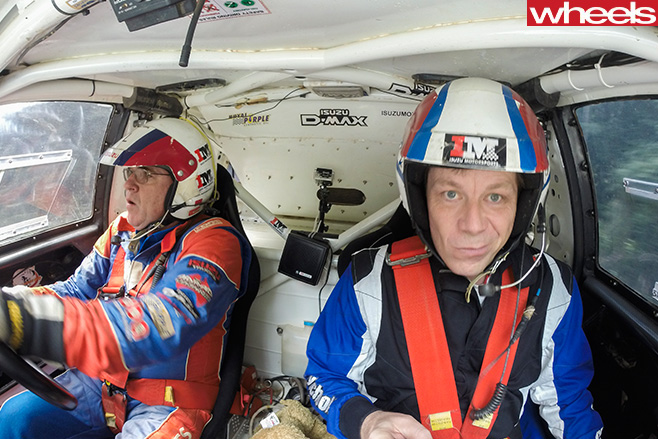
I start giving instructions, reasoning that burying my head in the notes is preferable to watching this thing launching off another ramp. The computer flashes up a warning when we exceed 130km/h. I keep seeing it flickering out of the corner of my eye. Almost before it’s begun, the first stage is finished. I’m completely juiced, eyes gritty, heart hammering. “You did really well,” beams Garland. “At first I thought you’d lost it and gone silent but that was really good. About two-thirds of people who try this for the first time at rally school just give up on the first attempt.”
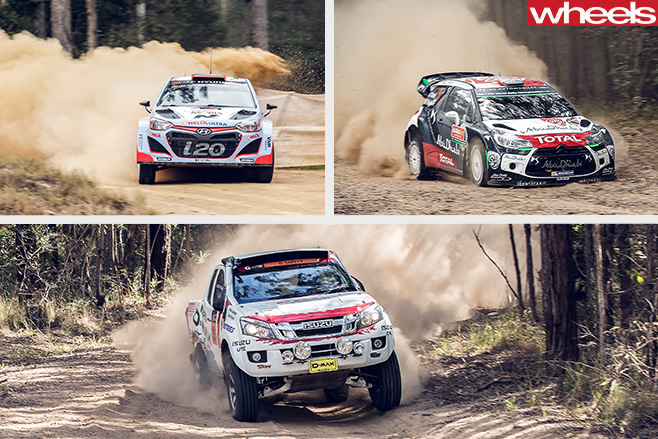
After yesterday’s baptism of fire, I feel a little more confident with the notes on the faster Nambucca stage, despite the fact that most of the indigenous wildlife seems determined to get better acquainted with our tread footprint. Blasting up one section, there’s a carpet python draped across the road. We skip by it and further up the track two goannas scramble for cover as the D-MAX crests a rise. The rally tries to be a good neighbour to the Coffs Coast locals, so obliterating the local fauna isn’t the done thing.
“It’s rare that you’ll push it to 100 percent in the Dakar,” he yells over the intercom. “Most of the time we’re going at this sort of pace to help preserve the vehicle. We’ll push it if we absolutely need to make up a few seconds, but the risk ramps up enormously in relation to the reward. So you have to know when you can go fast and when you need to back it off.”
Two stages down, one to go. We’re leading the cars out at the second running of Valla. This stage is a beauty; open, flowing and with no spine-crushing jumps. The apprehension has gone and I can concentrate on doing a good job calling the notes, sneaking the odd glance at Garland’s footwork and hanging on as we showboat sideways past spectators dangling cameras on selfie sticks in front of the Isuzu. You notice the faces of people in the crowd, the dust masks, the flags, the wide-eyed whooping, out in the midday sun, the falling-over-drunk fervour. And then it’s over.
Looking after number ones
GARLAND has a novel technique for gearbox cooling. “You can’t stop to piss on the Dakar, so I stick this to my old man,” he laughs, showing me a plastic hose attachment. It’s a Uridome, a clear plastic hose and sheath to help wheelchair-bound incontinents. “I tried everything – nappies, pads and even just pissing on the seat, but the service crew weren’t much into that. With this, the tube comes out of my pocket, then down through a hose on the floor onto the gearbox casing. I’ve fitted a quick release to it so I don’t rip my pecker off if I have to get out in a hurry.”
Crashin’ the box
THE RallySafe computer is a box of tricks that includes accelerometers, a radio transceiver, GPS, GSM and satellite communications capabilities. It combines all of this to transmit warnings and vehicle status data from unit to unit and to Race Control. There’s a ‘push to pass’ function that alerts a car in front that you need to get by, and a warning function that alerts the rest of the field if you come to a halt. Hit something hard enough and it’ll automatically transmit an SOS message. The unit was developed following a multi-car accident at the 2010 Targa Tasmania and is mandatory for all ARC competitors.
Tested to destruction
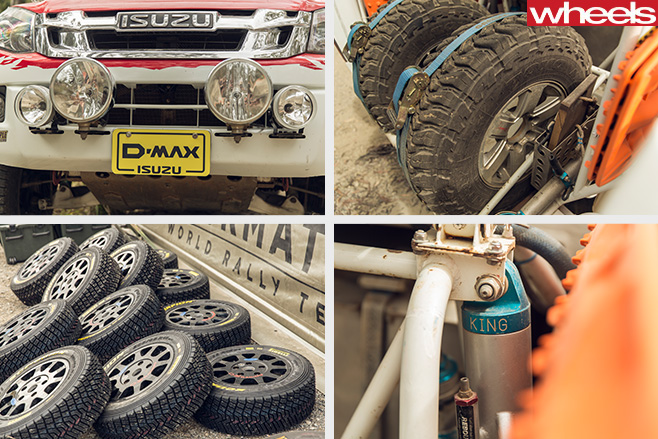
Garland’s truck – built to FIA T1 rules – looks vastly different to the D-MAX you’d buy in dealers, but there’s a lot of commonality under the skin. The engine is basically the same, albeit fitted with a bigger turbo and trick exhaust to develop 220kW at 3200rpm and 700Nm (up from 130kW and 380Nm). The gearbox is a Holinger six-speed sequential, there are King rear shocks and the centre diff has been upgraded. Steering, ball-joints, driveshafts, front arms, fuel injection, alternator and valve gear are all standard showroom fare. Think of it as Isuzu’s rolling D-MAX durability test bed.
Porsche’s latest Boxster range swaps its atmo flat sixes for turbocharged fours. Is less really more, or has the Boxster been emasculated?
WHAT IS IT? Twenty years after it first appeared, the Porsche Boxster goes turbo. Many of the ingredients remain the same but make no mistake, the 718 Porsche Boxster is the biggest leap forward in two decades of Porsche’s hugely successful roadster.
WHY WE’RE TESTING IT Porsche flew us halfway round the world for an early drive in the 718 Boxster. It’s one of the most intriguing cars to be launched this year and we needed to know if going turbo had seen the Boxster sell out or step up.
MAIN RIVALS Audi TTS Roadster, BMW Z4 sDrive35is, Jaguar F-Type S, Mercedes SLK 350
THE WHEELS VERDICT Objectively, the 718 Boxster steamrollers its predecessor. It’s faster, lighter, more agile and more efficient, throwing down the gauntlet to rivals with performance that’s hard to draw level with. Despite this, a little of the magic that makes Porsche sports cars so special has gone, and for some that’ll make all the big numbers look a bit hollow. Viewed in isolation, however, it’s hard not to be impressed at how Weissach has executed the transition to downsizing. It still merits a solid buy recommendation from us.
PLUS: Power, torque, efficiency, clever engineering, usability, styling, equipment MINUS: Engine’s acoustic magic gone, personality changed, prices creeping north
You’ll see their faces on the video reviews, brows knotted in impotent disbelief at how the latest 718 Boxster doesn’t sound anything like the old car and doesn’t drive like it either. They’ll sniff at the engine response and chunter on about the drip-drip diminution of all that they hold dear, such as granularity of steering feel, fibrous response at the contact patch and endless reams of similar guff.
None of that particularly matters and here’s why. The Boxster is the entry-level Porsche sports car. A statistically insignificant number of 718 Boxster buyers will have previously owned a Boxster, and the rest will have no frame of reference for drawing comparisons with what went before. We’d be prepared to bet they’ll absolutely adore the 718, largely because it’s such a crushingly competent package.
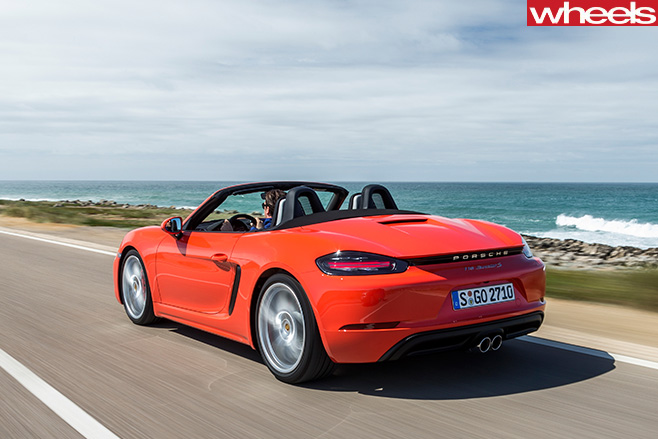
What’s wholly un-Porsche is that the company has felt the need to overcompensate massively for short-changing customers a pair of pots. That’s why both the 2.0-litre and 2.5-litre engines offer a healthy step up in power and a massive step-change in torque compared with their predecessors. The Boxster is good for 220kW with a fat 380Nm of torque on tap, fully 100Nm more than the previous entry-level Boxster. Spring for the Boxster S and the numbers ease out to 257kW and 420Nm.
The torque is the key to how these cars drive. Whereas in the old Boxster, you’d willingly ping it off its redline to hear the engine note harden and yowl, and then rue the fact that second gear was taking you over 130km/h and toward an impending appearance before the local magistrates, the 718 rewards a less frenetic approach. Whichever engine you choose, peak torque arrives at less than 2000rpm and lasts to 4500rpm, tailing off gently thereafter. Therefore, you tend to upshift early and plug in low again. That torque has solved the Boxster’s perennially over-long gearing issue.
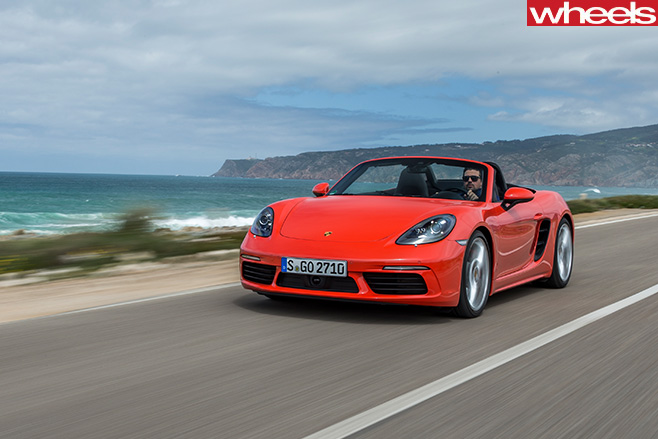
The whole rear end of the 718 has been beefed up to handle this added muscle, with heavier duty springs and dampers, a half-inch wider track, and meatier four-point engine mounts. The Boxster is quick, with the PDK gearbox 90 percent of buyers will choose teaming with launch control to catapult it to 100km/h in 4.7 seconds. The Boxster S is now ballistically rapid. Chew on these numbers. It gets to 100 kays in 4.2 seconds, the same as a 996 Turbo. It’ll lap the Nurburgring in 7m 46s, fully 16 seconds quicker than its predecessor and that’s neck and neck with a 996 GT2. Need a more recent frame of reference? It’s only two seconds a lap slower than the garlanded Cayman GT4.
The ride quality is better, lateral grip has improved, the brakes are bigger and the steering is 10 percent more direct, thanks to the steering system adapted from the 911 Turbo.
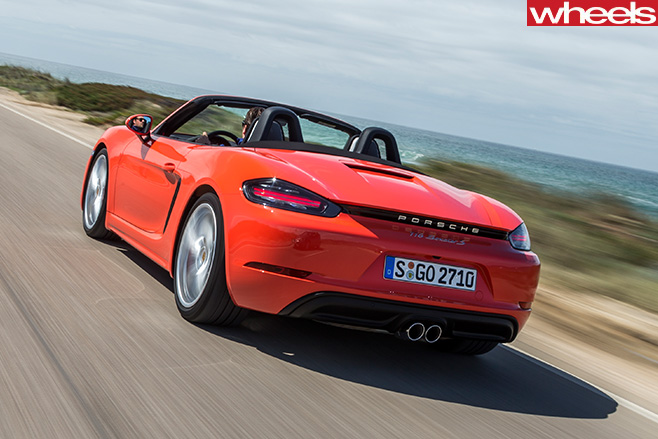
The odd acoustics can be forgiven for the sheer amount of lug on offer out of corners. Punt the car into a bend in what seems a hopelessly high gear, apply gas, wait a moment for the turbo to spool and it delivers a sinewy surge of drive. It’s quite addictive and certainly something you’d take great joy in learning how to get the best from. I had the opportunity to follow Walter Röhrl in a Boxster S on part of the route and can confirm that, for the 12 seconds or so I had him in my gunsights, the 718 Boxster S is spectacularly composed at the limit. The stability control calibration is excellent, allowing a smidge of rear-end slip before gently stepping in. Specify the Sport Chrono system and you also get PSM Sport mode, which affords more leeway in vehicle yaw, the system re-engaging if it thinks you’ve really unleashed the power of ineptitude. Hold the button in for a few seconds and you’re on your own.
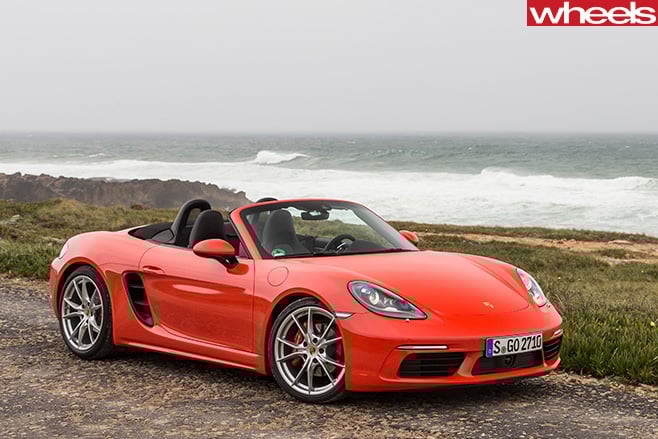
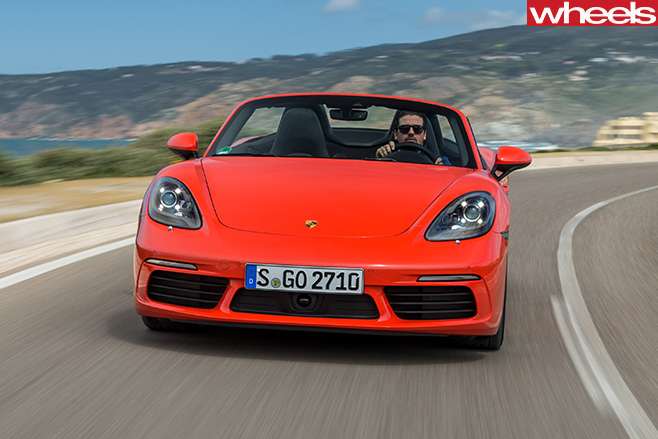
The styling? I’d give that an unreserved thumbs-up. The front end is sharper, with angular swages running down the bonnet, bigger air intakes and a bi-xenon lights backed up with LED daytime running lights. A full LED light kit is optional. The flanks get bigger twin-louvred intakes while the rear end gets lovely 3D-effect Porsche lettering along with the now familiar excess of fonts. Badge delete is your friend here. The larger blade spoiler now has a greater aerodynamic effect and no longer splits the rear light clusters. Porsche’s designers aimed at making the Boxster look lower, wider and more aggressive and they’ve nailed that assignment.
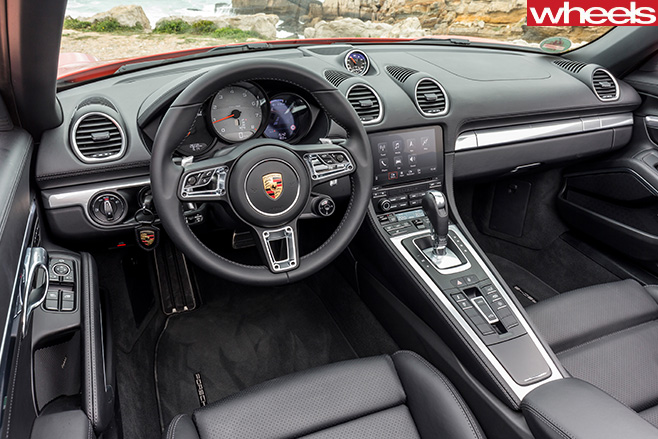
Because the PDK-equipped base car manages to duck under 7.0L/100km it nets a luxury-car tax sidestep which its manual sibling doesn’t enjoy. This means that you’ll need to add a mere $1333 to the price of the $113,100 manual model to net a PDK-equipped car. From there it’s quite a jump to the $143,400 Boxster S manual, with the PDK in this instance adding another $4900 to the asking price.
A better-looking car with a smarter level of finish, far more grunt available all the time and lower running costs? The 718 unquestionably delivers more car for your money than ever before. So why am I left feeling so unmoved by it?
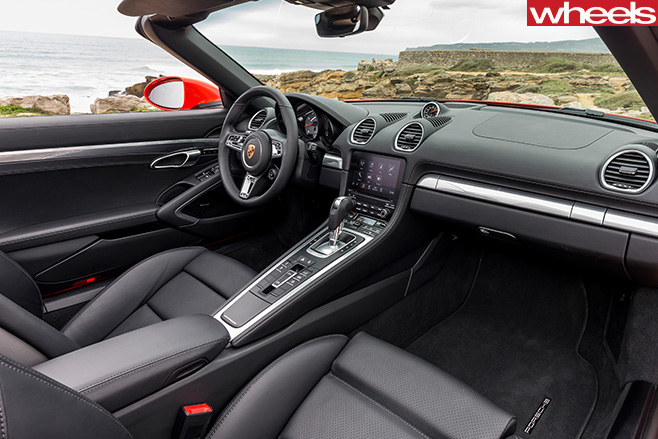
Still, it would be rapidly receding yowl in the current car’s rear view and it’s hard to argue with the sheer effectiveness of the 718. As an exercise in making the best of a tough brief, it’s hard to fault.
SPECS Model: Porsche 718 Boxster S PDK Engine: 2497cc single turbo flat-four 16v Max power: 257kW@ 7500rpm Max torque: 420Nm @ 1900-4500rpm Transmission: 7-speed twin-clutch Weight: 1385kg 0-100km/h: 4.2sec Fuel economy: 7.3L/100km (combined) Price: $148,390 On sale: June 2016
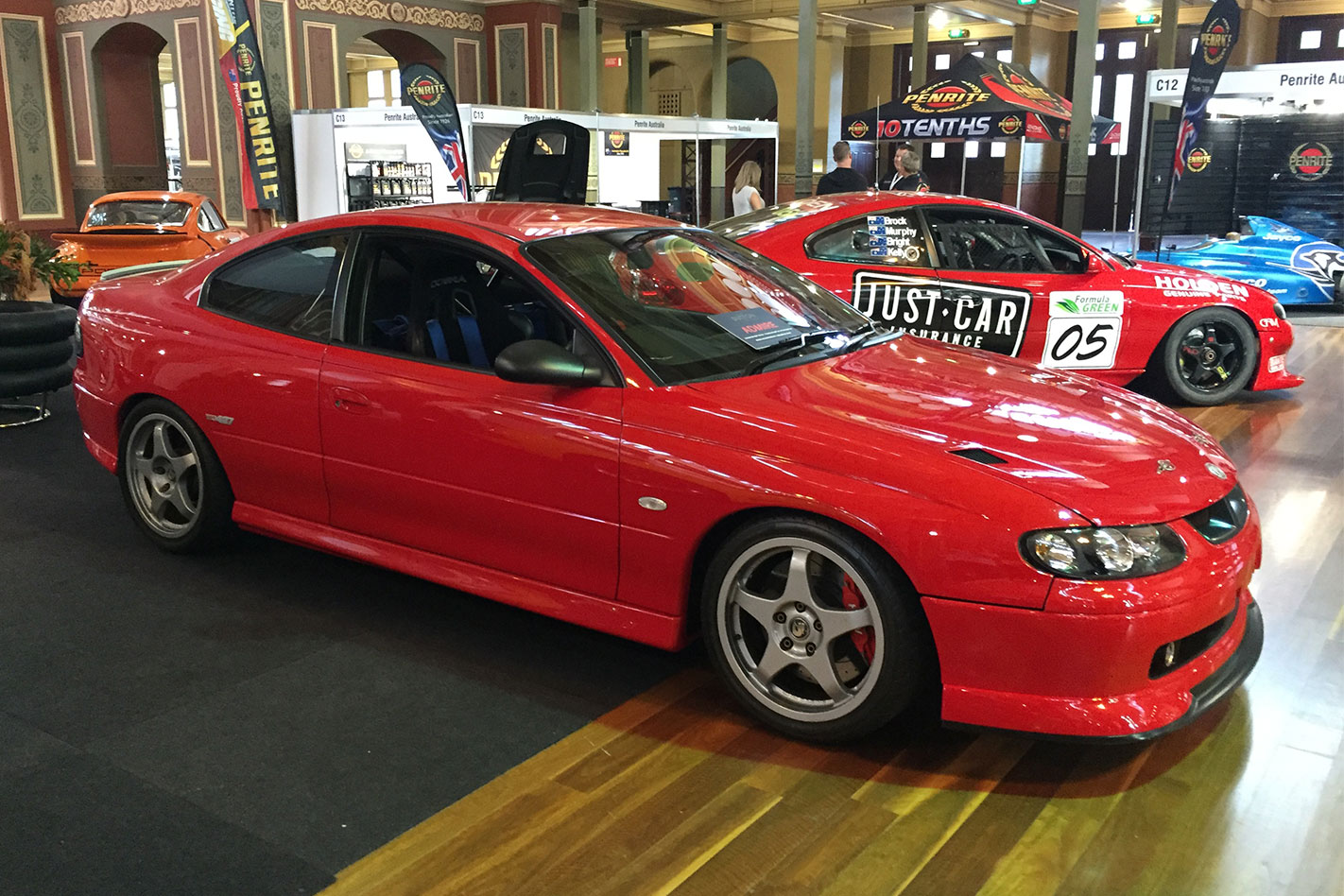
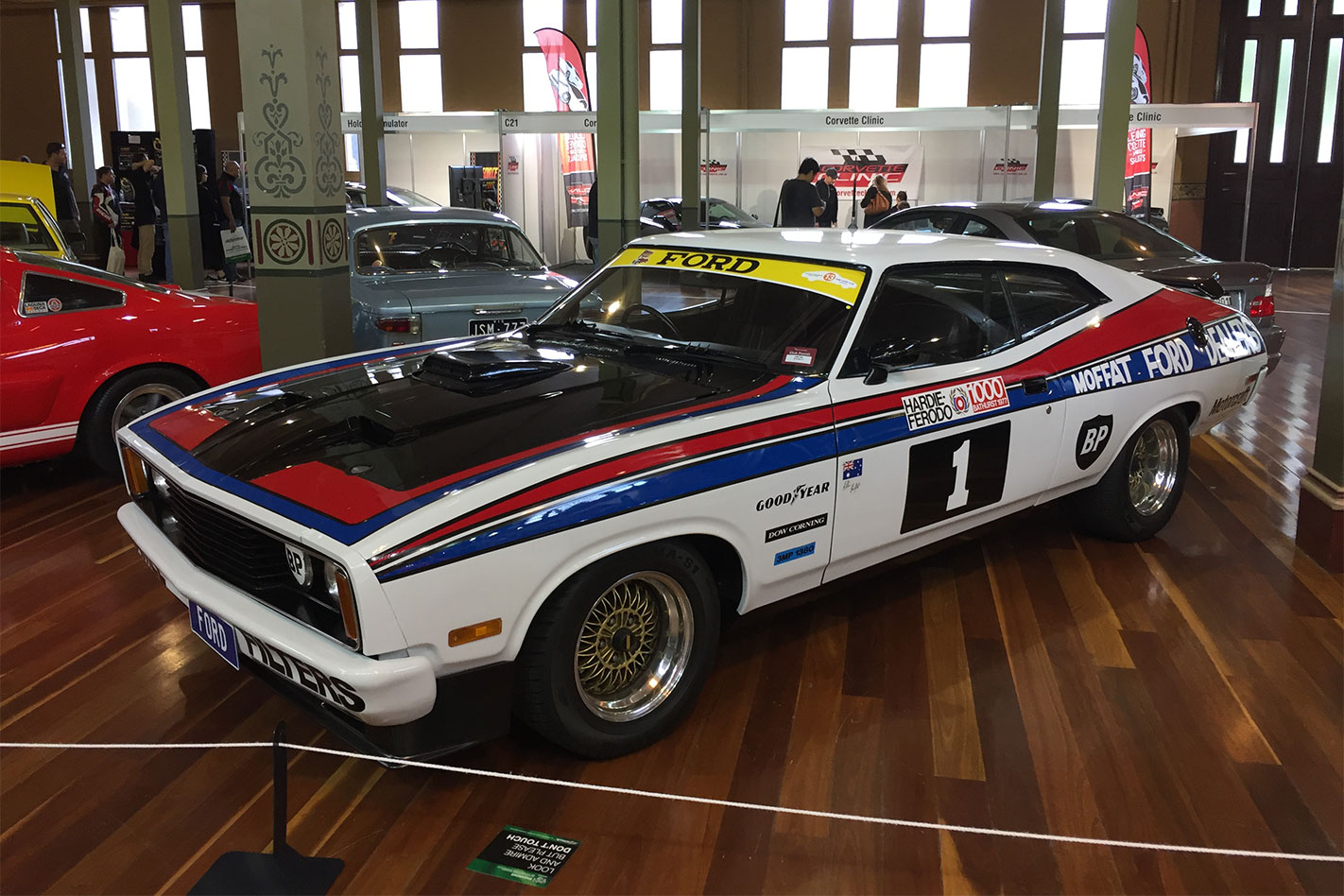
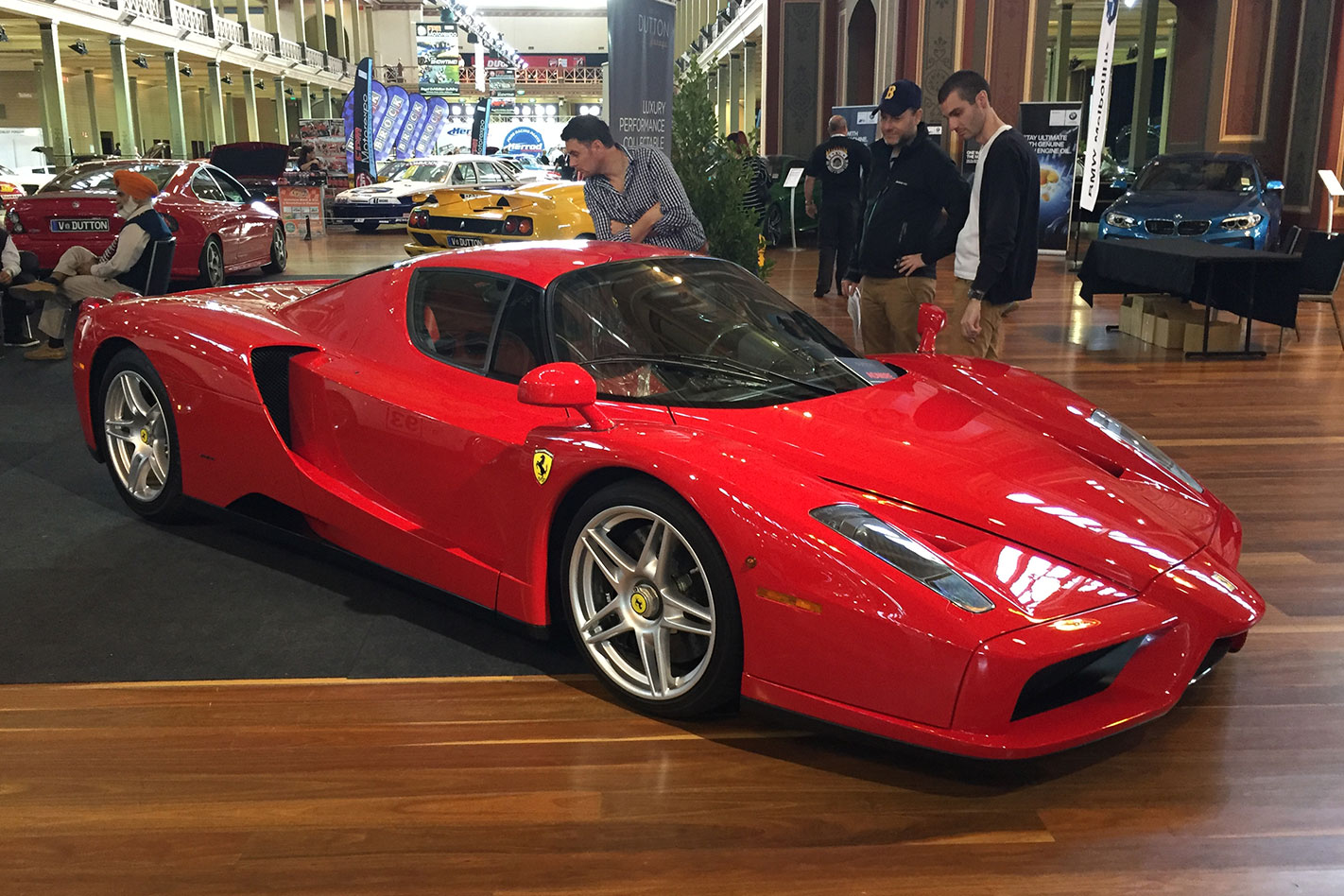
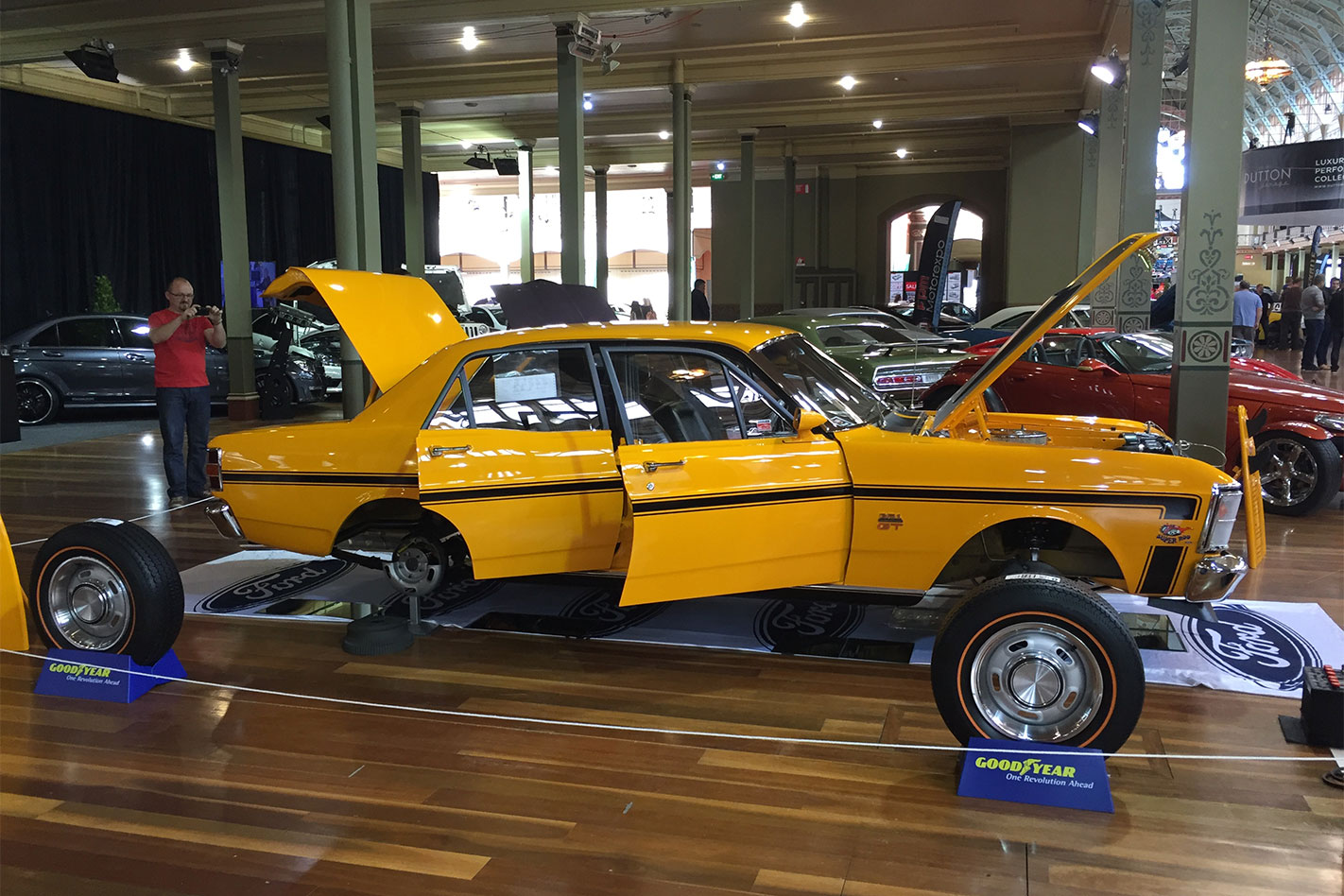
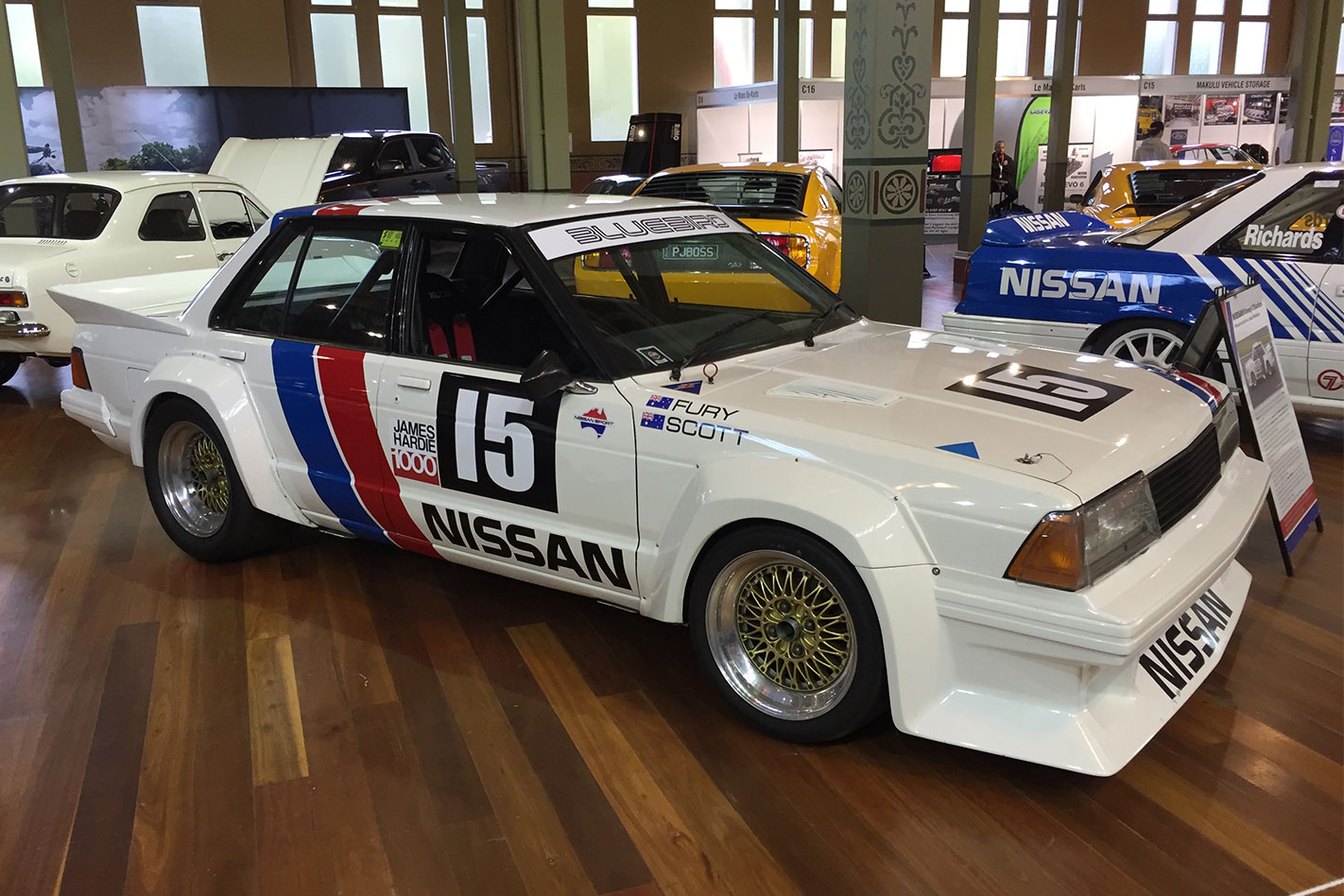
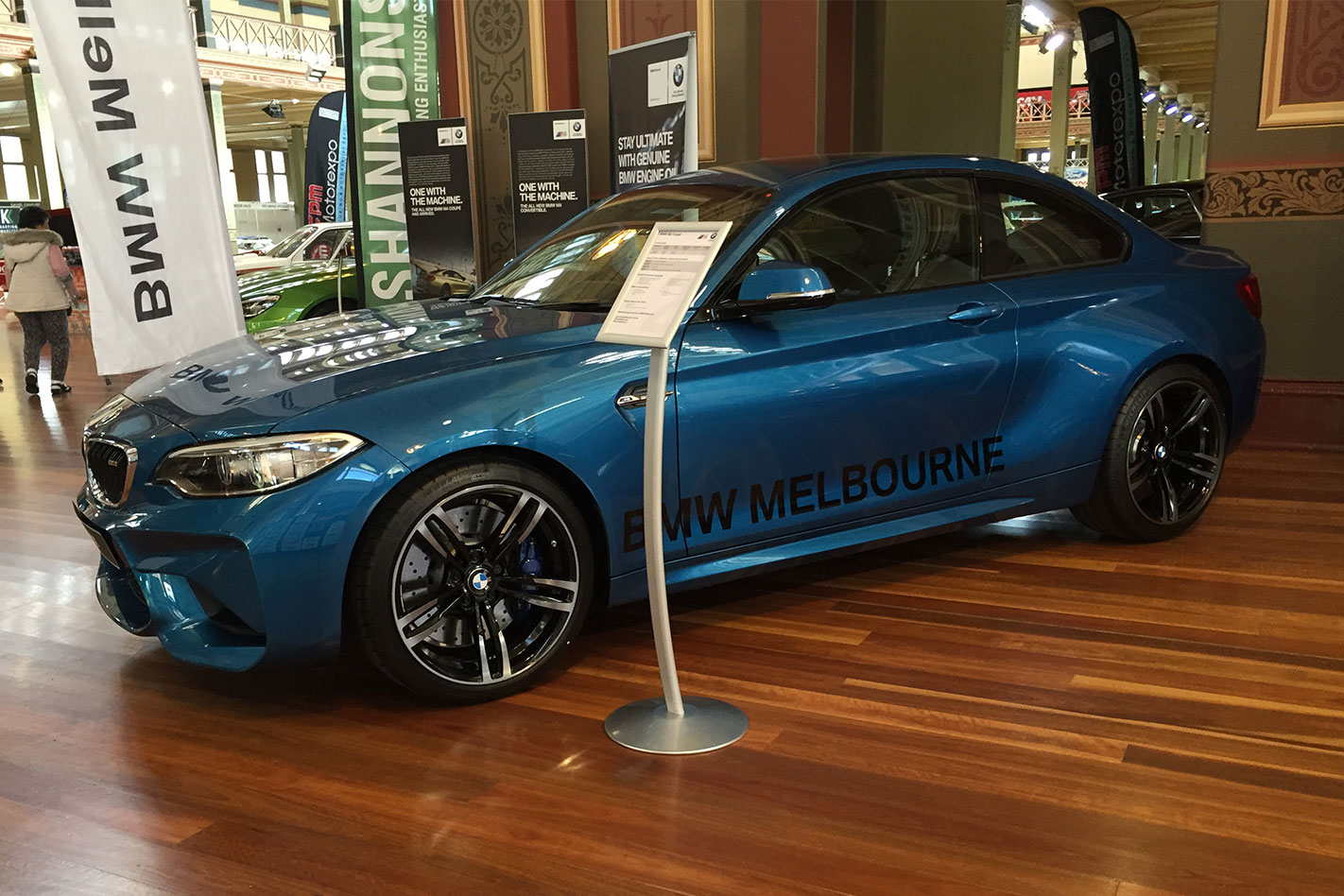
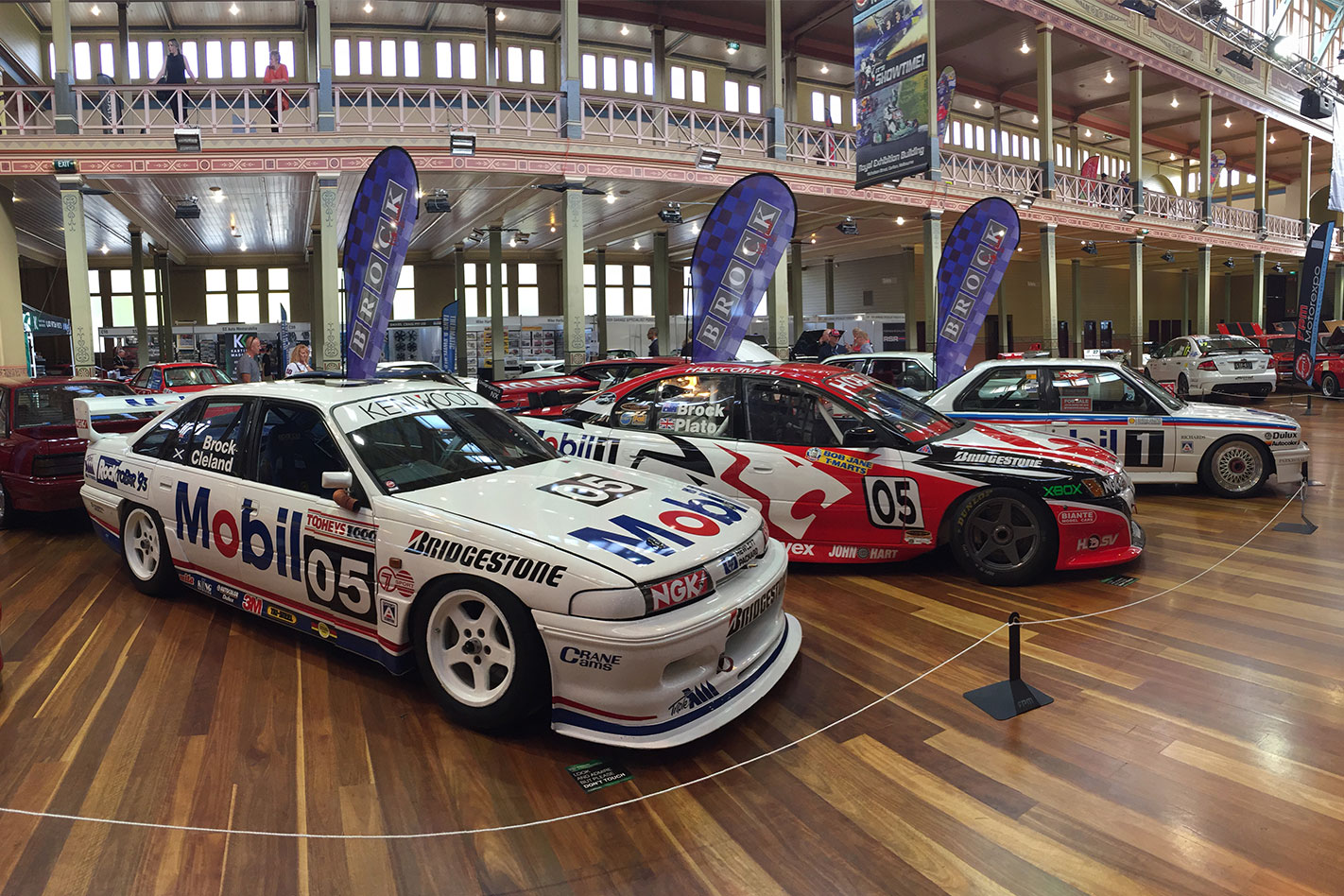
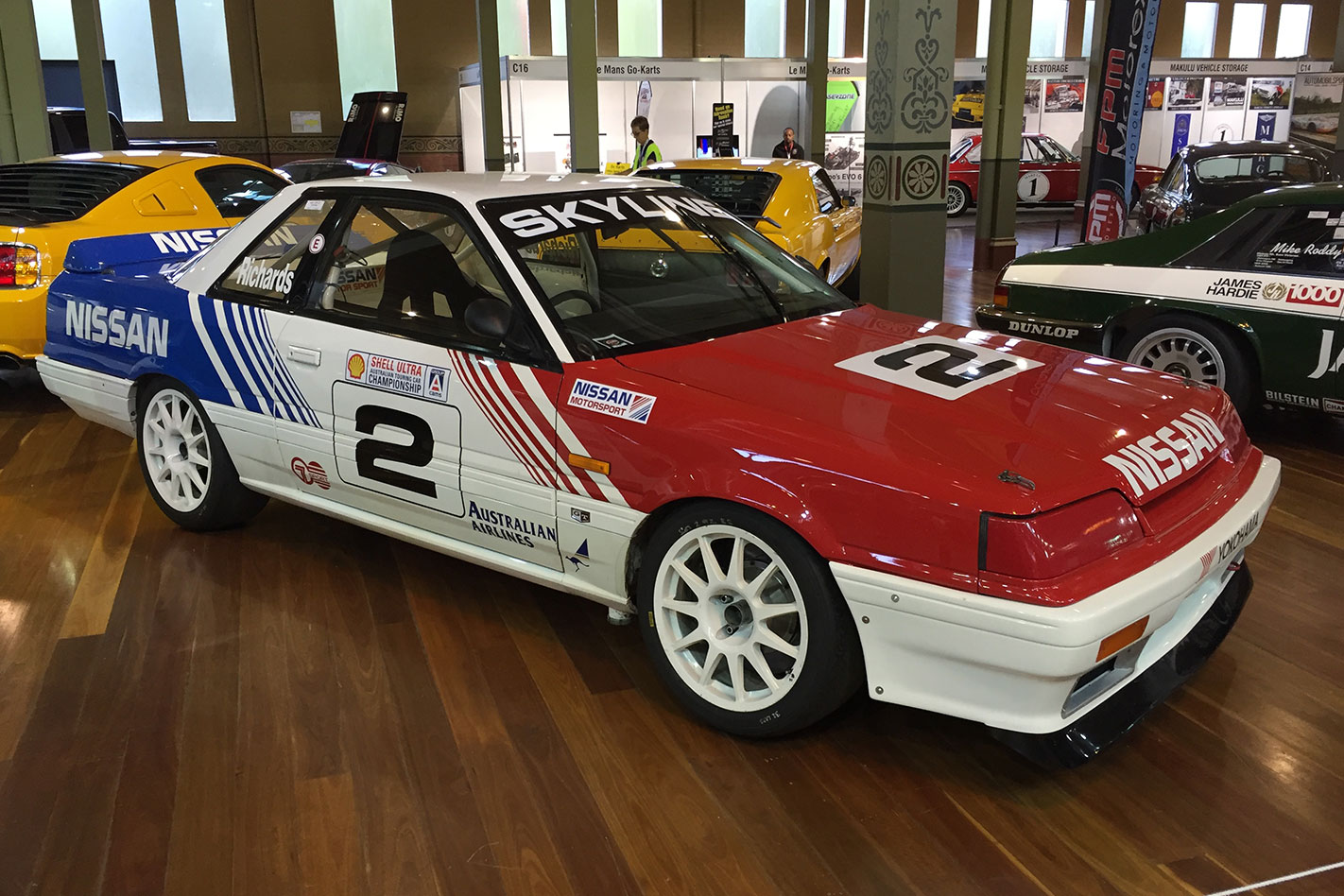
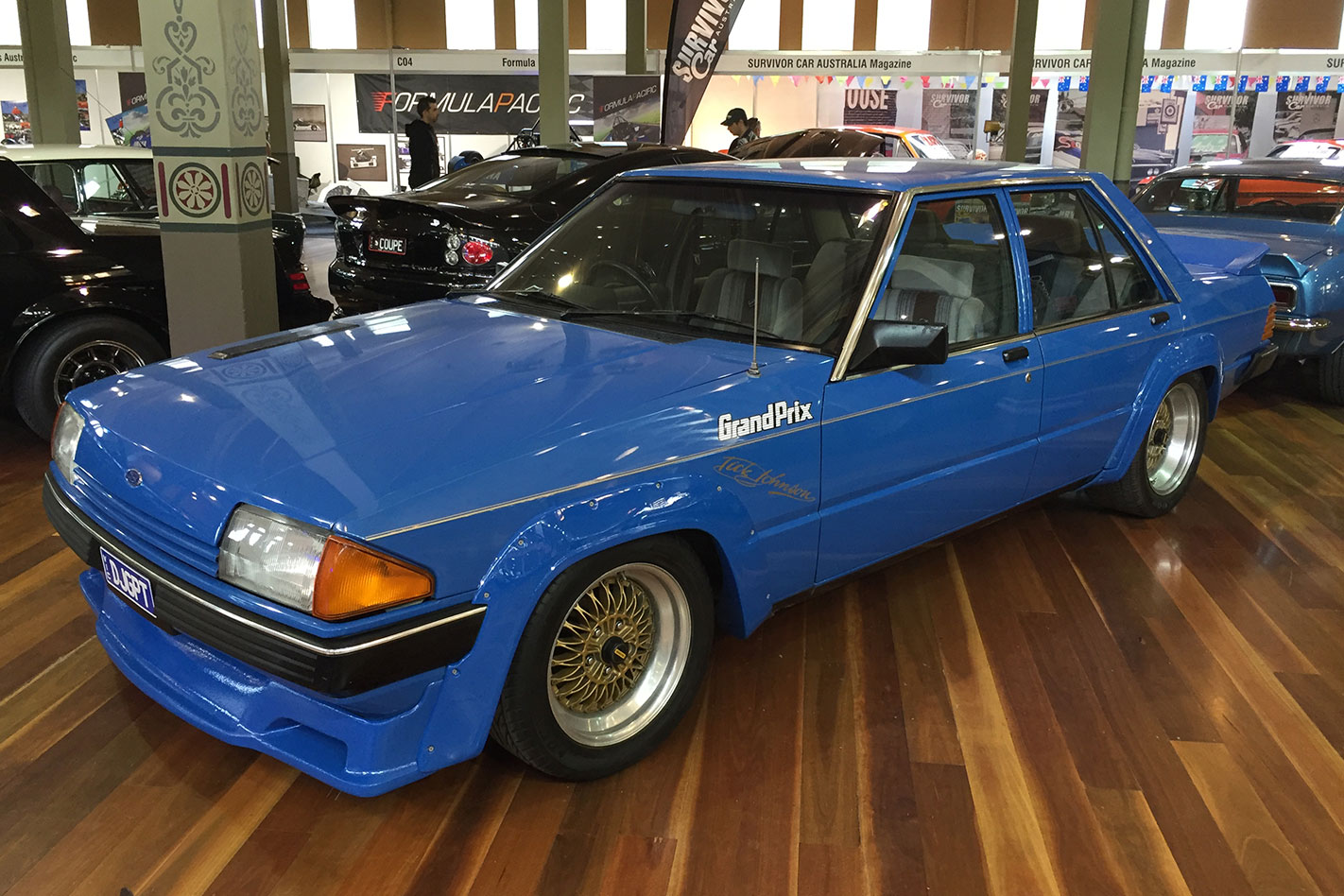
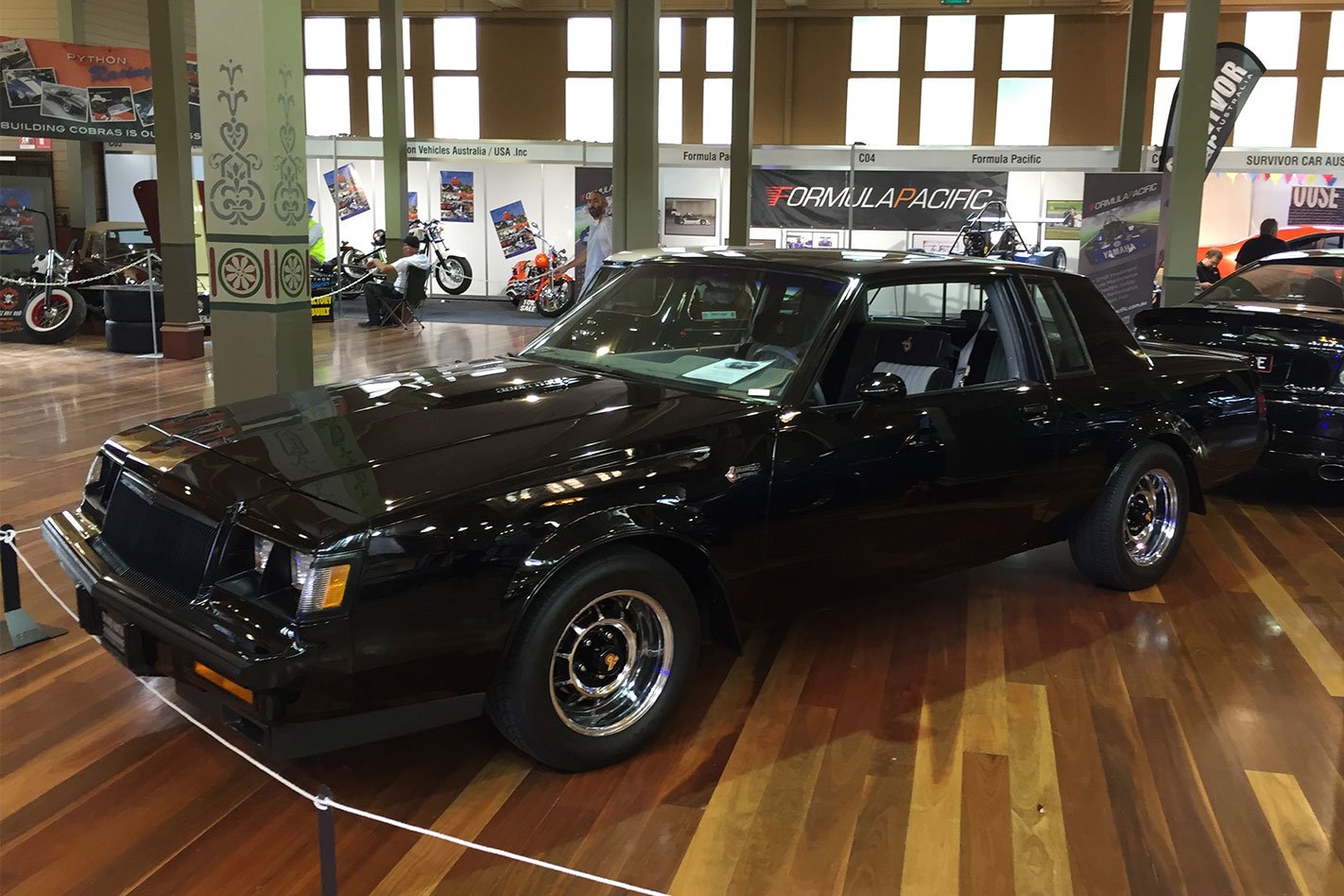
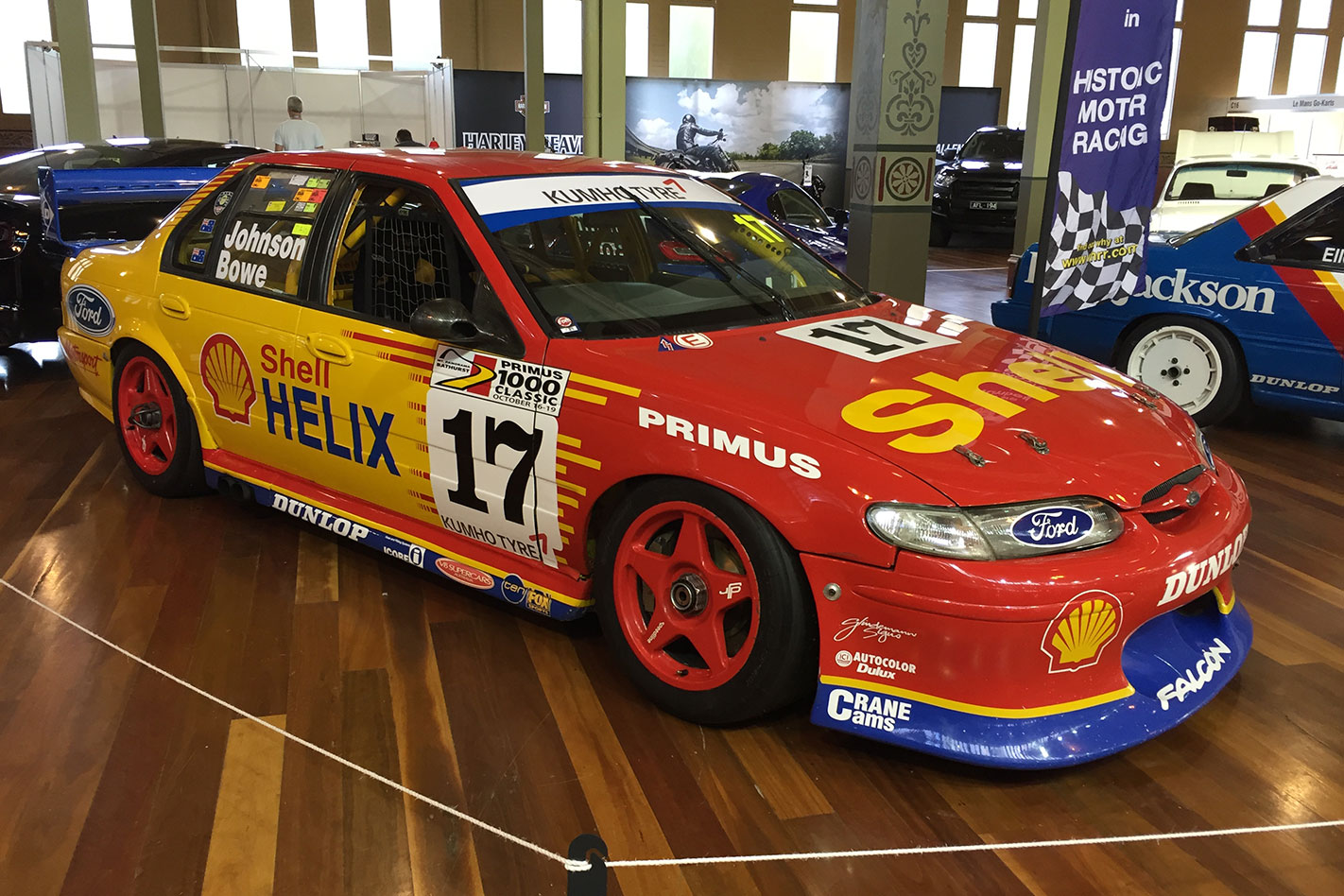
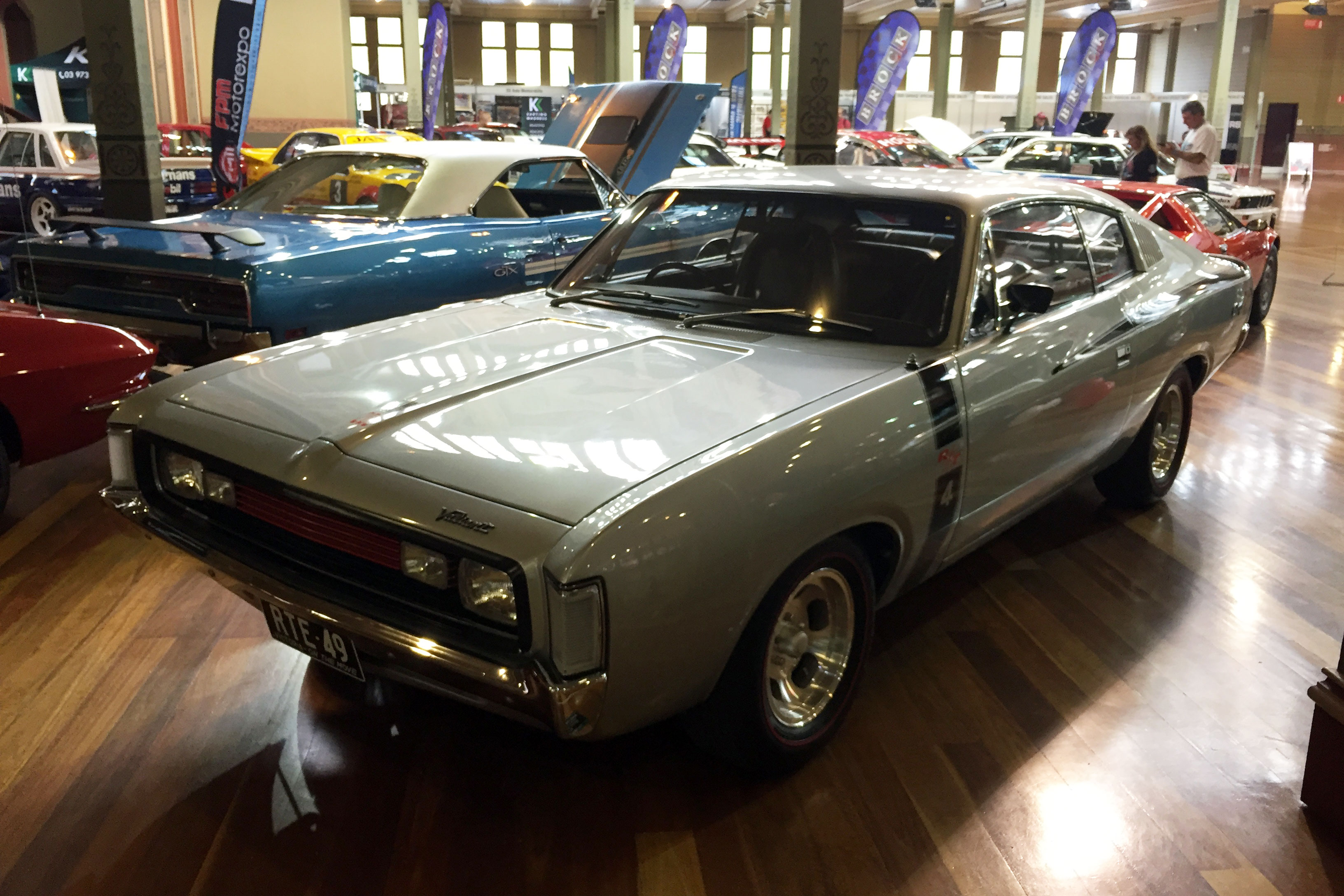
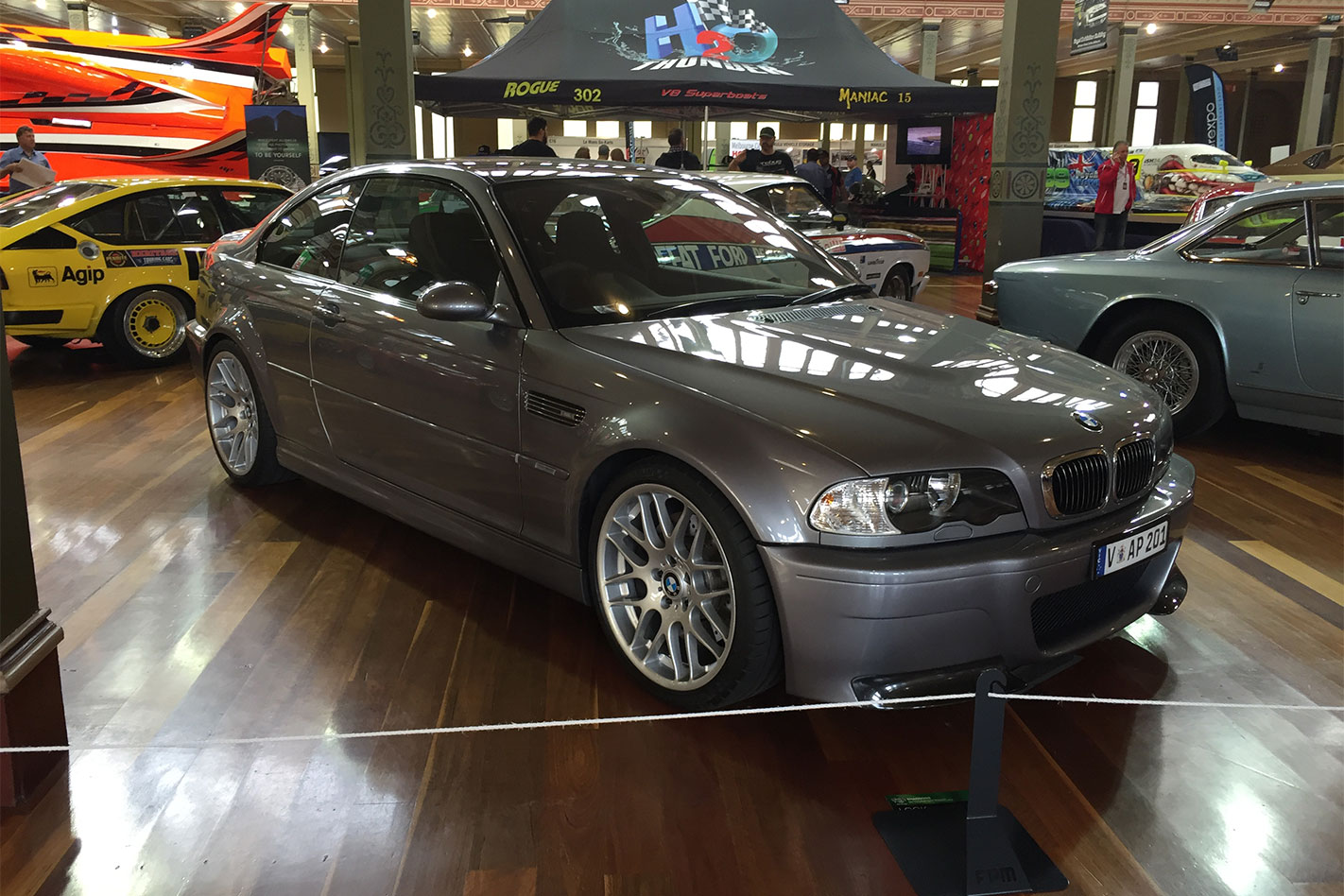
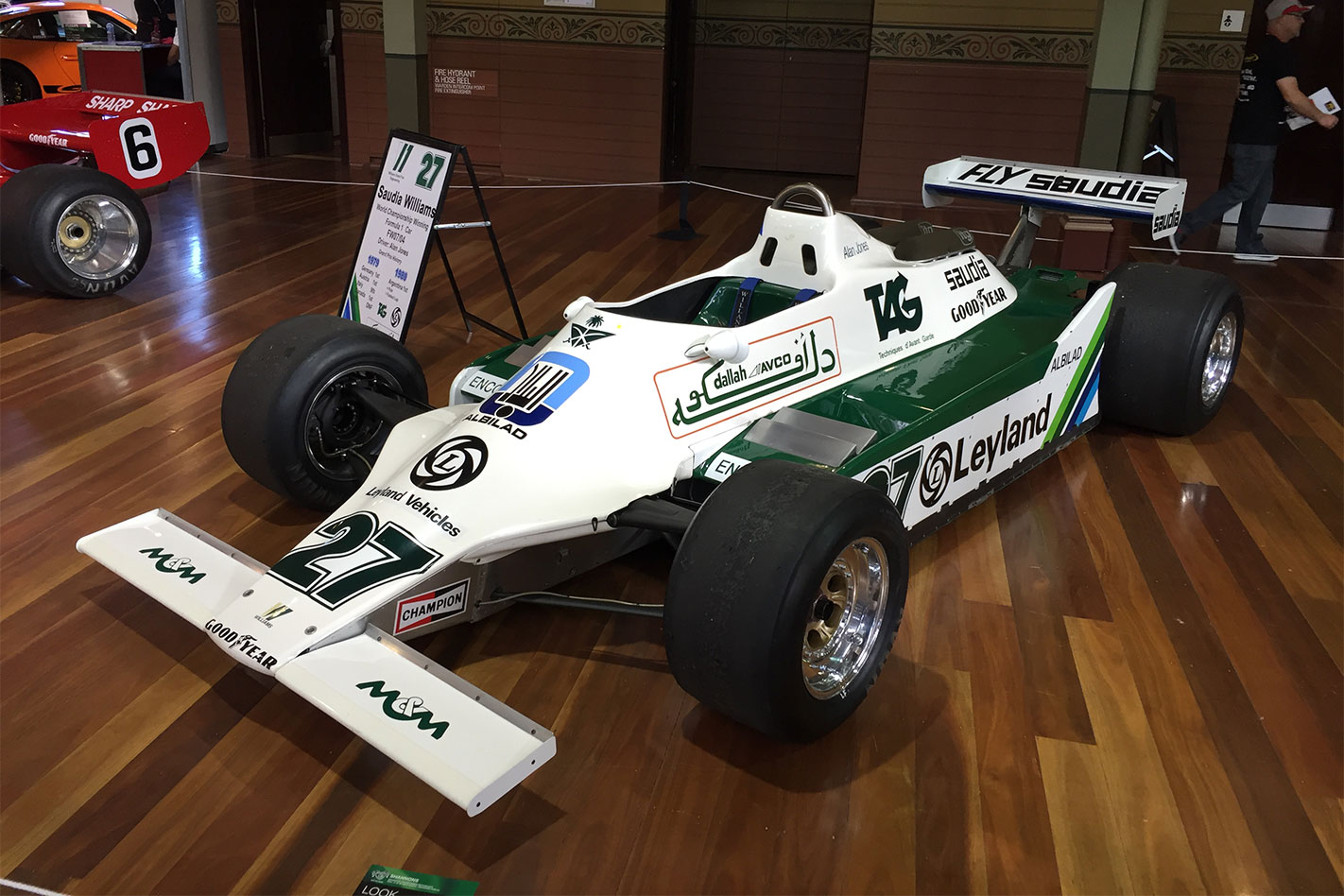
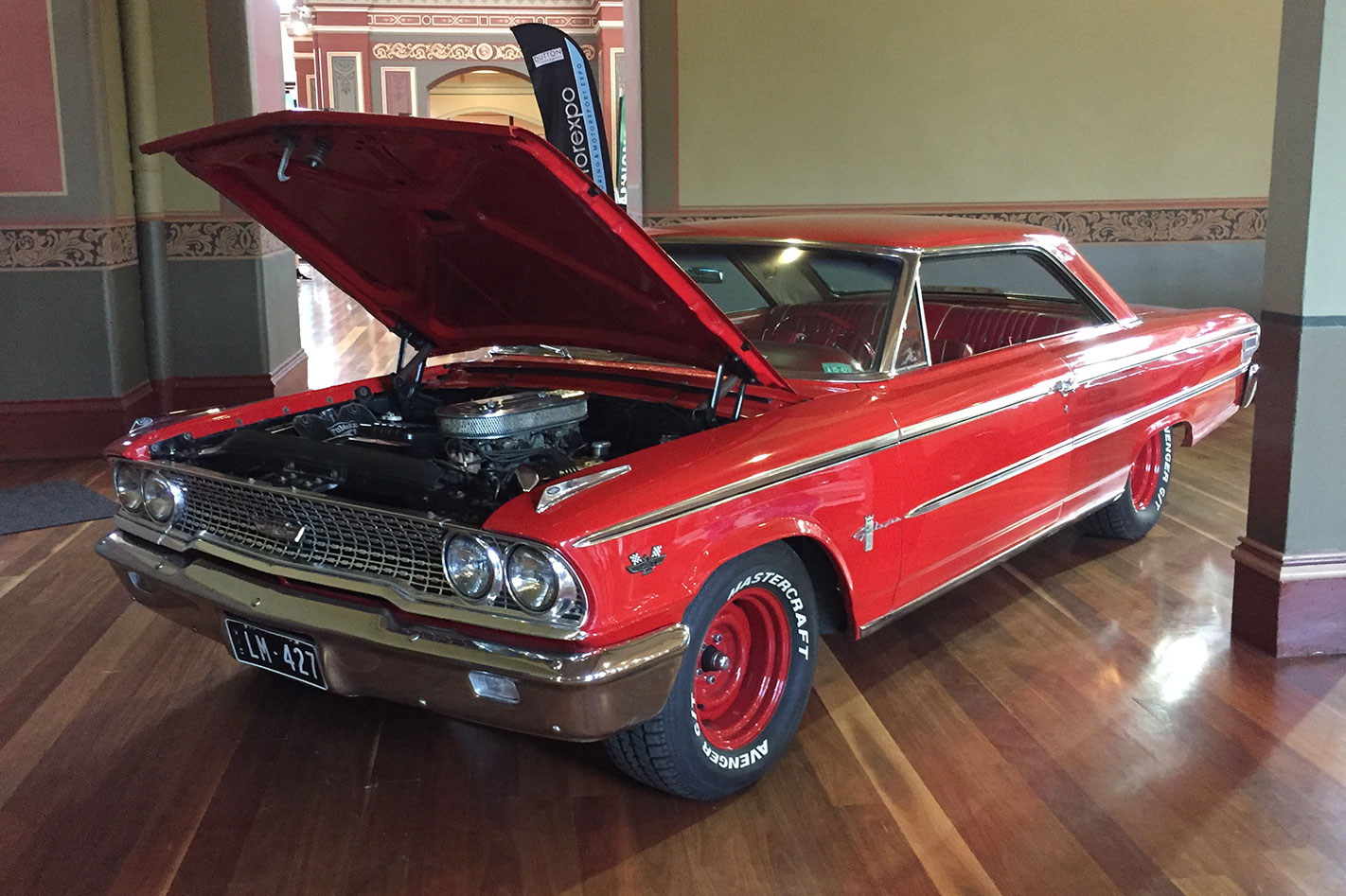
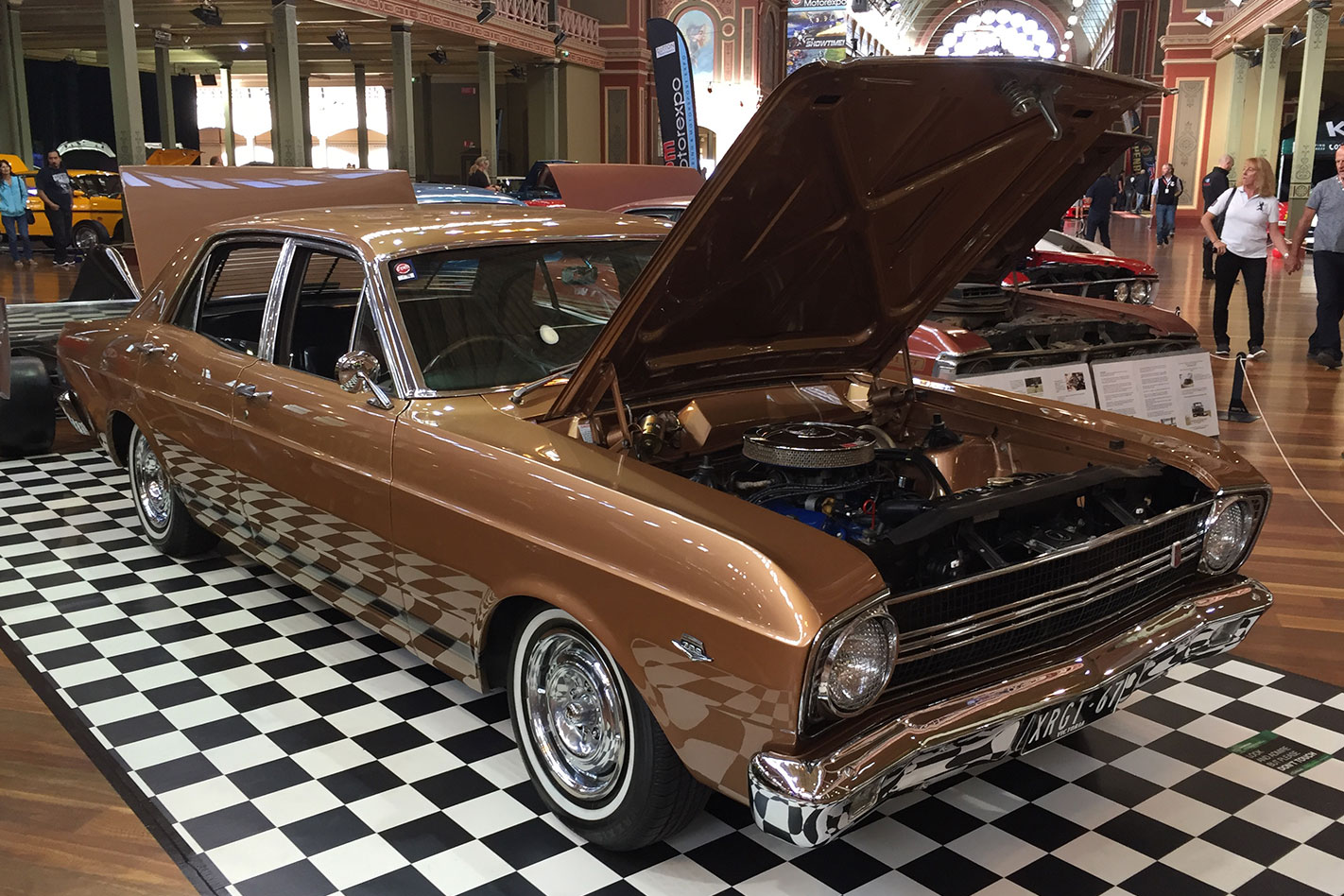
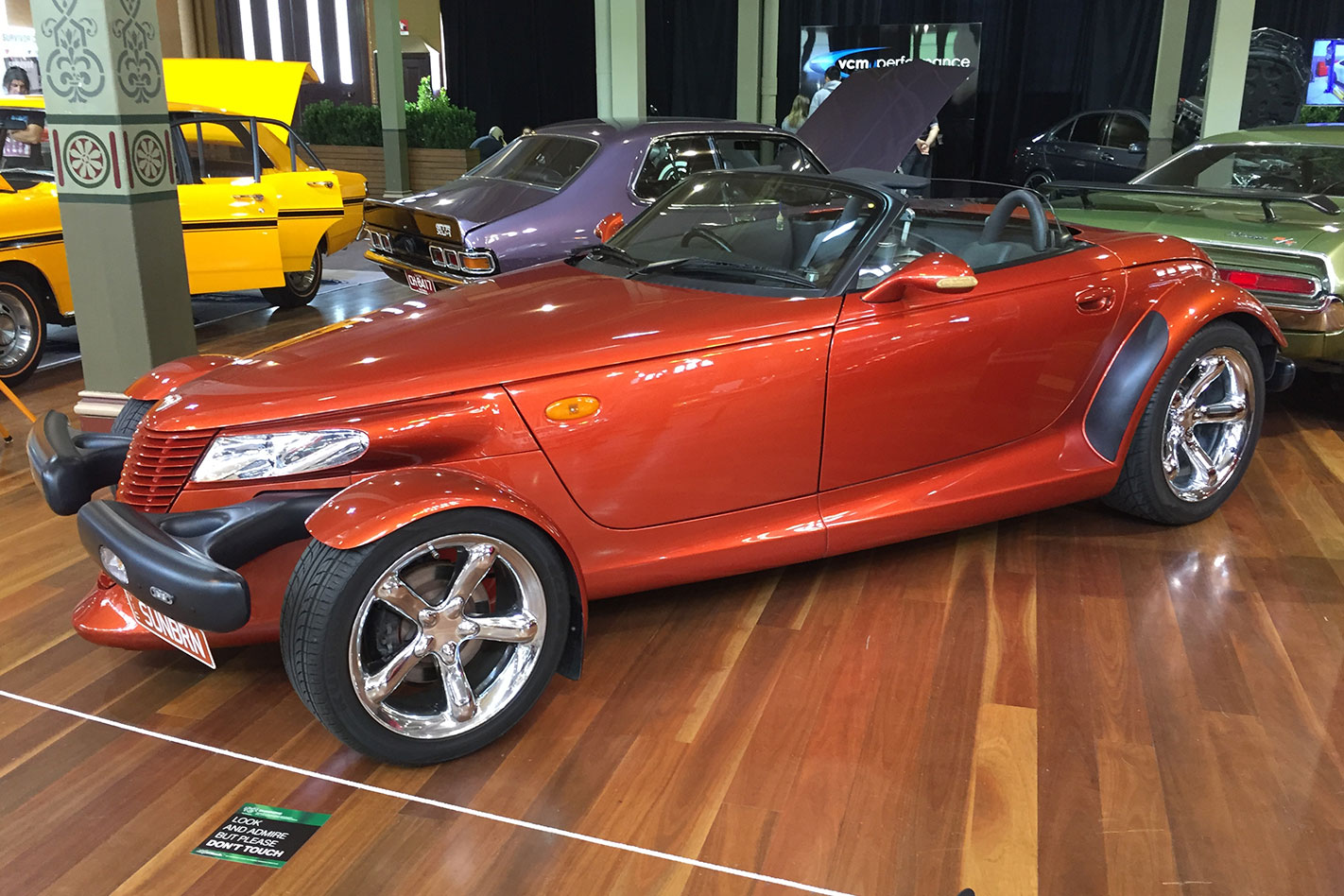
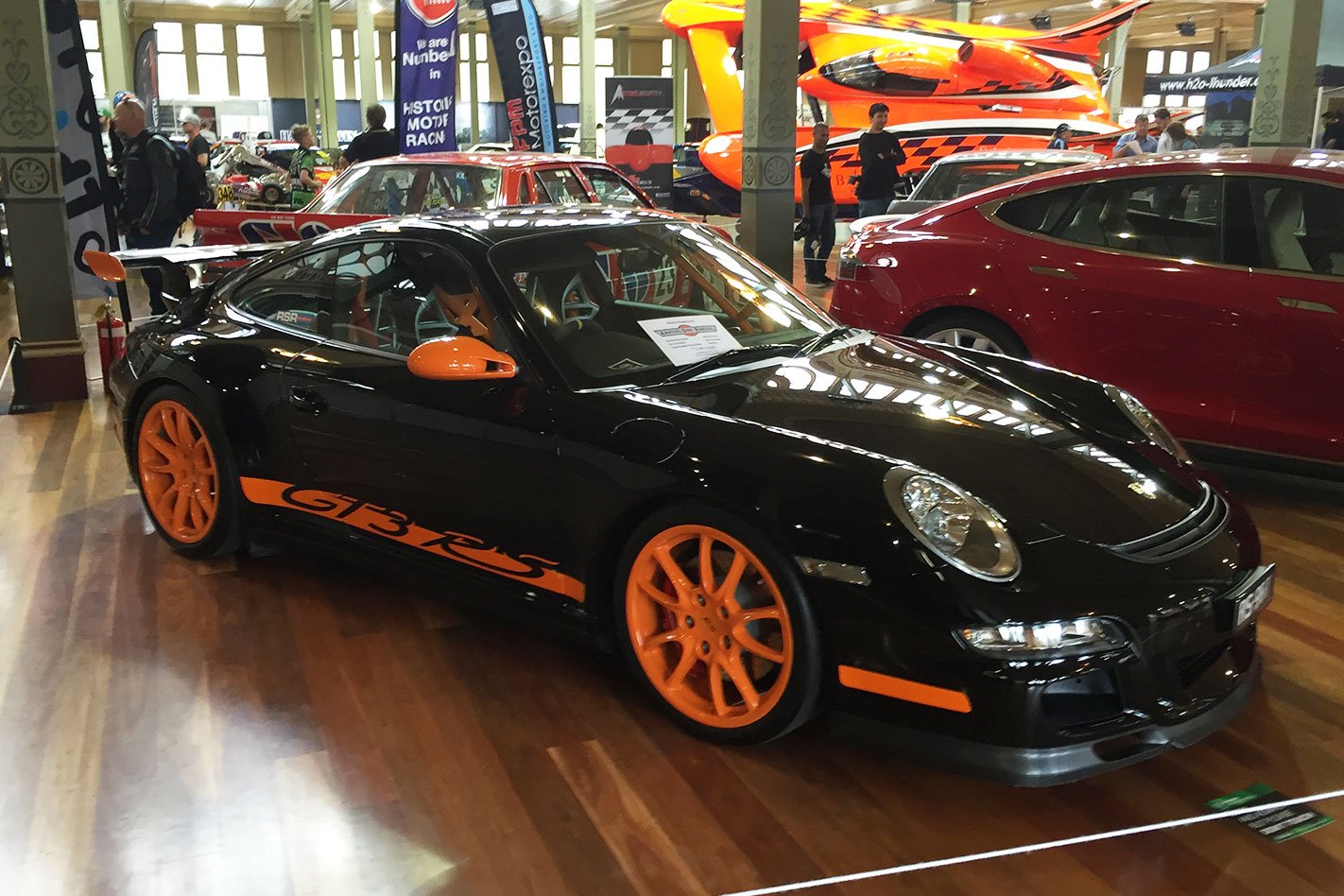
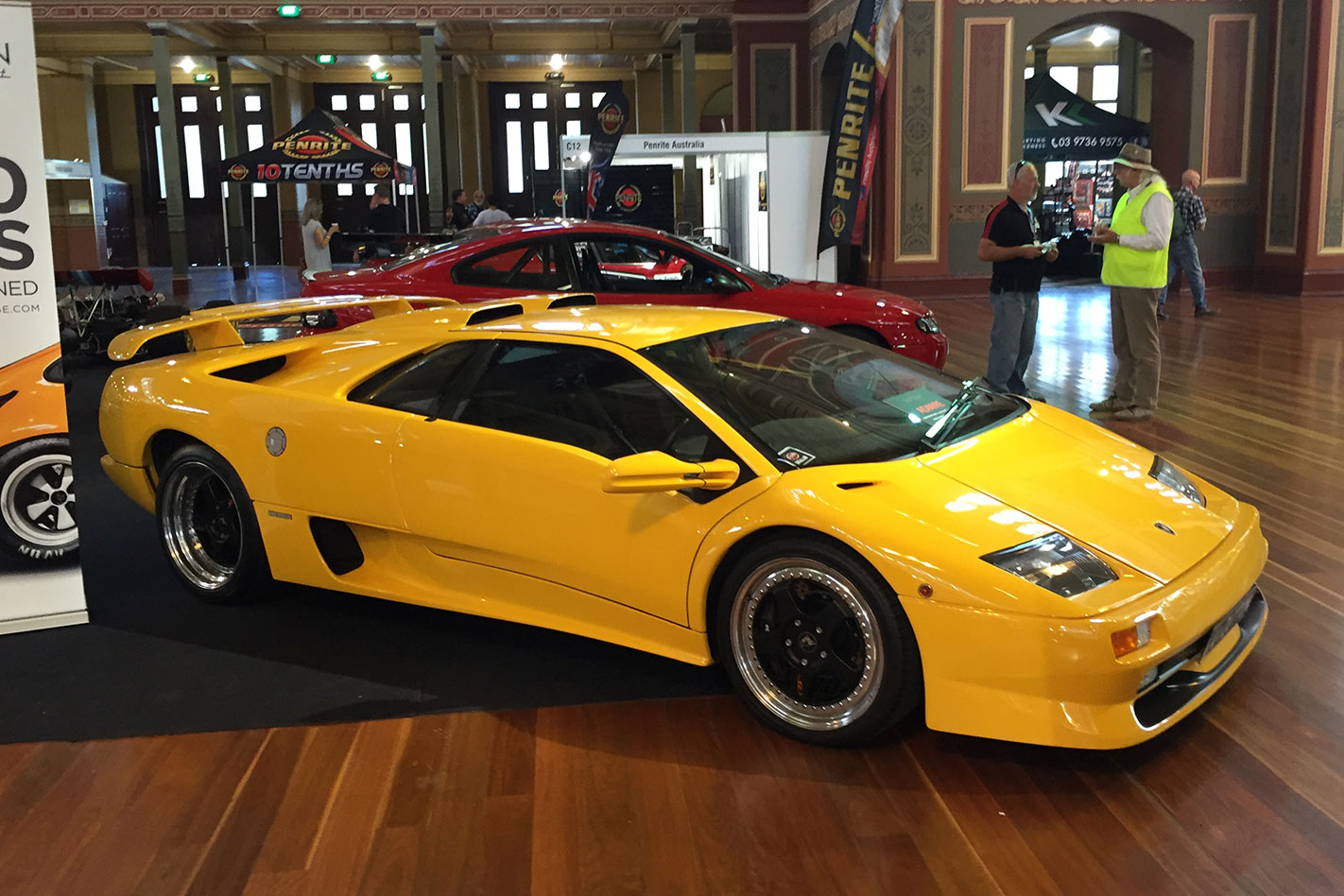
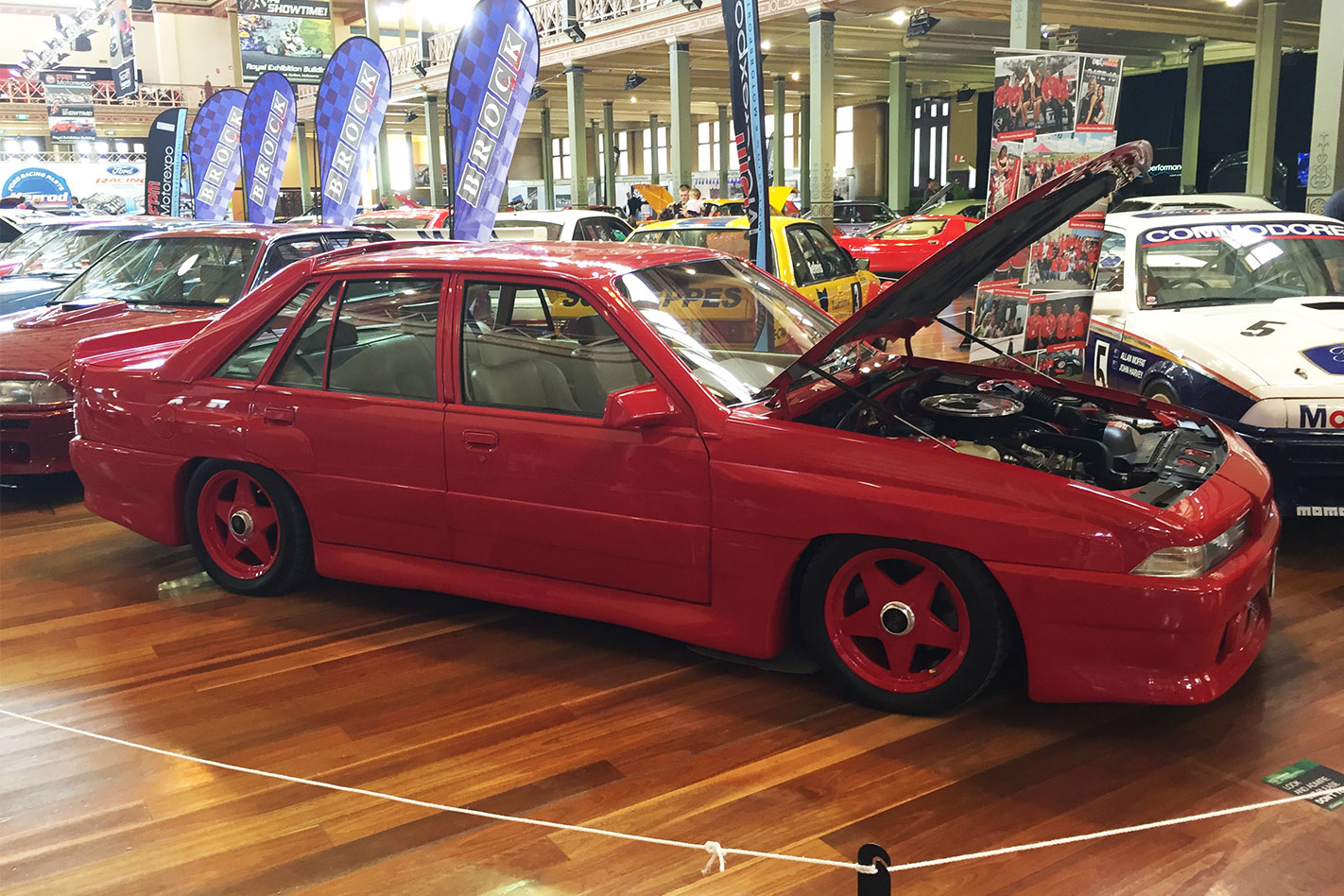
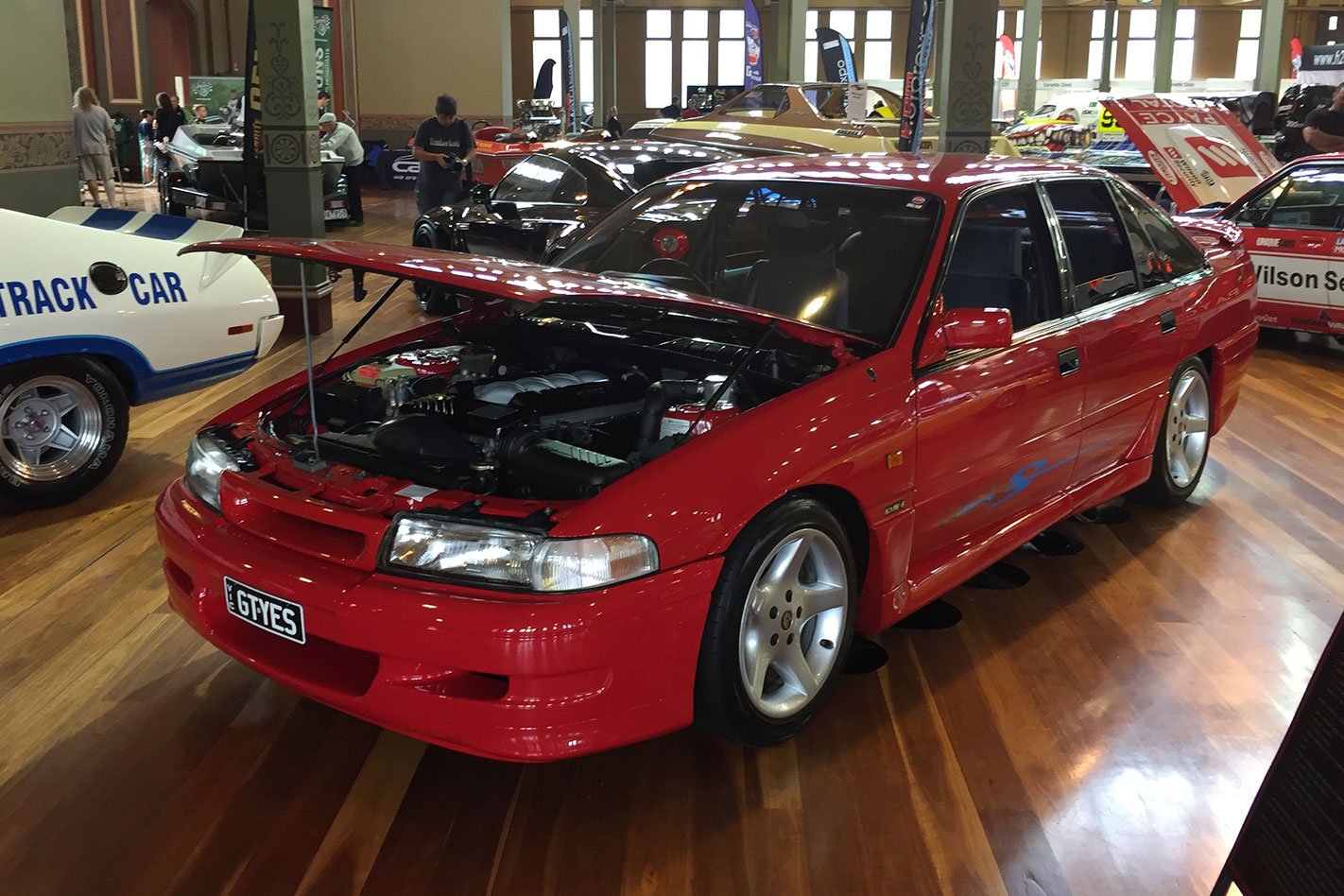
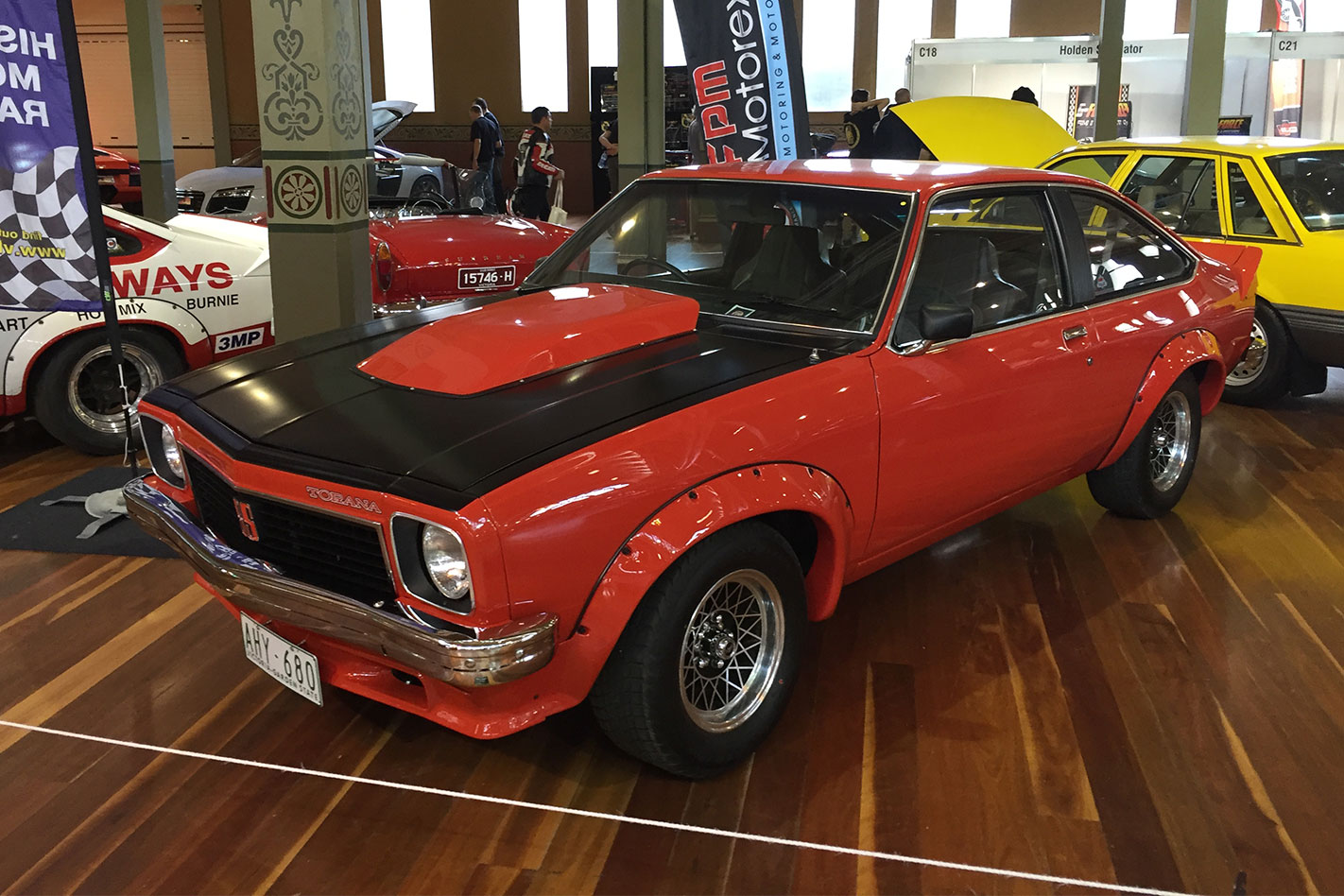
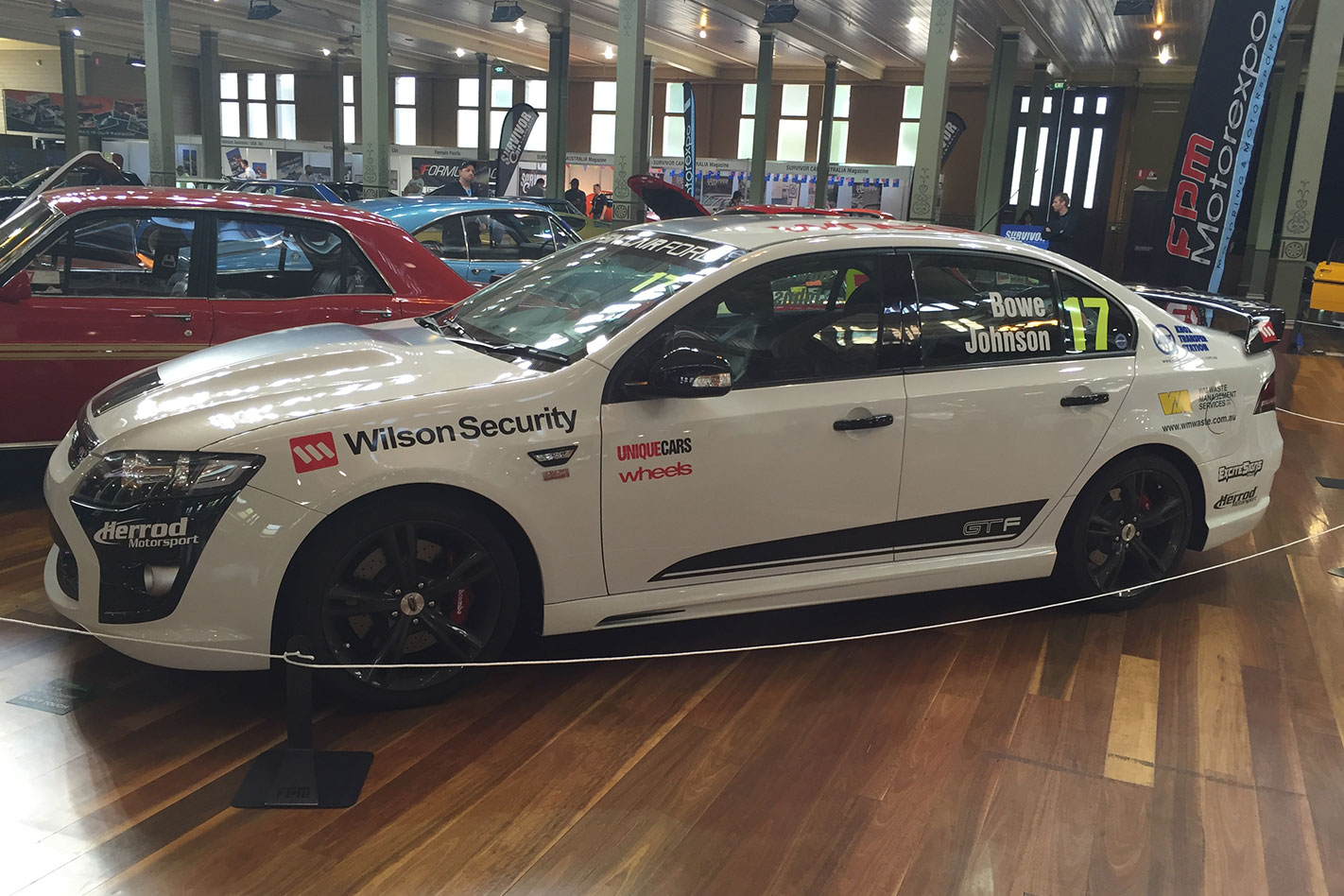
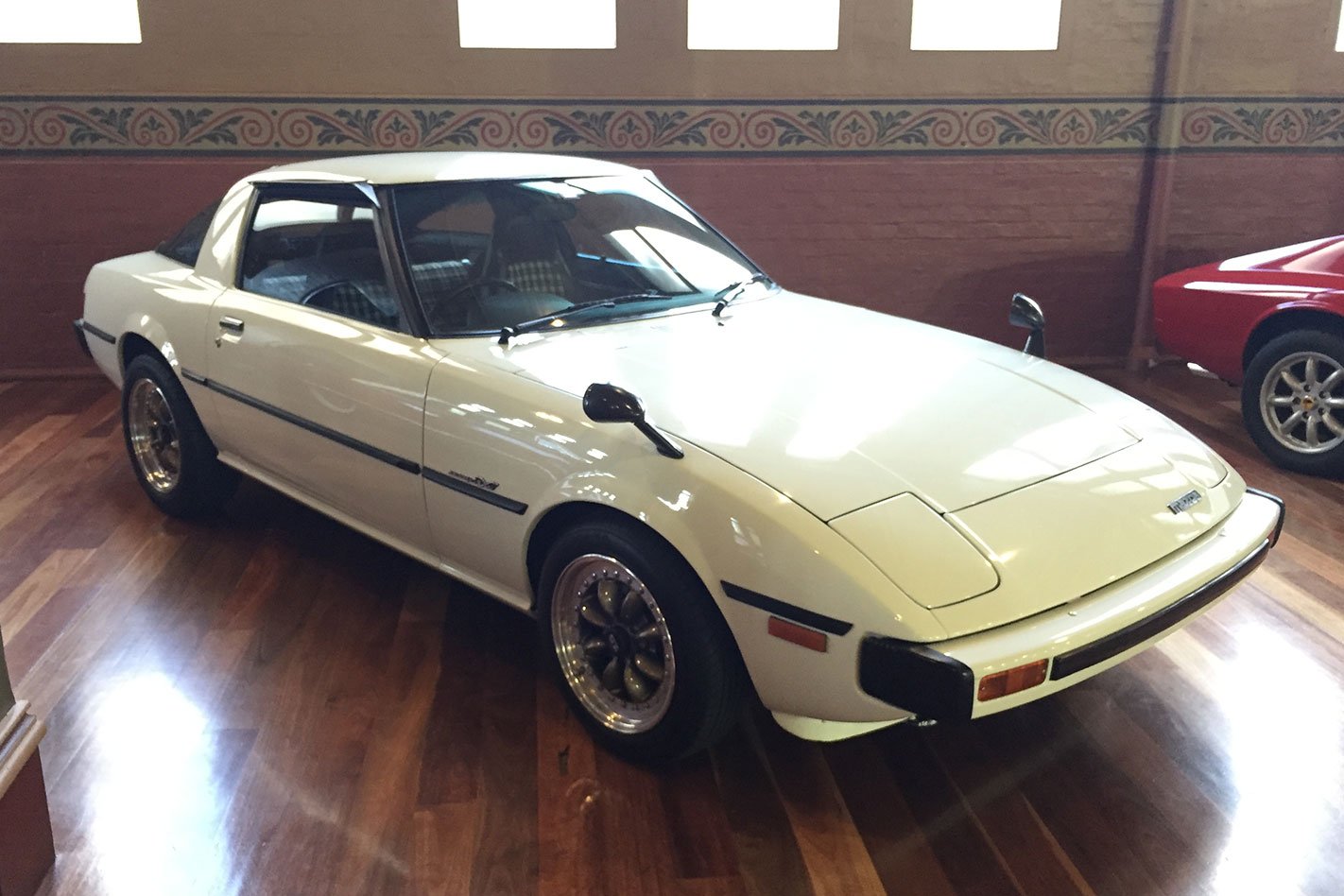
The FPM Motor Expo is Melbourne’s latest car show, held over the weekend at the Royal Exhibition Building in Carlton, and all manner of droolworthy metal was on display.
One of the show’s biggest drawcards was the only HRT Monaro 427 to exist in private hands – the other kept by Holden – displayed by Duttons.
- It comes with an ‘Activity Key’, which is a rubber bracelet, much like a watch band, that you can wear while surfing or swimming, then use as a key to unlock the car by holding it against the ‘J’ on the Jaguar badge on the tailgate … providing the actual key is inside the car somewhere.
- Its body construction is 80 percent aluminium – more than any competitor – which saves weight and increases strength.
- A limited-run ‘First Edition’ will be part of the initial F-Pace line-up, wearing enormous 22-inch wheels (the largest in its segment).
- At 650 litres, the F-Pace has the most luggage space in its class – eclipsing the BMW X3 and Mercedes-Benz GLC by 100 litres a piece.
- An optional wifi hotspot will be added to F-Pace in 2017. Controlled by an Ethernet network with a bandwidth of up to 1GB/second, it will enable up to eight devices to be connected at the same time, transforming the F-Pace into a mobile office.
- The F-Pace is built in a brand new section of Jaguar-Land Rover’s factory in Solihull, England – the same plant that produced the original Land Rover series from 1948 until earlier this year, and currently also builds the Jaguar XE sedan, Land Rover Discovery, Range Rover, and Range Rover Sport.
- What you currently see is not all the F-Pace you’re going to get because other models are on the way, including a 2.0-litre turbo-petrol four-cylinder in 2017 and a V8-engined F-Pace SVR further down the track.
