
It’s fair to say that, thus far, the current Renault Clio RS has been a disappointment.
Previous to it, four generations (five if you include the Williams) of the Renault Sport-fettled supermini were imperious, successive class leaders, and most were an object lesson in cheap fun. Their replacement managed to be none of these things, saddled as it was with too many doors, too little power and a fun-dampening EDC dual-clutch automatic gearbox.
Its shortcomings, one suspects, were not lost on Renault’s famed motorsport division, because many of them have been addressed in this, the 220 Trophy version. It’s still a five-door and still an automatic, but the ‘220’ in the name refers to a 10 per cent power hike to the car’s now Euro 6-compliant turbocharged 1.6-litre four-cylinder petrol engine, its new 162kW output distinguishing it from the 147kW variant still below it in the pecking order.
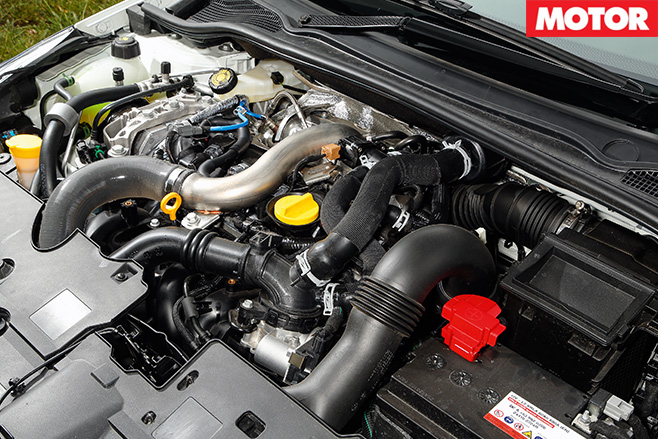
This includes substantially firmer springs (the rear twist beam has been stiffened by 40 per cent) and dampers to match. The steering ratio has been reduced, too, for more directness, and the standard 18-inch wheels are teamed with Michelin Pilot Super Sport tyres, for more traction.
There’s still no proper limited-slip diff (Renault’s RS Diff is an electronic emulator), but there is launch control and the potential for 5.9L/100km economy if you go nowhere near the former.

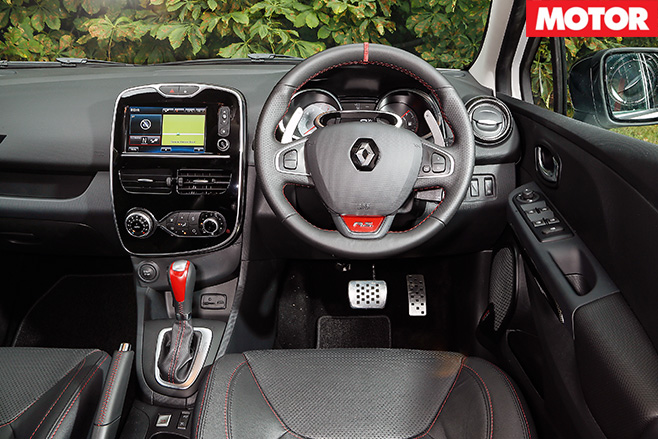
Everything else around you remains the same including the dull, hollow clunk of a gear selector more suited to a worn-out SUV than a new supermini. Renault has reduced the travel of the associated column-mounted paddles by 30 per cent, but there’s still no crispness or click to them, just a gummy ‘meh’ of wilting resistance.
This lack of fingertip fulfilment is all the more frustrating because shifts do indeed possess far more zip, which, happily, proves to be a merit of the Trophy in general. One of the turbocharged Clio’s most disappointing traits was an inability to feel remotely brisk when left in auto mode, but thanks to the extra torque – and an extra 20Nm that only the Trophy gets in fourth and fifth – the range-topper feels not only livelier but also easier to get along with.
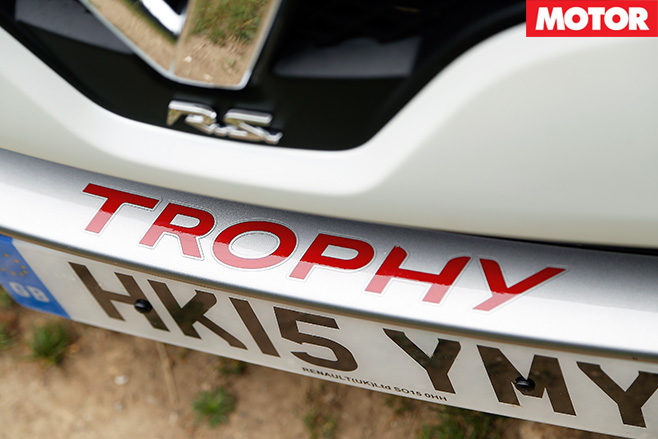
The result isn’t rampantly quick like an Audi S1 or Mini Cooper S (both a further leg up the ladder), but a Ford Fiesta ST might just find itself going backwards now. Don’t expect corners to slow it up much, either.
The Trophy lives up to its suspension’s billing, negating the 200’s weight transfer tendencies by barely dipping a wing at turn-in and thereafter transforming the engine’s faster, freer spin into a balanced and properly tacky mid-bend hunker – one made all the more palpable by a steering rack that has had some of the old responsiveness returned to it.
Clearly this speaks to the Trophy’s circuit-focused tuning – a stated objective – and is of the type that a right-minded niche buyer probably wouldn’t blanche at.
Whether the Clio still appeals to that kind of audience now, though, is questionable. Some of the old Dieppe pixie dust has been sprinkled here, but it settles only patchily on what is a resolutely expensive five-door, two-pedal product.
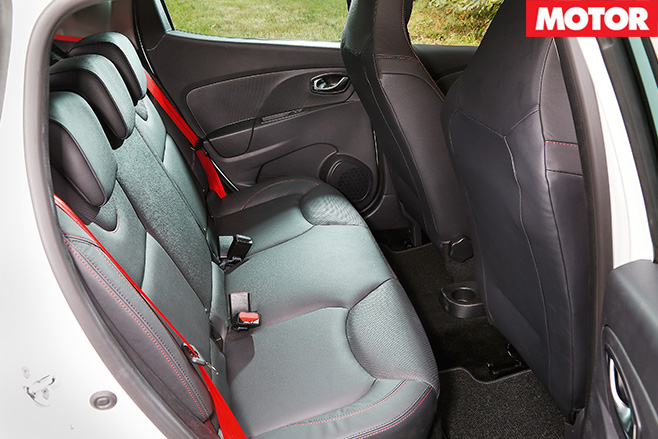
Rather than chasing lap times, Renault would have been better served here by simply splicing its improved powertrain to the existing Cup chassis and cleaving the asking price considerably.
As it is, the Trophy is still by far the best EDC-equipped Clio we’ve driven and a fine alternative to something like the Peugeot 208 GTi 30th. But its imperfections are marrow-deep and, for once, a single-minded special edition isn’t necessarily the solution.
4 out of 5 stars
Specs Engine: 1618cc inline-4, DOHC, 16v, turbo Power: 162kW @ 6050rpm Torque: 260Nm @ 2000rpm Weight: 1204kg 0-100km/h: 6.6sec (claimed) Price: $39,990 (estimated)
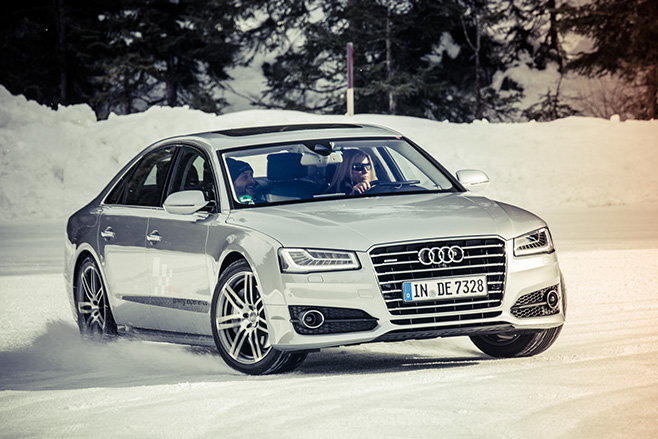
The nose of a $250,000 limousine kisses a snow bank and its mortified driver – clad in an Audi snow-jacket over a fresh Ur-quattro rally car t-shirt – clambers out to survey the damage. At 1180m up in the Austrian Alps, his heavy breath cuts through the crisp minus-4.5 degree air and his feet, eager to get the rest of his body to the front of the car, dance delicately over treacherous ice that today has already crushed many a spirit.
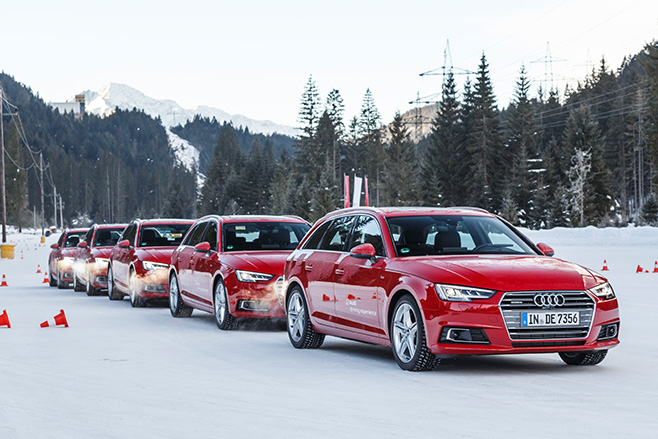
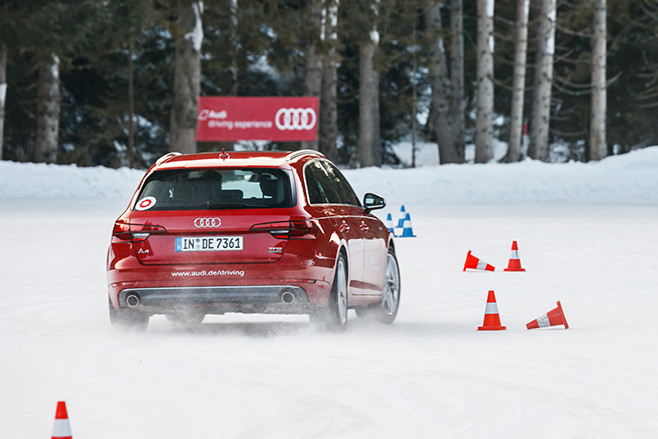
But on this frozen field of dreams, the Audi customer’s don’t come to an abrupt end; the snow has merely dusted the front of the A8. He’s paid thousands of dollars of his hard-earned to join the Audi Driving Experience in Seefeld, where the A8 is joined by a fleet of Audi A4 Avant 2.0 TSFIs, all wearing studded 18-inch snow tyres.
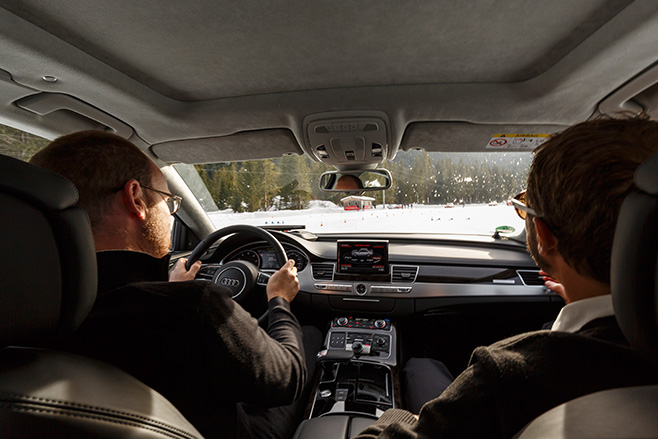
Sitting in the passenger seat is Steve Pizzati, Audi Australia’s chief instructor. Pizzati – former Top Gear Australia host, race driver, petrolhead and larrikin – has a magnetic personality and holds the group’s adoring gaze as they listens to his wisdom on the craft of driving, and laugh when he breaks a serious topic with a whip-crack wit. Pizzati’s enthusiasm is contagious, and his balance of host and hero elevates this adventure from a mere driving course to a once-in-a-lifetime experience that also takes in local culture – including a horse-drawn journey to dinner to sample local cuisine, and a wine-fuelled curling contest (that Wheels lost, by a significant margin).
“It’s about Audi being more than a car,” Pizzati says as we watch the curling. “More than any other brand I’ve been associated with, Audi wants their events to be absolutely memorable, so they throw the kitchen sink at it. And if that means flying people to the other side of the world to slide around on the ice and snow, and do ice curling and have horse-drawn sleighs, then so be it.”
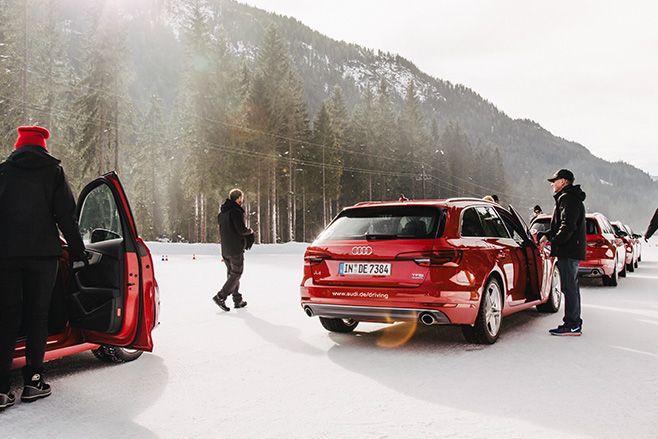
It’s big business. Each year, about 18,000 people globally sign up for an Audi Driving Experience. When Pizzati, who started doing Audi drive days in 1999, rejoined the program in 2011, the company was doing 30 days per year; in 2015 it hosted 85. With overseas events this year in Finland, Austria and Germany, about 1200 people will take part, lapping Sandown in an RS3, attacking the stunning Phillip Island circuit in an R8 or the fastest racing car you can hire on Aussie tarmac – the R8 LMS, Audi’s Bathurst 12 Hour winner that laps PI three seconds quicker than a V8 Supercar.
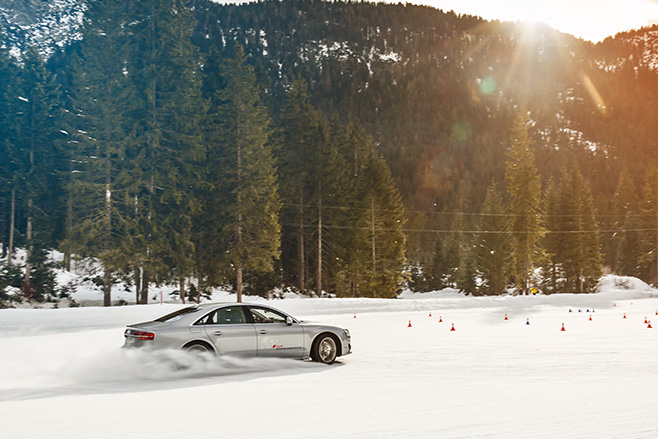
Audi says it makes no money directly from the driving days; instead, the programs are crucial to Audi’s carefully crafted image. Pizzati and his crew, which includes 15 instructors, are constantly developing ideas to offer experiences that are on-brand, unique and difficult to replicate. Hence the frozen paddock in Austria, which not only shows off the quattro system, it also ticks a heritage box as the place the original Quattro was first shown to the media.
Ultimately, all drive days are about selling cars. That’s the end-game, even if the events don’t necessarily have participants rushing off to their dealer next day. It’s a clever, calculated slow-burn. And it works. “They certainly do [sell cars],” says Anna Burgdorf, Audi Australia’s head of events. “It’s a perfect way to prospect for potential new buyers; once you’ve driven the product, you genuinely do understand a lot more about what we do and why we do it.”
Audi holds tracks days at venues such as Queensland’s Lakeside Raceway and Phillip Island, where rivals BMW and Mercedes also fight for track time. “We’re only limited by availability,” Burgdorf says of the queue of wannabe race drivers and potential customers sampling RS models.
Rival brand BMW has offered driver training since 1977 and claims to be the first to offer ‘professional’ training. It kicked off in Australia in 1988 with legendary race ace Frank Gardner, based on the Gold Coast with a fleet of 3 Series, and marketed alongside its race stars, such as Tony Longhurst. BMW will present 90 days this year on tracks across the country and, despite BMW offering more than ever, they always sell out quickly.
It’s no longer called driver training, though. “Now it’s BMW Driving Experience,” says BMW Australia marketing manager Stuart Jaffray. “It was rebranded globally because ‘driver training’ centred too much on this being an education thing,” he says. “There is an educational component to what we do, but fundamentally what you’re getting is a BMW experience.”
Mercedes-Benz Australia established its Driving Academy in 2001 and offers various levels, from driver training for younger drivers through to AMG ‘emotion’ experiences (turn the page for more).
Porsche offers a five-tier local program that culminates in driving a factory-built 911 GT3 Cup car, and includes satellite-based data tracking. This year, it took some more ‘experienced’ owners around the Albert Park circuit, something Mercedes-Benz also offers AMG VIPs. However, Porsche has a slightly different approach; its events are more about existing owners getting the most out of their cars and realising what they have on their hands.
“It comes down to basically enabling our customers really to optimise their driving ability,” says Porsche Cars Australia marketing director Toni Andreevski. “It’s to show them the capabilities of what their cars can do, and demonstrate why the cars have the reputation that they do.”
Burgdorf says Audi considers itself a lifestyle brand, not simply a car brand. “This concept of aspiration is really part of what drives our events and sponsorship program each year,” she says. “It’s also a much, much bigger program of events and activities that we do with our customers to really draw them in and make them feel like part of the Audi family. Your ownership experience doesn’t end when you buy a car – we want to make you understand what the brand is and why we’re the way we are.”
The concept of going beyond the car itself – the idea that once you’ve handed your cash over to the dealer, the relationship hasn’t ended but only just begun – is widespread. While some mainstream brands sell the image of belonging to an exclusive club through their products, high-end brands such as Rolls-Royce literally do so. Its 2015 ‘Summer Studio’ in Italy featured art, wine and driving experiences on Sardinia’s sun-drenched Costa Smeralda.
It works particularly well with premium brands, where customer expectations – and profit margins – are higher. Increasingly, these events are also being offered as gifts, with expensive programs taking in ‘dream destinations’, where participants tackle some of the world’s finest roads.
Back in Austria, Audi’s Driving Experience sets the brand not just in the minds but the hearts of participants. And there’s only going to be more of them, and more ideas to grab the imagination – and purchasing power – of potential and existing customers.
None at the Austrian event had done something like this before. “For an Aussie, this is about as extreme as it gets,” says Pizzati. “The other side of the world, on a surface you’ll never drive on in Australia.” Yet in cars that you can drive and buy Down Under; and that’s the point.
HOME SWEET HOME
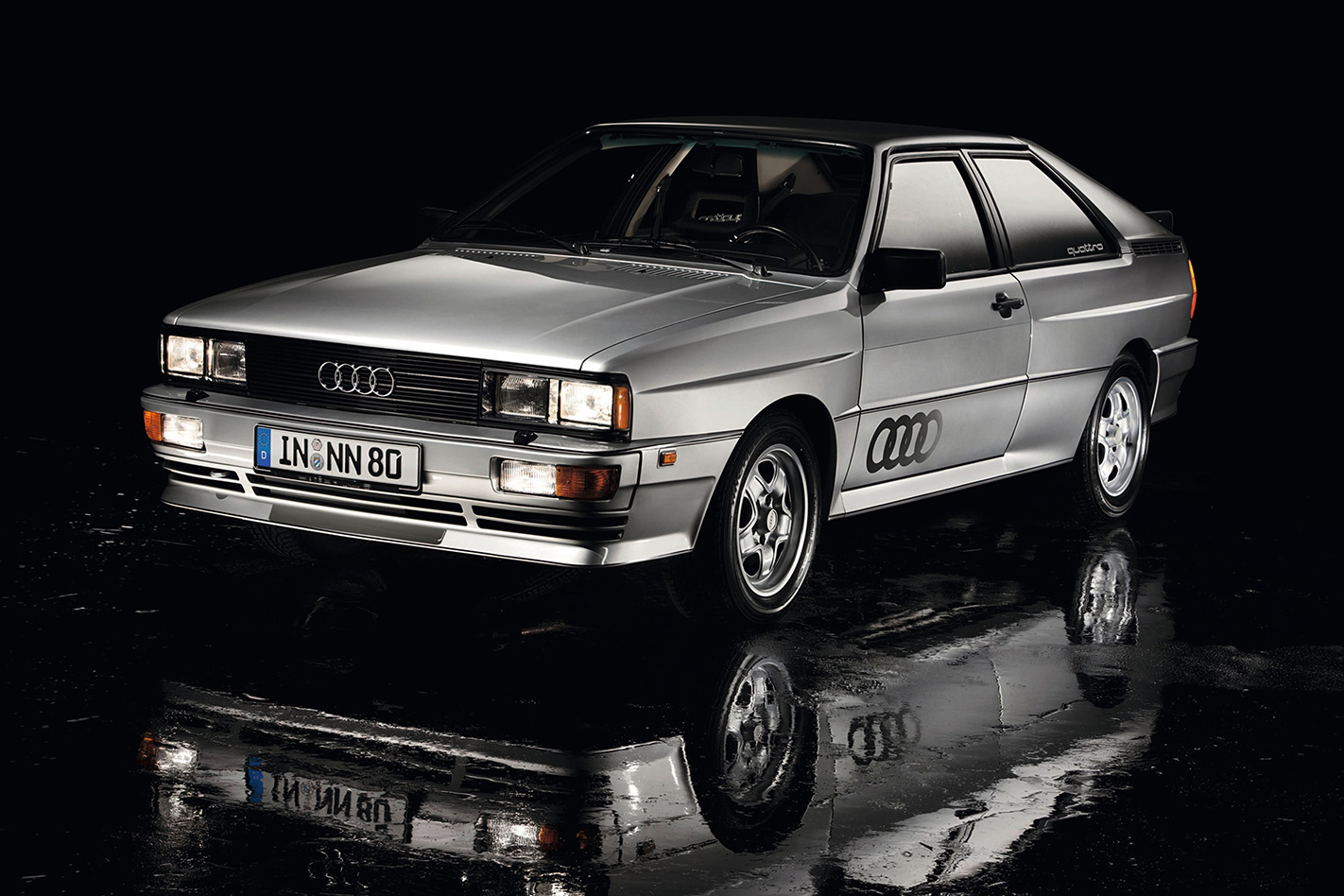
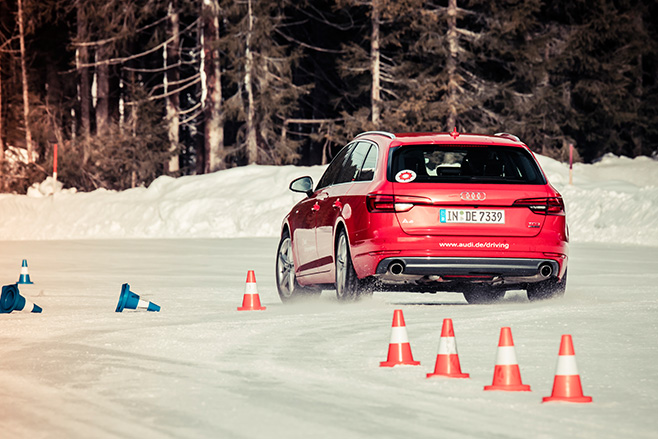
Despite the ‘Home of quattro’ signs displayed by Audi at numerous events, Seefeld near Innsbruck in the Austrian Alps can lay claim as the real home of the German company’s famed all-wheel-drive system. It was here in 1980 that Ferdinand Piech showed off the original all-wheel-drive Quattro supercoupe to the media. These days known as the Ur-Quattro (named after the ancient city of Ur that took on the meaning ‘original’), the big, boxy Audi stormed the World Rally Championship and changed the sport forever. The venue at Seefeld is actually a paddock that cows graze on over the summer, but come winter Audi sets off a series of hydrants to cultivate a glazed ice surface 50-75cm thick.
Now read about the AMG Evolution driving experience at Phillip Island.
This article was originally published in Wheels April 2016.
There’s never been a better time to review the dual-cab 4×4 class of 2016 than right now. Wheels pitches eight of the biggest sellers in the segment for the title of King of the Heap. We start with number eight, the Isuzu D-Max.
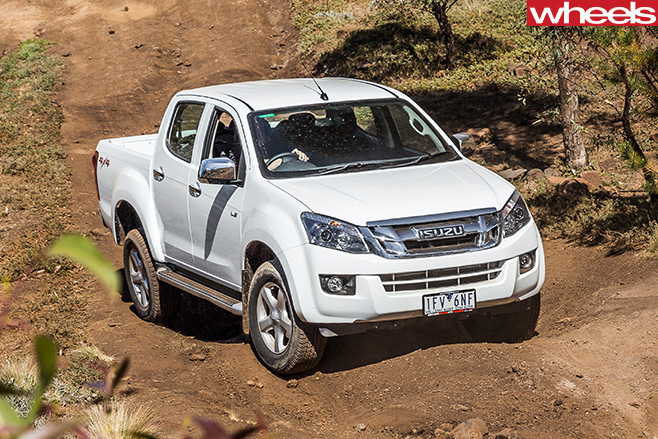
‘HONEST’ describes the Isuzu D-Max. It’s a word that will resonate with the average off-road enthusiast, though families seeking a ute-shaped five-seater might be happier to hear words such as ‘luxury’ and ‘equipment’.
Although it shares its GM-developed body and chassis with the Holden Colorado, Isuzu brought its own engine and gearbox. And the D-Max’s generations-old donk is a big part of its honesty. A commercial engine, it lives up to all the connotations the word ‘truck’ brings, both good and bad.
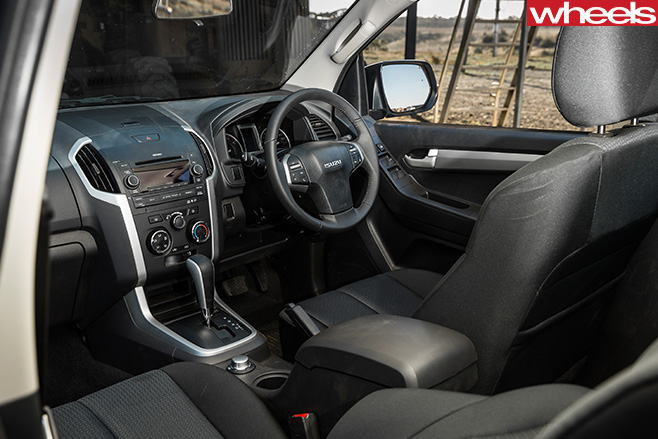
Climb inside and the fragrance of rubber floor mats assaults the nostrils, while the design is purposeful rather than beautiful. It seems dated despite not being that old – this second-gen model has only been around since 2012 – and the steering column lacks reach adjustment, which is not yet the norm in a ute.
Despite its basic appearance, the requisite equipment is mostly there in LS-U spec, which features six airbags, Bluetooth audio and, erm, carpet. You also get 17-inch alloys, projector headlights and front fog lights, LED tail-lights, aluminium side steps and extra chrome trim.
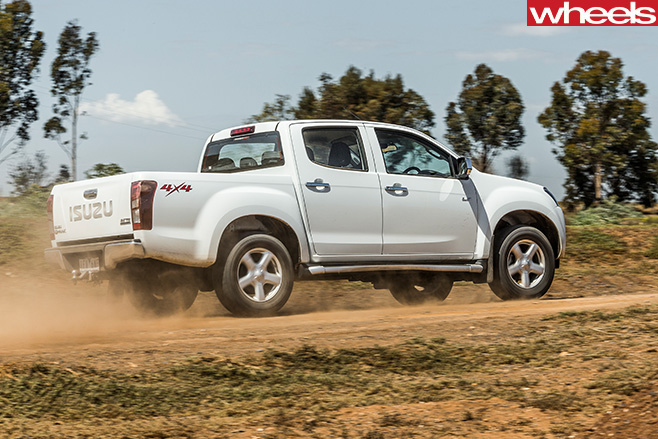
While it’s a bit of a blunt instrument, the D-Max is reasonably comfortable, offering a well-judged level of damping that lets the suspension breathe, and then some, without degenerating into float. It is quite settled on coarse chip but strangely less so on visibly smooth tarmac.
Wind, tyre and suspension noise filter into the cabin more freely than they do in the more refined Amarok and Ranger, which will make the D-Max more tiring for long trips. Back-seaters have it worse, courtesy of a lack of under-thigh support and a too-upright backrest, though head and shoulder room are good.
family-hauler. But the Colorado still edges out the D-Max here because it’s more refined and has a marginally nicer cabin design (if you don’t mind its chintzy chrome and cheap plastic).
The average family may also quite rightly be persuaded by the Colorado’s qualities, badge and superior performance, but a more convincing case would be to sidestep the Isuzu versus Holden stoush altogether and shop elsewhere.
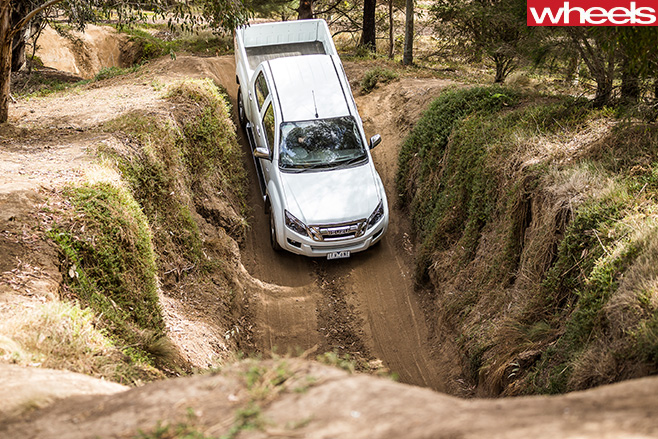
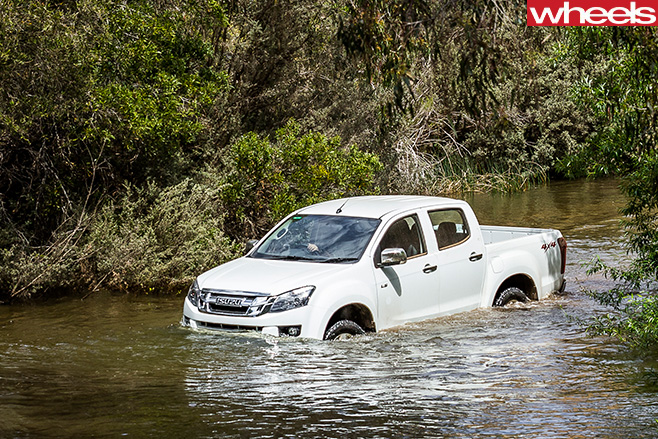
The D-Max offers a class-leading 3500kg towing capacity and boasts ample approach and departure angles, generous ground clearance, an inner-guard engine air intake and a pair of front recovery hooks as standard. But surprisingly, given the Isuzu’s workmanlike personality, it lacks a standard locking rear diff, which means it flounders where most of its rivals power on in really tough conditions. This is exacerbated by modest wheel travel and average traction-control calibration. Like the Triton, the Isuzu failed to complete our most challenging test climb.
Stay tuned as we rank each contender in the Dual-Cab 4×4 ute mega test in the May 2016 issue of Wheels – on sale April 21.
 SPECS
SPECS
Model: Isuzu D-Max LS-U Crew Cab
Price as tested: $48,300
Engine: 2999cc 4cyl, dohc, 16v, TD
Power: 130kW @ 3600rpm
Torque: 380Nm @ 1800-2800rpm
Transmission: 5-speed automatic
Dimensions (L/W/H/W-B): 5295/1860/1795/3095mm
Weight: 1945kg
Tray capacity: 1005kg
Braked towing capacity: 3500kg
Unbraked towing capacity: 750kg
Ground clearance: 235mm
Tyres: Bridgestone Dueler H/T 255/65R17
ADR81 fuel consumption: 8.1L/100km
0-100km/h: 11.7sec
0-400m: 18.2sec @ 124.4km/h
80-120km/h: 9.2sec
3yr resale: 64%
Plus: Honest appeal; mostly good ride; proven drivetrain
Minus: Basic cabin; lacks refinement; engine, auto lack responsiveness
Verdict: 5.0/10

Bentley has revealed a limited edition Continental GT for the Australian and New Zealand markets dubbed the ‘Black Speed’.
Just 10 units will be made available, all utilising Bentley’s most powerful production engine, the 467kW/820Nm 6.0-litre twin-turbo W12, capable of shifting its 2245kg to 100km/h in just 4.2sec and on to a 331km/h top speed.
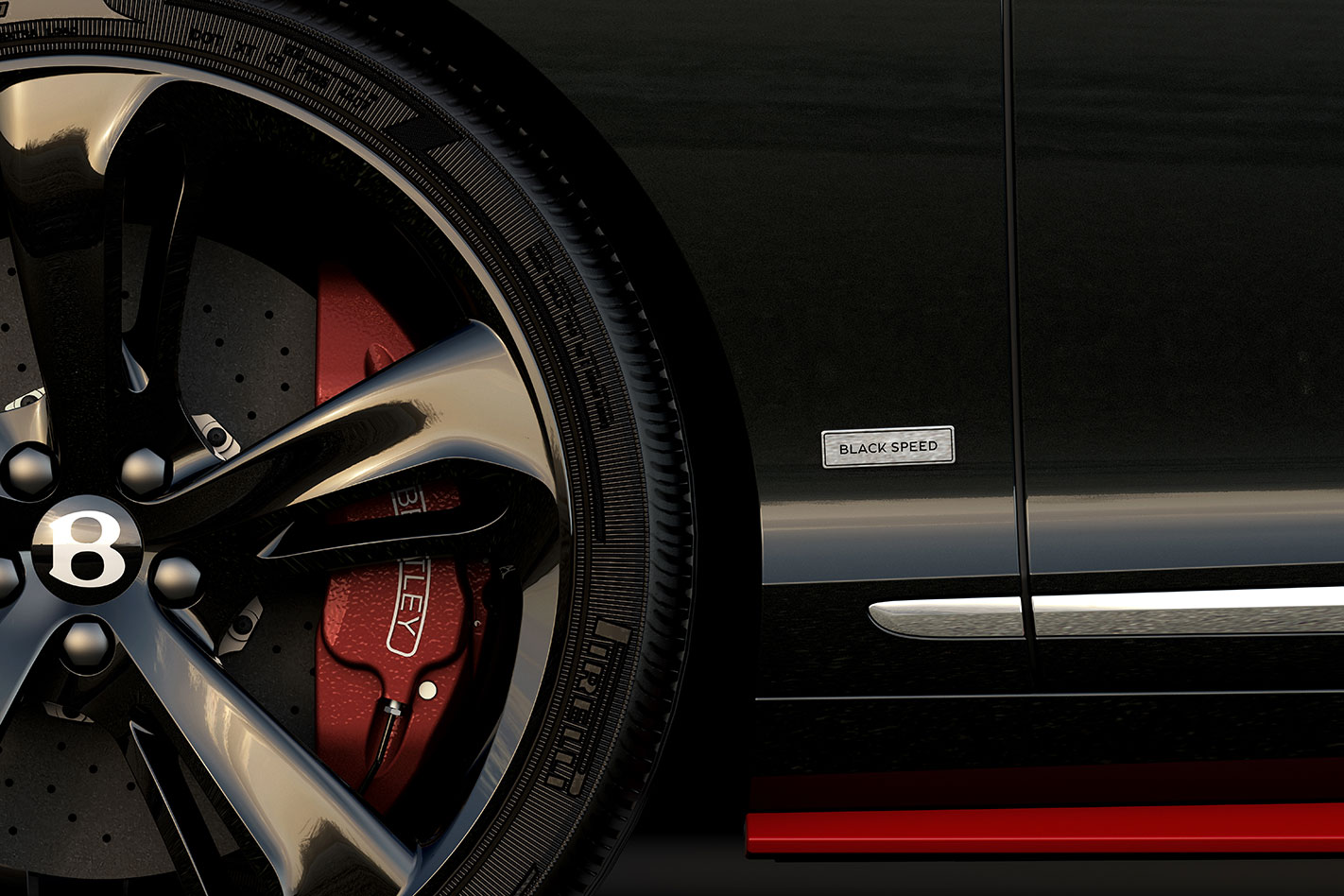
To that end, the Black Speed incorporates a body kit consisting of a front and rear diffuser and side skirts, all treated in gloss red, and tinted headlights and taillights.
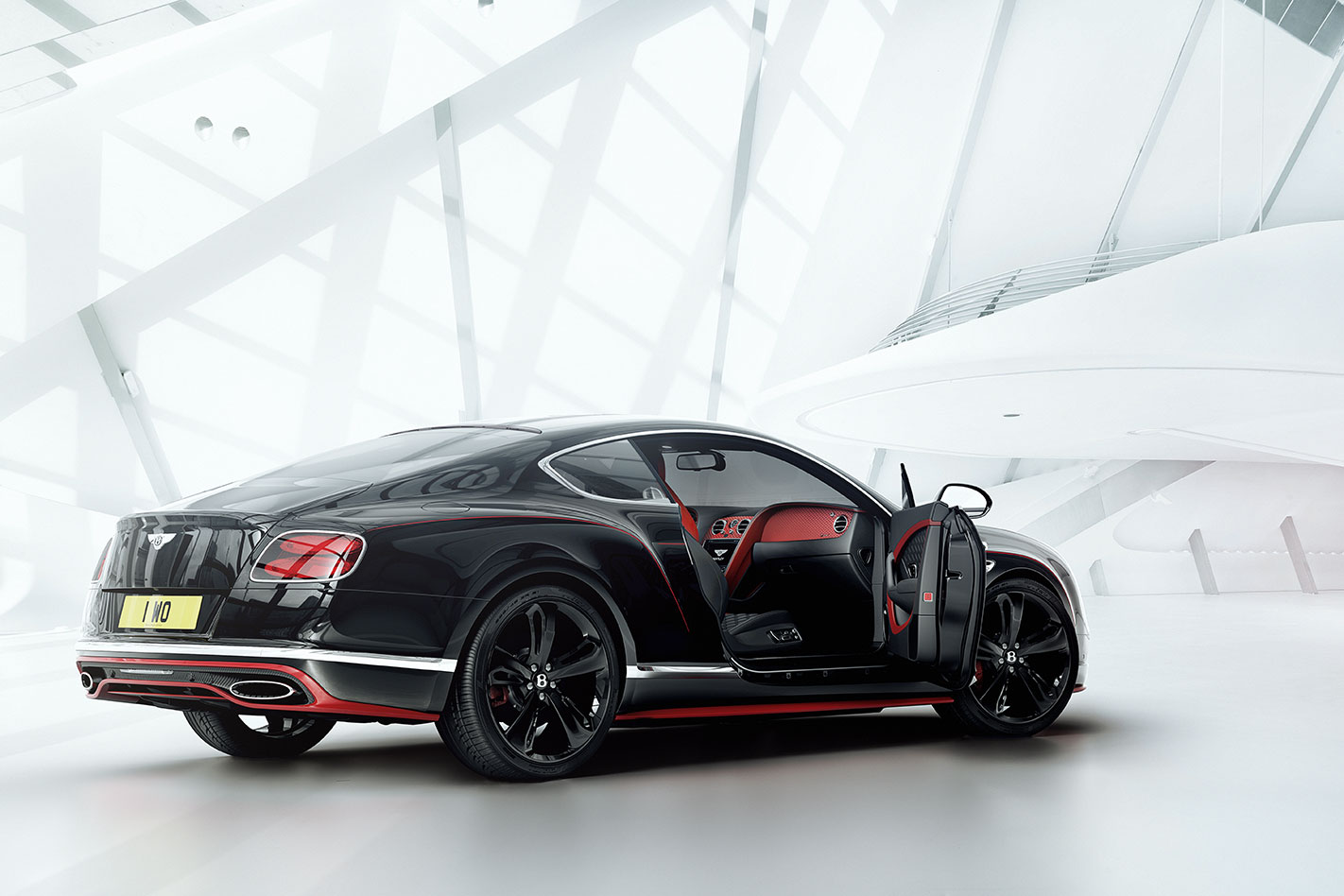
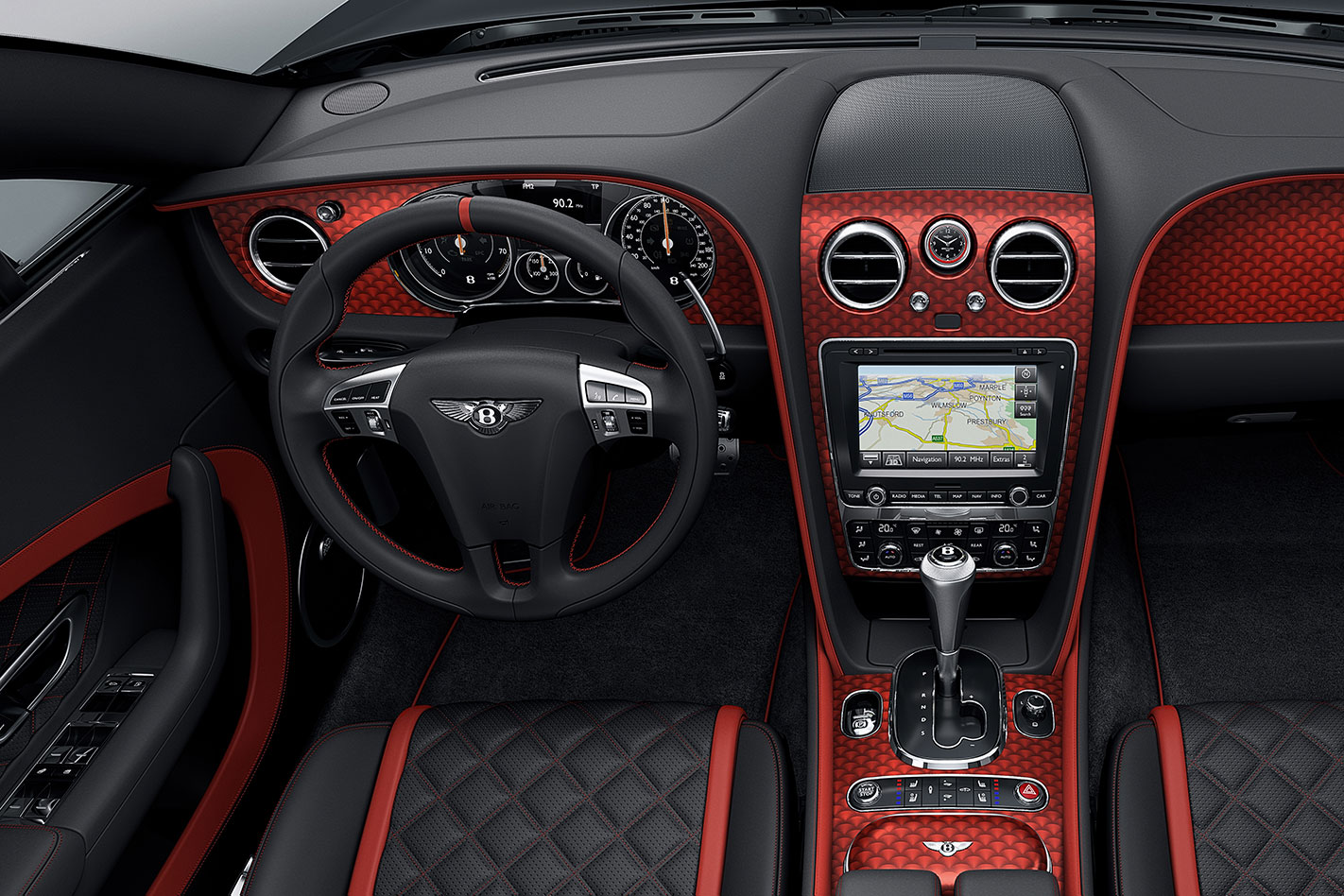
The black and red theme continues inside, with Bentley’s signature aluminium fascia finished in red, with further red highilights on the seats, door trims, steering wheel stitching and clock surround.
The Bentley Continental GT Black Speed retails from A$525,000, however expect the final figure to be somewhat more once you start deliving into Bentley’s virtually limitless options list.
The Lancia Stratos revolutionised the world of rallying.
Introduced for the 1974 World Rally Championship (though no such thing existed back then) it dominated in the hands of Sandro Munari and Bjorn Waldegard thanks to its extremely light weight (880kg) and powerful (220kW) 2.4-litre Ferrari-derived V6.
Its short wheelbase and mid-engine layout made it incredibly agile, but also extremely nervous for those not blessed with extraordinary driving ability.
Thankfully, the man in the video above has that ability. Erik Comas drove in 59 Formula 1 grands prix before switching to Japan’s JGTC touring car championship and winning the title twice.
He now runs Comas Historic Racing, which clearly allows him to wring the neck of one of the most beautiful and best sounding rally cars of all time.
A new 2.0-litre four-cylinder, featuring both an exhaust-gas-driven turbocharger and mechanical-driven supercharger, replaces the 3.0-litre six-cylinder turbo that has featured in the sedan and wagon duo since they were released in 2013.
Power increases by 13kW to 270kW, and although torque drops slightly from 500Nm to 470Nm the Swedish brand’s fastest models accelerate from standstill two-tenths quicker – in 4.7 and 4.8 seconds, respectively.
Keen drivers can also feel a little less guilty when enjoying their drive, with fuel consumption improving notably from 10.2 litres per 100km to 7.8L/100km.
The switch to a smaller engine helps to reduce weight over the Polestar models’ noses by 24kg, which should have benefits for handling. Overall weight improves by 20kg.
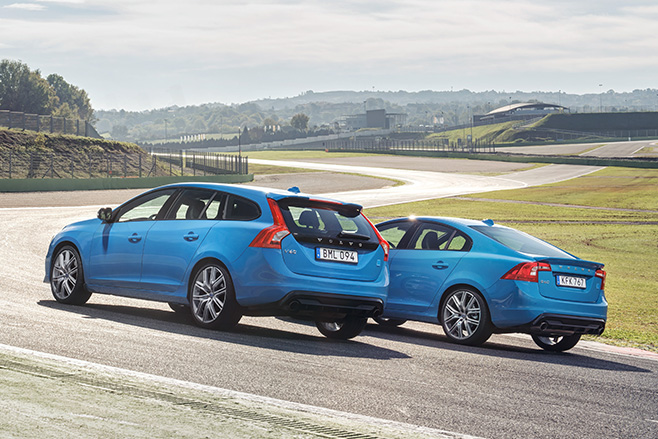
The S60 Polestar and V60 Polestars, which compete with rivals including the Audi S4 and BMW 340i, continue to distribute engine power to all four wheels, and through an eight-speed automatic gearbox.
Both sedan and wagon will share new, 20-inch lightwheel wheels, Polestar-tuned steering, and large brakes among their extra features over regular S60 and V60 models.
Volvo’s latest versions of the quick S60/V60 models represents a worldwide expansion of the Polestar badge, which started as a pilot program in Australia in 2013 to test market demand for a full production performance car from the Swedes.
Just 50 examples were introduced, but Volvo says it is now increasing the number of markets in which Polestar models are present from 13 to 47. Annual production numbers will double from today’s 750.
The current Volvo S60 Polestar and V60 Polestar cost $99,990 and $102,990, with their replacements expected towards the end of 2016.
F1: Ricciardo fourth as Rosberg makes it two from two
THE FIGHT in the night in Bahrain ended with Nico Rosberg notching his fifth grand prix victory in a row, and continuing his unbeaten streak in the 2016 Formula One season.
Lewis Hamilton was the quickest man before the race began, resetting the track lap record in qualifying.
The defending champion’s, blistering lap was a sole highlight in a return of the dumpster fire that is F1’s knock-out qualifying format.
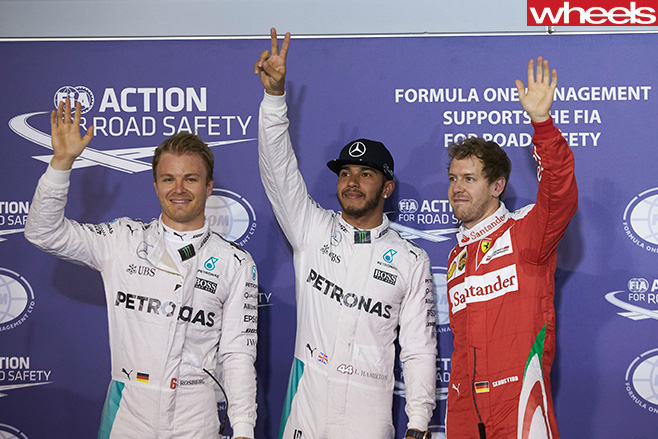
It would have been a prime opportunity for Sebastian Vettel to pounce, had he started the race.
The German finger waver was forced to watch the carnage from the sidelines after his Ferrari decided to detonate an engine, spewing chunks of vital metal from the exhaust on the formation lap.
With Hamilton taken out, it was up to Rosberg to continue the winning ways of Mercedes, and win he did, in traditional dominating form.
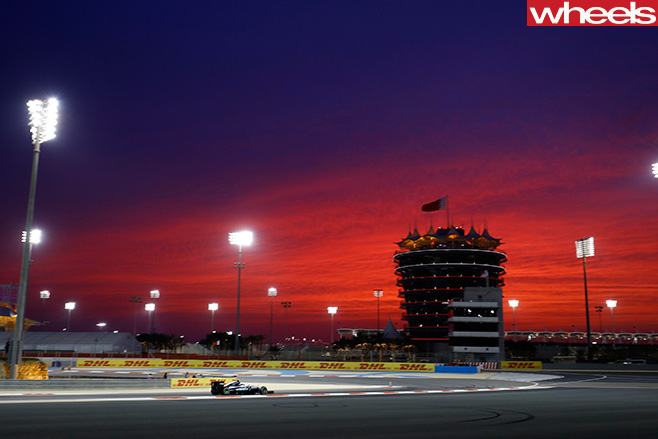
Hamilton recovered to third by the end, with Australia’s Daniel Ricciardo the best of the rest in fourth.
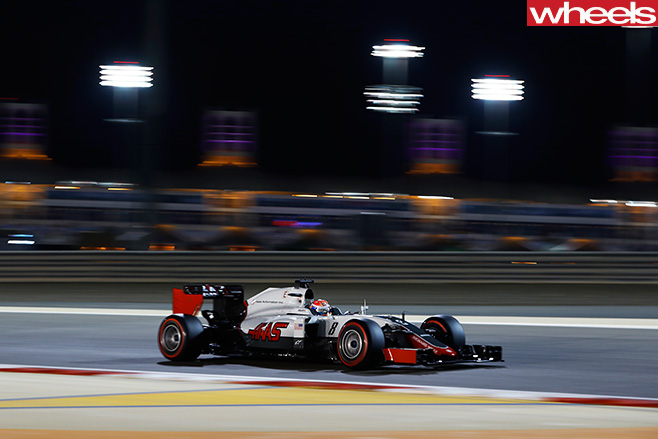
Unsatisfied with sixth on debut for the Haas F1 Team in Australia, Romain Grosjean used the Super Soft tyre compound to race his way into fifth position by the end of the race in Bahrain. A heroic effort for a team many expected to be battling to even be in the points.
Fernando Alonso was ruled out of competing in Bahrain due to injuries sustained in his monumental rollover at Albert Park. This mean McLaren prodigy Stoffel Vandoorne was called upon to fill the Spaniard’s not inconsiderable shoes.
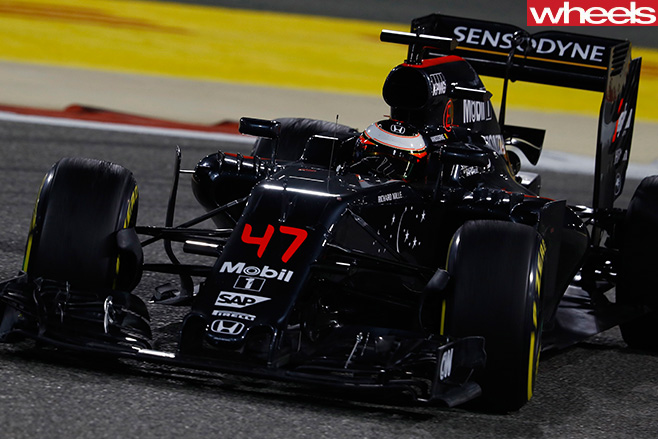
In an ominous coincidence for the F1 paddock, Vandoorne became the first driver since Vettel to score points in a debut race that wasn’t the first round of the season.
Now, what did that bloke go on to do again?
V8 Supercars: Slip denies van Gisbergen clean sweep
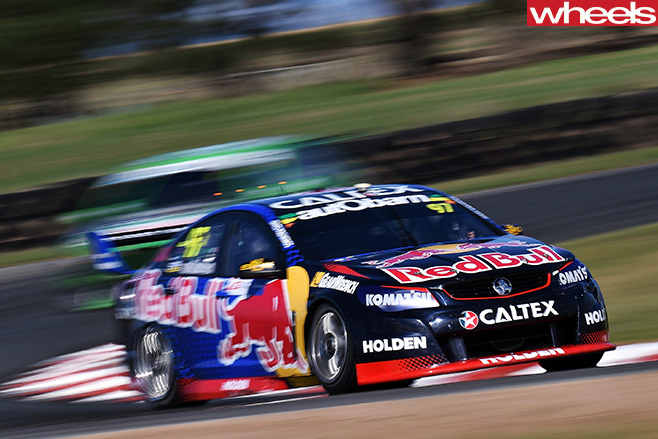
V8 Supercars wild child Shane van Gisbergen learned the lesson the hard way after watching victory slip away at the eleventh hour.
The Triple Eight driver was just four laps away from clean sweeping the weekend’s racing in Tasmania when he slipped on oil, beaching his Commodore and handing victory to Will Davison – who now leads the championship.
A format change, coupled with use of the quicker Dunlop soft tyre compound, resulted in a thrilling opening race that had plenty of door-to-door racing and allowed for differing tyre strategies to play out across the weekend.
Mark Winterbottom started from pole for the opening race, yet one metre was all it took for his chances of spraying victory champagne to go down the drain on Saturday.
The defending V8 Supercars champion overshot his bay by the smallest of margins, but the couple of seconds delay in changing tyres was enough for three drivers to move ahead of him on track. His redemption would come later in the weekend.
Not one to settle for second behind a teammate, van Gisbergen dived under Whincup for the lead following a duel which lasted a number of laps.
The Kiwi never looked back, with Whincup finishing runner up ahead of Will Davison. Rick Kelly was the first to miss out on a podium position, ahead of Lowndes in fifth.
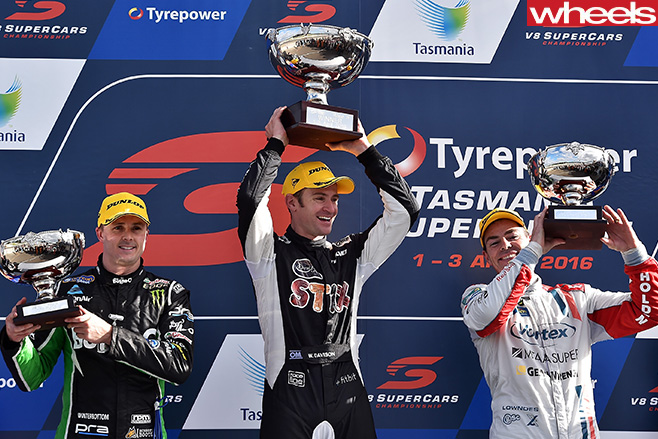
“That was a great race, pretty exiting at the start – 500 wins for Holden, so that’s an awesome stat,” he said. “It was great racing with Craig and Jamie.”
Van Gisbergen looked set to double down on Sunday before all hell broke loose just four laps from the end.
The Kiwi was leading with a small but comfortable margin over Winterbottom following an engrossing battle for first when rookie Cameron Waters dumped oil onto the entry into turn four – the notoriously tight banked hairpin.
Despite yellow flags, both van Gisbergen and Winterbottom underestimated the impact of the oil, and slid wide. Van Gisbergen became beached, while Winterbottom avoided disaster but fell to third.
The chaos was a blessing for Davison, who started the day by setting the quickest time in qualifying but was demoted two positions when penalised for impeded James Courtney.
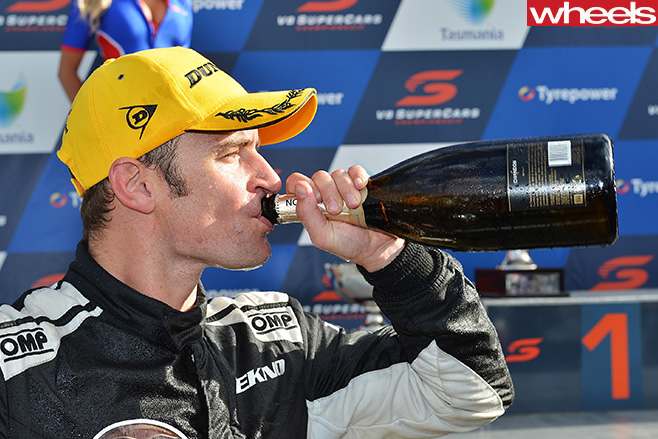
No caution was called, despite cars being stranded just off track, and Davison held on to claim his first race win since Barbagallo last year.
“I’m speechless,” he said post race. “I was pretty happy to bring home a top four today.
“A big step up this week. This morning was encouraging but that lap was so much fun … I didn’t have the outright speed but I had good tyre life and was coming at the end.”
Lowndes finished second, ahead of Winterbottom. Scott McLaughlin and Chaz Mostert finished rounded out the top five.
The small bull-pen-esque Symmons Plains once again showed why it deserves its place on the V8 Supercars calendar, and is well worth a trip to the Apple Isle.
IndyCar: Dixon peerless at high-tension Phoenix
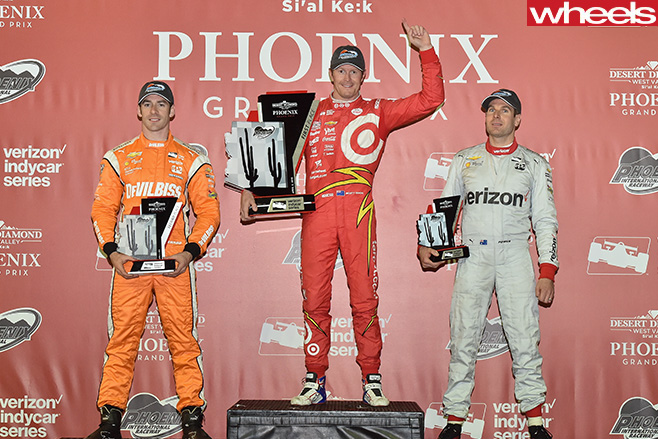
The reigning IndyCar champion was peerless in the series’ return to Phoenix, which was marred by a bevy of caution periods.
Australian Will Power finished his first race of the season in third after missing the opening round of the championship in St. Petersburg due to illness. The Aussie was running in second for most of the final half of the race. However, overshooting his pit bay late in the race cost him the runner-up position, which was taken by his Team Penske teammate Simon Pagenaud (who now leads the championship).
The race was the first time IndyCar has taken to Phoenix in over a decade. Expectations were low for the 250-lap event, with many predicting the high-downforce aero kits would produce processional driving.
While side-by-side racing was nearly non-existent, the on-track action was fraught with tension as drivers made ambitious attempts to block and pass each other. Many overstepped the limit, resulting in a series of crashes on the short course.

“It happens so quick you don’t react. You’re just a passenger,” he said following the lap.
“I’m going to the paddock to change something… but not the car. The car was perfect.”
Castroneves’s chances at victory were cut short after leading early on when he suffered a front right tyre puncture. His Team Penske teammate Juan Pablo Montoya suffered the same fate.
Dixon’s victory moves him to fourth on the all-time winners list for the category, alongside legend Al Unser Sr. It is his first race win at Phoenix, and a first for Chip Ganassi Racing.
NASCAR: Bush changes Martinsville luck
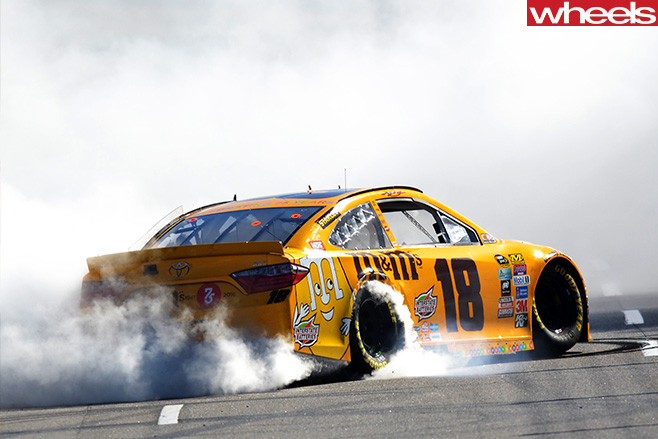
Bush started his weekend by winning the Truck series race at The Paperclip to nab his first clock, before dominating the Sprint Cup event for a weekend sweep.
The Joe Gibbs Racing driver led 352 laps of 500 to beat AJ Allmendinger to the line.
Martinsville specialist Denny Hamlin was taken out of contention when he collected the outside wall hard on lap 220.
The series heads to Texas Motor Speedway next weekend.
FORMULA E: Di Grassi cruises to series lead
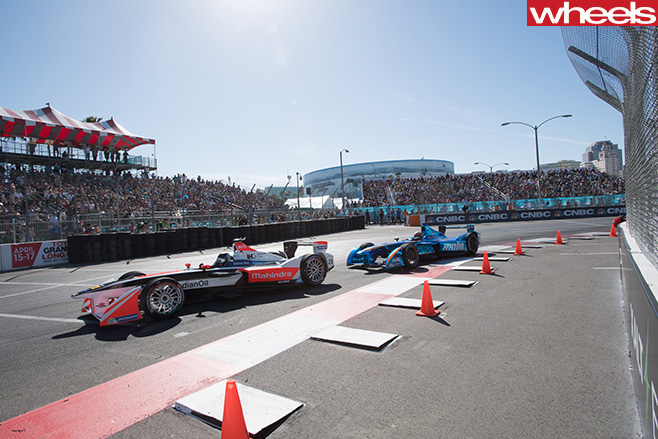
The ABT Audi driver won last time out in Mexico City, but was disqualified post race. There were no such problems in Long Beach as Di Grassi cruised to victory in a frantic race where his title rivals struck trouble.
Stephane Sarrazin finished runner-up, while Daniel Abt rounded out the podium.
Ex-Formula 1 driver Sebastian Buemi had an event to forget, crashing early on and finishing two laps down.
He now surrenders the points lead by a single point to Di Grassi.
Felix Da Costa was stripped of pole for the ePrix after tech inspections found he ran too little tyre pressure. He failed to finish the race.
MOTOGP: Marquez masters Rossi at Argentinian crash-fest
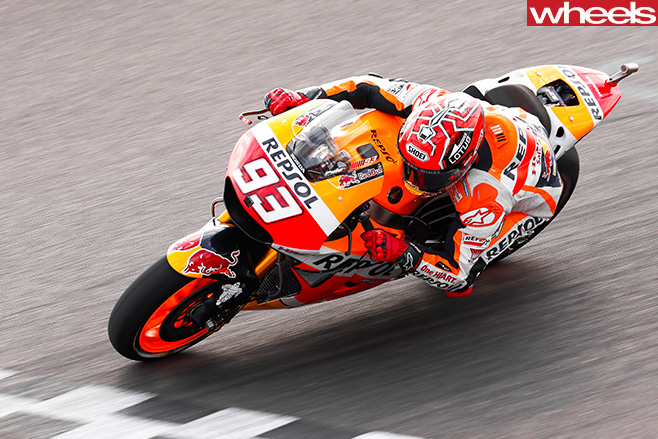
Marc Marquez won from pole, but the race was certainly not as simple as that may imply.
Michelin was unprepared for the abrasive nature of the Argentine track, resulting in a spectacular tyre blowout for Scott Redding in the last practice session prior to qualifying. This prompted the tyre company to pull both compounds of rear tyre it had made available for teams, and mandate only a third reserve compound be used.
However, this decision was then reversed before the race, and a compulsory bike swap at the midway point of the now shortened 20-lap race was implemented.
Australian Jack Miller was a man possessed in the opening laps, climbing from 15th on the grid to sixth by the start of the fourth lap, when he crashed out of the race. Jorge Lorenzo imitated the Aussie the very next lap after being bumped down the order.
Marc Marquez and Valentino Rossi engaged in a thrilling duel in the first half of the race.
There is no love lost between the pair, and it became abundantly clear on track as they diced for the lead of the race.
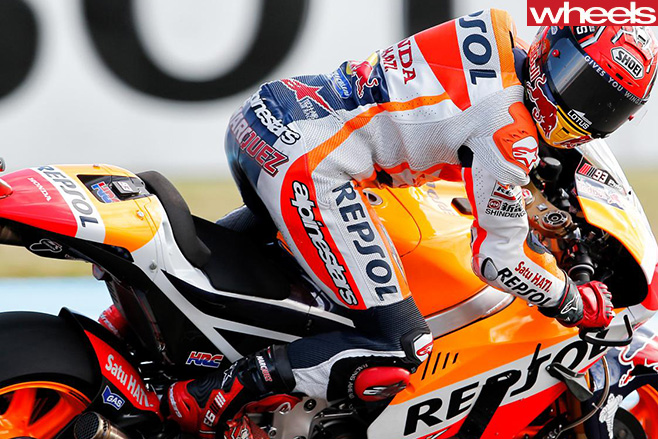
Maverick Vinales was the first to set upon Rossi, the Suzuki rider putting in a heroic effort to be in third place. However his greed got the better of him, the Spaniard crashing out of what could have been Suzuki’s first rostrum finish since its return last year.
Rossi seemed to struggle on his second Yamaha, and was soon under attack again. This time by the pair of factory Ducatis.
The Ducati duo, Andrea Dovizioso and Andrea Iannone, demoted the nine-time world champion to fourth by the final lap. But a last-ditch pass attempt by Iannone on Dovi proved catastrophic.
The Ducati’s front end folded from underneath Iannone heading into the final set of corners, sending him careening into his teammate, knocking both to the ground.
This promoted Rossi back to second and Dani Pedrosa to third.
Dovizioso valiantly pushed his motorbike across the line to finish 13th.
WHAT STANDS OUT
Most buyers will be looking for trouble-free day-to-day motoring from the Hyundai Elantra rather than a car that will carve up curves, but it does hold its own for driver enjoyment. It has nicely weighted steering and the engine has respectable performance for a car like this.
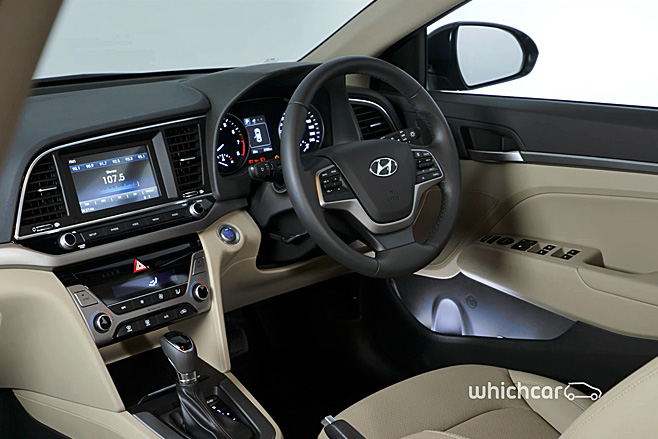
What stands out most about the Elantra is all the included equipment you get. It comes with cruise control, a reversing camera and parking sensors, a touchscreen up front, auto headlights and LED daytime running lamps, alloy wheels and six airbags.
WHAT’S INSIDE
Under the bonnet there’s only one engine option – an all-new 2.0-litre four-cylinder petrol that does the job well and is quite economical. Refinement is impressive too; from inside the engine is very quiet, something Hyundai has focused on a lot with this car.
The Elantra’s infotainment now includes Apple CarPlay and Android Auto, a system that allows you to access your phone apps through the car’s touchscreen. It’s particularly good for using your phone’s satellite navigation as the Elantra doesn’t have its own sat-nav built in.
CHOOSING YOURS
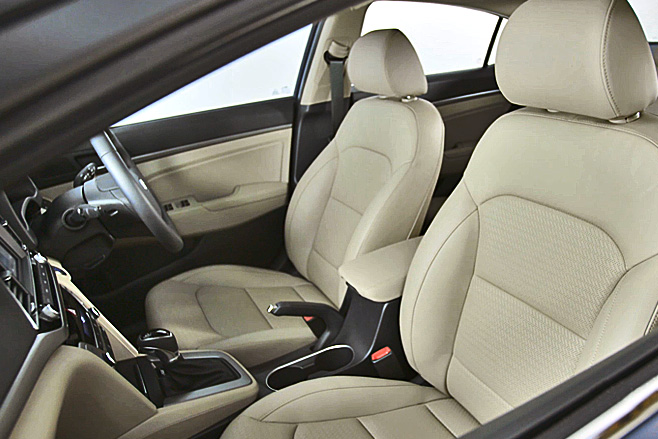
There are two Elantra versions called Active and Elite. Both models get all the gear we mentioned earlier, but if you spend a little more for the Elite you’ll also get leather trimmed seats, dual-zone climate control with vents in the back, auto wipers, bigger alloy wheels, premium trim on the outside, keyless entry and start, and a cool automatic boot lid that opens by itself when the key is nearby.
If you want an automatic gearbox, that costs $2000 extra in the Active but it’s standard in the Elite. Considering most people will buy an auto, we think it makes sense to go for the Elite for a little bit more and get the extra fruit as well, especially the upgraded interior. All Elantras are covered by a five year unlimited kilometre warranty and capped price servicing.
SUMMING UP
The Elantra is one of Hyundai’s more compelling offerings. It’s well-specced, good to drive and decent value.
MORE: Hyundai Elantra Range Review MORE: Hyundai Elantra Specs, Range & Price
CHEAP and cheerless are out, as these intriguing pictures of the saucy 2017 Nissan Micra prototype pounding the roads of Spain – and the artist’s rendition above – suggest so tantalisingly.
Visually heavily influenced by the Nissan Sway concept from the 2015 Geneva Motor Show, the fifth-generation Japanese supermini rediscovers style and sportiness in a serious way.
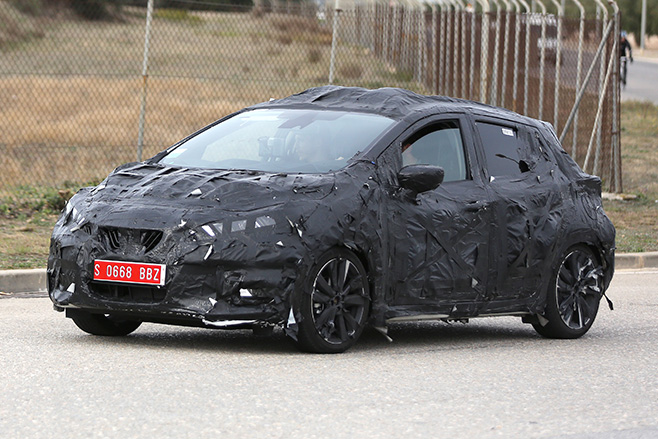
Tear away the cladding and the news gets even better underneath, with the current Renault Clio’s Alliance B-car architecture – revamped and updated as the CMF-B platform – promising to spice up the drive as convincingly as the styling.
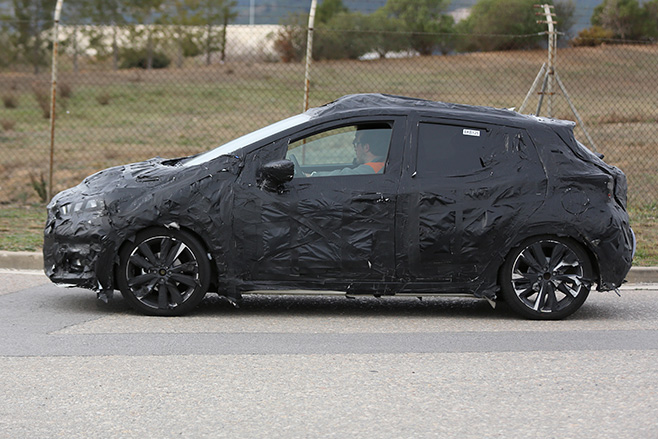
What motivates the 2017 Micra (or March, as it is known in some countries including Japan) remains a point of uncertainty, with a range of three-cylinder atmo and turbo petrol engines, in 0.9-litre to 1.2-litre sizes, leading the speculation. Additionally, there’s a 1.5-litre dCi turbo-diesel in the mix for the European markets that Nissan is so clearly desperate to win back.
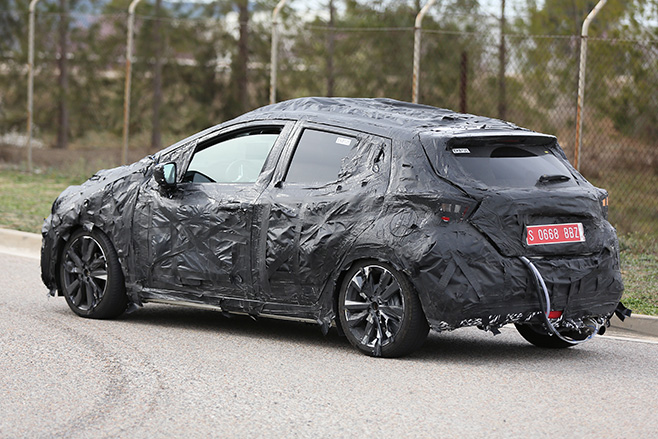
So it’s no surprise that Nissan is understandably sick of the existing K13 Micra, with its Third-World market focus, playing second fiddle to the likes of its Clio cousin, as well as the Volkswagen Polo, Mazda 2, Ford Fiesta, Suzuki Swift, and Peugeot 208.
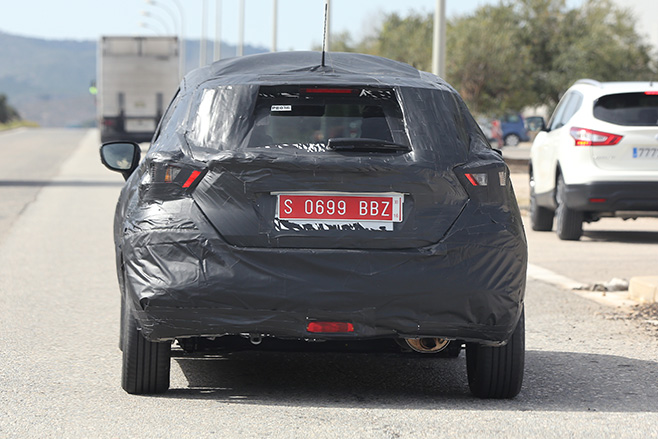
We’re expecting to see the latest Nissan supermini at the Paris Motor Show in early October, with Australian sales likely to follow in the first half of 2017 if all goes to plan.
South Australia has a reputation for taking a back seat when it comes to progression, but it seems the South Australian government is challenging that stereotype and leading the way in driverless car technology.
The state’s government has announced that on-road driverless car trials are legal in the Festival State. While these laws are currently in place in other countries like the United States, this is a first for Australia and companies looking to get driverless technology on public roads can do so in SA.
The laws require technology companies to submit a proposal for the trial, backed by evidence of safety and liability insurance.
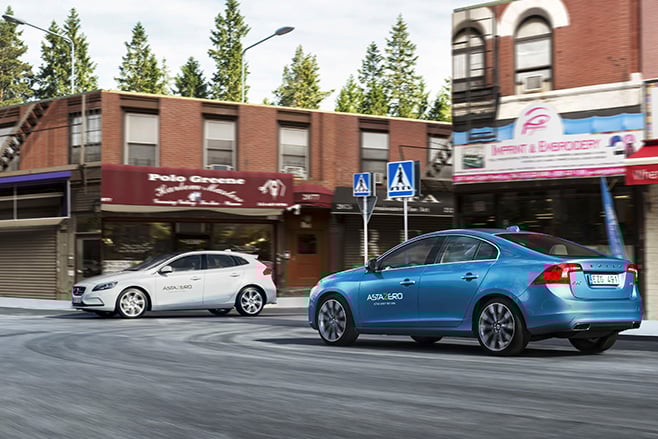
“These laws have received praise from companies at the forefront of this industry, which is estimated to be worth AU$90 billion within 15 years,” said Transport and Infrastructure Minister Stephen Mullighan.
“South Australia is now positioned to become a key player in this emerging industry and by leading the charge, we are opening up countless new opportunities for our businesses and our economy.”
In November last year, South Australia hosted a successful autonomous driving demonstration on Adelaide’s Southern Expressway using a couple of Volvo XC90s.
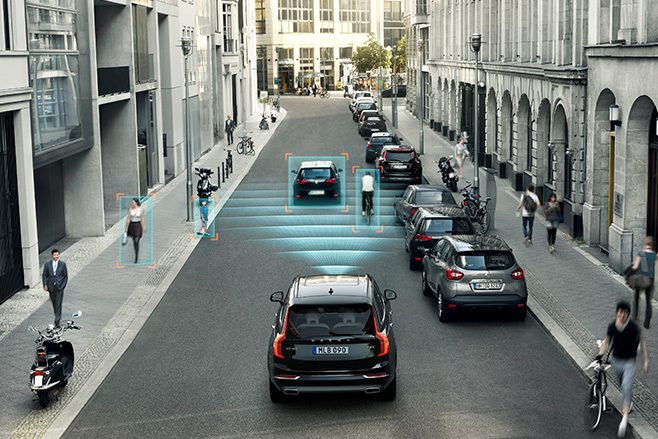
While experts believe fully autonomous vehicles are still a few years away, Mullighan believes there’s an urgency to introduce these trials with Google heads and Elon Musk from Tesla claiming fully autonomous cars will be ready in three years.
“It’s important that in South Australia, as well as around the rest of the country, we know what we’re in for. We know what our road laws need to provide for, we know how to manage our road networks, and we can start getting used to these technologies as regular drivers when we start to see them out on the roads,” said Mullighan.
But South Australia isn’t alone in backing the new wave of automotive technology, with other states, such as New South Wales and Western Australia, also looking to bring autonomous cars to the states.
We knew there was a reason they call it Radelaide.
