
City driving can be such a pain in the backside! And the last thing you want when you spend more than 20 minutes a day in traffic is a big, fuel-guzzler. Small, economical and safe cars are probably more up your alley.
That’s where the hatchback genre plays an important role. It’s a segment brimming with choice, so we had a chat to the guys at Wheels magazine to help us narrow down the field.
THE CONTESTANTS
Holden Barina CD Toyota Yaris Ascent Ford Fiesta Trend Suzuki Swift GL Honda Jazz VTi Peugeot 208 Active Renault Clio Expression TCe120 Mazda 2 NEO Volkswagen Polo 66 TSI Trendline
To qualify for this test, the cars needed to be both popular and affordable… and a hatchback, of course.
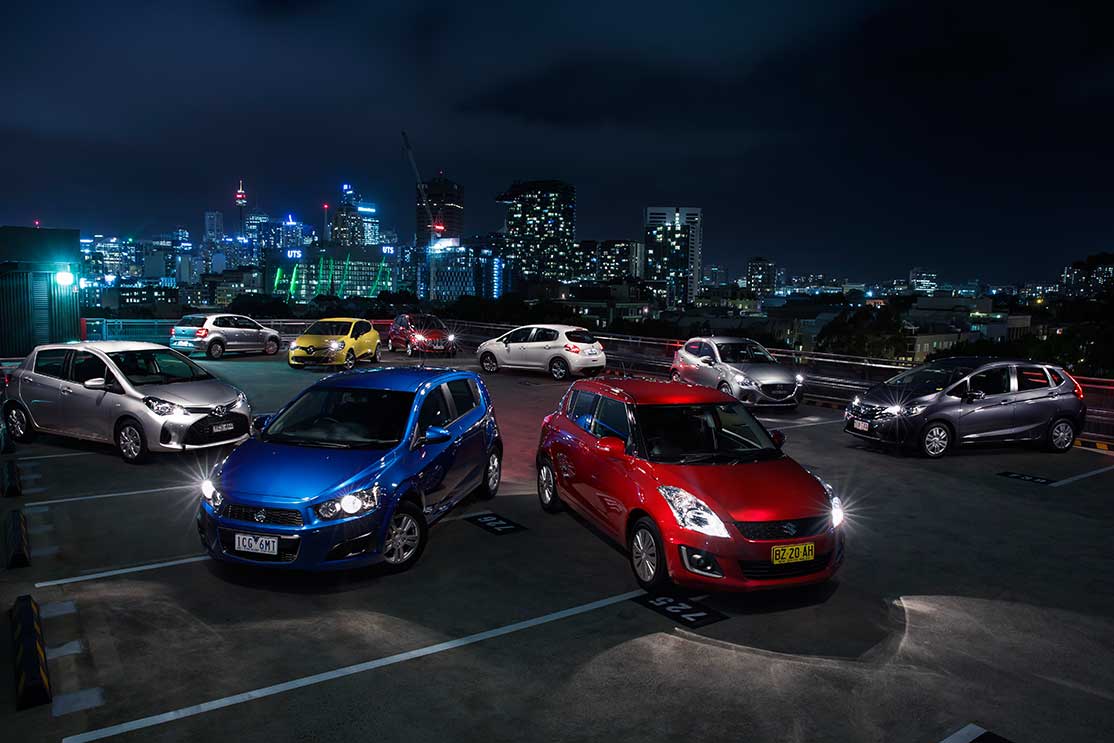
THE AIM OF THE WHEELS GAME The Wheels boys picked nine of 2015’s top hatchbacks, drove them around for a few days, picked them to pieces and told us what they found. This is the light-car class of 2015, where, as Wheels said, “value shines brightly and sophistication has never been more affordable”.
Sophisticated and value? We like the sound of that.
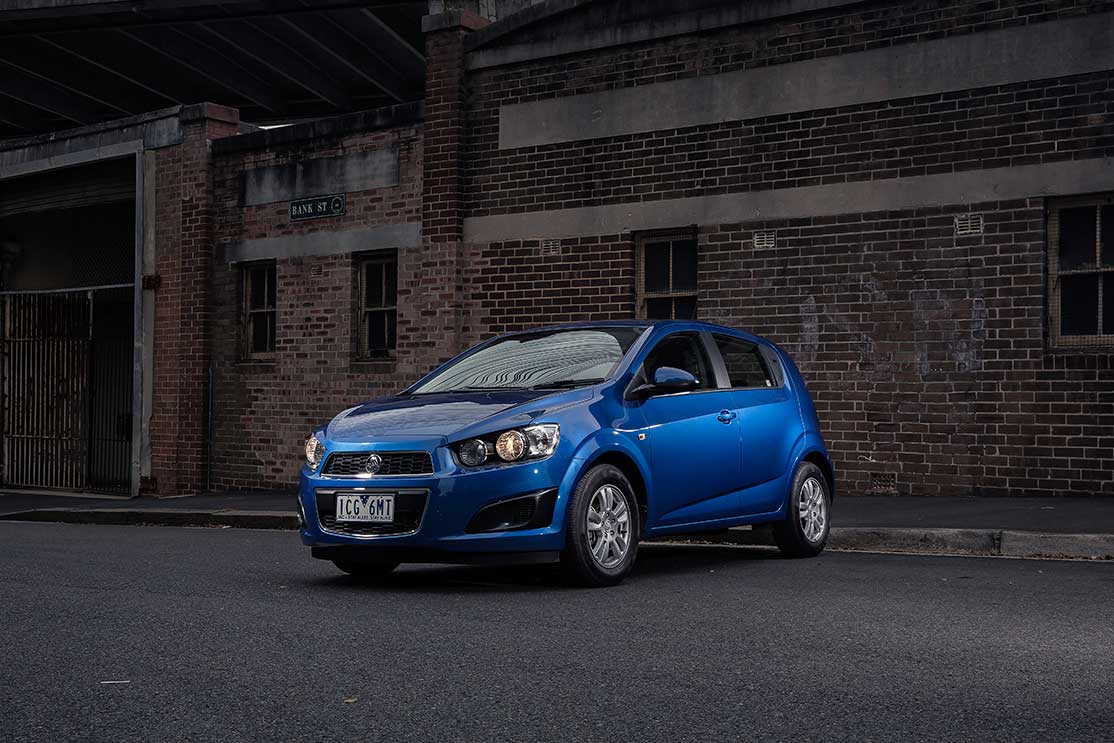
Holden Barina CD The Holden Barina has plenty going for it, though it’s far from perfect. Sure, it’s priced to sell (aka, cheap), it looks kind-of stylish from the outside and it has plenty of space; you could fit a couple of tallish teens in the back, no worries. It also handles pretty well, particularly on long drives.
From our experience, it enjoys the open road more than it does the city – surprising for a city car, eh? Well, that is until you start relying on cruise control, which chugs on inclines.
Inside, it smells like a kid’s toy store – aka plastic. The use of cheaper plastics ultimately helps bring the price down, so if affordability is more important than luxury then it shouldn’t be a major problem.
It also lacks safety features; no reversing camera and none of the latest tech, which is annoying if you’re going from a car with a lot of gadgets to one without them. Chances are if you’re upgrading from a 1998 Corolla, it’s probably not going to bother you. As for fuel efficiency, it lags behind.
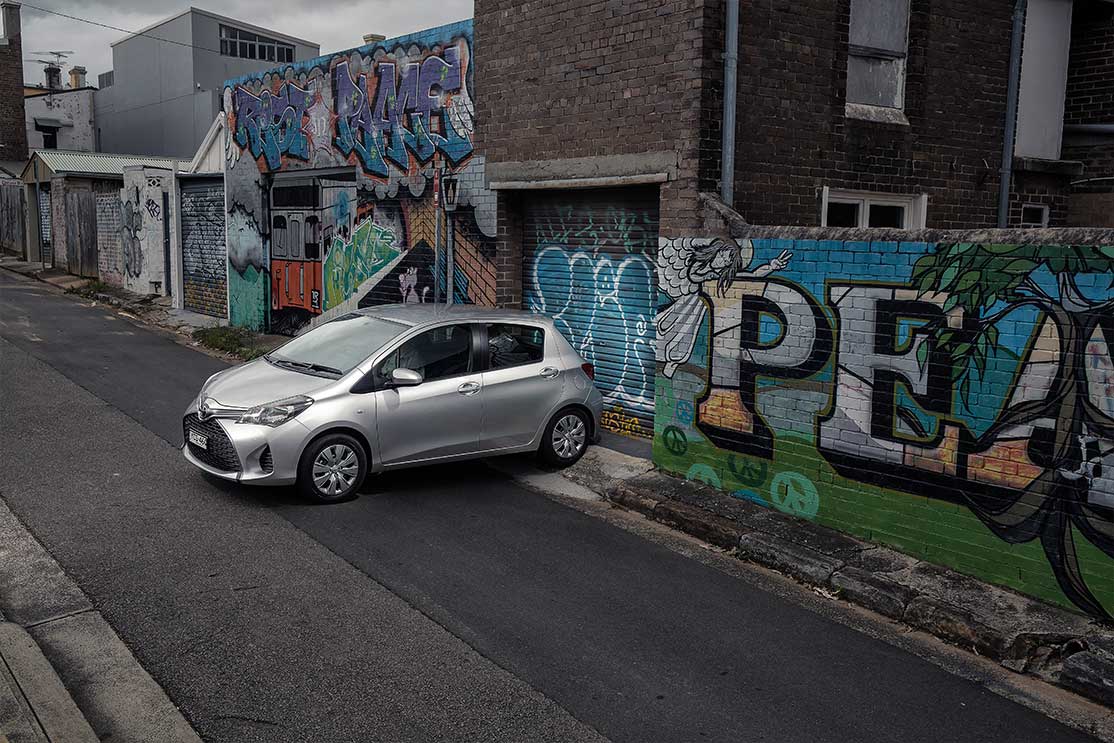
Toyota Yaris Ascent The Toyota Yaris has received a bit of a bad rap in reviewing circles. So, if you’ve been doing your research, you’ve probably been a bit put off.
Here’s the thing, though, the Yaris is a reliable and affordable car with the benefit of cheap servicing. Its insides are nothing overly special, but that’s to be expected at a price of $17,755.
It also recently underwent an upgrade, which means you’re getting a whole lot of extra stuff for the same price. It has a reversing camera, plenty of space and storage and the seats are more comfortable than one would expect.
It’s got a bit of tyre and road noise, however, which you get used to after a while. Initially, though, it can be pretty annoying. Also, in this bunch, it’s the least powerful and uses the most fuel.
If you can look past these things – and the poor sound cancellation and average interior design – then the Yaris just might be the car for you.
As Wheels said, “if ease and reliability matter most, then buy a Yaris”.
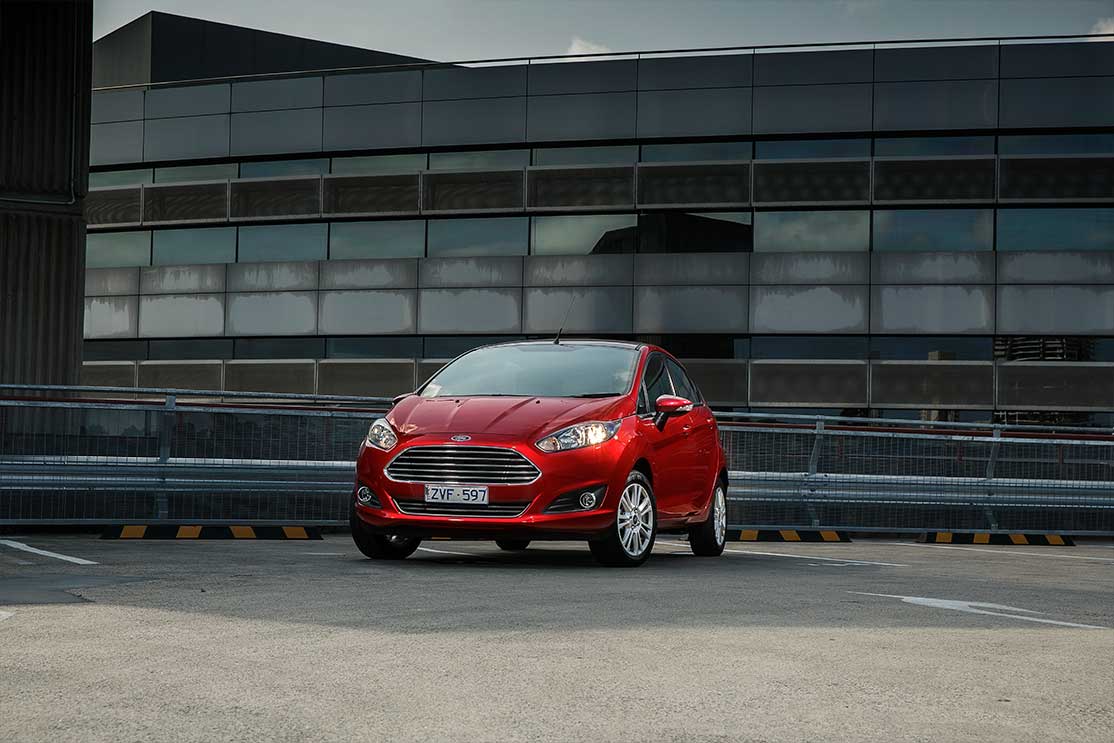
Ford Fiesta Trend Deciding whether the Ford Fiesta is the right car for you heavily relies on what spec level you decide to go with. For the Wheels comparison, the Trend spec level didn’t rate too highly. You’re almost better off opting for the Ambient (the spec level below the Trend). Aside from its steering and handling, there wasn’t a hell of a lot of praise for this hatch.
The centre console looks cheap and the controls are complicated – a mish-mash of buttons. The Fiesta also falls behind the pack when it comes to the interior; one cup holder, no door pockets, tight headroom and mediocre seats let it down. As we said, the Fiesta isn’t a terrible choice, but it’s completely overshadowed by the likes of Mazda and VW.
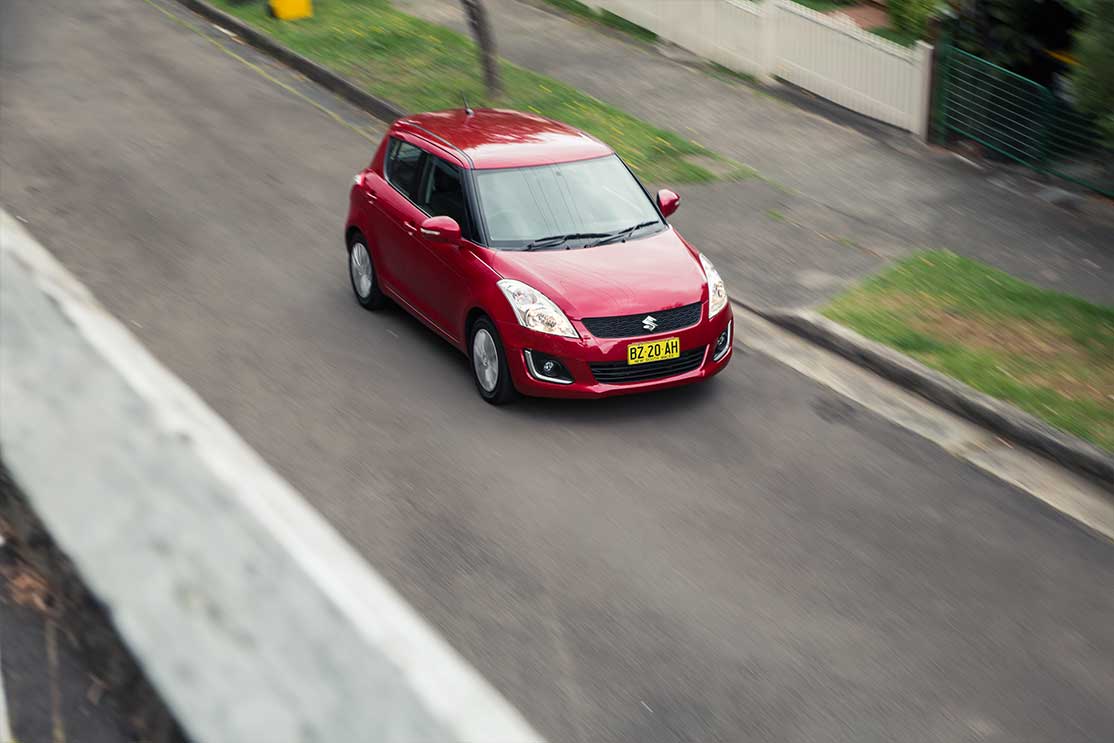
Suzuki Swift GL The compact Swift is the perfect city-street crawler. Simple to park and capable of whizzing through traffic, the Suzuki Swift proves reactive steering isn’t just restricted to sports cars. Adding to the character of the Swift is its lovable styling – both inside and out. The old adage ‘why fix something if it isn’t broken’ comes to mind for the Swift.
Despite seeing very little in the way of a facelift over the last decade, consumers still seem to love the elegance of this feisty city car. This is carried throughout the interior with a neat dashboard, plenty of storage compartments and a steering wheel that feels as good as a new leather bag.
This doesn’t mean the Suzuki isn’t without its faults, though. There is no steering wheel adjustment, it lacks leg and head space and the boot isn’t as spacious as some of its competitors. Its entry price is also a bit higher than we’d expect.
It’s not perfect, but it’s reliable, has low running costs and it is super fun to drive.
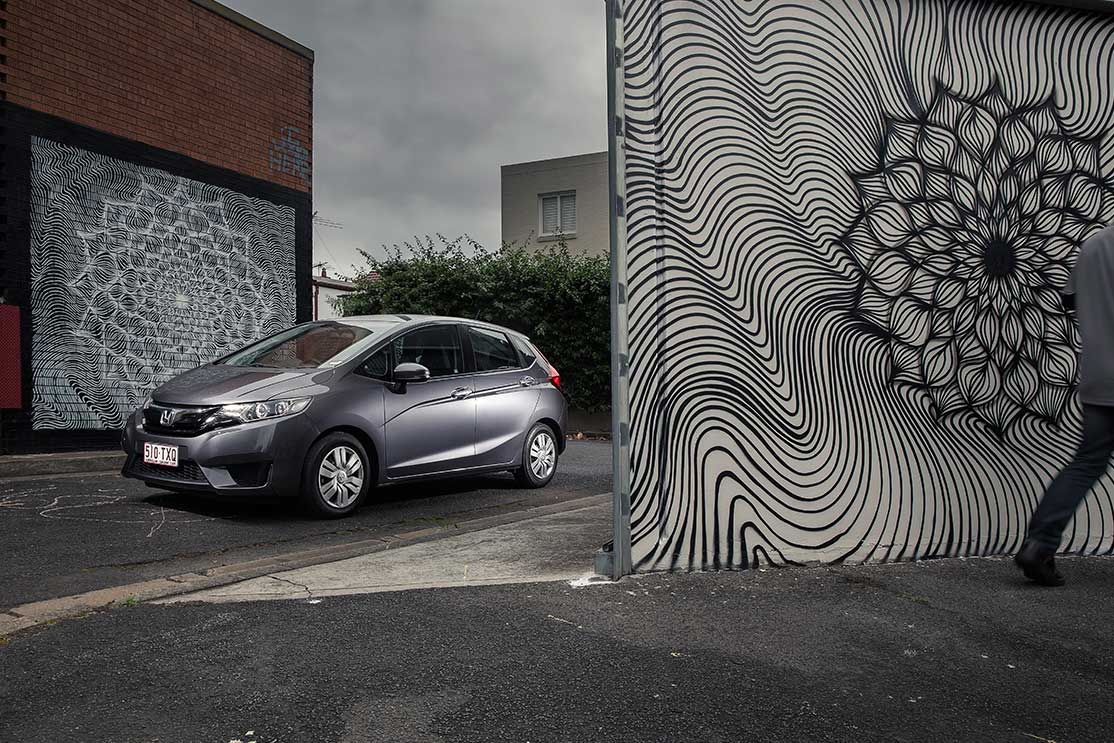
Honda Jazz VTi It seems the Honda Jazz has lost its… Jazz. The 2015 model leaves very little to the imagination and is far from the most attractive in this company. It would seem that the Honda’s practicality puts it ahead of the pack, but it misses a spot on the podium due to its styling.
If looks don’t bother you too much and you’re more interested in value for money, than the Jazz makes a pretty good fit. For its price, you get a whole lot of equipment. Reversing camera with wide and birds-eye views, attractive touchscreen, Bluetooth, hill-start assist and a bunch of other features are all included. The Jazz also has oodles of space, and ergonomic and adjustable seating.
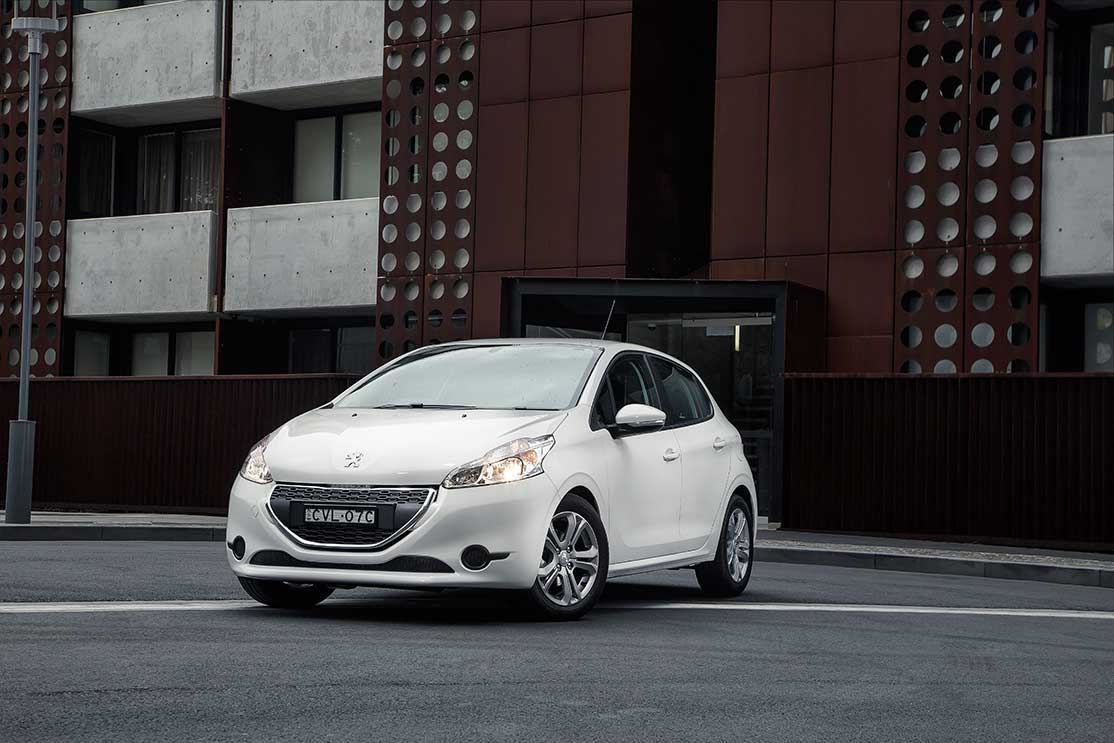
Peugeot 208 Active Okay, so the Peugeot 208 may not be cheap – it sits in the top three most expensive for this test – but it has a lot to offer. Its stylish French interior with classy trimmed seats, stylish touchscreen and expensive looking features means this puppy looks like it should cost more than its cheaper-looking competitors.
It also comes with capped-price servicing for five years/75,000km, which is always a big tick. It has generous head and legroom, good boot space and unique door grabs.
On the downside, the 208’s backseats are a bit squishy and its fuel consumption is high compared to some of the others, though not high enough to be a deal breaker. Thumbs up? Oui oui.
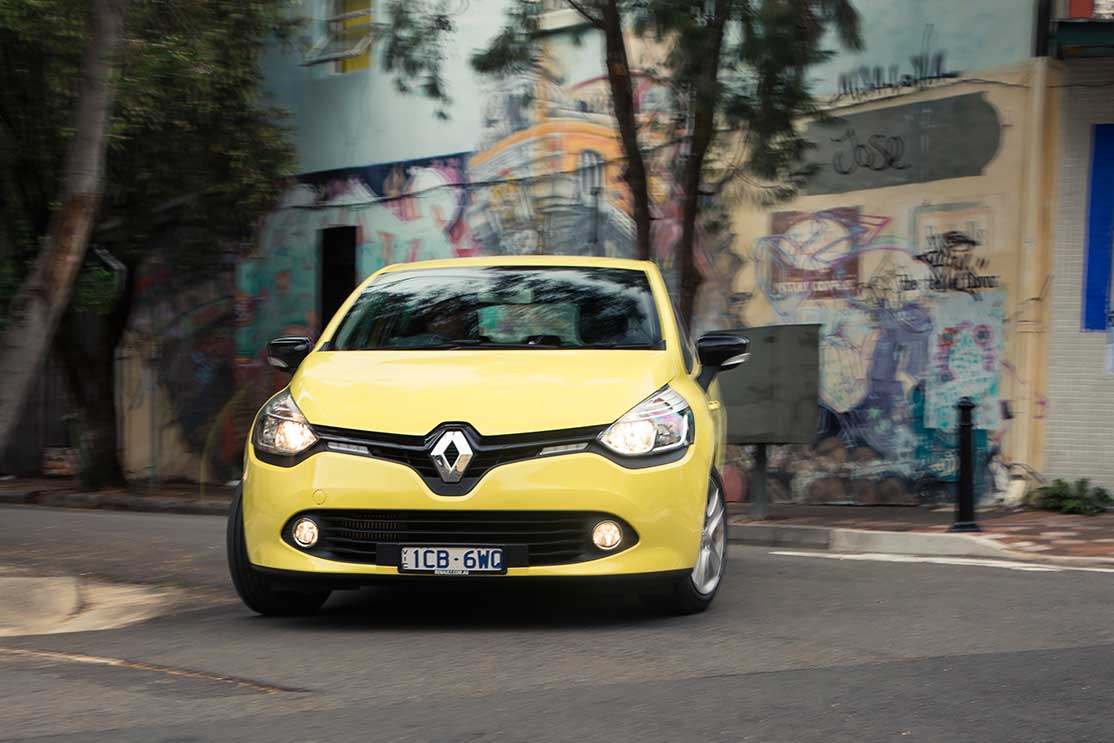
Renault Clio Expression TCe120 When it comes to performance, the Clio takes home the gold for this test. And this Renault Clio is as stylish as it is practical. It may be one of the most expensive in this group, but it’s still packing plenty of value. Not only is this a pick for those who love to drive, but the Clio exudes an air of refinement – both inside and out. It’s difficult to fault the Clio’s styling, but there are some downsides to the gearbox at this spec.
Also, the rattle of the dashboard will be annoying for those who notice it.
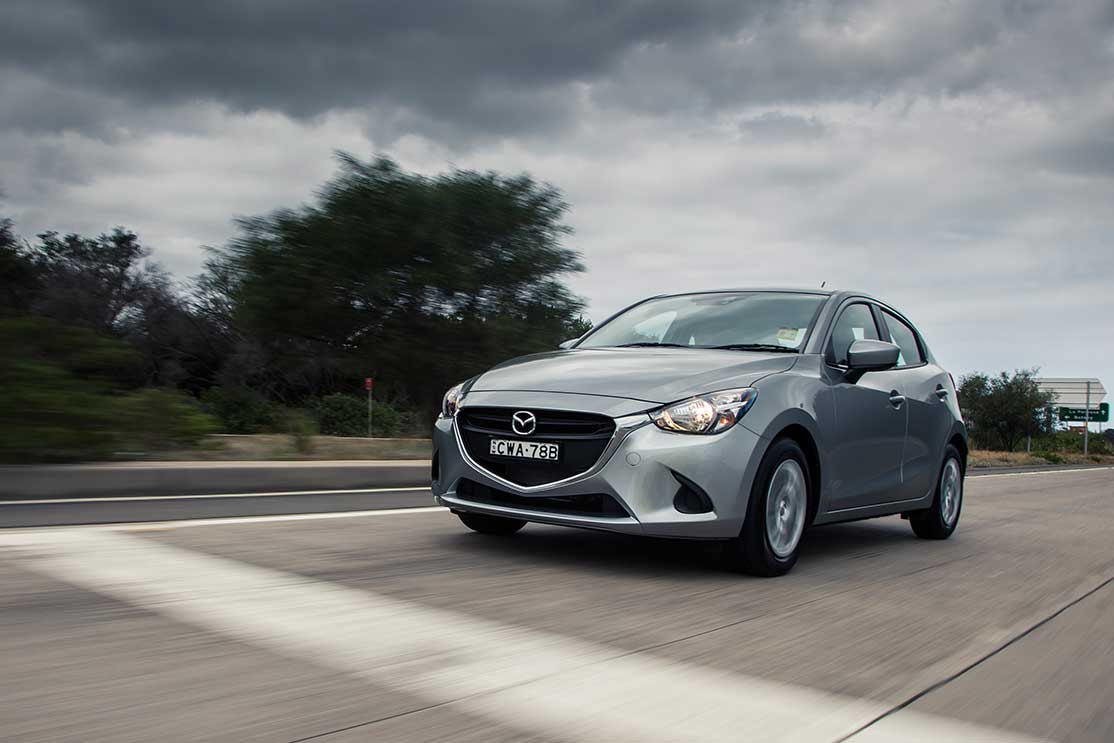
Mazda2 NEO The Mazda2 ended up in second place for the Wheels comparison. Ironic isn’t it? It’s got performance, fuel economy, efficiency and style on its side. It looks deceptively large from the outside thanks to its long bonnet, but it’s comfortable with bucket seats in the front and more shoulder and leg room than its predecessors in the back. Plus, it’s got a big boot, which we always love.
There are no surprises with the Mazda2, but we’d be remiss of us if we didn’t mention its equipment shortfall. The Neo is missing cruise control and a reversing camera at this spec level. There’s also annoying road noise (which is a common issue across the Mazda range) and limited vision from the back. Not to mention the lack of cup holders! What the?!
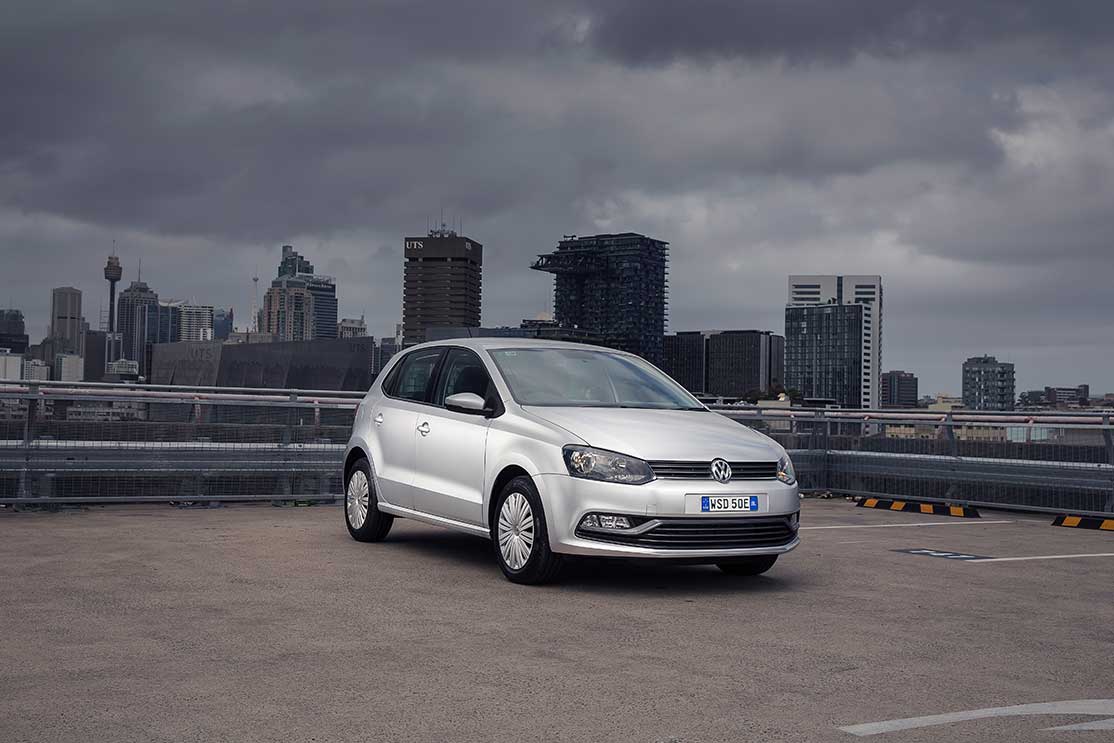
Volkswagen Polo 66 TSI Trendline The VW Polo is more of an all-rounder than Daley Thompson. It is fuel efficient, drives well, and offers a comfortable and quiet ride.
It mightn’t be as stylish as the Clio – you’d have to up stakes to the Polo 81TSI Comfortline for that – and it doesn’t compete with the Mk7 Golf, but, it still has plenty to offer.
It’s got a 208-litre boot – further improved with the rear seats the folded flat – comfy seats front and rear, and the passengers sit high enough to have good visibility. It also drives pretty well over country roads.
So the VW Polo isn’t as stylish as some of the others and its interior range may be a bit boring, but its goes better than alright and that’s why it sits at the top spot for the Wheels test.
THE VERDICT So which car is the best choice for your city commute? Well, it comes down to priorities. The Peugeot has the most style, the Renault Clio may be your preference if you’re looking for performance and the Fiesta handles exceptionally well. The Honda Jazz will steal your heart if its space you’re after and the Swift could be the one for its funky styling and low running costs. For those looking to spend less hard-earned, the Barina or Yaris could be your gold star. Or as an all-round package, the VW Polo takes the cake. Whatever your poison, there are a bunch of traffic-dodging options on the market.
This story was originally published in Wheels Magazine March 2015
You probably spend quite a few hours of your life in a car, so it makes sense that your car’s interior deserves to be as well-kept and tidy as your home. When purchasing a new car, it’s important you take the time to consider whether the upholstery matches your lifestyle.
If you’ve got a dog or a fondness for sand, then it’s best to stay away from grit-trapping woven materials. Easily-scuffed leather seats are best avoided for those who own a lot of studded pants. Likewise for those considering a soft-top – think sun, exposed leather and burnt bottoms.
And let’s not forget those back-seat drivers. If little feet can reach the back of the front seats, then you should opt for dark-textured fabrics to hide the scuffs. Whereas lighter furnishing will give a sense of space for those that often travel with adults. And if you’re not one to travel lightly and often fold seats forward for cargo space, then you need a solid, rip-proof covering.
A medium-sized car contains around 20kg of textiles, all thoroughly tested for fire retardancy, durability and UV stability. Most base model vehicles use woven polyester fabrics and velours, which upgrade to man-made and “Nappa” leather trim as you climb up the pecking order. Let’s have a look at the fabrics available to spice up your car’s interior.
TYPES OF FABRIC
Velour is a plush knitted textile, usually polyester-based. It’s great for hot days, as the seats don’t get sticky and are less likely to leave imprints on your bare legs. The Peugeot 308 GT effectively uses velour inserts.
Who might love it: Rear passengers; this non-reflective and soft fabric stays cooler in summer.
Who might not: Parents with toddlers; sand will vacuum out, thickshakes won’t.
Woven textiles are the go-to for people that want two-tone seats, or contrasting panels, with a sporty look. Made from polyester and often 100 per cent recycled, the fabrics can be tweedy like the hipster grandpa seats on BMW’s i3, or smooth like the sporty seats on the Toyota Corolla RZ. While easier to clean than velour, these seats can get hot if the fabric is dark and the various lines and trims can leave imprints on bare legs. On the upside, woven fabrics are breathable if your seat has built-in cooling. Woven seats also provide some grip around corners.
Who might love it: Sustainability advocates, sporty drivers, parents needing a quick-clean option.
Who might not: Rear passengers; dark weaves can get hot and stuffy.
Leather traditionally signifies luxury and is usually available in a variety of colours and textures. Don’t forget that leather was once from a living thing, so it deteriorates. If conditioned, it will age better. “Nappa” leather, also known as aniline, is soft and open-pored. Because it is not covered by paint or coatings, aniline needs to be naturally perfect with no tick bites or markings, making it a premium-priced option. Uncoated it is susceptible to dirt, fat and bleaching from the sun, but pigmented Nappa leather is more durable. Leather seats don’t get hot and sticky in summer, but they can be slippery when cornering. Some manufacturers offer “naturally” tanned leather minus the chromium that makes conventional tanning a less sustainable choice. Volvo’s XC60 has premium leather seats that are chromium-free.
Who might love it: Leather aficionados who want cosseting; good leather is a beautiful thing.
Who might not: Vegans, anyone using the car to transport anything spiky or rough (furniture, skis) that might scuffed and dent the leather.
Fake leather can look like leather and feel like leather, but it’s not leather. If you’re looking for a super-resilient but luxe seat coating, then man-made leather has come a long, long way since vinyl.
Also known as pleather or vegan leather – Artico (Mercedes) or SensaTec (BMW) – it’s less breathable than the real stuff, but without the leather care headache.
Who might love it: Low maintenance leather lovers. Parents who want an upmarket interior with wipe-down convenience.
Who might not: Health-conscious people wary of the PVC and phthalates contained in some artificial leather products.
Ultraseude and Alcantara are synthetic fabrics that offer the soft goodness and breathability of suede, with none of the maintenance issues. Alcantara is the go-to for sporty cars because it’s flexible and stretchy enough to work with contoured sports seats. It also looks great with contrast stitching and it grips the driver so there is no slippage through fast corners. You will find it on steering wheels, seats, door linings and even the head linings – the Tesla Model S is lined with Alcantara. It’s more expensive than other textiles, but it’s easy to clean, creates clean lines and has grip.
Who might love it: Sporty drivers seeking a luxury finish.
Who might not: Sticklers for uniformity; the driver’s seat will grow a shiny patch as the pile wears.
All stories in this series
Valentino Balboni has the smiling eyes and soft hands of your favourite grandfather.
But those eyes have scanned millions of kilometres of narrow Italian back roads and his finely-tuned fingers have controlled some of the world’s greatest supercars at – and sometimes over – their performance limits.
Balboni is a cult hero, feted around the world. He was Lamborghini’s chief test driver for 40 years and only Italy’s mandatory retirement age ended his long career refining the handling of the raging bulls from Sant’Agata Bolognese.
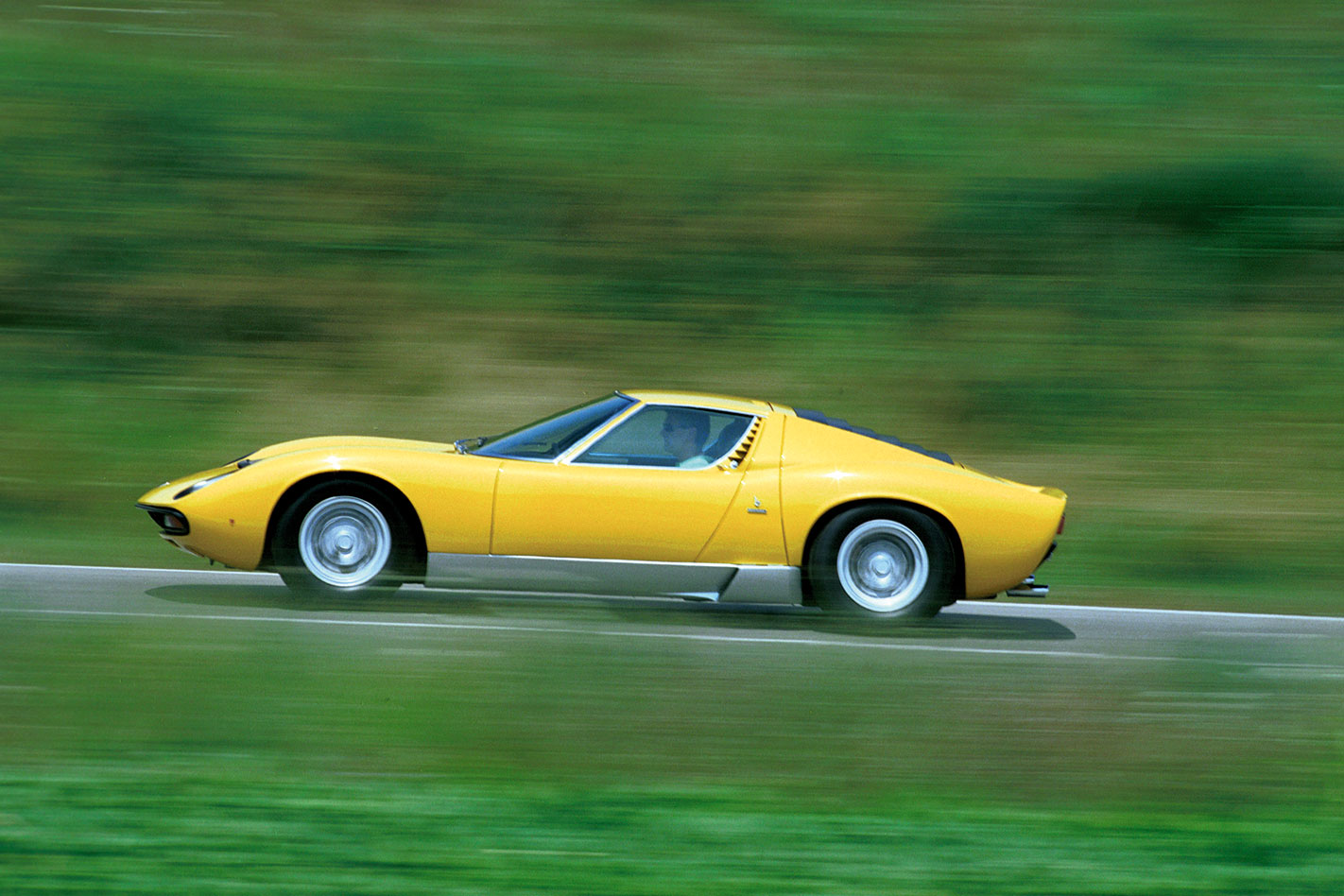
Now 64, he describes how he came to work at Lamborghini as a “dream”. Passing the original factory one day in 1968, he saw “beautiful” painted Miura bodies that had been delivered from Bertone being unloaded by an old man and, instinctively, he helped push them inside. The apprentice mechanic was subsequently offered a job at what was still a very small company.
Eventually Balboni began getting into trouble for driving, instead of pushing, Miuras around the factory, creating noise and dust in the fairly confined space. Summoned by management one day, he expected to be fired. Instead, they offered him a job as a trainee test driver under the tutelage of the great New Zealander, Bob Wallace, who taught him the finer points of test driving.
For Balboni, there was no eureka moment when he magically clicked with the Miura and became an ace – it was all down to hard work and an innate ability. “I knew what I wanted to do and it progressed day by day instinctively; it was not instant genius. Bob [Wallace] was the only test driver at Lamborghini in those days, he was my instructor and looked after me, and he found out I had the aptitude and gave me the basis to become a test driver.”
For an Italian, Balboni doesn’t ‘talk’ too much with his hands but they, like the rest of his body, were essential in becoming a great test driver. “The test driver must exercise his sensibilities, the parts of the body that touch the car,” he says, mimicking his hands on a steering wheel.
“It’s where you get the feelings and sensations. It’s not just only seeing or hearing, it’s a matter of feeling and remembering, and understanding those feelings and transferring them to the engineers because a test driver must not be an engineer.

Like a racing driver hammering out laps to within a tenth of each other, Balboni’s ability to be very consistent was important for checking engineering changes.
“Normally we had a set test route because if you go on the same place and you train your mind on the same place, once you make changes to the car it’s easier to feel the different reactions,” he explains. He’s also quick to point out the difference between a development test driver, which he was, and a production test driver.
“A production test driver has a different way of working but prototype development is always a very slow process, day by day, making changes, meetings, direct contact with engineers – you drive the car and sit with the people and talk.
“I am not an engineer but I grew up with them. I can’t make the calculations they do but I transfer my feelings and reactions with the car so they can understand and, as long as you have a good understanding, the result will be more accurate and quick.”
Forty years developing 320km/h supercars for people, most of whom will never drive them to his limits, must have occasionally seemed like a waste of time, MOTOR suggests?
“In a certain way, I agree,” he says. “[But] we don’t care how much percentage of the car the customer uses – we want to make a car that has this kind of [performance] characteristics. We have to give him the potential and it’s up to him how much he takes advantage of it. Of course, it is better for us when the customer knows the limit and real potential of the car, but it is not a must.”

That celebrity also led to him being a glorified driving coach for rich and famous Lambo clients. A few of the world’s biggest movie stars requsted Balboni to be their personal instructor – despite not liking being told how to drive.
“I was always very lucky to do this with movie stars but normally these people don’t like to be considered, shall we say, as a pupil,” he shrugs. “You have to understand what they want to be told and that is the secret. They have to be comfortable, but each one, in his own way, appreciates what we do.
“If we take a Miura, for example, and I talk to 10 customers, each one gives me different feelings of what he gets [from the car] and each one is different and each one is right. As long as it is positive and they are smiling, our job is done.”
Balboni is a purist when it comes to car control but understands the need for electronic aids like ABS and stability control. They do not mean the total end of driver skill, he says. “I always say that I was lucky to do my job before this era.”
“But I have to respect modern technology on a car, in certain ways they help a customer enjoy his car. What technology and electronics offer today is definitely positive, especially for the environment. I prefer to control a car but those times are over.”
This feature first appeared in the February 2014 issue of MOTOR magazine.
The Evora is the unloved child of the Lotus family and often overshadowed by its lightweight Elise and frenetic Exige V6 siblings.
But the Evora is a different animal, it was Lotus’ attempt at producing a luxury sports car that could tear apart a back road but also be driven daily. In theory it was the perfect competitor to the Porsche Cayman.
In practice, er, Lotus didn’t really sell any Evoras. On the flip side, that means this mid-engine Brit has been hit hard with the depreciation stick dropping almost half its value in less than five years. Now you can have an early atmo car for around the same price as a BMW M235i.
Just don’t be expecting the turbo thrust of the baby Bimmer, because the Evora is fitted with the same 200kW/350Nm V6 as the Toyota Aurion and on a good day won’t hit 100km/h in less than five seconds.
Away from the straight and narrow though, the Evora is a great drive with world-class steering, plenty of grip and sublime balance.
When new the Lotus Evora cost over $150,000, now however, low mileage examples are selling for around $85,000.
For more pics and info click here.
Even the very best occasionally get it wrong.
If you drive fast enough for long enough, every now and then you’re going to have a moment or two.
Rally legend Walter Rohrl needs no introduction. The two-time WRC champion has been a pivotal part of Porsche’s development team for more than 25 years.
Even at 68 years of age, his driving skills are off the scale, as he ably demonstrated to us earlier this year in a Porsche 911 Turbo S on snow in Sweden.
However, it appears that during development of the 918 Spyder, one high-speed corner at the Sachsenring caught him out, leading to a fairly hefty impact with the barrier.
Such incidents are all part of the testing process; if you’re going to make an omelette (or a supercar) you’re occasionally going to break a few eggs.
Get your free weekly report from the world of fast cars – subscribe to the MOTOR newsletter!
Marking a quarter-century of performance positioning above a Commodore SS, the HSV Clubsport R8 25th Anniversary adds styling bits and a special plaque for no extra cost.
Unique to the sedan-only 25th Anniversary are special sill plates and start-up graphics, and a plate ahead of the transmission lever numbered one to the total 100 units to be built (plus eight for En-Zed).
The limited edition available from July also adds a Hyperflow Performance rear spoiler that is usually a $690 option, and a ‘black pack’ featuring darkened mirror caps, side vents and badging that normally asks a combined $395 – yet prices are unchanged from the $73,290 manual and $75,790 automatic regular Clubsport R8.
New 20-inch forged alloy wheels called SV Rapier and finished in gloss black take up the majority of the remaining $4000 in claimed free extras, while four-piston brake calipers remains behind them.
No change under the bonnet, however, where the 25th Anniversary otherwise retains the 340kW/570Nm 6.2-litre LS3 V8 from the standard Clubby R8.
“Along with GTS, Clubsport has been one of the mainstays of the HSV line-up through its proud history,” tells HSV managing director Tim Jackson. “We’re sure the added value offered with the 25th Anniversary Clubsport R8 will be well received by our fans.”
HSV says its sales are tracking to expectation so far this year, with the Clubsport taking up a one-third portion of the range and the R8 the most popular variant of the two.
There are, however, solid rumours a VF Series II upgrade may see HSV expand the availability of the 430kW/740Nm supercharged V8 currently reserved for the flagship HSV GTS; though this hasn’t been gifted as an anniversary present to this limited edition that doffs its lid to the 1990 original.
Back then, the Aussie-built 5.0-litre V8 in the VN Clubsport made 180kW and 400Nm, and the model utilised 16-inch alloy wheels and FE2 suspension. Today’s Holden Commodore Evoke LPG makes that same amount of power (though with a lesser 320Nm) and wears the same-sized rubber.
Get your free weekly report from the world of fast cars – subscribe to the MOTOR newsletter!
More proof, if any were needed, that rally drivers aren’t quite right in the head.
During the final stage of last weekend’s Rally Poland, the seventh round of this year’s World Rally Championship, local hero, ex-Formula One star Robert Kubica, sustained a puncture.
Far from pulling over to change it, he continued on at unabated speed, eventually clocking a time just 21.5 seconds slower than eventual stage (and rally) winner Sebastien Ogier, who had the distinct advantage of four inflated tyres.
Perhaps even more remarkably, the driver one place in front of him on that stage, VW’s Jari-Matti Latvala, crashed into a tree near stage end, yet selected reverse and finished, dropping just 20 seconds in the process.
They’re all nuts, the lot of them.
Get your free weekly report from the world of fast cars – subscribe to the MOTOR newsletter!
PLUS
- Compared to other convertibles, the Holden Cascada has a decent amount of space and beats its European look-alikes.
- We’re pretty sure you’re likely to appreciate the quietness of the ride.
- The Cascada has split fold rear seats, so you have the option for more boot space if you can spare the seating.
- The roof folds away quickly. In just 17 seconds at road speeds up to 50km/h to be precise.
- It comes with some standard features we think most will appreciate, such as heated front seats and steering wheel, dual-zone climate control and reversing camera.
- The Cascada has one of the largest boots in its class at 280 litres with the roof down.
- The multimedia screen is dated for a car that otherwise emanates style.
- The interior is modeled on a Holden Astra, so it lacks flair. Not quite what you’d expect of a sophisticated convertible.
- The Cascada is one of the heavier cars in its class, sitting at a kerb weight of 1744kgs. That’s three grown, heavy men more (aka 300kgs) than a Golf Cabriolet.
FORD MUSTANG
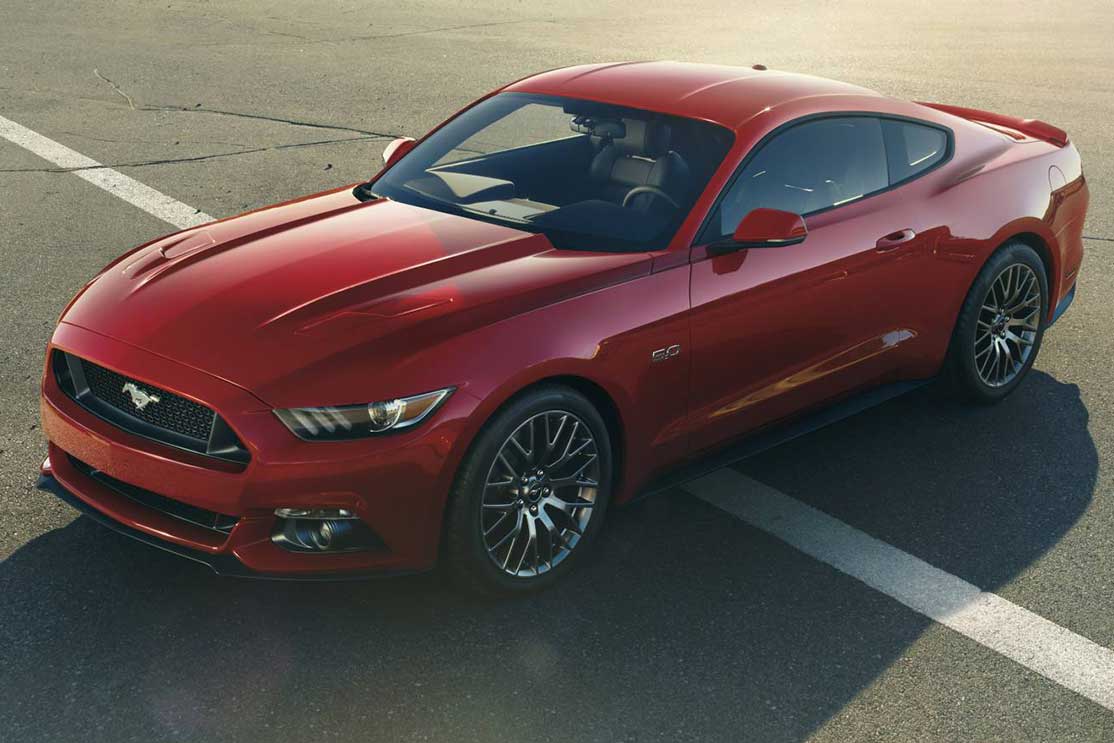
With the Falcon nearing its end, all seemed lost with Ford’s iconic V8 muscle car hero. That is, until the Mustang entered the fray. The first of the US-made, right-hand-drive cars is due to hit our shores in time for Christmas.
The sixth generation ’Stang comes in two-door Fastback (coupe) and convertible body styles. It starts at $44,990 for the Ecoboost manual, working up to $63,990 for the automatic convertible V8. Ford claims it already has more than 2000 paid deposits from Pony fans. And the colour of choice is, of course, Race Red.
JAGUAR XE
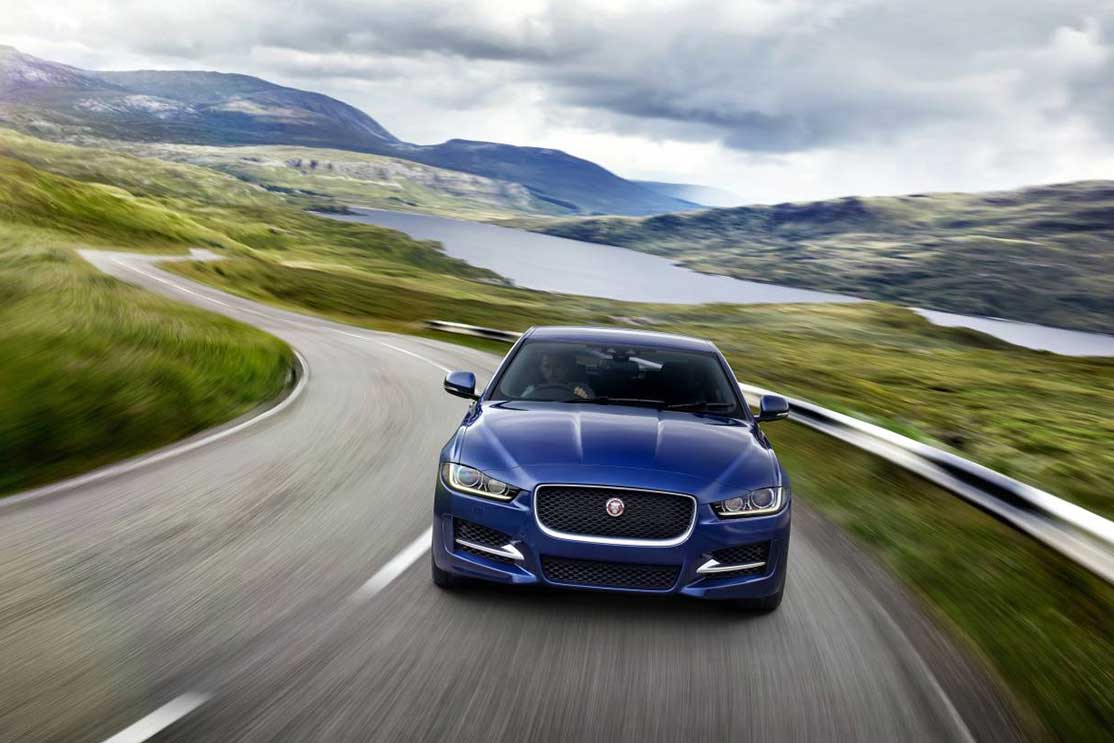
Jaguar hopes to bring new cat lovers to the pack with its entry-level mid-sized sedan, the XE. On sale in September, the XE starts at $60,400 for the entry-level two-litre four-cylinder. It’s powerful enough thanks to a turbocharger, and is ultra-refined thanks to an eight-speed automatic as standard.
A grunty turbodiesel (20d) costs only $2400 more, while a more powerful version of the same petrol engine is $4500 more (25t). The range-topping supercharged V6 has a more lofty and familiar price of $104,600 (R).
While not in that magic sub-$60K club, the price is a big deal for a British brand that has most of its cars in the six-figure sector. It seems Jaguar has the Audi A4, BMW 3 Series and Mercedes-Benz C Class firmly in its sights.
KIA PICANTO
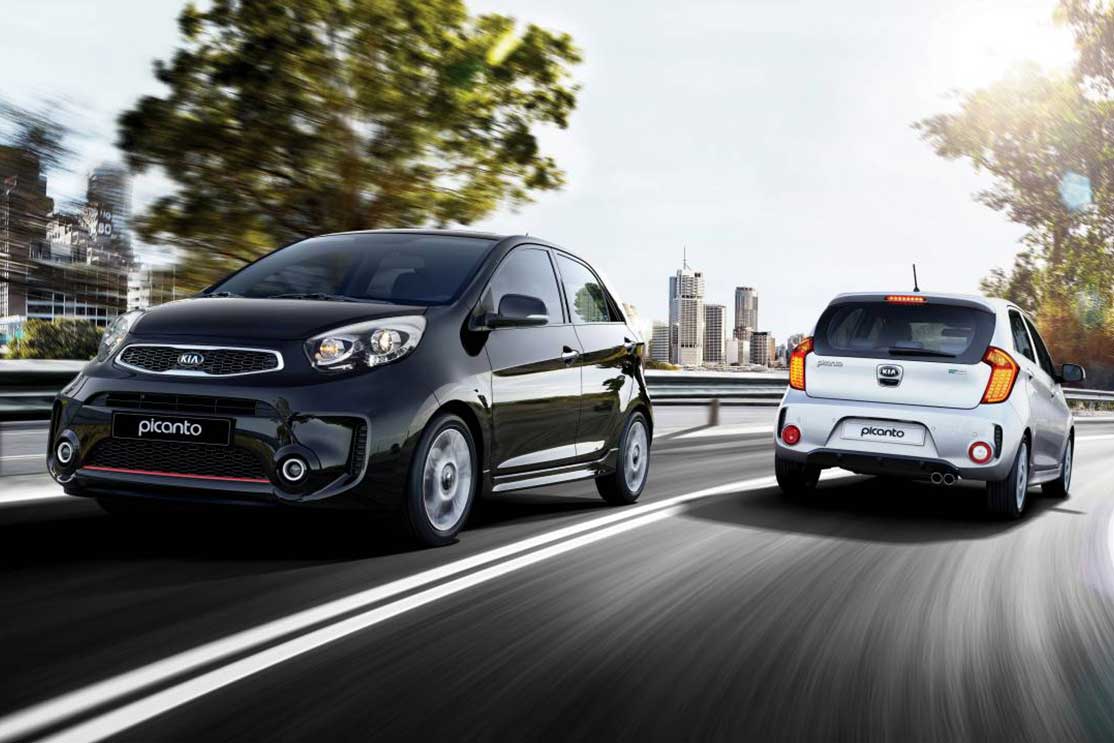
Kia’s super-lite city car will finally land in Oz later in 2015. It will enter the budget A-to-B market currently dominated by the Nissan Micra, Holden Barina Spark, Suzuki Alto/Celerio and Mitsubishi Mirage.
Kia already has a mini, the Rio, which starts at $15,990 for a three-door manual, so expect the five-door automatic to still come in at around $14,000. With a touchscreen media system, cruise control, standard auto, massive seven-year/100,000km warranty with capped servicing, and decent design language, it’s going to be a big little contender.
MAZDA MX-5
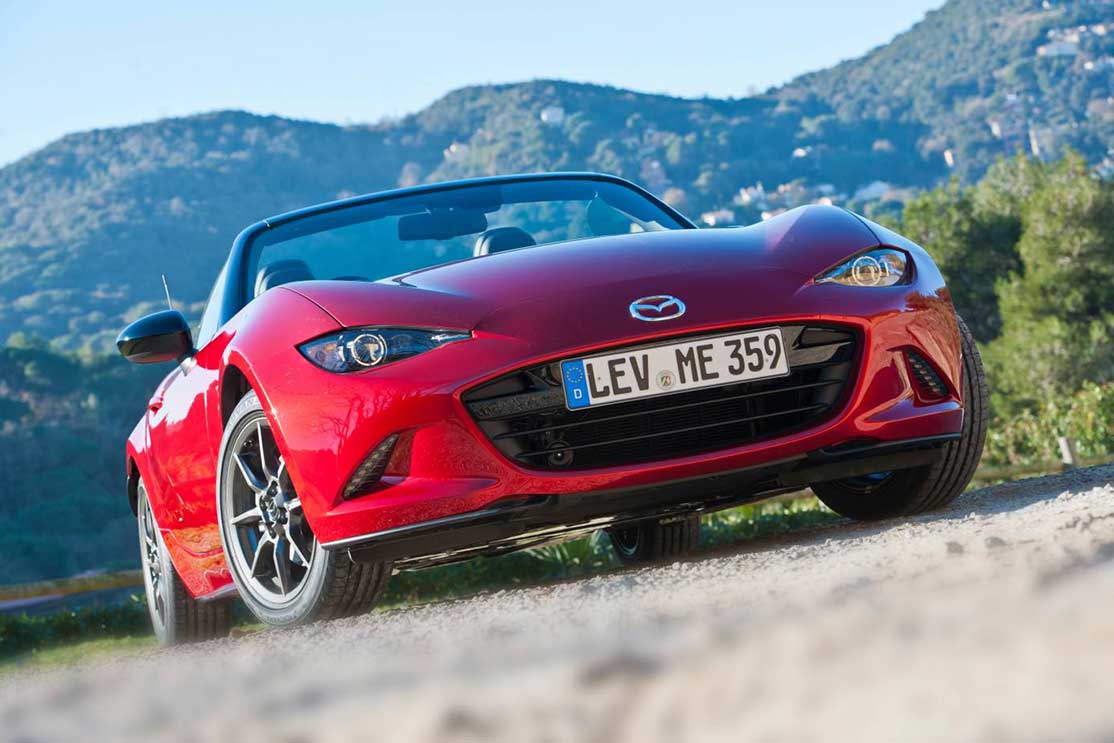
Mazda is very busy this year with many new and facelifted models coming in, but the most exciting import is the new MX-5. An iconic roadster, this multiple Wheels COTY winner has come full circle in 25 years, with Mazda stripping back the weight and doing away with the folding metal roof to produce a sub-tonne soft-top that packs more punch to go with its beautifully balanced body.
It will also have two engine choices, a 1.5- and a 2.0-litre, and start just under $40,000 when it rolls out in September.
MERCEDES-BENZ GLE/GLE COUPE
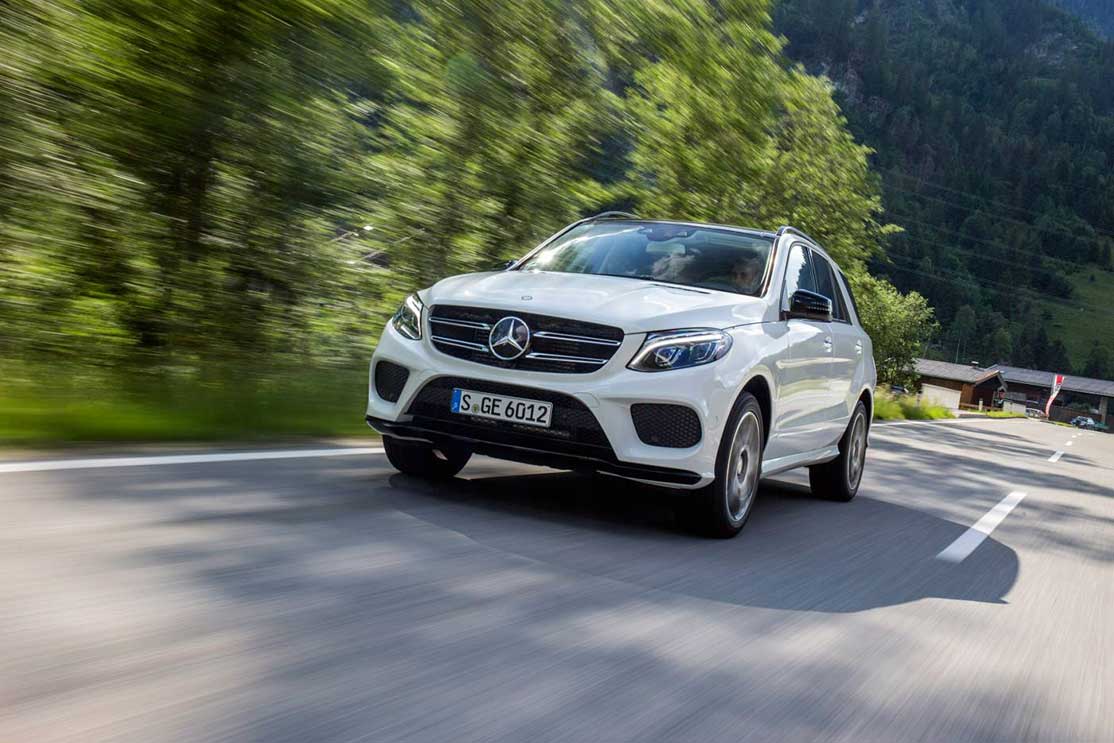
After 18 years wearing the trusty ML badge, Mercedes-Benz has renamed its best-selling SUV the GLE, bringing it into line with its other 4x4s which wear a G badge.
It is largely new inside and out, with petrol and diesel engines matched to a nine-speed automatic in all but the AMG models. However, it still offers only two rows of seats, leaving buyers to step up to the large GL if they need a third row.
The GLE range starts at $86,900 – add a tad more than $100K for the AMG version. We will also see a plug-in Hybrid in December, which will offer 34km per charge before the fuel-driven motor is required.
Merc will also bring in a sporty Coupe version to rival BMW’s polarising X6 SUV. The Coupe is aimed at the higher end and is appointed and priced accordingly; starting at $121,900 and working up to $198,900 for the AMG.
VOLVO XC90
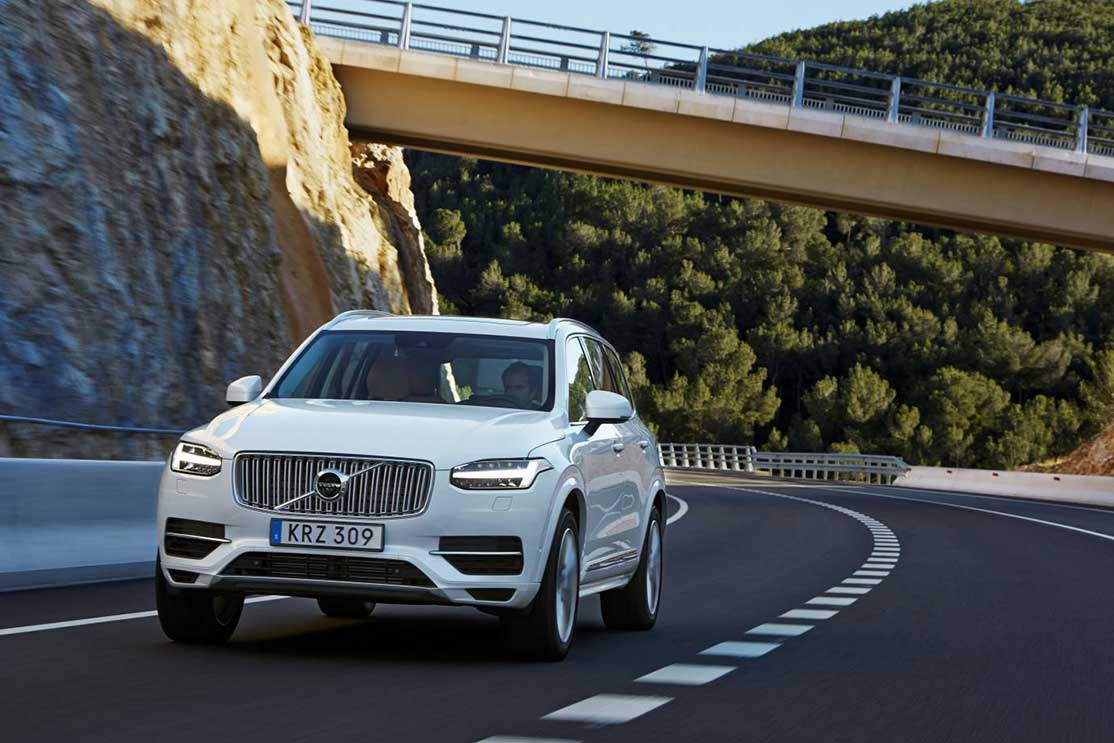
It’s been 12 years since the first excellent and rather underrated XC90 hit the showroom. But an all-new version is finally here.
On sale from August, and starting at around $90K, the XC90 range features the first seven-seat plug-in hybrid claiming 2.1L/100km and 43km from its electric engine. There are also straight four-cylinder petrol and diesel engines and a load of front-running tech including intuitive crash avoidance and braking, night vision accident avoidance, and radar rear collision sensors which grab the occupants by the belts if it senses a nose-to-tail.
It also features the brand’s new beefed-up look (they even call the headlight design ‘Thor’s Hammer’), which will roll out over the rest of the range as they are updated.
A FEW MORE
Audi Q7: A long-awaited new version of the big seven-seat SUV. Audi RS3: Super hot-hatch finally makes it to Australia after years with only an S3 version. BMW 3 Series: A big makeover for the middle-aged sedan staple. Ford Everest: With the Territory ending production in 2016, the Everest uses a Ranger utility backbone for its new seven-seat SUV. Holden Commodore: The last upgrade for the current Commodore range. Honda Jazz Hybrid: Electricity combined with a 1.5-litre petrol engine claim economy as low as 3.0L/100km. Holden Insignia VXR: Turbo, all-wheel-drive performance sedan with European flavour. Honda Civic Type R: Iconic hot-hatch finally gets full oomph with a turbocharger. Hyundai Tucson: Small SUV gets a big makeover while staying price competitive. Kia Optima: Hybrids and turbochargers feature in this mid-sized sedan overhaul. Ford Focus: Facelift for the Focus and possible arrival of RS hot-hatch. Mazda2 sedan: Return of the booted version of the Japanese carmaker’s top-selling light car. Mercedes-AMG GT S: Bye bye SLS, hello GT S; one of the coupes to buy if you have the cash. MINI Cabrio and JCW: Third iteration of the sunny cabrio arrives in time for summer. And the latest ‘John Cooper Works’ top-shelf performance Mini has more power than ever. Mercedes-Benz V-Class: A new moniker for Merc and a new take on the eight-seat people mover. Porsche Cayman GT4: Cayman moves farther away from base Boxster and into Carrera territory with a hard-hitting track-attack version. Skoda Fabia and Monte Carlo: New versions of the Volkswagen Group’s affordable hatch and hotter-hatch. Suzuki Vitara: Sitting beneath the Grand Vitara in the food chain, the Vitara offers promising soft-road frivolity at an affordable price. Toyota HiLux: Australia’s best-selling 4×4 gets a much-needed overhaul to try and keep its crown. Volkswagen Passat: Version eight of the mid-sized sedan and wagon. VW Golf Alltrack: VW’s all-wheel drive Golf is raised for soft-road adventures.
When it comes to top 10 cars, we know the list is subjective to personal preference. An American might start with Henry Ford’s assembly line Model T, Europeans will probably nominate the three-wheeled Benz, while parochial Aussies could suggest Harry Tarrant’s production of Australia’s first 16 petrol-driven cars in 1900. And let’s not even get started on the technical nous – we’ll save engineering feats for a future list.
WhichCar explores 10 designs that have changed the emotional and physical relationship between people and cars.
1. AERODYNAMIC FORMS
The Alfa Romeo BAT (Berlinetta Aerodinamica Tecnica) was designed by Franco Scaglione of Bertone. In 1953, the BAT 5 showed the world an otherworldly form that optimised aerodynamic performance. More BATs followed that combined sculptural and flowing bodies for even better air flow. BATs still pique the imagination of car designers everywhere.
Current equivalent: Nissan GT-R (designed using a wind tunnel to optimise aerodynamics).
2. MASS PRODUCTION ECONOMY CAR
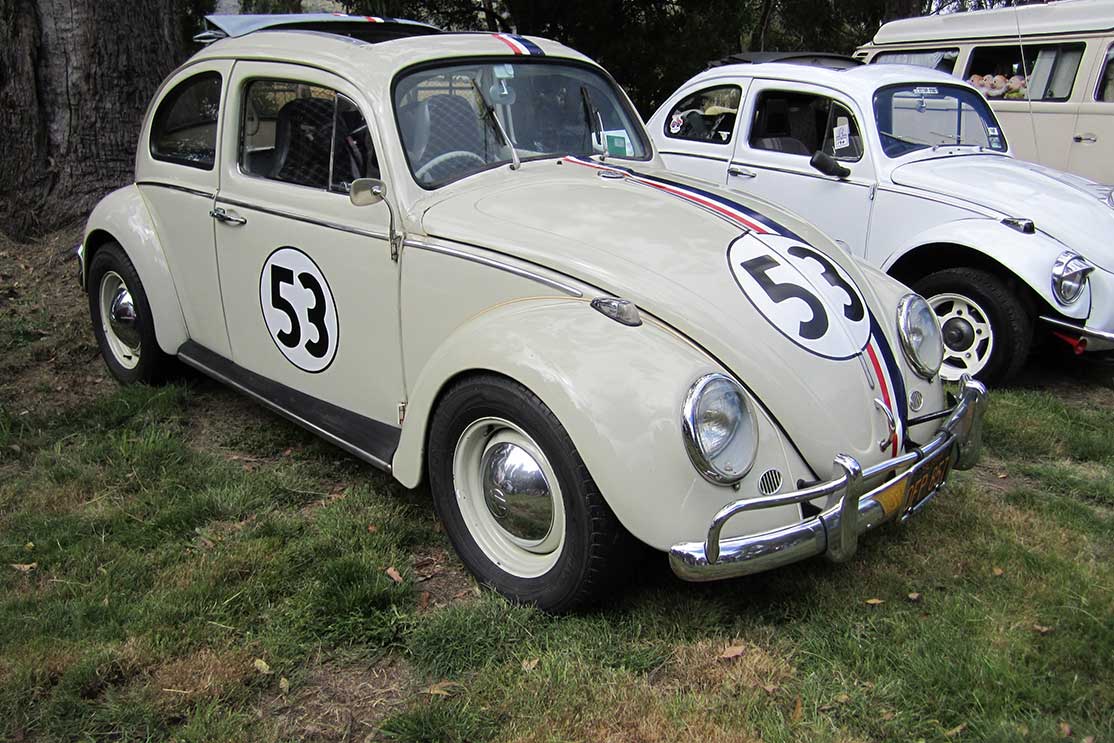
The VW Beetle was designed by Ferdinand Porsche and Adolf Hitler. Yep, it’s true. Way before Herbie went bananas, the Germans created a simple yet effective “car for the people”. Iconic for its simple curved profile and its easily-repaired engine, the VW Beetle has been in production since 1938 and has been the model for every economy car since.
Current equivalents: Mazda2, Ford Fiesta, Holden Barina and Honda Jazz.
3. COMPACT CARS
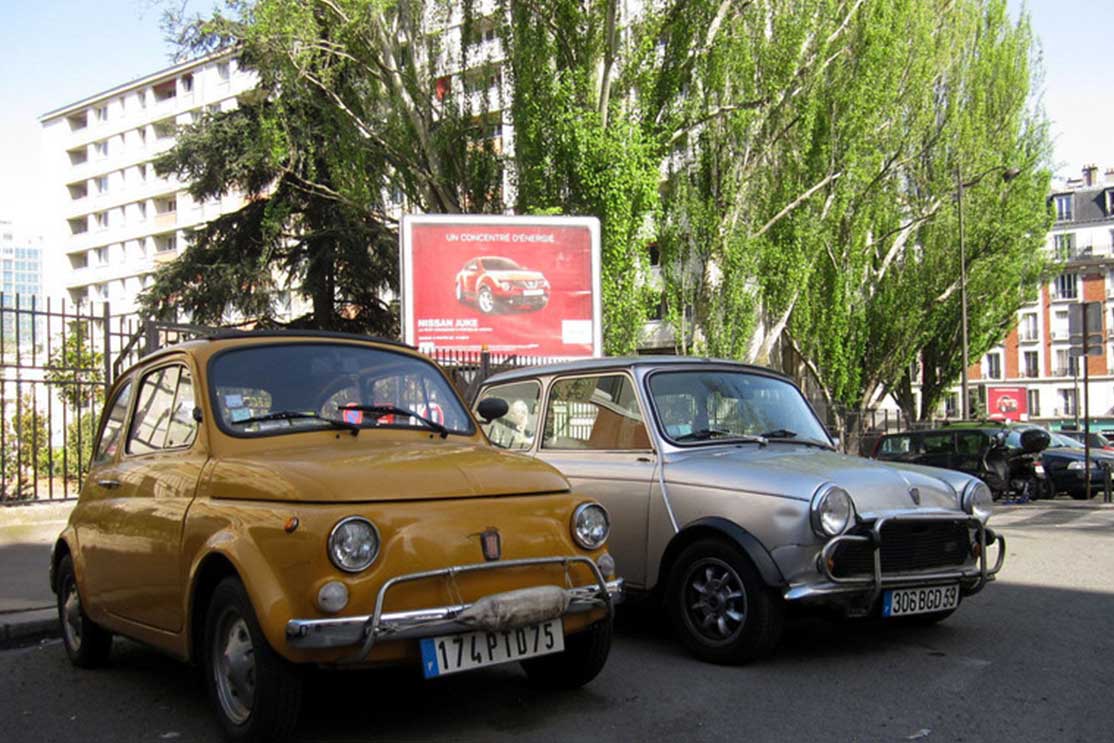
In 1936, Dante Giacosa and Alec Issigonis designed the Fiat 500 “Topolino”, which in Italian translates to “little mouse”. Perfectly compact and fun to drive, the Fiat 500 was joined in 1959 by the Mini. These European buddies pioneered the front-wheel layout, with the engine mounted perpendicular to the length of the car. This was an efficient space-saving arrangement that remains the model for small cars today.
Current equivalents: Fiat 500, Mini Cooper and Mitsubishi Mirage.
4. THE UTE
In 1932, a farmer wrote to Ford Australia: “Please make a two-in-one car and truck, something I can drive to church on Sunday and transport pigs on Monday.” So, designer Lewis Bandt grafted a high-sided ‘utility’ tray onto a two-door Ford V8 to create a low-slung luxury truck/car hybrid. Henry Ford called it a “kangaroo chaser”, and by 1934 Holden and Ford both produced utes.
Current equivalents: FGX Falcon ute and Holden VF Commodore Storm ute.
5. HATCHBACKS AND THE HOT HATCH
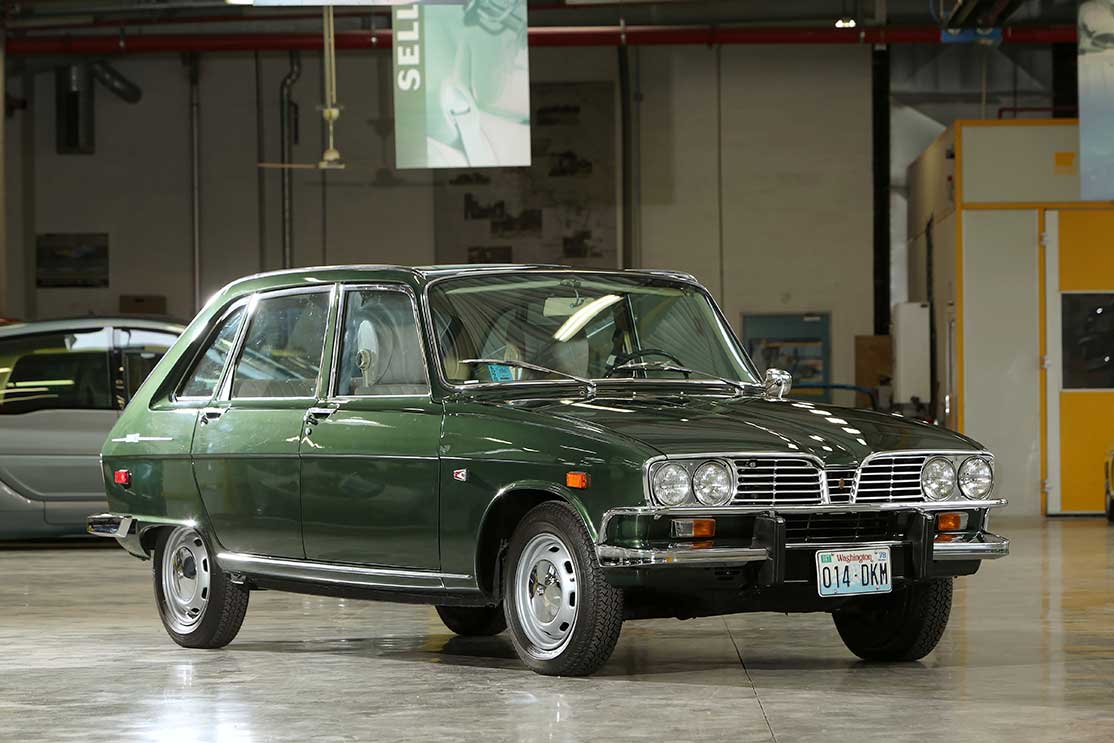
The 1965 Renault 16, designed by Gaston Juchet, was a five-door hatch assembled in Australia. It was an elegant and flexible family hatch that was fun to drive. A different approach was taken by the 16 to the sedans and wagons that were on the market at the time, as the hatchback combined a wagon layout with a sloping, top-hinged “hatchback” rear window. The Renault was followed by the 1976 Gordini, the VW Golf and the Honda Civic. From here, one of Australia’s favourite genres took off.
Current equivalents: VW Golf, Renault Clio, Honda Civic and Ford Focus ST.
6. THE MINIVAN
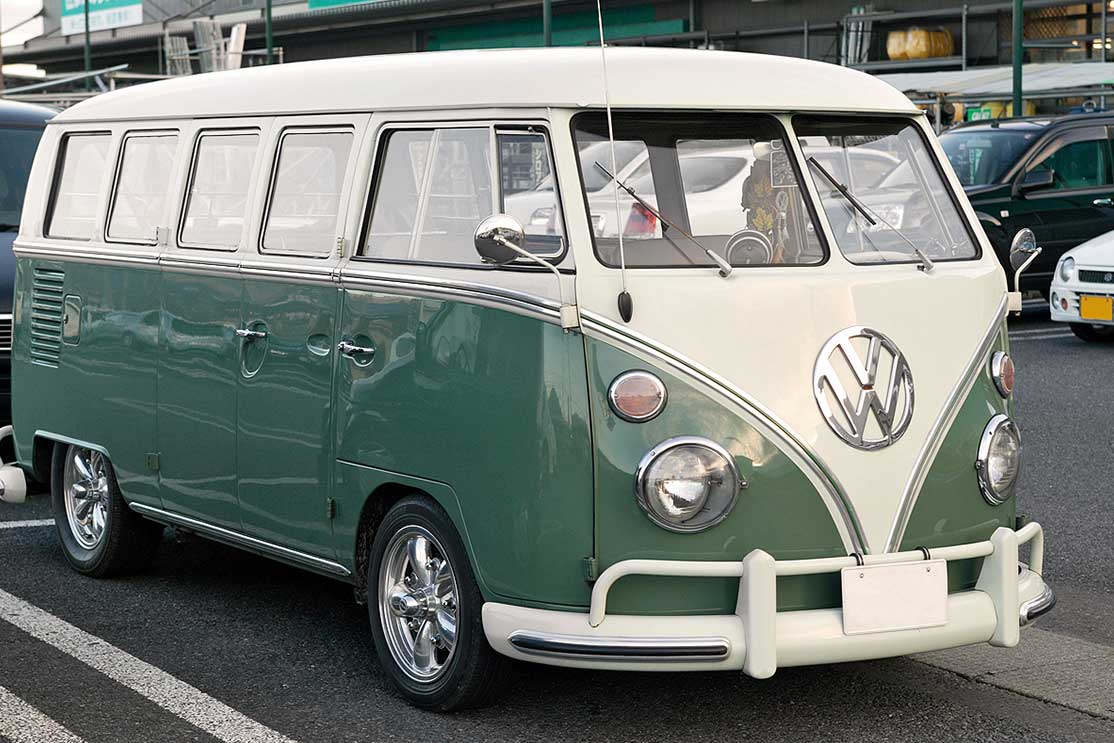
The 1950 VW Type 2 Kombi van, designed by Ben Pon, positioned the driver right over the front wheels, had removable rear seats and more headroom than a standard car. The Type 2 set off the snub-nosed multi-purpose vehicle that morphed into campers, ambulances and ice-cream trucks. In 1968, VW introduced the sliding door, three rows of seats and the station-wagon-style tailgate that is the norm for minivans today.
Current equivalents: Honda Odyssey and Citroen Grand C4 Picasso.
7. 4WD SUV
Credit: Victor Camilo
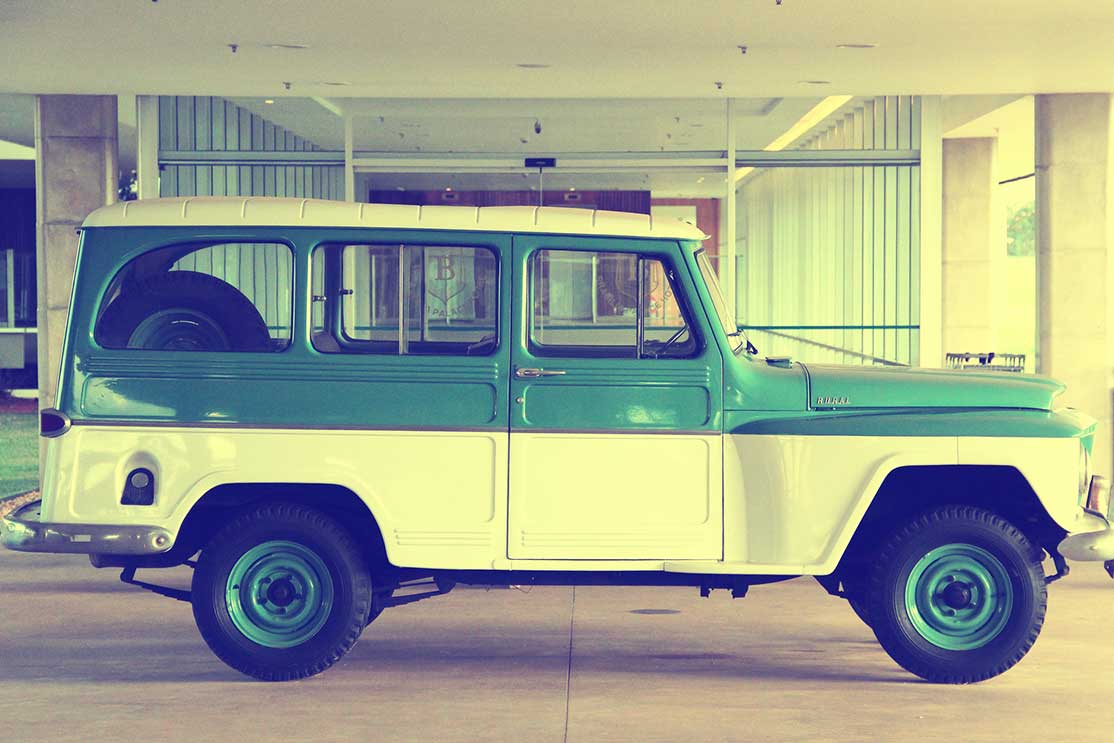
Willys developed and launched the Willys Jeep Station Wagon as a steel-bodied “utility vehicle” for the family in 1946, adding four-wheel drive in 1949. The Jeep Wagon was designed by Brooks Stevens. In 1974, the Jeep Cherokee combined a passenger chassis with a truck chassis and the modern SUV was born.
Current equivalents: Land Rover Discovery and Ford Territory.
8. HYBRID
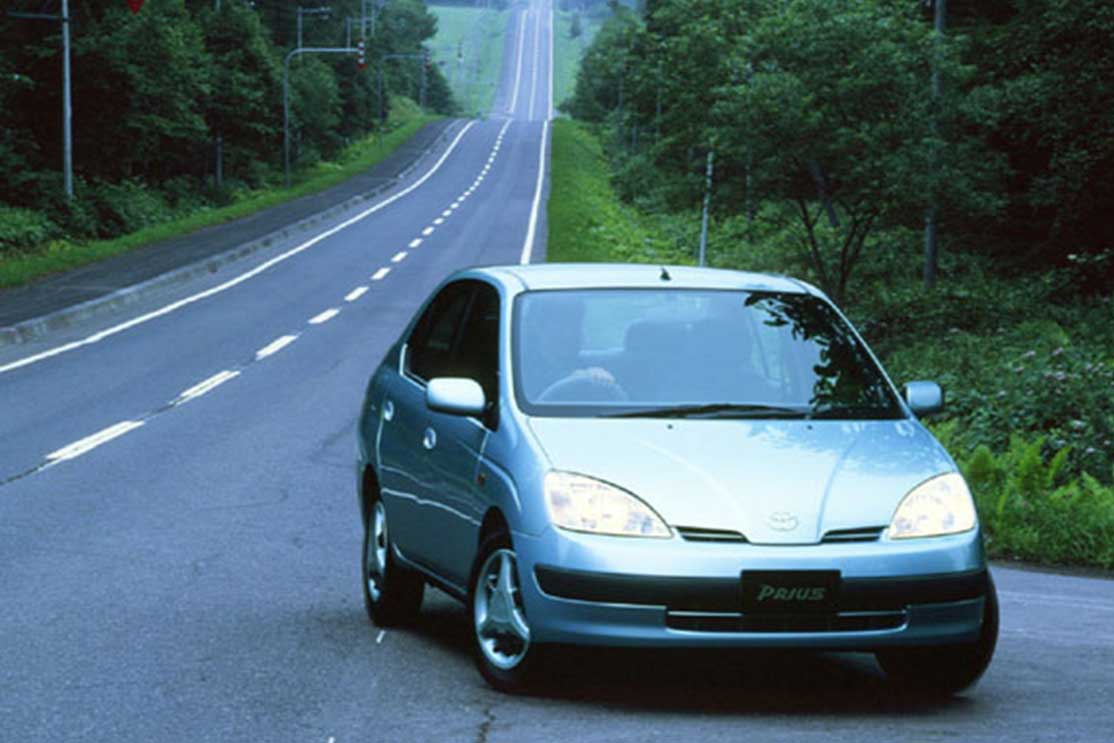
In 1997, Toyota pioneered an entirely new look and driving experience with the Toyota Prius. Shaped like a scarab beetle, the Prius pioneered the concept of using instruments to illustrate fuel-efficient driving. The Prius introduced hybrid engine technology and the benefits of regenerative braking and fuel-saving aerodynamic design to a global audience. It was a slug to drive, though.
Current equivalents: Prius C and V, Toyota Camry and Mercedes C300 BlueTEC.
9. PLUG-IN ELECTRIC
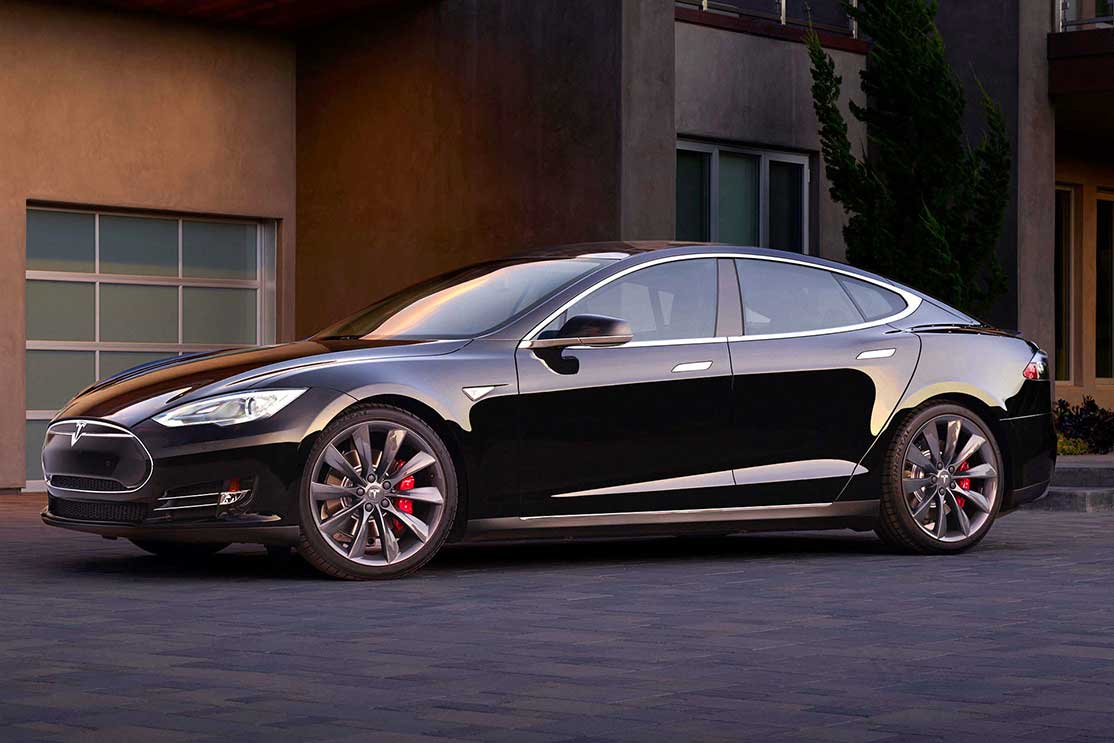
When Tesla launched its all-electric Roadster it was largely dismissed as an electric Lotus, but the 2012 Model S, styled by Franz von Holzhausen, was a game-changer.
Tesla set out to show that electric driving could be as exhilarating as a thudding V8 and they nailed it with a car that looks sleeker than a Maserati, takes off faster than a Porsche and has at least double the range of any other electric car. Plus, the Model S sedan boasts a roomier middle seat than any other car, bar none.
Current equivalents: Tesla Model S 85 and BMW i8.
10. HYDROGEN
The 2015 Hyundai ix35 Fuel Cell is the first globally produced hydrogen-powered passenger vehicle. Hyundai produces hydrogen using solar power, so the entire cycle from fuel production to car propulsion is emissions-free. Hydrogen may become the most widely-used fuel as it allows decent range and emits only water.
Current equivalents: Toyota and Honda have hydrogen cars, but they’re not available in Australia.
11. FLYING CARS
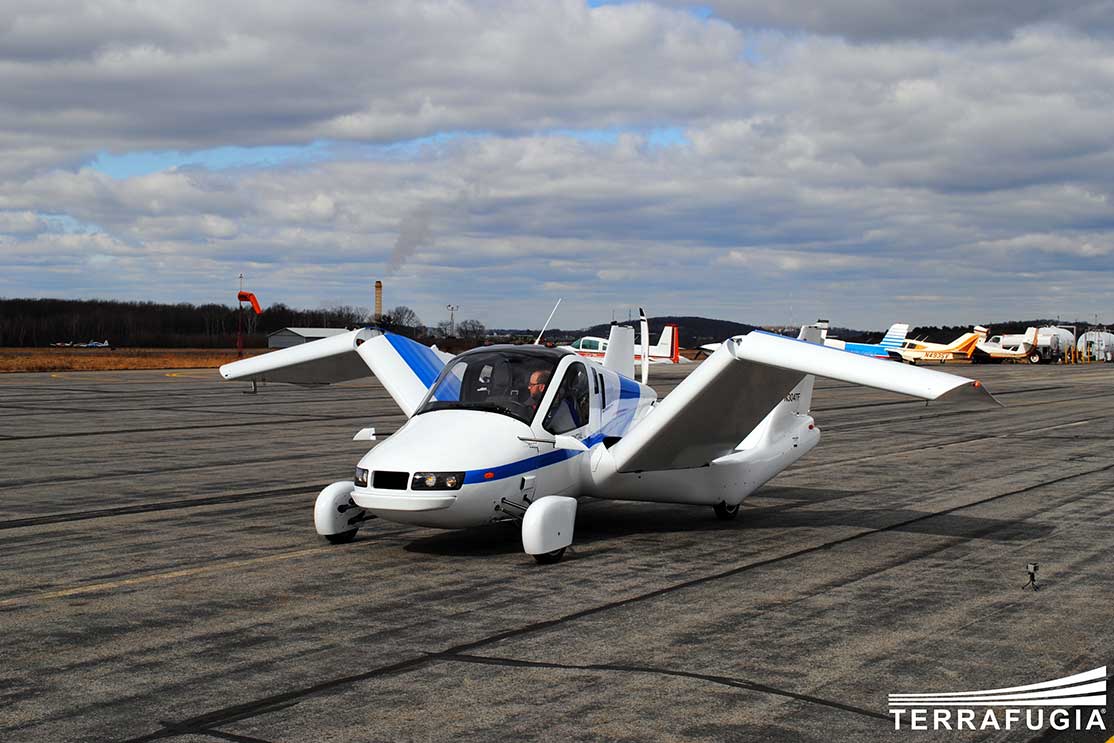
Is it a bird? Is it a plane? Is it The Jetsons? Well, almost. It’s a 2017 Terrafugia; a car with folding wings that can taxi and take off. The first Terrafugias will be delivered to customers in 2017.
