We’re still waiting for some manufacturers to confirm monthly sales figures for electric variants of combustion vehicles.
*Estimate based on prior sales performance

As before, the i30 Sedan N will be available in a single trim with an eight-speed dual-clutch automatic or a no-cost option six-speed manual, driving the front wheels. The only options are a sunroof ($2000) and premium paint ($595).
Powered by a carry-over 2.0-litre turbo-petrol four-cylinder developing 206kW/392Nm (up to 213kW in N Grin Shift mode), the latest refresh is focused on visual, tech, and ‘motorsport-derived’ chassis improvements.
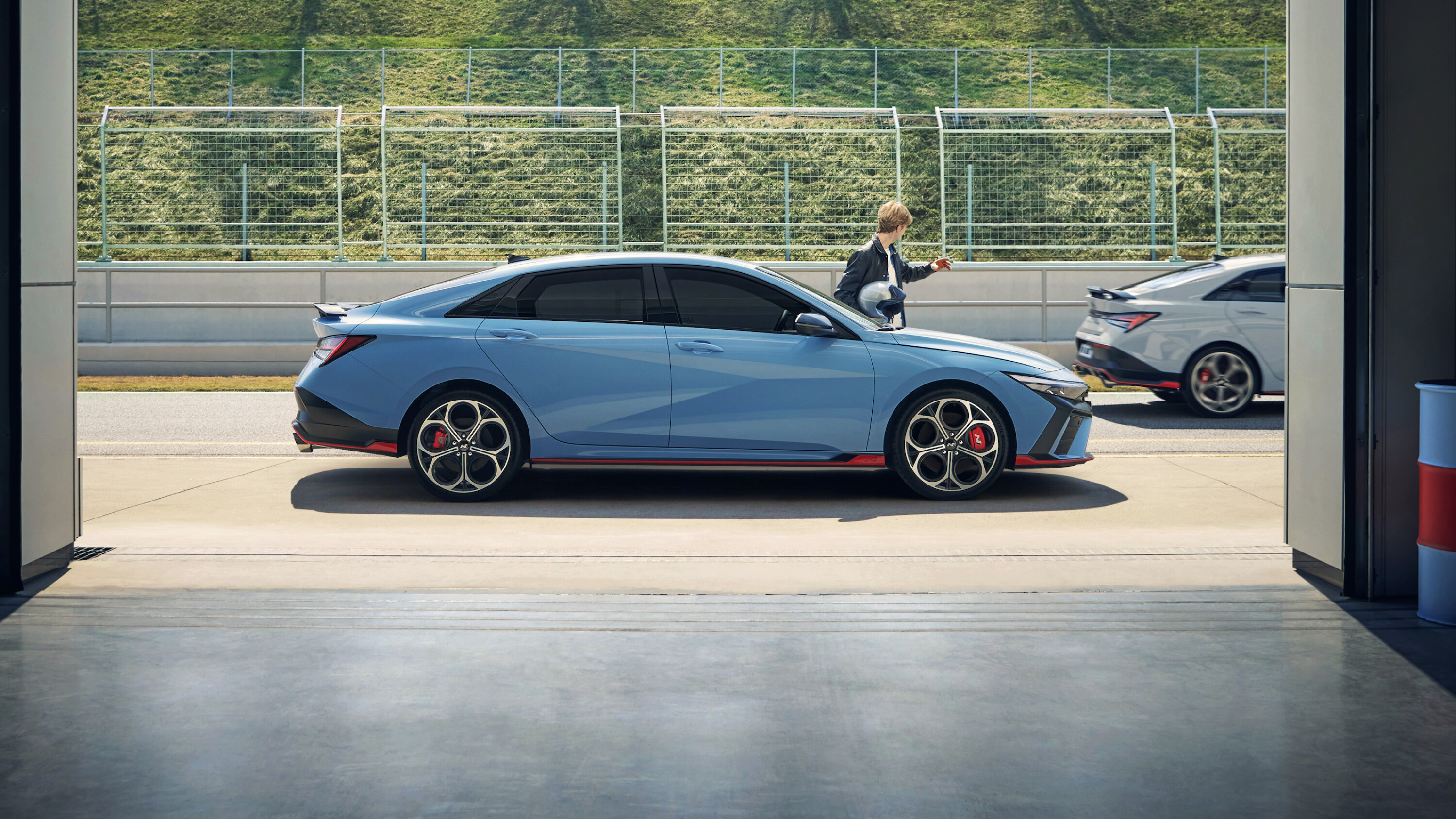
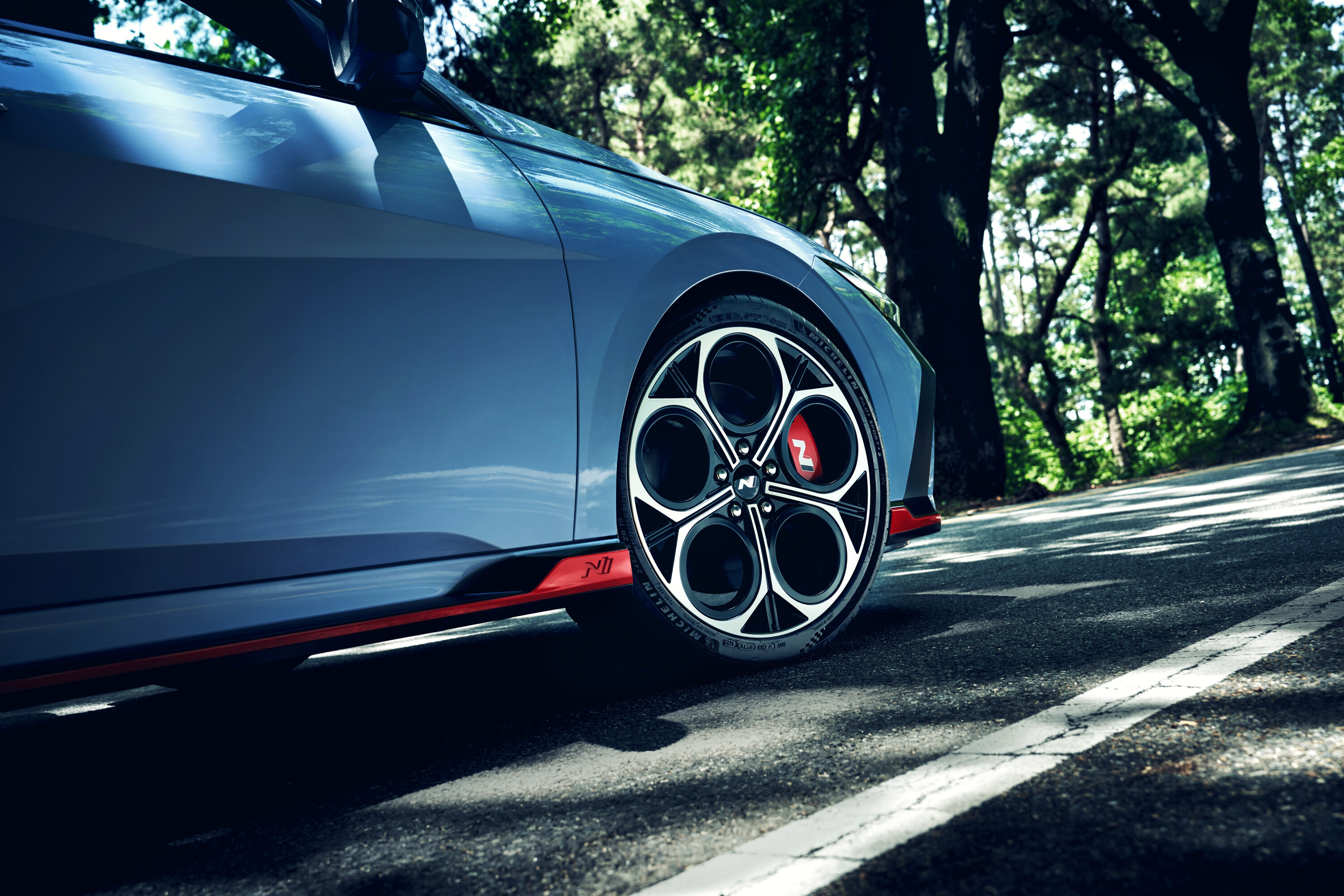
There are new 19-inch forged alloy wheels that are lighter than the old items, improving handling and ride quality.
Underneath the metal, Hyundai has reinforced the engine mounts, the Sedan N’s G-bushing, and fitted a new rear S/ABS insulator made from stiffer polyurethane.
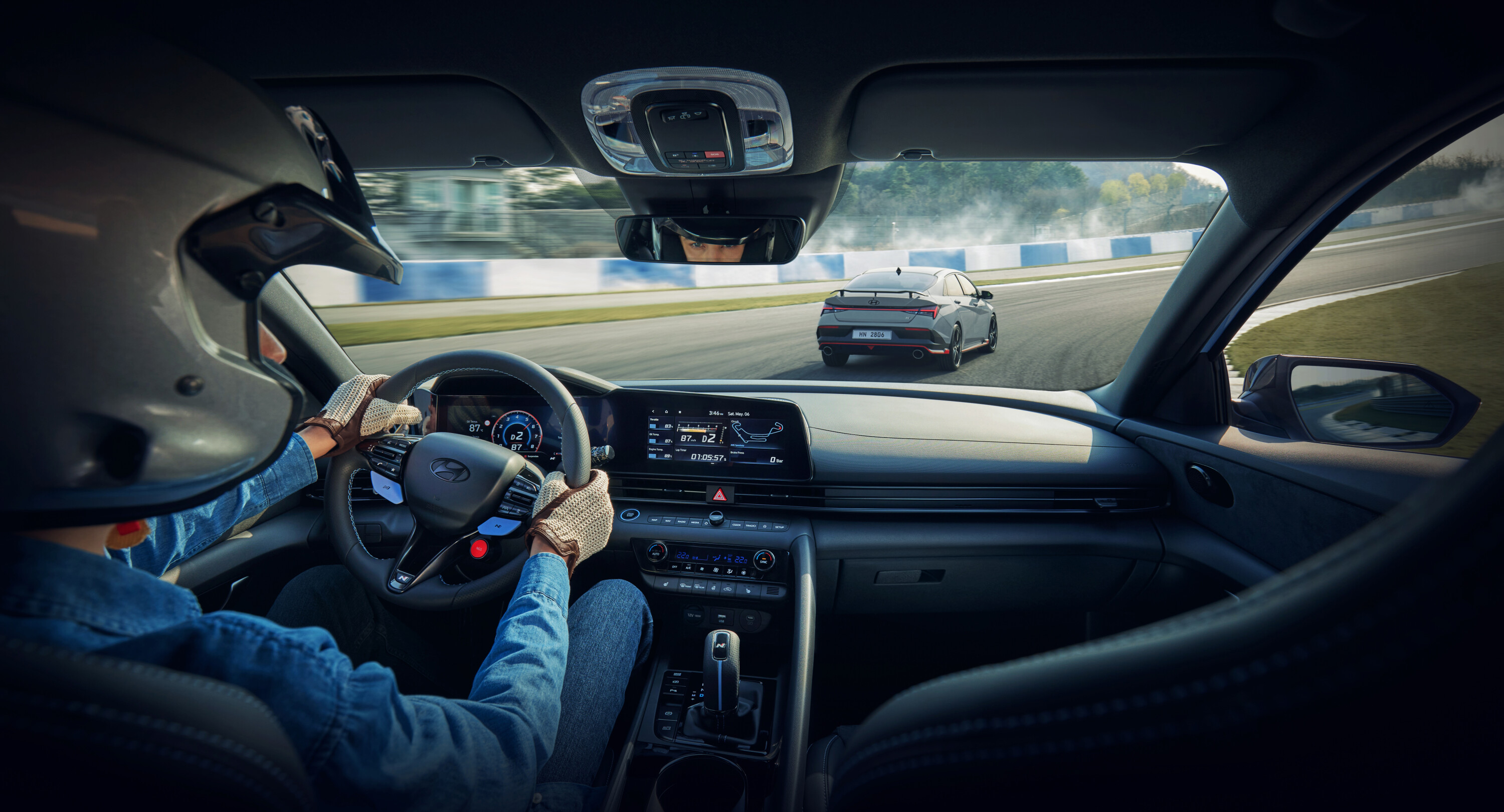
“2024 i30 Sedan N showcases Hyundai’s commitment to bringing motorsport engineering and technology to our road cars, drawing from our TCR Series successes around the world”, said Hyundai Australia CEO Ted Lee.
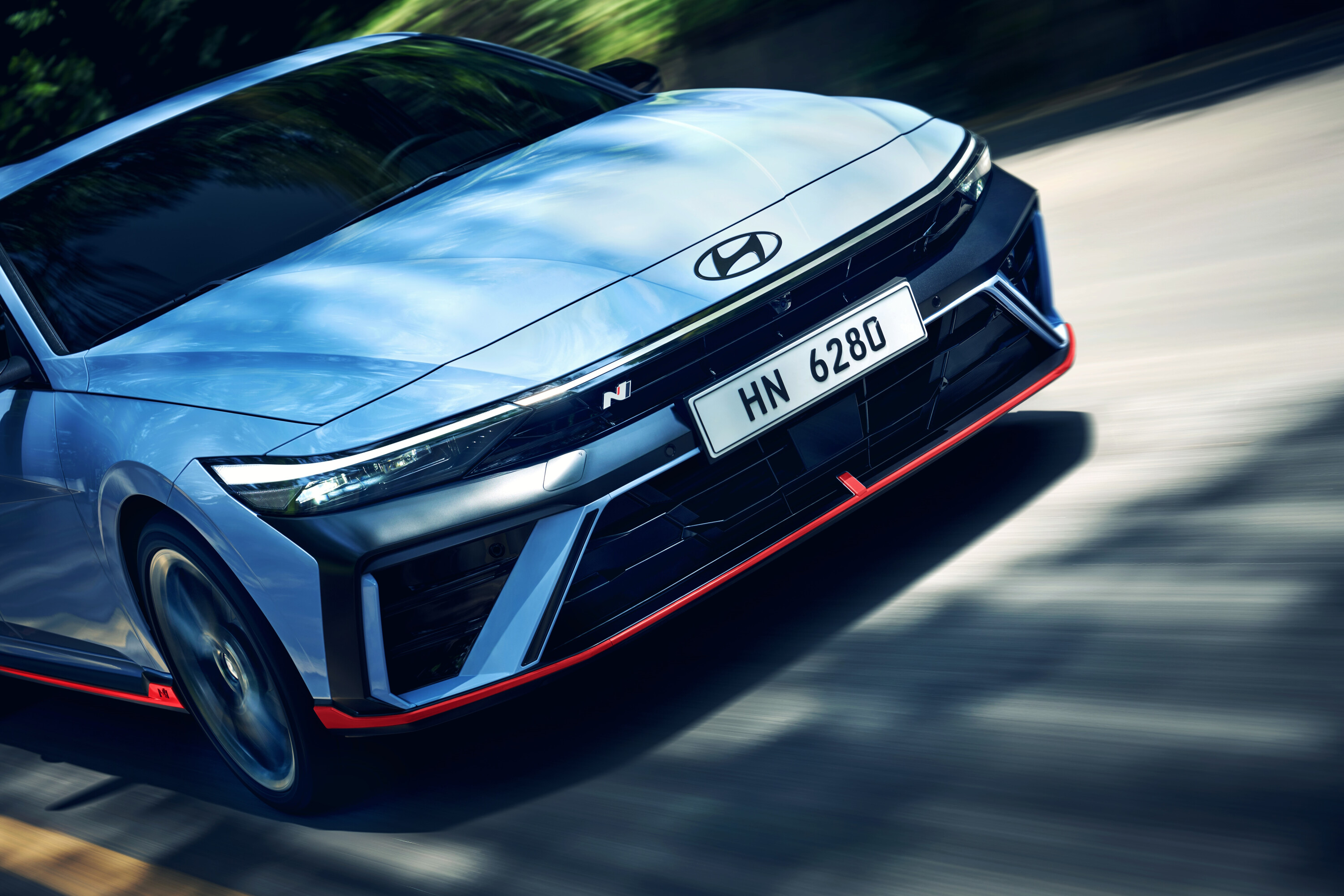
The brakes should be more fade resistant also thanks to additional thermal insulation in the lines. Finally, the steering system has been recalibrated to ‘enhance feedback and directness’, with a lower-friction universal joint providing enhanced precision.
The last identifier outside is new black aluminium badging.
| i30 Sedan N Bluelink features | |
|---|---|
| Automatic Collision Notification (ACN) | Navigation send to car |
| Emergency Call (SOS) function | Voice recognition for POI lookup, vehicle controls |
| Connected Routing u2013 live traffic updates | Live weather information |
| Alert services including geo-fencing, valet, speed & time alerts | Vehicle settings management |
| Remote control of climate and vehicle functions | |
| 2024 i30 Sedan N features | |
|---|---|
| 19-inch forged alloy wheels with Michelin Pilot Sport 4S tyres | Leather-appointed sports front seats with heating and ventilation |
| Adaptive dampers | Leather-appointed heated steering wheel |
| Electro-mechanical LSD | 10-way power driveru2019s seat with memory |
| N Grin Control System (drive modes) | 10.25-inch digital instrument cluster |
| N Grin Shift (DCT only) | 10.25-inch infotainment system w/satnav |
| N Performance Driving Data System | Apple CarPlay/Android Auto |
| Performance brake package | BluelinkTM connected car services |
| Rear stiffness bar | Dual zone climate w/auto defog |
| Track Maps (Auto lap timer) | Bose premium audio w/digital radio |
| N body kit | Rain sensing wipers |
| Boot mounted rear wing | Power folding exterior mirrors |
| Flat aluminium exterior badges – black | Smart key w/push button start |
| Tyre Pressure Monitoring System | Ambient interior mood lighting |
| Wireless phone charger | USB-C type outlets F/R |
| Front and rear parking sensors | Electro-chromatic interior mirror |
| Full LED front lighting | LED rear positioning, brake lights, triangle rear fog lamp |
The updated 2024 Hyundai i30 Sedan N is now available in Australia, priced from $52,000 before on-road costs.
BMW Australia has confirmed it has axed the base 320i and plug-in hybrid 330e sedans from its range, leaving the 330i sedan as the most affordable 3 Series offered locally.
This sees the cost of entry into the 3 Series line-up rise from $80,200 before on-road costs for the 320i to $94,700 before on-road costs for the 330i – an increase of $14,500 or 18 per cent.
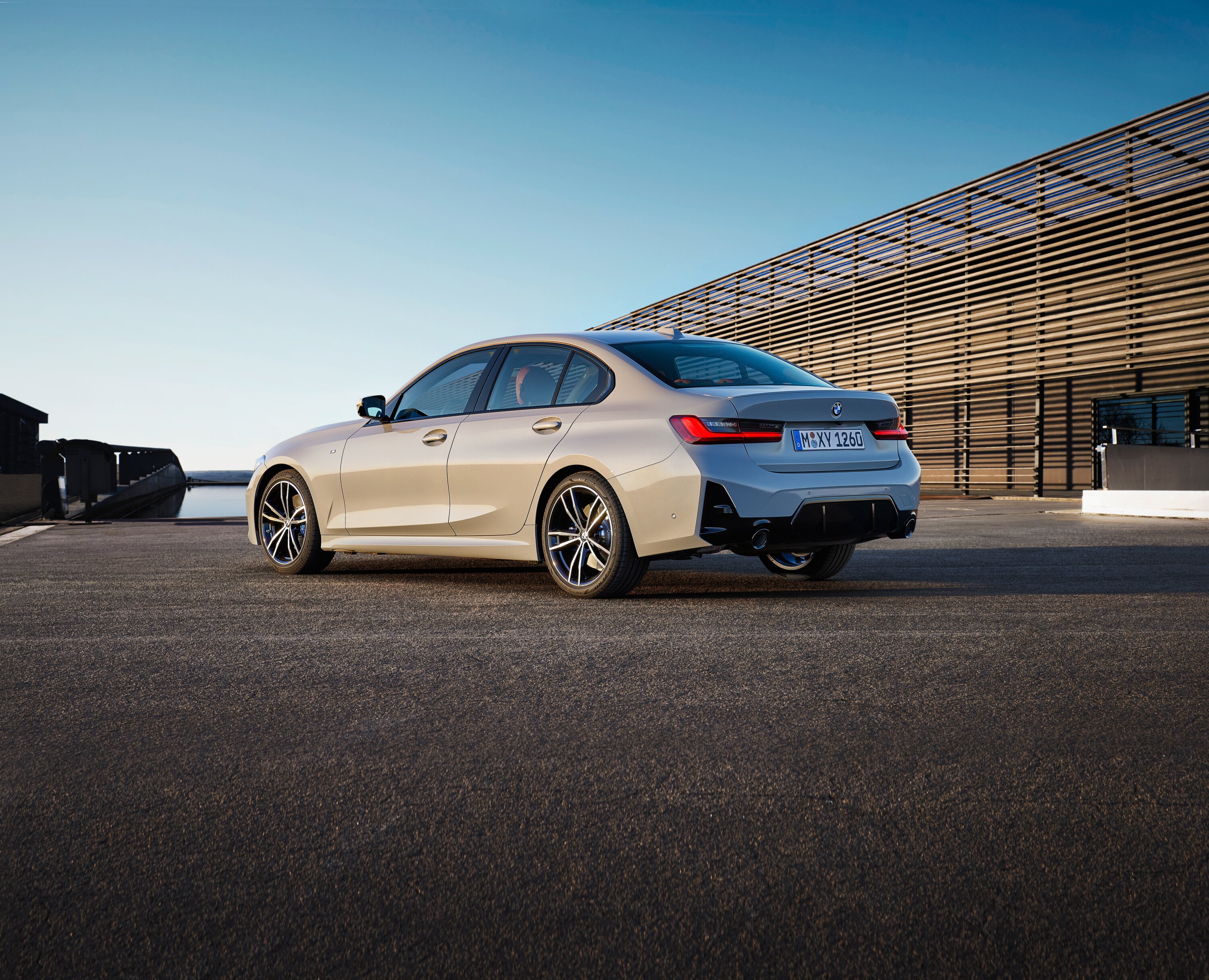
Meanwhile, BMW Australia is pointing those interested in the $98,700 plus on-roads 330e plug-in hybrid towards the $85,900 plus on-roads i4 eDrive35 four-door coupe, which delivers an all-electric package with similar power at a lower cost.
“The high volume of new BMW models introduced to the local market prompts us to constantly assess our product portfolio in line with customer demand and our commitment to offering products that suit individual needs. This has led us to restructure the BMW 3 Series variants for 2024,” said a BMW Australia spokesperson.
“The 3 Series line-up will comprise the successful 330i for both Sedan and Touring and the M340i xDrive Sedan.”
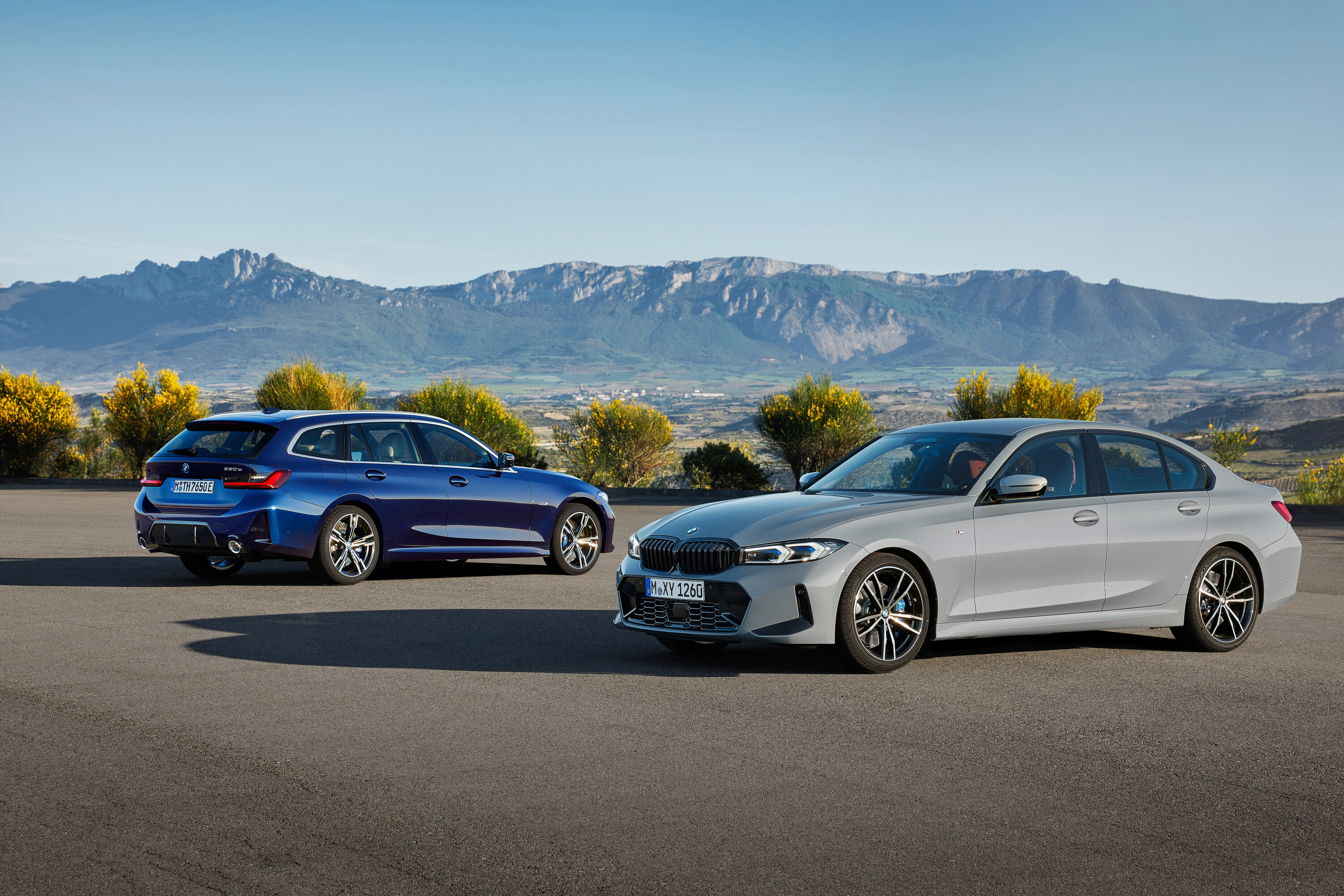
“In the electrified space, we will shift our focus from the 330e plug-in hybrid to the fully electric i4 eDrive35. This newly introduced offering is priced at $85,900, exempting it from both Luxury Car Tax (LCT) for fuel efficient vehicles and Fringe Benefits Tax (FBT) for fleet operators.”
The G20-series BMW 320i launched in Australia in mid-2019 priced from $64,900 before on-road costs before subsequent price increases and a mid-life facelift saw its price rise to $80,200 prior to its deletion.
The mid-spec 330i was priced at $70,900 at launch. The cost of entry into a 3 Series has risen by $29,800 in five years – or $23,800 when comparing the previous 330i to the latest model.
In addition to the standard 330i sedan, 330i Touring and M340i sedan, the BMW M3 is still offered in manual, Competition auto, Competition xDrive auto, Touring xDrive, and limited-run M3 CS xDrive form.
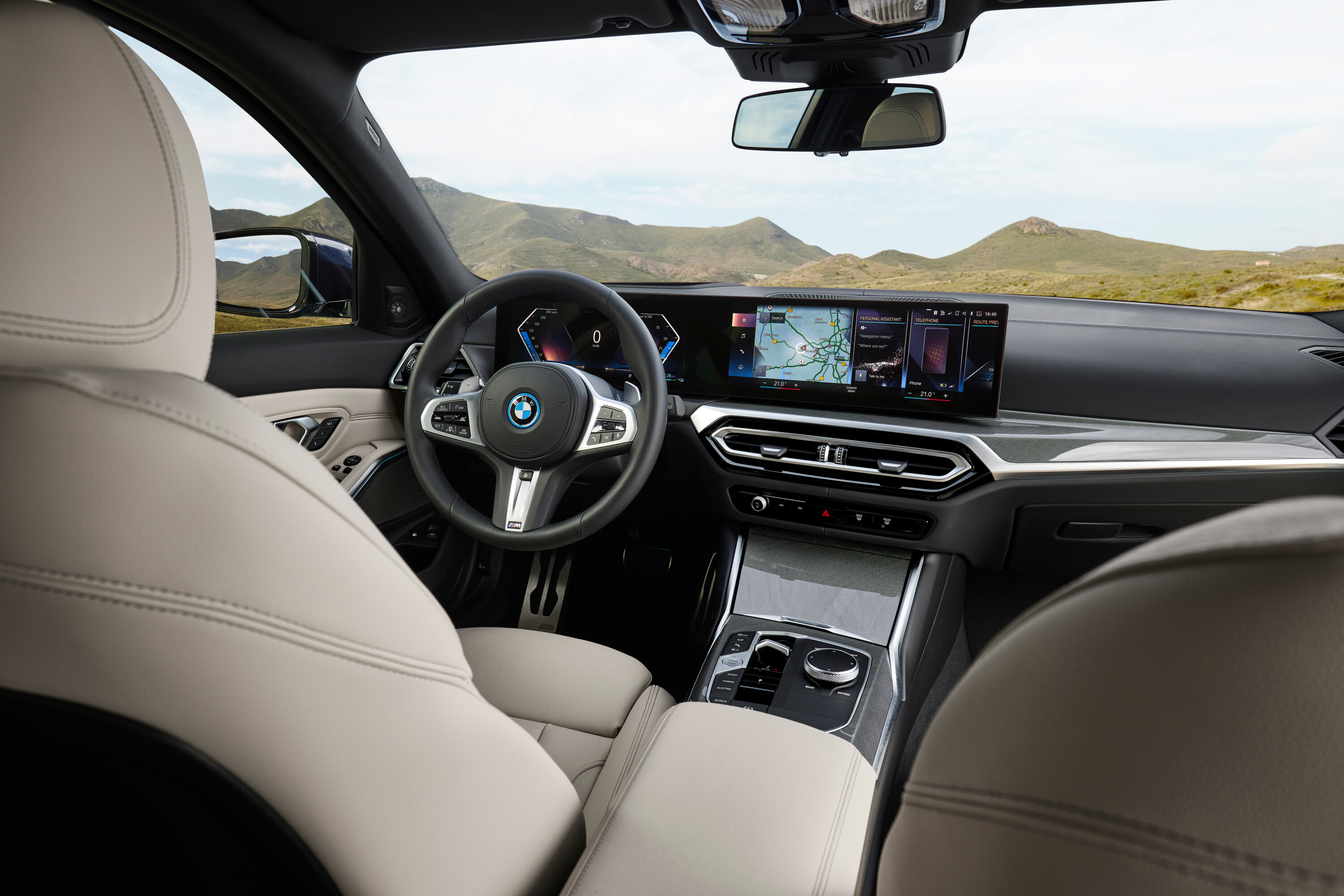
All prices exclude on-road costs.
| Model | Pricing |
|---|---|
| 330i sedan RWD | $94,700 |
| 330i Touring wagon RWD | $98,900 |
| M340i sedan AWD | $106,200 |
| M3 sedan manual RWD | $161,300 |
| M3 Competition sedan auto RWD | $171,600 |
| M3 Competition sedan auto AWD | $177,800 |
| M3 Touring wagon auto AWD | $180,100 |
| M3 CS sedan auto AWD | $249,900 |
The “Hey Mercedes” function will be a focal point, promising a more “natural, human-like” experience, while presenting drivers with a new visual interface that was developed in the Unity engine – a tool commonly used in the development of video games.
“Mercedes-Benz is reinventing the digital passenger experience by leveraging AI to offer human-like interaction with the intelligent MBUX Virtual Assistant. It includes empathetic characteristics that sync with your driving style and mood,” said Mercedes-Benz Chief Executive Ola Källenius.
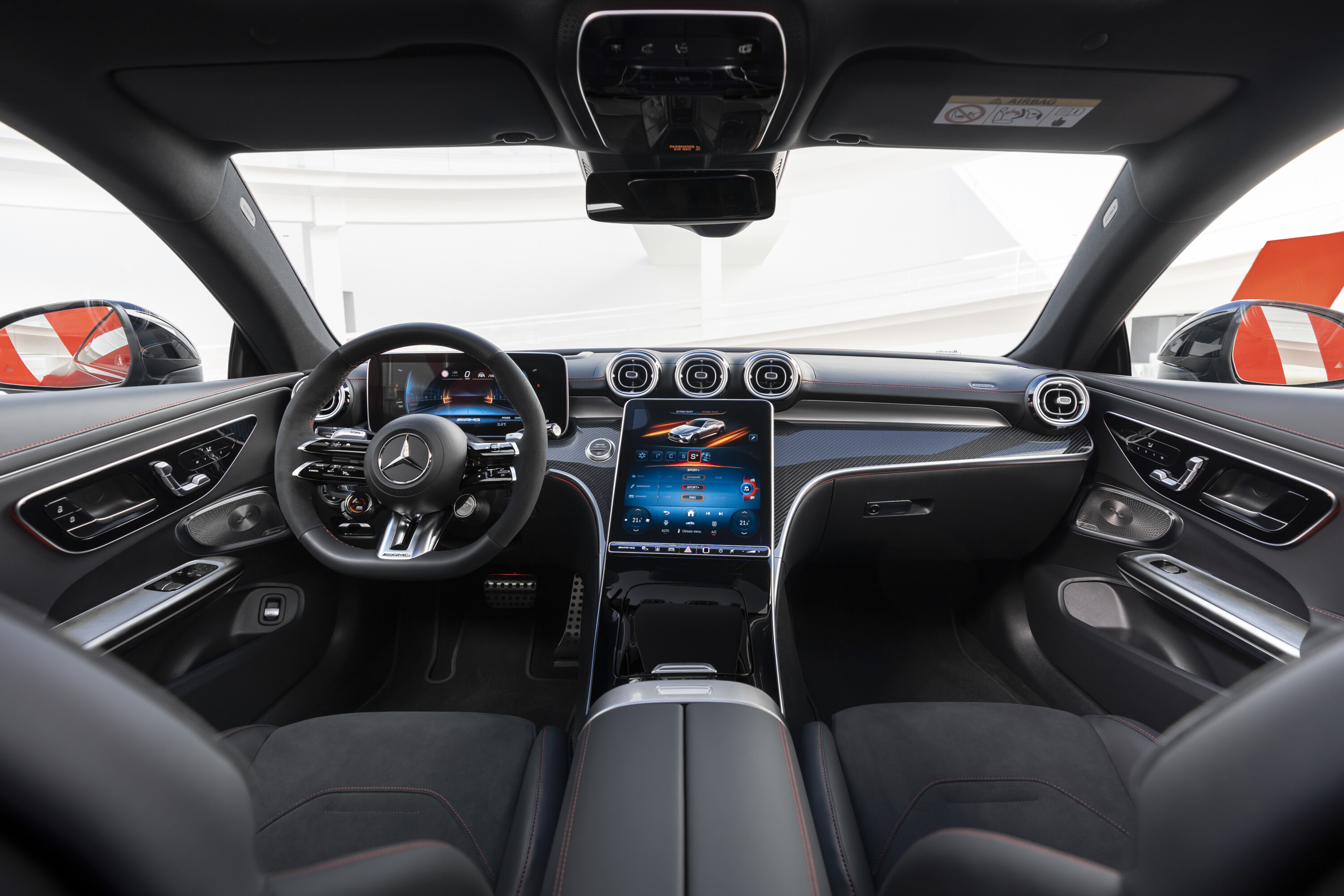
Other carmakers have also seen opportunity with AI, with Kia revealing it will soon have a chatbot integrated into its vehicles to help owners get answers to any questions.
The Consumer Electronics Show is held annually in Las Vegas and will run in 2024 between the 10th and 12th of January.
Effectively a real-time telemetry system that adds driver biometrics into the mix, Telemetry X gives Lambo drivers the benefit of a ‘Digital Co-Pilot’ and a remote coaching feature (‘Remote Garage’) through a 5G mobile connection.
Using a wearable device, Telemetry X’s biometrics tracking includes the ability to monitor your own health behind the wheel, ““including heart rate and stress level, to allow more in-depth performance monitoring and provide useful references on how they can refine their training”.
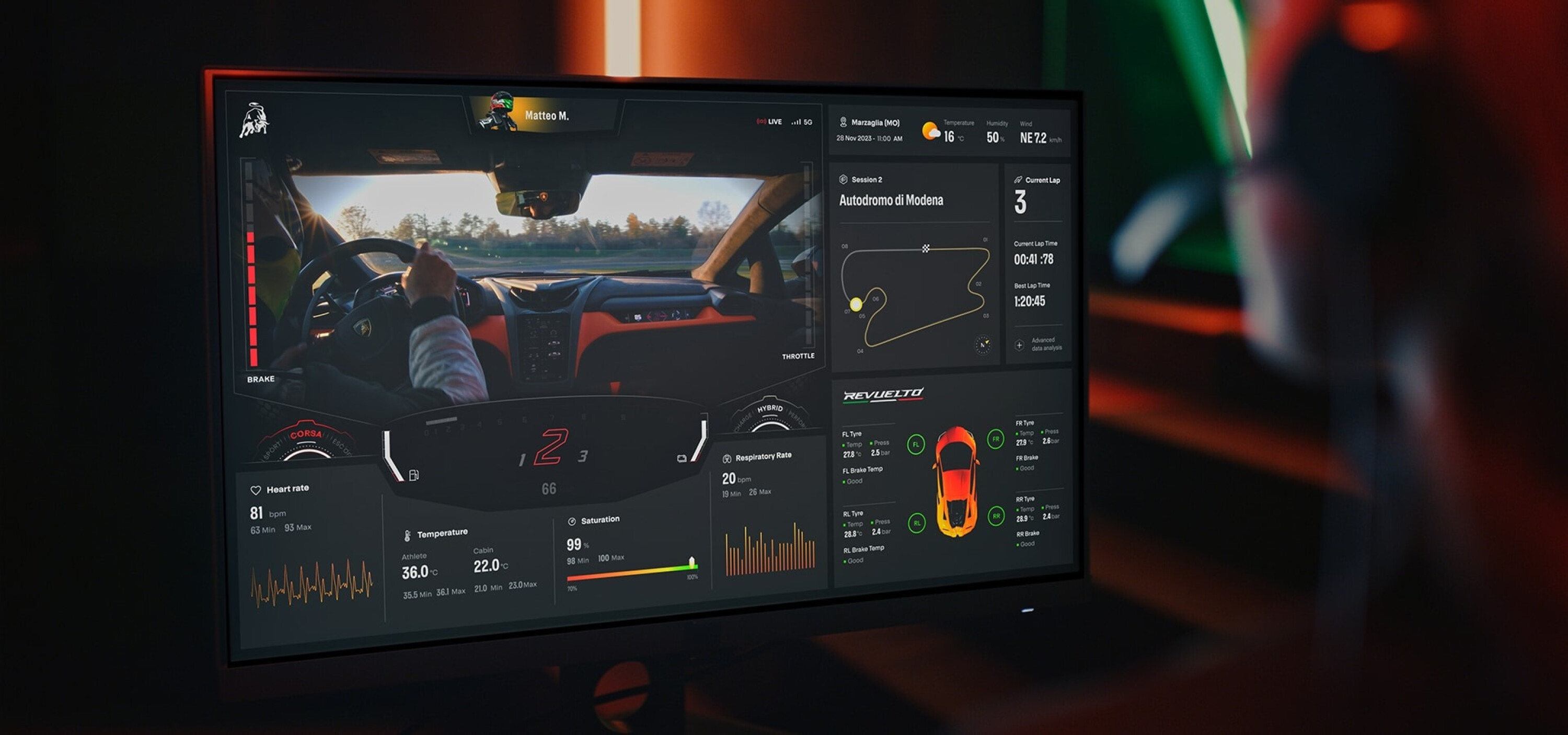
The Digital Co-Pilot is effectively a voice assistant that focuses on your track work, which “analyses lap times and provides useful pointers for improving racing lines and braking points, as well as information on the performance of the car on the track”.
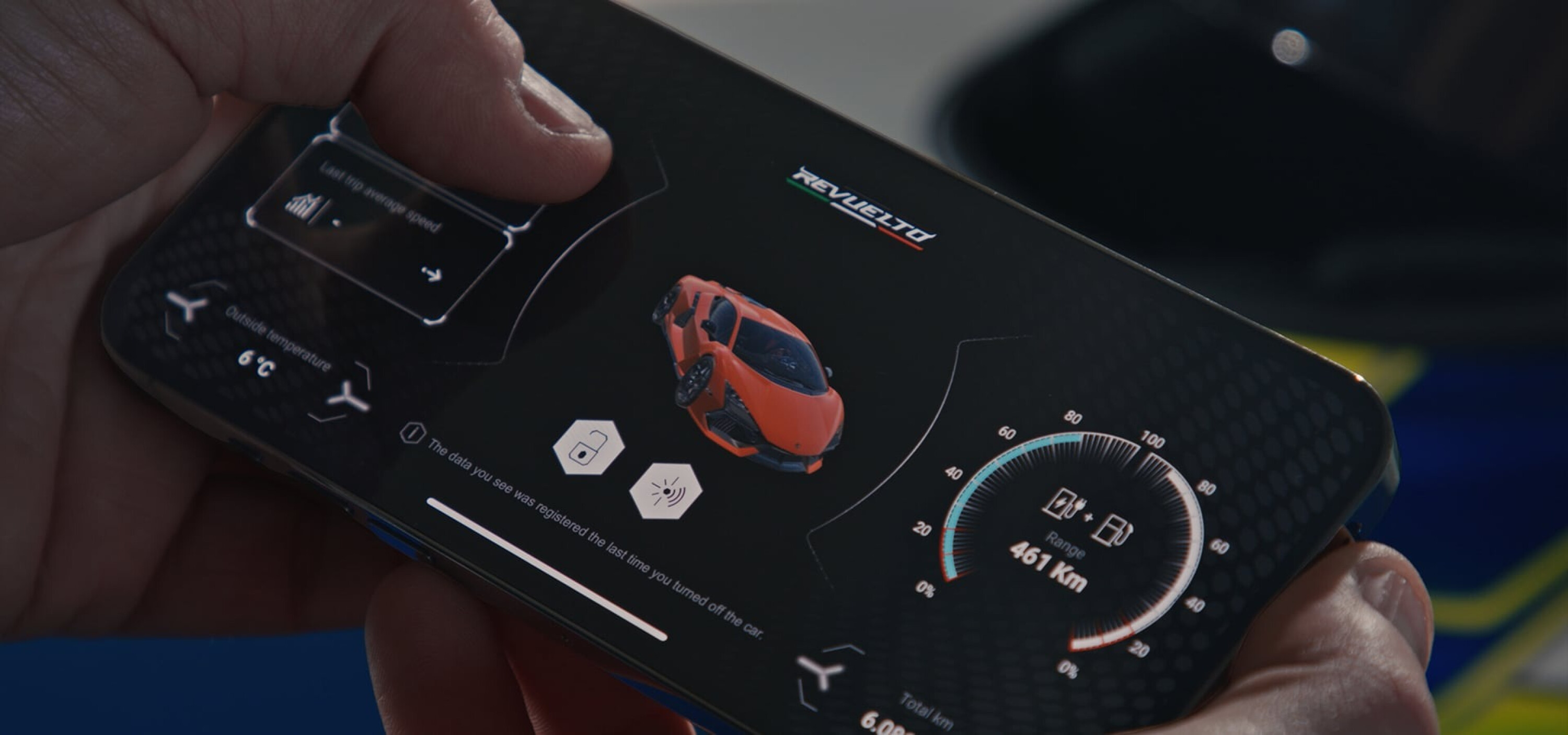
“Telemetry X is a clear demonstration of how experience gained in motorsport can find applications for road-going super sports cars, with the aim of maximizing our customers’ experience on the track as well,” says Rouven Mohr, Lamborghini Chief Technical Officer.
“It’s no coincidence that we chose the Revuelto as the testbed for this technological demonstrator, a car that is totally unique precisely because of the introduction of breakthrough technologies.”
(Honda also has its Sony-partnered Afeela models coming, but it’s difficult to say whether these will ever come to Australia.)
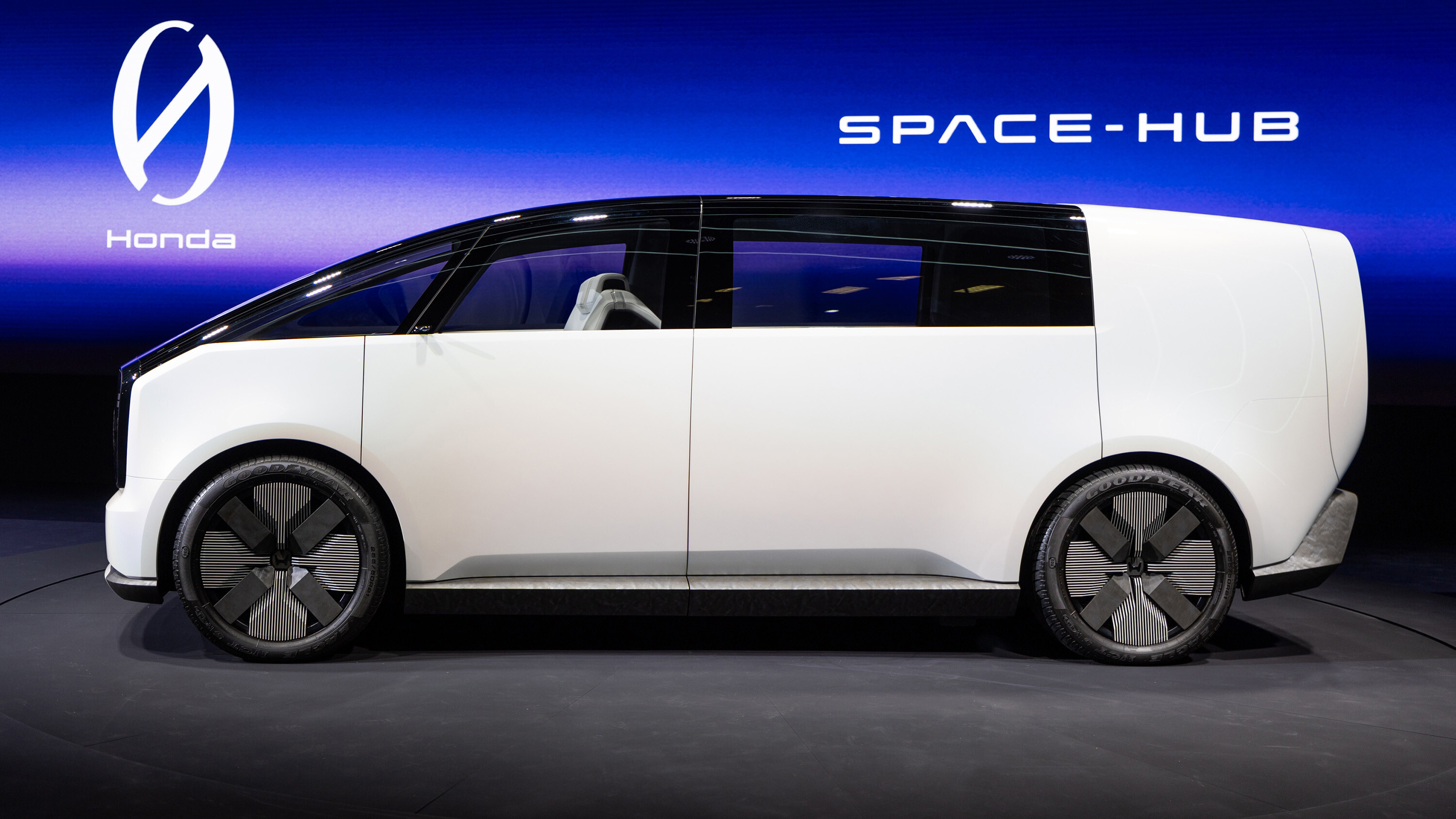
Unveiling a pair of new concepts under the ‘0 Series’ (zero series) banner at this week’s Consumer Electronics Show (CES) in Las Vegas, Honda said one of them – the sleek ‘Saloon’ – will inform the look of a new production EV coming in 2026. The other, dubbed Space-Hub, currently has no production schedule.
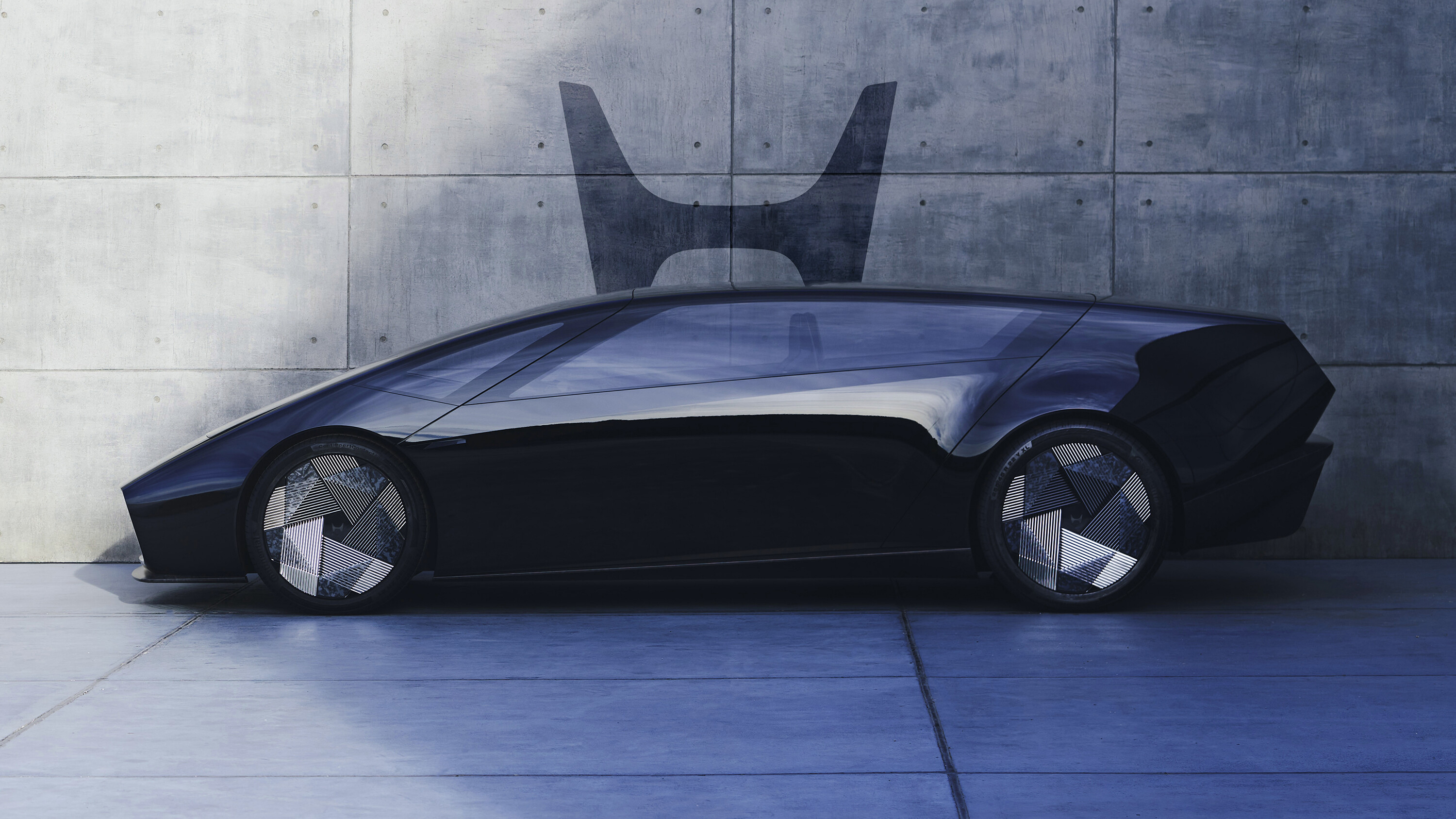
Honda says this is the flagship of the concept pair, and for now it remains largely a design exercise. There are no technical details offered for the concept today, except that future buyers can expect “advancements of new steer-by-wire and motion control management systems”.
Although it has not detailed battery capacity or design, Honda says its 0 models will fast-charge from 15 to 80% in 10 to 15 minutes. Depending on the battery size, that’s either a respectable advancement or about par with the best of 2023 (mostly Hyundai and Kia EVs).

Whether the 2026 production model will look anything at all like the 0 Series Saloon remains to be seen. It’s certainly achievable, and the E hatch shows Honda can stay relatively loyal to its concept designs. (Although the Honda Urban concept looked so much better than the E.)
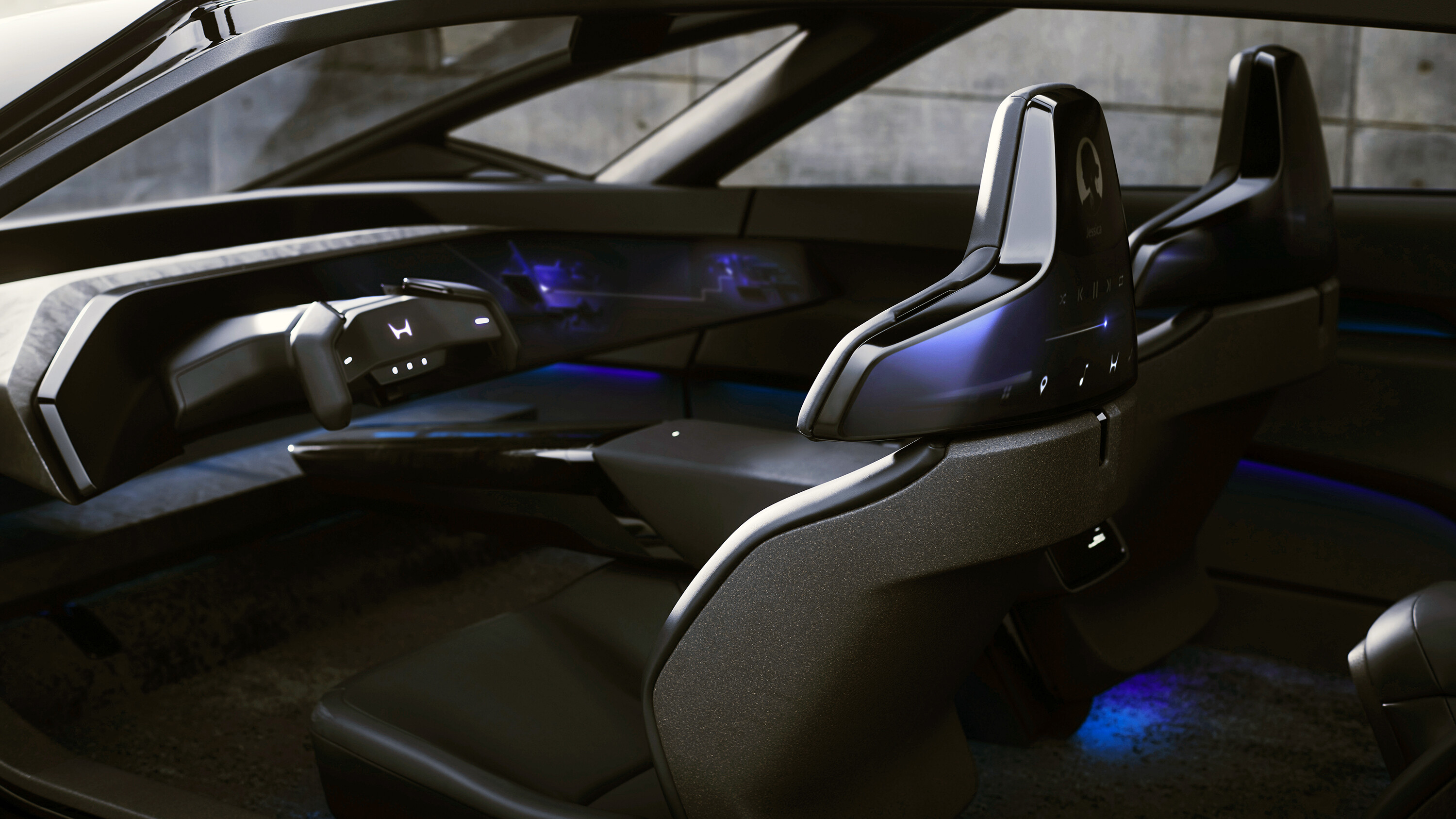
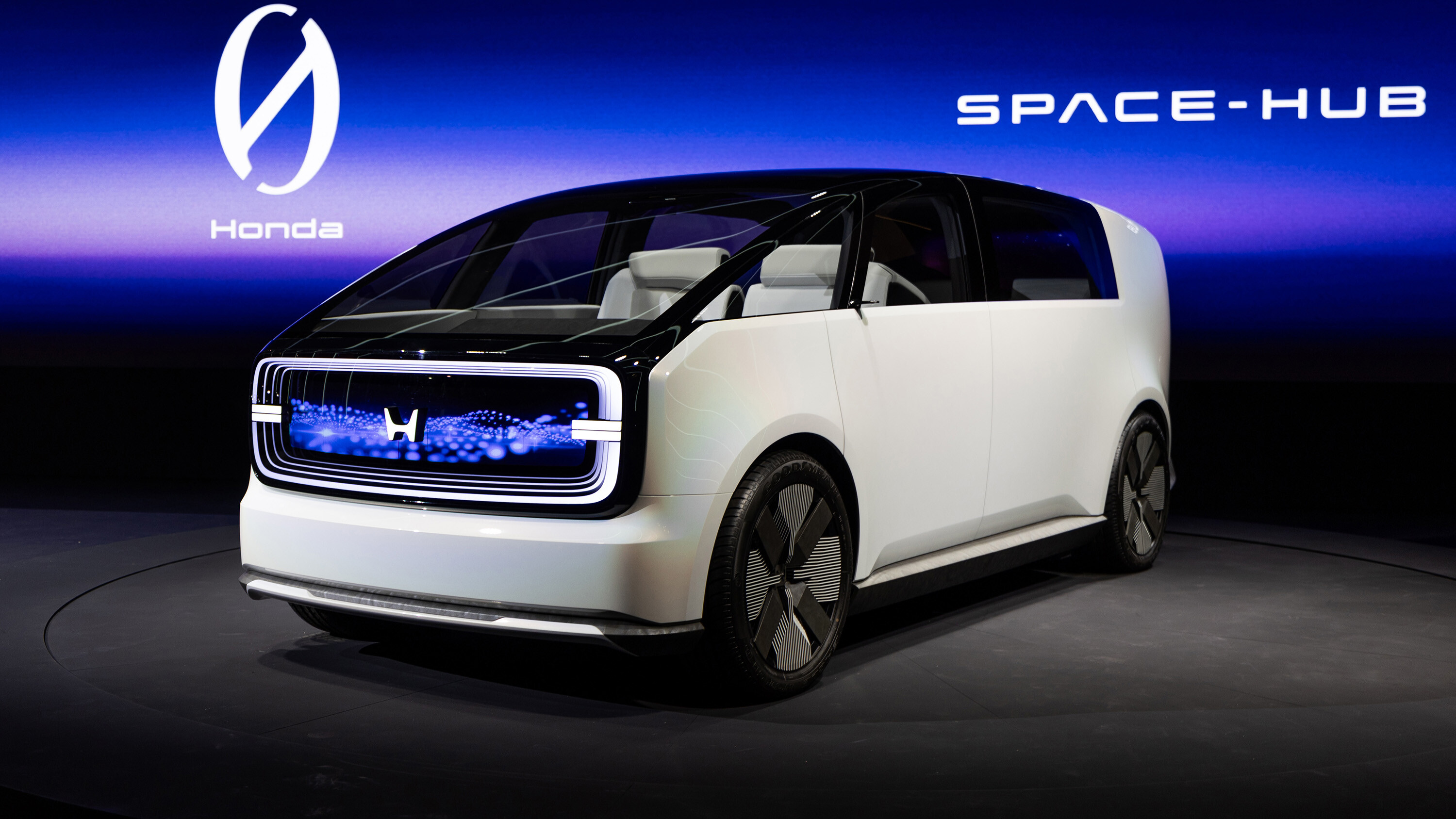
Honda couldn’t bring itself to offer more than a paragraph on the Space-Hub concept’s purpose, except to say what all brands say of their van-inspired EV concepts: “the Space-Hub offers a flexible space that immediately accommodates a variety of passengers and becomes a ‘hub’ that connects people to each other and the outside world.”

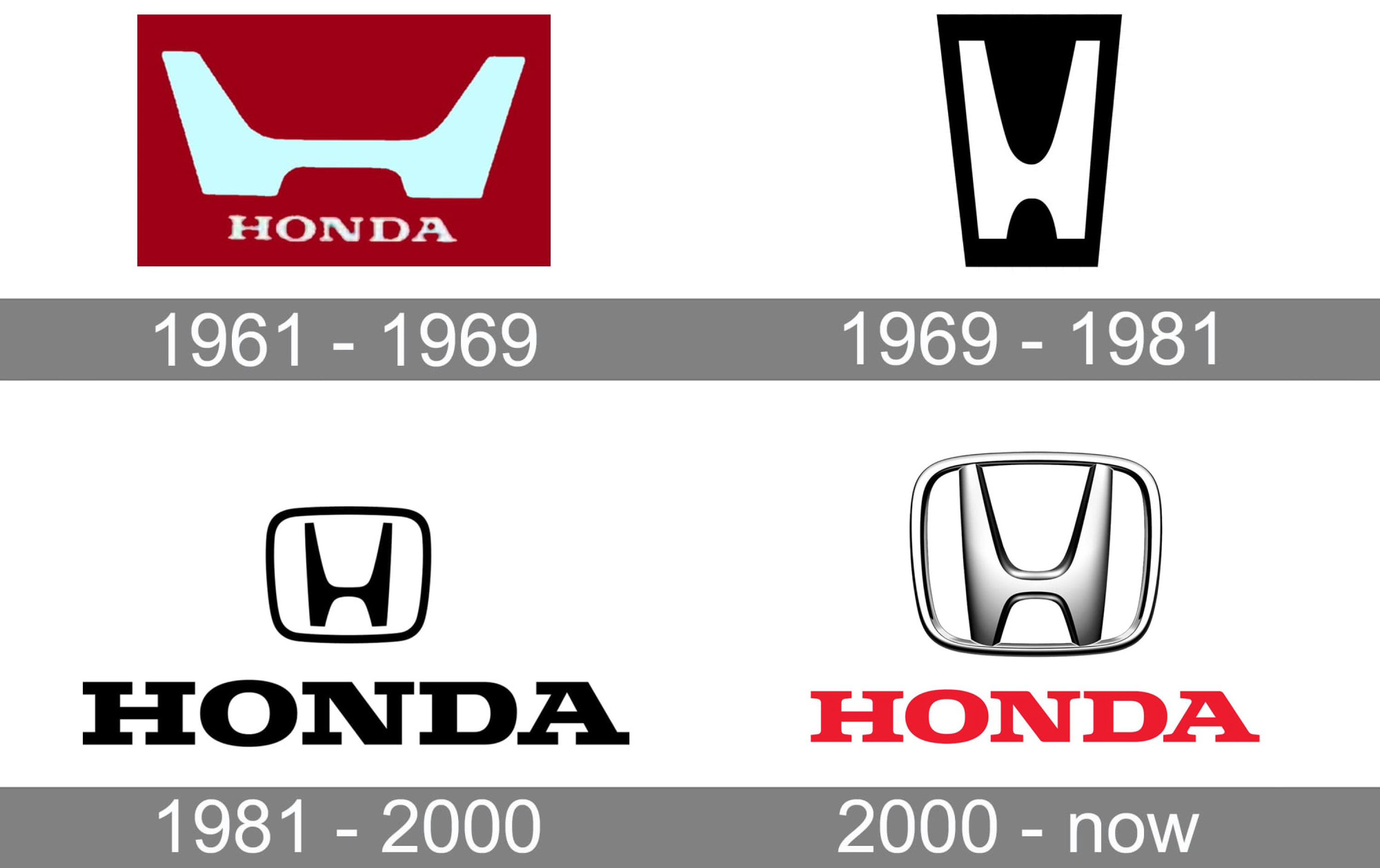
That version did have a frame, although it was more of a canvas or patch, styled in the red that features exclusively on Type R models.
This will join the new logotype that debuted on the E hatch, styled in a modern title-case design rather than the all-caps ????? serif font that has graced the carmaker’s branding for decades. This new logotype also features on the Prologue SUV.
In the world of family SUVs, the Toyota Kluger has consistently been a cornerstone, and in 2024 it continues to uphold its steadfast reputation for being a practical and reliable option.
Since its introduction to Australian roads in the early 2000s, this seven-seater vehicle has established itself as a quintessential choice for Australian families.
Yet, in the fiercely competitive SUV market, the question arises: Does the 2024 Kluger Grande retain its status as the preferred choice for families seeking a luxurious version of their family hauler?
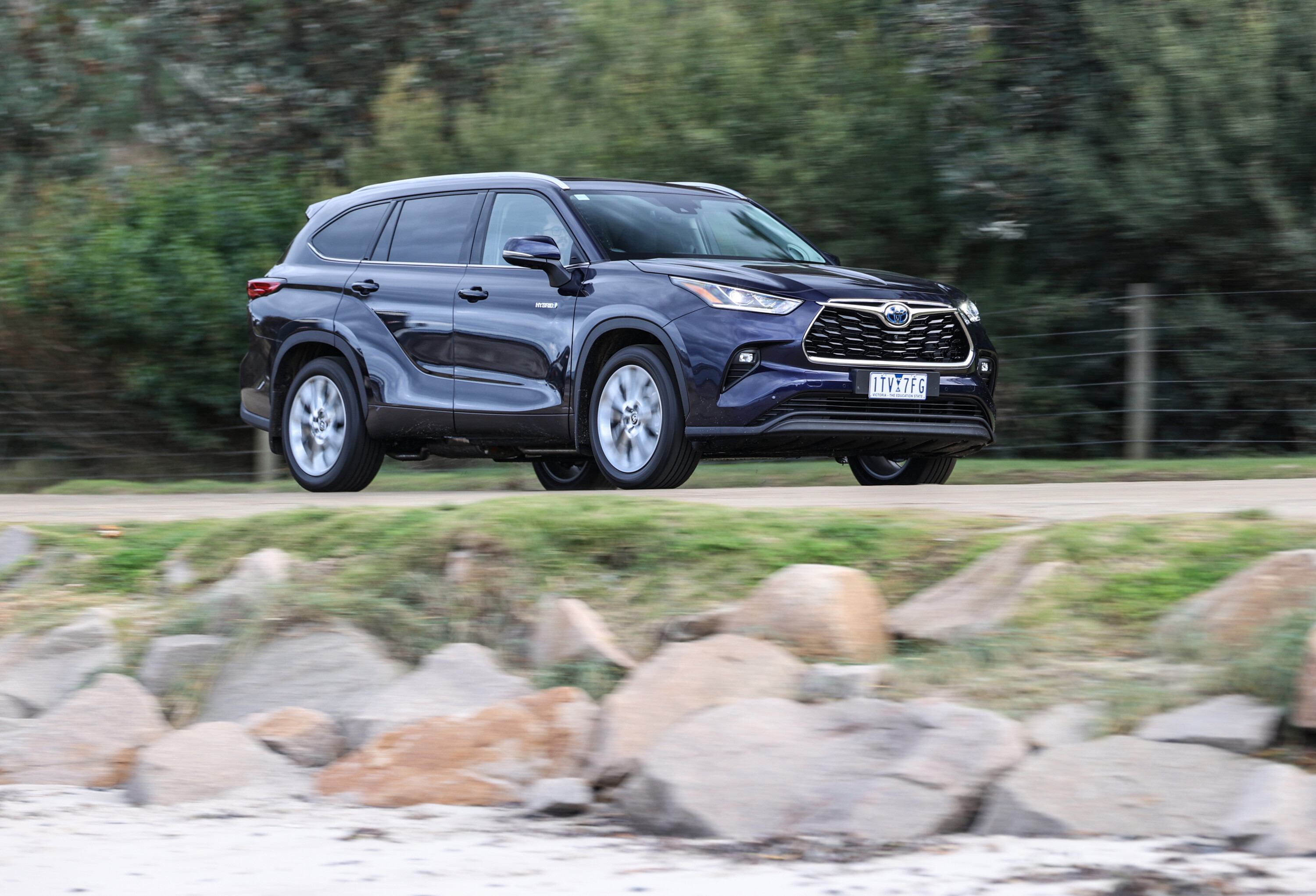
The Kluger Grande, positioned as the top-tier trim level in the Toyota Kluger lineup, offers an enticing blend of affordability and features. The Grande is priced between $73,257-$80,230 before on-road costs, based on the choice of transmission and wheel configuration.
Two engine options are available– an efficient 2.4-litre turbo petrol engine, paired with a seamless 8-speed automatic transmission or CVT-driven 2.5-litre hybrid engine.
The standard petrol is available as a 2WD or AWD setup, and produces 198kW of power and 420Nm of torque. The hybrid on the other hand uses just 5.6L/100km and develops 142kW and 242Nm.
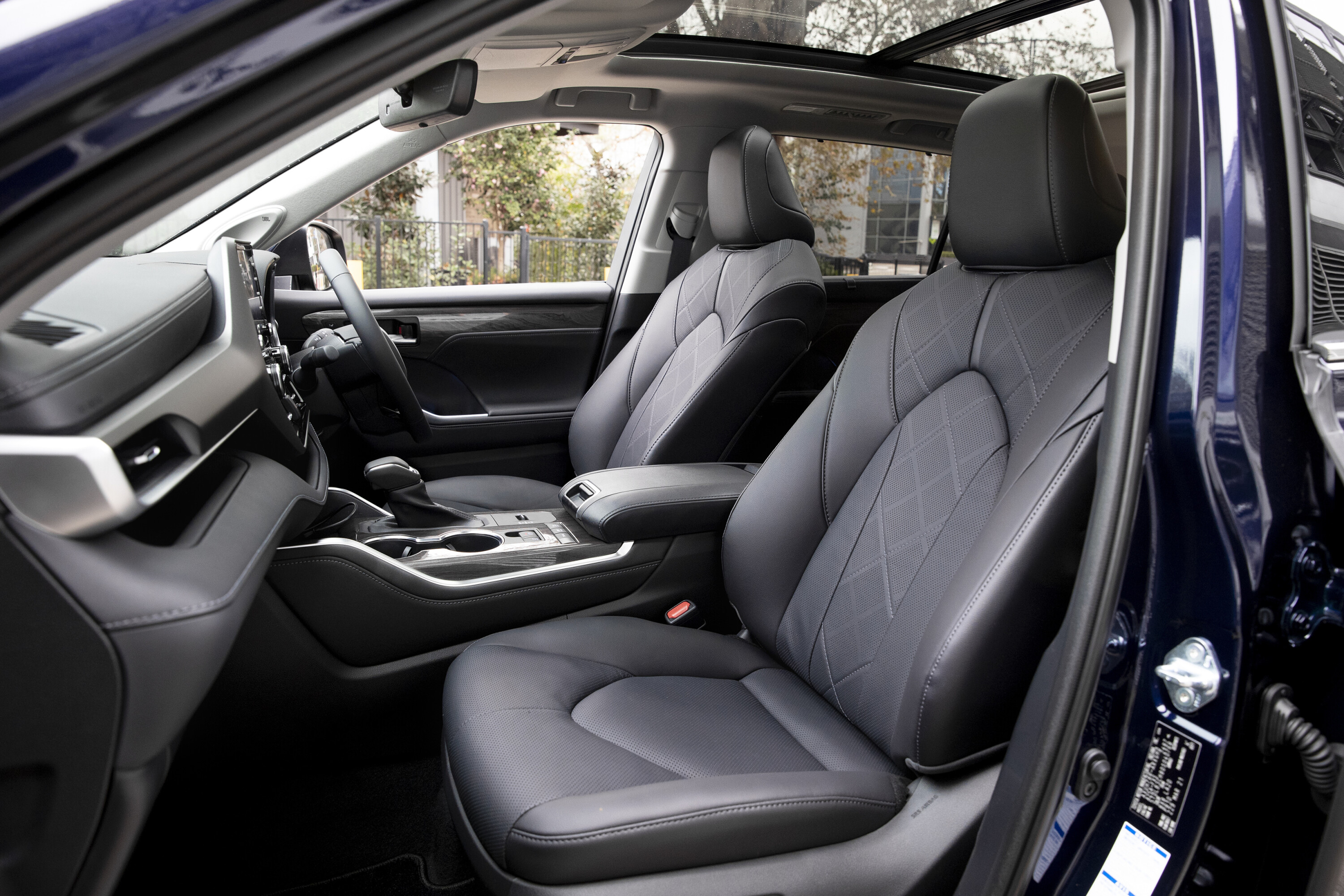
| 2024 Toyota Kluger Grande features | |
|---|---|
| 11-speaker JBL premium sound system | Lane trace assist |
| 12.3-inch colour touchscreen | Leather accented steering wheel |
| 12.3-inch digital instrument cluster | LED headlamps, DRLs and rear lights |
| 20-inch ‘Chrometec’ wheels | Panoramic glass moonroof |
| 8-way power adjusted front seats | Panoramic view parking monitor |
| Adaptive cruise control | Powered driver’s seat lumbar adjustment |
| Auto-dimming rearview mirror | Powered tailgate with kick sensor |
| Autonomous emergency braking | Premium’ leather appointed upholstery |
| Blind spot monitor | Rain-sensing windscreen wipers |
| Blutooth connectivity | Rear cross traffic alert |
| Digital Radio (DAB+) | Rear parking sensors |
| Driver’s seat memory | Reversing camera |
| Electronic parking brake | Road sign assist |
| Front heated and ventilated seats | Roof rails |
| Head up display | Smart keyless entry/start |
| In-built satellite navigation | Three-zone climate control |
| Interior ambient lighting | Wireless Apple CarPlay |

In terms of crash safety, this family SUV has showcased solid performance, receiving a 90 percent rating for protecting adult occupants and an 88 percent rating for safeguarding child occupants.
The complete Kluger lineup comes with a comprehensive safety package, including seven airbags, which encompass dual front airbags, side airbags, curtain airbags that extend to the third row and a driver’s knee airbag.
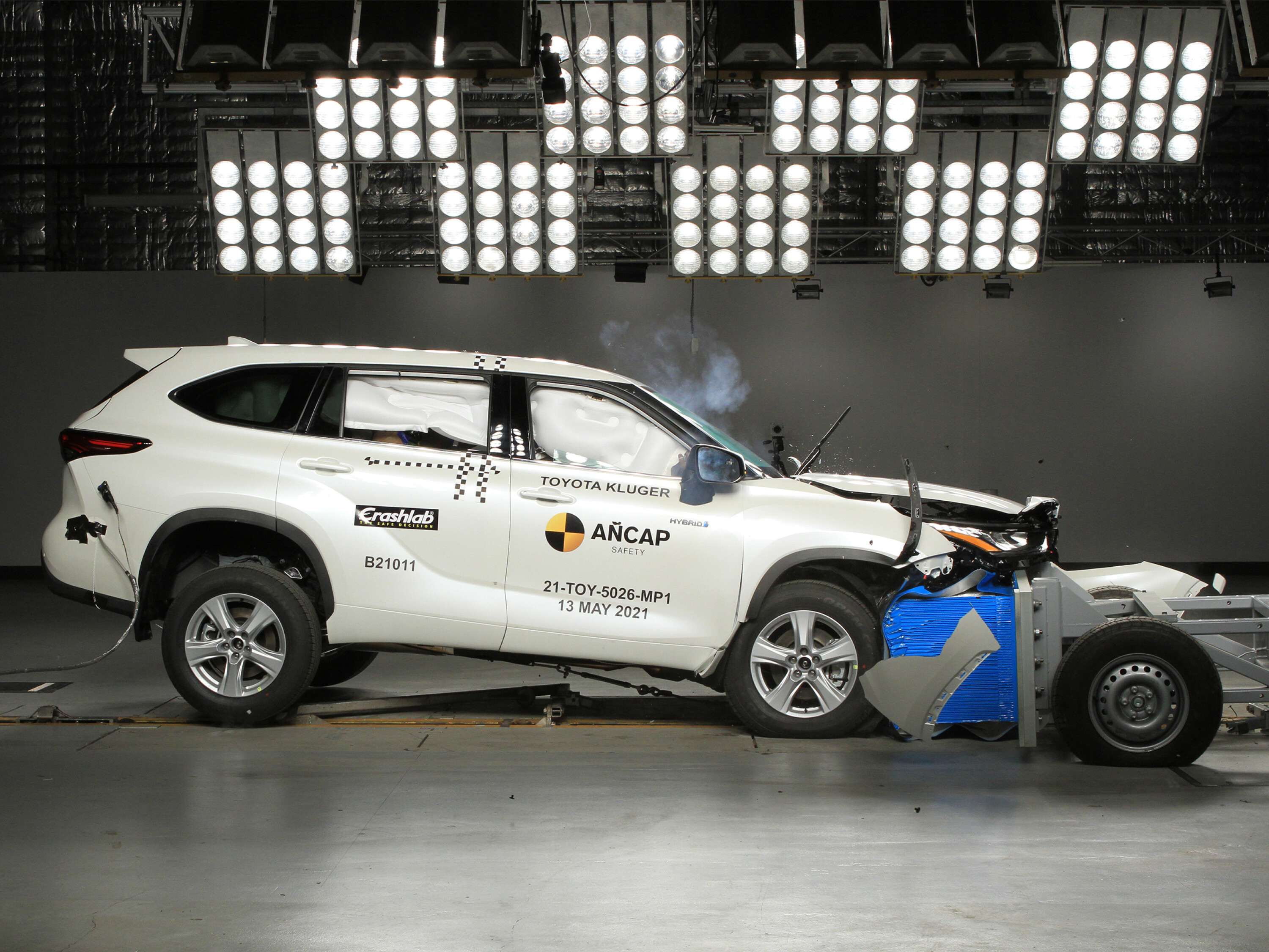
| 2024 Toyota Kluger safety features | |
|---|---|
| Autonomous emergency braking with pedestrial and daytime cyclist protection | Active cruise control with curve speed reduction |
| Lane departure warning | Lane keeping assist |
| Automatic highbeam | Intersection turn assist |
| Lane trace assist | Road Sign Assist |
| Blind-spot monitor | Rear cross traffic alert |
| Rear parking sensors | Front parking sensors |
| Reversing camera with guide lines | Panoramic view parking monitor (Grande only) |
There are plenty of seven-seater options in various sizes, including competitions such as:
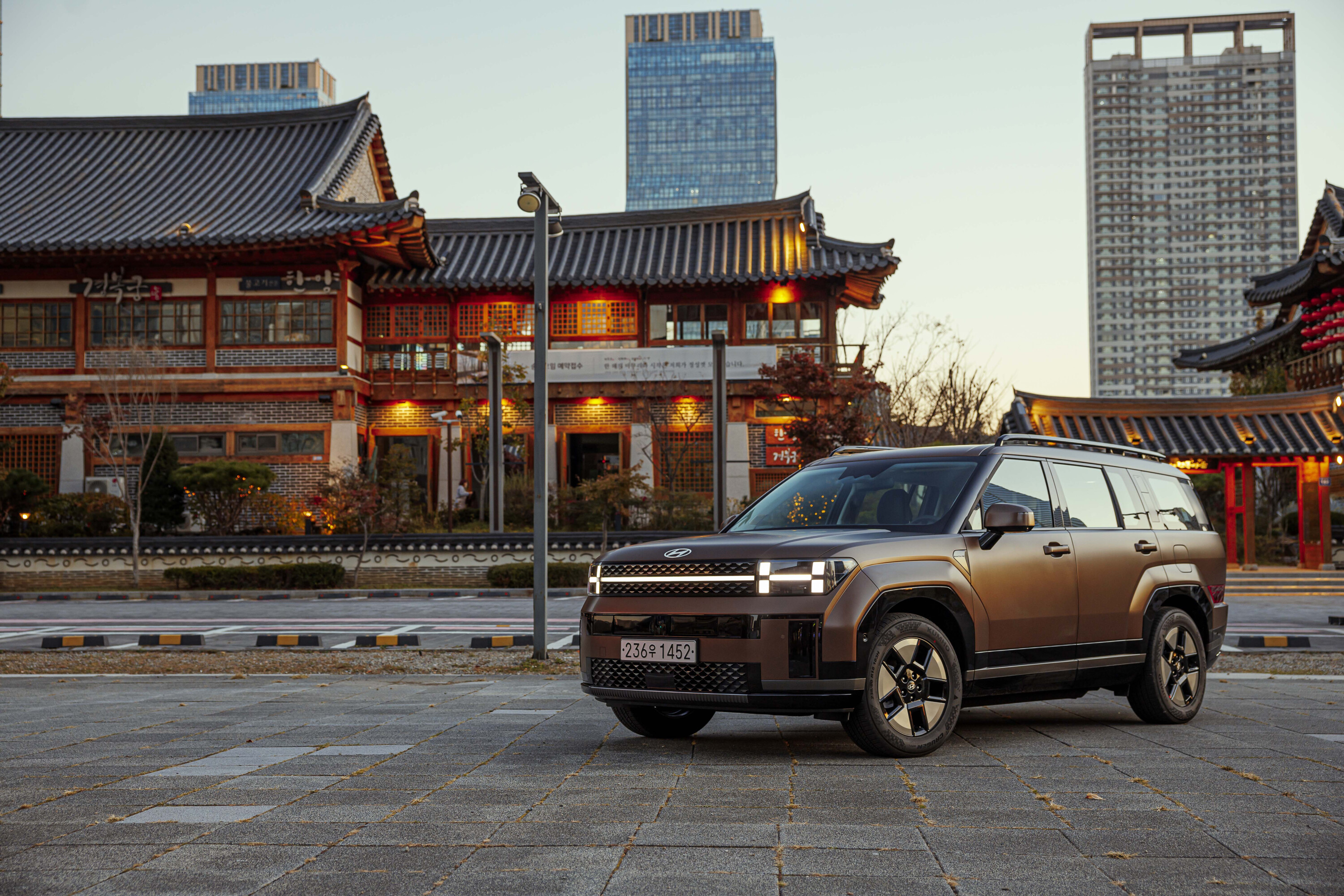
As the range-topper of the Kluger line-up, the Grande packs in plenty of spec but does fall short when compared to key rivals. Many vehicles at this price-point fill the cabin with luxurious touches, including the Hyundai Palisade Highlander and Mazda CX-9 Azami LE, which all have more spacious third rows.
For the convenience of the seven-seater, we reckon saving some money and dropping down to the GXL is sure to do the trick… unless you’re a panoramic sunroof enthusiast.
When it comes to the powertrain, the hybrid option offers exceptional fuel efficiency that should not be underestimated. Paired with its cost-effective maintenance, it likely ranks as the most economical three-row SUV in terms of both ownership and operation.
Last year saw a 161 per cent increase in EV sales for a 7.2 per cent market share, though 2024 is off to a slower start with electric models accounting for 5.4 per cent of January’s record 89,782 sales.
It can largely be attributed to a slow month for Tesla – thanks to shipping and compliance issues – that allowed China’s BYD to leap ahead with 1310 registrations to Tesla’s 1107.
Along with improved Tesla supply, these new vehicles – including Toyota’s soon-to-arrive BZ4x and Volkswagen’s electric midsize SUVs – are set to drive EV share up to the industry-anticipated 10 per cent by 2025.
Ahead of the standard, though, FCAI chief executive Tony Weber noted the continued success of combustion-engined utes and SUVs.
“The continuing preference for SUVs and utes demonstrates the challenges the Commonwealth Government is facing as it works to introduce a New Vehicle Emissions Standard (NVES)”, he said.
“Even with the current incentives offered by the Commonwealth and State and Territory Governments, sales of battery electric vehicles appear to have plateaued during recent months”, added Mr Weber
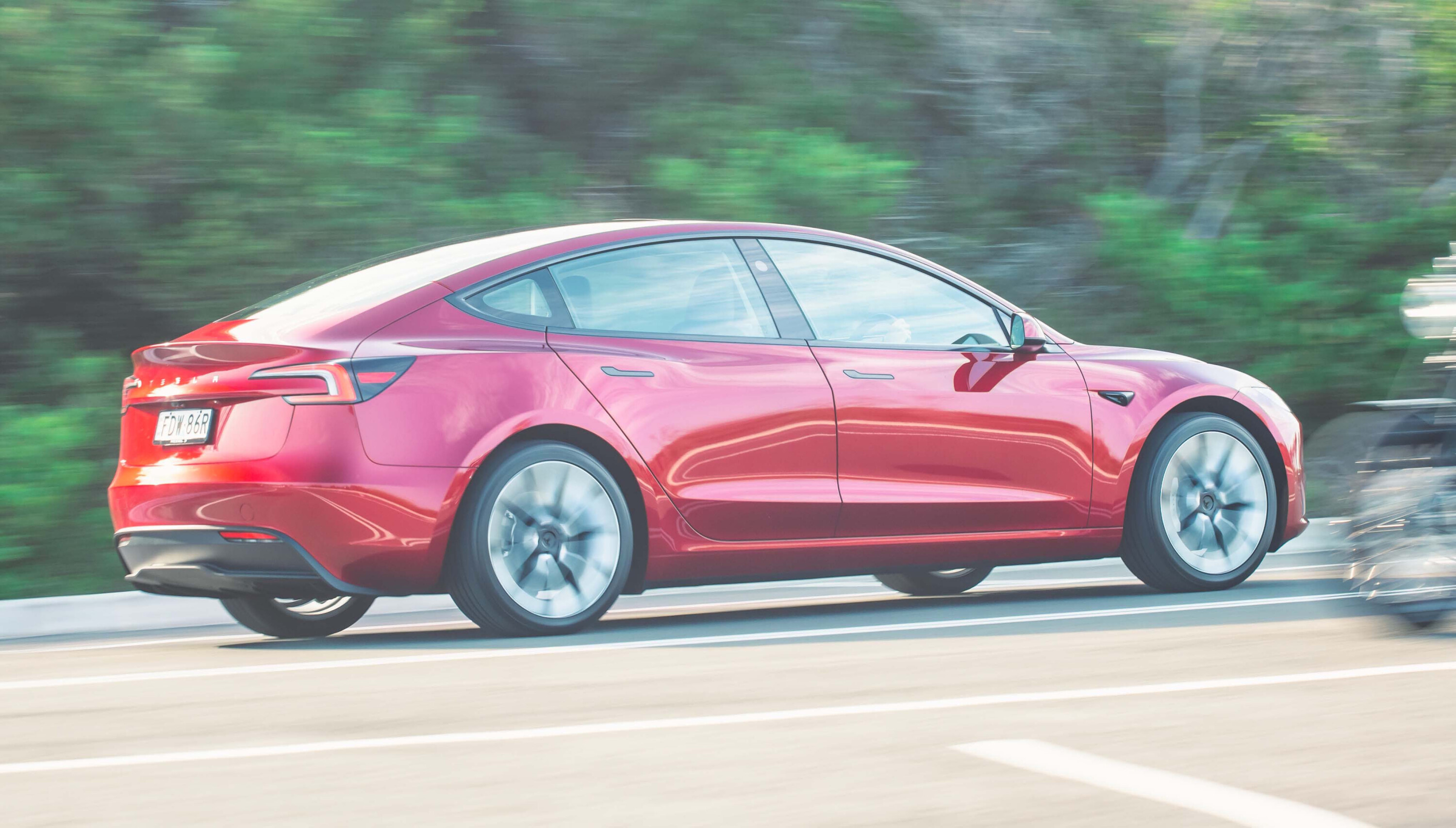
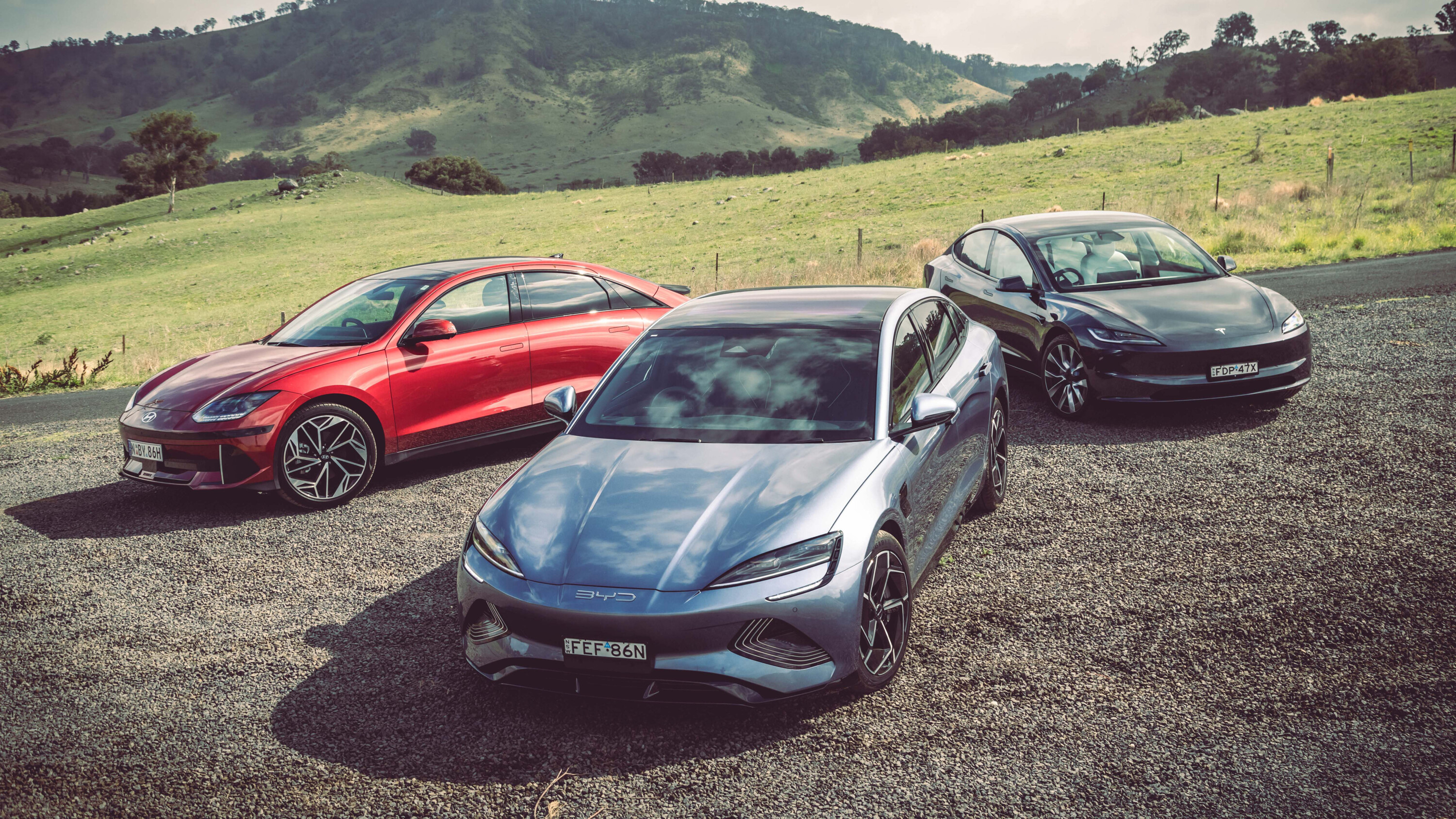
And the Model 3 took top spot (722, ?) in the face of a delivery pause to rectify centre seat top tether compliance issues.
Then came the BYD Seal, a newcomer electric sedan that’s beginning to find its stride in the sales charts (589,?) likely due to its affordable price and impressive WLTP driving range figures.
It comes after a ship carrying Tesla’s typically popular Model Y (384) was sent back from Brisbane to China in January after a quarantine check found yellow-spotted stink bugs onboard.
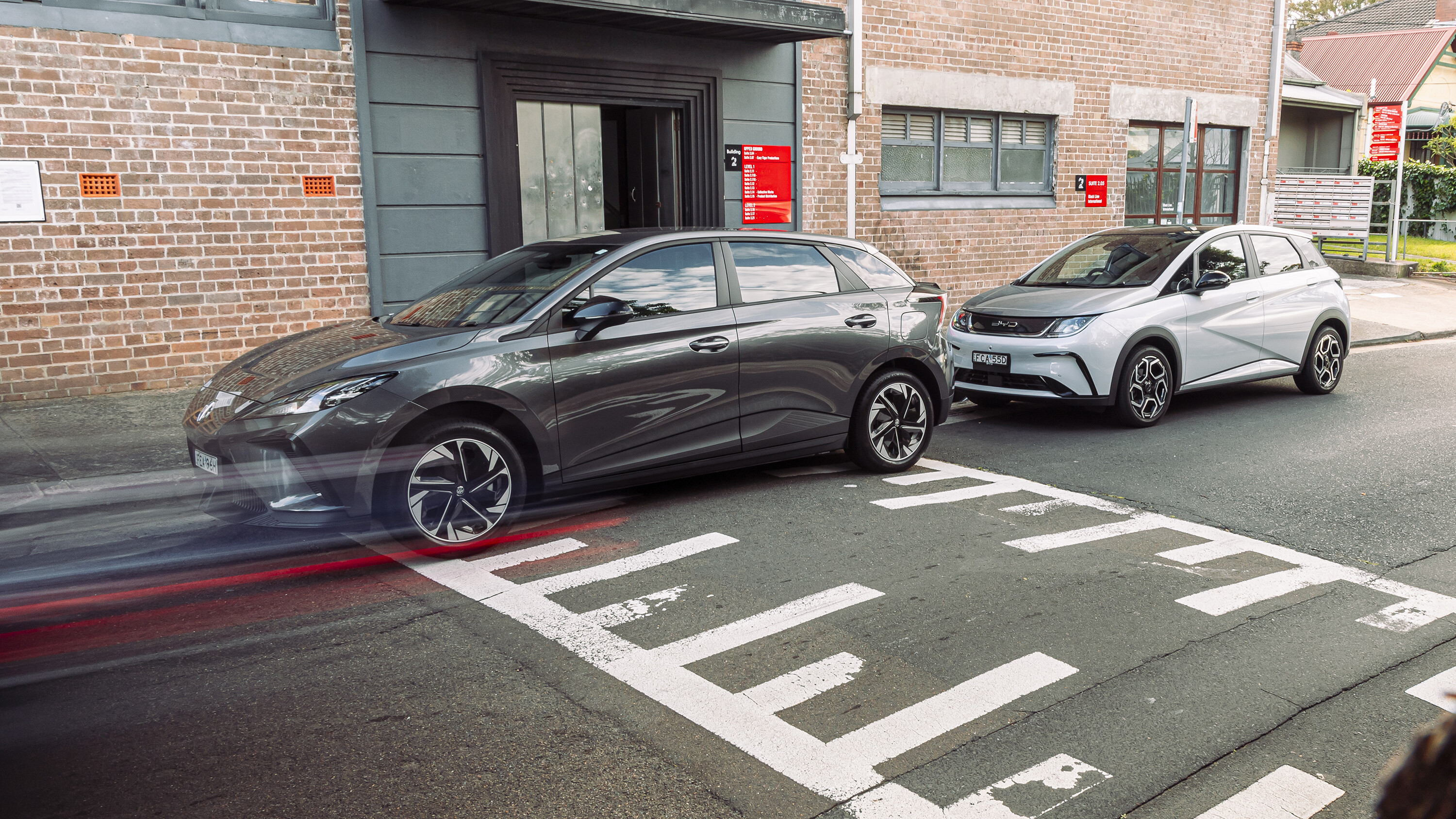
BYD managed to sneak another model into the top 10 in the Dolphin small car (256) ahead of the Kia EV6 (199, up 352%) which had an excellent January.
We’re still waiting for on final Volvo XC40 Recharge Pure Electric numbers, but with an estimated 166 sales based on prior sales splits, it should slip into seventh ahead of the Polestar 2 sedan (151), and MG ZS EV small SUV (111).
Supply of BMW’s excellent i4 looks to be improving with the introduction of a new i35 base grade and its deliveries counted 93 in January ahead of the GWM Ora (88) and Mercedes-Benz EQA (62).
Vehicles that seemed to struggle in January included both of Hyundai’s E-GMP-based products, the Ioniq 5 (48) and Ioniq 6 (42).
We’re still waiting for some manufacturers to confirm monthly sales figures for electric variants of combustion vehicles.
*Estimate based on prior sales performance
| Rank | Make and Model | Jan 2024 | YTD 2024 |
|---|---|---|---|
| 1 | Tesla Model 3 | 722 | 722 |
| 2 | BYD Seal | 589 | 589 |
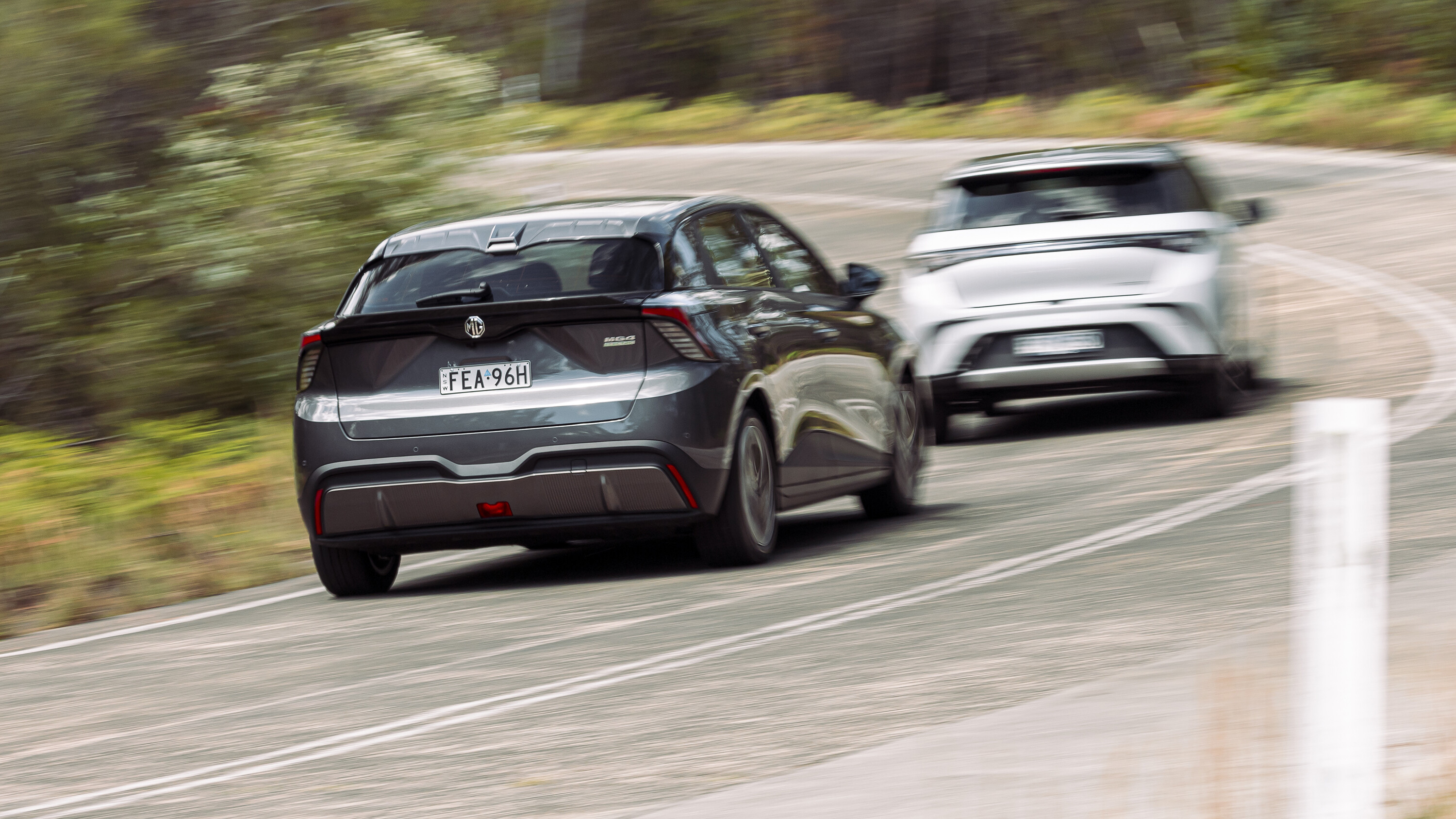
| 3 | MG 4 | 537 | 537 |
| 4 | BYD Atto 3 | 465 | 465 |
| 5 | Tesla Model Y | 384 | 384 |
| 6 | BYD Dolphin | 256 | 256 |
| 7 | Kia EV6 | 199 | 199 |
| 8 | Volvo XC40 Recharge PE* | 166 | 166 |
| 9 | Polestar 2 | 151 | 151 |
| 10 | MG ZS EV | 111 | 111 |
| BMW iX1* | 100 | 100 |
| BMW i4 | 93 | 93 |
| GWM Ora | 88 | 88 |
| Mercedes-Benz EQA | 62 | 62 |
| Mini Hatch* | 60 | 60 |
| BMW iX3* | 60 | 60 |
| Volvo C40 | 59 | 59 |
| Ford Mustang Mach-E | 59 | 59 |
| Mercedes-Benz EQE SUV | 56 | 56 |
| Hyundai Kona* | 50 | 50 |
| Cupra Born | 49 | 49 |
| Hyundai Ioniq 5 | 48 | 48 |
| Kia EV9 | 47 | 47 |
| Hyundai Ioniq 6 | 42 | 42 |
| Kia Niro | 40 | 40 |
| Porsche Taycan | 40 | 40 |
| BMW iX | 24 | 24 |
| Mercedes-Benz EQB | 24 | 24 |
| Mercedes-Benz EQC | 20 | 20 |
| Lexus RZ | 18 | 18 |
| Audi e-tron | 15 | 15 |
| Nissan Leaf | 14 | 14 |
| Genesis GV60 | 12 | 12 |
| Subaru Solterra | 11 | 11 |
| Audi e-tron GT | 10 | 10 |
| Mercedes-Benz EQS SUV | 10 | 10 |
| LDV eDeliver 7 | 8 | 8 |
| Mercedes-Benz EQE | 7 | 7 |
| LDV T60/T60 EV 4X2 | 4 | 4 |
| Jaguar I-Pace | 2 | 2 |
| Renault Megane E-Tech | 2 | 2 |
| Mercedes-Benz EQS | 1 | 1 |
| Lexus UX | 0 | 0 |
| BMW i5* | 0 | 0 |
| LDV eDeliver 9* | 0 | 0 |
| Genesis Electrified GV70* | 0 | 0 |
| BMW i7 | 0 | 0 |
| Genesis Electrified G80* | 0 | 0 |
| LDV Mifa9 | 0 | 0 |
| Mercedes-Benz EQV | 0 | 0 |
| Mazda MX-30* | 0 | 0 |
With 20 all-new or heavily overhauled electric models launched in 2023 and an overall sales record set, it’s hardly a surprise that there were more electric cars registered in Australia than ever before.
But a volume increase of 161% over last year to 87,217 is still a massive achievement for battery-electric vehicles. Of the 1,216,780 new cars registered, 7.2% were electric, following the combined hybrid and plug-in hybrid share of 9.0%.
The next biggest producers were Korea and countries in the European Union, both with just under 600 cars sold in Australia, with America and Japan bringing up the rear.
Though electric vehicles experienced significant growth throughout 2023, combustion-engined and hybrid vehicles remained very much the default choice for Australian families.
Volkswagen, Toyota, and Subaru will all launch their first electric vehicles here, and when they do the sales figures will reveal just how much fresh faces have changed the new car landscape. There’s also a new entrant confirmed in Cadillac which will be electric-only in Australia.
On the policy side, the government is expected to detail its fuel efficiency standards this year which will do its bit in shaping the sales landscape – expect incentives to ditch high-emitting vehicles for hybrids and EVs though how powerful the legislation will be remans to be seen.
Not only was Tesla the best-selling EV brand, but it registered more cars in 2023 than Subaru (46,116 vs 46,114), despite only offering two models.
The Model Y (28,769 ?) led last year’s numbers ahead of the Model 3 (16,506 ?). Neither car set records in December alone, with the SUV’s 1351 deliveries and sedan’s 841 not demonstrating the usual commanding lead over rivals.
The BYD Atto 3 (11,042 ?) found 756 homes in the last month of the year cementing a solid third spot ahead of MG’s relative newcomer, the 4 hatch (3134 YTD, 607 in December) that ought to perform even better this year with a full 12 months in dealerships.
Getting in the family-sized EV game early continues to pay dividends for Volvo, which nabbed fifth place for the year with its XC40 Recharge Pure Electric (2846 for 2023, 197 in December).
We are still awaiting MG’s official ZS EV sales figures, so the figure you see for December (100 sales) is calculated from its historical slice of the ICE model’s sales.
Following the ZS was the Polestar 2 (2463) with a strong December showing 405 deliveries – likely thanks to a combination of incentivised existing stock and excitement about the updated MY24 model.

The Kia EV6 recorded 1831 deliveries in 2023 for eighth spot, a fair way ahead of the Mercedes-Benz EQA (1196) and 10th place Volvo C40 (1103).
Just missing out on top-10 honours was the Kia Niro (985), ahead of the BMW iX1* (947) and Hyundai Ioniq 5 (947).
December’s Monthly figures give a better indication of what to expect this year – and it’s BYD that’ll be causing a nuisance for established top-10 players.
In December, the Seal sedan and Dolphin city car took fifth (471) and eighth (236) place respectively despite missing out on the year-to-date top 10; expect Build Your Dreams to build its momentum through 2024.
We’re still waiting for some manufacturers to confirm monthly sales figures for electric variants of combustion vehicles.
*Estimate based on prior sales performance
| Rank | Make and Model | YTD 2023 | Dec 2023 |
|---|---|---|---|
| 1 | Tesla Model Y | 28,769 | 1,351 |
| 2 | Tesla Model 3 | 16,506 | 841 |
| 3 | BYD Atto 3 | 11,042 | 756 |
| 4 | MG 4 | 3,134 | 607 |
| 5 | Volvo XC40 Recharge PE | 2846 | 197 |
| 6 | MG ZS EV* | 2783 | 100 |
| 7 | Polestar 2 | 2,463 | 405 |
| 8 | Kia EV6 | 1,831 | 252 |
| 9 | Mercedes-Benz EQA | 1,196 | 140 |
| 10 | Volvo C40 | 1,103 | 35 |
| Kia Niro | 985 | 116 |
| BMW iX1* | 947 | 127 |
| Hyundai Ioniq 5 | 947 | 53 |
| BYD Dolphin | 925 | 236 |
| Cupra Born | 887 | 62 |
| Hyundai Kona | 836 | 35 |
| BMW iX | 822 | 65 |
| Mercedes-Benz EQB | 783 | 64 |
| BMW iX3* | 776 | 77 |
| Hyundai Ioniq 6 | 623 | 57 |
| Mini Hatch* | 580 | 77 |
| Porsche Taycan | 535 | 24 |
| GWM Ora | 526 | 97 |
| Nissan Leaf | 484 | 12 |
| BYD Seal | 471 | 471 |
| Mercedes-Benz EQE | 437 | 49 |
| BMW i4 | 353 | 64 |
| Audi e-tron GT | 339 | 35 |
| Mercedes-Benz EQC | 323 | 17 |
| Lexus RZ | 265 | 36 |
| Mercedes-Benz EQE SUV | 252 | 62 |
| Kia EV9 | 208 | 91 |
| Audi e-tron | 200 | 45 |
| Genesis GV60 | 191 | 8 |
| Lexus UX | 113 | 21 |
| LDV T60/T60 EV 4X2 | 79 | 6 |
| Genesis Electrified GV70 | 78 | 5 |
| Mercedes-Benz EQS SUV | 60 | 13 |
| BMW i5* | 54 | 19 |
| Ford Mustang Mach-E | 51 | 26 |
| LDV eDeliver 9* | 45 | 6 |
| Jaguar I-Pace | 35 | 3 |
| LDV Mifa9 | 12 | 0 |
| Mazda MX-30* | 12 | 0 |
| Genesis Electrified G80 | 11 | 1 |
| Mercedes-Benz EQV | 11 | 0 |
| BMW i7 | 10 | 1 |
| Rank | Make and Model | Dec 2023 | YTD 2023 |
|---|---|---|---|
| 1 | Tesla Model Y | 1,351 | 28,769 |
| 2 | Tesla Model 3 | 841 | 16,506 |
| 3 | BYD Atto 3 | 756 | 11,042 |
| 4 | MG 4 | 607 | 3,134 |
| 5 | BYD Seal | 471 | 471 |
| 6 | Polestar 2 | 405 | 2,463 |
| 7 | Kia EV6 | 252 | 1,831 |
| 8 | BYD Dolphin | 236 | 925 |
| 9 | Volvo XC40 Recharge PE | 197 | 2846 |
| 10 | Mercedes-Benz EQA | 140 | 1,196 |
For this story, I asked ChatGPT itself to explain what it can do as a standalone service. It gave me a novel, so I asked for a short version: “I am ChatGPT, a sophisticated AI developed by OpenAI, designed to understand and creatively respond to a wide range of text-based queries and tasks.”
Although famous for ‘hallucinating’ facts, ChatGPT is increasingly improving as a go-to for quick answers – like a Wikipedia you can chat with.
For upcoming new Volkswagen models, ChatGPT will feature in the brand’s IDA voice assistant through the Chat Pro system provided by VW partner company, Cerence.
Among its talents, VW says, will be “Enriching conversations, clearing up questions, interacting in intuitive language, receiving vehicle-specific information, and much more – purely hands-free”.
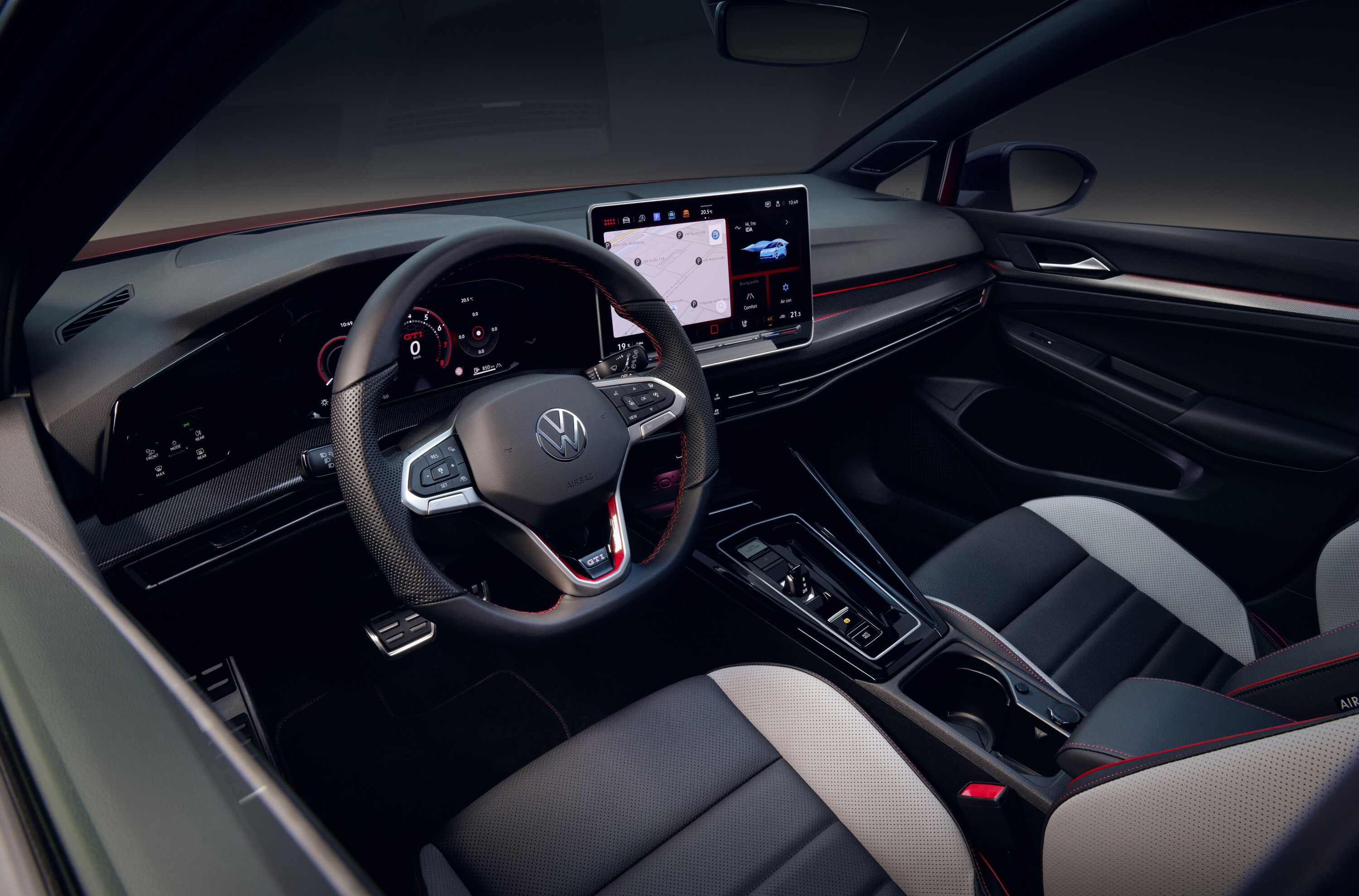
The company has not yet detailed the full breath of IDA’s ChatGPT-enhanced capabilities beyond its core conversational features, although the below paragraph seems to suggest it will be able to help the car’s integrated voice-control system interpret the driver’s spoken requests if the phrase used does not fall within the parameters already programmed by Volkswagen itself.
“The voice assistant is activated by saying “Hello IDA” or pressing the button on the steering wheel. IDA automatically prioritises whether a vehicle function should be executed, a destination searched or the temperature adjusted. If the request cannot be answered by the Volkswagen system, it is forwarded anonymously to AI and the familiar Volkswagen voice responds.”
Volkswagen also stresses that the ChatGPT portion of its voice assistant cannot access any vehicle or user information, ensuring “the highest possible level of data protection”.
Generally speaking, even the best in-car voice assistants currently available are frustrating to the point of not bothering with them. In my experience, having used ChatGPT’s voice chat capability on my phone, Volkswagen’s updated IDA system could be the first worth getting to know.
Elsewhere in the industry, Mercedes-Benz has confirmed it’s testing ChatGPT [↗] but has yet to announce a rollout plan, while Kia has revealed it will launch a new AI chatbot with its upcoming EV3 electric SUV.
With Australia being a vast continent covered by long isolating distances, one wrong turn could send visitors to destinations and conditions for which their car is not suitable.
Such are the stories shared by Queensland grazier Graham Anderson who has had frequent arrivals on his land that were due to bad instructions provided by Google Maps. Living in the remote area of Isla, Anderson tells the ABC [↗], “We had people coming in just all the time and they were saying it was Google, that they were following the maps across our property to get there.”

“We back onto the gorge and it’s along our border, but there’s no access to the gorge from our place at all.
“It felt like every other day they were coming in, I’d say,” he said.
Following an estimated 200 incidents of travellers showing up on his property, Mr Anderson sought to invest into a sign that read, “Trust me, not Google,” which he felt would redirect drivers, and do so in a manner that was amusing.
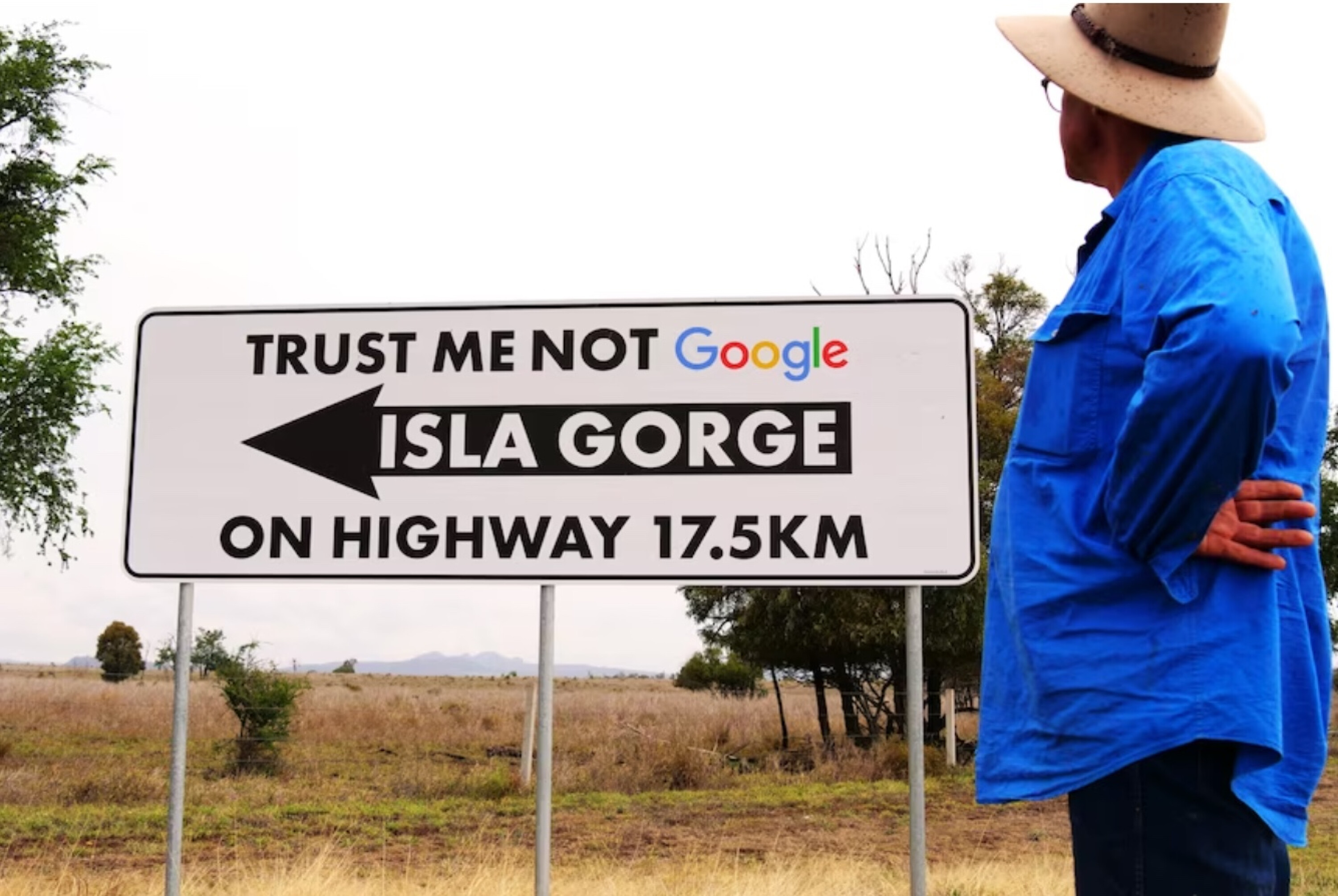
But this isn’t the only instance of signs being created to help the algorithmically lost, with Facebook user Brian Sheldrick [↗] posting a photo of a “Your GPS is wrong” sign which tells drivers of a more direct route to Perth.
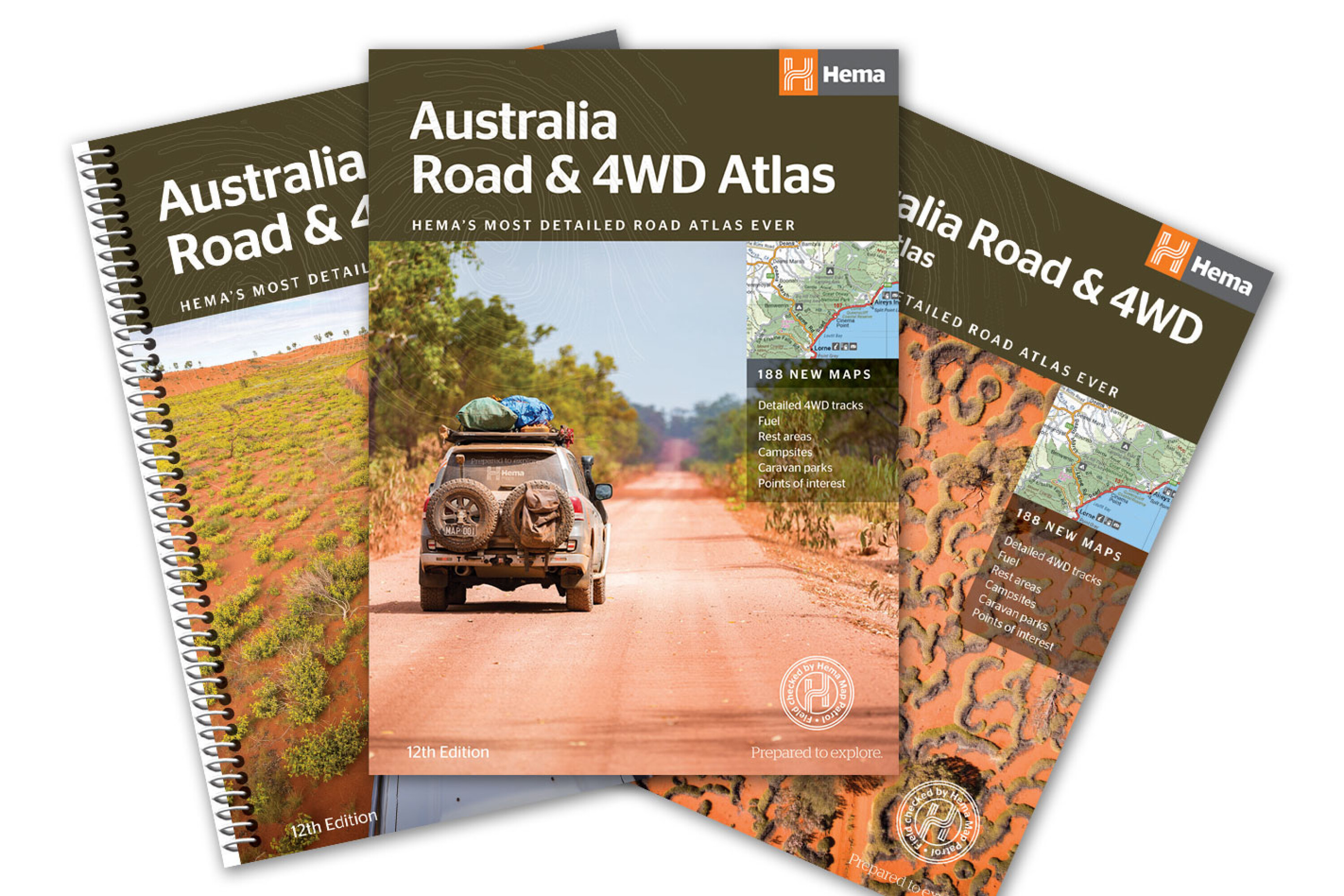
This highlights the importance of keeping up-to-date physical maps to assist with travel planning, and to review road closures that could impact any routes being considered. Each state government also maintains a website that plots road closures and roadworks, which can assist travellers on their way.
“People probably think, ‘What nutjob lives there?’, but it makes people look at it, people stop and take photos, so it’s certainly achieved something.”
