This month marks 50 years since the launch of Australia’s first locally designed luxury car, the Ford LTD.
That makes it also the 50th anniversary of Australia’s shortest-lived, least-produced and least-acknowledged production car – the LTD’s two-door sister, the Ford Landau.
It’s ironic that the Landau was the brainchild of Ford Australia Managing Director and marketing legend Bill Bourke. Just a few years earlier, it had been Bourke’s idea to make a high-performance GT four-door Falcon, at a time when ‘GT’ everywhere else in the world meant a two-door coupe.
The XR GT of 1967 and subsequent Falcon GT series, which added a two-door coupe in August 1972, put Aussie muscle on the global map.
1
As early as 1970, as Ford concurrently developed the Fairlane-based P5-series LTD sedan and the new Falcon hardtop, Bourke once again put two and two together and came up with a two-door LTD. This time, it didn’t add up.
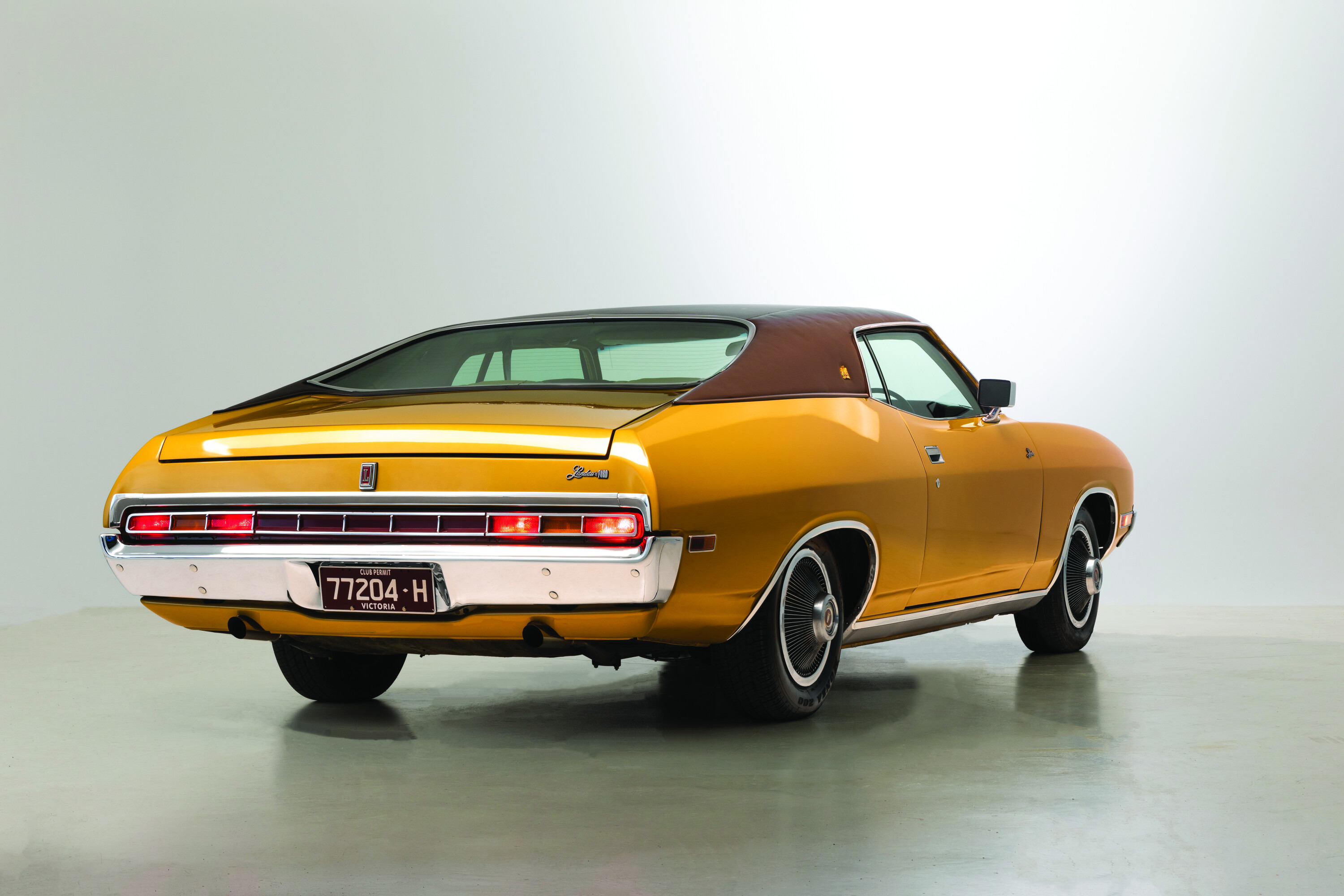
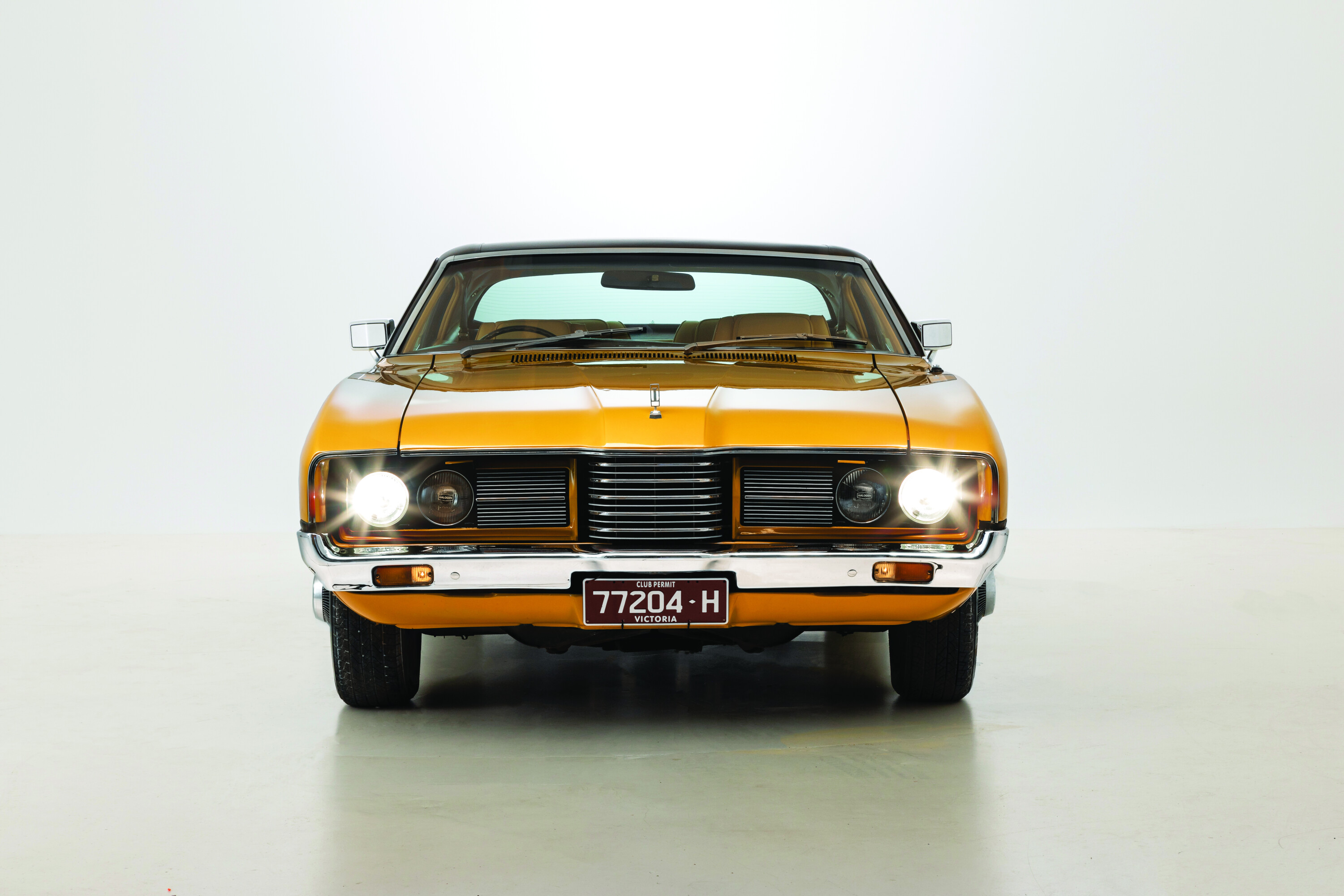
Launched alongside the LTD, the Landau used the bodyshell of the XA-XC hardtop, but with a shortened side window opening. This and the obligatory vinyl top were presumably meant to evoke the traditional landau coachbuilding style.
The nose clip, per the LTD, featured vacuum-operated retracting headlight covers, similar to those used on the US Mercury Cougar and Ford Torino. The ornate wheel trims, on 15×6-inch steels, were from the Thunderbird.
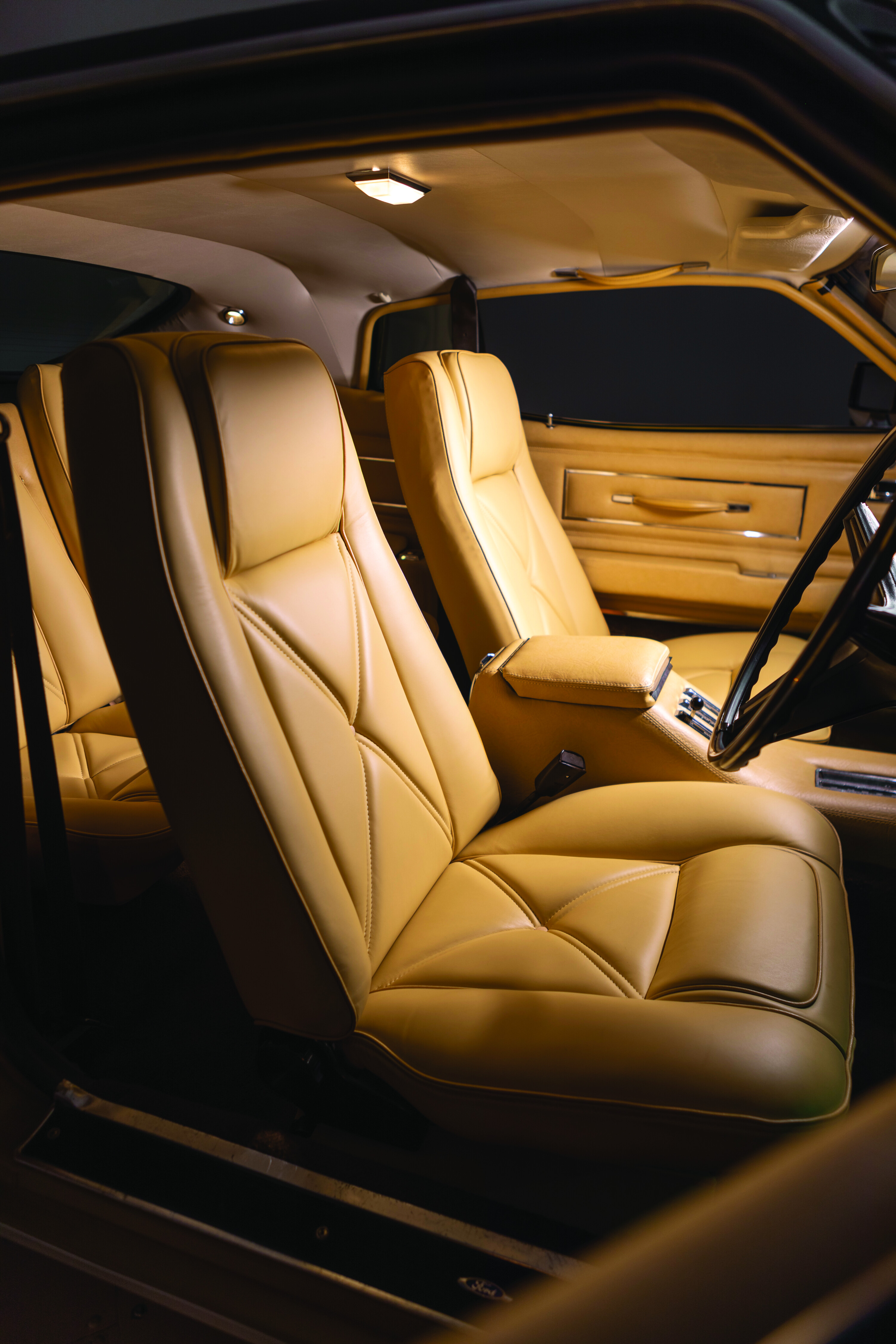
Power steering, air-conditioning, power windows, ‘Select-Shift’ T-bar auto and reclining bucket seats all conspired to slake the various desires of a thrusting executive or entrepreneur. The only options listed were Howe leather upholstery ($250) and a stereo cassette player at $140.
1
Due diligence was needed for the sales brochure’s pitch of a ‘driver’s car’ with ‘the road-holding and precise handling characteristics that belong only to a personal coupe.’
The Landau was up to 200kg lardier than a similarly engined Falcon GT hardtop and its LTD suspension tune even softer than a standard Falcon V8’s. The 5.8-litre V8 came exclusively with the three-speed slushbox and a moonshot final-drive ratio, in keeping with the quiet and cruisy ambience.
A little too quiet, as it turned out: just 1385 Landaus were built before it disappeared in the September 1976 P6 facelift of the LTD. Only in the past few years has the Landau been gaining admirers, in the slipstream of Falcon GT hardtop values.
1
Revs – who’s counting?
Luxuriating in the Landau meant a face-full of fake burr walnut, fake (or optional real) leather, courtesy lights and cut-pile carpeting, including the boot.
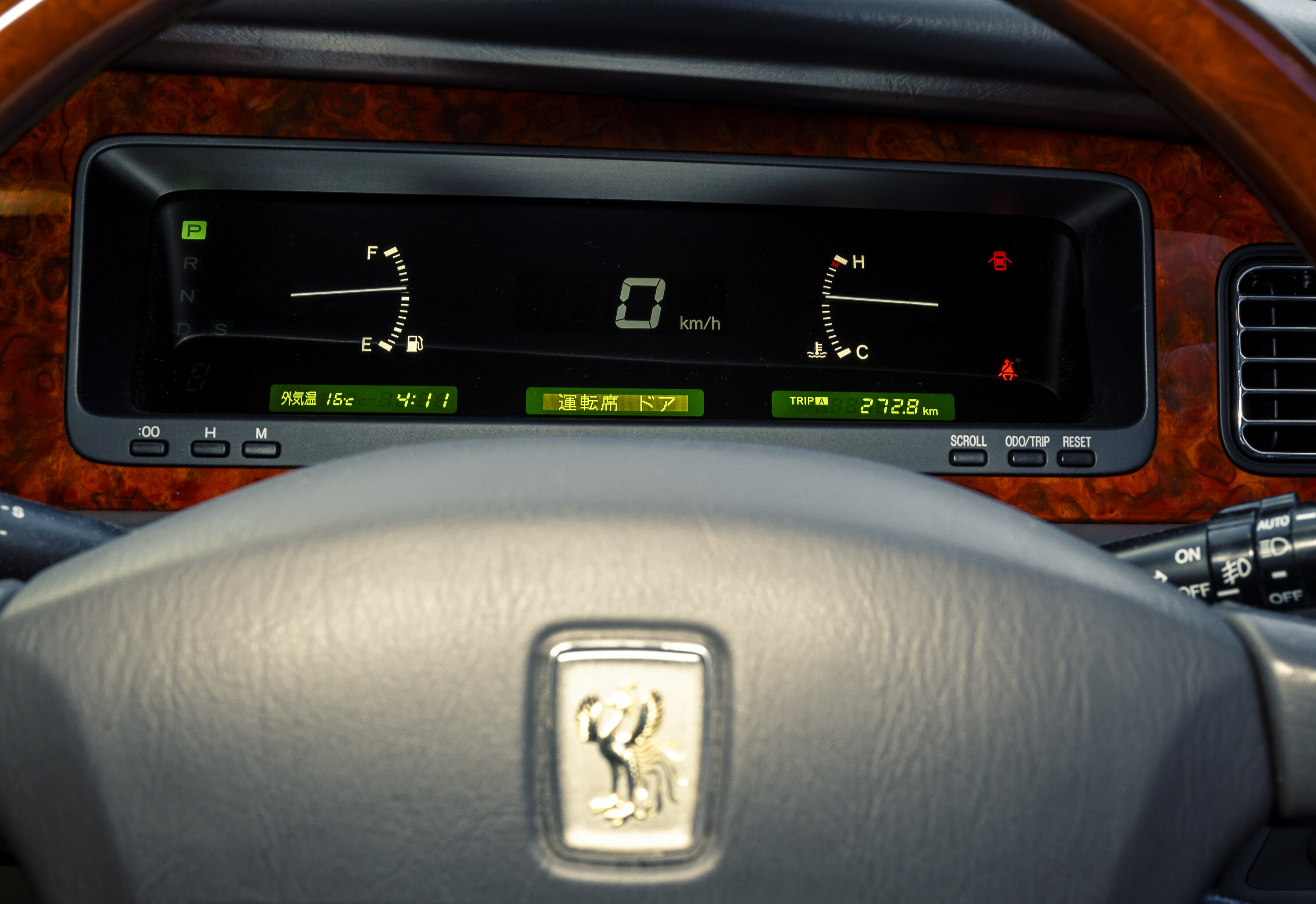
A quirk was the woodgrain-finish steering wheel with its circumferential ‘rim-squeeze’ horn switch, although the missing tacho was an unfortunate departure from Falcon hardtop spec.
1
Not exactly Falcon quick
Landau’s 5.8-litre Cleveland V8 amounted to Falcon GT spec, with an Autolite 4300 four-barrel carb helping it to outputs of 216kW and 515Nm.
The three-speed slushbox, 2.75:1 diff (with LSD) made for a 17-sec quarter mile, a half-second slower than a Falcon GT 351 auto. The upside of the weight was the fitment of four-wheel disc brakes.
Shopping in Japan is an exercise in being overwhelmed by the tyranny of choice.
You’re buried in an avalanche of features, specifications, colours and nested niches to the extent that you begin to wonder how this Darwinian proliferation of products is set to play out.
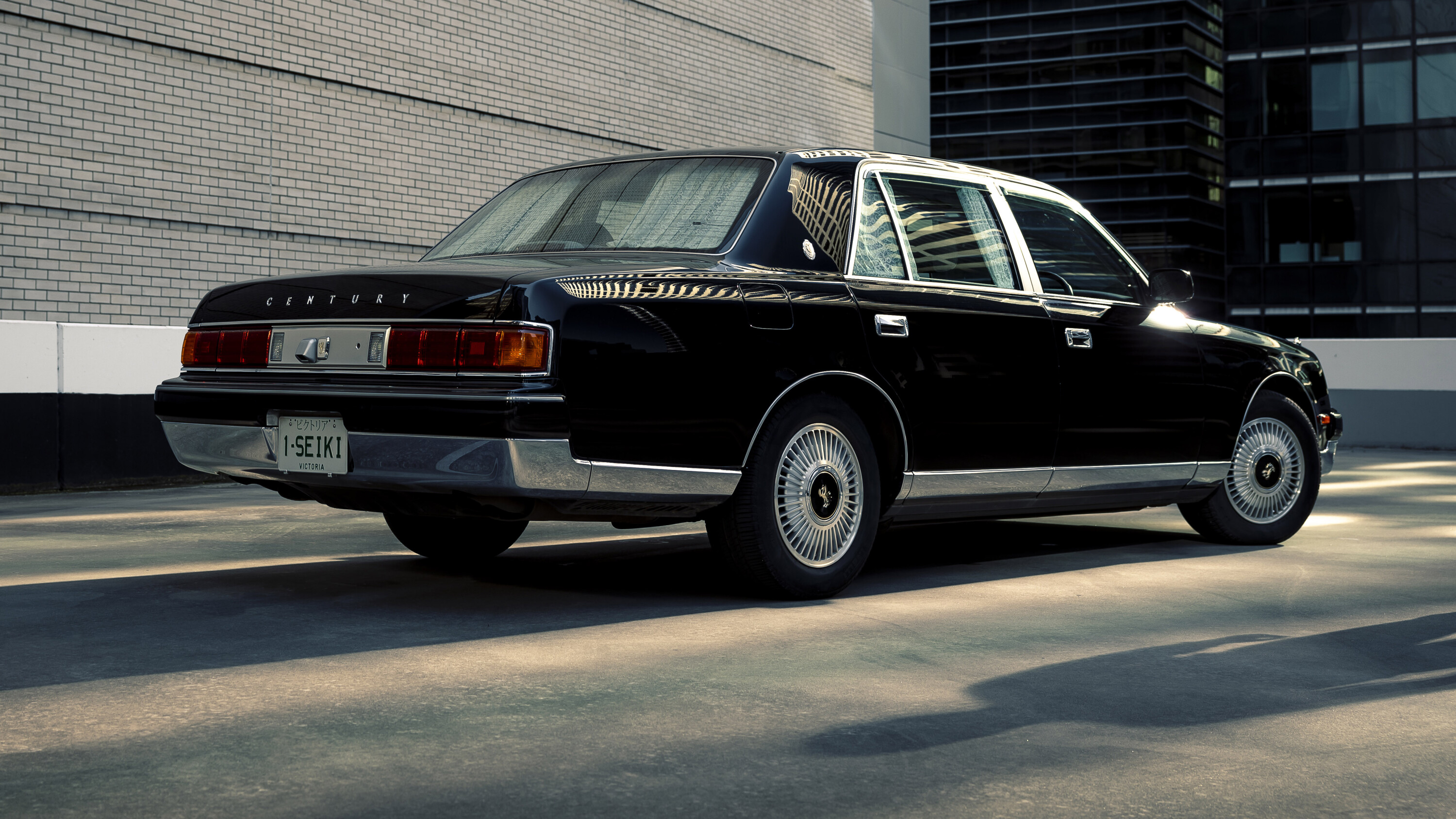
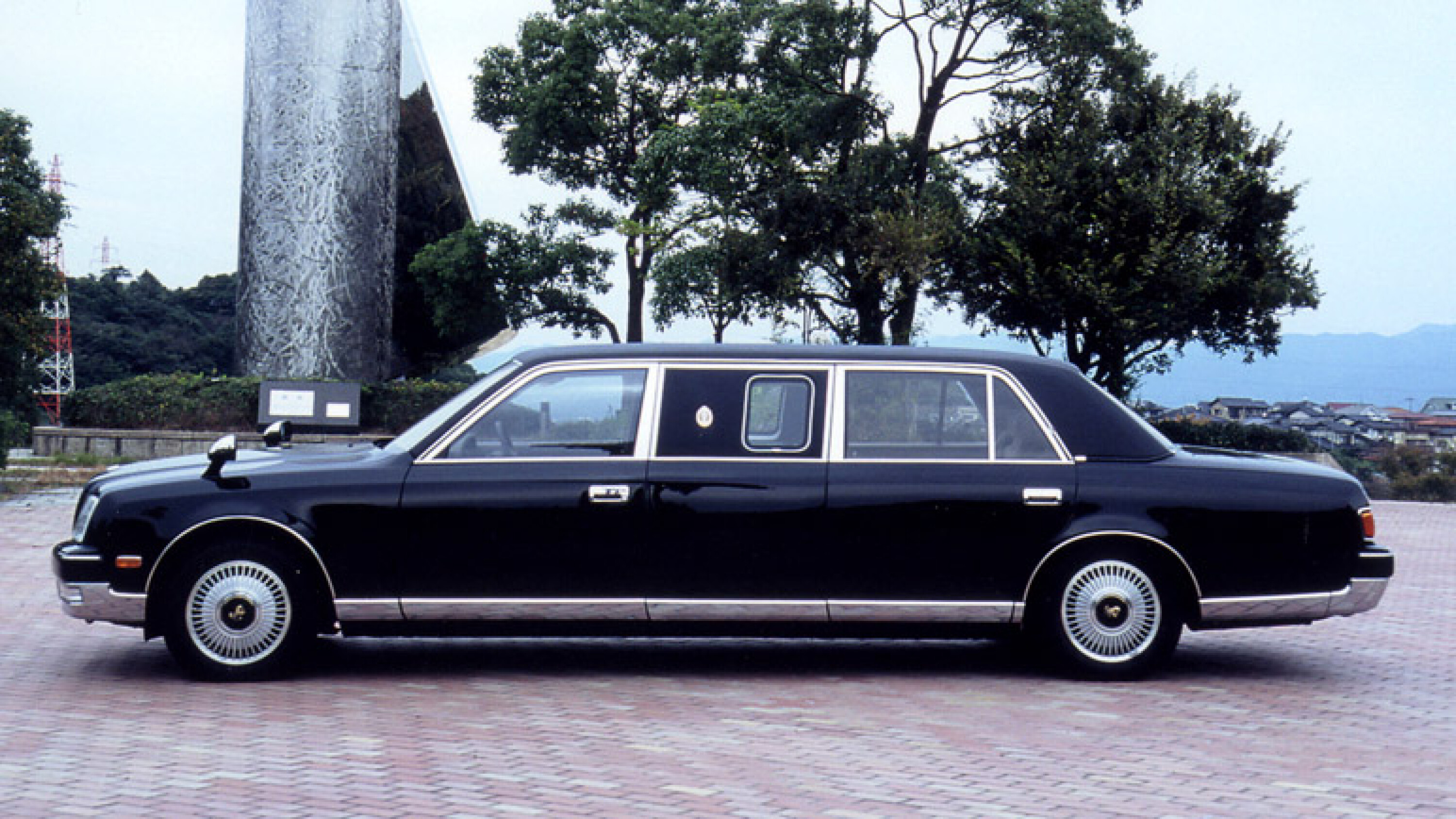
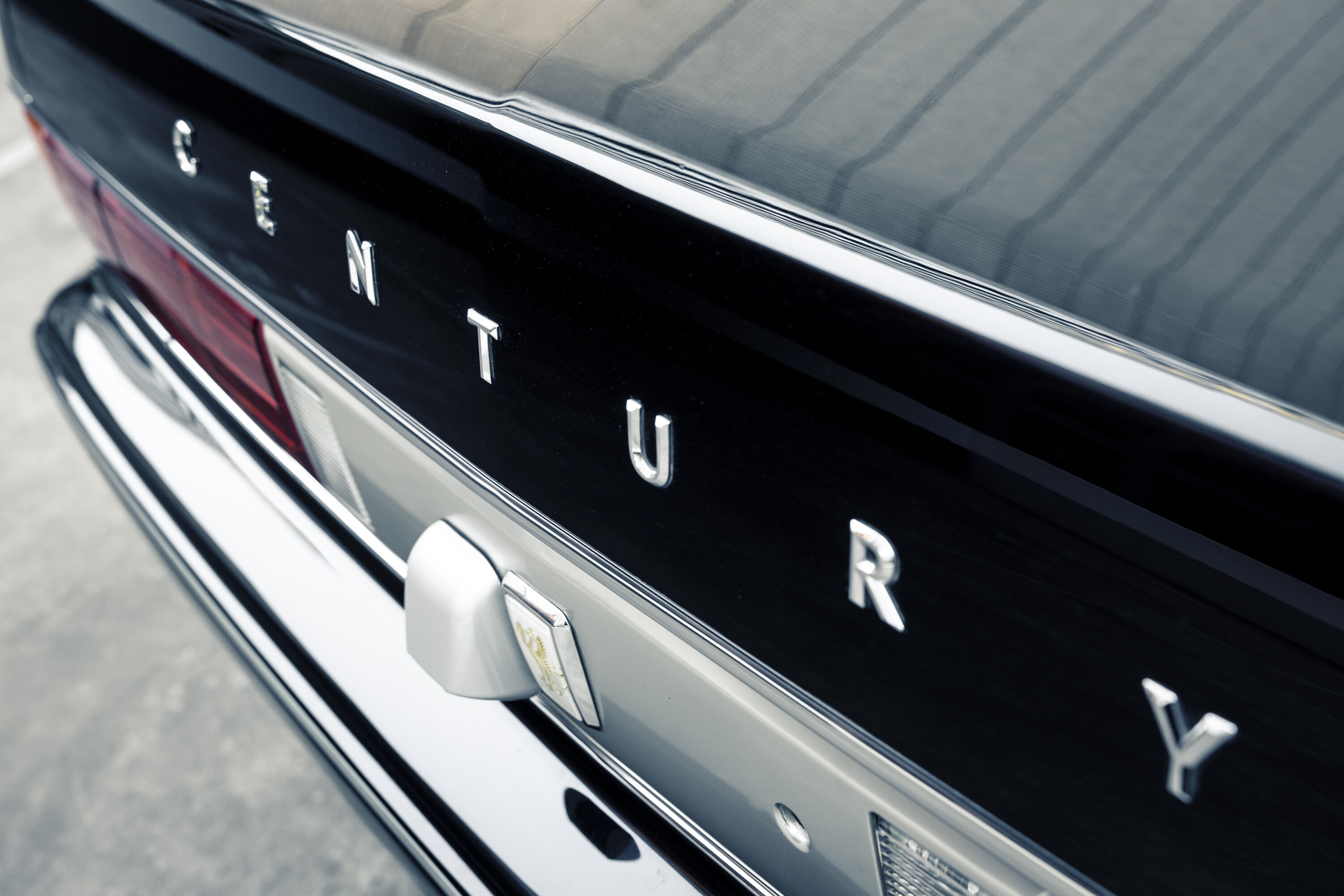
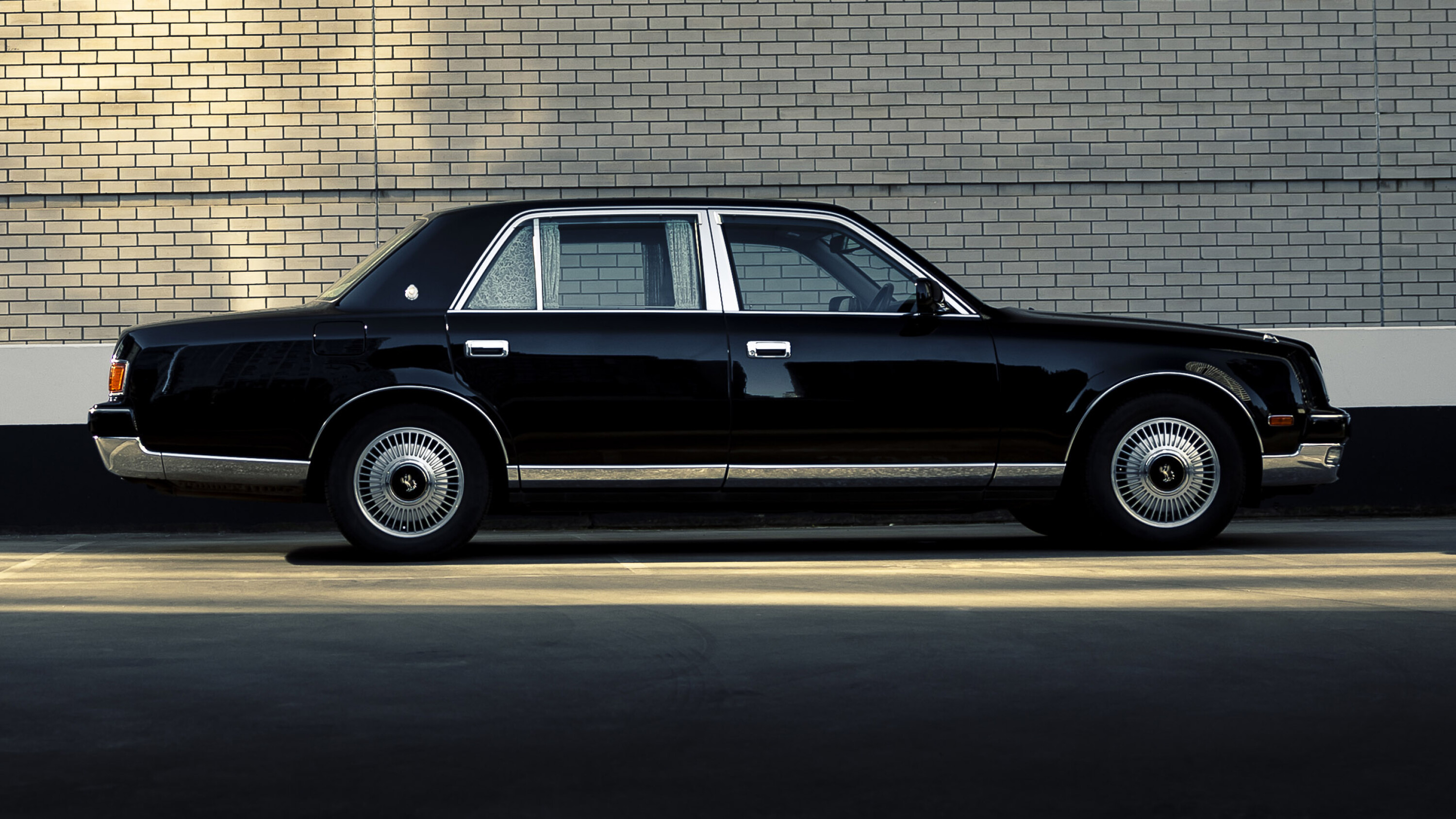
Yet if you want a Japanese production car with a V12 engine, the choice is really rather simple, because there’s only one and you’re looking at it right here: the Toyota Century.
Of course there have been Japanese V12 racing engines from the likes of Isuzu, Yamaha, Nissan and Honda. The Nissan Dump Truck WD38 also sported a twelve-pot 15-litre diesel but that’s not quite the same thing.
1
In fact, the Century’s engine is not only the reason Lexus stopped at 10 cylinders – it’s also the reason Toyota’s luxury brand came as such a big surprise to to Western markets when it launched in 1989.
While we were astonished at the quality of the original Lexus LS400, to the Japanese this was simply a more proletarian sedan than the flagship Century.
By the time the LS400 launched, the Century had been a fixture on the domestic market for 22 years. The badge draws its name from the centenary of Sakichi Toyoda, the founder of Toyota Industries, who was born on 14th February 1867.
1
In that regard, the Century was born as an indulgence, a present to Toyota from itself and was influenced by the quiet restraint of vehicles like the Daimler DS420 Limousine and the Rolls-Royce Phantom V.
Originality of concept was not a noted feature of 1960s industrial Japan. Perhaps that should be contextualised somewhat. Western society has long been fascinated at the speed of Japanese cultural assimilation, this fascination tinged with a suspicion of subsequent remake and refinement of concept.
Yet the creative exchanges that Japan has enjoyed with the outside world worked both ways. Japanese lacquering techniques were introduced to the West in the 19th century, and there’s evidence of the use of lacquers in Japan dated back to 7000 BCE, at which point Europe was only just getting the hang of agriculture. More on lacquer later.
1
The Century itself was preceded by a pair of vehicles of similar aspiration: the Nissan President, which served as the official car of the Japanese Prime Minister Eisaku Satō, and the Nissan Prince Royal, which was the official carriage of the Emperor of Japan.
Toyota didn’t get into the Imperial market until the arrival of the 2006 Century Royal. Good things come to those who wait and all that.
While many have associated the Century with the Japanese nobility and, at the other end of the spectrum, Yakuza mobsters, its original target market was none of the above. As Toyota’s promotional material states, ‘The Century is acquired through persistent work, the kind that is done in a plain but formal suit.’
1
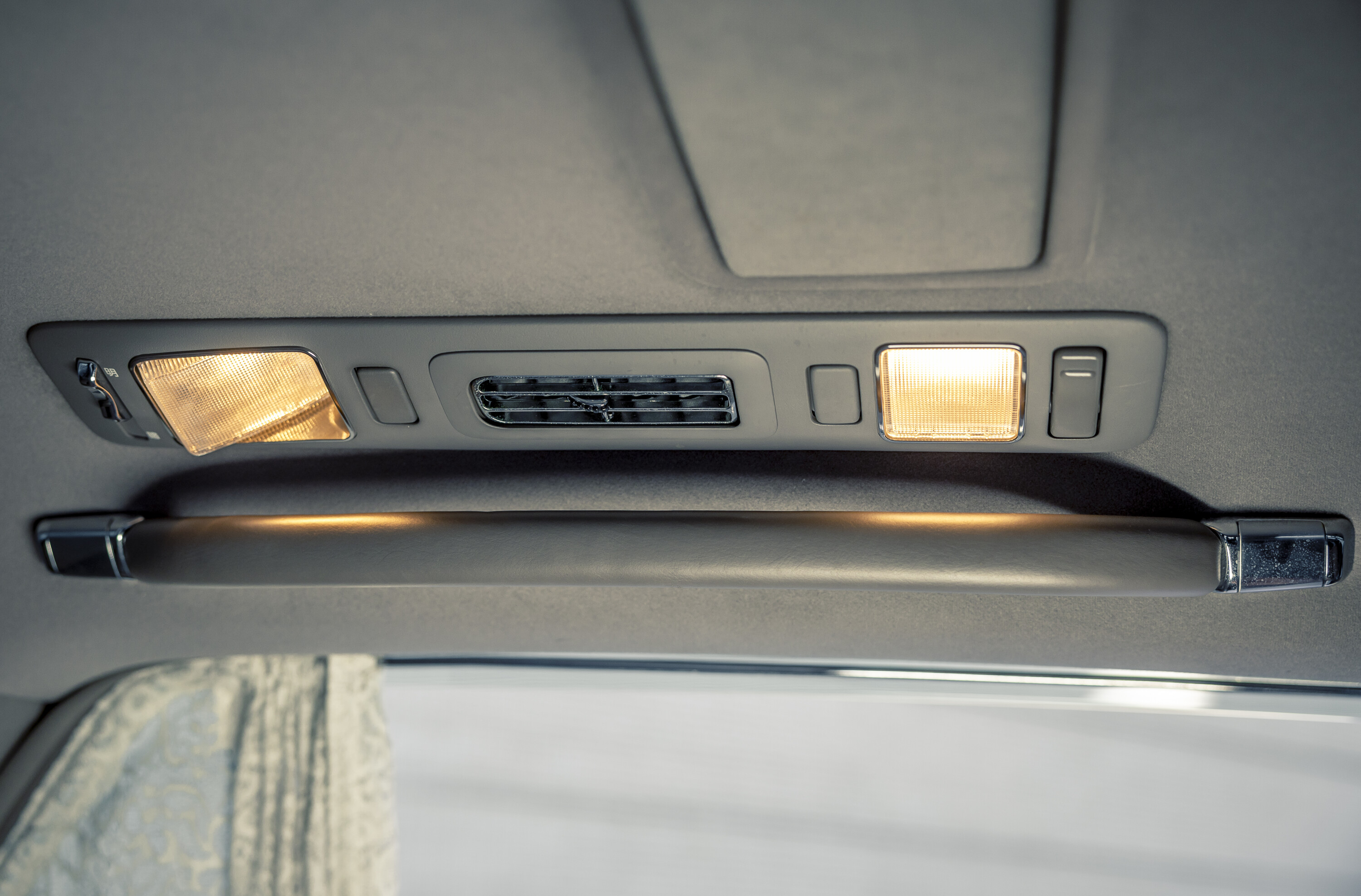
This was a vehicle for the chief executive, a marker of status that’s anything but overt, a vehicle that will usher its passengers discreetly and serenely between appointments, the rear seat occupants hidden behind lace curtains.
Some 30 years after the first generation Century – which saw three specific series dubbed G20, G30 and G40 – the second generation car arrived. Still resolutely retro in styling, the 1997 G50 was the first to be exported and the first to feature the turbine-smooth 1GZ-FE V12 powerplant.
Most expect this to be a fairly rudimentary piece of technology, yet it’s immediately clear that this is no piece of low-tech iron.
1
Overengineer and understress is the mantra behind this engine, with the official 206kW power complying with the Japanese gentleman’s agreement.
Today Toyota develops more power from a 1.6-litre three-cylinder, but then a GR Corolla won’t generate 481Nm and 80 percent of that from just 1200rpm; key to the refined step-off you expect in a high-end limousine. The actual power output stands somewhere nearer 230kW but what’s a few kilowatts between gentlemen?
This G50 – the middle child in the Century’s timeline – was the only one to be fitted with the V12, the subsequent G60 arriving in 2018 and utilising the V8 hybrid drivetrain from the Lexus LS600h. Production of the Century then moved from the Higashi-Fuji plant in Shizuoka to Toyota City’s Motomachi assembly works.
1
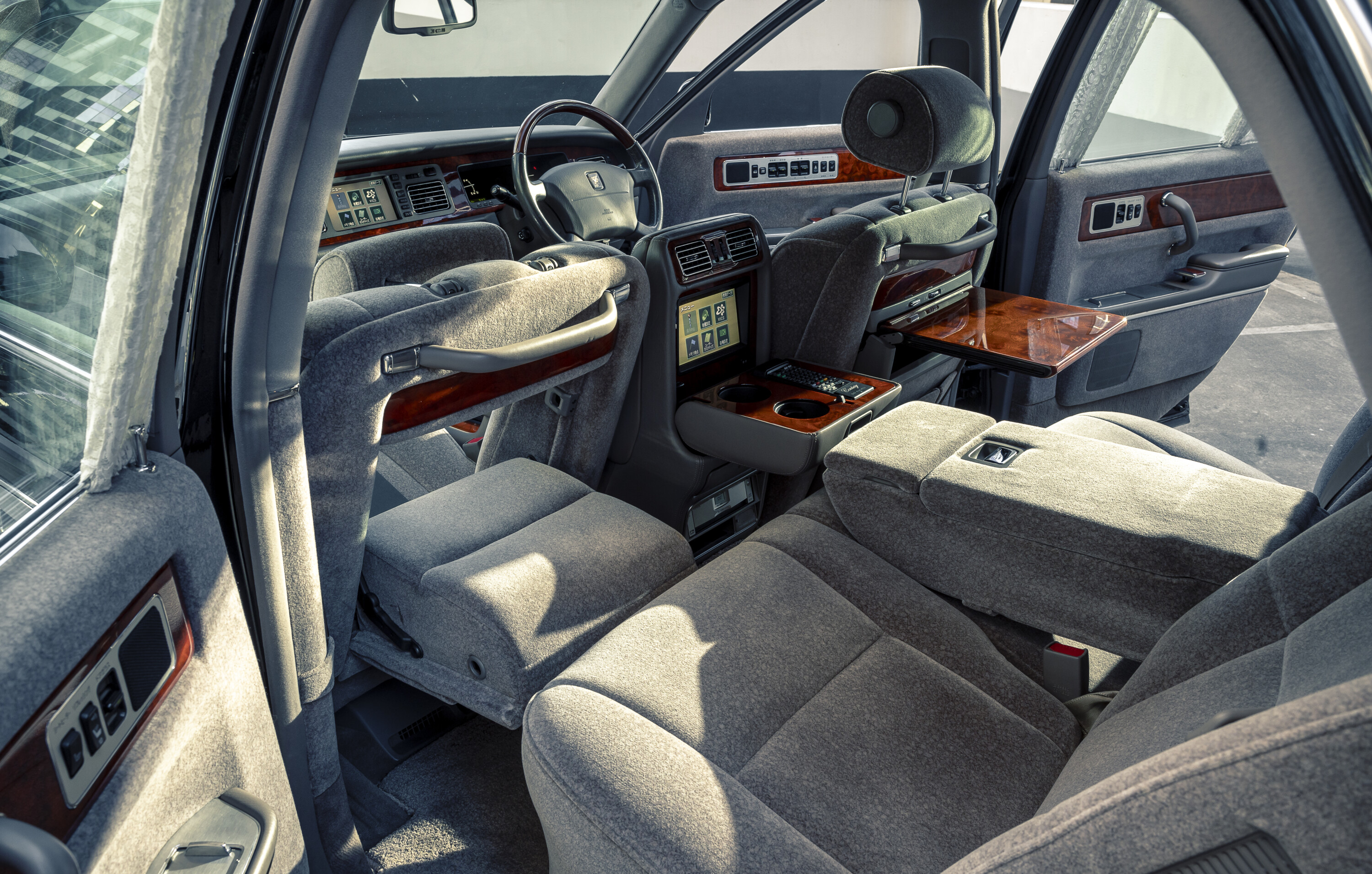
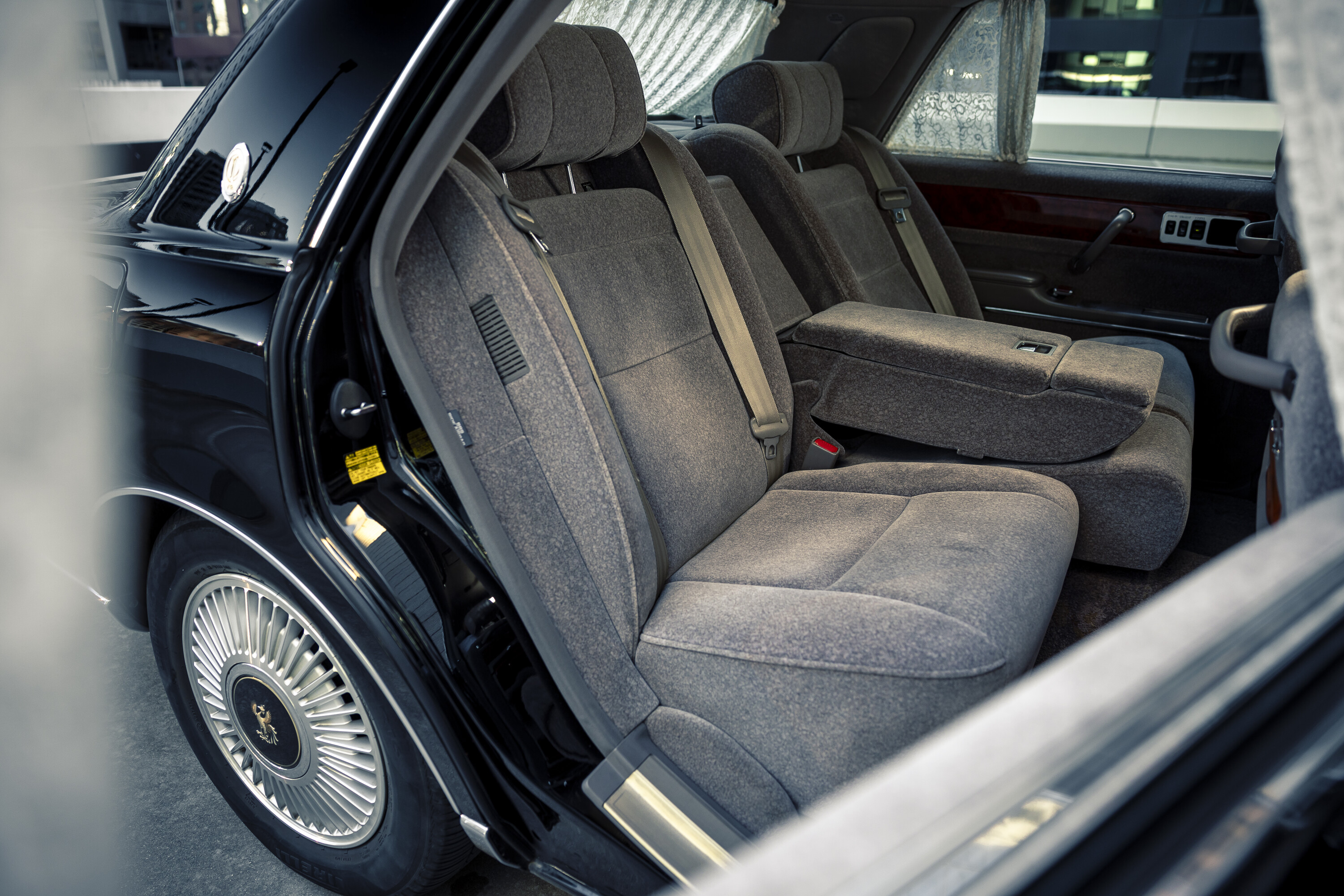
In the finest traditions of coachbuilt luxury, there are no leather seats in here. Leather was the weatherproof material a driver sat on, exposed to the elements, while passengers were cocooned inside atop fine fabrics.
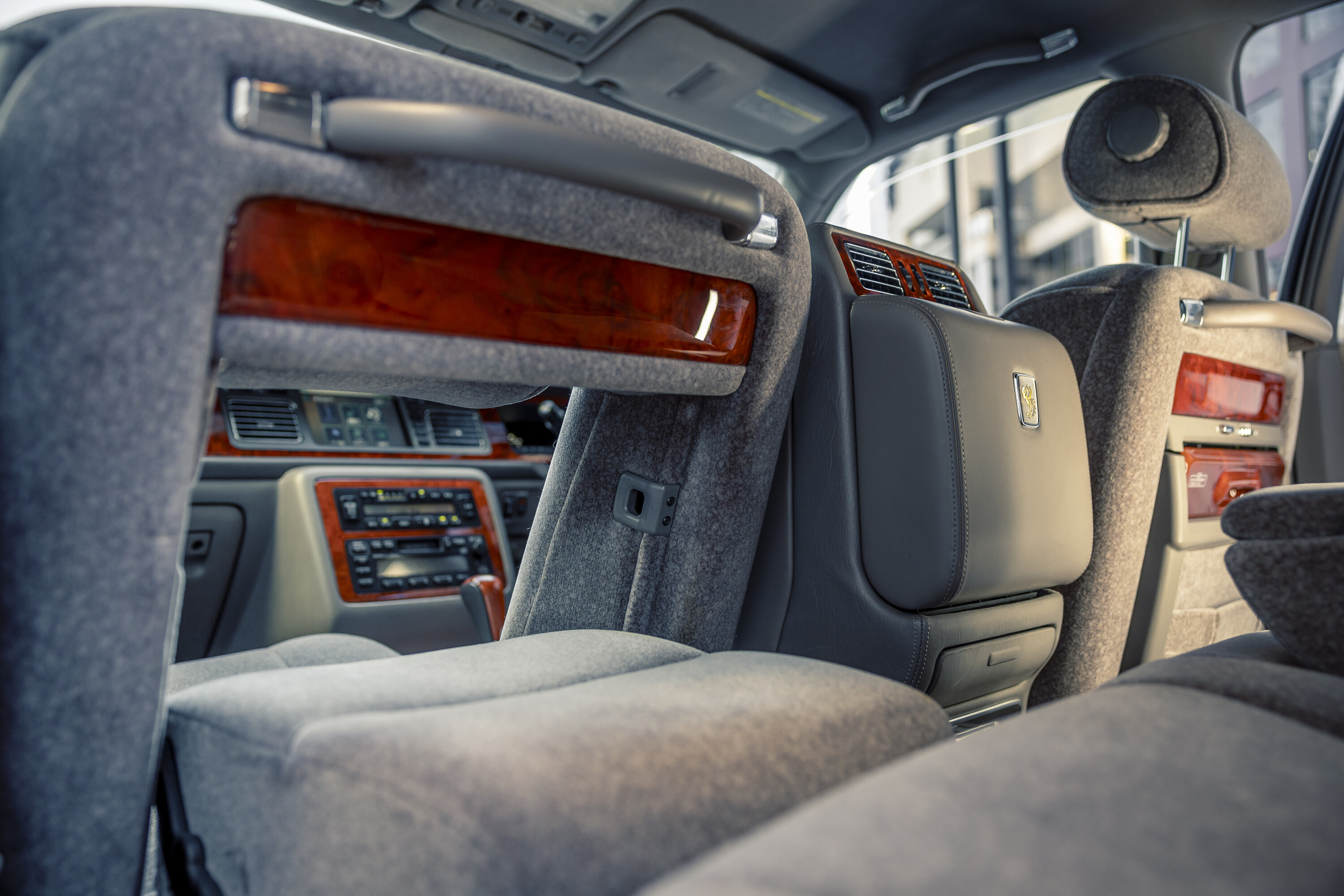
The Century’s seats are trimmed in a short and fine-piled wool called Ruikyo, which has the velvety nap of snooker table baize. It’s thermally neutral and completely silent when you move across it. What’s more, it’s incredibly hardwearing.
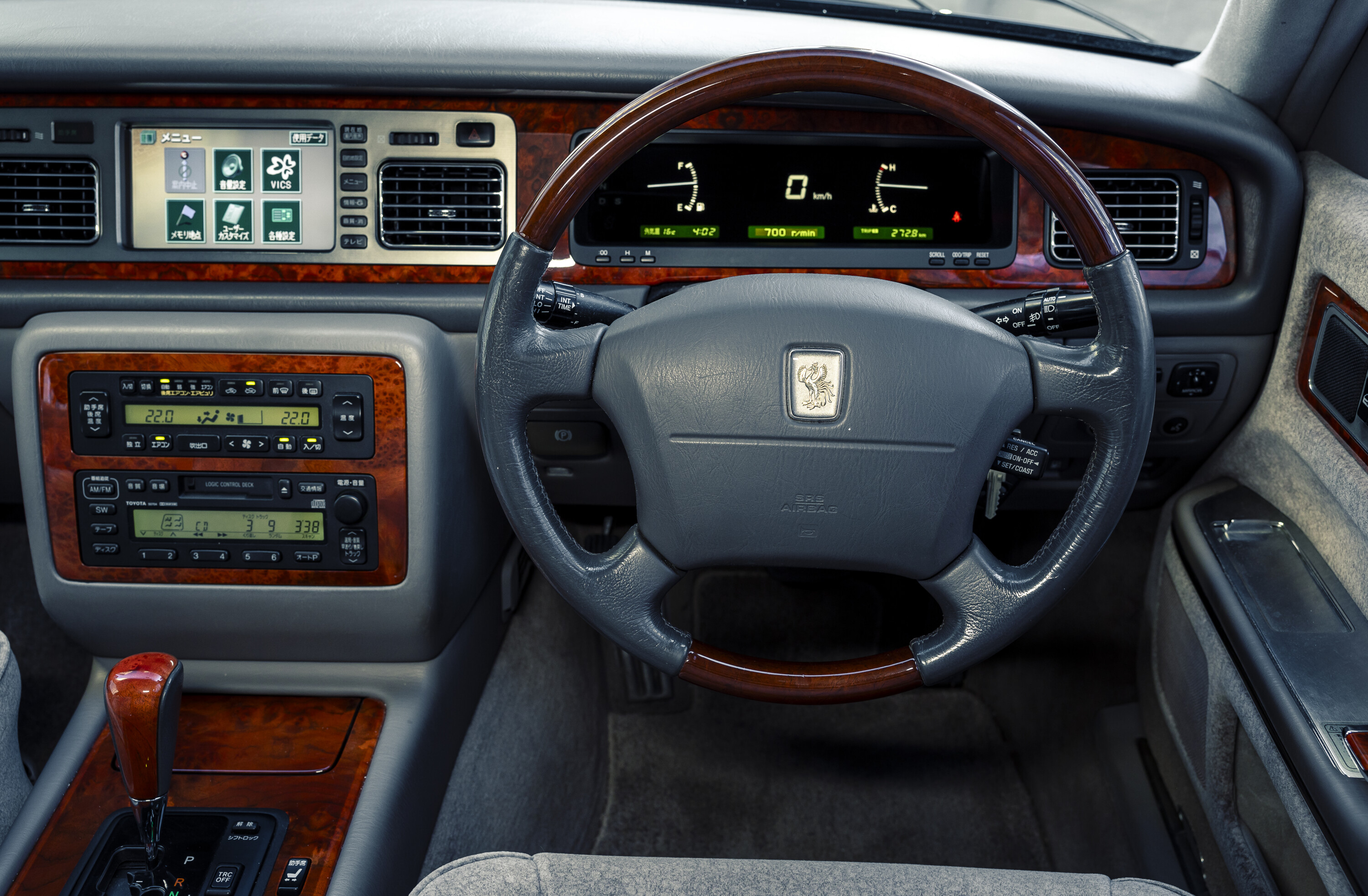
Everywhere you look inside the car there are intriguing details. It’s commonly held that the Lexus SC430 coupe-cabriolet was the last car to feature a standard cassette deck when it ceased production in 2010, yet the G50 Century still allowed you to rock a C90 right up until 2017. Not sure if an emergency spooling biro was also supplied.
1
The rear-seat ottoman is probably the most well-known feature of the Century’s interior, whereby a passenger can flip down a section of the front passenger seat and recline in comfort.
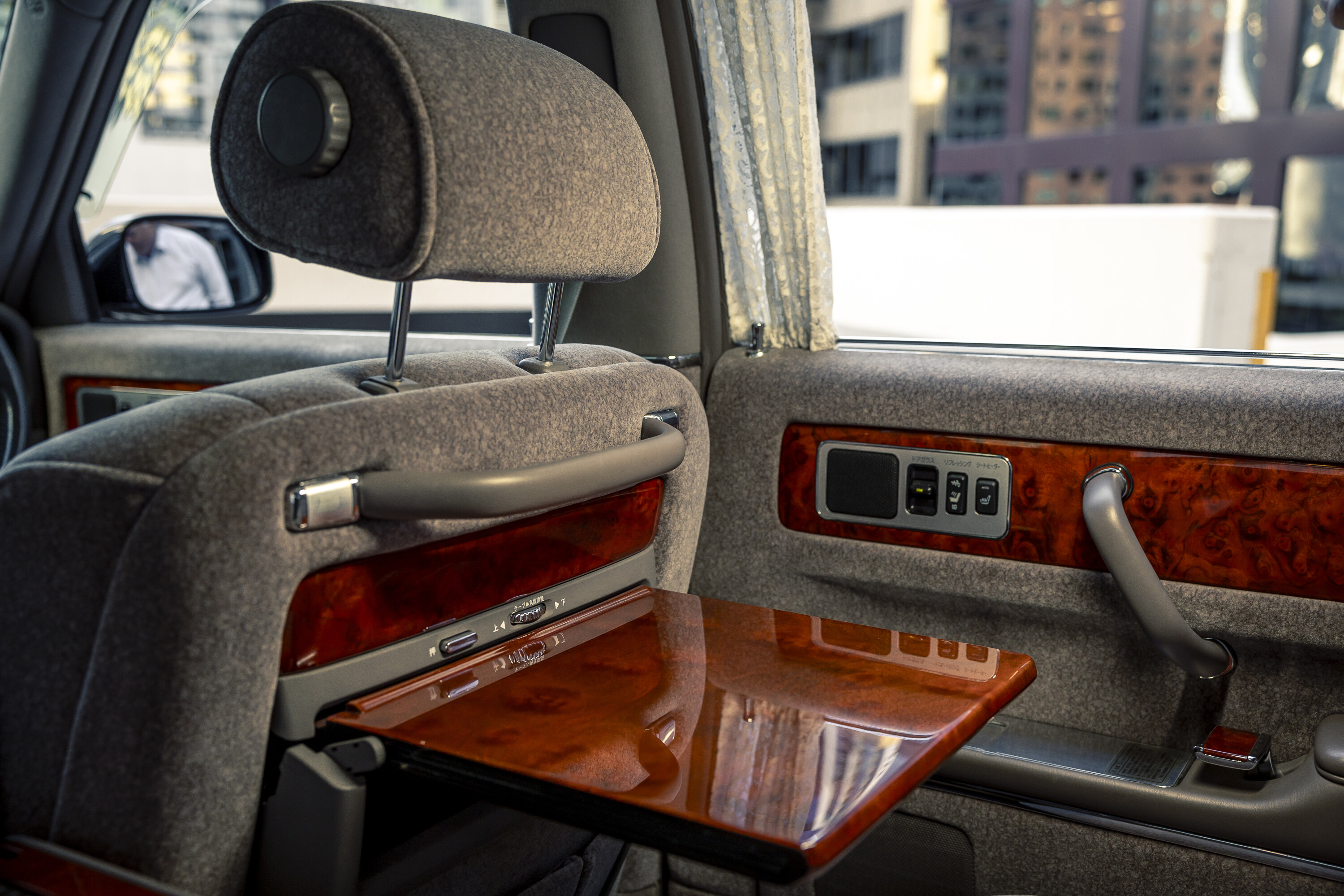
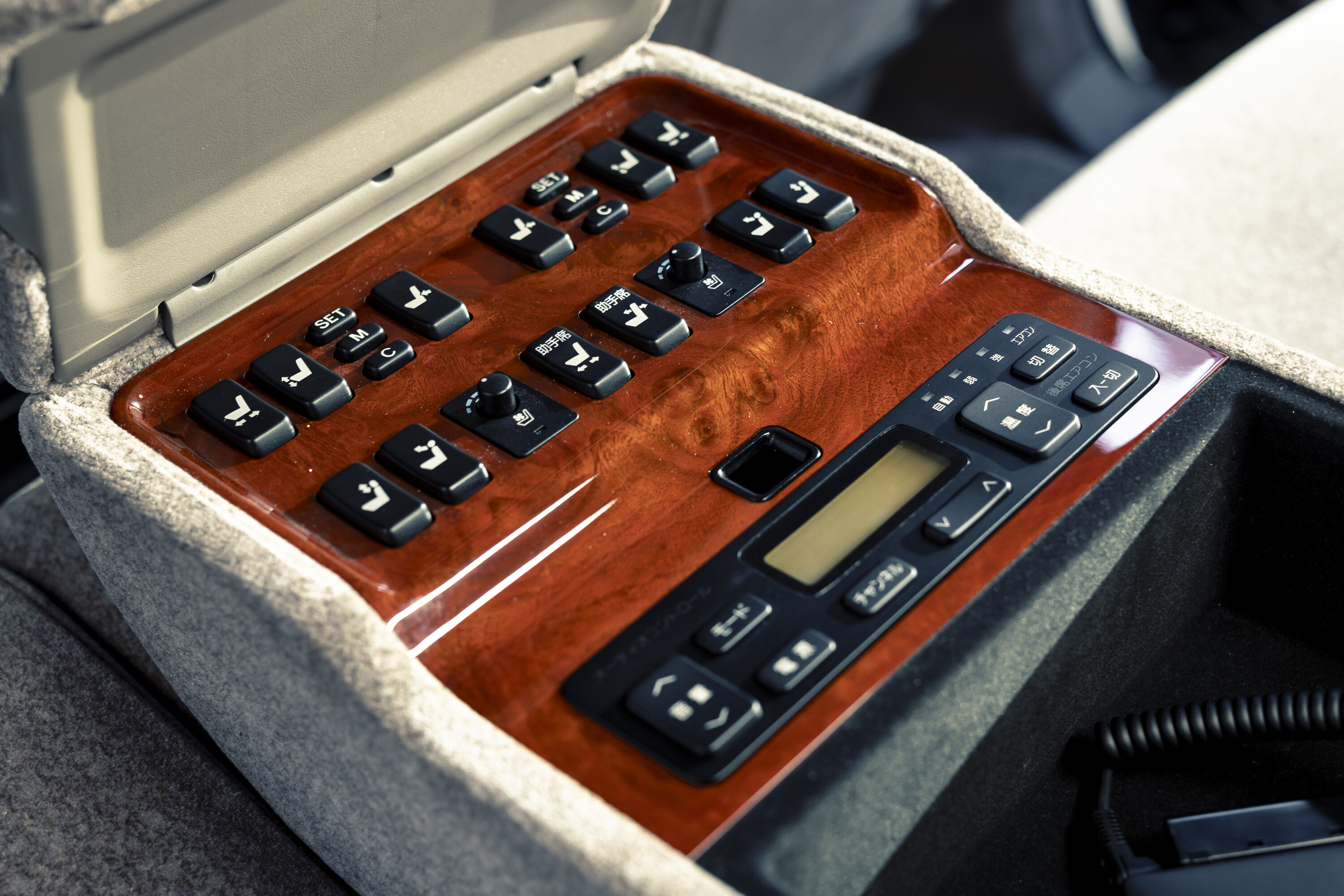
There’s a whole host of rear-seat luxury features which include recline and headrest tilt functions, dimmable lights and even an accessory Century dictaphone. You can also tilt the front passenger headrest forward if you need to be get a better look through the windscreen.
Those in the heated and cooled rear seats can opt for a rather vigorous massage function and can also electrically control the front seats if you want to show the chauffeur on his independently sprung seat who’s boss.
1
What’s slightly disorientating about this incredible car is the fact that there are parts that are obviously and expensively native to this car and this car only. Yet these are interspersed with what look like Camry-spec mouldings and minor switchgear.
Then there’s the woodwork which is equally out there. Most luxury car manufacturers want their wood to look like wood. This means subtle, flat cuts with texture in the graining. The Century is different.
It’s almost as if the target was to make wood look and feel like plastic. At first that sounds a reductive and slightly sniffy thing to say, but it’s only when you realise that veneers have been artfully bent and teased into frankly unlikely shapes that you begin to realise how much work has gone into it.
1
The rosewood single-grain panels that run across the dash are finished by Yamaha musical instruments.
The external colour palette isn’t exactly a kaleidoscope, with only five paint finishes ever offered on the Century. These are Ebony Teal Pearl, Blue Mica Metallic, Grey Metallic, Blu Metallic, and the signature colour, Black.
This paint colour was developed to give the impression of black lacquer, and involves laying seven separate coats, including a clear coat that contains black pigments to give the required depth to the paint finish. A modern luxury car’s paint is typically between 140 and 150 microns thick. A G50 Century’s paint nudges 200 microns.
1
Three times, between coats, the microscopic imperfections in the paintwork are sanded under running water, creating the perfect undercoat. The final step after painting is a mirror-finish polish. This is key. When alighting from the rear seats, the Century’s flat C-pillar is designed to become an exterior vanity mirror, allowing dignitaries a final check on their appearance before attending a function.
There’s a nod to Shinto symbolism here too. The Imperial Regalia of Japan include a sword to represent valour, a jewel to signify benevolence while the mirror embodies the virtue of wisdom.
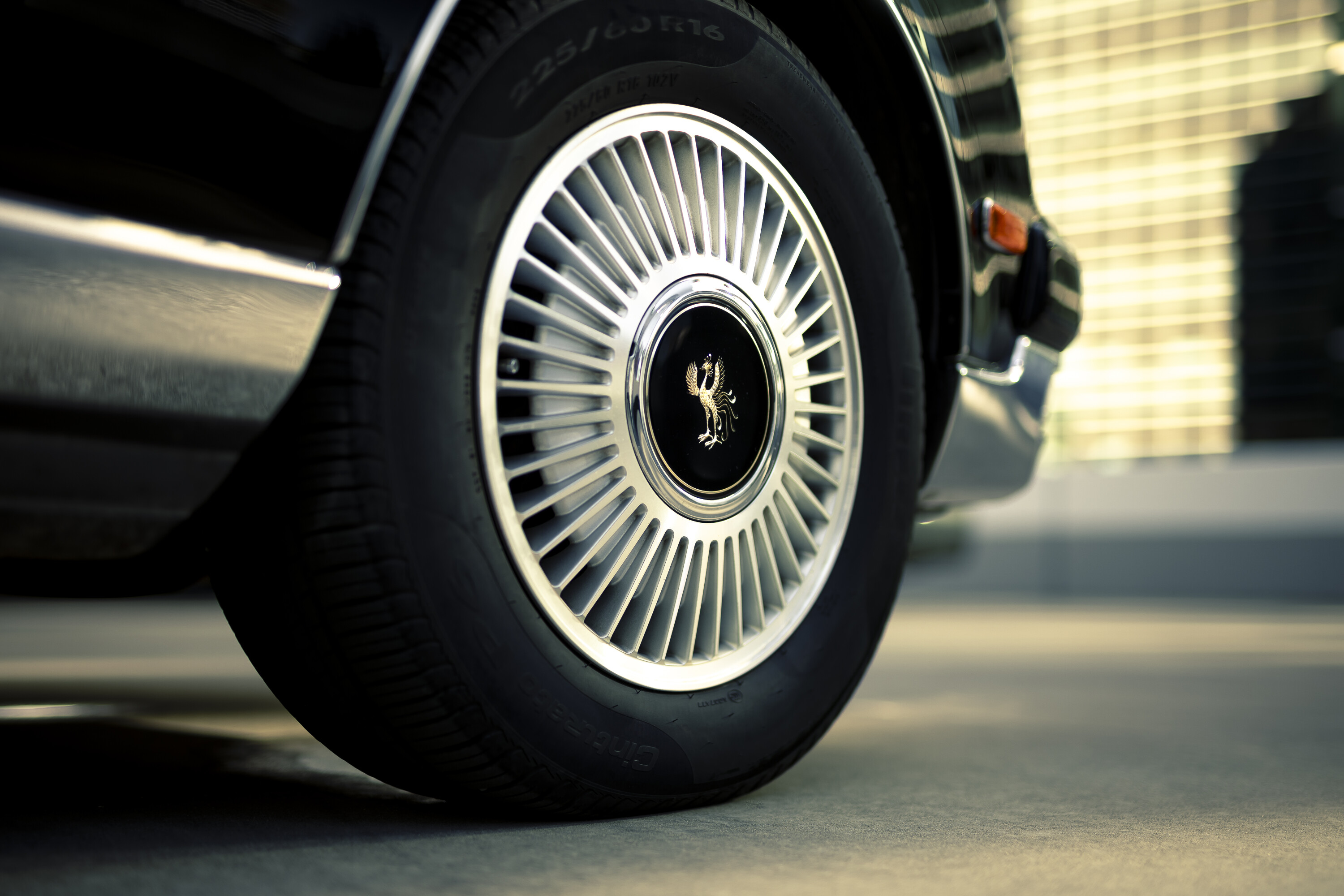
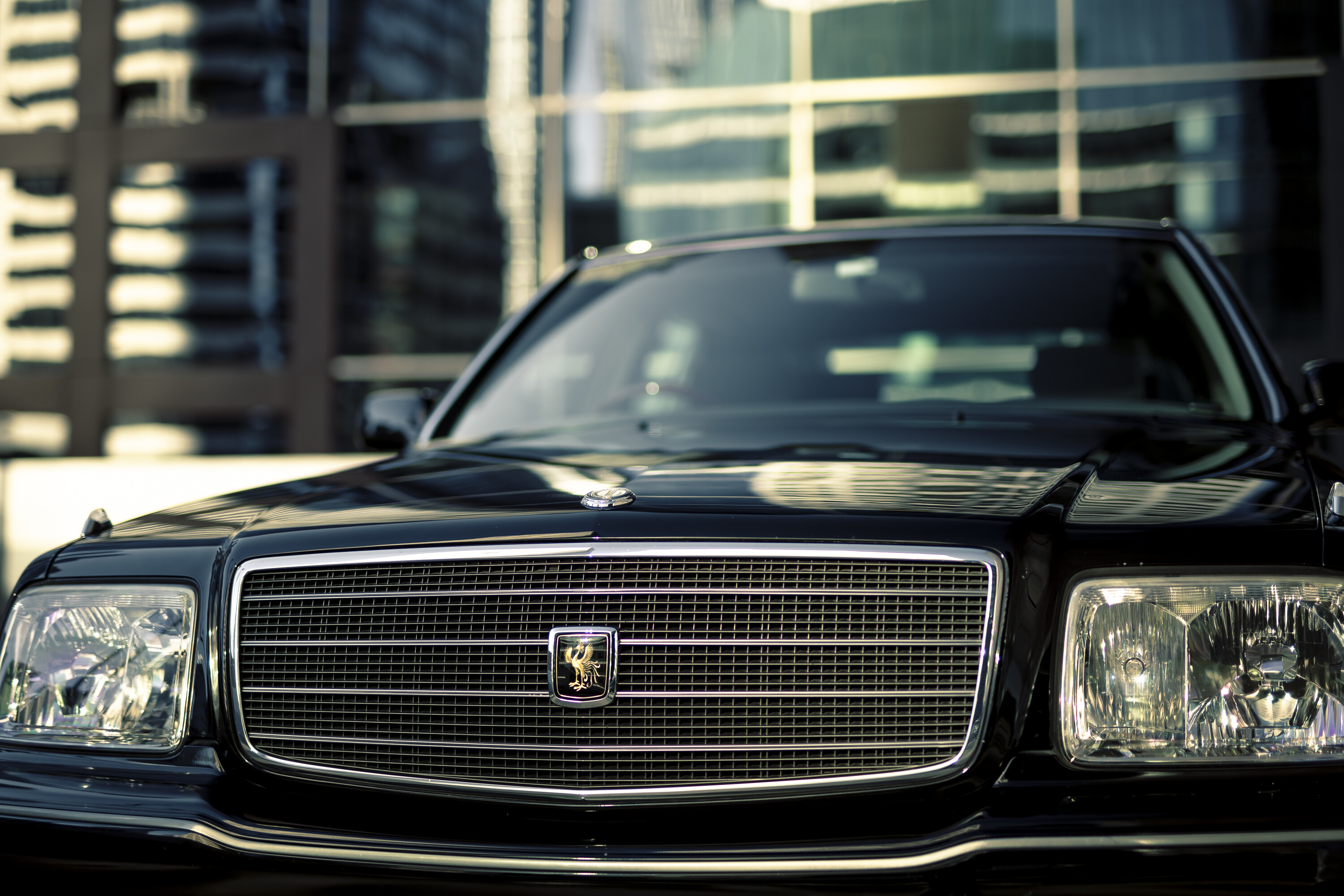
The gold phoenix – or Hō-ō – as seen on the on the Century’s wheels, grille and steering wheel boss was adopted as a symbol of the imperial household, often worn by an empress, representing fire, the sun, justice, obedience, fidelity, and the southern star constellations.
1
Starting with this second-gen G50 version, every Century owner can track the history of their vehicle. Books are kept at the Century plant which document the inspections performed after each process, identifying the supervisor and the date. The Century is a car built painstakingly by hand, and Toyota is keen to log that exact process, with access available via the touchscreen in the dash.
The G50 Century received a significant update in 2006, gaining features such as curtain airbags, LED rear lights, an air purifier, and a DVD-based 12-speaker cinema installation.
The following year, the car was updated with a digital TV tuner, with HID headlights arriving in 2008 and a reversing camera in 2011.
Now that the earlier G50 models are eligible to import to the United States under 25-year regulations, prices have generally crept up for good examples.
1
The Century is generally reliable, as you would expect from a vehicle built with such care, but any car with this amount of electronic functions of this vintage merits a good looking over.
The wool interiors aren’t particularly happy if constantly exposed to Aussie UV and there are some parts of the A342E six-speed auto ‘box that are uniquely Century. Above all, look for accident damage (all panel gaps should be around 3mm) and paint damage.
As long as you’re equipped with a parts number, spares are, thanks to Toyota’s excellent parts back-end, often less tricky to source than you might expect. Anything Century-specific can be costly, however, and needs to come from Japan.
1
The G50 Century wasn’t a notably rare car, with 9573 vehicles built across almost 20 years of production, so if you’re shopping, don’t reflexively buy the first one you see.
The G50 Toyota Century is a truly exceptional car, largely due to the shackles being cast off by its domestic focus. It’s this inherent and all-pervading Japanese-ness that lends it its charm, while its quality and rich feature set are durable points of difference that never fail to provide a talking point.
It’s not a Japanese Rolls-Royce, largely because its unique sense of identity became so strong. When the G50 Century launched in 1997, Japan was still building VHS players and CRT screens. When it ceased production in 2017, we were in a world of mini-drones, robovacs, VR headsets and home hubs. You’d think that time may have wearied it. You’d be wrong.
1
Grand Royal
Built between 2006 and 2008, the rarest of the Century models is the Century Royal V12. It’s the long wheelbase state limousine of the Emperor of Japan and three custom-built sedans were built as well as one hearse.
It features internal granite entry steps and Japanese washi rice paper headlining for the passenger compartment, with the rear passenger compartment trimmed in wool and the front upholstered in leather.
Fact check
The good
The 5.0-litre 60-degree V12 features a reinforced aluminium block, forged, fully counterweighted steel crank, four valves per cylinder, dual overhead cams per bank and an aerospace-level of commitment to mechanical redundancy.
In the unlikely event that one bank of cylinders fails, separate injection ECUs mean that the other bank would still function perfectly.
The bad
Go expecting a truly business class level of rear legroom and you’re likely to come away a little crestfallen.
The Century is a sizeable car at 5270mm long, but the old-school 3025mm wheelbase is a mere 5cm longer than a current BMW 5 Series and means that rear accommodation in the passenger cell is perhaps a little more intimate than you’d first envisage.
Variant applicability: This model does not include variants
What are the defects?
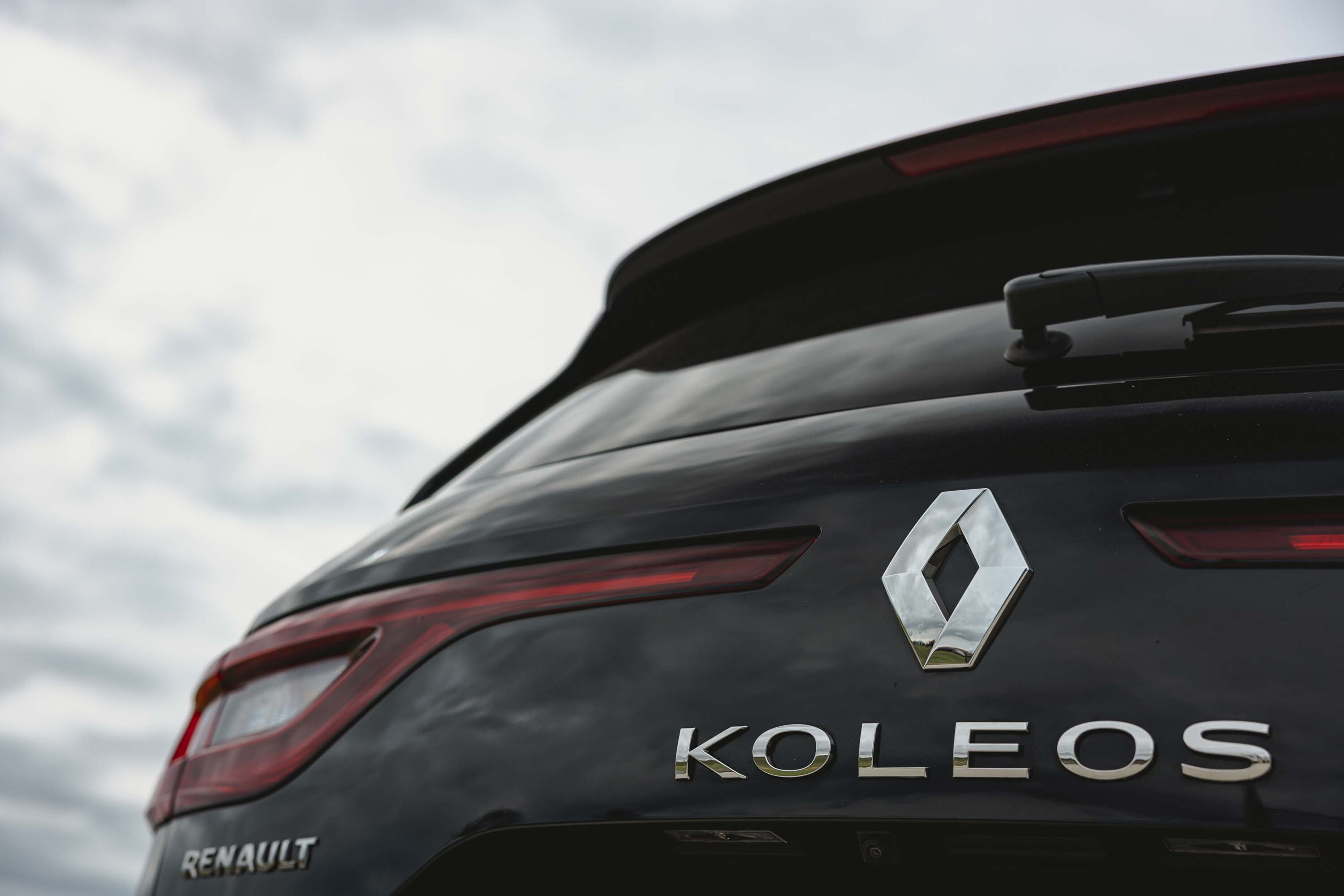
Due to a manufacturing defect, the bonnet outer panel and inner frame may not have been bonded correctly. As a result, the bonnet outer panel could detach due to vibrations whilst driving and/or at high speed.
What are the hazards?
In the event of the bonnet outer panel detaching from the vehicle whilst driving, it can increase the risk of an accident causing serious injury or death to vehicle occupants and/or other road users.
What should consumers do?
Owners of affected vehicles should contact their preferred Authorised Renault Dealer to arrange for inspection and repair of their vehicle, if necessary, free of charge.
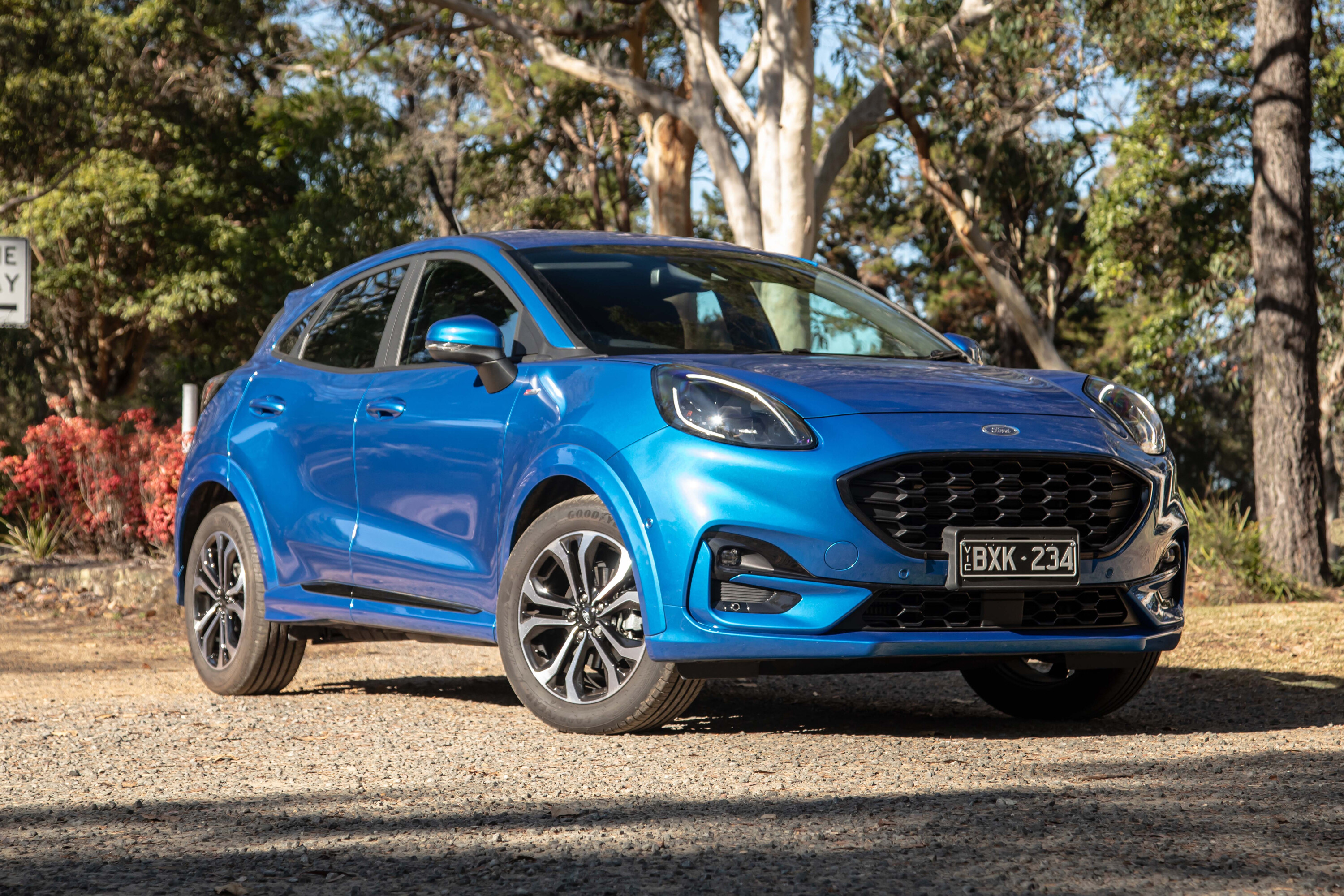
During the manufacturing process, the Restraint Control Module (RCM) was loaded with an incorrect configuration. As a result, if an incorrect replacement part is installed in the system, warnings will not be displayed and the seatbelt pretensioners and airbags may not perform as intended in the event of an accident.
What are the hazards?
In the event of an accident, an airbag not deploying or seatbelt pretensioner not activating correctly could increase the risk of injury or death to vehicle occupants.
What should consumers do?
Ford will contact affected owners in writing requesting they make an appointment at their preferred Ford Authorised Dealership to update the RCM configuration, free of charge.
Supplier details
FORD MOTOR COMPANY OF AUSTRALIA PTY LTD
Who should owners/operators contact for more information?
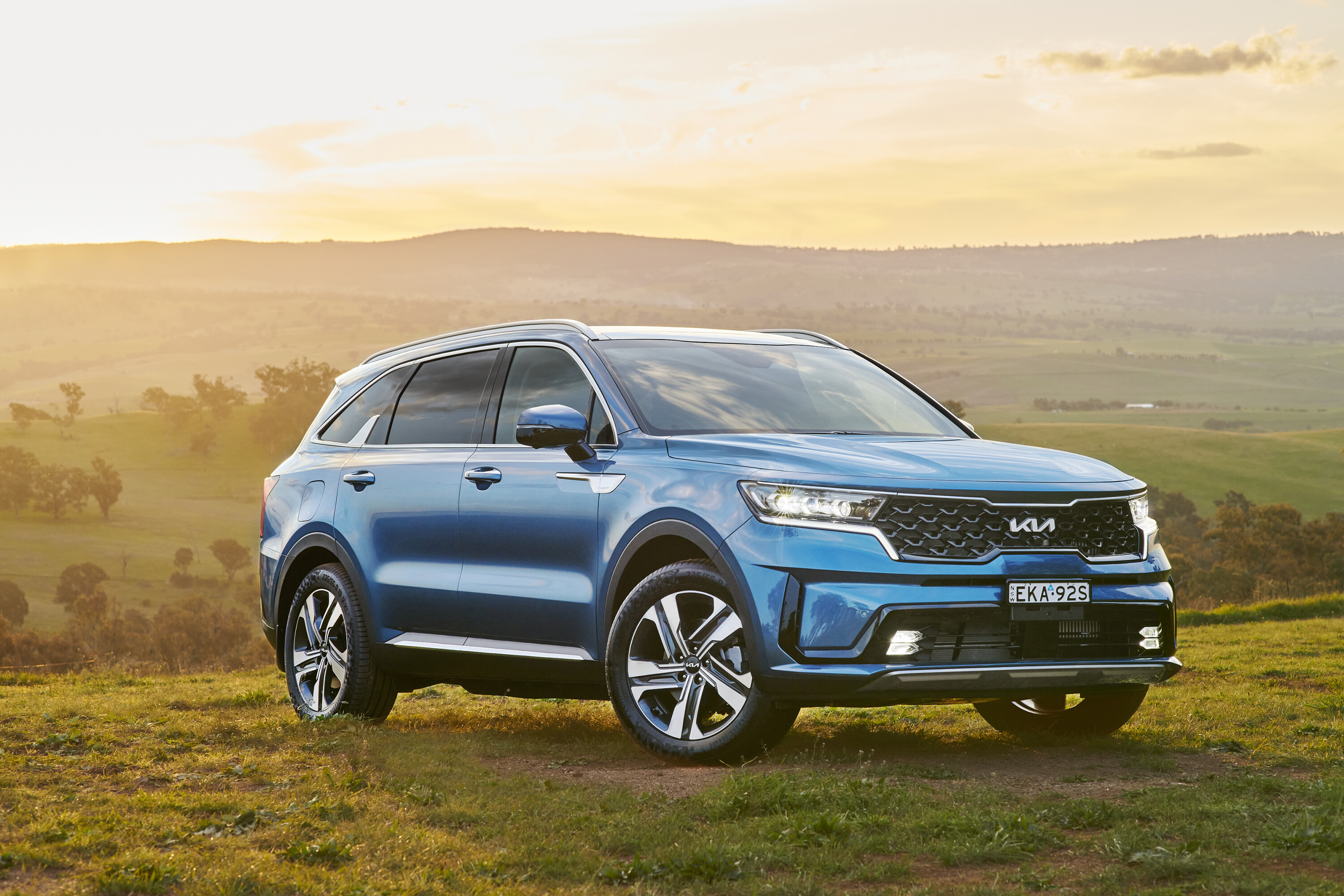
Due to a manufacturing issue, the seat belt pre-tensioner inflator cap may fracture when deployed in the event of an accident.
What are the hazards?
If the seat belt pre-tensioner inflator cap fractures, metal fragments may be propelled at high speed towards the vehicle occupants and could cause serious injury.
What should consumers do?
Owners of affected vehicles should immediately contact their preferred Kia dealer to schedule an appointment to have the repair work undertaken, free of charge.
Supplier details
KIA AUSTRALIA PTY LTD
Who should owners/operators contact for more information?
Due to a configuration setting issue, the vehicle’s tilt sensor that detects any change to the vehicle angle relative to the ground may not activate as intended.
What are the hazards?
A loss of tilt alarm notifications increases the risk of an accident causing injury or death to vehicle occupants.
What should consumers do?
Owners should contact their preferred Jaguar Land Rover authorised dealer to have their tilt sensor configuration file updated, free of charge.
Customers are advised to be extra vigilant when leaving their vehicles unattended and park in secure or well-lit areas wherever possible until this recall is completed.
Supplier details
JAGUAR LAND ROVER AUSTRALIA PTY LTD
Who should owners/operators contact for more information?
Variant applicability: All variants within this model
What are the defects?
Due to a manufacturing defect, the 48 Volt battery is susceptible to water ingress if exposed to moisture for extended periods. Water ingress can cause the battery to overheat which may result in a vehicle fire.
What are the hazards?
A vehicle fire could increase the risk of injury or death to vehicle occupants, other road users or bystanders and/or damage to property.
What should consumers do?
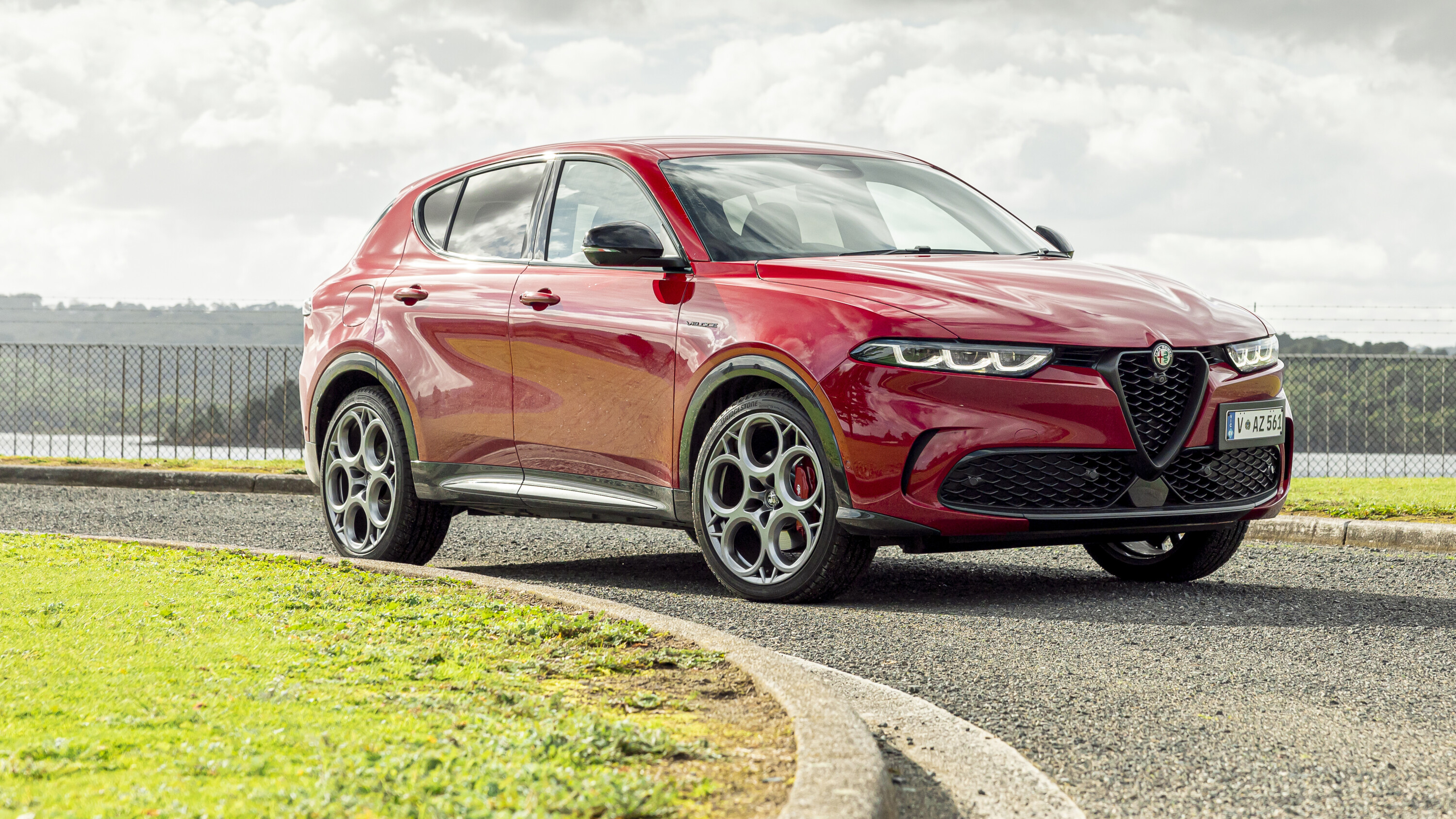
Owners of affected vehicles can contact their nearest authorised Alfa Romeo Dealer to have the vehicle’s battery inspected and if required replaced, free of charge.
Supplier details
FCA AUSTRALIA PTY LTD
Who should owners/operators contact for more information?
In 2021, Nissan revealed four electric concepts with distinctly different purposes, including an electric ute.
The subtly retro-futuristic ute was named Surf-Out, designed with a unibody shape and, thanks to its skateboard platform, a deep tub for tools or eskies – as the job may require.
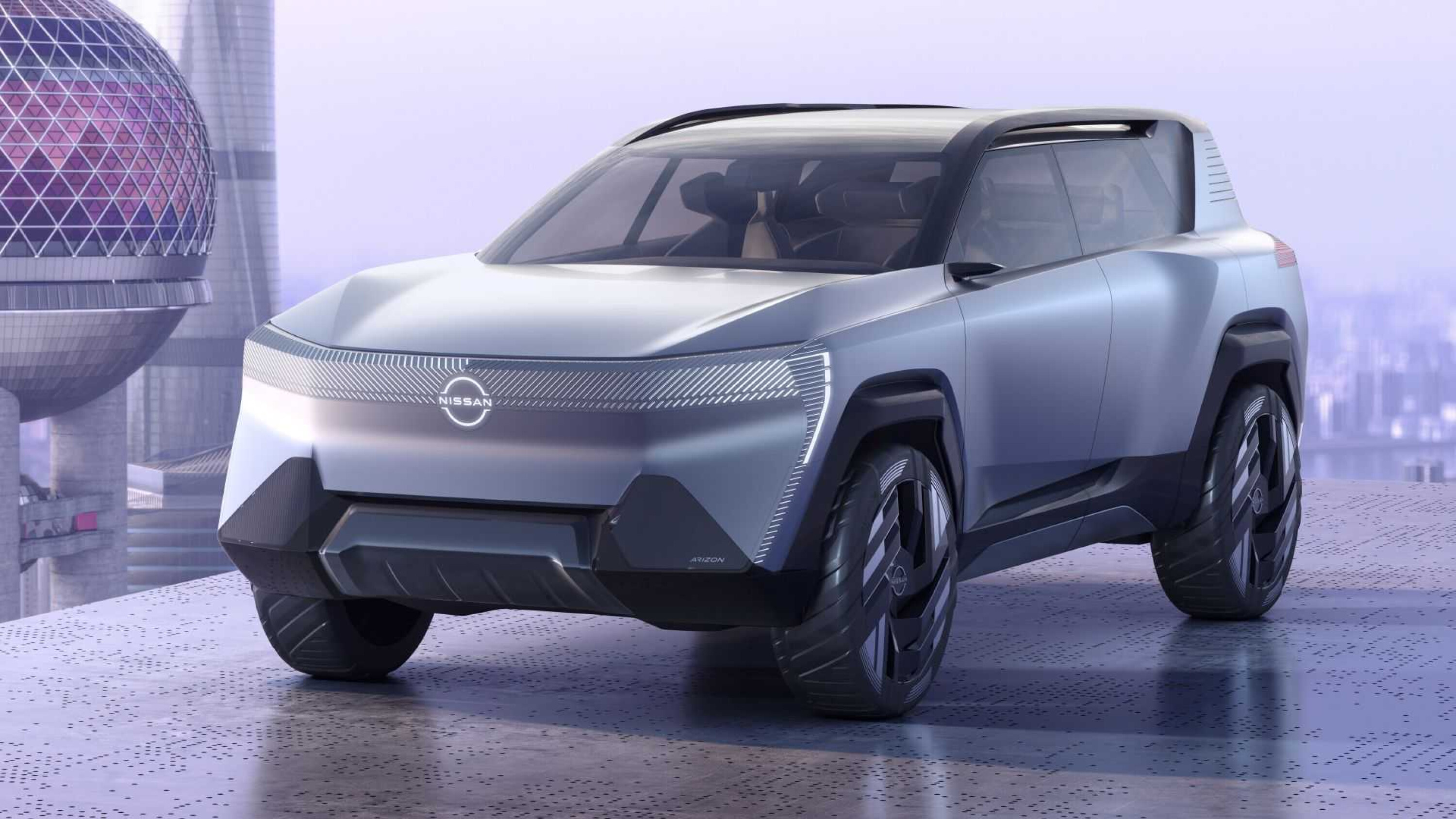
We reported at the time the Surf-Out might hint at a future successor to the Navara ute, which certainly live on diesel forever. But, in April this year, Nissan revealed another new electric concept with a wildly different look: the Arizon SUV, pictured below.
1
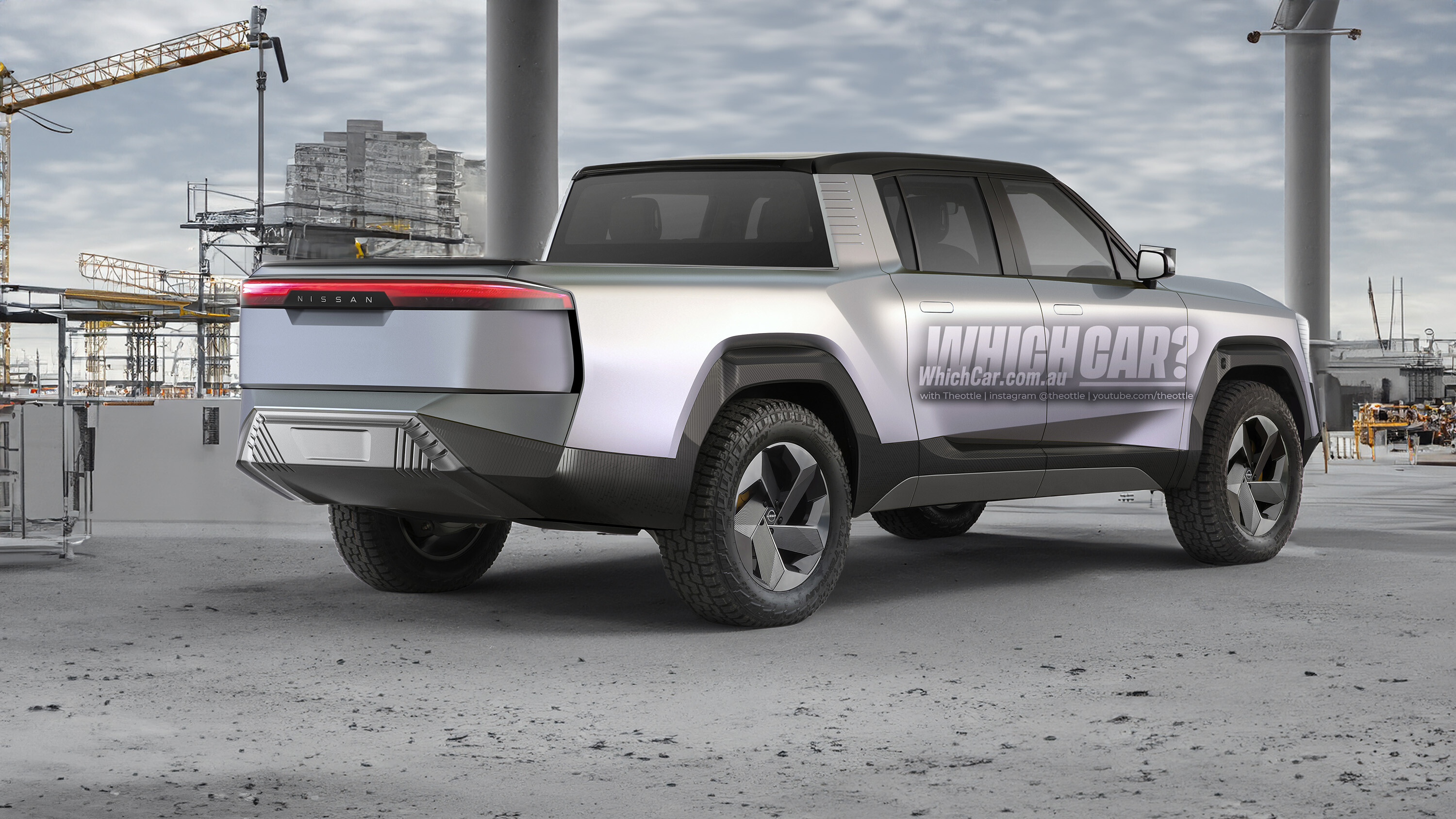
That got our mate Theottle the Photoshop wizard thinking that an edgier-looking electric Navara might be more suited to the segment.
Enter, what Theo calls the Arizona – a cleverly rugged twist on the Arizon’s name, particularly as Nissan has a test centre in the sizzling hot 48th state of the American union.
What do you think of the look? We know Kia and Hyundai will launch electric utes in the near future, and they’re likely to look pretty edgy in their own right. This so-called Arizona, what might otherwise be badged Navara or Frontier, could make for a sharp rival.
1
Is Nissan actually planning an electric ute?
Not officially, although Nissan’s vice president Shunichi Inamijima is on record as saying the company is looking at what each market needs, whether it’s merely electrified or full electric.
“We will consider technical application to the product for either E-Power (hybrid) or [fully-electric],” he told Australian media in March – mainly on the idea of adding E-Power hybrid tech to the Patrol and Navara in their next generation.
Freed from regulations, it’s faster and more serious than a GT3 racer
Strictly limited to just 77 units worldwide
4.2-litre flat six revs to 9400rpm
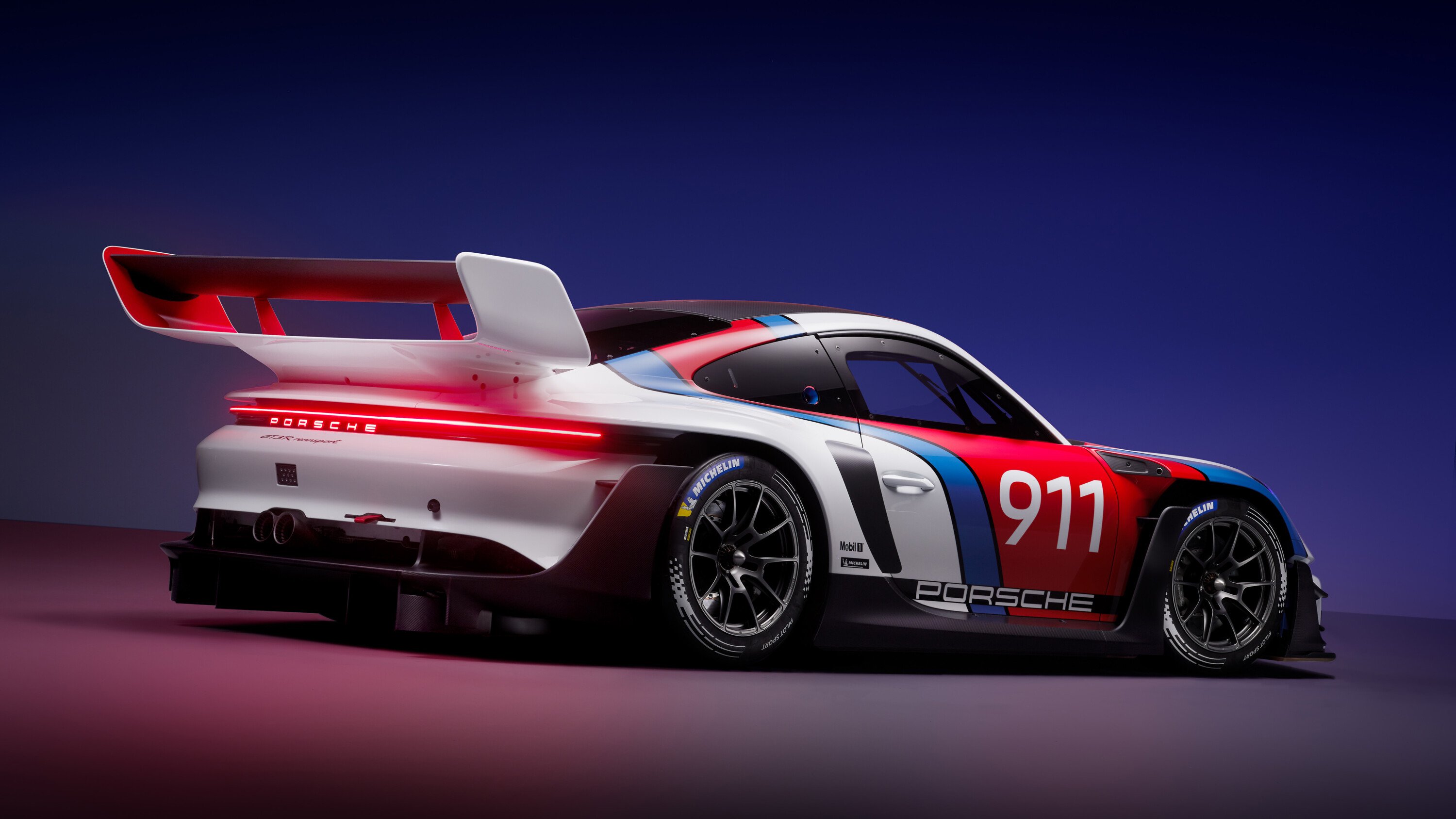
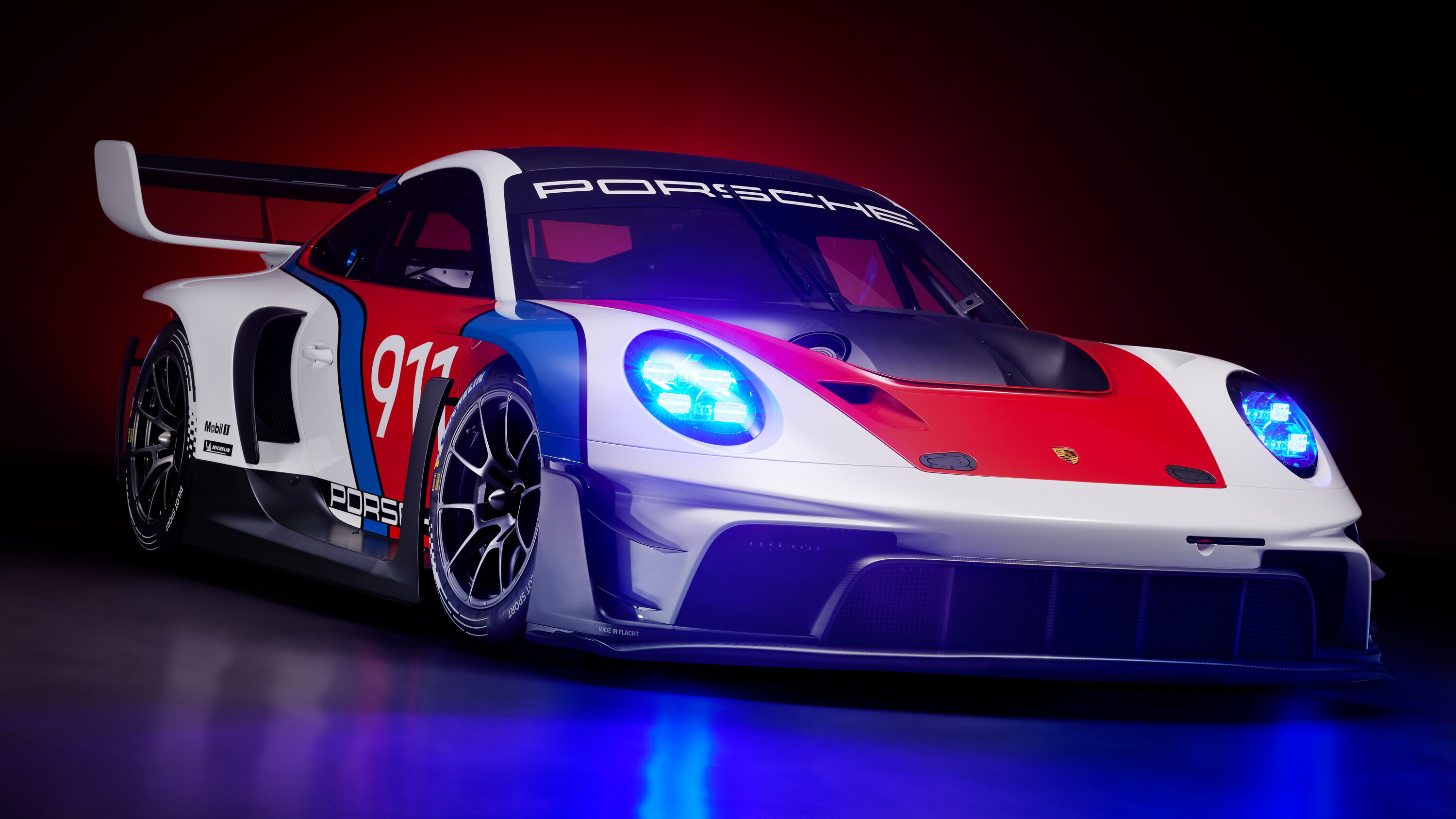
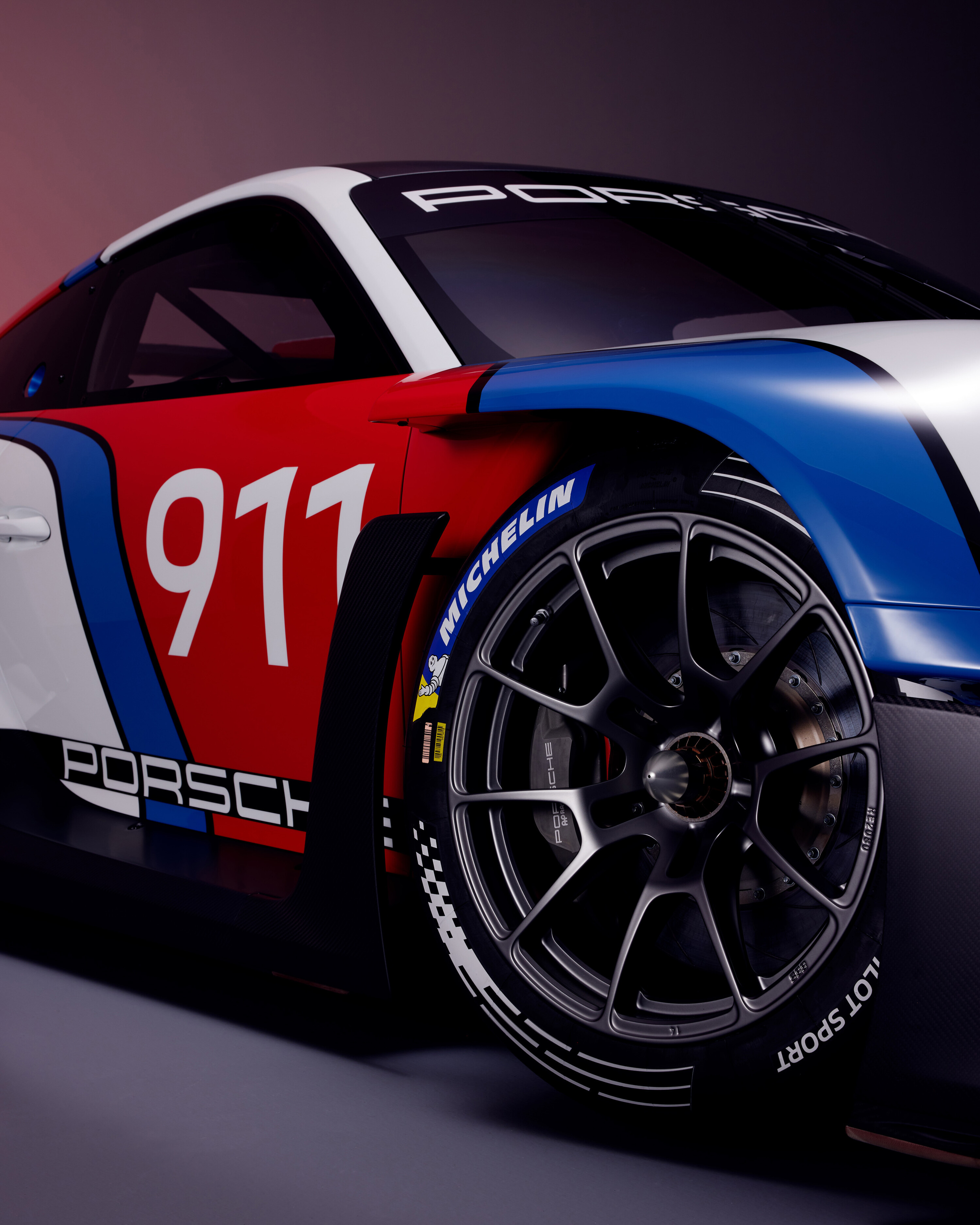
It’s not like Porsche’s catalogue needed a more aspirational model than the roadgoing 911 S/T, but that hasn’t stopped the German carmaker from churning out another wild variant of its iconic rear-engined sports car that “benefits technically from the freedoms that go beyond motorsport regulations”.
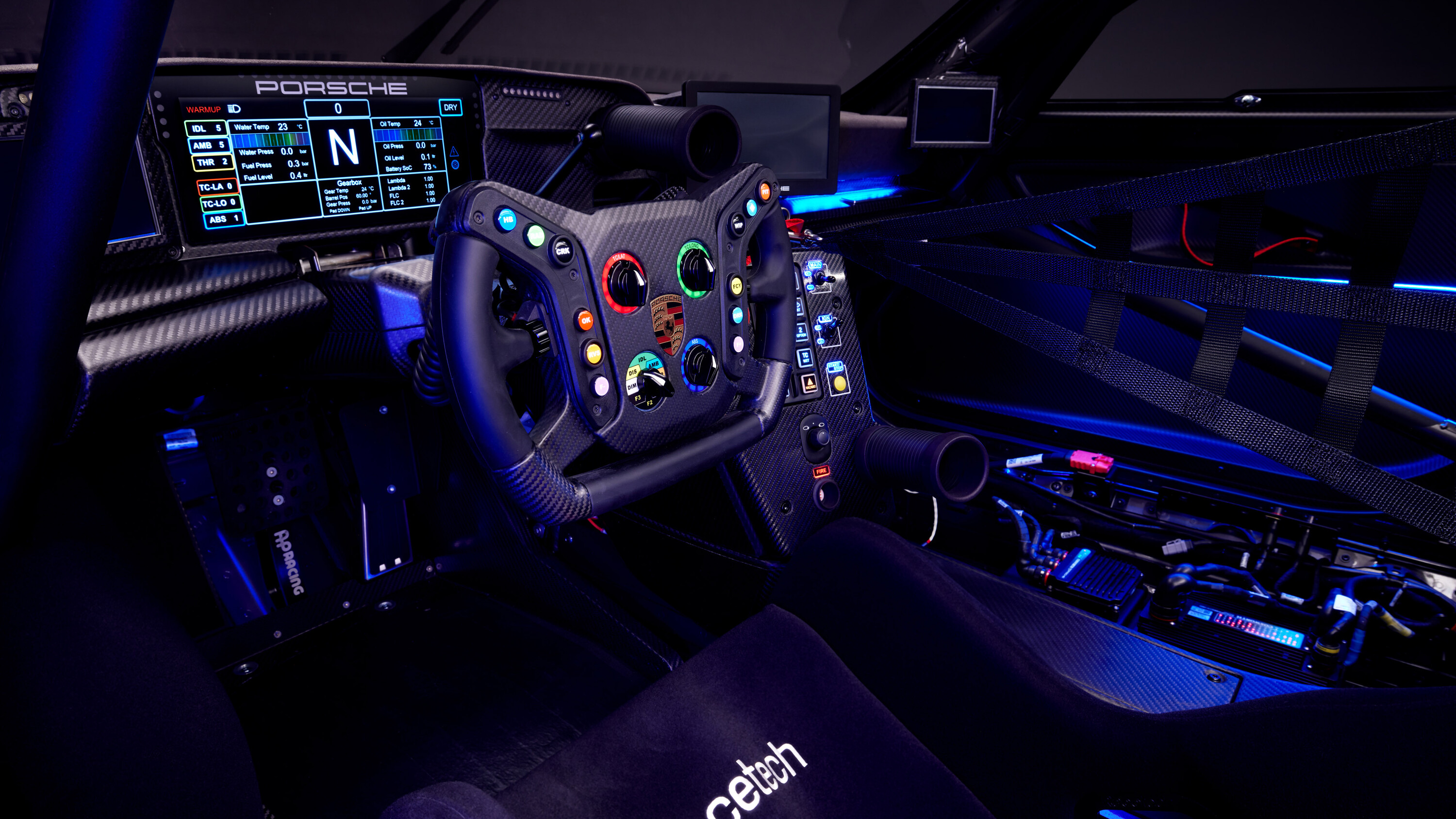
Based on the 911 GT3 R racer that competes in the global GT3 endurance series, the single-seat 911 GT 3 R Rennsport eschews regulations to become the ultimate rich person’s track toy.
“The new Porsche 911 GT3 R Rennsport offers the experience of driving a nine-eleven-based racing car in what is probably the most primal form… it gives you goosebumps whenever you look at it and it combines the finest motorsport technology with a design language that is typical of Porsche”, said VP Porsche motorsport Thomas Laudenbach.
The GT3 R Rennsport will make its first in-anger appearance at Califonia’s Laguna Seca raceway during the Rennsport Reunion 7 festival, with 80,000 visitors expected between 28 September and 1 October.
Limited to 77 units, the 911 GT3 R Rennsport features a naturally aspirated 4.2-litre flat-six that redlines at a piercing 9400 rpm. And, without the GT3 series’ Balance of Performance (BoP) regulations, the Rennsport develops an extra 40kW (now 456kW) thanks to the use of E25 fuels and specifically developed pistons and camshafts.
Its six-speed sequential transmission runs the fourth, fifth and sixth ratios the racecar would in Daytona trim, though it gets a 20km/h top speed boost. The GT3 R Rennsport’s exhaust is uncorked as standard, though Porsche offers two quieter systems to play nice with noise restrictions.
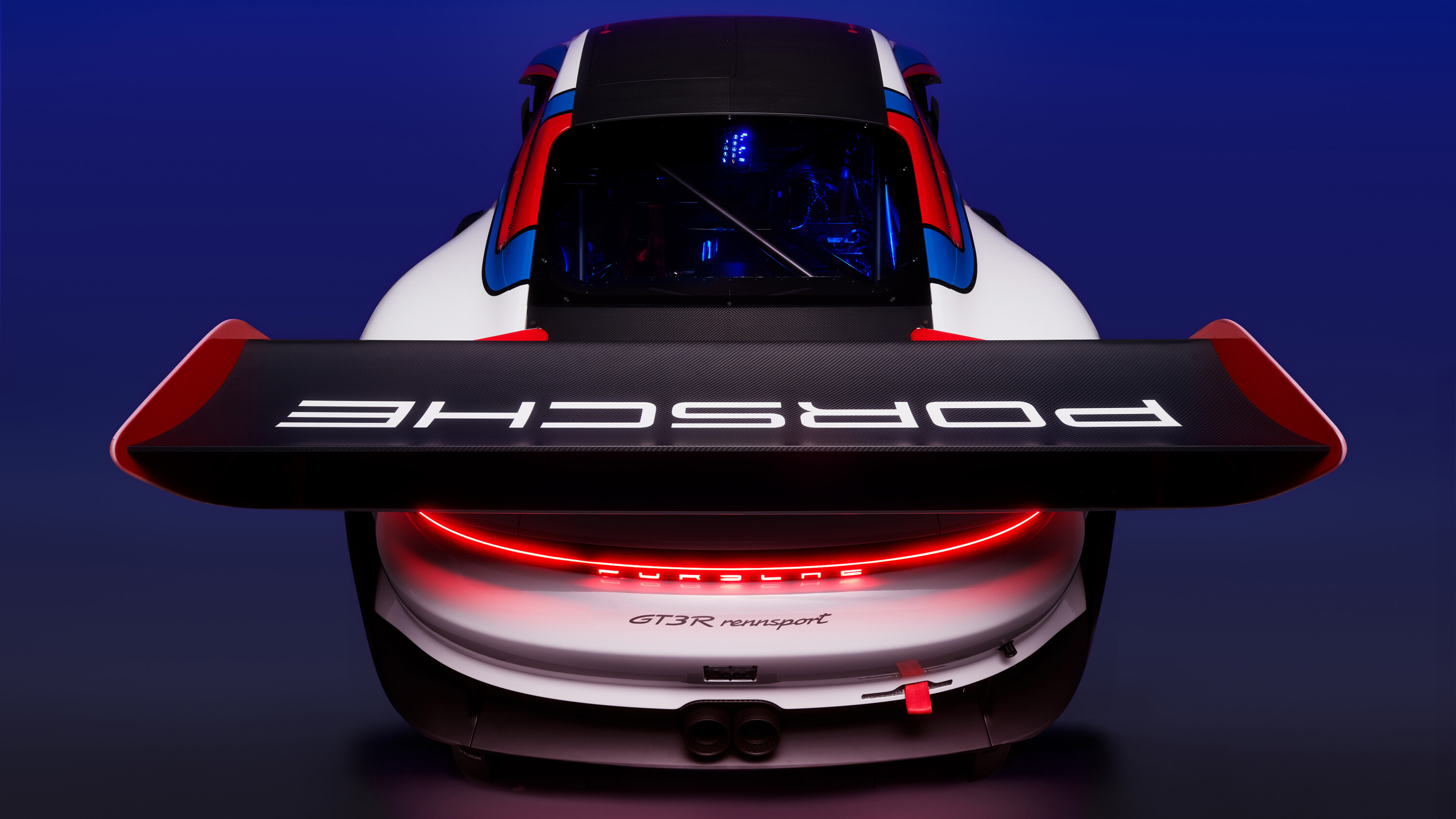
As for aerodynamics, while the diffusers and flat floor are untouched, the carbon fibre bodywork has had a major overhaul. Only the roof and bonnet remain, with every other panel new for the Rennsport – the most obvious of which is the rear wing.
Porsche says the shape is inspired by the 1978 24 Hours of Daytona winning Brumos 935/77 racecar (we detect a hint of 993 Clubsport, too) and that it’s a functional aerodynamic piece, upping the Rensport’s total downforce compared to the road car.
A bespoke set of five-way adjustable dampers from KW Suspension offers further track-specific tuning available with replaceable shims. It also benefits from the same double-wishbone front suspension found on the racecar that’s finally made its way to the 992-generation 911 GT3 road car.
1
Mounted on 18-inch BBS ‘racing’ forged alloys, the GT3 R Rennsport runs an exclusive Michelin slick tyre with a shorter warm-up period than the Pilot Sport M S9 used by the racecars.
It wouldn’t be a Porsche RS model without some form of weight saving and showing Porsche’s excellence in the field, it’s managed to cut kilos out of a full-blown racecar. Titanium brake pad backings, a lighter 117-litre fuel tank and air-con delete should get it to the engineer’s ideal 1240kg kerb weight.
1
Heritage-inspired design that isn’t retro
More than engineering alone, the GT3 R Rennsport must be an object of desire, and that’s down to the team at Porsche’s Style team headed up by Grant Larson and Thorsten Klein.
“We have given the limited edition model a little more width and have visually stretched the length, while at the same time it sits very low on beautifully designed wheels. This gives it perfect proportions and makes it look even more spectacular”, said Thorsten.
Picking up a design feature from the 357 Concept, the Rennsport does away with physical mirrors in favour of a camera-based system that’s totally integrated into the bodywork.
Thorsten, Grant and the style team put plenty of effort into colour schemes, too. There are ‘ex-works’ paint schemes based on seven colours, while the pictured Rennsport Reunion design uses Porsche’s heritage colours and references the contours of Laguna Seca’s ‘Corkscrew’ set of corners.
There’s no word from Porsche on pricing, but as they say, if you have to ask…
Given the limited nature of the Rennsport’s production, expect it to command a premium over the ‘regular’ 911 GT3 which starts at around AU$840K (or €511,000). And to get one, you’ll need to be in Porsche’s good books.
Even with the introduction of vehicle safety technology not even dreamed at the turn of the century, young drivers continue to die on Australian roads at a greater rate than any other age group.
In 2021, people under 26 made up 14 per cent of all drivers on NSW roads yet represented almost a quarter of the state’s 275 road fatalities that year.
While there are many factors at play that contribute towards the sobering stats, a professor at UNSW believes that a return to good old-fashioned verbal and written communication could be a key to improving outcomes for young drivers.
Brett Molesworth (RPsych, PhD) is a Professor in Human Factors and Aviation Safety, and says his research shows that young drivers respond best to verbal feedback after completing a stint of driving either in a simulator or in the real world.
As part of a 13-year study, young drivers were assessed in a series of driving tests and provided with a summary of their driving behaviour in a verbal debriefing session.
Prof Molesworth believes that verbal, personal communication, as opposed to audible warning devices built into most modern cars, is the key.
“There’s adaptive technology in motor vehicles that provides you with an auditory alert when you exceed the speed limit,” Prof Molesworth said.
“But when we tested its effectiveness with young drivers, we were amazed to see it had the opposite effect with young drivers; ironically, they exceeded the speed limit even more.
“And when we asked them, ‘why didn’t you adhere to the speed limit when you heard that auditory warning?’, they basically told us they didn’t like ‘Big Brother’ observing them and telling them how to drive and what to do.”
Prof Molesworth’s team switched to post-test briefings with their young charges to explain how much they exceeded the limit by, and the implications of that action in both risk and monetary form.
When the young drivers received this debriefing via written feedback or an electronic device, they were less likely to adapt to the new learnings and curb their tendency to speed, according to Prof Molesworth.
Instead, the youngsters responded best to a good old one-on-one chat with their instructor.
“That information provided verbally seems to be the most effective way to reduce young drivers’ tendency to speed,” he said. “So they exceed the speed limit far less, and that lasts for up to six months, according to the latest research.”
One way that the research findings could have a real-world effect, according to the professor, is by including a verbal component as part of a young driver’s training while on their L plates.
“Every learner has a logbook where they record the hours they’ve driven, the conditions, the distance and whether it’s day or night driving,” he said.
“We would like a little section where they get feedback from their supervising driver – usually a parent or caregiver – that they then reflect on.
“In other words, self-evaluate their performance based on that feedback.”
Professor Molesworth will continue to study the notion of one-on-one feedback, as well as the ability of eye-tracking technology to observe where young drivers are looking while they’re driving.
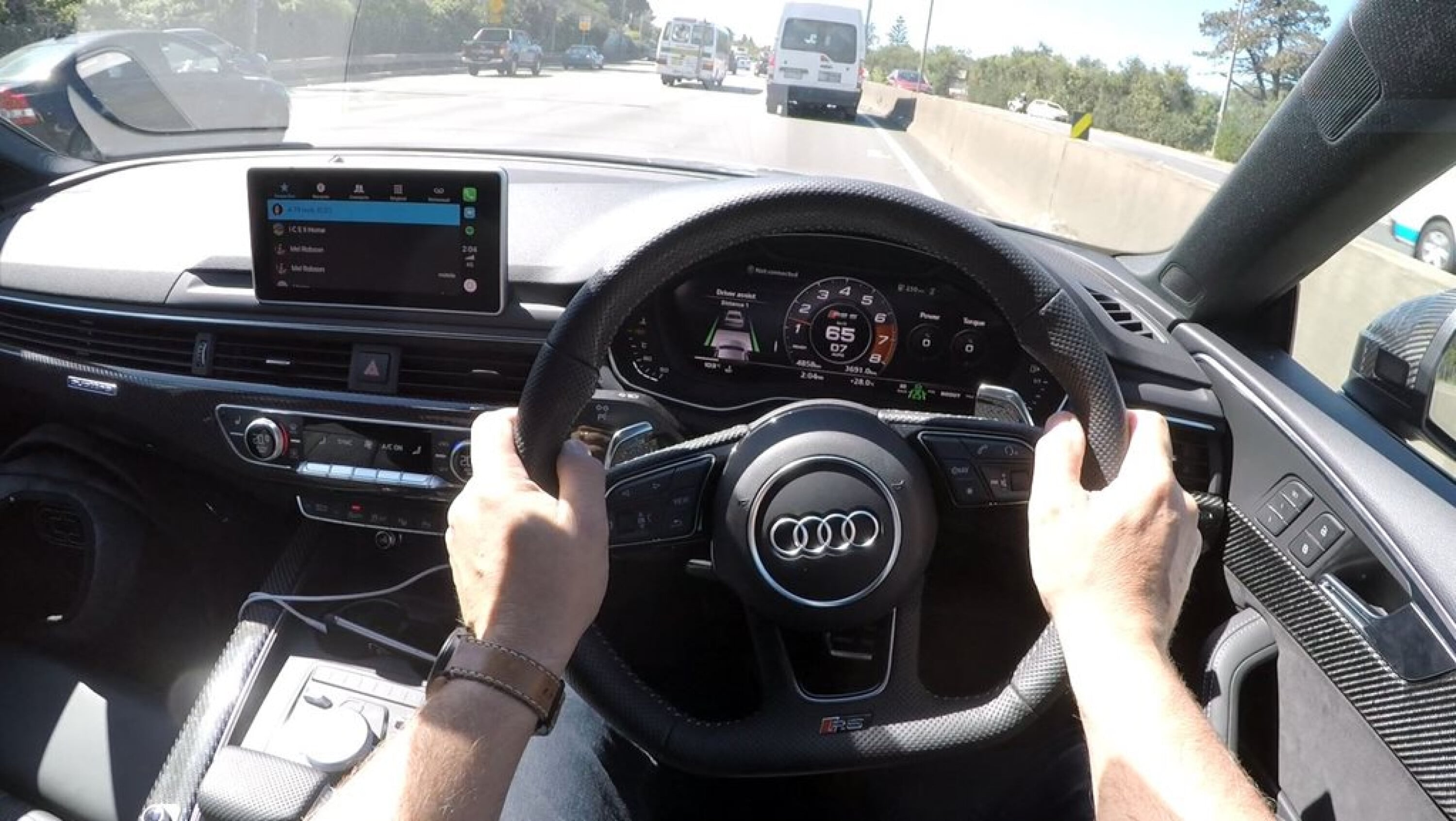
One of his studies shows that young drivers infrequently looked at the speedometer while driving.
“We want to make sure that the focus on the speedometer is not detrimental to something outside the vehicle,” he said. “And we’d like to be able to come up with training that builds upon our verbal feedback about speeding that also takes into account hazard management.”
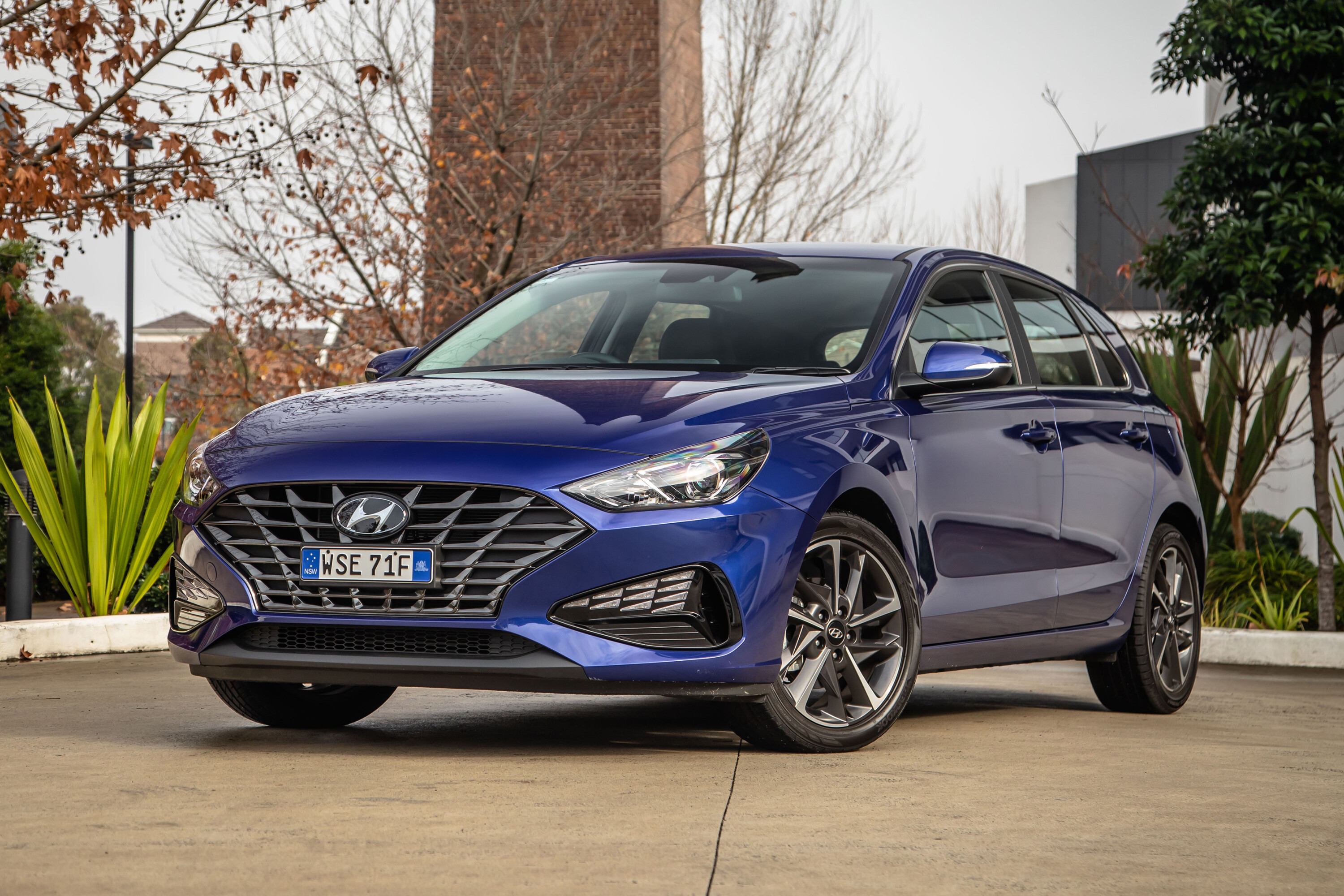
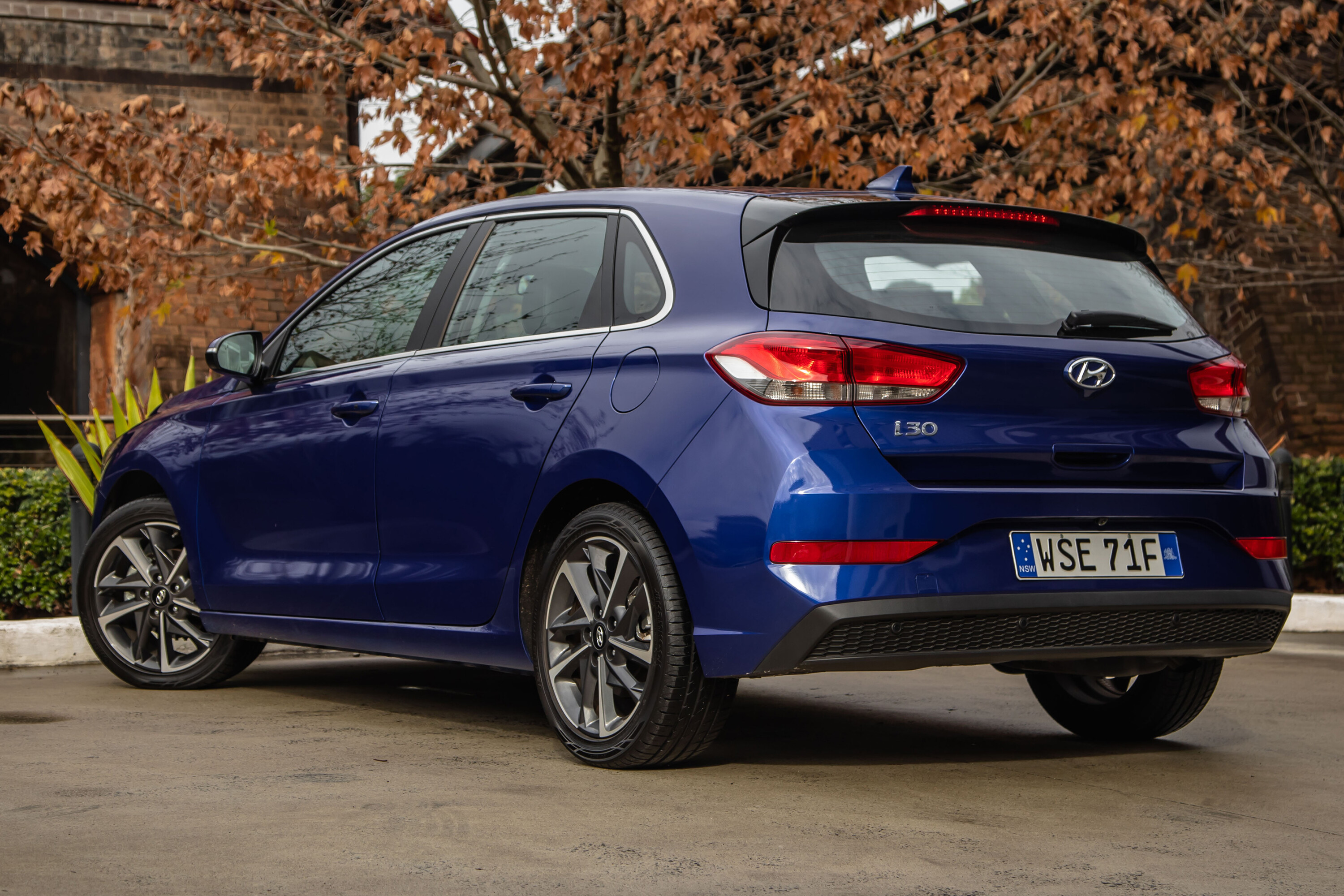
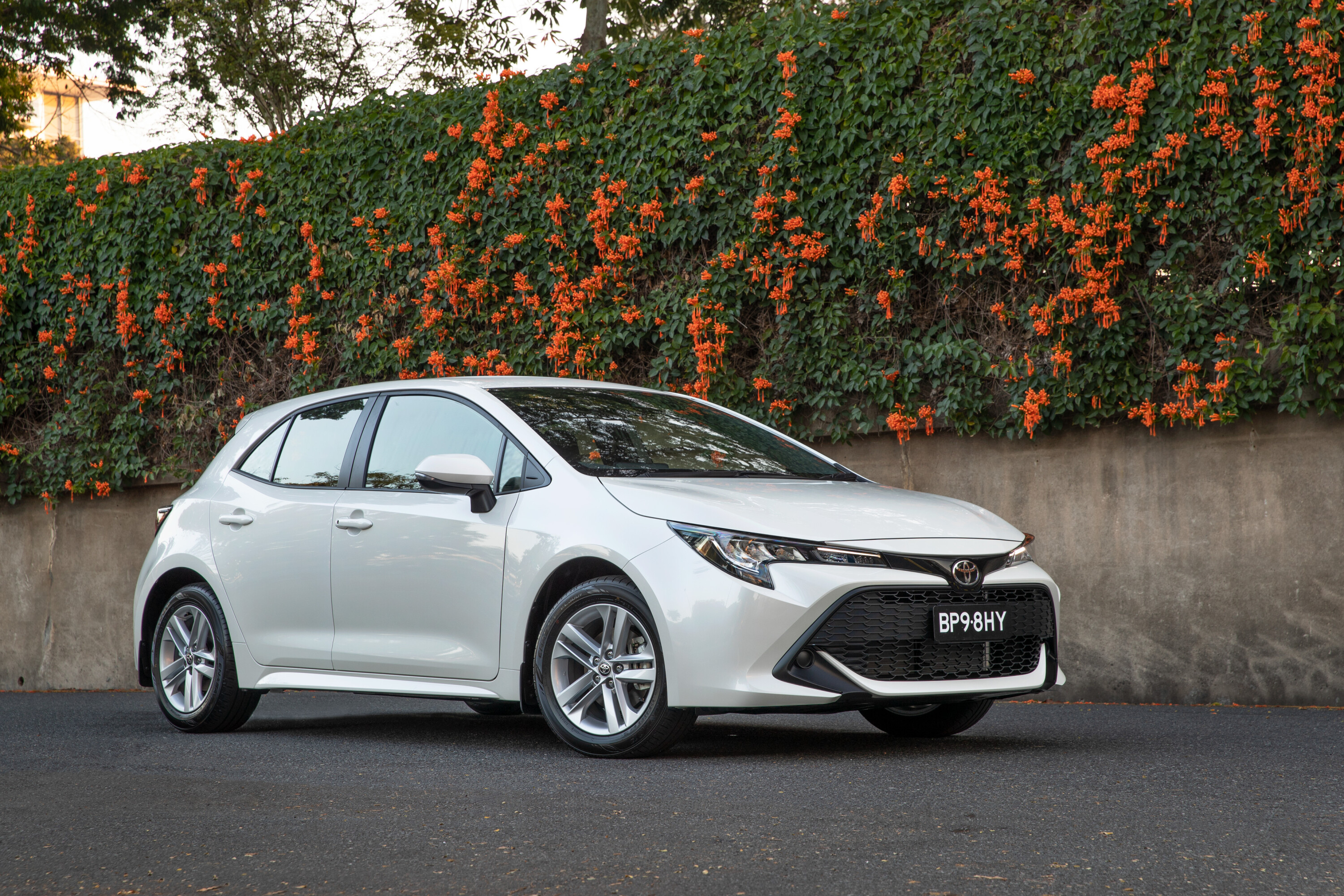
The Hyundai i30 holds the title of the most popular passenger car in Australia. Available in a range of both hatch and sedan models, it stands on par in popularity with the much-loved Toyota Corolla.
The 2023 i30 Active builds on this reputation, introducing refined aesthetics and enhanced features that aim to offer what are usually premium features as standard.
With a price-point between the brands light SUV the Venue and the slightly larger and recently face-lifted Hyundai Kona, the i30 is positioned as a premium specced hatchback.
1
Pricing and Features
The Hyundai i30 hatchback is $27,500 before on-road costs and $26,000 for the sedan body style.
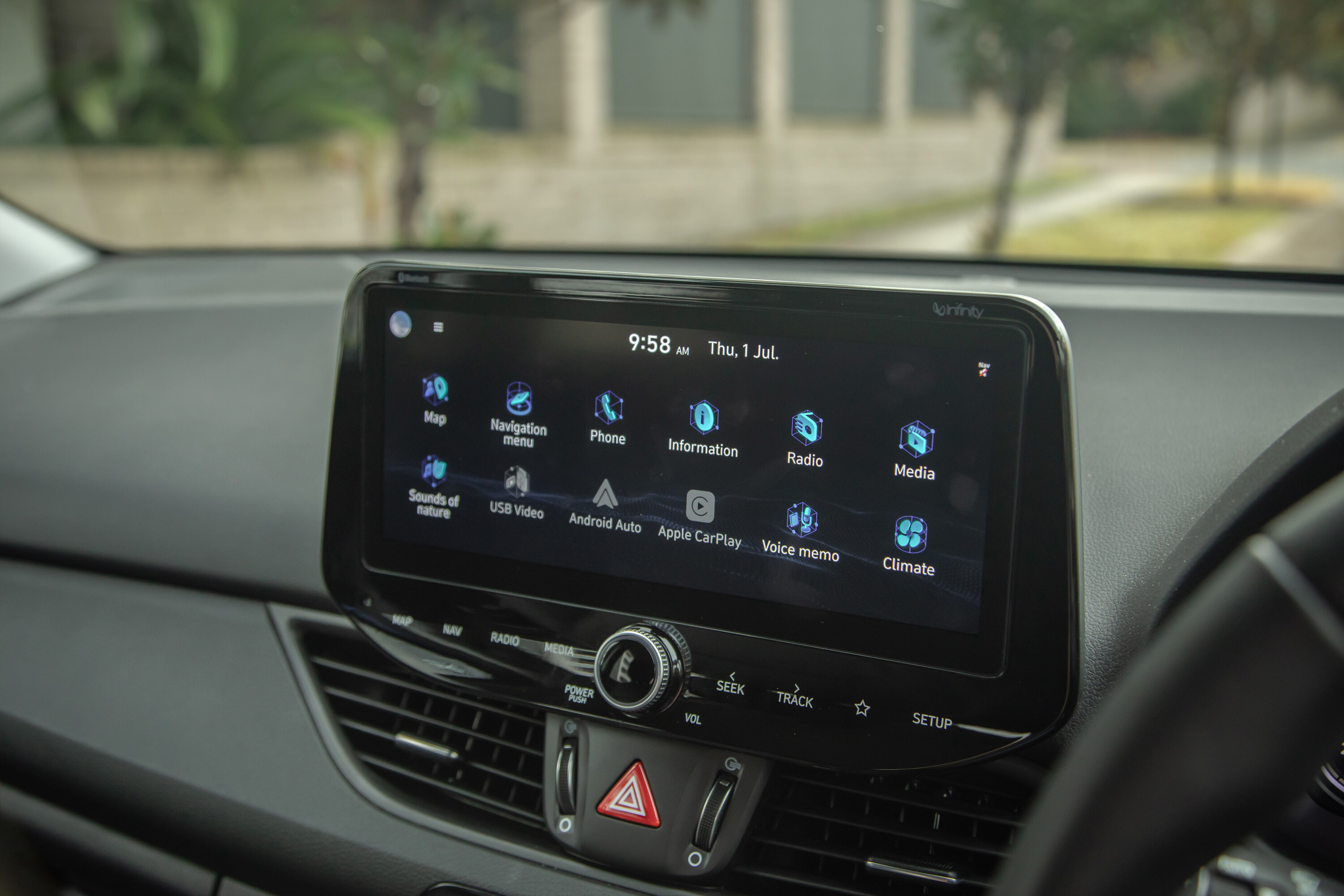
At this price point, buyers are treated to an 8-inch touchscreen infotainment system, wireless Apple CarPlay & Android Auto, 16-inch alloy wheels, six speakers and cloth seats.
The hatchback Active is paired to a to a 120kW/203Nm 2.0-litre engine. The sedans 2.0-litre engine outputs 117kW and 191Nm and has the option of a manual transmission.
1
The entire range comes with Hyundai AutoLink Bluetooth system giving drivers some handy features through the app like the ability to monitor vehicle health, provide analytics and keep track of driving habits and fuel efficiency after every trip.
1
Safety
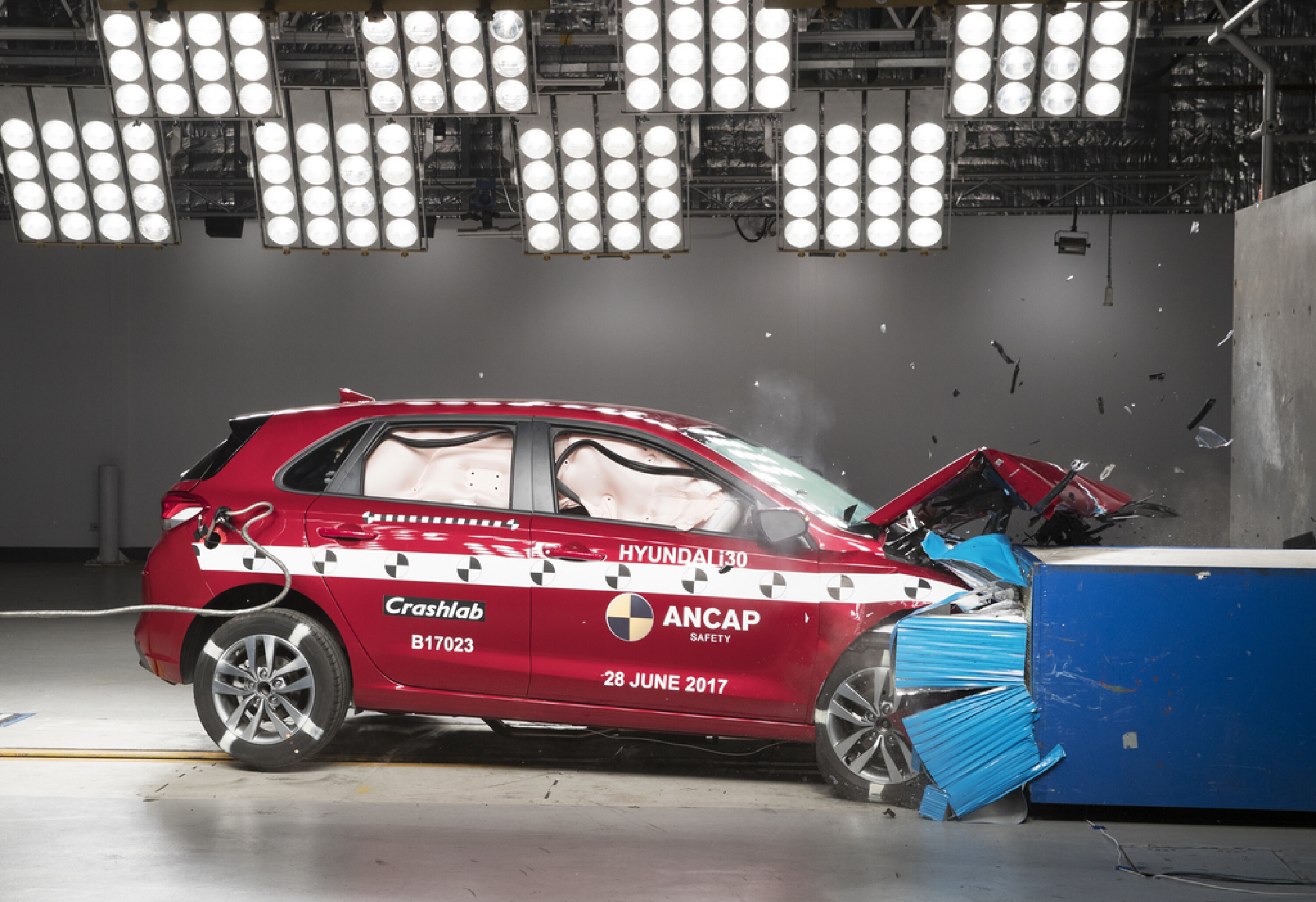
In 2017 the i30 hatch range received a five-star ANCAP rating. The sedan however, is currently unrated.
Standard features include 7 SRS airbags, a rear view camera, anti-lock braking system, hill-start assist and a tyre pressure monitoring system.
An optional Hyundai SmartSense safety feature pack (for about $1750) is available suite of including blind spot monitoring, lane keep assist, rear cross traffic alert and adaptive cruise control and more.
The Hyundai i30 is covered by a five-year/unlimited-kilometre warranty.
The 2023 Hyundai i30 is a compelling choice for those in the market for a small hatchback or sedan.
If you’re not needing a huge amount of space and want all the zippy capabilities of a smaller and more economical car the i30 could be your perfect companion.
Whether you’re navigating city streets or embarking on a weekend getaway, the i30 is ready to accompany you on your journey.
Delayed the new ICE vehicle ban to 2035 to be more u2018pragmaticu2019 amid cost-of-living pressures
Carmakers have already invested into meeting previous 2030 ban
The Government of the United Kingdom will still require 80 per cent of carmakers’ sales to be electric by 2030, despite delaying the ban of new petrol and diesel vehicles last week.
The Tory government confirmed it won’t change its zero-emission vehicle mandate timeline to phase out internal combustion engine (ICE) vehicles.
This means from next year, at least 22 per cent of carmakers’ total sales in Great Britain must be all-electric, which progressively rises annually to reach 100 per cent by 2035.
1
By 2030, 80 per cent of new cars and 70 per cent of new vans sold must be electric.
That’s despite prime minister Rishi Sunak announcing the relaxation of climate-related policies last week, including delaying the ban of new ICE vehicles by five years to 2035 in line with countries, such as France, Germany, and Sweden.
The move was criticised last week by carmakers that have already made investments to meet the 2030 target, with the manufacturers calling for more consistent public policy.
Locally, the Australian Government will soon introduce a ‘fuel efficiency standard’, which mandates a carbon emissions per kilometre cap on the average total sales of each car brand.
Like the United Kingdom’s approach, the Australian target will become stricter each year to boost electric and fuel-efficient vehicle sales in Australia.
September 21, 2023: UK delays new petrol and diesel car ban to 2035
Snapshot
UK delays new ICE sales ban by five years
Aimed at easing cost-of-living pressures, alongside relaxing other policies
Some automakers denounce move
The Government of the United Kingdom has delayed the sales ban of new internal combustion engine (ICE) vehicles by five years to 2035.
At the UK prime minister’s speech overnight [The Guardian YouTube ↗], Rishi Sunak said the move is ‘easing the burden on working people’ by relaxing climate-related policies.
We’re aligning our approach with countries like… Australia
1
“I expect that by 2030, the vast majority of cars sold will be electric… People are already choosing electric vehicles to such an extent that we’re registering a new one every 60 seconds”, Sunak said.
“But I also think that, at least for now, it should be you the consumer that makes that choice, not government forcing you to do it.
“Because the upfront cost still is high – especially for families struggling with the cost of living – small businesses are worried about the practicalities, and we’ve got further to go to get the charging infrastructure truly nationwide.
“We’re aligning our approach with countries like Germany, France, Spain, Italy, Australia, Canada, Sweden, and [some] US states… and still ahead of the rest of America and other countries like New Zealand.”
Sunak’s move represents a relaxation to former Conservative Party prime minister Boris Johnson’s policy – announced in 2020 – which would have banned the sale of new pure petrol- and diesel-powered vehicles.
New plug-in hybrids will be allowed, and used traditional combustion engine vehicles can still be purchased after 2035.
“We need to strengthen our own auto industry, so we aren’t reliant on heavily subsidised, carbon-intensive imports from countries like China,” Sunak said.
The UK prime minister claimed it is already 48 per cent ahead of its Group of Seven (G7) partners – including Germany, Italy, France, Canada, Japan, and the United States – in achieving net zero emissions by 2050.
A statement from Ford UK chair Lisa Brankin said the industry has already made investments to meet the previous 2030 deadline.
“This is the biggest industry transformation in over a century and the UK 2030 target is a vital catalyst to accelerate Ford into a cleaner future,” Brankin said.
“Our business needs three things from the UK government: ambition, commitment and consistency. A relaxation of 2030 would undermine all three.
“We need the policy focus trained on bolstering the EV market in the short term and supporting consumers while headwinds are strong: infrastructure remains immature, tariffs loom and cost-of-living is high.”
Meanwhile, a statement from the Volkswagen Group UK said despite the policy delay “we urgently need a clear and reliable regulatory framework which creates market certainty and consumer confidence, including binding targets for infrastructure rollout and incentives to ensure the direction of travel.”
Sunak has also extended the country’s deadline for installing heat pumps to 2035, alongside removing taxes on meat, aeroplane travel, and compulsory car sharing.
The Jeep Avenger electric SUV – due in Australia later in 2024 – is aimed at a more youthful audience, said its chief designer.
Jeep Europe’s head of design Daniele Calonaci said the Avenger had three design principles – young, fun and compact – to appeal to younger customers, with the brand also aiming to boost female ownership.
“Yes, it’s pretty intentional because as you can imagine, you know the average customer till some years ago for the Jeep were a male of 50 years,” said Calonaci.
1
“So, the deal was to put down the average age of the customer for Jeep and to have more young customers [and] also more female customers.”
“You know the Renegade, for example, reached the 20 per cent of female customers, but we are pushing to have the 40 per cent, for example, on the Avenger. We… [are] at that level in Europe. I think what we had in mind from the very beginning is already reality in Europe.”
However, Calonaci emphasised that the Avenger’s overall theme “is to have an active design”, rather than appealing to certain people, while conceding its “most compact size” could be an important consideration for a female customer.
1
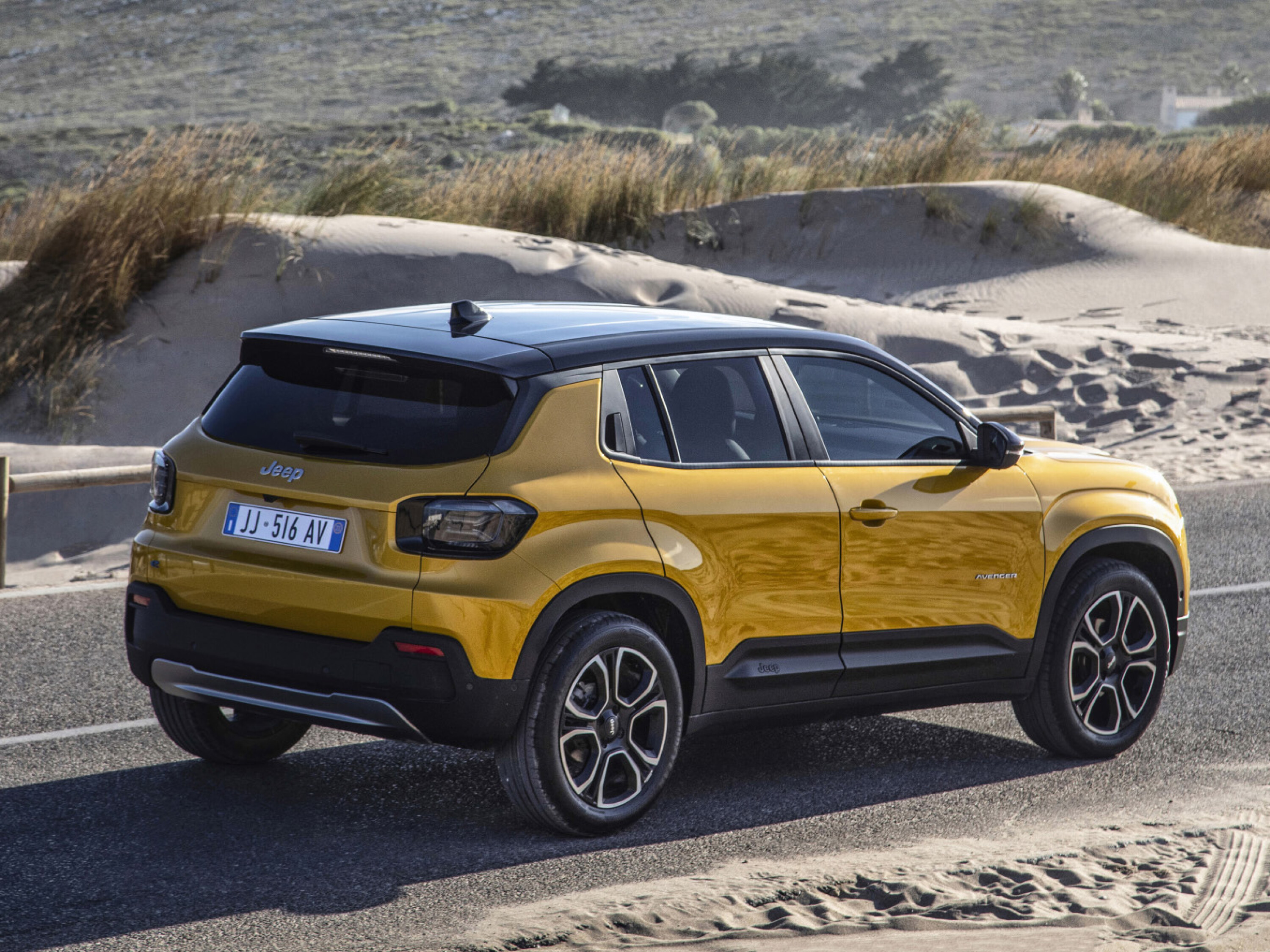
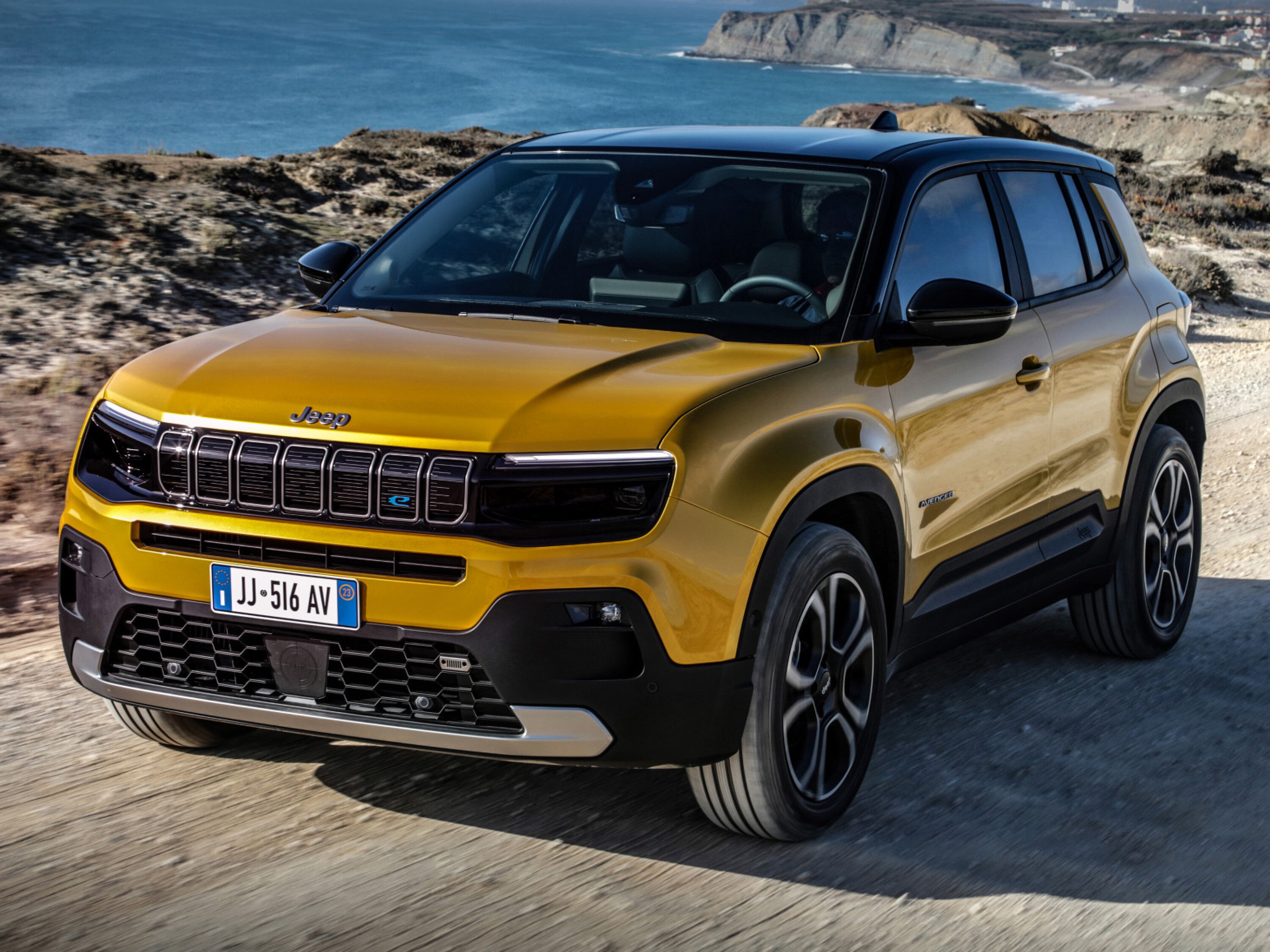
Designed and engineered entirely in Italy, the Avenger is targeted at the European market and, excluding the iconic Willys Jeep, is the most compact Jeep ever at 4.08m long.
Despite its smaller dimensions, it retains classic design elements including a boxier shape, trapezoidal wheel arches, Jeep’s iconic seven-slot grille, and a high ground clearance, including a 700-millimetre tyre diameter said to be “pretty huge for this compact segment”.
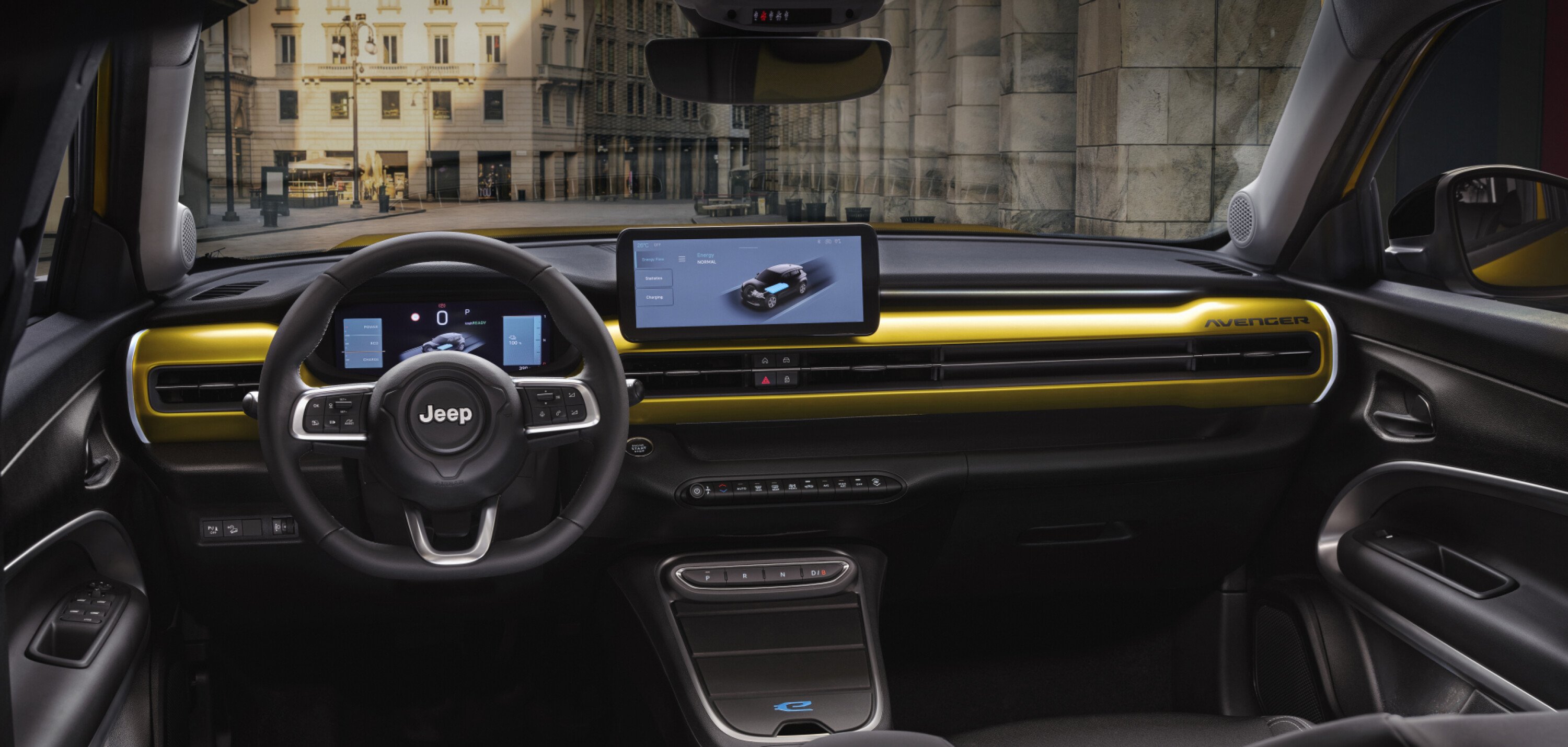
The Avenger’s interior features a minimalistic layout prioritising easy cleaning with a “functional beam” inspired by the Wrangler, removable rubber mats for easier cleaning, a full-digital instrument cluster and a 10-inch infotainment system.
It also has a black moulded rear bumper to prevent scratches when stowing items like bicycles.
1
“We won’t sacrifice the space inside the car for the aerodynamics,” said Calonaci, highlighting the vehicle’s practicality, with 34 litres of front storage space and the 380-litre boot which, according to Jeep, can accommodate 2443 rubber ducks.
The 2025 Jeep Avengerelectric SUV is due in Australia in the second half of next year with local details to be confirmed closer to its launch.
While a petrol Avenger, with a 1.2-litre turbo-three shared with the related Peugeot 2008, is available in certain markets, Jeep Australia has confirmed an electric-only stance for the Avenger – at least at launch.
Yes, you may well have noticed that Driven To Extinction usually heroes a car that’s on its way out.
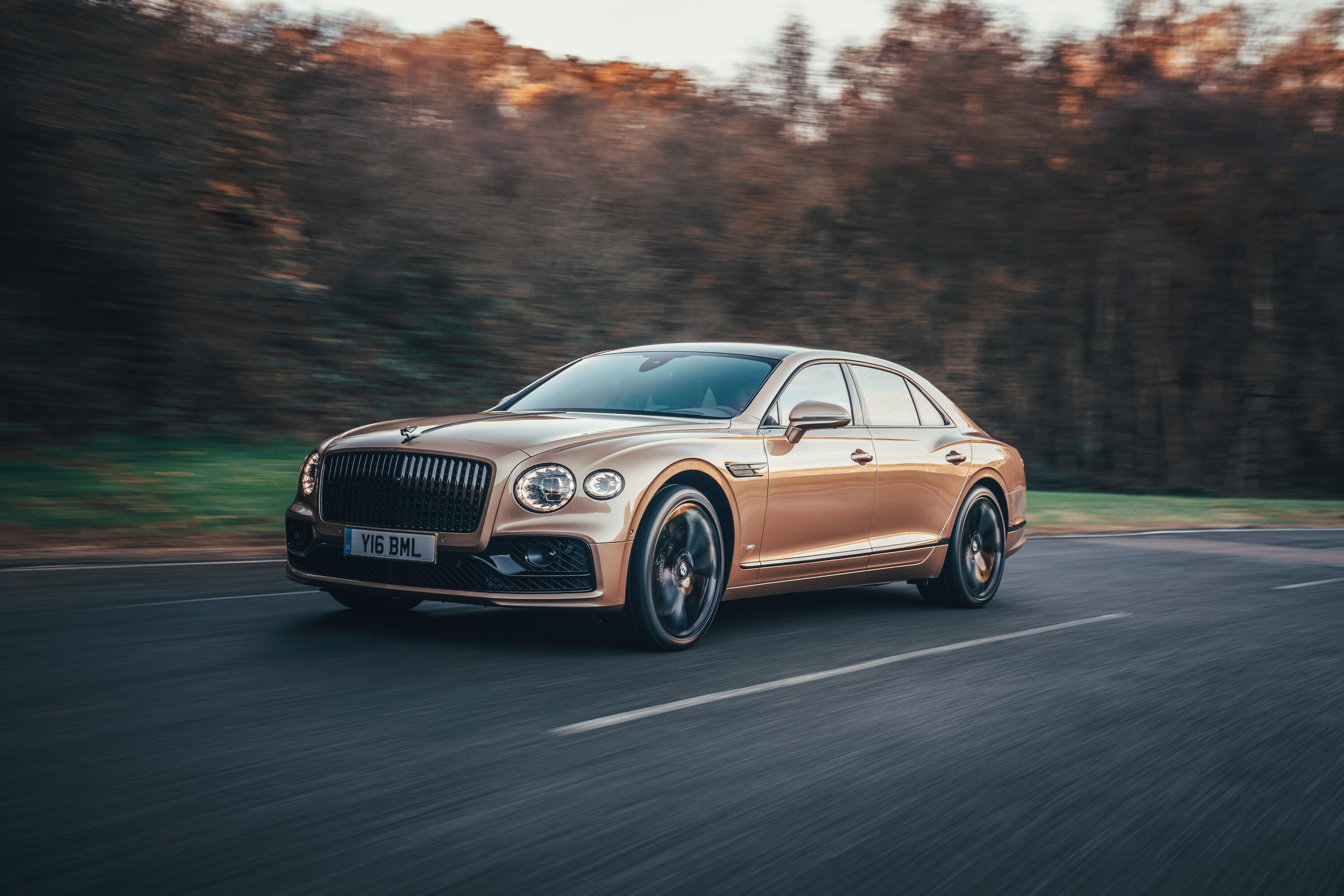
Well, this month we’ve tweaked things a little and wave auf wiedersehen to the Volkswagen Group’s W12 engine which is now found exclusively beneath the bonnet of Bentley’s upmarket wares.
Choose a flagship Continental GT or Bentayga and you’ll get six litres of 12-cylinder goodness, but you’ll need to be quick. The 12-pot engine is a rare breed now. Once the W12 bites the dust, only Aston Martin, Lamborghini and Rolls-Royce will take your order.
Though we most readily associate the W12 with Bentley, its first run out in a production car was beneath the aluminium bonnet of the Audi A8 in 2001.
It even featured in some Volkswagens, with Touaregs and Phaetons both having the W12 shoehorned in. That engine, effectively a pair of narrow-angle V6s sharing a common crankshaft, was very different to the one we’re used to in Bentley’s wares though.
For a start it made a mere 309kW without the benefit of forced induction and it required a bit of wringing, its peak torque of 550Nm available between 3750 and 4000rpm.
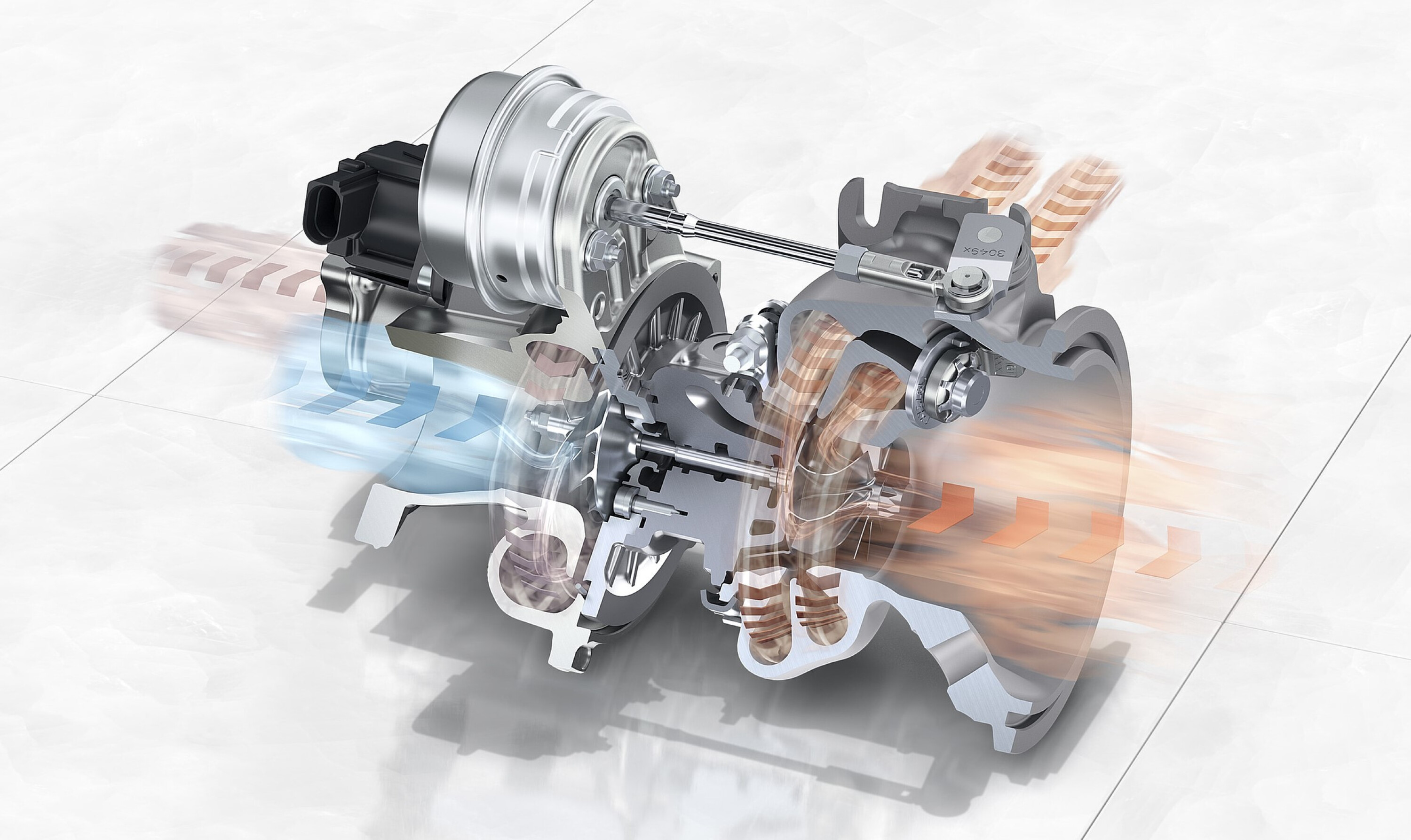
That was unacceptable to Bentley, who took over production of the W12 at its Crewe plant from Volkswagen’s factory in Salzgitter in Germany. By turbocharging the engine, changing the control systems, and fettling the cooling, injection and combustion processes, Bentley was able to bring the peak torque response of the engine down to 2000rpm in order to deliver the requisite effortless acceleration.
1
The W12 was always an engine that required careful compromises.
Bentley knew its flagship engine needed to have no more than 500cc per cylinder for emissions purposes, and the sub-5-metre dimensions of the original Continental GT sketches also meant it needed to be compact. The W12 fitted the bill perfectly. Ultimately it is Europe’s ever-tightening emissions regulations that have done it in.
Bentley has confirmed the W12 will be discontinued in April 2024 and that a few final build slots for Continental and Bentayga W12s are still available, but it’s about to get a very special send-off in the form of the limited-run Batur, another bespoke Mulliner vehicle that picks up where the Bacalar left off.
The 552kW Batur will see an 18-car production run, with the W12 being sent out the door in its most furious form yet. Another one bites the dust.
Origins
The W12 engine can trace its genetics back to the Volkswagen VR6 unit which first saw the light of day in the 1991 B3 Passat and Corrado coupe. The VR name comes from “Verkürzt” and “Reihenmotor” meaning “shortened inline engine”.
The economy of scale
Unlike its V8 sibling, the W12 has never been able to utilise cylinder deactivation under partial load to save fuel. Put that down to the complexity of the W12’s crankshaft geometry. Balancing the engine and keeping the catalytic converters warm on the shut-down side is a technical problem that Crewe never managed to overcome. Here’s the kicker though.