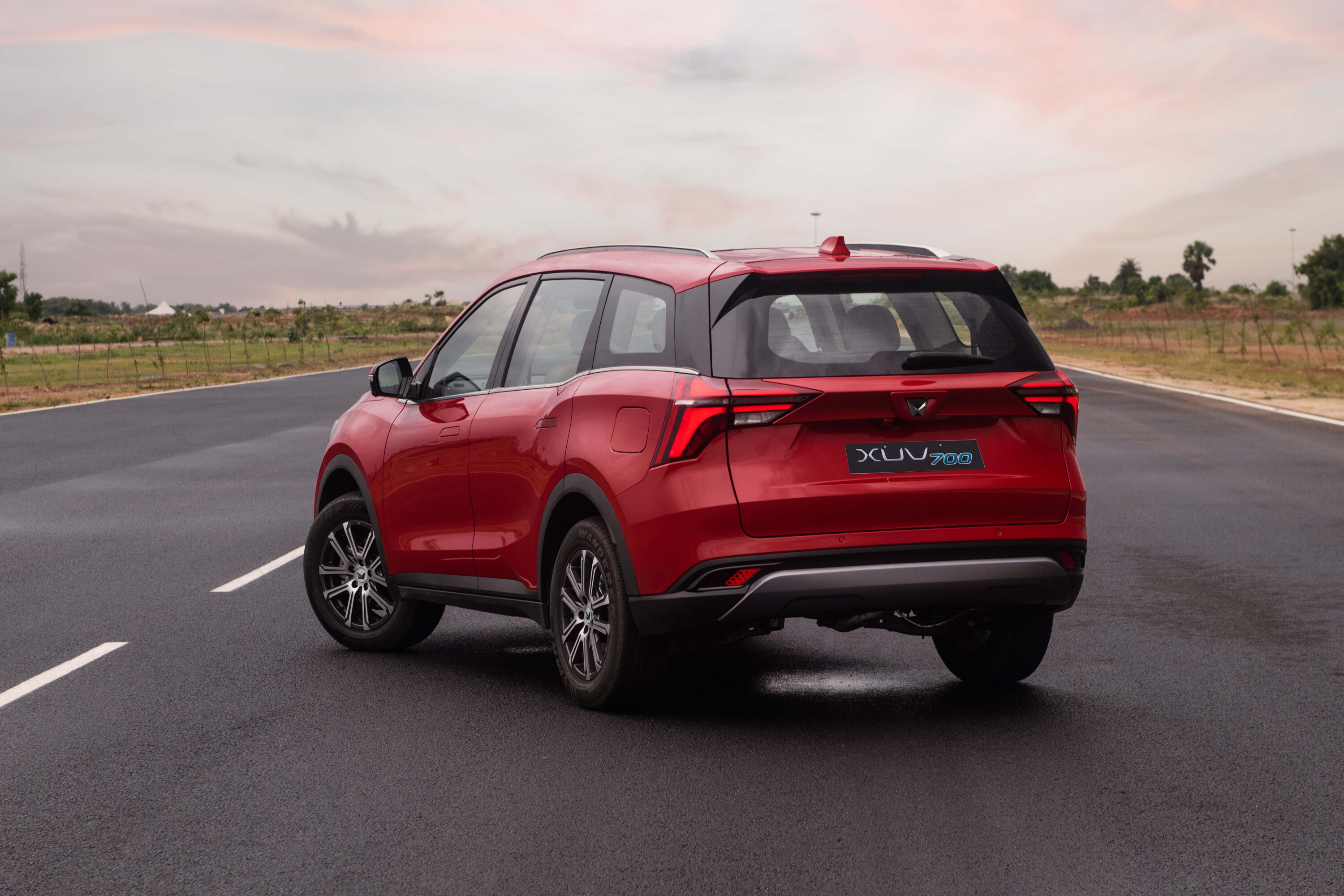
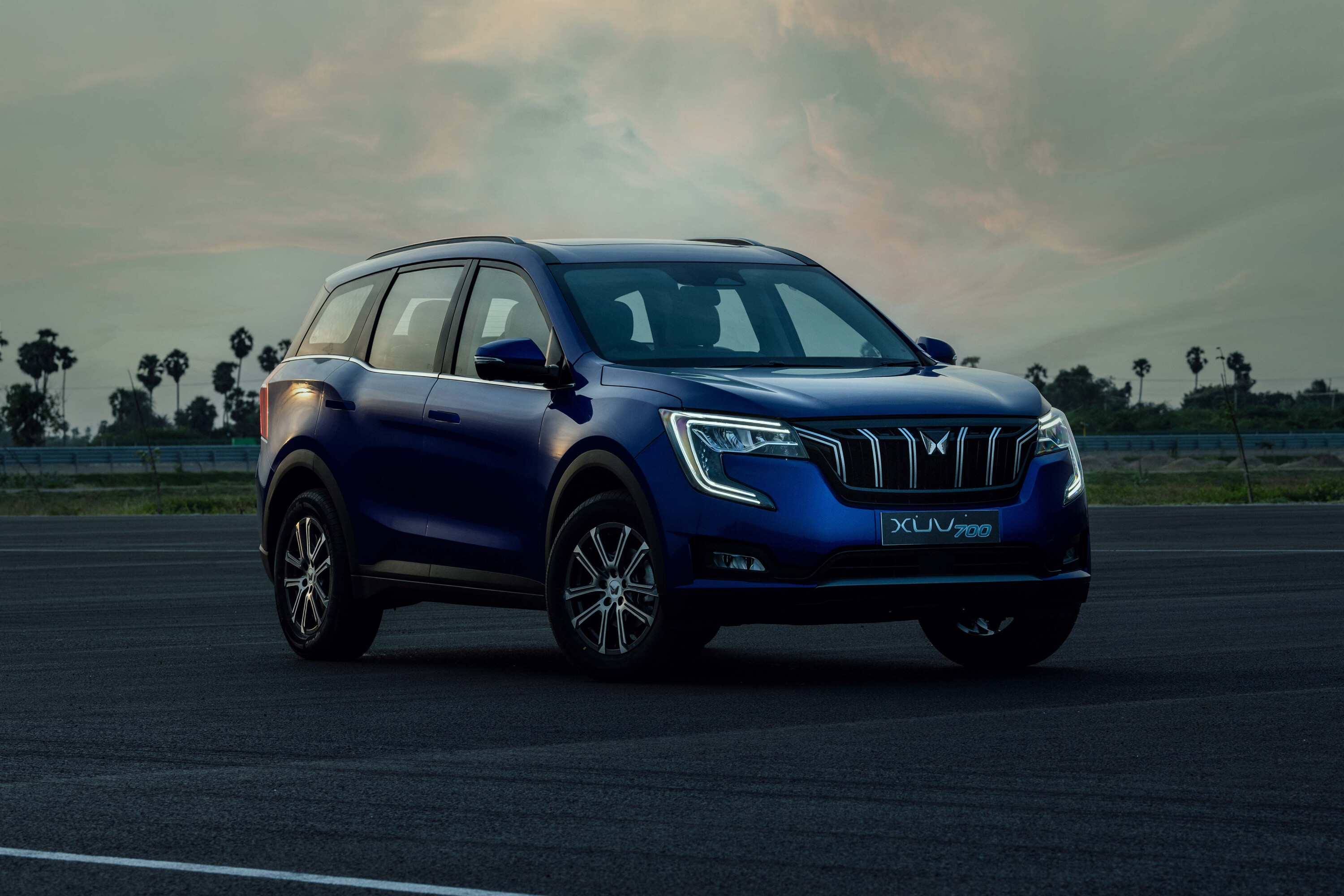
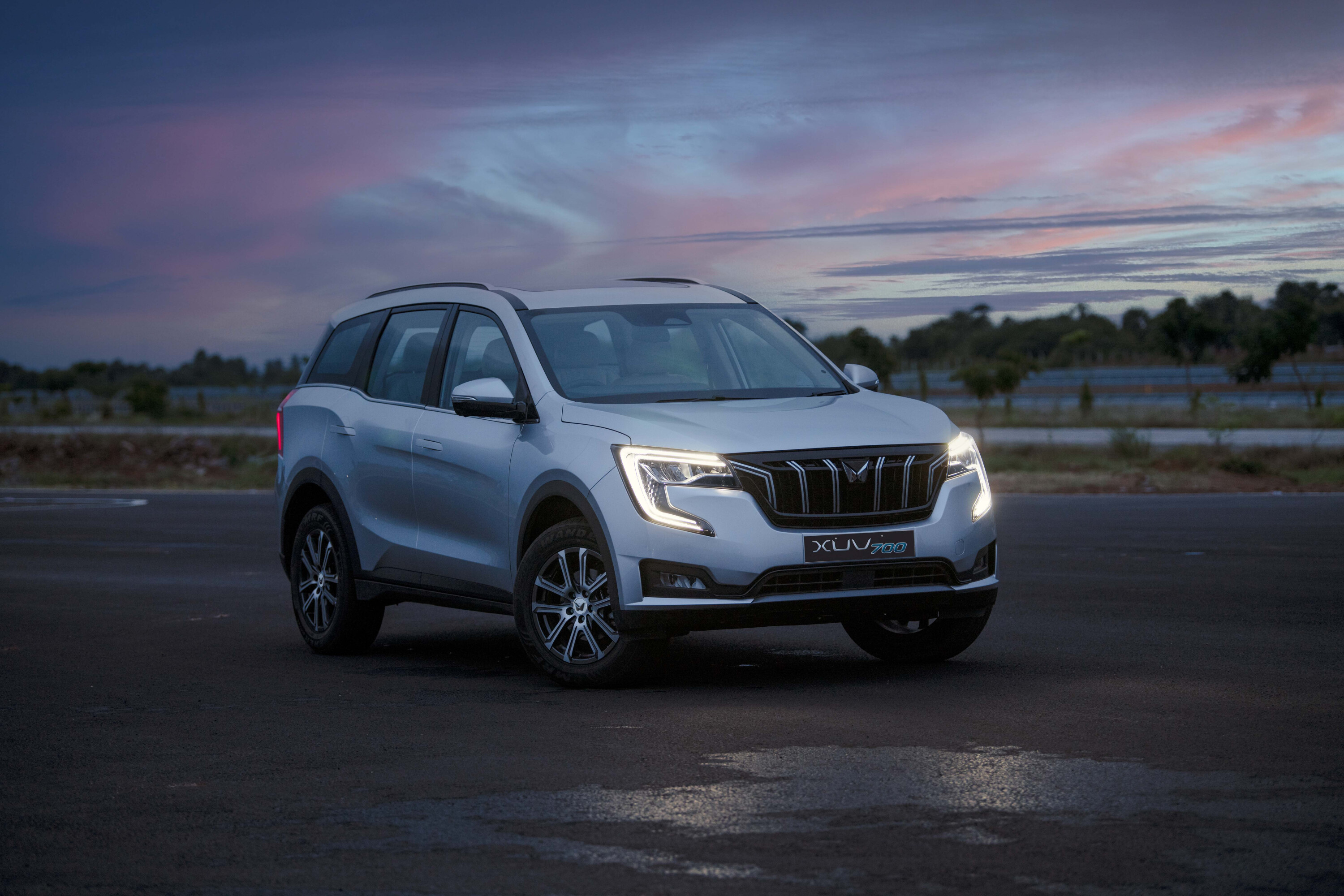
The Mahindra XUV700 is a 5+2 seat SUV that slots in the category dominated by the likes of the Mitsubishi Outlander, Nissan X-Trail and Toyota RAV4. It launches and goes on sale in Australia later this month, but we had a brief stint behind the wheel of it on a visit to Mahindra’s SUV Proving Track (MSPT) near Chennai in India.
Mahindra launched the XUV700 (that’s seven double oh) in India 18 months ago, where it is powered by a choice of a 2.0-litre turbocharged petrol four-cylinder engine that makes 149kW of power and 300Nm of torque or a 2.2-litre diesel engine that makes 136kW with 420Nm with a manual gearbox or 147kW and 450Nm with an auto.
The diesel is a new version of the mHawk engine as found in the PikUp ute but features both an aluminium cylinder block and head as opposed to the Iron block in the Pik Up.
1
The XUV700 is slated to be the next model in Mahindra’s SUV s range to get full electric power but that is a way off yet and not confirmed for Australia.
In India, the XUV700 is available with either front-wheel drive or all-wheel drive but from launch in Australia, it will only be offered in FWD with the petrol engine and six-speed automatic transmission.
Local pricing and full specification will be revealed at launch in a couple of weeks.
The 184-hectare MSPT site has been purpose-built to test and develop Mahindra’s range of SUVs and tractors over all kinds of terrain and conditions. It includes a four-kilometre, four-lane high-speed test track with 1100-metre straights connected by steep banking. There are kilometres of roads onsite, representing all kinds of driving conditions and road surfaces including various grades of asphalt, potholes, manhole covers, corrugations, inclines, and wet surfaces.
1
Mahindra is using this facility extensively as it puts a sharp focus on the dynamics and NVH of its SUVs and our drive of the 700 tells us they are on the right track. As a result of its focus and testing, it has fitted the XUV700 ’s suspension with frequency reactive shock absorbers that Mahindra says can apply the right amount of suspension damping to best suit the varied road conditions.
This has helped to create a vehicle that is exceptionally refined and quiet on-road, over both rough and smooth surfaces while being incredibly stable at high speeds on the test track. It is far better, at speeds that will get you locked up in any state of Australia, than you might expect for this style of vehicle.
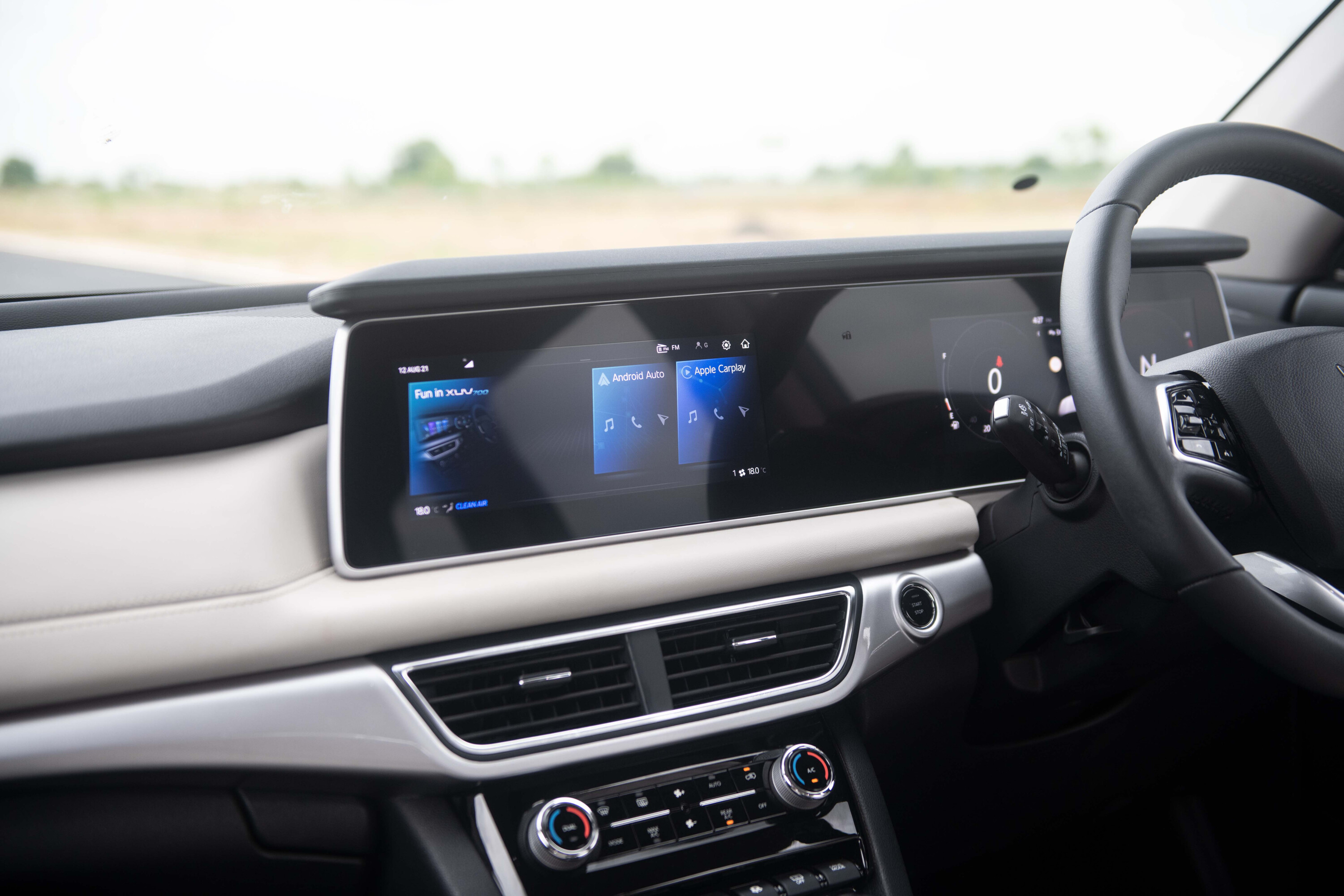
Surprises continue inside the 700 where the interior has a very upmarket feel, from its dual 10.25-inch screens that sit side by side across the dash to its premium faux leather seats and trim. The interior is roomy with ample legroom in the first and second rows of seats.
2
The feeling of spaciousness is aided by the massive glass sunroof and light-coloured trim in the cars we drove. Again, the spec of the cars we get in Australia will be revealed shortly but the light colour of these seats wouldn’t last long with family use.
The XUV700 comes with all the safety equipment expected in a modern family car including a full suite of advanced driver assistance systems encompassing auto emergency braking, forward collision warning, lane departure warning, lane-keep assist, adaptive cruise control, and traffic sign recognition. Add this to a total of seven airbags extending back to the third-row seats and it’s a comprehensive safety package.
While the interior does impress, what really left a mark was the way it handled the high-speed test loop and rough test tracks that resemble some of Melbourne’s worst roads.
The powertrains, while smooth and quiet, are nothing sporty and we feel that such a family SUV should be offered with the options of all-wheel drive and a diesel-fuelled engine to be successful in Australia. Perhaps, in future, the unconfirmed-for-Australia electric XUV700 will provide an efficient AWD alternative.
1
Of course, local pricing will have a lot to do with this as well, but looking at the recently launched Scorpio from Mahindra, the brand’s pricing and ownership package are sharp.
Keep an eye on Whichcar.com.au for a full review of the XUV700 following the local launch on June 15.
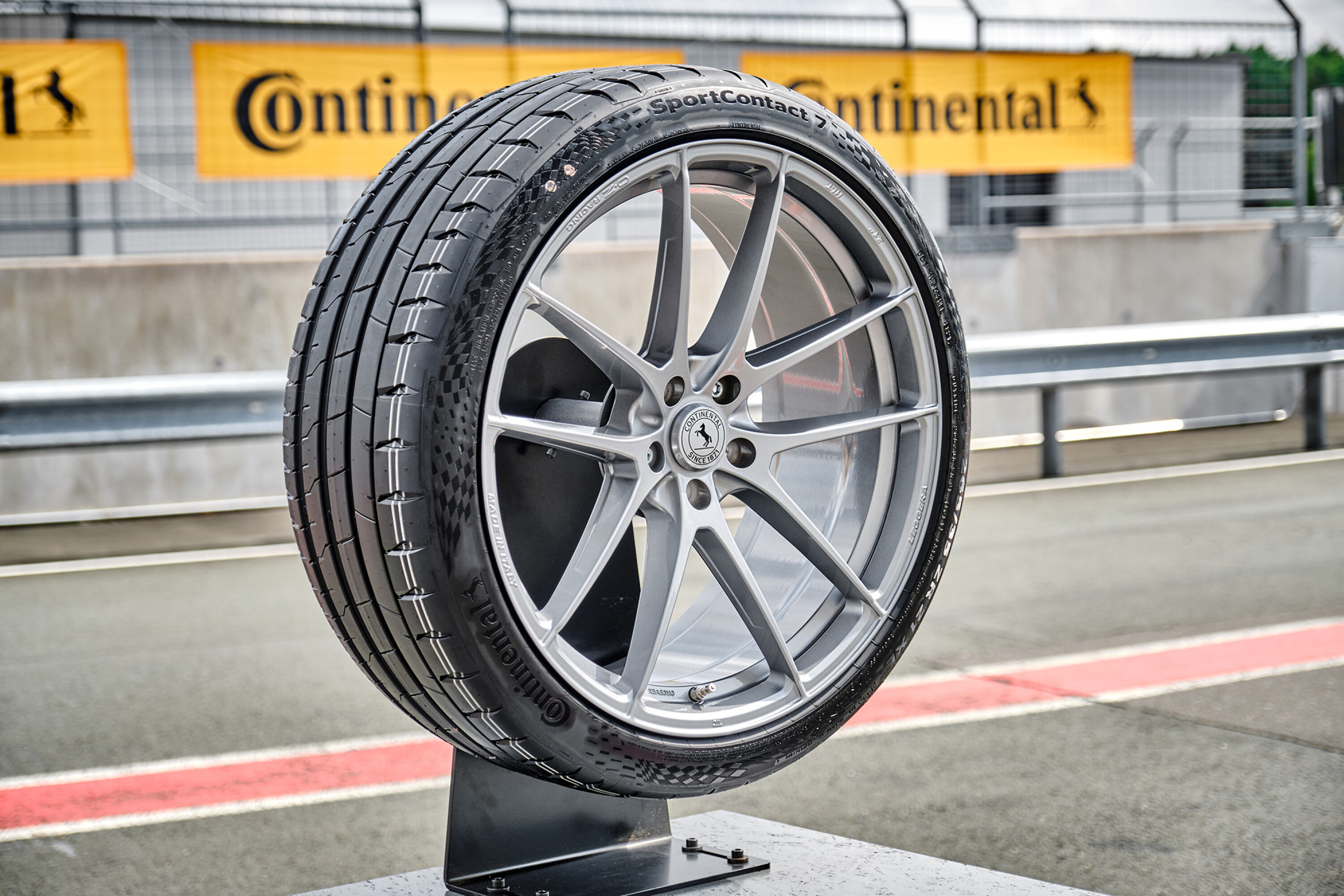
Continental Tyres has launched its new SportContact 7 tyre in Australia, arriving as the successor to the ‘6’ tyre already fitted to a number of performance models.
1
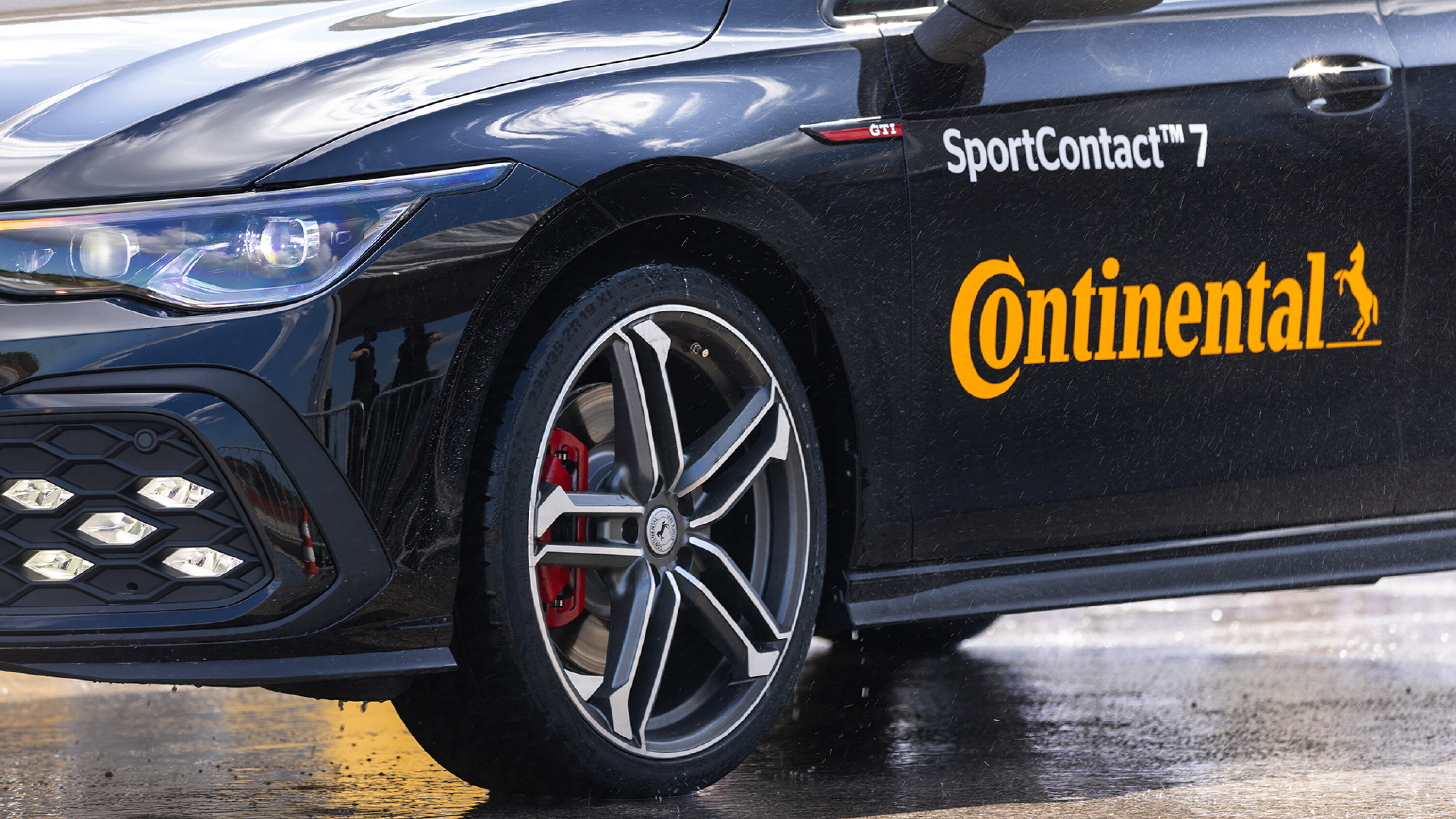
Available to purchase now, the SportContact 7 has also been picked up as standard fit for the updated Audi RS6 and RS7 heroes, and the incoming Polestar 3 EV.
Although we’ve yet to get our hands on the new rubber, the 7 has performed well in overseas tests, outscoring Michelin’s fan-fave Pilot Sport 4 S and Bridgestone’s Potenza Sport in Evo’s comparo last year [↗].
10
Continental says the SportContact 7 tops its predecessor in several areas, with a 6% improvement in dry braking performance, an 8% reduction in wet braking distances, and a 17% driving range improvement.
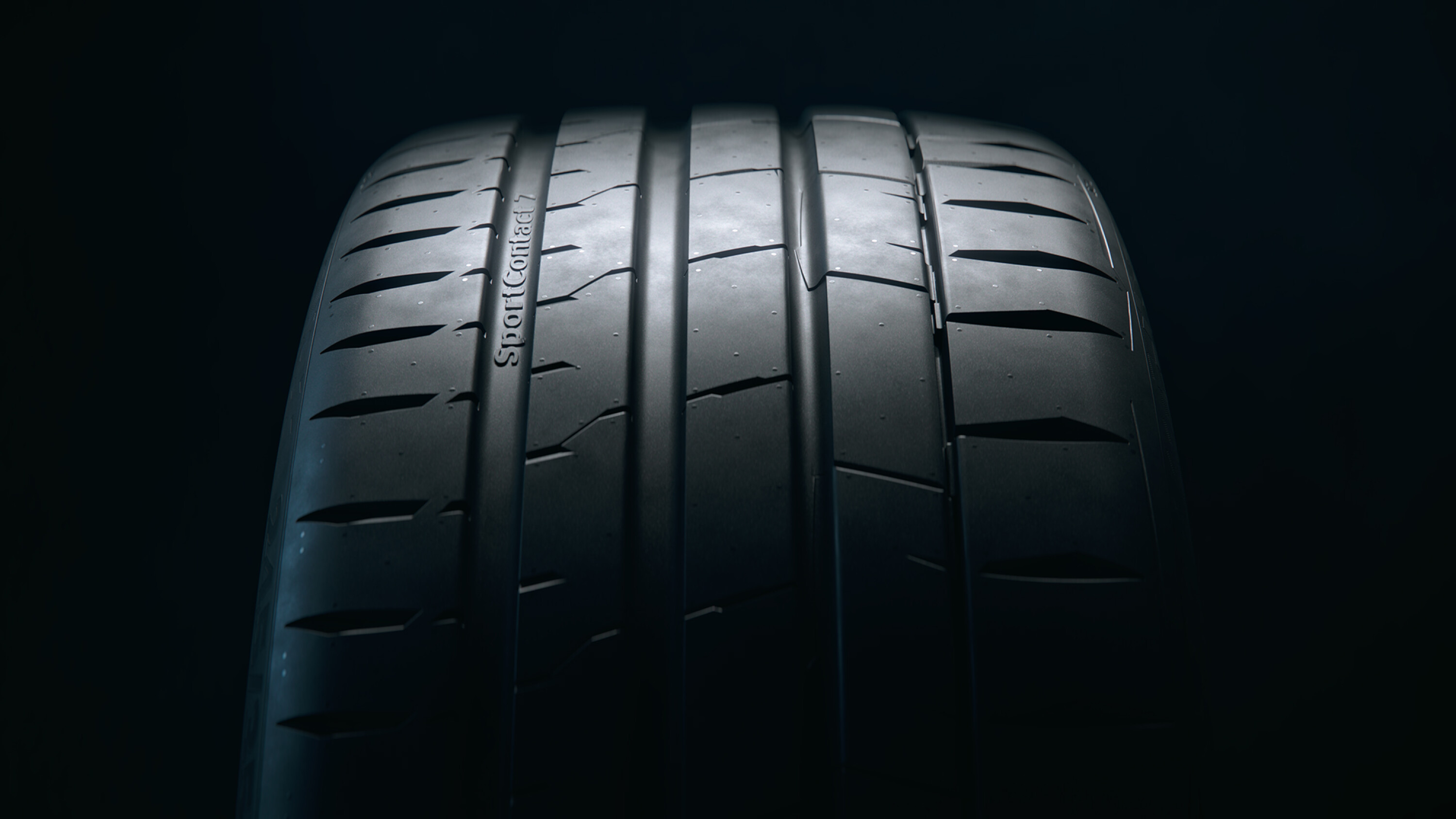
The German tyre brand credits the 7’s new compound for these improvements, designed to enhance driving range (or ‘mileage’ if you like). The tyre also debuts an adaptive tread design for better handling in varying road conditions.
1
There’s a strong sports sedan vibe to the Polestar 2: in the tautness of its chassis; in the way its (SportContact 6) tyres bond with the bitumen – Jez Spinks, Polestar 2 Dual Motor review.
As a performance-oriented tyre, the SportContact 7 is compatible with a wide range of enthusiast vehicles, from hot hatches to V8 heroes.
Watch for our review of the SportContact 7 to come in the near future, and see more tyre news and reviews at the link below.
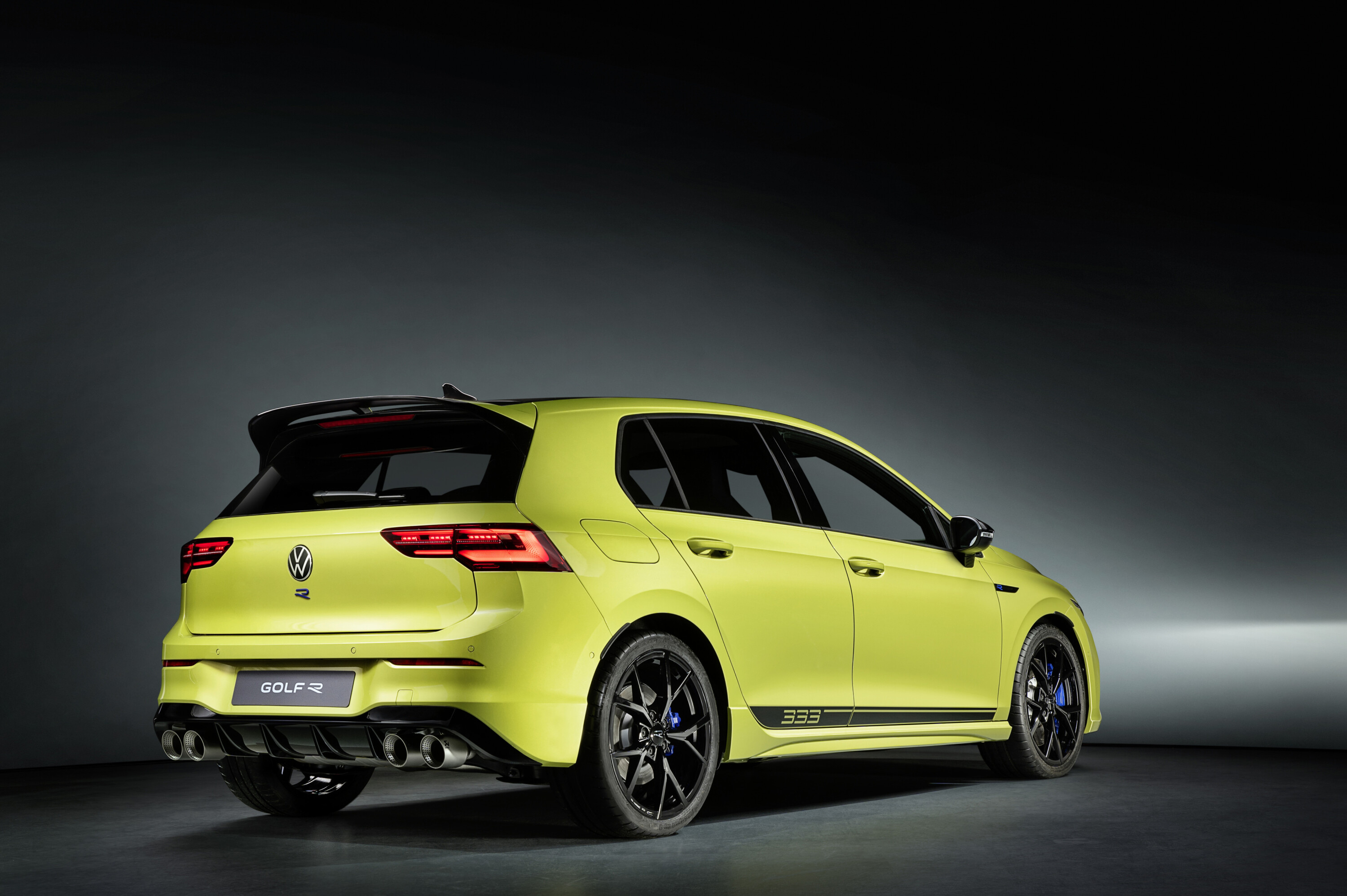
Volkswagen has revealed a new limited-edition Golf variant for the European market, in the form of the Golf R 333.
The eye-searing sports hatch treads a similar path to the recently revealed, and confirmed for Australia, Golf R 20 Years edition – sharing an uprated 245kW/420Nm version of the standard 2.0-litre turbo-four.
That’s up 10kW on the EUDM Golf R, and up 20Nm over our regular petrol particulate filter-less Australian-spec vehicles.
The Golf R 333 wears a European price tag of €76,410 (AU$125,580), making the special edition Golf more expensive in its domestic market, and here in Australia, than the manic Audi RS 3.
1
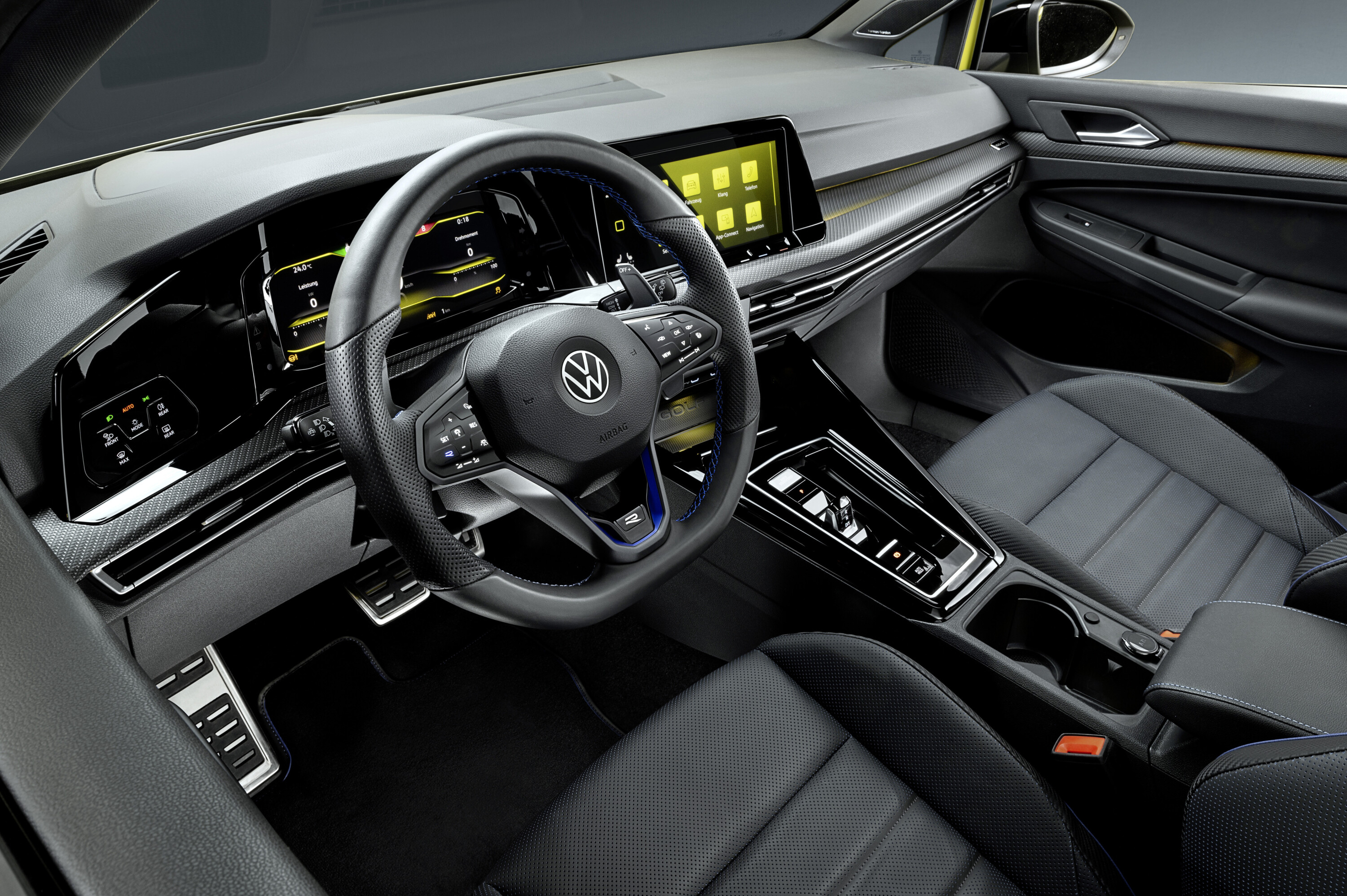
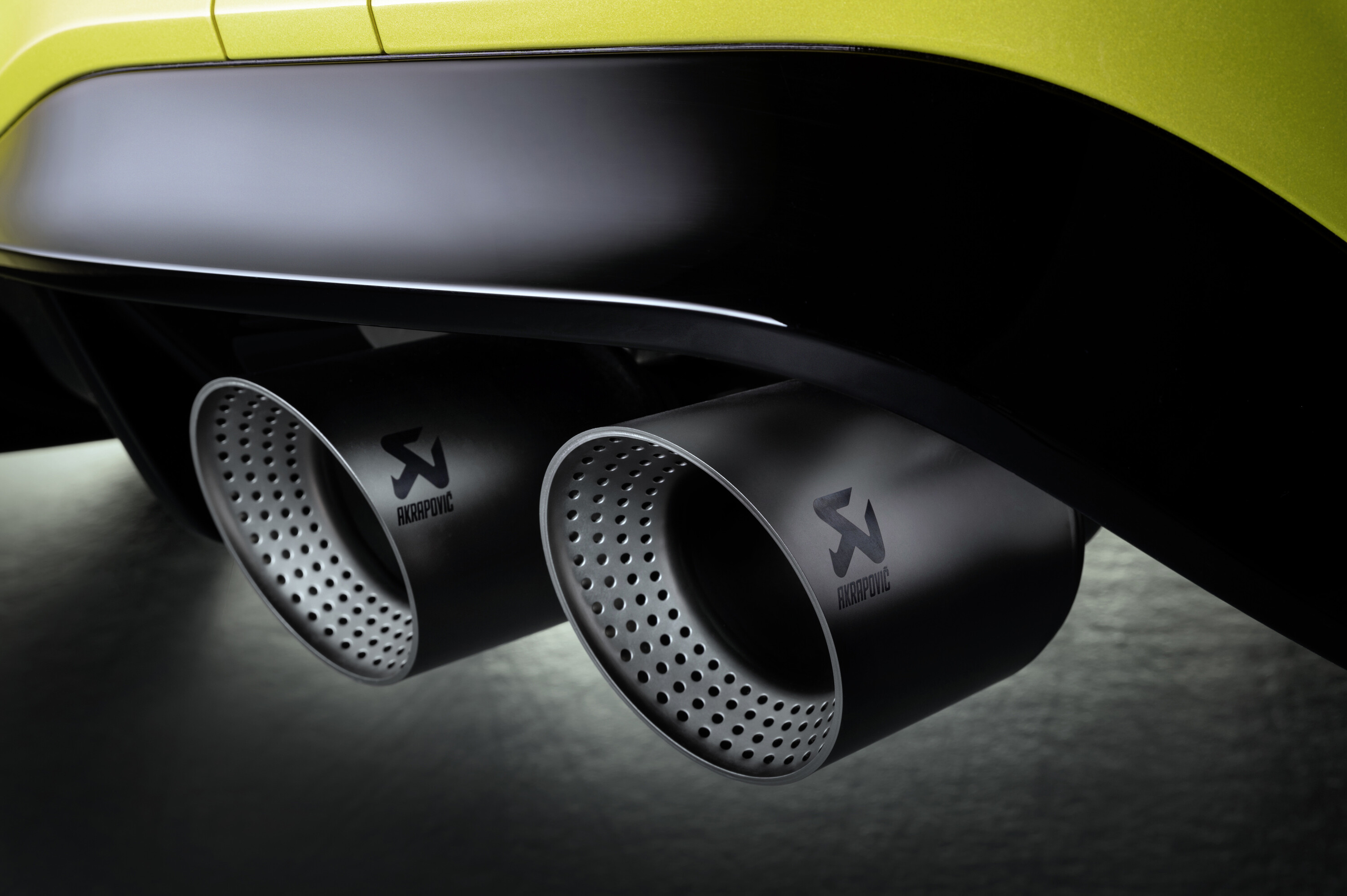
Distinguishing the Golf R 333 beyond its Lime Yellow Metallic paint, are black exterior accents, a titanium Akrapovic R Performance exhaust, 19-inch ‘Estoril’ alloy wheels in semi-slick tyres, a speed limiter increase to 270km/h and, for the first Volkswagen R model with a serialised build plaque in the interior.
Drivers will clock, according to Volkswagen, 0-100km/h in 4.6 seconds as they’re shoved back into Nappa leather upholstery.
Other interior treats include carbon-fibre inlays, backed by a nine-speaker Harman/Kardon premium stereo.
1
1
Sadly, the limited-edition Golf R 333 will only be offered in Europe, with orders set to open from June 2.
Of course, local fans can buy into the same uprated powertrain, with the 245kW/420Nm Golf R 20 Years set to land locally in limited numbers before the end of the year. It also receives the R 333’s carbon-fibre interior inlays and Akrapovic titanium exhaust.
Just 50 units have been allocated to Australia — 32 of them finished in Lapis Blue and the remaining 18 in Pure White — available through Volkswagen’s national dealer network, with orders set to open on July 13.
The Golf R 20 Years commands a list price of $77,490. That’s a $10,500 premium over the standard Golf R hatchback, which is already 39 per cent more expensive than its predecessor. But we reckon the price is right.
June: Lunar confirms its last night will be July 9, site to be redeveloped
“Ernest Hemingway once wrote, ‘The world is a fine place and worth fighting for.’ I agree with the second part.” – Morgan Freeman’s character William Somerset, in the film Seven.
Alas, we’re running out of drive-in cinemas to fight for, and it’s not clear people would bother to answer the call to arms.
And so, another iconic drive-in venue falls to property values, land taxes and rising food costs, joining the many that have closed since Australia’s very first drive-in – a Hoyts – opened in February, 1954. The second, ‘Skyline’ in the Melbourne suburb of Burwood, is remembered today with a drive-in-themed playground [↗].
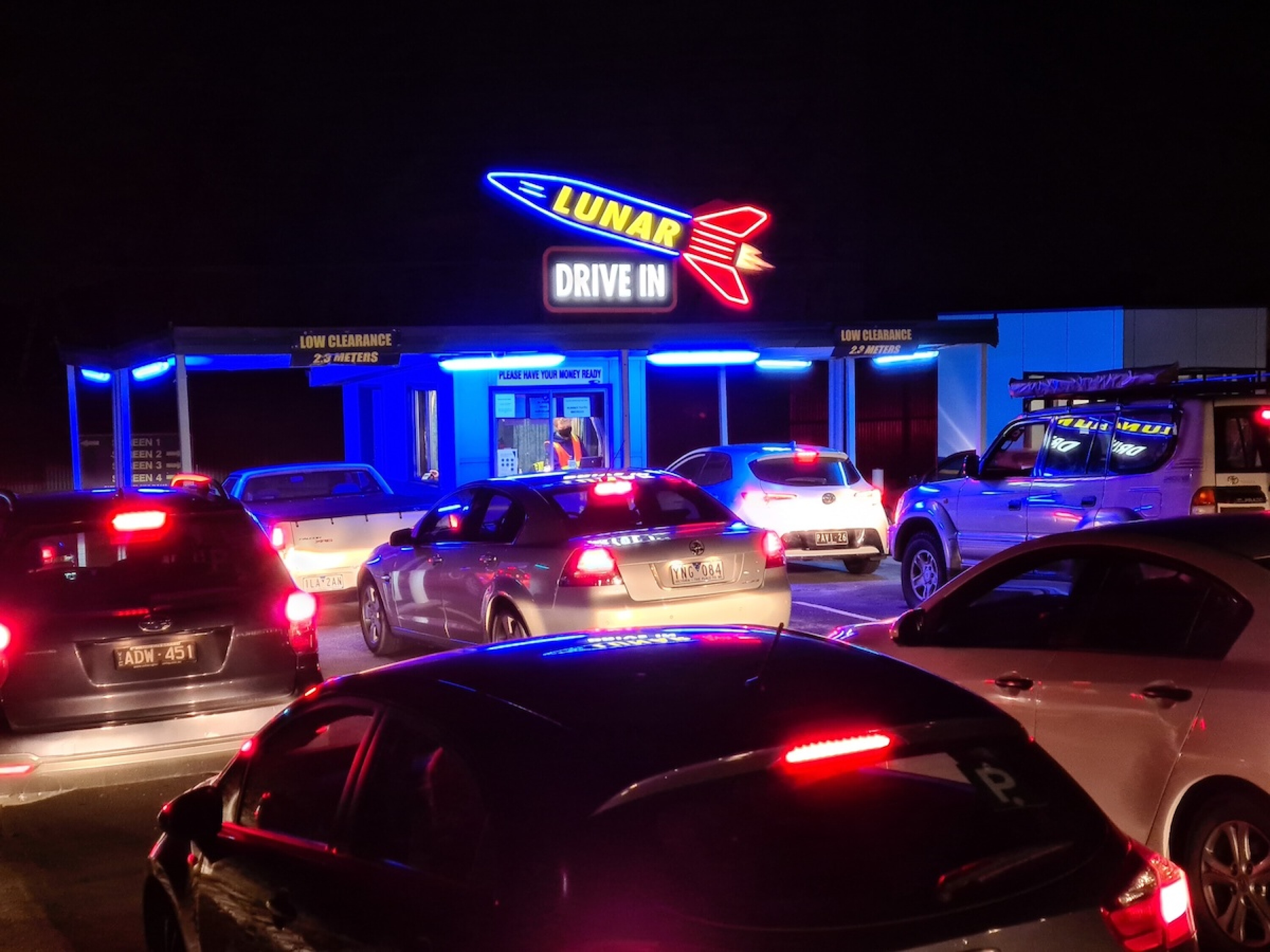
Lunar, in Dandenong, was among the first 10 in Australia, having opened in 1956.
The first film shown at Lunar was 1952’s Assignment – Paris! [↗], shown above.
According to Drive-ins Down Under [↗], there have been hundreds of drive-ins around Australia. It lists descriptions of 61 locations in Victoria, 12 in NSW, 24 in Qld, 7 in SA, and one in WA.
Sadly, that website also says the Lunar drive-in “has been experiencing solid growth for years, proving that drive-ins are still relevant in the era of personal devices, streaming and social media”.
1
Despite that solid growth – 400,000 visitors per year, they say – the costs were clearly just too high to keep operating.
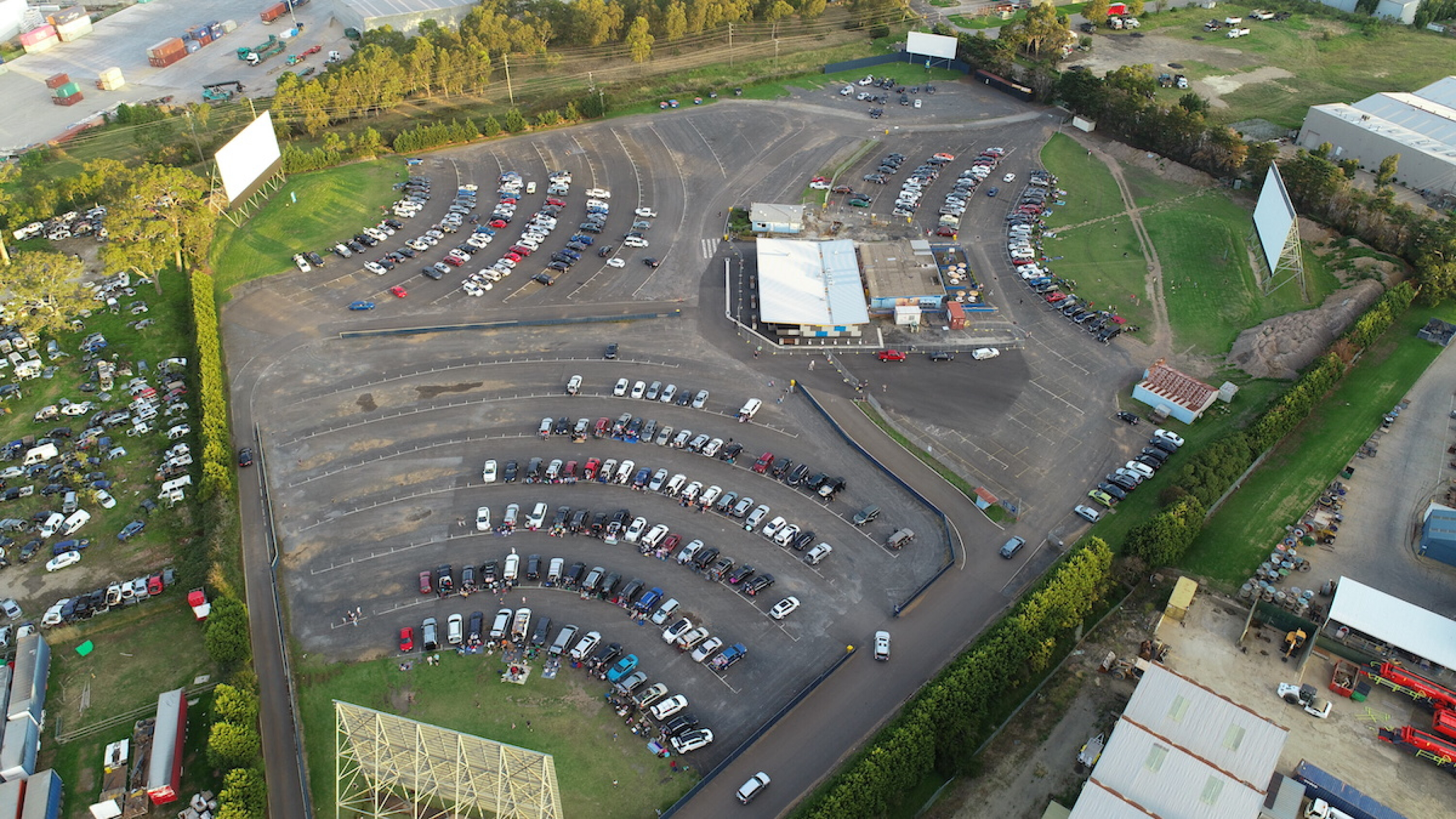
“Fifteen acres of land … that’s hard to justify when there’s no one here in the daytime and we only operate a few hours each night,” Owner David Kilderry told 7News.
“The drive-in concept is still sound, it will work, but not necessarily in locations that are the Toorak of Australia’s industrial area, which we are here in Dandenong.”
1
Lunar’s last night of business will be on Sunday July 9, with 7pm screenings of Austin Powers: Goldmember and the new Indiana Jones film, The Dial of Destiny.
“We’re going to live in people’s memories for a long time,” Kilderry said.
January 10, 2023: Lunar Drive-In Cinema to close mid-year following sale
Australia’s largest drive-in cinema site will shut down in mid-2023.
Melbourne’s Lunar Drive-In, located in Dandenong, was purchased by the Pellicano Group in December, following its sale in response to surging land taxes in the suburb.
The site is expected to receive an industrial fit-out in the future, with proximity to other business parks in Melbourne’s south-east.
Lunar Drive-In owner David Kilderry told the Pakenham Gazetteit was a loss for the region.
“To be able to provide low-cost movies for the South-East Melbourne, particularly for families and young people, created an opportunity for low-cost entertainment where young people can come with their cars and enjoy a night supervised,” he said.
November, 2022: Melbourne’s Lunar Drive-In Cinema set to close following sale
The future of Australia’s largest and longest running drive-in cinema, Dandenong’s Lunar Drive-In, is uncertain with owners offering the 15-acre site for sale.
The sale of Melbourne’s Lunar Drive-In follows years of easing audience numbers, with owner and film historian David Kilderry citing changes both in viewing methods – such as streaming – and the type of film offerings from Hollywood in its 66-year career.
The business has been dutifully entertaining Australians since 1956, but the challenges of falling profits and growing expenses saw Kilderry consider selling the site even before the COVID pandemic began.
Speaking with the ABC, Kilderry indicated the value of Lunar’s land had changed over time, increasing in the amount of land tax to be paid. The location had originally been considered part of Melbourne’s outskirts, but continued sprawl has resulted in the area’s eventual shift to a more “middle suburban” location.
“People are shocked when I tell them [that Land Tax is] already over $1000 a day,” Kilderry told the ABC’s Andrew Hansen.
1
Kilderry indicated that the sale of Lunar wouldn’t necessarily mark the end of the location as a drive-in theatre, “we would love it to continue on as a drive-in, but the reality is that we’re surrounded by multi-national warehouses and factories.
“We think that ultimately short-term or medium-term, that’s what the land will be used for”, Kilderry said.
Drive-in theatre attendance peaked in the 50s and 60s, although the much-loved theatre chariot Holden Sandman didn’t arrive until 1974.
As of 2022 there are 16 drive-in theatres remaining across Australia, with Lunar being one of three in Melbourne. While the fate remains unknown for Lunar, its potential closure would follow Adelaide’s Mainline cinema at Gepps Cross, which ended screenings in November 2021.
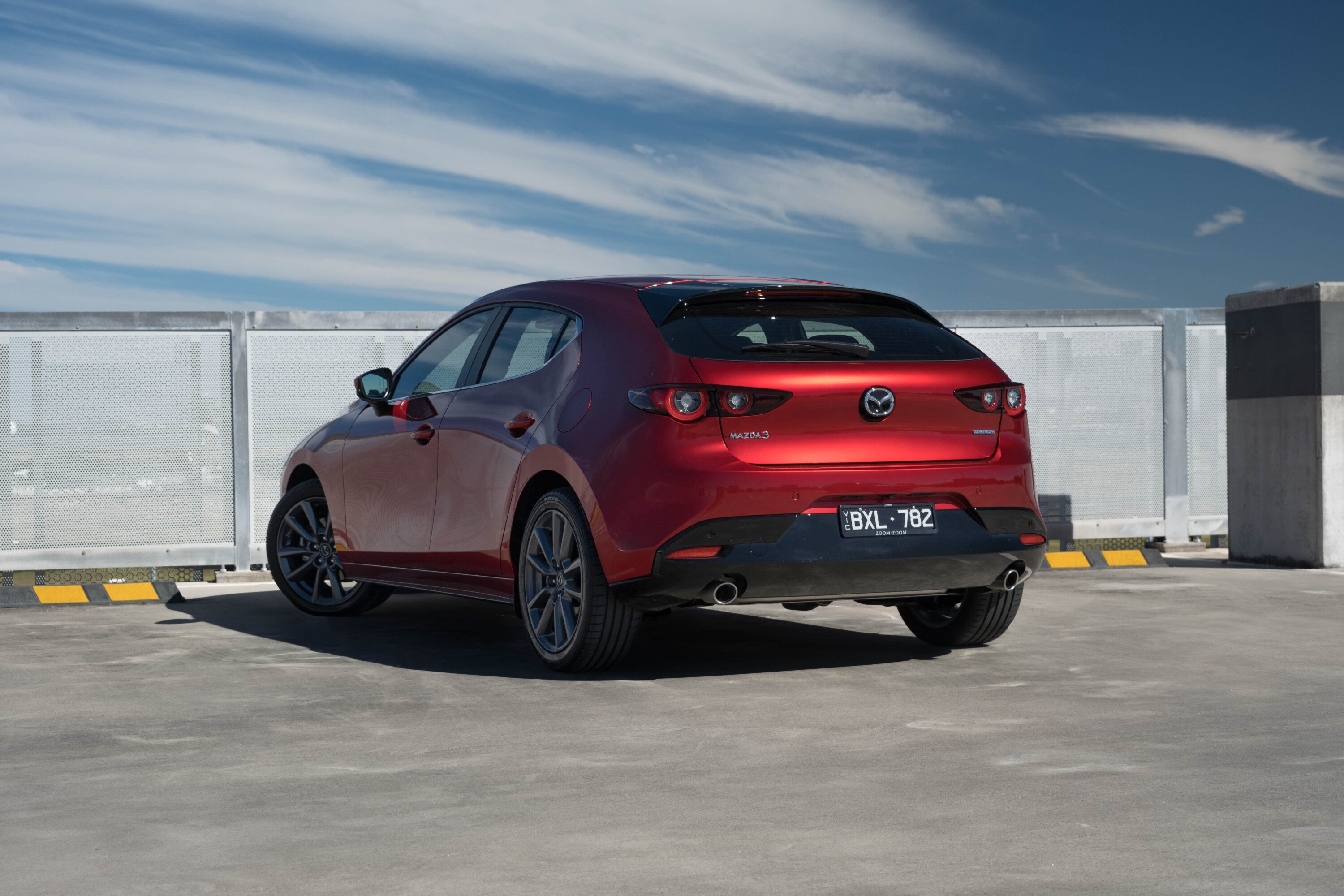
The Mazda 3 is still doing the numbers for Mazda and as well it should. A polished performer with two very distinct bodystyles, it’s a car that oozes confidence.
Mazda’s own success at turning out SUVs has probably been to the detriment of the 3 just as much as any other company’s success at the larger format has been to their own hatchbacks. But where others have shrunk into themselves and delivered conservative-looking hatches, Mazda pushed out the boat and re-ignited the fire that went out in the 1990s with the demise of the gorgeous 323 and 323 Astina.
Some don’t like that big fat C-pillar, but I think it elevates the car into something truly different without going all Zorro with slashes and creases.
As with all 2.0-litre Mazdas, however, I approached this one with caution. As light as the 3 might be, this base engine in the mid-spec Evolve struggles a little. But given that the rest of the car is rather nice, does it matter all that much?
This is kind of a review of the Evolve more than the G20e itself, but as there is likely still stock kicking around, it’s worth mentioning that there is a fairly important price difference.
The G20e Evolve M Hybrid hatch goes for $33,460 while the automatic Evolve with the standard SkyActiv 2.0-litre is $29,710 (as of May 2023, both before on-road costs).
1
Part of the price difference between the standard G20 and G20e can be explained by the $1500 Vision Technology Pack coming as standard (see the safety section) and the rest, well, the mild hybrid system that nobody wanted and from July is no longer available, going the same way as manual transmission-equipped 3s, which is a shame.
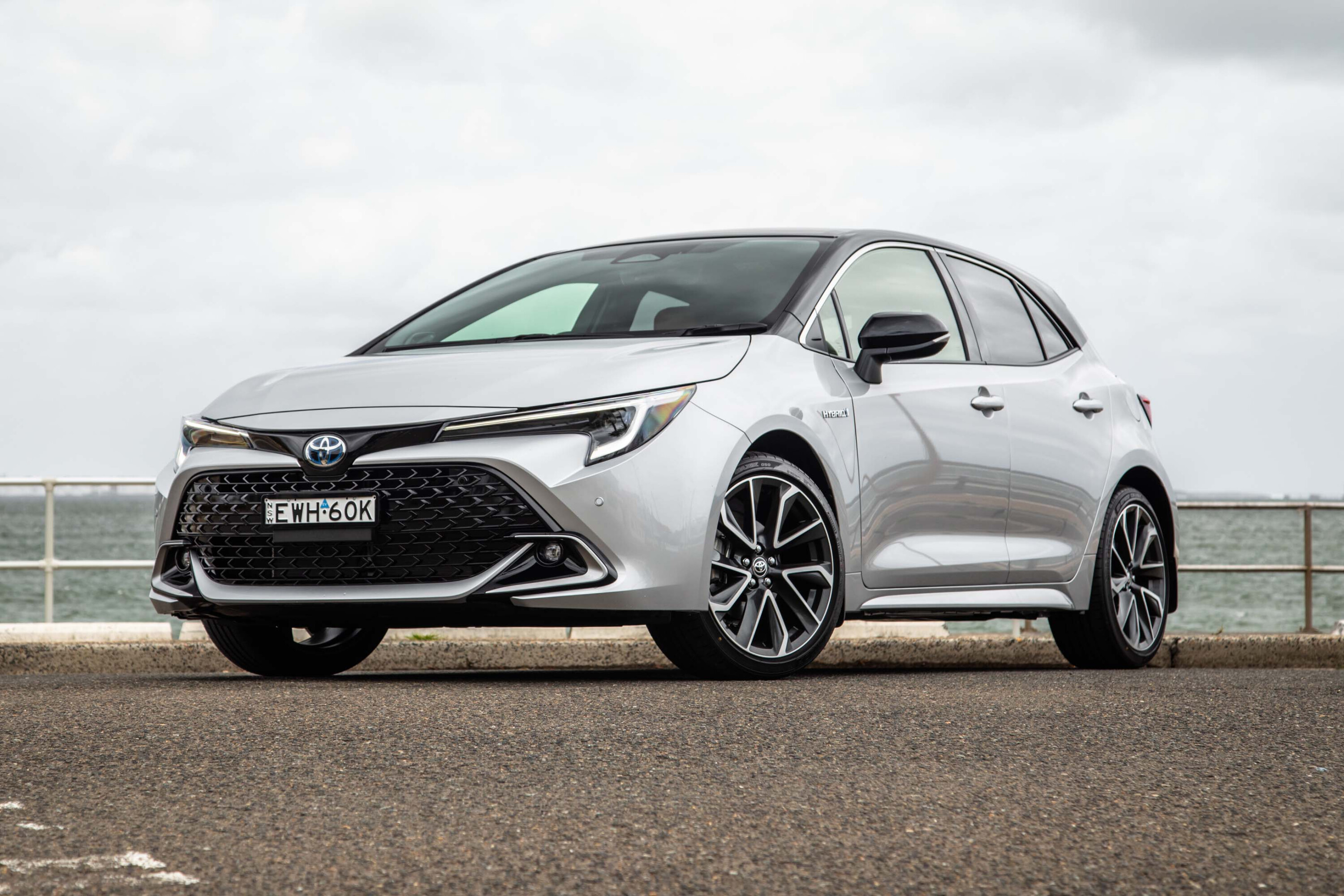
The Mazda 3 rumbles enthusiastically with the Toyota Corolla, in this case, the most likely combatant being the Ascent Sport Hybrid for $31,130 or the SX Hybrid for $34,280 (both before on-road costs). Each Toyota has a proper hybrid system, is cheaper to service and returns lower fuel consumption.
Hyundai’s i30 is getting a bit long in the tooth, with the Elite auto topping the 2.0-litre naturally-aspirated range with a $30,800 before on-road costs price tag. It’s not available as a hybrid because Hyundai is yet to add any form of electrification to its popular hatchback.
The Kia Cerato is a similar story but with more room than either of these machines. At $31,440 before on-road costs, it’s in the mix with the G20e but slightly more than the G20.
None of the 3’s rivals are, to my eyes, better looking inside or out and the Korean machines don’t have as much in the way of safety tech.
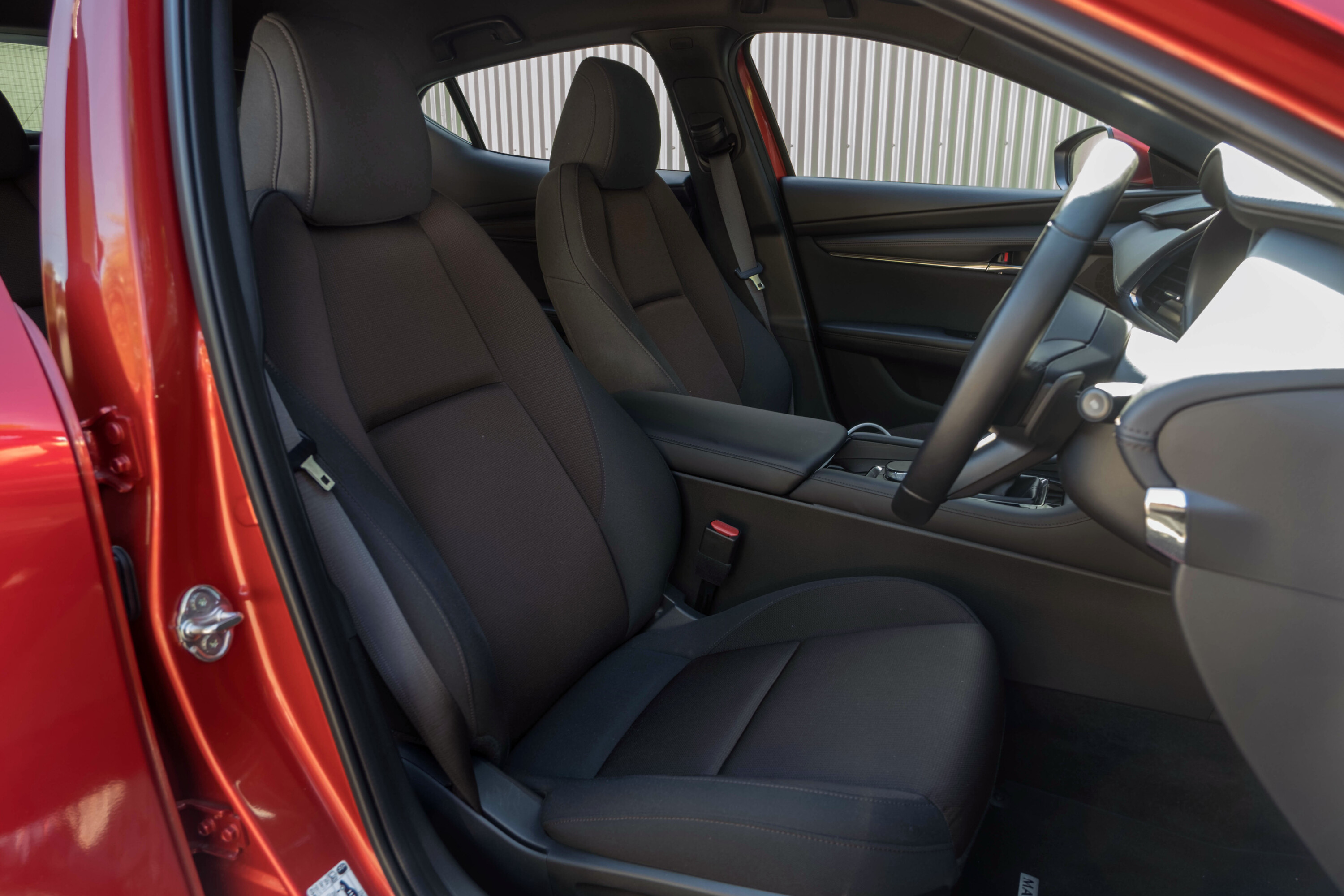
Mazda is doing its very best to inch its way upmarket and interiors form a big part of that strategy. This generation of 3 launched with a very slick cabin, easily the best in the segment. Lots of very nice materials, even in a sub-$30K car; even the cloth seats are quite nice and, as ever, my personal preference.
The front seats look pretty good and are equally pleasant to sit in. The lovely Mazda steering wheel is, as my descriptor suggests, very nice indeed. One of the things about the first-generation Mazda 3 – a car I owned and did not like – was that all the touchpoints were nice but not much else was.
2
A couple of decades down the track, the niceness has moved from just the bits you touch to most of the things you can see. There aren’t many buttons and the low-noise, sleek design is almost calming.
You get a pair of cup holders, a slot under the climate controls for your phone, bottle holders and a bin under the armrest. As part of the commitment to an uncluttered cabin, the latter houses USB-A ports for the media system.
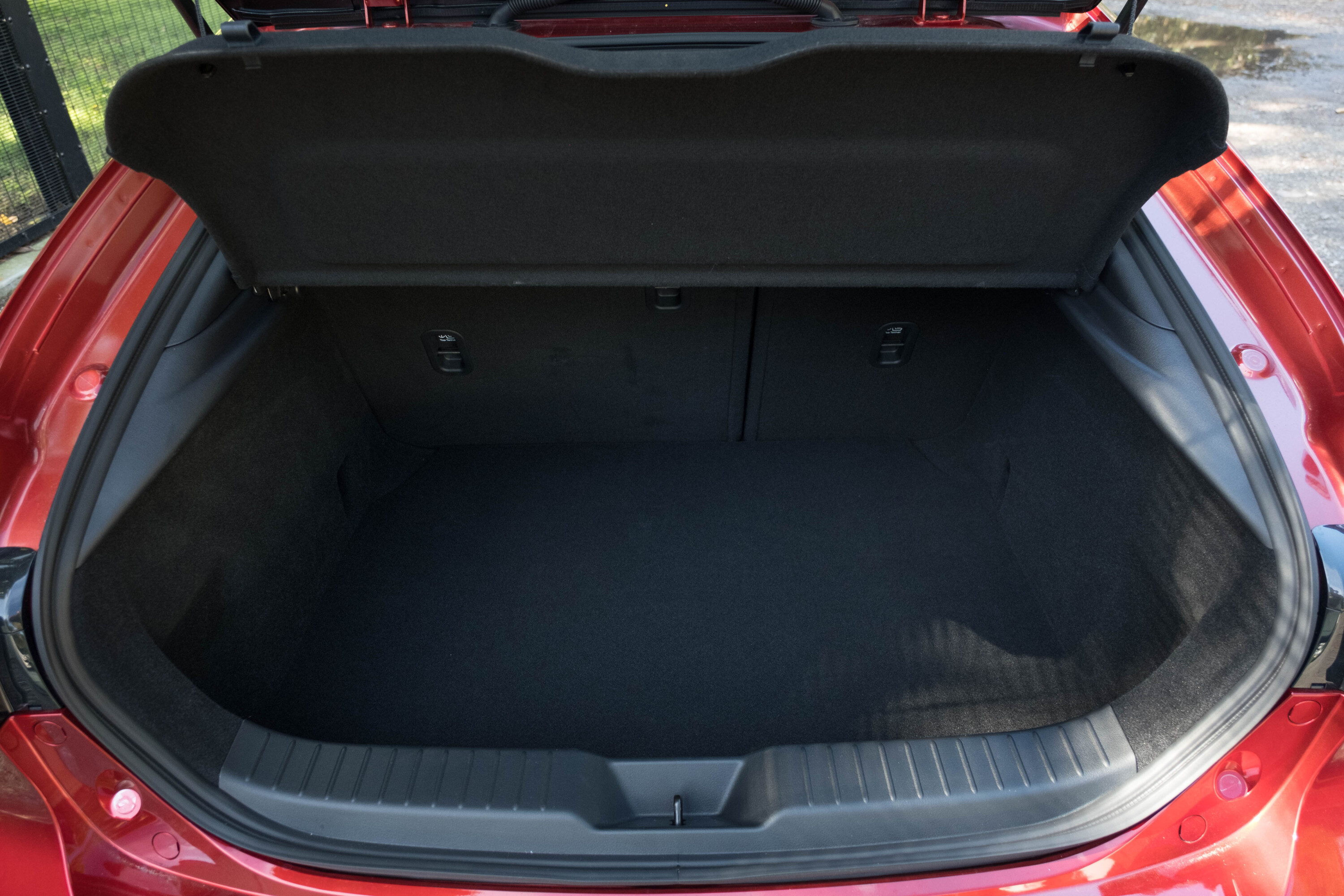
The rear seat is, unfortunately, pretty tight and a bit grim. It’s comfortable enough but there’s only just sufficient legroom for me at 180cm slotted in behind my driving position. The chunky C-pillar cuts into the rear glass, too, meaning there’s not a great deal of light back here. You do get air vents, but there’s no USB port.
Every Mazda car or SUV is good to drive, with adequate power and torque but a chassis that wants to play while also delivering a good experience for everyone in the car.
2.0-litre naturally-aspirated four-cylinder petrol
Transmission
6-speed automatic
6-speed automatic
Power
114kW @ 6000rpm
114kW @ 6000rpm
Torque
200Nm @ 4000rpm
200Nm @ 4000rpm
As you can see, the G20e and G20 have identical power and torque figures at 114kW/200Nm, with the G20e featuring a (very) mild 24-volt hybrid system. As with other mild setups, it’s essentially a more powerful stop-start system with a little bit of extra torque to send back through to the front wheels. It also means an imperceptibly smooth engine cut-out and cut-in.
1
For the driver, the controls are just right – a bit of weight in the steering, nicely balanced brakes and tons of grip, in the dry at least. It’s such a nice car to drive around in, with a really lovely balance.
The suspension is taut without being crashy or firm, noticeably so over its immediate competition. There’s a quality to the way it rides and handles that is woven through the Mazda range, whether it’s the monster CX-9 or the tiny 2. While an i30 or a Corolla is nice to drive, a 3 is good to drive.
It’s just a pity that the tyres fitted from the factory are so slippy in greasy conditions, something I’ve always noticed on front-wheel drive Mazdas.
1
There’s an issue with the G20 and G20e. Well, it’s one issue that spawns a few more. There’s not much power on offer so progress is somewhat leisurely. That’s completely fine if you’re not that fussed with a slowish car and you don’t have to break into traffic or overtake on single-carriageway roads.
Its less-than-stellar outputs mean that if you are fond of quicker progress, you’re going to zip through petrol at a fairly rapid rate, at least compared to the official figure. It’s about right compared to its immediate competition except for the hybrid Corolla.
As you can see from the table below, your extra few thousand dollars – let’s be generous and drop the $1500 safety additions) – buys you just 0.2 litres fewer per 100km on the official combined cycle. It’s hardly compelling, as Mazda has conceded.
G20e Evolve
G20 Evolve
Claimed fuel consumption (combined)
6.0L/100km
6.2L/100km
On-test fuel consumption (indicated)
9.2L/100km
N/A
Fuel tank capacity
51 litres
51 litres
Projected real-world range
283km
N/A
Fuel type
91 RON
91 RON
My experience – and that of others – is that the 2.0-litre in the 3 misses its numbers by a fair margin, whether it’s this mild hybrid or the standard SkyActiv. The 2.5-litre is a better buy if you like a bit more power and it barely uses any more fuel day-to-day than the 2.0-litre because it’s a more relaxed engine.
The Mazda 3 range scored five ANCAP stars in 2019 with what was at the time a class-leading safety list and one that embarrasses some much more expensive cars.
2023 Mazda 3 G20 Evolve safety features
7 airbags (including driveru2019s knee airbag)
Lane-keep assist
ABS
Rear cross-traffic alert
Blind-spot monitoring
Reverse AEB
Driver attention monitoring
Reversing camera
Forward auto emergency braking
Stability and traction controls
Lane departure warning
Tyre pressure monitoring
1
The Vision Technology Pack is standard on the G20e ($1500 on the G20) and adds:
2023 Mazda 3 G20 Vision Technology Pack
360-degree cameras
Front cross-traffic alert
Front parking sensors
Driver monitoring
Stop-and-go traffic jam assist
You also get the usual two ISOFIX points and three top-tether anchors.
The Mazda 3 comes with a five-year, unlimited-kilometre warranty and roadside assistance.
A capped-price servicing regime runs for the first five services for a total cost of $1766 or an average of $353 each. There are also some extras listed on the website, such as brake fluid and filters, which are reasonably priced.
Does it matter that the 2.0-litre is a bit slow? No.
The thing about the Mazda 3 is that it’s a really good car. Not everyone wants or needs the extra power of the 2.5-litre and saving a few bucks on the upfront cost of that car can only enhance the ownership prospect for some folks, especially if it’s the go/no-go decision point.
Discontinuing the mild hybrid is absolutely a no-brainer because it wasn’t any better in the real world, so in the absence of a proper hybrid system, the 2.0-litre made the most sense, especially given the minuscule fuel consumption advantage.
1
The 3 remains a lovely car in hatchback form, despite its rear seat’s shortcomings. It’s one of the nicest cars of its type to look at, as well as from behind the wheel. And in a world of ever-increasing costs, scoring a pretty car in lovely colour with all of these qualities for less than thirty grand is a bit of a win.
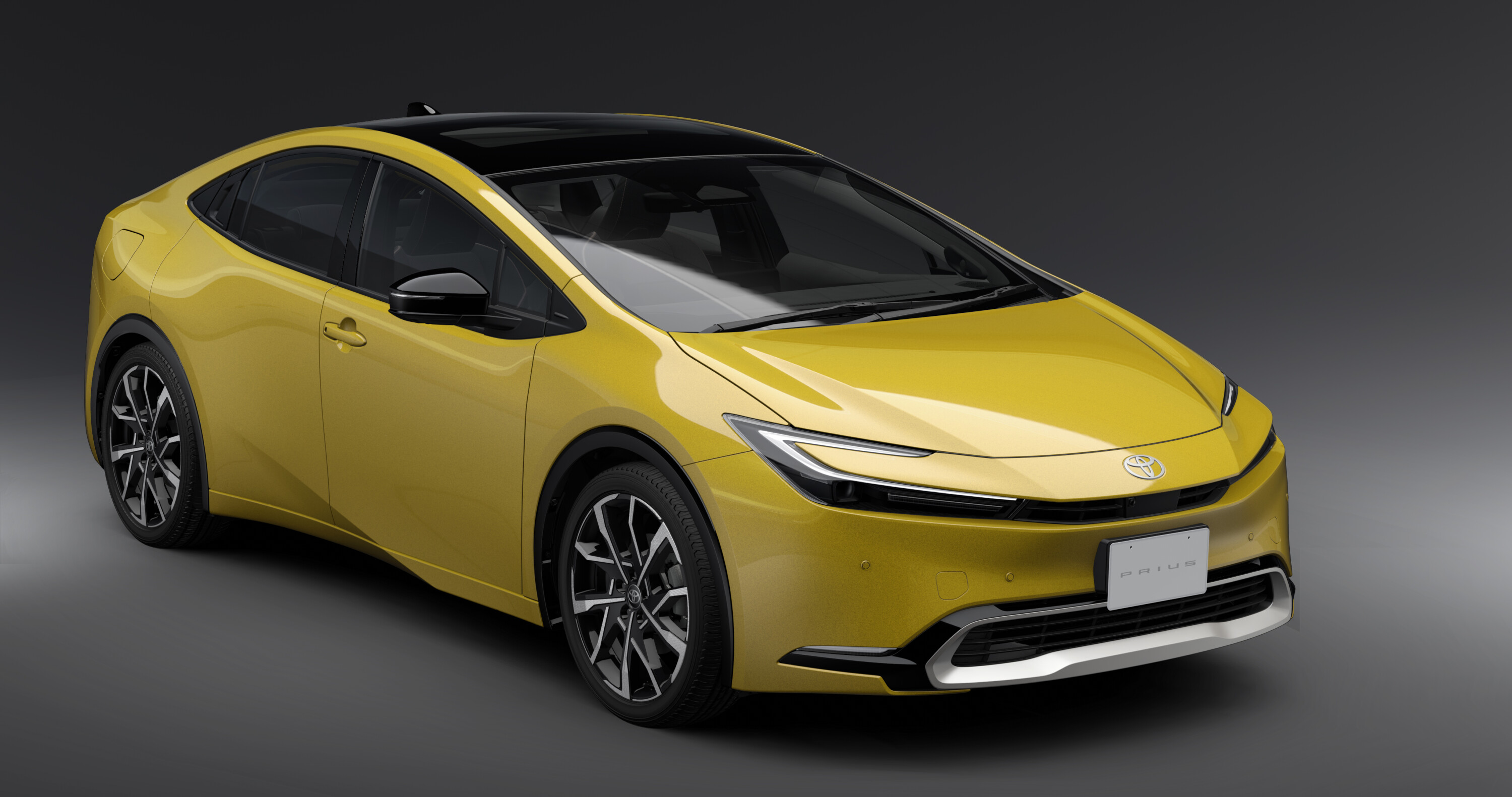
Toyota‘s Gazoo Racing division has hinted at a forthcoming reveal, set to take place at this year’s 24 Hours of Le Mans.
Taking place from June 6 to June 11, all signs point to Prius as the next recipient of Toyota’s in-house motorsports treatment.
And why shouldn’t it be a Prius? After all, it shares its TNGA-C platform with the lauded GR Corolla (and the front half of a GR Yaris).
The new Prius, in factory form, also seems quite sprightly, available overseas in flagship plug-in hybrid (PHEV) trim with a 2.0-litre petrol engine, 13.6kWh battery and electric motors producing a combined 164kW, with a claimed 0-100km/h time of 6.7-seconds.
1
Toyota says the forthcoming reveal at this year’s Le Mans will feature “technologies that have been developed through numerous challenges in motorsports participation”, in the name of Toyota’s “efforts to realize a Carbon Neutral society in Japan.”
Further details remain scarce, aside from a sly teaser image illustrating the stylised lower valance of the extra sporty Prius.
Is it a production model? A concept? Or just a dress-up ‘GR Sport’ variant?
Toyota has been researching and developing its combustion-hydrogen systems with a number of functioning driving proof-of-concepts under their belt, and even fields factory-backed hydrogen-powered Corolla and GR86 race cars in Japan. These, however, are pure-combustion cars which have yet to be seen with any hybrid augmentation.
If we at Wheels could have our way, though, we’d be begging for a hybridised development of the GR Yaris’s bombastic little 1.6-litre turbo-triple powerhouse. Now that you mention it, there were rumours that such a powertrain was being developed for the next-gen GR86. Hmmm…
What do you think we’ll see from Toyota’s GR-branded Prius? Just one more reason to tune into Le Mans, we guess!
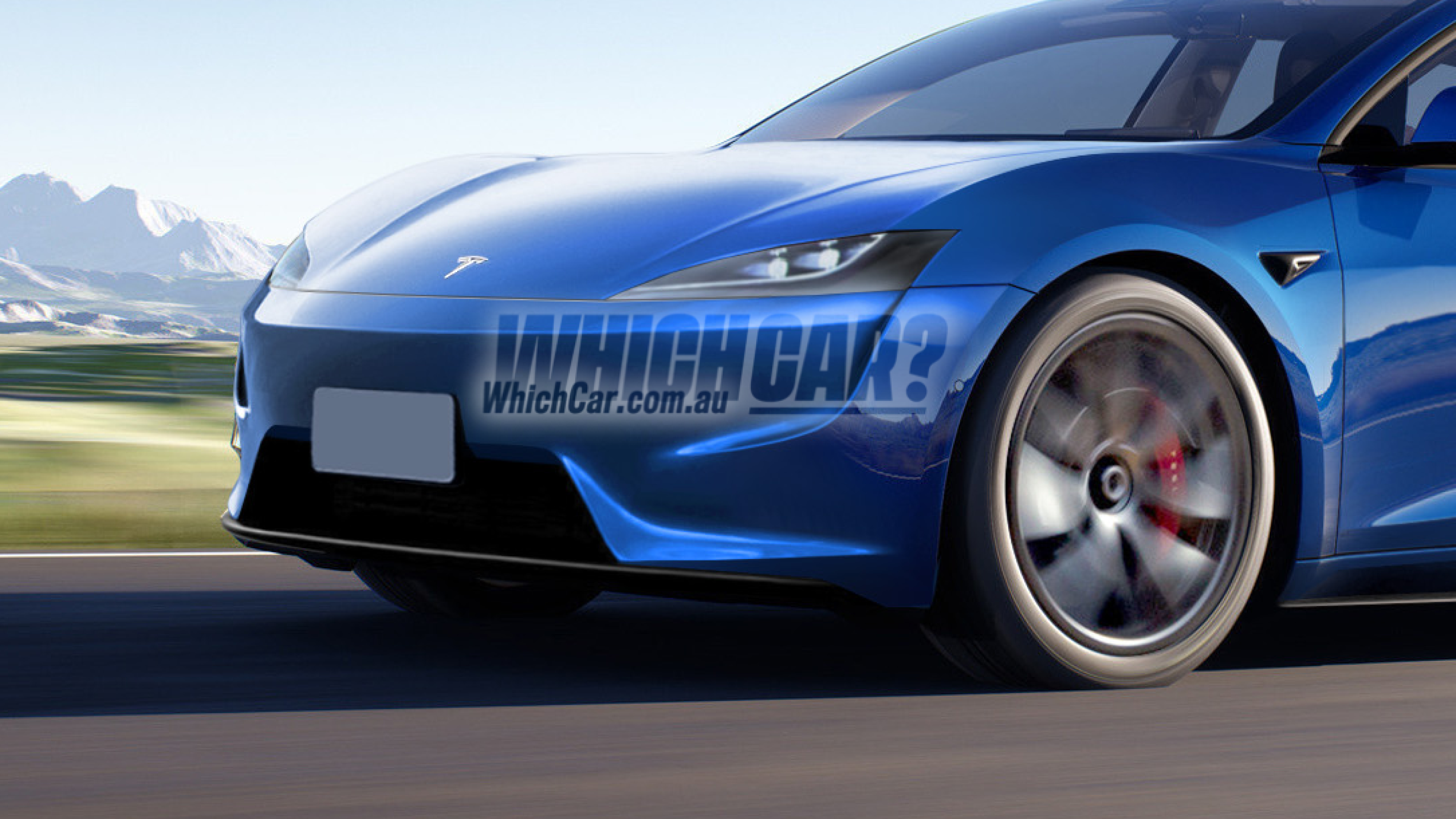
The Tesla Model Y electric SUV has become the best-selling car globally, but the company has been hit with another major data leak.
Snapshot
u201cDisgruntled former employeeu201d leaked 23,000 confidential u2018Tesla Filesu2019
Included Autopilot customer complaints, personal information of Tesla employees including Musk
Model Y becomes best-selling car globally, with major products coming soon
According to Handelsblatt [↗], an unidentified whistleblower leaked 100 gigabytes worth of confidential data made up of more than 23,000 files, to the German publication.
Handelsblatt claims the ‘Tesla Files’ haven’t been falsified and a lawyer representing Tesla told the publication that the whistleblower is a “disgruntled former employee” who abused his position as a service technician to access the information.
Whou2019s affected and whatu2019s been leaked?
Customers: Around 4000 complaints of sudden acceleration or random ‘phantom braking’ when using Autopilot or ‘Full Self-Driving’ Beta safety assistance systems across the USA, Europe, and Asia have been leaked, along with the bank details of some customers.
Tesla employees: Personal information of more than 100,000 current and former staff members, including private email addresses, phone numbers, salaries, and ‘secret details from production’ have been leaked.
Tesla executive/s: The social security number of Musk was included in the 100,000 names, although the publication didnu2019t disclose whether other executives were victimised.
Regardless of how the breach occurred, the brand could be found guilty of failing to ensure the privacy of its customer and partner data.
In its story, Handelsblatt suggests the data protection breach would violate the European Union’s General Data Protection Regulation (GDPR) laws. The whistleblower notified German authorities in April, and is currently being investigated by Netherlands’ data protection watchdog.
If deemed in breach, Tesla could be fined up to four per cent of its annual sales, which equates to AU$5.34 billion (€3.26 billion).
This is the brand’s second data leak controversy this year, after Reuters [↗] reported in April that Tesla employees had internally shared private camera recordings from customer vehicles, without consent.
One month earlier, the automaker launched a campaign boasting about its data privacy policy – stressing that most data is stored and processed locally in the vehicle, with some anonymised if sent to Tesla.
Model Y charges to the top
The news of more data leaks comes as figures from Jato Dynamics (via Motor1 [↗]) revealed that 267,000 Tesla Model Yelectric SUVs were sold globally in the first quarter of 2023 (from January to March).
This performance bumped the venerable Toyota Corolla small car from the top spot, at 256,400 sales, and the HiLux ute, with 214,700 sales globally.
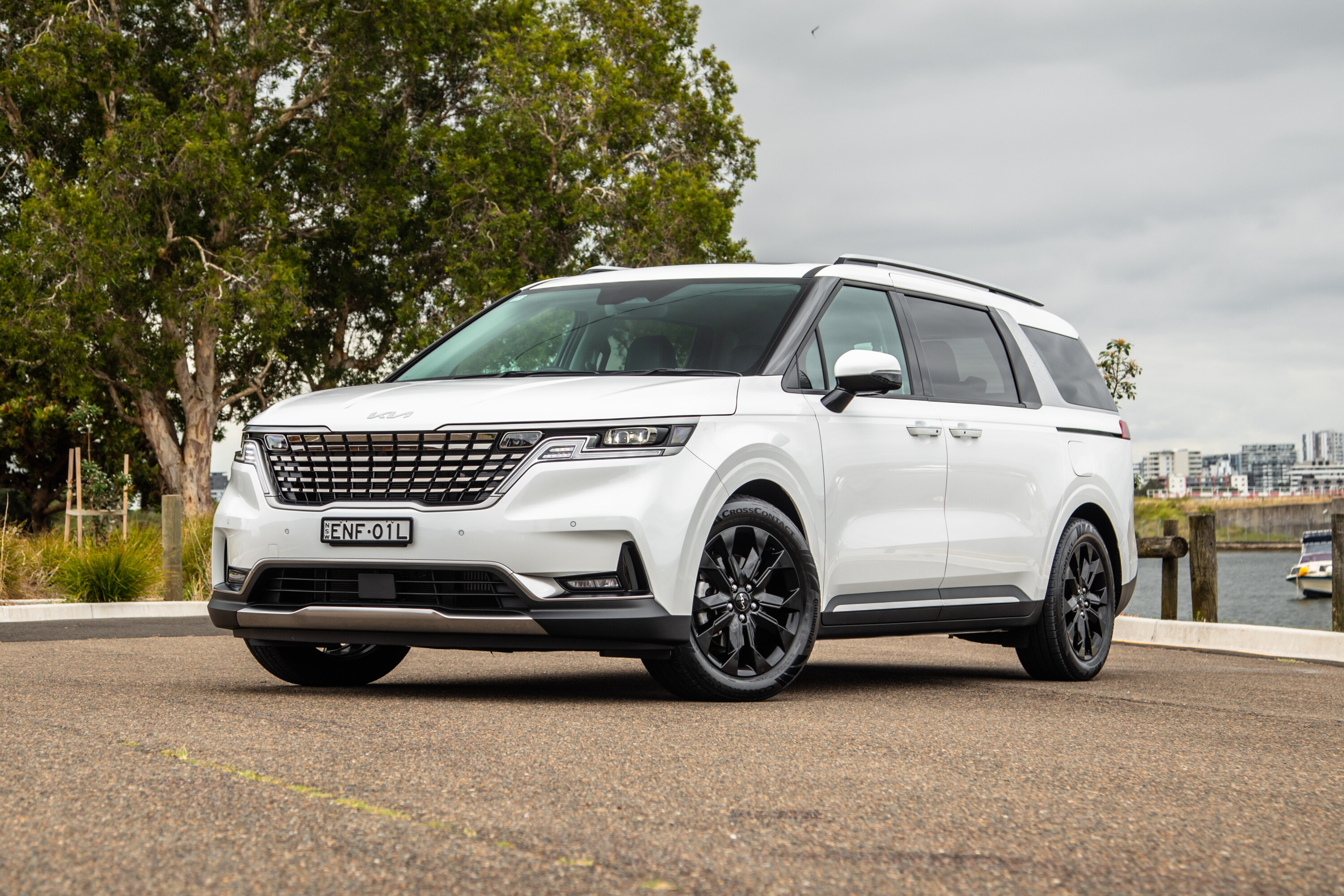
In the Corolla Cross’s case, the recall centres around faulty software for the electric handbrake in petrol variants, while the affected Kia Carnival vehicles may not warn occupants the power-sliding rear doors are in operation.
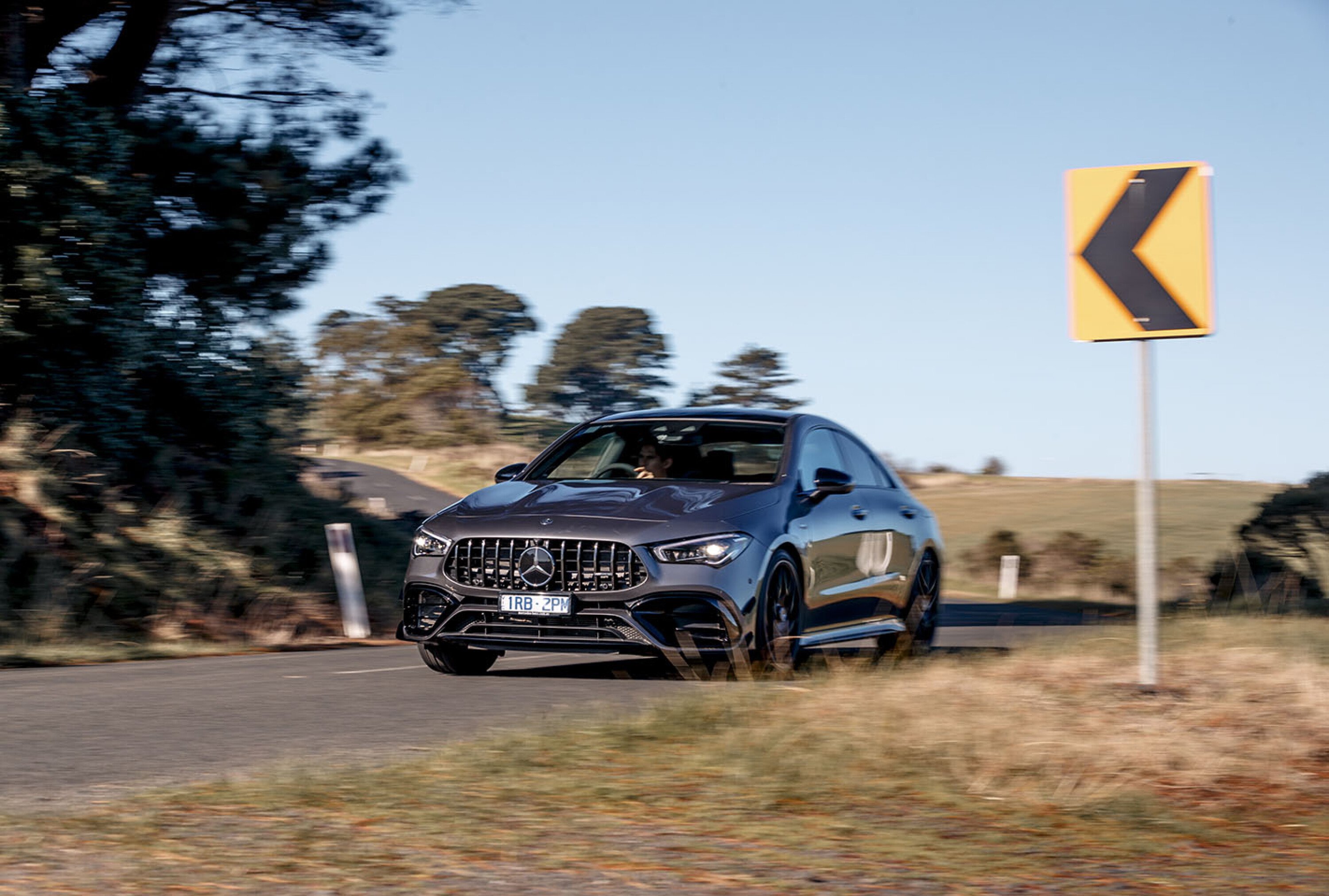
The affected AMG CLA 45s were built with tyres that don’t meet manufacturing specifications.
The details of each recall, as published, are posted below.
Recall: 2022-23 Toyota Corolla Cross
Original published date: 25 May 2023
Year range: 2022-23
Affected units: 1285
Affected VINs: From 0J000003 to 0J001343
Affected production range: 24/02/2022 to 19/04/2023
Variants: All petrol variants within this model range
For involved vehicles, there is a possibility that the brake actuator assembly may falsely detect an overcurrent condition of the electronic parking brake (EPB) actuator and enter a failsafe mode.
This mode illuminates the malfunction indicator lamp (MIL), displays the message “Parking Brake Malfunction, Visit Your Dealer” on the multi-information display (MID), and prevents the EPB from being engaged or disengaged.
If the EPB cannot be engaged, and the EPB MIL and MID warnings are ignored, and the vehicle is parked on an incline or decline without being placed into “Park”, then the vehicle could roll away, increasing the risk of a crash.
For all involved vehicles, Toyota Dealers will update the skid control electronic control unit (ECU) software free of charge to vehicle owners.
Updating the EPB software will take approximately 1 hour; however, depending on the Dealer’s work schedule, owners may be required to make the vehicle available for a longer period of time.
What should consumers do?
Toyota Australia will provide all owners of involved vehicles details of this safety recall campaign by SMS, email and/or mail to their last known address. Customers are asked to keep their contact details up to date with Toyota so future communications can be received.
Supplier details
TOYOTA MOTOR CORPORATION AUSTRALIA LIMITED
Who should owners/operators contact for more information?
Customers with additional questions or concerns are asked to please contact their local/preferred Toyota Dealer in the first instance or the Toyota Recall Campaign Helpline on 1800 987 366 (Mon-Fri 8.00am-6.00pm AEDT). Please quote your 17-digit Vehicle Identification Number (VIN).
The Power Sliding Door system may not warn occupants while in operation.
What are the hazards?
If the vehicle occupant is unaware of the power sliding door system is operating, it may increase the risk of injury.
What should consumers do?
Owners should immediately contact their preferred Kia dealer to schedule an appointment to have the Power Sliding Door software updated, free of charge.
Supplier details
KIA AUSTRALIA PTY LTD
Who should owners/operators contact for more information?
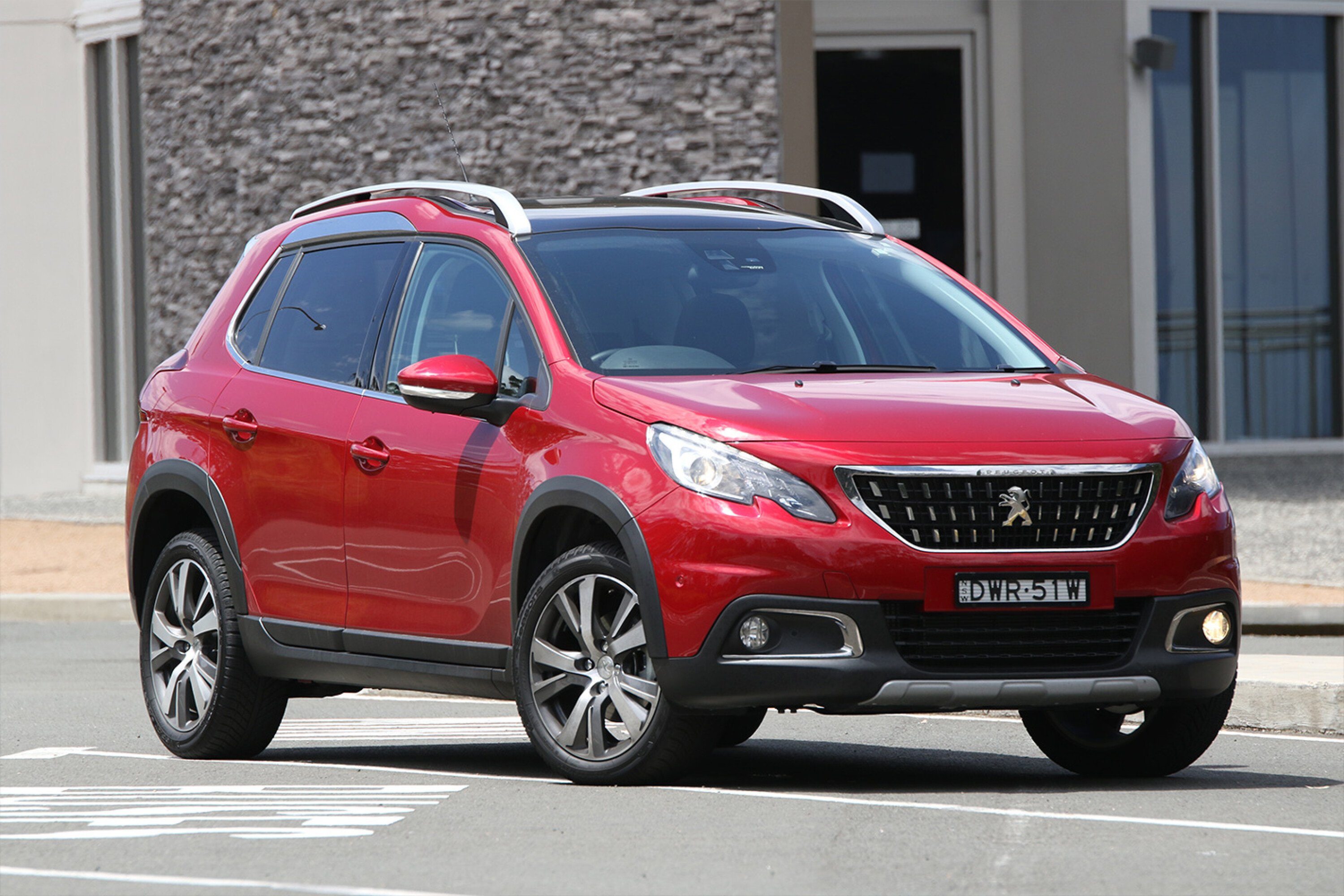
The timing belt may degrade due to aged engine oil. If left unrepaired it may result in a reduction or a loss of braking performance.
What are the hazards?
A reduction or loss in braking performance could increase the risk of an accident, causing injury or death to vehicle occupants and/or other road users.
What should consumers do?
Owners of affected vehicles can contact their preferred authorised Peugeot dealer to have the work carried out as soon as possible, free of charge.
Supplier details
INCHCAPE EUROPEAN AUTOMOTIVE PTY LIMITED
Who should owners/operators contact for more information?
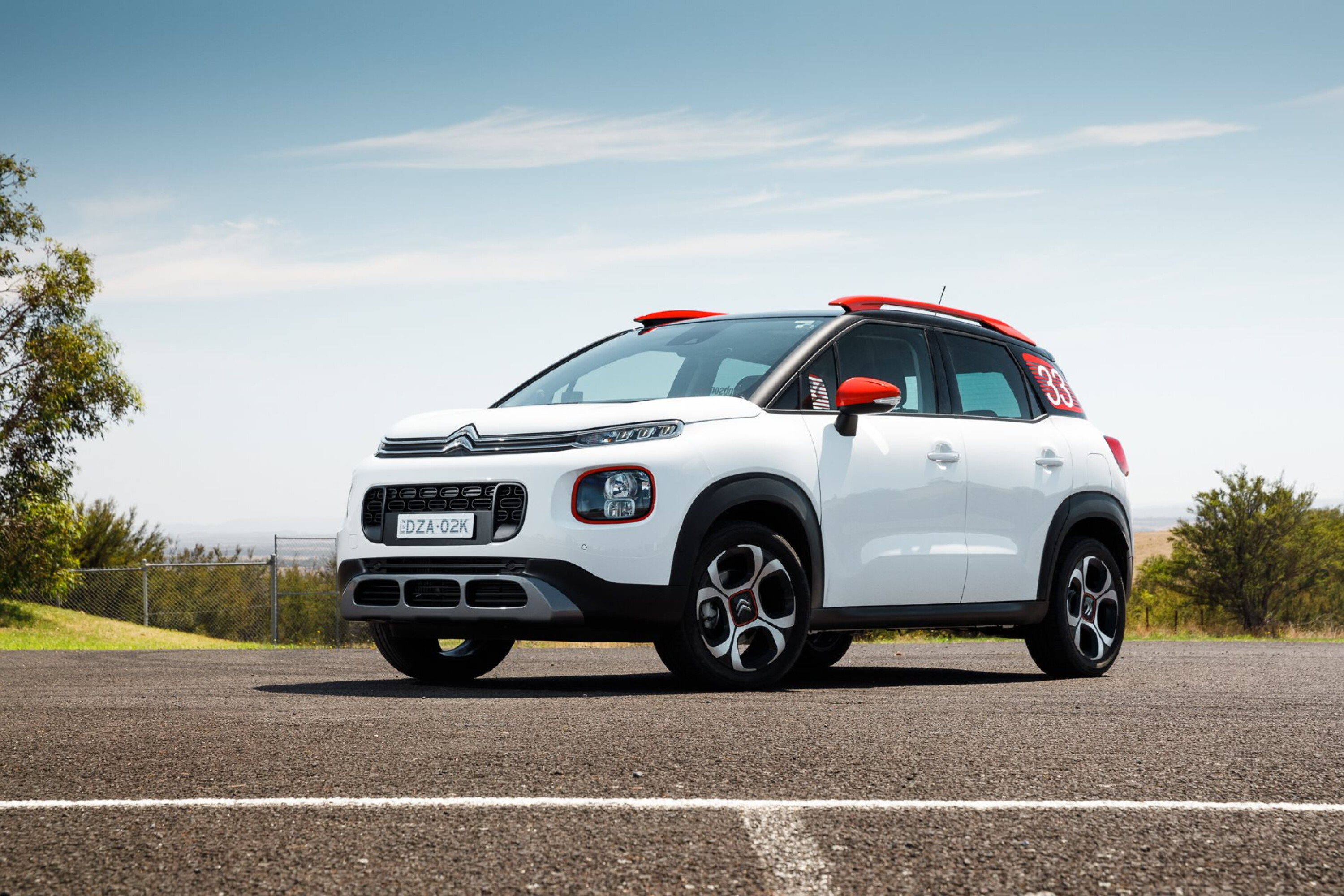
The timing belt may degrade due to aged engine oil. If left unrepaired it may result in a reduction or a loss of braking performance.
What are the hazards?
A reduction or loss in braking performance could increase the risk of an accident, causing injury or death to vehicle occupants and/or other road users.
What should consumers do?
Owners of affected vehicles can contact their preferred authorised Citroen dealer to have the work carried out as soon as possible, free of charge.
Supplier details
INCHCAPE EUROPEAN AUTOMOTIVE PTY LIMITED
Who should owners/operators contact for more information?
The tyres within this production range may not meet manufacturing specifications which may lead to deflation of the tyre.
What are the hazards?
A sudden loss of air pressure may result in loss of vehicle control increasing the risk of an accident, causing injury or death to vehicle occupants and other road users.
What should consumers do?
Owners of affected vehicles can contact their most convenient Mercedes-Benz dealership to have the work carried out as soon as possible, free of charge.
Supplier details
MERCEDES-BENZ AUSTRALIA/PACIFIC PTY LTD
Who should owners/operators contact for more information?
Customer assistance center (Mercedes-Benz Australia/Pacific)
Three weeks since it said there was no local impact, Toyota Australia has now confirmed a ‘limited number’ of its customers are affected by a massive data exposure case initially reported in Japan.
Despite previously stating that Australia’s Toyota Connected Services aren’t linked to the Japan servers and were therefore not impacted by the vulnerability, the local arm has revised its position, following further investigation.
The full statement, followed by our original story, can be found below.
Importantly, Toyota says that while some of its Australian customers are affected by the matter, it has “found no evidence that the data has been accessed”.
We may never know the full number of affected owners in Australia, however, with Toyota describing it as only “a comparatively small number”.
Unlike a conventional recall, Toyota says it is working to contact affected owners directly rather than issuing a notice with the VINs of vehicles involved in the matter.
Full Toyota Australia statement
“On 12 May, Toyota Motor Corporation confirmed that the vehicle data of some users in Japan had been publicly accessible due to an error in the configuration of a cloud-based database,” a Toyota Australia spokesperson told Wheels.
“At the time of that notification, it was our understanding that no Australian data was included but, upon continued investigation, we now know that a comparatively small number of Australian records have been impacted.
“Our investigations have found no evidence that the data has been accessed, and we have concluded that the probability is extremely low that any third party could have accessed it.
“While the data may include vehicle information, as well as some personal information such as names and some contact information, no personal financial details are included.
“Toyota Australia recognises the concern that this may cause to our customers, and we are working to contact directly those impacted to advise them of the situation, and to detail the measures that we have taken to ensure the security of our systems and their data.
“We continue to liaise with Toyota head office in Japan, and we will provide updates should additional information become available.”
Lexus not affected
Toyota’s luxury marque Lexus has confirmed with Wheels that while the data leak did affect Lexus owners in Japan, its Australian customers are not affected. However, the brand’s local spokesperson did not offer any further insight on how its Australian customers were immune to a leak that affected the wider Toyota business.
The Lexus version of Toyota’s connected services launched locally in early 2022.
1
May 18, 2023: Toyota confirms Japan data leak, Australian owners unaffected
As noted in our story update above, the details in this May 18 story are retained here for the historical record only.
Toyota Motor Corporation has confirmed the vehicle data of 2.15 million owners in Japan had been made public since 2013 due to a ‘human error’.
Importantly, the company’s local arm has confirmed to Wheels Media that no Australian owners have been affected by this security breach.
Snapshot
Data exposed for more than 2 million Toyotas in Japan
u2018Human erroru2019 left connected services system public for the past decade
Australian owners unaffected
The data leak only affects Toyota and Lexus customers in Japan who signed-up for the T-Connect and G-Link connected services respectively.
A Toyota Motor Corp spokesperson told Reuters [↗] that the cloud system was erroneously set to public instead of private between November 2013 to mid-April 2023 – due to a “lack of active detection mechanisms… to detect the presence or absence of things that became public.”
This left details open, such as vehicle locations and identification numbers, but the company claims there have been no reports of malicious use.
1
The world’s biggest automaker – and the best-selling car brand in Australia – said it has opened an investigation under Toyota Connected Corporation and would introduce a system to audit cloud settings, continuously monitor settings, and educate employees on data handling.
Australians not impacted by data leak
Toyota Connected Services launched in Australia last year with the debut of the Corolla Crosssmall SUV, and has subsequently rolled out to almost all models except the GR 86 coupe.
However, a Toyota Australia spokesperson told Wheels that the data leak doesn’t affect owners locally.
1
“Toyota Australia is informed that the cloud service platforms are Japan-based and not linked to any services we offer in Australia and therefore no Australian customer or vehicle data has been compromised,” the spokesperson said.
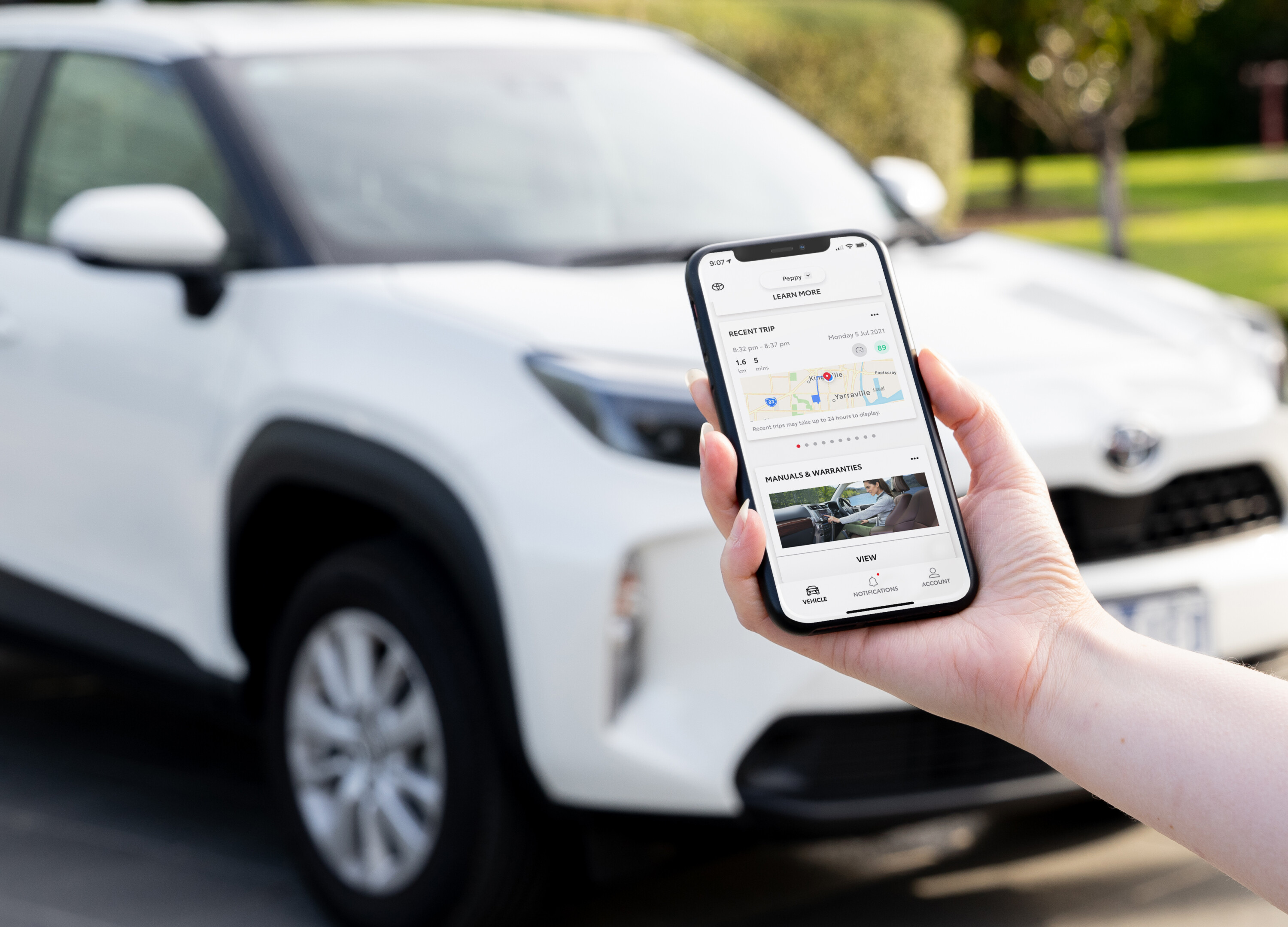
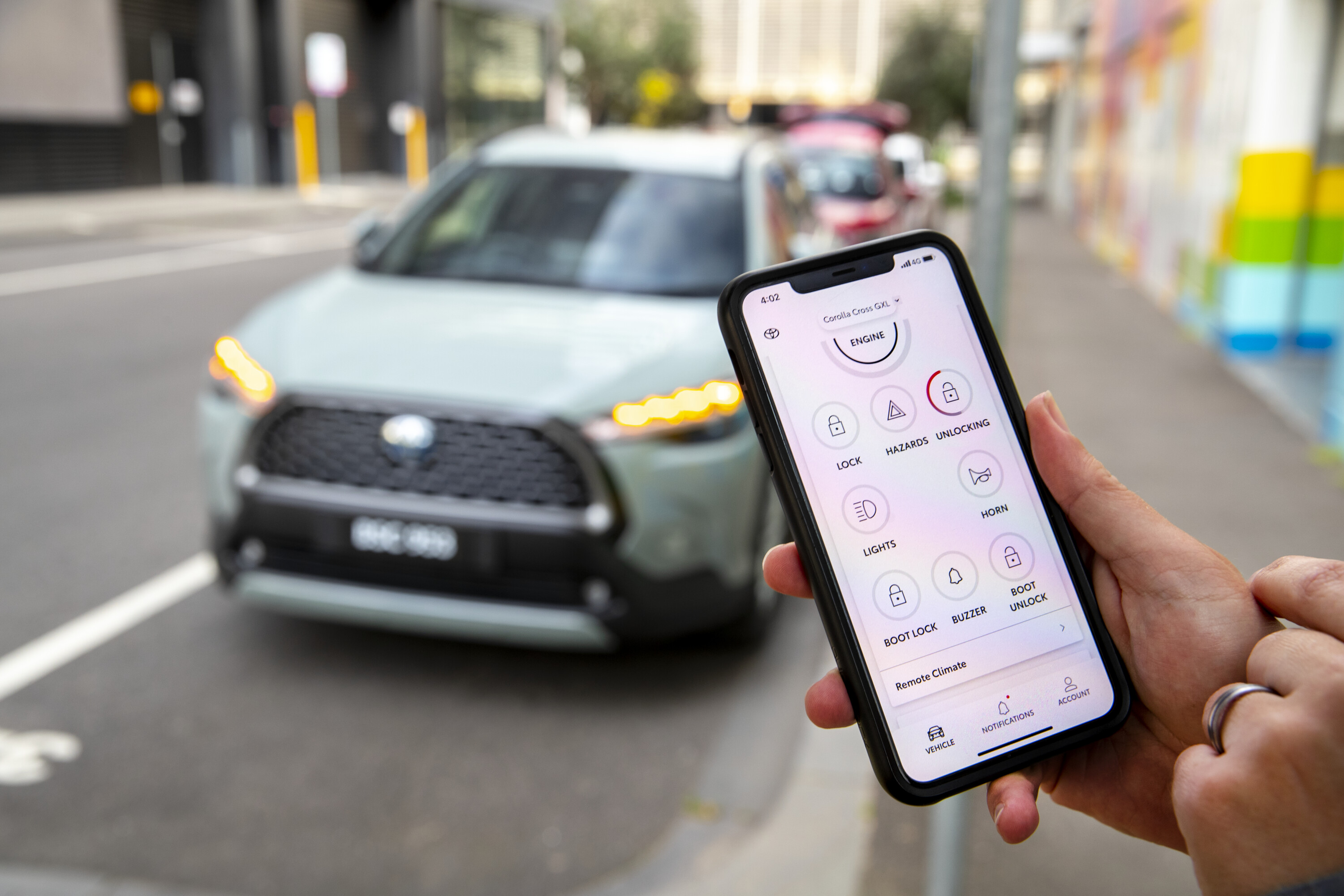
The company embeds a Telstra SIM card to enable built-in emergency services calling and a connected smartphone application to monitor the vehicle status, while higher-tier paid subscriptions unlock functions such as remote engine start, remote locking/unlocking, and a connected voice assistant.
A growing number of carmakers are offering similar connected services in Australia, including Hyundai Bluelink, Kia Connect and FordPass Connect, following in the footsteps of Tesla.
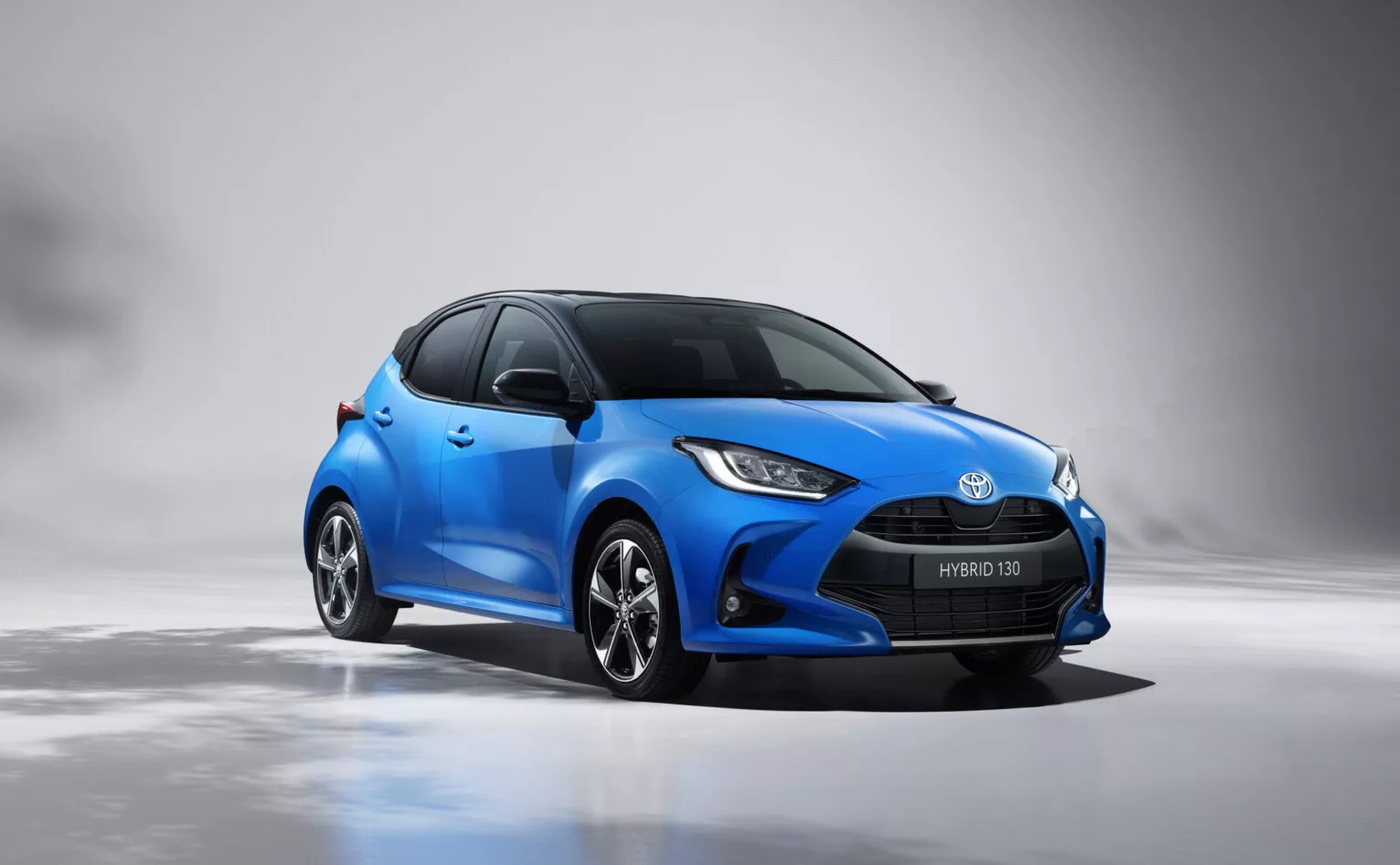
An updated 2023 Toyota Yaris has debuted in Europe, with local details to be confirmed.
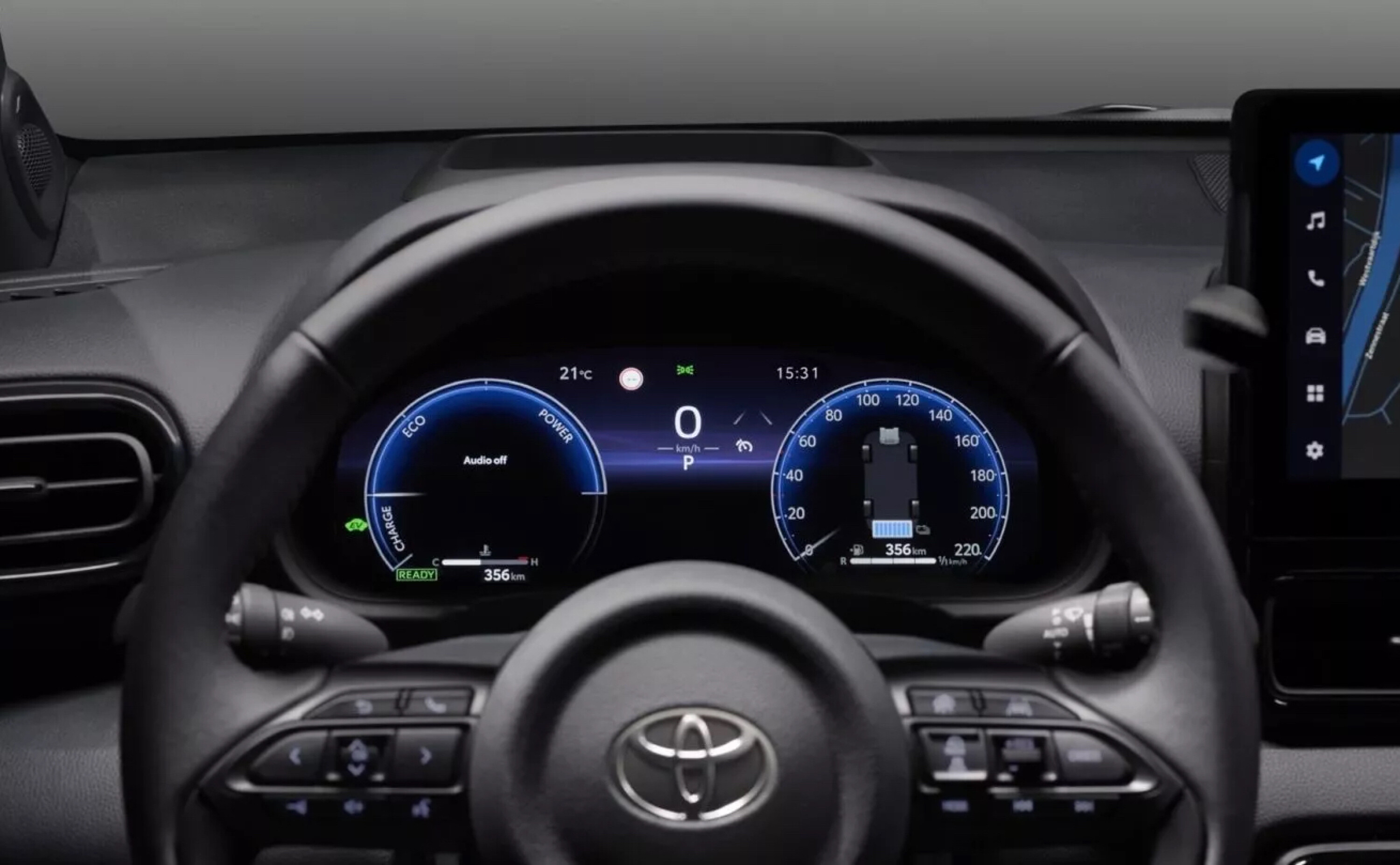
The updated Yaris light hatch is headlined by a more-powerful ‘fifth-generation’ hybrid system, a full-digital instrument cluster, and a larger infotainment system running Toyota’s latest software.
As the European-market Yaris is built in France, the new Yaris is currently limited to that continent, but similar changes are expected to be soon made to the Japanese-built Yaris sold in Australia.
1
“The European Toyota Yaris is manufactured at its own plant in France, whereas the Australian market model is manufactured in Japan,” said a Toyota Australia spokesperson.
“We are always looking at ways to improve our local Toyota Yaris product offering, but we have nothing to announce today.”
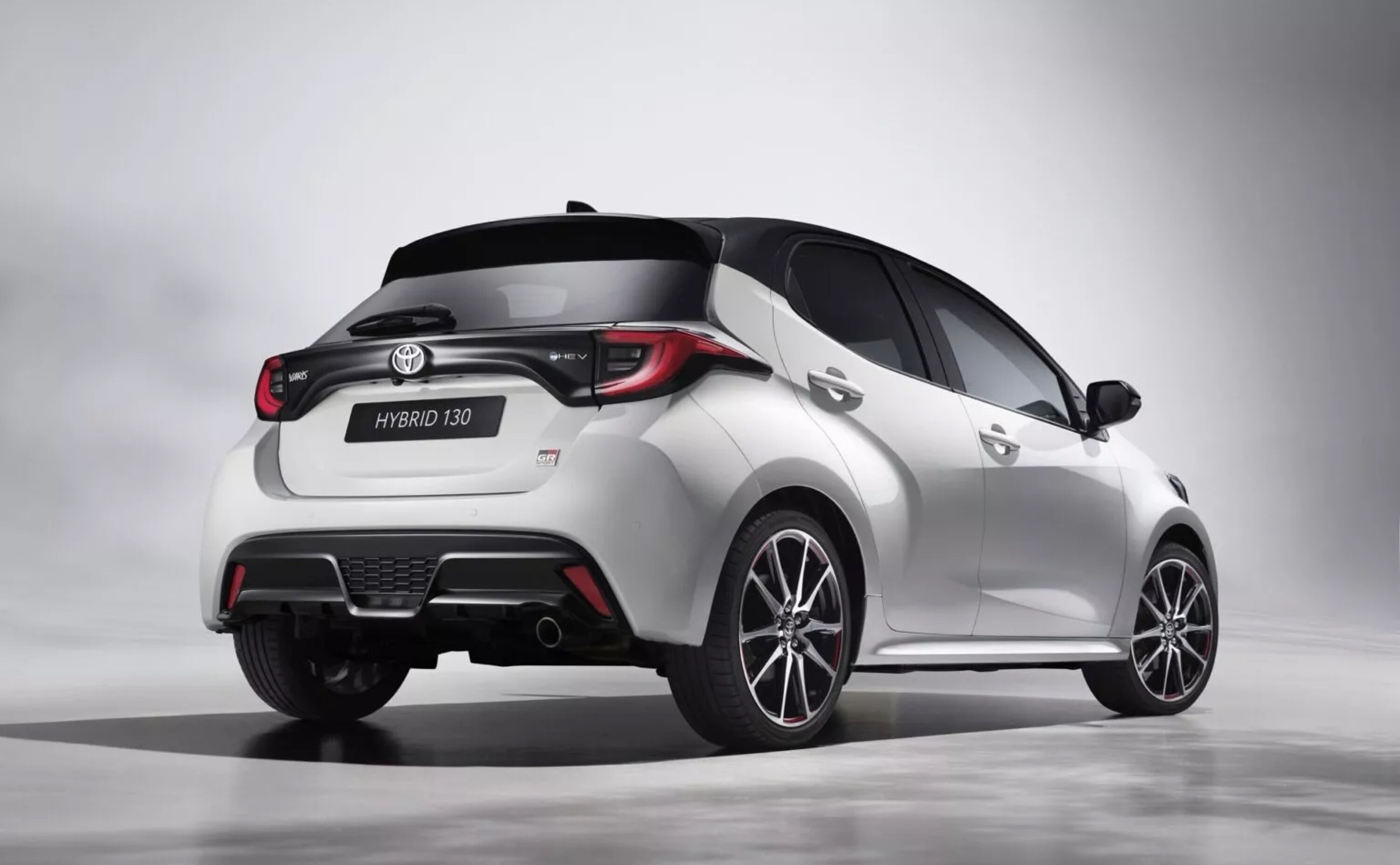
The new hybrid powertrain, badged ‘Hybrid 130’, sits above the existing ‘Hybrid 90’ option.
Revisions include a new transaxle with a more-powerful electric motor and updated software to provide a 12 per cent power and 30 per cent torque bump.
The more-potent Yaris hybrid has a 96kW and 185Nm total system output, up from 85kW and 141Nm.
Toyota claims the added performance has reduced the Yaris’s 0-100km/h sprint time by 0.5 seconds, to 9.2 seconds, while the claimed 80 to 120km/h acceleration time has fallen to 7.5 seconds.
It has a claimed CO2 emissions output of 116g/km, compared to 96g/km for the standard hybrid available in Australia.
This hybrid powertrain will be offered in higher-spec grades and standard for Europe’s Yaris GR Sport and Premiere Edition.
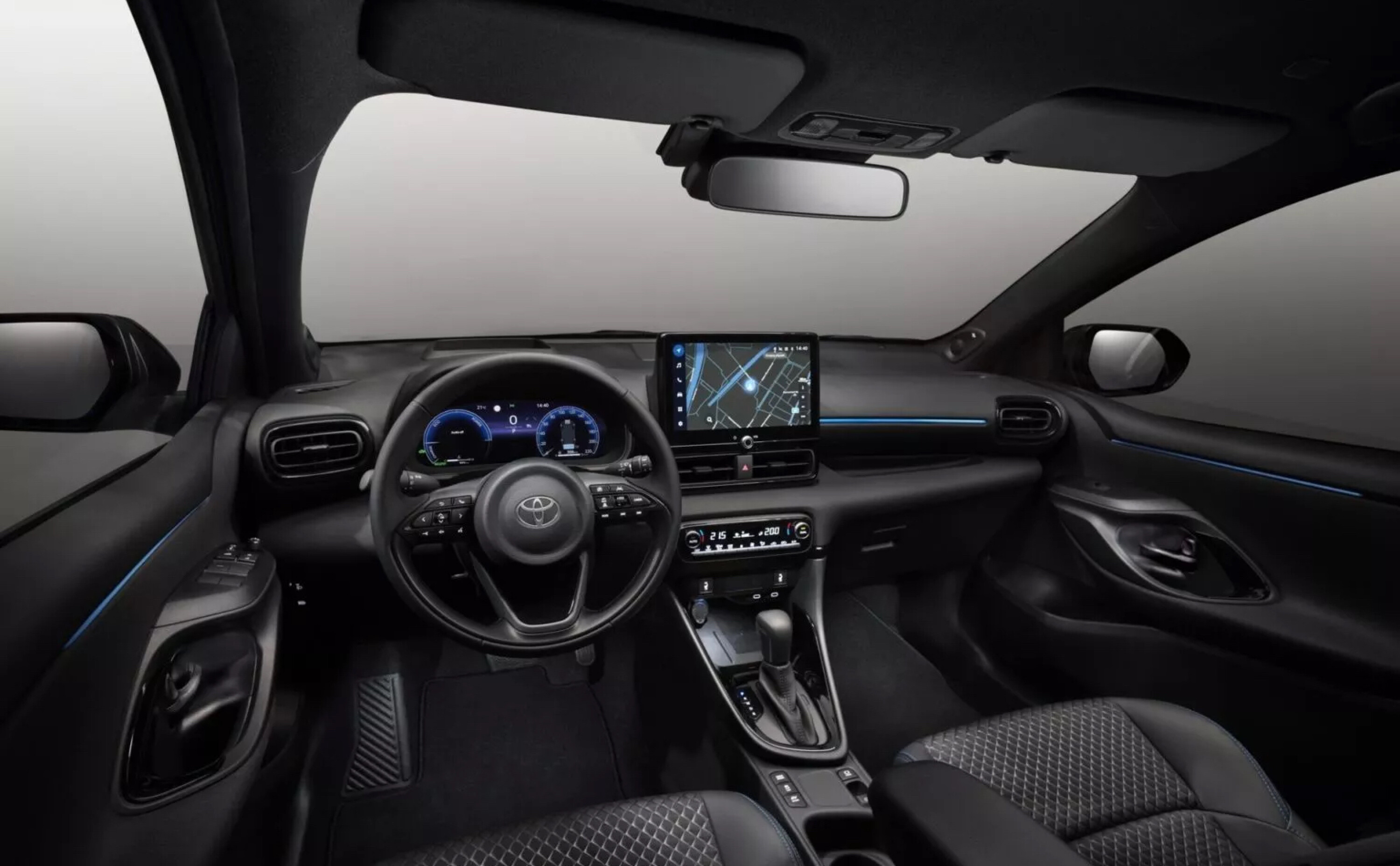
Inside, the updated Yaris gains a 12.3-inch digital instrument cluster and 10.5-inch infotainment system for flagship variants, while lower-spec models feature a smaller 7-inch semi-digital cluster and a 9-inch touchscreen.
Both central screens run Toyota’s latest infotainment system, with wireless Apple CarPlay and Android Auto, over-the-air software updates, digital key support, ‘Hey, Toyota’ voice control, and Connected Services.
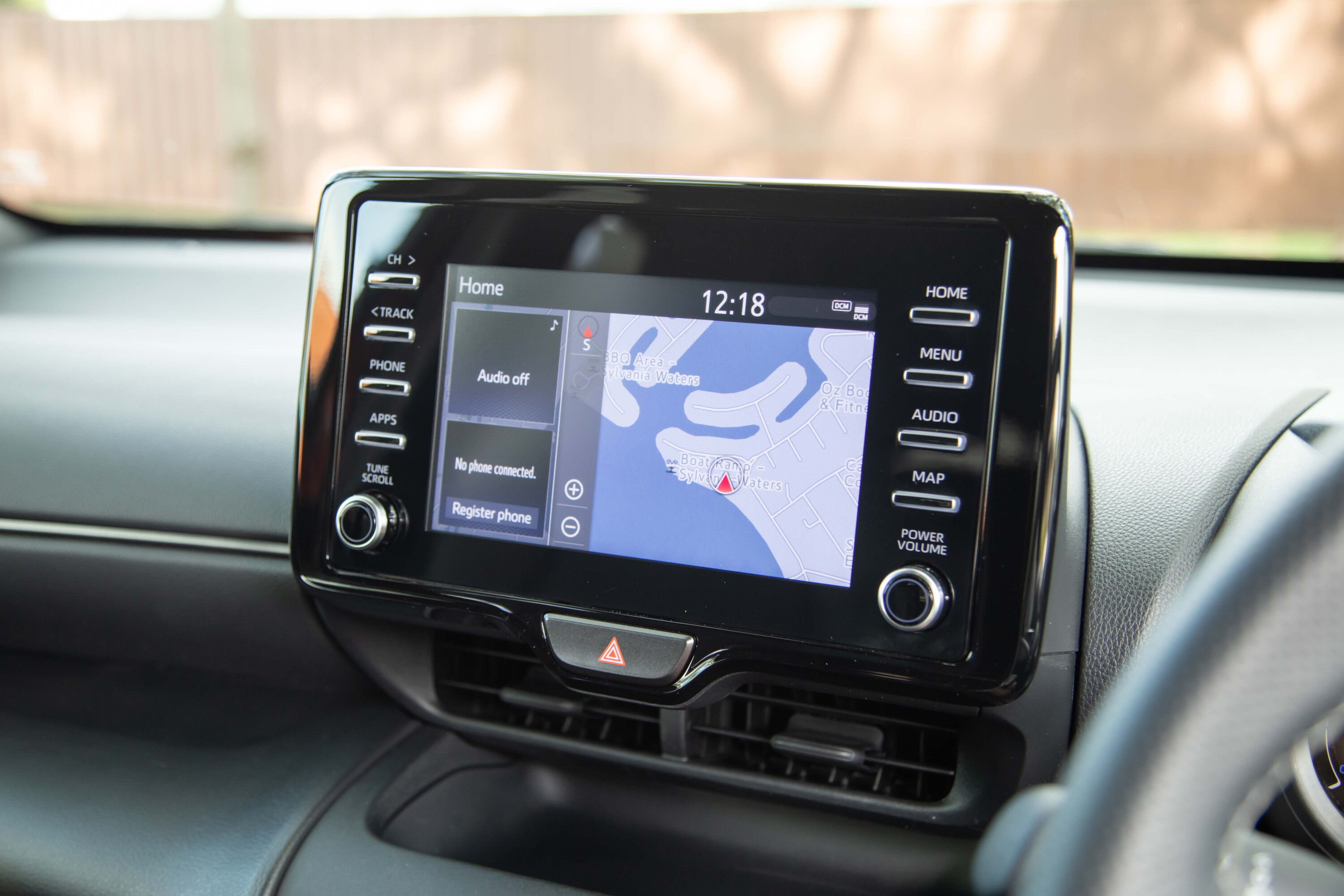
Currently, local Yaris examples are fitted with a 7-inch screen running Toyota’s older infotainment software with wired smartphone connectivity, and a 4.2-inch multi-information display.
3
The updated Yaris also has updated active safety equipment, including head-on collision and motorcyclist detection, acceleration suppression, low-speed steering assist, deceleration assist, an emergency stop system, safe exit assist, and child presence detection.
Toyota said it has improved the Yaris’s adaptive cruise control “to respond more quickly and operate with a more natural feel” with ‘undertaking’ prevention, while the lane departure warning will automatically deactivate to avoid obstacles, including vulnerable road users.
The updated 2023 Toyota Yaris will go on sale in Europe in June.
Australian details are expected to be confirmed when a similar update is announced for the Japanese-built Yaris.