
While the recall for the Golf was issued in November 2022, the notice for the Cupra Leon and Formentor was published this month.
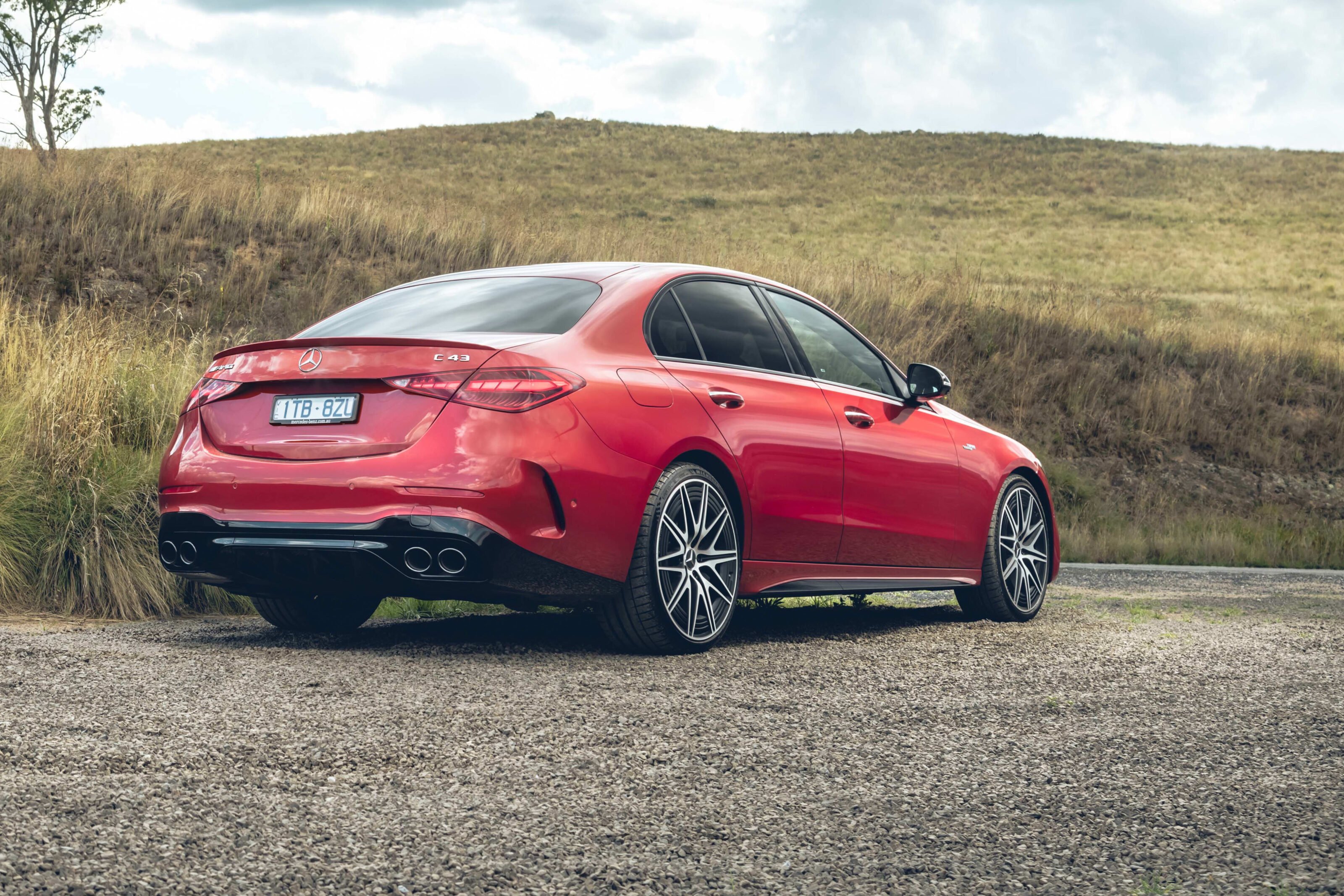
The winds of change are blowing hard in the land of the fast Mercedes-Benz C-Class. Where the modus operandi was once ‘big engine, big noise and big personality’ the boffins inside Merc’s go-fast division are now following a very different formula.
Small, highly strung engines shot through with electricity are the new calling card and while the flagship AMG C63 S E Performance might best embody this fresh philosophy, exactly the same approach applies here, with the all-new Mercedes-AMG C43 which has just arrived in Australia.
Like the C63, the C43 unceremoniously ditches a larger engine for a small one (3.0-litre twin-turbo V6 in favour of AMG’s M139 2.0-litre four pot) and the electric innovation at play here is a new electrified turbocharger that, AMG says, banishes any form of turbo lag.
It’s a tricky pice of tech that wedges an electric motor onto the shaft between compressor and turbine wheels but while it works well, the downside to all this added complexity is a sharp spike in price.
1
The C43 now starts at $134,900 – which doesn’t only make it $20,000 pricier than the old C43 but a whopping $30,000 more than rivals like the Audi S4 and the very good BMW M340i xDrive, which is actually quicker, drinks less fuel and majors on driver involvement. So is a more advanced, more steely eyed and more expensive C43 a better sports sedan? Or has AMG over-complicated a successful formula?
JUMP AHEAD
- How much is it, and what do you get?
- How do rivals compare on value?
- Interior comfort, space and storage
- What is it like to drive?
- How safe is it?
- VERDICT
- Specifications
How much it is and what do you get?
To help justify its richer price tag, the new C43 is bristling with a long list of advanced chassis hardware and standard equipment.
Aside from the sparkling new powertrain, which we’ll explain in detail in a minute, every C43 is all-wheel drive and features an AMG-specific fixed torque split of 31:69 front-to-rear.
There’s also four-wheel steering, which can turn the rear wheels by up to 2.5 degrees to improve low-speed agility and high-speed stability, and the suspension now includes three-stage AMG Ride Control adaptive damping.
A sports exhaust is also standard and the good news on that front is that unlike Euro-spec cars which are fitted with sound-strangling petrol particulate filters, Aussie C43s can breathe more freely and sound considerably louder.
1
With Race Start dialled up, this new C43 can hit 0-100km/h in 4.6 seconds.
A new nine-speed automatic gearbox also features and it’s not only lighter and faster, but it’s fitted with a wet start-off clutch instead of a conventional torque converter, which brings launch control. Incidentally, with Race Start dialled up, this new C43 can hit 0-100km/h in 4.6 seconds.
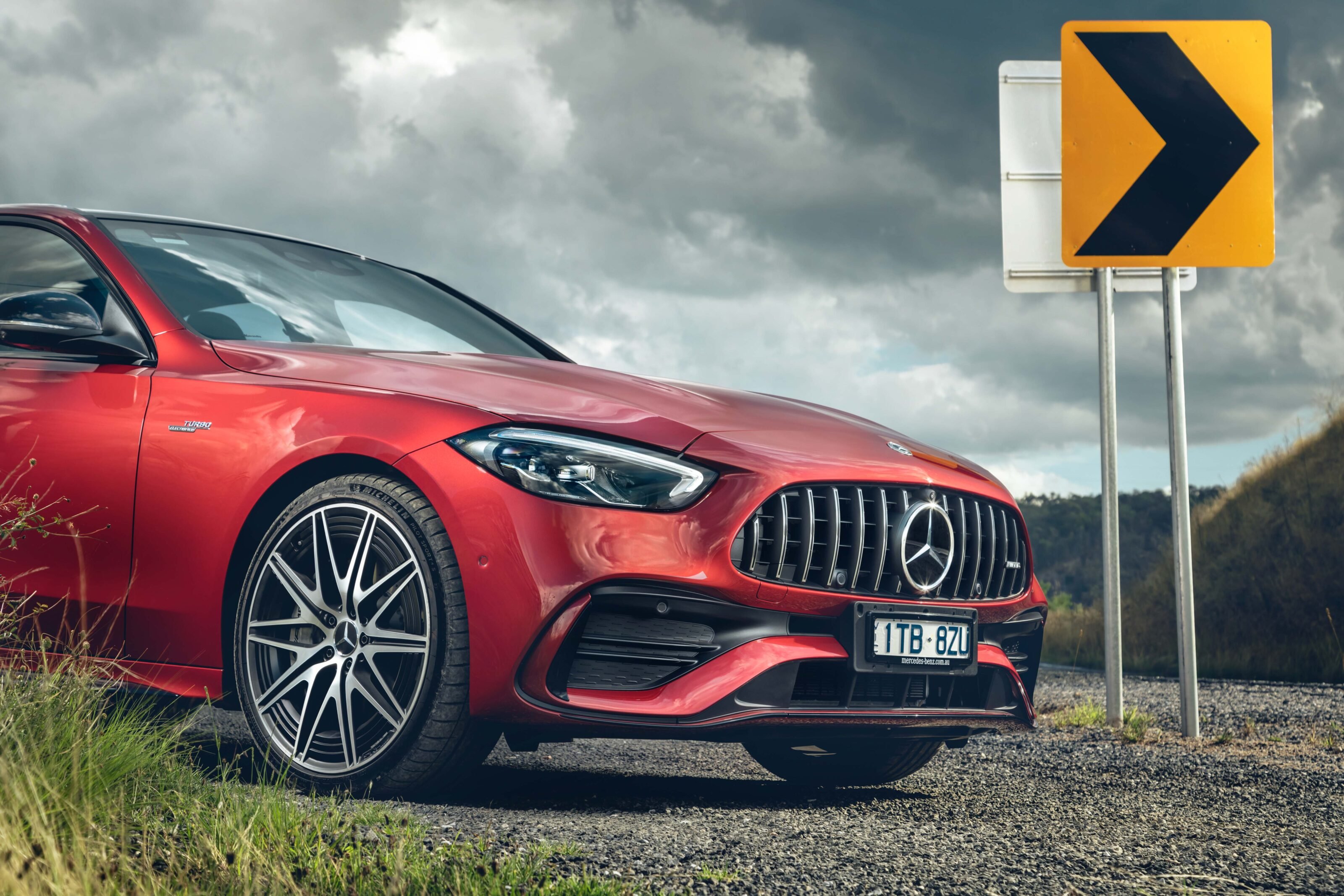
Aussie cars roll on 20-inch alloys as standard (smaller 18s and 19s are available in Europe) and lurking behind those big wheels is an uprated steel braking system. Front discs measure 370mm and are clamped by four-piston callipers, while the rear discs are 320mm with single piston callipers. Tyres are staggered and measure 245/35 ZR 20s up front and 265/30 ZR 20s out back.
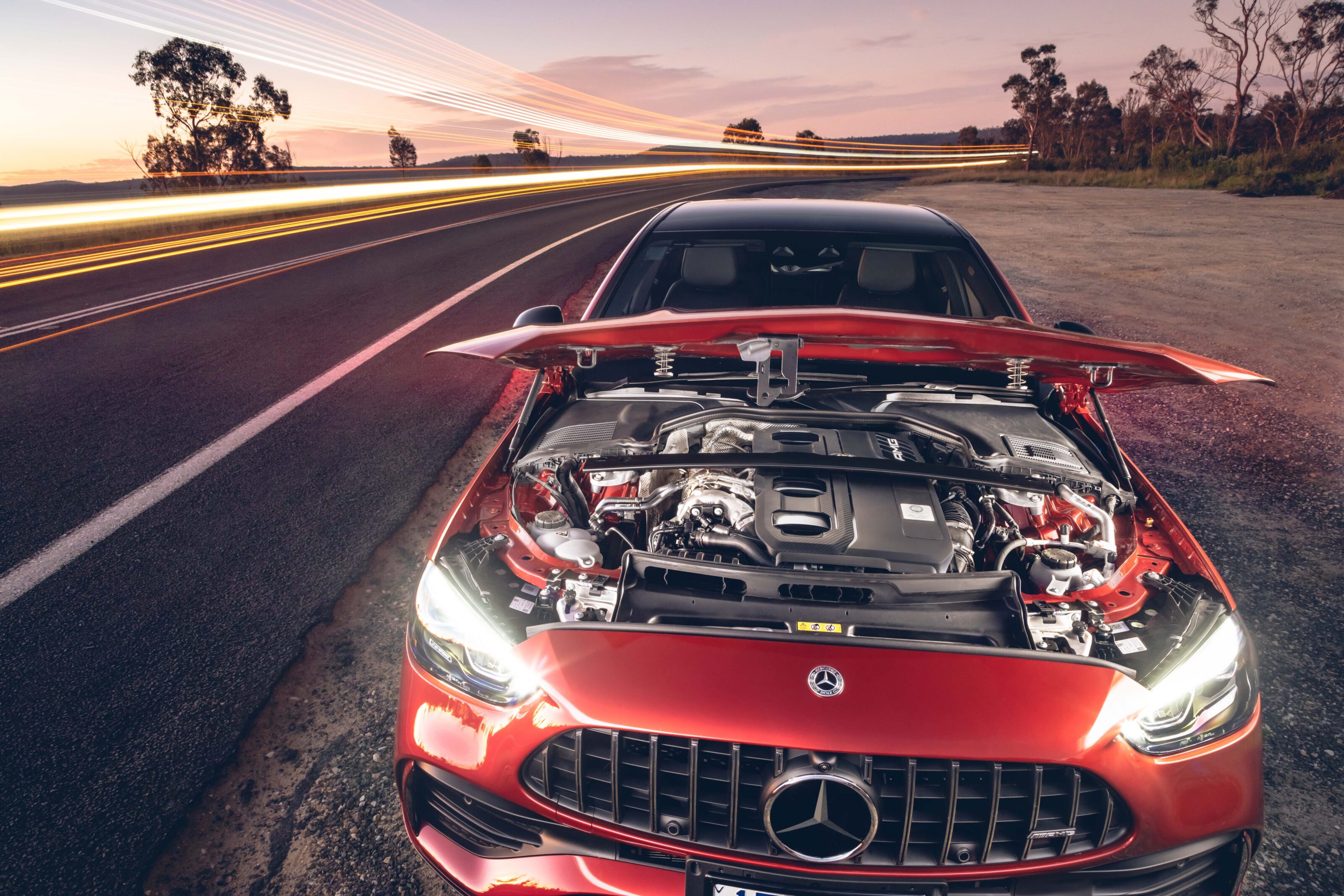
Now, the engine. The core unit is the same, hand-built M139 2.0-litre engine that powers the Mercedes-AMG A45 hyper hatch only it’s mounted longitudinally in the C43’s engine bay rather than east-west.
1
The turbo bolted to it is supplied by Garret, and it’s built around a similar ‘split’ design to the turbo found on Lewis Hamilton’s F1 car.
A small 6kW brushless electric motor is mounted on the shaft between the compressor and turbine wheels and because it’s powered by the C43’s 48V mild-hybrid system, it can spin up the turbo instantly. No waiting for the revs to rise and exhaust gases to build.
Total outputs are rated at 300kW and 500Nm (a belt-driven starter generator can also inject an additional 10kW in certain situations) and AMG has injected a decent helping of character into the sportier drive modes where you’ll notice extra pops and bangs from the exhaust and more assertive shifts from the 9-speed ’box.
Oh, a final point to make: this time around the C43 will be offered solely as a sedan. The coupe and cabriolet versions that were available in the previous generation are being dropped and will instead morph into a new model, likely to be badged as the CLE, that will sit between the C- and E-Class for size and price.
1
How do rivals compare on value?
This section makes tough reading for the C43.
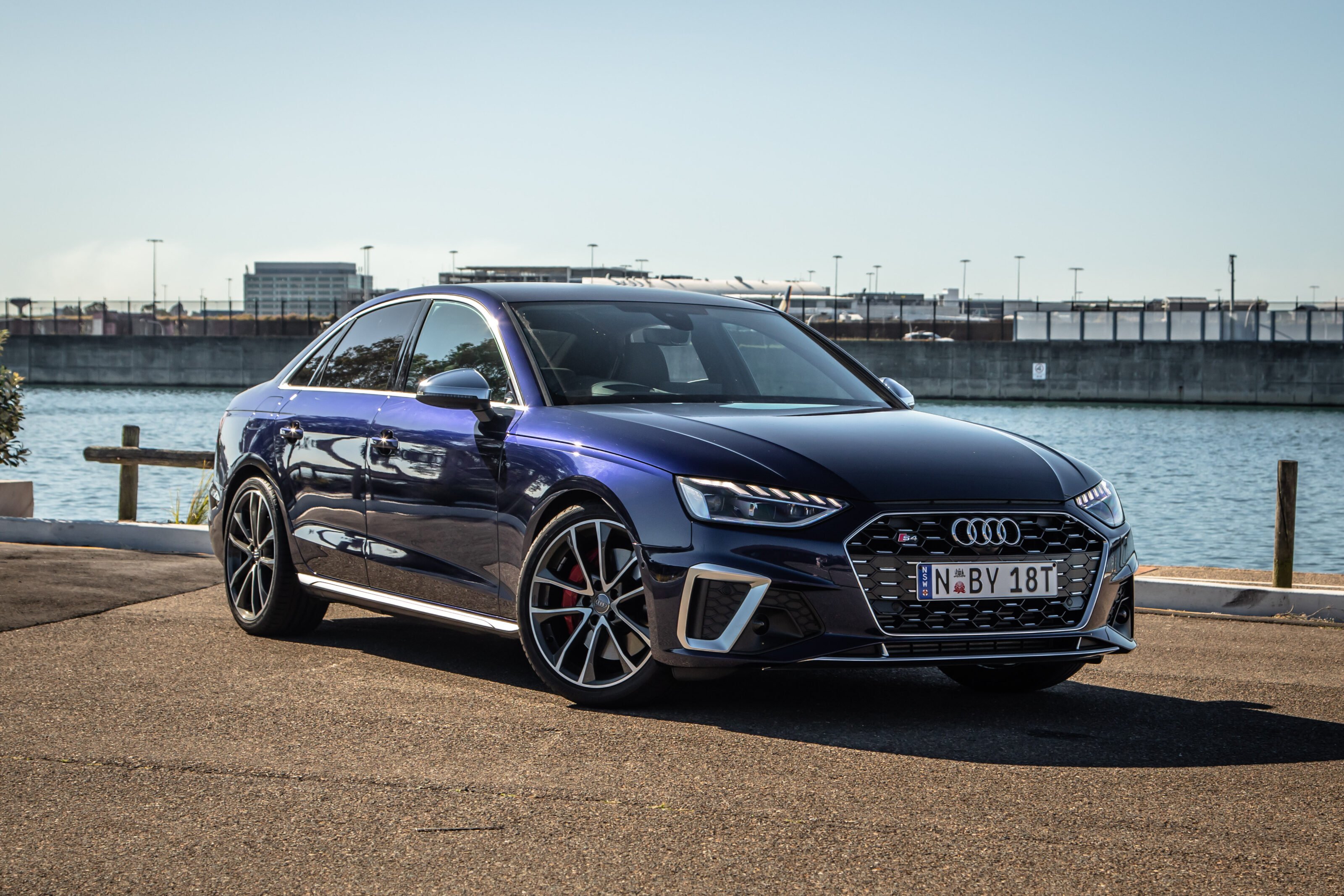
Not only is it substantially pricier than before, but next to its closest rivals in the Audi S4 and BMW M340i, the C43 is a significant $30,000 more expensive.
Worse, the Mercedes doesn’t hold an obvious advantages on paper.
MINI MATCH-UP
| Mercedes-AMG C43 | Audi S4 sedan | BMW M340i xDrive | |
|---|---|---|---|
| Engine | 2.0-litre 4cyl + electric turbo | 3.0-litre V6 turbo | 3.0-litre inline 6cyl turbo |
| Power | 300kW @ 6750rpm | 260kW @ 5400rpm | 285kW @ 5500rpm |
| Torque | 500Nm @ 5000rpm | 500Nm @ 1370rpm | 500Nm @ 1850rpm |
| Gearbox | 9-speed automatic | 8-speed automatic | 8-speed automatic |
| 0-100km/h | 4.6sec | 4.7sec | 4.4sec |
| Economy | 9.4L | 8.6L | 8.0L |
| Price | $134,900 | $105,600 | $104,900 |
Both the Audi and BMW have larger 3.0-litre six-cylinder engines, and while they might be down slightly in the power stakes (260kW for the S4 and 285kW for the 340i plays 300kW in the C43), they offer an identical amount of torque at 500Nm.
The Audi’s 0-100km/h time is only a tenth slower than the C43, too, and the BMW is actually two tenths quicker to three figures than the Mercedes at 4.4 seconds.
Both rivals also drink less fuel on the official combined cycle, which puts a slight dent in the C43’s argument on the benefits of downsizing.
1
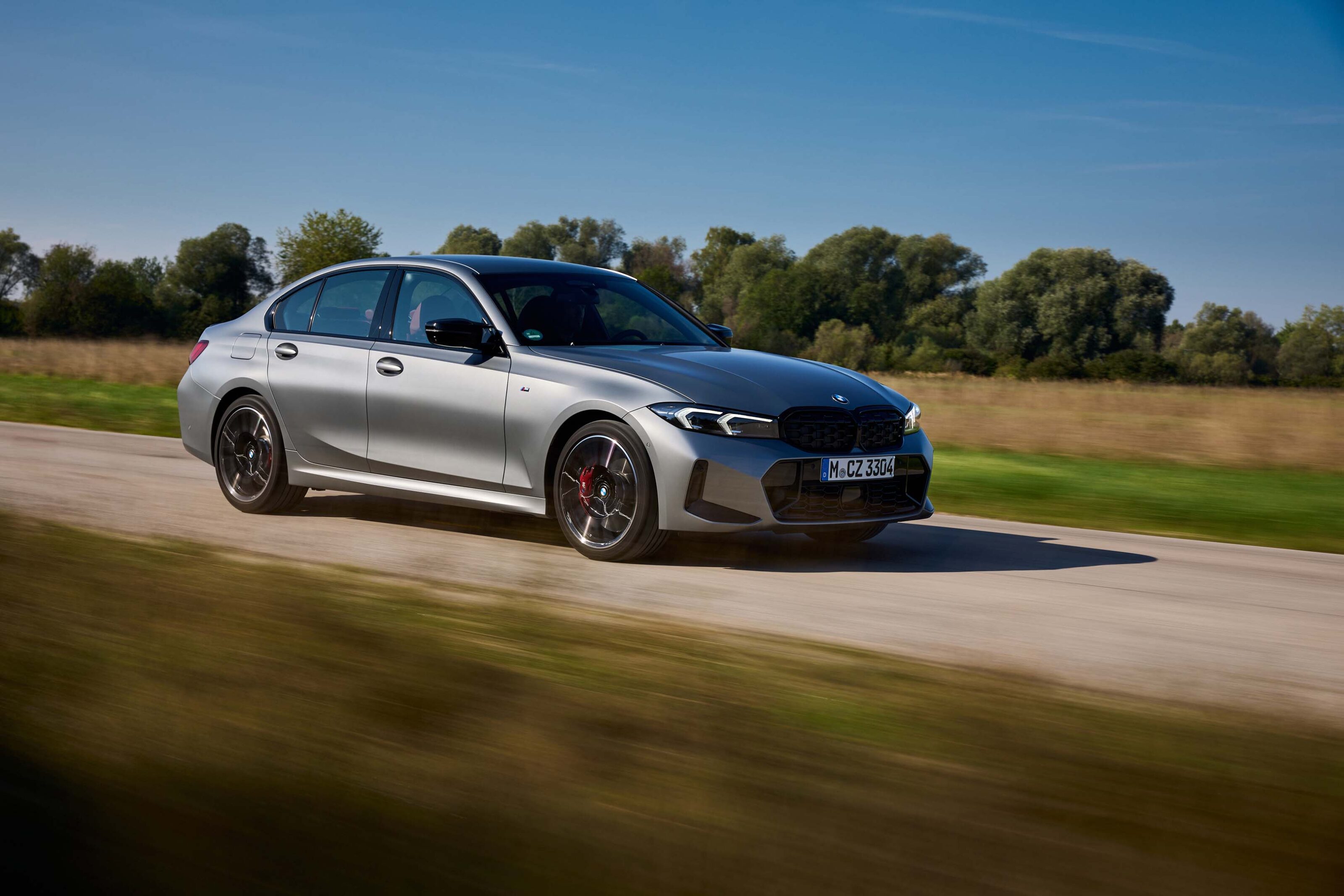
The BMW’s straight six engine is an absolute peach, too, and although we’re yet to do a direct comparison between the C43 and M340i, we’d wager the BMW might have the edge for outright dynamics and driver appeal.
Where the C43 shoulders its way to the front of the pack is for interior presentation. Its screen-heavy dash and richly trimmed cabin feel modern and more luxurious and Mercedes will also likely point to the high-tech nature of the C43’s powertrain and chassis hardware as key reasons for its higher price tag, but on paper at least, the C43 is a tough sell when you judge it solely on value.
1
Interior comfort, space and storage
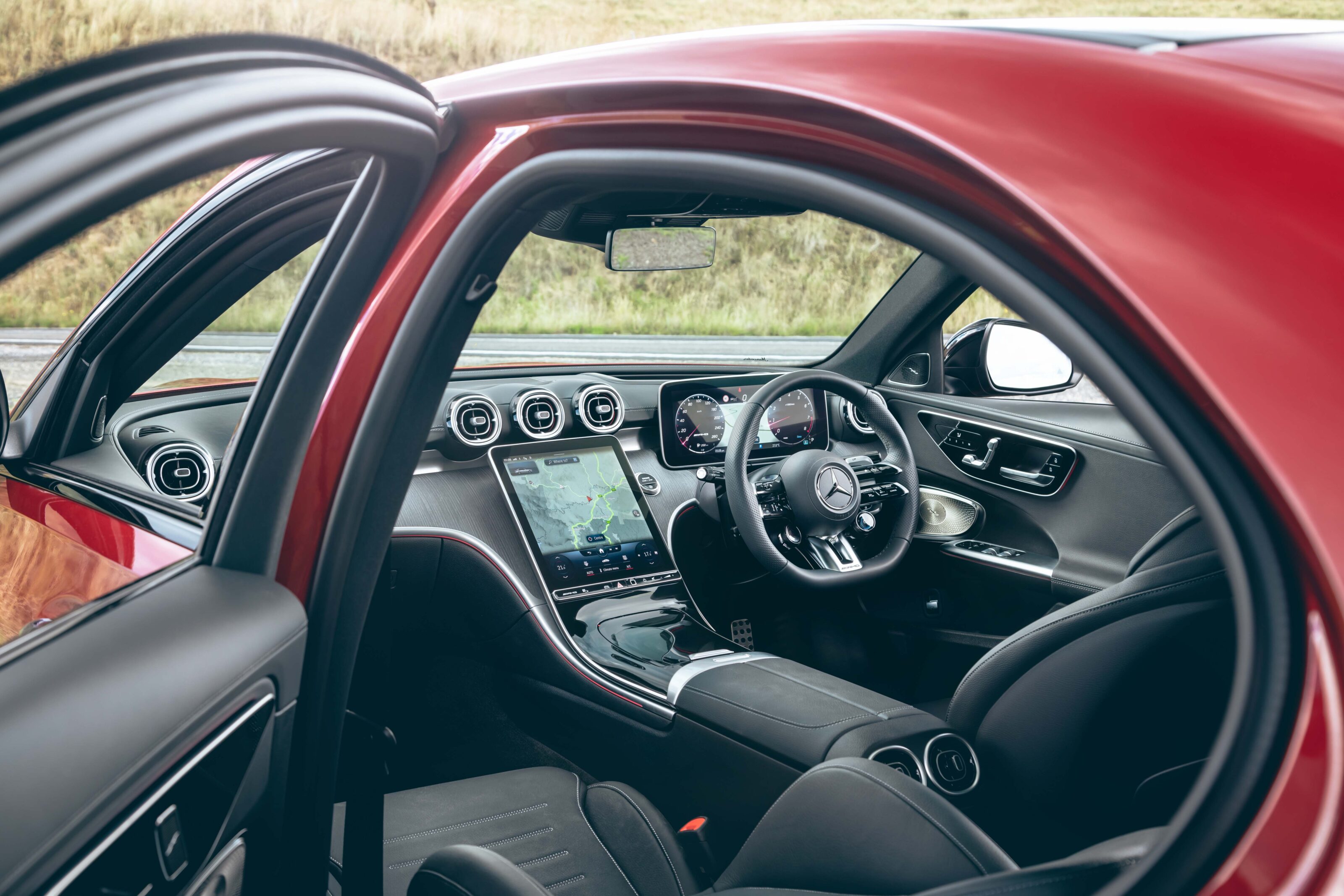
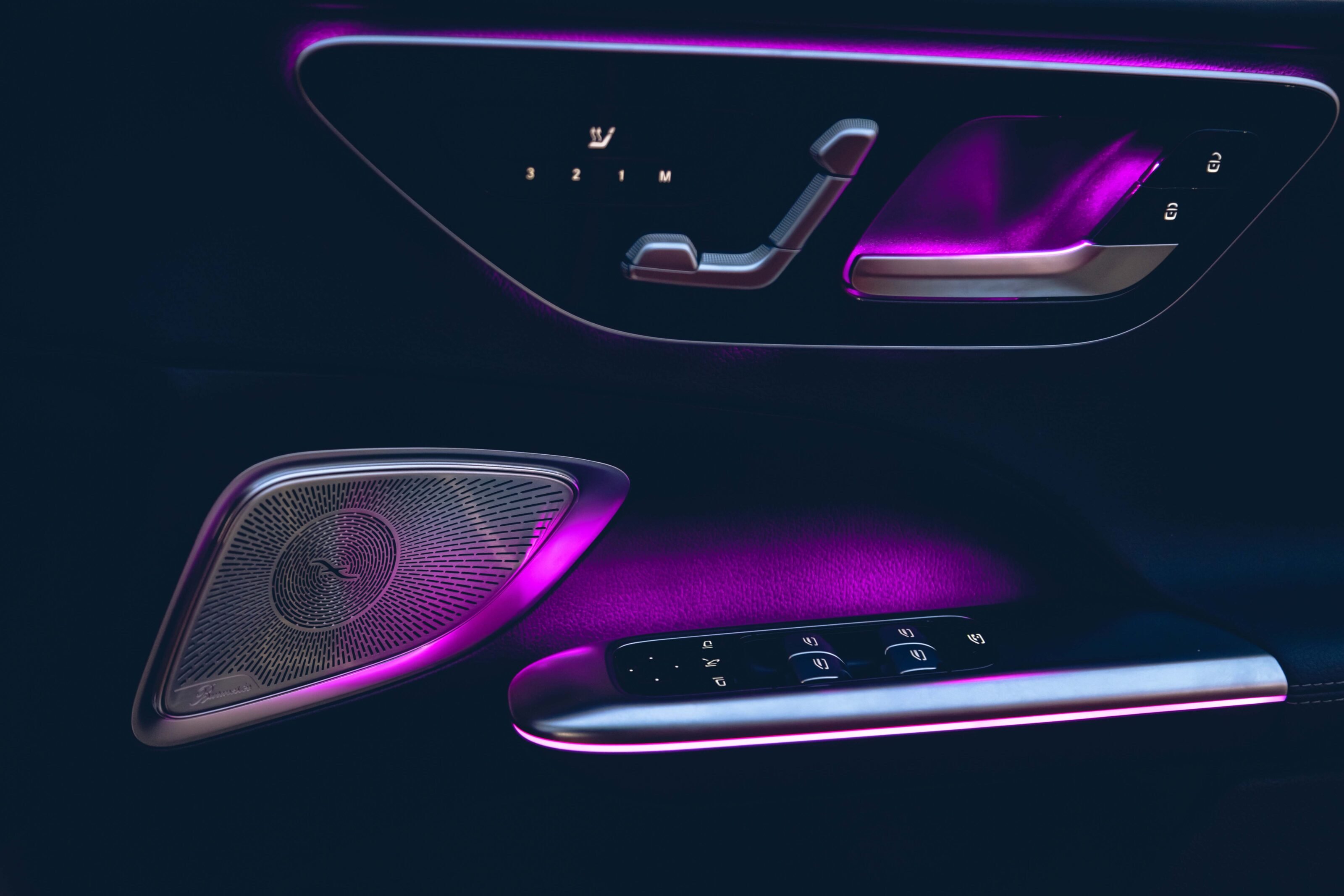
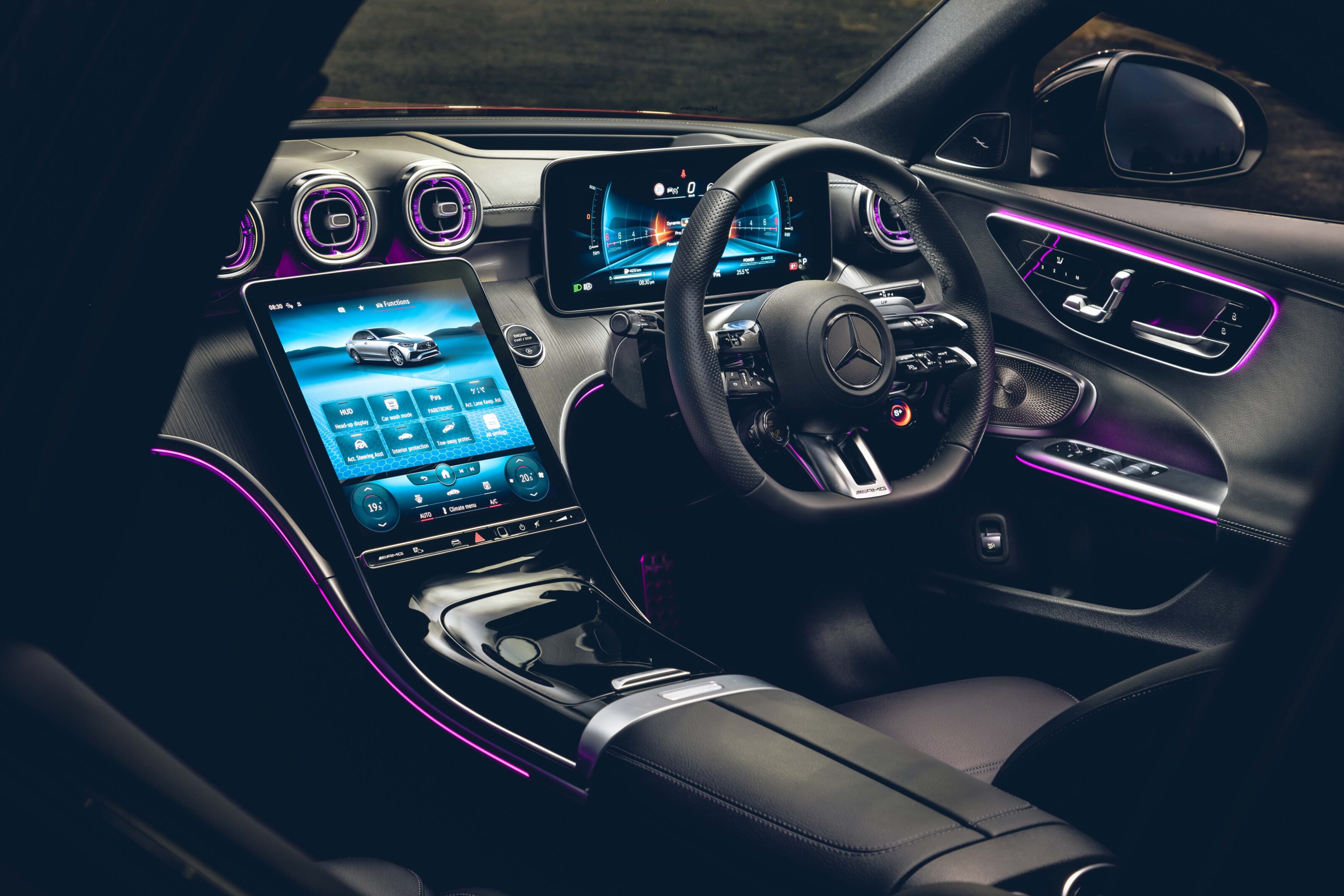
Like all new versions of the W206 C-Class, the new C43’s cabin majors on wow factor.
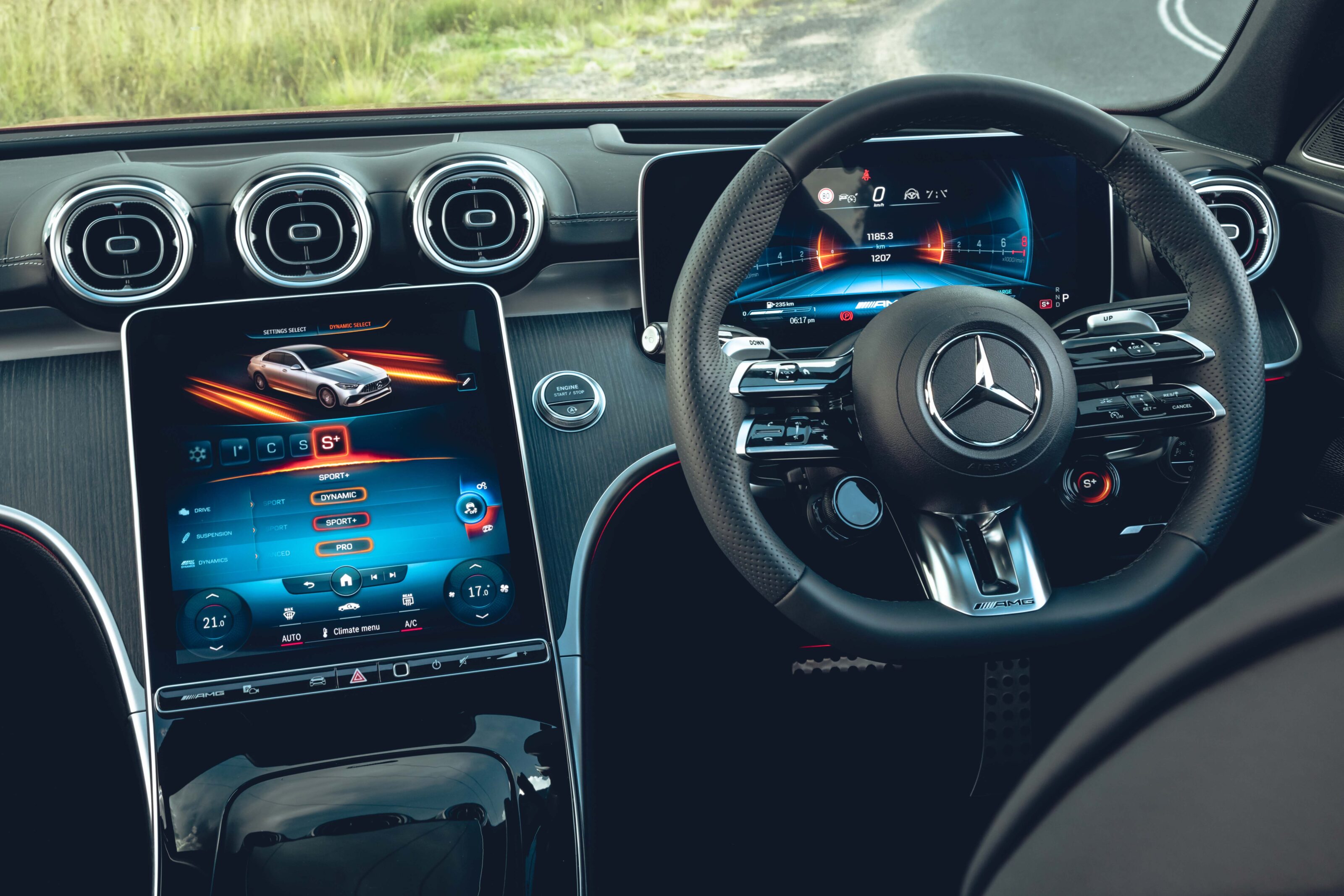
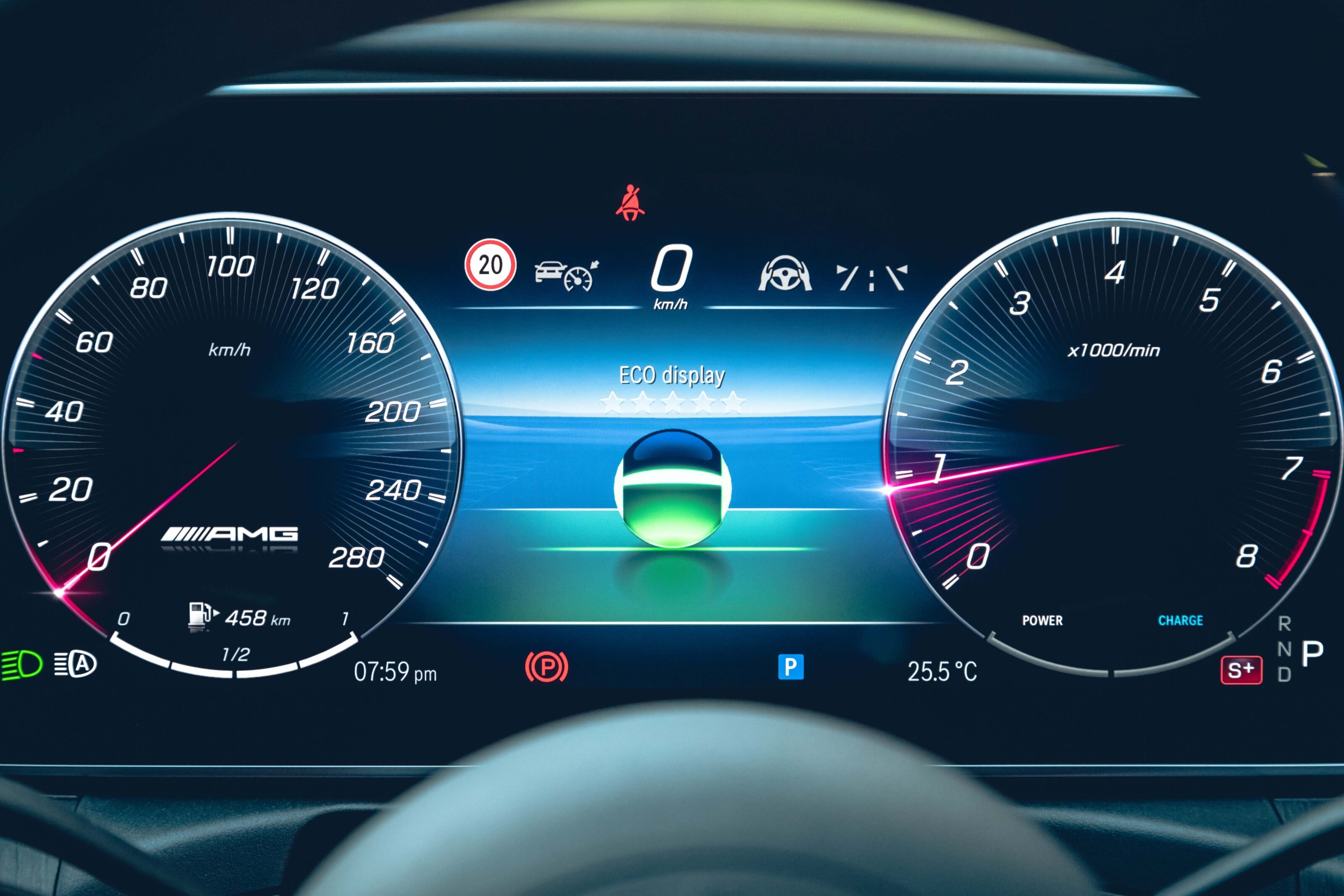
Aussie cars score digital dials and a head-up display as standard and the 11.9-inch portrait centre screen is enormous and impressive.
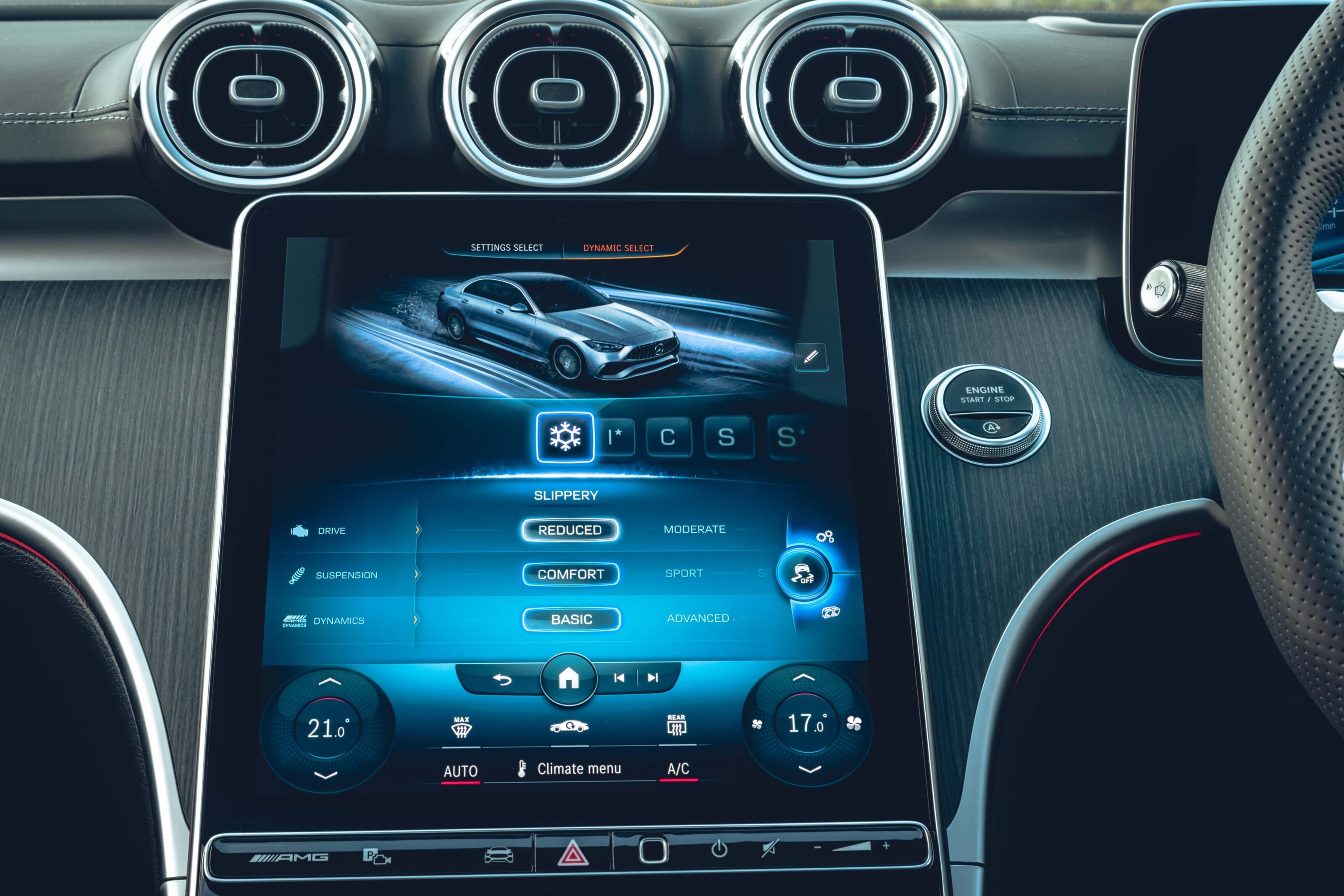
The graphics, response and usability of the infotainment is excellent, too, and wireless Apple CarPlay and Android Auto are standard. Connectivity-wise, there’s a wireless charging pad for your phone and four USB-C ports in the front of the cabin.
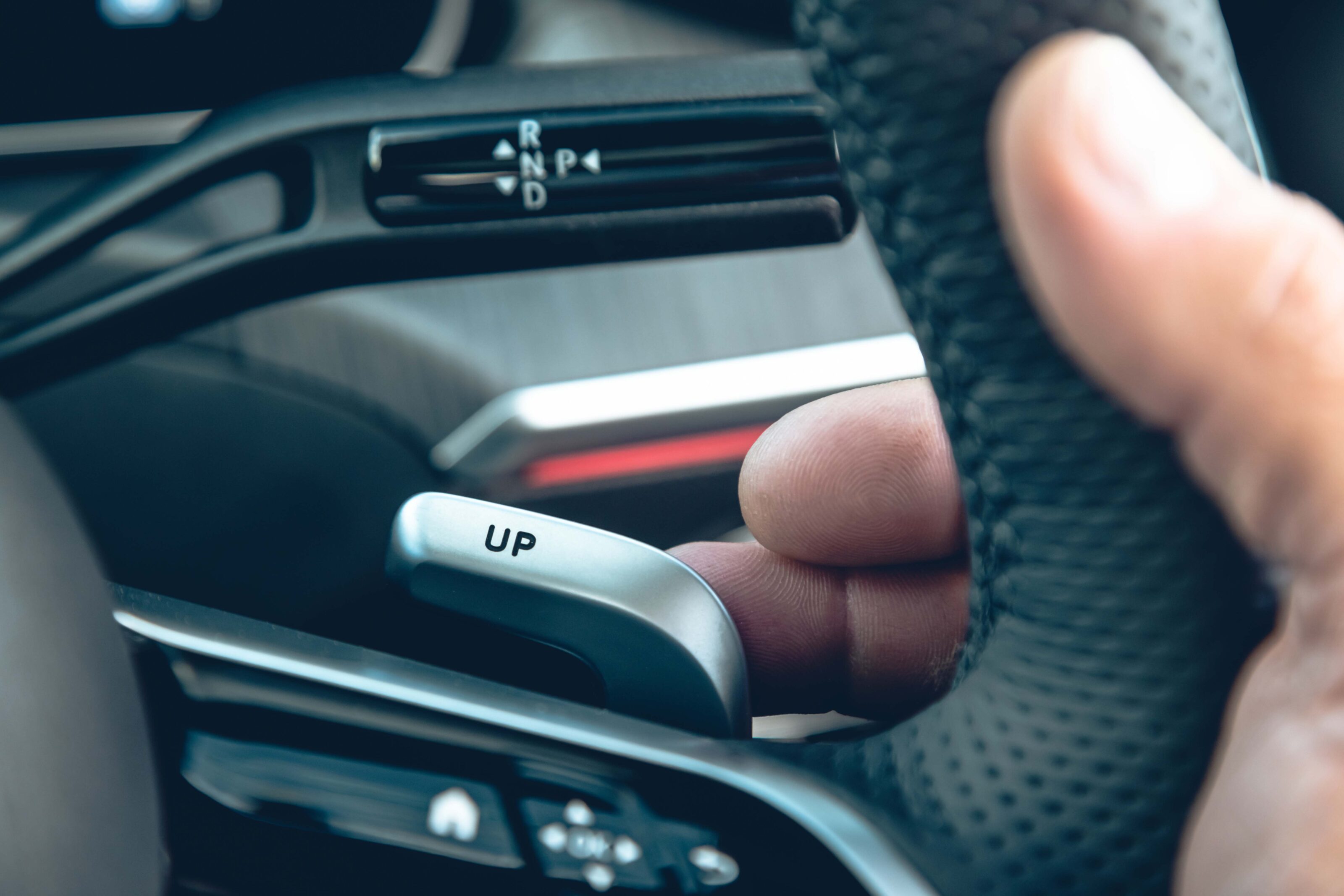
As for AMG-specific touches, the C43 gains a flat-bottom steering wheel trimmed in Nappa leather, complete with aluminium shift paddles. The wheel also includes twin rotary-like dials that hang below both spokes so you can easily cycle though the many drive modes and individual settings for the exhaust, dampers and gearbox.
1
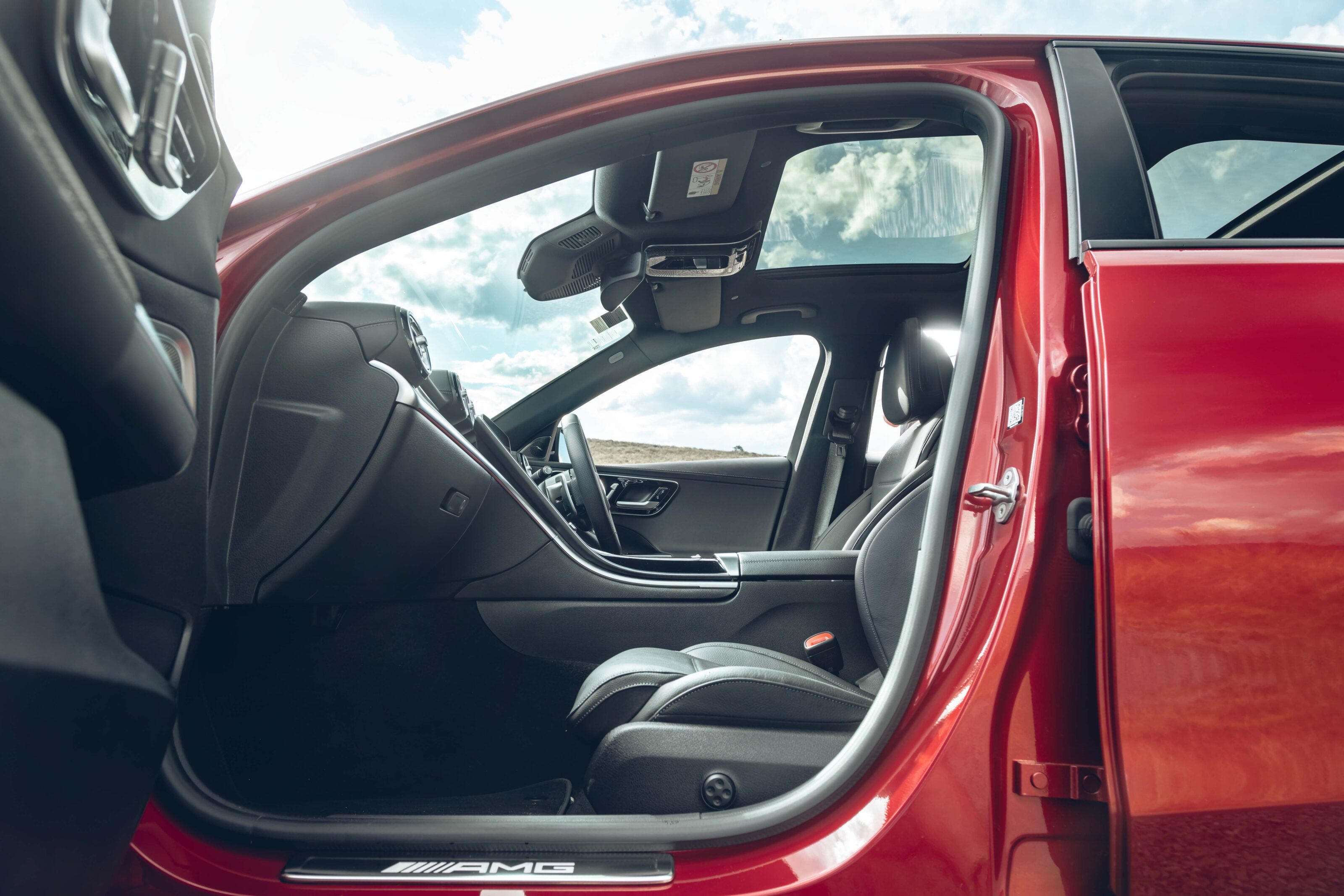
Sportier and more heavily bolstered leather seats also feature as standard, but they can be upgraded even further as part of a $5200 Performance Ergonomic Package.
The pack adds AMG Performance seats with red stitching and also brings AMG Track Pace which is on onboard data logger that can provide real-time telemetry while the car is being driven on a circuit.
The C43 offers a decent amount of cabin storage. A large central console houses twin cup-holders, the door pockets are generous, and the boot measures 455L.
The rear seat is also relatively roomy for adults thanks to the W206 C-Class rolling a 25mm longer wheelbase that has afford 35mm more rear leg-room compared with the previous model.
MINI MATCH-UP
| Boot | Wheelbase | |
|---|---|---|
| Mercedes-AMG C43 | 455L | 2865mm |
| Audi S4 sedan | 420L | 2831mm |
| BMW M340i xDrive | 480L | 2851mm |
1
What’s it like to drive?
Different, is the word that leaps to mind.
Where the old C43 surfed lazily and effortlessly on huge reserves of torque, this new model immediately feels more highly strung. Bigger throttle inputs are required to move away from intersections, and because peak torque doesn’t arrive until 5000rpm, you need to delve further into the rev-range to extract the best from this smaller capacity engine.
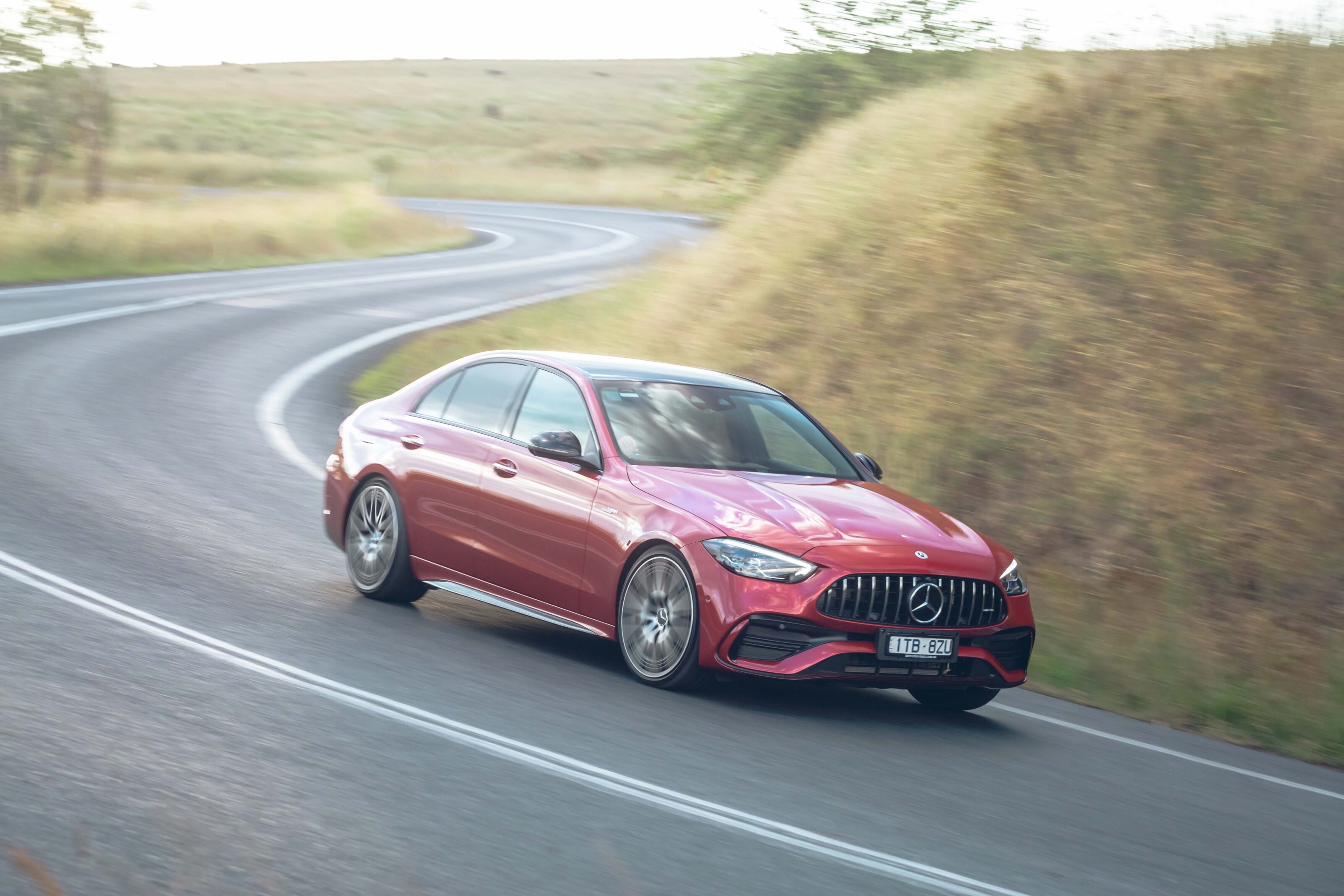
Do that, though, and this is a remarkably quick and grippy performance sedan. If you’ve driven an A45, you’ll know the M139 2.0-litre is an absolute firecracker. It revs cleanly to redline with no appreciable tapering off of performance or noise and although the C43’s extra size and weight mean it doesn’t feel quite as savage, it’s still a barrel chested and gutsy powerplant.
The electric turbo tech works well, too. The turbo itself is larger than the unit fitted to the same engine in the A45 but lag is all but imperceptible. Flatten the throttle in any gear at any RPM as the response is impressive.
1
If you’ve driven an A45, you’ll know the M139 2.0-litre is an absolute firecracker.
And at full noise, it sounds properly angry. Like most modern performance cars there’s a healthy helping of sound augmentation going on in the C43 but the noise itself is purposeful and well-rounded. How you’d imagine an A45 might sound if it was sent to finishing school.
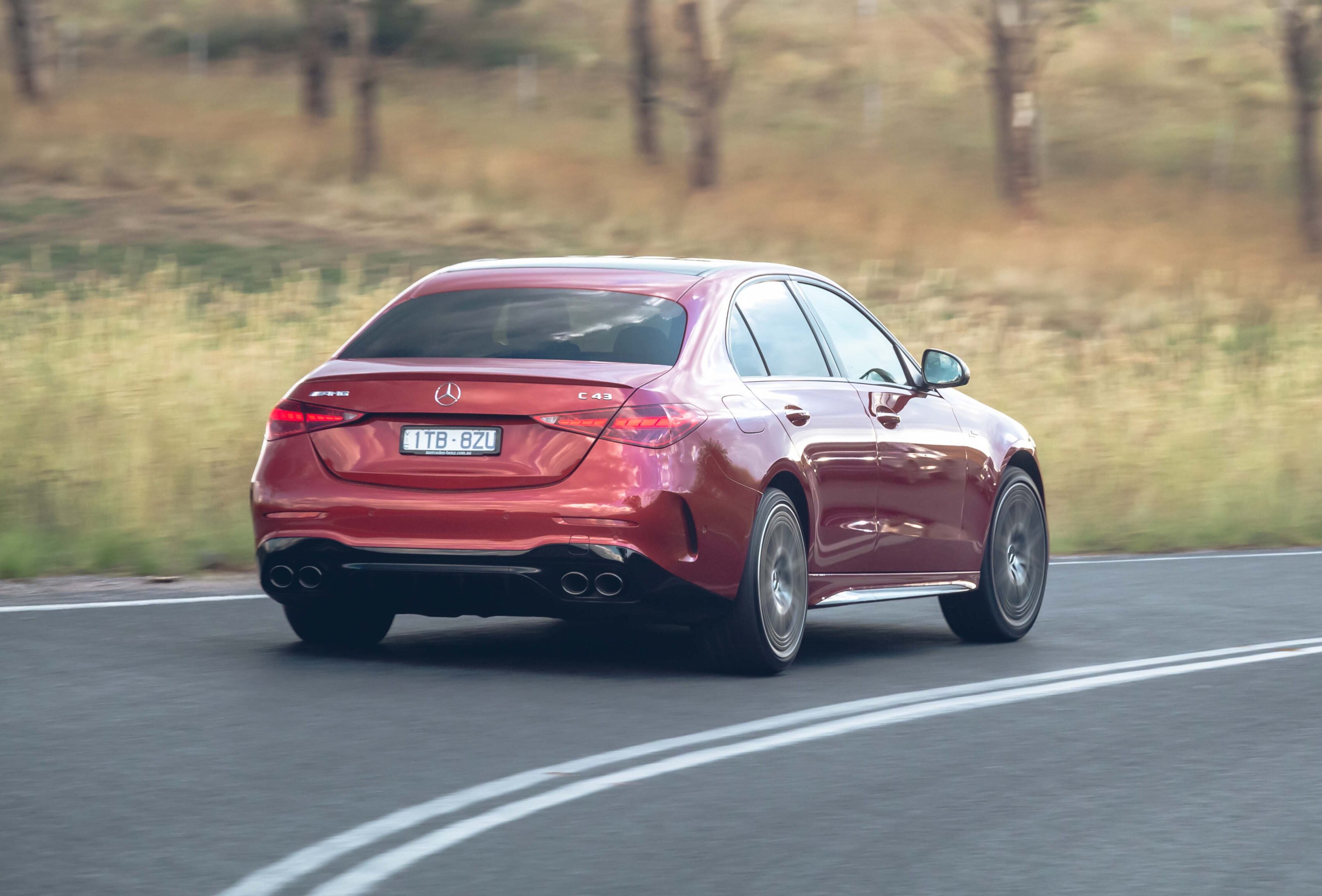
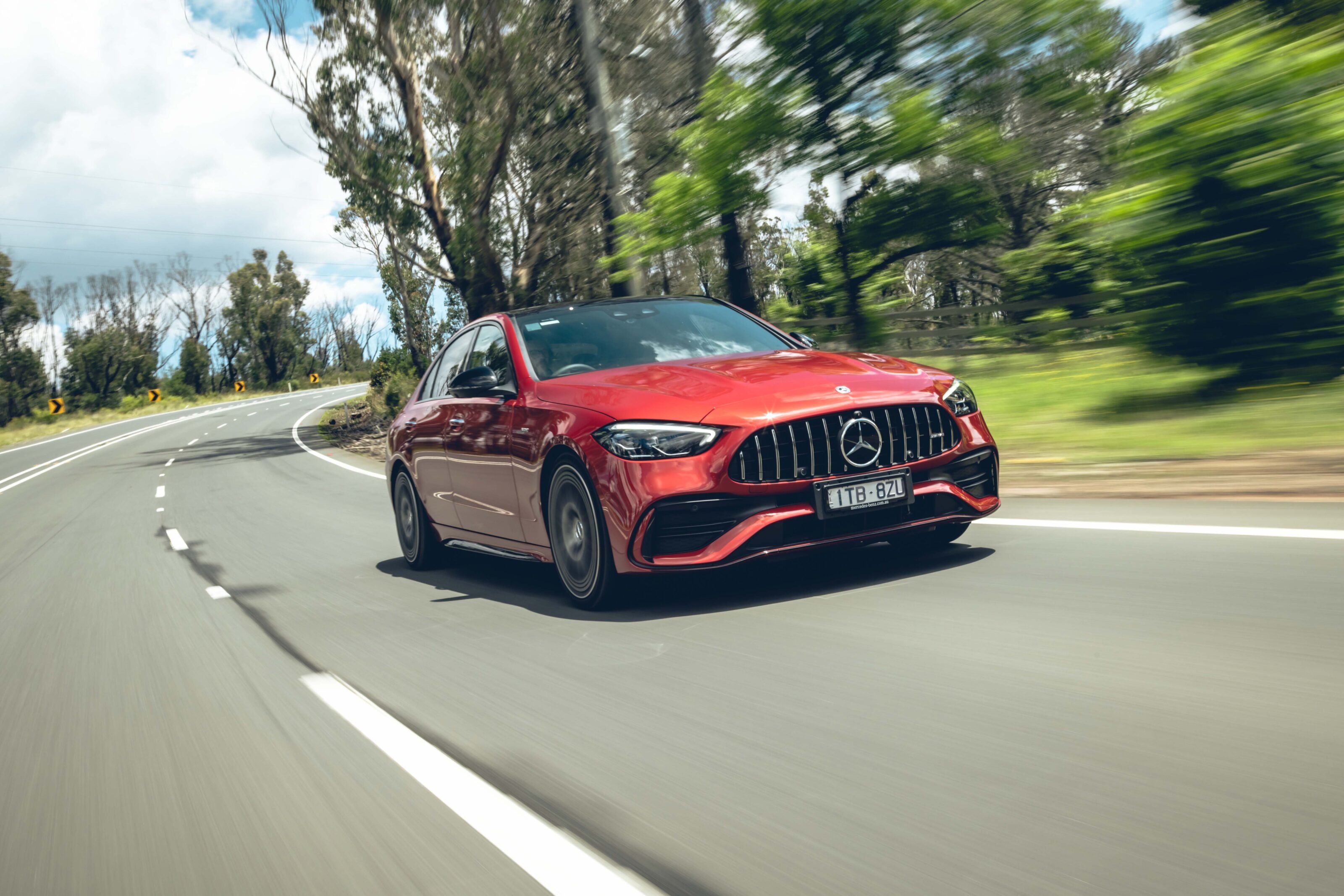
As for outright grip, there’s ample on offer. The front axle points obediently (the added agility offered by the four-wheel steering does take a beat to get used to, mind) and on challenging roads the handling feels neutral and confidence inspiring.
It might fall short of being outright fun, though. Where an A45 offers a degree of throttle adjustability and chassis involvement, the C43 just grips, grips and grips. Still, there’s no arguing with its effectiveness. In slippy conditions this would be a mightily fast performance sedan.
1
It might fall short of being outright fun, though. Where an A45 offers a degree of throttle adjustability and chassis involvement, the C43 just grips, grips and grips.
Dial things back a touch, though, and you do notice a few missteps. The gearbox is a weak link. While it’s fast and snappy at full noise, around town it can be disappointingly jerky.
Even in Comfort mode, there’s noticeable hesitation on a light throttle and as you coast towards intersections the ’box can occasionally deliver a decent thump and clunk as it moves from second to first. Going up through the gears in regular city traffic can also result in a noticeable jolt, which is a surprise.
1
The ride also sits in a bit of a no-man’s land.
While there’s a decent degree of compliance in Comfort mode considering the 20-inch wheels, we actually found ourselves lusting after a touch more body control on the freeway as things felt a touch floaty over larger, more gentle bumps.
And on broken surfaces or poor country roads, those big 20-inch alloys can jolt over sharp-edged bumps.
The multiple damping modes and the ability the set-up your own individual settings that best suit your favourite roads means it’ll be easy to fine-tune the C43’s chassis to your liking but straight out of the box, the standard settings don’t quite nail it.
Don’t get us wrong, though – there’s lots to like about the C43. It’s quick, looks sharp, the brakes are mighty, and it feels secure and grippy to drive hard. But does it deliver $30K worth of powertrain sparkle and driver involvement compared to its rivals? Or even the old C43 for that matter? That’s a trickier sell.
1
How safe is it?
The W206 Mercedes-Benz C-Class carries the maximum five star rating from safety body ANCAP. It scored high ratings for adult and child occupants and also performed well for the effectiveness of its autonomous emergency braking system.
Standard safety equipment includes:
| 10 airbags | Front and rear parking sensors |
| AEB with pedestrian/cyclist detection and junction assist | Driver attention monitor |
| Adaptive cruise control | Speed limit assist |
| Lane-keep assist | Lane-change and follow assist |
| Blind-spot monitoring |
1
VERDICT
This is a curly one. On the one hand, Mercedes ought to be applauded for shoehorning so much technology and powertrain wizardry into the C43.
The electric turbo tech delivers on its promise, the four-wheel steering contributes to a chassis that feels alert and grippy and as a daily the generous amount of power and comfortable high-tech cabin would make it a fast and fun additional to your garage, providing you can overlook the jerky gearbox and slightly compromised ride.
But it’s a hard car to love, this new C43, at least initially. As we said earlier, a fast C-Class has typically stuck to a tried-and-proven formula – big engine, big soundtrack and big personality – but this new C43’s character is more complicated.
That, combined with its high price, might be its biggest weakness.
| 2023 Mercedes-AMG C43 specifications | |
|---|---|
| Engine | 1991cc 4cyl, DOHC, 16v, electric turbo |
| Power @rpm | 300kW @ 6750rpm |
| Torque @rpm | 500Nm @ 5000rpm |
| Transmission | 9-speed automatic |
| 0-100km/h | 4.6sec (claimed) |
| Body | Four-door, five-seat sedan |
| L/W/H | 4791/1824/1450mm |
| Wheelbase | 2865mm |
| Boot space | 455L |
| Weight | 1856kg |
| Fuel / tank | 98RON/66L |
| Fuel use L/100km | 9.4L (combined) |
| Suspension | Double A-arms, coil springs, adaptive dampers, anti-roll bar (front and rear) |
| Steering | Electric rack-and-pinion |
| Brakes | 370mm steel discs with four-piston callipers (f); 320mm steel discs with single-piston calliper (r) |
| Wheels | 8.0 J x 20 (f); 9.5 J x 20 (r) |
| Tyres | 245/35 ZR 20 (f); 265/30 ZR 20 (r) |
| Price | $134,900 |
The 2023 Mercedes-AMG C43 has arrived in Australia, with the sporty C-Class sedan set to cost $20,000 more than the model it replaces.
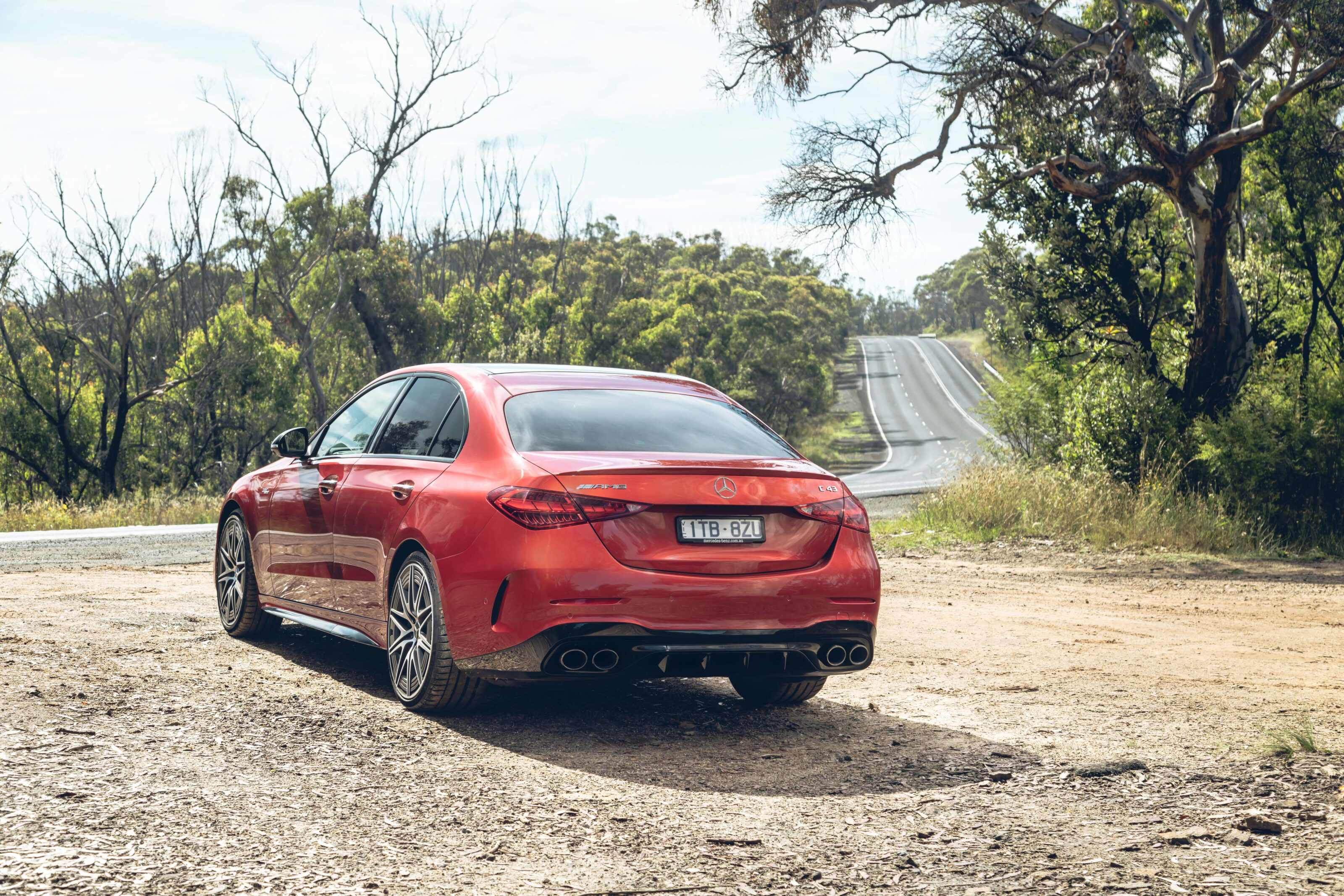
Pricing for the W206 C43 starts at $134,900 before on-road costs with the fresh model ushering in a substantial shift in powertrain performance that brings fewer cylinders, more power and cutting-edge ‘electric turbo’ tech.
Where the previous C43 was powered by a 3.0-litre twin-turbo V6, the 2023 C43 utilises AMG’s highly strung M139 2.0-litre turbocharged four pot. It’s largely the same hand-built engine found in the Mercedes-AMG A45 hyper hatch, only it’s mounted longitudinally in the C43 rather than east-west and it features an innovative electric exhaust gas turbo.
1
Built by supplier Garrett, the new turbo has a 6kW brushless electric motor on the shaft between the compressor and turbine wheels. The small motor is fed by the C43’s 48V mild-hybrid system, which can spin up the turbo virtually instantaneously, offering improved engine response compared with conventional designs that need to wait for exhaust gases to build.
Total outputs for the 2023 Mercedes-AMG C43 are 300kW @ 6750rpm and 500Nm @ 5000rpm, while its 0-100km/h claim is 4.6 seconds with launch control engaged.
Those figures represent only marginal gains over the outgoing C43. Power is up by 13kW, but torque is actually down 20Nm – while the 0-100km/h time is just 0.1sec quicker.
1
Fuel consumption is rated at 9.4L/100km on the combined cycle, which is almost identical to the previous V6-powered model.
And as the below table shows, the new C43 also only holds a slight on-paper advantage compared to its key competitors in the Audi S4 sedan and BMW M340i xDrive despite costing considerably more.
MINI MATCH-UP
| Mercedes-AMG C43 | Audi S4 sedan | BMW M340i xDrive | |
|---|---|---|---|
| Engine | 2.0-litre 4cyl + electric turbo | 3.0-litre V6 turbo | 3.0-litre inline 6cyl turbo |
| Power | 300kW @ 6750rpm | 260kW @ 5400rpm | 285kW @ 5500rpm |
| Torque | 500Nm @ 5000rpm | 500Nm @ 1370rpm | 500Nm @ 1850rpm |
| Gearbox | 9-speed automatic | 8-speed automatic | 8-speed automatic |
| 0-100km/h | 4.6sec | 4.7sec | 4.4sec |
| Economy | 9.4L | 8.6L | 8.0L |
| Price | $134,900 | $105,600 | $104,900 |
1
A significant change for this generation of C43 is that it will be offered only as a sedan. Mercedes-AMG is dropping the coupe and cabriolet body styles from the C43 model range, with those variants instead set to morph into a new model, likely to be badged as the CLE, that will sit between the C- and E-Class for size and price.
Helping to justify the new C43’s price increase is an impressive list of standard equipment.
Every Aussie delivered car includes: Rear-wheel steering, which can turn the rear wheels by 2.5 degrees for greater agility and stability, a rear-biased four-wheel-drive system with a 31:69 front-to-rear split, and a fresh 9-speed automatic gearbox that’s claimed to be lighter, offer faster shifts and also launch control.
Three-stage adaptive dampers that have been tuned by AMG are also standard, as is a sports exhaust.
1
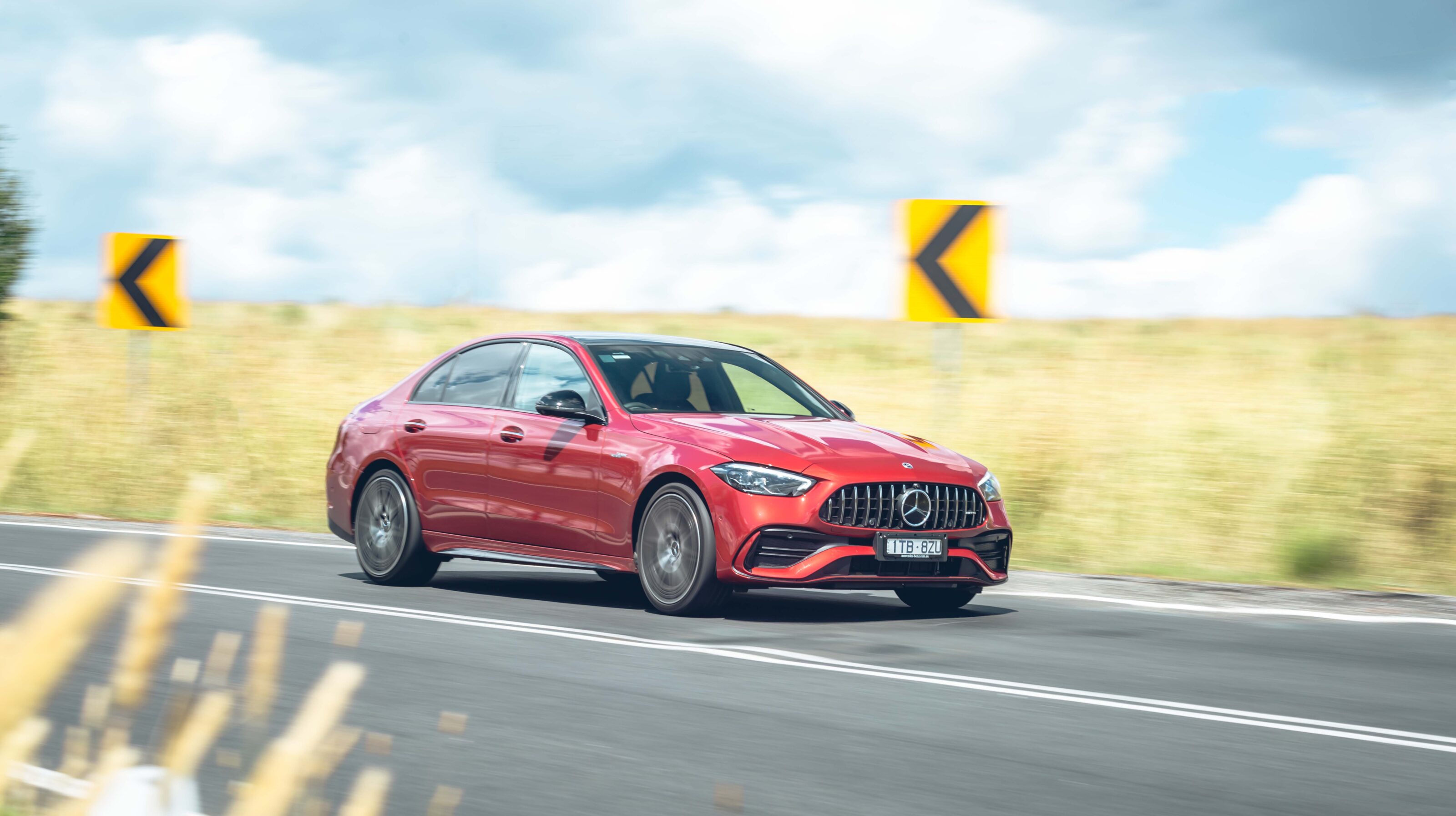
Australian cars roll on large 20-inch alloy wheels as standard (18s and 19s are available internationally) and lurking within the wheels is an upgraded steel braking system. Front discs measure 370 millimetres and are clamped by four piston callipers, while rear discs are 320mm with single piston callipers.
Inside, the 2023 C43 boasts the same high-tech cabin as the rest of the W206 C-Class range, which includes digital instruments and an impressive 11.9-inch ‘waterfall’ central touchscreen.
AMG-specific additions include a flat bottom performance steering wheel trimmed in Nappa leather, while aluminium shift paddles also feature.
1
Optional extras are limited, although buyers do have the choice of two packs. For $5200 the Performance Ergonomic Package adds performance seats with red stitching and AMG Track Pace – which is AMG’s onboard data logger and provides real-time telemetry while the car is being driven on a circuit.
Digital Light is the other option pack and for $2400 it adds matrix LED technology to the headlights, which can mask out oncoming traffic.
The 2023 Mercedes-AMG C43 is currently available to order.
Snapshot
- Toyotau2019s incoming CEO plans major shift to prioritise BEVs
- New-gen EV platform due in 2026, Lexus to lead transition
- Remains committed to diverse powertrain strategy
Toyota’s upcoming new CEO Koji Sato won’t start until April, but he’s already promising a major shift to prioritise battery-electric vehicles (BEVs) – while sticking with a diverse powertrain strategy.
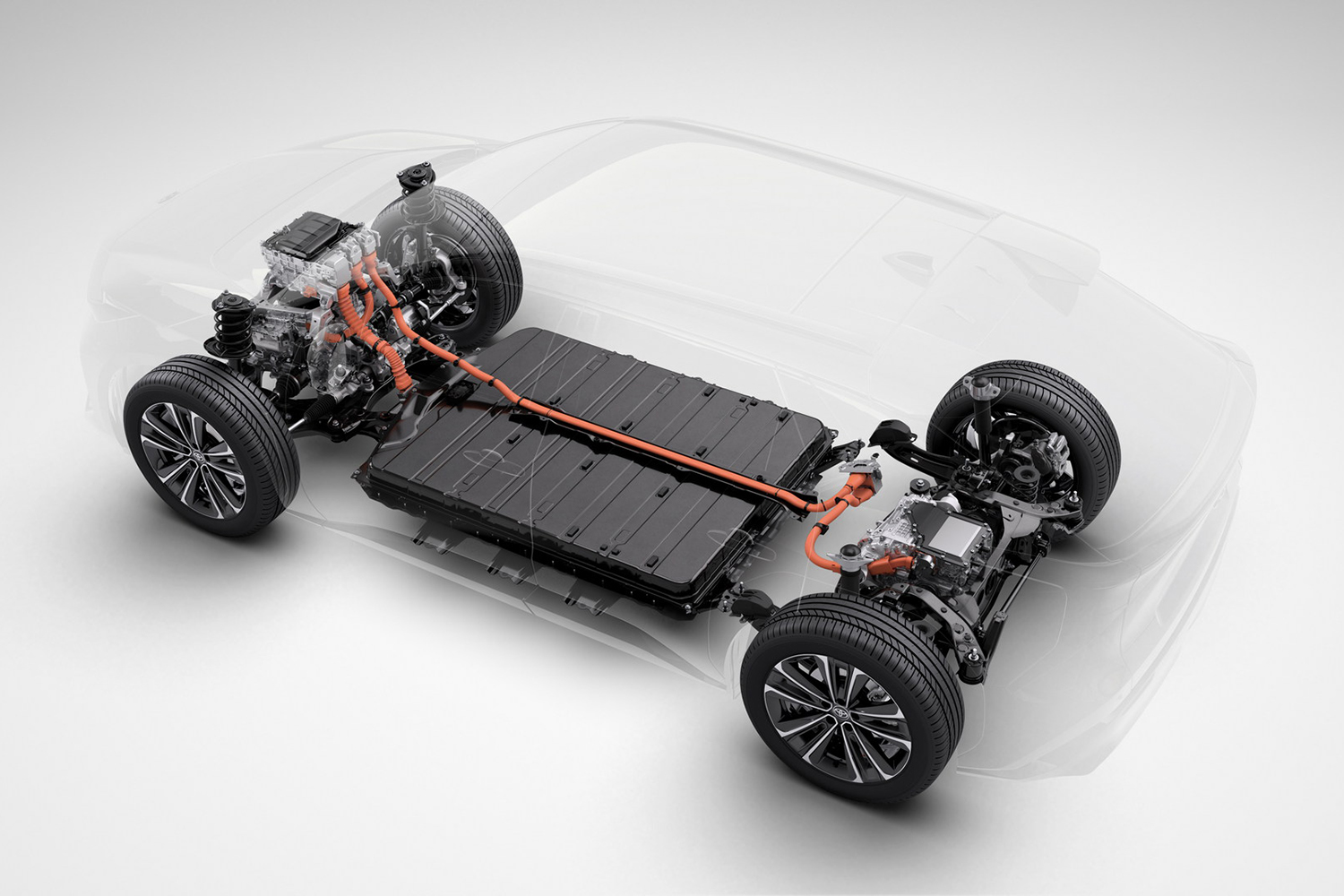
Sato plans to “drastically” revamp the Japanese automaker’s EV strategy – which has long been criticised for its reluctance to commit to the technology – by accelerating the roll out of a next-generation platform expected around 2026, positioning Lexus to lead the charge, and appointing younger executives.
“The first is business reform starting with next-generation BEVs,” Sato said.
“To deliver attractive BEVs to more customers, we must streamline the structure of the car and with a BEV-first mindset, we must drastically change the way we do business.
1
“We are trying to find a characteristic unique to Toyota. We need to go to the next step. We are going to accelerate specific and concrete activities.”
The incoming CEO, who currently leads the Lexus luxury brand and Gazoo Racing (GR) motorsport division, also said the EV overhaul will focus on new engineering and manufacturing techniques to reduce costs, while focusing on achieving carbon neutrality in Asia and strengthening its smart city and software initiatives.
The leadership team reshuffle brings more younger individuals aged in their early fifties; however, it’s still dominated by Japanese males – with only one female operating officer at the company.
1
But, the Japanese car giant won’t go all-in on BEVs with Sato standing by his predecessor, Akio Toyoda, by offering a range of powertrains including traditional hybrid, plug-in hybrid, and hydrogen fuel-cell or hydrogen-combustion cars – instead of a “one-size-fits-all solution”.
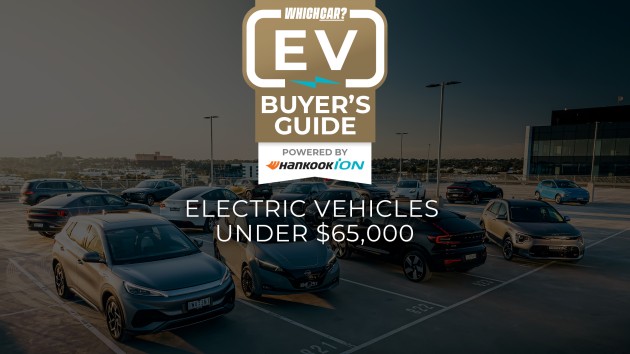
Comparisons
Best Electric Cars Under $65k: Affordable EVs Rated
Welcome to part one of three price-based EV buying guides, this one focused on the most affordable electric cars available in Australia today
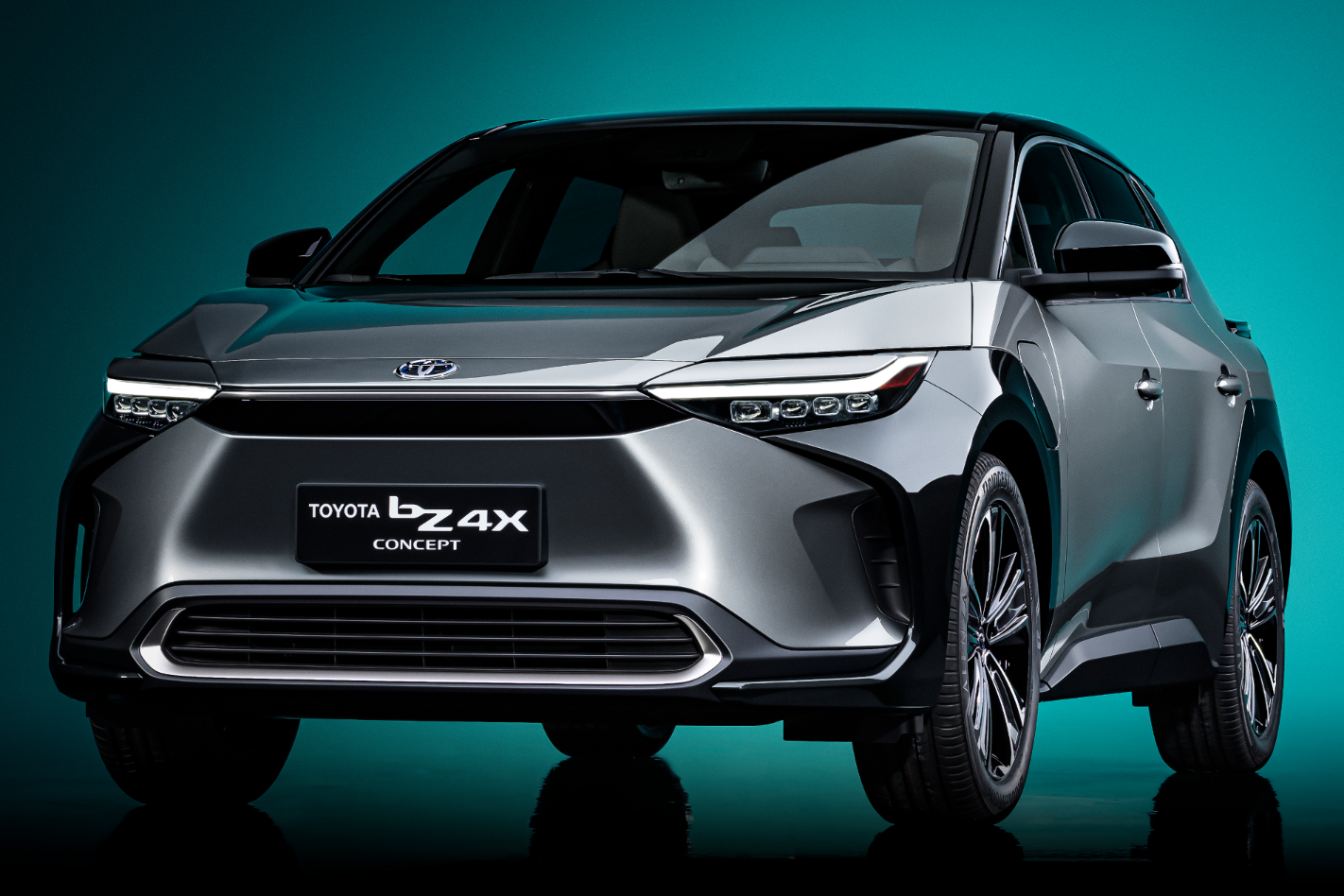
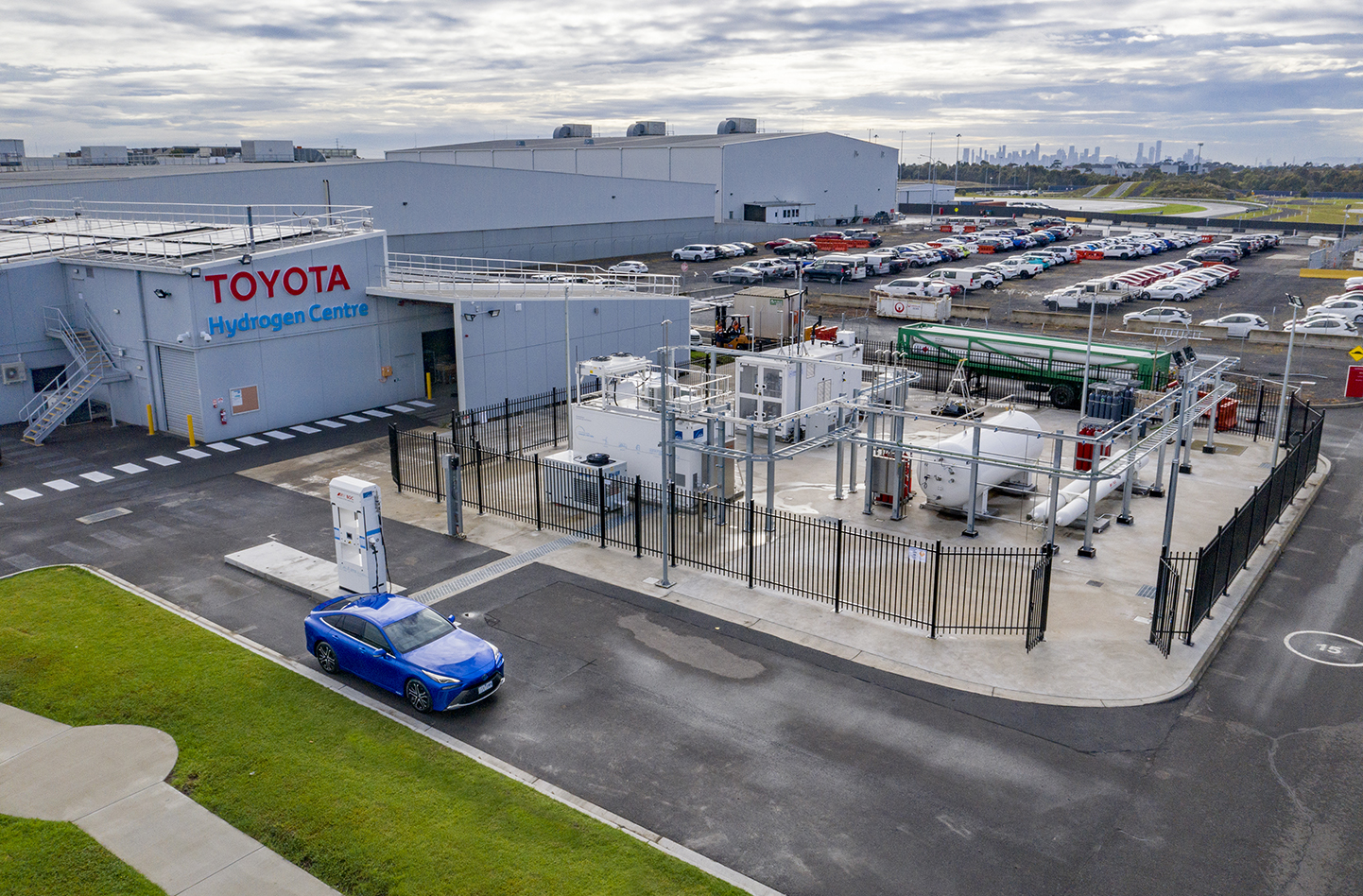
Toyota Australia’s vice president of sales, marketing and franchise operations, Sean Hanley, welcomed the new CEO’s strategy as it prepares to launch its first BEV, the RAV4-sized bZ4X SUV, locally at the end of the year.
“Sato-san, our new incoming president… will accelerate battery-electric vehicles as he did in Lexus, he will do in Toyota,” Hanley told Wheels.
1
“Akio Toyoda says, ‘if you want to exist in the next 100 years, you’ve got to transform again’. We have got to transform again.
“Because if we just stay as a single car company, thinking the way we thought the last 30 successful years, it’s going be difficult to survive the next 30 years. ‘This is a once in a lifetime transformation’ [Toyoda] said; ‘you must now go to a mobility company’.”
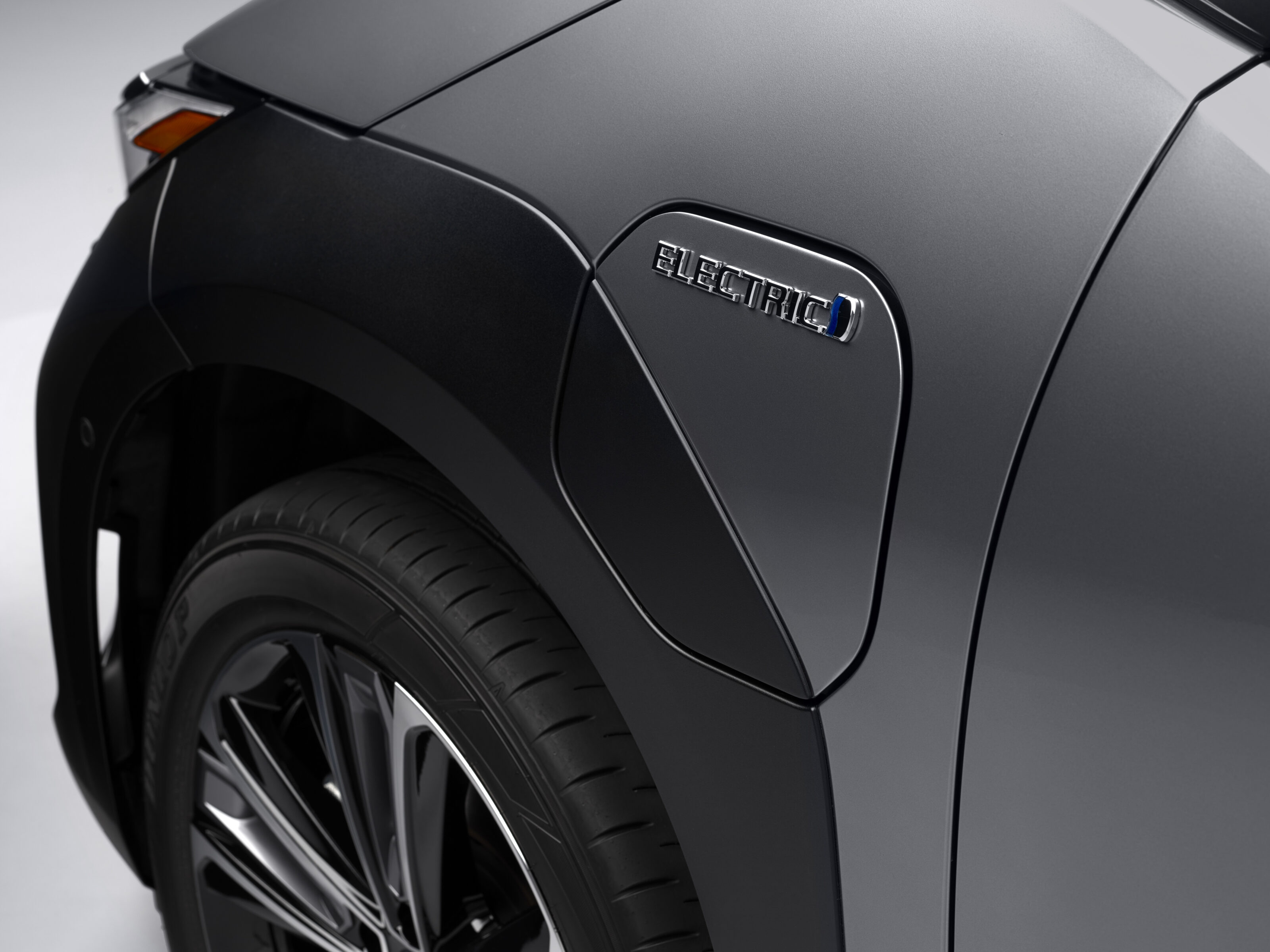
Toyota and Lexus will launch the BZ4X and RZ electric SUVs this year to compete in a concentrated segment, including the popular Tesla Model Y, Hyundai Ioniq 5, Volvo XC40 and C40 Recharge, Genesis GV60, and BMW iX3.
1
Uniquely, Toyota will utilise its 300-strong dealership network to install EV chargers at most sites, with the franchisees able to opt-in to offering it to the public.
However, the chargers will be exclusive for Toyota EV drivers only in a similar move to Tesla, which restricts access to its Supercharging network as a key selling point to purchase a Tesla EV.
But, the company is starting to open up to all EVs in Australia at an expensive price.
MORE
Everything Toyota
MORE
Electric Cars
MORE
Electric SUVs
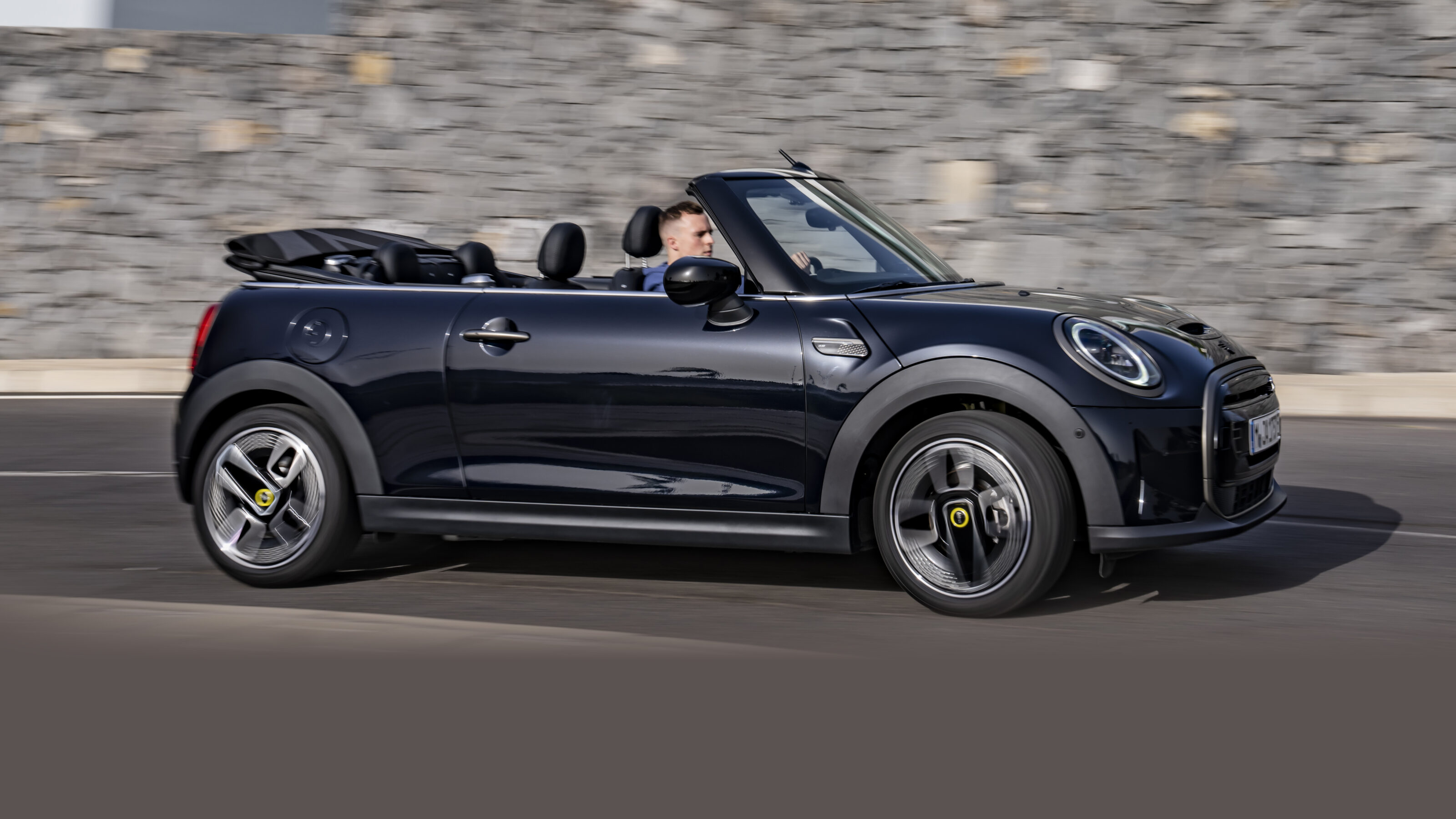
Mini has debuted the limited-run Electric Convertible (officially ‘Cooper SE Convertible’), but it won’t be coming to Australia.
Snapshot
- Mini Electric Convertible limited to 999 examples
- Gains unique design details, but slower and less range
- Not coming to Australia
Based on the regular three-door Mini Electric, the convertible is limited to 999 examples and will be sold exclusively in Europe, following “good feedback” from its one-off concept revealed in July 2022.
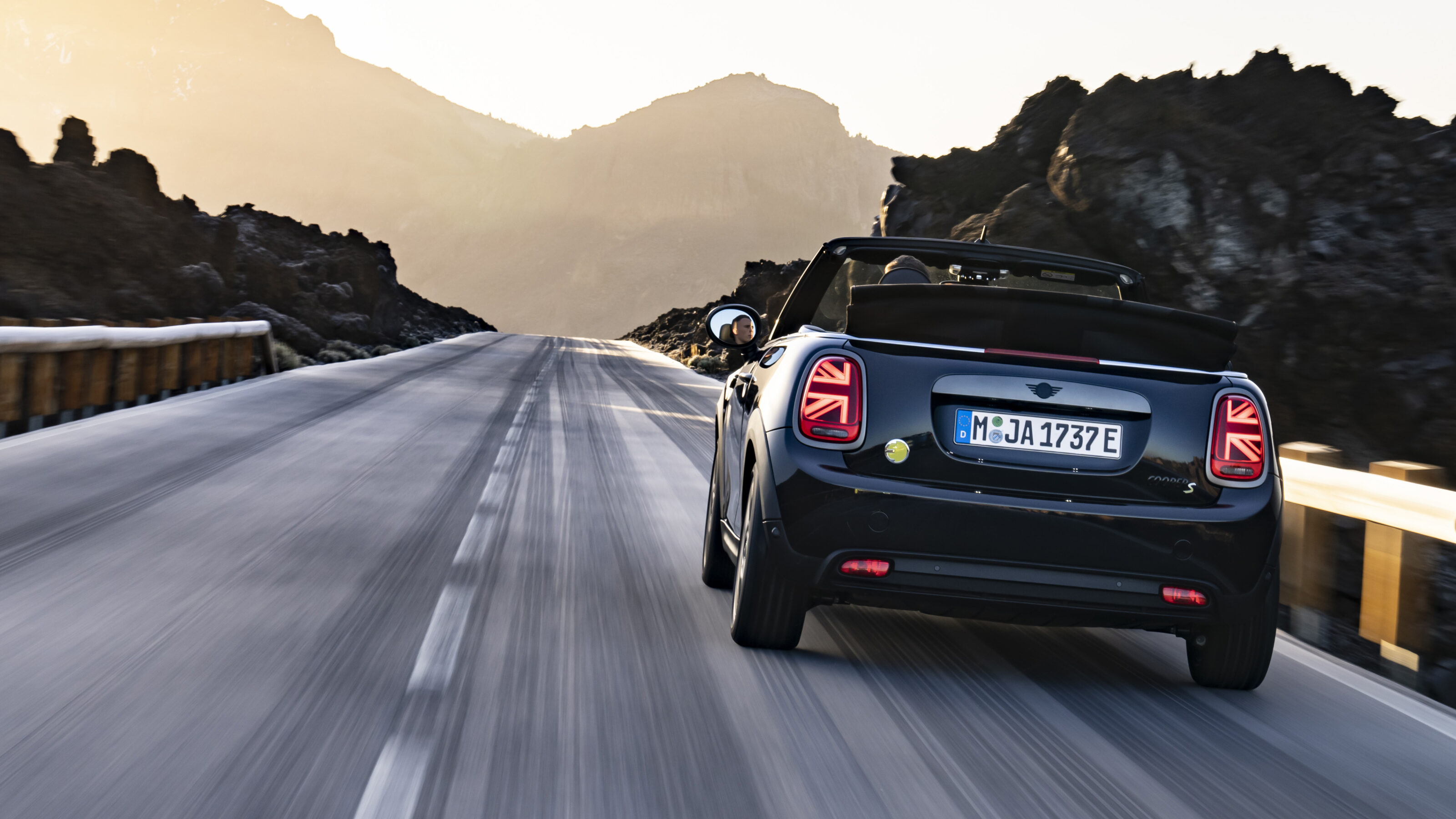
The Mini Cooper SE Convertible adopts an electrically powered soft-top featuring the company’s signature Union Jack pattern – which can be opened, closed or set as a sliding roof at up to 30km/h speeds.
1
The four-seater city car is available in Enigmatic Black or White Silver exterior colours.
The door sills and side badges outline the production number out of 999 examples, and 17-inch power spoke alloy wheels are featured, made from repurposed aluminium.
Other exclusive design details include a Resolute Bronze finish to the door handles, side badge and head- and tail-light surrounds, along with piano black Mini logos and a more prominent ‘e’ logo printed on the front body-coloured grille.
1
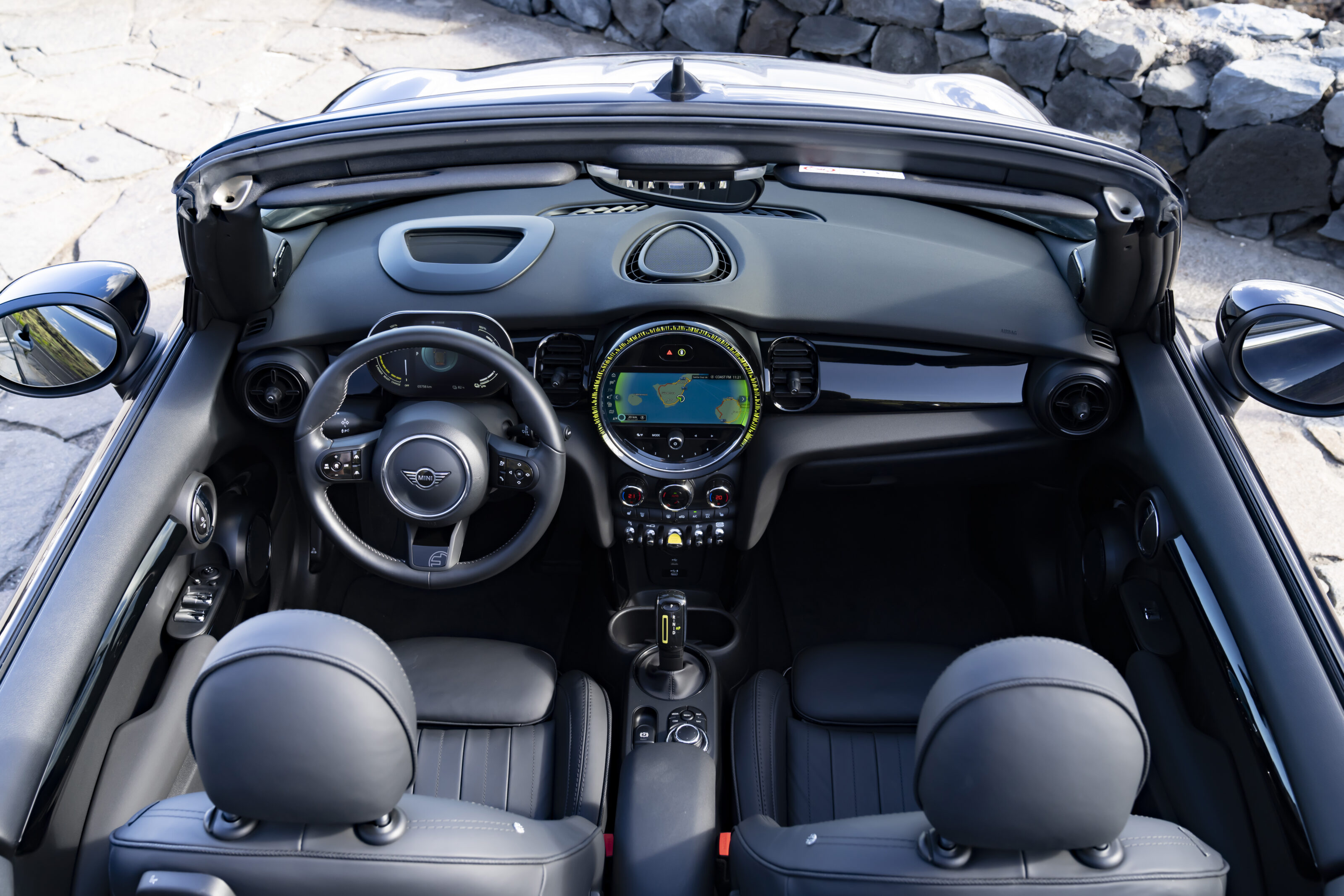
Inside, the Netherlands-made electric convertible boasts the Yours leather interior, piano black trim, and yellow contrasting accents.
The electric droptop shares the same dimensions, boot space, electric motor, battery size, and equipment list as the standard three-door Mini Electric.
However, at 8.2 seconds, it is 0.9 seconds slower to accelerate from 0-100km/h – and has around 30 kilometres less driving range on the WLTP testing cycle. The automaker hasn’t detailed whether the range rating is with the soft top open or closed.
| Mini Electric Convertible specs | |
|---|---|
| Battery Capacity (usable) | 28.9kWh |
| Driving range (WLTP) | 201km |
| Max AC charge rate | 11kW |
| Max DC charge rate | 50kW |
| Power | 135kW |
| Torque | 270Nm |
| 0-100km/h time | 8.2 seconds |
| Drive Type | FWD |
| Dimensions (length x width x height) | 3850 x 1727mm x 1427mm |
| Wheelbase | 2495mm |
| Boot capacity | 160-litres |
1
The Cooper SE Convertible comes as the next-generation Mini Electric is expected to launch in 2024, with larger dimensions and an all-new dedicated EV platform co-developed with Great Wall Motors (GWM).
The British marque says this limited-edition “shortens the transition period to the introduction of the next-generation all-electric model family”.
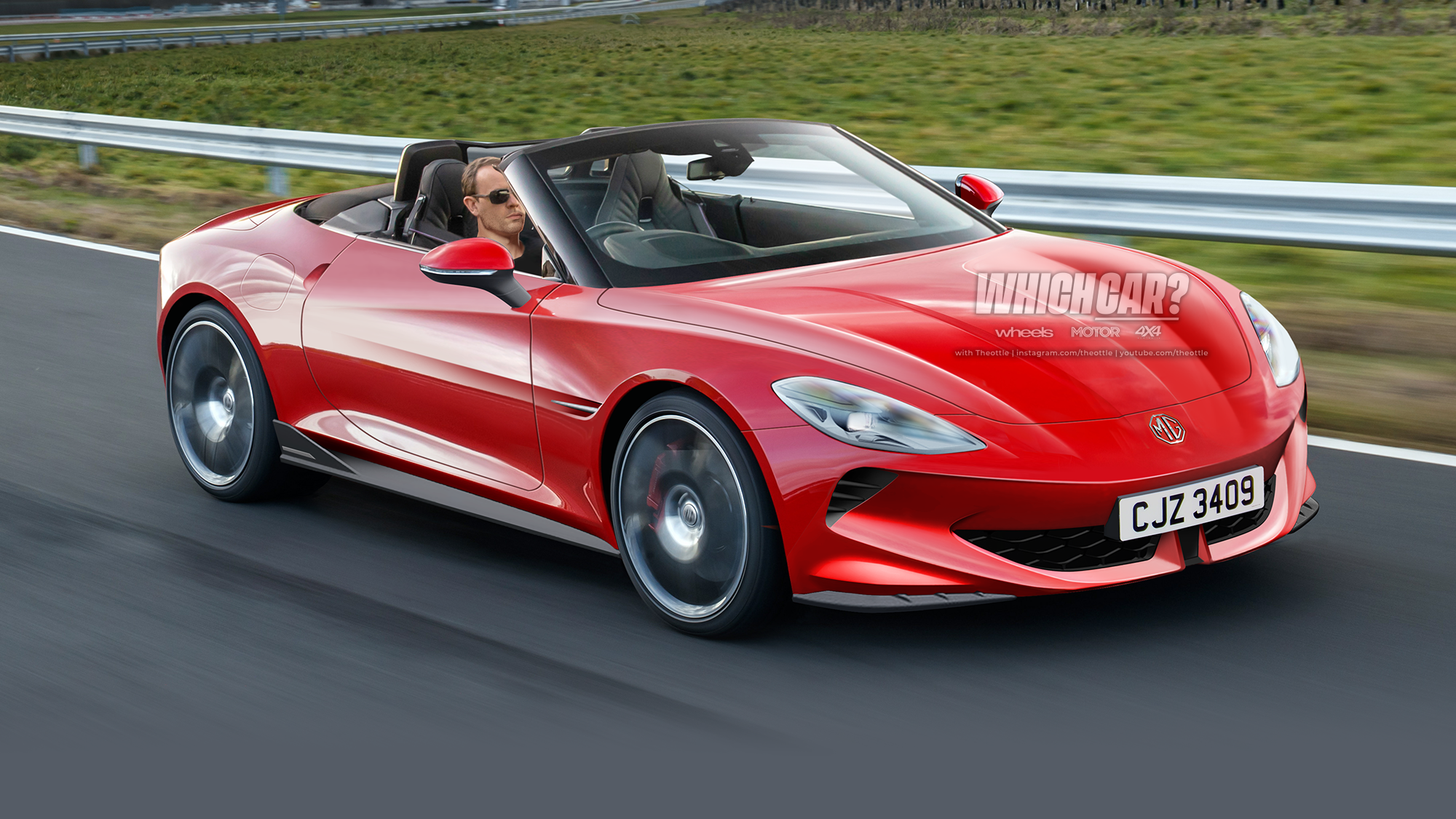
The Mini Convertible Electric joins the Fiat 500e Cabrio – which won’t be offered here when it lands mid-year – as a compact open-top electric car. There’s also the larger Polestar 6, MG Cyberster, Tesla Roadster, and Genesis X Convertible on the horizon.
1
MORE
Everything Mini
⚡ More EV stories to help you choose the best car for your needs
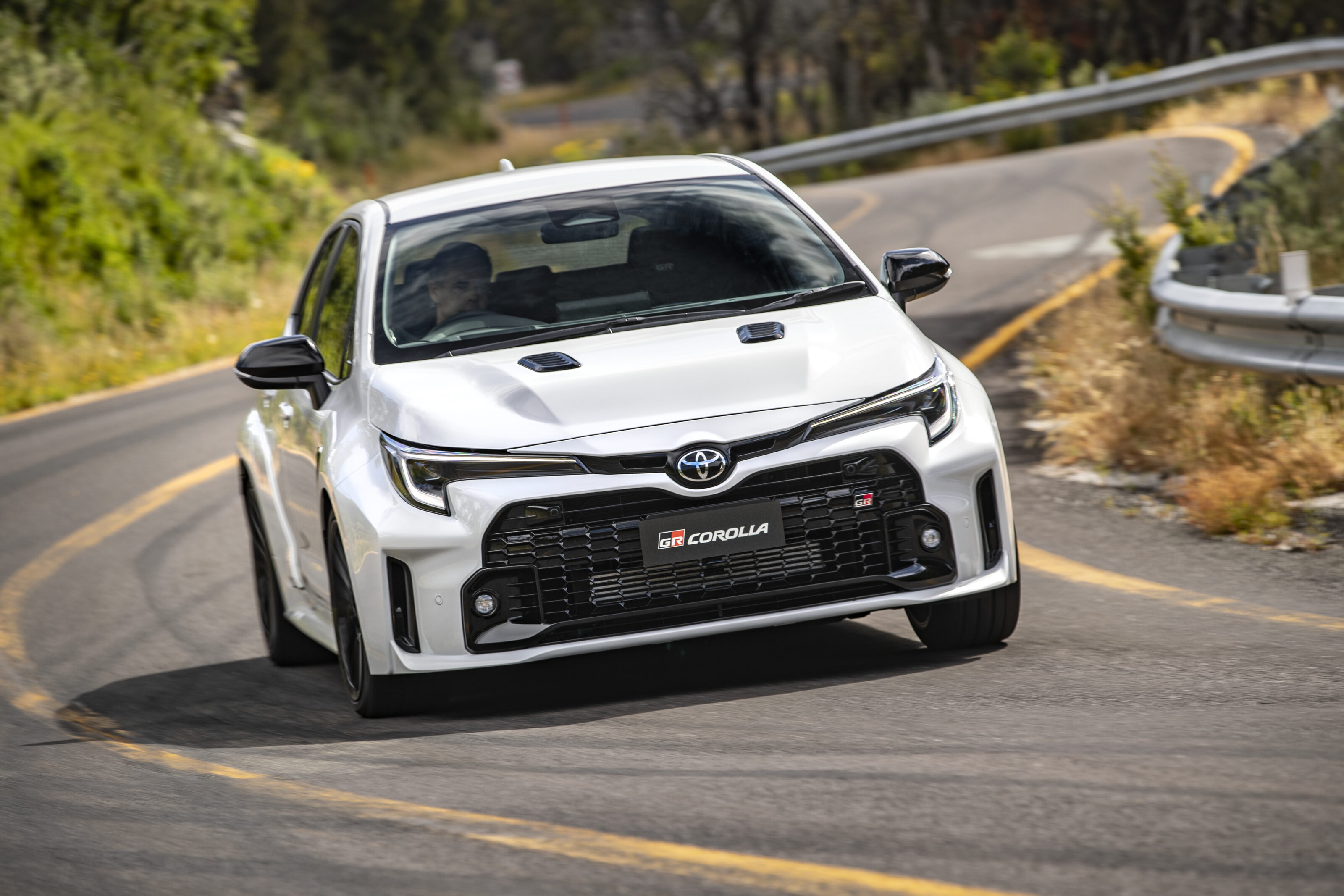
UPDATE: At the 2023 Toyota GR Corolla’s Australian release program, chief engineer Naoyuki Sakamoto was present to discuss all things Gazoo Racing.
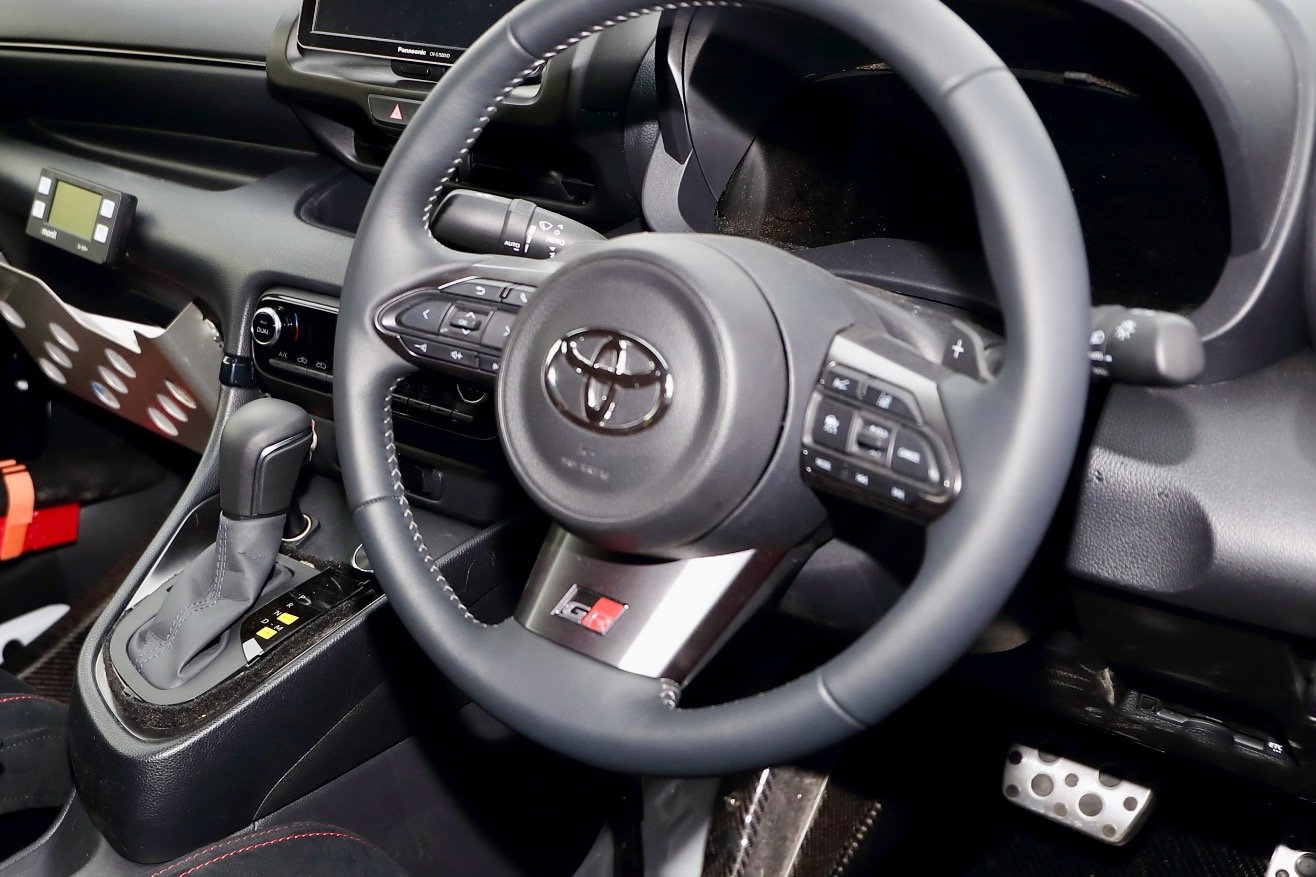
The development of an automatic version of the GR Yaris became public knowledge in March last year, with the brand testing an eight-speed transmission in the Japanese rally championship.
“We are still seeking the possibility of an automatic transmission for the sports car, for the rally car – not for easy driving”, Sakamoto-san told Wheels.
Sakamoto didn’t specify what kind of automatic transmission was in development, but noted the improvements in autos over the years, referencing Supra’s excellent eight-speed ’box.
1
“We don’t eliminate any options. But now, even the normal automatic transmissions are still not so bad compared to older transmissions. Even BMW is shifting to automatic transmissions [in performance cars]”, he said.
It’s safe to say an eight-speed torque-converter automatic is the most likely choice. It will likely be developed in tandem with Toyota and Aisin, for sporty characteristics.
We’ve seen stranger things, including Toyota swimming upstream with a manual Supra.
Sakamoto-san was keen to point out that an automatic transmission decreases the driver’s load, allowing them to concentrate on braking, lines, and going as fast as possible. He added that the gearbox will need to be “fun to drive”, this will be achieved with proactive gear selection and crisp shifts.
1
Of course, it’ll make GR Corolla faster in a straight line, too. With 221kW of power from a 1.6-litre turbo-petrol three-cylinder, its current 0-100km/h sprint is 5.29 seconds (claimed). With a close-ratio auto onboard, that would easily fall into the mid-to-high 4.0-seconds range for the 1485 kilogram Corolla.
“As long as automatic transmissions are good enough for the GR direction of fun to drive, and able to increase the sports driving performance, we will use an automatic transmission”, said Sakamoto.
Our original story, below, continues unchanged.
The story to here
March 22: GR Yaris automatic spotted testing in Japan Rally Championship
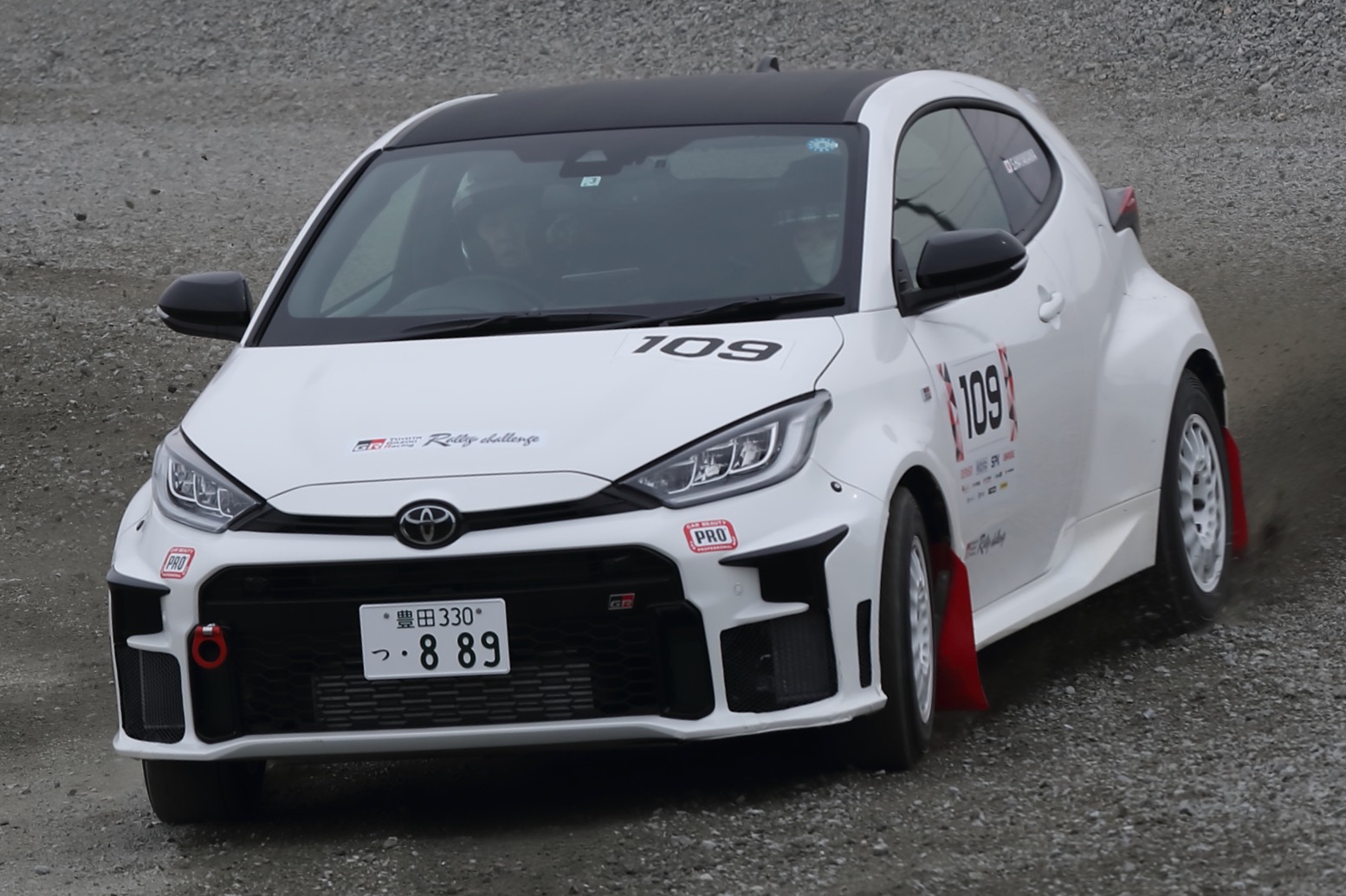
The Toyota GR Yaris could open itself up to a much wider audience, with news the company is developing an eight-speed torque-converter automatic transmission for the hot hatch.
The model is only available with a six-speed manual currently, though Toyota is expected to use the automatic in both the GR Yaris and the upcoming GR Corolla, with a report from Japan’s Best Car in January suggesting an automatic is being considered for a 2024 launch.
1
In order to test the auto ‘box to its limits, Toyota entered a GR Yaris into the Gazoo Racing Rally Challenge – an entry-level motorsport category catering for Yaris and 86 models in Japan – with Toyota’s Vice Chairman of the Board of Directors Shigeru Hayakawa piloting the vehicle.
“I’m told that it’s okay to break it,” Hayakawa told Japanese publication Car Watch.
“I’ve already broken it once,” he added.
Toyota has reportedly created an all-new conventional torque-converter automatic, using a planetary gear set rather than relying on a continuously variable transmission found across the brand’s current small car line-up.
The carmaker appears to be following BMW’s lead by developing a fast eight-speed auto, rather than going down the Volkswagen Group route of offering automatic dual-clutch gearbox.
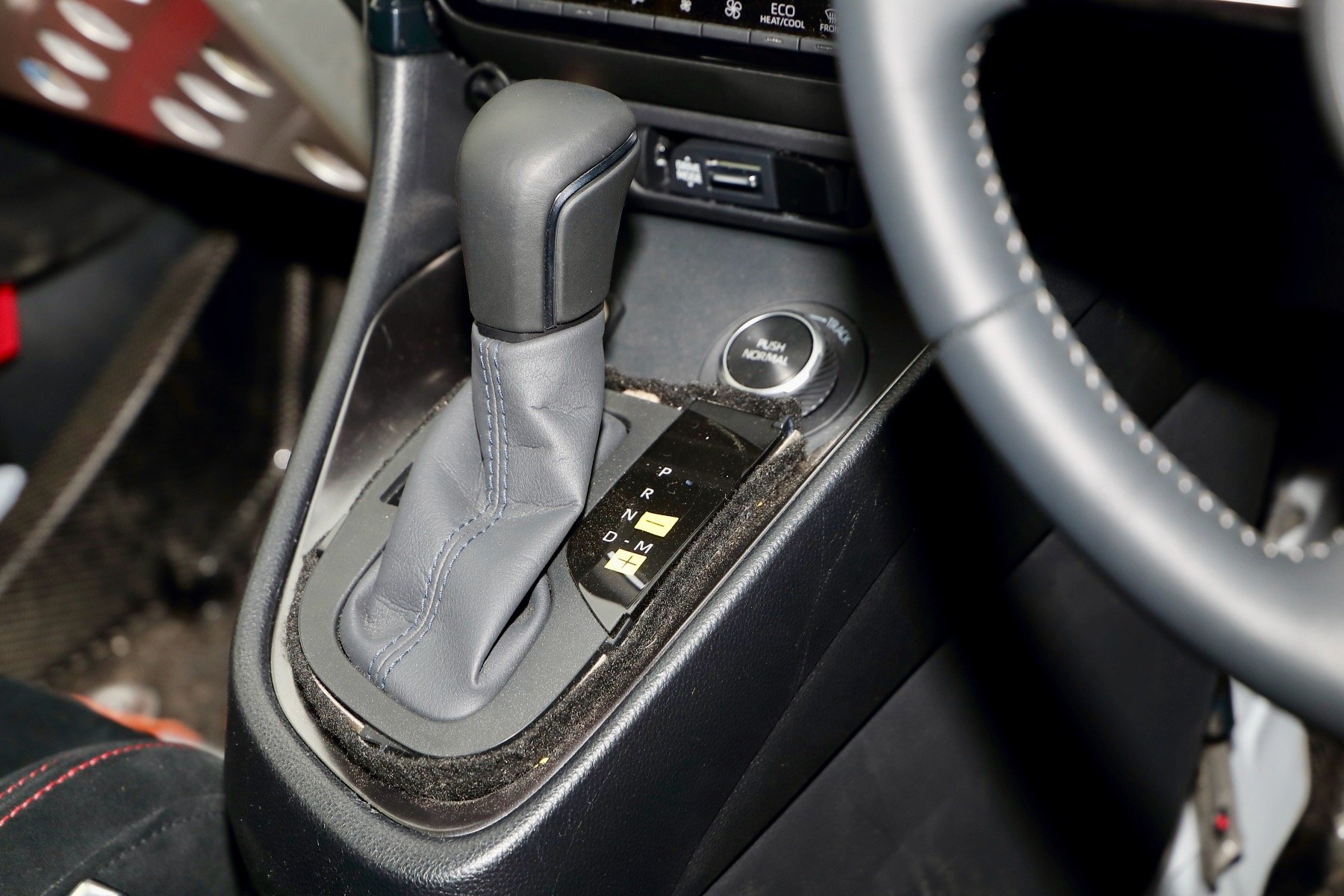
While there are paddle-shifters fitted behind the steering wheel for manual gear selection, the engineers are aiming for the transmission to “shift quickly and comfortably, resulting in fun and rast running” when driven automatically in Drive, and all without sacrificing fuel efficiency.
2
The centre console shifter in the rally car appears to be an early production prototype, using a slightly changed design from the standard auto Yaris to incorporate manual mode. The front spoiler has also been modified, with wider intakes to increase airflow to the transmission oil cooler.
It’s expected the 1.6-litre turbocharged three-cylinder engine and all-wheel drive will remain unchanged.
Toyota has yet to announce an automatic for the GR Yaris or the upcoming GR Corolla, but all signs are hinting at a two-pedal option arriving in the future.
MORE
Yaris news & reviews
MORE
All Toyota stories
UPDATE: Ford confirms cuts in Europe and the UK, 3800 jobs gone
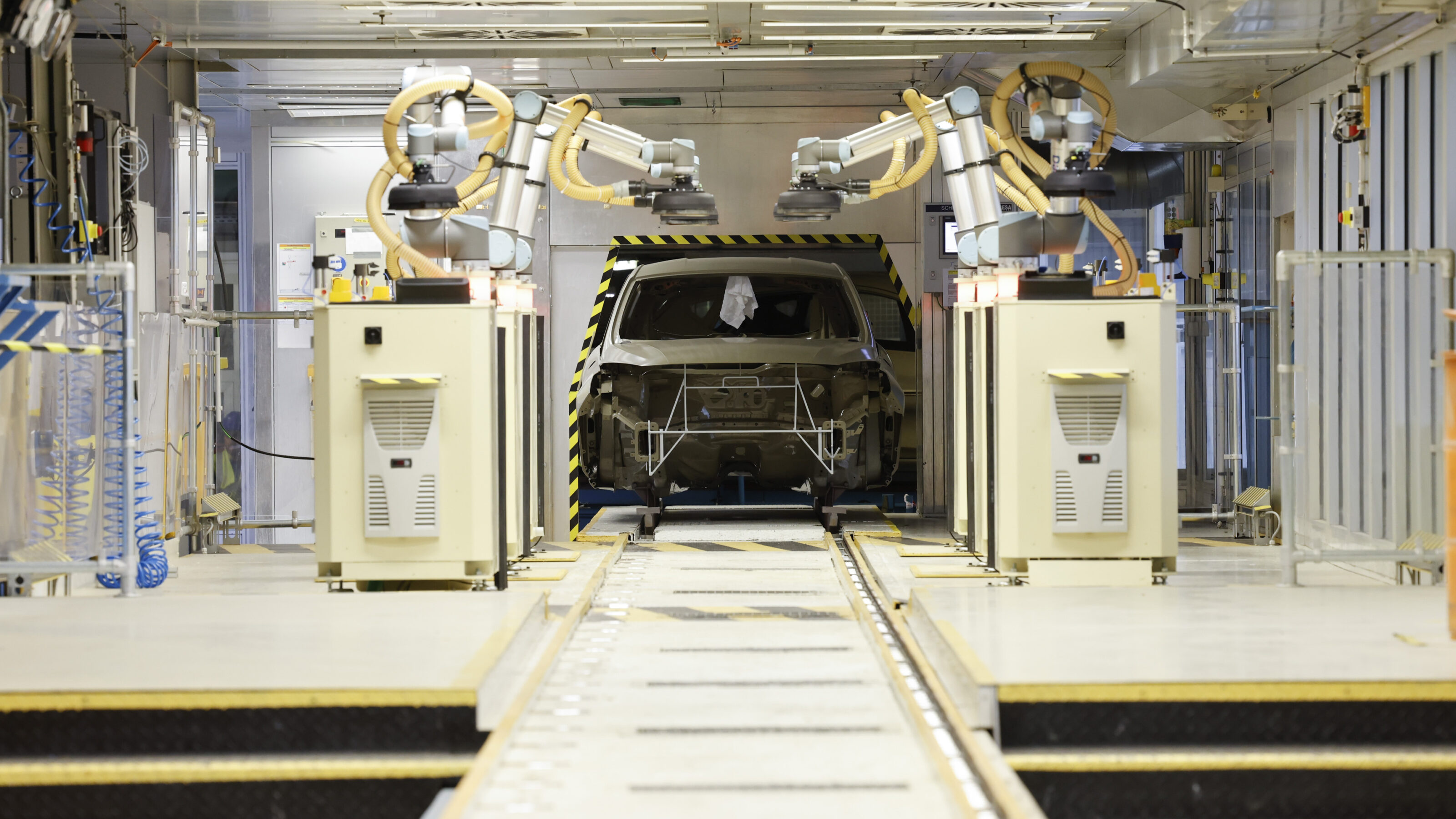
Ford has confirmed it will release 3800 workers in its European operations over the next three years, as it works to become on a more streamlined, EV-focused operation.
The announcement follows earlier reports that sources were expecting “a four-digit number” would be the count.
The confirmed number is made up of 2300 Ford of Europe employees in Germany and 1300 in the United Kingdom. Another 200 jobs will be lost from various Ford roles across Europe.
As its Australian arm did when it announced an end to 120 contract positions in August 2022, Ford’s European business has stressed that it will have 3400 people working in its engineering teams.
“There is significantly less work to be done on drivetrains moving out of combustion engines,” said Martin Sander, head of the EV-focused Ford Model E division, in an interview with industry journal Automotive News.
“We are moving into a world with less global platforms where less engineering work is necessary. This is why we have to make the adjustments.”
Effect of job cuts by region and department
| Region | Product Development | Administrative Functions | Total |
|---|---|---|---|
| Germany | 1700 | 600 | 2300 |
| UK | 1000 | 300 | 1300 |
| Rest of Europe | 100 | 100 | 200 |
| Total | 2800 | 1000 | 3800 |
“These are difficult decisions, not taken lightly. We recognize the uncertainty it creates for our team, and I assure them we will be offering them our full support in the months ahead. We will engage in consultations with our social partners so we can move forward together on building a thriving future for our business in Europe,” Sander said.
Sander said the new Ford will be an “unapologetically American” operation, with “outstanding design and connected services that will differentiate Ford and delight our customers in Europe”.
“Our first European-built electric passenger vehicle is being introduced this spring and will surely turn heads.”
1
The story to here
JANUARY, 2023: Ford expected to cut European jobs for EV pivot
More than 1000 jobs will be cut by Ford in Germany as the business within the region pivots to exclusively selling electric vehicles.
According to Automotive News Europe, sources close to the matter indicate that the car giant intends to trim its workforce “by a four-digit number”, with labour cuts affecting Ford’s European headquarters and production factory in Cologne, Germany.
Job losses are said to affect assembly, engine and transmission manufacturing, along with development, administration and sales.

1
The reports suggest Ford intends to restructure its European operations by withdrawing from low-margin volume segments, such as small and compact cars, to aid sustainable profitability for its European operations, sources said.
Ford’s factory in Cologne was opened in 1931, spans 69 hectares, and has most recently been responsible for making the Ford Fiesta.
Production of the Fiesta ends in June this year, after which the Cologne factory is set to undergo a radical makeover to the tune of more than $2 billion. The popular Ford Focus is also set to be retired after its lifecycle ends in 2025.
The factory will, it’s claimed, be converted to build battery-electric vehicles based on Volkswagen Group’s MEB platform. This is expected to materialise in a boxy five-door five-seat SUV, spied testing recently and expected to be revealed this year.
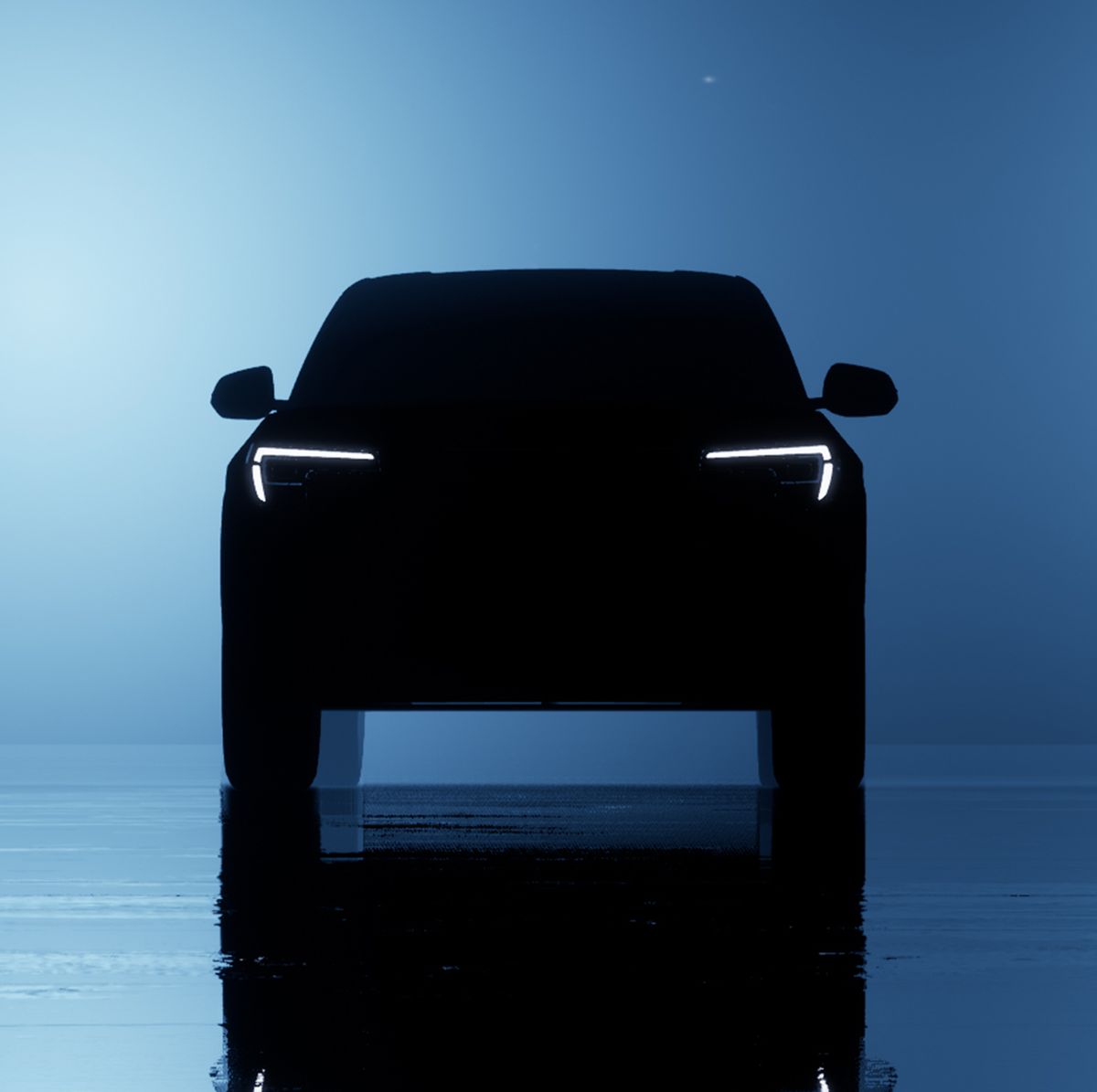
1
Ford is also said to be considering the possibility of a further MEB-based BEV ‘sport crossover’ product while it continues development of its own in-house electric architecture.
Ford has committed to converting its passenger car lineup in Europe to all-electric by 2030.
Reports indicate that Ford has yet to determine the exact number of jobs that will be cut, and that a decision is expected in the spring (Australia’s autumn).
A spokesperson for Ford Europe told Auotmotive News Europe that the pivot to EV production required a “significant change”, but offered “no comment on the current speculation about a possible restructuring at Ford in Europe”.
We will update this story as it develops.
Hyundai’s little Santa Cruz ute, launched in North America after being revealed as a sleek silver concept in 2015, has been eyed resting at the company’s Australian headquarters in Sydney.
Hopeful, if not confident, our team quickly got on the horn to the brand’s local communications boss Guido Schenken to see if we’d stumbled onto some good news.
Of course, with the car-based ute parked in plain sight, it was unlikely to be a hint of any coming market launch.
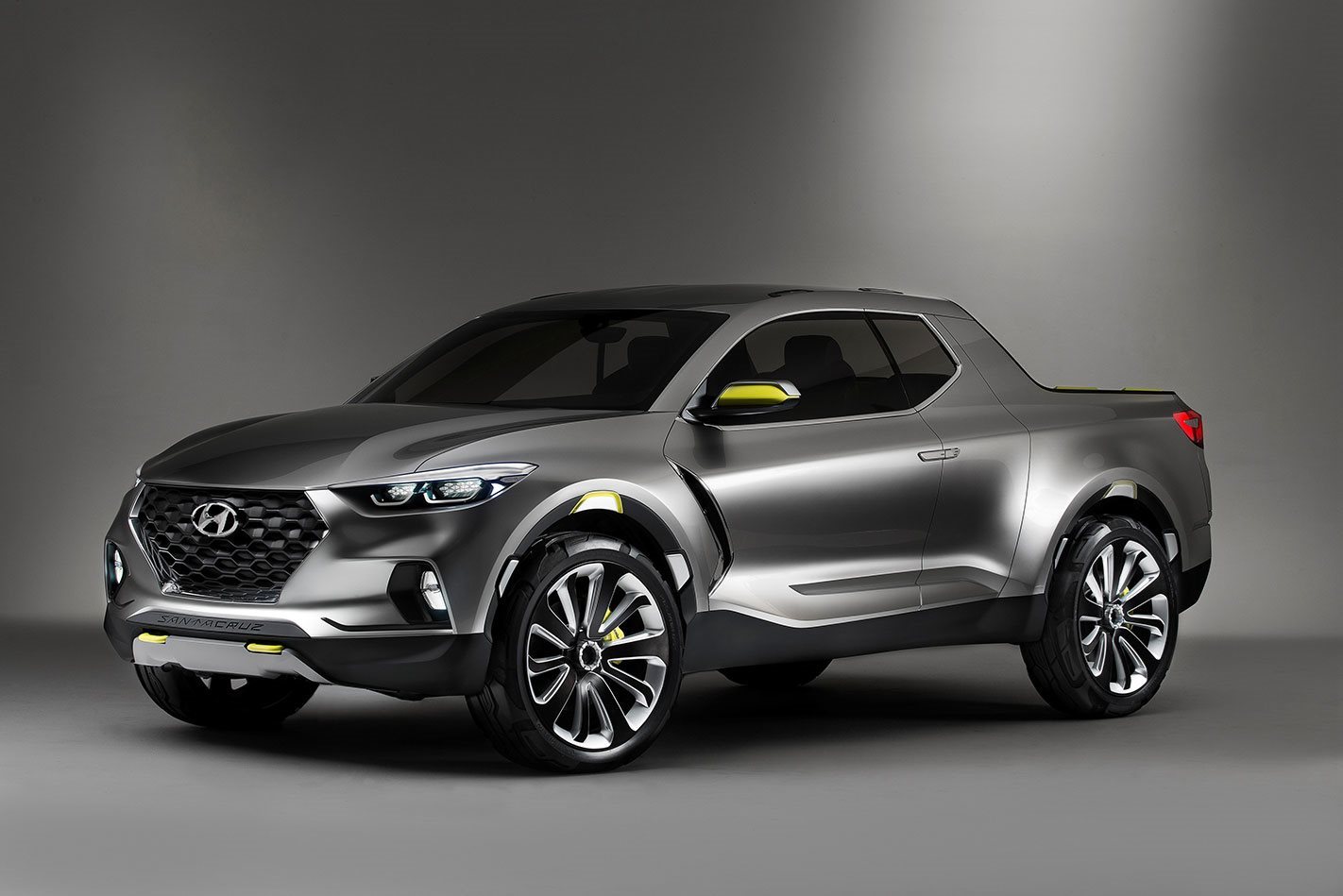
1
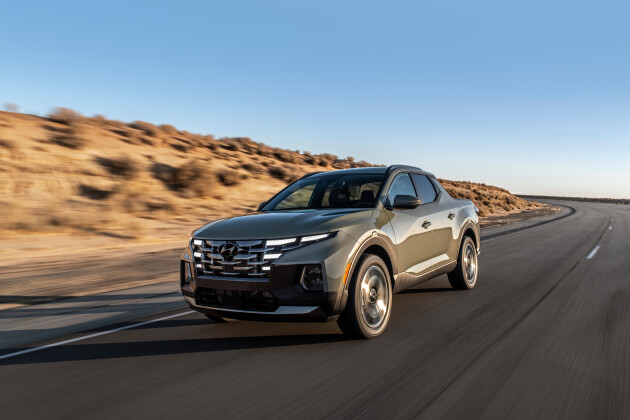
Reviews
First Drive: 2022 Hyundai Santa Cruz
Distinctive in both design and scale, the Santa Cruz ute is in a category of one
As if sensing our call, Schenken was quick to offer comment – and while it wasn’t the “damn, you caught us” admission we’d been hoping for, it wasn’t a complete dismissal.
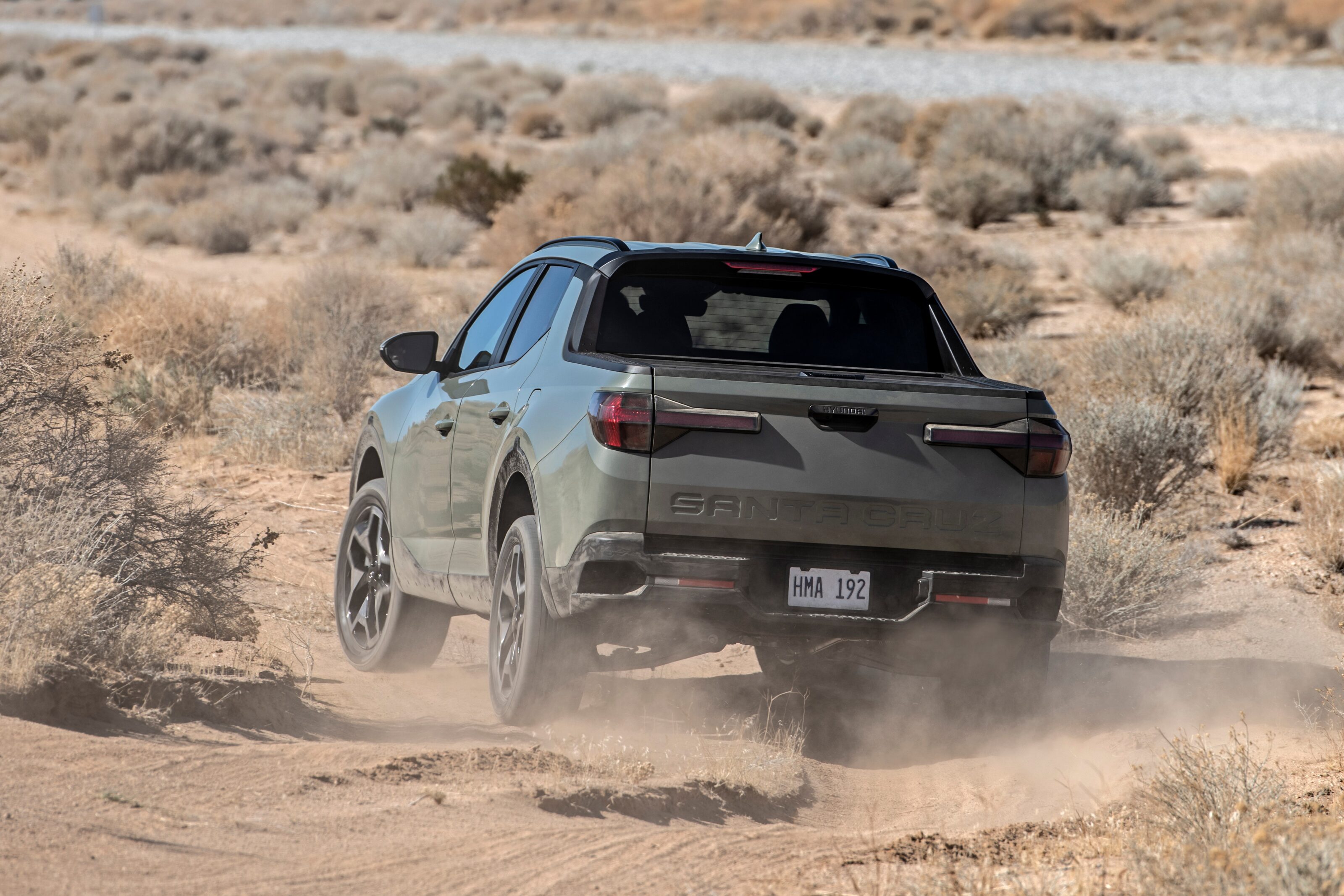
“We have two LHD Santa Cruz utes which recently arrived at our head office in Sydney. These vehicles will be used for local market evaluation,” he said.
“This does not mean we have confirmed a ute/pickup for Australia – in fact it’s very much the opposite. We are unlikely to see Santa Cruz built in right-hand drive.”
The phrase “local market evaluation” piqued our interest. Schenken’s comments suggest that while the Santa Cruz will probably not make it here, the brand is at least making sure it has solid insight on how our market might respond to any similar offering in the future.
“We continually bring in vehicles, which are not part of our local model range, for research and engineering purposes – we understand the extra interest Santa Cruz generates, but in reality it’s not special or significant that these vehicles are here.”
2
So, for now, we can hold out hope for a second-generation Santa Cruz – although we wouldn’t expect to see that until sometime around 2026, if it happens at all.
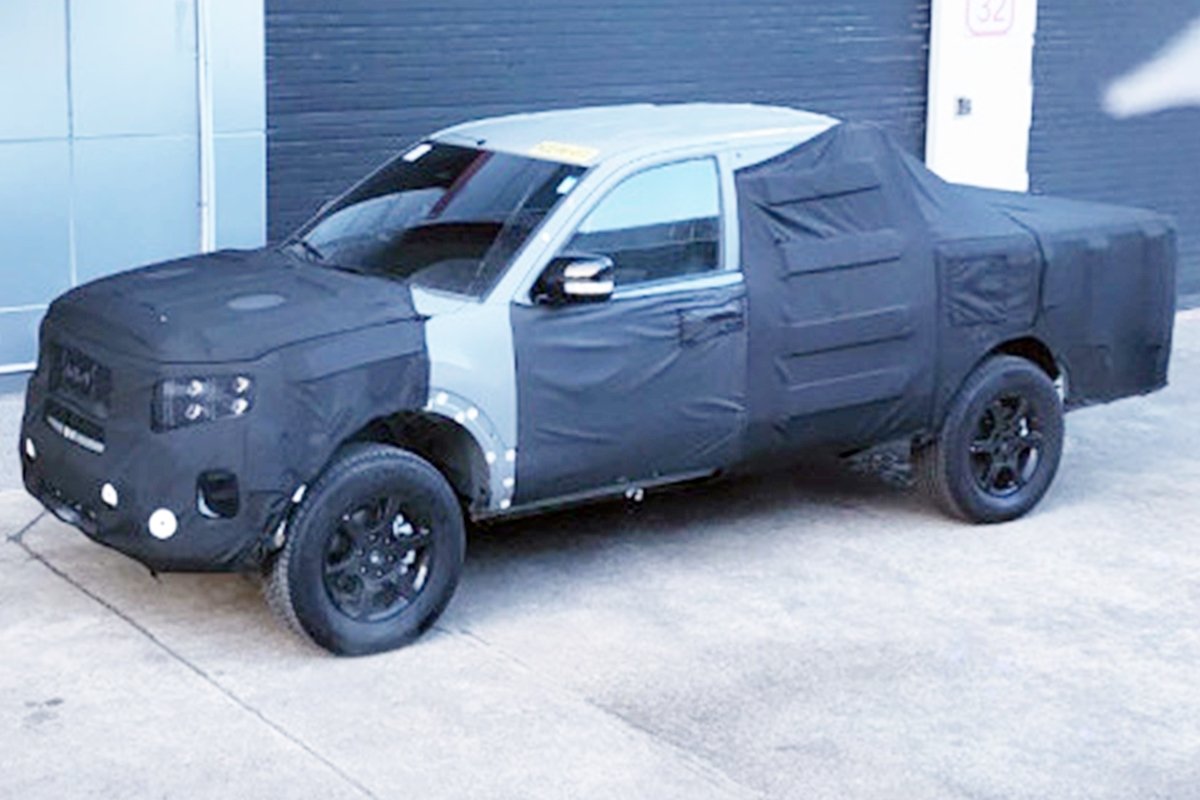
Maybe, in the meantime, Hyundai’s cheeky stablemate Kia will upstage it with a small ute of its own, based on the Santa Cruz and positioned beneath the already confirmed ladder-frame ute we’ve recently spied testing.
And, if Ford’s own little rival the Maverick ends up coming to Australia (however unlikely), Hyundai may end up wishing it had built right-hand-drive markets into its original Santa Cruz plan.
Hyundai’s own design boss, SangYup Lee, has told Wheels Media that he’d love to see how the Santa Cruz might appeal to Aussie buyers – particularly as he lived in Melbourne for a couple of years when working on the reborn Camaro with Holden.
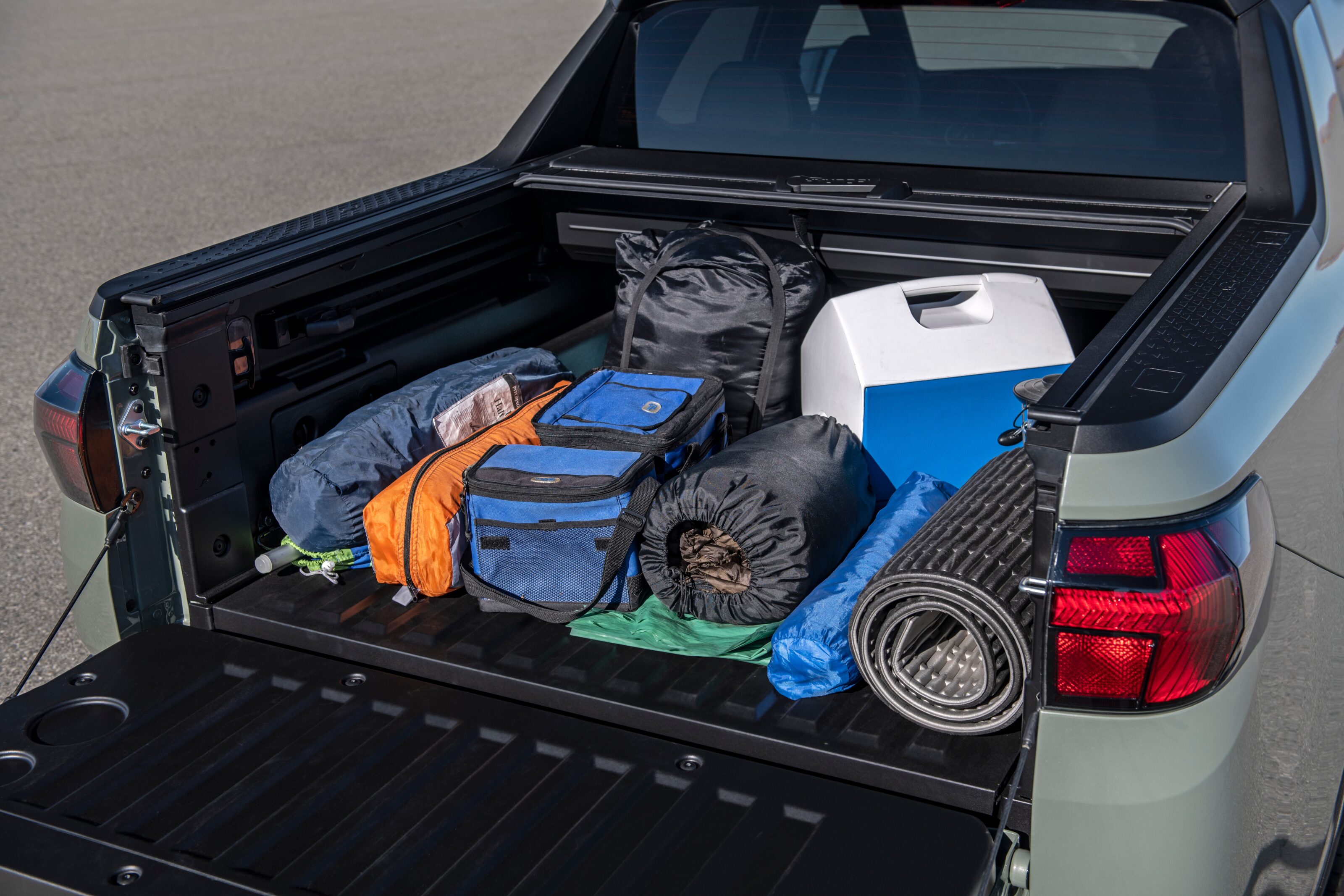
7
Speaking with Daniel Gardner in 2020, SangYup said “I love Australian car culture – it’s very diverse, it’s very unique, there’s V8s, and I keep it in my mind that the design also will work in Australia”.
“I always keep in my mind the ute culture that Australia has and nowhere else has. I know the car design tastes of Australian people.”
In the meantime, buyers can at least look forward to “a real bloody ute” joining the Hyundai range in Australia. Or at least, that’s the last word offered on the topic. Speaking with Tim Robson way back in 2019 when he first took the gig, new HMCA chief operating officer John Kett was exceedingly clear on the plan.
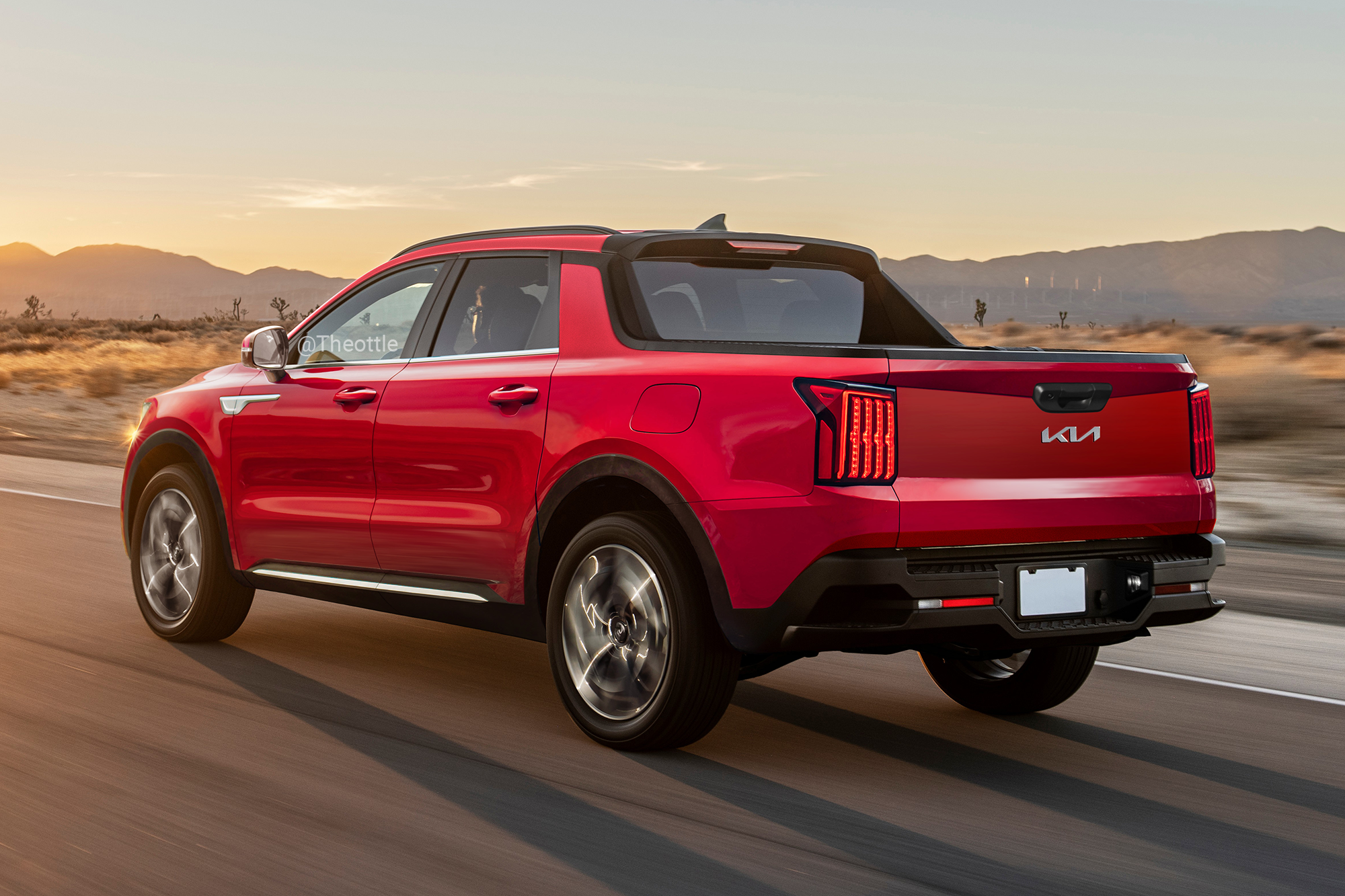
1
“What’s clear to us is that if we’re going to bring a ute out, it had better be a ute. We’ve got past the first hurdle of what it needs to look like, but it needs to be functional as well. That’s the important part,” Kett said.
“We’re going down that pathway and we’re working towards it. We just have to make sure that when it arrives, it’s a bloody ute.”
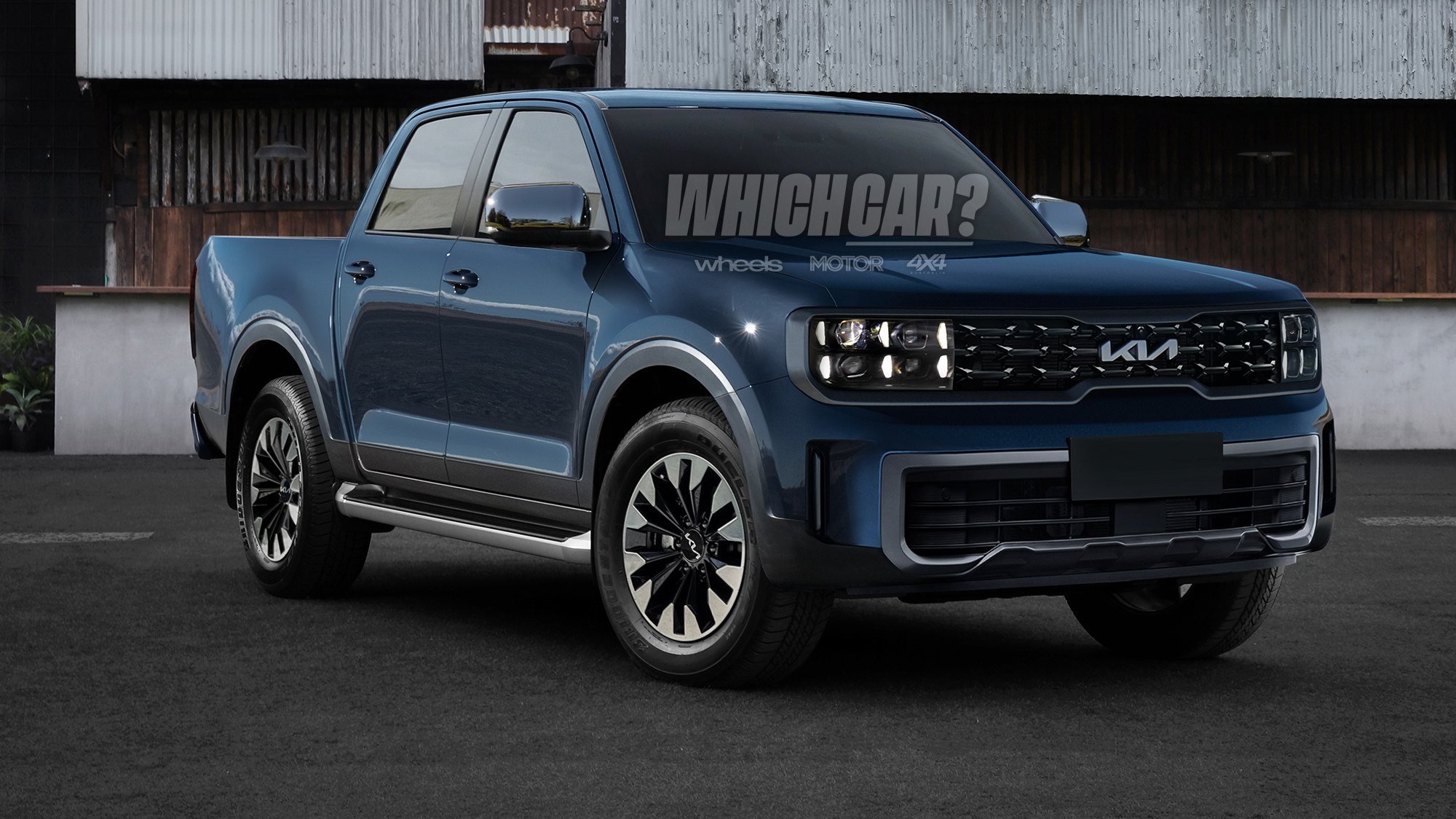
Not much has been offered since then, but with Kia now very openly testing the Ranger-sized ute it will undoubtedly bring to Australia, Hyundai may not be far behind on revealing its own plans.
1
1
MORE
Ute Buyers Guide
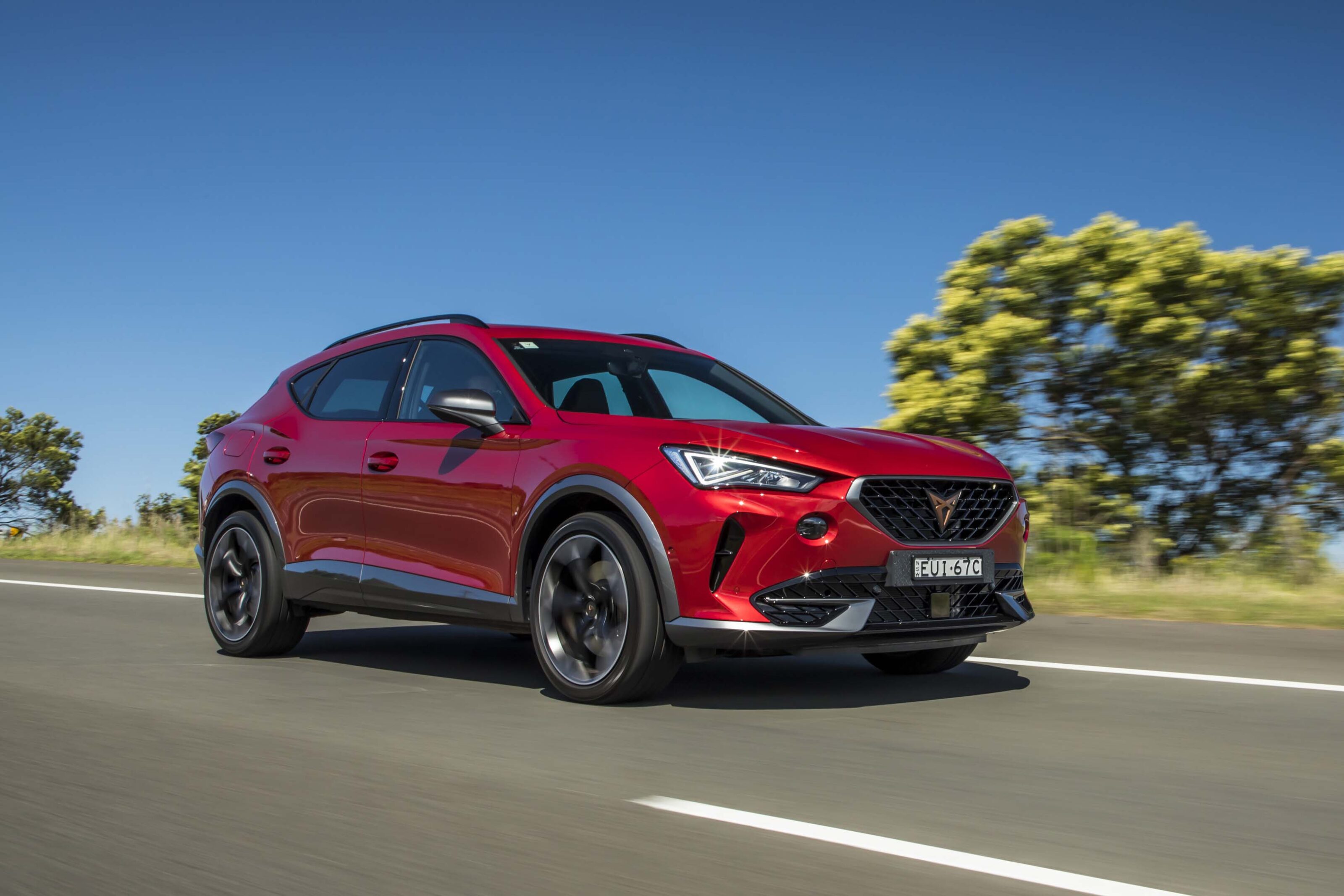
The 2019-22 Volkswagen Golf, and 2021-22 Cupra Leon and Formentor have been recalled due to a manufacturing defect.
Snapshot
- 2019-22 Volkswagen Golf, and 2021-22 Cupra Leon and Formentor recalled
- Due to a potential fault with the radiator fitment on some vehicles
- Just over 2500 vehicles affected
The issue affects 2667 units produced between 2019 and 2022, split between 1228 examples of the current-generation ‘Mk8’ Volkswagen Golf, 1158 Cupra Formentors, and 281 Cupra Leons.
According to the recall notice by the Department of Infrastructure, the “radiator on some vehicles may not be properly secured”, potentially leading to a loss of engine coolant.
1
“A loss of coolant will be indicated by visual and audible warnings for low coolant. If the warnings are ignored by the driver, engine overheating and subsequent power loss can occur.
“A loss of vehicle power while driving increases the risk of an accident, causing serious injury or death to vehicle occupants and other road users.”
Volkswagen Group Australia said owners should immediately contact a dealership to schedule an appointment to have the vehicle inspected and rectified, free of charge.
1
A VIN list for the affected Golf vehicles is here, while the affected Cupra Formentor and Leon vehicles are located here.
For Golf owners, Volkswagen can be contacted directly by calling 1800 504 076, or by visiting a dealership, found here.
Meanwhile, Cupra owners can contact the brand on 1800 879 112, or by visiting a ‘Cupra Garage’ retailer, found here.
MORE
Everything Cupra
Victoria will introduce updated driver distraction laws on March 31.
With distraction claimed to be responsible for 11 per cent of fatalities on the state’s roads, the new laws are aimed to “keep Victorians safe and reduce road trauma,” according to the Andrews Government.
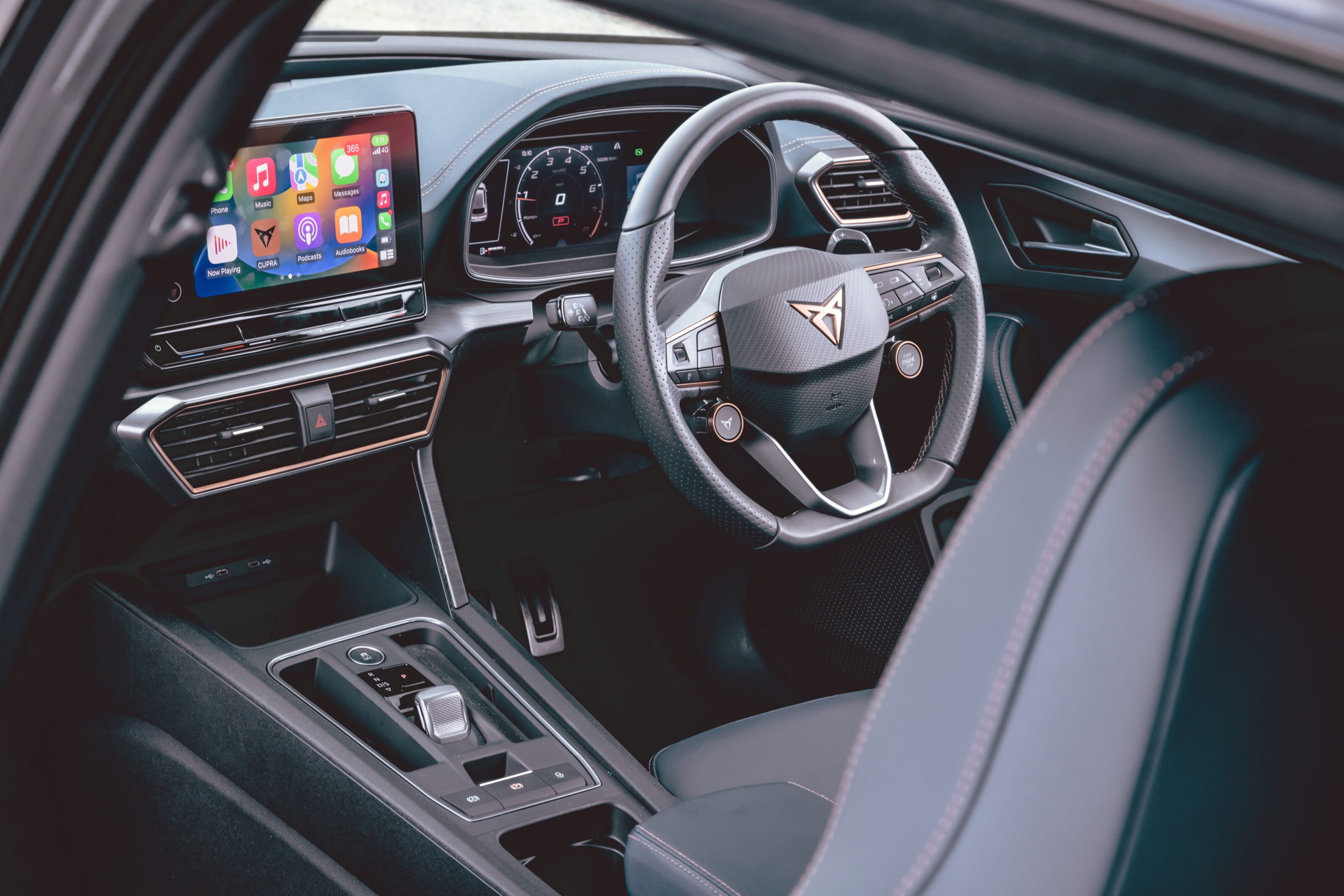
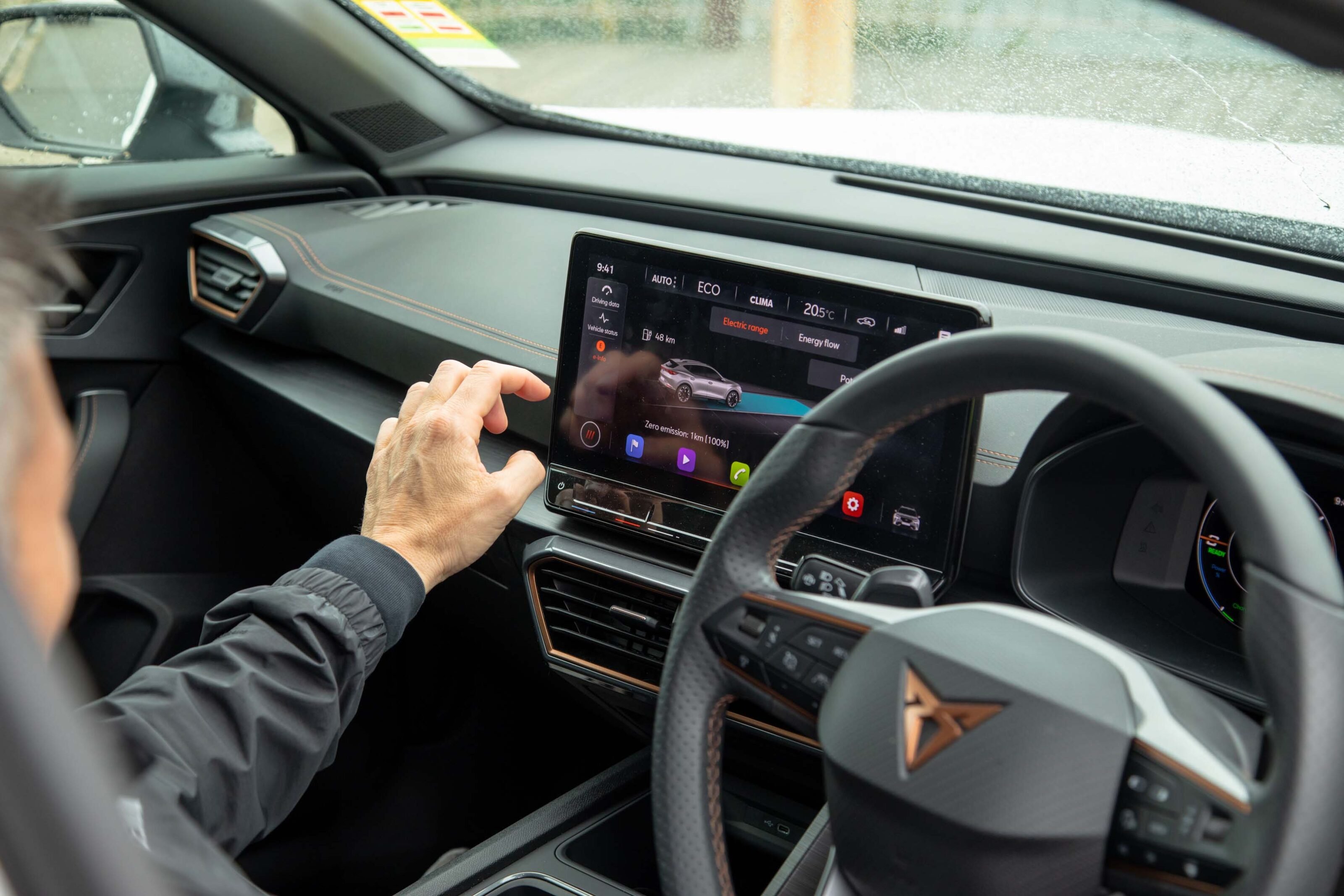
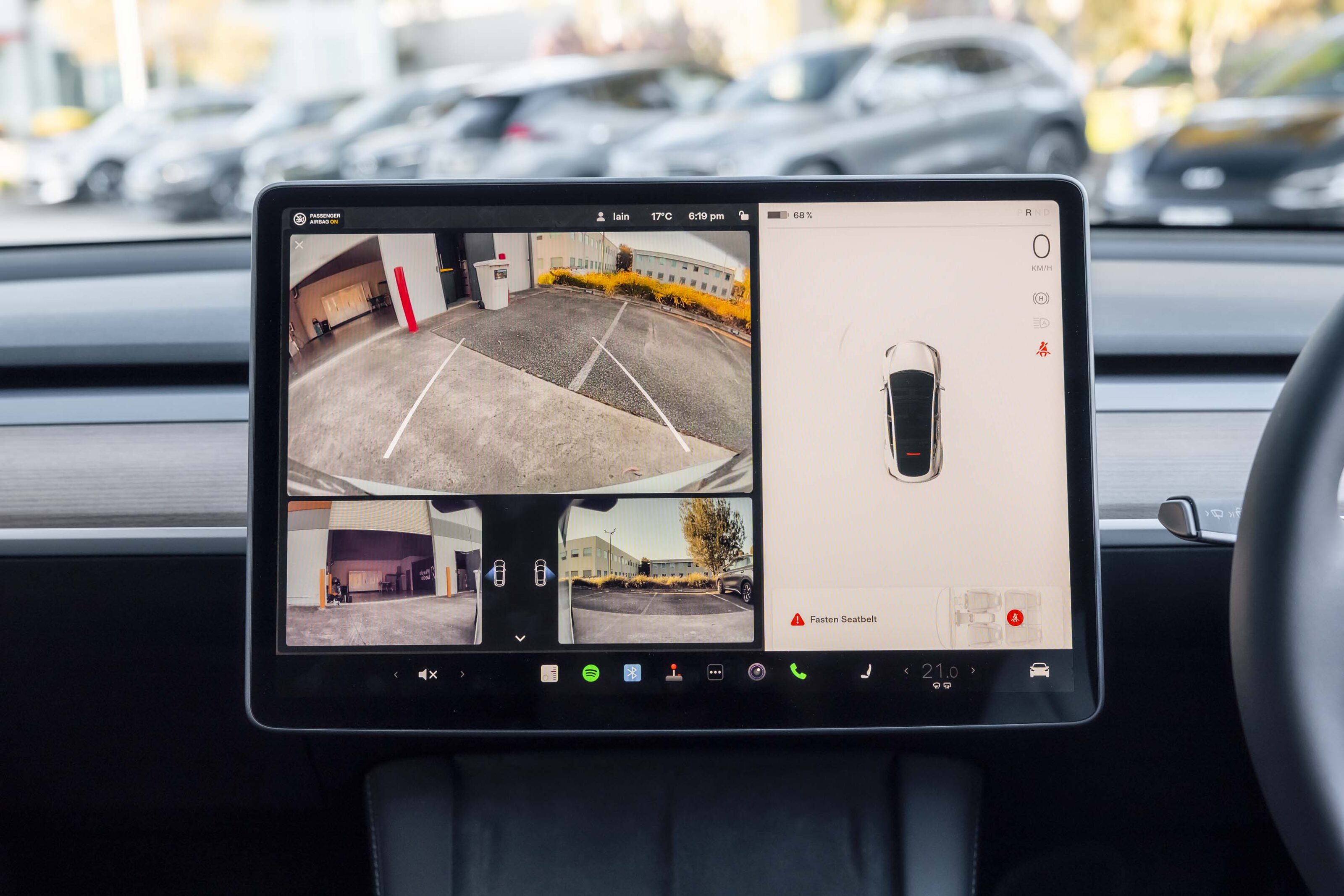
The updated laws will extend current legislation for mobile phone use to cover modern technology, including built-in infotainment systems and mounted and wearable devices – such as smartwatches, tablets and gaming consoles.
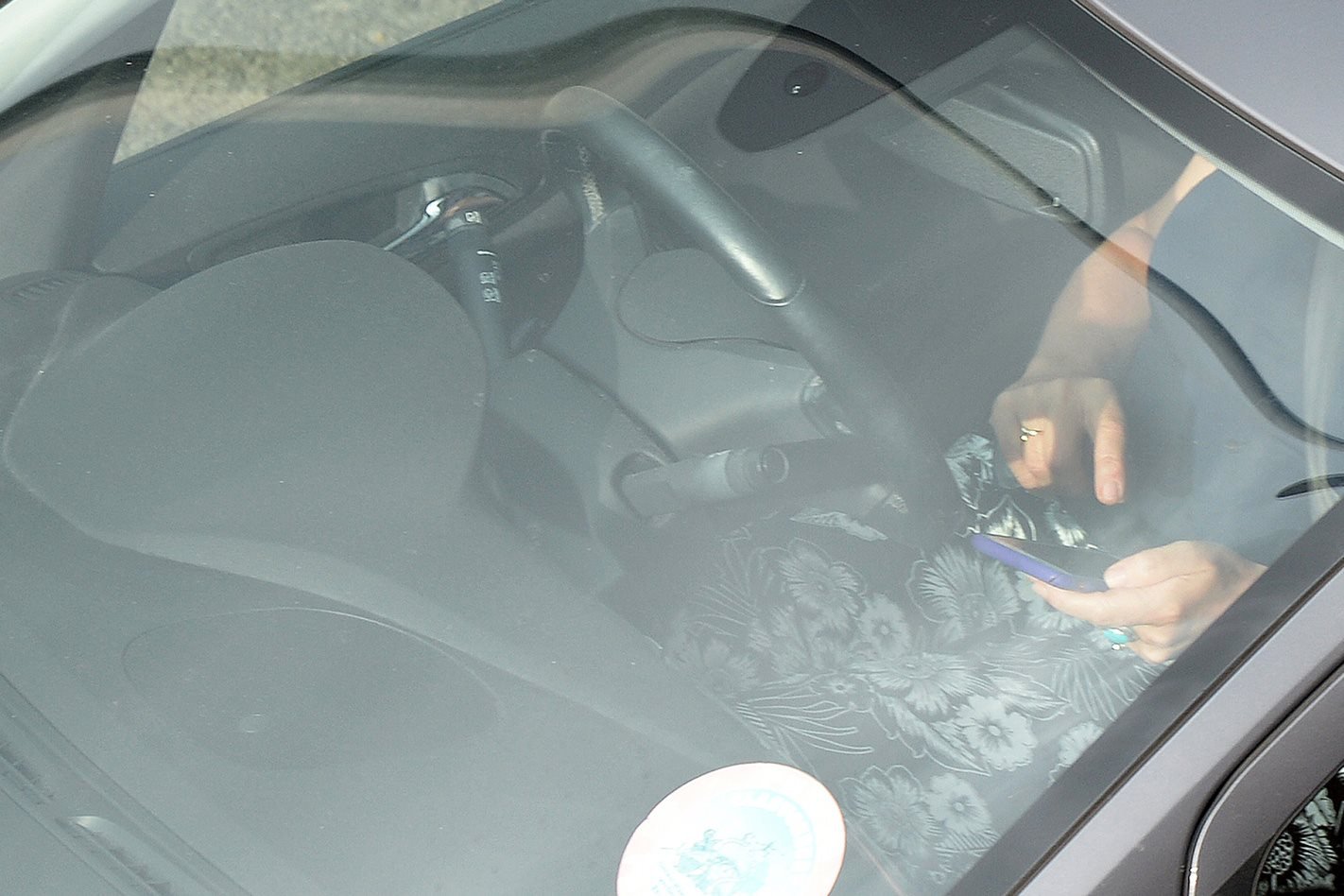
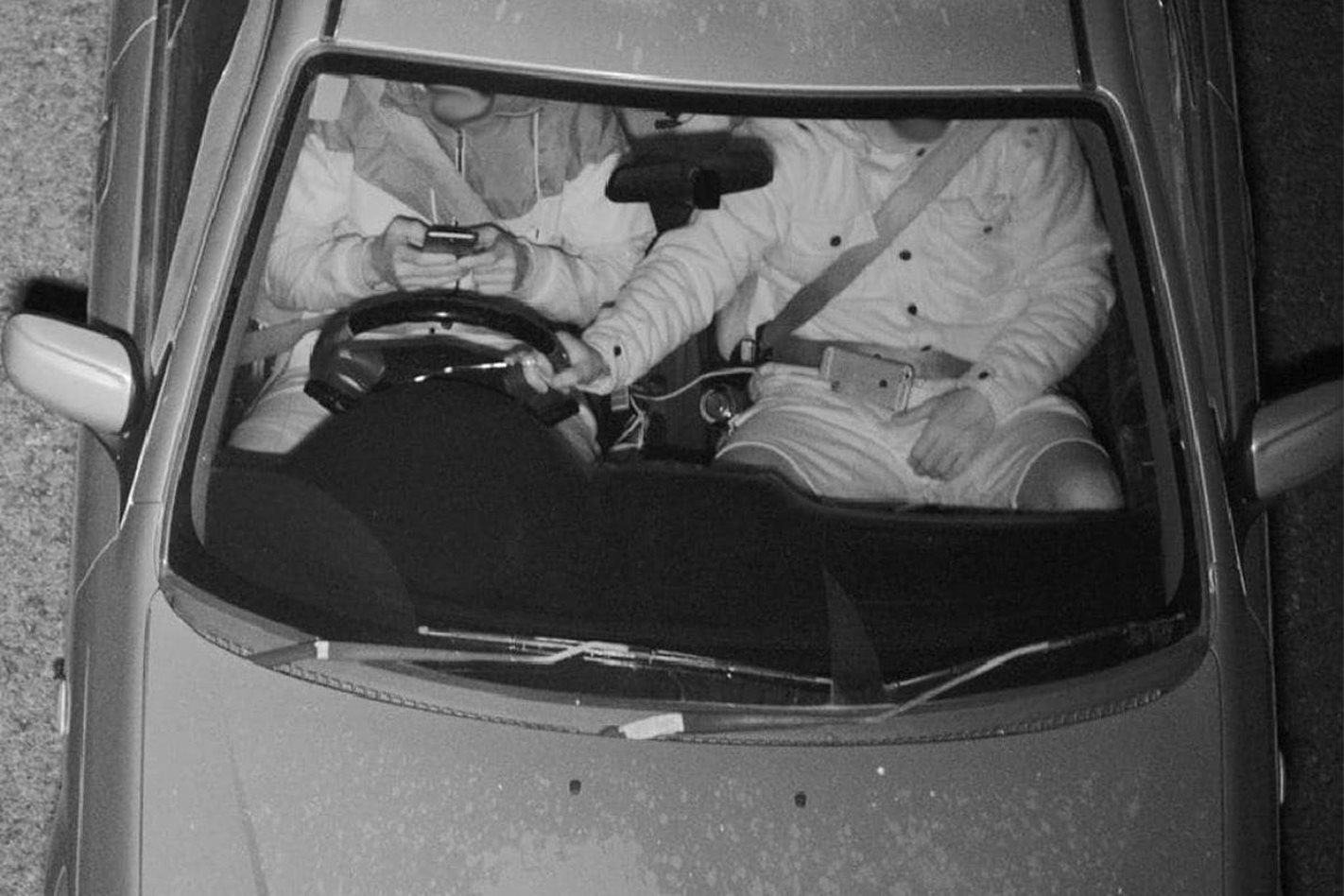
AI-enabled mobile phone and seatbelt camera detection systems will also be introduced in Victoria in the coming months, as part of a $33.7 million investment from the Victorian Road Safety Strategy 2021-2030.
1
The “high-resolution images” will detect vehicles in all conditions, including during poor weather or in low light – day or night.
A three-month warning period will apply before infringement notices and demerit points are issued from the mobile phone and seatbelt cameras.
In Victoria, the current penalty for using a mobile phone while driving is a $555 fine and four demerit points, while drivers caught without a seatbelt face a $370 fine and three demerit points.
The cameras can also detect passengers without seatbelts – or incorrect use of a seatbelt – where additional penalties may apply.
1
While a number of laws are already in place for mobile phone use, the updated legislation will expand and clarify this to reflect an increase in built-in vehicle technologies.
“It will bring Victoria in line with the Australian Road Rules, and cover in-built vehicle systems, mounted devices, wearable and portable devices such as smartwatches and tablets,” said the Victorian Government.
“Community awareness campaigns will run over the coming months to educate drivers on the devastating risks of distraction.”
1
With the updated laws now covering built-in infotainment units, drivers will now be required to park their vehicle to:
- Enter text, numbers or symbols (unless using voice control)
- Scroll (i.e. for media playlists)
- Display text messages, social media, emails or photos
- Watch movies, TV, video games or other moving images.
It will also allow drivers to monitor their behaviour or condition, carry out a ‘professional driving task’, or use a function intended to operate the vehicle.
This is an important caveat for certain, touch-centric vehicles – including the Tesla Model 3 and Model Y, which exclude traditional buttons and knobs for basic vehicle functions, such as climate settings, volume and audio tuning, and even wiper and headlight controls.
In addition, the law has been expanded to include wearable devices, including smartwatches, smart glasses (such as wearable heads-up displays) and motorbike helmet devices.

1
Drivers will now be legally allowed to use their mobile phone or another device to pay at a drive-through, in line with New South Wales and Queensland.
While mobile phone laws were already strict for learner and probationary drivers in Victoria, they will be strengthened further to prohibit the use of voice control entirely, including for built-in systems.
L- and P-plate drivers must not use a mobile device for any function while driving, including hands-free systems or Apple CarPlay and Android Auto, in Victoria.
“Distraction is deadly – which is why we’re introducing these new road rules to protect the lives of Victorians,” said Minister for Roads and Road Safety, Melissa Horne.
1
“Everyone has a role to play in keeping our roads safe, so when you’re driving, please make the right choices – pay attention and don’t be distracted.”
“We need every motorist to make the right decisions when they’re behind the wheel. When they don’t, road safety cameras and Victoria Police are there to hold them accountable,” added Minister for Police, Anthony Carbines.
The updated road rules will be enforced in Victoria from March 31, 2023.
A three-month warning period will apply for mobile phone and seatbelt offences detected by the newly-introduced fixed roadside camera systems.
In addition, the new laws will apply to “riders and operators of bicycles, electric scooters, recreational vehicles (such as people on skateboard and rollerblades) and electric personal transporters.”
The electric revolution is in full swing. Makers of regular cars and SUVs (such as Volvo) are already completely committed, but sports cars aren’t immune. The Lamborghini Aventador’s replacement will be a plug-in hybrid (PHEV), Ferrari’s new sports car, the 296 GTB, is also a PHEV, and even the likes of Renault Sport – soon to be Alpine – will be producing EVs exclusively.
Put aside the decreasingly distant threat of electrification and the SUV has already arrived in full force. Ferrari’s Purosangue, Ford killing the Fiesta (and with it the excellent ST hot hatch), and even Lotus entered the SUV game for goodness sake! Colin Chapman would be turning in his grave.
It’s this context that makes setting a silly early morning alarm to meet Nathan Ponchard at Berowra Ampol rather exciting.

1
We’ve arrived to brim-fill a brace of bespoke, two-door sports cars you can buy right now for about $50K. Sure, one of them has been around for a while – the MX-5 hit Oz in September 2015 – and Toyota’s new GR86 is a heavily revised version of the 2012 86, but come on, does it get much better this side of $100K?
Well, you could argue it does, with the new Nissan Z and a manual Supra here now, and Honda’s ‘FL5’ Civic Type R launching shortly (not to mention the rest of the hot hatch crew), driving enthusiasts are still spoilt for choice. But today isn’t about celebrating what we have, it’s about deciding which of these two is best.
JUMP AHEAD

1
Pricing and features
Neither car is cheap for what they offer on a spec sheet; small screens, manual seat adjustment and negligible boot space are common themes, but to be fair that isn’t why you buy them.
We have the most focused variants from both brands. In Mazda’s case that’s the $47,320 (before on-road costs) Roadster GT SP. The SP is the latest addition to a now seven-strong MX-5 range and can be identified by lightweight 17-inch BBS alloys, German Bilstein dampers and red Brembo four-piston front brake calipers clamping 280mm discs.
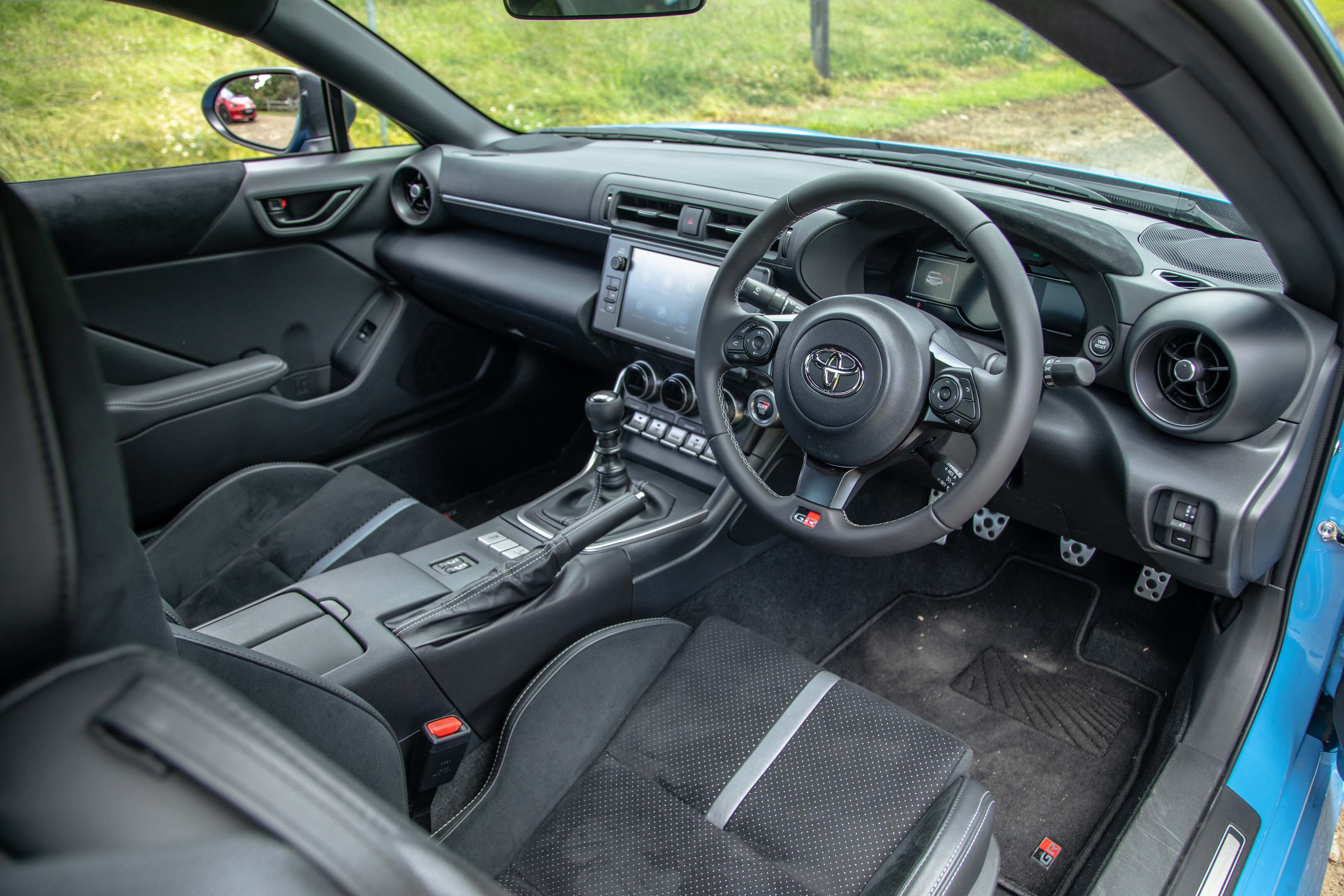
The 2023 GR86 GTS manual is $45,390 before on-road costs – the same as the auto, which is one reason to buy a BRZ – and can be told apart from the GT by anthracite 18-inch alloys, two-tone ‘Ultrasuede’ upholstery, red stitching and adaptive LED headlights.

1
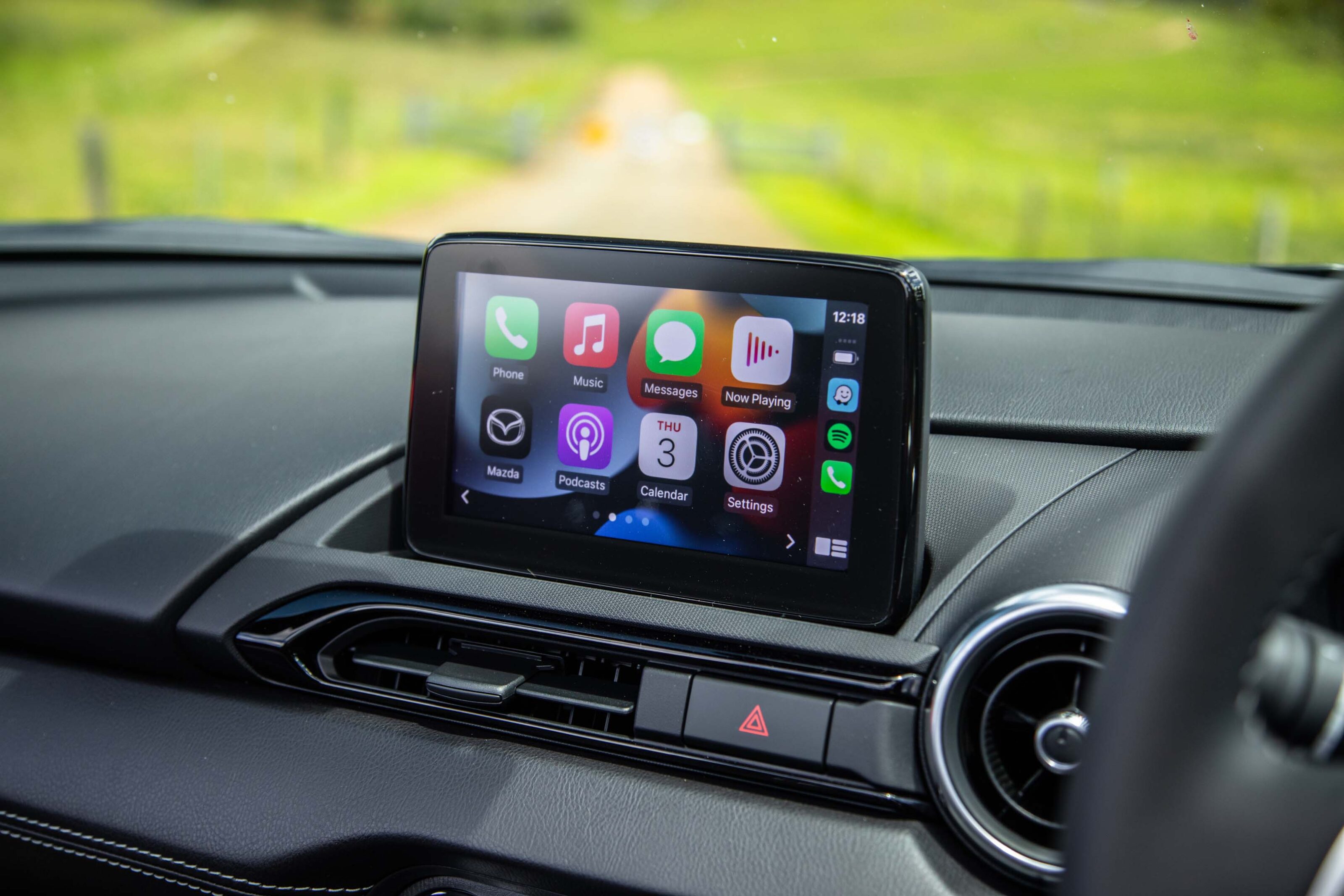
The Mazda MX-5 has a 7.0-inch touchscreen that now runs wireless Apple CarPlay (but wired Android Auto), built-in sat-nav and DAB+ digital radio. The gauges may not have a digital speed readout, but they are attractive even if the speedo’s font verges on too small.
A 230W nine-speaker Bose sound system is fitted to the MX-5 Roadster SP, and although OK at low speed it’s certainly not powerful enough to overwhelm 100km/h of wind rushing over your head.
Inside the GR86 things have improved markedly for the new-gen car with a crisp 8.0-inch touchscreen featuring shortcut buttons, wired Apple CarPlay and Android Auto. There’s also a very easy-to-read digital instrument cluster with several displays and clear speed read-out.
1
Toyota GR86 and Mazda MX-5
The Basics
| Toyota GR86 GTS | Mazda MX-5 GT SP | |
|---|---|---|
| Drive | rear-wheel | rear-wheel |
| Engine | 2387cc flat-4, DOHC, 16v, petrol | 1998cc inline4, DOHC, 16v, petrol |
| Power | 174kW @ 7000rpm | 135kW @ 7000rpm |
| Torque | 250Nm @ 3700rpm | 205Nm @ 4000rpm |
| Transmission | 6-speed manual | 6-speed manual |
| Weight | 1291kg | 1053kg |
| Tyres | 215/40R18 Michelin Pilot Sport 4 | 205/45R17 Dunlop SP Sport Maxx |
| Price | $45,390 + on-road costs | $47,320 + on-road costs |
Comfort and space
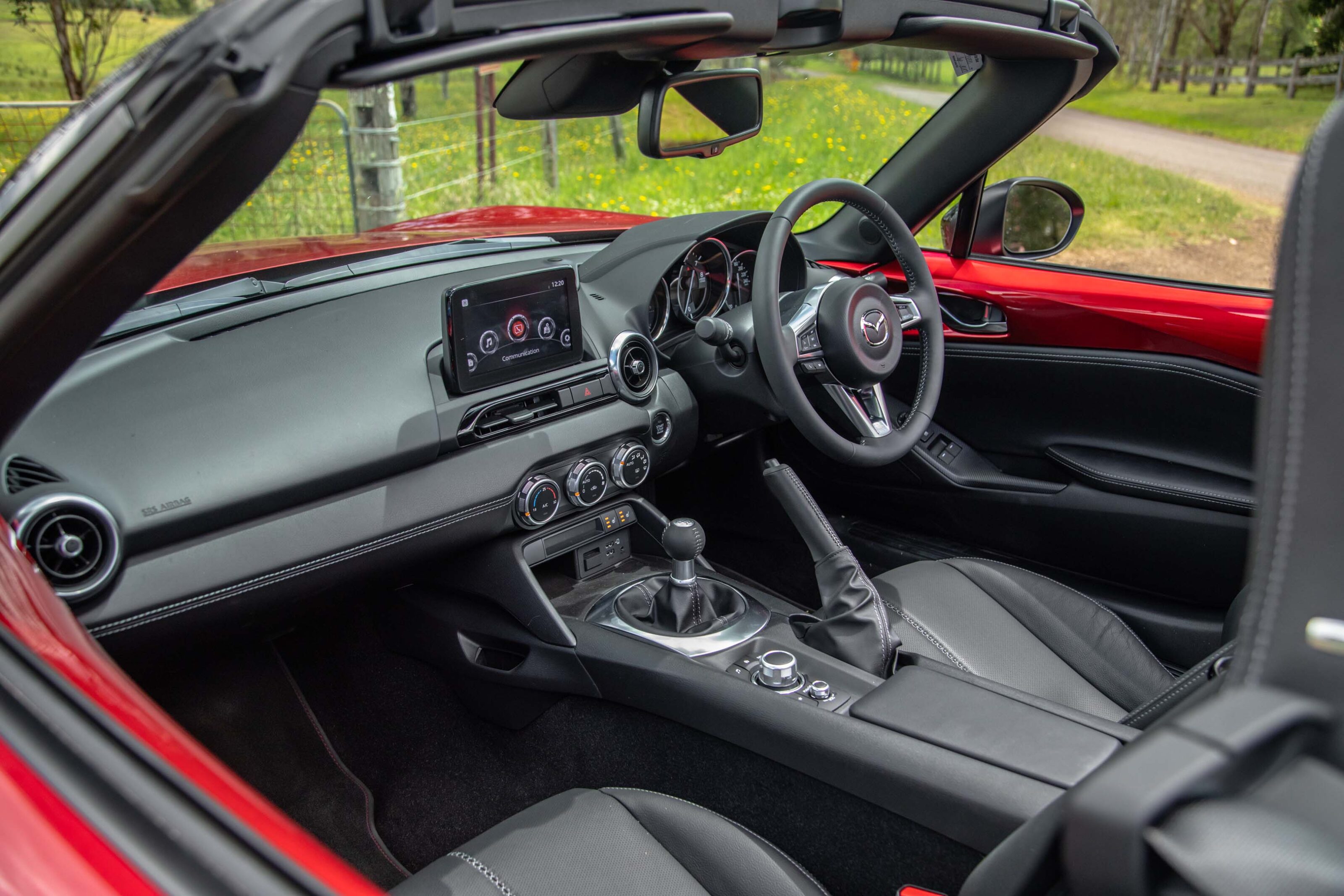
The Mazda MX-5’s cabin immediately presents as a more premium space. The attractive, larger-diameter steering wheel (that would look at home in a resto-modded MG B) is wrapped in high-quality leather.
It also has leather seats, squishy secondary materials and, when finished in Soul Red Crystal (or another bright hue), an engaging pop of colour courtesy of the colour-matched door tops. This looks tacky in a small SUV but suits the MX-5.
Ergonomics and practicalities are not the MX-5’s forte. Even if the cup holders are a clever solution, heavier bottles have a tendency to slip out under hard cornering. The token space under the armrest is just big enough for the MX-5’s key fob and the recess under the centre stack doesn’t really fit a modern smartphone. At least the lockable cubby between the seats is a nice touch.
20
At 188cm tall I’m also right on the MX-5’s height limit with just enough headroom, and the seat on the last click of the sliders. Luckily I’m skinny, because the cockpit is intimate as well. The seats look comfy but on long stints I found them to lack lumbar support, resulting in a sore lower back.
In contrast, the GR86’s driving position had me worried initially, as its two-stage heated ‘Ultrasuede’-appointed seats don’t have as much tilt or under-thigh support as I’d want, but over hours and hours of driving, they never grew uncomfortable.
There is the feeling Toyota redesigned the seats, widening the bolsters, perhaps to make the GR86 more accommodating for larger frames than the snug 86. The GR also loses the facelifted 86’s lovely triangular soft pads that kept the driver’s left knee protected during hard cornering. Strange.
And then there’s the baby elephant in this coupe, that being a pair of seats in the back that are actually usable. Not comfortable, but functional, and having that extra flexibility if this is your only car cannot be overstated.
The GR86’s 237L boot is also miles more useful than the MX-5 Roadster’s 130L. Fold the seats and you can fit four spare tyres when you’re going to the racetrack, too.
22
On the road
As I arrived at the meeting spot in the GR86 having already enjoyed the privilege of spending a few days punting it around town, I chose to swap into the MX-5 for the first leg of the comparison.
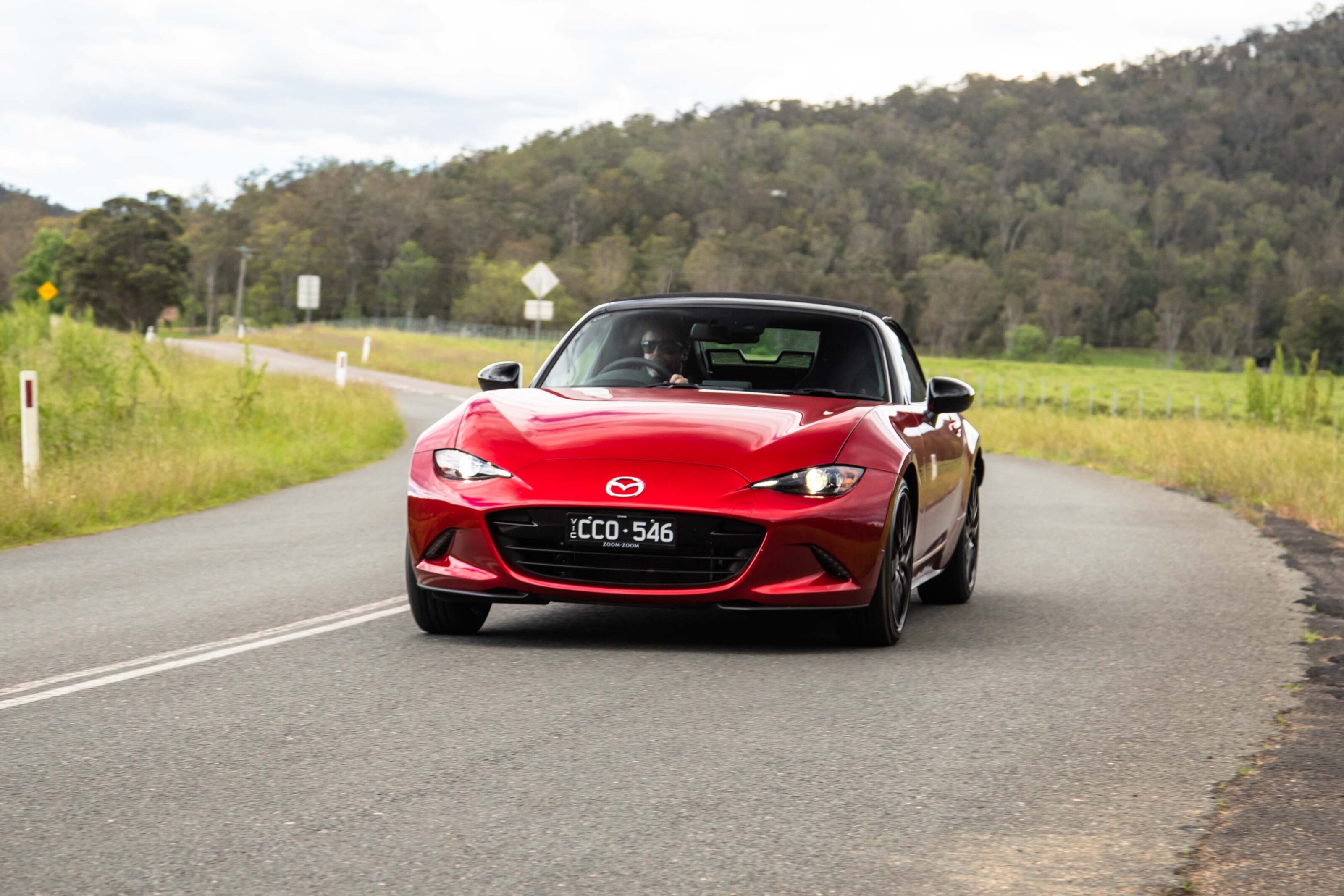
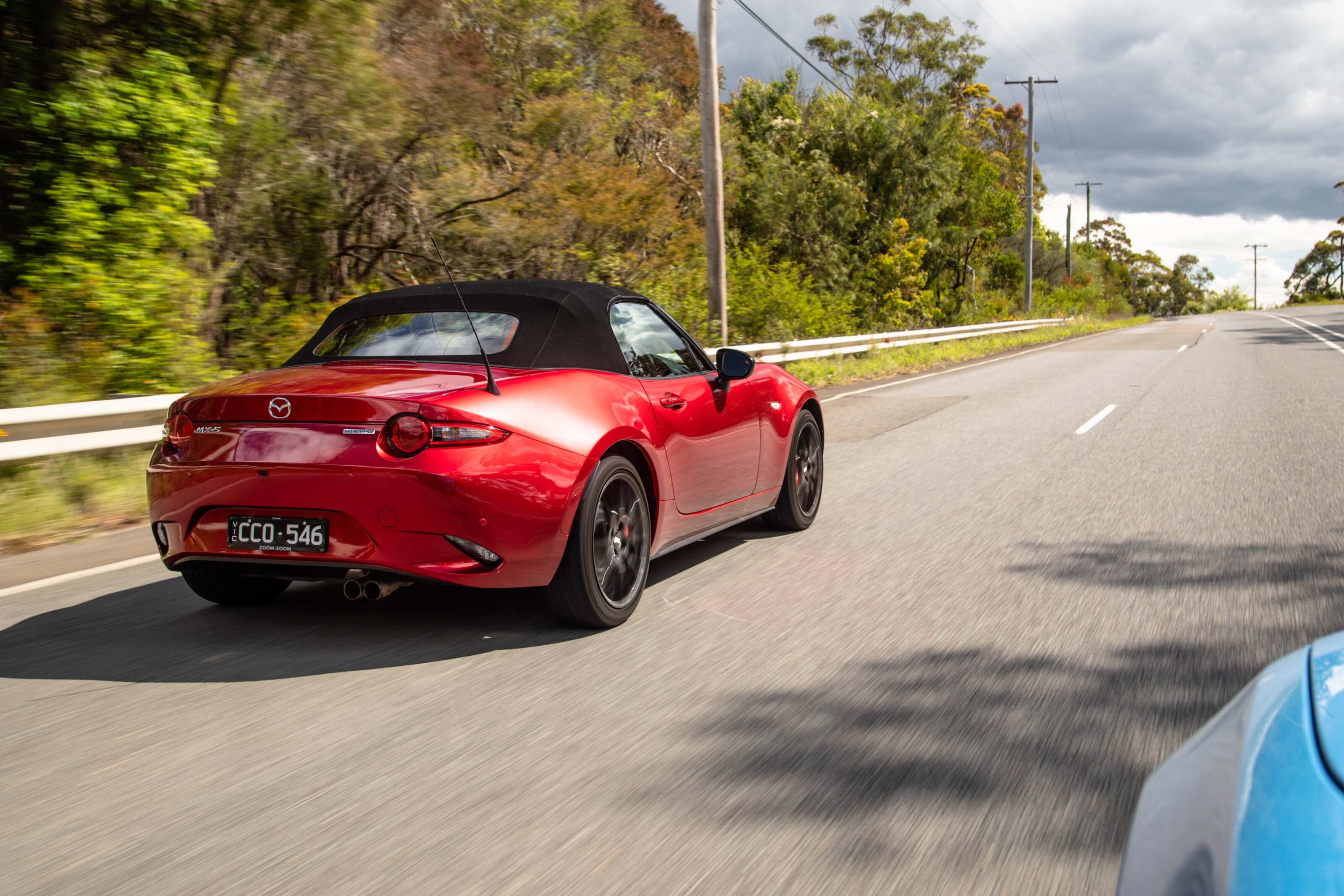
It was a mellow start with smooth, constant-radius turns of the Old Pacific Highway unravelling behind slow traffic. Despite a subdued pace, the MX-5’s body was still wriggling and moving around. The roadster’s easier clutch, longer-throw six-speed manual and more refined engine are second nature to the driver. It’s true, the MX-5 is fun at all speeds.
There’s an effortlessness to the GR86’s chassis that invites you closer to your limits, rather than indulging in the process of each corner.
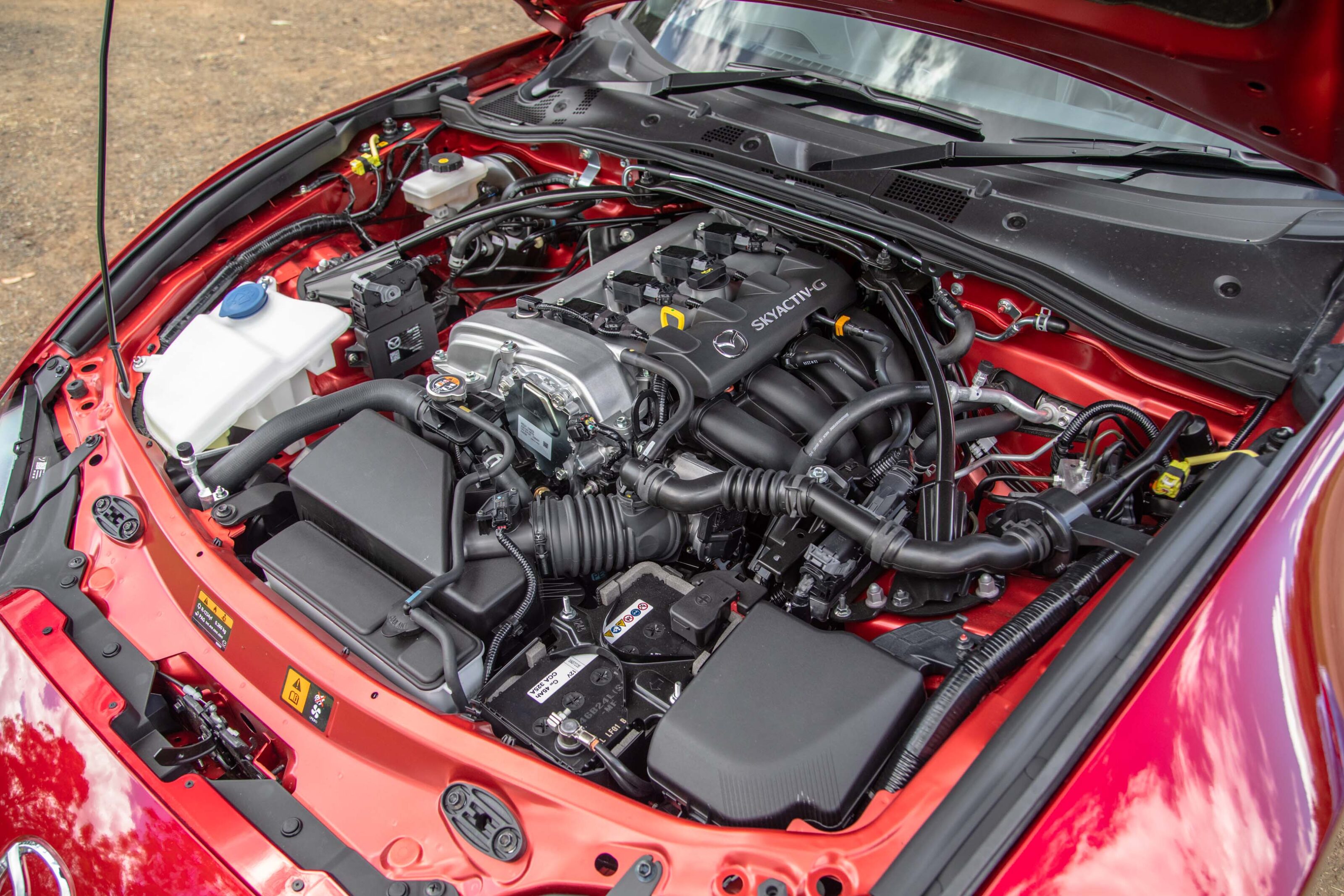
As the road opened up, the MX-5’s (beautifully presented) 135kW/205Nm 2.0-litre naturally aspirated engine could flex its muscles. The MX-5’s midlife update really sweetened the ‘big block’ up with a seriously high redline, allowing you to indulge in second gear up to the 7800rpm fuel cut.
2
Putting more load through the MX-5’s chassis reveals how the firmer Bilstein dampers have tied the MX-5’s body down. Not so it doesn’t roll – it definitely does – but some of the standard car’s occasionally unnerving vertical pitch is minimised. The ride is firmer without compromising control.
For 2022, Mazda also introduced ‘Kinetic Posture Control’ (KPC) that brakes the inside rear wheel to tug the roadster’s nose into the apex a little tighter. All manual MX-5s still have a mechanically-locking rear diff.
Does it work? Sort of. Except that after a hard run up and down our back-to-back hillclimb the MX-5 left a distinct odour of warm brake pads wafting through the Hunter Valley. This also comes down to an overly-grabby ESC tune that seems to have been amplified by the raised grip limit granted by the Bilstein dampers.
1
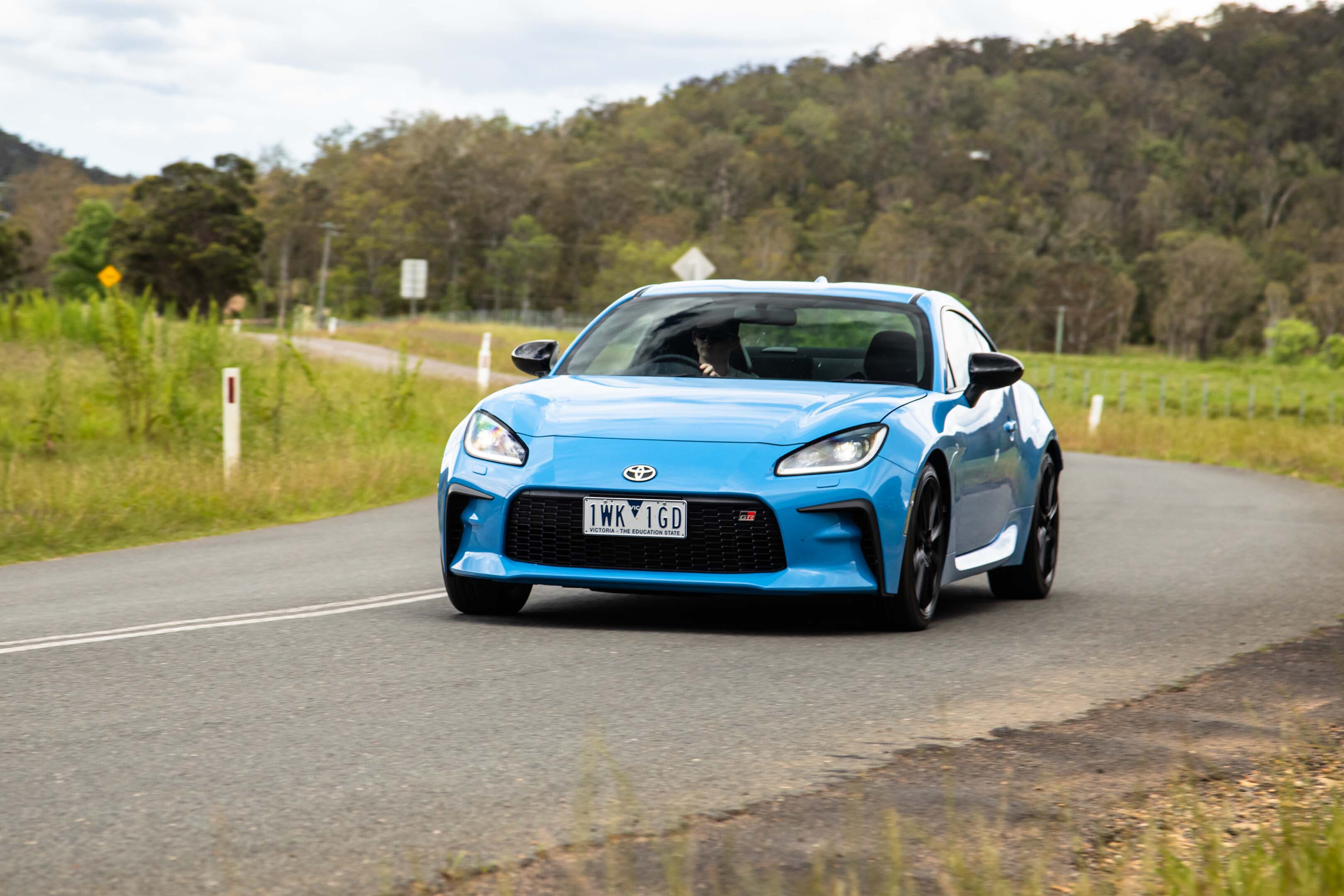
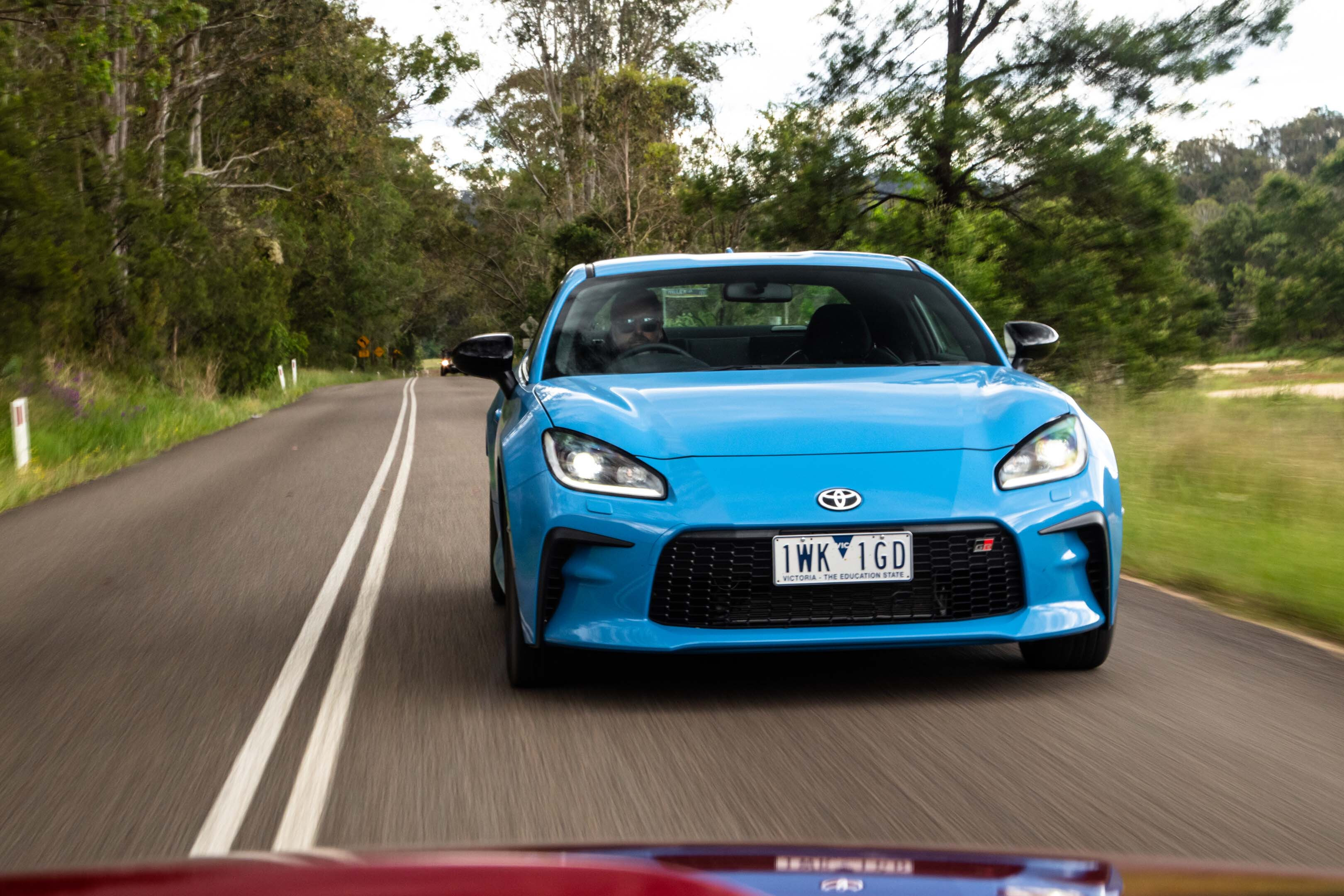
Jumping straight into the sharper GR86, and in the first 100 metres the difference in chassis rigidity against the Roadster is stark.
Over a scabby patchwork of potholes the MX-5’s tiller skips in your palms, while the Toyota’s wheel reminds you of the bumps, but doesn’t kick back like the Mazda’s.
The Toyota’s firm brake pedal, meaty gearshift and sharp throttle inspire you to get to work immediately. That sharper 2.5-turn lock-to-lock rack makes the GR86’s front end feel ultra-responsive too.
But the GR86 doesn’t flow like the MX-5. Where the roadster fluidly rolls, dips and slides on its 205/45 R17 Dunlop Sport Maxx tyres, the GR86’s dance is more punctuated. There’s a flow to be found, but it’s a staccato one as the GR86 eggs the driver to brake harder, turn in faster, hit the gas sooner. There’s an effortlessness to the GR86’s chassis that invites you closer to your limits, rather than indulging in the process of each corner.
1
The GR86’s engine is stronger, too with a handy lump of extra mid-range punch accompanied by a tuneful (if rather fake) soundtrack. Outright pace between this pair isn’t too different on paper, with Toyota claiming a 0-100km/h sprint of 6.3 seconds and Mazda 6.5 seconds. You can put that down to the weight difference, the delicate Mazda bearing 238 fewer kilos than the 1291kg GR86.
Look in the GR86’s (no-longer-frameless) rearview mirror and, well, there is quite a difference in real-world pace. Throw some twists in the mix, and the Mazda is nowhere to be seen. Toyota’s GR86 feels like a tool for taking on a Targa Tasmania stage rather than a mellow Sunday drive in the countryside.
The GR86’s focus can compromise its fun factor. Where the MX-5 – and also the Subaru BRZ – give a wider envelope of neutral, throttle-adjustable steer mid-corner without finding understeer, the GR86 is edgier. That said, the new car has lost none of the old 86’s throttle-steerable antics, even on grippier 215/40R18 Michelin Pilot Sport 4 tyres.

1
But when you get too greedy on the throttle in a higher-speed corner, the GR86 is more likely to nibble at the front tyres with a gentle, reassuring smidge of understeer. It punishes the driver, to a certain extent, where the MX-5 flatters aggressive movements.
Ponch reckoned that by stiffening both cars the manufacturers had really made them worse on the road, and that’s probably true. In any case – just like its predecessor – the GR86 is subtly asking the owner to come along and tweak it: dialling out that front-end push would only take a little extra front camber or stickier tyres.
The MX-5, though, is a more rounded, balanced package out of the box. Not only is it more approachable, it’s also more fun. Except for the road noise. The roadster’s unbearable roar on coarse chip surfaces gets tiring very quickly. The GR86 isn’t what you’d call serene, but it’s much more tolerable.
1
Safety
The Mazda MX-5 scored five stars in its 2016 ANCAP safety test. The Toyota GR86 has not yet been evaluated by the safety body, and Toyota has not indicated any intention to submit it for crash testing.
Standard safety features fitted to the GR86 GT include seven airbags, anti-lock brakes, stability control and a reversing camera. Not much in 2023.
Automatics GR86s get front auto emergency braking, rear parking sensors with low-speed reversing AEB, adaptive cruise control and lane departure warning. The tested GTS adds rear cross-traffic alert and blind-spot monitoring for both manual and automatic transmissions.
The Mazda MX-5’s safety suite is a little fuller, including forward and reverse AEB with pedestrian detection (in the manuals, too. What gives Toyota?), blind-spot monitoring, driver attention monitoring, rear cross-traffic alert and traffic sign recognition.

1
Fuel efficiency
Though the Mazda’s engine is a little less powerful, it’s more fuel efficient. During testing, the Mazda consumed 9.0L/100km of petrol.
When driving more sedately, the Mazda easily hits its official ADR combined figure of 6.8L/100km. The MX-5 will take a minimum of 95 RON unleaded petrol, though its high-compression engine prefers 98 RON.
The GR86 will accept no less than 98 RON and returned 9.6L/100km on our test loop. Not far off the GR86’s combined ADR 81/02 figure of 9.4L/100km.
Around town, the GR86 is noticeably less efficient than the Mazda, returning closer to 10.0L/100km in the suburbs, and only getting down to about 8.0L/100km on the highway.
1
Ownership
Toyota and Mazda both cover their sports cars with capped-price servicing, which means no nasty surprises despite owning a fairly exotic-looking beast.
A GR86 customer gets five years or 75,000km of servicing capped at just $280 per visit, which is due every 12 months or 15,000km. That makes the total service pricing for the GR86 just $1400 over the duration.
The Mazda MX-5’s service costs are a little dearer, with the total coming to $2065 over the same period. Both the MX-5 and GR86 are covered by five-year, unlimited-kilometre warranties in Australia.
It is worth taking into account the use cases for both of these cars, as they might not match up to typical driving. For example, a Corolla or Mazda 3’s engine oil may be fine for 15,000km but over that same distance, it’s likely the GR86 and MX-5 will both get subjected to higher revs.
Higher engine speeds generate more heat, and heat breaks down oil which leads to engine damage. So if you intend to use either car on the track, or drive spiritedly, consider more regular oil changes than prescribed by the manufacturer.

1
VERDICT
They may be relatively affordable but the GR86 and Mazda MX-5 are proper sports cars; they’re like putty in the driver’s hands.
You can bend, shape and mould their cornering attitudes at will. The difference is, where the MX-5 is playdough, the GR86 is precision modelling clay.
Don’t write the MX-5 off as a childish plaything; it’s anything but. In fact, playdough is a compliment, for the MX-5 is an approachable car that almost anyone will be able to find the limit of, and doing so brings an instant smile to the face.
And while precision modelling clay may sound like what you want, deriving satisfaction from modelling clay requires a lot more concentration and commitment than playdough. Trust me.
That said, for me the GR86 is the car I lust after. Its delicacy, accuracy and outright pace won me over, but contributor Nathan Ponchard argued a strong case to put the MX-5 first on drivers car terms. These are unique sports cars, each will suit a different driver, and that should be celebrated.
Ultimately, the verdict comes down to more than on-limit dynamics. Considering these two are roughly the same price – and while a fixed roof will be an absolute deal-breaker for some – the GR86’s newer technology, space for four and usable boot make it the winner.
SCORING
| Toyota GR86 GTS | Mazda MX-5 GT SP | |
|---|---|---|
| Safety, value and features | 8 | 8 |
| Comfort and space | 7.5 | 6.5 |
| Engine and gearbox | 8.5 | 9 |
| Ride and handling | 9.5 | 9.5 |
| Technology | 8 | 7 |
| Overall | 8.5 | 8.5 |
Toyota GR86 GTS: 8.5/10
Things we like
- Precise steering
- Outright grip
- Practicality
- Control weighting
Not so much…
- No AEB for manual; price gouging
- Firm ride
- Not as fun on the surface
Mazda MX-5 GT RS: 8.5/10
Things we like
- Back-road flow
- Revvy petrol engine
- Easy gearshift
- Non-stop al fresco smiles
Not so much…
- Lacks chassis rigidity
- Dated infotainment
- Road noise
MORE
Everything Toyota
MORE
Everything Mazda
| Toyota GR86 GTS | Mazda MX-5 GT SP | |
|---|---|---|
| Body | 2-door, 4-seat coupe | 2-door, 2-seat convertible |
| Drive | rear-wheel | rear-wheel |
| Engine | 2387cc flat-4, DOHC, 16v, petrol | 1998cc inline4, DOHC, 16v, petrol |
| Power | 174kW @ 7000rpm | 135kW @ 7000rpm |
| Torque | 250Nm @ 3700rpm | 205Nm @ 4000rpm |
| Transmission | 6-speed manual | 6-speed manual |
| 0-100km/h (claimed) | 6.3 seconds (claimed) | 6.5 seconds (claimed) |
| Fuel consumption (ADR combined) | 9.4L/100km (98 RON) | 6.3L/100km (95 RON) |
| Fuel consumption (tested) | 9.2L/100km (98 RON) | 9.0L/100km (98 RON) |
| Weight | 1291kg | 1053kg |
| Boot space | 237 litres | 130L |
| Suspension | strut front / multi-link rear | double wishbone front / multi-link rear |
| Length/Width/Height/W-B | 4265/1775/1310/2570mm | 3915/1735/1230/2310mm |
| Track (front/rear) | 1520/1550mm | 1495/1505mm |
| Brakes (front) | 2 piston caliper, 294mm ventilated discs | Brembo caliper, 280mm ventilated discs |
| Brakes (rear) | 1 piston caliper, 290mm ventilated disc | 1 piston caliper, 280mm solid disc |
| Tyres | 215/40R18 Michelin Pilot Sport 4 | 205/40R17 Dunlop SP Sport Maxx |
| Wheels | 18-inch alloy | 17-inch BBS forged alloy |
| Price | $45,390 + on-road costs | $47,320 + on-road costs |
