
UPDATE: Polestar O2 concept design tour
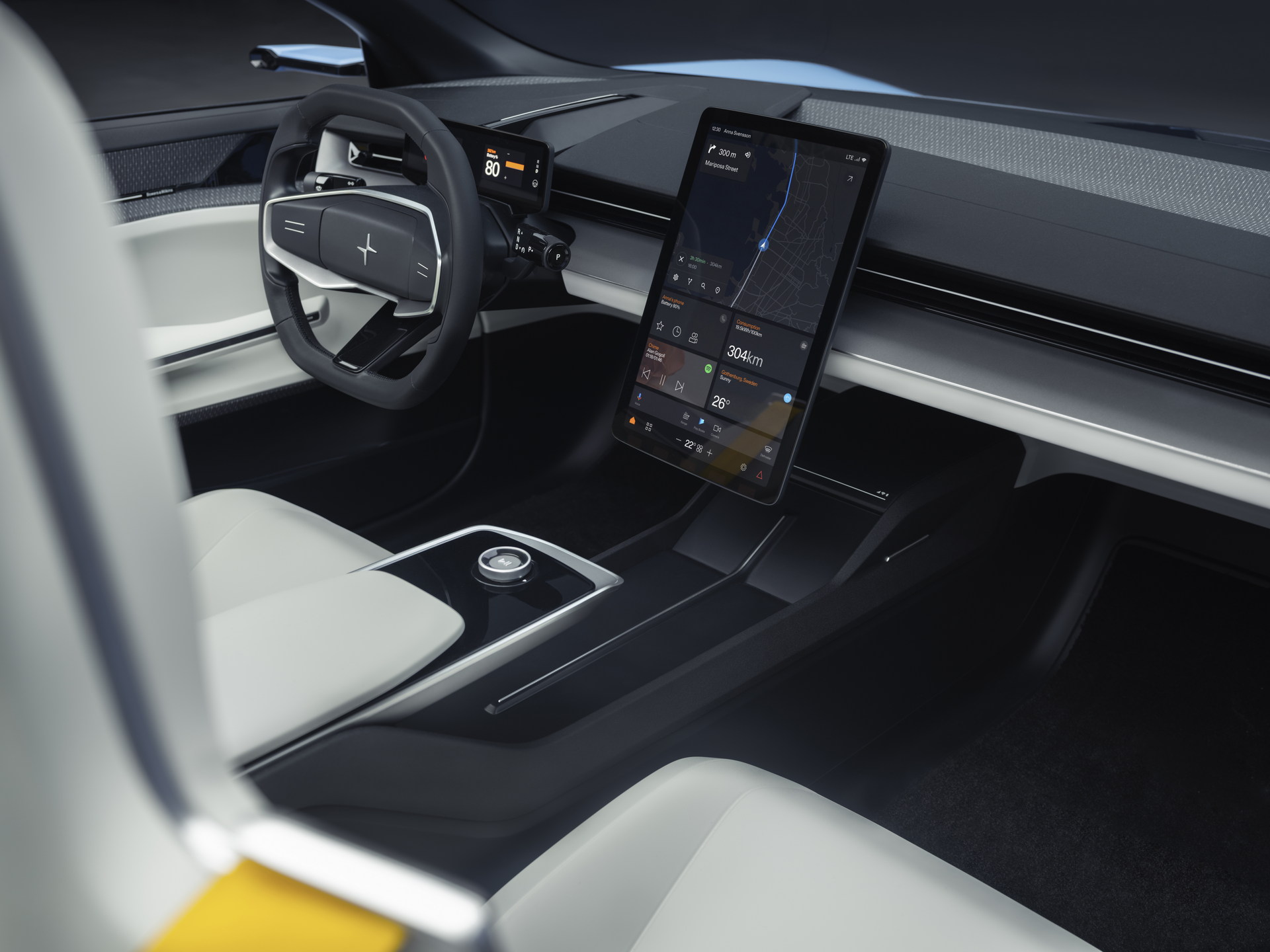
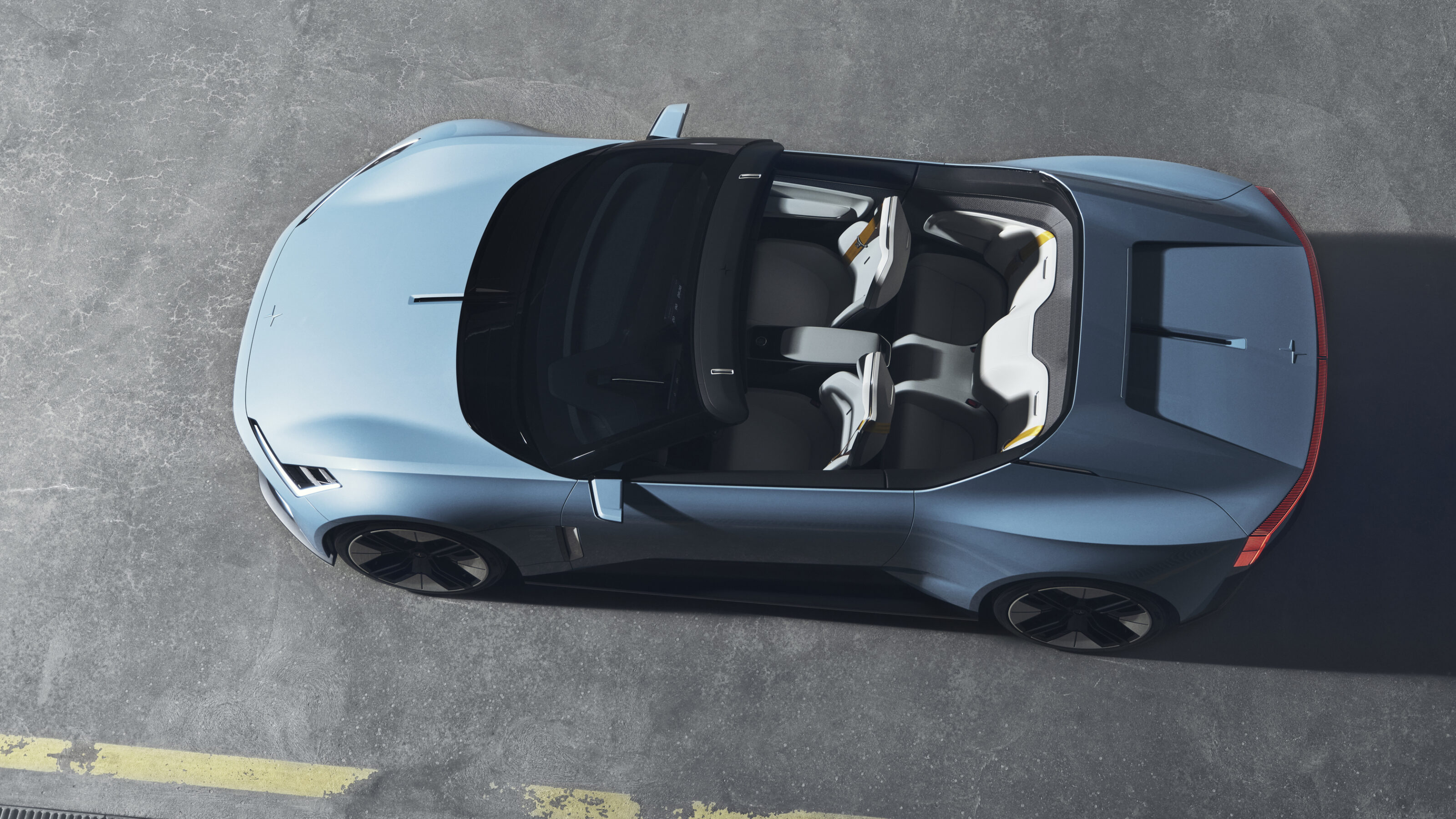
As part of its Australian east-coast tour this week, we were invited to come in for a close look at the Polestar O2 concept that will become the Polestar 6 roadster in the year ahead – and an Australian launch is already confirmed.
Catch our video below, and read on for more details on the Polestar 6.
November 8: The Polestar 6 will begin its Australian tour in Melbourne on November 14.
Polestar’s rapid expansion continues following the global release of the 3 SUV, with the 4 and 5 to follow ahead of the halo 6 roadster – previewed by this O2 concept – expected in 2026.
Punters will be able to preview the future sporty Polestar in Melbourne from November 14-16 at Two Ton Max, Brisbane between November 22-24 at Lightspace, and finally the 28-30th in Sydney at Pix on Location.
The first 500 Polestar 6 LA Concept Editions have already been spoken for, and it’s understood there are some Australian names on the list.
Aside from seeing the stunning 6 Roadster in the flesh, a series of speakers will be present such as industry leaders in the sustainability space, discussing Polestar’s ethos in tandem with their own experiences in architecture, the economy, environment and more.
Polestar event locations
| Dates | City | Venue |
|---|---|---|
| November 14-16 | Melbourne | Two Ton Max,u00a0124 Langford St, North Melbourne |
| November 22-24 | Brisbane | Lightspace,u00a02 Scanlan St, Fortitude Valley |
| November 28-30 | Sydney | Pix on Location u2013 Studio 7u00a025 Hiles St, Alexandria |
Our original story, below, continues unchanged.
UPDATE 1 September: First 500 build slots snapped up, including Australia
The upcoming Polestar 6, only recently confirmed for production, has already sold out on its first 500 build slots – despite a launch schedule that will see buyers waiting nearly four years for their cars.
Those first sales went to what Polestar has dubbed the ‘6 LA Concept Edition’, with buyers scattered across selected markets including Iceland, UAE, Kuwait, Singapore, China, South Korea and our neighbours in New Zealand.
Polestar’s announcement made no mention of spaces for Australia among those 500 build slots, but the local arm has confirmed with Wheels Media that an undisclosed number of those first 500 sales were to Australian customers.
“The high interest from our customers shows that a stunning electric roadster like Polestar 6 has high relevance in the sports car arena,” Polestar boss Thomas Ingenlath said.
“The open-top-plus-electric combination is clearly one that appeals to even the most die-hard petrolheads.”
The Polestar 6 will be joined over the next five years by four new EVs, including the new Polestar 3 electric SUV that will be unveiled in October.
The Polestar 4 “electric performance SUV coupe” will debut in 2023, and the Precept-concept-based Polestar 5 four-door GT will debut in 2024.
https://www.instagram.com/p/Ckw9ACTgxYj/
Catch up on the latest Polestar 6 news below.
The story to here
Polestar O2 concept to go into production as Polestar 6 roadster – confirmed for Australia
Snapshot
- Polestar O2 concept to become Polestar 6
- Will launch in 2026
- Price tag expected around US$200,000
The Polestar 6 roadster is set to become a reality, with the Swedish firm revealing tonight its O2 concept will launch as a production car from 2026.
According to the electric vehicle manufacturer, potential buyers in all active Polestar markets, including Australia, are able to reserve a build slot online from 9pm tonight, parting with around US$25,000 (AU$35,700) to do so.
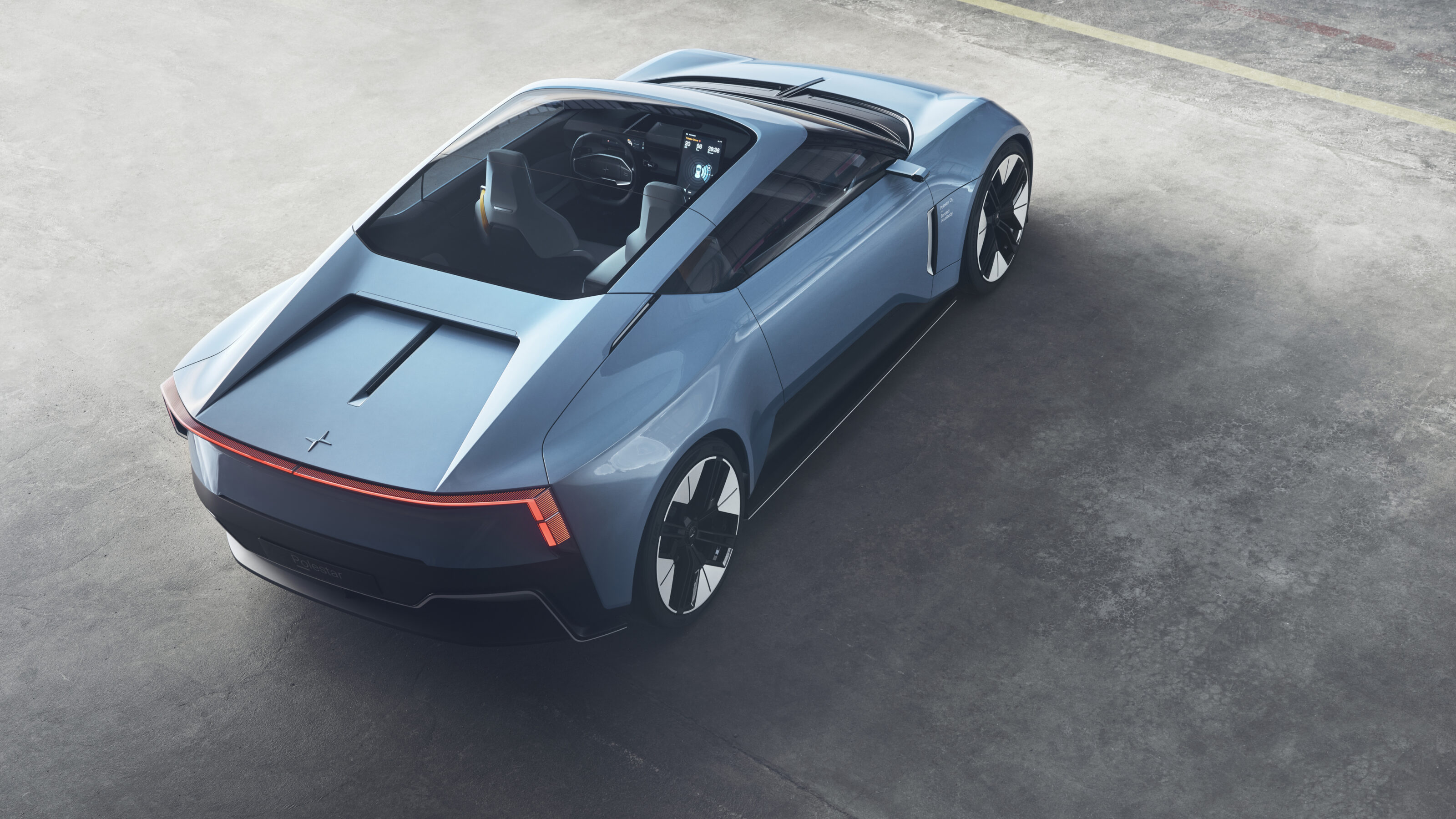
Just 500 numbered units of a limited-edition ‘LA Concept’ version are planned for production initially, which will exclusively feature the unique sky blue exterior, light leather interior and unique 21-inch wheels of the original Polestar O2 concept at a cost of roughly US$200,000 (AU$285,700).
It’s expected further production of a more permanent lineup for the model will be announced at a later date.
A spokesperson for Polestar Australia confirmed there was no specific allocation for our market, but rather that the order books are now open for all markets on a first-come-first-served basis.
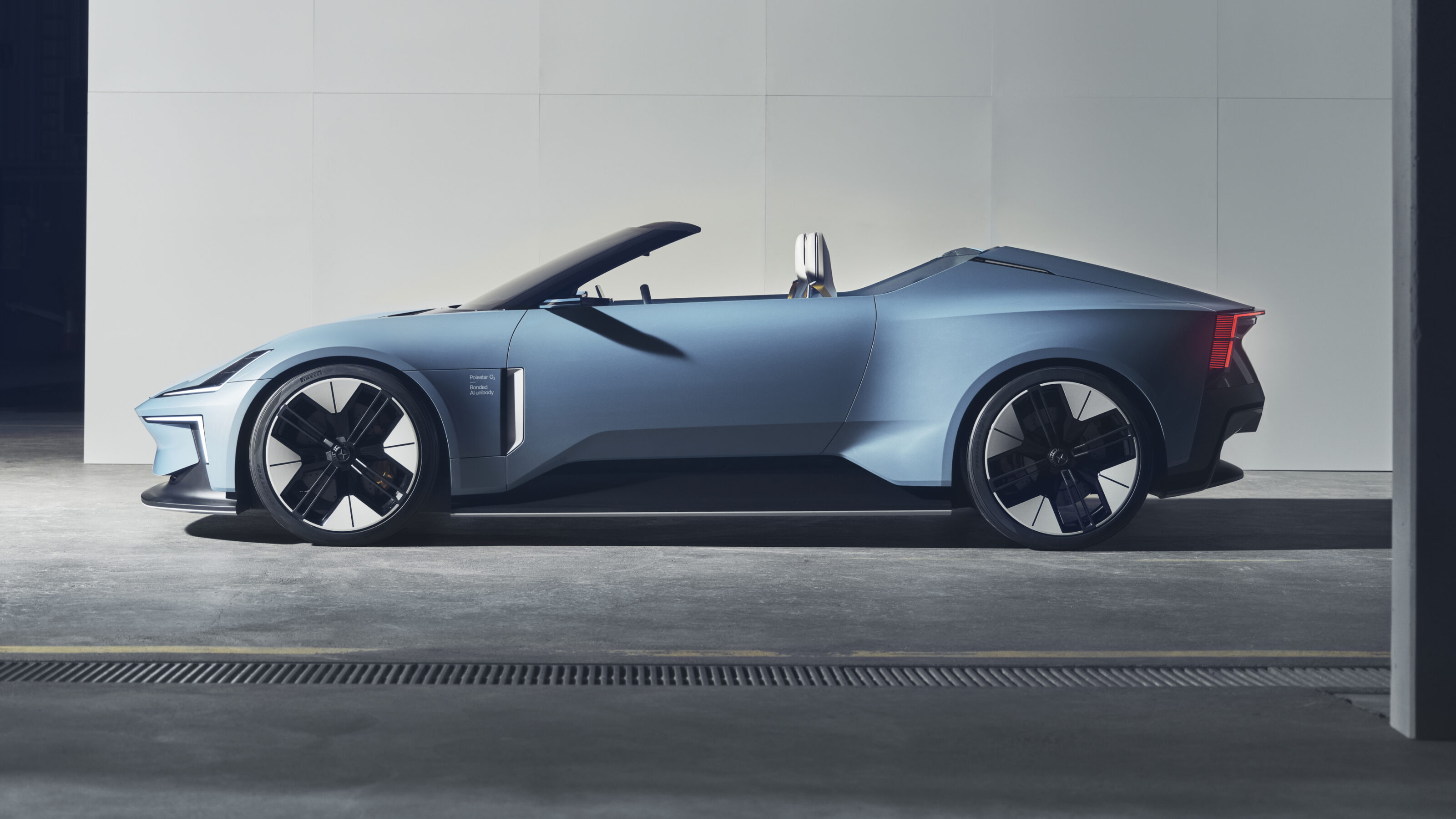
Revealed in Los Angeles in March as the Polestar O2, the concept “showcases the brand’s vision for future sports cars”.
Previously little technical detail was known about the concept vehicle other than it came with a drone and shared the same dedicated EV platform as the upcoming Polestar 5 – itself a production version of the Precept concept.
But now we know the hard-top convertible will be developed in-house featuring the brand’s high performance 800-Volt electric architecture already confirmed for the Polestar 5 – boasting a power output of up to 650kW and 900Nm of torque coming from a dual motor powertrain.
Polestar reckons the combo will make the Polestar 6 able to achieve a 0-100km/h sprint time of 3.2 seconds and hit a top speed of 250km/h.
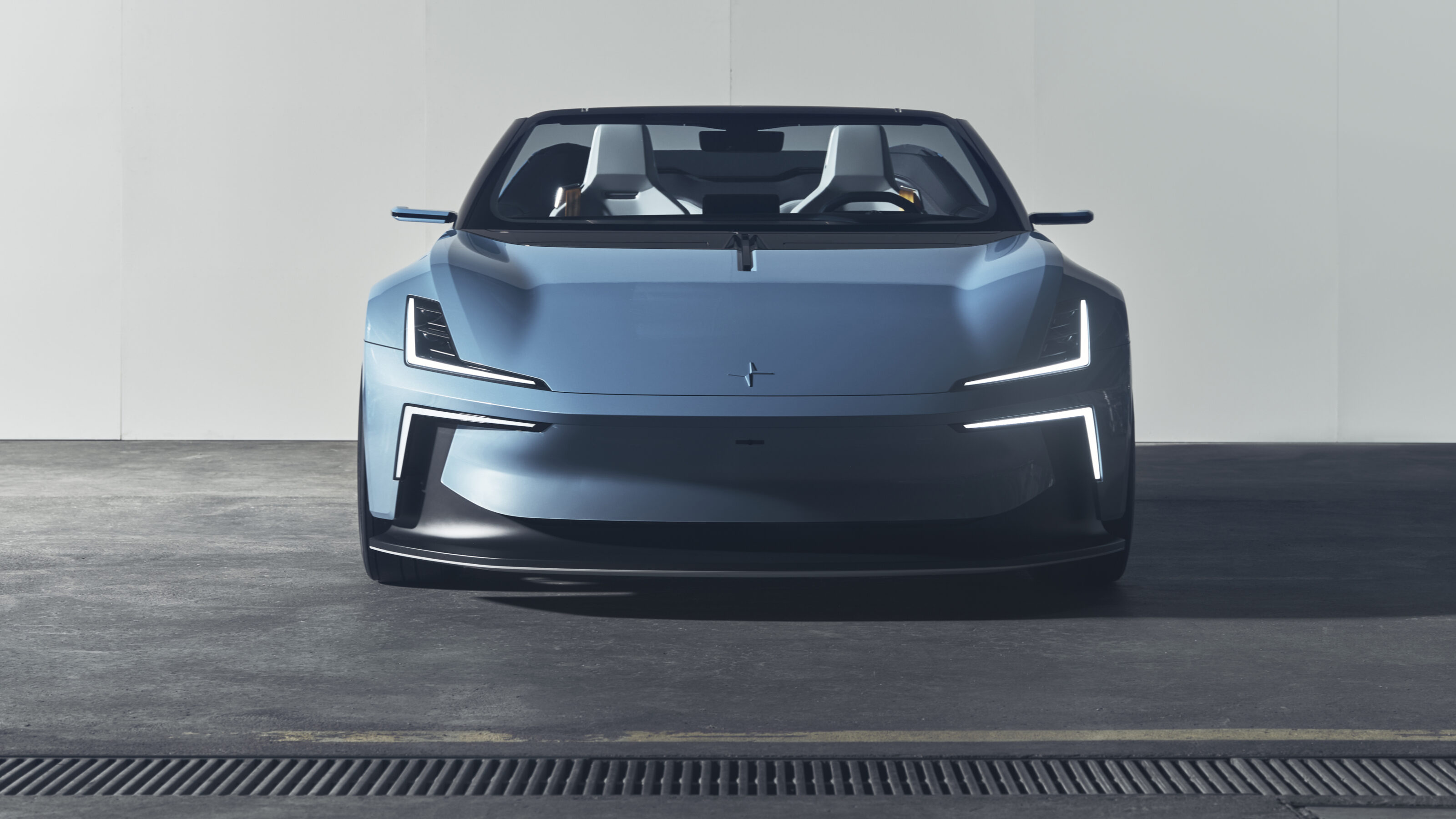
Speaking ahead of the brand showcasing the concept vehicle during Monterey Car Week in California this week, Polestar CEO Thomas Ingenlath said “Polestar 6 is a perfect combination of powerful electric performance and the thrill of fresh air with the top down.”
“With the overwhelming consumer and press response, we took the decision to put this stunning roadster into production and I am so excited to make it a reality,” the CEO added.
Earlier this year Polestar partially revealed its upcoming Polestar 3 SUV, which will have its full global reveal in October, sharing a platform with the next-generation electric XC90 large SUV from co-owner Volvo.
Production will commence in early 2023 in both China and the United States, with an Australian launch expected sometime in the second half of next year.
It will join the Polestar 2 sedan that was released locally at the start of 2022.
Electrified Lexuses are nothing new. Thanks to proprietary hybrid technology donated by parent Toyota, the Japanese luxury brand has been offering more frugal versions of its premium models for nearly 20 years.
More recently it introduced its first full EV with the arrival of the UX 300e, while the RX 450h plug-in hybrid is also live in other global regions and will join its siblings Down Under. So you’d be forgiven for thinking the new electric RZ 450e is less significant than the electrified models that came before it, but you’d be wrong.
The new addition to the Lexus line-up will be arriving on local shores in the middle of 2023 and when it does, it’ll introduce an AWD, pure battery powered mid-size SUV with 230kW and about 450Nm, up to 450km of range and space for 5 adults. Not exactly revolutionary stuff – however, the RZ does pack a few features that’ll make it stand out.
UPDATE, March 23: Lexus RZ Australian pricing announced
Australian pricing and features for the 2023 Lexus RZ have been announced today. Get the full details at the link below. This review continues unchanged.
Story continues…
The basics
| 2023 Lexus RZ450e specs | |
|---|---|
| Battery size | 71.4kWh |
| Drive | dual-motor AWD |
| Power | 230kW |
| Torque | Around 450Nm |
| Driving range | Up to 450km |
| 0-100km/h | About 5.5 seconds |
| Charging speed | up to 150kW DC |
| Charging time | 0-80% 30min DC |
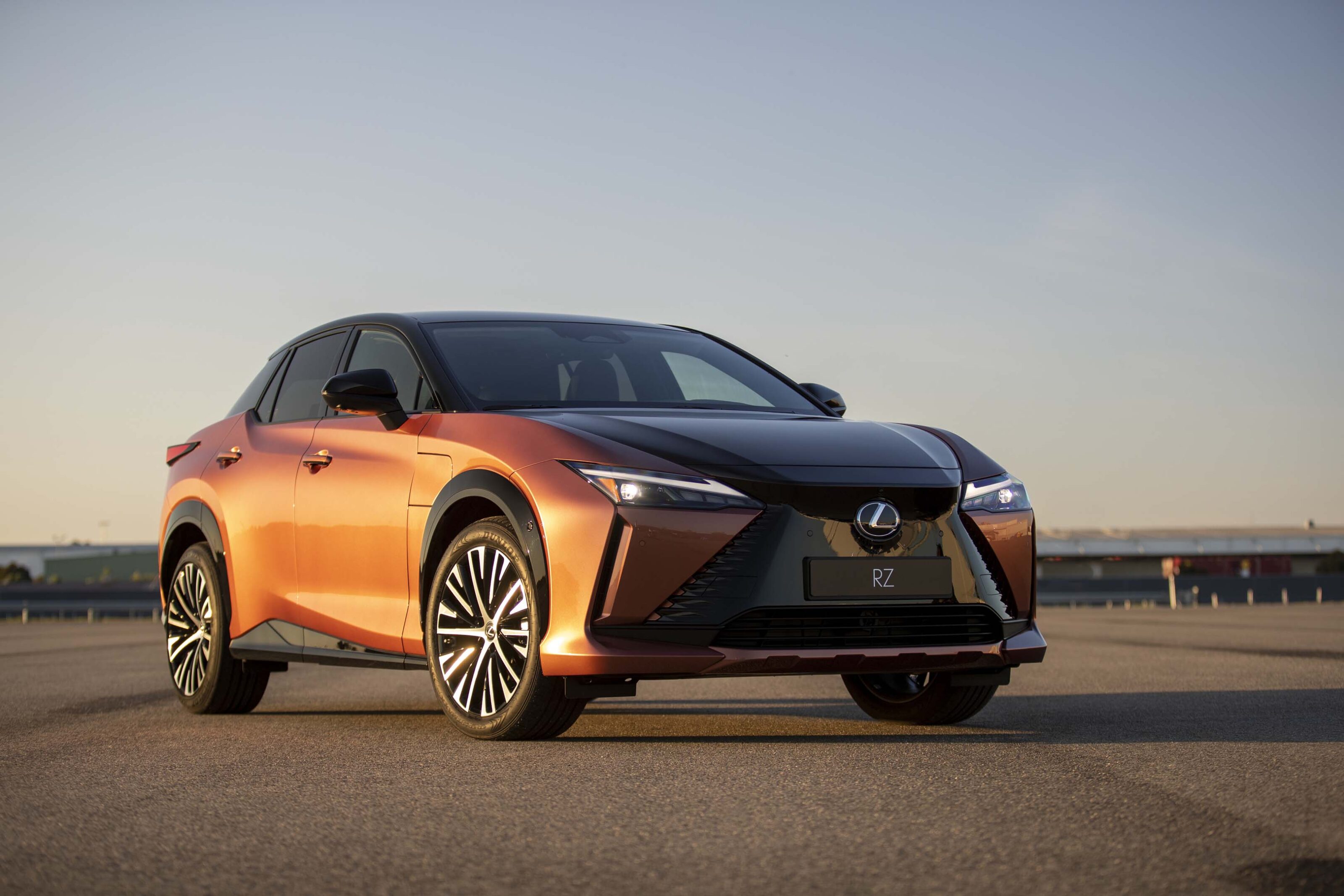
Manufacturing of the new model hasn’t yet started but, in anticipation of the launch next year, Lexus Australia flew in a pre-production version to offer a first taste of what the RZ 450e has to offer and a chance to experience some of the unique elements that’ll get chins wagging and heads turning.
Firstly, the RZ is not simply a different body rolling on the same chassis and electric bits as the UX 300e. With the donation of Toyota’s eTNGA platform, the RZ has an entirely different architecture. In fact, the RZ will only be available as an electric model and not alongside petrol or hybrid siblings.
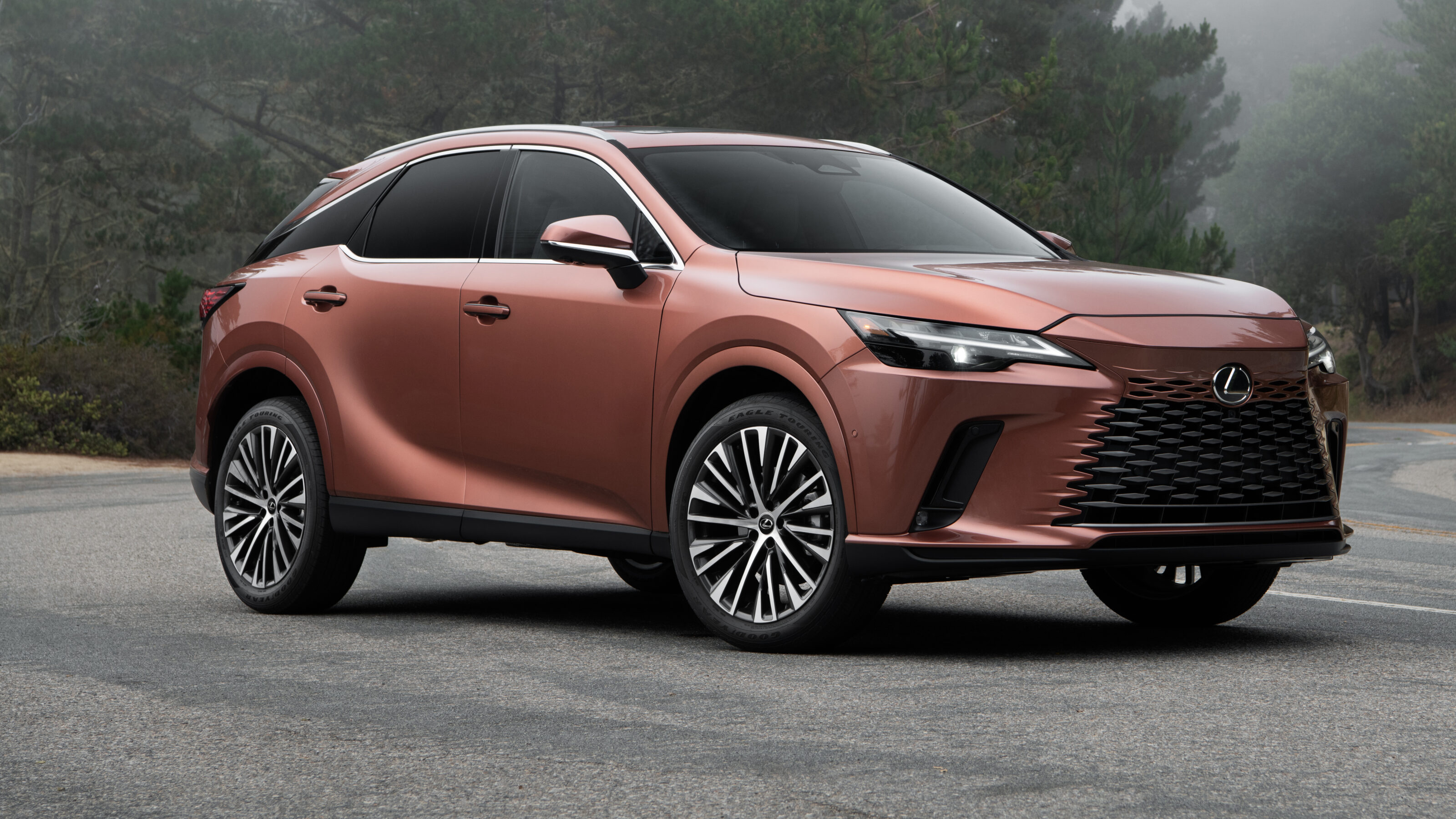
While Lexus’s first EV is limited to front drive, 150kW and about 360km of range, the RZ ups the performance stakes in all areas and is larger overall. More closely related is the forthcoming RX which also uses the eTNGA platform to introduce a plug-in to the family if not a full electric version yet.
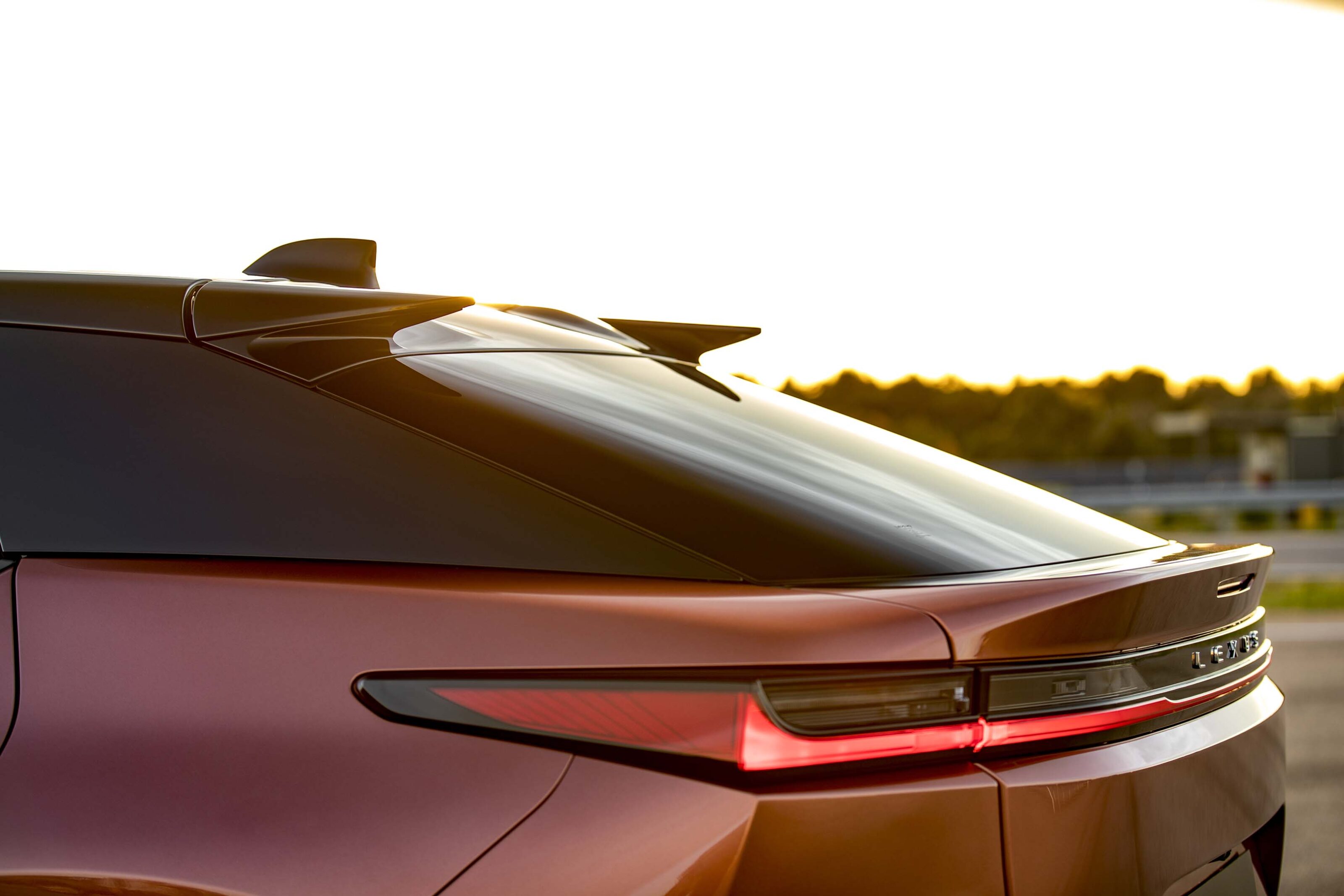
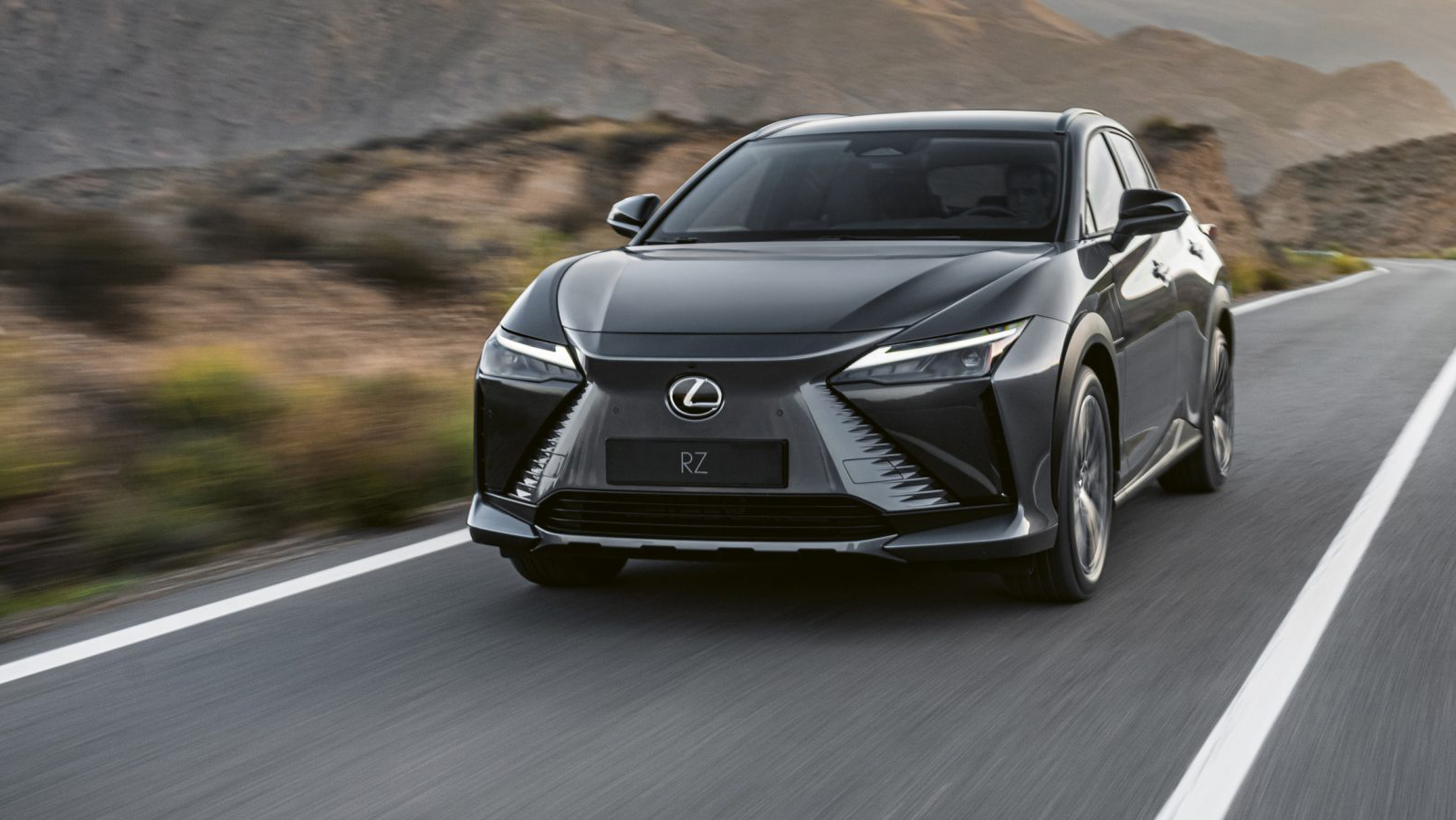
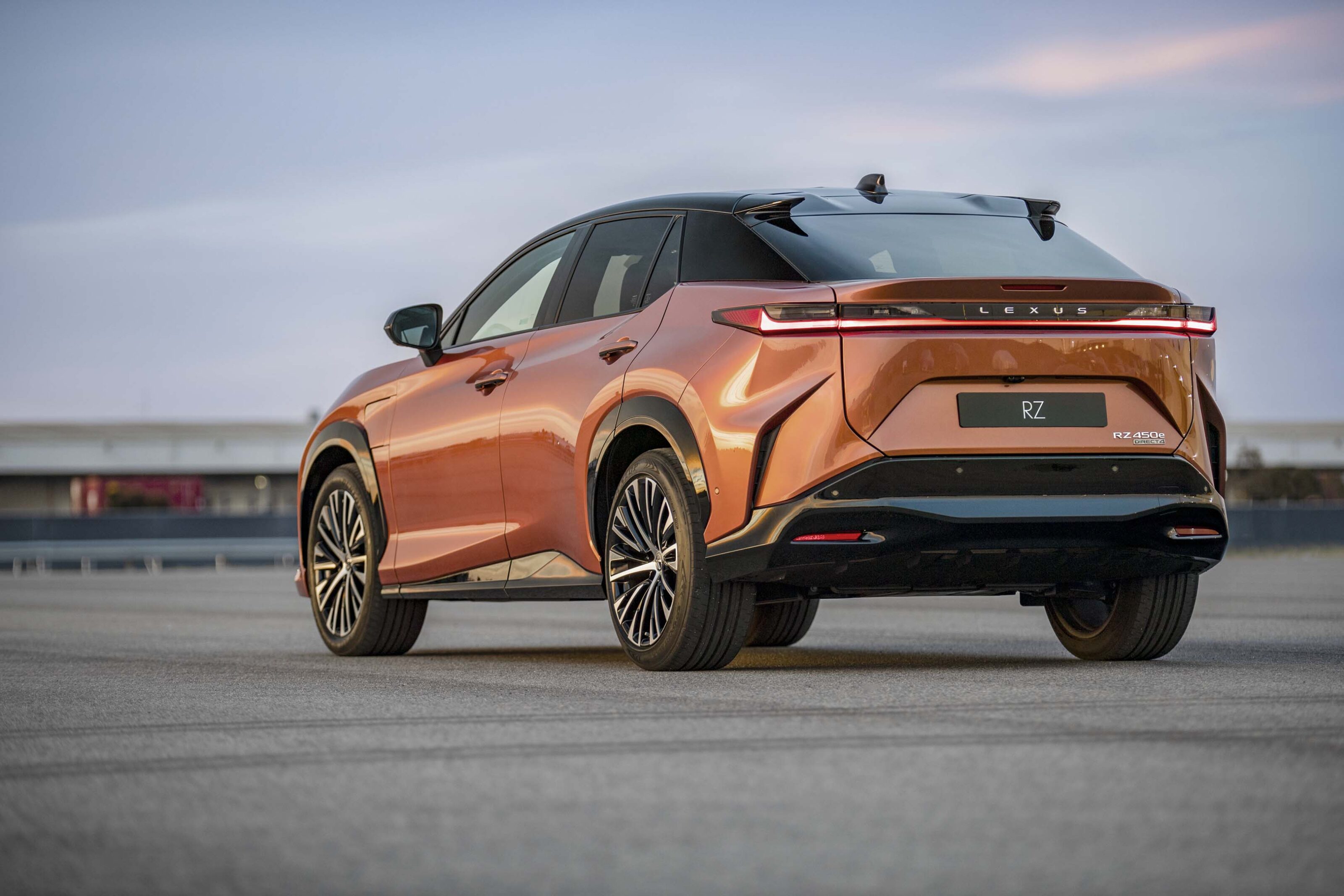
The bold styling of the RZ certainly ties a strong link to its RX sibling with our test car presented in a two-tone black with Sonic Copper paint job and angular styling that is unapologetic but somehow fluid and flowing.
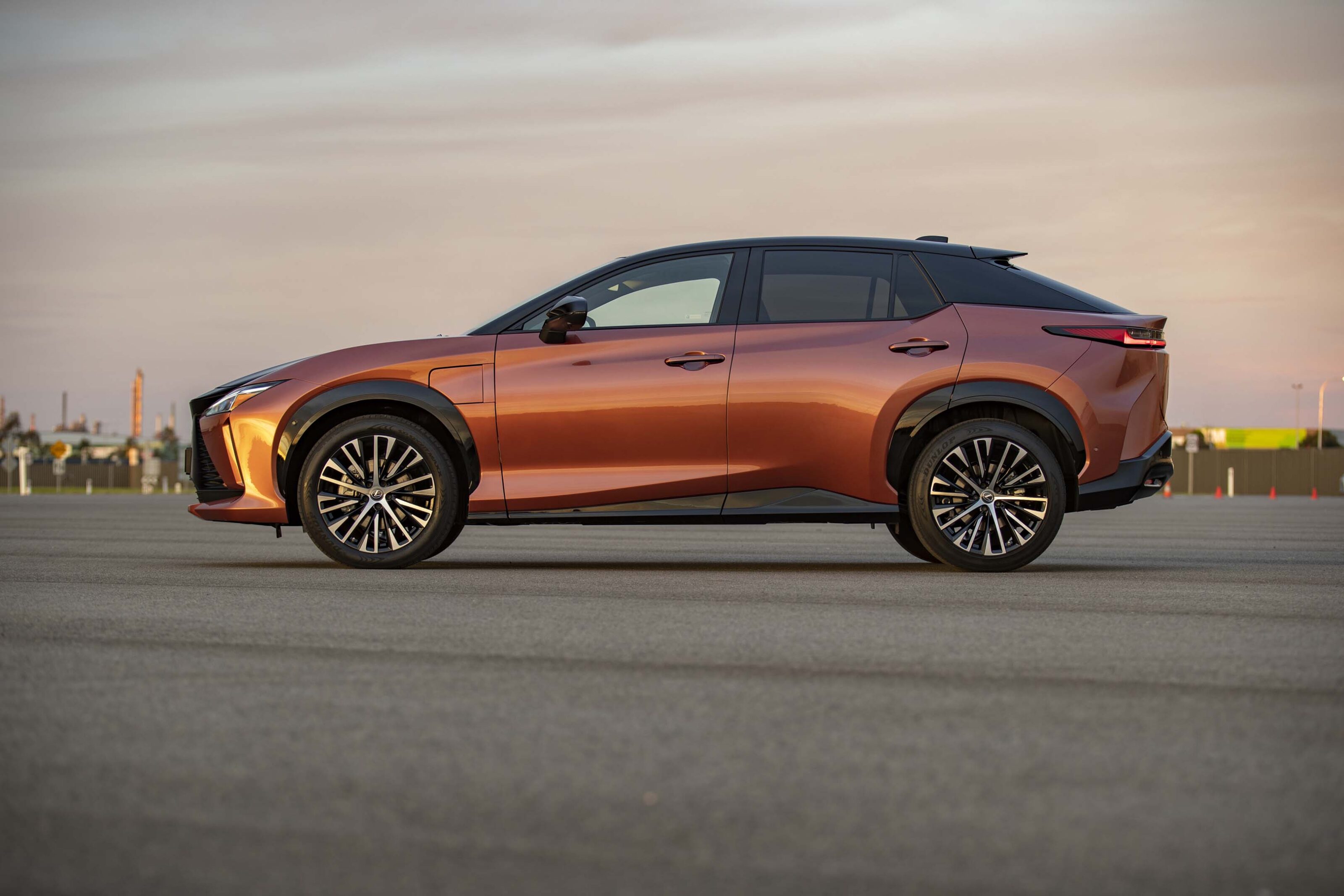
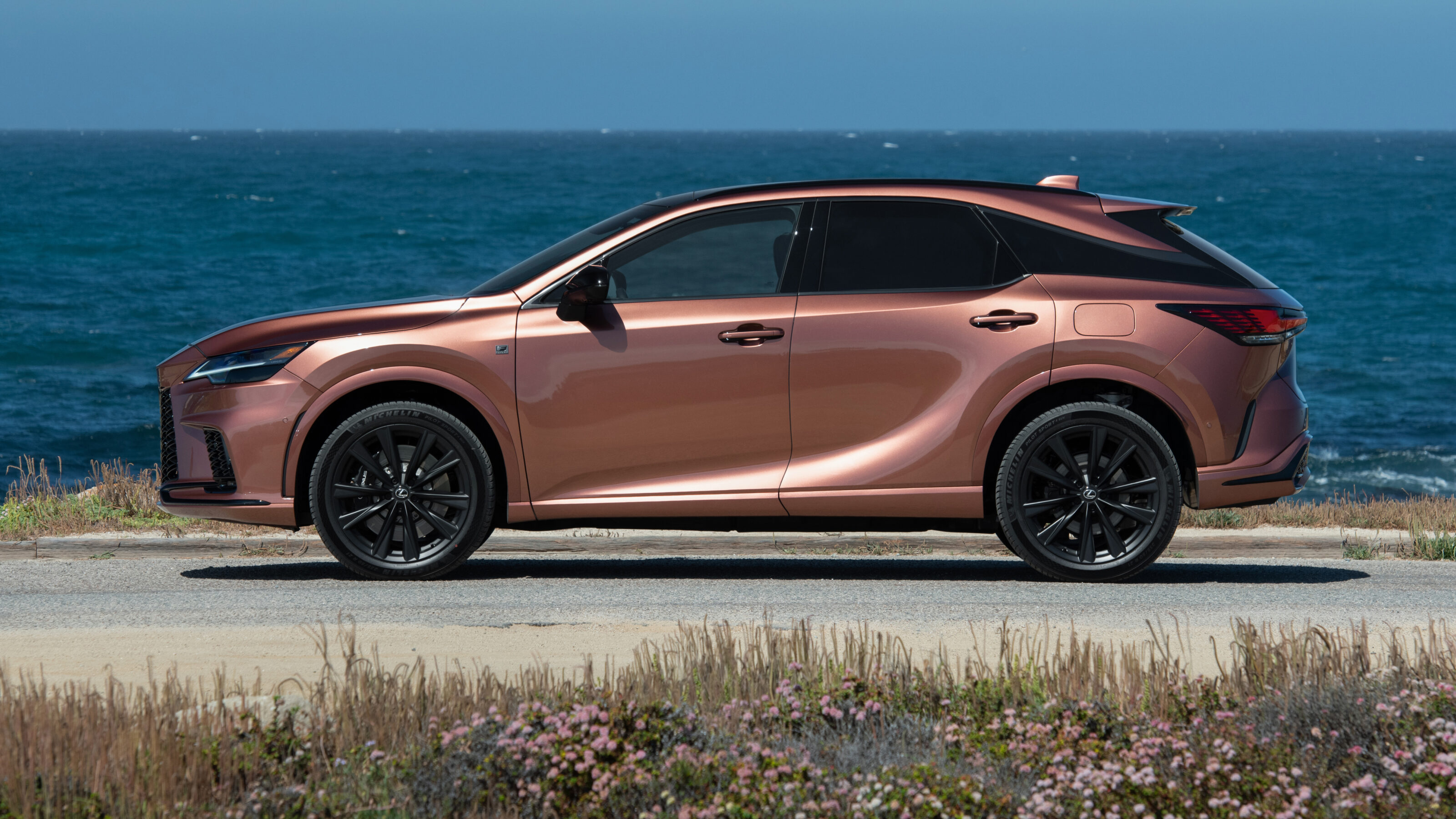
Dimensionally, the RZ measures 4805mm long, 1895mm tall and 1635mm wide, and rides on a 2850mm wheelbase. By comparison, the current fourth-generation Lexus RX is 4890mm long in standard form and 5000mm long in stretched form, with both measuring 1895mm wide, 1720mm tall, and riding on a 2790mm wheelbase.
There are more similarities on the inside with the same 14.0-inch central touchscreen offered for the most premium RX variants, excellent Mark Levinson sound system, seats that manage to be comfortable and ergonomic but sporty and supportive, and other tech touches such as the eLatch door handles.
The family resemblance continues mechanically too. All-wheel drive is enabled with fully independently controlled eAxles with individual motors, control units and inverter for each end. An overall transmission control program tells which axle to do what but it has almost infinite flexibility with impressive results.
Lexus RZ EV v Lexus RX size comparison
| Lexus RZ | Lexus RX | |
|---|---|---|
| Wheelbase | 2850mm | 2790mm |
| Length | 4805mm | 4890mm |
| Width | 1895mm | 1895mm |
| Height | 1635mm | 1690mm |
Depending on the circumstances, the RZ can be entirely front wheel drive or completely rear drive for either maximum traction and safety or sharpened driving dynamics.
In addition, under hard acceleration – and the RZ 450e will get to 100km/h in about 5.5 seconds – the axles can be controlled to counter tail squat, while under heavy braking the same mechanism helps to almost eliminate dive.
In practice it works very effectively and promotes both a greater sense of stability and confidence as well as promoting a more comfortable environment for all on board. The front axle is capable of contributing the most grunt in the system with a 150kW motor versus the 80kW unit at the back, but a full deployment of power feels uniform and deliciously smooth.
Until the most refined production versions arrive mid-2023, a full on-road review will have to wait but a first blast about Toyota’s private test track in Melbourne’s west allowed a tantalising glimpse at what the RZ has to offer.
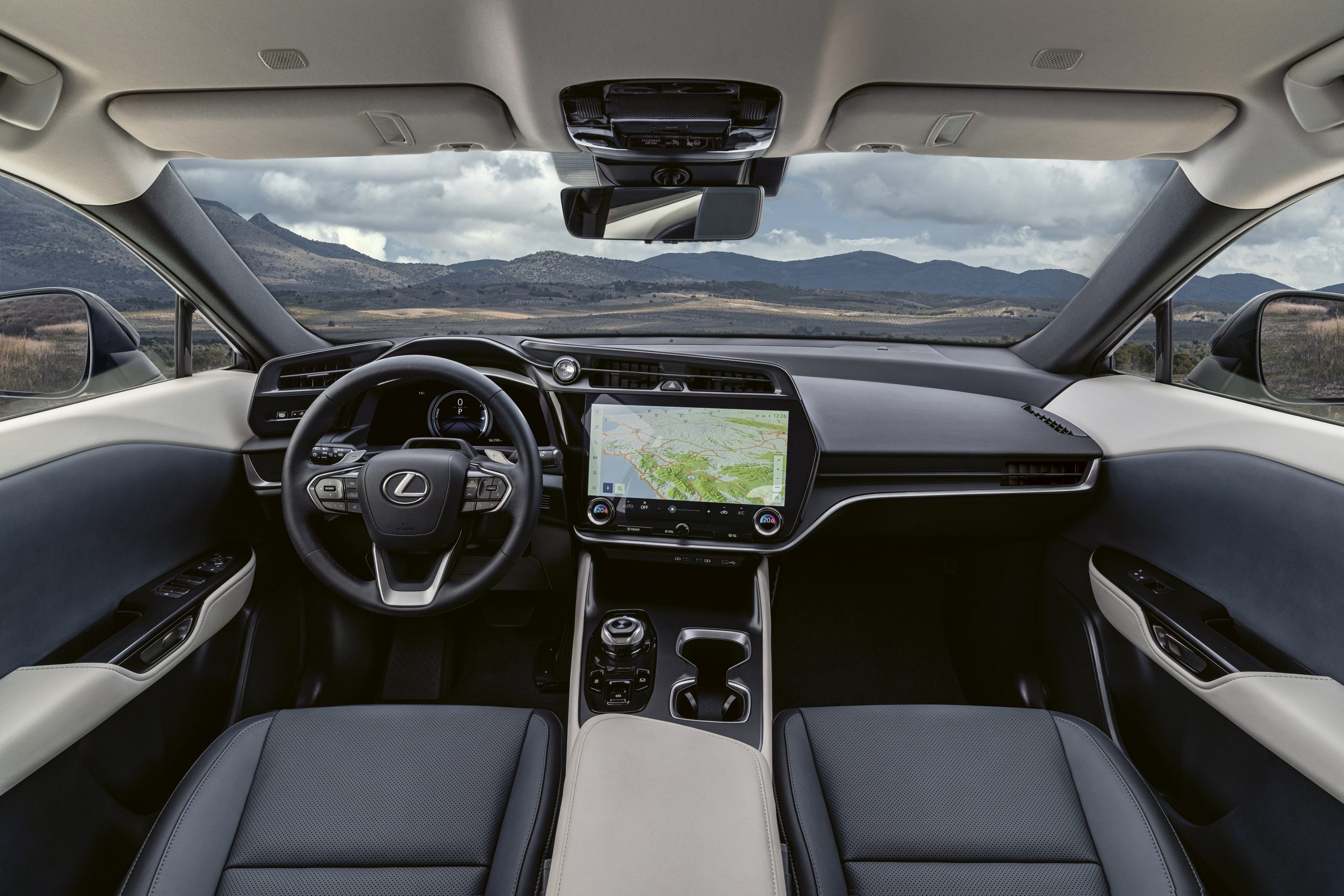
Its light-filled cabin is classy and the electro-chromatic panoramic roof is a great premium touch, allowing the glass pane to be turned opaque from clear with the press of a button. In its frosted mode, daylight can still permeate but with a gentle softness, but if that’s still too much, a clip-in blind can black the roof out completely.
The RZ is the first Lexus that is completely animal-product free and yet, its plush cabin feels like it isn’t lacking despite the more sustainable materials and upholstery.
We’ve said it before and we’ll doubtless say it again, but synthetic ‘leather’ and ‘suede’ alternatives are rapidly reaching a point of quality where they exceed the advantages of genuine cow hides.

Lexus’s staff made a few apologies regarding the pre-production vehicle’s build quality and exact specification, but they needn’t.
While many hand-built pre-prods have dubious panel gaps, occasional tatty interior quality and questionable materials, the RZ was a testament to Lexus quality even when it could be forgiven some foibles. Our only qualm is that the fantastic deep-pile, salt-and-pepper-tone floor mats apparently won’t be part of standard kit.
What will certainly be offered with Australian examples though is the RZ’s party piece and, despite our initial suspicions, it isn’t the gimmick we first feared.
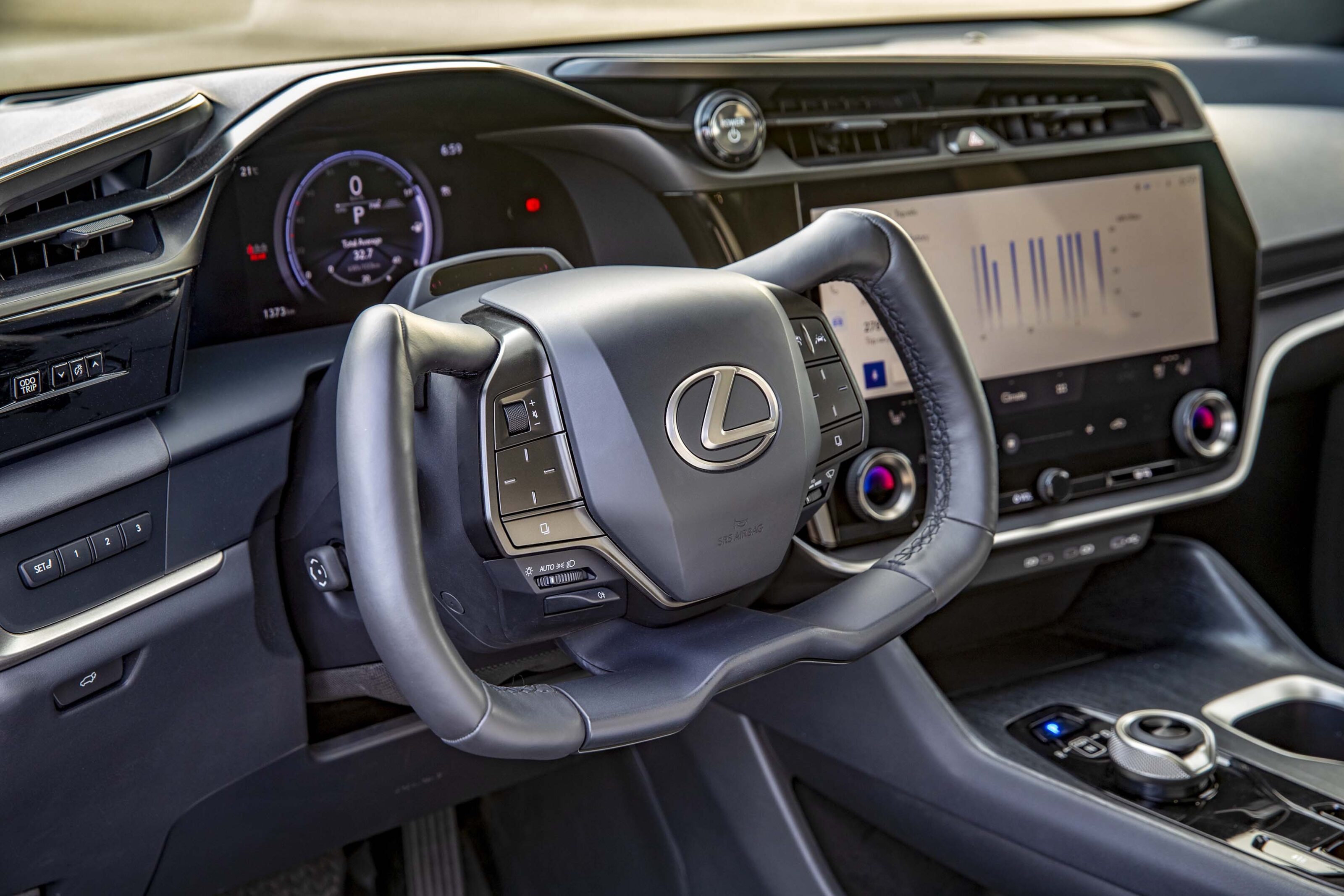
Steering yokes have been wheeled out (pun intended) as part of concept vehicle design studies and production race cars for time immemorial, but when it comes to road cars, the feature nearly always falls by the wayside as nothing more than a stylists folly.

However, the RZ 450e has a steering yoke and it really works, and it really is going into production.
The difference is in the parts that live behind the bizarrely unorthodox yoke and a steer-by-wire system. Infiniti was the first manufacturer to introduce a steering system that had no mechanical connection between the wheel and the rack but, with a full conventional column waiting to jump in if the system failed, the Infiniti interpretation was a pinkie toe dipped into a sea of potential.
Lexus, on the other hand, has taken the dive.
Like its independent eAxles, the column-less steering brings an unrivalled level of flexibility and versatility and almost infinitely variable steering parameters.
Variable steering ratio, weight and progressive angle is not a new innovation, but the Lexus system takes all three to a new level. At low speed, it’s possible to turn the front wheels lock to lock in just 150 degrees of yoke rotation (less than one revolution).
Then, as the speed increases, the ratio lengthens without compromising precision, preventing abrupt inputs that would upset the stability of the car – and the passengers.
Most impressively though, for a system that has no physical connection to the rubber rolling on the road, there’s an amazing degree of feel and feedback. It’s clear there is something unusual going on beneath the surface and the overall tactile experience is different but not in an unpleasant or dishonest way.
This is where the Lexus system gets really clever. With a lack of column to send jolts and vibrations back to the cabin, the electronic management is capable of sending only beneficial and welcome sensation through to the driver’s hands.
Long story short, regardless of the vehicle speed, driving situation or corner radius, the driver never has to adjust the position of their hands and, in turn, that means Lexus’s yoke is the first of its kind that actually works.
The initial reaction to the steer-by-wire technology is a laser focus on everything that’s happening, but it’s surprising just how quickly the driver adjusts to the system and by the end of our laps of the private track, we need no convincing that this is a feature that needs to stay.
In addition to the dynamic advantages, the absent top crescent of a circular steering wheel offers an unrivalled view of the instruments, while the lack of lower crescent increases leg room under the yoke. The system is win, win, win.
Lexus’s vigil into more sustainable motoring is gaining momentum and its emerging range of vehicles are demonstrating that low-carbon, responsible car manufacturing and ownership is about far more than just phasing out petrol power.
With its electric-only line-up, and unique technological and material touches, the RZ is another milestone step in that direction – and a glimpse at what a luxury Japanese car brand might look like in the not-so-distant future.
Snapshot
- Range Rover and Rover Sport receive five-star ANCAP under the 2020-2022 test criteria
- No centre airbag, but still u201crespectableu201d results due to the interior size
- Stricter testing criteria coming in 2023
The Australasian New Car Assessment Program (ANCAP) has rated the new-generation L460-series Range Rover and related L461-series Range Rover Sport the full five-star safety score under the 2022 testing criteria.
It applies to all petrol, diesel and plug-in hybrid vehicle (PHEV) variants of both luxury offroaders. They achieved full points for adult and child occupant protection in the side impact test, and the driver in the pole test.
Despite not including a centre airbag to prevent the driver and front passenger from colliding in the event of a crash, ANCAP explains, “owing to the size and design of the cabin, performance in far side impact tests was still respectable”.
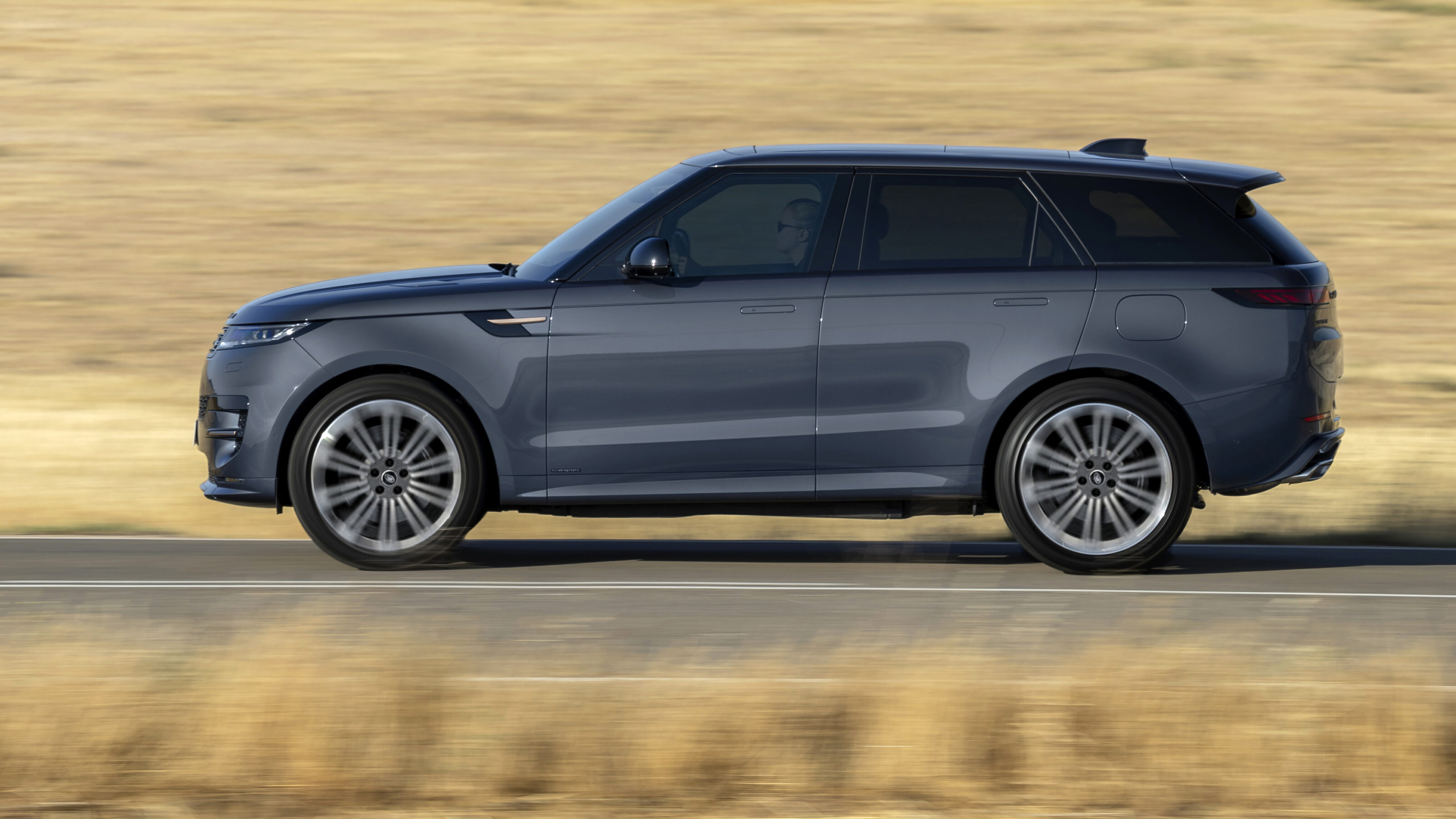
It’s worth noting that the automotive safety body used a standard Range Rover example for most of its tests, while the frontal offset and pole tests were conducted with a Range Rover Sport PHEV to confirm the results.
The sleeker Rover Sport scored one per cent better in the adult occupant protection category (84 per cent), but three per cent less for vulnerable road user protection (69 per cent) compared to its boxier SUV sibling.
Both models have the same 86 per cent child occupant protection and 84 per cent safety assist ratings.
Their autonomous emergency braking (AEB) active safety assist systems scored well for detecting and avoiding vehicles and pedestrians in front; however, reverse AEB for pedestrians is not offered.

The road ahead
ANCAP is set to implement a more stringent 2023 safety criteria into the new year, including a focus on floodwater testing, assessing systems that detect when a child has been left in the vehicle, and new car-to-motorcycle safety assist tests.
The Range Rover currently starts from $226,806 before on-road costs and the Rover Sport is priced from $139,160 before on-roads.
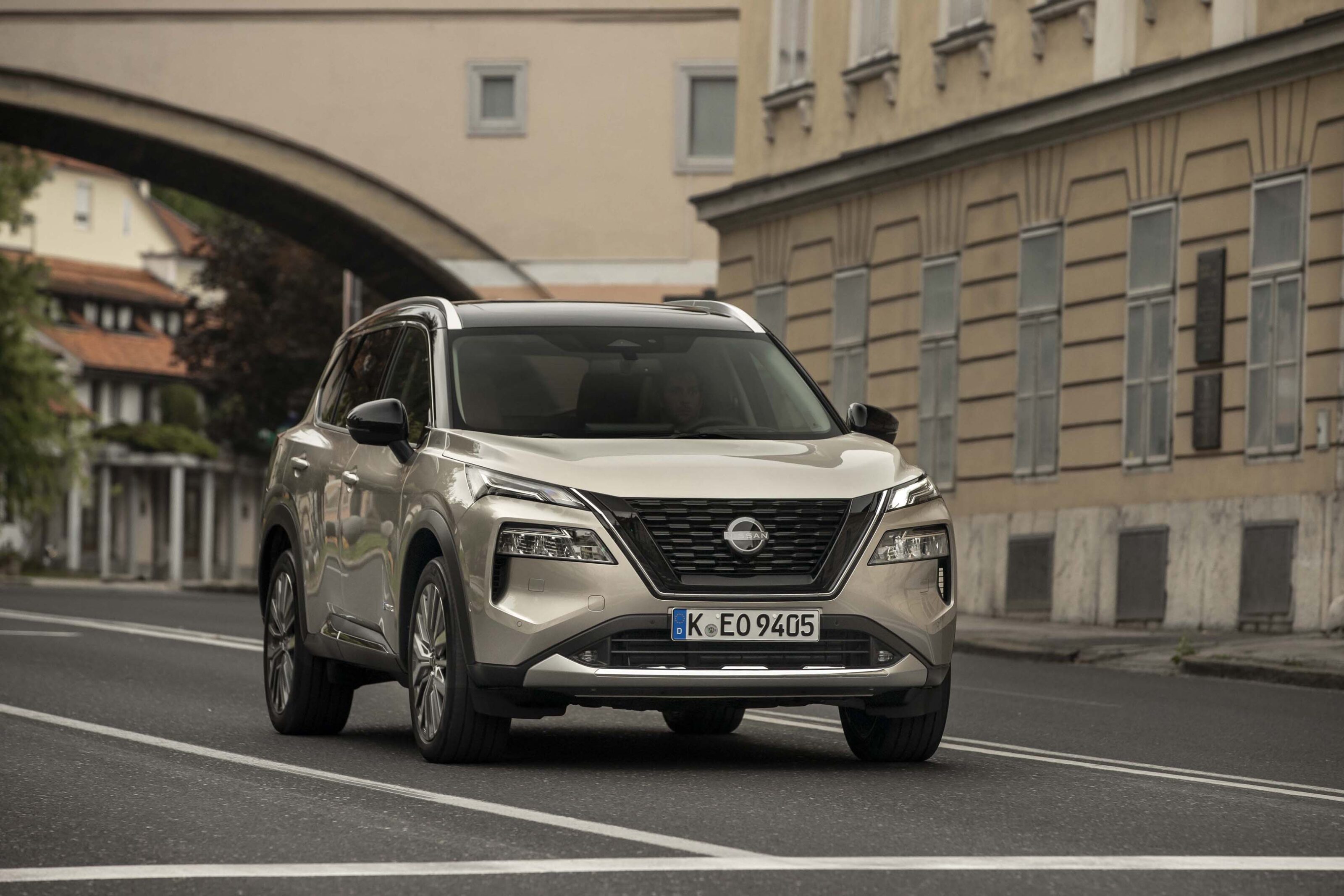
The 2023 Nissan X-Trail has been awarded a five-star safety rating by testing authority ANCAP.
In its latest round of testing, the Australasian New Car Assessment Program (ANCAP) awarded the new model top marks in the adult and child occupant protection categories at 91 and 90 per cent respectively.
In the crash-test assessment for child occupants based on six and 10-year old children, the X-Trail scored 23.3 points out of a possible 24.
It also did well in the safety assist tests, gaining a 97 per cent pass rate.
However, it scored significantly lower in the vulnerable road users’ rating, only notching up a 74 per cent score.
The rating applies to all X-Trail variants, including the hybrid e-Power.
At the same time as the ANCAP rating has been awarded, the X-Trail has also received top marks in Euro NCAP testing – as has its electric sibling the Nissan Ariya.
“The outstanding performances of both the new X-Trail and the Ariya, which are very different vehicles, built on different platforms, demonstrates the cross-car strategy Nissan has for its models,” said David Moss, Senior Vice President of Regional Research and Development for AMEIO at Nissan.
“The development of all our vehicles starts with outstanding body engineering, through the use of advanced materials and manufacturing techniques to ensure excellent structural integrity. This is complemented by an advanced suite of technologies that act as a second pair of eyes, identifying potential dangers and helping the driver to avoid an accident.”
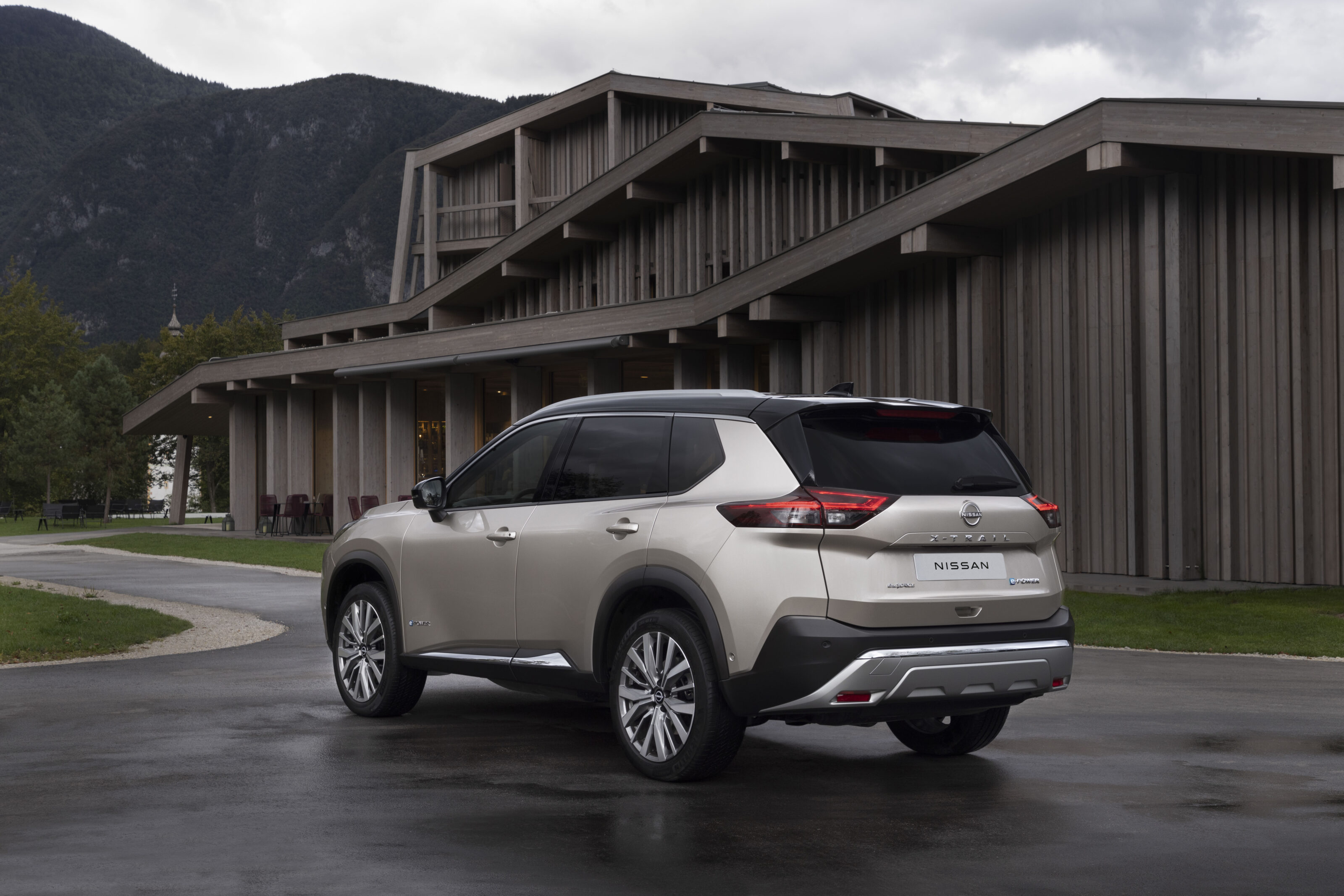
All versions of the X-Trail offer nine airbags, autonomous emergency braking with cyclist and pedestrian detection, rear-cross traffic alert, adaptive cruise control, traffic sign recognition, blind-spot monitoring and emergency lane keep assist as standard.
ST+ model grades and above also boast Nissan’s ProPilot safety suite, which allows for semi-autonomous driving in certain situations.
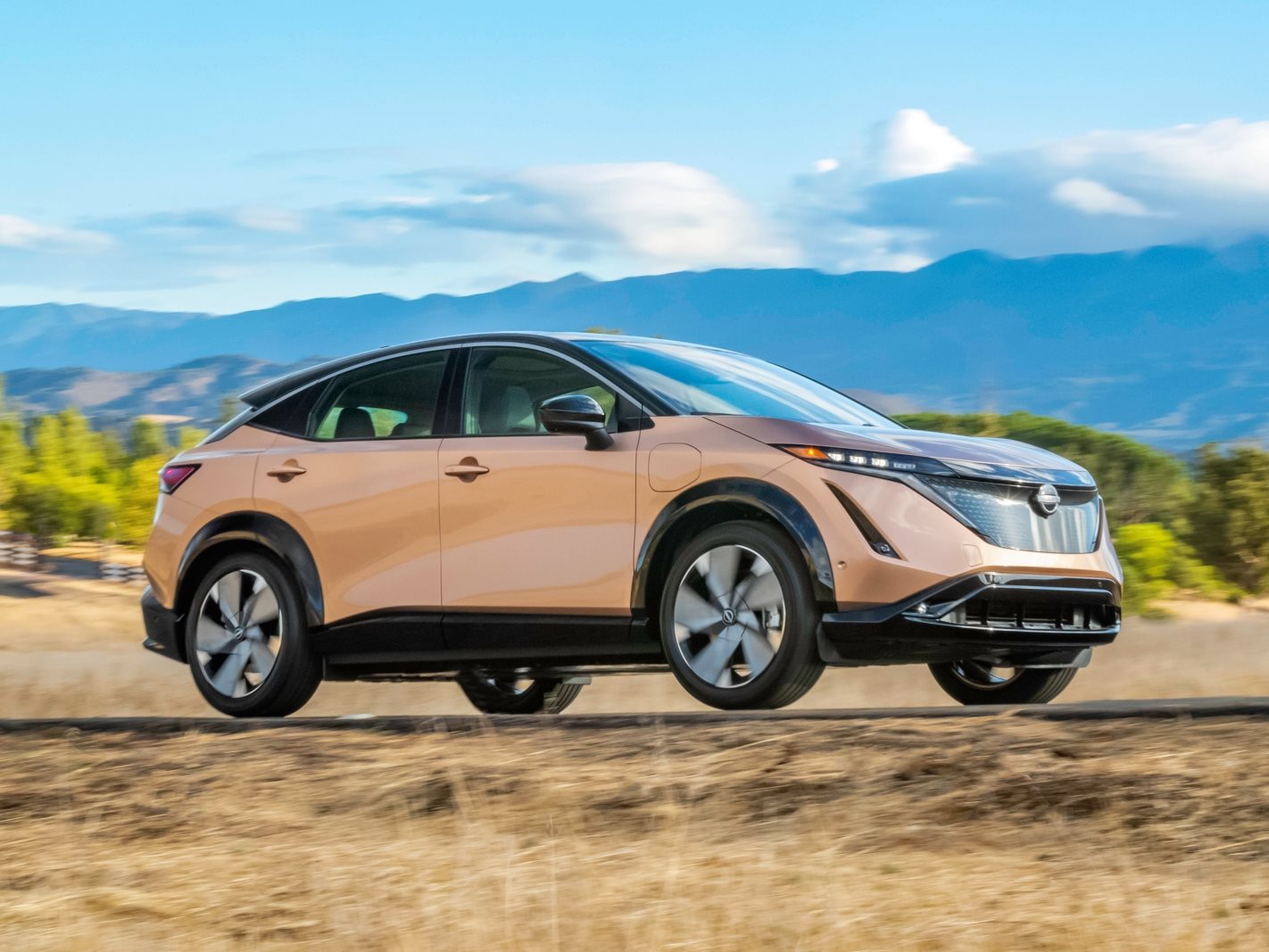
Officially revealed for the local market earlier this year, the all-new X-Trail is set to kick off from $36,750 before on-road costs in two-wheel-drive guise and $39,790 for the cheapest all-wheel-drive grade.
Across the range, prices are up over the current model from anywhere between just under $2500 to over $5600, while the new flagship Ti-L variant’s $52,990 list price is $6875 more than the outgoing X-Trail’s range-topping Ti grade.
Slated to arrive locally in the coming weeks, the new X-Trail promises a higher level of equipment than its predecessor which is reflected in the adjusted prices.
UPDATE: 2023 Corolla Cross gains five-star ANCAP rating.
The 2023 Toyota Corolla Cross has been awarded a five-star safety rating by crash test authority ANCAP.
As well as getting the full five stars, the Corolla Cross has taken the crown as the highest scoring model in the area of vulnerable road user protection against the current 2020-2022 rating criteria with a score of 87 per cent.
‘Good’ scores were achieved in both the side impact and oblique pole tests, as well as across the majority of autonomous emergency braking, emergency lane keeping and lane keep assist test scenarios.
However, ‘marginal’ performance was recorded for the chest of the driver in the frontal offset test, and a penalty was applied for far side impact protection as Toyota did not provide the additional information required to demonstrate performance would provide similar levels of protection for occupants of difference sizes.
The five-star rating applies to all petrol and hybrid Corolla Cross variants.

October 20: Corolla Cross lands in Australia
The much-anticipated 2023 Toyota Corolla Cross has officially landed in Australia for its local media launch.
We’ll have a full drive report live at 7pm on Thursday October 20, 2022.
Five variants are available from launch with price opening at $33,000 before on-road costs for base GX and running up to $49,250 for the flagship Atmos AWD hybrid.
The Corolla Cross is the first Toyota product sold in Australia to be fitted with the 146kW 2.0-litre self-charging hybrid powertrain and gets to 100km/h in as little as 7.5 seconds.
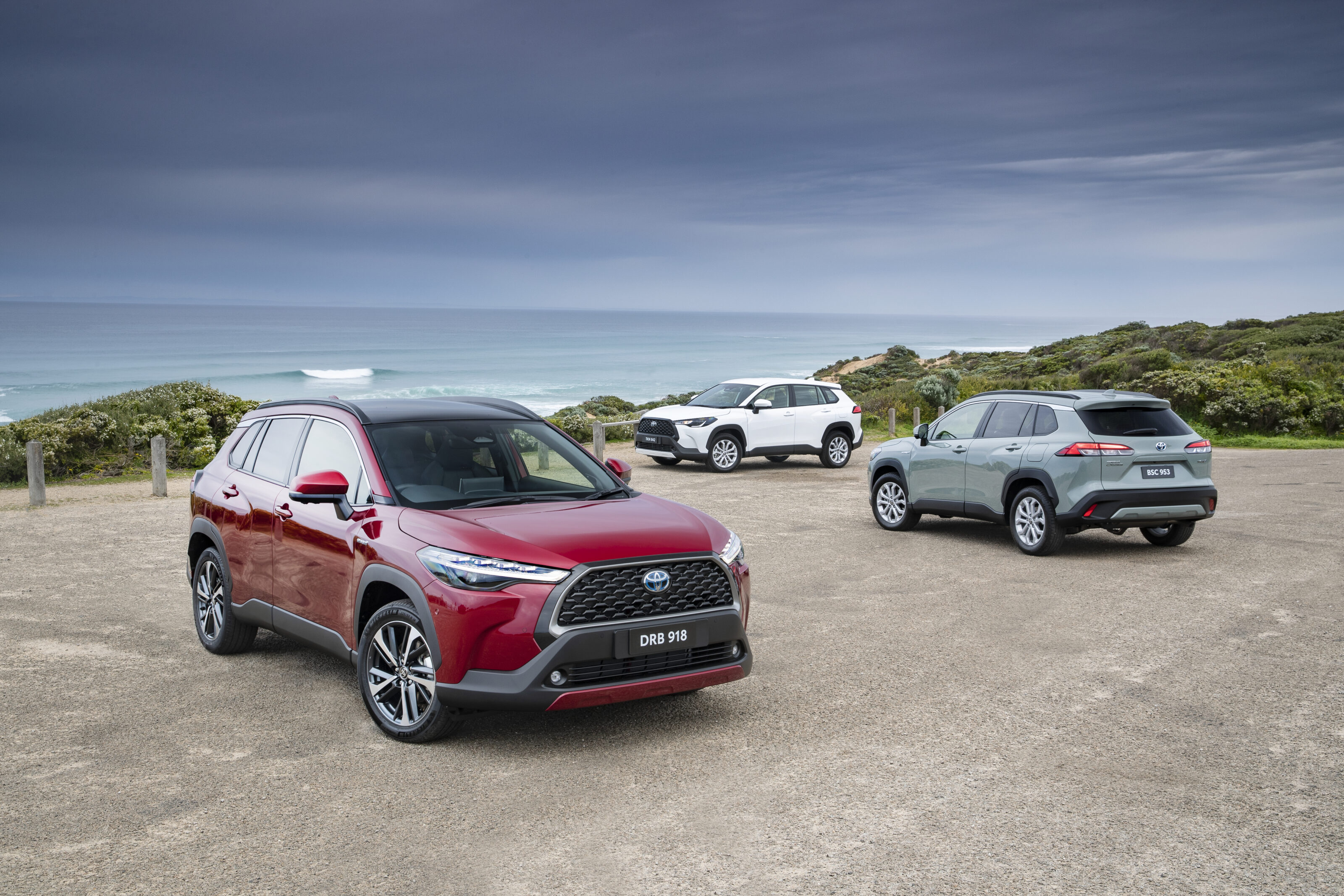
This new small SUV also marks the debut of wireless Apple CarPlay for Toyota Australia (though Android Auto remains wired).
The similarly-sized C-HR will remain on sale here, and will become an in-house rival for the Corolla Cross that will also do battle with the Mazda CX-30, Honda HR-V, Kia Seltos, Subaru XV and Volkswagen T-Roc.
July 2022: US Corolla Cross driven
Ahead of its Australian debut in late 2022, our man Brian Makse has driven the Corolla Cross in its North American guise. Get the story at the link below.

December 2021: 2023 Toyota Corolla Cross facelift revealed
Just one year after its global debut for the Japanese market, the Corolla Cross has been given a key facelift.
Toyota Australia has yet to confirm if this is the look we’ll see in Australia, but given the redesign matches similar moves made with the RAV4, we can likely expect to get the same.
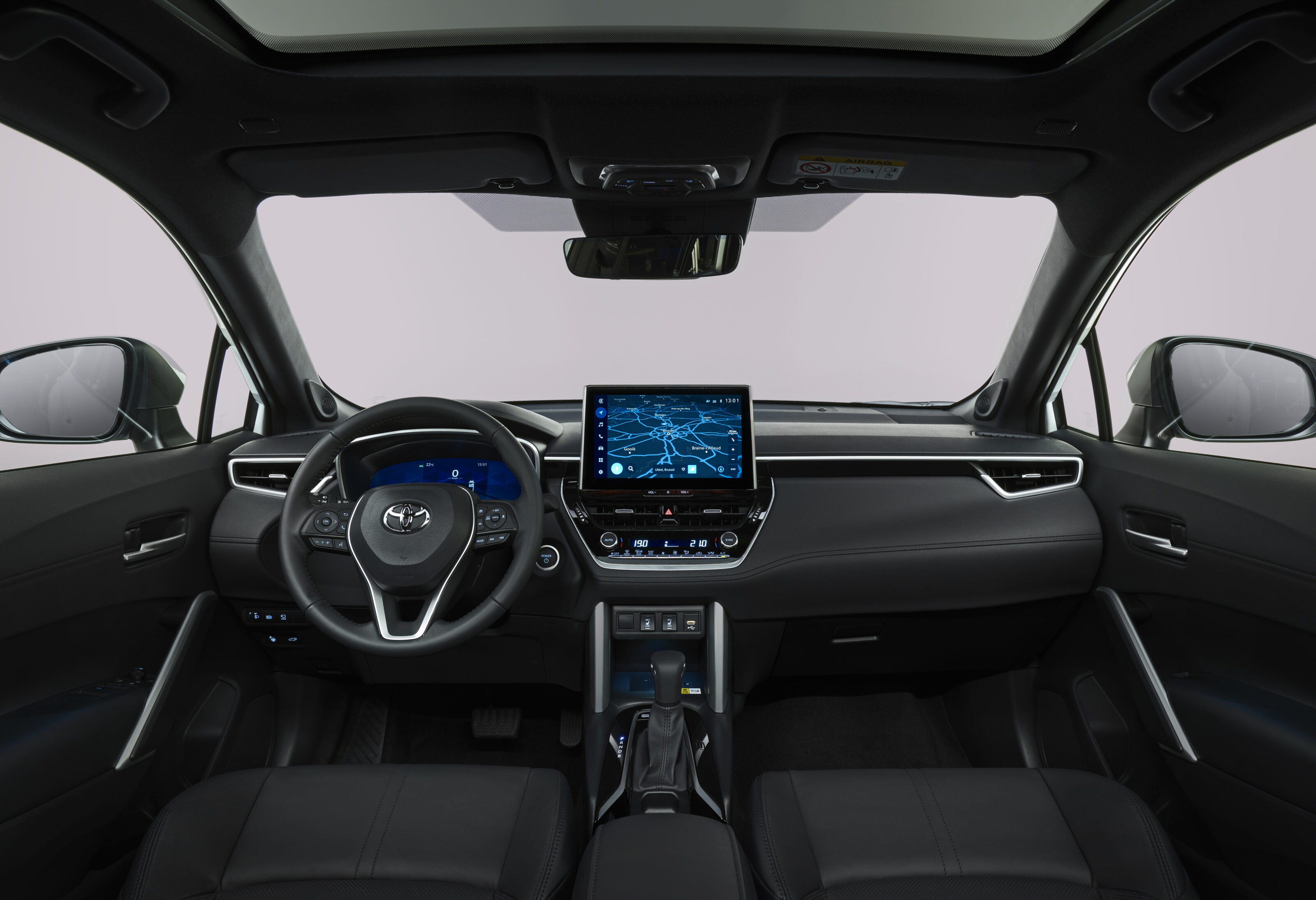
Among the changes are a more aggressive new LED lighting signature at the front end, along with a larger new infotainment display in the cabin, matched to an all-digital instrument cluster screen behind the steering wheel.
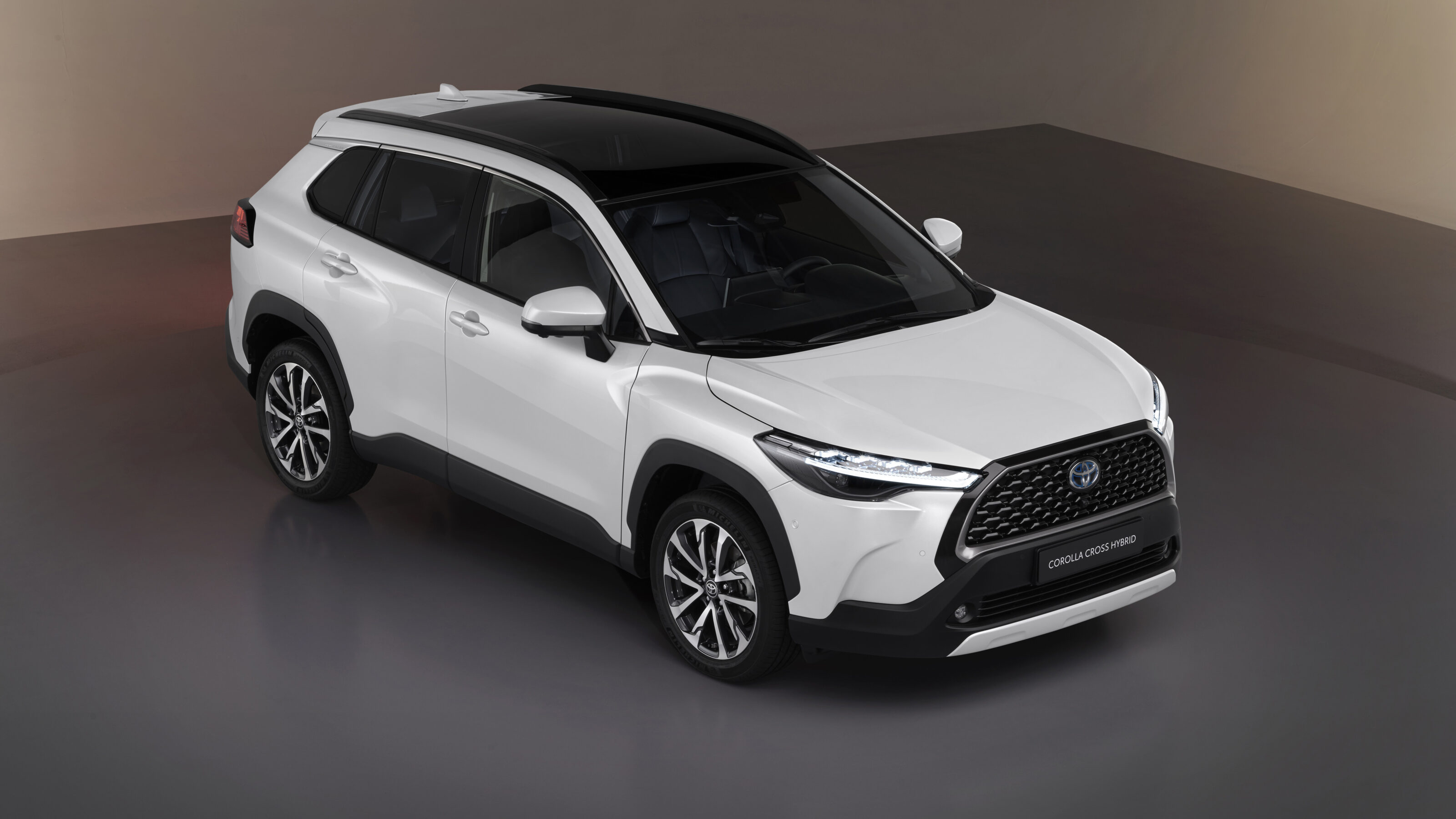
There’s also a new 2.0-litre petrol-electric all-wheel-drive hybrid system producing 164kW of combined power (Toyota doesn’t reveal combined torque figures), promising a 0-100km/h time of 8.1 seconds.
The additional poke comes courtesy of a 30.6kW electric motor positioned at the rear axle, creating a new “AWD-i” system.
Toyota says it has also gifted the Corolla Cross with an upgraded transaxle design, new systems for lubrication and oil distribution, and new 40-per-cent lighter lithium-ion batteries.
A late 2022 debut for Australia remains the official word on local timing.
September 2021: Sporty Corolla Cross GR and Japan facelift revealed
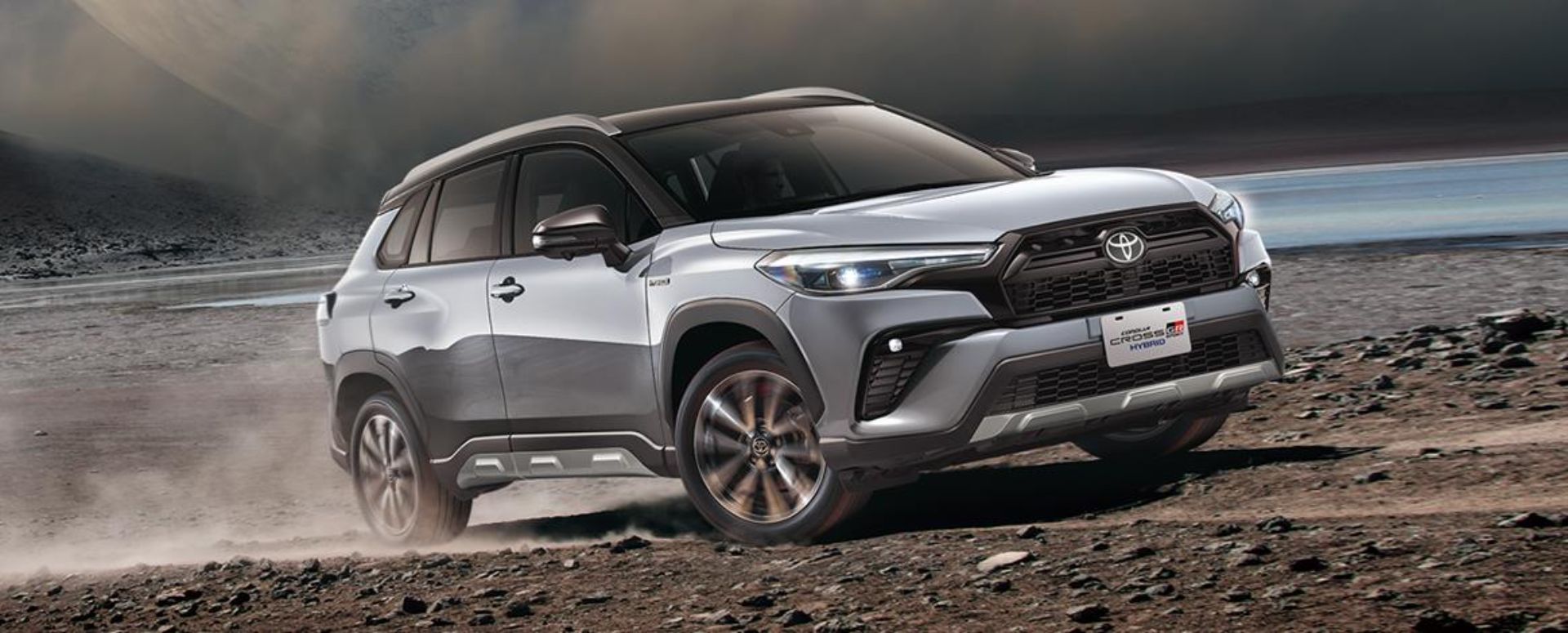
As we await an Australian debut for the Corolla Cross, Toyota has unveiled a new GR Sport styling and handling package for its latest small SUV, along with a new Japan-market redesign.
See details at the link below.
July 2020: Corolla Cross compared to its Australian rivals
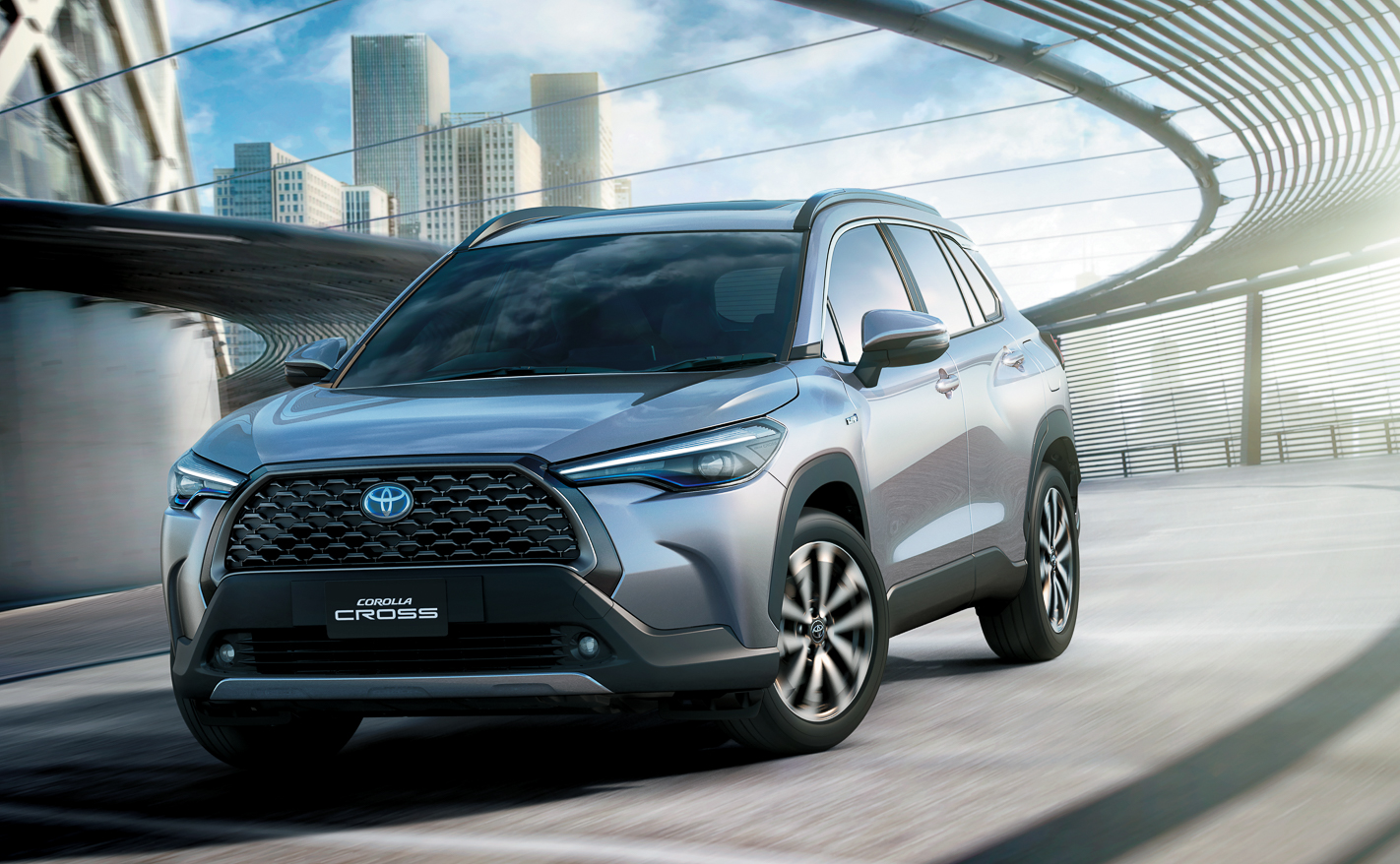
Get a full rundown on how the incoming new Corolla Cross compares to its most obvious direct rivals in Australian market. Full story at the link below.
2022 Toyota Corolla Cross revealed
July 2020, Tom Fraser
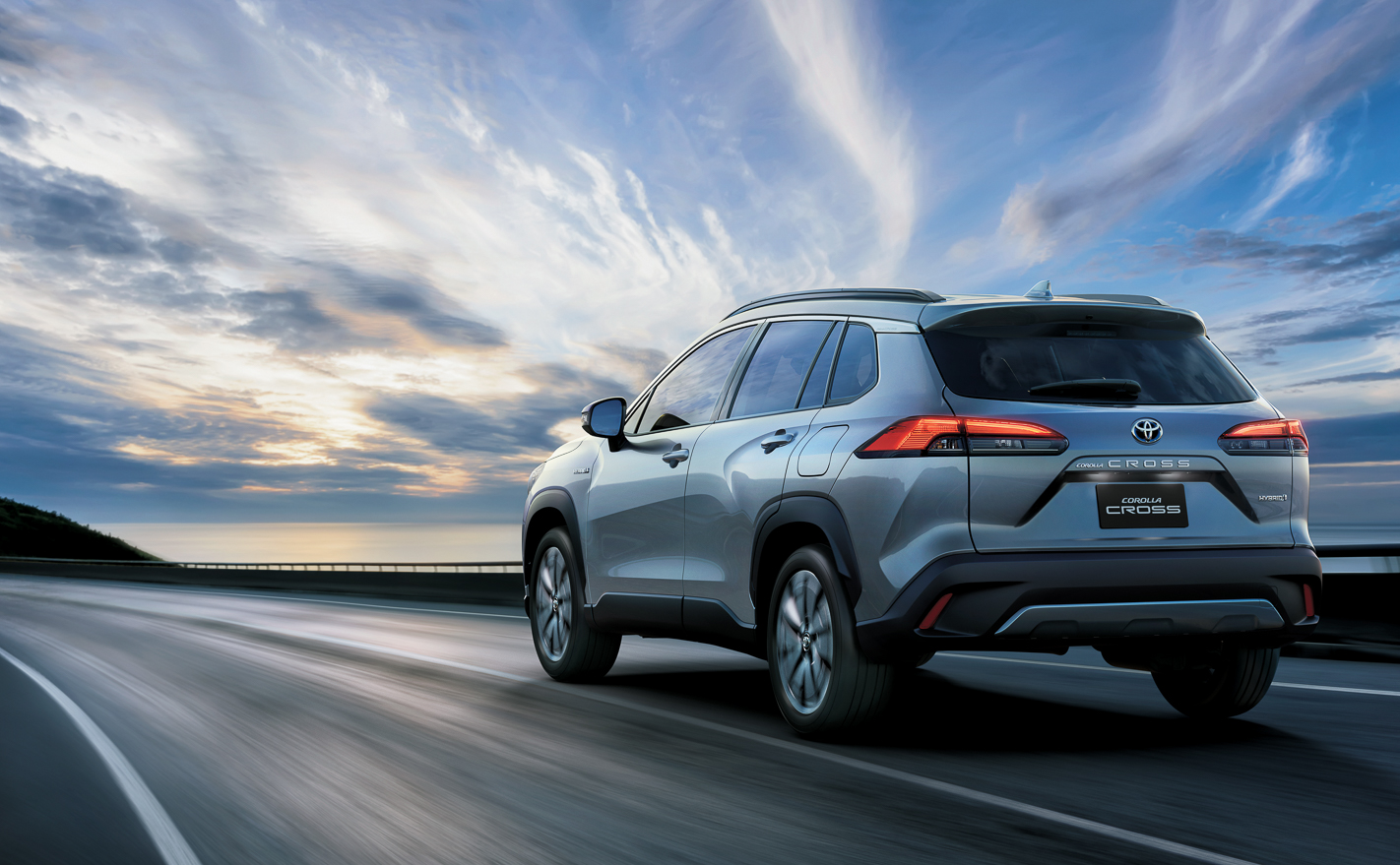
Toyota has unveiled a brand new model to the world today; the Corolla Cross SUV will first go on sale in Thailand in September but won’t be available to Australians until late 2022.
Its debut closely follows that of its smaller sibling, the new Yaris Cross which – according to the plan – will land Down Under before 2020 ends.
But it’s this car that could quickly become one of Australia’s best-selling SUVs, trading on the popular Corolla name and taking elements from both car that as well as the RAV4 medium SUV for its design.
The rumour of a new C-segment SUV from Toyota was first picked up earlier this year but this is the first confirmation that the new SUV is based on the Corolla.
Toyota’s Corolla Cross will slot in nicely between the Yaris Cross and Australia’s favourite RAV4 when it arrives, as a more practical alternative to the C-HR.
It’ll come based on the same TNGA-C car platform as the C-HR, which also underpins the Corolla hatchback and sedan – the car that lends its name to the new SUV.
That means we can likely expect much of the same equipment in a higher-riding package, namely a return of the high-level safety equipment and connectivity technology that makes the Corolla so popular.
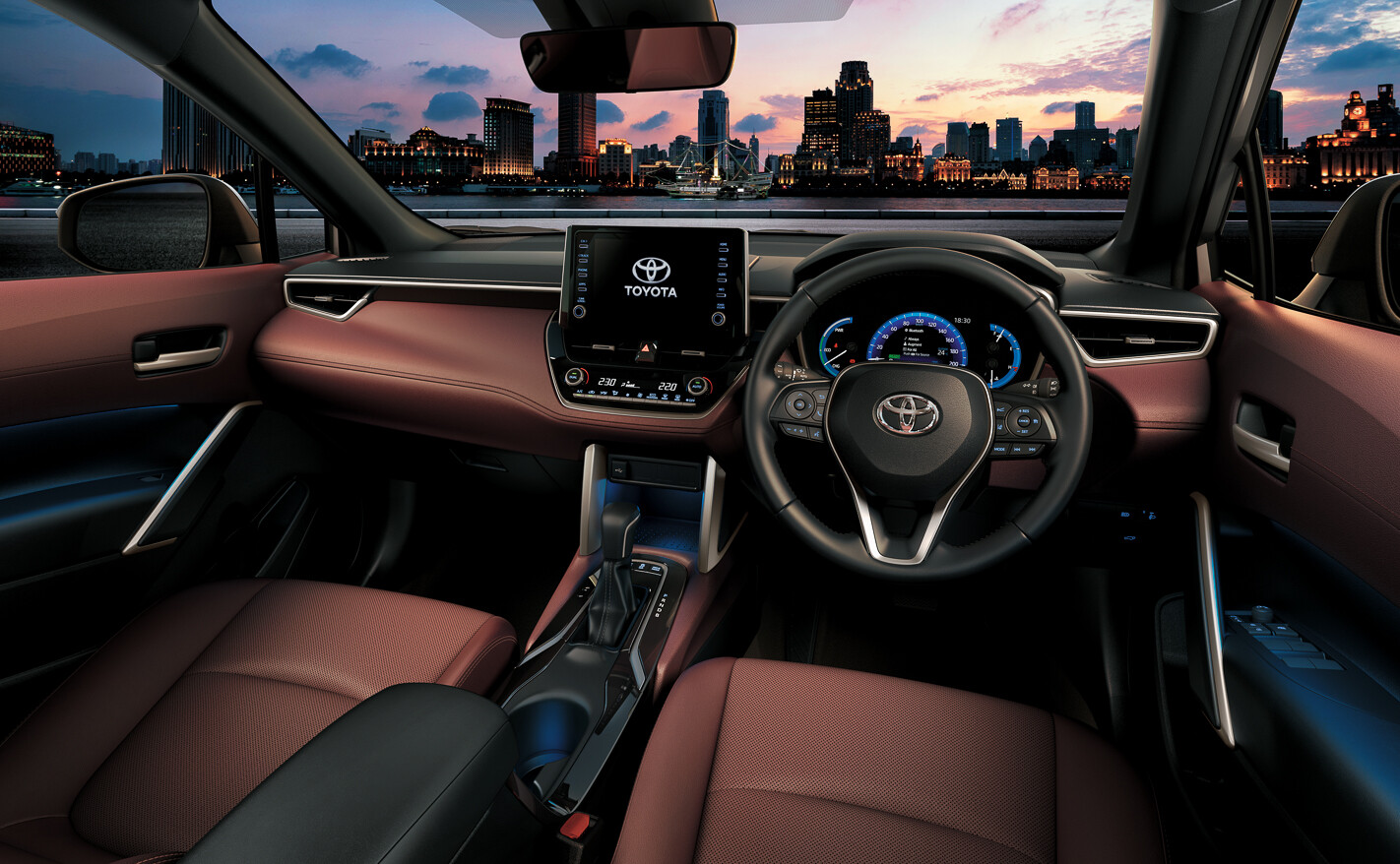
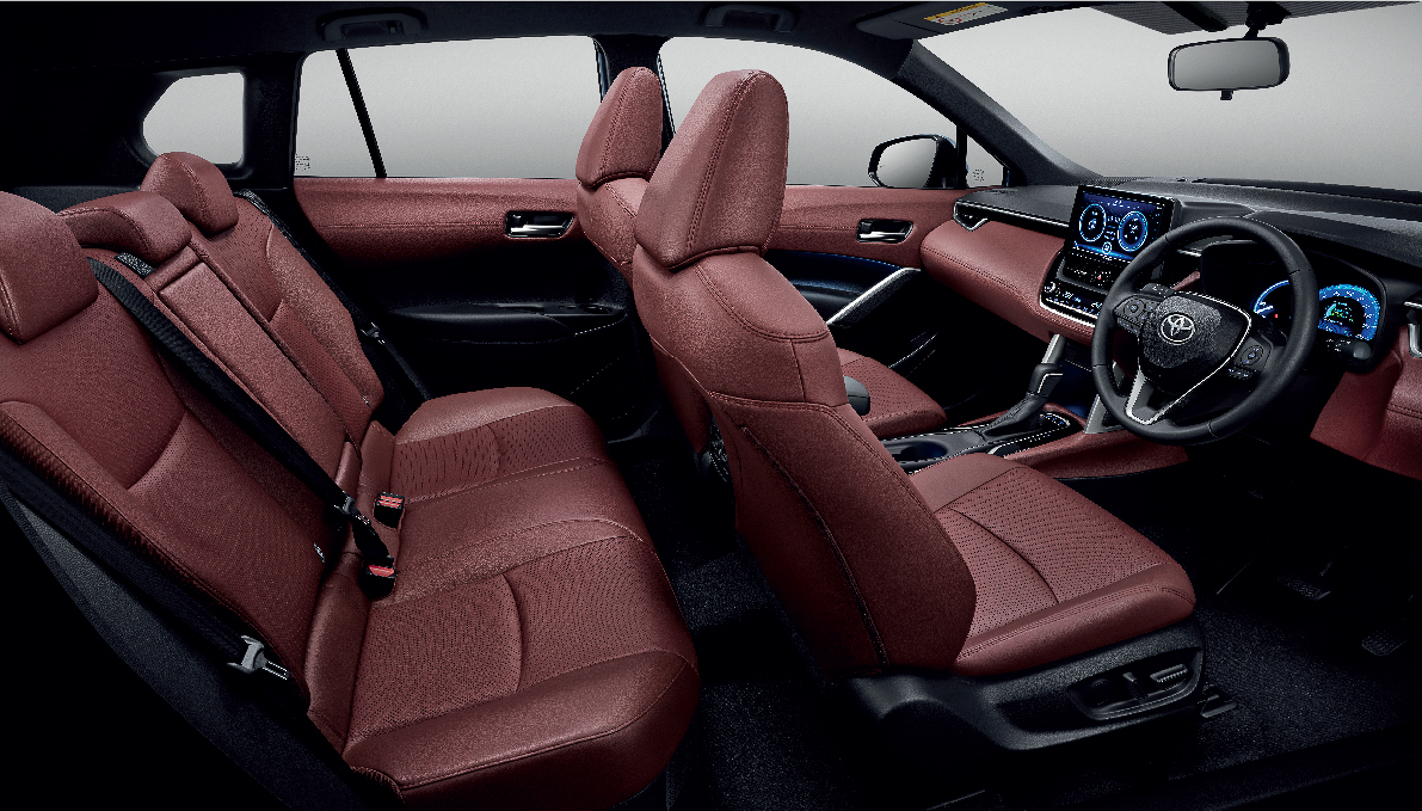
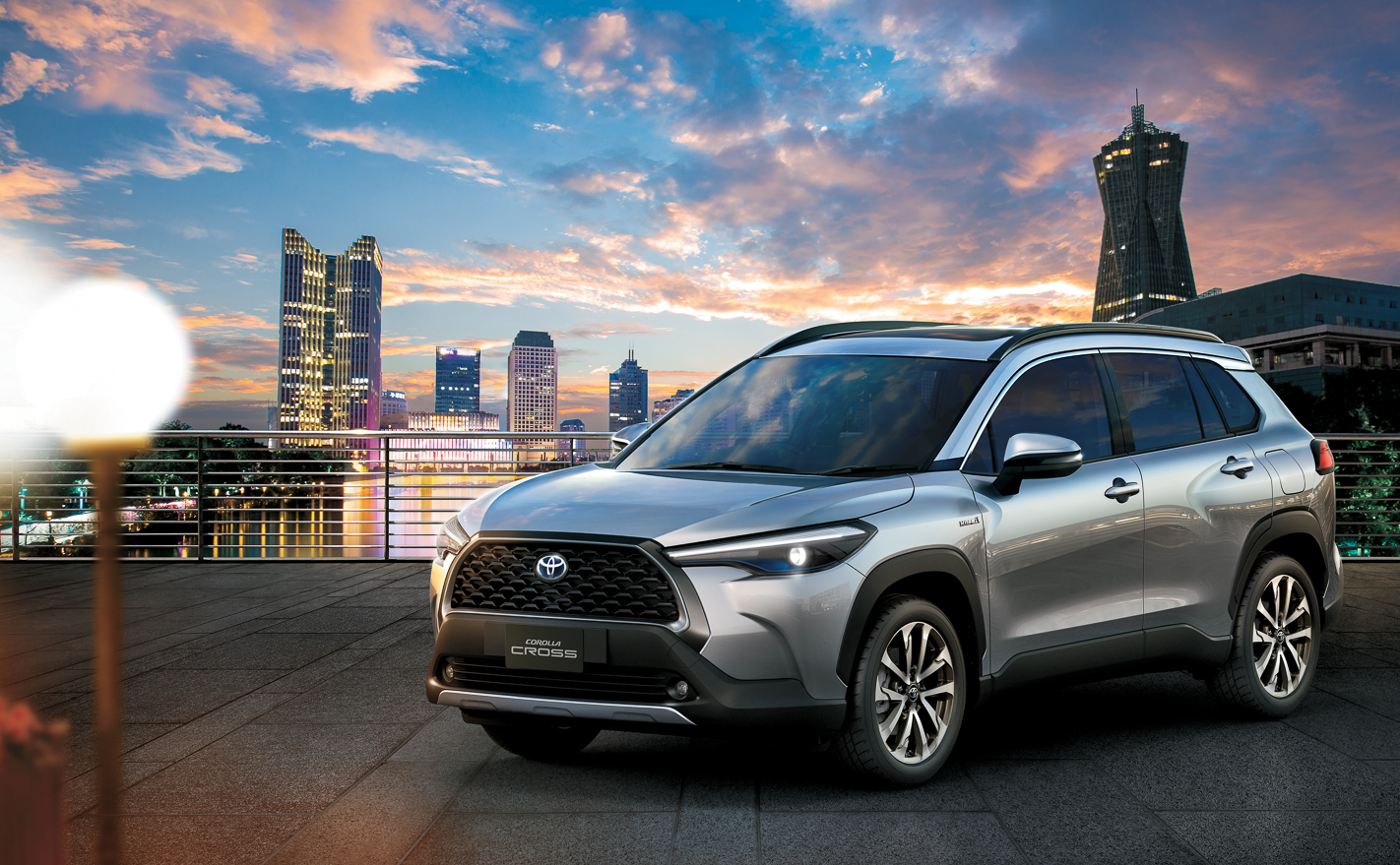
On the exterior the Corolla Cross receives both LED headlights and taillights and 18-inch wheels, while inside the interior features a Corolla-looking affair with a 9.0-inch infotainment screen with Apple CarPlay and a 7.0-inch display within the instrument cluster.
How big is the Corolla Cross?
The Corolla Cross rides on a 2640mm wheelbase and measures 4460mm long overall, 1825mm wide and 1620mm tall, with 487 litres of boot space with the rear seats in their upright position.
By comparison, the larger RAV4 has a 2690mm wheelbase and comes in at 4570mm long overall. Height is 1660mm and width is 1855mm, and boot capacity is 580 litres with the rear seats upright.
Lastly, the style-oriented C-HR has the same 2640mm wheelbase as the Corolla Cross, but measures a much shorter 4360mm long overall. Width is 1795mm, height is 1565mm, and boot capacity is just 318 litres.
What engines and transmissions will be on offer?
Toyota says the car will be delivered with two versions of the company’s 1.8-litre four-cylinder engine in Thailand: one a hybrid and the other a regular petrol option.
Both engine options are mated to a continuously variable transmission.
Toyota Australia has already confirmed that petrol and hybrid versions will be on offer Down Under.
When will the Toyota Corolla Cross come to Australia?
Few other details are offered about the Corolla Cross, but Toyota Australia itself is excited, with Toyota Australia vice president of sales and marketing Sean Hanley saying the Corolla Cross will become an important addition to the local range, with SUV sales accelerating to an unprecedented 48 percent of the market so far this year.
Details remain scant on what specification we’re going to get when it arrives, but Toyota Australia did say that we can expect the new Corolla Cross in the second half of 2022.
Click on the lead photo at the top of this story for a gallery of Toyota Corolla Cross images.
The fifth-generation 2023 Toyota Prius hybrid liftback has been revealed – but an Australian launch is off-limits following its retirement from the local market in May.
It rides on a revised version of the TNGA platform that first debuted on the fourth-generation Prius revealed in 2015, with a brand-new look and improved electrified powertrains.
With hybrid engines now available across most of the Toyota line-up, the Japanese brand is repositioning the Prius as its most eco-friendly internal combustion offering.
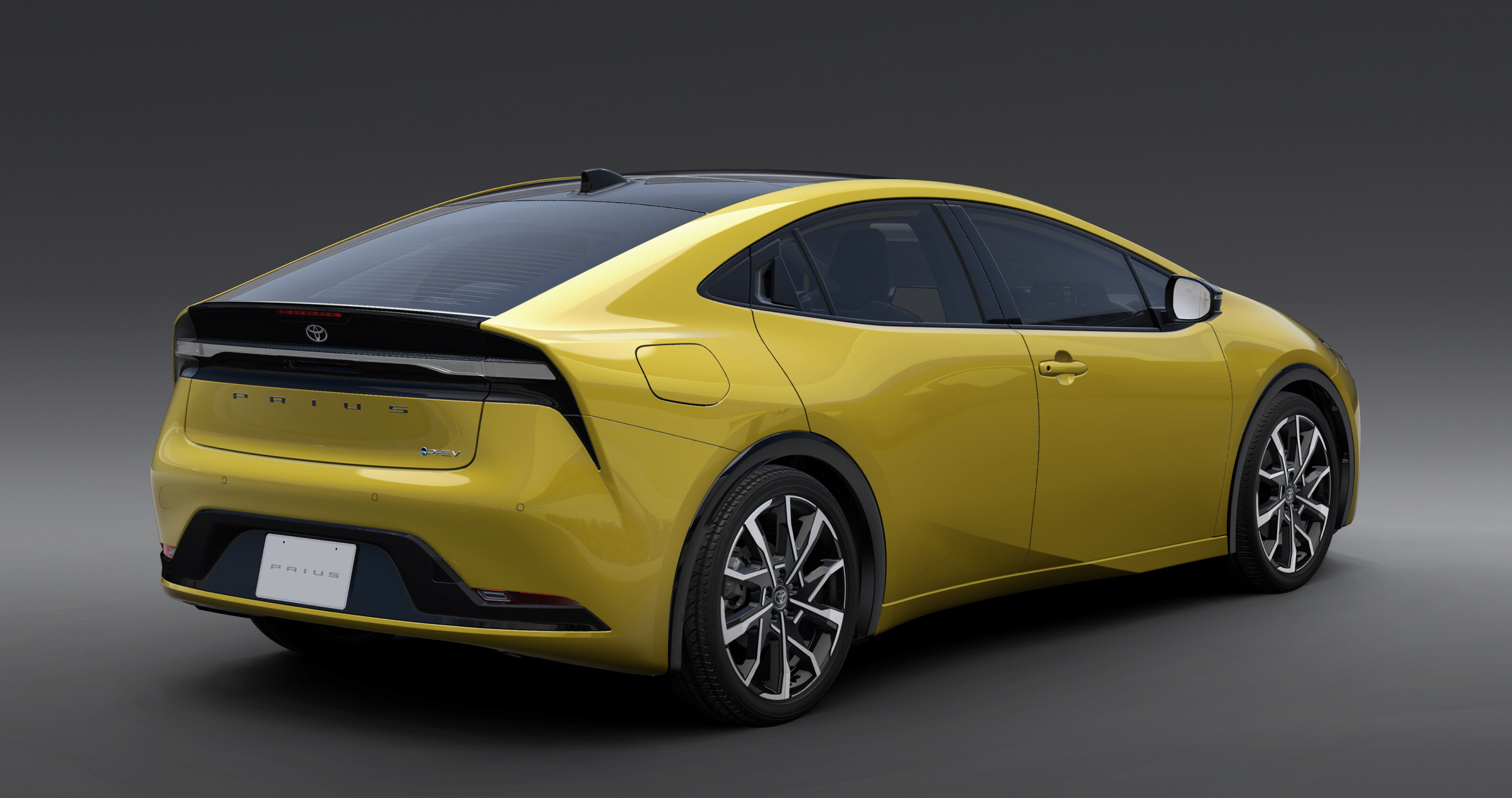
Under the bonnet, the Prius features two conventional hybrid engines and a plug-in hybrid system, with front-wheel drive.
An updated version of the current 1.8-litre four-cylinder petrol-electric powertrain is found in the entry-level version. It has a total system output of 103kW – up 13kW over the outgoing model, and in line with the recently-updated Corolla hatch and sedan.
Toyota global design boss Simon Humphries said the new Prius would be “the most efficient hybrid model in its class”, but the marque has yet to detail its efficiency.
A step up from the standard 1.8-litre mill is the more powerful 2.0-litre hybrid system shared with the Corolla Cross small SUV. It produces 144kW, with front- and all-wheel drive options expected.
It has a claimed 0-100km/h sprint time of approximately 7.5 seconds, making it the fastest Prius hybrid ever.
However, the plug-in hybrid Prius will continue into the next generation, with a newly-developed 2.0-litre petrol engine, a 13.6kWh lithium-ion battery pack and electric motors for 164kW in total.
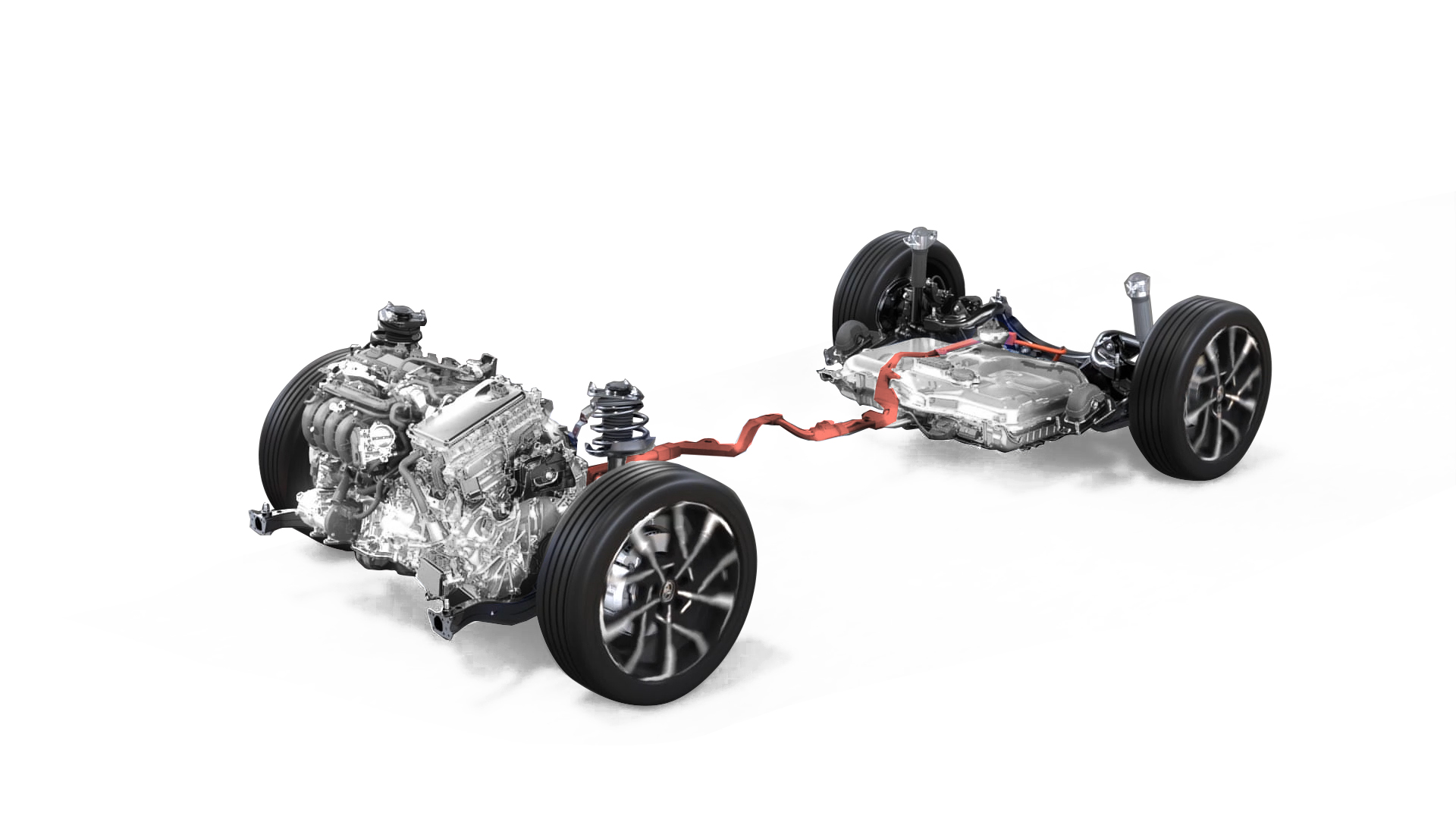
This replaces the 1.8-litre plug-in hybrid found in today’s Prius Prime. It will continue to offer a solar roof option.
As Drive reports, the new Prius has a claimed 0-100km/h time of 6.7 seconds, while its electric-only range has increased by up to 50 per cent, which allows for up to 70 kilometres of zero-emissions driving.
Toyota says moving the battery pack from under the boot floor to under the rear seats has improved the vehicle’s centre of gravity and luggage space, while its aerodynamics have improved with a lower drag coefficient.
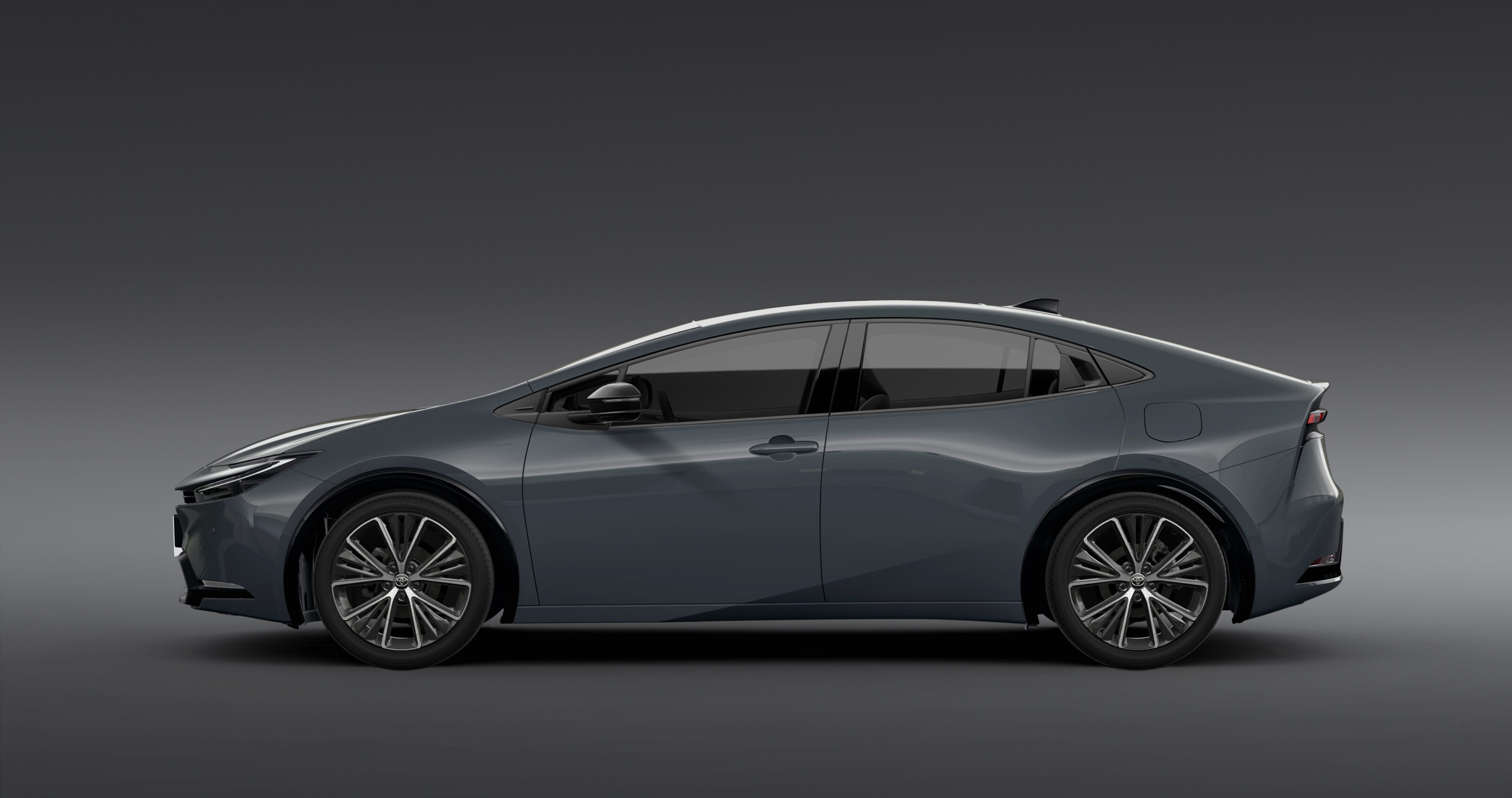
With a design inspired by Toyota’s BZ electric vehicle family and the flagship Crown, the look of the new Prius is more laid-back than the outgoing model, with a smoother body and ‘hidden’ rear door handles similar to the C-HR small SUV.
It will offer LED headlights, a full-width LED rear light bar and alloy wheels up to 19-inches – up two inches from the outgoing Prius.
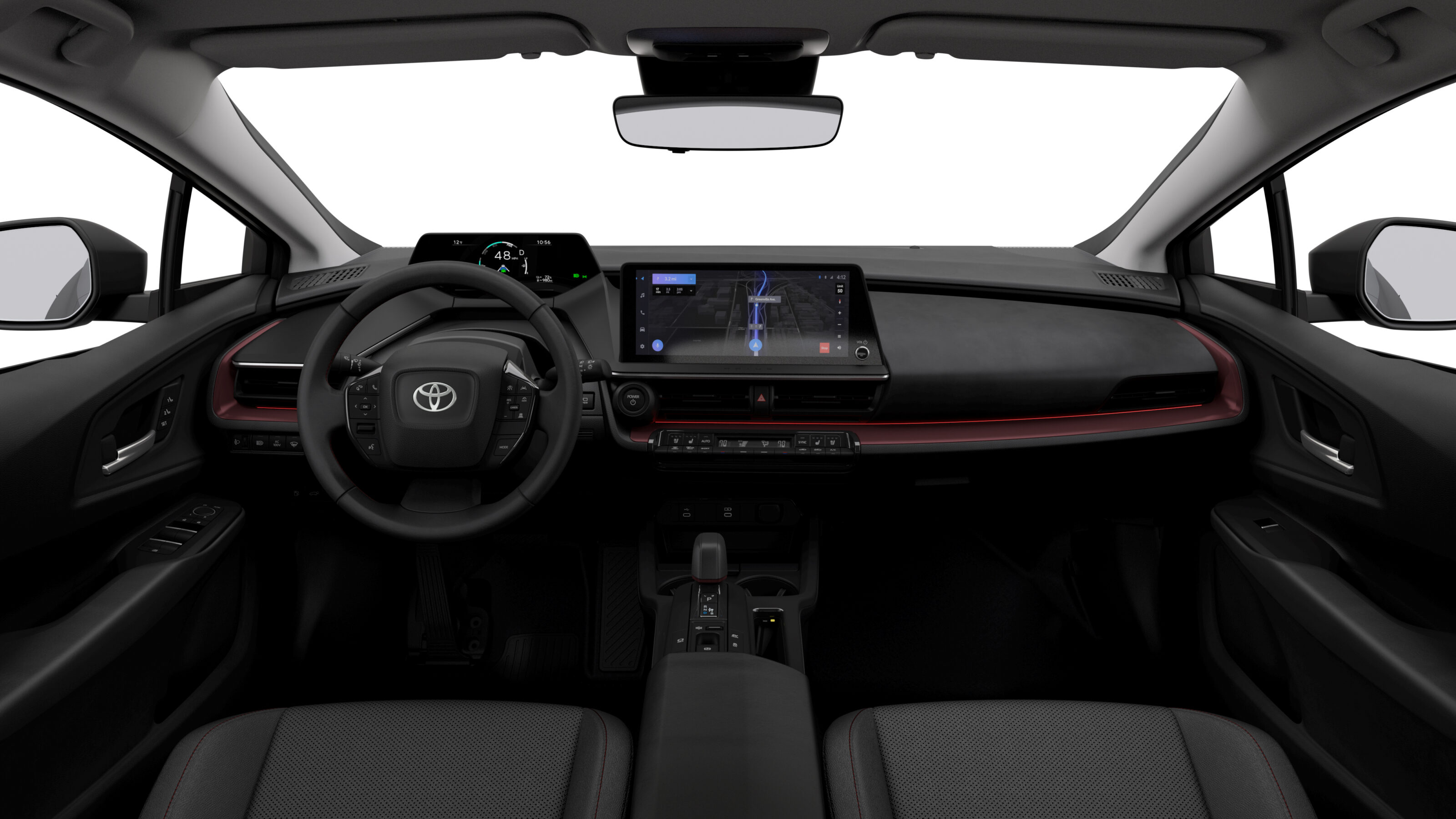
Inside, it features a 12.3-inch touchscreen running Toyota’s latest infotainment system, with support for wireless Apple CarPlay and Android Auto, connected satellite navigation and over-the-air software updates.
In a Prius first, the central instrument cluster has been replaced by a more-conventional 7-inch full-digital unit similar to the BZ4x electric SUV’s display.
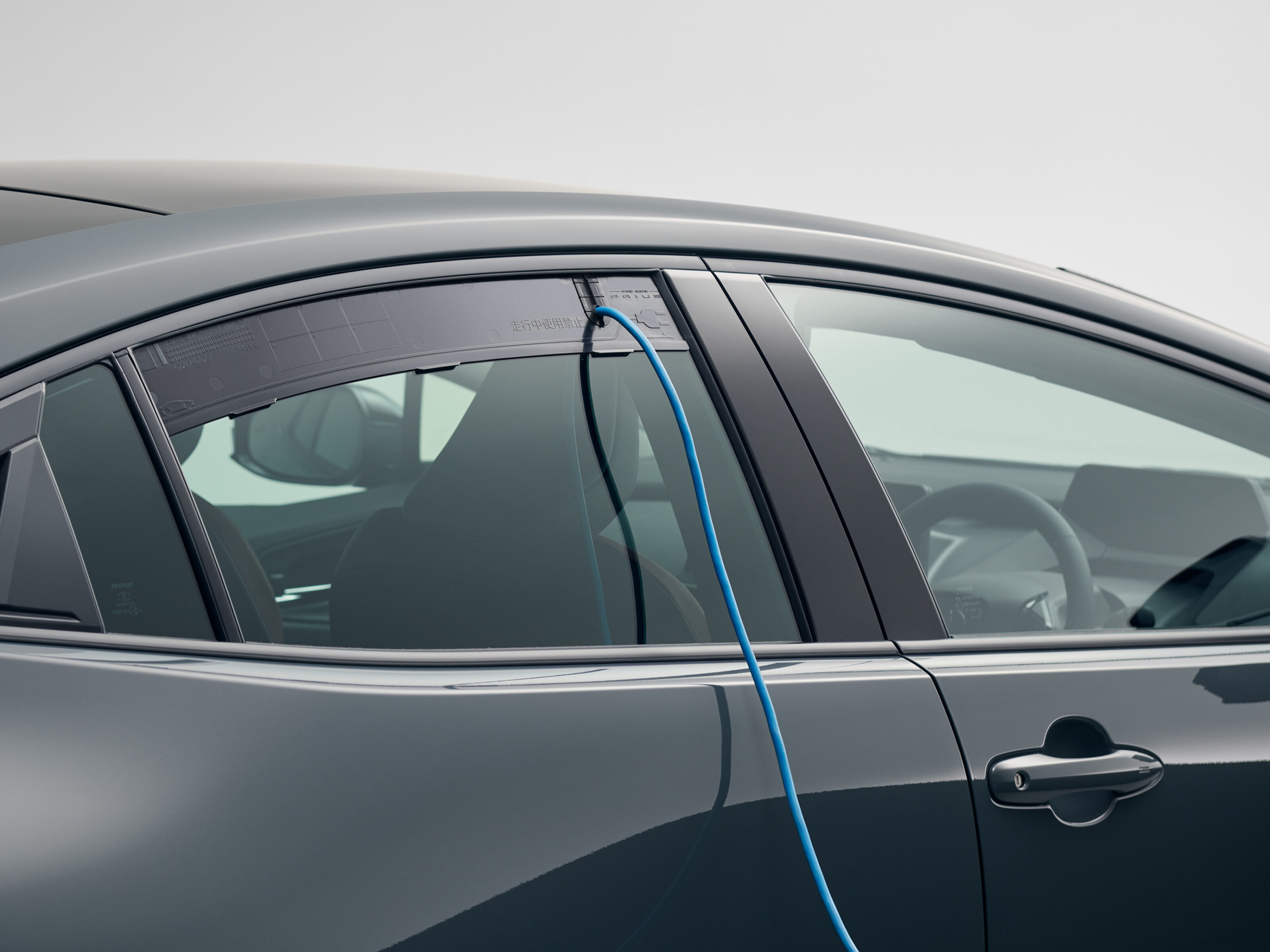
Other available features include LED ambient interior lighting, USB-C ports, a panoramic sunroof, automatic parking, a built-in dashcam, a digital rear-view mirror, and an interior power socket to power home appliances from the vehicle’s battery.
The brand’s latest suite of driver assistance technology is available, with autonomous emergency braking, lane-keep assist, blind-spot alert, rear cross-traffic alert and adaptive cruise control.
The 2023 Toyota Prius hybrid will arrive in Japan before the end of 2022, while the plug-in hybrid is expected in mid-2023.
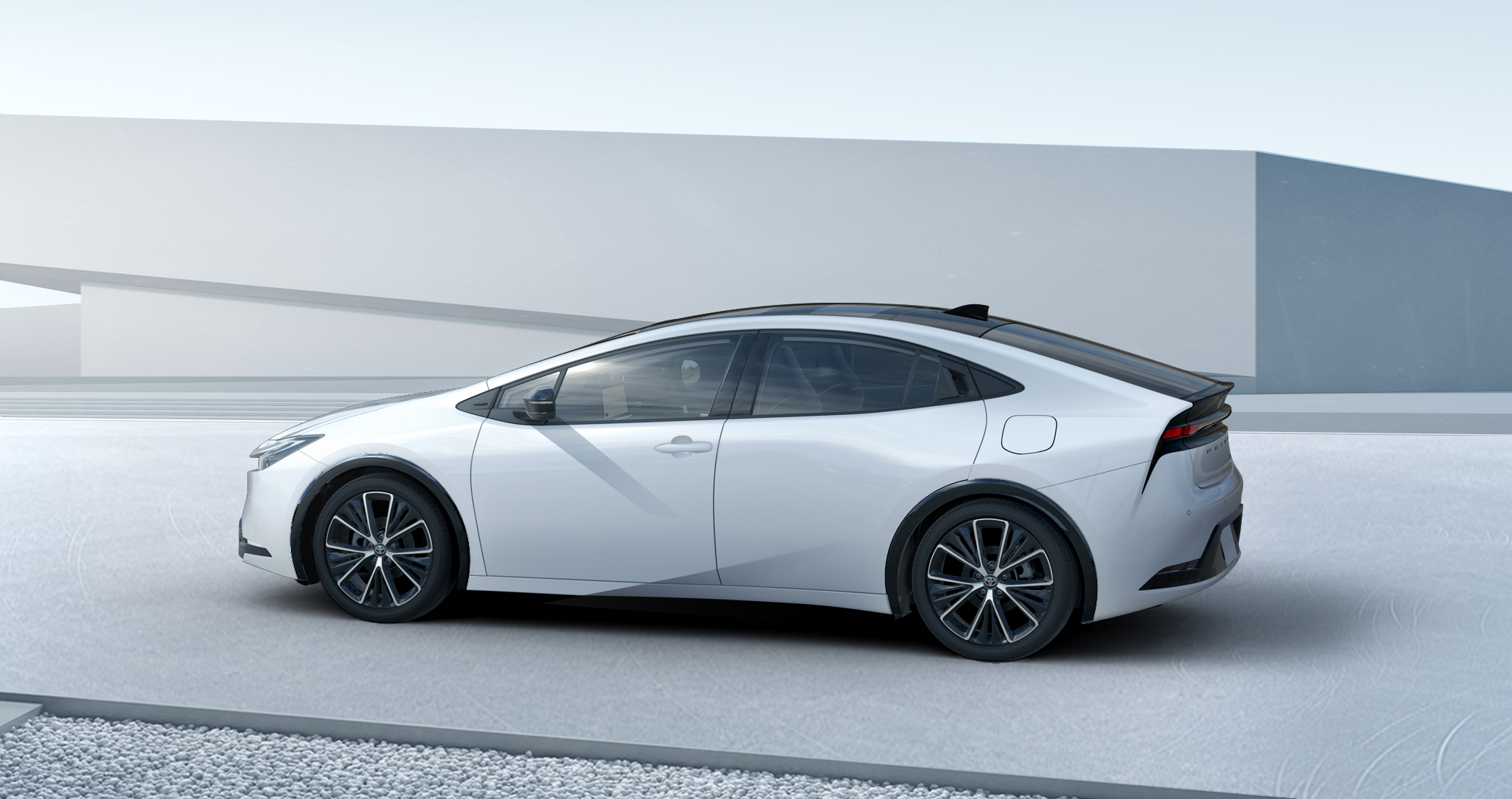
In addition, it will debut at the 2022 Los Angeles Auto Show later this week for the North American market.
“Toyota Australia has no plans to introduce the new Prius to the Australian market,” said a spokesperson for Toyota’s local arm.
“Over the past few years, we have substantially increased our hybrid offering with vehicles suited to Australian market conditions including Yaris, Yaris Cross, Corolla, C-HR and recently Corolla Cross.”
Snapshot
- Toyota Corolla Cross tops reliability survey
- Mercedes-Benz GLE at the bottom
- But study is limited by number of models and brands surveyed
Not-for-profit American firm Consumer Reports has revealed Toyota, Lexus and BMW are rated the most reliable car brands.
The result is according to its latest annual survey of more than 300,000 owners of vehicles purchased between 2000 and 2023 in the United States.
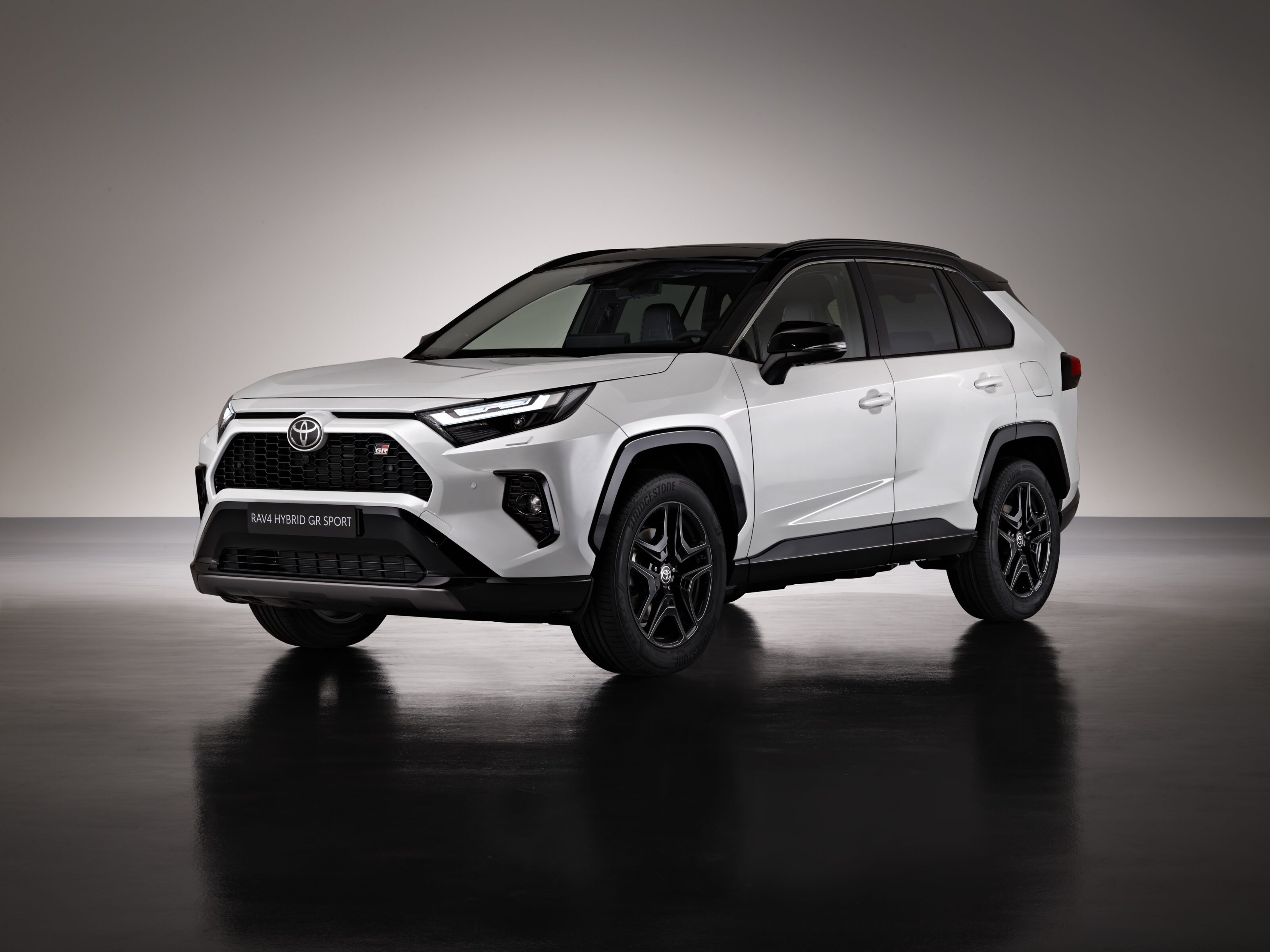
Notably, the recently-launched Toyota Corolla Cross small crossover is one of the top rated models (with a 96 out of 100 score), while the popular RAV4 medium SUV is above-average (63/100), and the forthcoming Tundra large ute is one of the less-reliable vehicles (39/100) covered in the survey.
Asian automakers are leading the industry with an average reliability score of 59, represented by seven brands in the top 10.

In contrast, Mercedes-Benz is at the bottom of the predicted reliability ladder – dropping by five points compared to last year. However, it’s worth noting that the survey was limited to two models: the E-Class (29/100) and related GLE (23/100).
It’s followed by Jeep and Volkswagen at the bottom, with five models each surveyed.
Tesla improved its position by four points to rank 19th among the legacy carmakers, with its reliability score on par with Chevrolet – which dropped by 10 this year.
Consumer Reports also notes more tales of electric car issues are emerging as new models hit the market and adoption grows. Reported problems this year in the US concern battery packs, charging systems and drive motors across models such as the Hyundai Kona Electric, Volkswagen ID.4 and Ford Mustang Mach-E.
Absent in the rankings include the likes of Alfa Romeo, Chrysler, Fiat, Jaguar, Land Rover, Mini, Mitsubishi, Polestar, Porsche, Rivian and Maserati due to “insufficient data” or “too few models”.
Consumer Reports’ 2022 car brand reliability survey results
| Rank | Car Brand | Average Score | No. of models surveyed |
|---|---|---|---|
| 1 | Toyota | 72 | 17 |
| 2 | Lexus | 72 | 6 |
| 3 | BMW | 65 | 6 |
| 4 | Mazda | 65 | 5 |
| 5 | Honda | 62 | 6 |
| 6 | Audi | 60 | 5 |
| 7 | Subaru | 59 | 6 |
| 8 | Acura | 57 | 3 |
| 9 | Kia | 54 | 9 |
| 10 | Lincoln | 54 | 3 |
| 11 | Buick | 54 | 3 |
| 12 | Genesis | 52 | 3 |
| 13 | Hyundai | 46 | 11 |
| 14 | Volvo | 45 | 4 |
| 15 | Nissan | 44 | 7 |
| 16 | Ram | 42 | 2 |
| 17 | Cadillac | 42 | 2 |
| 18 | Ford | 41 | 14 |
| 19 | Tesla | 40 | 3 |
| 20 | Chevrolet | 40 | 10 |
| 21 | GMC | 36 | 5 |
| 22 | Volkswagen | 31 | 5 |
| 23 | Jeep | 30 | 5 |
| 24 | Mercedes-Benz | 26 | 2 |
Snapshot
- Volvo says EV price tags will be the same as ICE by 2025
- u2018Technologyu2019 will cut the need for costly large batteries and offer more range
- But current supply chain shortages are increasing battery costs
Volvo Cars CEO Jim Rowan predicts electric vehicles (EVs) will reach price parity with internal combustion engine (ICE) models by 2025.
“We think we get [to price parity]… around 2025, where there’ll be enough technology that’s driving down costs on the battery,” Rowan told Automotive News Europe.
“Technology will drive range up. Less batteries, but more range, at less cost – we’ll get there.”
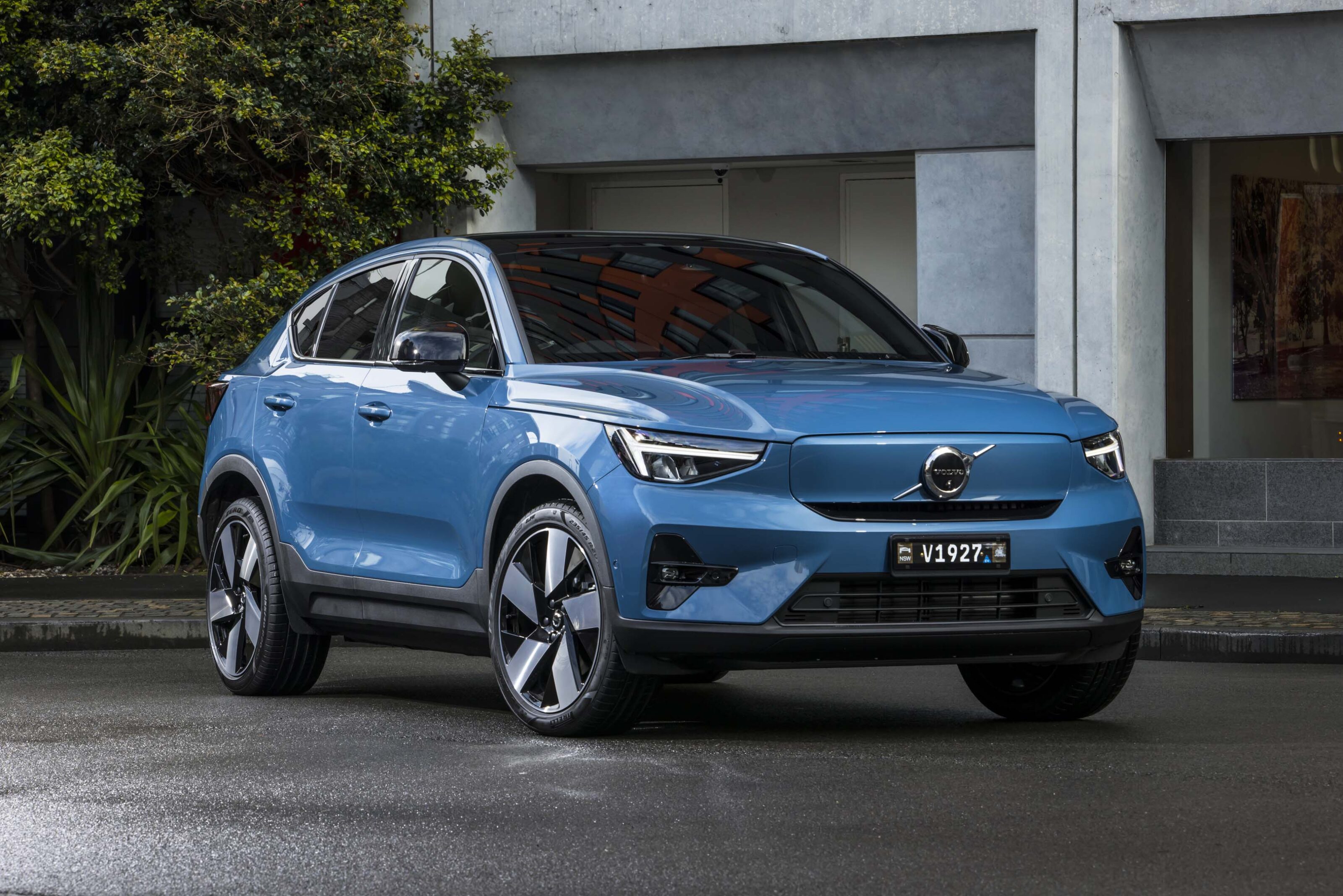
Volvo’s claim is earlier than BloombergNEF’s study last year that suggested larger electric SUVs and sedans would achieve price parity by 2026 and smaller hatchbacks by 2027.
The Swedish company, which is owned by Chinese automotive giant Geely, is expected to unveil a smaller and more affordable EV crossover next year, likely called the Volvo EX30.
It uses a cheaper lithium-iron-phosphate (LFP) chemistry battery pack that leads the EV battery affordability race at $131 per kWh.
But, Volvo says it aims to cut its battery pack costs even further to less than $100 per kWh by 2026 at the latest – despite ongoing supply chain and raw material shortages contributing to increased battery prices in the past two-years.
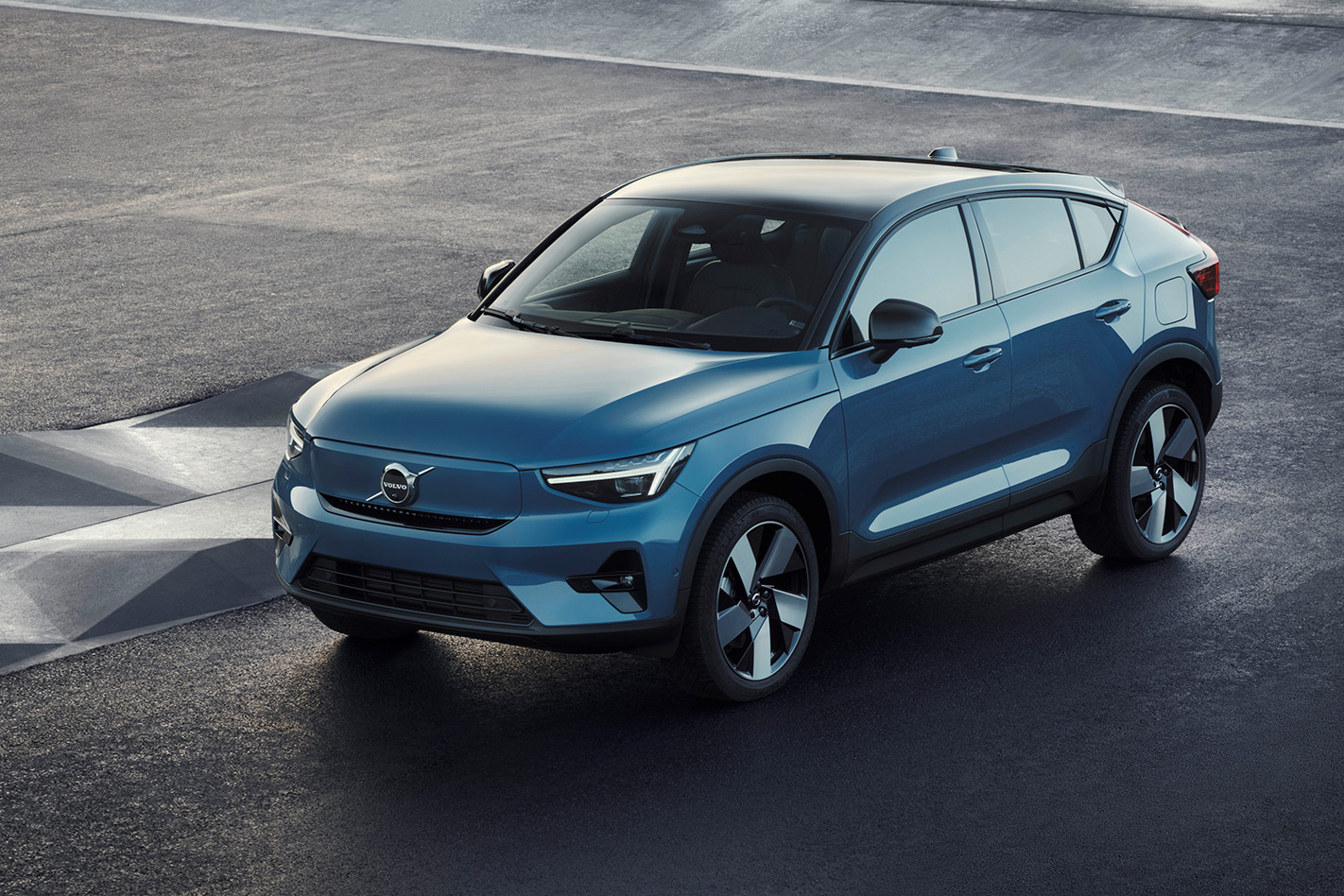
In contrast, Renault Group CEO Luca de Meo previously said: “I do not see this [EV price] parity getting close… I can come up with better battery chemistry and better power electronics, but these gains would be erased when the price of cobalt doubles in just six months.”
Currently, the single-motor Volvo XC40 Recharge Pure Electric starts from $72,990 before on-road costs, whereas the comparable petrol-powered XC40 B4 Bright is priced from $59,990 before on-roads.
Volvo Cars Australia has already promised its line-up will go fully-electric by 2026 locally, spearheaded by the flagship Volvo EX90 large electric SUV and other yet-to-be announced large sedans and wagons.
Porsche wants the numbers for its first-ever electric SUV to add up to more than the others offer. And the data on the upcoming Macan is impressive…
Snapshot
- 2024 Porsche Macan EV to offer speedier ultra-rapid fast charging
- Expected to launch in flagship dual-motor, all-wheel-drive guise at launch
- Current internal-combustion Macan to be sold alongside electric model, at least initially
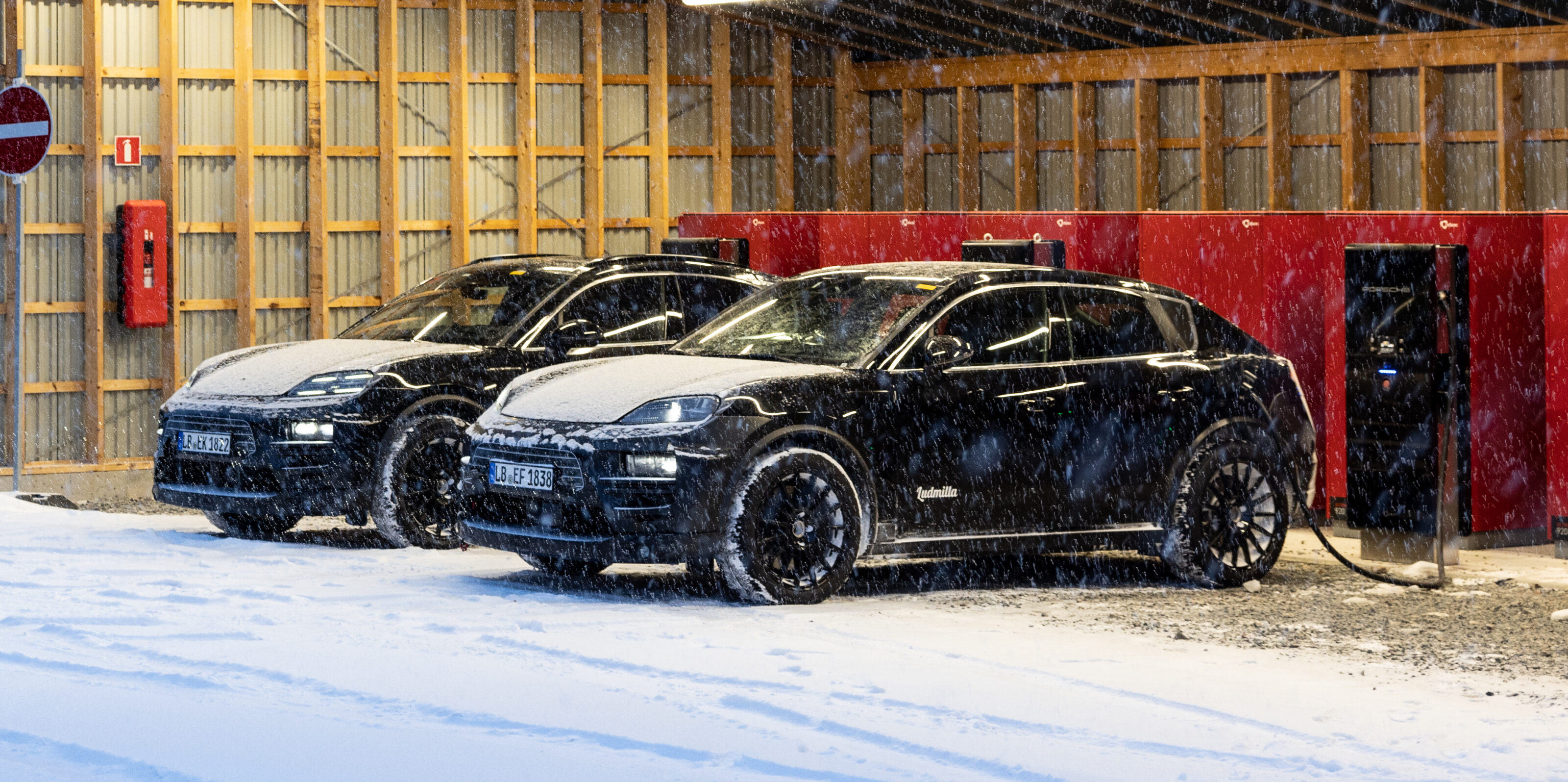
It is expected to offer around 450kW and more than 1000Nm, with an 800-volt battery pack capable of storing 100kWh of electrical energy.
All this, and more, was revealed at Porsche’s recent Next Level E-Performance media workshop in Italy.
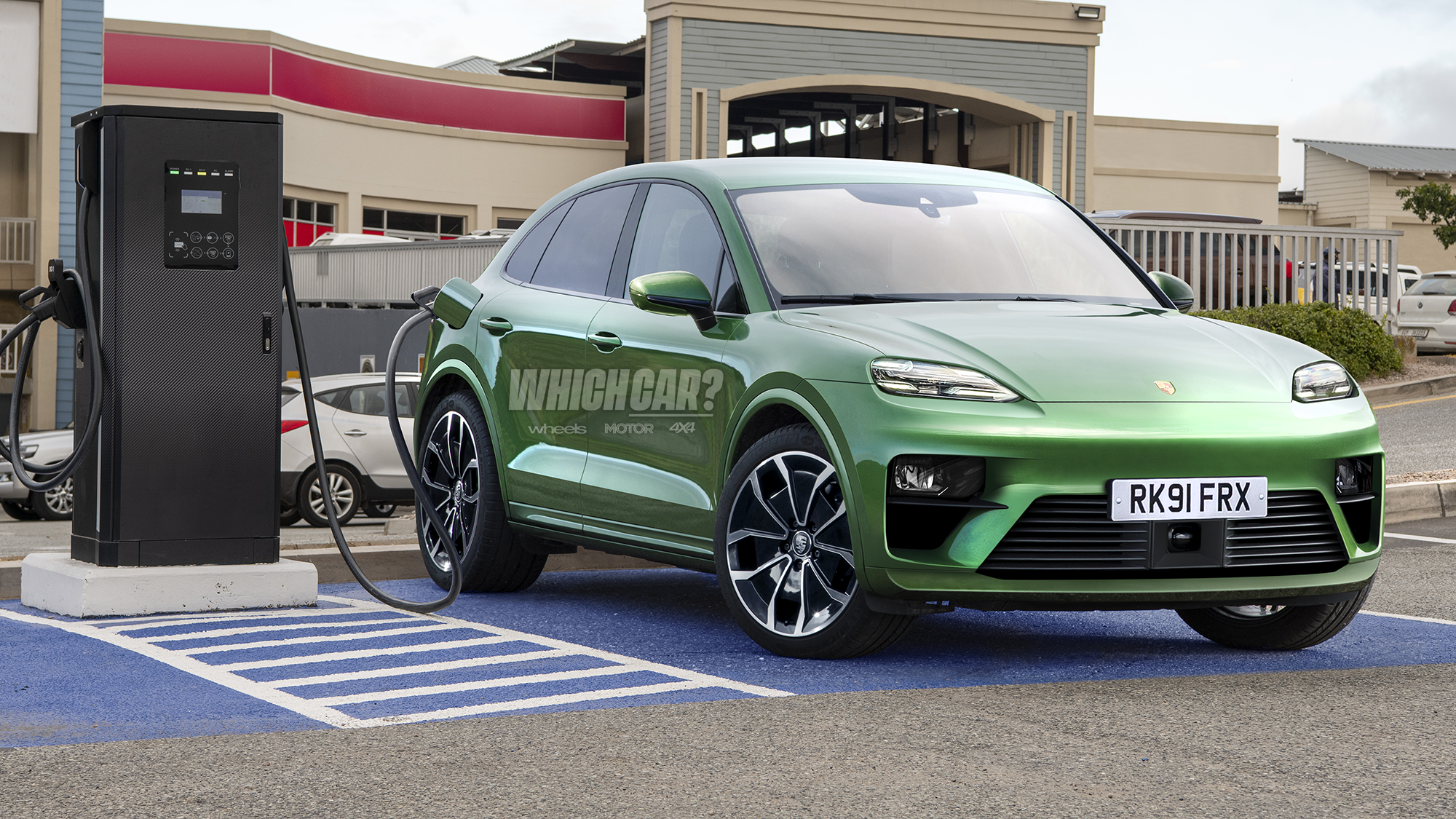
Porsche promises the Macan EV will be the sportiest SUV in its very competitive segment and have best-in-class performance.
While the company isn’t yet ready to disclose the EV’s driving range, it says its development targets include “long-range capability and high-performance fast charging”.
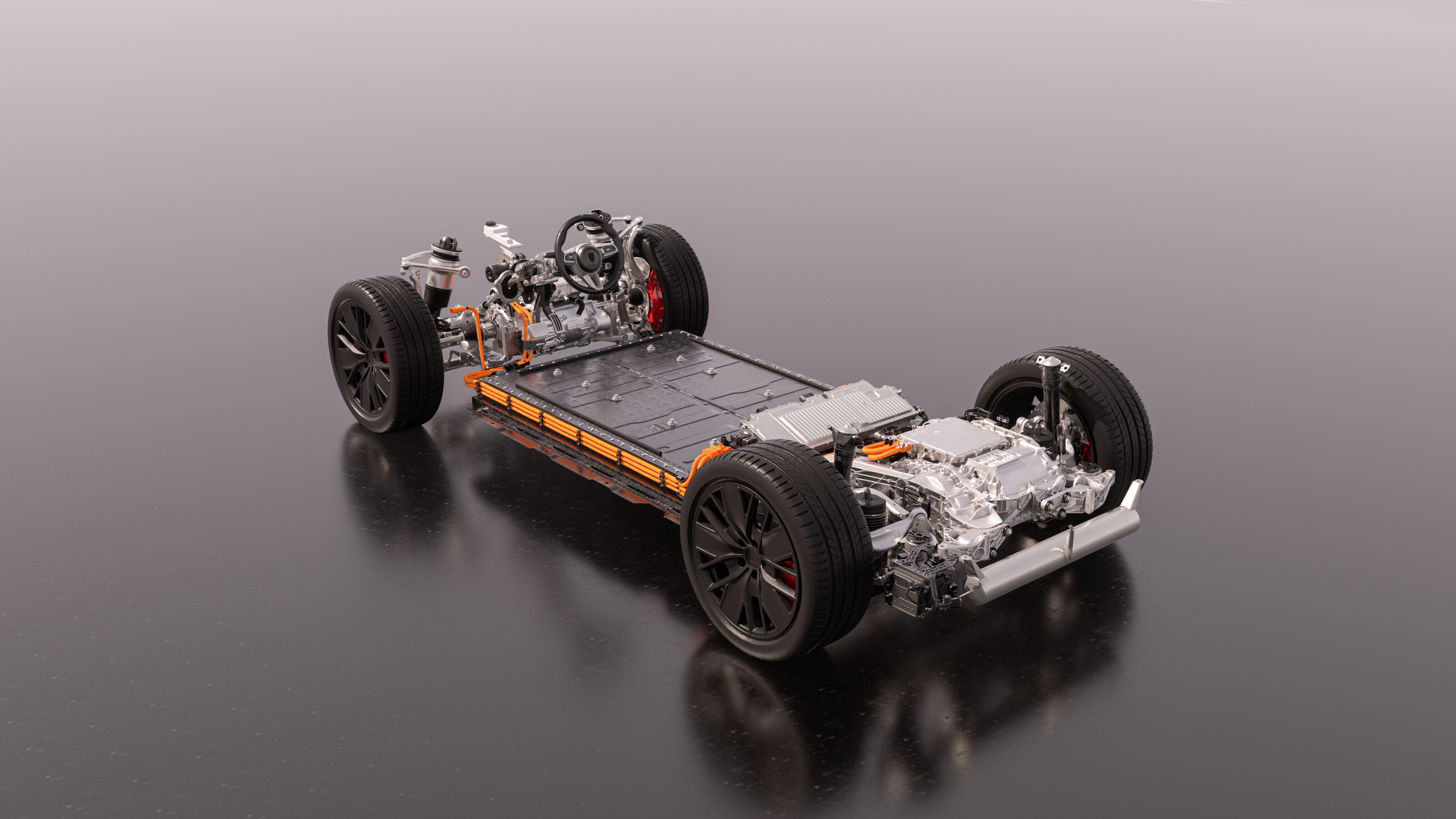
Due in 2024 – following a 12-month software-related delay – the Macan will be the first Porsche EV to use the versatile and scalable PPE electric vehicle architecture co-developed with Audi.
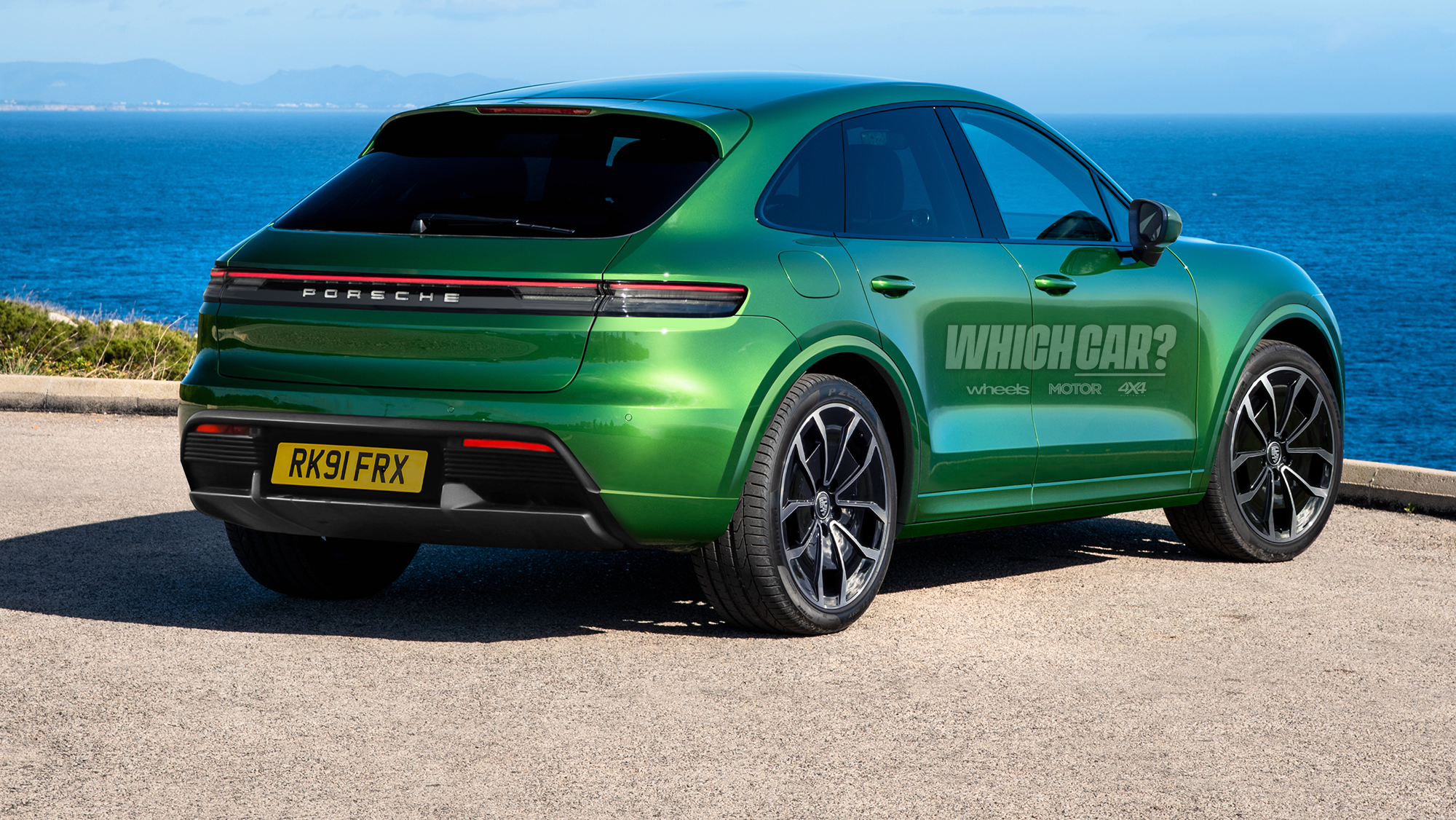
“Technically, it’s also suitable for every category in B, C and D segments,” said a Porsche spokesperson.
“This means everything from small to large vehicles, though Porsche has a specific role in mind for PPE.
“We are aiming for the SUV types right now.”
The Macan EV will deliver speedier DC charging than the 270kW rate of the Taycan.
Connected to a high-power DC charger, it will take “less than 25 minutes” for the new SUV’s state of charge to rise from five to 80 per cent.
And the Porsche’s 800-volt battery will fill quickly even when connected to a high-power 400-volt DC charger. In this case, high-voltage switches inside the battery pack divide it into two identical 400-volt packs, which are then charged in parallel. This avoids the need for an onboard voltage booster at the same time as reducing charging time.
Though the first Macan EVs going into production will be high-performance dual-motor variants with all-wheel drive, however, single-motor rear-drive versions are also possible.
The PPE platform’s rear motor is mounted low down and behind the axle line. This will give the Macan EV a slightly rearward 48/52 front/rear weight distribution, even in all-wheel-drive form.
Reflecting this, there will be a greater difference between front and rear tyre widths on the EV than on any existing Macan model. Wheel sizes up to 22-inch will be available, Porsche says.
The Macan EV’s motors are a new design. Though they are the same permanent magnet synchronous type as in the Taycan, the magnets are aligned differently in the laminated steel rotor. This, Porsche claims, brings a boost in power density compared to the Taycan’s tech.
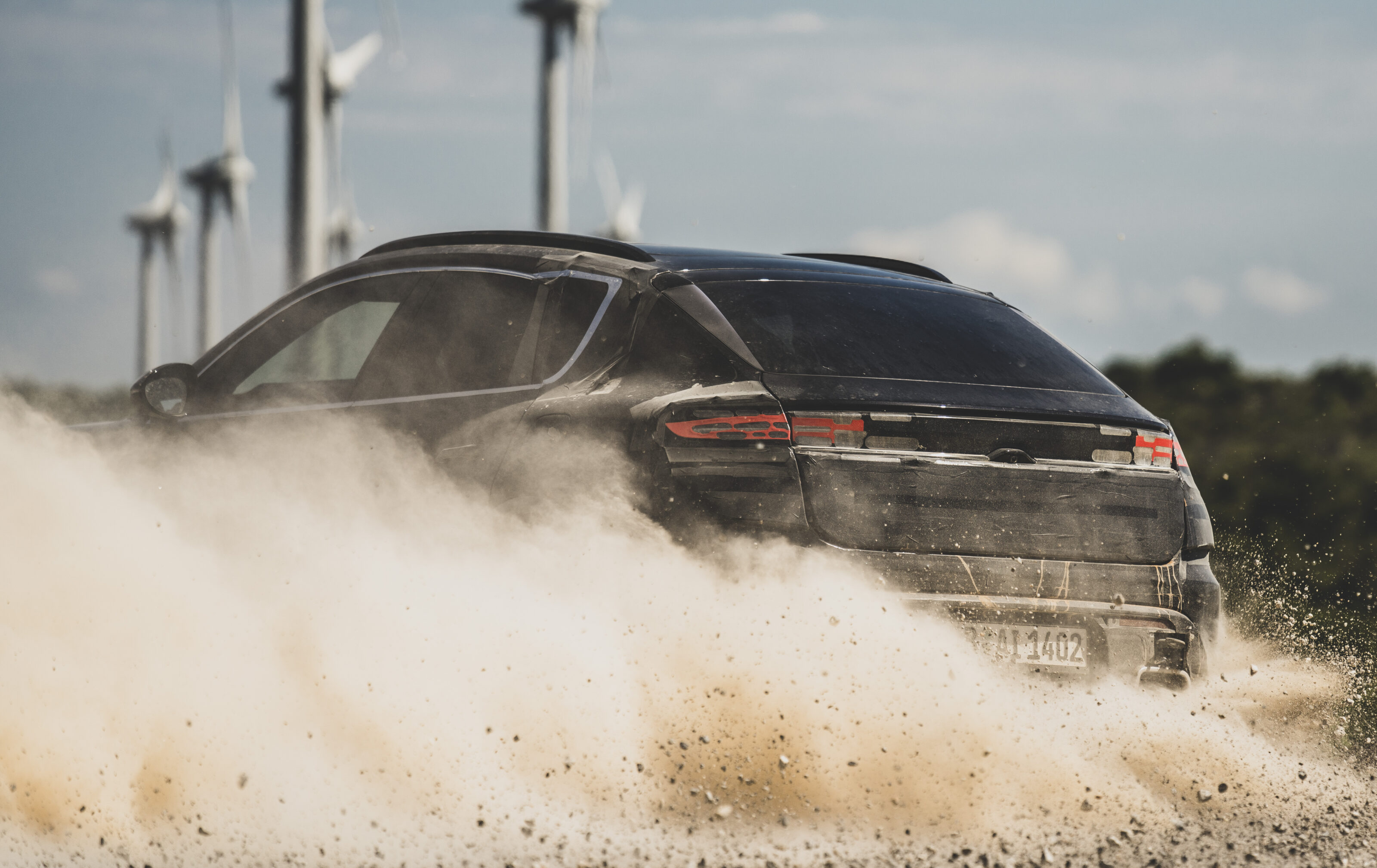
Another advance, compared to the Taycan, is the adoption of faster-switching and more energy-efficient silicon carbide semiconductors in the rear motor’s inverter.
Significant changes to the double A-arm front and multi-link rear suspensions of the Macan are also promised. Rear-wheel steering will also be offered for the first time in any Macan, and top-grades will be equipped with a torque-vectoring rear differential.
Porsche plans to offer the new Macan EV alongside the existing version of its big-selling SUV, at least initially. But it doesn’t take a genius to predict that as the Macan EV lineup expands, the ICE-powered range will likely shrink.
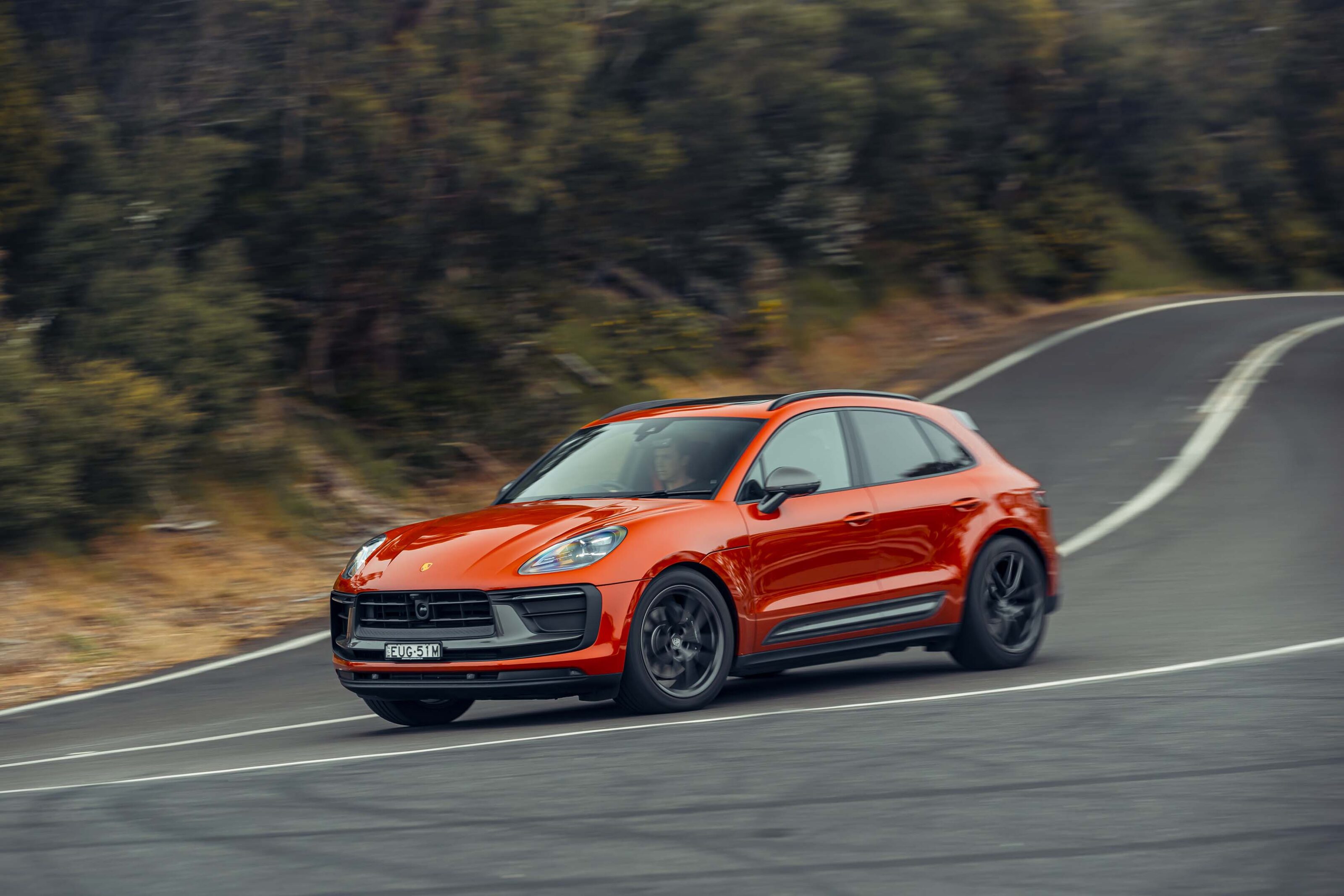
Below: The current 2023 Porsche Macan T
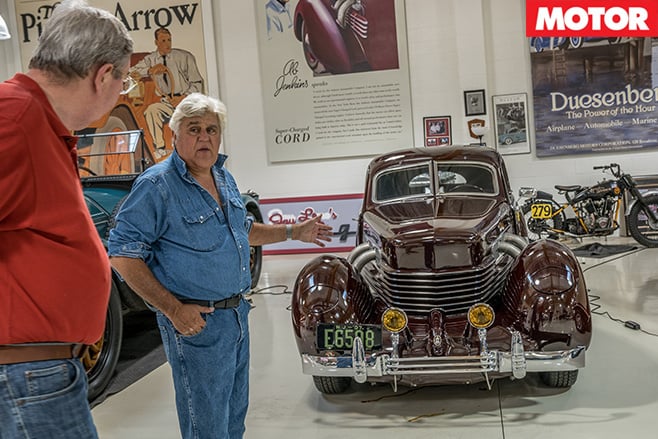
US TV host, comedian and renowned car enthusiast Jay Leno has suffered serious burns to his face and hands after a fire in his Los Angeles home’s garage.
Leno is recovering at LA’s Grossman Burn Center after one of his many collectible cars reportedly caught fire.
The former The Tonight Show host and presenter of Jay Leno’s Garage since 2015 sent a short statement to US media.
“I got some serious burns from a gasoline fire. I am ok. Just need a week or two to get back on my feet,” said Leno.
CNN quoted a spokesperson for the Grossman Burn Center, who told the US media network that Leno was in a stable condition after suffering “burns that he received to his face and hands from a gasoline accident in his garage over the weekend”.
The spokesperson added that Leno was in good humour and appreciated all the well wishes he had received.
Various US media are reporting that Leno hasn’t sustained any severe damage to his eye or ear on the left side of his face where he was badly burned.
The 72-year-old Leno, who is into his seventh season with his eponymous car show, owns more than 280 cars and motorcycles at last count. The cars include supercars old and new, such as the Lamborghini Miura and McLaren P1.
Leno earned the money to start building his collection as the host of The Tonight Show from 1992, when he replaced Johnny Carson, until 2009. He returned for another four years in the seat after a brief stint presenting The Jay Leno Show.
