
There must be something special, some kind of secret sauce in the recipe Mitsubishi used for the ASX, because after a colossal 12 years on sale – and a whopping four facelifts – people keep buying them.
It’s also just had another update, so odds are good that the humble first-gen ASX is set to rack up a 13th year in the market. But what’s around the corner? According to Mitsubishi, the impending need to renew or replace the ASX with a new-generation model makes it a prime candidate for reinvention as an EV.
Speaking with Wheels in Tokyo, Mitsubishi Motors’ chief of electric powertrain development outlined the company’s plan to focus on plug-in hybrid (PHEV) powertrains for its larger cars, while smaller vehicles would be offered as battery-electric EVs in appropriate markets.
“An Outlander is defined as a larger vehicle in our case, an Eclipse Cross is a little bit smaller than an Outlander, but from an engineering point of view it’s in the same category [as Outlander]. But, for example, a Renault Captur is not, as a B-segment vehicle,” Shirakawa said.
Shirakawa’s name-dropping of the Captur is telling, as Mitsubishi only recently adopted Renault’s compact crossover as its “new” ASX for the European market with not much more than a badge switcheroo.
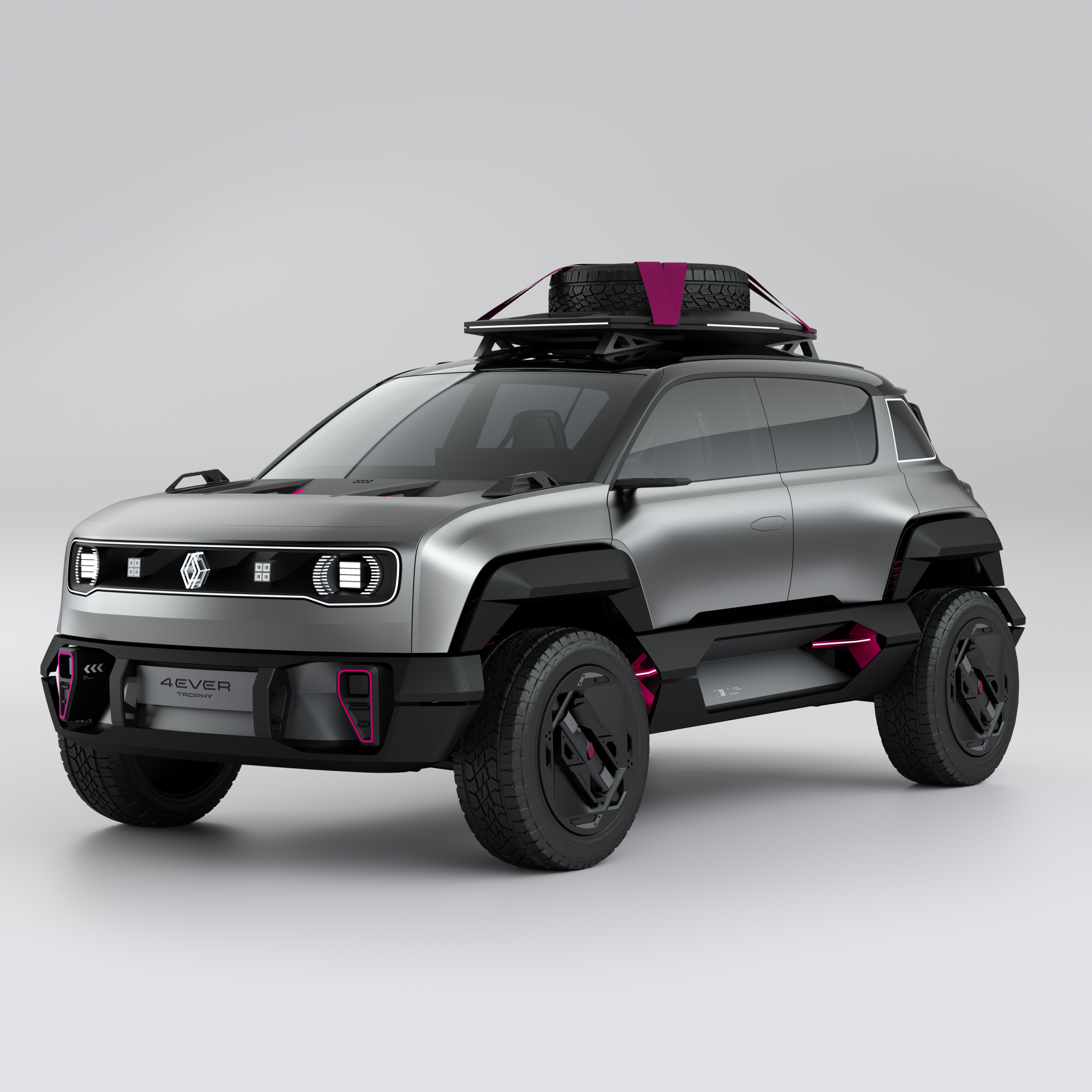
The unveiling of Renault’s all-electric 4Ever Trophy concept just a few days ago is another hint at what may lie ahead for Mitsubishi – as a B-segment SUV with all-electric power, it aligns almost perfectly with Mitsubishi’s electrification worldview and provides a suitable base for a new-generation ASX to be crafted upon, given the alliance between Renault and Mitsubishi.
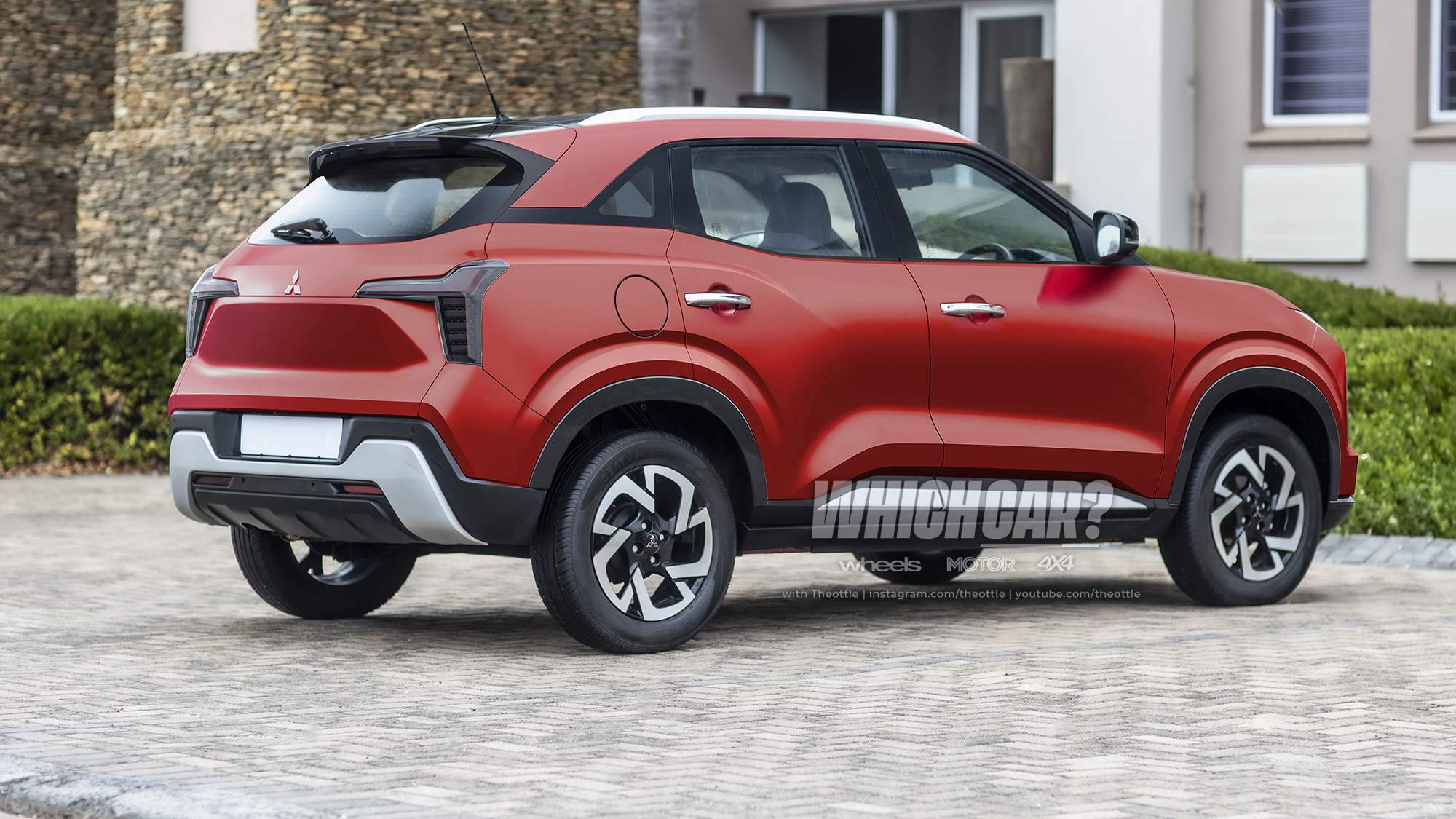
However, that would require a repositioning of the ASX as a smaller vehicle than the current generation car, which sits within the C segment and, though nearly 180mm shorter than the Eclipse Cross, is almost identical in width and wheelbase to Mitsubishi’s other small SUV.
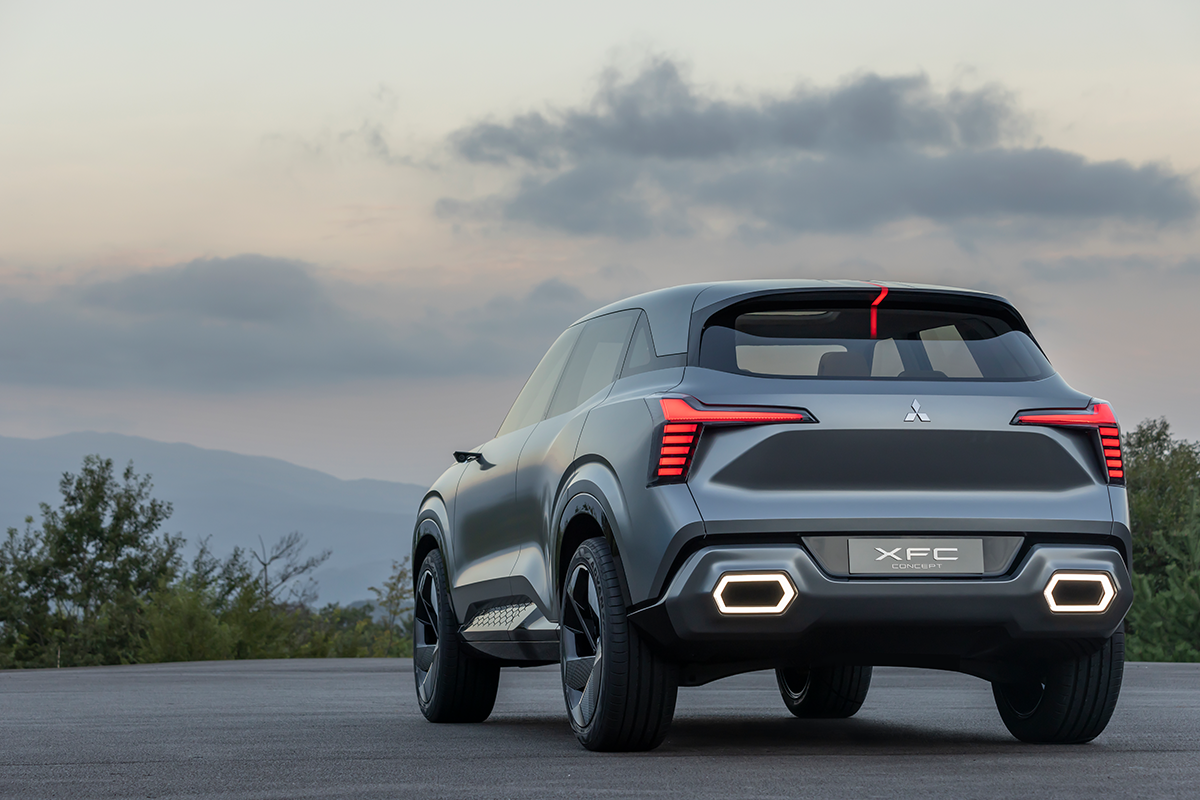
Adding further fuel to the fire is this week’s debut of the Mitsubishi XFC concept – a compact SUV that not only hints heavily at Mitsubishi’s new styling direction, but is also destined for an electrified future, according to Mitsubishi boss Takao Kato.
However, the XFC is intended to primarily serve emerging markets in the ASEAN region – which means emissions and safety standards may fall short of Australian, European and American expectations – and the electrification on offer is more likely to be a PHEV powertrain option rather than a dedicated EV lineup.
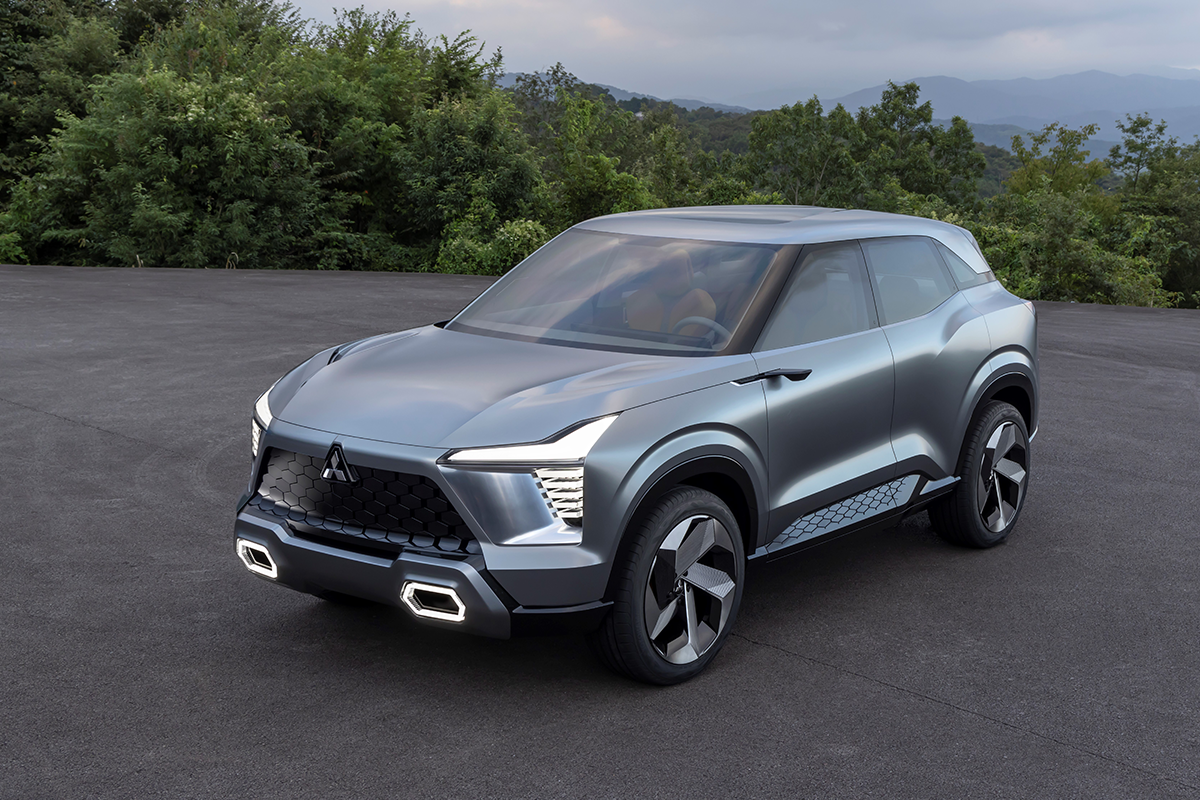
That said, the company does appear to have bigger aspirations for the XFC, with Kato saying: “In the future, we plan to add an electrified variant to the lineup and to also roll it out in regions outside ASEAN. We hope to grow the model from a vehicle for the ASEAN market to a global strategic vehicle.”
Mitsubishi, unlike a growing number of manufacturers, isn’t going all-in on pure EVs just yet. Besides giving preference to PHEV powertrains for its larger vehicles, citing their reduced demand on rare minerals and lower lifecycle emissions than many pure EVs, Mitsubishi isn’t in any great rush to bring anything with a charging port to parts of the world where CO2 emissions from power generation are very high.
Therefore, engineering the XFC to offer a range of powertrains from pure combustion to PHEV and even EV would grant the company a great deal of flexibility in how it tackles the emissions problem, with parts of the world with high renewable energy-generation getting EVs, and the rest of the planet getting a mix of combustion and hybrid powertrains.
And by Shirakawa’s reckoning, vehicles in that size category could even skip the PHEV stage altogether.
“B-segment vehicles also have plug-in hybrids in the global market, but those smaller vehicles can become battery EVs faster than a C segment vehicle because a smaller battery is typically good enough [for that size] and, of course, it’s more difficult to equip both an engine and an electric motor in the same package because the vehicle’s size is small.”
When will we see the ASX’s electric reboot?
With the current ASX only just having undergone another refresh, it’s probably unlikely to happen in the immediate future, but with the almost simultaneous reveal of the Renault 4Ever Trophy and Mitsubishi XFC concept, it appears the company has two very viable options in front of it to help get the ASX’s long-overdue second generation – or at least its replacement – off the ground.
Did anyone ask for a sports coupe with two doors on one side and one on the other? It’s not really a buying criterion that leaps out to me. Designers have periodically toyed with asymmetry, but it’s rarely been successful. Details like the Ferrari Testarossa’s single mirror or the Porsche 924 Turbo’s offset bonnet NACA duct add visual tension, but the asymmetric door thing? Against all odds, Hyundai made this gimmick work.
The problem with such stylistic curlicues is that they tend to dominate the vehicle’s public perception. Beneath the sheetmetal the Veloster evolved into a very good driver’s car. But by then it had perhaps garnered a reputation for style over substance.
When Wheels first tested the 103kW atmo version back in April 2012, it lost to a Honda CR-Z.
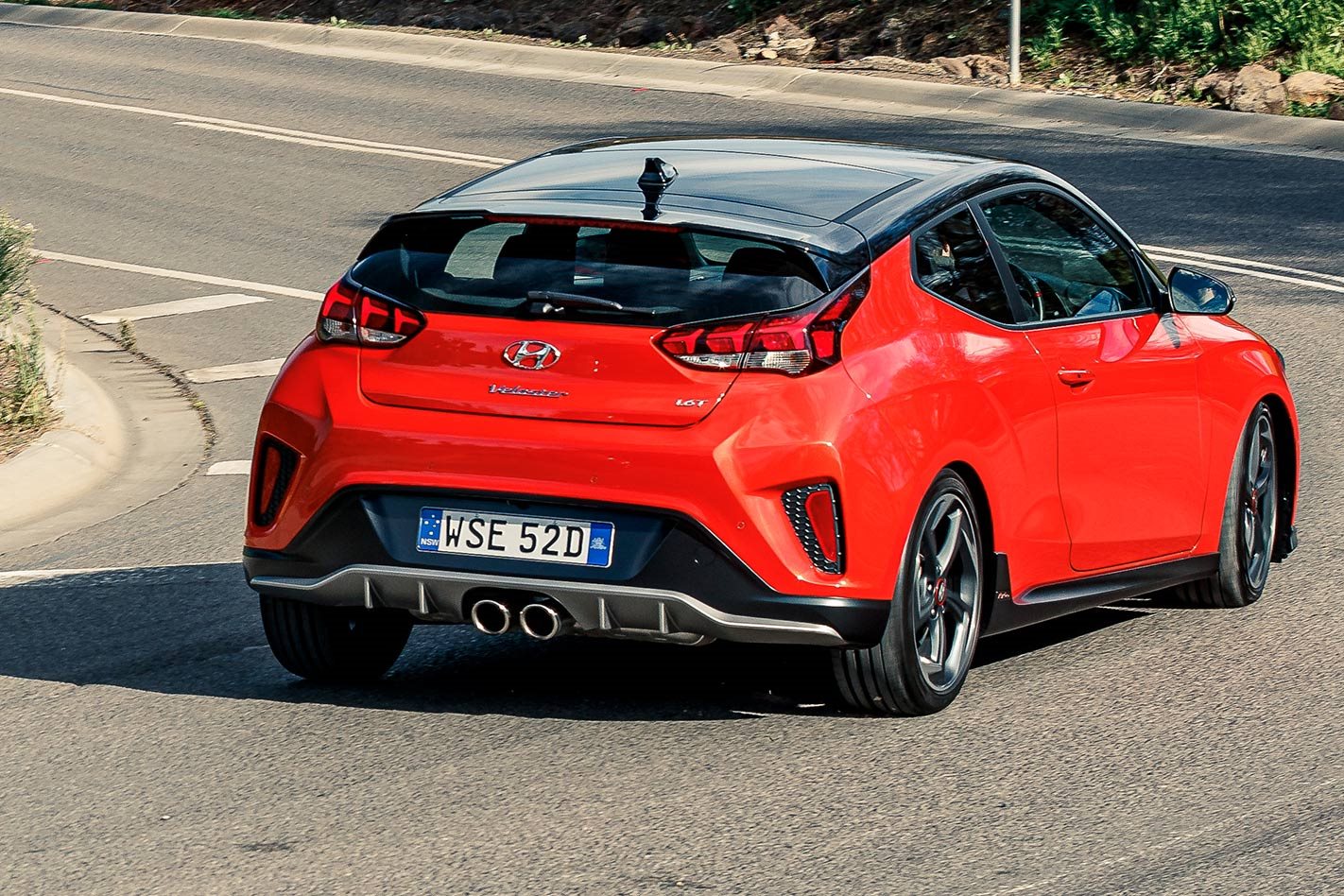
It was only when we got our hands on the punchier 150kW Veloster Turbo that things changed, the Korean coupe easily rolling over the Holden Astra GTC Sport in March 2013.
The Veloster’s problem at this point is that the Toyota 86 and Subaru BRZ twins arrived, and it ceded pole position in the sales charts to the Toyota until 2016, to the Ford Mustang thereafter and then to almost everything.
In the US, the first-gen car shifted a total of 169,411 units between 2011 and 2017. By contrast, in the same market for an equivalent duration from launch, the Toyota 86, Subaru BRZ and Scion FR-S combined to sell a total of 106,580. The Mazda MX-5 shifted 51,854. Game, set and match, Namyang.
The second-gen JS Veloster arrived in 2018 and it was a far better resolved driver’s car than its predecessor with an improved cabin and a whole load of safety updates built in, but its Aussie sales were mediocre.
It was a shame that Australia missed out on the Veloster N that won Road & Track’s 2020 Performance Car of the Year award, sending the Lamborghini Huracan Evo, the BMW M2 Competition and the Porsche 992 Carrera S packing in the process. Nevertheless, the Veloster Turbo had quietly morphed into a very competent corner carver.
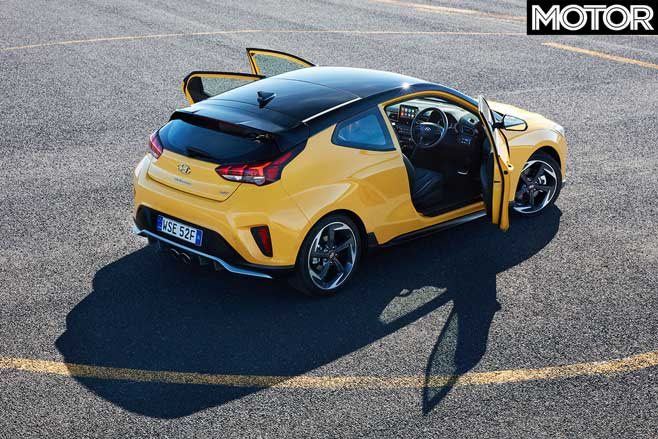
With 150kW on tap, a sub-7 second sprint to 100km/h is possible, and it’s a sleeper of surprising elan. It’d be fun to take one to a track day on a testing circuit and watch supercar drivers tie themselves in knots trying to drive away from it. It’s almost Honda Integra Type R-like in terms of resistance to understeer, which is high praise indeed.
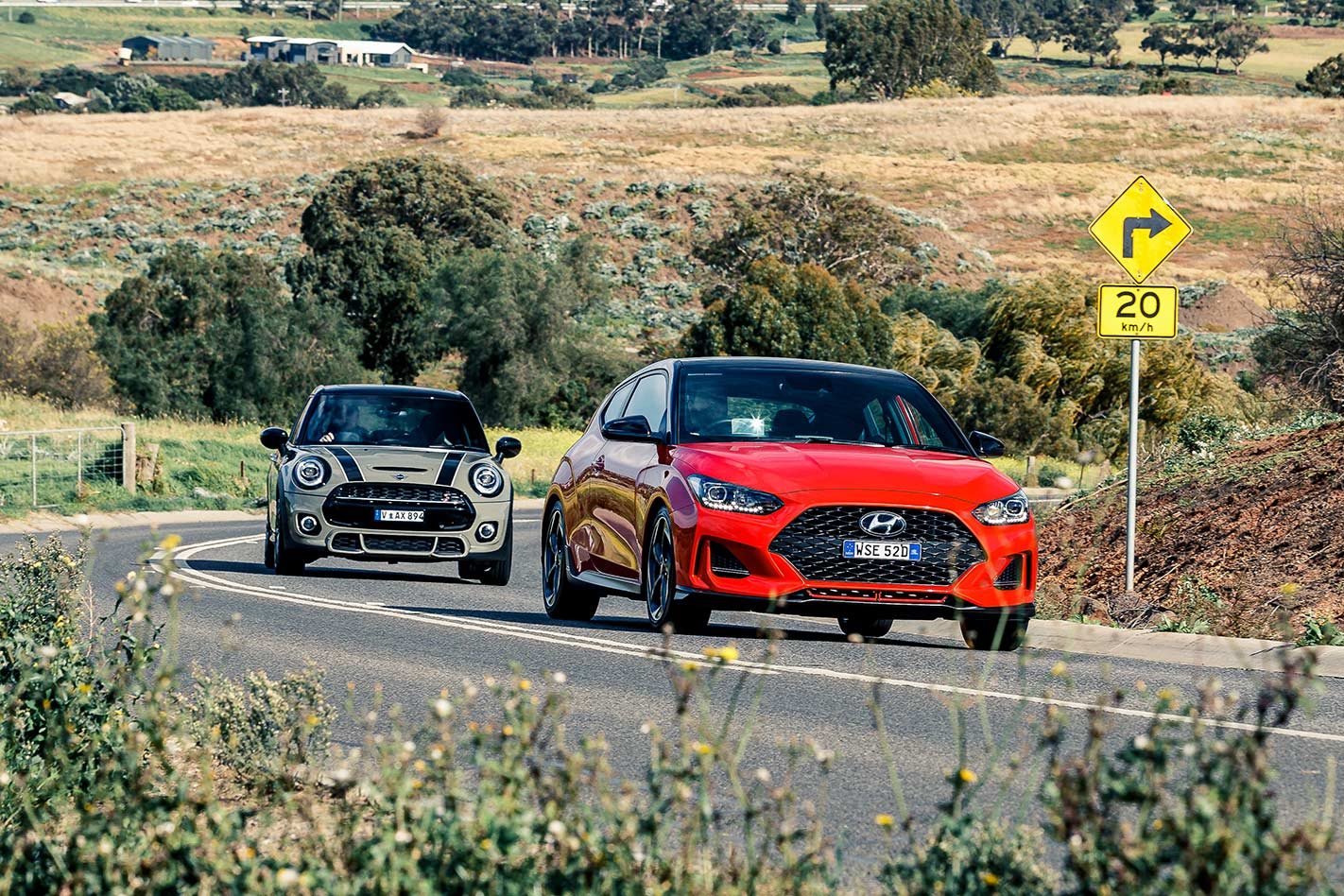
Unfortunately, the price had crept up significantly, and when we tested the Turbo in July 2020 against a Mini Cooper S five-door, it felt as if the Korean car was starting to exhaust its brand equity a little at just over $42,000, especially when the i30 N existed. In becoming a better car, it contrived to price itself into obsolescence.
Towards the end of its life sales slowed to a trickle, the Veloster becoming something of an outlier for a company that was rapidly garnering a reputation for building some of the most exciting, progressive and ruthlessly targeted vehicles in the business. The answer to a question nobody asked? Think of it instead as something underrated and surprisingly refreshing.
With 150kW on tap, a sub-7 second sprint to 100km/h is possible, and it’s a sleeper of surprising elan.
The one that got away
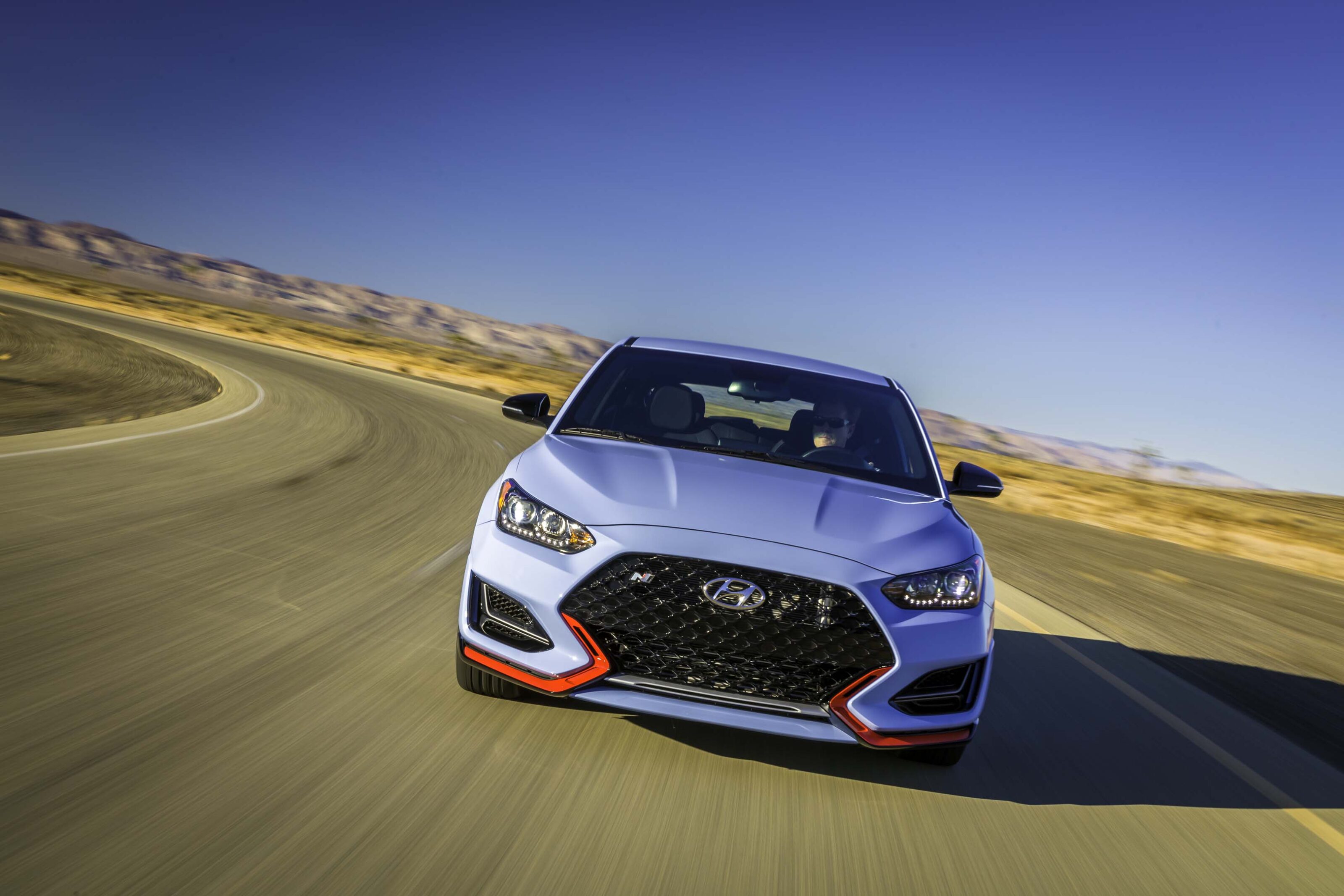
The 202kW Veloster N was offered in the US with a choice of a six-speed manual or an eight-speed dual-clutch that came with an overboost function lifting peak torque from 353 to 377Nm.
Thus equipped, it was capable of a 0-100km/h time in five flat on a prepared strip. It’s similar to what we expect from an i30 N hatch, but the US didn’t get that car so no wonder the Yanks got a bit excited.
Aussie Hyundai Veloster sales
Eighteen years. That’s how long the R107 version of the Mercedes-Benz SL was on sale. It was launched into the era of the Vietnam War and Richard Nixon, the topping out of the World Trade Centre and Jackie Stewart winning the F1 title in a Tyrell.
By the time production ended we were in a world of Tiananmen Square protests, McDonalds in Moscow and the fall of the Berlin Wall. Everything changed, yet perhaps Mercedes reasoned that in tumultuous times not all change was growth.
Its predecessor, the achingly pretty W113 – or ‘Pagoda’ – series was a relative cranefly in terms of durability, in market for a mere eight years. This Paul Bracq design evolved what we expected from an SL, morphing the design language away from the voluptuous ’50s shapes, combining a more lantern-jawed, slab-sided look for the ’60s with elfin pillars and a delicate, airy stance over its wheels.
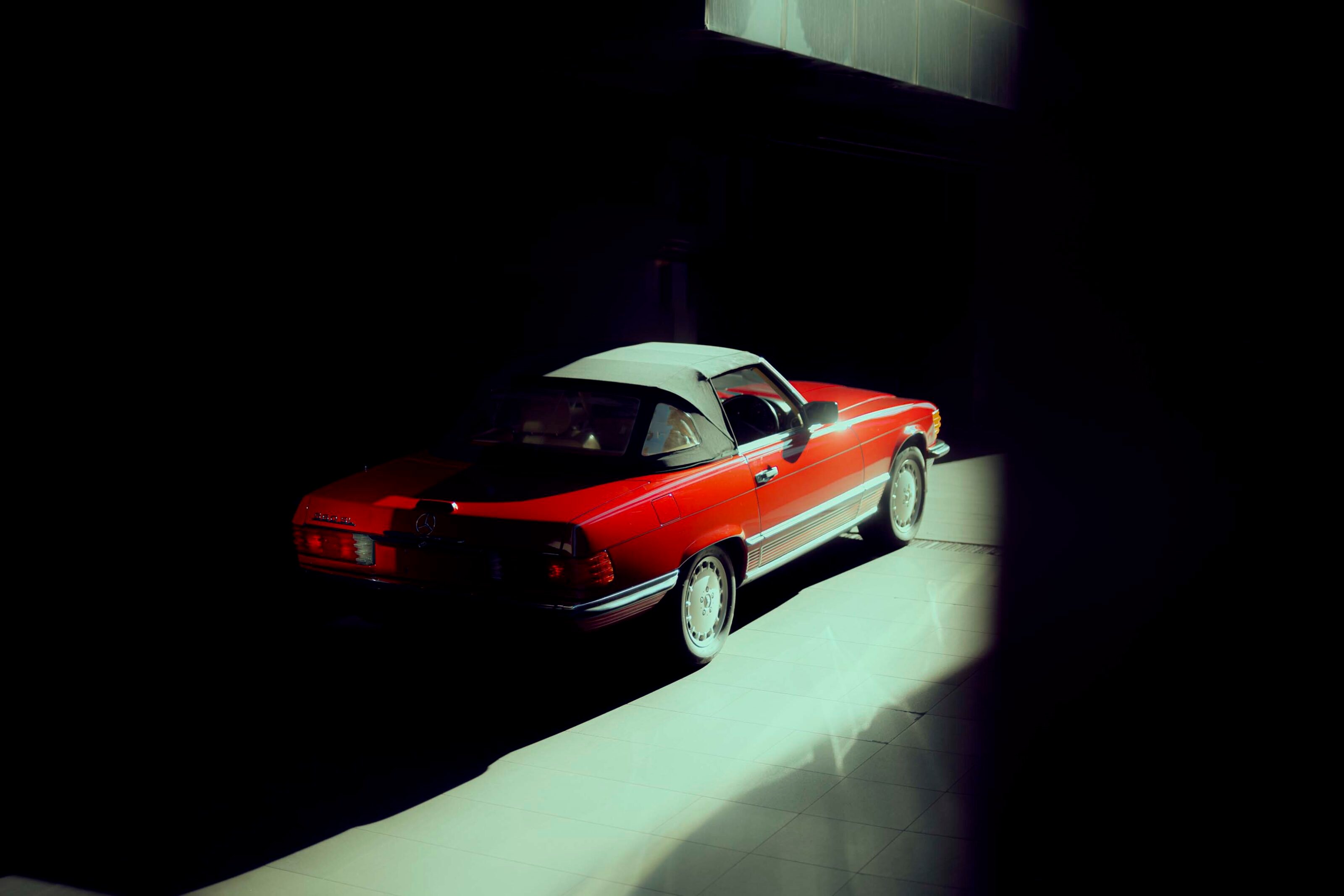
Everything changed, yet perhaps Mercedes reasoned that in tumultuous times not all change was growth.
The R107 refined that aesthetic, with conceptual body design courtesy of Ferdinand Hellhage and Josef Gallitzendörfer, the latter helping shape the successor R129 car credited largely to Bruno Sacco. Sketches show the base silhouette, but the personality and details of the R107 were very much the work of Friedrich Geiger’s team at the MB studio in Sindelfingen.
The subtlety of the compound curves in what was initially a workmanlike basic proposal, the near-perfect judgment of body brightwork and the creation of not only a short-wheelbase convertible but also a longer wheelbase 2+2 coupe – the C107 SLC – was a triumph for Geiger, a notoriously difficult perfectionist whose resume also included icons like the 300SL Gullwing, to finally sign off.
The design brief unashamedly targeted the US market. Whereas the US accounted for around 40 percent of total Mercedes sales, the R107/C107 would see fully 60 percent of total production cross the north Atlantic. It was a bold move.
Ralph Nader’s 1965 treatise Unsafe At Any Speed had subtly shifted public perception on the safety of production cars, following in the wake of the Corvair debacle, and brought a focus on low-pivot swing-axle suspensions layouts, which, at the time of the SL’s launch, still underpinned the W108 280SE and 300SEL sedans.
Nader also criticised passive safety systems, automatic gearshift layouts, dazzling interior chrome plating and many other factors that Mercedes took seriously in the development of the R107. The fuel tank was also moved above the rear axle to protect it from rear-end collisions.
Mercedes knew something though. So paranoid had US manufacturers become on the subject of safety, that full convertible cars virtually vanished from sale, almost overnight.
If a drop-top with peerless build quality and unimpeachable safety provision could be brought to market, it’d have a virtual clear run at things. That was the opportunity. The execution was near-perfect.
First to market in early ’71 was the 350SL, fitted with a Bosch fuel-injected 3.5-litre V8 and an optional four-speed auto gearbox and capable of 0-100km/h in just eight seconds. It wasn’t until 1972 that the SL was federalised, and early US-market 350SLs were powered by a 4.5-litre V8 with a three-speed auto, renamed 450SL in ’73.
At the same time, the 450SL appeared in other global markets, with six-pot 280SL models appearing the following year. By 1981, the SLC coupe had been phased out, to be replaced by the bigger, sleeker SEC spun off the W126 S-Class chassis.
At the same time, the US-market 380SL was introduced, while in Europe a three-model SL line of 280, 380 and 500SL. From September 1985 the 280 SL was replaced by a new 300 SL, and the 380 SL by a 420 SL; the 500 SL continued and a 560 SL was introduced for certain extra-European markets, notably the USA, Australia and Japan.
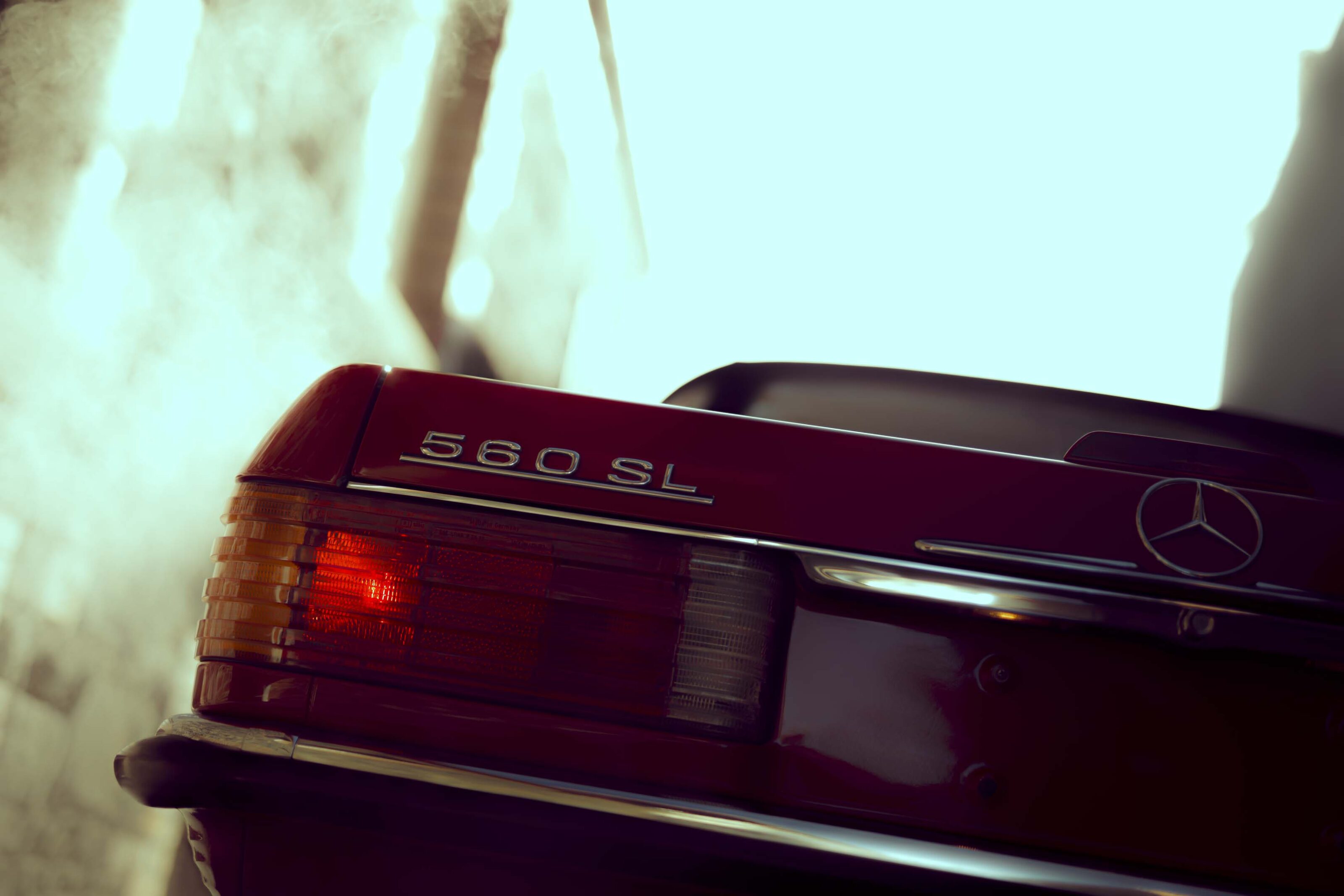
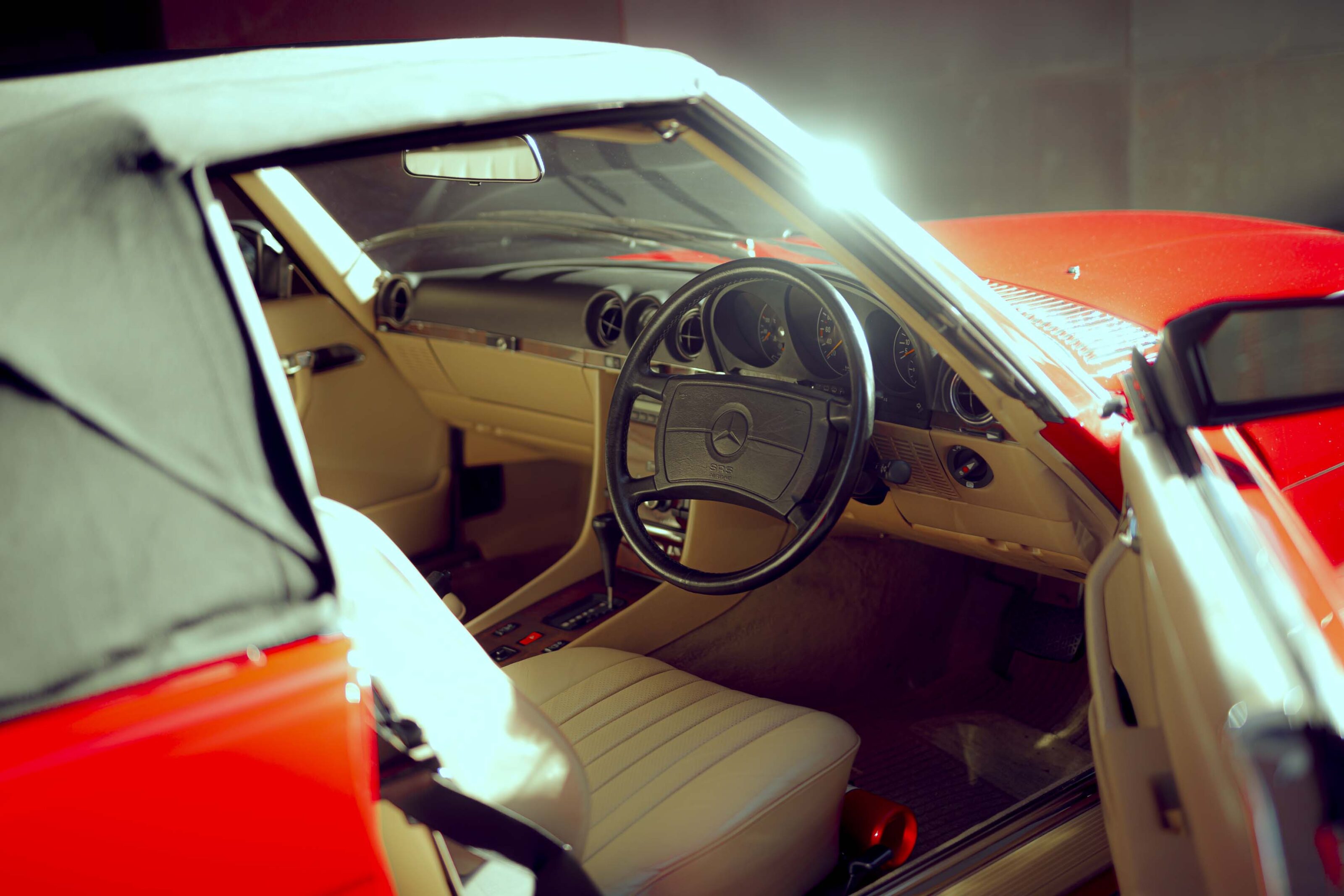
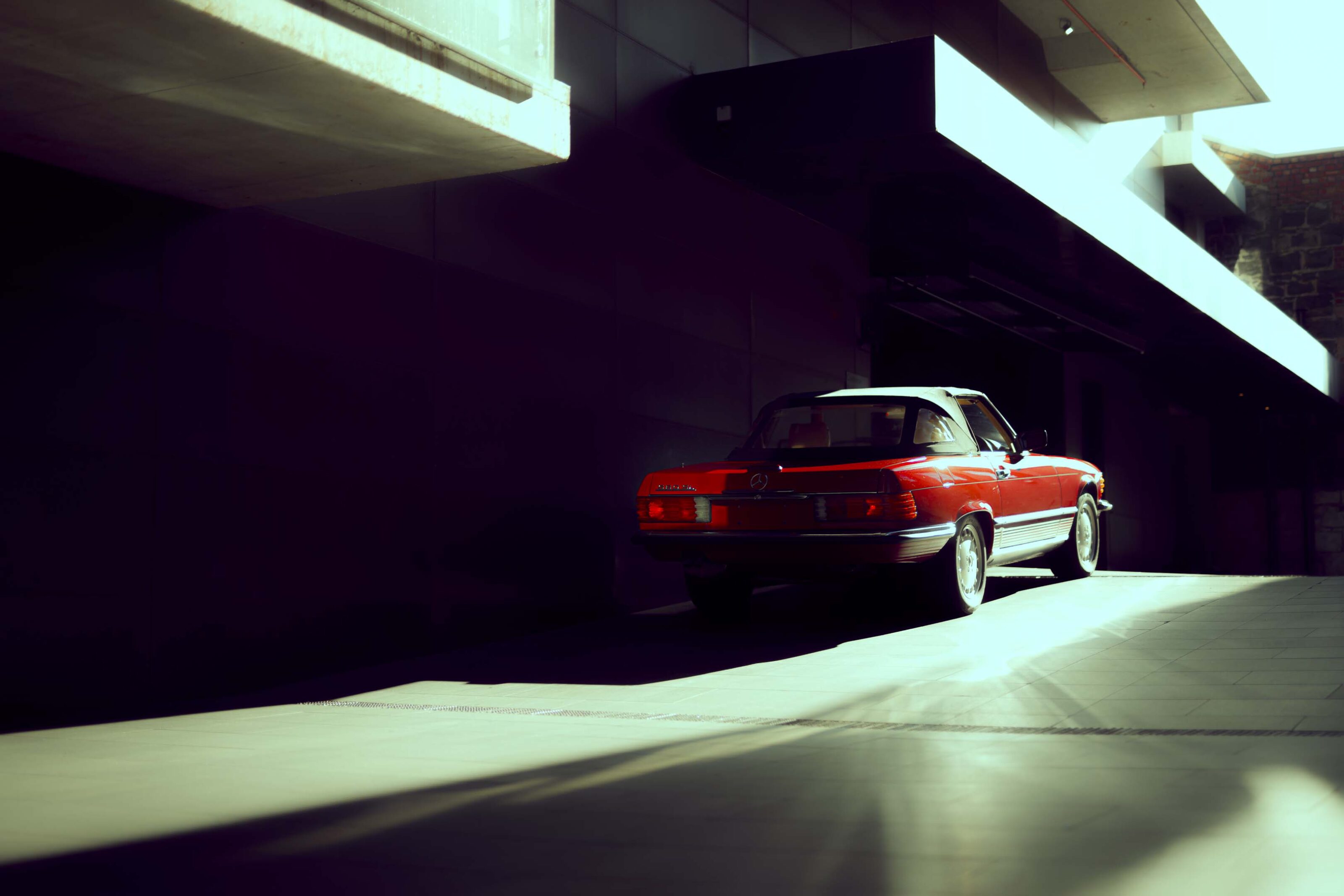
The 560SL is the red car we see here, courtesy of the good burghers at Dutton Garage in Melbourne.
Contrary to expectation, the big capacity 5.6-litre V8 doesn’t necessarily mean it’s the quickest of the SL line.
That honour goes to the post-1980 Euro 500SL, which developed 177kw at 5000rpm and 402Nm at 3200rpm and, as such, was a big grey import target into the States. By contrast, the 5.5-litre 560SL, developed for low-emission markets such as California, was good for 169kW at 5200rpm and 389Nm at 3500rpm. At 1660kg, it also carted an additional 60kg of ballast up the road.
The caveat is that the Australian 560SL models were a little less strangled and developed a hale 182kW and 400Nm. That still means a distinctly relaxed power to weight ratio in line with a modern Kia Cerato GT, but you’re certainly not buying this boulevardier for traffic light grands prix.
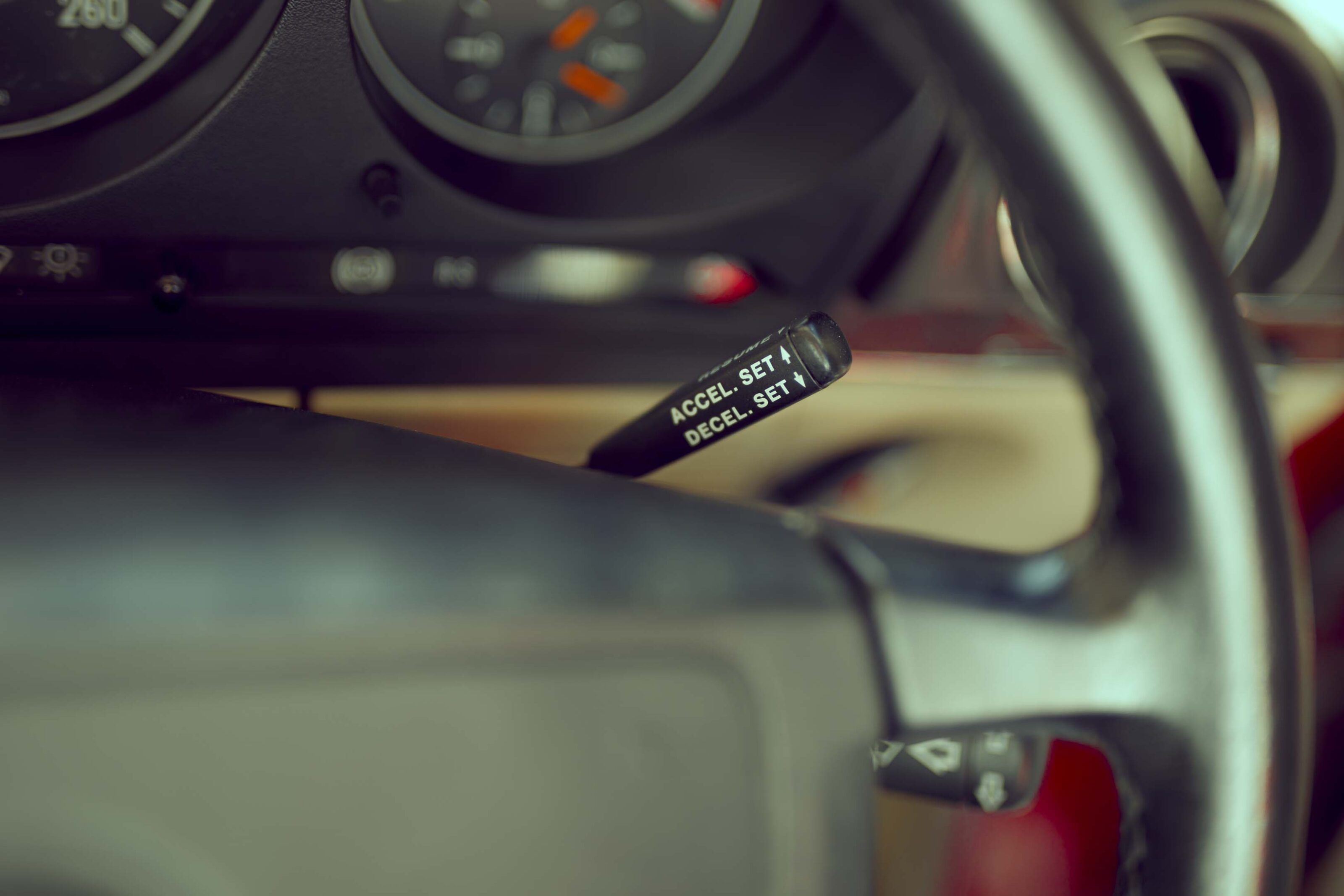
All of which makes the 560 very much an investment target in the R107 range. The usual advice applies to steer clear of cars with non- original paint finishes, unsympathetic body updates and missing hard tops if you want to get a decent return.
Although the SL is probably best known for its 14-inch Bundt or ‘Mexican Hat’ alloy wheels, the 560SL was supplied from new with 15-inch flat-face alloys, nicknamed the “Gullideckel” (manhole cover). These mimic the 15-hole pattern of the old Bundt wheels but feature a more aerodynamic face. For the love of all that is holy, don’t fit five-spoke alloys to an R107.
The 17×9 five-spoke aero Mercedes wheel does fit to the R107, but fitting them is like putting your granny in a pair of Yeezys.
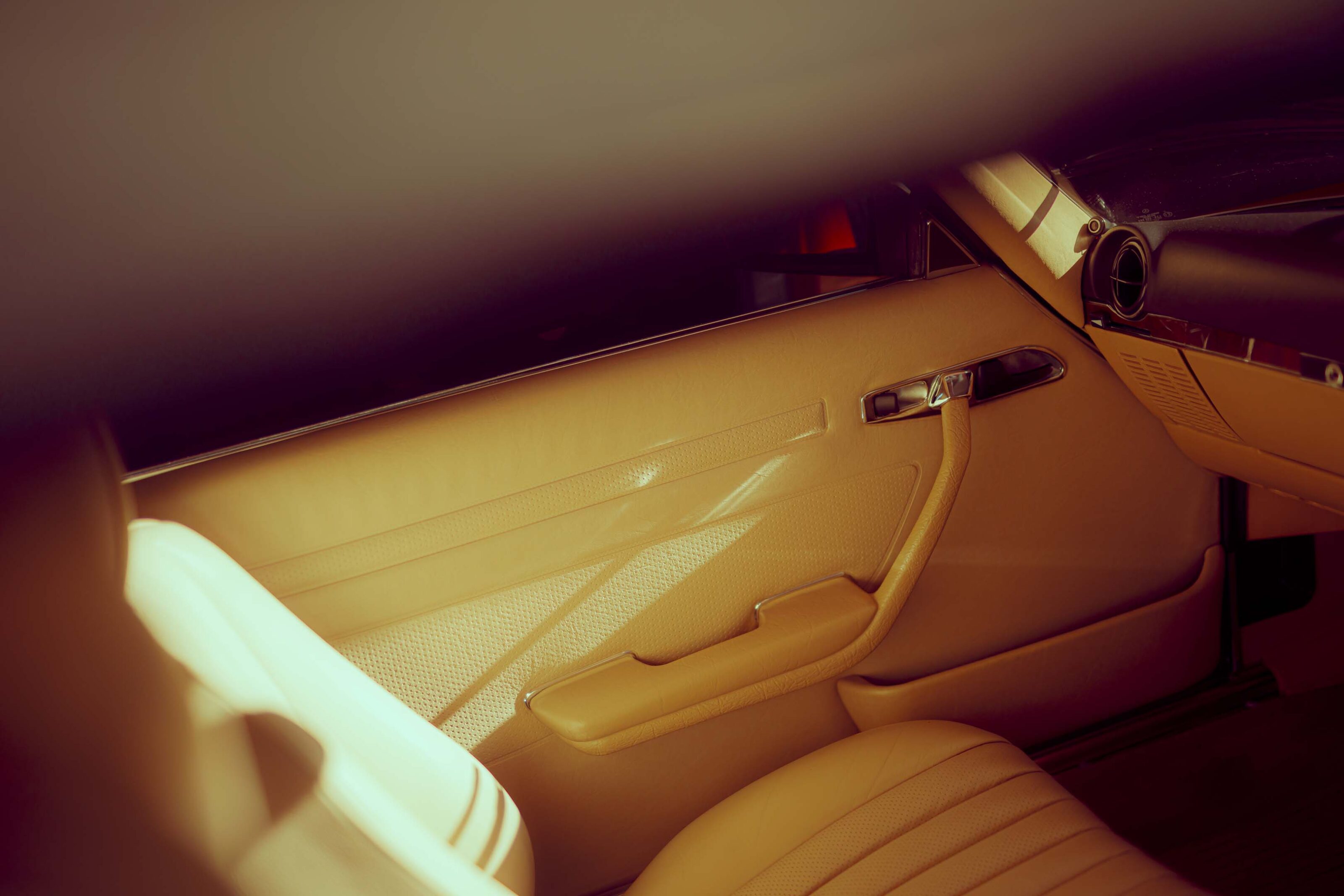
The 560SL has enjoyed a strong reputation in Australia as an investment vehicle and prices reflect that. Some have clearly been driven and enjoyed and it’s a great high-kilometre vehicle, over- engineered in the classic Benz vein, with its big understressed V8 and heavy-duty mechanicals. It’s not totally infallible though.
Timing chains will need attention at around 150,000 kilometres and genuine high-kilometre vehicles will benefit from valve guide work. Maintain them properly and the engine bottom ends, gearboxes, electrics and air conditioning systems are resolutely rugged. Look for rust, especially around the wheelarches, sills and scuttle.
The advice with the 560SL is to spend a little more in order to net a cosmetically good example rather than making a false investment on a slightly tired-looking car. Defer maintenance on an SL and the bills will soon stack up. Brakes, fluids, belts, thermostats and transmissions can generate significant costs if routine maintenance is neglected.
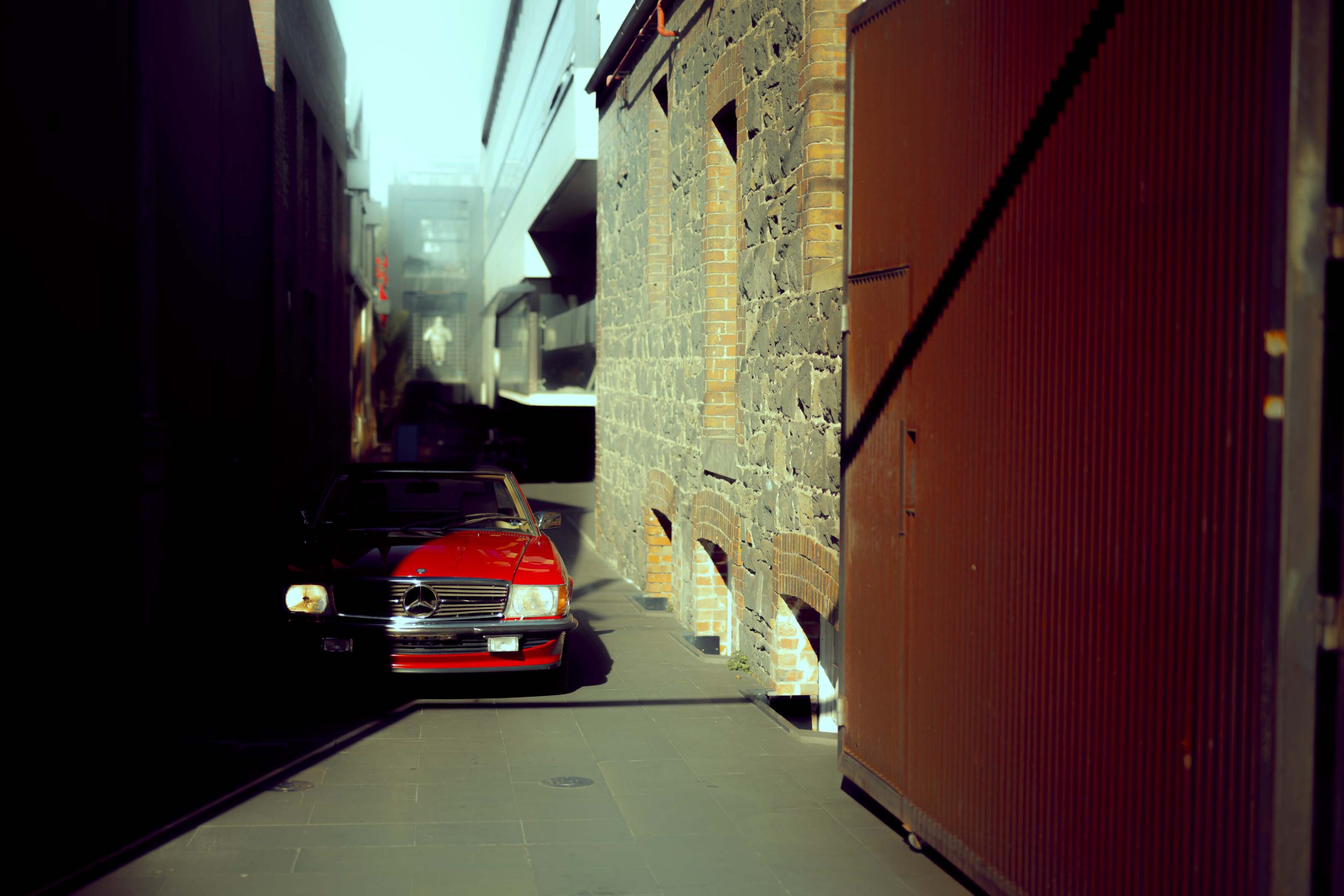
Here in Australia we didn’t get the full gamut of R107 models, missing out on the lovely 300SL, the unlovely 420SL and the iconic 500SL. Note that the number comes before the letters with an R107. It was only with the successor R129 that Mercedes-Benz began switching them round.
We did get the 280SL (‘74-‘77), the 350SL (‘71-‘76), the 380SL (’80-’85), the 450SL (’72-’80) and the mighty 560SL (’85-’89). If you want to get particularly nerdy about the R107, the model lifecycle can be split into four generations.
The Series 1 cars ran from 1971 to 1975 and comprise 280, 350 and 450SL models. These ran finicky Bosch D-Jetronic fuel injection and had no emissions gear, with the most desirable cars being the early four-speed 450SLs.
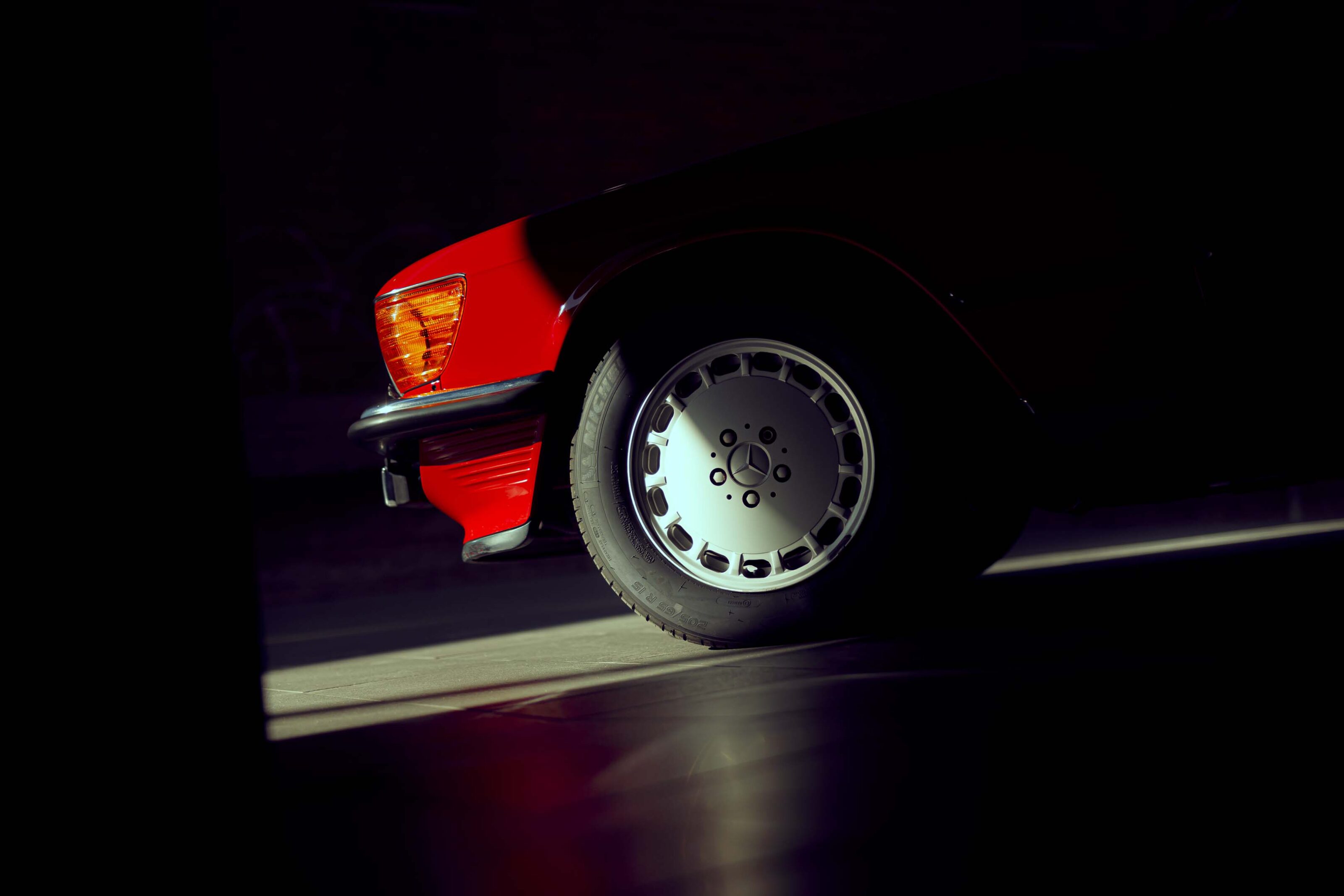
The Series 1 facelift (1976-1980) cars featured Bosch K-Jetronic mechanical fuel injection, but this generation landed just in time to be hobbled by ADR27A pollution regulations, which necessitated an extra air pump to dilute emissions at idle. Many owners simply removed the belt from this pump, thus reducing parasitic losses.
With the deletion of the SLC coupe in favour of the bigger SEC, the SL’s detailing was more closely aligned to the W126 S-Class with the Series 2 (1980-1985). Light alloy engine blocks were introduced for the V8s, anti-lock brakes were fitted as standard and transmissions were tweaked for sprightlier performance.
Finally we have the Series 3 cars which ran from 1986 to 1989, with bigger 15-inch wheels, Bosch KE Jetronic injection, revised lights and spoilers, a modernised interior with optional driver airbag, outside temperature gauge, heated seats and mirrors, as well as suspension and braking upgrades.
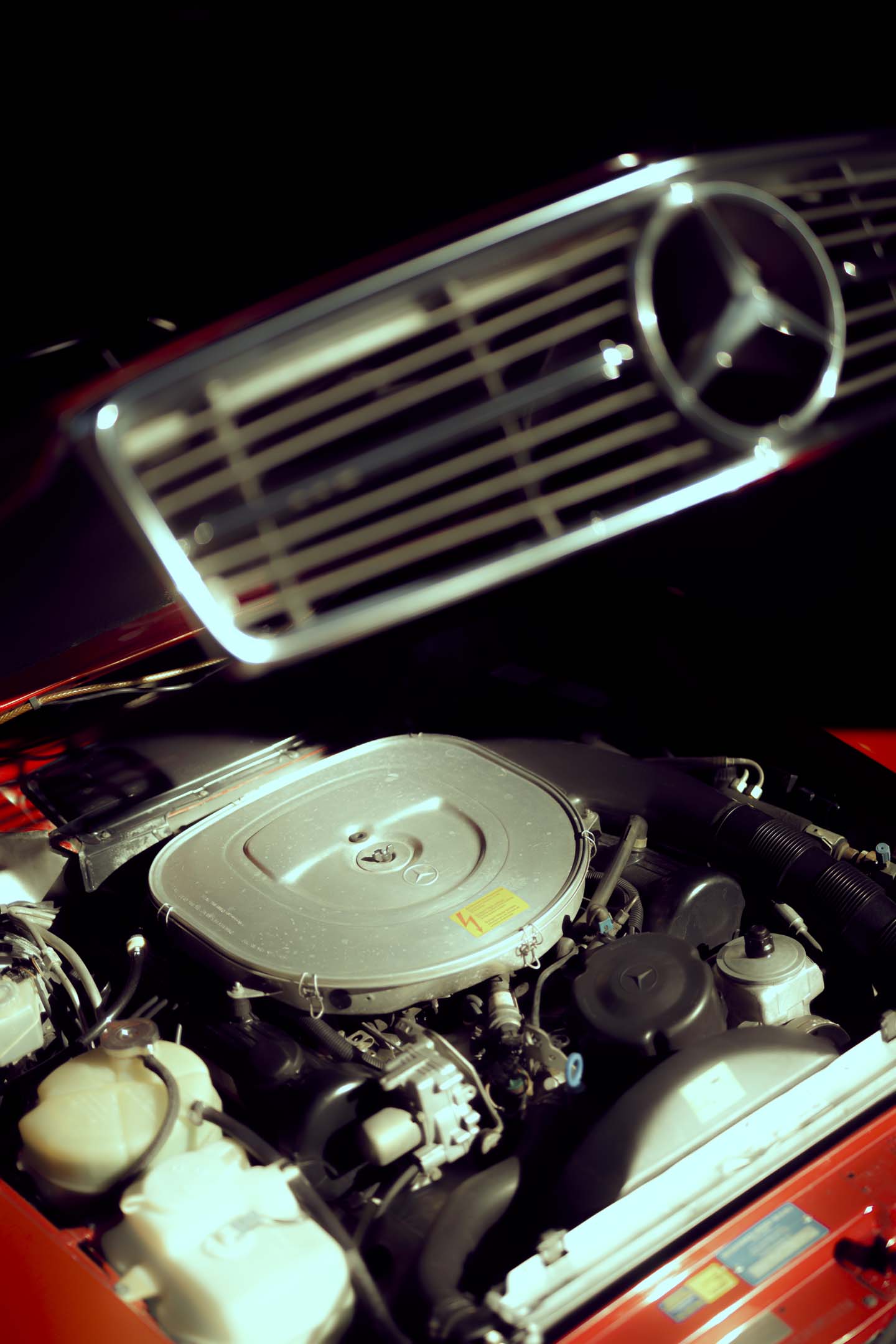
The deeper air dam reduces frontal lift by a hefty 30 percent. This series introduced the 560SL, and while some feel that the Series 3 cars are the Vegas-residence Elvis phase of the R107’s lifespan, others adore them for their engineering and easy sophistication.
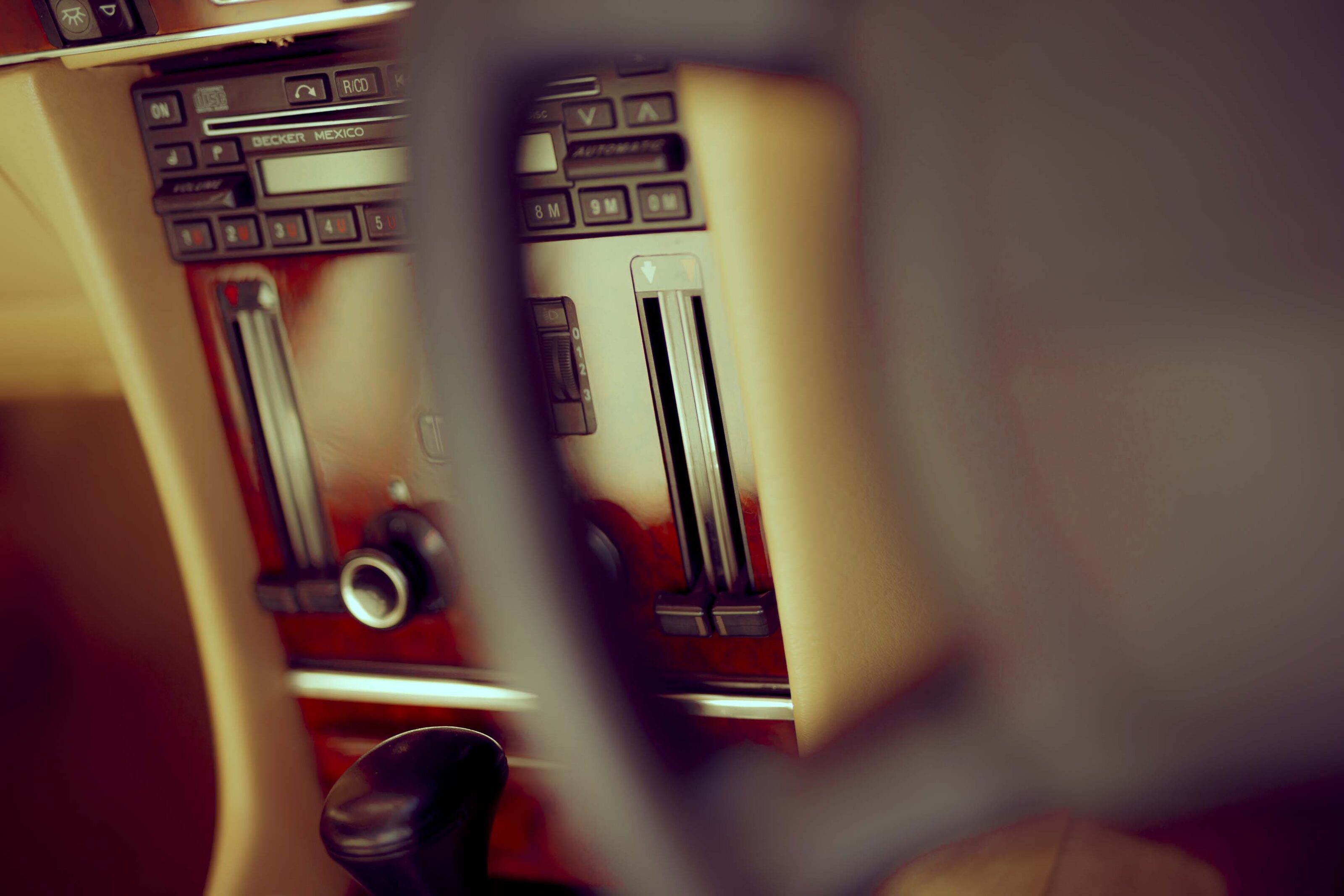
The Series 3 cars, like the 560SL featured here, were offered with two-tone dashboards, a particular late-’80s favourite, and they feel decidedly compact inside, perhaps not surprising for a car whose 2456mm wheelbase is dwarfed by that of a current base Mini.
The recirculating ball steering is as lazy as the transmission’s logic, but it doesn’t feel out of character in any way. The 560SL is a car to just surf along in, fat-arming it out of the window, safe in the knowledge that trying too hard is the antithesis of cool.
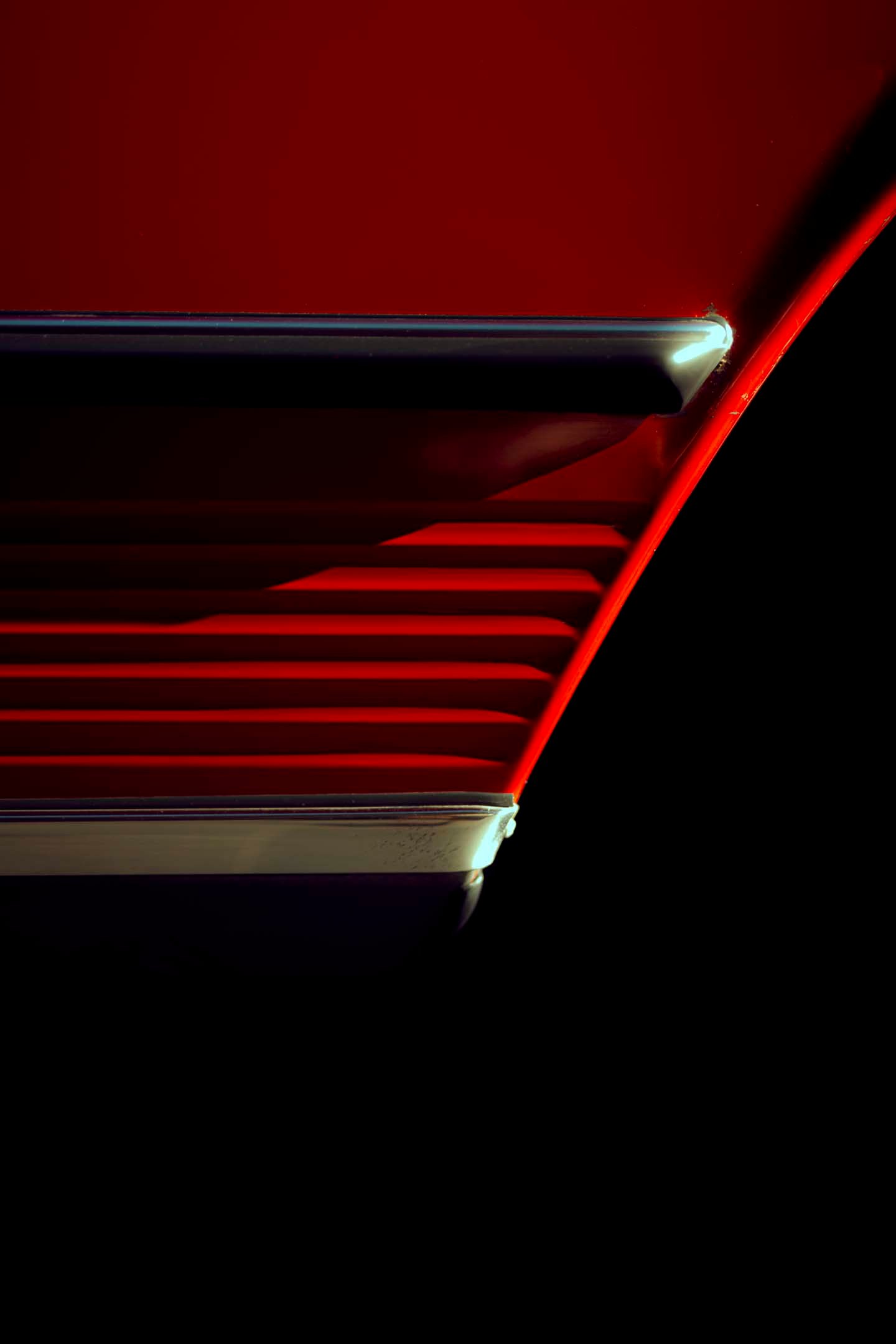
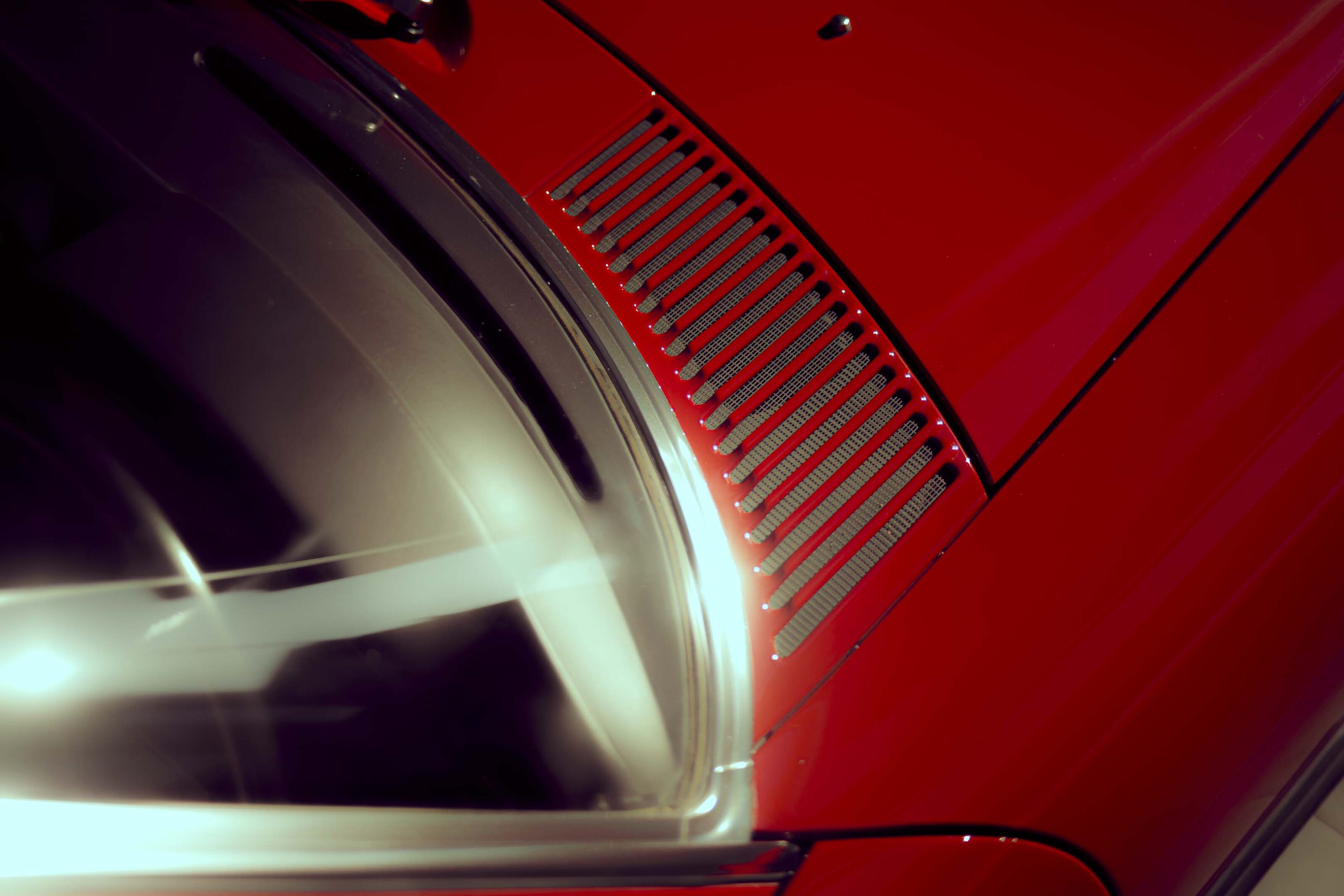
It’s aged beautifully too, with only the rubber rear spoiler looking a little ’80s gauche. And that’s because despite the date on the log book, it’s not an ’80s car at all, with all that implies, rather a design that was penned in the late 1960s and is all the lovelier for it.
The R107’s lifespan saw it initially take on the likes of the Jaguar E-type and retire outselling cars like the Cadillac Allante. It remains the archetypal SL and is likely to remain that way as it’s doubtful any subsequent SL will outsell its 300,175 global sales nor approach its 18-year duration in market.
As former Mercedes-Benz boss Dr Dieter Zetsche once noted, “There are around 900 million cars in the world, and thousands of models, but there are only a handful of automotive icons. Our SL is one of them.”
African Queens
Every Mercedes-Benz R107 ever built came out of the Sindelfingen plant, right? Not so fast. Both the 450SL and SLC models were also assembled in South Africa by United Car and Diesel Distributors (formerly CDA) from March 1977.
With about 40 completely knocked-down kits (aside from the engine) assembled each month, the East London plant was eventually acquired by Daimler-Benz A.G. in 1984. These right-hand-drive cars are identifiable by the sixth and seventh digit of their VIN stamps.
Incidentally, the man in charge of the South African operation was Jürgen Schrempp, who subsequently became Daimler’s CEO and oversaw the disastrous acquisition of Mitsubishi and the even costlier ‘merger of equals’ with Chrysler.
Hot Schu Shuffle
The ultimate R107 SL? Easy. That’ll be seven-time F1 champion Michael Schumacher’s old car, which featured the guts of AMG’s legendary 6.0-litre Hammer beneath its navy blue bodywork.
One of reputedly three such cars to have been built at Affalterbach, the 182kW 5.5-litre powerplant was ditched for a 246kW M117 V8, with drive being deployed via a rear limited-slip differential. This car sold in 2016 for 300,000 Euros. Probably worth a whole lot more now, having undergone a full restoration.
If you had to take a guess, how many companies would you say are out there around the world that classify as EV manufacturing startups?
A few dozen? Nope. According to a report on traxcn.com it’s in the hundreds.
So what makes Milan-based outfit Aehra any different from the pack? Outwardly, it appears to follow a vaguely familiar script, claiming it will soon unveil a sedan and SUV that are a revolution in terms of packaging, together with class-leading efficiency and range.
Of course Aehra throws the ‘disrupter’ word around liberally in its messaging, along with the brand’s positioning: ultra-premium.
But there’s no prototype revealed, not even a sketch, and the plan is to outsource the manufacturing.
So who is Aehra, and why should we care? Stay with me. The co-founder and CEO is Hazim Nada, a 40-year-old US bloke who, according to his bio, founded his own multinational commodities trading company which grew to a multi-billion-dollar turnover.
The intriguing part of Aehra’s story is its ability to persuade designers of this calibre to join a start-up
Nada didn’t respond to our request for an interview, so I’ll have to take his word that he’s ready “to disrupt the market by creating truly desirable cars with Italian elegance, that will finally optimise the benefits that EV design affords and redefine the automotive experience.”

But Nada’s resume is not the reason the company caught my eye, nor the fact that his co-founding partner, Sandro Andreotti, is an elite-level aviator and skydiver.( Incidentally, in 2012, the pair founded Aero Gravity, Europe’s largest vertical wind tunnel, which does sound very cool.)
No, what leapt out at me was the design talent that Nada and Andreotti have managed to recruit at this stage of the start-up process. Aehra’s Chief Design Officer is Filippo Perini, who spent 11 years at Lamborghini, and penned or oversaw the creation of designs including the Murciélago, Aventador, Huracán and Urus.
When I read that Perini had left his most recent gig as Chief Designer at the Genesis Advanced Design Studio in Europe to join Aehra, that got my attention.
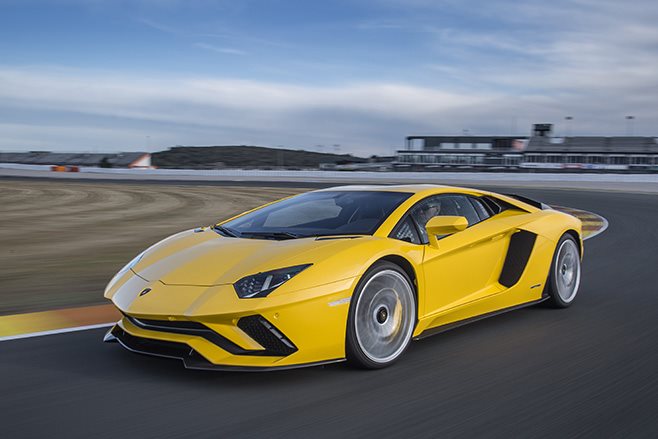
But the design recruitment goes even deeper. Head of Design is Alessandro Serra, who’s had a working relationship with Perini that started over 20 years ago, with a large chunk of that at Lamborghini, and most recently at Genesis.
Further bolstering the Lambo connection is the recent appointment of Alessandro Salvagnin and Marco Quamori as senior designers. Salvagnin has previously been Lamborghini Design Manager, while Quamori left Italdesign to join Aehra.
There are a couple of reasons I find this interesting. Firstly, it highlights that developing or sourcing platforms, powertrains and operating systems in the EV age is actually the easier part of the very complex task of building a car from scratch.

It’s executing a really persuasive and distinctive design that’s arguably the more challenging part, which is why companies like Aehra, still at best three years away from bringing a car to market and actually seeing any cash come in, are spending big on in-house design talent.
But the other intriguing part of Aehra’s story is its ability to persuade designers of this calibre to leave top-level companies to join a start-up. You’d have to think that their collective belief in Aehra’s ability to transition from fledgling player to profitable, sustainable EV manufacturer must be substantial.
Unless, of course, the remuneration scheme for the design team is more complex, and – pure speculation here – they have skin in Aehra’s game.
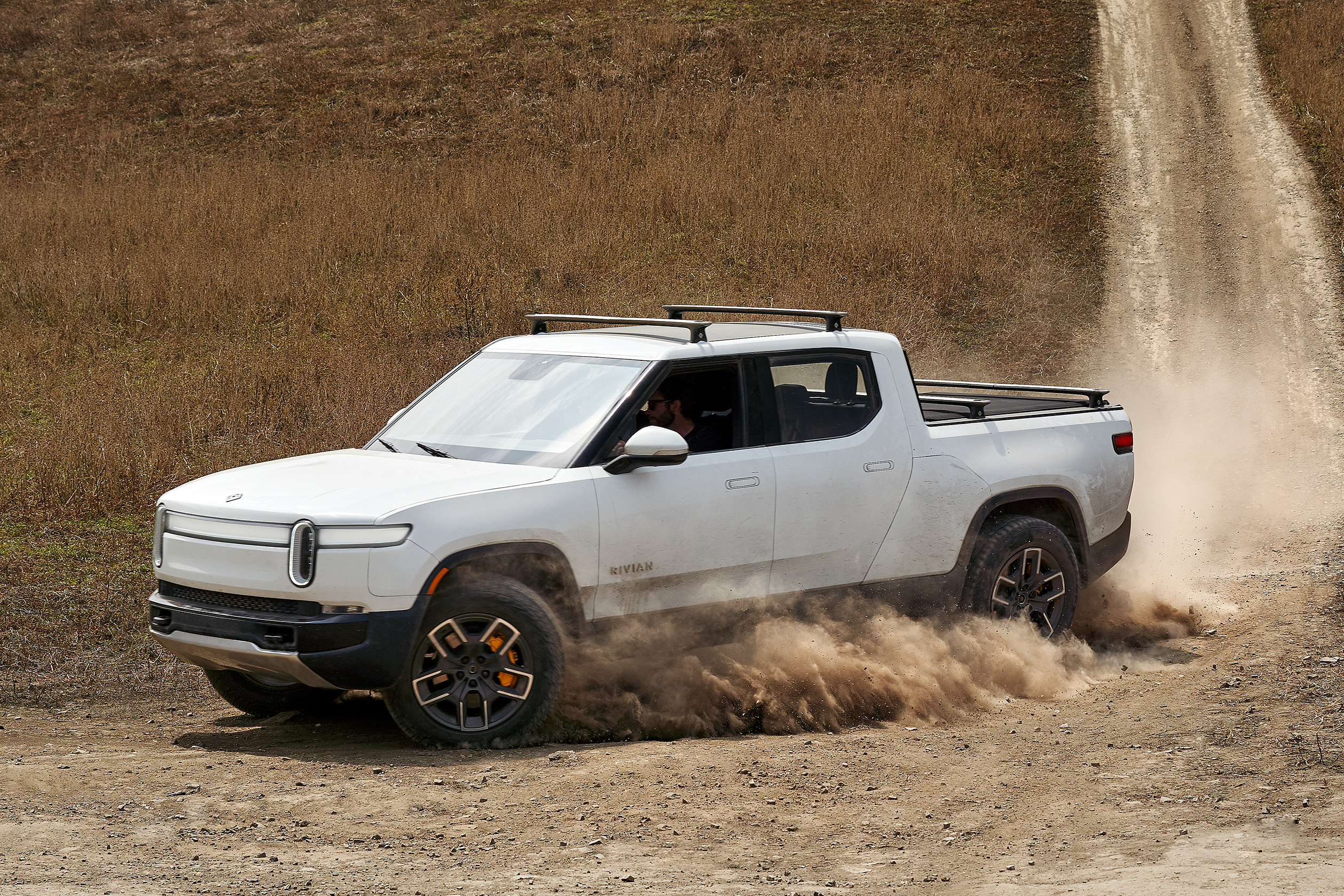
The financial press is full of reports about how the combination of Tesla’s crazy valuation and the market tolerance for lightly scrutinised reverse takeovers has led to a stampede of EV companies being publicly listed. Lucid, Rivian, Nikola, Lordstown, Fisker, Canoo, and Arrival were all among businesses that went public before delivering a single completed vehicle to a customer.
But maybe that’s not relevant, and there really is a good-news story here. Maybe Aehra will actually unveil two EVs by years’ end that are not only intelligently designed and supremely efficient, but also pants-grabbingly good looking.
In a world increasingly awash with Tesla Model 3s and Model Ys, that would have to be something positive, right?
UPDATE, November 23: 2023 Toyota RAV4 pricing announced
Australian pricing and specs for the updated 2023 Toyota RAV4 have been announced. Get all the details at the link below.
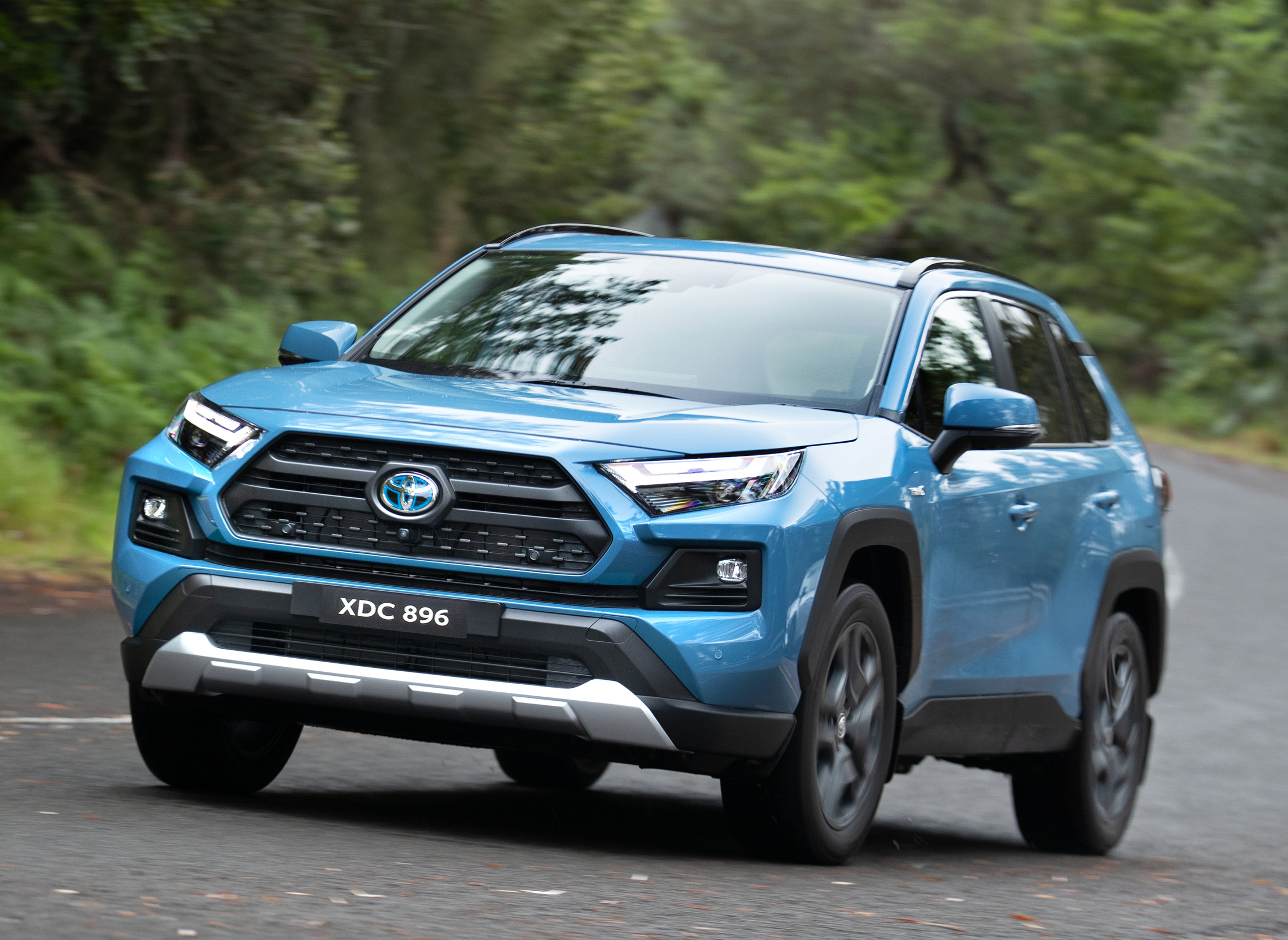
STORY CONTINUES: 2022 Toyota RAV4 GXL Hybrid 2WD review
Snapshot
- 2023 Toyota RAV4 GR Sport revealed
- Sportier-looking variant gets new suspension tuning, updated look
- Australian launch unclear
The popular Toyota RAV4 medium SUV has gained a new GR Sport variant in Europe – but an Australian launch is unconfirmed.
An updated version of the RAV4 is due to arrive in Australia by the end of 2022, with Toyota Australia yet to confirm pricing and features for model-year 2023.
“We’re always considering exciting new models as they become available for our market, but we have no announcements to make today,” said a spokesperson for Toyota Australia.
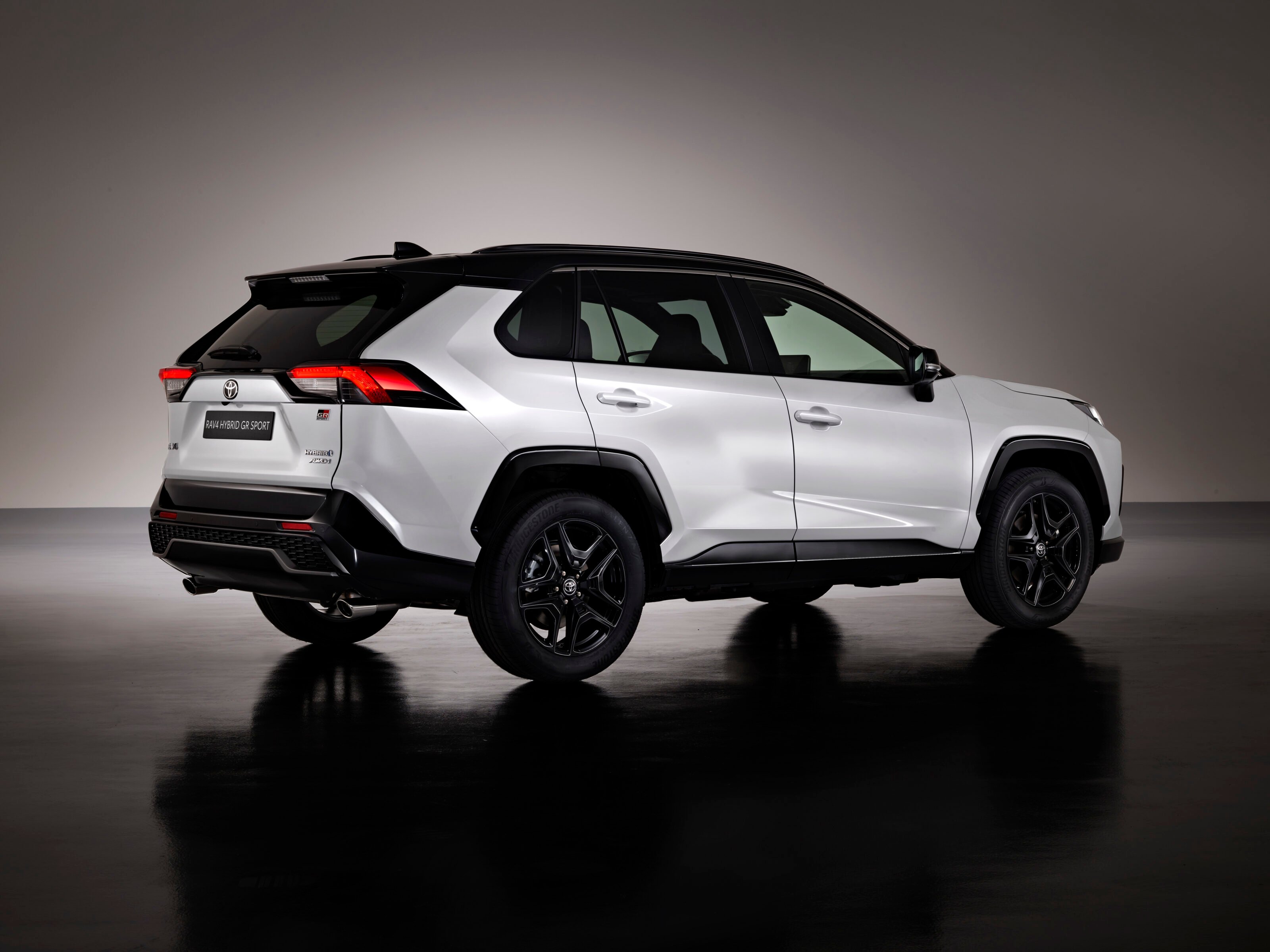
While the full GR models – such as the GR Yaris and GR Corolla – are performance-focused, the brand’s GR Sport range fettles with aesthetics and minor adjustments, such as retuned suspension – but with no additional power.
As such, the RAV4 GR Sport follows this formula, with a carryover hybrid or plug-in hybrid powertrain and all-wheel drive, but a new-look front bumper, alloy wheels and GR badging – and retuned suspension.
Toyota says the revised spring and shock absorber settings provide a “handling boost and offer a more engaging driving experience”.
Cosmetic tweaks include piano black wheel arches and black 19-inch alloy wheels – as seen on Australia’s XSE variant, but with a unique design.
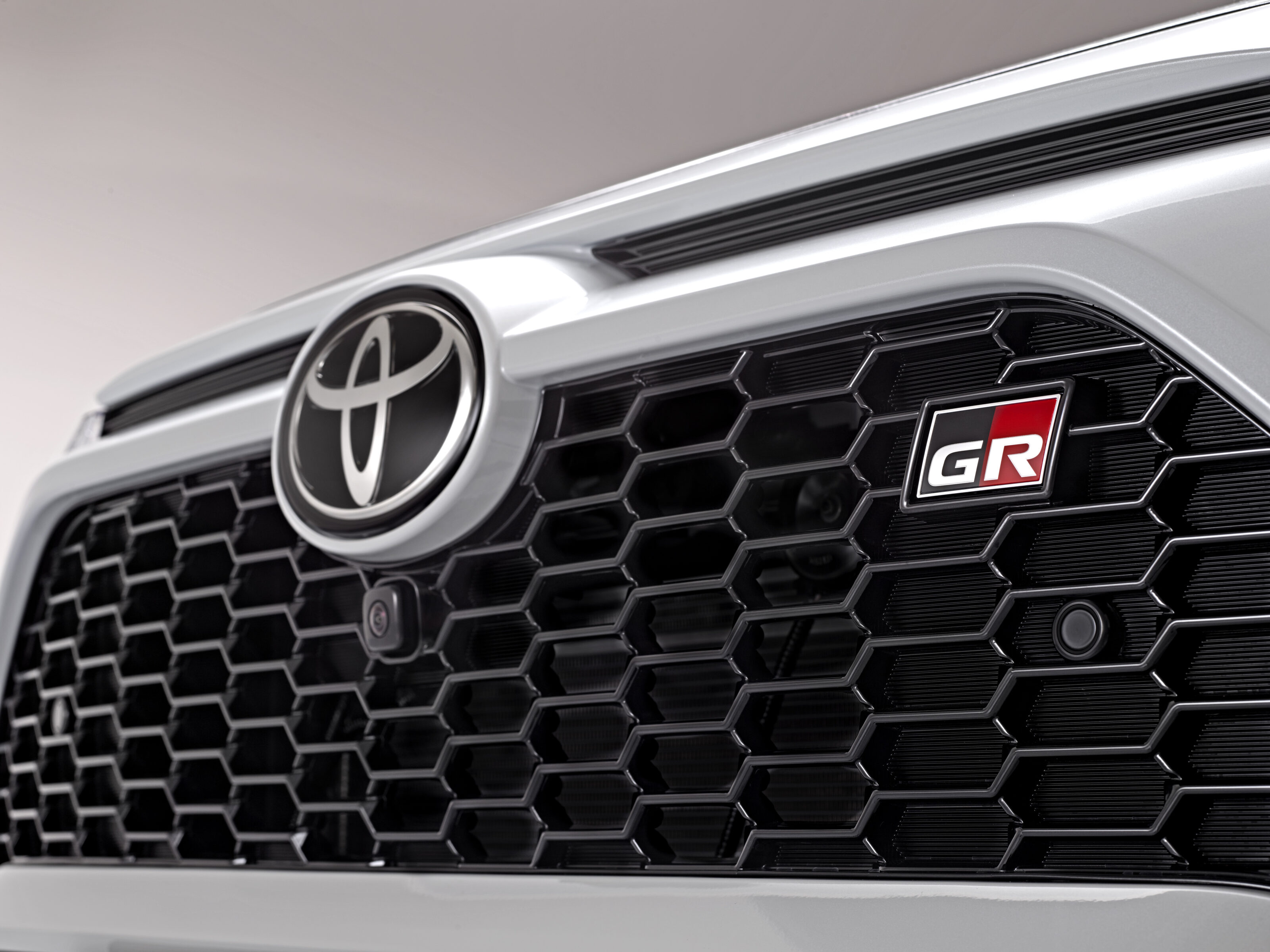
There’s also a new fog light insert, front spoilers, and GR Sport badging on the front grille and tailgate.
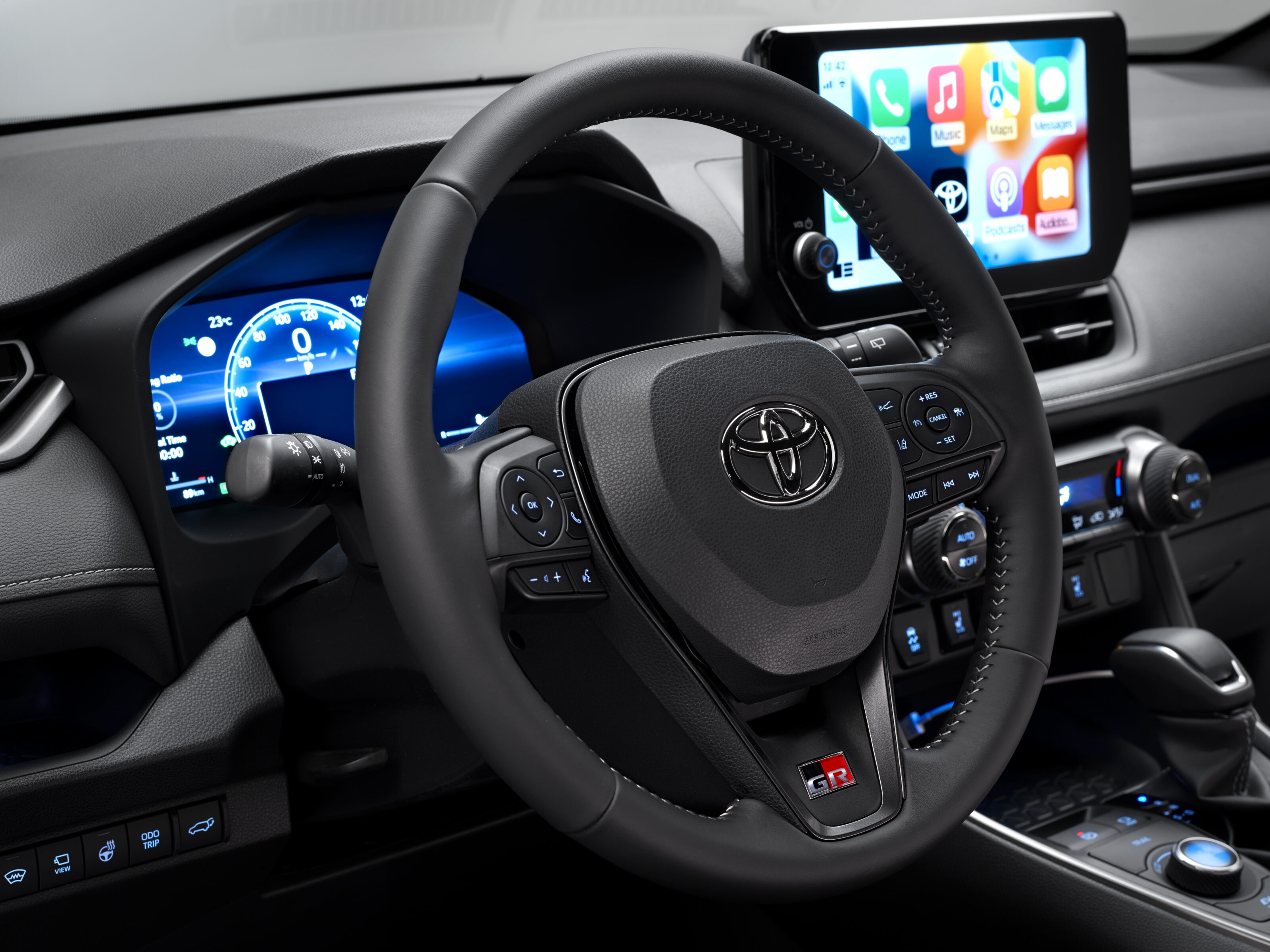
Inside, the RAV4 GR Sport adopts sports front seats in suede, with a GR logo on the headrest and silver contrasts on the seats, steering wheel and gear shifter.
It features as part of the revised 2023 RAV4 range, picking up a larger 10.5-inch infotainment system running Toyota’s latest software, wireless Apple CarPlay, a 12.3-inch digital instrument cluster, and the brand’s latest active safety suite.
Toyota Australia currently offers a GR Sport variant for the LandCruiser 300 and C-HR, while the smaller Yaris Cross GR Sport is due here in December.
A HiLux GR Sport – replacing the current Rugged X – will launch here in the second half of 2023.
For more information about the 2023 Toyota RAV4 – including leaked pricing and features for Australia – click here.
The updated RAV4 will launch in Australia in the fourth quarter of 2022.
It’s been a long time since the Grandeur badge left Hyundai’s Australian line-up, having been axed back in 2011 when they were selling around six per year – but the model has continued overseas, and this week the new generation has been unveiled in Korea.
In its new form, the Grandeur looks to take inspiration from the Staria people-mover of all things, debuting a face-spanning grille design, flanked by driving lights and a long LED lightbar across its top edge.
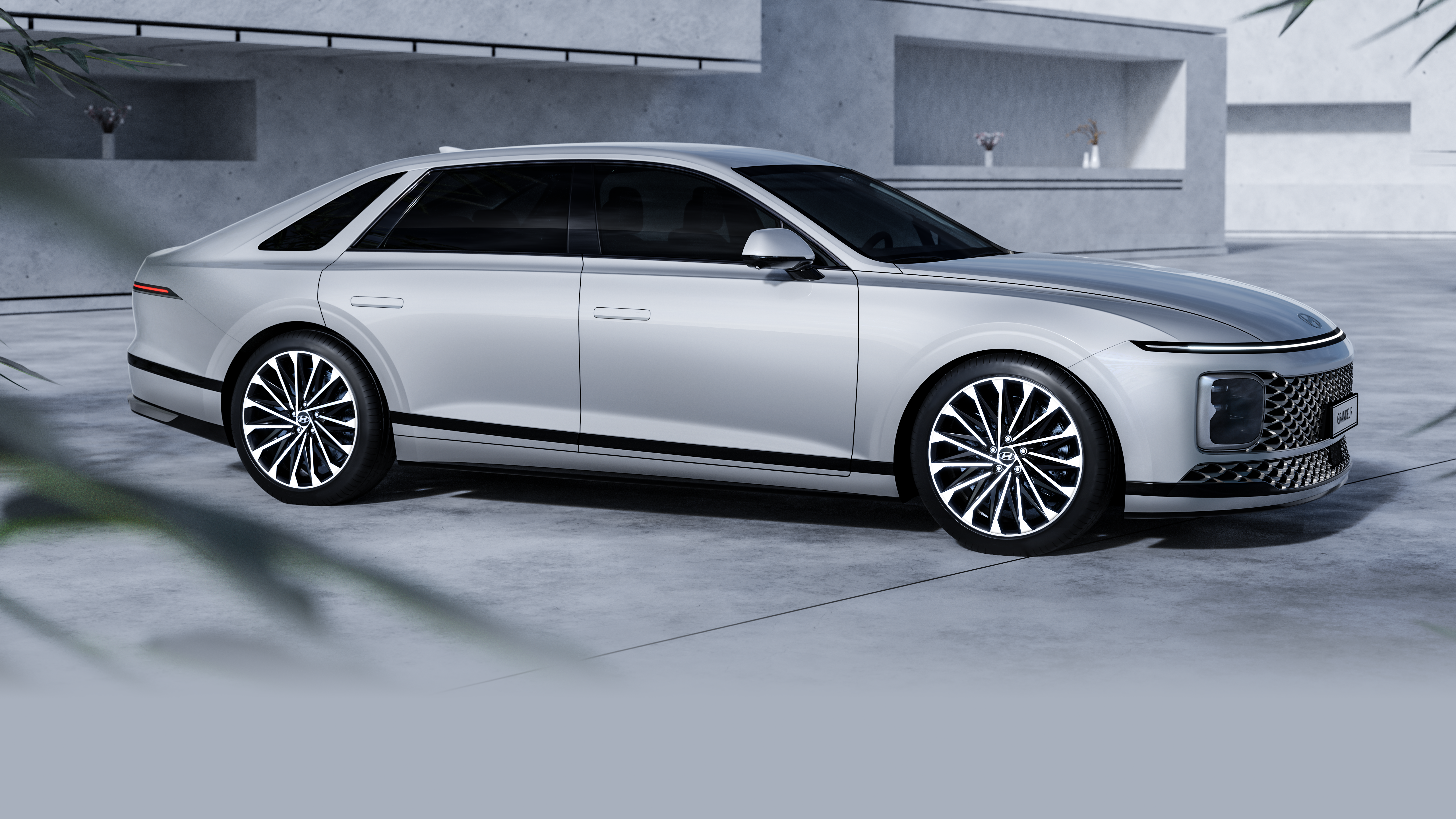
A muscular and uncluttered profile is showcased down its sides, with perhaps the main highlight being the unique body-coloured C-pillar at the rear quarter of the glasshouse, paying tribute to past generations.
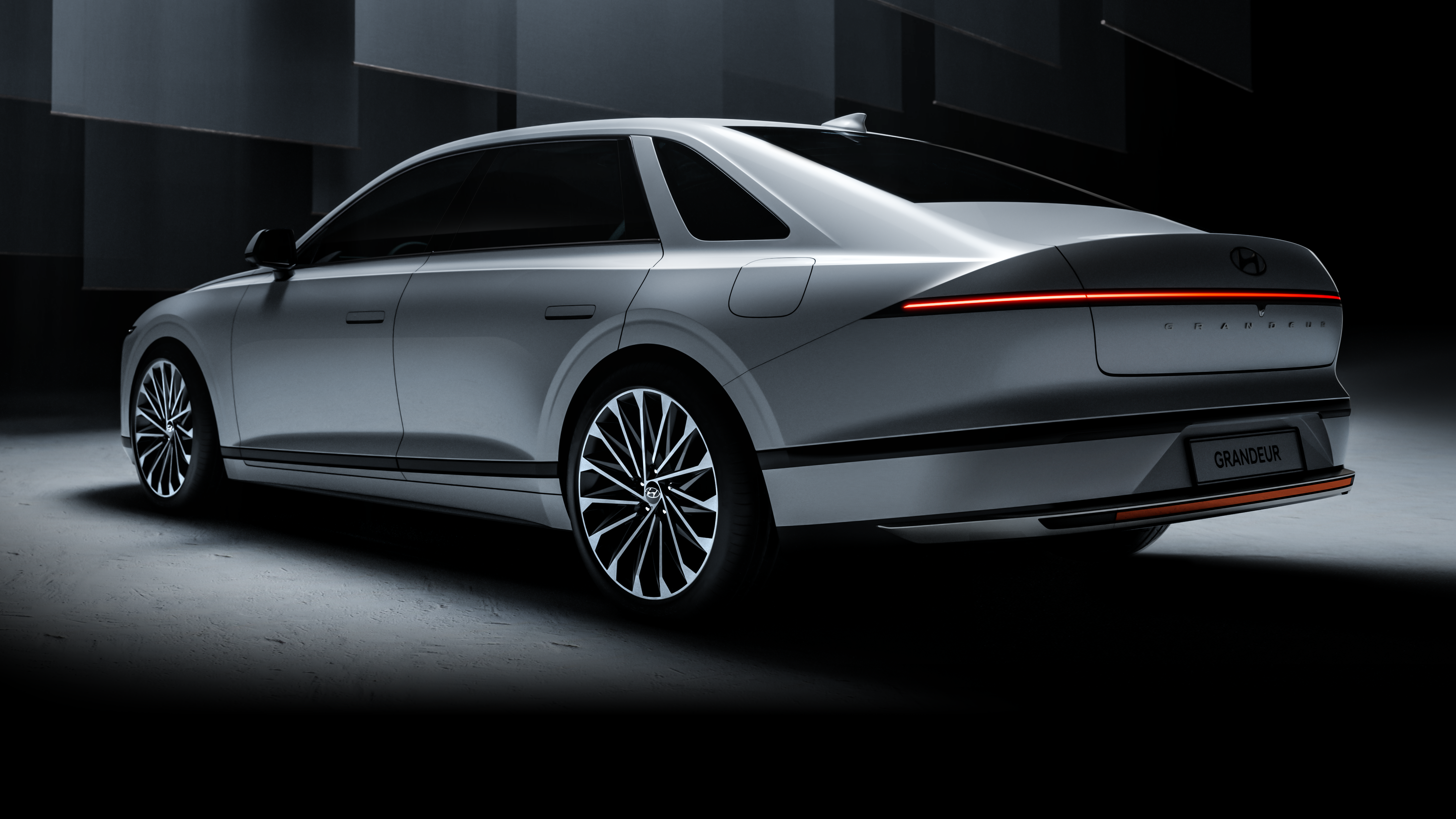
The roofline tapers all the way back in a Genesis G80-like fashion to the boot dropoff, terminating in a subtly integrated lip spoiler.
A slender LED lightbar crosses the entire rear section, beginning and ending at a point formed by the lip spoiler and the rear bumper’s panel edge.
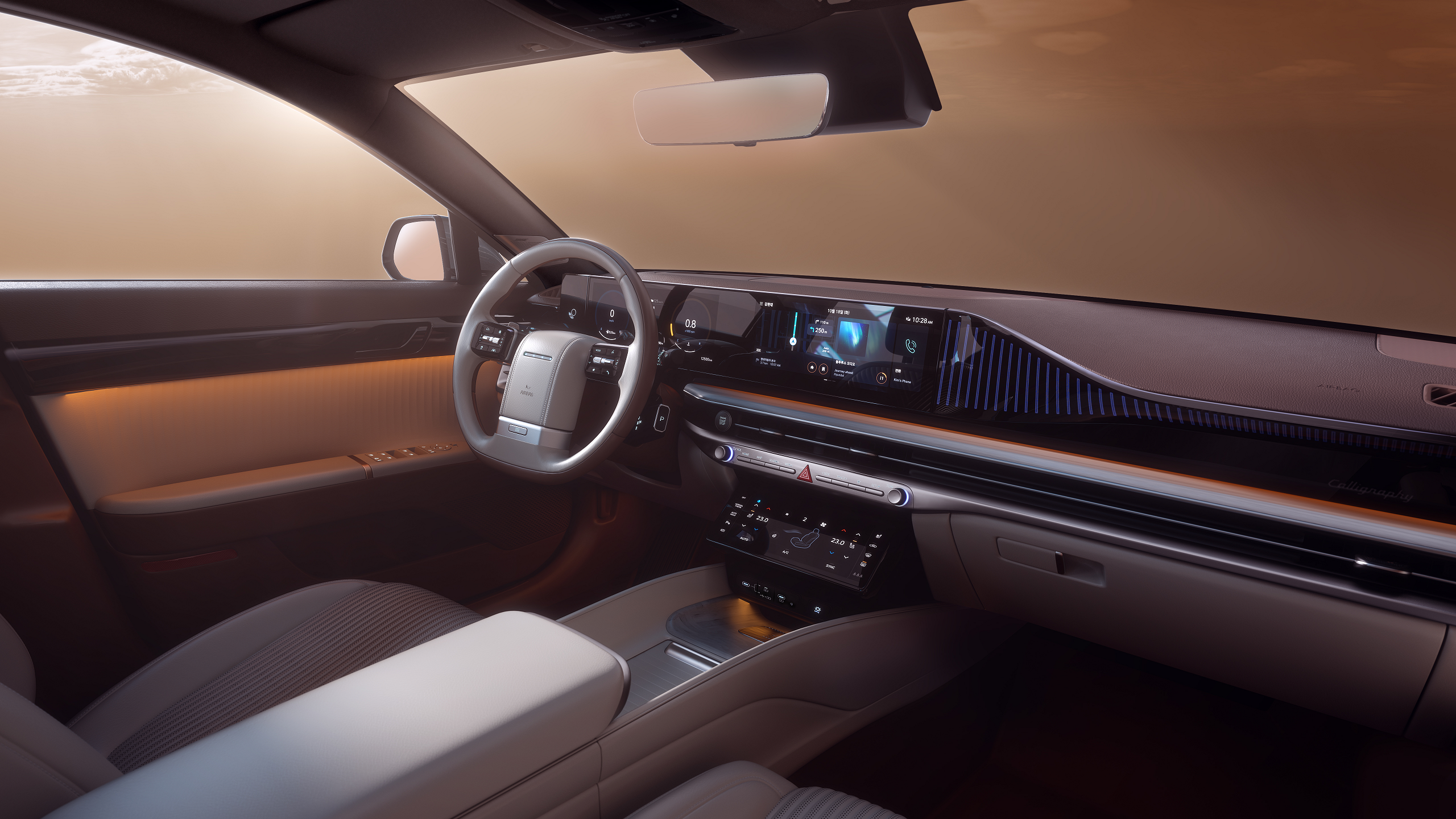
Inside, Hyundai has thrown the best of its retro luxurious design at the Grandeur, again giving the Genesis brand a run for its money. The Grandeur is an important and respected model in Korea, and it shows with the respect Hyundai has paid its cabin.
All of this gets us wondering – would you be keen on the new Grandeur if it were to come to Australia? It won’t, but would you be swayed by it?
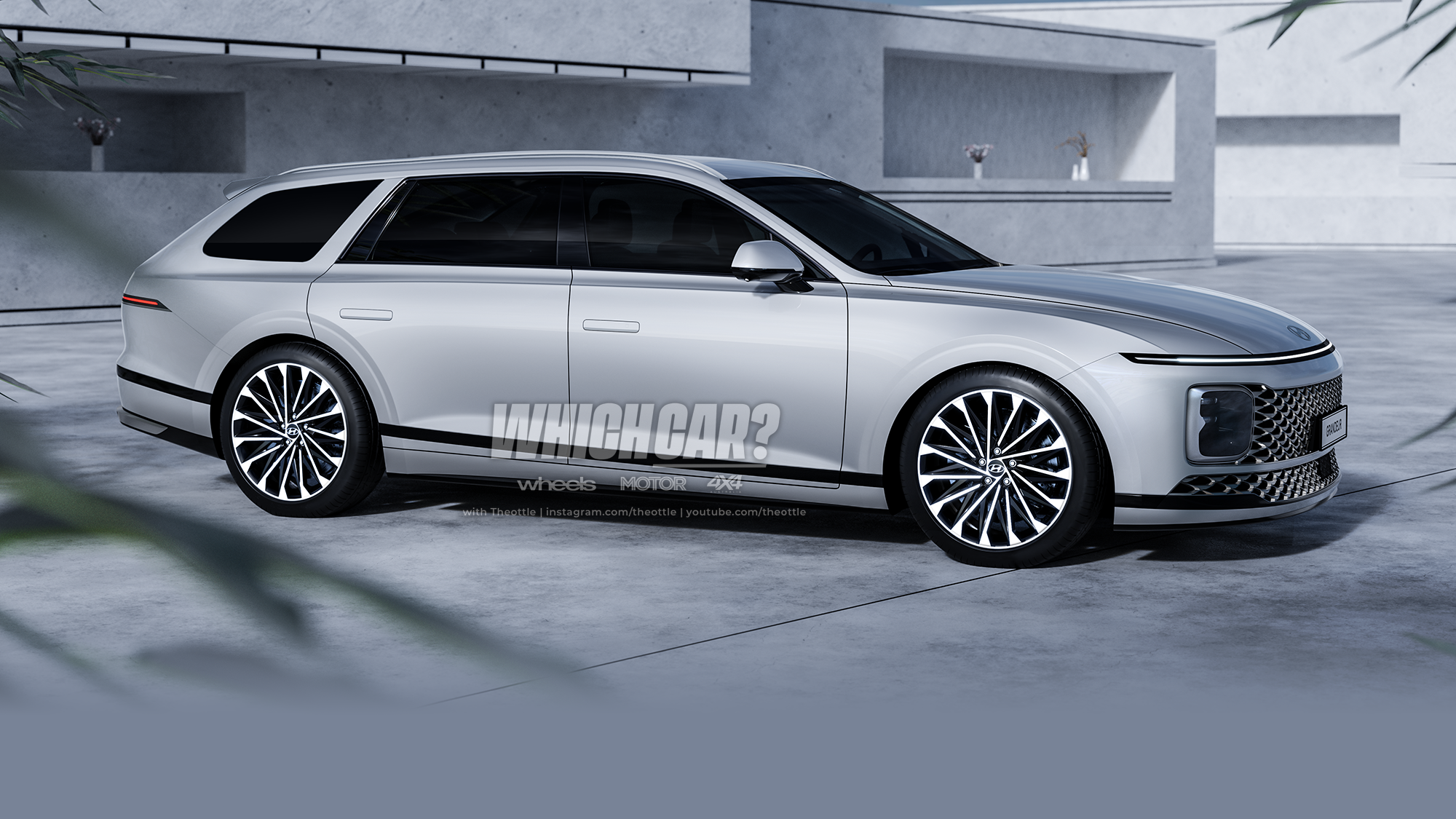
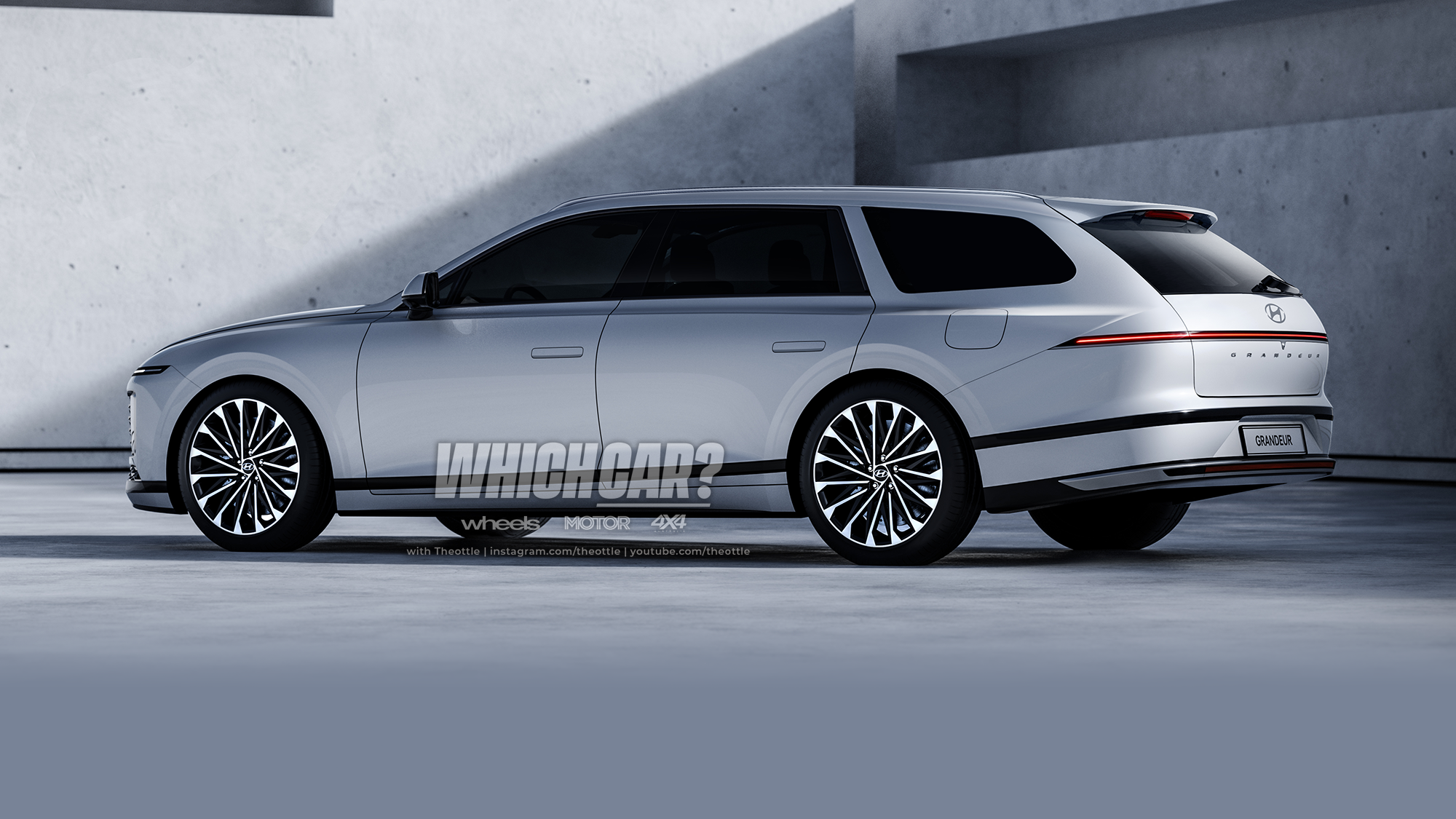
How about a wagon..?
We’ve also received a pair of stunning wagon renders from our mate Theottle, which I’d personally be very tempted by. More wagons, I say.
Watch Theo’s Photoshop work unfold on his YouTube page here.
But, how about the Heritage Series restomod unveiled last year?
It was electric, for those who love such ideas (I do), and it threw all of Hyundai’s modern tech and styling nous at the design.

Which would you take? Sound off in the comments below.
Snapshot
- Power’s up, slightly
- Top speed is up, slightly
- A few RS Dynamic pack items are bolted on
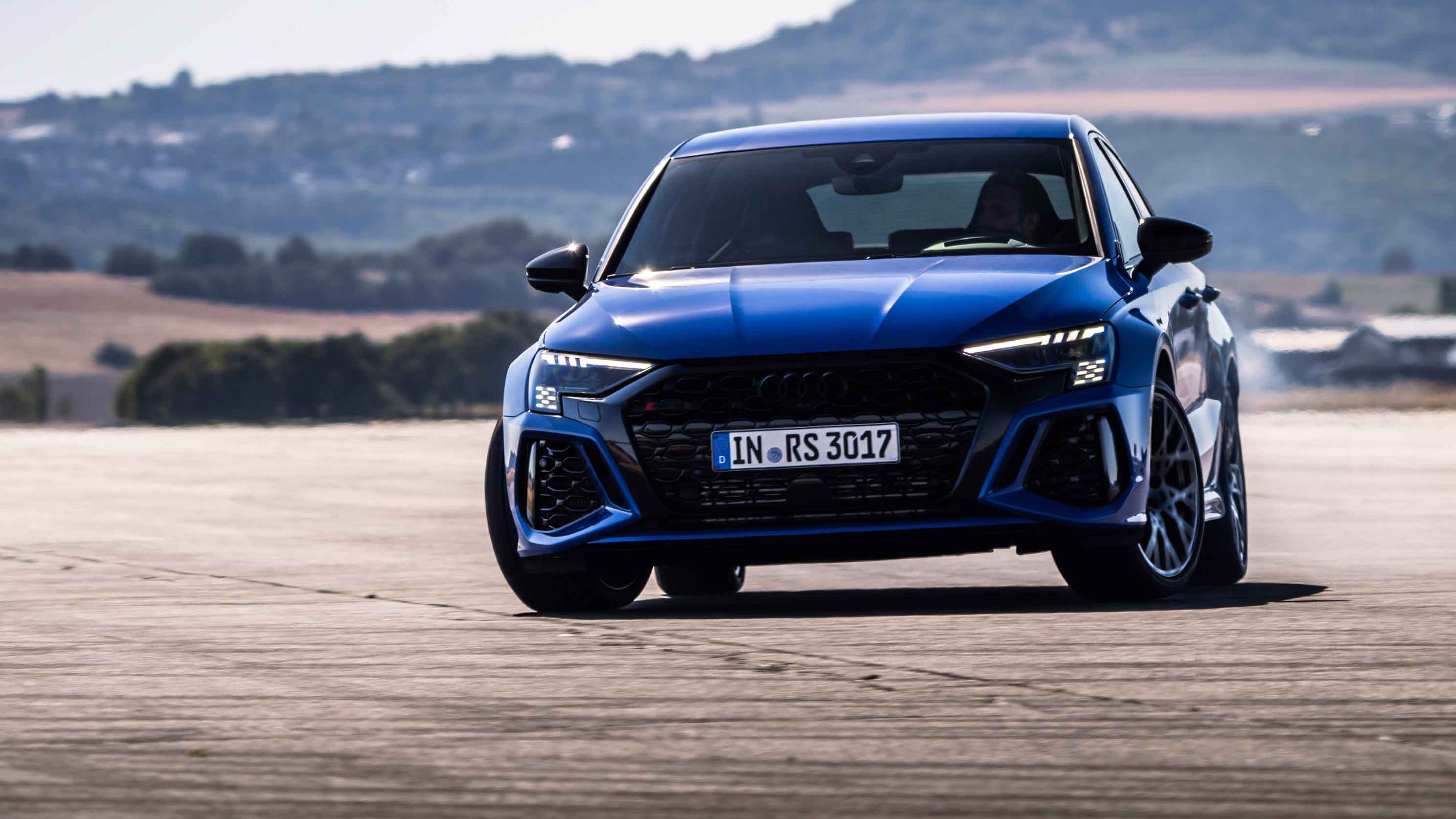
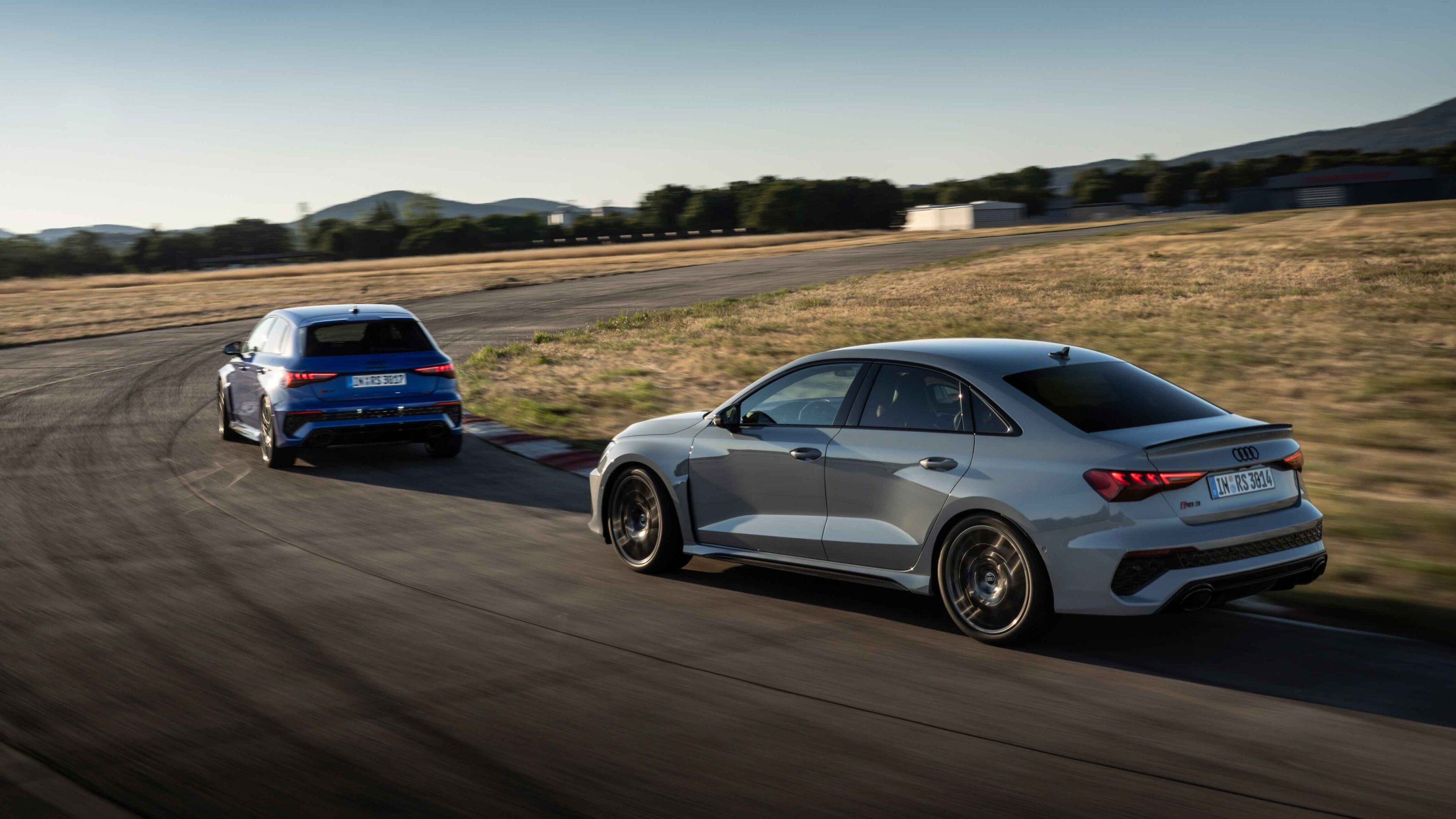
The 2023 Audi RS3 Sportback and sedan, only recently launched in Australia, have been given a light tap with the rennsport division’s wand, gaining a little extra power and a slightly higher top speed – and a limited build of just 300 examples.
Thanks to a 0.1 bar increase in turbo boost pressure and a revised exhaust system, the RS3 Performance Edition sees power sneak up from 294 to 299kW, with torque unchanged at 500Nm – while top speed climbs from 290 to the slightly more magical 300km/h. The latter is thanks to the addition of the RS Plus Dynamic package, usually a $13,000 upgrade in Australia.
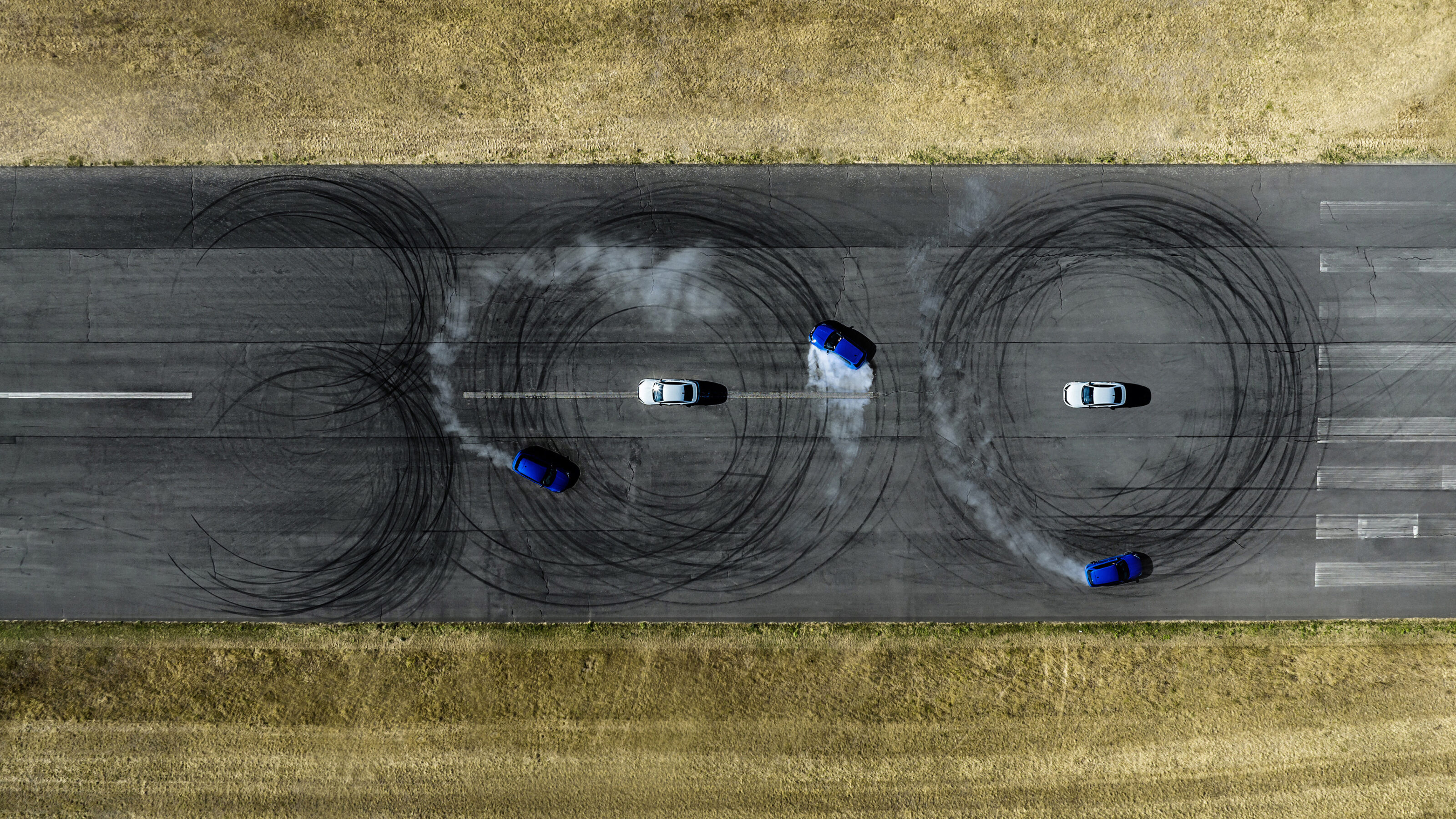
Audi hasn’t announced a 0-100km/h time for the RS3 Performance Edition, but it is likely unchanged. In its standard form, Audi claims a sprint of 3.8 seconds. Wheels Media managed a 3.5-second run in our recent tests, though. (Compared to the A45 S’s 4.0 seconds in the same test, against a 3.9-second claim.)
Other enhancements include new adaptive dampers and exclusive dark matte grey aluminium cast ‘motorsport design’ wheels shod with Pirelli P Zero Trofeo R rubber – 265/35 on the front axle, 245/35 at the rear. Behind that hide the RS Dynamic pack’s six-piston ceramic brakes, with discs at the front measuring 380x38mm. (We reckon they’re largely not worth the upgrade over the regular 375mm steel discs.)
From our recent A45 v A35 S comparison
“And the Audi’s carbon-ceramic brakes are trickier to modulate, too. The pedal is firm and grabs aggressively which undermines any additional stopping power the larger 380m discs provide. Our advice? Save your $13,000 and stick with the regular 375mm steel brakes, which we’ve found to be excellent.”
Other tweaks include a black diffuser at the rear, and black badging all round. Colour options include Daytona Grey, Arrow Grey, Sebring Black, Sebring Black Crystal, and Glacier White.
Inside there’s Dinamica microfibre and Nappa leather trim, matched to Mercato Blue accents. A ‘1 of 300’ badge is fixed to the dash.
Will the Audi RS3 Performance Edition come to Australia?
Nope. All 300 editions are exclusive to Europe. Of course, you can just option the RS Dynamic pack to get most of these enhancements.
Snapshot
- iX1 will launch in Australia in first quarter of 2023
- Three-year free Chargefox subscription included
- Pricing starts from $82,900 before on-road costs
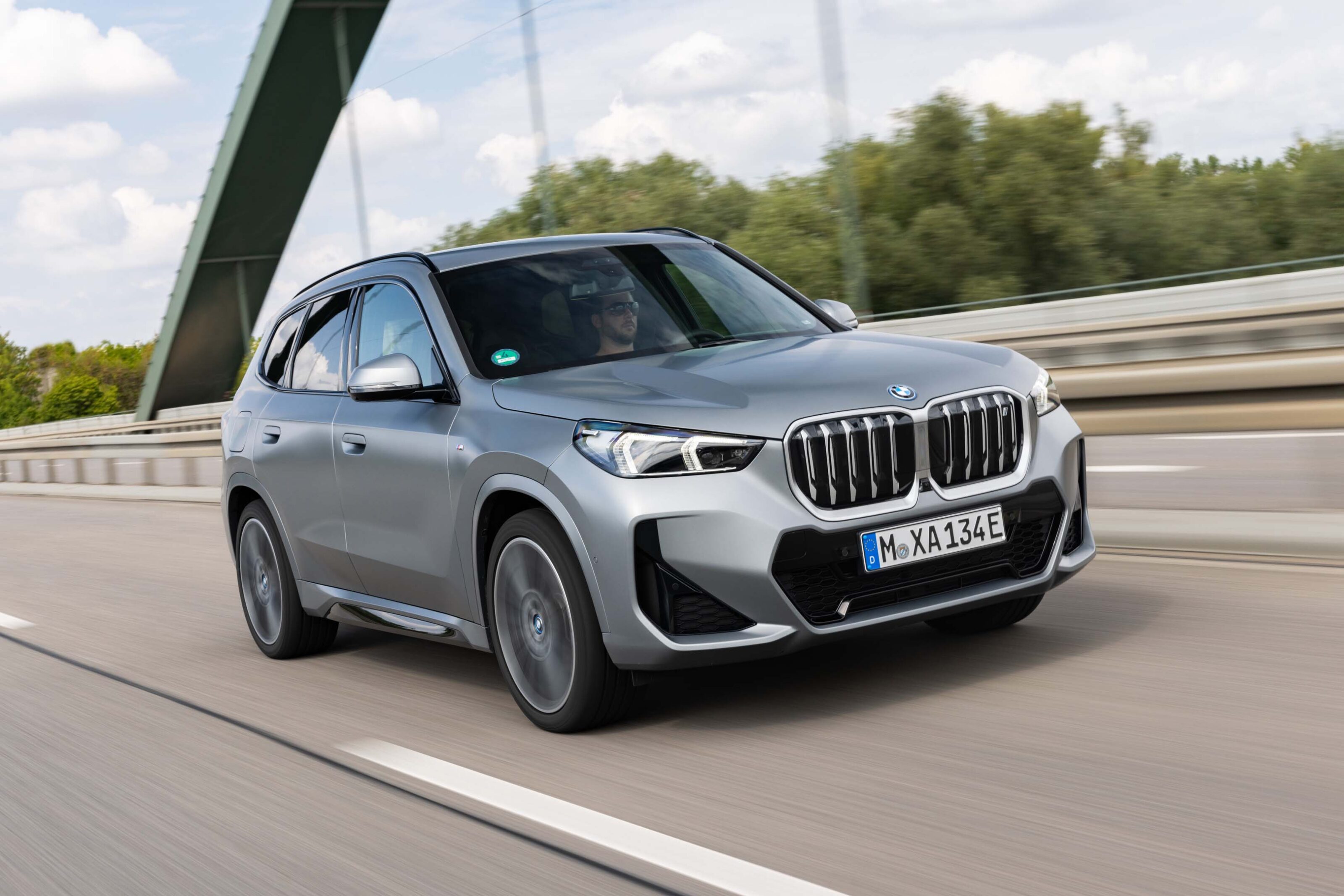
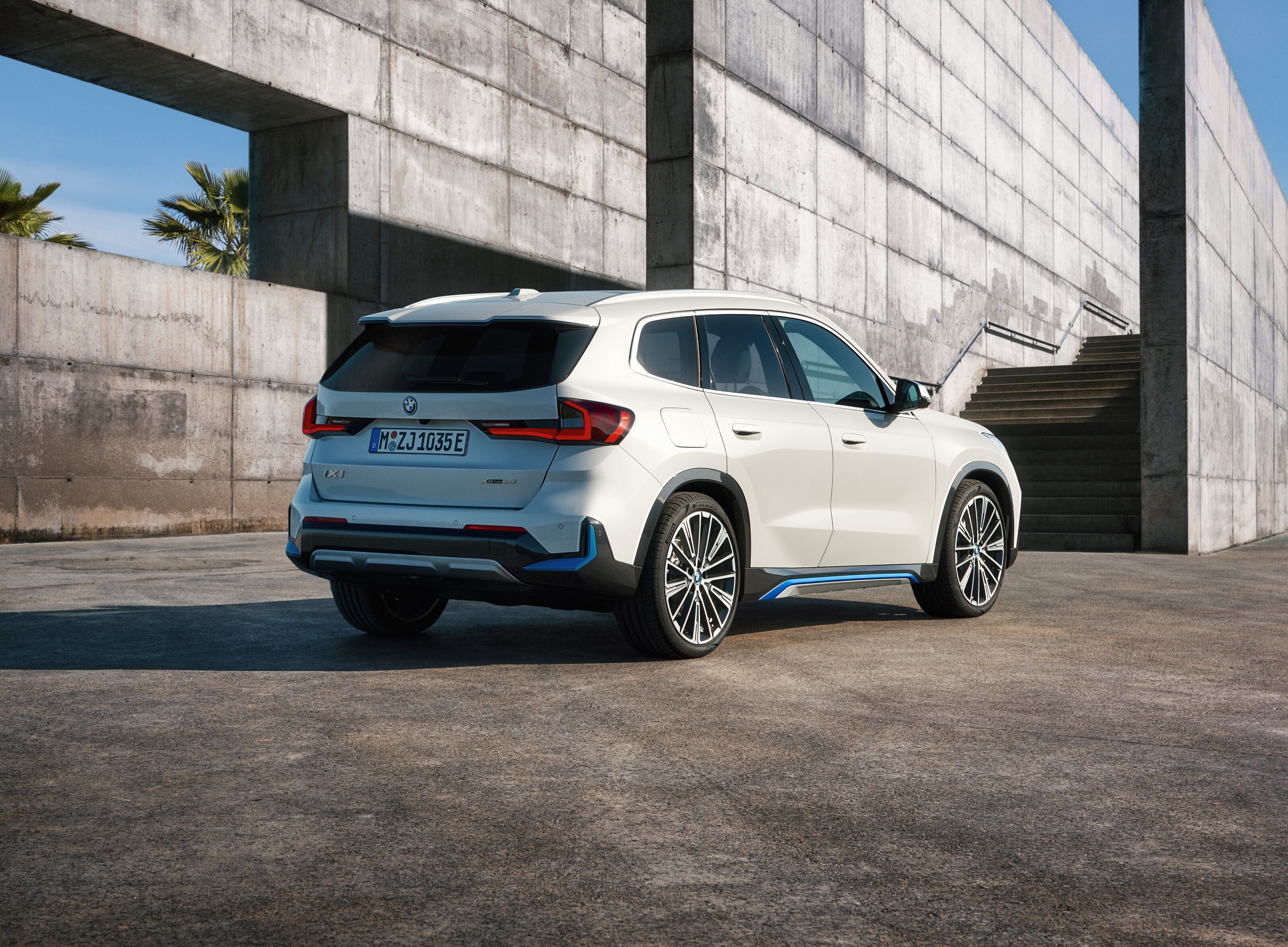
The 2023 BMW iX1 xDrive30 will arrive in Australian early next year with prices starting from $82,900 before on-road costs.
The model will bring electric power to the X1 lineup for the first time, as well as becoming the 12th electrified model in the company’s local range, launching with two AWD xDrive30 grades: the iX1 xLine and iX1 M Sport.
With high-power charging rates, BMW claims the iX1 can be boosted from 10 to 80 per cent charge in just 29 minutes, with a total driving range of 440 kilometres.
JUMP AHEAD
- First drive review highlights
- 2023 BMW iX1 pricing
- Features
- Options: xLine & M Sport
- Powertrain, driving range & charging times
- Dimensions & space
- Safety
- How do rivals compare?
- Availability
From our first international drive review
Stephen Dobie
Things we like
- More convincing than a petrol X1
- New curved display is very appealing
- Bigger and more practical than older X1s
Not so much
- Could there be a more affordable, less powerful version?
- Itu2019s a heavy blighter (but then so are most electric SUVs)
- Lacks the pioneering feel of previous BMW i products
2023 BMW iX1 Australian pricing
| Variant | Pricing |
|---|---|
| xLine | $82,900 |
| M Sport | $82,900 |
Features
Standard features for the iX1 xDrive30, regardless of trim grade, include:
| Metallic paintwork |
| Panoramic glass sunroof |
| BMW IconicSounds Electric |
| Active Sport seats featuring lumbar support and massage function |
| Adaptive M Suspension |
| Harman Kardon Surround Sound System |
| Sensatec upholstery (new generation, perforated) |
| Seat heating, front |
| DAB digital radio |
| Navigation system with augmented reality technology |
| Sport leather steering wheel |
| 19-inch alloy wheels |
| Wireless Apple CarPlay and Android Auto |
| Wireless phone charging |
| xLine styling inc. roof rails |
| Two-zone automatic climate control |
| Adaptive LED headlights |
| Automatic tailgate |
| BMW Intelligent Personal Assistant |
| BMW Live Cockpit Professional |
| Comfort access and digital key |
| Connected Package Professional |
| BMW head-up display |
| Instrument panel in Sensatec |
| M headliner in Anthracite |
| Mirror package inc. anti-dazzle function |
| Remote software updates |
| BMW electric xDrive intelligent all-wheel-drive system |
| 4 x USB-C ports |
| 2 x 12v power sockets |
| 10.7-inch control display |
| 10.25-inch instrument cluster |
| BMW Operating System 8 new generation software interface |
| Rocker switch style gear selector |
| Sensatec and Alcantara seats |
| Floating armrest design |
| Wiresless phone charging |
Options: xLine or M Sport, take your pick
Only Alpine white is offered as a non-metallic paint choice, with; mineral white, black sapphire, space silver, phytonic blue, M Portimao blue, Sanremo green, Cape York green and Utah orange all no-cost metallic options.
There is also a BMW Individual frozen pure grey metallic choice for $3200.
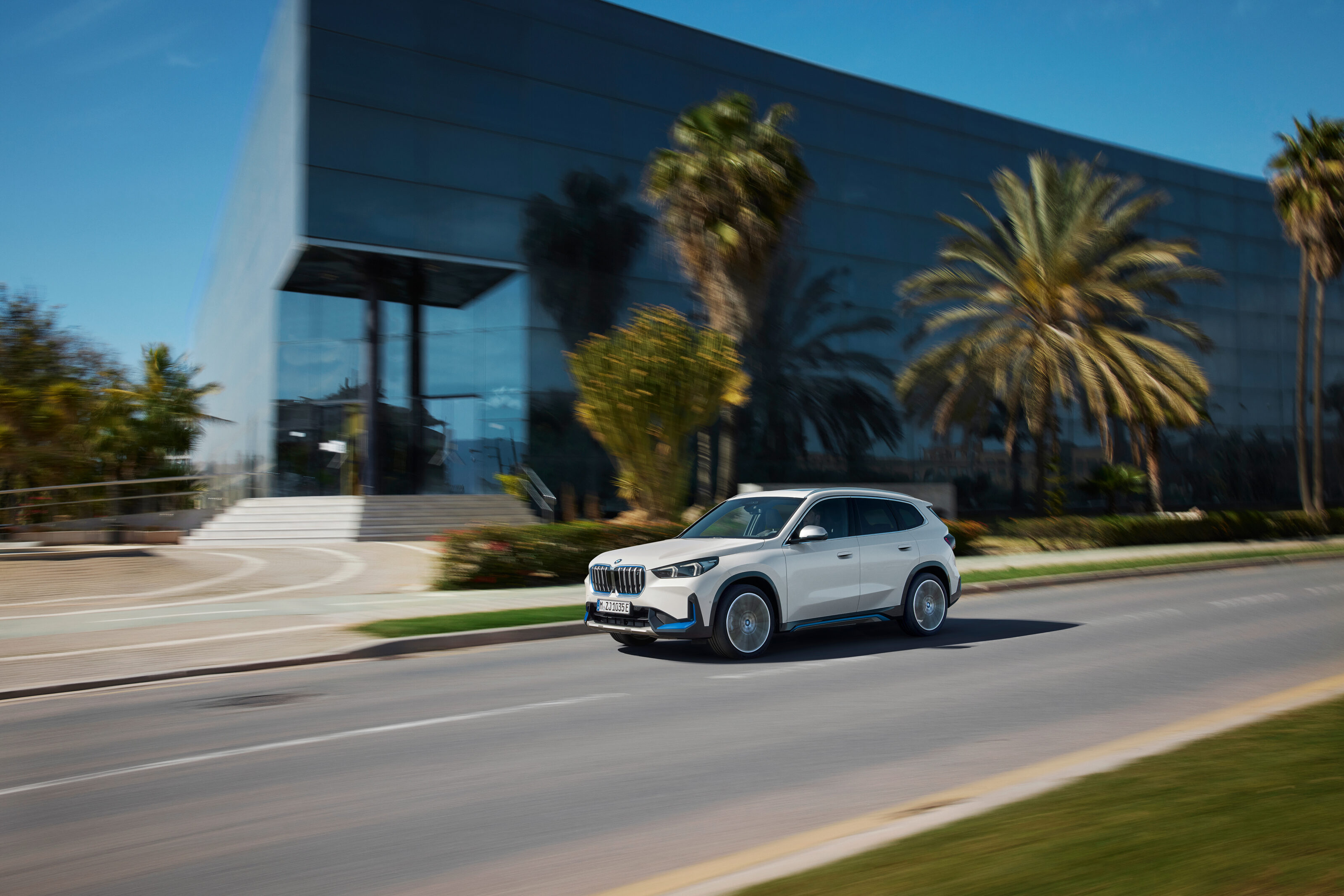
The xLine gets a satin aluminium finish for the roof rails and window décor, pearl chrome finish for the kidney grille and glacier silver finish for the exterior mirror covers – as well as underride protection in pearl chrome.
The M Sport, meanwhile, places more focus on driving dynamics, with features such as large cooling air inlets at the front and a striking diffuser at the rear.
The M Sport grade also differs in that it doesn’t get the phytonic blue, Sanremo green or Utah orange paint colours, it rides on 19-inch light alloy in double-spoke 871 M bicolor style wheels rather than the 867 bicolour V-spoke style set on the xLine, and gets Alcantara/Sensatec fabric with black contrast stitching in blue.
The M Sport also gets a aluminium hexacube dark interior trim instead of the fine wood eucalyptus open-pored and aluminium mesh-effect offered in the xLine.
An additional offering of 20-inch BMW Individual light alloy multi-spoke 869 style wheels can be had on either variant for an extra $2000.
Powertrain, driving range and charging times
2023 BMW iX1 specs: The basics
| Power unit | Twin motor electric |
|---|---|
| Drive | All wheel (xDrive) |
| Power & torque | 230kW (overboost) / 494Nm |
| Battery | 65kWh |
| Charging speed (DC) | 130kW, 10-80% 29min |
| Consumption (kWh/100km) | 19.0-16.8 |
| EV range (WLTP) | Up to 440km |
| Weight | ~2085kg |
| Boot | 490 litres |
| 0-100km/h | 5.6 seconds |
| Price (xLine and M Sport) | $82,900* |
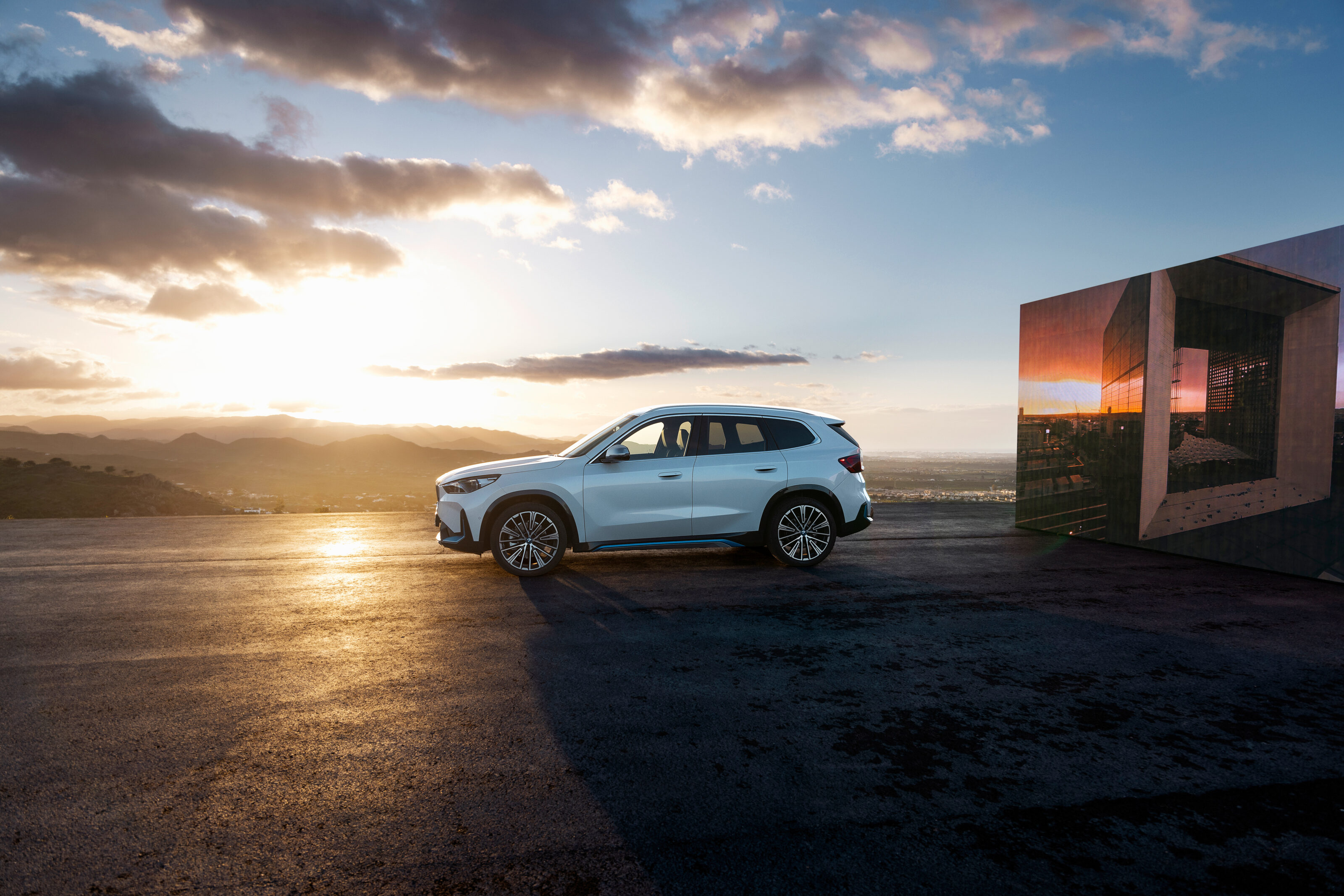
The BMW iX1 xDrive30 is powered by dual motors, one on each axle, paired with a 65kWh battery with power and torque rated at 230kW (with overboost) and 494Nm respectively.The electric xDrive all-wheel-drive system helps to deliver a 0-100km/h time of 5.6-seconds, while top speed is electronically limited to 180km/h.
BMW claims a driving range of up to 440 kilometres on the WLTP cycle and an energy consumption of between 16.8 and 18 kWh/100km.
It comes with the Flexible Fast Charger for charging at home sockets, as well as a Mode 3 charging cable and three-year subscription to the Chargefox national network of ultra-rapid and fast DC chargers.
Using AC power via a wallbox or public charging station, the BMW iX1 can be charged at up to 22kW, while DC or HPC stations enable the battery to be recharged at up to 130kW. When charging at this rate, the high-voltage battery can be charged from 10 per cent to 80 per cent in 29 minutes.
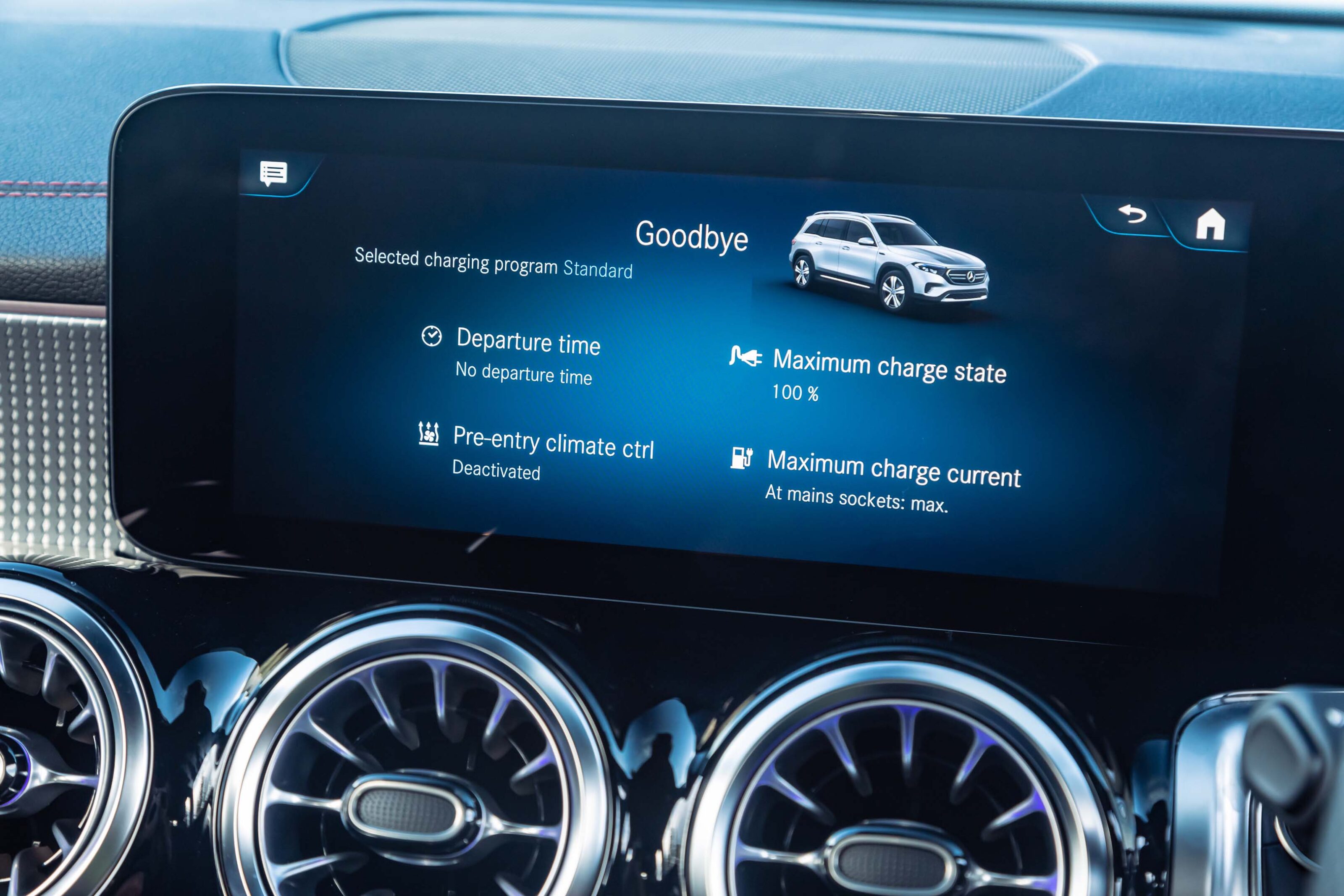
Using the My BMW App gives owners the ability to schedule and start charging processes, monitor the state of charge, activate control climate control in time for departure and plan routes for destinations with charging solutions along the way.
Dimensions and space
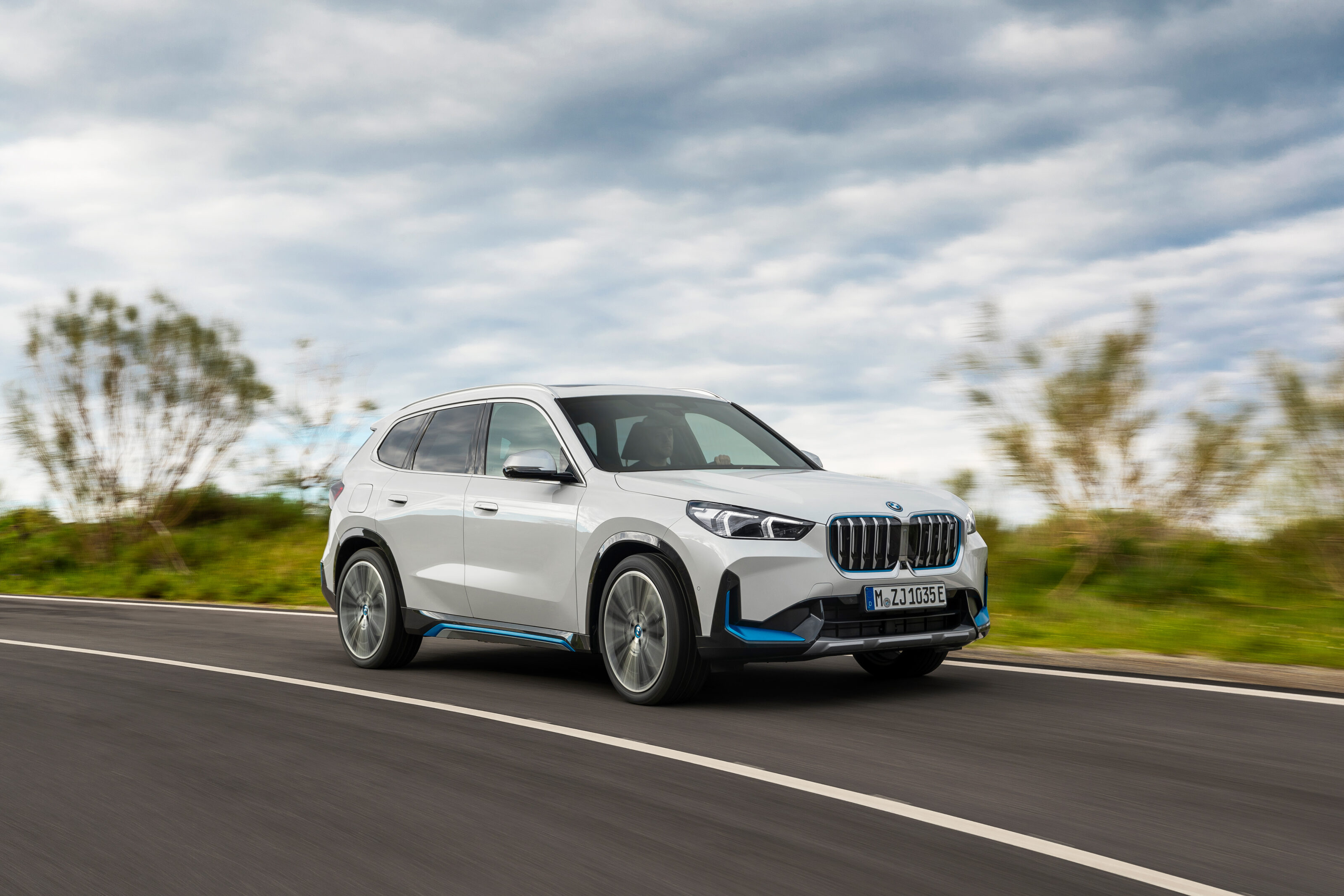
The dimensions of the iX1 are 4500 millimetres long, 1845mm wide, 1642mm high, and its wheelbase is 2692mm. The iX1 has a boot capacity of 490 litres, just 10 litres less than in the bigger iX SUV.
Safety
The new iX1 is fitted with BMW’s advanced suite of driver and parking assistance systems, with standard safety equipment including:
| Tyre pressure monitoring system |
| Reversing camera |
| Driving Assistant Professional inc. steering and lane control system |
| Blind-spot monitor |
| Parking Assistant Plus with surround-view camera, reversing assistant and drive recorder |
| Active cruise control with stop and go |
| Remote 3D view |
| Mirror Package with anti-dazzle function |
How do rivals compare on value?
Stephen Dobie
Starting at $82,900, the iX1 fits into its segment reasonably well – although most rivals at that price point are larger, with more space, and that’s bound to make the difference for some buyers.
Of our favourite cars among its rivals, the Wheels COTY-winning Kia EV6 will set you back $82,900 in 239kW trim, and it’s also capable of ultra-fast 350kW charging – as is the Hyundai Ioniq 5, which (as of late October 2022) costs $79,500 in AWD form, with 239kW/605Nm peak output.
The smaller Mercedes EQA 250 costs $76,800 with just 140kW, or $84,100 as an Edition 1 with lots more kit on board (both before on-road costs).
A Polestar 2 Long Range AWD looks good value among these – at $73,400 with 300kW – but it trailed the two Koreans in our comparison test.
If you can get hold of a Tesla Model Y, these start at $72,300 in base RWD form (both before on-road costs).
Availability
The new BMW iX1 EV will reach Australia in the first quarter of 2023.
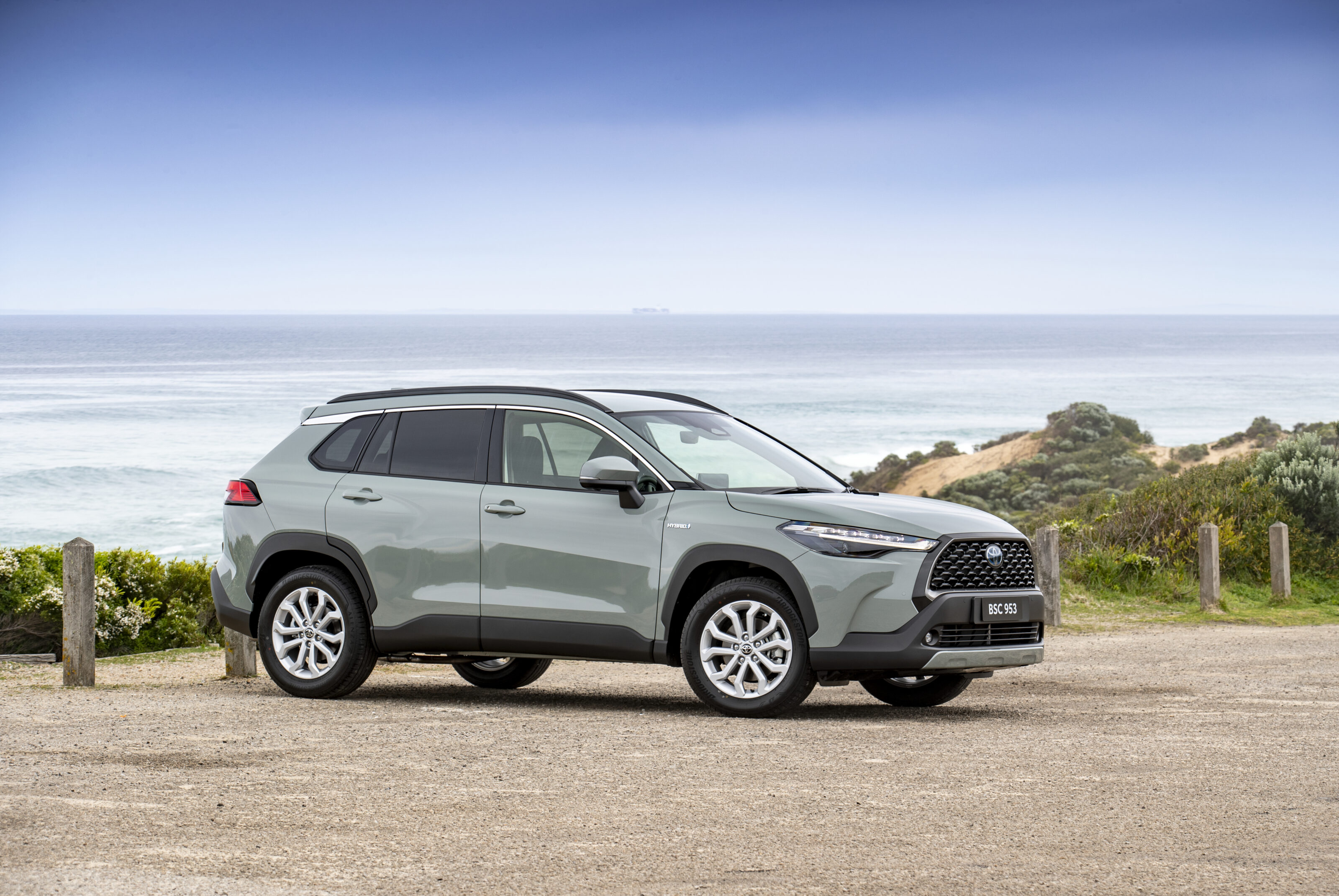
The 2023 Toyota Corolla Cross has finally landed in Australia. The combination of the popular Corolla badge with the on-trend small SUV form factor should, in theory, be a runaway success.
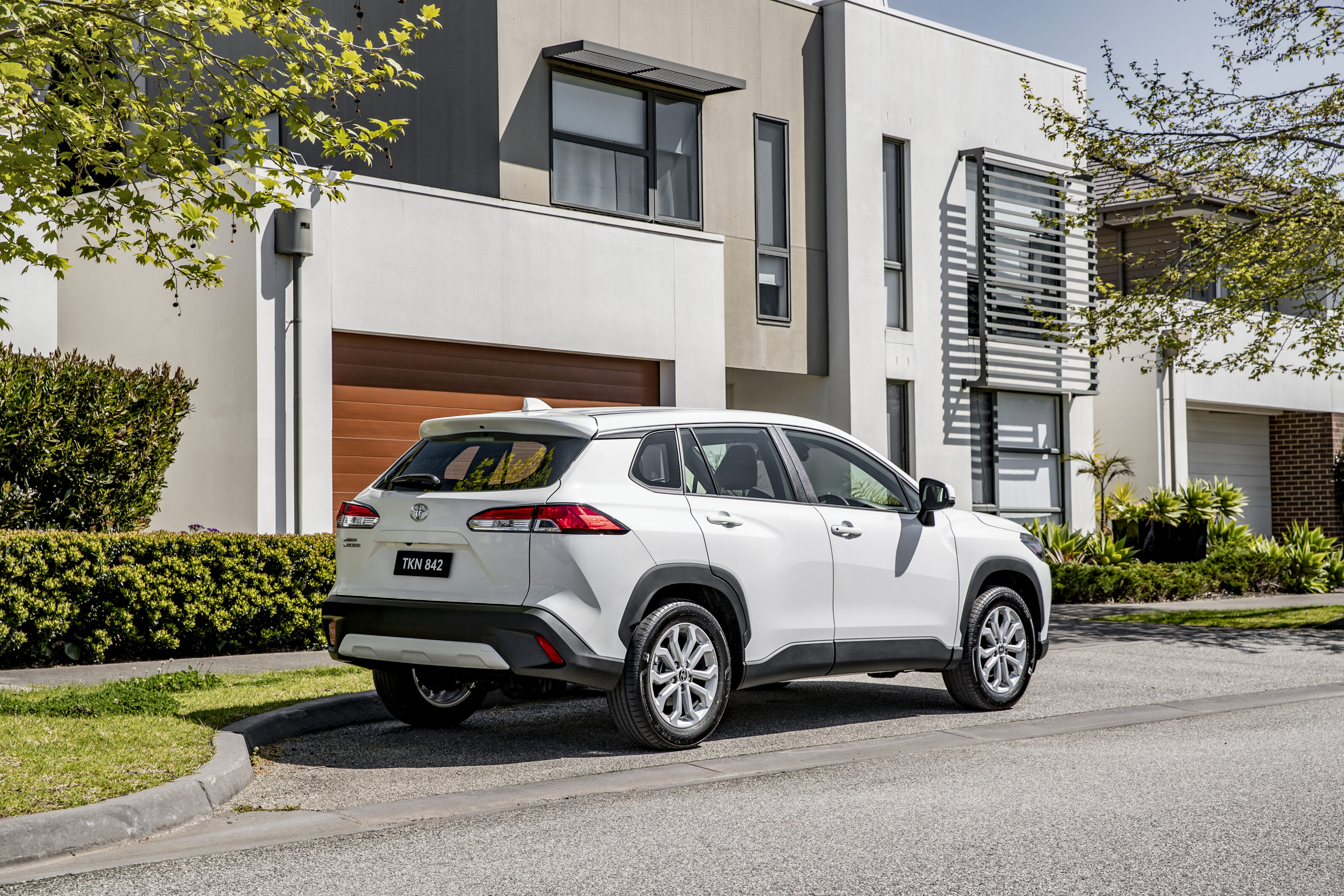
But you’d be right in thinking Toyota already sells a car that nails this brief, the C-HR. The Japanese-built Corolla Cross even shares its GA-C platform and 2640mm wheelbase with that Euro-centric small SUV. For now, Toyota says, both will co-exist in harmony.
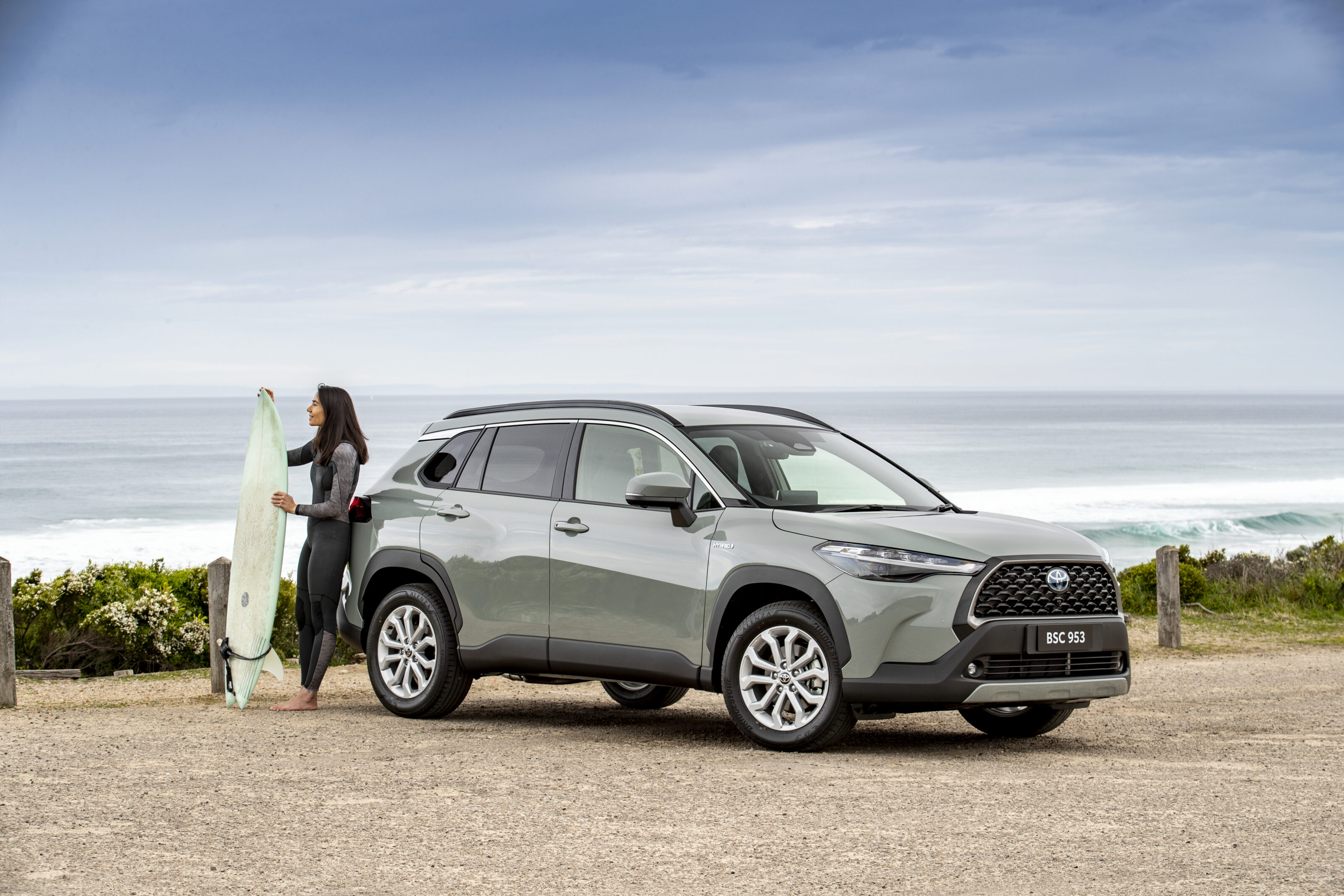
And if we’re honest, the Corolla Cross’s looks aren’t particularly exciting, so its conservative design at least leaves a style-forward slice of the market open for the C-HR to live on.
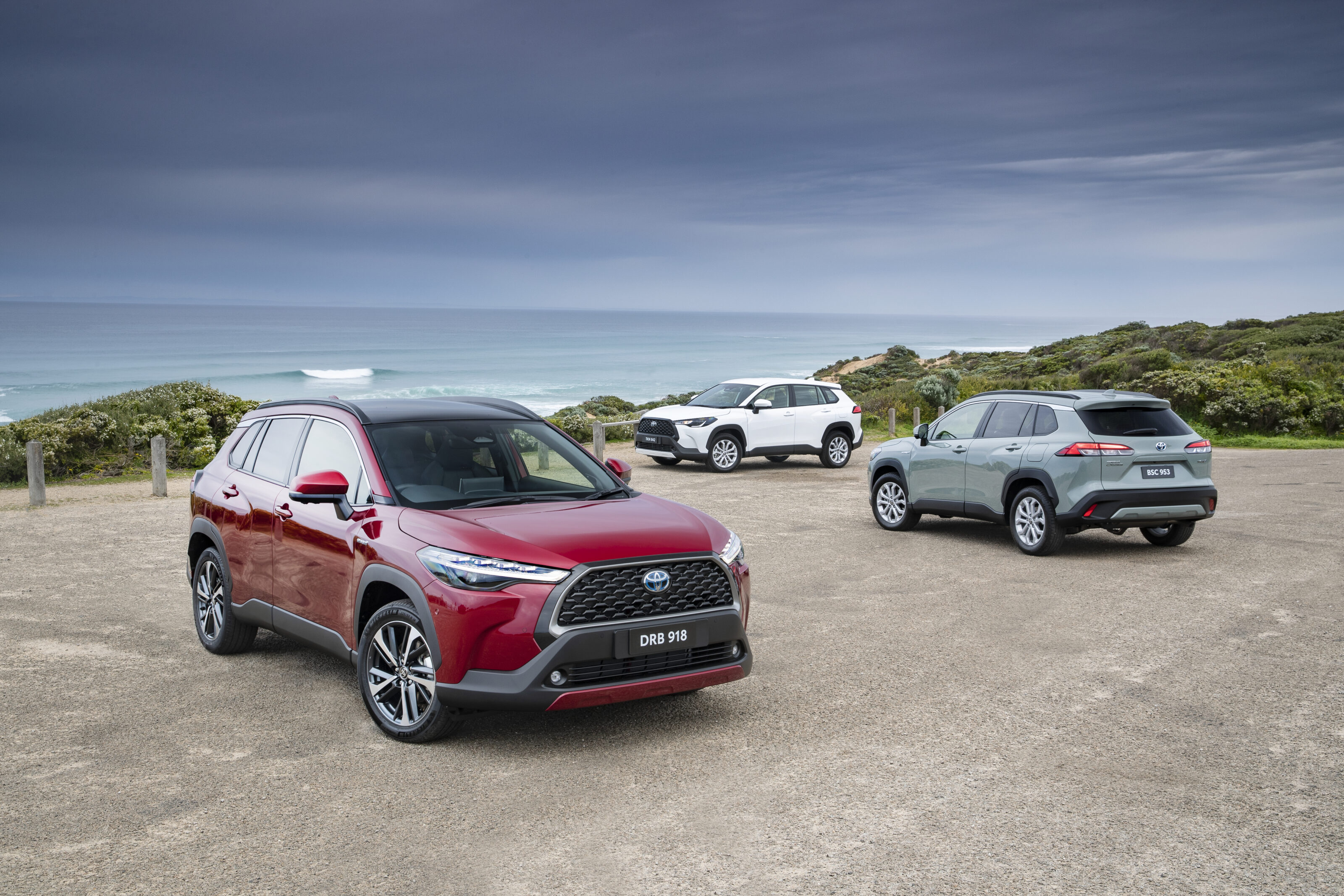
What matters is that the Corolla Cross addresses the practicality concerns of the hatch and C-HR, combining a boot big enough for more than a Shih Tzu and back seats that aren’t just for amputees with the Corolla nameplate’s signature low fuel consumption and fun driving dynamics.
As for delivery times, Toyota did not put a figure on the wait expected for a Corolla Cross order. There is apparently healthy stock from launch though, so it could be a great way to get into a family-friendly hybrid sooner than a RAV4.
2023 Toyota Corolla Cross specs: The basics
| Feature | Corolla Cross petrol | Corolla Cross hybrid FWD |
|---|---|---|
| Engine | 2.0-litre petrol | 2.0-litre petrol + electric motor |
| Motors (F) | NA | 83kW/206Nm |
| Power | 126kW | 146kW |
| Torque | 202Nm | Not quoted |
| 0-100km/h | 9-9.2 seconds | 7.5 seconds |
| Gearbox | CVT auto, 10 stepped ratios | eCVT auto |
| Body | 5 doors, 5 seats | 5 doors, 5 seats |
| Fuel/tank | 91 RON / 47 litres | 91 RON / 36 litres |
| Economy | 8.7L/100km (tested) | 4.8L/100km (tested) |
| Boot space | 436 litres | 425 litres (other models 380-436L) |
| C-HR boot: 318L (petrol and hybrid), RAV4 boot: 580L (542L in hybrid) | ||
JUMP AHEAD
- How much is it, and what do you get?
- How do rivals compare on value?
- Interior comfort, space and storage
- What is it like to drive?
- How is it on fuel?
- How safe is it?
- Warranty and running costs
- VERDICT
How much is it and what do you get?
The Corolla Cross range opens with the GX, priced from $33,000 for the petrol and $35,500 for the hybrid, climbing up to $49,050 for the Atmos AWD hybrid (all before on-road costs).
Toyota expects between 45-50 per cent of sales to come from the base GX trim, followed by Atmos (30 per cent) and GXL (25 per cent).
On top of that, 70 per cent of buyers are likely to go for the hybrid powertrain, showing that even though battery-electric vehicles are broadly accepted as the future, a combined power solution still resonates with plenty of Australian buyers.
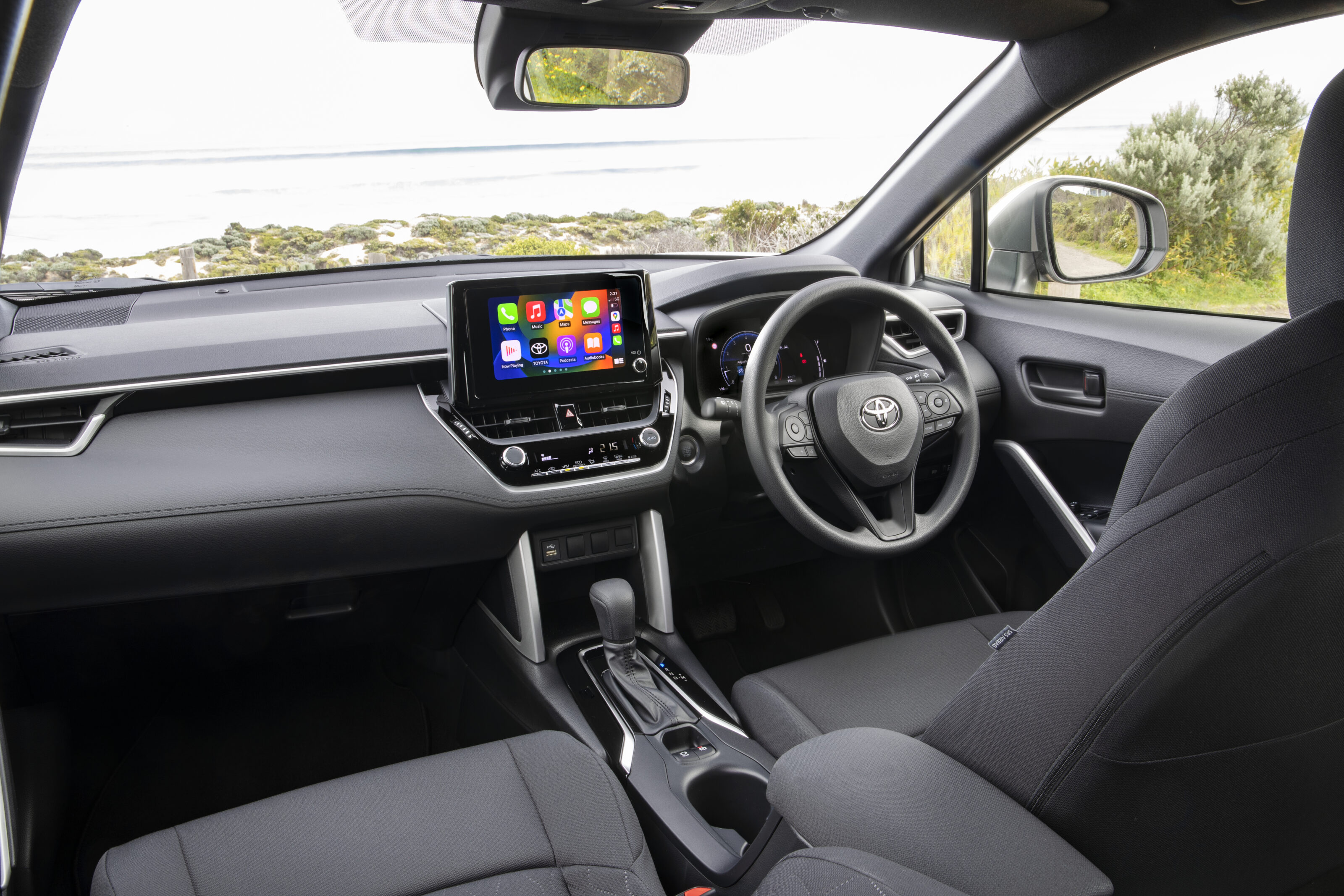
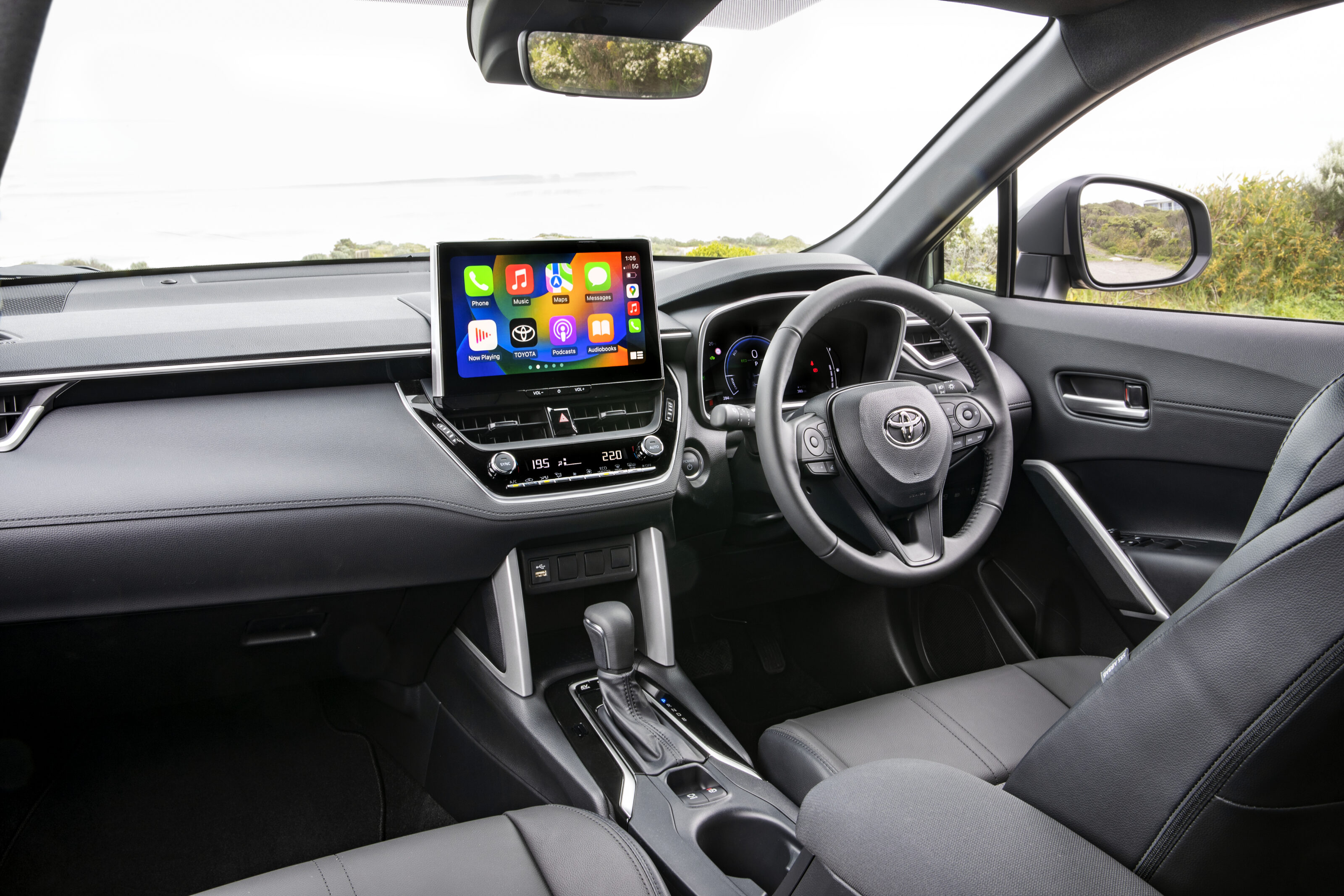
The volume-selling GX is equipped with a solid technology package. An 8.0-inch touchscreen sits in the centre of the dash with wireless Apple CarPlay (but wired Android Auto) next to a 7.0-inch digital instrument cluster.
Graphics in the infotainment screen are a big jump from Toyota’s previous attempt, though the driving display’s graphics are immature against the Volkswagen T-Roc.
In-built satellite navigation is standard across the range, and the Corolla Cross debuts connected services with ‘Hey Toyota’ voice control allowing drivers to ask where the nearest toilet is, wind up the windows or find out what restaurants are nearby.
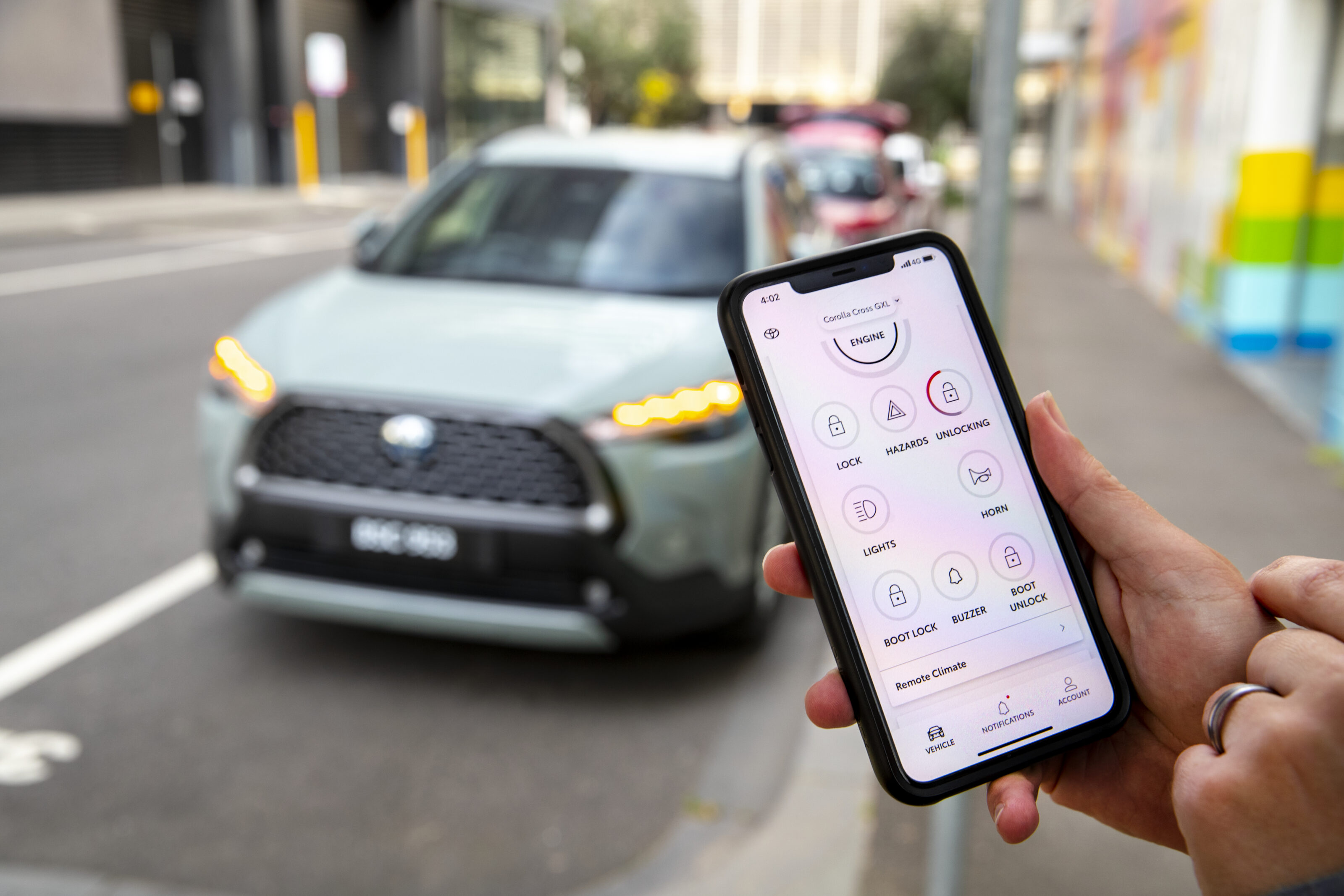
Toyota’s Connected Services app gives the ability to lock and unlock the car, as well as start the engine and check its status.
It doesn’t function as a digital key, though, so you’ll still need the fob on you to drive off in the Corolla Cross.
The features are included for the first 12 months of ownership. Owners who want to continue to use these services will have to pay $9.95 for Toyota Connect+ and $12.50 for Connected Multimedia monthly.
The mid-spec GXL costs an extra $3750 for a lifted technology package with dual-zone climate control and a larger 10.5-inch touchscreen. There are also air vents and a pair of USB-C chargers in the back seats.
Outside, the GXL wears the same 17-inch alloy wheels and doesn’t feature any badging to differentiate it from the GX. Only the smoked LED daytime running lights give it away.
| Corolla Cross GXL adds: |
|---|
| 10.5-inch touchscreen |
| Dual-zone climate control |
| Soft-touch front door trim |
| LED DRLs and smoked headlights |
| Leather-accented upholstery |
| Leather-appointed steering wheel and gear shifter |
| 2x USB-C charge ports (rear seat) |
| 360-degree camera |
Atmos grade amps its exterior appearance with 18-inch alloy wheels featuring contrasting machined and painted faces and Atmos badging. Inside, there’s full leather upholstery and two-stage seat heating for the front seats to finally use the switch blanks.
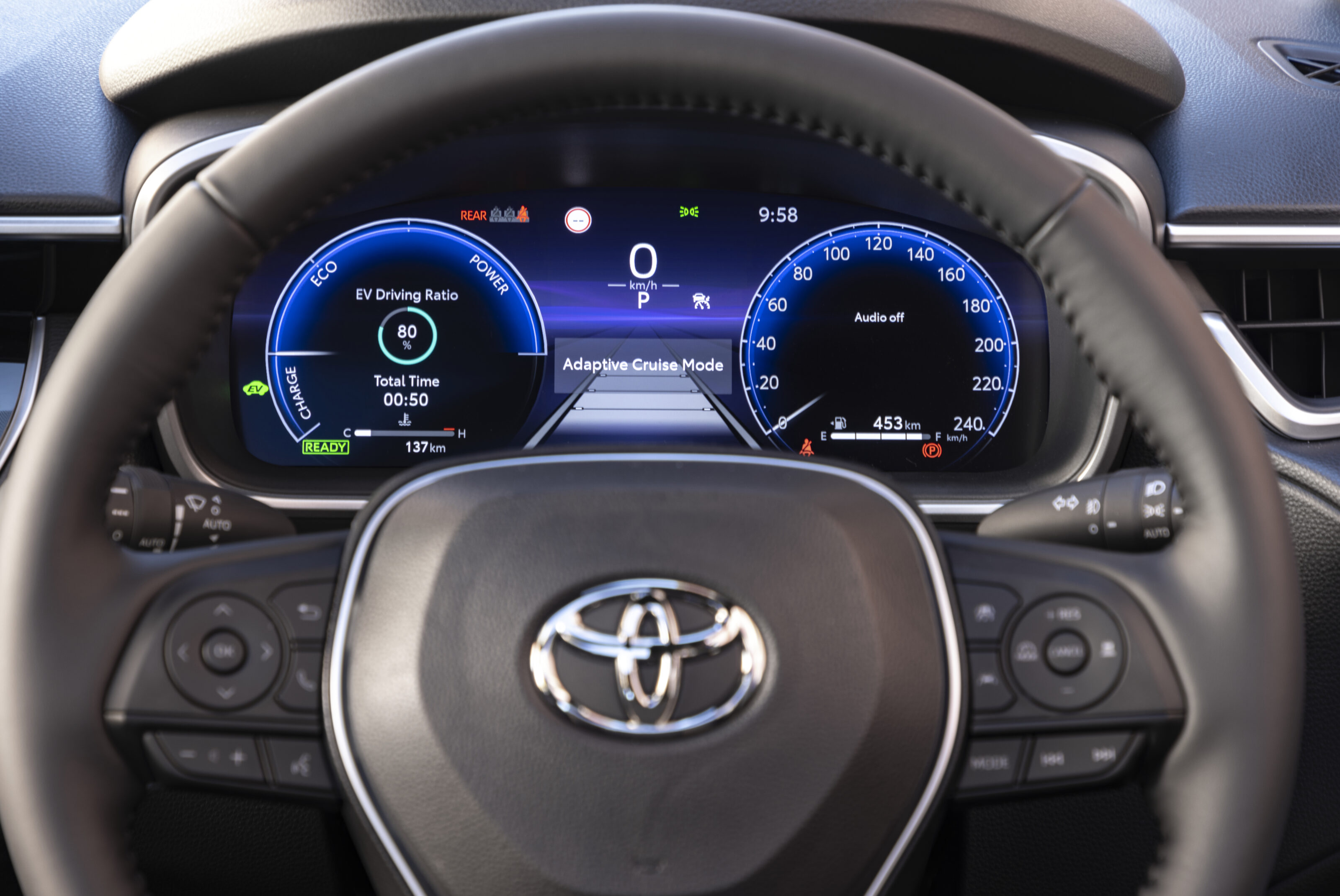
Toyota also includes a Qi wireless phone charging pad, power driver’s seat adjustment, 12.3-inch digital driver’s display and a sunroof.
Only one USB-A charge port is accessible from the front seat of the 2023 Corolla Cross, with a 12V socket in the covered storage compartment beneath the armrest.
| Corolla Cross Atmos adds: |
|---|
| Panoramic sunroof |
| 12.3-inch digital driveru2019s display |
| Leather upholstery |
| 8-way power driveru2019s seat adjustment |
| 2-stage front seat heating |
| Wireless charging pad |
| Auto parking |
| Higher quality 360-degree camera |
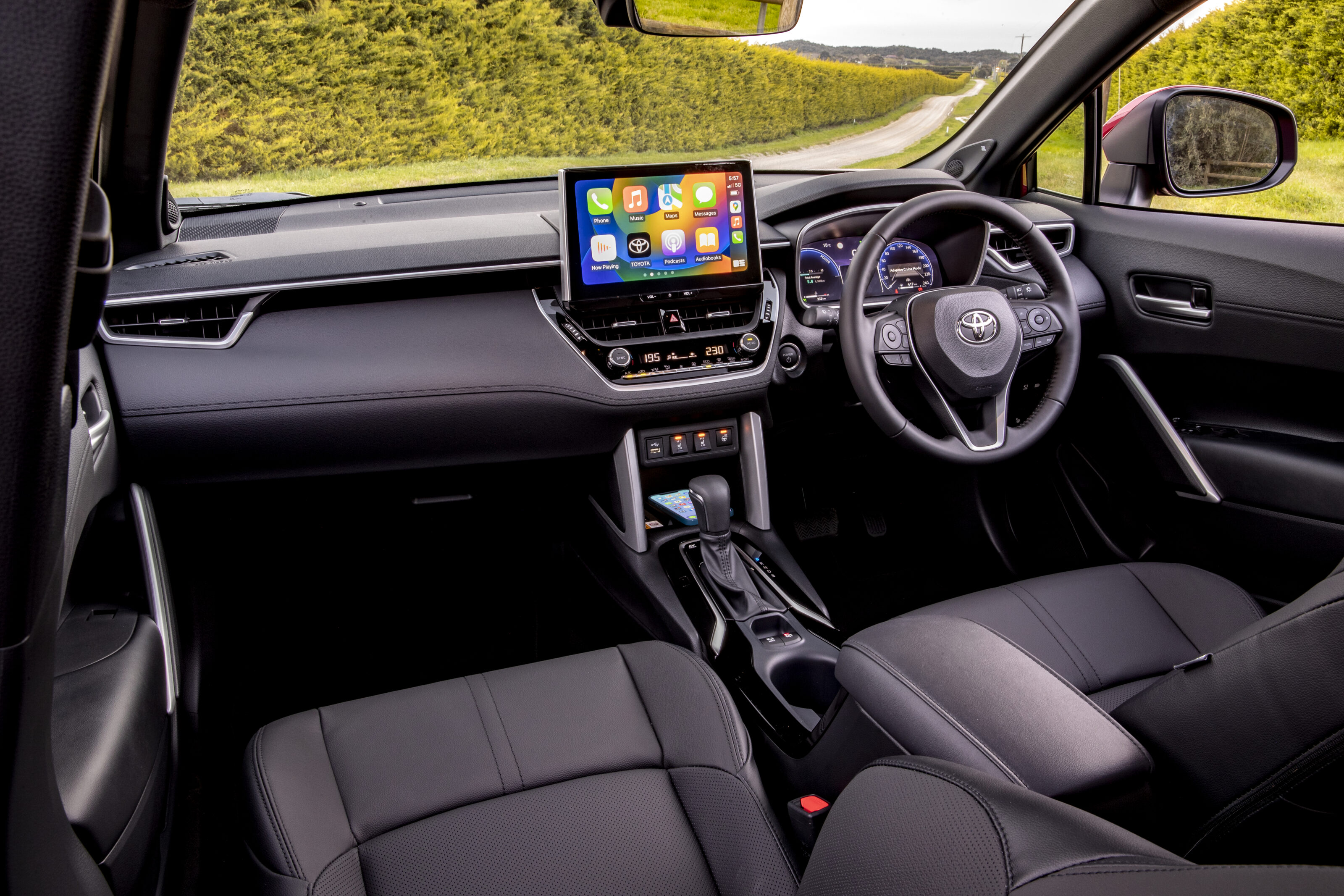
One thing to note about the Corolla Cross’s technology pack is, although much better presented than the about-to-be-superseded Corolla hatch, the boot-up time is really slow. I timed it at between 20-22 seconds repeatedly until it was possible to adjust music or enter a navigation destination.
There are no option boxes to tick in the Corolla Cross range, with the only choice being one of eight paint colours including Jungle Khaki and Atomic Rush. A premium hue such as Lunar Blue costs $575.
How do rivals compare on value?
Compared to a similarly-specified Corolla Ascent Sport hatch, with which the Cross shares its underpinnings and basic engine, the new SUV commands an extra $7605. That’s rather a lot of cash, though the impending Corolla tech update is likely to bring a price increase for the small car.
Such an upcharge is not out of the ordinary for the small SUV class, either. A base Hyundai Kona starts at $26,900, while the Mazda CX-30 G20 Pure auto costs $31,090.
Both those vehicles share similar levels of equipment, with cloth upholstery, similar size infotainment screens and safety assistance systems such as auto emergency braking, lane-keep assist and forward collision warning.
Probably the biggest problem for the Corolla Cross, though, is that the larger RAV4 costs only $1400 more in base GX trim.
Meanwhile, a mid-spec RAV4 GXL hybrid costs $1200 more than the equivalent Corolla Cross with a wireless phone charger and 160kW 2.5-litre hybrid powertrain.
The midsize RAV4’s extra size and current popularity mean it’ll be harder to fit in a parking spot and harder to get hold of from a dealer. But it does make the Corolla Cross look rather expensive.
Mini match-up
Interior comfort, space and storage
The 2023 Corolla Cross is equipped with supportive, comfortable seats across the range and every grade is equipped with power adjustable lumbar support for the driver.
Base GX and GXL grades have fairly rudimentary manual adjustment, while the Atmos gets heated seats with leather upholstery and eight-way power adjustment for the driver’s seat.
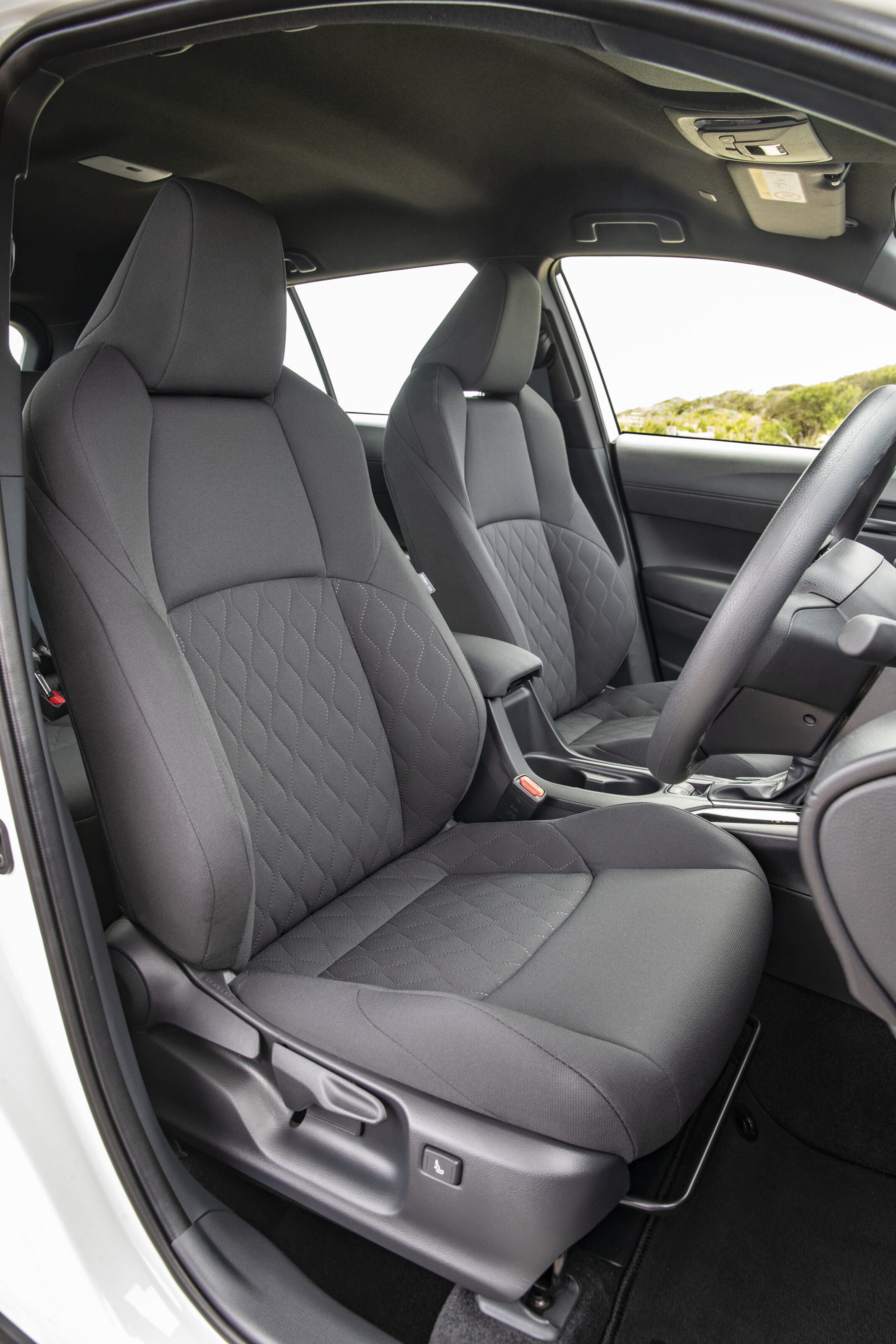
Those front seats are set high – bringing the eye-point up 130mm, says Toyota – which is really annoying for tall front passengers as that seat has no height adjustment. Under the Atmos’ standard sunroof there isn’t heaps of headroom, either.
The Corolla Cross is not a standout when it comes to material quality either, with low-rent plastics compared to Mazda’s luxurious CX-30. It’s most noticeable on the Corolla’s hard dash and front doors in base GX. The GXL gets squishy front doors, though all Crosses have hard-mould back doors.
Practicality is fairly strong with door bins big enough for a one-litre bottle in the front, a covered cubby under the armrest, two cup holders and a rubberised tray ahead of the shifter that is ideal for smartphones.
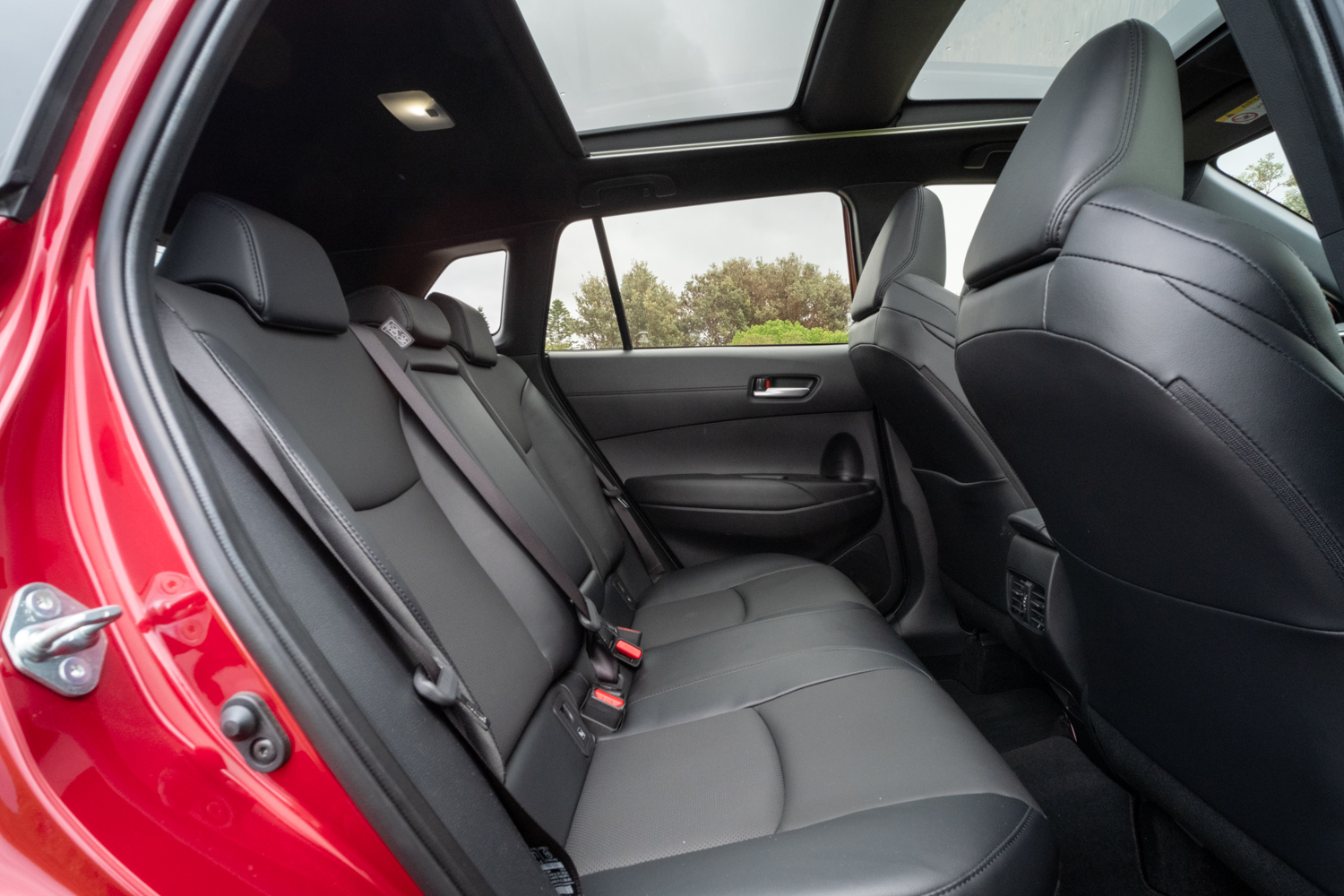
In the back seat, there is no fold-down armrest and the cup holders in the doors will fit a kiddie-sized bottle or large coffee. The range-wide black headliner also makes the rear quarters quite a dark and dingy place to sit.
Aside from those misses, the back seat of the Cross is much more usable than the hatch. With 80mm more headroom, I was comfortable at 188cm.
There was plenty of toe room, though knee room was more compromised than I expected. Two adjustable air vents and a pair of fast-charge USB-C ports feature from GXL upwards.
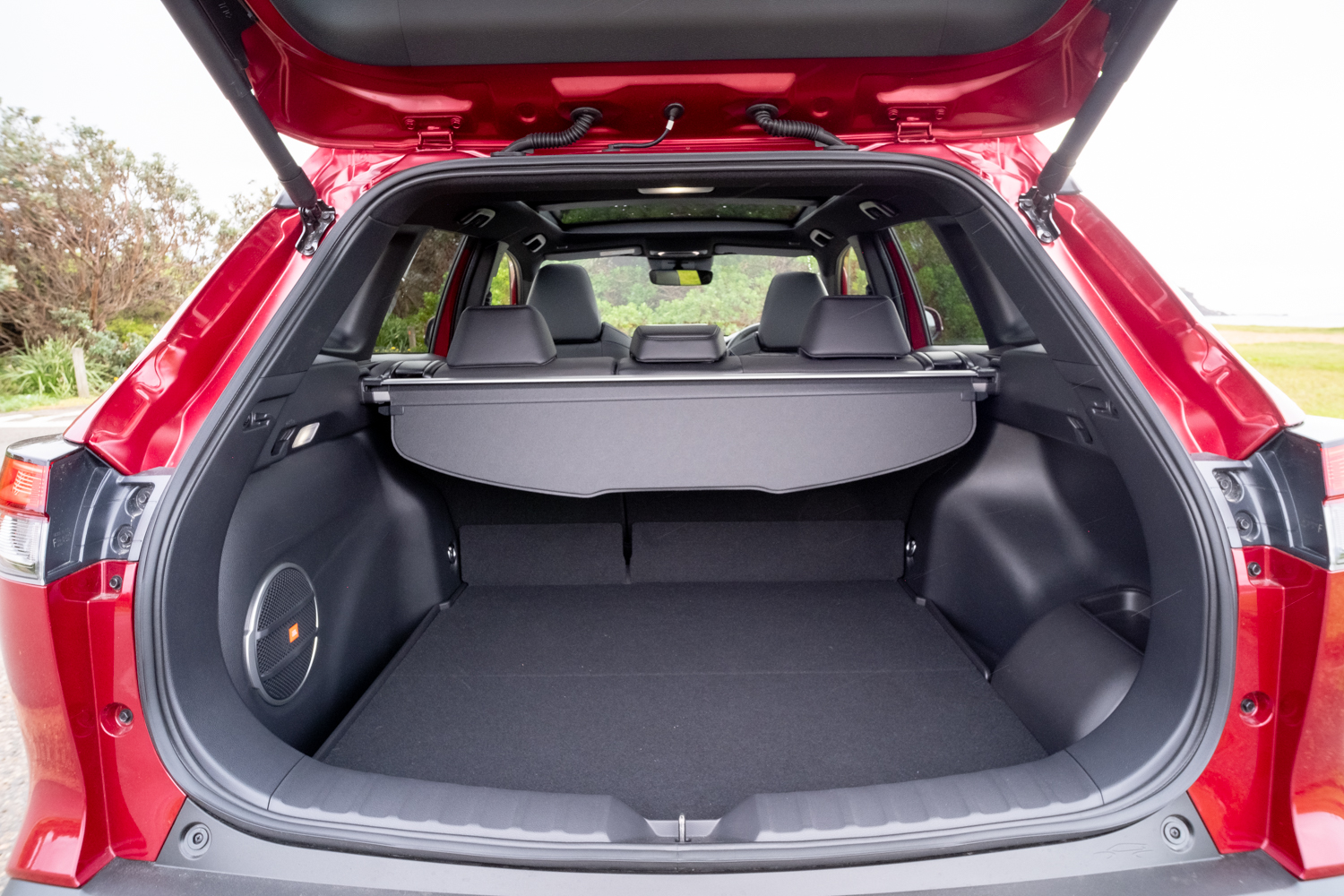
2023 Toyota Corolla Cross specs: Boot space
The boot is generous and spans in official VDA rating from 380L in flagship Atmos AWD to 436L in the base GX petrol. The load lip is fairly low and there’s a little more storage under the floor.
When folding the second row, the load space doesn’t go truly flat – unlike a Honda HR-V for example – so carrying bicycles or surfboards is just that little bit less easy.
Front-drive variants of the 2023 Corolla Cross are equipped with a space-saver spare tyre, while AWD hybrids make do with a puncture repair kit.
What is it like to drive?
Our experience started in the Atmos FWD featuring the new fifth-gen hybrid powertrain ($46,050 before on-road costs). As we’ve come to expect from Toyota, it was a silent start with EV Mode allowing slinky operation through the streets of Double Bay in peak hour traffic.
Visibility from the front seat is excellent, with a commanding view over the bonnet. Toyota has also made the A-pillars thin, which makes it easy to judge gaps at intersections.
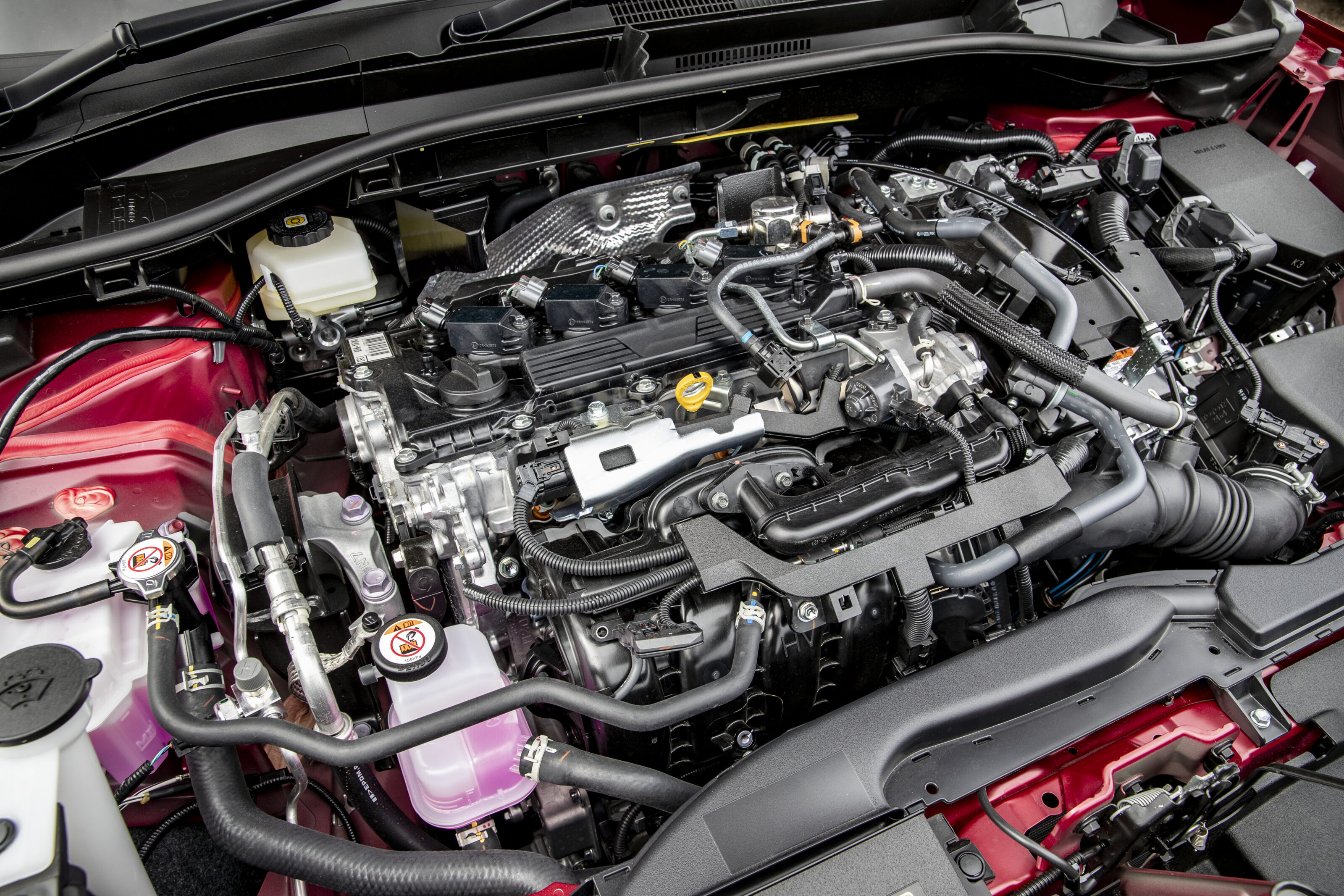
Getting up to speed on the freeway requires a little assistance from the 2.0-litre which, when combined with the continuously variable transmission (CVT), raises a thin and gruff tone under full throttle. Compared to a turbo-petrol engine like you’d find in a VW T-Roc, it’s a little unrefined but the Corolla hybrid is still quieter than naturally-aspirated rivals.
Toyota says that with the fifth-gen hybrid tech, it’s all about being sportier and involving for the driver. There are three modes: Eco, Normal and Power, with the latter sharpening throttle response and subtly increasing steering weight for a more athletic feel.
The Corolla Cross hybrid is pretty quick, boasting 146kW from the combination of an Atkinson cycle 2.0-litre petrol four-cylinder and front electric motor (83kW/206Nm).
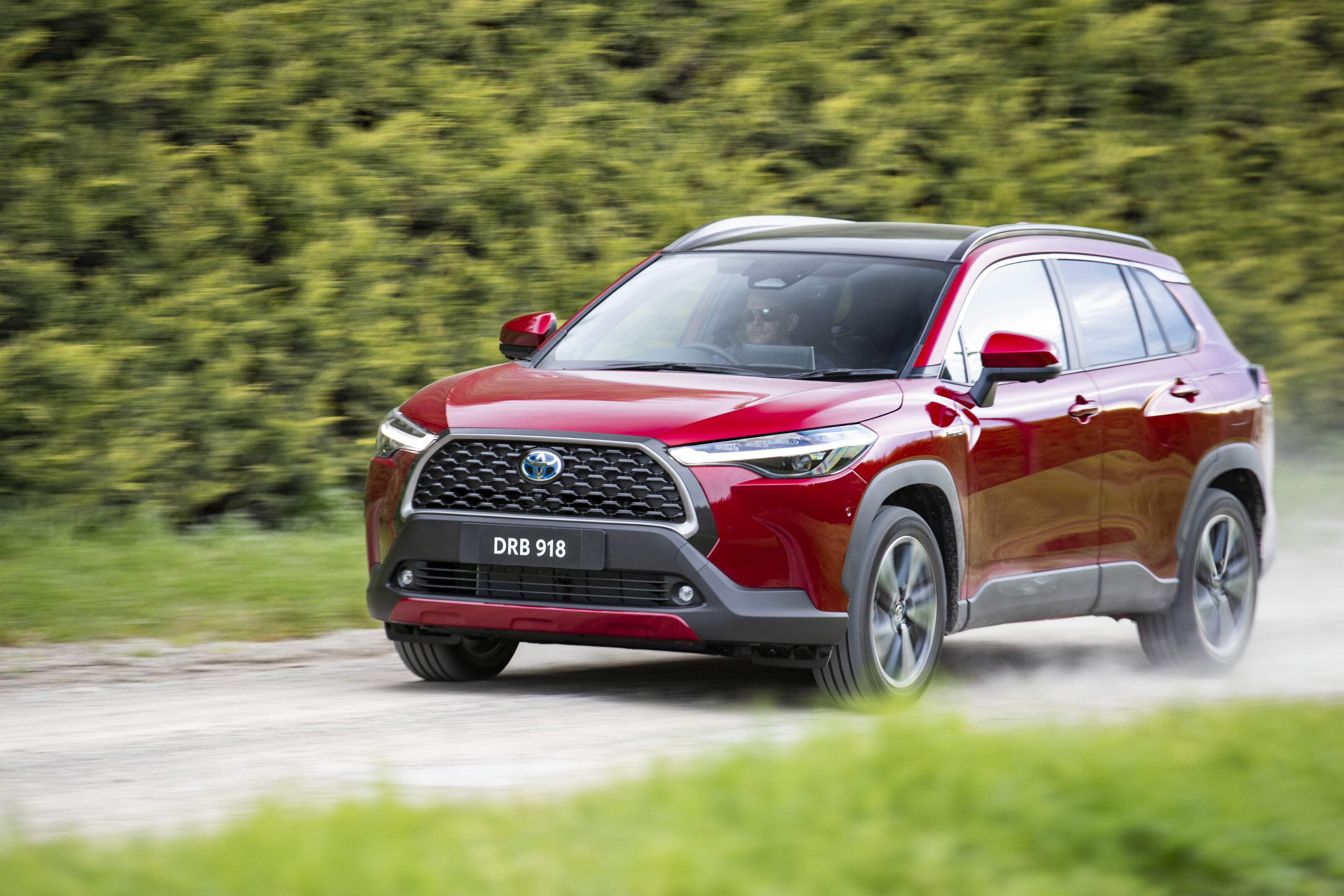
Toyota claims the Corolla Cross hybrid can get from 0-100km/h in 7.5 seconds, which is pretty nippy compared to a Mazda CX-30 G25 (9.1 seconds).
Road noise is well suppressed, though the 225/50 R18 Michelin Primacy tyres of the Atmos are a little louder in the cabin than the lower spec GXL’s 215/60 R17 Bridgestone Alenzas.
Threading the Corolla Cross through some twisty roads revealed that it drives exactly like a lifted Corolla hatch. There’s a bit more body roll and less precision than the sporty and involving hatch, but still the same light and accurate steering with plenty of talent and composure from the chassis.
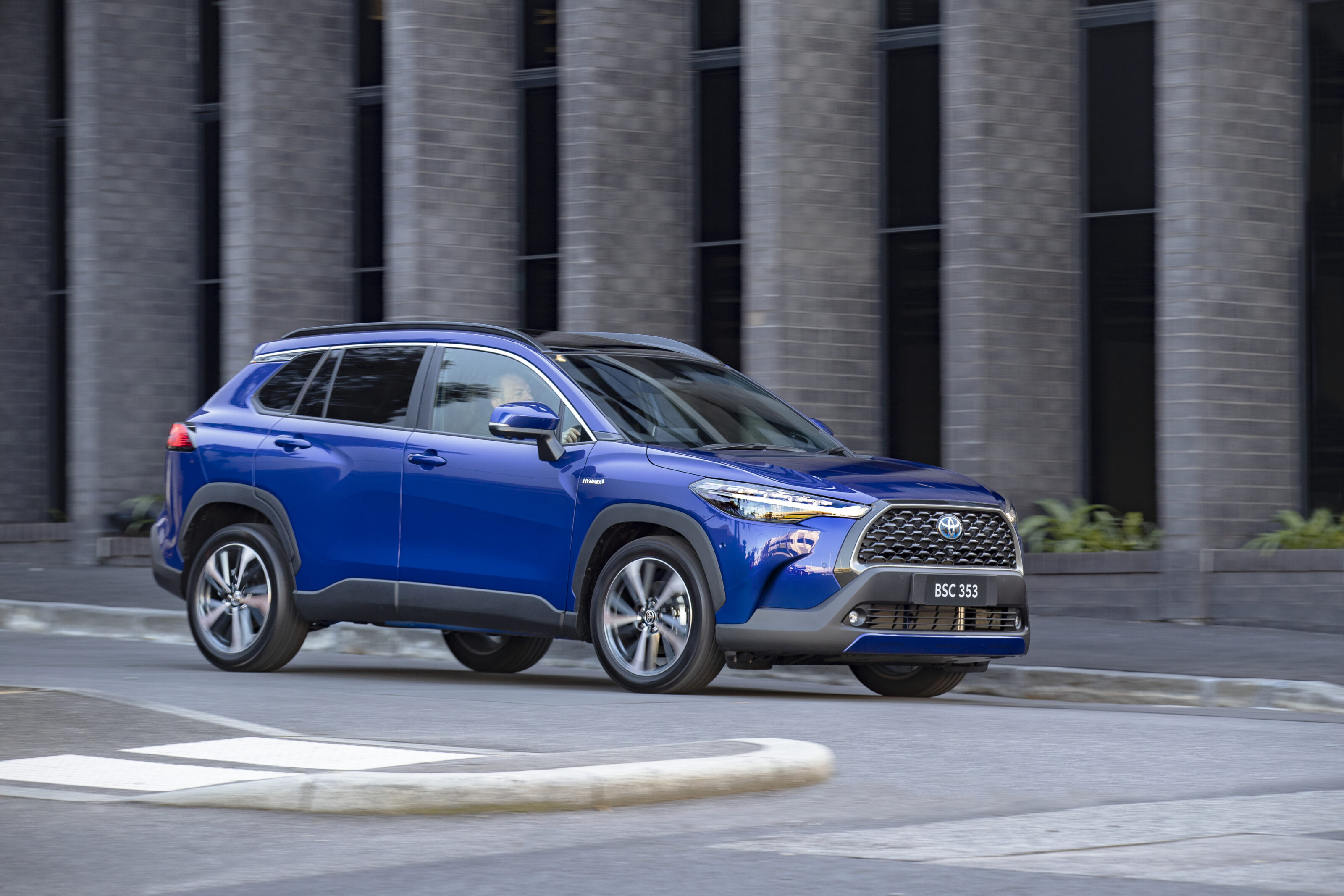
Unlike the Corolla hatch, though, the Cross makes do with a torsion beam rear end in front-drive models. Toyota says it’s a new design with softer bushings for greater compliance, but there’s still that signature beam rear-end skip when the Cross hits a mid-corner bump.
Next up it was time for a quick sample of what Toyota expects to be the volume variant, the base GX. Sampling it first with the ‘Dynamic Force’ 2.0-litre petrol, which has been revised with a new timing chain case, lower viscosity oil and thicker resin valve covers for an extra kilowatt (126kW) and two more Newton metres (202Nm) than in the hatch or sedan.
The petrol is hooked up to the front wheels via a CVT with 10 simulated stepped ratios. The result is decent motivation for a car this size but it’s so worth spending the extra $2500 on the hybrid if you can. In the real world, the electric operation and extra punch makes a huge difference to driveability. A back-to-back drive with a hybrid GX confirmed it’s the better choice.
But is it worth spending another $3000 on top of the front-drive hybrid to get an extra 30kW electric motor at the rear? Driving away from the launch in a GXL AWD hybrid would suggest not. The independent rear suspension is nice to have, but with how soft the Corolla Cross is, most won’t notice a night and day difference between the rear suspension set-ups.
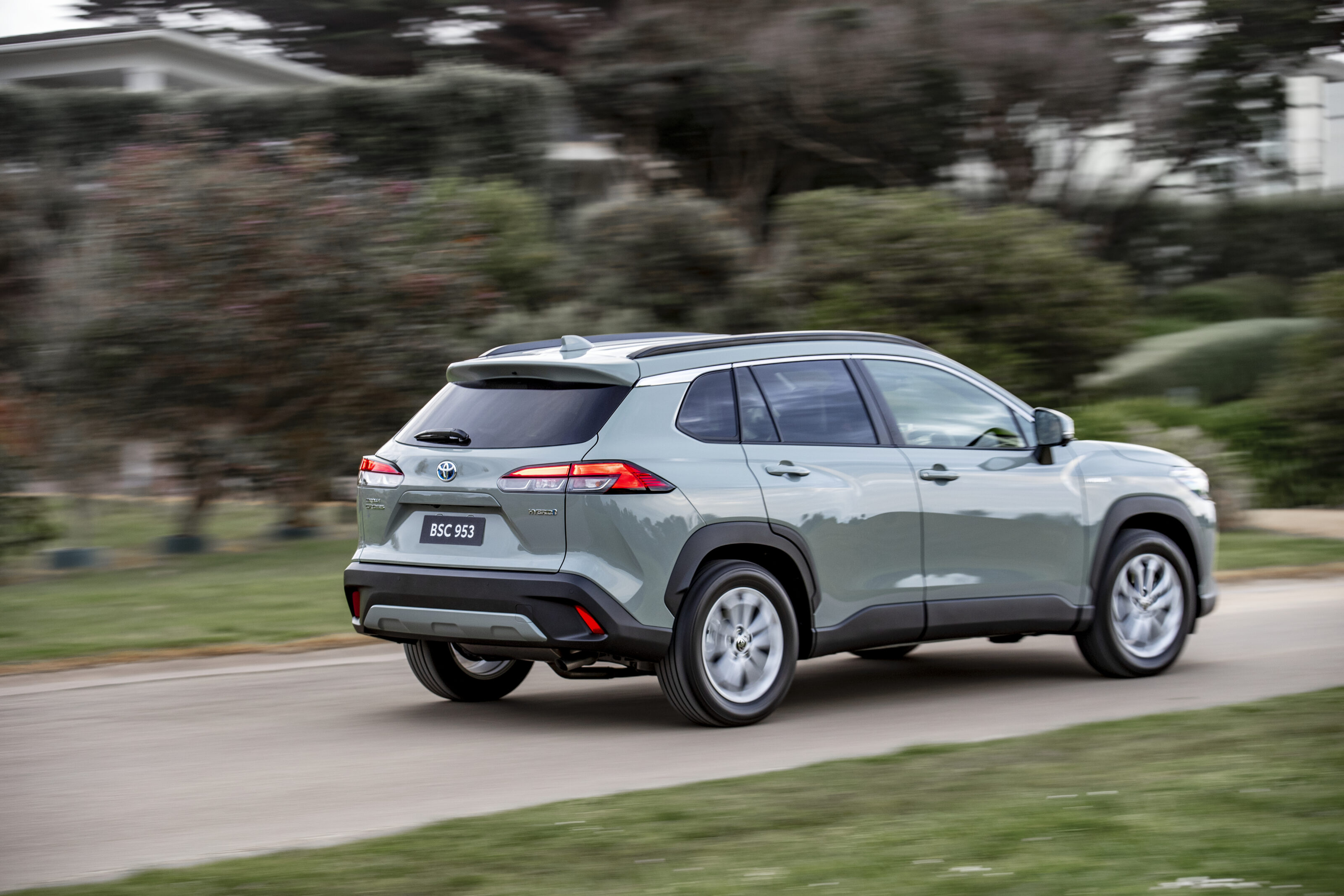
How is it on fuel?
This is where the Corolla Cross has most of its big-selling rivals licked in hybrid guise. An ADR combined rating of 4.3L/100km (4.4L/100km for the AWD) is impressive but more so is its real-world frugality.
Driving back from Palm Beach to Sydney’s inner west in regular afternoon traffic, the Corolla Cross GXL AWD was showing 4.0L/100km on its trip computer – that’s excellent. Some more running on freeways and in heavy daily traffic saw this climb to 4.8L/100km. The front-drive hybrid’s 36-litre fuel tank gives it a driving range of around 840km.
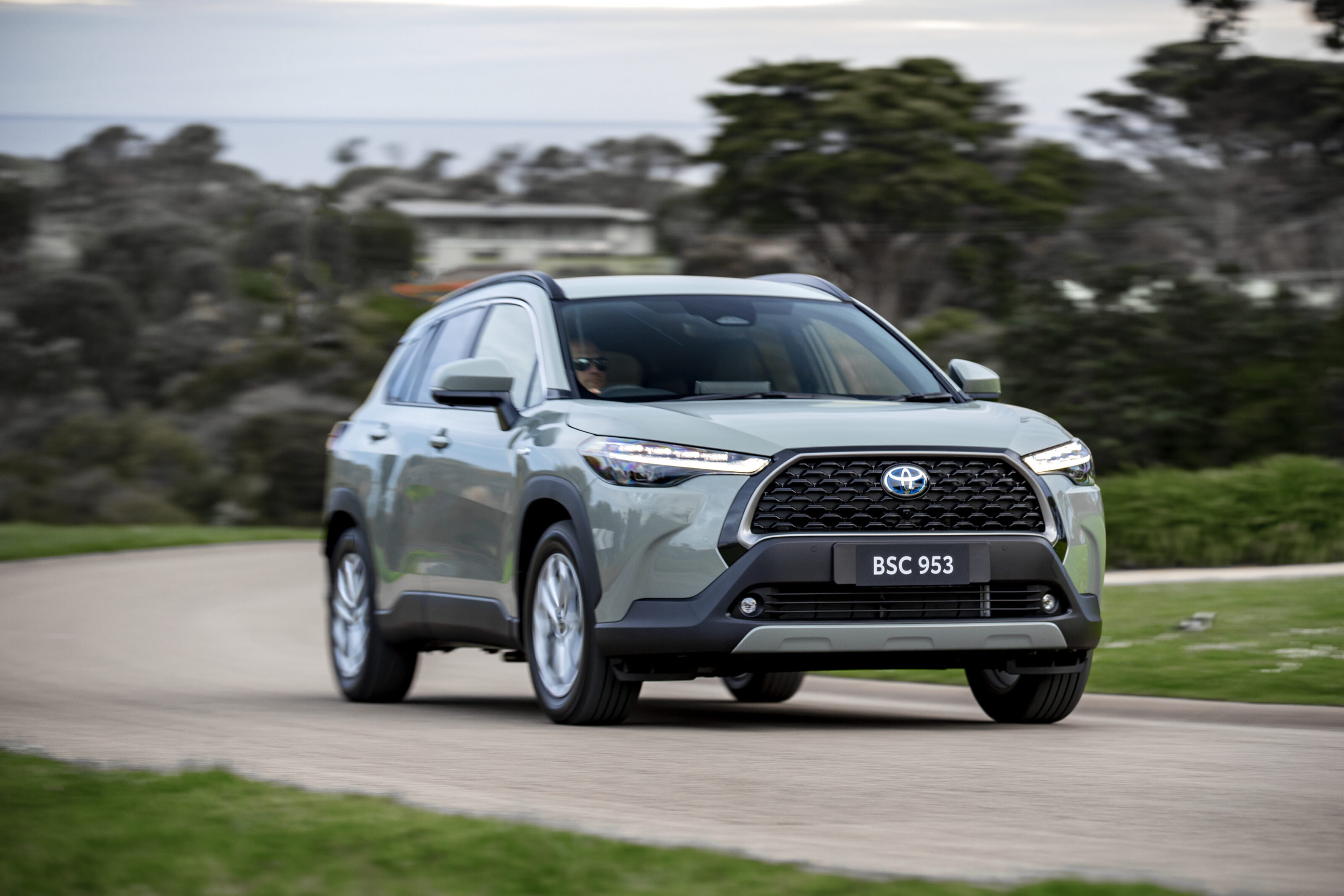
Ignoring the hybrid for a moment, the 2.0-litre petrol is also light on fuel use. The combined ADR figure is 6.0L/100km and we saw 8.7L/100km in a mix of suburban and open-road running on the car’s launch program.
Both petrol and hybrid Corolla Cross variants will accept 91 RON or an E10 blend at the bowser.
How safe is it?
The 2023 Toyota Corolla Cross is equipped with all the safety features needed for a five-star ANCAP score in the new 2023 protocol.
This means eight airbags with a centre airbag, AEB with car, pedestrian, cyclist and motorcycle detection, front cross-traffic alert with braking, rear cross-traffic alert, blind-spot monitoring and adaptive cruise control across the range.
ANCAP is yet to evaluate the Corolla Cross and as it isn’t sold in Europe, there is no direct Euro NCAP score we can look at.
North American safety testing body, the Insurance Institute for Highway Safety (IIHS) awarded the Corolla Cross its highest ‘Top Safety Pick+’ accolade.
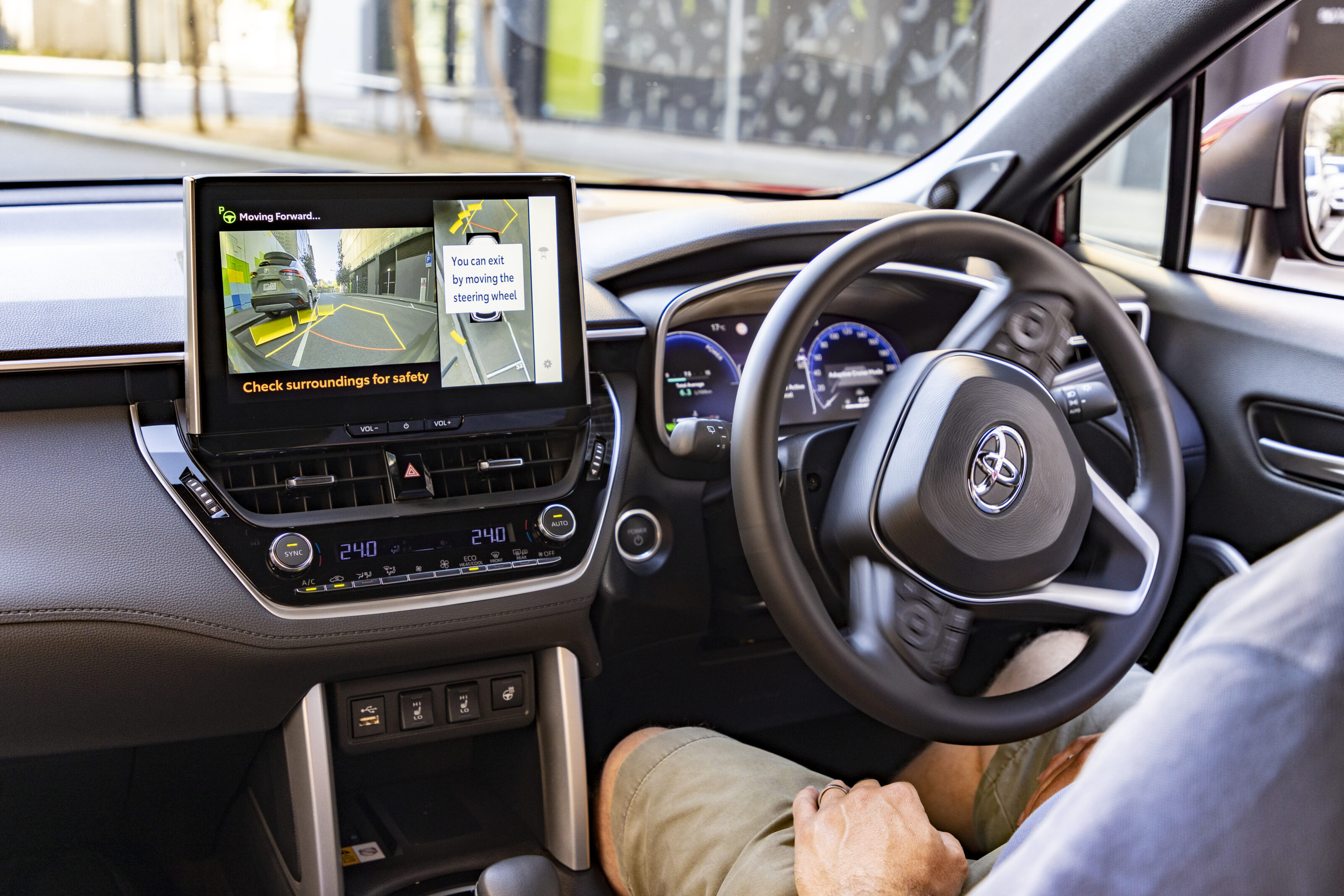
As for driver assistance systems, the Corolla Cross debuts Toyota’s latest Safety Sense system with improved adaptive cruise control and lane-trace assist programming. The lane-keep assist is now more useful than before without being as grabby as Hyundai/Kia’s systems.
Warranty and running costs
Toyota covers the 2023 Corolla Cross with a five-year, unlimited-kilometre warranty in Australia.
That’s not quite as long as Kia’s and Skoda’s seven-year, or Mitsubishi’s 10-year/200,000km guarantees, but it’s still plenty of peace of mind.
Servicing is due every 12 months or 15,000km. Toyota caps Corolla Cross service pricing for the first five years or 75,000km, over which time it will cost $230/visit or $1150 total.
VERDICT
Sometimes you can judge a book by its cover, and the Corolla Cross is a perfect example.
Along with the small popular SUV factor, it takes all the excellent traits of the hatch and sedan, then adds boot and passenger space.
Although expensive, the pick of the range is the Atmos 2WD hybrid because the GXL simply misses a few nice-to-have items like wireless phone charging and power-adjustable seats.
Does that mean the Corolla Cross is the absolute best small SUV you can buy? It depends on what you value. The Mazda CX-30 has better dynamics, the T-Roc nicer steering and the Skoda Kamiq smarter packaging.
The Mitsubishi ASX and Hyundai Kona are both cheaper to buy while the Toyota RAV4 is only a fraction dearer but is way more spacious.
No other rival in the class offers a hybrid system that’s as frugal, refined and powerful as the Toyota Corolla Cross. Its dynamics and steering are also above average, and you can fit four adults in without trouble.
2023 Toyota Corolla Cross specifications
| Feature | Corolla Cross petrol | Corolla Cross hybrid FWD |
|---|---|---|
| Engine | 2.0L DOHC 16V | 2.0L DOHC 16V Atkinson cycle |
| Motors (F) | NA | 83kW/206Nm |
| Power | 126kW | 146kW |
| Torque | 202Nm | Not quoted |
| 0-100km/h | 9-9.2 seconds | 7.5 seconds |
| Gearbox | CVT, 10 stepped ratios | eCVT |
| Body | steel, 5 doors, 5 seats | steel, 5 doors, 5 seats |
| L/W/H/Wu2013B | 4460/1825/1620/2640mm | 4460/1825/1620/2640mm |
| Track (F/R) | 1570/1580mm | 1570/1580mm |
| Ground clearance | 160mm | 160mm |
| Boot space | 436L | 425L (other models 380-436L) |
| Weight | 1380kg | 1475kgu00a0 |
| Fuel/tank | 91 RON / 47 litres | 91 RON / 36 litres |
| Economy | 8.7L/100km (tested) | 4.8L/100km (tested) |
| Suspension | Front: struts, coil springs, anti-roll bar.u00a0 Rear: torsion beam | Front: struts, coil springs, anti-roll bar.u00a0 Rear: torsion beam |
| Steering | electric rack-and-pinion; 2.76L-L; 10.4Mu00a0 | electric rack-and-pinion; 2.76L-L; 10.4Mu00a0 |
| Front brakes | ventilated discs (305mm) | ventilated discs (305mm) |
| Rear brakes | Solid discs (281mm) | Solid discs (281mm) |
| Tyres | Bridgestone Alenza | Bridgestone Alenza |
| Tyre sizeu00a0 | 215/60R17, space-saver spare | 215/60R17, space-saver spare |
Here’s the problem: you want an electric SUV but you also need the room and practicality of seven seats. Not exactly spoilt for choice, are you?
The Tesla Model X filled the gap for a while, but there’s still no word on when the fresh 2022 version will actually arrive in Australia.
The last time a Tesla Model X was sold here was way back in early 2021.
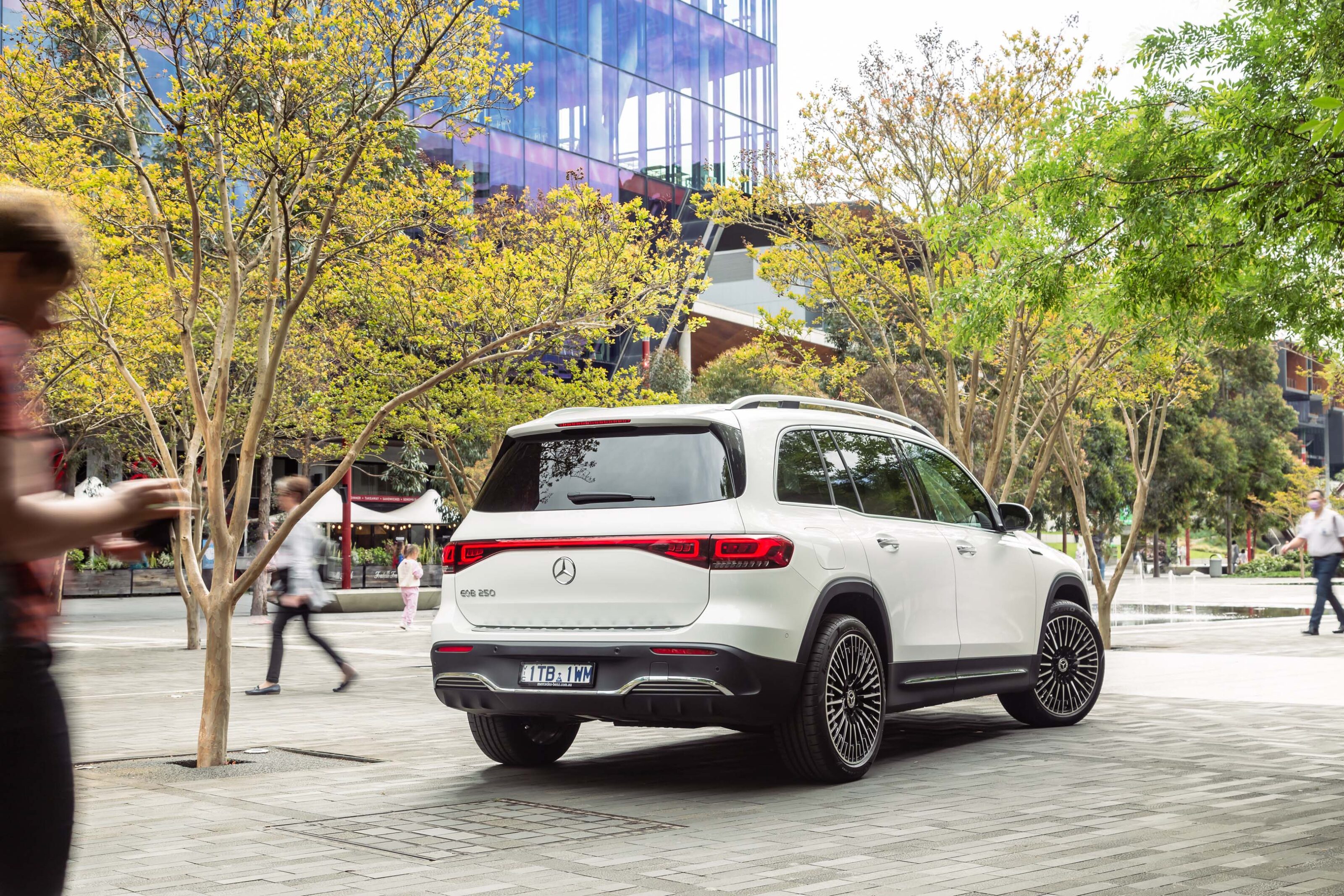
Now, though, Mercedes-Benz has entered the fray. This is the EQB, and it’s the third electric SUV Mercedes has launched in Australia following on from the EQC and EQA.
Just like those cars, it isn’t a bespoke EV (we’ll have to wait for the arrival of the just revealed EQE SUV and EQS SUV to reap the benefits of an EV-first platform) but rather it’s an electrified version of the existing GLB, meaning it shares the same MFA2 underpinnings, basic dimensions and the option of three rows of seats.
The extra pews are a $2900 option, mind, and when you line the EQB up against its natural competitor set (think Tesla Model Y, Hyundai Ioniq 5) you’ll discover it’s actually slower, has less range and is more expensive.
So is it still worth considering? And does its unique selling point of seven seats make it worth the extra outlay? Let’s find out.
JUMP AHEAD
- How much is it and what do you get?
- How do rivals compare on value?
- Interior comfort & storage
- What’s it like to drive?
- Charging, warranty and running costs
- VERDICT
- Specifications
How much is it and what do you get?
There are two variants of the EQB to choose from: a single-motor EQB 250 which starts at $87,800, or a more powerful twin-motor EQB 350 from $106,700.
Both cars use the same 66kWh battery pack nestled between the axles and their claimed WLTP driving ranges are similar at 371km for the EQB 250 and 360km for the more muscular EQB 350.
The level of standard equipment is also high across both models and includes a comprehensive active safety suite, heated front seats, multi-function leather steering wheel, dual zone climate control, a wireless charging pad and wired Apple CarPlay and Android Auto.
2023 Mercedes-Benz EQB specs: The basics
| EQB250 | EQB350 | |
|---|---|---|
| Body | 5 door, 7-seat SUV | 5 door, 5-seat SUV |
| Drive | Front-wheel drive | All-wheel drive |
| Driving range | 371km | 360km |
| Battery size | 66.5kWh | 66.5kWh |
| Charging speed (DC) | 100kW, 10-80% 30min | 100kW, 10-80% 30min |
| Power & torque | 140kW / 385Nm | 215kW / 520Nm |
| 0-100km/h | 8.9sec (claimed) | 6.5sec (claimed) |
| Boot min / max | 495L / 1710L | 495L / 1710L |
| Price | $87,800 +ORC | $106,700 +ORC |
Safety equipment table
| 9 airbags |
| Autonomous emergency braking |
| Lane-keep assist |
| Lane departure warning |
| Adaptive cruise control |
| Blind-spot detection |
| Rear-cross traffic alert |
| 360 degree camera |
The EQB 350 adds an additional electric motor and a host of other equipment upgrades to help justify its circa-$19,000 price premium, like larger 20-inch wheels (250s roll on 19s as standard), a panoramic sunroof, flat bottom steering wheel, sportier front seats and AMG exterior styling with additional chrome trim.
One key differentiator, however, is you can only option the third row of seats on the less powerful EQB 250. Fitting the extra motor onto the rear axle in the 350 means the additional seats won’t fit.
The more expensive 350 also misses out on the 250’s sliding second row which can move 140mm fore and aft to vary luggage capacity and passenger room. So if space and interior flexibility are top priorities, this is one of those rare cases where spending less actually nets you more in some areas.
Best Electric Cars Under $65k: Affordable EVs Rated
Welcome to part one of three price-based EV buying guides, this one focused on the most affordable electric cars available in Australia today
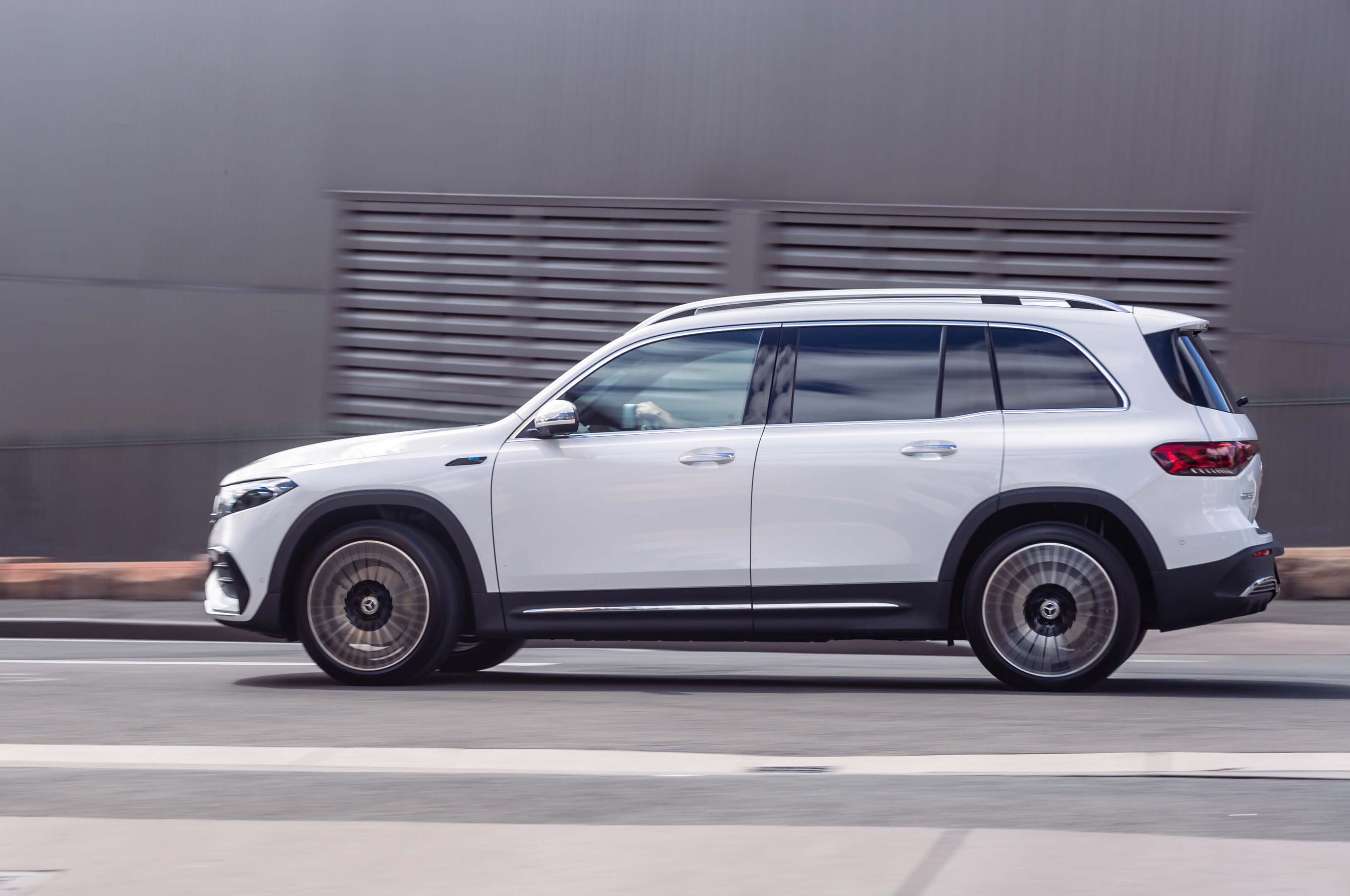
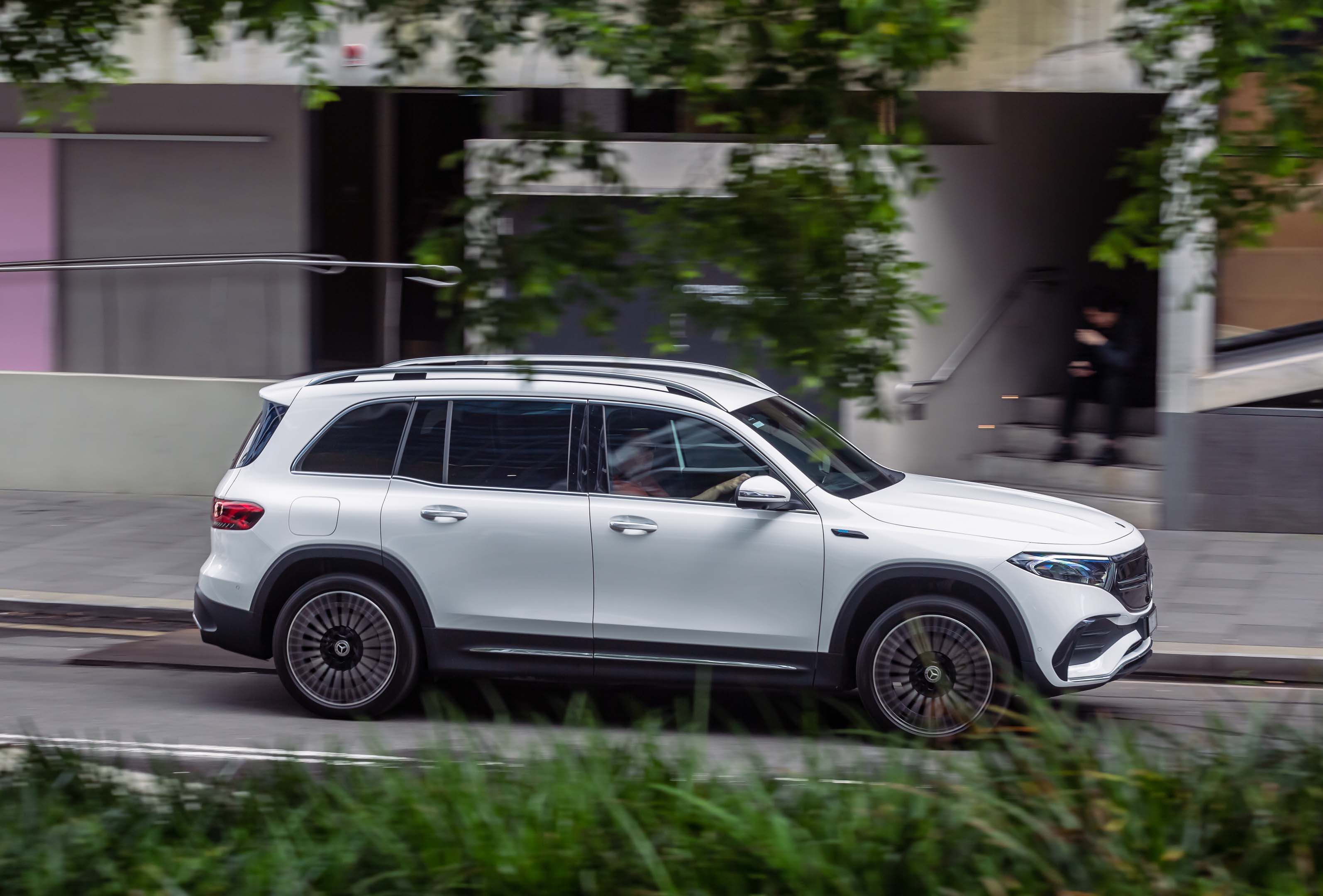
The rest of the EQB’s layout is neatly packaged. Dimensionally it’s very close to a regular GLB (although length has grown by 50mm and it’s 9mm taller) so you score a form factor that’s long, tall and narrow.
That makes it easier to drive in the city than most seven seaters – it’s actually surprisingly wieldy in tight spaces – and it also means it’s a doddle to transport long items like surf boards and bikes when you lie the rear seats flat.
Visually, Merc’s design team has given the EQB some unique touches to distinguish it from the GLB upon which it’s based.
There’s a unique grille and front bumper and because there’s no engine that needs to suck in cool air, most of the vents on the nose have been blanked off which helps to reduce drag to 0.28Cd rather than 0.30 in the GLB.
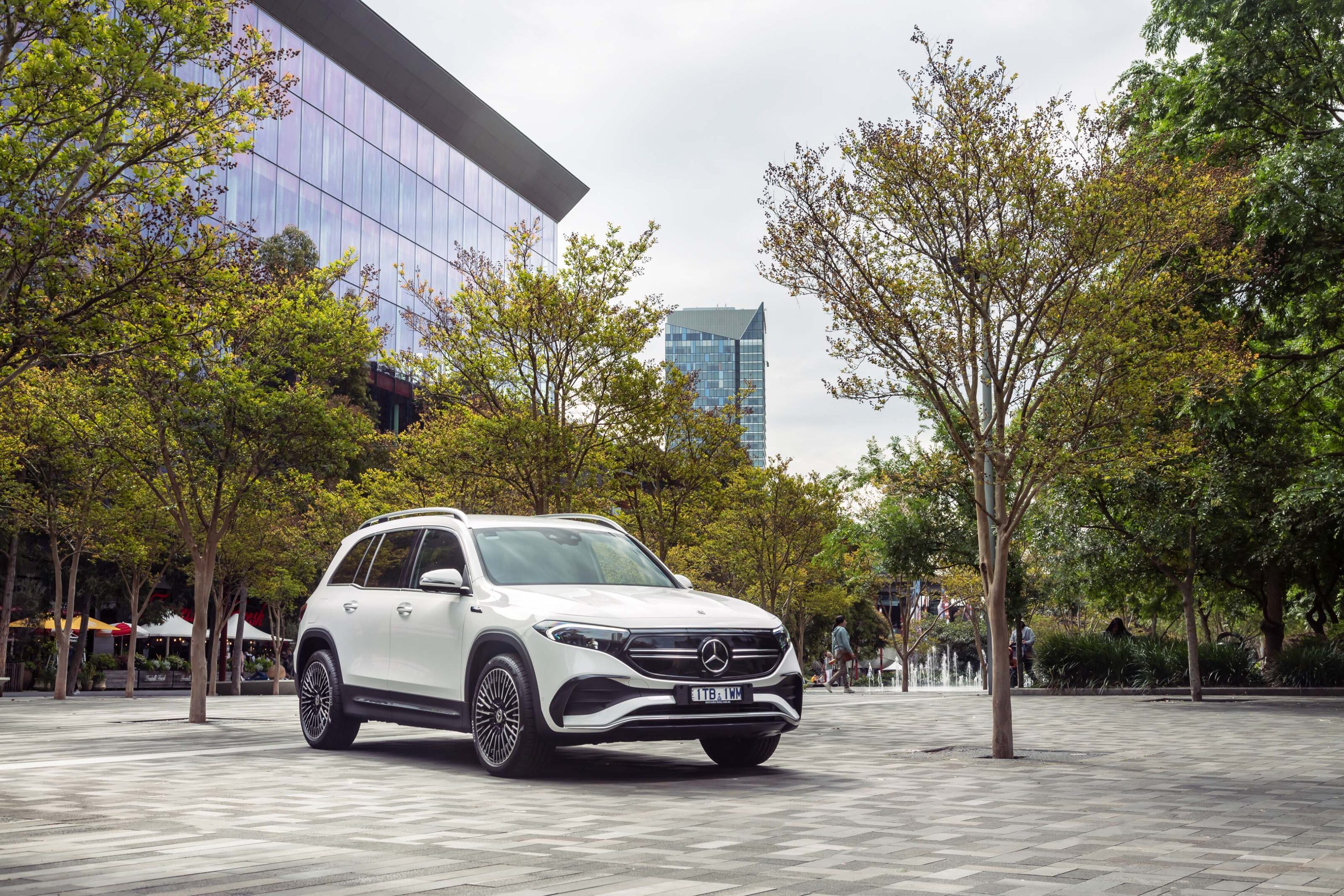
LED headlights are standard on both models and are joined by a continuous light strip that runs along the top of the grille, which is a Mercedes EV trademark.
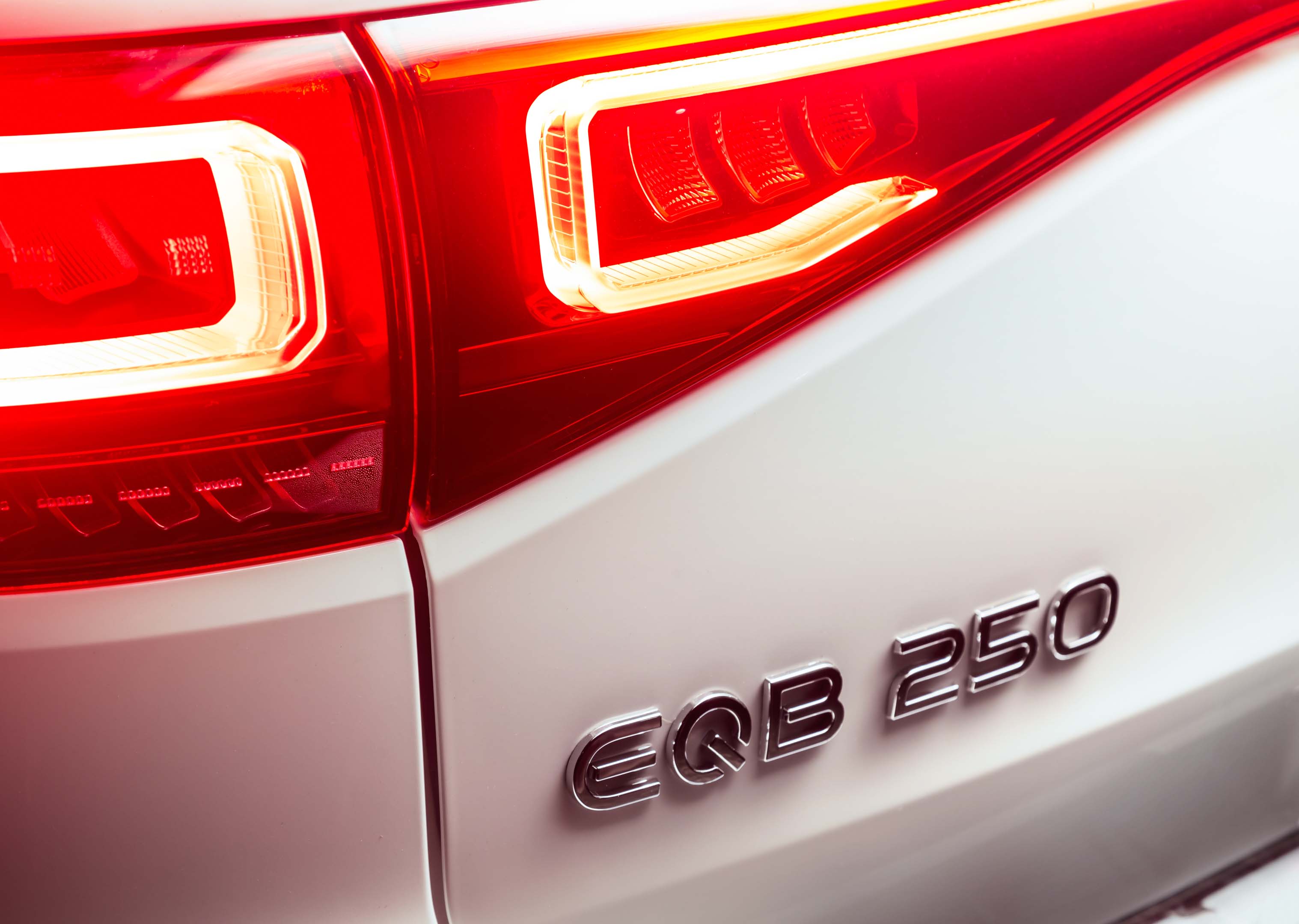
The rear lighting signature also runs full width and if you’re looking for a quick way to distinguish the EQB, zero in on the location of the number plate. On the GLB it’s smack bang in the centre of the tailgate but on the EQB it’s been dropped onto the redesigned rear bumper.
Buyers have the choice of nine exterior colours, although only Polar White and Night Black don’t require you to spend more. Every other hue commands a $1490 additional charge, except for grey Magno which costs $3300.
A number of options are available but one pack worth considering is the Innovations Pack for $2500.
It adds a head up display and ‘interior assistant’ functionality to the MBUX infotainment system that adds gesture control and can automatically switch on the map lighting if you reach over to the passenger seat for example.
An Edition 1 pack will also be an option for a limited time and costs $9100 on the 250 or $3900 on the EQB 350. It adds a host of rose gold visual touches, including 20-inch rose gold wheels, black exterior trim and a grey leather interior with blue stitching.
How do rivals compare on value?
This is where the EQB’s value equation goes a touch pear-shaped.
Compared with an equivalent petrol-powered GLB, the EQB is about $9000 more expensive but an EV commanding a price premium over an internal combustion model is nothing new, right?
Where the EQB starts to look a little costly is when you measure it against the Tesla Model Y and Hyundai Ioniq 5.
The Tesla Model Y starts at $72,300 for the rear-drive version which is a sizeable $15,500 saving compared with the EQB 250. The Tesla’s also 150kg lighter, two seconds quicker to 100km/h (6.9sec compared to the EQB 250’s 8.9sec claim) and, despite having a smaller battery pack than the Merc, it trumps it for range by 84km thanks to a 455km WLTP rating.
It’s a similar story when you compare the EQB with the Hyundai Ioniq 5 and Kia EV6. The Korean twins are less of a direct rival given they’re crossovers not boxy SUVs, but they’re still similarly sized, offer richly equipped and roomy cabins and gazump the Merc for value, range and performance.
They’re also built on a dedicated EV platform and their charging times are substantially quicker thanks to their 800-volt architecture which can accept higher charging rates.
Still, none of these competitors can seat seven passengers. That’s a clear EQB advantage.
Mini match-up
| Mercedes EQB250 | Mercedes EQB350 | Tesla Model Y RWD | Hyundai Ioniq 5 RWD | VW ID4 Pro Perf | |
|---|---|---|---|---|---|
| Price | $87,800 | $106,700 +ORC | $72,300 | $69,900 | $65,000 (estimate) |
| Power/torque | 140kW/385Nm | 215kW / 520Nm | 220kW/400Nm (est) | 160kW/350Nm | 150kW/310Nm |
| Battery size | 66kWh | 66kWh | 62.3kWh (est) | 72.6kWh | 77kWh |
| Charging speed (max) (DC) | 100kW, 10-80% 30min | 100kW, 10-80% 30min | 250kW, 10-80% 30min* | 350kW, 10-80% 18min | 150kW, 10-80% 33min* |
| Range (WLTP) | 371km | 360km | 455km | 481km | 520km |
| 0-100km/h | 8.9sec | 6.5sec | 6.9sec | 7.4sec | 8.5sec |
| Weight | 2059kg | 2163kg | 1909kg | 1990kg | 2068kg |
* Charging speeds for the Tesla Model Y and VW ID4 are based on estimated information published to the EV Database.
Interior comfort & storage
If you’ve sat in a regular GLB or a Mercedes-Benz A-Class then the cabin of the EQB will be very familiar.
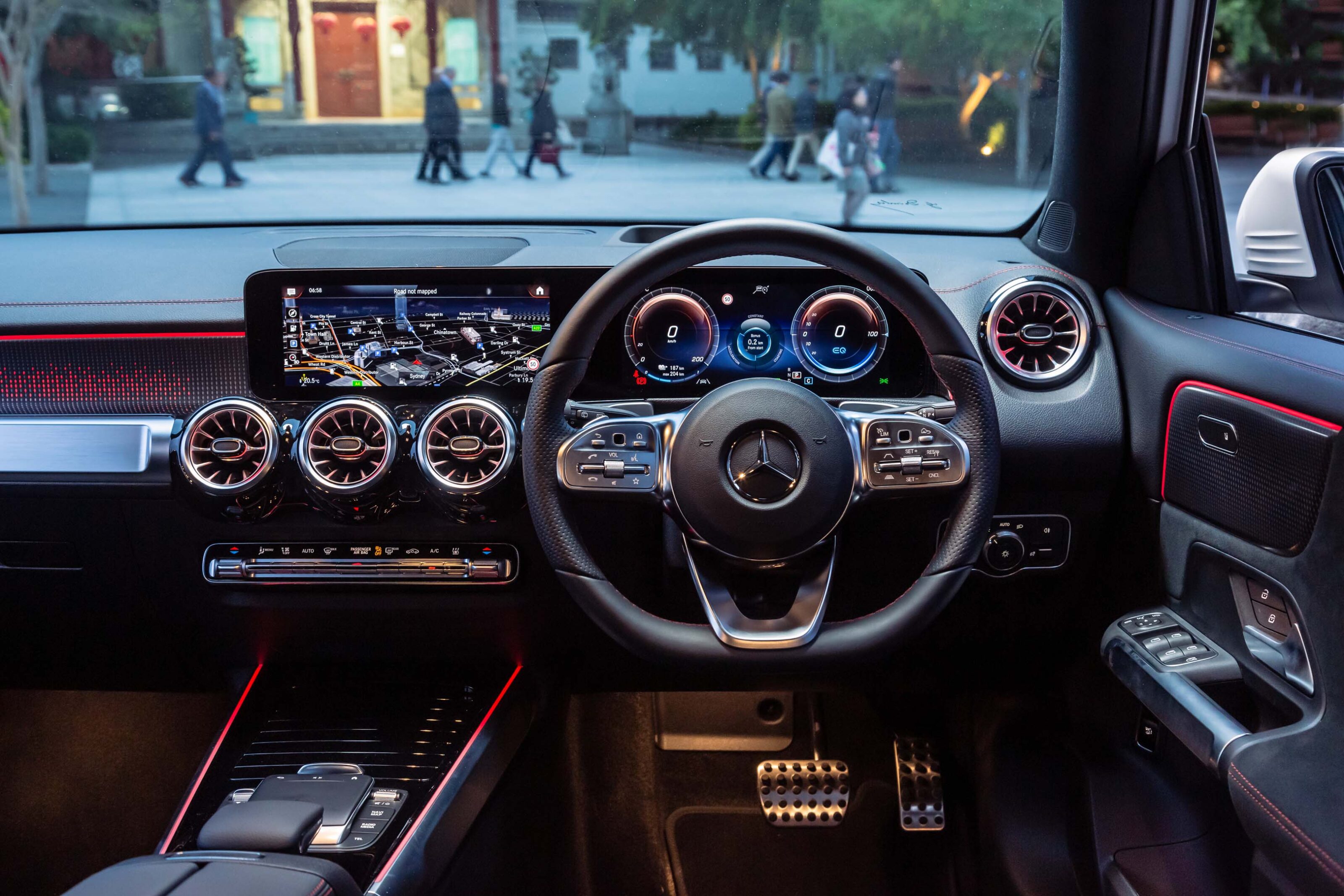
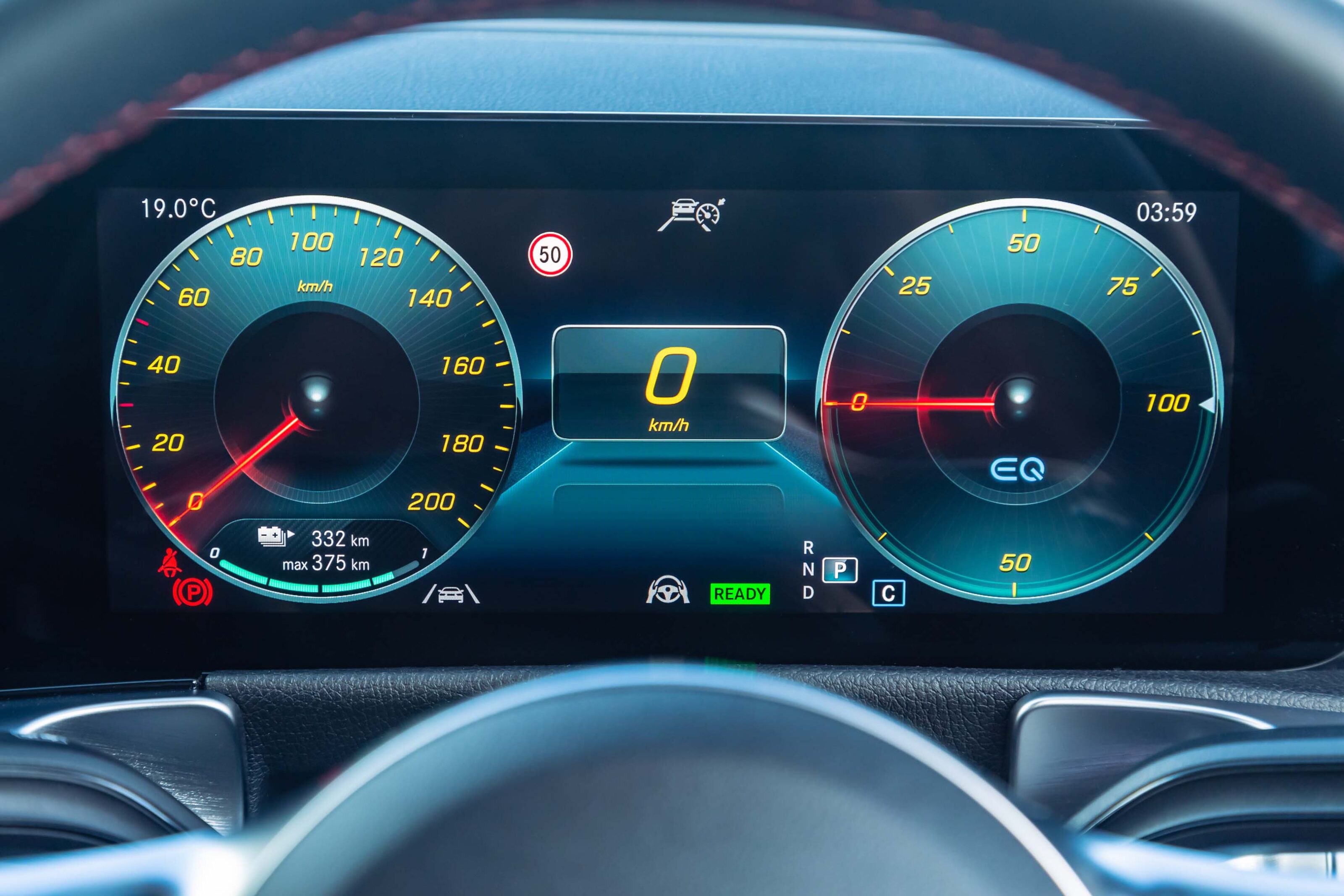
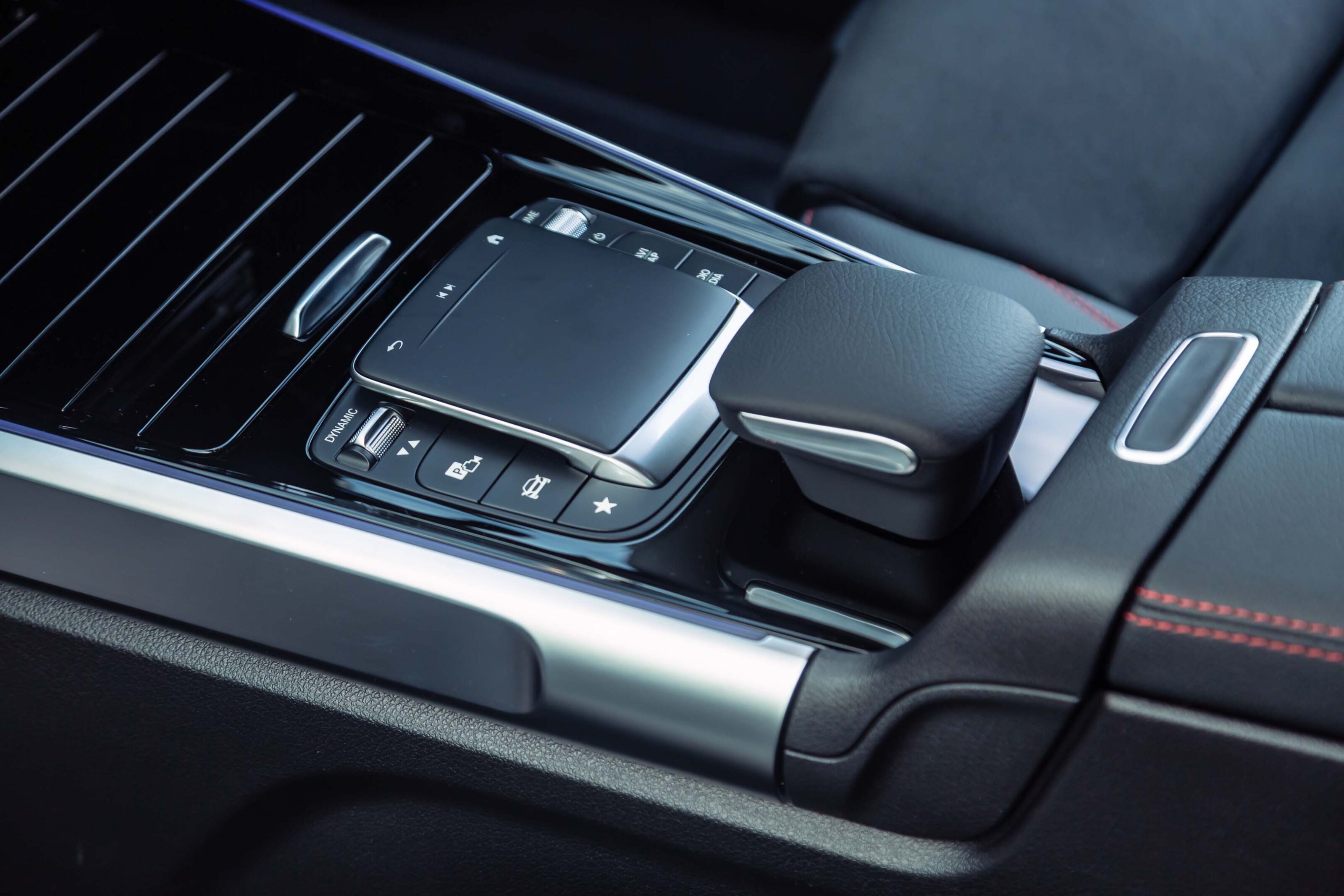
You score the same impressive digital dash that combines two 10.25-inch screens, the same turbine-like air vents and Merc’s MBUX infotainment software which adds features like ‘Hey Mercedes’ voice control is also standard across both variants.
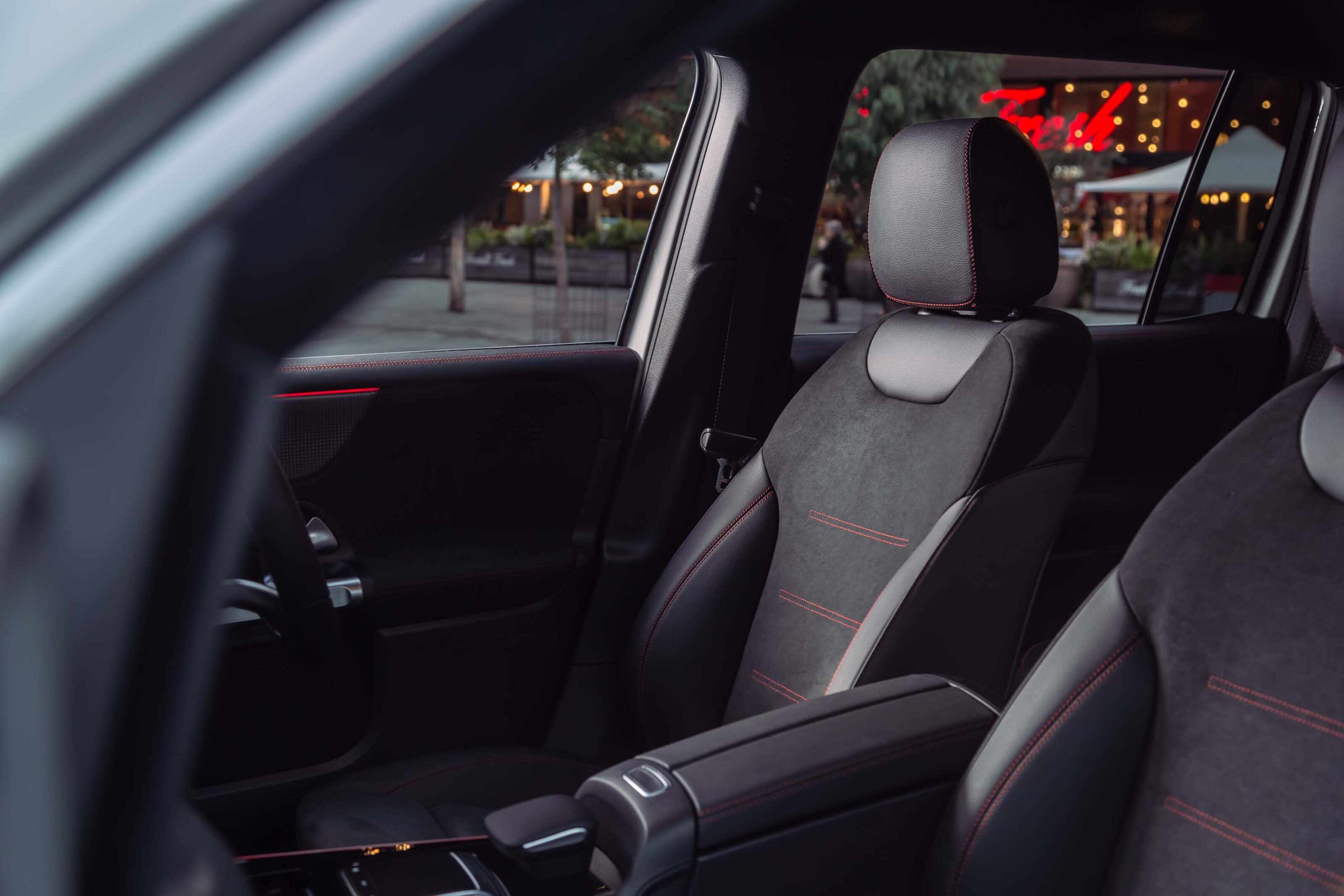
The general cabin ambience is similar across both versions, too. The cabin design and mix of materials feel glitzy and premium, the seats are comfortable and there’s loads of storage thanks to a deep central console, a big glovebox and large door bins.
Start to interact with the interior, though, and some of the initial glamour starts to fade.
The plastics around the air vents and indicator stalks feel a touch thin and flimsy which erodes the sense of quality a little and despite the fact both front seats are heated there’s no electric adjustment for either passenger.
Manually adjustable seats on a circa-$100K SUV feels a touch stingy, but here’s hoping it’s a semiconductor issue and electric seats return in the future.
Still, the EQB nails the basics when it comes to space and comfort. Vision out is excellent and there’s ample knee- toe- and headroom for adults in the second row. Low window sills further improve visibility for kids in the back seat and there are two rear air vents, too, although there’s no individual temperature control.
Other amenities include a centre armrest with twin cupholders and map pockets but there’s only one USB-C charger in the back seat which could be an issue if both kids needs to charge an iPad. There are another two USB-C outlets inside the rear of the front centre console, however, which will help prevent WWIII.
EV Buyer’s Guide: Electric Vehicles Under $65K Ranked – The Best and The Rest
Welcome to part one of three price-based EV buying guides, this one focused on the most affordable electric cars available in Australia today
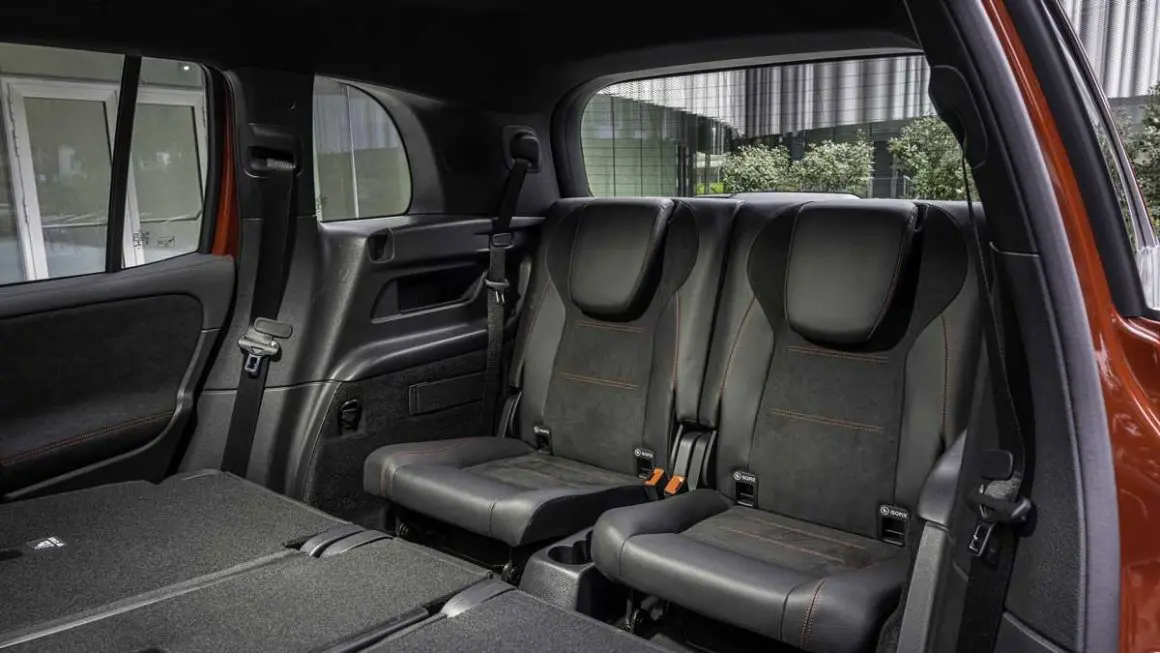
As for the EQB’s unique selling point of a third row of seats? They aren’t exactly roomy.
Even Mercedes says they’re best suited for passengers shorter than 165cm, but we did fit three adults behind one another in all three rows without too much trouble. (We’ll add a photo soon.)
Headroom is the biggest issue in the third row but it’s fine for short journeys and each passenger does score their own USB-C charging point. There are two extra Isofix anchor points, too, plus the curtain airbags extend into the third row so you can put little kids in the very back, providing you’re willing to lean through to strap them in properly.
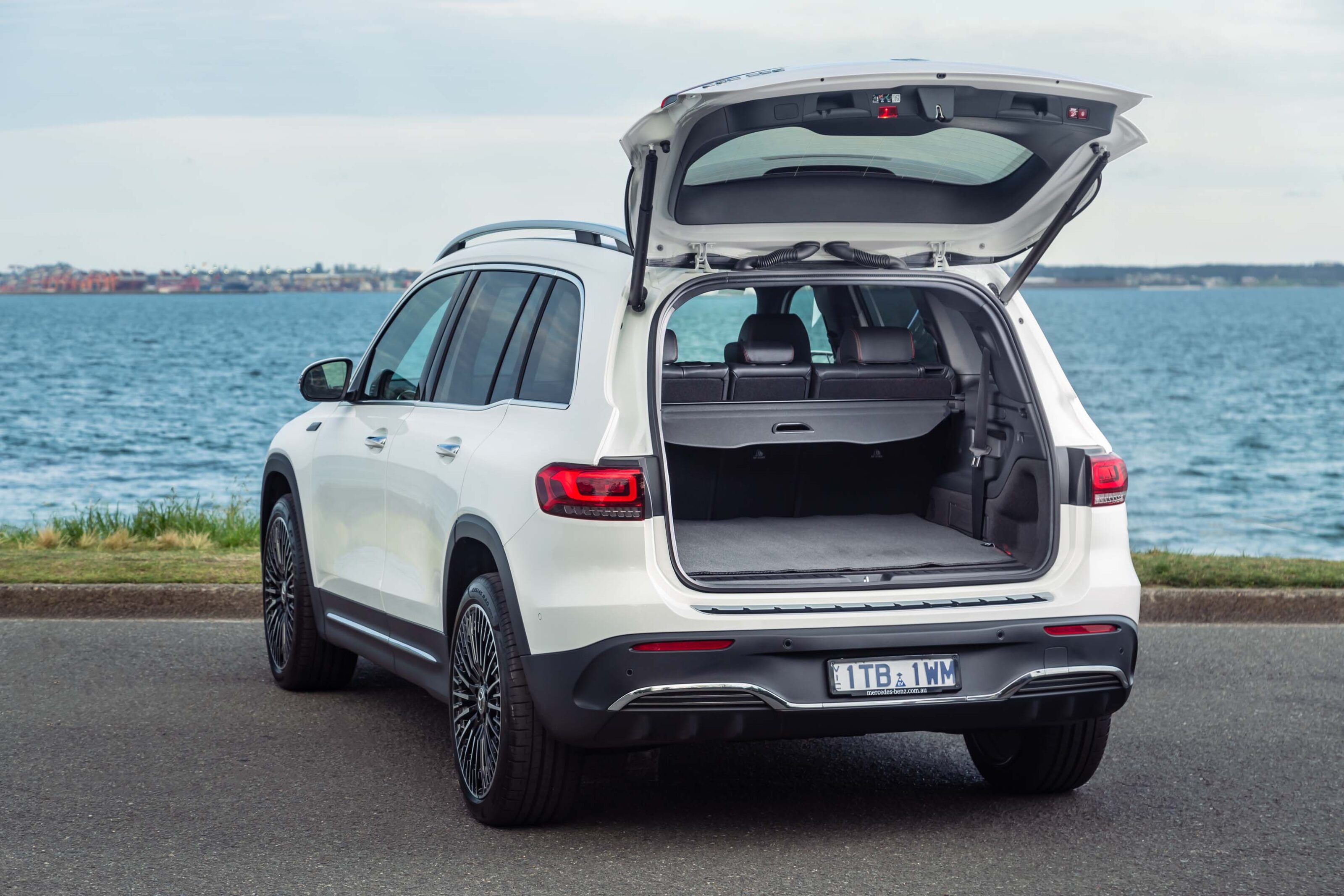
One thing you lose if you option the third row is boot space. An electric tailgate is standard across the range, and five-seat versions of the EQB offer a 495L boot with the rear seats up and 1710L of capacity with the second row laid flat.
Option the third row of seats, however, and those figures drop to 465L and 1620L. Seven seat versions also lose a big chunk of under floor storage which is useful to store the charging cables.
Elsewhere in the boot there are some netted sections for smaller items and a parcel shelf but, like a lot of EVs, there’s no spare tyre. Just a can of goo and a compressor.
What’s it like to drive?
This is where the EQB stands head and shoulders above the SUV it’s based on. Where a regular GLB can feel a touch firm and stiff legged over bumps, the EQB’s chassis is far more polished.
Adaptive dampers are standard in both models and the suspension is quite softly set-up so there’s decent compliance to enjoy even on the EQB 350’s 20-inch alloys.
Body roll is nicely contained, too, and while it’s no hot hatch, throw the EQB at a challenging section of road and it’s more fun and composed than you’d expect a big, tall family SUV to be. Especially one that weighs more than two tonnes.
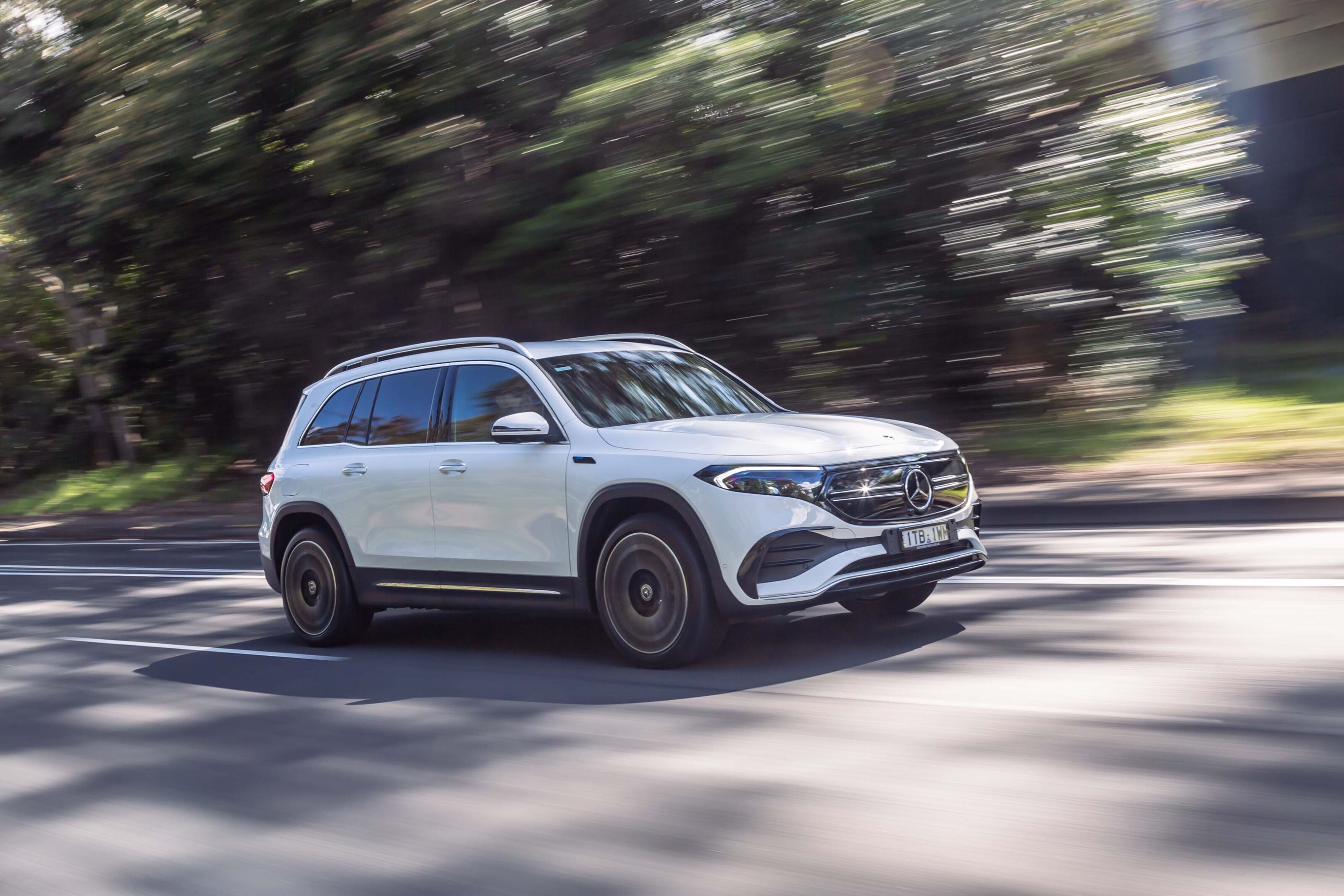
There’s also ample performance to exploit, despite the hefty kerb weight. Single motor versions offer 140kW/385Nm while the twin-motor EQB 350 has 215kW/520Nm at its disposal.
Weirdly, given the 350’s on-paper performance advantage, there’s actually not a huge difference when it comes to step-off acceleration and nippiness in city traffic.
Where you do notice the 350’s extra oomph is on the open road. Its roll-on acceleration is more potent and its overtaking performance in particular is considerably stronger. It’s just as quick as Mercedes claims, too. On a wet road we clocked the EQB 350 at 6.5sec from 0-100km/h, which is only two tenths away from the official claim in ideal conditions.
Traction is both variants is impressive. It was raining hard during our time with the EQB but even on slippy surfaces and under full throttle applications there was very little wheelspin or torque steer, which is an issue that can plague other electric cars.
There are four stages of regenerative braking to play with. The default setting is D which offers some resistance when you lift off the throttle, but if you pull the right paddle behind the steering wheel you’ll engage D+ which slackens off the regen and allows you to coast as though you’re in a petrol car with the clutch pushed in.
Pulling the left shift paddle lets you engage D- which is the strongest regen setting. It won’t bring the EQB to a complete stop but it’s strong enough that it gets pretty close to one pedal driving in heavy traffic.
Throw in steering that’s naturally weighted and accurate and there are very few chinks in the EQB’s armour when it comes to how it goes, stops and steers. We doubt most owners will ever fully exploit the tidy handling but it’s nice to know the EQB is up to the task if you’re a keen driver.
A dynamic overachiever? Wasn’t expecting that.

Charging, warranty and running costs
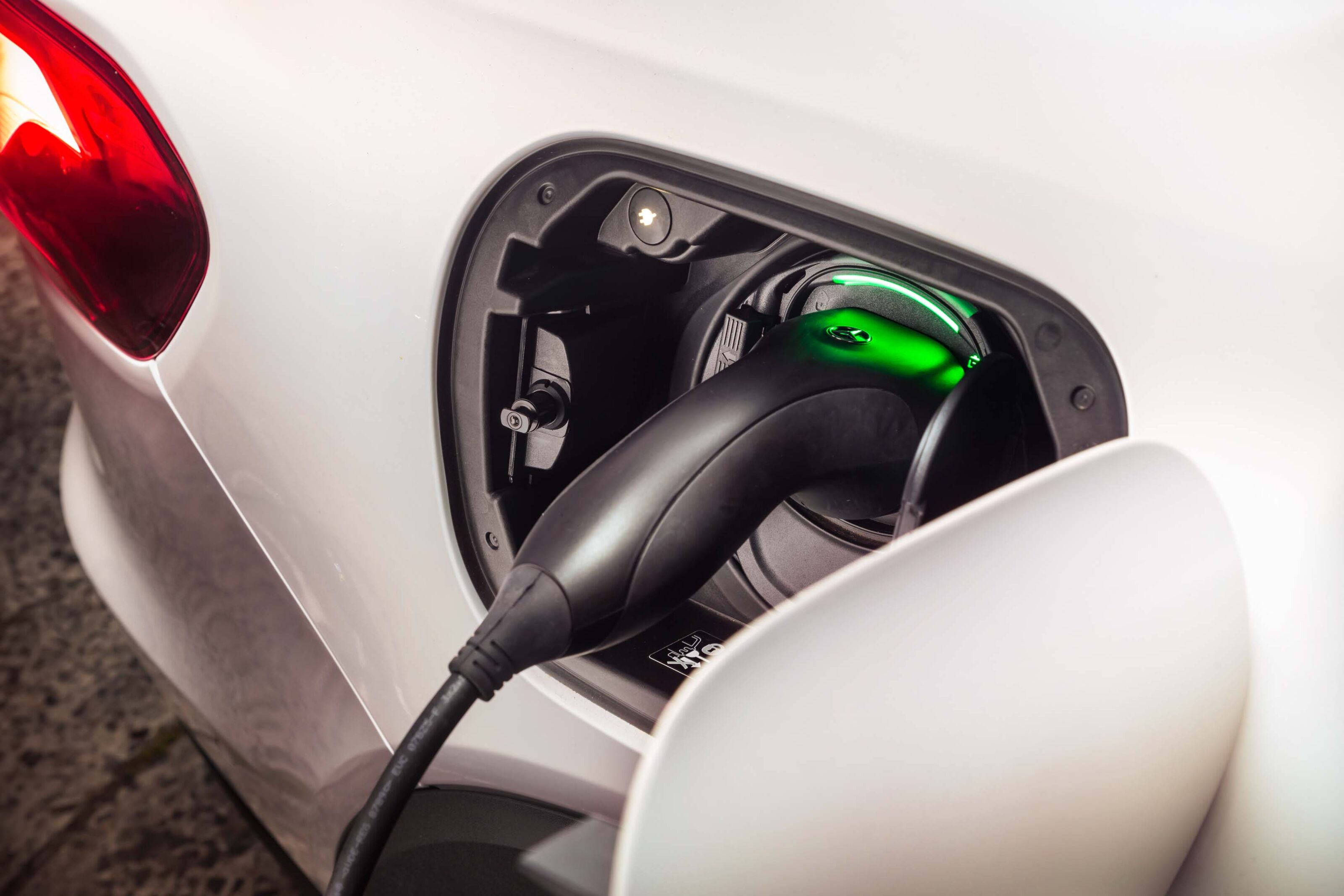
Like most EVs, the EQB accepts both AC charging from a regular socket or wall box, and DC charging from a fast charger.
If you plug the EQB into a regular socket it will take around 25 hours to charge but if you have three phase power at home and an 11kW wall box you can fill up your battery in around 6.5 hours.
As for DC charging, the EQB accepts up to 100kW so you can go from 10-80 percent battery charge in half an hour. Don’t have quite that long? Just 15 minutes on a DC charger will net you about 150km of range.
Servicing intervals are every 12 months/25,000km and Mercedes offers fixed price servicing plans that averages each visit to the dealer out to around $550. A three year plan is $1625, four years is $2225 while five years of servicing will set you back $2650.
Like the rest of the Mercedes range, the EQB is covered by a five year/unlimited km warranty. The battery itself is covered by a separate 10-year/250,000km warranty.
VERDICT
In isolation, the EQB is a convincing thing. It’s better to drive than a regular GLB, there’s lot to like about the rich standard specification and the practicality of its tall and narrow form factor but its real advantage is the fact it offers seven seats.
That the extra pews are only available on the cheaper EQB 250 mounts a convincing case that it’s actually the variant to buy given the equipment and performance leap up to the 350 isn’t actually that big.
But there’s no escaping that in several areas the EQB isn’t as compelling as its key rivals. A Tesla Model Y and Hyundai Ioniq 5 are better value and offer more performance and more range.
But if you need seven seats and you’re drawn to the polished dynamics and silent surge of its electric powertrain, it’s also clear the EQB is one of the most persuasive models yet to be spun off the MFA2 platform.
