
Snapshot
- Next-generation Quattroporte expected in the coming years
- Likely to be offered in all-electric form only
- 2023 reveal on the cards; would follow next-generation GranTurismo
The next-generation 2024 Maserati Quattroporte is expected to launch within the next three years with all-electric power.
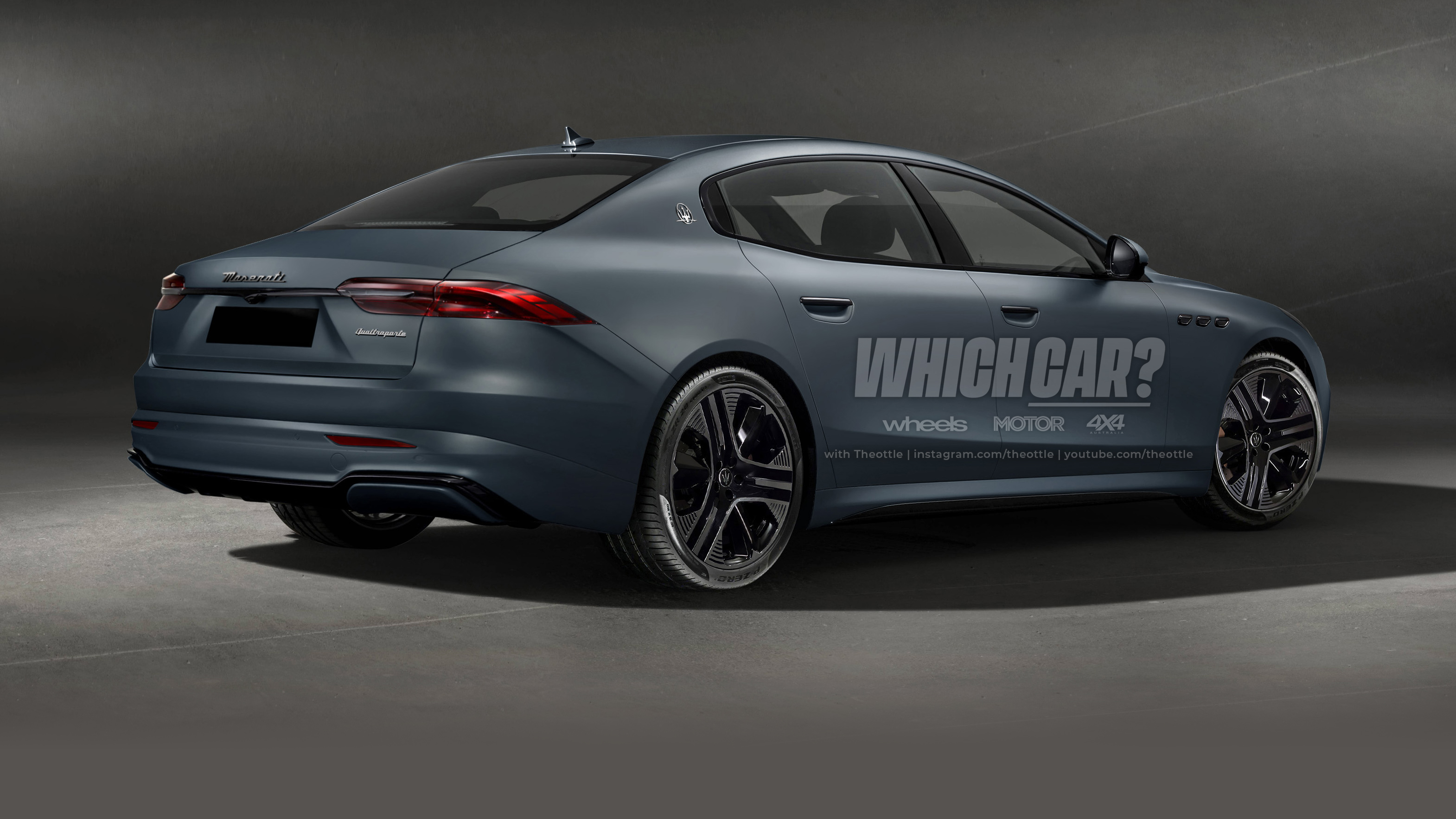
A new rendering by Theottle has imagined the redesigned flagship sedan ahead of its launch, previewing a ‘vertical’ look inspired by the new Grecale crossover and MC20 sportscar.
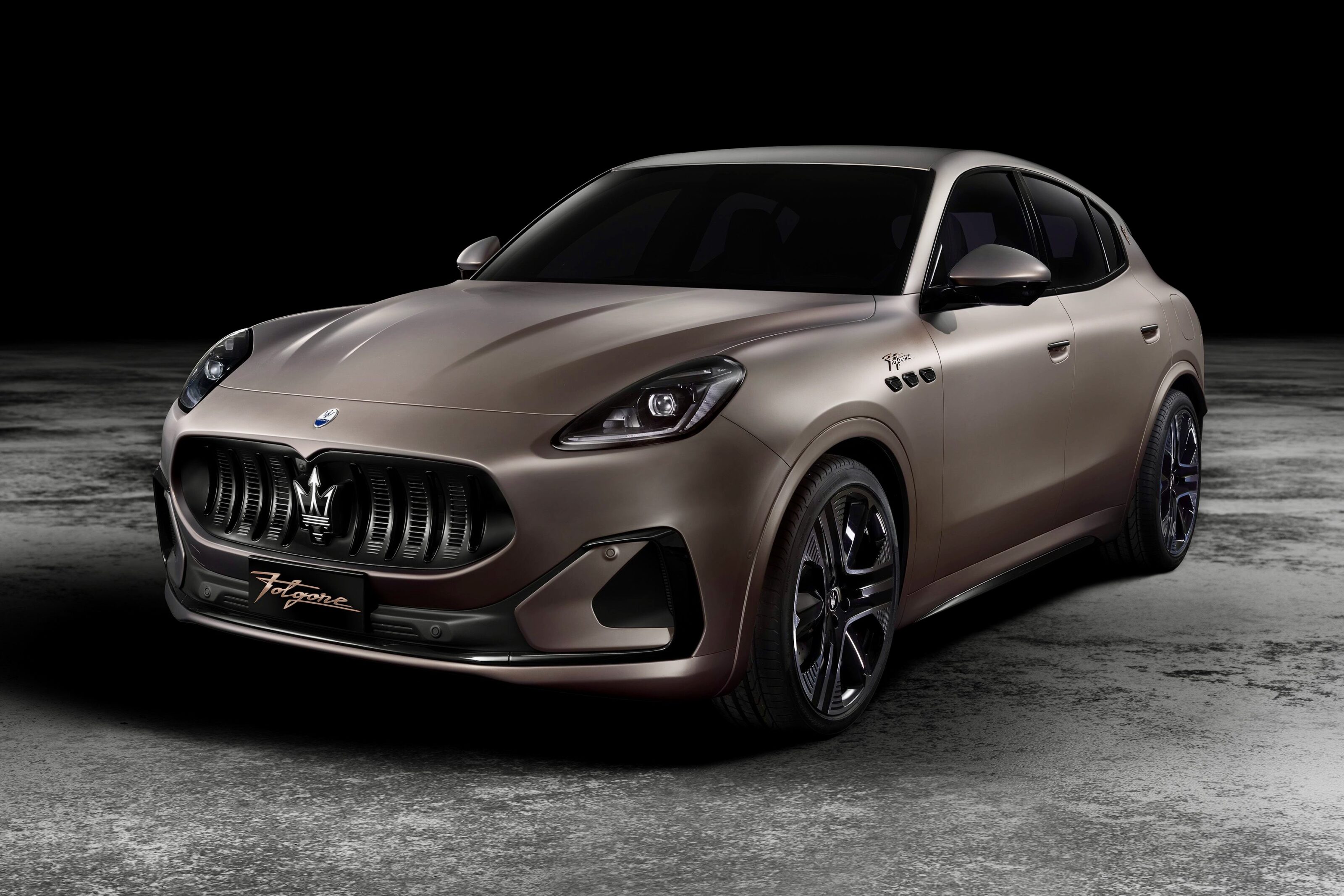
Featuring a similar exterior design to the Grecale, revealed last week in both internal combustion and electric ‘Folgore’ form, the 2024 Quattroporte is likely to sport the traditional Maserati grille, refreshed headlights, trademark triple side air vents, and horizontal tail-lights.
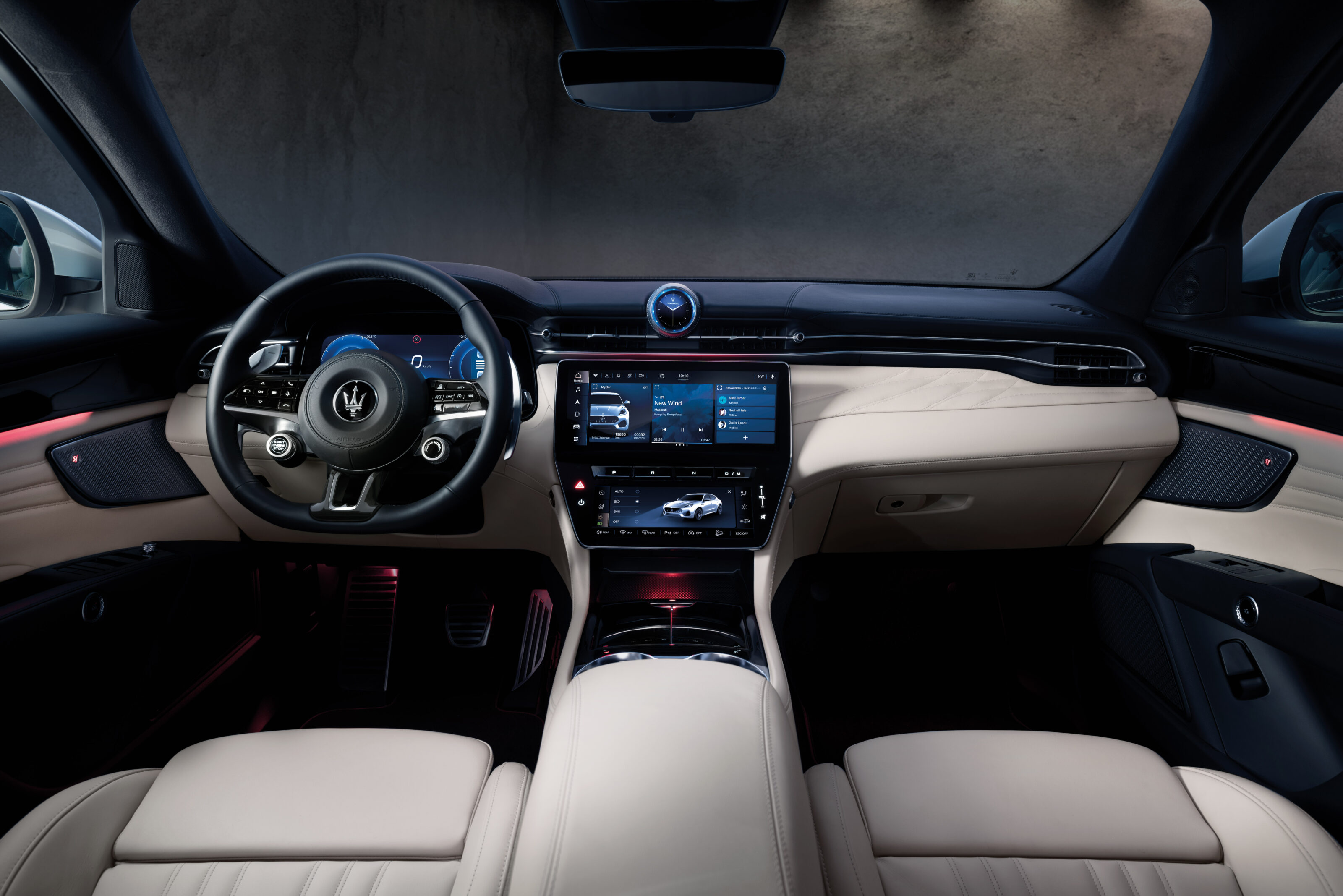
A modern interior with a suite of new technology, including a 12.3-inch fully-digital instrument cluster and Android-based infotainment system with dual touchscreens, is also expected.
With the Italian luxury marque set to become electrified from 2025, ahead of plans to go EV-only in 2030, a plug-in hybrid version of the Quattroporte could also debut alongside the electric Folgore variant.
According to Spanish website Motor.es, Maserati is reportedly also working on a five-door wagon version of the next-generation Quattroporte, dubbed Quattroporte SW – despite the name translating to English as ‘four-door’.
While a new version of the smaller Ghibli is less certain, with Yahoo News reporting the slow-selling luxury sedan will soon end production, a seventh-generation Quattroporte is all but locked in.
Speaking with the publication, Francesco Tonon, head of product planning at Maserati, said: “There is still a very clear demand for sport sedans, but we believe that we can serve customers even better by substituting the Ghibli and the Quattroporte with just one new car.
“We strongly believe that there is a future for the sedan, but probably not for two sedans. One will be enough to meet demand.”
In October 2021, Automotive News reported parent company Stellantis will shift production of the Quattroporte between the Italian towns of Grugliasco and nearby Mirafiori. The relocated assembly line, situated near Turin, currently produces the Maserati Levante and the electric Fiat 500e.
The Mirafiori plant is expected to produce a new electrified platform for the Maserati range, which is tipped to debut on the forthcoming Quattroporte, as part of a plan for the facility to become the group’s hotspot for electric vehicles in Italy.
An all-electric line-up, dubbed ‘Folgore’ (Italian for ‘lightning’), will be offered across the Maserati range from 2025 – before the marque goes EV-only in 2030.
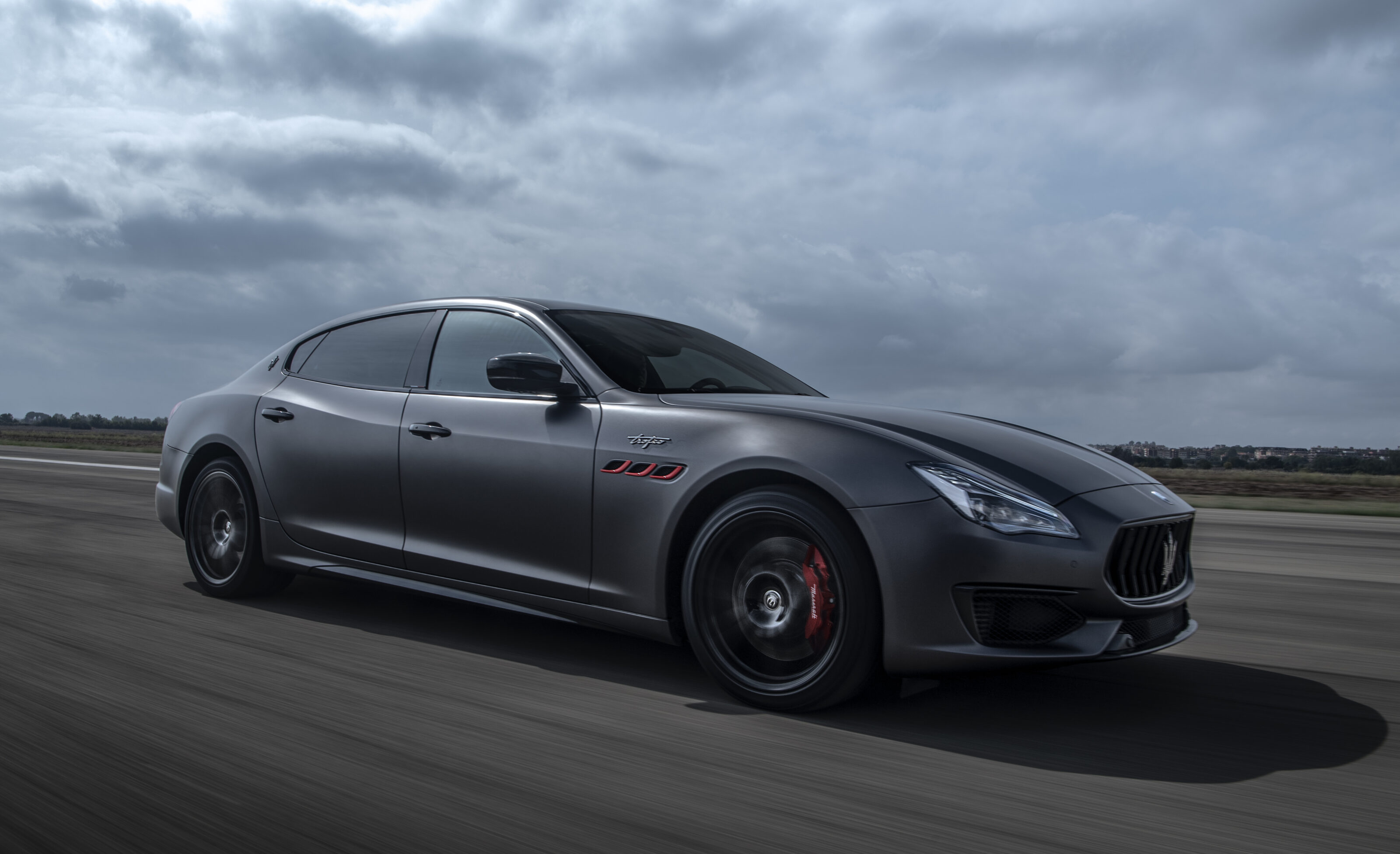
The current, sixth-generation Quattroporte (shown below) debuted in early 2013, offering turbocharged V6 and V8 petrol engines – in addition to a turbo-diesel V6. It has remained largely unchanged over the past nine years, albeit with minor facelifts introduced in 2016 and 2021.
A quarter century of polish sees the Porsche Boxster 25 Years take fourth place at MOTOR’s 2022 Performance Car of the Year award
Porsche’s Boxster 25 Years was something of a dark horse in this year’s running, rarely mentioned in rally point debriefs but silently sliding up the ranks through sheer talent and finesse.
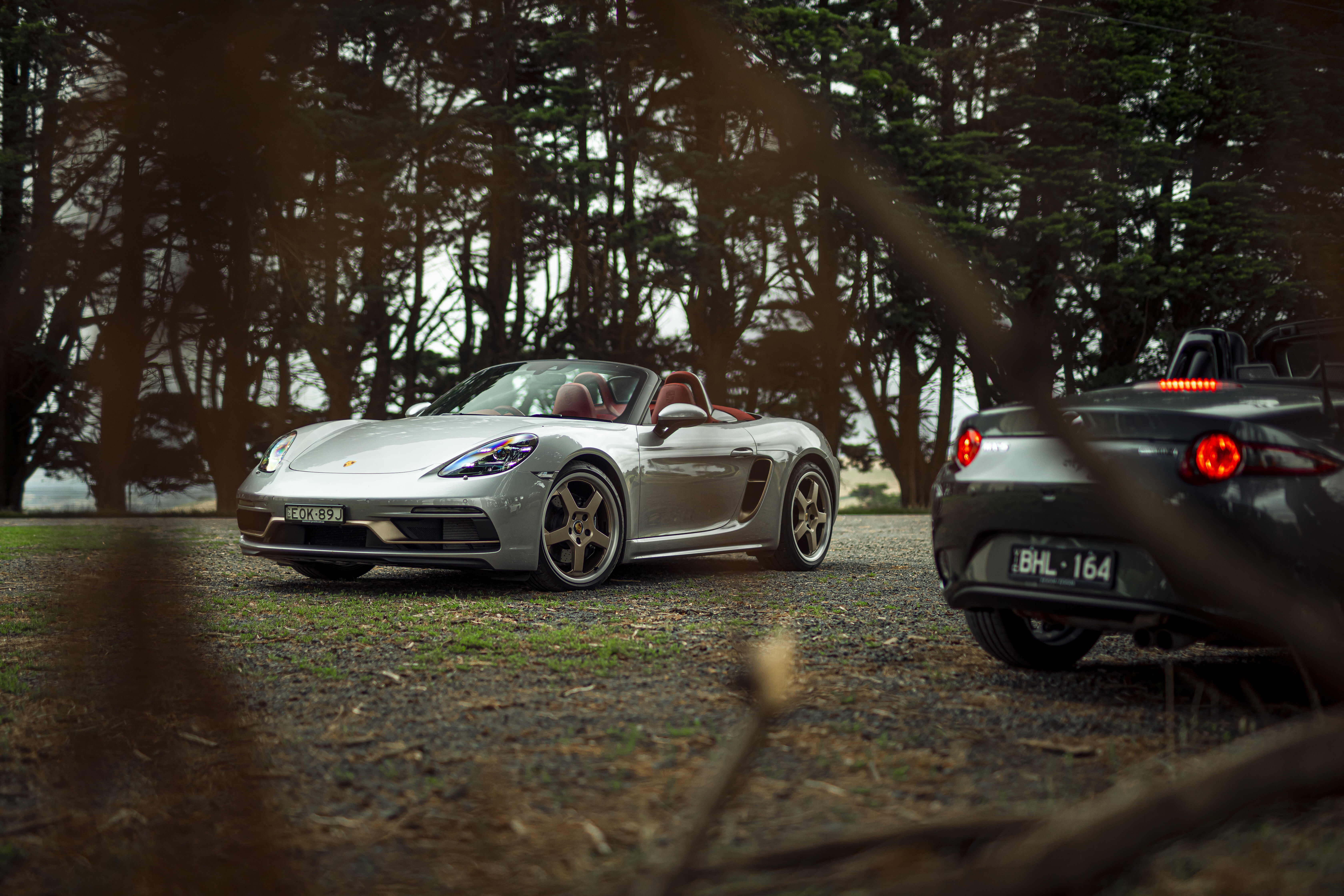
While it wasn’t always front of mind in conversation, the mid-engined convertible barely put a foot wrong all week, resulting in a worthy fourth place finish.
We knew it would be good. That much is expected of Porsche’s ubiquitous Boxster. In terms of overall package cohesion, however, the Boxster 25 Years is arguably the most compelling car here. Yet, many judges also commented on a certain lack of drama, with both Luffy and Bernie wishing for just a little more top-end fizz to really get the blood racing.
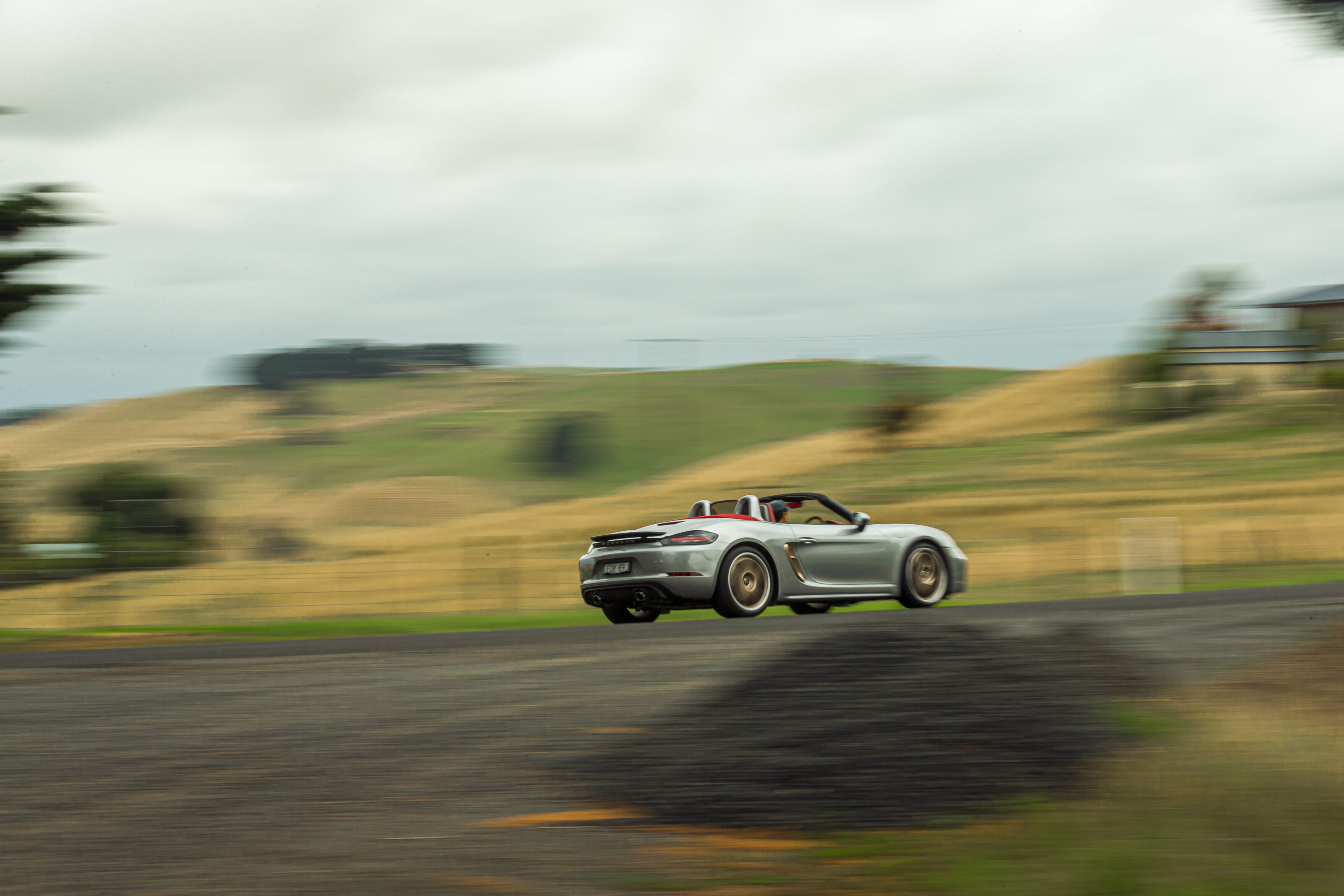
As a road car, it’s an effortlessly capable and competent machine. The 294kW/430Nm 4.0-litre flat-six has deep reserves of exploitable power and torque, and pulls cleanly from down low.
The seven-speed PDK transmission complements the Boxster’s fast fluidity while providing a marginally more satisfying solution to the notoriously tall gearing. The mid-engined layout yields impressive levels of mechanical grip, earning high praise from Luffy, who says: “some of the bigger supercars here could take a lesson or two in grip from this car”.
Yet, after the road loops, its friendly supportive nature left something to be desired in the X-Factor department with Enright noting that “it might be a little too polished. I prefer something with a bit more mongrel in it”.
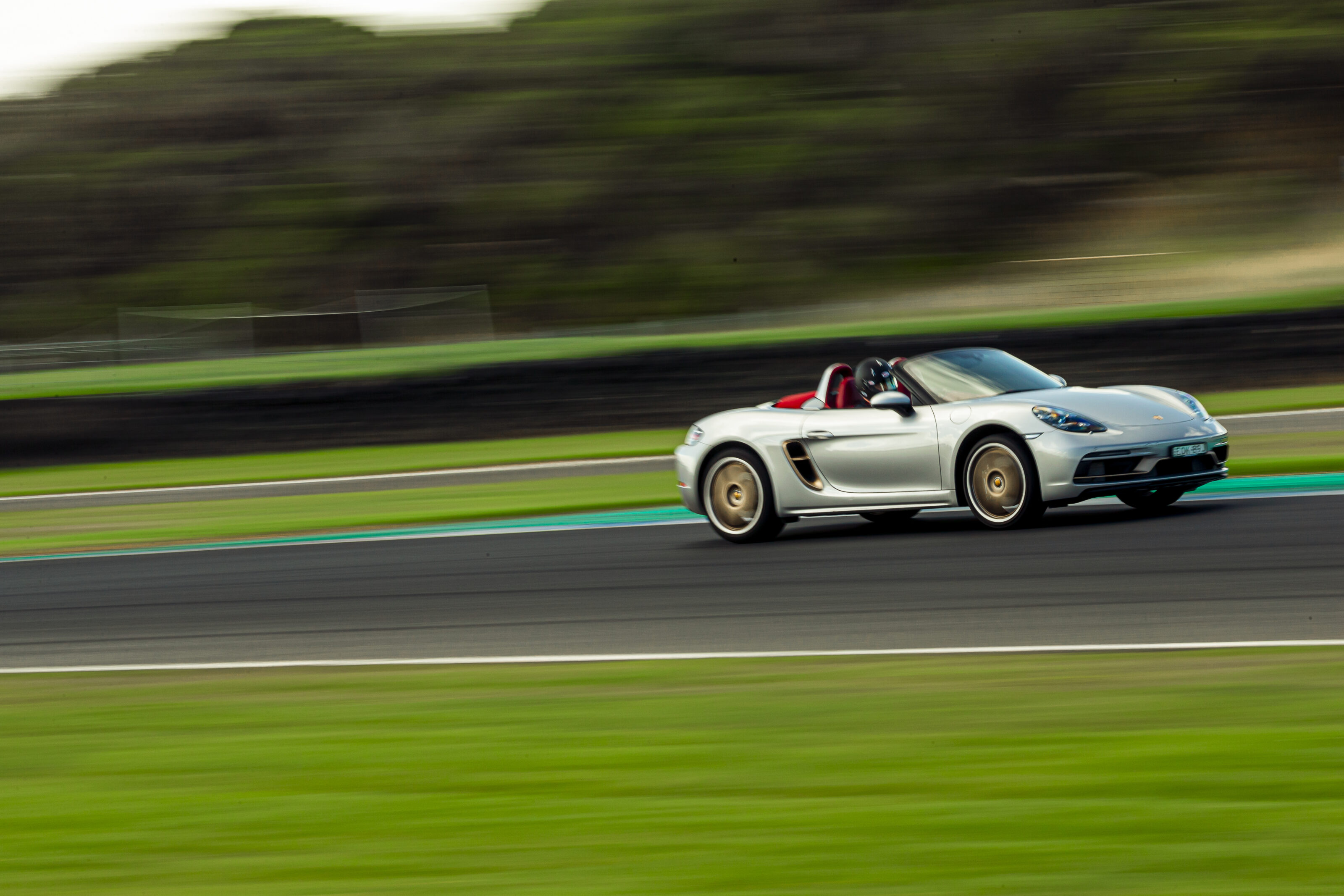
A tale of two halves saw the Boxster come into its own during track testing, eventually winning over its biggest sceptic in Bernie who admits that “by the end of the week I really loved that car”.
On the circuit, that charisma finally revealed itself. Suddenly, what was denigrated as a capable if not characterful engine becomes infectious, taking on a sonorous tenor that reverberates through the cabin as the tacho winds past six grand. It’s a hugely confidence-inspiring package that gels instantly with the driver. It may not boast the white-knuckle thrill of some of the other cars in the PCOTY field, but it scores high on liveability as a satisfying and beautifully resolved sports car that you can truly drive every day, in any weather.
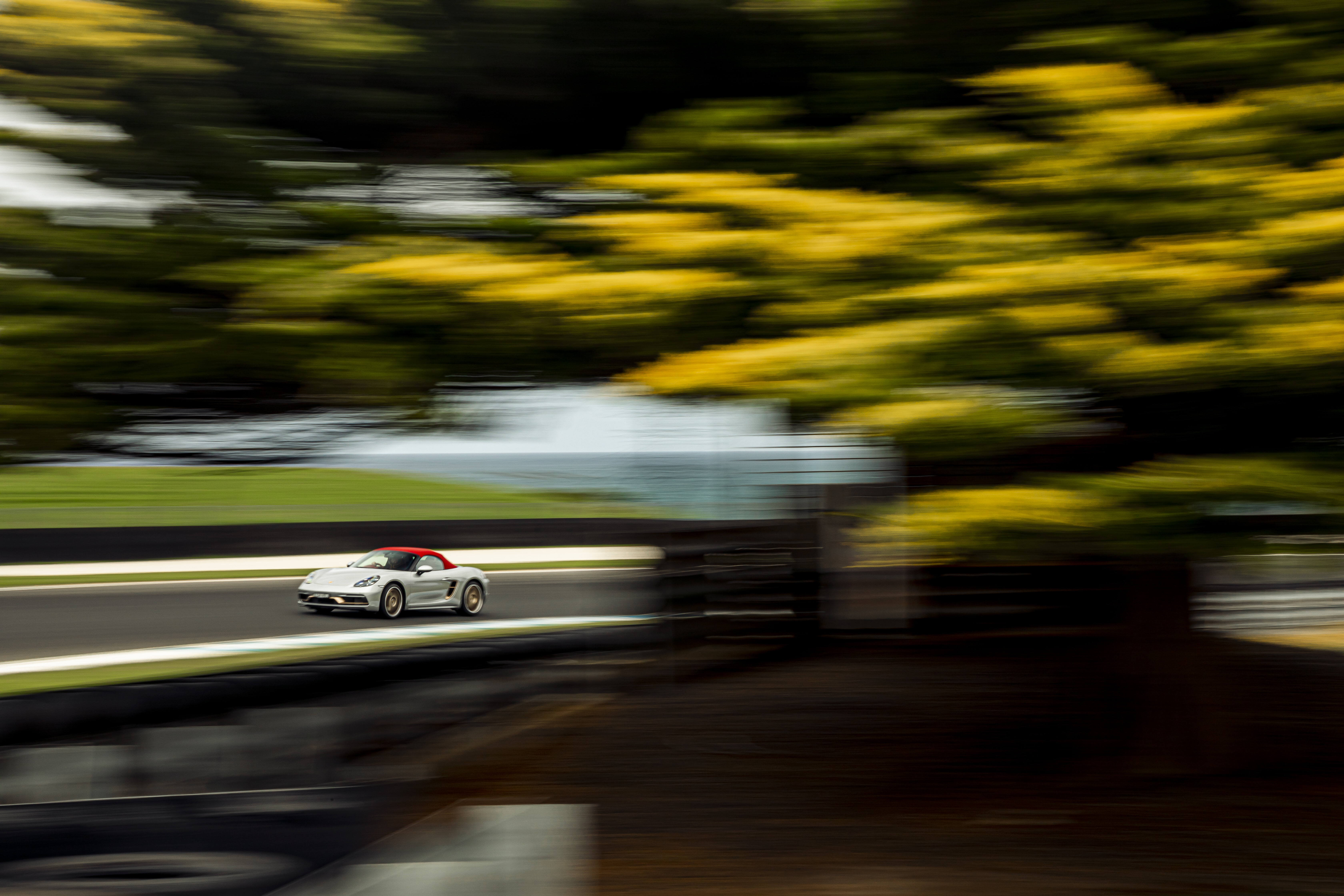
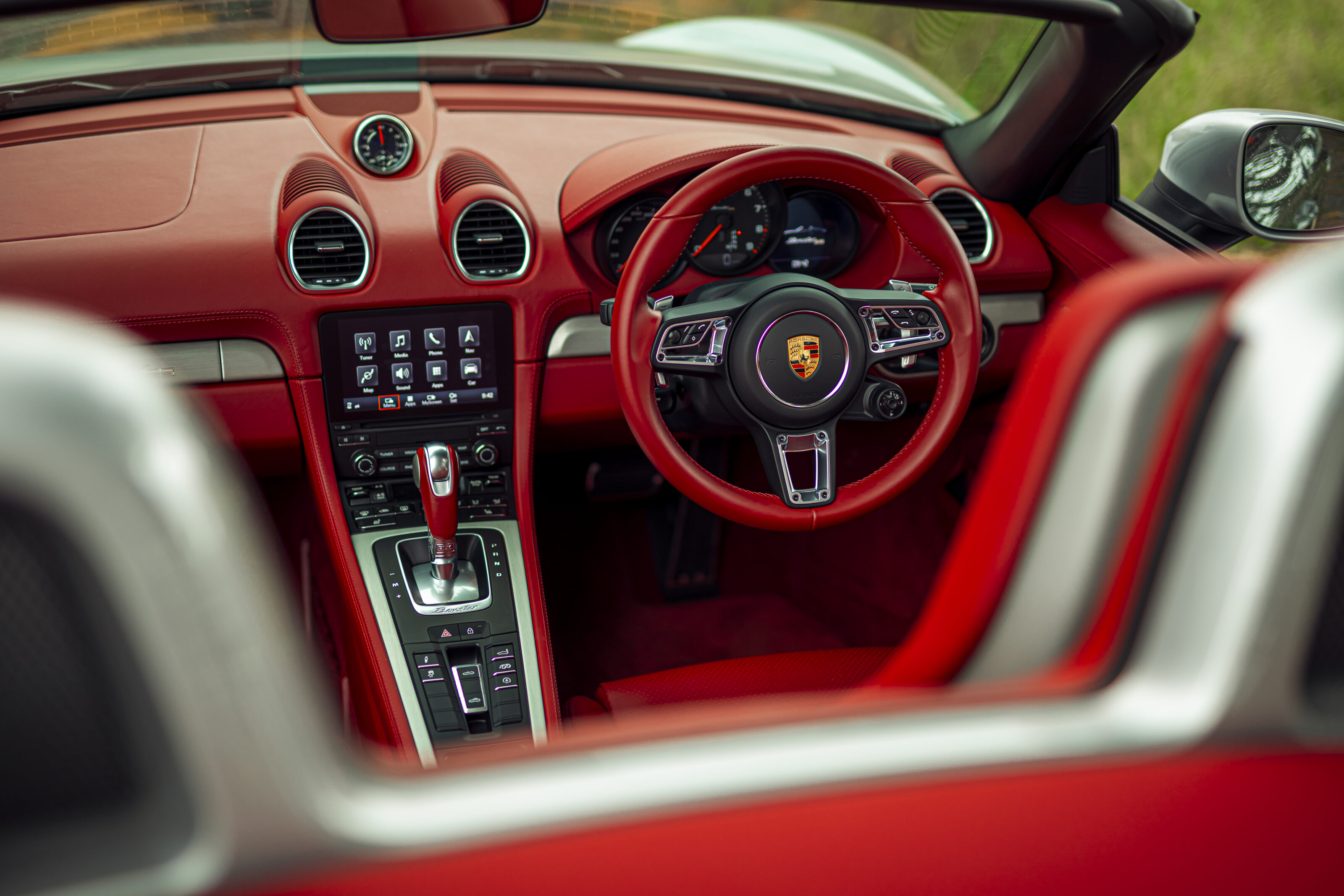
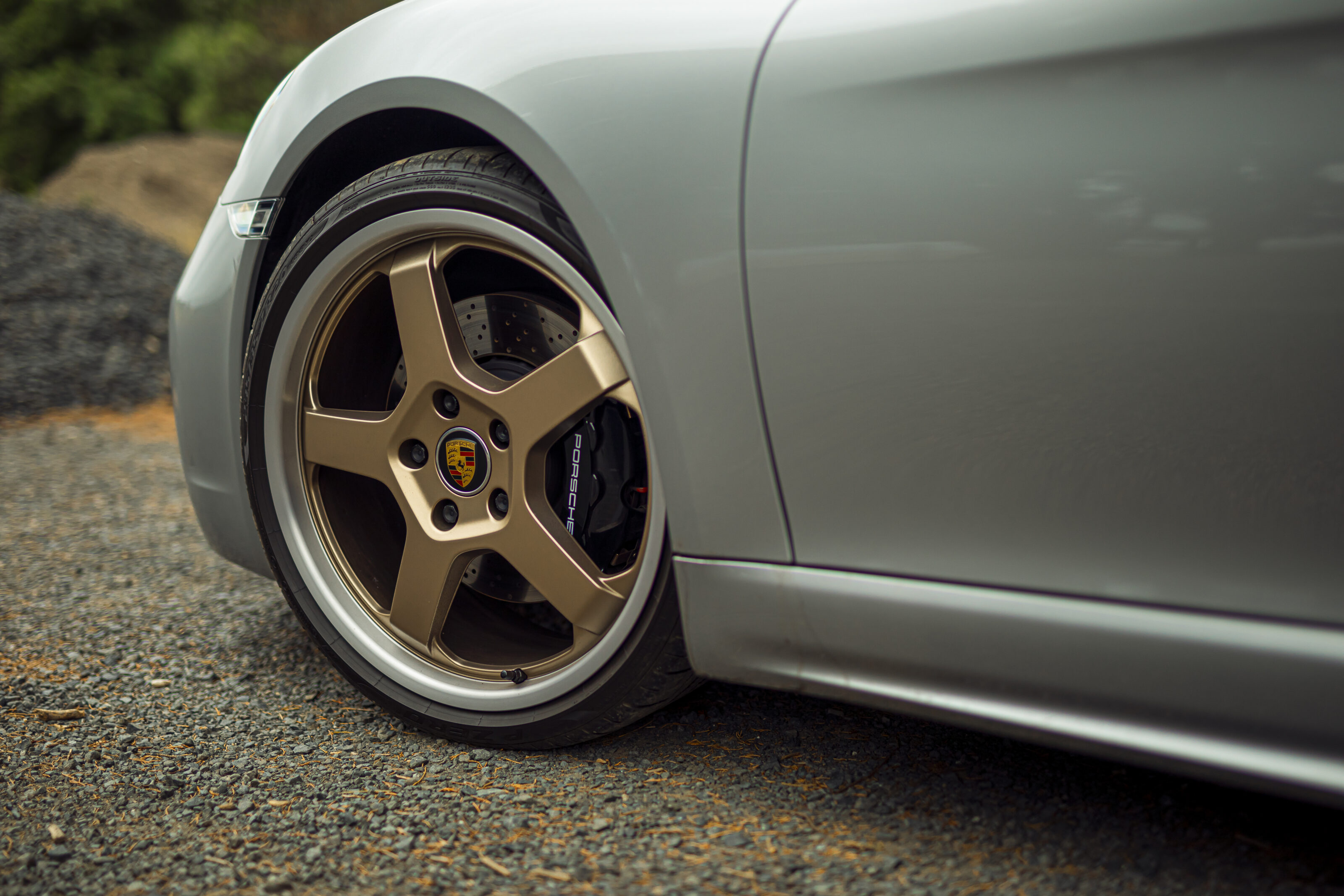
Questions nevertheless linger about this particular model’s value proposition. Its 25 Year-specific bronze elements and swathes of red upholstery divided opinion (Luffy was quick to make the Simmons FR1 comparison with the wheels), and command an almost $20k premium as-tested over the mechanically identical Boxster GTS 4.0-litre.
It’s a sharp dynamic package, but one that isn’t materially elevated by its anniversary elements.
The judges’ comments
Alex Affat
“Hard to fault as an everyday sports car yet its charisma doesn’t always come to the fore”
Ranking: 3rd
Andy Enright
“I’m not the biggest fan of the engine/gearing combo on road but the dynamics rock for a car on four struts”
Ranking: 3rd
Trent Giunco
“It feels like there’s a lot of GT product in this Boxster. Its lap time was impressive but very believable”
Ranking: 3rd
Cameron Kirby
“The Boxster’s a fantastic sports car. The steering feels so alive. It’s beautiful and delicate on turn-in”
Ranking: 5th
Bernie Quinn
“Engine feels unburstable although it could use more character and perhaps a bigger kick in the top end”
Ranking: 4th
Luffy’s view
“The Boxster’s one of those cars where you just kept giving it more and more and it would always take it”
Key figures
A firmer, fitter version of Mazda’s classically-charged roadster – the MX-5 GT RS – ties with Hyundai N Division’s latest star athlete – the i30 Sedan N – for fourth place in MOTOR’s Sports Car of the Year 2022
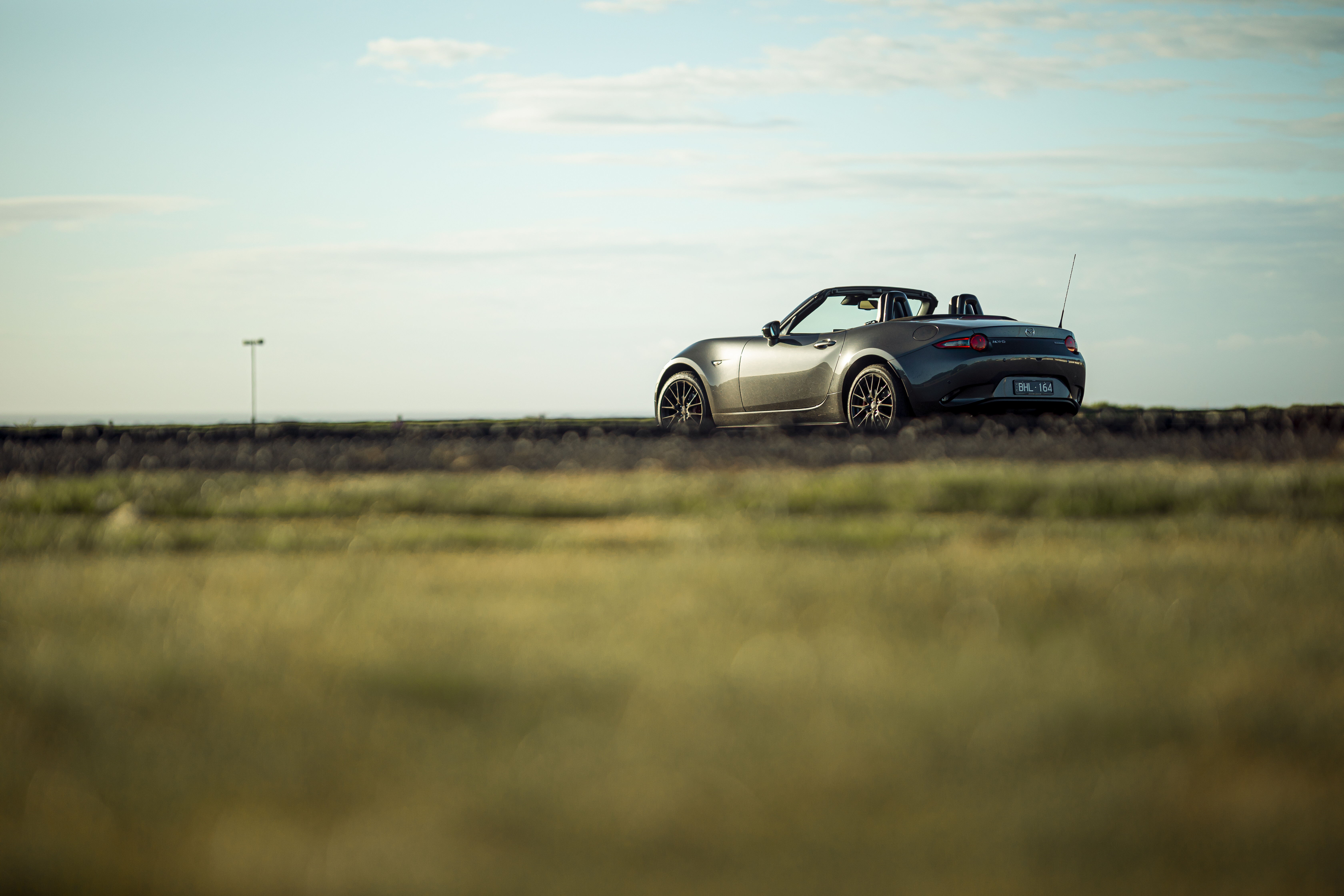
If you’re a performance driver who decries the modern trend of 20-way damper adjustments and literally hundreds of possible drive mode combinations, the Mazda MX-5 GT RS is your antidote.
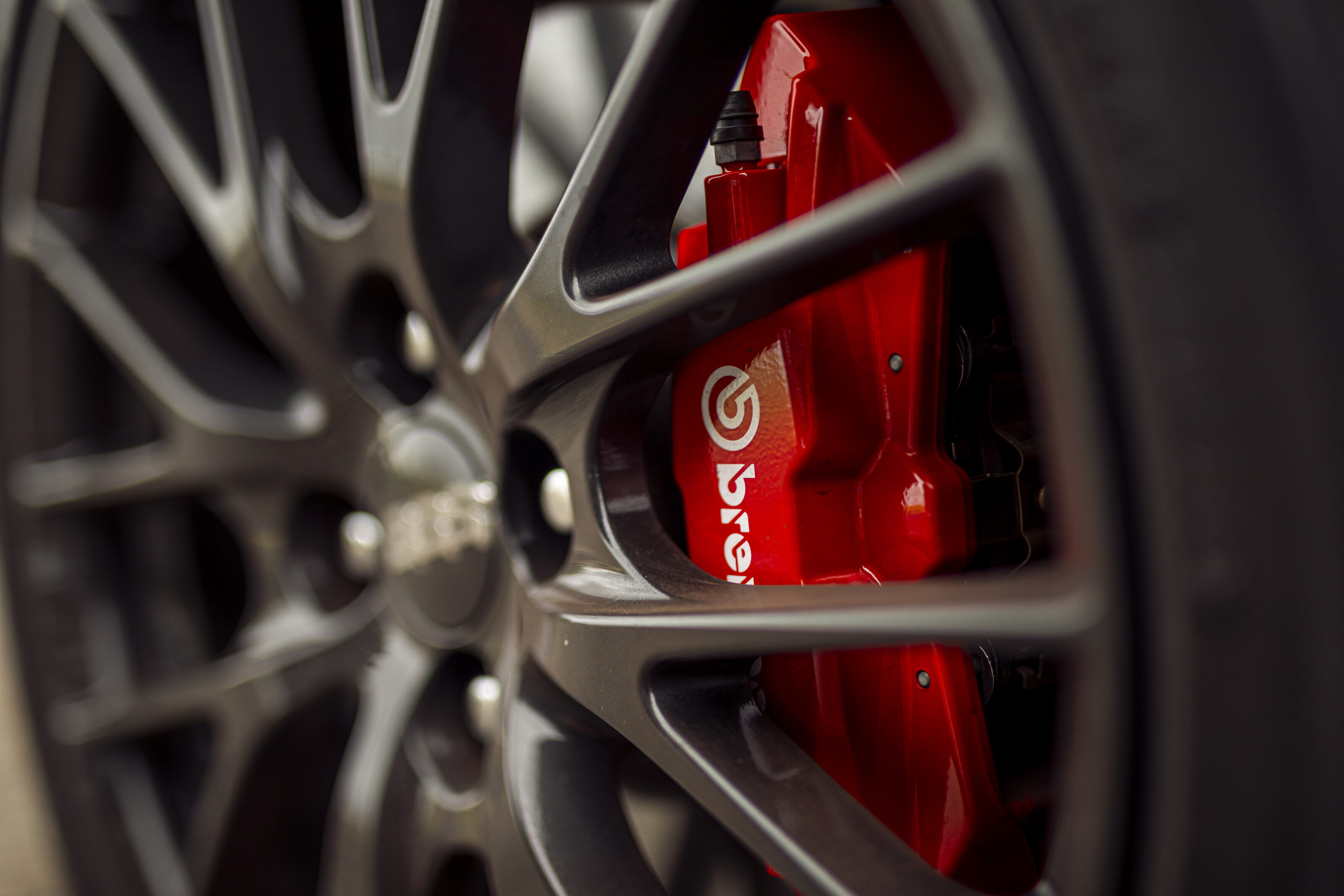
There are no adaptive dampers, no modes, just hop in, hit the starter button, engage first gear and go. Outside of Colin Chapman’s hallowed brand, few cars are as relentlessly ‘for the driver’ as Mazda’s affable roadster, especially in this more-focused GT RS guise.The golden ingredients are there: Brembo brakes, LSD, Bilstein dampers and Bridgestone Potenza S001 rubber.
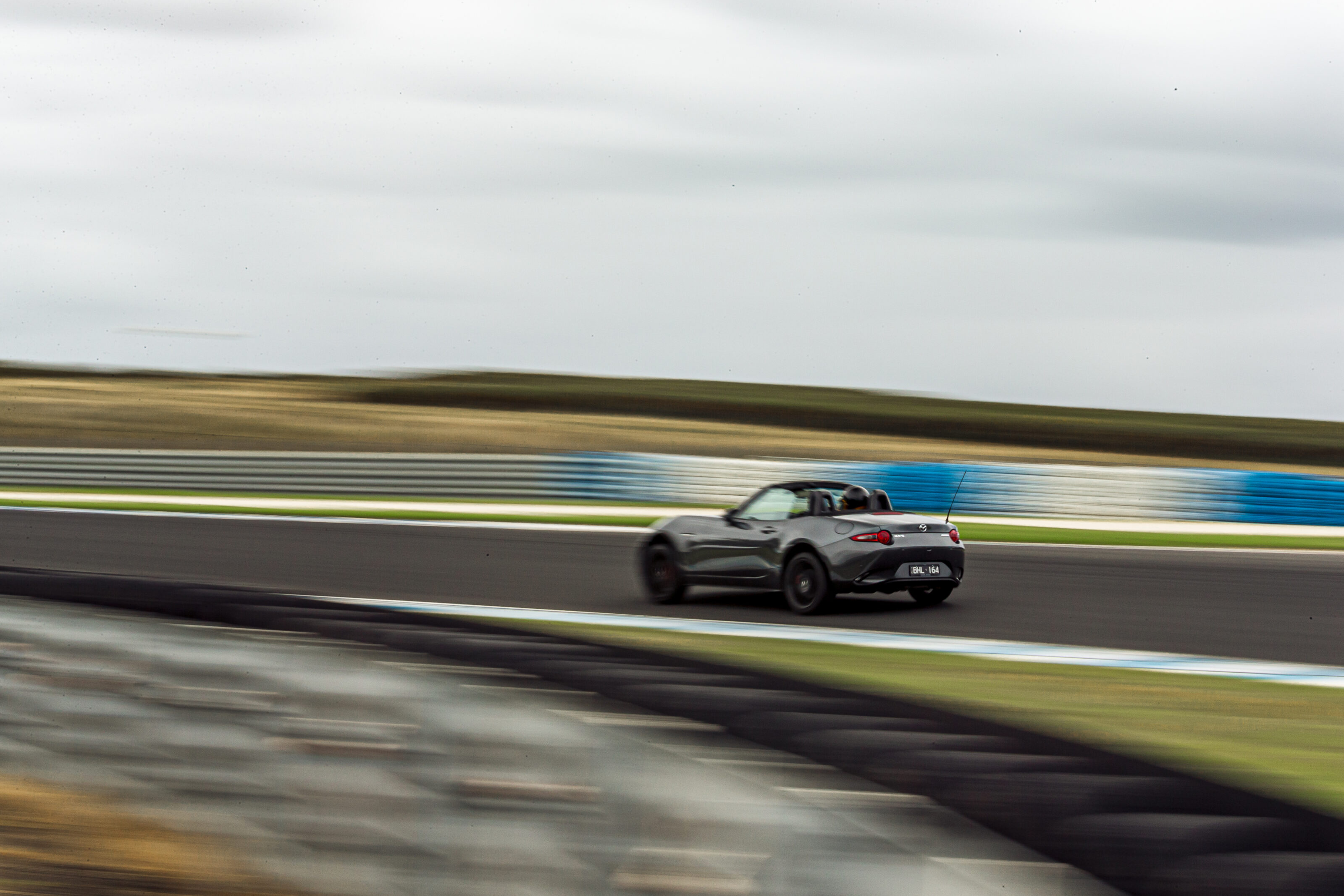
From the layout, weight and tactility of every interaction you make, you get the sense that every part of the car is a deeply considered decision geared towards delivering maximum driver enjoyment. The GT RS delivers those thrills with clarity and engagement whether you’re travelling at 60km/h on the road or 160km/h through Hayshed at Phillip Island.
The 2.0-litre inline-four is wonderfully linear, and feels well matched to the playful and benign chassis, but lacks the verve and aural satisfaction of some of its more exotic competitors. The powertrain “does nothing wrong, but does nothing extraordinary either” says Bernie Quinn. “The steering is light and linear but doesn’t give the driver confidence in the front-end grip,” he adds.
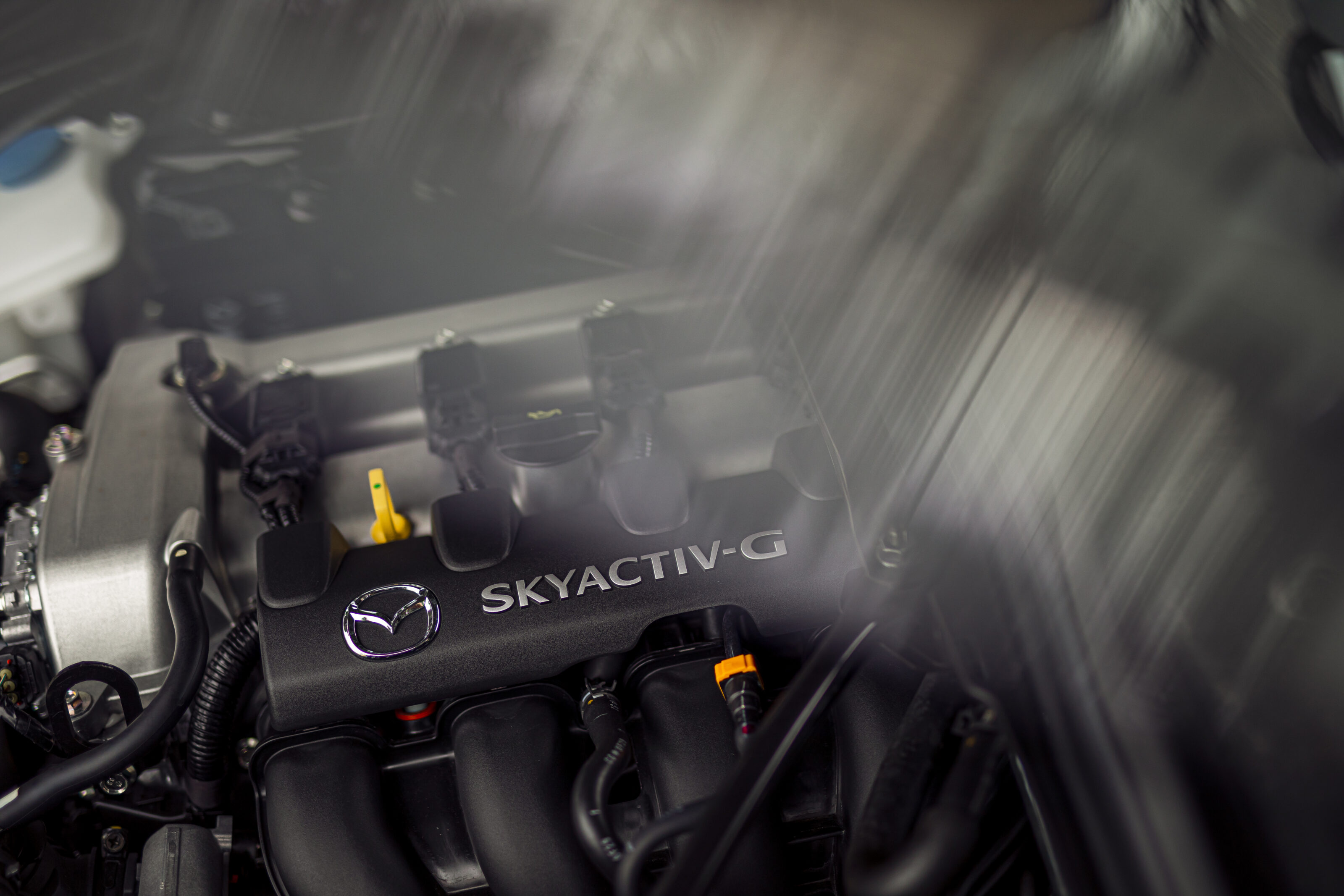
The MX-5 magic centres on the tangible moments of managing the subtleties of pitch and roll, while making the most of the power at your disposal; delivering these dynamic sensations with clarity that would otherwise be lost, or simply pass by imperceptibly in many of the faster cars. As a result, it’s hugely engaging, Bernie’s grumbles notwithstanding. Luffy agrees, calling it “proof you don’t need a Nürburgring-tuned chassis, massive power or a specifically developed tyre”.
With the upgraded rolling stock, suspension and brakes, the GT RS better contains its movements, but the communicative character remains along with a greater ability for speed. The shift action is a particular high point for the judges, regarded by many as best-in-field, and you only need to plant yourself in the ultra-low seating position with outstretched pedals to know you’re in for an experience.
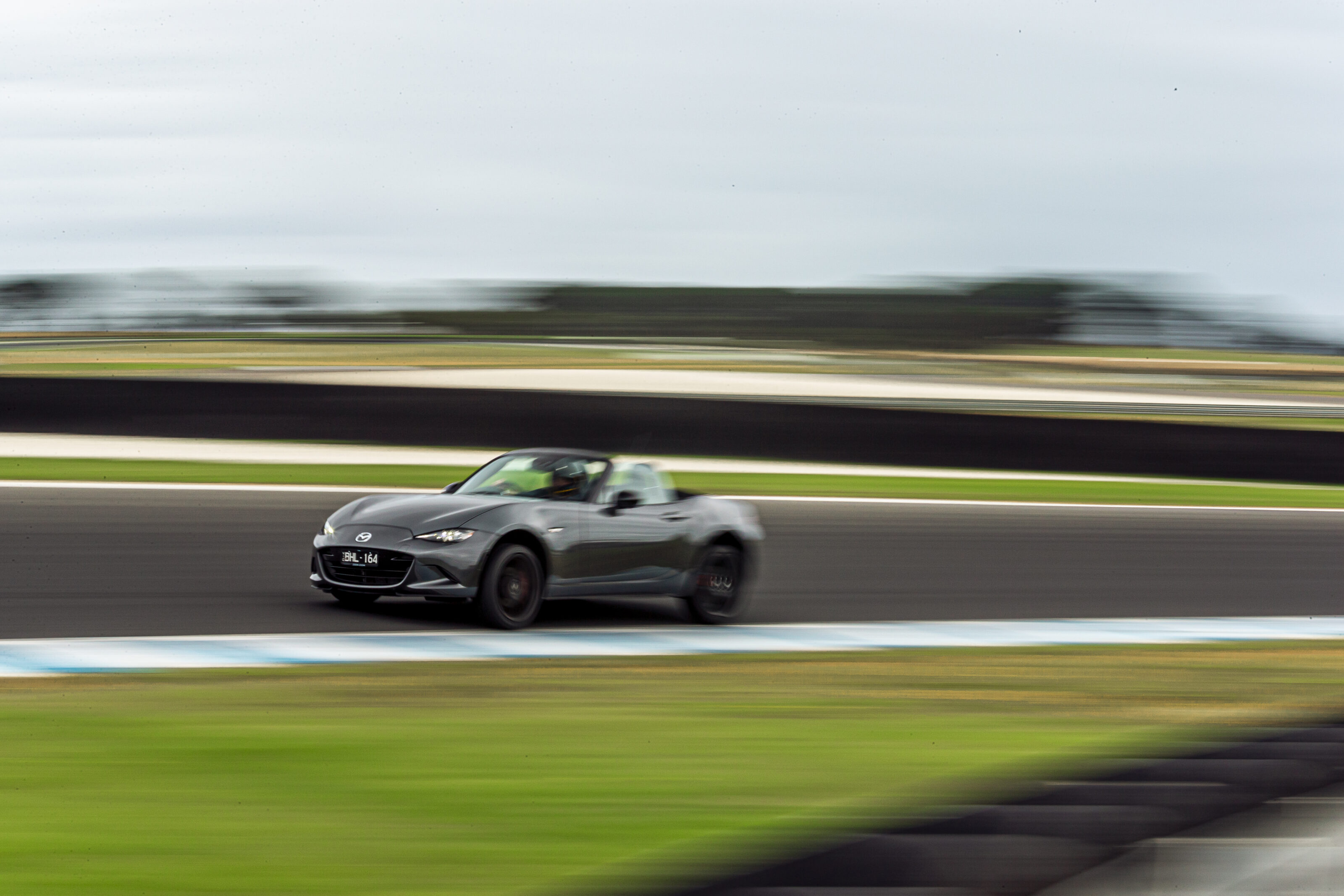
One caveat, however, is that the MX-5 is not one size fits all; illustrated by Enright feebly attempting to close the roof over his helmet-clad head, before fruitlessly flinging it back in frustration and heading out on track.
Even if you’re a multimillion-dollar supercar collector, we implore you to buy an MX-5. You won’t drive a Huracán or GT3 in anger every weekend, but you can thrash the heck out of an MX-5 for every Sunday of the year. It will relish doing so, and you will, too.
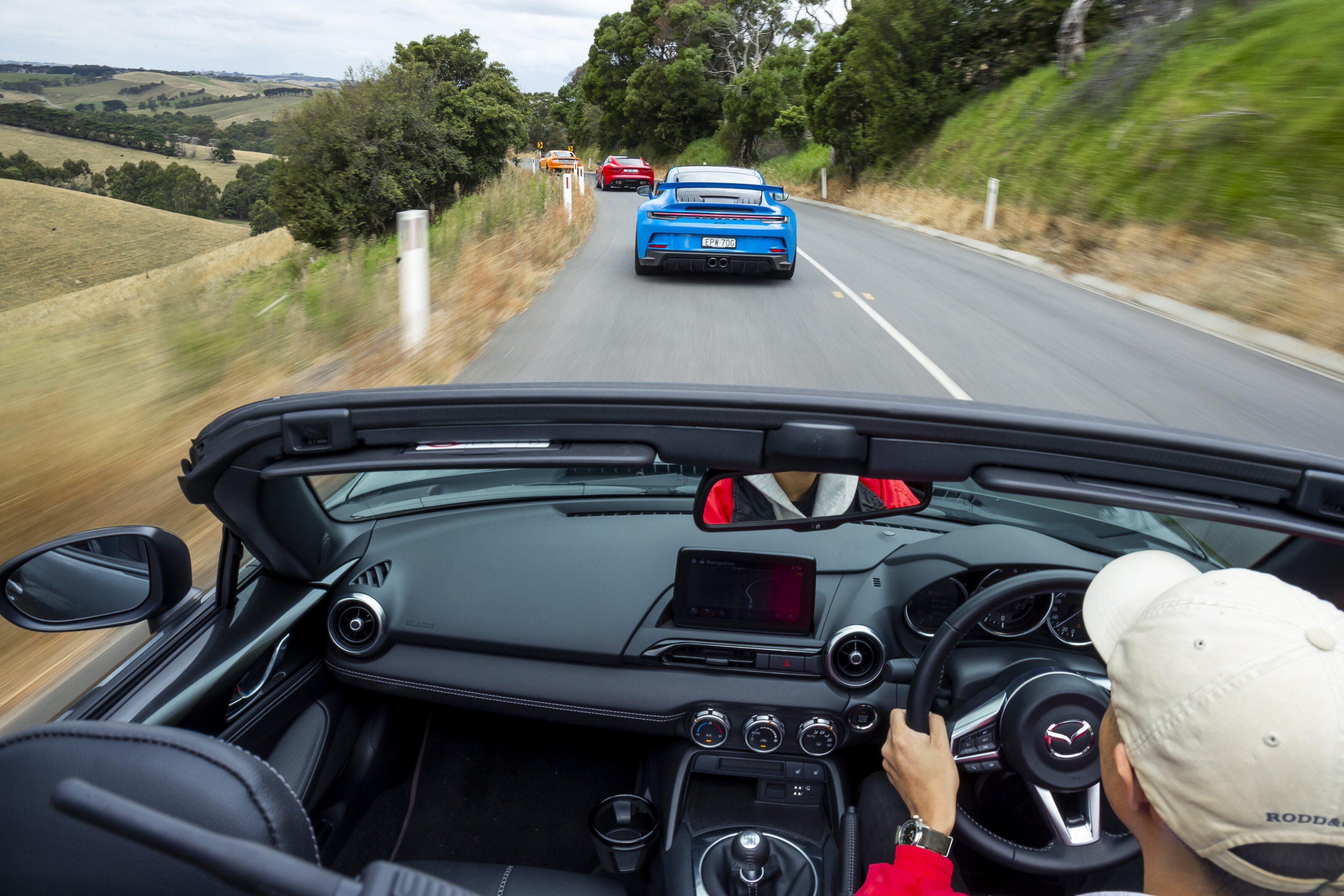
“Crisp, delightful, lovely thing” exclaims Enright. “If I was to nominate a car here that most spoke to the simple joy of driving, this would be it. Lamborghinis, Porsches, everything: have a look at the Mazda MX-5”.
The judges’ comments
Alex Affat
“The MX-5 doesn’t lose its purity with the GT RS upgrades. You’re not losing any of the friendliness”
Ranking: 4th
Andy Enright
“GT RS adds more handling finesse and I love the Brembo brakes. I wish the engine was more musical”
Ranking: 6th
Trent Giunco
“You can still work with the body movement to get the best from it. You’re having a ball at 70km/h on road”
Ranking: 4th
Cameron Kirby
“This is everything we love about driving. Body roll isn’t the evil that many chassis engineers believe”
Ranking: 4th
Bernie Quinn
“In the end it’s a fun car with no real vices, but there’s nothing that makes me want to go back for more”
Ranking: 7th
Luffy’s view
“It doesn’t matter that it’s not the fastest car out there. The MX-5 is pure driving and great fun!”
Key figures
It’s yet another winning product from Namyang with the Hyundai i30 Sedan N proving to be a competent on-road Sports Car of the Year contender.
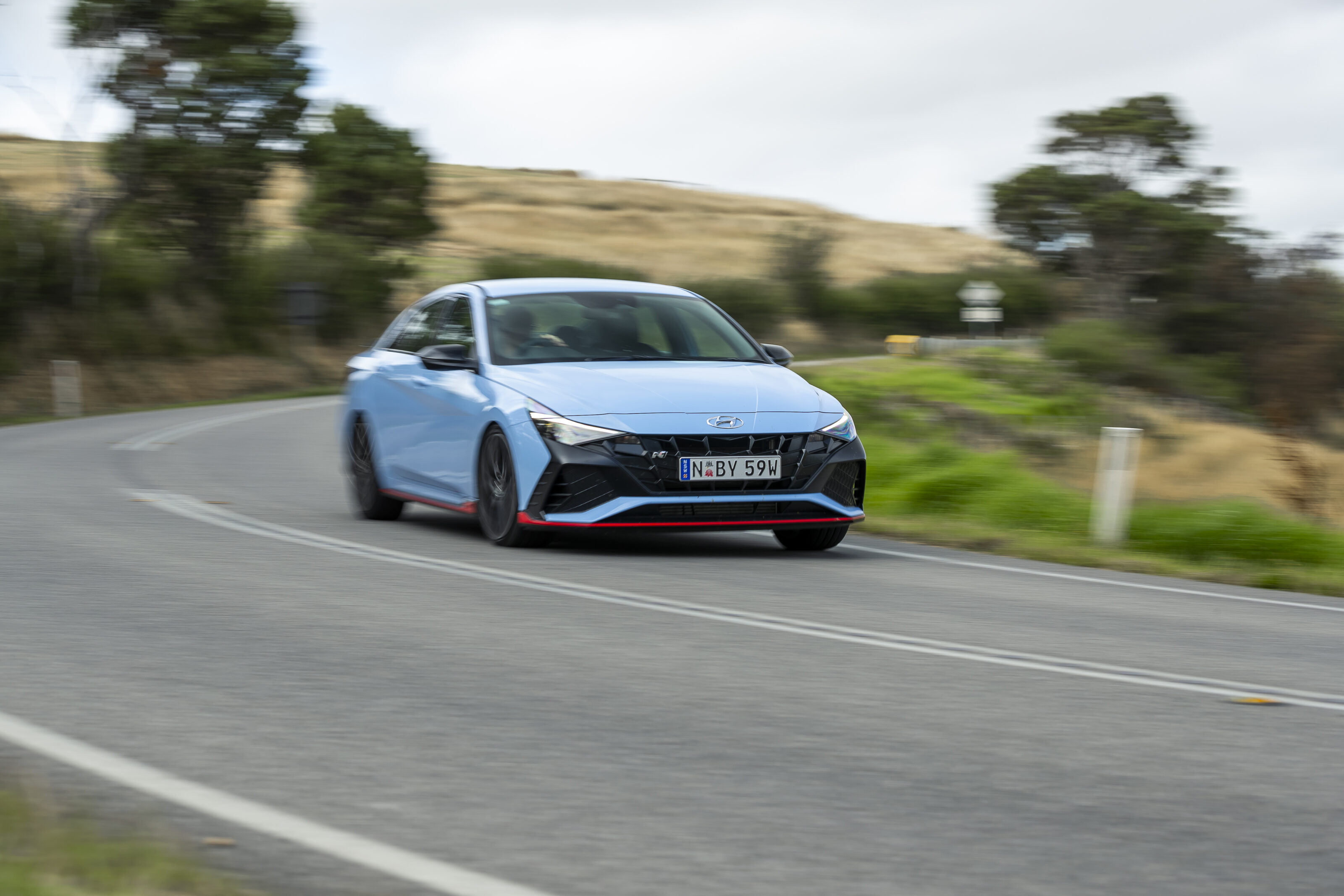
This. Is. Demented. Your first acquaintance with the Hyundai i30 Sedan N will probably leave a lasting impression. If you can wick everything up into N mode and hoof the car up a challenging road and not emerge giggling like an idiot, you’re dead inside. The neurotic steering, the outrageous pop-bang map and the sheer front-end grip makes this four-door fiend feel as if it’s operating at a level of intensity far beyond anything else in the SCOTY field.
Hyundai has done a great job infusing this car with bags of character and when everything is tamped down into a softer mode, there’s real duality of character. The extra wheelbase over the hatch manifests in superior ride quality but slightly less playful dynamics. It’s a great road car. But so sharp does it feel that we expected even more of it on track. After the road loops, the i30 N Sedan was trending towards the top of the SCOTY set.
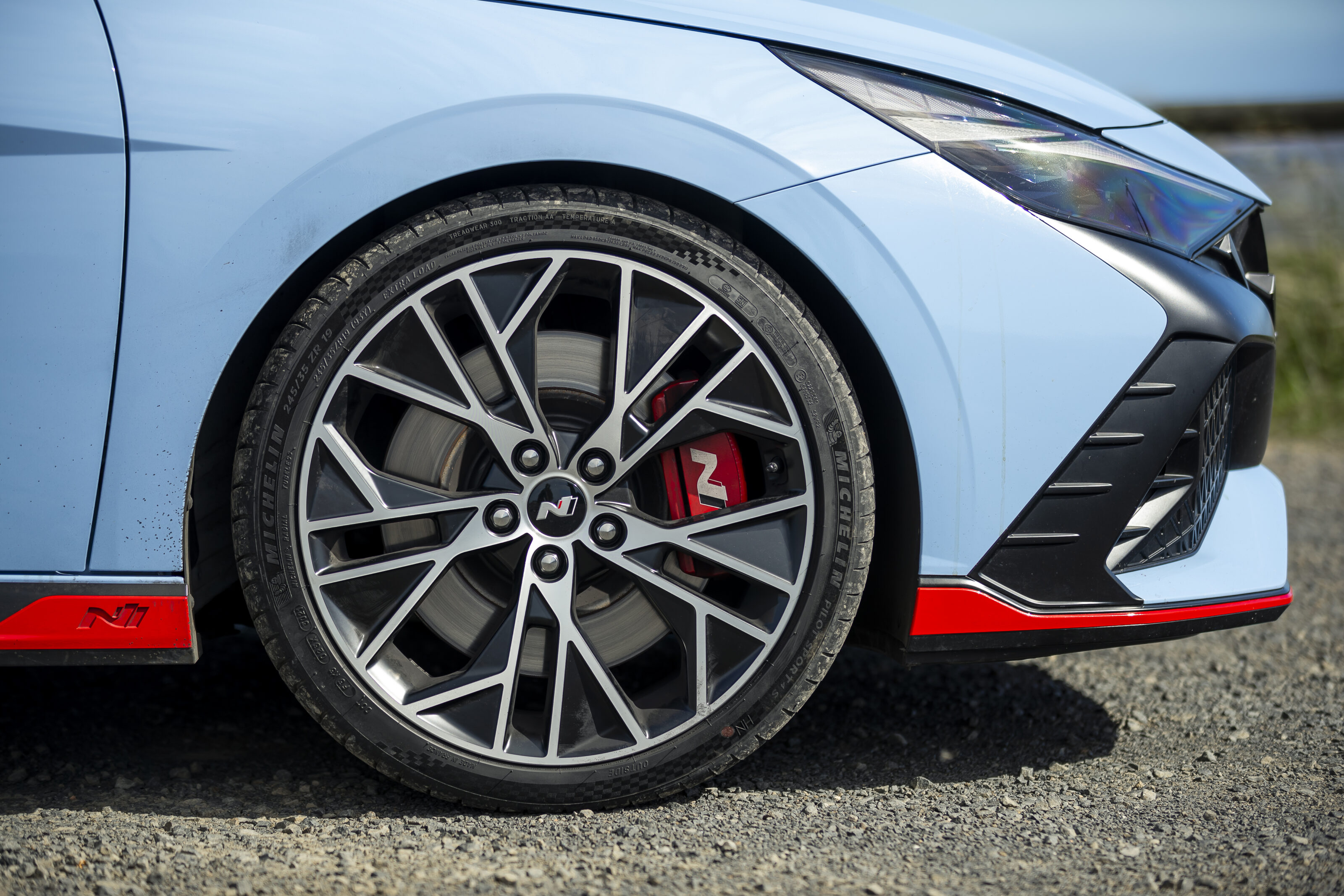
On track it was the quickest car we had after the outlier Mustang and the special sauce GR Yaris Rallye. Despite that, every judge got out, handed the keys over and never got into the Hyundai again. Its handling seemed a little prescriptive, its longer wheelbase tempering its exuberance rather than letting you freestyle like the berserker Focus ST.
The Michelin Pilot Sport 4S tyres are a great choice, but they seemed to outperform the brakes; the pedal going long in fairly short order. Testers liked the crisp eight-speed DCT but noted that the steering needed knocking back a notch into its middle setting to knock the uncouth edges off corner entry and exit.
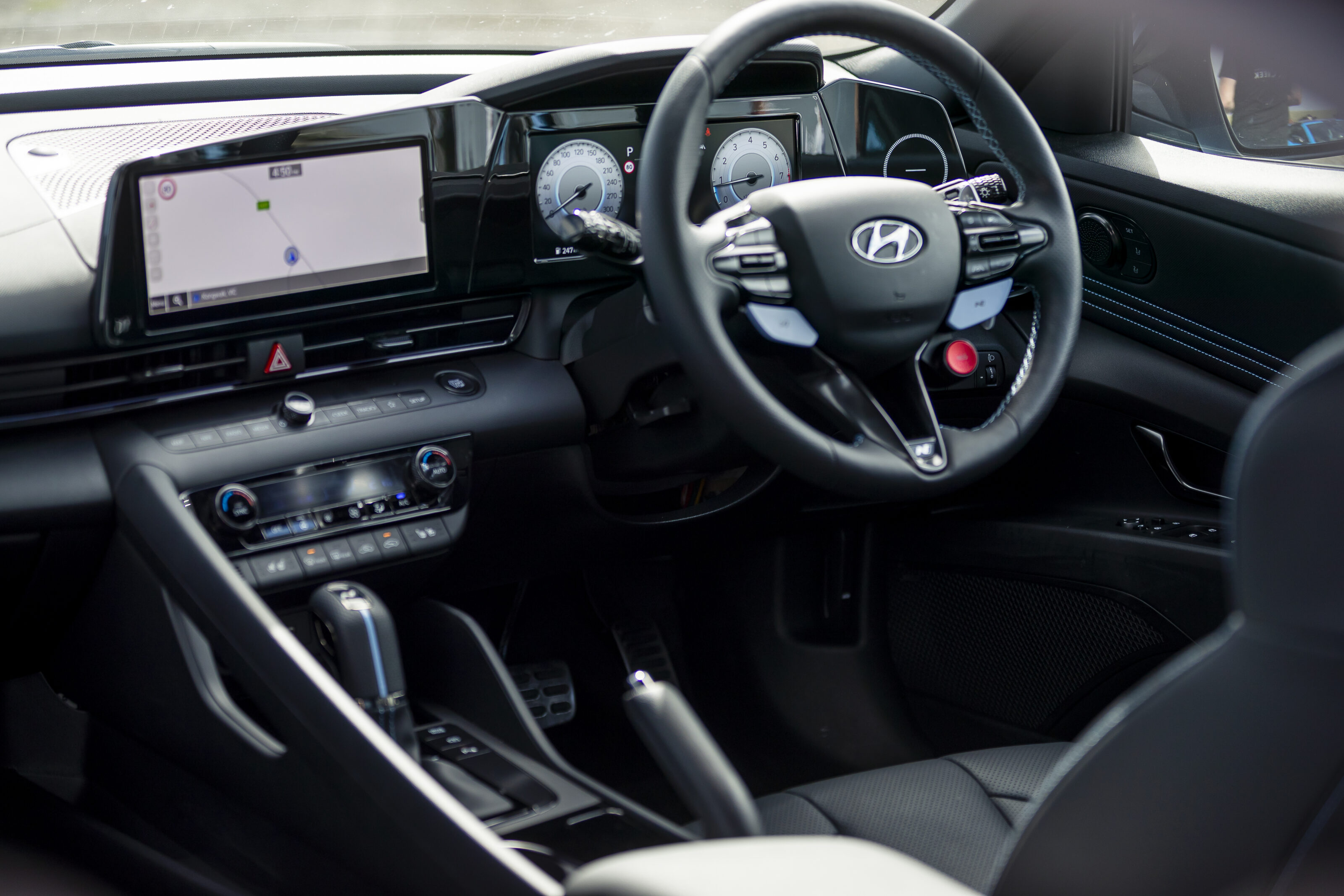
There was also a vast disparity between the anodyne on-throttle acoustics and the off-throttle sound effects. Ultimately, it felt as if it had driven clean out of its excitement envelope on the circuit.
“Is that it?” asked Giunco, wondering where much of the naughty on-road aural drama had disappeared to in the wide open spaces of Phillip Island. “You do a couple of laps and then you don’t feel as if you need to get in again,” said Luffy. “There’s not a lot more to it.”
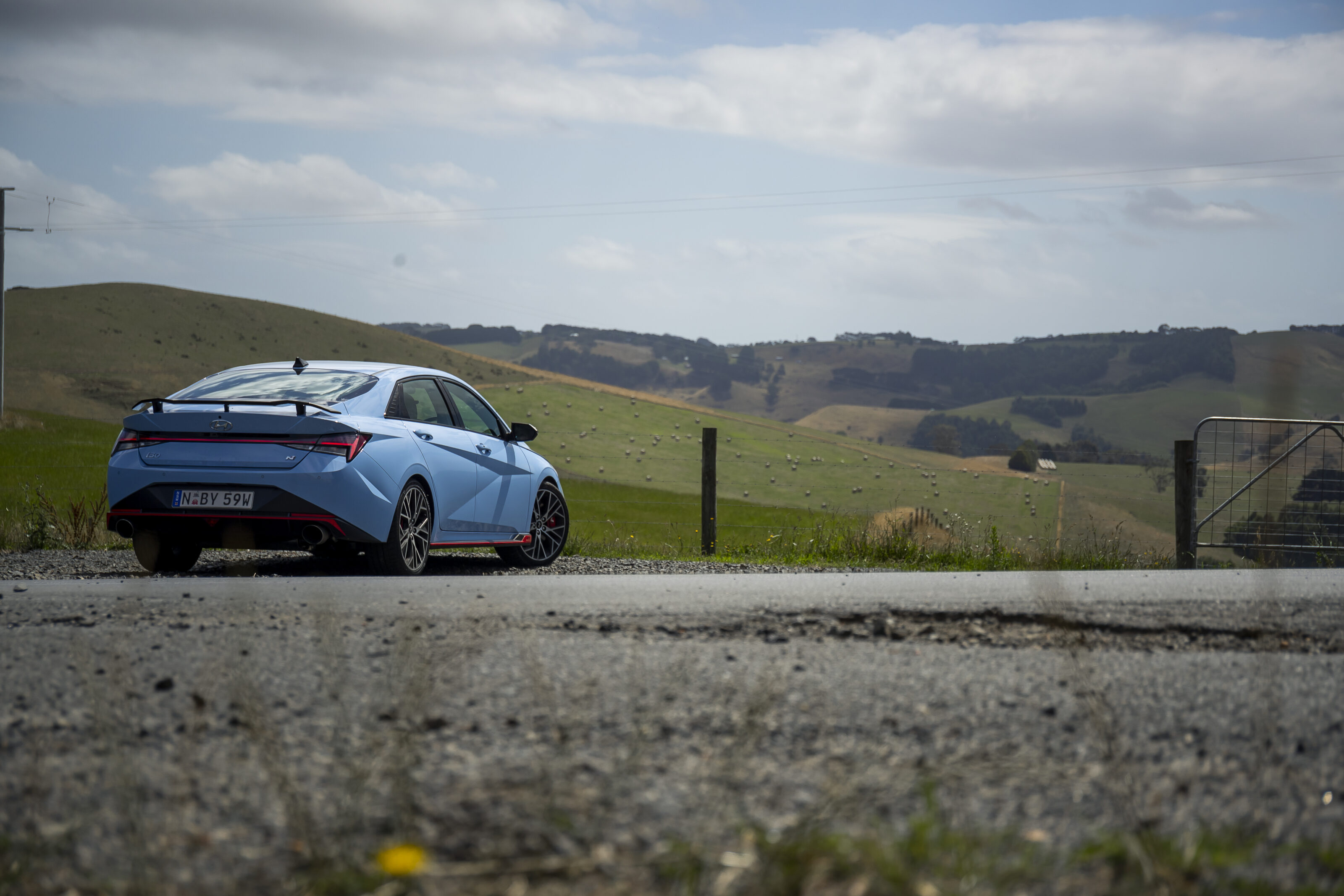
One champion of the i30 N Sedan was Bernie, who placed the i30 second, pipped only by the Focus ST. “This is such a bloody well resolved car. It would be mega with another 50-100Nm,” he enthused. Still, joint fourth overall and just a sniff from the podium seemed a fair result for the four-door N-car.
Strangely, for one of the very few cars that’s sold with a trackday warranty, it’s probably a better road car than it is a circuit tool. For the majority of owners, that’ll be more than enough.
The judge’s comment
Alex Affat
“I’m a big fan of this i30. Outright performance is best in class and it’s the comfiest of all the N cars”
Ranking: 6th
Andy Enright
“Yes, pop-bang exhaust maps are juvenile and obnoxious but, but… am I a terrible person?”
Ranking: 6th
Trent Giunco
“The i30 has a great front end and the LSD allows it to power out cleanly. Too many drive modes though”
Ranking: 6th
Cameron Kirby
“The i30 N Sedan is here for one purpose: to go fast and feel confidence-inspiring when doing so”
Ranking: 6th
Bernie Quinn
“The engine’s not as torquey as the Ford Focus ST but the i30 has a slightly more rewarding top end”
Ranking: 2nd
Luffy’s view
“This car is really fast, but it’s not as engaging as the Focus or the BRZ. The rear is stiff in track mode. You need to treat it with respect”
The key figures
| 0-100km/h: | 5.95sec |
|---|---|
| 0-400m: | 14.01sec |
| LAP TIME: | 1:52.29 |
Think of the best cars Australia’s missed out on. There are fantasy garages full of virtual metal that never made its way here, cars we could only buy on Gran Turismo like Nissan’s R33 GT-R, Ford’s Shelby Mustang or the original Audi RS2. Yet there’s one car that we and our mates over the ditch in New Zealand shared with Japan and nowhere else: the 1999-2002 Nissan S15 200SX.
The S15 – 200SX here but Silvia in Japan – remains the last affordable, front-engine, rear-drive Japanese sports car that delivered more thrills than rivals costing several times as much. A crescendo of Nissan goodness, it was also a perfect tuning platform for an entire culture – and is now the most winning car by a substantial margin in Japan’s D1 drift competition.
“Speed, style, substance – this rear-drive Silvia has it all,” we said after our first drive in Japan. Years later, its talent had stood the test of time. “The steering is well-weighted, heavier than the average Japanese system, smooth and feel-rich,” we said in a 2011 drive of a decade-old used example. “But it’s the cut-price-M3 balance and composure that impresses most. Turn-in is crisp, with little initial understeer, quickly moving to mid-corner neutrality, with rear-end adjustability via throttle and Torsen LSD.”
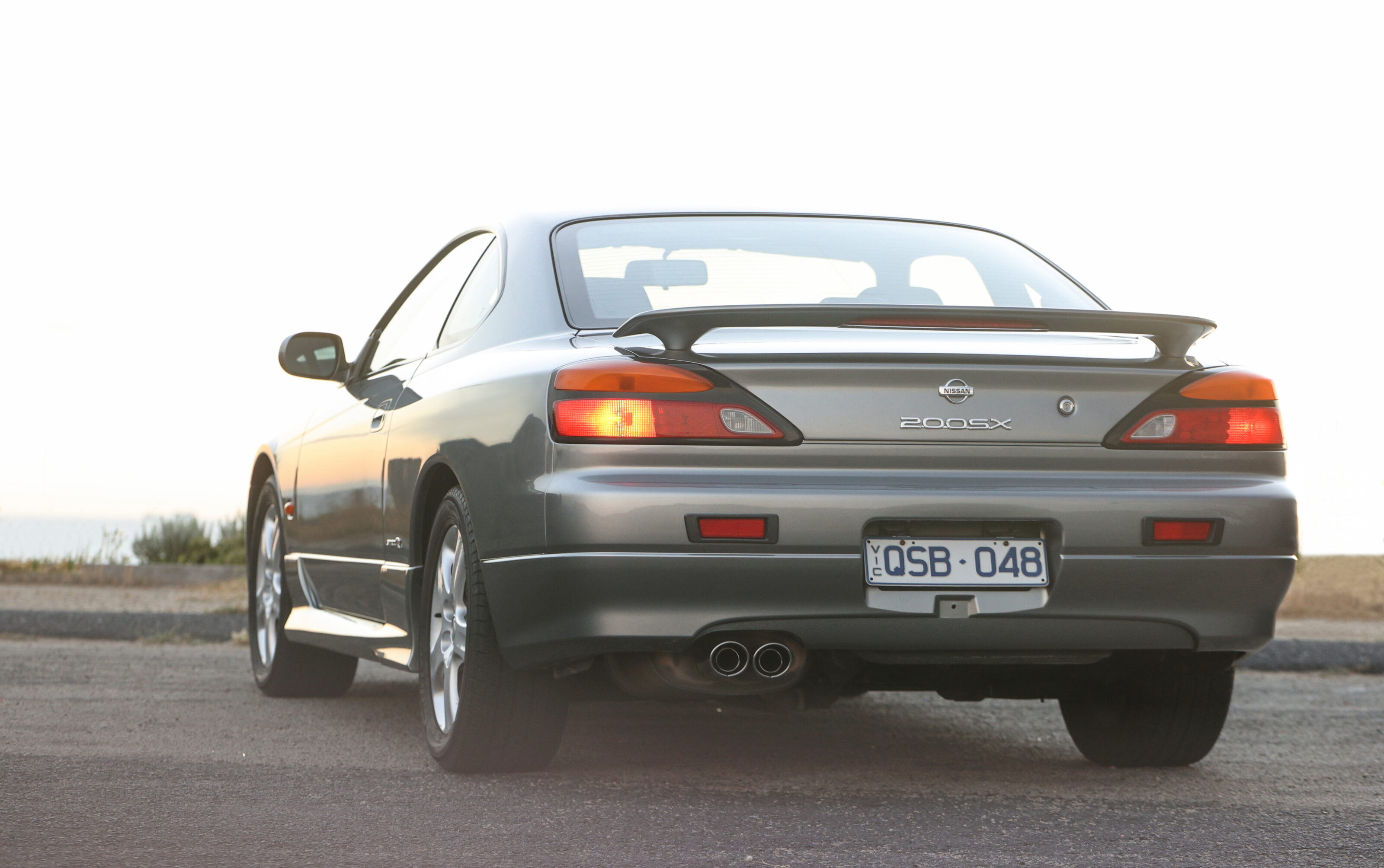
That cut-price-M3 call was no joke: for its $39,990 starting price, the S15 was directly in the crosshairs of the Subaru WRX and Honda Integra Type R. Yet for pure thrills, there was nothing like it. The previous S14 had won our sister title MOTOR’s ‘Bang for your Bucks’ in 1995, but the S15 even more impressively defeated the E39 BMW M5 and Porsche’s 996 911 Turbo in the 2001 Performance Car of the Year – the inaugural non-European winner, and the first that cost less than $100K. Yes, the S15 was that good.
It was the brilliant finale of a sports car lineage that could be traced back to the 1964 Tokyo Motor Show, where the svelte Datsun 1500 coupe was revealed, going on sale as the ‘Silvia’ – a Greek goddess – two years later. The first real S-chassis, though, was the wedge-shaped S10 from 1975.
Created to slot below the 240Z, which was becoming increasingly expensive, the S10 was a youth-oriented rear-drive coupe that set the formula for Nissan’s affordable sports line. Yet it was never sold here: Australia’s first taste of the S-chassis came in 1983, with the S12 Silvia – sold here as the Nissan Gazelle.
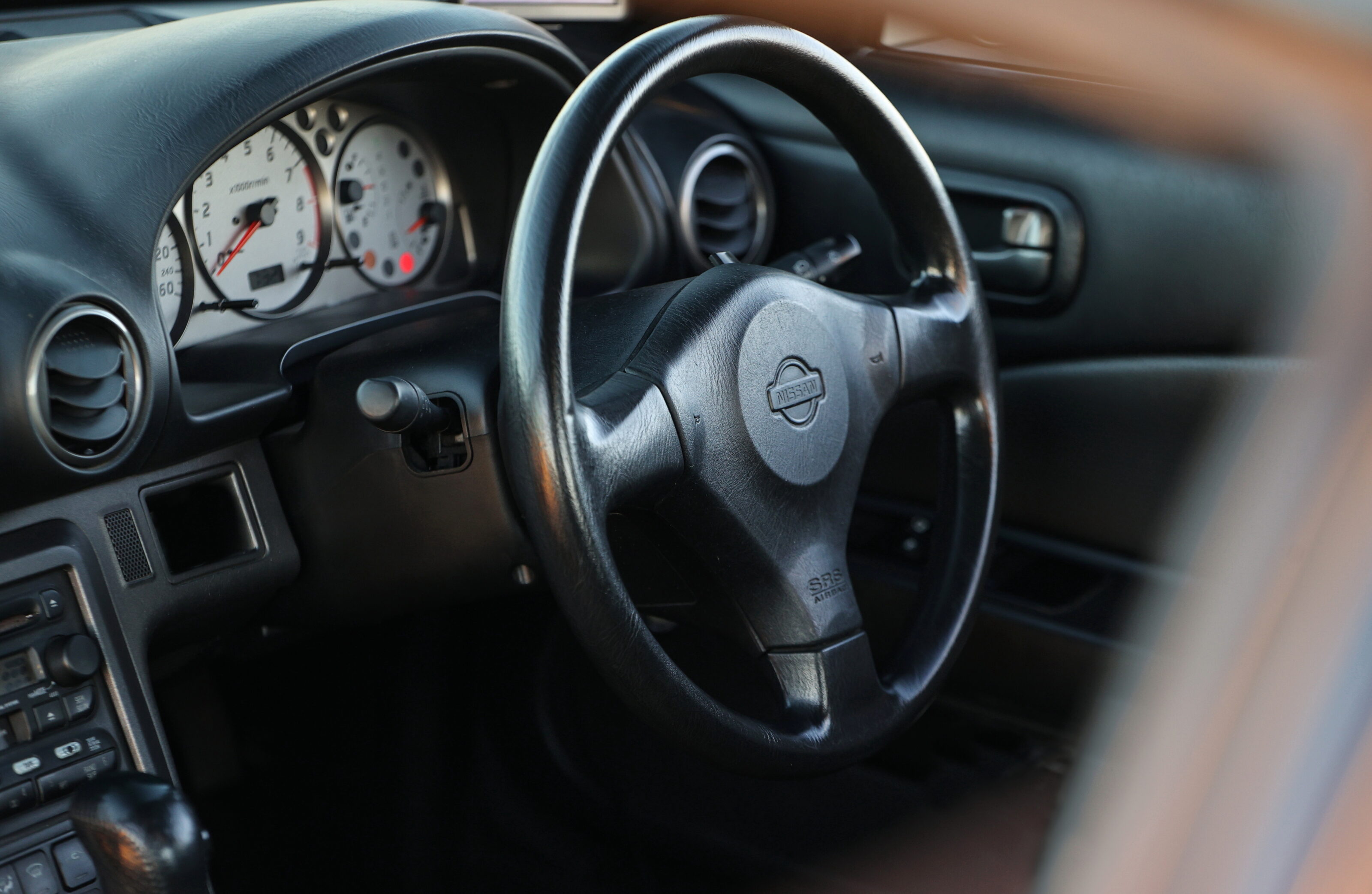
The Gazelle won the 1987 Australian 2.0-litre touring car championship with a young Mark Skaife at the wheel, but in road trim as either a fastback or sedan, the S12’s CA20 four-cylinder boasted fuel-injection and a competitive 78kW but was no showroom winner.
If the Gazelle didn’t rock the boat, the S13 was the complete opposite: its impact on the tuning and drift scene globally is immeasurable. The stylish S13 180SX fastback and accompanying coupe – the latter badged Silvia in Japan – was lapped up by enthusiasts as an affordable compact-class car and was crowned 1988 Japan Car of the Year.
Initially, the S13 offered the naturally-aspirated CA18 or turbocharged CA18DET four-cylinder under its bonnet, an engine absolutely ripe for tuning, with only a handful of inexpensive mods generating high horsepower with relative reliability. Bang for buck was the S13’s thing, whether it was drifting in the Japanese mountains or having the wick turned up by an LA tuning shop.
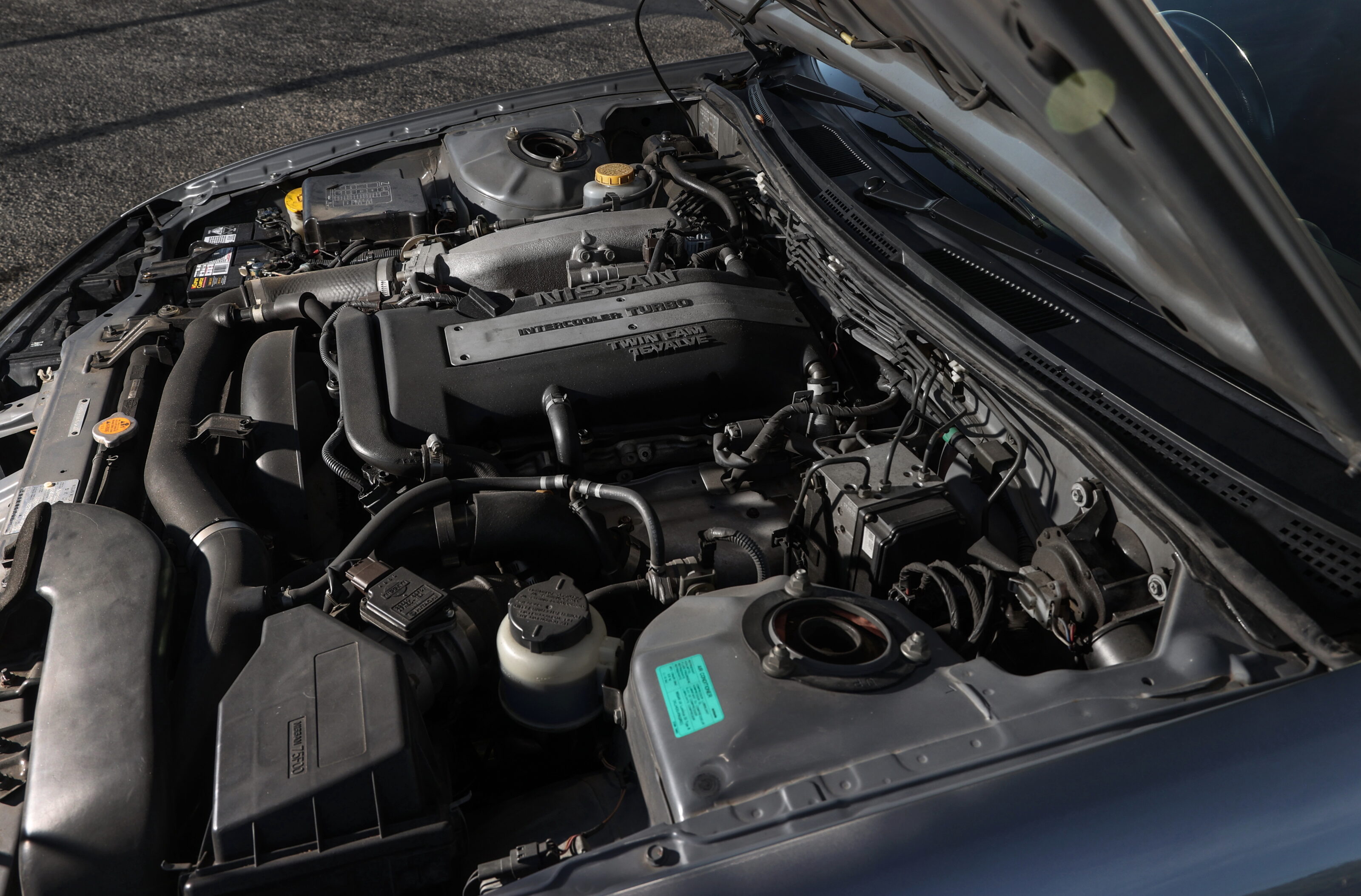
The S13 also delivered the next building block that would cement it and its successors as performance legends: the SR20DET. Introduced in 1991, the lighter and more potent SR20DET in-line four was a perfectly square, closed-deck, all-aluminium unit running a fully counterweighted forged steel crankshaft, with early versions running a Garrett T25 turbocharger.
Australians experienced the non-turbo SR20 in the popular Wheels COTY-winning N14 Pulsar SSS, but like the S13 itself, we’d missed out on the ‘redtop’ SR20DET in its most potent form aboard the N14 Sunny GTi-R ‘baby Godzilla’: the three-door hatch variant of the Pulsar made for Group A world rallying
That was until 1994, when Nissan Australia introduced the brilliant S14 200SX. The S14 added 51mm to the S13’s wheelbase (for 2525mm) bringing superior stability in its coupe-only body (Japan saw a convertible, but no more fastback). It was an absolute screamer with its SR20DET under the bonnet – now with variable valve timing to earn the nickname ‘notch top’ – making 147kW/265Nm and smoking its rear Yokohamas for a 0-100km/h ET of 6.9 seconds.
To stand out was an achievement, as the S14 formed part of a rich seam of affordable mid-’90s performance cars on sale in Australia. It arrived the same year the Subaru Impreza WRX shook the scene, with HSV stroking the Holden V8 to 5.7 litres, while Mitsubishi had stirred the pot with the bargain CC Lancer GSR two years earlier. There was still a choice of Japanese coupes, too, including the Toyota Celica and Honda Prelude, both front-wheel drive, but the 200SX had serious venom.
“The car that can keep the WRX and Prelude on their toes is the 200SX – talk about fast!”, read our March 1998 comparison of the updated ‘S14a’. “When willed, the 200SX carries even more speed than the others.”
The end of the S14’s run in 2000 meant game over for the S-chassis beyond Japan. Yet instead of farewelling Nissan’s beloved performance coupe, we received the best of the lot in the S15 – even if its arrival was frustratingly delayed until November 2000.
It was worth the wait, with the gorgeous S15 packaging the S14’s underpinnings into a more compact, smarter exterior design teamed with intelligent technical upgrades to instantly date its predecessor.
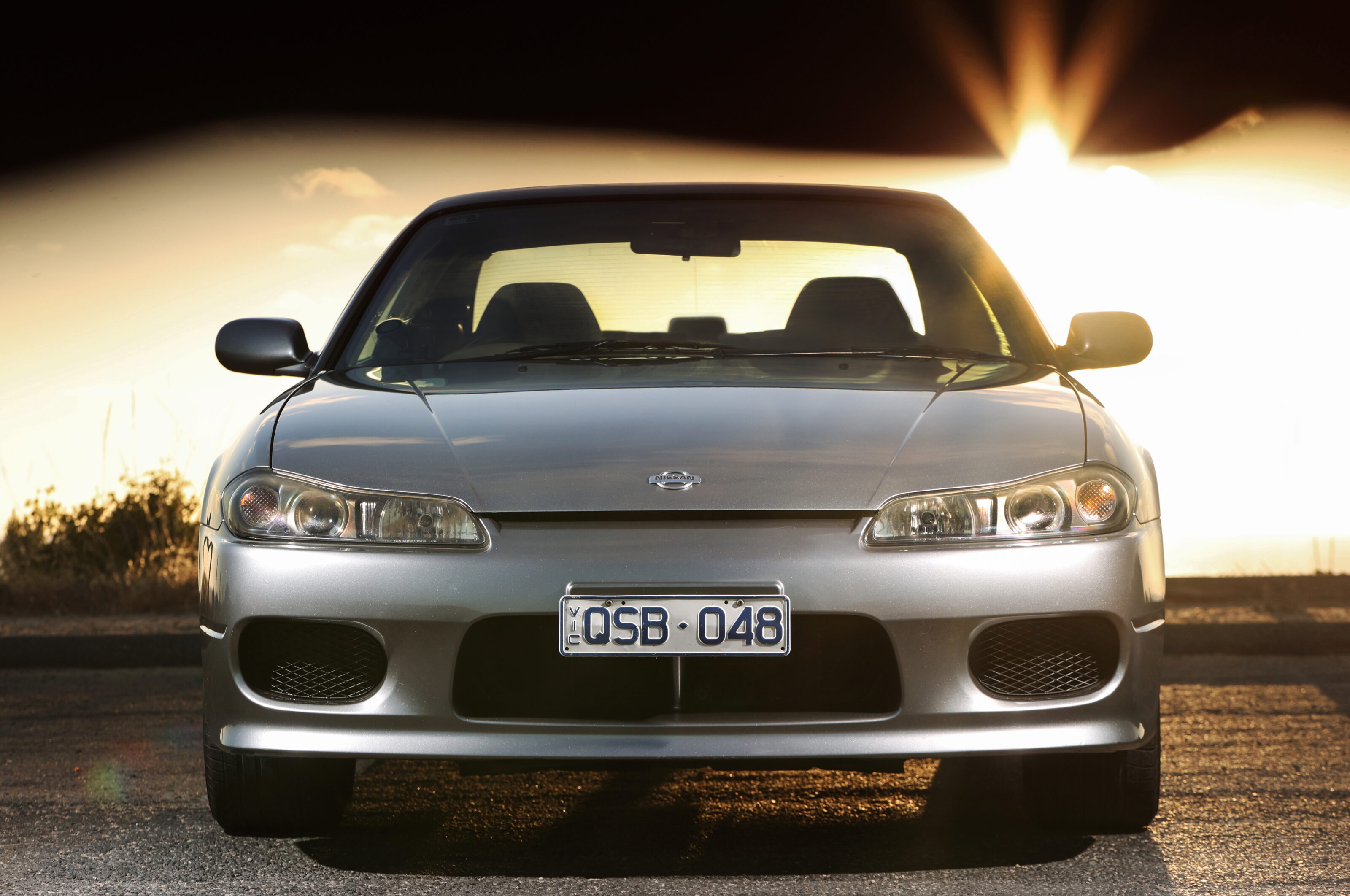
“At last, Nissan has rediscovered the art of designing great looking coupes,” we said in our March 1999 issue. “Inside, Nissan has abandoned banality at last for a stylised cabin in the Fiat Coupe/Mercury Cougar mould.”
The Nissan S15 200SX is a masterpiece; a culmination of sublime engineering
Impressively, the S15’s starting price would remain sub-$40K, while the detail that went into the final 200SX made it truly formidable. The 2525mm wheelbase remained unchanged, but the S15’s body was 75mm shorter and 35mm narrower, with its tracks 10mm narrower, too.
The roof was also lowered 10mm as the S15 snuck into the compact class – like the S13 – and cheaper tax bracket in its homeland. Nissan claimed a 25kg weight loss, too, with Nissan Australia’s figure for the entry-level Spec-S manual 1265kg.
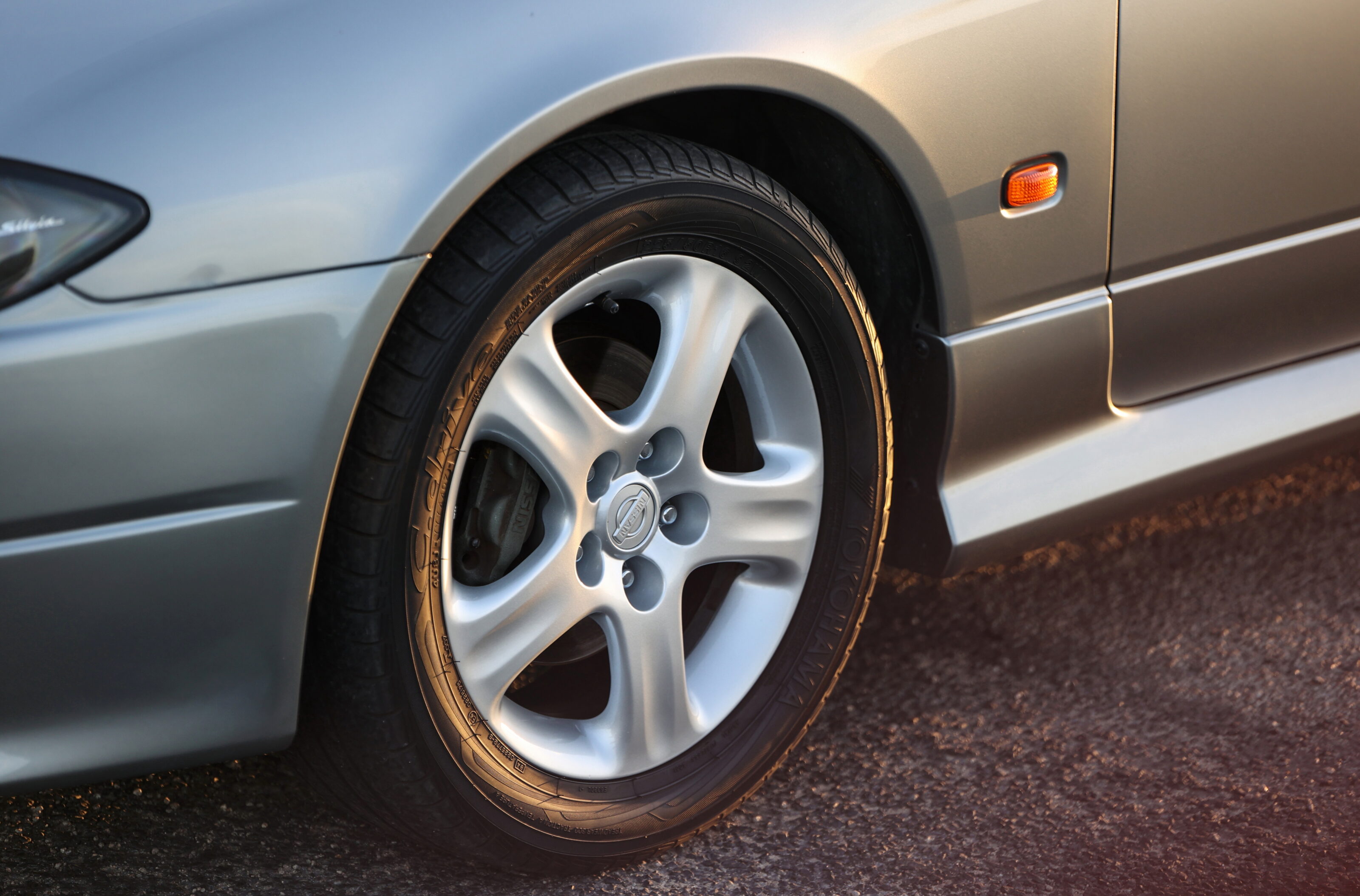
Revised suspension saw the rear spring rate increased to 2.4 kg/mm and the shock absorber rebound significantly increased – the front from 43kg to 64kg and the rear more than doubling from 35kg to 75kg. Firmer bushings, thicker anti-roll bars and strut braces at both ends stiffened the chassis further, with changes focused on responsiveness including reducing power assistance to the steering and a switch to Bridgestone rubber.
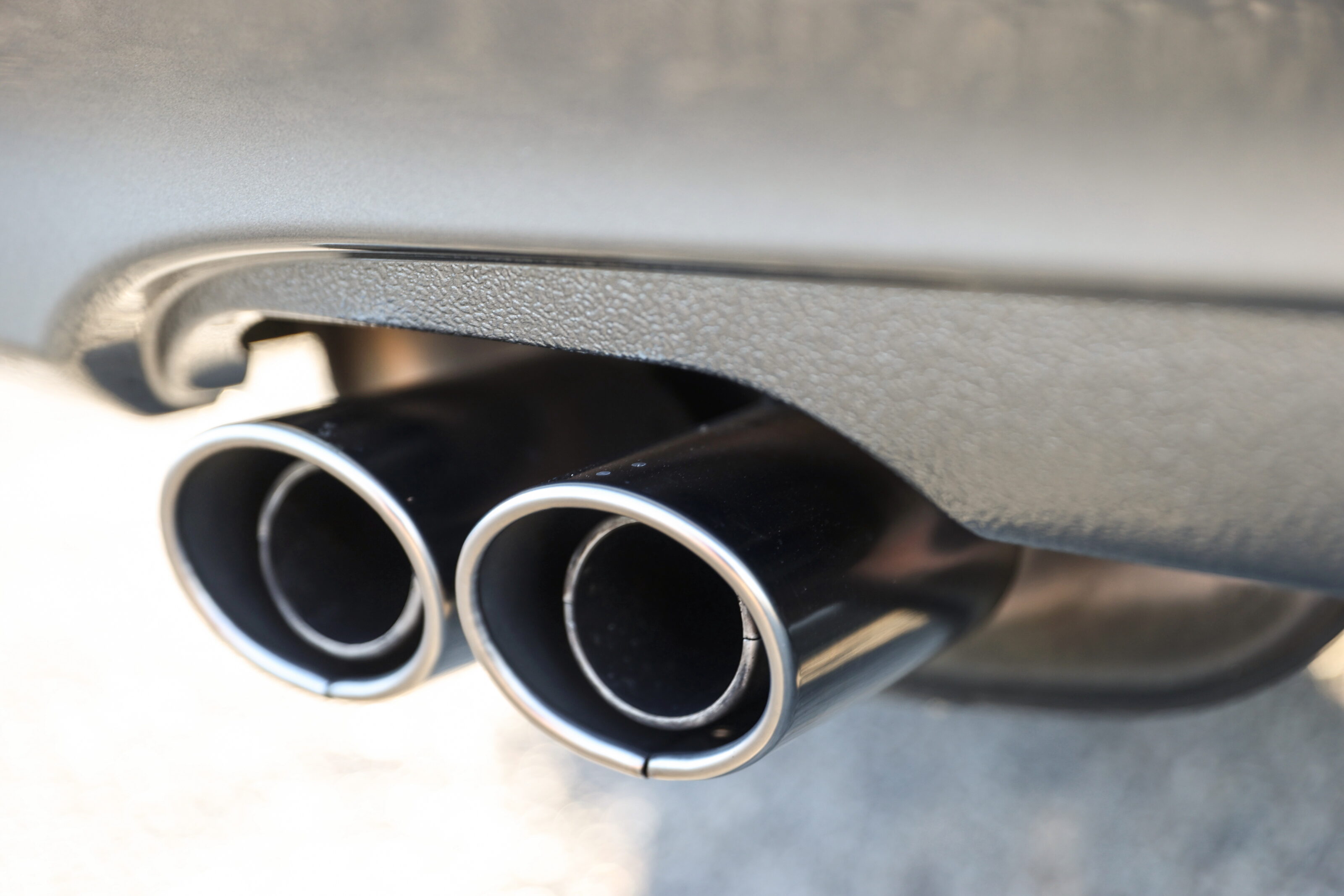
Key to the S15’s mastery was the addition of a Torsen limited-slip diff. It retained the same 3.69 final drive but was paired with a new six-speed manual, which brought a lower first gear and higher top gear (overdrive) than the previous five-speed. Forget the four-speed auto, which only made up 622 of the S15’s total 3691 sales here and came with a viscous LSD instead of the manual’s superior Torsen unit.
The smart diff helped reduce the previous rear-end looseness – important given the SR20DET ran larger fuel injectors – while the T28 ball-bearing turbo’s boost increased from 7.0 to 10.6psi (0.73bar) with a larger intercooler reducing lag.
The Australian-spec S15 packed an identical 147kW/265Nm as the S14 with Nissan suggesting a circa 7.0-second 0-100km/h time, no quicker in a straight line than its predecessor. Wheels’ best test results for both S14 and S15 200SXs were an identical 6.9sec, with the S15 posting a one-tenth better 14.9-sec quarter-mile to snap at the benchmark WRX’s heels.
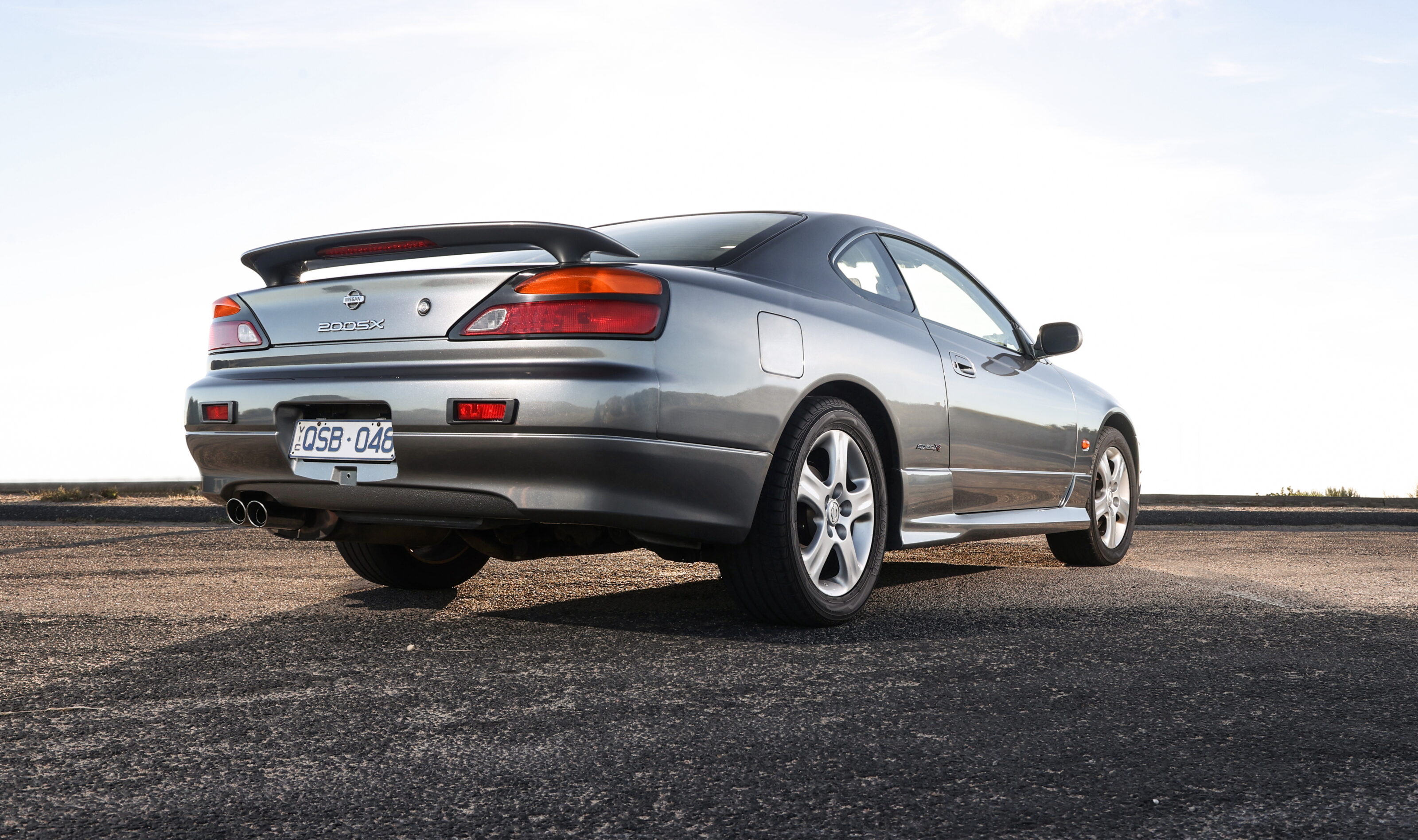
Yet the S15 was not about numbers, but the delivery. The engine and driveline upgrades and superior packaging made for a much more engaging, sharper point-to-point drive. It wasn’t hard to pedal the 200SX fast, either, and when you weren’t on a sinewy strip, it was also more liveable and even looked hot when standing still.
“Gorgeous, isn’t it? If the superseded Silvia was plain Jane, the new Silvia is pacy sex appeal,” we said in March 2001. “Not only is the Silvia visually stimulating, it delivers on road too. It’ll stay with a WRX through the tight stuff and is only fractionally slower in a straight line.”
The Nissan S15 200SX is a masterpiece, a culmination of sublime engineering that delivered both the S13 and S14 before it. Its evolution from its talented predecessors gave us the sharpest handling, best-looking iteration of Nissan’s affordable S-chassis which made it one of the best performance cars of its time. It somehow managed to bring a layer of civility for the everyday, too.
Decades on, Nissan is yet to offer a successor to a legion of eagerly awaiting fans, but it’s somewhat fitting that the S15 was the S-chassis’ finest hour. And, for once, Australia was in the driver’s seat.
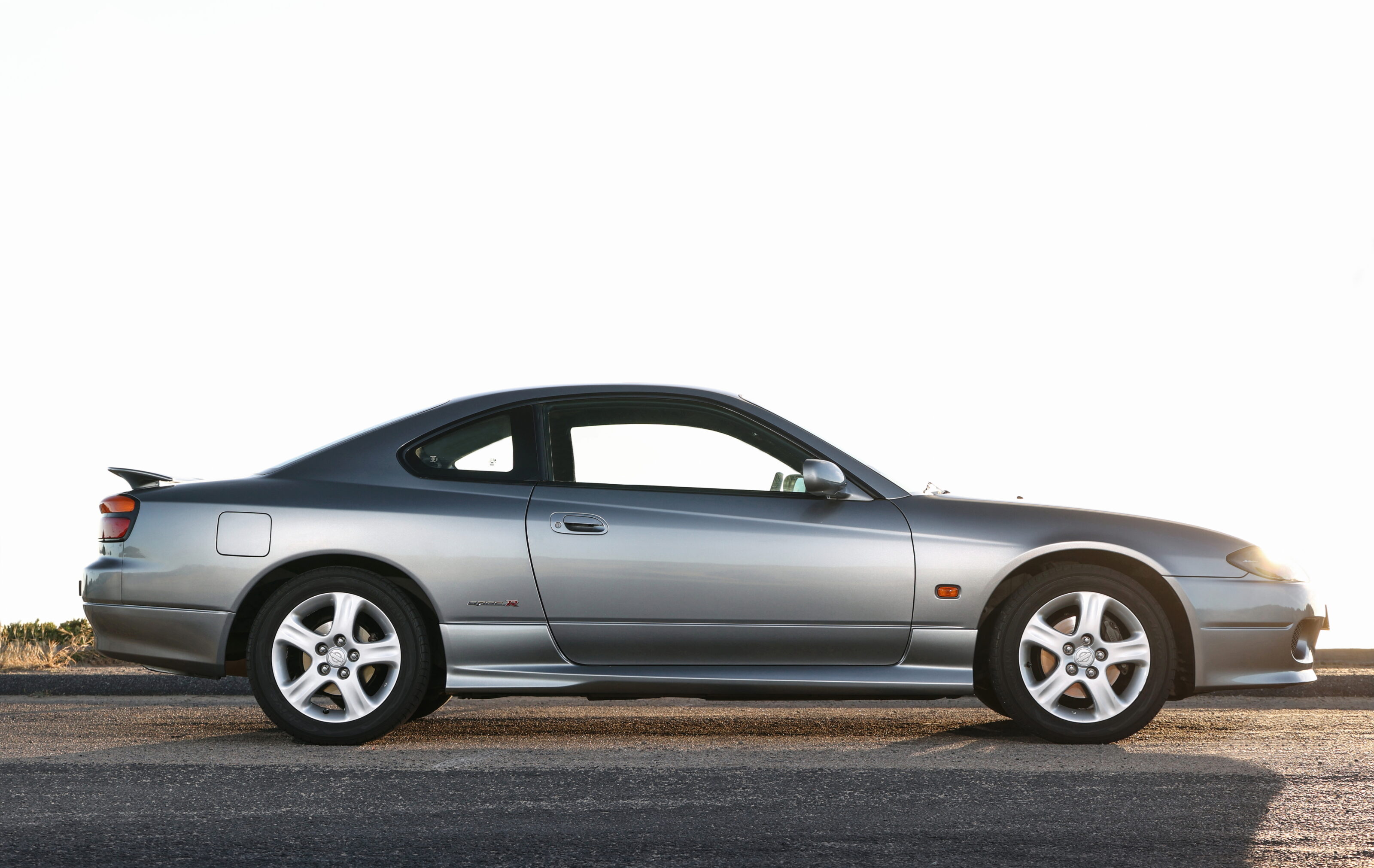
DOMESTIC BLISS
Sure, Japan did get a ‘better’ version of the S15, largely due to its 100RON fuel. With 184kW, the JDM Spec-R 200SX had a 37kW advantage over Australian models, but Japan’s line-up also included an entry-level non-turbo S20DE five-speed manual, the Spec-S.
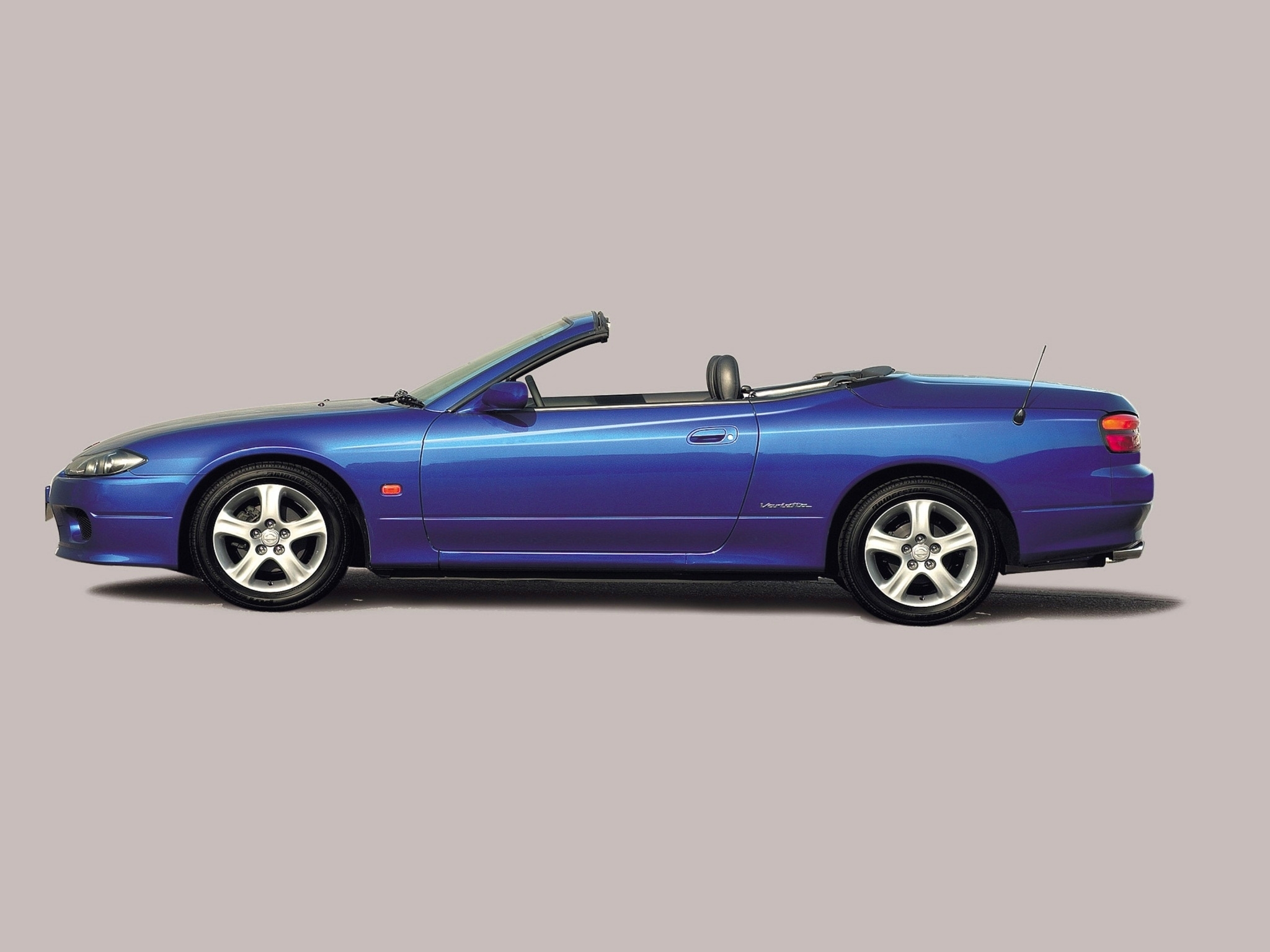
Japan also saw optional HICAS rear-wheel steering as well as catalogues of Nissan-sanctioned visual kits and parts including a tuned version by factory-backed Autech. There was also the Varietta, a hard-top convertible S15 for alfresco lovers.
AMERICA, TRUCK YEAH
An army of salivating Americans wants your Aussie S15! Having missed out on the final 200SX, North America’s last hurrah was the ‘Kouki’ S14a – powered by the KA24DE from, among others, Nissan’s D21 Navara. Criticised as a ‘truck’ engine and wearing the ‘240SX’ badge, it still made for a potent sports car. Yet fans are counting down to 2024, the 25th anniversary of the S15, when the SR20DET-powered 200SX will finally be road-legal as an historic import in the USA.
The good
Genuine global exclusivity; brilliant on twisty stuff; superb build quality; comfortable enough to drive daily; massive tune-ability.
The Bad
Tuner’s dream makes finding a stock or previously unmodified example near impossible; be aware of your S15’s JDM or local origins.
Snapshot
- JLR plans to reduce operational emissions by 46 per cent before 2030
- Individual vehicle emissions to drop by 54 per cent across the value chain
- 2039 target of net zero carbon emissions established
Jaguar Land Rover has announced its sustainability targets for 2030, aiming to drastically reduce its greenhouse gas emissions by the end of the decade.
The conjoined Gaydon manufacturers have previously declared intentions for Jaguar to go all-electric from 2025, with Land Rover to adopt a fully electrified vehicle line-up by 2030.
In its latest announcement for its Reimagine Strategy, JLR said it will reduce emissions across its operations by 46 per cent compared to 2019 levels by the end of the decade, coming from a cut in average vehicle emissions across its value chains of 54 per cent.
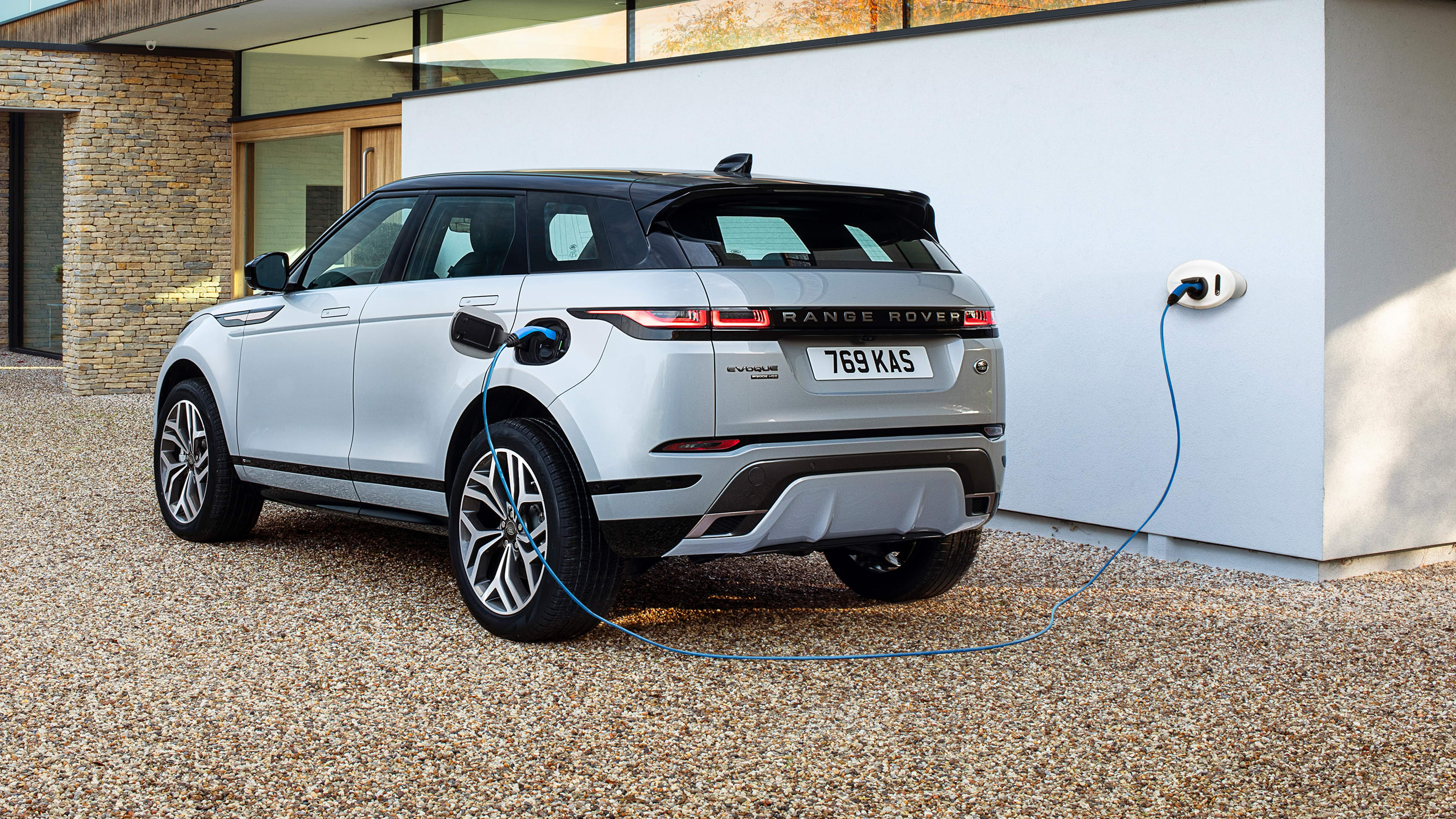
JLR’s targets extend through to the manufacturer achieving net zero carbon emissions, an aim it expects to meet by 2039 through the adoption of electric vehicles and sustainable practices across the business.
Rossella Cardone, Director and Head of Sustainability Office at Jaguar Land Rover, said the Reimagine Strategy will allow the carmaker to retain its position as a luxury brand while meeting emissions targets.
“Sustainability sits at the core of our Reimagine Strategy, with the aim to achieve net carbon zero by 2039, as the creator of the world’s most desirable modern luxury vehicles,” said Cardone.
“As we move from climate ambition into action, we are now embedding sustainability into the Jaguar Land Rover DNA to minimise our carbon footprint across our value chain.
“Science-based targets tell us how much and how quickly we need to reduce our greenhouse gas emissions, as well as keeping stakeholders informed about our progress.”
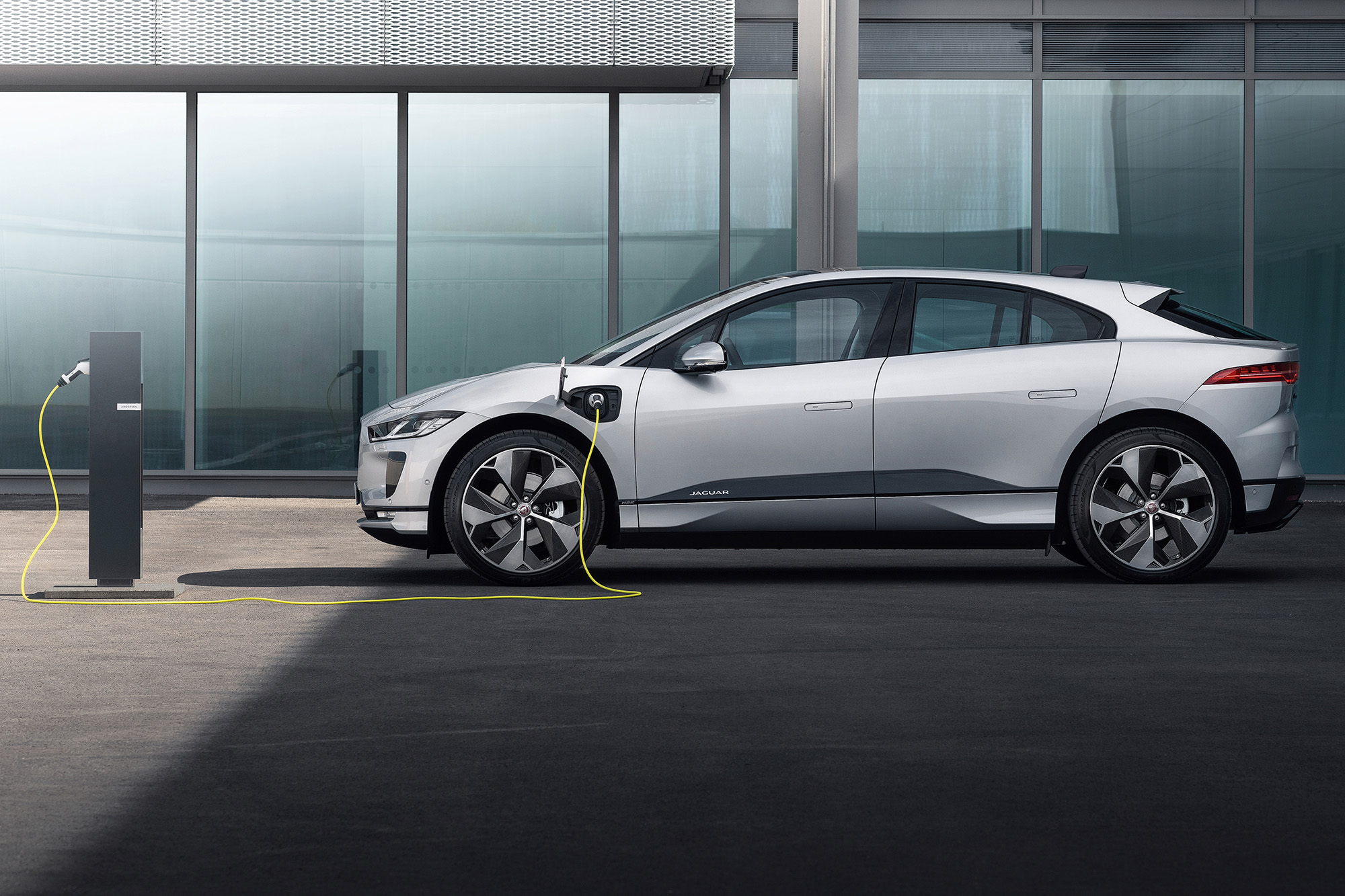
Jaguar introduced its first electric vehicle, the I-Pace, in 2018 before transitioning more of its line-up to include electrified powertrains – which currently includes the mild-hybrid E-Pace and F-Pace.
Land Rover will launch its debut EV in 2024, but its roll-out of hybrid models has already started, with both mild-hybrid and plug-in hybrid variants of certain models available in Australia.
Snapshot
- 224kW and 370Nm from 1.6 turbo
- All-wheel drive, six-speed manual
- Carbon-fibre roof for Launch Edition
UPDATE, April 1, 2022: The 2023 Toyota GR Corolla has now been officially revealed, and confirmed for Australia. Get the full story at the link below.
The story to here
The 2023 Toyota GR Corolla has been leaked, revealing both the design and key specifications for the Japanese brand’s highly anticipated hot-hatch.
Toyota’s belated answer to performance hatches such as the Ford Focus ST, Renault Megane RS and Volkswagen Golf R will produce 224kW and 370Nm from an uprated version of the GR Yaris’s 1.6-litre three-cylinder turbo.
As with that 200kW pint-sized rally car for the road that shares torque output, the GR Corolla features a six-speed manual gearbox and employs a variable all-wheel-drive system.
Featuring the same Normal, Sport and Track modes as its smaller hot-hatch stablemate, the GR Corolla can vary the torque split between its axles: front-biased, 50-50, or with a 30-70 rear-wheel bias.
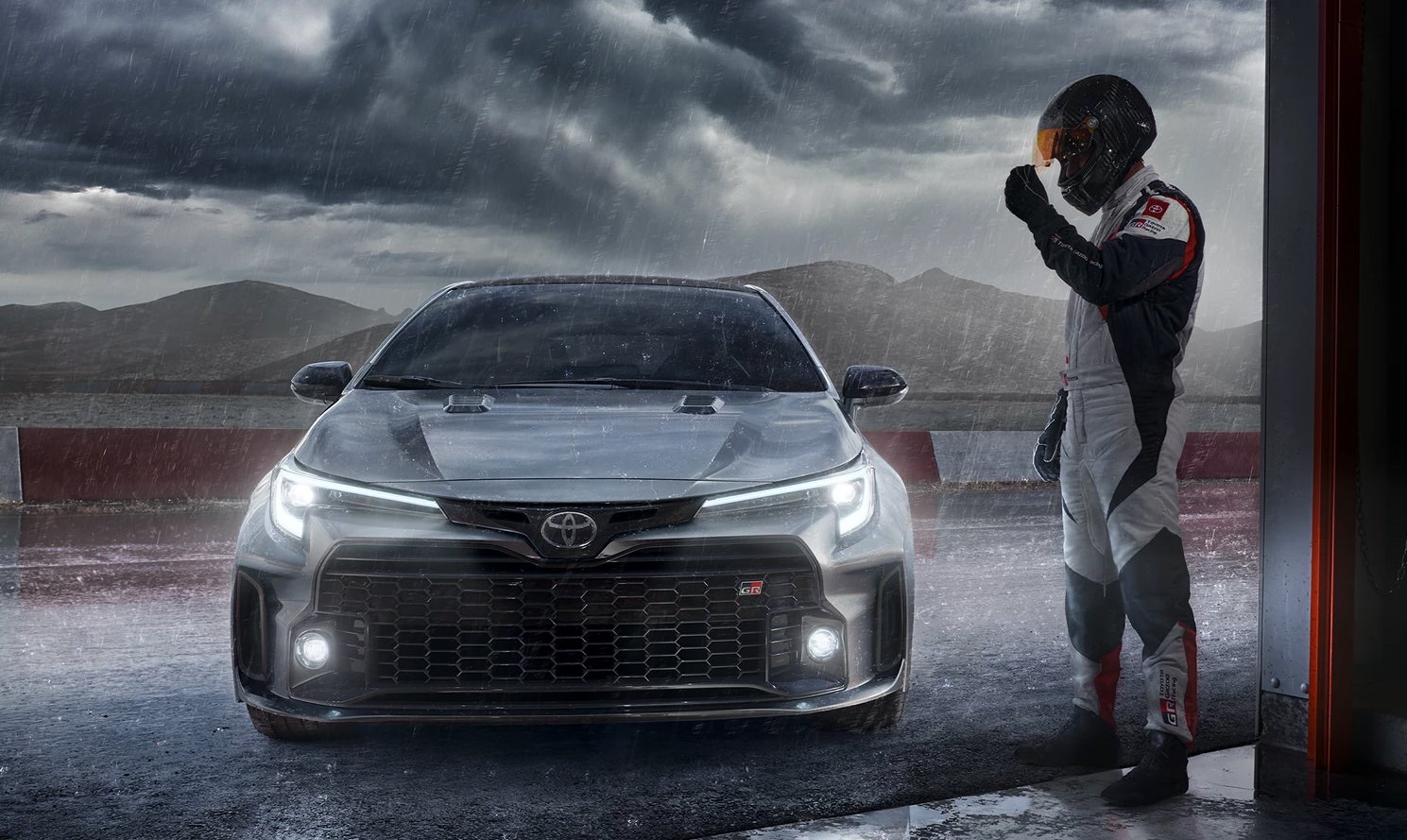
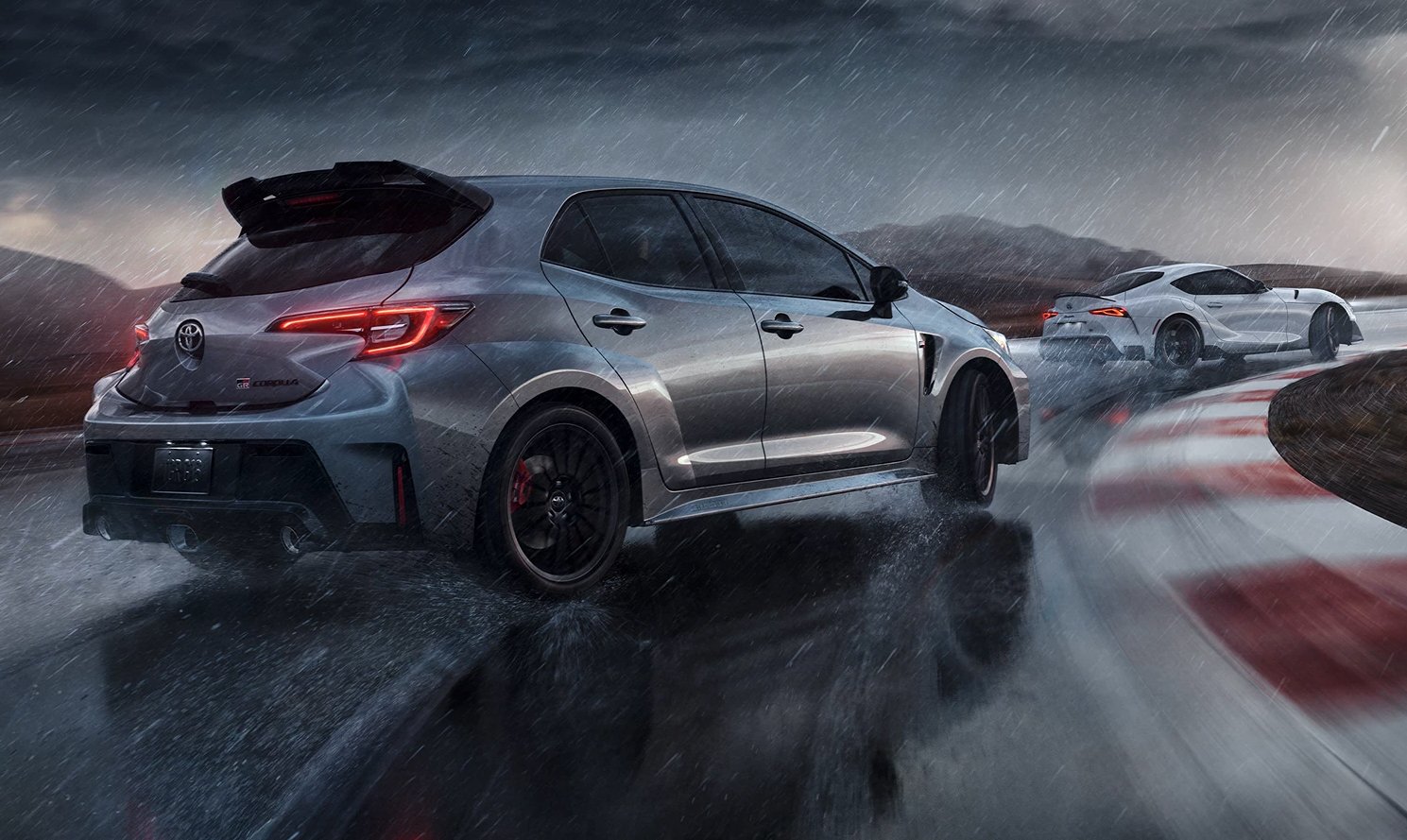
The official ‘staging’ website pages discovered on Toyota USA’s website – and since deleted – reveal an aggressive look very much in sync with the smaller GR Yaris, though the Corolla is a five-door rather than three-door hatch.
The front end is dominated by a huge air intake that features the GR – Gazoo Racing – logo and is flanked by foglights and ducts for cooling the brakes (presuming these are not fake).
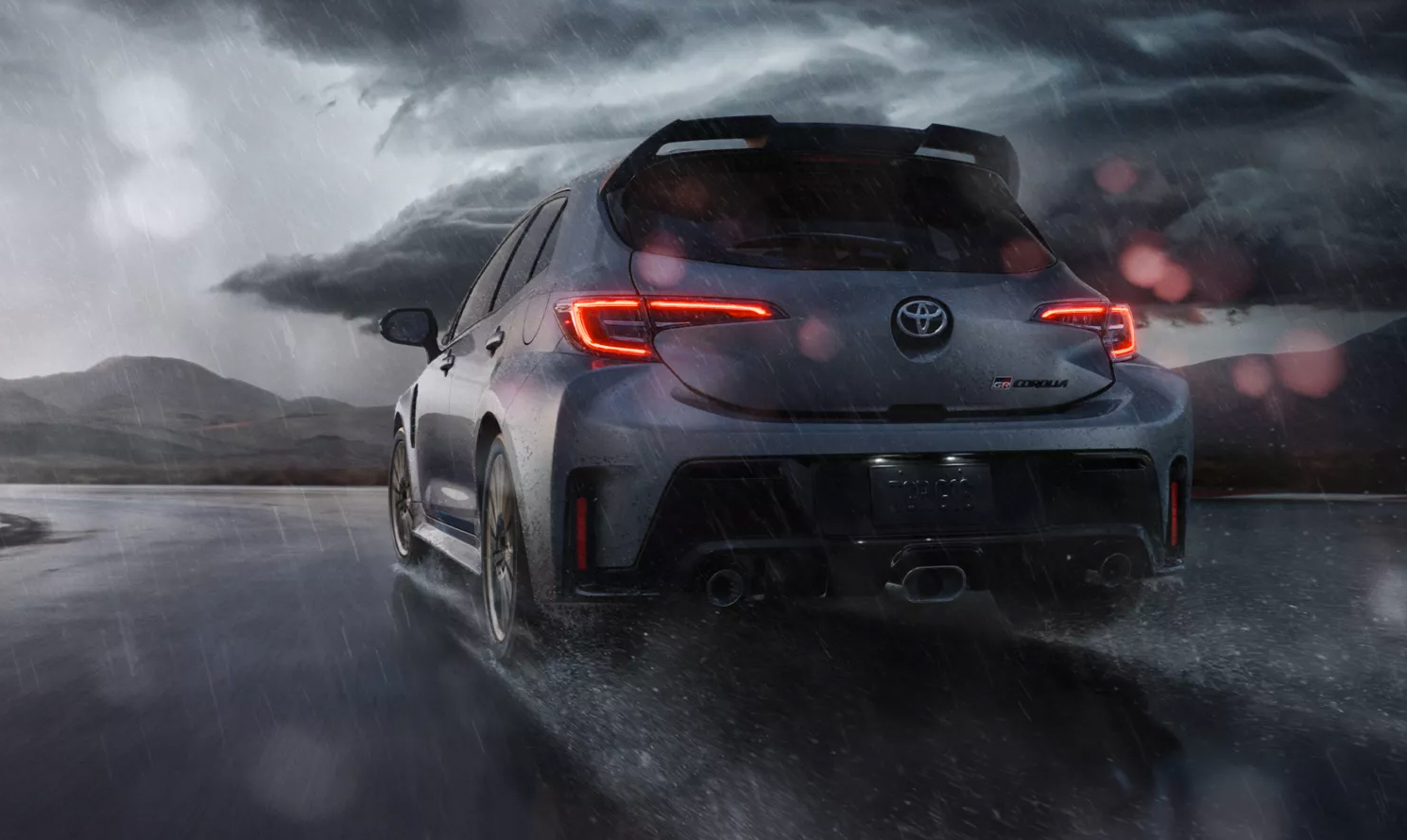
Above that is a muscular ‘powerdome’ bonnet – with dual vents that look set to be part of extra details available with the Launch Edition model pictured.
An unexpected element at the rear is a trio of exhaust pipes – with an oval-shaped central exhaust between two outer circular pipes.
The sound of the GR Corolla revving can be heard in a clip included in the Toyota online promotional material. (Embedded below.) No performance times are quoted unfortunately.
Toyota’s information says the GR Corolla has been engineered with a “circuit-tuned suspension” and wears Michelin Pilot Sport 4S tyres as standard.
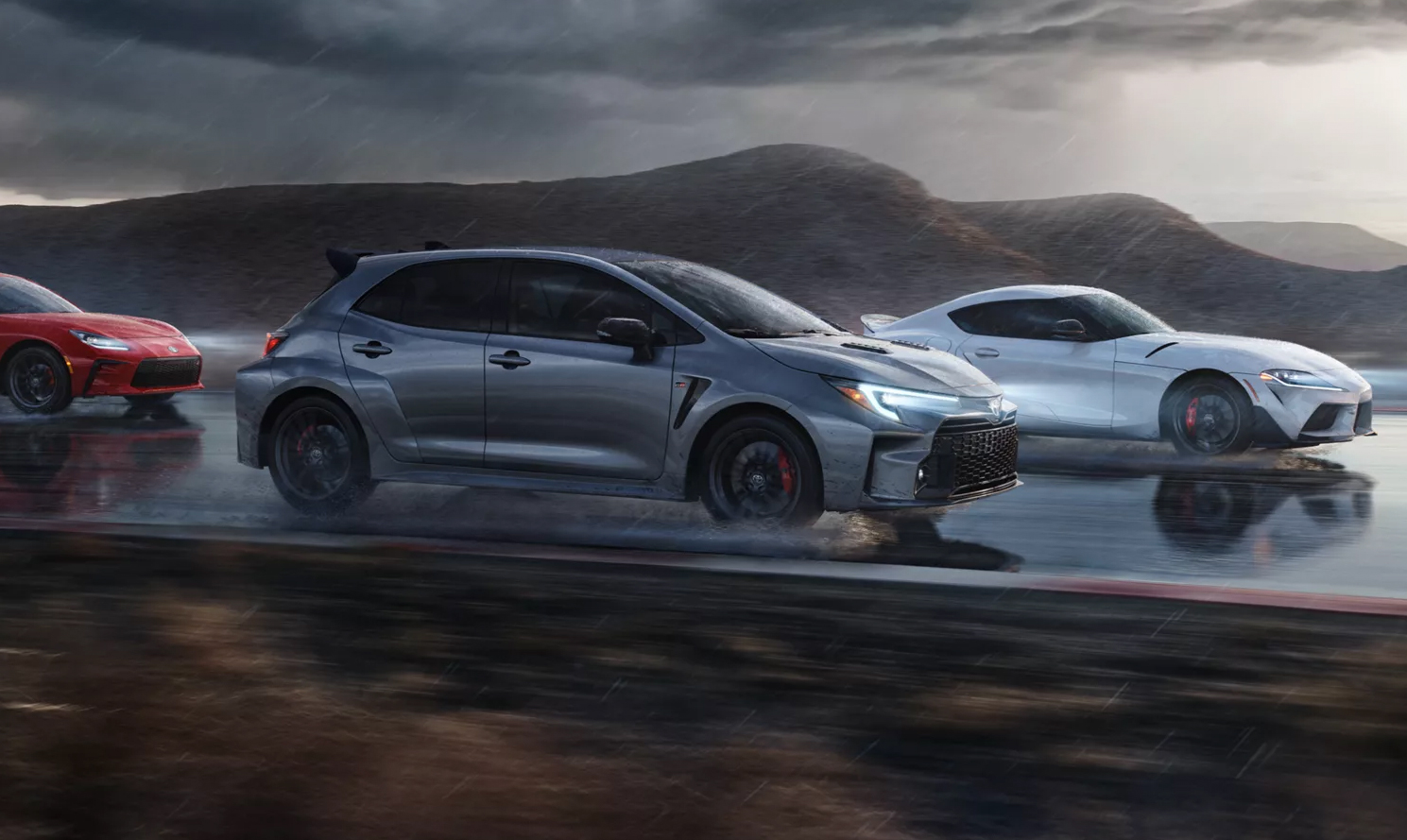
The Toyota GR Corolla Launch Edition also includes a forged carbon-fibre roof (similar to the GR Yaris), 18-inch matte-black wheels, and higher-grade seats combining Ultrasuede and artificial leather.
It also gains front and rear Torsen limited-slip differentials, as found on the Rallye version of the GR Yaris.
Other interior features highlighted include a leather-trimmed steering wheel and a “unique” driver display.
The Toyota GR Corolla is due to be officially revealed at 12.30pm Friday 1st April.
Snapshot
- Emira I4 First Edition to go on sale from $177,990 before on-road costs
- I4 Base Edition launching third-quarter of 2022 from $155,990
- V6 Base Edition starts at $169,990, automatic incurs a $4000 premium
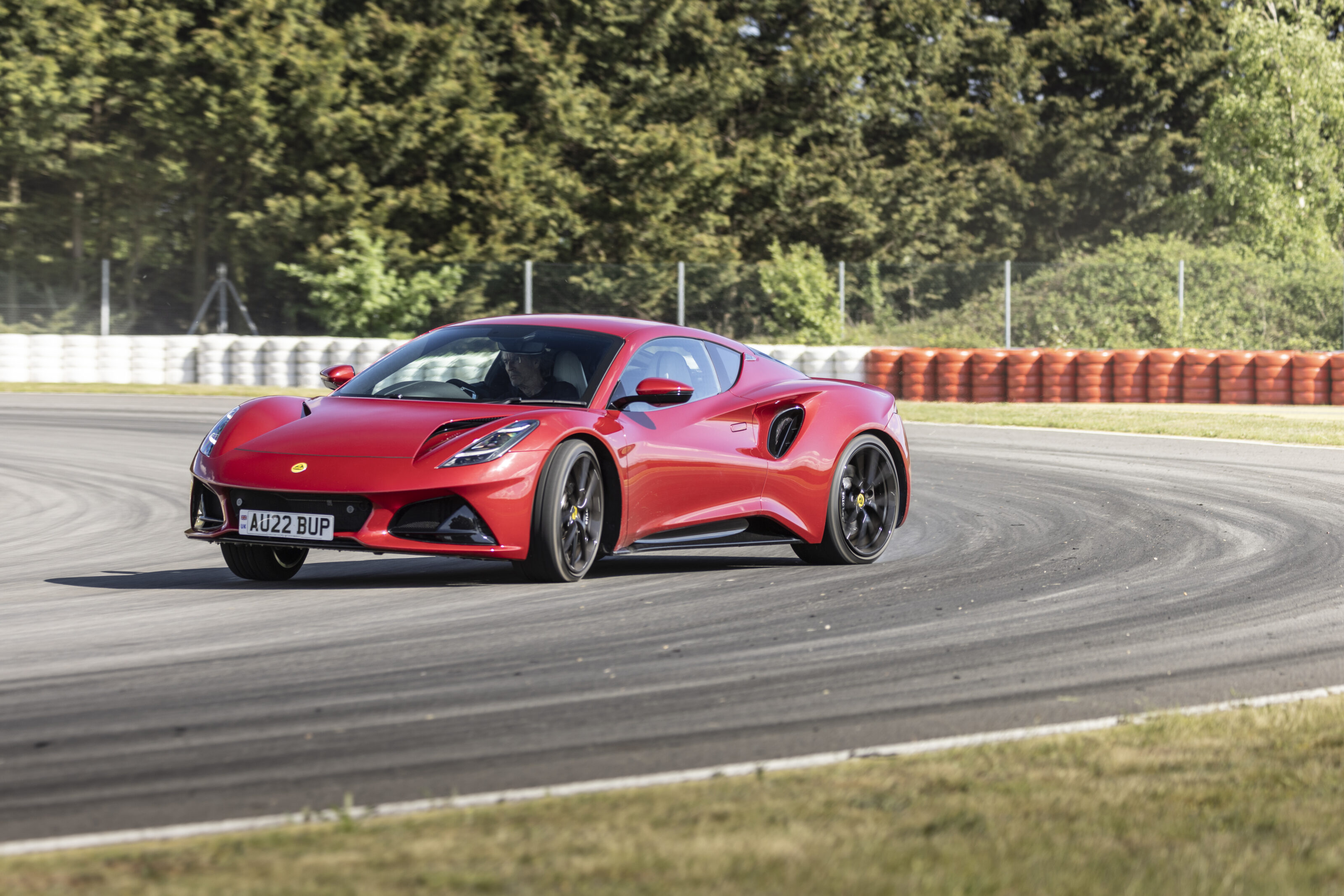
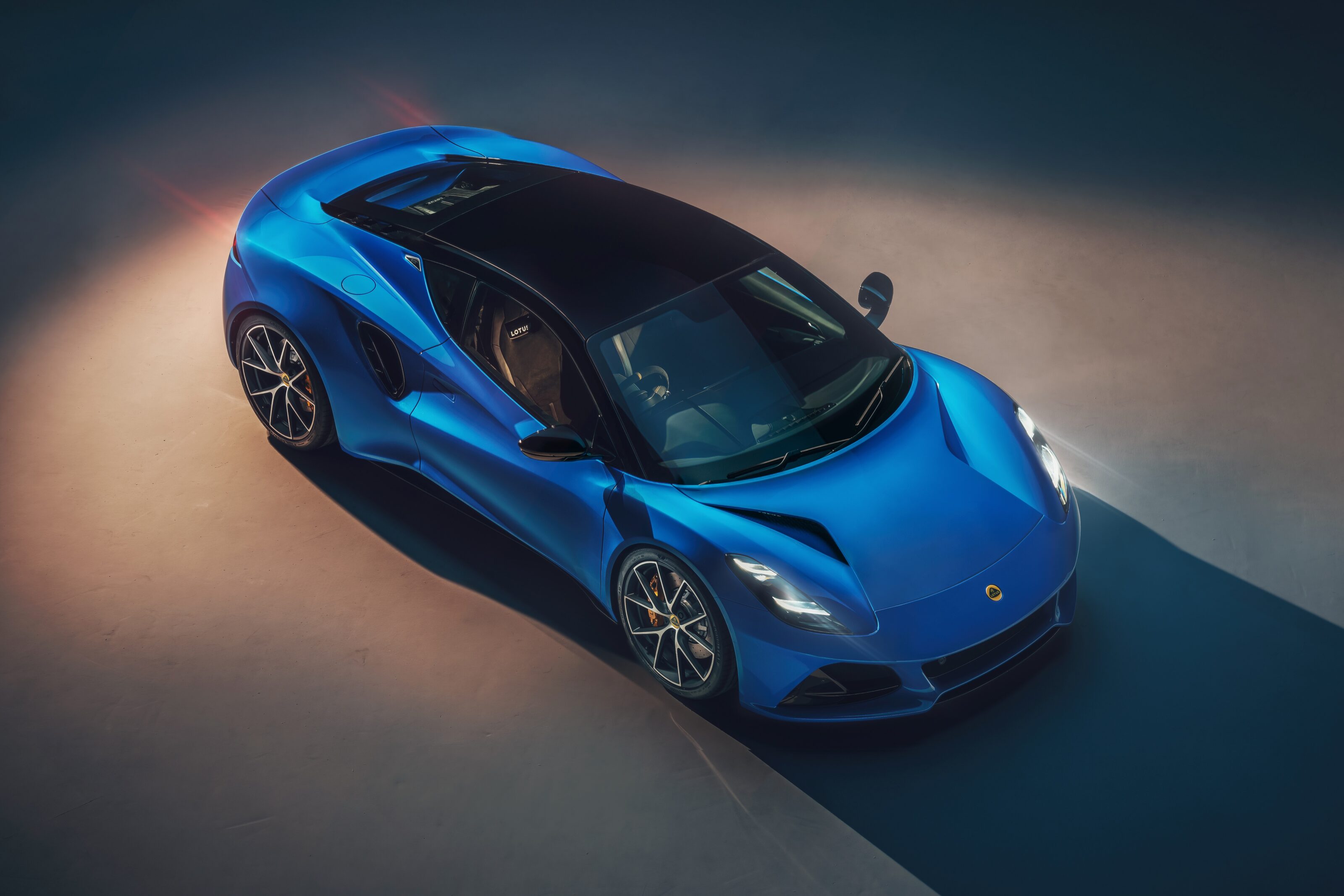
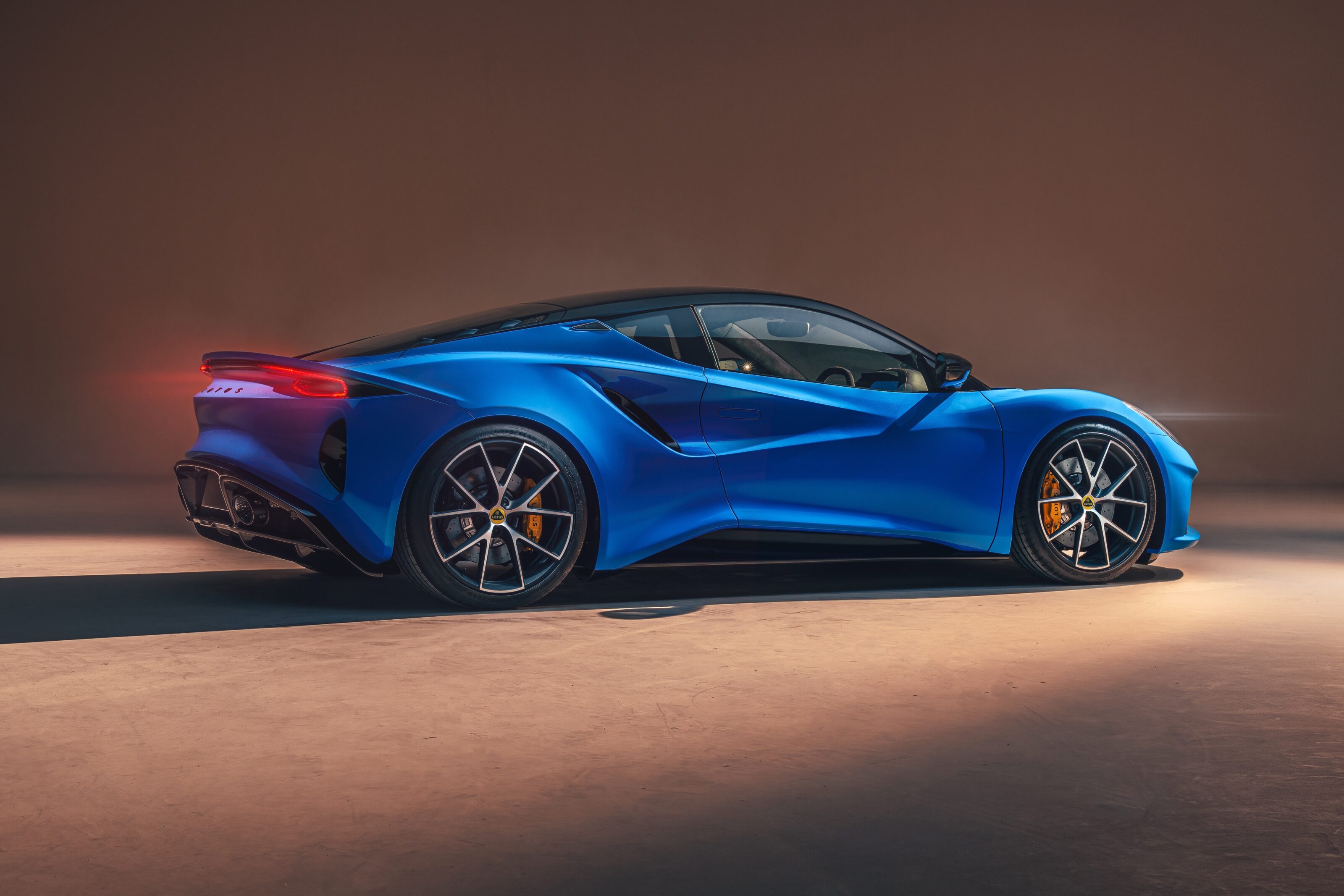
Pricing for the 2023 Lotus Emira range has been announced, with the I4 First Edition and Base Edition variants expected from mid-next year.
Details of the Lotus Emira I4 First Edition were announced earlier this month, with the Mercedes-AMG 2.0-litre, turbocharged inline four-cylinder petrol model going on sale from $177,990 before on-road costs – a $7000 discount compared to the supercharged Toyota-powered V6 First Edition which has already sold out.
UPDATE, June 7, 2022: Lotus Emira driven
Following its global reveal, we’ve now driven the new Emira ahead of its Australian debut. Read our review at the link below.
The story to here: Emira pricing
The I4 First Edition will benefit from the standard equipment already available in the V6 First Edition, as customers can also upgrade their vehicles with the same range of non-cost and additional cost options which were launched with the V6.
Lotus Cars Australia says the allocation of 120 V6 First Editions has already been exhausted, while deposits are accounted for roughly 70 per cent of the total I4 First Editions set to come to Australia.
In addition to this, Lotus has also revealed prices for the entry-level Base Edition variants, starting out at $155,990 before on-road costs for the I4 – a significant discount of $22,000 over the I4 First Edition.
The cheapest Emira V6 Base Edition will be fitted with a six-speed manual gearbox, starting at a list price of $169,990 while the six-speed automatic sets buyers back an extra $4000, although both Base Edition V6 Emiras are still $15,000 less expensive than the sold out V6 First Edition.
While more detailed equipment and options for the Base Edition Emira will be announced in the third quarter of this year, Lotus expects production of the I4 First Edition to begin in the first quarter of 2023 with deliveries to start in the second quarter, nearly two years after the model was first announced.
2023 Lotus Emira Australian pricing
Prices exclude on-road costs.
| Model | Price |
|---|---|
| Emira I4 Base Edition (DCT) | $155,990 |
| Emira V6 Base Edition (manual) | $169,990 |
| Emira V6 Base Edition (automatic) | $173,990 |
| Emira I4 First Edition (DCT) | $177,990 |
| Emira V6 First Edition (manual) | $184,990 (sold out) |
| Emira V6 First Edition (automatic) | $188,990 (sold out) |
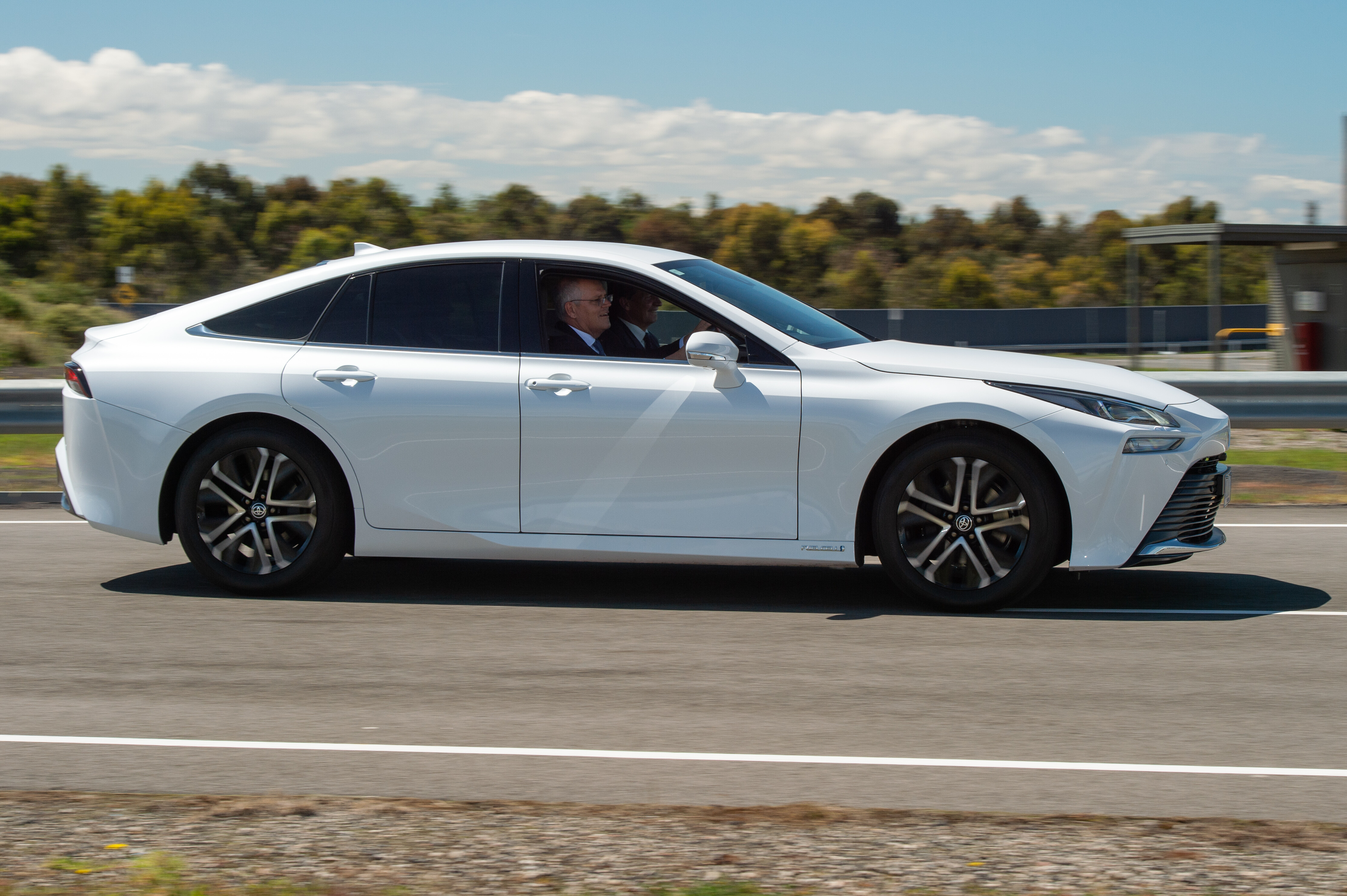
Australia’s hydrogen industry is about to get a boost, with the Federal Government committing $1.5 billion in the latest budget.
The omission of additional funding for electric vehicles (EVs) in the Federal Budget 2022-23 was conspicuous by comparison, despite billions being earmarked for a carbon offset scheme and $565 million for “international low emissions technology partnerships”.
While funding for the Australian Renewable Energy Agency (ARENA) was increased to a total of $250 million in February, the total budget is less than 12 per cent of the money provided to the hydrogen industry this week.
Australia’s burgeoning hydrogen industry already supplies the fuel to Japan, while a hydrogen superhighway was announced between Victoria, New South Wales, and Queensland, with the aim to reduce emissions produced by long-haul heavy commercial vehicles.
This week’s budget announcement did include the announcement of $1 billion for a new Grid Reliability Fund, which will be created under the purview of the Clean Energy Finance Corporation (CEFC) to support investment in new energy generation, storage, and transmission infrastructure.
The Federal Government says it has “outlined a practical, responsible way to deliver net zero emissions by 2050 while preserving Australian jobs and generating new opportunities for industries and regional Australia”.
However, car companies, as well as electric vehicle advocacy associations, have long criticised the Federal and state governments in Australia for not doing enough to encourage the uptake of EVs in the country – the result being carmakers are prioritising their battery-powered models for other markets.
Despite this, sales of electric cars have soared in recent months, building on the back of a record 20,615 sold in 2021.
“We will not be forcing Australians out of the car they want to drive or penalising those who can least afford it through bans or taxes,” Prime Minister Scott Morrison said in November 2021.
“Instead, the strategy will work to drive down the cost of low- and zero-emission vehicles and enhance consumer choice.”
At the risk of exposing a shameful journalistic impotency, I’m afraid I’ve been struggling to fully process the Porsche Taycan. From the first time I laid eyes on the utterly transfixing Mission E concept that previewed what we would get in production form, I was a bit bowled over.
And then when I finally got my hands on the 4S, Turbo and Turbo S, I felt the same sense of bewilderment trying to fathom exactly what was going on. It’s not the fastest thing I’ve ever driven, nor the most expensive, comfortable or intimidating. But there’s something about its unconventional delivery of pace, grip and luxury that requires a complete recalibration of everything I thought I knew about cars.
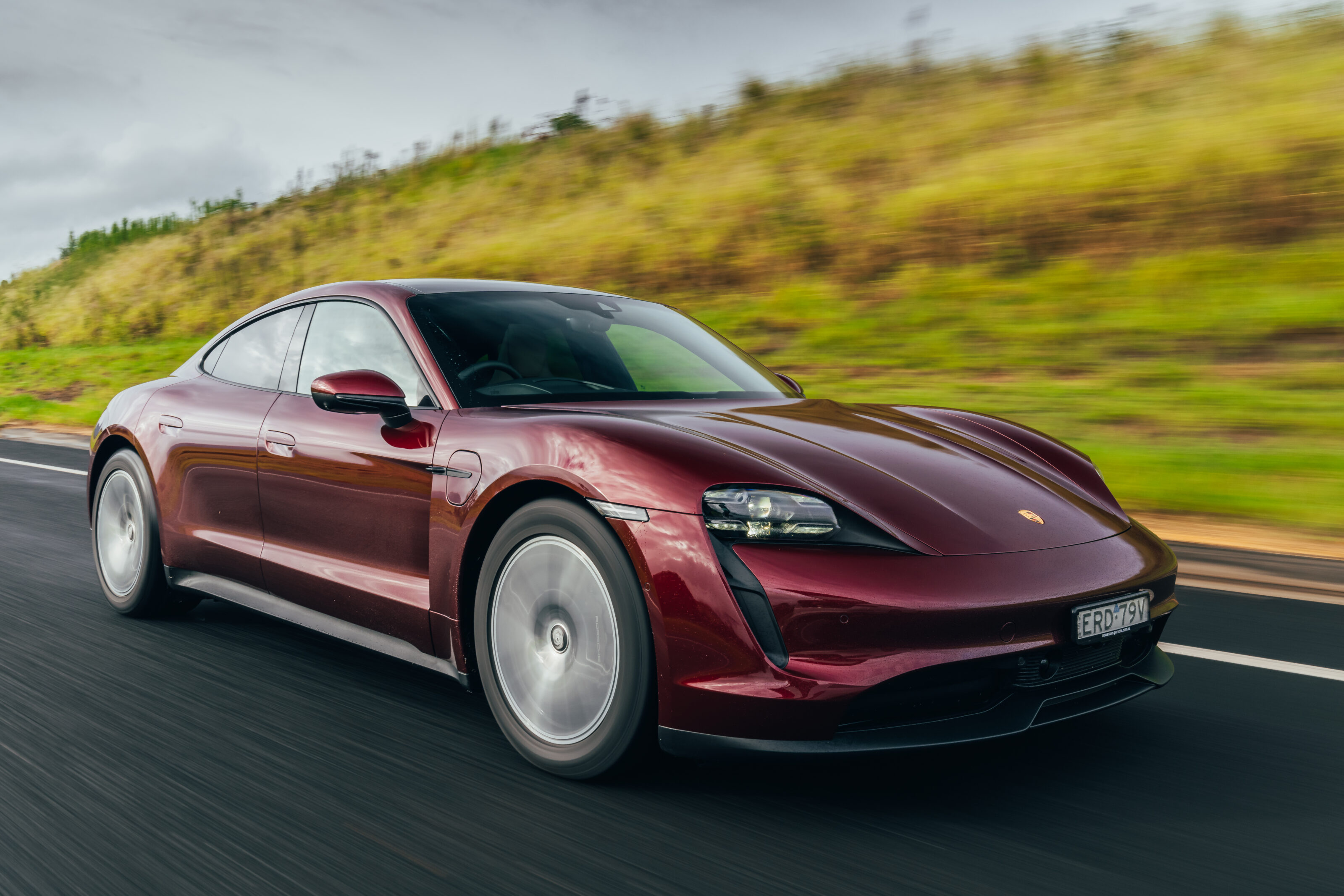
But now there’s this. Following a classically predictable Porsche model introduction program, the German car-maker has now launched a new entry-level version dubbed simply the Taycan. Rolling in the tyre tracks of the 4S, Turbo and Turbo S, the new most affordable Taycan sedan brings a host of intriguing changes compared with the variants before it.
For a start, it’s offered with the smallest battery of any Taycan, its lithium-ion pack being of 79.2kWh capacity. That’s the same as the standard pack offered for the 4S but it can be boosted to 93.4kWh to match the rest of the Taycan range. Speaking of, with the smaller battery, the new Taycan version will go up to 369km on a single charge or 434km with the upgrade. The optional battery also boosts power and torque from 240kW/345Nm to 280kW/357Nm.
And because there aren’t nearly enough numbers on this page already, there’s an overboost function that lifts outputs to 300kW, or 350kW if fitted with the bigger battery.
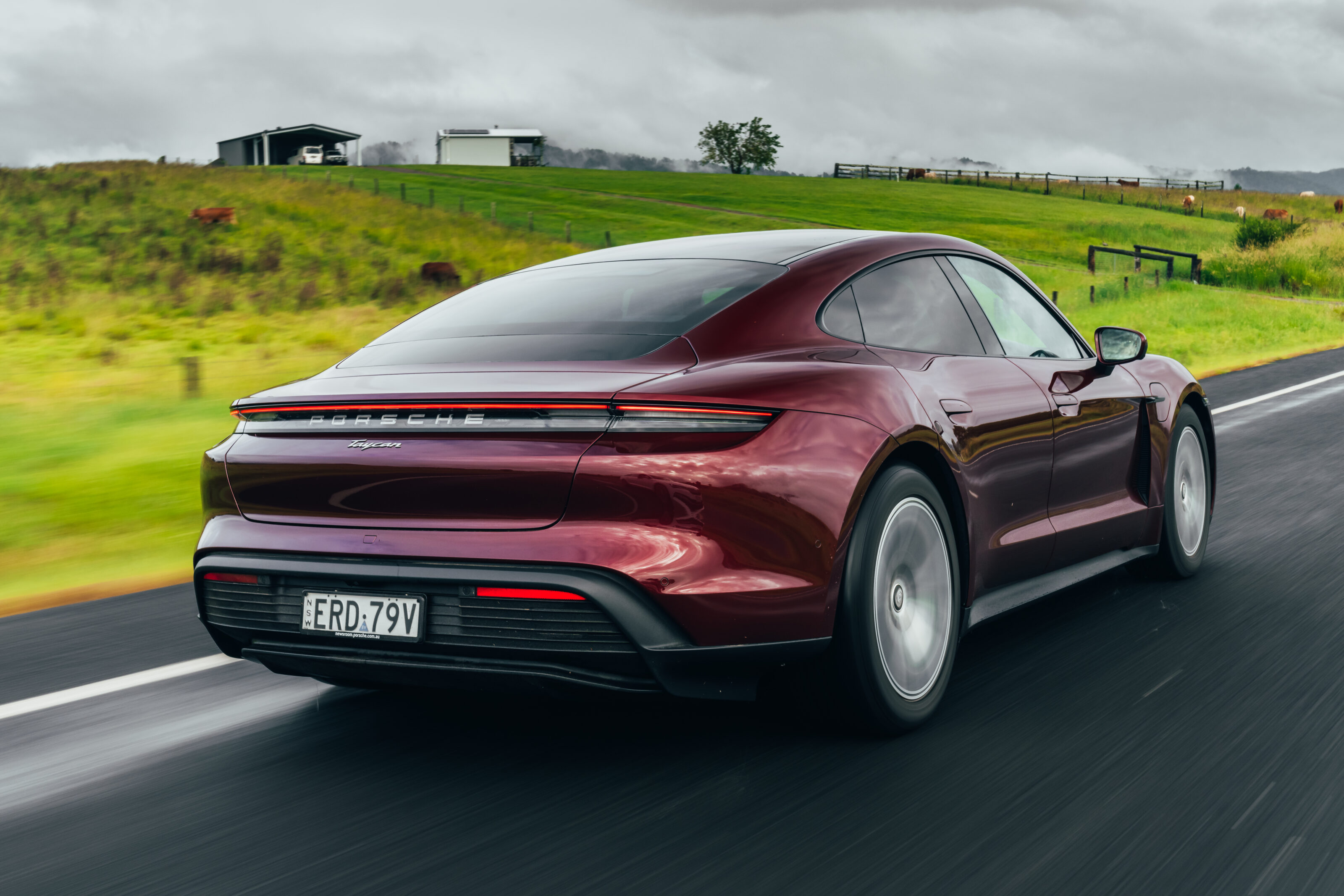
If you’re wondering why those numbers are so far down on the 4S that shares the same battery, well spotted. The answer lies in the defining feature of the entry-level Taycan and, as part of the cost-cutting treatment, the new addition to the range has dropped the front axle motor resulting in the first rear-drive Taycan.
Just how much cost does it cut though? Priced from $156,300 before on-road costs, the newest Taycan variant is a significant 20 per cent cheaper than the next most affordable Taycan 4S, but the entry version is much more than a rental-spec stripper.
The rear wheels don’t struggle for traction and full performance can be extracted without having to work as hard as other rear-drive high-powered sedans.
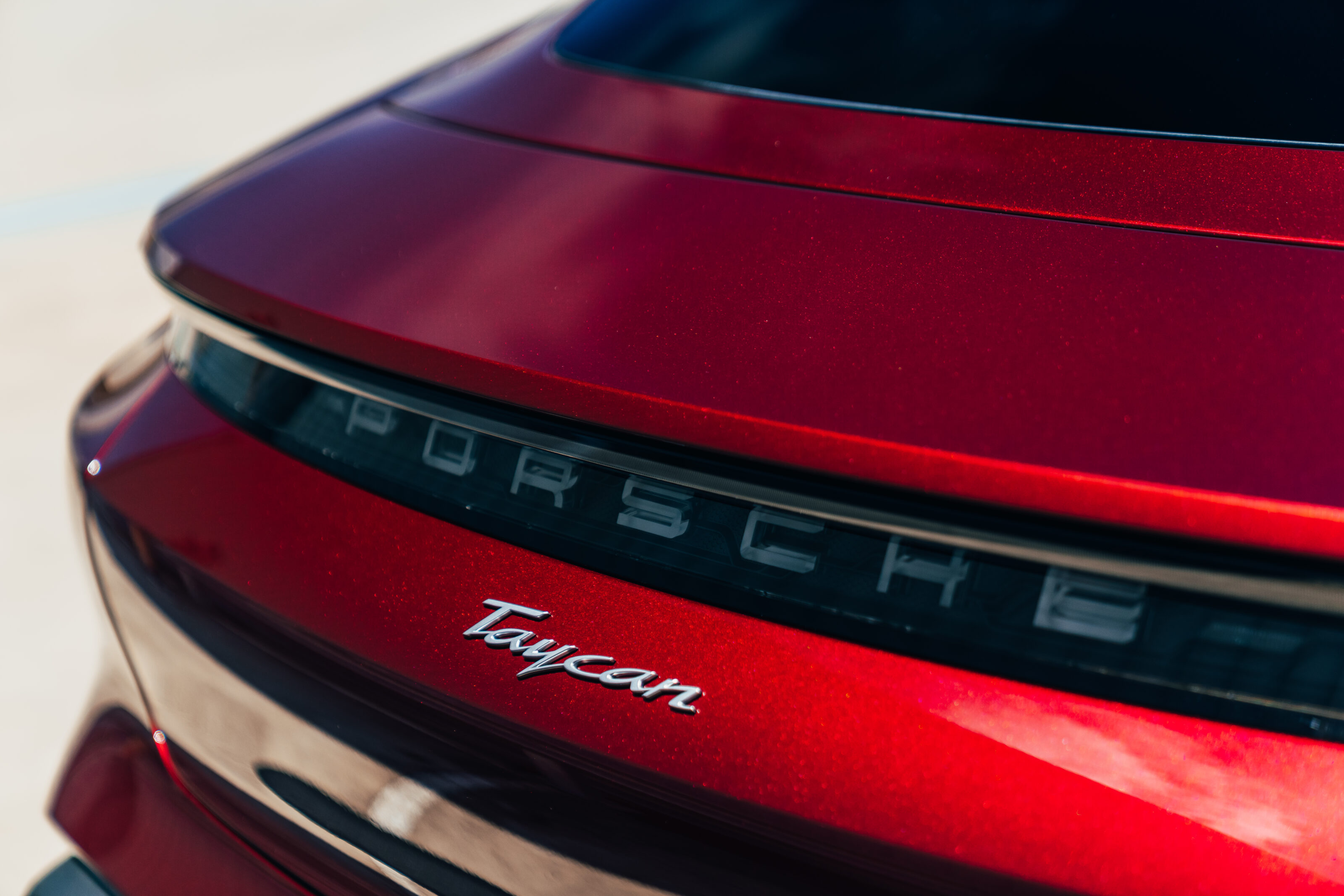
Let me start by dousing any hopes that the new version has been created as some kind of tyre-vapourising Formula D hero. It’s the slowest Taycan in the family but there are still deep reserves of performance to tap into.
Our test car had been optioned with the bigger battery, adding another $12,020 to the bottom line and bringing the extra performance. Interestingly though, zero to 100km/h acceleration is unaffected taking 5.4 seconds and is most likely traction limited rather than by power and torque. In typical electric car fashion, acceleration is instant and boundless within public road limits, and the claimed torque figure on paper seems way less than it feels in practice.
Surprisingly, the rear wheels don’t struggle for traction and the full performance can be extracted without having to work as hard as some other rear-drive high-powered sedans. There’s a little slip if you want it and understeer with clumsy hands on the wheel, but get it right, and the rear-drive Taycan is sensational.
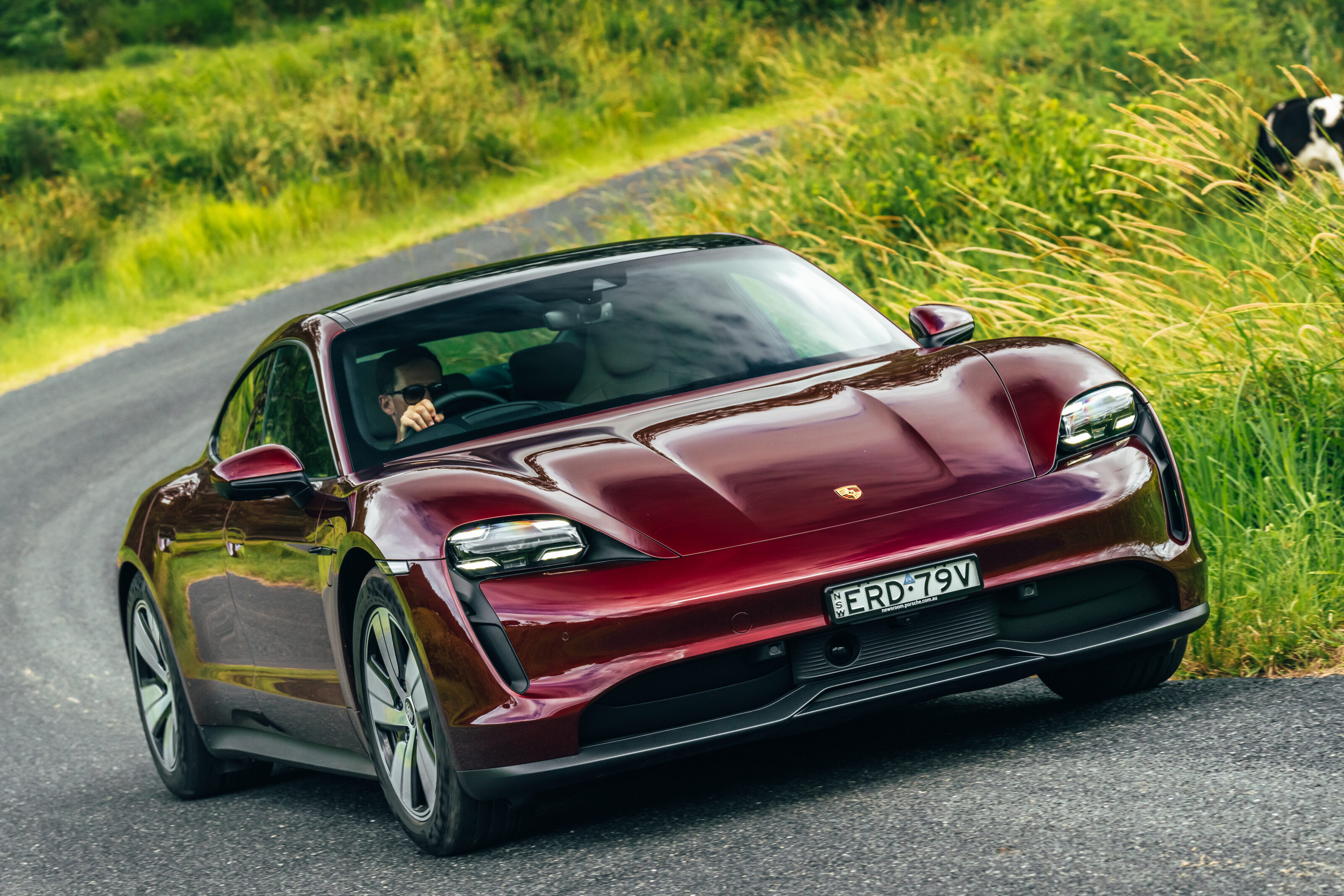
With a 90kg weight difference between the 4S and RWD, and its front-end responsiveness and turn-in feeling as though most, if not all, of that mass has been excised from the front axle, the base Taycan exhibits an almost Caymanesque eagerness to change direction.
Another key difference is that the air suspension has been binned in favour of steel coil springs all round. Adaptive dampers remain but the switch to a more traditional suspension approach has imparted even more approachability to the Taycan’s personality.
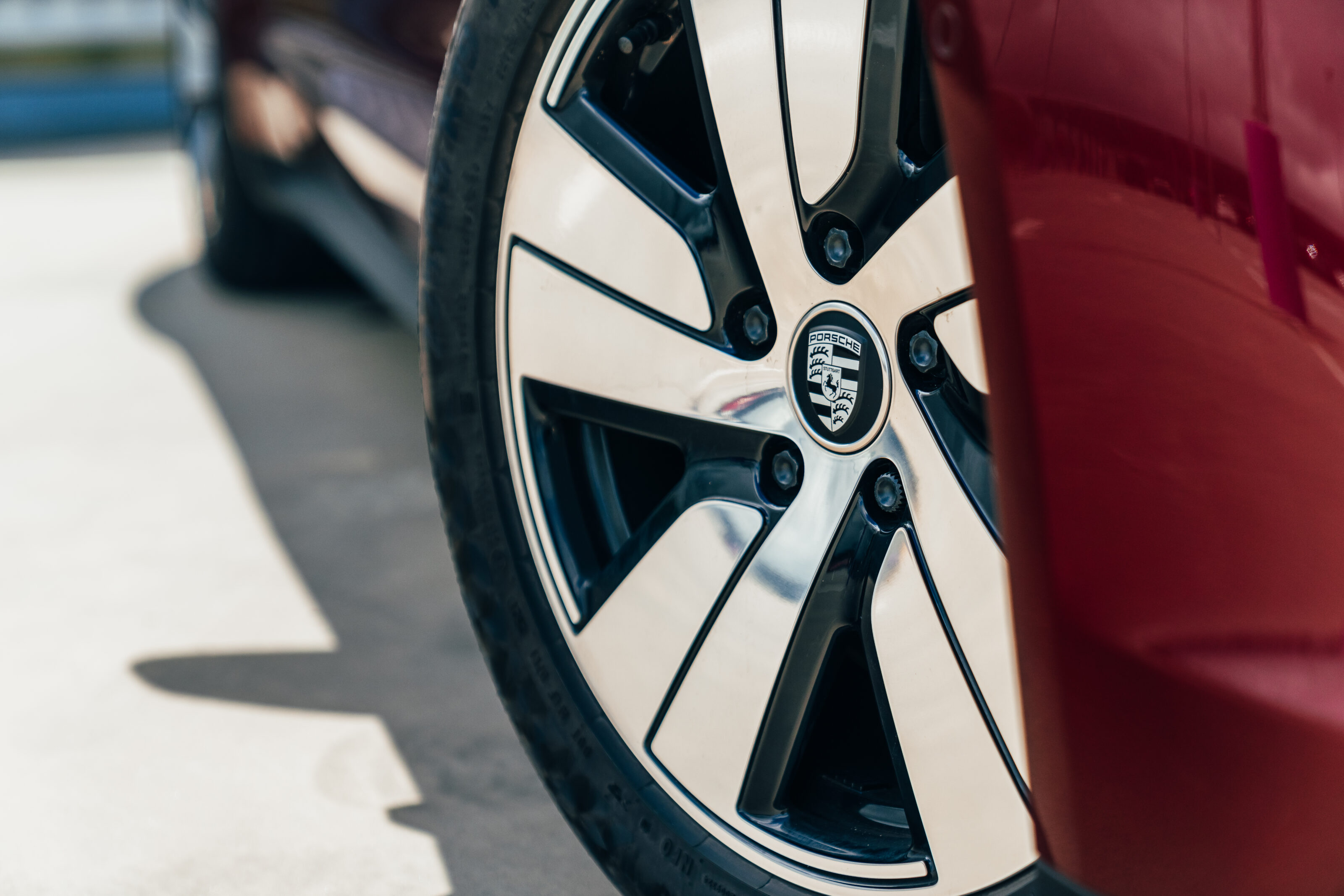
It can’t match the most floaty setting of the air set-up and there’s a little more noise transmitted through to the cabin, but the coil-sprung ride is truly impressive. It’s added to by 19-inch wheels and 62mm tyre sidewalls that have a little more give than the 20- and 21-inch tyres fitted to more expensive versions.
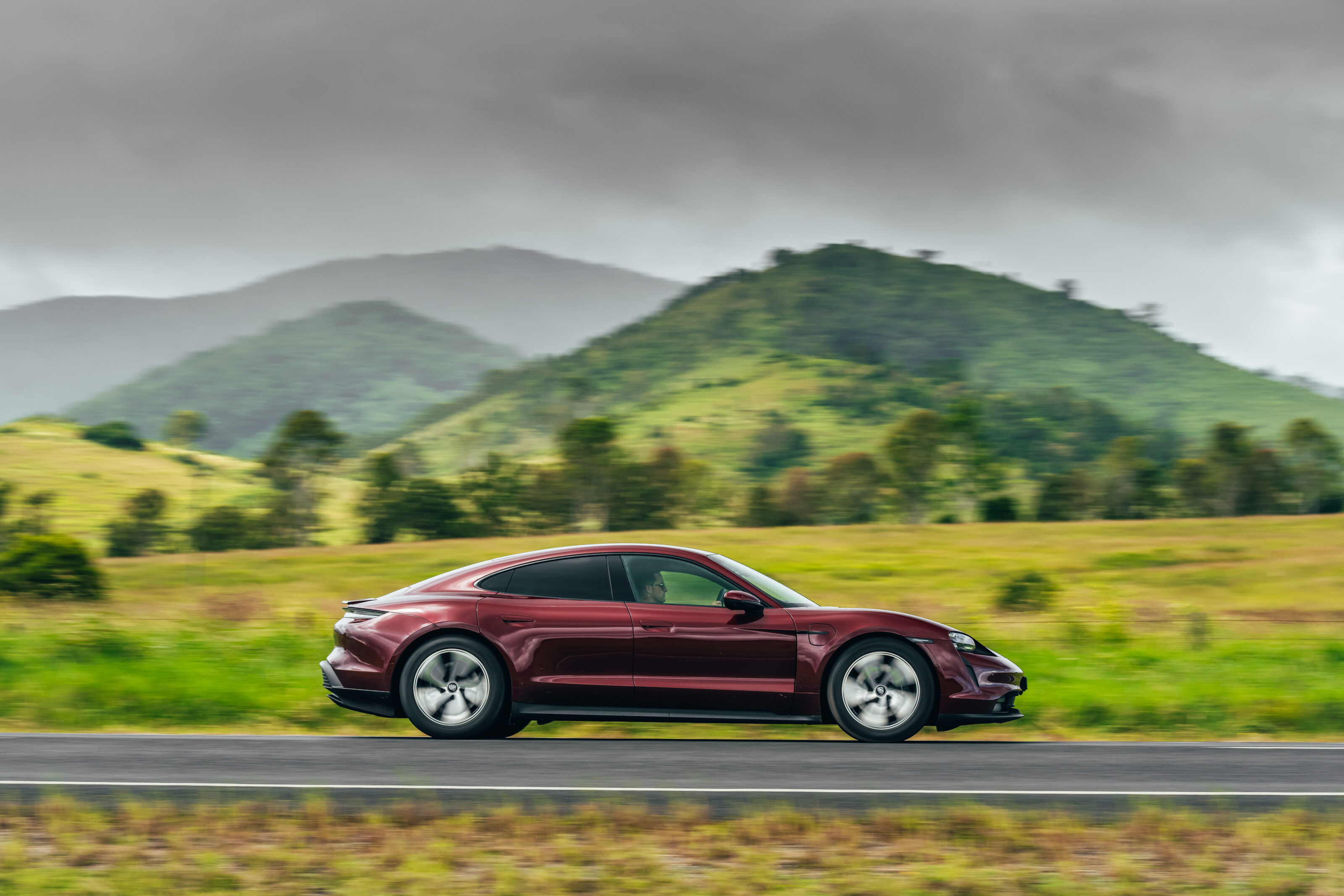
Enjoy the sight of these 19-inch wheels while you can because I guarantee you’ll never see them on a customer’s car, with almost all private buyers likely to option something upwards of 20 inches. But that’s a bit of a shame in many ways.
Firstly, the taller side-wall pairs so beautifully with the steel spring suspension and I suspect some of the lithe ride will be lost on a pimped-up set of rims. And secondly, while the somewhat plain design of the 19-inch wheel might not inspire everyone, a bit more visible tyre profile invokes a little old-school racer look that I can’t help loving.
With less mass to manage, the rear-drive Taycan feels more confident under braking … while the limit of grip is less alien than the Turbo and Turbo S
Retained is the two-speed transmission common to all Taycan’s and the almost unique EV hardware adds low-down punch for acceleration and longer, battery-conserving legs at higher speed. Its effect can be felt with a cool kick when it swaps cogs at about 80km/h and a change in the motor pitch.
With less mass to manage, the rear-drive Taycan feels more confident under braking with a highly positive pedal feel and less travel than expected, while the attitude at the limit of grip is less alien than the Turbo and Turbo S. This is the rascal Taycan that’ll encourage you to chuck it about more than the grown-up siblings.
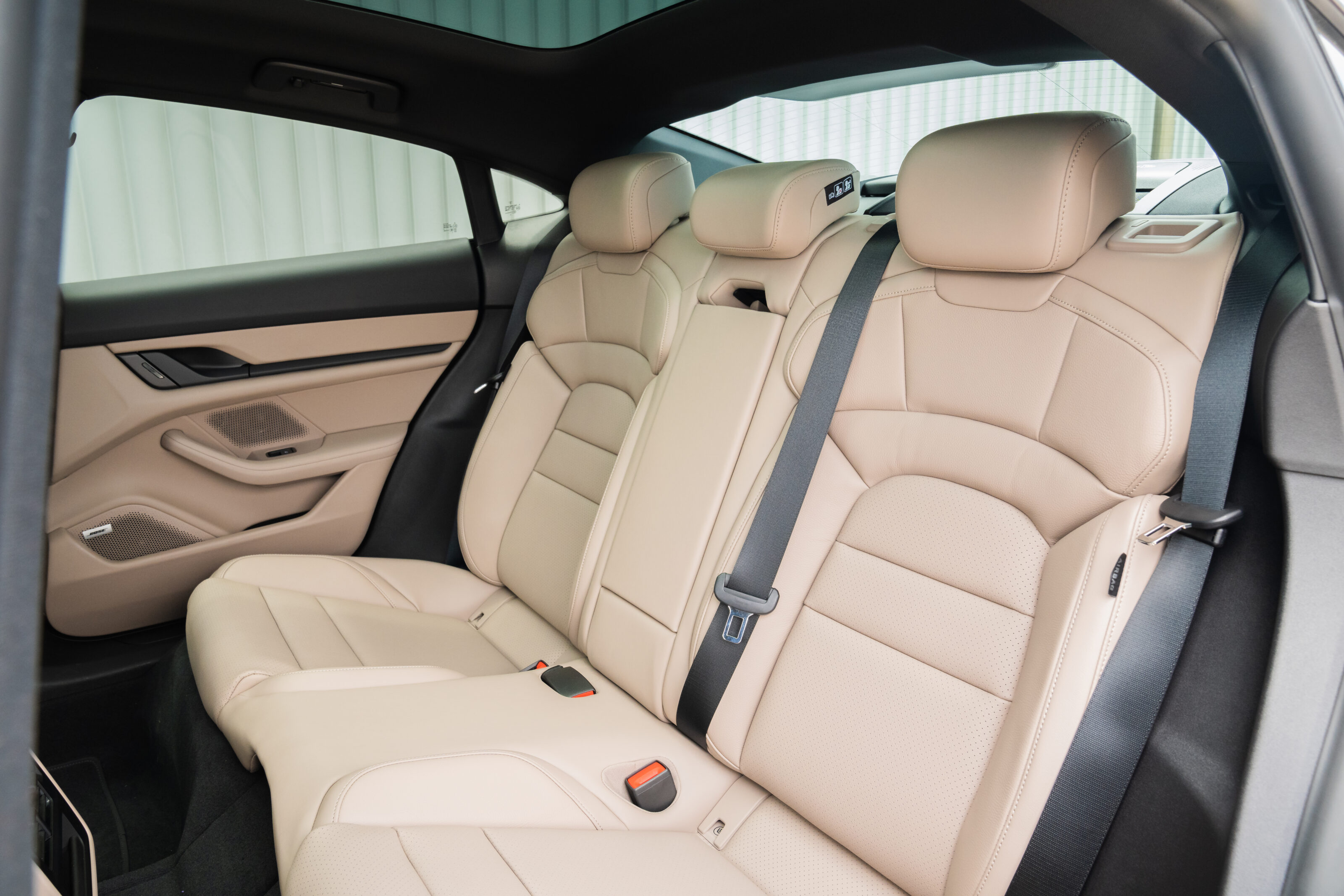
That said, it’ll still do the large sedan thing with room for five on board (ours had the $1000 4+1 option), and while the removal of the front motor has not liberated any extra room in the front 84-litre load area, the entry version does get a rear boot bigger than any other at 407 litres.
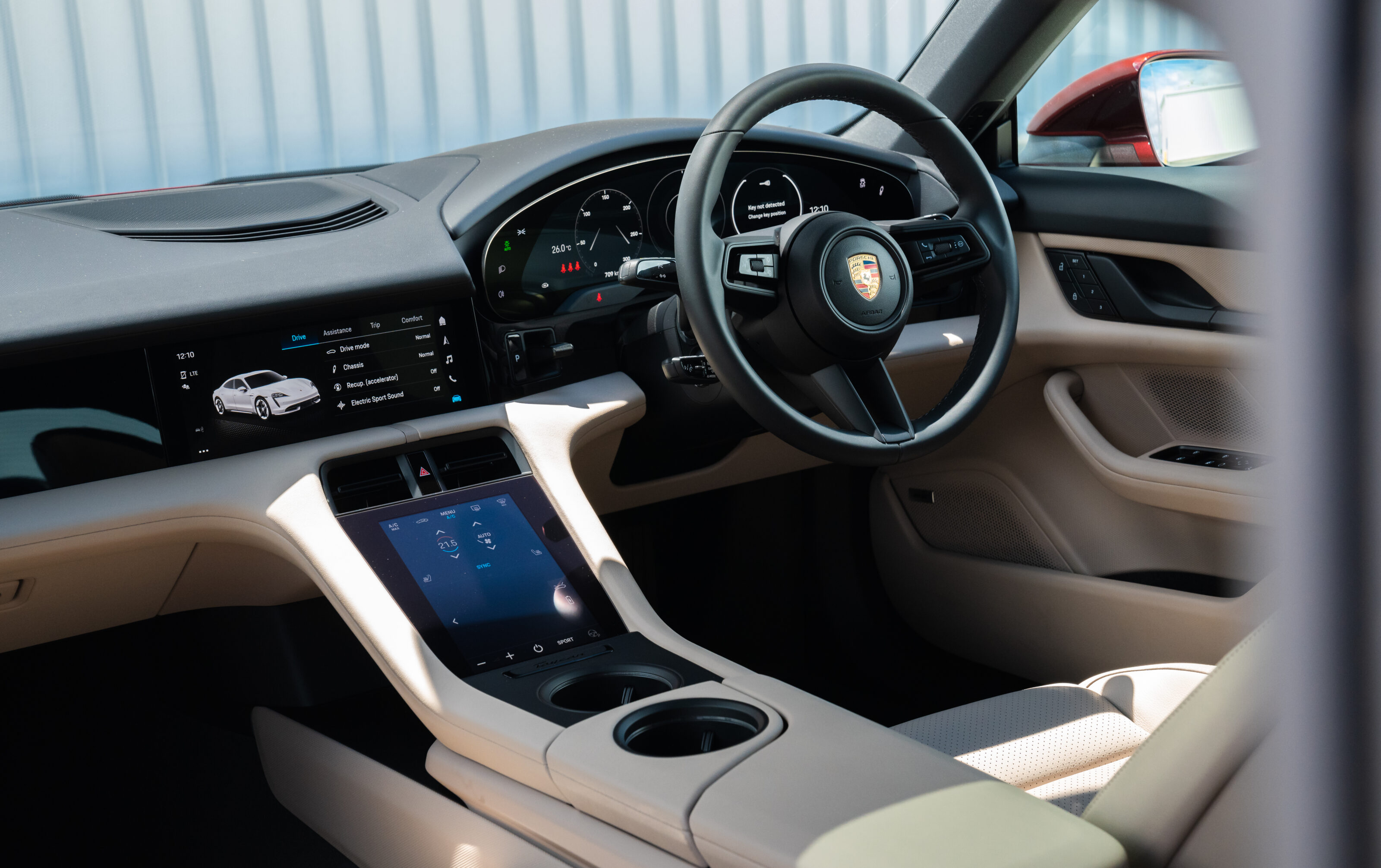
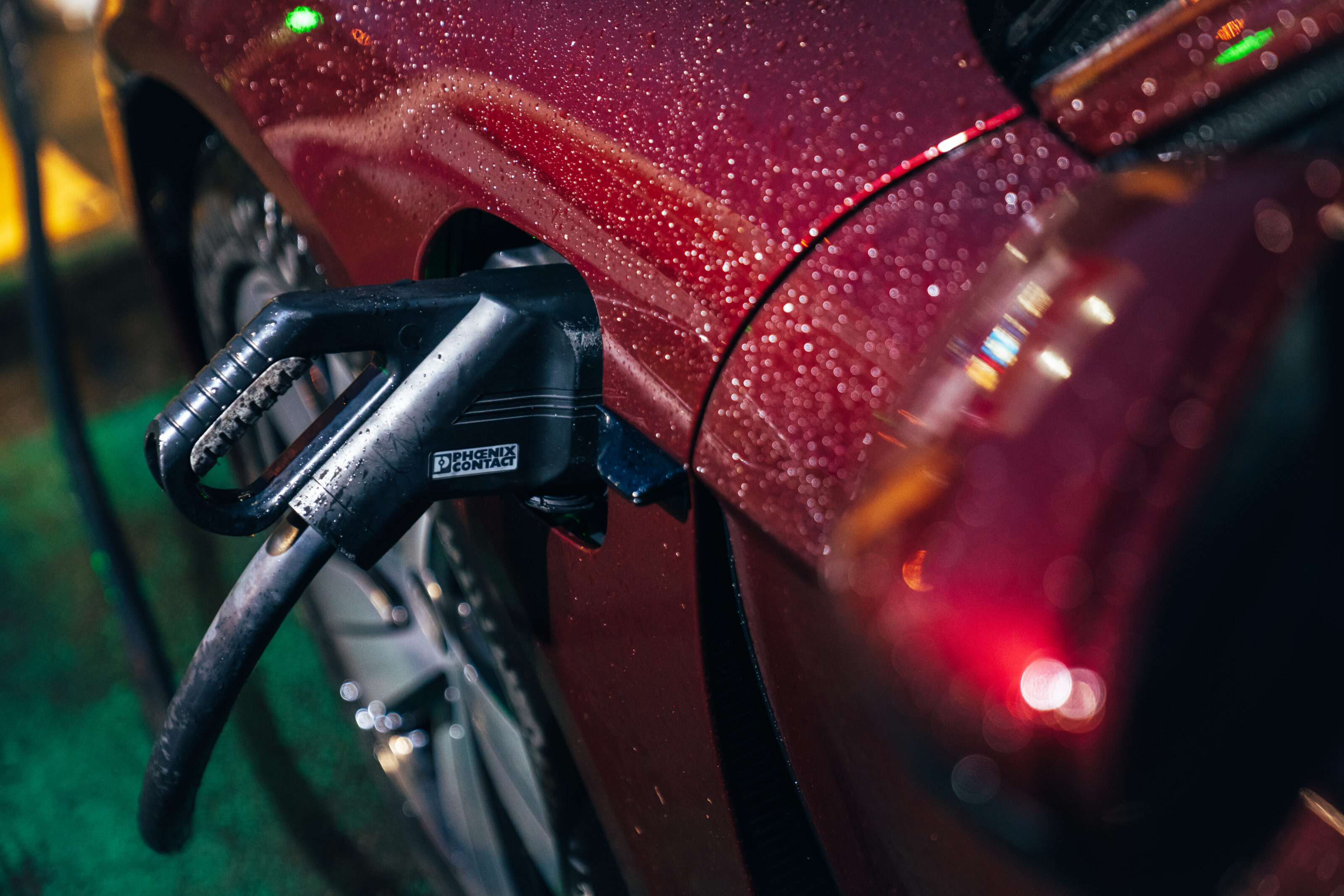
While our test car had a few options thrown at it including the bigger battery, sunroof, posh matrix headlights and 22kW onboard charger to list a few of the most expensive, it was still easy to appreciate the standard kit.
All versions get the massive digital displays (but not the silly one for the front passenger), excellent ‘comfort’ seats in part leather that are actually rather sporty, a head-up display, six-piston front brakes and four-pot at the back, and Porsche’s suite of chassis control systems.
If there’s anything that feels a little lacking, however, virtually anything can be added in optionally. Sport Chrono pack, air suspension, torque vectoring and rear steering are a few that might tempt. Just don’t ask for all-wheel drive – for that you’ll have to step up to the 4S.
A must-have on my order sheet would have to be the weirdly wonderful Electric Sport Sound for a sniff over a grand. While some generated EV sounds range from laughable to downright annoying, the Taycan’s noise is completely captivating and has so many levels, pitches and tones it’s hard to separate the artificial report from the satisfying whine actually produced by the motor.
And while the extended range of 434km is a clear strength of the bigger battery, I’d be interested to sample the not-exactly-limited 369km version. With a further 80kg weight advantage over the optional battery, this 2050kg version could be even livelier and more fun as well as the price hero of the range.
The cheapest Taycan is the easiest to connect with and requires the least from the driver to exploit its full potential … the entry-version feels more traditional
Sounds familiar? It’s a similar story over in the Taycan’s petrol-powered sibling’s range. Yes, the 911 GT3 is an astonishingly capable car, and the GTS is frequently awarded the ‘sweet spot’ award, but the entry Carrera is often overlooked. Like the new Taycan, the base 911 is an exceptional car and probably all the 911 you’d ever need.
The cheapest Taycan is the easiest to connect with and requires the least adjustment from the driver to exploit its full potential. While the monstrously powerful, grippy and heavier stablemates offer stratospheric limits of performance, the entry-version feels, in a word, more traditional.
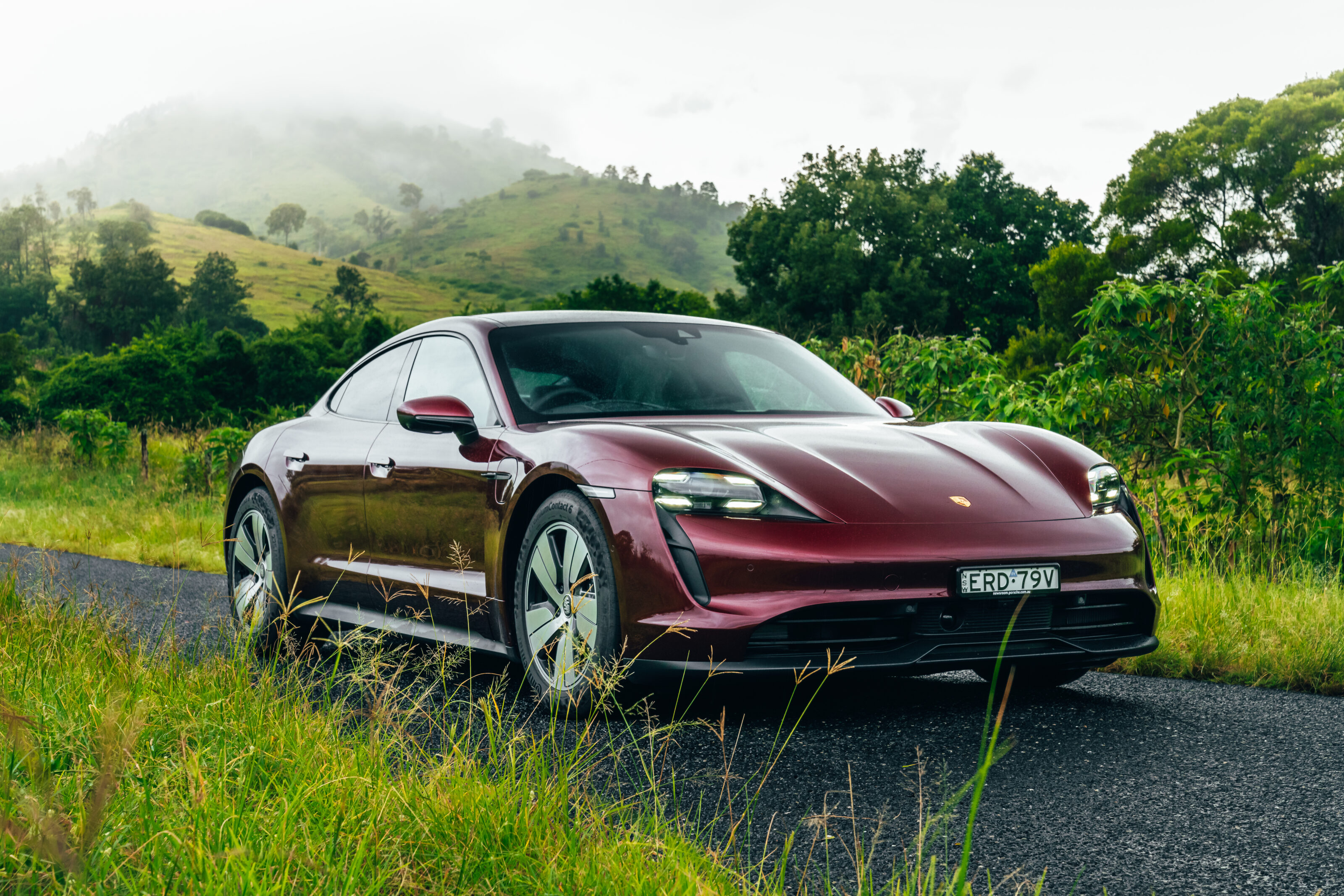
That, you might argue, is a failure for the Porsche that has been created to break new ground and pioneer its greatest technological triumphs. But think of the rear-drive Taycan as a gateway into the model range – offering all of the EV advantages, a big slice of the action and a sharper price, in a package that’s less confronting.
Spending some time in the new entry-level Taycan has enabled me to better understand its more capable and expensive siblings and perhaps explore a little more of their bountiful breadth, but now I’m ready for the training wheels to come off, I don’t think I want to graduate after all.
2022 Porsche Taycan specifications
| Motor | single synchronous permanent magnet rear |
|---|---|
| Power | 280kW (300kW overboost) |
| Torque | 357Nm |
| Transmission | 2-speed auto |
| Battery | 93.4kWh (optional) |
| 0-100km/h | 5.4s (claimed) |
| Energy Consumption | 28kWh/100km |
| Weight | 2130kg |
| Price | $156,300 before on-road costs ($194,800 as tested) |
