
Australian iron ore mining company Fortescue Metals Group (FMG) has acquired Williams Advanced Engineering (WAE), a subsidiary of the Williams Formula One team.
The Andrew ‘Twiggy’ Forrest-founded FMG will partner with WAE through its Fortescue Future Industries (FFI) division, having first teamed up last year to develop a prototype battery system for Fortescue’s mining vehicles – helping the Western Australian business to reach its target of net zero carbon emissions by 2030.
As a part of the $310 million deal and its ultimate goal to becoming a leader in green energy, WAE and FFI will first focus on electrifying Fortescue’s transport operations, from its three-kilometre long freight trains to the 400 tonne haul trucks and other heavy equipment used in the mines.

Forrest said the acquisition of WAE was important, not only for his own interests but for those of the world, describing climate change as a race against time.
“This is the race of our lifetimes – the race to save the planet from cooking,” said Forrest.
“The speed at which we move matters. Together FFI and WAE will work to decarbonise Fortescue – with the aim of achieving that faster and more effectively than anyone else in the world.
“This is an historic moment in the future of our company as we welcome WAE into the Fortescue family to work together to decarbonise heavy industry and work hard to abate sectors for the good of our planet, and the benefit of our shareholders.
“This announcement is the key to unlocking the formula for removing fossil-fuel powered machinery and replacing it with zero carbon emission technology, propelled by FFI green electricity, green hydrogen and green ammonia.”
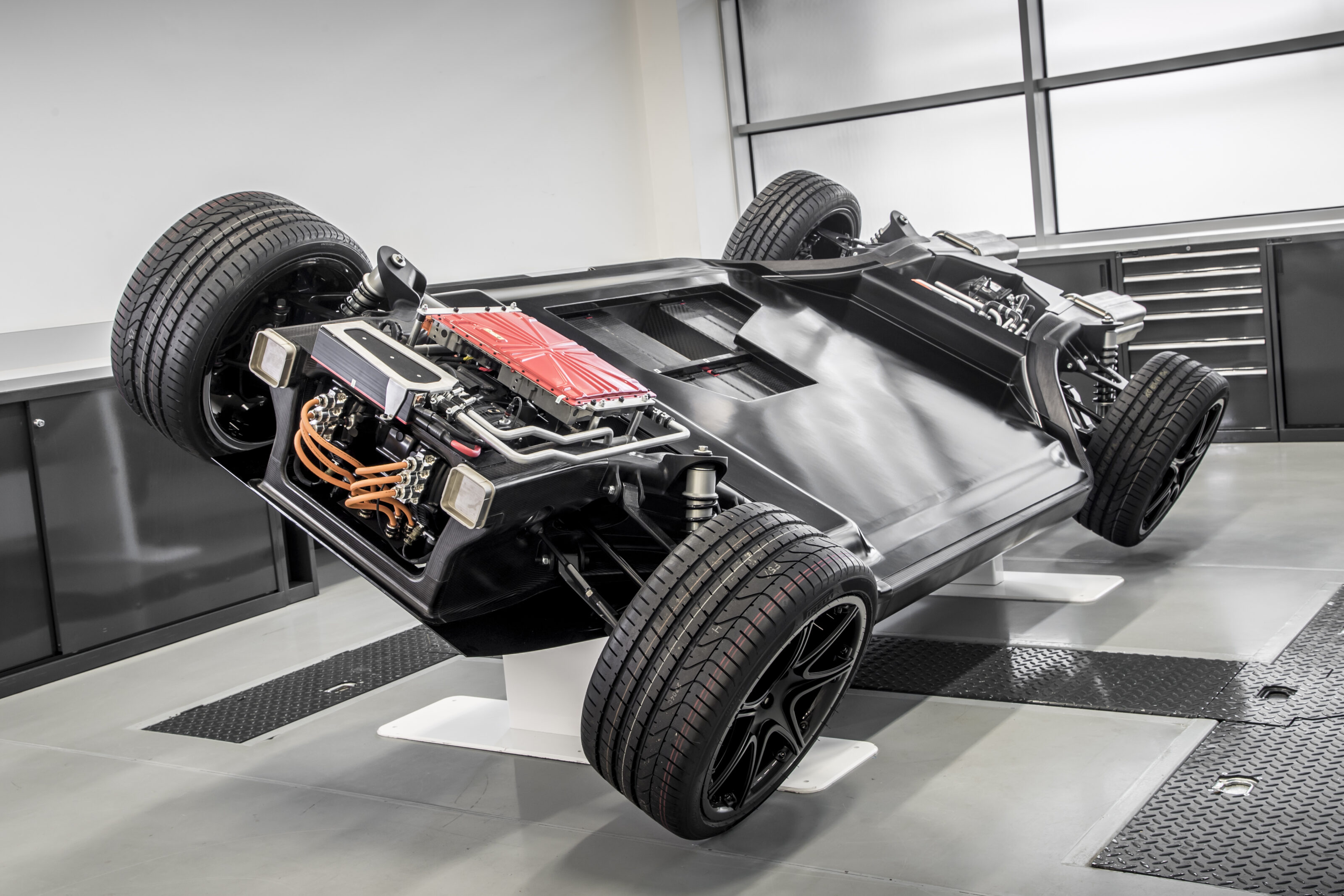
Williams Racing, the motorsport division of the Williams group, announced its commitment to be climate positive by 2030 in October last year, becoming the first mainstream motorsport team to do so.
WAE CEO Craig Wilson said the partnership with FFI is crucial for the industry as it looks to clean up.
“We are delighted to play a key role in Fortescue’s decarbonisation strategy, contributing to the delivery of their emissions reduction targets through high performance battery systems, green hydrogen and related technologies”, said Wilson.
“We will also be focusing on addressing the sector-wide challenges in the off-highway sector. Both companies have a shared culture of innovation, setting and achieving challenging objectives and a genuine commitment to creating a sustainable future.”
WAE is currently the control supplier of the batteries used in Formula E, the world’s top open-wheel, fully-electric racing series.
Volvo will reportedly break a half-century long tradition for its next flagship model, as it ditches alphanumeric names in favour of one from mythology – Embla.
Having defaulted to alphanumeric names for its models since 1970, the next major vehicle from Volvo will reportedly be called Embla, referencing the first woman in Norse mythology.
Effectively replacing the flagship XC90 SUV, the Embla will be based on Volvo’s Concept Recharge, the fully-electric four-seat luxury SUV shown off over the past year as Volvo’s biggest influence for its future design language.
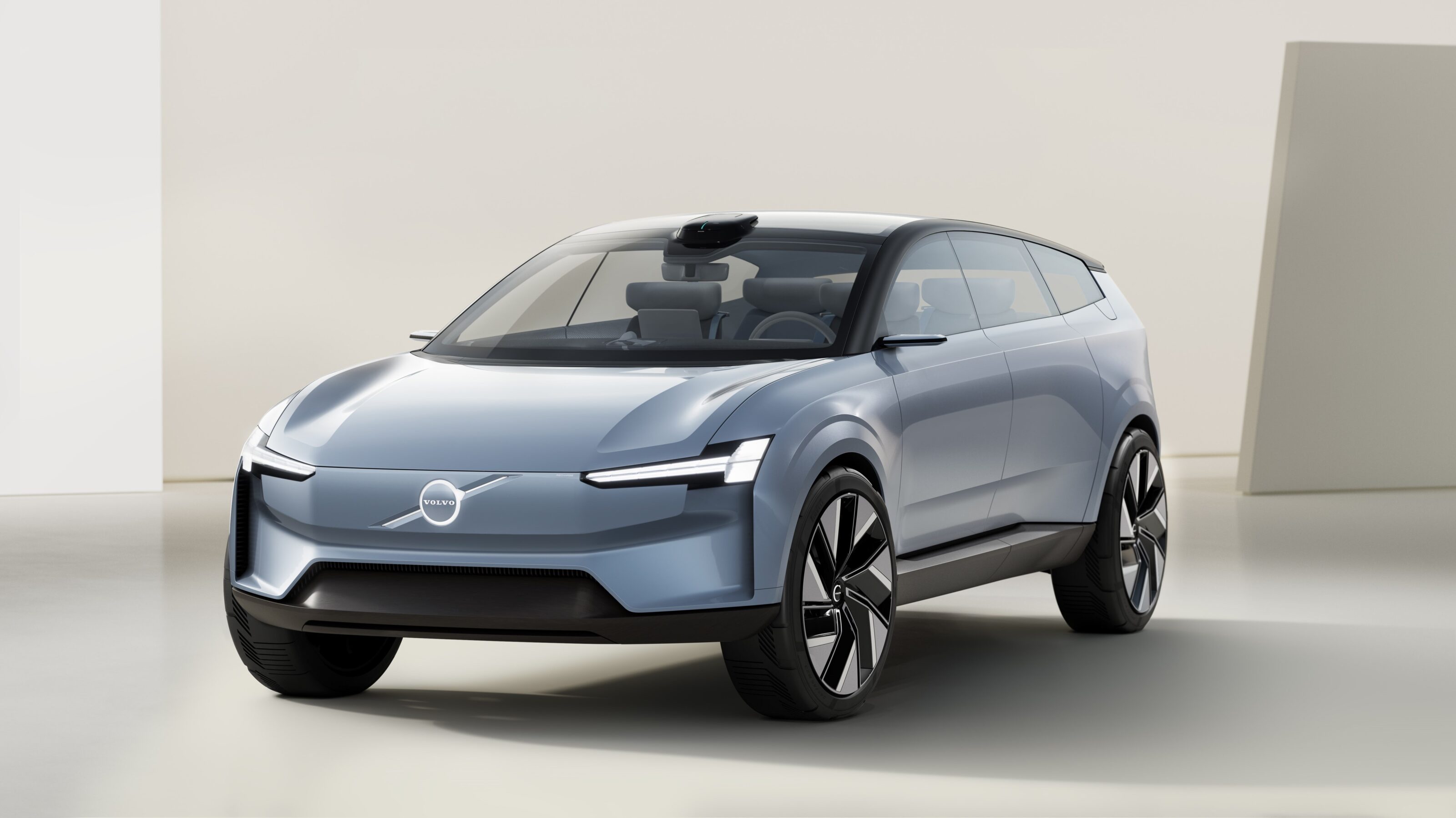
According to Autocar, the Embla name was teased by outgoing CEO Håkan Samuelsson who said the XC90’s successor would start with a vowel.
In October last year, Volvo submitted a trademark application to the European Union Intellectual Property Office, with the opposition period set to end on January 28, 2022 – after which Embla become’s Volvo’s name to use however it sees fit.
If Volvo does utilise the Embla name for a production car, it will be the first time since the Amazon went out of production in 1970 where it has used something other than alphanumerics to designate its models, with the current line-up consisting of the S60, V60, XC40, XC60 and XC90.
The goals for the Gen3 Supercars you see before you are relatively straightforward, if difficult to achieve – look more like their roadgoing counterparts, reduce operating costs and improve on-track racing. Making those goals a reality is non negotiable. It’s no exaggeration to say that the new ruleset which will debut in 2023 is the most important of Supercars’ modern, post-Group A era. Get it wrong, and Gen3 could well become GenLast.
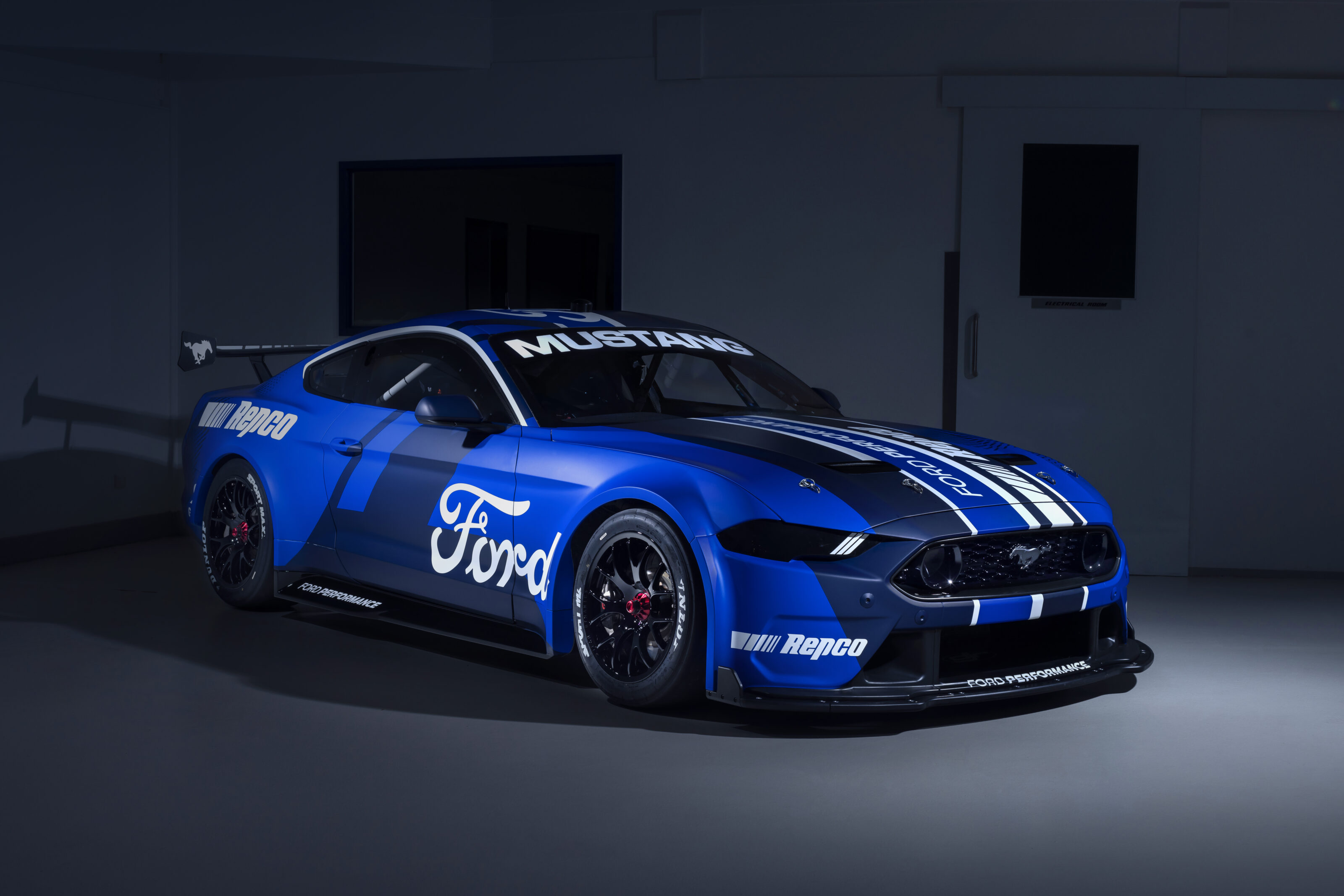
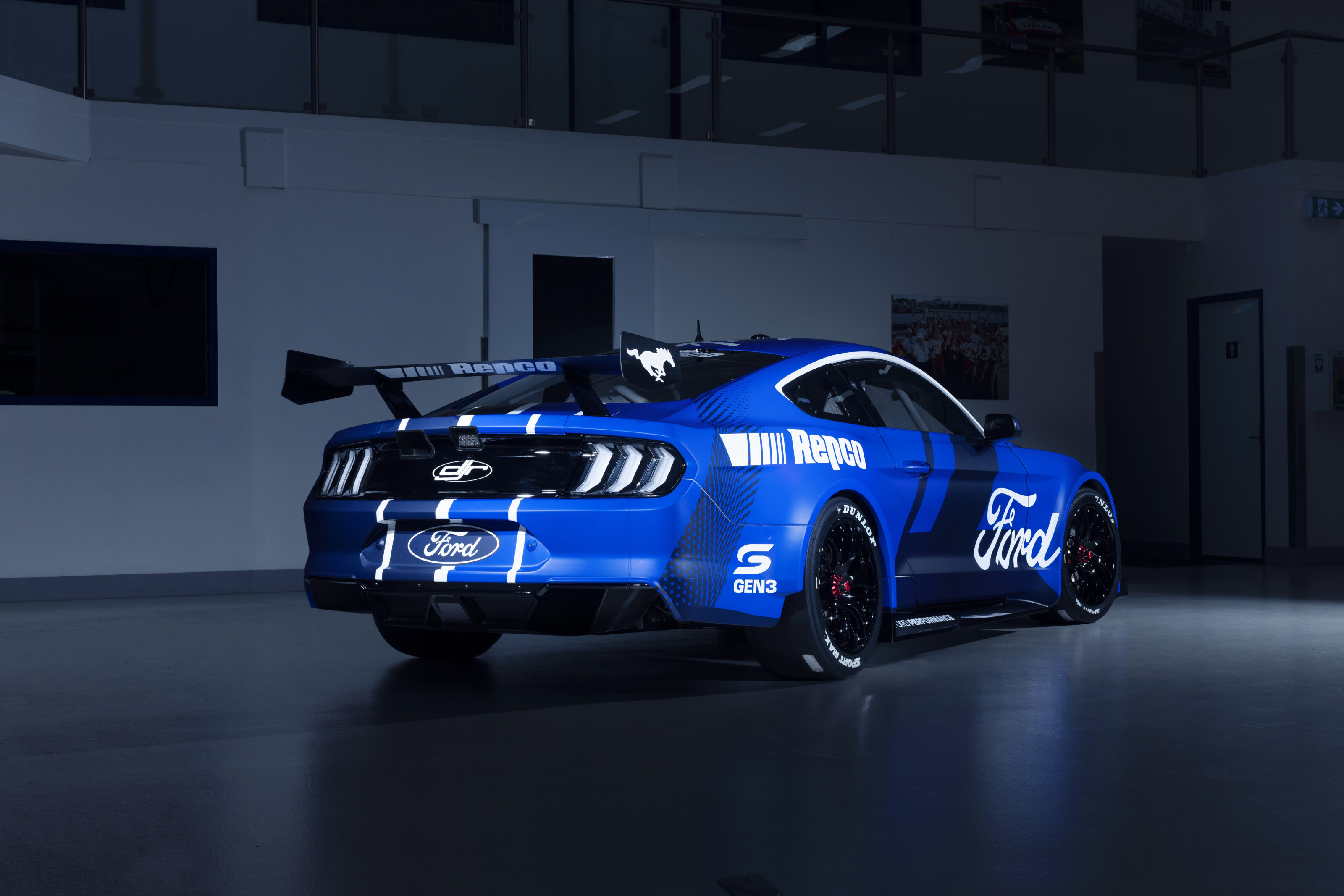
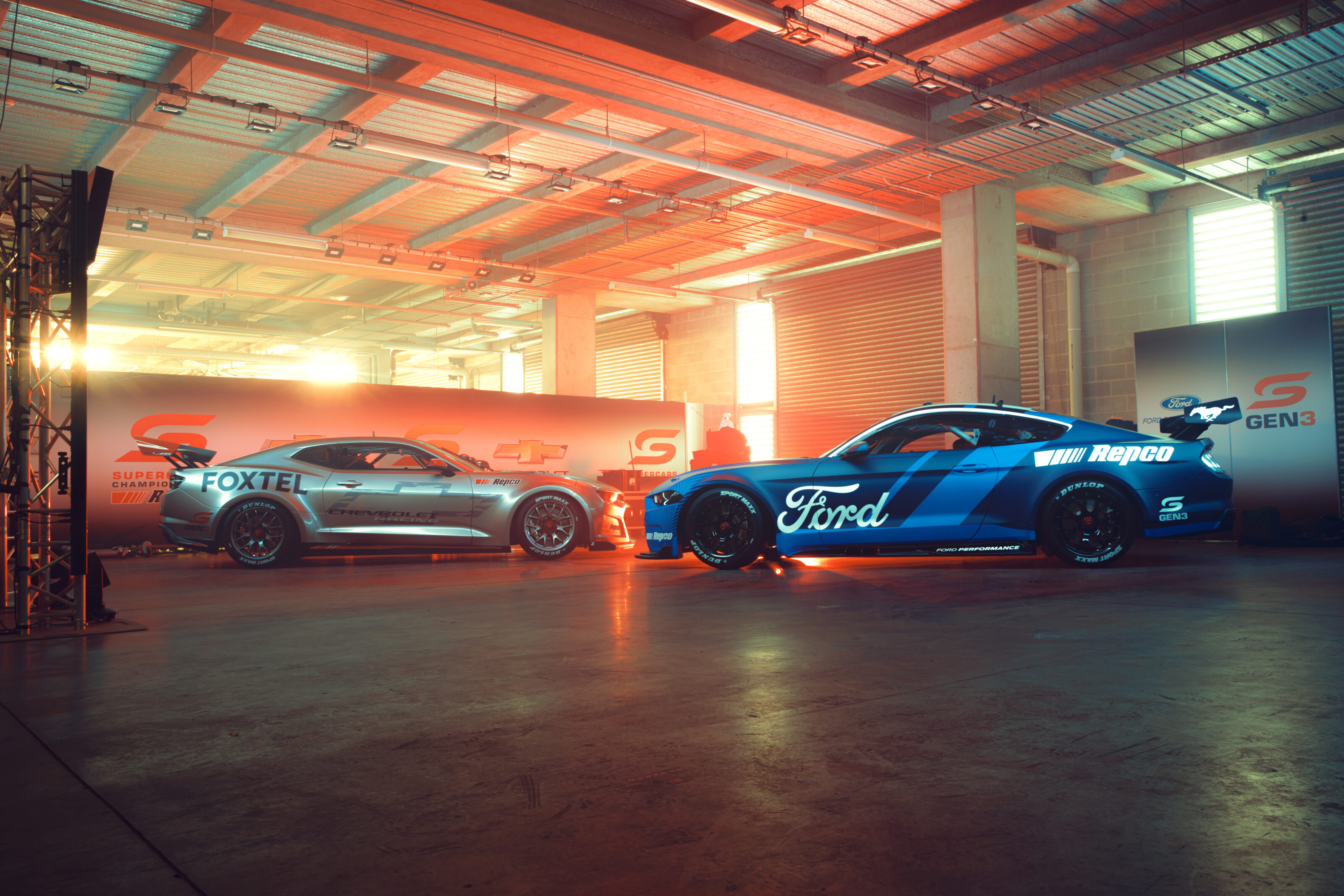
Holden is dead and gone, and in its place arrives Chevrolet Racing, fielding a Camaro ZL1 to take on Ford’s iconic Mustang. The biggest change for Gen3 is clearly the visuals, with the Mustang and Camaro both being realistic representations of the road cars they are based upon. This is thanks to a clean-sheet chassis design built from the ground up to accommodate a range of different body styles. While two-door muscle cars will exclusively take to the grid when Gen3 begins, the steel floorplan and tubular chassis has been engineered in a way to suit both smaller sports cars, and larger four-door sedans should new manufacturers be brave enough to enter the fray.
“We certainly wanted to make sure the cars looked the part as the manufacturers wanted to, so that other manufacturers that want to come in, they see that their cars aren’t massacred, aren’t destroyed,” Jeromy Moore, the technical director at Triple Eight Race Engineering, tells MOTOR. The Banyo-based squad took the initial lead on designing the control chassis, and is the homologation team for General Motors, having been the factory Holden squad from 2017 until the end of last year.
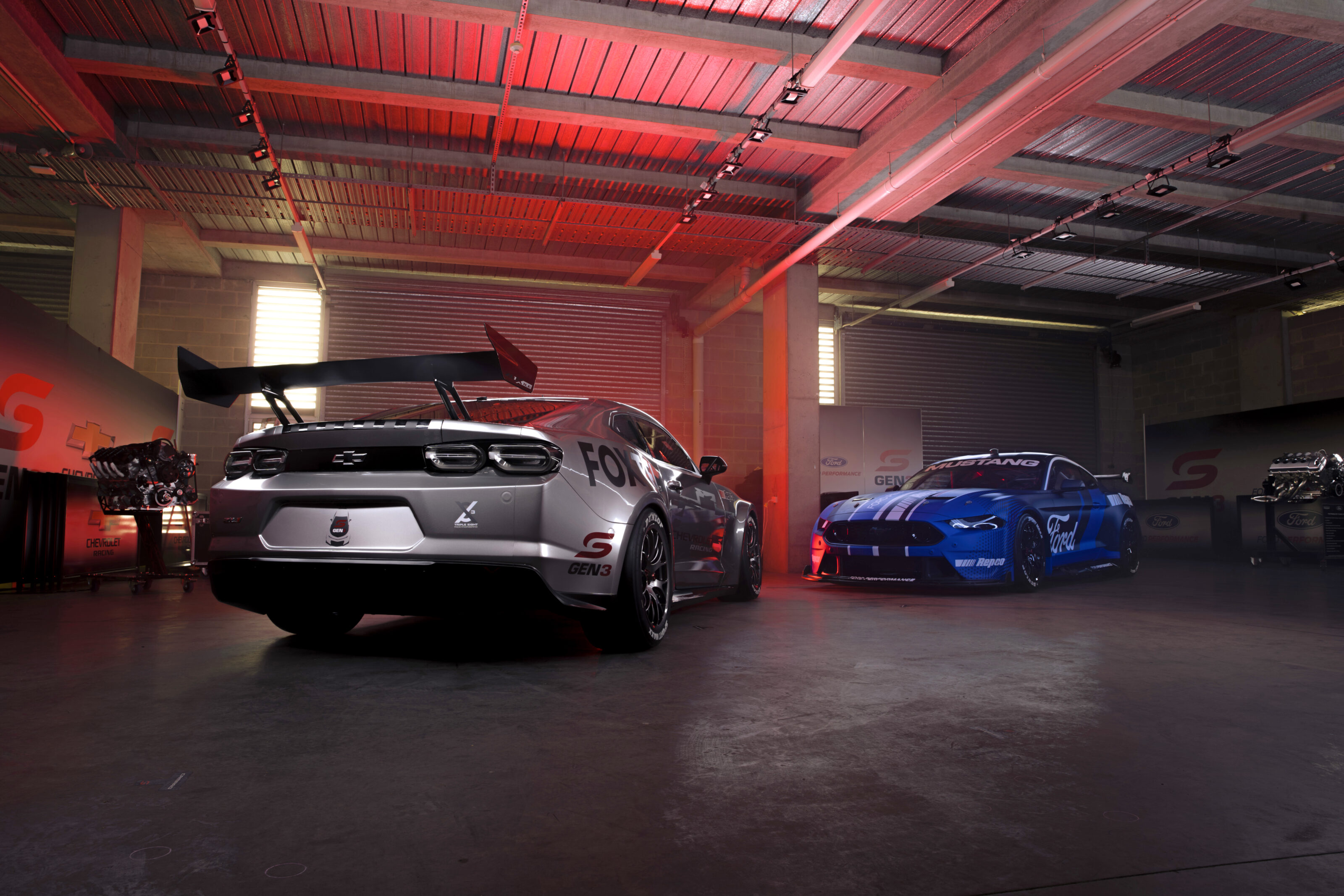
Despite what homebrew engineers may tell you, designing a chassis that accommodates two- and four-door bodies isn’t simply a case of lopping off the front roll hoop that gave the Gen2 Mustang its bulbous glasshouse. Talking to the head of the Camaro program, you quickly learn that under the bodywork is a tangled web of symbiotic relationships where moving a single component has unintended and surprising knock-on effects elsewhere in the car.
“Everything is really critical where it goes, and you have to think about the steering system when you’re designing the engine water reservoir, for example. It’s all one big, interrelated organism,” Moore explains.
Perhaps the most drastic example of this is the need to accommodate a battery pack and electric motor should Supercars decide to allow hybridisation in the future. To package this, a space has been left vacant in the floor below the driver. This, surprisingly, is linked to a move of the exhaust, which keen observers will note has shifted from in front of the rear wheels, to just behind the front. A transposition which in turn, is a direct result of lowering the roof line.
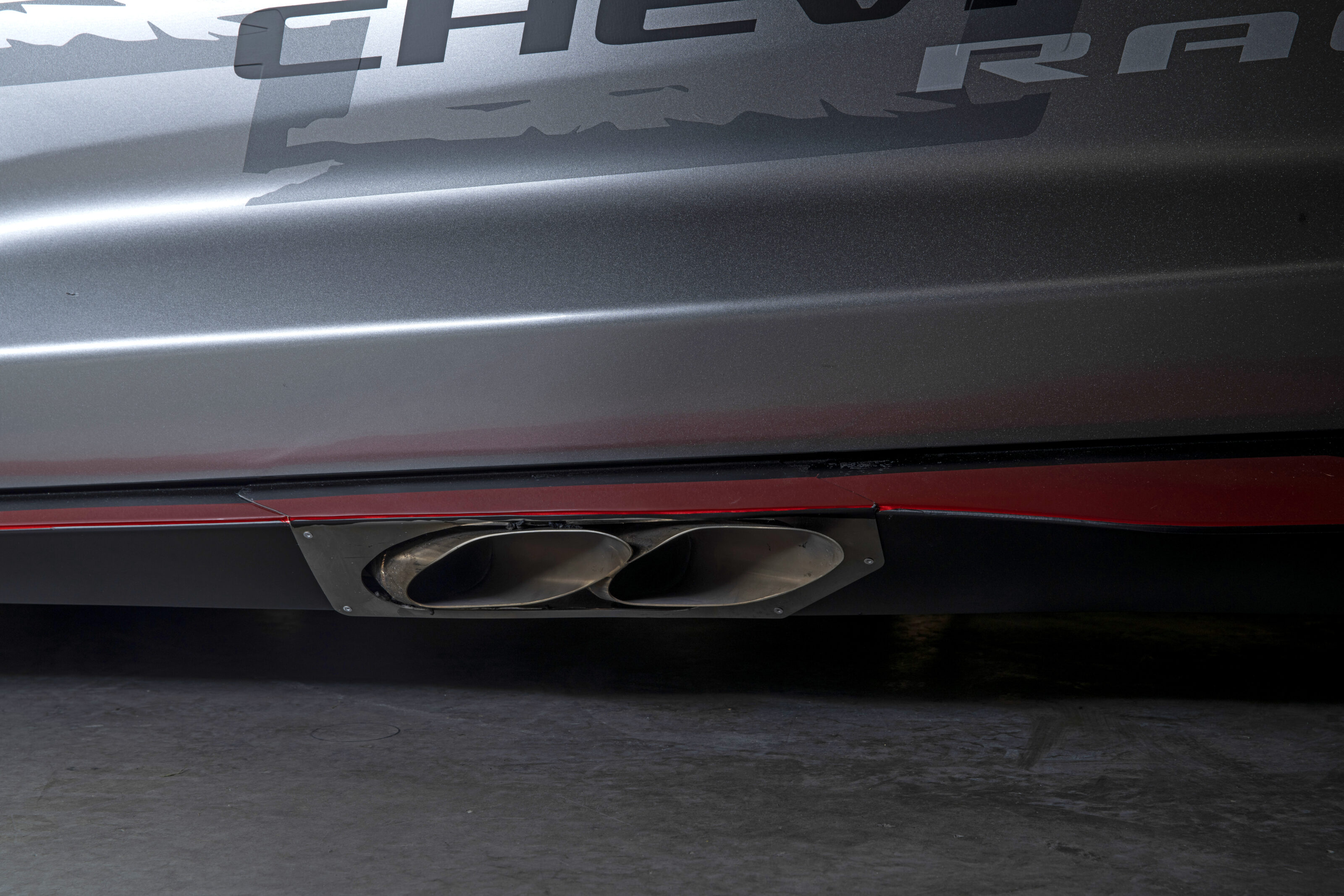
“Currently on the current Gen2 cars, the muffler is sitting underneath the passenger seat, which is fine when you’re racing, but it has a lot of knock-on effects where you put a passenger in there, and especially if they’re tall, their head is right in the roof and through the roof bars. So safety-wise, that was a big compromise,” Moore adds.
The roof comes down by 102.5mm, which means so does the passenger. Ergo, the exhaust now must exit much closer to the engine, with the floor raised in that section appropriately. “So to make the car symmetric, we also allowed the volume below the driver’s side to have room there to put batteries under there when we go that way,” he concludes.
To go with the new coupe bodies, Supercars has also upended the engine formula that has powered the category since Group 3A regulations were introduced in 1993. The 5.0-litre pushrod V8s are gone, replaced with OEM-based units for both Ford and GM. While the current design is well established, it’s also incredibly expensive, with two car teams spending up to a million dollars a year on engines alone.
These new units hope to slash that to roughly $250,000, and will run on the same E85 fuel currently used in the championship. Cheaper engines come at a cost that isn’t entirely monetary, with power reduced by circa 40kW to 447kW.
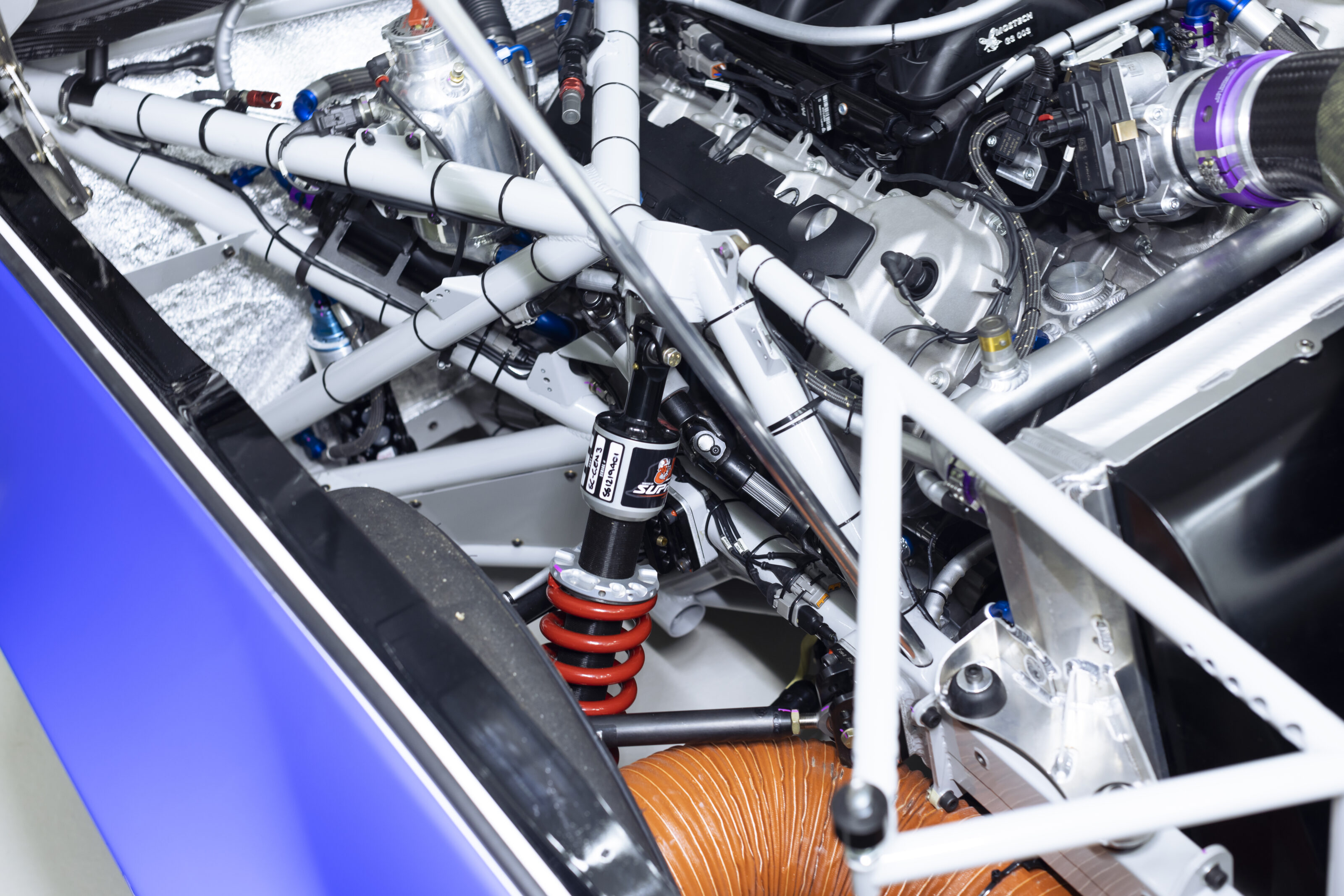
The most drastic change is on the Blue Oval side, which now uses a 5.4-litre dual overhead cam engine based on the Coyote V8 in your regular everyday Mustang GT. Developed and built by Mostech Race Engines in conjunction with Ford Performance and Dick Johnson Racing, the Ford V8 uses variable valve timing, an aluminium block and cylinder heads, custom stroke crankshaft, custom connecting rods, Mahle pistons, plasma arc coated cylinder lining, and dry sump oil system. Gone are the individual throttle bodies, with a single OEM inlet manifold, throttle body, and injectors, while the whole thing runs an 11:1 compression ratio.
Chevrolet teams will retain a pushrod design, but with the capacity jumping to 5.7-litres. Dubbed LTR, the GM unit is built from a melange of LS and LT small-block engine parts. For example the cylinder heads are GM Performance CNC versions of what is found in the LS9 that powered the HSV GTSR W1 sedan. Despite the larger swept capacity, the GM LTR engine is physically smaller than the V8 used by Ford teams.
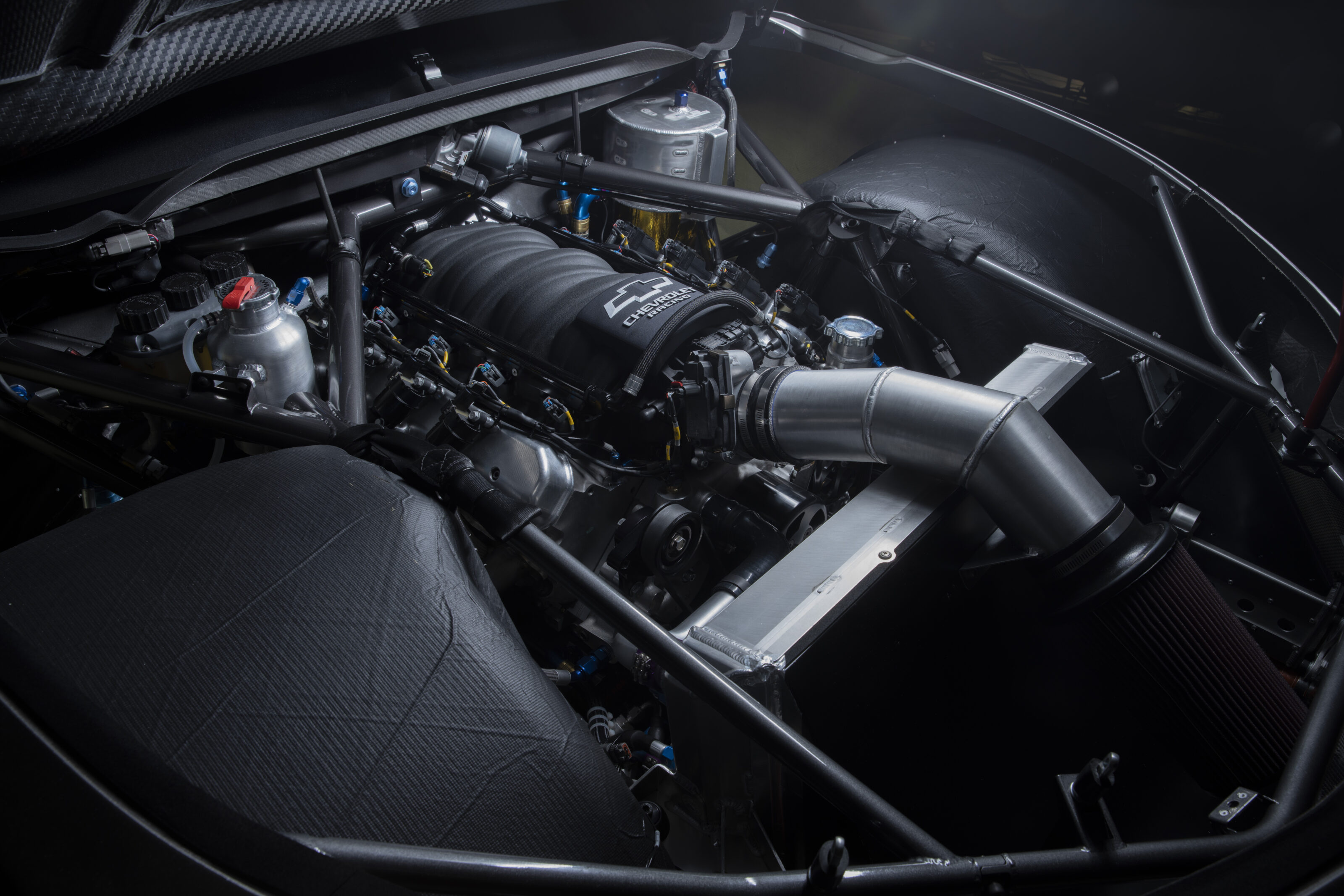
Initially Supercars intended to create an in-house control engine for every team to use, regardless of body style. This was intended to be the Coyote-based V8 used in the Mustang, but objections from both sides of the aisle saw a smarter multi-engine solution implemented.
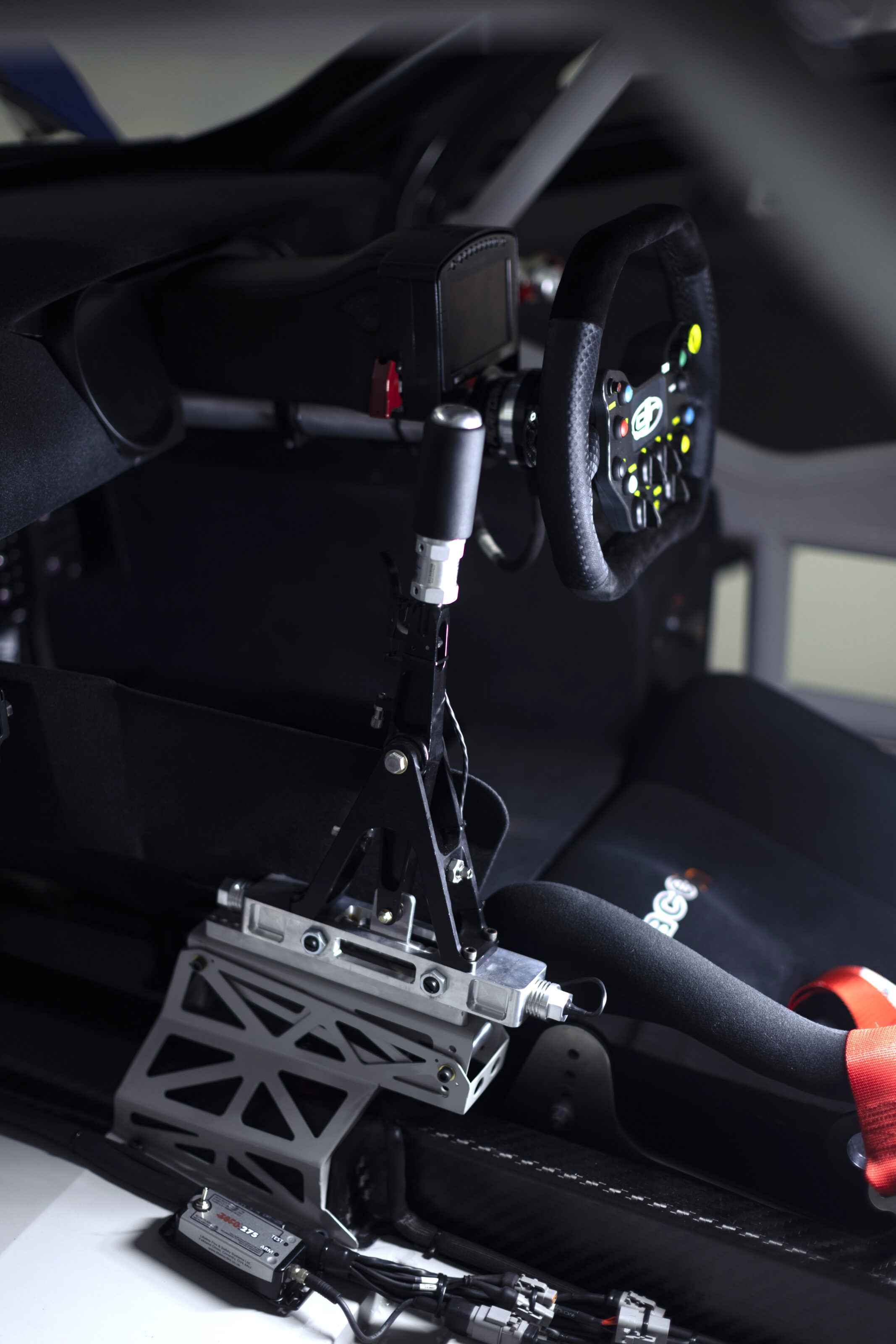
Behind the engines, the transmission will remain at six ratios mated to an Xtrac transaxle – one of the few carry-over parts from Gen2. However, how the cogs are shifted was a hotly contested debating point as of the time of writing. You’ll note in the interior shots that the Camaro is fitted exclusively with paddle shifters, while the Mustang has a traditional sequential stick (as well as some very discreet paddles). The Supercars technical department has been working hard behind the scenes evaluating both manual and auto-blip solutions for 2023.
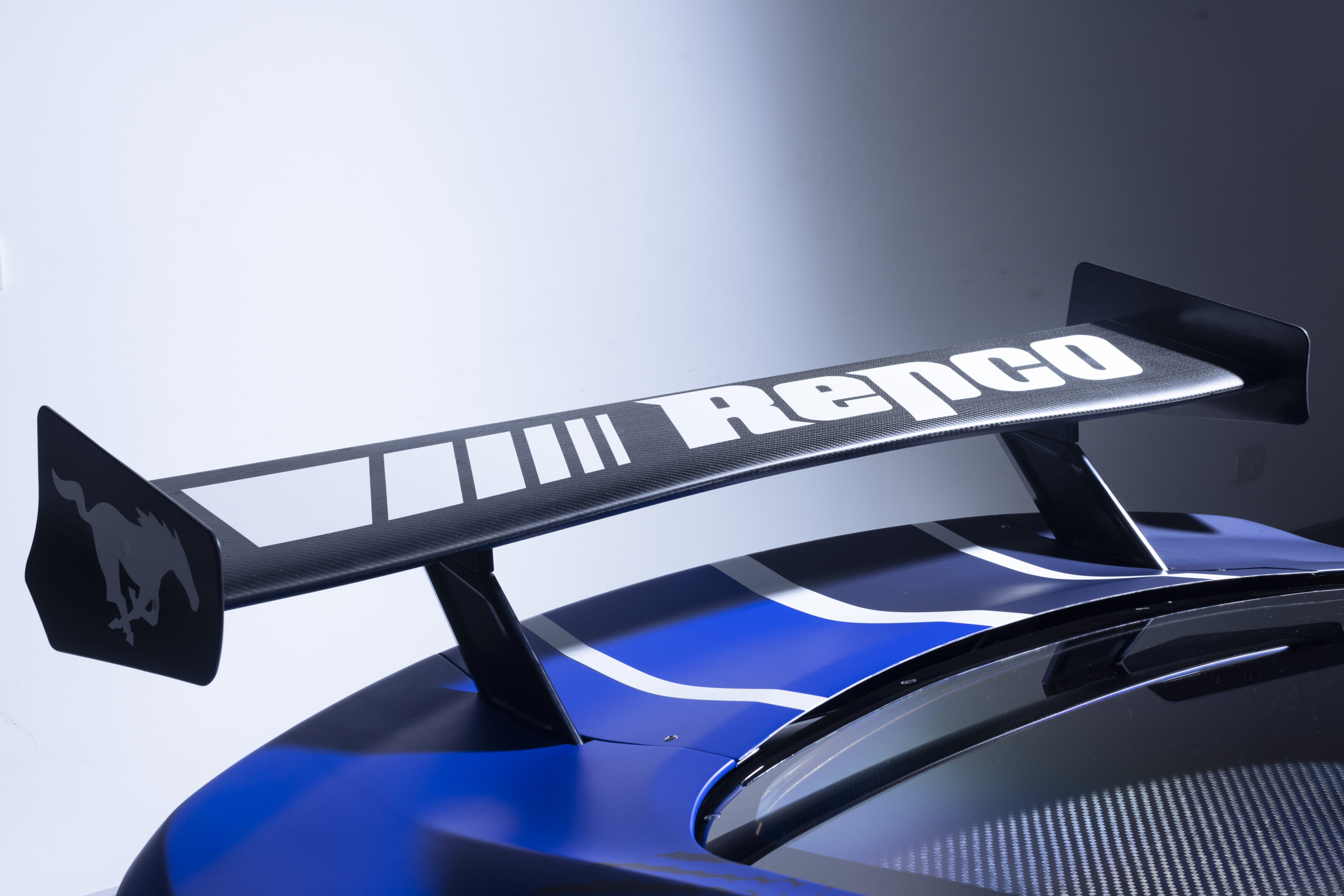
The reason a reduction in engine power isn’t that big a deal is because Supercars has also heavily slashed the amount of downforce the cars will produce. While Ford and GM design teams penned each car’s body internally, it was Supercars that held final authority over the rear wing profile, with the manufacturers styling the end plates.
At 200km/h current Gen2 cars make approximately 450kg of downforce. For Gen3 that figure will be closer to 140kg, on par with the 991.2 Porsche 911 GT3 RS. Part of that reduction is the wing profile, but also the complete loss of the front undertray.
“Fundamentally, the cars will generate probably most of their downforce just from the body shape itself,” Perry Kapper, chief designer at Dick Johnson Racing, explains to MOTOR. This mean bends that were once taken flat – like The Chase at Mount Panorama – will become a lift, essentially adding more corners to the championship. Additionally, less dependence on aero means following another driver closely won’t have as large an impact on car control.
The prototypes are also a couple hundred kilos lighter than the current cars, while it is estimated in production spec they will be roughly 100kg lighter for a minimum weight of 1295kg including the driver.
Along with the reduction of aero, Supercars has boosted the Gen3 car’s mechanical grip by lowering the centre of gravity and making them wider than the current racers. The track of the Gen3 cars is yet to be finalised but currently sits around the two-metre mark, while Gen2 sits at 1913mm. The wheelbase has changed also, down from 2822mm to 2765.5mm.
“We’ve gone halfway between the Mustang and the Camaro wheelbase, so that not one manufacturer has to compromise more than the other,” Moore explains. “And we’ve done it in a better way than the current cars, where you’d normally cut the middle of the back door and then you move the whole back of the car forward relative to the front wheel. Whereas now, it’s just absorbed. We’ve moved the wheel arch forward on the Camaro, and backward on the Mustang so it’s very hard to tell any difference when you put the two cars beside each other.”
That wheelbase will also be modular. While the Camaro and Mustang are identical for ease of parity to start Gen3, should a new manufacturer enter and be unable to match the dimensions without butchering their bodywork, Supercars will either stretch or shorten the chassis as required to accommodate the vehicle appropriately.
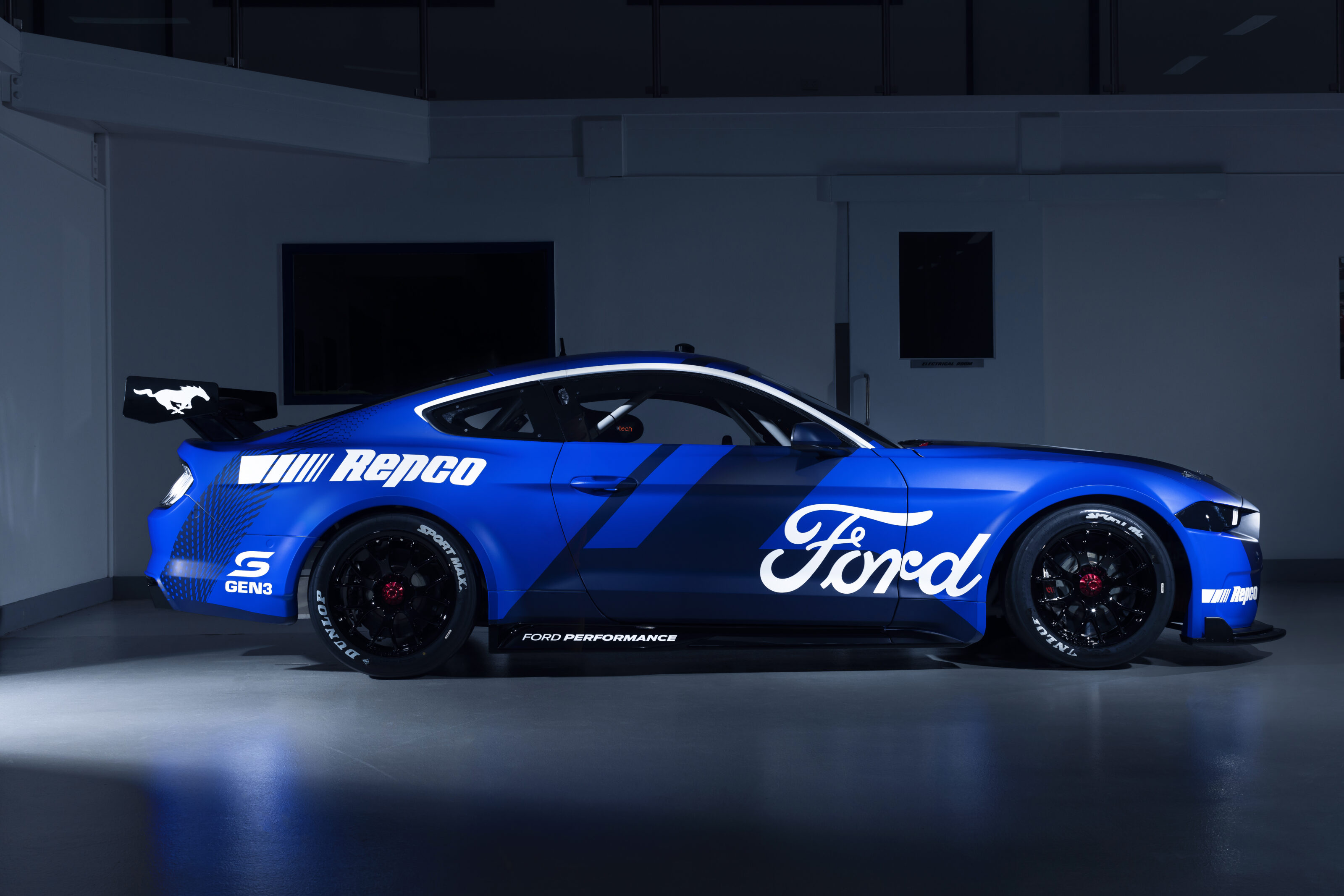
The footprint of the car is just the tip of the iceberg. The list of carryover parts from Gen2 to Gen3 amounts to the transaxle, rear suspension wishbones, and the rear uprights, the latter with some minor CNC modifications to help accommodate the new brakes.
“Really, that’s about it because everything else is all from scratch,” Moore continues. “Front suspension, it’s all a control item now so that people aren’t going and re-engineering a new suspension every six months and investing money there. All of the drivetrain is new. The prop shaft is a bit different – it’s a bit shorter and it’s obviously mounted slightly differently, but it’s the same concept. But again, not the same part.”
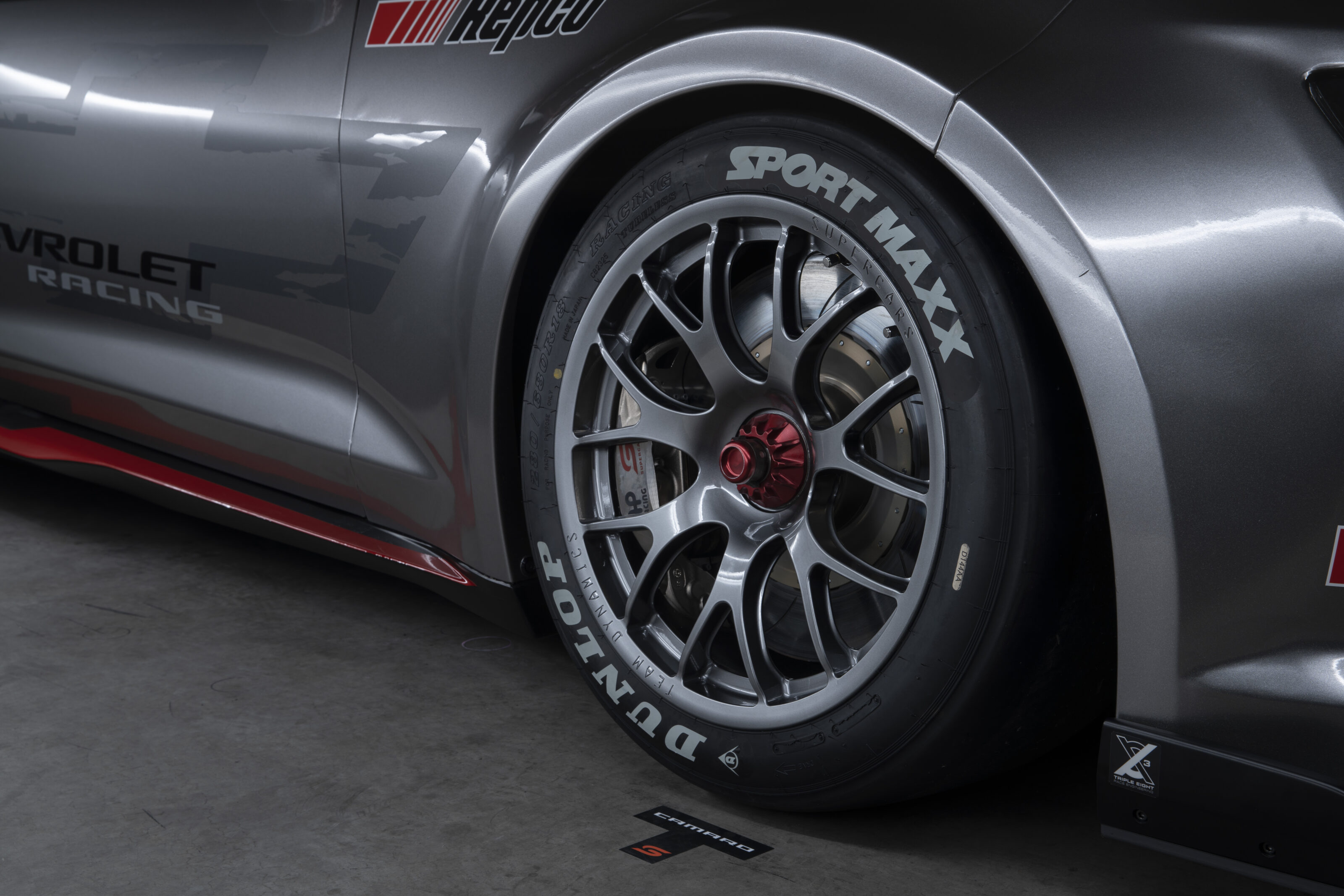
Cast your eye over the cars and little details begin to emerge, with a startling number of tweaks. The striking new rim design isn’t merely for show. The offset has been changed from 52mm to 25mm in order to reduce the likelihood of spindle clashes when drivers rub wheels. In fact, the spindle itself is also new for Gen3 to accommodate a smaller wheel nut thread of 45mm (down from 72mm).
The flow-on effect continues, with a smaller thread meaning lower tightening torques required from the wheel guns during pit stops, allowing teams to ditch high pressure nitrogen gas units for electric versions. Even the radiator needed to change. A move to an aluminium engine design means more heat is being transferred from the block into the water, necessitating a 30 per cent increase in size.
Attached fore and aft of the core chassis is a new-for-Supercars quick change front- and rear-end design that is commonly referred to as a ‘clip’. “The idea is that if you have a decent accident, then what you can do is you can just unbolt a front clip and remove it and then fit a new one,” Kapper explains. “So that should, in theory, make it a lot easier to repair the cars at the race track and you’ll need less skilled people on hand to be able to fix the cars.”
Along with the easier to repair construction, the development teams have been playing with new materials and panel designs to reduce the impact, both financial and physical, of crashes. “There are more individual panels on the car which are composite, but you can replace them, so you’re not damaging a bigger part that costs a lot of money,” Moore adds. “You can replace a smaller part, and it all comes down to clever layup as well of the composite. If you come up with, which we have on the car, several parts which are impact resilient and flexible, there was a clever layout like a rubberised Kevlar, where you can physically smash it with your hand and it just pops in and out, and off you go again. So it’s all about not only the design, but also the manufacturing of the parts which has a big influence on the cost.”
While the Gen3 cars are visually finalised, and this procedure is expected to be extremely minor tweaks following aerodynamic validation testing, there are a number of components underneath the composite body panels that are yet to be finalised. Most importantly, what will be used to steer the front wheels.
“On the original design concept, we agreed we were going to go with an electric powered rack, but then COVID arrived,” Burgess says. “And we had a few supply issues with one of the manufacturers that we were heavily in negotiation with. And we had CAD and we had a design of the rack we wanted to use, but then those guys weren’t able to support the program with the timeline that we had in place. Now, with the program going back to 2023, it might enable us now to just revisit some of the decisions we had to make probably 12 months ago in order to get the prototypes finished.”
Whatever the choice, Supercars will have to contend with its competitors edging toward self-destructive set-ups. Teams have been pushing the current systems to the limit with ultra-aggressive suspension geometry for a while now, some going so far as putting 25 degrees of caster on their car in order to improve, for example, camber gain. The Gen3 chassis philosophy hinged on reducing these extreme geometries.
“We knew coming in, in the last few years in particular, every team is pushing the limit on the loads of the steering because you’re getting performance by, for example, increasing the caster trail and other kinematic elements, so that the steering is literally on the edge,” Moore adds. “We haven’t locked in exactly what the steering system is going to be, rack, etcetera. But first step for sure, is to make sure that the load is less going through whatever steering you pick.”
Throughout the entire Gen3 development process Supercars has focused on simplifying what it takes to build and run its race cars. Any area where teams or manufacturers could previously design their own components has been buttoned down and replaced with control spec parts. By removing this developmental freedom, the category hopes,in turn, to change the focus to teams working on nailing the set-up with what they have, instead of building new parts.
“We’ve kept quite a lot of the adjustability,” Kapper says. “The amount of adjustment range you have with the positions of the rear suspension arms, which allows you to do your squat for drive, and anti-lift in the rear, and roll centre adjustment remains. We’ve still got spring rate changes that we can do, anti-roll bar changes and things like that.
Put simply, there is still enough adjustment available that teams will be able to get lost in the set-up process.
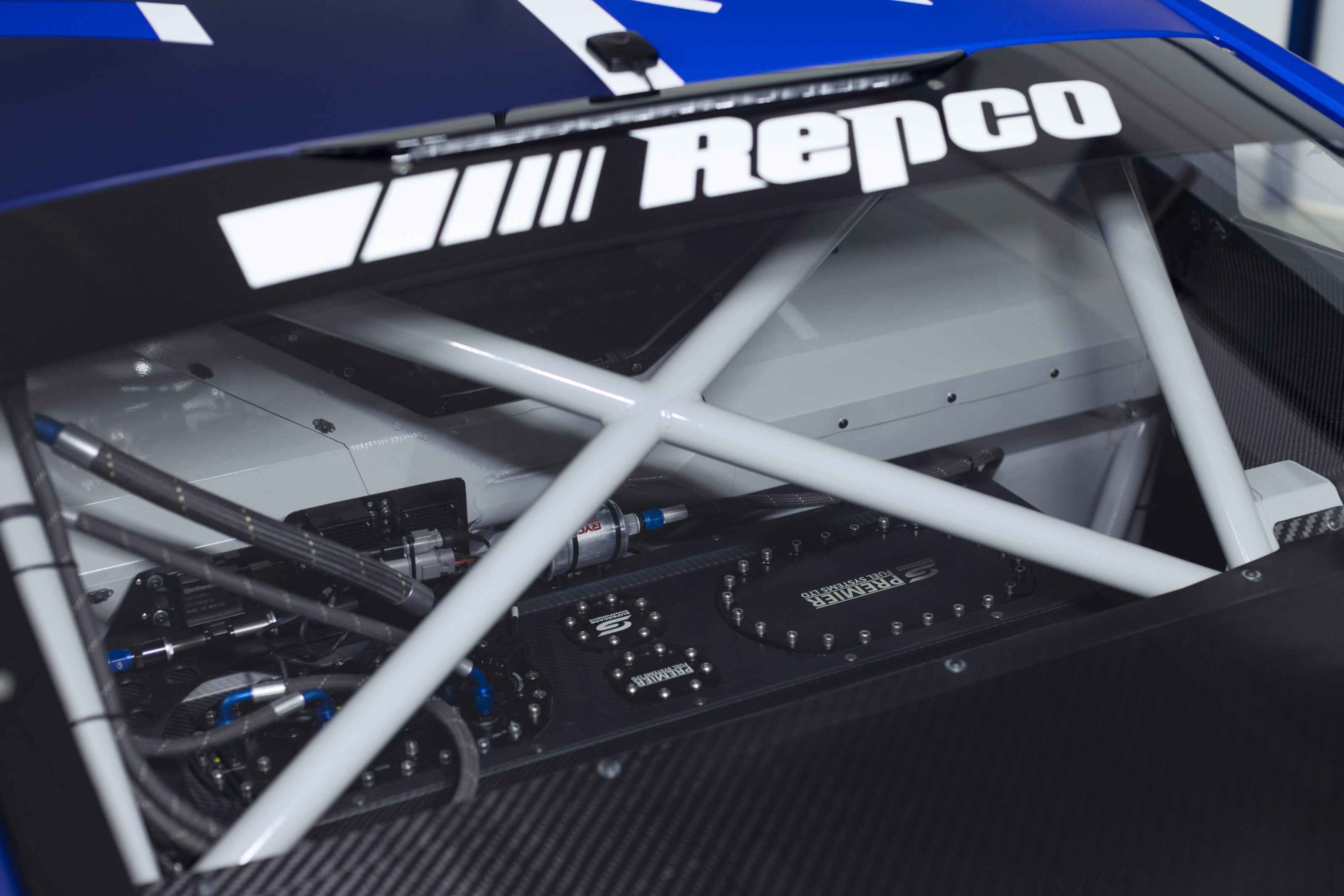
“What we’ve taken away at the moment with the prototype cars are the anti-roll bar rockers,” Kapper adds. “So removing the anti-roll bar rockers means that the engineers have a lot less freedom to design something that is nonlinear, in the actuation from the roll bar point of view. So that’s going to be quite a big change to the handling of the cars. It’ll make a big change to the balance of the car and how it is to drive.”
As a result of the rocker changes, and the retention of the spool rear differential, Kapper says the Gen3 cars will have plenty of visual attitude on track.
“They’re definitely going to move around more under brakes, slide more on the exit, and understeer more mid corner. There’ll be a lot more going on.”
Influencing the decision to remove core design freedoms from areas such as the front uprights is Supercars’ commitment to slashing operating costs for teams. Yes, building prototypes is expensive, Supercars knows that. It also recognises that the transfer period between Gen2 and Gen3 will not be a cheap one. However, as Burgess points out, the fate of budgets remains in the hands of the teams.
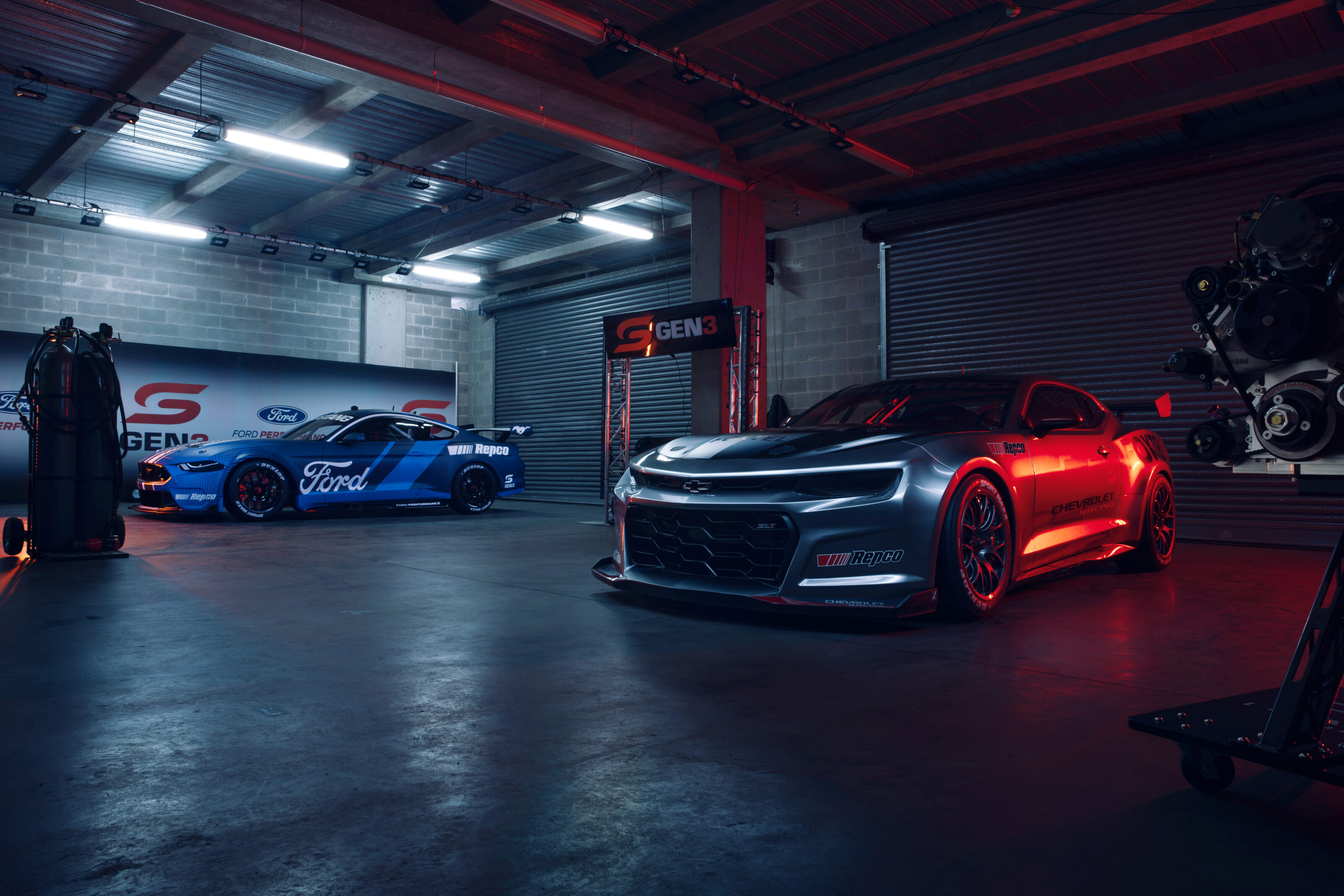
“The other key area for cost saving is going to be the rule book and how the rule book is written and how you operate the car,” he explains. “In our current form of racing, there are so many freedoms with the car that the teams are able to just constantly play with parts and change and try and modify to find the smallest amount of lap time compared to somebody else. And that costs money in itself. You’re a design business. You’re an R&D business. And you need to be the manufacturer to build all these things.
“I think the teams will start to restructure themselves and become more race team than an R&D testing house. But how much [they’ll save], you can’t quantify that because I think we all know that if a team’s got a hundred dollars, they spend a hundred dollars. They don’t spend $90 and put $10 in their back pocket. They spend everything they’ve got. So, is it really going to be cheaper? That’s in the hands of the teams to drive the outcome. They’ve got to change their mindset.”
As a former chief mechanic and sporting director for several F1 teams, as well as his stints locally managing DJR, Walkinshaw, Triple Eight, and Tekno Autosports, Burgess is intimately familiar with where teams will be looking to try to find loopholes in his regulations.
“We’re trying to save them from themselves. And that’s pretty much it. I mean, I’m a racer. I’ve been racing all my life. And so I know what it’s like and I sort of understand where they’re all heading, or where they will head if we leave any doors open. So, part of this next year is about trying to close all the doors that we want to close and just leave open the doors that we want to leave open.”
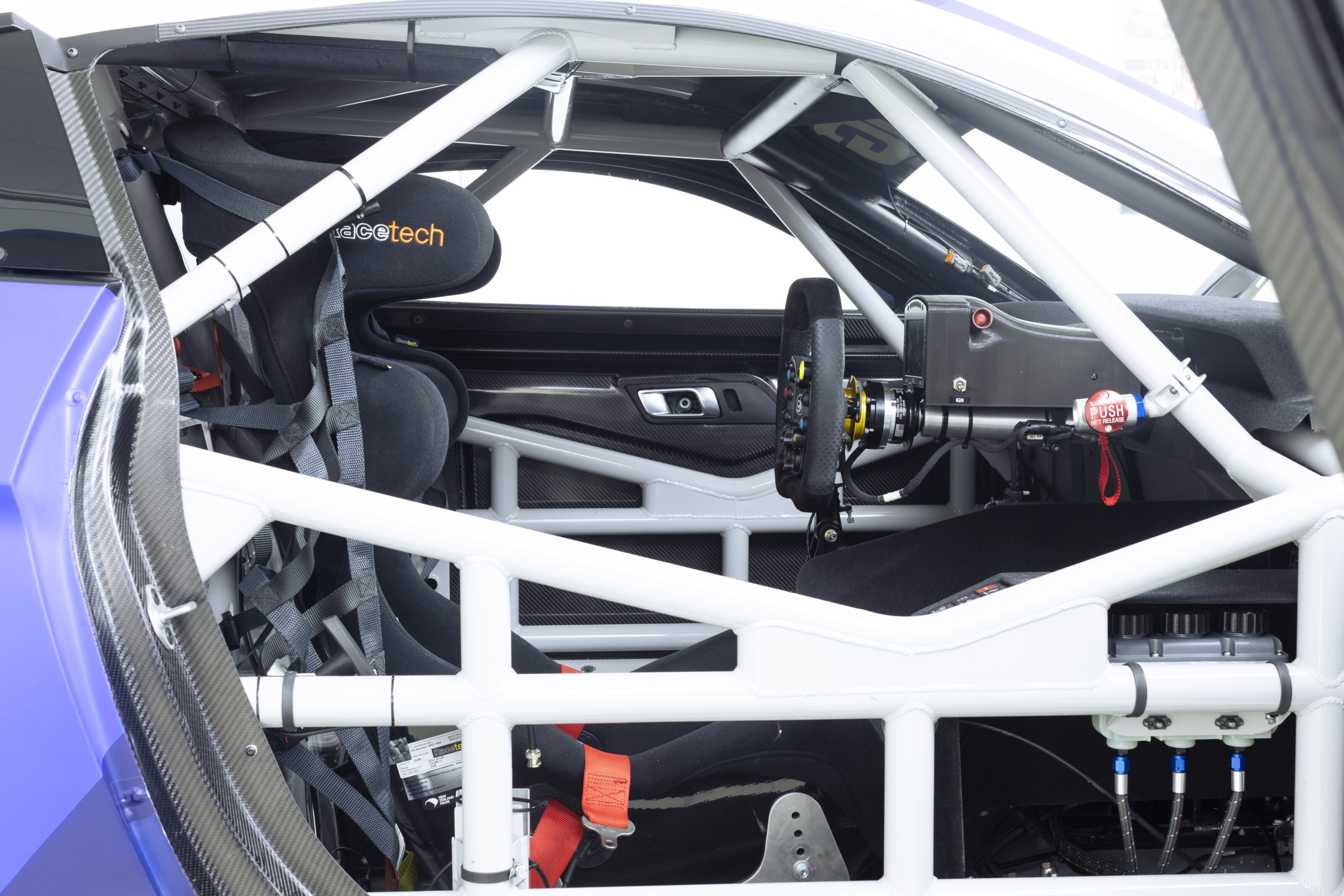
Building the cars that grace this page was a long process, but arguably the most important 12 months are still ahead for the development teams. It’s not just technical reliability and validation that requires scrutiny though, with the car’s on-track racing ability set to come under the microscope.
“We’ll get the cars to race each other and simulate a good old classic race,” Burgess says. “We have sort of been doing that in CFD already. We know, in CFD terms, how much closer the cars can follow each other than the current. We spent a lot of time simulating that in CFD. And at the moment, the results are definitely showing that these cars will be able to follow far closer than the current car, but that’s in CFD. So we do have to go and validate that in real life conditions.”
The final piece of the testing puzzle will be Supercars’ Vehicle Control Aerodynamic Testing (VCAT) regime that ensures the cars are aerodynamically equal. Burgess and his team heavily updated the process last year to ensure competitors aren’t able to slip an unfair advantage into their final homologation.
While we can all agree that the Gen3 cars look spectacular visually, Supercars will spend the next year sweating the details to ensure they are as cheap to run as promised, and the racing lives up to the hype. When the Gen3 Camaro and Mustang take to the track in 2023 it will be 52 years since Bob Jane and Allan Moffat finished first and second in the Australian Touring Car Championship. Their steeds? A Chevrolet Camaro and Ford Mustang respectively. Everything old is new again.
It’s not all that surprising that when the updated Alfa Romeo Stelvio range rolled out in mid-2021, the newly four-strong range structure would mirror that of the Giulia sedan with which the SUV shares much of its solid architecture and oily motivation.
New was the Veloce, known as the Veloce Ti overseas, a guise originally not slated for local consumption but made the trip across the big pond anyway. And given on-paper credentials and all stylistic appearances, favourably so.
Here was a variant that aped the mighty biturbo V6 Quadrifoglio’s sporting pitch, if without quite the high-performance intent or expense. And, suitably, the Veloce would fit between the exotic and handsomely priced flagship and regular turbo four-pot Sport as a penultimate version pegged at the palatable price point where premium mid-sized SUVs start to get, well, interesting.
The obvious question is: how much of Veloce brims with bonafide delivery and how much is merely showboating?
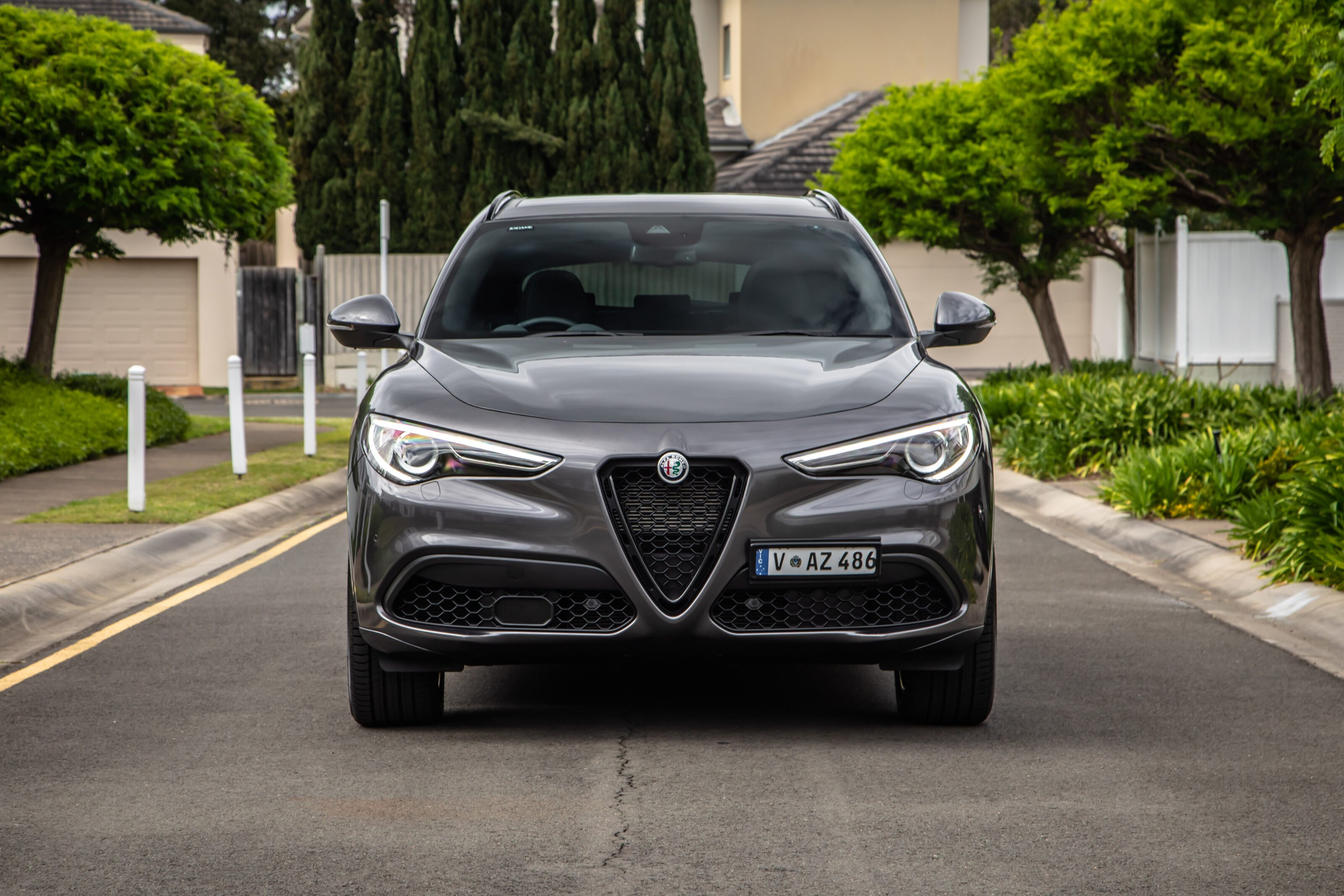
There are certainly rich credentials in some fundamentals. The Giorgio platform that Stelvio shares with Giulia, a rumoured five-billion-dollar development, underpins both models’ renown for segment-dominating dynamic alacrity and, indeed, the Veloce ‘Q’ is considered by many as the friskiest mid-sized family hauler good money can buy. But with the rumour mill abuzz about Alfa Romeo’s hard shift to an electrified future, whatever credo the marque has carved for purist driving machinery in the present is here for a good time if not necessarily for a long time.
However purple Alfa Romeo’s patch might appear in tomorrow’s hindsight, it hasn’t enjoyed quite the buyer appreciation of its key rivals today. And there are reasons for that, warranted or not. One is reputation for reliability. Another is that, fair or foul, the marque continues to fully embrace its Italian-ness in almost everything formal and functional, and much of it swims against what is a popular German rip.
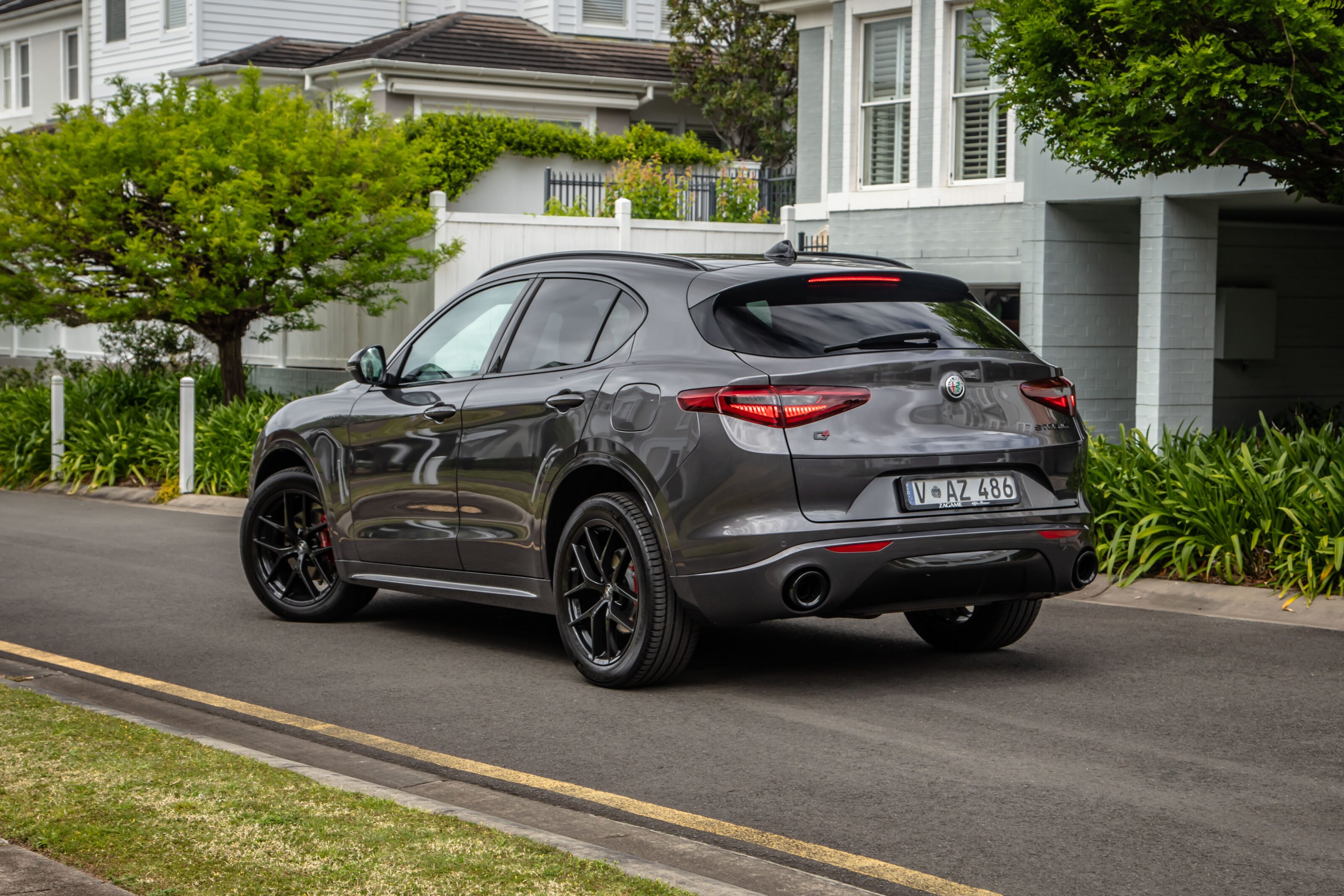
That Alfas woo – and want to be judged – on the sumptuousness of their leather rather than the resolution of their digital eye candy, for example, marks its machinery as outliers and alternatives that buck the conformity in premium European trends. That’s not necessarily a focus of the sort that builds showroom popularity.
Be it from fifty paces or nestled into its impossibly bolstered front bucket seats, the Stelvio Veloce, built at Alfa’s Cassino factory in Italy, embraces sportscar-like romance. But that doesn’t necessarily make for a sound, quality-laden family hauler.
Fair or foul, the marque continues to embrace its Italian-ness in almost everything formal and functional, swimming against what is a popular German rip.
Pricing and Features
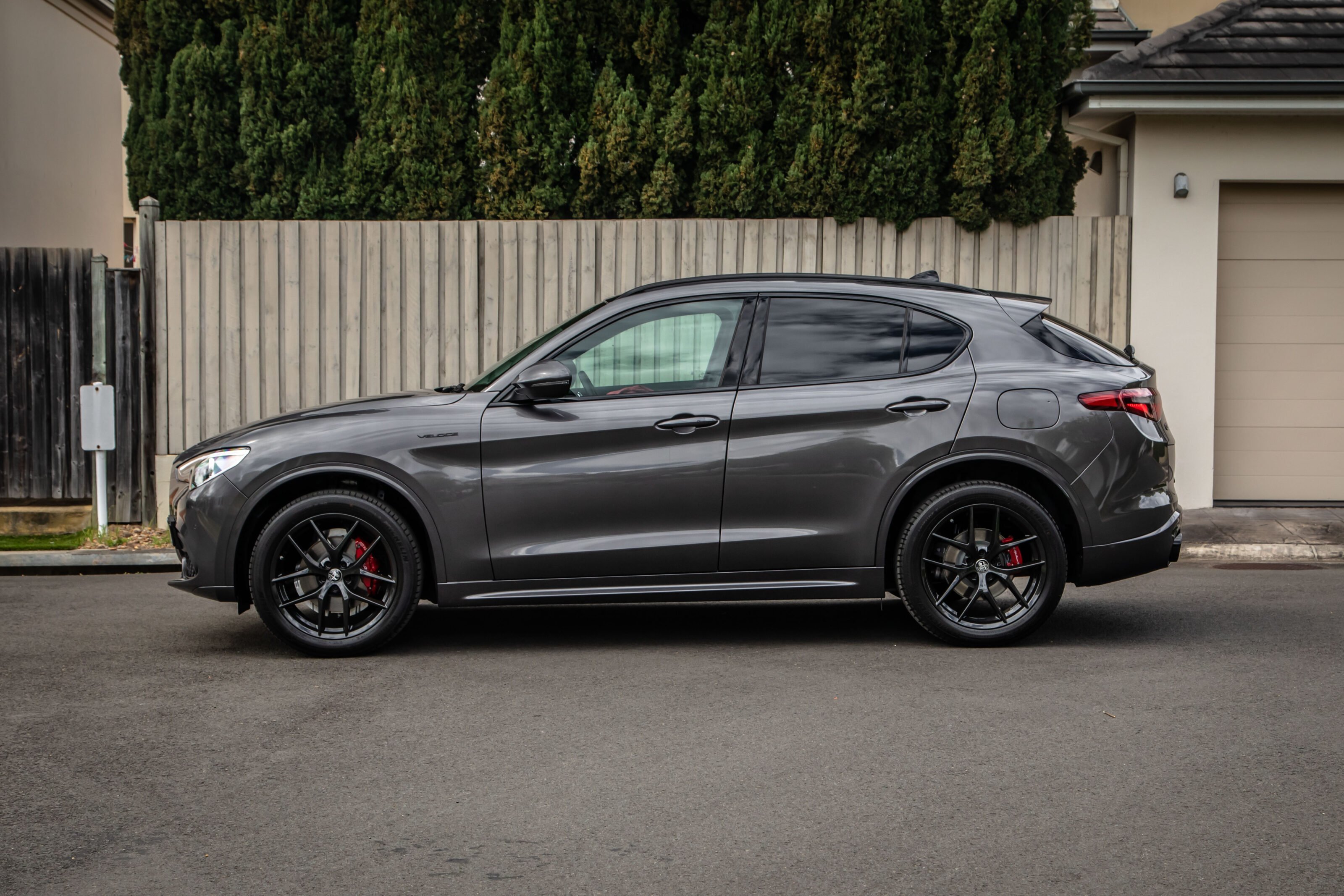
At $79,450 before on-road costs, the Alfa Romeo Stelvio Veloce plugs a fiscal tier occupied by the Audi Q5 45 TFSI Sport wagon ($77,600 + ORC) if undercutting logical Teutonic rivals in the BMW X3 xDrive 30i ($87,900 + ORC) and Mercedes-Benz GLC 300 wagon ($86,676 + ORC).
In its own stable, the Veloce is priced nine grand up on the Sport variant ($69,950 + ORC). You’ll need a big lunge to clamber into the Quadrifoglio ($147,950 + ORC), an outlay that’ll land you both a Veloce and a Sport combined.
No surprise, then, that the Veloce fits a high-power version of the range’s 2.0-litre turbocharged petrol four – producing 206kW/400Nm, a fair hike on the Sport’s 147kW/330Nm tune – rather than a downgraded version of the Q’s Ferrari-related 2.9-litre biturbo V6.
It’s paired with a ZF-sourced eight-speed torque-converter automatic and all-wheel drive. The system is rear-biased and on-demand, capable of shuffling up to 50 per cent of available torque to the front axle via an active transfer case and fits a self-lock mechanical rear limited-slip differential. Wheels are 20-inchers.
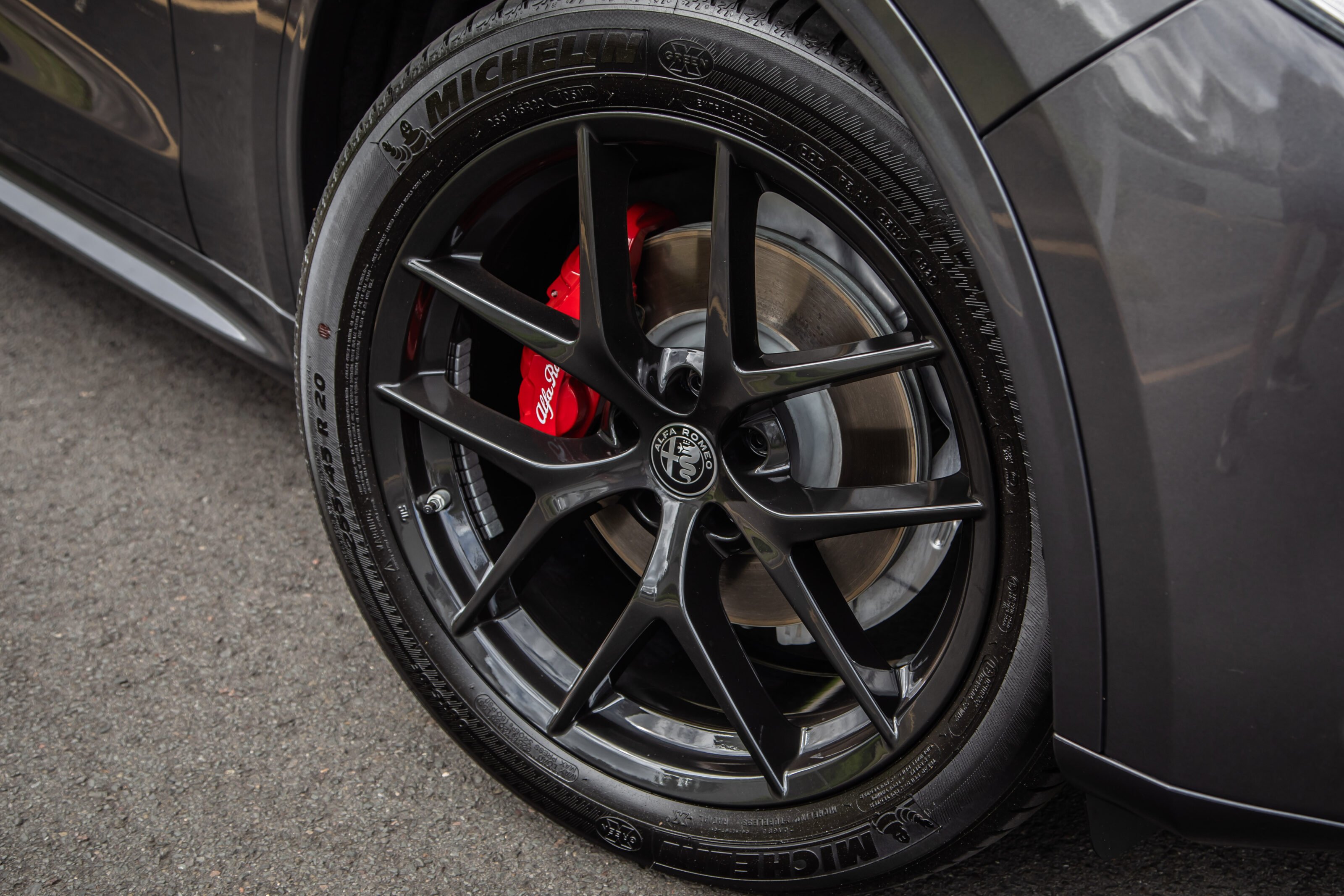
A fair chunk of Veloce’s nine-grand splurge over the Sport is in underpinned fitness, though it also sprinkles the equipment list with eight-way-electric sports seats, leather seat, dash and door trimming, ambient lighting, a hands-free powered tailgate, 10-speaker sound and rear outboard seat heating to match the fronts.
Common with the lower grade Stelvio are bi-xenon headlights, auto high beam, rain-sensing wipers, power-folding and auto-dimming mirrors, front and rear parking sensors, rear privacy glass and a reversing camera.
Elsewhere, the Veloce features a 7.0 TFT driver’s screen, aluminium brightwork, dual-zone climate control, heated steering wheel, column-mounted paddleshifters, 8.8-inch touchscreen infotainment, DAB+ digital radio, sat-nav, 400-watt 10-speaker audio, Apple CarPlay and Android Auto smartphone mirroring and adaptive cruise control.
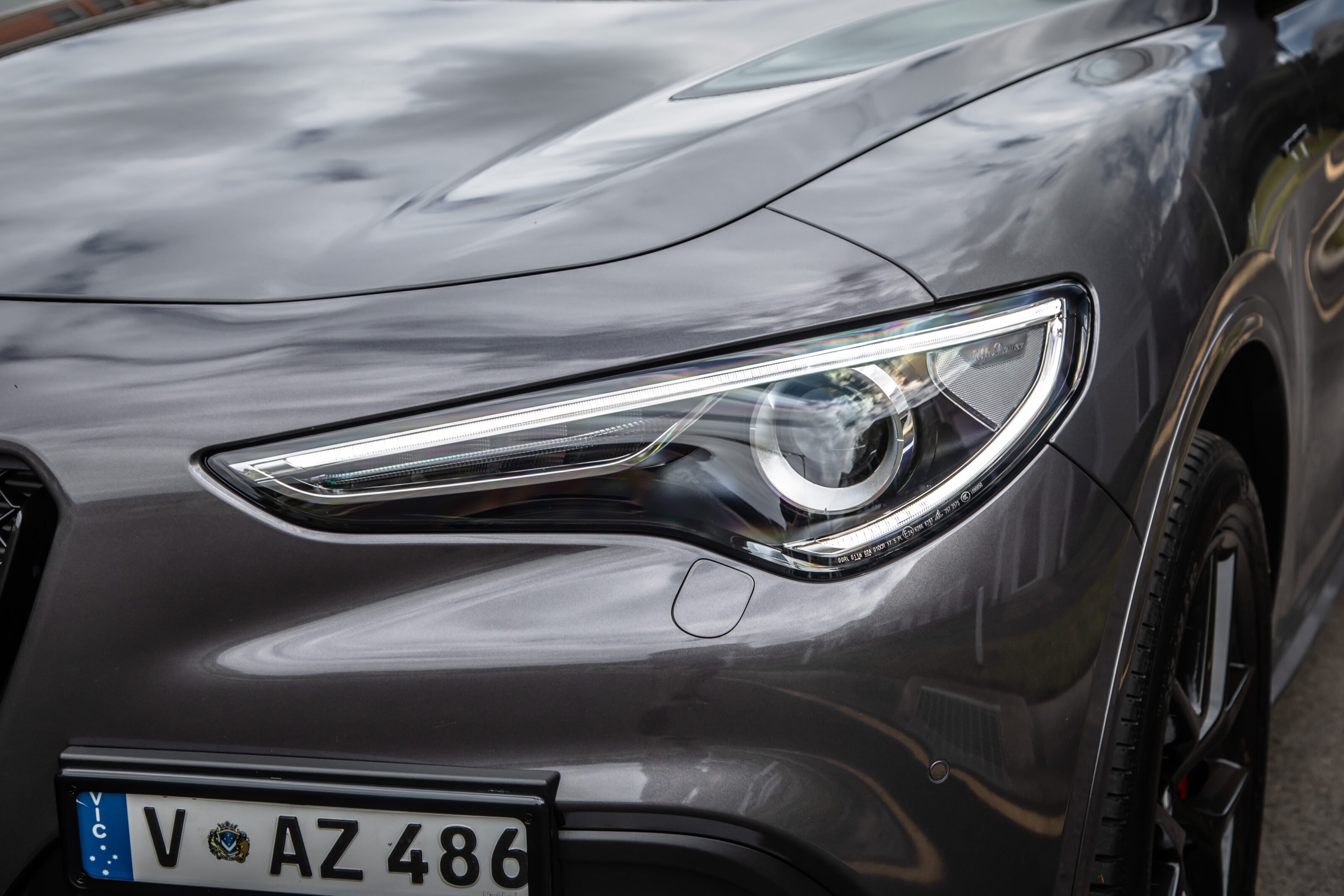
The Stelvio fits a solid suite of safety assistance that includes autonomous emergency braking, forward collision warning, lane-keep assist, active blind-spot assist, rear cross-traffic alert, traffic sign recognition and intelligent speed control. No idea what the curiously named ‘driver behaviour warning’ does: perhaps it shouts encouragement to push on harder in Italian?
Six airbags and rear-seat ISOFIX anchor points are fitted to what’s a five-star ANCAP rated proposition (from 2017 Euro NCAP assessment).
A fair chunk of Veloce’s nine-grand splurge over the Sport is in underpinned fitness.
Comfort and Space
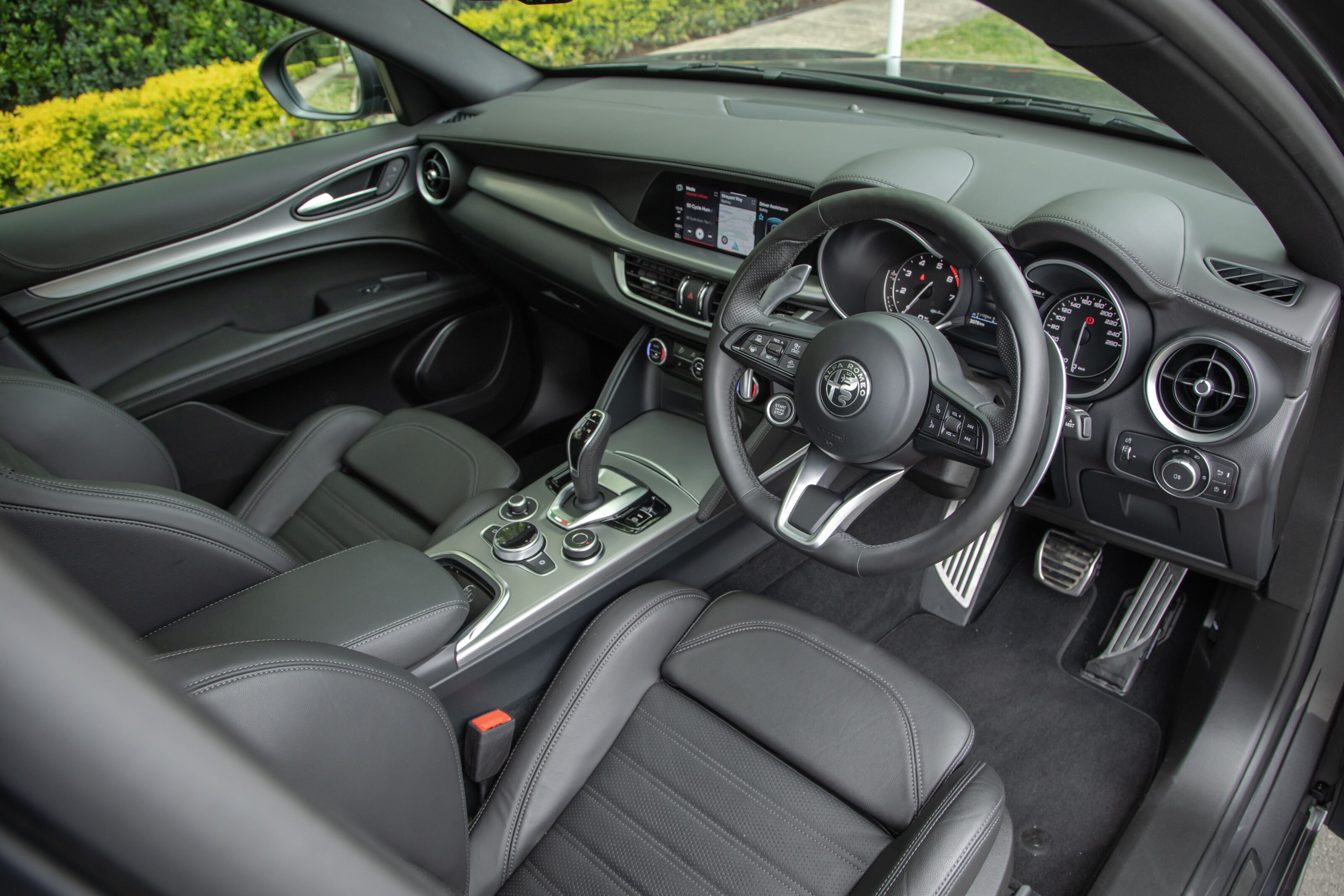
The Stelvio Veloce elicits diverse reactions depending on the user’s tastes, not because it’s wild or leftfield but because it is, in its overall theme, staid.
Little about it is ostentatious or in-your-face and, in some eyes, not much visual edification for a premium SUV splurge. Analogue instruments, modest infotainment, toned-down brightwork and a general air of subtlety.
Some find it plain or, more critically, boring.
Through another lens – an indicatively Italian lens – it’s classically flavoured, a big nod to tradition that, in execution, demands a measured touch when it comes to glitz and modernisms. In an era where premium carmakers – specifically those which are German – attempt to one-up each other with a schizophrenic attack of window dressing, for fair or foul, Alfa Romeo has stuck fairly true to a quite conventional lane in the Stelvio Veloce.
It’s rich in ambience, its leather utterly sumptuous, its aluminium garnish somewhat refreshing because it’s real, not fakery. Material use, from the paddleshifters to the pedals, looks and feels first class. And Alfa Romeo has clearly made a concerted effort to up its game in integration and solidity, particularly in controls and switchgear, areas that were long a bugbear of the brand.
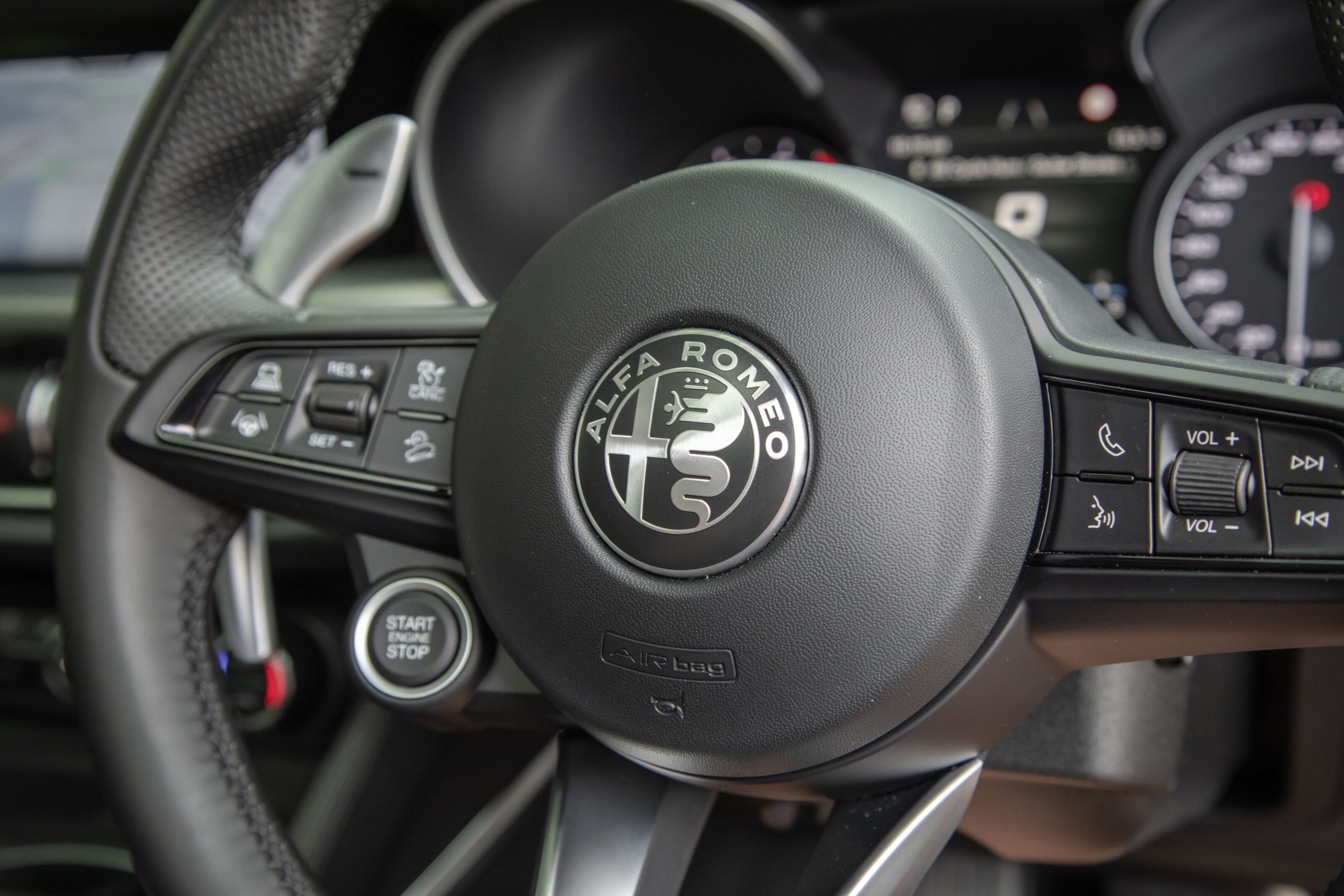
There are still plenty of hints-of-Chrysler in some details, but there’s a solid and uncomplicated vibe that crept into the execution that rings with a sense of quality and avoids much in the way of conspicuous cost-consciousness.
The steering wheel is lovely, the instruments are effective, and it oozes effortless sportiness without resorting to plying heavy-handed carbonfibre and the like.
The column-mounted elephant-ear shifters mightn’t be to all tastes – wheel mounting remains the more useable route – but they remain a touch that is, above anything else, oh-so Italian.
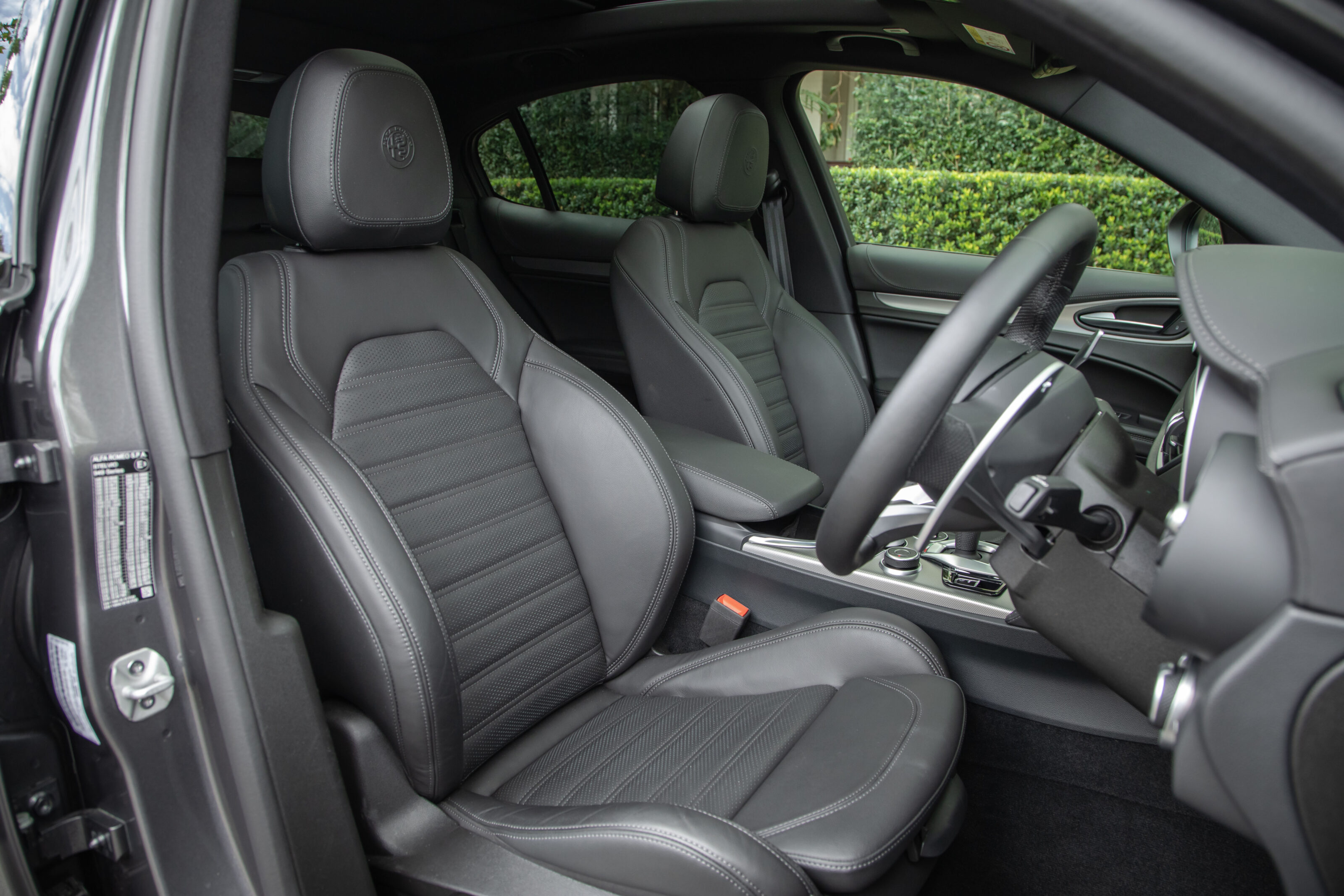
The front seats, with their caricatural side bolsters, are an acquired taste, combat fit for the most intense corner-carving if lacking much in the way of long-haul comfort because they’re so snug. They’re centrepieces to the cabin, lovely to touch and beautifully stitched if stiffly padded, and will rank with some more generously sized prospective buyers as a real deal-breaker.
Less impressive in stature and purpose is the 8.8-inch infotainment system, ironically a key highlight to the Stelvio’s (and Guilia’s) most recent updates if coming off exactly what is it: a half-baked attempted at keeping in step with rival German tech.
Its screen is small and the fitment looks like an afterthought. And while its resolution is sharp and it features remote rotary-type console control in the face of touchscreen-only trends, its content is basic and it is clumsy and not terribly intuitive to use.
Nor is all that smart, particularly the radio volume assault you’ll experience if you happened to have Bluetooth-streamed an audio source at a prior shutdown.
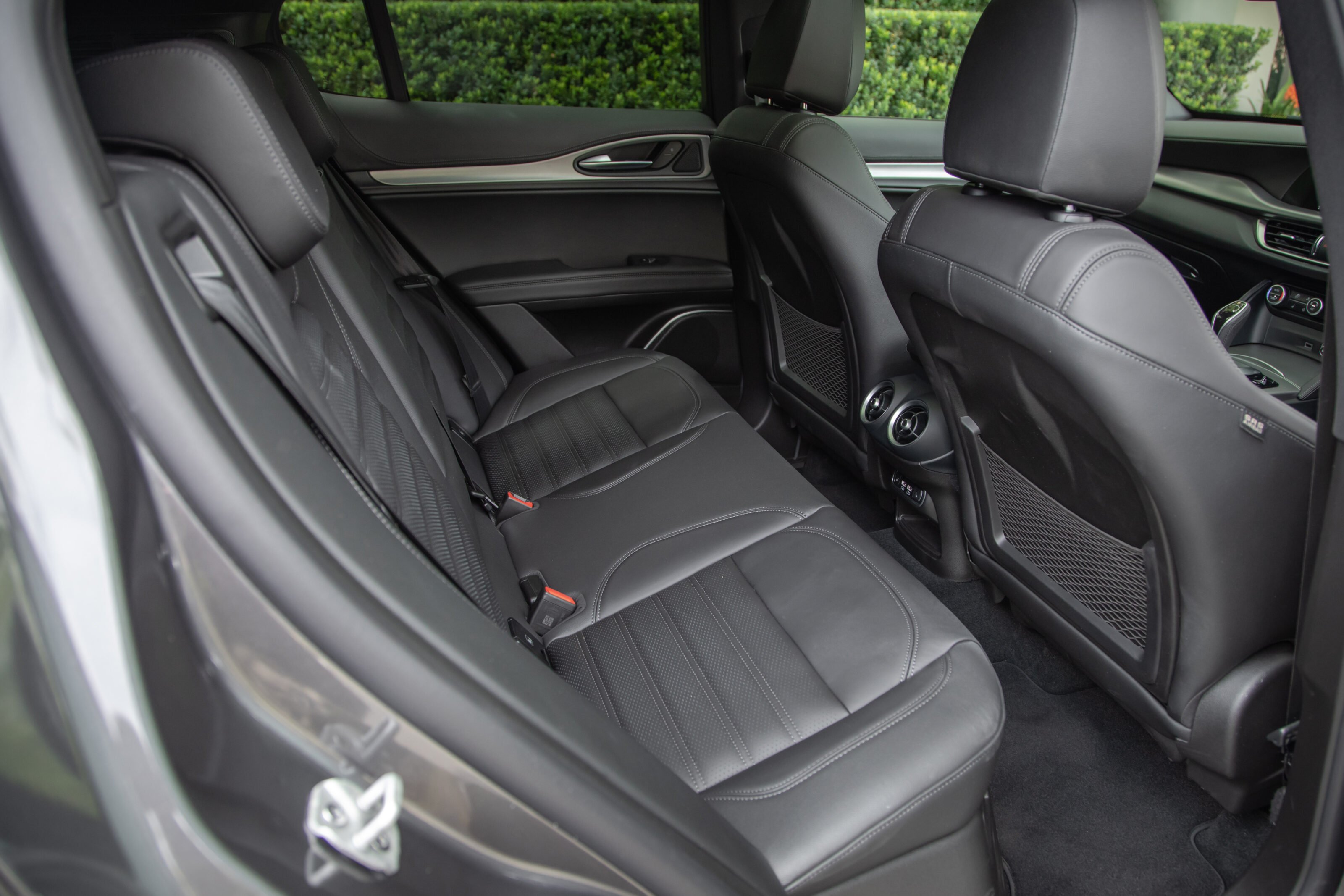
Roominess-wise, it’s more cosy than airy, particularly in the second row, which is only moderately spacious and saved to a large degree by the lovely leather seats. Rear passengers get dual USB ports, air vents and seat heating controls in a fit-out that befits the Veloce’s sport-luxury positioning.
Similarly, the luggage area features a lot of nice touches, such as the cargo net, grocery bag hooks and remote seat folding levers. It offers a practical 525 litres of space standard (or a more compact 499L if you option a space-saver spare wheel) that expands to around 1600L with the 40:20:40 rear split-fold seatbacks stowed.
The front seats are an acquired taste, combat fit for intense corner-carving if lacking in the way of long-haul comfort because they’re so snug.
On the Road
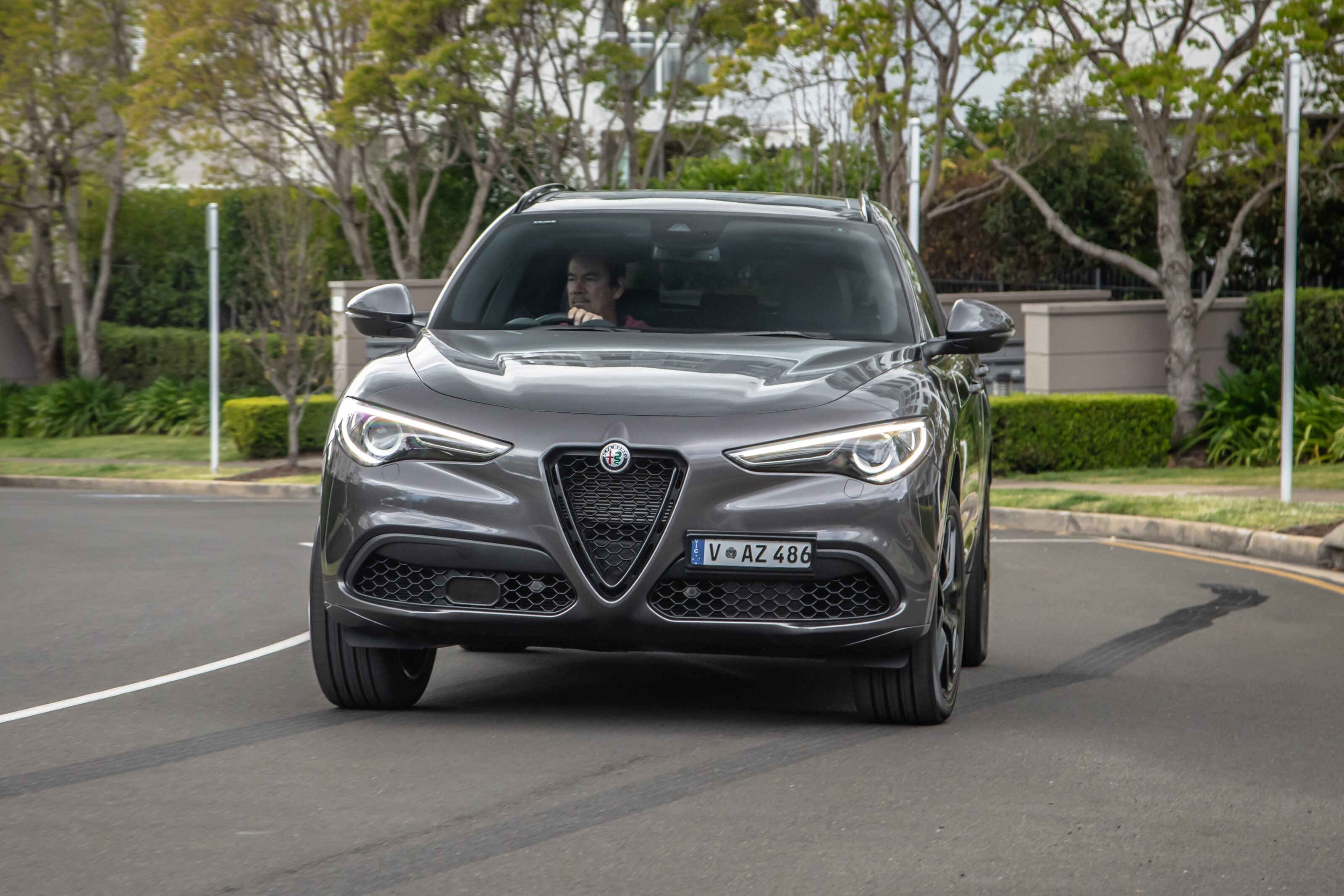
The Veloce form guide makes for positive reading: a decent and somewhat fitting 206kW/400Nm swing to the turbo four, a genuinely brisk 5.7 seconds for the sprint to triple figures – wiping a significant 2.5sec from lower-grade 147kW variant claims – and a 230km/h V-max if you find a suitable enough venue.
That said, its 7.0L/100km combined consumption claim is no thirstier than the 147kW gear, making for a compelling set of numbers, even if the Veloce is more realistically closer to a nine-litre-per-hundred real-world prospect.
Problem is, while outright performance and peak economy present optimistic duality, the 206kW powertrain drops the ball in the middle ground most used for the lion’s share of the on-road experience.
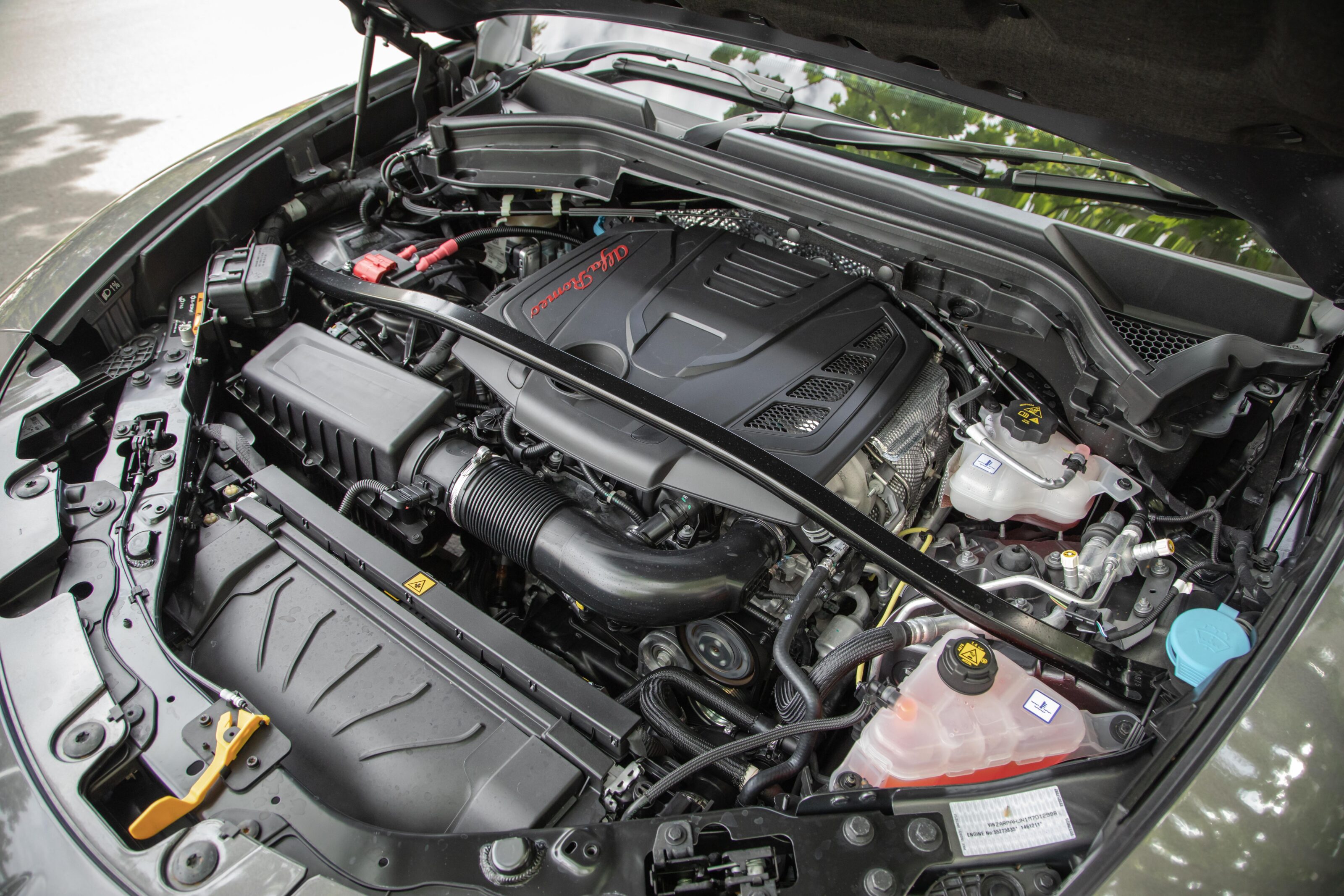
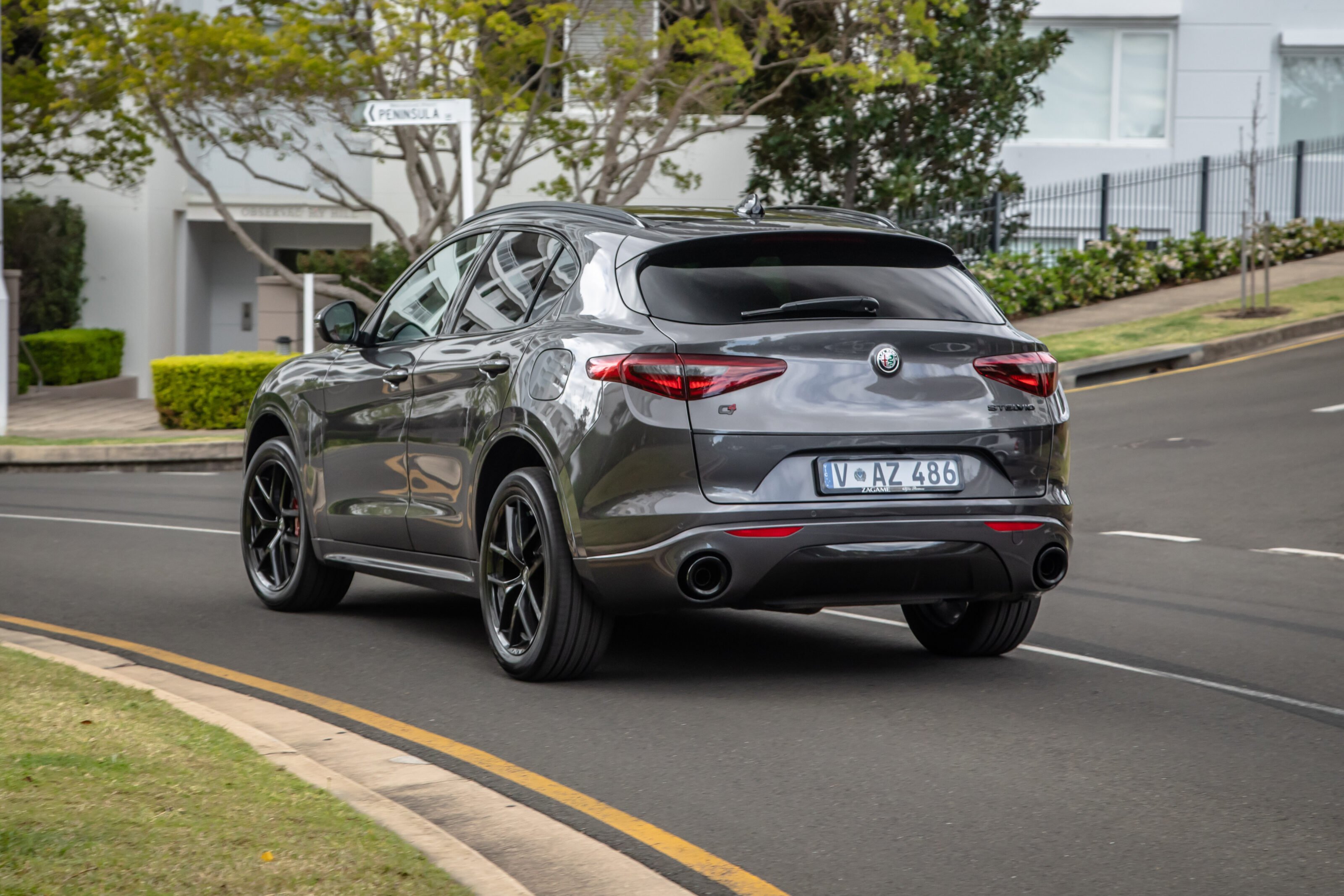
The positive spin is that Veloce covers the sport-performance theme it clearly peddles. Its lean construction bestows a lean 1660kg weighbridge ticket and, better yet, an ideally balanced 50:50 fore-aft weight distribution.
Add the rear-focused on-demand all-wheel drive, rear LSD trickery, and aluminum-rich double-wishbone front and multilink rear suspension with SDC Active (Alfa-speak for electronically controlled adaptive damping) and the boxes for fine dynamic alacrity are firmly ticked.
Even at a modest clip, the Veloce feels lithe and crisply responsive the instant you point the wheel off centre. Its front end isn’t too darty yet it points confidently, returning keen cooperation to driver inputs and weight transfer mid-corner. There are clear sporting genes in its step, leaning on its rear for poise and allowing adjustment on the throttle with deft aplomb.
Push on and its limits are impressively high, nothing strange or spooky, with the predictable breakaway of a thoroughbred. No, it doesn’t reward to quite the degree of attack of a Giulia Veloce and the extra SUV inertia is apparent, but it talks the sort of dynamic talk that convinces you that, should one rob a bank, this Italian Job is perhaps your best getaway bet against similarly priced European nemeses.
Dial up ‘D for Dynamic’ on the DNA drive selector and there’s a nice synergy between the most alert powertrain setting and the more enthusiastic chassis tune. The turbo four does work hard for its keep but, thus set, it equally plies the best from the torque-shuffling smarts that really make the Stevlio’s handling come alive.
The novel by-wire brakes, which have a terribly wooden and abrupt pedal during leisurely driving, provide the requisite power and focus in the heat of battle.
You’ll want to grab the Veloce’s scruff during the occasional fair-weather back-road punt, because in more mundane driving situations the big Alfa isn’t quite so compelling, complete or resolved.
In its regular N (Natural) or A (Advanced Efficiency, strangely), the powertrain’s cooperation clocks off in fairly dramatic terms. Response becomes lazy, its shove becomes inert, it suddenly loses much in the way of spark or character, clearly opting to favour as frugal running as possible regardless of negative side effects.
Similarly, the eight-speed torque-converter auto, a ZF unit, becomes grumpier and more unpleasant the less energy it receives and the slower you happen to travel.
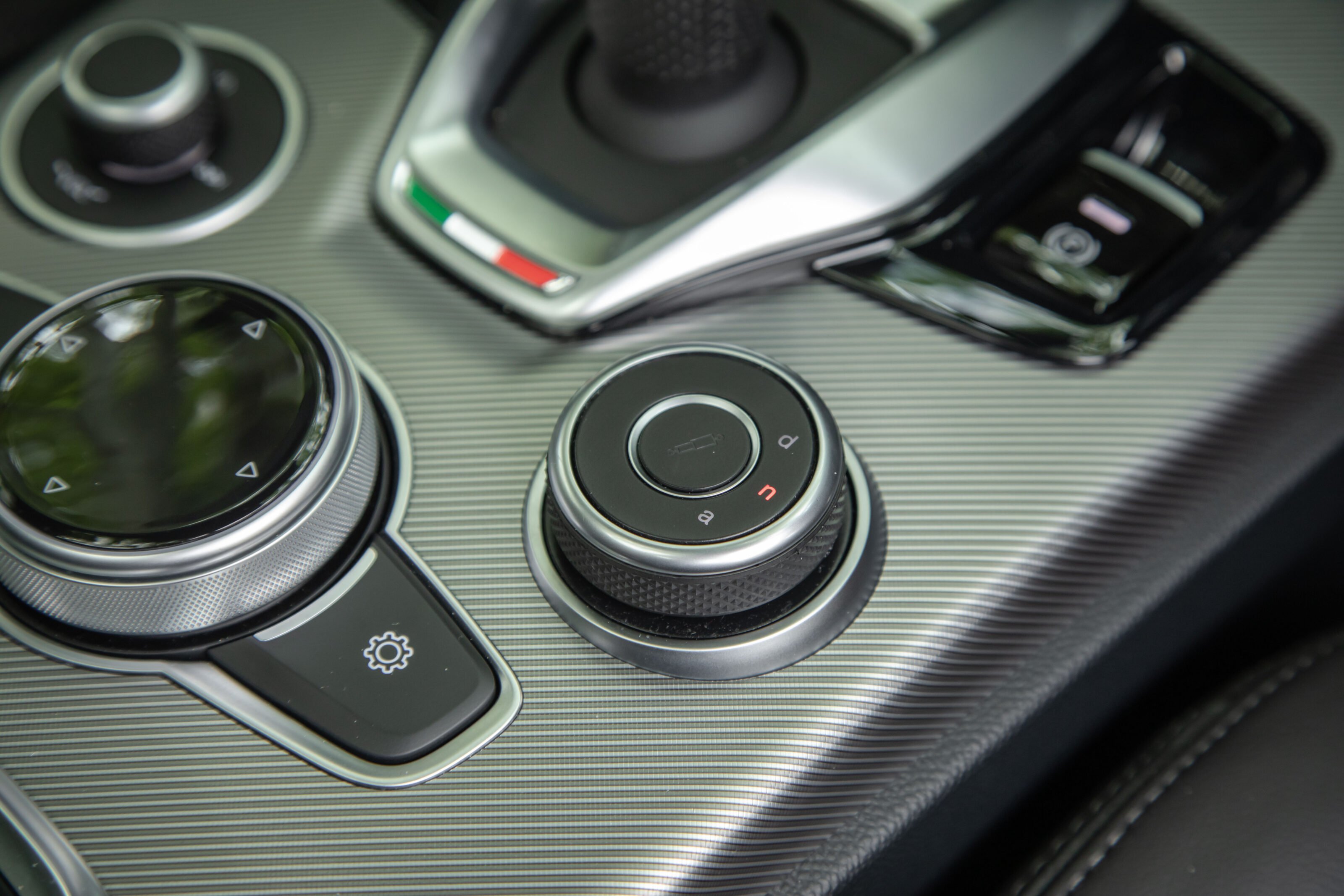
Around town, the technically clever by-wire brakes tend to annoy, bitey and tricky to modulate, unnaturally numb in feedback through the driver’s foot and, if you let them sit a few days after rain, granular in feel from pad/disc residue.
One area Alfa Romeo has garnered praise of late is in ride comfort, its shining pillar the Giulia in most variant specs, with impressively pliant comfort settings. The Stelvio Veloce, though, with its adaptive smarts, isn’t quite so resolved.
In more leisurely N or A modes, the ride is quite flaccid, which is good for smothering bumps, if excessively wallowy, which isn’t so great for body control or settling its uneasily floaty state.
You sense it lacks some beef in the compression stroke, though even in its soft settings the chassis tends to slap sharply across square-edge road imperfections one suspects is primarily caused by the broad 20-inch rolling stock
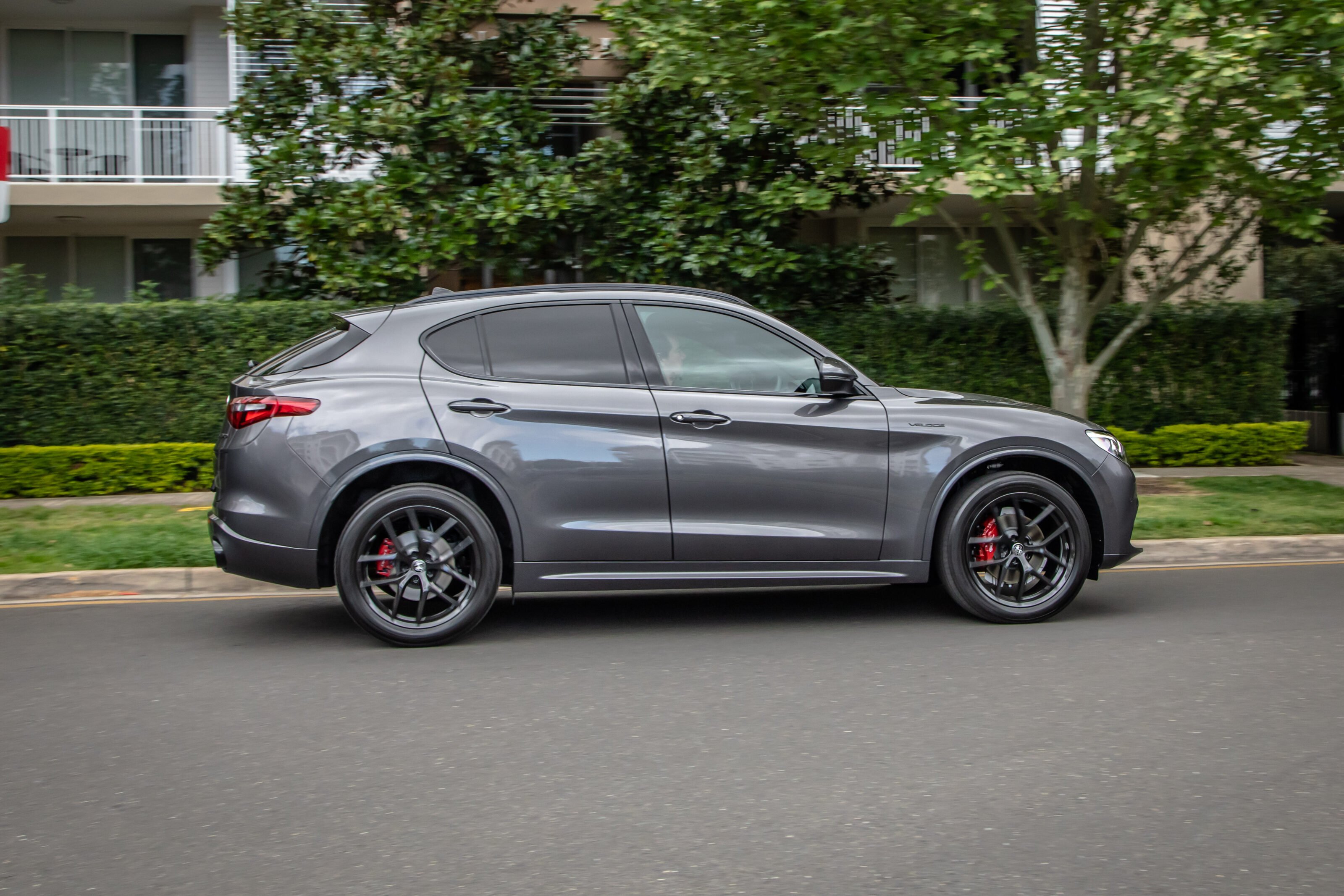
Not that the Stelvio is lost for a comfortable state. Hit the open road, where powertrain and ride nuances aren’t thoroughly tasked, and the Italian SUV reveals itself as a quiet and dignified cruiser. Noise suppression is good and it feels solid, planted and downright relaxing as a grand tourer.
Also marking the on-road experience is the sheer absence of active assistance, particularly in the lane departure and lane centring departments. It’s more than happy to wander out of its lane in that key 60-80km/h band where usually the clumsiest pilots tend to need such systems to intervene.
You’ll want to grab the Veloce’s scruff during the occasional back-road punt, because in mundane driving the big Alfa isn’t quite so compelling, complete or resolved.
Ownership

The Stelvio is covered by a three-year warranty capped at 150,000km. That’s not exactly reassuring.
Capped-priced servicing extends through five years, with typical intervals of 12 months or 15,000 kilometres, whichever comes first.
Intervals are at $345, 645, $465, $1065 and $345, averaging out to $573 per year for the first five years.
VERDICT
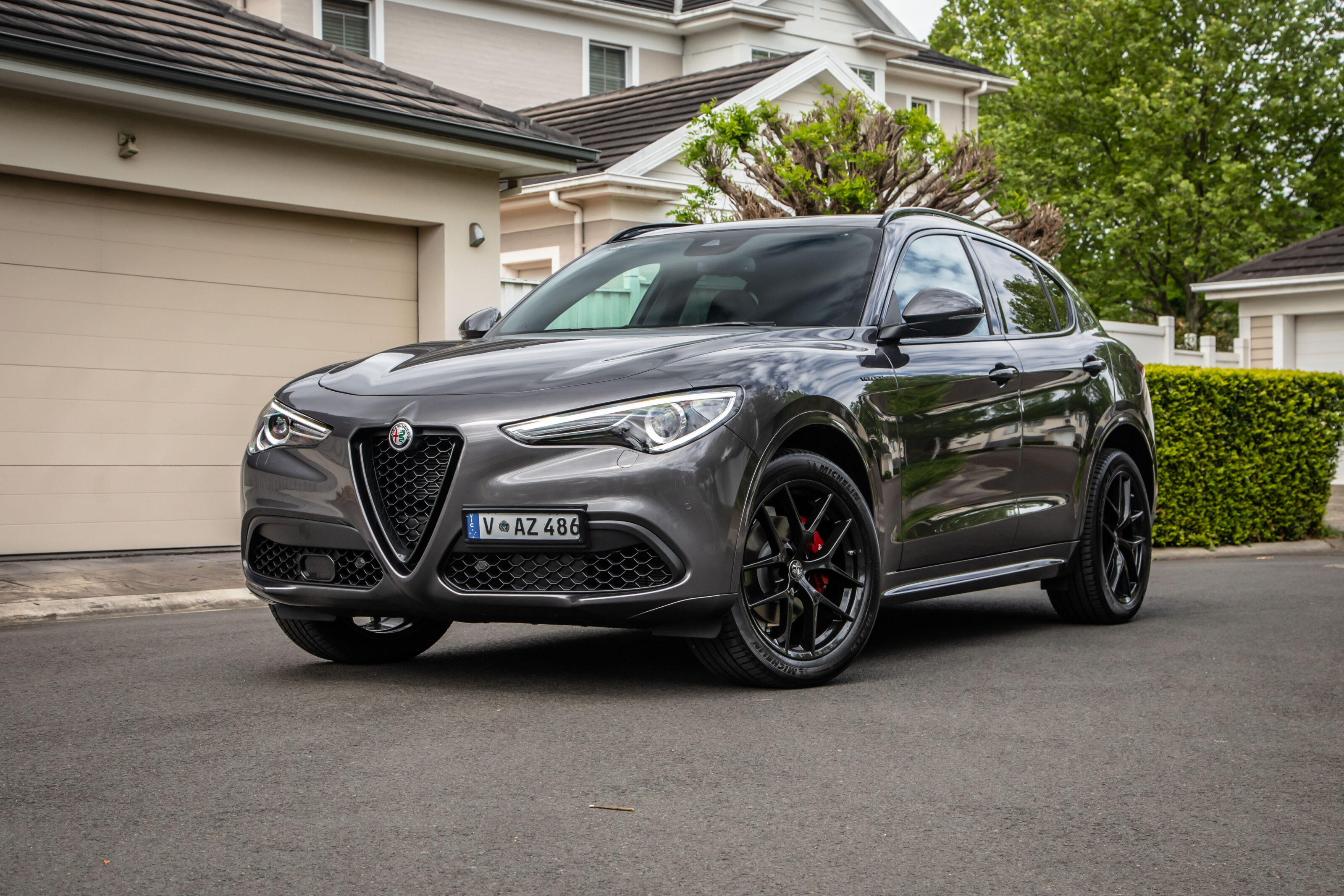
The Veloce presents Stelvio in that not-too-heavy, not-too-light, just right mid-tier, at a favourable price point that starts to appear properly seductive if you’re after a genuinely sport-infused flavour with plenty of dynamic and performance ability to back it up. It’s not merely wicked-up potential, either, with plenty of geeky goodness woven through its dynamic DNA and a spec that really looks well worth the walk-up from lower-grade models.
Most polarizing is the cut of its indelibly Italian jib. You’ll most likely be drawn or deterred by its particular approach to premium-tinged style and execution and the Veloce doesn’t elicit much lukewarm, fence-sitting reaction. Those with even slight Alfisti leanings are given much to be drawn to.
Critically, its singular focus brings too much black and white to the broader, family-centric SUV pitch, sport-tinged or not. It’s not as polished and resolved where it perhaps needs to be most, in the everyday middle ground between fiery and nice.
Foibles apart, the Alfa Romeo Stelvio Veloce is an inspired and somewhat compelling alternative to the more popular German choices.
2021 Alfa Romeo Stelvio Veloce specifications
| Body | five-door SUV wagon |
|---|---|
| Drive | AWD |
| Engine | 2.0-litre four-cylinder turbocharged |
| Transmission | eight-speed automatic |
| Power | 206kW @ 5250rpm |
| Torque | 400Nm @ 2250-4500rpm |
| Bore/Stroke | 84.0 x 90.0mm |
| Compression ratio | 10.0:1 |
| Fuel consumption | 7.0L/100km (claimed) |
| Weight | 1660kg |
| Suspension | Double A-arm (front); multilink (rear) |
| L/W/h | 4687/1903/1648mm |
| Wheelbase | 2818mm |
| Brakes | 330mm four-piston (front);320mm twin-piston (rear) |
| Tyres | 255/45 R20 Michelin Latitude (f&r) |
| Wheels | 20-inch wheels (space saver spare) |
| Price | $78,950 +ORC |
Within the halls of motorsport, the sport of rallying champions talent and bravery in a way that no other racing discipline captures in quite the same way.
Of the various household names and characters that the grand stage of the World Rally Championship has forged, our resident expert Scott Newman crunches the numbers and ranks the ten greatest WRC drivers of all time.
10. Miki Biasion
Titles: 2 (88,89) Wins: 17 (21.7%) Podiums: 40 (51.3%) Stage Wins: 373
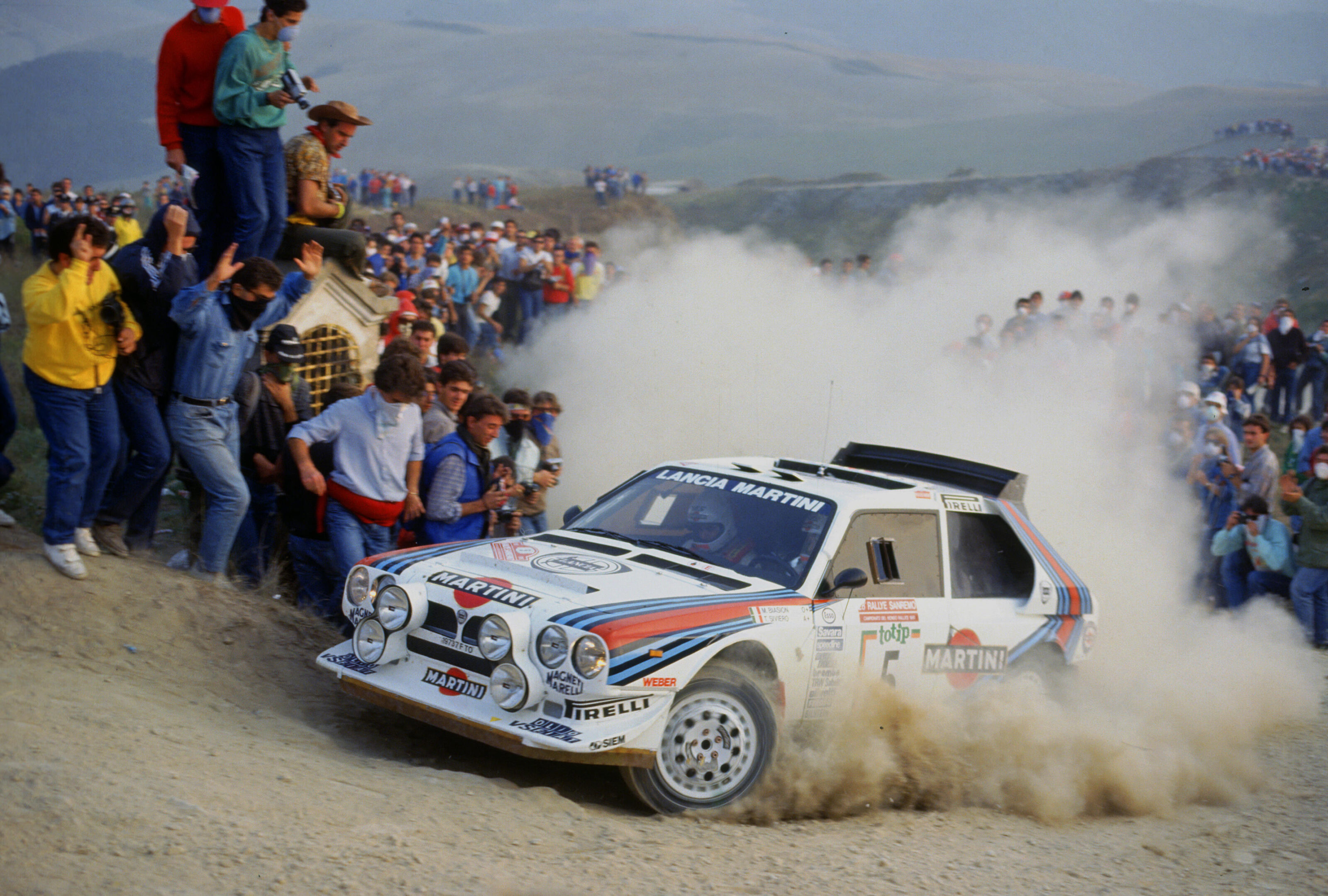
While possibly an unfamiliar name to many, for a period in the late-1980s Biasion was virtually unbeatable.
In his two championship seasons Biasion won 10 of the 12 rallies he contested and finished second in another. Yes, he was driving the dominant Delta Integrale, but so were his teammates and he wiped the floor with them.
It’s amazing he wanted to keep rallying at all having seen Lancia teammates Attilio Bettaga, Henri Toivonen and Sergio Cresto die during the Group B era. Biasion survived and thrived during the Group A era, remaining a constant podium finisher after a switch to Ford, right up until the end of his WRC career in 1994.
9. Markku Alén
Titles: – Wins: 19 (14.7%) Podiums: 56 (43.4%) Stage Wins: 801
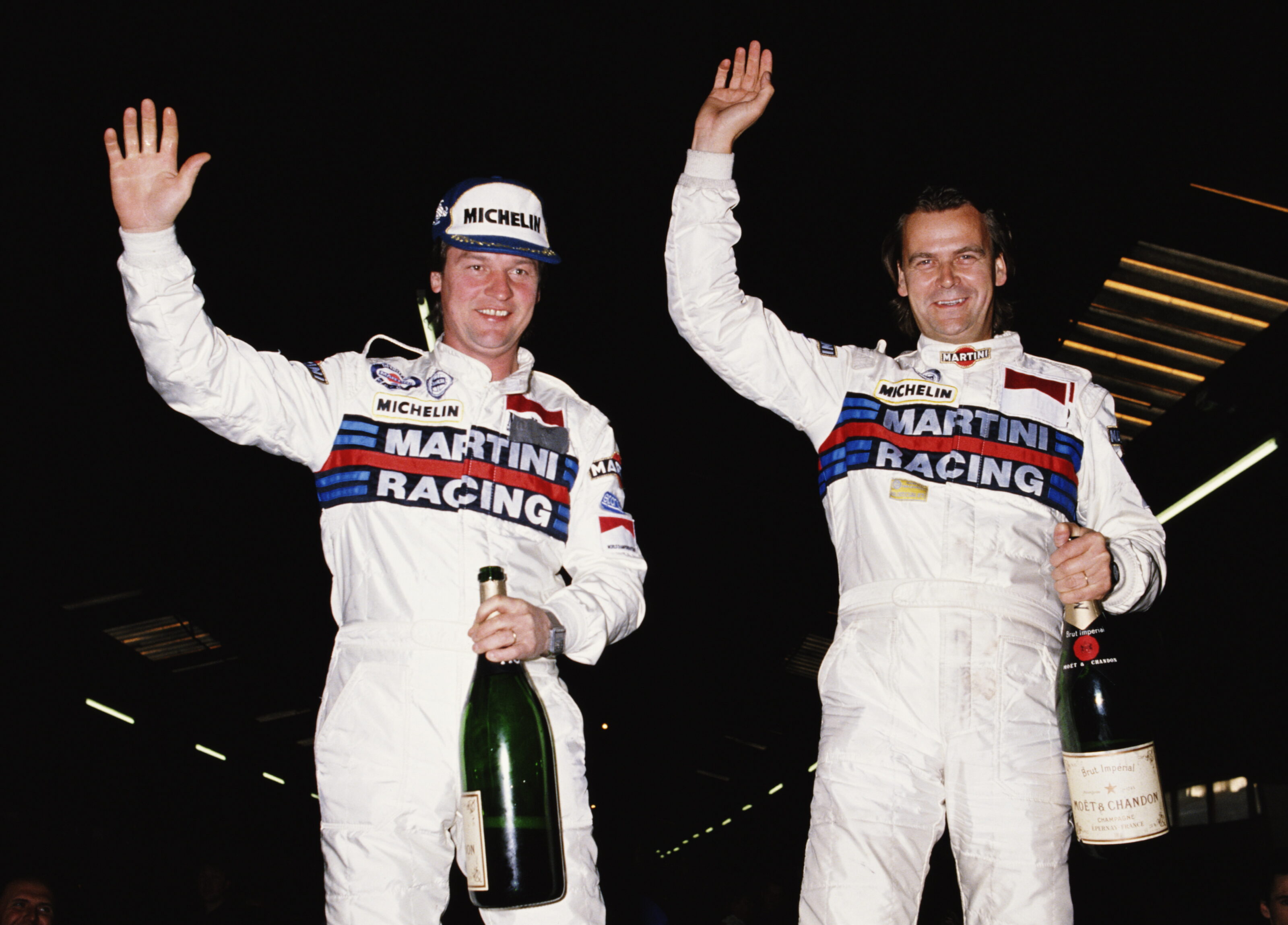
The only driver on this list without a world title to his name, however, if you look at it another way Alén has two.
He won the 1978 FIA Driver’s Cup which was the World Rally Championship in all but name and was the 1986 champion for 11 days before the FIA annulled the San Remo results (justly, to be honest) and handed the title to Kankkunen.
A fiery Finn who felt most at home at Italian teams, it didn’t matter what Alén drove he was blindingly quick, coining the phrase “now maximum attack”.
A testament to his speed and longevity is the fact that he still sits second on the all-time list for stage wins.
8. Walter Röhrl
Titles: 2 (80,82) Wins: 14 (18.7%) Podiums: 31 (41.3%) Stage Wins: 420
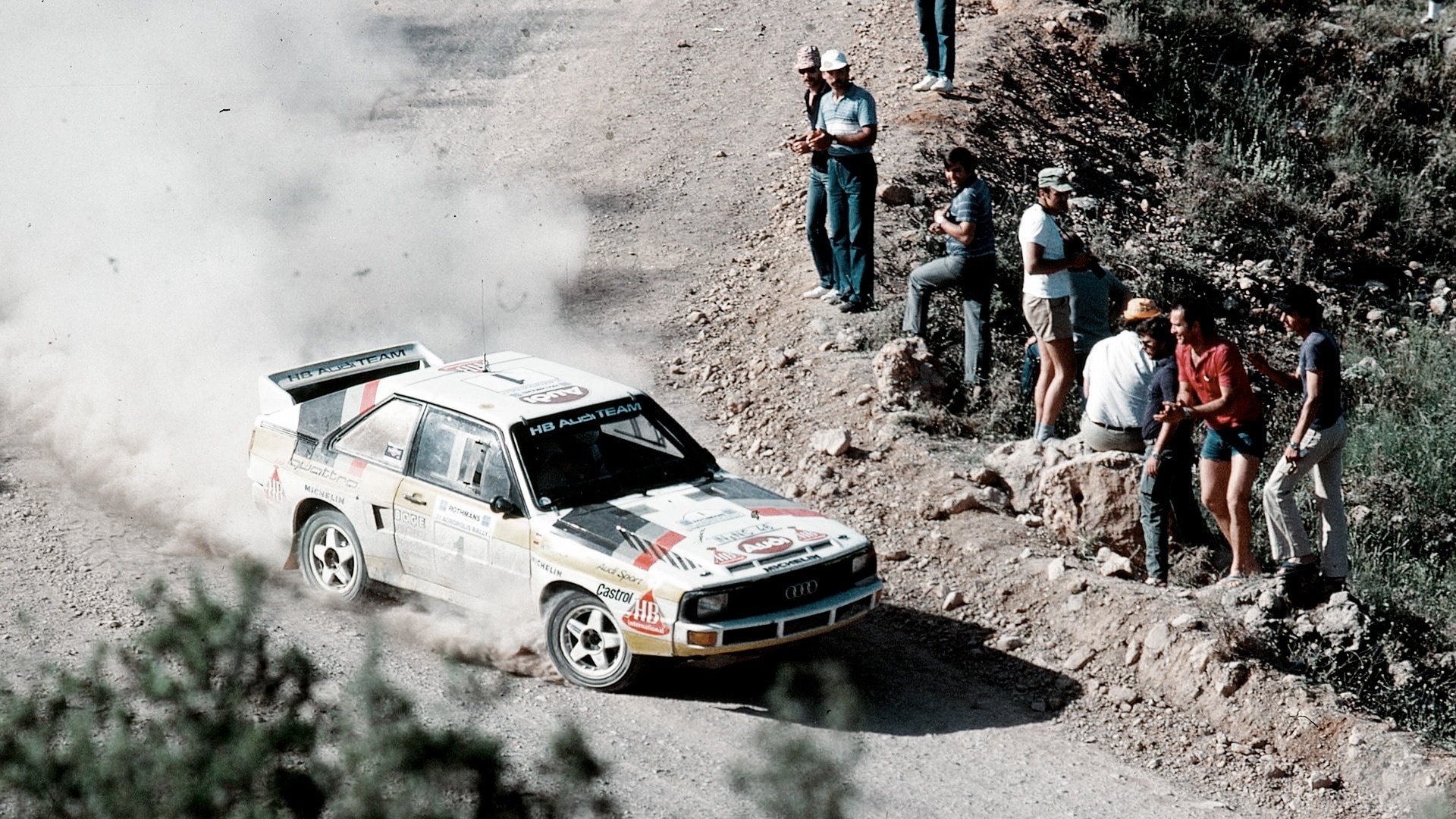
In terms of ability there is a case that Röhrl could top the list. He was a game changer in the art of rallying, realising sideways was slow, fitness was crucial and preparation was key.
Witness his exploits on the 42km Arganil stage in the 1980 Portugal rally. Shrouded in fog, Röhrl beat his nearest challenger by 3min48sec on the first pass and 1min55sec on the second, extending his lead by almost 12 minutes.
Had he not avoided the rallies he didn’t like (Finland, Sweden, UK), not been so loyal to fellow Bavarians Audi (Peugeot offered him the 205 T16 drive) and not retired from the WRC due to finding the Group A cars boring, his stats would be much healthier.
7. Marcus Grönholm
Titles: 2 (00,02) Wins: 30 (19.6%) Podiums: 61 (39.9%) Stage Wins: 542
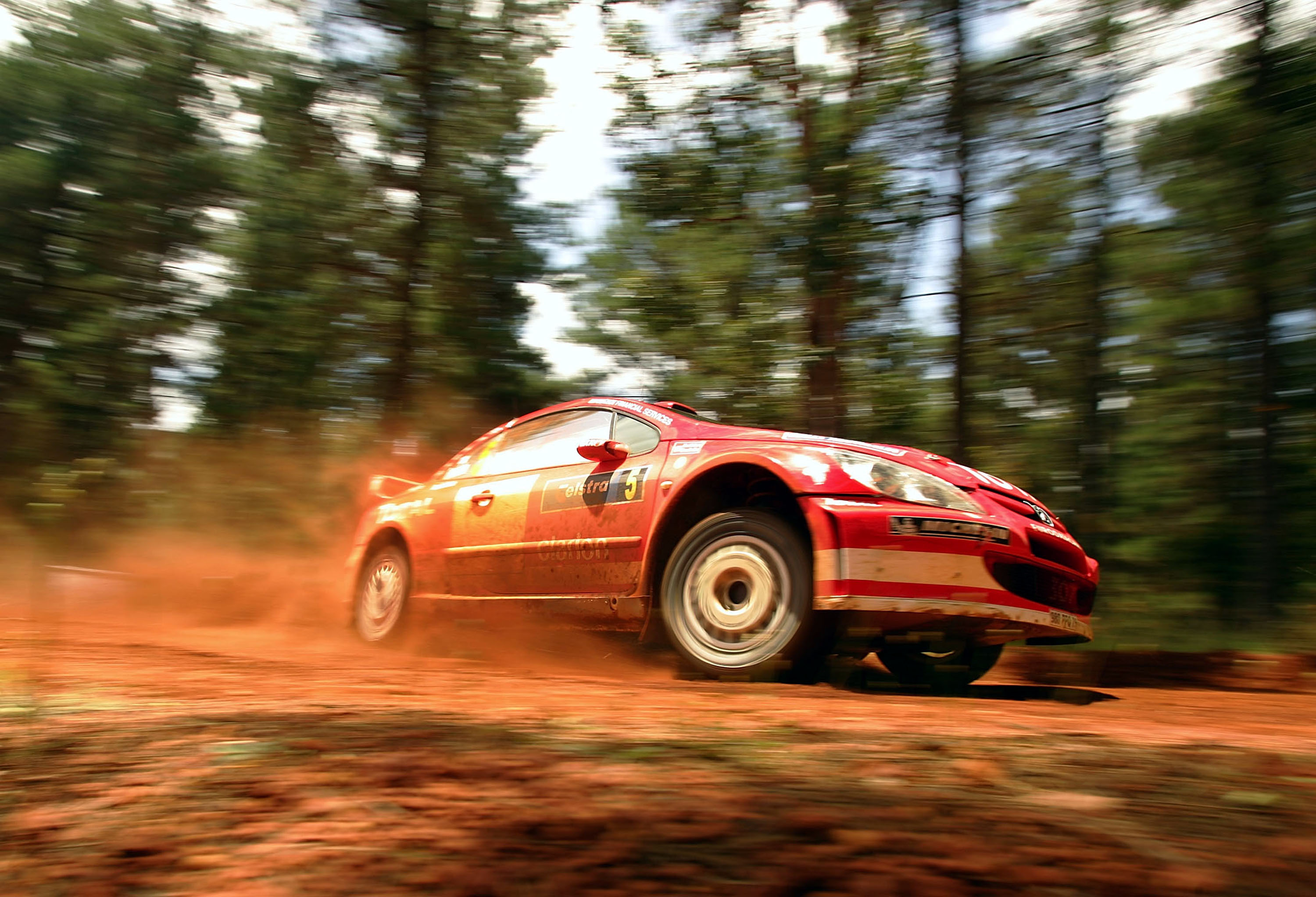
The quintessential Flying Finn, Grönholm gives hope to late bloomers everywhere. Sporadic appearances at Rally Finland in works-supported Toyotas showed enough speed for Peugeot to make a surprise signing to lead its 206 program.
Tackling his first full season at the age of 32, Grönholm took advantage by winning the championship, backing it up two years later with another, scoring more than double the points of his nearest challenger.
Invincible in his native Finland, winning every year from 2000-2007 bar 2003 when he lost a wheel, Grönholm was also the only one able to consistently challenge Loeb. Deserves a spot on this list purely for his end of stage interviews (YouTube them).
6. Colin McRae
Titles: 1 (95) Wins: 25 (17.1%) Podiums: 42 (28.8%) Stage Wins: 477
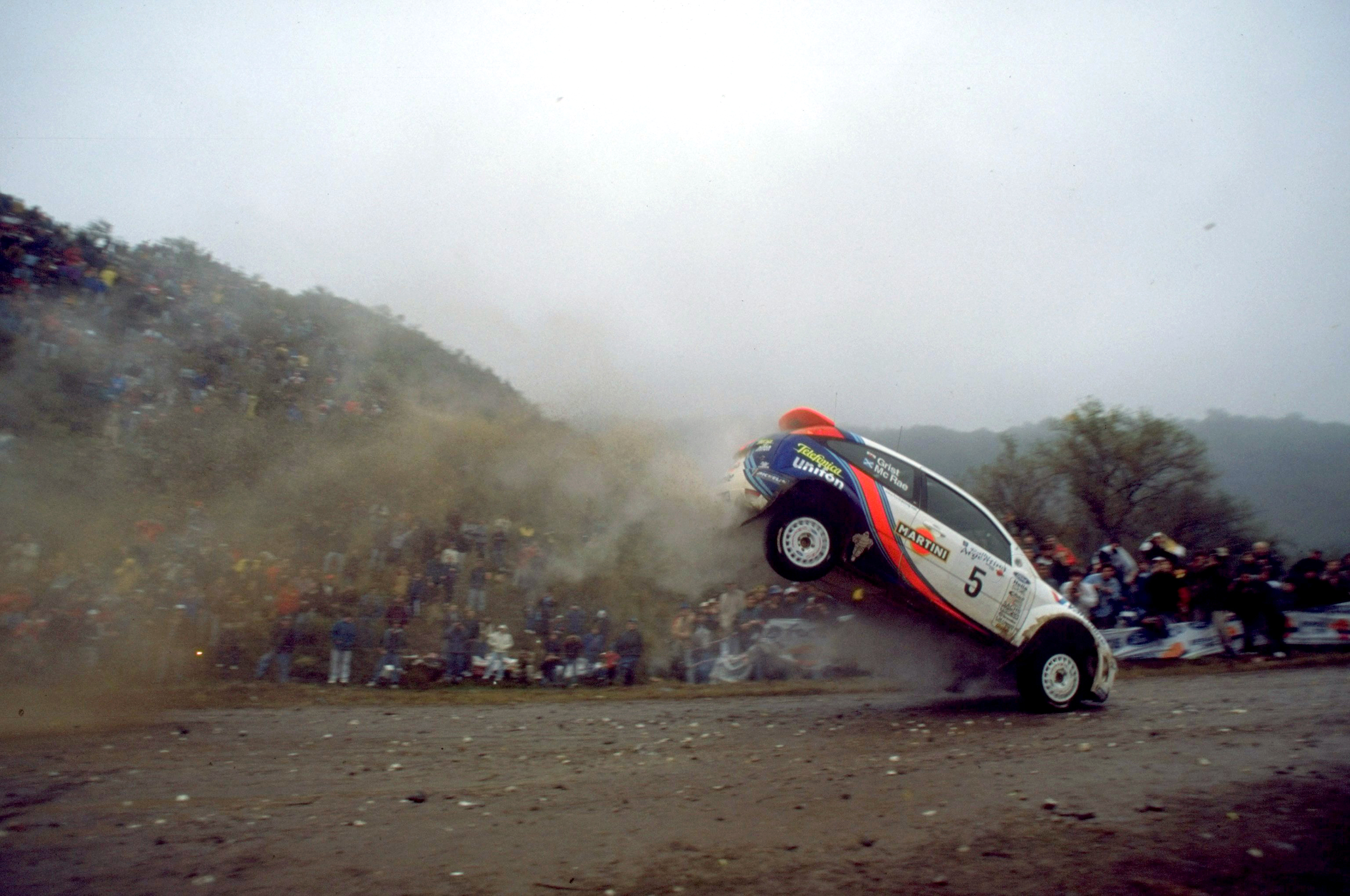
The most popular and exciting rally driver ever get behind the wheel of a car, there is an element of sliding doors to McRae’s career.
Still the youngest WRC champion of all time, McRae was a mere five points away from being a three-time title holder, but was pipped by one point in 1997 and two in 2001.
His wild early exploits led to an unfair label as ‘Colin McCrash’ who was hard on the gear, but mechanical gremlins – especially in the fast but fragile Focus – cost him far more than his own mistakes. You don’t win the Safari Rally three times by being mechanically unsympathetic. Was negotiating a return to Subaru at the time of his untimely death.
5. Carlos Sainz
Titles: 2 (90, 92) Wins: 26 (13.3%) Podiums: 97 (49.5%) Stage Wins: 757
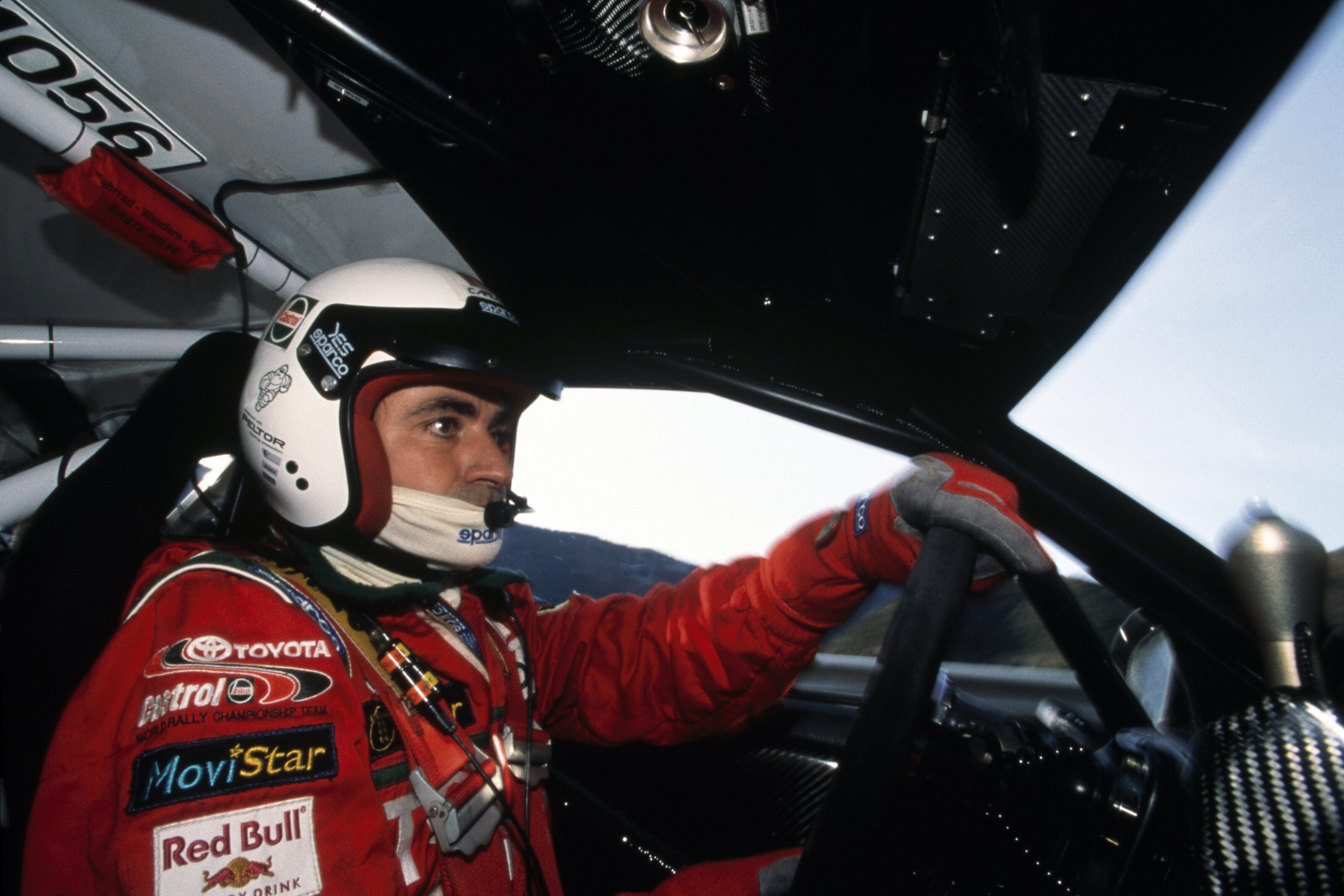
Another game changer, King Carlos ushered in a new era of professionalism in the WRC. A relentless test and development driver who was equally comfortable in the corporate world, this focus made up for what he lacked in raw speed (which wasn’t much).
He secured his two titles early but finished second four times and third five times. Sainz’s results page is a sea of podium colours, his first and last coming an incredible 17 years apart.
While he might have lacked a skerrick of pace compared to the likes of Mäkinen and McRae, Sainz was the first non-Nordic driver to win in Finland and has an incredible 757 stage wins to his name.
4. Tommi Mäkinen
Titles: 4 (96, 97, 98, 99) Wins: 24 (12.4%) Podiums: 45 (32.3%) Stage Wins: 362
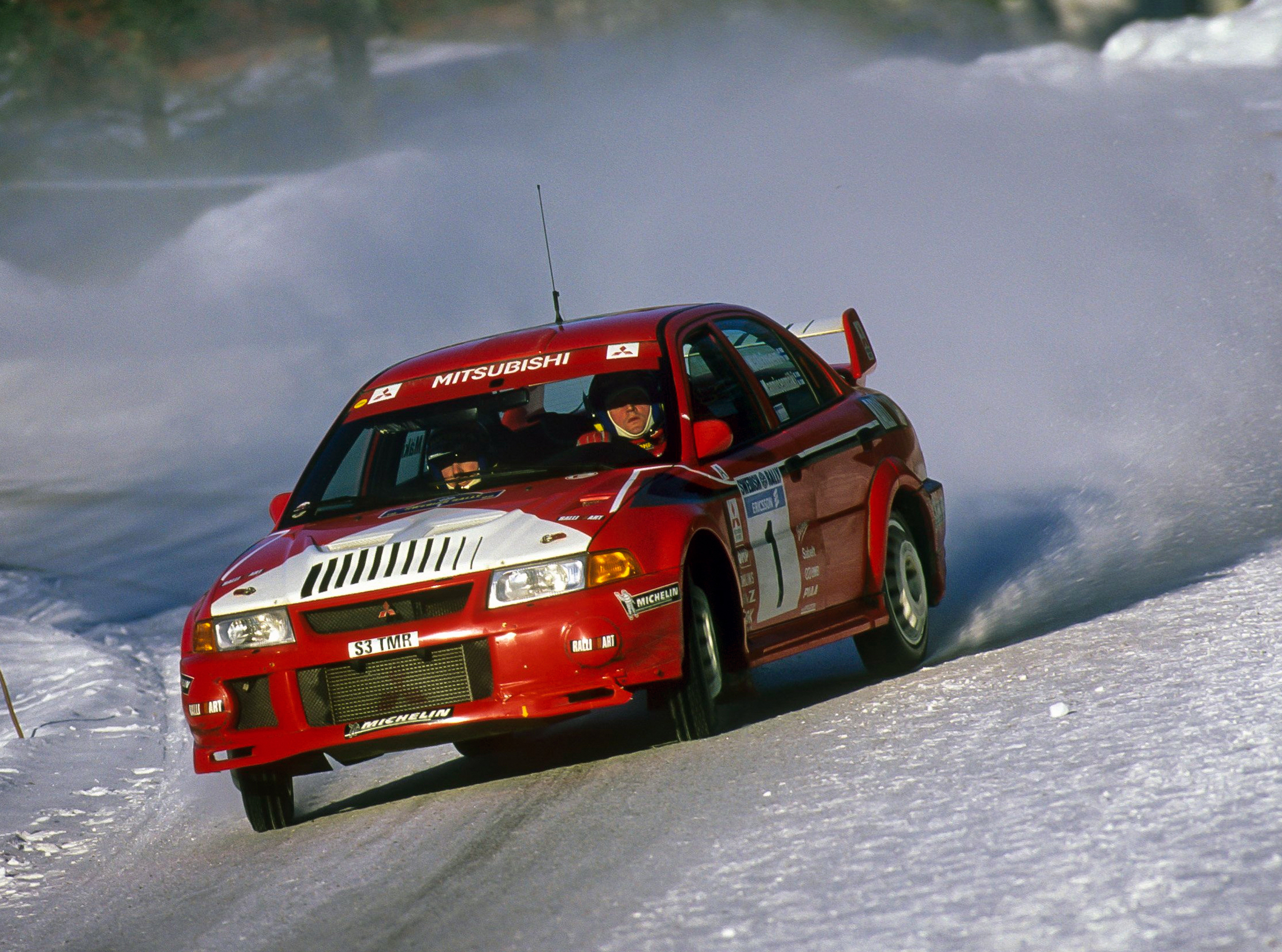
The star that shines twice as bright burns half as long. In contrast to Sainz, 18 of Mäkinen’s 24 wins came within a four-year span. A late starter like his fellow Finn Gronholm, a one-off win with Ford at Rally Finland 1994 secured Mäkinen the Mitsubishi contract for 1995 that would lead to an unprecedented run of consecutive success.
There was an element of good fortune in Mäkinen’s title dominance. Four straight retirements in 1997 (all mechanical) led to McRae finishing one point behind and a year later, Mäkinen had crashed out of the final round early leaving Sainz to cruise to the title, only for his Corolla to grind to a halt 400m from the finish line.
3. Juha Kankkunen
Titles: 4 (86, 87, 91, 93) Wins: 23 (14.2%) Podiums: 75 (46.3%) Stage Wins: 700
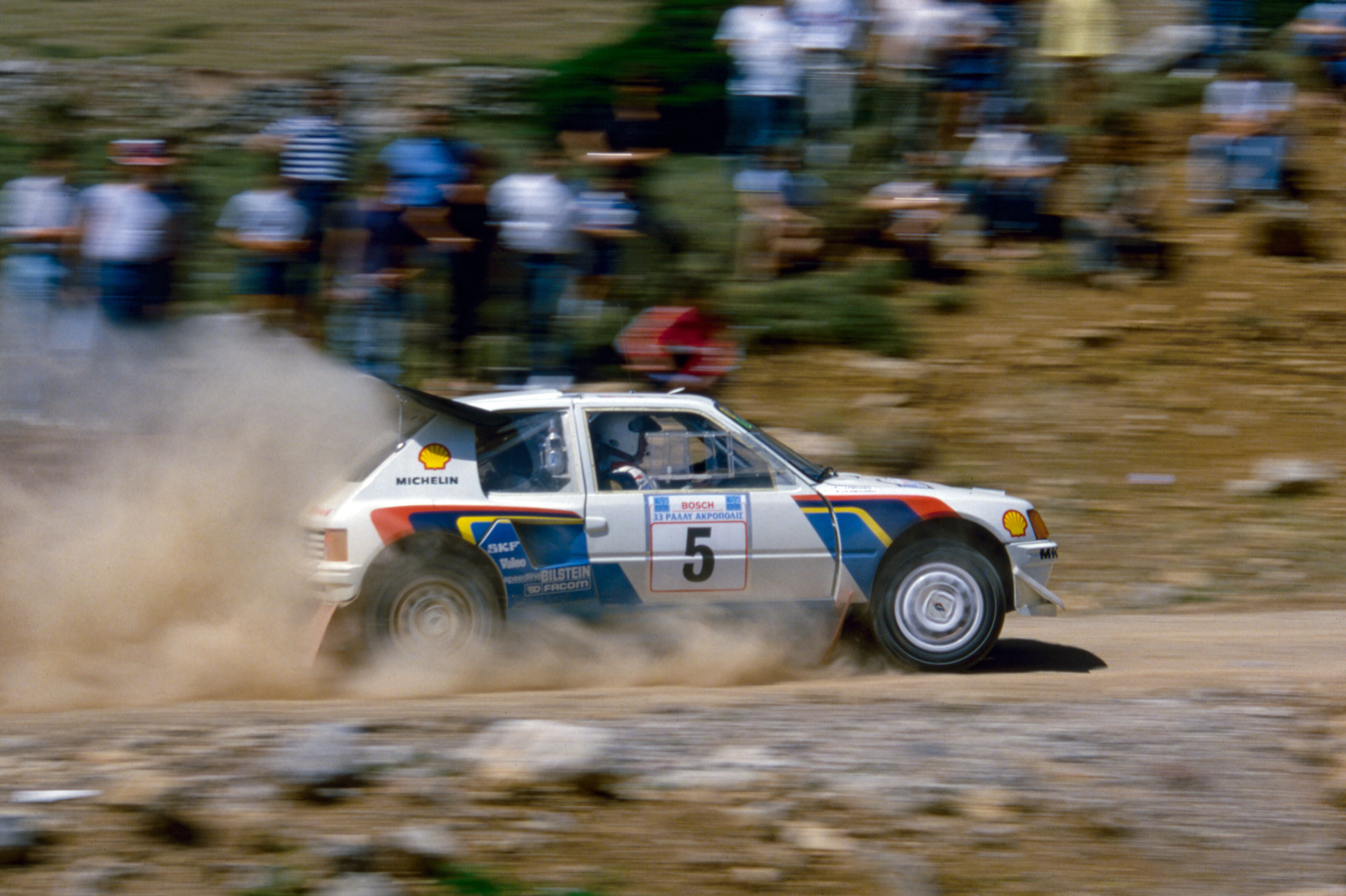
No driver spanned as many eras as Juha Kankkunen. His first WRC appearance was in 1979 at Rally Finland in a Group 4 Ford Escort Mk II, while his last, 31 years later at the same event, was in a fully active Ford Focus World Rally Car.
Along the way he tamed the fierce 400kW Peugeot 205 T16 to win his first title then backed it up with half the horsepower the following year in the Group A Lancia Delta. Another Lancia championship appeared in 1991 but his fourth and final was arguably his best, using three co-drivers throughout the year!
A late-career switch to Subaru brought two more victories, 14 years after his first, while in 2010 he returned to Rally Finland to celebrate his 50th birthday and ran consistently in the top 10 to finish eighth. A remarkable driver.
2. Sébastien Ogier
Titles: 8 (13, 14, 15, 16, 17, 18, 20, 21) Wins: 54 (32.1%) Podiums: 92 (54.5%) Stage Wins: 638
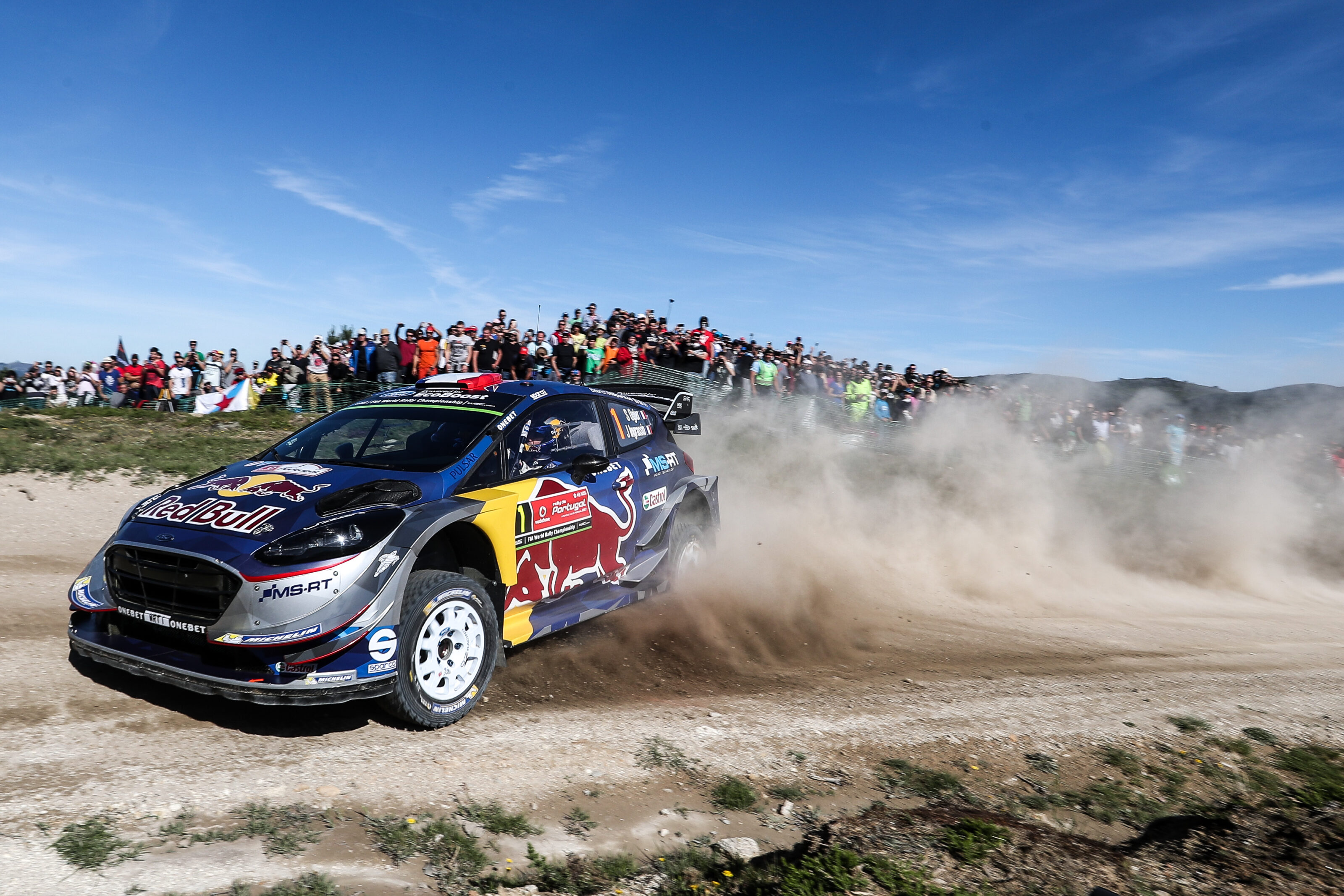
Sébastien Ogier was destined for greatness from the moment he entered the WRC. Having won the Junior WRC in 2008 his prize was a World Rally Car drive in the season-ending Rally GB, where he went quickest on stage one. He subsequently crashed, but the point was made.
Ogier always looked likely to inherit Loeb’s mantle but few thought he’d get so close. In 2021 he wrapped up his eighth title, like Kankkunen, with three different manufacturers.
The two Sébs fell out while teammates at Citroën, forcing Ogier to Volkswagen, a move that proved savvy as he would go on to dominate the sport for the next four years. A move to M-Sport proved he didn’t need the best machinery to win and he continued to bat away challenges from the new guard. There is only one better.
1. Sébastien Loeb
Titles: 9 (04, 05, 06, 07, 08, 09, 10, 11, 12) Wins: 80 (44.2%) Podiums: 120 (66.3%) Stage Wins: 931
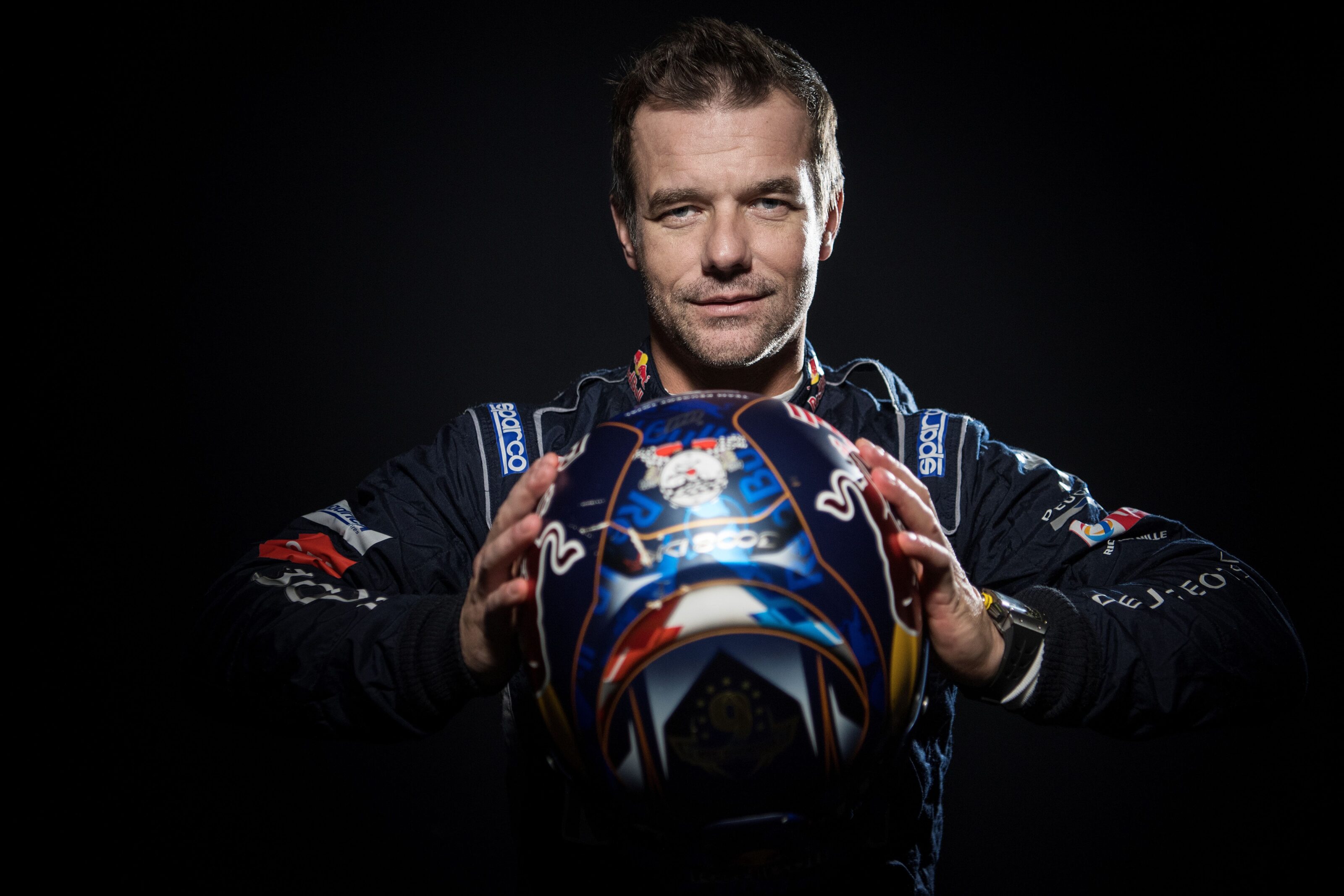
Sometimes numbers don’t tell the whole story. And sometimes they do. Despite his decade-long run of success, Ogier is still 26 wins behind his fellow Frenchman. That’s more than anyone bar Sainz and Grönholm.
Loeb’s win percentage is 44.2%. Ogier is second at 32.1%, Biasion third at 21.7%. His longevity is virtually unparalleled, his first podium coming in Germany 2001 and his last (so far) 19 years later in Turkey 2020.
But numbers alone don’t make Loeb the top dog of the sport. There are the firsts, such as being the first non-Nordic driver to win in the Swedish snow, or the first to win every stage of a rally in Corsica 2005. He also changed the game. His precise, tarmac-derived driving style was a perfect match for the active-diffed World Rally Cars, yet when the regulations changed to encourage more sideways action, he won then, too.
Detractors will say he was almost always in the best car and his dominance coincided with a talent drought in the WRC. There’s an element of truth in that, but rarely did we see Loeb at full pace. That was the secret of his success – his 90 per cent was as quick as others’ 100 per cent.
When he did, such as in 2010 in New Zealand, watch out. A crash on SS4 resulted in Loeb finishing the first day 1min20sec behind the leader. A day later, he was 5.3sec behind in second, having taken more than 1:15sec out of the world’s best rally drivers in seven stages. And that’s why he’s number one.
Update, January 28, 2022: The alliance of Renault, Nissan and Mitsubishi has confirmed it will invest billions in the next few years to advance a critical electrification plan for all three brands.
UPDATE, January 27, 2022: Mitsubishi has used a virtual media briefing to offer first confirmation for a pair of important upcoming models.
The first is an all-electric new Micra hatch, and the other is – at long last – a new-generation ASX SUV.
To read about both new models, click the links above or below.
The story to here
January 25: The multinational Renault–Nissan–Mitsubishi Alliance is reportedly set to unveil its electric vehicle strategy in the coming days.
As reported by Reuters, the Alliance is set to ditch internal combustion engines (ICEs) in its passenger vehicle range from 2030, instead going to electric vehicles only for its global models, something which has already been put into motion with its CMF-BEV and CMF-EV platforms.
It’s anticipated the announcement will see the Alliance commit more than €20 billion (AU$31.55bn) into its EV strategy over the next five years, potentially releasing up to 30 models across the three brands, which are based on just five platforms.
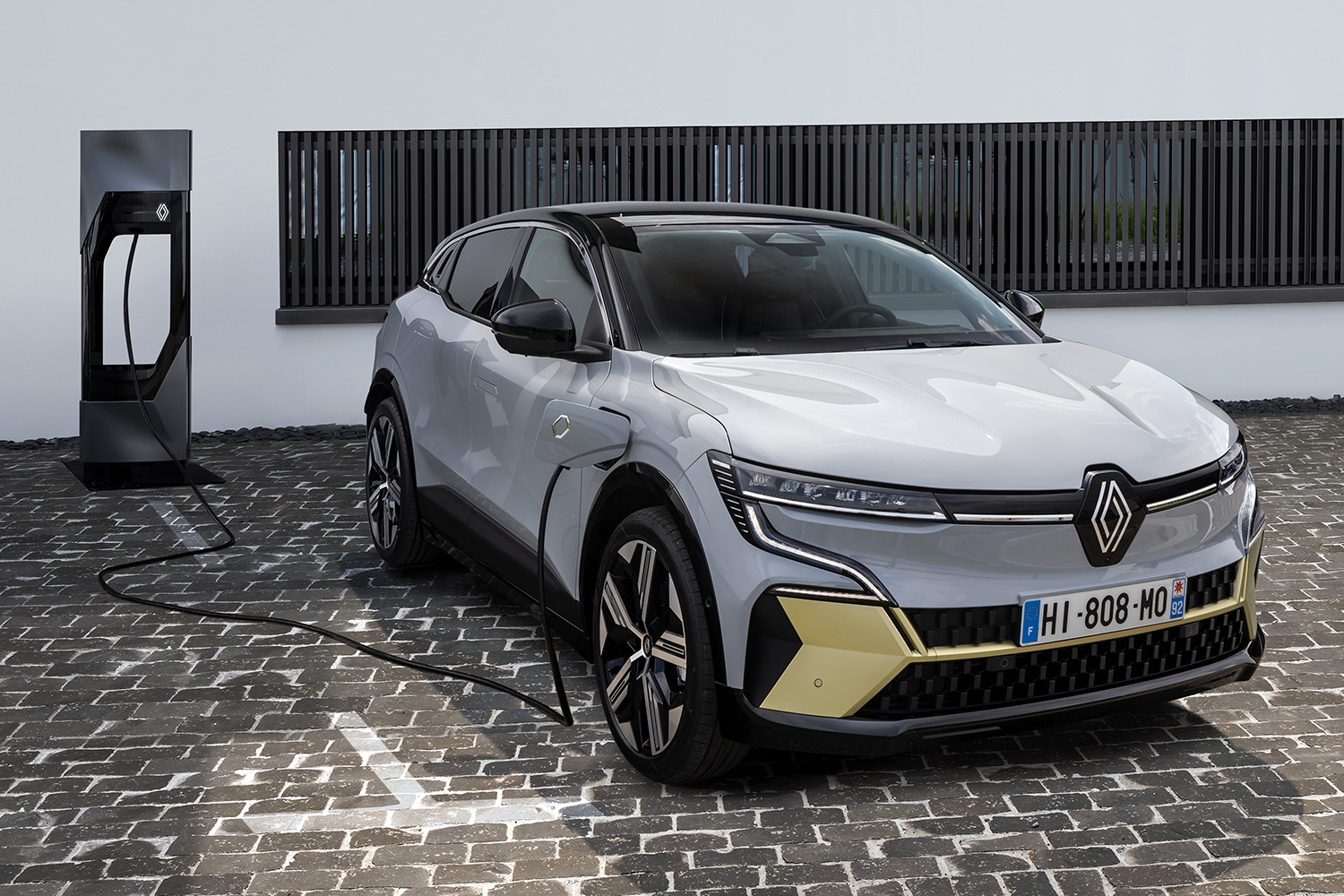
Renault has already announced its plans to only offer electric vehicles in Europe by 2030, although it is open to retaining ICEs in markets where conditions aren’t favourable for EV sales, while Nissan has pledged “100 per cent of all-new vehicle offerings [will be] electrified in the key markets of Japan, China, the US and Europe by the early 2030s”.
For Mitsubishi, the smallest manufacturer in the Alliance has been looking to consolidate itself, as rumours last year hinted at its development efforts being scaled back in favour of badge engineering, benefitting from Nissan’s model range to become its own.
Another aspect of the change comes from the increasing efforts to secure a major stake in the Chinese market, with Renault having cut ties with local manufacturer Dongfeng in favour of forming a joint venture with Geely – however, Nissan and Dongfeng are still in a partnership.
Renault’s only current EV offering in Australia is the all-electric variant of its Kangoo van, while Nissan continues to sell the Leaf – Mitsubishi currently does not sell any brand-new electric vehicles in Australia, despite its Outlander PHEV being a leader in the plug-in hybrid segment.
Representatives from the world’s largest semiconductor computer chip manufacturers say the current global shortage will last into 2023, with pressure on carmakers expected to continue until then.
Peter Schiefer, head of Infineon’s automotive department – one of the largest chip suppliers to the car industry – told Automobilwoche the situation should ease by next year, with manufacturers investing to ensure supply meets ever-increasing demand.
“I assume that we will be able to cover demand well in 2023,” Schiefer said, with his company investing €1.6 billion (AU$2.5 billion) in a new Austrian factory.
“The last issues will be resolved in 2023.”
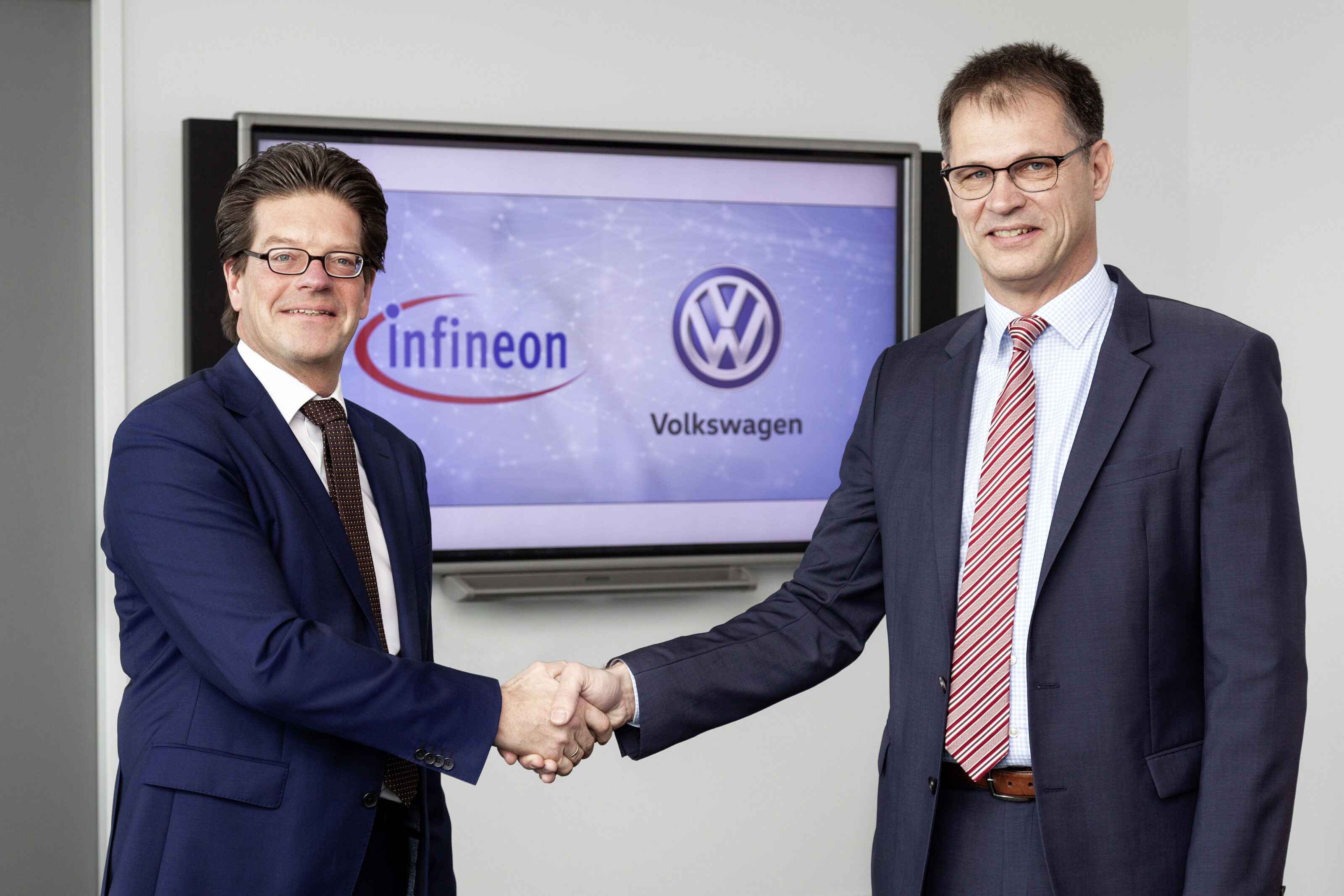
The comments echo those made by the CEOs of Mercedes-Benz, BMW, and Volkswagen in September 2021, who suggested supply constraints won’t begin to ease until 2023.
Last week, Intel announced it would spend up to US$100 billion (AU$139 billion) to build the world’s largest chip plant in the US, with the aim of alleviating America’s dependence on semiconductors made in Asia.
While Intel CEO Pat Gelsinger agreed the issues will continue into 2023, he was less confident the problem would be resolved entirely.
“We still have years in front of us before we’re even having a semblance of supply/demand balance,” Gelsinger told Reuters.
“Ask yourself what portion of your life is not becoming more digital.”
The announcement comes after another announcement in September, in which Intel announced it was spending €80 billion (AU$128 billion) over the next decade to build semiconductor factories in Europe – including a plant dedicated to the automotive industry.
Carmakers have been struggling to build enough new vehicles due to the global chip shortage, exacerbated by production pressures caused by the ongoing COVID-19 pandemic.
A number of companies have been forced to strip out non-essential features in an effort to reduce the number of semiconductors required during manufacturing.
- Welcome: Small Slice of Luxury
- The colour is the money: When white isn’t the budget option
- Sizing things up: Compact yet not cramped, the Lexus fits the bill
Welcome: Small Slice of Luxury
Price as tested: $65,500 Fuel this month: 634km @ 7.1L/100km
At a time in my life when my brood consists of the wife, two kids and a dog, driving around in a compact SUV can feel like wearing a pair jeans a size too small. There’s also a cat, but who the hell drives around with their cat in the car? Not me.
But, dear friends, we live in the time of the COVID pandemic when – much like vaccines, until recently – long-distance travel in Victoria is nonexistent. Even going across town is a big no-no under the current government restrictions.
So maybe now is actually an ideal time to be jumping into a small and luxurious Lexus.

Enter the Lexus UX, now the cheapest entry point into the brand (at $44,445 for the petrol UX 200 Luxury) following the dropping of the CT 200 from local showrooms earlier in the year. Arriving on the scene in 2019, the UX offered a solid opportunity in the small-luxury SUV segment for Lexus, and with the range having an update in 2020, it makes for a compelling proposition.
Our UX joins the Wheels garage in 250h Sports Luxury guise ($59,000), optioned with all-wheel drive ($4500) and premium paint ($1500) bringing the total cost of $65,000 plus on-road costs. This kind of asking price might make some wince, but the pain is softened, to a degree, when you look at the standard equipment list compared to Euro rivals like the Audi Q2 and Mercedes-Benz GLA.
The standard features across the entire UX range include keyless entry and start, 10.3-inch display, DAB radio, sat-nav, smartphone mirroring, LED foglights, and heated power adjustable front seats.

On the safety side, Lexus includes the Safety System pack containing pre-collision system with pedestrian and cyclist detection, active cruise control, lane-keep assist, auto high beams and speed-sign detection. Throw in eight airbags to make even the most anxious drivers breath easier.
Jumping up the range to the 250h gives you 18-inch alloys, powered tailgate, cornering headlights, 13-speaker Mark Levinson sound system, wireless phone charging, privacy glass, heated, ventilated and power adjustable front seats, and 360-degree reversing cameras.
That’s all quite a mouthful.
Arriving in 2019, the UX offered a solid opportunity in the small-luxury SUV segment for Lexus, and with the update in 2020, it makes for a compelling proposition.

Under the bonnet the 250h runs a 2.0-litre naturally aspirated engine pumping out 131kW and 205Nm with the help of the fourth-generation (non-plug-in) hybrid system. The claimed combined consumption is 4.7L/100km; so far we’re at 7.1. I’m keen to see of that can be improved on with further running.
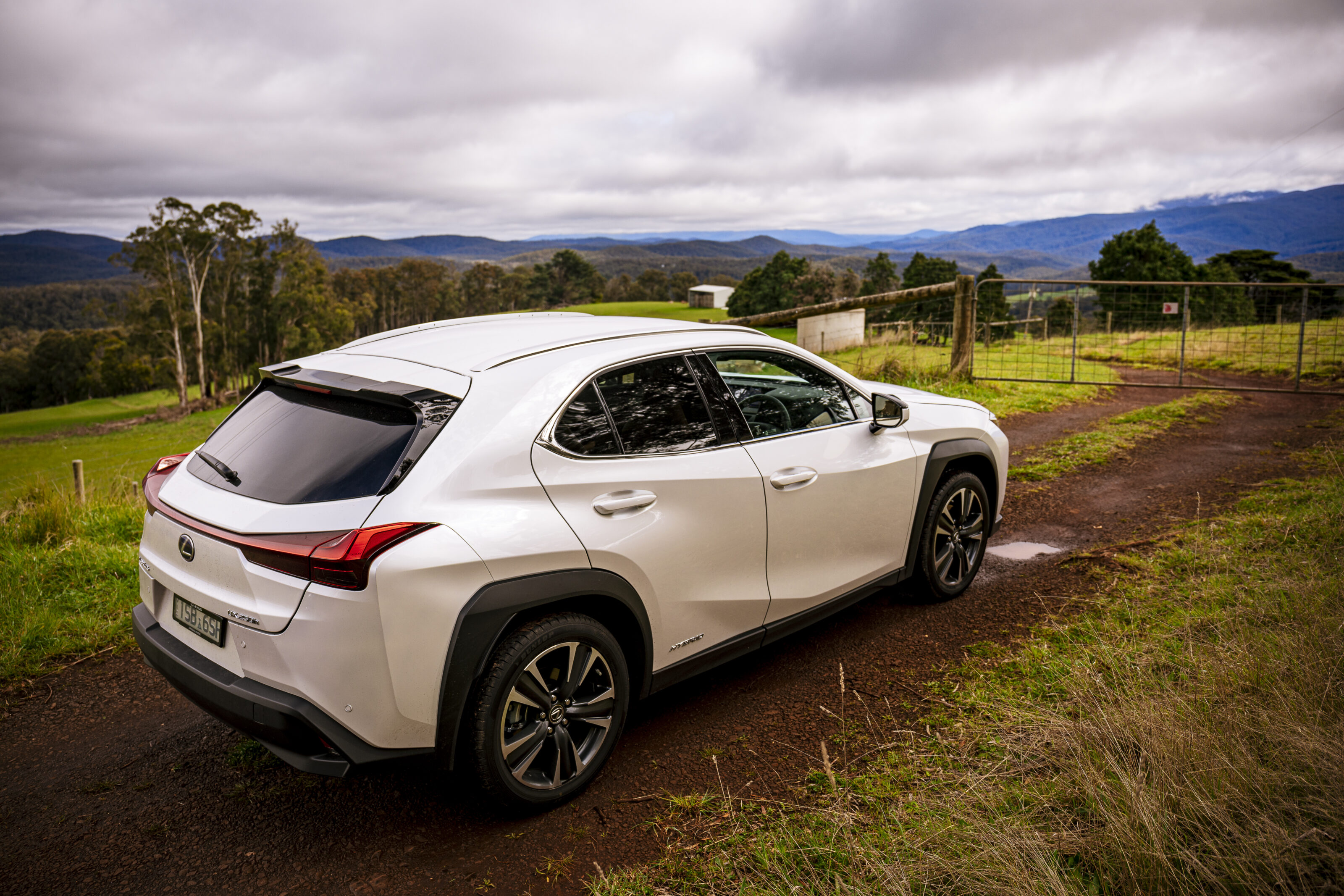
First impressions? Very positive. The silhouette of the car is brilliant, the sleek design and coupe-esque rear making giving the UX a sporty, crisply tailored look.
The interior is also impressive. The seating position is great and feels very un-SUV-like – the low-slung and driver–focused leather seats are welcoming and plush.
All controls are easily reached except buttons for the fuel flap and powered tailgate obscured behind the wheel. The crisp and clean infotaiment is controlled via the at-times infuriating track pad; thankfully the climate control is operated via clean and simple switches.
Oh, and one of my favourite features – a CD player. I can’t think of the last time I jumped into a new car that still included one; now I need to find all those CDs I packed away not so long ago!

For now my time behind the wheel of the UX has been limited, obviously, but enjoyable none the less. Its smaller, lower stature makes it for a more car-like experience, which I’m really enjoying. So far the UX is proving to be the right car for the right time.
Update 2: The colour is the money
When white isn’t the budget option
Fuel this month: 256km @ 6.4L/100km Total: 893km @ 6.9L/100km
A while back, I stepped out for lunch with a colleague to a local bakery. I put in my order and listened in bemusement as my friend requested his.
“I’ll grab a white roll, with white chicken – and mayo, please.”
I couldn’t help but quip, “Could you possibly be any whiter!?”
As a colour, white is often thought of as being very safe and boring. When it comes to cars, white paint generally gets associated with fleet cars or unmarked police vehicles. And let’s not even get into the argument about white not actually being a colour at all…
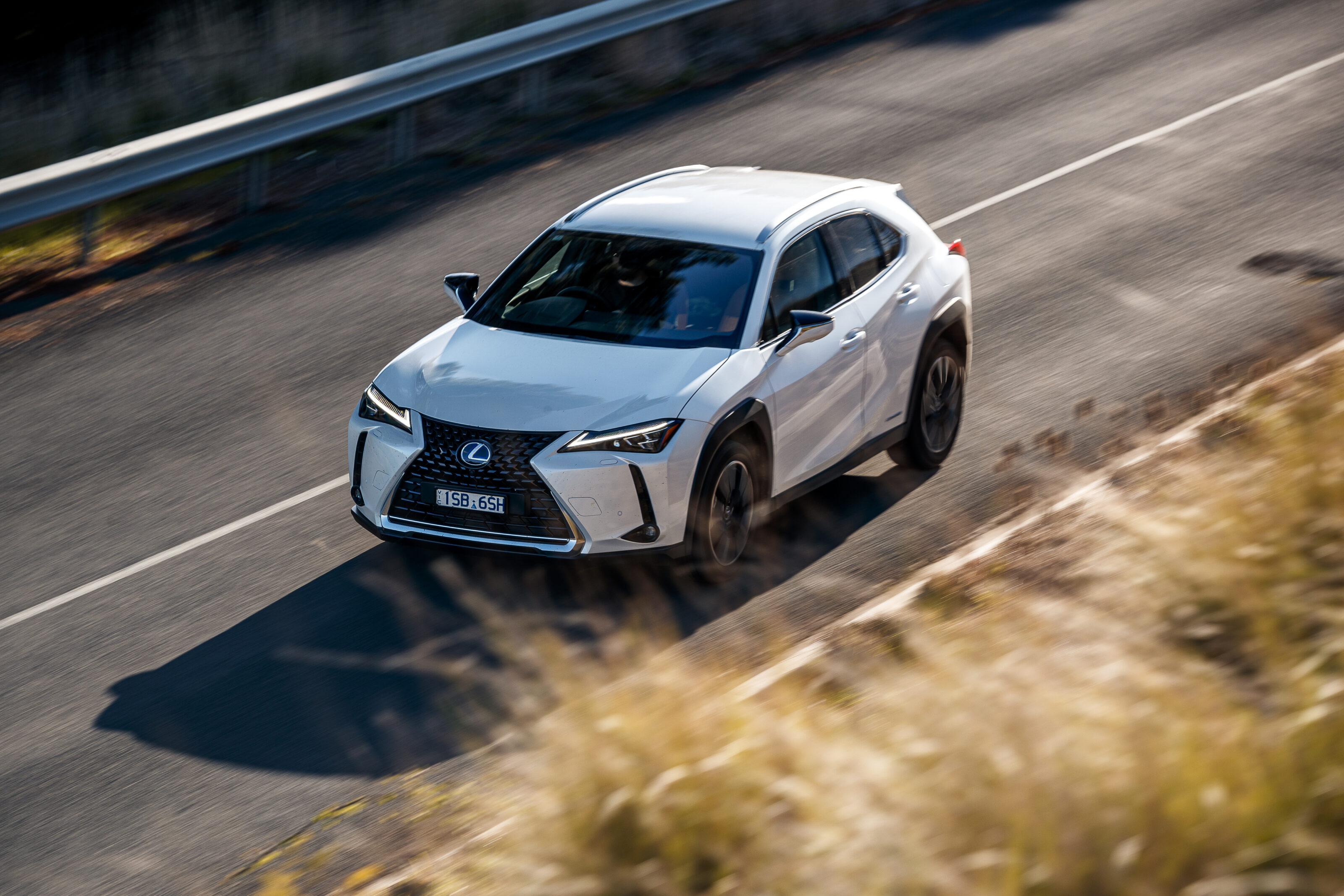
But the white UX250h which currently sits in my driveway looks anything but boring. The Sonic Quartz paint looks stunning in the sunlight with a light pearlescent tone accentuating the sharp lines of the exterior styling. The neighbours have certainly given it the nod of approval and most importantly, so has The Boss.
I’d argue the UX is easily the best-looking SUV in the Lexus range, although the new NX (due here early next year) may claim that title. The jury is out until we see it in the metal.
Some might debate whether the UX is even an SUV. Is it really a high-riding hatch? Rolling on the Corolla’s TNGA platform, there is an argument for the latter. But is that a bad thing? Far from it.
Getting behind the wheel is a treat; the driving position is low and driver-focused – very un-SUV-like. The supportive front seats only help to magnify that sensation.
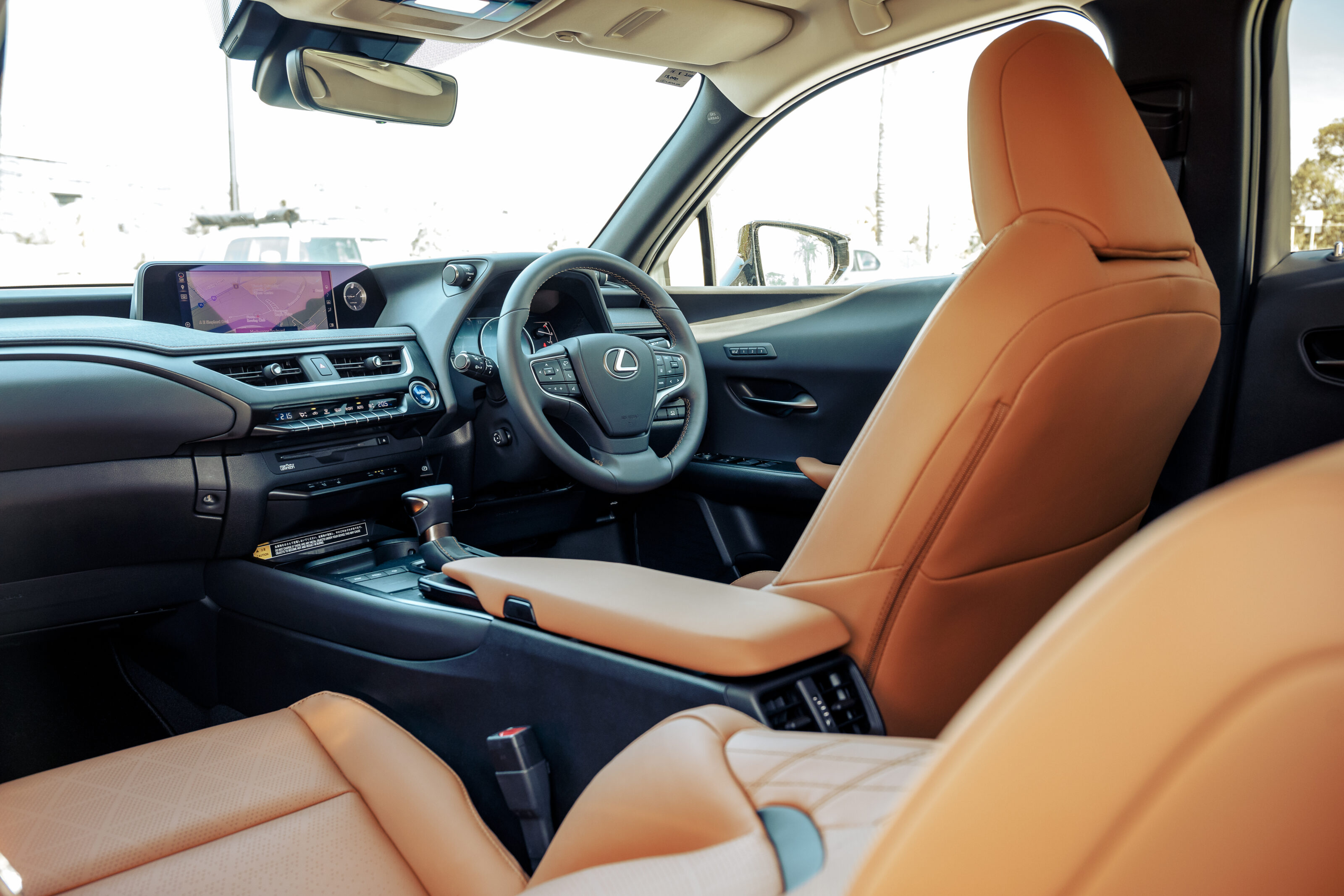
The steering is far more engaging than the UX’s larger siblings. Refinement is also noticeably better than its Toyota cousin thanks in part to improved sound deadening.
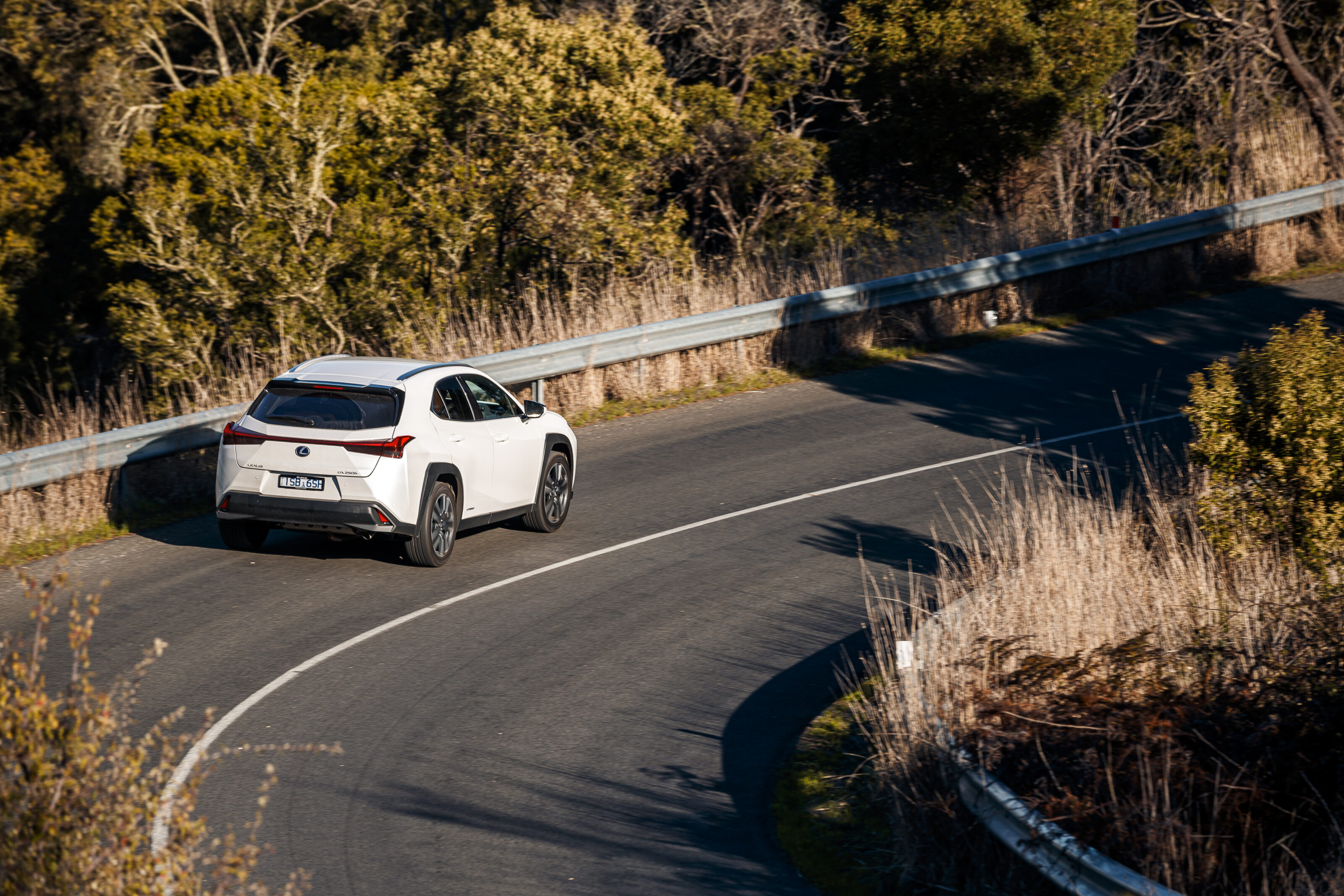
The handling is also great. Throw it at a corner and it feels well planted. The lower centre of gravity keeps body roll to a minimum, the 18-inch wheels retaining strong contact to the road, although ride comfort does suffer on rougher surfaces due to the Dunlop run-flat tyres.
The rotary drive mode selector, which is located beside the instrument cluster, reminds me of the R32 Skyline I used to own. Switch it to Eco mode and the UX mostly cruises silently like a ninja until the throttle is given an extra nudge to fire up the engine for an additional hit of grunt.
Go up to Sports and the drivetrain tries to please, instantly responding with electric torque to the wheels via the stepped CVT. This is great for darting around inner-city areas but how it translates in long sweeping country roads I’ve not yet had a chance to experience.
One of the only things I’ve found lacking in the UX is a head-up display which, annoyingly, is only included in the $3500 Enhancement Pack, which also bring a smart-key card and panoramic roof.
Another gripe has been the track pad, a control interface which has left me profusely swearing the first few times I drove the car, accidently selecting everything but what I was hoping for. It takes a while to acclimatise to but I’m finally getting around the nuance of it. The buttons and volume control on the armrest are a nice, unintrusive touch.
The much-maligned pad has been dropped in the new NX mid-size SUV, which opts instead for a touchscreen interface. I imagine it’s only a matter of time before they begin disappearing from the rest of the Lexus range.
With COVID restrictions now lifting, some open rural roads are next on the cards. Oh, and in case you’re wondering, my white-bread friend does own a white car.
Pick and Choose: The Lexus UX options list
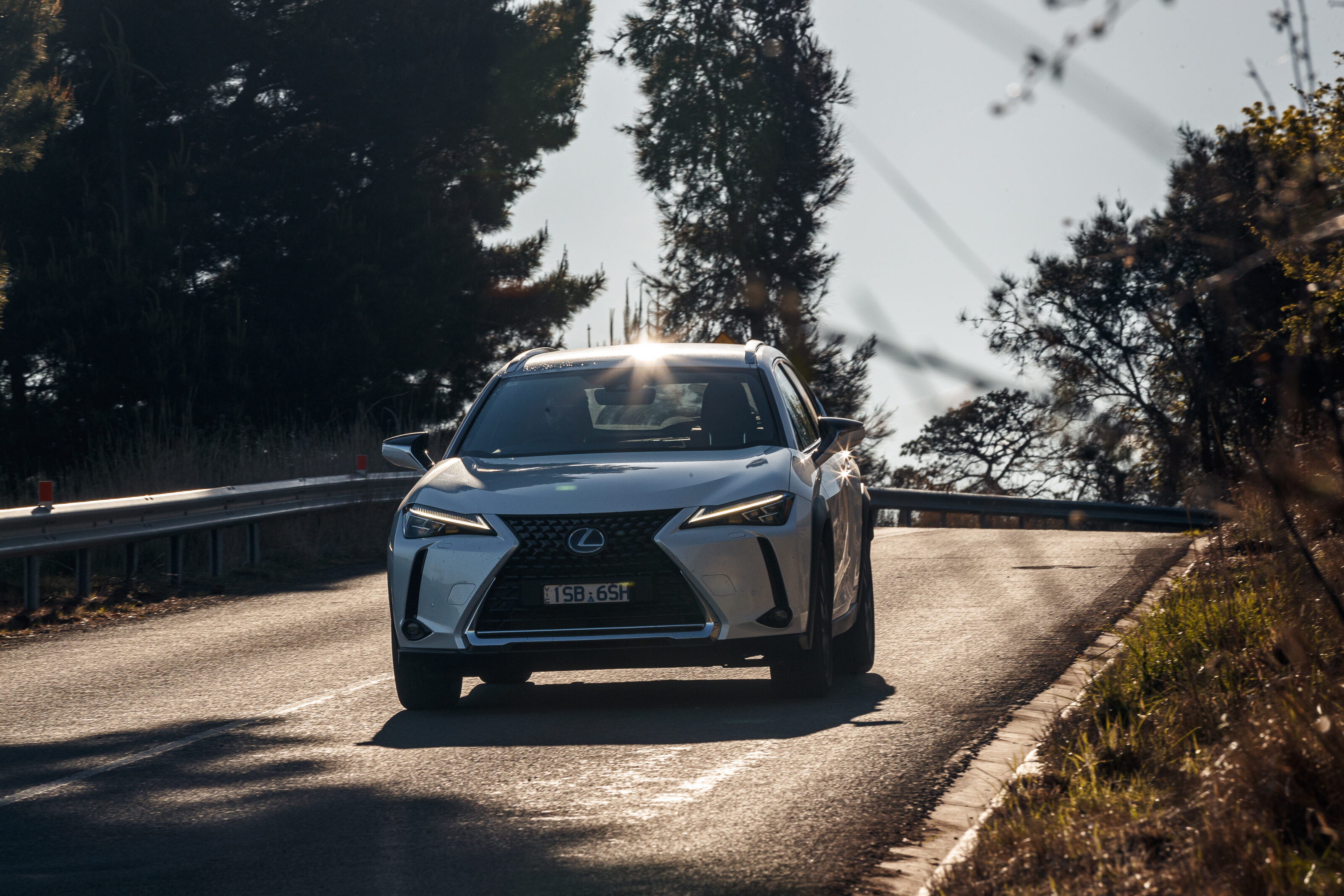
All UX models give you a few options of interior colours, but if you choose a UX in Sports Plus you have the choice of five. Our 250h is finished in the tasteful Ochre black/brown combination. Other options include white/Zephyr blue. Avoid new jeans on a hot summer’s day with that one. The F Sport features the flashy Flare Red (above) for the extroverts.
Update 3: Sizing things up
Compact yet not cramped, the Lexus fits the bill
Fuel this month: 397km @ 6.8L/100km Total: 1303km @ 6.7L/100km
Honestly, when I first walked up to the UX250h I thought, “this’ll be a pretty tight squeeze for the family”. But the little Lexus managed to prove me wrong.
With COVID restrictions lifting in Victoria, I finally managed to get in a couple of trips with the entire clan in tow before having to return the car to Lexus (until then it was more or less a four-wheeled dust collector). Here’s the first revelation – the kids have enough room without having to compromise seating positions up-front. Even full-size adults will fit without any complaint, so long as we cap the height at six-foot.
The kiddos appreciated having air-conditioning vents back there, but more importantly, dual USB charging ports earned the thumbs ups, too.
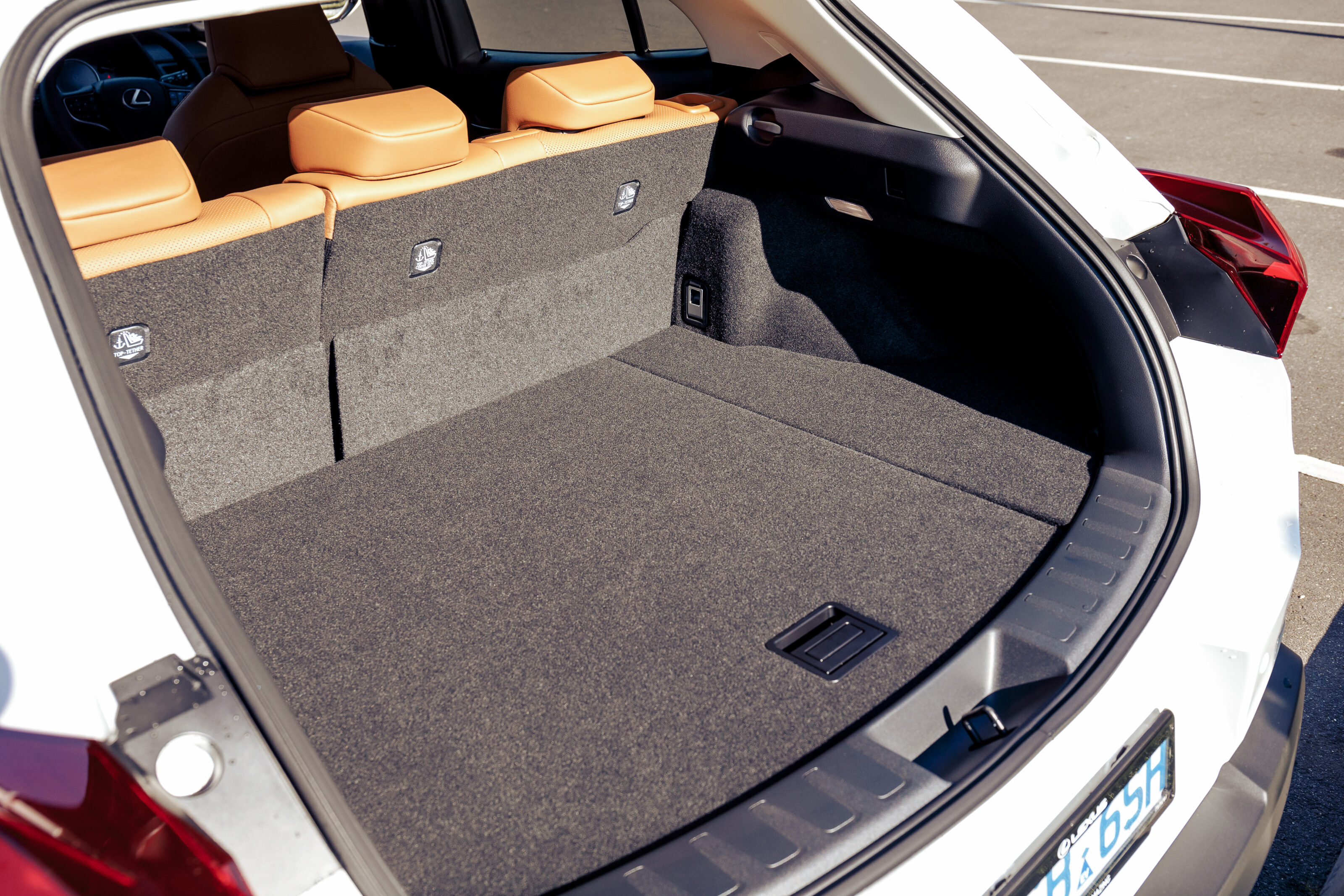
Moving on to the boot, the 368-litre capacity is good, but not great. It’s bested by the similar-sized BMW X1’s 505L and the Audi Q3’s 530L, though for everyday activities the Lexus’s space is more than enough. The flat, high sitting boot floor makes loading and unloading easy, with another compartment under the cover for extra storage (handy if you run an Uber for a bikey gang). The powered tailgate also manages to rise just high enough that I never feared splitting my noggin on it.
Where the UX really does shine is in the front cabin. The plush seats and great driving position still manage to impress and I’m fond of the clean dash design – its overall finish lives up to Lexus’s high standards of quality.
Behind the wheel the driving experience has been pleasant; the TNGA platform, after all, is now a very evolved dynamic quantity. The hybrid system is well-suited for around town and tries to please when pushed, but to be sure, for thrills in this segment you need to spend up to get something like an Audi RS Q3.
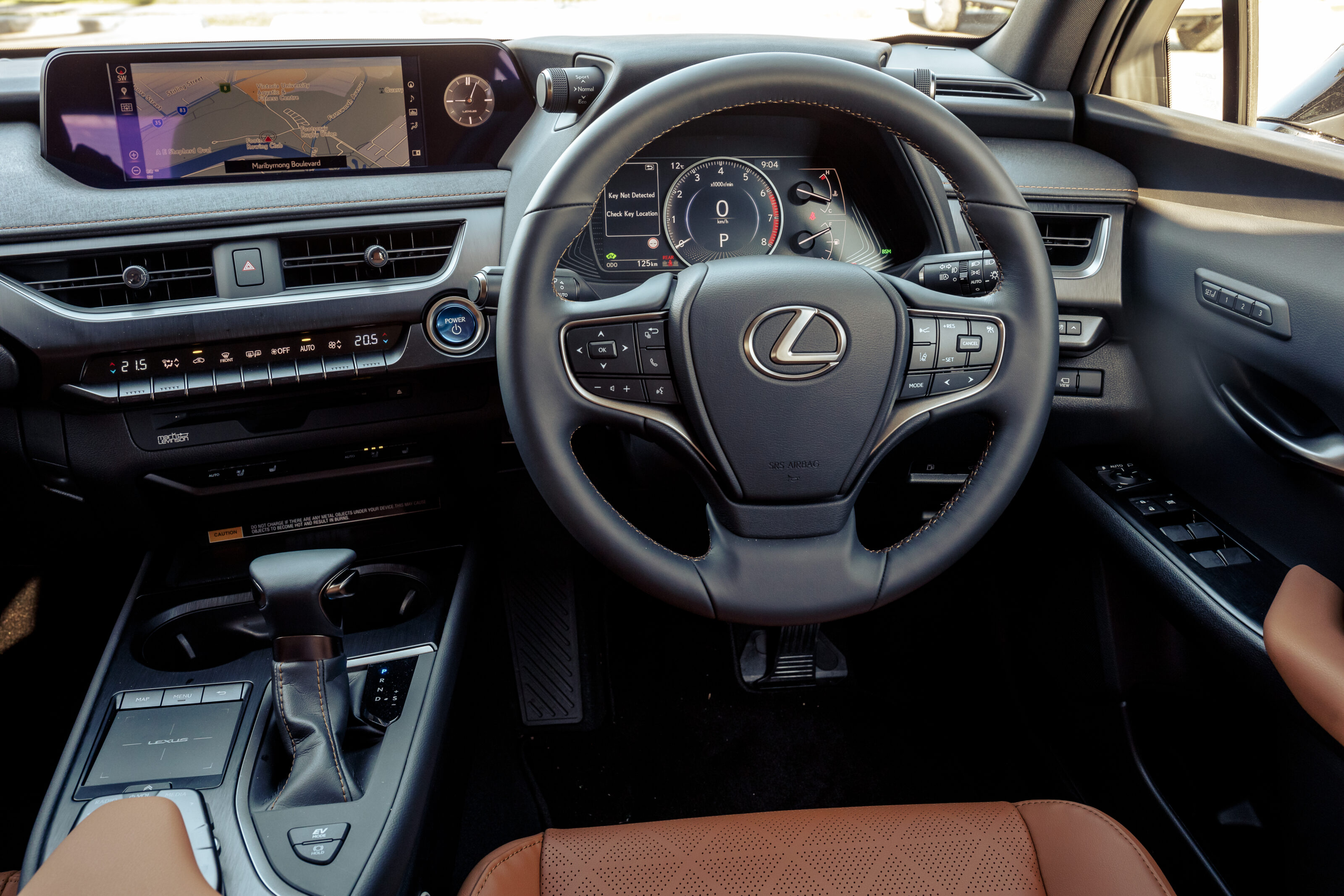
One thing that’s raised an eyebrow is the fuel consumption. The claimed figure of 4.7L/100km is a fair bit lower than the number I’ve recorded.
I put that down to this; there’s a straight stretch of road that runs along train tracks near my place which must’ve been used by drivers aspiring to be the next Victor Bray. This would explain why the council a few years back decided to install speed humps every hundred metres or so. It’s great for keeping hoons away but terrible for keeping fuel figures down, yet it’s a road I have to use constantly to access local amenities. If my commute to work was still a thing, I’m confident the 6.7L/100km we averaged would have dropped lower.
Launched in late 2018, the UX now makes up just under 20 percent of Lexus’s sales and is closing in on its larger sibling, the RX. By the time you read this the UX300e battery electric vehicle will have joined the range locally which may help those figures increase.
While the UX may not be as big as some competitors – and arguably lack a bit of badge pedigree – I’ll argue it’s a better looking and finessed option than some of its rivals.
Snapshot
- Three million litres of AdBlue produced
- Stocks expected to be replenished in the following days
- New production covers 75 per cent of Australiau2019s weekly needs
Nation-wide shortages of AdBlue should ease in the coming days, with millions of litres of the diesel exhaust fluid being distributed across Australia this week.
The three million litres of AdBlue covers 75 per cent of Australia’s weekly needs, and represents an 800 per cent increase in local production.
Joint statements issued by Incitec Pivot and the Federal Government have revealed deliveries of AdBlue have already begun rolling out across the country, following around-the-clock production at the company’s plant in Brisbane.
Incitec Pivot says it now has the capacity to fill three B-double trucks per hour.
“Our expert teams have been working non-stop throughout the holiday period to expand our domestic AdBlue manufacturing and distribution capability,” Incitec Pivot CEO Jeanne John said at the announcement on Monday night.
“We are pleased to have reached the milestone of producing and distributing just over three million litres of AdBlue in the seven days ending on Sunday, January 23 – a massive 800 per cent increase compared to the amount we were producing in early December.”
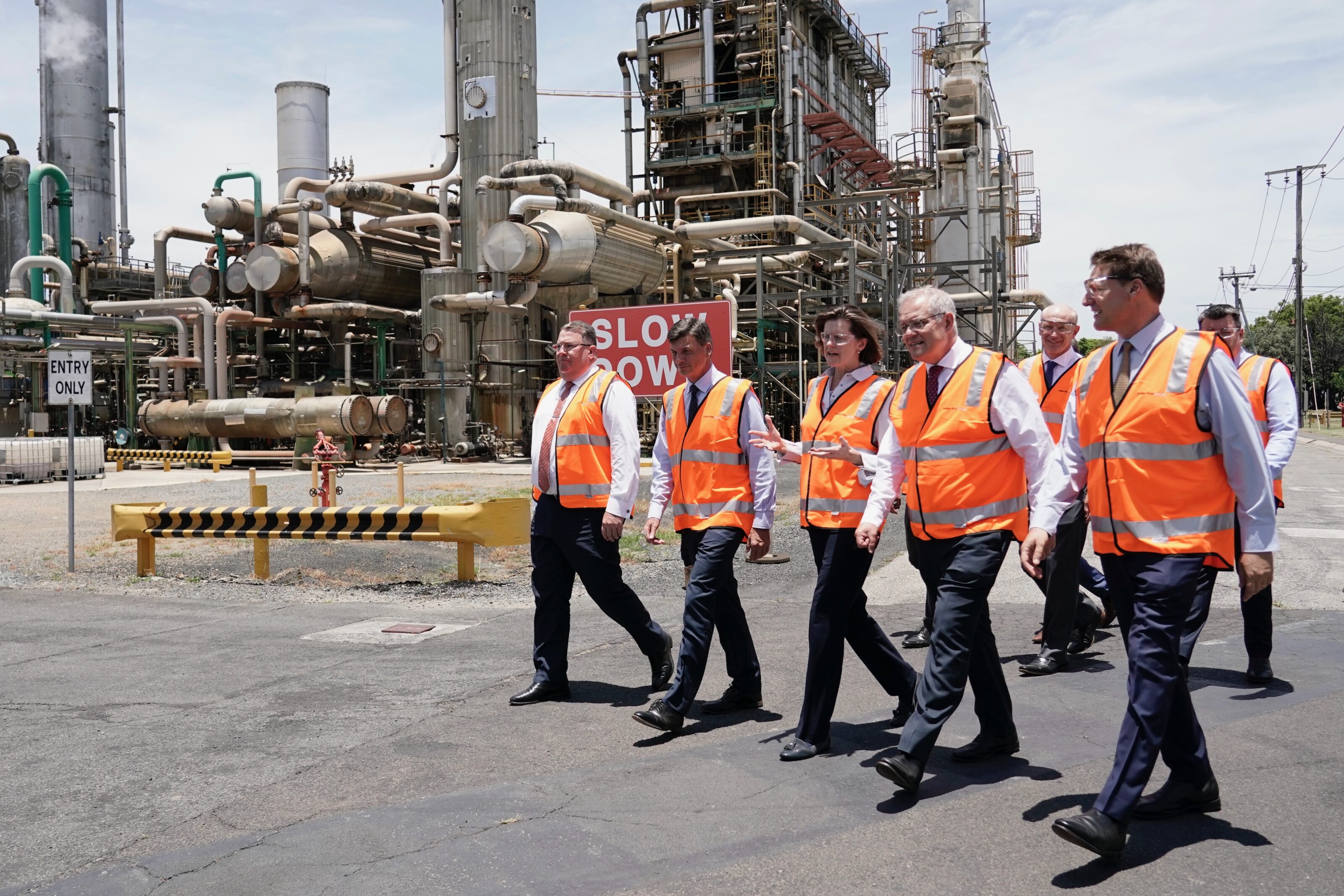
Minister for Industry, Energy and Emissions Reduction Angus Taylor thanked industry stakeholders for their cooperation and hard work, saying Australia now has enough AdBlue to restore normal stock levels.
“I also thank the broader AdBlue manufacturing, fuel distribution and transport sectors for their continued cooperation with the Government on a weekly basis. This open communication has meant we have been able to replenish sites and minimise disruptions for AdBlue users during the holiday period,” Minister Taylor said.
“To ensure stocks can be replenished across the country, I continue to encourage industry to purchase only when needed and at normal levels.”
It’s been seven weeks since warning bells began to ring across the trucking industry, following China’s decision to slash the supply of urea – the main ingredient used in AdBlue, but also a common fertiliser for food crops.
Designed to help reduce exhaust gas emissions from modern diesel engines, the product is consumed in sparing amounts by passenger vehicles, but used in much larger quantities by truck fleets favoured by supermarket chains and courier companies.
In partnership with the Australian Government, Incitec Pivot will begin trialing production of technical-grade urea (TGU) in the coming months to help ensure future supply of AdBlue.
Snapshot
- GM and LG Energy Solutions to build plants for electric trucks and batteries
- Financial investment to be split across electric pick-up and battery production
- Roughly 40 per cent of Chevrolet models to go EV by 2035
General Motors is expected to announce an increased investment in battery technology, bolstering itself for the electric vehicle arms race in the United States and beyond.
According to Reuters, the Detroit-based automotive conglomerate is looking to invest around US$6.5 billion (AU$9.05bn) in a joint venture with LG Energy Solutions, aiming to spend the money on a new battery plant as well as electric pick-up truck production.
Known as Ultium Cells, the partnership has already resulted in producing the batteries for the upcoming Hummer EV, as well as the all-electric Chevrolet Silverado EV, however the extra investment is tipped to result in an extra 4000 jobs across two plants.
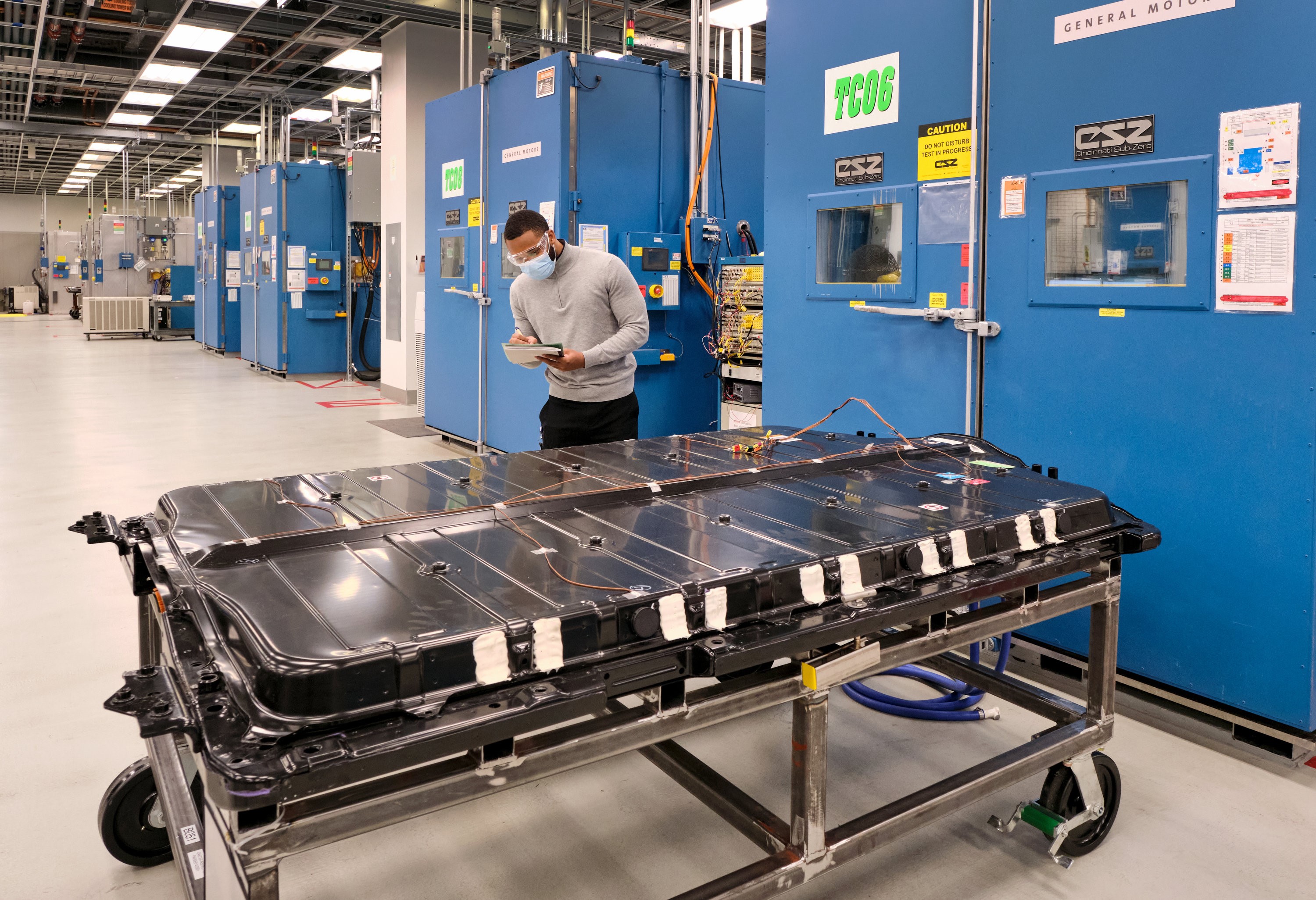
Around US$2.5bn (AU$3.48bn) will go towards building a battery plant in the Michigan town of Lansing – adding 1700 jobs to the area – with GM and LG Energy Solution set to split the costs evenly, while the remainder of the funds are to be set aside for the expansion of its assembly plant in Orion, Michigan, preparing the facility for EV production.
The joint venture adds to General Motors’ proposed US$35 billion (AU$46.5 billion) investment into electric and autonomous vehicle technology by 2025, rivalling the US$40bn+ investments being made by Detroit rival Ford in its own battery tech and EV platforms.
LG Energy Solutions is making waves in the American automotive market, having recently announced a joint venture with Stellantis to build a new battery plant, targeting an annual capacity of 40GWh to assist brands such as Jeep, Dodge, Chrysler and Ram with their respective transitions to electric model ranges.
