
Chery sold 22,419 units of its Tiggo 4 small SUV in 2025 which, considering that it only launched locally in October 2024, is quite an achievement for the brand’s smallest offering. In 2026, its 2234 sales to date are already up 119.4 per cent on 2025 and it’s leading the small SUV segment. Keen value is key to the Tiggo 4’s appeal, but there is plenty more to like.
Prices for the Tiggo 4 start at $23,990 driveaway and two models are on offer: entry-level Urban and top-spec Ultimate (from $26,990 driveaway). Both are very well equipped for the money, including LED lighting, dual-zone climate control, 10.25-inch displays and a full suite of active safety kit. Find a full list of standard equipment at the end of this article.
2026 Chery Tiggo 4 pricing (driveaway):
| Urban | $23,990 |
|---|---|
| Ultimate | $26,990 |
| Urban Hybrid | $29,990 |
| Ultimate Hybrid | $32,990 |
Two drivetrains are available in the Tiggo 4 range: a 108kW 1.5-litre turbo-petrol or a 150kW 1.5-litre hybrid, with both using a CVT transmission and sending power to the front wheels.
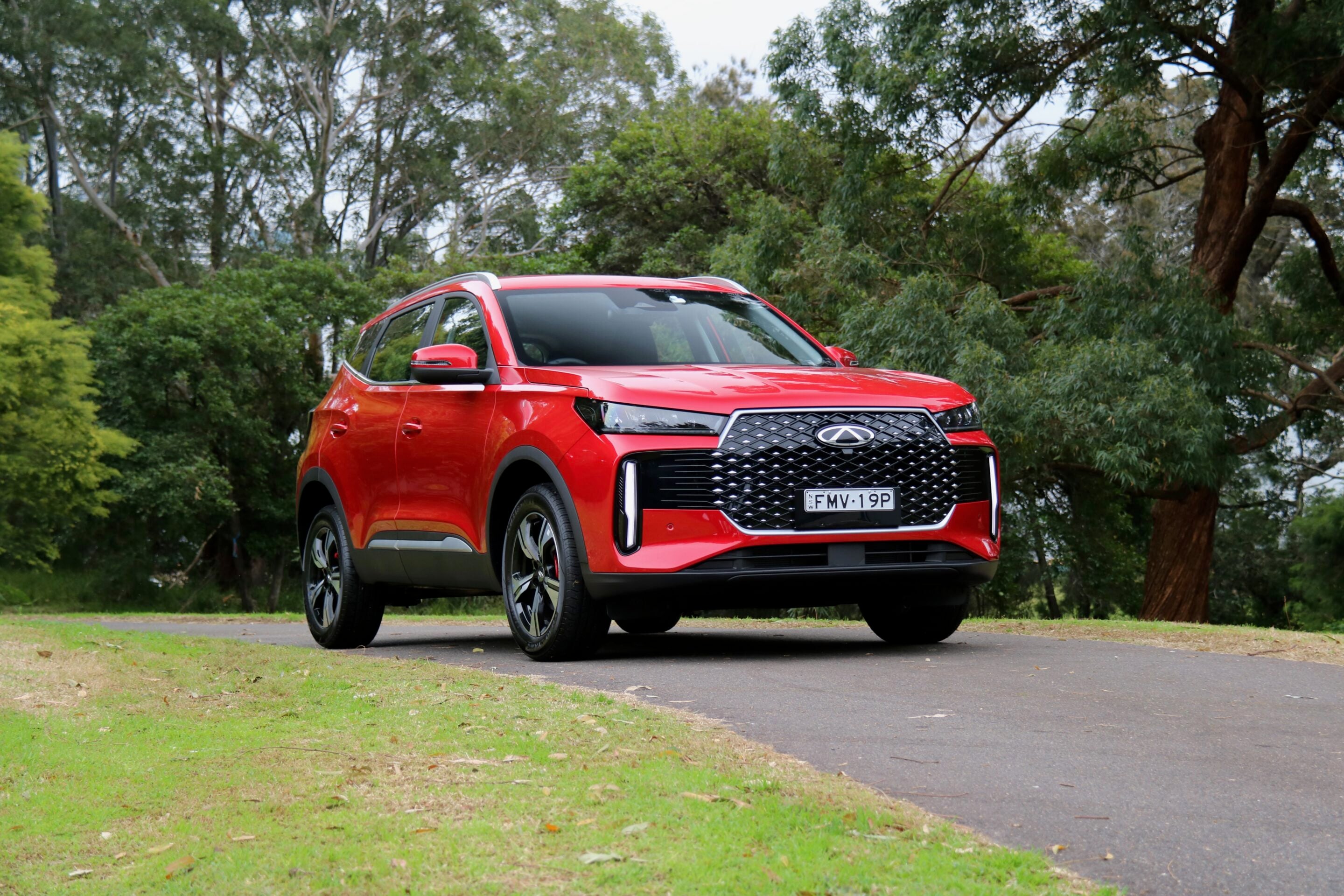
The petrol engine is no powerhouse, but provides more than enough thrust for everyday life. Peak torque hits at just 1750rpm and the CVT transmission features stepped ratios for a more natural acceleration feel. Unlike most CVTs, the Tiggo 4 feels surprisingly like a regular geared transmission, and combined with the turbocharged engine, feels peppier than its main rivals. The hybrid gives more thrust, thanks to its 150kW/310Nm electric motor. It’s also more refined and quieter than the petrol model, and subtly changes between petrol and electric power.
The claimed combined fuel consumption for the petrol Tiggo 4 is 7.4L/100km with claimed CO2 emissions of 166g/km, which is higher than expected. Thankfully, the hybrid is more fuel efficient at a claimed 5.4L/100km and cleaner at 123g/km, though it does have a surprisingly steep premium over the petrol Tiggo 4. Whereas the premium for hybrid Toyotas used to be $3000, Chery charges an extra $6000 and while the hybrid is more efficient, that extra money will buy a lot of petrol.
Elsewhere on the road, the Tiggo 4 is a really comfortable and surprisingly refined small SUV with suspension that’s quite soft and excellent noise suppression. In fact, the Tiggo 4’s suspension is a bit too soft, as it comes at the expense of body control, which is too loose. Larger bumps sometimes see the Tiggo 4 taking two or three rebounds to settle.
We’d like to see the suspension made firmer so it’s not as keen to roll in corners, and would be more adept at quick lane change manoeuvres. The Tiggo 4’s steering is also quite light, so it can take a bit to adjust to how much input is needed to turn the wheels.
Every Tiggo 4 offers a long list of standard active safety features like lane keeping assistance, adaptive cruise control, blind-spot monitoring and driver attention monitoring. Chery has refined these systems a lot since the Tiggo 4 was first launched here and they’re now far less sensitive as a result.
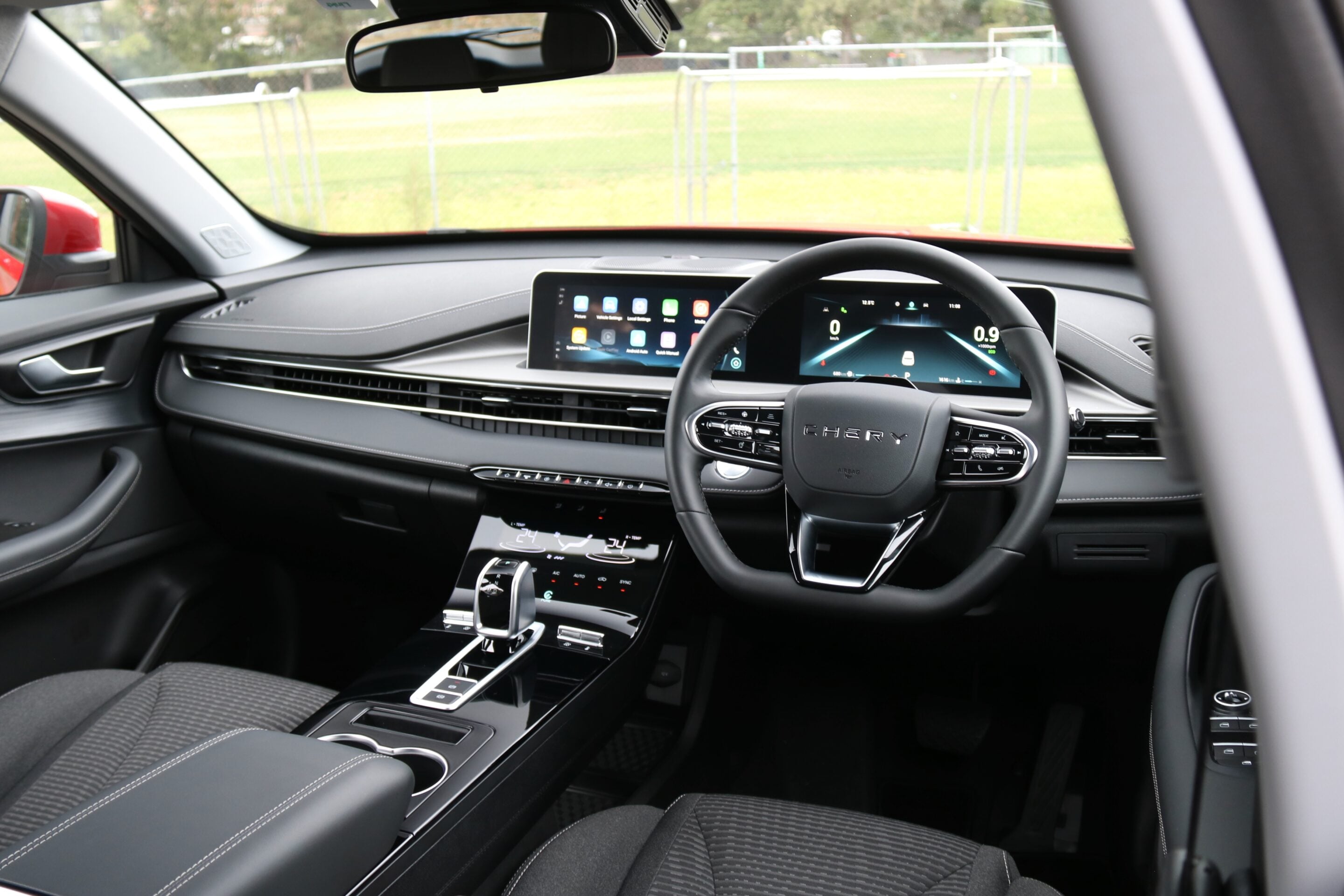
The cabin of the Chery Tiggo 4 is modern, good quality and filled with useable tech that we think will appeal to small SUV shoppers. Unlike the scratchy plastics of rivals such as the Hyundai Venue, the Tiggo 4’s cabin is loaded with soft touch materials, including on the dashboard and door tops, though the liberal use of piano black trim will need effort to keep unscratched.
A 10.25-inch touchscreen handles infotainment duties in all Tiggo 4 models with wireless and wired Apple CarPlay and Android Auto smartphone mirroring and DAB+ digital radio, though no satellite navigation or live services. It’s a really easy system to use and thankfully, Chery hasn’t tried to fit every function of the car into it. The climate control is controlled with separate buttons below the screen, and there is also a line of physical buttons underneath it to aid usability.
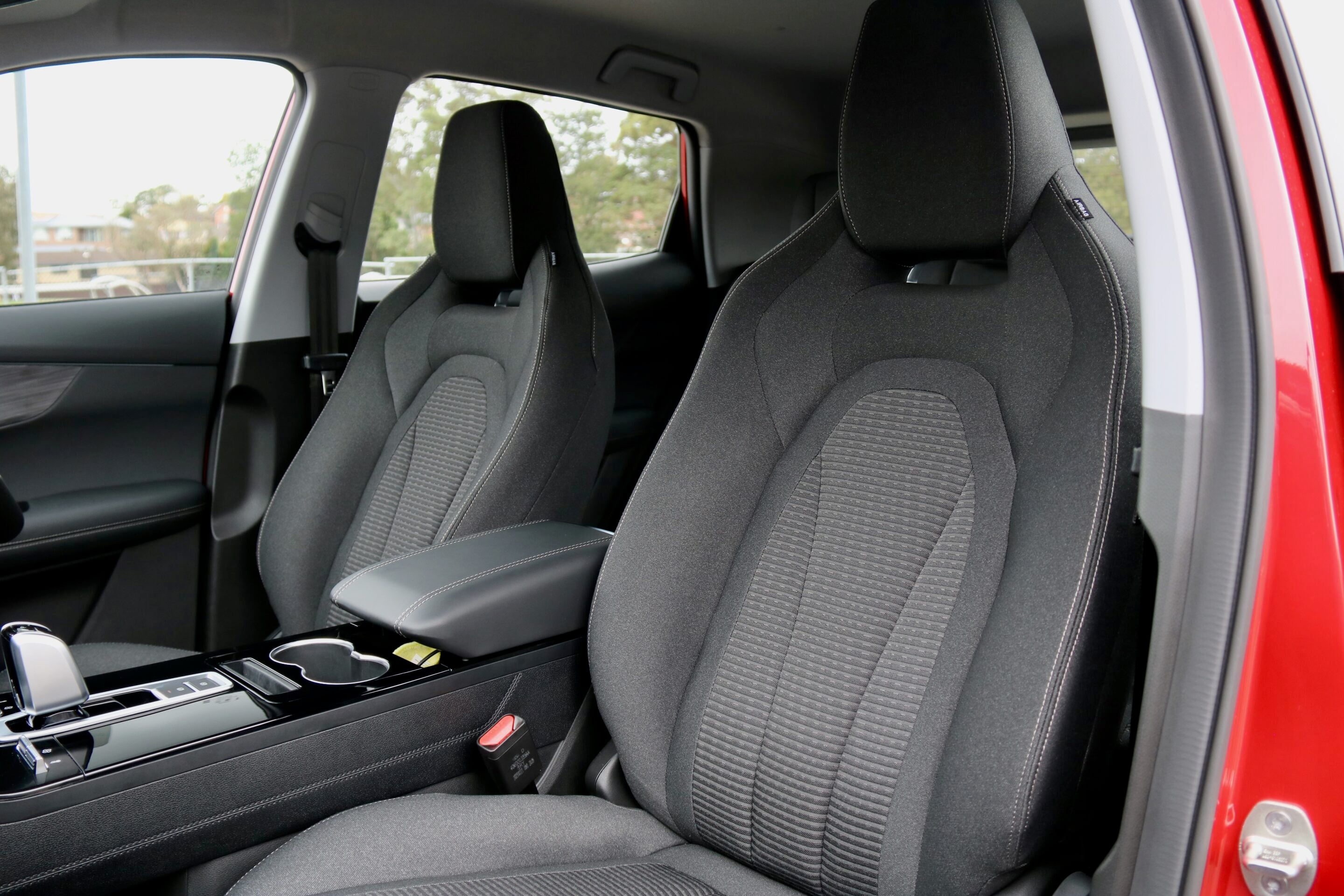
Practicality is excellent for the segment in the Tiggo 4 thanks to its large door bins, huge under-console tray that can hold handbags and large box underneath the central armrest. Seat comfort is generally good as well, though lumbar adjustment on any Tiggo 4 is missing.
Move to the rear seat and the space on offer for the segment is excellent, with a lot of headroom, generous legroom and features such as a USB charging port, an air vent, map pockets, door pockets and a central armrest. Two ISOFIX and three top-tether points handle child seat duties, and the doors open wide and even feature a light to warn of incoming traffic.
The Tiggo 4’s boot measures 380 litres with the rear seats up and 1225 litres with the rear seats folded, which is large for the small SUV segment. There aren’t many features in the boot, however, just a space-saver spare and an annoying lip between the boot floor and rear seats when they’re folded.
Chery’s Australian warranty is long with a seven-year/unlimited km coverage and 12 months of roadside assistance that’s extended a further 12 months with every dealer service (up to seven years in total). The capped price servicing program lasts for the warranty length, and the first five years/75,000km of servicing costs just $1445 ($289 per service).
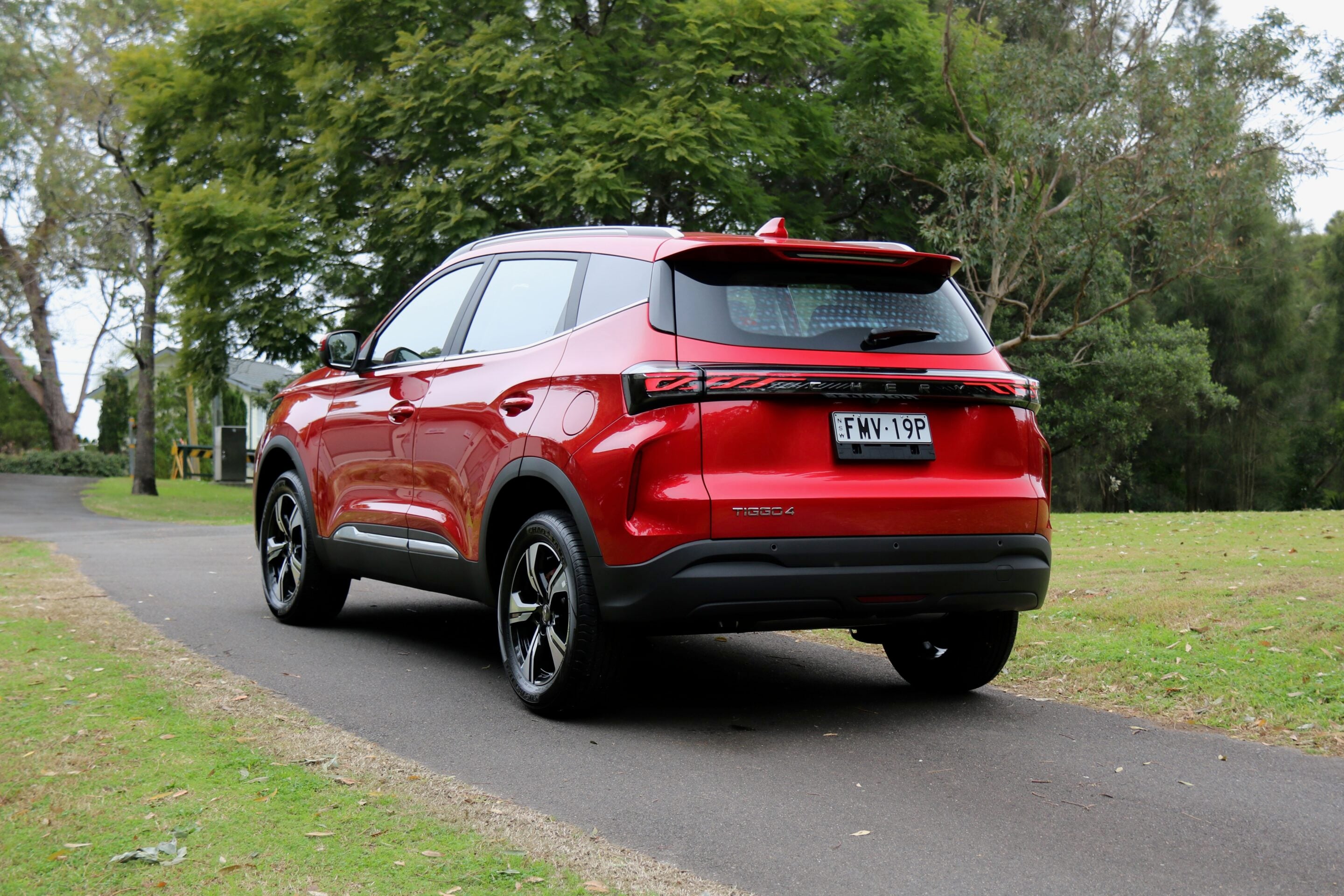
Overall, it’s easy to see why so many people have been drawn to the Chery Tiggo 4. Not only is it one of Australia’s cheapest cars, but it’s also very well equipped, good quality, practical, cheap to service, covered by a long and easy warranty program, and very easy to drive. Plus, the availability of a hybrid model also gives it consideration for those wanting better fuel economy.
Could it be small SUV sales champion in 2026? Watch this space.
Chery Tiggo 4 specifications:
| Model | Chery Tiggo 4 |
|---|---|
| Price | From $23,990 drive away (Urban petrol) |
| Engine | 1.5-litre four-cylinder turbo-petrol or 1.5-litre four-cylinder hybrid |
| Peak power | 108kW (petrol), 150kW (hybrid) |
| Peak torque | 210Nm (petrol), 310Nm (hybrid) |
| 0-100km/h | 9.4 seconds (hybrid) – est. 10.5 seconds (petrol) |
| Transmission | CVT automatic, front-wheel drive |
| Fuel consumption (claimed) | 5.4L/100km (hybrid) – 7.4L/100km (petrol) |
| Claimed CO2 emissions | 123g/km (hybrid) – 168g/km (petrol) |
| Fuel type/tank size | 91RON regular unleaded, 51 litres |
| Dimensions (length/width/height/wheelbase) | 4307/1825/1660/2610mm |
| Boot size (rear seats up/folded) | 380 litres/1225 litres |
| Tare mass | 1404kg (petrol) – 1494kg (hybrid) |
| On sale | Now |
Chery Tiggo 4 Urban standard features:
- 17-inch alloy wheels with a temporary spare wheel
- Dusk-sensing automatic LED headlights
- Rain-sensing automatic wipers
- Heated exterior mirrors
- Roof rails
- Keyless entry with push button start
- Cloth seat upholstery
- Synthetic leather steering wheel
- Dual-zone automatic climate control with rear vent
- Dual 10.25-inch displays
- AM/FM/DAB+ digital radio
- Wired and wireless Apple CarPlay and Android Auto
- Six-speaker sound system
- 3x USB charging ports
- 7x airbags
- Autonomous emergency braking
- Lane keeping assistance with lane departure warning
- Adaptive cruise control with adaptive lane guidance
- Blind-spot monitoring
- Rear cross-traffic alert (with automatic braking)
- Driver attention monitoring
- Traffic jam assist
- Traffic sign recognition with speed limit information
- Door open warning
- Auto high beam
- Front and rear parking sensors
- Reversing camera
- Anti-theft alarm
- Tyre pressure monitoring
Ultimate model adds:
- 18-inch alloy wheels
- Sunroof
- Synthetic leather upholstery
- 6-way electric driver’s seat
- Heated front seats
- Auto-folding exterior mirrors
- 15W wireless phone charger
- Colour-selectable ambient lighting
- 4x auto up/down windows
Mercedes-AMG is preparing for a major expansion of its electric line-up, confirming plans for three bespoke EVs that will sit apart from the brand’s existing AMG-tuned EQ models. The strategy marks a decisive shift for the performance arm of Mercedes-Benz, with SUVs playing a central role in its electric future.
The first of the new-generation AMG EVs will arrive later this year, effectively replacing the petrol-powered AMG GT 4-Door Coupe. Previewed by the striking GT XX concept (below), the four-door electric sedan will be the brand’s first model built from the ground up as an AMG-exclusive EV, rather than a modified Mercedes-Benz platform.
That sedan will be followed by a large electric SUV in early 2027, aimed squarely at high-performance luxury rivals such as the Porsche Cayenne. Completing the trio will be a more style-led SUV coupé, confirmed by outgoing Mercedes-AMG chief executive Michael Schiebe, with its debut pencilled in for the second half of 2027.
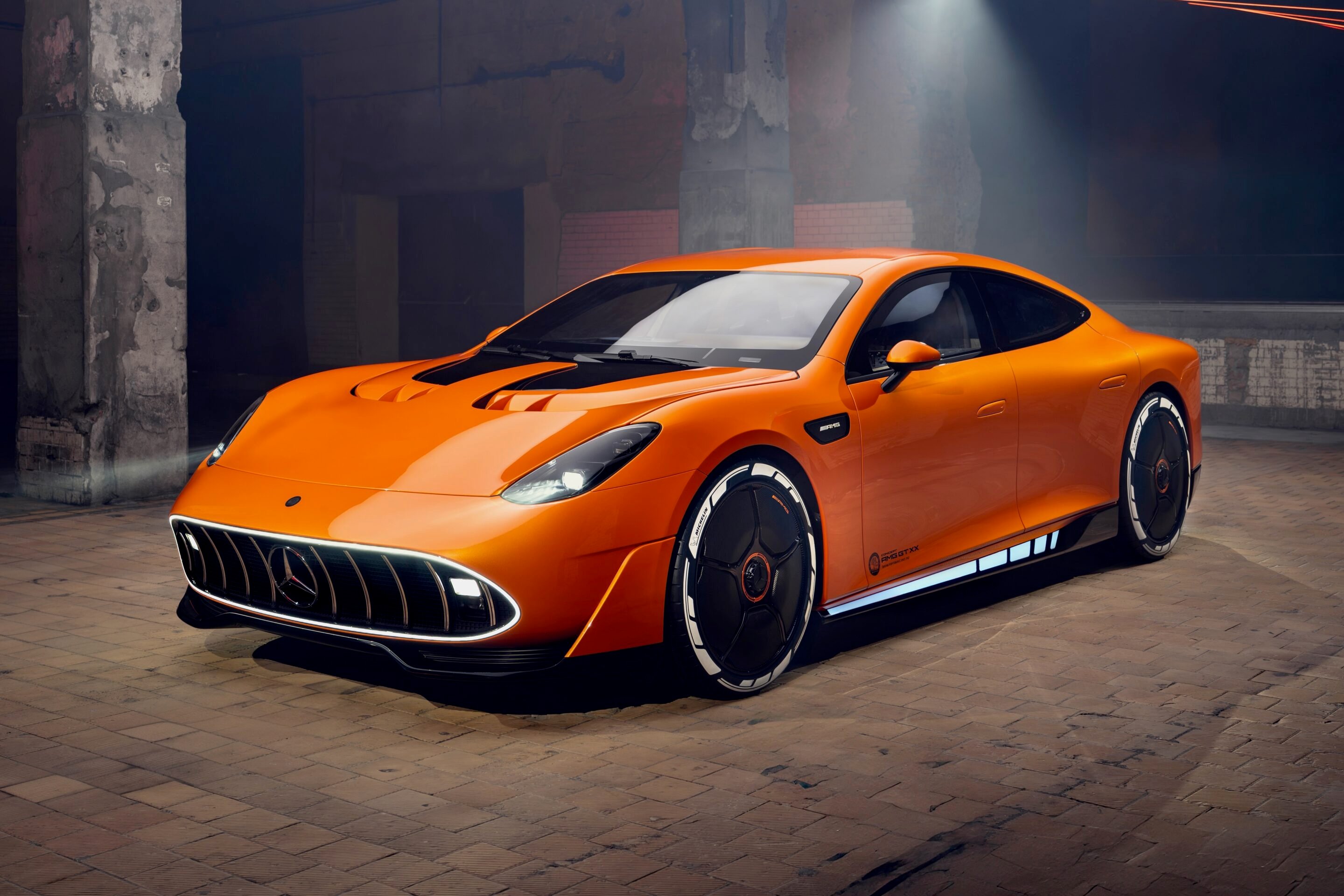
Schiebe said the decision to add an SUV coupé reflects market reality, with SUVs now accounting for more than half of AMG’s global sales. The approach mirrors AMG’s existing combustion range, where traditional SUVs and sleeker coupe-style variants are offered side by side.
All three vehicles will sit on AMG’s new AMG.EA electric architecture, developed specifically for high-performance applications. The platform features an 800-volt electrical system and a unique round-cell battery design, enabling ultra-fast charging and sustained high-output performance.
Power will come from a tri-motor configuration, with one electric motor driving the front axle and two motors at the rear. In concept form, this setup delivered outputs well beyond 750kW, signalling that AMG’s electric models will comfortably match – and potentially exceed – the performance of their V8 predecessors.
The GT XX concept also previewed some of AMG’s more extreme ideas, including advanced active aerodynamics. A recently released teaser shows a deployable rear diffuser that extends from the bumper to improve stability at high speeds, hinting at the technology that will reach production.
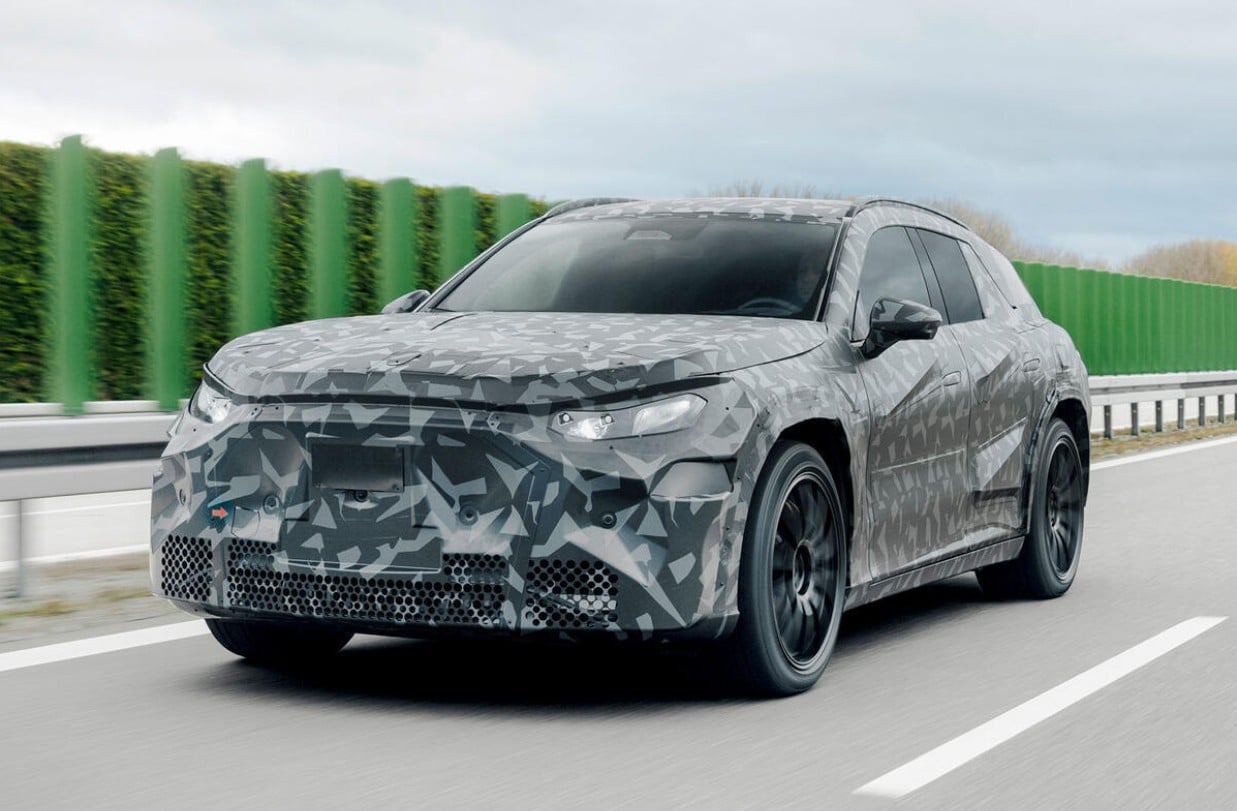
In concept guise, the electric sedan was claimed to reach speeds above 350km/h and add close to 400km of driving range in just five minutes when connected to ultra-high-speed charging infrastructure. While production figures are expected to be lower, they underline AMG’s intent to lead rather than follow in the electric performance space.
The confirmation of AMG’s electric SUV coupé comes alongside a leadership transition. Schiebe will move to head Mercedes-Benz’s Top End Vehicle Group, overseeing Maybach and G-Class, with Stefan Weckbach taking over as AMG boss from July.
First published in the September 1990 issue of Wheels magazine, Australia’s best car mag since 1953. Subscribe here and gain access to 12 issues for $109 plus online access to every Wheels issue since 1953.
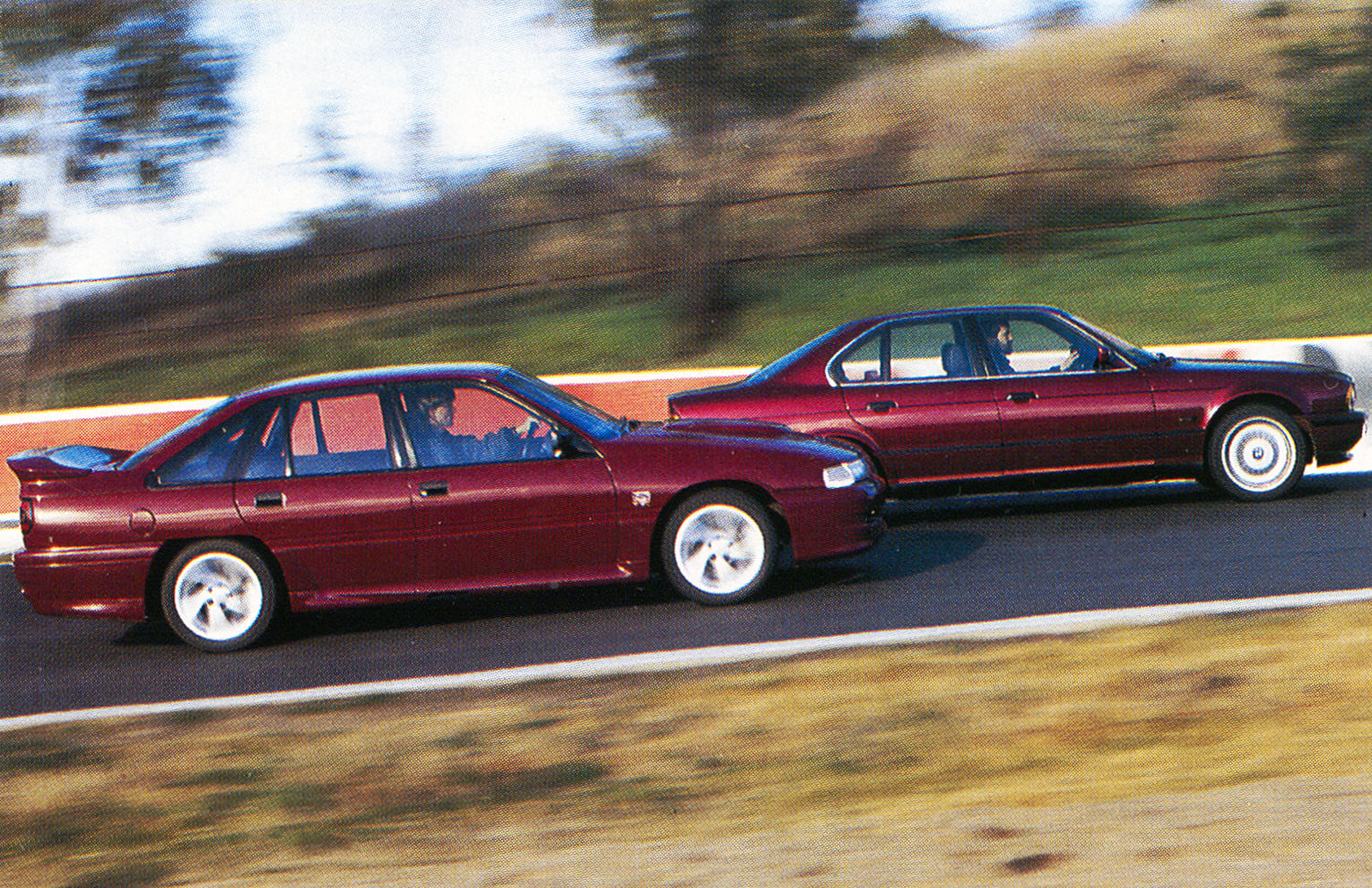
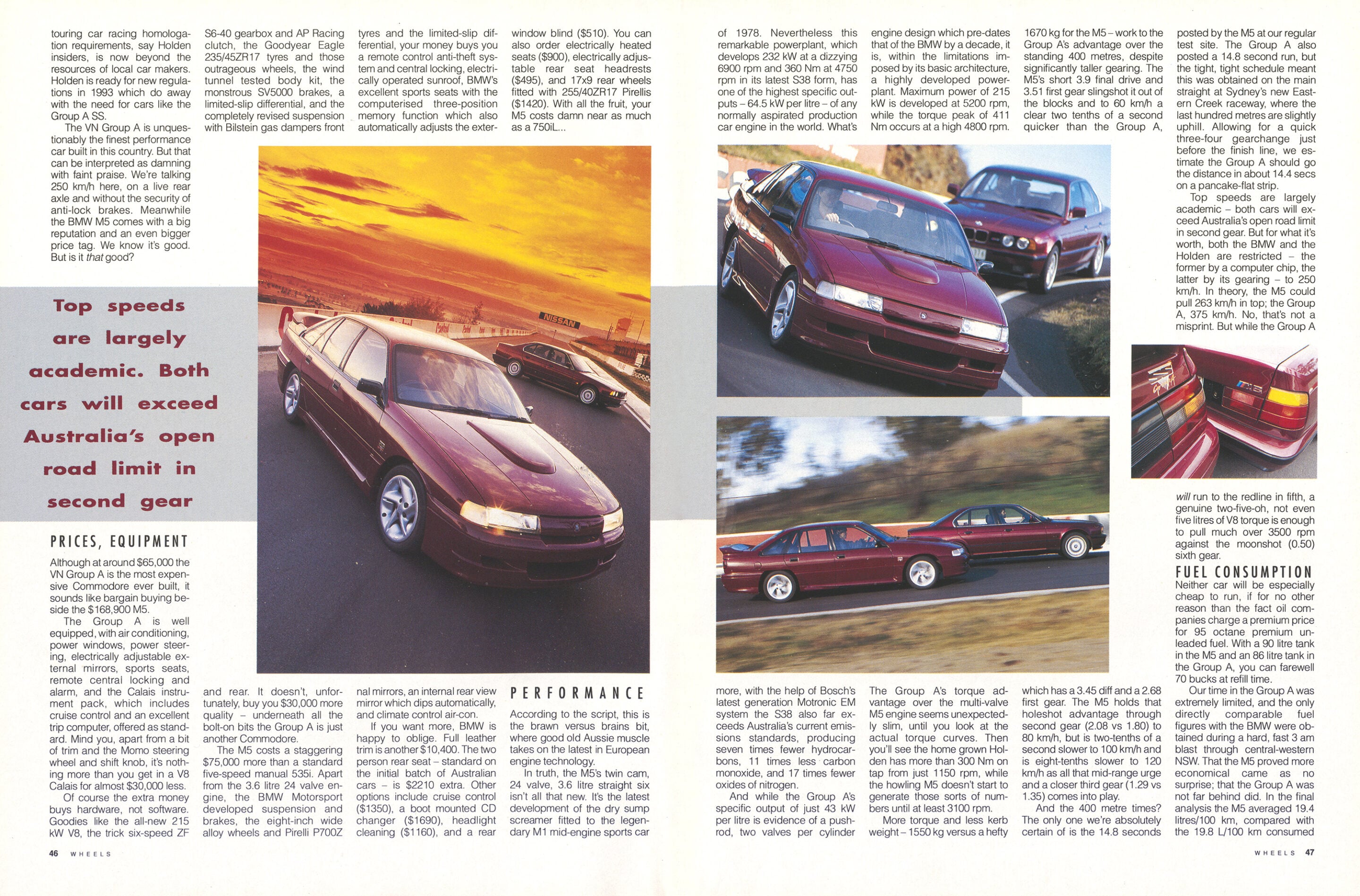
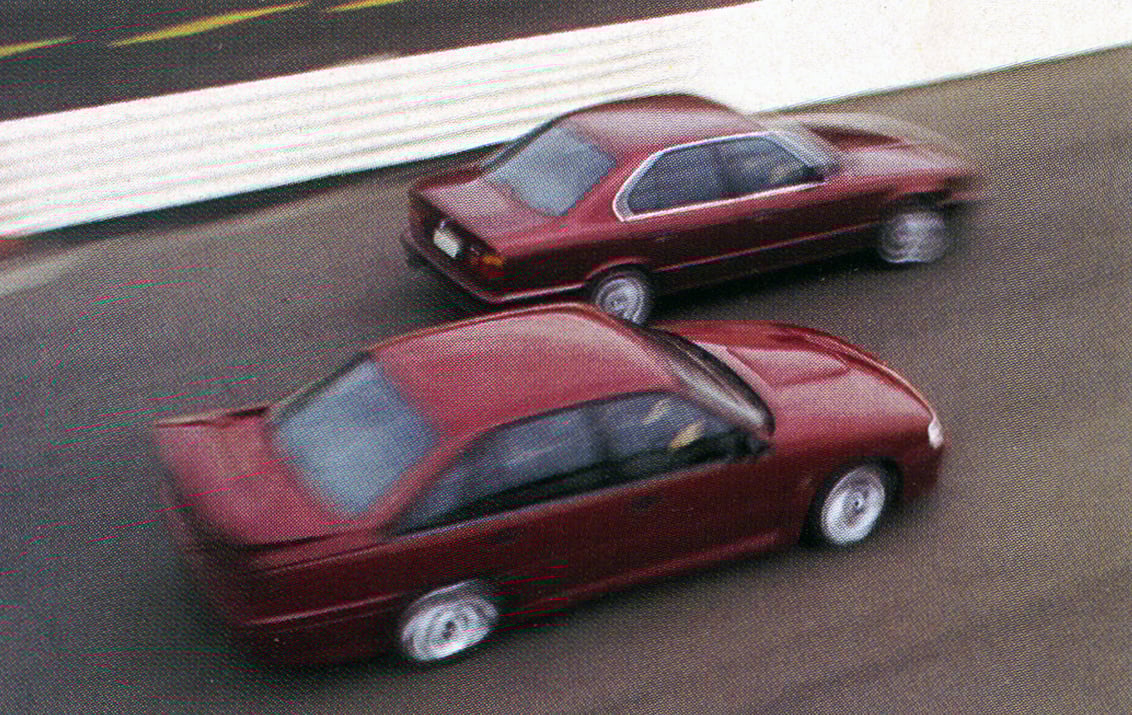
Pit Straight, Mount Panorama: Four heads swivel in unison as the Holden cruises past the start/finish line at Australian motor racing’s holy of holies. The muted rumble of a hot V8 disturbs the morning calm as four pairs of eyes take in the deep red paint, the hunkered down stance, the spoilers and side skirts which give the jelly-mould VN Commodore shape a sinister, purposeful edge.
Minutes later four young blokes are huddled around the Group A, silently inspecting every angle, every curve, every detail of Holden’s latest street racer, privately wondering what it must be like to drive a car this good. Finally someone speaks: “Jeez, why did they put such bloody awful mags on it?”
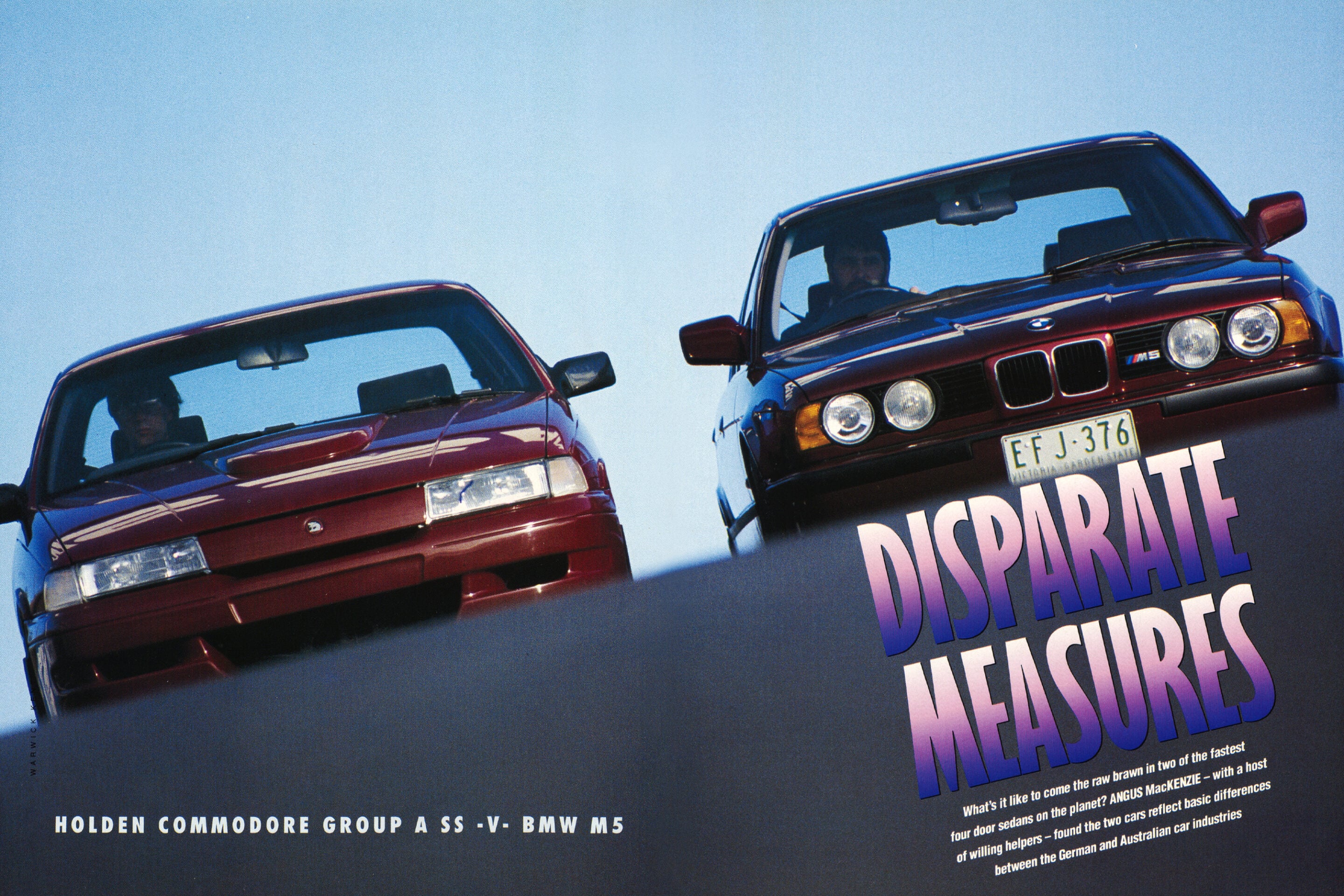
The four stare some more, then drift back down pit lane, straight past the BMW M5 without so much as a second glance. The new Group A – this’ll be something to brag about at the pub. What they don’t know is that this is the last one Holden will ever build…
Pit Straight, Eastern Creek: KB is serious this time. He pop-pop-pops onto the rev limiter – 7400 rpm – in third over the slight crest and accelerates hard in fourth down the gentle hill, spray from the rain-slicked track eddying in his wake.
The speedo needle is nudging 210 halfway between the 200 and 100 metre markers when Bartlett mashes the brakes, then aims the BMW‘s nose at the apex of the fast, fast left hander. and accelerates hard. The M5 sweeps majestically through the corner at better than 170km/h, 3.6 litres of German precision engineering howling discreetly from somewhere up front, the chassis rock steady and perfectly balanced despite the water streaming across the track. Even as he’s hard on the brakes for the tricky late apex left hander shortly beyond, Big Rev Kev is grinning from ear to ear. His summation is succinct: “Mate, this is the best road car l’ve ever driven – close to perfect!”
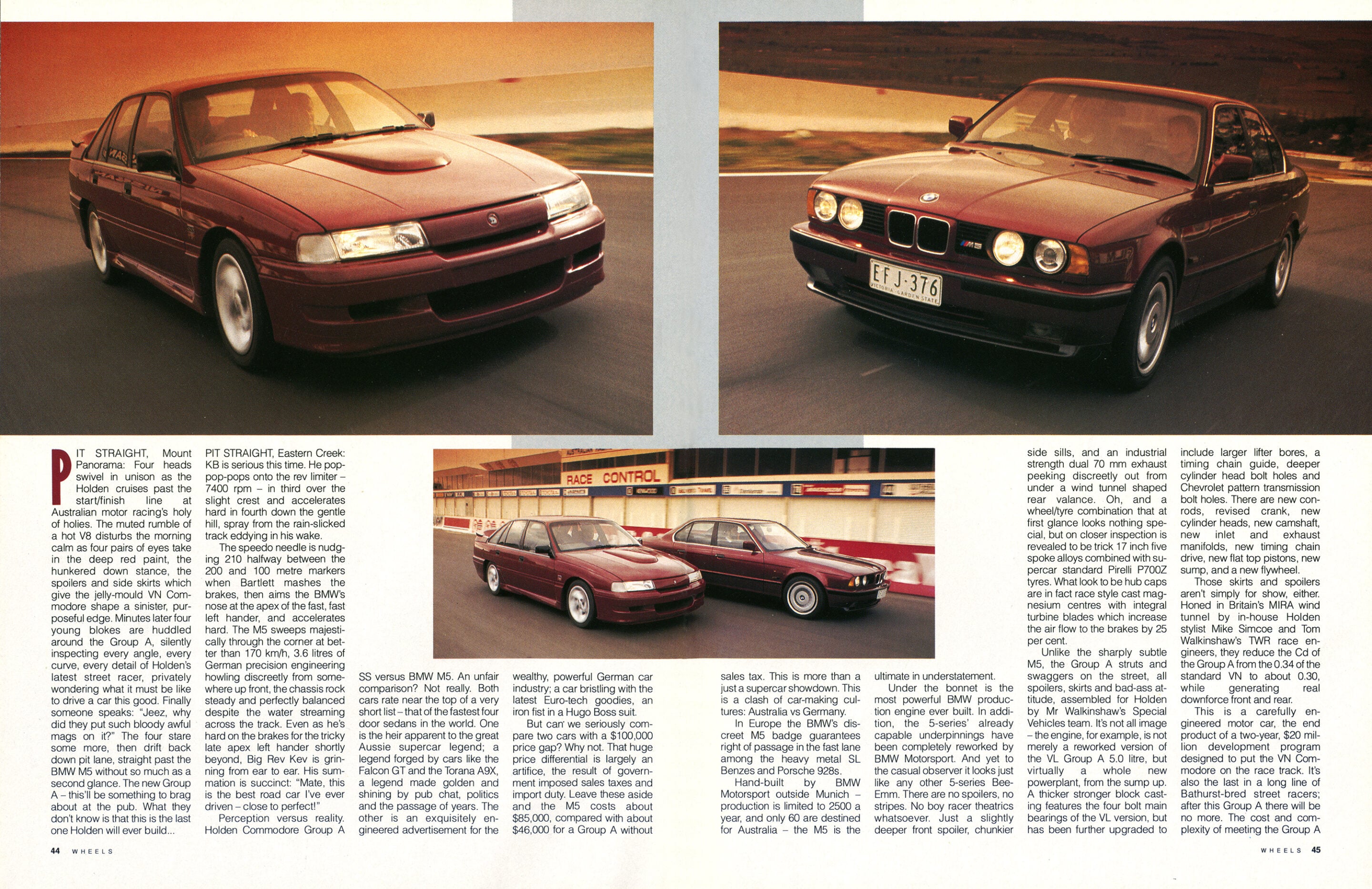
Perception versus reality. Holden Commodore Group A SS versus BMW M5. An unfair comparison? Not really. Both cars rate very near the top of a very short list – that of the fastest four door sedans in the world. One is the heir apparent to the great Aussie supercar legend; a legend forged by cars like the Falcon GT and the Torana A9X, a legend made golden and shining by pub chat, politics and the passage of years. The other is an exquisitely engineered advertisement for the wealthy, powerful German car industry; a car bristling with the latest Euro-tech goodies, an iron fist in a Hugo Boss suit.
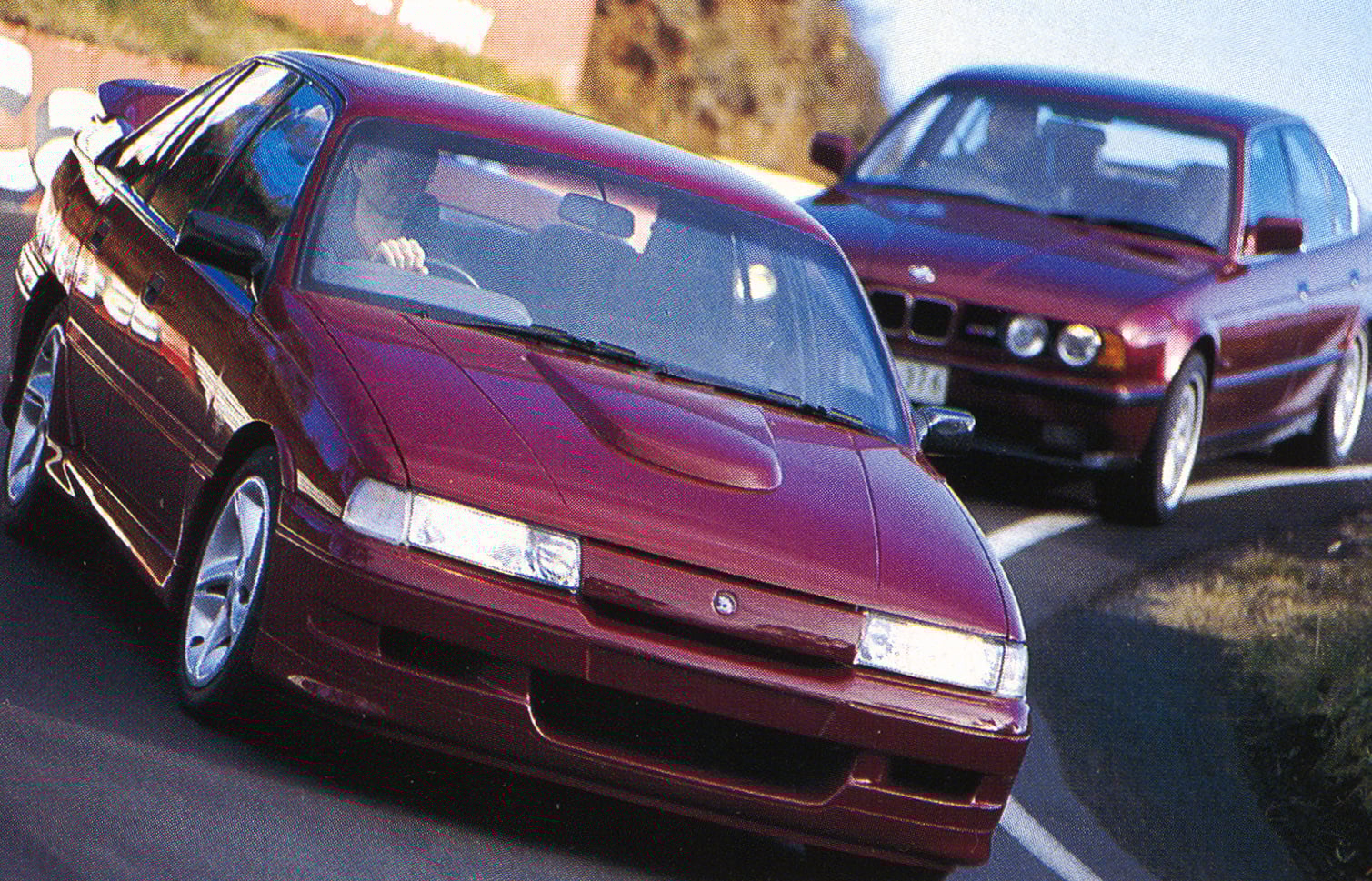
But can we seriously compare two cars with a $100,000 price gap? Why not. That huge price differential is largely an artifice, the result of government imposed sales taxes and import duty. Leave these aside and the M5 costs about $85,000, compared with about $46,000 for a Group A without sales tax. This is more than a just a supercar showdown. This is a clash of car-making cultures: Australia vs Germany.
In Europe the BMW’s discreet M5 badge guarantees right of passage in the fast lane among the heavy metal SL Benzes and Porsche 928s. Hand-built by BMW Motorsport outside Munich – production is limited to 2500 a year, and only 60 are destined for Australia – the M5 is the ultimate in understatement.
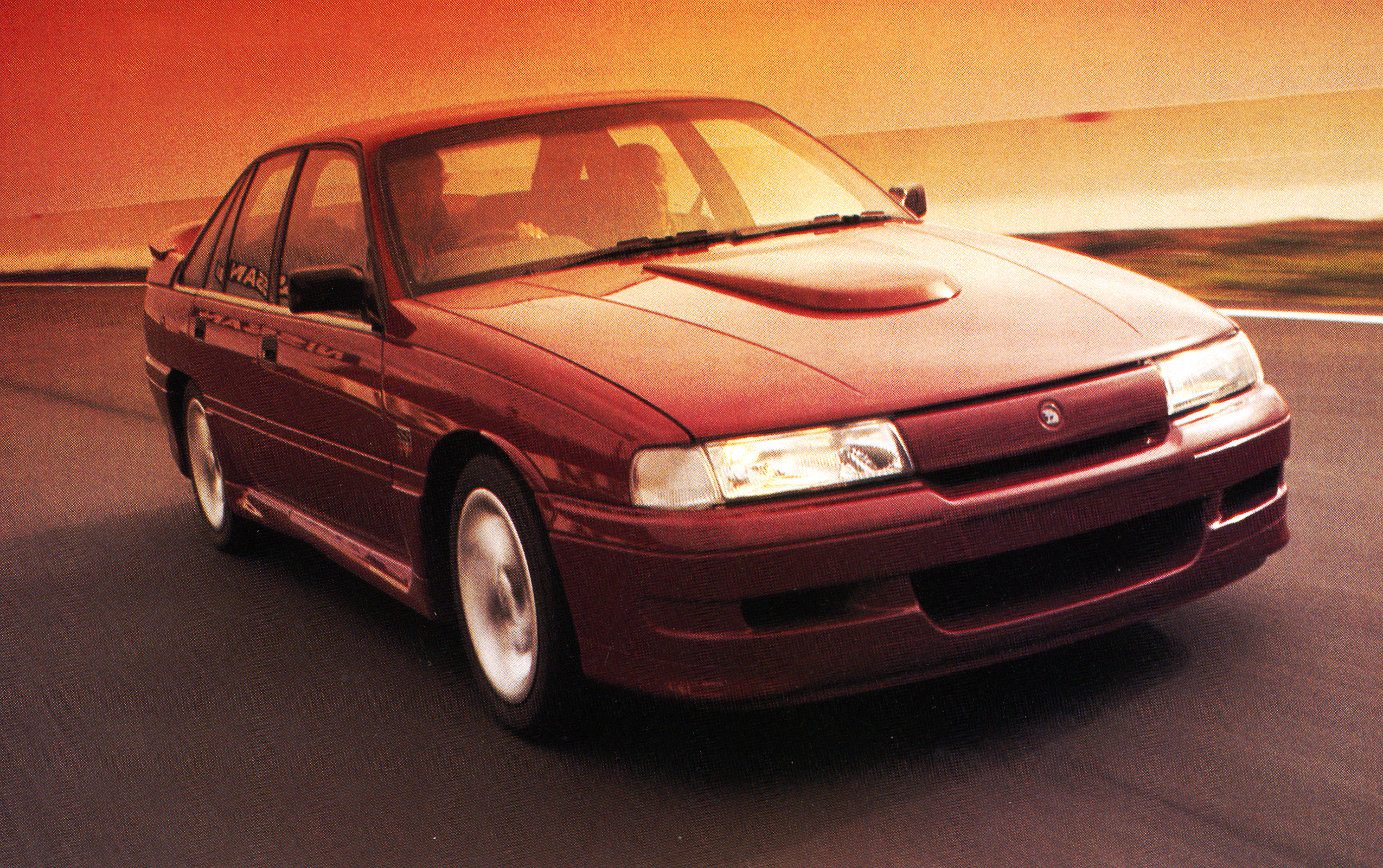
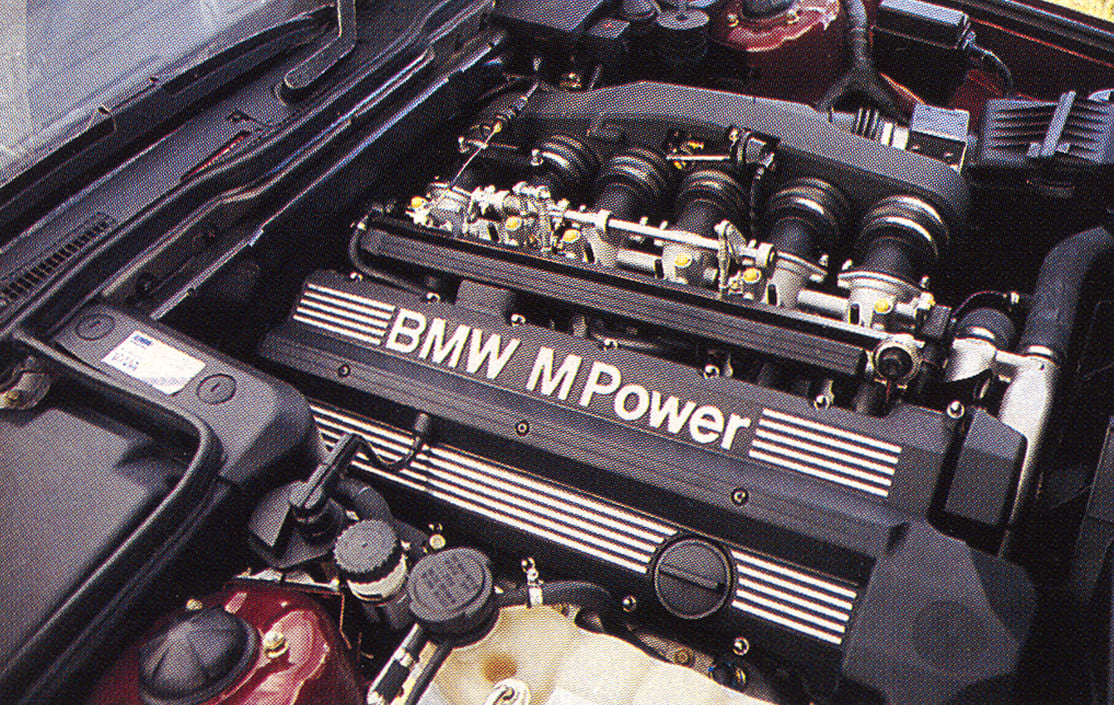
Under the bonnet is the most powerful BMW production engine ever built. In addition, the 5-series’ already capable underpinnings have been completely reworked by BMW Motorsport. And yet to the casual observer it looks just like any other 5-series Bee-Emm. There are no spoilers, no stripes. No boy racer theatrics whatsoever. Just a slightly deeper front spoiler, chunkier side sills, and an industrial strength dual 70mm exhaust peeking discreetly out from under a wind tunnel shaped rear valance.
Oh, and a wheel/tyre combination that at first glance looks nothing special, but on closer inspection is revealed to be trick 17 inch five spoke alloys combined with supercar standard Pirelli P700Z tyres. What look to be hub caps are in fact race style cast magnesium centres with integral turbine blades which increase the air flow to the brakes by 25 per cent.
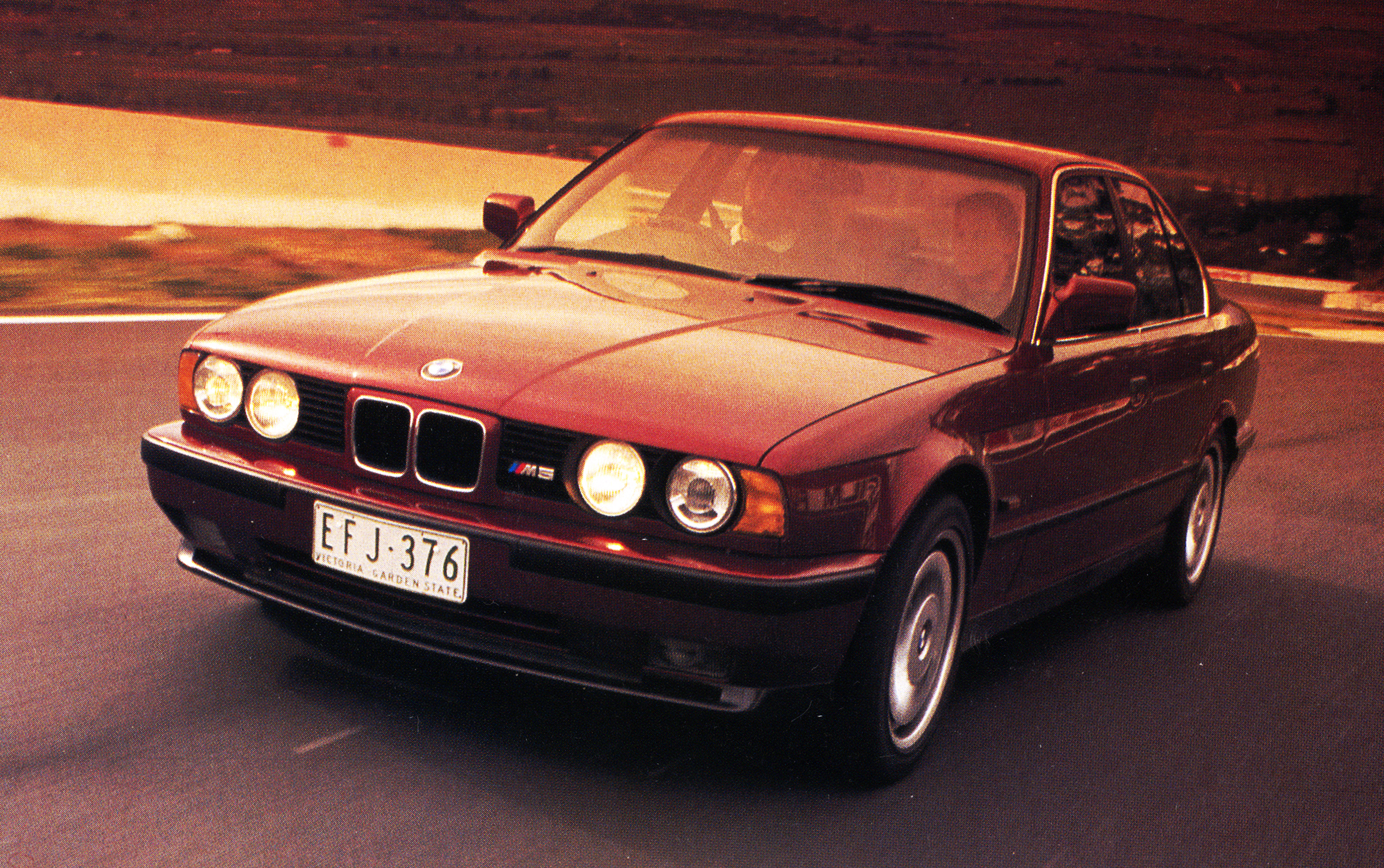
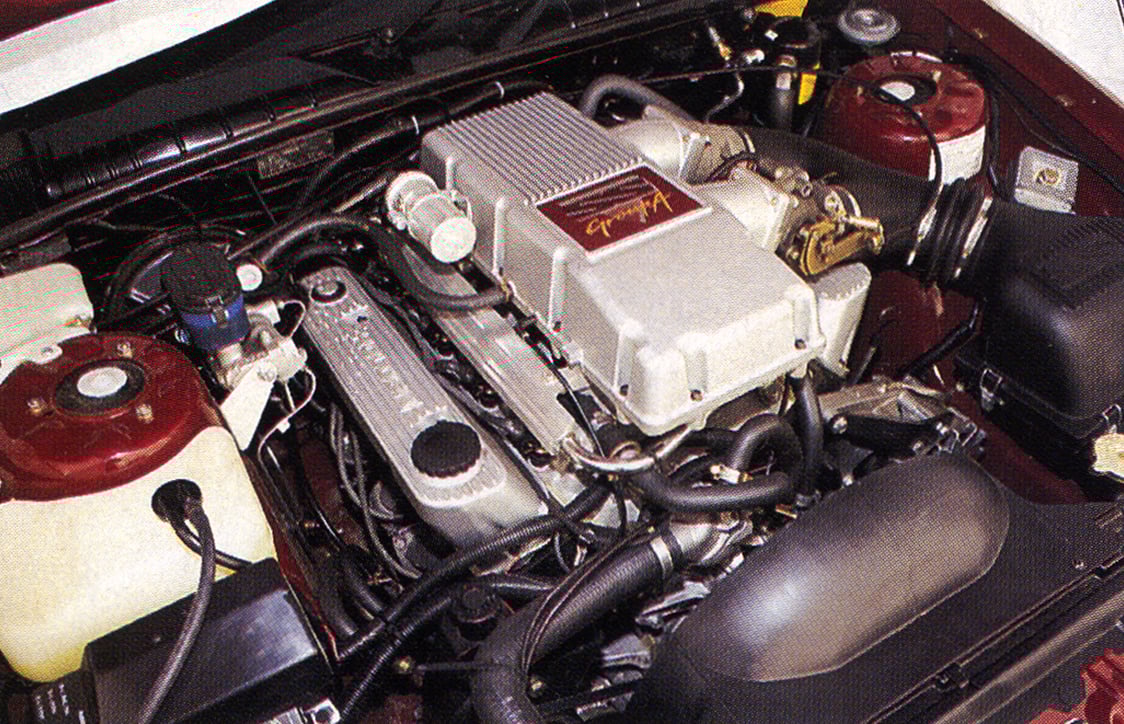
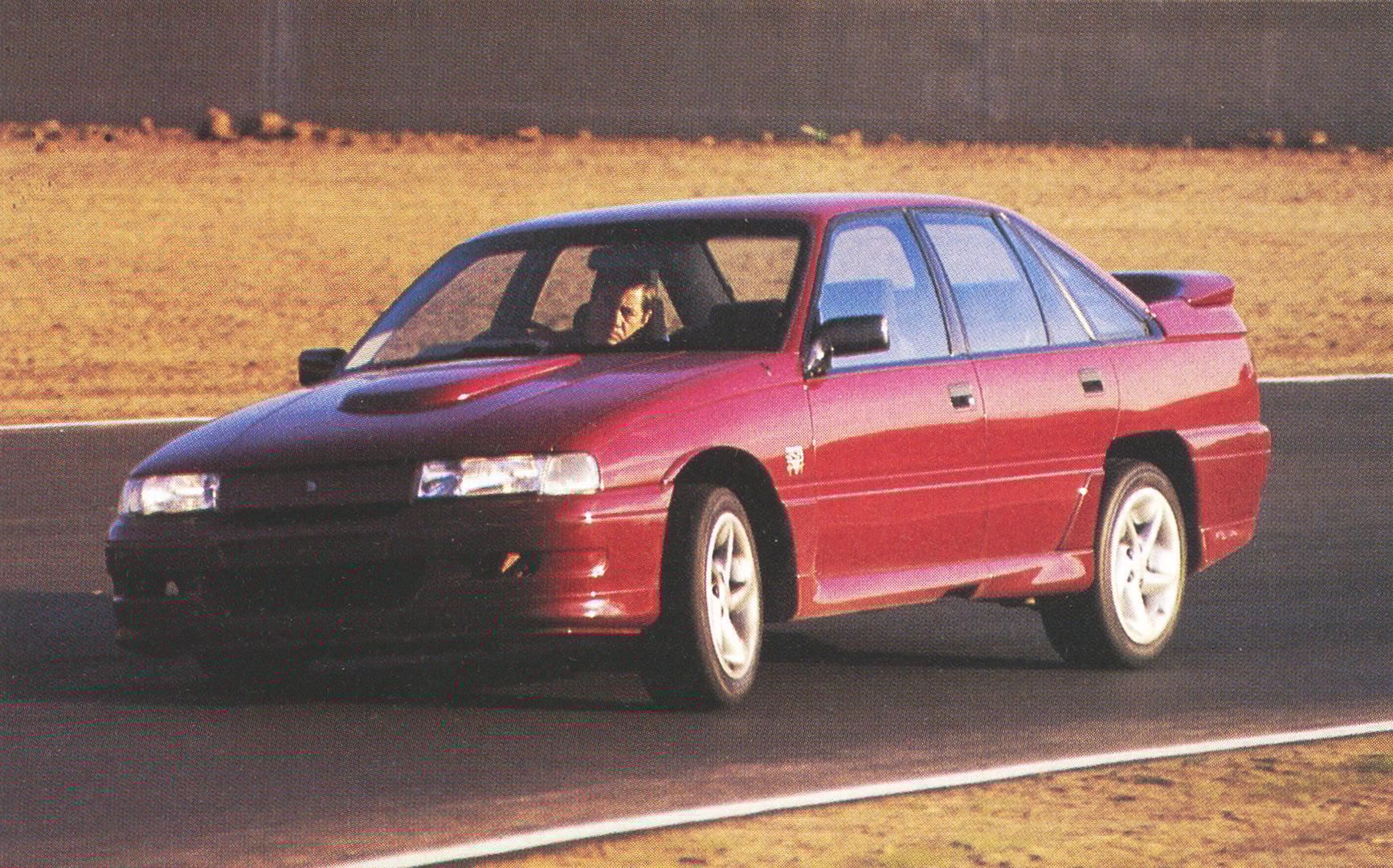
Unlike the sharply subtle M5, the Group A struts and swaggers on the styreet, all spoilers, skirts and bad-ass attitude, assembled for Holden by Mr Walkinshaw’s Special Vehicles team. It’s not all image – the engine, for example, is not merely a reworked version of the VL Group A 5.0 litre, but virtually a whole new powerplant, from the sump up. A thicker stronger block casting features the four bolt main bearings of the VL version, but has been further upgraded to include larger lifter bores, timing chain guide, deeper cylinder head bolt holes and Chevrolet pattern transmission bolt holes. There are new con-rods, revised crank, new cylinder heads, new camshaft, new inlet and exhaust manifolds, new timing chain drive, new flat top pistons, new sump, and a new flywheel.
Those skirts and spoilers aren’t simply for show, either. Honed in Britain’s MIRA wind tunnel by in-house Holden stylist Mike Simcoe and Tom Walkinshaw’s TWR race engineers, they reduce the Cd of the Group A from the 0.34 of the standard VN to about 0.30 while generating real downforce front and rear. This is a carefully engineered motor car, the end product of a two-year, $20 million development program designed to put the VN Commodore on the race track. It’s also the last in a long line of Bathurst-bred street racers; after this Group A there will be no more.
The cost and complexity of meeting the Group A touring car racing homologation requirements, say Holden insiders, is now beyond the resources of local car makers. Holden is ready for new regulations in 1993 which do away with the need for cars like the Group A SS.
The VN Group A is unquestionably the finest performance car built in this country. But that can be interpreted as damning with faint praise. We’re talking 250km/h here, on a live rear axle and without the security of anti-lock brakes.
Meanwhile the BMW M5 comes with a big reputation and an even bigger price tag. We know it’s good. But is it that good?
Pricing and Equipment
Although at around $65,000 the VN Group A is the most expensive Commodore ever built, it sounds like bargain buying beside the $ 168,900 M5.
The Group A is well equipped, with air conditioning, power windows. power steering, electrically adjustable external mirrors, sports seats, remote central locking and alarm, and the Calais instrument pack, which includes cruise control and an excellent trip computer, offered as standard. Mind you, apart from a bit of trim and the Momo steering wheel and shift knob, it’s nothing more than you get in a V8 Calais for almost $30,000 less.
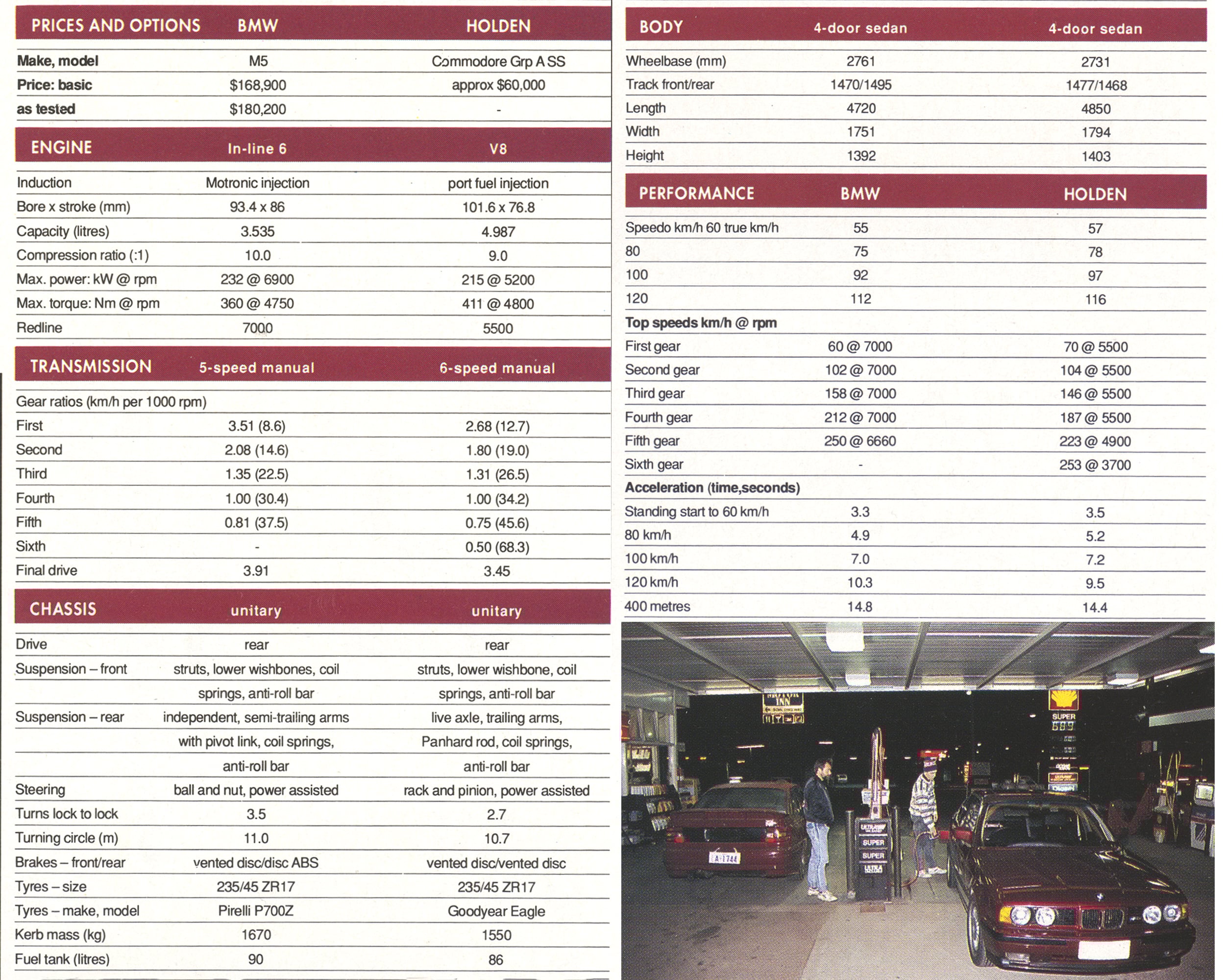
Of course the extra money buys hardware, not software. Goodies like the all-new 215kW V8, the trick six-speed ZF S6-40 gearbox and AP Racing clutch, the Goodyear Eagle 235/45ZR17 tyres and those outrageous wheels, the wind tunnel tested body kit, the monstrous SV5000 brakes, a limited-slip differential, and the completely revised suspension with Bilstein gas dampers front and rear. It doesn’t, unfortunately, buy you $30,000 more quality – underneath all the bolt-on bits the Group A is just another Commodore.
The M5 costs a staggering $75,000 more than a standard five-speed manual 535i. Apart from the 3.6 litre 24 valve engine, the BMW Motorsport developed suspension and brakes, the eight-inch wide alloy wheels and Pirelli P700Z tyres and the limited-slip differential, your money buys you a remote control anti-theft system and central locking, electrically operated sunroof. BMW’s excellent sports seats with the computerised three-position memory function which also automatically adjusts the external mirrors, an internal rear view mirror which dips automatically, and climate control air-con.
If you want more, BMW is happy to oblige. Full leather trim is another $10,400. The two person rear seat – standard on the initial batch of Australian cars – is $2210 extra. Other options include cruise control ($1350), a boot mounted CD changer ($1690), headlight cleaning ($1160), and a rear window blind ($510). You can also order electrically heated seats ($900), electrically adjustable rear seat headrests ($495), and 17×9 rear wheels fitted with 255/40ZR17 Pirellis ($1420). With all the fruit, your M5 costs damn near as much as a 750iL…
Performance
According to the script, this is the brawn versus brains bit, where good old Aussie muscle takes on the latest in European engine technology. In truth, the M5’s twin cam, 24 valve, 3.6 litre straight six isn’t all that new. It’s the latest development of the dry sump screamer fitted to the legendary M1 mid-engine sports car of 1978.
Nevertheless this remarkable powerplant, which develops 232kW at a dizzying 6900rpm and 360Nm at 4750rpm in its latest S38 form, has one of the highest specific outputs – 64.5kW per litre – of any normally aspirated production car engine in the world. What’s more, with the help of Bosch’s latest generation Motronic EM system the S38 also far exceeds Australia’s current emissions standards, producing seven times fewer hydrocarbons, 11 times less carbon monoxide, and 17 times fewer oxides of nitrogen.
And while the Group A’s specific output of just 43kW per litre is evidence of a push-rod, two valves per cylinder engine design which pre-dates that of the BMW by a decade, it is within the limitations imposed by its basic architecture, a highly developed powerplant. Maximum power of 215kW is developed at 5200rpm, while the torque peak of 411 Nm occurs at a high4800 rpm. The Group A’s torque advantage over the multi-valve M5 engine seems unexpectedly slim, until you look at the actual torque curves. Then you’ll see the home grown Holden has more than 300Nm on tap from just 1150 rpm, while the howling M5 doesn’t start to generate those sorts of numbers until at least 3100rpm.
More torque and less kerb weight – 1550 kg versus a hefty 1670 kg for the M5 – work to the Group A’s advantage over the standing 400 metres, despite significantly taller gearing. The M5’s short 3.9 final drive and 3.51 first gear slingshot it out of the blocks and to 60km/h a clear two-tenths of a second quicker than the Group A, which has a 3.45 diff and a 2.68 first gear. The M5 holds that holeshot advantage through second gear (2.08 vs 1.80) to 80km/h, but is two-tenths of a second slower to 100km/h and is eight-tenths slower to 120 km/h as all that mid-range urge and a closer third gear (1.29 vs 1.35) comes into play.
And the 400 metre times? The only one we’re absolutely certain of is the 14.8 seconds posted by the M5 at our regular test site. The Group A also posted a 14.8 second run, but the tight, tight schedule meant this was obtained on the main straight at Sydney’s new Eastern Creek raceway, where the last hundred metres are slightly uphill. Allowing for a quick three-four gearchange just before the finish line, we estimate the Group A should go the distance in about 14.4 secs on a pancake-flat strip.
Top speeds are largely academic – both cars will exceed Australia’s open road limit in second gear. But for what it’s worth, both the BMW and the Holden are restricted, the former by a computer chip, the latter by its gearing – to 250 km/h.
In theory, the M5 could pull 263km/h in top; the Group A, 375 km/h. No, that’s not a misprint. But while the Group A will run to the redline in fifth, a genuine two-five-oh, not even five litres of V8 torque is enough to pull much over 3500 rpm against the moonshot (0.50) sixth gear.
Fuel Consumption
Neither car will be especially cheap to run, if for no other reason than the fact oil companies charge a premium price for 95 octane premium unleaded fuel. With a 90 litre tank in the M5 and an 86 litre tank in the Group A, you can farewell 70 bucks at refill time.
Our time in the Group A was extremely limited, and the only directly comparable fuel figures with the BMW were obtained during a hard, fast 3am blast through central-western NSW. That the M5 proved more economical came as no surprise; that the Group A was not far behind did. In the final analysis the M5 averaged 19.4 litres/100km, compared with the 19.8 L/100 km consumed by the Group A. A further 700 km of mixed highway cruising, flat out track work and city driving in the M5 saw a worst of 18.2 L/100km and a best of 10.5 L/100km.
On balance the BMW is the more economical but not by much. The Group A’s better low end torque means you use fewer revs around town, and that long sixth gear enables you to cruise at 100km/h on the freeway with the big V8 ticking over at a paltry 1450rpm.
On the road
Things that go bump in the night: we pop over the crest at 180 and the lights flash across the yellow advisory sign pointing to a wicked dropaway left hander – 55 km/h. It’s hard on the brakes and back two gears, the big Commodore squirming over the humps and hollows in the road surface.
The nose dives straight for the apex quickly, cleanly, precisely – the moment the leather-clad Momo is pulled off centre. We’re right on the clipping point, hard on the gas and damn! There’s a bloody great lump in the road.
The front wheel thumps and tugs slightly at the steering wheel. The impact is somehow softer than expected, a tribute to the 40 different Bilstein damper combinations tested by Holden engineers before deciding on the Group A’s final specification, and the greater rolling radius of the massive 17 inch tyres. Then the inside rear wheel hits and geometry takes over. The Group A bucks sideways as the back axle is pitched into the air and steers the outside wheel. It’s quickly caught with a touch of opposite lock and a bootful of throttle.
But in the M5 a couple of minutes later, on the same line through the same closed-road corner at the same speed, all that happens is a muted thump-thump from the huge Pirelli tyres.
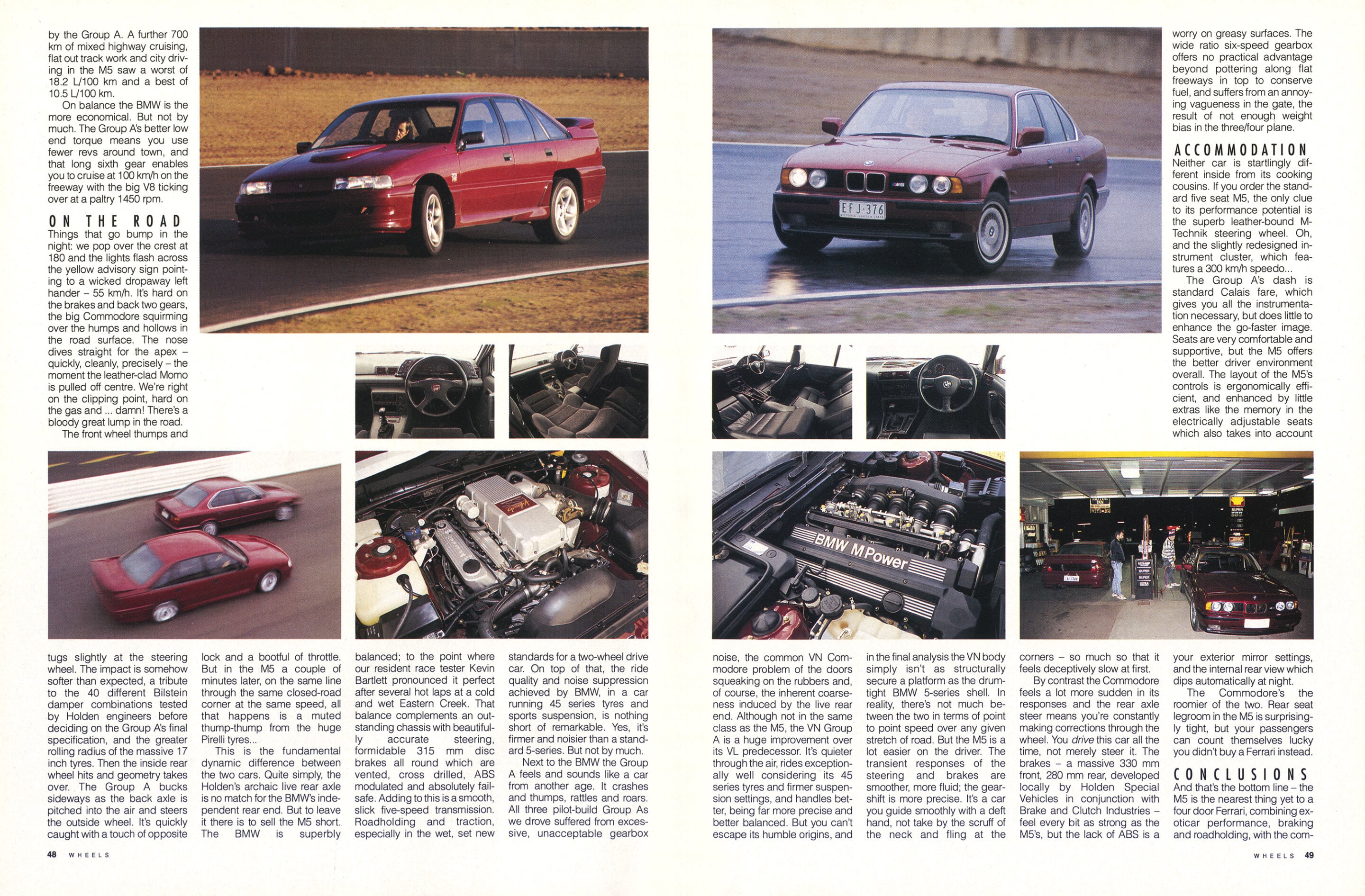
This is the fundamental dynamic difference between the two cars. Quite simply, the Holden’s archaic live rear axle is no match for the BMW’s independent rear end. But to leave it there is to sell the M5 short.
The BMW is superbly balanced; to the point where our resident race tester Kevin Bartlett pronounced it perfect after several hot laps at a cold and wet Eastern Creek.
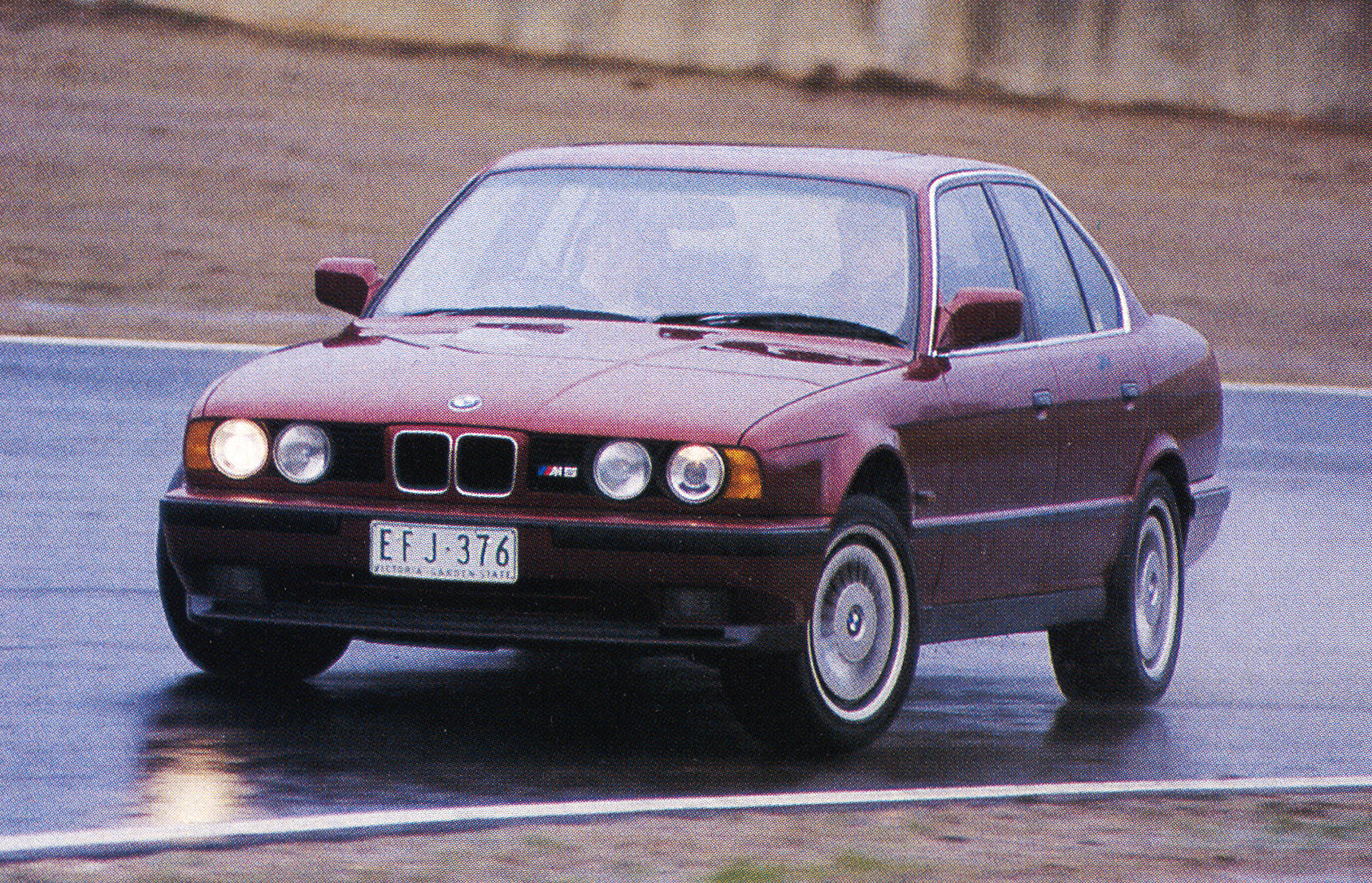
That balance complements an outstanding chassis with beautiful-formidable accurate steering, 315mm disc brakes all round which are vented, cross drilled, ABS modulated and absolutely fail-safe. Adding to this is a smooth, slick five-speed transmission, roadholding and traction, especially in the wet, set new standards for a two-wheel drive car. On top of that, the ride quality and noise suppression achieved by BMW, in a car running 45 seres tyres and sports suspension, is nothing short of remarkable. Yes, it’s firmer and noisier than a standard 5-series. But not by much.
Next to the BMW the Group A feels and sounds like a car from another age. It crashes and thumps, rattles and roars. All three pilot-build Group As we drove suffered from excessive, unacceptable gearbox noise, the common VN Commodore problem of the doors squeaking on the rubbers and, of course, the inherent coarseness induced by the live rear end. Although not in the same class as the M5, the VN Group A is a huge improvement over its VL predecessor. It’s quieter through the air, rides exceptionally well considering its 45 series tyres and firmer suspension settings, and handles better, being far more precise and better balanced. But you can’t escape its humble origins, and in the final analysis the VN body simply isn’t as structurally secure a platform as the drum-tight BMW 5-series shell.
In reality, there’s not much between the two in terms of point to point speed over any given stretch of road. But the M5 is a lot easier on the driver. The transient responses of the steering and brakes are smoother, more fluid; the gearshift is more precise. It’s a car you guide smoothly with a deft hand, not take by the scruff of the neck and fling at the corners – so much so that it feels deceptively slow at first.
By contrast the Commodore feels a lot more sudden in its responses and the rear axle steer means you’re constantly making corrections through the wheel.
You drive this car all the time, not merely steer it. The brakes – a massive 330mm front, 280mm rear, developed locally by Holden Special Vehicles in conjunction with Brake and Clutch Industries – feel every bit as strong as the M5’s, but the lack of ABS is a worry on greasy surfaces. The wide ratio six-speed gearbox offers no practical advantage beyond pottering along flat freeways in top to conserve fuel, and suffers from an annoying vagueness in the gate, the result of not enough weight bias in the three/four plane.
Interior
Neither car is startlingly different inside from its cooking cousins. If you order the standard five seat M5, the only clue to its performance potential is the superb leather-bound M-Technik steering wheel. Oh, and the slightly redesigned instrument cluster, which features a 300 km/h speedo…
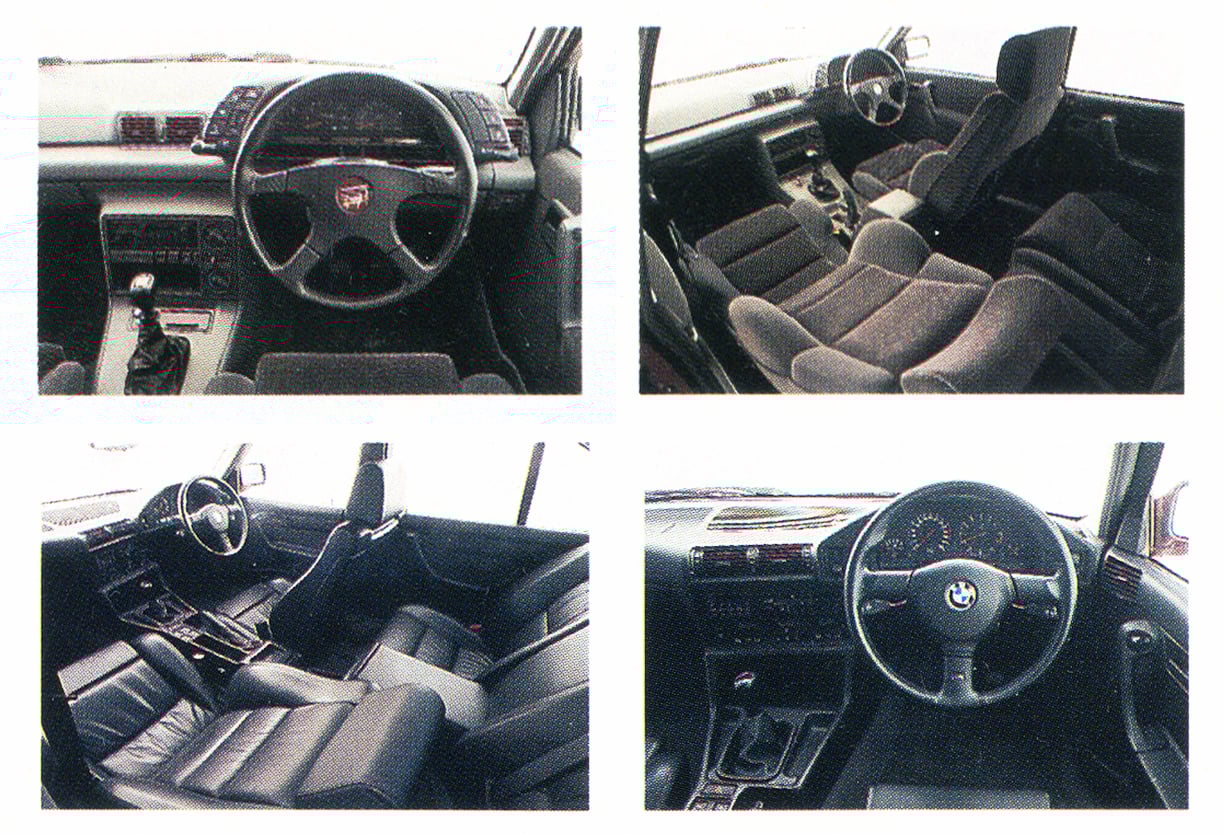
The Group A’s dash is standard Calais fare, which gives you all the instrumentation necessary, but does little to enhance the go-faster image. Seats are very comfortable and supportive, but the M5 offers the better driver environment overall. The layout of the M5’s controls is ergonomically efficient, and enhanced by little extras like the memory in the electrically adjustable seats which also takes into account your exterior mirror settings, and the internal rear view which dips automatically at night.
The Commodore’s the roomier of the two. Rear seat legroom in the M5 is surprisingly tight, but your passengers can count themselves lucky you didn’t buy a Ferrari instead.
The Verdict
And that’s the bottom line – the M5 is the nearest thing yet to a four door Ferrari, combining exoticar performance, braking and roadholding, with the comfort and practicality of a top quality sedan. No other full four/five seater comes close, at any price.
Make no mistake – the VN Group A SS is fast. Bloody fast. And yet the legend which created this ultimate Commodore has also trapped it in a technological time warp. The VN Group A exists, live axle and all, not because it is the best Australia can do, but because Holden wants to win that one race of the year at Mt Panorama. It might be next year’s race car. But on the road it’s already yesterday’s hero…
What it needs is an independent rear axle, ABS brakes, the Caprice’s level of noise suppression, a decent base coat/clear coat paint finish and quality cabin furnishings. Buyers are entitled to that for $60,000. Until they get it the Group A road car will remain – on the world scene anyway-a terrific silk purse job performed on a sow’s ear.
The BYD Shark 6 line-up is set to expand in Australia with a more powerful variant likely to hit showrooms before the end of the year.
Australian Government approval documents, sighted by Whichcar by Wheels, reveal that a new, more powerful 2.0-litre turbocharged engine and increased braked towing capacity of 3500kg are the headline acts in what is likely to be the range-topping Shark 6 plug-in hybrid dual-cab ute in Australia.
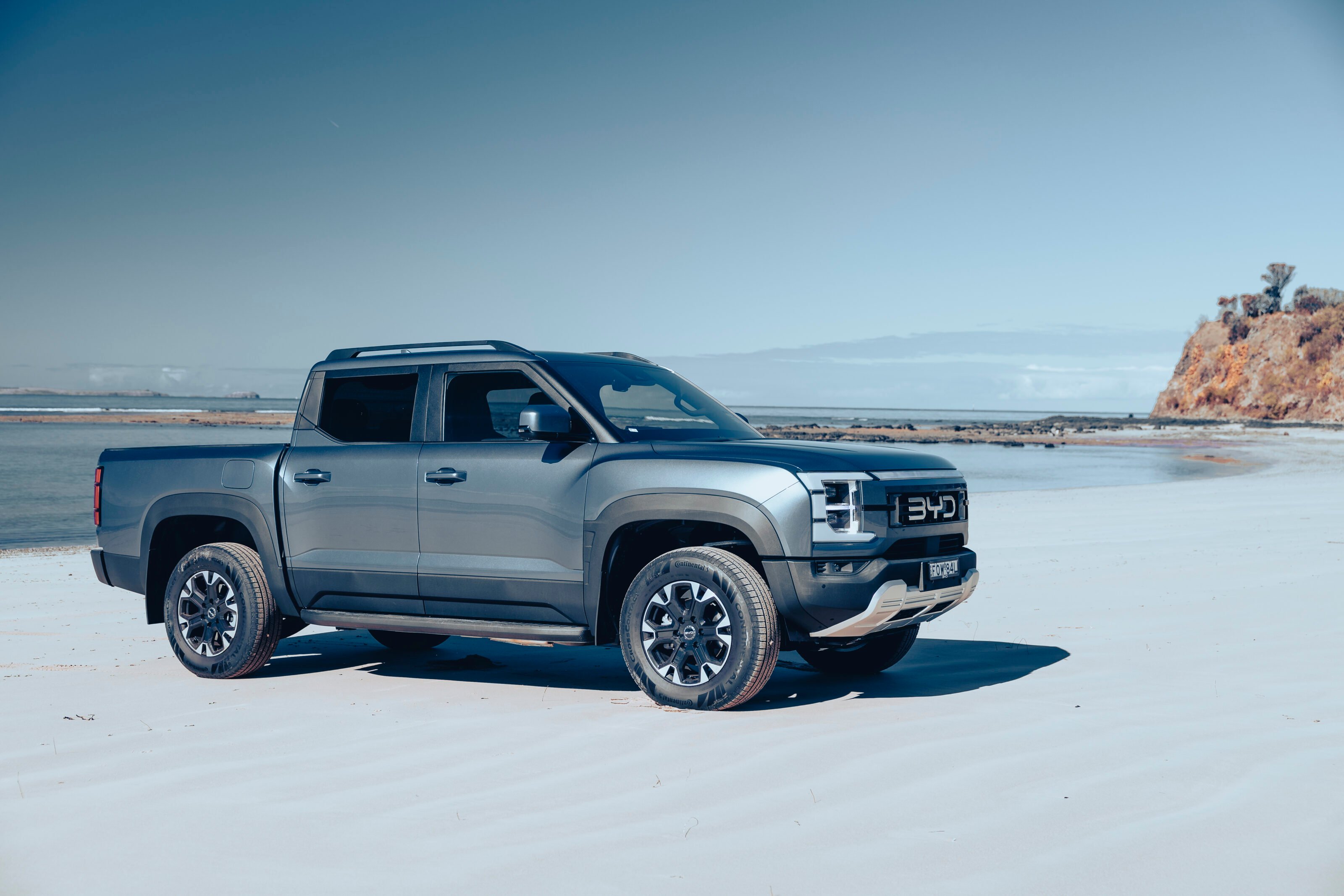
According to the Government’s vehicle approval documents, the beefier Shark 6’s 2.0-litre engine outputs 180kW at 5000rpm, an increase over the incumbent 1.5-litre turbo which makes 135kW @ 5000rpm.
Additionally, the front electric motor has been beefed up to 200kW (up from 170kW) while the rear electric motor remains unchanged at 150kW. Total system outputs have increased by 24kW, now rated at 345kW.
The government documents detail an increased braked towing capacity, now rated at 3500kg. The current Australian Shark 6 line-up is only rated to tow 2500kg, braked.

However, the bigger – and almost certainly, heavier – 2.0-litre engine has come at a cost to payload, down to 762kg against the current Shark 6 Premium’s 825kg. Gross Vehicle Mass remains unchanged at 3500kg.
It’s likely the new model and its uprated power and towing capacities will be priced above the current BYD Shark 6 Premium, the only variant currently available in Australia. It’s priced from $57,900 before on-road costs.
Amazon’s Prime Video has announced that The Grand Tour, the show created by former Top Gear hosts Jeremy Clarkson, Richard Hammond and James May, will return in 2026 with a new set of hosts. Last on our screens in 2024 with the original trio’s last feature film trip to Africa, The Grand Tour will now be presented by Francis Bourgeois, Thomas Holland and James Engelsman.
The former is known for his train-spotting and car videos, while the latter two run Throttle House, a Canadian automotive YouTube channel currently with 3.35 million subscribers.
The latest season of The Grand Tour will feature six episodes and see the trio travel around the world to explore car culture, including Malaysia with the Nissan 350Z shown in the image released by Prime Video, the Mocamedes Desert in Africa with off-road racers and muscle cars in Southern California.

In addition to the announcement from Prime Video, former host Jeremy Clarkson released a video in which he goes over the resumes of people who have applied for the role on the revamped show.
Commenting on the new series, the trainspotting TikToker Bourgeois said: “The saying ‘big shoes to fill’ spring to mind. Well, in this case it’ll be like Mo Farah running in Size 14 wellies – it’ll be a little awkward at first, perhaps blister inducing, but will overall be an interesting watch.”
Engelsman pointed to that he has worked with Thomas for a decade making films about cars, and joked: “Who knew that all this time, the one ingredient that was missing was a Francis Bourgeois? Let the car adventures commence.”
The new series of The Grand Tour launches globally across more than 240 countries and territories on Prime Video later this year.
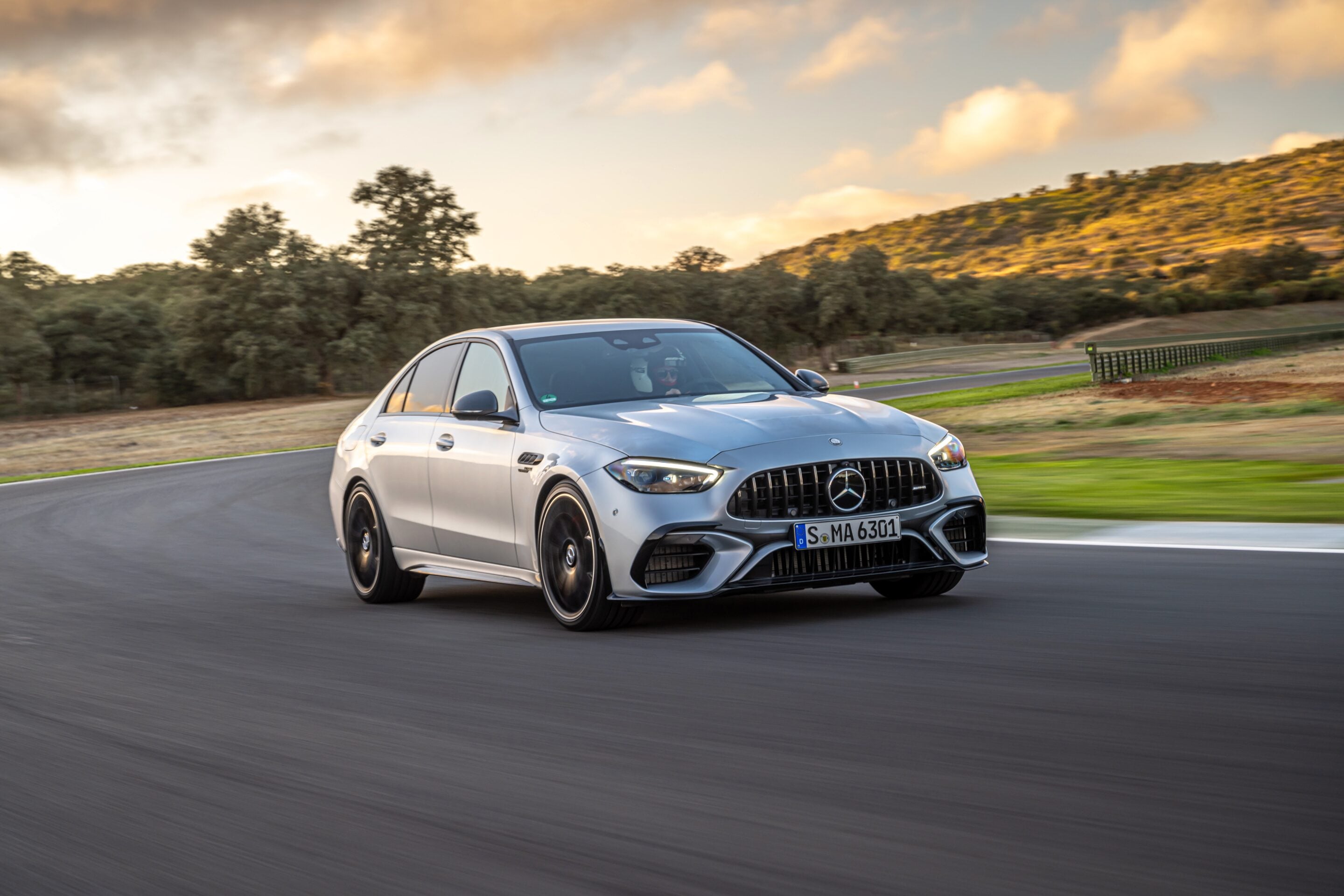
There have been many rumours about the Mercedes-AMG C 63 and its hybrid drivetrain being shelved for a larger engine – now AMG has confirmed that it will be happening with the next-generation C-Class.
Likely due to debut later in 2026, AMG has revealed that the hybrid four-pot in the C 63 will be replaced by the 3.0-litre turbocharged inline-six engine that’s used in the CLE 53. Importantly too, while it will likely use mild-hybrid technology, it won’t be a full hybrid or plug-in hybrid, unlike the E 53.
The news was confirmed by AMG CEO Michael Schiebe to US publication Edmunds, who revealed that the company will be replacing “our four-cylinder with the inline-six and that the engine will also come to the C-Class.”
“That means we will also have C 53 in our portfolio,” Schiebe told Edmunds. “We’re taking the combustion engine from the CLE 53. No hybrid engine – pure inline six-cylinder.”
But the official reason for moving to the inline-six from the four-pot hybrid of the C 63 S is not its lacklustre sales or lack of theatre compared with its V8 predecessor, but actually EU7 emissions.
“Under the regulations of EU7, it’s quite difficult to carry [the four-cylinder engine] into the future,” Schiebe said. “That’s why we will stop offering the M139 and in the midsize segment we will replace it with the inline six-cylinder.”
The new AMG C 53’s outputs are not yet known, but the CLE 53 makes 330kW of power and 560Nm of torque, which can extend to 600Nm for 12 seconds at a time on overboost. That’s enough for a 0-100km/h sprint time of just 4.0 seconds and a top whack of 250km/h. For reference, the current C 63 S makes a combined system output of 500kW of power and 1020Nm of torque.
Mercedes-Benz will reveal the next-generation C-Class, which will be offered in both ICE and electric forms like the GLC mid-size SUV, sometime in 2026 with AMG variants likely to debut some time after that. Considering the new AMG C 53’s new inline-six is already used in the CLE 53, we’re also expecting it to reach the GLC at some point as well.
This year is shaping up to be a big year for AMG, as not only will there be a new C 53 and potentially a high-performance GLC, but also the return of the V8 in the CLE and even its first electric products.
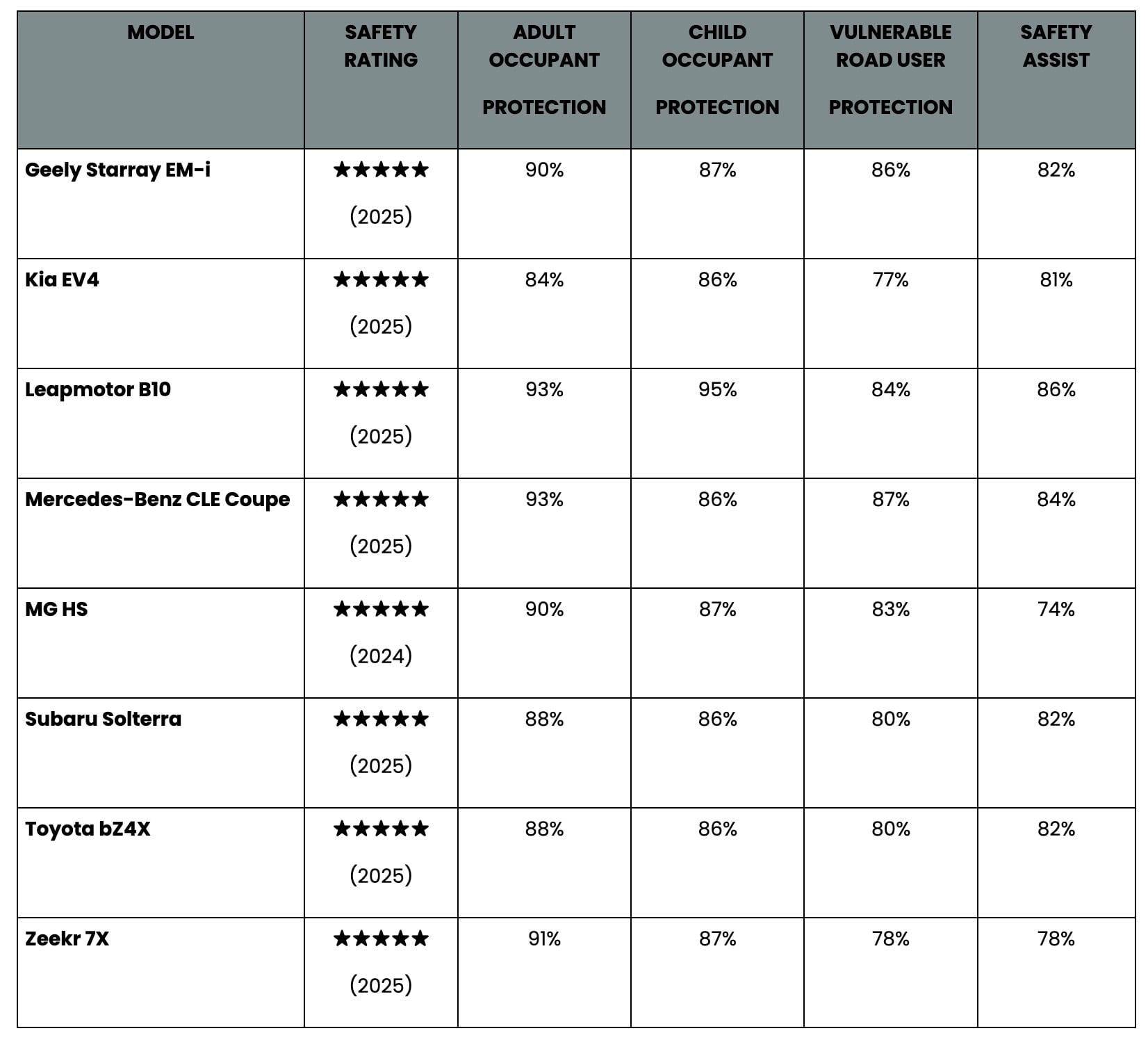
The Australasian New Car Assessment Program (ANCAP) has released its latest round of crash test results with strong scores across the board, including an equal highest-ever 95 per cent rating for Child Occupant Protection.
Unsurprisingly, given the speed at which their models are being released, Chinese manufacturers scored well in ANCAP testing, but Kia and Mercedes-Benz also earned the top ratings, while new ratings have been applied to Toyota, Subaru and MG products as well.
The Leapmotor B10 was the highest-scoring car tested in this round, and recorded high overall results across ANCAP’s Adult Occupant Protection, Child Occupant Protection and Safety Assist criteria, including a 95 percent Child Occupant Protection score, equal to the highest achieved under the 2023-2025 testing criteria.
The Geely Starray EM-i, Geely’s first plug-in hybrid model to be rated by ANCAP, achieved a well-balanced result including a strong 86 percent Vulnerable Road User Protection score, reflecting effective pedestrian and cyclist protection performance.
The Zeekr 7X, the second Zeekr model assessed by ANCAP, achieved high scores for both Adult and Child Occupant Protection, with maximum points awarded in side impact and oblique pole crash tests.
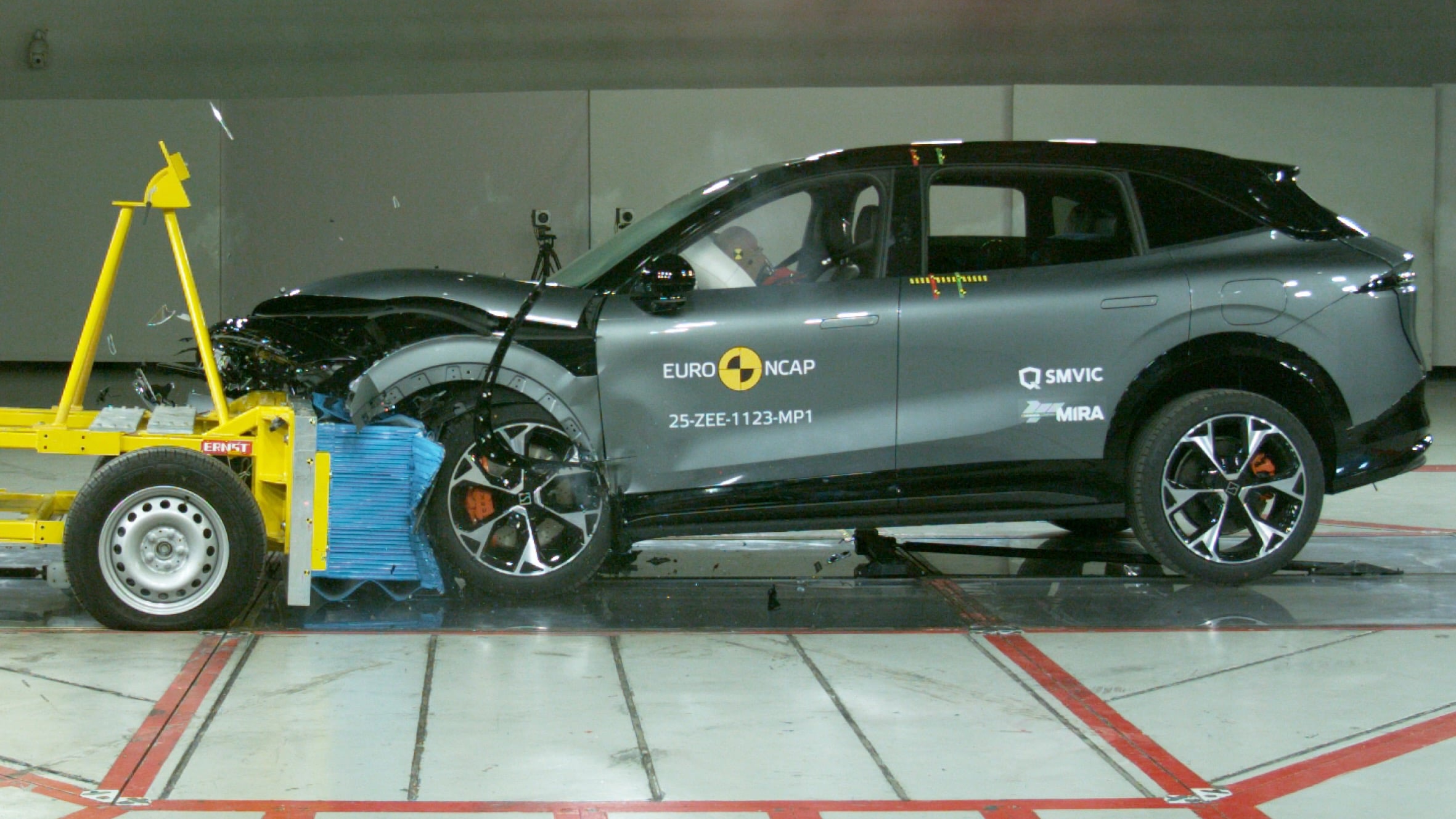
The Mercedes Benz CLE Coupe achieved a strong five-star safety rating, with excellent performance in Adult Occupant Protection and the highest Vulnerable Road User Protection score of this group.
Finally, the Kia EV4 also achieved a five-star safety rating, reflecting the high standard safety specification supplied to the Australian and New Zealand market.
ANCAP also announced that there is now an updated five-star rating for the Toyota bZ4X, applicable to vehicles built from October 2025. Its twin, the Subaru Solterra, also carries through the updated result following specification updates made by the respective manufacturers.
The existing five star safety rating for petrol variants of the MG HS range has also been extended to hybrid and plug-in hybrid variants, supported by additional testing confirming comparable safety performance and high voltage system integrity.
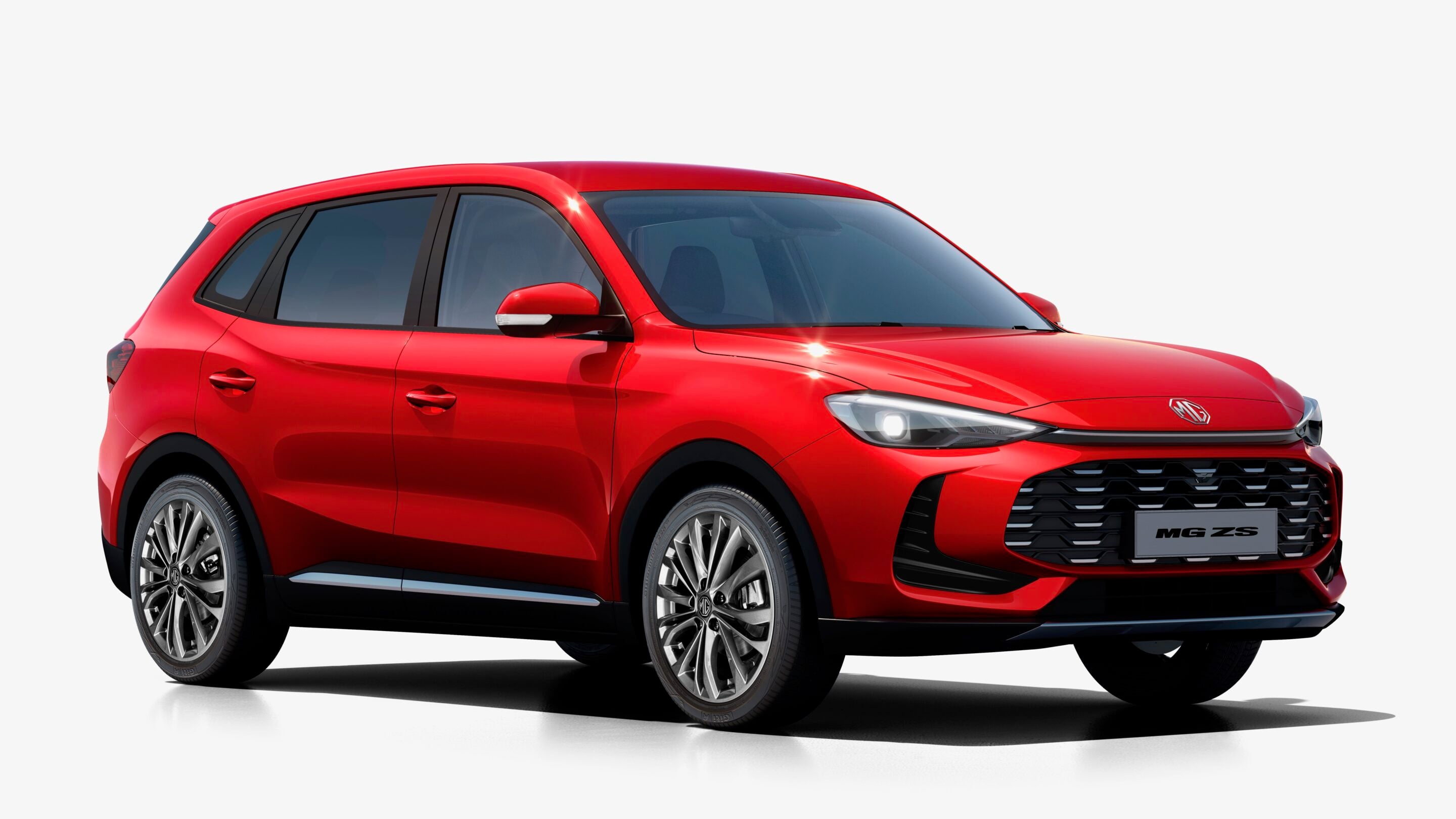
MG Motor Australia has announced that the MG ZS Vibe, which was cut from the line-up last year, has returned to local showrooms. Previously priced at $25,990 driveaway when it was last on sale, the ZS Vibe is now priced at just $22,990 driveaway, making it the cheapest SUV in Australia, priced $1000 below the Chery Tiggo 4 and Mahindra XUV 3XO.
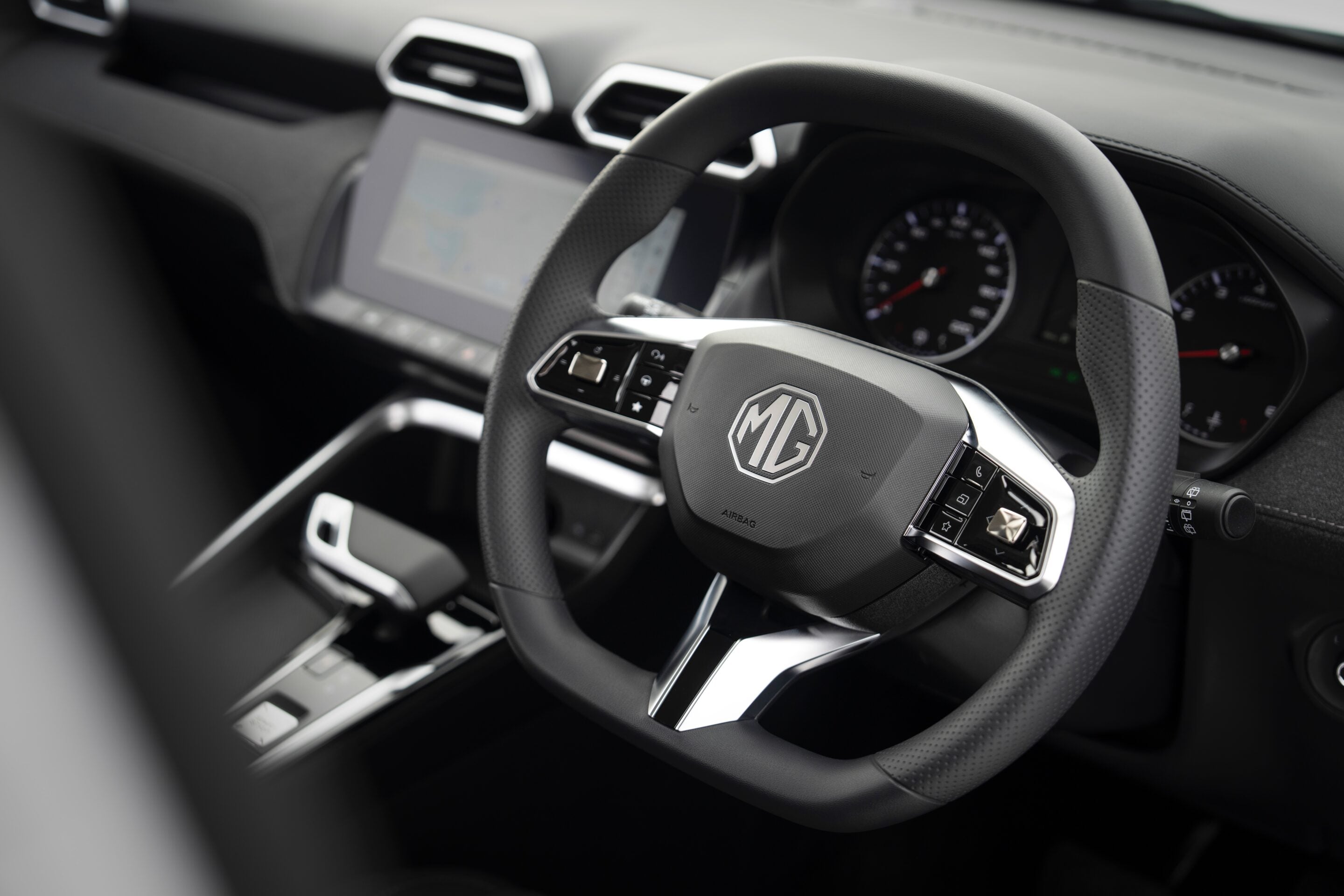
To achieve that sticker, the MG ZS Vibe loses features such as a turbocharger, 17-inch wheels, and automatic climate control compared with the Vibe Turbo ($25,990 drive away). But it’s still equipped with 16-inch wheels, automatic halogen headlights, a 10.25-inch touchscreen with wired Apple CarPlay and Android Auto,. It also includes MG’s Pilot active safety features, which include autonomous emergency braking, adaptive cruise control, lane keeping assistance and blind-spot monitoring.
The ZS Vibe is powered by a naturally aspirated 1.5-litre four-cylinder petrol engine making 81kW of power and 140Nm of torque. It’s mated to a CVT automatic transmission and is rated at 6.7L/100km for combined fuel consumption. For reference, the 1.5-litre turbo-petrol model in the upper-spec ZS Vibe Turbo and Essence Turbo models makes 125kW/275Nm outputs and uses 6.9L/100km.
2026 MG ZS pricing (driveaway):
| Vibe | $22,990 |
|---|---|
| Vibe Turbo | $25,990 |
| Essence Turbo | $28,990 |
2026 MG ZS Vibe standard features:
- 16-inch alloy wheels
- Dusk-sensing automatic halogen headlights
- LED daytime running lights
- Remote keyless entry with push button start
- Height-adjustable driver’s seat
- Cloth upholstery
- 10.25-inch touchscreen
- Wired Apple CarPlay and Android Auto
- AM/FM/DAB+ digital radio
- Four-speaker sound system
- 2x USB ports
- 7x airbags
- Autonomous emergency braking
- Adaptive cruise control
- Lane keeping assistance
- Blind-spot monitoring with rear cross-traffic alert
- Driver attention monitoring
- Traffic sign recognition with overspeed alert
- Rear parking sensors
- Reversing camera
- Tyre pressure monitoring
ZS Vibe Turbo model adds:
- Turbocharged engine
- 17-inch alloy wheels
- Electronic gear lever
- Single-zone automatic climate control
ZS Essence Turbo model adds:
- 18-inch alloy wheels
- Panoramic sunroof
- LED headlights with auto high beam
- 12.3-inch touchscreen with satellite navigation
- 12.3-inch driver’s display
- Keyless entry
- Roof rails
- 360-degree camera
- Leather steering wheel
- Synthetic leather upholstery
- Heated front seats
- 6-way electric driver seat adjustment with manual lumbar support
- Rear air vents
- Three driving modes (eco, sport and normal)
- Two extra speakers
- Two extra USB ports
- Auto-folding mirrors
- Rain-sensing automatic wipers
- Rear parcel tray
BYD is now a serious player in the Australian new car market, building strong volume in just five years.
At the recent launch of the Sealion 5 and Sealion 8 models, the boss of BYD Chief Operating Officer, Stephen Collins told local motoring media the brand is ready to take the next step.
“Chinese brands went from zero to 20 per cent market share in five years,” Collins said. “BYD is here to succeed, we delivered our 85,000th vehicle last week, and we pride ourselves on our speed to the market, we are faster than any other brand.”
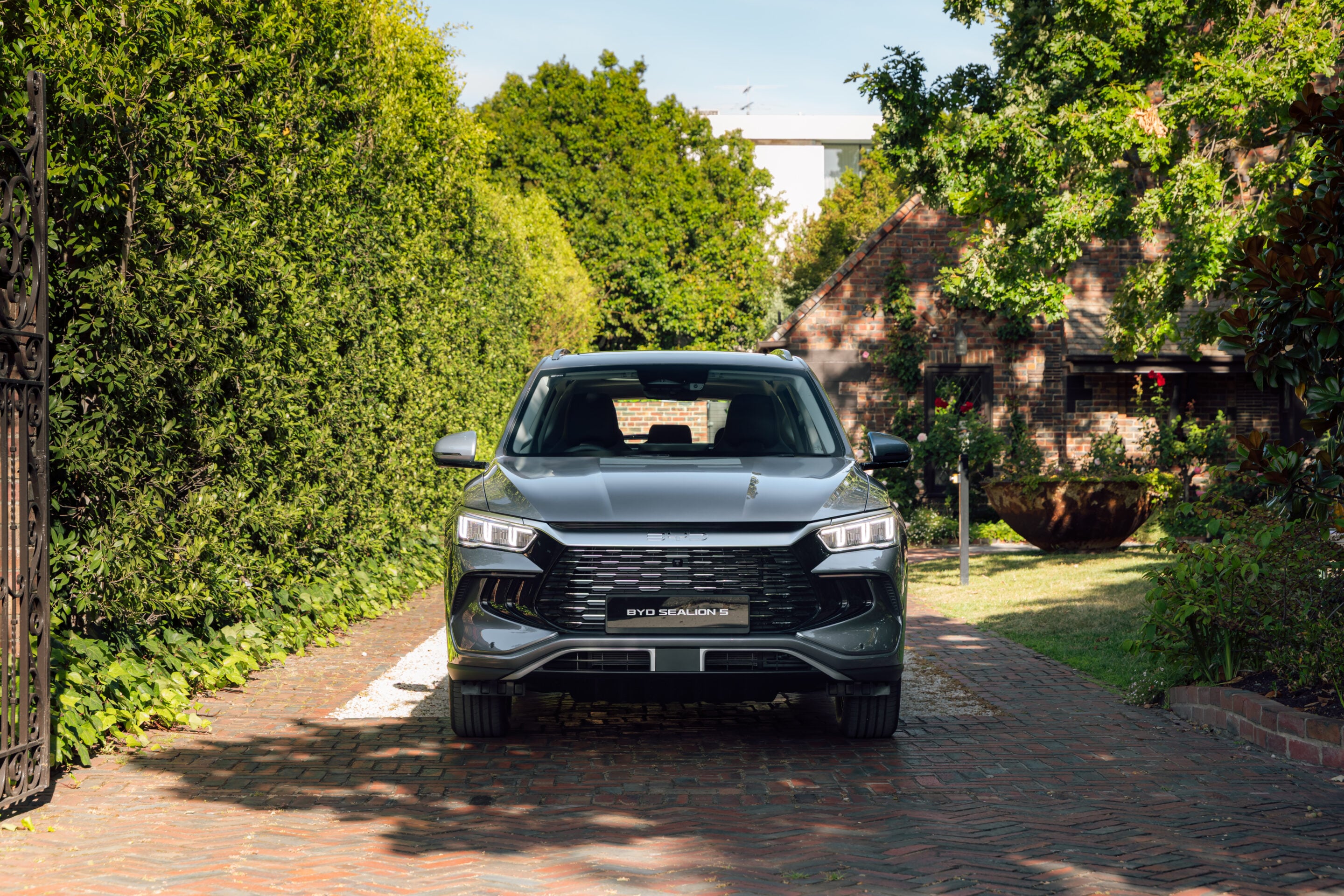
That speed to market will see the brand introduce a slew of new models to accelerate sales. “We’ve got seven or eight new cars, that we can’t tell you about today, that will be here within the next 12 months,” Collins said. “It goes back to our commitment to offer new energy vehicles to as many Australians as we can. And we want our range to be as broad as it can be.”
Another part of the plan for the next phase of BYD’s growth in the Australian market will focus on a strengthening of the existing dealer network, in addition to a further rapid expansion to strengthen brand presence and access to service for owners. “In mid 2024, we had 50 dealers, then 100 by the end of 2025,” Collins said. “By the end of this year, we will have 150 dealers that will be full sales, service and parts.”
Collins said BYD will continue to work on and improve the customer service experience after purchase, and work hard to reduce wait times for service and parts availability – something that has been an issue not just for BYD but other challenger brands entering the Australian market.
“We want two move from a challenger position, to a leadership way of thinking,” Collins said. “We want to be a leader in technology, offer all Australians affordable new energy vehicles with the latest technology, performance, safety and connectivity.”
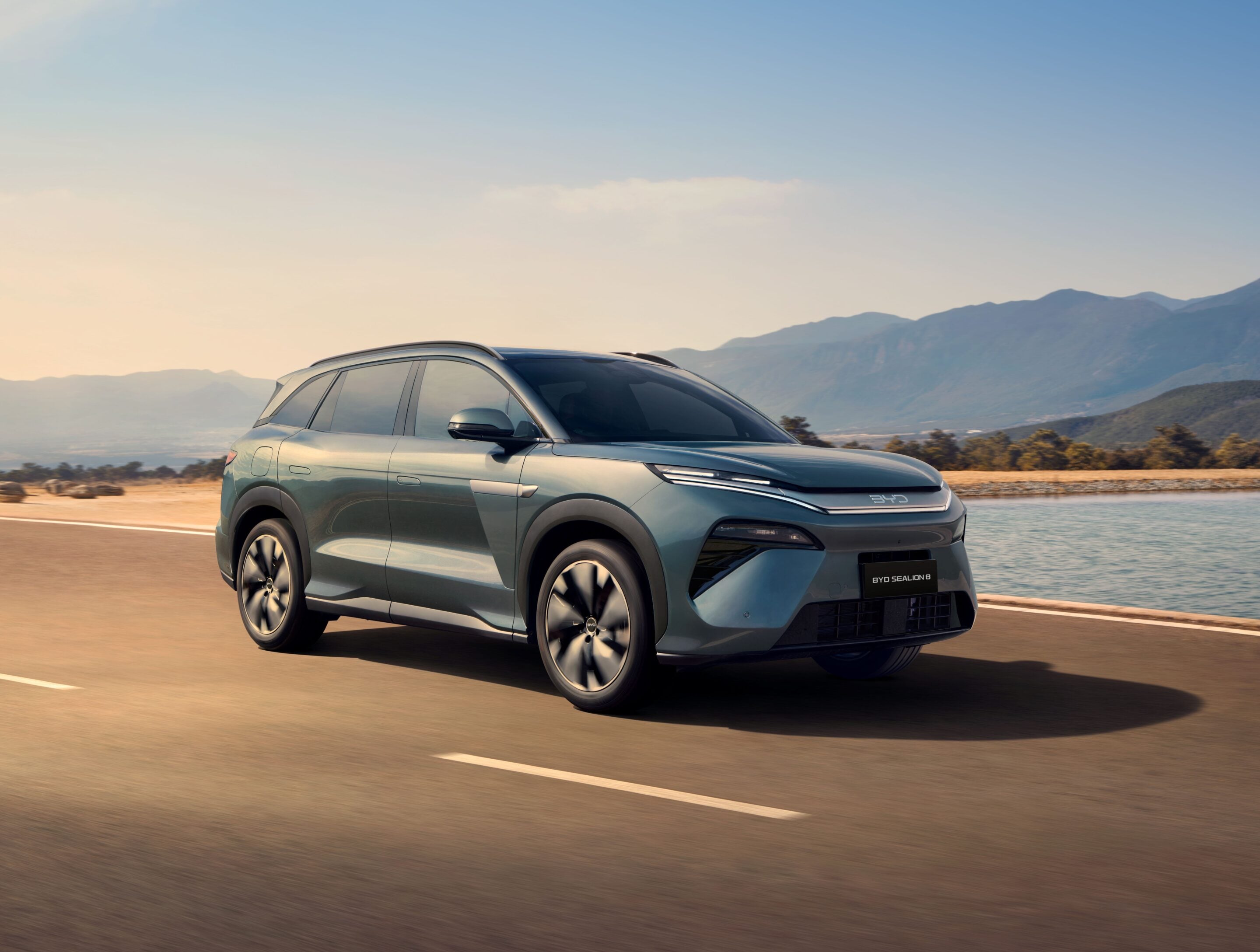
Collins said BYD is aware that Australia is currently experiencing an ‘absolute transformation of the new car market’ and that wave is being ridden by quick to react companies who can bring a new vehicle to market, in key segments, quickly.
“BYD Australia was the number one volume contributor for the company in the APAC region in 2025,” Collins said. “We will work hard to keep that accolade. We will stay humble, stay authentic, and invest in our brand.”
Two areas BYD has identified that will assist in this growth trajectory is fleet sales, and the presence of tailored, local engineering to ensure BYD vehicles are fit for purpose for the Australian market. “We’ve got five dedicated, full-time engineers in Australia, supported by two engineering teams in China,” Collins said. “We are committed to local success with focused product.”
On the subject of fleet sales, despite BYD’s move up the charts, the brand is not maximising sales to fleets anywhere near the most successful brands in that part of the market. “Fleet is a key opportunity, because it’s 35 per cent of all new vehicle sales,” Collins said. “It’s a core and stable segment, fit for purpose and whole of life cost is the key driver, but BYD’s fleet volume is low, currently at 10 percent of our sales, so there’s huge opportunity moving forward.”
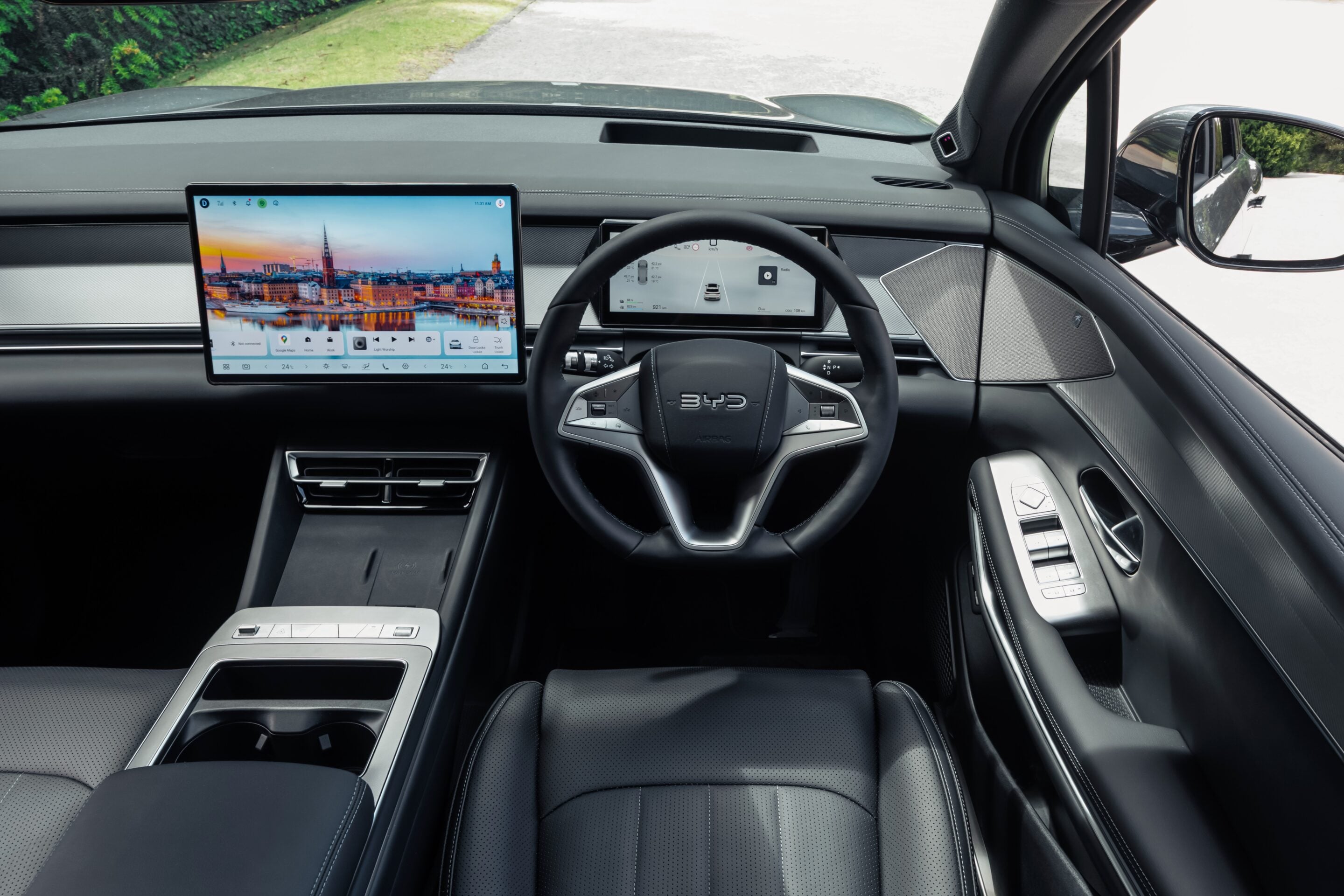
Collins also says that BYD will continue to serve Australia’s demand for SUVs and light commercial vehicles, with its Shark 6 a particular sales success. “Australians still love SUVs and light commercial vehicles,” he said. “It’s an 80 per cent market share, and Chinese OEMs are responding to that demand the fastest. Buyers want more new energy vehicles in those segments, and they want them with both five and seven-seat capability in the SUV segments.”
Geely Auto Australia has revealed that it’s set to finally offer Android Auto smartphone mirroring tech in its EX5 electric mid-size SUV with a new over-the-air (OTA) update.
Progressively being rolled out to vehicles since February 4, the latest OTA update for the EX5 adds the Android Auto tech that’s been missing since it was launched in early 2025.
The Android Auto in the EX5 will be available in both wired and wireless forms, joining Apple CarPlay that was made available in a similar OTA update in August 2025. Prior to that, the EX5 did not feature any smartphone mirroring.
In addition to new smartphone tech, Geely has also added a new drive set-up one-touch activation, which allows drivers to set their preferred driving settings via a shortcut button on the steering wheel or the swipe down menu in the screen. Similar to the ‘MG Pilot Custom’ button in the MGS5 EV and MG HS, it caters for those wanting to shut up features that re-switch on every time the car is started, such as speed limit warnings and driver attention monitoring.
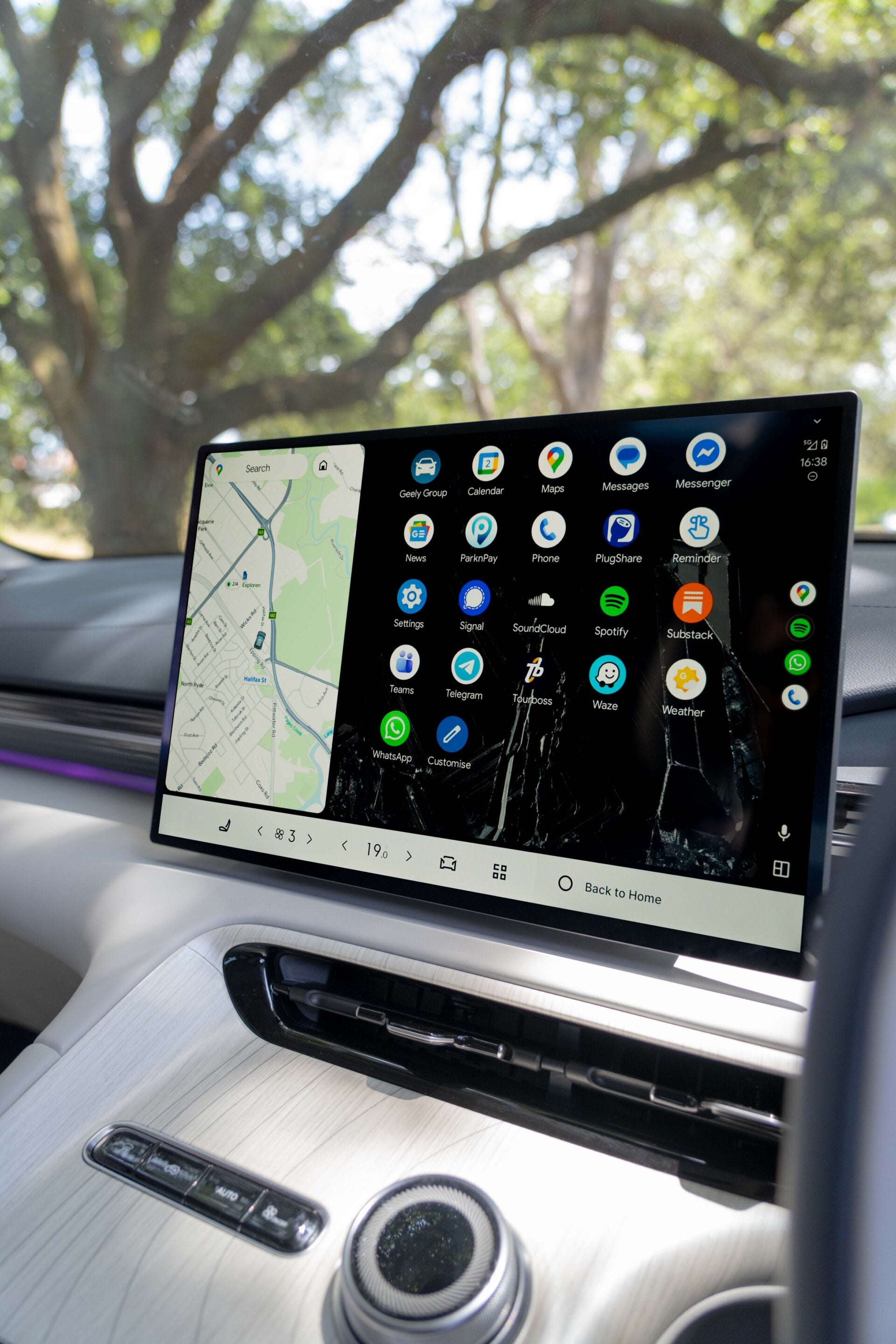
Through the new menu, drivers can customise:
- Drive mode (eco, comfort or sport)
- Energy regeneration level (low, medium, high and auto)
- Lane keeping assist (on or off)
- Emergency lane keeping assistance (on or off)
- Driver fatigue detection (on or off)
- Speed limit alert (off, blinking Icon or blinking icon and sound alert)
Finally, Geely has also added customisable low-speed alert sounds, offering three selectable audio profiles: ‘Classic’, ‘Galactic’ and ‘Constellation’, as well as tailgate control to the swipe down shortcut menu for easier tailgate opening and a notification sound to confirm switching of drive modes.
The latest over-the-air update to the Geely EX5 is being rolled out to owners between February 4 and 9, and the brand recommends connecting to wifi or smartphone data for the most stable connection. A similar update is planned for the brand’s Starry plug-in hybrid mid-size SUV for March 2026.
