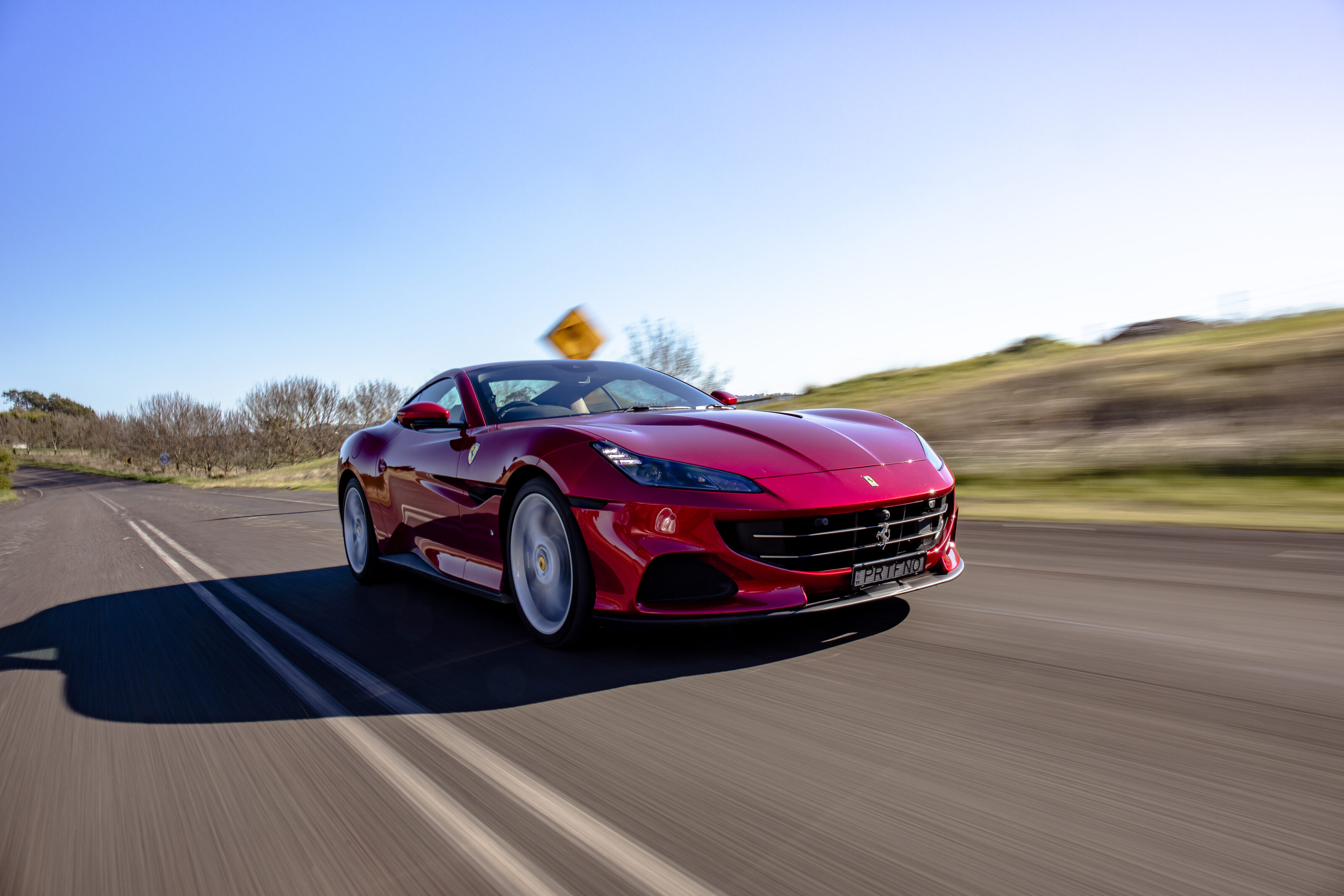
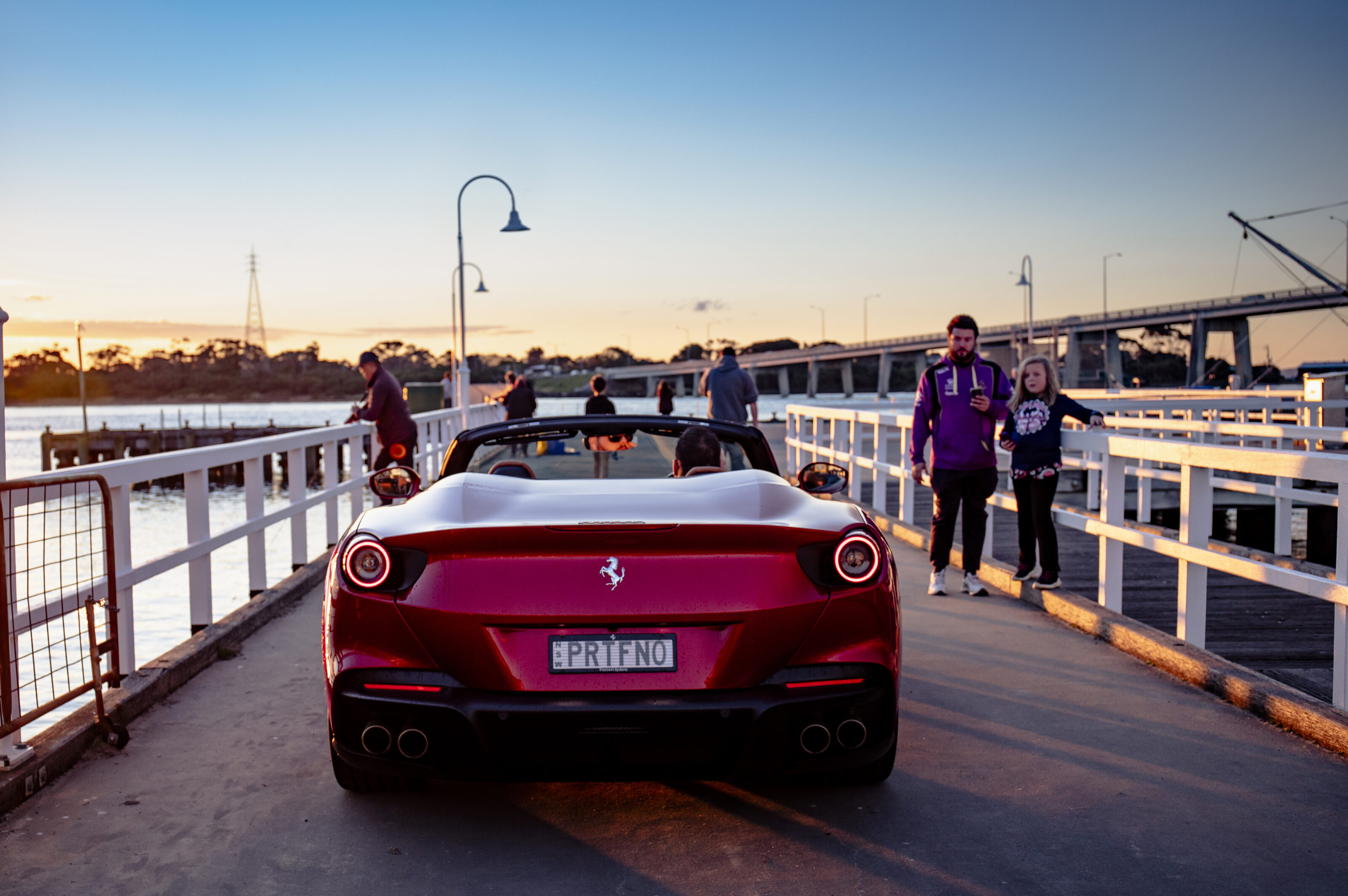
Maranello’s front-engined convertible models like the Ferrari Portofino don’t usually get the same respect as its more vaunted sports cars.
There’s an exoticism to mid-engined wedges like the Ferrari F8 Tributo and SF90 Stradale while cars such as the Ferrari 812 Superfast have the romance of 12 cylinders.
With less cylinders and performance, not to mention the ability to drop the roof on command, the likes of the California and its Portofino successor are often hit with the ‘poser’ tag, rather than being seen as proper driver’s cars.
On the one hand, Ferrari probably doesn’t mind, as these models have successfully snapped up plenty of customers from rival brands like Mercedes-Benz, Aston Martin and Porsche, but on the other it’s clearly bothered as in recent time it’s ploughed plenty of resources into improving the ability of even its ‘entry-level’ model.
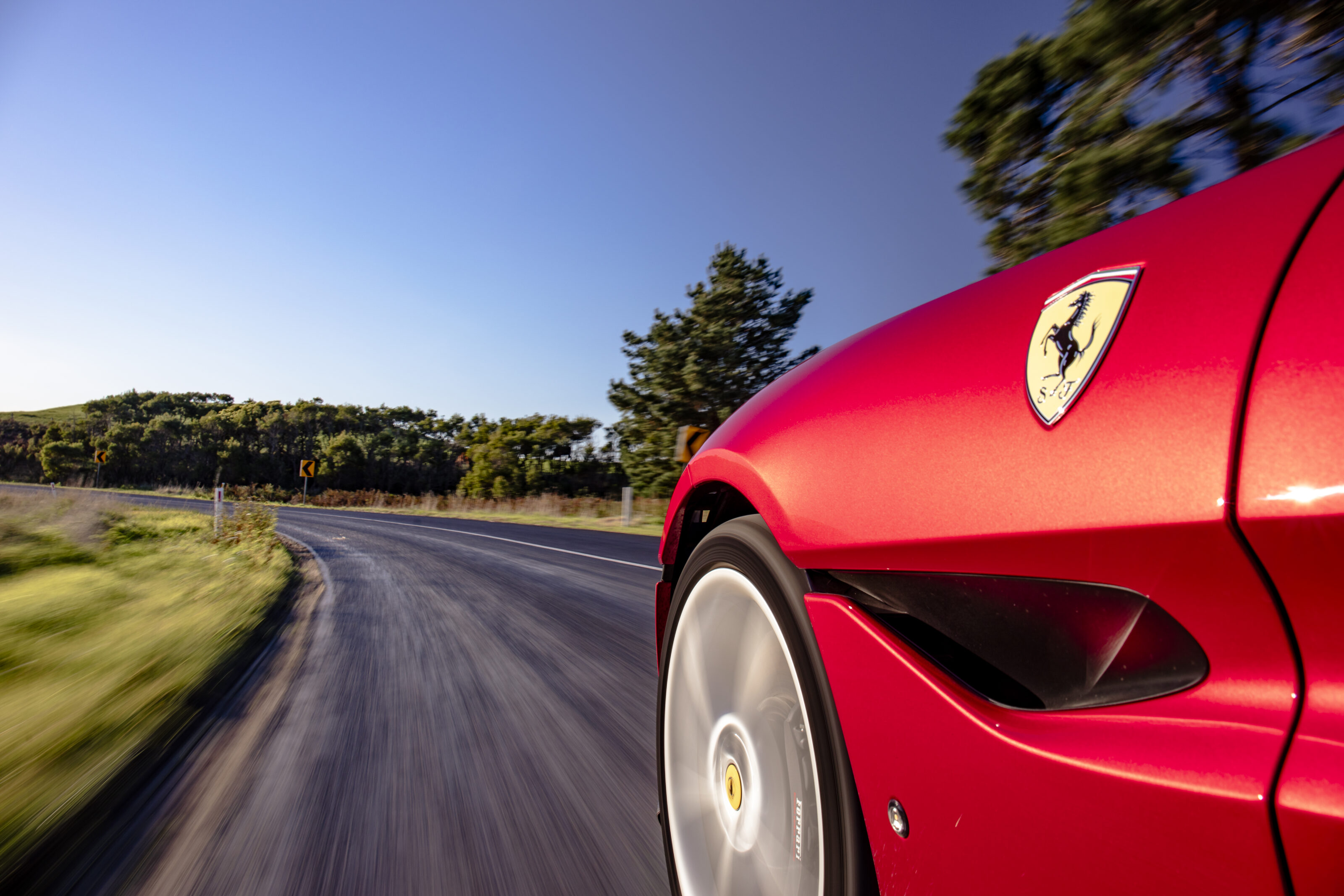
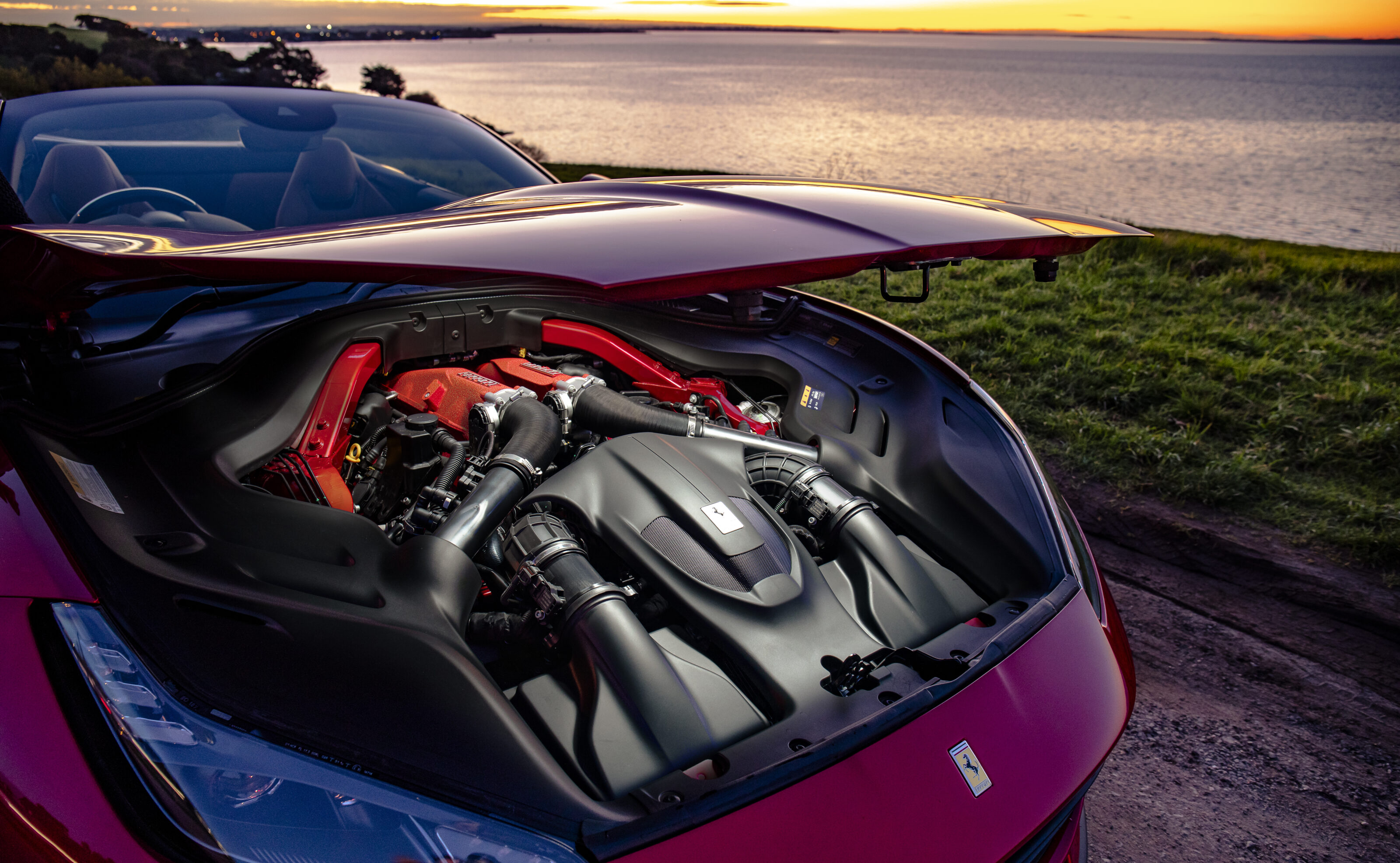
The Portofino ‘M’ – for modificata – is its most serious offering yet. Outputs from the 3.9-litre twin-turbo V8 are up to a massive 456kW and 760Nm, enough to properly it to 100km/h in 3.45sec and 200km/h in just 9.8sec, a time roughly equal to that of the Ferrari Enzo!
Not only is that 117kW/275Nm more than the original California of 2008, but the Portofino M is 70kg lighter, too. The dual-clutch gearbox is now an eight-speed, but one of the biggest changes is an electronic upgrade, which includes the five-position manettino switch from Ferrari’s sports cars.
This adds a Race mode and Ferrari’s clever Side Slip Control ESC system. This uses an algorithm that predicts what the car’s slip angle should be and therefore knows if the driver is under control or out of their depth.
The Portofino M lands in a crowded class full of talented competitors like the Bentley Continental GT, Porsche 911 Turbo S and Mercedes-AMG S63, so is this drop-top Ferrari now potent enough to put itself at the head of the pack? Watch the video up top and let us know in the comments!
“It’s all-wheel drive. It’ll get out of there, no problem,” says Alastair Brook while casually adjusting the settings on his Canon.
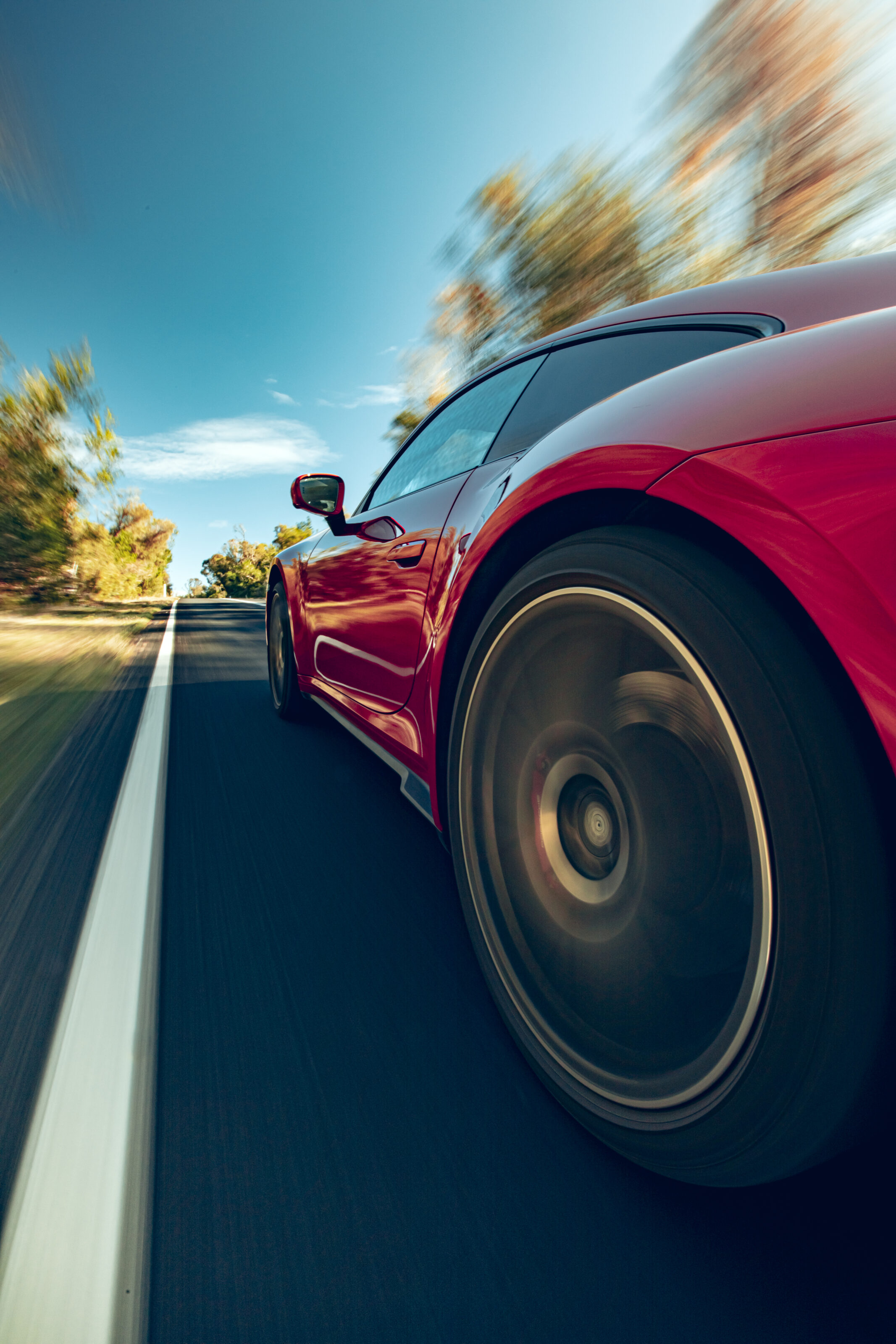
Half a million dollars of Porsche 992 Turbo is sitting on the beach at Waratah Bay, staring Canute-like at the incoming tide. Behind us is the steep boat ramp, ahead of us the Southern Ocean, which doesn’t seem in much of a mood to negotiate. To the east, across kilometres of deserted sand are the peaks of Wilsons Promontory, disappearing cryptically into cloudy tops. That’s where we hope to be heading after this anxiety-inducing spot of light off-roading.
Like most of Victoria’s more scenic spots, the Prom isn’t really a place to take a performance car. It’s usually choked in tourist traffic, with the biggest hazard being the very real danger of being rear-ended by a Tarago driver goggling at an emu. Today is different. Melbourne is locked down in a snap Covid circuit-breaker, so we have the whole park to ourselves. The ribbon of tarmac that meanders down to the southernmost piece of tarmac on the Australian mainland is hosting a car with a big reputation and some equally hefty questions to answer.
You see, I’ve always had a bit of an issue with the Porsche 911 Turbo, and I’m not alone on that score. Given my druthers, I’d always plump for a base Carrera or a racy GT3 over a Turbo due to the fact that in trying to do everything, the Turbo – to me at least – appeared to lose that last couple of per cent of focus. And it’s exactly this couple of per cent that differentiates the 911 from, you know, cars. With this in mind, and having given the Turbo one heck of a scruffing up on the Eildon-Jamieson road on our video shoot, this is an opportunity to put the car’s touring chops to the test, to see if there is a personality type other than the flat-track bully behind the 911 Turbo.
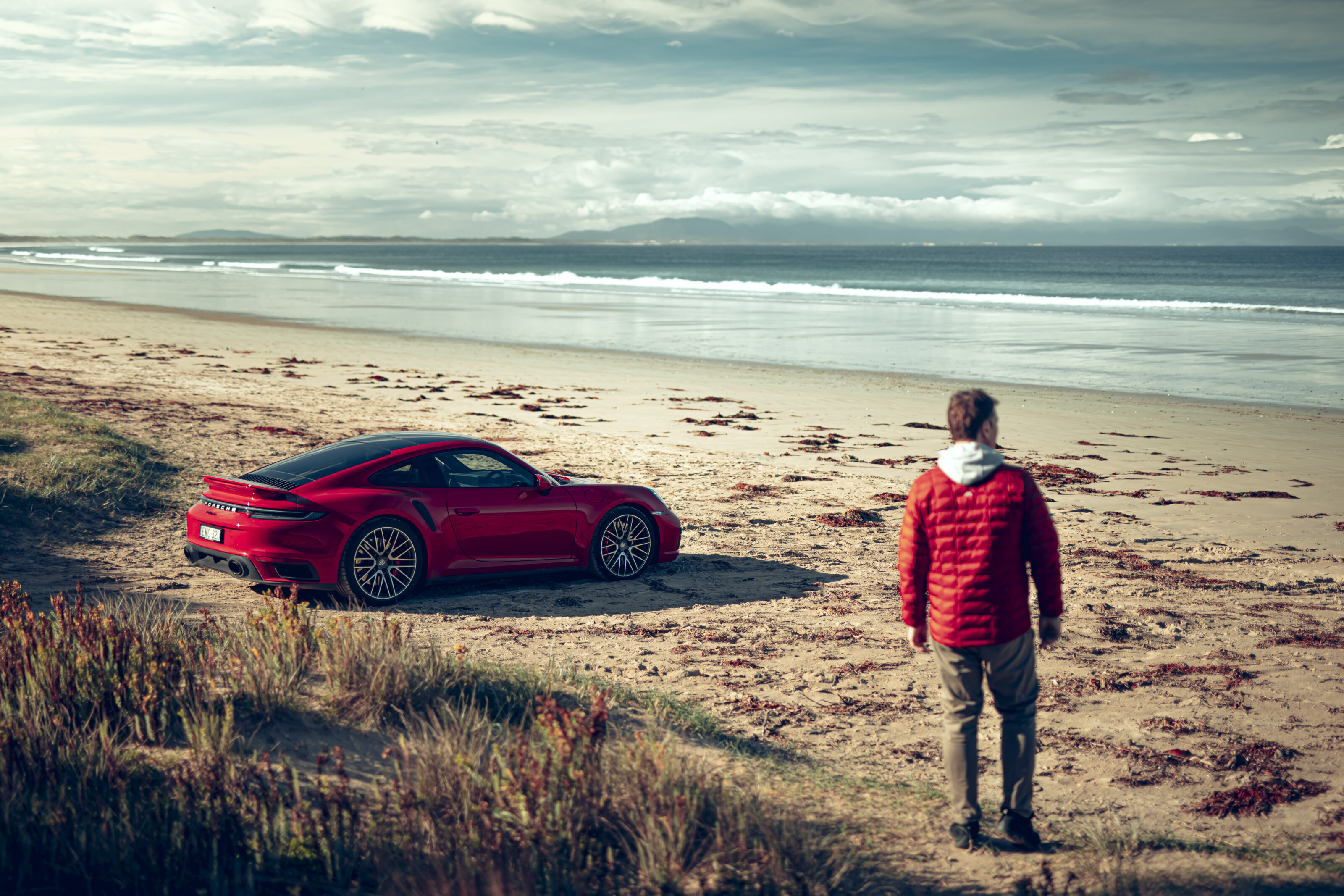
We start in Waratah Bay. Problem is, you can’t see the sea from Waratah Bay, the community hunkering from icy southerlies behind a tree-choked bund beyond which is one of the most beautiful beaches in Australia.
Which is the reason why, front lifter kit engaged, the Porsche edges down the boat ramp onto what looks like fairly firm sand for its beauty shot. It’s only when I get out of the car that I realise the sand’s about as firm as a Tony Abbott shirtfronting.
What follows is about 15 minutes of forced insouciance while Brook explores some angles, wondering whether our support vehicle, a mighty 1.6-litre SsangYong Korando would be able to pull 1640kg of 911 Turbo up a sharp incline without blowing its gearbox into shrapnel. As it turns out, getting the Porsche back onto the bitumen is simplicity itself. Just engage reverse and watch it roll serenely up the ramp and onto the warm bosom of the blacktop.
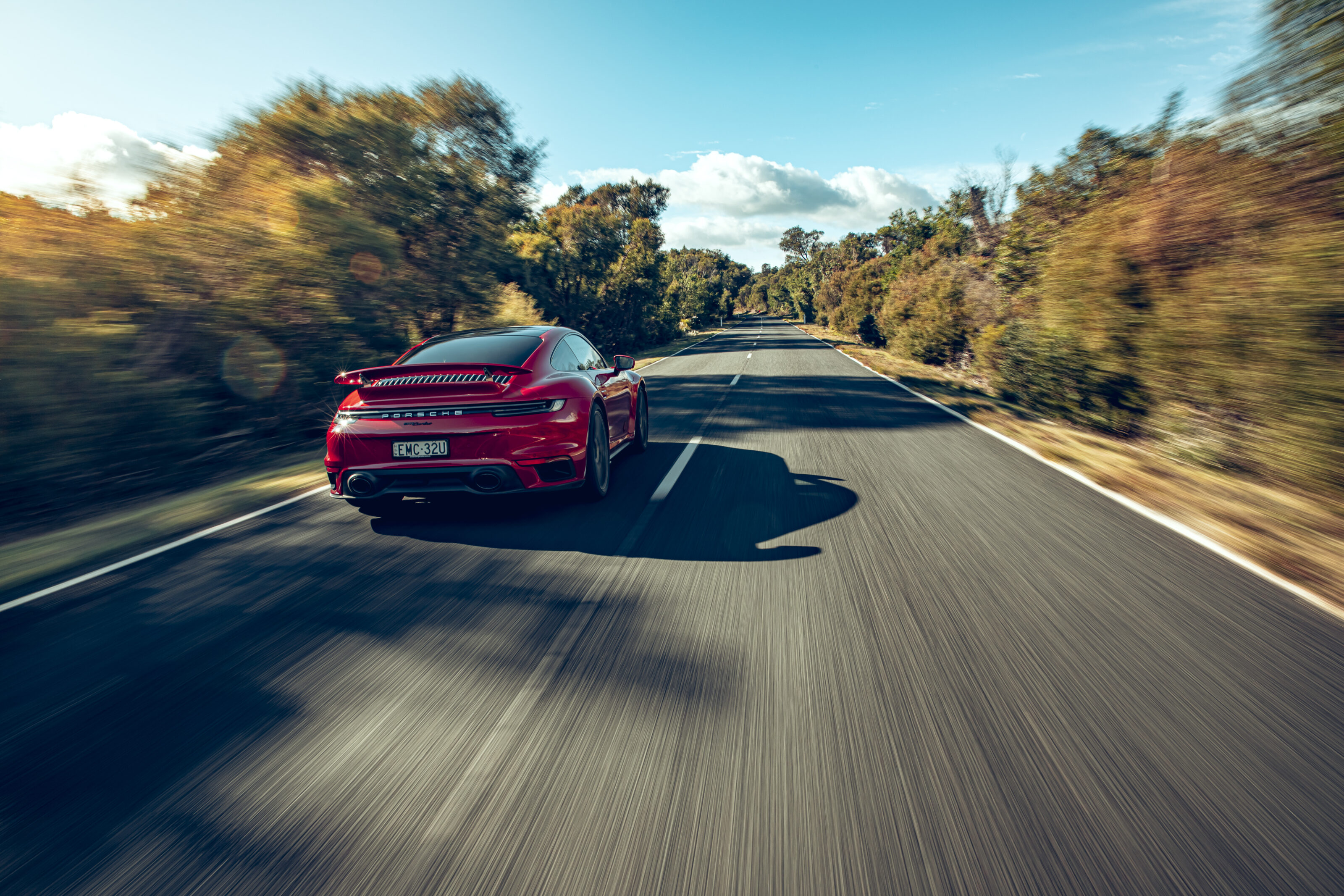
“It feels dramatic from the inside and a little unruly, but never concerning. It’s all but invisible from the exterior.”
The route from Waratah Bay wends north-east around the silt-choked upper reaches of Shallow Inlet crossing the grazing lands of the upper Yanakie Isthmus. The 911 lazes at part throttle, tacking across the apexes of roads cambered for Gippsland rain.
Guide the nose gently on the gnarled macadam and feel the resistance build in the electrically assisted steering, the tension dissipating fractionally as the camber helps and then ramps up again as you lose the crown of the road. Nudge onto the mud line from a thousand tractors that has turned to withered dust out of the wheel tracks and the car again senses infinitesimal degrees of slip mid-corner and the steering tenses slightly like a flexed biceps, mirroring your own input as if in cybernetic sympathy.
If you’ve never driven a 911 and have wondered why they are so deified, it’s in the fanatic details such as these that are so lovingly finessed.
The billiard-table flat Yanakie Isthmus connects the Promontory to the mainland. At one time this isthmus was a saddle in a system of mountain ranges that marched across what is now Bass Strait, linking Tasmania with the mainland. As the land was submerged, only the tops of the mountain were left jutting from the Southern Ocean, now the Bass Strait islands. The Prom itself was part of the ancient Bunurong Range which connected the continent and Tasmania. The isthmus was inundated, and the Prom was, for some time, an island. Over time, sand deposition clogged this shallow strait and reconnected the island to its motherland.
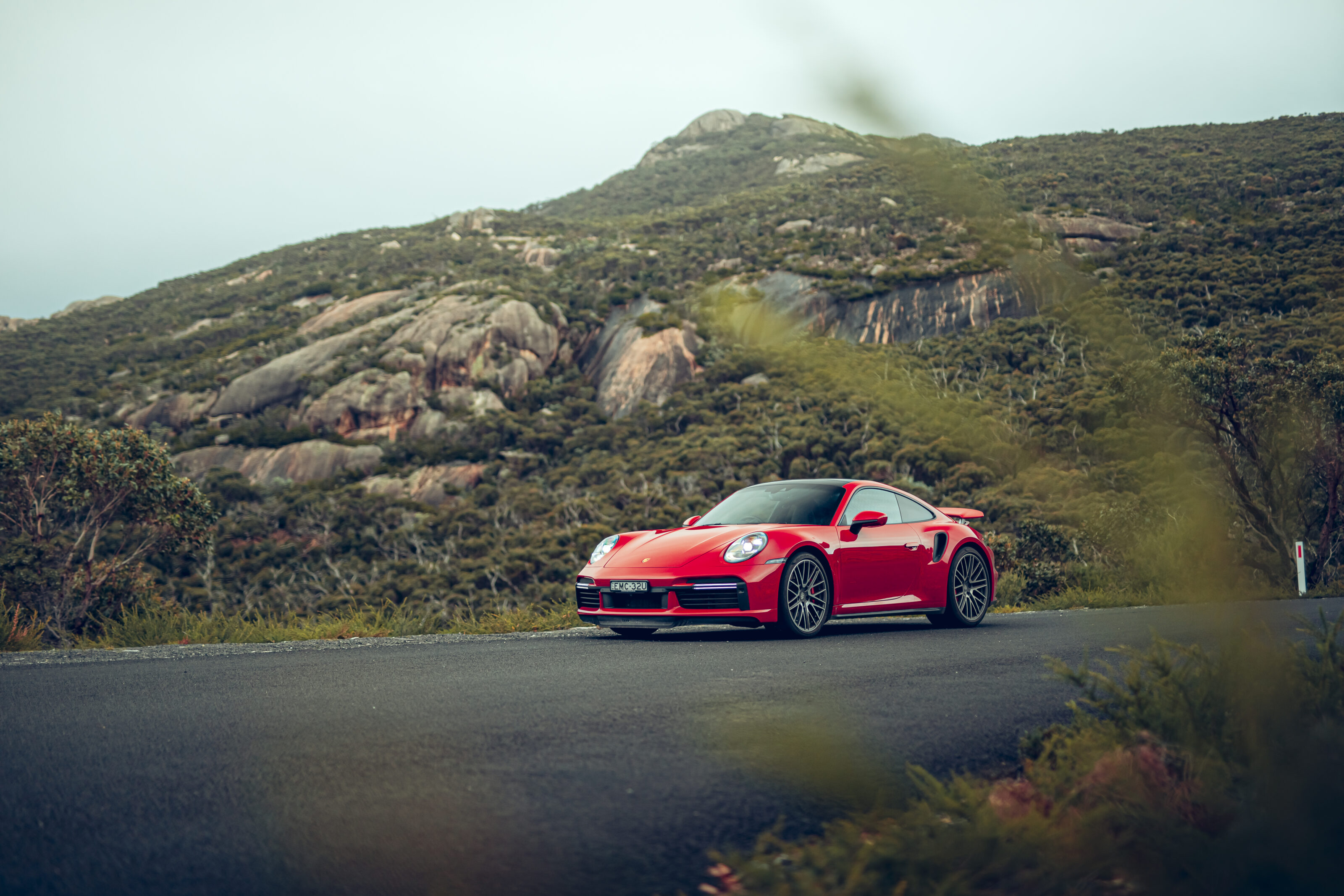
There’s nobody at the gatehouse into the national park. There’s nobody on the road either and there hasn’t been for the last half hour. The only sign of life is a Japanese hog deer peering from the undergrowth, perhaps aware that the risk of a hunter’s bullet is reduced if it stays within proximity of the gatehouse. It’s looking at a very different kind of bullet today.
With 427kW at its elbow, the 911 Turbo might not quite have the Herculean musculature of the 478kW Turbo S that finished runner-up at this year’s Performance Car of the Year, but it would require a ridiculously fine-tuned internal g-meter to register any difference in their acceleration, the Turbo registering 2.8 seconds to 100km/h and the Turbo S shaving a tenth off that figure. In other words, here you are in the penultimate model in the line up and you have more than 260kW per tonne at your elbow.
With the current crop of mid-engined junior supercars requiring around 300kW/tonne to distinguish themselves, the Turbo finds itself in a slightly odd spot in the market, as expensive as many of these low-slung exotics but occupying a subtly different niche. You’d purchase the Turbo if you were less concerned with being looked at and merely wanted something with barn-door engineering that could handle just about any assignment asked of it, which may or may not include lumbering onto beaches.
Beneath the sheetmetal, the old Mezger-derived flat-six is but a distant memory. This aluminium-block 3745cc dry-sumped unit, which Porsche rather optimistically refers to as a 3.8, instead shares a bloodline with the more prosaic MA2 3.0-litre turbocharged engine plumbed into the posteriors of the Carrera and Carrera S models.
That additional swept capacity is accounted for by an increase in bore size from 91mm to 102mm and Porsche has also worked hard at air management, improving the flow of cooler, denser air to the two variable geometry turbochargers.
Unlike the typical individual side-mounted intercoolers that used to be found behind the door ducts of previous water-cooled Turbos, the 992 has repositioned the intercooler system to the top of the engine compartment with fresh ambient air now breathed through ducts sitting beneath the rear decklid. Larger charge air-coolers now reside at the back of the engine, with the air filters sitting tucked into the guards. Where the 991 Turbo got by with a pair of air intakes, the 992 doubles that.
The turbochargers themselves are mounted symmetrically and unlike the twin units of the 991, feature contra-rotating turbine and compressor wheels. There are also wastegate flaps operated by electric stepper motors that can fully open the wastegates after a cold start, lighting off the catalytic converters in the process. Clever stuff.
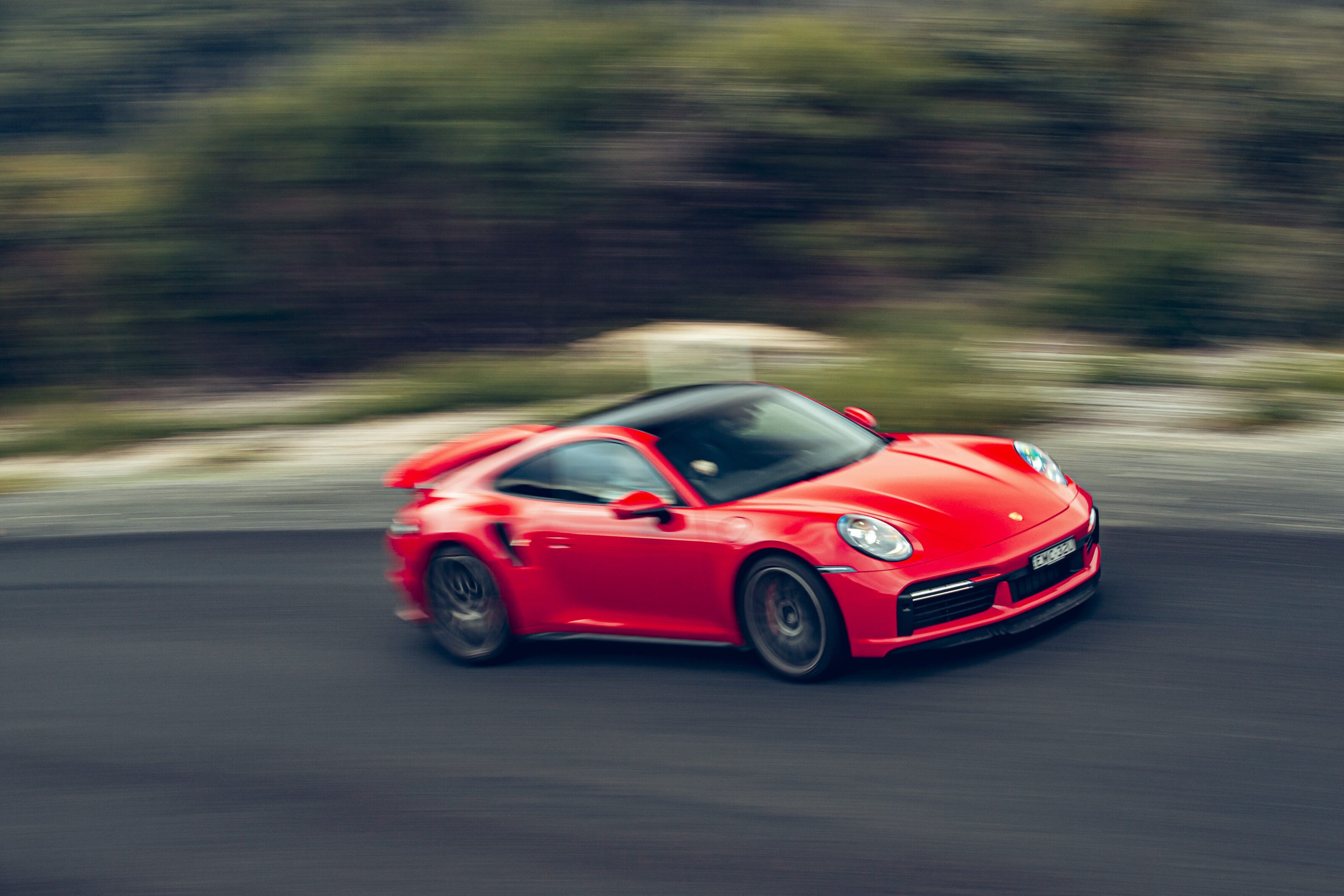
It’s hard to fault many aspects of this car’s go, stop and steer. Even before you’ve gone for the bigger carbon ceramic brake option, the Turbo is ludicrously overspecified in the stoppers department. At 380mm, its rear discs are as big as the front discs on the significantly heavier BMW M3 Competition. The only reason you’d choose the ceramics is because it’d save you cleaning brake dust off your wheels. Or, perhaps, simply because you can. I suspect that’s a justification that comes up frequently in the 911 Turbo buying decision and there’s nothing wrong with that.
Nothing wrong with the control weights in this 911 either. The pedal efforts and the gearing of the rack seem perfectly in tune, aided by a near-perfect driving position, pedal spacing and wheel ergonomics. It’s not all gravy though. There are a number of ergonomic glitches that afflict the 992. The classic five-dial dash is a classy hat-tip to Porsche’s heritage, but the outer two dials are both obscured by the steering wheel.
Then there are the door handles. The inner door releases can easily and painfully pinch the pad of your index finger if they’re not used in exactly the right way. I then managed to fracture a finger while enthusiastically buffing down the exterior of the car when one of the flush exterior door handles popped out just as I was running a microfibre over it, snagging a pinkie.
I nurse the rapidly swelling digit in the confines of the 911’s cabin while Brook begins the process of attaching a camera rig to its rear three-quarter, safe in the knowledge that this will require at least 15 minutes of head scratching, suction cupping, sighing and chin stroking. It’s a lovely place to be. The perceived materials quality has improved leaps and bounds over the prior 991 model, and this particular car is nicely finished with optional 18-way adaptive sports seats and an interior package in a very tasteful matte carbon. There are a few more squeaks and rattles than I’d expect in a car like this though, and you can move them around the cabin from right to left door card and then to somewhere behind the rear seats merely by adjusting the frequency of inputs with the throttle pedal.
The stubby metal shifter that you double-tap into gear now marshals an eight rather than seven-speed PDK transmission. All gears have new ratios: the first gear is now shorter and eighth gear longer than the previous seventh gear. The ’box also features a reinforced clutch with two additional pairs of discs for the purpose of transferring higher torque. In total that’s six pairs of discs with twelve friction surfaces and it works. Beautifully.
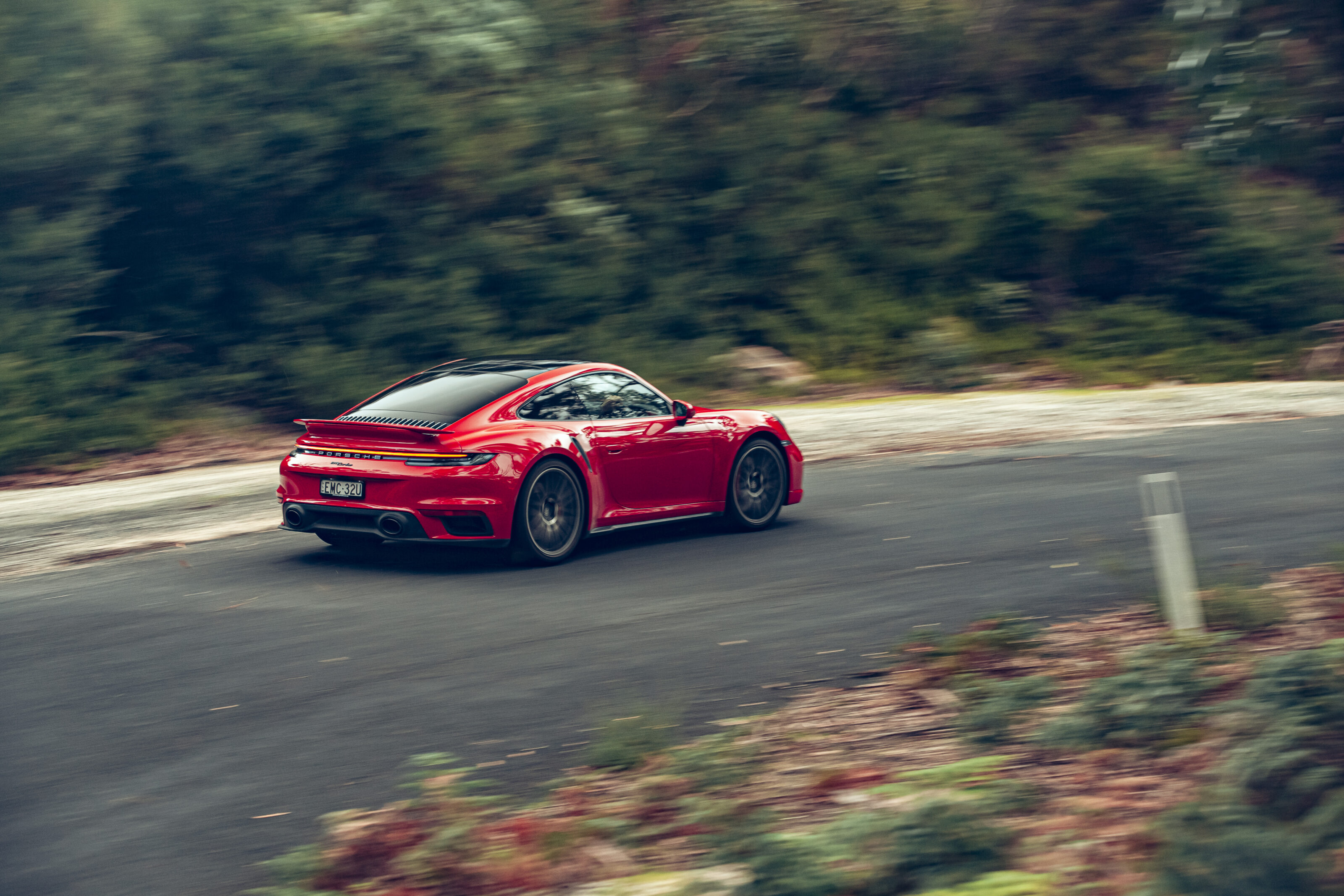
The first few kilometres into the Prom arrow down in a tunnel of tea trees, banksias and sheoaks, with the occasional sand dune rising to your right. You pass the old RAAF Yanakie airfield, where 67 Squadron flew Avro Ansons during the war on maritime patrol duties, searching for Japanese submarines. No subs were ever accounted for, although it’s said that some noncombatant humpback whales were bombed in error. From there the road becomes more serpentine before dropping down to Darby River, the old entrance to the national park. Rising before you is the great granite wall of Darby Saddle, and as you ascend, it seems that the world is carpeted in trees, marching for kilometres in a huge green bowl all the way to Corner Inlet.
The roads have been patchily repaired after recent rainstorms here, and the 911 bucks and skips tetchily on the lumpy blacktop. In its most comfortable drive mode, it’s relatively supple and if you’d been a little concerned about Porsche’s claim that this generation had become a fiercer thing, rest easy. There’s still enough compliance to make it a viable daily driver. Even in Sport or Sport Plus, it never becomes particularly brittle in its primary response. You feel you’re sparring with it but it’s not hitting to hurt you.
Darby Saddle is high enough for the moisture-laden Southerlies to succumb to the effects of orographic lifting, the air masses reaching dew point as they ascend the south face, forming cloud and dumping their contents, making the south side of the range far more fecund than that of the northern rain-shadow. After the astonishing views of the Anser Islands that punctuate the ocean view from the saddle, the road starts to curl inwards on itself, the vegetation overhanging the bitumen and, in places, holding dampness long after the rest of the road has dried. Microphones in the Turbo’s wheelarches detect the hissing frequency of water on the road and tamp back the excesses of torque delivery automatically, this technique pre-empting rather than reacting to – as in the case of wheel slip – any traction loss.
Push the Turbo a little and it replicates the handling characteristics we observed with its Turbo S sibling at the last Performance Car of the Year event, sniffing out traction but deploying that power with a slight diagonal porpoising effect. It feels dramatic from the inside and a little unruly, but never concerning. It’s all but invisible from the exterior. We put the car into Sport Plus for to wick up the aero for the photographs but then mute the sports exhaust as otherwise we’d probably wake the locals of Launceston. The Turbo is loud when driven hard, a mixture of exhaust and a discordant thrashing, pulverising maceration of air.
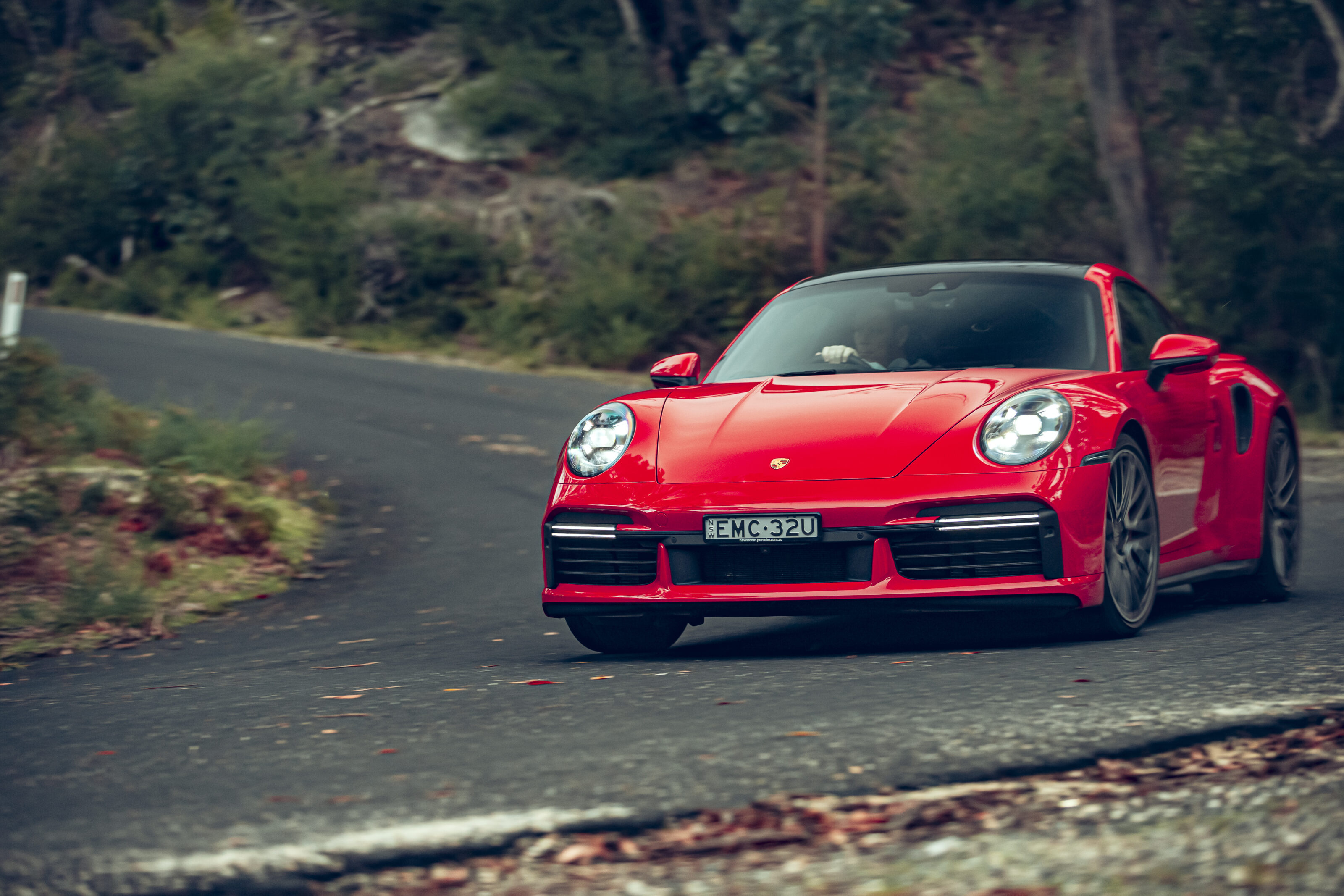
The road snakes rhythmically downhill, affording glimpses of Norman and Great Glennie Islands out in the blue, fragmentary remnants of the weathered and battered Bunurong Range. A koala ambles into the road, pauses to consider the Carmine Red projectile now standing on its nose, before turning its back and continuing its bow-legged pad in search of a superior gum tree. The 911 flashes past Squeaky Beach, scientifically proven to have whiter quartz sand than Hyams Beach, NSW, the beach to which Guinness awarded a world record. One more beach and the road straightens for a kilometre or so, gently descending before seeming to terminate at the base of the 558m-tall mass of our final destination, Mount Oberon.
The Turbo lopes along dismissively, folding its active aero addenda away for safe keeping. We’ve come a long way since the Porsche 959 first introduced a rudimentary active aero system some 35 years ago, lowering itself at high speed. The 992 Turbo features three key active elements. Up front are active aero flaps, which feed air to the radiators and then close at 70km/h, before reopening to balance aerodynamic demand above 130km/h. Switch into Sport, Sport+ or Wet mode, or dial out the traction control and the flaps will fully open.
There’s also a pneumatically retractable chin spoiler which, when coupled with an active rear wing, that now adjusts for both height and angle, while also including an air brake function, boosts maximum downforce by 15 percent to 170kg at 250km/h. The rear wing is a genuine piece of work, some 8 per cent bigger than the 991’s unit but 400g lighter. Its chord sits at its most innocuous angle of attack in eco mode, while the Performance II position again reduces its presentation to the airflow above 260km/h, reducing load on the rear tyres and preventing the need to increase the tyre pressures. Choose wet mode on the manettino dial and the wing fully extends but offers no additional angle, reducing aerodynamic flow separation behind the car without affecting the longitudinal centre of mass.
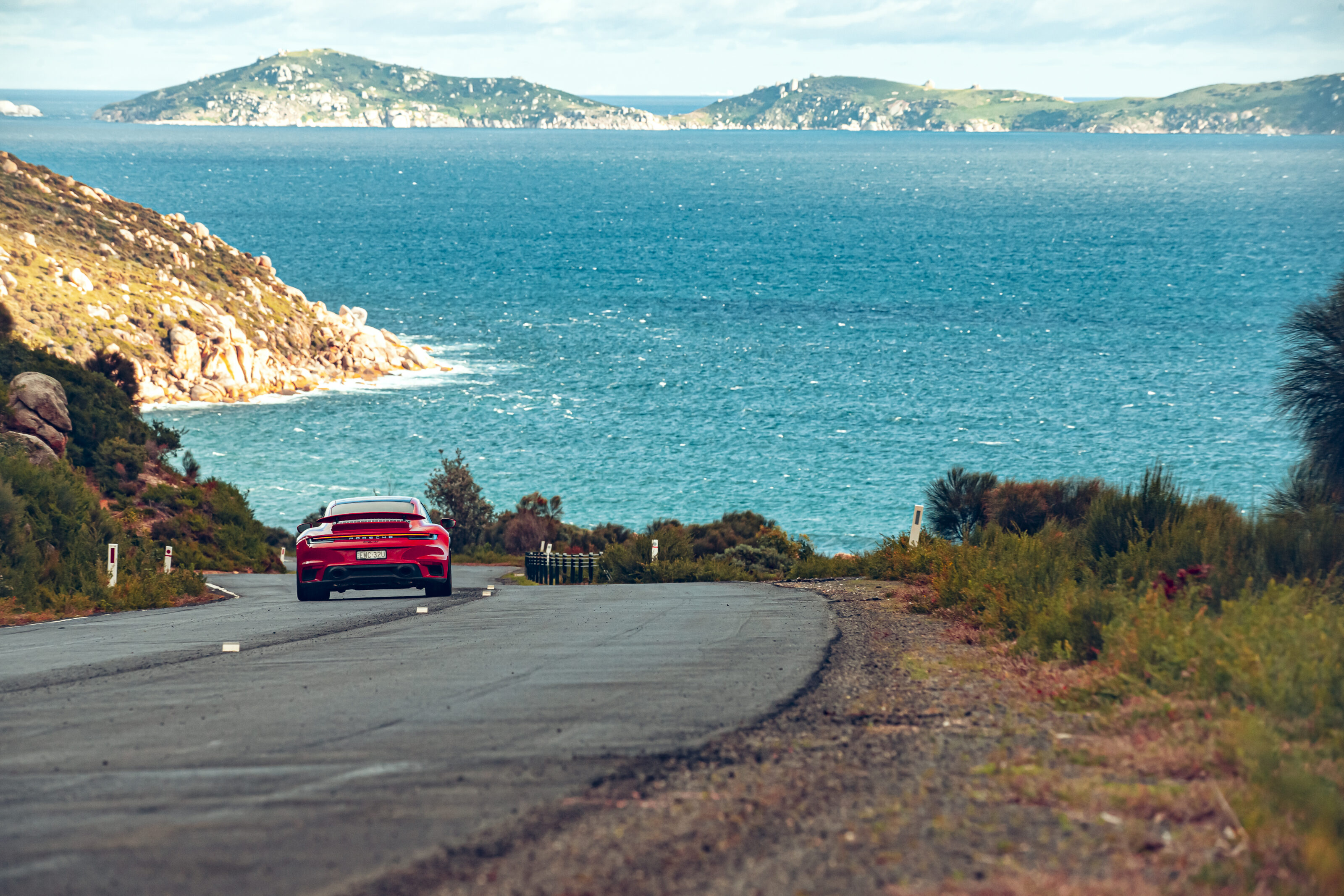
Tangential mulling of boundary layers and Reynolds numbers is interrupted as the 911’s suspension thuds recalcitrantly and the massive P-Zero tyres chunter and drum constantly. This constant road noise, along with the Turbo’s relatively modest 67-litre fuel tank, ultimately limit its grand touring credentials. I check the range to empty on the car and realise that it might require a very gentle run back in order to make the BP at Foster.
A road crew is working at the turning that marks our ascent of Oberon. They eyeball the car as it accelerates gently up the incline and out of view. From here, the road narrows again, and throws a series of challenging corners hemmed in by guard rail and rock walls. Crack open the windows, loosen off the shackles of the optional $6470 sports exhaust and punch the car out of the crazily contoured corners here and it’s almost shockingly savage.
You feel as if the car is challenging your internal clock speed, trying to throw inputs at your processor faster than it can manage them. It’s a breathtakingly accomplished car and one that delivers very specific challenges to the keen driver but trying to contextualise the 911 Turbo sometimes raises more questions than answers. This 992 model is the weight of four blokes heavier than the 996 Turbo, the first of the comparatively similar, all-wheel drive, water-cooled models. It occupies a greater road footprint than a Range Rover Classic. Is this progress?
Most worryingly, it seems that the functional space for it is narrowing, squeezed on one side by the 353kW Carrera GTS and by the 992 GT3 Touring on the other. Prior to the meteoric ascendancy of Andreas Preuninger’s GT department, the Turbo’s raison d’etre was easy to identify. It was the fastest and wildest 911 you could buy. Now its positioning, and indeed its personality, is a little more opaque. That didn’t stop the 991 Turbo from winning our PCOTY award twice (in Turbo and Turbo S guises) so perhaps my personal viewpoint doesn’t always tally with those of our historic judging panel, but in this year’s competition where the 992 Turbo S finished second overall, only three cars out of the 10 gathered scored lower for X-factor. Go figure.
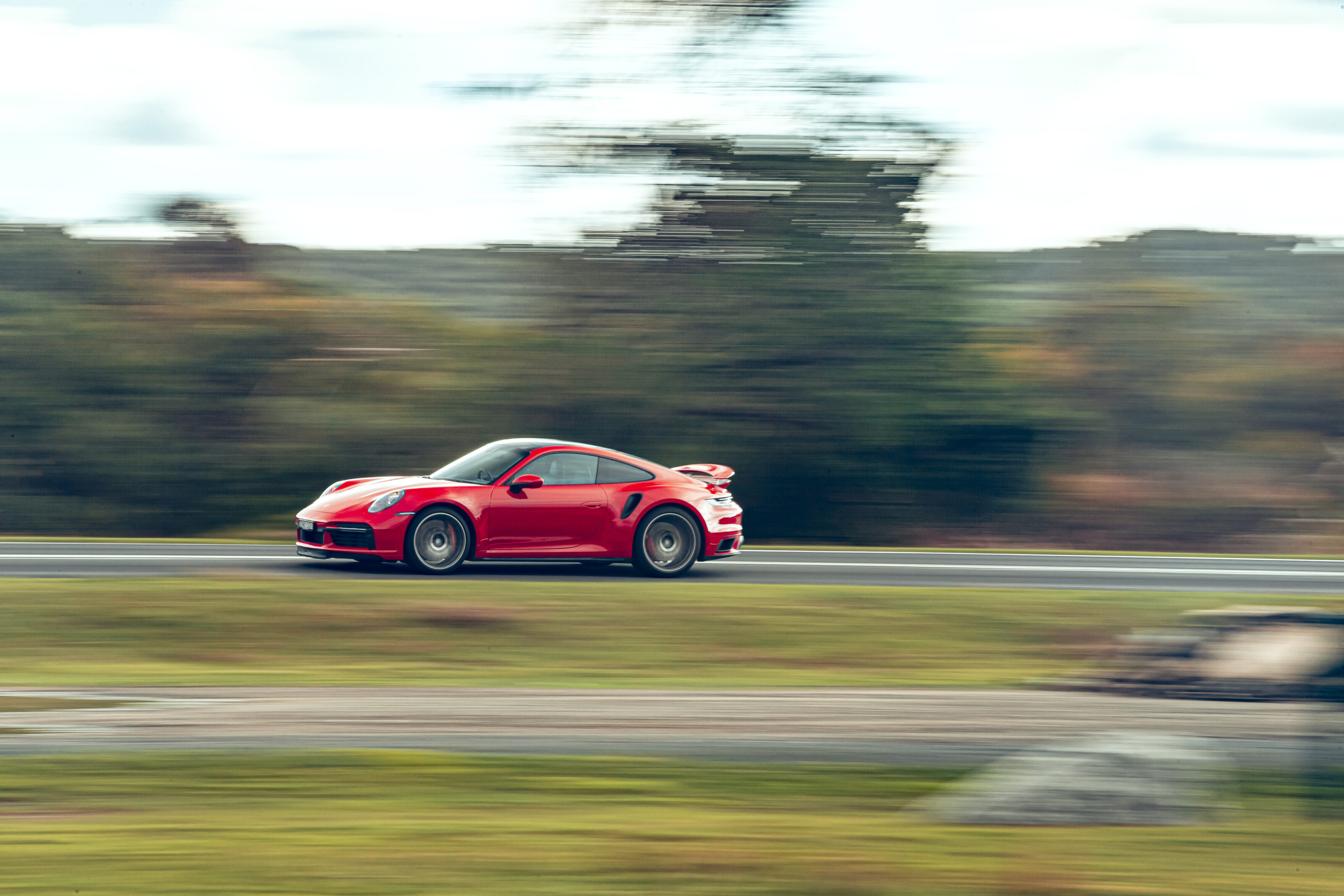
Insidious power inflation also means that it’s tough to exploit a 911 Turbo on road. On this road, especially so. We’re limited to punching it out of tighter corners for a second or two. If I’m honest, you’d have more fun in a Fiesta ST, but there’s satisfaction to be gleaned from the implacable engineering integrity here. You might not need your analogue watch to be waterproof to 200m, but there’s a reassurance to the fact that it is, and can shrug off whatever you throw at it.
The 911 Turbo feels as mechanically bombproof as one could reasonably expect of a car with this level of performance and that’s key to its appeal. You may have grown out of a junior McLaren, Ferrari or Lamborghini or else their attention-deficit ownership regimens could prove too fatiguing. The 911 Turbo offers all of their face-warping pace and capability with none of the gratuitous drama. As the sun sets over Picnic Beach and there’s the prospect of a very long drive home, I can grudgingly endorse the appeal of a car that may not break your heart but will do a solid number on a pinky finger.
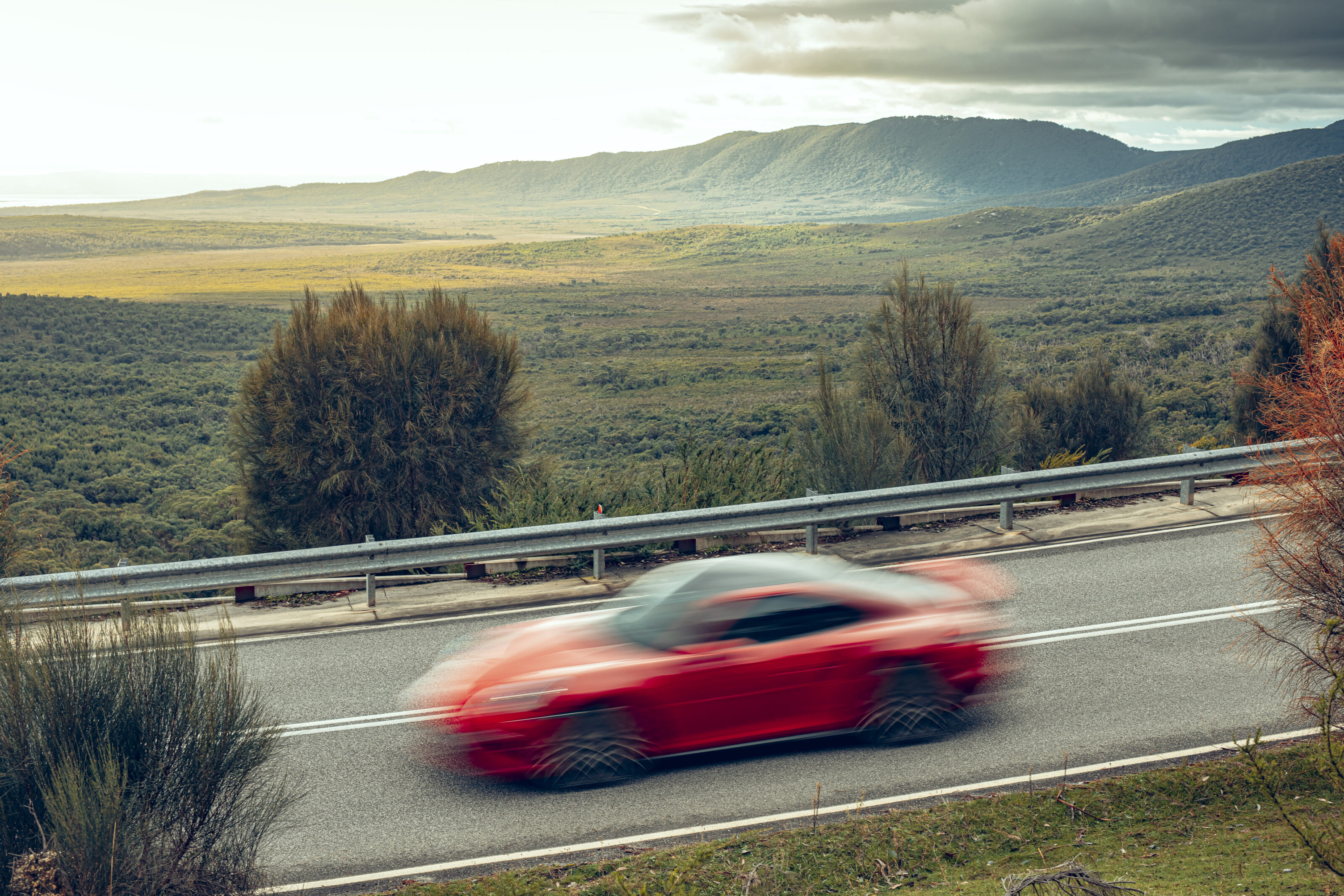
The route: Waratah Bay – Mount Oberon
Timing is everything: Go during school holidays or at peak weekends and the Prom will be chockers. An early start on a weekday pays dividends. It’s also easy to underestimate the length of time it takes to exit the National Park in the evening, as it gets very dark and there are plenty of suicidal marsupials. Pro tip: the light pollution-free Vereker Lookout track is a great spot during the new moon for photographing the Milky Way.
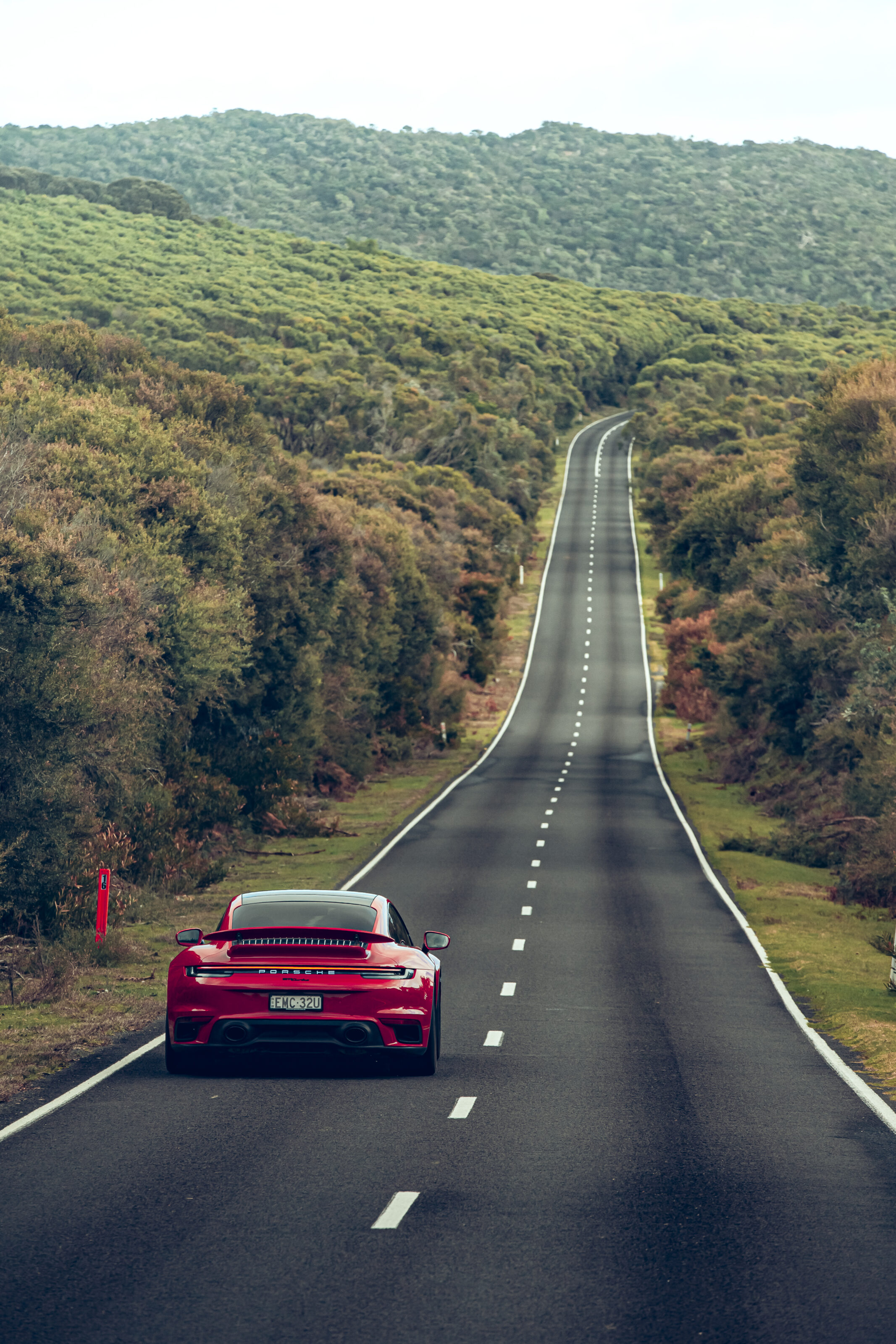
2021 Porsche 992 911 Turbo performance figures
| 0-10km/h: | 0.26 |
|---|---|
| 0-20km/h: | 0.56 |
| 0-30km/h: | 0.87 |
| 0-40km/h: | 1.18 |
| 0-50km/h: | 1.49 |
| 0-60km/h: | 1.79 |
| 0-70km/h: | 2.13 |
| 0-80km/h: | 2.45 |
| 0-90km/h: | 2.80 |
| 0-100km/h: | 3.15 |
| 0-110km/h: | 3.60 |
| 0-120km/h: | 4.08 |
| 0-130km/h: | 4.59 |
| 0-140km/h: | 5.13 |
| 0-150km/h: | 5.69 |
| 0-160km/h: | 6.40 |
| 0-170km/h: | 7.13 |
| 0-180km/h: | 7.92 |
| 0-190km/h: | 8.72 |
| 0-200km/h: | 9.63 |
| 0-210km/h: | 10.72 |
| 0-220km/h: | 11.99 |
| 0-230km/h: | 13.33 |
| 0-400m: | 10.9sec @ 211.47km/h |
| 80-120km/h: | 1.7sec (3rd) |
| 100-0km/h: | 33.75m |
| Tested at: | Heathcote Raceway, wet |
| Driver: | Scott Newman |
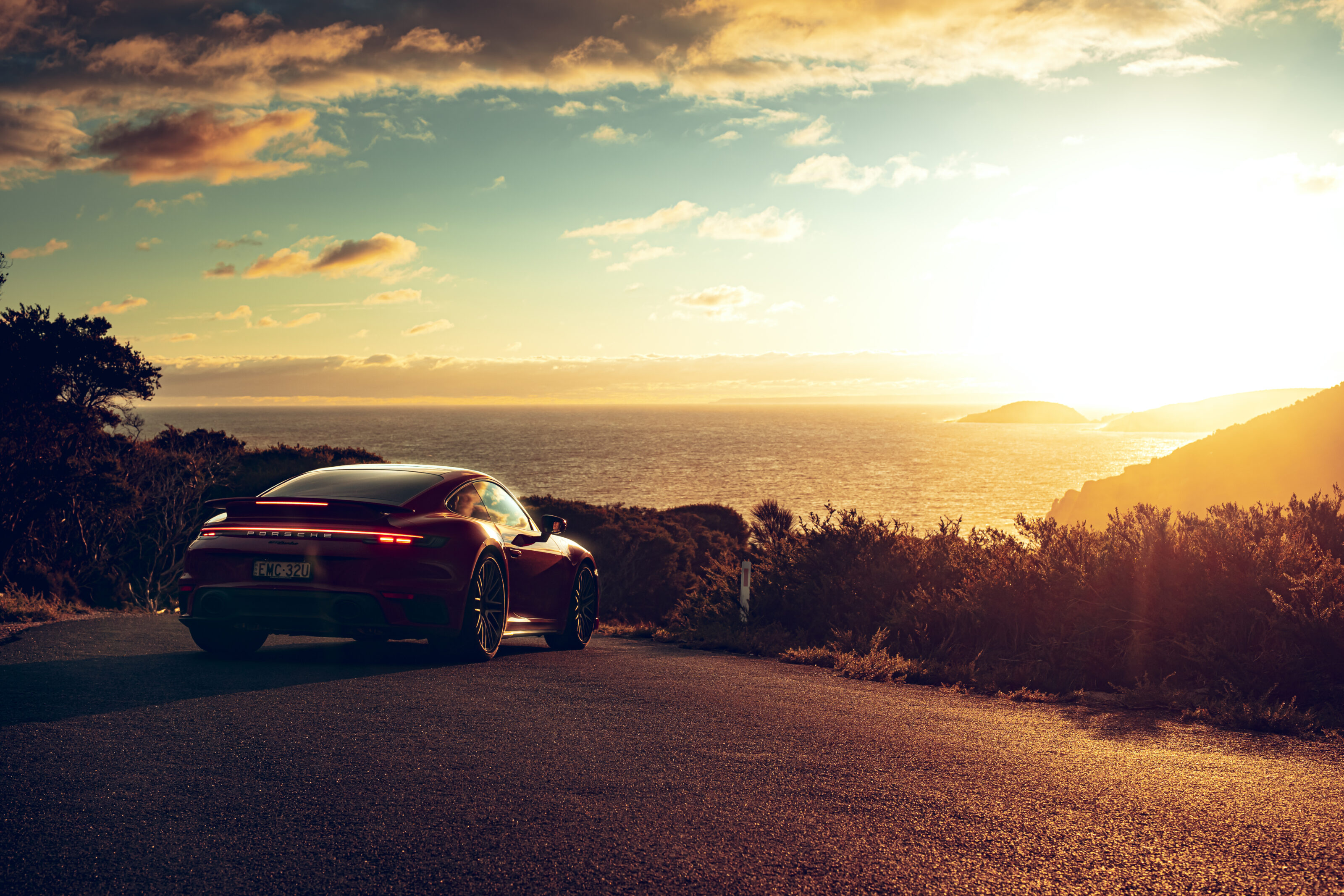
2021 Porsche 992 911 Turbo specifications
| Body: | 2-door, 2+2-seat coupe |
|---|---|
| Drive: | all-wheel |
| Engine: | 3745cc flat-six, DOHC, 24v, twin-turbo |
| Bore x Stroke: | 102.0 x 76.4mm |
| Compression: | 8.7:1 |
| Power: | 427kW @ 6750rpm |
| Torque: | 750Nm @ 2500-4000rpm |
| Power/Weight: | 260kW/tonne |
| Transmission: | 8-speed dual-clutch |
| Weight: | 1640kg |
| Suspension: | struts, coil springs, adaptive dampers, anti-roll bar (f); multi-links, coil springs, adaptive dampers, anti-roll bar (r) |
| L/W/H: | 4535/1900/1303mm |
| Wheelbase: | 2450mm |
| Tracks: | 1583/1600mm (f/r) |
| Steering: | electrically assisted rack-and-pinion |
| Brakes: | 408mm ventilated discs, 6-piston calipers (f); 380mm ventilated discs, four-piston calipers (r) |
| Wheels: | 20.0 x 9.0-inch (f); 21.0 x 11.5-inch (r) |
| Tyres: | 255/35 ZR20 (f); 315/30 ZR21 (r) Pirelli P Zero |
| Price: | $405,000 |
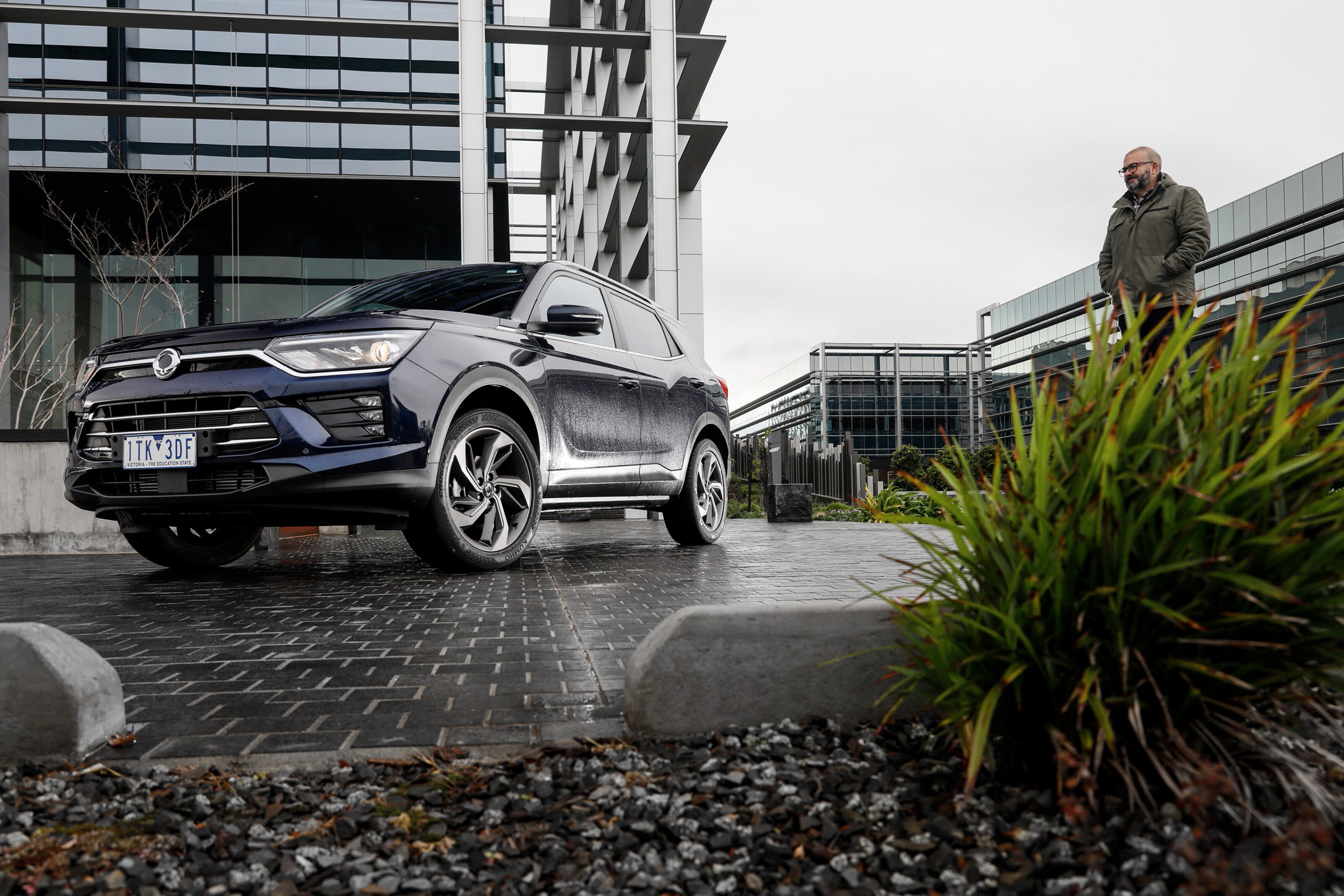
There’s nothing like an apparent bargain to make me sceptical. Case in point, the SsangYong Korando medium SUV, whose range-topping Ultimate variant brings a leather interior, heaps of kit and a punchy 1.5-litre turbocharged petrol engine for under $38K drive-away, which is about the same as the entry-level Toyota RAV4 GX.
And it looks good, something we haven’t always been able to say about SsangYong models – Google ‘2004 SsangYong Stavic’ (#nsfw).
So, like me, you’re probably wondering what the catch is.
What is the SsangYong Korando Ultimate like to live with?
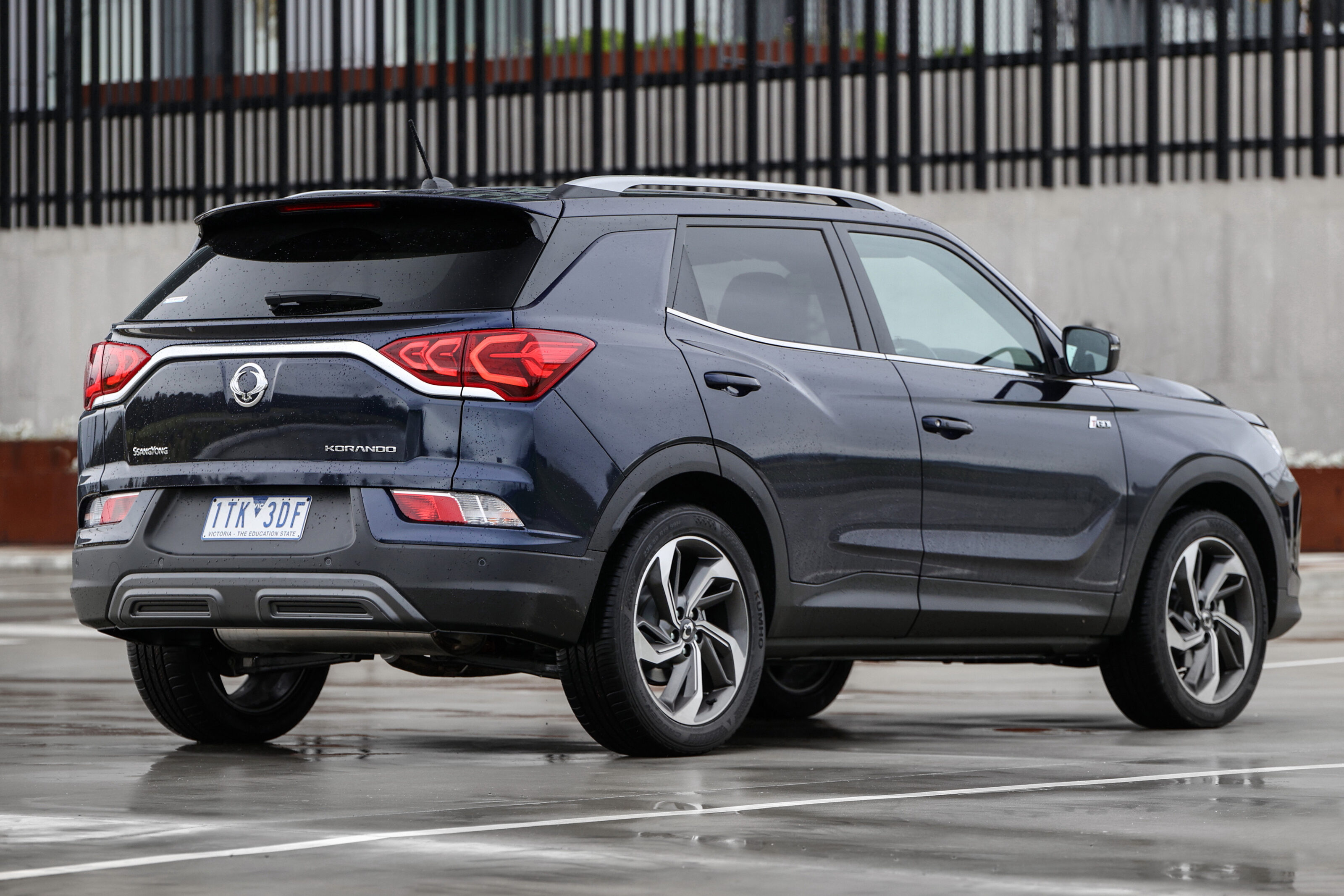
The Korando comes in three spec levels, all with fixed drive-away pricing. These include the EX priced at $29,990, the well-equipped mid-spec EXL for $32,990 and this Ultimate range-topper for $37,990.
All three are front-wheel-drive and powered by a 1.5-litre turbocharged petrol engine, though you can also get this Ultimate spec with a 1.6-litre turbo-diesel with all-wheel drive for $39,990.
The Ultimate’s features list oozes showroom appeal with heated and ventilated power-adjustable leather front seats, heated leather steering wheel, 10.25-inch digital gauge cluster, sunroof, powered tailgate, dual-zone climate control, smart keyless entry, rain-sensing windscreen wipers and 19-inch alloy wheels.
But it does miss out on some things you’d expect to find in a top-spec variant such as in-built satellite navigation, digital radio, rear USB sockets and air vents, and soft-touch door trims, no doubt absent to keep costs down.
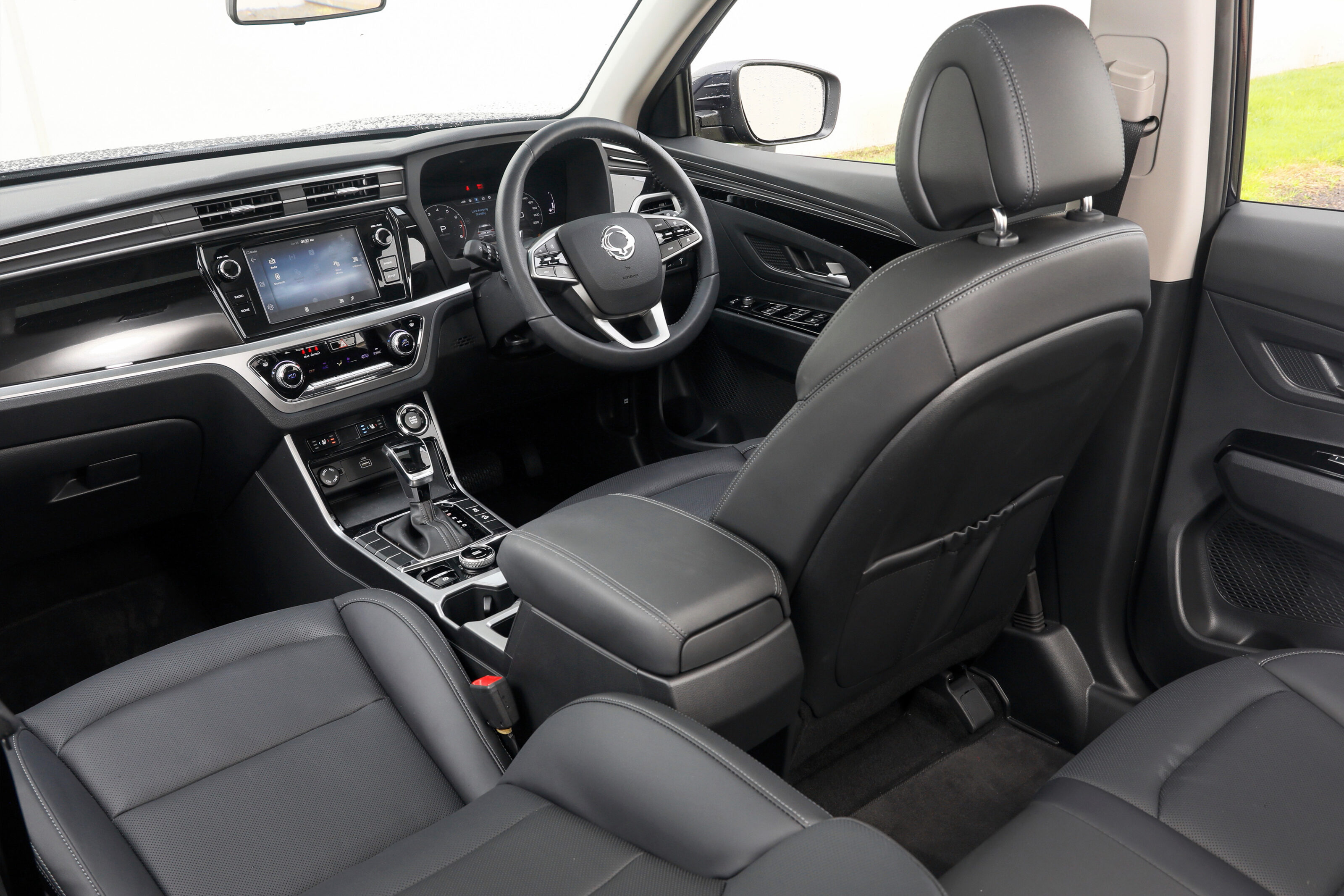
The interior is a bit of a mixed bag too, with stitched leather, plenty of bright spots and piano black surfaces, but hard plastic door trims that rob it of a premium feel. The top of the dashboard is soft to touch, however, with the glossy fascia housing the 8.0-inch touchscreen that hosts Apple CarPlay and Android Auto capability via a sole USB socket.
The centre armrest is at a good height and opens to a handy deep storage tub, which is complemented by huge door bins and a roomy glovebox, as well as a spot to place your phone and plug it in.
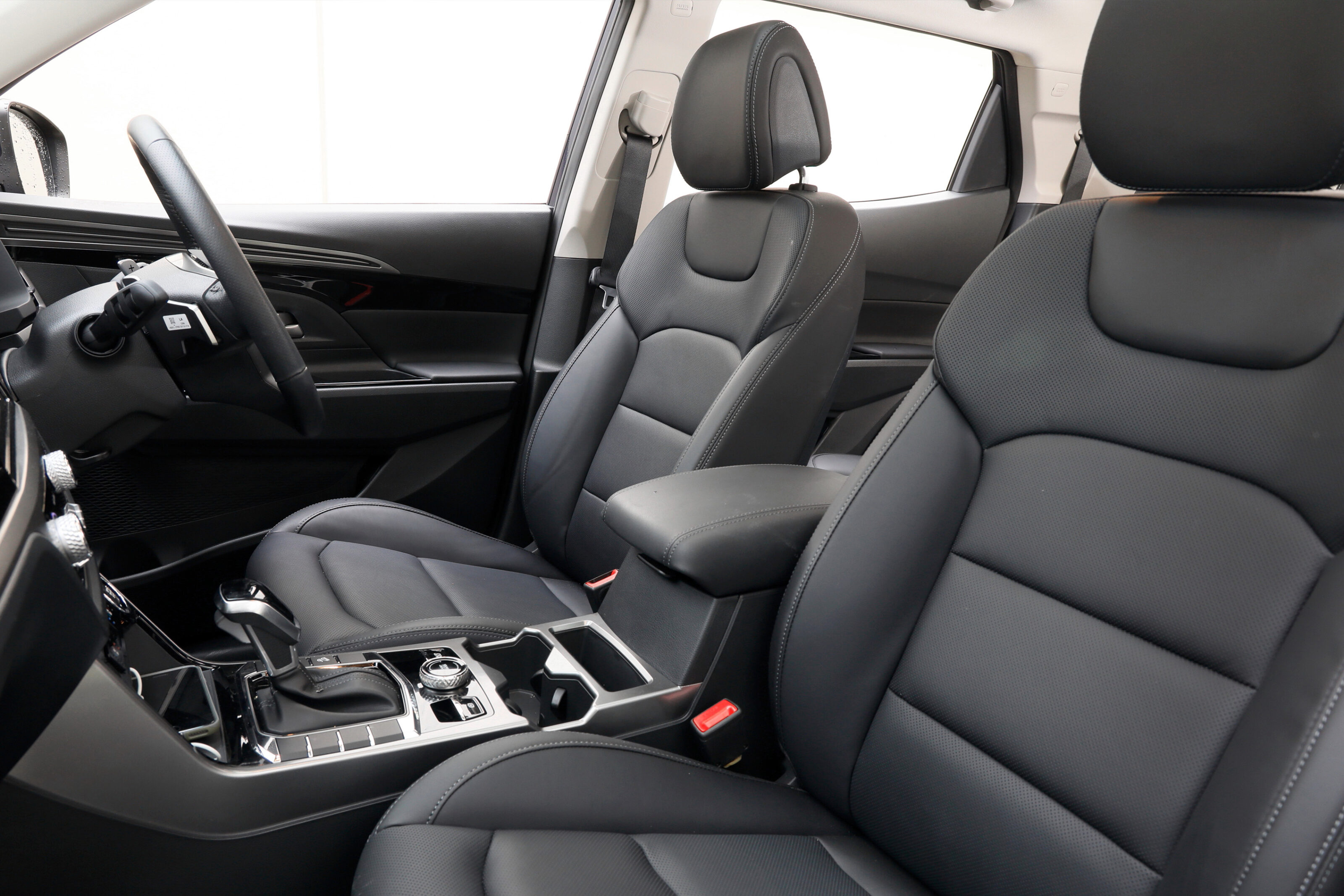
Both leather front seats are power-adjustable and can be cooled or heated. I like the way the backrests feel and they offer good side bolstering, but the cushions aren’t that deep and lack decent under-thigh support.
For all the Korando Ultimate’s features, things are a little spartan down back with amenities confined to a fold-down centre arm-rest with cupholders, a 12V socket and map pockets. But the rear pew comfortably seats two adults or three kids, with plenty of leg and headroom and a backrest that’s well-angled for a relaxed ride.
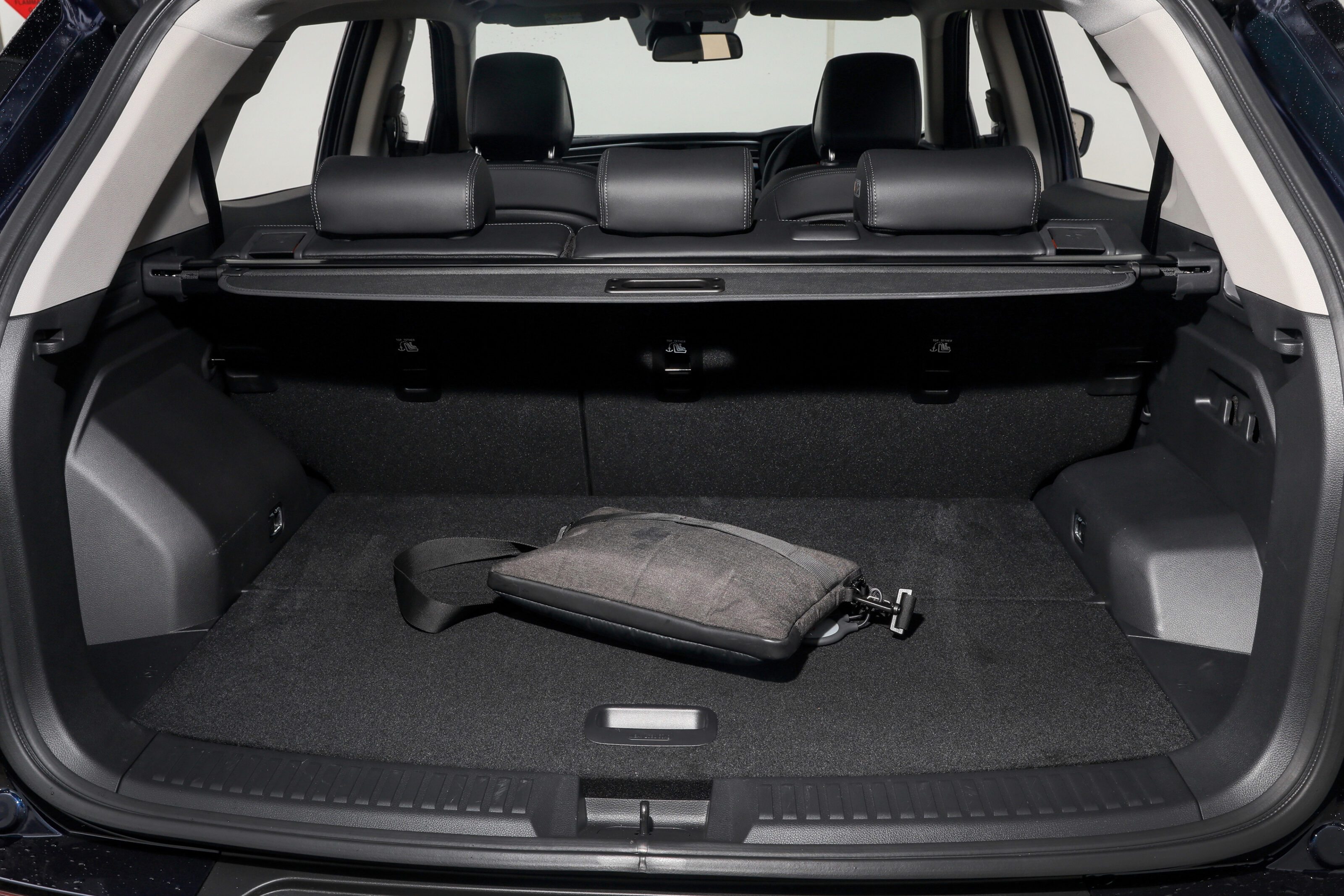
The Korando’s boot can hold up to 551 litres if you’re happy with a puncture repair kit. Opting for a full-size alloy spare wheel reduces the capacity to 407 litres, which is well below average for a medium SUV. Folding the second-row seats down brings it up to 1104 litres.
The interior is a bit of a mixed bag too, with stitched leather, plenty of bright spots and piano black surfaces but hard plastic door trims rob it of a premium feel
Official combined fuel economy is an ambitious 7.7/100km – try as I might I could only average 9.3L/100km. It drinks pricier 95 RON petrol, though the good news (if you can call it that) is you only have a smallish 47-litre fuel tank to fill, which will get you about 500km.
The SsangYong Korando comes with a very affordable service regime under the brand’s 777 Care Cover that includes a seven-year warranty, seven-year roadside assistance cover and seven-year capped-price servicing plan.
Like all SsangYongs, it has a 15,000km/12-month servicing schedule. Maintaining the petrol Korando costs just $295 for each interval, including oil and oil filter changes. As with most brands you pay extra for parts when required, and SsangYong provides up-front pricing for different parts.
What is the SsangYong Korando Ultimate like to drive?
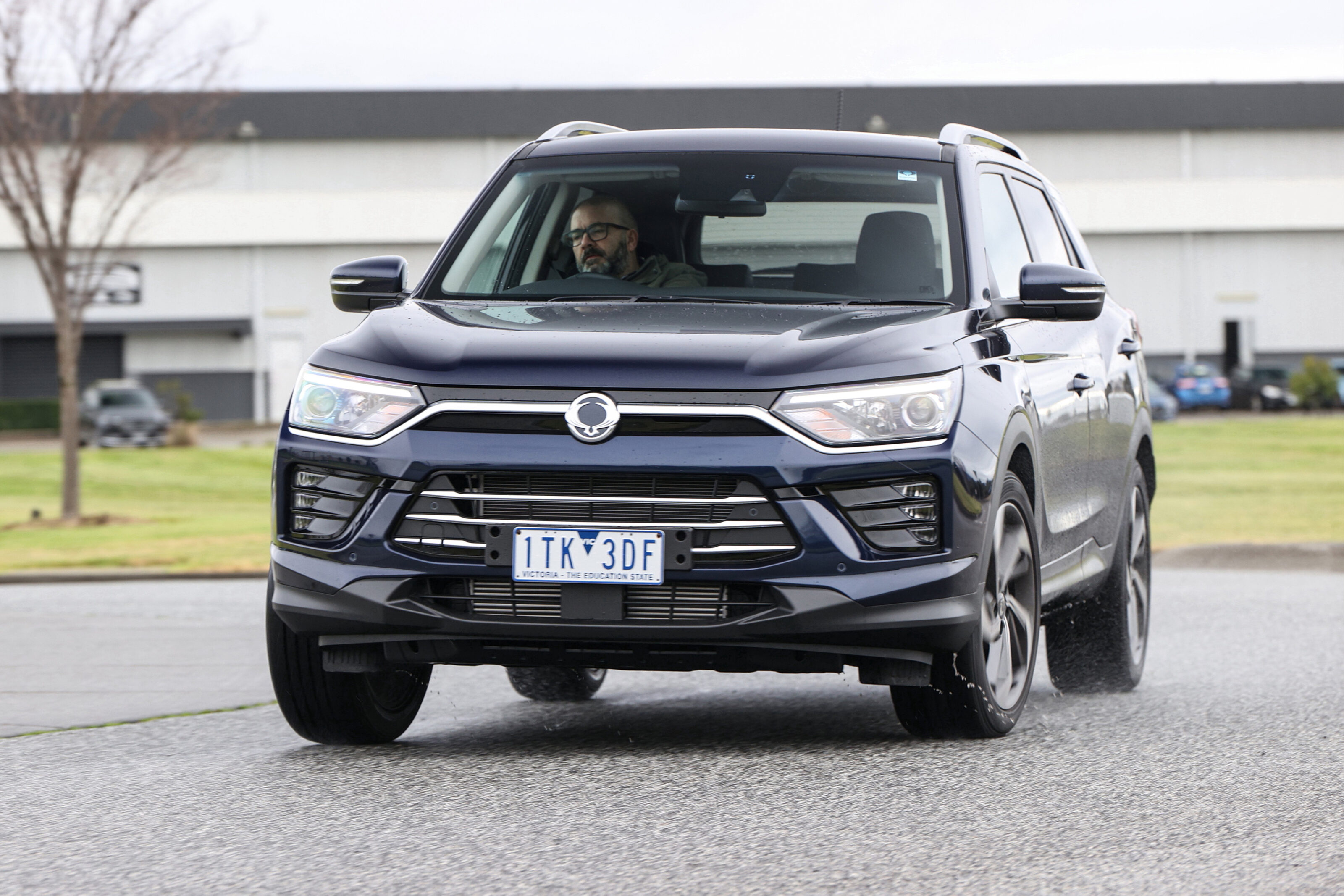
Drive off and there is a slight hesitation from the 120kW/280Nm 1.5-litre turbo engine, but when it kicks in it feels vibrant and makes for a surprisingly enjoyable drive.
The Aisin-built six-speed torque converter automatic shifts smoothly and has a Sport mode that adjusts the rev mapping to break through the turbo lag quicker. It also has a Winter/Snow driving mode that utilises second-gear to maintain traction when taking off on slippery surfaces. If you prefer more traction, you can opt for a 1.6-litre turbodiesel powertrain with all-wheel drive for an additional $2000.
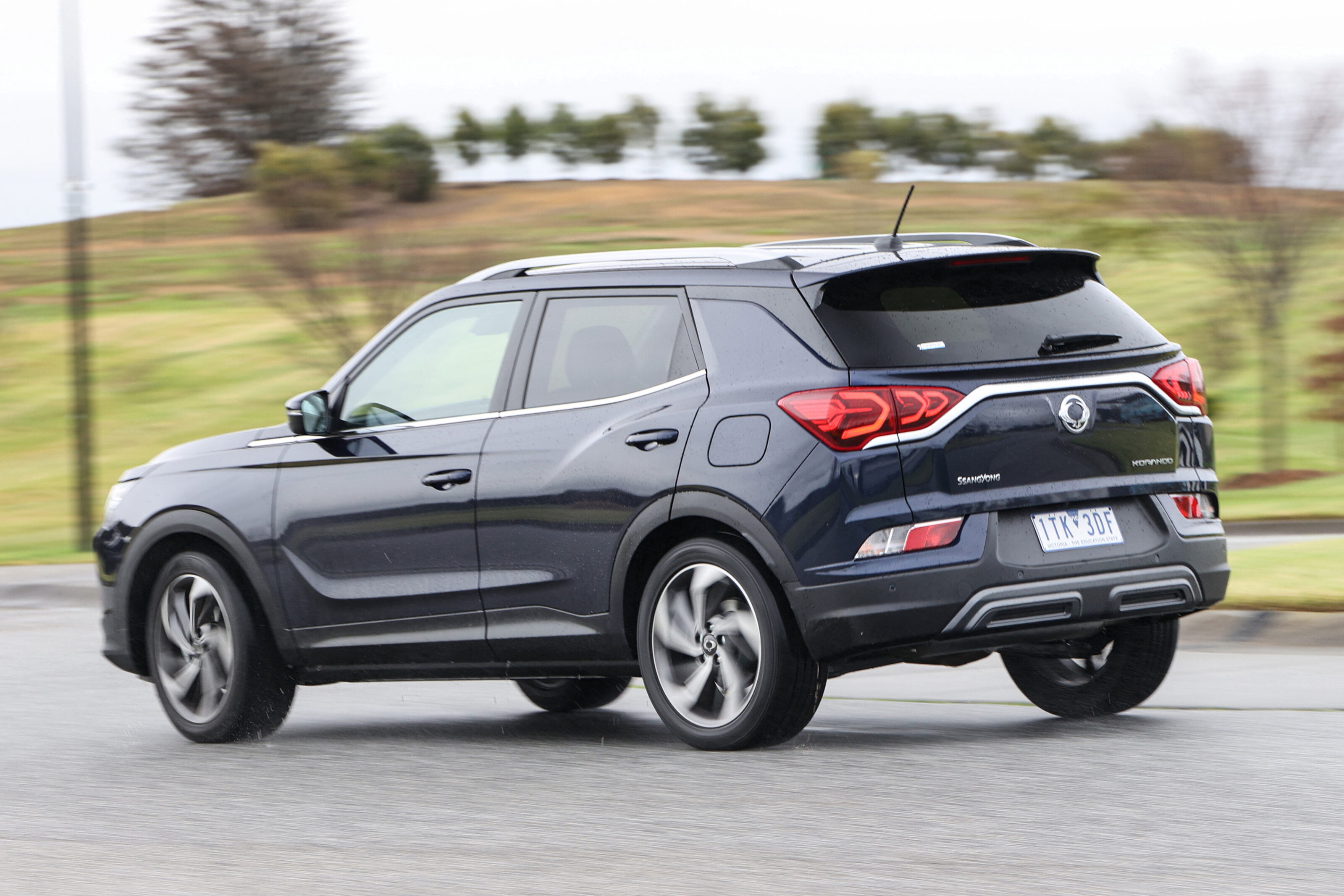
The Korando’s ride is comfortable around town, with independent multi-link rear suspension, and soft dampers that soak up the impact of larger bumps. Things can get a little busy on minor imperfections though, particularly on country roads where it can feel a little bouncy through turns, which causes you to ease off a little.
There are no such problems in town, where the light steering and 10.7-metre turning circle makes parking and negotiating tight streets a doddle.
All in all, the Korando offers a cheerful driving experience, which is something we don’t always say about medium SUVs, including some of the more popular models.
What about safety in the SsangYong Korando Ultimate?
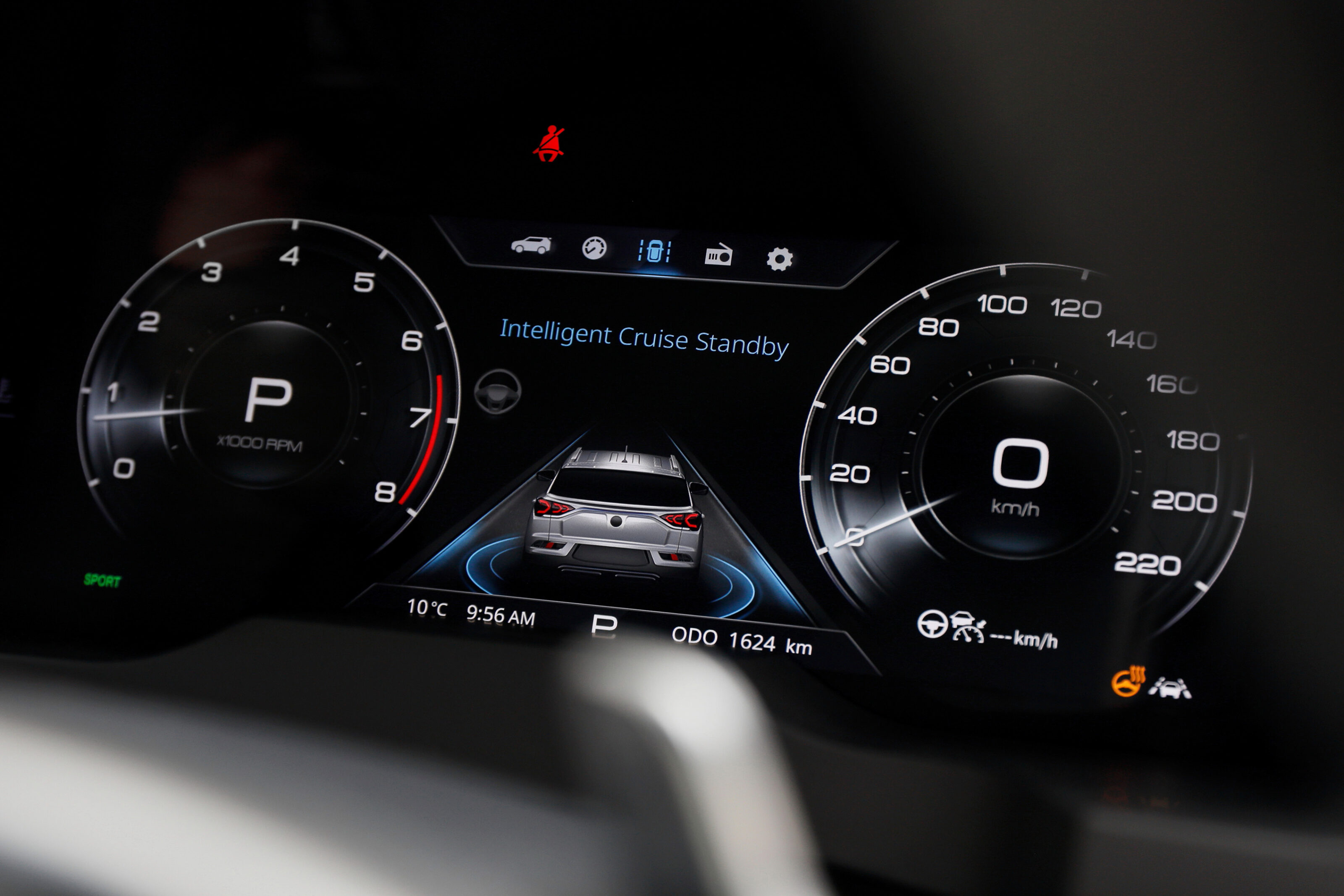
The Korando’s safety credentials include a 2019 five-star ANCAP rating carried over from the previous model and a decent amount of tech including autonomous emergency braking with pedestrian detection, forward collision warning, lane-keep assist, high-beam assist and a reversing camera, which come standard across the range.
More features are added as you step up the Korando range, the Ultimate having the lot including adaptive cruise control, blind-spot monitoring with rear-cross traffic alert, front and rear parking sensors, and seven airbags including one protecting the driver’s knees.
VERDICT
There was a time when buying a well-equipped car for a budget came at the expense of quality and performance. That’s certainly not the case with the cheap and cheerful SsangYong Korando Ultimate, which brings a decent driving experience and plenty of desirable creature comforts.
While there are some notable omissions from the features list, it doesn’t skimp on the important stuff such as active safety, build quality and a decent turbocharged powertrain.
2021 SsangYong Korando Ultimate FWD specifications
| Body: | 5-door, 5-seat SUV |
|---|---|
| Drive: | front-wheel drive |
| Engine: | 1497cc, 4-cyl, dohc, 16v turbo |
| Max power: | 120kW @ 5500rpm |
| Max torque: | 280Nm @ 1500-4000rpm |
| Transmission: | 6-speed automatic |
| Compression ratio: | 9.5 |
| 0-100km/h: | 9sec (claimed) |
| Fuel Economy: | 7L/100km |
| Suspension: | MacPherson strut (front); Independent multi-link (rear) |
| Weight: | 1435kg |
| L/W/H: | 4450/1780/1629mm |
| Wheelbase: | 2675mm |
| Brakes: | Front ventilated discs (front); Rear solid discs (rear) |
| Tyres: | 235/50 R19 |
| Wheels: | 19 x 7.5 inches |
| Price: | $37,990 + ORC |
Snapshot
- 97 units affected
- Bolts securing front seatbelts may not be sufficiently tightened
- Owners being contacted
Tesla has placed 97 Model 3s under recall after it was discovered the affected vehicles had insufficiently tightened bolts holding the front seatbelts in place.
Affecting units produced between 2018 and 2020, bolts may not be tight enough to operate properly in the event of an accident, causing potential harm to the front row occupants.
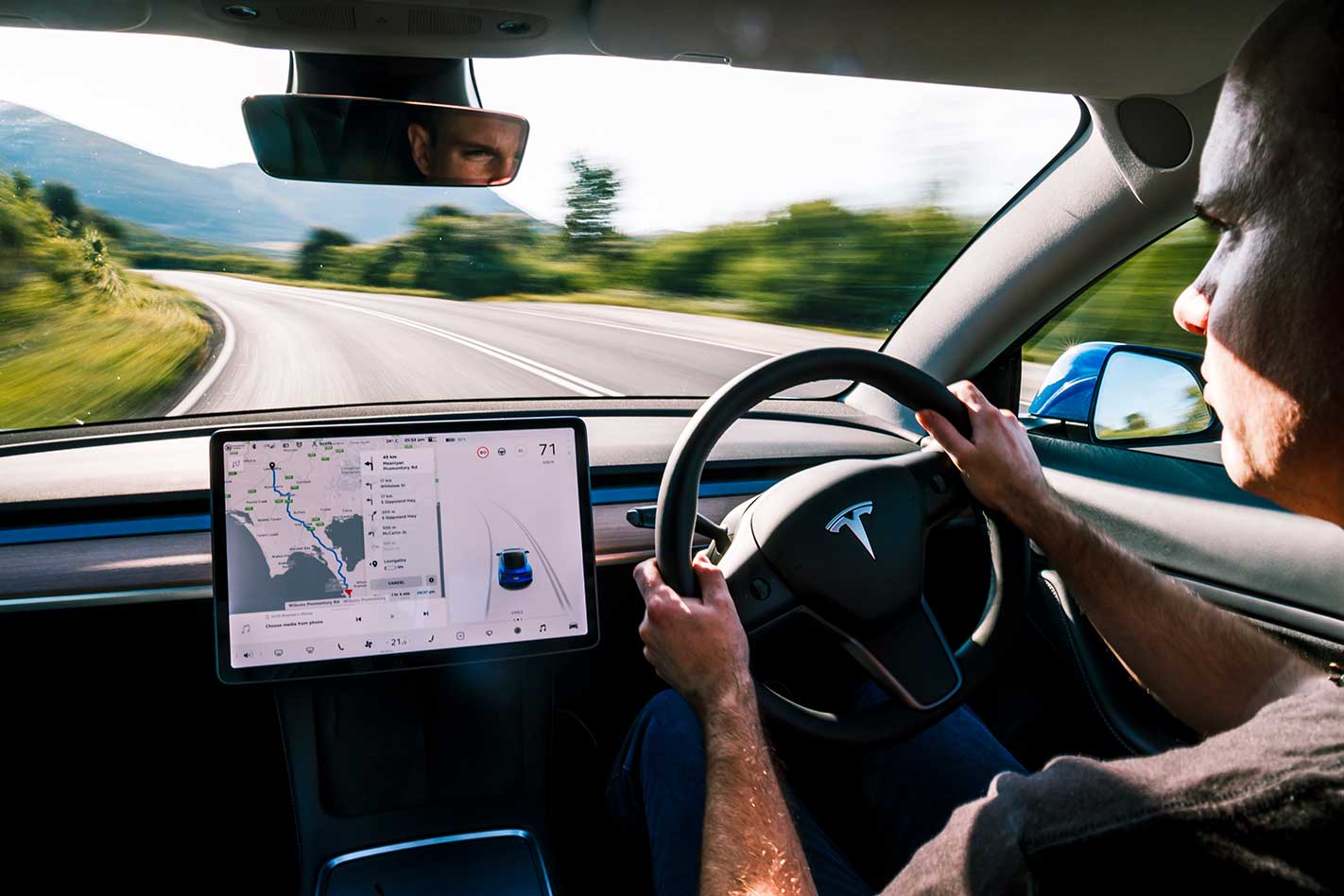
Tesla is currently contacting the owners of the 97 vehicles under recall although if you are unsure whether your car is affected, you can get in contact with your nearest Tesla dealer.
A list of affected vehicle’s VINs can be found here.
The notice affects Model 3 vehicles built in the US between 2018-2020 and does not apply to any which have landed on Australian shores since February this year, as they have all been built in China.
Snapshot
- Report finds Australians, on average, spend just under 50 per cent of their salary on car ownership
- AAA data shows we spend 14.7 per cent of our income on running costs alone
- FCAI believes costs could drop further if taxes are repealed
Australia is the most affordable country to buy and run a car in according to a UK study.
Commissioned by Scrap Car Comparison, the report took a sample of 40 countries and looked at the purchase prices of a common new car (in this case a Toyota Corolla and Volkswagen Golf), added things like service costs, insurance premiums and fuel prices – and then weighted it against the national average income.
What resulted was Australia coming out as the most affordable of those nations, with 49.48 per cent of the average annual salary being needed to buy and run a new car – more than five per cent less than the United States which ranked second at 54.87 per cent.
| Country | % of average yearly salary required to buy and run a caru00a0u00a0 |
|---|---|
| 1. Australiau00a0 | 49.48%u00a0 |
| 2. United States of Americau00a0 | 54.87%u00a0 |
| 3. Denmarku00a0 | 60.34%u00a0 |
| 4. Canadau00a0 | 64.40%u00a0 |
| 5. Swedenu00a0 | 75.84%u00a0 |
| 6. Germanyu00a0 | 78.44%u00a0 |
| 7. Netherlandsu00a0 | 84.65%u00a0 |
| 8. Franceu00a0 | 87.00%u00a0 |
| 9. United Kingdomu00a0 | 89.36%u00a0 |
| 10. Finlandu00a0 | 91.58%u00a0 |
Of course, there are some variables which contribute to the results of this report, such as comparing the same model of car like-for-like across each of the countries included, the relevance of the insurance towards the particular vehicle and utilising an average yearly salary rather than the median.
Meanwhile, according to the Australian Automobile Association’s (AAA) latest transport affordability study, Australians spend 14.7 per cent of their income on transport costs, adding up to an average of $18,417 annually – which doesn’t include the cost of the vehicle itself.
The AAA’s quarterly report is based on a 39-year-old woman and a 36-year-old male who are a couple living with children in a detached house with two cars – breaking down the car ownership costs into different categories including; rego/CTP/licensing, car loan payments, fuel, servicing and tyre costs, insurance, public transport and tolls.
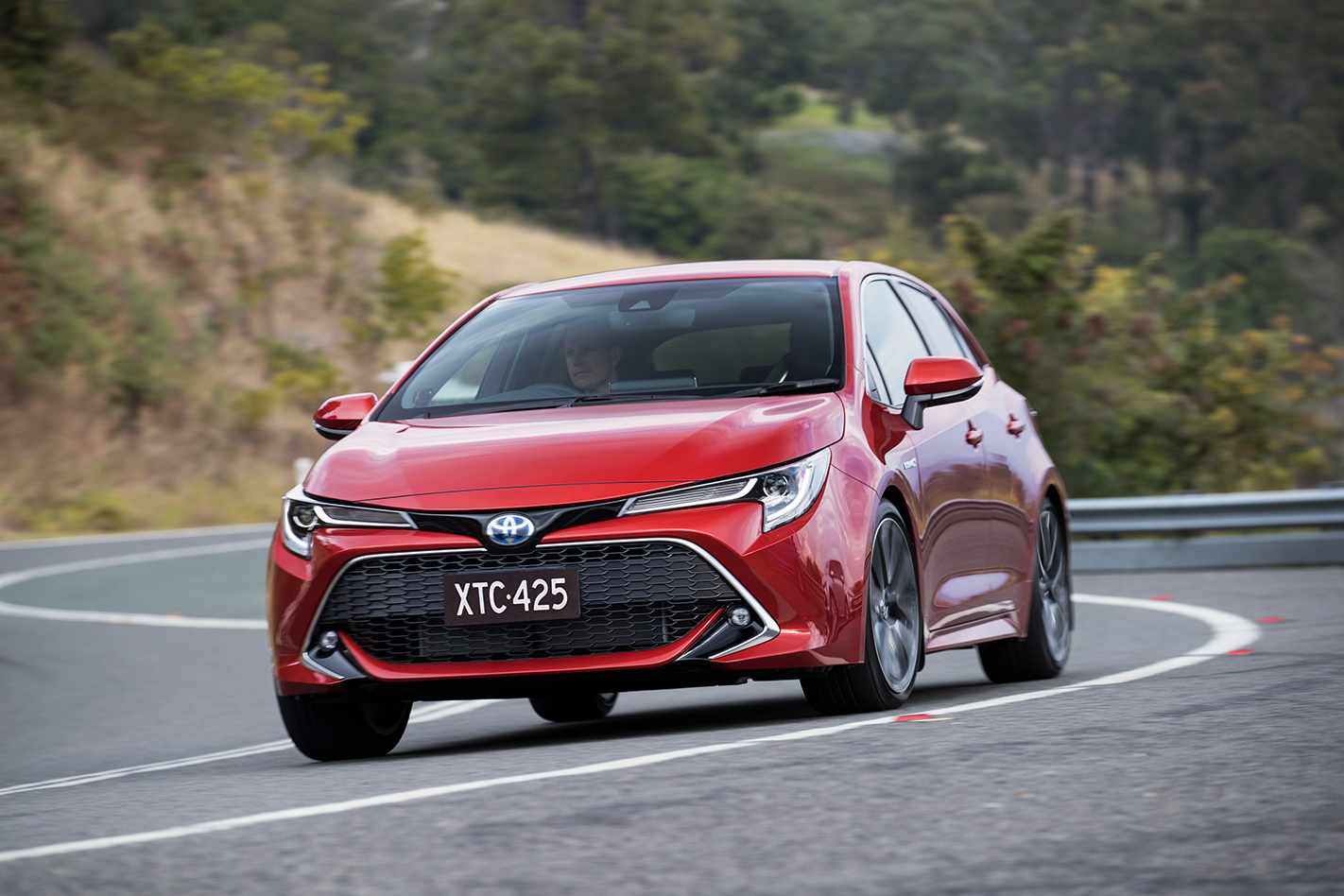
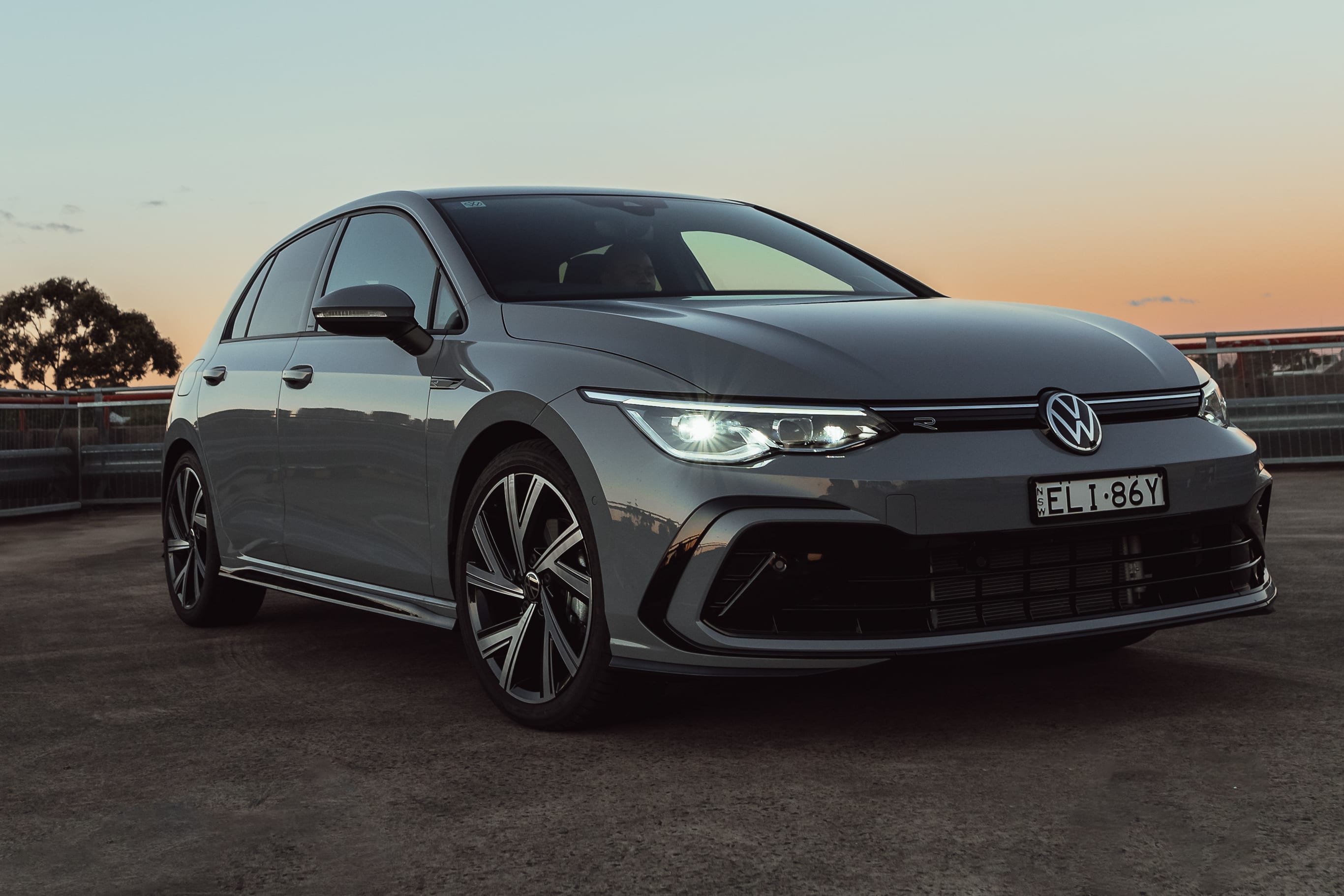
Based on the AAA’s numbers, the average yearly income of the aforementioned household is $125,286. Subtracting the 14.7 per cent running costs from the SCC’s report of 49.48 per cent being spent on car ownership, this leaves us with $43,575 to spend on a new car, about halfway between the cost of a Golf Mk8 110TSI R-Line ($45,912 drive-away) and a fully-optioned Corolla ZR Hybrid hatch ($39,446).
While the Corolla is still the fifth-best selling vehicle in Australia so far in 2021, the top-selling Toyota HiLux shifts double as many units and the Golf isn’t even in the top ten list – meaning the report isn’t representative of the vehicles Australians are buying but rather an indicator of specific conditions across multiple markets.
Despite this, the Federal Chamber of Automotive Industries believes it’s unsurprising Australia is the most affordable country for vehicle owners in the world, with Chief Executive Tony Weber saying further reductions in taxation could drive prices down further.
“It is not surprising Australia is the cheapest country to buy a new car,” said Weber.
“With over 50 brands in the passenger vehicle market competition helps to drive prices down.“Australian Governments can still make purchasing new vehicles cheaper for the Australian motorist – removing inefficient costs like the Luxury Car Tax and other antiquated fees at all levels of government will directly lower the costs of purchasing and keeping a car on the road.
“The Federal Government must allow manufacturers to innovate and adapt to changing preferences in how motorists purchase cars, instead of looking to protect one element of the market place-the dealer.
“Any attempts to over regulate the market will see the consumer lose out.”
Luxury automotive brand Genesis has previewed what it may have to offer if it chooses to go racing with a handful of concept cars in collaboration with Gran Turismo.
As a part of the Vision Gran Turismo series – which encourages manufacturers to create motorsport-focused models based on real-world offerings or blank-canvas ideas – Genesis has teased two race cars and a third unique concept, giving an insight into what it could serve up if it takes on the big players in racing.
First up, the G70 GR4 Gran Turismo – based on the G70 performance sedan but designed to fit into the game’s GR4 category. It closely reflects the real-life GT4 regulations, utilising production cars with modifications like spoilers, roll cages and strengthened components.
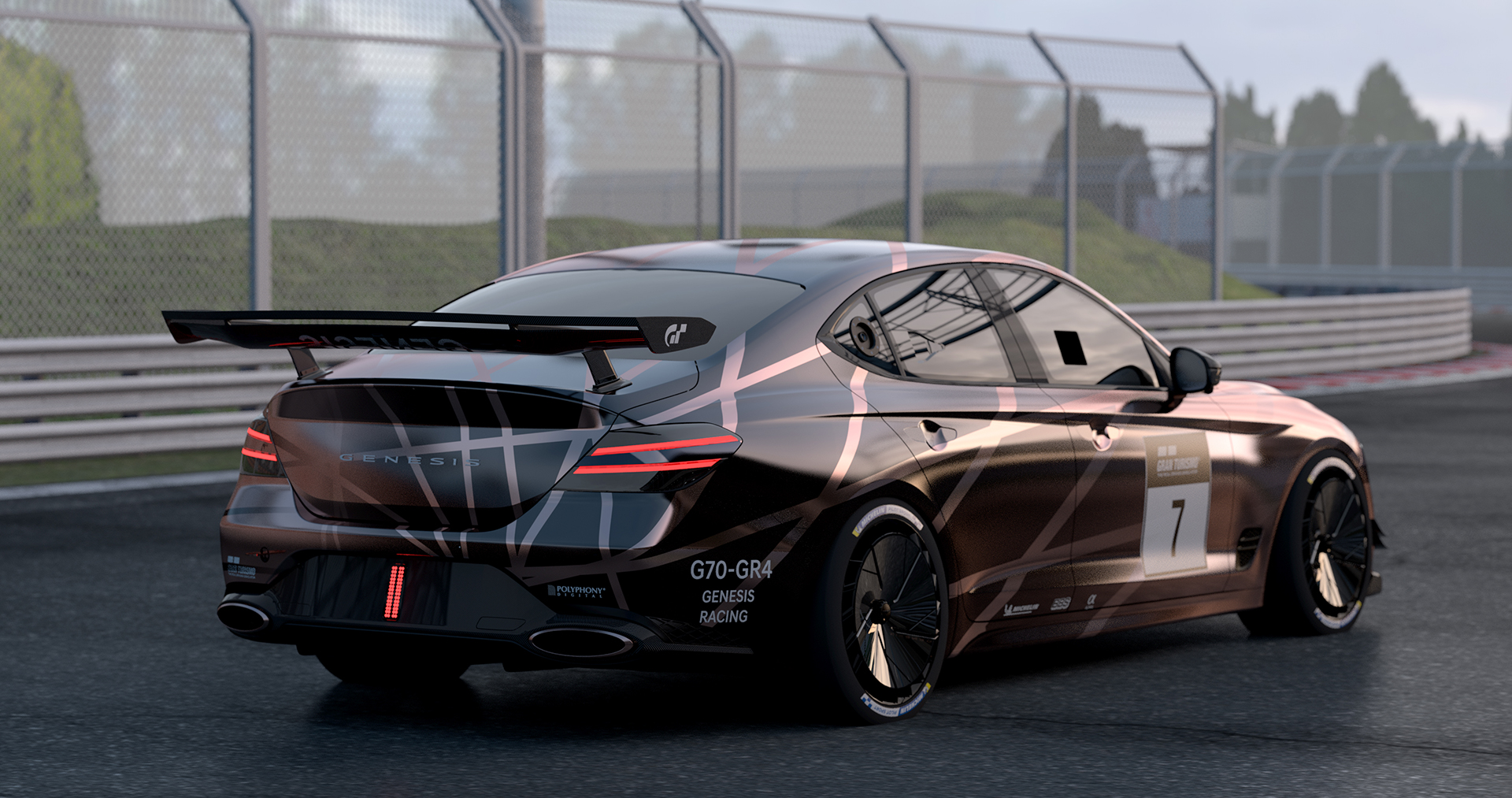
In reality, the G70 is powered by a 3.3-litre, twin-turbocharged V6 engine, which develops 272kW and 510Nm, available as rear-wheel drive only in Australia but offered with all-wheel drive in other markets such as the United States – where the G70 GR4 was conceived.
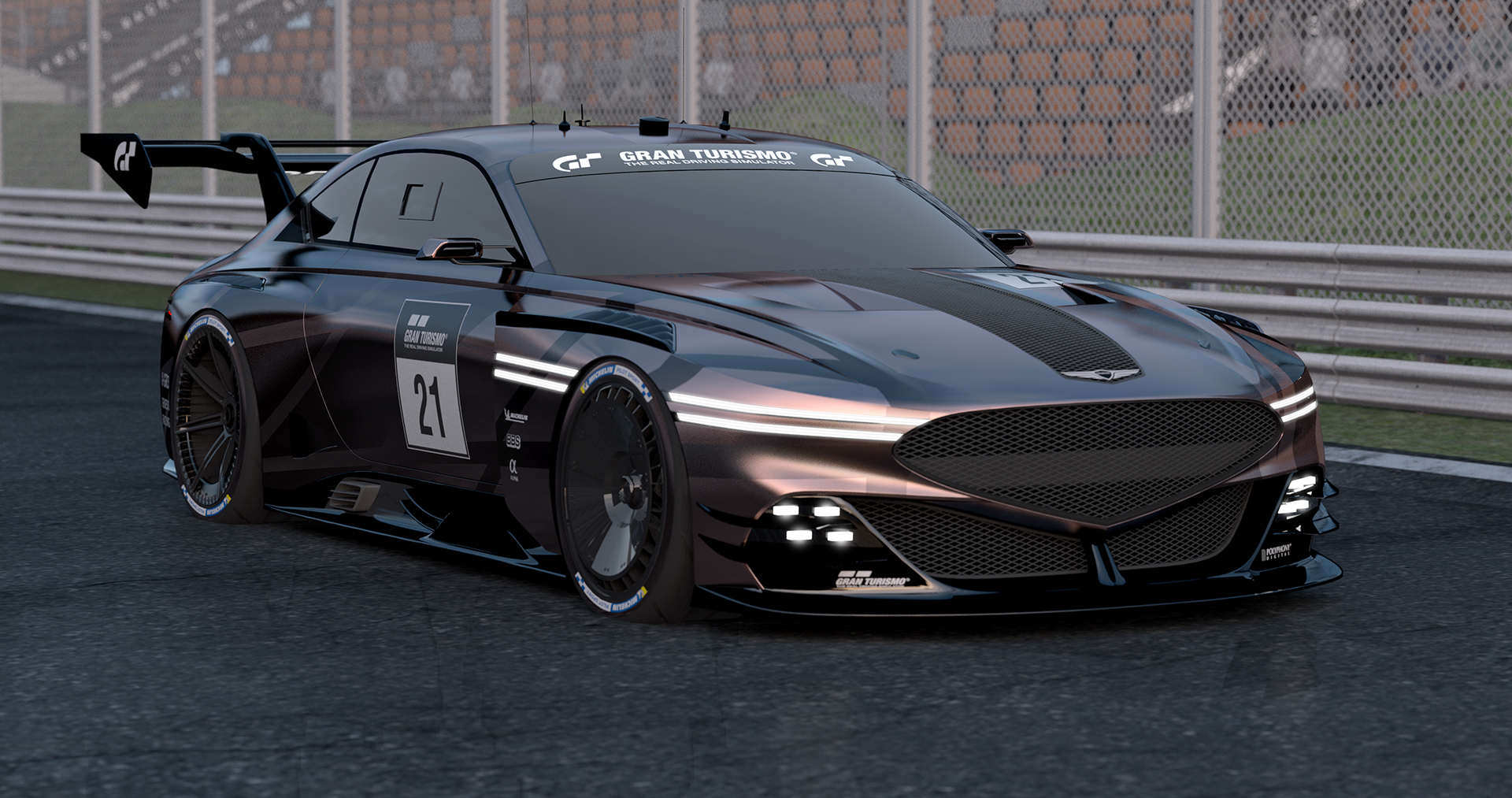
For the game’s GR3 category, Genesis has introduced the X GR3, creating mystery as it isn’t directly linked to any existing model but shares a closely-related design with the G80, however this car is a two-door while the G80 is a four-door sedan.
With added aero over the G70 GR4, the X GR3 is close to what we see in GT3 championships globally, although Genesis hasn’t offered any details on the powertrain in its digital racer.
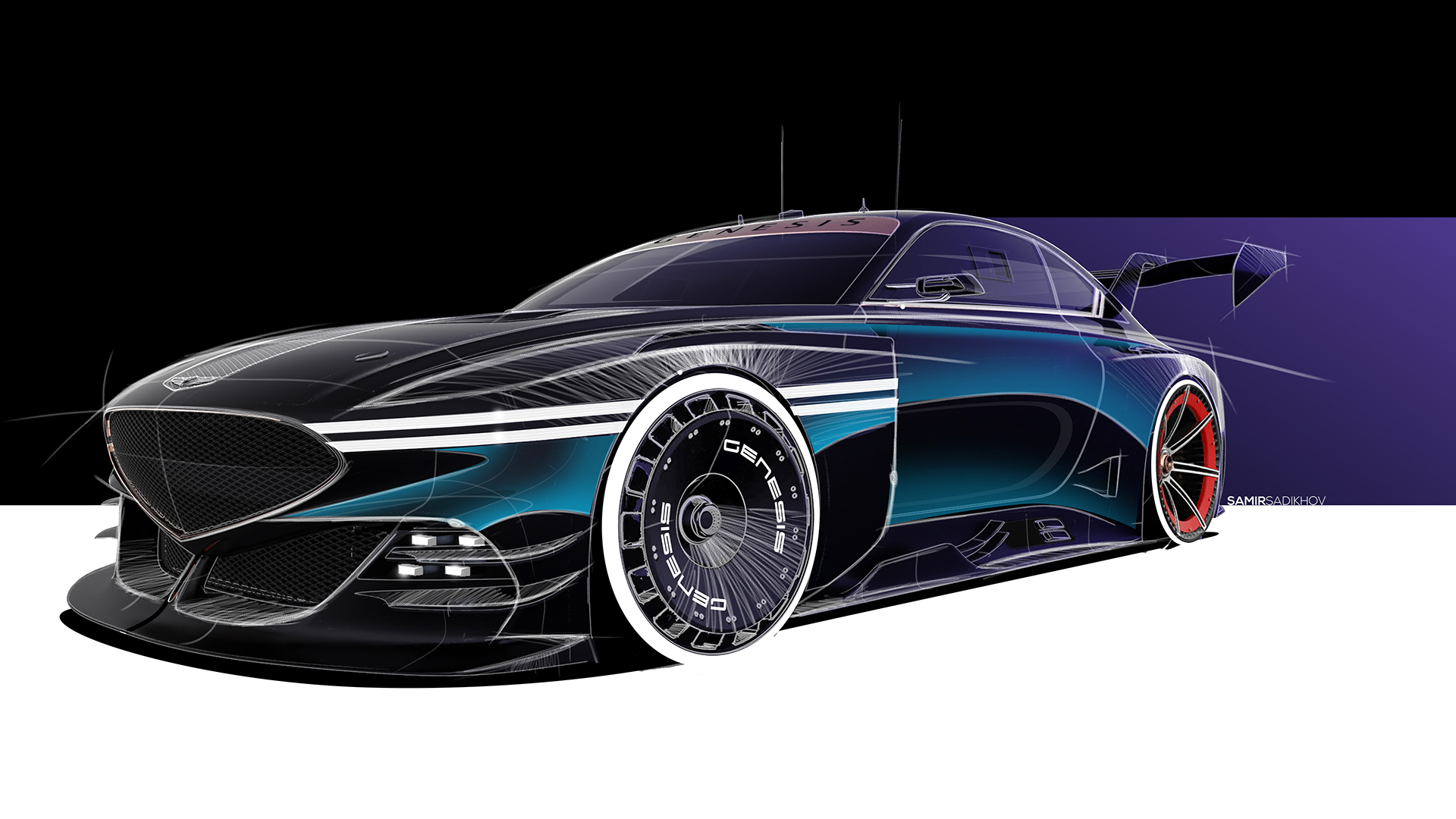
Lastly, the Vision Gran Turismo Concept, is a vehicle not built to any existing regulations but rather designed as an exercise in what the company could potentially create with the only limits coming from within.
Genesis offered up three designs for its VGT Concept – first of all is the GR1 Alpha_DB. According to the firm, it’s an “experimental concept which embraces Athletic Elegance by separating the brand’s iconic two lines to form one seamless design and testing the limits of aerodynamics and speed”.
Second of the two designs is the GR1 Bravo_GB, which “presents a sophisticated sculpture, proving that function and beauty can work as one”, while the final GR1 Charlie_ET “embraces the technical precision of Athletic Elegance, capturing the tension, athleticism and performance that is embedded into all Genesis products”.
While Genesis isn’t involved in any motorsport, its parent company Hyundai has been involved in the World Rally Championship and various iterations of the TCR Racing Series around the world for the past few years, enjoying success in both competitions as it moves itself to becoming a bigger player in the performance vehicle segment.
Snapshot
- Chassis 029 sells for over US$20m
- Only 390km recorded on its odometer
- Sale includes a TAG Heuer watch
The McLaren F1 is still one of the most revered supercars in the world, commanding multi-million dollar sales whenever an example comes up for auction across the world.
At this weekend’s Gooding & Company auction in Pebble Beach, one F1 not only broke past its own estimate but also reset the auction sale record for the legendary nameplate, clearing the previous best price by just over half a million dollars.
Chassis #029 was completed at the McLaren factory in Woking on December 23, 1994, and painted in a one-off Creighton Brown finish. While initial estimates projected it could sell for upwards of US$15million (AU$20.36m ), the sale was finalised after the winning bid of US$20,465,000 (AU$27,777,000) was accepted, topping the previous best of US$19.8m.
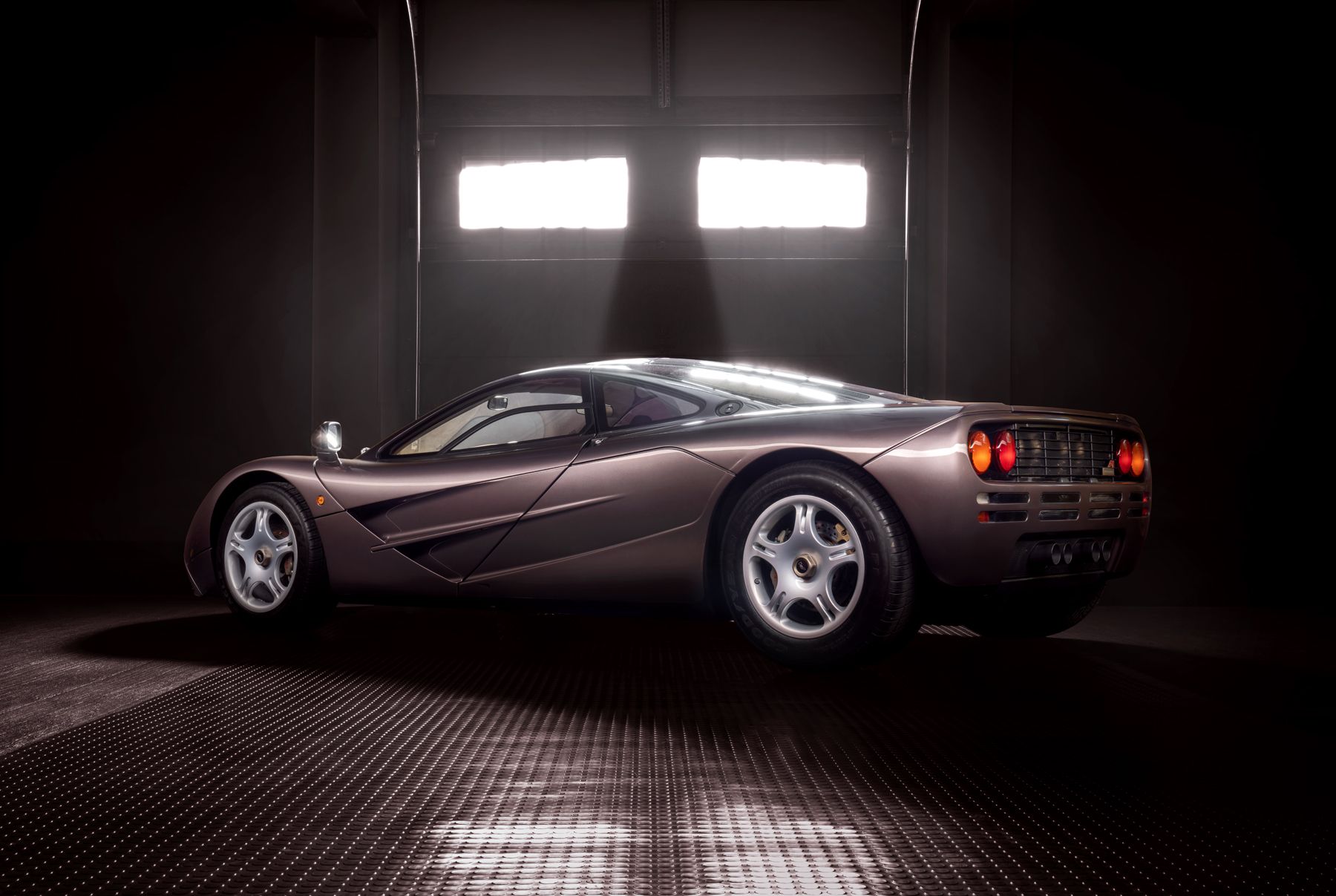
Complementing its light brown exterior, the interior was upholstered in Alcantara and light tan leather with brown leather accents and carpeting throughout the cabin. Ever the perfectionists, McLaren applied the tan leather trim to this F1’s four-piece luggage set, handbook and tool roll.
Initially delivered to a Japanese collector in 1995, chassis #029 has been stationary in a museum for a majority of its life, only registering 390km on the odometer, although it has been through preventative maintenance through its life, having last been officially serviced in 2008.
After changing hands a few times in Japan, the F1 was exported to the United States in 2013 and made emissions compliant, despite not being driven or displayed since the beginning of 2014 – only being started once a month to be brought up to operating temperature.
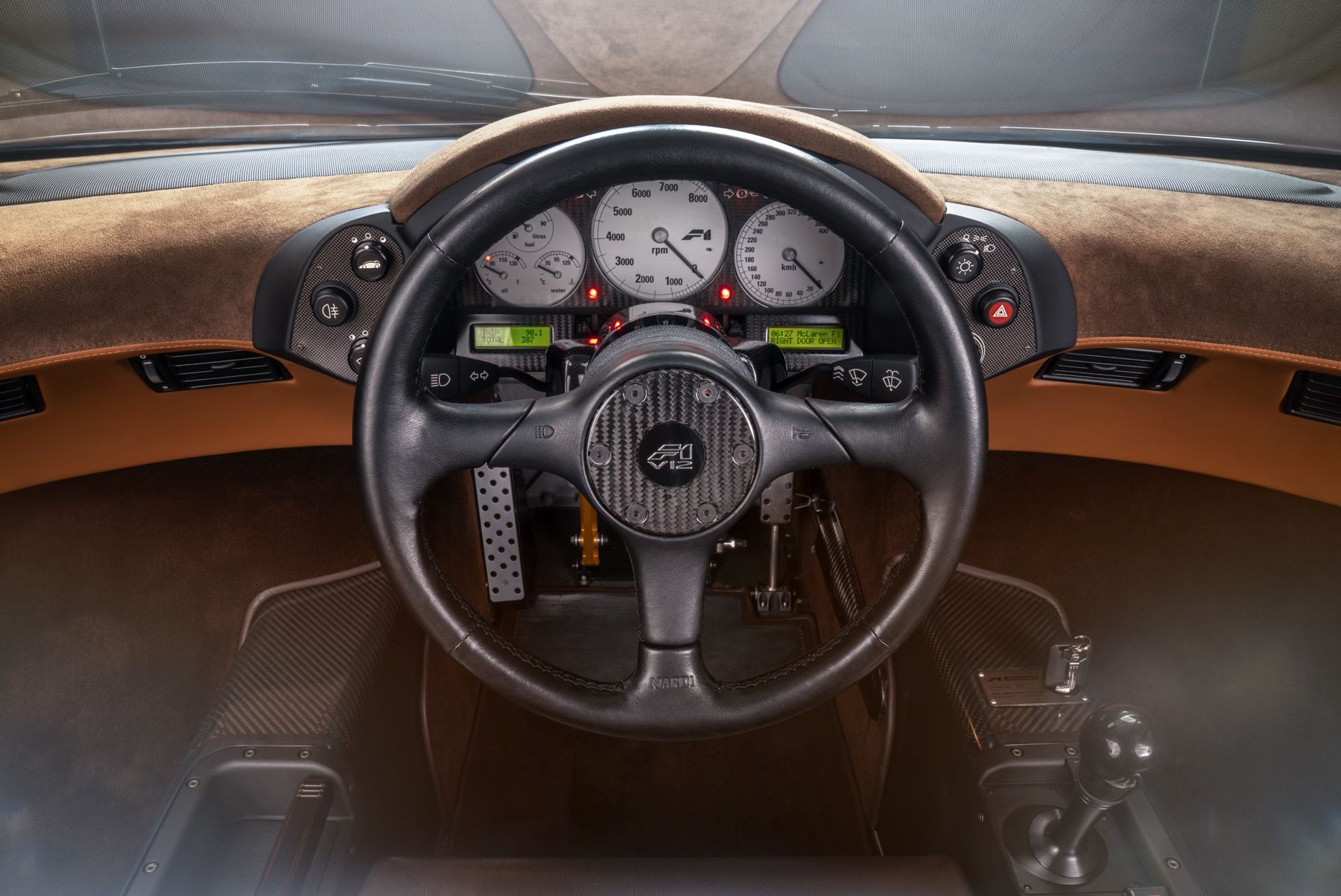
Reflecting its low mileage, this McLaren is still running on its original Goodyear Eagle tyres, which were specifically designed for the F1, helping to keep it under control when it set the record for the fastest production car with a top speed of 386km/h.
Among the items included in the sale were its FACOM tool chest, gold-plated titanium tools, a deluxe edition of Driving Ambition: The Official Inside Story of the McLaren F1 and a TAG Heuer 6000 Chronometer watch.
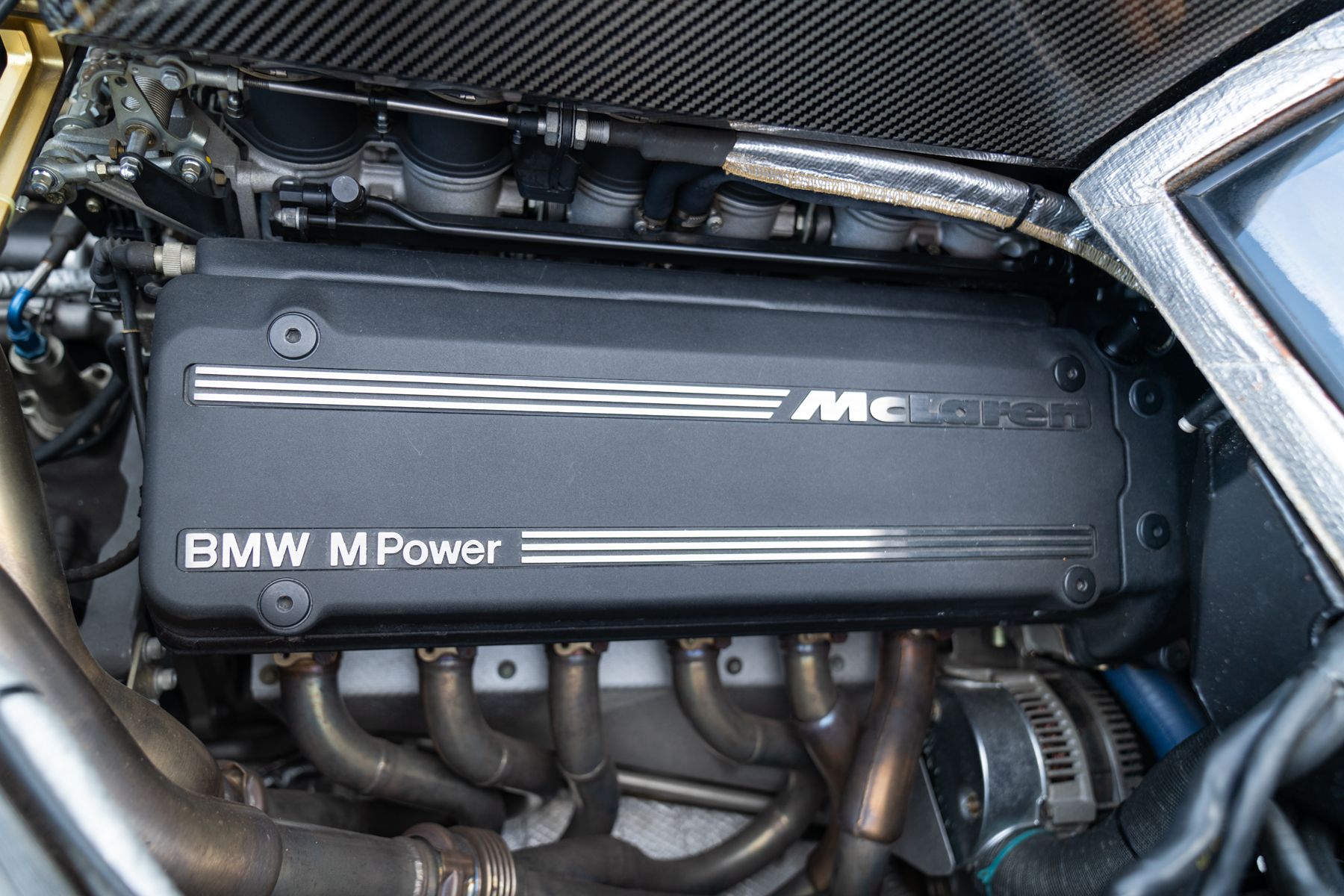
Chassis 029 is understood to be the lowest mileage F1 in the world, with its other 63 siblings having either been displayed, used and enjoyed or crashed, a common byproduct of delivering nearly 470kW to the rear wheels of a car designed in the early 1990s.
Snapshot
- 2020 to 2021 Defender models recalled over front seat bracket
- Issue relates to seat adjusting too far forward
- 48 vehicles affected
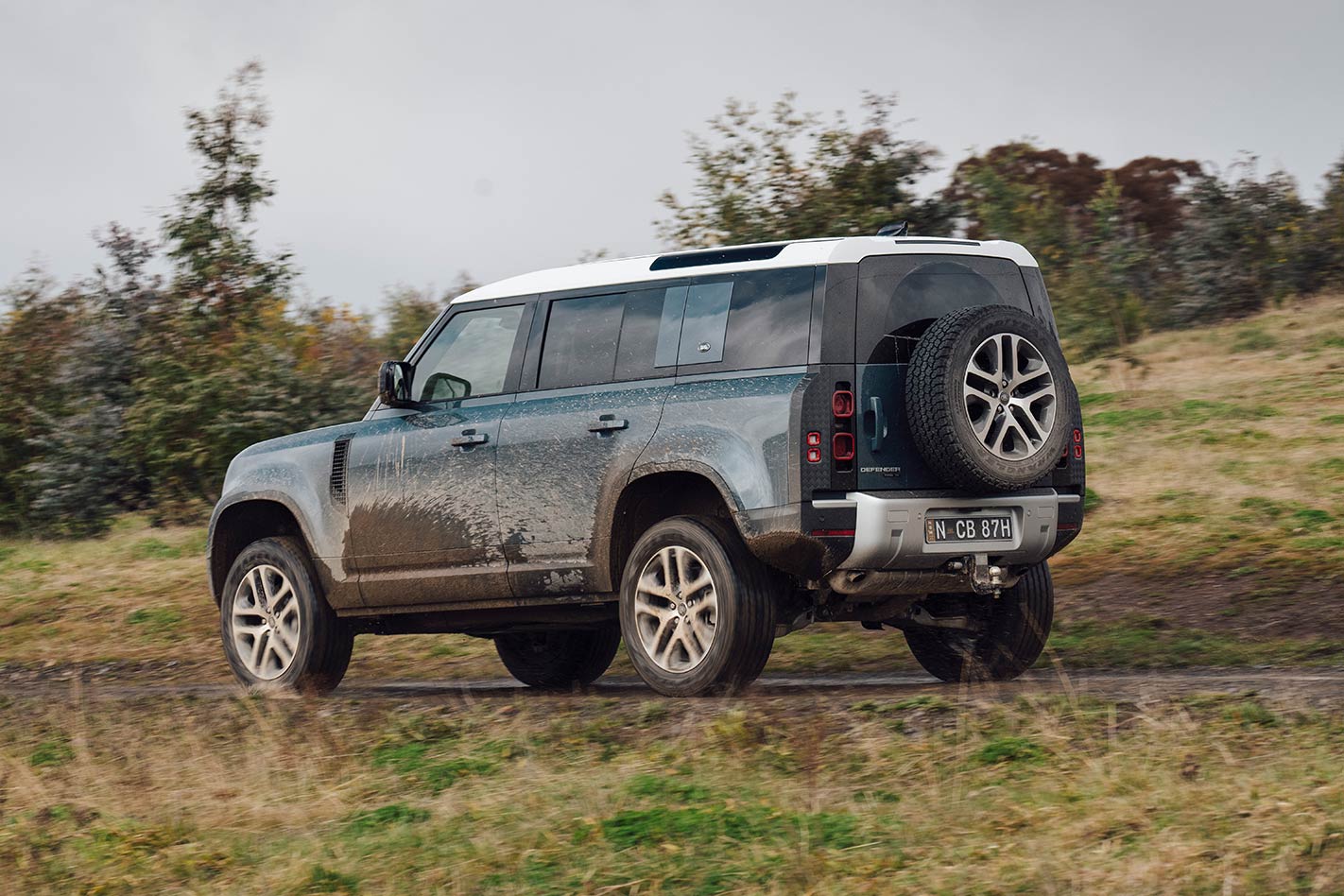
Jaguar Land Rover Australia has recalled 48 2020 and 2021 Defender models, as the front seat bracket may not meet factory specification.
More specifically, the fault identified relates to the front seat bracket which allows the seat to adjust forwards and backwards, potentially allowing the front seat to latch further forward than Land Rover intended.
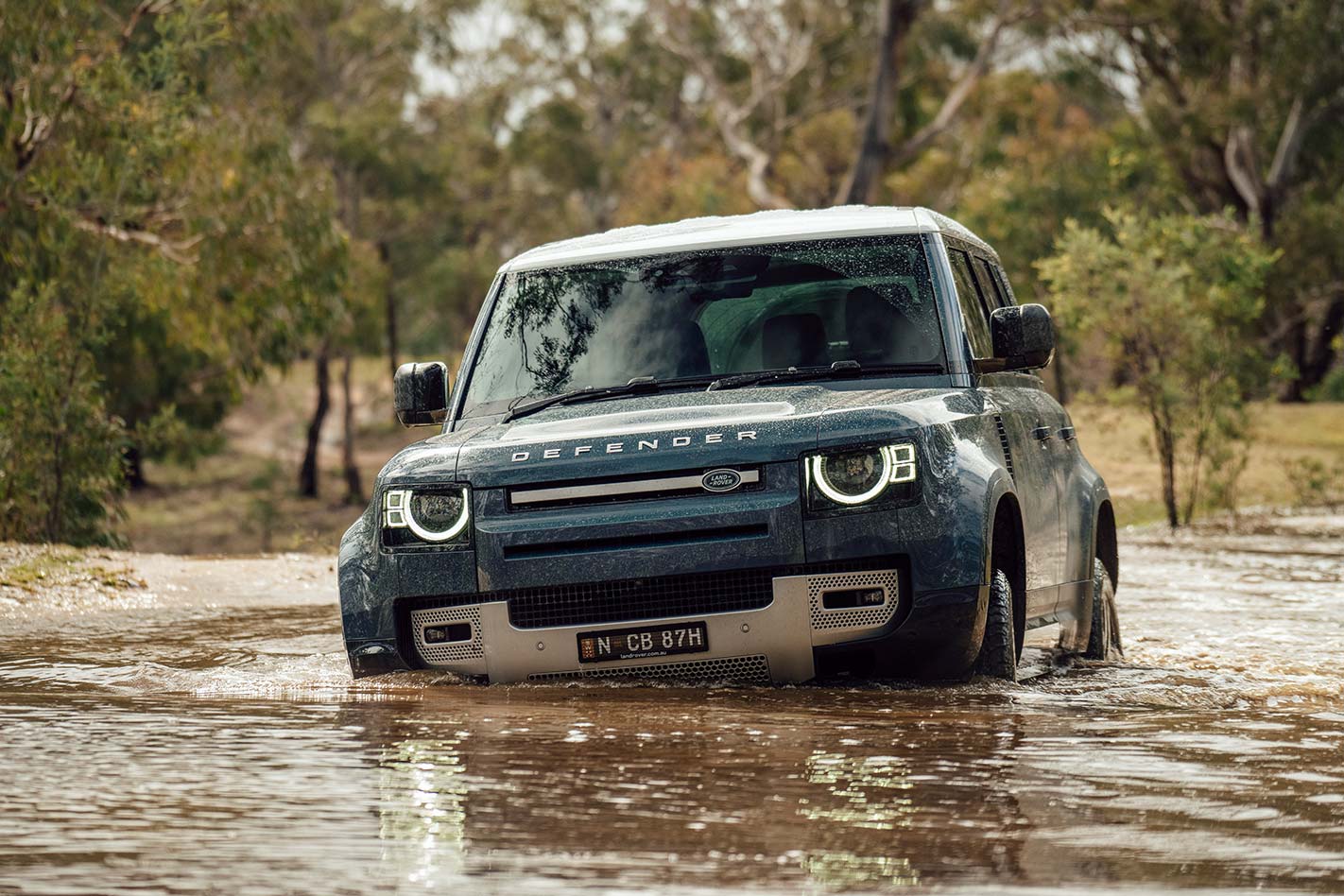
The recall is only relevant to the third generation L663 Defender 90 models which were produced between 2020 and 2021.
This issue can compromise the strength of the seat in the event of an accident.
Jaguar Land Rover said it is already in the process of contacting the owners of the 48 vehicles affected and the fault will be fixed at Jaguar Land Rover dealers free of charge.
If you’re unsure whether your model is affected, Land Rover customer assistance is available by calling 1800 625 642 or emailing [email protected]
You can find the full recall notice and affected list of VINs here.
General Motors is set to hammer another nail into the coffin of Holden by rebranding service outlets to ACDelco.
The move could be the final death knell for the Holden name, which ceased as a brand at the end of last year.
GM Australia has canvassed remaining dealers on switching their parts and service operations for Holdens to the ACDelco label.
ACDelco is GMA’s parts and accessories division, offering replacement components for Holdens and other makes.
It appears GMA is looking to replace Holden as its service brand to establish ACDelco as a general automotive maintenance chain.
About 120 former Holden dealers around the country – operating a little more than 200 sites – signed agreements to continue as authorised service and parts providers.
They operate under the Holden Certified Service banner, aimed at retaining the business of the large car parc of owners of Lion-badged vehicles.
To keep Commodore owners in the system, they are being offered a $245 scheduled service deal.
According to an insider at a major dealer group which includes ex-Holden facilities, the change to ACDelco as the service mark has been flagged by GMA dealer liaison staff.
Sources with connections to ACDelco confirmed the plan to elevate the parts brand to an all-encompassing service operation.
GMA has an obligation to continue supplying parts and service for at least the most recent Holden models for the next 10 years.
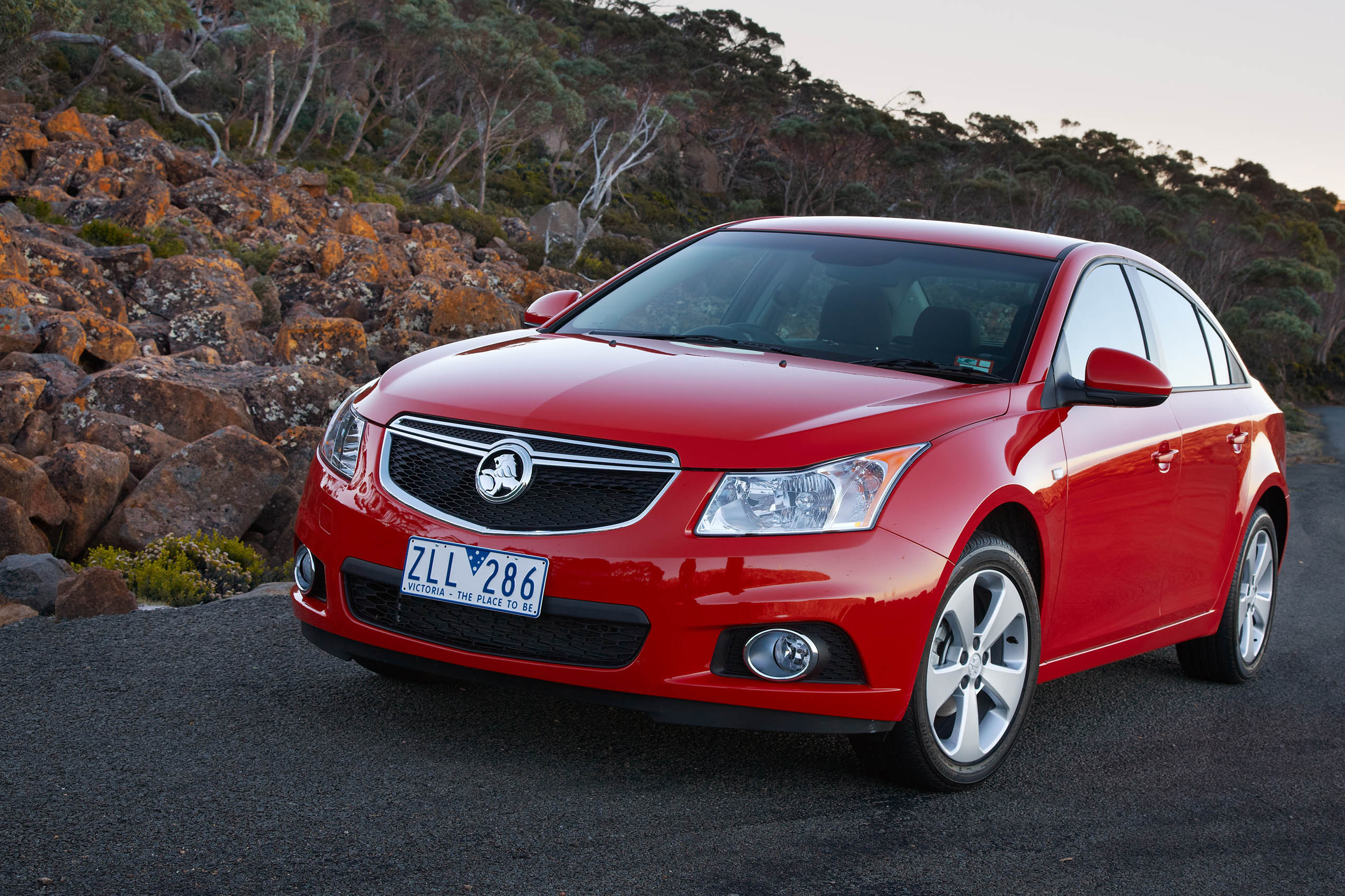
Its back catalogue of replacement parts actually extends to the late 1990s and further, especially for locally made models – including the short-lived Adelaide-produced Cruze, which accompanied the VF Commodore on the Elizabeth production line from 2011 to 2016.
While not yet compulsory, the change from Holden to ACDelco as the service brand is being heavily recommended to dealers as GMA becomes a specialist supplier.
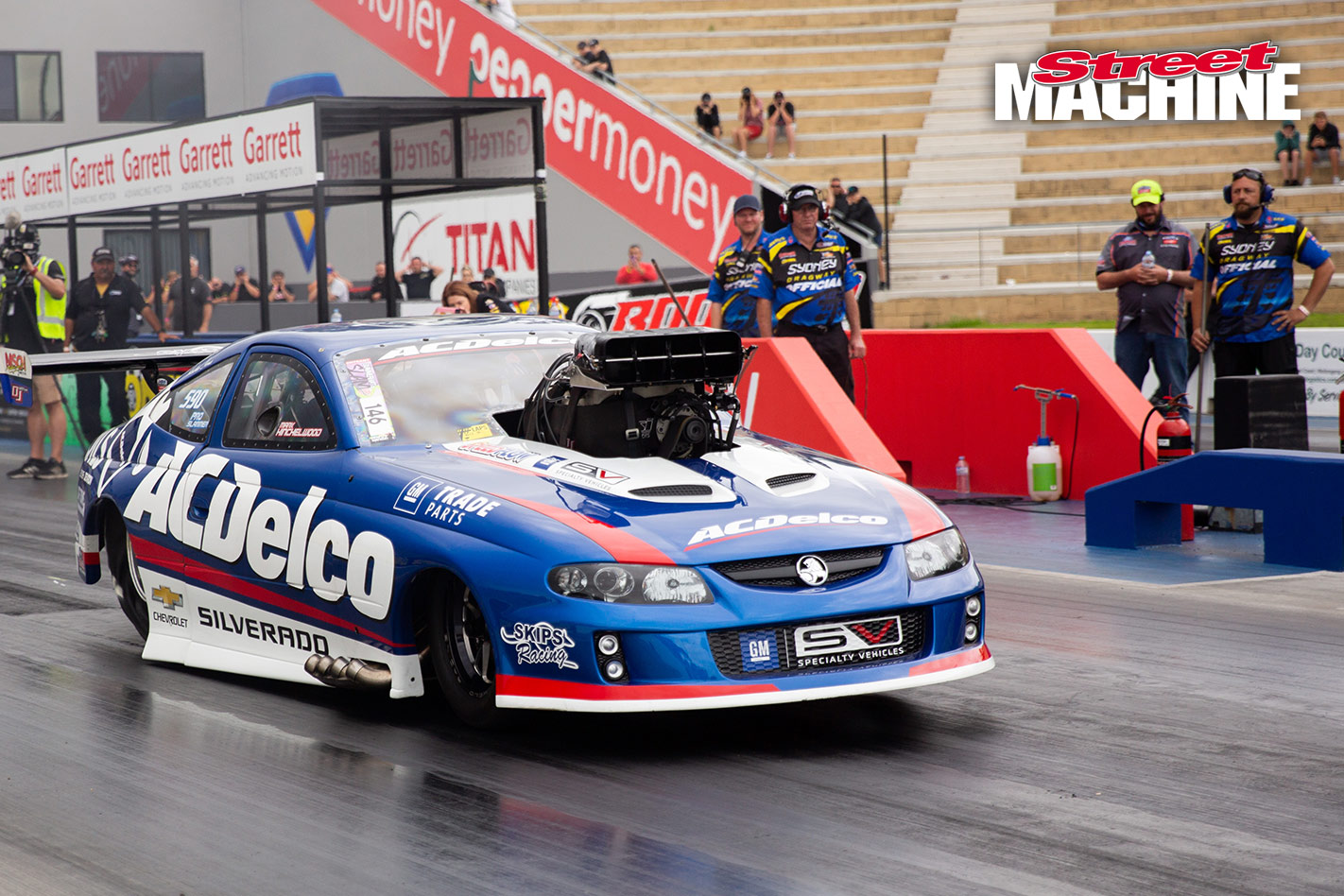
Its GM Specialty Vehicles (GMSV) division is selling ‘remanufactured’ Chevrolet Silverados through 55 former HSV dealers, which will also retail the imported factory-made right-hand drive C8 Corvette from the end of this year.
GMSV is also backing the change from the ZB Commodore to the Chev Camaro in Supercars racing under the new Gen3 rules from next August.
Medium-term, GM Australia and New Zealand (GMANZ) is keen to ditch the Holden brand to move on as a niche importer of high-value American vehicles.
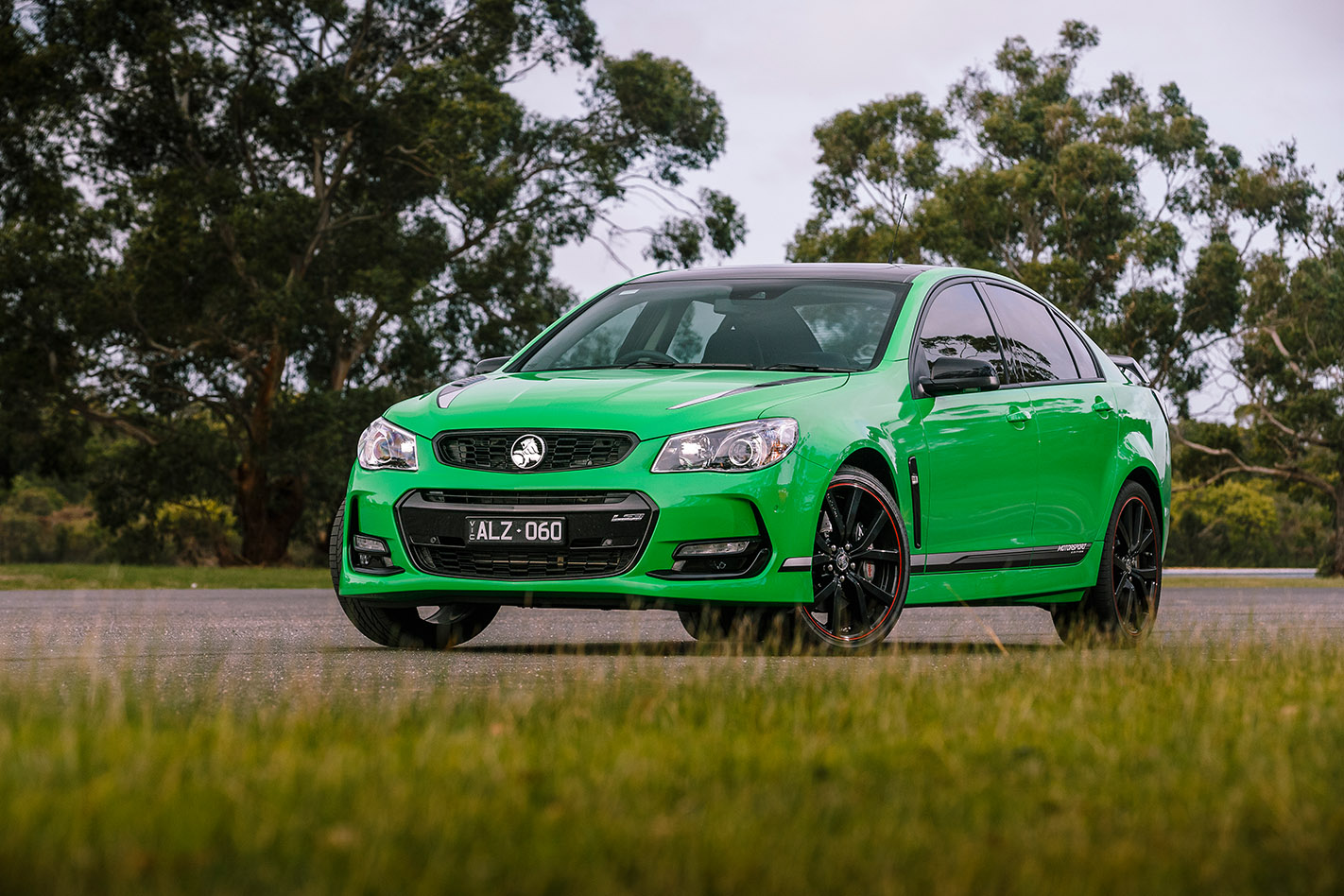
Although on iconic Australasian nameplate, Holden no longer has relevance. Local production ended in late 2017.
The VF Commodore was replaced by the imported ZB model, sales of which were underwhelming.
Holden’s history goes back to the 1930s as an Adelaide-based assembler of GM vehicles, becoming ‘Australia’s Own’ in 1948 with the Melbourne-built 48/215.
Holdens were made in Melbourne, Sydney, Brisbane and Adelaide from the 1950s to the ’80s, when production was consolidated at Elizabeth in SA.
Four cylinder and V6 engines were made at Fishermans Bend in Melbourne – for world markets – from the early ’80s until 2017.
Production of the locally designed VF Commodore in Adelaide ended in late 2017, with the Holden brand killed at the end of 2020.
ACDelco is an amalgamation of two historic GM parts divisions.
AC was famous for spark plugs, while Delco was synonymous with replacement and performance parts.
ACDelco is actively involved in racing and modified cars, with its campaign fronted by V8 legend Craig Lowndes.
The Holden brand is already officially dead in Supercars.
The front-running Triple Eight team’s Holden Racing Team status ended a year early this season and the ZB Commodore racer will be replaced by a Camaro-look Gen3 version.
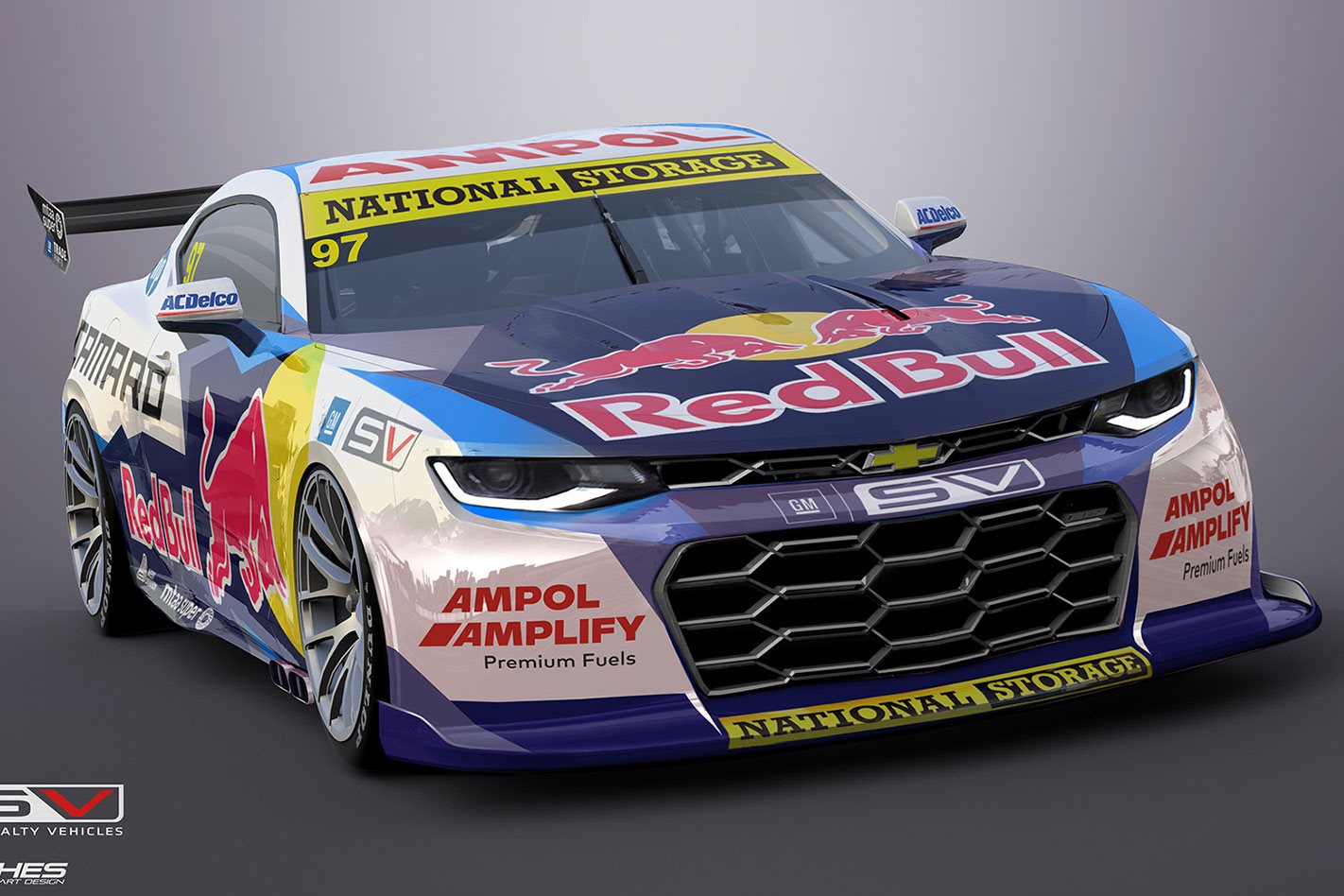
Holden has history – but also baggage that GM wants to shed.
At the risk of alienating Holden owners, who are probably already disenfranchised, converting existing service dealers to generic ACDelco outlets will broaden GMA’s market long-term.
There will presumably be flow-on effects in NZ, where Holden had been GM’s primary brand since the ’80s.
After more than 70 years of direct involvement in Australia, GM has shrunk to a minor importer while trying to maintain a connection with the hundreds of thousands of Holden owners.
That allegiance will decline as aging cars fall out of the official system.
Under the ACDelco banner, with lower rates, dealers have a chance to keep customers and attract brand agnostic owners.
Holden, for all it stood, is gone and will be forgotten within a decade.
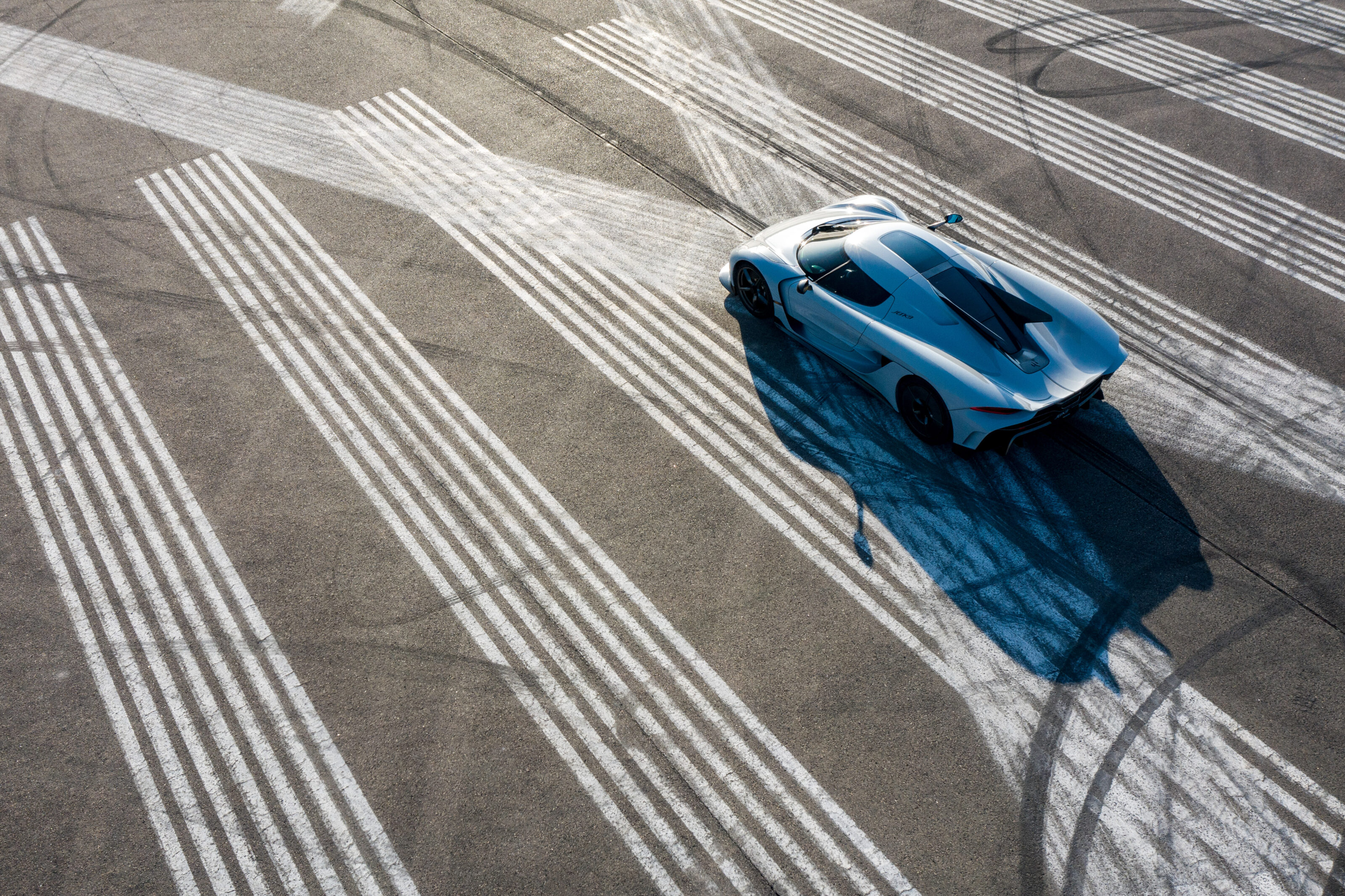
Not content with simply powering vehicles with small explosions in their combustion chambers, Koenigsegg and Geely are looking to source power for future cars from something with a significantly bigger bang: volcanoes.
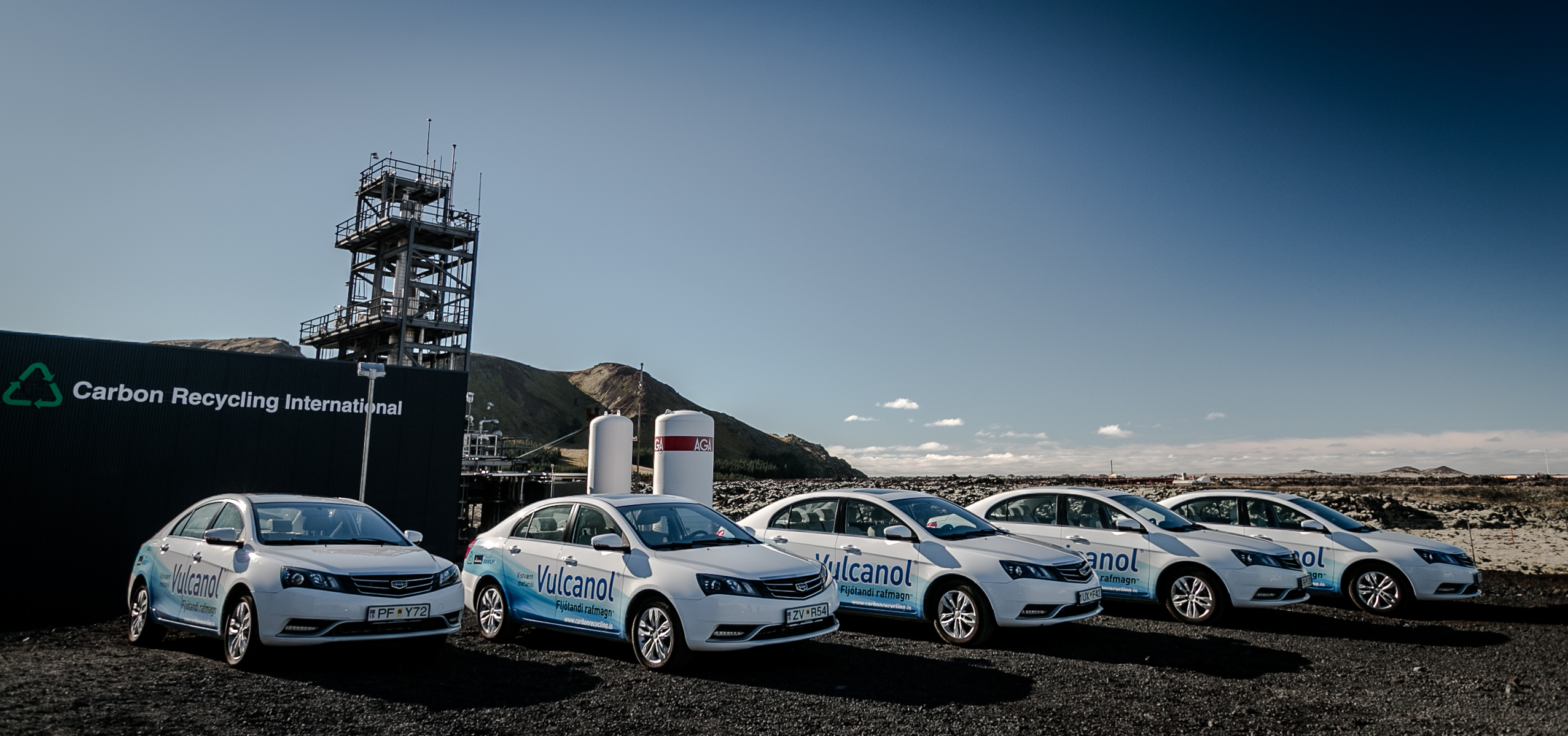
That’s not an exaggeration, with both manufacturers looking to source carbon from Icelandic volcanoes to concoct methanol-based alternative fuels. The pair have invested in an Icelandic company called Carbon Recycling International, which runs an innovative program that combines hydrogen and captured carbon to create methanol.
To source the C02 required, Carbon Recycling International built a plant on a semi-active volcano to harness emissions that would traditionally be released into the atmosphere. The end product is dubbed Vulcanol. But, unlike other synthetic fuels, the end product in this instance (while similarly artificial in its creation) is not refined beyond its alcohol state.
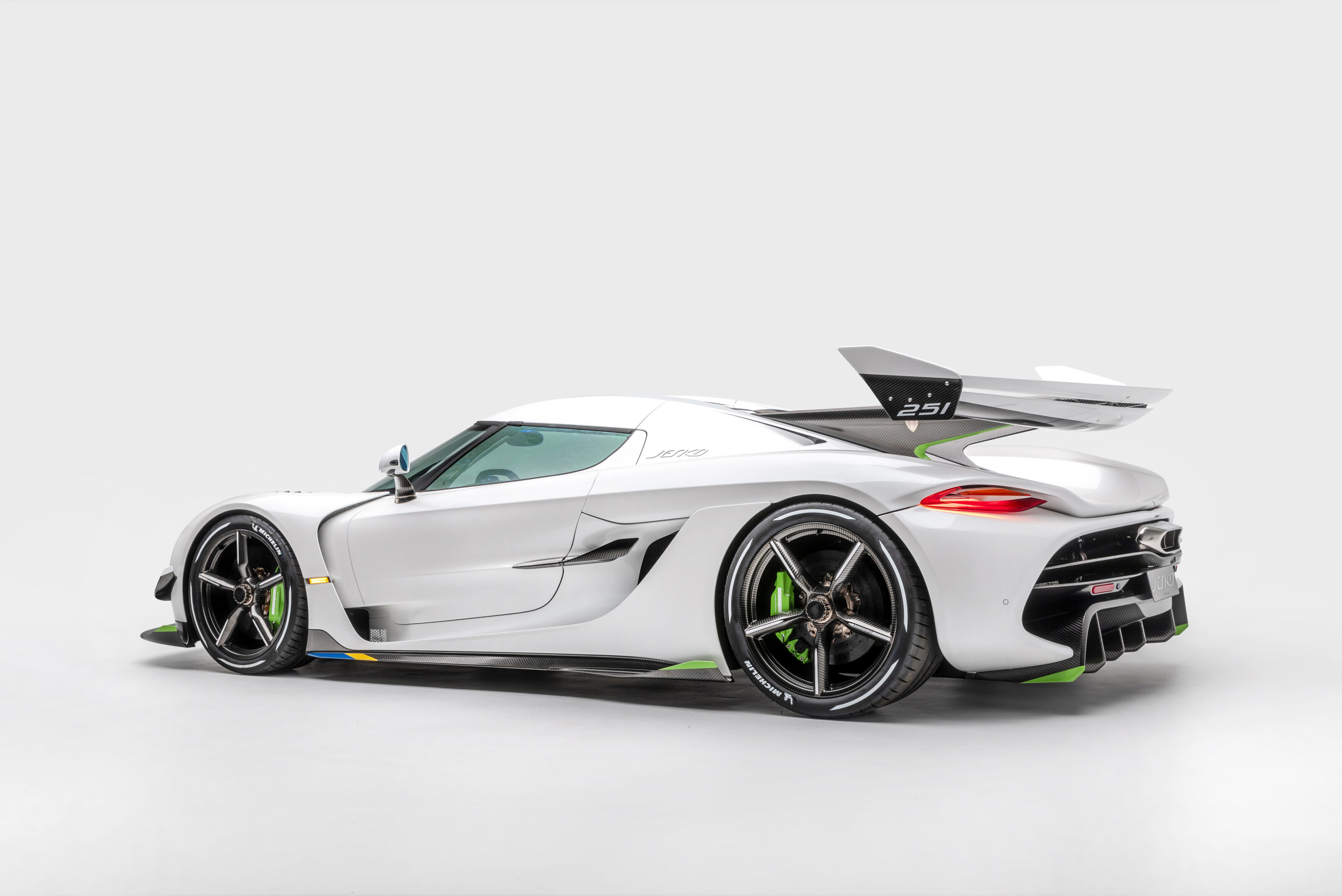
Christian von Koenigsegg told Bloomberg his interest in using volcanoes to create fuel stems from the fact it is “a very interesting way of creating an environmentally benign propulsion energy source.”
Benign is the key word there, with the final product still having some environmental impacts in its creation, particularly if the hydrogen isn’t sustainably harvested. However, under the right circumstances it could hypothetically become a carbon neutral process. Though the real benefit is capturing the carbon dioxide released from the volcano for transport uses first, instead of simply having it be released into the atmosphere.
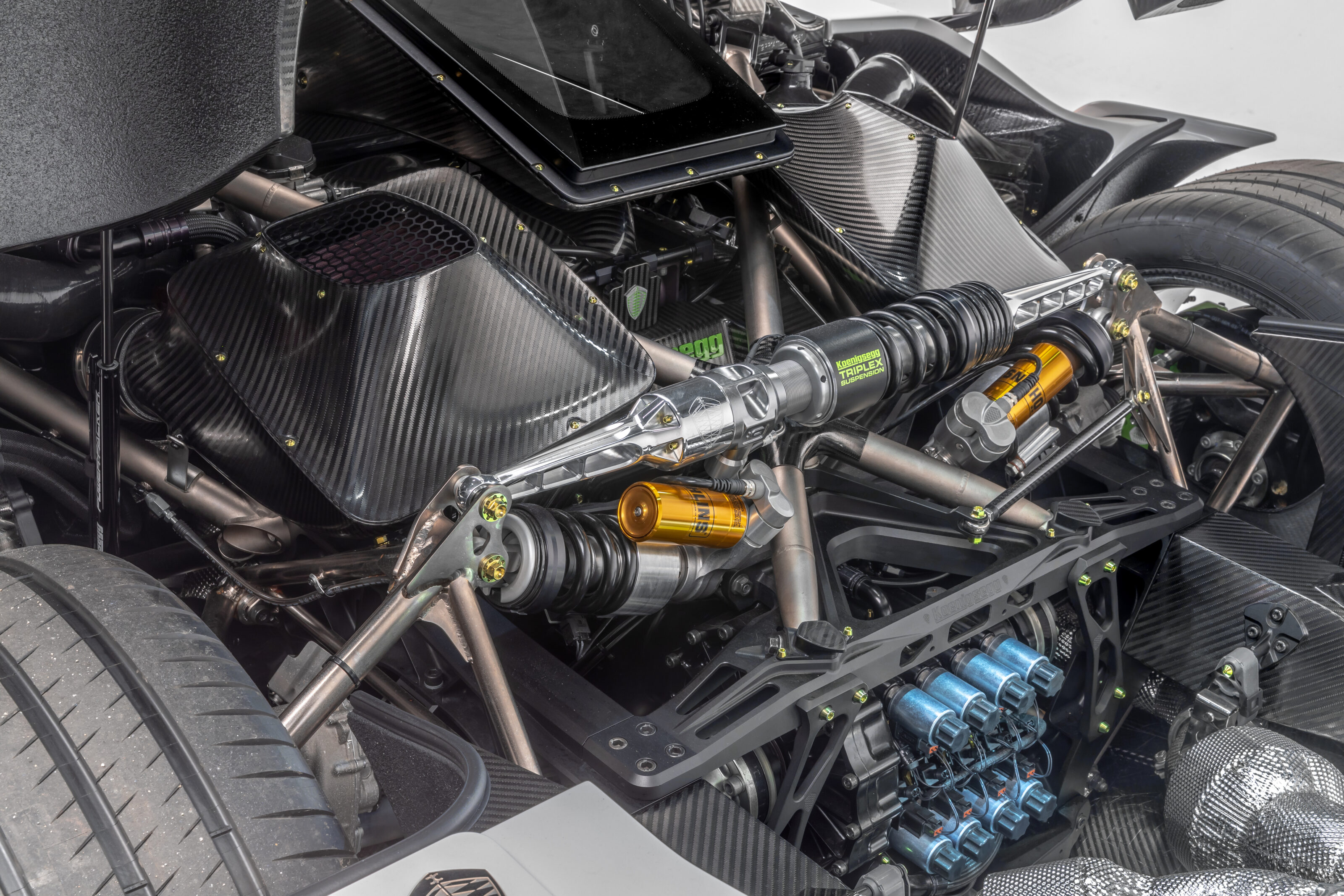
The Swedish hypercars manufacturer has been looking to advance its combustion engines for several years, with interest in alcohol fuels being a natural step forward.
“We’re not stuck in traditional combustion technology,” von Koenigsegg added. “The technology we develop there is really next-generation beyond anything else I’ve seen out in the marketplace, and also next-generation electrification, and combining these technologies in an interesting way to make our product stand out and be as competitive as we can with as little environmental footprint as possible.”
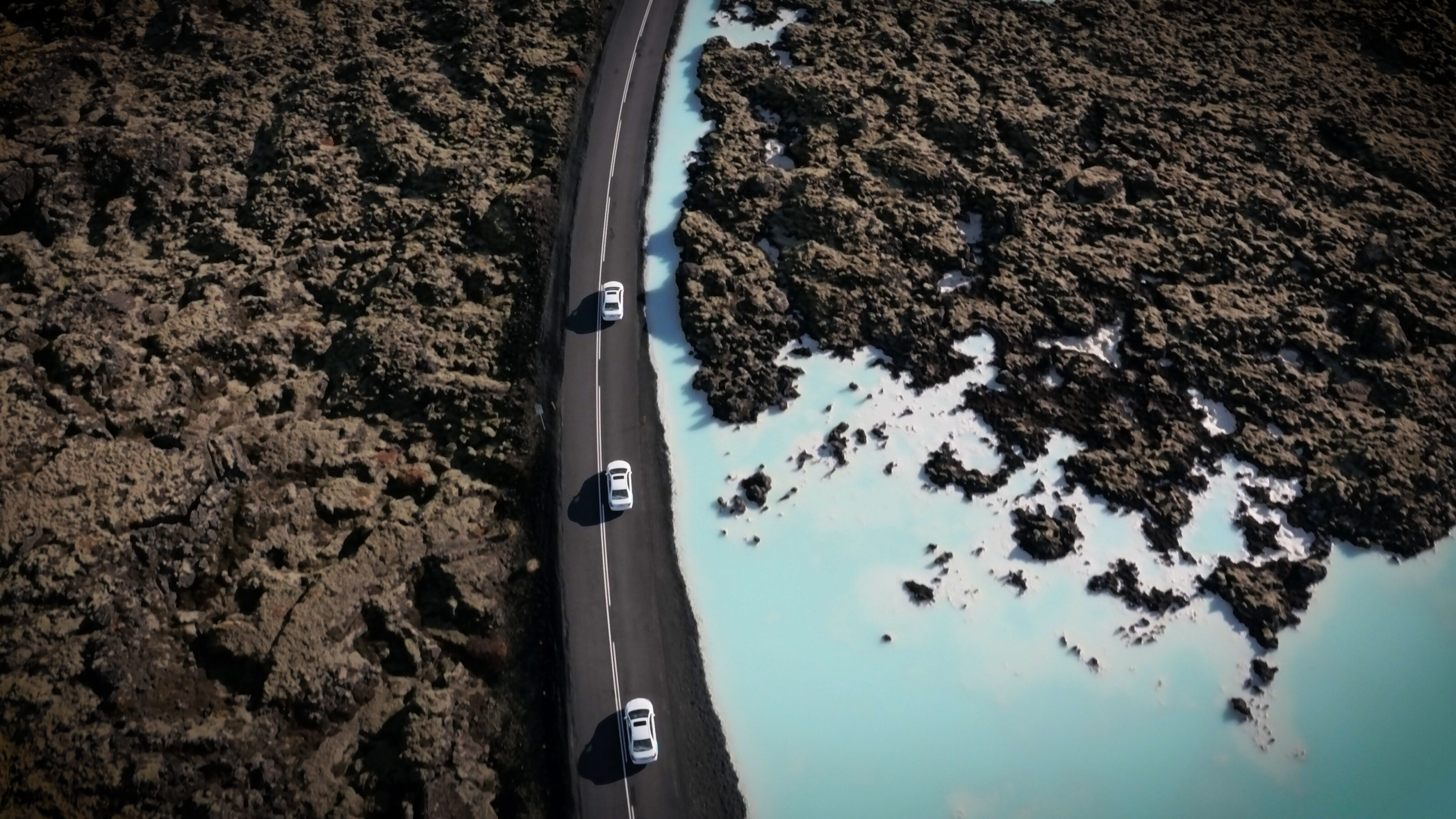
Geely’s interest in alcohol combustion, while sheened with certain environmental concern, is more intricately linked to China’s eagerness for energy independence. China has large stockpiles of coal, which can be used to create methanol, and is the largest market for methanol as a fuel source.
In fact, China uses more methanol in its fuel mix than anywhere in the world, and using it means the country isn’t as reliant on foreign oil supplies. In Shanghai for example the most common blend of fuel is 15 per cent methanol and 85 per cent gasoline.
Despite the environmental and emission benefits of alcohol combustion being limited compared to alternative sources, Geely remains committed to the fuel source. “We will keep exploring methanol vehicle technologies,” Geely chairman Li Shufu said.
“Of course it might fail in the end, but currently we are still working on it.”
Using methanol in combustion vehicles isn’t a new concept – with several motorsport categories using alcohol as a primary fuel source – but using it in regular road cars is unique. Geely – which owns Volvo among other brands – is already testing methanol-powered taxis in some Chinese cities, and is developing trucks to run on the alcohol-based fuel as well.
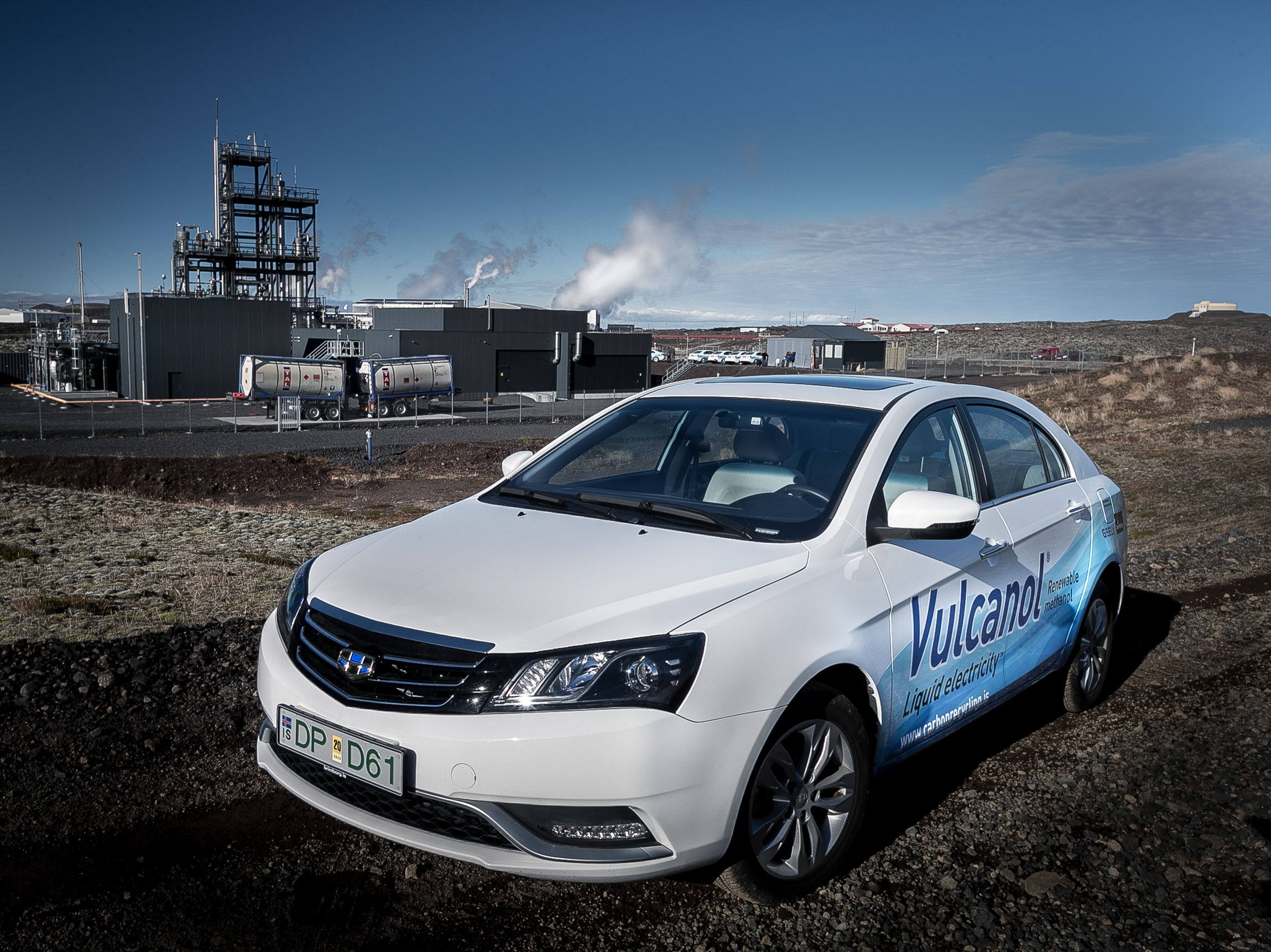
Currently the only production car in the world that runs on methanol is the Emgrand M100, a variant of the best-selling sedan in China (where it sells 20,000 units a month). It features a 1.8-litre engine capable of using both methanol and gasoline. Test cars utilise a 50-litre tank for the alcohol-based fuel, and 10-litre for regular unleaded. The vehicle is started using traditional gasoline, before switching to drinking methanol once the engine reaches a certain temperature.
During a 2017 test conducted by Carbon Recycling International and Geely, it was found that using methanol fuel created a 70 per cent reduction in C02 emissions in a virtual well-to-wheel comparison to traditional gasoline – including all associated manufacturing and distribution, along with tailpipe emissions.
While there are challenges facing widespread adoption, the use of methanol as a fuel could soon break from the confines of motorsport into the mainstream – and it could even come courtesy of volcanoes in Iceland.
Four things you have to know about methanol
1. The toughest test
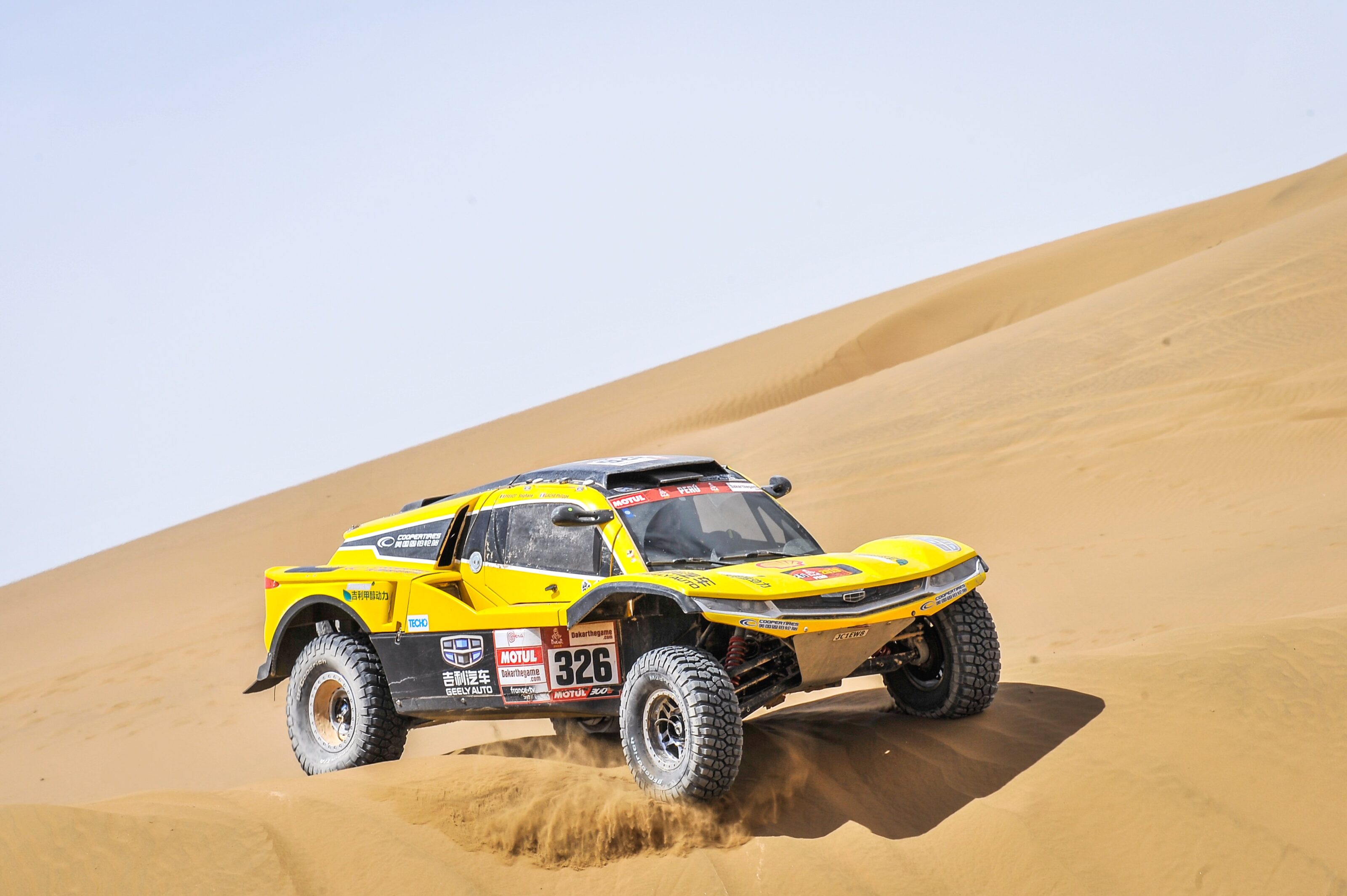
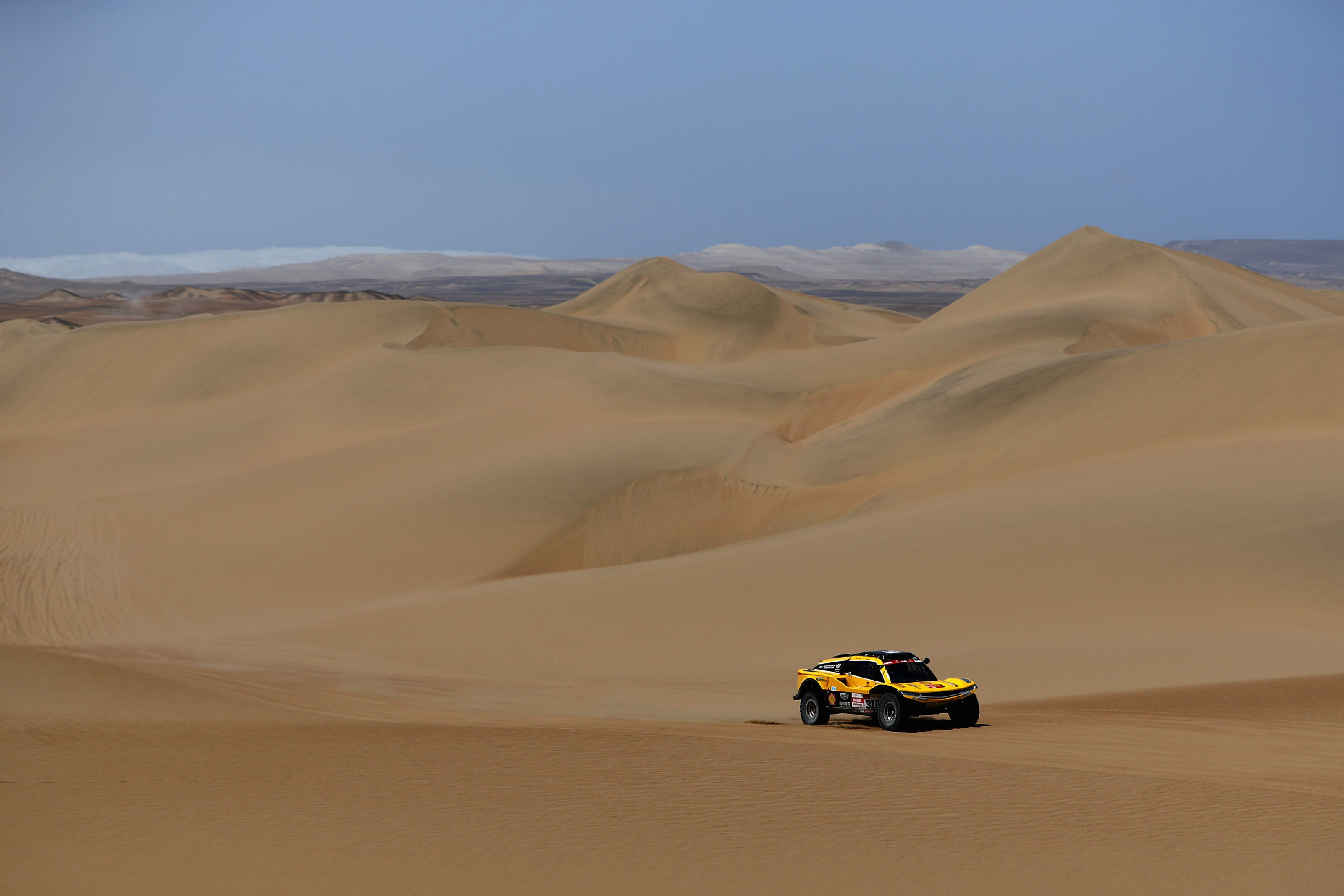
In 2019 Geely competed in the Dakar Rally using a 100 per cent methanol-powered buggy. The crew finished second in class, and recorded the best result ever for a Chinese team and driver. In a race like Dakar, using methanol provided no performance benefit, with Geely mainly completing the race as a proof of concept.
2. Legal troubles
Before alcohol is used as a mass-market fuel there will need to be significant legislative changes around the world. Pure methanol is banned as a fuel for road cars in many places around the world – including Australia – making its adoption as much a regulatory challenge as a technical one.
3. If you’re not first…
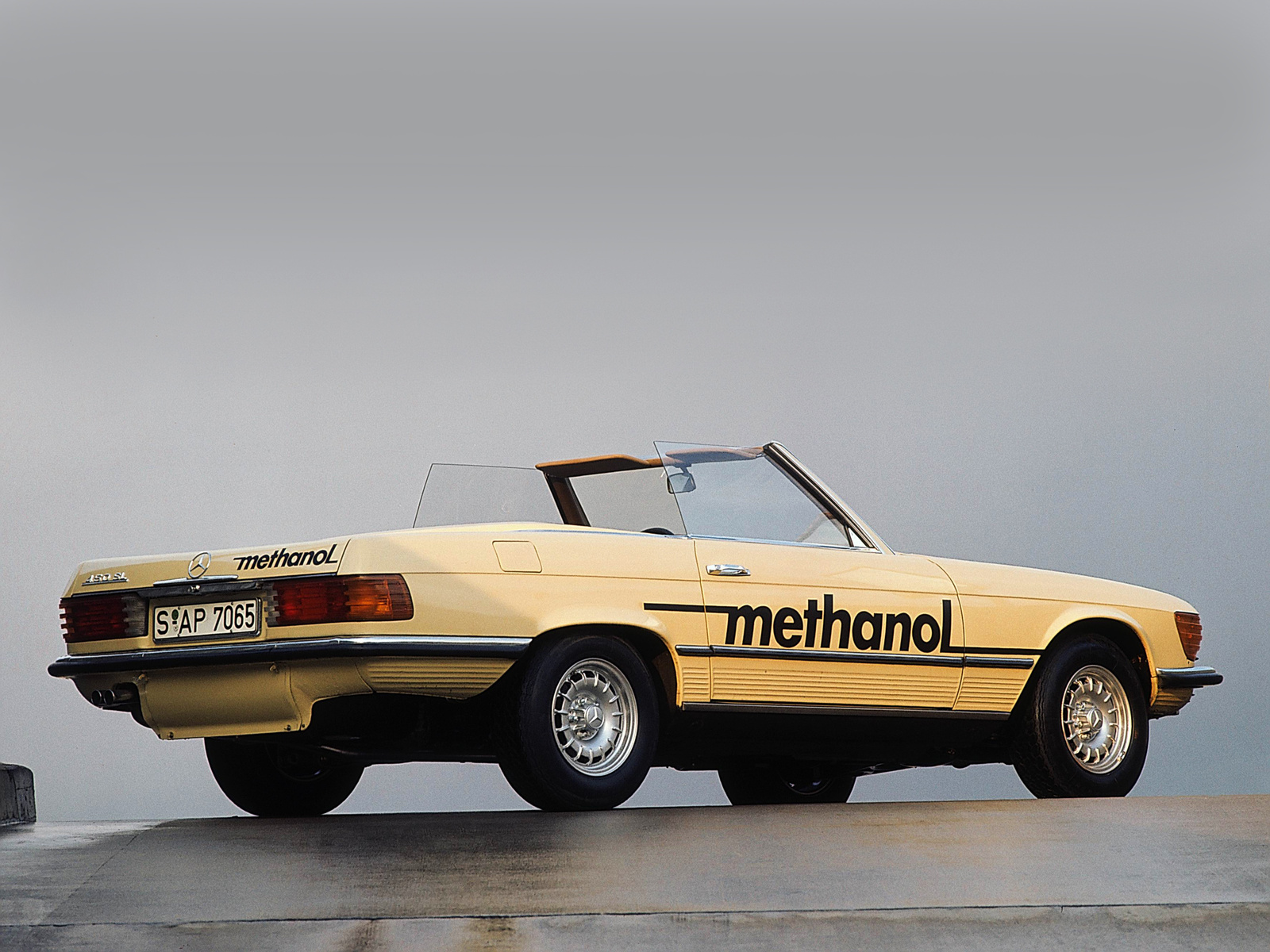
Koenigsegg and Geely aren’t the first manufacturers to dabble in alcohol fuel sources. Mercedes-Benz first investigated using methanol in the ‘70s with a 450 SL that had a modified ignition and compression as high as 14:1. Test with a W123 found the intense evaporation of methanol acted as a coolant on the intake, with lower combustion chamber temperatures. Downsides? Twice the amount of fuel was required compared to gasoline.
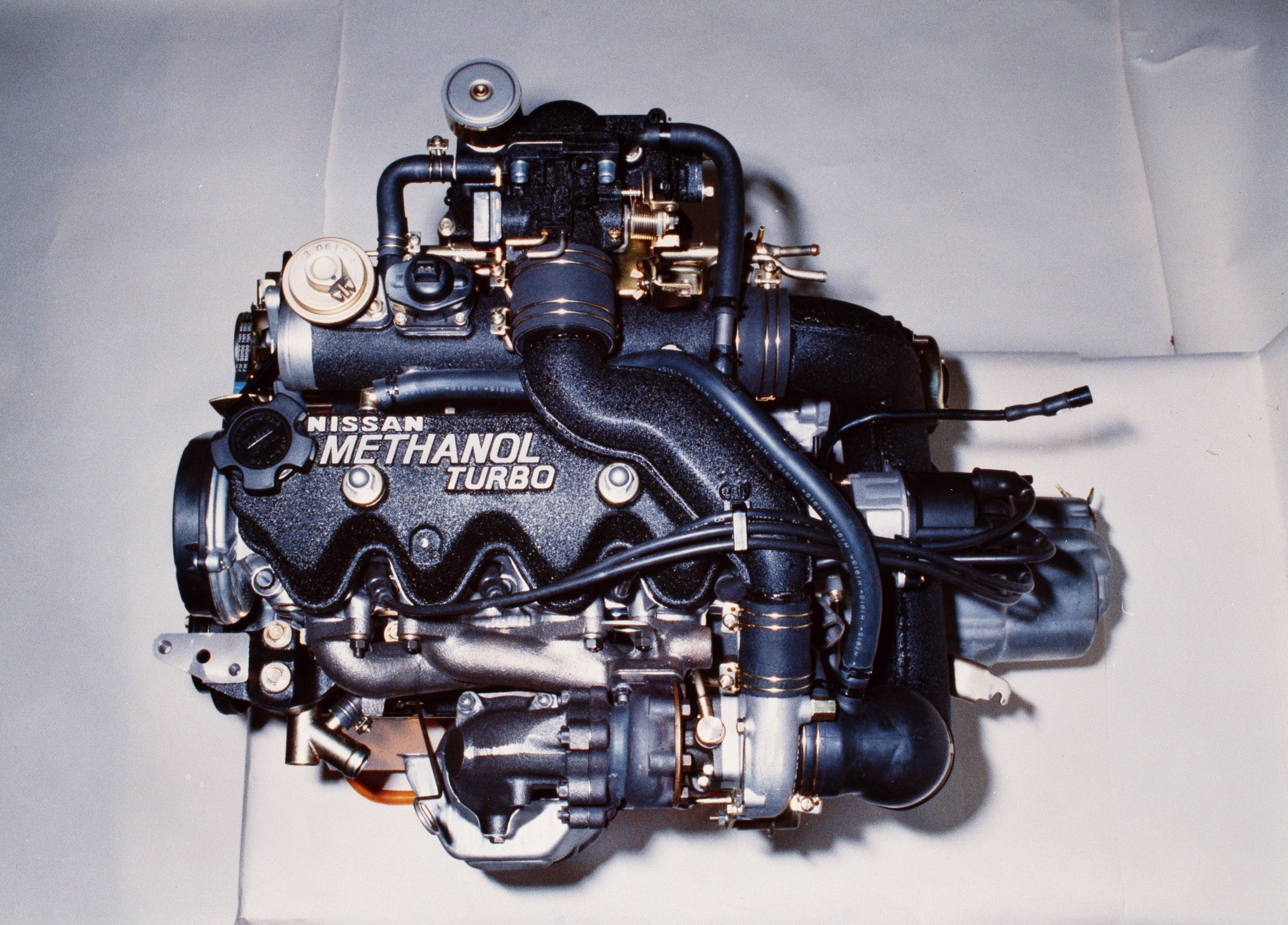
4. Big combustion in little Japan
Nissan revealed the NRV II concept car in 1982, which was rammed with ground-breaking technology for the time like LCD instruments, radar cruise control, and fibre optic controls. It was also powered by a 1.3-litre engine that ran on methanol, producing a humble 90kW. Modern technology could see that concept become a reality almost four decades later.