
Ageing gracefully isn’t an easy task and it’s rarely successfully pulled off. In the SUV realm, the first-generation Volvo XC90’s 12-year run seems to be the best innings of them all.
Narrow down the form factor and do some light digging and it won’t take long to discover that the Mitsubishi Eclipse Cross and Honda HR-V aren’t exactly spring chickens. In fact, the latter’s origins can be found as far back as 2014, while the former, despite gaining a significant revamp at the end of 2020, first launched in 2017.
The problem facing this pair is that a lot has changed since their respective inceptions – and that’s without even factoring in a global pandemic. Both play in one of the most, if not the most, hotly contested segments within the new car market. Small SUVs are big business. Mitsubishi has long had a ‘good name’ in Australia, as has Honda, but it is now largely trading on a metal-for-your-money premise. So is that enough to give the Eclipse Cross the win?
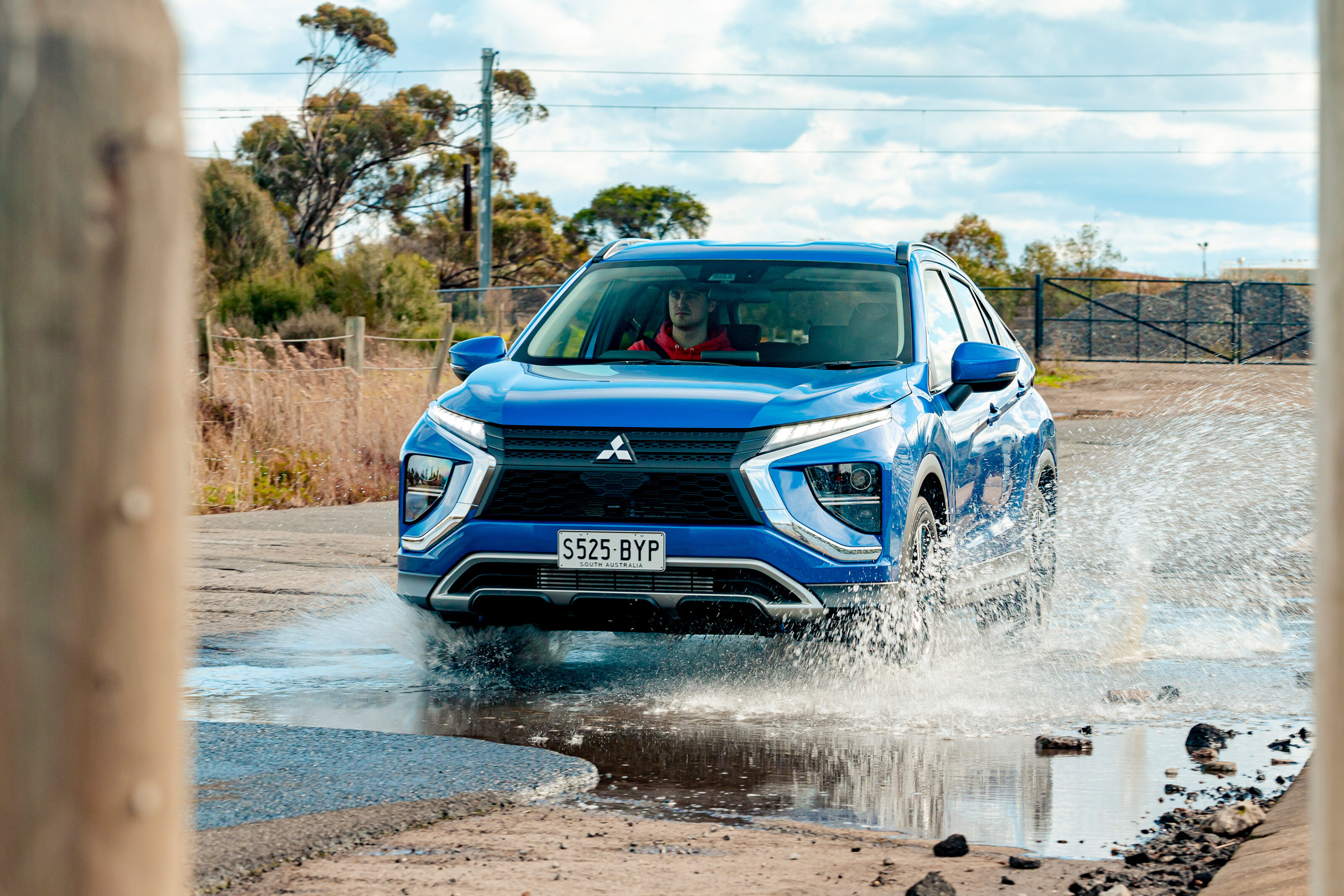
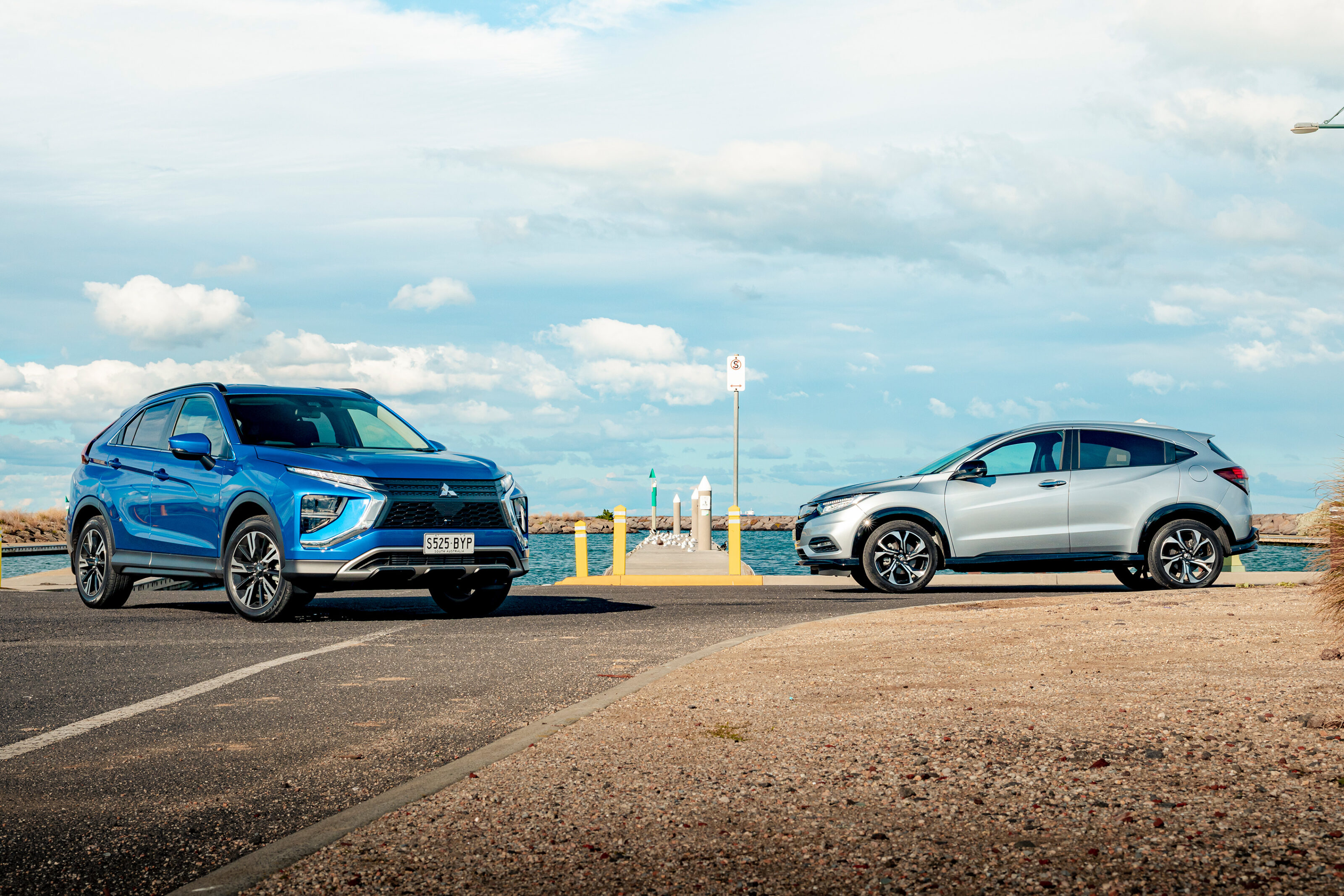
Speaking of size, the Mitsubishi’s aforementioned revamp added 140mm to its overall length, meaning it is now pushing the dimensional limits of the small SUV class. Still, at $35,090 before on-roads for the mid-spec LS AWD tested here, it matches up well with the tardis-esque Honda HR-V RS, which commands a $34,500 (plus costs) price tag.
The Eclipse Cross line-up starts at $30,290 for the base ES and extends to $40,790 for the range-topping Exceed AWD. The front-wheel-drive-only HR-V range starts at $25,990 for the VTi and tops out at $36,240 with the VTi-LX (all prices before on-road costs).
The ‘newest’ of this unlikely duo is the Mitsubishi, given it received a decent design makeover last year. Up front the Eclipse Cross has undergone a rhinoplasty with the ‘Dynamic Shield’ grille, while LED daytime running lights sit unconventionally above the halogen driving lights.
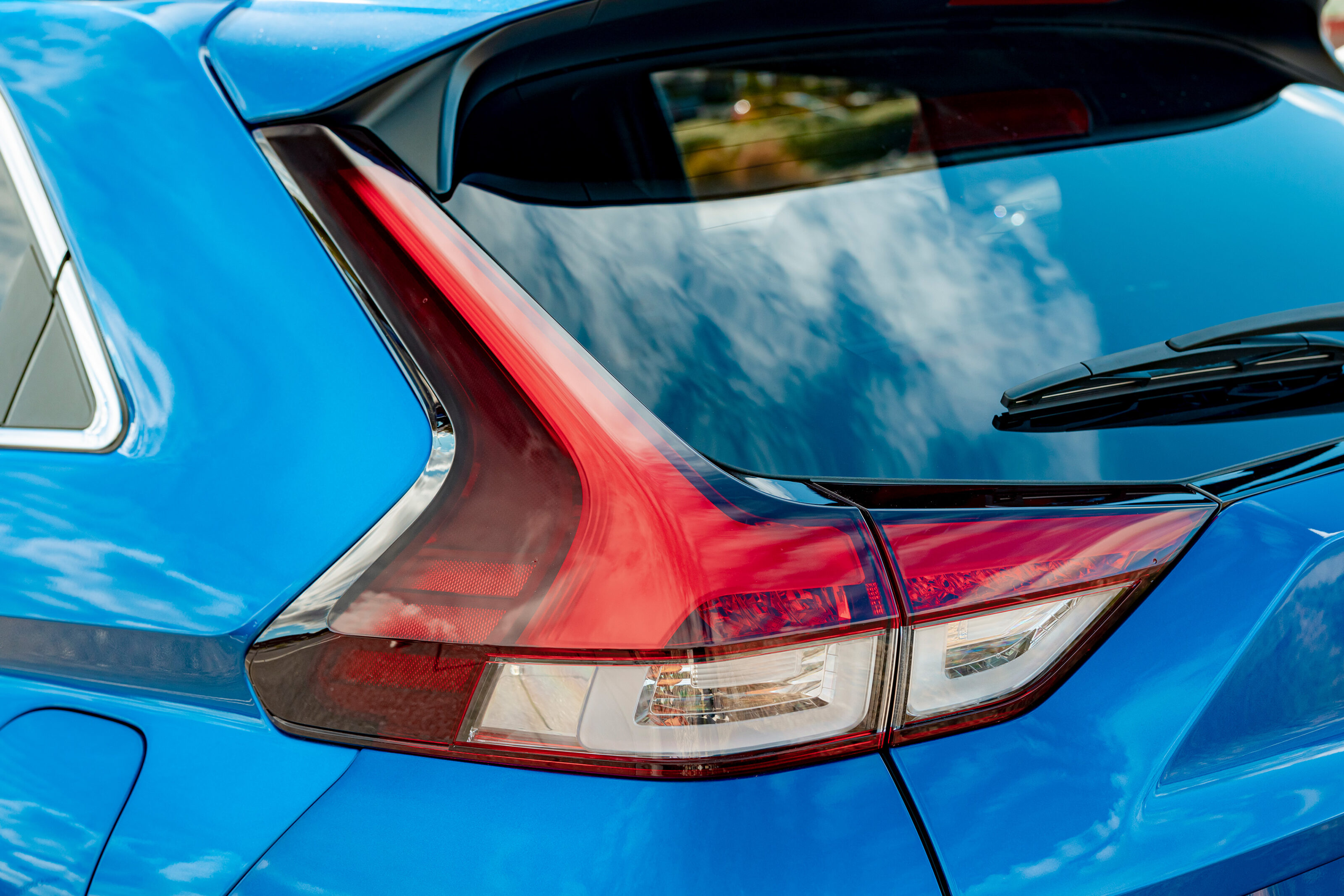
And despite growing in length – it’s now very much medium-sized compared to an ASX – the butt lift is the real talking point. Gone is the character-defining, but form over function, split rear windscreen that hampered visibility. In its place is a more conventional posterior, albeit a more generic one. The LED tail-lights that extend toward the roof are a nice styling touch.
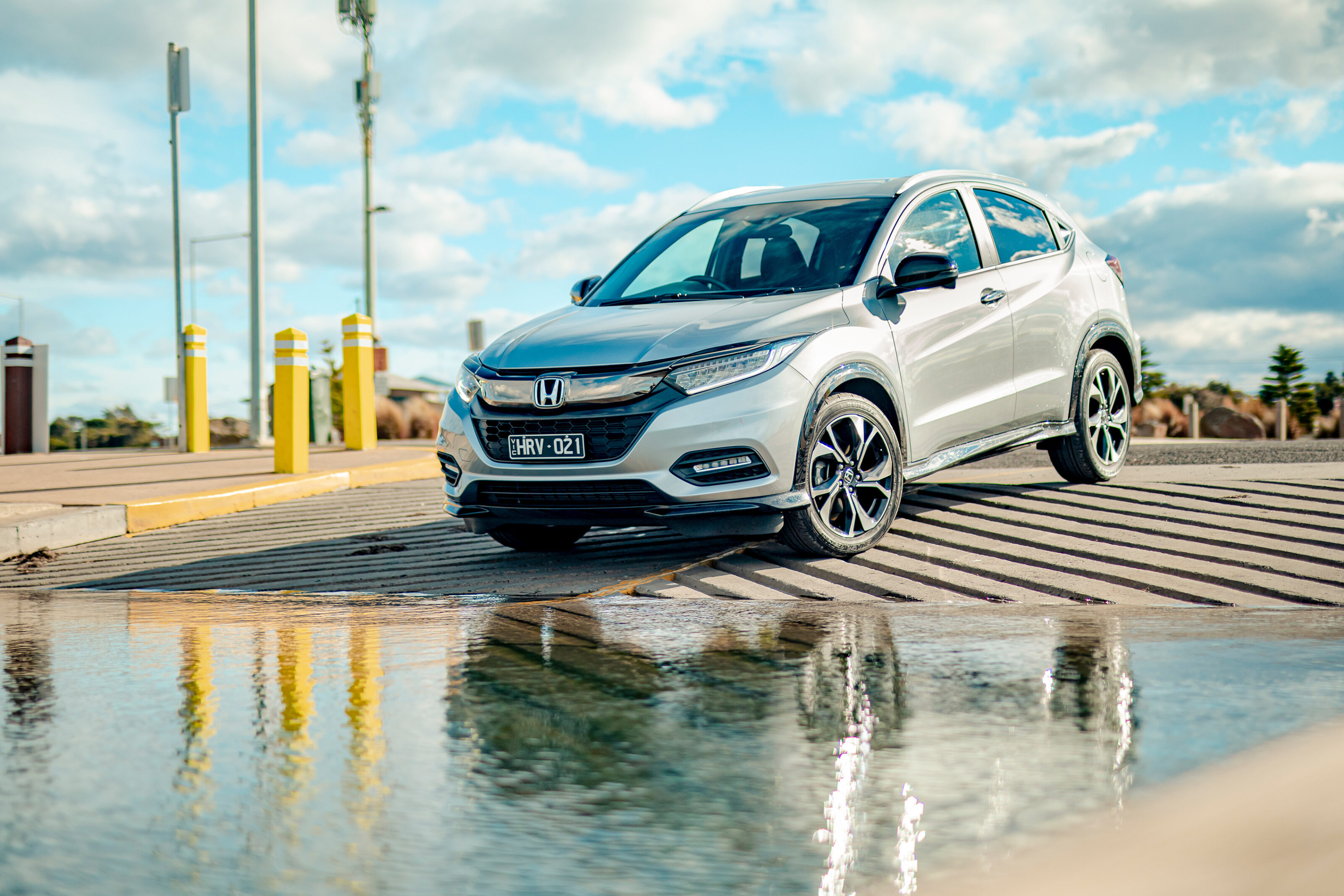
On the other side of the fence, the Honda design team did a little less with the latest iteration of the second-generation HR-V. Actually, it did nothing in terms of the exterior. Still, the smaller proportions suit the Jazz-based platform and the hidden rear door handles generate the illusion of a ‘funky’ three-door.
However, when loaded with shopping bags in hand, they’re a little fiddly and inconvenient to use. Like its rival, the HR-V rolls on 18-inch alloys and comes with ‘I can go off-road’ body cladding for the wheelarches and lower sections of the body. Few will try though, with both of these SUVs fighting the urban jungle – and often as family haulers.
Inside is where divergent approaches can also be seen. And more importantly, felt. Despite a mid-$30K ask for the Eclipse Cross that already doesn’t quite scream bargain buying, the quality of materials used in the cabin don’t befit the price tag. Very little is soft-touch and it’s a mish-mash of colours and textures. For example, on top of the dark plastics, a silver finish is used on highlighted accents throughout as well as chrome, faux carbonfibre and piano black. A premium ambience it isn’t.
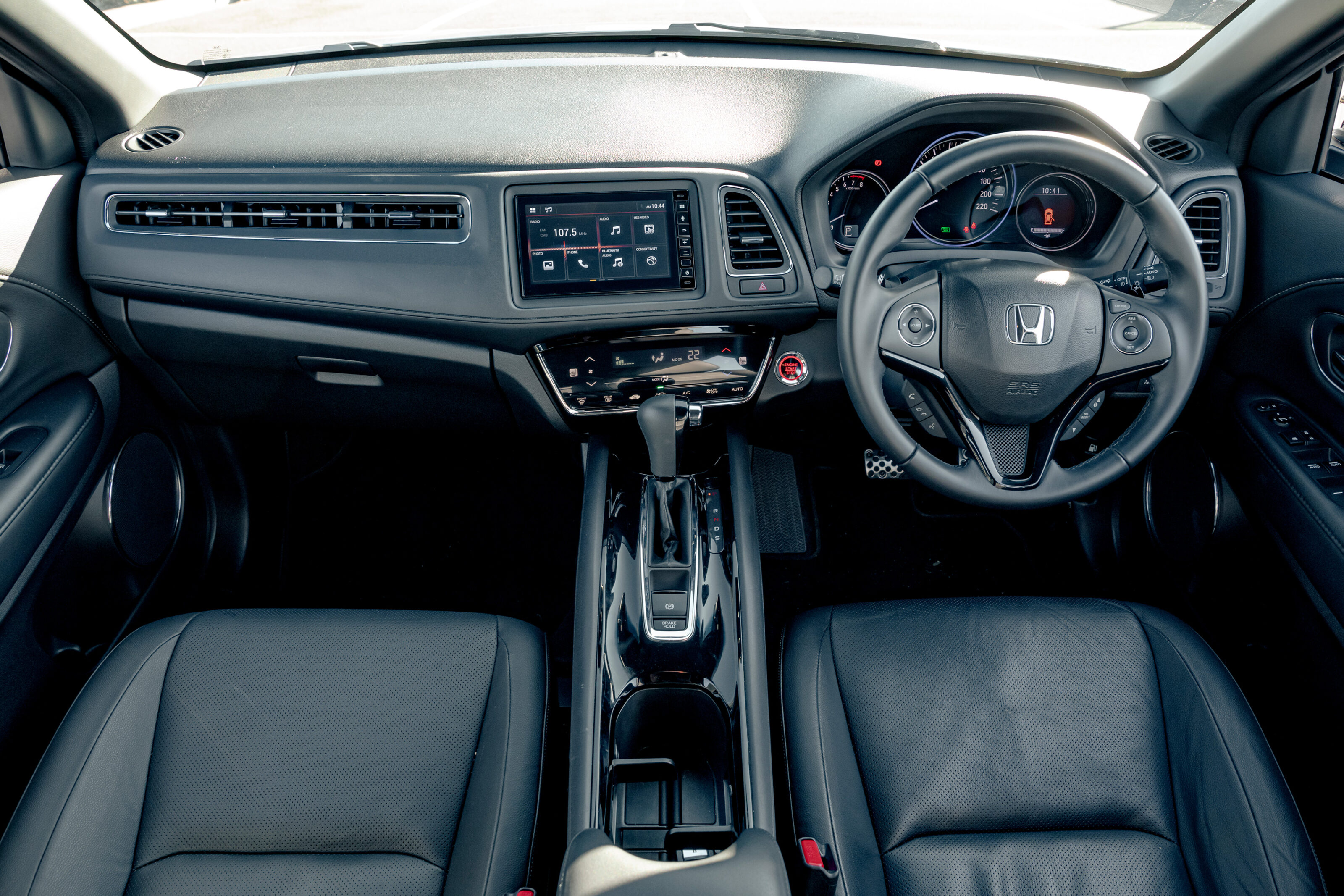
Alternatively, the HR-V does make you feel a bit special with the driver-focused layout that includes touchscreen climate control, a ‘floating’ centre console and soft leather upholstery (Eclipse Cross LS AWD uses cloth) – even the door cards gain plush materials. Despite the design being seven years old, it is ageing well. In terms of build quality, it’s another clear win to the HR-V, while ergonomics come in as a tie.
Both somewhat fail in terms of up-to-date technology. The Eclipse Cross now features a high-mount 8.0-inch central touchscreen with smartphone mirroring, while an electronic park brake is located where the fiddly touchpad controller used to live.
If screen size matters, then the Mitsubishi wins by an inch over the HR-V, which now has an infotainment display that looks slightly less aftermarket and the response time to inputs has improved. Thanks to an update in 2020, it also finally gains Apple CarPlay and Android Auto (to match the Eclipse Cross).
However, neither is brilliant. And in a sign of their age, wireless smartphone charging and cable-free mirroring is starkly missing in either SUV. What’s more, the graphics used in both systems are antiquated, there’s not a digital speedo to be seen and neither has USB charge ports or air vents in the back.
In a sign of their age, wireless smartphone charging and cable-free mirroring is starkly missing in either SUV
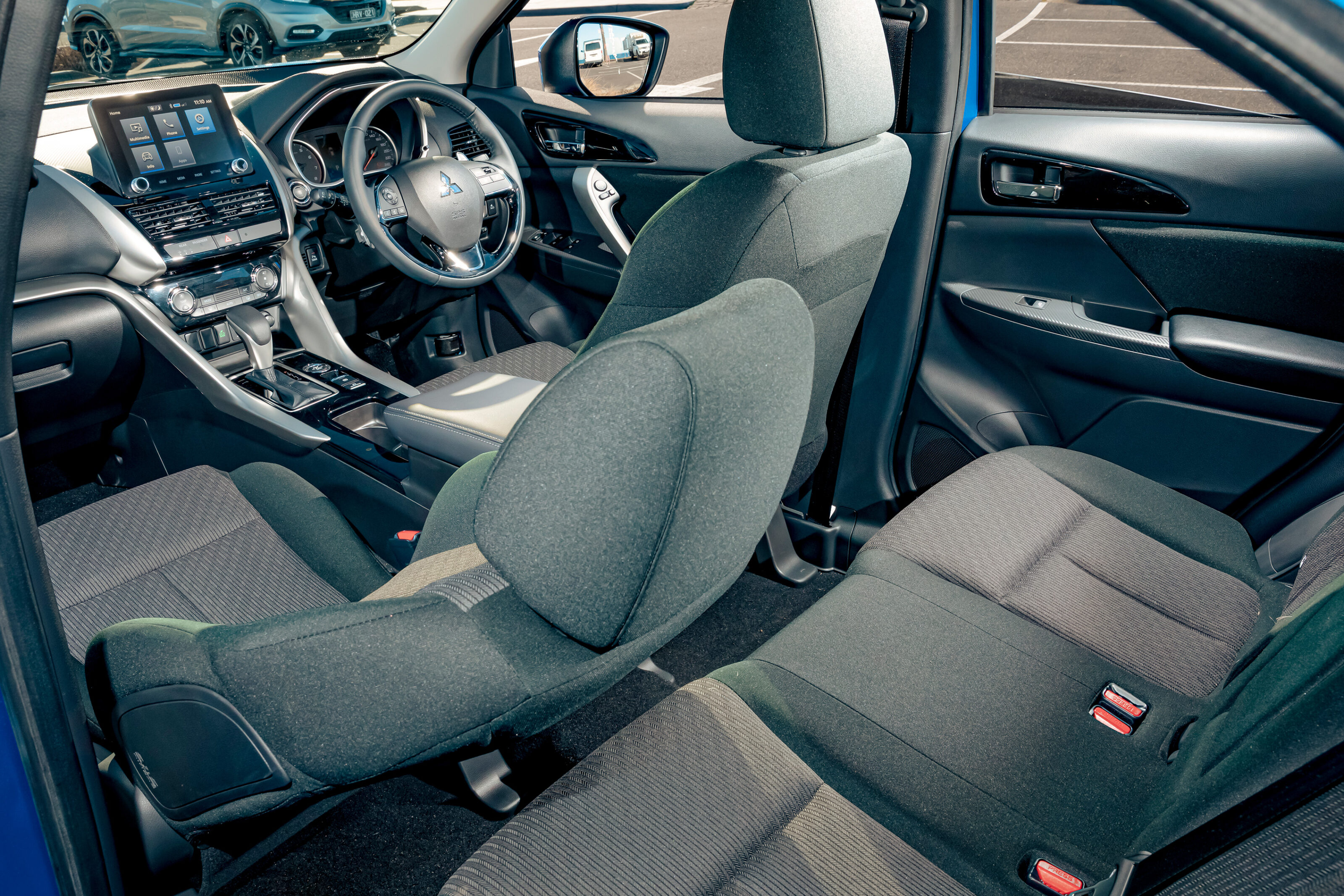
The Eclipse Cross utilises Mitsubishi’s well-used global GS platform, which also underpins the smaller ASX and larger Outlander. However, despite being endowed with a physically bigger body, the Mitsubishi is only nominally more spacious inside – shoulder room is the major differentiator.
The HR-V is 251mm shorter (4294mm), 33mm narrower (1772mm) and 80mm lower (1605mm) than the Eclipse Cross, yet head and legroom remain almost as generous. So if you’re after a smaller footprint with a commodious cabin, the HR-V offers a handy trump card in that regard.
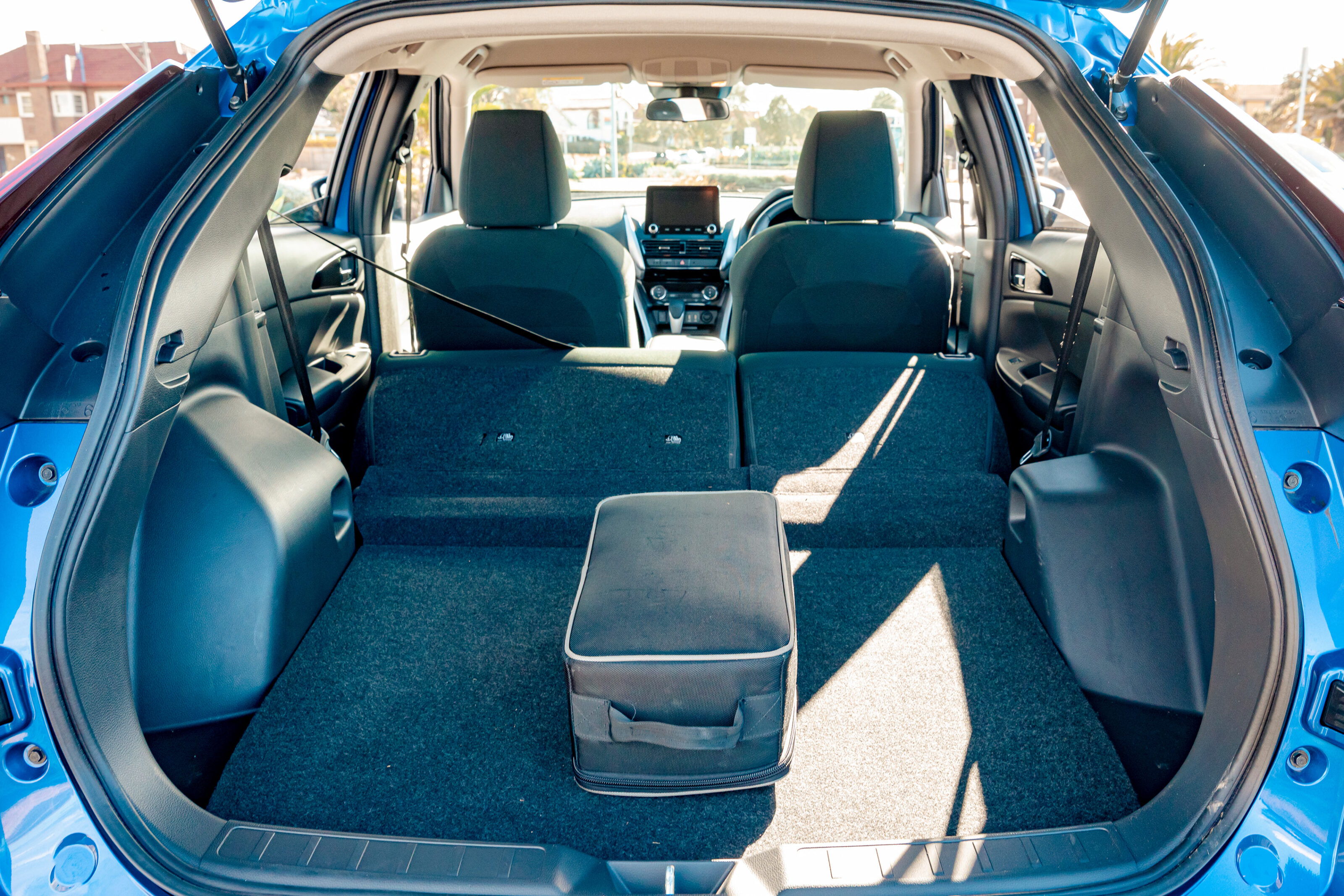
Clinching the deal for Honda is the fact that the HR-V has a 437-litre boot compared to the Mitsubishi’s 405-litre capacity (which also lost its sliding rear bench in the facelift). With the rear seats folded (both operated via an in-cabin release) the former expands to 1462 litres, giving it a 13-litre advantage.
What’s more, the HR-V has Honda’s ‘Magic Seats’ that allow you to raise the seat bases for items like large pot plants or even TVs to be stowed. It’s possible due to the fuel tank being placed underneath the front seats instead of the rear. It also offers a completely flat load bay with the 60/40-split rear bench stowed. However, the removable parcel shelf is better resolved in the Eclipse Cross and it also has a flip-down centre armrest with in-built cup holders.
Relatively thick C-pilars hamper over-the-shoulder three-quarter vision in both – however, the Eclipse Cross has gargantuan wing mirrors to eschew blind sports – but sadly neither gains blind-spot monitoring for the spec levels tested. What Honda has to compensate is its LaneWatch technology that projects rearward vision (from the left-hand wing mirror only) onto the central infotainment screen. It’s a shame this is not available on the right-hand side, too.
Both have a five-star ANCAP safety rating, but with the Honda’s awarded in 2015 and the Mitsubishi’s in 2017, their active systems are lacking. For example, the HR-V has AEB but it’s only a low-speed setup and misses out on pedestrian/cyclist detection (unlike the Eclipse Cross).
Equally, they miss out on radar-guided cruise control, rear cross-traffic alert and lane-keeping assist – although the Eclipse Cross does have lane-departure warning via audio alerts. It is a sticking point when most of these features are becoming commonplace with other brands for entire ranges.
Honda’s five-year/unlimited-kilometre warranty is industry standard, but the 10-year capped-price servicing plan is impressive. The service intervals are quite short at 10,000km or once per year, with an average cost of $310 for every visit for the first three years.
Yet, it can’t match Mitsubishi’s 10-year/200,000km warranty and 10-year capped-price servicing (every year or 15,000km). It’s a true knockout for ownership peace of mind with each service costing, on average, $379 per check. But to get the full decade of cover you have to keep up your maintenance at a Mitsubishi dealership.
Mechanically, the Mitsubishi and the Honda go about their business differently – and one does a better job. Mitsubishi’s in-house 1.5-litre four-cylinder turbo-petrol engine is a bit of a cracker. Despite its diminutive cubic capacity, it packs a substantial 250Nm (from 2000rpm), which is the crucial figure compared to its 110kW. Despite the fact it weighs more than 1.5 tonnes, it shifts with purpose at step-off and it doesn’t totally run out of puff at the top-end as there is ‘enough’ grunt for highway overtakes.
The Continuously Variable Transmission (CVT) is one of the better examples of this gearbox type, and with stepped ratios it feels almost like a conventional torque-converter automatic. Oddly, Mitsubishi has also fitted the Eclipse Cross with some of the best paddle shifters in the business – which is a shame because you seldom, if ever, have to use them despite there being a dedicated manual mode. Maybe dreams of a return of the ‘Evo’ aren’t completely dead?
Oddly, Mitsubishi has also fitted the Eclipse Cross with some of the best paddle shifters in the business – which is a shame because you seldom have to use them
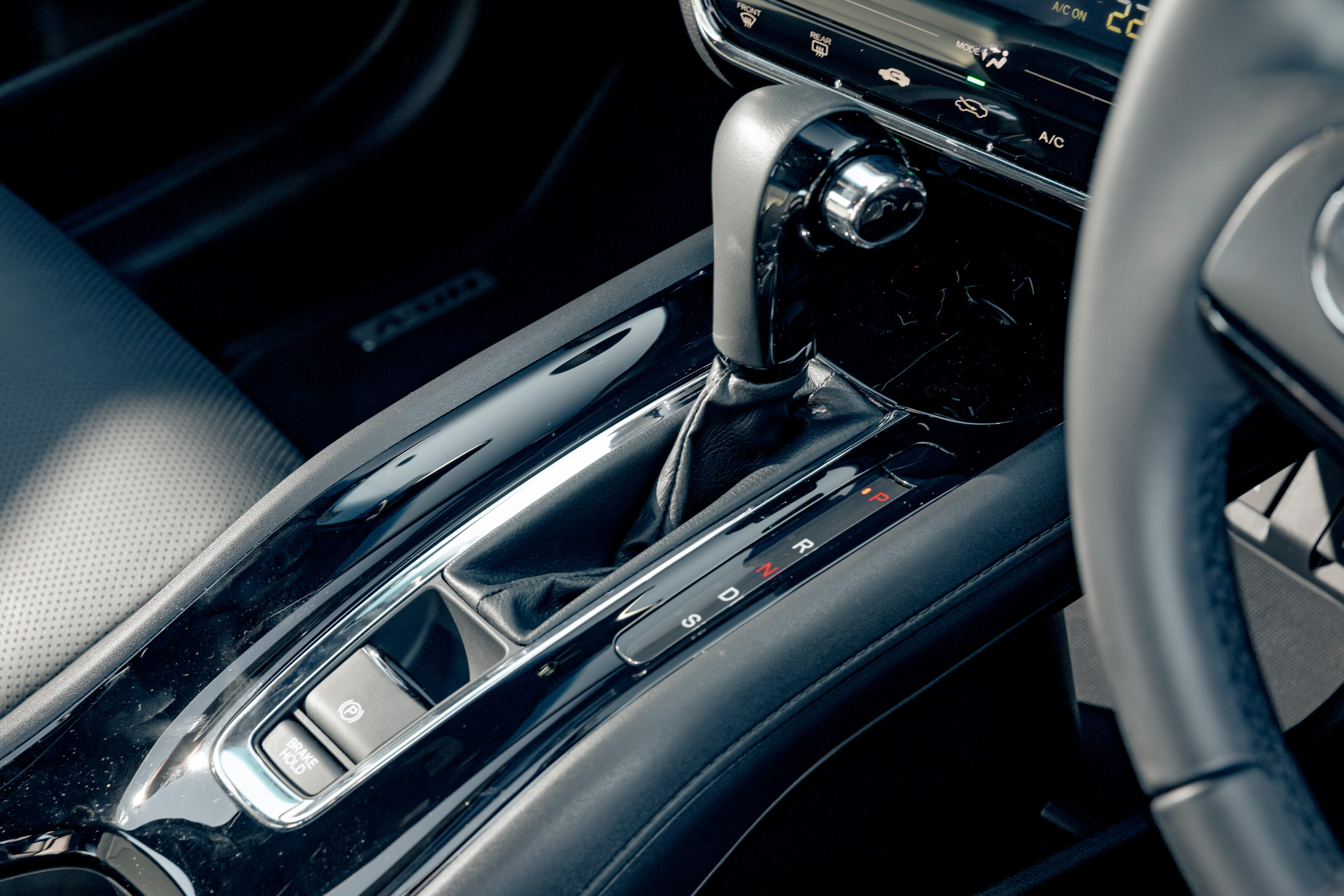
Honda’s naturally aspirated 1.8-litre four-pot has to deal with less heft due to its sub-1.3-tonne kerb weight, but the HR-V doesn’t have as much grunt to offer with 105kW and 172Nm. Its power is delivered higher in the rev range (6500rpm), and that, combined with the (stepped ratio) CVT, means it does drone and perch itself closer to redline more often.
It feels slightly slower than the Mitsubishi, but for city driving it’s more than adequate. What it really needs is an injection of Newtons, something the 1.5-litre four-cylinder turbo from the Civic would provide, but it isn’t available in the HR-V.
The Eclipse Cross will soon be offered with a hybrid drivetrain, a 2.4-litre four-cylinder setup snatched from the Outlander, which will help combined fuel consumption. We couldn’t match Mitsubishi’s 7.7L/100km claim, with our figures calculated at 8.5L/100km – not a bad result.
However, the Honda was even better, returning 7.2L/100km in testing compared to an official claim of 6.9L/100km. It’s a shame more fuel-efficient variants of the HR-V have never made it to our shores (given they’re available overseas), but an all-new third-generation model with fresh drivetrain options is due in 2022.
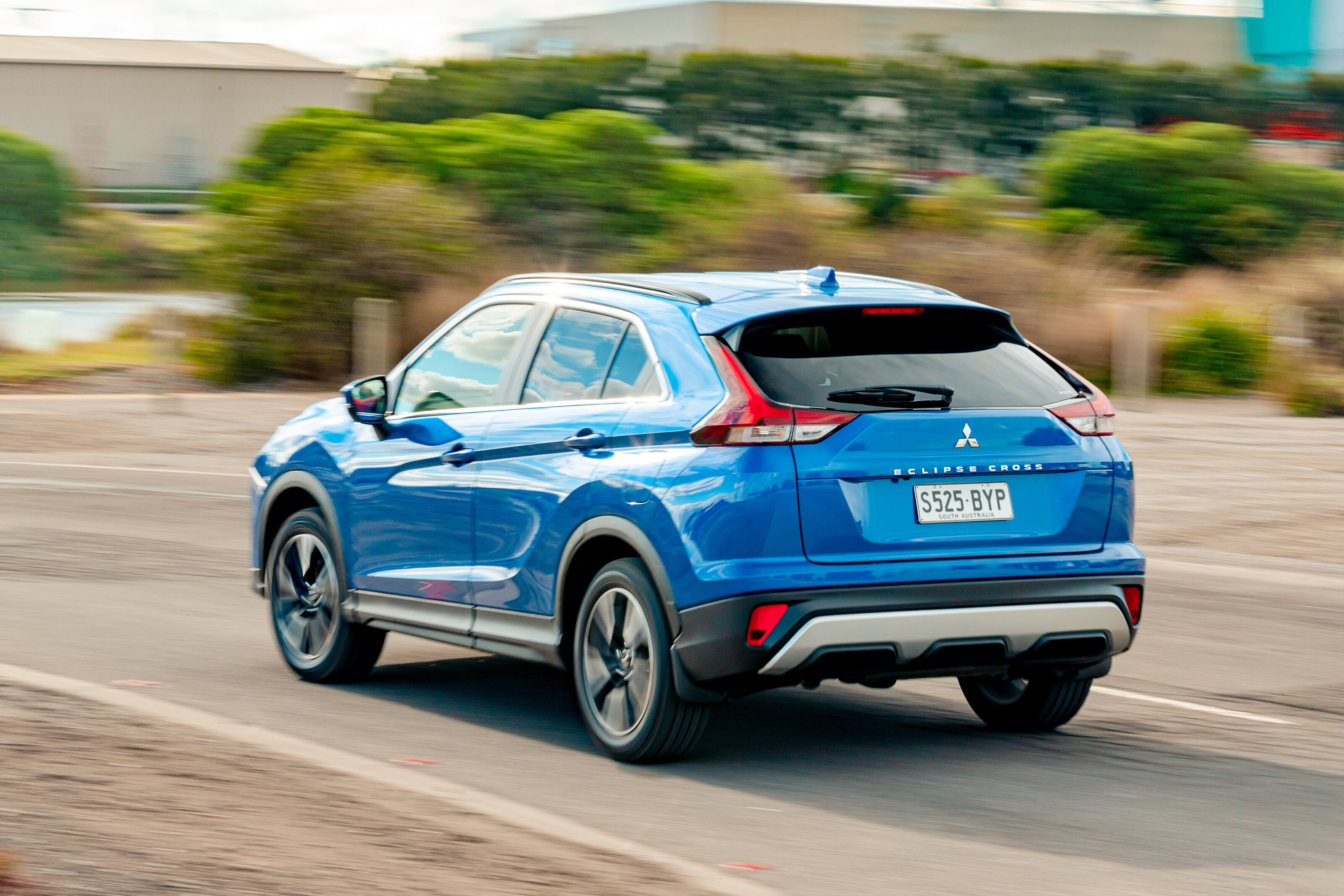
Previous testing of the front-wheel-drive Eclipse Cross has resulted in it performing poorly with its lack of purchase, especially with the Toyo rubber, being an issue. And that was in wet and dry conditions. Therefore, all-wheel drive is the better option for both traction and dynamics. Speaking of traction, there are three drive modes (Normal, Gravel and Snow), but it’s doubtful anyone is going to task this SUV with anything more than a smooth dirt road.
The steering and dampers were re-tuned with the last Eclipse Cross update, with both providing positive results. Ride quality is just supple enough at slow speeds over sharp potholes; however, big hits are heard and felt in the cabin. As the speed increases, there is no getting away from the SUV’s size and weight, with lateral body roll becoming an issue when cornering and during quick changes of direction.
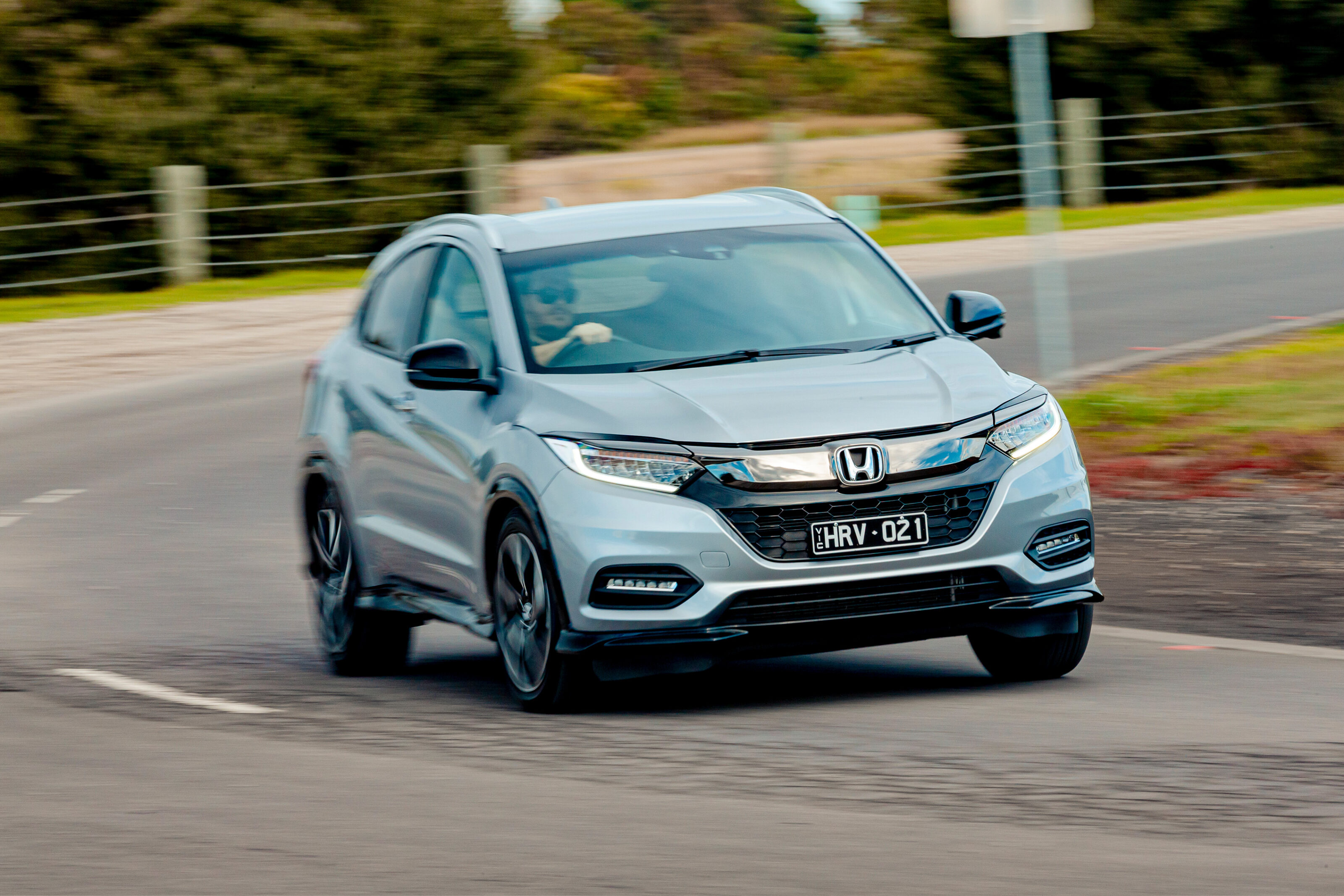
This is where the HR-V feels much more nimble and agile, with its suspension and damper tune being better resolved on the rebound over smooth undulations – it certainly won’t bobble as much mid-corner and it is the quieter of the two in terms of road noise and NVH.
However, it does come at the expense of low-speed compliance, the Honda proving the firmer of the two over Melbourne’s numerous tram lines. Neither present as deal-breakers and both offer up a comfortable demeanour. It just depends on which is ‘right’ for you.
Ultimately, that’s the sentiment at the heart of this battle. Both offer a strong case in terms of space and versatility, while which design language tickles your fancy is a personal choice.
If the HR-V was fitted with the powertrain of the Eclipse Cross, it’d create a pretty compelling package.
As it stands, the pair receive the same score, but the Honda nudges ahead of the improved Mitsubishi with its premium cabin and origami-esque packaging.
However, while the HR-V and Eclipse Cross are doing their pragmatic best with what they have, numerous nips and tucks can’t quite mask the ageing process.
They’re solid options and are deserve consideration, but the segment has myriad worthy new faces.
Specifications
| u00a0 | Mitsubishi Eclipse Cross | Honda HR-V RS |
|---|---|---|
| Body | 5-door, 5-seat SUV | |
| Drive | all-wheel | front-wheel |
| Engine | 1499cc inline-4, DOHC, 16v, turbo | 1799cc inline-4, DOHC, 16v |
| Bore/stroke | 75.0 x 84.8mm | 81.0 x 87.3mm |
| Compression | 10.0:1 | 10.6:1 |
| Power | 110kW @ 5500rpm | 105kW @ 6500rpm |
| Torque | 250Nm @ 2000-3500rpm | 172Nm @ 4300rpm |
| 0-100km/h | 9.8sec (est) | 10.2sec (est) |
| Fuel consumption | 7.7L/100km (combined/claimed) | 6.9L/100km (combined/claimed) |
| Weight | 1545kg | 1294kg |
| Power/weight | 71kW/tonne | 81kW/tonne |
| Transmission | CVT | |
| Suspension (front) | MacPherson struts, coil springs, anti-roll bars | |
| Suspension (rear) | Multi-links, coil springs, anti-roll bars/Torsion beam, coil springs, anti-roll bar | |
| L/W/h | 4545/1805/1685mm | 4294/1772/1605mm |
| Wheelbase | 2670mm | 2610mm |
| Tracks (f/r) | 1545/1545mm | 1535/1540mm |
| Steering | Electrically assisted rack-and-pinion | |
| Brakes | ventilated discs (f); solid discs (r) | |
| Wheels | 18.0 x 7.0-inch (f/r) | |
| Tyres | 225/55 R18 98H (f/r) Toyo | 225/50 R18 95V (f/r) Dunlop Ensave EC 503 |
| Price | $35,090 | $34,500 |
Snapshot
- Lucid and Faraday list on the NASDAQ
- Lucid Raises $4.5bn
- Faraday Future raises $1bn to escape bankruptcy
It seems odd to call either Lucid or Faraday Future a startup given how long they’ve been on the scene, but neither have yet moved into the next phase – scale up – that a certain EV rival managed with spectacular results.
Timing is everything in any business, and some of Tesla’s fortunes rest on a number of factors, which include exceptionally generous government loans (since repaid) to get the company over the line and selling cars at scale. Their CEO knows how to get attention, too, sometimes of the right kind.
Faraday and Lucid have not had that kind of good fortune. Lucid has laboured for years to commercialise and productionise its EV technology while Faraday has been the subject of various legal battles and a sketchy founder’s methods. Both, however, recently arrived at the point where they had to look for a novel – but increasingly common – method of fundraising.
Lucid recently completed a merger with a Saudi Arabia-funded company called Churchill Capital IV (CCIV). CCIV is based in California and was formed with the express purpose of merging with an existing business in need of fundraising and is known as a Special Purpose Acquisition Vehicle or, SPAC.
SPACs provide the opportunity for what is basically a reverse merger, where a company is at a stage ready to go ‘live’ but needs a considerable sums of money to do so. A SPAC is essentially a shell company with open, ready arms and a bunch of lawyers with money and paperwork, ready for the complicated process of an initial public offering (IPO).
Lucid’s recent history has been a difficult one. Originally founded in the mid-2000s as a battery company, it morphed into an EV company called Lucid Motors the same year as Faraday Future first appeared at the Consumer Electronics Show, 2016.
Subsequent wrangling over its ownership (which included rival Faraday’s founder Jia Yueting’s almost one-third stake), deals with various hedge funds, a Chinese bus company and then – seemingly ironically – the sovereign wealth fund of oil-rich Saudi Arabia, all made the business of making and selling cars nearly impossible.
The final piece of the puzzle was a fraught NASDAQ listing worth $4.5 billion. Fraught because it was partly funded by share sales to inexperienced investors who weren’t aware they had to vote on certain things to get the listing over the line. Encouragingly for Lucid, the pre-IPO shares were hot property as the final raising figure shows, and the presence of big money backer, the Saudi Arabian Government, encouraged investors.
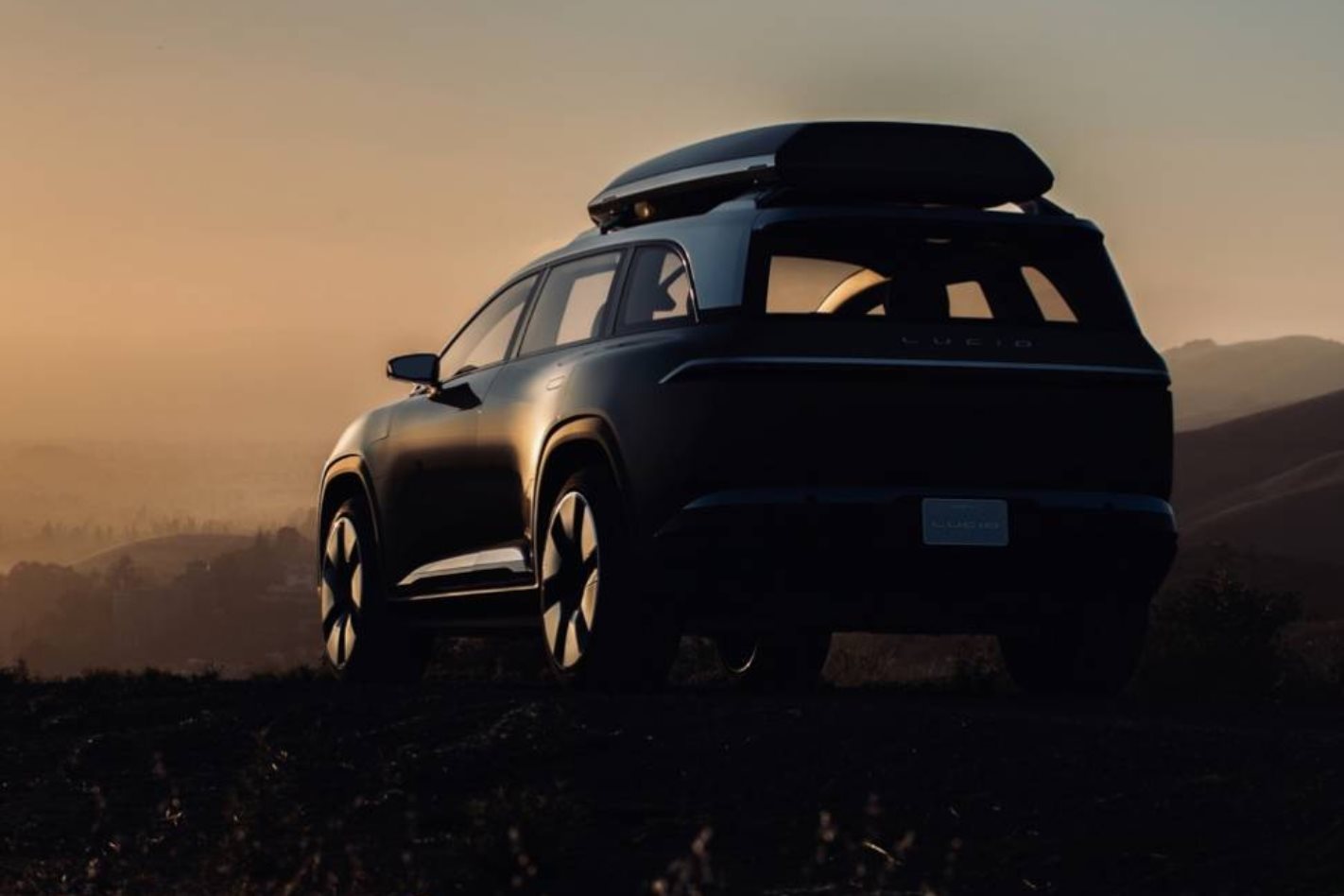
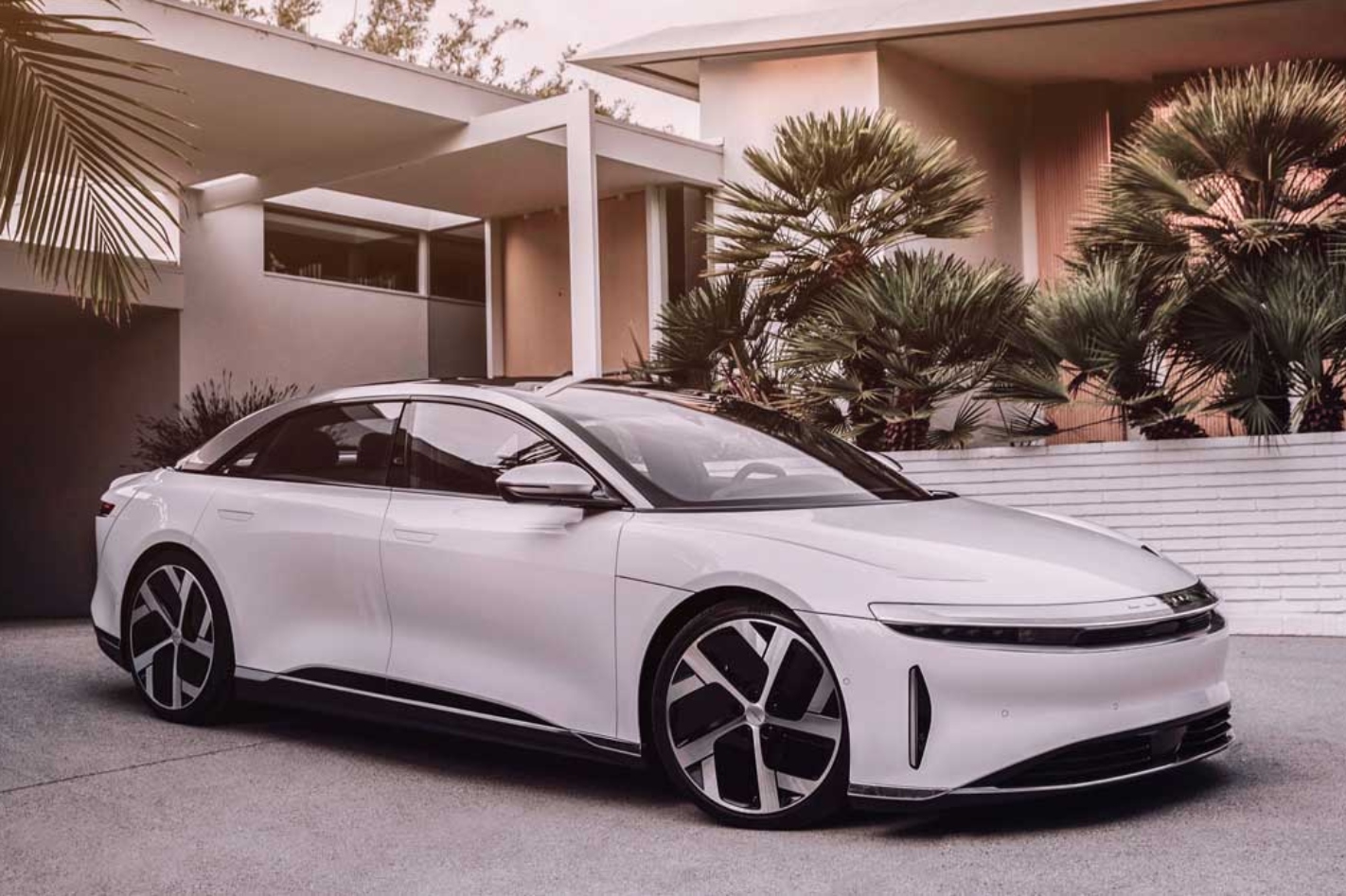
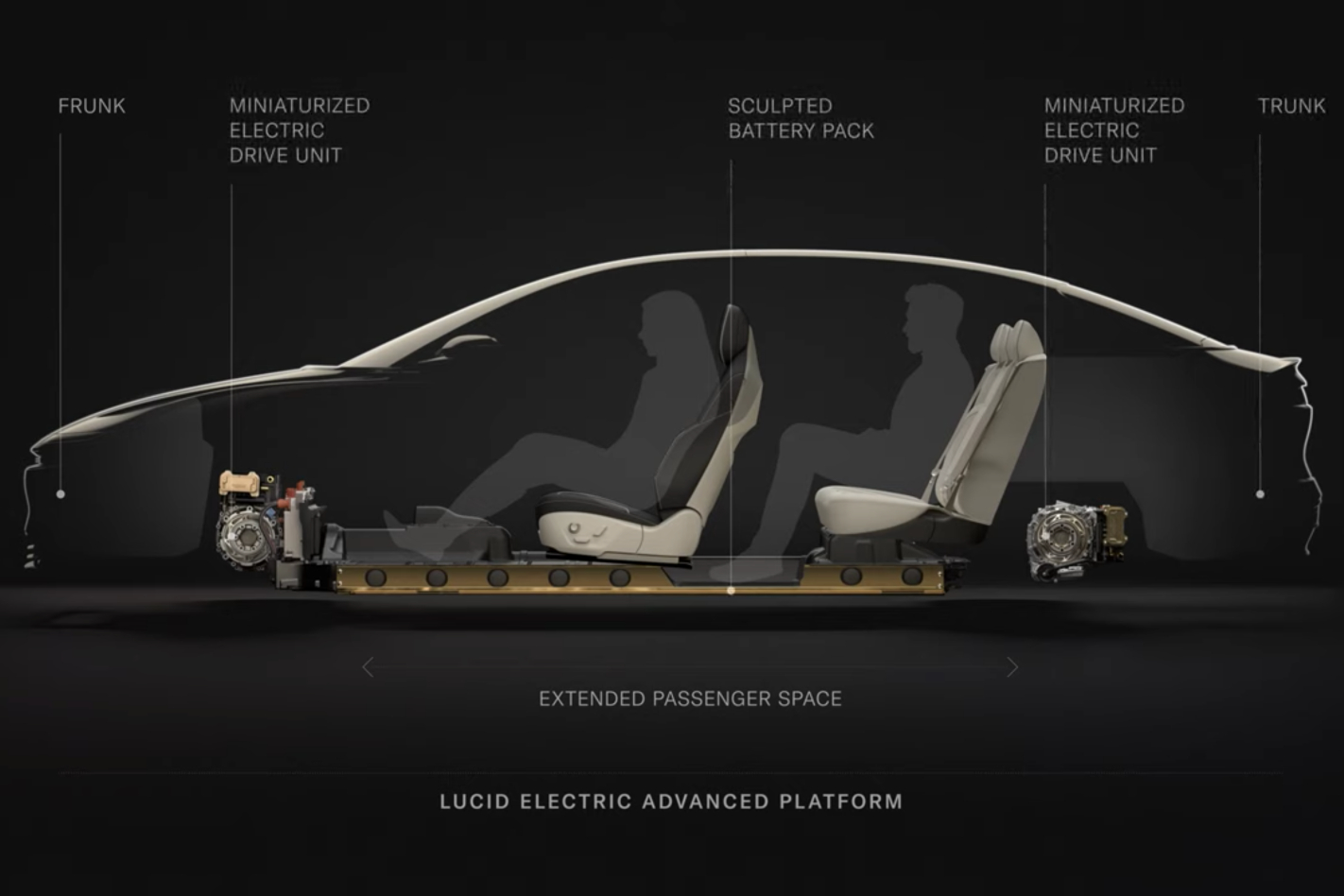
With this huge injection of funds, former Tesla Model S lead program engineer and Lucid CEO Peter Rawlinson can press on with building a factory and delivering the Lucid Air sedan to customers with its absurdly powerful 1000 horsepower drivetrain and luxurious interior. Its next EV in development is predictably an SUV called the Gravity.
The Lucid Air is well advanced, with 1000 pre-production models built and plenty of buzz on social media about its performance and technology. The company regularly hosts ride-alongs, and as development has progressed, so has the positive coverage. One variant of the Lucid Air has a 113kWh battery with a claimed driving range of more than 800km on a single charge and a US$139,000 (AU$189,000) price tag.
Faraday Future is a much younger company. Founded by Chinese billionaire Jia Yueting, the company has staggered from one PR disaster to another after its original unveiling at the 2016 Consumer Electronics Show in Las Vegas.
Like Lucid, its path to producing vehicles is full of ownership dramas, dried-up cashflow and in Faraday’s case, very public and very ambitious broken promises. Its first CES outing in 2016 was with a static concept car bearing no relation to the car it showed in 2017. That 2017 outing was not well received as the back story leaked out from disgruntled employees and it became clear the car was not operational as had been claimed.
Rumours that the company was actually an attempt by Apple to develop an EV by stealth were wide of the mark, particularly given Jia’s history of comparing the computer giant to Hitler in advertising for another tech venture. Jia committed to building a $1 billion factory in Nevada which was never completed but managed to hire 1500 people and raise almost a billion dollars in loans which eventually led to legal action against him.
Jia then talked Chinese real estate megacompany Evergrande into fronting $800 million out of a total $2 billion agreement, spent it much faster than forecast, then asked for more. It all ended up in court in Hong Kong and eventual bankruptcy protection for the company, which resulted in fired workers, a restructuring and the sale of its headquarters.
In 2018 the company looked finished as it all but disappeared from view. US bankruptcy regulations being what they are – and the considerable amount of valuable intellectual property to offer potential investors – Faraday took a similar approach to Lucid’s, and raised a billion dollars via a SPAC arrangement.
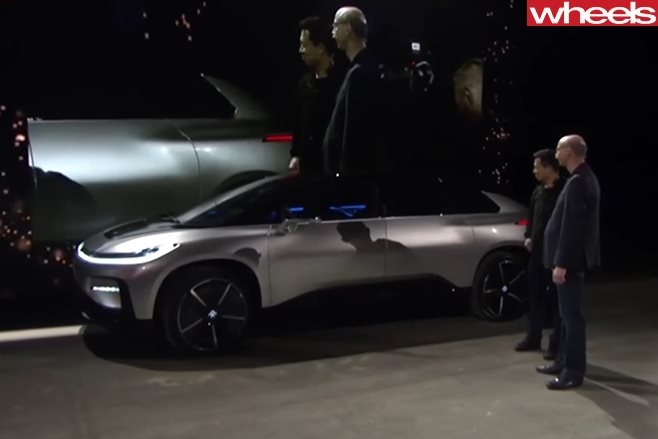
Faraday Future’s new CEO, Carsten Breitfeld, is the company’s answer to Lucid’s Peter Rawlinson. Breitfeld is an experienced program lead (he ran BMW’s i8 program) and is seen as a rather safer pair of hands than the now-bankrupted Jia. Having a CEO who isn’t under investigation by the US SEC helps when you’re raising money.
The SPAC arrangement means Jia has been effectively sidelined and his shareholdingis now an arm’s-length arrangement with no power over Faraday’s day-to-day operations. Part of the listing also means creditors have converted debt to equity in the hope a successful Faraday will see a return on their involvement.
Both Lucid and Faraday Future can now get on with the business of building and selling their promising looking electric vehicles.
Snapshot
- Fuoriserie Program to provide further customisation to Maserati range
- Ghibli Trofeo Corse pays tribute to brand’s racing heritage
- Three different collections available on top of existing variants
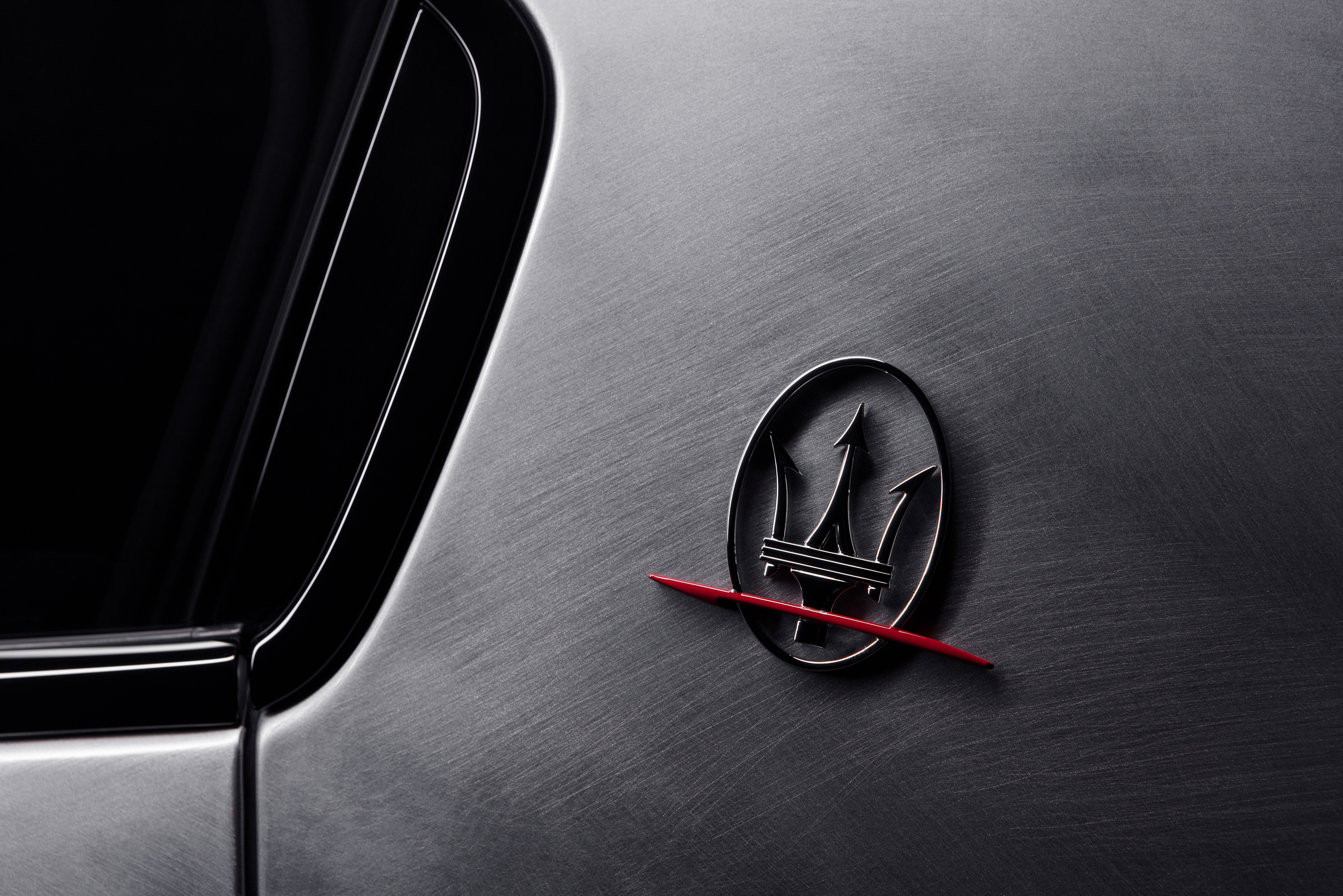
Maserati has launched its new customisation program in Australia by showcasing its Ghibli Trofeo sedan in new Corse trim, representing one of three bespoke collections which can be further personalised to suit a customer’s desires.
The Fuoriserie Program is aimed at giving Maserati buyers unrivalled levels of customisation for their chosen vehicles, divided into three styles representing the past, present and future of the Italian marque.
The first, named Futura, is based around utilising new materials as well as innovation and technology. The second, dubbed Unica, represents modern fashion, culture and art – while the third, Corse, harks back to the racing history of Maserati through performance.
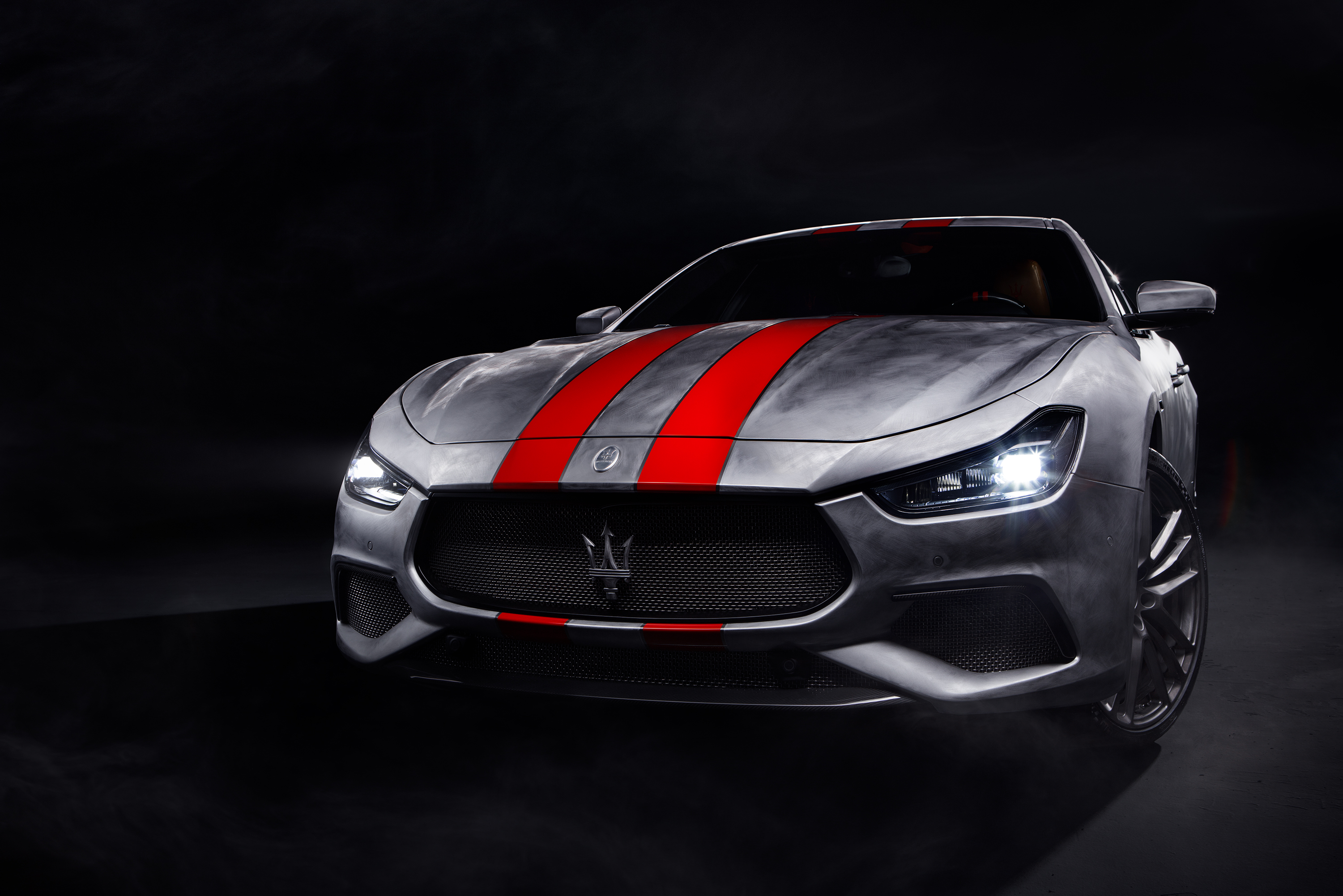
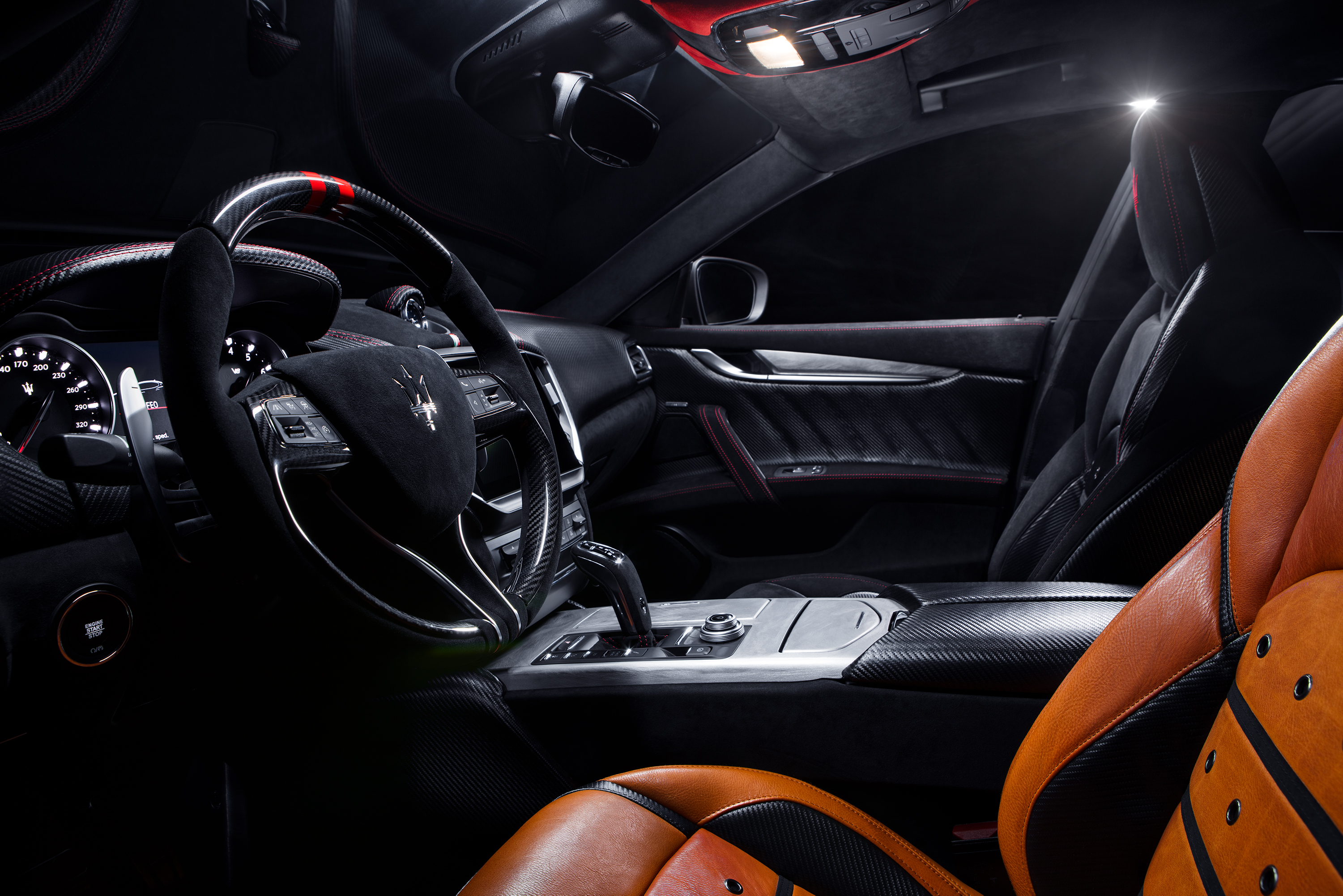
Showcasing the program’s ability is the Ghibli Trofeo in Corse trim, adorned in officine aluminium matte paint with twin rosso stripes covering the length of the car – a highlight which continues in the cabin on the car’s steering wheel – while red brake calipers carry on the racing theme.
The Alcantara headlining and trimmed tan leather seats are contrasted with the officine aluminium interior details across the rest of the cabin. Other standard features include a Bower and Wilkins surround sound system and privacy glass which are optional on the base model Ghibli Trofeo.
Under the bonnet is an unaltered version of the Ghibli Trofeo’s 3.8-litre, twin-turbo V8 engine, producing 433kW/730Nm in its current guise.
Maserati Australia and New Zealand’s General Manager, Grant Barling, says the Fuoriserie Program will help launch the company into a new demographic locally.
“There is no doubt the Ghibli Corse is a very special Maserati,” said Barling.
“It showcases what a unique offering the Fuoriserie Program is to our customers. With Ghibli Hybrid, Levante Hybrid and MC20 all set to make their mark in 2021, Ghibli Corse gives a glimpse into what bespoke means in this new era of Maserati.”
Earlier this month, Maserati announced the three variants which are available across its Ghibli, Levante and Quattroporte range, applying GT, Modena and Trofeo trim badges to the three models.
Snapshot
- Chevy Camaro could end production by 2024
- Replaced by new EV sports sedan as GM transitions to full-electric
- It would bring an end to the Camaro name after 57 years
The Chevy Camaro’s days could be numbered with reports suggesting the legendary muscle car could be replaced by an EV sports sedan as early as 2024.
According to US outlet Automotive News, the model could soon be retired as GM moves towards going fully-electric by 2035.
The future of the current generation Camaro has been up in the air for some time, after development of the seventh-generation version of the muscle car was canned in 2019.
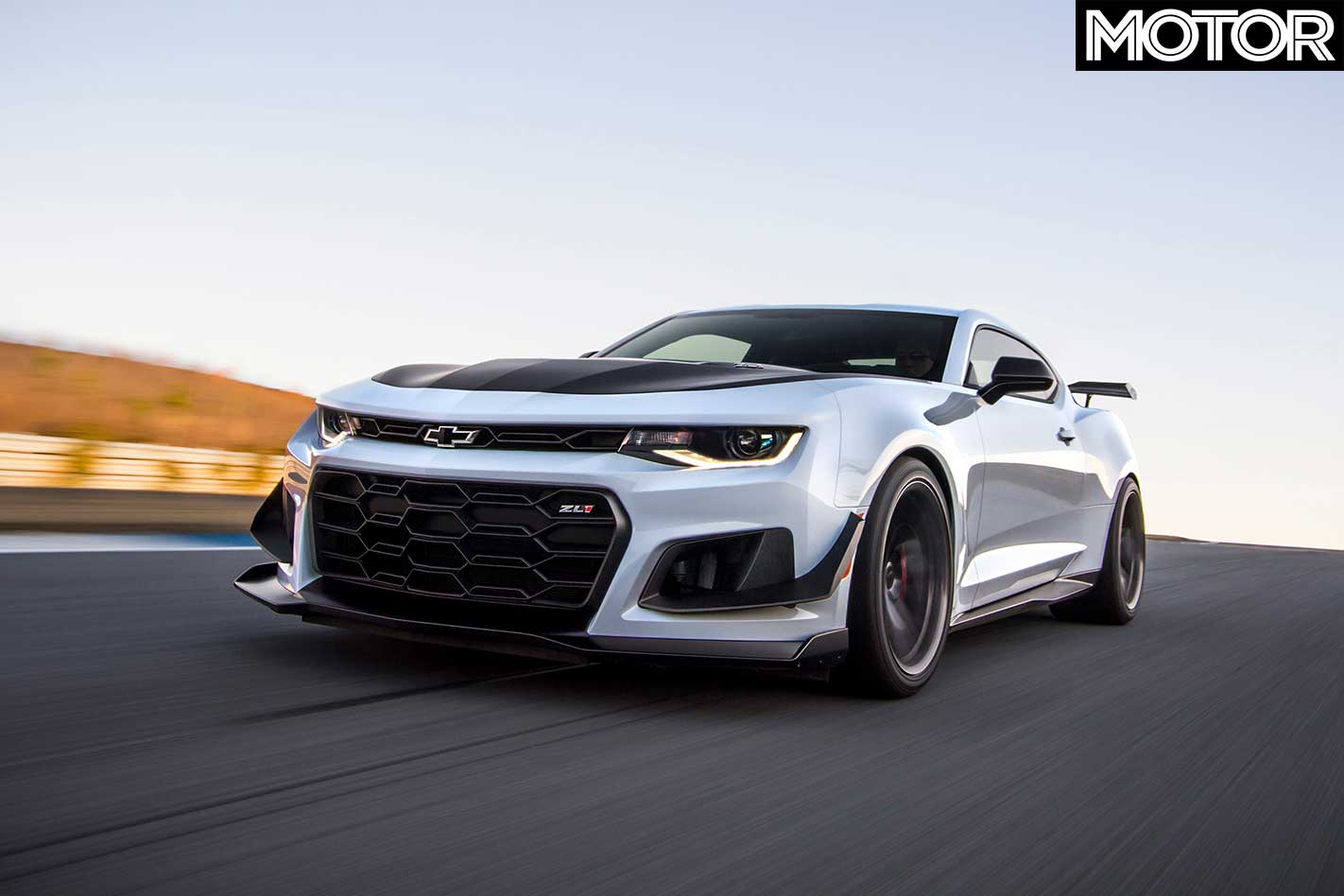
The report suggests GM management has elected to make the current sixth-generation Camaro the last for the iconic nameplate, and plans to phase it out – along with the current Chevy Malibu sedan.
The other rumoured alternative on the cards is that the sports EV sedan earmarked to replace the current sixth-generation Camaro could in fact be the new seventh-generation Camaro, according to CarScoops.
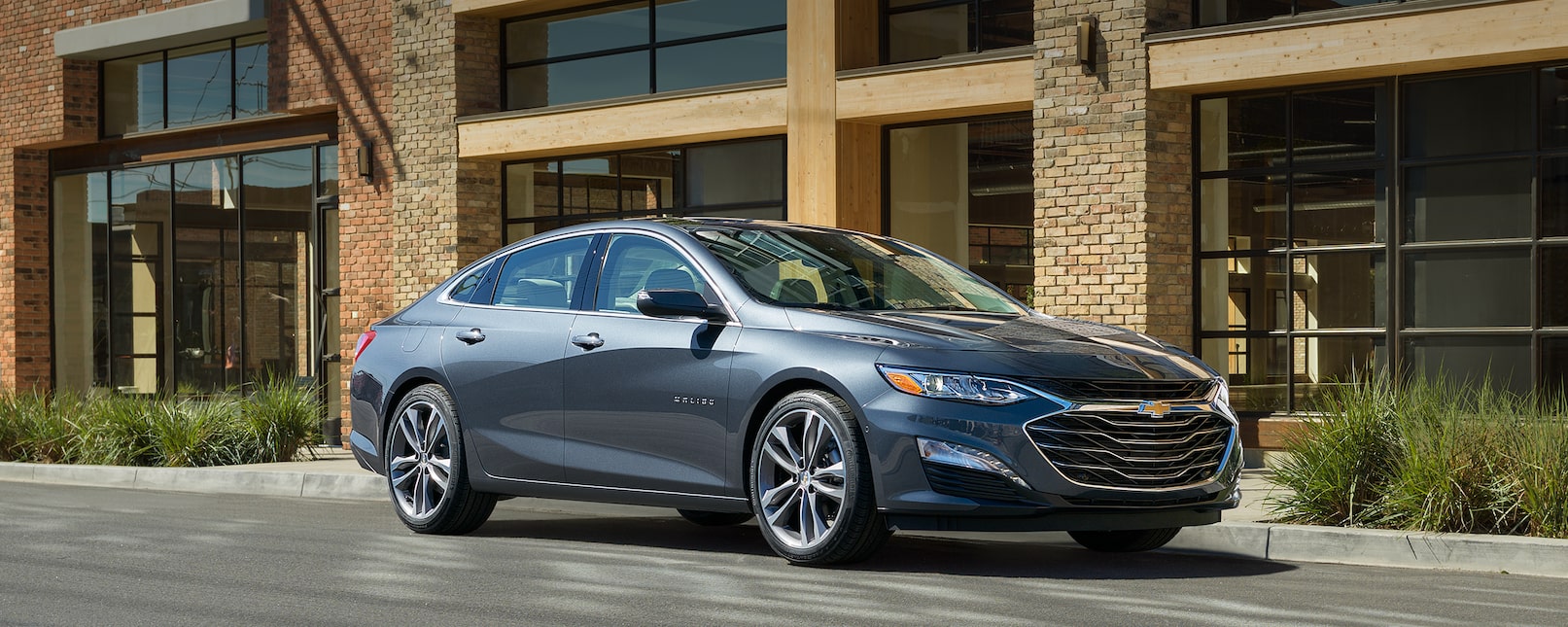
If that were to be the case, it would be the first Camaro sedan in history, but would still mean Chevrolet offering a sports car sitting between the Corvette and the rest of the range.
The Tesla Models S and 3, along with the Mercedes EQS, have also shown there is sales success to be had with EV sports sedans in the US, but neither have the true muscle car image of the Camaro.
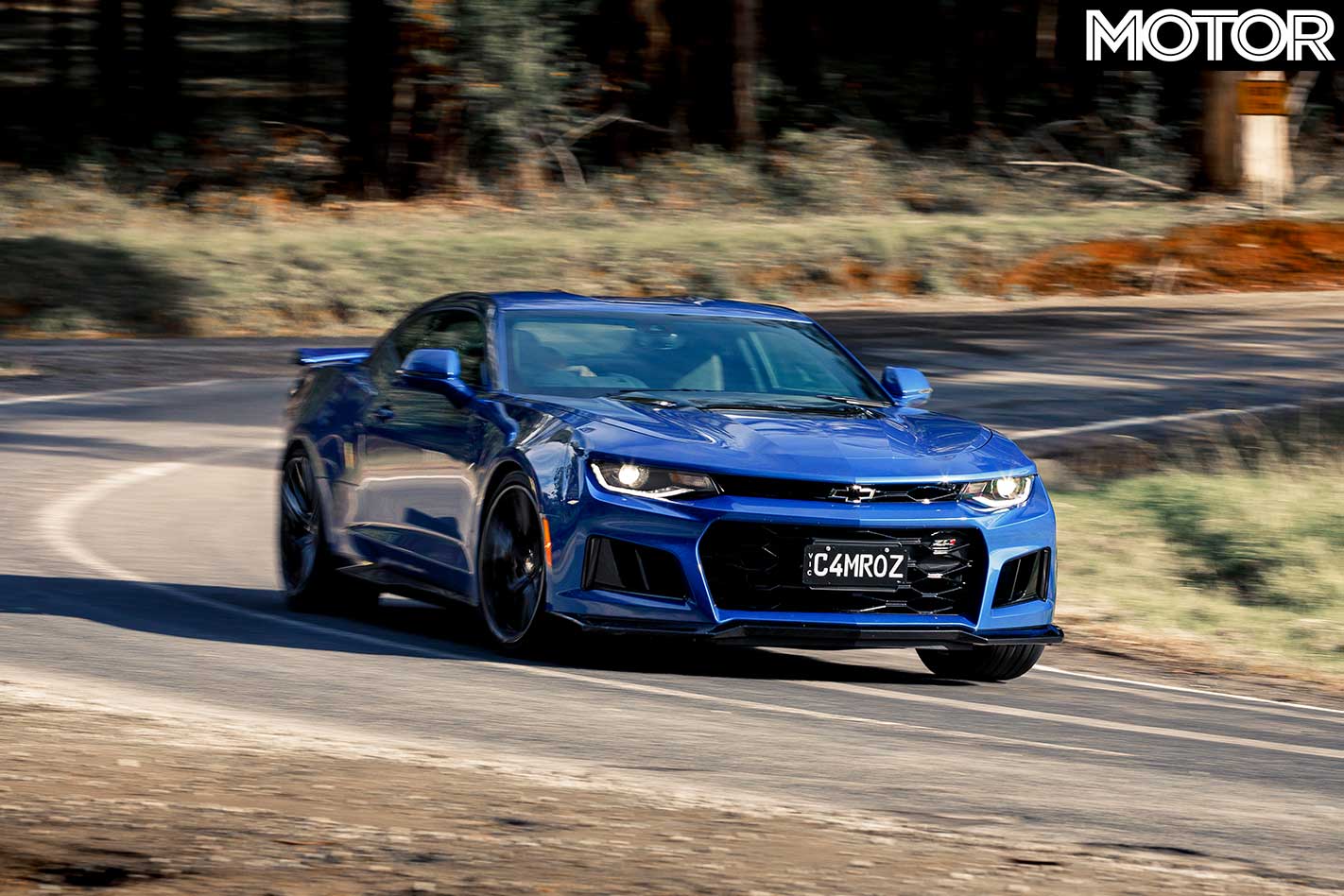
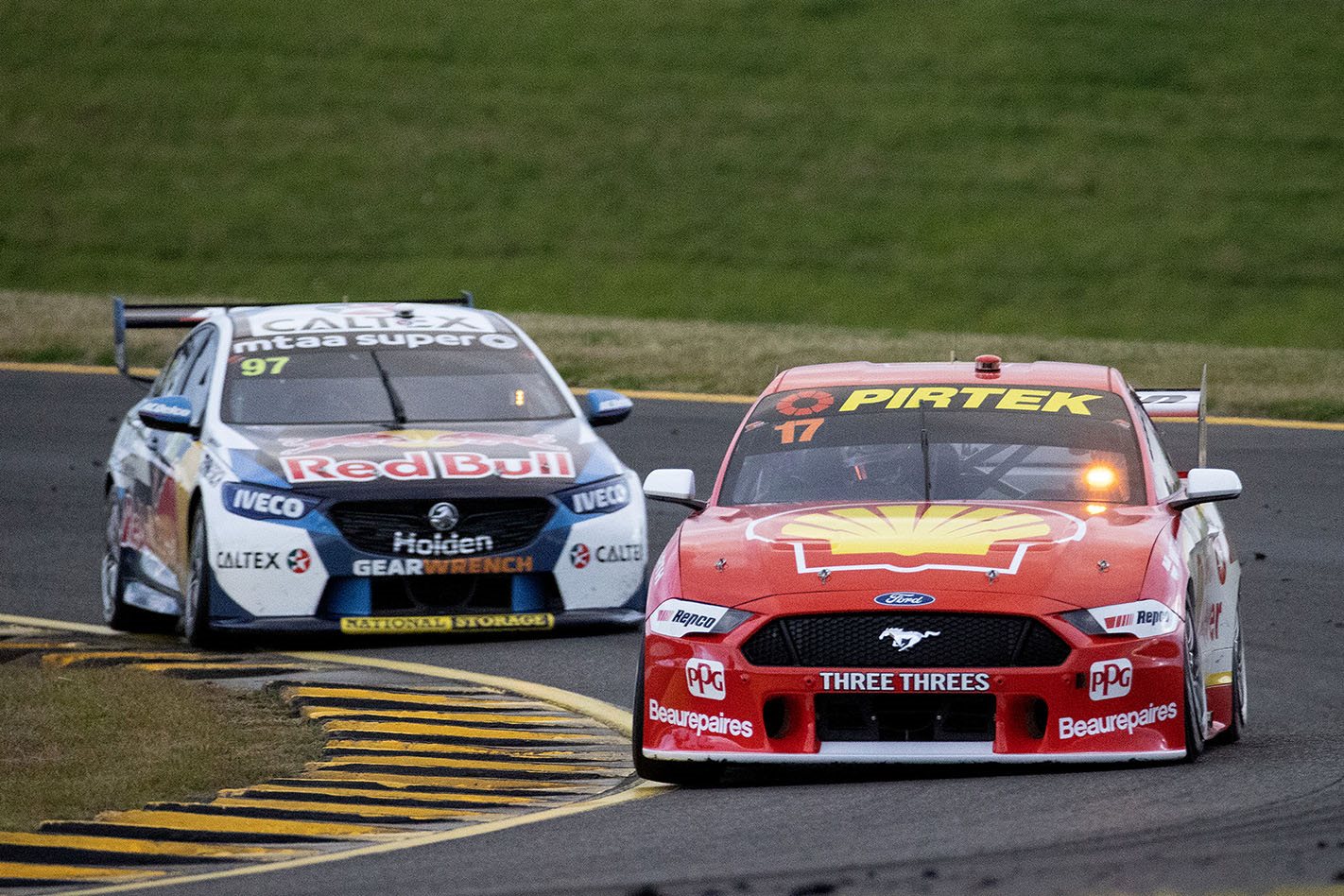
The potential extinction of the Camaro will also have a follow-on effect here in Australia. While HSV ceased converting and selling the Camaro SS2 and ZL1 road cars here last year due to low demand, the current sixth-gen Camaro is set to hit the track in Supercars mid-way through next year when the much anticipated Gen 3 Camaro and Mustang finally make their debuts.
There is a stay of execution for the Gen 3 Camaro race car, however, as Chevrolet has developed a brand new body for the incoming next gen NASCAR which will debut next year. This means the Camaro should remain on track, and therefore in the showrooms, in the US until at least 2023 – so hopefully we won’t have the same scenario Supercars currently faces with the ZB Commodore racing on track long after the road-going car has gone.
GM has committed $US35billion (AU$48bn) to develop new EV and autonomous models, and plans to launch a staggering 20 new electric cars in the US over the next five years.
The report also claims the Chevy Spark, Trax, Malibu and Buick Encore are all getting the chop as part of the EV transition, with no electric replacements yet identified.
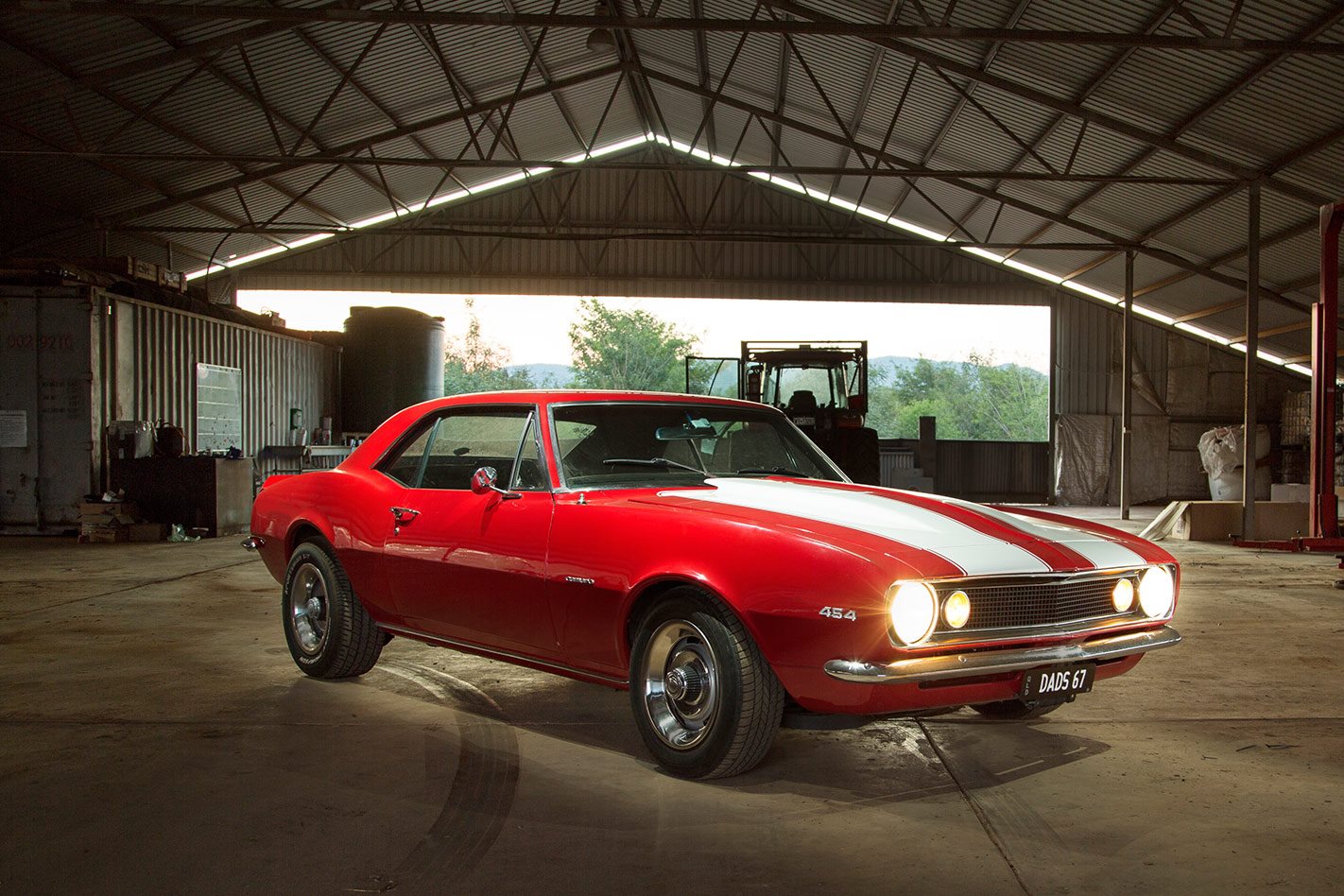
If the Camaro name is to be retired in 2024, it will bring an end to 57 years of one of America’s most iconic muscle cars.
Snapshot
- Reported by Japanese publication, not official
- Could use Toyota’s GA-B platform
- Name and pricing unconfirmed
Lexus may soon see a new addition to its line-up, with rumours emerging of a luxury crossover based on Toyota’s Yaris Cross.
The new report from Japanese auto publication Mag-X, suggests there have been plans for the crossover since May 2020, when China’s Autohome speculated on potential details.
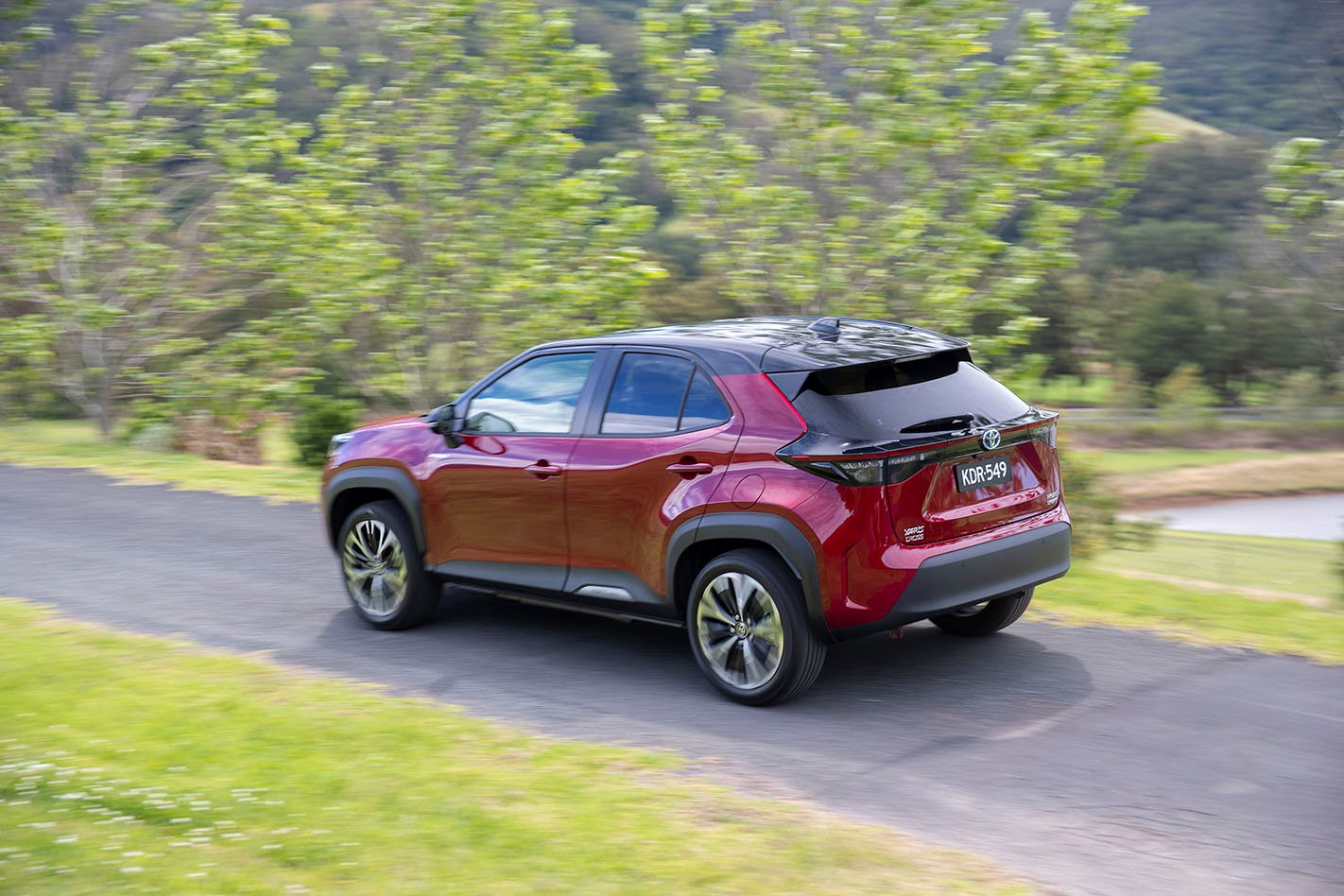
According to the publications, the new Lexus crossover would use the same GA-B platform utilised by the Yaris Cross, and likely share its engine choices – an 88kW 1.5-litre three-cylinder or 85kW hybrid. Both use a CVT driving the front wheels, with AWD optional.
While naming is unconfirmed, Lexus has filed a trademark application for the ‘LBX’ name in Europe – a popular target market for the Yaris Cross. In Lexus parlance, ‘X’ represents an SUV body while ‘L’ has often been reserved for luxury cars – though it’s also been used in ‘Lexus Future’ concept cars.
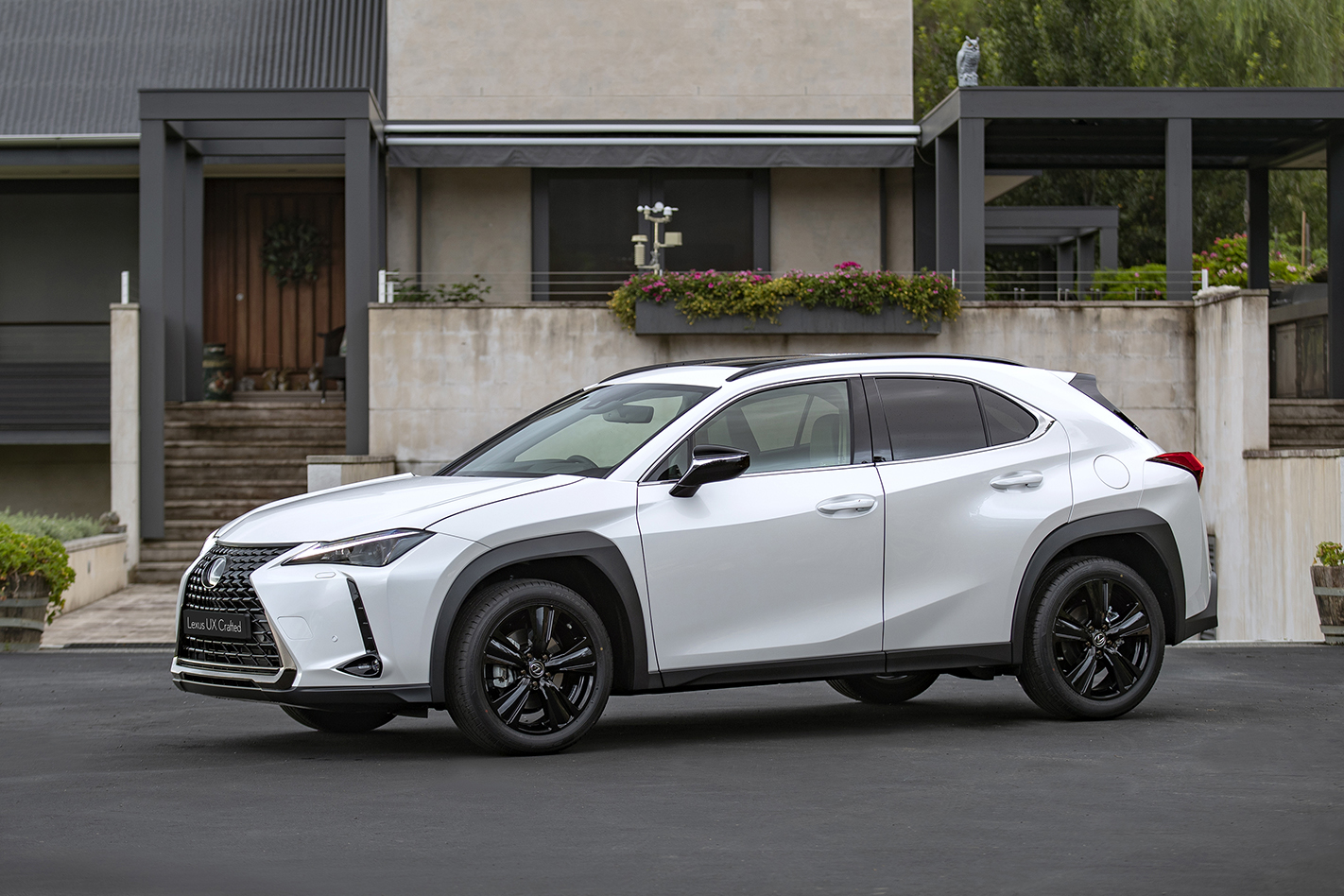
The smallest SUV in the current Lexus range is the UX, itself based on the GA-C platform shared by Toyota’s CH-R and Corolla Cross.
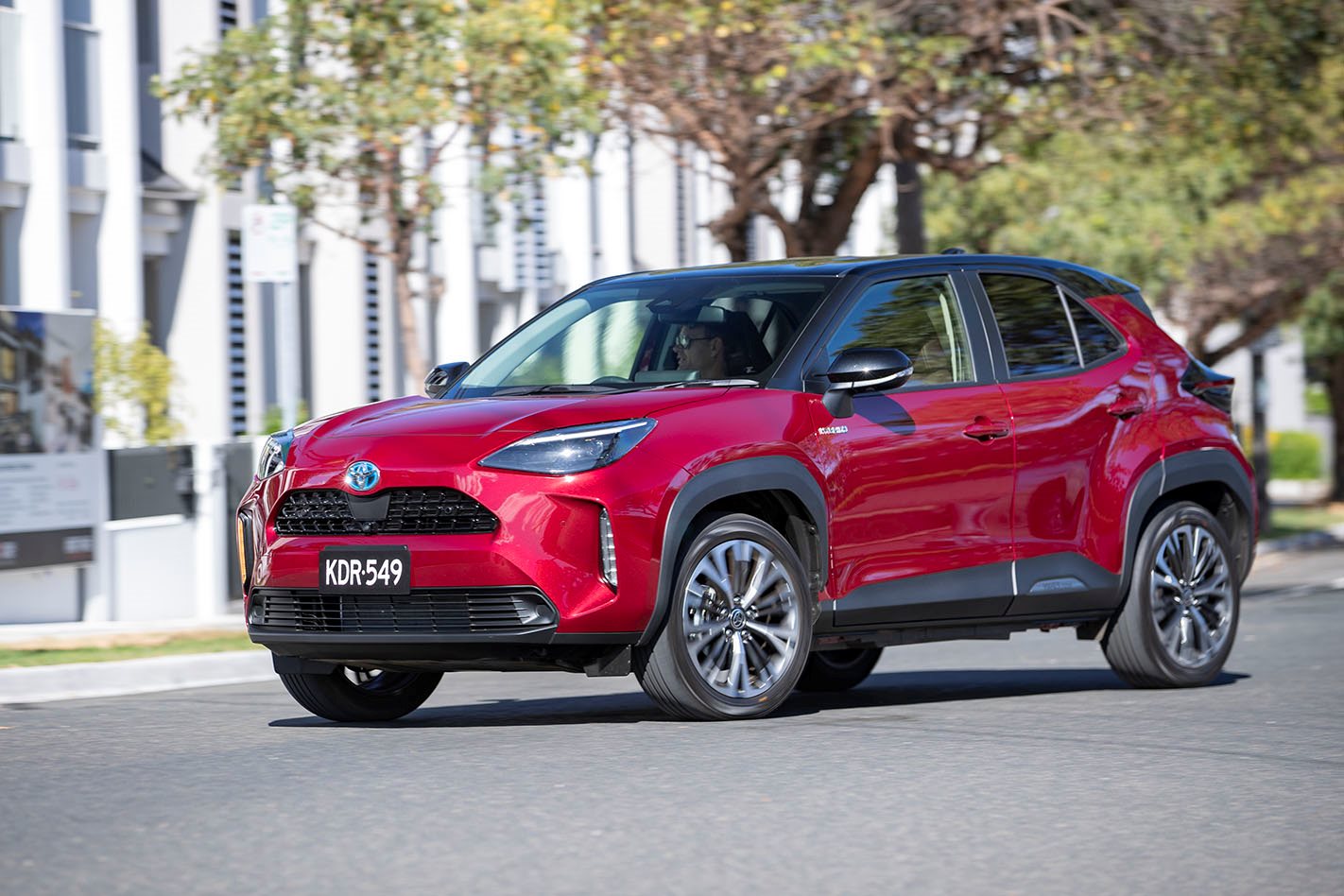
The Yaris Cross and Lexus UX are both sold here, so an Australian launch for the potential Lexus seems probable. Pricing of the crossover obviously remains unknown, but Toyota currently asks between $26,990 and $37,990 (plus on-road costs) for a Yaris Cross. A Lexus on the same platform would be up against the likes of Audi’s Q2 and BMW’s X1.
We’ll keep you informed with any updates on the Lexus range as new information comes to light.
Snapshot
- Changed speed limit from 60km/h to 40km/h results in almost 40,000 motorists nabbed since June
- NRMA says local government hasn’t done enough to communicate changes
- ACT is one of the only places in Australia to have mandatory signposts for fixed speed cameras
Slashing the speed limit on two popular Canberra roads had led to a windfall of almost $6million for the Australian Capital Territory Government in just one month alone.
In June, the ACT Government changed the speed limit along Northbourne Avenue and Barry Drive – both of which link the CBD to Canberra’s northern suburbs – from 60km/h to 40km/h in a bid to reduce traffic incidents, with crashes reported to have dropped by more than 30 per cent already.
According to The Canberra Times, 18,437 fines and infringement notices were handed out in the first three weeks of July to drivers caught by fixed speed cameras going northbound at the intersections of Northbourne Avenue/Barry Drive, southbound on Northbourne Avenue/London Circuit and westbound at Barry Drive/Marcus Clarke Street.
The number of drivers fined was less than those found to be speeding in the weeks prior. In the two-week period between the speed limit changing and fines being handed out from July 5, more than 20,000 motorists were issued official warnings.
With speeding fines starting out at $260 for exceeding the limit by up to 15km/h, the ACT Government has made just under $1.6m a week from fines – which could end up at over $6m a month if drivers don’t heed of the new rule.
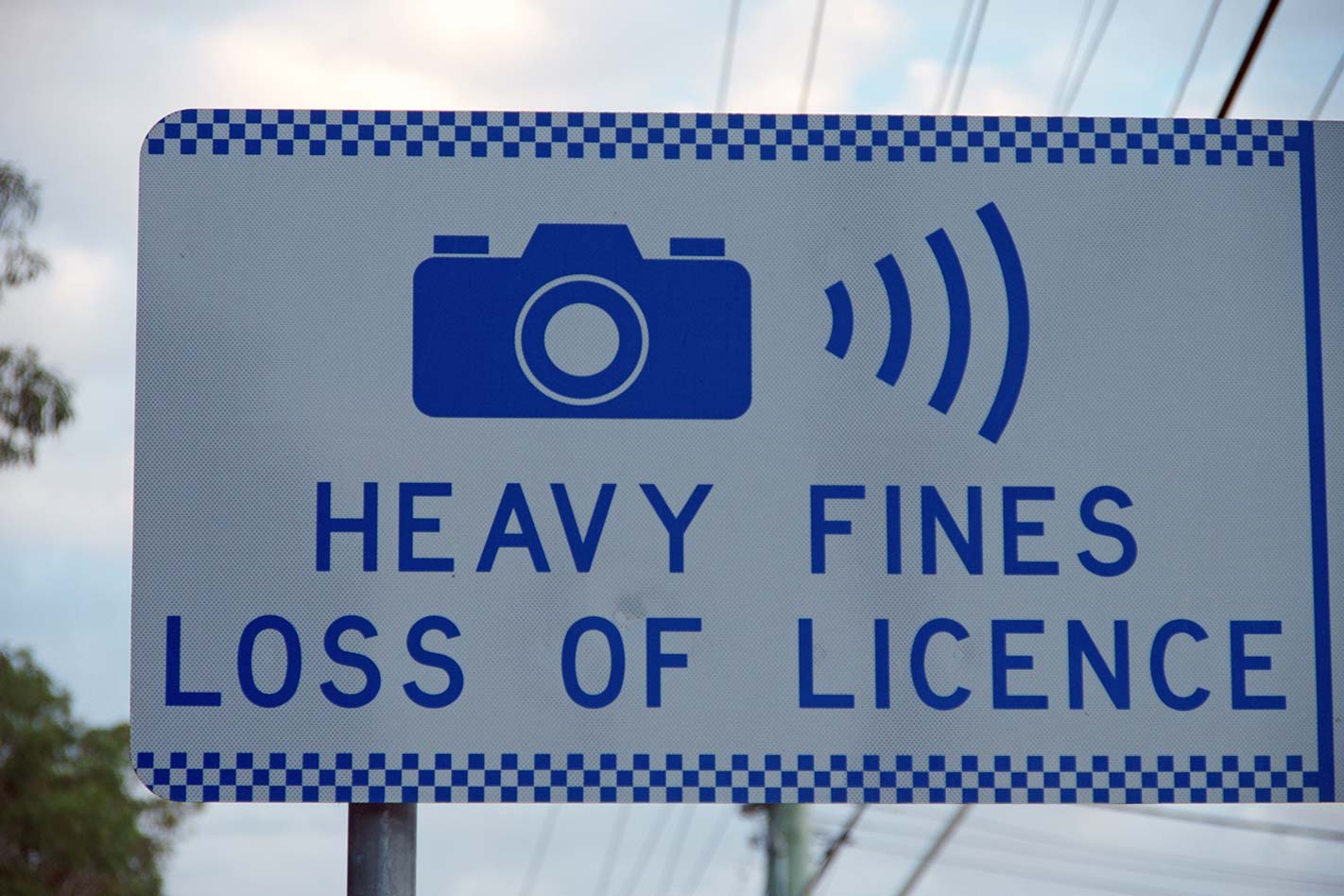
NRMA spokesman, Peter Khoury, told the newspaper he believes the number of motorists caught in the grace period and fined thereafter reflects a lack of communication.
“They [ACT Government] know they’re going to generate revenue from these cameras, so that revenue should be used for things like education campaigns around speed limit changes,” said Khoury.
“Because there’s one thing worse than someone doing 50 in a 40 zone and getting fined; it’s someone inadvertently doing 50 in a 40 zone and putting their life and the lives of other people at risk.”
Josh Rynehart, an executive branch manager for Access Canberra, told ABC Radio the ACT Government had done enough to let road users know about the speed limit changes and the onus was on them to take notice.
“There is a process people can go through to apply to withdraw or dispute the fine,” Rynehart said.
“However, we did put in a significant amount of messaging and signage, and a number of public messages, to inform people about the change.
“And there are a number of signs in the space indicating the speed people do need to drive.”
The manager added that the number of drivers caught speeding at the intersections had dropped from around 10-12 per cent before the change was made to 3-4 per cent after.
The 18,437 infringement notices issued in July, however, is more than five times the number of tickets handed out to Canberra drivers passing the city’s busiest speed camera in 2020 – the fixed camera on the Monaro Highway – where 3433 motorists were caught out.
Snapshot
- Production to be limited to 765 units
- Power and torque remain the same as standard 765LT
- Carbon hardtop can be raised or lowered in 11 seconds
McLaren has unveiled its third Spider variant in the history of its Longtail range, giving 765LT buyers the opportunity to experience supercar speeds with infinite headroom.
Limited to 765 units, the 765LT Spider is powered by the same 4.0-litre, twin-turbocharged V8 engine as the standard 765LT, producing 563kW of power and 800Nm of torque, all of which is sent to the rear wheels through a seven-speed dual-clutch transmission.
McLaren claims the 765LT Spider has more headroom than its Coupe sibling, even with the roof up.
The hardtop is capable of being retracted at speeds of up to 50km/h, folding away in just 11 seconds to provide even more space in the cabin.
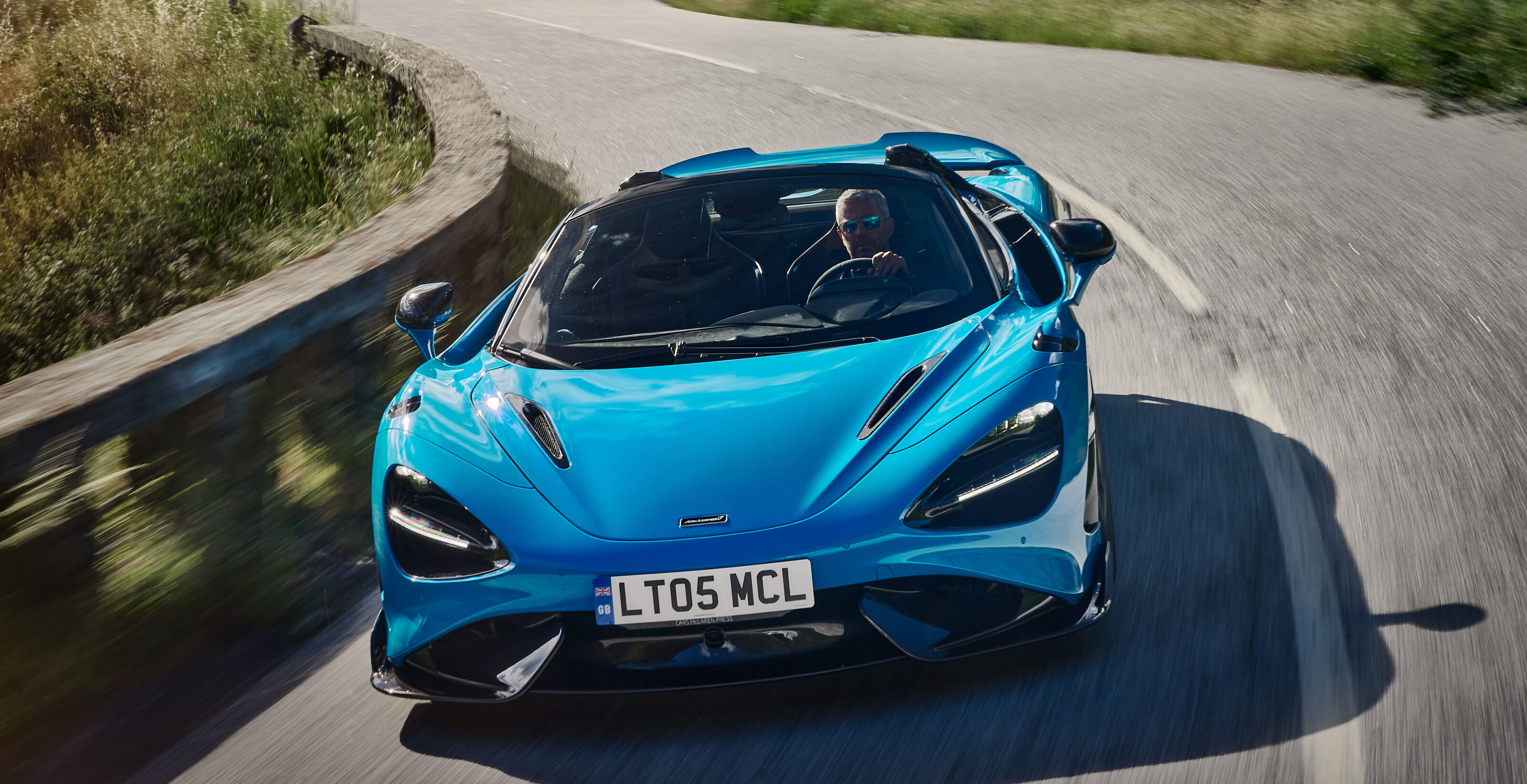
Tipping the scales at 1388kg, the Spider is 49kg heavier than the fixed-roof 765LT but 80kg lighter than the 720S Spider, coming at the cost of air-conditioning and an audio system – both of which are options to save weight.
In place of the audio system, McLaren has given the 765LT Spider a powered rear window which can be opened while the roof is up, allowing occupants to hear the V8’s bellowing tones through its quad-exit, titanium exhaust system.
Aerodynamic downforce is up 25 per cent over the 720S Spider thanks to the 765LT’s front splitter and rear diffuser, as well as a recalibrated active rear wing, providing better efficiency both when the roof is up and down.
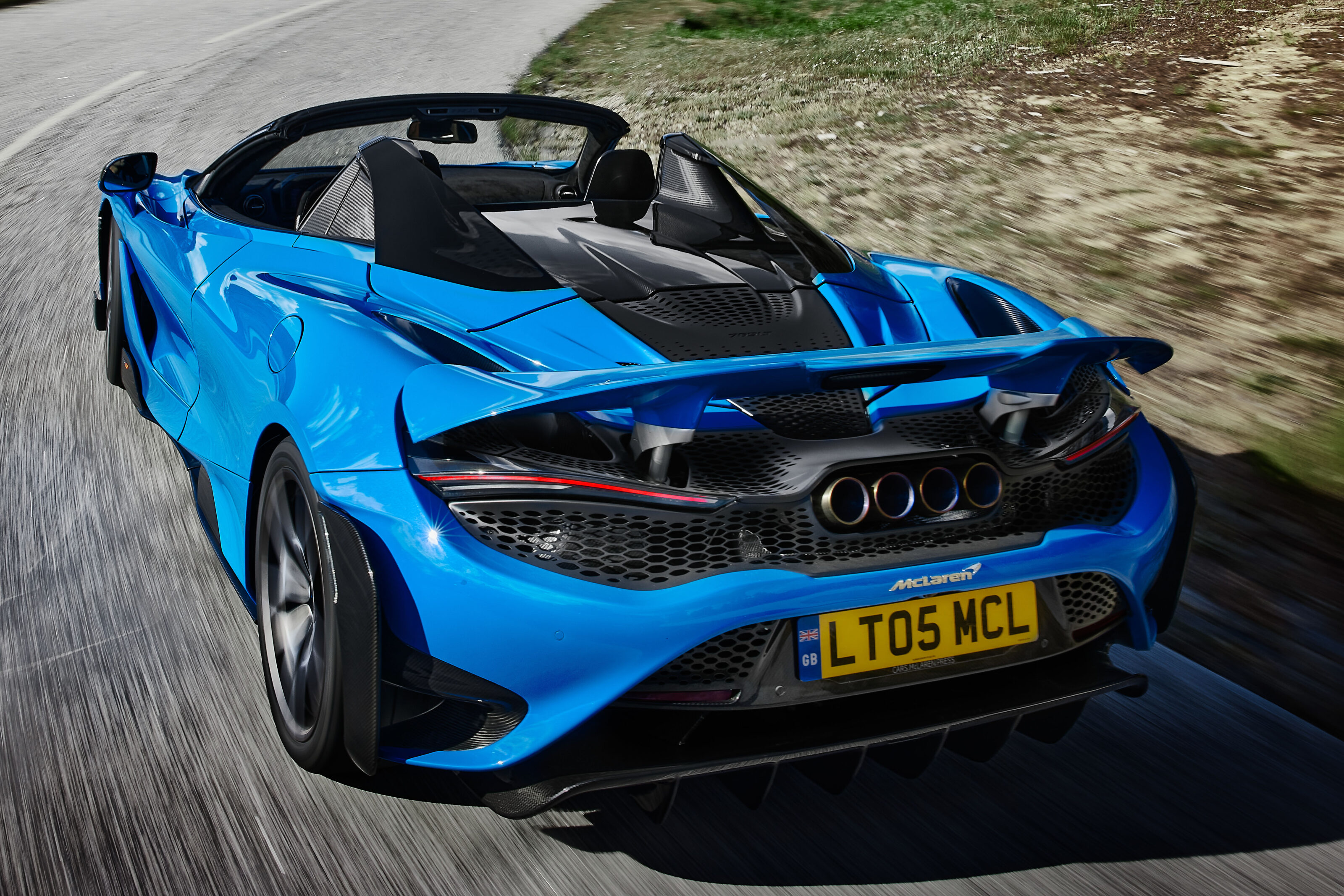
Bespoke Longtail springs and dampers feature in the Spider, as does a wider front track and lower ride height, coupled with McLaren’s hydraulic Proactive Chassis Control II system – which does away with sway bars – to provide a more dynamic experience than the 720S.
Carried over from the hardtop 765LT is McLaren’s 10-spoke ultra-lightweight alloy wheels, wrapped in Pirelli P Zero Trofeo R tyres, specifically designed for the car by the two companies.
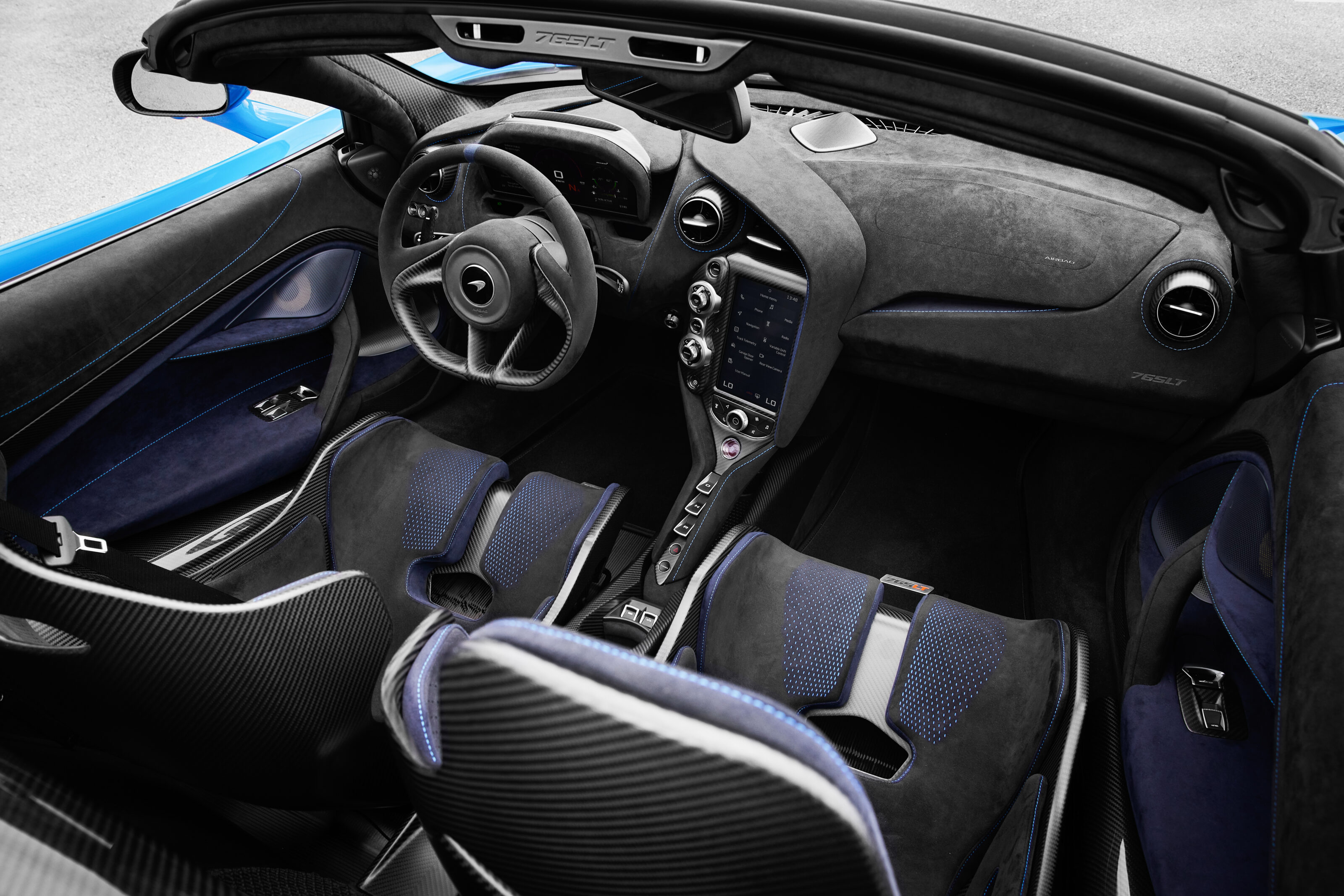
Despite missing out on air-con and a sound system as standard, the 765LT Spider features carbon fibre seats, a carbon fibre centre tunnel and floor, and Alcantara trim throughout.
Prices for the 765LT Spider start at GB£310,500 (AU$585,233) before VAT and options, with the McLaren Special Operations department offering its Clubsport Pack and LT Black Pack to owners for an unspecified premium.
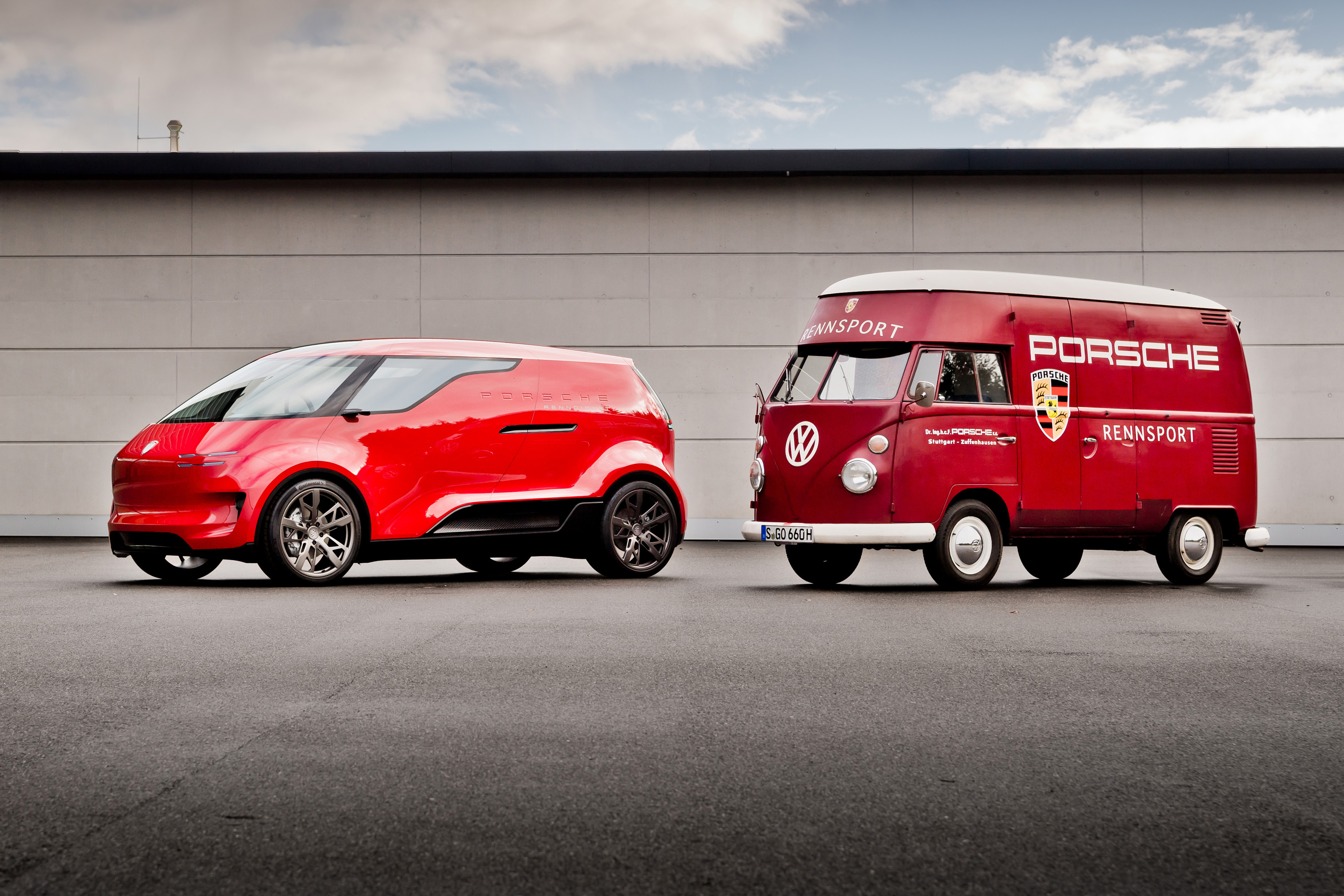
Porsche has offered a first look at the inside of its Renndiest concept, revealed as part of last year’s incredible Porsche Unseen exhibition.
Shown here in white instead of last year’s red (Guards red?), the Renndiest concept opens its doors to reveal a spacious cabin with a single seat up front for the driver, and four seats at the rear.
The driver’s seat can rotate 180 degrees when the vehicle is in self-driving mode, enabling a more sociable atmosphere. The second row features a pair of captains’ chairs, while the third is a standard fixed design.
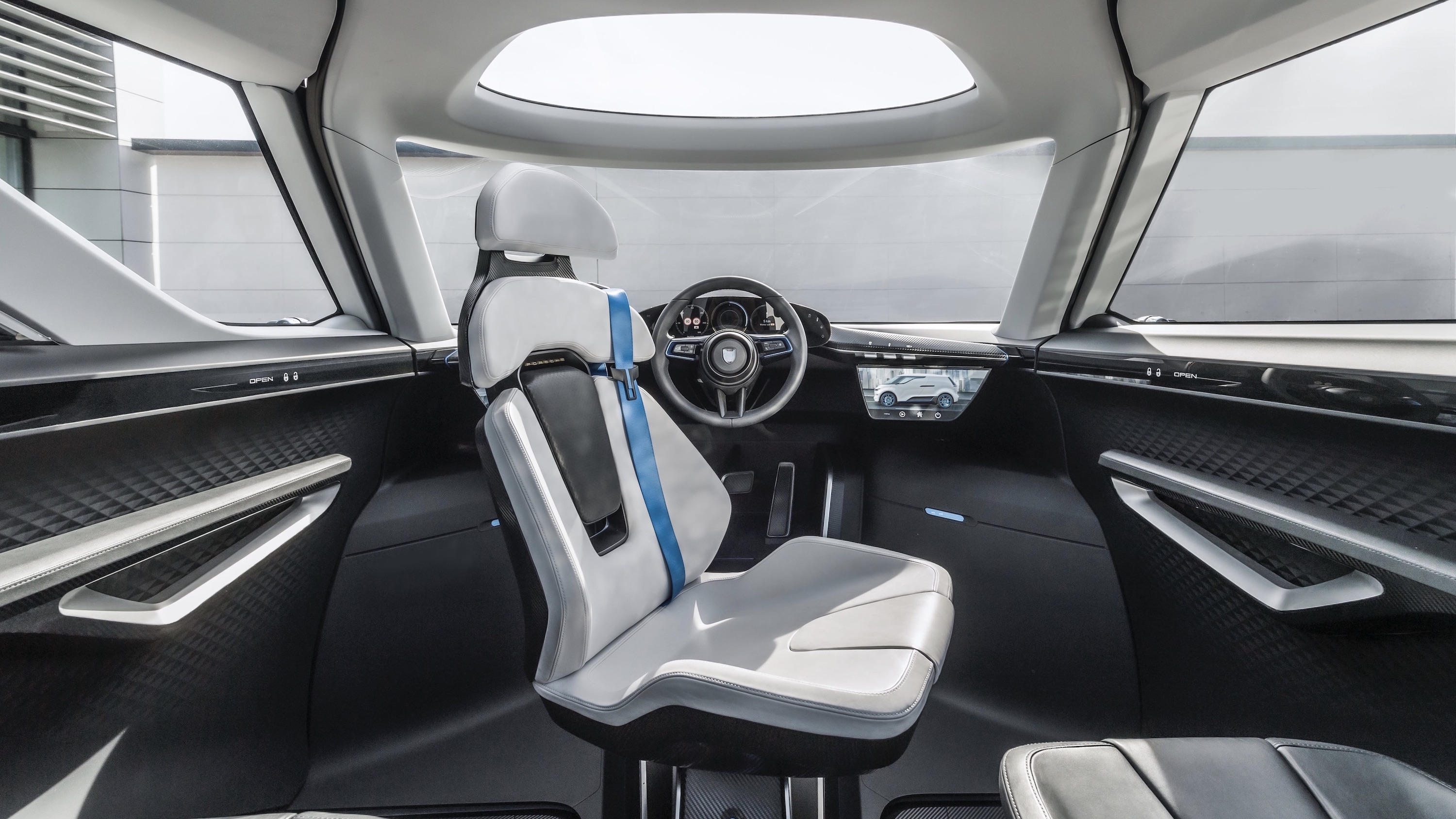
Speaking on the concept, chief designer Michael Mauer said: “We thought about how we could still give a distinctly Porsche flair to a passenger compartment that is so far removed from the classic sports car interior. And how autonomous driving could be designed.”
Wisely, Mauer notes that most Porsche buyers are unlikely to seek an entirely driverless experience, which is why there’s still a focused sporting look to the driver’s seat, steering wheel and dash.
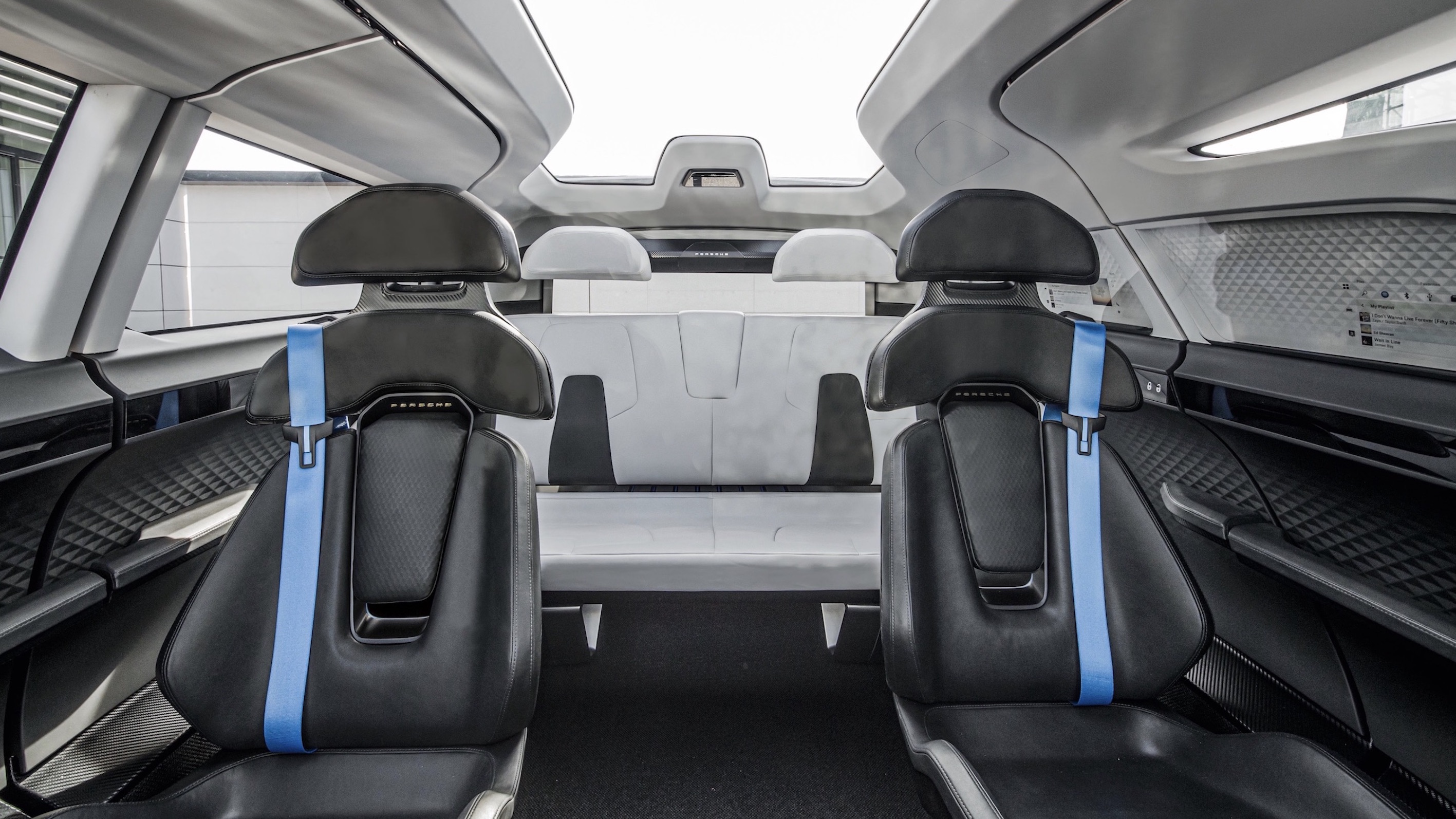
“When I want to drive, I have more cockpit feeling than in any other car. And when I don’t, the driver’s seat can be rotated 180 degrees – with one swivel, it turns to face the other passengers. We worked on materialising these basic ideas for about a year.”
Porsche has no plans to introduce the Renndienst concept to market, but what we see here could be a preview of what to expect down the road someday.
Click any of the images in this story to view our full gallery
UPDATE, JULY 28: Toyota subsidiary Woven Planet Holdings has closed a deal to secure Lyft’s Level 5 self-driving division.
Following investigations by US authorities to ensure there were “no unresolved national security concerns” resulting from the buy-out, Woven Planet can now resume full control of the branch’s operations in Silicon Valley and London – taking on its 300 engineers, research scientists, and mobility specialists.
It will also be acquiring the Lyft section’s sensing, computing, and software assets, as well as its automated driving systems.

The story to here
APRIL 29: US ride-sharing company Lyft has sold its autonomous vehicle division to a subsidiary of Toyota for a hefty US$550million.
It has been confirmed the Japanese car giant’s Woven Planet Holdings arm will take over the Uber rival’s ‘Level 5’ self-driving division, with US$200million being paid up front and the remaining US$350million forked out in five years.
It is said that Woven Plant, which was set up in January, intends to continue growing and investing in its autonomous vehicle team but its plans for future acquisitions are being kept close to its chest.
“This is the first step of establishing and bringing together the people. Obviously building technology and product requires people, and that’s much what this acquisition is about,” Woven Planet chief executive James Kuffner told news association Reuters.
Toyota currently offers ‘Level 2’ automation with advanced driver assistance technology – where the vehicle can essentially control steering and acceleration/deceleration but a human being still sits in the driver’s seat and controls the vehicle.
This deal would mean a jump up to Level 5 technology – the highest level of vehicle autonomy where the car can basically pilot itself in all driving environments all the time, with no input or oversight from a human.
In addition to its acquisition of Lyft’s autonomous vehicle division this week, Toyota also has other self-driving projects on the go.
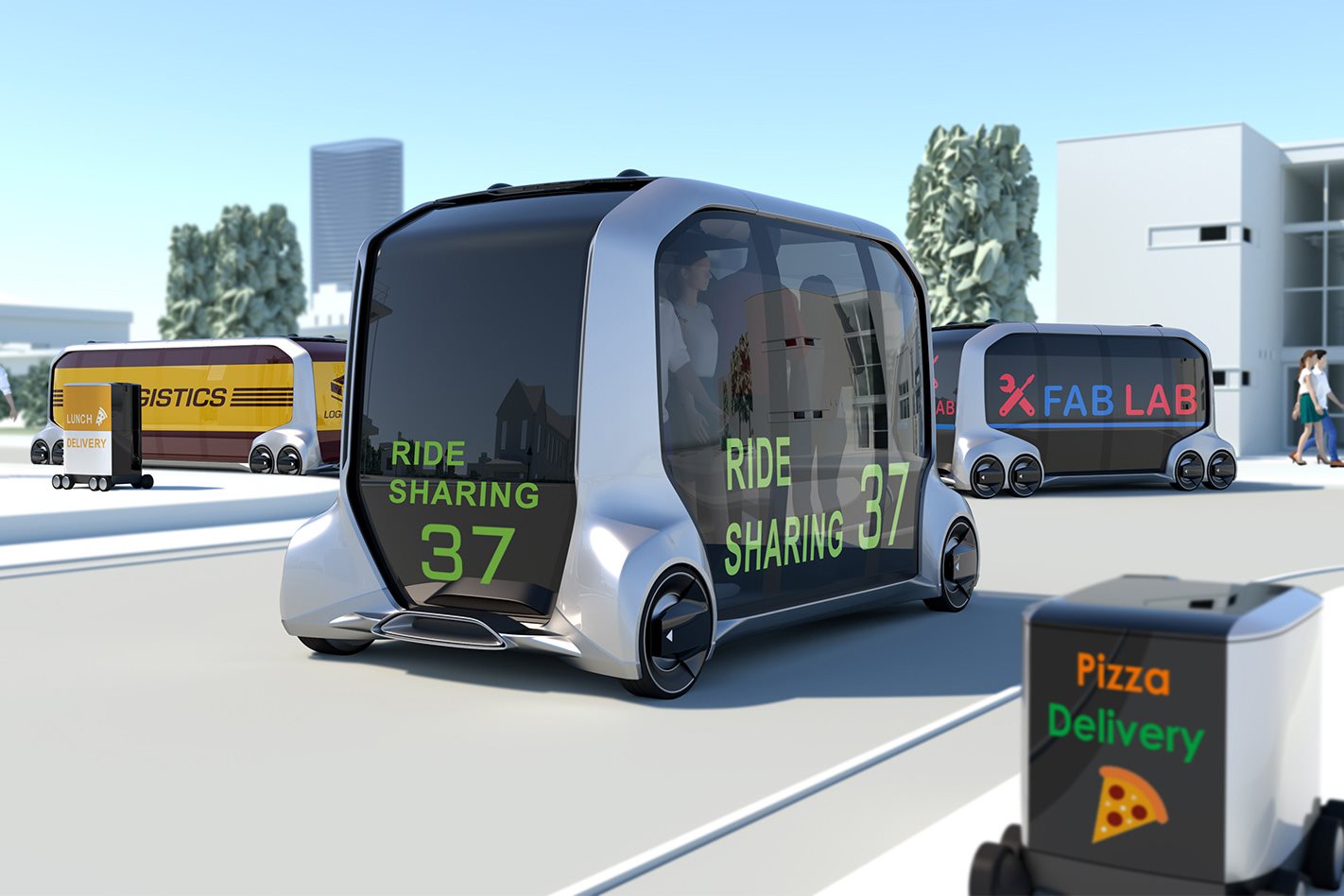
These include a joint venture with Japanese tech, energy and finance giant, SoftBank Corp, and a consortium with General Motors Co, suppliers and semiconductor companies.
It has also been working closely with other ride-hailing firms and owns a stake in top Chinese firm Didi Chuxing and Southeast Asia’s Grab.
In 2018 it invested around US$500million in a deal to co-develop autonomous vehicles with Uber but transferred its stake when Uber sold its autonomous vehicle unit to car start-up, Aurora Innovation, in December.
Uber’s autonomous vehicle endeavour made headlines across the globe when one of its test cars operating in the US struck and killed a pedestrian.
According to Reuters, Lyft said the sale allows it to refocus on its core business, removing US$100million in annual net operating costs, and off-load costly side projects after a tough year in 2020.
Earlier this year it was confirmed Aurora will team up with Toyota and supplier Denso Corp to develop vehicles for autonomous ride-hailing networks.
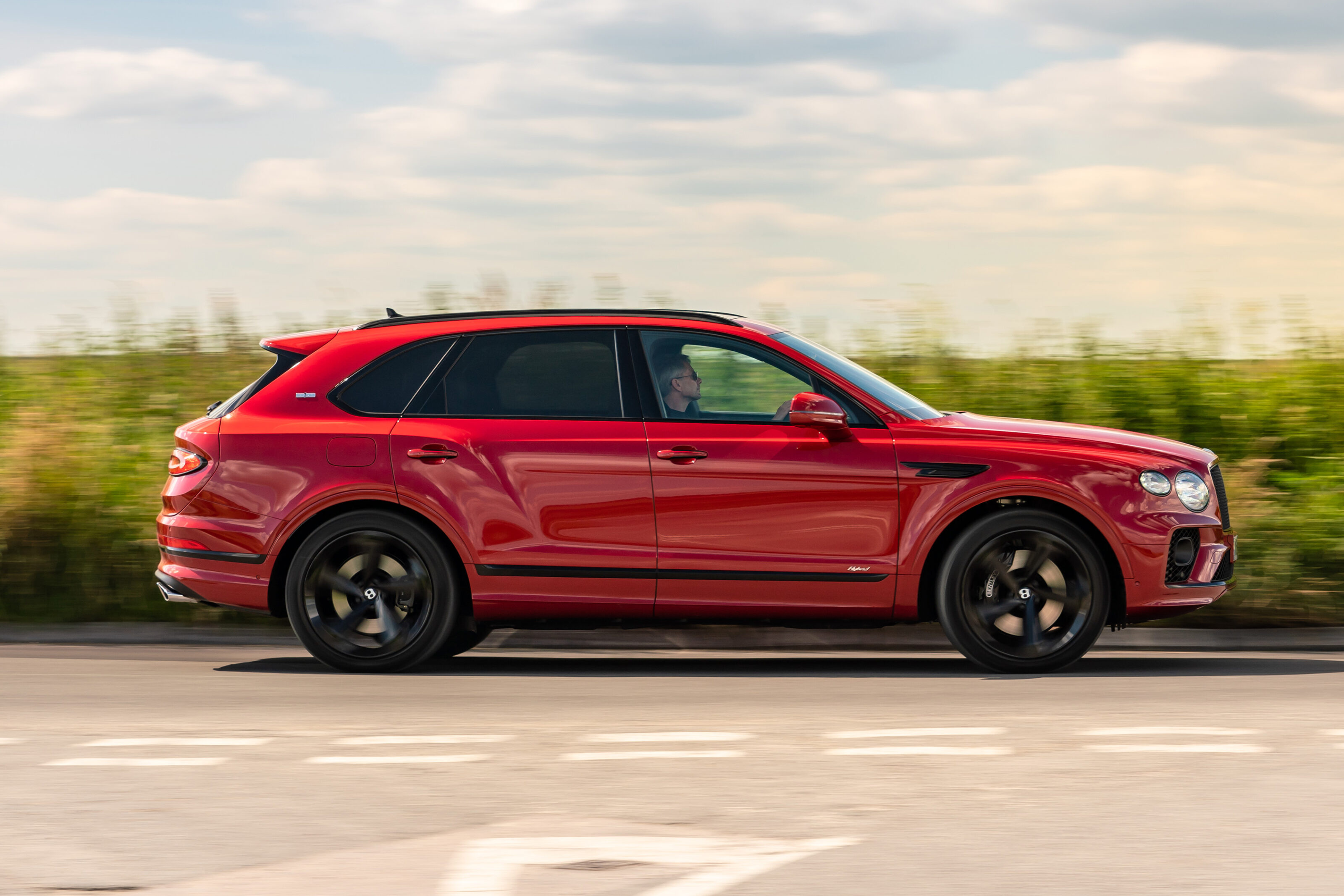
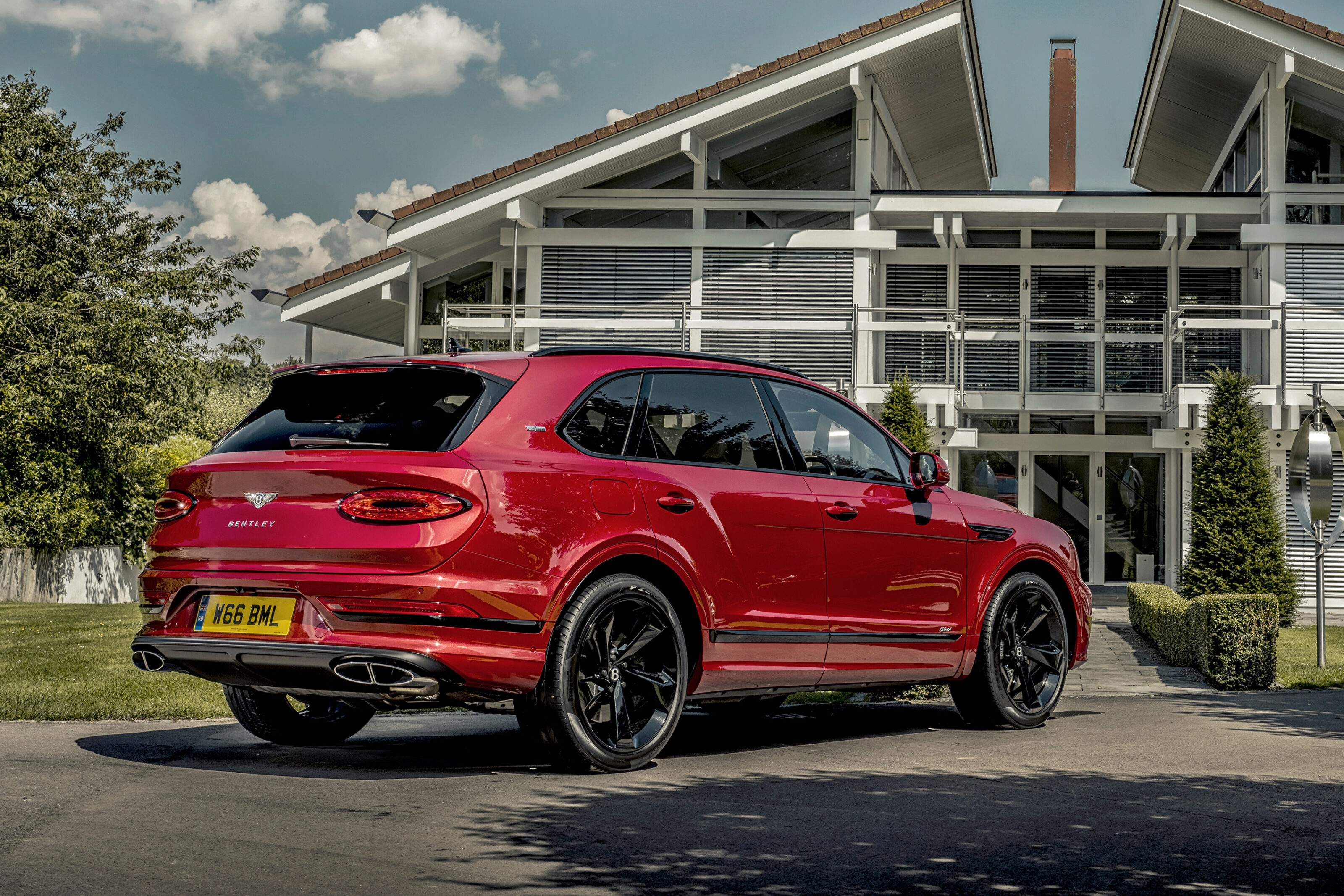
You have to look hard to pick the Bentley Bentayga Hybrid from its regular internal combustion engine siblings. There’s a tiny Hybrid badge in the lower corner of the front doors, and a flap on the left-hand rear quarter panel for the charge cable. And that’s about it. Like all Bentleys, the Bentayga Hybrid is a glittery brute in a smart suit; heavy, fast, and expensive. But it’s also a Bentley of the future.
By 2025 the entire Bentley lineup will have hybrid powertrains of some sort. And by 2030, of course, Bentley has committed to be building nothing but pure electric vehicles. A plug-in hybrid with a pure electric range of between 30km and 50km, the Bentayga Hybrid signposts the greener, more eco-conscious Bentleys we’ll see in earnest next decade. Even though a hulking, 2.6-tonne SUV costing well over $300,000 seems hardly the sort of vehicle you’d drive if you wanted to save the planet.
It’s all about the duty cycle. The previous generation Bentley Hybrid was introduced in 2019 to replace the diesel-powered model in the aftermath of the VW Group’s grubby Dieselgate scandal. Since then, Bentley has learned that while more than 90 per cent of owners use their Bentayga Hybrids nearly every day, half drive them predominantly in EV mode on journeys of 50km or less.
Bentleys have long been cars for rapidly crossing continents in refined luxury. The Bentayga Hybrid is the Bentley for those who never leave town.
Under the bonnet is the same VW Group plug-in hybrid powertrain used in the first-generation Bentayga. The internal combustion engine is a 250kW, 450Nm single-turbo 3.0-litre V6. A 94kW, 350Nm permanent magnet synchronous e-motor is mounted between the block and the eight-speed automatic transmission to bring the total system output to 330kW and 700Nm. The e-motor is powered by a 17.3kWh battery – usable capacity is 13.3kWh – located under the rear load space floor, behind the rear axle.
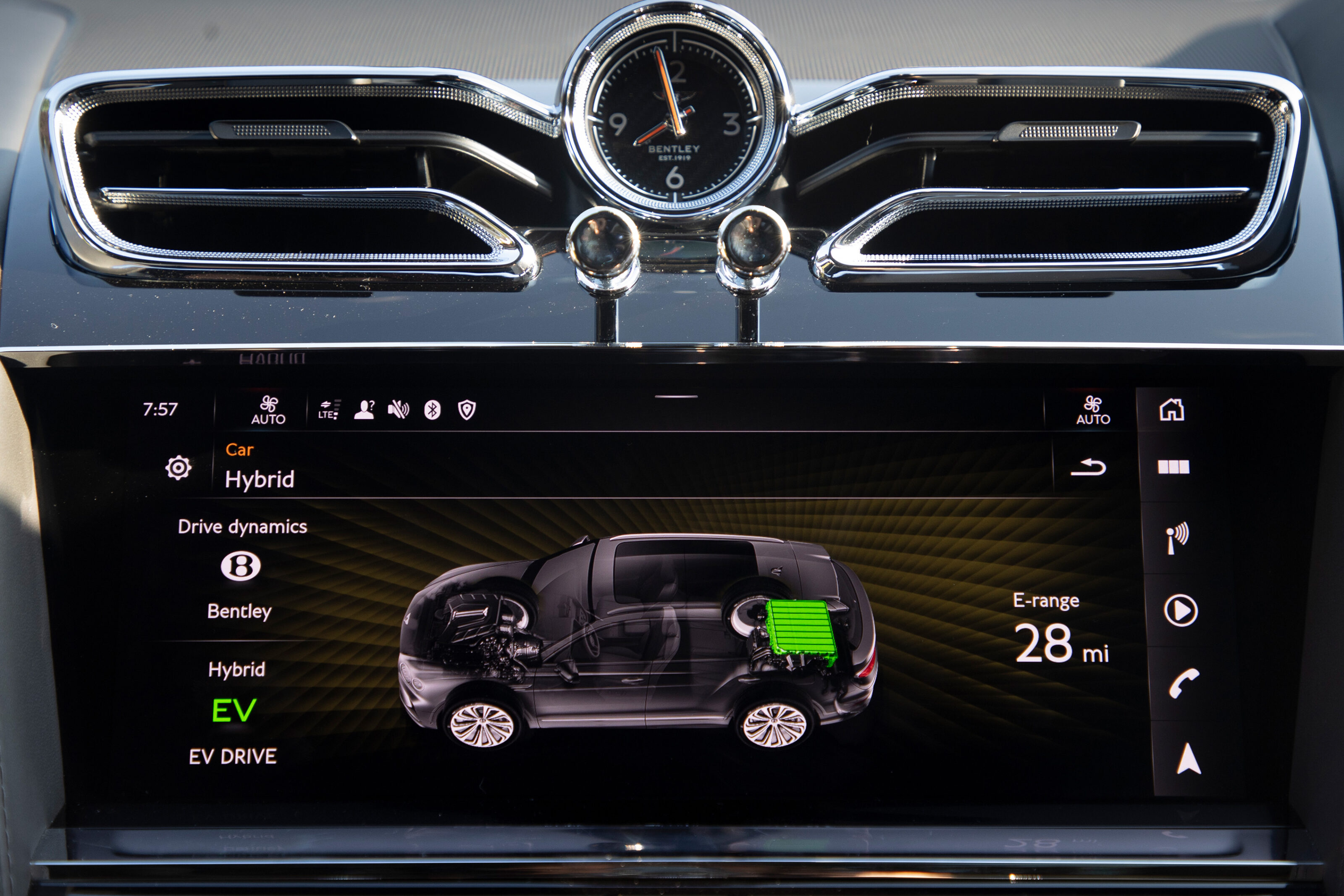
The 210kg battery’s location means the Bentayga Hybrid is not available with the optional seven-seat interior. Other options not available on the Hybrid are a tow bar, powered side steps, the 48V active anti-roll system, and the All-Terrain Specification package, which adds off-road drive modes and underbody protection. The electrification hardware also makes the Bentayga Hybrid more than 230kg heavier than the Bentayga V8, which has more power and more torque.
All the added weight impacts performance, though the Bentayga Hybrid could hardly be described as a slug. Claimed 0-100km/h acceleration time is 5.5 seconds, a second off the V8, while claimed top speed is 254km/h, down from the V8’s 290km/h.
That battery’s not all bad news. In addition to allowing the big Bentley to waft smoothly and silently around town, its location behind the rear axle also means the Bentayga Hybrid has better weight distribution than the V8, with 49.6 per cent of its mass over the rear axle, compared with the V8’s 43.6 per cent. The Hybrid thus handles corners better than expected when you do take it outside the ’burbs, feeling more responsive to steering inputs and not working its front tyres as hard to keep everything on the tarmac.
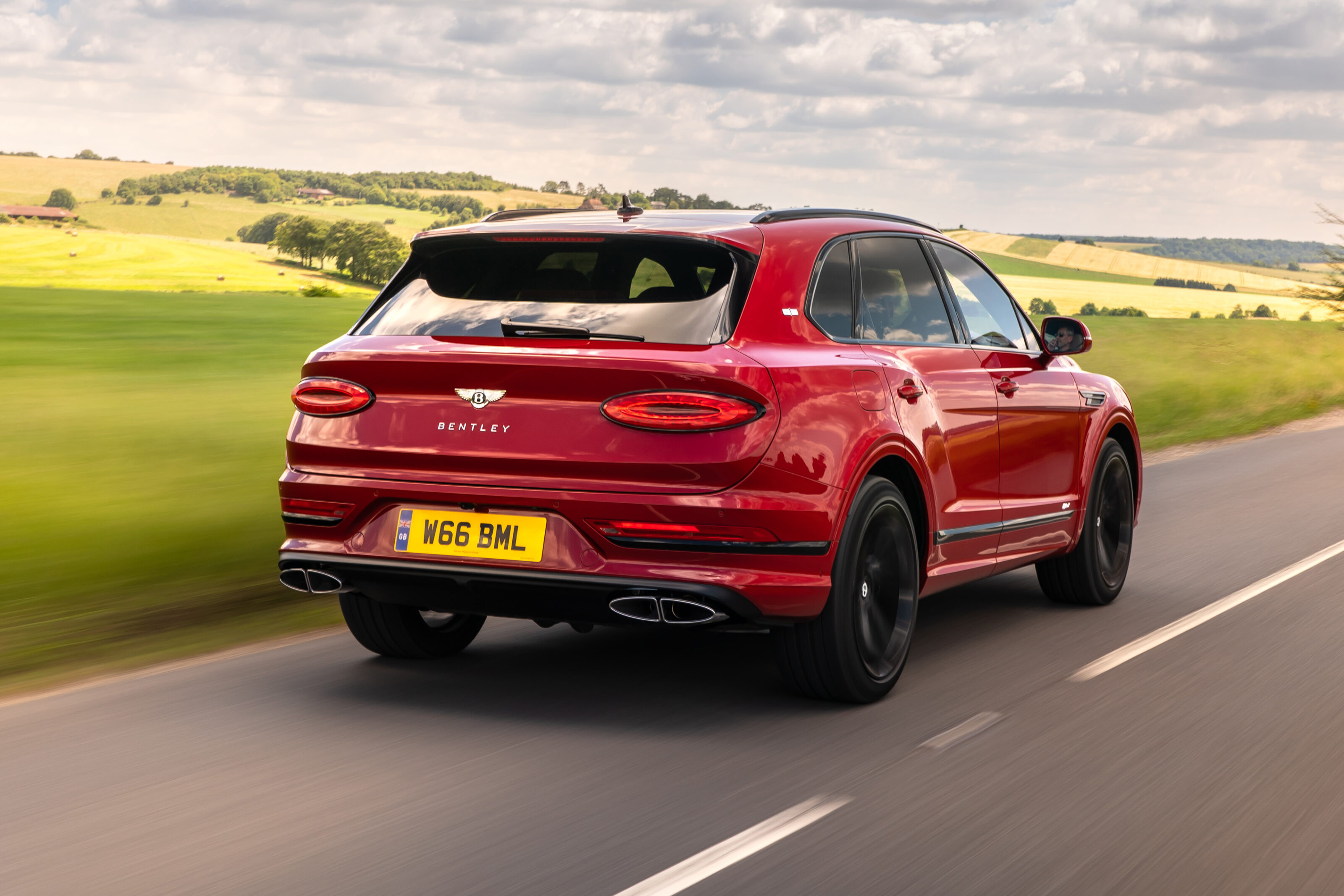
The Bentayga Hybrid’s default start mode is EV Drive, one of three E Drive modes actuated via the controller on the centre console, and the e-motor is able to propel the big Bentley at speeds of up to 135km/h. Mild haptic feedback through the accelerator discourages the driver from putting too much pressure on the pedal and firing up the internal combustion engine. The pedal will also vibrate underfoot when approaching a lower speed limit area or a road junction to encourage the driver to lift off and conserve energy.
Hybrid mode mixes and matches the power and torque outputs of the internal combustion engine and the e-motor to deliver the best efficiency. Hold mode maintains the battery’s existing charge level to allow for pure EV running at the end of a journey. The transitions between the e-motor and internal combustion engine are seamless, but there’s a graininess to the V6 between 2500rpm and 3000rpm that’s at odds with the Bentayga Hybrid’s otherwise quiet progress.
The transitions between the e-motor and internal combustion engine are seamless, but there’s a graininess to the V6 that’s at odds with the Bentayga Hybrid’s otherwise quiet progress.
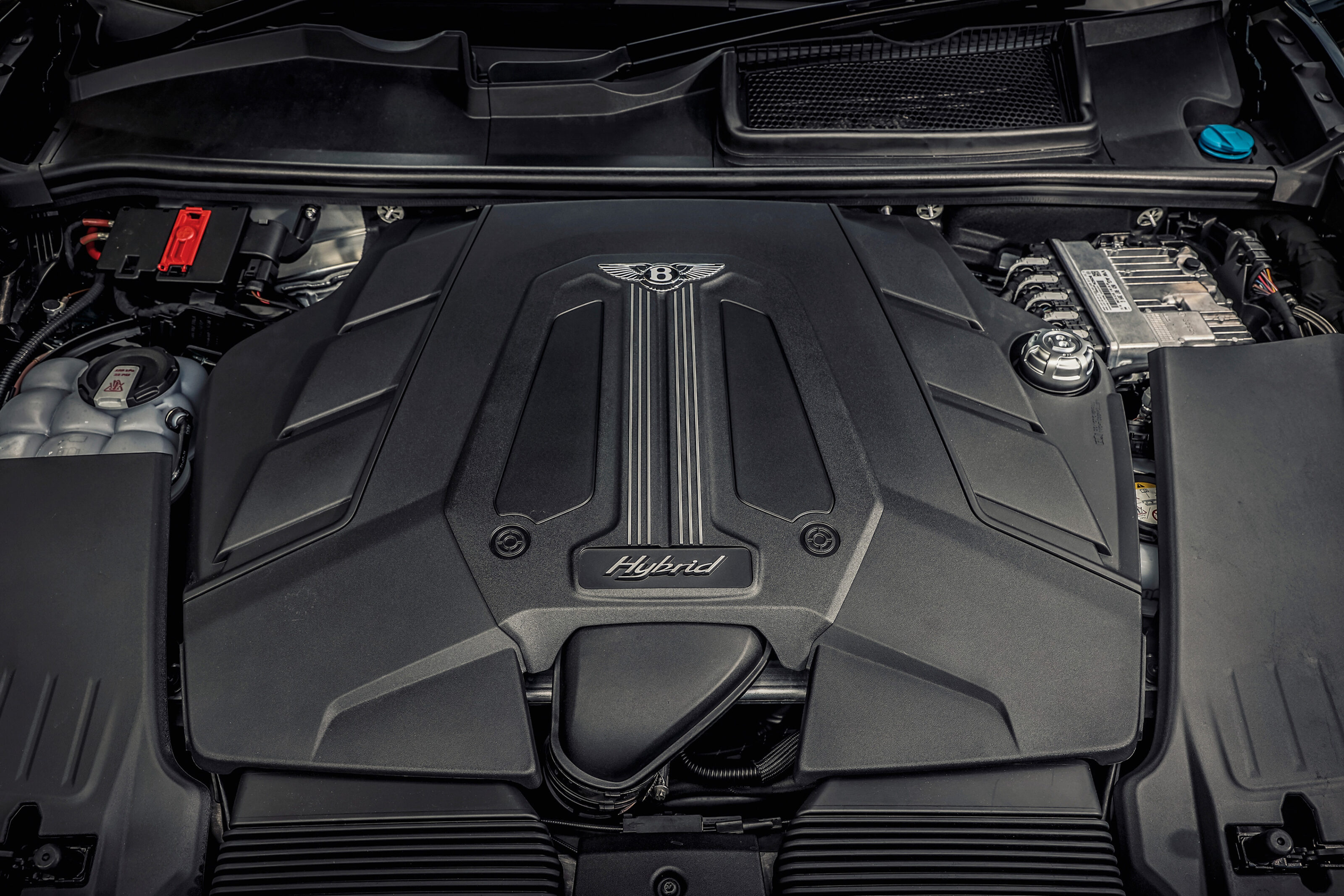
Working with data supplied by the nav system, Hybrid mode dishes out doses of power and torque from the e-motor to help the little V6, one of the smallest engines ever fitted to a Bentley, to keep the big Bentayga moving as efficiently as possible.
It works well: We arrived at the end of our 89km drive loop precisely as the indicated range remaining in the battery dropped to zero. The trip computer suggested the Bentayga had averaged the equivalent of 6.5L/100km for the distance, well under the 13.0L/100km WLTP combined fuel consumption figure quoted for the Bentayga V8.
Of course, the e-motor’s assistance becomes less meaningful over longer distances as the battery’s level of charge is inevitably depleted. Even so, based on WLTP test numbers, Bentley claims the Bentayga Hybrid has a cruising range of 693km, 39km more than the V8, despite its 75L fuel tank being 10L smaller.
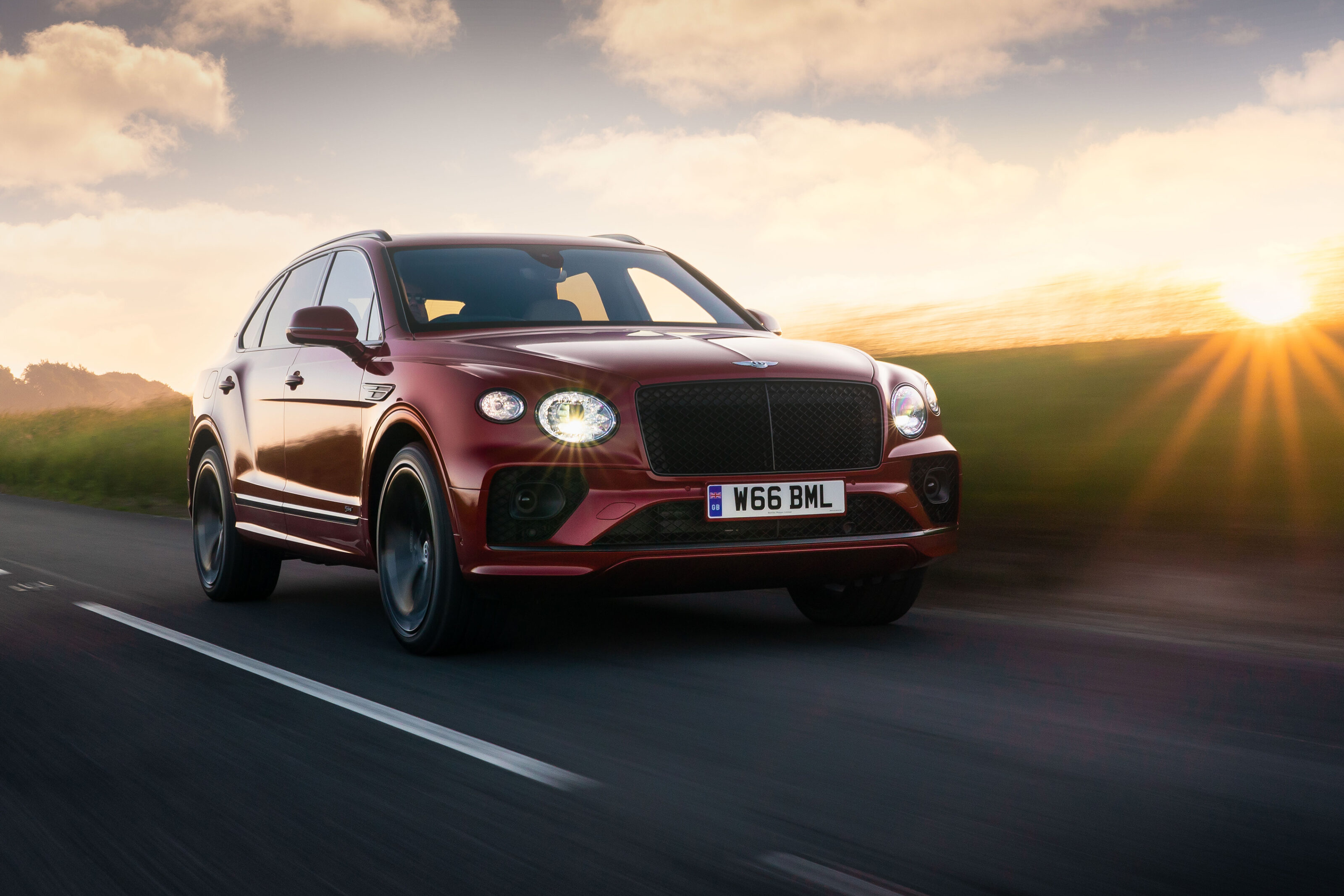
Hardcore Bentley enthusiasts will prefer the Bentayga V8. The twin-turbo 4.0-litre V8 is a thrusty, mellifluous engine that’s entirely in character with the marque’s tradition, and you can get it with seven seats if you have a big family and an off-road package if you’re feeling adventurous.
Given that very few Bentaygas are ever taken very far from the urban jungle, the Hybrid, supremely smooth and silent in city traffic, is a genuinely compelling alternative.
Given that very few Bentaygas are ever taken very far from the urban jungle, the Hybrid, supremely smooth and silent in city traffic, is a genuinely compelling alternative.
2022 Bentley Bentayga Hybrid specifications
| Engine | 2995cc V6, dohc, 24v, turbo |
|---|---|
| Battery Capacity | 17.3kWh |
| Max Power | 330kW (combined) @ 5300rpm u2013 6400rpm |
| Max Torque | 700Nm (combined) @ 1340rpm u2013 5300rpm |
| Transmission | 8-speed automatic |
| Weight | 2684kg (claimed) |
| 0-100km/h | 5.5sec (claimed) |
| Fuel Economyu00a0 | 3.4L/100km (WLTP combined) |
| Price | $335,000 (estimate) |
