
Snapshot
- 6200 new u2018green jobsu2019 to be created in the UK
- Facility will be carbon neutral
- Gigafactory will have a 9GWh-capacity
Nissan has revealed it will build a £1 billion (AU$1.84 billion) state-of-the-art electric manufacturing facility.
Called EV36Zero, the EV hub will be built at Nissan’s existing facilities at Sunderland in the North East of the United Kingdom.
The factory is the result of a collaborative effort between Nissan, battery manufacturer Envision AESC, and the Sunderland City Council.
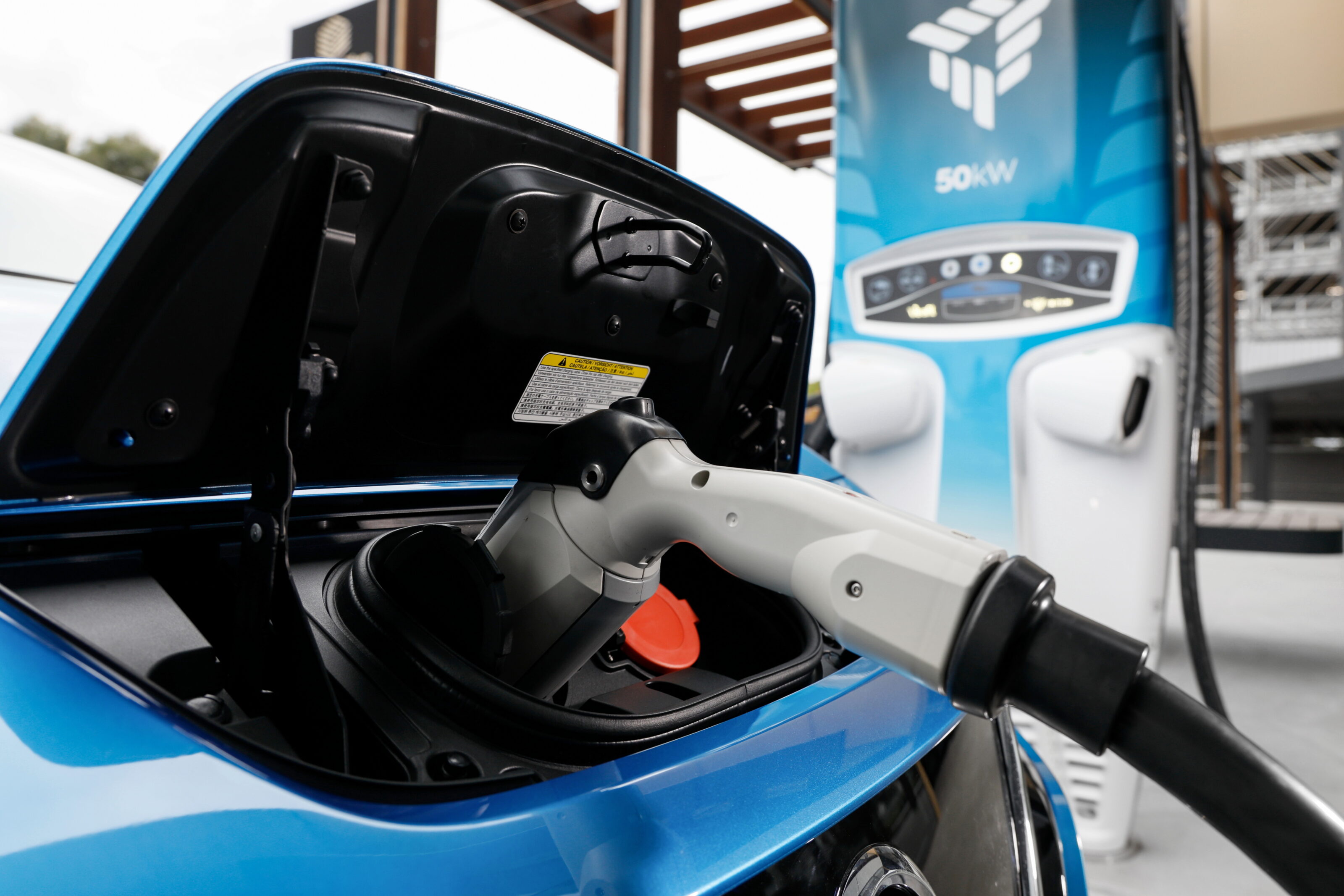
Nissan says EV36Zero will comprise three initiatives – electric vehicle manufacturing, renewable energy, and battery production.
According to the Japanese manufacturer, the facility will result in 6200 ‘green jobs’ being created for both Nissan and the UK supply base.
The gigafactory will start with a 9GWh-capacity. However, Nissan has left the door open for Envision ASEC to invest a further £1.8 billion into the facility, which would generate up to 25GWh. The automaker claims that even 35GWh on-site could be possible by 2030.
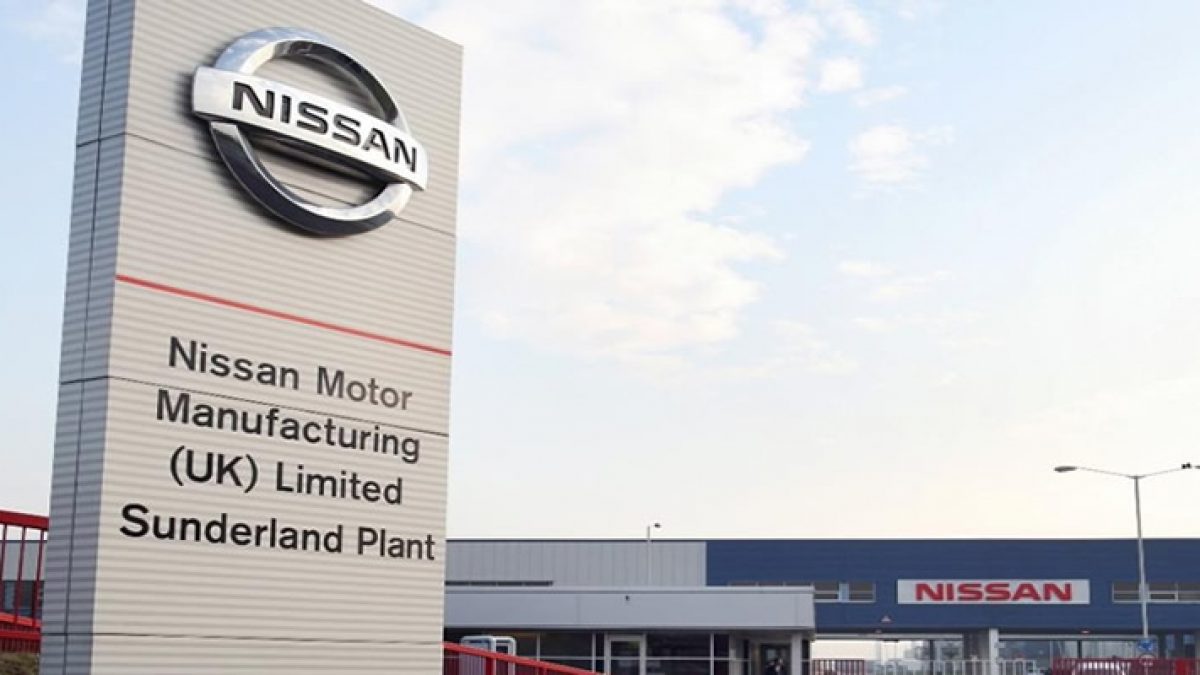
British Prime Minister Boris Johnson said the news signified the importance manufacturers still place on the UK’s highly skilled workforce.
“Nissan’s announcement to build its new-generation all-electric vehicle in Sunderland, alongside a new gigafactory from Envision-AESC, is a major vote of confidence in the UK and our highly-skilled workers in the North East.
“Building on over 30 years of history in the area, this is a pivotal moment in our electric vehicle revolution and securing its future for decades to come.
“Commitments like these exemplify our ability to create hundreds of green jobs and boost British industry, whilst also allowing people to travel in an affordable and sustainable way so we can eliminate our contributions to climate change.”
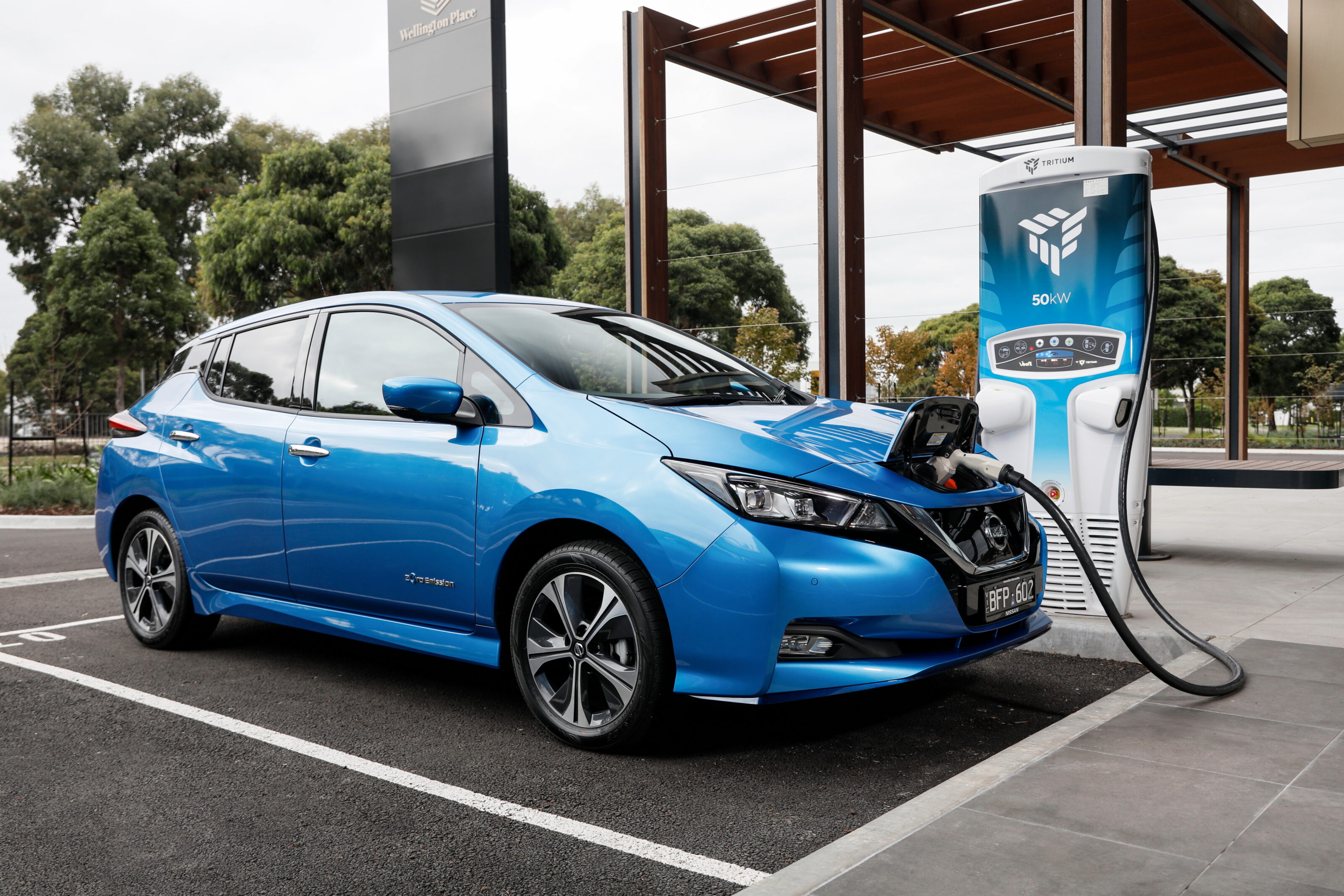
The manufacturing hub will be powered by 100 per cent renewable energy thanks to an onsite ‘Microgrid’.
Makoto Uchida, Nissan’s President and CEO, said the plant would be a beacon for the automaker’s carbon-neutral future.
“This project comes as part of Nissan’s pioneering efforts to achieve carbon neutrality throughout the entire lifecycle of our products,” he said.
“Our comprehensive approach includes not only the development and production of EVs but also the use of on-board batteries as energy storage and their reuse for secondary purposes.
“Our announcement today comes out of lengthy discussions held within our teams and will greatly accelerate our efforts in Europe to achieve carbon neutrality.
“The experience and know-how gained through the project announced today will be shared globally, enhancing Nissan’s global competitiveness.”
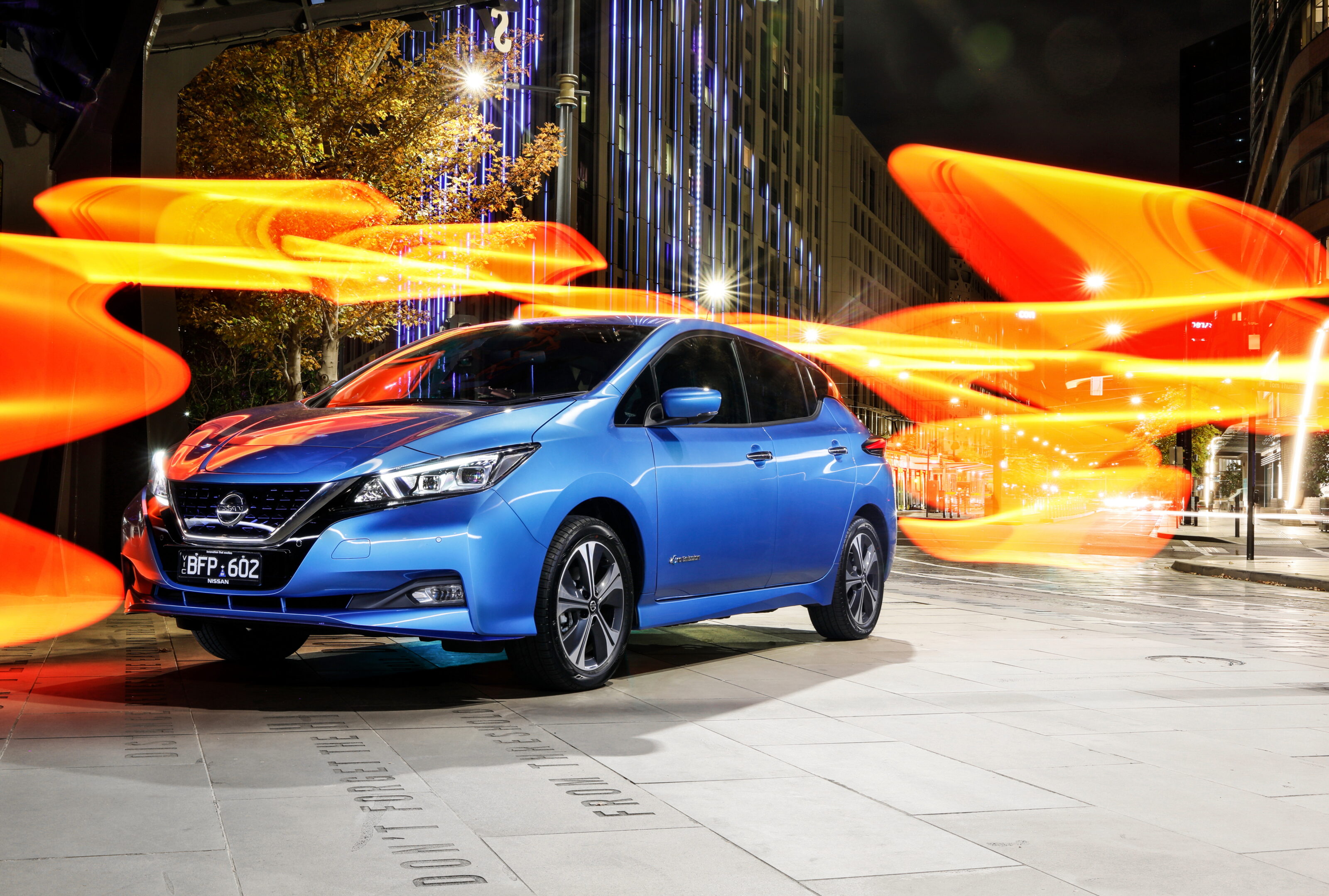
Nissan also announced that as part of EV36Zero’s £1 billion investment, up to £423 million of the funds would be put towards creating an all-new electric SUV crossover, which will be based on Renault-Nissan’s Alliance CMF-EV platform.
Whether this new model will be the upcoming Ariya SUV – revealed as a concept in July 2020 – or a new smaller model as reported by the UK’s Auto Express in April, is still to be revealed.
The Yokohama company believes its new facility could be capable of producing as many as 100,000 units of the new crossover, which will offer next-gen vehicle styling, efficiency and battery technology.
Snapshot
- GT serves as entry to the Maserati range
- Modena and Modena S carry twin-turbo V6 engines
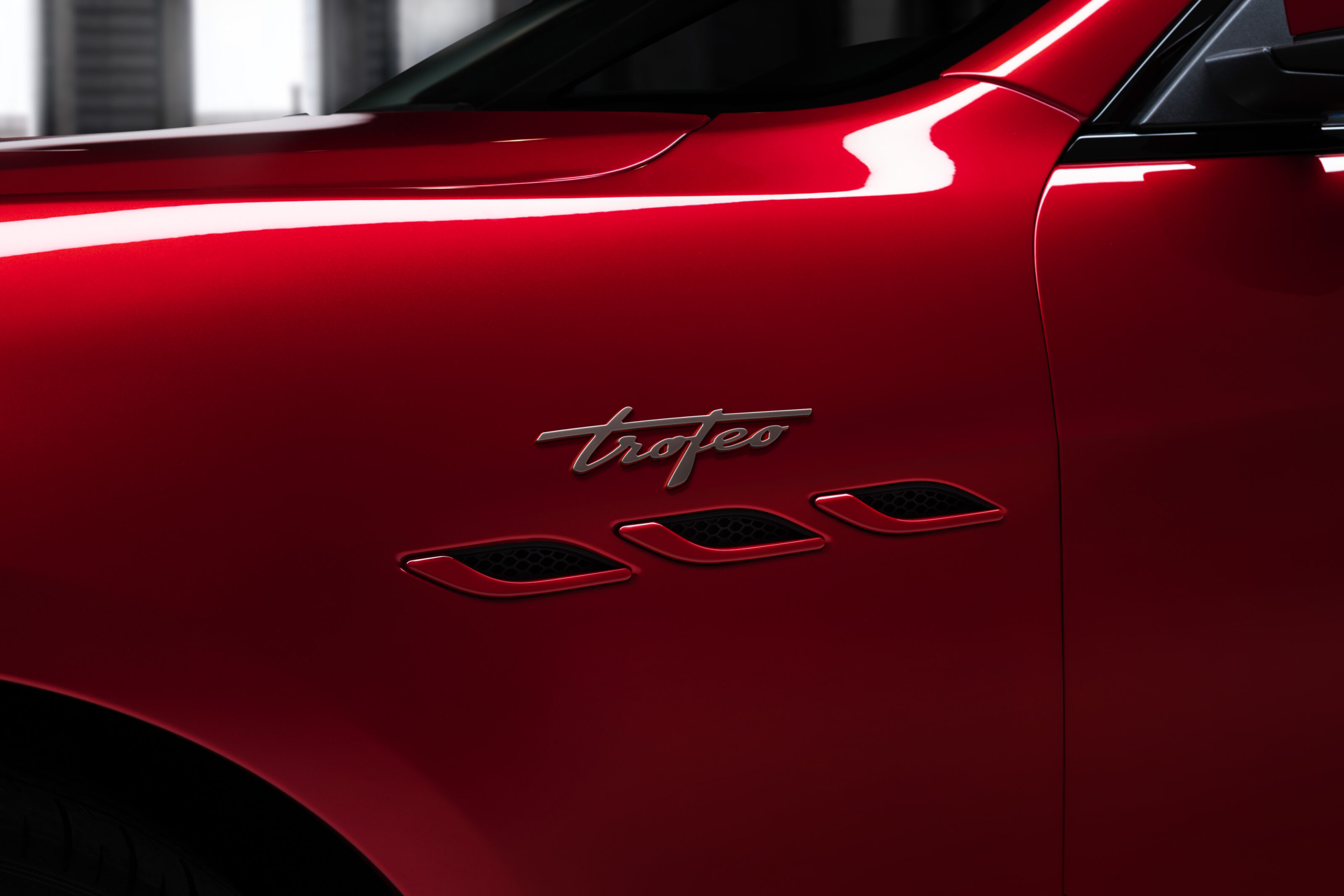
- Trofeo variants are powered by a 433kW twin-turbo V8
Maserati has introduced three new trims for its Ghibli, Quattroporte and Levante 2022 model range.
The four-door Ghibli and Quattroporte sedans as well as the Levante SUV will all be available in one of three trim levels – ranging from the GT as the ‘entry-level’ variant, followed by the mid-range Modena and then Trofeo serving as the range-topper.
The Modena trim is also available on the Ghibli and Levante with an S Package.
This range of new trims replace the current line-up which includes the entry level Ghibli, Levante and Quattroporte variants, as well as GranLusso and GranSport versions.
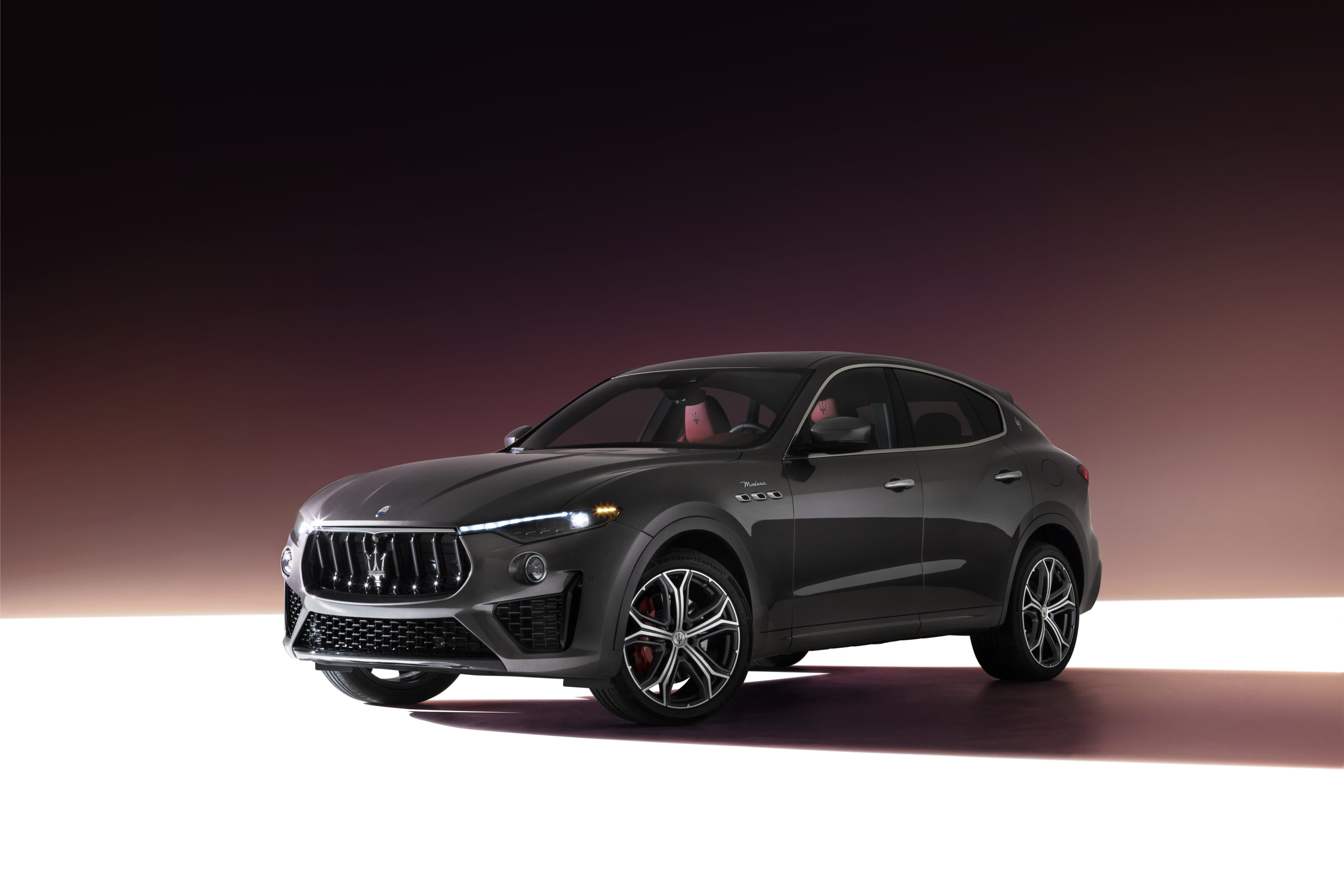
Trim features by model
Ghibli
GT: 243kW/450Nm mild-hybrid turbocharged four-cylinder engine, 18″ alloy wheels, dark mirror trim, chrome bumper trim inserts
Modena: 257kW/500Nm twin-turbo V6 engine, 20″ alloy wheels, dark mirror trim
Modena S: 316kW/580Nm twin-turbo V6 engine, Nerrissimo styling package, red brake calipers
Trofeo: 433kW/730Nm twin-turbo V8 engine, 21″ alloy wheels, carbon fibre trim, Pieno Fiore leather sports seats.
Levante
GT: 243kW/450Nm mild-hybrid turbocharged four-cylinder engine, 18″ alloy wheels, radica trim, chrome bumper trim inserts
Modena: 257kW/500Nm twin-turbo V6 engine, 20″ alloy wheels, dark mirror trim
Modena S: 316kW/580Nm twin-turbo V6 engine, Nerrissimo styling package, red brake calipers
Trofeo: 433kW/730Nm twin-turbo V8 engine, 21″ alloy wheels, carbon fibre trim, Pieno Fiore leather sports seats.
Quattroporte
GT: 257kW/500Nm twin-turbo V6 engine, 19″ alloy wheels, piano black trim, chrome bumper trim inserts
Modena: 316kW/580Nm twin-turbo V6 engine, 20″ alloy wheels, piano black trim
Trofeo: 433kW/730Nm twin-turbo V8 engine, 21″ alloy wheels, carbon fibre trim, Pieno Fiore leather sports seats.
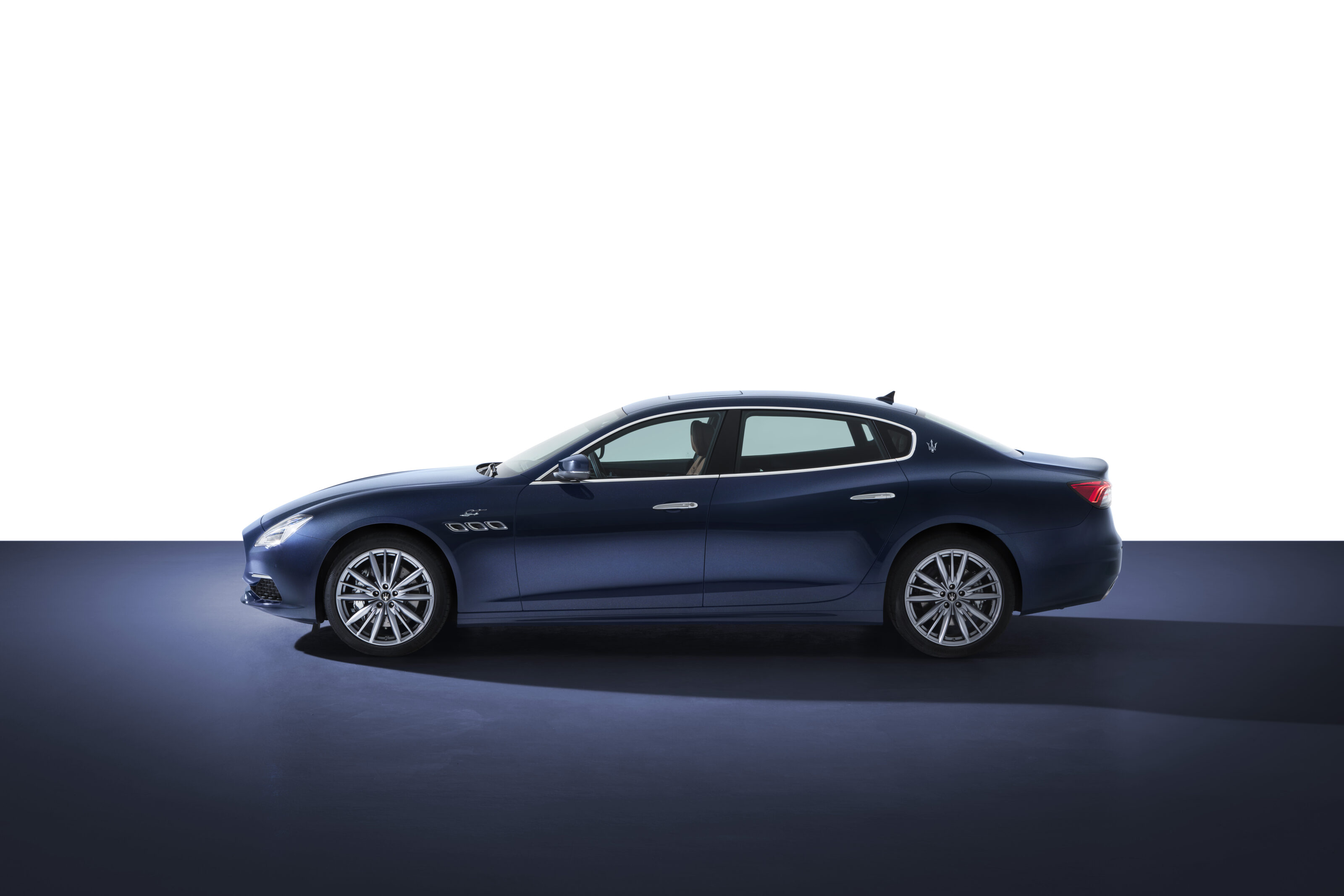
All three cars will feature the new Maserati trident logo, which was introduced at the launch of the MC20 supercar, adorning the bonnet and C-pillar, while new font lettering appears on the boot.
The three vehicles and their subsequent variants are expected to land in Australia towards the end of 2021.
Snapshot
- Electric vehicle owners will pay 2.5c per kilometre
- PHEV owners will pay 2c per kilometre
The Victorian State Government’s controversial electric vehicle tax has officially taken effect.
From today, July 1, electric vehicle owners will pay 2.5c for every kilometre they travel in their environmentally-friendly vehicles.
The Victorian Government argues the tax is necessary as electric vehicle owners aren’t paying any fuel excise for their personal mode of transportation, despite the fuel excise being a federal tax while the EV tariff is not.
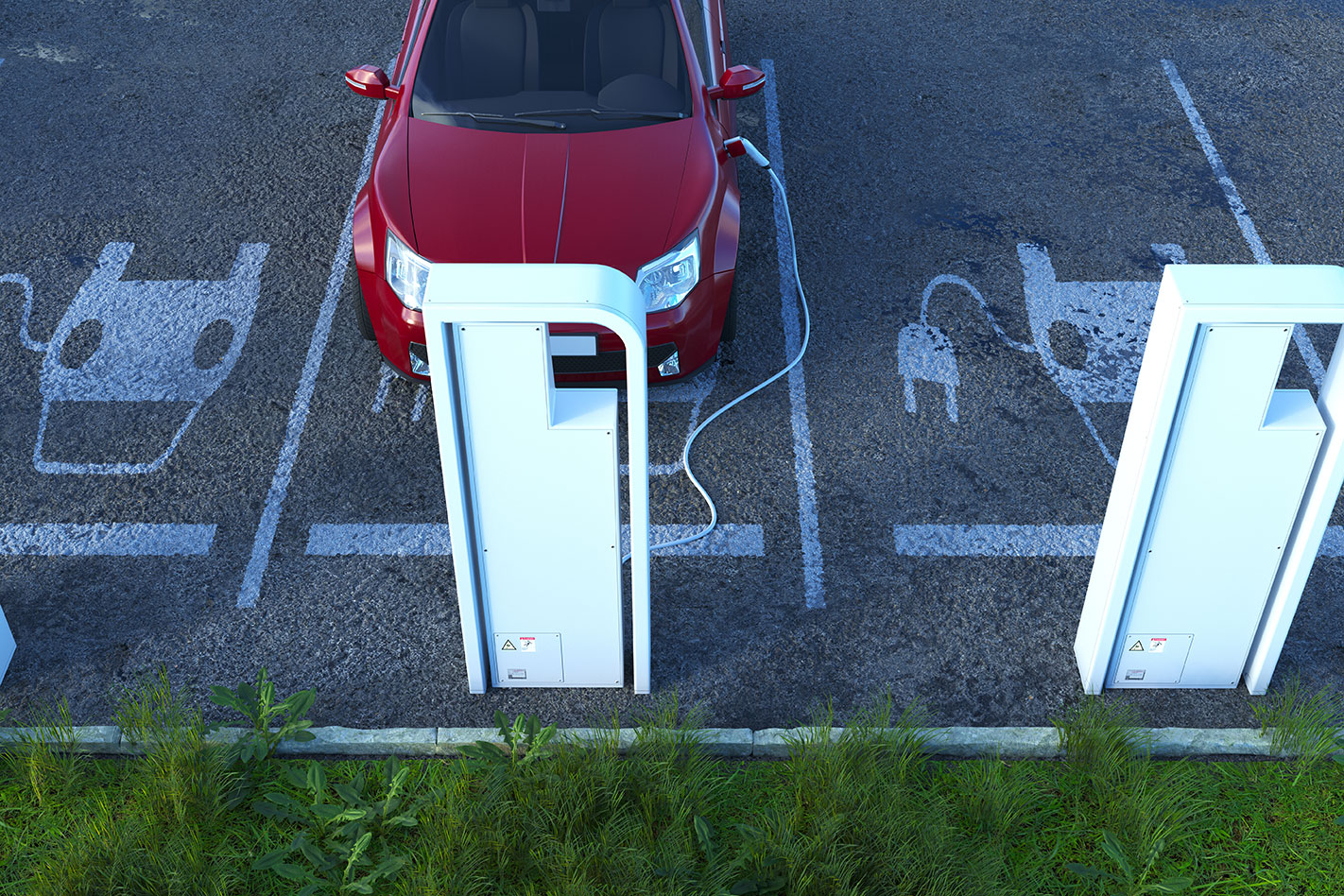
Plug-in hybrid electric vehicle (PHEV) meanwhile get hit twice, as they now have to pay for both fuel excise and also 2c for every kilometre they travel, even though most PHEVs have a minuscule electric driving range compared to full battery-electric vehicles (BEVs).
It’s also bad news for early EV adopters living in regional Victoria, as there are no concessions made for the blanket per-kilometre tax, despite things being spread a little bit further apart outside the confines of the CBD.
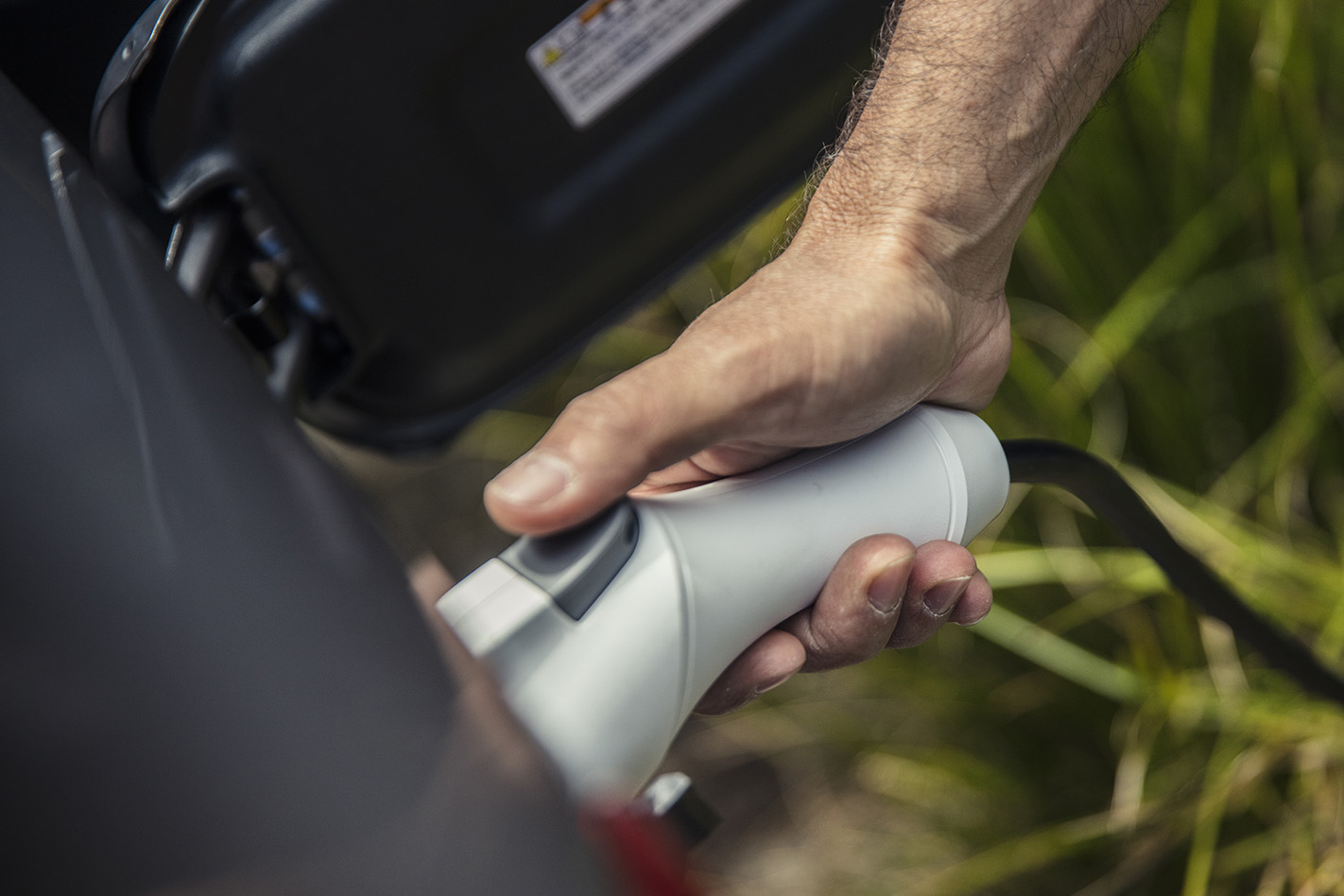
The implementation of the tax has been widely criticised, in part because it requires owners to take photos of their car’s odometer, which must then be sent to the state’s highway authority.
As Whichcar previously reported, according to the Labour Government, failing to comply with the new policy could “result in penalties, including the suspension and cancellation of a vehicle’s registration”.
Despite this, however, the Victorian Government hasn’t stipulated whether this excise will apply to travel on a different state’s road infrastructure, which poses another potential headache for regional Victorians living in border towns.
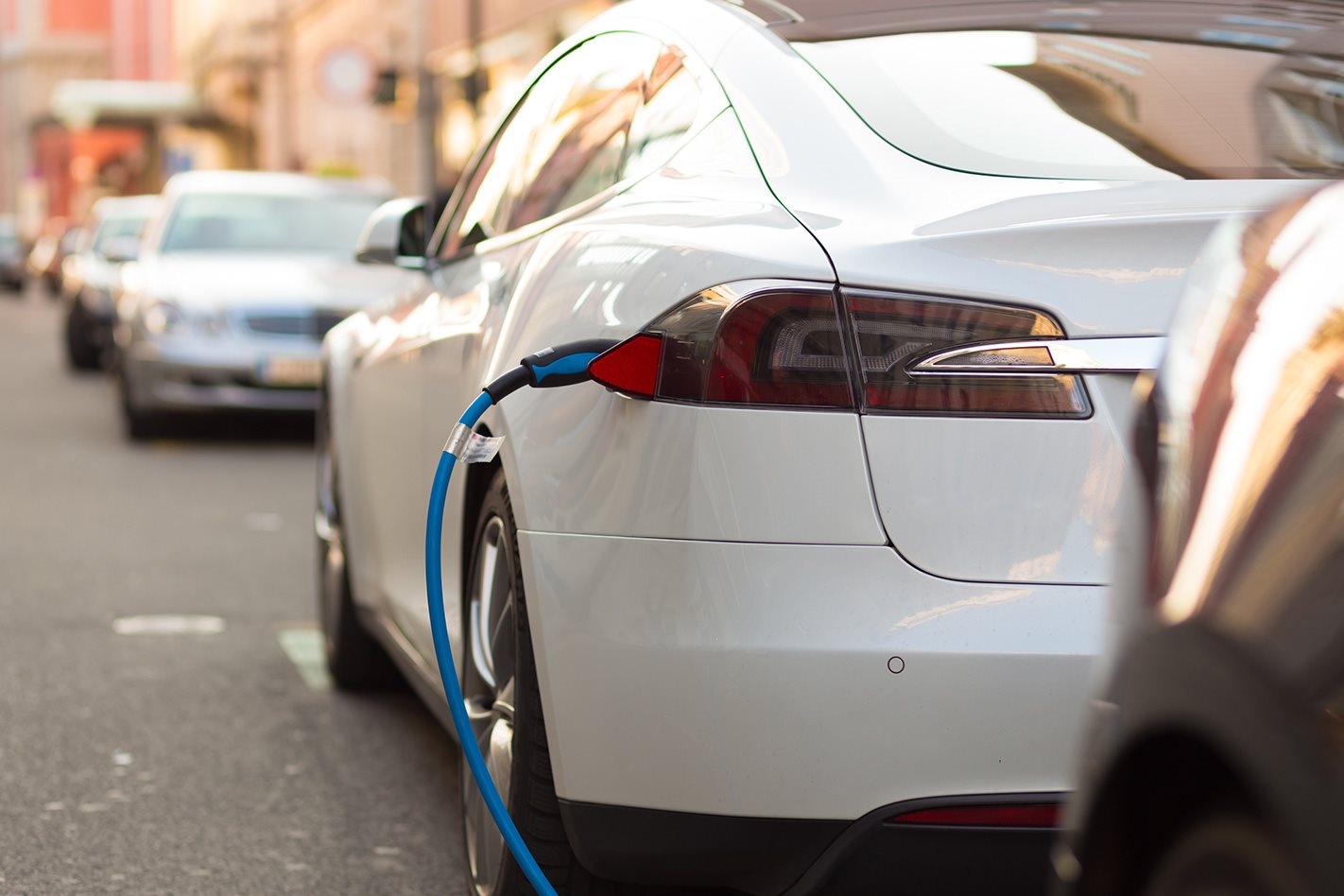
The EV tax’s implementation, which was hotly debated in Parliament when it was first proposed, follows recent news the Labour Government will also introduce an EV incentive policy.
Under the scheme, buyers will be eligible to receive up to a $3000 subsidy when purchasing an electric vehicle valued up to $68,740.
The incentive program will reportedly cover up to 4000 electric vehicle sales in 2021 and a total of 20,000 EV sales over the next three years.
What do you think of Victoria’s EV distanced-based charge? Get in touch: [email protected]
BMW’s M Division is readying a multi-pronged assault on the Australian performance car market, with five new models due to land by the end of the fourth quarter.
Models on the way include xDrive variants of the BMW M3 and M4 Competition, the new M4 Competition Convertible xDrive, and X3 M Competition and X4 M Competition variants of the recently-updated SUVs.
The new BMW M4 Competition Convertible xDrive begins at $176,900 (excl. on-roads) and retains the existing M3 and M4 Competition’s 375kW/650Nm output. It notably trades the preceding F83 M4’s folding metal hardtop for a new panel bow soft-top which yields a 40 per cent weight saving.
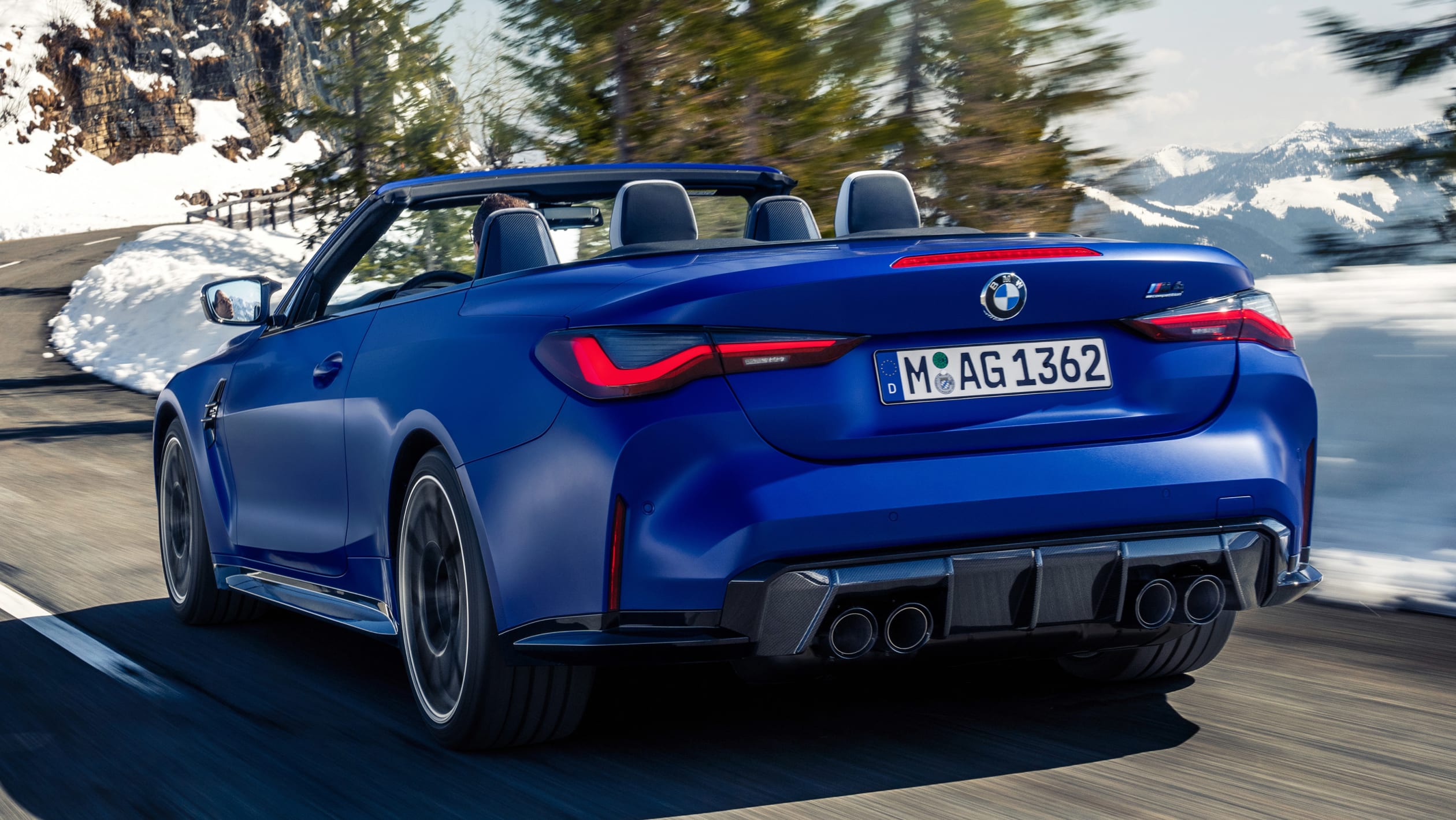
Standard equipment includes staggered 19/20-inch M forged wheels, adaptive M suspension, comfort access (keyless entry), laserlight headlights, M Sport seats, carbon fibre interior trim finishes, BMW’s Driving Assistant Professional package, parking assistant plus, Harmon Kardon sound system, metallic paint, full Merino leather upholstery and more.
Further option packages have yet to be publicised and will be available closer to launch.
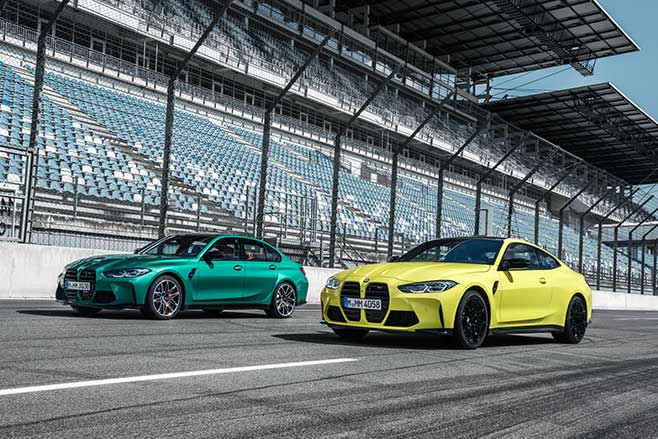
New xDrive-equipped variants of the potent M3 and M4 Competition are also on the way, boasting a list price of $160,900 for the M3 sedan, and $165,900 for the M4 Coupe.
The addition of all-paw traction drops the potent pair’s 0-100km/h time from 3.9 seconds to a claimed 3.5 seconds. Implementing BMW’s xDrive system to the traditional rear-drivers called for the addition of a double-joint spring strut front axle, revised front axle geometry, a bespoke steering ratio tune and revised oil supply system.
Option packages include M carbon-ceramic brakes ($16,500), M carbon exterior package ($9500), lightweight M carbon bucket seats ($7500), or the full M Carbon Package which combines the aforementioned three packages into one handy $26,000 option box. Factory-option performance tyres are also on offer, with your choice of Michelin’s Pilot Sport Cup 2 tyres or Pirelli P Zero Corsas, both asking $2000.
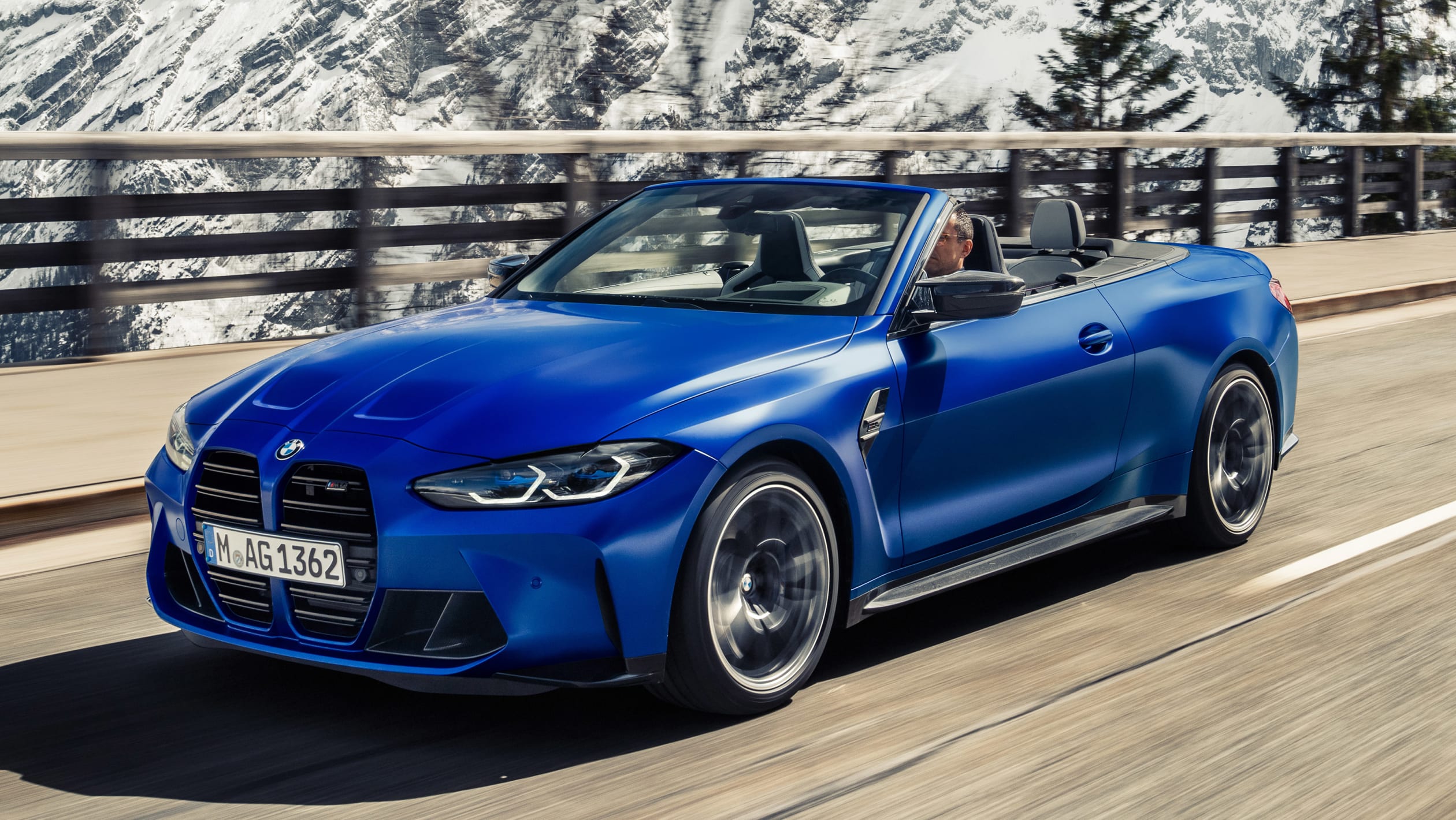
An optional M Driver’s Package increases the top speed of the xDrive M3 and M4 Competitions to 290km/h, and is also available on the M4 Competition Convertible xDrive, raising its top speed to a slightly-less hair-tearing 280km/h. The M Driver’s Package also includes a complimentary voucher to BMW’s Driving Experience Advance 2 course, which can also be used at a number of international venues, as well as local ones.
Along with the slew of new M3 and M4 variants on the way, Australian buyers will also receive the face-lifted (or should we say life-cycle impulsed, BMW?) versions of the popular X3 M and X4 M Competition SUVs.
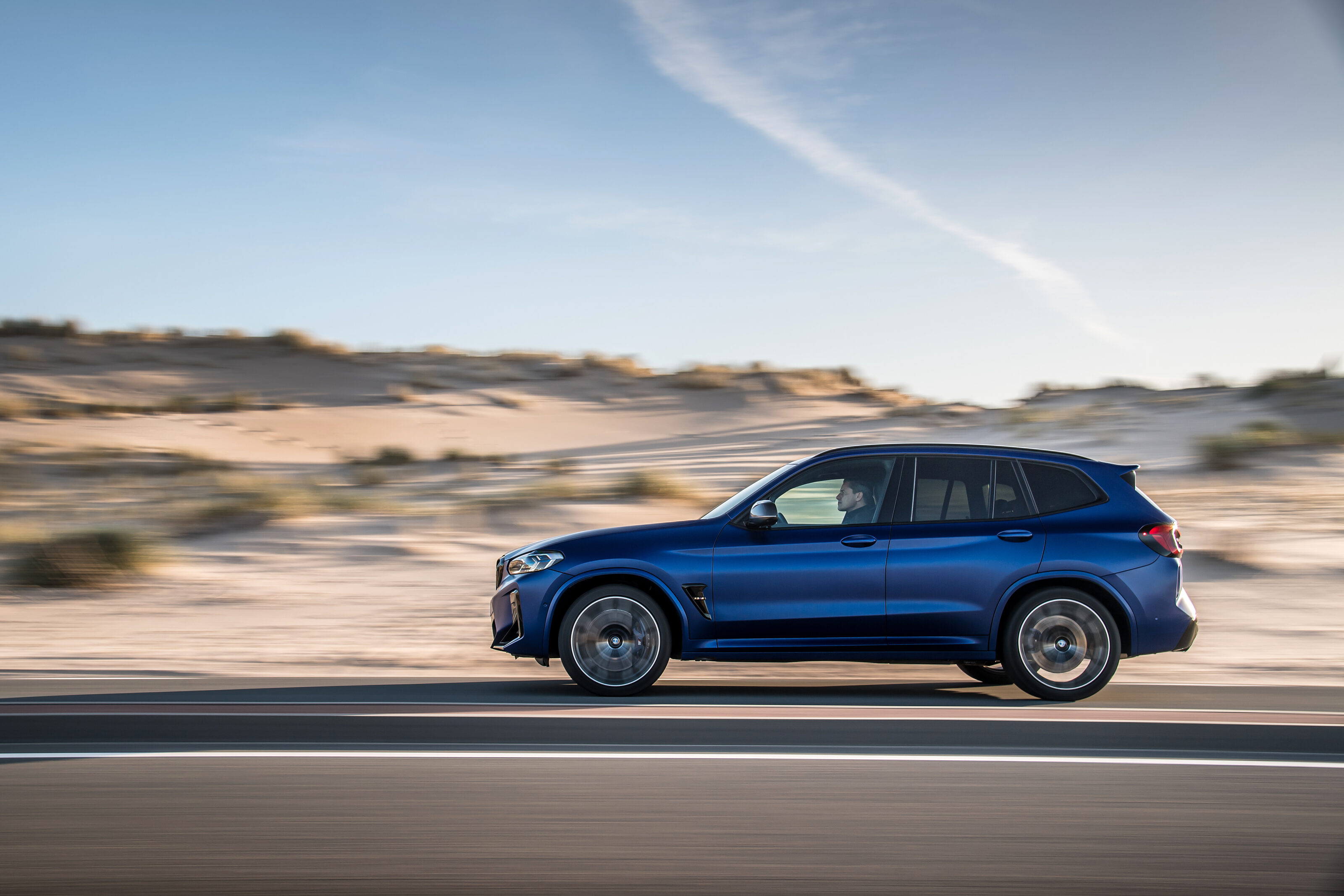
Headlined by a 50Nm bump in torque and a 3.8-second sprint from 0-100km/h (a 0.3-second improvement), Munich’s pair of heavy-hitters will arrive in the final quarter of 2021 wearing a list price of $160,900 for the X3 M Competition, and $167,900 for the X4 M Competition.
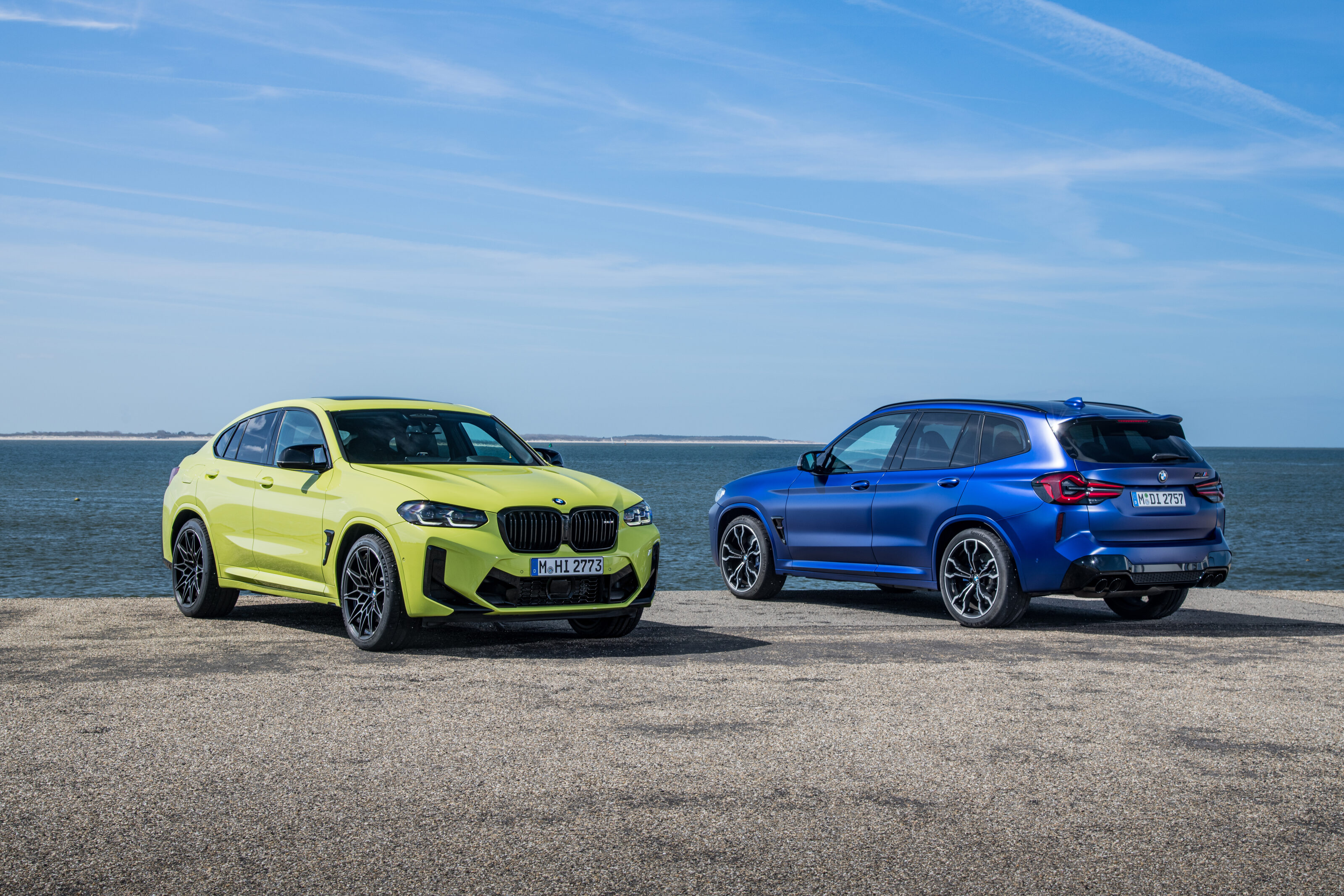
Standard features include M-specific body kit, laserlight headlights, Harmon Kardon sound system, 12.3-inch digital cluster, extended Merino leather upholstery, adaptive suspension, metallic paint, panorama glass sunroof, front row seat heating, and BMW’s Driving Assistant Professional package.
A new Rear Seat Comfort Package is available for both sporty SUVs, with the X4 M gaining sun protection glazing and heated seats for the front and second row ($1400); while the X3 M gains the same features plus reclining second row seats, roller sunblind for the second row and a luggage compartment net ($2000).
A $2000 Executive Package adds steering wheel heating, acoustic glazing and active seat ventilation; and a $1400 Innovations Package adds remote engine start, gesture control and BMW Driver Recorder. Both SUVS can be further optioned with an M Carbon Package, including mirror caps, engine strut brace and, on the X4 M Competition, a carbon rear spoiler.
BMW M3 and M4 Competition xDrive pricing
| M4 Competition Convertible with xDrive | $176,900 MRLP |
| M3 Competition Sedan with xDrive | $160,900 MRLP |
| M4 Competition Coupu00e9 with xDrive | $165,900 MRLP |
BMW X3 and X4 Competition pricing
| X3 M Competition | $160,900 MRLP |
| X4 M Competition | $167,900 MRLP |
Customer deliveries for all five new variants are expected to commence in the fourth quarter of 2021.
Snapshot
- Renault aiming for 65 per cent of range to be electrified by 2025
- 90 per cent of Renault vehicles to be EV before 2030
- New CMF-BEV platform will make production 33 per cent less than the Zoe
The Renault Group has outlined its plans for a sustainable future – including setting electrified vehicle targets over the next decade as well and revealing a new platform which will make producing EVs a third cheaper than it has in the past.
A key aspect from the announcement is Renault’s new Common Module Family B-segment EV (CMF-BEV) platform which will underpin its smaller A and B segment EVs, such as the Twingo and Zoe.
Cost of production for the new platform will be 33 per cent less than the current-generation Zoe, achieved through the interchangeability of the battery module and a 100kW powertrain which itself costs less than existing electric motors, providing a range of up to 400km in WLTP.
A majority of parts from the non-EV CMF-B platform which underpins the Clio, Captur and Nissan Juke will carry over, lowering costs and reaching a potential three-million combined vehicles produced by 2025.
What this will mean for the final market price of Renault’s new electric models is hard to predict, but it should help to bring offerings like the tiny Zoe – a $51,990 prospect when it was offered in Australia – closer to other compact models like the $30,100 Toyota Yaris.
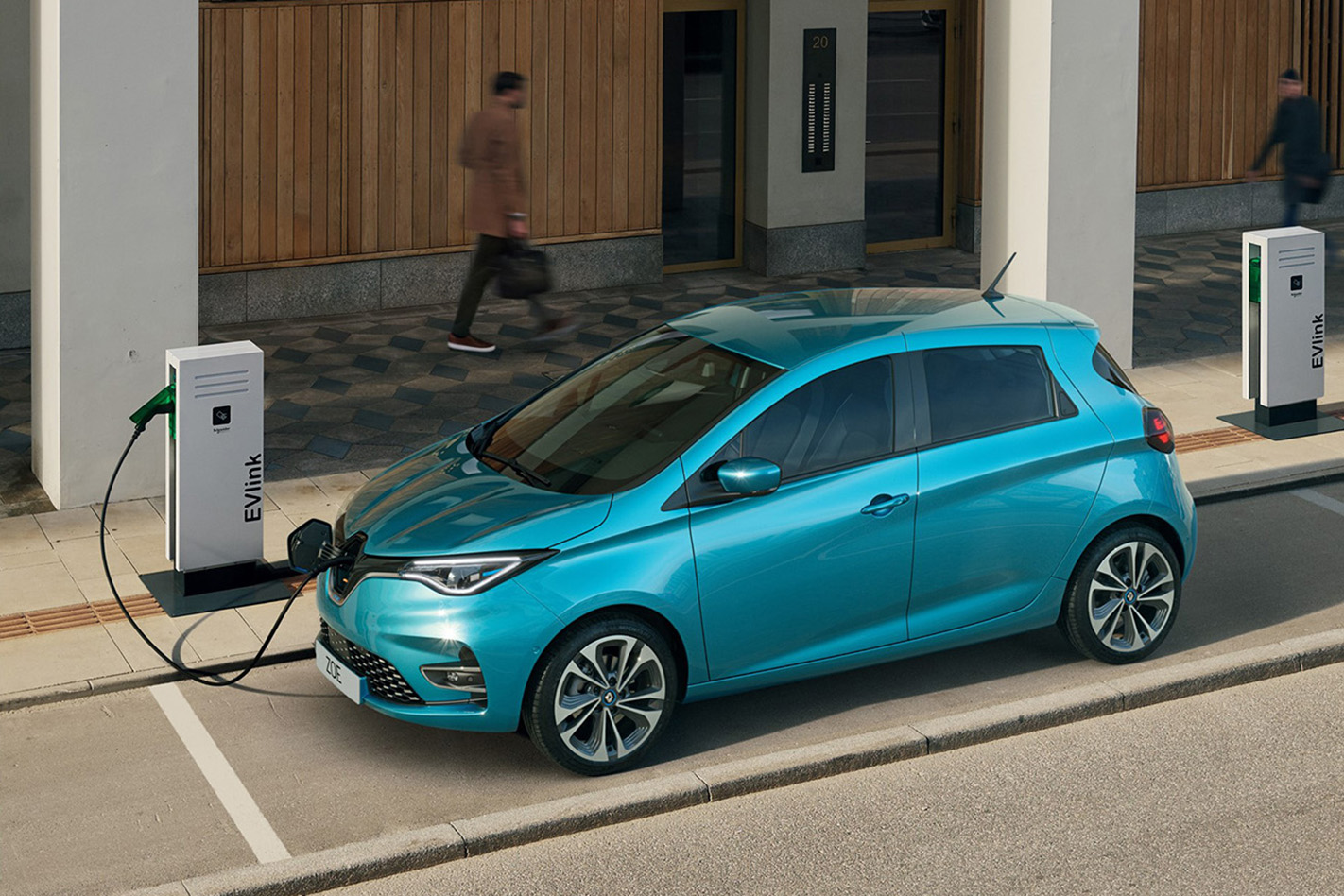
In line with the European push to achieve zero emissions by 2030, the first stage in Renault’s plan is to have at least 65 per cent of its vehicle line-up available either as an electrified internal combustion engine or electric-only by 2025, a lofty ambition to reach in just under four years.
The ultimate goal of carbon neutrality by 2050 will be aided by Renault’s second stage plan to have up to 90 per cent EVs in the brand’s range of vehicles by 2030, with ten EV models totalling a production number of one million by that time.
Renault has already launched the pre-production Mégane E-Tech Electric, an EV crossover utilising the Mégane moniker and based upon the Renault-Nissan Common Module Family (CMF-EV) platform, using a 60kWh lithium-ion battery pack and 160kW motor.
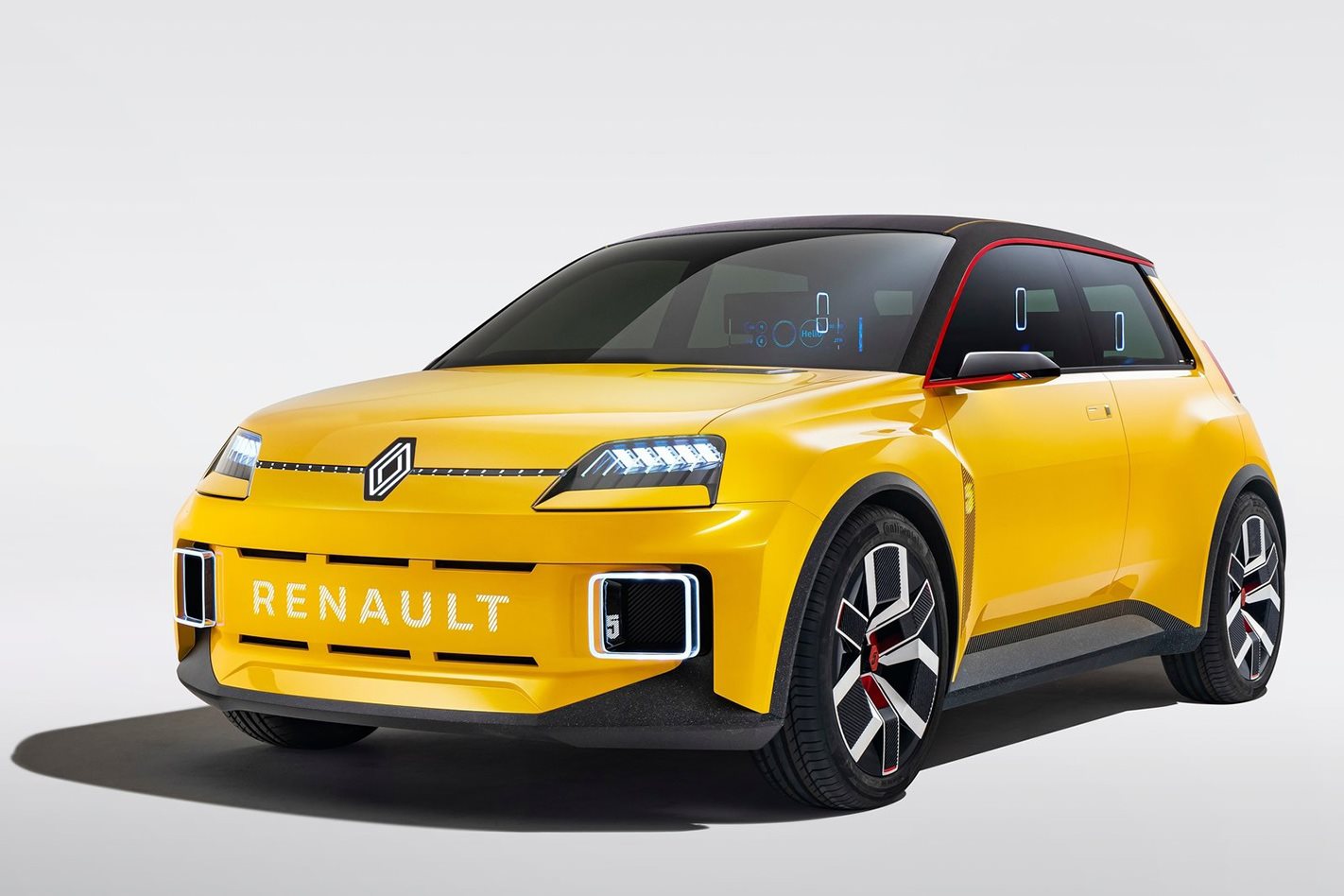
To be sold alongside the A-segment Twingo, B-segment Zoe and the C-segment Mégane EVs, Renault will also introduce a reinvented Renault 5, the rear-wheel-drive turbo icon of the 80s getting a modern update with an EV powertrain, set to be built in Northern France.
Originally teased earlier this year, the new Renault 5 is a part of the group’s strategy to focus on its future performance vehicles going electric, recently announcing the Renault Sport division would be renamed Alpine with the aim of introducing an all-electric line-up of cars.
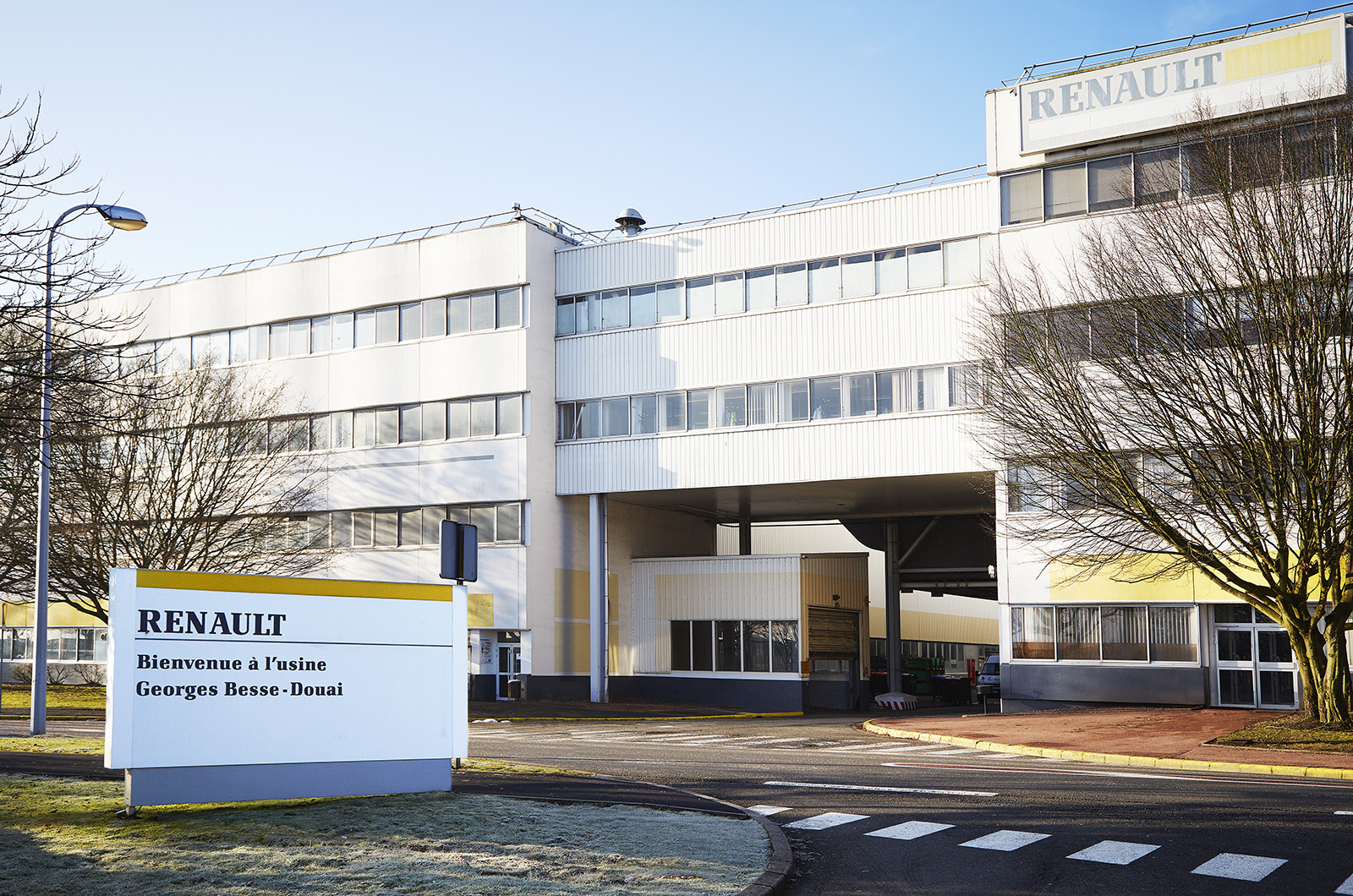
Two separate partnerships have also been announced for battery development, the first with Envision AESC which will see it and Renault develop a gigafactory in Douai which will supply batteries to its range of vehicles, with an initial capacity of 9 GWh in 2024 and a targeted 24 GWh capacity by 2030.
The second partnership has come as a part of Renault taking a 20 per cent stake in Verkor to develop high-performance vehicle batteries for its C-segment and Alpine models, targeting an initial gigafactory capacity of 10 GWh and 20 GWh by 2030, both partnerships aimed at reducing pack costs by up to 60 per cent.
In its hopes to again become the world’s biggest EV producer, Renault is also investing in its electric motors, aiming at a 30 per cent reduction in costs over the next decade through investments in further developing its revolutionary permanent magnet-less e-motor, teaming up with start-up Whylot to also develop an axial flux e-motor for its hybrid vehicles by 2025.
Snapshot
- Only 23 Prius cars have been sold in Australia year to date
- Prius name will live on, despite model line-up culls
Toyota Australia says the Prius hybrid “will evolve” despite plummeting sales and the axing of spin-off variants.
Sales of the world’s most famous hybrid vehicle have dropped sharply in recent years, globally and locally, as buyers switch to petrol-electric versions of regular Toyota models such as the RAV4 and Corolla.
Only 23 Priuses have been sold in Australia to the end of May, a lower figure than the 97 Prius V people-movers sold – which is being discontinued at the end of August.
The Prius V, which is effectively being replaced by the Kluger as the company’s seven-seater hybrid offering, joins the Prius C hybrid city car which was axed in 2020. Toyota Australia, however, insists the regular Prius won’t face the same fate.
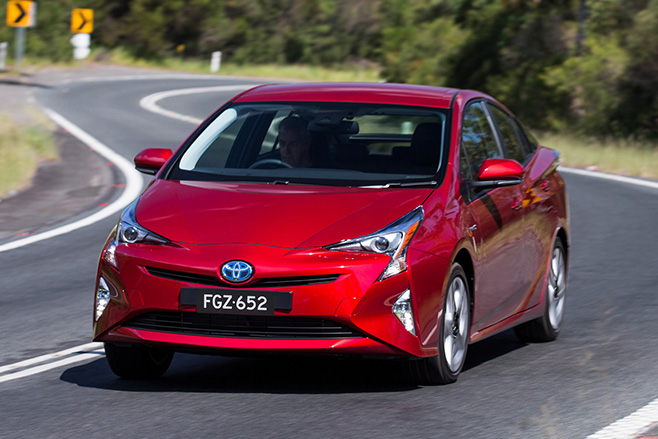
“Yes, we are rationalising the Prius line-up…but have no intention of dropping the [Prius] nameplate,” said Toyota Australia boss Sean Hanley.
“There’s a lot of history in Prius for us. It was the launch of hybrid [technology], and it has proved to be one of the greatest investments we ever made, in my opinion, moving towards [our] Beyond Zero [range of pure electric vehicles]. Prius started the journey for us.
“Clearly, we’re now expanding our range [of hybrid vehicles]…Prius will still play a role, but a different role going forward.”
The current Prius is the fourth-generation version since the hybrid was first introduced in Japan in 1997, joining the Australian market in 2001 – a few months after Honda debuted its own Insight hybrid.
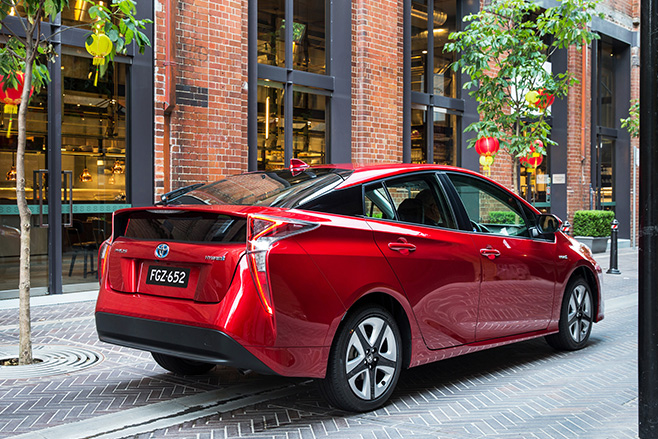
In 2020, Toyota North America’s head of sales refused to comment on the prospect of a fifth-generation Prius.
Toyota Australia is also non-committal about a next Prius, keeping its future direction vague.
“We haven’t really got any commentary around when that may or may not be for the next-generation Prius,” added the company’s product planning and development general manager, Rod Ferguson.
“Just to reinforce that, globally, Prius has a role. It will evolve. It will take on a different mission. But we haven’t got any announcements around the timing of the change of model for Prius.”
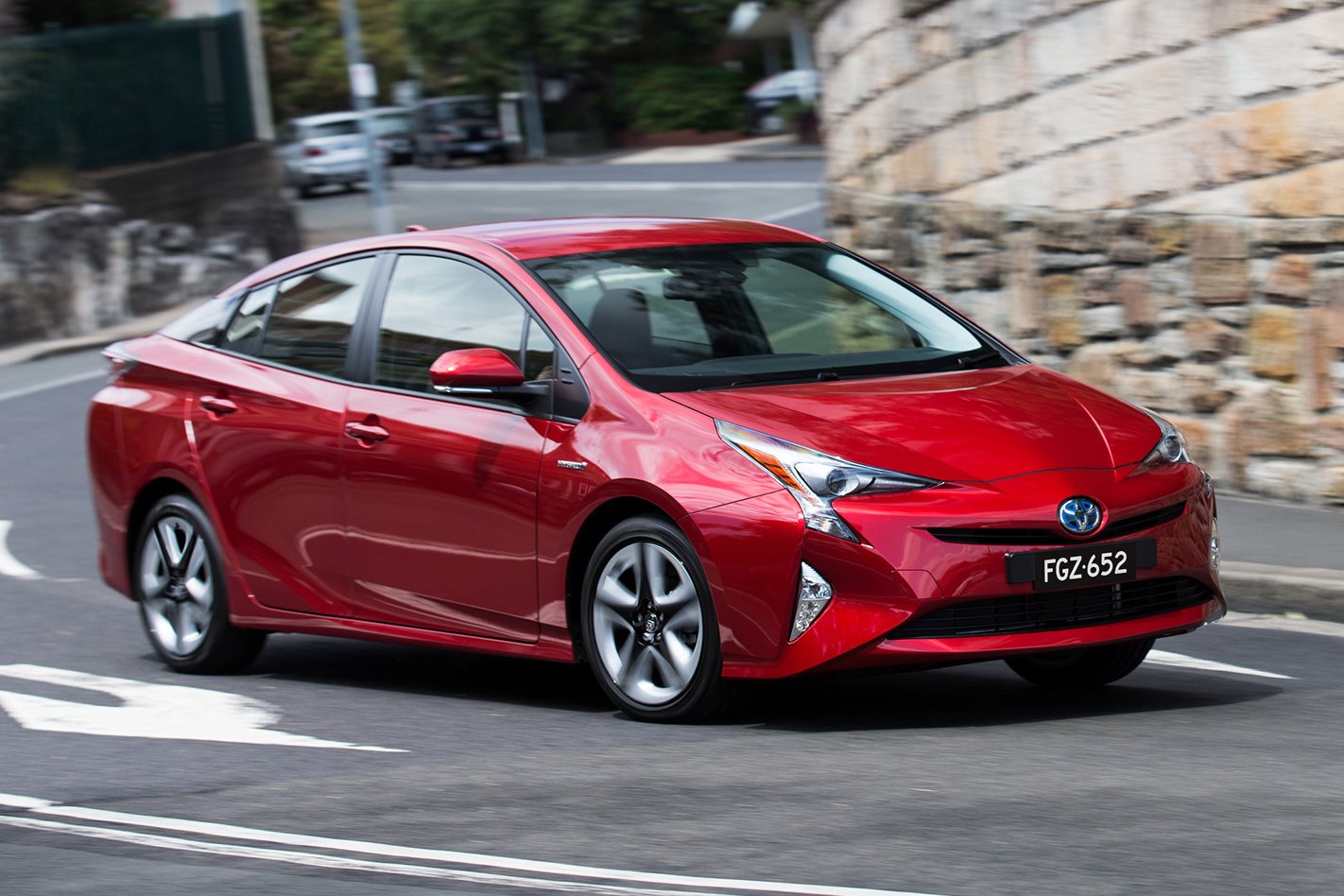
Two milestones for Toyota’s hybrid sales in Australia reveal the remarkable success of the company’s non-Prius petrol-electric vehicles.
It took Toyota Australia about 18 years to reach 100,000 hybrid sales with its Prius family and the Camry Hybrid.
The company doubled the April 2018 mark in just years after introducing hybrid versions of the Corolla and RAV4 the same year. A petrol-electric variant of the Yaris debuted in 2020 (essentially replacing the Prius C), followed this year by hybrid versions of the Yaris Cross and Kluger.
Snapshot
- Local launch expected towards the end of quarter two, 2022
- Power remains unchanged at 147kW and 320Nm
- Manual gearbox still unavailable
The 2022 Volkswagen Polo GTI has been officially unveiled with more features and revised styling.
Motor has confirmed with a representative from Volkswagen Australia the punchy hot hatch will arrive in Australia in the second quarter of 2022.
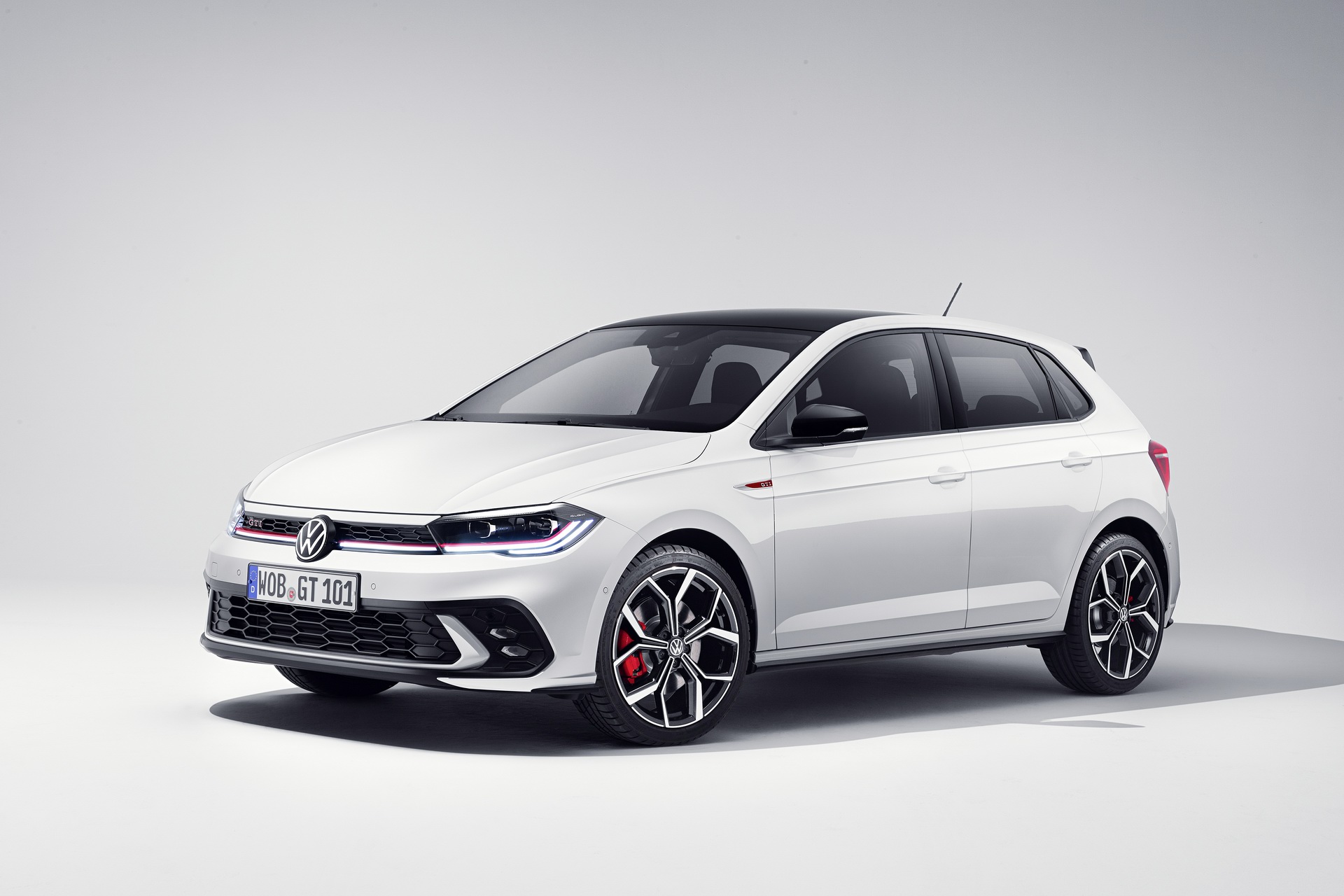
Being unveiled just a few months after the facelifted version of the regular Polo, the updated GTI scores new styling, bringing it into line with the rest of the model range while also offering a sportier and more aggressive look.
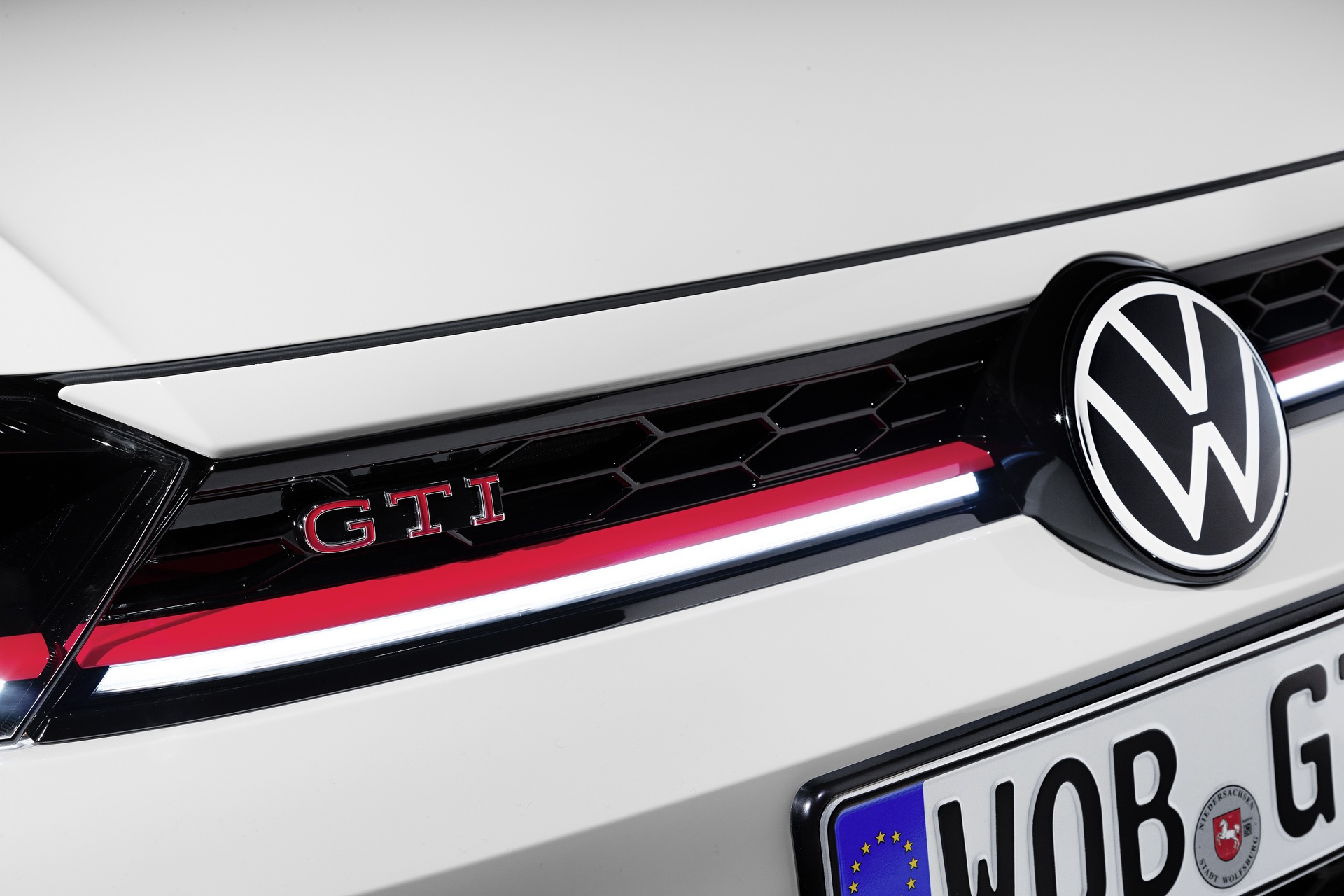
Most notably, the front fascia has received a completely new aesthetic treatment, with a reconfigured headlight set-up featuring VW’s IQ.Light LED matrix headlights, a lissom upper grille with red striping, and a revised lower grille with a hexagonal honeycomb mesh design and integrated LED foglights.
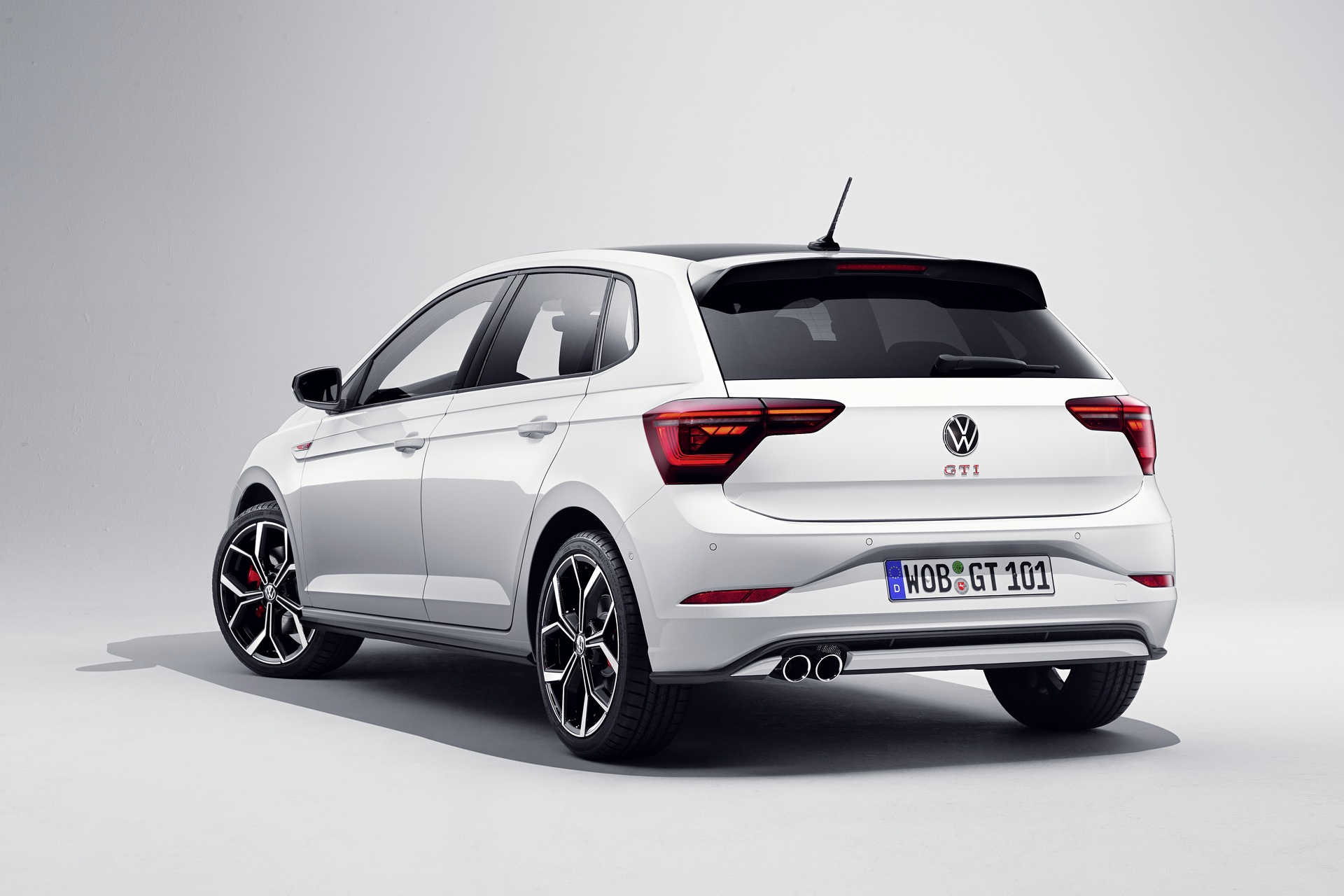
Larger rear LED taillights span onto the rear hatch, and the updated GTI retains the signature polished dual exhaust tips we’ve seen on previous iterations of the moniker.
Under the bonnet, the hot hatch is powered by the same turbocharged 2.0-litre four-cylinder petrol engine used in the current GTI.
The turbo four-pot still produces 147kW and 320Nm, sending drive to the front wheels through a six-speed dual-clutch transmission. As is the case with the current model, no manual transmission option is offered.
0-100km/h is taken care of in 6.7 seconds, with the hot hatch’s top speed falling just shy of 240km/h.
Like the car it will replace, the refreshed GTI benefits from a bespoke chassis tune, featuring 15mm lower suspension, bigger anti-roll bars, performance brakes, and the option of a dual-mode sports exhaust.
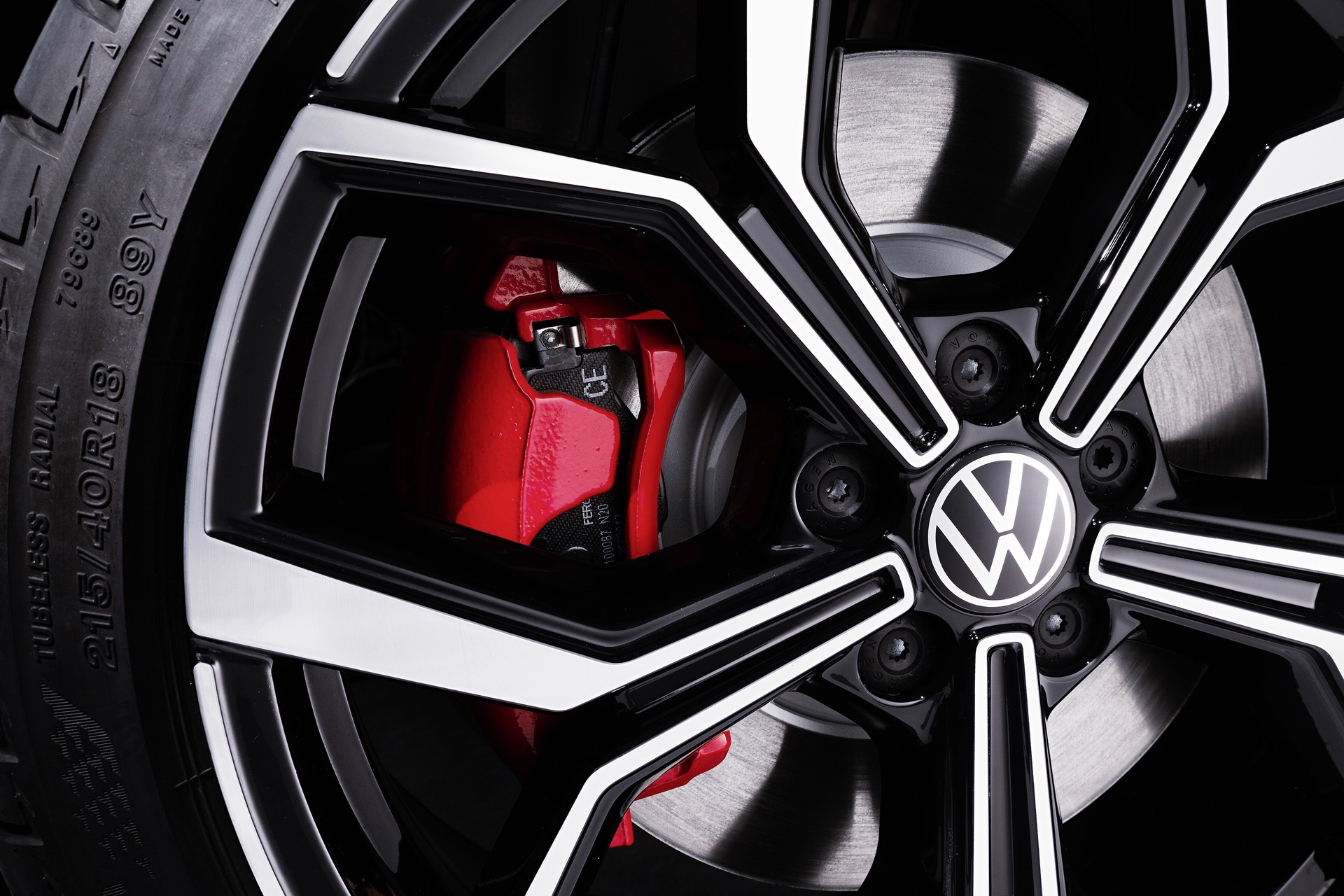
As standard, the hot hatch will come equipped with 17-inch alloy wheels wrapped in 215/45 R17 performance tyres at all four corners. Larger 18-inch alloy wheels are also offered as an option.
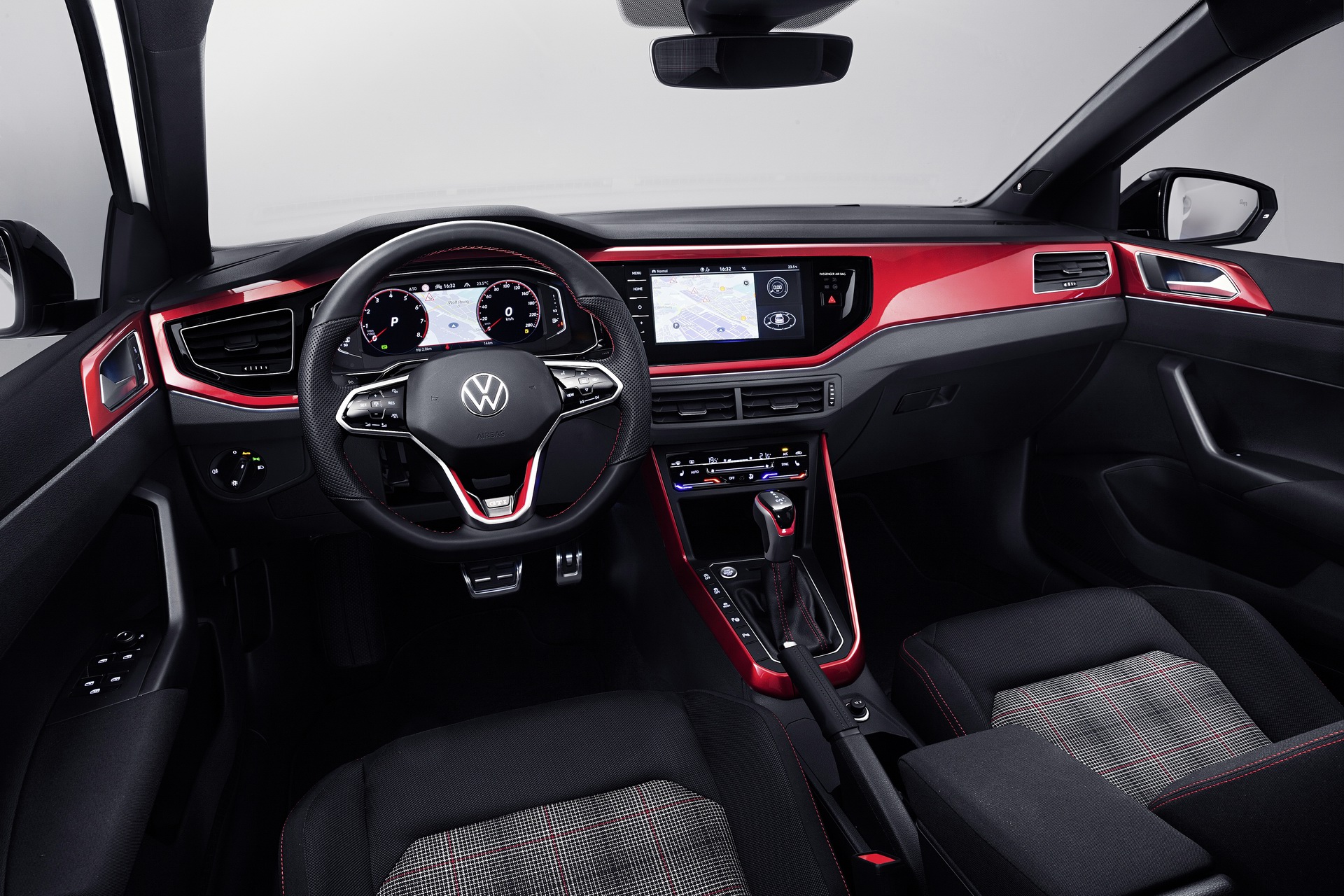
Inside, the GTI’s interior has been bestowed with a large 10.25-inch digital dash and a 9.2-inch touchscreen infotainment display which comes with wireless Apple CarPlay and Android Auto as standard.
The Interior is also adorned in the GTI brand’s celebrated tartan trim, and the new flat-bottom steering wheel with touch controls and paddle shifters – seen on the refreshed Polo – is also standard on the updated hot hatch.
Safety options include Volkswagen’s IQ.Drive travel assist, lane assist, and adaptive cruise control.
There’s no word on local pricing yet for the 2022 Volkswagen Polo GTI. However, expect the pugnacious hatch to be slightly more expensive than the current example’s $32,890 RRP.
Snapshot
- X3 and X4 due to arrive in Australia late 2021
- X3 xDrive30e PHEV available locally for the first time
- Australia misses out on 48V mild-hybrid technology
UPDATE, JULY 1: BMW has officially released pricing for the 2022 X4 and X3 range, confirming which variants will be coming to Australia as a part of its mid-life update.
2022 BMW X3 (exc. on-road costs)
| X3 sDrive20i | $73,900 |
| X3 xDrive20d | $76,900 |
| X3 xDrive30i | $87,900 |
| X3 xDrive30d | $94,900 |
| X3 xDrive30e | $104,900 |
| X3 M40i | $115,900 |
2022 BMW X4 (exc. on-road costs)
| X4 sDrive20i | $85,900 |
| X4 xDrive30i | $95,900 |
| X4 M40i | $123,900 |
Two option packages are available for the X3 and X4, both identically priced. The Visibility Package adds; metallic paint, a panoramic glass sunroof and BMW Laserlight headlights for $5400, while the Comfort Package includes; front heated seats and driver’s lumbar support, plus a heated steering wheel for $1200.
A rear seat comfort package is also available in the X3 only, bringing; sun protection glazing, a roller sunblind for the rear side windows, backrest adjustment, front and rear heated seats and a luggage compartment net – setting buyers back an extra $2700 in the 20i, 20d, 30i and 30d, while 30e and M40i owners will only have to pay another $2000.
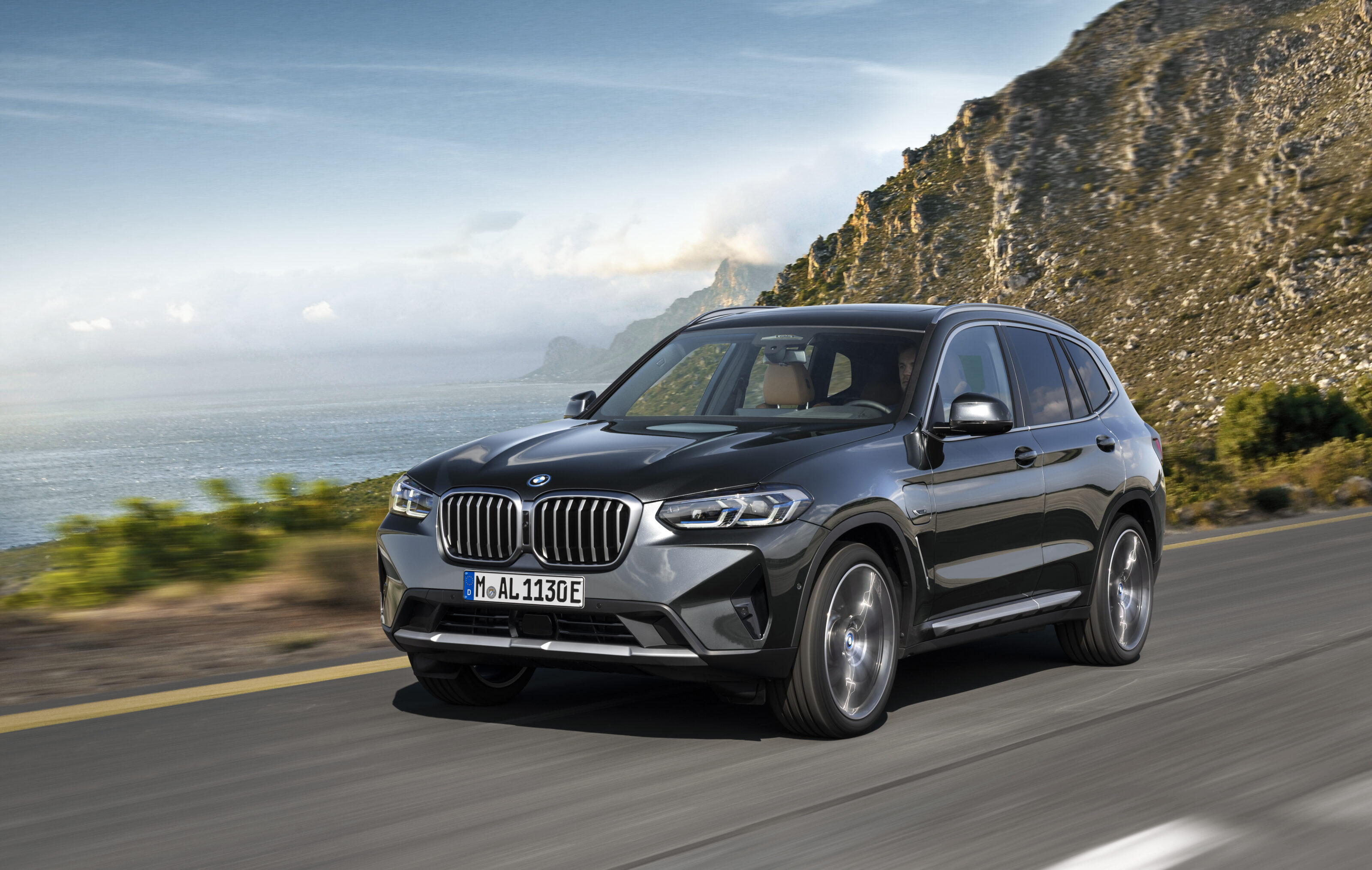
JUNE 9: The 2022 BMW X3 and X4 LCI update has officially been revealed by the German automaker.
Both the mid-size SUV and crossover have received comprehensive refreshes, and for the first time, all model variants will come equipped with mild-hybrid technology in the form of a 48-volt starter generator.
The mild-hybrid system was previously installed on the three different diesel motor variants back in 2020 in other markets, but now all petrol engines will score the electrifying assistance too, which can deliver an 8kW boost for short intervals as well as supplying the 12‑volt on-board network.
However, a representative from BMW Australia has confirmed to WhichCar that Australian-delivered X3 and X4 examples won’t come equipped with the 48-volt mild-hybrid assistance.
But Australia will be receiving, for the first time, the X3 xDrive30e plug-in hybrid (PHEV), which is due to land Down Under in quarter four of 2021.
The xDrive30e PHEV utilises the German marque’s B48 petrol turbo four-pot in combination with a lithium-ion high-voltage battery pack and a 50kW electric motor.
Total power output is rated at 215kW, and according to BMW, the PHEV can provide an electric driving range of 40 kilometres.
Model range
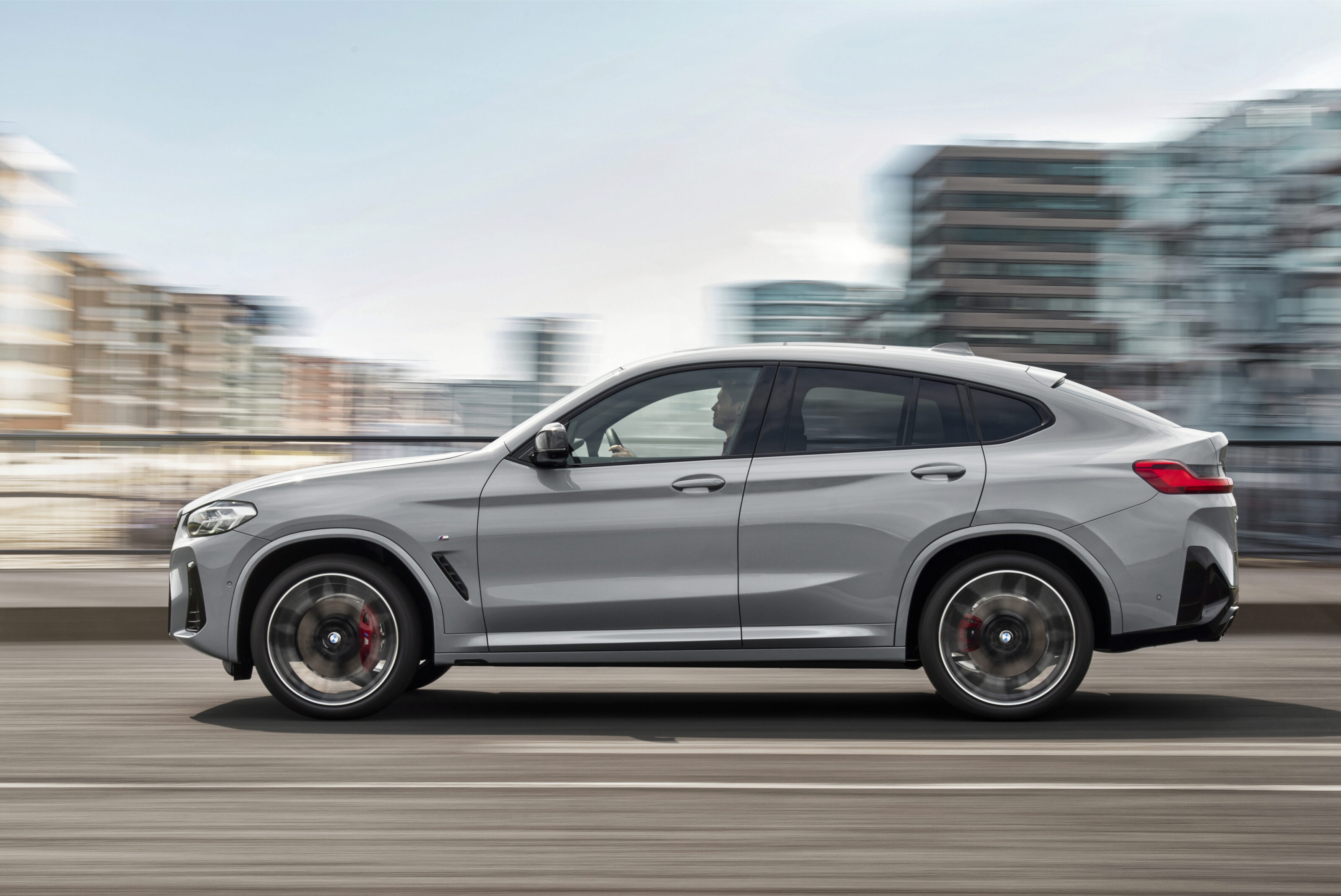
Locally, other model variants will remain the same as the pre-LCI examples, with the sDrive20i still serving as the entry-level version for both the X3 and X4.
For X3, sitting above the 20i is the xDrive20d, sDrive30i, sDrive30d, xDrive30e and M40i.
The X4, however, is still only offered with petrol power, with the line-up consisting of the sDrive20i, sDrive30i, and M40i.
Drivetrains and fuel economy
Globally, there will still be four different engines available in the X3 and X4, two diesel and two petrol. Locally, power and fuel economy for all variants remains unchanged.
The B47 2.0-litre four-cylinder turbo-diesel engine found in the xDrive20d produces 140kW and 400Nm and returns a combined fuel figure of 5.7L/100km.
The larger B57 3.0-litre six-cylinder turbo-diesel slotted under the xDrive30d produces195kW and 620Nm and has a combined fuel rating of 6.0L/100km.
Petrol power is still kicked off with BMW’s trusty B48 turbocharged 2.0-litre in-line four-cylinder engine, which pumps out 135kW and 300Nm in the sDrive20i, and 185kW and 350Nm in the sDrive30i, with combined fuel economy rated at 7.1L/100km and 7.4L/100km, respectively.
BMW’s B58 twin-scroll turbocharged petrol 3.0-litre six-cylinder motor churns out 285kW and 500Nm and returns a combined fuel economy figure of 8.7L/100km.
As was the case with the pre-LCI examples of X3 and X4, all variants send power through ZF’s eight-speed torque converter automatic transmission to BMW’s xDrive all-wheel drive system.
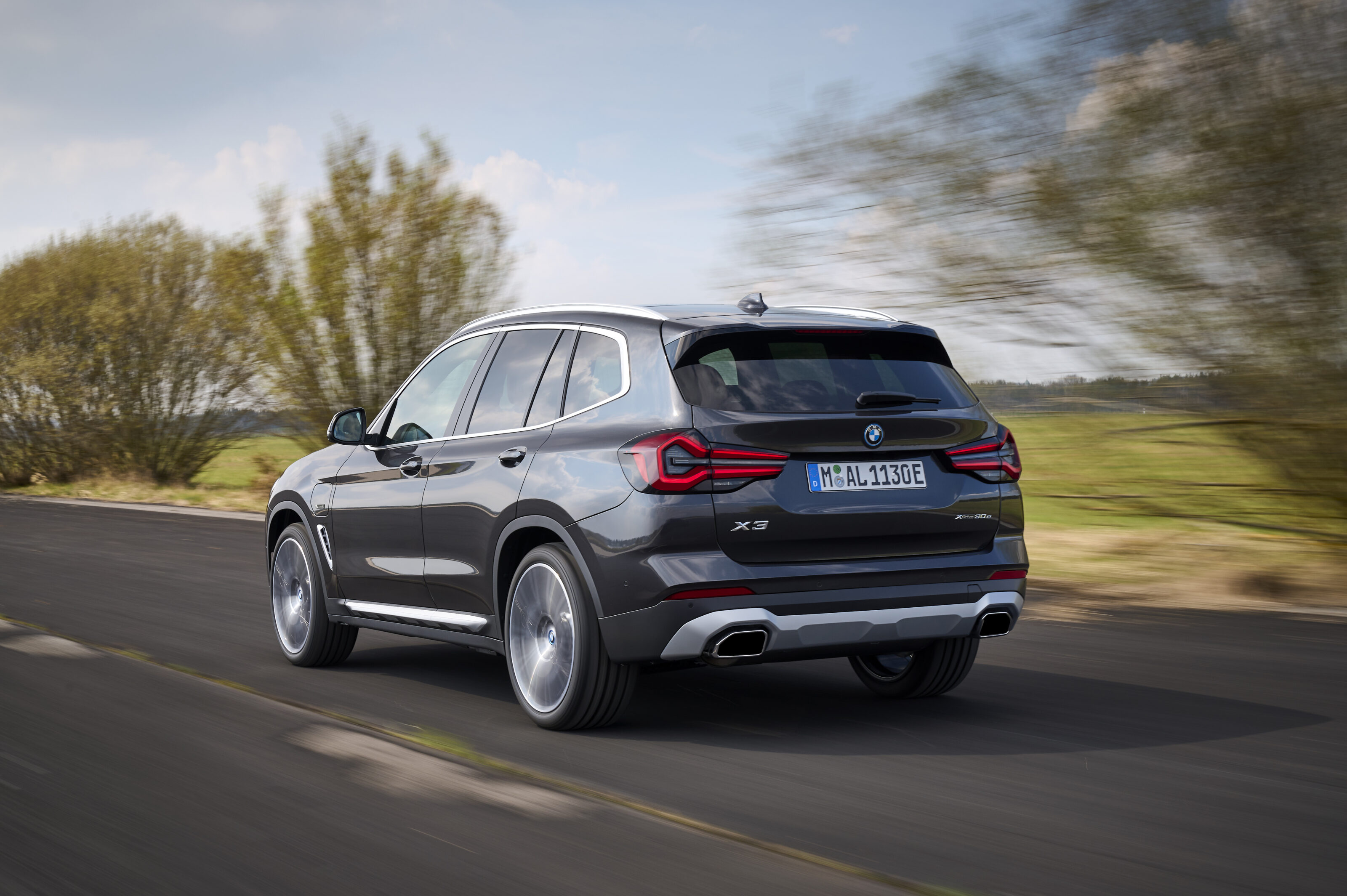
Exterior
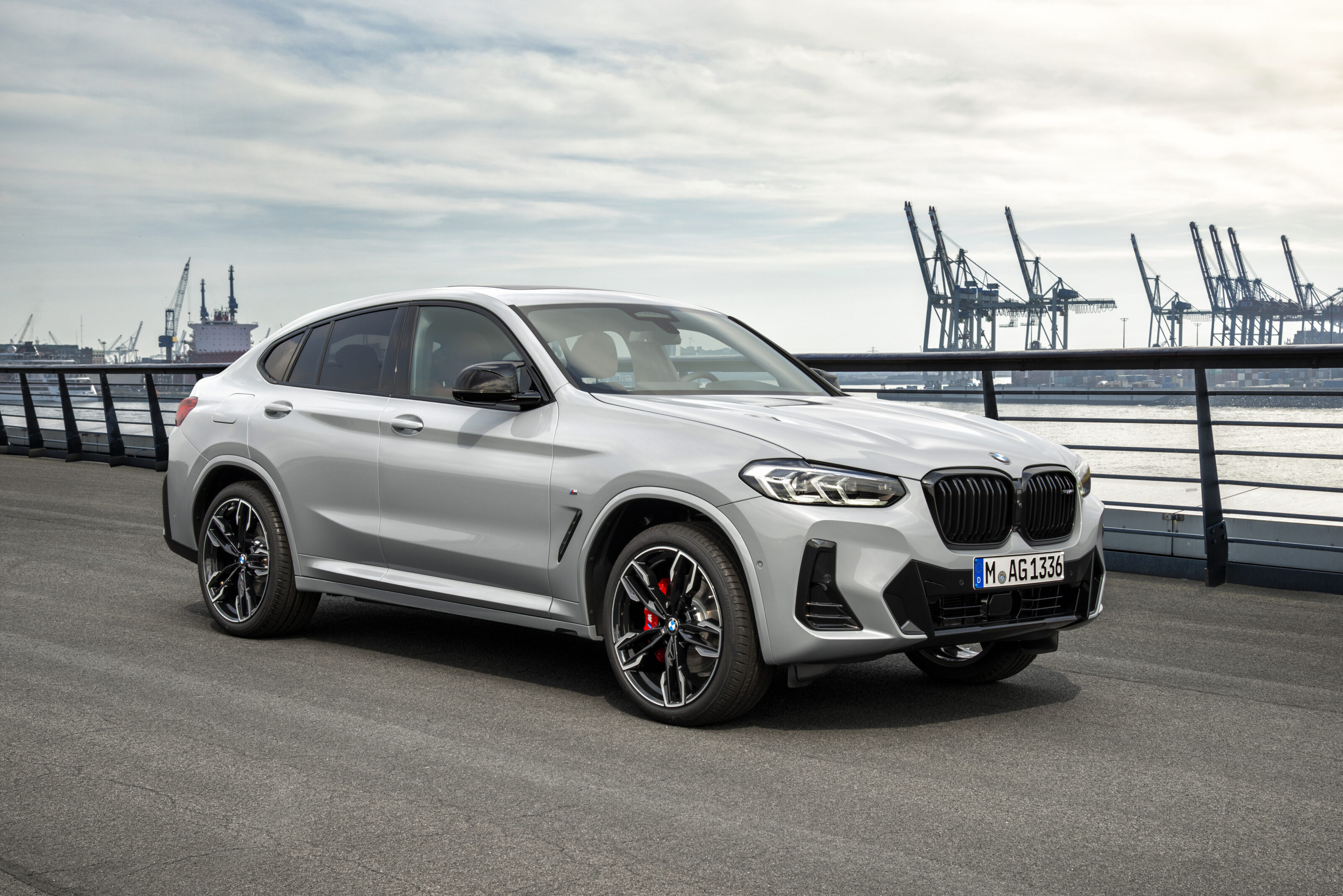
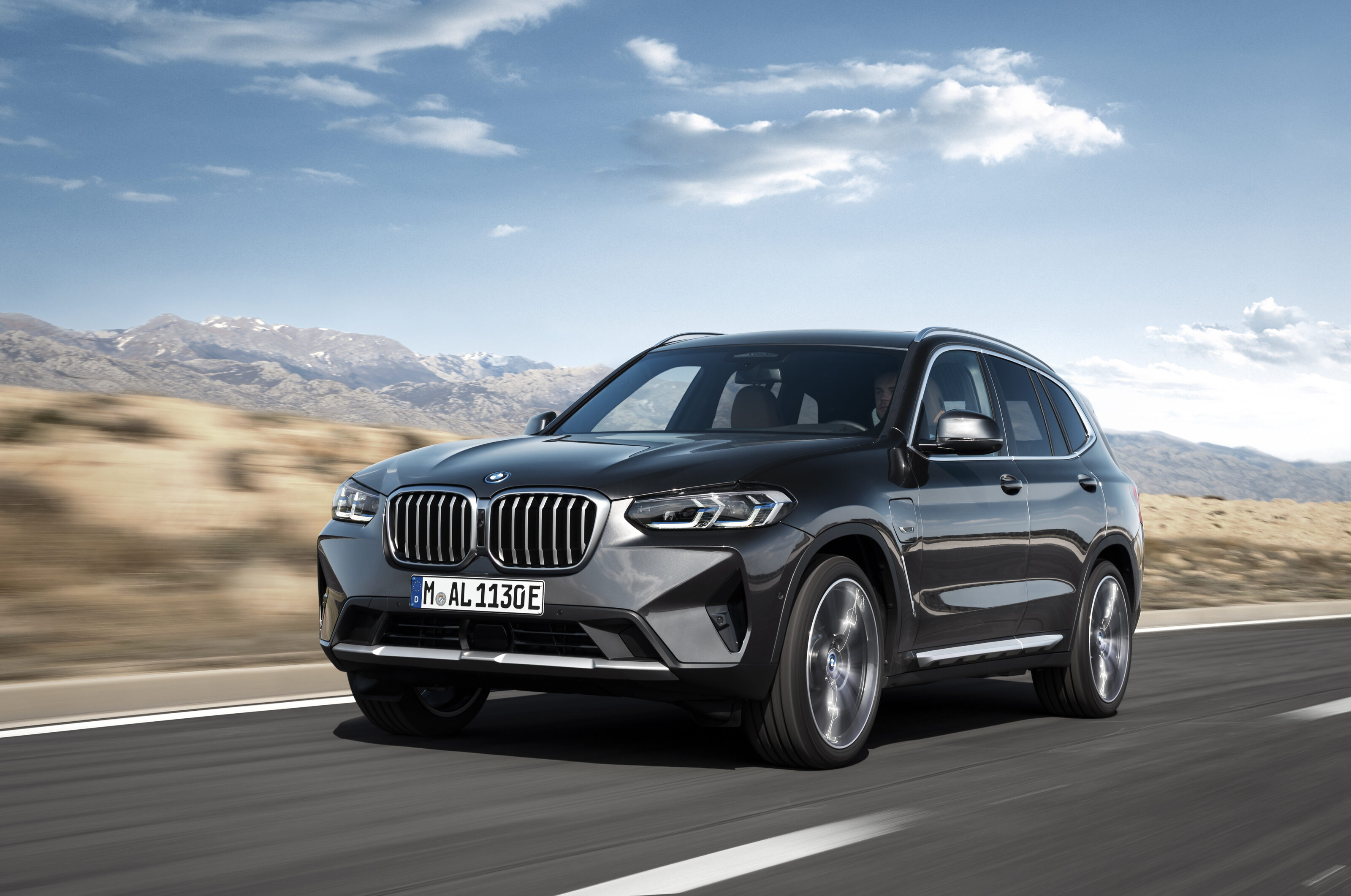
Aesthetically, we’ve already seen what the updated X3 looks like, thanks to the SUV being leaked last month, but this is the first glimpse of the refreshed X4, and it’s clear both models have benefitted from mild styling upgrades.
Perhaps most notably, both the SUV and crossover score new adaptive LED matrix headlights as standard across the range.
Other visual revisions include new kidney grilles, front apron, rear bumper, and, for the X3, new graphics for the taillights.
BMW’s popular M Sport package also comes as standard on the X3 xDrive30i, xDrive30d and xDrive30e, as well as the X4 xDrive20i and xDrive30i.
The M Sport pack brings a bespoke front apron, high-gloss black accents, and 19-inch Y-Spoke 887M alloy wheels finished in Midnight Grey Bicolor. Twenty and 21-inch wheels are also an option.
Interior
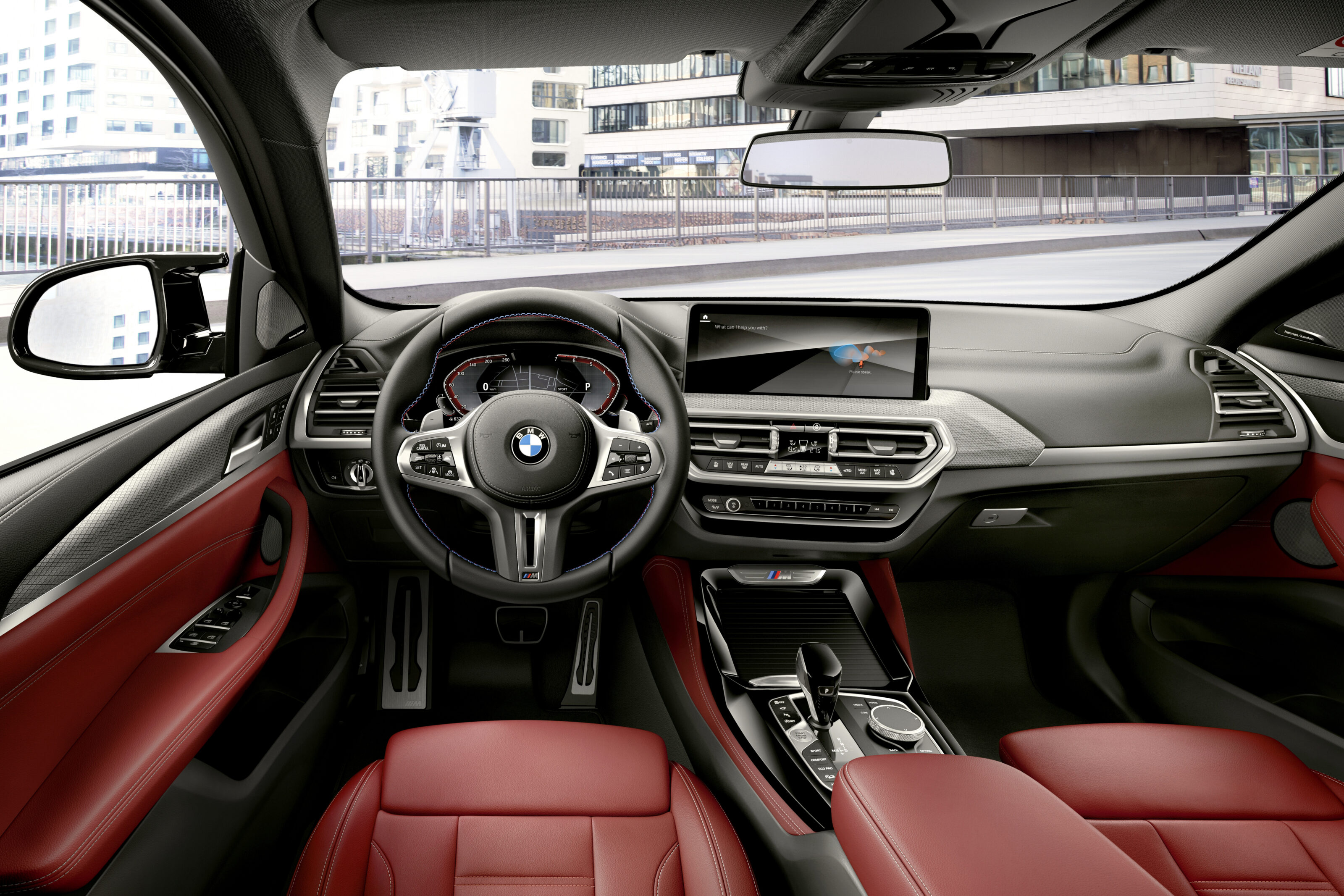
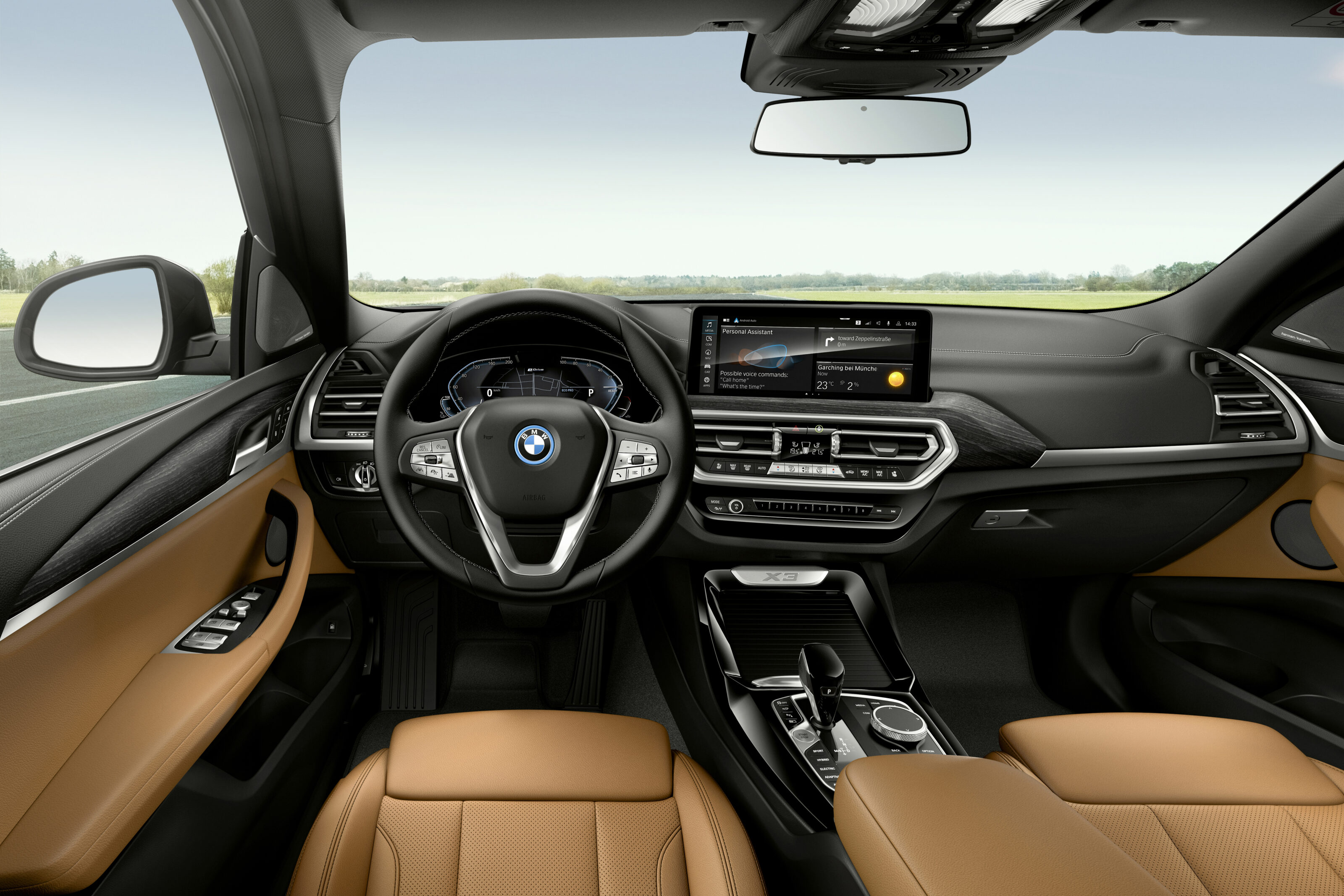
Inside, the interior of both the X3 and X4 have received significant upgrades, now featuring BMW’s Live Cockpit Professional 10.25-inch digital dash as standard, as well as a centrally mounted 12.3-inch touch screen.
Wireless Apple CarPlay and Android Auto are also standard, as is a head-up display and voice-controlled commands.
Both the X3 and X4 sadly miss out on BMW’s next-generation iDrive Operating System 8. Instead, the duo will utilise iDrive Operating System 7, which was first introduced back in 2018.
Safety
Safety features have been improved, with the German carmaker adding Parking Assistant Plus, which also includes a reversing assistant. Other features include autonomous emergency braking (AEB), lane departure warning, and a rearview camera with rear parking sensors.
Availability
A spokesperson for BMW Australia has confirmed to WhichCar the 2022 BMW X3 and X4 LCI will be launched locally in the fourth quarter of 2021, with local pricing and features to be unveiled closer to the SUV and crossover’s local release.
Snapshot
- Fixed pricing comes in from today
- More than 10 Honda dealerships cut
- Large reduction in servicing costs to come
A new financial year means new business strategies, and in the case of Honda Australia, a revised business model.
From today onwards, Honda’s dealers Down Under will provide a fixed price for each of its vehicles, the number remaining consistent across all showrooms in the country and unable to be changed.
This means no more haggling or negotiating – the price you see on the ticket is what you’ll pay, drive-away, inclusive of metallic or pearlescent paint – though Honda’s range of accessories will still incur an extra cost.
The unified approach across Honda’s Australian showrooms has resulted in its dealership network being reduced from just over 100 to 90, with most of the culling done in metropolitan areas.
Some of Honda’s range has also disappeared from its website for now ahead of the new 11th generation Civic Hatch going on sale Down Under from the fourth quarter of this year.
For the time being, the Civic VTi and VTi-LX have been omitted from the line-up, leaving the VTi-S to act as the base variant with a drive-away price of $31,000.
Although it’s not yet know what variants will be available when the new model arrives in Australia, based on its launch last week in Japan, the Civic Hatch will be available in two different guises – the entry level LX and higher-spec EX.
The Tokyo firm also revealed an e:HEV (hybrid electric vehicle) model variant, and the eagerly anticipated Type R, will be unveiled in 2022.
The Type R has also now been removed from the manufacturer’s website, as it has reached the end of its model lifecycle for the current generation vehicle. Though a couple of cars remain in the dealer network, all Australian examples have been sold.
A spokesperson for the brand told WhichCar “at some point we had to make a call when to remove them from the website and official price list, and the new business model launching today on July 1 was a natural break point to make that change” but assured us the Type R will be making its return to our shores next year.
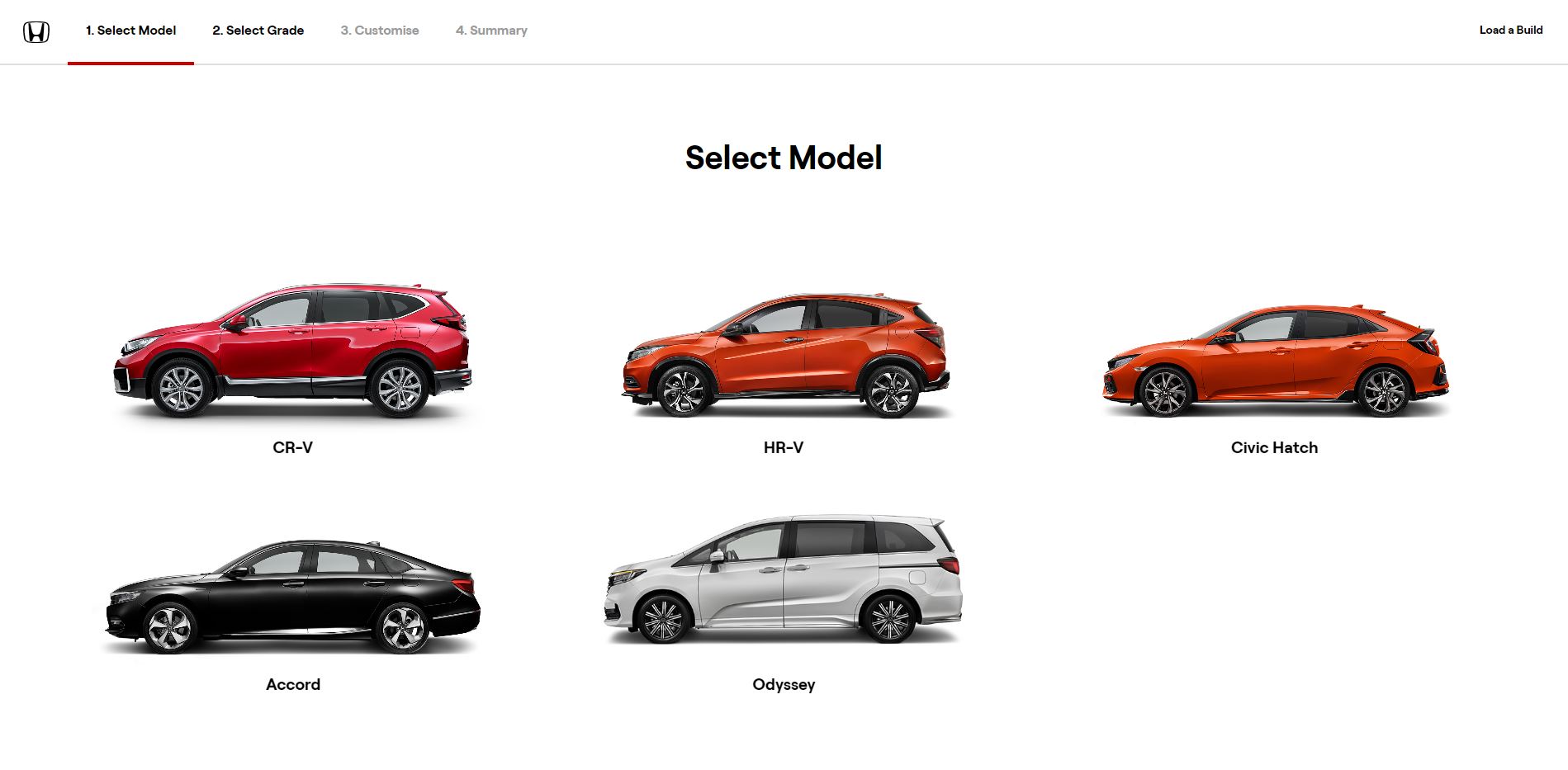
The Honda Jazz and Civic sedan have both been in runout locally since the beginning of 2021, with just a small number of cars left in the network as they have both reached the end of their lifecycles and Australia won’t be getting the next-generation models.
Meanwhile, servicing costs across the model range have been greatly reduced, now only $125 for the first five service intervals, which Honda says represents a $1250 saving for customers.
Honda now includes premium roadside assistance in its warranty package, adding it on to the five-year/unlimited-kilometre warranty which was previously included with its vehicles.
To the end of May 2021, Honda had sold 9794 vehicles in Australia, a 25 per cent reduction on the 13106 units sold year-to-date in 2020.
Snapshot
- Slovakian plant stops production
- Semi-conductor shortage has now affected two JLR factories
- JLR Australia working with suppliers to keep stock levels up
Production of the Land Rover Defender and seven-seat Discovery has ground to a halt in Slovakia due to the ongoing semi-conductor shortage which is affecting the global electronics industry.
According to Autocar, the temporary halt at the Jaguar Land Rover plant in Nitra, Slovakia, is affecting the supply of both the new-look Defender and Discovery, having been unfazed by a closure of the Castle Bromwich and Halewood plants earlier in the year.
In 2019, a total of 40,000 cars came off the production line at the Nitra plant, with 38,000 Discoverys and 2000 Defenders being produced before the Covid-19 pandemic hit last year.
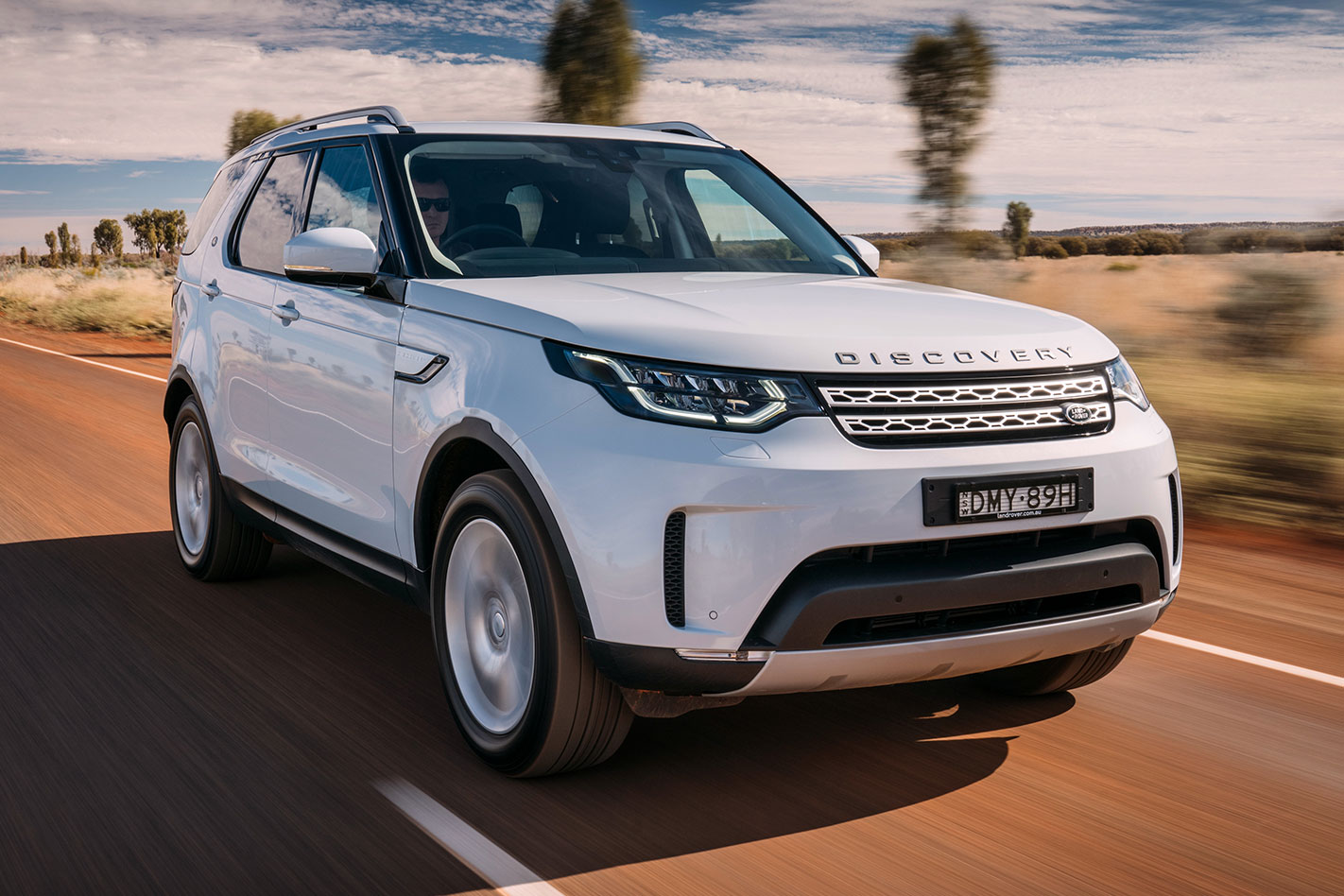
A JLR Australia spokesperson told WhichCar its supply issues are similar to other manufacturers worldwide and it is in dialogue with suppliers to keep stock of current vehicles.
“Like other automotive manufacturers, we are currently experiencing some Covid-19 supply chain disruption, including the global availability of semi-conductors, which is having an impact on production,” they said.
“As a result, we have adjusted production schedules for certain vehicles which means some of our manufacturing sites will be operating some limited periods of planned non-production.
“JLR Australia continues to see strong customer demand for our range of vehicles, including the Defender. We are working closely with affected suppliers to resolve the issues and minimise the impact on customer orders wherever possible.”
Last year in Australia, Defender sold 519 units while Discovery sold 795 vehicles, not including the UK-built Discovery Sport which sold 1205 units.
