Snapshot
- 4036 vehicles affected by door loom issue
- 206 units could suffer fuel pump failure
- Parts shortage could cause delays for repairs
Suzuki Australia has had to issue another recall for its Jimny four-wheel-drive, with two separate problems involved.
The first being the potential for the wiring harness in both the driver and passenger doors to be cut by opening or closing the doors, possibly preventing the side and curtain airbags from deploying in the event of an accident.
This problem affects 4036 2019-2020 cars sold between August 1, 2018 and December 2, 2020. A list of relevant cars sold nationally can be found here, while separately those specifically sold in Queensland can find their list here.
Suzuki says it doesn’t expect to receive parts to rectify the problem until July.
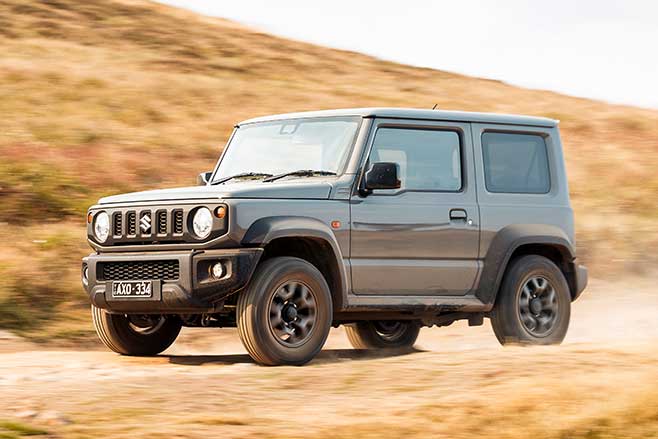
The second recall then covers a total of 206 2018 vehicles sold between May 9 and November 22, 2018, which have an improperly manufactured fuel pump which could swell and stop functioning.
Again, the recall covers nationally sold vehicles as well as others bought specifically in Queensland, though in this case parts are currently available and Suzuki is encouraging affected owners to locate their nearest dealer or call 1800 777 088.
Suzuki has had great success with the Jimny in Australia since its release at the start of 2019, having gone through three price increases due to the high demand which has seen waiting lists of up to 12 months.
Last month however, the Jimny was also recalled over a windscreen bonding issue.
Suzuki last week announced a new Jimny Lite model, coming to the market later this year as a stripped-back version of the already basic Jimny, available as a manual only.
Snapshot
- 767 Lambda V6 engines affected
- Cars sold between January 27 to April 25
- Kia currently contacting affected owners
Kia has issued a recall notice for its 2021 Sorento MQ4 and Carnival KA4 vehicles over a potential fuel leak problem, only affecting those with the 3.5-litre V6 Lambda engine fitted.
A total of 767 vehicles are involved, sold between January 27 and April 25, 2021, with the source of the issue coming from a potentially damaged fuel supply pipe during manufacturing, leading to a possibly fuel leak in the engine bay.
A fuel leak could lead to a fire, causing a high risk of injury to occupants of the car as well as those around it.
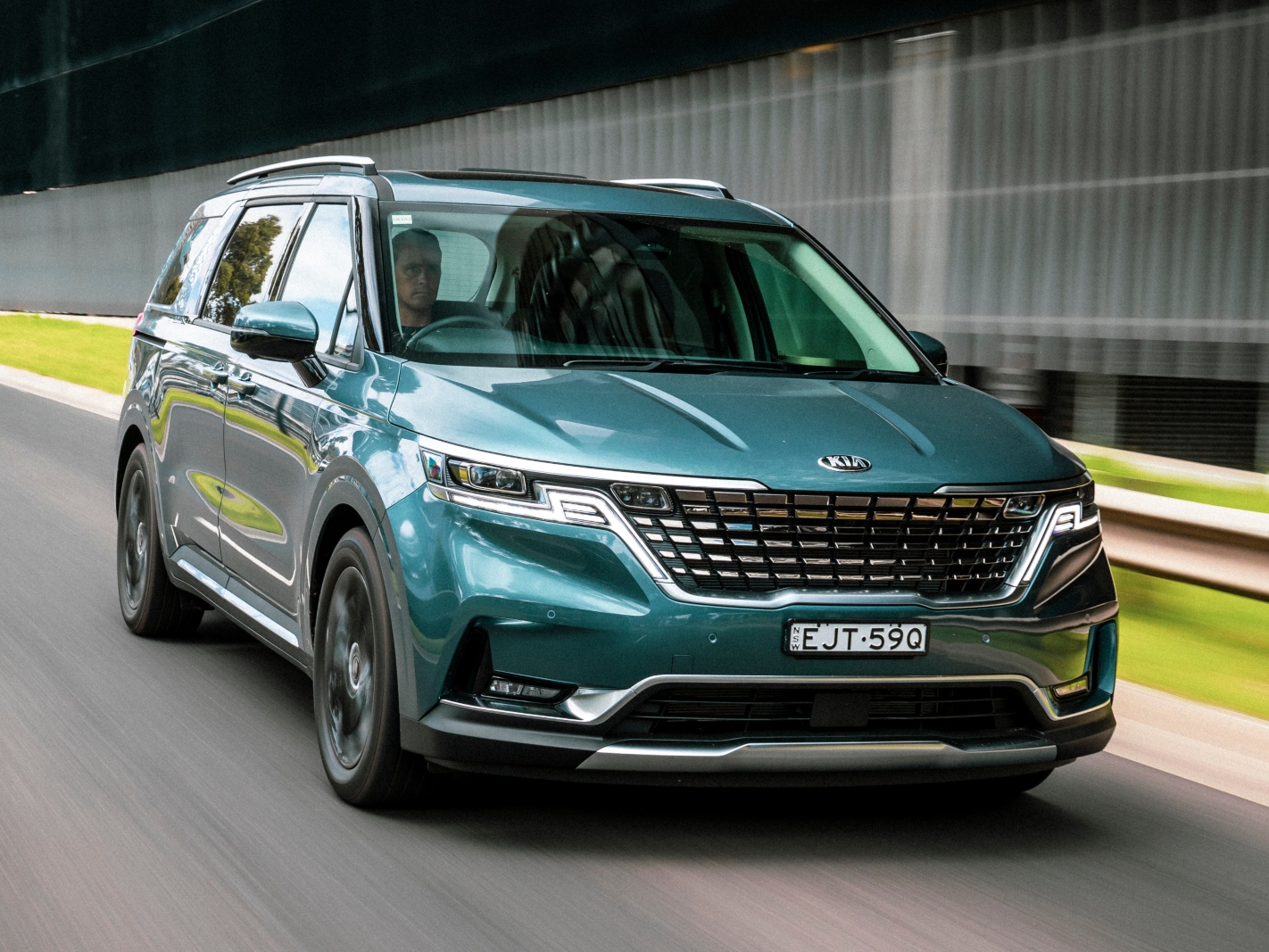
Kia is contacting all affected owners and is offering to inspect and repair the vehicles free of charge, also encouraging anyone who is concerned about their vehicle to contact their nearest dealer or call Kia Motors Australia on 13 15 42.
A list of VINs can be found here.
Snapshot
- 4.5-litre V8 now makes 662kW/1250Nm
- Limited Edition capped at 25 units
- Rocket costs over double as much as donor G63
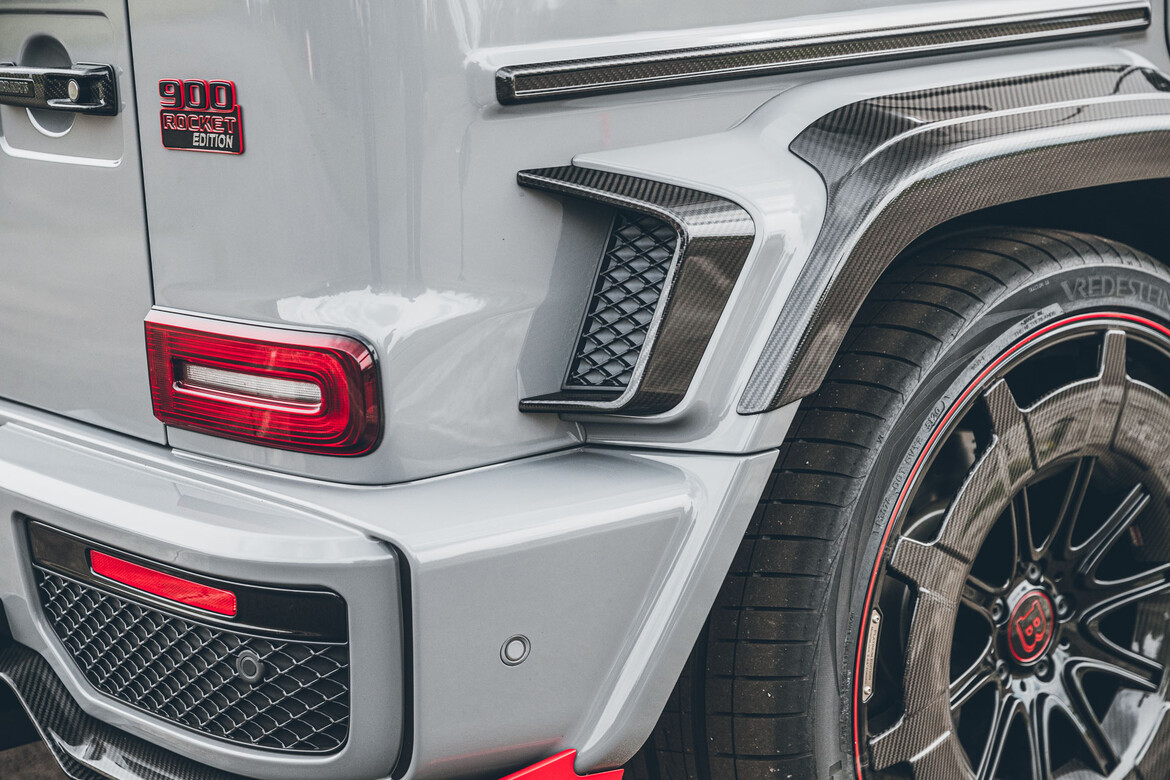
German tuning wizard Brabus has turned its attention and resources to the current Mercedes-Benz G63, converting the large SUV into a supercar-rivalling bespoke vehicle with the 900 Rocket Edition.
Starting with a regular G63 as a base, which starts from $299,000 in Australia, Brabus then proceeded to change just about every single part with almost nothing remaining the same from the donor car.
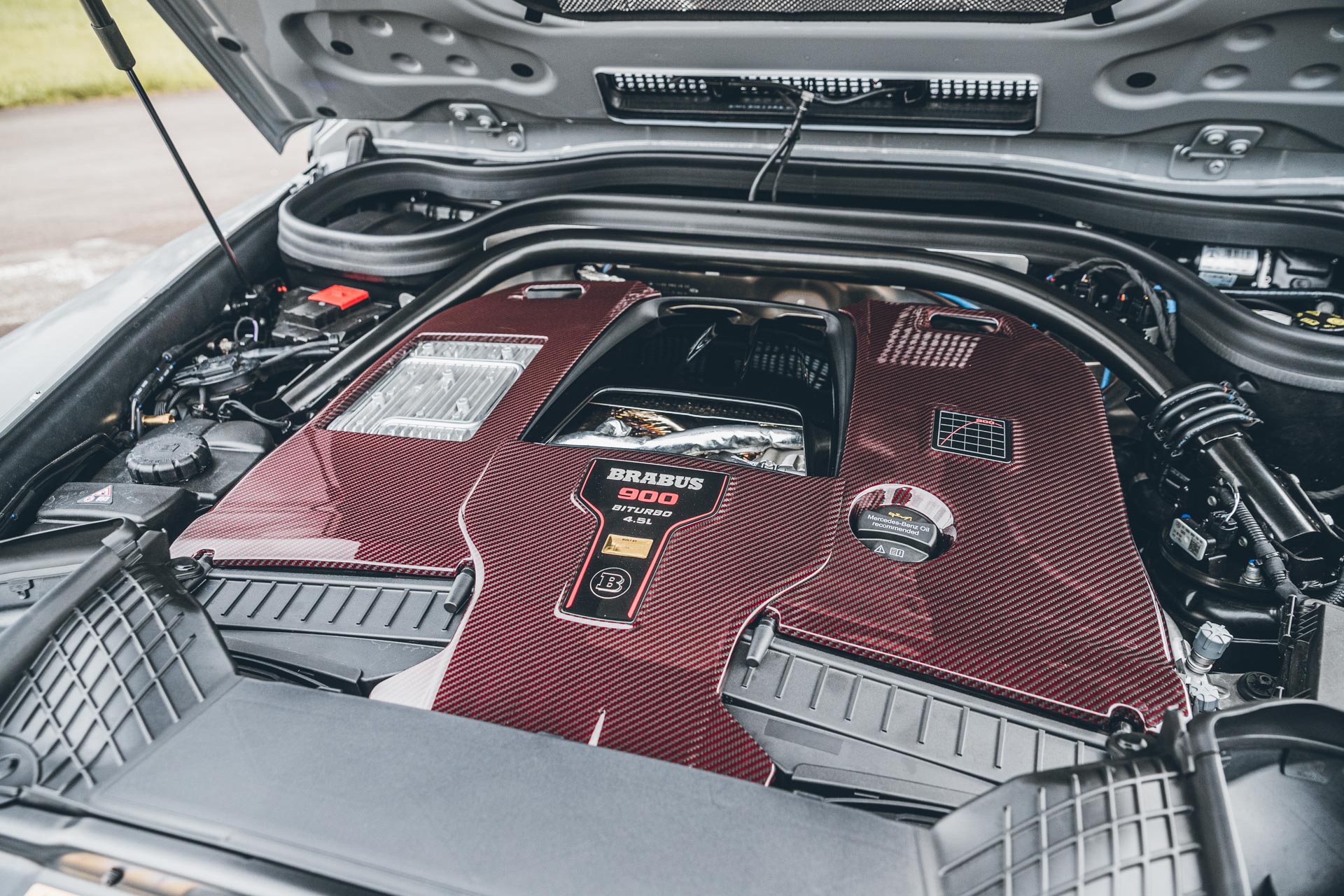
The standard G63 is anything but under-powered despite its size, making 430kW and 850Nm from its 4.0-litre twin-turbo V8, however Brabus has stroked and bored the Rocket out to 4.5-litres, now pushing out 900PS (hence the name), equating to 662kW with up to 1250Nm available.
Power is transferred to all four wheels via a nine-speed automatic transmission, lowering 0-100km/h times down from 4.5 seconds to just 3.7, though an electronic limiter prevents the brick from flying any faster than 280km/h.
Inside the Rocket is a mix of crest-shaped quilted leather and carbon fibre with ‘Rocket Red’ glazing, for those who order the Rocket in its signature black exterior colour, with the buyers of a stealth grey car getting matching trim colours in the cabin.
The bench seats which are found in the rear of the G63 have been handed back to Mercedes-Benz, being swapped out for two electrically adjustable bucket seats which are also ventilated and heated – as if riding in the back of a 662kW SUV wouldn’t induce a sudden rise in heart rate.
Brabus has listed the 900 Rocket Edition for a price of €480,059 (AU$762,000), though this excludes the 16 per cent Value Added Tax which applies in Germany. The 25 units are expected to be delivered between the end of 2021 and the start of 2022.
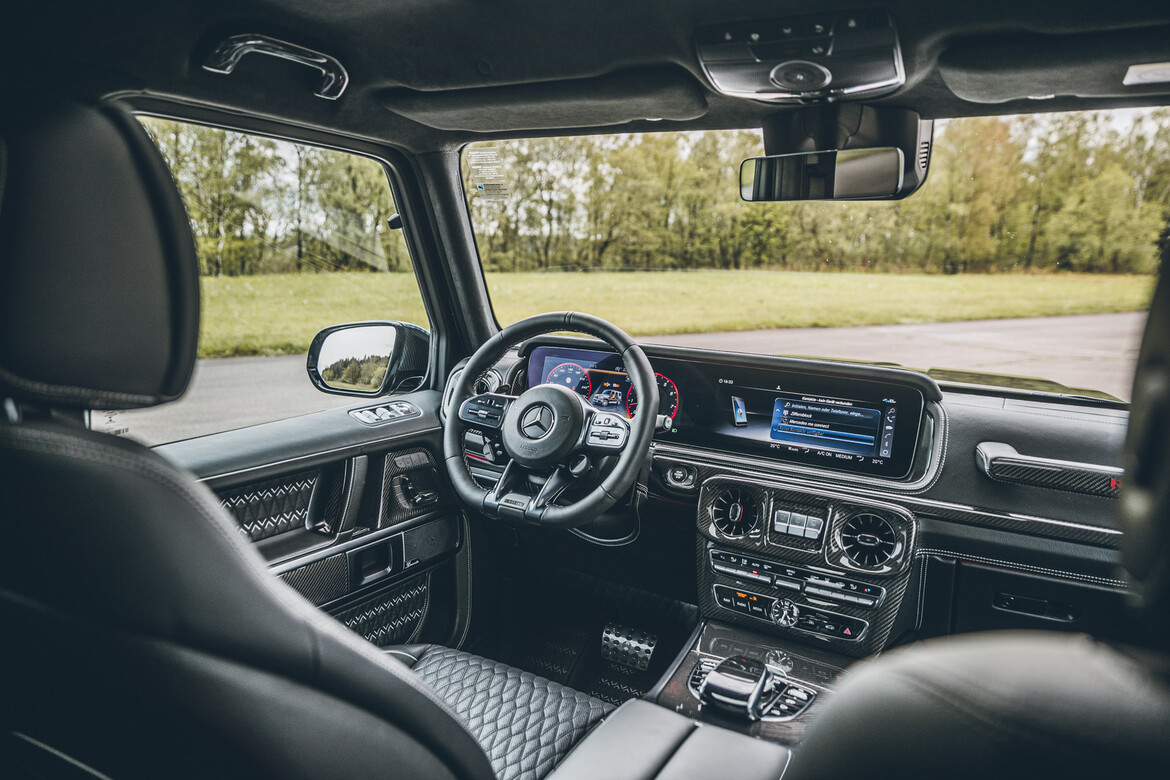
The ‘limited edition supercar’ scores an updated Widestar bodykit which sets it apart from the usual crowd of low-slung, two-door coupes, playing up to the G-Wagen’s already sizeable presence and building on it with guard flares, a twin-nostril bonnet and more intakes than ever before.
It’s hard to ignore the 24-inch forged wheels, designed by Brabus and covered in aero discs to both improve performance as well as add to the visual appearance, hooked up to the specifically calibrated RideControl suspension system which aims to keep the two-and-a-half tonne vehicle under control.
It’s fair to say that the Toyota GR Yaris is one of the more disappointing cars in MOTOR’s recent history. That might sound harsh – and it is – but it’s less a reflection on the quality of the car and more to do with the huge weight of expectation it arrived under.
Toyota’s hot Yaris landed in Australia riding a wave of homologation hype, overseas pundits proclaiming it the best thing since sliced bread and a scintillating return to sporting form for a brand that had laid dormant in the performance arena for decades.
No, I’m not forgetting the 86 and the Supra, but they were joint ventures with Subaru and BMW respectively – Toyota is always keen to point out that the GR Yaris is the work of it and it alone.
Our first taste of Toyota’s Gazoo Racing hyper hatch on local roads came at last year’s Performance Car of the Year and it’s fair to say that the experience resulted in a lot of scratched heads.
Sure, there was plenty to like about this super-heated baby hatch, including a stonking engine, reasonably slick manual gearbox, fantastic brakes and impressive suspension calibration, but so too was it deeply flawed.
An elevated driving position, front-biased all-wheel drive system and sub-par tyres, resulting in a disconcerting lack of grip, took the shine off the driving experience. Any thoughts that we merely needed to hit the track to allow the GR Yaris to fully express its talents were quickly vanquished by the wails of unsatisfying understeer from the tortured Dunlops.
An unedifying (for all parties) eighth place was the best it could manage, just one solitary point ahead of last place – not exactly the result we expected from one of the most hotly anticipated performance cars of recent times.
“In Australia, the GR Yaris Rallye won’t be a limited production model “
Of course, anyone who’s been following the GR Yaris story will know that, in the words of Master Yoda: “There is another”.
The car that overseas reviewers have been raving about is the Performance Pack, Circuit Pack or, in local parlance, the Rallye, a name chosen to continue the legacy of Toyota’s last all-wheel drive turbo weapon, the Celica GT-Four. It’s now finally landed in Australia, however, the question remains: is it any better?
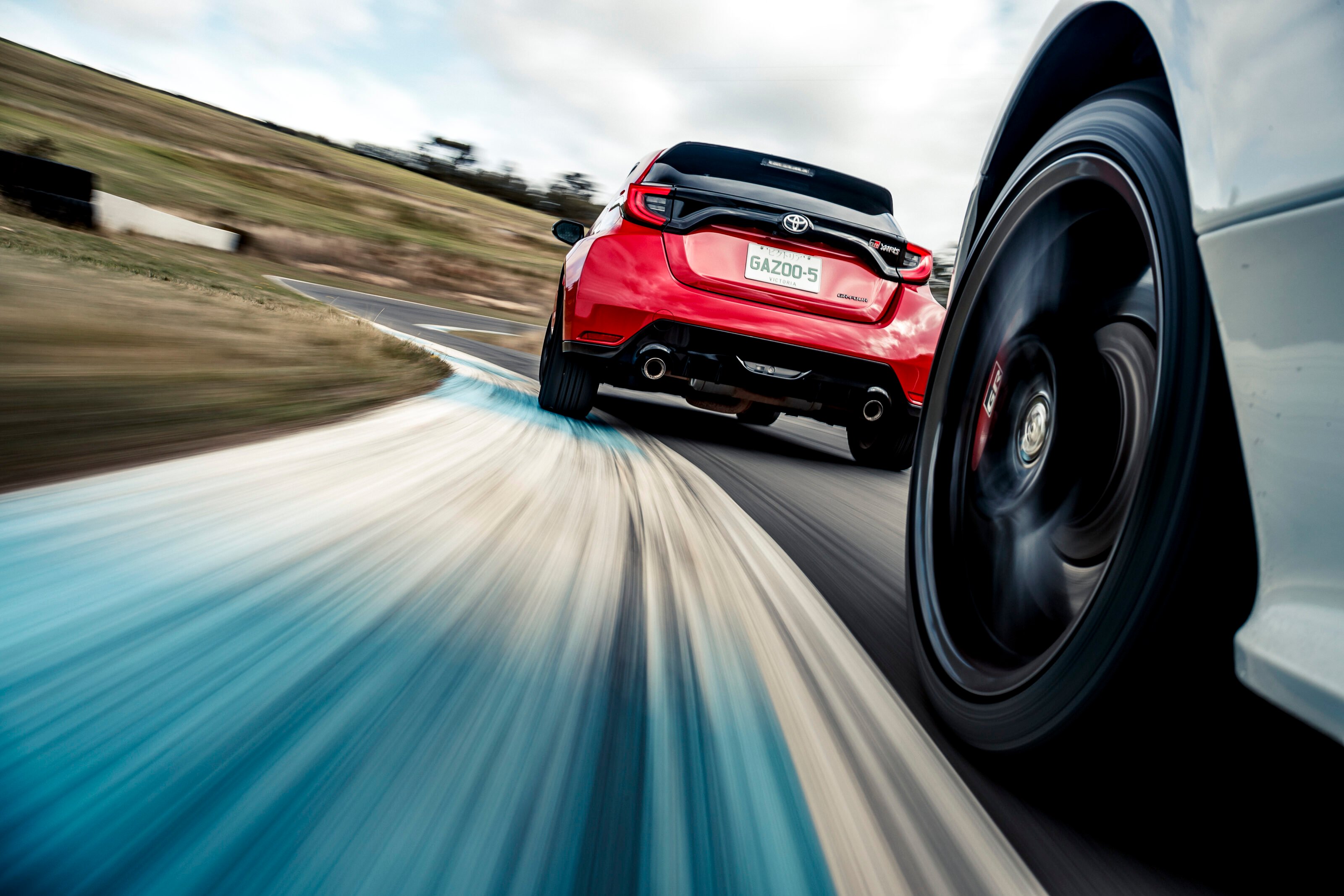
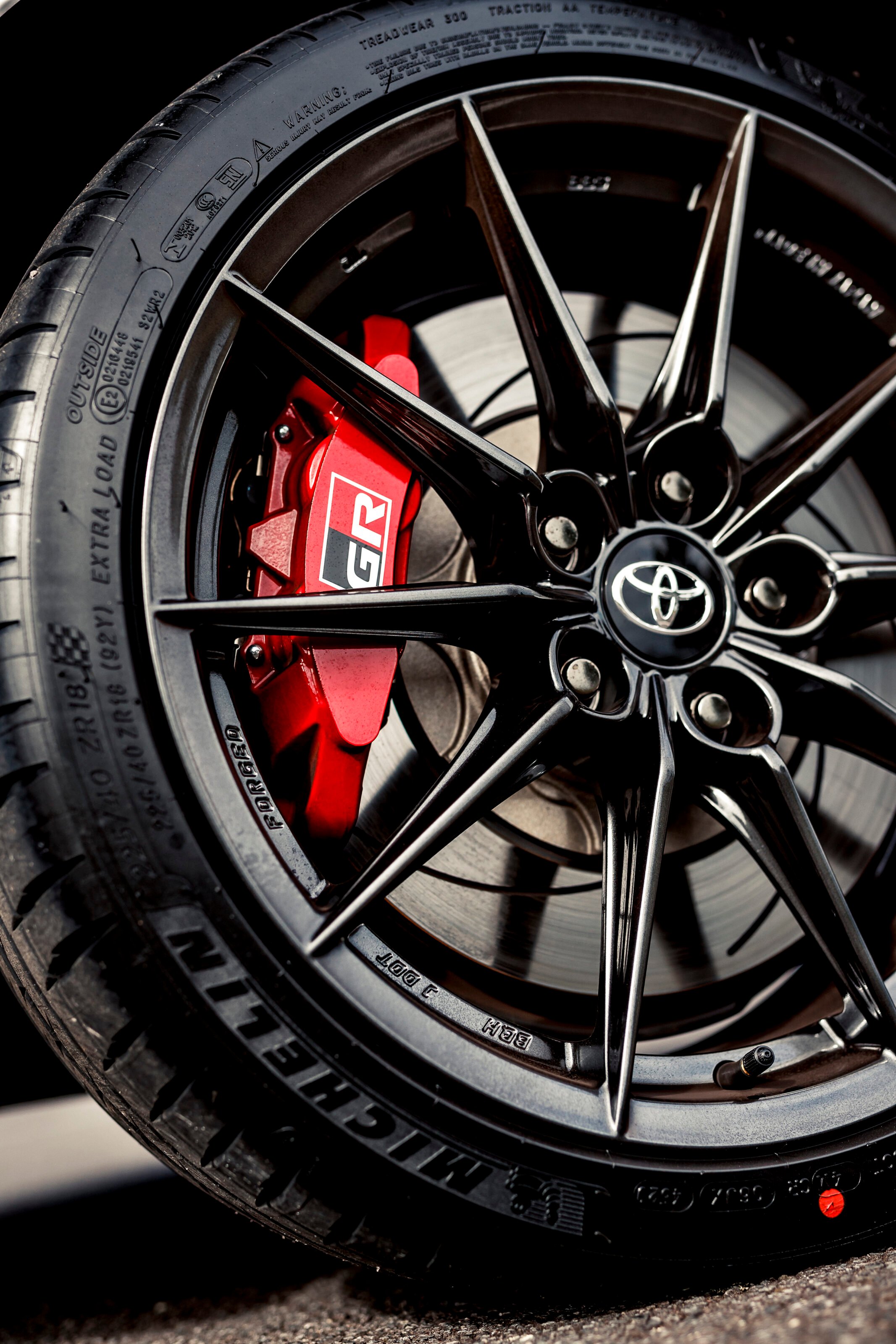
Let’s start with a quick reminder of what it alters. Externally the obvious cues are the 18-inch alloys, which are lighter than the standard wheels thanks to their forged construction, Michelin Pilot Sport 4 S tyres, red brake calipers, the unique ‘Frosted White’ paintwork, brake ducts either side of the front grille and, most obviously, the Rallye badge on the hatch.
Inside there’s red stitching and Ultrasuede inserts for the seats, as well as a numbered plaque on the centre console. The GR Yaris Rallye won’t be a limited production model per se, but each Australian car will be individually numbered.
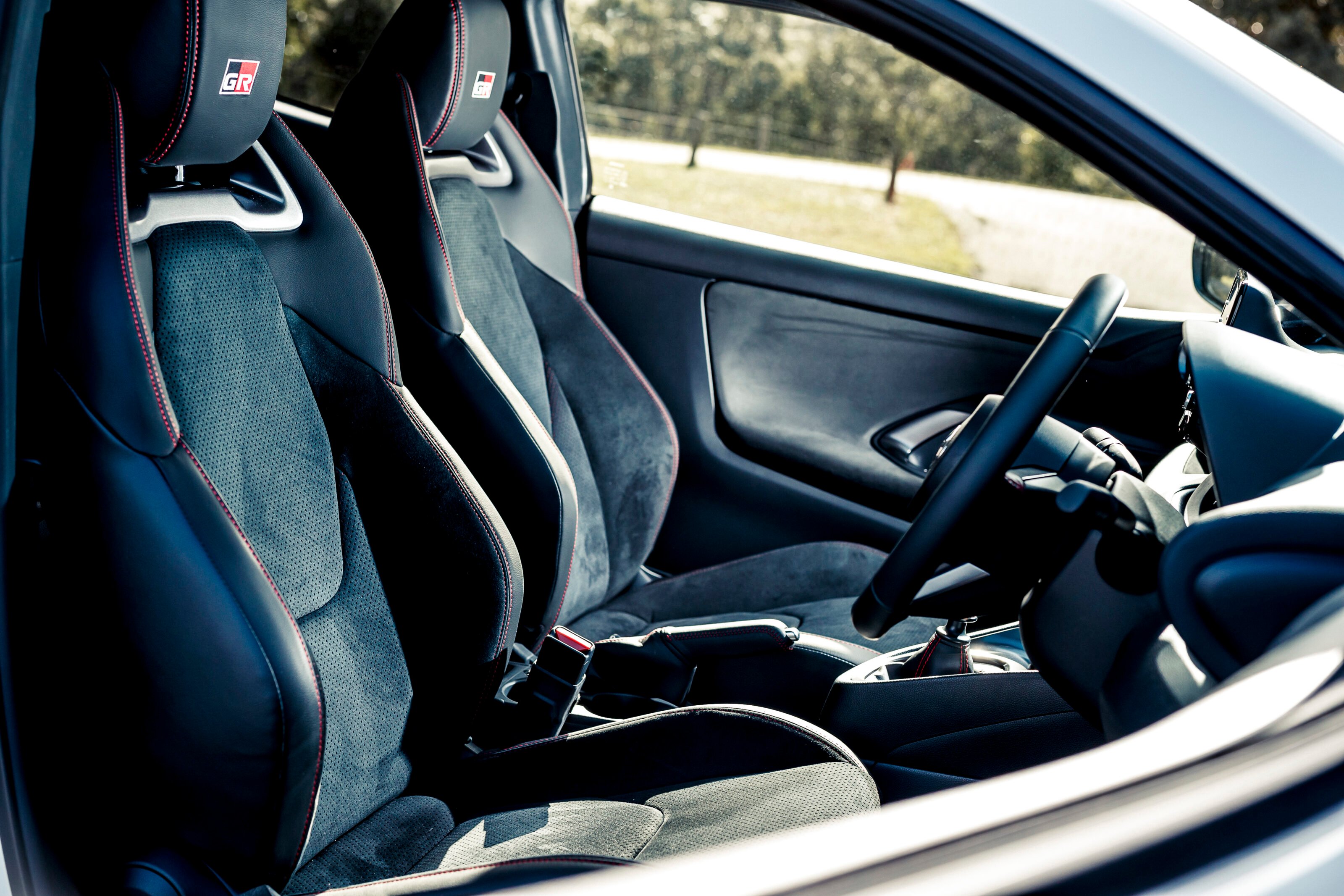
Tucked away out of sight are suspension modifications including larger diameter springs, a thicker anti-roll bar and stiffer bushings at the front and stiffer bearings and bushes and pillow-ball joints at the rear, while the big ticket items are a pair of Torsen limited-slip differentials, one at each end, which allow the engine torque to be distributed not just front-to-rear but also left-to-right.
The ask for these extras is an additional $5000, the Rallye’s RRP set at $54,500, which equates to give-or-take $60,000 on-road depending on your local fees.
In all other respects the two variants are the same, but that’s no bad thing. The standard GR Yaris is already pretty remarkable in its construction, the stiff, light – just 1280kg kerb weight – and aerodynamically optimised three-door bodyshell accelerated by the world’s most powerful three-cylinder engine and decelerated by monster brakes, the 356mm front discs being bigger than those found on the much heavier Supra.
As such the task is a simple one: do the modifications fix the GR Yaris’s handling issues and, if so, are they worth the extra coin? To ascertain this we’ve decamped to the tight, twisting and heavily undulating Bryant Park hillclimb circuit, a favoured venue for testing performance cars that have at least one foot in the real world.
It’s essentially a miniature tarmac rally stage, so should be perfect for providing the answers we need. First I will drive the GR Yaris to set both a time and experiential benchmark, then follow suit in the Rallye and report.
Helmet on, ESP off (even the ‘Expert’ sports setting is too restrictive for circuit work) and all-wheel drive system set to the 50:50 Track mode, initially all is well. The 1.6-litre turbo triple is simply amazing in not only the amount of grunt it generates, but the response with which it delivers it.
Power tails off slightly towards the 7000rpm redline, but the broad spread of torque makes third as quick as second through a number of corners, especially thanks to the close ratios of the six-speed gearbox.
Heel-toe downshifts are no problem, which is just as well as the auto-blip system is too slow to keep up, and while Bryant Park isn’t particularly tough on brakes, stopping power is always on point.
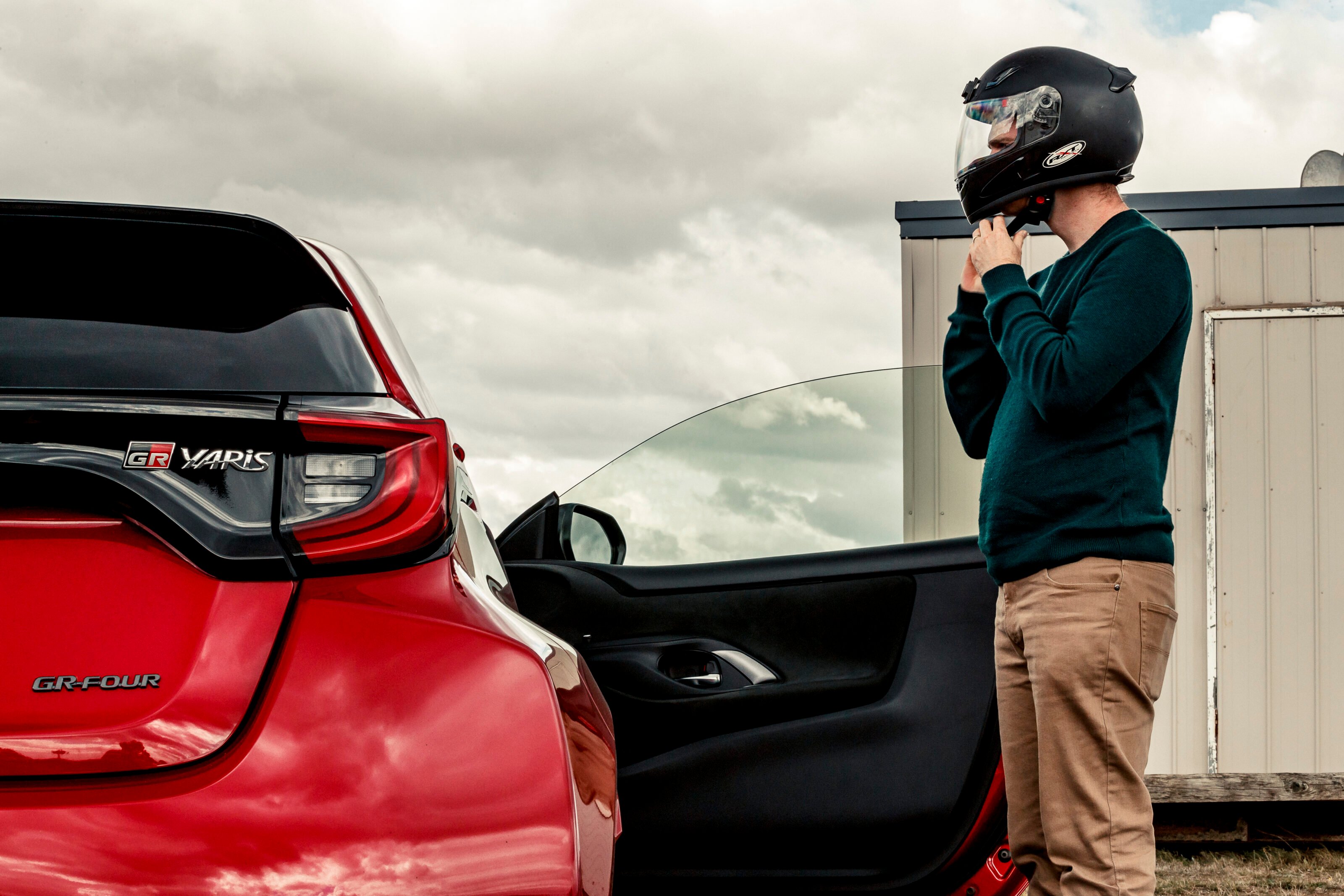
The raised driving position isn’t as bad as I remember, either; there is the initial feeling of sitting ‘on’ the car and being a fraction of a second behind the action but it fades in short order.
Unfortunately, as the pace increases the cracks begin to open wide; the GR Yaris just does not want to turn. The front Dunlops give up so easily that it leaves you unable to commit to corners as once they release their purchase on the tarmac there isn’t much that can be done to bring them back, at which point the road begins to look very narrow.
It doesn’t really matter what you do with the throttle or brakes mid-corner to adjust the car’s attitude, the nose resolutely refuses to stick, leaving the driver with no option but to just wait. At least that all-wheel drive traction will rocket the Yaris from the corner, right?
No. Power understeer is the order of the day, a problem that’s only exacerbated if one of the inside wheels is on the ripple strip and flares into wheelspin thanks to the open diffs.
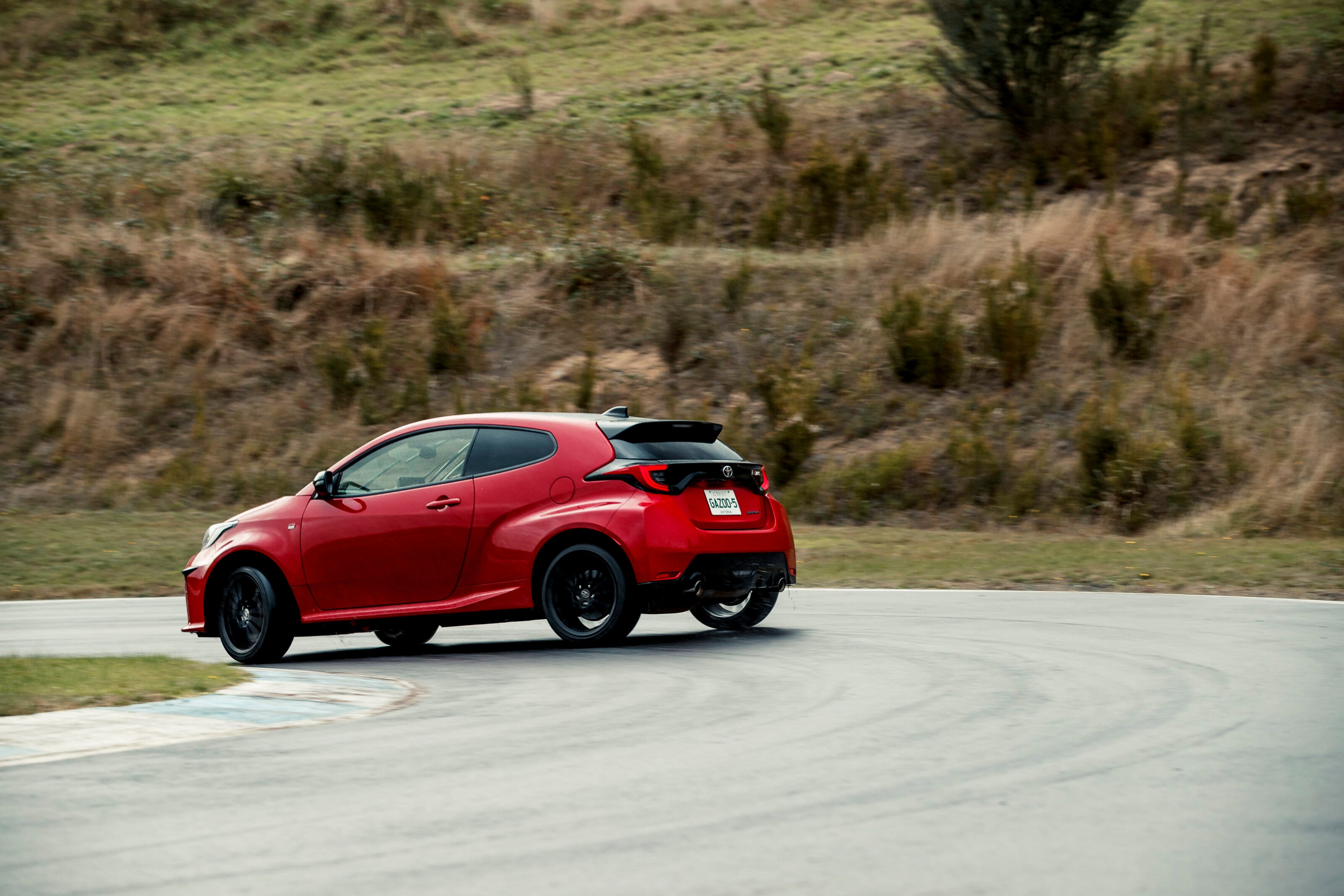
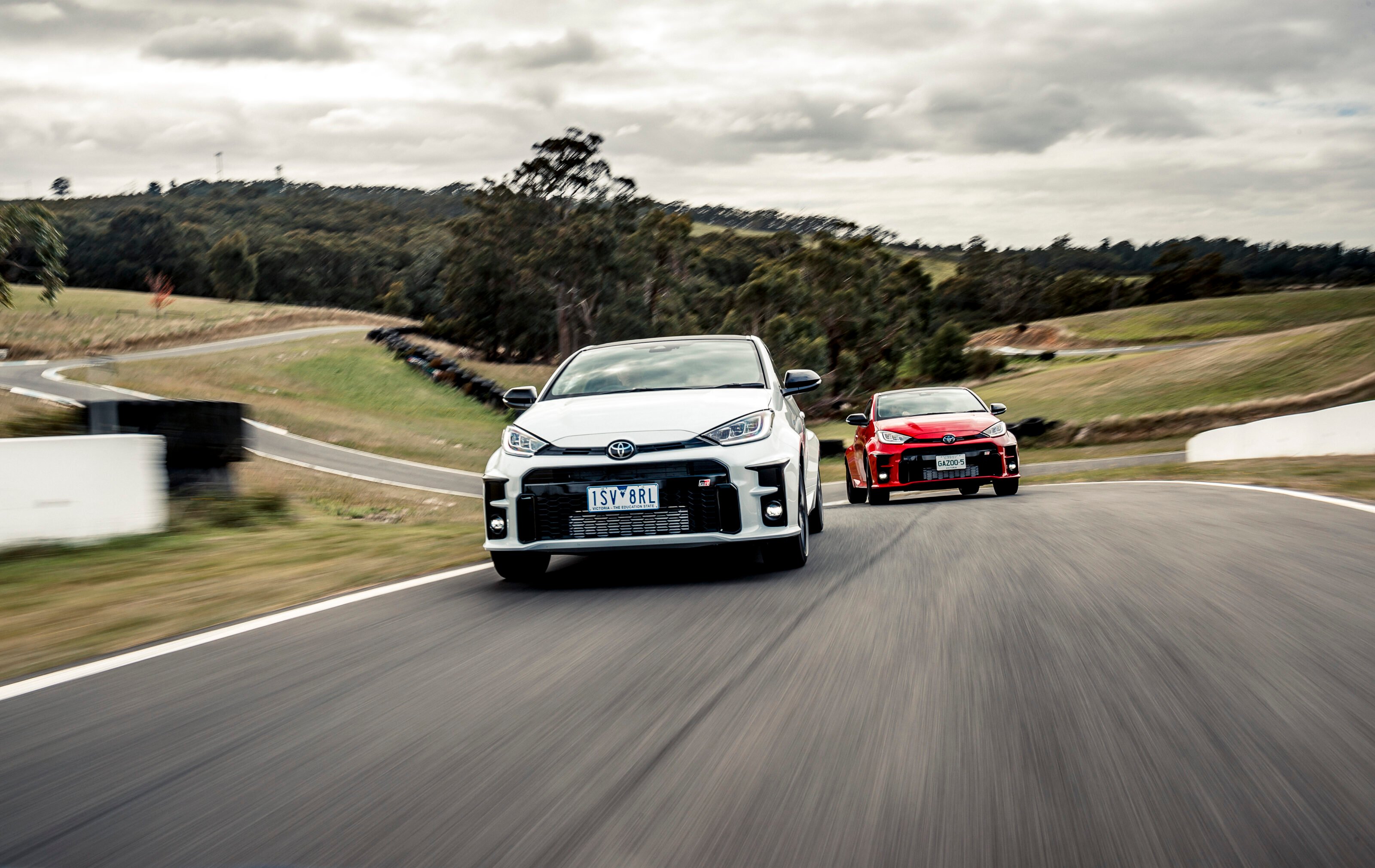
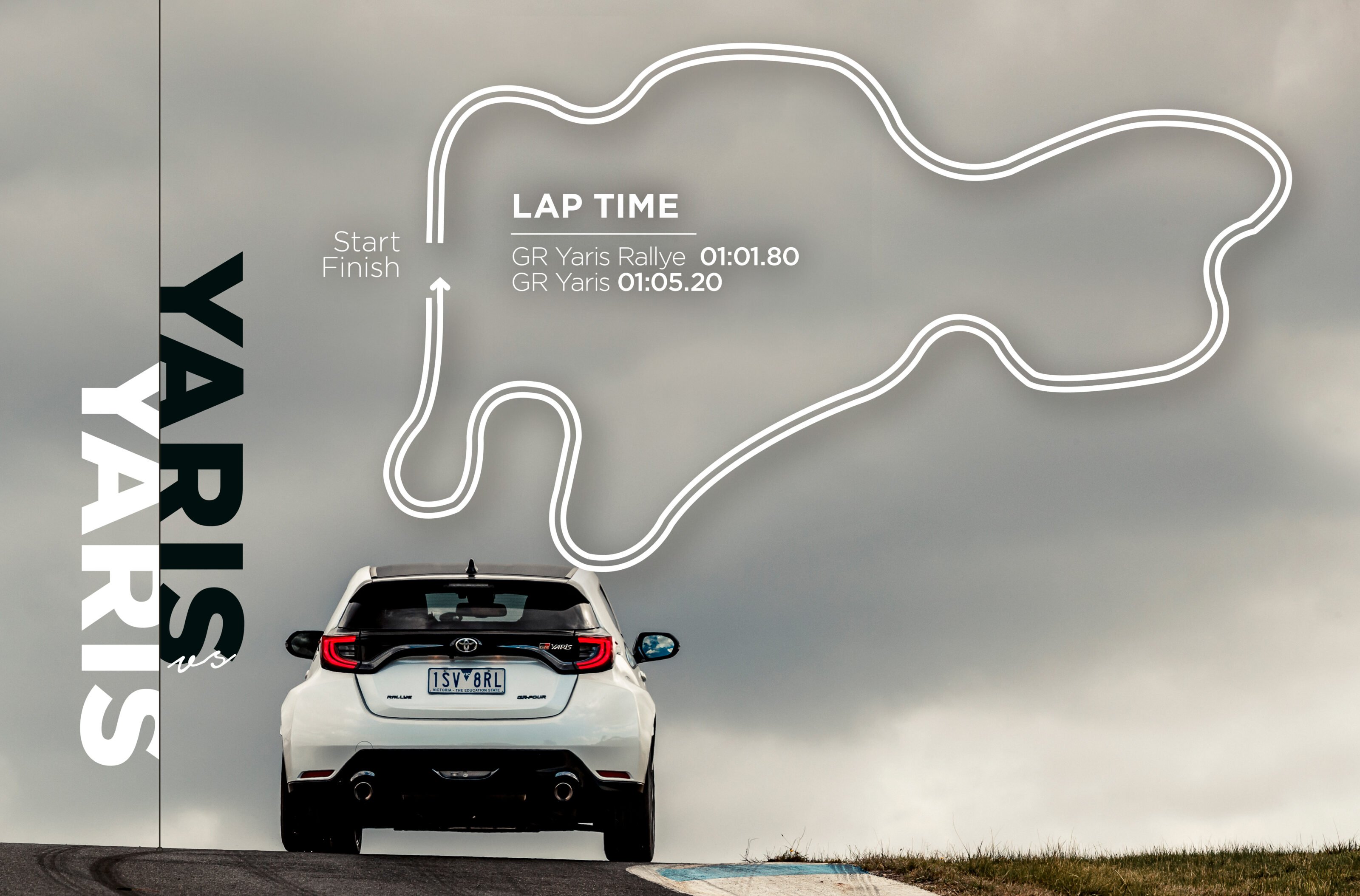
A switch to the supposedly more rear-biased Sport mode (30:70 front-to-rear split) makes little difference and yields just a single tenth improvement for a final time of 1:05.2sec.
It’s not that quick and it’s not particularly enjoyable, either; your eyes tell you that this light, all-paw pocket rocket should be able to be thrown around with abandon, but the only option available is to slow the GR Yaris massively at each corner, which is a long way from the ‘Maximum Attack’ mantra of Toyota’s motorsport advisor, Tommi Makinen.
In case you think this is all the viewpoint of a spoiled motoring journalist who hasn’t had his morning Ferrari, there are actually three GR Yarises present today.
In addition to the two press vehicles our chaperone from the track-owning car club has rocked up in his own black, standard GR. A regular at the track, his experience mirrors ours: “You can’t get it to turn and the open diffs are a big problem.”
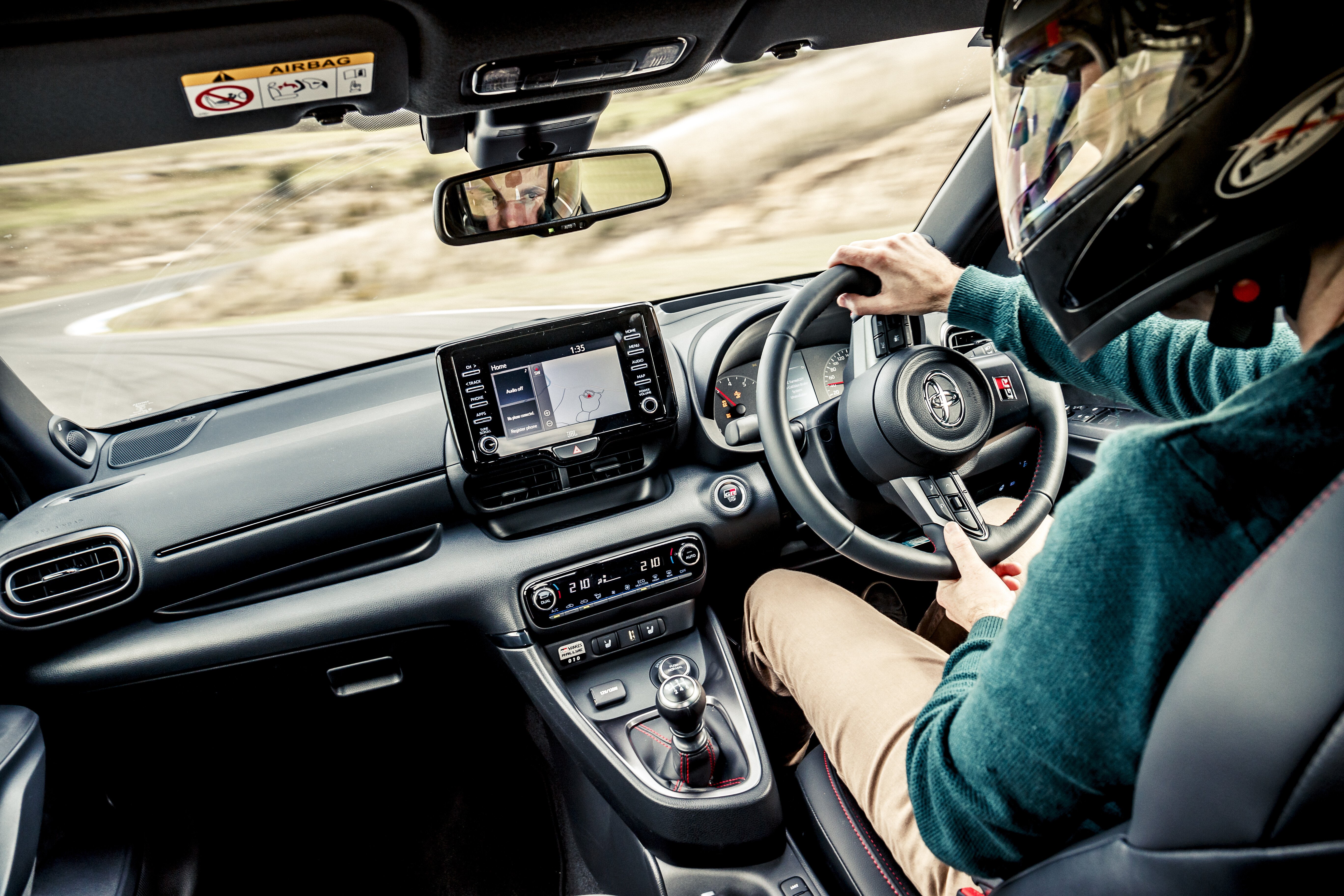
He already has plans to replace the diffs and tyres, but he might be better off just attempting to find a Rallye (the initial allocation is sold but a few cars may still be at dealers, with the next orders set to be fulfilled in late-2021/early-2022).
It takes all of one corner to discover that the GR Yaris Rallye is a completely different kettle of turbocharged fish – for a start, when you turn the steering wheel the front tyres go where you expect them to.
Clearly, the stickier, more performance-oriented Michelin tyres play a major role here but it begins a virtuous cycle.
Suddenly you have the confidence to enter corners harder, safe in the knowledge that there is a safety net of grip beneath you; the extra front-end purchase also brings the rear into play on a trailed brake, which further alleviates the strain on the steer tyres.
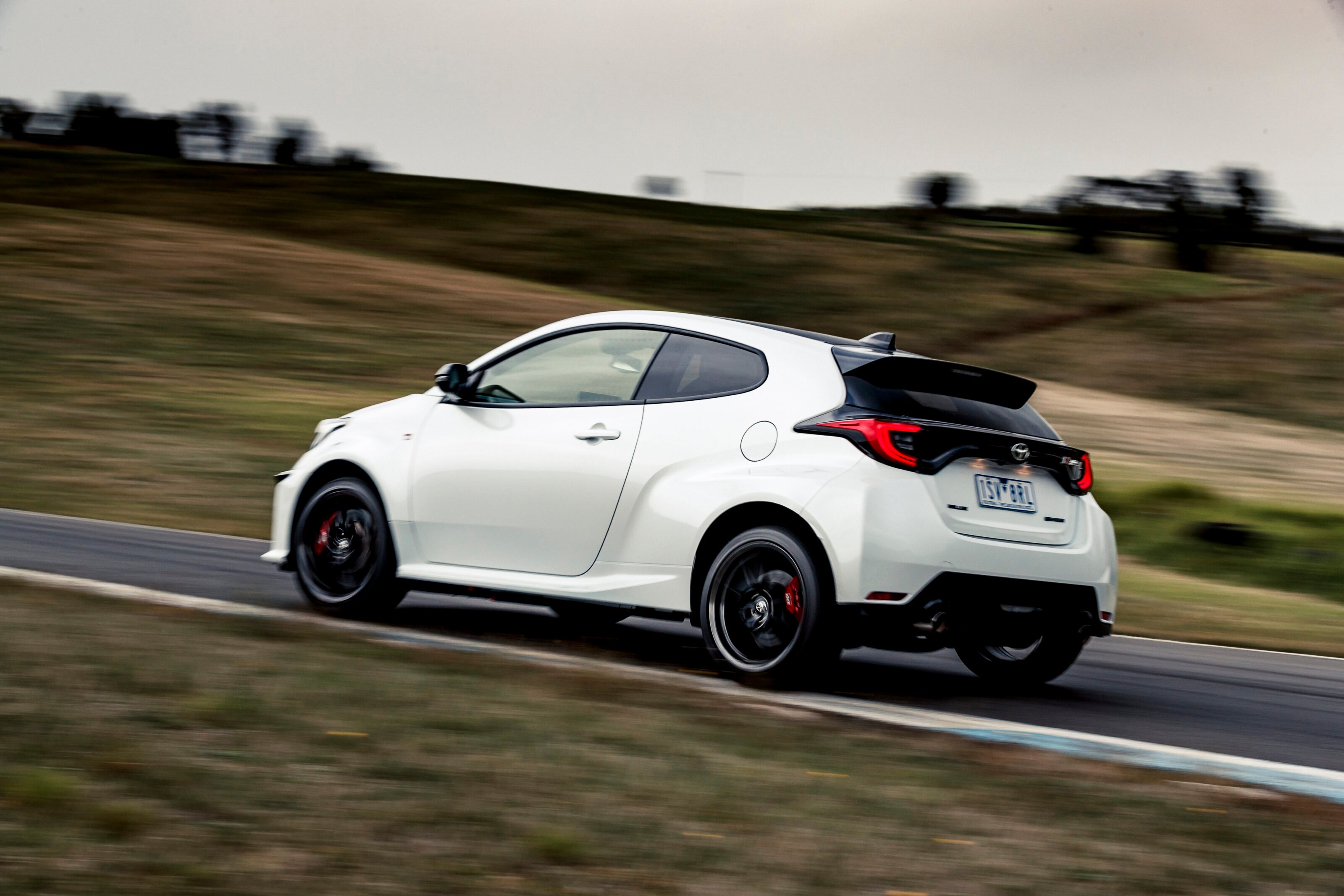
It’s clear at this point that the Rallye is going to be quicker, the only question is by how much, but towards the end of the first lap I greedily accelerate too early and, realising my mistake, back off the throttle quickly.
In the standard GR Yaris this would quell the understeer, but the Rallye abruptly pivots and tightens its line – not only is there more grip to lean on, but there are now options available should that grip run out.
With the diffs spreading the torque evenly across all four tyres – or, more accurately, distributing it to where it will be of most use – the Rallye feels to sink its tread blocks tenaciously into the tarmac.
No longer does a waiting game need to be played mid-corner; the superior rotation makes full throttle a possibility much earlier and while even the Rallye isn’t an on-throttle oversteerer in the fashion of the old Focus RS, nor does it plough determinedly towards the edge of the road like its less-able brethren.
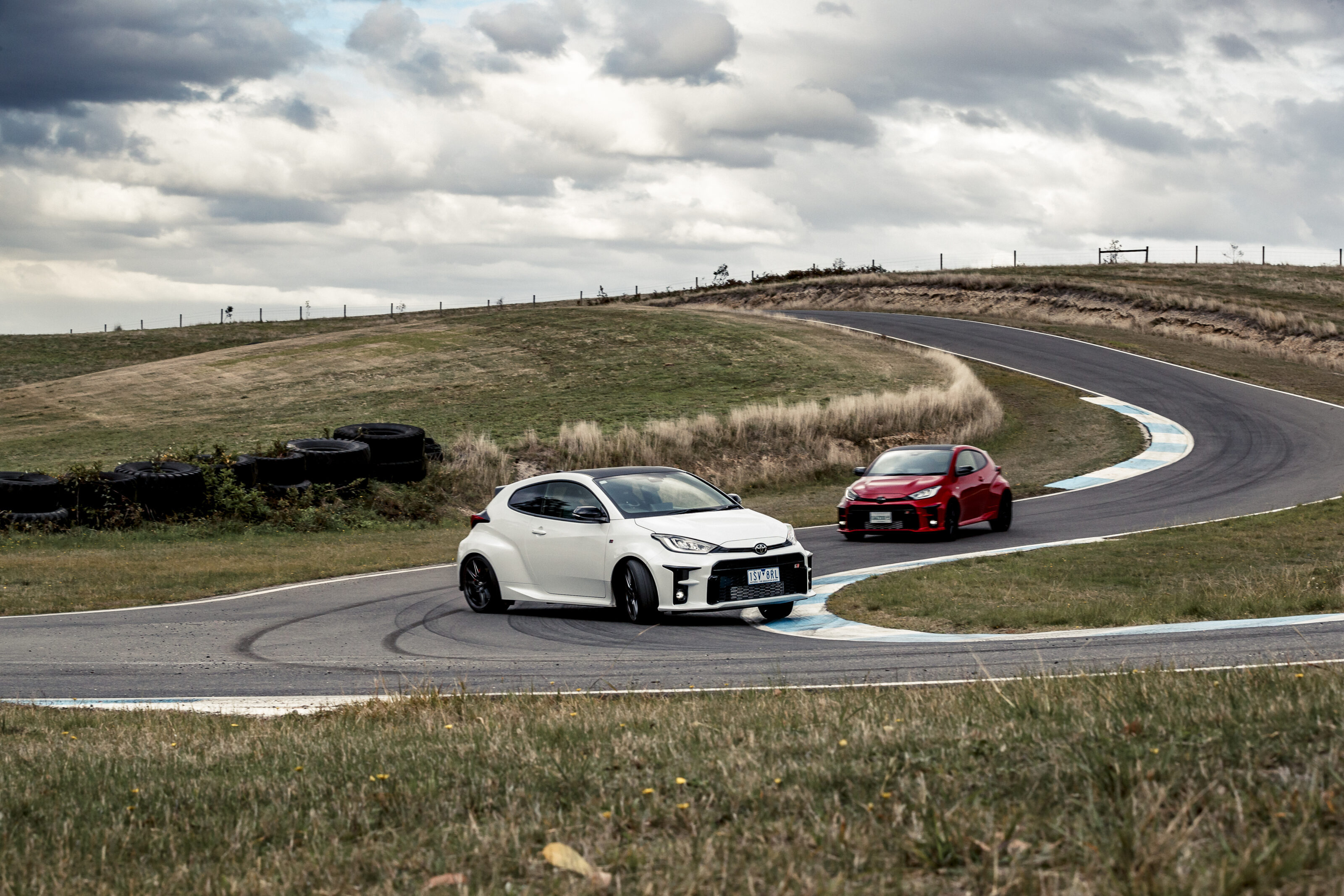
The stopwatch reveals the extent of the improvement. Whereas the standard car was a frustrating wrestle over seven or eight laps in an attempt to coax a tenth or two from the package, the Rallye immediately goes 3.1sec quicker on its first flyer, increases that to 3.2sec on its next two before a final, tidier lap nets a 1:01.8sec result for a total gain of 3.4sec.
That is massive on what is essentially a 60sec circuit and just a tenth behind the time recorded by the Mercedes-AMG A45 S earlier this year.
A look at the data makes it immediately obvious where time is being made – everywhere. In a lot of corners the actual minimum speeds aren’t a million miles apart – sometimes only two or three km/h – but whereas the standard car’s traces are a pronounced ‘U’ the Rallye’s are a nice ‘V’ courtesy of it getting in and out of corners so much more efficiently.
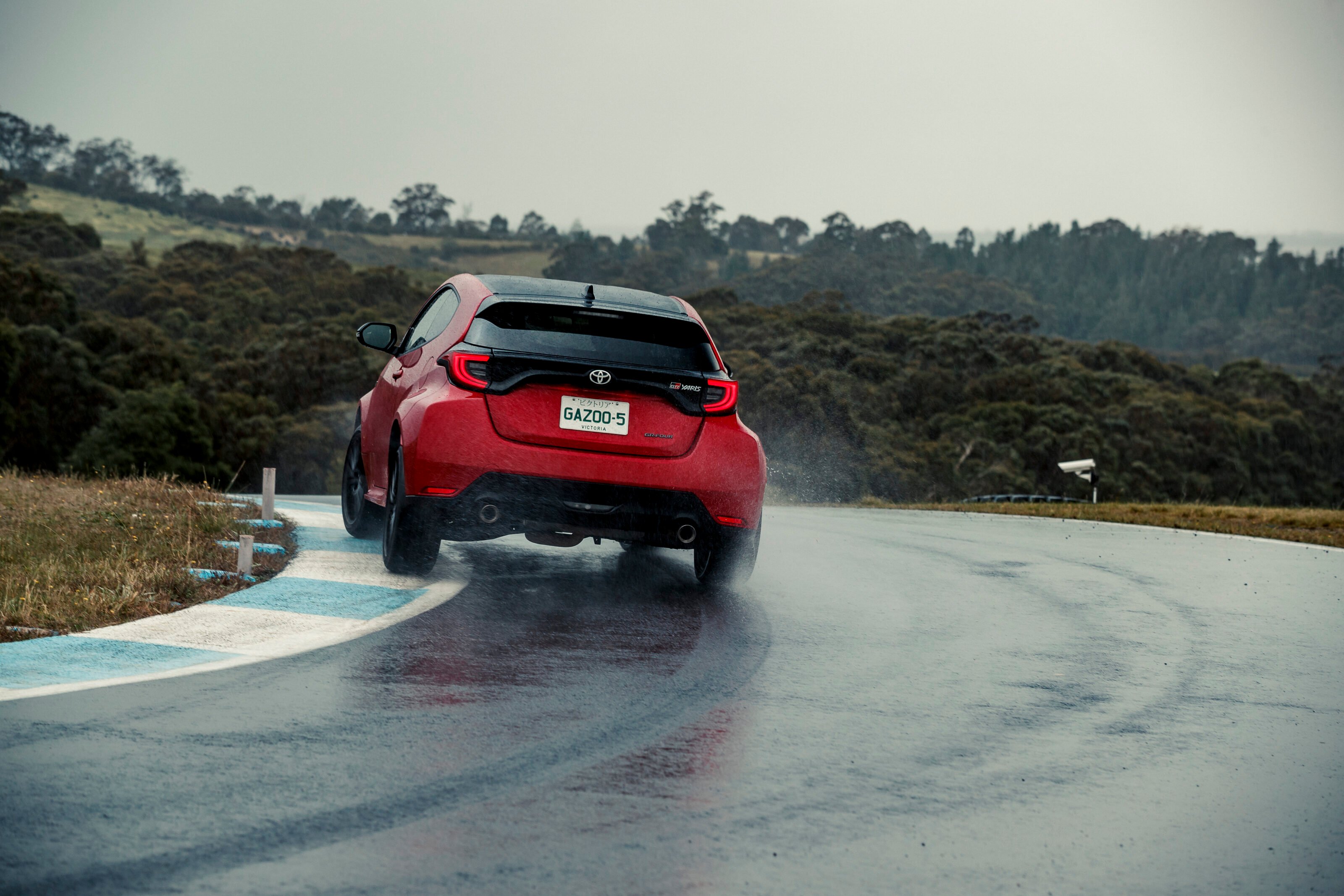
The two cars’ performances are also an object lesson to anyone who thinks adding horsepower is the key to improving lap times.
These cars have exactly the same power and torque yet the Rallye is 4.6km/h quicker on the main straight, 7.5km/h quicker on the downhill run to turn four and 6.6km/h quicker along the back straight purely because it’s accelerating much earlier and from a greater minimum speed.
At this point the main feeling is of relief that Toyota Australia changed its position and managed to secure an allocation of the more focused Rallye version, as it definitely feels like the car the GR Yaris was always meant to be.
The ‘Performance Pack’, as it was then known, wasn’t originally on the table, Toyota saying that the standard car ticked all boxes required for the local market. As this feature shows, it definitely doesn’t, but the Rallye’s markedly improved dynamics, not to mention its greater exclusivity, make the extra $5K spend a no-brainer.
It’s not perfect – the boot is tiny, rear seats heavily compromised, the driver’s seat is still too high, the interior quality is largely budget-basic and its thirst for fuel is prodigious when pushed – but it’s far from being crushed by the weight of expectation, the Rallye shrugs it off and subsequently is a car that very much calls for celebration rather than disappointment.
Lap dance
A lap of Haunted Hills comprises 15 corners and, given what we know of the lap times, the Yaris GR is 5.5% slower than its Rallye sibling.
We sampled speeds at 15 waypoints around the circuit and the Rallye was quicker in 14 of them, sometimes dramatically so.
In most of the slower corners of the circuit the gap was marked at apex.
At the descriptively titled Oh Shit!, the bottom hairpin, the Rallye’s superior turn-in saw it carrying 8.5% more speed at apex.
The steep uphill scrabble of a left-hander onto the back straight is almost perfect for bleeding drive through an open diff and here the Rallye realises a 12% speed advantage, which then levels to a 5.8% advantage at peak speed along that ascending straight.
The final corner, a long right-hand hairpin with no runoff, sees the Rallye cornering 2.9km/h (or 6.3%) quicker at apex, and hooking up better for the lunge to the line.
Snapshot
- Upgraded infotainment brings Android Auto for the first time
- Apple CarPlay now wireless, Music and Podcast apps have been added
- Command-prompted system integrated
The sixth-generation of Porsche’s infotainment systems in its 911, Cayenne and Panamera range has been given a long-overdue upgrade to support both major mobile operating systems, with Android Auto being integrated at last.
Alongside a broader update to the Porsche Communication Management system, which includes the addition of Apple Music and Podcasts as well as wireless CarPlay, Android users can now directly connect their devices to their Porsche vehicle with an identical system.
However, they are still left half a step behind Apple owners, Porsche conceding the system can only be used via USB connection, not as a wireless function like with Apple CarPlay.
Further reflecting the strong relationship with Apple, Porsche’s manager of navigation and infotainment, Martin Bayer, detailed the functionality of the system when connected to Apple Music.
“With Apple Music built-in, the driver can add a song they hear on broadcast radio to their Apple Music library or, if the driver likes a particular artist on the radio, they can switch to a custom Apple Music station which will only play the artist’s music,” said Bayer.
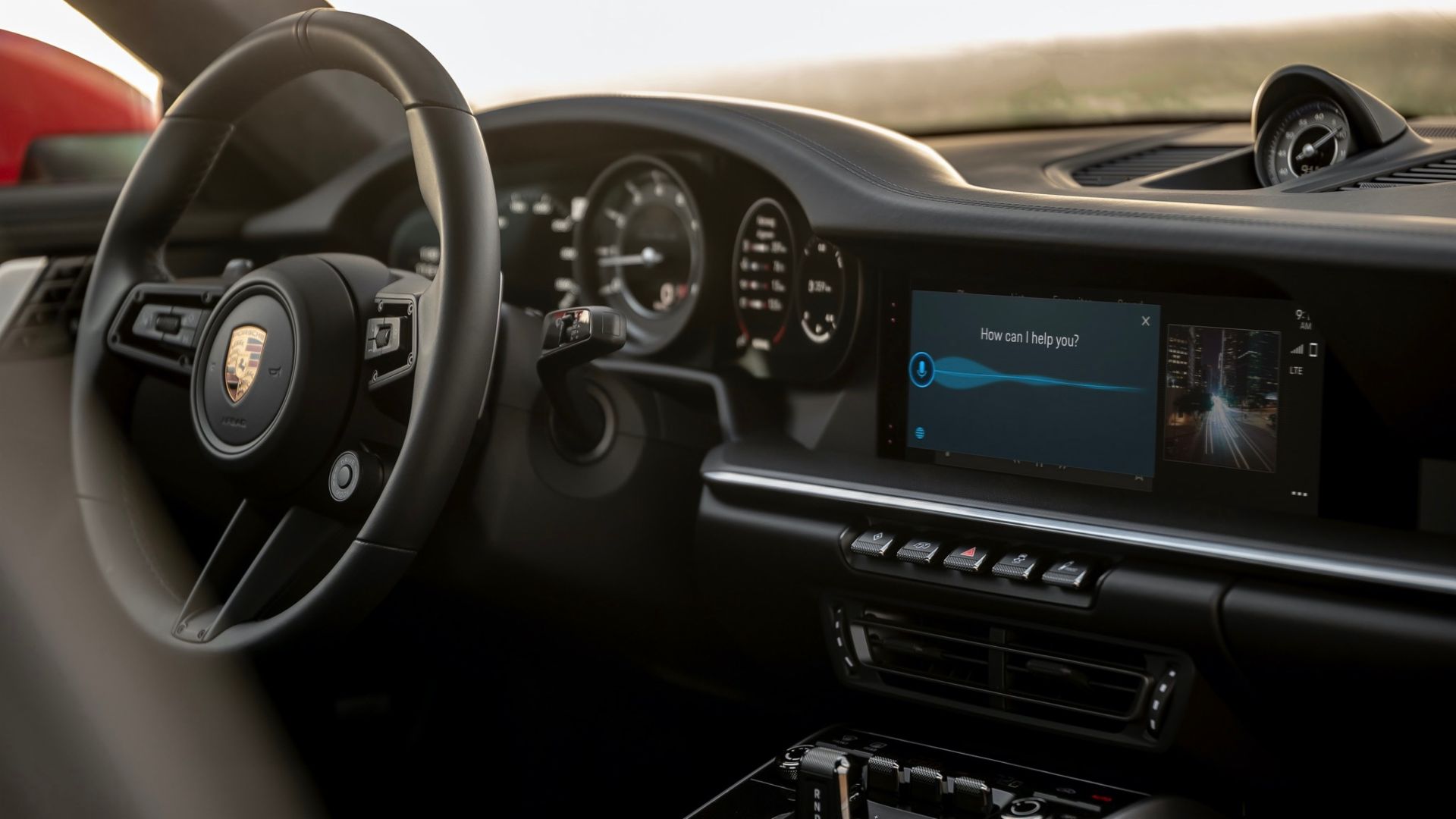
Outside of the Apple/Android features, Porsche has now fitted a system similar to Siri or Alexa. Triggered by saying “hey Porsche”, it can react to commands such as “I need petrol” to find a fuel station, or increase the cabin temperature when told “I am cold”.
A more powerful navigation system, with better real-time driving data, interactive manuals and calendar entries, also features in the new PCM, set to be rolled out over the next few months in new Porsche models.
Snapshot
- Stamp duty waived, rebates announced on EVs
- $171 million investment in EV chargers
- EV road user tax coming in 2027
The New South Wales government has introduced Australia’s most ambitious electric vehicle plan, announcing it will waive stamp duty on many EVs, offer a $3000 rebate on some, and deliver $171 million in charging infrastructure across the state.
Announced as part of the next NSW state budget, today’s news amounts to a $490 million investment – nearly five times the size of that revealed by Victoria’s Andrews Government in May.
Although welcome, the announcement comes with a catch that will sound familiar to Victorians: a road user tax, applying to owners of full-electric and plug-in hybrid electric vehicle vehicles, will come into play later this decade.
There’s more good news than bad, however, particularly in the short term.
From September 1, New South Wales motorists buying an electric vehicle priced below $78,000 will have stamp duty waived (a saving of up to $3000).
Also from September 1, the first 25,000 buying an EV priced below $68,750 will also benefit from a $3000 rebate.
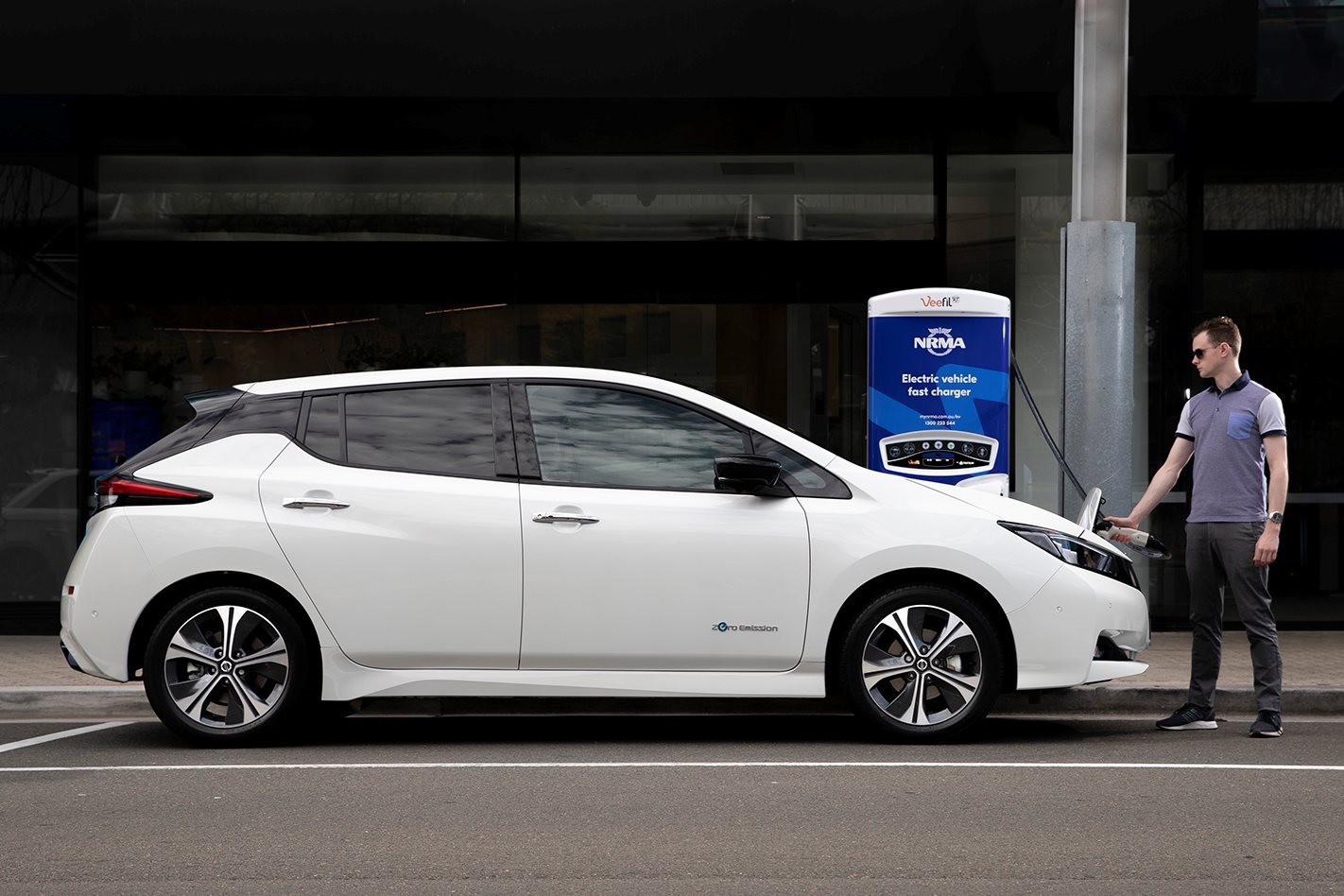
The Berejiklian government’s $171 million investment in charging infrastructure will include $131 million on “ultra-fast” chargers – likely 350kW units, capable of adding up to 400 kilometres of driving range in 15 minutes – along with $20m in grants for destination chargers and a further $20m for chargers at Transport NSW public transport hubs.
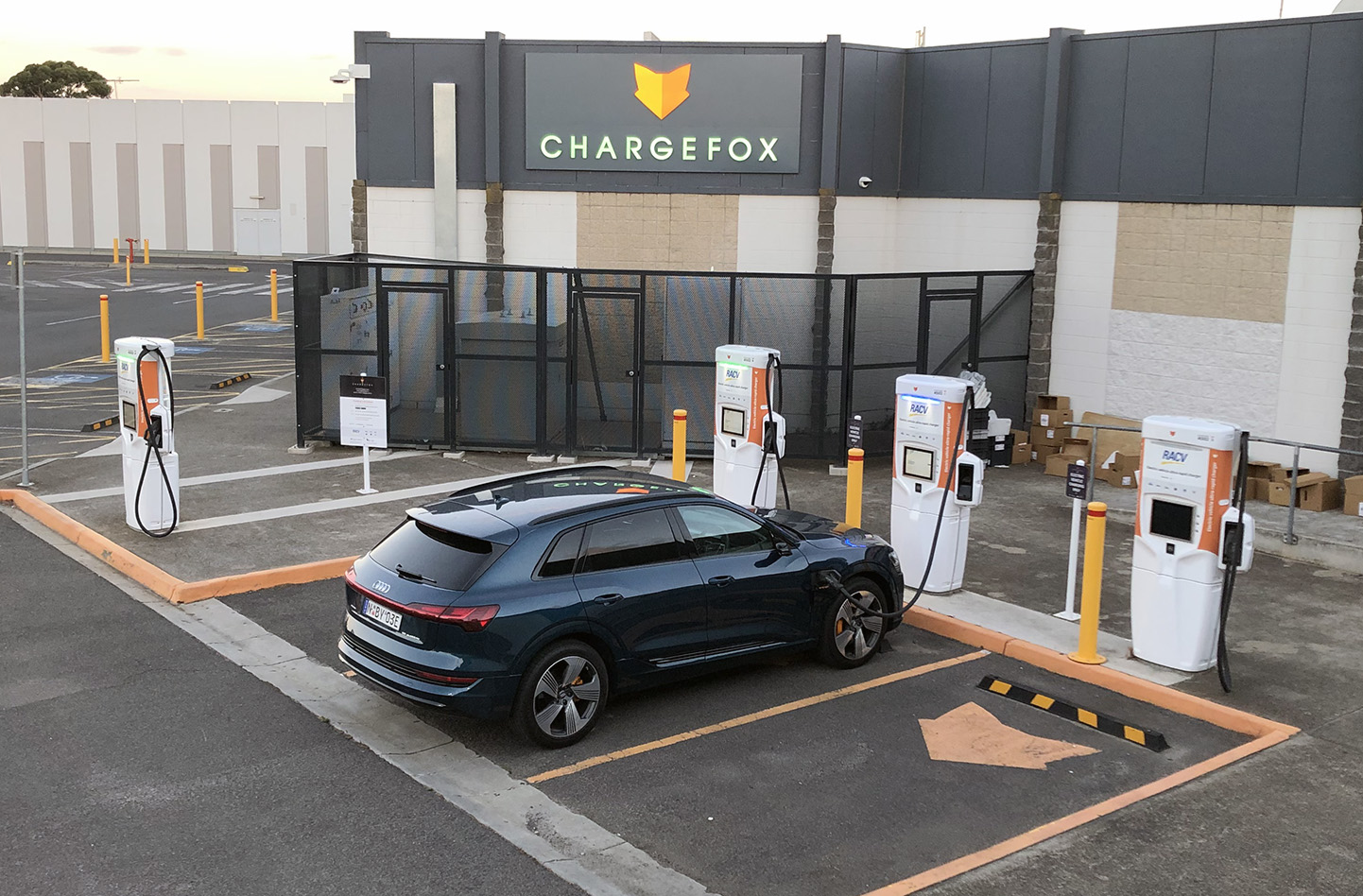
The promises continue, with the state government aiming to ensure public chargers can be found within 5 kilometres of households with limited off-street parking, while major highways will have chargers located at 100km intervals.
The state’s T2 and T3 road lanes will also be available to EV drivers during peak travel times.
The incentives package forms part of the NSW Government’s commitment to reaching net zero emissions by 2050.
“We know that with new cars staying on the road 15 years on average, the vast majority of new cars sold in NSW need to be EVs by 2035 to achieve net zero emissions by 2050,” NSW Energy and environment minister Matt Kean said.
“Our aim is to increase EV sales to more than 50 per cent of new cars sold in NSW by 2030 and for EVs to be the vast majority of new cars sold in the state by 2035.”
The government has forecast that new electric vehicle sales will reach 52 per cent by 2030-31.
Victoria’s state government hopes its incentives program – which offered 20,000 $3000 subsidies from May 2 on vehicles priced below $69,000 – will also get the state’s new car sales to 50 per cent EV by 2030.
Victoria’s plan:
- State Government aiming for 50 per cent EVs in next nine years
- 20,000 subsidies available on vehicles up to the value of $69,000
- $19million to be spent on charging stations
- There are currently 7,000 EVs on Vic roads, but 300,000 new cars sold every year READ MORE here on Vic plan
NSW EV road user tax coming in 2027
To help cover the cost of its program and recoup revenue lost to falling fuel excise income, the NSW government will tax EV owners 2.5 cents per kilometre and PHEV owners 2c/km from either July 1, 2027, or when EVs make up 30 per cent of all new car sales in the state.
Crucially, the road user tax will replace stamp duty for EV and PHEV owners.
Victoria’s EV road user tax will be charged at the same rate, but comes into effect much sooner – July 1, 2021.
Industry applauds NSW EV strategy
While Victoria’s electric vehicle strategy has been dubbed the “worst electric vehicle policy in the world” by brands and climate organisations (although this was said in response to the road user tax and before the $3000 subsidy was announced), today’s news has brought universal praise.
Volkswagen Group Australia, whose leadership has been outspoken on the nation’s poor fuel quality and underwhelming climate strategy and EV incentives, described the NSW government’s plan as the “model to drive Australia out of the automotive third world”.
Responding to the news today, VGA boss Michael Bartsch said: “The Berejiklian Government has shown its federal colleagues and its counterpart in Victoria the way to bring about mass ownership of affordable Electric Vehicles.
“In terms of his targets for private ownership and fleet take up of EVs, there is no faulting Mr Kean’s ambition.”
The Volkswagen Group’s local arm has previously said its new electric models, such as the Volkswagen ID.3 hatch and ID.4 SUV, and the Skoda Enyaq SUV, are currently not in the local launch schedule and may not even be an option for our market before 2023.
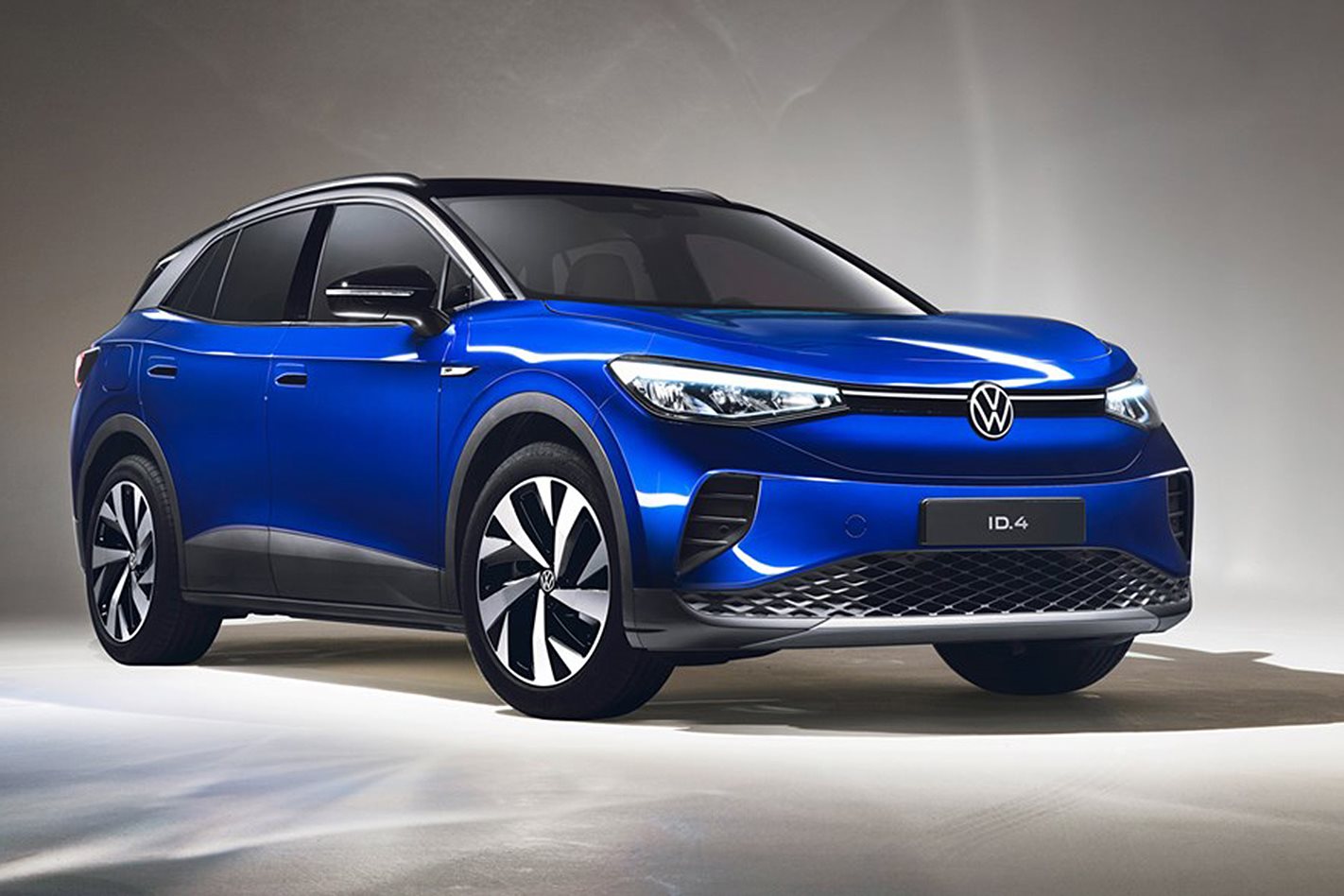
The news may not bring new electric Volkswagen and Skoda models to Australia any sooner, however – with Bartsch pointing to a disparity between European and Australia CO2 targets, and the absence of a free trade agreement as enjoyed by brands headquartered in other regions, as ongoing obstacles to bringing its most advanced models here.
“Europe’s mandatory carbon targets, enforced by severe penalties, will ensure that those markets continue to be the first in line for zero emission vehicles,” Bartsch said, adding that the demand for electrified VW models in Europe has begun “to exceed supply”.
“Volkswagen is further disadvantaged by being the only top 10 selling brand in Australia that remains subject to a tariff designed to protect local manufacturing that ceased in 2017. The other mass-market brands benefit from free trade agreements.
“While the federal government has resolved to address Australia’s third world fuel quality, until it and the other state governments emulate the vision of NSW, our country will remain a dumping ground for technology that cannot be sold in advanced countries.”
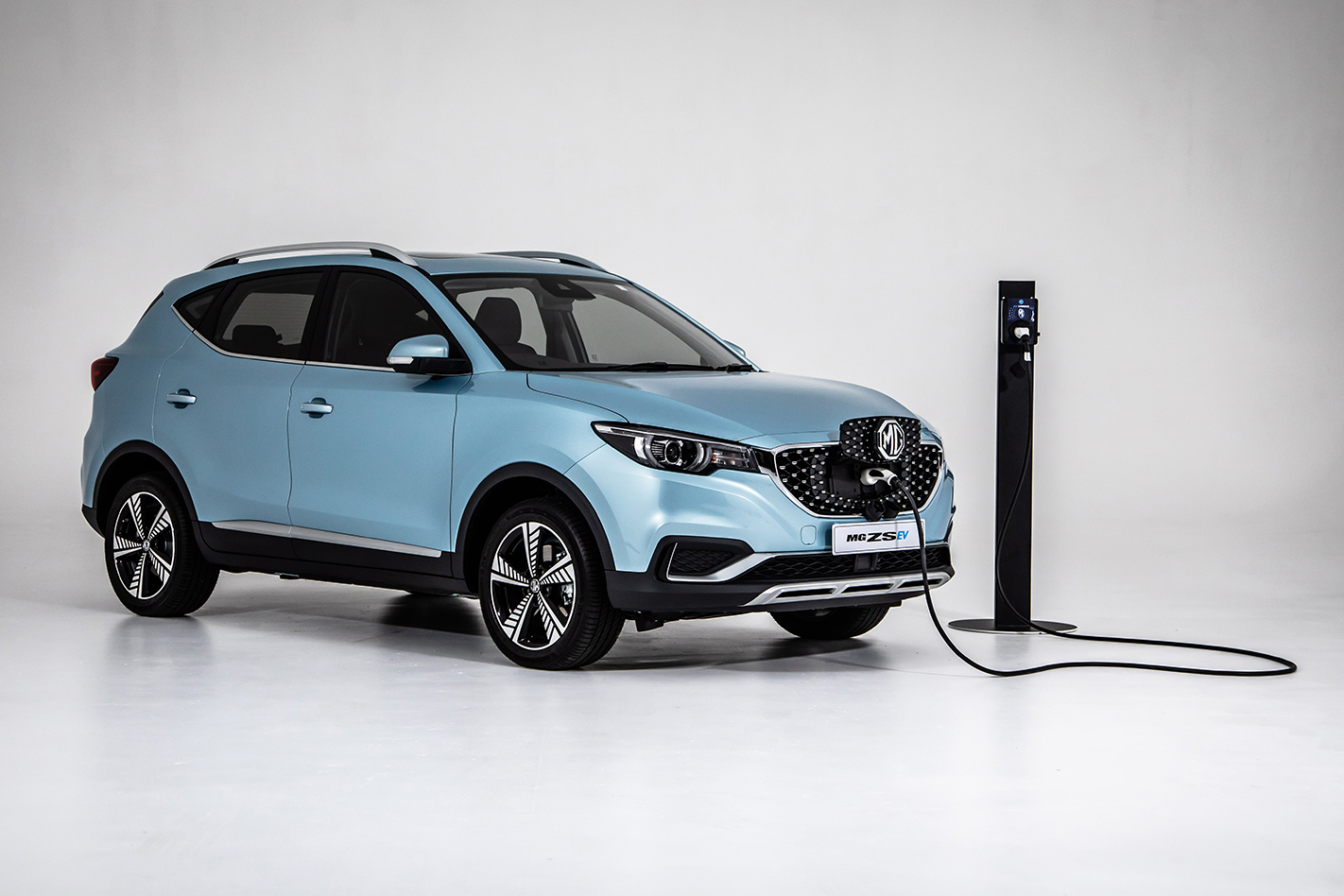
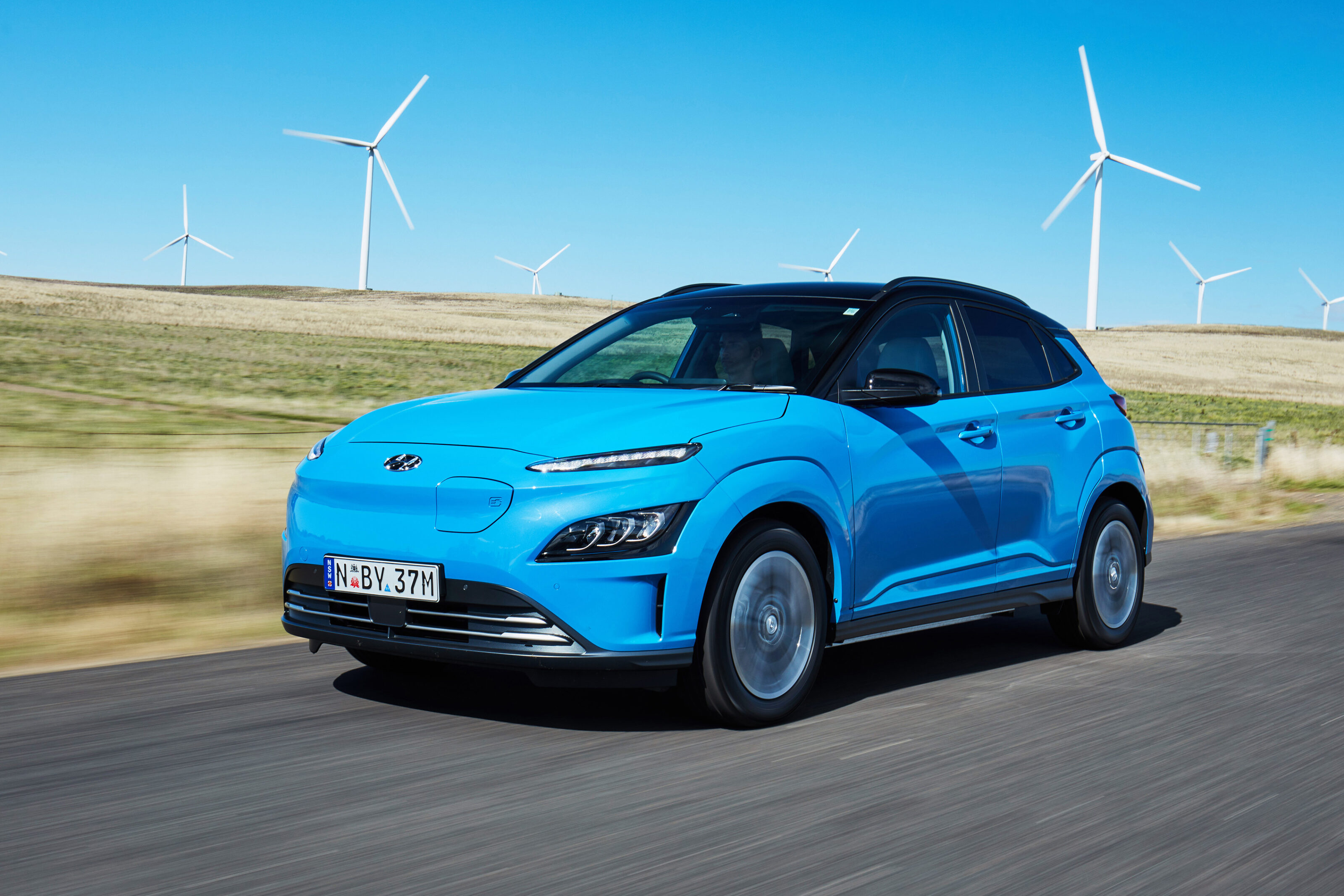
In the meantime, buyers keen on affordable EVs can look to brands like Nissan and Hyundai, along with new entrants in the form of the MG ZS EV and MG HS PHEV.
The massively popular Nissan Leaf is now into its second generation here, and the company’s Ariya electric SUV is on the local arm’s radar.
Likewise, Hyundai is rapidly growing its local electrification offering. The brand already offers the Kona EV, Ioniq EV and Ioniq PHEV (along with an Ioniq Hybrid) and will soon launch its new mid-sized Ioniq 5 electric crossover, congratulated the NSW state government.
“The New South Wales Government’s stated ambition is to make NSW the easiest state in Australia to buy and drive an Electric Vehicle. This strategy goes a long way to making that a reality. We congratulate the State Government and recognise New South Wales as now setting the pace for the rest of Australia,” said Hyundai Australia COO, John Kett.
“Significant investment in the charging network, in both urban and regional areas, is a welcome initiative. Highly developed infrastructure provides confidence to customers and removes uncertainty around being able to charge EVs away from home.
“Providing stimulus for improving low EV adoption rates in Australia, by offering tax relief and purchase incentives for customers, is another encouraging step. We’ve seen government incentives stimulate adoption rates in advanced markets overseas and the NSW EV Strategy is at world best-practice levels in that regard,” Kett added.
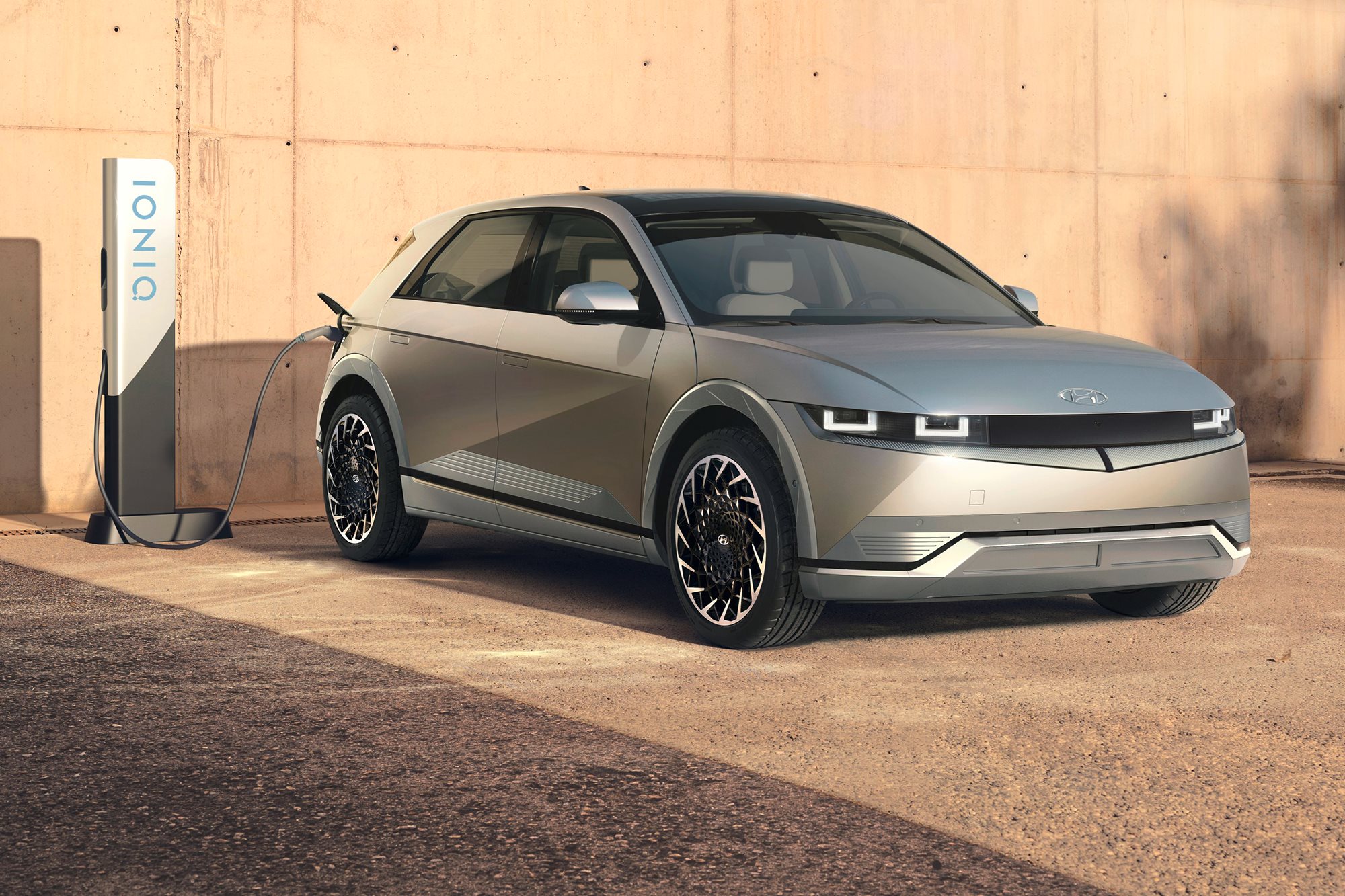
Although a relative newcomer to Australia’s top-seller list, Hyundai has been aggressive in its electrification strategy both here and globally.
The Hyundai Motor Group – which includes Genesis and Kia – has announced it will launch 44 electrified (EV and PHEV) models by 2025, and Hyundai plans to “introduce every one” of the Hyundai and Genesis-branded models here.
The Ioniq 5 will go on sale in Australia later this year, with the upcoming Ioniq 6 sports sedan and Ioniq 7 large SUV set to follow.
The Genesis G80 Electric is due here in 2022, and the not-yet-revealed Genesis GV60 will follow.
Kia recently launched its Niro EV, PHEV and hybrid models here, and the company’s fast new EV6 will arrive in 2022.
Nissan, a pioneer and stalwart of the Australian electric vehicle scene, has described today’s news as “extremely encouraging”.
“These decisive actions are good for consumers, good for the market and ultimately good for the (NSW) State’s own legislated net zero targets,” said Nissan Australia boss, Stephen Lester.
“These types of policies not only accelerate the EV transition right now, but also put Australia in a stronger place for priority adoption of new vehicle technologies, sooner.
“Additionally, with the announced transition targets for its own fleet, the NSW market will see greater EV update because of government purchases, but also will ultimately benefit customers by providing a vibrant second-hand EV market in the years to come,” he added.
To Nissan’s credit, the Japanese company maintains an important manufacturing operation in Australia, with its Nissan Casting Australia business producing two die-cast aluminium parts that are then exported to Japan to be fitted into every Leaf EV made.
News of that program was first revealed in 2015, and it remains a critical part of the car maker’s global production operation. You can read about it here.
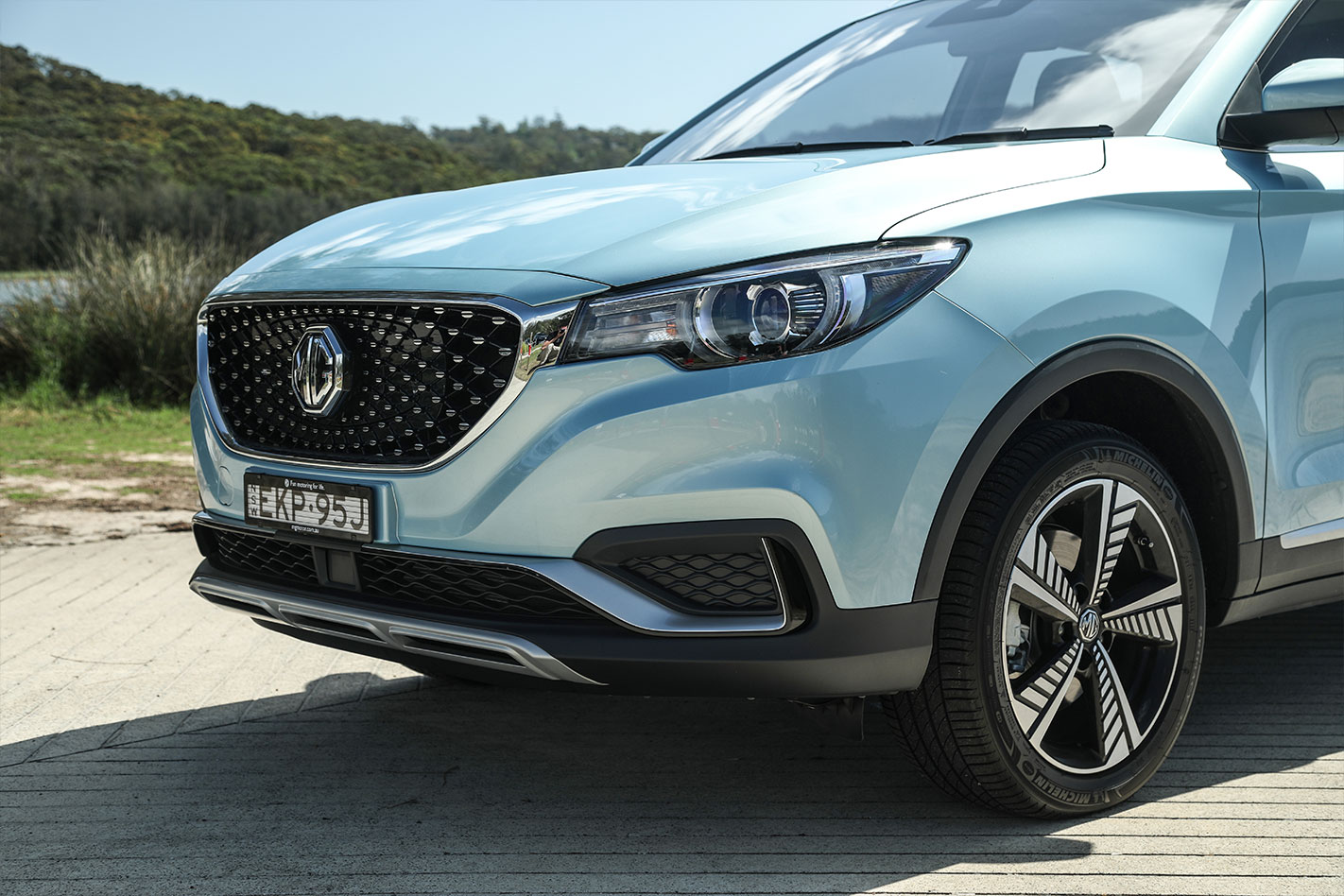
Another brand focused on the affordable EV space is MG, offering its small ZS EV and mid-sized HS PHEV.
Peter Ciao, the brand’s CEO for Australia and New Zealand (the latter recently announcing its own huge EV strategy), said the NSW Government’s plan is a “vital and welcome initiative”.
“At MG, we believe in Electric For Everyone, and this government subsidy program will give many more people the chance to experience the benefits of electric motoring for themselves,” Ciao said.
“We look forward to offering our support to the Minister for Energy and Environment’s office, as MG accelerates its own plans to support infrastructure roll-out in NSW and across Australia.”
For more on Australia’s growing electric vehicle market, see our coverage at the links below.
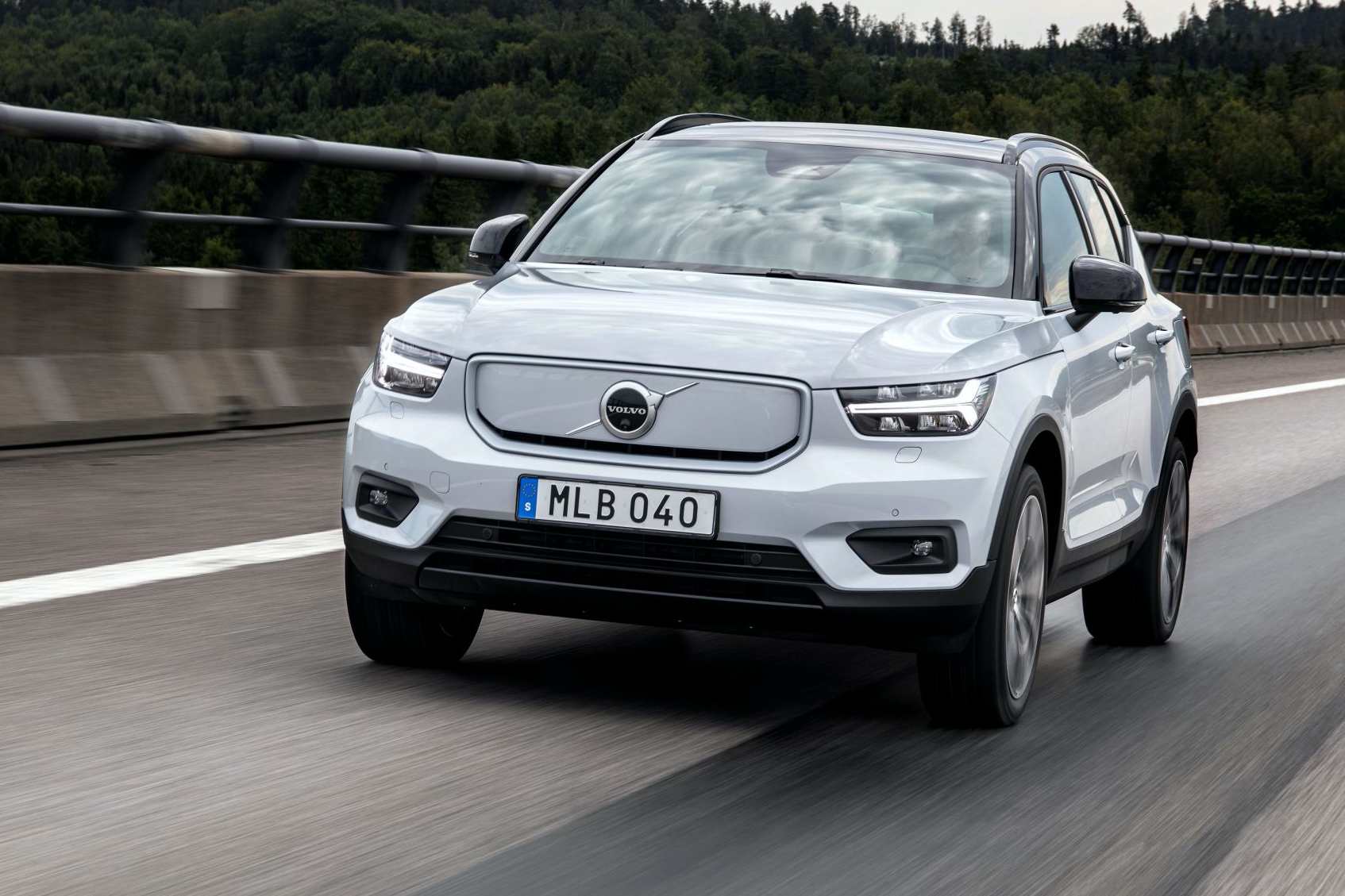
June 22: Swedish brand Volvo has joined the chorus of praise for NSW, urging the federal and other state governments to follow.
“Volvo applauds the NSW Government’s electric vehicle reform package. It is a significant step in the right direction to increase penetration of electric vehicles in Australia, which is lagging the rest of the developed world on uptake,” said Volvo Car Australia boss Stephen Connor.
The company has previously confirmed that from 2030, it will only offer electric cars, putting a very real imperative on the need for infrastructure and market support in Australia.
“This will allow us to meet the expectations of our customers and be a part of the solution when it comes to fighting climate change. Other car makers have announced similar plans,” Connor said.
“We urge the federal government, and other states and territories, to recognise this reality, and fast track their electric vehicle strategies. This is crucial to ensure Australia does not lag behind the global car market which is responding to the seismic technological change that is underway.”
Volvo’s all-electric XC40 Recharge Pure Electric will go on sale in Australia in August, priced from $76,990 – making it an obvious contender for the NSW government’s incentives program.
From July 2021, the brand’s wider range will be exclusively electric, mild-hybrid or plug-in hybrid.
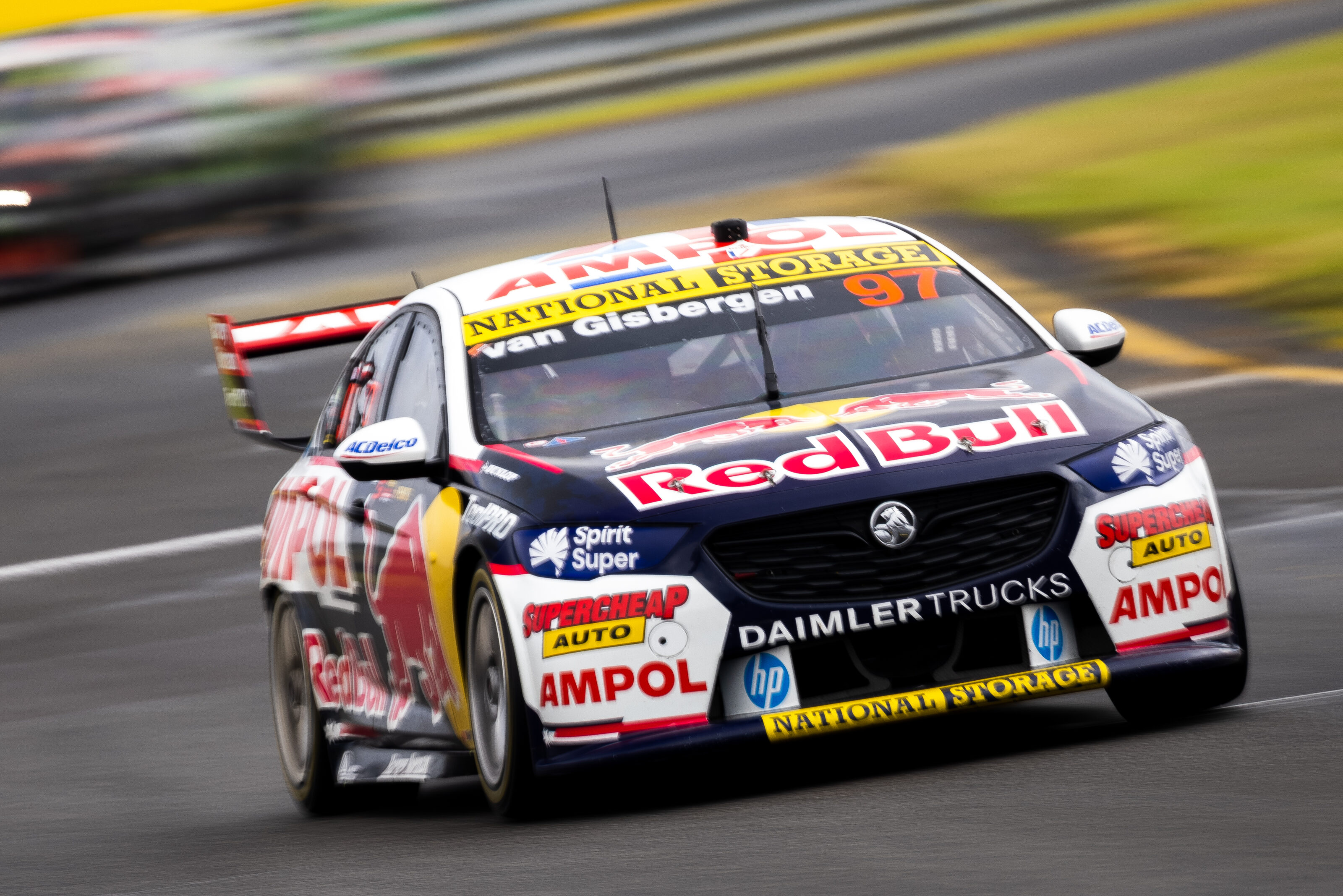
Shane van Gisbergen put in one of Supercars’ greatest ever drives at the second round of the championship at Sandown earlier this year. While his heroic charge from 17th to 1st (a record-breaking run for the historic venue) was impressive in its own right, what made SVG’s efforts truly noteworthy was that he wasn’t at full health. Far from it actually with a recently broken collarbone and a trio of broken ribs, which were undiagnosed at the time.
Ahead of the race weekend, SVG estimated he was only “80 per cent ready” and there remained doubts that he’d even drive right up until he ultimately did.
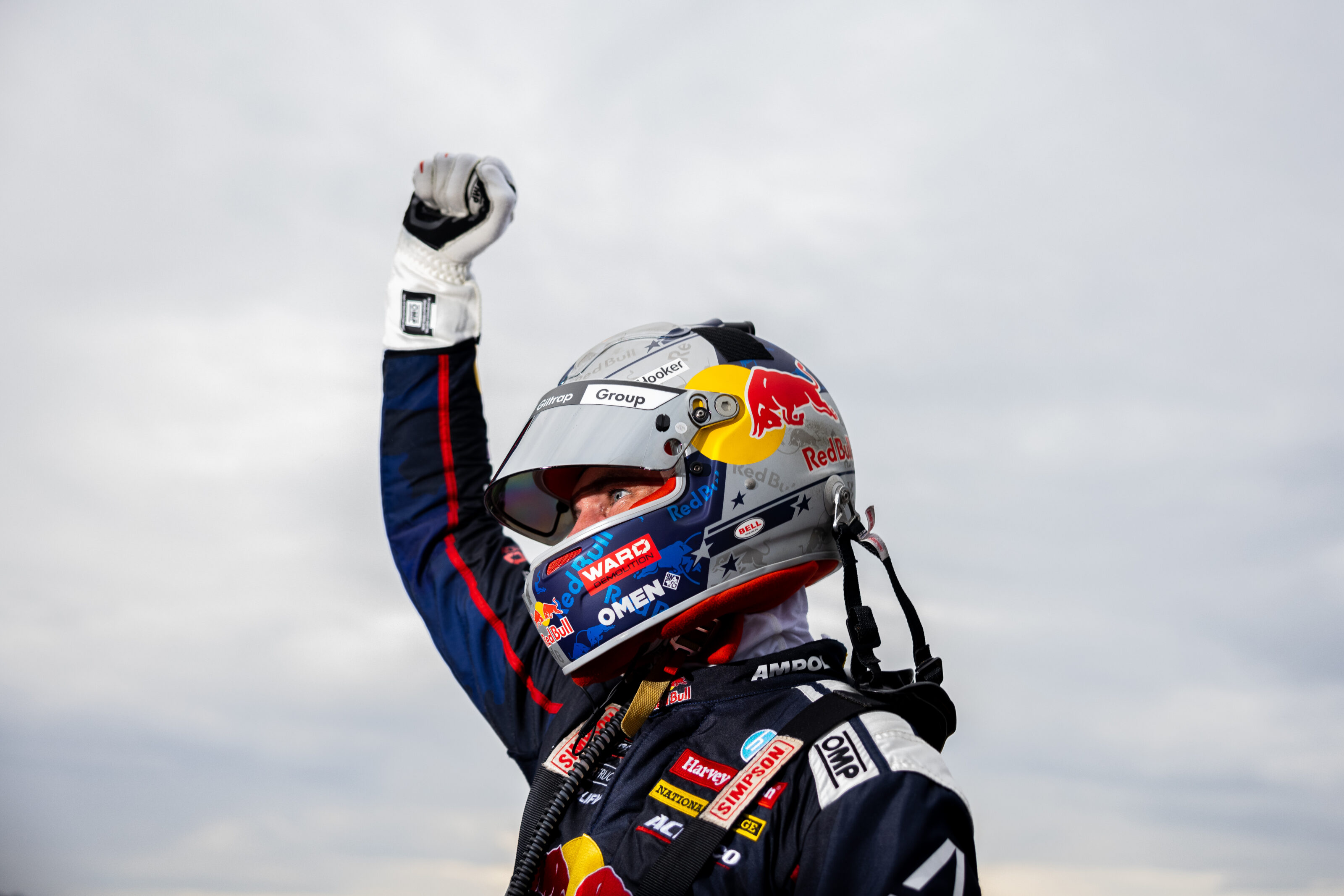
The tally of racing careers cut short by injury is long. On the flip side, the list of those who suffer a painful physical setback, only to return to victory lane, is relatively short.
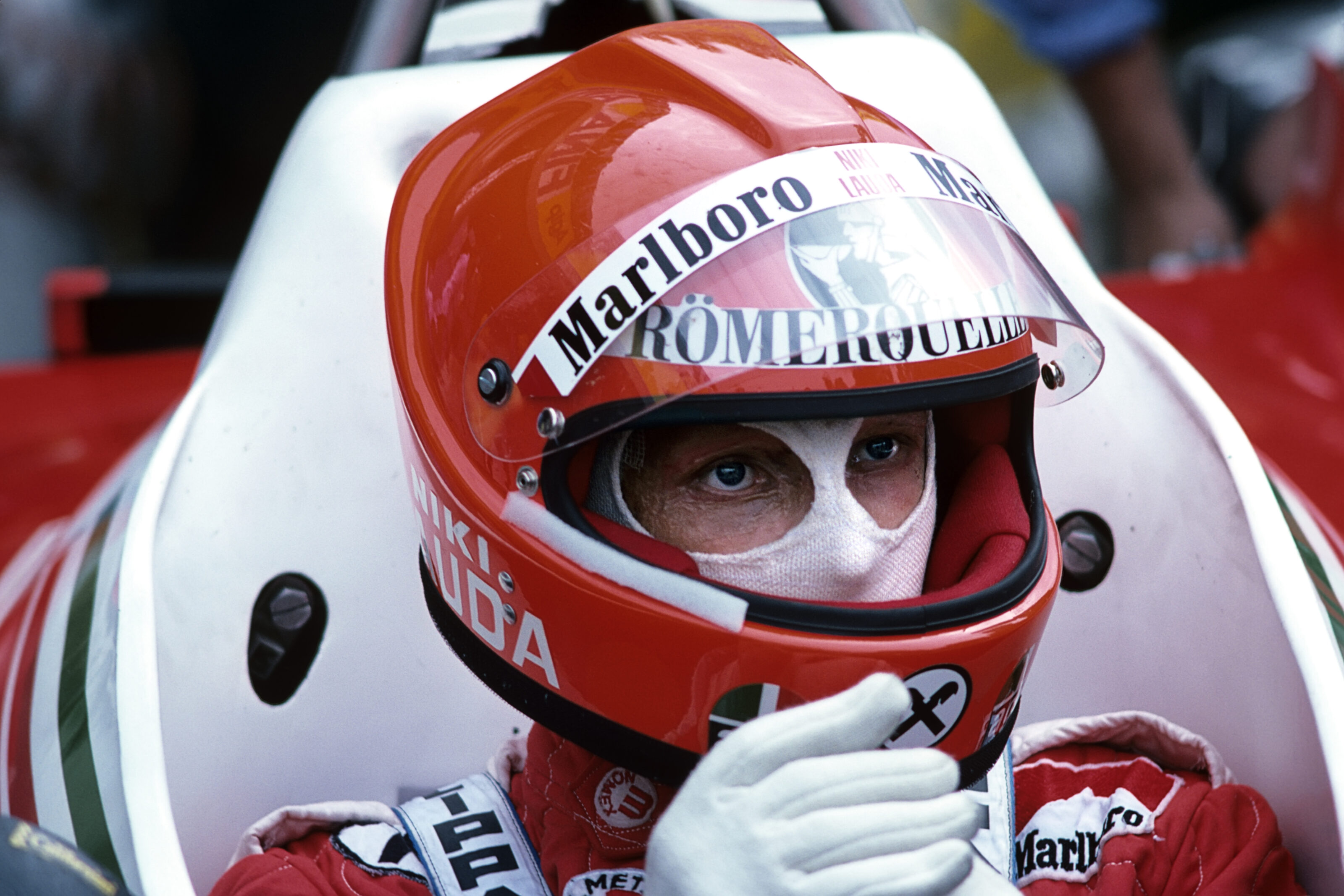
The most legendary tale of motorsport recovery has to be Niki Lauda who spent just six weeks healing from his horrific 1976 Nurburgring crash (which included having his lungs vacuumed)before returning to the track at Monza. The mental scars of his crash meant the Austrian completed just a single lap in practice, but nevertheless he persisted. Having competed the full grand prix, Lauda was seen in pit lane peeling blood soaked bandages from his scalp. He would famously win the championship in ’77, and claimed victory in a further 13 grand prix.
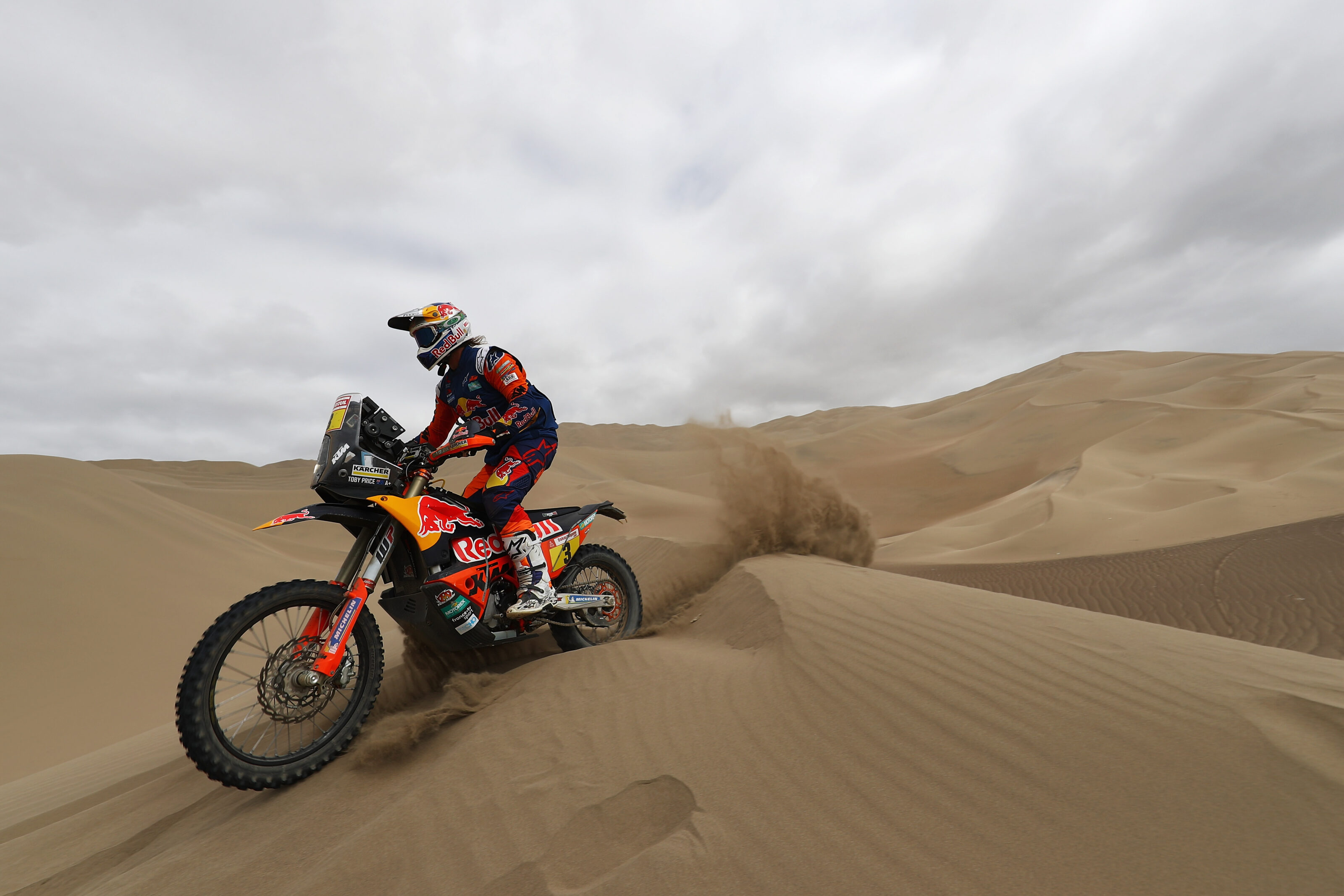
For some unbelievable efforts while injured we need to also pay tribute to those who compete on two wheels. Only a few days before Aussie legend Toby Price was set to compete in the 2015 Finke Desert Race on a motorbike, his boot was impaled by a large stick, breaking his right ankle along with several bones in his foot.
Before the pain set in, Price grabbed the stick, removed it and then kept the injuries secret in order to prevent anyone stopping him from competing. He’d go on to win both days of that year’s race, averaging in excess of 120km/h across 450km of the toughest roads in the Outback. Four years later Price would take victory in the 2019 Dakar after breaking the scaphoid in his right wrist a month ahead of starting the world’s toughest race.
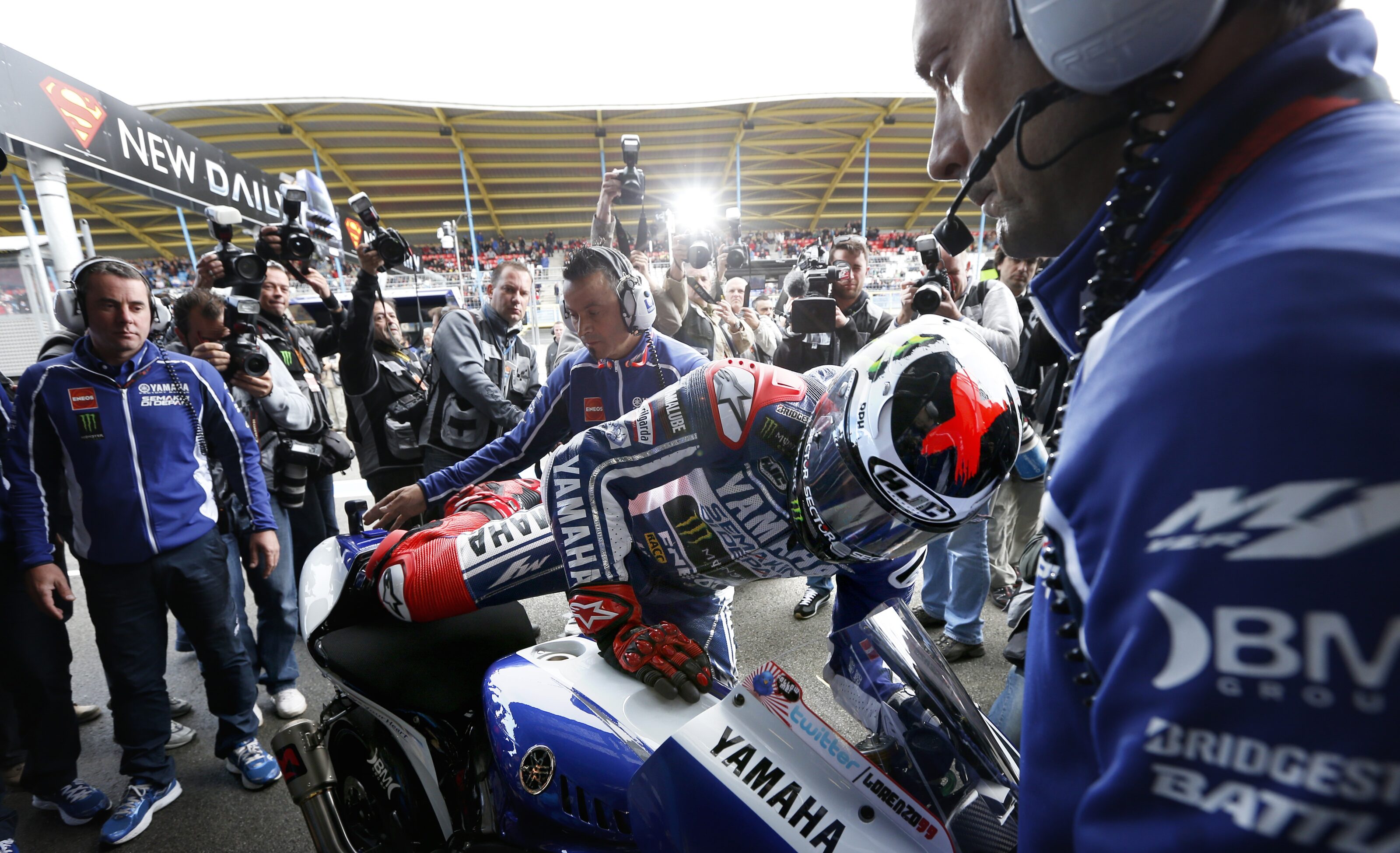
Jorge Lorenzo’s injury-to-recovery story is the shortest here. During a soaked practice session for the 2013 Dutch round of MotoGP, the Spaniard hit standing water at more than 200km/h, breaking his left collarbone – which had also been snapped before, in 2005. Sustaining the injury on a Thursday, Lorenzo flew to Spain, had surgery in the early hours of Friday, returned to the Netherlands Friday afternoon, and then completed the full race on Saturday, taming his 185kW/160kg Yamaha to place fifth. Lorenzo would finish runner-up in the championship that year, before winning his final premier class title in 2015.
On the other end of the spectrum (and back on four wheels), Tiago Monteiro spent 1034 days waiting for another victory after one of the biggest crashes never seen in touring car history. On the last day of a three day test at the Catalunya circuit in Spain in September 2016, Monteiro’s Honda WTCC suffered a catastrophic brake failure, hitting the turn 1 wall at 255km/h. Monteiro was knocked unconscious for six hours, suffered compressed nerves, broke three ribs, ripped his bicep from the bone, and snapped the muscles that control eye movement. He was leading the WTCC standings at the time of his crash, but it took more than two years before he could even sit in a race car again. Footage of Monteiro’s shunt has never been released, resulting in his remarkable recovery being overlooked by many.
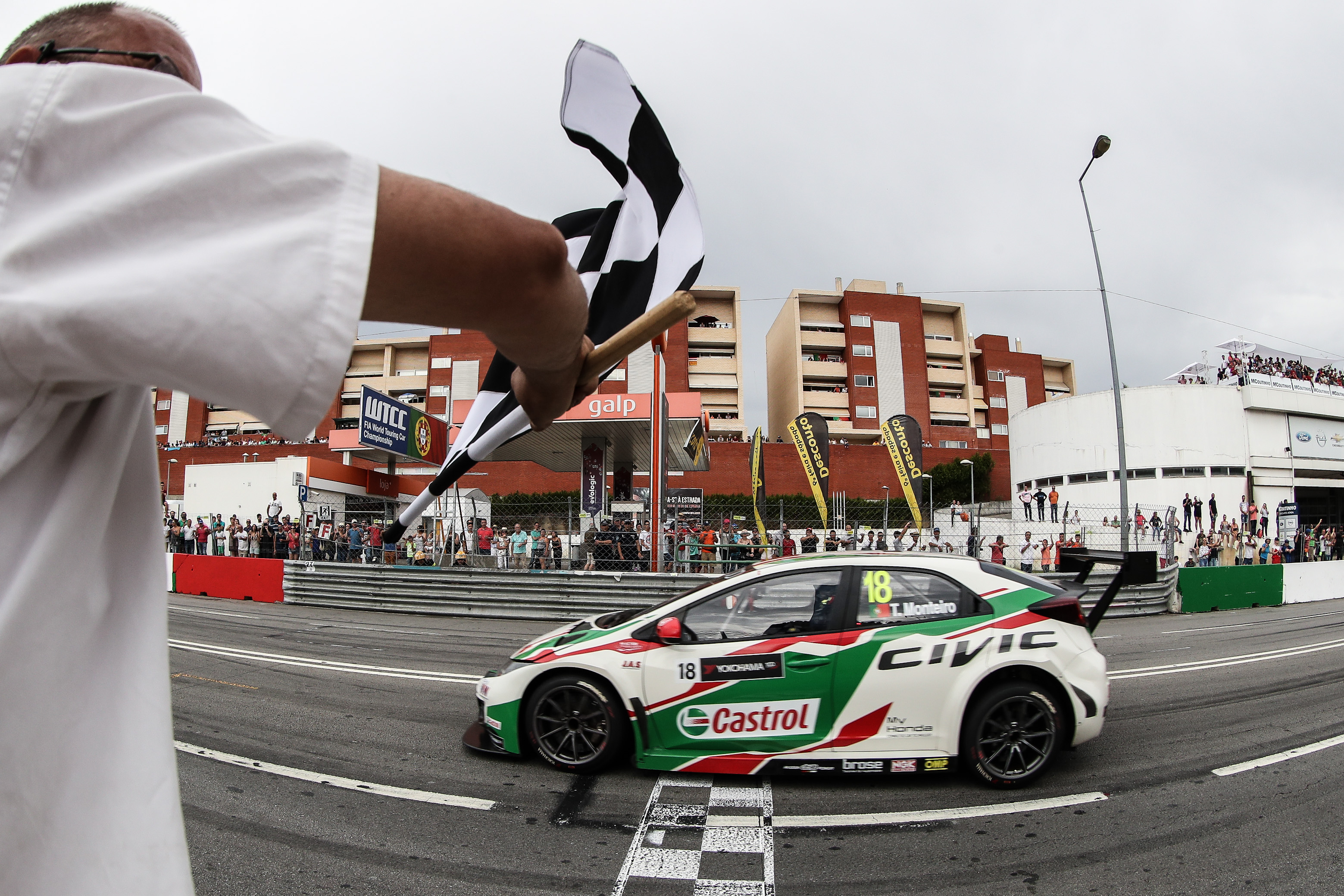
Now, there are some punters who think they could become a racing driver if given the right opportunity. But these stories are proof that there’s more to being a motorsport professional than simple skill, with the very best possessing a deep well of mental and physical fortitude to pull from.
You might think you are fast, but are you willing to smash a Supercar over meaty kerbs and risk breaking bolts that have been freshly screwed into your bones? Would you be able to strap yourself into a machine that just six weeks prior had been engulfed in flames? Could you squash any doubt and brake later than everyone else after pressing that pedal once before and getting no response? If not, this game might not be for you.
Snapshot
- Claimed range up to 510km, 400+ in the real world
- Comfortable, effortless, serene progress much of the time
- Hot vRS model to follow
The new all-electric Skoda Enyaq range was revealed in September 2020, but an Australian plan for this new EV remains… well, not ‘off the table’, but elusive.
The Volkswagen group’s Australian arm has previously confirmed it has no specific plans to offer the Enyaq here, and that if it does launch, it wouldn’t be until 2022 or even 2023.
Speaking with Wheels recently, a Volkswagen Group Australia spokesperson said: “Enyaq at this stage is not on our radar officially, but it is something that we would be very keen on offering if it became available for our market.”
“As you probably know, our problem is production, which currently prioritises markets with emissions targets and Governments that aren’t hostile towards the technology.”
The Volkswagen ID.4 is expected to be the first of the carmaker’s electric vehicles to reach Australia, but even that compelling family EV isn’t expected to get here before 2023.
None of this is especially encouraging, but just in case you’re wondering what to buy in a few years, we’ve tapped our mates at the UK’s Car Magazine for a rundown on how the Enyaq goes.
Read on.
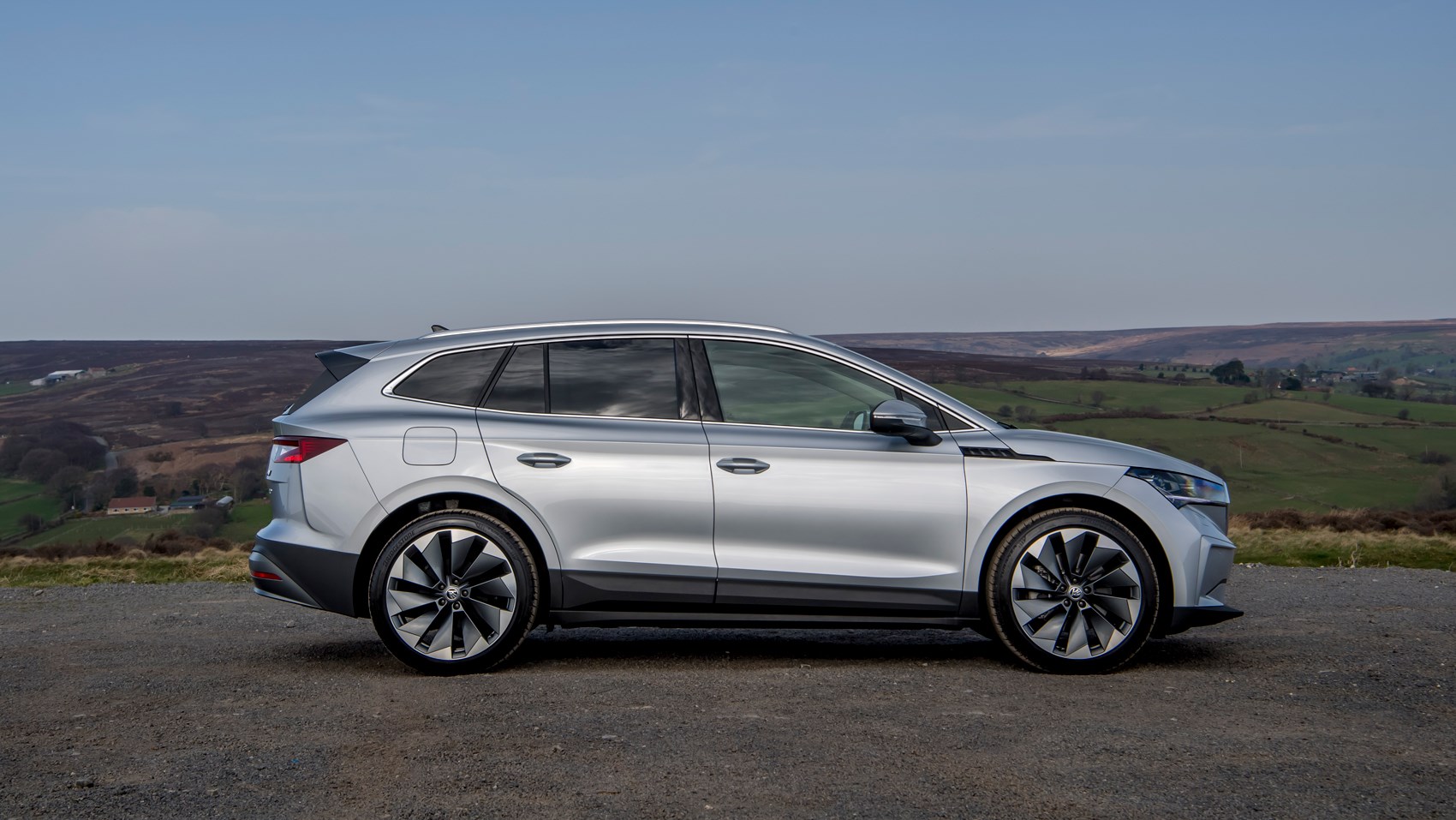
2021 Skoda Enyaq iV review
Keith Adams: After what feels like an eternal build-up, we’ve finally driven the Skoda Enyaq iV in right-hand drive form on UK roads.
The new mid-sized electric SUV promises to be all things to all people, with two battery and motor combinations, and a starting price that squeaks in under the British government’s £35,000 ($A65,083) cut-off for the Plug-in Car Grant.
And this is a big deal for Skoda, with European dealers already reporting significant demand from Superb and Kodiaq owners looking to go electric for the first time.
Be in no doubt, this is possibly the most important car in the Czech brand’s history since it became part of the VW Group – not only does it define Skoda’s future EV strategy, but it makes a huge statement of intent about where it sits in the overall Volkswagen hierarchy.
Skoda’s most recent products have felt pretty much on a level pegging with Volkswagen – you can’t even slide a cigarette paper between the Octavia and the Golf these days – and, if anything, the Enyaq iV looks more impressive than its platform-sharing cousin, the VW ID.4.
Whereas the German car sports an industrial design with a minimalist interior, Skoda’s effort is more welcoming inside and effortlessly conservative on the outside.
What’s it like to drive?
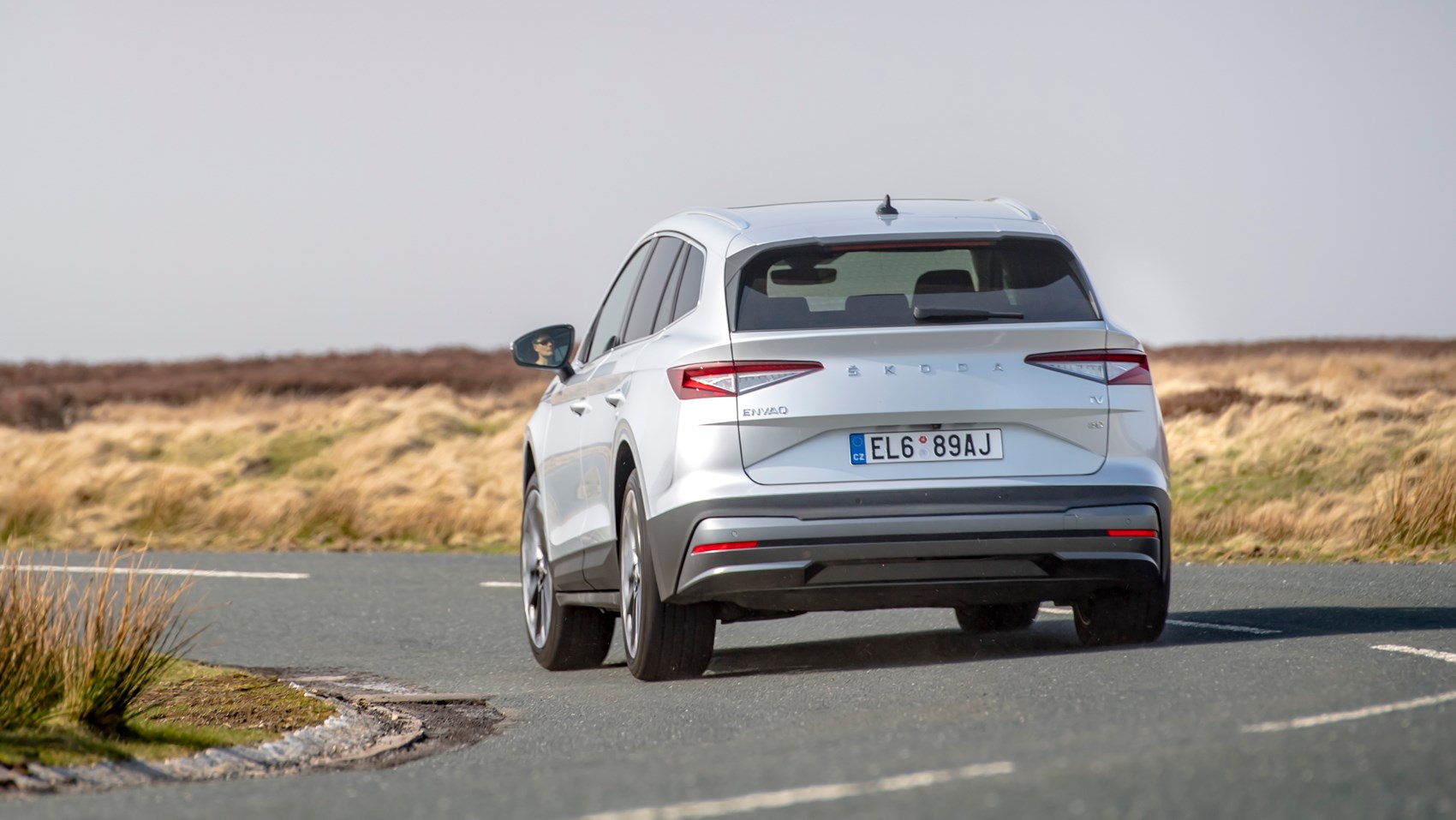
What’s impressive is how polished the Enyaq iV feels. After a prototype drive back in 2019 we concluded that it felt like it could easily have been the firm’s second generation of bespoke electric car, not its first (discounting the Citigo). That early impression was on the money, only moreso with the final development completed.
We’ve driven the Enyaq iV in both entry-level 60 form as well as the longer-range 80 EcoSuite form, which starts at £39,925 ($A73,100).
Cleverly, Skoda has priced all of its Enyaq 60 models at less than £35,000 (before options), which clearly shows it’s serious about getting its new EV into as many hands as possible. And if you’re looking for comfortable, refined and spacious, the Enyaq iV will fit the bill, as it feels very sorted indeed.
Whereas the German car sports an industrial design, with a minimalist interior, Skoda’s effort is more welcoming inside and effortlessly conservative on the outside
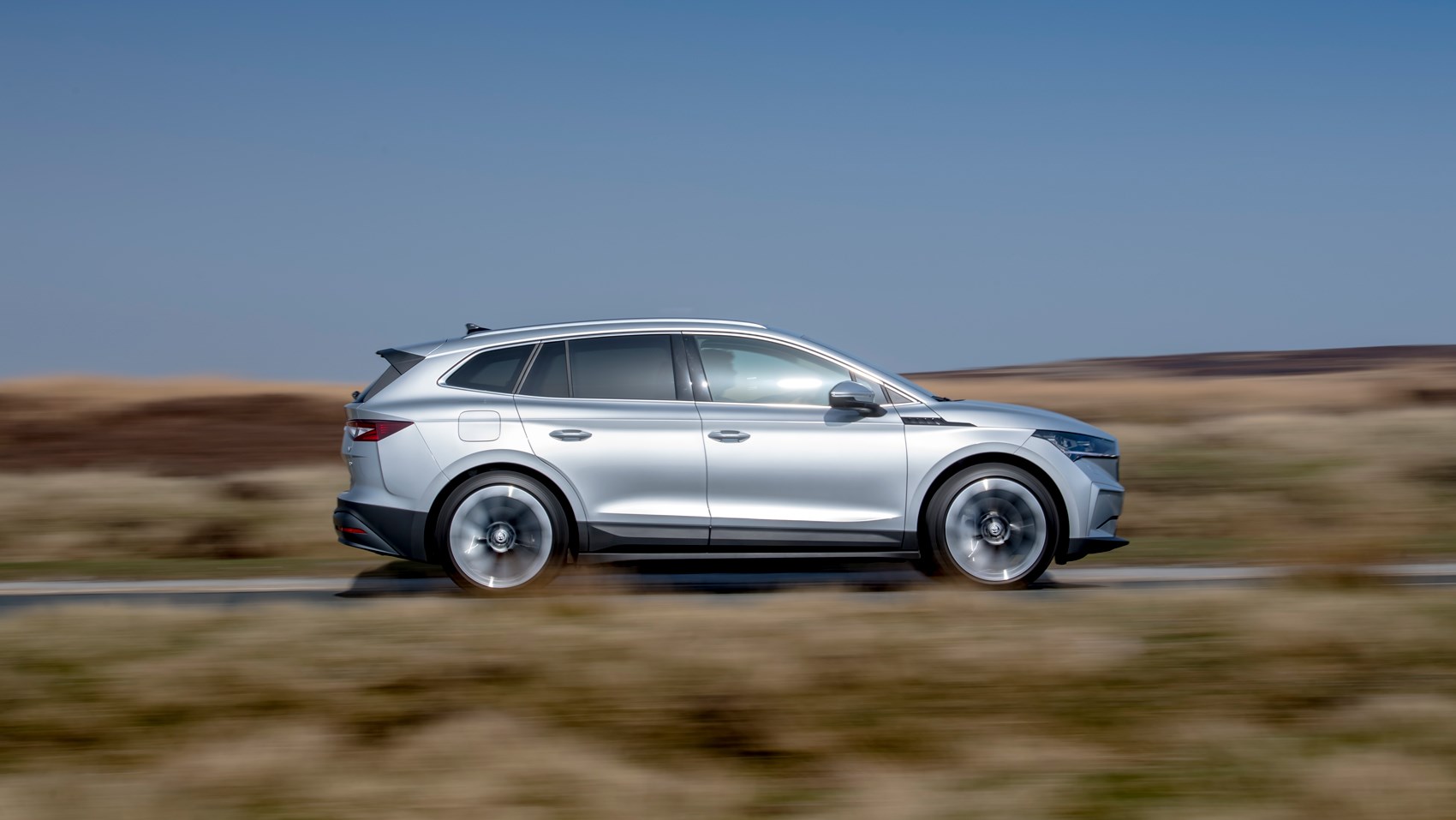
Firstly, there’s the way it accelerates. Those familiar electric car hallmarks are present and correct in the Enyaq: linear acceleration, variable degrees of brake energy recuperation and hushed progress. The 60 doesn’t feel much different to the 80, with similar levels of acceleration (the power deficit is offset by the 80’s greater weight).
Compared with, say, a Tesla Model 3, performance in both is ho-hum, with a 0-62mph time of 8.4 seconds for the 60 and 8.2 for the 80. Maximum speed is 159km/h for both, too – so expect to be left standing on the autobahn (for now).
However, the delivery of those numbers is first-rate, with the emphasis on relaxed, effortless progress, and solid mid-range punch.
Around town it’s serene, and on the motorway it’s hushed and poised with low levels of noise from the drivetrain in general. Never does it feel underpowered, even in 60 form, but equally it rarely knocks your socks off.
What about ride and handling?
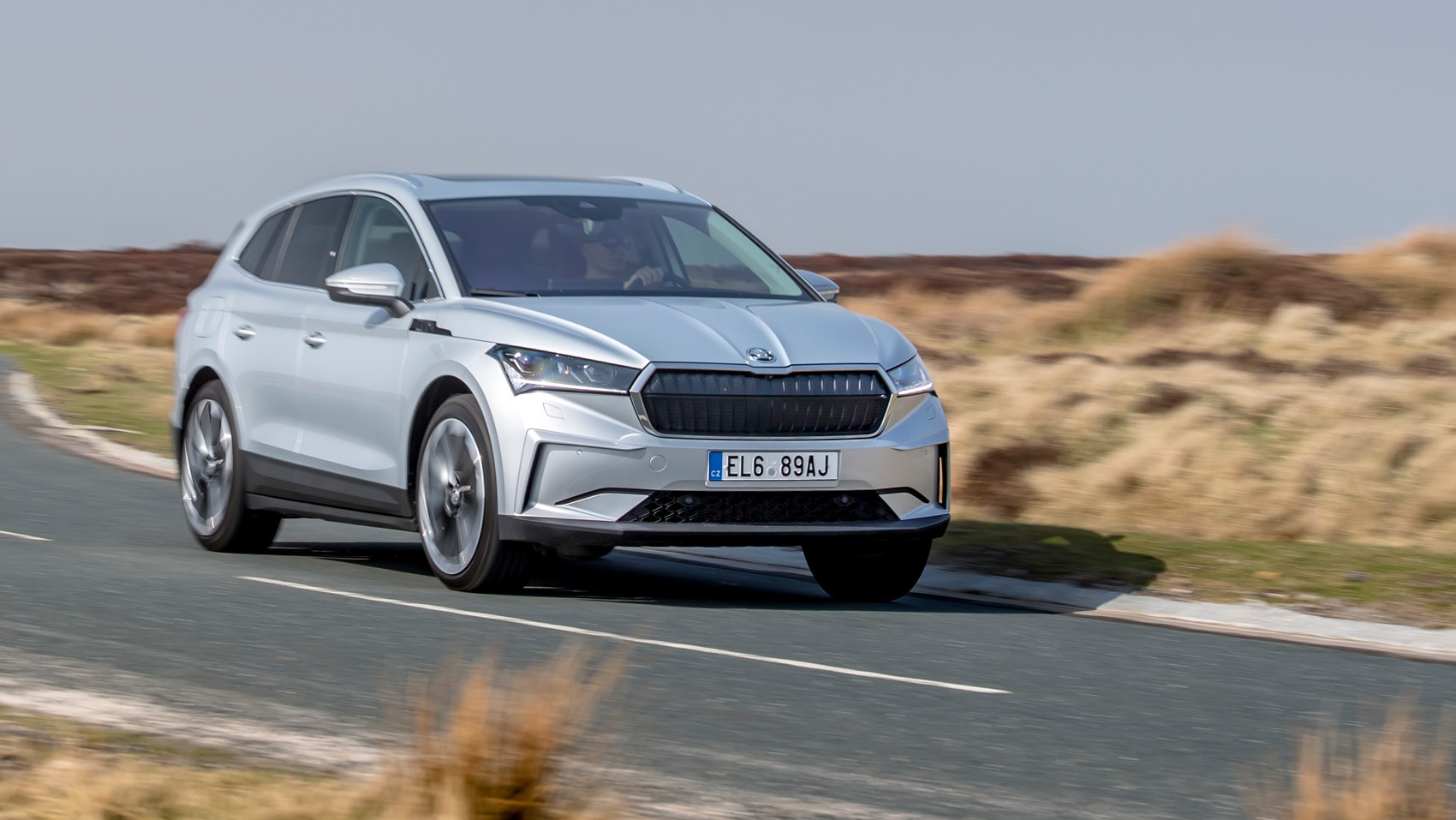
One particular aspect of this is the Enyaq iV’s forte. Although it’s not going to surprise you when we say that the Enyaq iV rides very well, the sheer depth of its comfort shocked us.
It’s not often that a car’s ride quality can impress with its pliancy within the first 100 metres, but that was the case here – it crushes speed humps and shrugs off ridges in a way that no car with 19-inch wheels has any right to. If you fit optional 21s, you’ll notice an increase in harshness over some surface irregularities, but overall, it’s still a very comfortable car.
Build up speed and that impression does not change at all – we took it over some very challenging Highland roads, and the suspension was never caught out, with brilliant damping control.
Cornering is also better than you might expect, with limited body roll and incisive steering that allows you to really get it into the apex. Still, you’re always aware of its sheer weight so you tend to flow it through corners, rather than flicking it in.
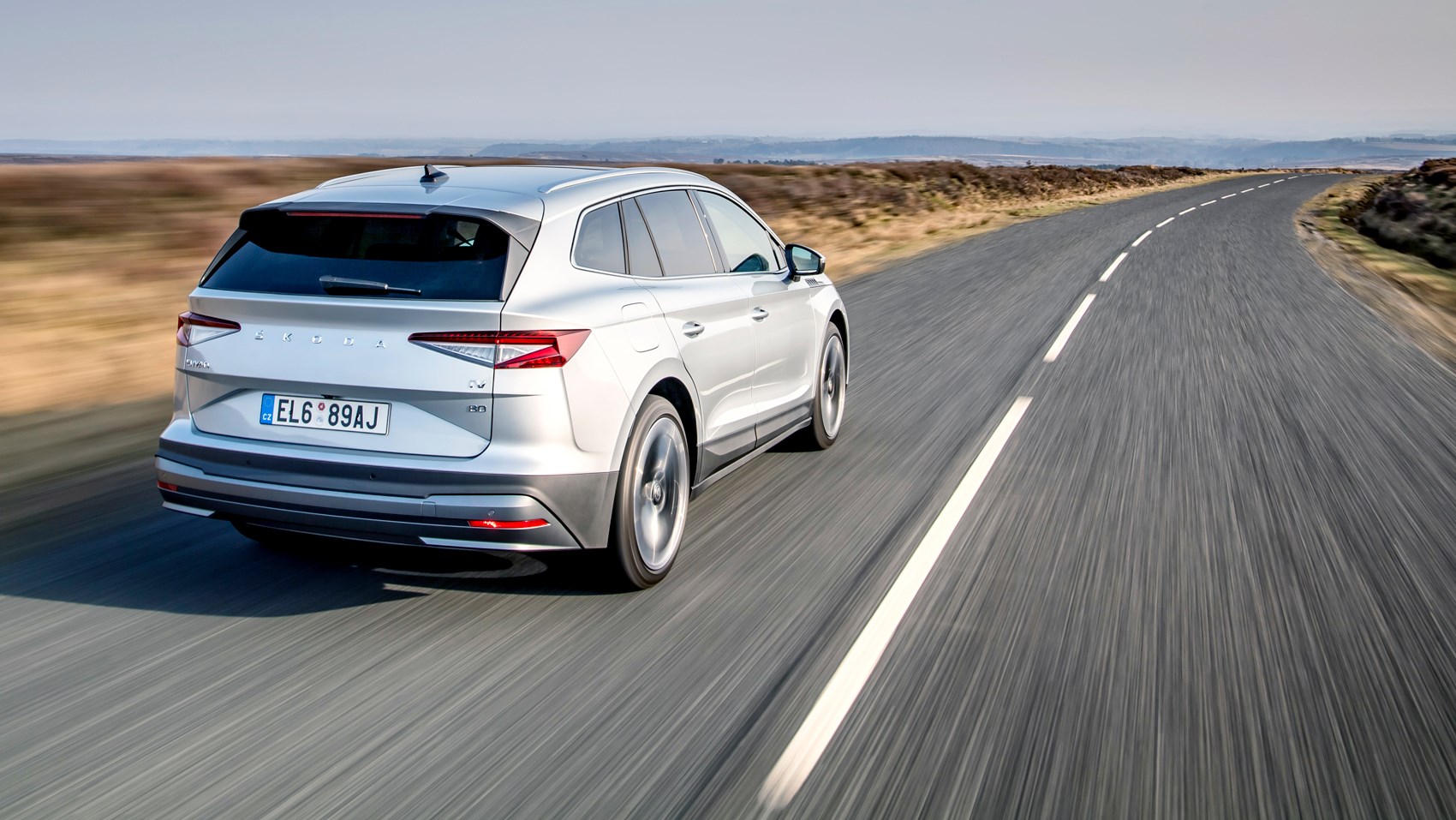
With the adaptive dampers set in Comfort mode, body control is kept in check over rougher surfaces. In short, it’s safe and accurate in bends, and feels on top of its game.
The steering wheel paddles moderate the driveline’s energy recuperation – flick the left-hand switch to increase drag, which equates to shifting down on a combustion-engined car. Even on its maximum setting it doesn’t slow with the conviction of a Tesla Model 3, so you’ll rarely find yourself one-pedal driving.
Steering is fluid and well-weighted. There’s a little laziness in the turn-in, but once you’re dialled in, you give it no further thought.
There’s pay-off in the city, because the turning circle is almost London taxi tight – as you’d expect in a car driven by its rear wheels. Braking is excellent – not a given on an EV – with a solid pedal and firm stopping.
Although it’s not going to surprise you when we say that the Enyaq iV rides very well, the sheer depth of its comfort shocked us
What’s it like inside?
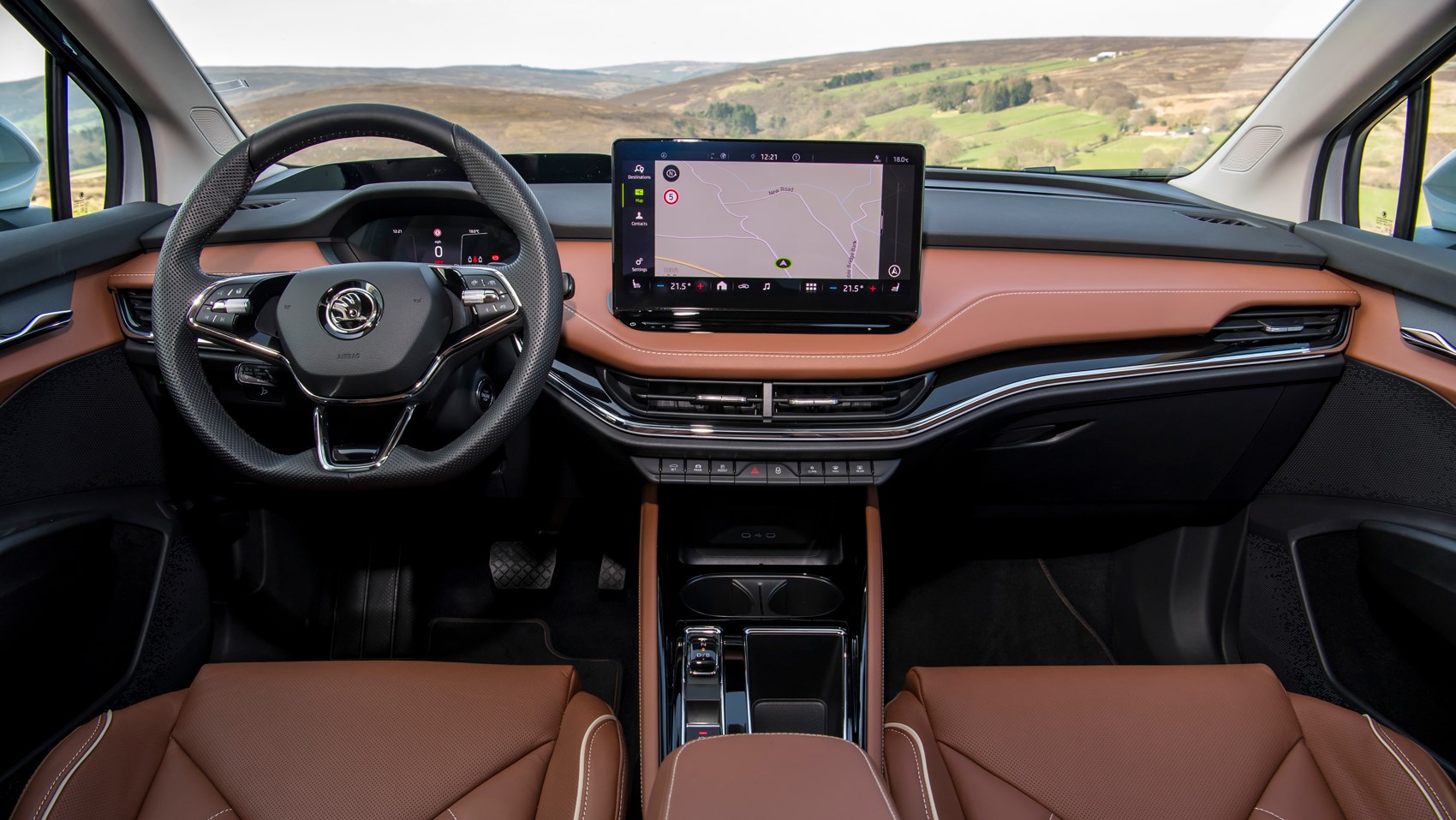
Your first impressions are that this is a welcoming, luxurious and tastefully finished interior. The EcoSuite model is leather-lined, soft-touch and packed with equipment, whereas the Sportline is finished in an appealing combination of black leather and Alcantara.
Skoda regulars will relate to the controls and user interface for the infotainment set-up. There are very few physical buttons, with most of the car’s functions operated through an enormous 13.0-inch touchscreen infotainment display, but compared with the ID.4 it feels traditional and easily mastered on the move.
There’s also a small yet clear digital instrument display and Skoda’s virtual assistant, Laura, not to mention wireless Apple CarPlay and Android Auto. There’s also smartphone app connectivity that allows you to control a number of the car’s key items from the comfort of your own home, such as when to charge or the preconditioning the climate control.
A very slick new head-up display package is available – we’ve tested it and it works a treat, projecting sat-nav instructions and adaptive cruise control onscreen in a natural way.
Otherwise, it’s conventional inside and very practical. The driving position is spot on and the visibility is good, although the A-pillars are bulky and cause issues at angled junctions. The back seats are very spacious, with as much leg- and headroom as a Kodiaq, while the boot has a capacity of 585 litres with the rear bench in place. In short, it’s an easy five-seater, and capable of swallowing their luggage easily.
Range and charging
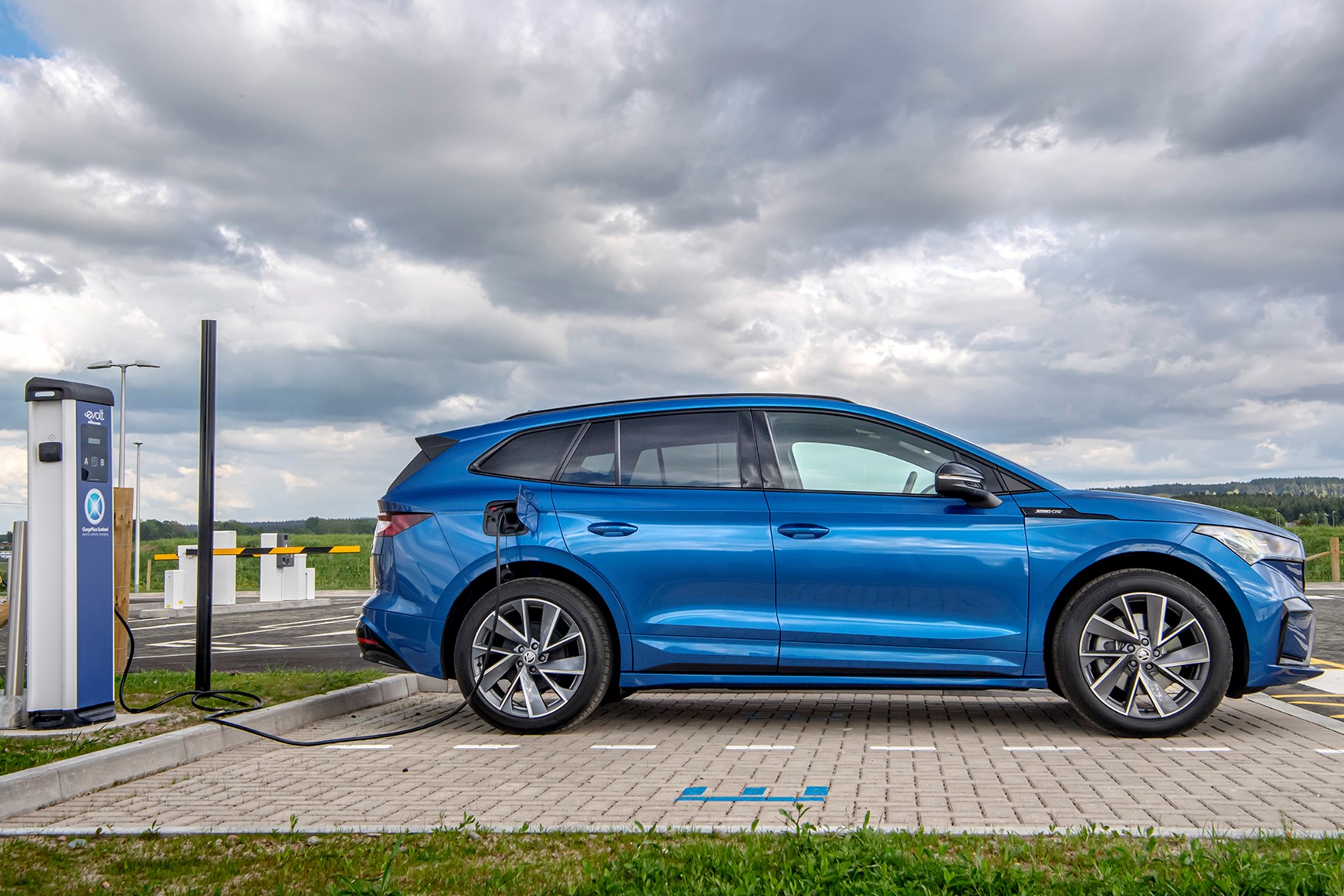
It will depend on which Enyaq you choose and how you’re charging it, but assuming you have the space and facilities for a domestic wall box installation, eight to 10 hours will be sufficient to get you from flat to full overnight.
Plan ahead to ensure your longer jaunts include faster 125kW chargers en-route and you can top back up to 80 percent capacity in 38 minutes.
There are two models available at first but expect the range to expand rapidly.
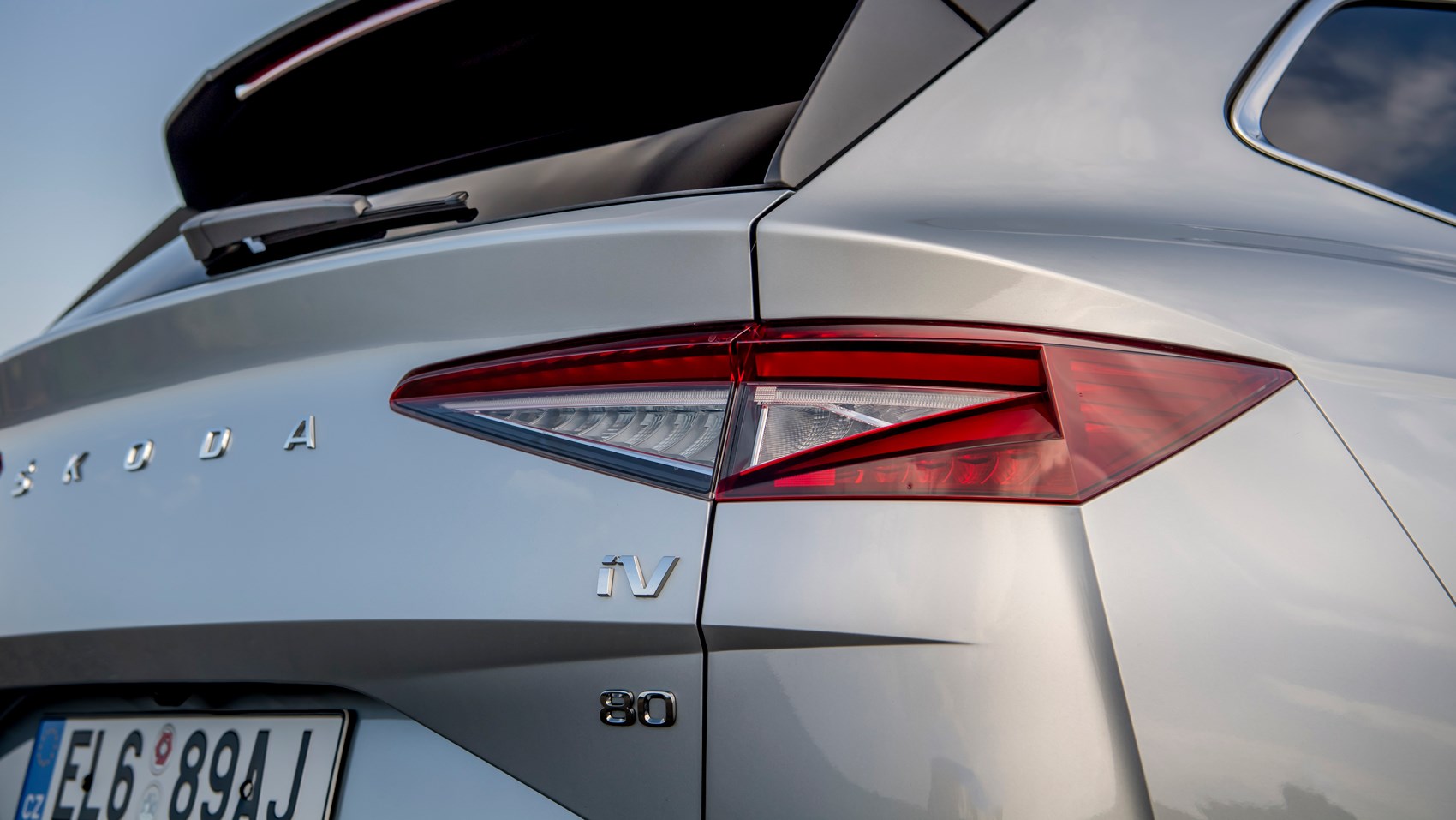
The 80 is the current pick, with a nice balance of performance and battery range, but that does come at a heft premium. All-wheel-drive versions will follow, sharing the 80’s battery pack, but with an extra motor up front.
The following models will join the range later – spanning the 55kWh entry-level model and the performance-focused vRS model.
What else is there to know about the Enyaq iV?
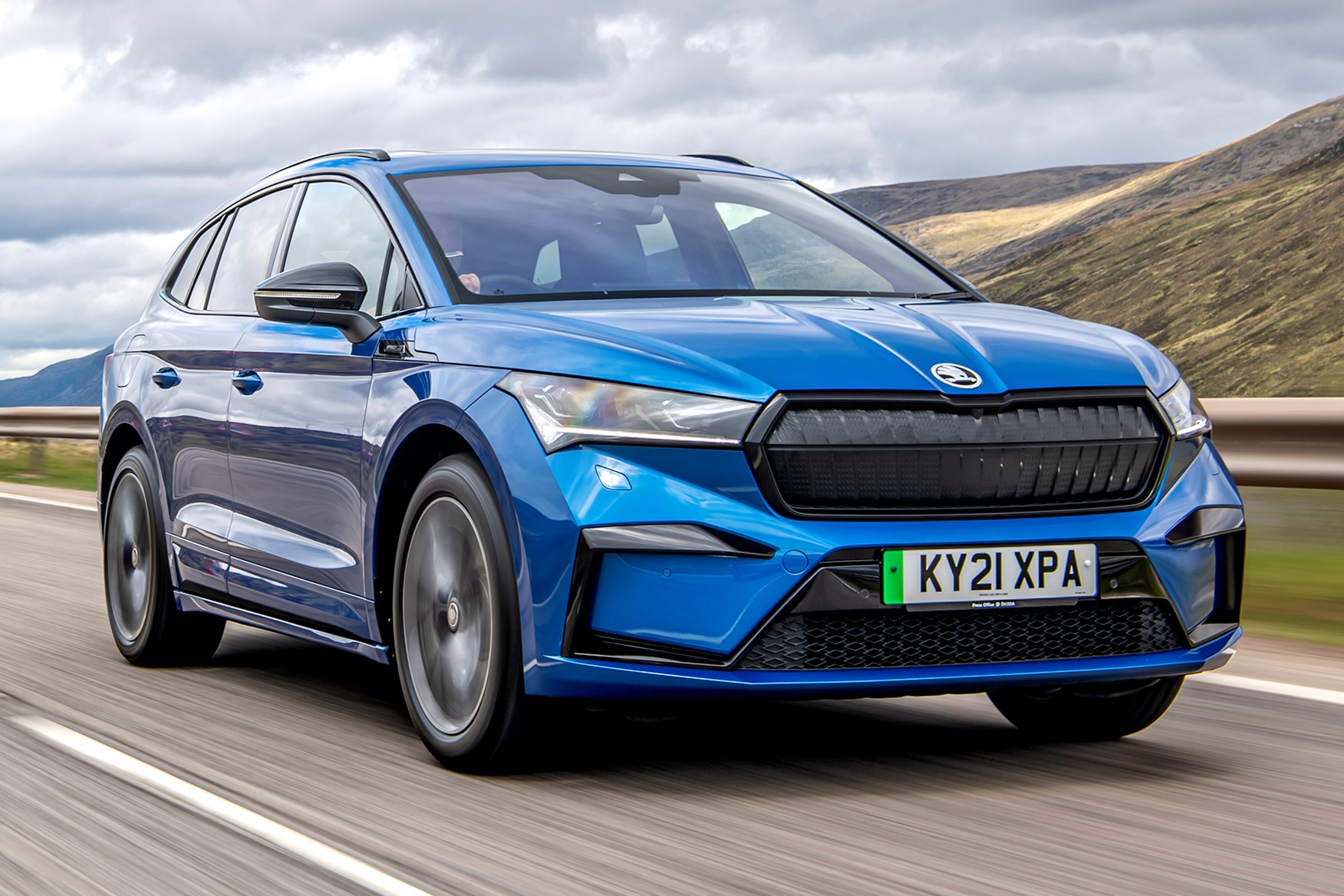
The Enyaq iV is a generously proportioned crossover that in time will span a variety of battery sizes and motor outputs. As an SUV, it’s hit the ground running – seemingly at the intersection of two dominant market trends: the rise of the electric car and the public’s insatiable appetite for SUVs, crossovers and jacked-up soft-roaders.
It’s based on the Volkswagen Group’s MEB modular electric architecture and is the largest iteration of MEB yet, as befits a brand known for its space.
At 4684mm long, 1618mm high and 1877mm wide, the Enyaq’s size and shape makes it look like a halfway house between an Octavia wagon and a Kodiaq, with styling that equally somewhere between the two. It looks conservatively handsome in the metal, which is pitched perfectly for its buyers.
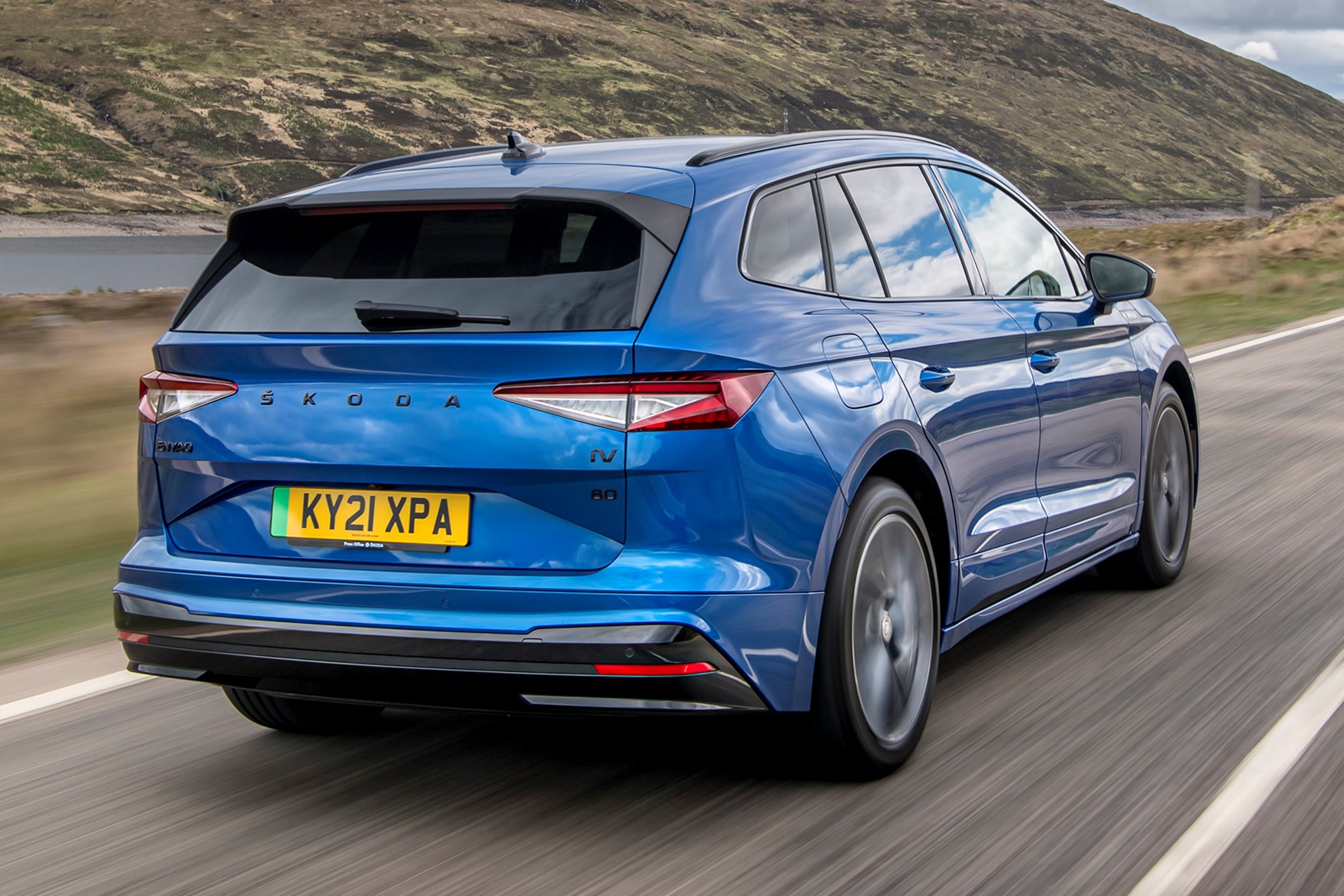
Its handsome-if-safe styling only has one contentious point: the grille, blanked-off to give buyers a visual link with the internal combustion-engined Skoda they’re considering trading out of.
While entry-level models are set to have a matte black infill and mid-rangers a glossy one, the flagships get LED-lit vertical bars bisected by a horizontal one that marries up to the daytime running lights (DRLs).
In the UK and European markets, the Enyak iV options list is vast, making it easy to head into an elevated price point. If you fancy something a bit more daring, an Enyaq Coupe – think along the lines of an Audi Q3 Sportback – will follow soon.
VERDICT
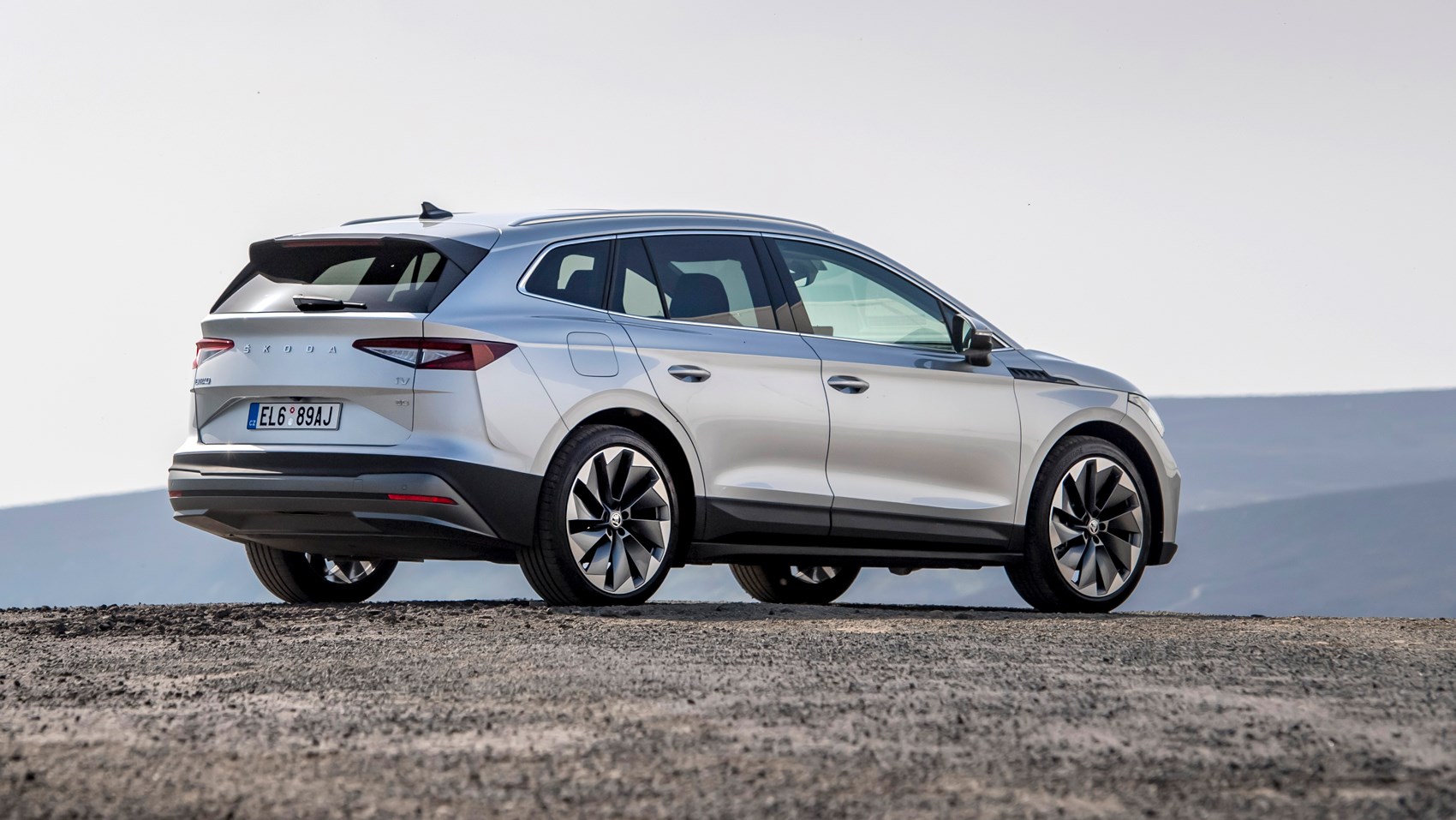
As an electric SUV, it’s hard not to be impressed with its all-round competence, with all the comfort, space and long-distance cruising ability most people would ever need from a family car of this type.
It’s more appealing than the Volkswagen ID.4 and looks classier than the Kia Niro, and in that alone, it’s now the best EV of its type and price. However, the Hyundai Ioniq 5 and Kia EV6 are looming large, and add some much-needed design flair into the mix.
The Enyaq’s sub-£35,000 starting price seems fair for the iV 60 model and bodes well for the upcoming lower-powered models. It’s comfortable, well-sorted, and does a great job of appealing to as many drivers as possible.
Another positive point is that the anticipated range display is unerringly accurate, which is good news for those thinking of using it as a company car. It also looks good on the road, well-finished with tight panels gaps and plenty of road presence.
In conclusion, it’s friendlier and more luxurious than a Kia Niro and looks better inside and out than a Volkswagen ID.4 – which is very, very good for the Skoda Enyaq iV, and worrying for Volkswagen.
This article was first published at Carmagazine.co.uk
Snapshot
- Time of 7:38.925 stands as the fastest SUV time at the ‘Ring
- Specs of new model haven’t been confirmed
- Record is now four seconds faster than its Audi RS Q8 cousin
An updated Porsche Cayenne has reset the bar at the Nürburgring Nordschleife by putting in a new lap record, officially becoming the fastest SUV around the 20.832-kilometre German circuit.
Though Porsche hasn’t yet confirmed the specs of the new Cayenne Turbo Coupe performance model, its time of 7:38.925 is four seconds quicker than the existing record for SUV, off-road, van or pick-up vehicles – set by the Audi RS Q8 at the end of 2019.
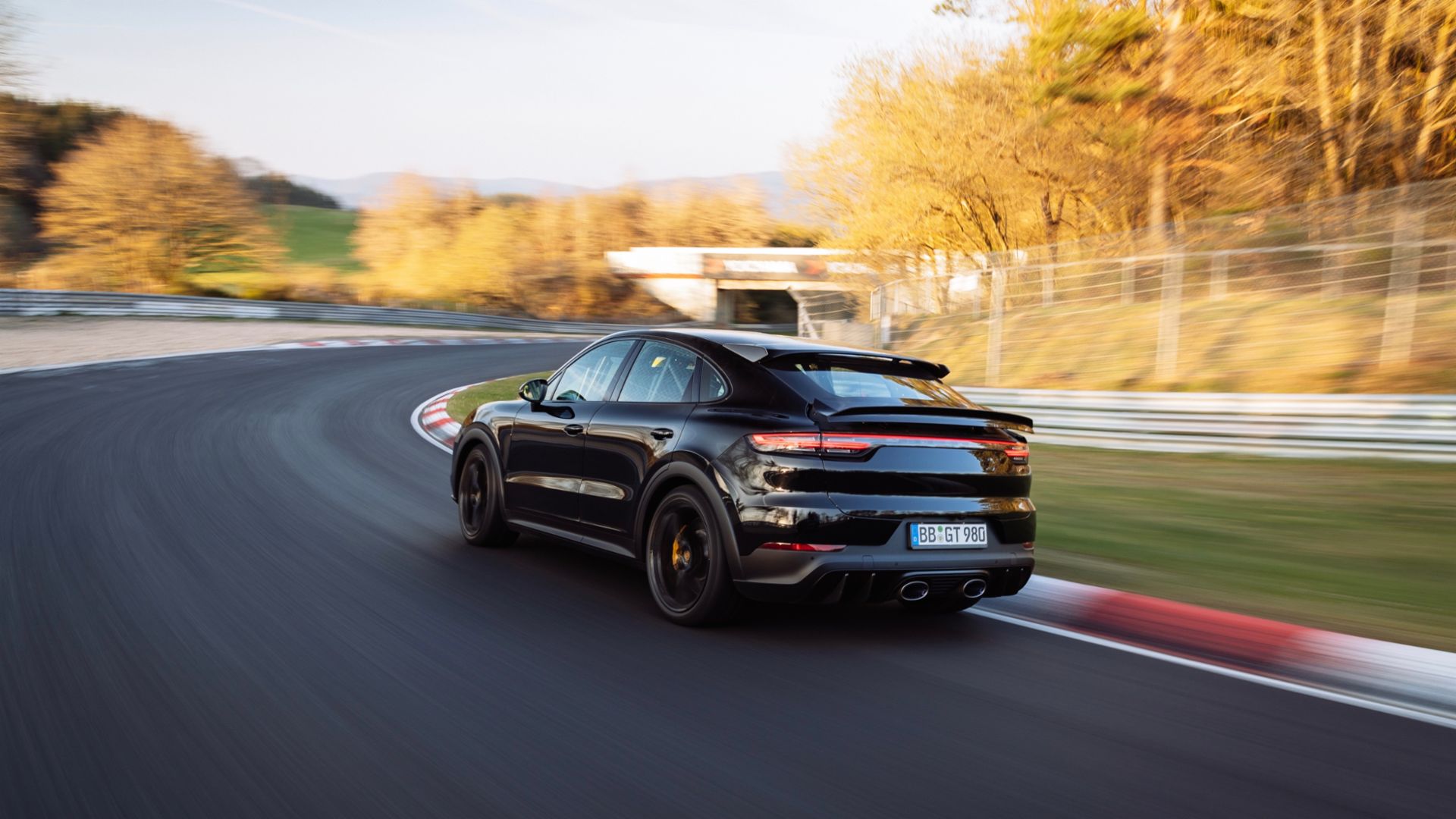
Test driver Lars Kern said the Cayenne felt deceptively stable for an SUV, having set a time faster than a 997-generation 911 GT3 RS and on par with the current BMW M5.
“Over the first few metres of the Nordschleife in this Cayenne, you’re tempted to turn around to make sure that you’re really sitting in a spacious SUV,” said Kern.
“It changed direction at lightning speed in the fast curves such as between Hohe Acht and Eiskurve, with no wobble and no tendency to understeer.
“Even in this technical stretch, the Cayenne is a real driver’s car that is easy to control.”
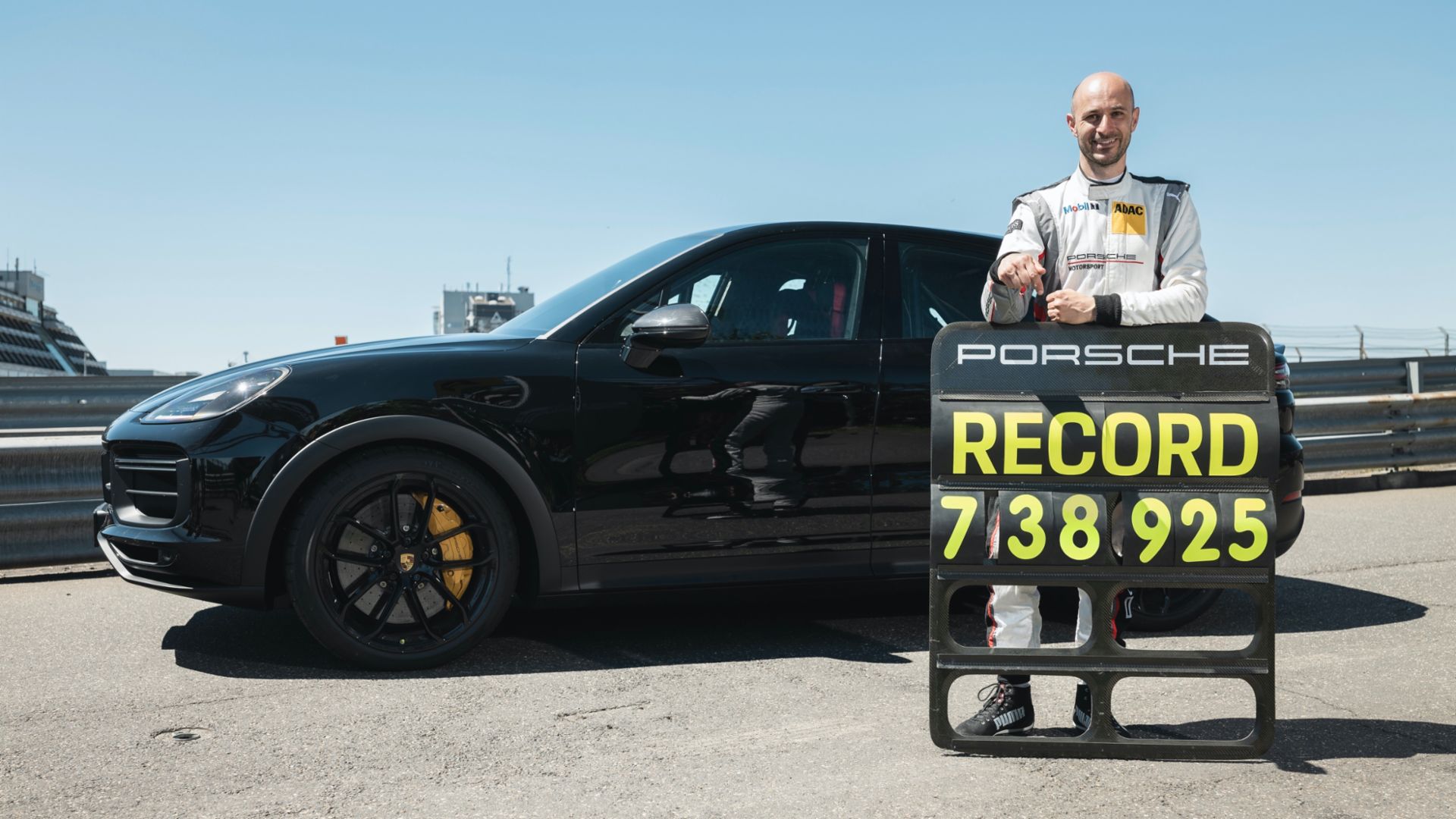
Porsche says the Cayenne was fitted with a roll-cage and racing seat for Kern’s protection within the two-tonne plus SUV, shod with 22-inch Pirelli P Zero Corsa tyres which will be fitted to the production model.
The current Cayenne Turbo Coupe produces 403kW of power and 768Nm of torque, helping to propel it from 0 to 100km/h in just 3.5 seconds, a time within two-tenths of the new 992-generation 911 GT3.
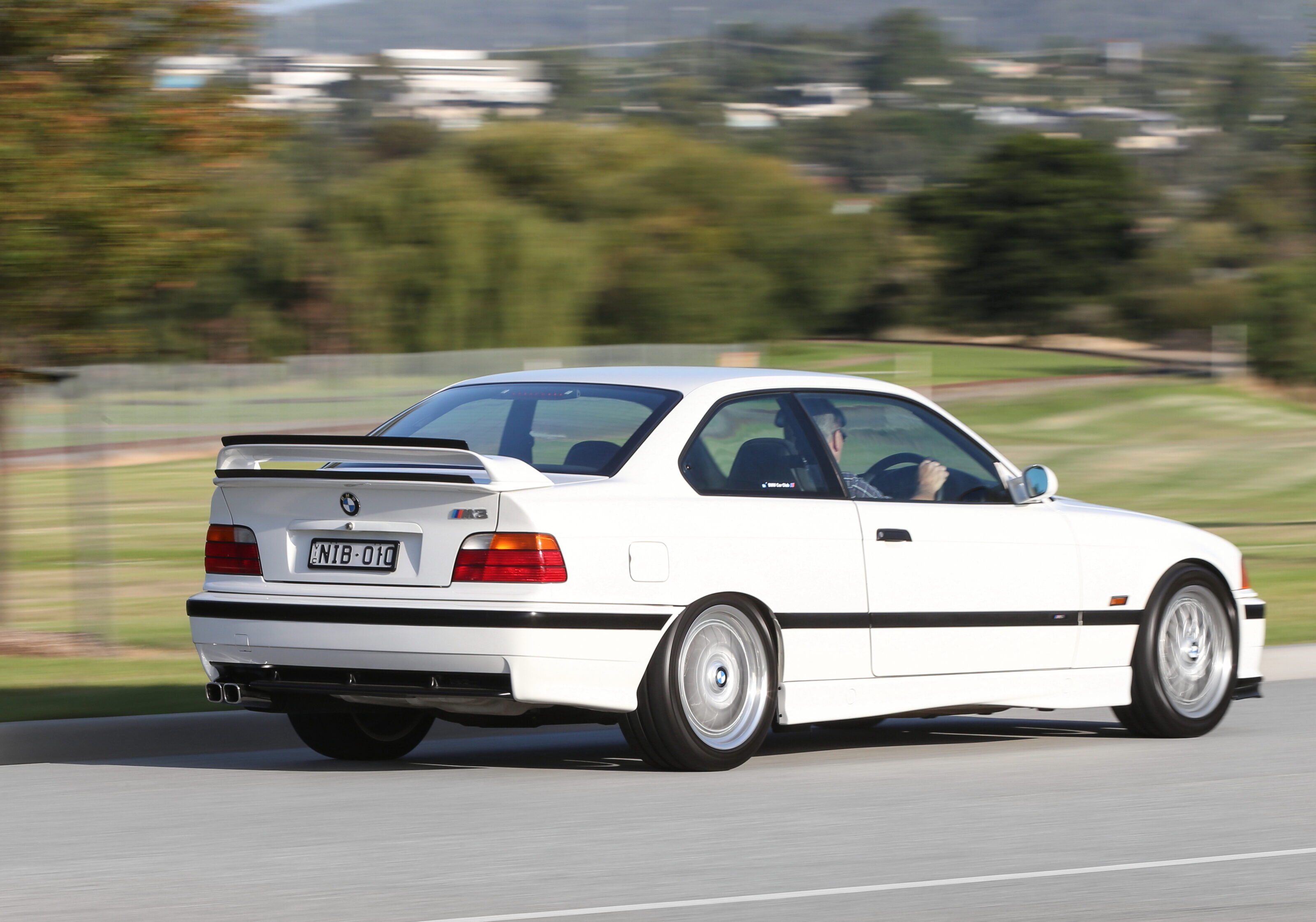
The BMW M3R could never happen today. There’s zero chance that BMW would ever let an outpost like Australia claim as its own the rarest and most powerful version of an M3, the star around which the whole M-car firmament revolves.
Even back in 1995 that seemed unlikely, but Frank Gardner Racing talked BMW Motorsport into allowing them to homologate 15 cars for local endurance racing. Frank, you see, had a thing about coming first.
It may have had something to do with coming second so reliably. In 1966, Gardner came second at the 1000km of Spa and second in the Australian Grand Prix at Lakeside, following Graham Hill.
In 1967 he finished on the second step of the podium in the European F2 championship and in the same position in the British Autocar Formula Two Championship. 1972? Another second place at the Australian GP.
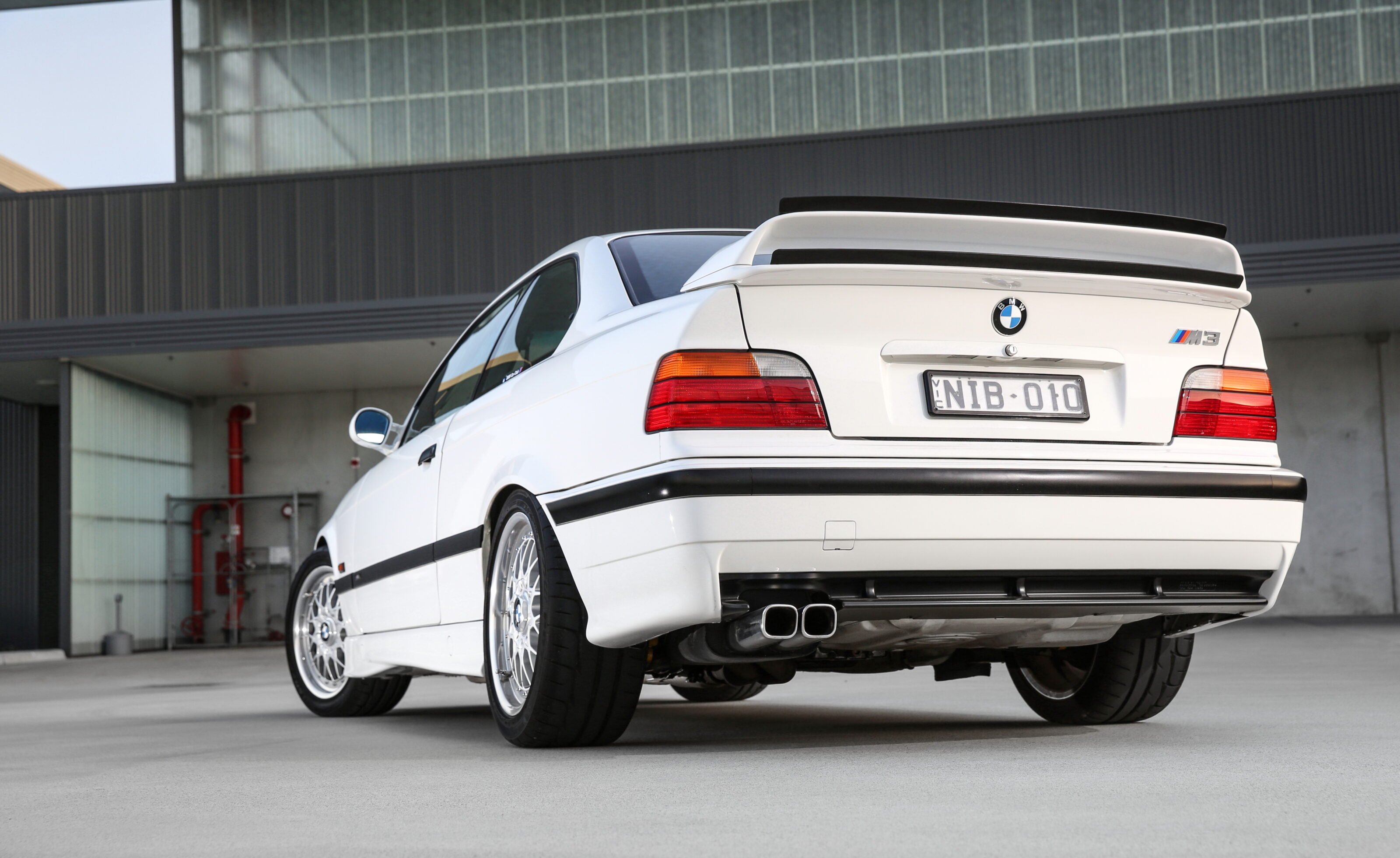
In order to build the finest E36 M3, the brief was relatively simple: more power, less weight and strengthen anything that might break.
The M3R was based on a stock atmo 3.0-litre M3, shipped to Australia in its lightest possible form.
The 2990cc S50 B30 straight six got revised camshafts, a freer-breathing intake, optimised exhaust ports, dual-pickup oil sump and a new ECU to produce 239kW at 7200rpm and 320Nm at 3500rpm.
Further down the driveline there was a lightened flywheel, the Euro-spec M3 GT’s shortened 3.23:1 final drive, and a choice of clutches depending on whether the car was intended for race or road use.
Bigger front discs (324 vs 315mm), stiffer springs and shocks, and M3 GT front and rear spoilers completed the package.
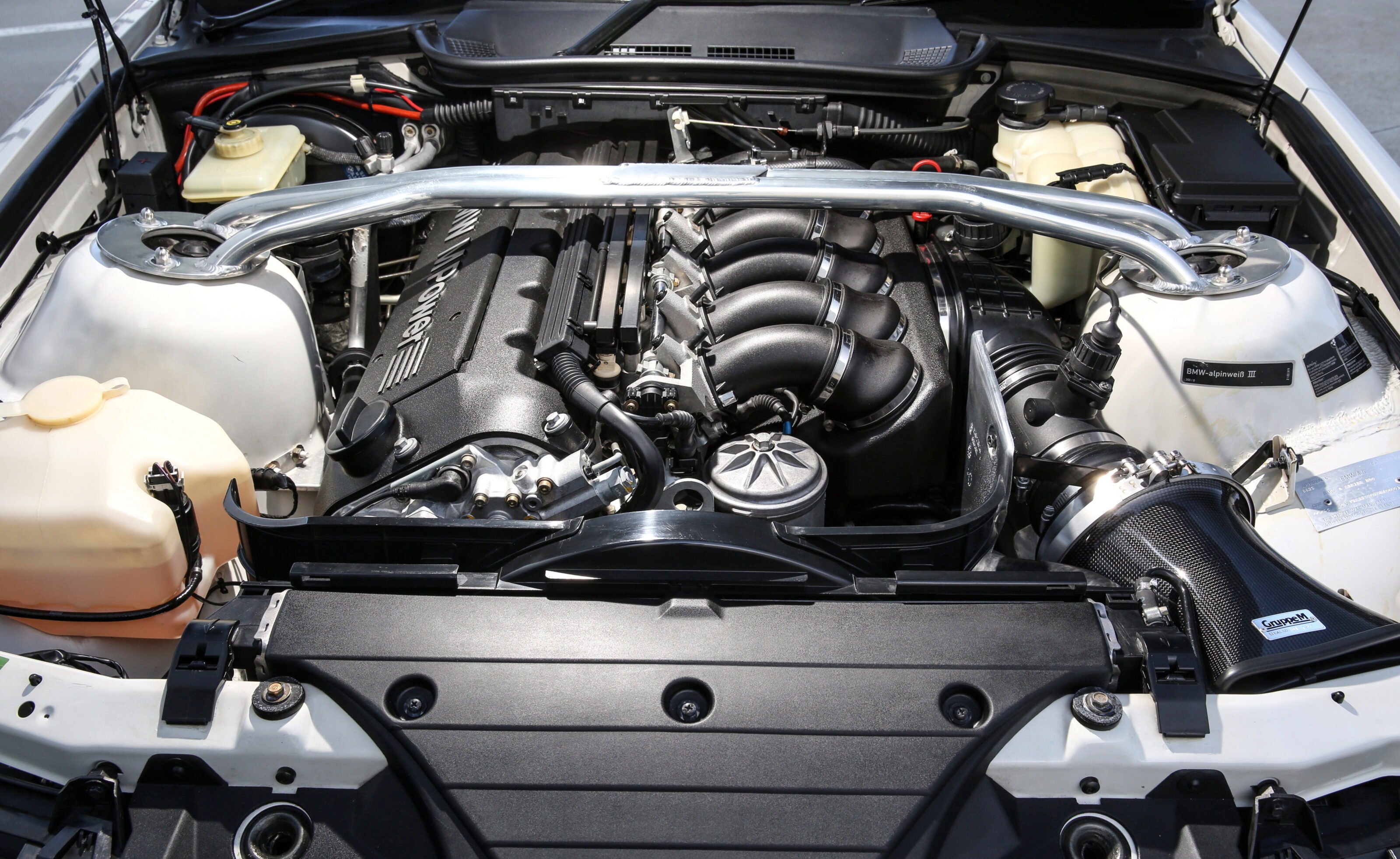
Alpine White was the sole colour option and the diet saw 100kg shorn from the M3’s kerb weight, the M3R tipping the scales at 1360kg.
This resulted in a crisp PWR of 176kW/tonne versus the standard M3’s 146kW/tonne. That’s better than a modern 718 Boxster.
Just 15 were built, with four used for motorsport and the remaining 11 sold to the public. Thing is, if you wanted one you needed to have a Motorsport Australia racing licence.
The ultimate driving machine? Bloody oath, mate.
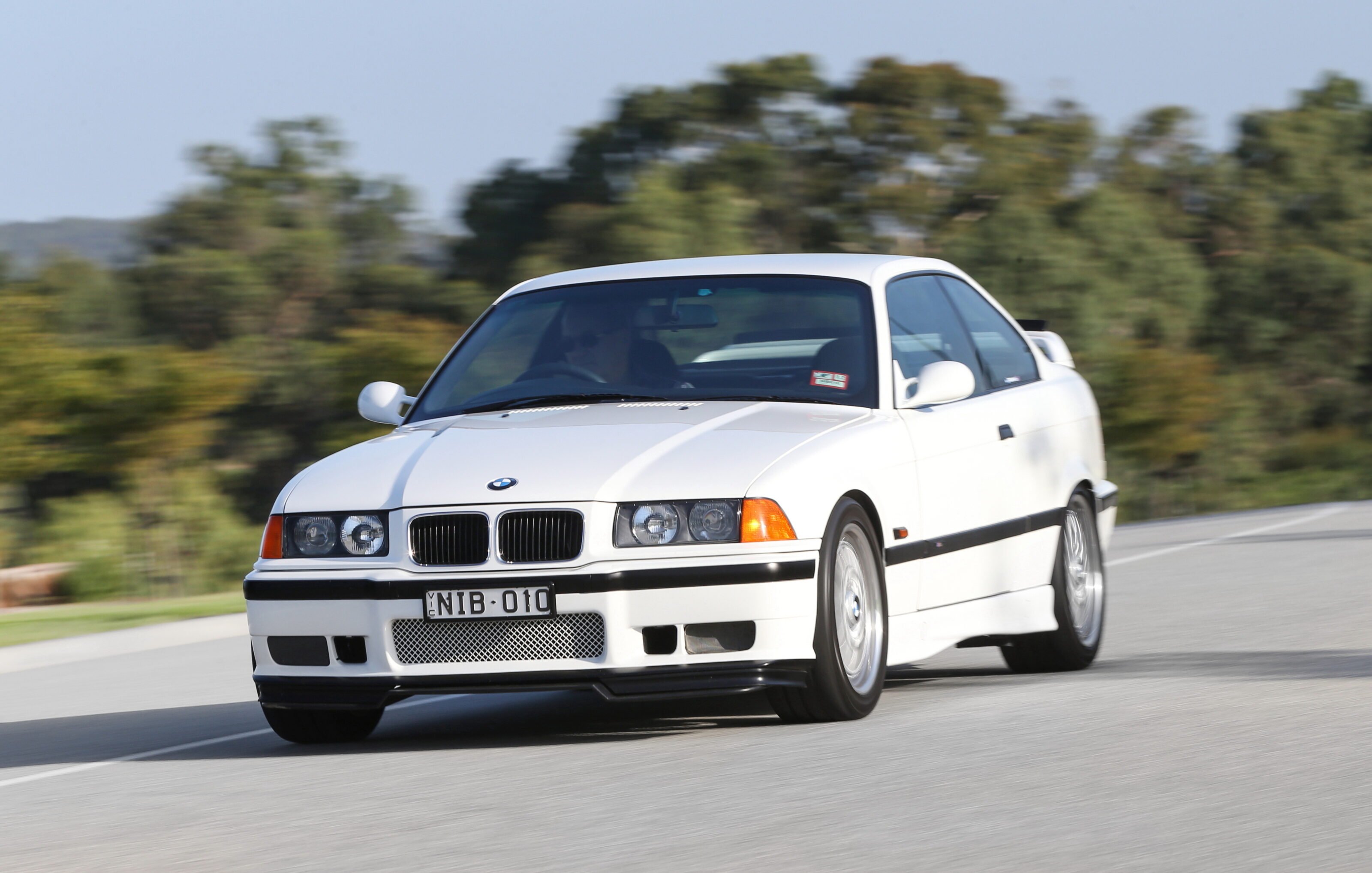
1995 BMW E36 M3R specifications
- Engine: 2990cc inline-6, DOHC, 24v
- Power: 239kW @ 7200rpm
- Torque: 320Nm @ 3500rpm
- 0-100km/h: 5.74s (tested)
- Weight: 1360kg