
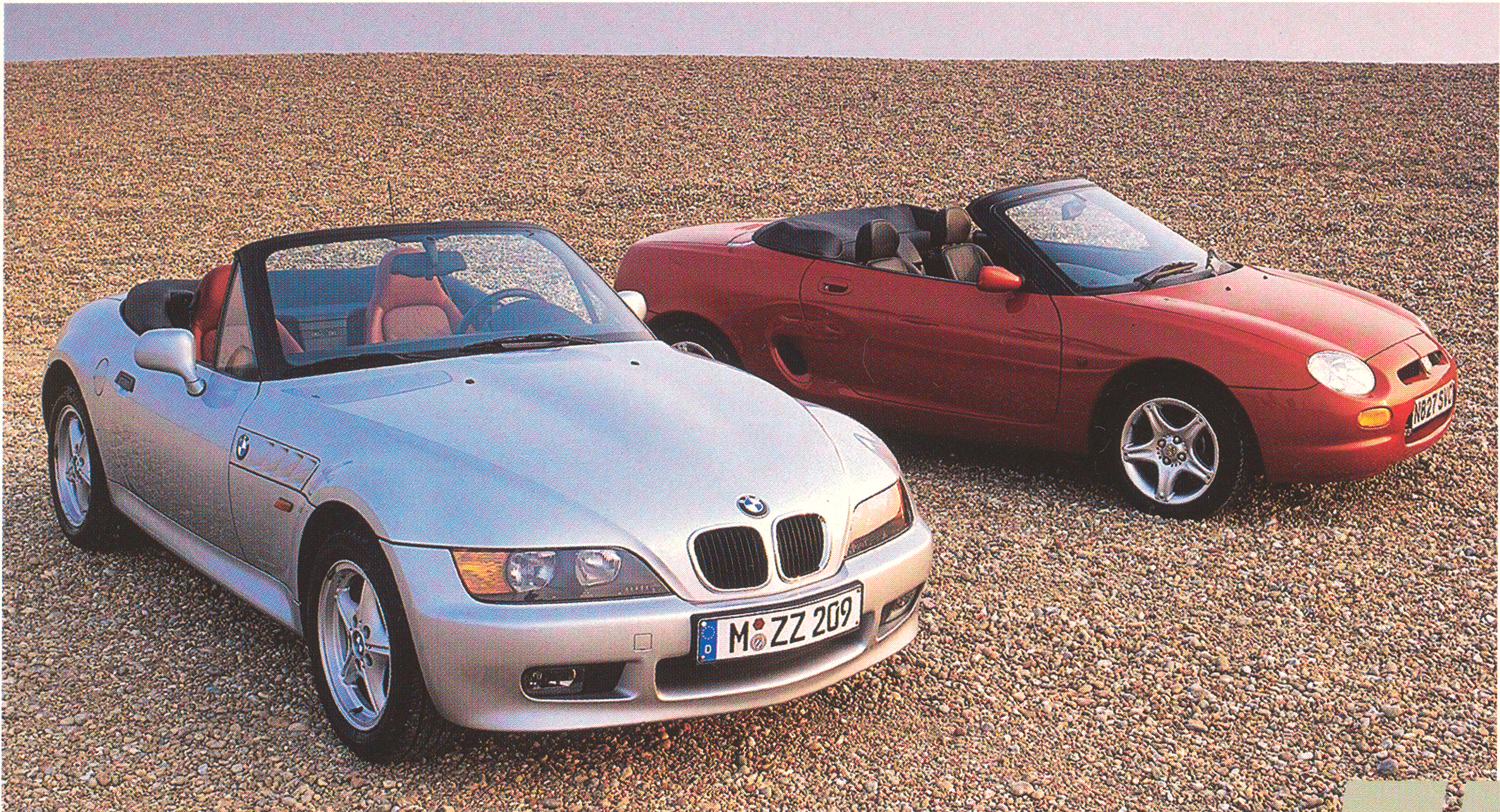
Step out of an MGF and into a BMW Z3 and the contrast is Vivid. The kid next door could pick the differences. One appears delicate and civilised, seeking elegant engineering solutions.
The other is aggressive, macho, vaguely forced and freely retro in a pragmatic approach to both design and mechanicals. Now that BMW owns Rover, and therefore MG, they come from the same stable — not that their creators knew this when they began the design process. But they are to be priced as direct rivals and aimed at the same customers.
As approaches to building a two-seat ragtop they could hardly be more different, for the contrast extends way beyond technical layouts and visuals. Both impact instantly on the way they drive.
The great irony is that it’s BMW which follows a tradition largely created by MG in the ’20s, of putting mass-production mechanicals into a roadster body.
In this case the mechanicals belong to the 318i Compact, complete with the old style semi-trailing rear suspension (not the superior multi-link axle of other 3 Series) and BMW’s recently enlarged (to 1.9 litres) 103kW dohc four. These and a mass of other familiar BMW bits are assembled in Spartanburg, South Carolina, and on sale here soon at about $62,500.
MG’s approach is to ignore Rover’s front-drive hatches in the (did you say correct?) belief that a proper sports car is pushed from the rear wheels. For the MG, Rover’s advanced variable valve timing VVC engine, perfectly suited to a sports car, sits transversely between the rear wheels in a mid-engine layout. The MG’s 7200rpm redline is a technical leap of 900rpm beyond the BMW’s limit and, as you will see, shouldn’t discounted in the contribution it makes to the driving appeal of the car.
Both BMW and MG offer less powerful engines than those fitted here, BMW’s is the 85kW 8v 1.8 litre from the 318i. BMW Australia knows it’s too weak to be taken seriously and it won’t be sold here. Rover’s 88kW 1.8 K-series gives a better account of itself, yet the VVC is demonstrably superior. A marque making a comeback, to both sports cars and Australia, after so long deserves the best possible powerplant.
If Rover Australia gets its way, the MGF will go on sale here early next year at a price that should — on the basis of the Pom numbers — undercut the BMW by a couple of grand. That’s the theory.
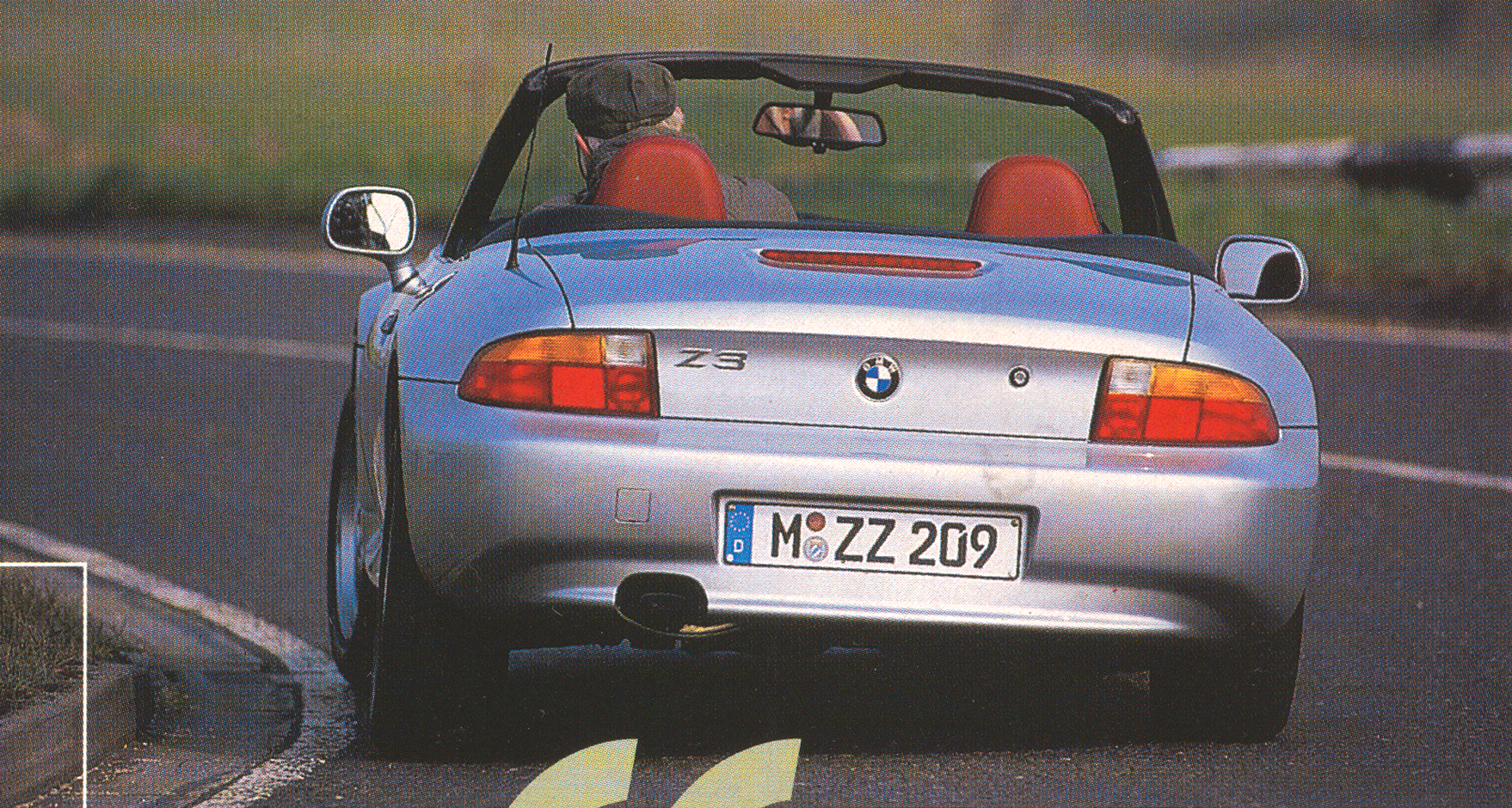
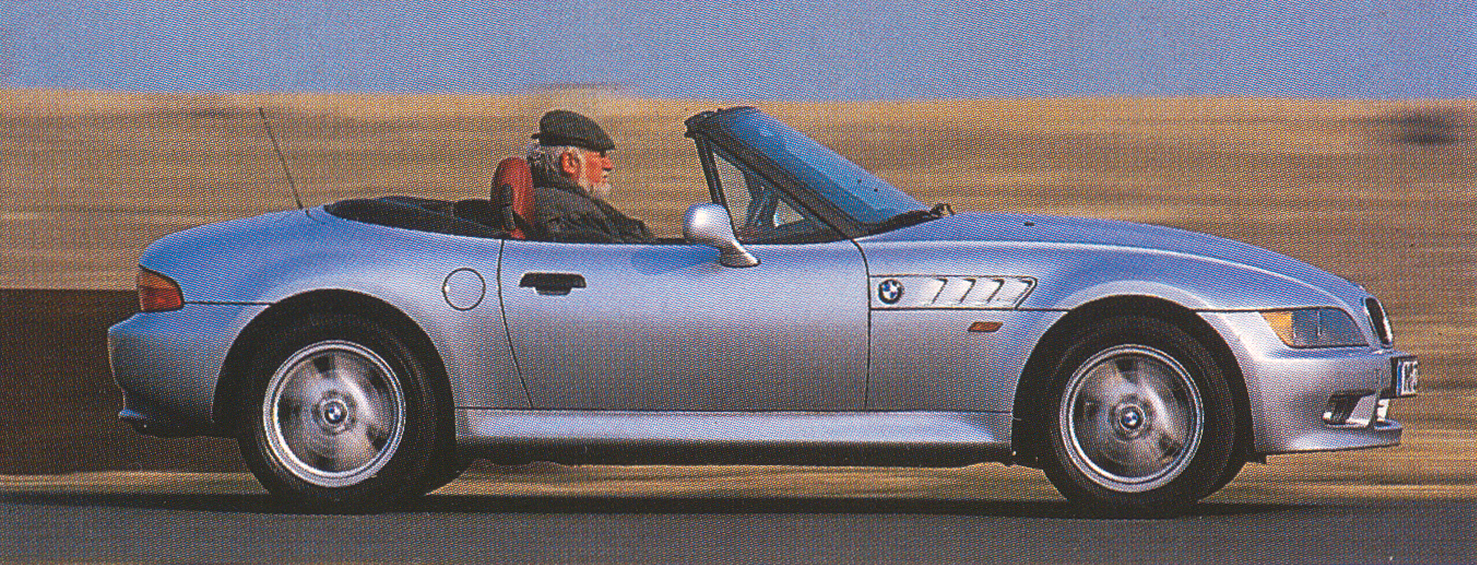
Six months after driving the Z3 in America, nothing has changed my view that while the styling has real presence — I lost count of the number of times I was asked “Is that the James Bond BMW?” – and is handsome from seme angles, its proportions are too lopsided for it to be beautiful.
Some love the imposing bonnet and those boldly macho flared wheel arches, but they promise more than the car delivers and you can’t help but feel they exist only because BMW plans far more powerful (and longer) six-cylinder versions of the Z3.
A power-to-weight ratio of 11.4kW/kg is at odds with the messages delivered by the Z3’s provocative bonnet, diminutive tail and therefore dynamic silhouette.
Still, the level of recognition is unbelievable. Given the relatively affordable price (especially in the USA), the Z3 is surely destined to become the most popular of contemporary sports cars — after the MX-5, of course.
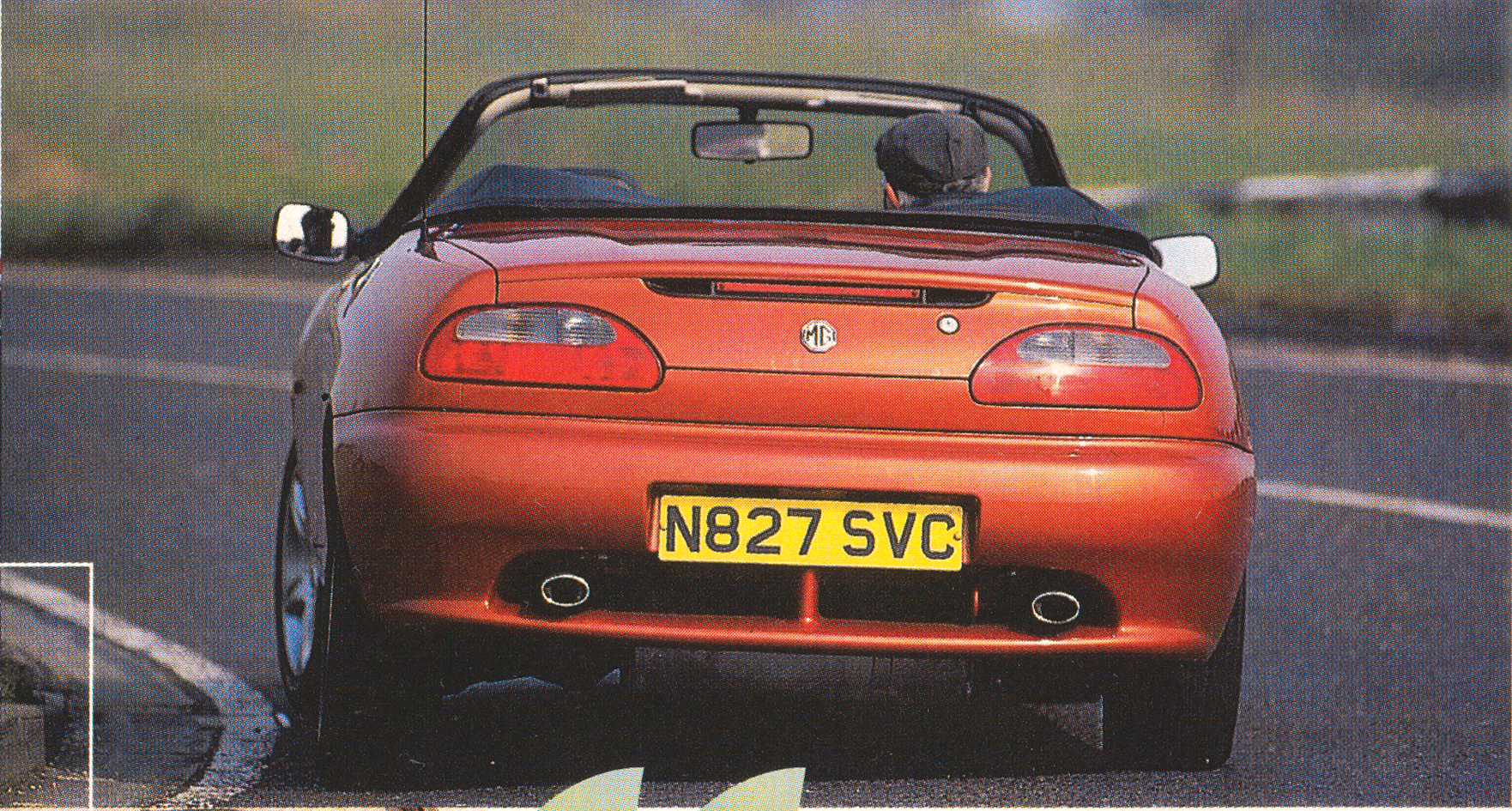
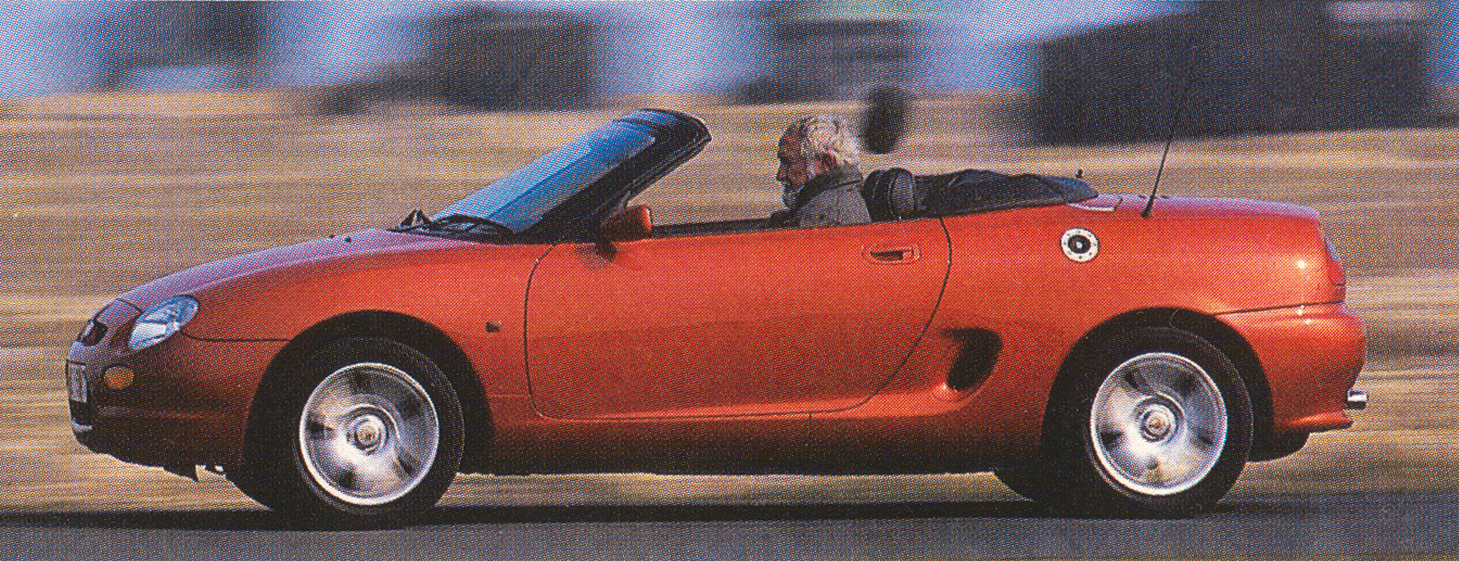
The MGF is altogether more feminine in its styling. Softer and far less imposing, more pretty than handsome. The proportions, especially in profile, suggest the Z3 is a much bigger car, but the difference in length is actually only 112mm, and the MGF is 88mm wider.
The British car looks far smaller, more dainty, and more balanced. Yet its 10.4kW/kg power-to-weight ratio promises superior acceleration.
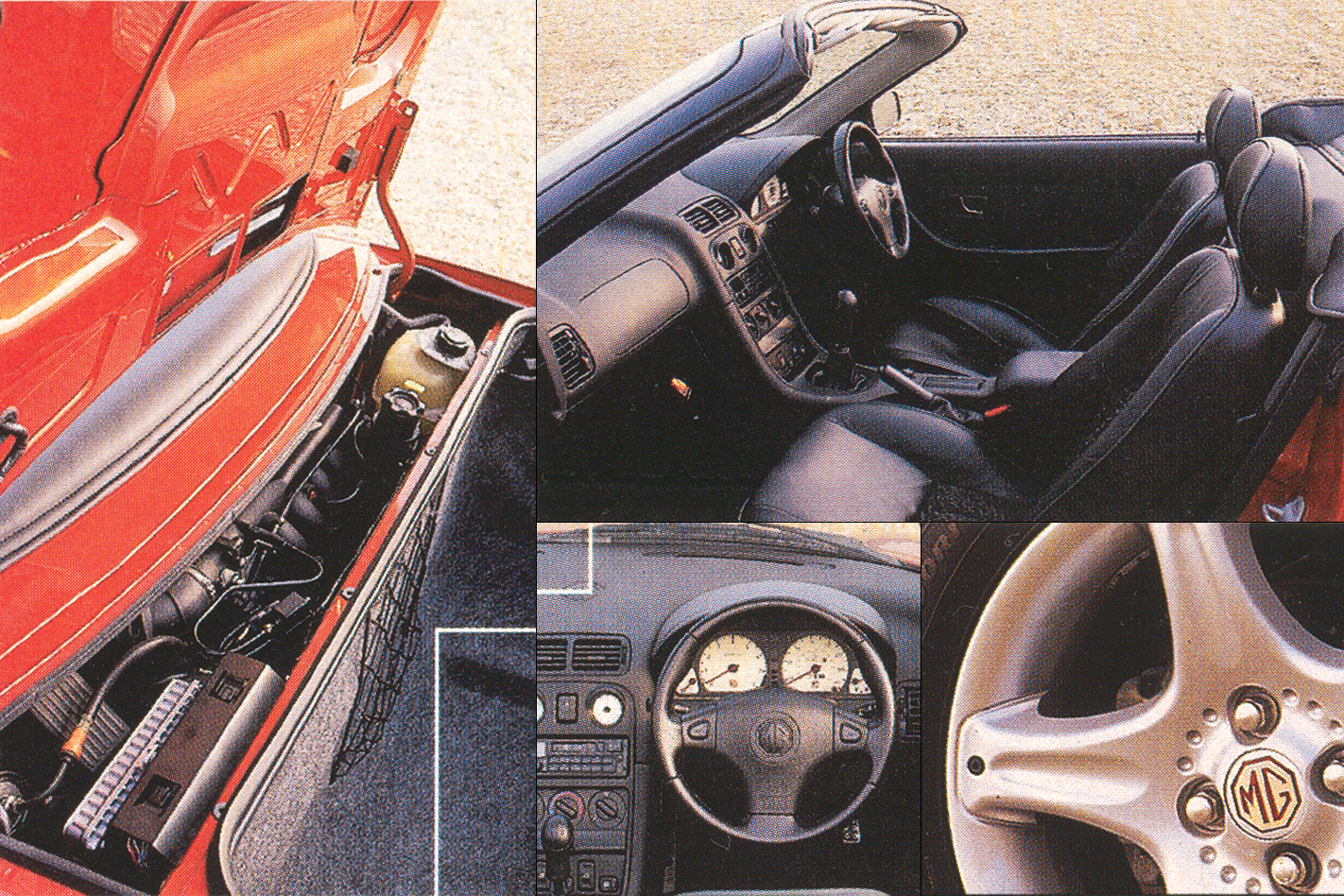
Nor do the interiors contradict the perception that the Z3 is a Compact wearing a roadster body-suit, while the MGF is rather more special, even if it’s not quite as well made. Yes, there’s more room in the Z3, yet, because much of the furniture is familiar and the driving position uncompromised, there is nothing to distinguish it from any other open BMW.
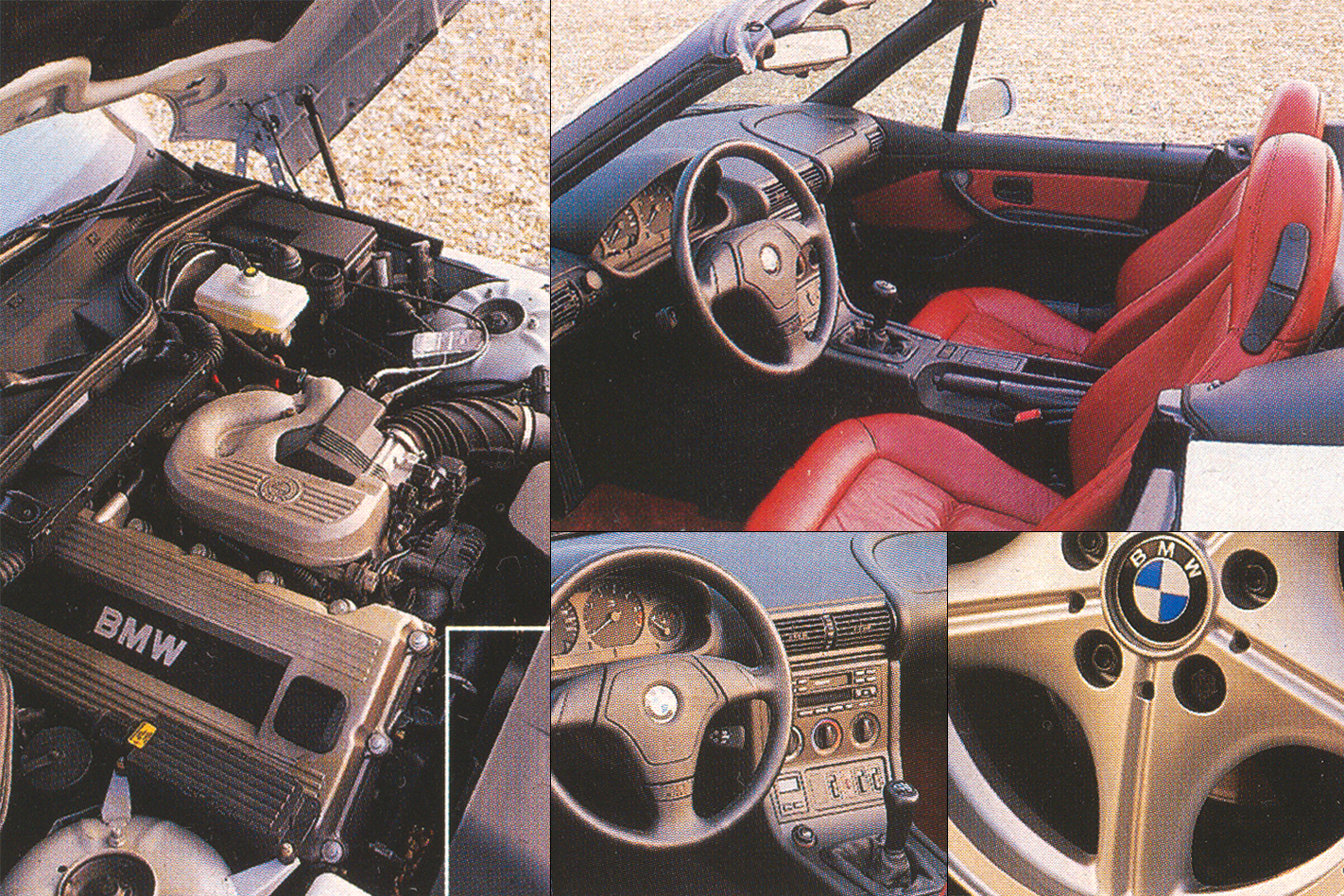
Electric seat cushion height (but not tilt) adjustment means you can sit in the with legs outstretched and no thigh support, or high and comfortable.
The MGF feels somewhat like a Honda NSX, with the steering wheel low down between the thighs, partly because the seat cushion is high and the body sides deep. Because the driving position is far more reclined and the windscreen is out of reach, the MG creates the perception it’s a baby supercar.
While the view from the Z3 is all bonnet and wheel arch extensions, even tall drivers can’t see the steep nose of the MGF.
Neither has brilliant seats when it comes to providing lateral support, though in a straight line they are both comfortable enough; the instruments — limited to the standard BMW offering — are easier to read than the dials of the Brit. The only left-over from Rover’s Honda days are two cheap Civic steering column stalks.
Both have excellent; taut hoods that generate only modest wind noise to around 160km/h. The roof is easier and quicker to raise, and lower than the more fiddly MGF whose cover can be a real pain. MG offered a Steel hardtop from day one, while BMW’s should be available by the time the Z3 goes on sale in Australia.
The Z3’s boot is more practical though the space is similar. The MG needs a remote release or at least an opening button, but you want to know how they drive, these most modern of sporting two-seaters.
On paper, the two appear very closely matched. The recently enlarged BMW dohc four pumps out the same 103kW as the original at 6000rpm. The MGF’s marginally smaller dohc in-line four develops 107kW at 7000rpm and 174Nm at 4500rpm, using its variable valve timing to good effect in producing a flatter torque curve. The difference in overall gearing is minimal but, combined with the peak power rpm, an accurate indication as to the character of the two rivals.
Yes, BMW’s 1.9 litre engine is smoother and more refined than the old I .8 but it lacks the sparkle you expect from a sports car and even when it hits its stride at 4500rpm, doesn’t sound especially enthusiastic, mostly because of a tinny exhaust note Just well it has a quicker gearchange than the MG, for every fraction counts.
There’s an urgency about the MGF that’s missing from the Z3. It’s helped by a 54kg weight advantage, of course, but its engine is just that much more alive and willing, offering a decent growl when it’s trying While refined as the BMW while cruising. A long gear lever — both could be shortened to good — and slower change that also baulked badly going into third and reverse (I’m assured this is a one-off peculiar to the test car) couldn’t spoil the MGF.
The British roadster has the legs of the German in virtually every department and dispatches the standing 400m almost half a second faster.
A time of 15.9sec is terrific for a small 1.8 litre roadster and ensures that it will be treated as a serious sports car. Quicker through the gears and in fourth and fifth, the MGF always feels more spirited, more eager and, because the engine loves to rev right out to the redline, it is both more responsive and dynamic than the Z3’S 1.9.
Accept the BMW as a German MX-5 and you ‘t be disappointed, but the MGF is something rather different and less compromised.
On paper these two deliver exceptional steady—speed fuel consumption, but the reality isn’t quite as impressive, the MGF particularly using more lead free if you take advantage of all those revs- The fuel tanks in both are too small to a decent touring range.
Both ride brilliantly. Those who reckon real sports cars should only come with the bone-shaking ride of traditional British roadsters will be deeply disappointed at just how comfortable these contemporary interpretations have turned out.
Exceptional body rigidity helps enormously; of course, but the MGF also has the double wishbone suspension and Hydragas springs, while the BMW relies on a more conventional, but equally well sorted set up. The MGF has all the compliance you expect, Without the float and bounce that once went with a system that is a distant, evolutionary development of the hydraulic suspension used on the Morris 1100 way back in the ’60s.
The MGF shrugs off bumps, absorbs potholes and treats rough roads with contempt, yet the BMW’s low speed ride is even better. Both have assisted rack and pinion steering, the MGF using an unusual electric power assistance.
Lighter and less precise than the Z3, the MG’s steering weighs up progressively in comers but never feels as natural or quick as its rival. Come from the MG to the Z3 and you dart around, turning in too quickly, though the difference between 2.9 and turns lock to lock seems marginal and should also be related to the BMW’s tighter turning circle. The Z3 simply has more direct and meatier steering that creates a positive first impression.
Both suspensions have been set up to provide mild and reassuring initial understeer, in the modem fashion, Up to eight tenths, it’s the BMW that feels the more enjoyable and confidence- inspiring, mostly because of the steering’s more naturally involving push beyond that level and you quickly discover the MGF retains its body composure and balance, Stays the more neutral and will eventually move to an easy-going oversteer.
Ultimately a combination of the right tyres, that effortless engine and a wonderful poise and true adjustability of chassis means the driver of the MGF feels more an integral part of the experience of the car.
The Z3, competent and thoroughly predictably BMW in its behaviour, will eventually drift into oversteer, especially when the road is wet’ but it an almost brutal effort and hasn’t the intrinsic rhythm of the MG, Maybe this has everything to do with the grip of the massive 225/50R16 Michelins fitted to the test Z3 in place of the standard 205s which surely offer a better mix Of communication and adhesion. Deliberately back-off at the comer’s apex to measure the change in attitude and there’s a momentary pause before the Z3 reacts.
Body roll intrudes and bumps that the MGF takes in its stride induce a sideways hop from the rear suspension.
Both have excellent brakes. Those on the BMW are probably superior under duress though initially feel a little dead while the MG shows that its suspension isn’t perfect by dipping the nose.
I’ve no doubt the Z3 will be produced in numbers more vast than Rover will dream of for the MGF, cachet of the spinning propeller, the instinct that it’s going to be better built and slightly easier to live with day to day; the certain knowledge that everybody is going to know and recognise the BMW is one powerful marketing tool. Yet, despite steering that should be better weighted and a nasty gearchange. I’d rather drive the MG through my favourite stretch of the twisties. It delivers a more special drive and is more of an event than any journey taken in the Z3.
Of course, the fact that they are so different gives rival car makers no joy, for it means that BMW (especially when the mouth-watering M roadster arrives), as proprietor of both the Z3 and MGF, has the class covered.
Snapshot
- Ex-footballer buys 10 per cent stake of UK EV company
- Lunaz specialises in converting classic British cars to EV tech
- Plans for UK to be combustion engine free by 2030 spurring on electric conversions
One of the world’s most successful footballers has decided to invest in the ever-growing world of EV conversions, backing a premium UK specialist to which converts classic cars to electric power.
Former footballer David Beckham has taken a 10 per cent stake in Lunaz, an up-market converter of classic cars which has so far swapped EV powertrains into vintage Rolls-Royce, Land Rover and Jaguar vehicles.
Beckham’s buy-in comes amidst a wave of other investors committing to Lunaz, a company which has been born out of experience with hybrid and EV powertrains in motorsport with staff coming over from Renault F1, Prodrive, McLaren and Ferrari
The Silverstone-based company was founded by David Lorenz and Jon Hilton, a former engine designer for Rolls-Royce and three-time Formula One World Championship winning technical director, who both have a passion for EV technology in the wider market.
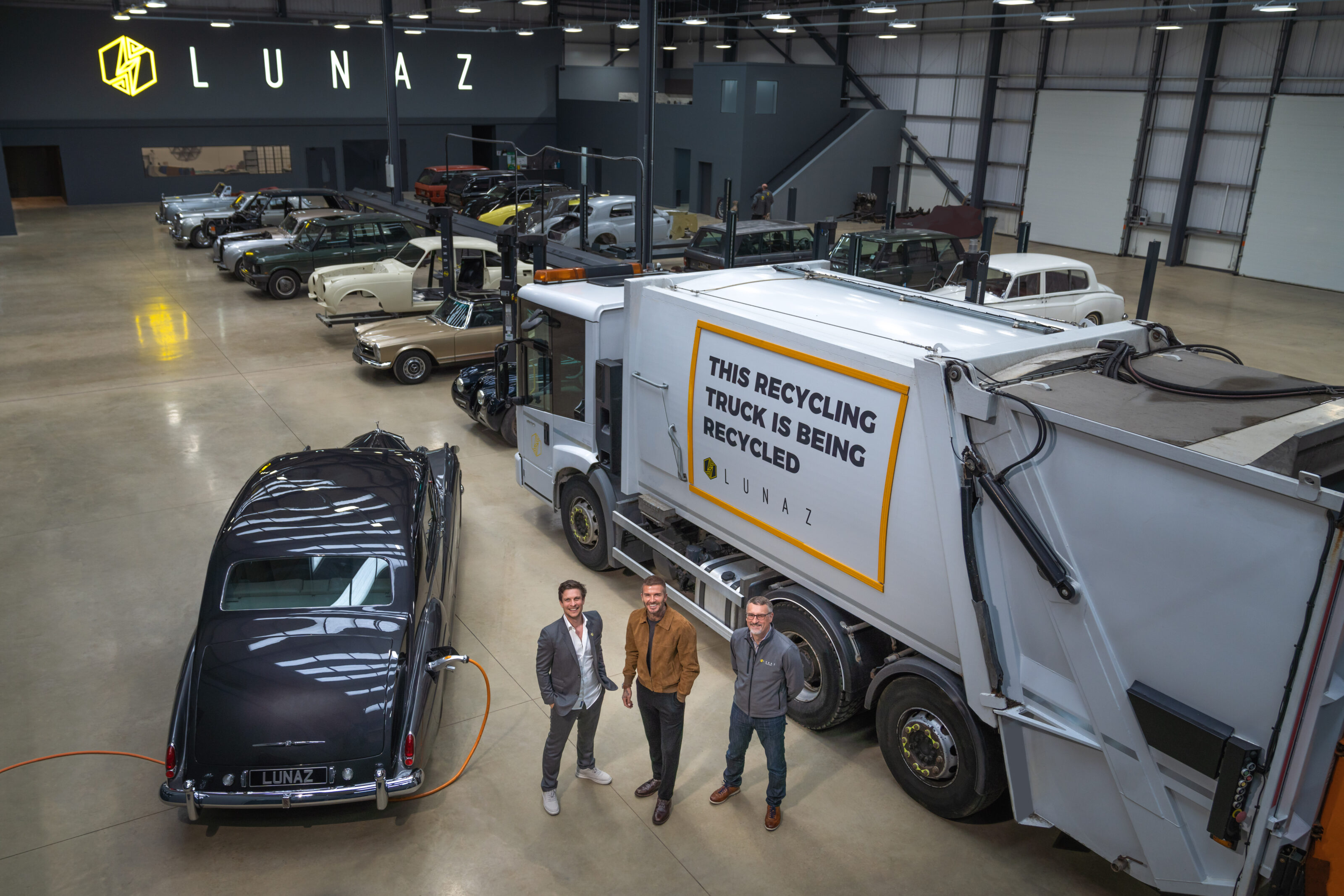
No stranger to being seen in luxury vehicles, Beckham says he was drawn to the Lunaz brand after seeing how it could convert iconic cars to run on clean technology.
“Lunaz represents the very best of British ingenuity in both technology and design,” said Beckham.
“I was drawn to the company through its work restoring some of the most beautiful classic cars through upcycling and electrification.
“David Lorenz and his team of world-class engineers are building something very special and I look forward to being part of their growth.”
Though its previous projects have been focused around classic cars, its next task is to convert a former recycling truck to run on electric power, something which Lunaz believes could save governments more than 40 per cent over the vehicle’s life-time compared to the cost of purchasing a new electric vehicle.
Prices for the Lunaz converted cars start at £245,000 (AU$448,355) for the Range Rover Classic, while the Rolls-Royce Phantom V begins at £500,000 (AU$915,000), both prices excluding local taxes.
With the UK looking to ban internal combustion engine vehicles by 2030 and the restrictions in London’s ultra-low emission zones growing ever tighter, companies such as Lunaz which convert ICE cars to electric could see a large uptake in the next few years.
Snapshot
- Trademark filing suggests German carmaker has something special planned for its M Division
- BMW has recently trademarked ‘Evo Sport’ and ‘Evo Track’ names
BMW has filed to trademark the name ‘50 Jahre BMW M’ in its home country of Germany, ahead of its fabled performance arm’s 50th birthday in 2022.
It all but confirms the Munich manufacturer will be releasing at least one limited-edition model to celebrate its M division turning the big five-zero.
In the past, we’ve seen Jahre badging (jahre meaning year in German) adorning models like the F10 M5 30 Jahre and, more recently, the F80 M3 30 Jahre, both of which were limited to just 500 examples each.

The trademark filing shows what the 50 Jahre BMW M badging will look like, and it’s reassuring to see the quintessential tri-colour Bavarian blue, violet, and red striping present and accounted for.
The question remains, though – what exactly will the new badge be affixed to? Perhaps most logically, all current M cars like the G80/82/83 M3 and M4, F90 M5, G14/15/16 M8 would be given the 50 Jahre treatment.
However, there are rumours BMW may have something bigger still in store to honour what is one of the most recognisable performance car brands on the planet.
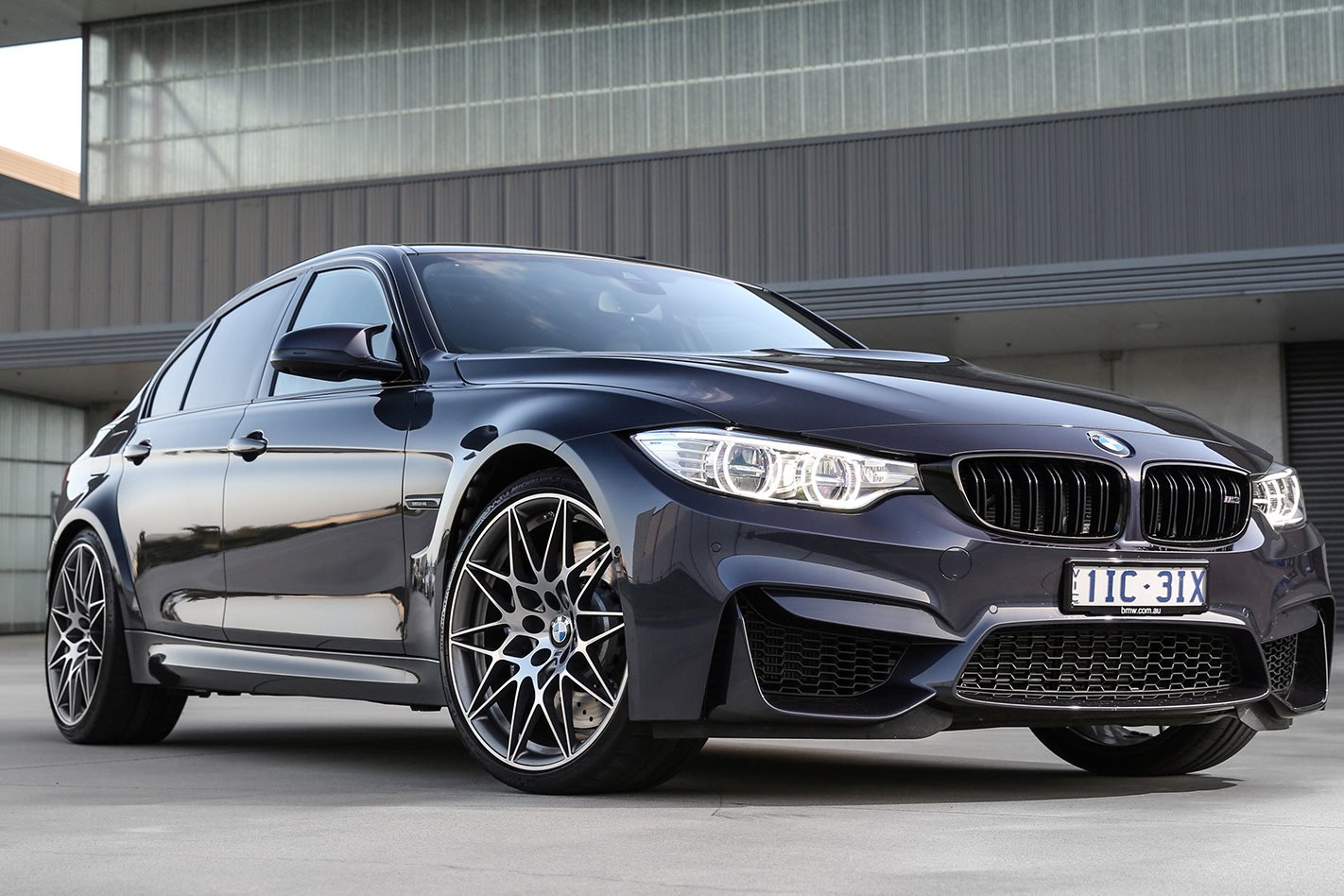
As reported by CarBuzz, BMW trademarked two names on May 7, 2021, which may give clues about what will be unveiled in 2022.
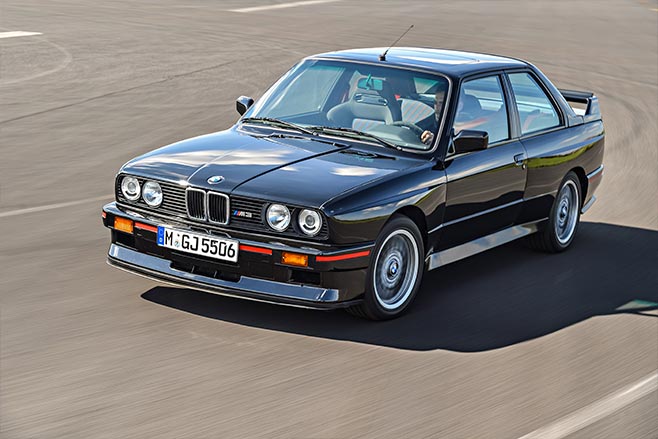
One of the appellations was ‘Evo Sport’, which sounds very similar to the Sport Evolution moniker found on the limited-edition 2.5-litre E30 M3 built for homologation purposes to compete in Group A in the early ‘90s.
The other name was ‘Evo Track’, an entirely new name for BMW’s M skunkworks, which sounds like an even more intoxicating future model.
WhichCar has reached out to BMW Australia about what might be planned for the 50th anniversary celebrations, but a representative said it was too early to comment.
VALENTINO BALBONI is driving the Diablo GT. I’m strapped in alongside, approaching a 90-degree right in the flat fields near Lamborghini’s factory at a ridiculous velocity. He uses the dirt dragged onto the road by a tractor to set the car sliding and then glides through the corner on a trailed throttle.
A police Alfa 156 comes the other way, the two carabinieri officers mouths a perfect o. “They don’t bother us,” says Balboni with a casual wave of the hand. “They know me,” he grins.
I probably didn’t realise how special that opportunity was, to ride with Balboni and later drive what was probably the angriest Lamborghini road car ever built. After the Lamborghini Diablo came the more mannered Murcielago; still potent but lacking that unhinged side to its personality that had distinguished/disgraced (delete according to taste) 20th century V12 Lambos.
And the GT was wild. Audi had just acquired Lamborghini and launched the excellent 6.0-litre VT versions of the facelifted Diablo, but the GT was lighter, thanks to composite and aluminium body panels, and more aggro, with a 110mm wider front track width and an engine that featured a revised intake system, a reworked exhaust, titanium conrods and a lighter crankshaft. Suddenly here was a car with performance to eclipse a Ferrari’s F50, making it one of the very fastest production cars on the planet.
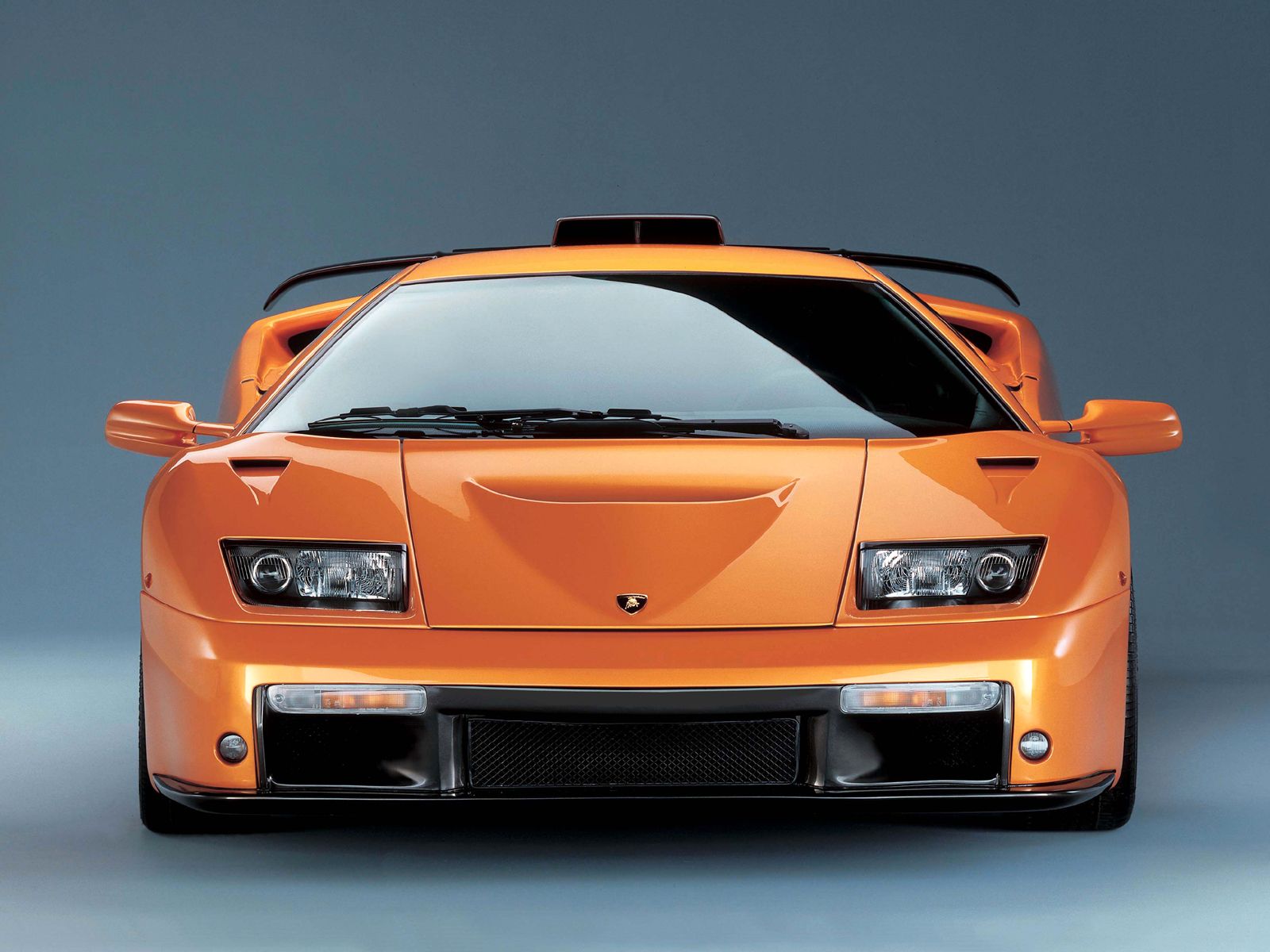
It was rare, too. You can’t go anywhere without tripping over one of the 349 F50s that came out of Maranello, but the production run of the Diablo GT was, officially at least, just 80. Offered in either the hero orange, silver, black or yellow, the GT could be specified with longer gearing lifting top speed from 338 to 346km/h. As the airbox completely blocks rear visibility, Lamborghini even offered a spoiler-mounted rear-view camera option.
In truth, the Diablo GT was a car too good to be shared among a mere 80 collectors. And Balboni? Unbelievably, he did get away with that one, although, as we later learned, there were occasions when the plod turned up at the factory for a chat. For better and worse, they don’t make ‘em like that anymore.
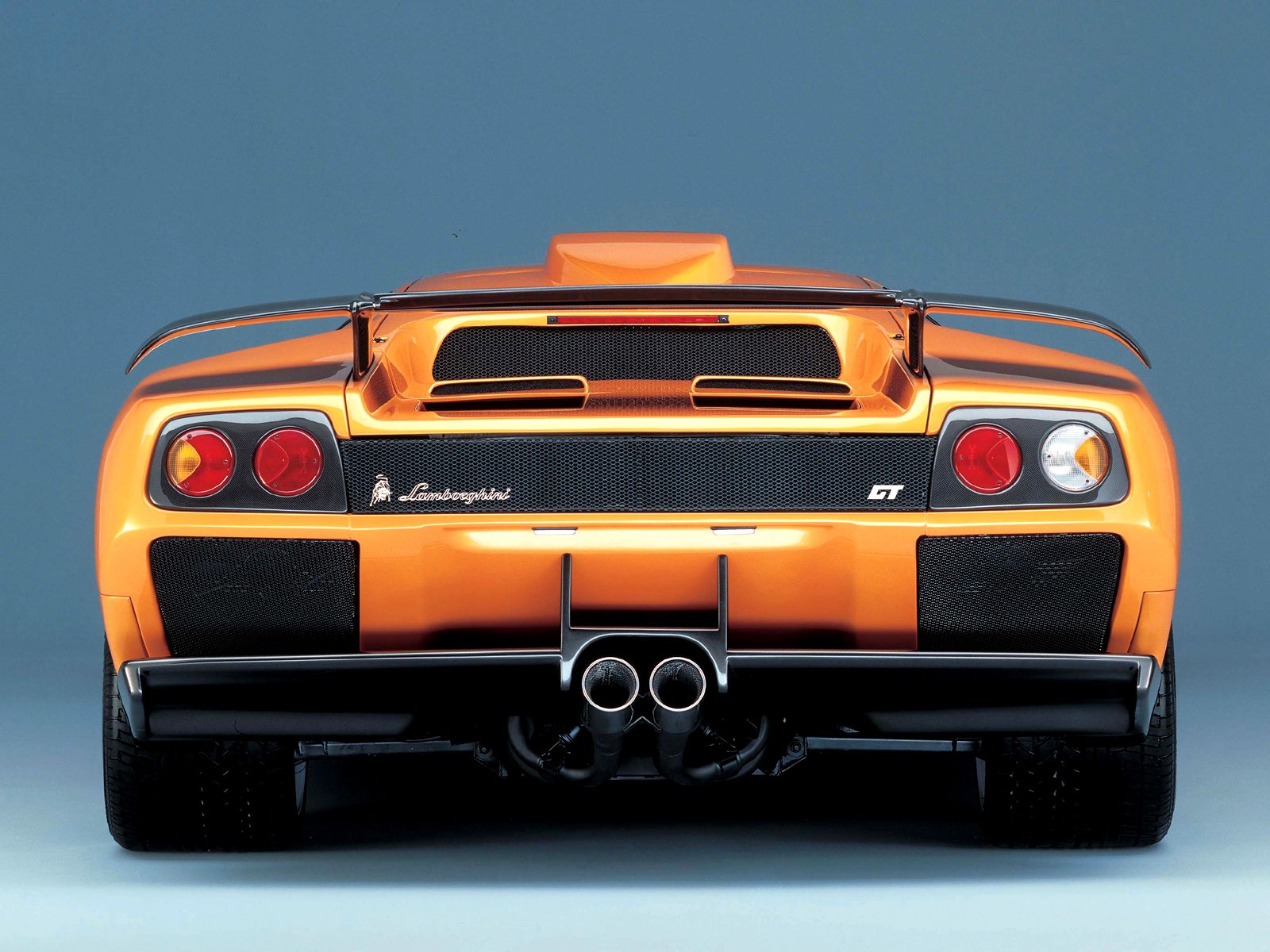
Lamborghini Diablo GT specs
Engine: 5992cc V12, DOHC, 48v Power: 429kW @ 7300rpm Torque: 630Nm @ 6500rpm 0-100km/h: 3.8 seconds Weight:1460kg
Snapshot
- Drivers are safest behind the wheel when children are in the car
- Double demerits change the habits of just one-third of road users
- A fragile item has a better chance of being in a safely driven car than partners
Dash Cam manufacturer Nextbase has conducted a study of just over 1000 respondents in Australia to understand their driving habits, understanding what acts as an incentive to make us drive safer.
Nextbase discovered 51 per cent of us would be more cautious on the roads if we had children in the car and 44 per cent would change their habits if they were carrying a fragile item, such as a TV.
Though this may not be a surprise, just 36 per cent responded to driving safer with a spouse in the vehicle, putting the cost of replaceable appliances above their partner.

Despite being unable to protect themselves, the presence of pets had the smallest effect, only 29 per cent saying they would drive more safely if their furry friend was a fellow occupant.
The authorities won’t be pleased with the finding of just 33 per cent of those surveyed changing their habits while double demerits are in force, hardly acting as a deterrent to curb bad habits.
The same study was done on our neighbours in New Zealand who had even more questionable driving choices, placing an even higher value on fragile items (54 per cent) than their partners (30 per cent).
A similar study conducted by Nextbase in 2020 discovered half of the Australian respondents didn’t feel they had any bad habits behind the wheel, though seven per cent admitted to using their phone when driving.
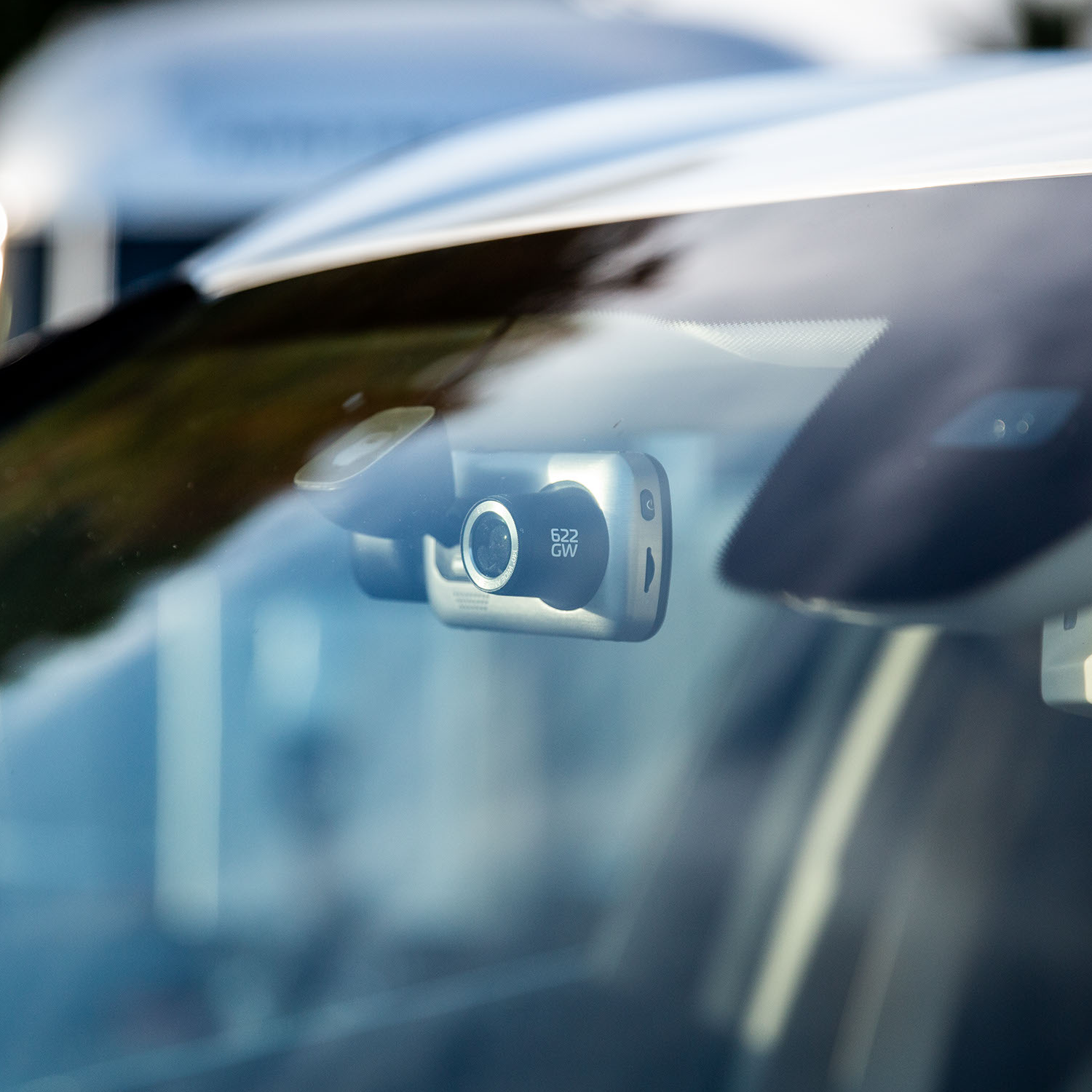
Nextbase’s Managing Director, Richard Browning, said the study was designed to better understand the habits of Australian drivers and to help them become more aware of their choices.
“The findings are fascinating, giving us insights into the minds of drivers and what motivates the way that they change their decision-making when behind the wheel,” said Mr Browning.
“We want to help play a role in encouraging Australians to really consider how they are behaving while driving on the road, and the scenarios in which they should vary that behaviour accordingly.
“We know that 25 per cent of Australians have a Dash Cam installed in their car, with that number steadily rising, and that added layer of accountability will hopefully have an ongoing influence on the behaviour of other motorists.
“When our actions can be played back to hold us accountable, we are less likely to take unnecessary risks on the road.”
The survey was based on the responses of 1,019 respondents in Australia from May 17 to 24, 2021.
Snapshot
- Tesla accounting for growing market share
- Robyn Denholm oversaw local Toyota production in 1990s
- EV production already gearing up in SA
Australian Tesla chairwoman Robyn Denholm has said local auto-manufacturing could be kickstarted once again as electric vehicles gain traction.
As reported by CarAdvice, this week’s Australian Minerals Council conference in Canberra, Denholm argued returning to large-scale production of vehicles is still “a possibility” in Australia, and that “if we do, they’ll be electric.”
In her speech, Denholm pointed out that Australia “has the minerals, the know-how and many of the skills” to manufacture new cars on our shores.
Denholm, who was raised at a service station in Milperra, New South Wales, has taken on a variety of high-ranking accountancy roles in her career, including a seven-year stint at Toyota.
She became the Australian division’s national finance officer before departing in 1996. Denholm joined Tesla as a director in 2014, before moving into her current role as chairwoman in 2018.
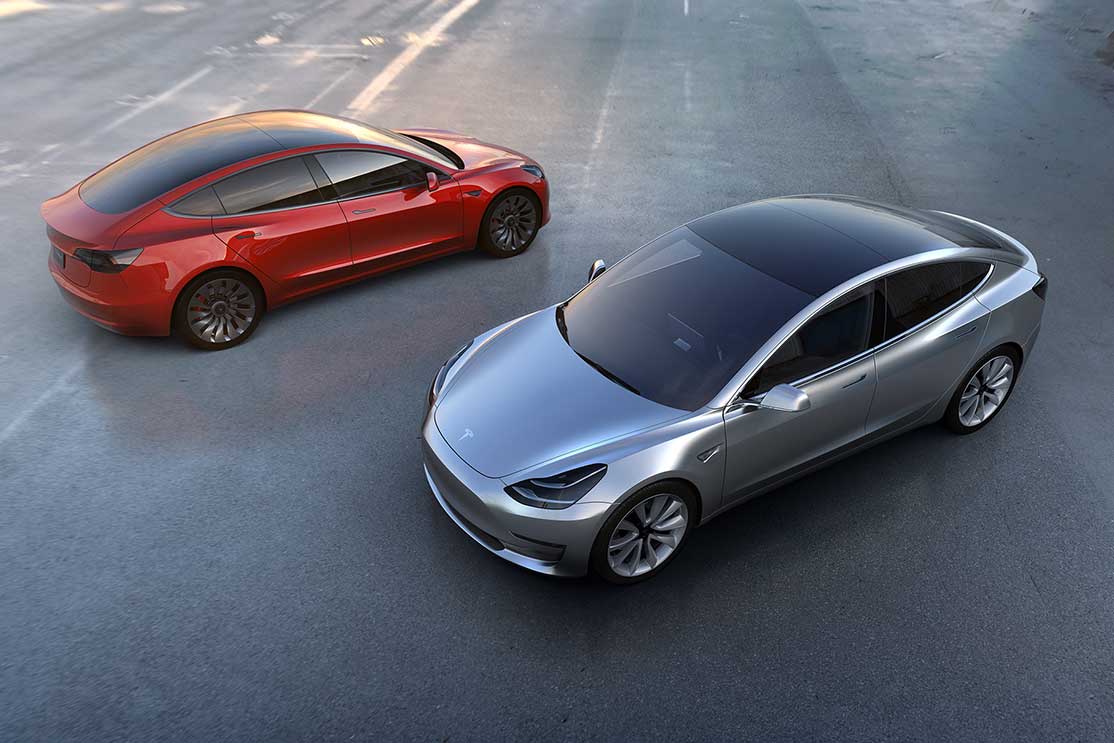
Tesla dominates the burgeoning Australian electric market, selling more cars than all other EV brands combined. Last year saw 3430 new Teslas registered nationwide, a 16.3 per cent increase on 2019 figures.
Despite the considerable sales jump, electric cars make up just 0.56 per cent of all new cars sold locally in 2020. The Model 3, which makes up the vast majority of local Tesla sales, is entirely sourced from the marque’s Shanghai plant.
Australia’s full-scale car production industry ended in October 2017, when Holden’s Elizabeth plant was shuttered. It was preceded by the closure of Ford’s Geelong and Campbellfield facilities in 2016, and Toyota’s Altona factory in 2017.
Since then, there has been some hope for a reinvigoration of local car-building within the electric sector. Adelaide start-up ACE EV plans to build 15,000 EVs by 2025, having received a $5 million grant from the Federal Government last year under the Future Fuels Fund.
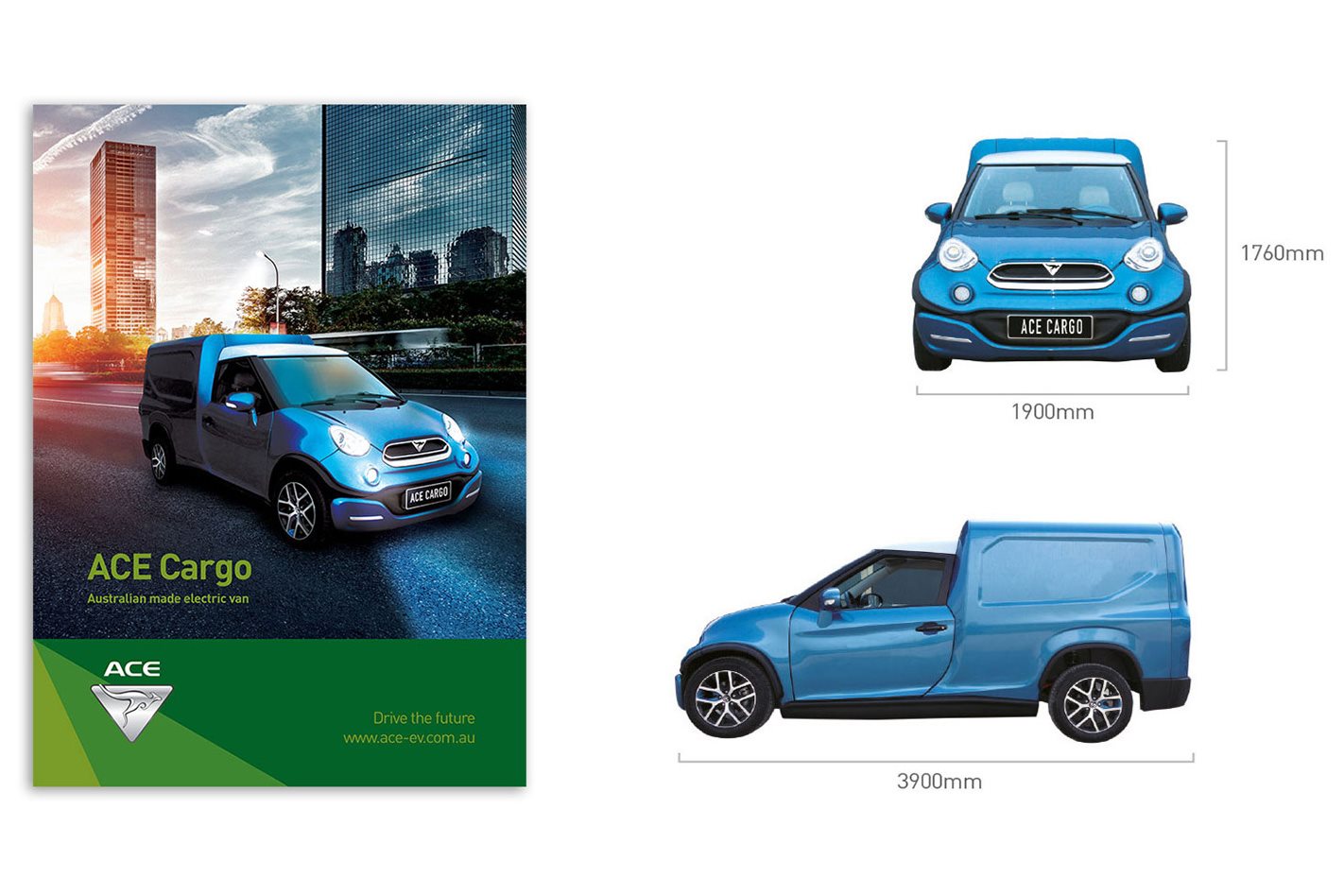
The company will mostly target the commercial sector with its debut vehicles – the Yewt ute and Cargo van – though a four-seater Urban hatch is also planned.
Whilst Tesla itself has never committed to building cars in Australia, senior manager Sam McLean said in 2018 the company would be open to local production “if the opportunity arose.”
Toyota Australia’s vice president of sales and marketing, Sean Hanley, has said the Japanese firm is completely unaffected by the current global semi-conductor shortage currently wreaking havoc for carmakers across the globe.
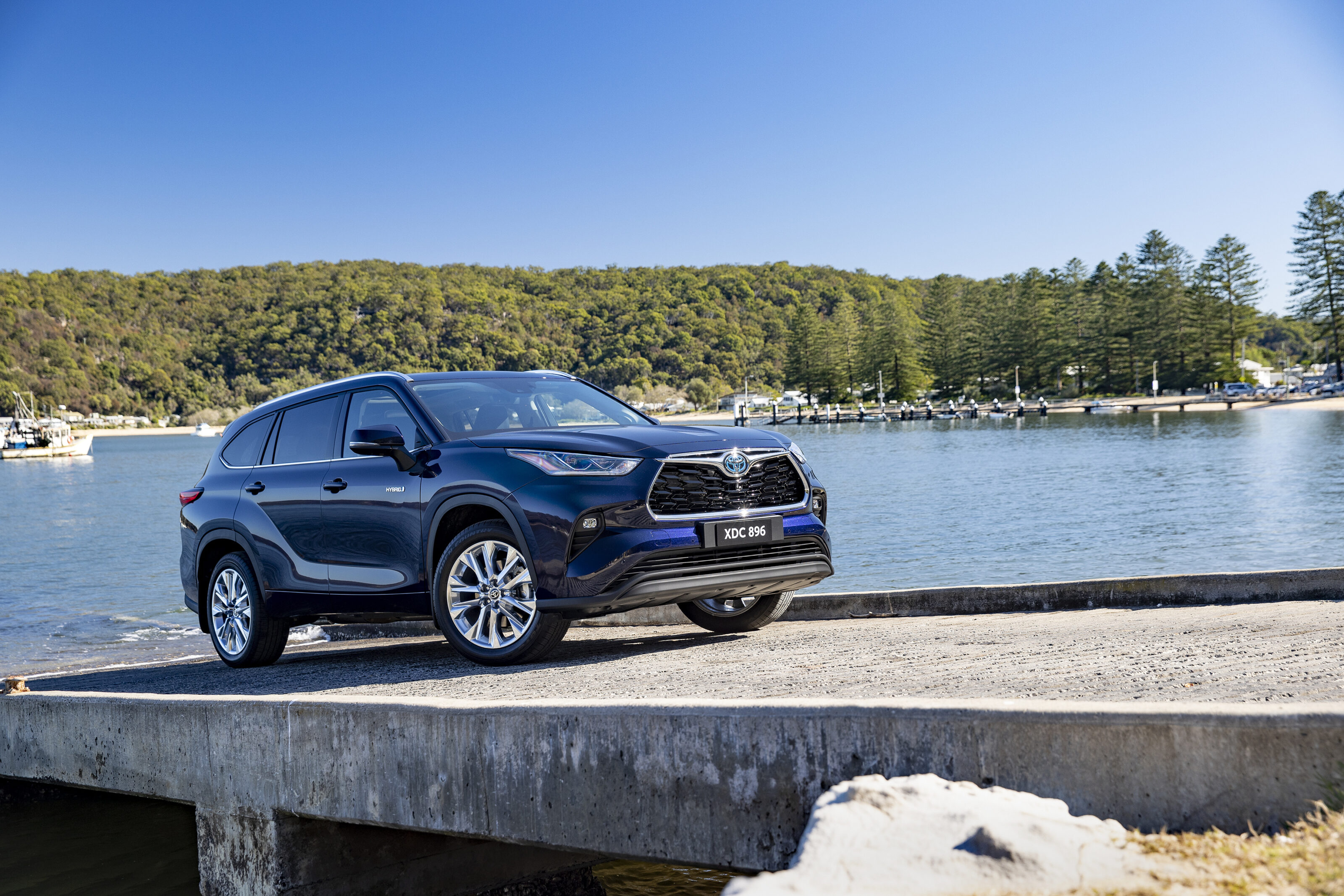
Speaking at the launch of the 2021 Toyota Kluger family SUV this week, Hanley told press the Aichi outfit had future-proofed its supply chain.
“Due to forward planning, the supply of semi-conductors is not the issue for Toyota that it is for other companies, particularly in Europe,” Hanley said.

Hanley added this clever preparation was down to Toyota learning from the hardships it endured in 2011 when Japan was ravaged by terrible natural disasters.
“Our parent company learnt a lot when its supply chain was destroyed following the 2011 earthquake and tsunami,” he said.
“As a result, they [Toyota] now regularly examine multiple tiers of suppliers, discovering at an early stage which suppliers and parts are at risk.”
The marketing and sales VP also said Toyota’s buying team was almost constantly interacting with suppliers, which enabled the carmaker to ensure it has what it needs well ahead of time.
“Our global purchasing group communicates with our suppliers as many as 10 times a day when the parts supply situation is severely tight,” he said.
“This enabled us to secure inventory for semi-conductors months in advance.”

While Toyota has been fortunate to escape the issues associated with the massive semi-conductor shortage, namely deleting tech and safety features, other carmakers have not been so lucky.
Just last month, Mercedes-Benz Australia confirmed to WhichCar that all of its models based on its MFA2 platform – the A-Class, B-Class, CLA, GLA, GLB – no longer come equipped with the previously standard fit Pre-Safe accident anticipation system due to the worldwide deficit of semi-conductors.
Snapshot
- Automakers call for Australian Government to step up approach to EVs
- No federal incentives exist for consumers
- Comments come off the back of Ford CEO criticising Australian infrastructure
Australia’s EV policies have been again been brought into the spotlight by Nissan and Mercedes-Benz claiming the Government’s approach to electric vehicles is preventing them bringing their best tech into the country.
Off the back of Ford CEO, Jim Farley, last week saying Australia’s infrastructure can’t properly support a move to full-electric, Nissan has called out about the Government’s approach towards EVs, saying it’s holding the firm back from bringing more models here.
A lack of incentives locally is the main hindrance on sales getting off the ground, with automotive manufacturers less excited to sell their range of vehicles in a country which doesn’t offer assistance for people to get into EVs compared to one which has embraced the technology.
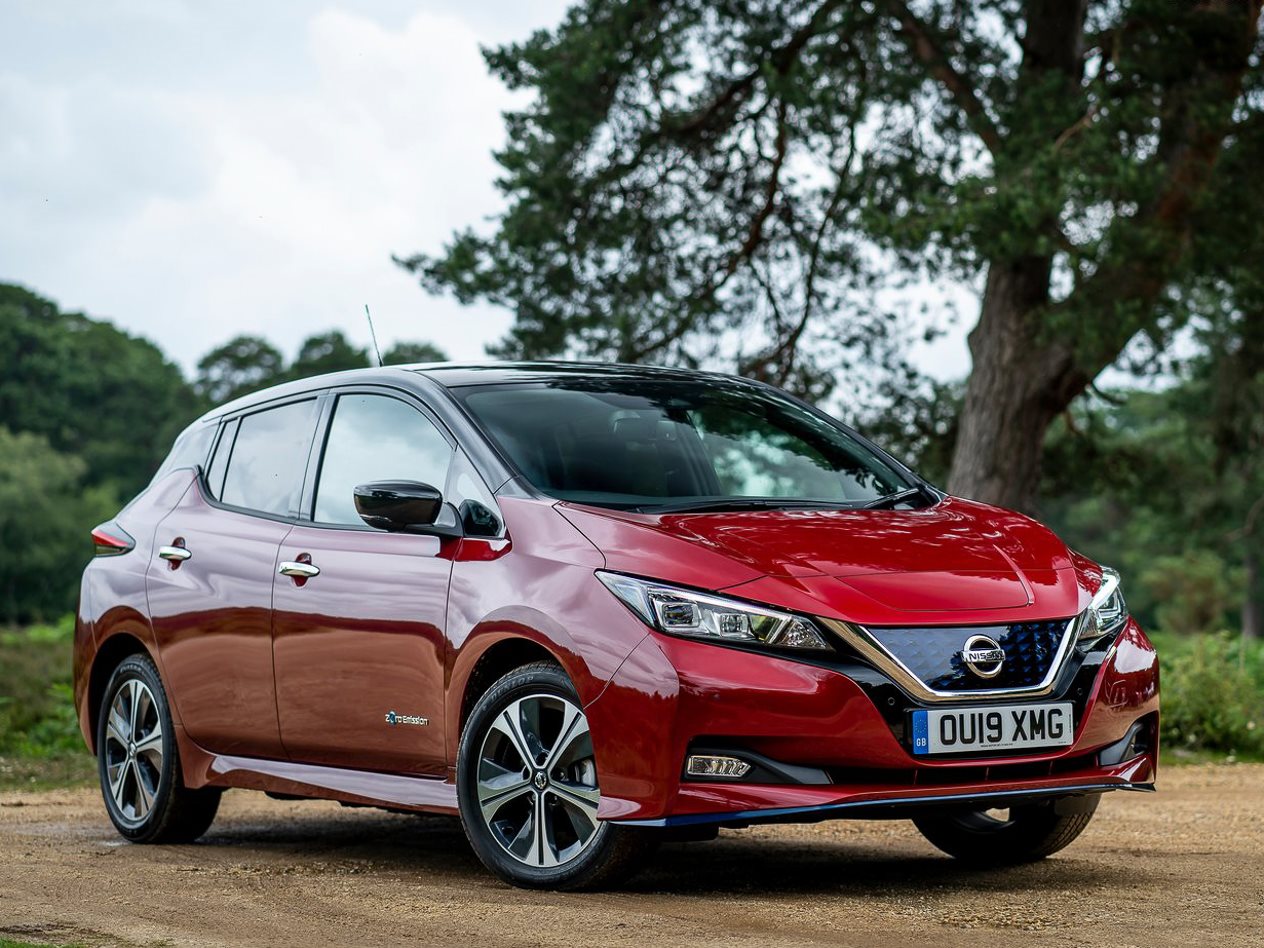
Nissan Australia’s national manager for electrification, Ben Warren, was critical of the Government’s approach in an interview with ABC, stating the Japanese marque is more likely to try and sell its cars in a country with progressive policies regarding EVs than try to break through in Australia.
“When you can only make so many cars, you have to prioritise where you send them,” said Mr Warren.
“Naturally the markets which have the more progressive policies and objectives and targets, are the markets that get prioritised over markets like ours.”
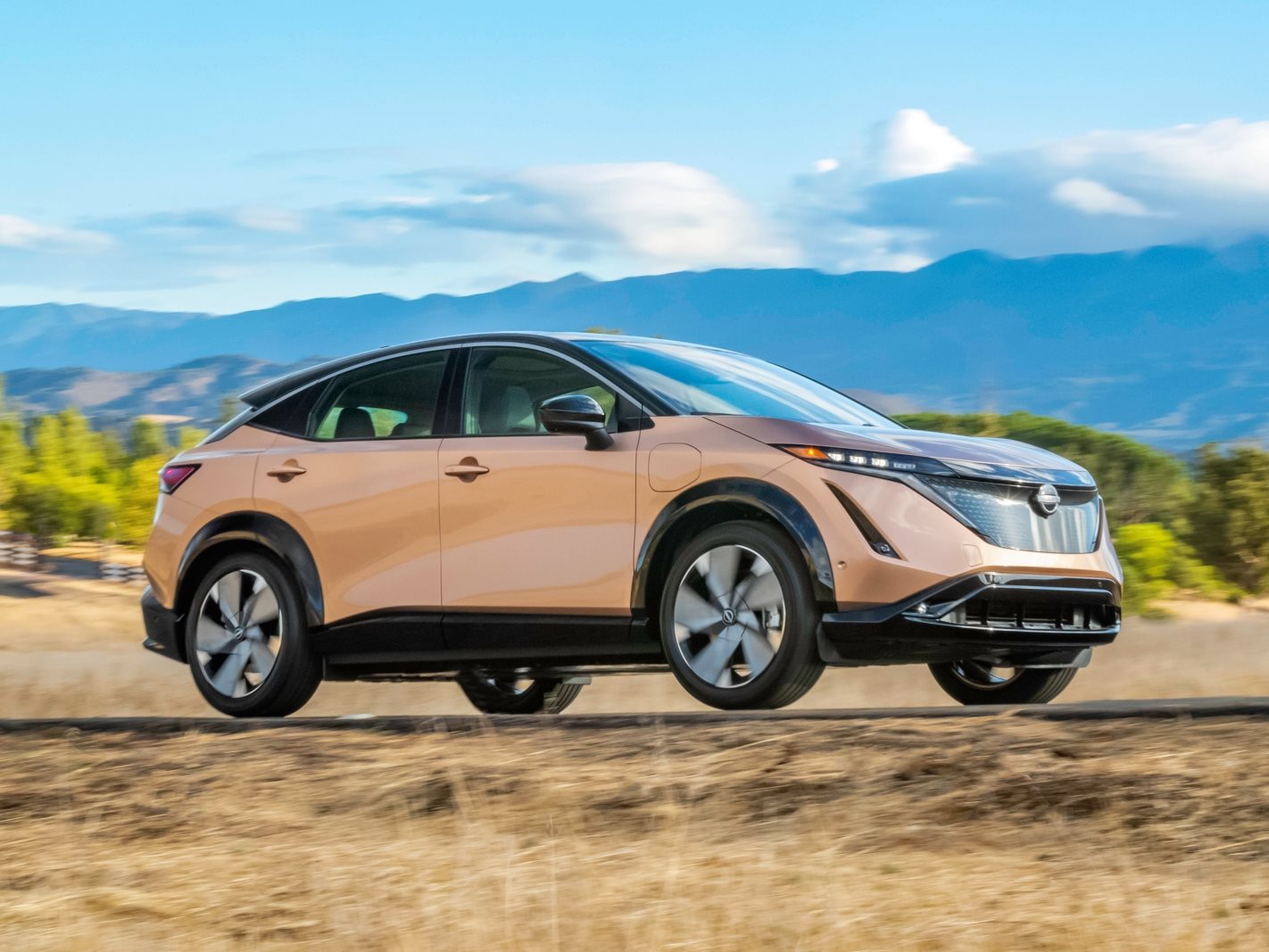
The upcoming Nissan Ariya is unconfirmed for Australia so far, reflecting Nissan’s view of the country’s stance on EVs, and the only electric vehicle the automaker currently offers here is the Leaf and recently released successor, the Leaf e+.
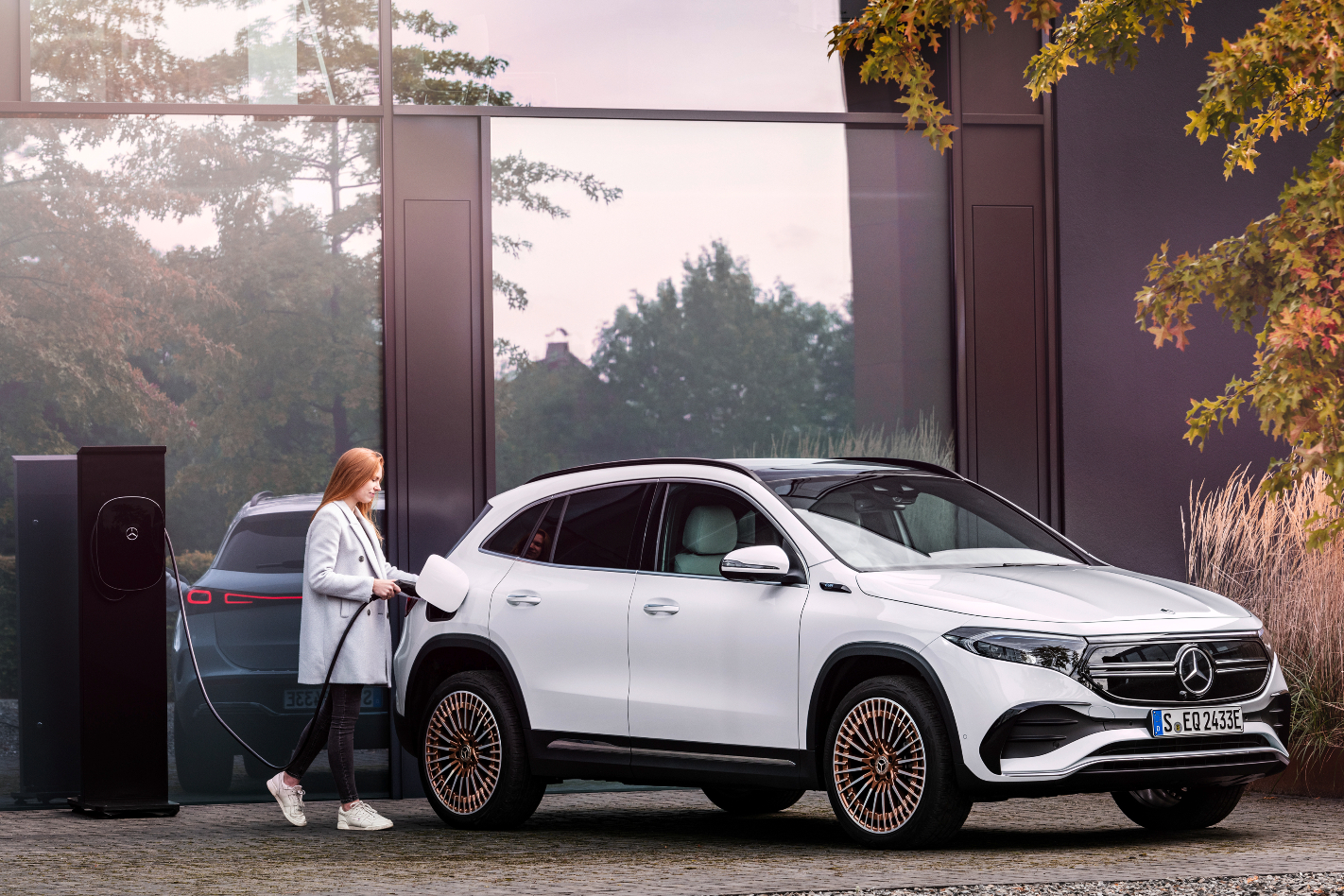
A spokesperson for Mercedes-Benz also told WhichCar more needs to be done to entice manufacturers towards the Australian market.
At present Mercedes-Benz has no fully-electric cars available under the threshold, its cheapest car being the EQA250 which starts at just over $80,000 drive-away.
“We [Mercedes-Benz] recognise there are policy changes which need to be made in Australia when it comes to the transition to EVs, and will work with the states or Federal Government to achieve this,” said the spokesperson.
“But we would prefer a more co-ordinated approach, because what’s happening with the states now doesn’t work from a consumer perspective and is actually affecting people’s decisions on whether or not to purchase that technology.”
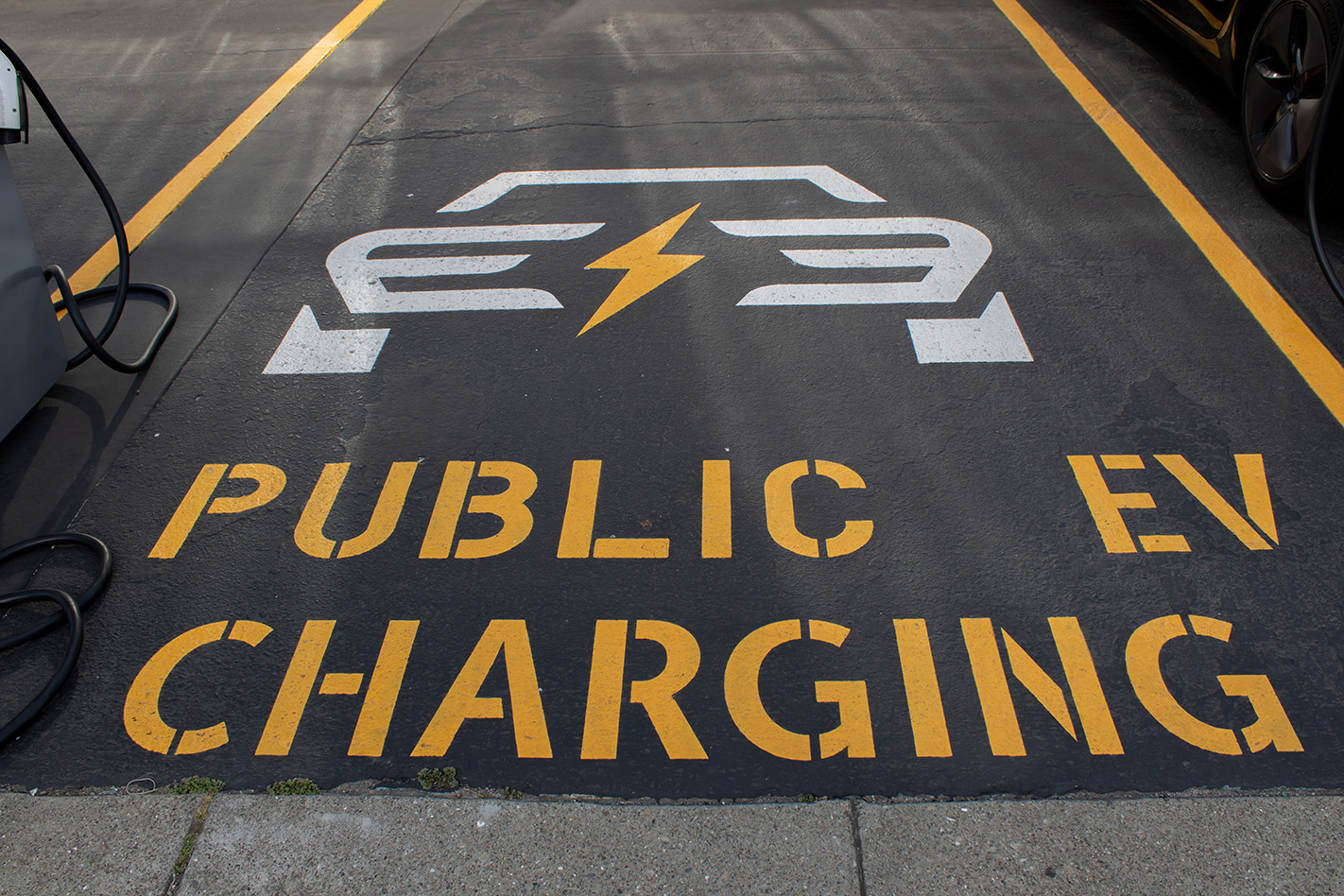
There are currently no federal incentives for potential buyers to go EV, only the Australian Capital Territory, Queensland and Victoria offer discounts or exemptions on EV purchases but these vary depending on location.
The ACT currently provides the best incentives with no stamp duty, free registration and interest-free loans of up to $15,000 for EV buyers, but despite this, only 950 of the 300,000-plus cars on Canberra’s roads are electric, with 52 being Government-owned.
Victoria has recently come under fire for implementing a road tax on EVs as a part of move towards a ‘user-pays’ approach from July 1.
While the fuel excise stands at 42.7c per litre, EV drivers will soon have to pay 2.5c per kilometre. Hybrid owners get a ‘discount’ with the distance-based charge rounded down to 2c per km, meaning those with a hybrid vehicle must pay both the fuel and road use tax.
An incentive for EV purchases was announced shortly after, with up to $3000 available over the next three years to 20,000 applicants, applying only to full-electric or hydrogen vehicles which have a value of up to $68,740 before on-road costs and which are purchased after May 2, 2021.
New South Wales Transport Minister, Andrew Constance, recently said Australia has become a laughing stock over its treatment of EV owners, proposing the adoption of subsidised car parks, allowing access to transit lanes and waiving stamp duty, such as the ACT has done.
Another factor said to affect uptake is the Luxury Car Tax. Last week it was announced the threshold will increase to $79,659 from July 1 for vehicles which consume under 7.0L/100km of fuel, up from $77,565 in 2020/21, though this change still puts a majority of the EV market above the threshold with owners having to foot the bill for the 33 per cent tax added.
Hitting back at the manufacturers’ claims, the Department of Industry, Science, Energy and Resources told WhichCar that carmakers are driven by profits from new car sales so it’s a given they would be interested in bringing new models to market and arguing for incentives.
The Department contended its Future Fuels Strategy, which will be released later this year, will focus on EV charging and hydrogen refuelling infrastructure where it’s needed, integrating battery EVs into the electricity grid and supporting Australian innovation and manufacturing among other initiatives.
It said $74.5 million for the Future Fuels Package was announced in last year’s Budget ‘to help consumers, businesses and communities take advantage of opportunities offered by new technologies including hybrid vehicles, battery electric vehicles and hydrogen fuel cell vehicles’.
Federal Minister for Energy and Emissions Reduction, Angus Taylor added: “The Government is focused on ensuring Australian motorists can choose the vehicle they want to drive – be that petrol, diesel, hydrogen or electric powered,” said he said.
“Over $1.2billion has already been committed to help increase the uptake of low and zero emissions vehicle technologies including over $74million through the Morrison Government’s Future Fuels Package.”
As part of the $1.2billion of investments in EV technology, $24.5million has gone towards the Freight Energy Productivity Program which forms part of the King Review Technology Co-Investment Fund, and a $5 million grant has been given to ACE-EVs to produce EVs in Adelaide.
While car companies continue to push for incentives, the Government said modelling shows subsidies for battery electric vehicles ‘are not value-for-money for taxpayers and are an expensive form of abatement’.
UPDATE, June 4: Toyota has debuted its fully electric bZ4X concept in America, and confirmed the upcoming mid-sized SUV will go on sale in 2022.
Little information was given by the Japanese manufacturer’s American arm, aside from confirming the close-to-production-spec SUV will be revealed later this year.
New, but barely any different, images have also been unveiled.
However, the interior does appear to have changed slightly – most notably, the space-aged yoke-style steering wheel has been replaced with a more traditional-looking, round unit.
A representative from Toyota Australia has told WhichCar there is currently no local news about the upcoming RAV4-sized SUV concept.
Some of the images in this story have been updated to reflect the latest news.
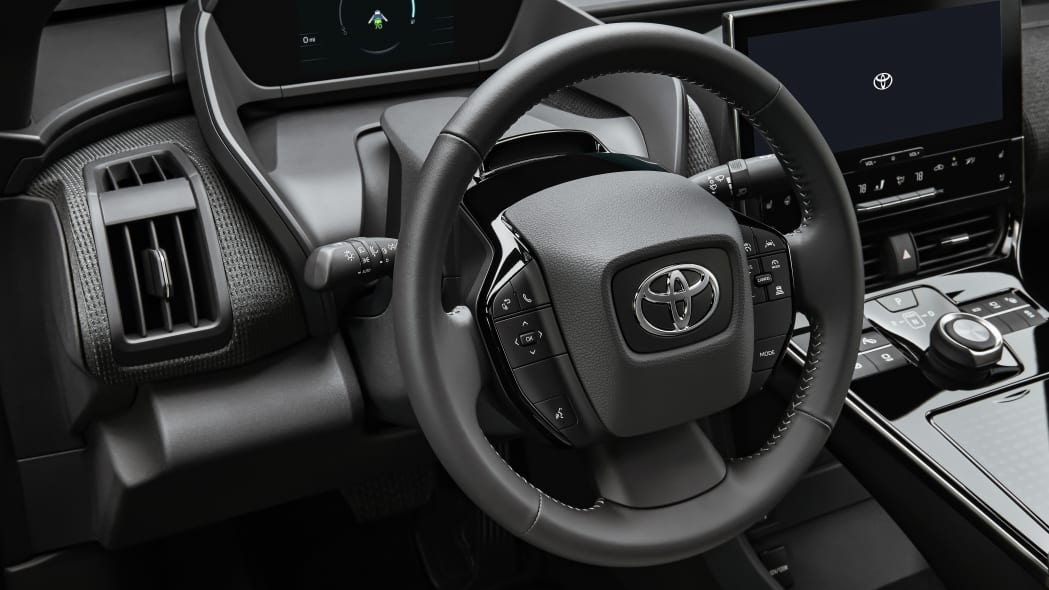
April 19: The Toyota bZ4X concept all-electric mid-sized SUV has been officially unveiled at the Shanghai Auto Show.
Sharing similar proportions to Toyota’s perenially popular RAV4, this new prototype looks close to production-spec, which supports Toyota’s recent announcement that its first EV will be on sale in Australia in 2022.
“Adding the first battery-electric vehicle to our range builds on our approach of providing a variety of powertrain options, while reducing emissions,” said Sean Hanley, Toyota Australia vice president of sales and marketing.
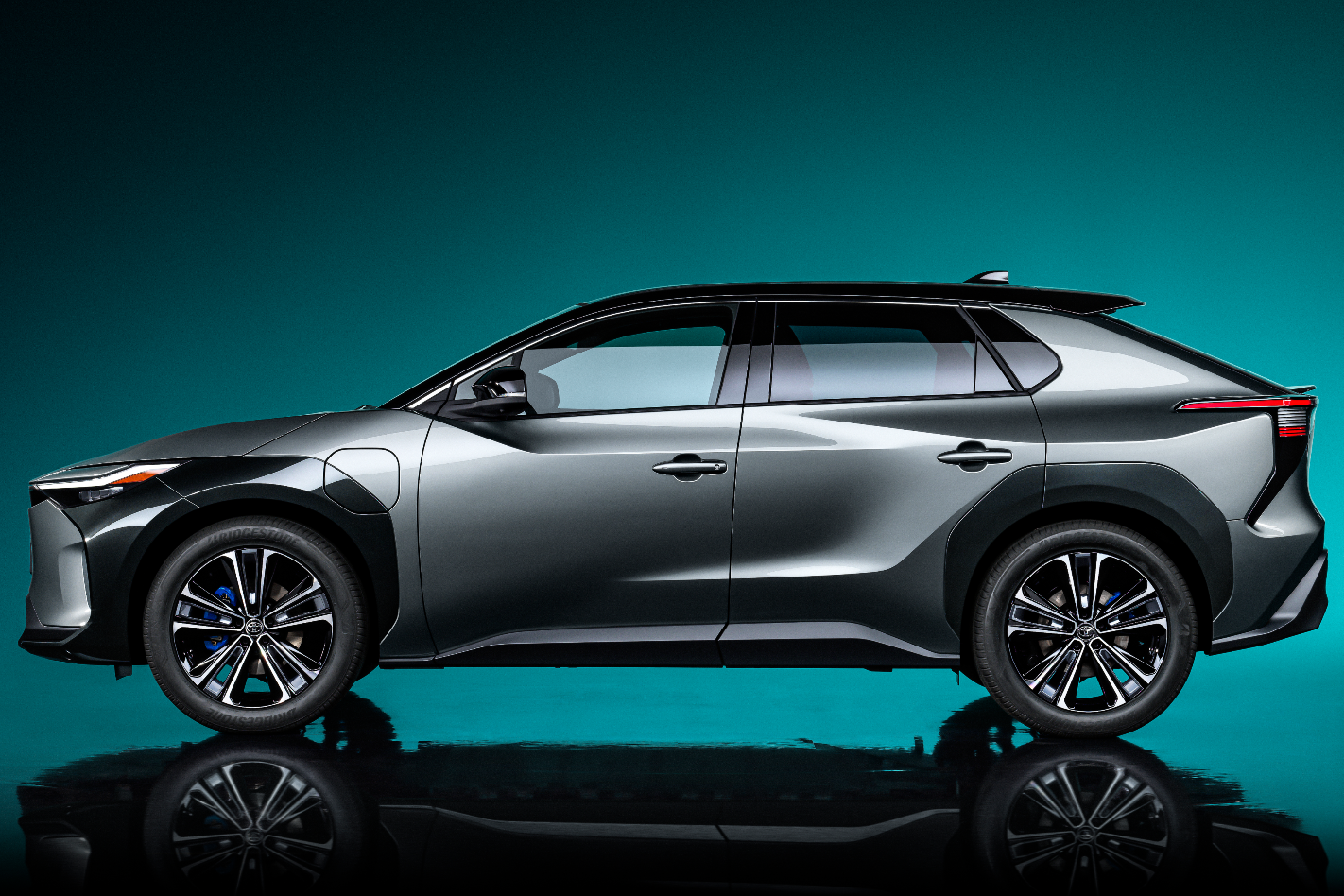
The bZ4X concept’s unveiling also gave the Japanese automaker the chance to announce it would be releasing no less than seven bZ all-electric models before 2025, although it’s unclear which EVs will be coming to Australia.
“Further ‘bZ’ series vehicles will be considered and introduced as appropriate for Australia in due course, expanding Toyota’s electrified vehicle choices,” Hanley said.
“Our approach reiterates Toyota Australia’s absolute commitment to reducing its CO2 footprint and the adoption of new technologies across our extensive range of vehicles, whilst recognising the different practical needs of Australian customers and geographies. Offering a number of powertrain choices to suit customer needs is essential.
“We will continue to evaluate the market in Australia and strive towards increasing to a powertrain mix that includes a form of electrification across our vehicle range by 2030, excluding GR and performance models.”
April 13: The 2021 Toyota EV SUV – the Japanese marque’s latest joint venture with Subaru – has been teased for the first time ahead of its unveiling at next week’s Auto Shanghai on April 19.
The EV SUV will wear Toyota’s recently established BZ badge – a new brand created by the automaker that will act as an umbrella for all of its future electric vehicles.
In news that broke last week, the BZ moniker, short for ‘beyond zero’, has already had several different model names licensed by Toyota, ranging from BZ1 through to BZ5.
BZ1 will signify the smallest EV in the range, while BZ5 denotes the largest. An ‘X’ suffix has also been added to certain models such as the BZ4X and BZ5X, which would indicate some vehicles in the line-up will come with all-wheel drive.
The new BZ will be based on Toyota and Subaru’s jointly developed e-TNGA electric vehicle architecture.
The bespoke EV platform employs a skateboard-style battery layout design, which goes a long way to helping engineers with interior packaging.
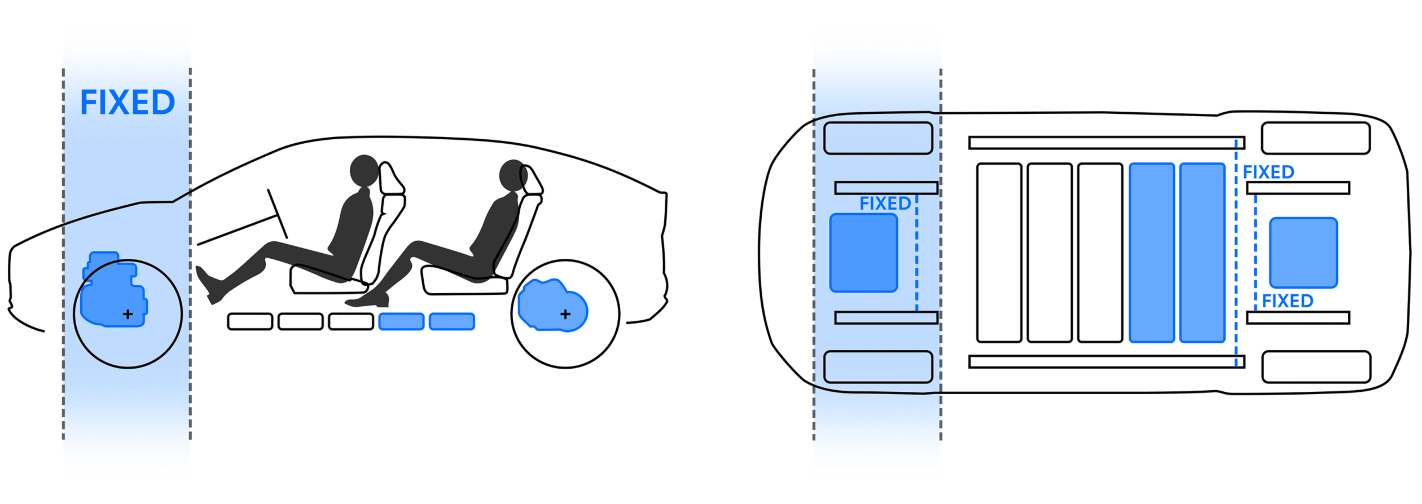
The ubiquitous location of the batteries also means the e-TNGA platform is modular, so all BZ designations can be based on one fundamental chassis architecture.
It’s a similar engineering philosophy to Volkswagen’s MEB platform and essentially means that wheelbase, track width, vehicle height and length can all be adjusted to suit numerous different applications.
As standard, BZ models will be equipped with an electric motor that sits over the front axle, powering the front wheels only.
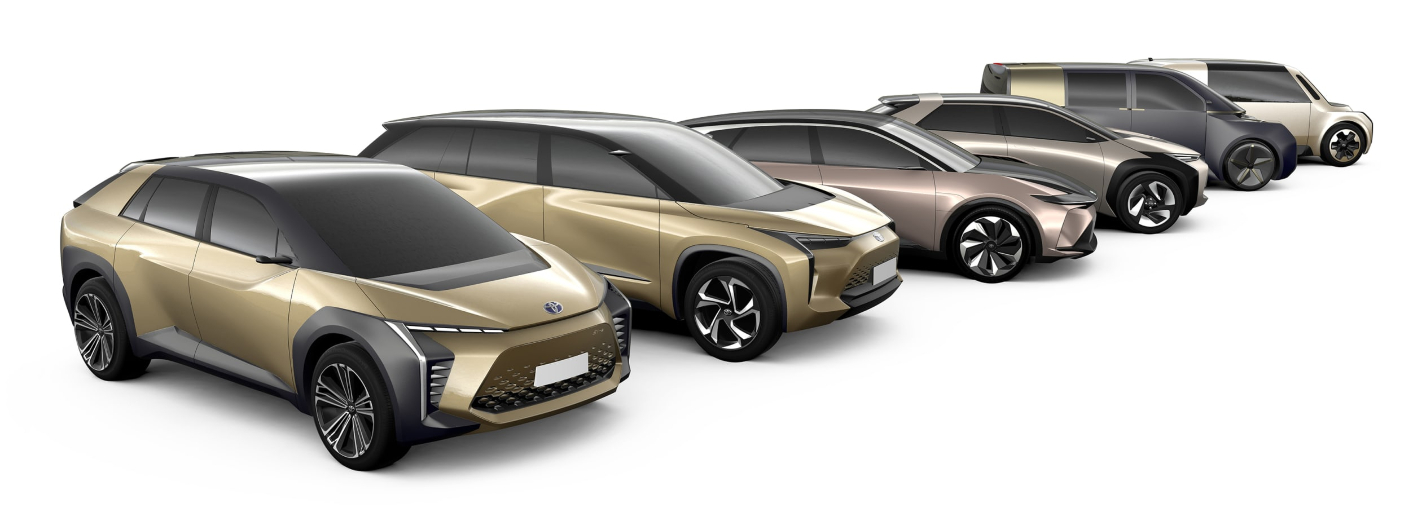
However, the e-TNGA platform has been designed to accommodate a wide array of different electric motors, including ones that sit over the rear axle, enabling the aforementioned all-wheel drive capabilities of the BZ4X and BZ5X.
It’s not known what particular model Toyota will be unveiling next week in Shanghai, but given this BZ is rumoured to sit just above the RAV4 in terms of size, it will most likely be a close-to-production-spec BZ3 or BZ4.
There’s also no word yet about battery size, driving range, power outputs or charging capabilities.
Whatever the case, the BZ range represents the “next exciting journey in electrification” for Toyota, and the automaker has big plans for future EV models, previously stating that it expects 30 per cent of its new vehicle sales to be either plug-in hybrid, fully electric, or hydrogen-powered by 2025.
Be sure to watch this space as WhichCar brings you more news about the new Toyota BZ SUV next week.
MORE: RAV4 stories MORE: All Toyota stories
Butterflies are aerodynamic, obviously. They flutter through the air, after all. But the enchanting insects are not designed for speed, unlike the butterfly doors of the Maserati MC20.
Swinging them up exposes this car’s nose-to-tail dividing line, where engineering encounters art. With its single hefty hinge high up near the base of the A-pillar, the butterfly door makes room below for an air duct. This tapers from behind the front wheel, emerging into view to meet a channel beneath the door aperture. The result? Front-axle downforce.
Except for a vestigial rear spoiler, the MC20’s aerodynamics are mostly concealed from view. The objective was to deliver downforce and stability with maximum visual discretion.
It’s also true that the butterfly doors add a touch of visual drama to a car that otherwise aims for restrained elegance. This isn’t an accident…
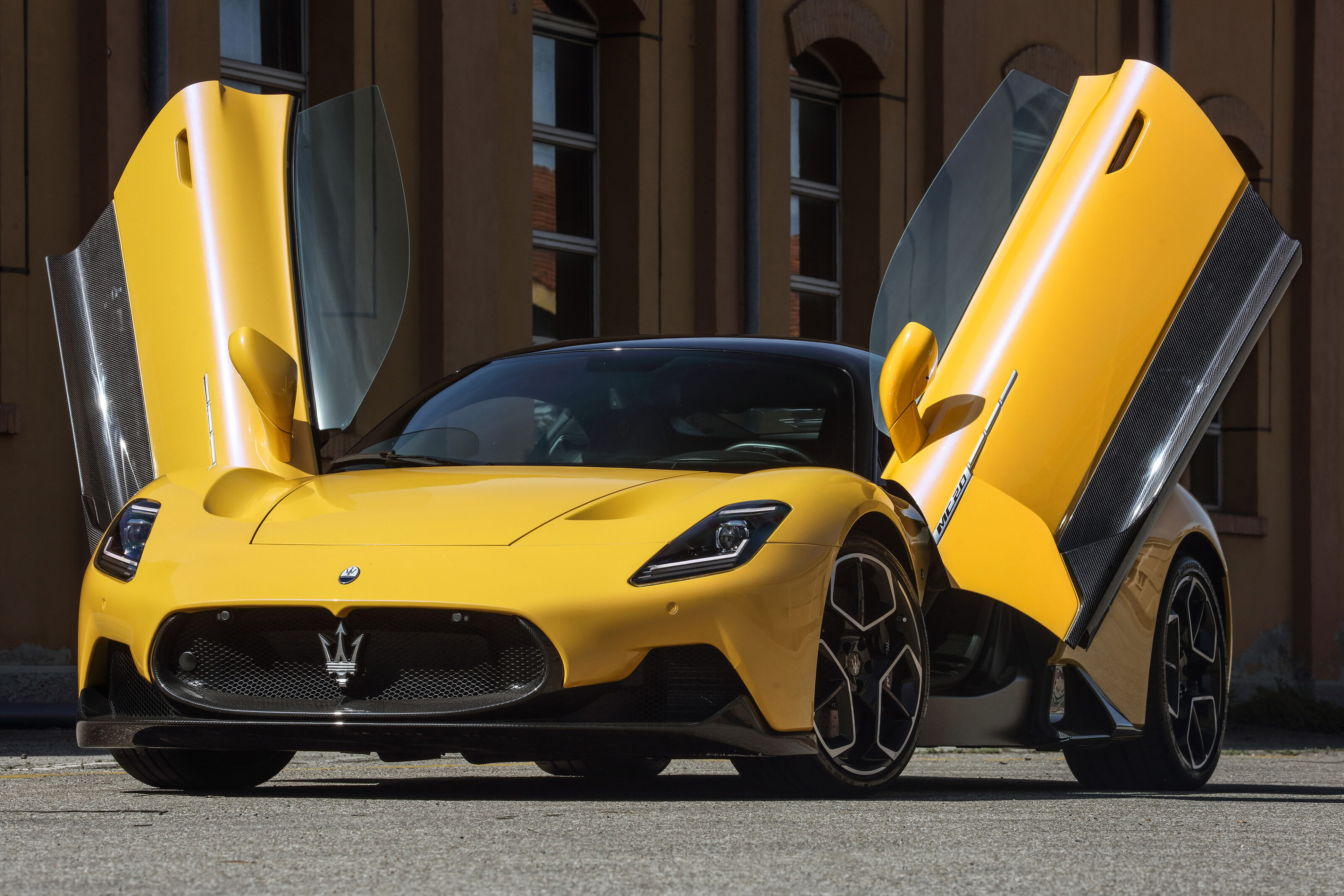
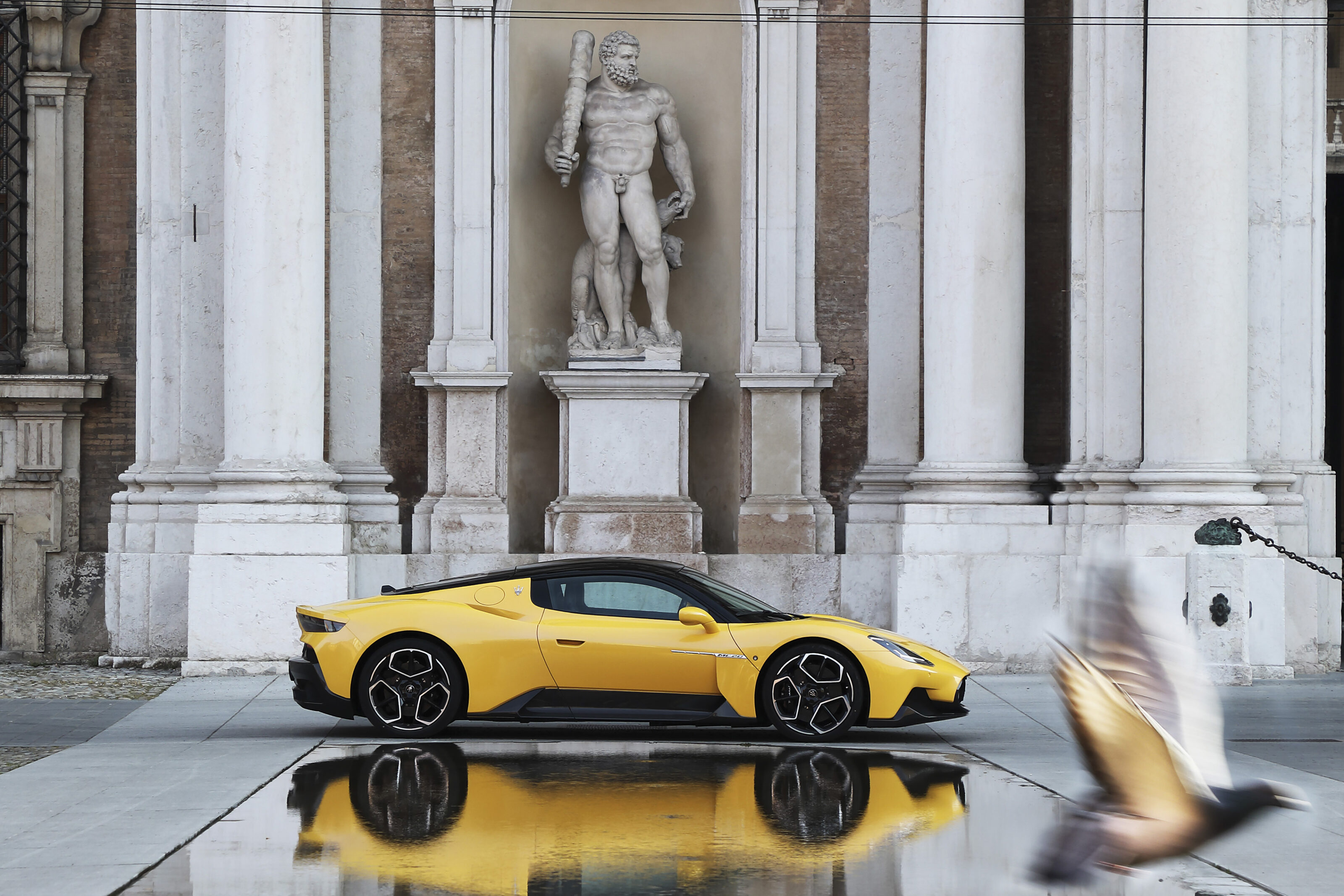
While the black art of the aerodynamicists ruled downstairs, up top the designers reigned colourfully supreme. It was a fruitful division of responsibilities. The MC20 may lack the overt aggression or thrusting angularity of other supercars from Italy, but it is classically beautiful.
It’s also very easy to get into, another benefit of those doors. From the driver’s seat a section of the MC20’s central carbonfibre monocoque and portion of the broad front Bridgestone Potenza’s tread is visible before the door is pulled shut.
It closes with the dead thud typical of carbonfibre cars; all the Maserati’s exterior panels, as well as its core structure, are made from the stuff.
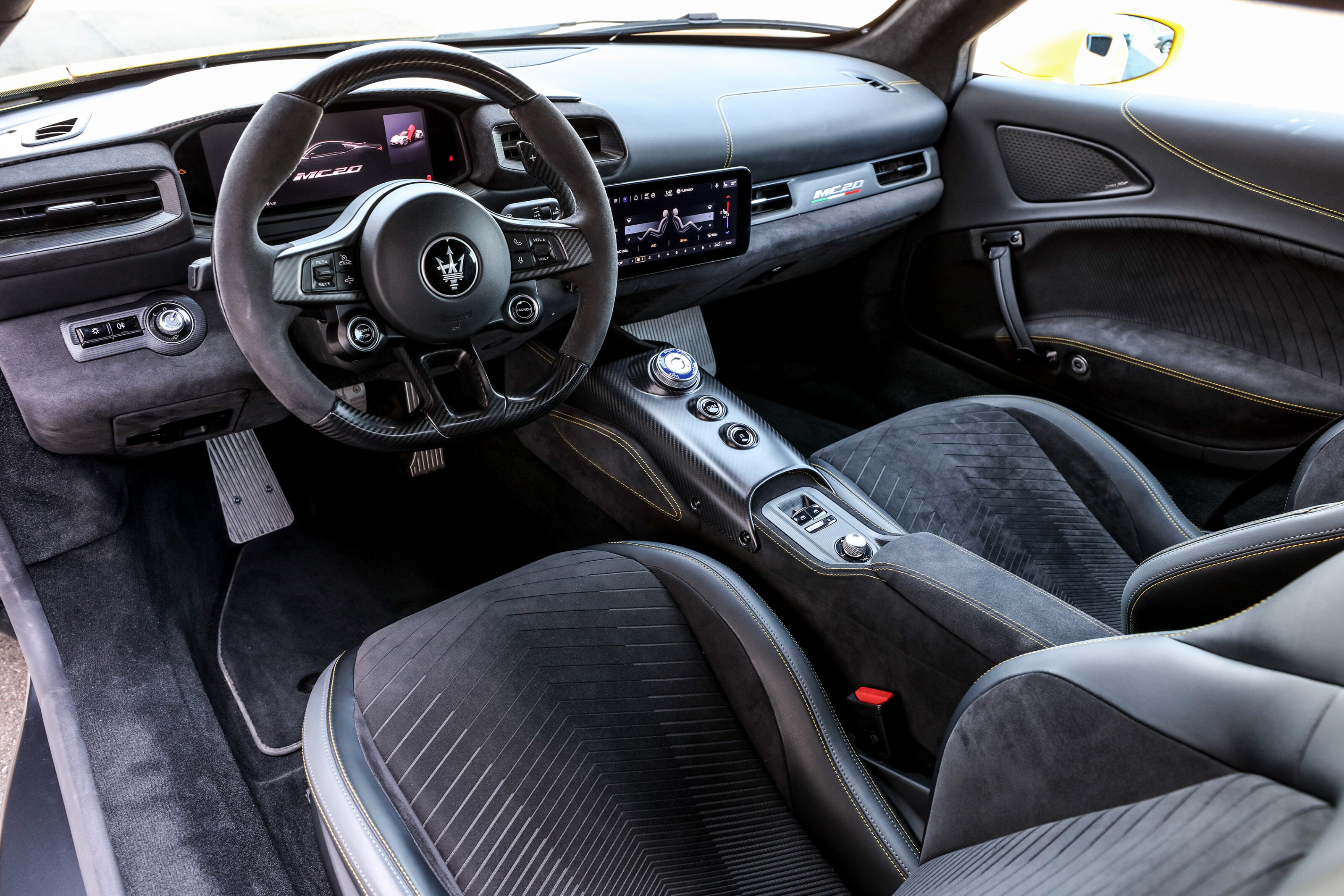
The interior of the MC20 is almost austere, despite all the Alcantara, leather and carbon fibre. The most overtly decorative element is the driving mode selector dial, mounted on the central tunnel forward of the transmission selector buttons.
Switchgear is minimal and many functions are managed via the low-mounted central display screen. The instrument display is also a screen. So, too, is the rear-view mirror, though the driver can toggle between the view provided by an extra external camera and normal mirroring.
While the black art of the aerodynamicists ruled downstairs, up top the designers reigned colourfully supreme.
Thumbing the starter button wakes the Nettuno engine cradled in the aluminium subframe attached to the rear wall of the central monocoque. There’s another subframe at the front.
For the last 20 years most Maserati engines have been made by Ferrari. Understandably, Maserati’s engineers are proud of this twin-turbo 3.0-litre V6, which is all their own work. It was designed and developed in-house, and is being manufactured in the company’s hometown of Modena.
The Nettuno’s combustion chambers have an F1-style pre-chamber around one of its two spark plugs. It’s made from a copper alloy, but Maserati guards the engine’s patented secrets closely.
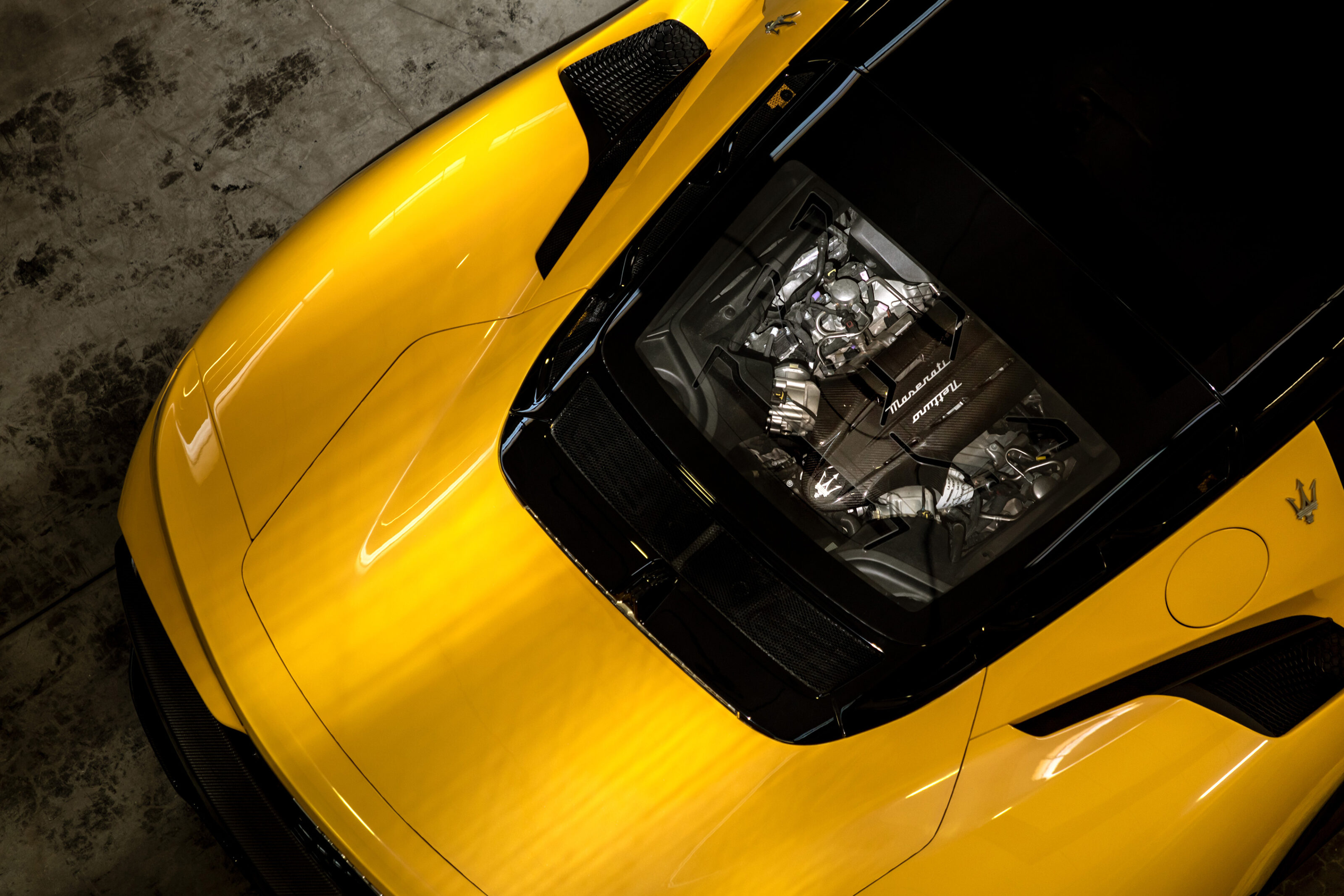
What isn’t secret is the Nettuno’s prodigious output for its capacity; 463kW. This number, combined with the MC20’s relative lightness, means Maserati can claim its supercar has the best power-to-weight ratio in the class. And an elite-grade sub-3.0-second 0-100km/h time.
It feels special, too. The swelling surge from middling revs to the cut-out a little beyond the 7500rpm power peak is truly epic. But what’s surprising is the engine’s amiable elasticity when driven sedately on the road in default GT and sportier Sport modes.
The impression of easy-going flexibility is enhanced by a near-perfectly calibrated transmission. The MC20’s eight-speed dual-clutch is made by Tremec, and Maserati engineers reveal that it’s the same transmission as used in the Chevrolet Corvette C8.
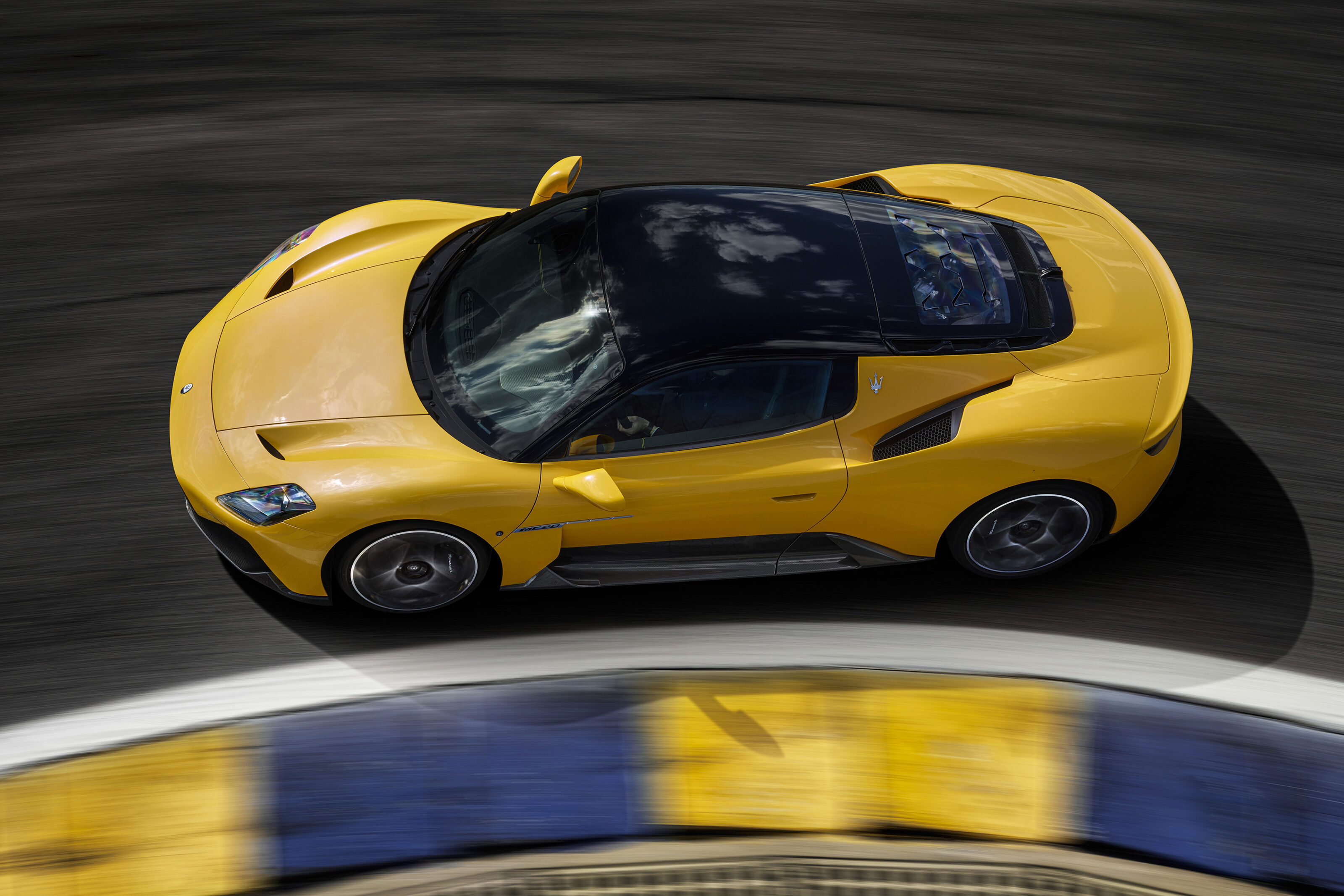
On awfully rough roads through the hills south of Modena, the MC20’s chassis also reveals a great talent. Especially in GT mode, the Maserati’s variable dampers deliver a supple ride and outstanding wheel control.
Superbly direct and beautifully weighted, the steering is also a joy. If only the raspy engine sounded as good as it feels there would be almost nothing to criticise. With a little more luggage space – there’s a small 50-litre compartment under the bonnet and double that in the tail – the MC20 would make a very grand tourer.
463kW combined with the MC20’s relative lightness, means Maserati can claim its supercar has the best power-to-weight ratio in the class.
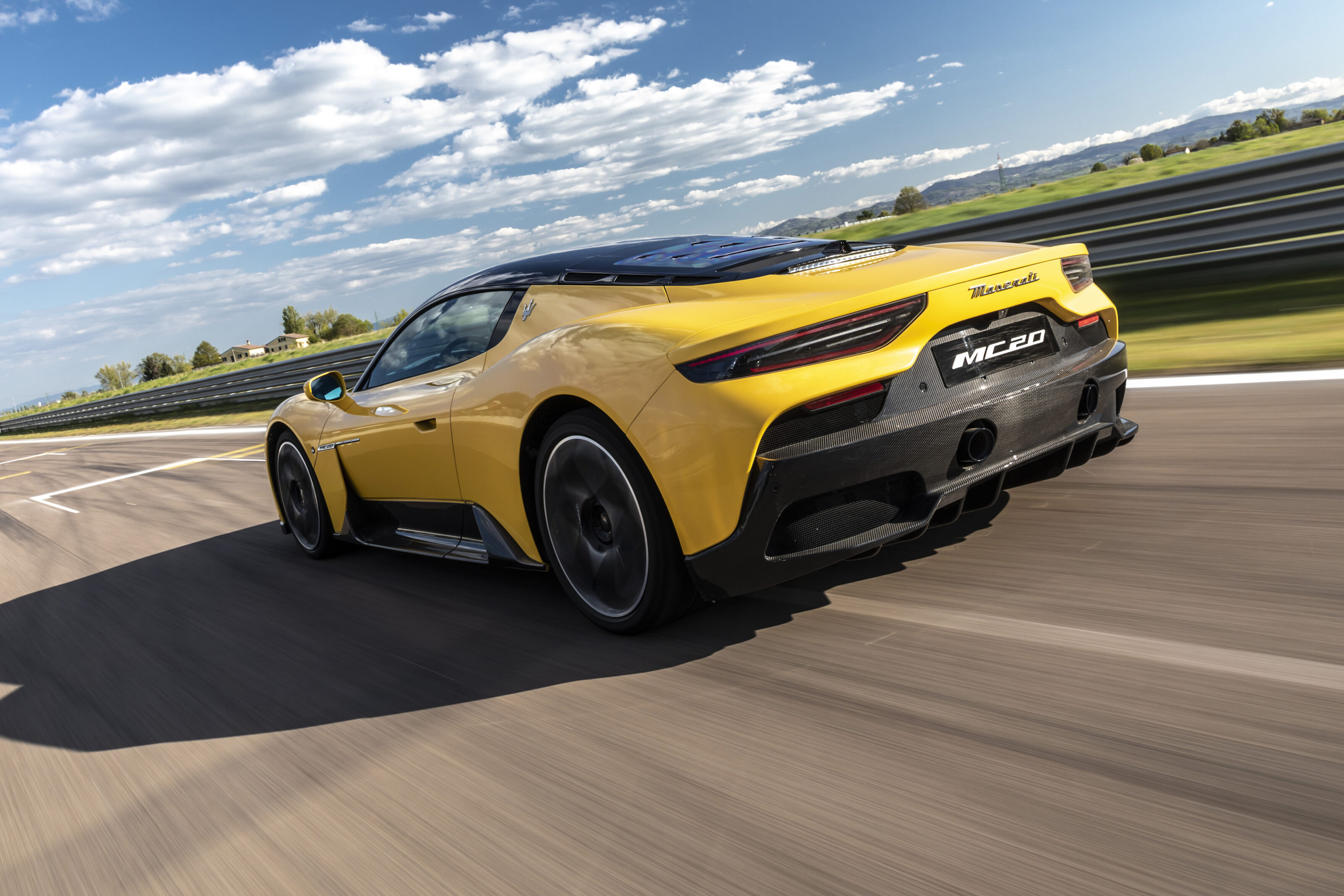
Though it excels on the public road, the Maserati is equally adept on a track in Corsa mode. Around the short but testing Autodromo di Modena, the MC20 reveals the fiercely focused side of its character: awesome adhesion, delicious precision and the fabulous stopping power of the optional carbon-ceramic Brembo brakes.
Maserati may have been a serial disappointer in the recent past, but the MC20 is a superbly resolved, lovely to look at supercar, with an easy-going side to its character that sets it apart from the others. It’s a butterfly among bees…
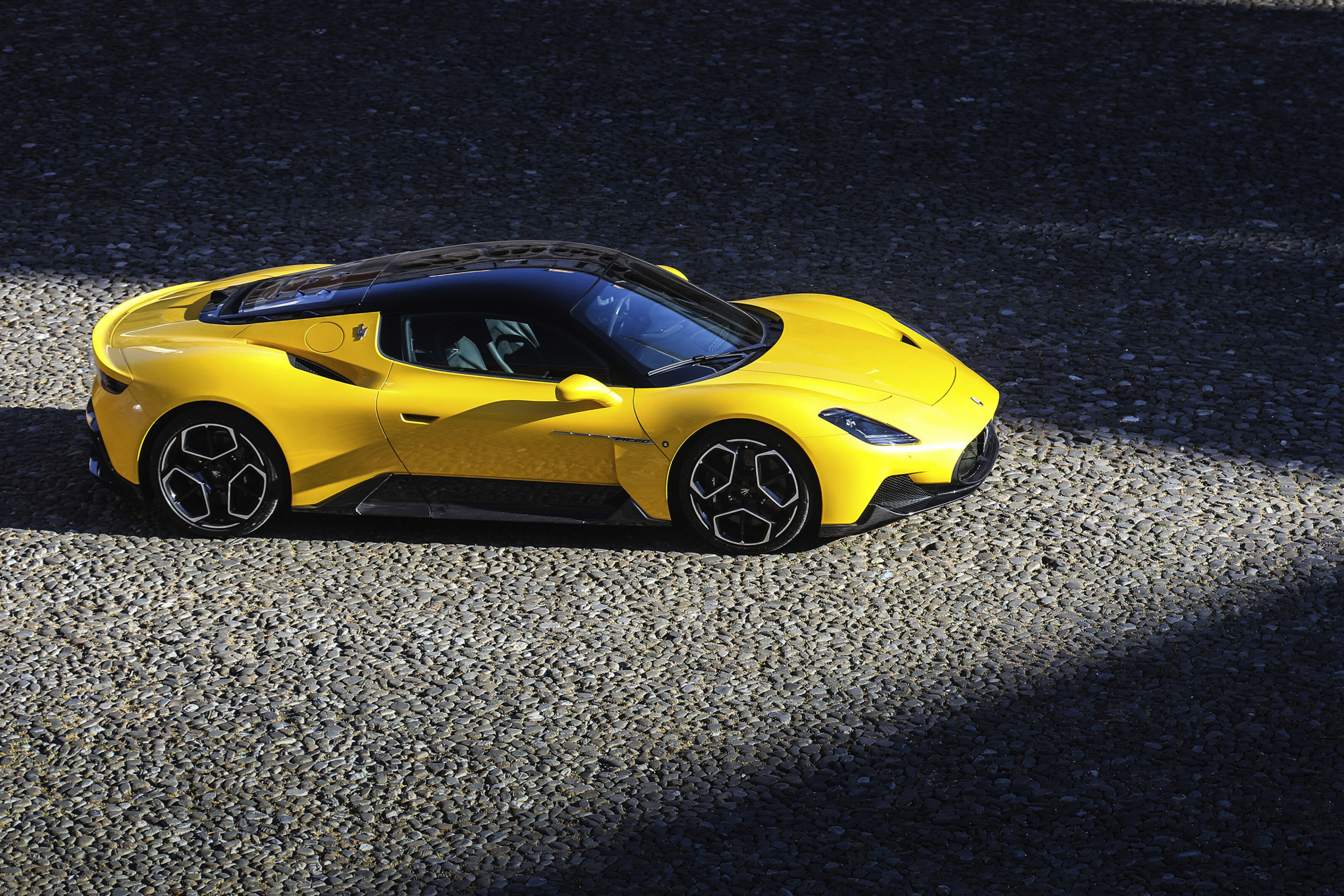
Maserati MC20 specifications
Engine 3000cc V6 (90°), dohc, 24v, twin-turbo Max power 463kW @ 7500rpm Max torque 730Nm @ 3000-5500rpm Transmission 8-speed dual-clutch Weight 1475kg 0-100km/h 2.9sec (claimed) Economy 11.5L/100km (WLTP) Price $440,000 (estimated) On sale Q4, 2021
