
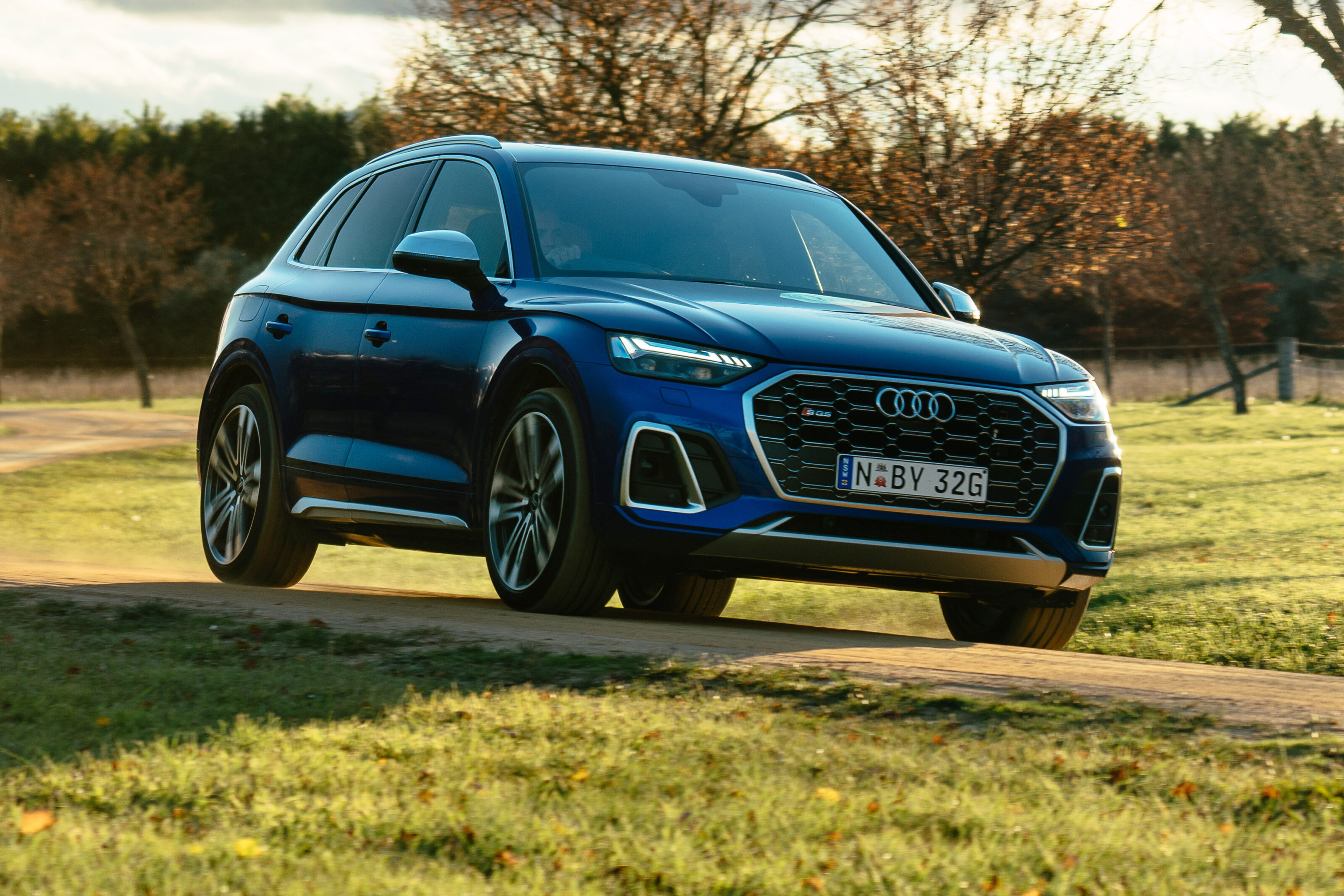
Turbo-diesel power is officially back with the Audi SQ5, returning the popular mid-sized performance SUV to its original concept.
The SQ5 TDI became the world’s fastest-accelerating production diesel SUV in 2013, even if Audi was somewhat alone at the time in trying to convince keen drivers that an oil-burner could be exciting.
Switching to a slower but still-popular V6 turbo-petrol engine in 2017, the second-generation model eventually a gained limited-run TDI in 2020.
The 2021 SQ5 TDI adopts the same drivetrain – and $104,500 plus on-roads price tag – but becomes a full-time member again, sitting atop the facelifted Q5 range.
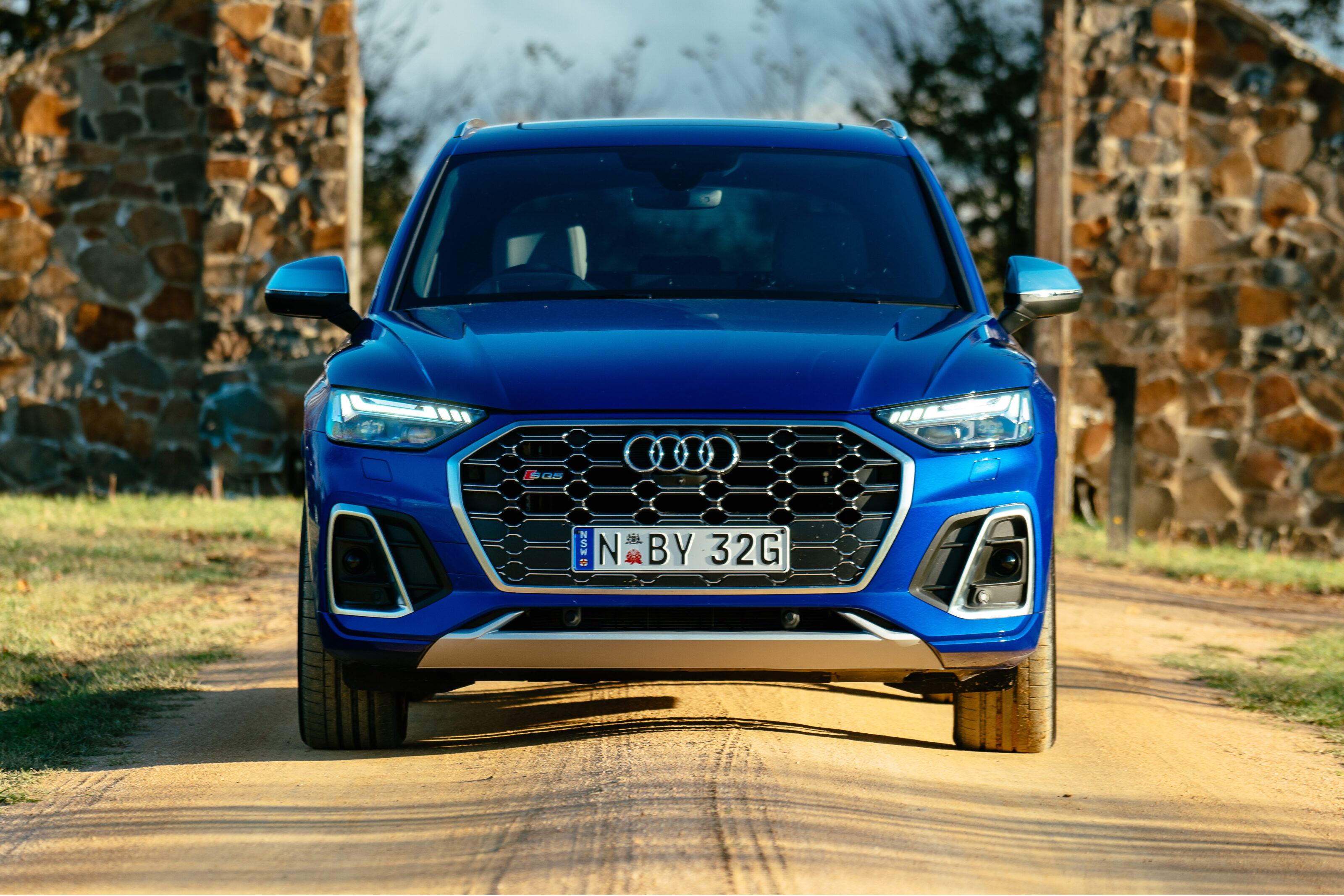
Pricing has come further than acceleration, as the latest SQ5 TDI has an identical 0-100km/h quote of 5.1 seconds as the $89,400 original. It has since been surpassed by several diesel SUVs for speed.
The lack of progress is unlikely to deter buyers, with Audi Australia expecting the SQ5 to again account for up to 30 per cent of Q5 sales.
There are certainly few direct diesel rivals locally to sway them away. Porsche has dropped the diesel Macan, while BMW Australia doesn’t offer the X3 M40d (0-100 in 4.9sec). This leaves the left-field, X3-based Alpina XD3 ($109,900) as a German alternative.
The appeal of the 3.0-litre turbo-diesel is obvious for its ability to deliver no-nonsense grunt without draining the fuel tank at the kind of alarming rate a V8 petrol with similar torque would. (The V6 petrol SQ5 was down 150Nm.)
Although a lab-derived 7.0L/100km is a slight regression from the 6.8L/100km of the first SQ5 TDI, bigger dimensions, stronger construction and significantly increased kit have seen the SQ5’s kerb weight balloon from 1920kg to 2210kg.
The kind of mid-range thrust that makes remarkably short work of overtaking opportunities and has the SQ5 barrelling between country-road corners at great pace.
Emissions are also cleaner, as the latest SQ5 TDI features a 24-litre AdBlue tank feeding two SCR catalytic converters. These work in unison, though in different locations within the exhaust system (the first is close to the engine, playing the particulate filter role) and are effective at different exhaust gas temperatures.
The 48-volt mild-hybrid system has the potential to save up to 0.7L/100km, says Audi, using a belt alternator-starter for the stop/start function and capable of switching off the engine for up to 40 seconds when the SQ5 is cruising in Efficiency mode.
A secondary component of the system is an electric compressor, which spins up to 65,000rpm in just 300 milliseconds to improve throttle response before the main turbocharger becomes effective.
Engine response is decent in the vehicle’s Comfort mode, though a switch to the Dynamic setting brings greater enthusiasm more in keeping with an S variant.
Make that switch, via the Drive Select dash button, and you get to savour the true bullying performance of the V6 diesel that produces 700Nm between 1750 and 3250rpm.
It’s the kind of mid-range thrust that makes remarkably short work of overtaking opportunities and has the SQ5 barrelling between country-road corners at great pace.
A sound actuator helps deliver an engrossingly bassy soundtrack that’s not a million miles away from imitating a petrol V8; it’s an external speaker enhancement of genuine exhaust notes rather than the more artificial, cabin-speakers-based actuator employed in the former petrol SQ5 TFSI.
Our test car was fitted with the $2990 rear sports differential that can apportion more torque to an outside rear wheel to help push the SQ5 around corners.
A relatively small take-up for this option (about 15 per cent) perhaps reveals much about the average SQ5 buyer’s realistic appetite for twisty-road blasts.
For those happy to trade diesel for dynamics, a Porsche Macan is significantly more adept through bends.
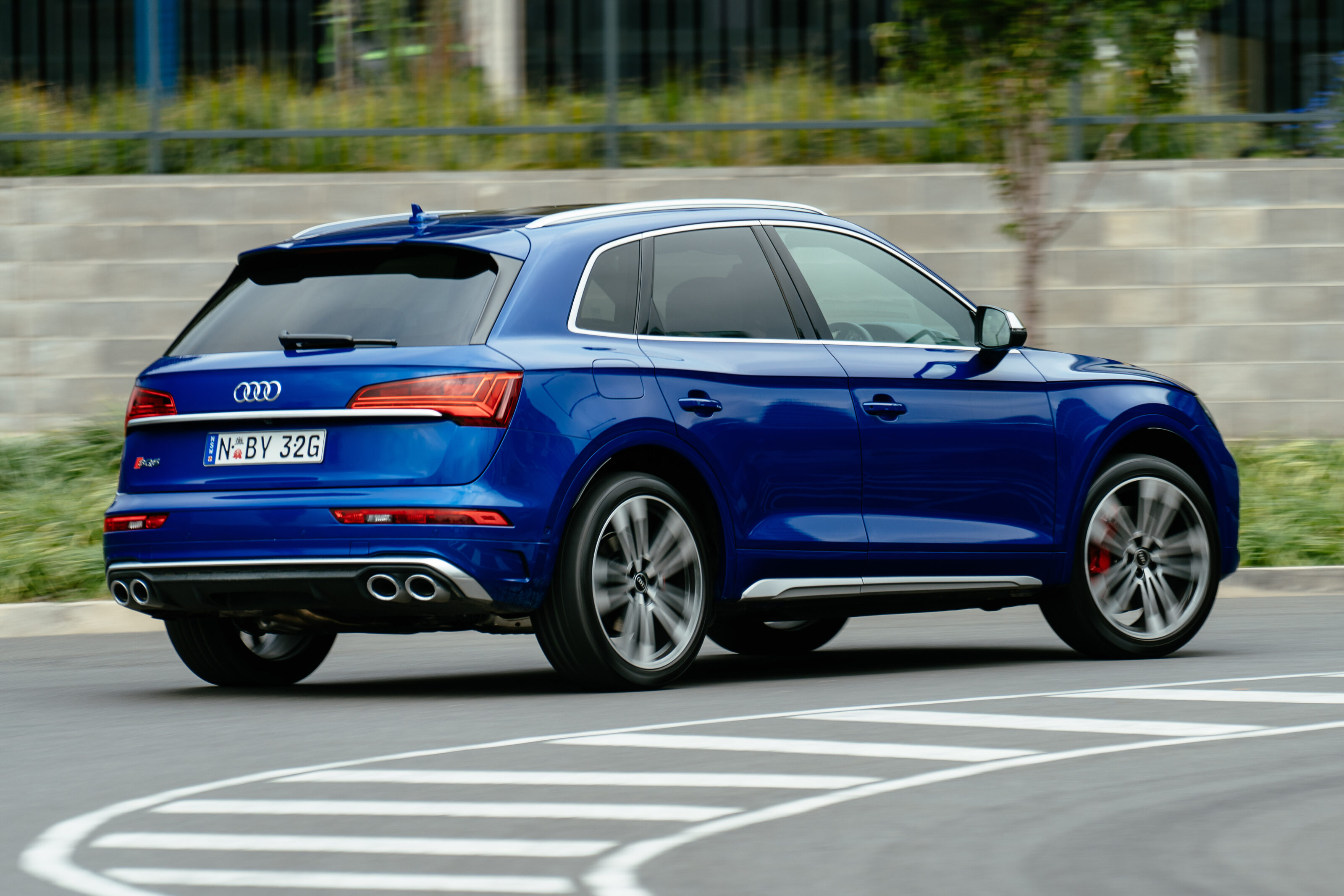
The SQ5’s weight and height are hard to ignore when pushing on quickly, with some body roll mid-corner and plenty of brake-pedal effort needed to shed speed before corner entry.
Its steering’s weighting is also still too light in Dynamic.
There’s terrific traction out of corners via the all-wheel-drive system, however, and that sport diff can be felt pushing the SQ5’s nose in the desirable direction. The four 255/40 Pirelli Zero tyres provide plenty of grip, too, at least in the dry.
The Audi’s accurate and effortless steering works better at a more relaxed pace.
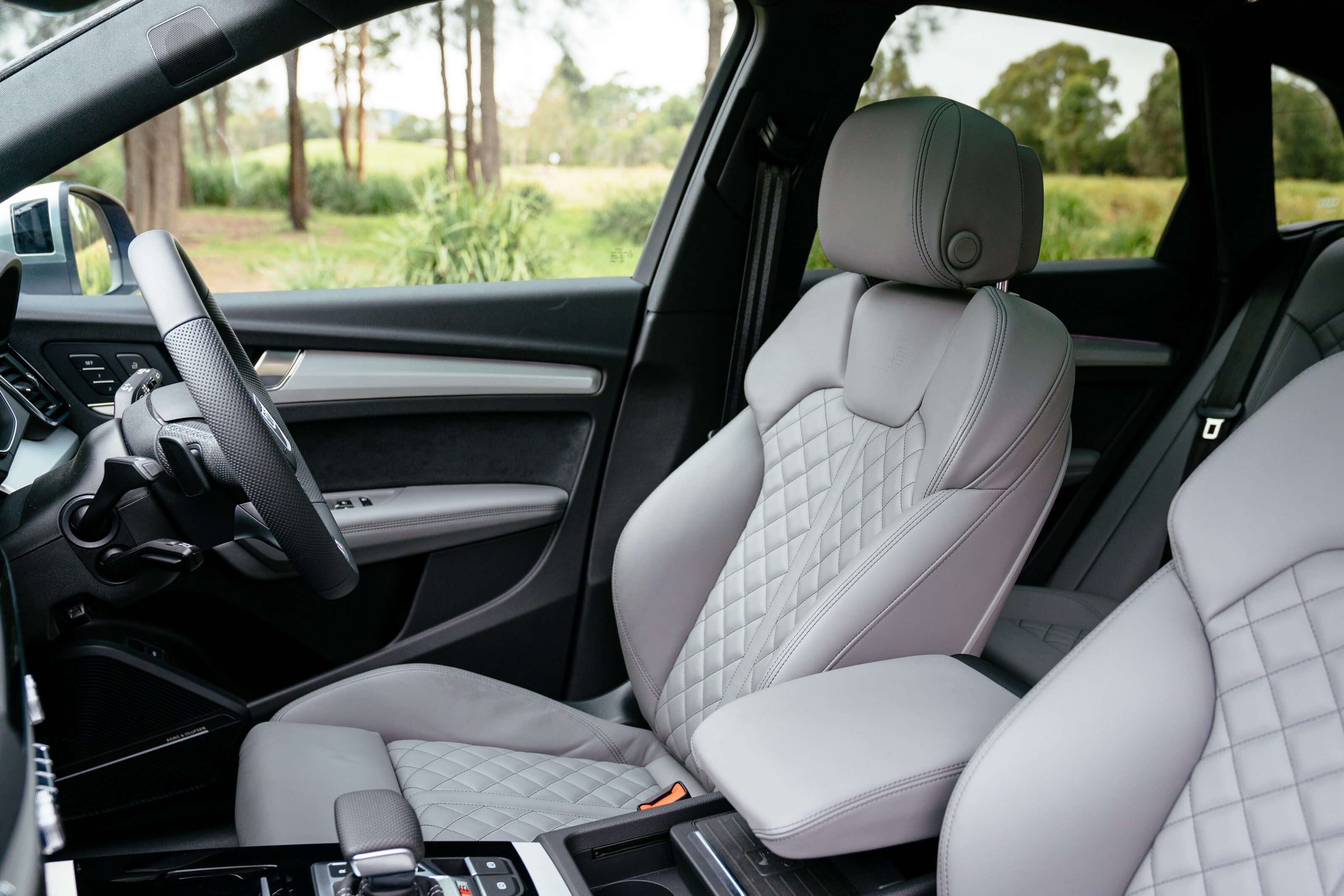
Indeed, pop the SQ5 into its Auto or Comfort modes and its combination of supple high-speed ride and big-bicepped engine – not to mention excellent, multi-adjustable front seats – makes covering hundreds of freeway or open-road kilometres a thoroughly tireless experience.
Adaptive dampers are standard on the SQ5, and it sits 30mm lower than a regular Q5. We noticed some jiggliness from the suspension over some bumpy roads in the single rural town we visited during the launch, so we’ll reserve more detailed judgement for a full garage review.
Until then, we are informed by our experience of the SQ5 TFSI and late-2020 SQ5 TDI that had both demonstrated improved ride comfort over the original model, while adaptive suspension forms part of an improved equipment level for the SQ5 (over the TFSI but matching the late-2020 TDI).
Standard kit highlights include Matrix LED headlights, metallic paint, 21-inch Audi Sport wheels, auto tailgate with gesture open/close, head-up display, full keyless entry, panoramic sunroof, heated front sports seats with electric adjustment and lumbar control, three-zone climate control, diamond-stitched Nappa leather upholstery, and Bang & Olufsen audio system.
Air suspension is among the options and, with its five ride-height levels, a good pick for owners expecting to occasionally take in some light off-roading.
LED tail-lights can also be exchanged for $2500 OLEDs that introduce sportier lighting in Dynamic mode as well as other exclusive graphics.
Options are otherwise refreshingly minimal.
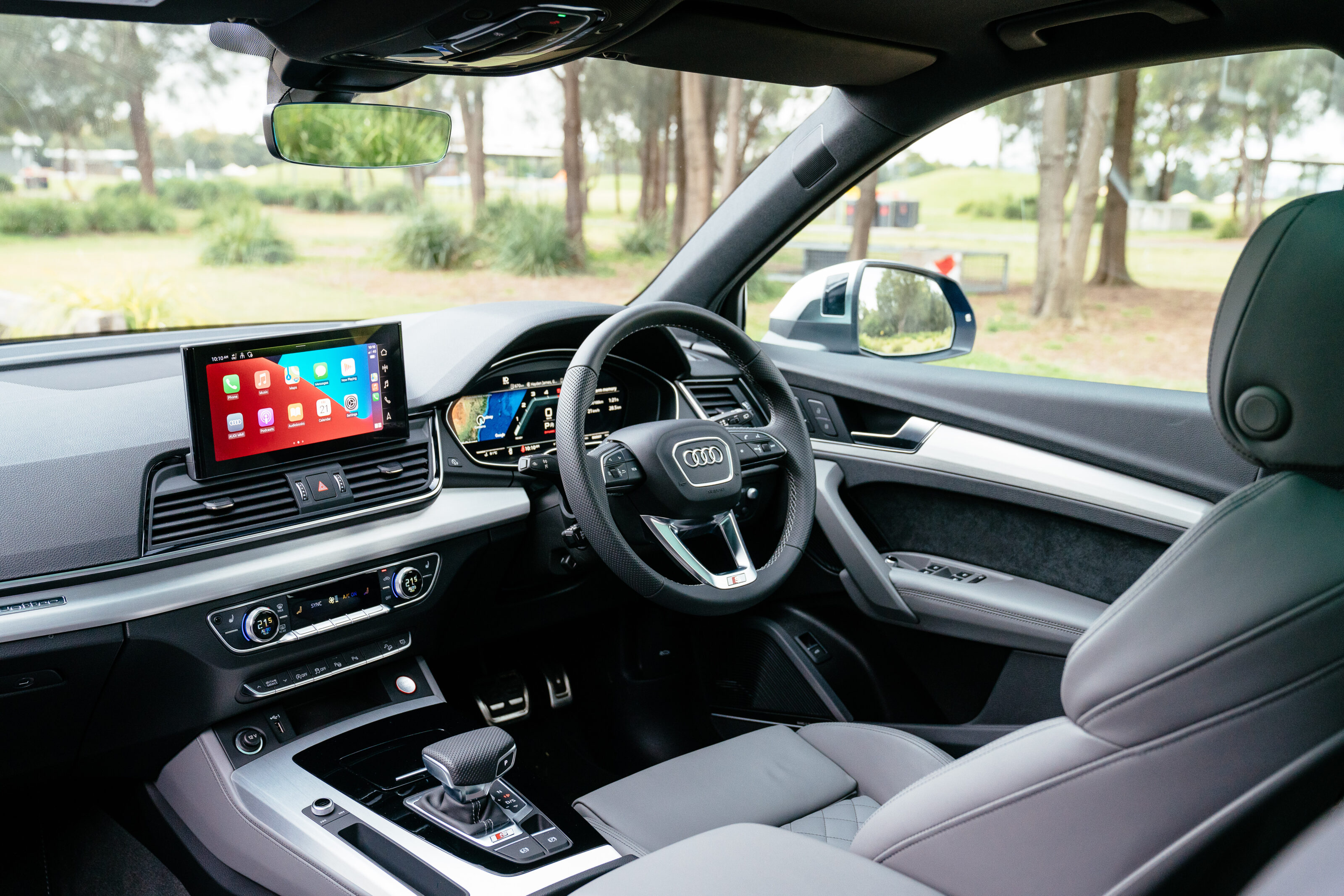
The SQ5’s cabin naturally adds a sportier twist to the Q5’s luxury vibe – with the diamond-patterned, S-embossed leather seats a particular highlight – and follows the regular model with Audi’s new 10.1-inch infotainment unit, the larger touchscreen becoming the sole interaction point.
As we’ve said with other new Audi models, the pure touchscreen approach looks more contemporary, though we miss the console controller that made selecting functions easier when trying to concentrate on the road.
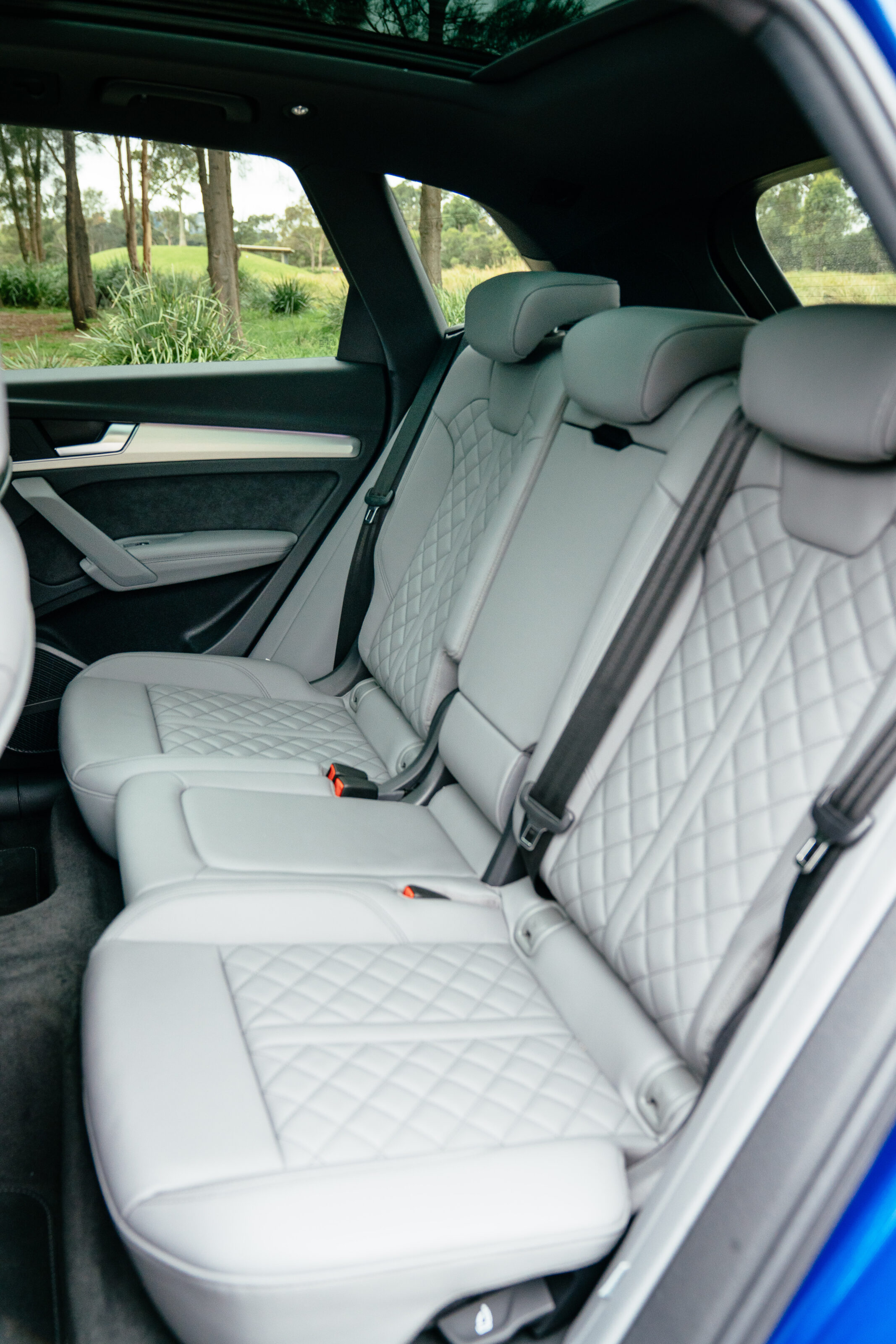
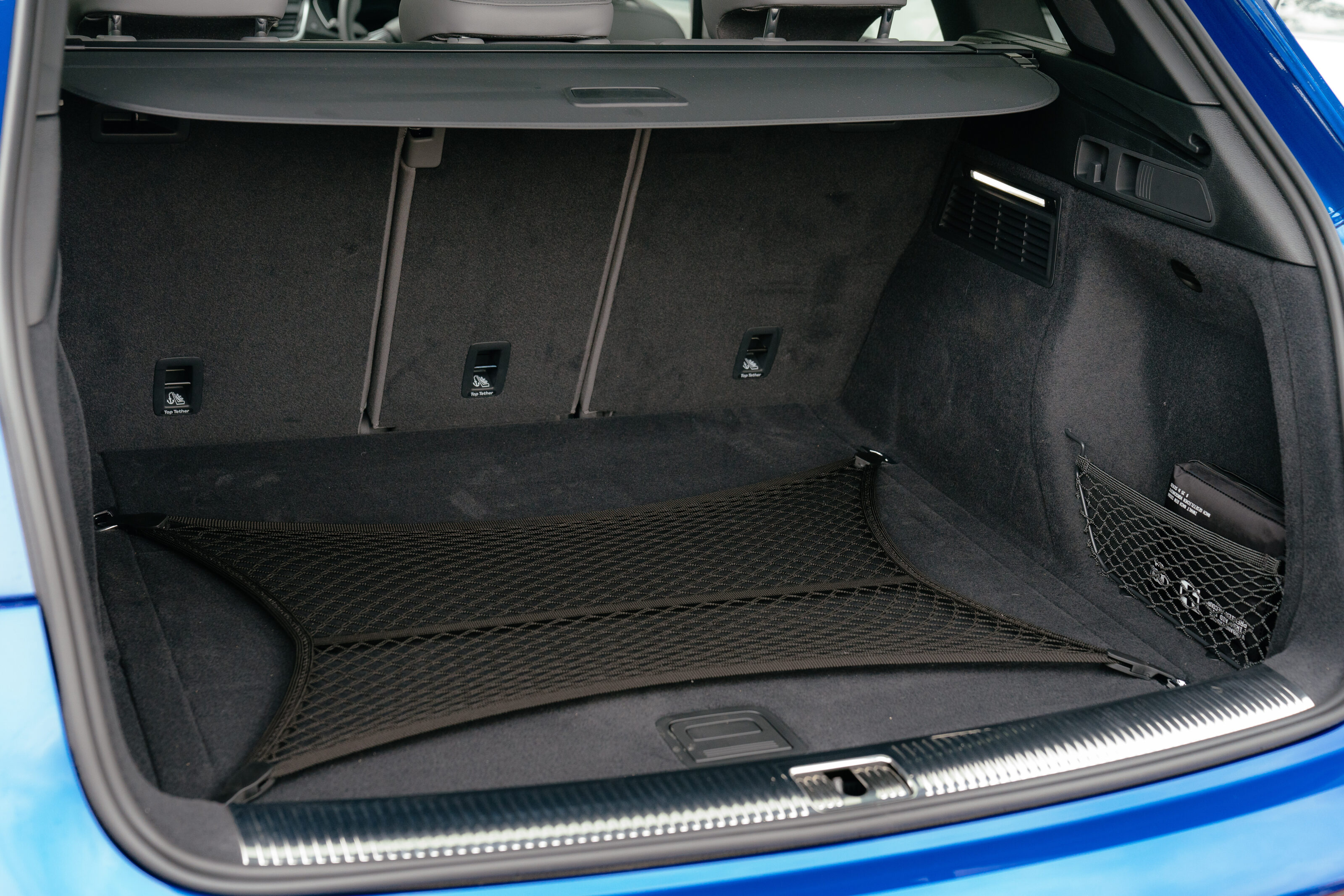
Good space continues to be found in the rear, as is a sliding bench that’s a cost option for other Q5s. Outer seats, which include recline adjustment, remain the pick for adults (as well as ISOFIX child seats).
With the rear bench in its rearmost position, the boot provides a 550-litre capacity – expandable to 1550 litres by folding down the 40-20-40 seatbacks.
A 2000kg braked towing capacity is unchanged from the original SQ5.
Later in 2021, customers will have the option of sacrificing some boot space (40 litres) for a more coupe-like roofline with the SQ5 Sportback.
The Sportback is only likely to further increase the appeal of a mid-sized SUV that, while not the sportiest of drives, fills its performance niche very well indeed.
Snapshot
- Based on Stellantisu2019s EMP2 architecture
- Hydrogen fuel cell and high-voltage 10.5kWh lithium-ion rechargeable battery pack give over 400km of driving range
- Unlikely to be sold in Australia
The 2021 Peugeot e-Expert Hydrogen light commercial vehicle has been officially unveiled.
Based on parent company Stellantis’s EMP2 electric modular platform, the revelatory new commercial van will go on sale direct to professional customers in France and Germany before the end of 2021.
Production will take place at Peugeot’s manufacturing facility in Valenciennes, France, before being transferred to Stellantis’s ‘competence centre’ in Rüsselsheim, Germany, which is dedicated to hydrogen technology development.
The LCV utilises a bespoke ‘mid-power plug-in hydrogen fuel cell’ electric system developed by Stellantis, which sees the fuel cell produce the electricity needed to charge a high-voltage 10.5kWh lithium-ion rechargeable battery pack, which then sends its power to a permanent magnet electric motor mounted over the van’s front axle.
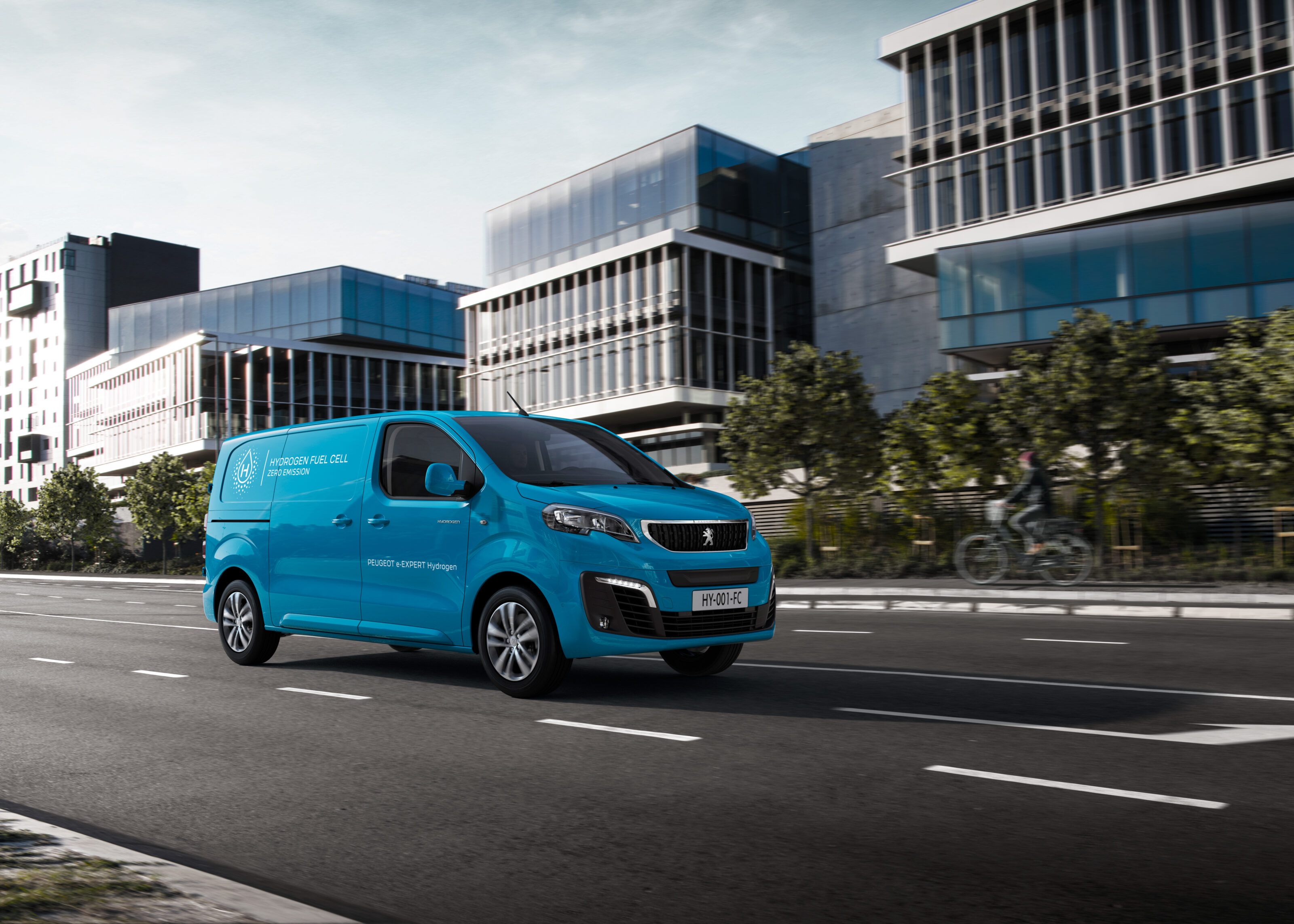
The mid-power plug-in hydrogen fuel cell, working in conjunction with the battery pack, can perform different functions as the van requires.
When started up and at low speeds, the high-voltage battery itself provides the electric motor with the power it needs for traction.
On the move and at constant speeds, the hydrogen fuel cell supplies energy directly to the electric motor.
Under acceleration, during overtaking or ascents, the fuel cell and the battery pack combine power to supply energy to the electric motor.
And when braking and decelerating, the electric motor has the ability to regeneratively recharge the battery pack.
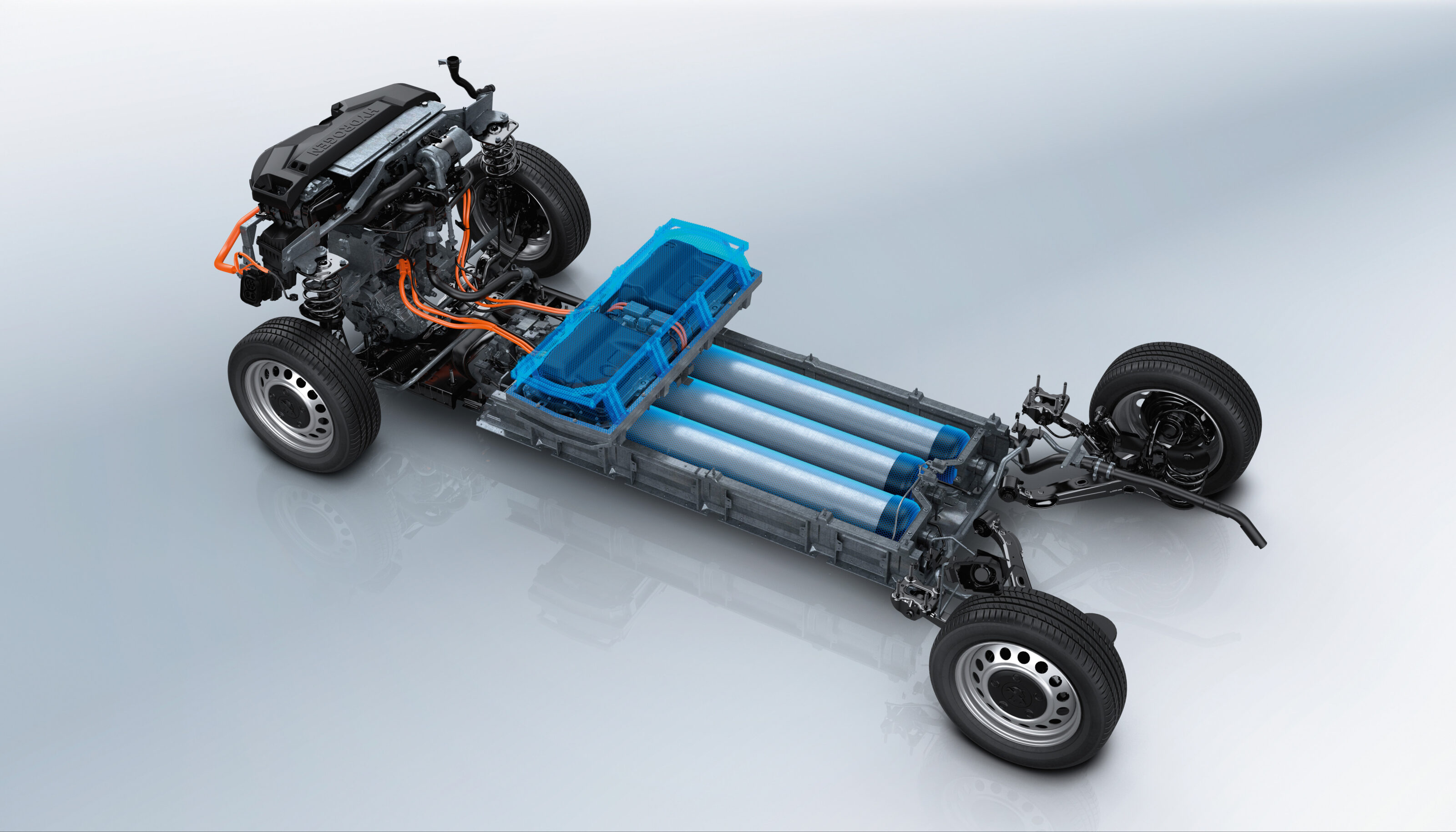
Peugeot claims the hydrogen fuel cell can be filled up in just three minutes, which then provides a range of over 400km on the WLTP homologation cycle.
The electric motor pumps out a quoted 100kW and 260Nm, and will have three different drive modes – Eco (60kW/190Nm), Normal (80kW/210Nm), and Power (100kW/260Nm).
Peugeot has also backed up the high-voltage battery with an eight-year/160,000km guarantee that it will maintain 70 per cent of its charge capacity.
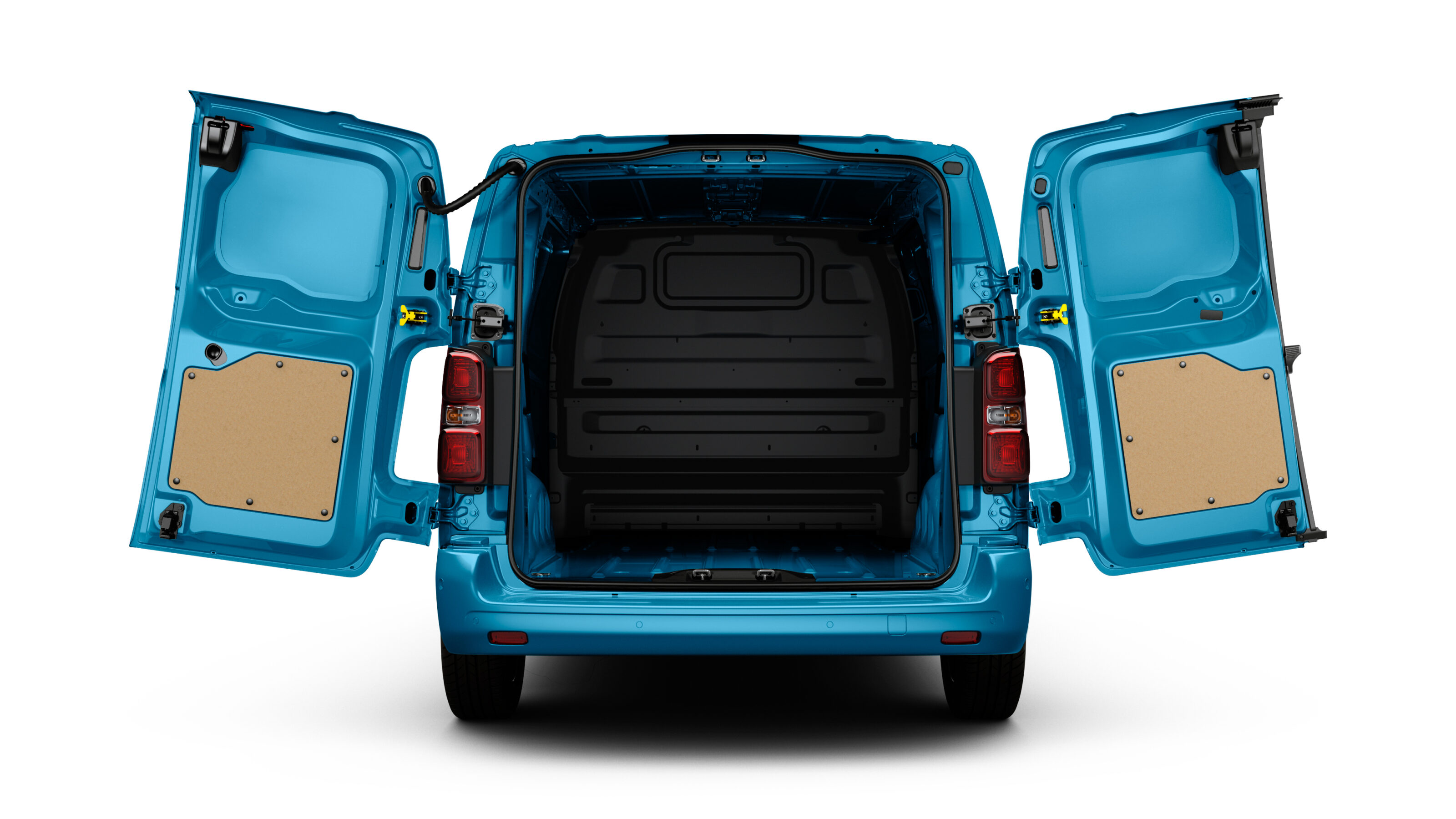
There will be two different body styles available. The Standard e-Expert will measure 4950mm, while the Long e-Expert will span 5300mm.
The eco van will be capable of taking a payload up to 1100 kilograms, and braked towing capacity is rated at 1000 kilograms.
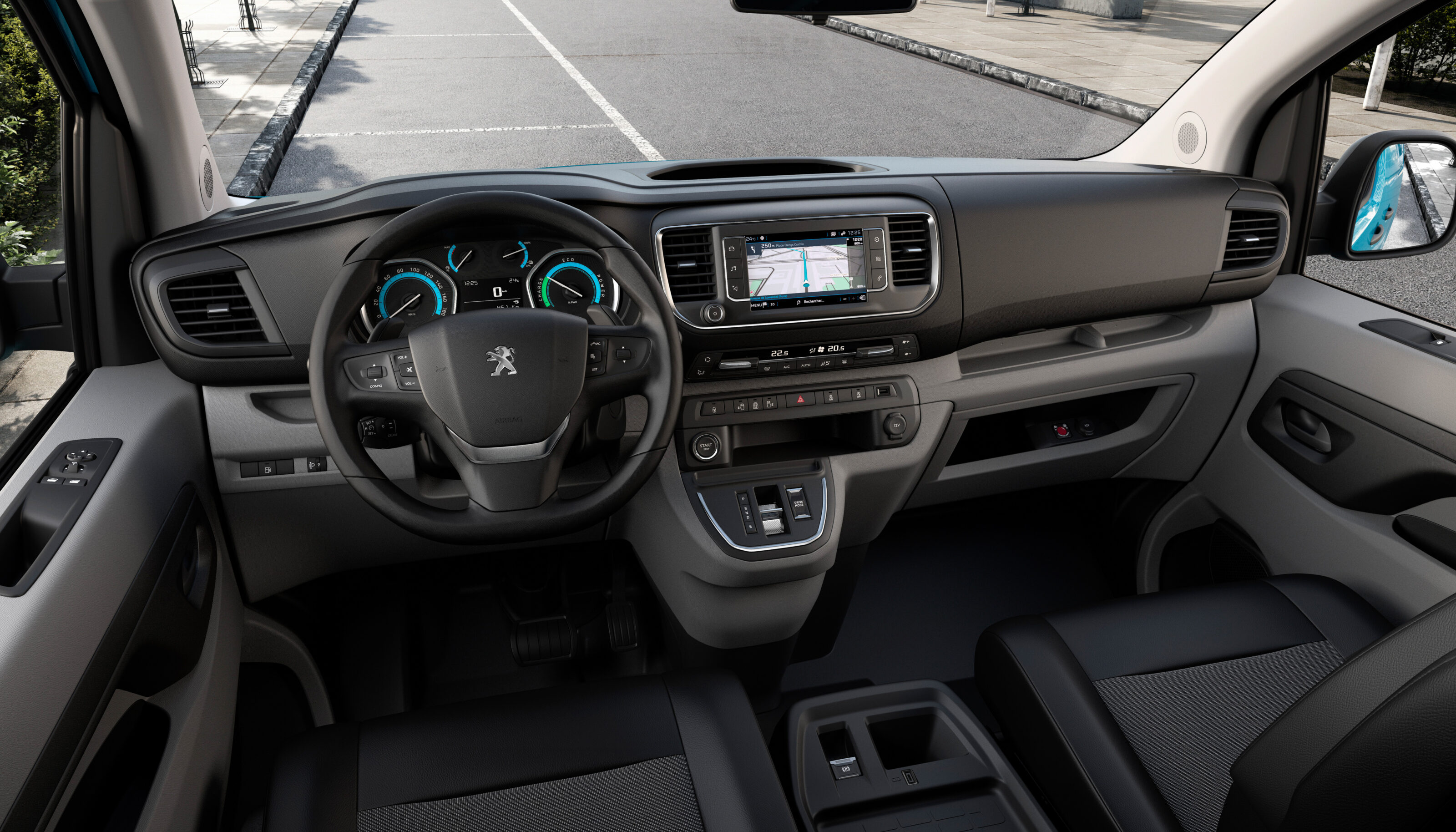
Available in one level of trim, the inside of the van features two individual seats, two sliding doors, an electric parking brake with hill start assist, manual air conditioning, Visiopark 1, 180-degree reversing camera and a seven-inch touchscreen central infotainment display. The infotainment system also utilises Peugeot Connect, which provides TomTom 3D navigation, Bluetooth, and smartphone mirroring including Apple CarPlay and Android Auto.
Despite its impressively novel powertrain, the 2021 Peugeot e-Expert Hydrogen will most likely not make it Down Under.
“Whilst the e-Expert Hydrogen is not currently available or under consideration for Australia, electric variants of Peugeot’s Light Commercial Vehicles are currently under consideration for local introduction,” Kate Gillis, General Manager of Peugeot Australia, told WhichCar.
UPDATE, May 29: Wonder no more, Jeep has confirmed its new small three-row crossover will be named Brazil. And, as expected, it will be offered primarily in Brazil.
The story to here
April 8: A new Jeep SUV is on the way – to Brazil, at least – and reports suggest it’ll be a seven-seat offering based on the small Compass.
Spy photos published online confirm Jeep is planning a longer-wheelbase small SUV, which has led overseas media to christen it the Grand Compass.
However, a new teaser video released today by Jeep’s Brazilian office – a hint at where the new model will be marketed – suggests a different name. If, indeed, the teased and spied SUVs are the same model.
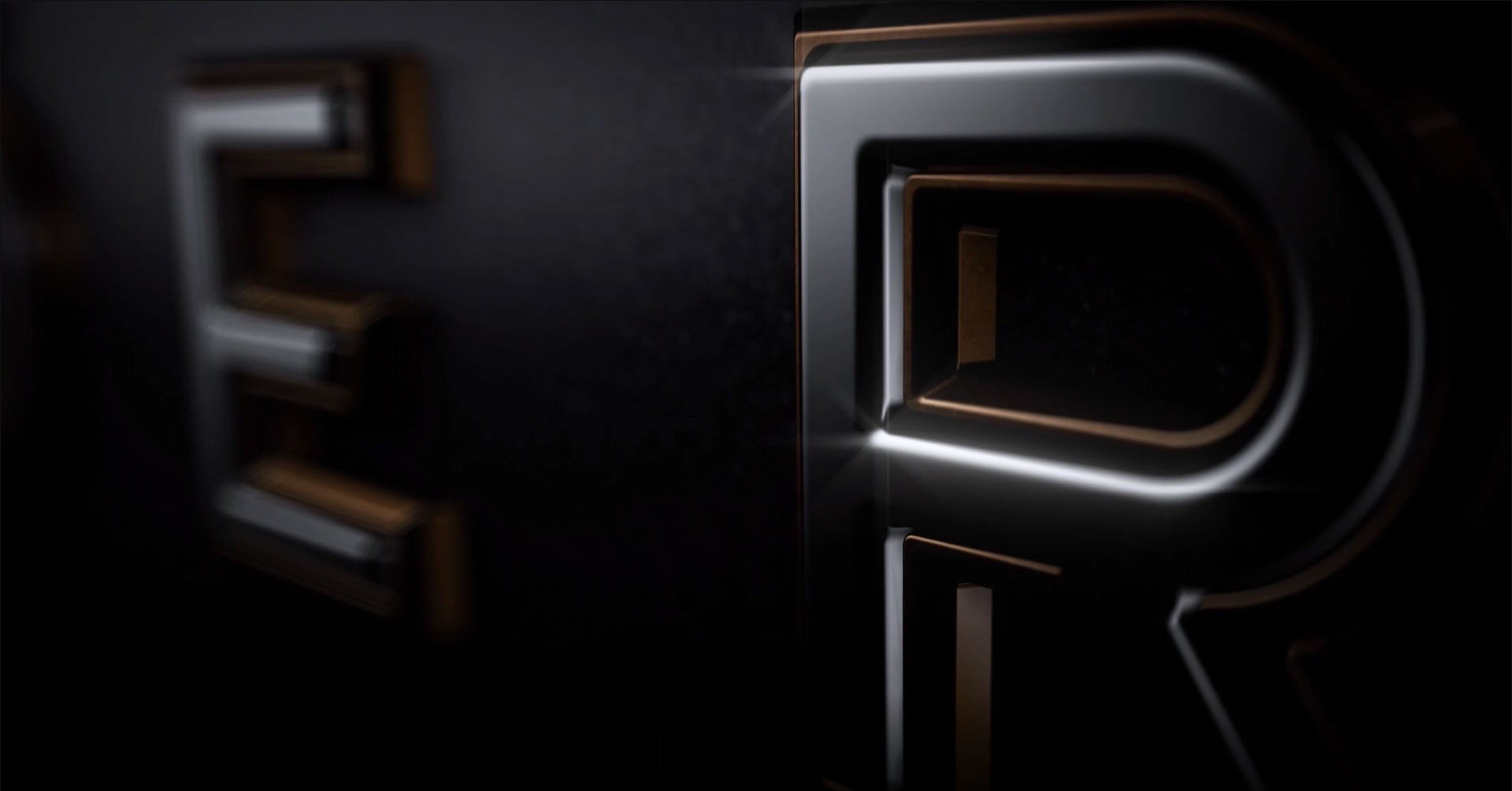
Among the shadowy and very Jeep-like elements teased in the video are the letters ‘E R’ side-by-side.
This has led some media to suggest the Commander name will be ‘revived’, having last been used in the west on a large five- and seven-seat SUV offered between 2005 and 2010.
In the time since, a Holden Acadia-sized Grand Commander has been offered in China, having launched there in 2018. Rather than debuting in the west, the Grand Commander’s place has been filled by the returned and much larger Grand Wagoneer.
Given its smaller dimensions, it remains to be seen if this new upcoming Jeep will take over the not-so-grand Commander badge – but it could see the Liberty name brought back.
Most Australian buyers only know the Liberty as the Jeep Cherokee, given the Liberty name already belonged to Subaru Australia (ironically, because Subaru chose not to use the global Legacy branding in Australia). But, in fact, the Cherokee name actually bookends the Jeep Liberty’s history.
Introduced as a successor to the earlier XJ Cherokee in 2002, the Liberty survived two generations before the Cherokee name returned – as a global model – in 2013.
Since then, the Liberty badge has lived in a drawer at Jeep headquarters. Could it return on this upcoming new model?
Only time will tell, but of course, a Brazil-only sales strategy could easily see the Commander badge used without causing ripples in the global Jeep nomenclature.
MORE: Premium new Compass facelift revealed MORE: Jeep news and reviews
Snapshot
- ‘S’ variant added to Bentayga line-up Hybrid, V8 and Speed siblings
- Stiffer suspension added to compliment electric roll control
- Available as a four, five or seven seat SUV
Bentley’s Bentayga SUV has been given a sportier upgrade with the new ‘S’ slotting between the standard car and the more hardcore Speed variants in the model’s line-up.
The MLB Evo-based 2021 Bentley Bentayga S features the same four-litre twin-turbo V8 which underpins most of the Bentley range and provides 404kW/770Nm to all four wheels, allowing 0-100km/h times of 4.5 seconds.
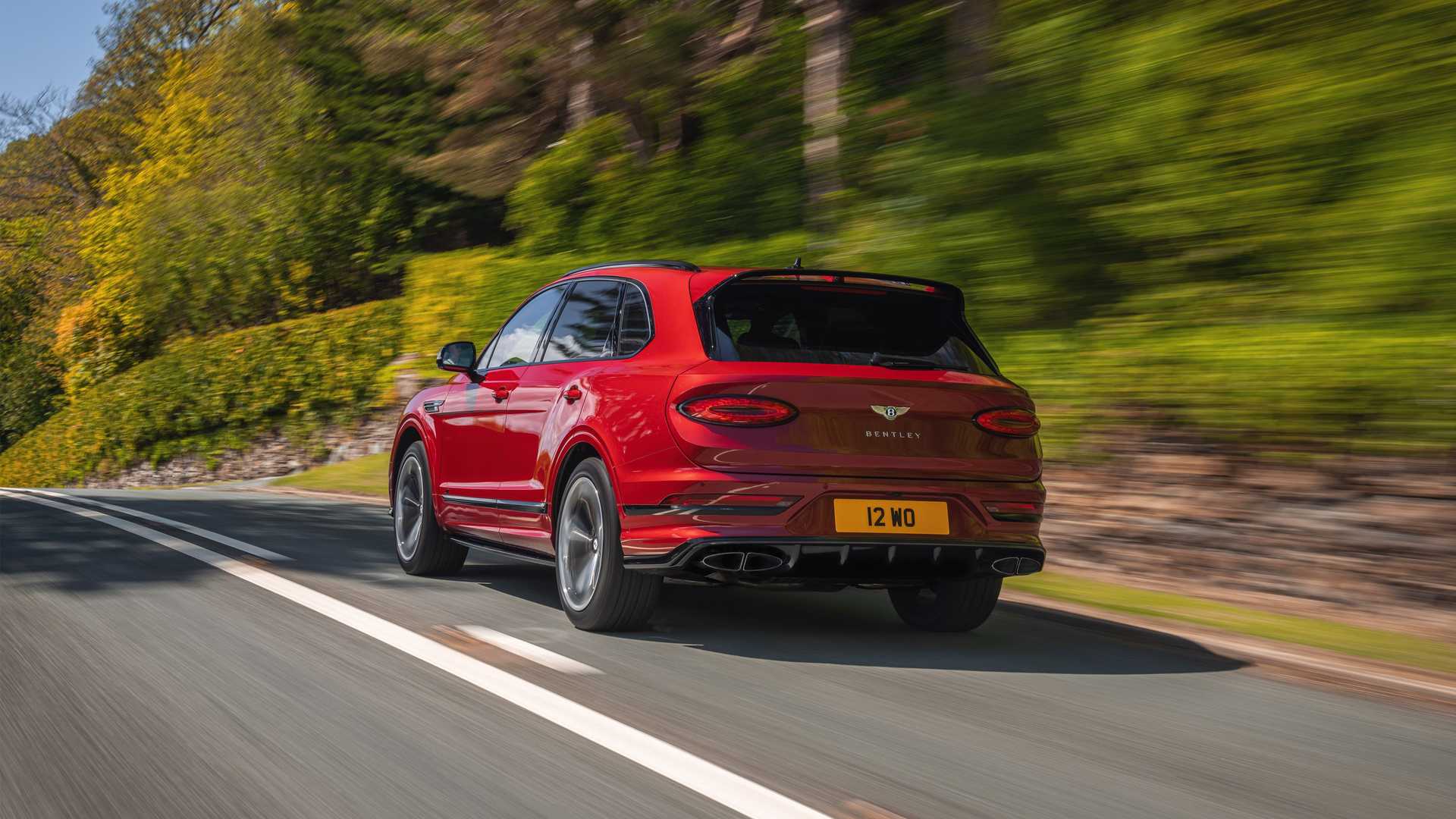
The Bentayga S’s real party piece is its “Bentley Dynamic Ride” system, an active, electronically powered anti-roll system which the team from Crewe say delivers class-leading cabin stability, ride comfort and exceptional handling while retaining maximum tyre contact.
Powered by 48-volt electrics, the anti-roll system can deliver 1300Nm of counteracting force and react to the road in 0.3 seconds. Given the Bentayga S scores a 15 per cent increase to suspension stiffness thanks to the higher pressure in the damping system, delivering a more dynamic ride.
Subtle exterior changes set the S apart from the standard Bentayga, scoring tinted front and rear lights as well as blacked out mirrors, side sills and lower bumpers all round.
At the rear, Bentley has given the Bentayga S a larger rear spoiler which protrudes past the end of the roofline, while the new oval-shaped exhaust tips hide the sportier, more free-flowing exhaust system underneath the car.
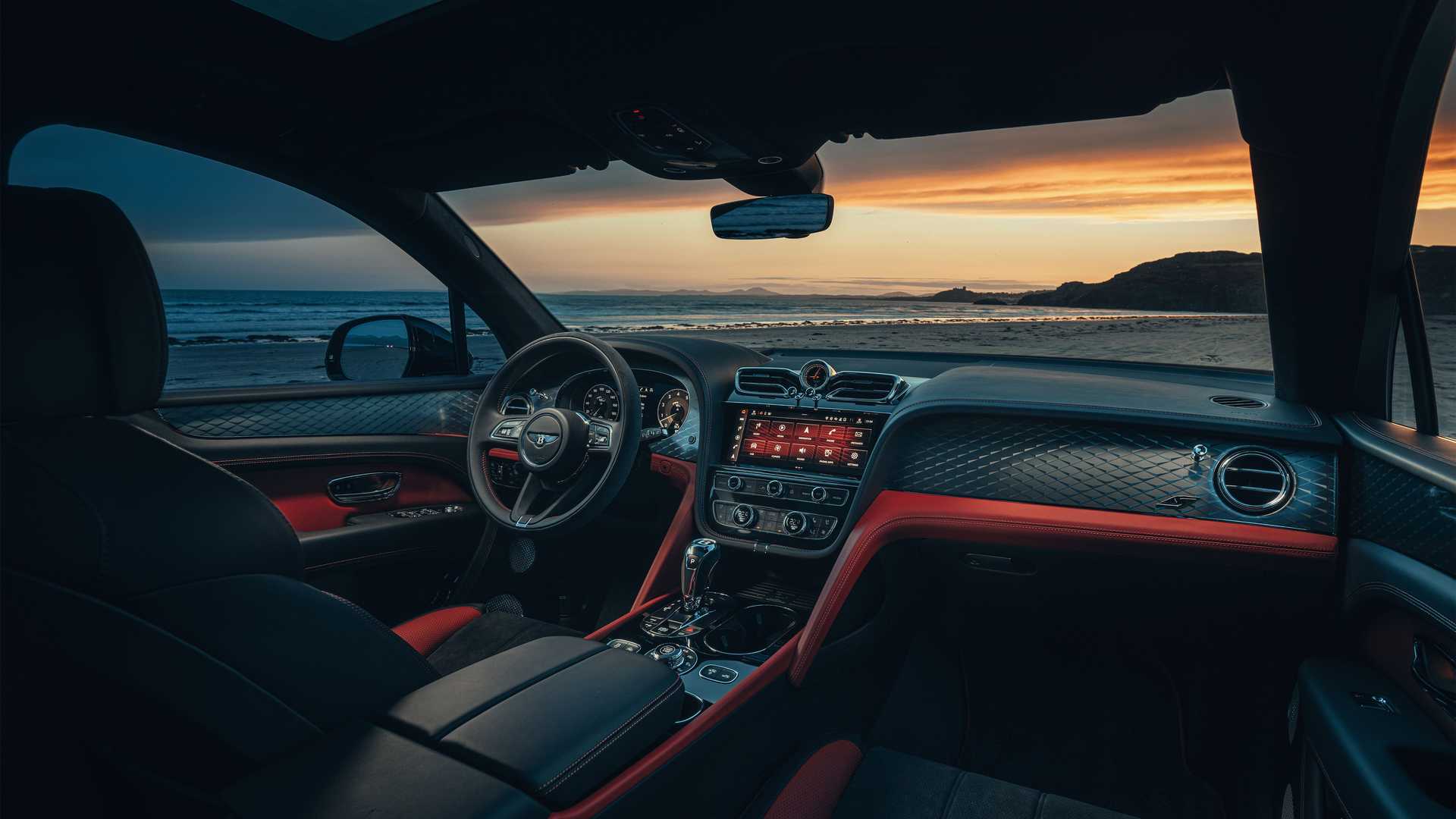
Inside, the cabin is draped in Alcantara, covering most trim pieces from the steering wheel to the dash and gear stick, the latter of which connects down to the eight-speed ZF automatic gearbox. Buyers have the choice of opting for either four, five or seven seats, all embroidered with the ‘S’ motif.
The Bentayga S is expected to arrive in 2022, with local pricing yet to be revealed.
Snapshot
- CX-50 will be a more coupe-style sibling to CX-5
- Mazda is chasing the Mercedes C-Class with what could be called the u201860u2019
- Next-gen Mazda 6 will share FR Large Architecture with the CX-50
UPDATE, November 16, 2021: The 2022 Mazda CX-50 has now been revealed, with an Australian debut ruled out. See our full story here.
The story to here
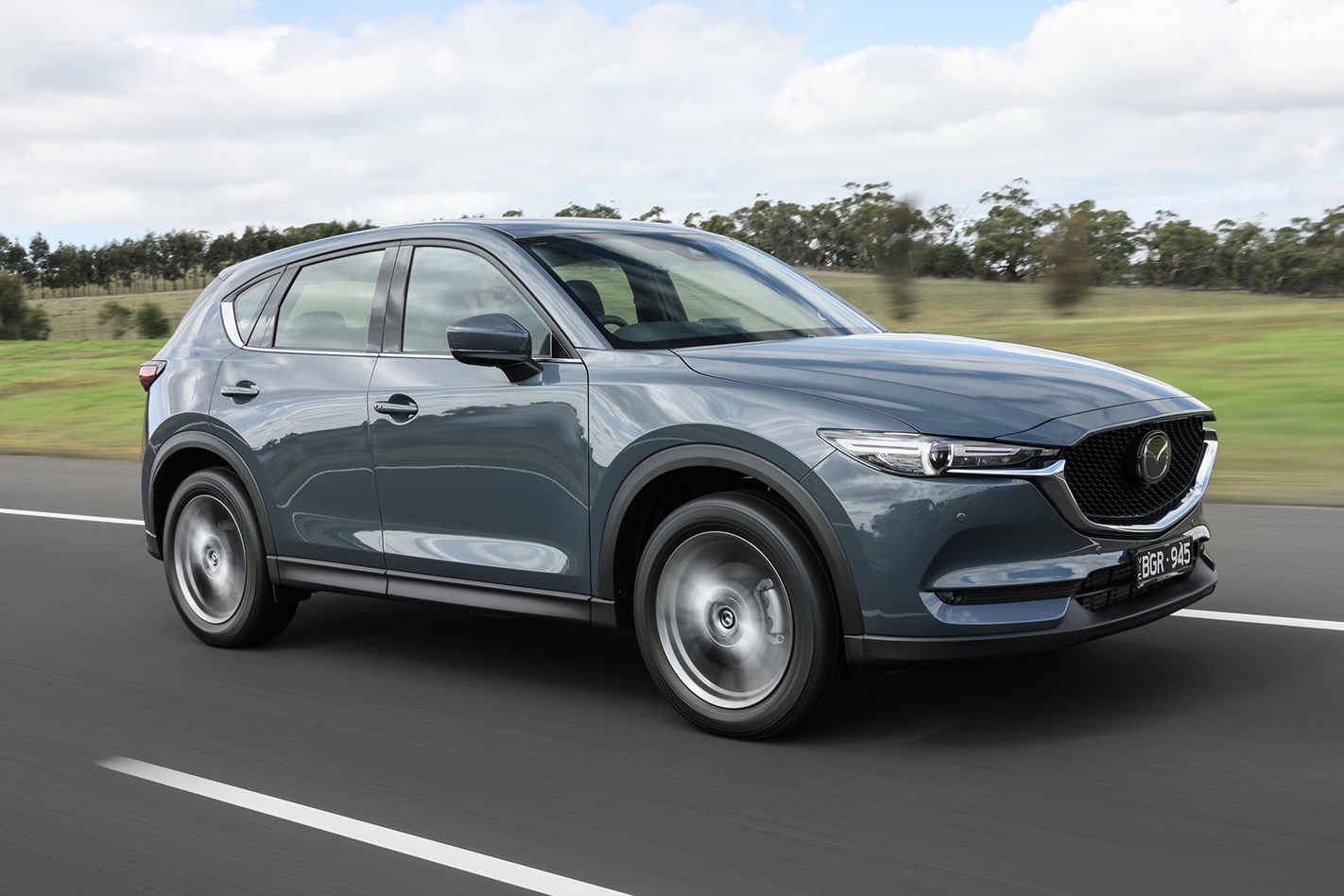
May, 2021: It’s no secret Mazda is moving upmarket, kicking off with the all-new CX-5 replacement, featuring a newly developed rear-drive platform dubbed FR Large Architecture, increased electrification and a level of sophisticated engineering excellence to match or exceed BMW and Mercedes-Benz.
But what might surprise you is how soon all this is happening.
To be unveiled late this year – probably to have been simultaneously at the now-cancelled Tokyo Motor Show and the Los Angeles Auto Show in November – the hugely anticipated CX-50 will be released globally during the first half of 2022.
It showcases what we’ve all been expecting – and hoping for – including an in-line six-cylinder engine in 3.0-litre petrol (possibly in turbo and eventually twin-turbo guises, we hear) and 3.3L turbo-diesel sizes, with 48-volt battery and mild-hybrid technology. All are slated to drive the rear or all four wheels via a new eight-speed torque-converter automatic transmission.
An existing 2.5-litre four-cylinder petrol engine will also serve as the basis for a plug-in EV hybrid (PHEV) version of the CX-50, to give the ultra-successful RAV4 hybrid and prime PHEV models offered elsewhere some very hot competition.
Along with being significantly more expensive, the new CX-50 will be marginally larger than today’s front-drive/AWD-based KF series, but with comparable space and packaging, despite a desirable long-bonnet/cab-backward shape afforded by the switch from a transverse to longitudinal powertrain layout. It will also be sleeker in overall silhouette.
As one Mazda insider put it: “Rear-drive, from a styling point of view, lends itself to enhancing the Kodo design language of traditional long- bonnet/cab-rearward design.”
Seven years in development, and with a high degree of scalability to take in larger and (slightly) smaller SUVs as well as passenger cars, the FR Large Architecture will also usher in new suspension systems, including an advanced multi-link independent rear-end with potentially a degree of four-wheel steering on some grades.
Think about that for a moment. This new strategy is no hasty or foolhardy exercise. It has been part of the plan since Mazda’s independence from Ford in the late 2000s, putting into place a component set that will see the brand’s transition into electrification moving towards the 2030s.
Mazda may be gambling its entire future with such a radical departure from what has clearly worked for the brand since the SkyActiv era of post-Ford models surfaced almost 10 years ago in late 2011, but the fact remains that these new-generation, upscale models break away from the mass-market white noise that is the Toyota RAV4/Honda CR-V/Hyundai Tucson/Kia Sportage segment.
The Hiroshima brand wants to make more money by breaking into the massive premium segment with world-beating, design-focused, engineering-led, highly connected alternatives to the BMW X3, Audi Q5 and Mercedes-Benz GLC.
And why not?
Breaking the mainstream glass sealing with the CX-50 and its offshoots can reap profits beyond anything the CX-5 has managed – especially in the lucrative premium SUV-hungry American and Chinese markets. The time is now.
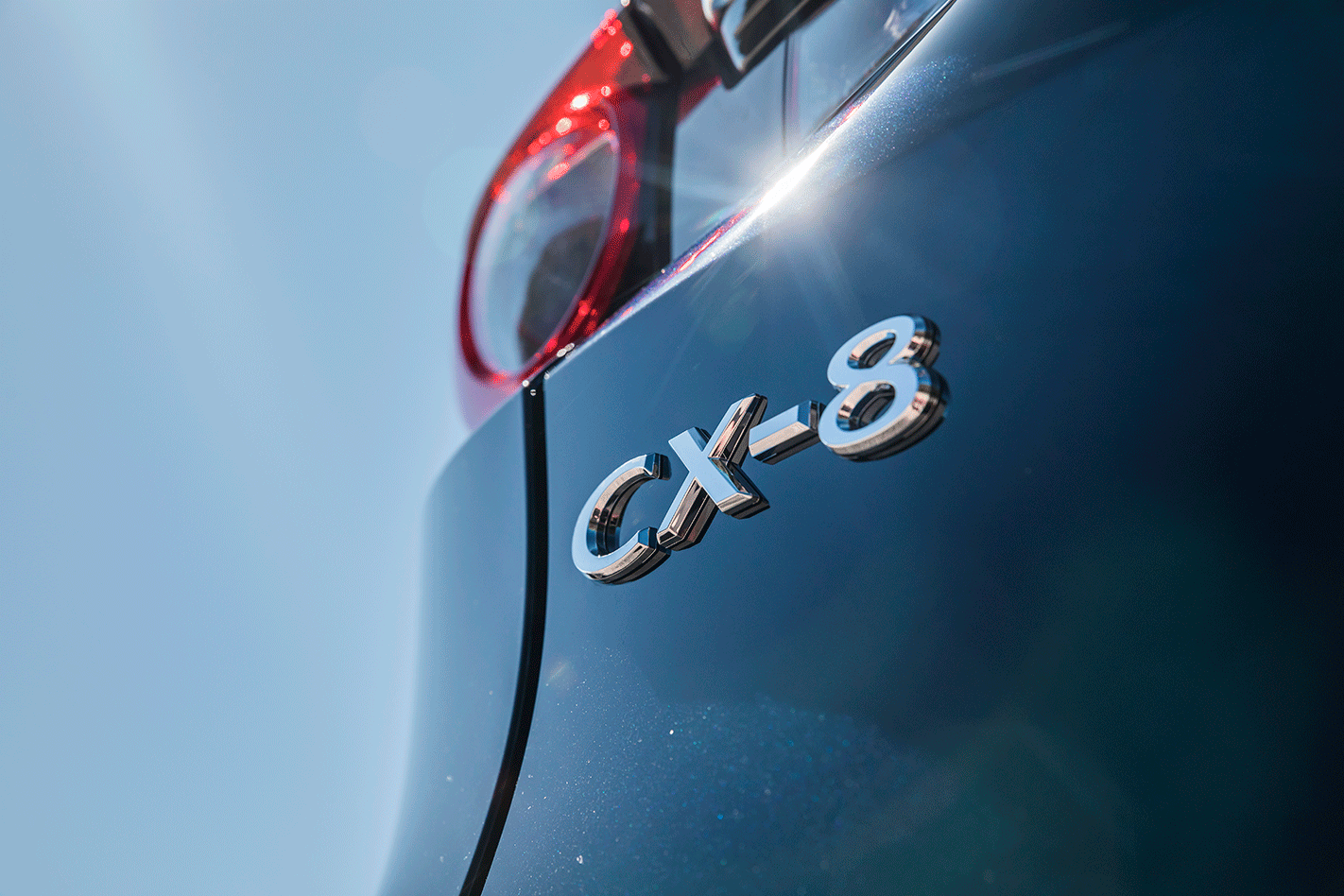
Offshoots? Oh yes. In quick succession from 2022 we will see the three-row version to replace the CX-8, possibly badged CX-70, and it will be joined by the CX-90 as Mazda’s flagship seven-seater SUV, usurping the award-winning CX-9.
Overseas reports also suggest a BMW X6-style coupe-SUV offshoot, with either the CX-40 or CX-60 nomenclature to denote a more rakish silhouette. This and others may come in time, but we understand Mazda is keen to replace the core models first before it moves into the niche products. They simply are not the priority right now.
“It will be about replacing the existing line-up, making sure they are working, making sure there is a viable return on investment, and also making sure that the new models are firing in the US,” said a Mazda insider.
“Once we do that, we can then look at the niche models.”
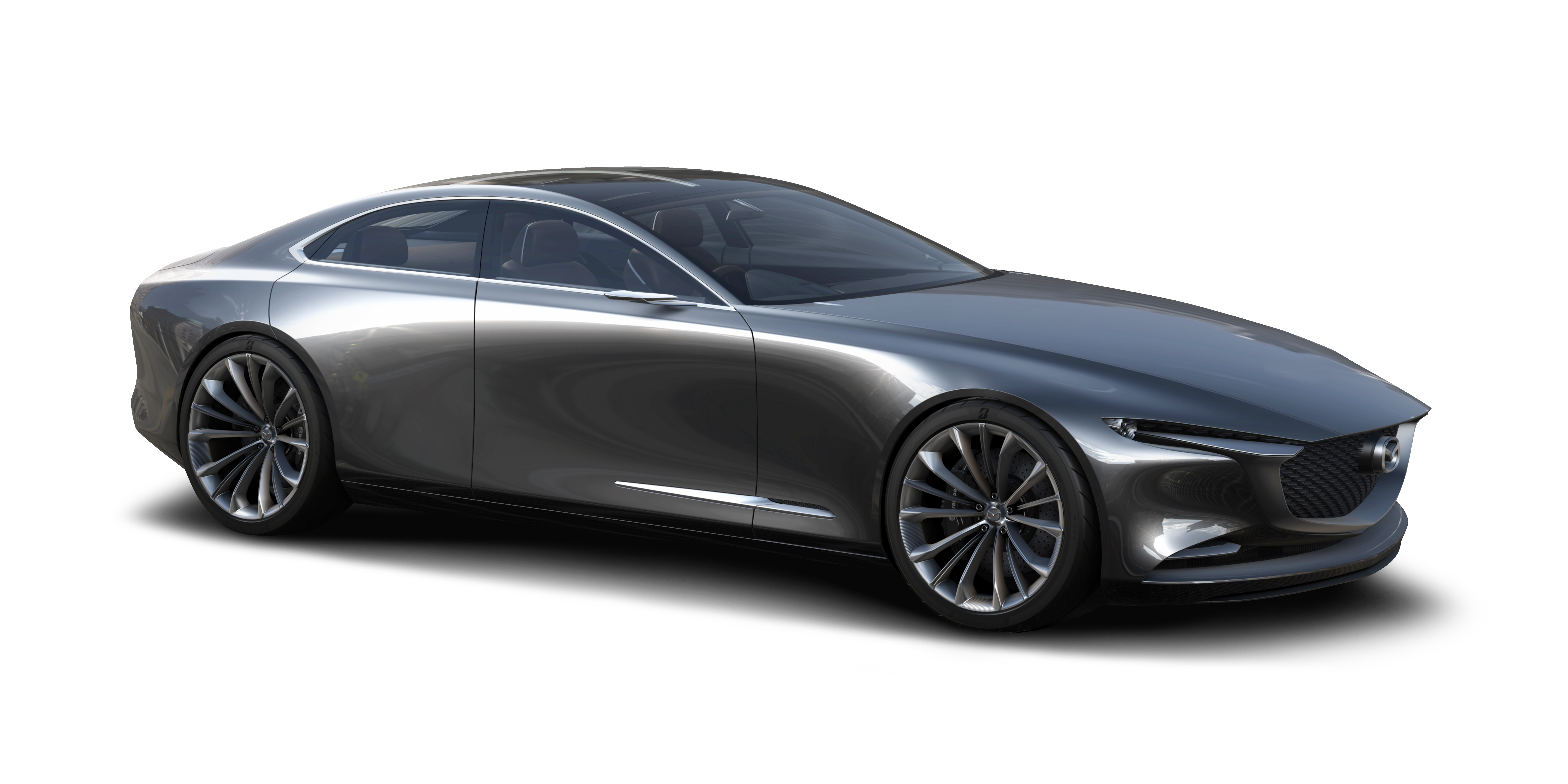
Also imminent is the long-awaited replacement for the Mazda 6, which will follow the CX-50 in migrating to the FR Large Architecture. Will it wear the Mazda 60 name? The achingly beautiful Concept Vision from late 2017 is more than just a strong pointer to what’s coming, highlighting how serious Mazda is at finally taking on the Mercedes-Benz C-Class at its own game.
So, what does all this mean for the 2, 3, CX-3 and CX-30?
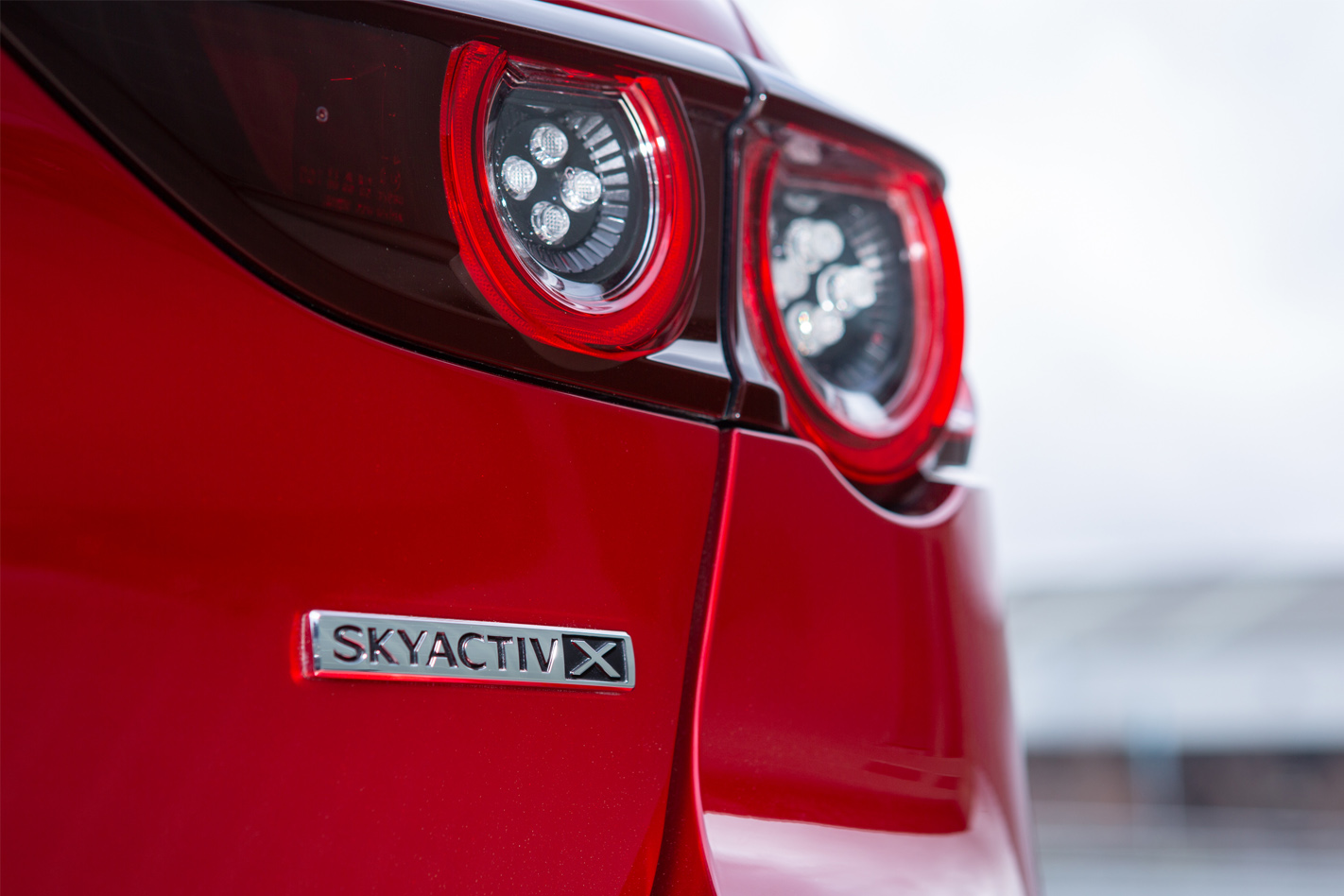
Mazda will continue to evolve the transverse-engine SkyActiv architecture models, but with substantial improvements that should include eight-speed auto, hybrid, PHEV and a broader rollout of its SkyActiv-X supercharged compression-ignition tech.
It is also likely that the CX-3 will be replaced by a light SUV wearing the CX-10 badge.
And don’t forget that the company has an agreement with Toyota to co-develop an all-new electrification skateboard architecture from 2025 onwards, to ensure both brands’ future moving into the 2030s.
With the new FR Large Architecture era dawning, Mazda is certainly on the march upwards.
What about CX-5?
Does the arrival of a larger, swoopier and newer CX-50 mean a fundamental change is also in store for the venerable CX-5? No, is the simple answer.
Just as Mazda continues to sell the CX-3 alongside the newer CX-30, the CX-5’s positioning will remain unchanged, with the CX-50 sold as a complementary offering. That means CX-5 will retain its current dimensions and platform, so it will miss out on the CX-50’s new engines and tech.
Nevertheless, while CX-5 will be half a step behind in development terms, a heavily updated version of the current car is expected to arrive sometime next year.
Mazda and Lexus sedans related?
Will the next Mazda 6 and Lexus IS replacement become closely related under the skin?
With Toyota and Mazda transitioning to a shared electrification skateboard architecture starting from 2025, one scenario doing the rounds is that the next-generation rear-drive Mazda 6’s FR Large Architecture might be adopted by Lexus for its medium-sized sports sedan series.
Sounds far-fetched? With Mazda’s move upmarket, all-new inline-six mild-hybrid engines, rumoured plug-in compatible 2.5-litre four-cylinder SkyActiv-X powertrain and cutting-edge engineering tech, the 2023 6’s component set is shaping up to be blue-ribbon material.
Lexus might struggle to make it look as good, though, if the 2017 Mazda Vision Coupe concept is anything to go by.
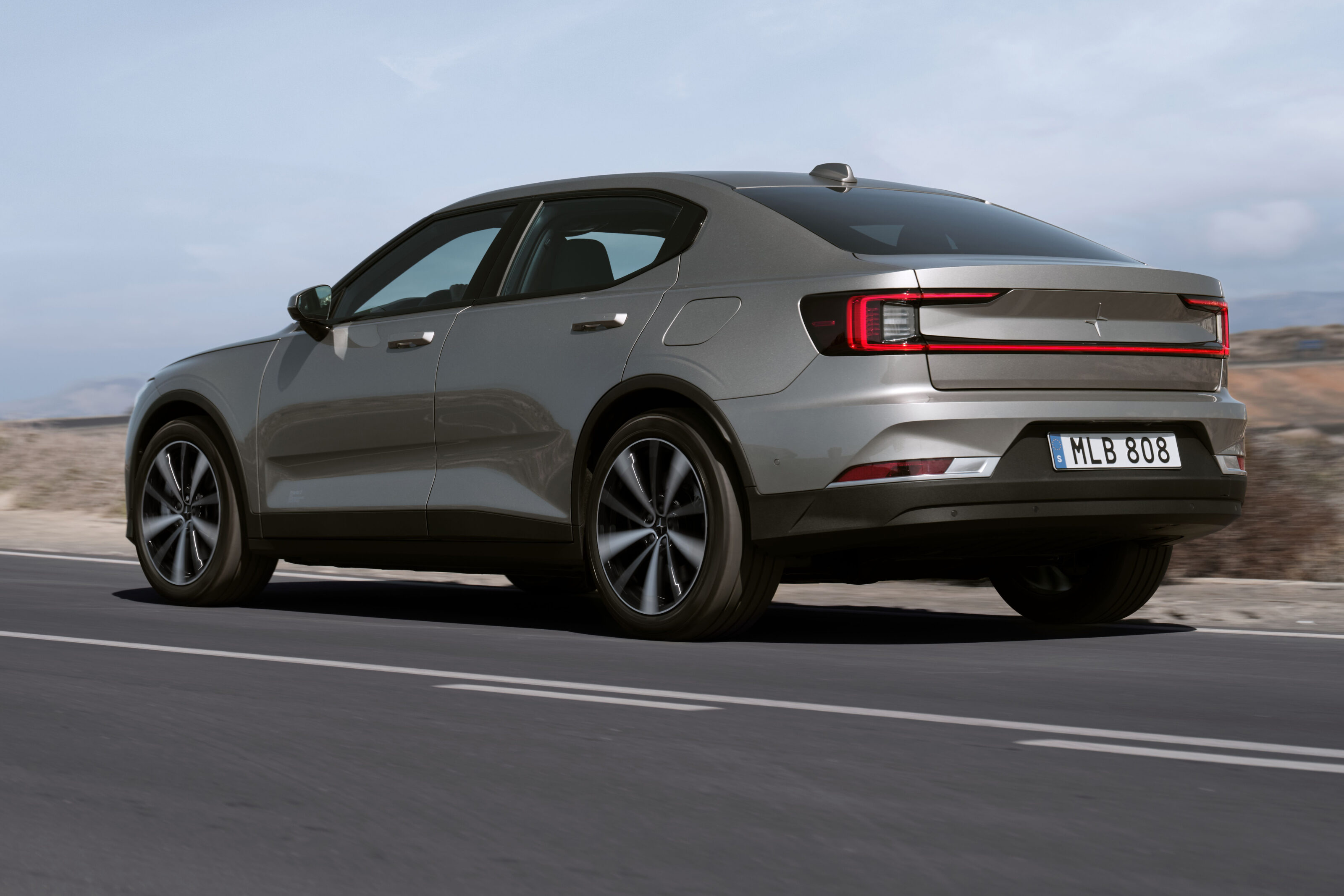
The upcoming Polestar 2 electric vehicle – a coupe-like five-door liftback with a raised SUV stance – will make its Australian debut just before this year is out.
In a statement released today, the electric-only Swedish brand – owned alongside former parent Volvo by Chinese company Geely – confirmed a November window for its first Australian offering.
“Polestar sees considerable potential in the Australian market, which is why it will be one of the first markets to launch as part of the company’s Asia Pacific expansion,” said Polestar Australia boss Samantha Johnson, speaking at a pre-launch event in Sydney with branding outfit Semi Permanent and streetwear lifestyle publisher High Snobiety – a collaboration that likely hints a little at where Polestar sees its Australian demographic.
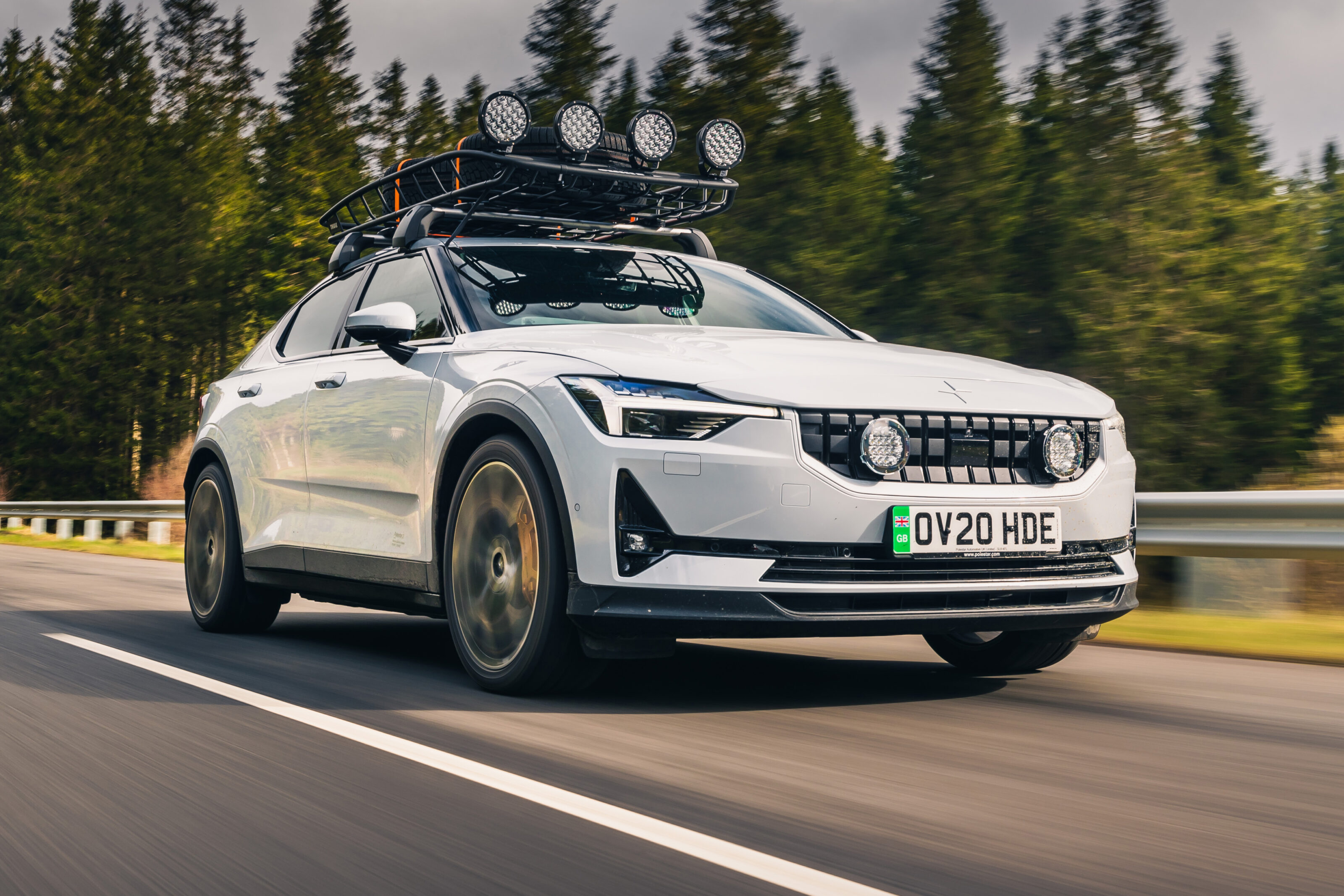
Polestar’s Australian launch will come roughly one year after it launched in the US, where customer deliveries of the Polestar 2 began in December 2020 – a few months later than intended, thanks to COVID-19.
Australian buyers will be directed primarily to the Polestar website to initiate the sales and test-drive experience, although physical ‘Polestar Spaces’ will also be established – and the entire operation will run separately to the Volvo business.
The number and location of Polestar spaces is still to be announced, but the company has confirmed buyers can expect to see retail-like stores in shopping areas, hinting at a model inspired by its natural rival, the American brand Tesla.
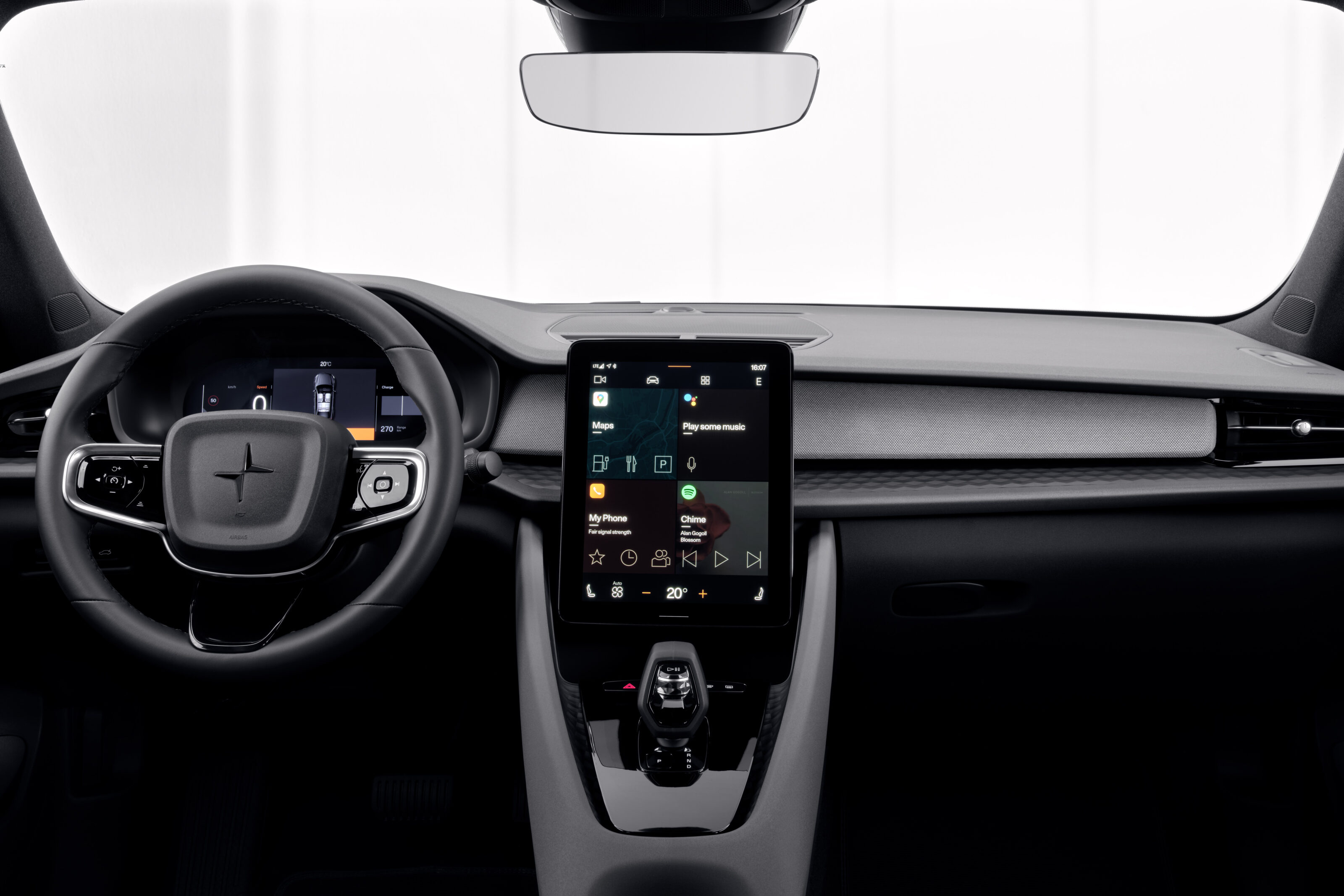
The Polestar 2 was first revealed in March 2019 at the Geneva motor show, debuting with a 78kW battery pack, all-wheel drive with two motors, a claimed 500-kilometre driving range, and outputs of 300kW and 660Nm – numbers which the brand says should ensure a 0-100km/h time of “less than” 5.0 seconds.
In April 2021, the company revealed lower-specification variants, starting with a single-motor, front-wheel-drive 64kWh version (165kW/330Nm; 420-440km range), and another FWD with the flagship 78kWh pack but again only one motor – resulting in 170kW and 330Nm, and a driving range between 515-535 kilometres.
Australian pricing for the Polestar 2 hasn’t been revealed, but in the UK the range begins at around the equivalent of AU$72,000. Overseas pricing is, of course, not always a predictor of what to expect locally.
For more on the Polestar brand, see our links below.
Snapshot
- Peugeot Australia evaluating a number of BEVs for the local market
- 208 and all electric e-208 hatchback also under consideration
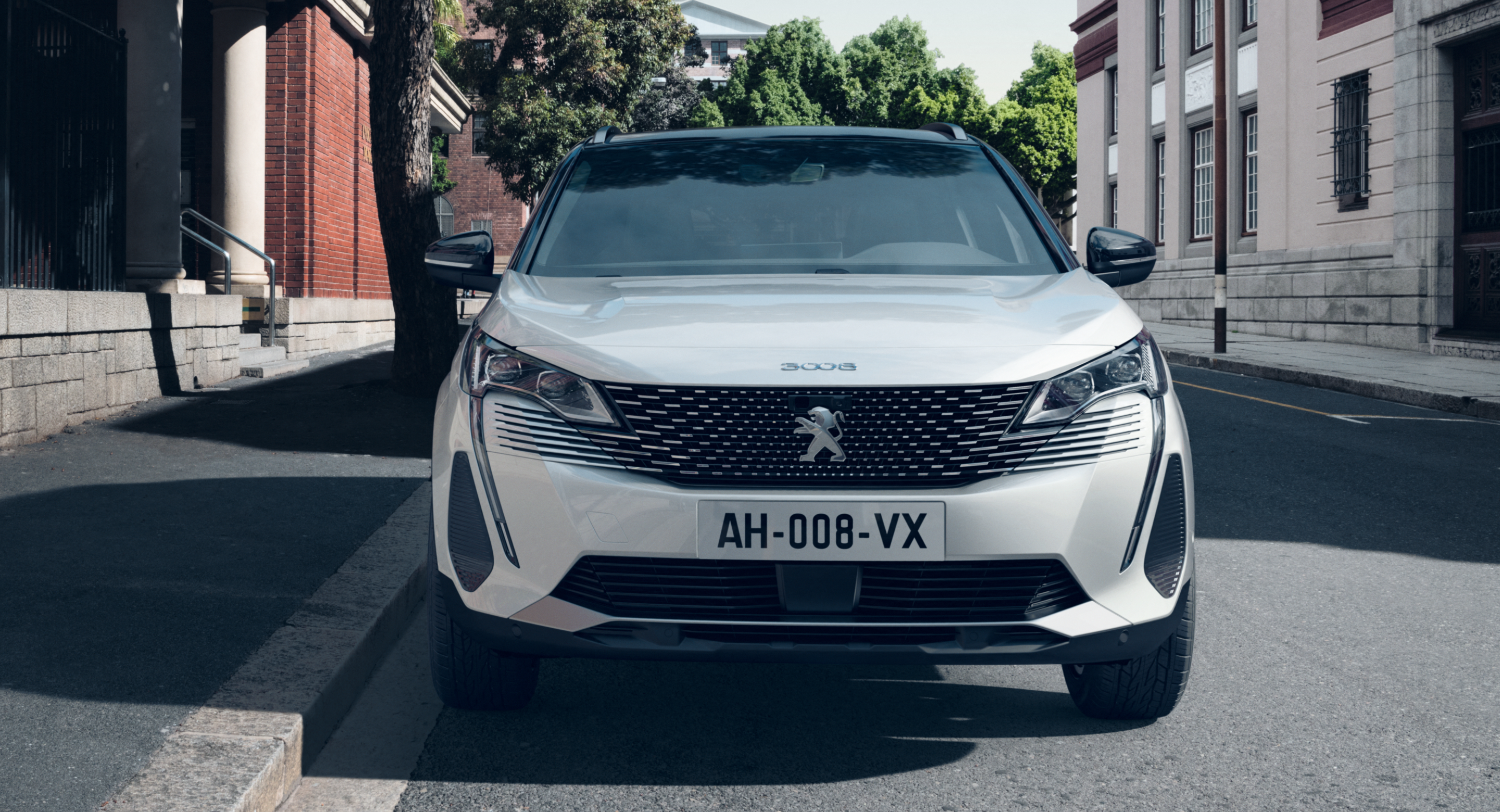
- 3008 Hybrid4 SUV and 508 Fastback PHEV due for fourth quarter local launch
Hot off the heels of Peugeot’s e-Expert Hydrogen van global reveal, the French carmaker’s local arm has announced it will deliver its first battery-electric vehicle (BEV) to Australia in 2022.
Speculation has ramped up considerably of late about which model exactly will be the first BEV to land Down Under, with whispers of an e-2008 compact SUV doing the rounds online.
Speaking with WhichCar, a representative for the French marque said: “In 2022, we will introduce full battery electric variants to the Australian market.
“Whilst we are not currently in a position to confirm what they will be, various studies are underway and favourable. We look forward to sharing more information later this year.”
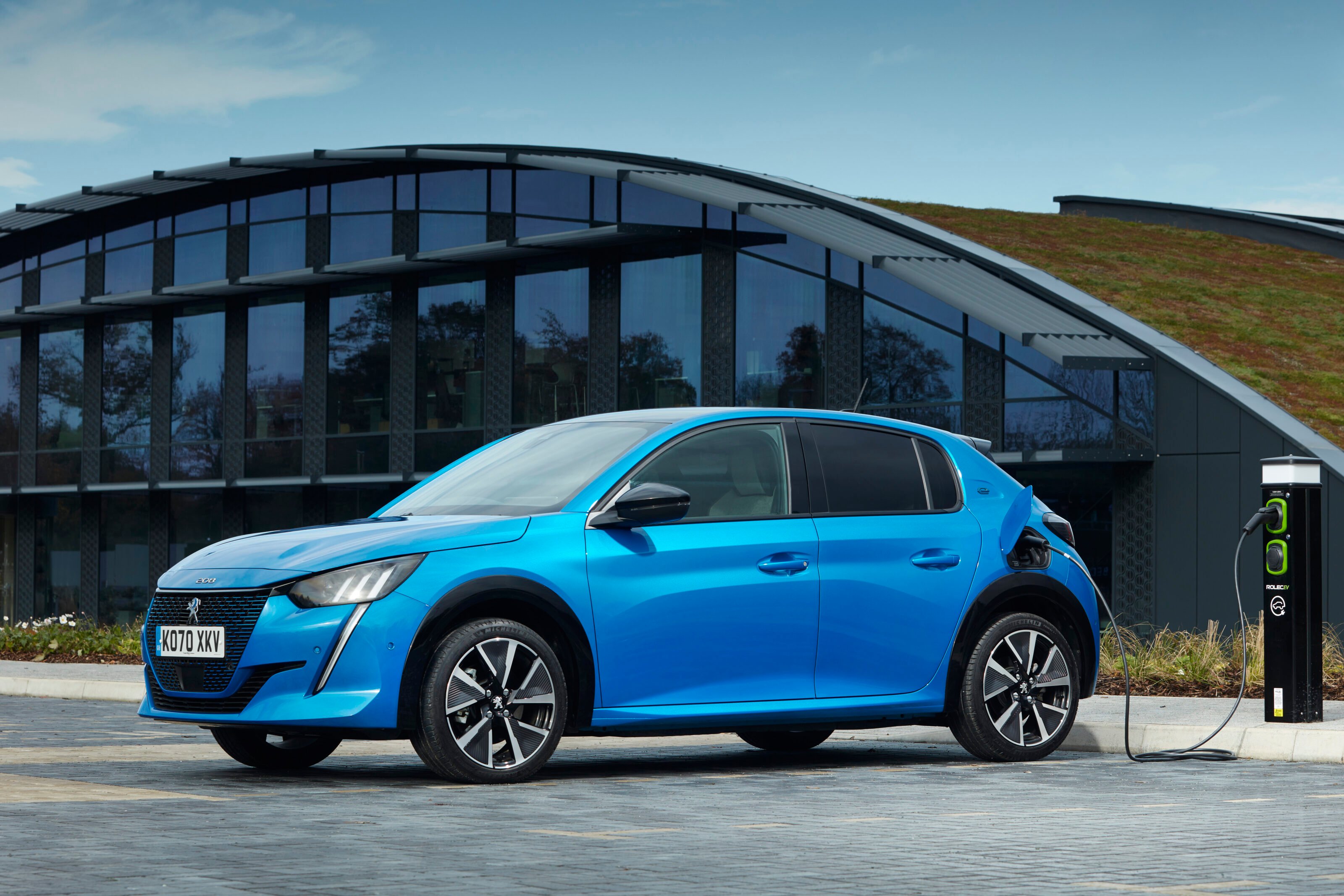
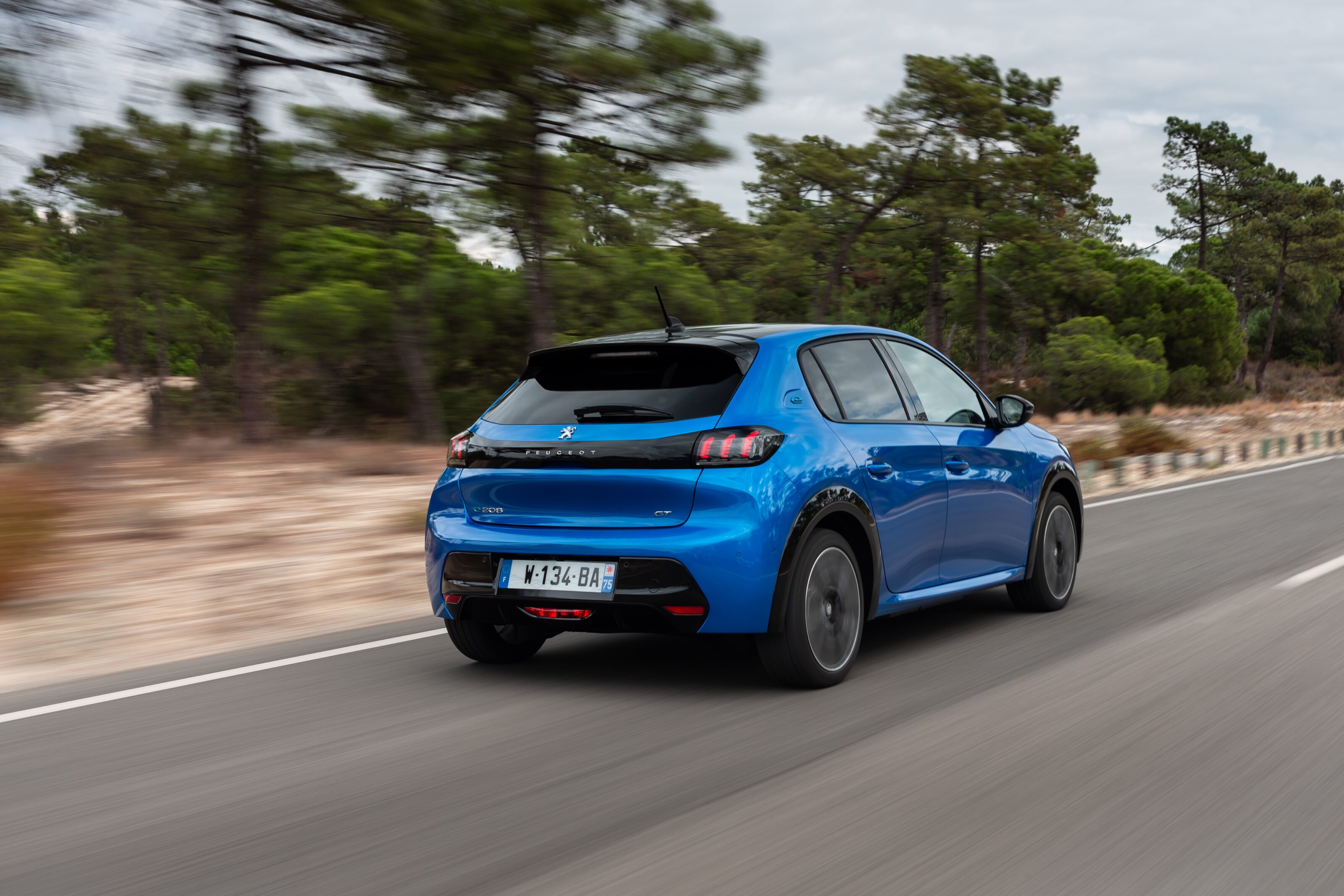
However, the automaker also told us the diminutive 208 hatchback is currently under evaluation for the Australian market, including the all-electric e-208 variant.
A local launch of the electric hatch would be an insightful move from the carmaker, given the Mini Hatch SE has had an uncontested run at the small EV segment since it was introduced in 2020.
And the e-208 would trounce the Mini in terms of driving range, with the French hatch featuring a 50kWh lithium-ion battery pack good for a WLTP-rated 350km driving range (117km more than the Mini).
The e-208 also retails for €30,450 in Europe, which equates to around AU$48,000. If Peugeot could bring its EV 208 to Australia for anywhere near that price, it would also undercut the Mini by more than $5000.
It’s not just electric passenger vehicles Peugeot’s thinking about bringing into the local market either, with the carmaker’s general manager for Australia, Kate Gillis, saying: “Electric variants of Peugeot’s Light Commercial Vehicles are currently under consideration for local introduction.”
Peugeot will kick off its electric offering later this year, with the automaker confirming it will launch both the 3008 Hybrid4 mid-size SUV and 508 Fastback PHEV in the fourth quarter of 2021.
The news comes in the wake of Peugeot’s recent announcement it will offer an electrified variant across its entire model line-up by 2025.
Got a tip-off for a story? Get in touch: [email protected]
Snapshot
- Newly formed Quantum Group tabled an offer of AU$12billion to buy Lamborghini from VW
- Lamborghini entered the VW Group in 1998 after being purchased by Audi
- Consortium of buyers includes former Porsche leaders
A newly formed consortium of British-based investors has tabled an offer to Volkswagen to purchase Lamborghini for €7.5 billion (AU$12billion), according to reports from Europe.
Quantum Group AG is headed up by Piech Automotive co-founder, Rea Stark, whose colleagues include Anton Piech, son of the long-time VW and Porsche boss Ferdinand Piech, as well as former VW Group CEO, Matthias Muller.
It is understood the offer is non-binding and was tabled to the VW Group earlier this month, covering the entire purchase of Lamborghini from its road-car operations to the racing arm of the Italian brand.
VW was understood to have been preparing to list Lamborghini and Ducati publicly towards the end of last year but decided to keep both marques as a part of its 12-brand strong family.
The proposal from Quantum comes with an understanding of partnership between it and the VW Group (through Audi) running a five-year supply deal and retaining current staff, before eventually moving Lamborghini towards a renewable-energy based platform.
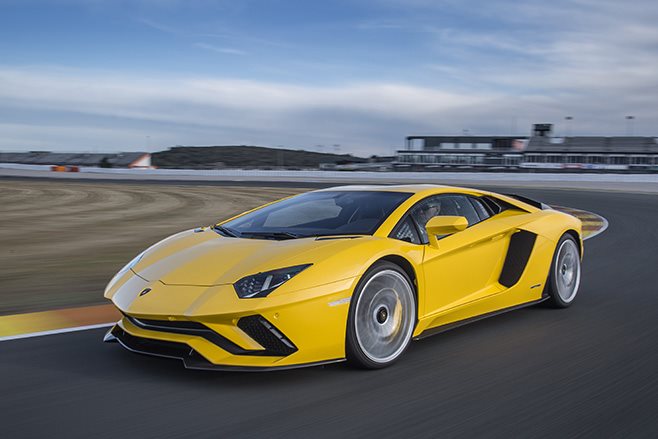
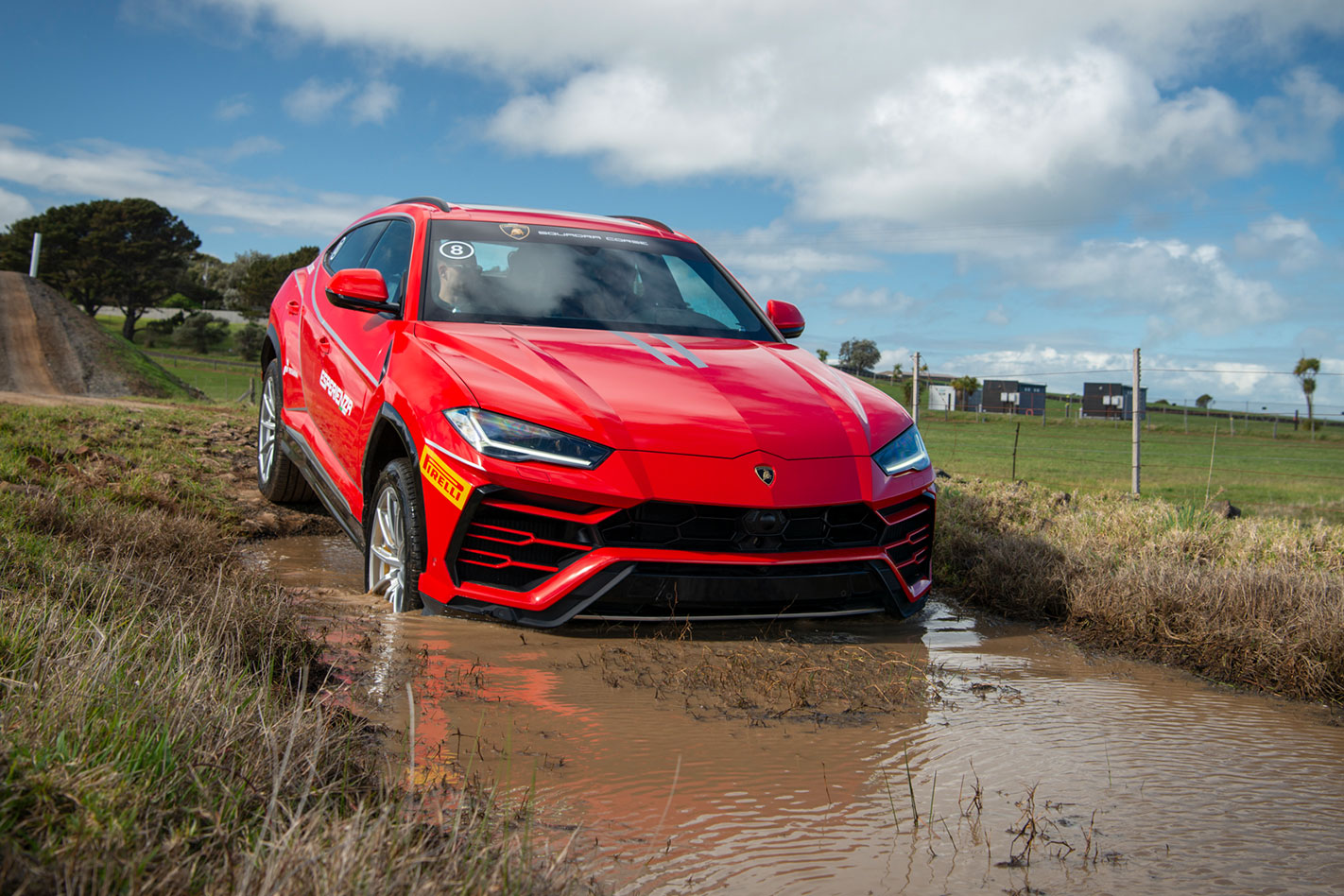
It would be nearly impossible for Lamborghini to continue on with its current model line-up given its heavy reliance on using parts from the wider VW group, essentially calling for a redesign of the Urus, Huracan and Aventador if the automaker was moved away from Audi ownership.
VW has reiterated it will not put Lamborghini up for sale, but both VW Group Chairman Herbert Diess and Audi’s Markus Duesmann are understood to be aware of Quantum’s offer, being sent the “Vision Book” which outlines the proposed purchase.
Despite Lamborghini’s operations shutting down for 70 days in the middle of the COVID-19 pandemic last year, the company only posted a 10 per cent decrease in sales through 2020 off the back of a record 2019, increasing profits to a new high of €1.61billion (AU$2.54billion).
Snapshot
- Available to be ordered now, deliveries to begin at the end of second quarter or start of third
- Certain features such as 3D surround camera no longer come as standard
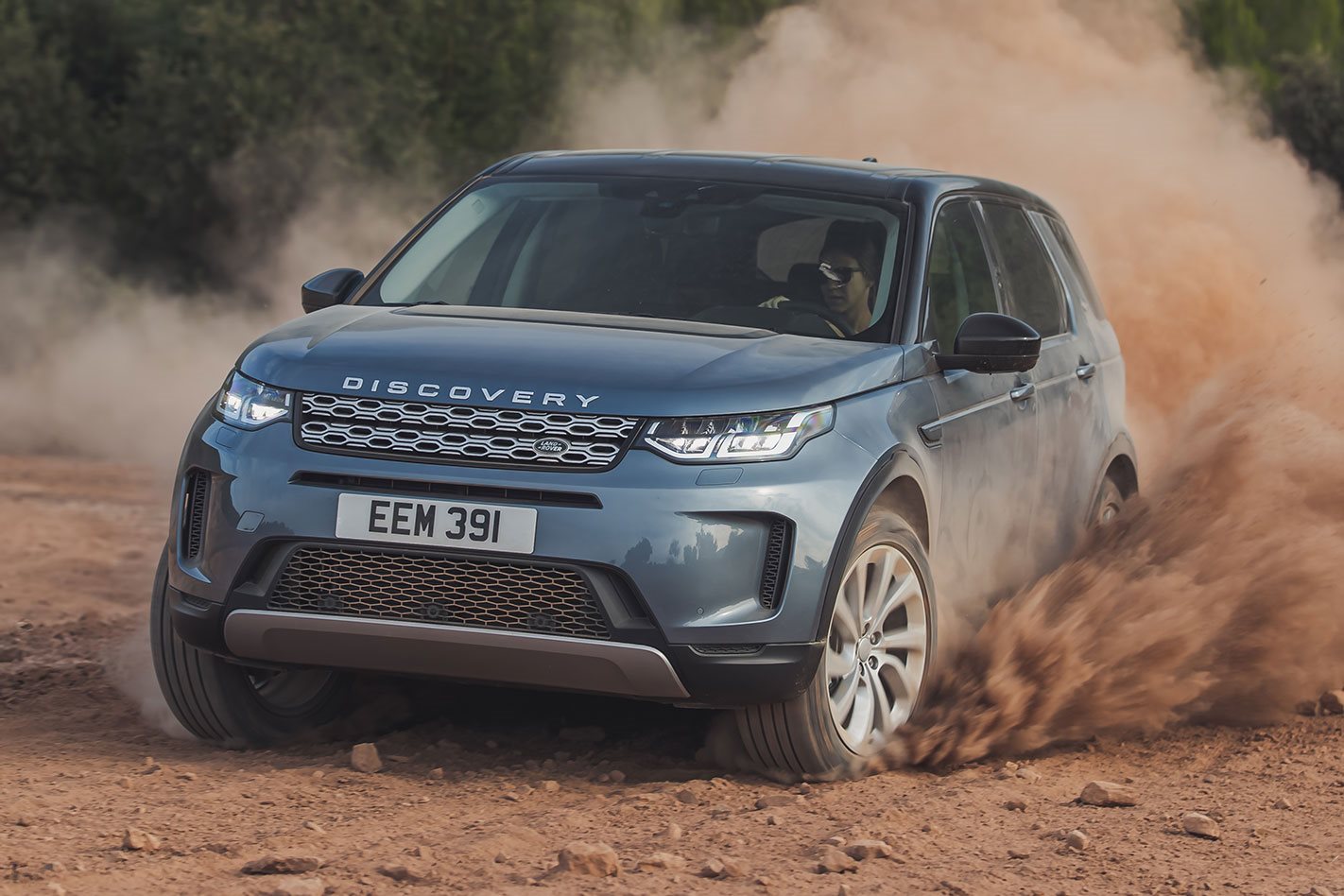
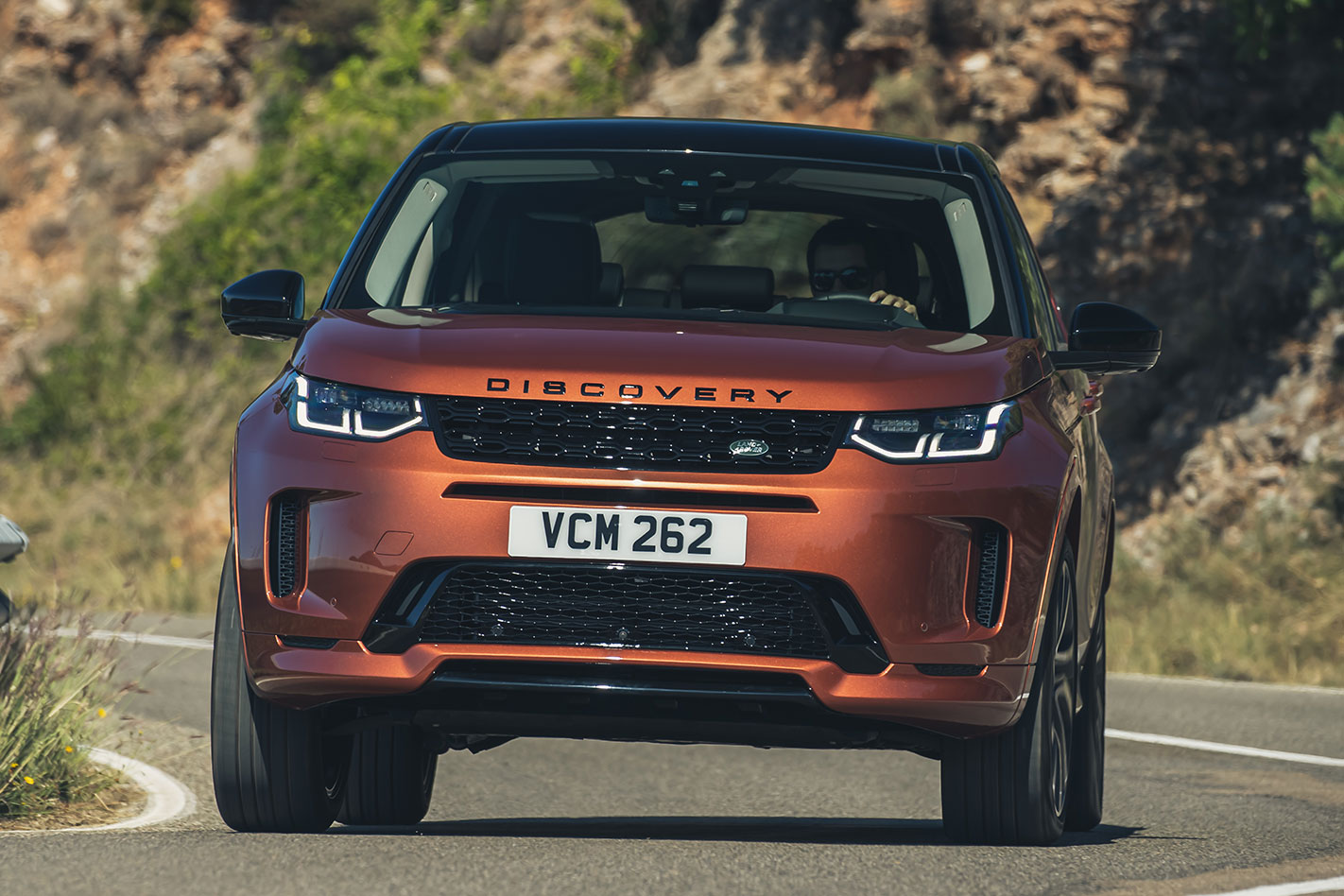
The 2022 Land Rover Discovery Sport local pricing and features details have been revealed for Australia.
Changes have also been made to the list of standard features and equipment the Discovery Sport comes with.
Matrix LED headlights and signature daytime running lights are now standard on R-Dynamic HSE.
However, the Clearsight interior rear-view mirror and 3D surround camera are now optional extras across the range.
Other scrapped options include the tow hitch receiver, suede-cloth steering-wheel loadspace partition net, secure tracker, garage door opener, locking wheel nuts, convenience pack, and premium upgrade interior pack.
The configurable dynamics and adaptive dynamics are no longer available as individual options either. They can now only be had as part of the dynamic handling pack.
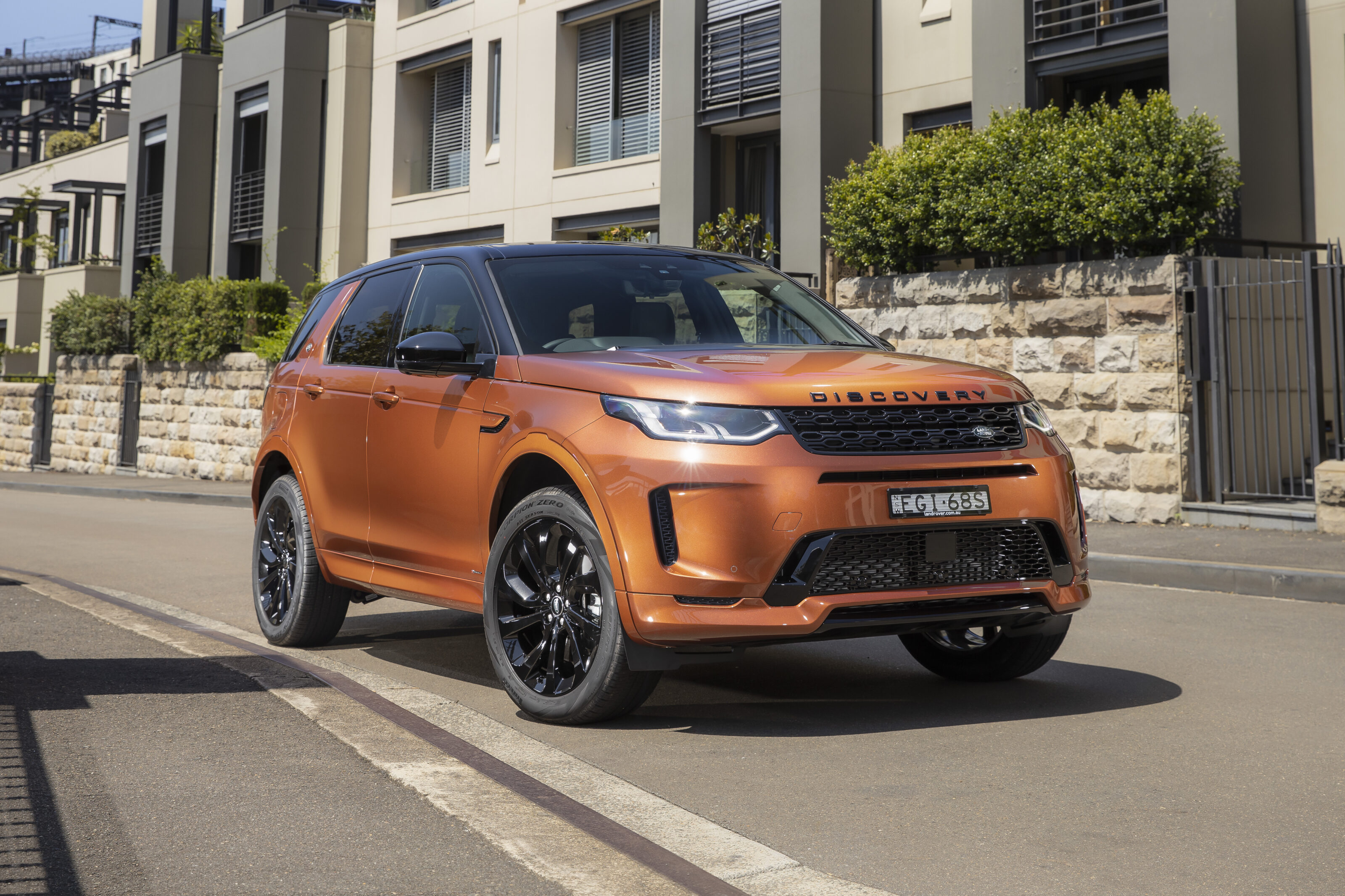
Two new colours have also been added – Lantau Bronze and Ostuni Pearl White, which replaces Yulong White.
Model range and prices
For 2022, the Land Rover Discovery Sport will be available in five different iterations across three different variants – S, SE, and HSE (prices exclude on-road costs):
- Discovery Sport 2.0 P200 R-Dynamic S – $66,810
- Discovery Sport 2.0 D165 R-Dynamic S – $69,110
- Discovery Sport 2.0 P250 R-Dynamic SE – $75,190
- Discovery Sport 2.0 D200 R-Dynamic SE – $76,720
- Discovery Sport 2.0 P250 R-Dynamic HSE – $79,540
Engines, transmission and fuel economy
Powertrains for the Discovery Sport model range remain unchanged, with one petrol and one diesel motor available.
Both the petrol and diesel burner also come in two different states of tune. The petrol unit can be had in either P200 or P250 spec, and the diesel engine in D165 or D200.
The turbocharged 2.0-litre four-cylinder petrol engine produces 147kW and 320Nm in P200 guise, and 183kW/365Nm in P250. On the ADR combined cycle, both return an economy rating of 8.1L/100km.
The less powerful turbo-diesel D165 gets 120kW and 380Nm, while the D200 makes 150kW and 430Nm. Both examples have a fuel economy rating of 5.7L/100km on the combined cycle.
Petrol powered examples score a 67 litre fuel tank, while diesel examples get a slightly smaller 65 litre tank.
All Discovery Sport models send power to all four wheels through a nine-speed automatic transmission.
Features
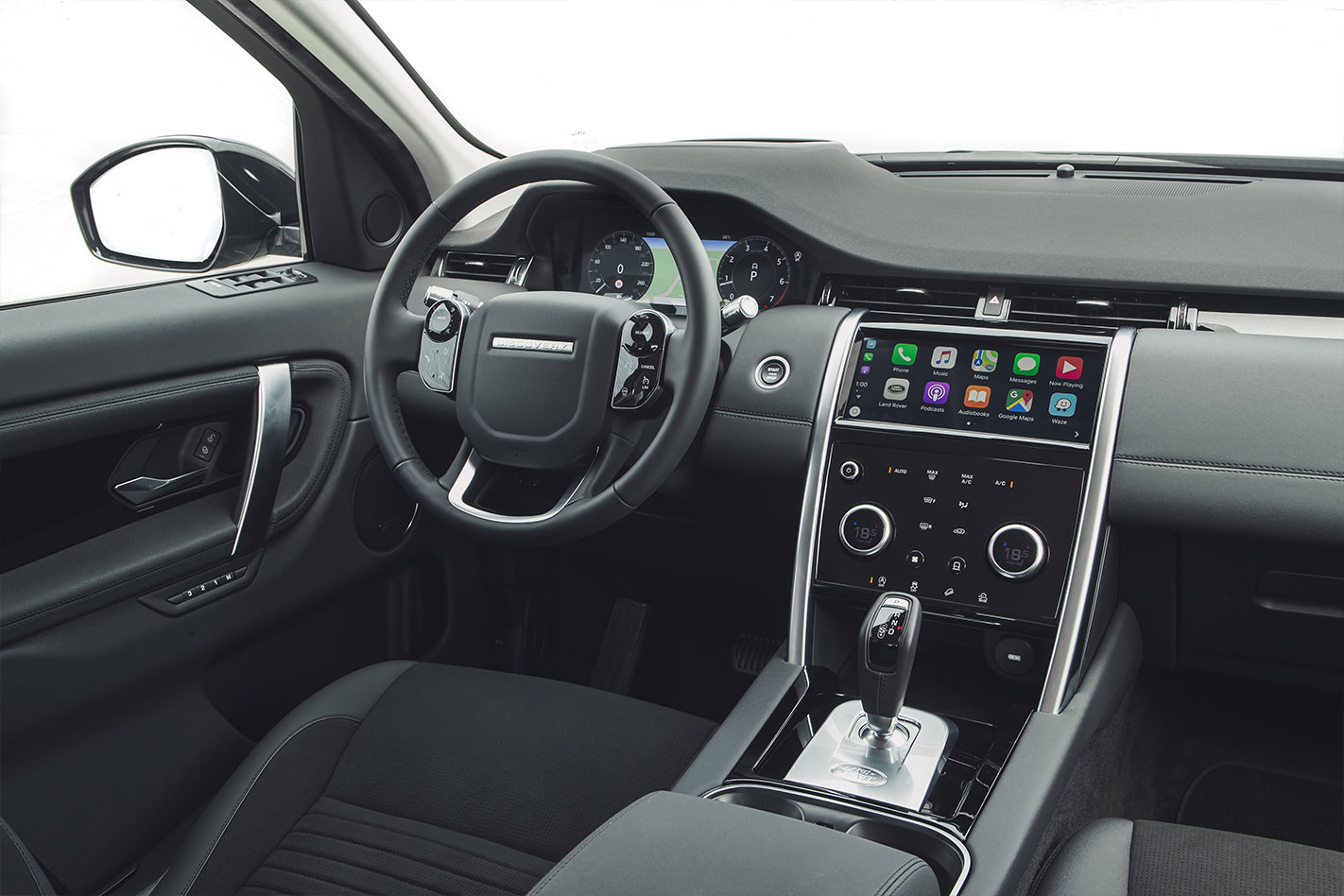
The entry-level S P200 and D165 R-Dynamic Discovery Sports come equipped with:
- 10-inch touchscreen infotainment display
- Android Auto and Apple CarPlay
- Dual-zone climate control
- 12-way adjustable powered front seats
- Keyless entry and go
- Leather-wrapped steering wheel
- Leather or Luxtec/suede upholstery
- Six-speaker hi-fi
- Powered tailgate
- Auto-dimming interior mirror
- Black exterior pack
- Heated and power-folding mirrors
- Rain-sensing wipers
- Automatic LED headlights
- All Terrain Progress Control
- Terrain Response 2
- 18-inch alloy wheels
- LED headlights with signature daytime running lights and auto levelling
- Auto high-beam
- 12-inch digital dash
- 12-way powered front seats with driver’s memory function
- 20-inch alloy wheels
- Matrix LED headlights and signature daytime running lights
- 14-way powered front seats with driver’s memory
- 10-speaker Meridian hi-fi
- Leather-wrapped steering wheel
- Full-leather upholstery
- Illuminated metal sill plates
Safety
When it was first released in 2015, the current-generation Land Rover Discovery Sport achieved a five-star ANCAP safety rating and an adult occupant protection rating of 93 per cent.
As standard, all Discovery Sport models come with the following safety features:
- Emergency Braking
- Blind Spot Assist
- Rear Camera
- Clear Exit Monitor
- Adaptive Cruise Control
- Lane Keep Assist
- Rear Collision Monitor
- Rear Traffic Monitor
- Traffic Sign Recognition and Adaptive Speed Limiter
- Driver Condition Monitor
- Front and Rear Parking Aid
Dimensions and towing capacity
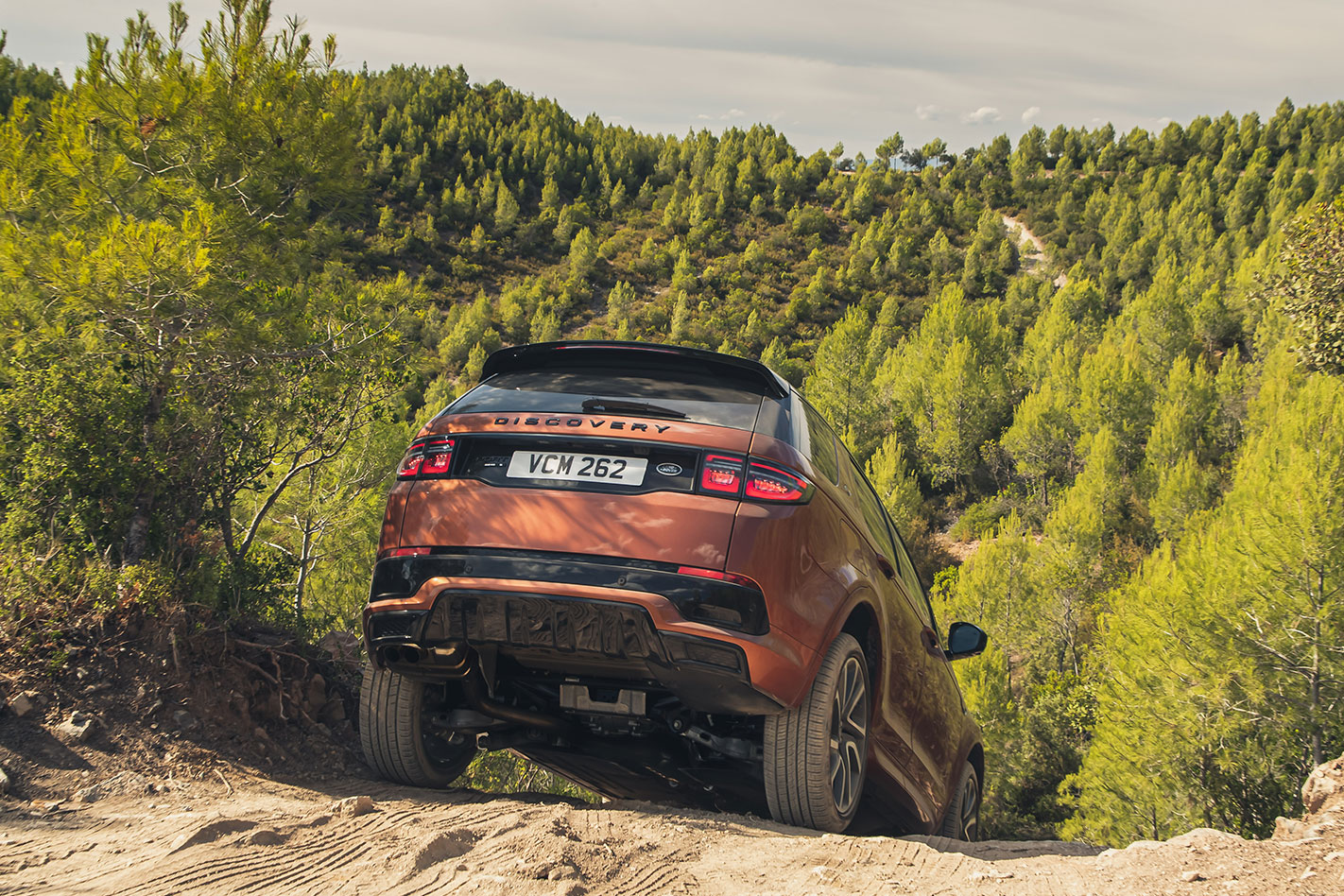
All of the Land Rover Discovery Sport variants share the same dimensions, measuring 4597mm long, 2069mm wide, and 1727mm tall. The wheelbase measures 2741mm.
For the petrol-powered examples, maximum braked towing capacity is rated at 2000 kilograms, while the diesel motors can pull slightly more at 2200 kilograms.
Warranty and servicing
Like all Land Rover products, the Discovery Sport comes with a five-year/unlimited-kilometre warranty and five years roadside assistance. Five-years servicing plans are also available to purchase.
Availability
WhichCar has confirmed the 2022 Land Rover Discovery Sport can be ordered now.
However, due to COVID-19 and the current semiconductor shortage, the Land Rover factory is currently closed.
This means the earliest we’ll see a 2022 Discovery Sport on Aussie roads is towards the end of the second quarter or the beginning of the third quarter of 2021.
Snapshot
- Customer’s 2016 Triton consumed more fuel than 2008 model despite efficiency sticker stating the opposite
- Industry bodies say there’s a difference of up to 59 per cent between efficiency labels and real world tests
- Australian testing still yet to be overhauled despite fallout of Dieselgate
The Victorian Supreme Court’s ruling on a case relating to Mitsubishi and one of its customers may change how vehicles are tested before going on sale to the public.
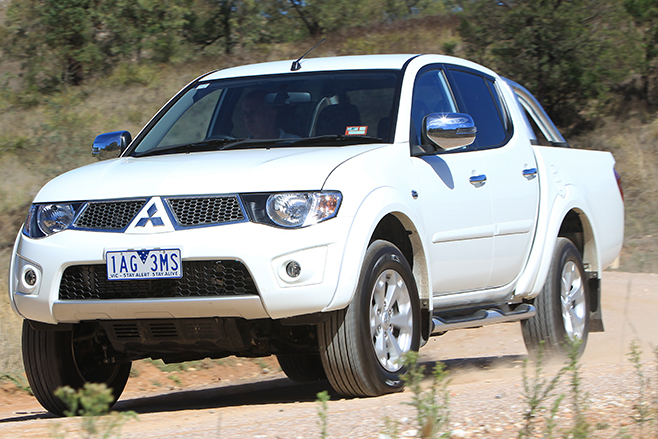
A major discrepancy in fuel consumption between a 2008 Triton and the newer 2016 model saw Mitsubishi taken to court by one of its customers, Zelko Begovic, first through the Victorian Civil and Administrative Tribunal (VCAT) and then the Supreme Court.
Mr Begovic was able to prove that while the Japanese marque claimed his 2016 Triton has a lower fuel consumption than his previous 2008 model according to the fuel consumption label on the vehicle, in the real world the results were reversed – the court calling the labelling “misleading and deceptive”.
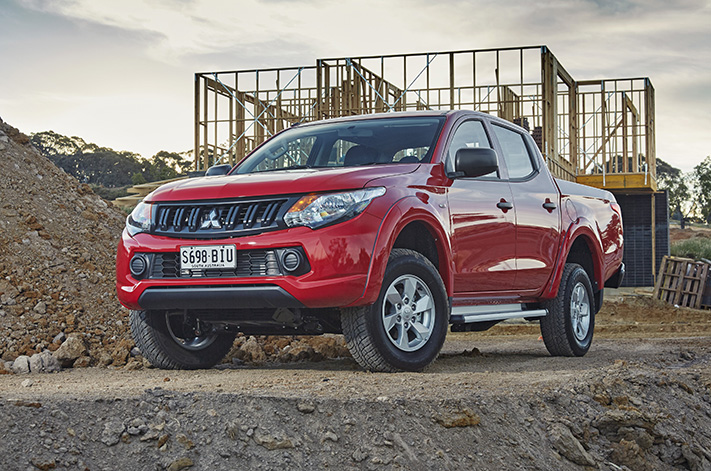
Through keeping a log of his fuel and holding on to receipts when he filled the vehicle up, Mr Begovic won his case against Mitsubishi through VCAT in 2019 but an appeal from the Japanese brand saw it escalated to the state’s Supreme Court.
As part of the 2019 case, Mitsubishi was ordered to pay back the $39,500 purchase price of the Triton after an independent tester, as well as one of its own technicians, was unable to match the claimed economy ratings. The payment was put on hold however when the case went to appeal, and a ruling on any damages which need to be paid has yet to be handed down.
Findings from the case show Mitsubishi had complied with the Government prescribed ADR 81/02 test but the results were not reflective of the Triton’s real world consumption figures, reigniting the debate about a growing need to change legislation.
“I accept the applicants’ (Mistubishi) submission that the label represented the 2016 Triton had been tested in accordance with ADR 81/02 and the results of those tests were as stated on the label,” read Judge Tim Ginanne’s ruling.
“The label contained no representation about the Triton’s actual fuel consumption but, I consider that a reasonable consumer reading the label would consider it indicated information about the vehicle’s fuel consumption, and they would take it to represent that, if the vehicle was retested under ADR 81/02, it would produce similar results.
“After all, the label was intended to be read by consumers and was titled ‘Fuel Consumption’. The reasonable consumer would be entitled to regard the fuel consumption details as an accurate base on which to make comparisons with other vehicles’ fuel economy and on which to make adjustments for the real world driving conditions the consumer was likely to encounter.
“Although that necessary adjustment process meant the label did not tell the consumer what the vehicle’s actual fuel consumption would be, it provided key information to enable the consumer to make an informed estimate of what the actual fuel consumption would be.”
Despite the Supreme Court ruling in favour of Mr Begovic, it stated Mitsubishi had complied with the law and the vehicle wasn’t defective, bringing instead into question the standard of tests which are run in Australia to determine a car’s advertised fuel efficiency, something the Japanese manufacturer has welcomed.
“Mitsubishi Motors Australia Limited takes its obligation to comply with the law very seriously,” said a Mitsubishi spokesperson.
“We were pleased to see that there is no suggestion that Mitsubishi Motors did anything other than to comply with the law when conducting the Government mandated fuel consumption tests it depends upon to publish like-for-like consumer comparison data on the Government mandated fuel consumption labels.
“We are taking further advice regarding our options. In light of that, it is not appropriate for Mitsubishi Motors Australia Limited to comment on this matter further.”
The Australian Automobile Association (AAA) says federal regulators have been aware since 2015 that laboratory tests used to enforce environmental controls are providing misleading information on vehicle fuel consumption, something which is currently outside the control of manufacturers like Mitsubishi.
AAA Managing Director, Michael Bradley, believes Australian testers have been too slow to react, stating their European equivalents changed how they undertook tests soon after the Volkswagen Dieselgate saga came to the fore.
“[Since Dieselgate] jurisdictions around the world [have] improved their oversight of car maker performance and the information being provided to consumers,” Mr Bradley said.
“The European Union has incorporated real world testing into its vehicle regulation framework, but in Australia, consumers are still only told how new cars perform in the laboratory.
“AAA research shows Australian cars use up to 59 per cent more fuel in the real world than advertised, and their noxious emissions are up to 625 per cent over Australian regulatory limits.
“The gap between laboratory and real-world performance has been widening every year, and consumers are each year receiving poorer information regarding fuel consumption and environmental performance.”
The AAA is calling on the Federal Government to copy the European Union’s real world test procedure and introduce an Australian real-world test program that can provide consumers and fleet buyers more valuable information on a vehicle’s noxious emissions, greenhouse gas emissions and fuel consumption.
